
Shopping Sangeet Fabric Online: Checks Before You Buy
Buying Online Guides · Draft 23 October 2026 Buying sangeet fabric online starts with a dance plan, not a colour swatch alone....

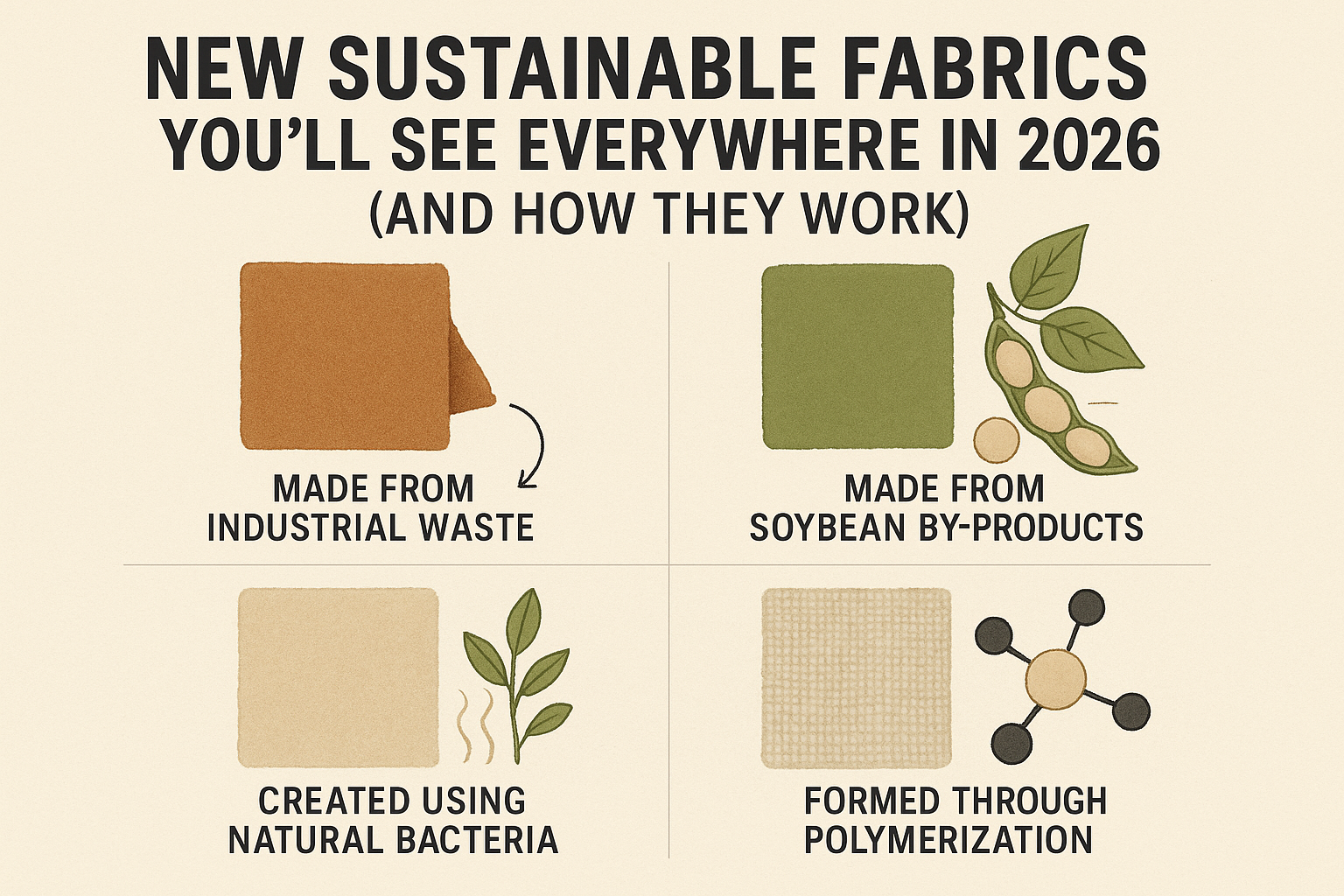
Fashion is now focusing on sustainability. Google searches, designer moodboards, and retail purchasing decisions are all driven by this trend. You may have noticed an increase in searches for eco-friendly fabrics, low-impact textiles and recyclable materials if you've been following Google Trends recently. Are you updating your product range for conscious consumers or planning your 2026 collection? We'll take a look at some of the new sustainable fabrics set to dominate this industry.
These new generation textiles are more than just a buzzword. These textiles are practical, scalable and perfectly aligned to what Indian fashion designers and buyers want today.
Three major shifts have impacted the way brands are positioning themselves.
You are looking for fabrics with a luxurious look, premium feel, and reduced environmental impact. These materials offer it all.
The bio leather industry is growing rapidly. It uses cactus leaves, pineapple leaves, apple waste, and mushroom leaves. These fabrics are made by combining plant fibers with polymers and pressing them to form strong sheets that look like leather.
The fabrics that are available include modal, lyocell and the newer next-generation viscose blends. The fibers come from wood pulp that is sourced from forests managed responsibly.
Algae fiber is one of the most talked-about textile innovations for 2026. Seaweed is converted into a cellulose-based material, which can then be spun into soft yarns.
The 2026 version of recycled polyester is a vast improvement over the original. The new chemical recycling techniques produce yarns with a softer feel and better performance.
India is already one of the major centers for textiles made from bananas and hemp. By 2026, these fibres will be more refined, softer and easier to mix.
These pieces are perfect for summer collections, handloom-inspired projects, and fusion clothing for the global market.
| Fabric type | Key benefit | Best Use Cases |
|---|---|---|
| Bio-based leather | Animal cruelty-free and water saving | Bags, footwear, outerwear |
| Regenerated cellulose | Premium, soft, and breathable drape | Sarees, dresses, Indo western |
| Algae-based fabrics | Biodegradable and skin friendly | Activewear, resort wear |
| Recycled Polyester 3.0 | Low waste, strong colors and bright colors | High Volume Apparel |
| Banana and hemp fabric | Natural, breathable and long lasting | Summer wear, handloom styles |
Delhi, Surat, Jaipur, Mumbai and Tiruppur are all experiencing an increase in demand for eco-friendly textiles. Many boutique suppliers offer eco-friendly materials for luxury and mass fashion. One of the places designers explore for premium printed and sustainable fabric options is parasgalleryfabrics.com, which aligns well with the growing shift toward conscious production.
In 2026, sustainable fabrics will not be a mere trend. These fabrics are the standard for innovation, performance and conscious design. These materials can help you design a collection that is beautiful, comfortable, and helps the planet.
Buying Online Guides · Draft 23 October 2026 Buying sangeet fabric online starts with a dance plan, not a colour swatch alone....
Occasion Guides · Draft 23 October 2026 The short version: Choose anniversary dinner outfit fabric by testing how it feels while seated,...
Fabric education · Draft prepared 23 October 2026 A beautiful fabric name can still leave basic questions unanswered. To read fabric label...


