






Everything You Need to Know About Barfi Silk Fabric
Three weeks back, a designer from Hauz Khas Village walks into our shop holding a vintage Banarasi saree from her grandmother, the kind of piece you only see in family heirloom photographs. Aslam bhai, she says, the texture is like this barfi pattern; do you have something similar but cheaper than the original Banarasi rate. We pull out a bolt of Barfi silk in oyster shade; she buys 60 metres on the spot, no second look at the price tag.
This happens often. Customers come asking for textured silks that look heritage but cost reasonable. This is exactly the gap Barfi silk fills. Named after the diamond-shaped Indian sweet because the surface has that same subtle grain pattern. Designers love it for that reason alone.
If you are stitching designer sarees, blouses for old wedding clients, or dyeable bases for custom collections, here is what you need to know about this fabric.
What Makes Barfi Silk Different
This is an art silk blend with raised grain texture across the surface. Not embroidered, not printed; the texture comes from the weave itself. Run your finger across a thaan and you can feel small ridges in diamond formation, like a fingerprint pattern across the bolt.
Most plain art silks fall in a smooth uniform sheet. This one catches light differently because of those ridges. Photographs richer. Especially under daylight or warm indoor bulbs. The depth shows up immediately.
The fabric itself sits in the mid-weight range. Heavier than chiffon, lighter than brocade; drape is structured but not stiff. Hand feel is dry, slightly rough, exactly what designers want for traditional looks without the actual heritage weave cost.
Boutiques in Lajpat Nagar typically paying Rs. 280 to Rs. 650 per metre depending on shade and finish.
Why Boutiques and Designers Continue Choosing Barfi Silk
Designer sarees is the biggest segment. Boutiques restock this fabric every season for this one reason. Customers walk in looking for sarees that have that vintage feel but at modern prices; our Barfi silk gives them the look without the price tag of an actual Banarasi.
Custom dyeing is the next big use case. The base absorbs dye uniformly which makes it ideal for studios running family-coordinated outfit drops. Pantone matching works well on this base because the texture does not interfere with dye saturation.
Designer blouses is the third area. The structured drape holds blouse shape across long functions without crushing. Karigars working zardozi or kundan on Barfi silk get a stable surface, much better than working on slippery satin or chiffon.
Types of Barfi Silk in Our Collection
Five variants moving steadily through our shelves.
| Type | Best Use | Approximate Price Range |
|---|---|---|
| Plain Barfi Silk | Designer sarees, blouses, kurtas | Rs. 280 to 420 per metre |
| Dyeable Barfi Silk | Custom shade designer collections | Rs. 250 to 380 per metre |
| Embroidered Barfi Silk | Reception sarees, designer blouses | Rs. 650 to 1,800 per metre |
| Zari-Border Barfi Silk | Festive sarees, wedding blouses | Rs. 550 to 1,100 per metre |
| Foil Print Barfi Silk | Indo-western dupattas, designer skirts | Rs. 400 to 700 per metre |
For first-time buyers, the dyeable version is the most flexible pick. You get full colour control plus the signature grain texture, ready for any designer collection drop.
Barfi Silk GSM Guide
GSM affects drape, finish, embroidery support. The three ranges we keep on shelves.
| GSM Range | Fabric Feel | Best For |
|---|---|---|
| 80 to 120 GSM | Light, soft texture | Dupattas, kurtas, summer sarees |
| 120 to 180 GSM | Mid-weight, structured | Designer sarees, blouses |
| 180 to 240 GSM | Heavy, holds embroidery | Wedding sarees, embellished blouses |
Most boutique buyers default to the 120 to 180 range. Balances texture visibility with stitchability. New buyers can start here without going wrong.
Popular Uses of Barfi Silk
Where this fabric earns its place on our counter through wedding and festive seasons.
Designer sarees for clients who want vintage-look fabric at modern pricing. Signature use case.
Reception blouses that need structure plus subtle texture. Pairs well with heavy embroidered lehengas as a contrast.
Festive kurtas for Diwali, Karva Chauth, Teej functions. The grain texture adds visual interest without busy prints.
Dyeable bases for designer studios needing exact shade matching across collection drops.
Indo-western jackets and waistcoats. Foil print or zari border versions work for festive jacket trends running this season.
Reception sarees with heavy zari borders. The mid-weight Barfi silk balances ornate borders without overall fabric becoming uncomfortable.
Barfi Silk Trends for 2026
Three patterns running strong on our shop floor this year.
Muted neutrals are leading. Oyster, mushroom, dove grey, sand. These four shades moving fastest in designer saree orders because brides booking second-function sarees in non-bridal tones. Lighter shades photograph better in candid wedding videography.
Dyeable Barfi silk for custom collections is the second trend. Designer studios from Mumbai and Hyderabad ordering 200-metre lots for Pantone matching across collection launches. The art silk base accepts dye more uniformly than pure silk, which makes batches more consistent.
Zari border revival is the third pattern. Heritage-style narrow zari borders coming back on plain Barfi silk sarees. Older boutique clients specifically asking for this combination because it gives wedding-ready look without the heritage Banarasi price. South Delhi clients reorder zari-border versions monthly.
Expert Tips for Working with Barfi Silk
Some tips from many seasons of watching karigars handle this fabric.
Always pre-shrink before stitching. Soak a 30-cm test piece in cold water, dry flat, measure for shrinkage. Some bolts shrink 2 to 3 percent. Cut accordingly or the finished blouse comes tight.
Use silk thread for stitching, not polyester; polyester creates puckering along seams on textured silks while silk thread sits flat against the grain.
Iron on the reverse side at low heat. Direct ironing on the textured front flattens the grain pattern, which is the whole selling point of the fabric. Permanent damage.
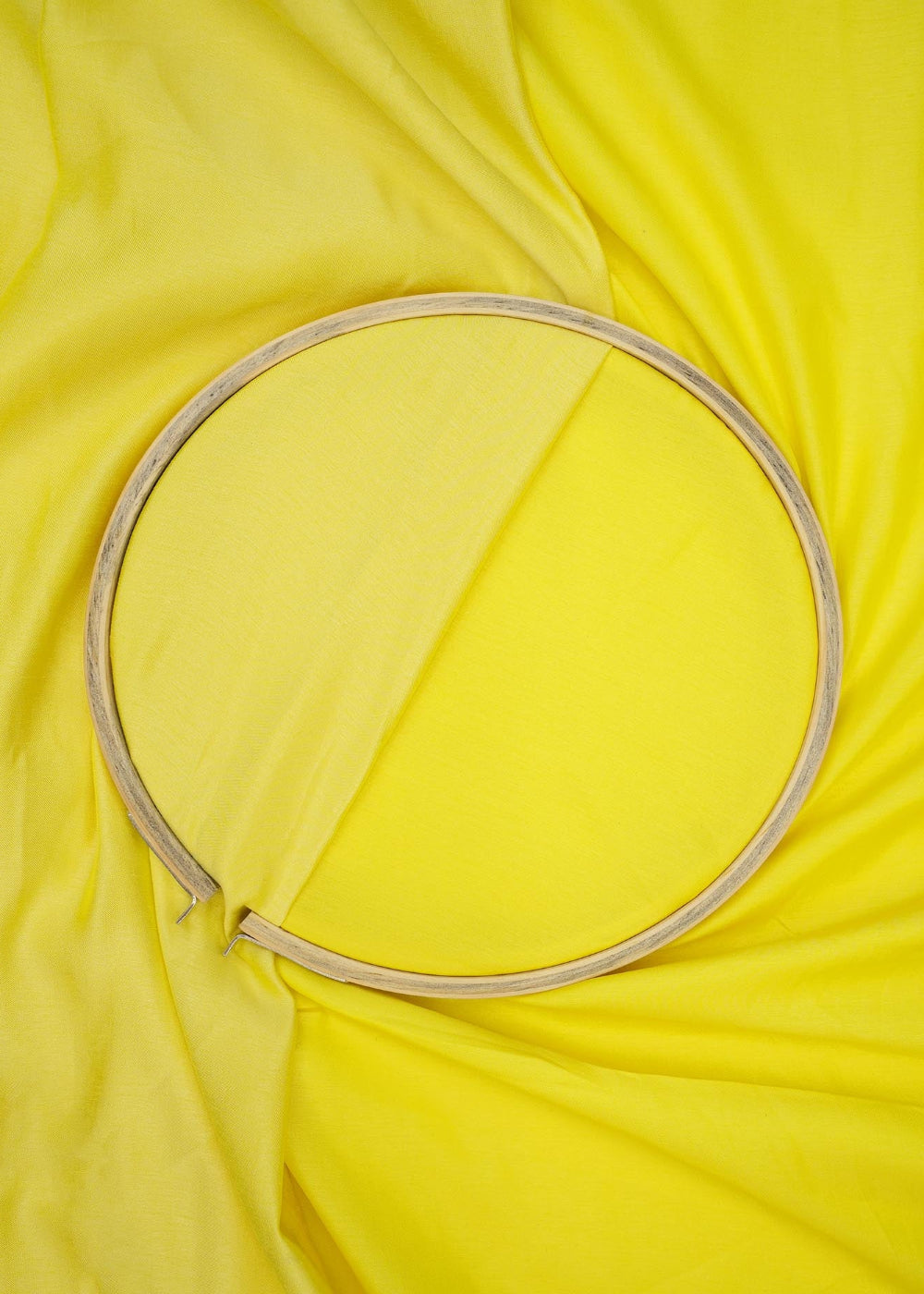
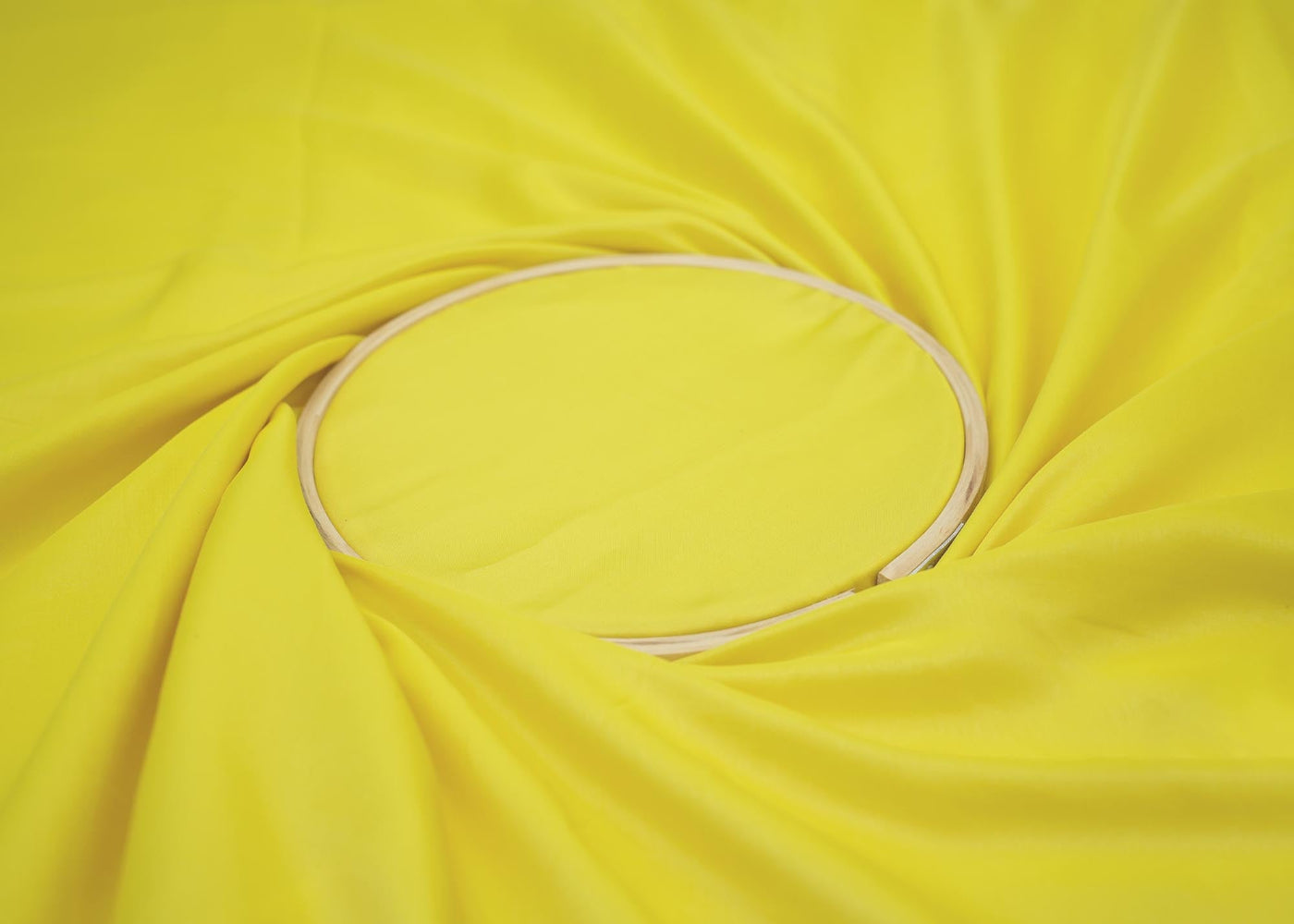
For embroidery work, hoop the fabric carefully. The grain weave can warp under tight hoop pressure. Loose hoop with frequent repositioning works better than one tight hoop session.
These small care steps protect the fabric character. Without them the finished garment loses what made the customer buy Barfi silk in the first place.
What is Barfi Silk? (Quick Definition)
Barfi silk is a textured art silk blend with a raised diamond-pattern grain across the surface. It gets used in designer sarees, blouses, festive kurtas, dyeable bases, reception wear too. The fabric weighs between 80 and 240 GSM depending on variant, with a structured drape and dry hand feel.
Why Designers Buy Barfi Silk Online
This textured art silk is popular in Indian designer wear because the surface grain gives a vintage Banarasi look at modern fabric prices. Drape is structured but soft, hand feel dry with slight roughness. Boutiques in Delhi NCR price plain Barfi silk between Rs. 280 to Rs. 650 per metre, while embroidered variants run up to Rs. 1,800. Best uses: designer sarees, reception blouses, festive kurtas, dyeable collection bases, zari-border wedding sarees.
Frequently Asked Questions
How is Barfi silk different from regular art silk?
Plain art silk is smooth with uniform sheen. The textured version carries a raised diamond-pattern grain coming from the weave itself. Both are art silk blends but the texture changes how the fabric photographs and feels. Designer sarees prefer Barfi silk for the heritage look without the heritage price.
Is Barfi silk pure silk or blended?
It is a blended art silk. The blend ratio varies by mill but typically polyester or viscose mixed with silk fibres. Pure silk versions exist but cost significantly higher. Most boutique-grade Barfi silk in Indian markets is the art silk blend, which is what most customers actually want for the price-to-look ratio.
Can Barfi silk be machine washed?
Strongly not recommended. Machine washing disturbs the grain texture and flattens the diamond pattern permanently. Dry clean only for the first ten cleanings. After that, gentle hand wash in cold water with mild detergent works for plain variants. Embroidered or zari-border variants stay dry clean only.
Will the texture pattern be consistent across the bolt?
Yes mostly. Mill-produced Barfi silk maintains consistent texture across the full bolt length. Small variations of about 2 to 3 percent happen at the edges but those get cut off in any stitching pattern. For designer studios needing perfect uniformity, our team can hand-inspect bolts before shipping.
Is Barfi silk available in bulk for designer collections?
Definitely available. Bulk pricing kicks in at 50 metres per SKU. Wholesale tiers begin at Rs. 220 per metre for plain weights on 100-metre-plus orders. Dyeable variants for custom collections get separate pricing. WhatsApp the team with shade card or Pantone codes for current quotes.
How much fabric does a designer saree need?
Standard designer saree needs 5.5 to 6 metres including pallu plus 0.8 metre for matching blouse. For longer sarees with heavier pallu drape, add another 0.5 metre. Use our Fabric Estimator before placing order to avoid running short, since dye-lot matching across two purchases is sometimes difficult on art silks.
Why Boutique Owners Choose Barfi Silk from Paras Gallery
Twenty-five metres minimum buys you sample-rate pricing. Fifty metres lands wholesale tier. One hundred metres opens custom dyeing service for designer studios needing Pantone-matched shades.
For one-off designer purchases we ship single metres with swatches dispatched within 48 hours across India. Saree buyers should use our Fabric Estimator since most designer sarees need 6 to 6.5 metres including pallu and matching blouse cut.
Browse the full Barfi silk range below or WhatsApp our team for shade matching before bulk order through our wholesale catalogue. Many seasons of supplying textured silks to designers, we know which weights work for which functions. Shortcut is asking us first, not after the karigar starts cutting.
