Silk Crushed texture

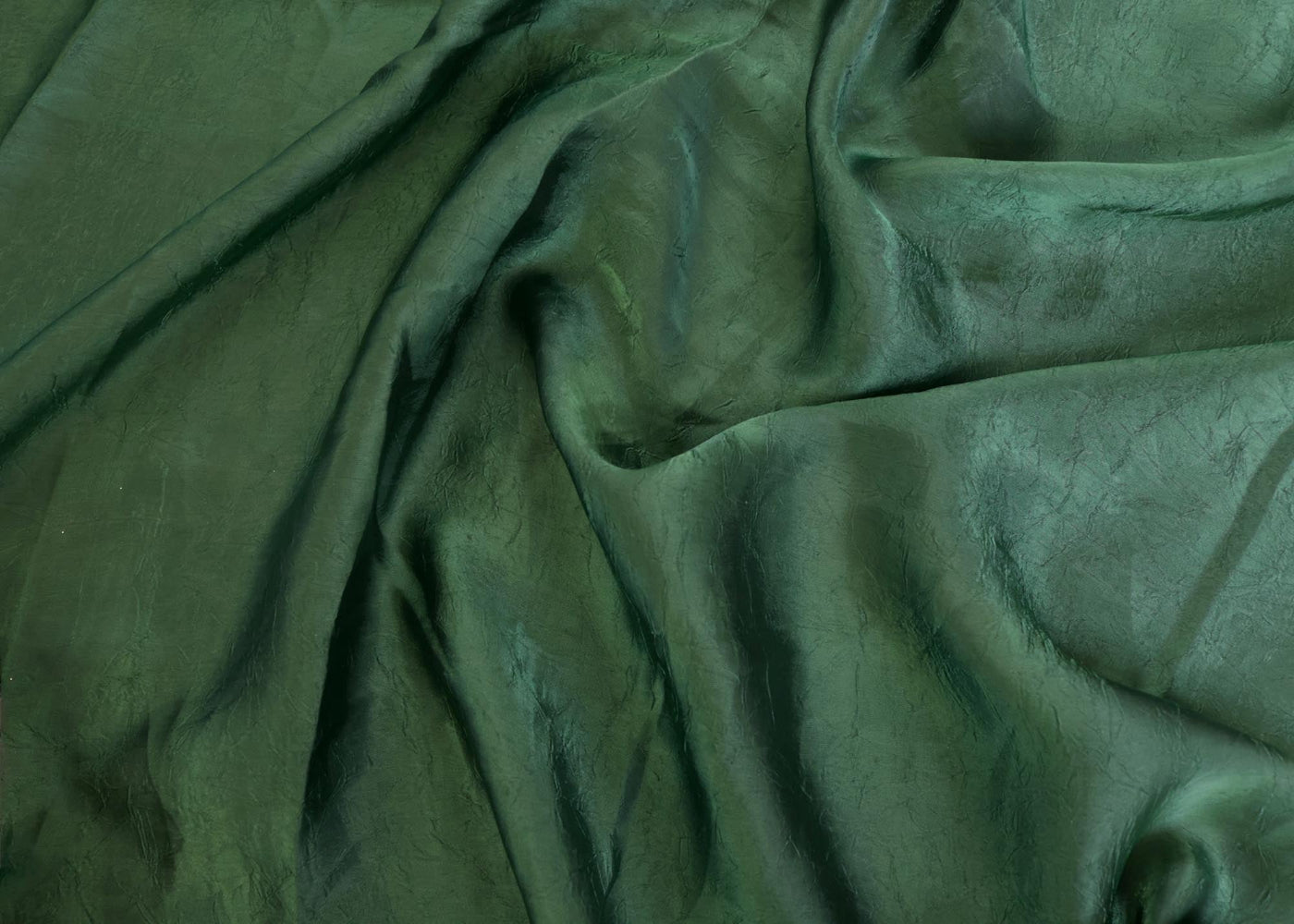
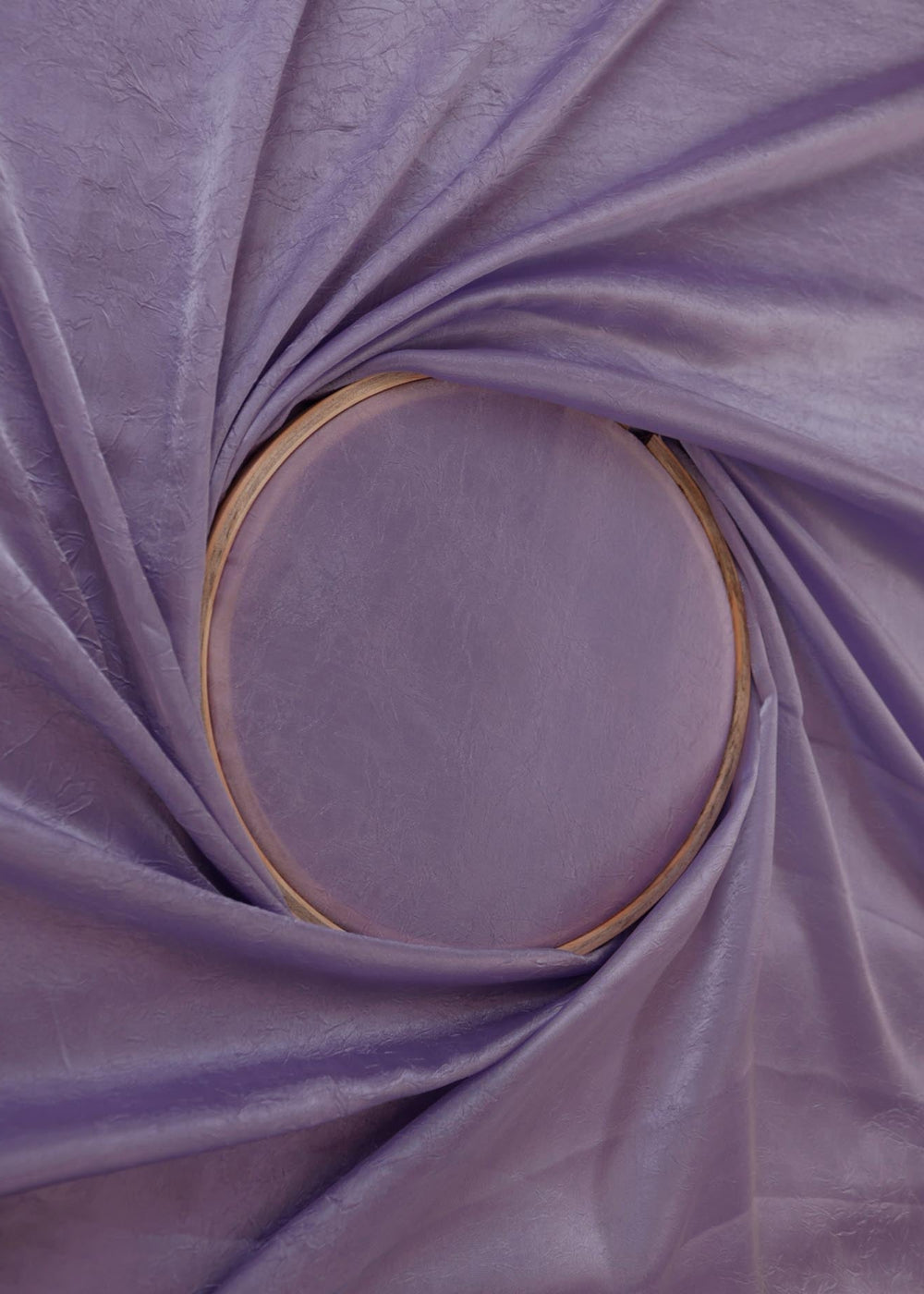
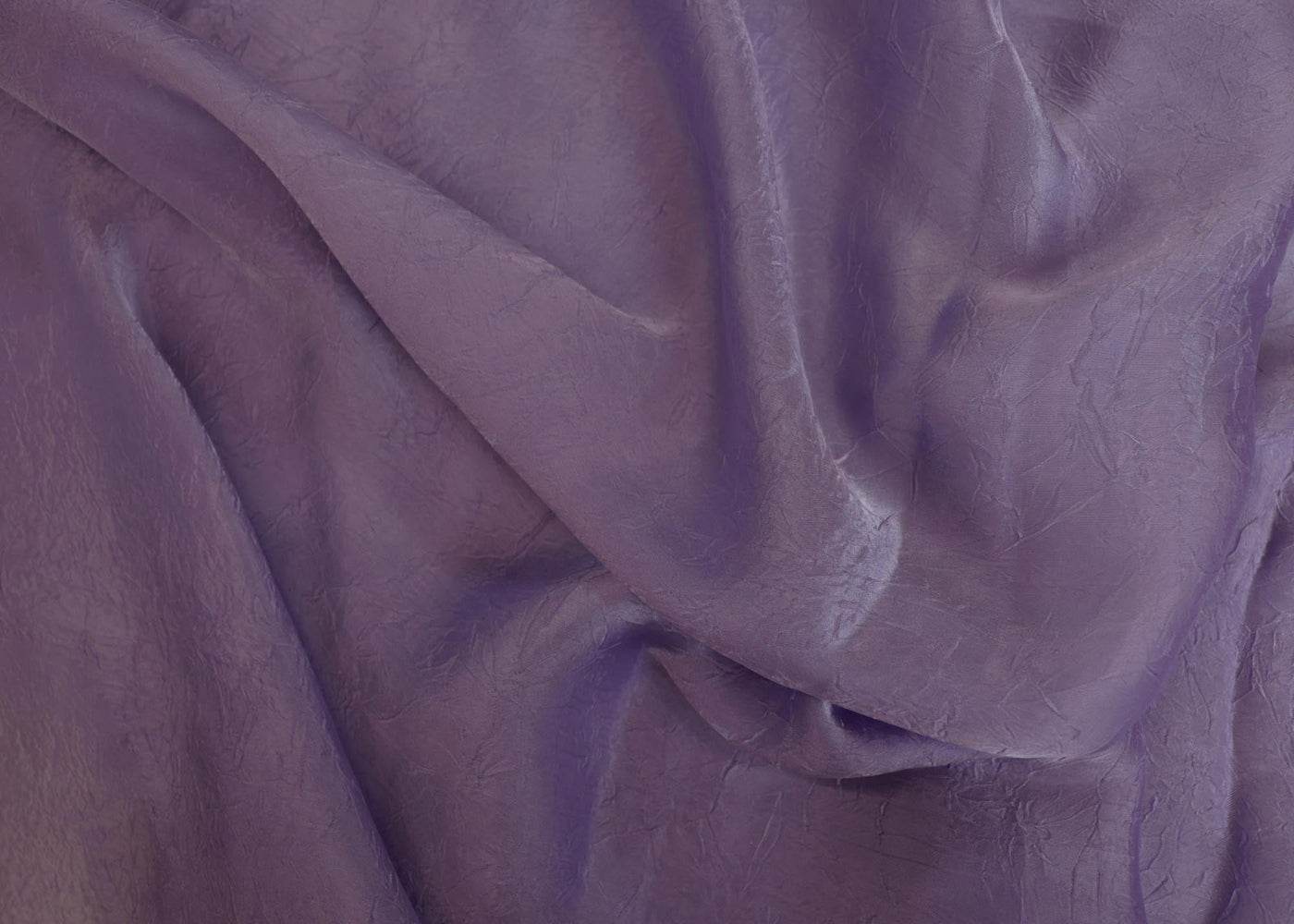

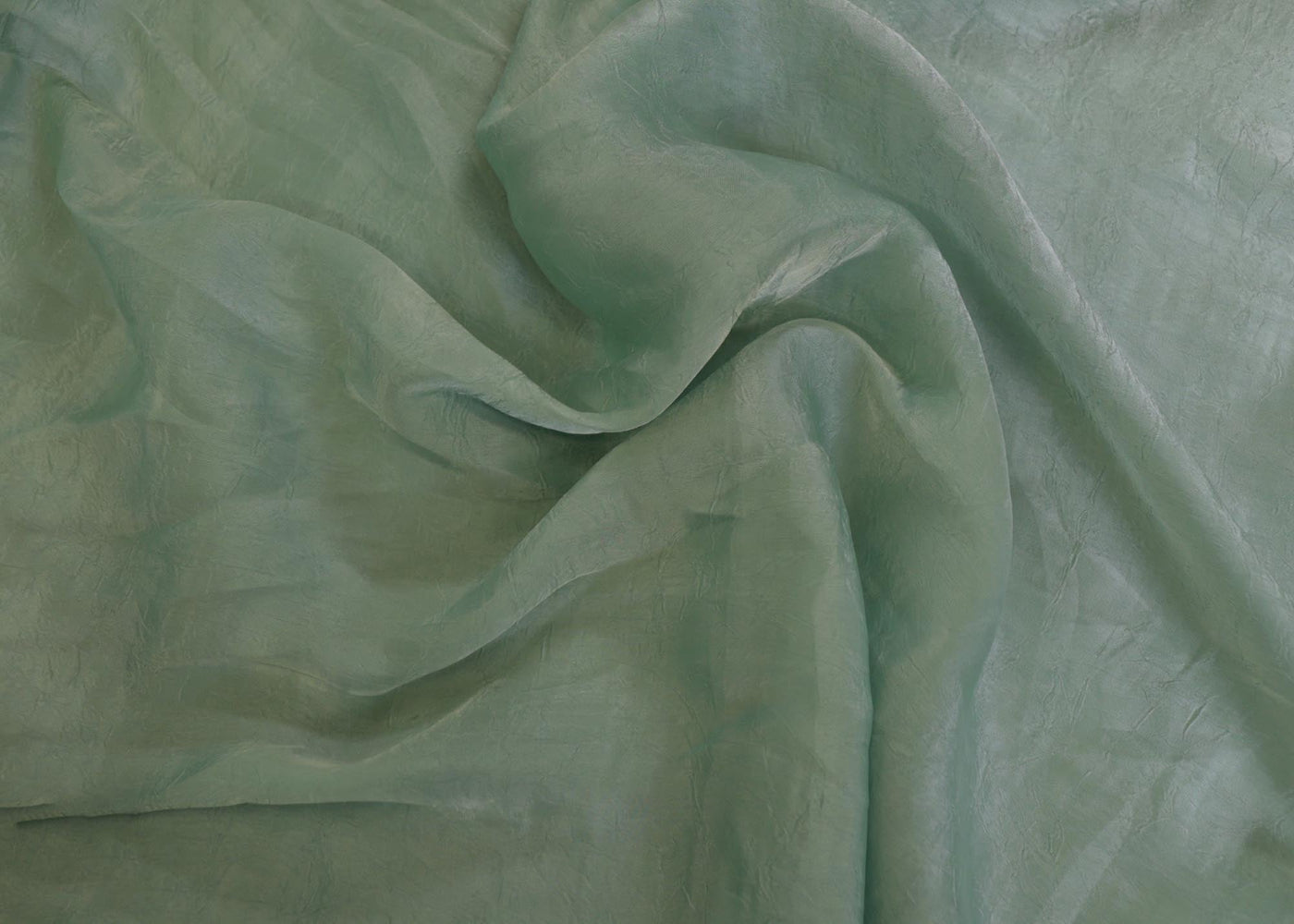
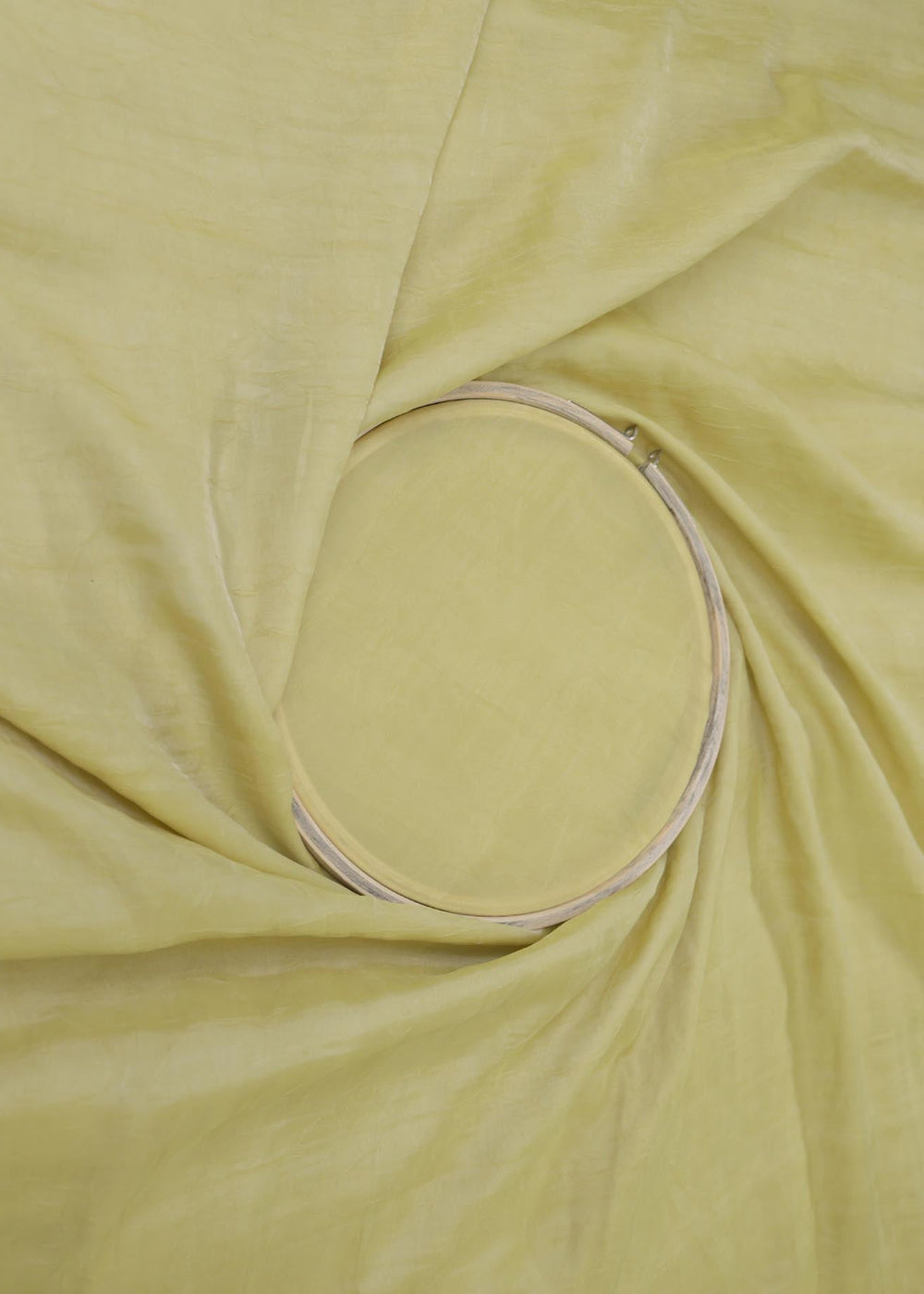
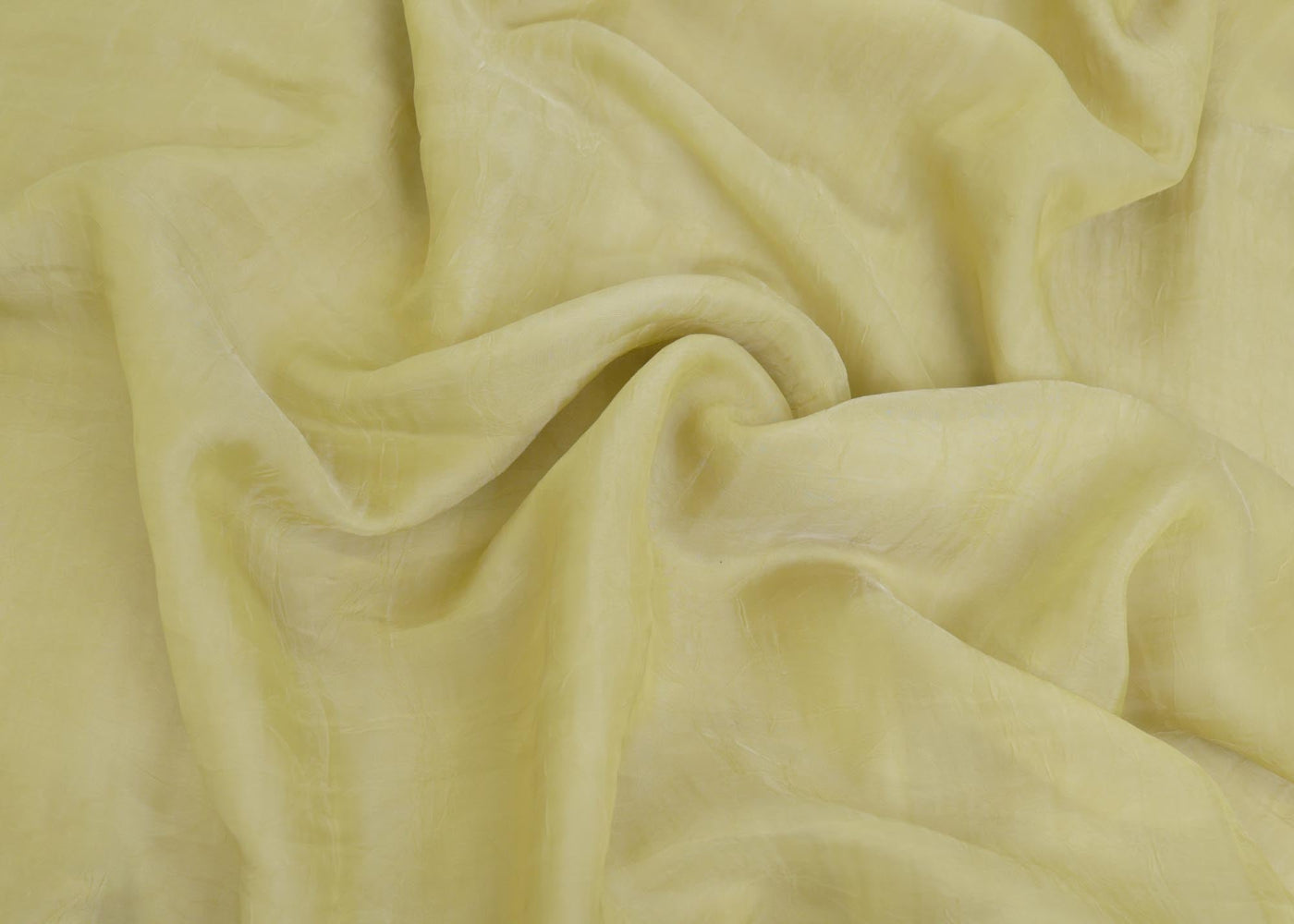
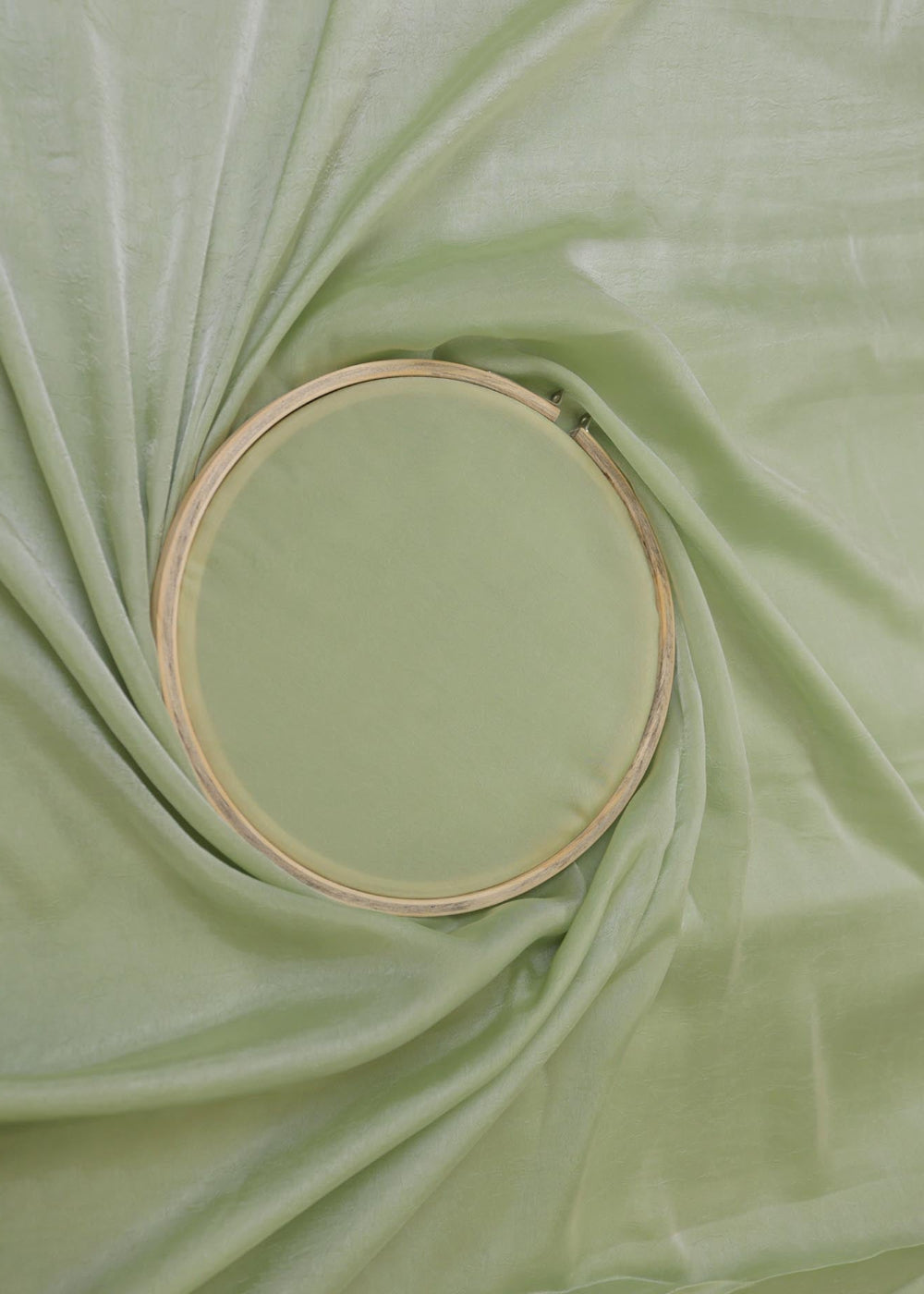
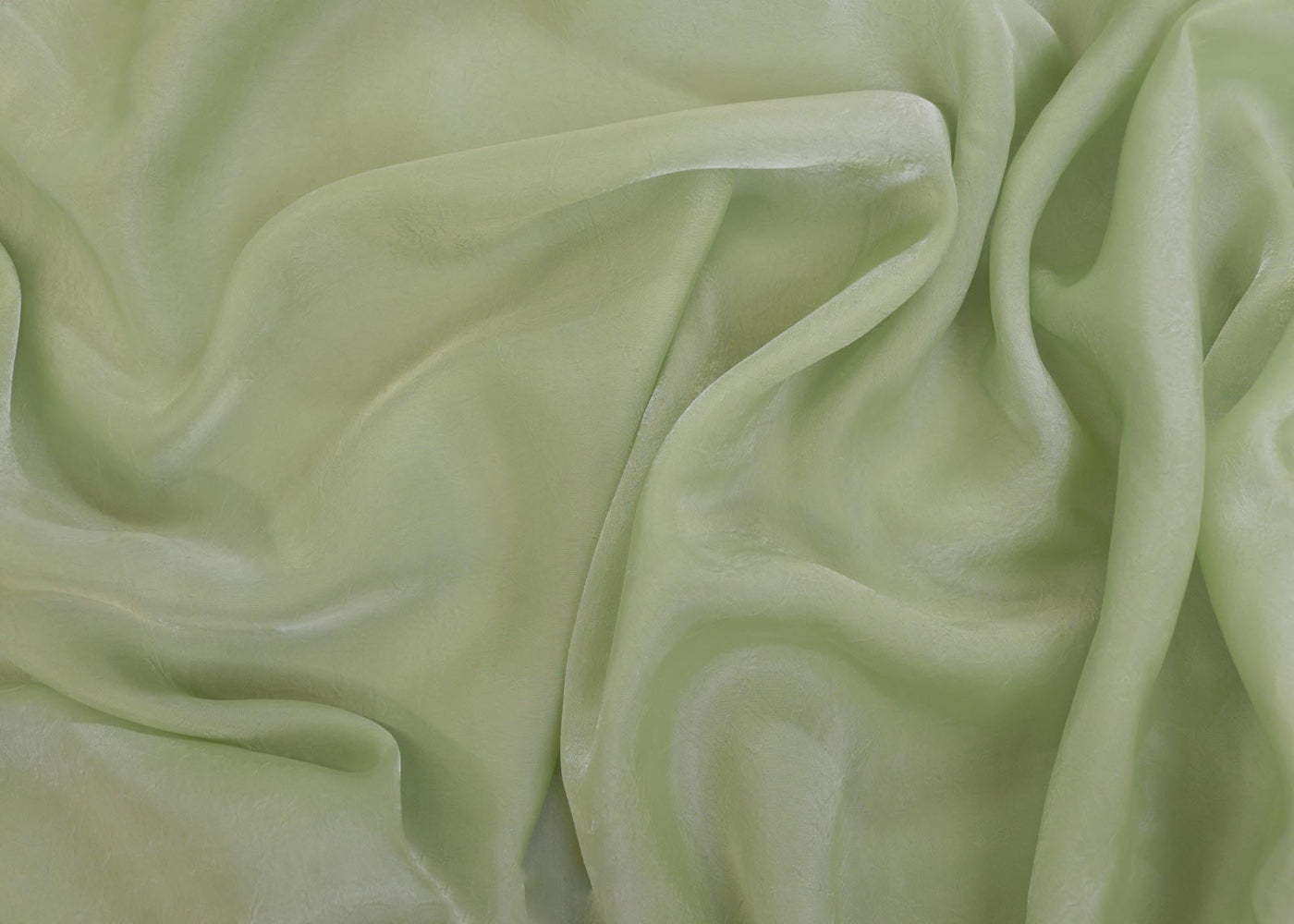

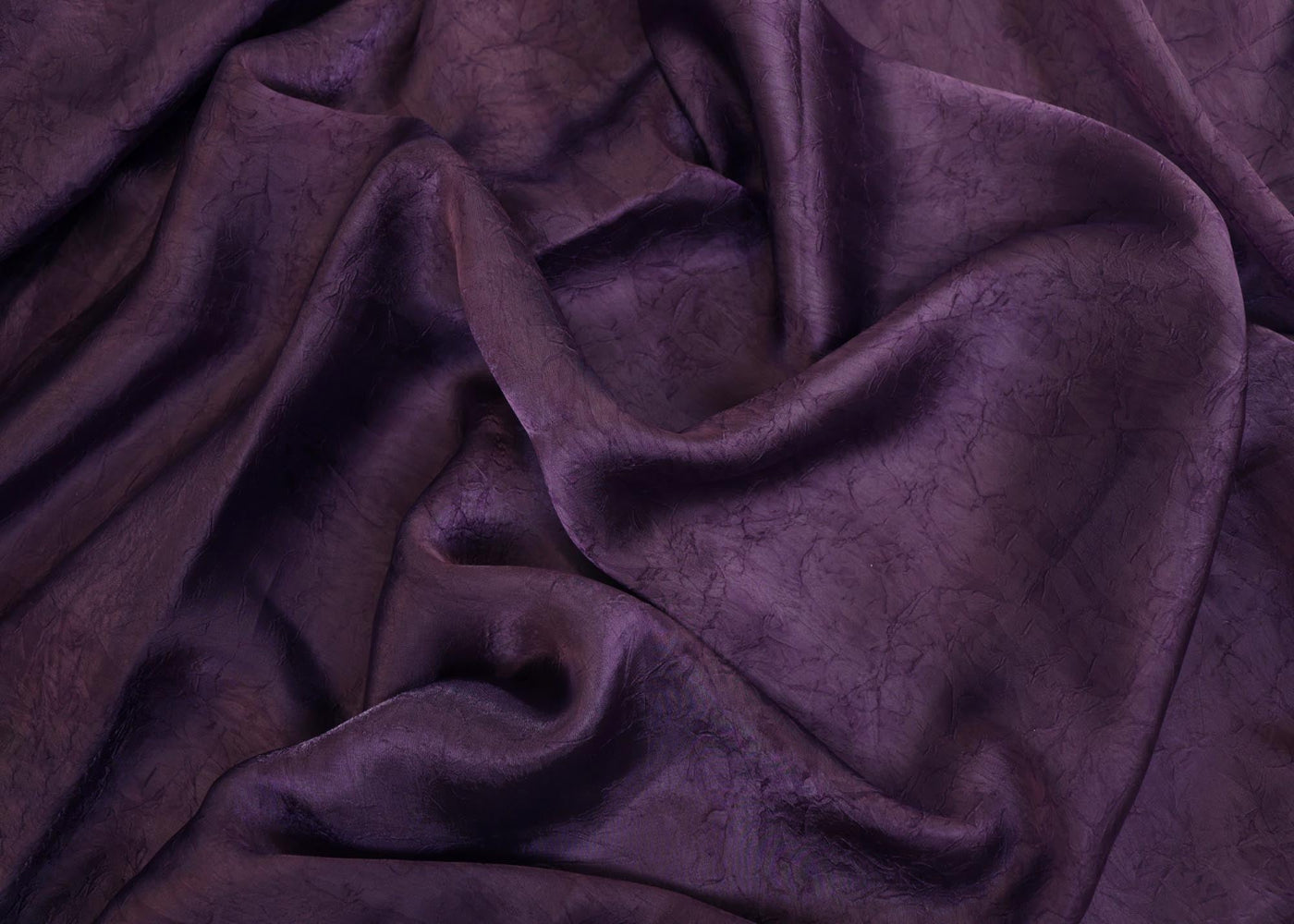
Everything You Need to Know About Silk Crushed Texture Fabric
So last week Tuesday, a Chattarpur farmhouse wedding designer walks into the counter with photographs on her iPad. Bhaiya, she says, bride wants reception saree that photographs like the fabric itself is doing the styling. No heavy embroidery, no gota-patti overload, just texture. Silk crushed texture, ivory or dusty gold, budget flexible. Her clientele is destination wedding families paying Rs. 3-5 lakh for the bridal outfit alone. That level.
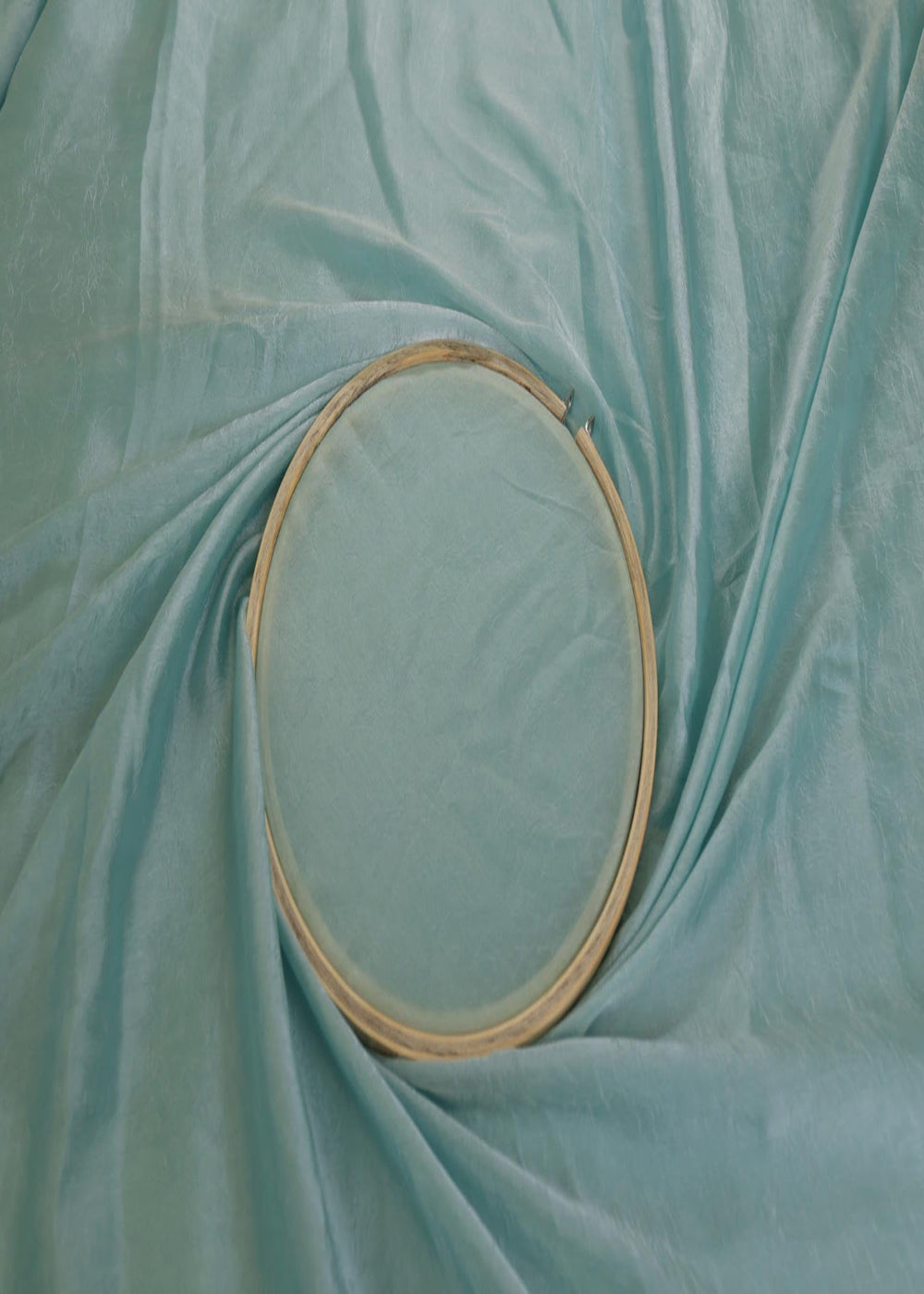
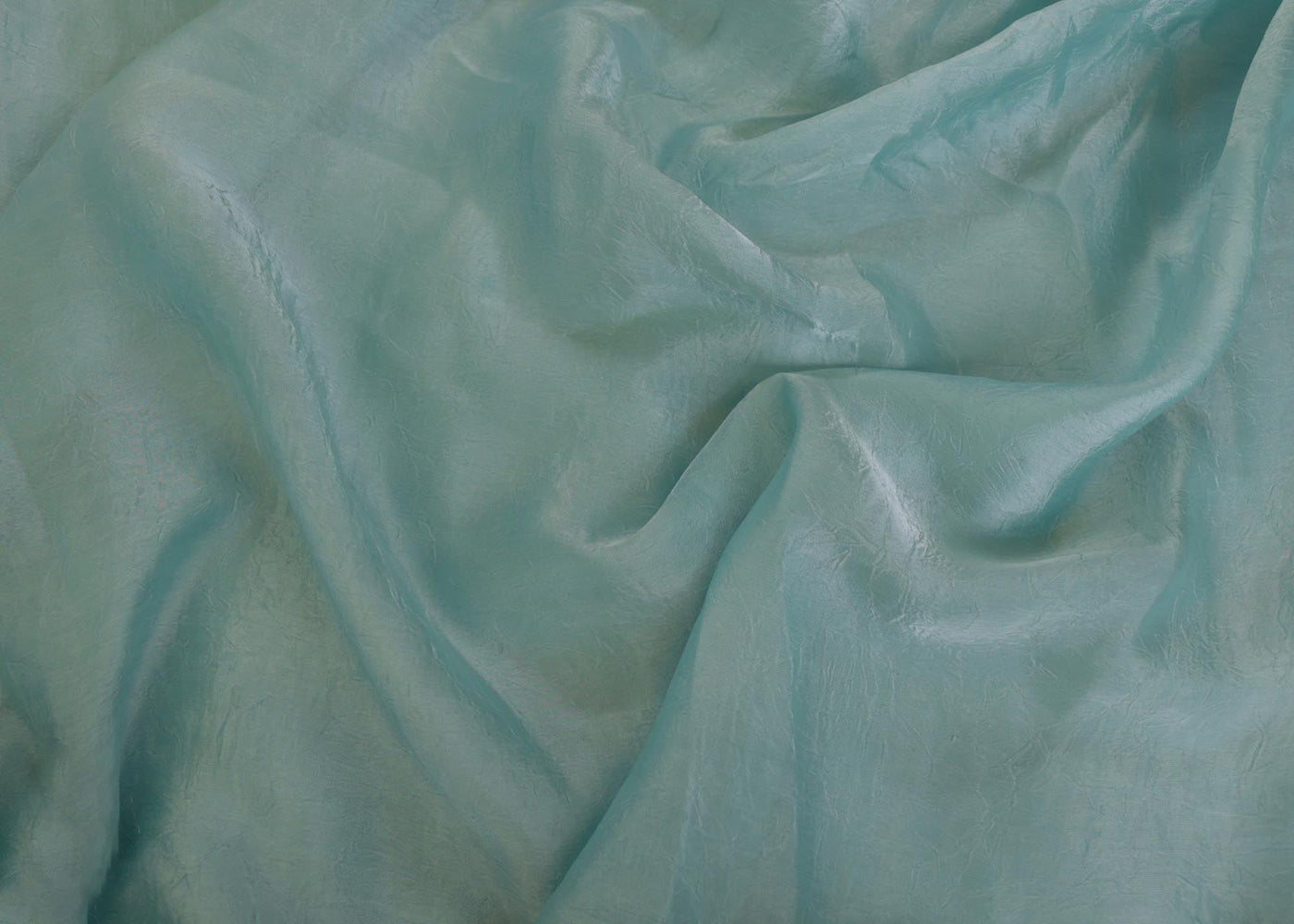
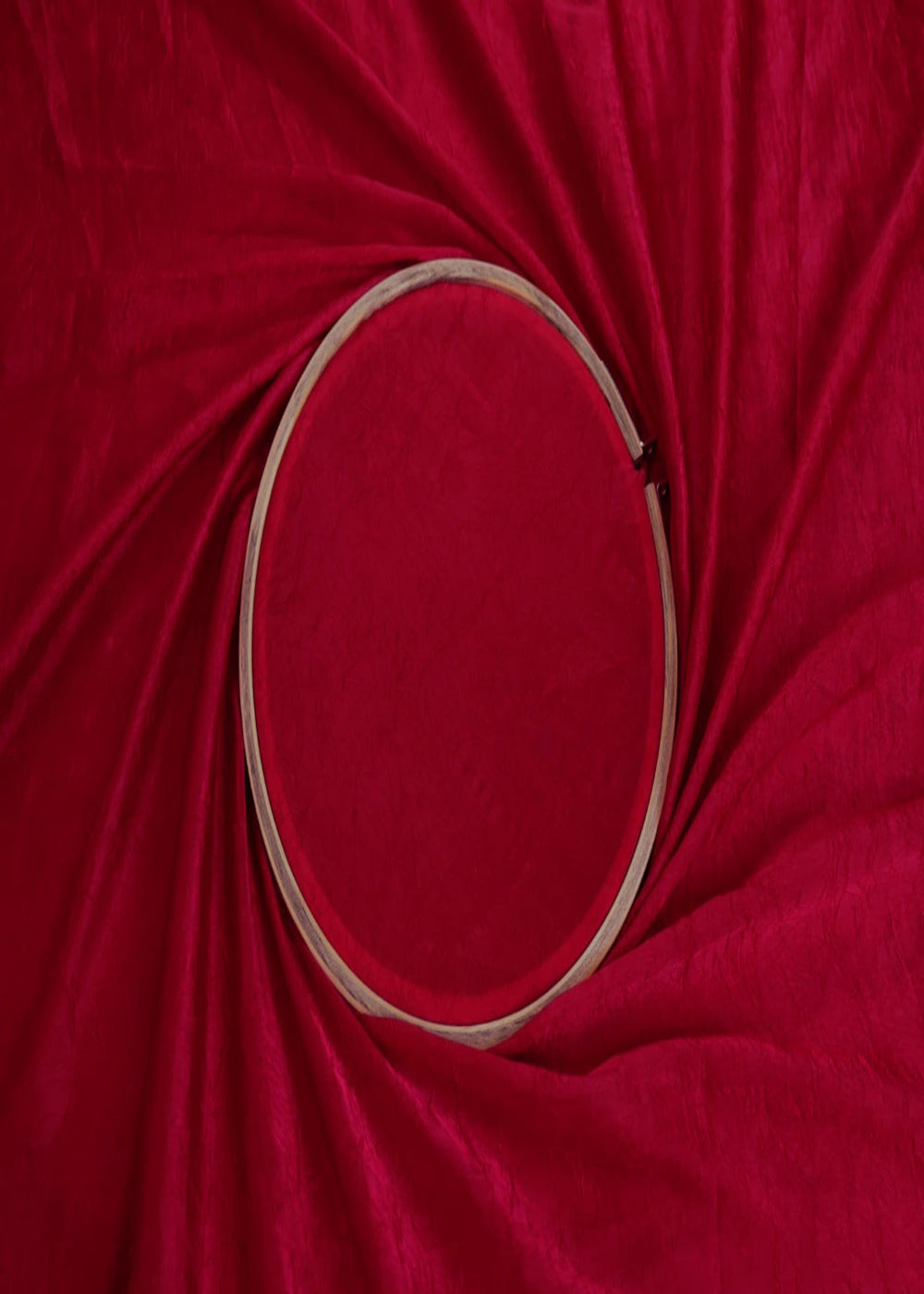
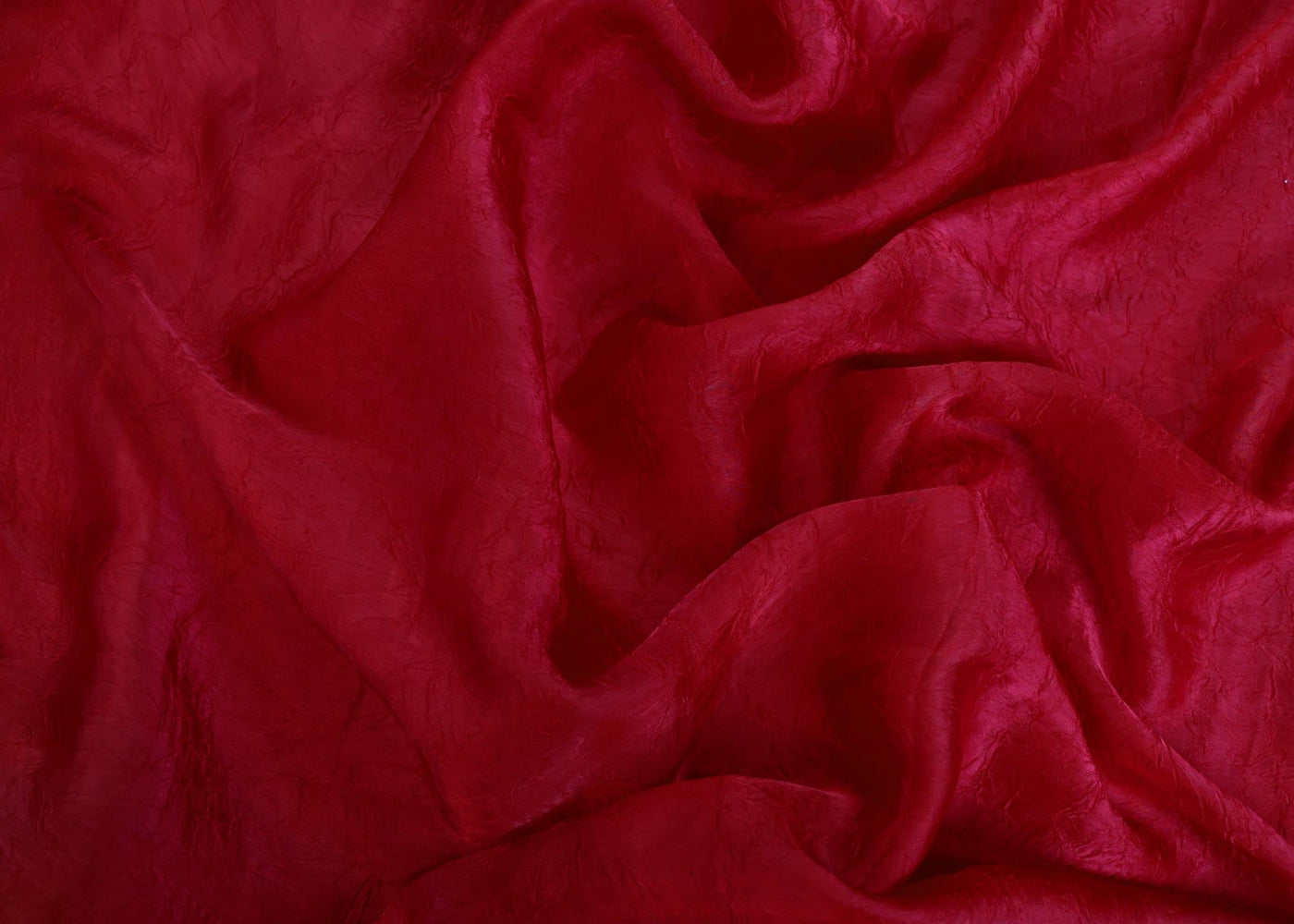
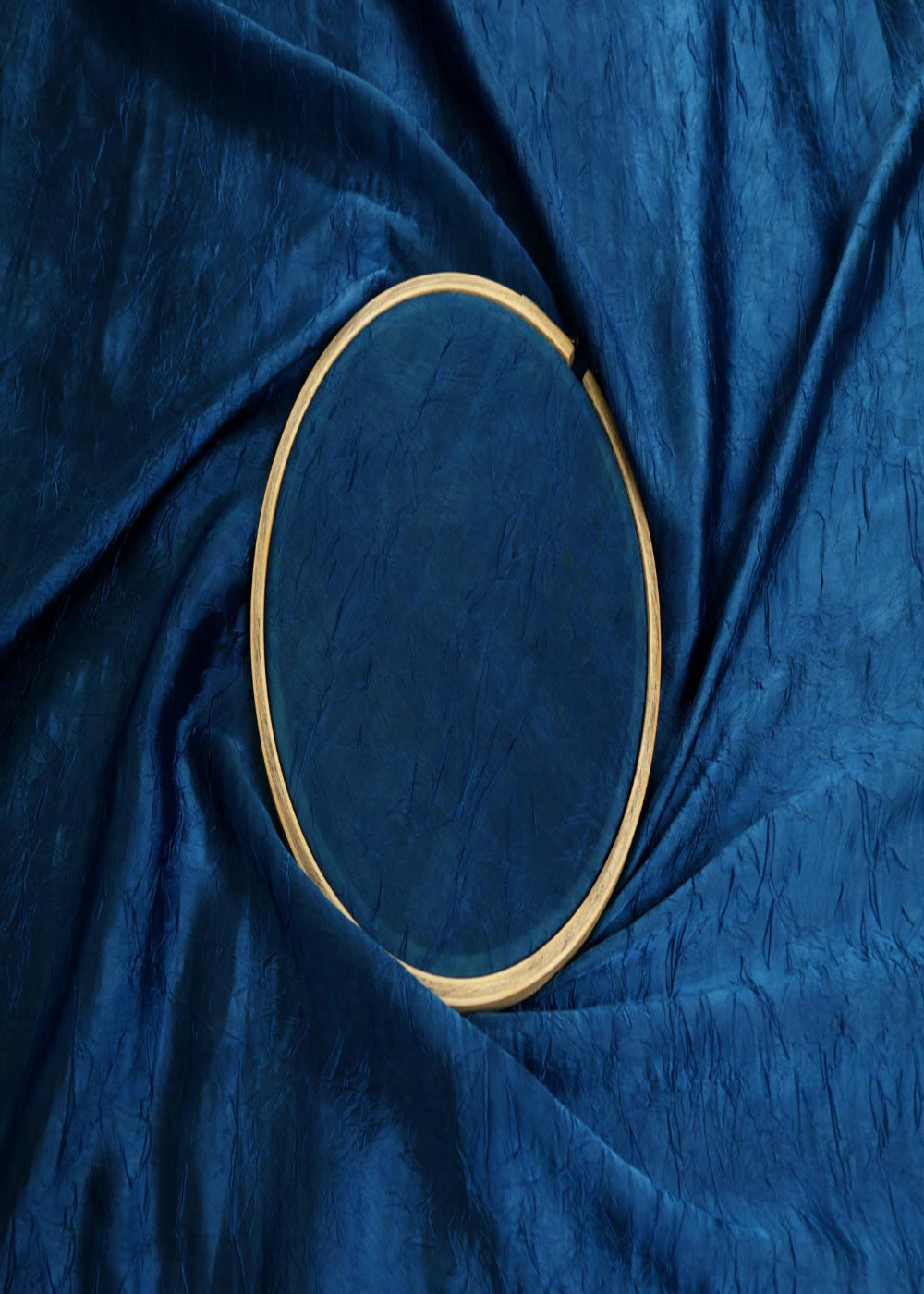
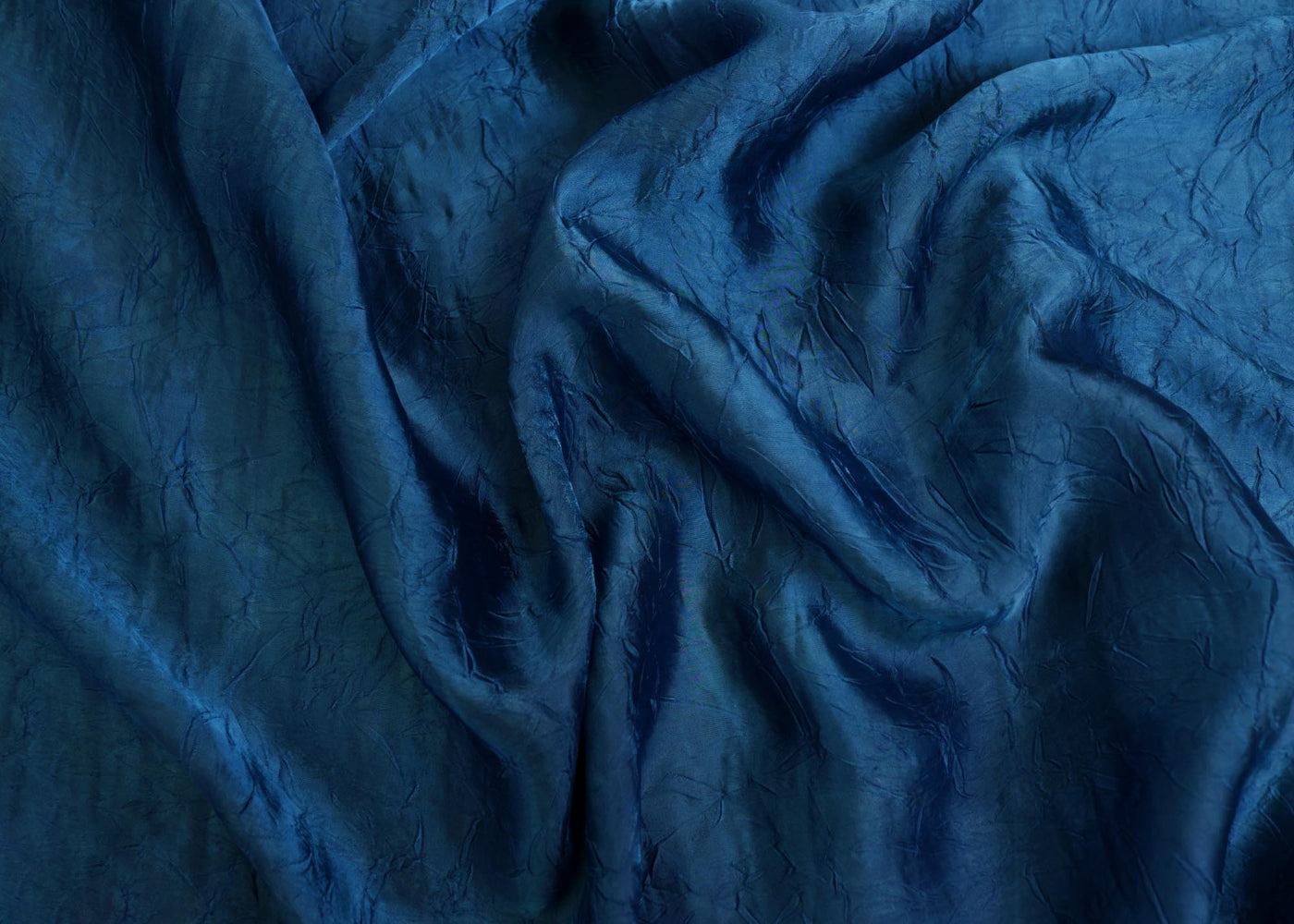
This is where silk crushed texture quietly earns its place in Indian luxury bridal-wear. Not the flat sheen of plain silk. Not the mechanical crinkle of crushed tissue (that stays polyester-adjacent). What you get here is real silk with a permanent crush finish applied during the finishing stage. Texture stays through washing, wearing, dry cleaning. Reads as expensive without needing embroidery to prove it. Photographers love this fabric because the crushed folds catch shadow differently at every angle.
What Makes Silk Crushed Texture Different
Basically the base is real silk (usually Chanderi or pure silk substrate). Then a mechanical crush process applied at mill finishing creates permanent crinkles across the surface. Not steam-set. Not temporary. The crush stays folded exactly like this through the lifetime of the garment.
Regular silk sits smooth with flat drape. Crushed tissue has crinkle but polyester or synthetic base. This variant combines both worlds. Silk hand feel plus permanent crush finish equals fabric that photographs cinematically without needing added embroidery. Ask any wedding photographer working the Delhi-NCR destination circuit. They can name this fabric on sight from twenty feet away.
Hand feel is soft yet crisp. Sounds contradictory, right? But the crush finish gives softness to touch while the silk substrate keeps structural body underneath. Karigars sometimes need one or two attempts to figure out cutting because the fabric moves differently than plain silk under scissors.
Boutiques in Lajpat Nagar typically paying between Rs. 550 and Rs. 1,400 per metre depending on silk grade plus crush intensity.
Types of Silk Crushed Texture in Our Collection
| Type | Best Use | Approximate Price Range |
|---|---|---|
| Plain Silk Crushed | Bridal sarees, reception dupattas | Rs. 550 to 780 per metre |
| Zari-Border Silk Crushed | Wedding sarees, heritage-look dupattas | Rs. 720 to 1,100 per metre |
| Metallic Silk Crushed | Sangeet sarees, cocktail blouses | Rs. 850 to 1,400 per metre |
| Embroidered Silk Crushed | Bridal capes, designer reception outfits | Rs. 1,400 to 3,200 per metre |
| Foil Print Silk Crushed | Indo-western jackets, statement dupattas | Rs. 950 to 1,600 per metre |
For first-time buyers, plain gives most flexibility. Works as bridal saree, dupatta layer, blouse coordinate, plus overlay layer on heavier imperial brocade or dyeable embroidery underlayers.
Silk Crushed Texture GSM Guide
| GSM Range | Fabric Feel | Best For |
|---|---|---|
| 60 to 90 GSM | Light, dramatic drape | Sarees, layered dupattas |
| 90 to 130 GSM | Mid-weight, defined crush | Reception gowns, bridal blouses |
| 130 to 180 GSM | Heavy, structured crush | Statement capes, designer jackets |
Most destination-wedding boutiques defaulting to 90 to 130 range because it balances silk-appropriate drape drama with structural hold across seven-hour reception ceremonies.
Popular Uses
Bridal reception sarees where the fabric itself is the visual anchor. Signature use case in reception-royale styling.
Wedding dupattas with subtle zari or thread work borders. The crushed silk base does not need heavy embroidery to look complete.
Cocktail blouses for second-function reception. Silk hand feel gives that couture-tier finish photographers pick up on video easily.
Bridal capes for reception entrance moments. Fabric holds sculptural shape while catching indoor lighting from every angle during the walk-in.
Silk Crushed Texture Trends for 2026
Ivory, dusty gold, dusty rose, oxidised bronze are leading currently. Bridal brides moving toward neutral crushed silk sarees for reception, letting the fabric texture carry the visual weight instead of heavy embroidery. Chattarpur, Chhatarpur, Sultanpur farmhouse wedding designers reordering these four shades every three weeks through peak season.
Two-tone silk crush is the second pattern. Warp in one shade, weft in another. Creates a shot effect on top of the crushed texture. Reads different from every angle. Destination wedding photographers actually pushing brides toward this fabric because it makes videography easier without needing artificial lighting adjustments.
Expert Tips for Working with Silk Crushed Texture
Never iron directly on the crush face. Flattens the crinkle permanently within seconds and destroys the whole reason customer bought this fabric. Iron only on reverse side at very low heat with press cloth, or better, use steam through cloth without pressing anywhere.
Cut in single-layer passes with sharp shears because silk crush shifts under scissors more than plain silk during cutting sessions.
Line the fabric with plain crepe or georgette for gown construction because standalone silk crush is unstable for structural bodice work. The lining gives the karigar a stable base to attach embroidery or fittings to.
What is Silk Crushed Texture? (Quick Definition)
Silk crushed texture is a real silk fabric with a permanent mechanical crush finish applied at mill finishing that adds depth and texture across the surface. It gets used in bridal reception sarees, wedding dupattas, cocktail blouses, bridal capes, plus statement designer outfits. Available across 60 to 180 GSM in plain and embellished variants.
Why Designers Buy Silk Crushed Texture Online
This is the luxury silk of Indian bridal reception market because the permanent crush finish catches shadow and light differently than plain silk fabrics. Real silk hand feel combined with crushed texture photographs cinematically on wedding video without needing heavy embroidery investment. Delhi NCR boutiques price plain weights between Rs. 550 and Rs. 1,400 per metre, while embroidered variants run up to Rs. 3,200.
Frequently Asked Questions
How is silk crushed texture different from crushed tissue?
Crushed tissue uses polyester or synthetic base with mechanical crinkle. This variant uses real silk substrate with permanent crush finish, so you get silk hand feel plus permanent texture together. Bridal reception market pays for the silk substrate because it photographs and drapes differently from synthetic bases entirely.
Will the crush come out after dry cleaning?
No if done properly. Standard dry cleaning at reputable outlets preserves the crush finish across many cleanings. The crush is mechanical, set at mill finishing stage, not a temporary treatment applied at the surface only.
Is silk crushed texture available in bulk for bridal boutique production?
Yes definitely. Bulk pricing kicks in at 20 metres per SKU per shade. Wholesale tiers begin at Rs. 480 per metre for plain weights on 60-metre-plus orders. Destination wedding studio lots above 100 metres unlock designer pricing.
How much fabric does a bridal reception saree need?
Standard bridal saree needs 5.5 to 6 metres including pallu construction plus 0.8 metre for matching blouse. Silk crush pallu construction requires grain-parallel cuts, so plan cut orientation carefully before starting.
Why Boutique Owners Choose Silk Crushed Texture from Paras Gallery
Ten metres minimum buys sample-rate pricing per shade. Twenty metres unlocks wholesale tier per SKU. Hundred metres opens destination-wedding studio pricing for bridal boutique units running peak season cycles.
Browse the full silk crushed texture range below or WhatsApp us for shade matching before bulk order through our wholesale catalogue. Many bridal seasons supplying destination wedding studios across Chattarpur farmhouse circuit, we know which weights work for which reception silhouettes. Shortcut is asking us first, not after the karigar starts cutting.
