
Everything You Need to Know About Crushed Tissue Fabric
Two months back a Mumbai stylist WhatsApps us at midnight. Bhaiya, need crushed tissue in three specific shades for a Bollywood magazine shoot happening next Tuesday. Champagne, dusty pink, teal: ten metres each, urgent courier, no substitutions accepted for the shoot deadline. This is the second time this year the same stylist ordered same texture from us for editorial shoots, so pattern is established.
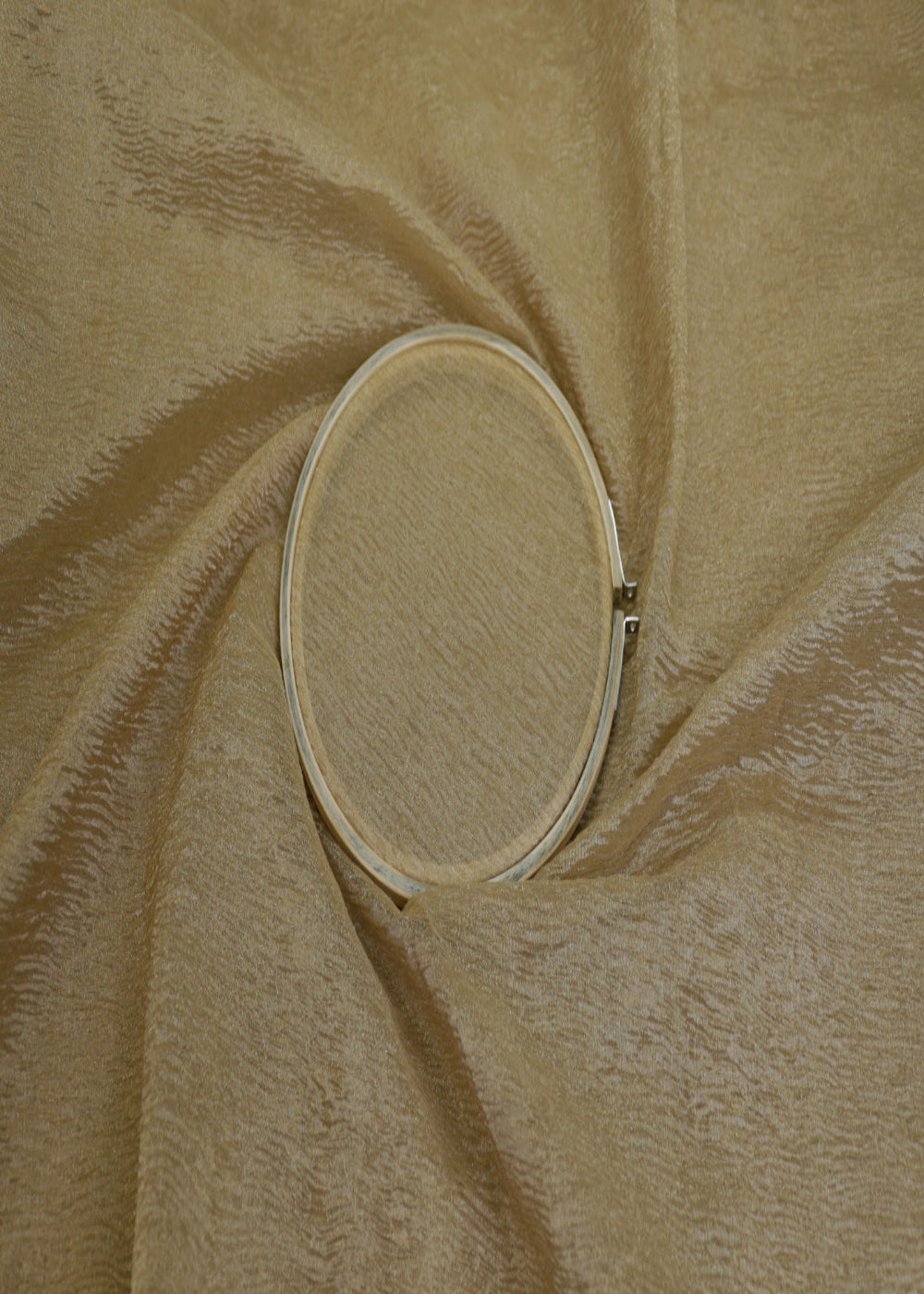
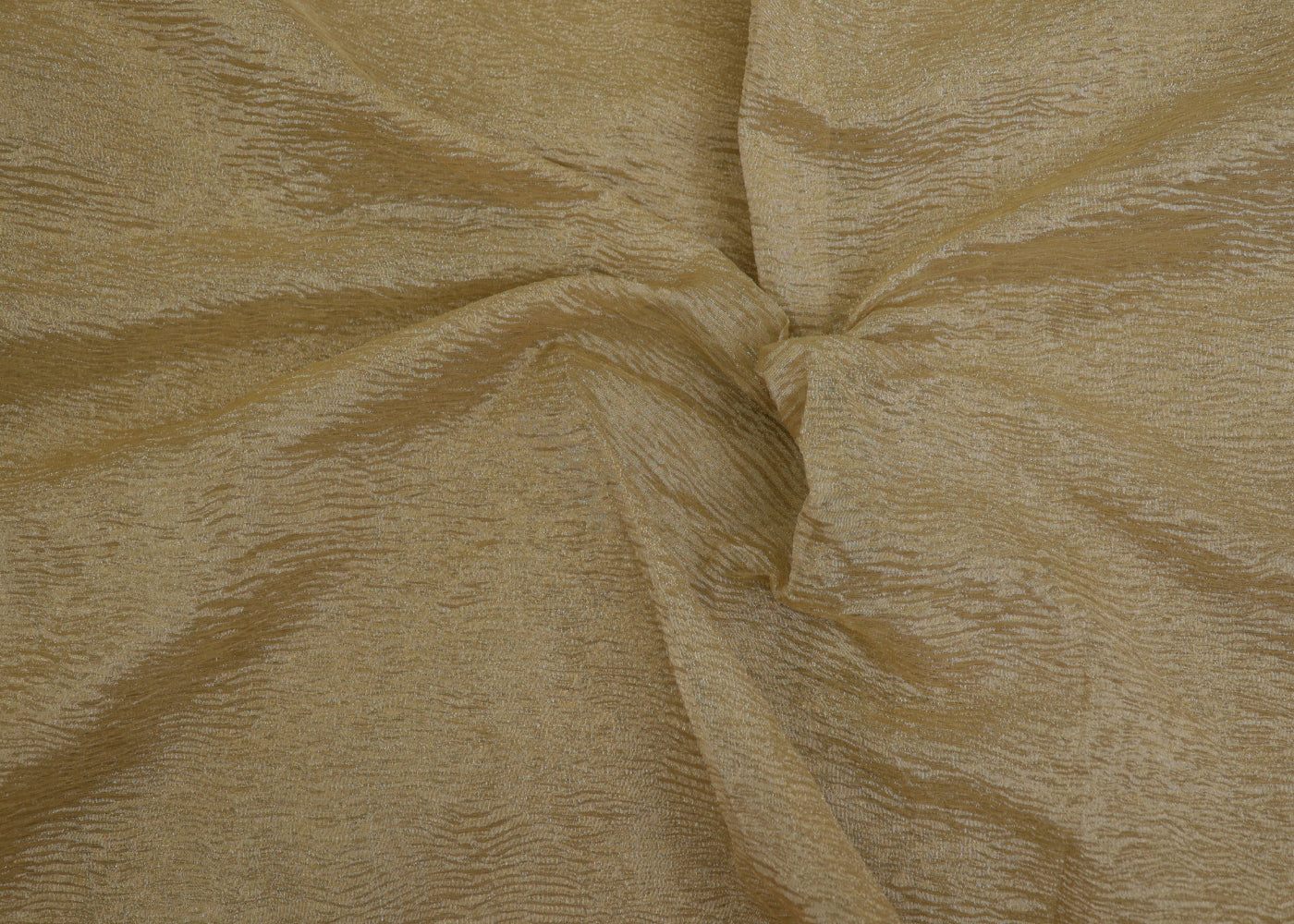
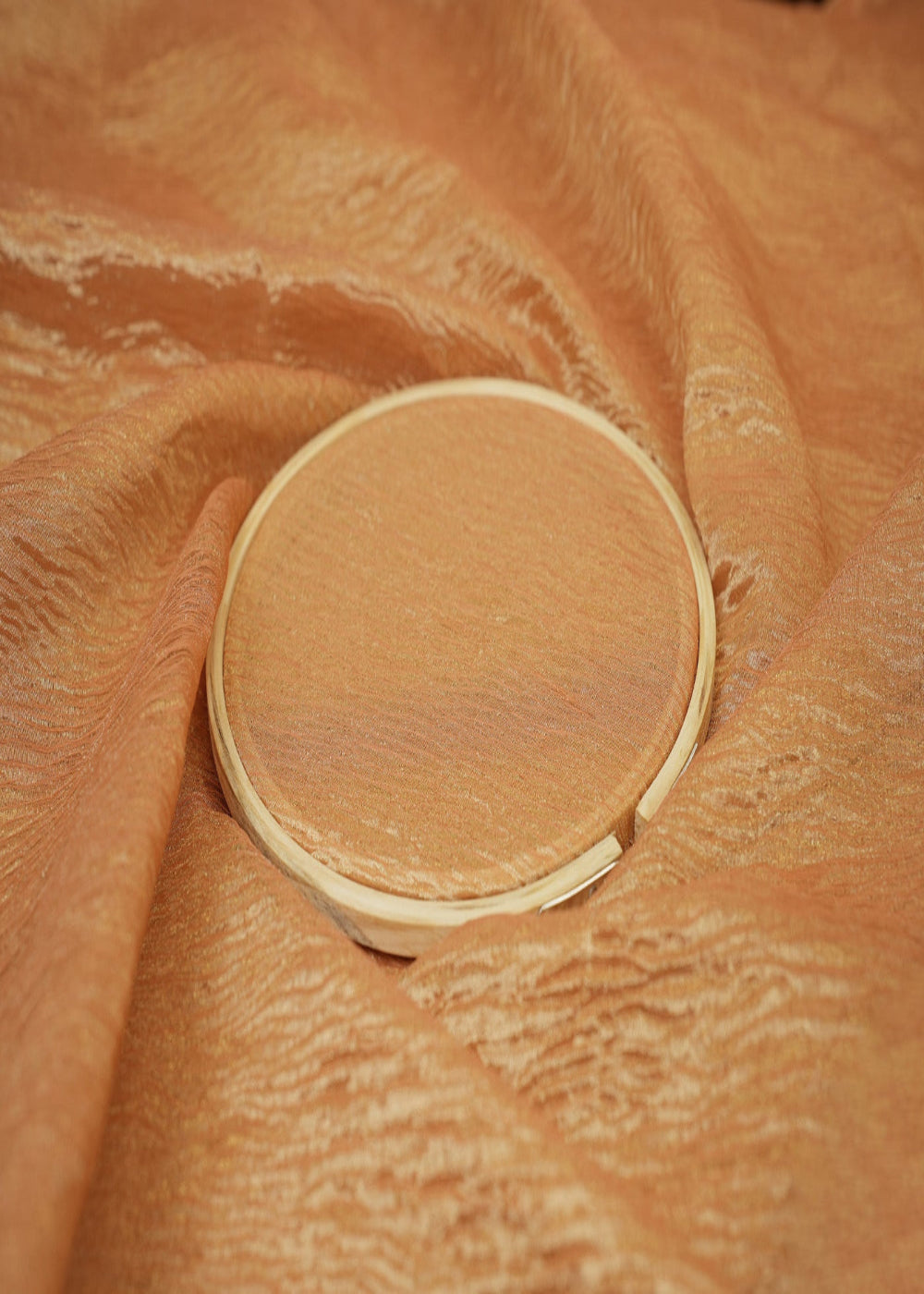
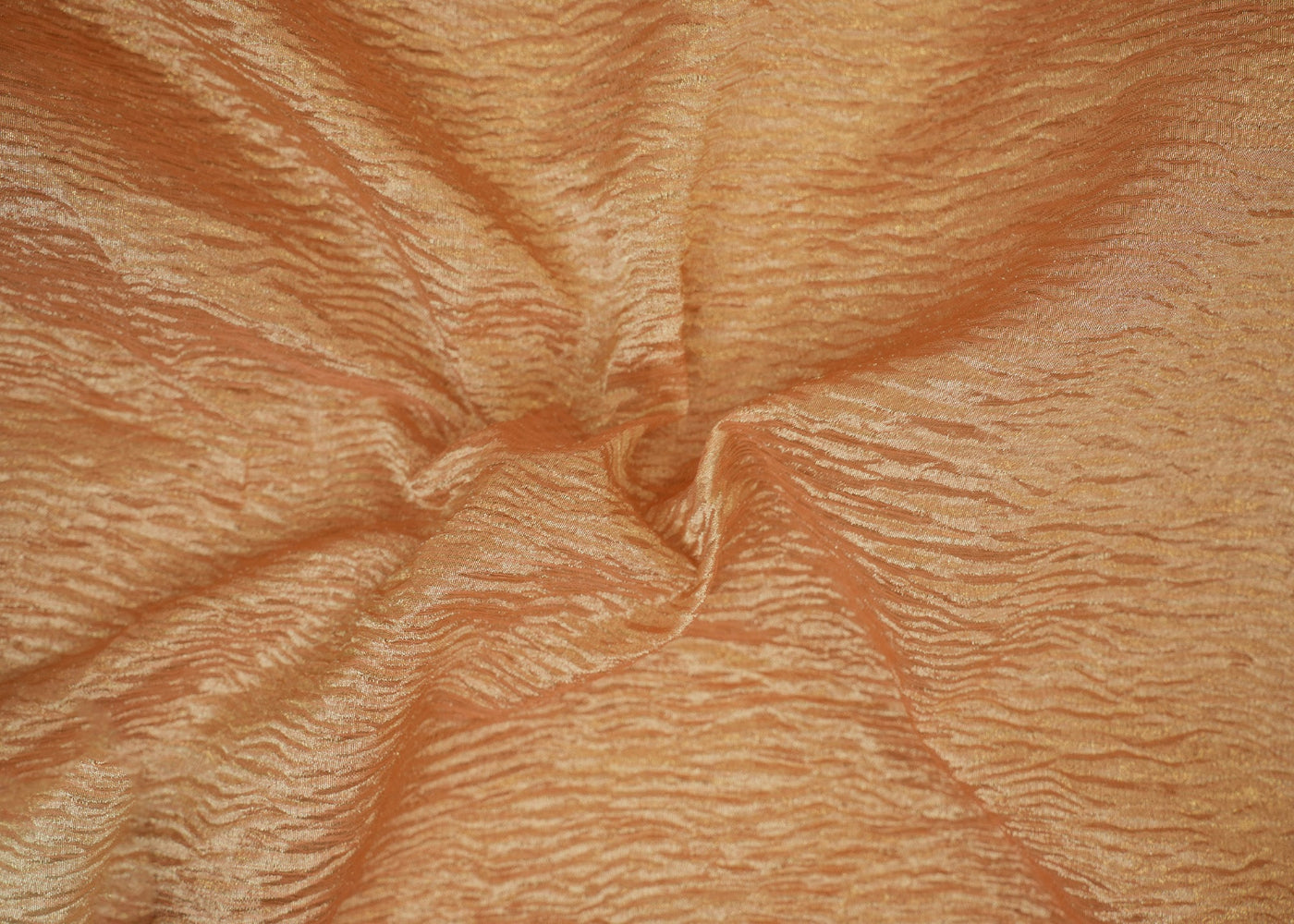
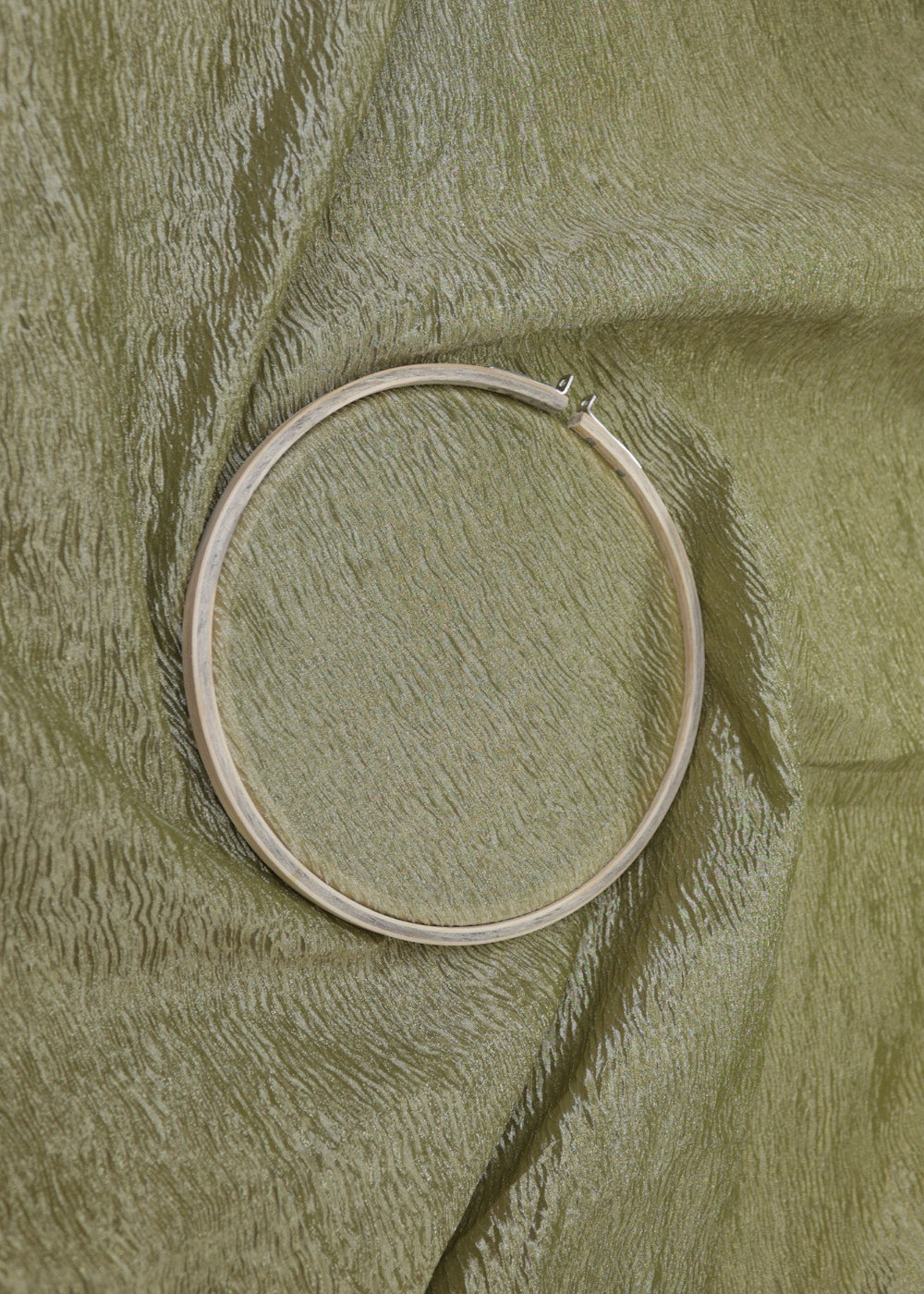
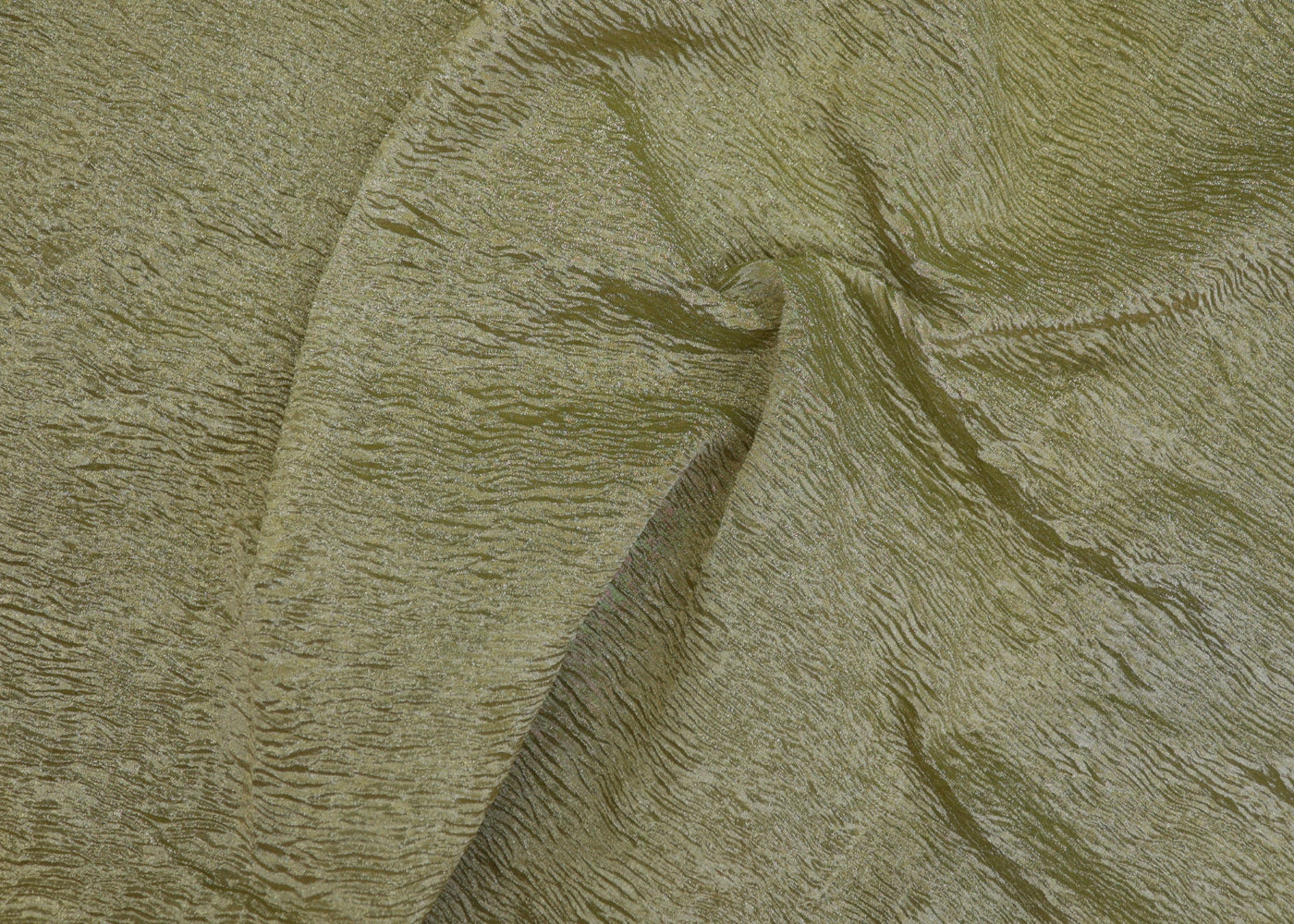
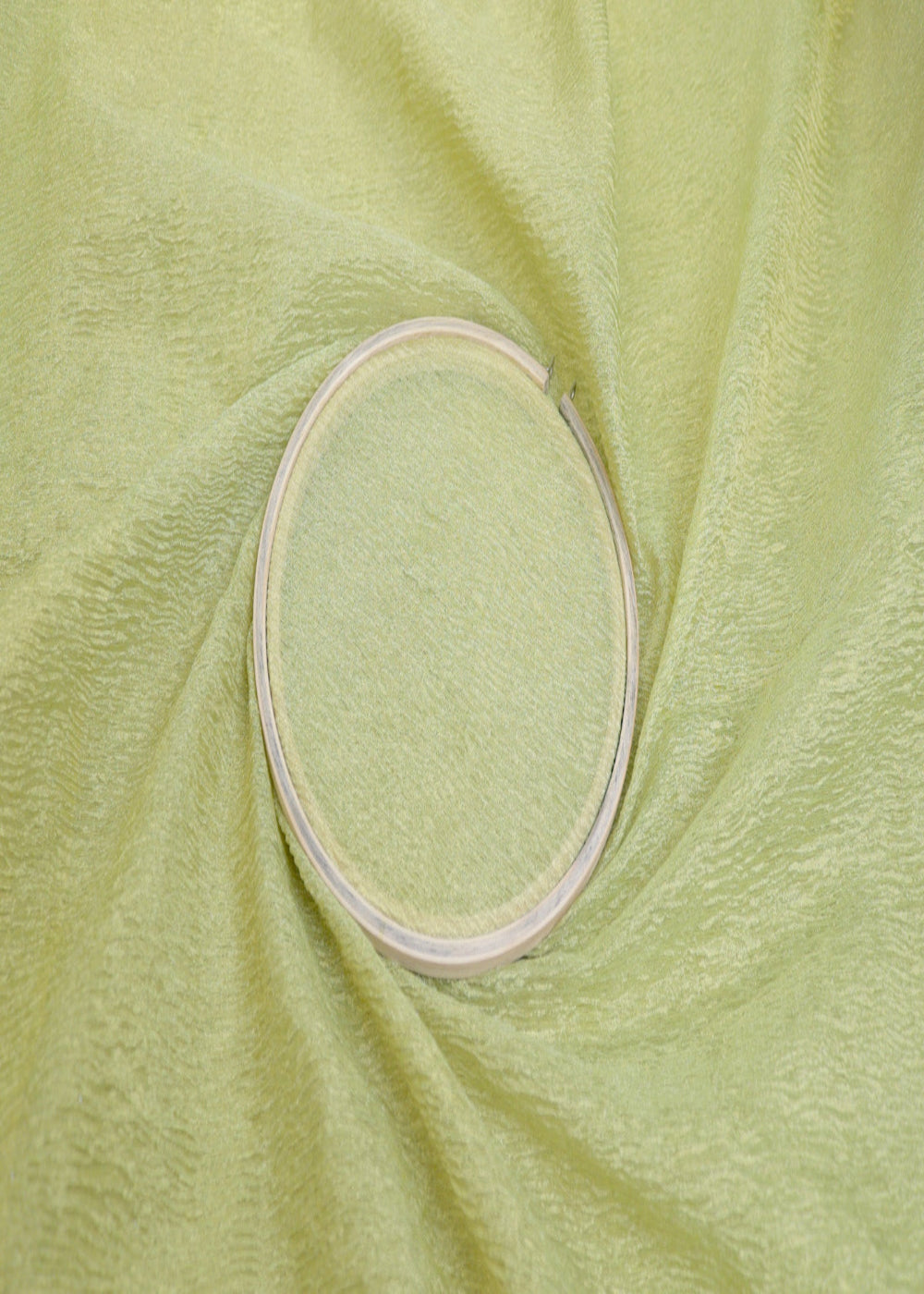
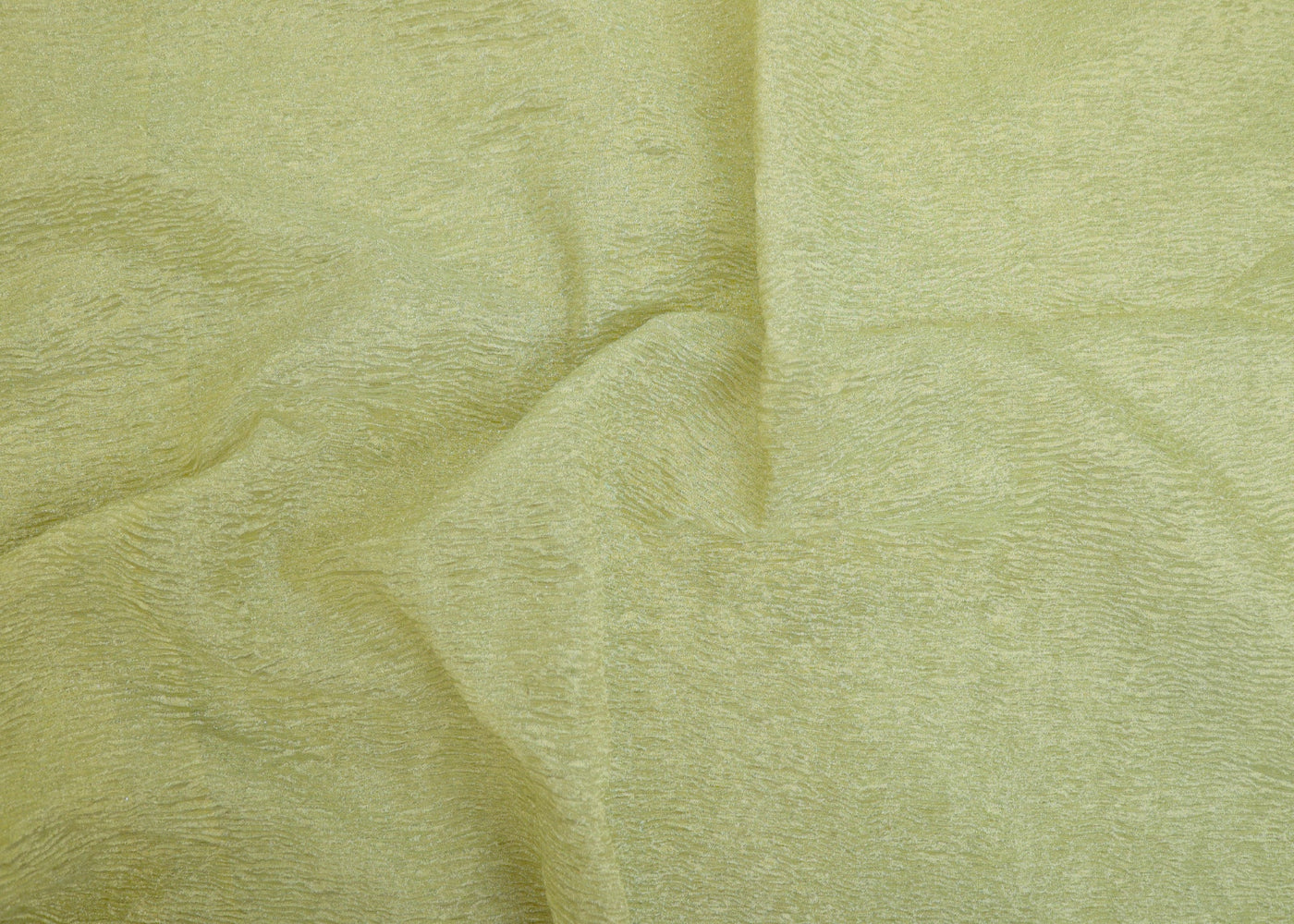
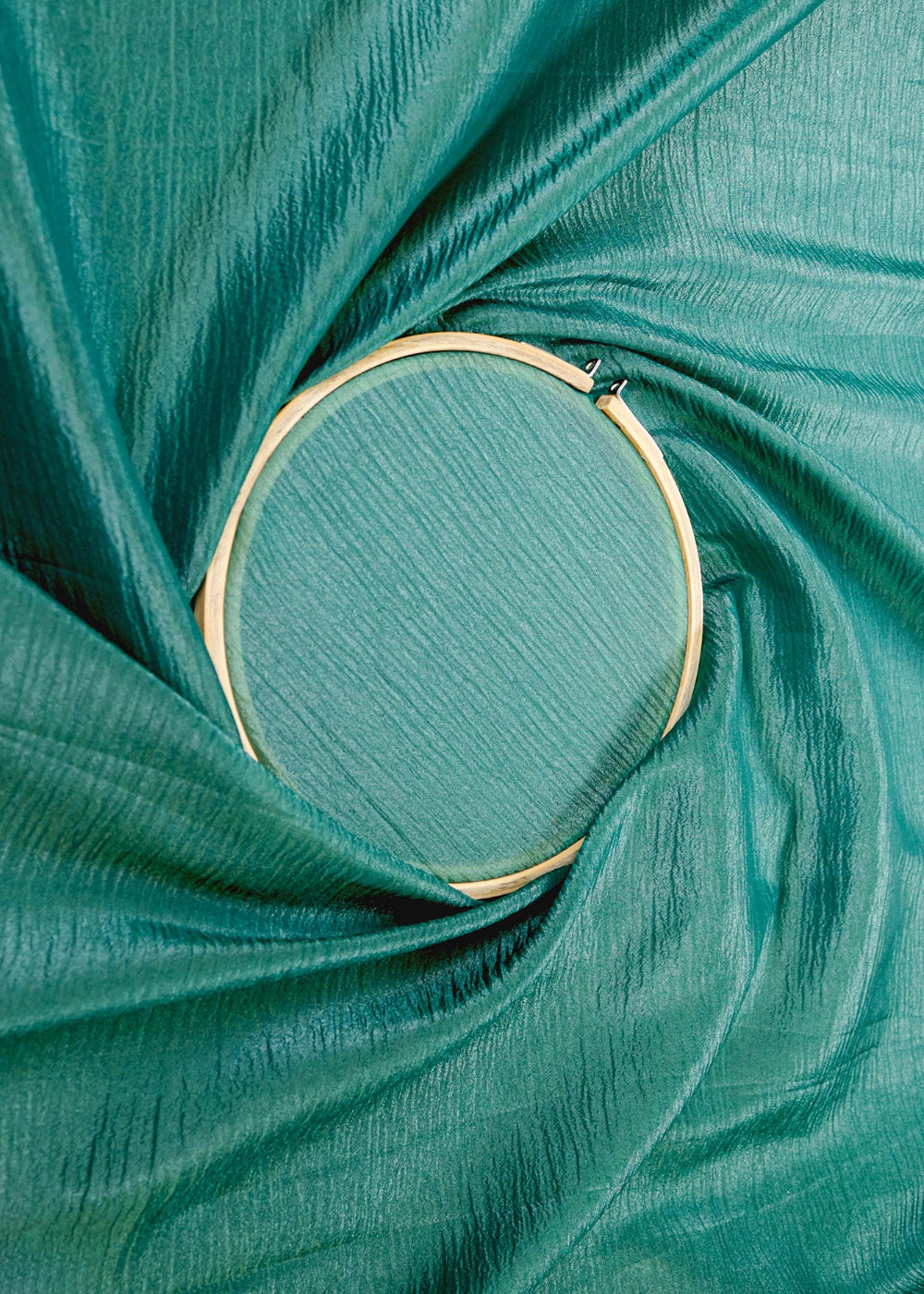
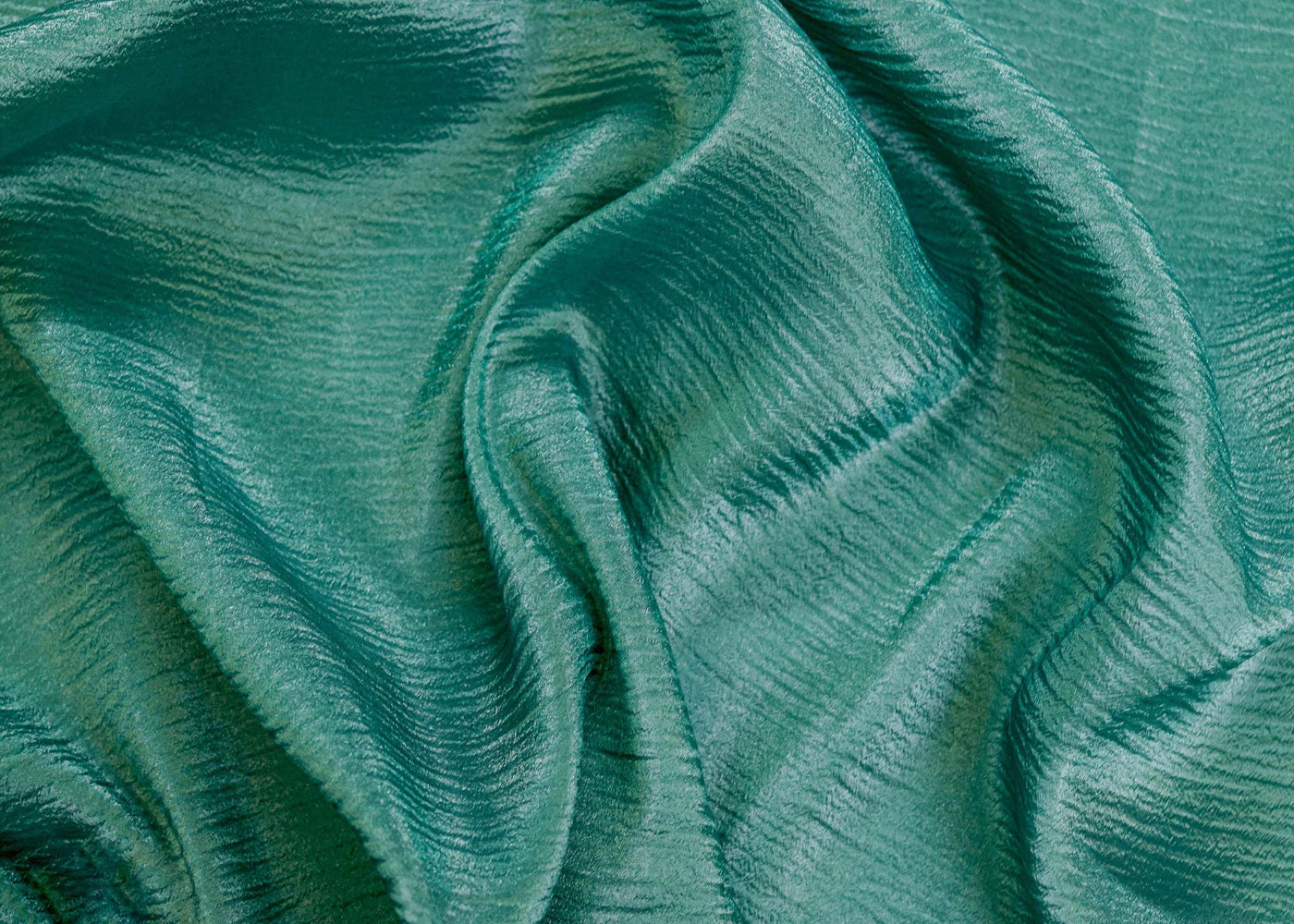
This fabric has that pull for stylists and designers. The permanent crinkle finish gives the fabric a vintage feel that plain tissue simply cannot replicate. Photographers love how it catches shadows across those crushed folds, adds depth to indoor shoots without extra lighting setup.
If you are stitching designer anarkalis, editorial-look gharara sets, or reception gowns that need texture beyond plain fabric, here is the breakdown of this fabric before committing to any bulk purchase.
What Makes Crushed Tissue Different
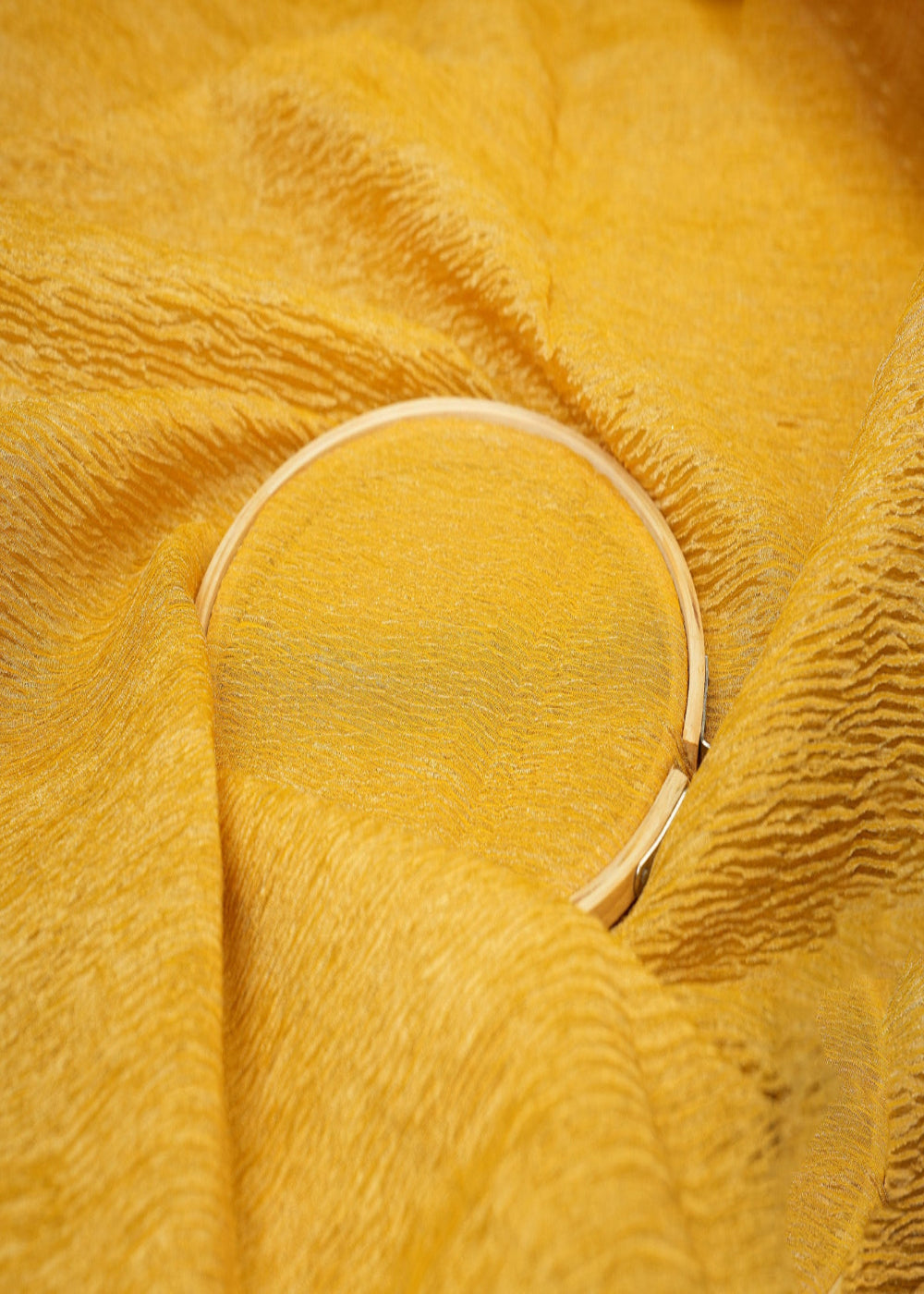
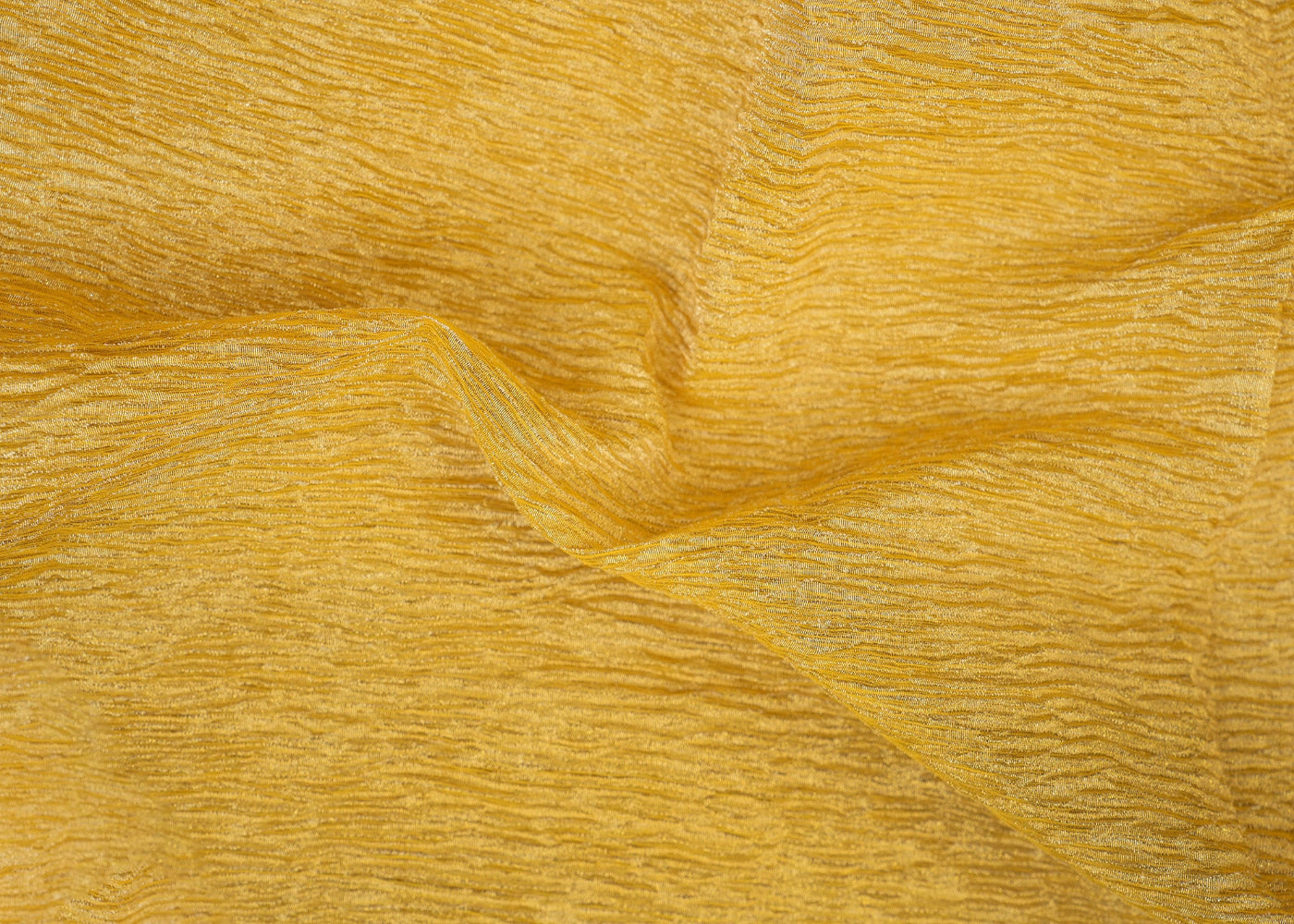
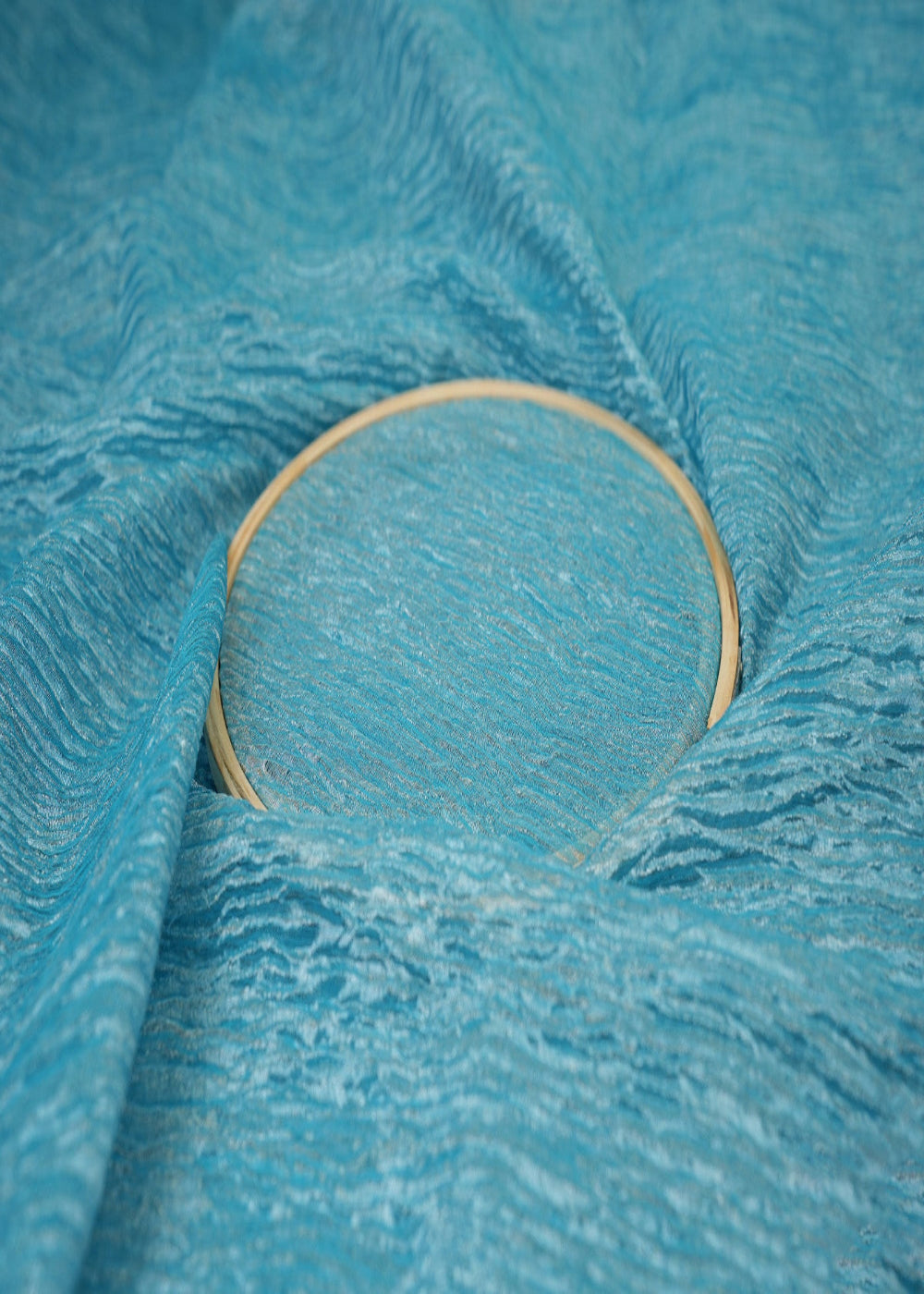
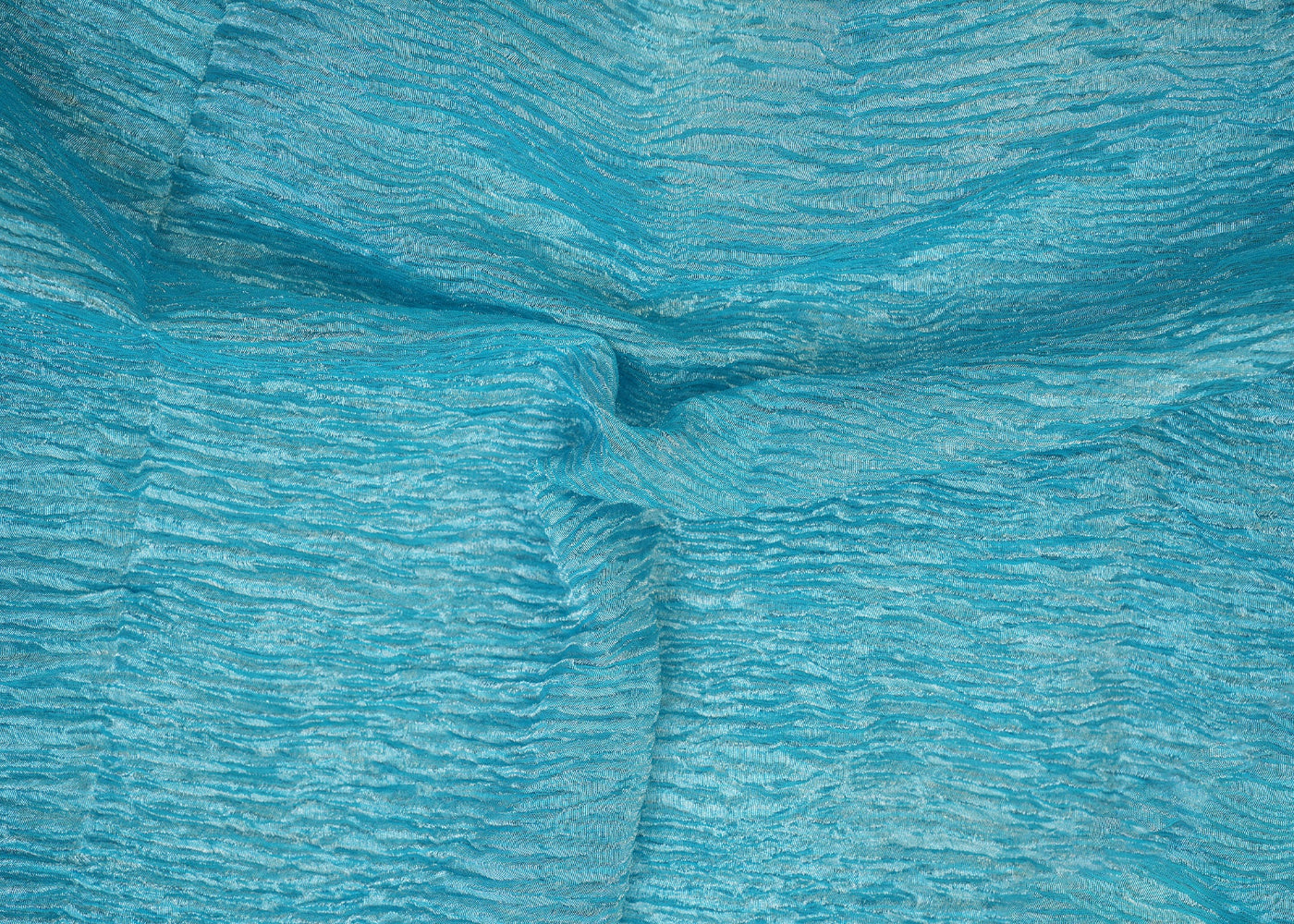
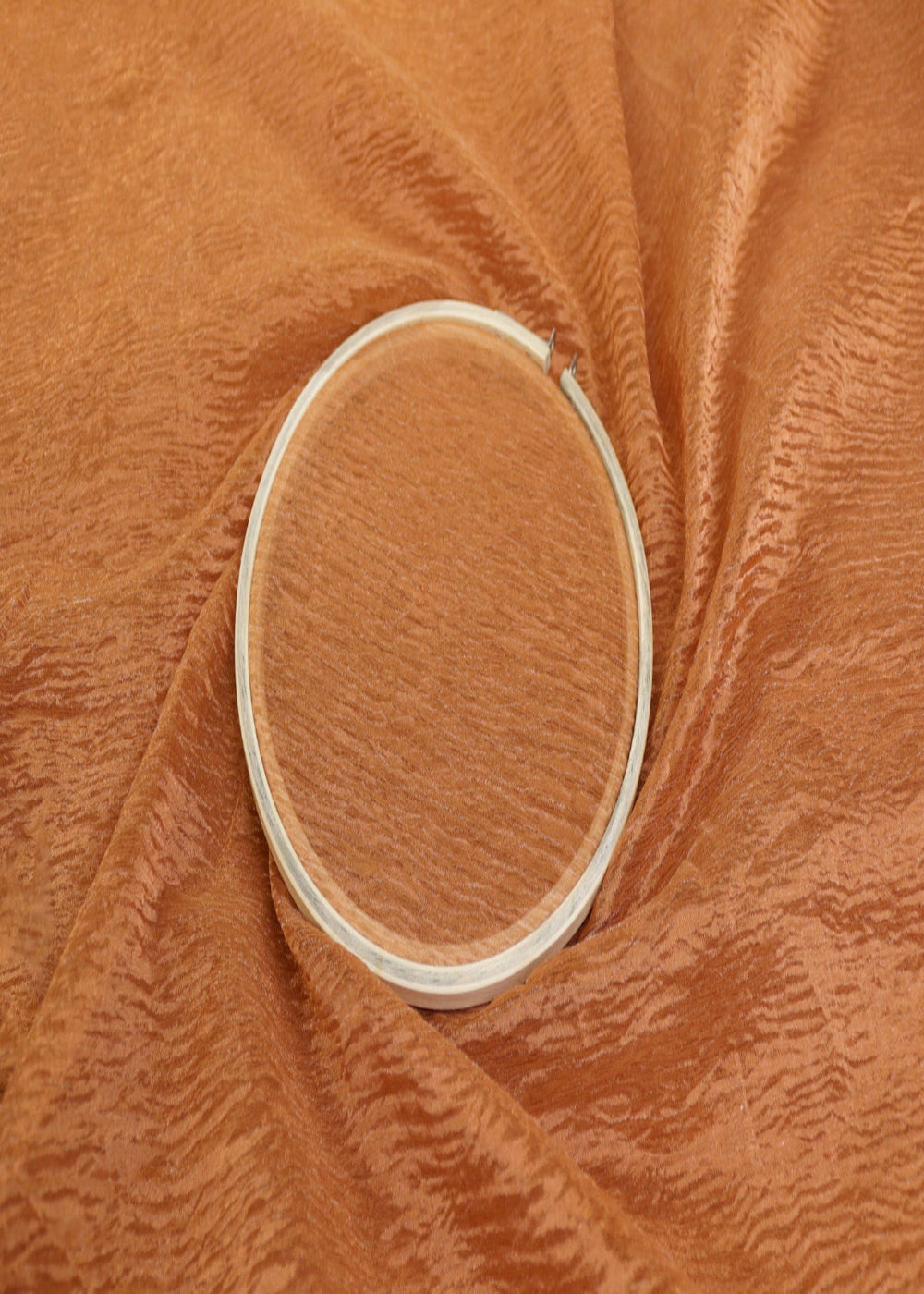
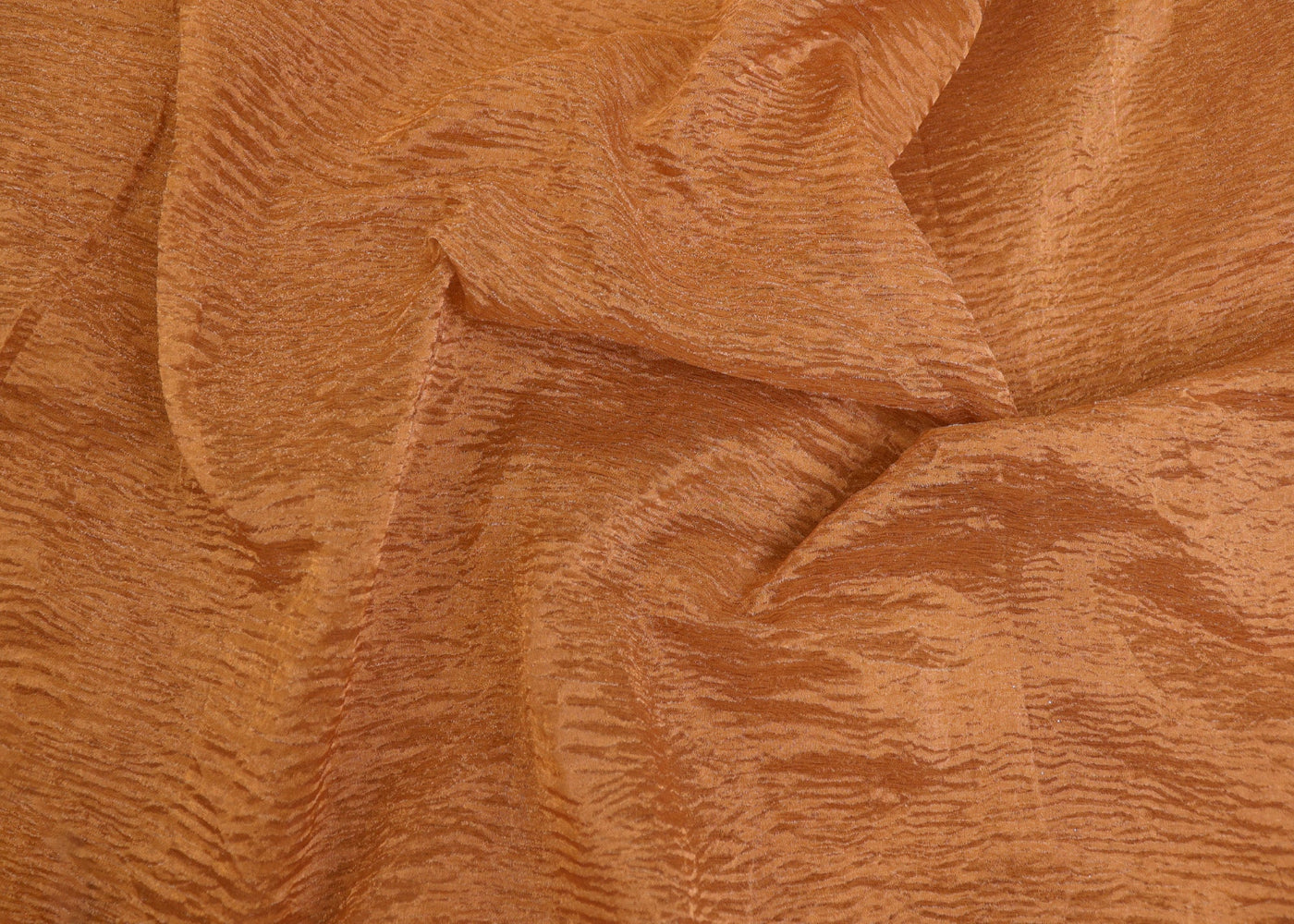
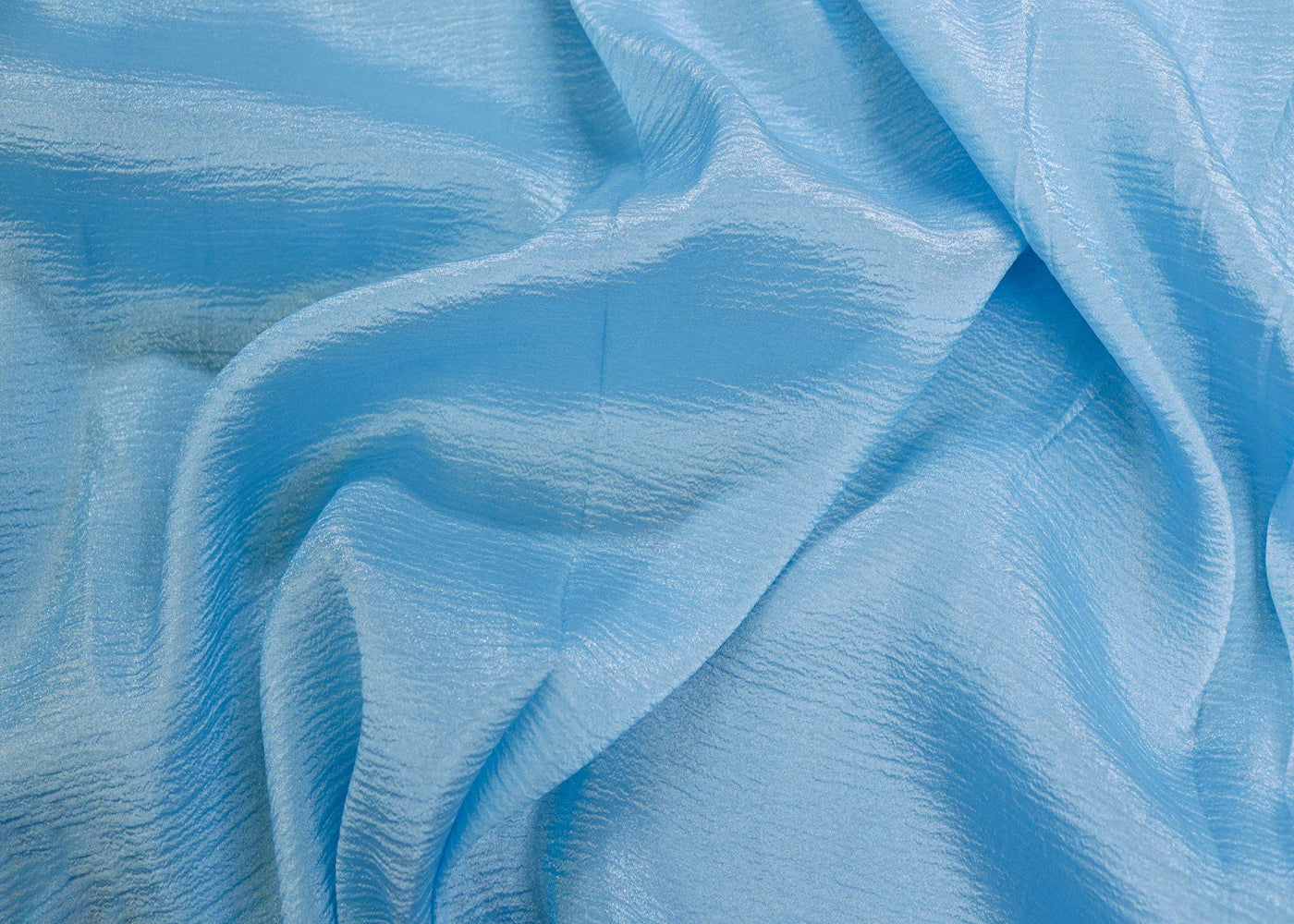
The base is regular tissue that has been mechanically crushed during finishing to create a permanent crinkled texture across the surface. Those crinkles do not iron out; that is the whole point of picking this fabric over plain tissue. The texture stays through washing, wearing, folding, everything.
Plain tissue arrives smooth and flat. This version comes with intentional wrinkles that catch light differently across every fold. Where plain tissue photographs bright and even, crushed tissue photographs with visible depth and shadow interplay. Videographers on wedding shoots specifically ask for this fabric because the ghera movement during dance segments looks more dramatic.
Hand feel is soft yet crisp. Sounds contradictory but the crinkle finish gives softness to touch while the underlying tissue base keeps structural crispness right underneath. Karigars sometimes struggle with the first fitting because the fabric behaves differently under scissors than plain tissue, which takes one or two attempts to figure out properly.
Boutiques in Lajpat Nagar typically paying Rs. 220 to Rs. 550 per metre depending on shade and metallic density.
Why Boutiques and Designers Continue Choosing Crushed Tissue
Editorial-look demand is the main reason designer studios buy this fabric. That texture reads as expensive on camera without the actual cost of hand-embroidered fabrics. Boutique clients showing Instagram photos of designer looks and asking for this exact texture, week after week.
Anarkali production is the next big segment. That crinkle finish flows dramatically when the wearer moves, kalis swing with visible texture play. Anarkali brides during sangeet particularly love this fabric because the movement translates directly to their reels and reception videos.
Gharara sets is the third area. Using this fabric for the gharara panels plus contrasting plain fabric for the kurta creates a texture story that photographs richly. Delhi wedding clients ordering this combination for cocktail and sangeet functions across the season.
Types of Crushed Tissue in Our Collection
Five variants moving through our shelves regularly.
| Type | Best Use | Approximate Price Range |
|---|---|---|
| Plain Crushed Tissue | Anarkali kalis, dupattas, kurta bottoms | Rs. 220 to 320 per metre |
| Metallic Crushed Tissue | Gharara panels, sangeet outfits | Rs. 320 to 500 per metre |
| Zari-Border Crushed Tissue | Festive dupattas, designer kurtas | Rs. 400 to 700 per metre |
| Sequin Crushed Tissue | Reception gowns, cocktail blouses | Rs. 550 to 1,100 per metre |
| Embroidered Crushed Tissue | Designer sarees, bridal dupattas | Rs. 800 to 2,200 per metre |
For first-time buyers, plain metallic is the most flexible pick. Works as anarkali kali fabric, dupatta material, plus texture accent panel on plain organza or georgette outer garments.
Crushed Tissue GSM Guide
GSM affects drape drama and crinkle depth. The three ranges we stock.
| GSM Range | Fabric Feel | Best For |
|---|---|---|
| 50 to 80 GSM | Light, dramatic drape | Anarkali kalis, layered dupattas |
| 80 to 120 GSM | Mid-weight, defined crinkle | Gharara panels, festive kurtis |
| 120 to 180 GSM | Heavy, structured crinkle | Reception gowns, designer jackets |
Most designer studios default to the 80 to 120 range. Balances drape drama with structural hold, works across anarkali plus gharara plus gown silhouettes both.
Popular Uses of Crushed Tissue
Where this fabric earns its place on our shop counter through wedding and editorial seasons.
Designer anarkalis with cascading kalis where the crinkle texture flows during the sangeet. Signature use case.
Gharara panels for cocktail wedding functions. The texture plus flared silhouette combination photographs dramatically.
Reception gowns with structured bodice plus flowing crushed tissue skirt.
Editorial styling for shoots and Bollywood magazine features. Stylists specifically request this fabric for texture-rich looks.
Bridal dupattas with subtle embellishment. The crushed base does not need heavy embroidery to look complete.
Layered kurta sets where crushed tissue serves as the outer flowy layer over plain crepe or silk inner kurta.
Crushed Tissue Trends for 2026
Three patterns running strong on our shop floor this season.
Metallic pastels are leading. Rose gold crush, champagne crush, mint crush, dusty blue crush. These four shades moving fastest for designer studios producing sangeet and cocktail wear. The metallic thread through the crushed base gives the fabric a modern updated feel.
Two-tone crushed tissue is the second trend. Warp and weft threads in different colours creating a shot effect on top of the crushed texture. Reads as one colour from distance, shifts to second colour when viewer moves closer. Editorial designers love this depth.
Sequin work on crushed tissue is the third pattern. Overlay of sequins on the crushed base without flattening the crinkle underneath. Karigar work needs care here, worth the extra cost for reception gowns and sangeet outfits.
Expert Tips for Working with Crushed Tissue
Some tips from many editorial seasons of watching designers handle this fabric.
Never iron directly on the crushed side. This flattens the crinkle permanently and destroys the whole reason you bought this fabric. Iron only on the reverse side at low heat with a press cloth, or better yet, steam the fabric through a cloth without pressing anywhere on the surface.
Cut with sharp shears in single-layer passes because crushed tissue shifts under scissors more than plain tissue during cutting. Double-layer cutting leads to mismatched panel widths across the finished garment.
Line the fabric with plain cotton or silk for structured garments. The base itself is unstable for standalone kurta or blouse construction. Lining gives the karigar a stable base to attach to.
Store rolled on a wide tube, never folded. Fold creases interact strangely with existing crinkles, create visible flat spots that never bounce back to the intended texture pattern.
For dupattas use French hem only because overlock ruins the edge texture, since the crinkle pulls unevenly along the machine feed and creates puckering.
These care steps protect the fabric character. Skip them and the garment loses everything that made the client choose crushed tissue in the first place.
What is Crushed Tissue? (Quick Definition)
Crushed tissue is a lightweight tissue fabric with a permanent mechanical crinkle finish that adds depth and texture across the surface. It gets used in designer anarkalis, gharara panels, reception gowns, editorial styling, bridal dupattas, plus layered kurta sets. Available across 50 to 180 GSM in metallic and plain finishes.
Why Designers Buy Crushed Tissue Online
This textured tissue is popular in Indian designer wear because the permanent crinkle catches shadow and light differently than plain fabrics. The metallic thread combined with crushed base photographs richly on video without heavy embroidery. Boutiques in Delhi NCR price plain weights between Rs. 220 to Rs. 550 per metre, while embroidered variants run up to Rs. 2,200. Best uses: designer anarkalis, gharara panels, reception gowns, sangeet outfits, editorial styling, bridal dupatta bases.
Frequently Asked Questions
How is crushed tissue different from plain tissue?
Plain tissue arrives smooth and flat, needs to be steam-set into any texture you want. The crushed version arrives with a permanent mechanical crinkle already built in during finishing. That texture stays through washing, wearing, storage; all of it. This is exactly why editorial stylists prefer crushed for shoots where consistent texture matters.
Will the crinkle come out after dry cleaning?
No if done properly. Standard dry cleaning at reputable outlets preserves the crinkle finish across many cleanings. Home washing or hand washing can loosen the crinkle temporarily but the texture returns once dried. The crinkle is mechanical, set at mill finishing stage, not a temporary treatment.
Is crushed tissue transparent?
The 50 to 80 GSM variants are sheer, need lining underneath for kurta or gharara construction. The 80 to 120 GSM variants are semi-opaque, work with light inner layer. The 120 GSM and above are opaque, no lining needed for most uses. For dupattas transparency does not matter across any weight.
Can crushed tissue be dyed at home for custom shades?
Not recommended. The crinkle finish makes home dyeing uneven because dye settles differently across the folds than across the flat areas. Uneven patches result. Order pre-dyed in your shade from our catalogue. For custom shade matching above 100 metres, our team handles industrial dyeing without disturbing the crinkle.
Is crushed tissue available in bulk for designer production?
Yes definitely. Bulk pricing kicks in at 30 metres per SKU. Wholesale tiers begin at Rs. 180 per metre for plain weights on 100-metre-plus orders. Custom colour dyeing for designer studios opens at 100 metres. WhatsApp the team with shade specification and quantity for current quotes.
How much fabric does a designer anarkali need?
Standard designer anarkali needs 5.5 to 6.5 metres including kalis, sleeves, bodice construction. Fuller kalis with dramatic flare push this up to 7.5 metres. Use our Fabric Estimator with your kali count and hem circumference before placing order because crushed tissue does not accept panel joining well at seam midway.
Why Boutique Owners Choose Crushed Tissue from Paras Gallery
Fifteen metres minimum buys sample-run pricing. Thirty metres unlocks wholesale tier per SKU. One hundred metres opens custom shade dyeing service for designer studios needing exclusive colours.
For one-off designer purchases we ship single metres with texture swatches dispatched within 48 hours across India. Anarkali buyers should use our Fabric Estimator before placing order since crushed tissue does not accept mid-panel joining without visible seams.
Browse the full crushed tissue range below or WhatsApp our team for shade matching before bulk order through our wholesale catalogue. Many editorial and wedding seasons of supplying crushed tissue to designers, we know which weights work for which silhouettes. Shortcut is asking us first, not after the karigar starts cutting.
