
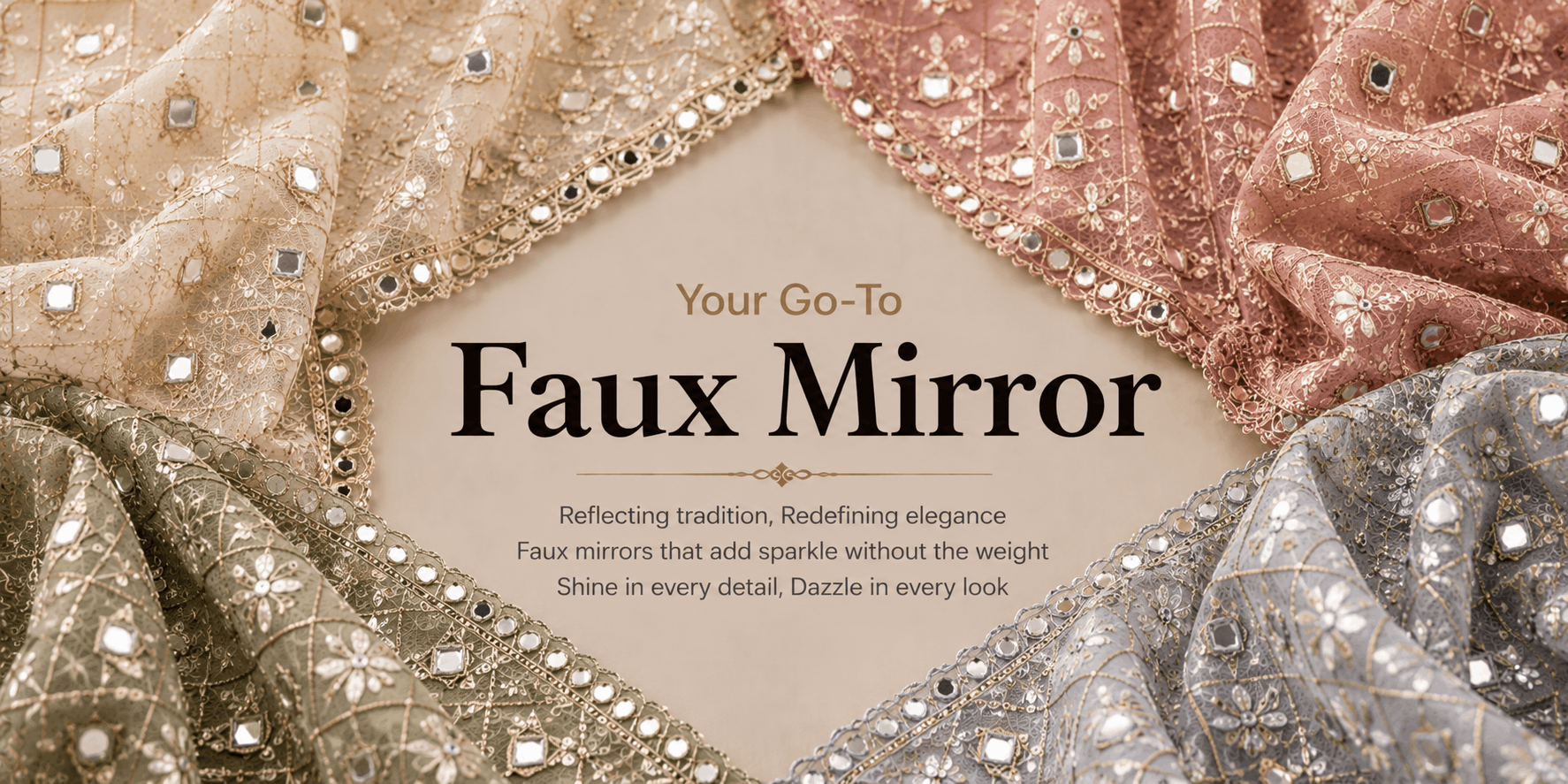
Faux Mirror
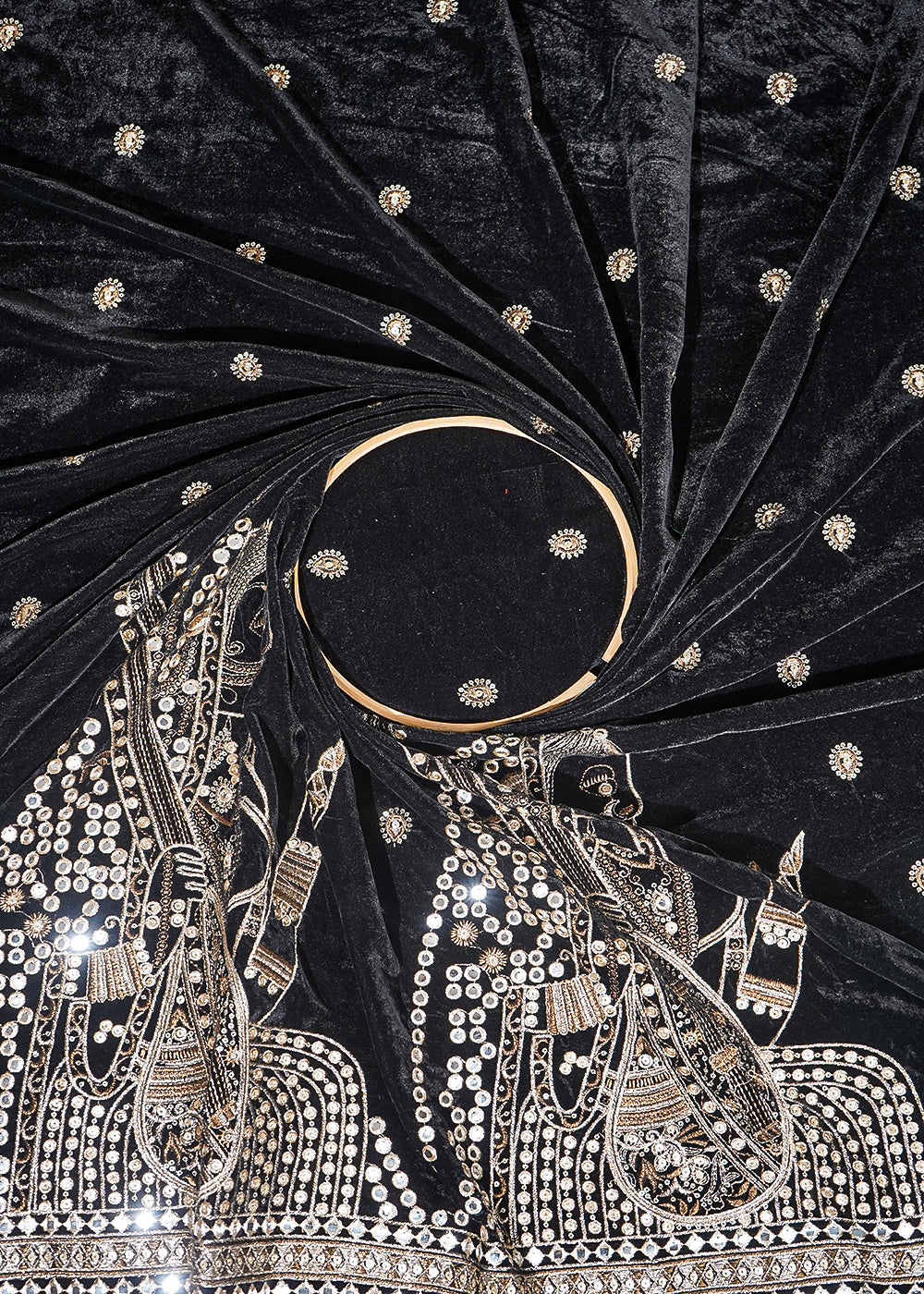
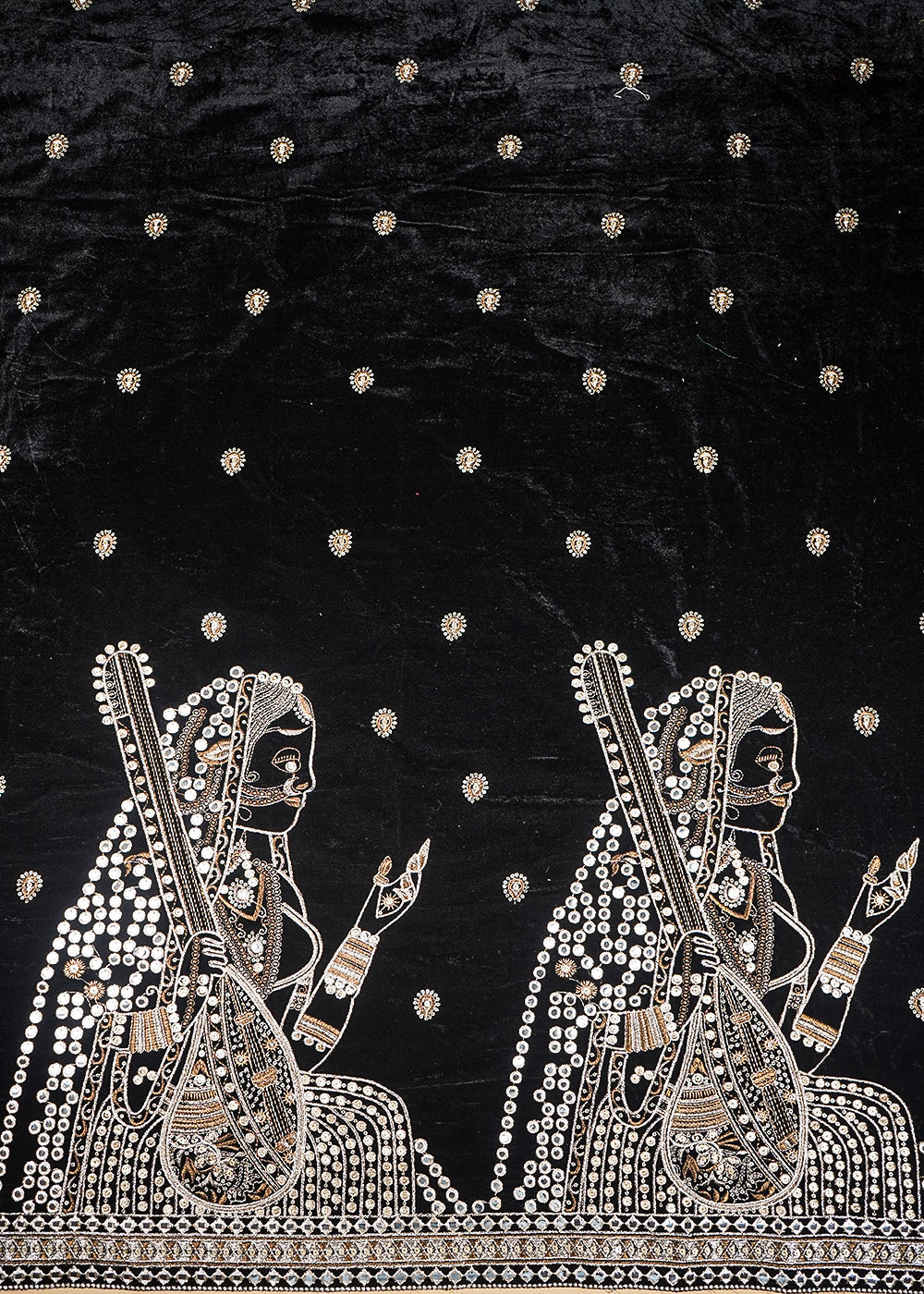


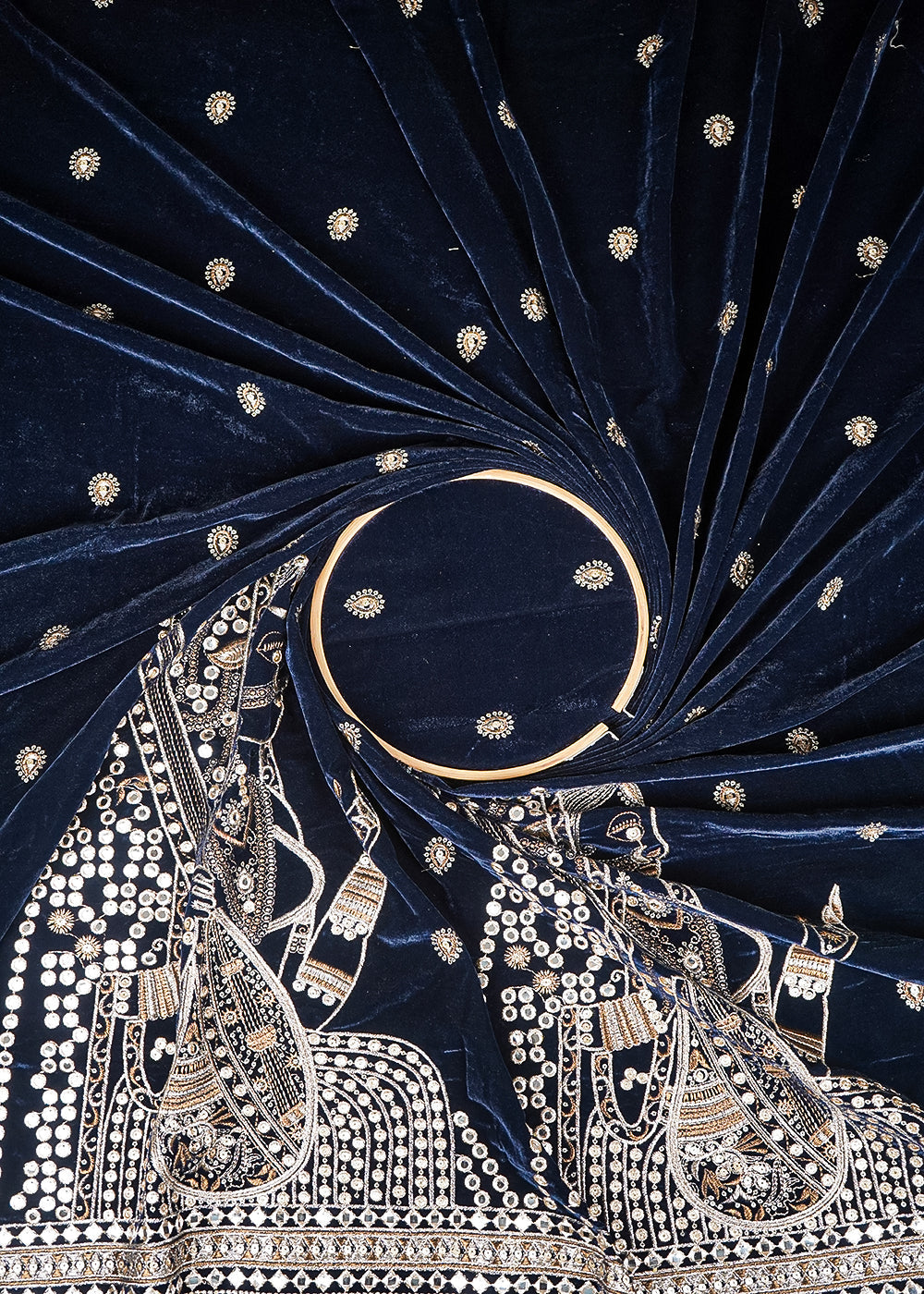










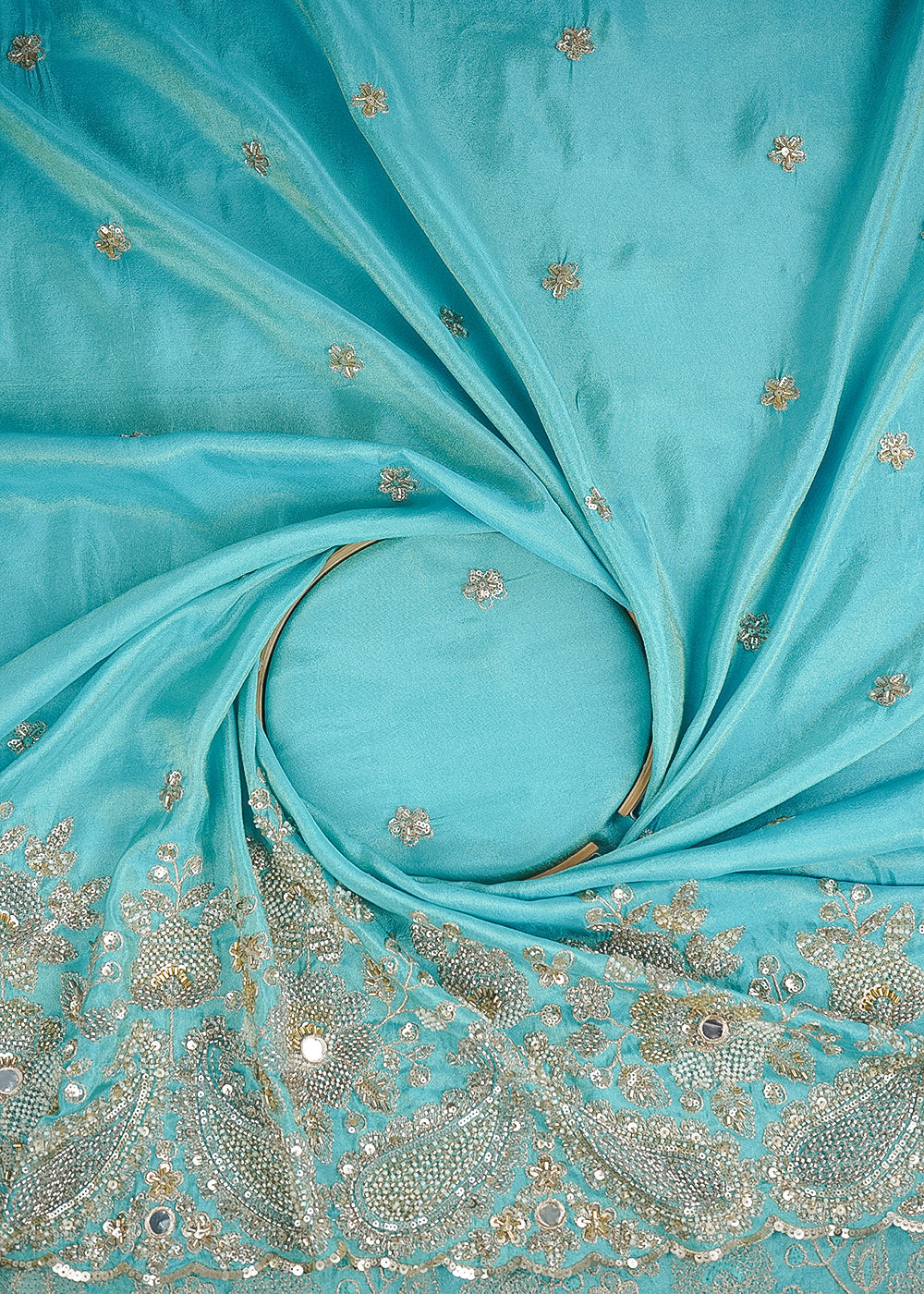
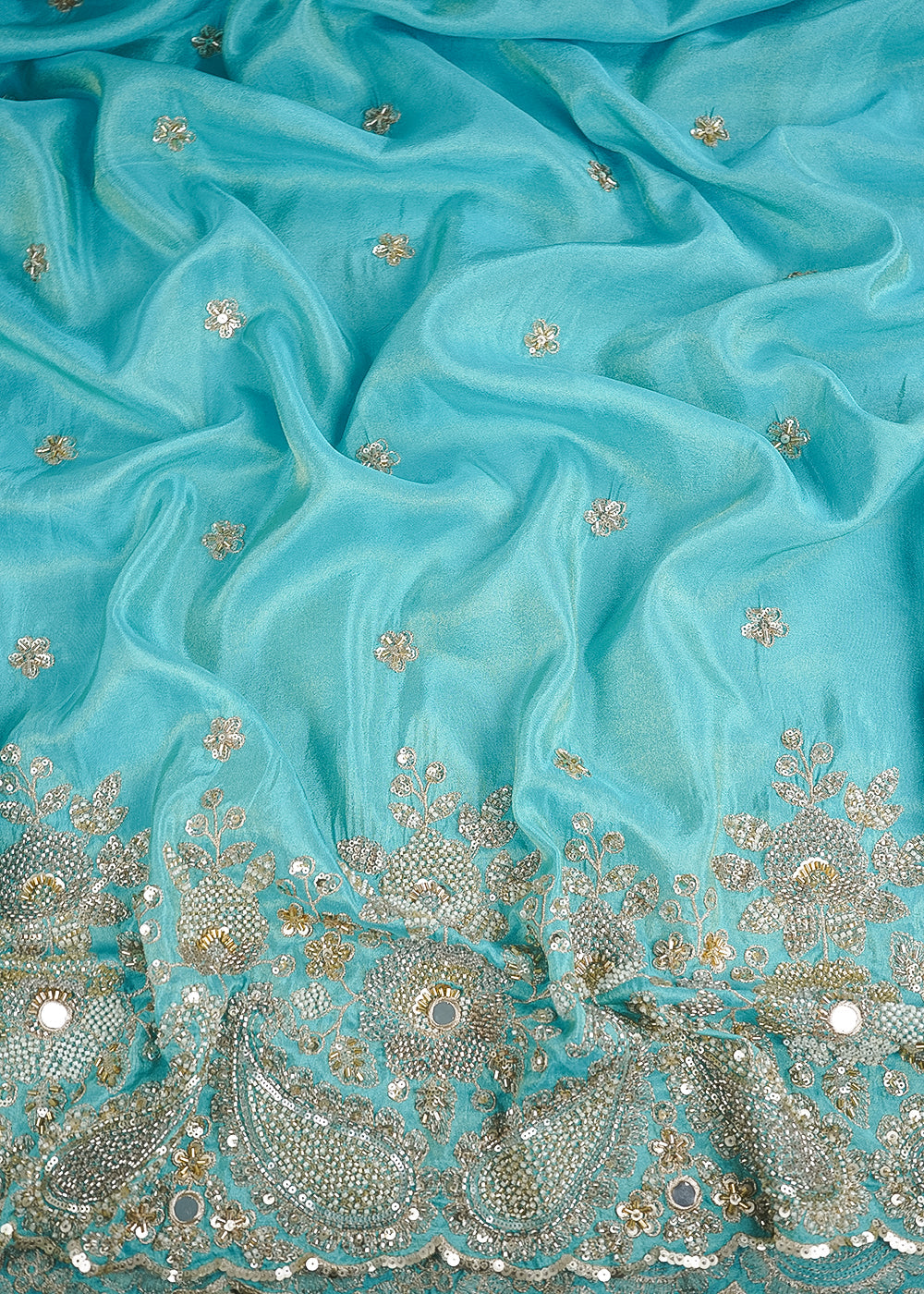
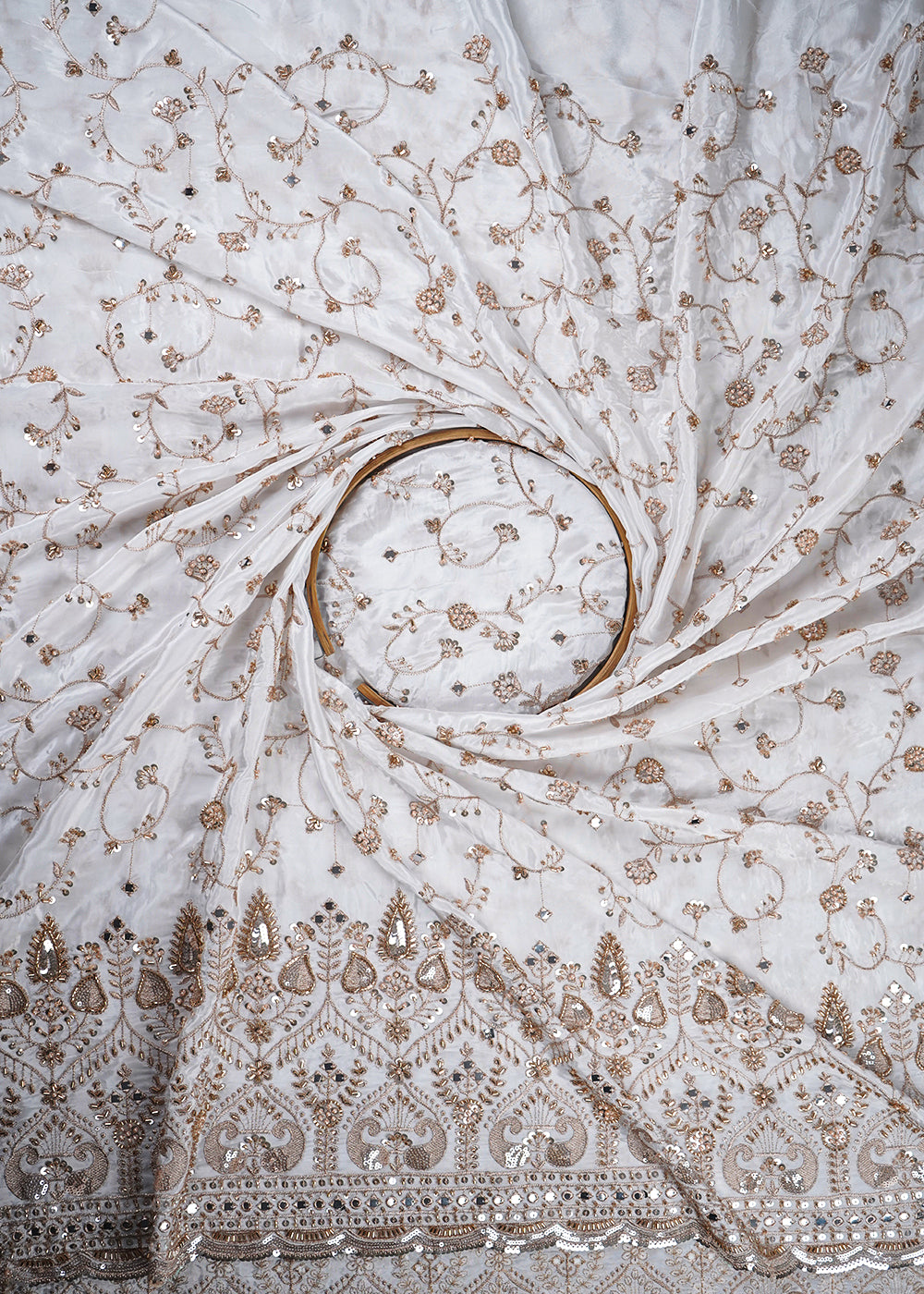
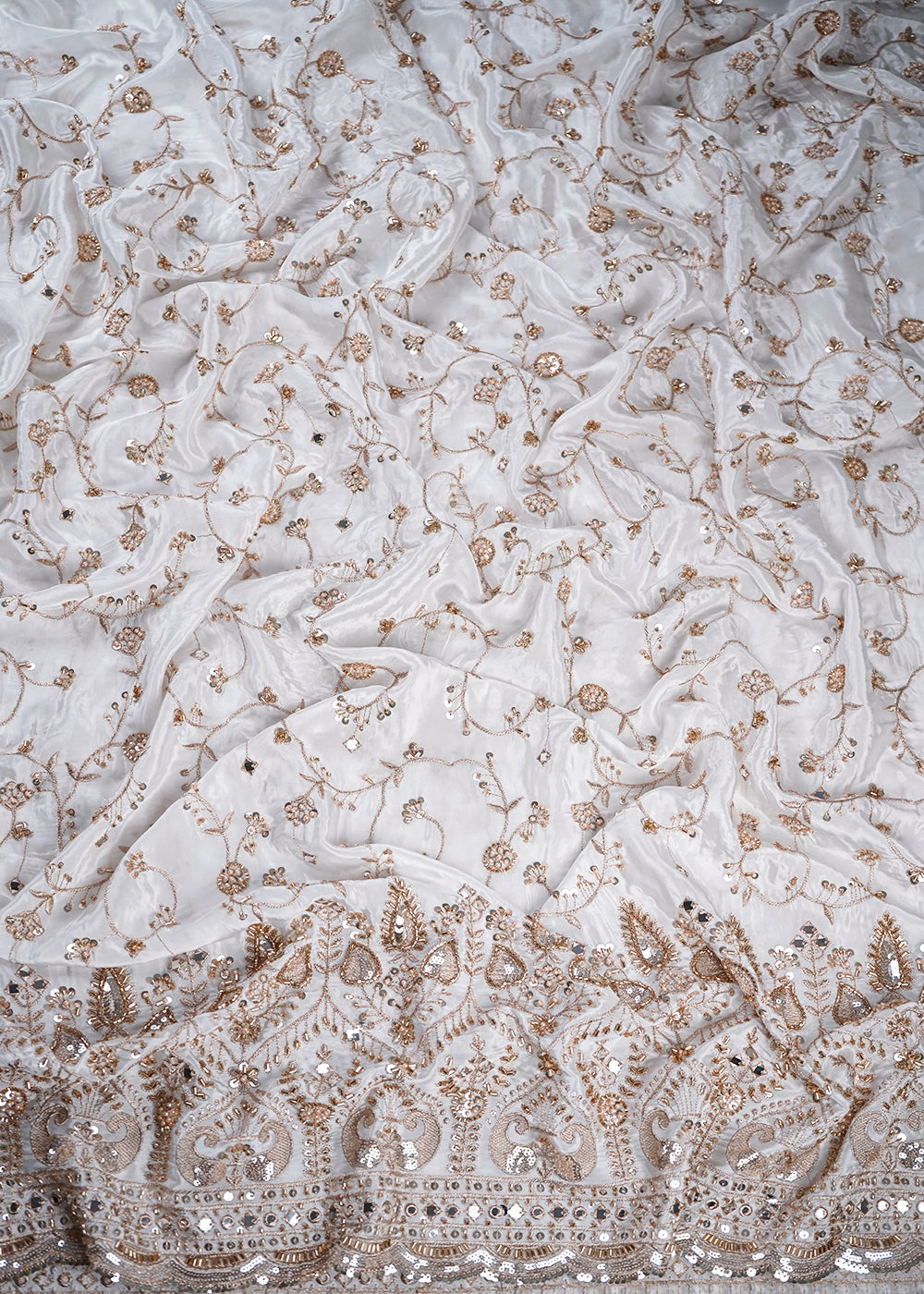
How Mirror Work Became the Festive Season Staple
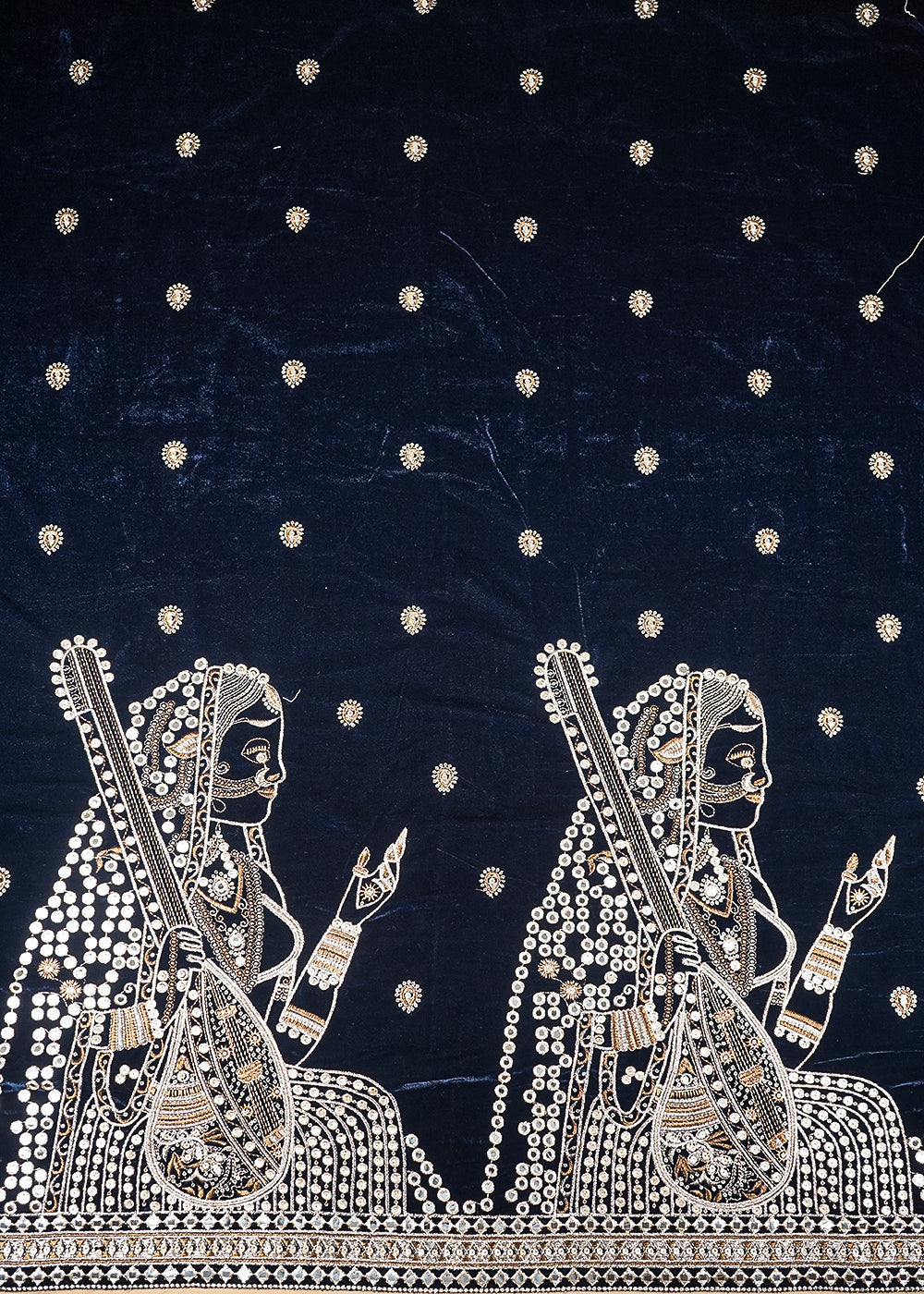
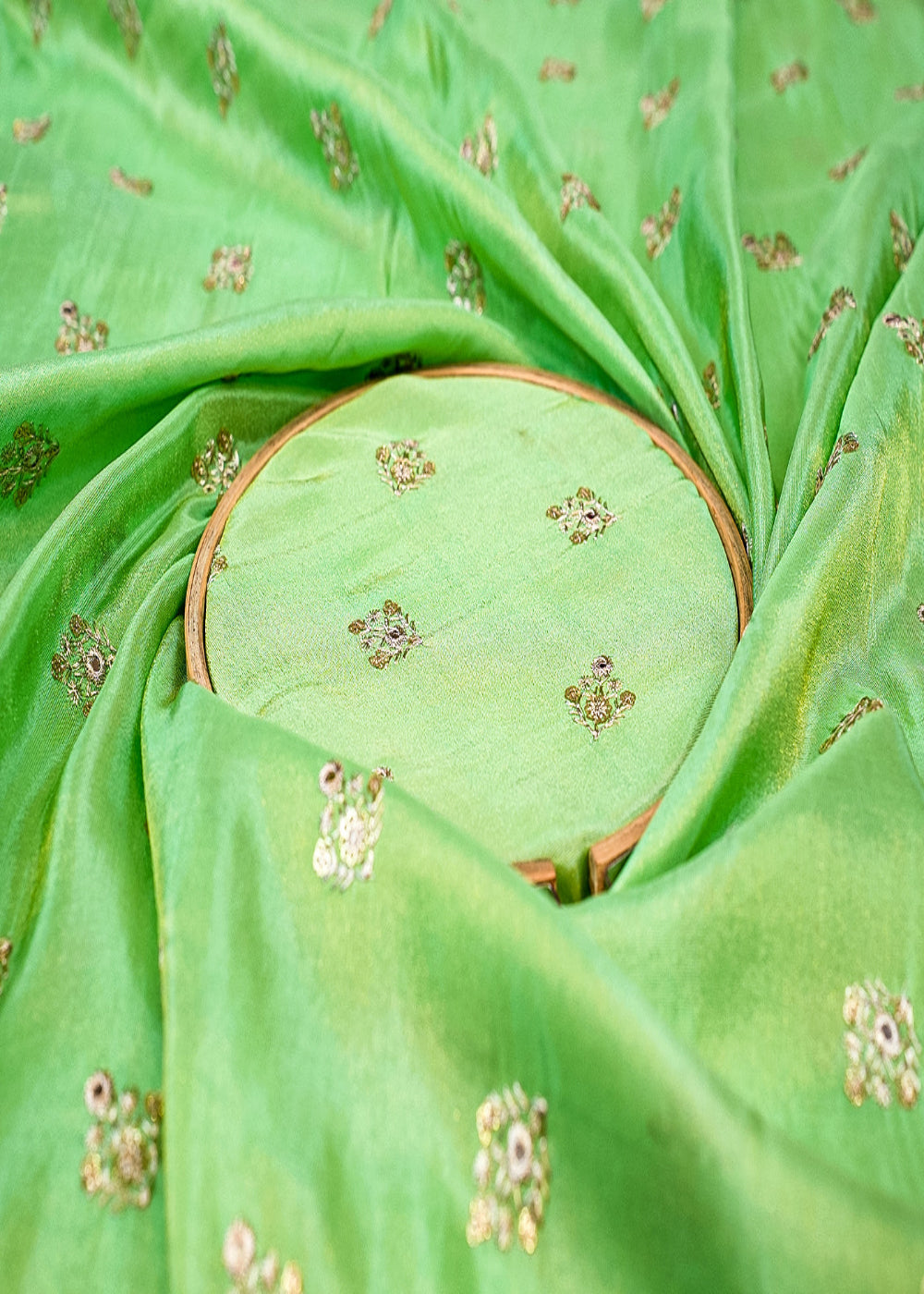
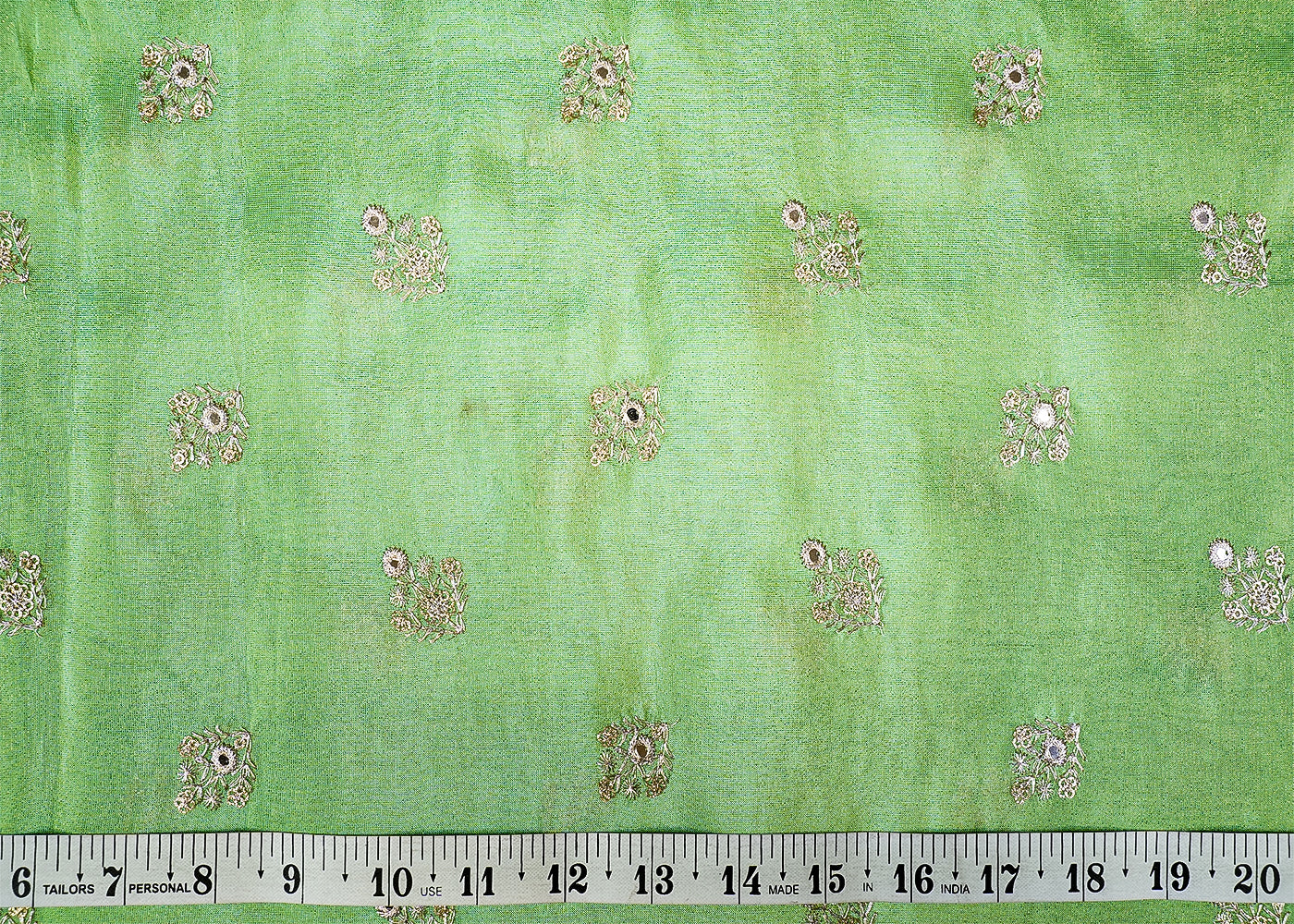
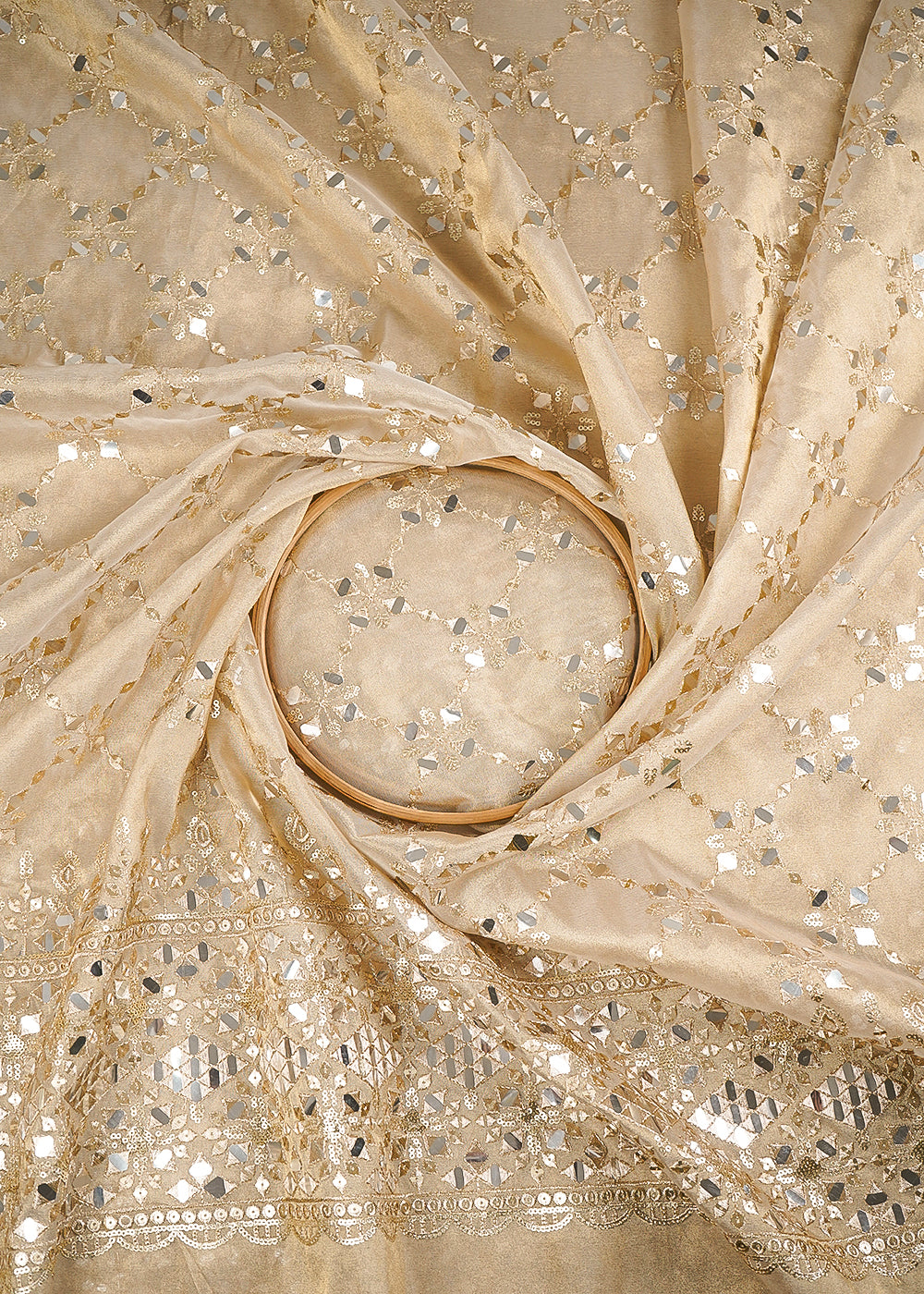
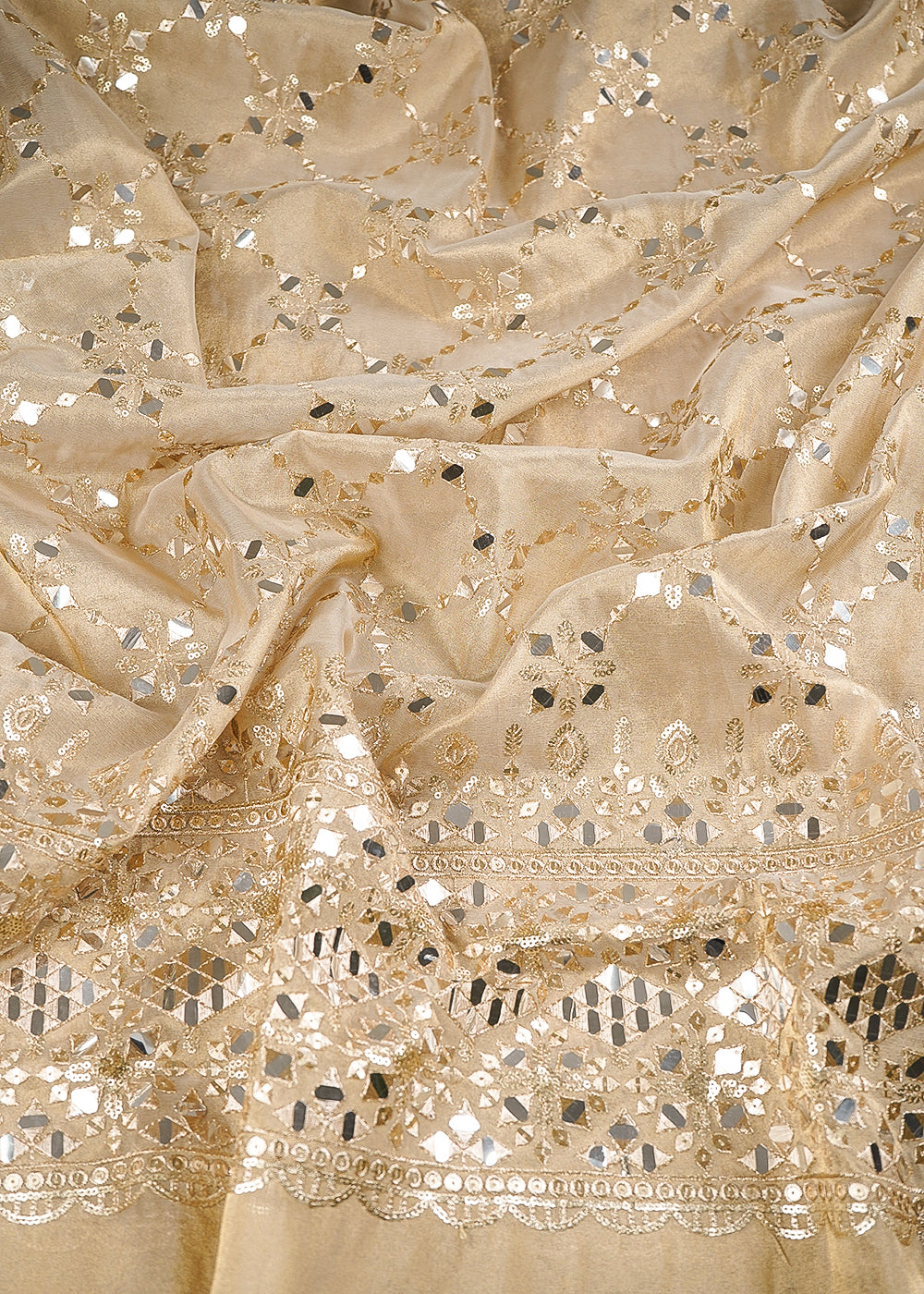
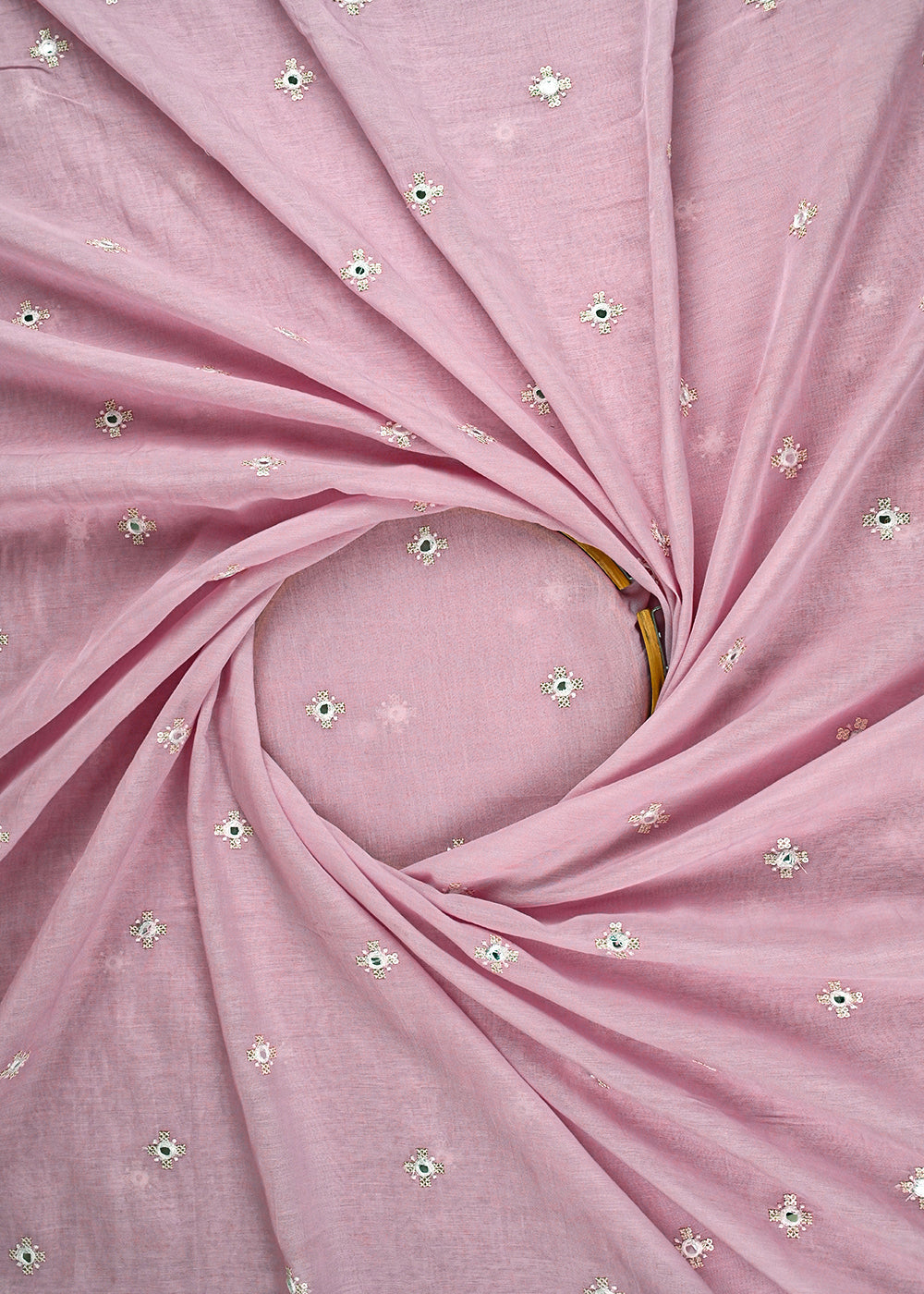
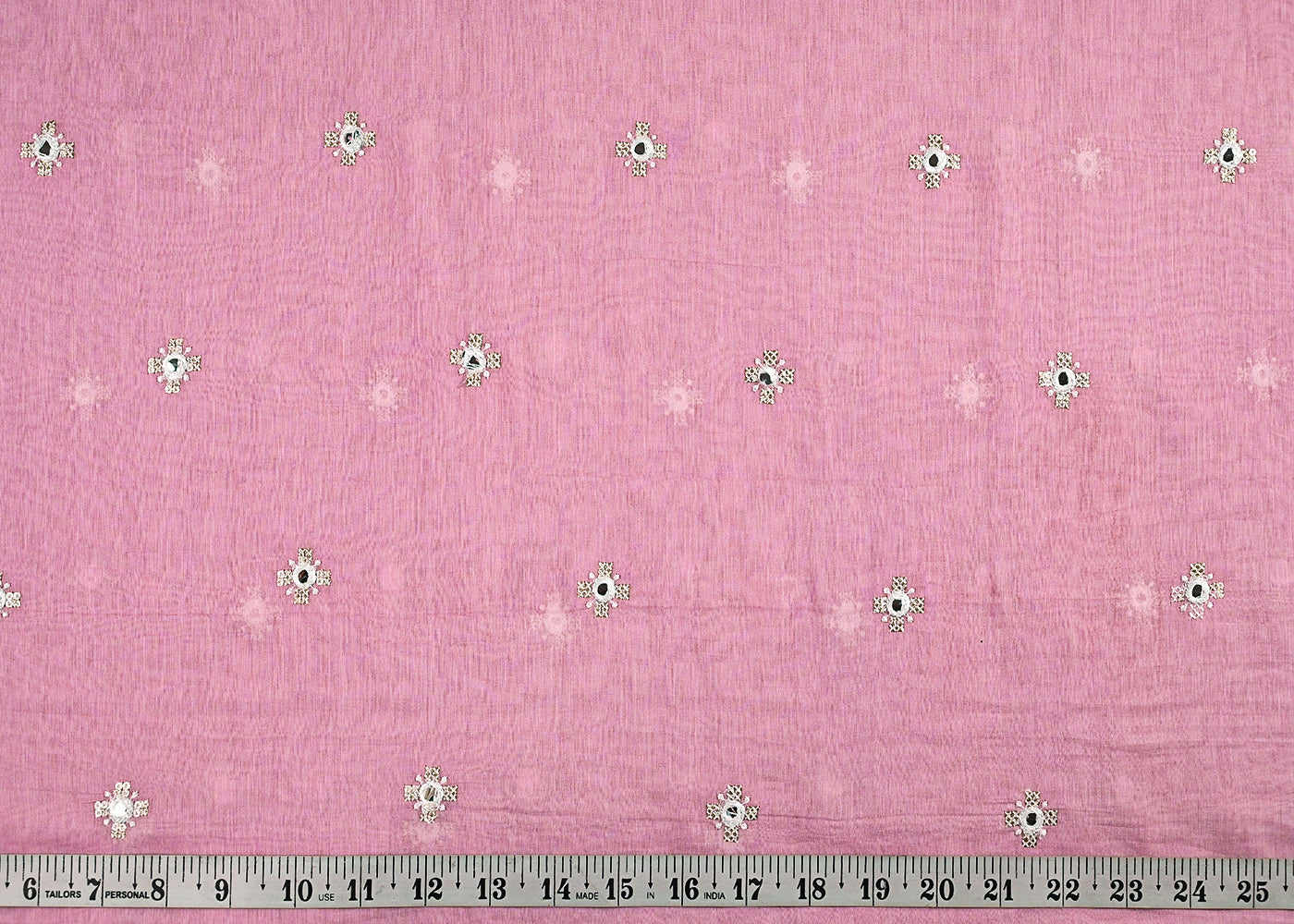
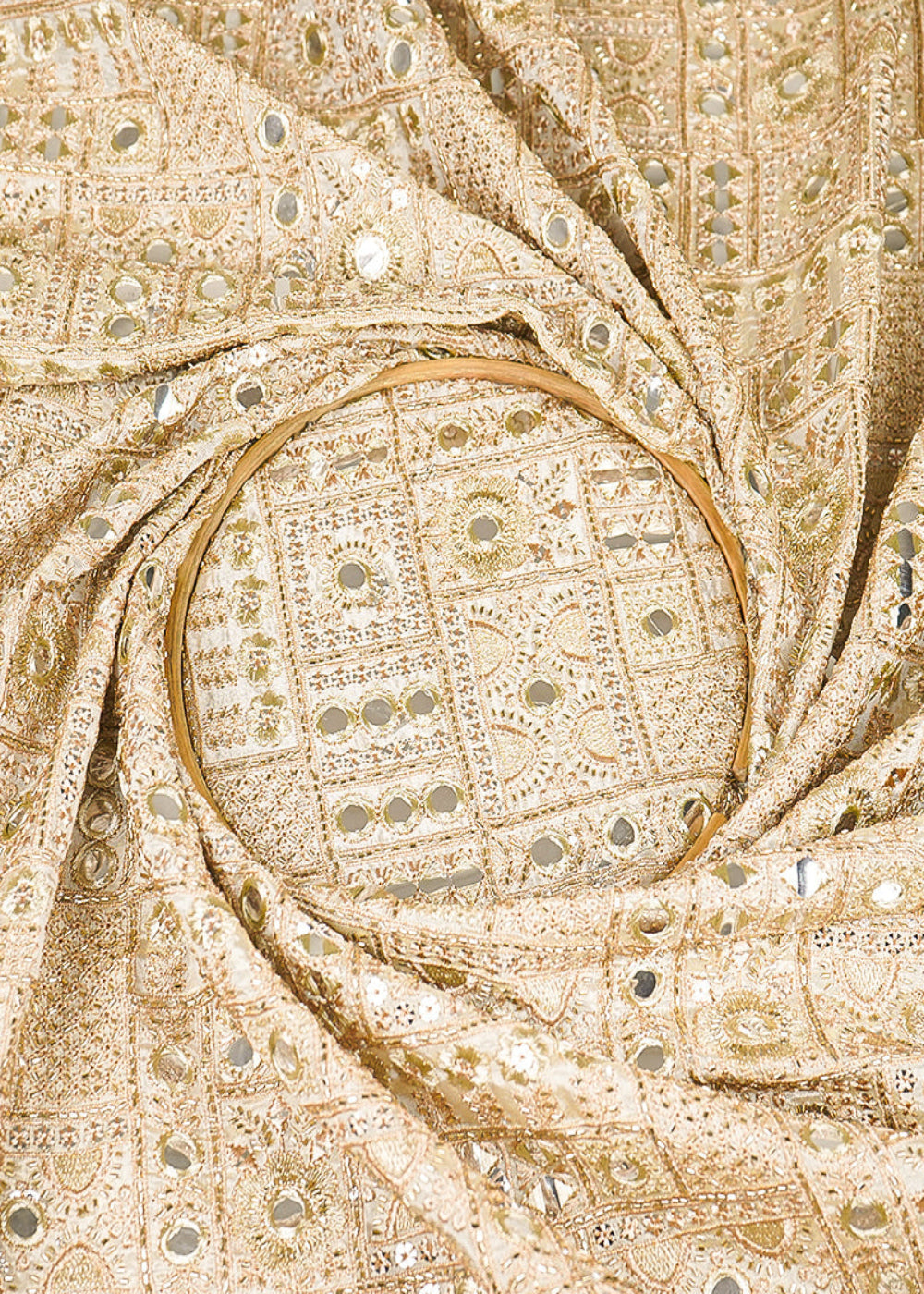
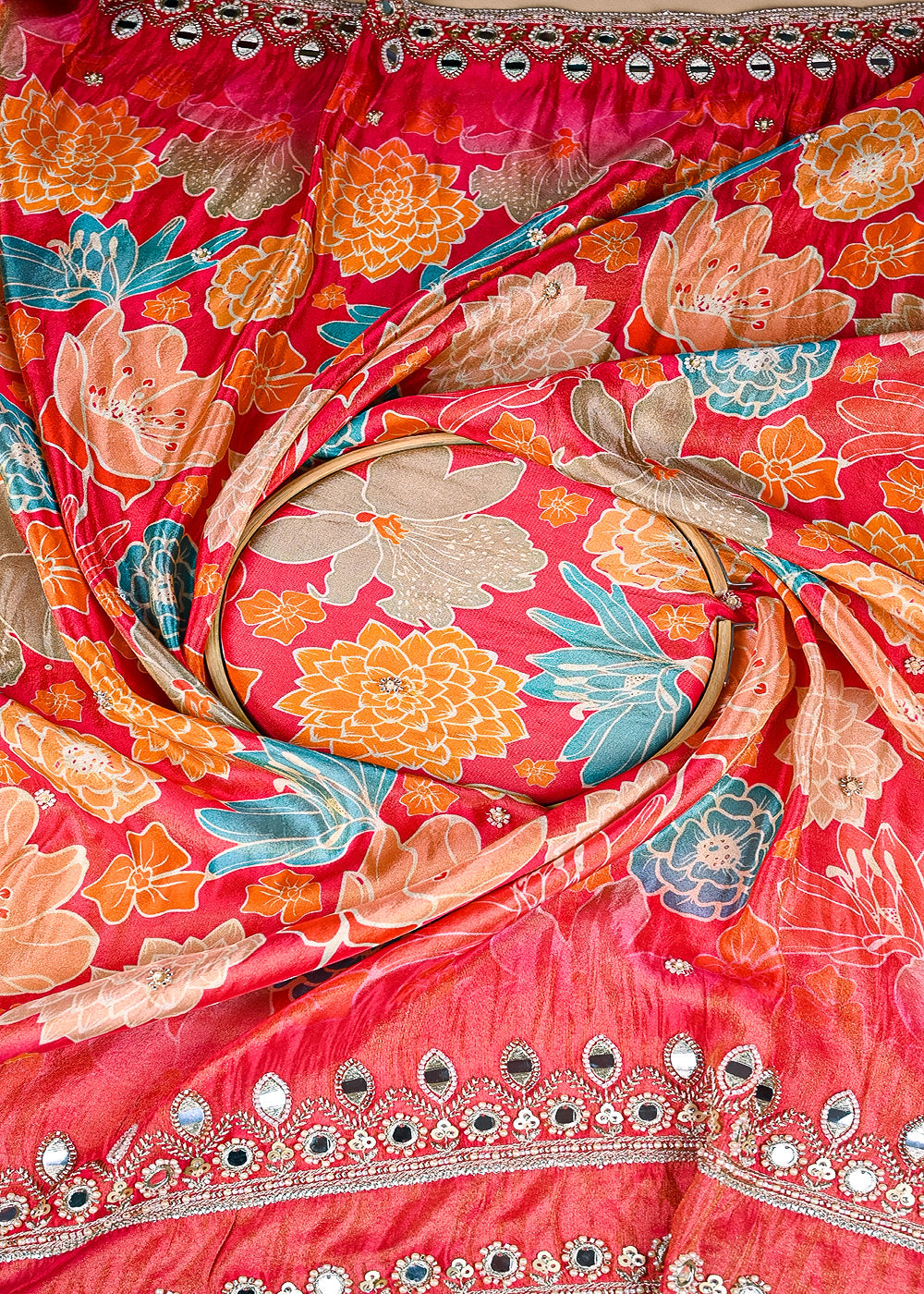
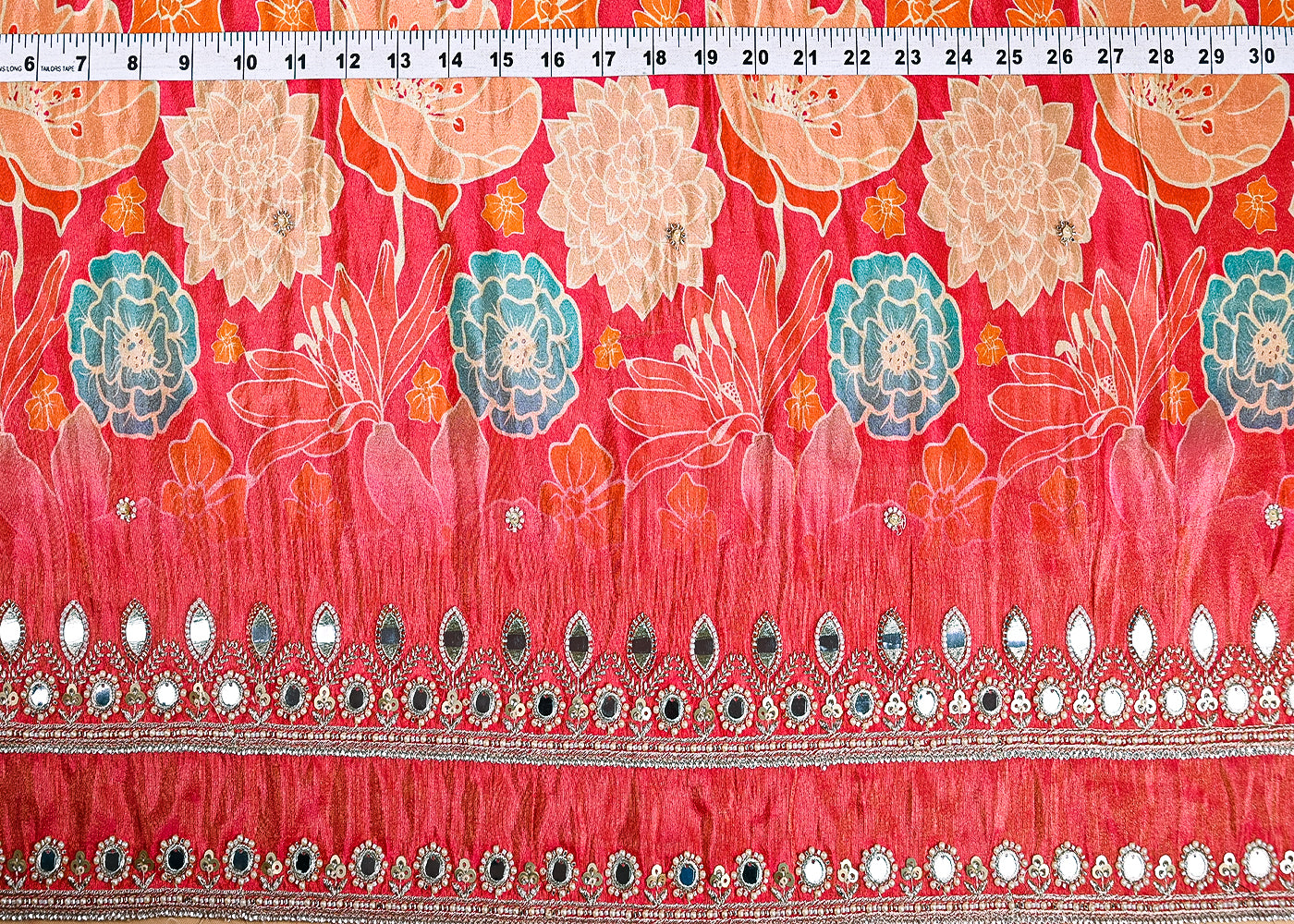
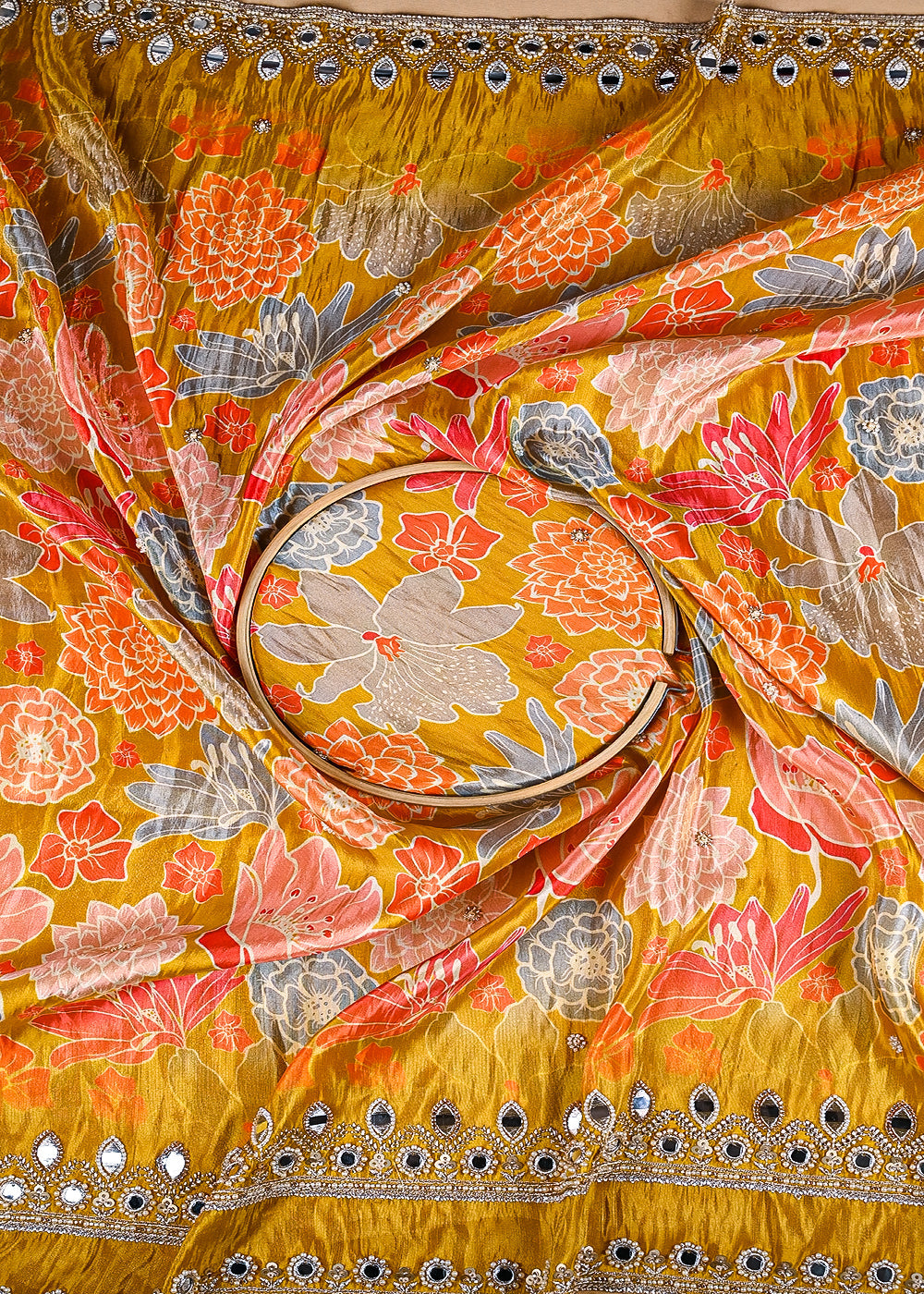
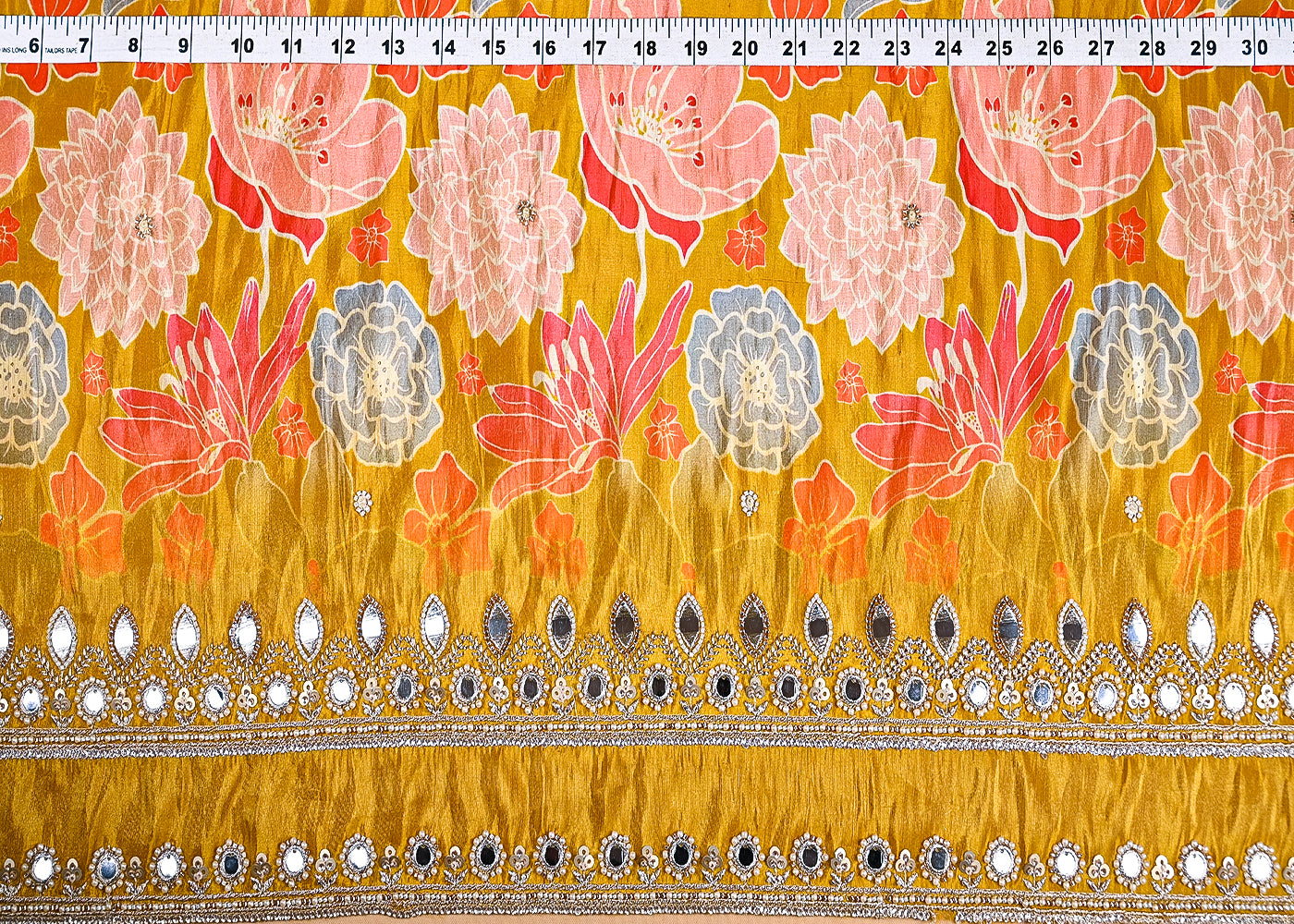
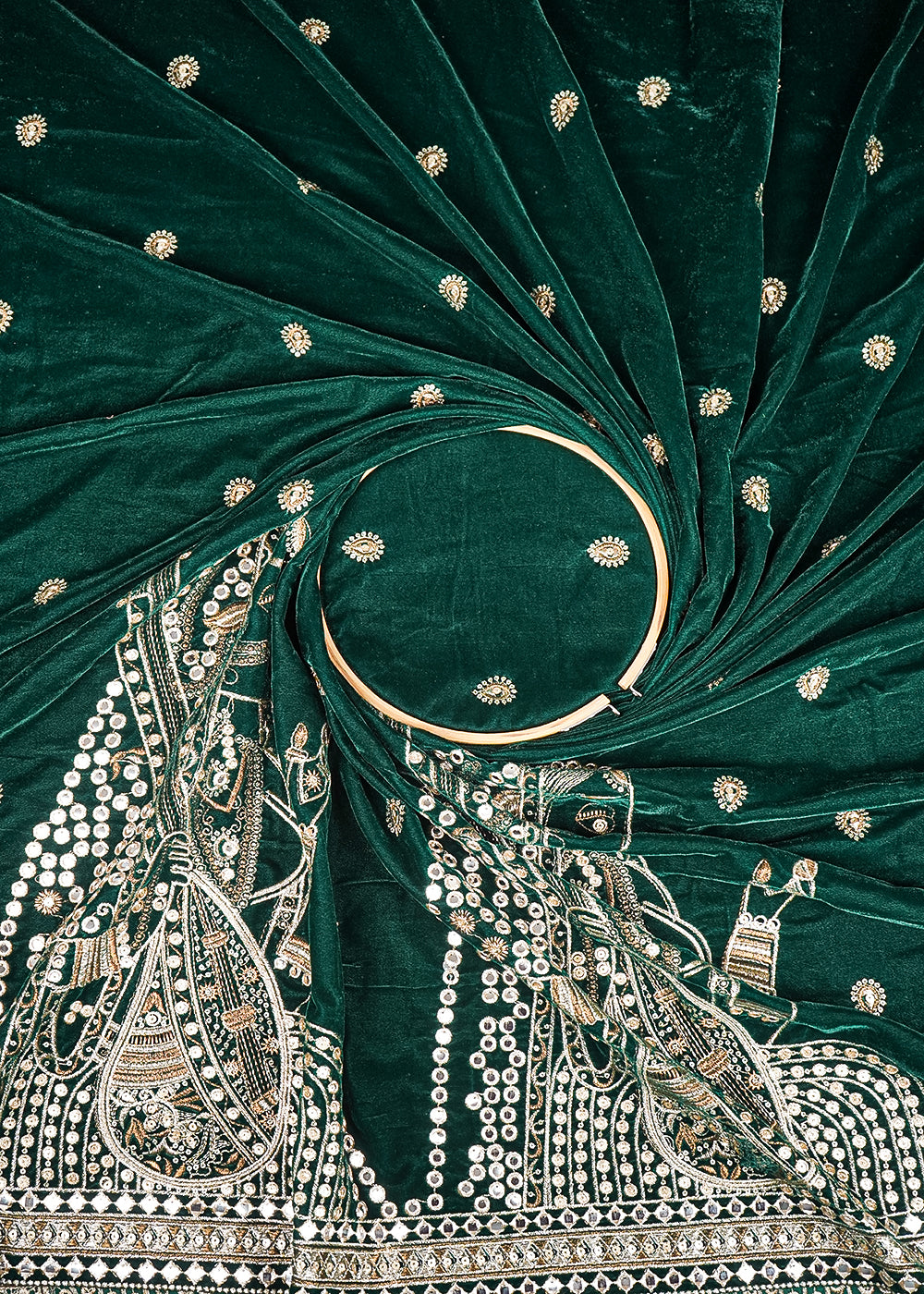
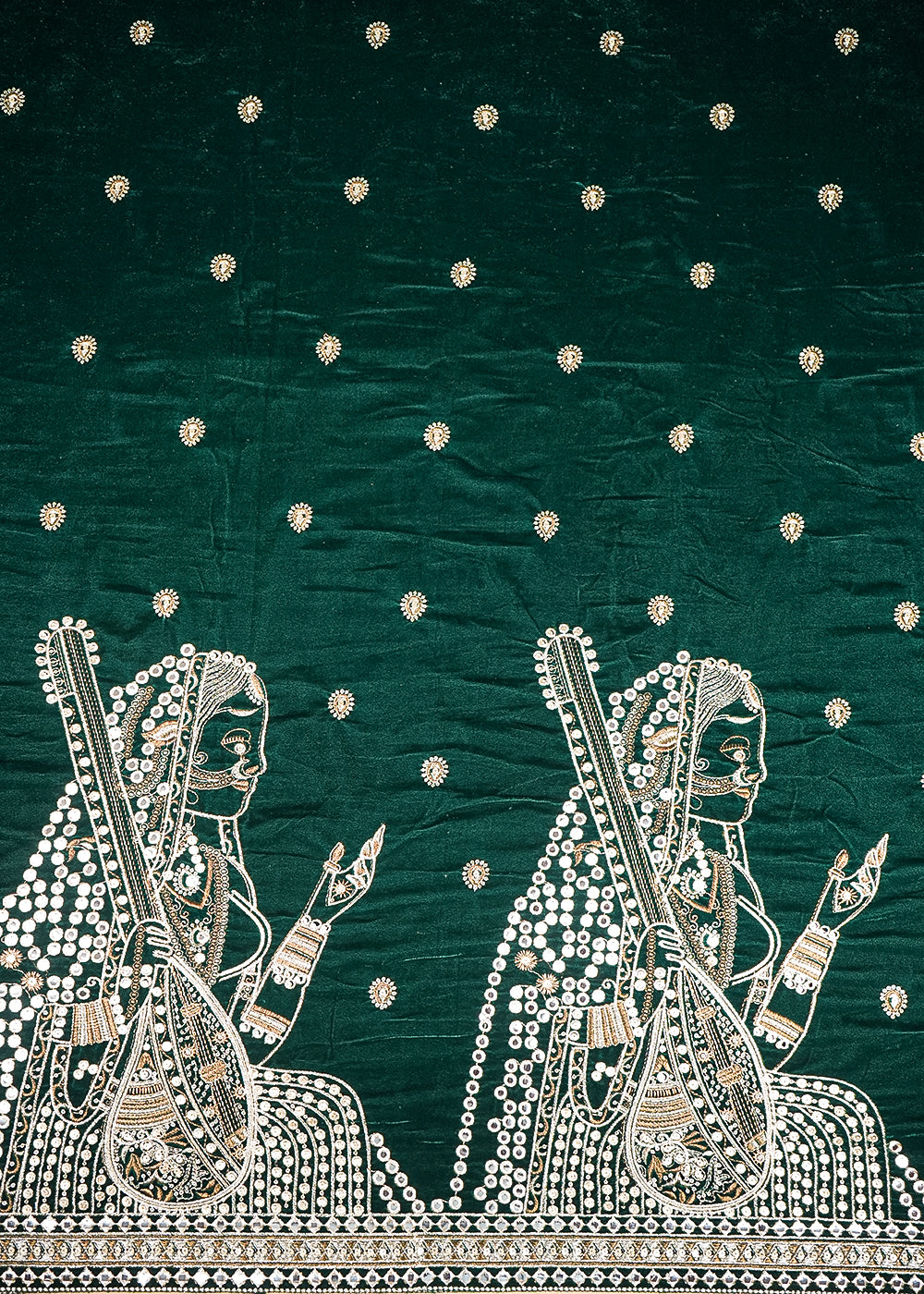
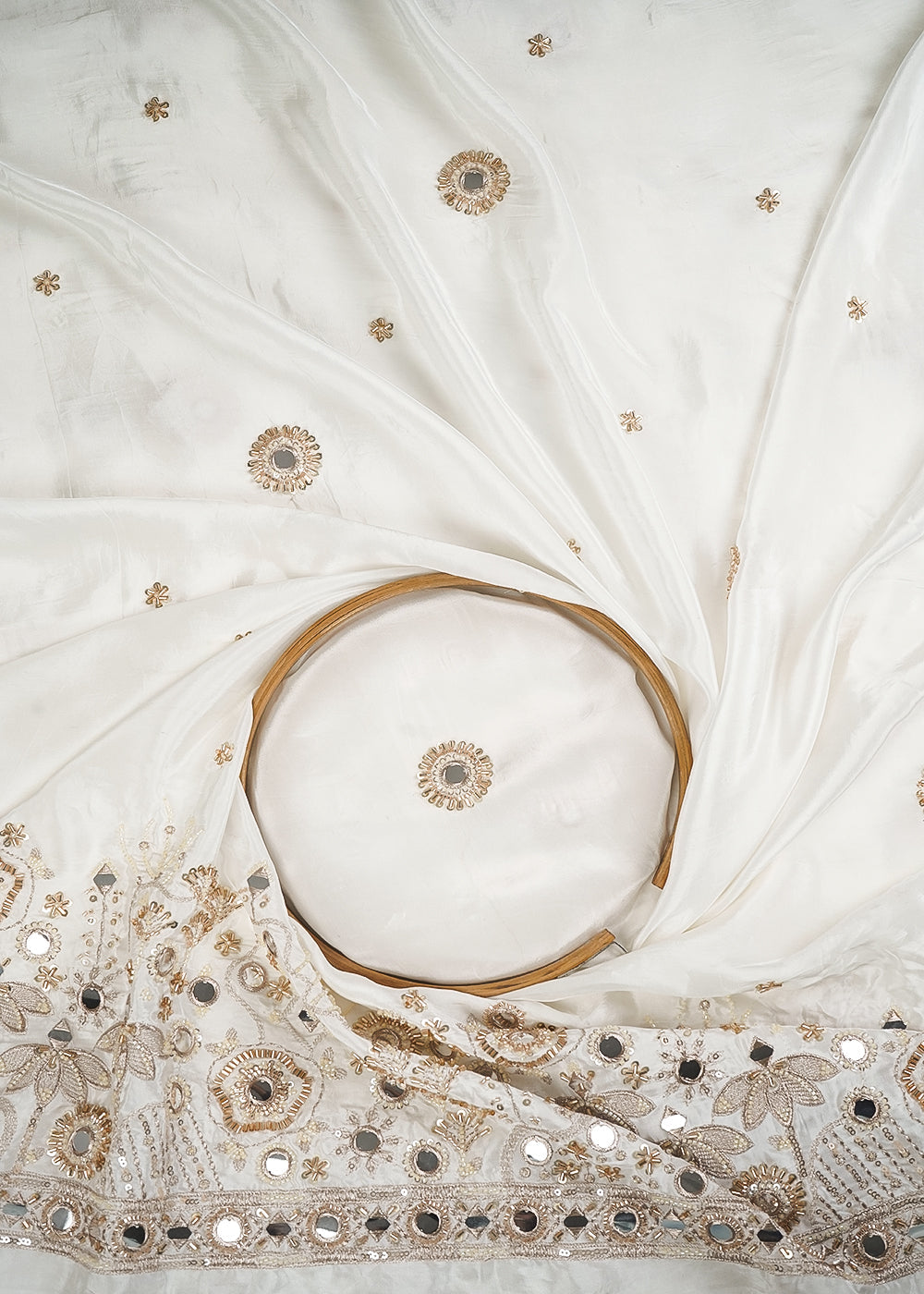
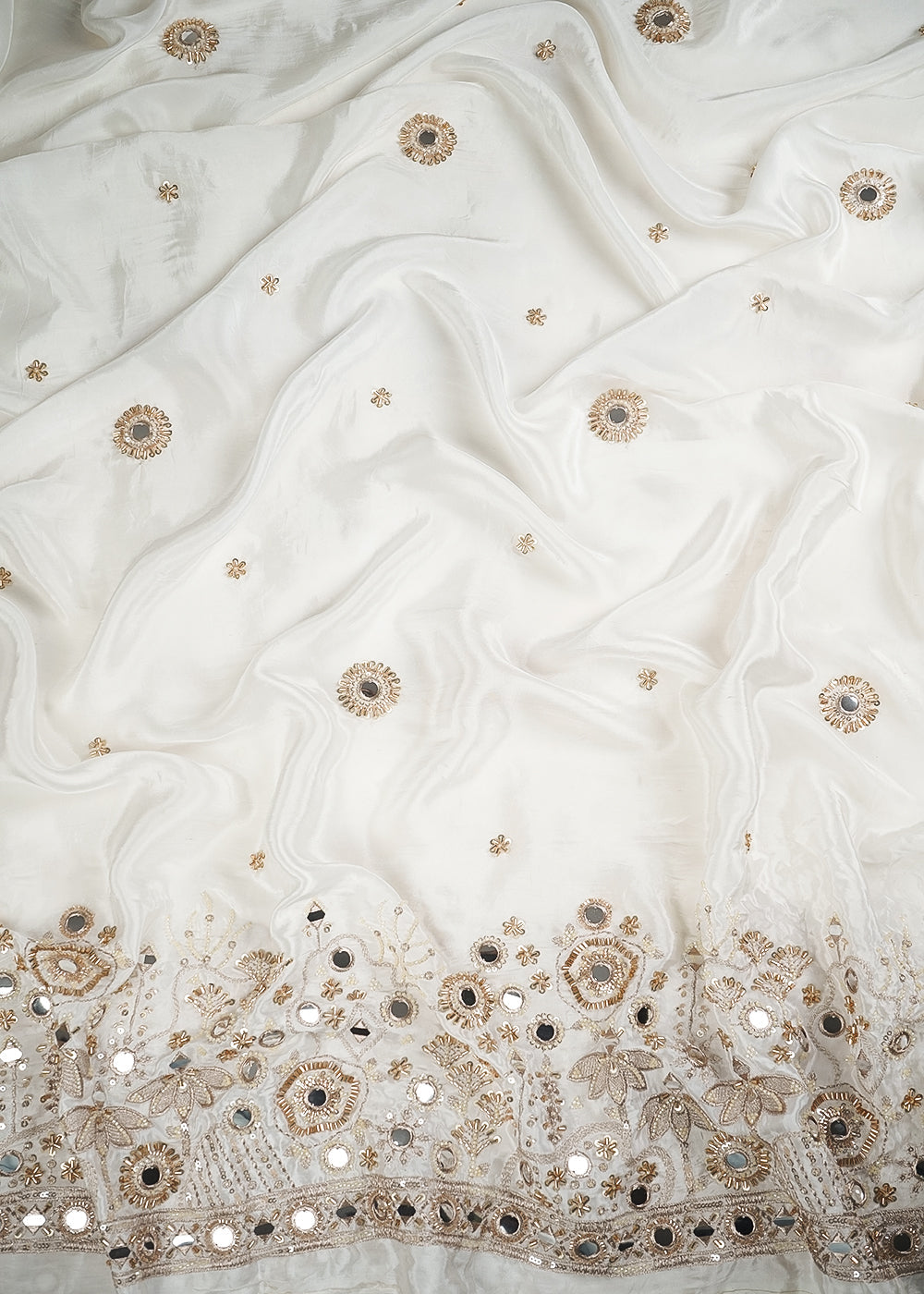
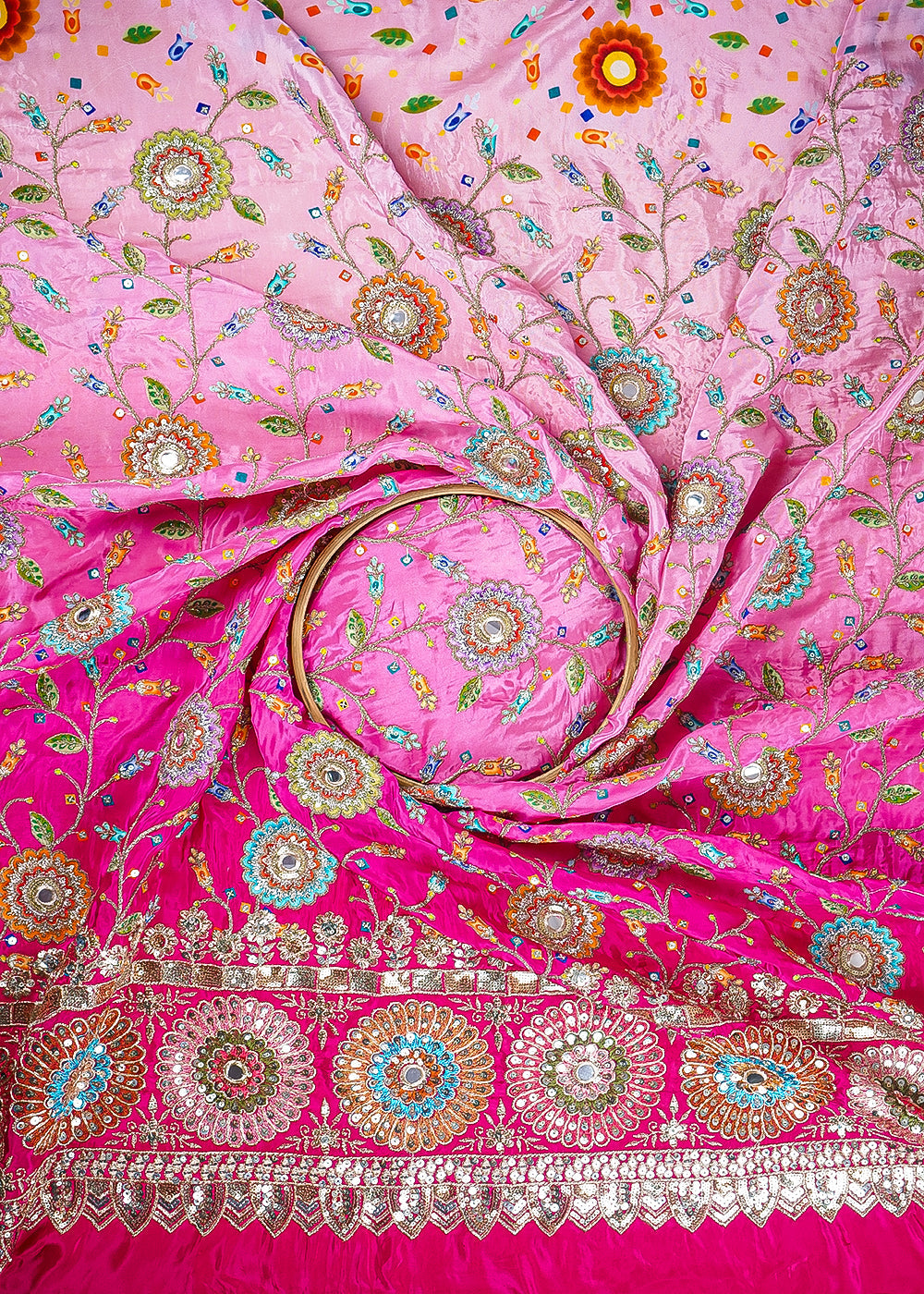
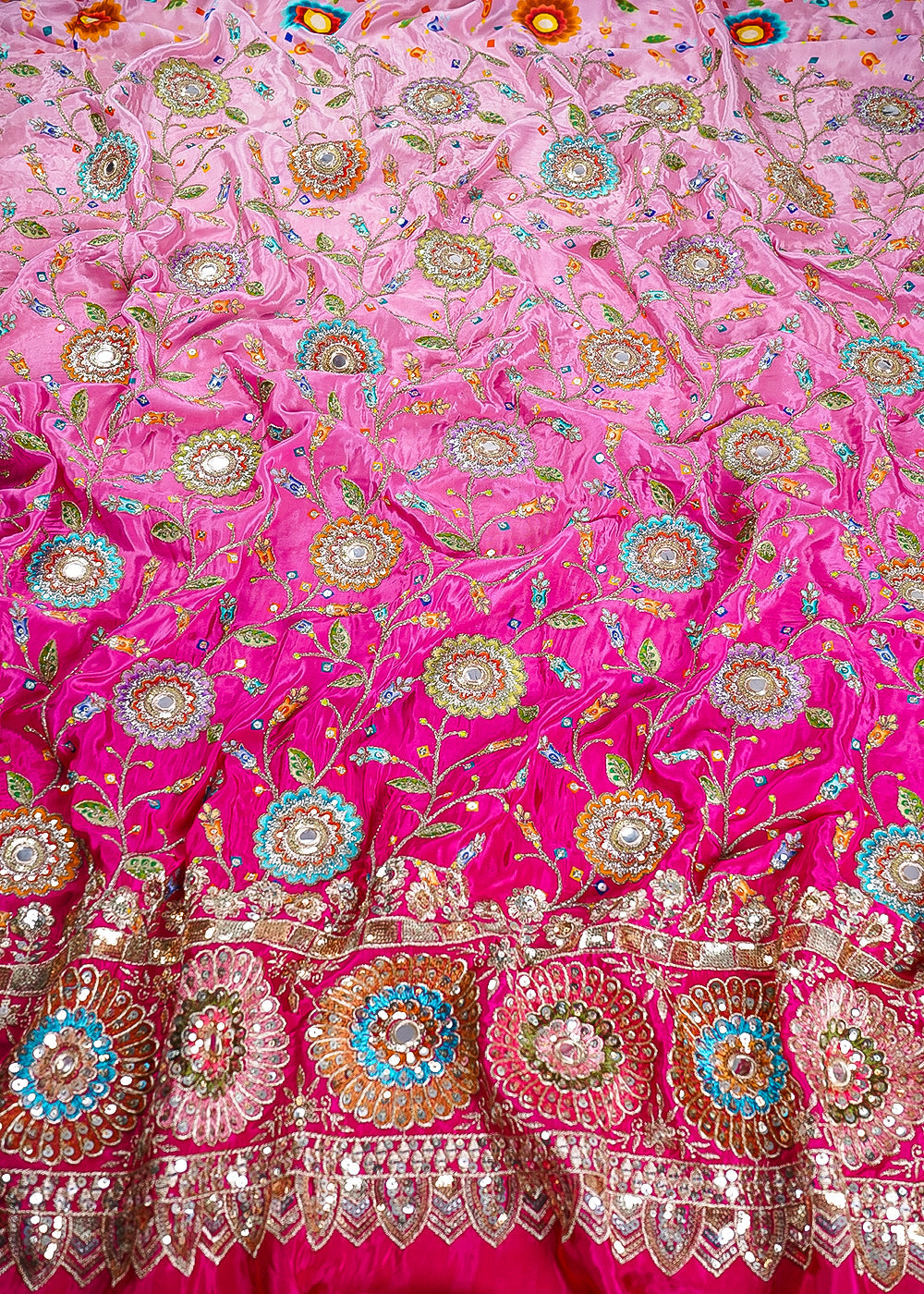
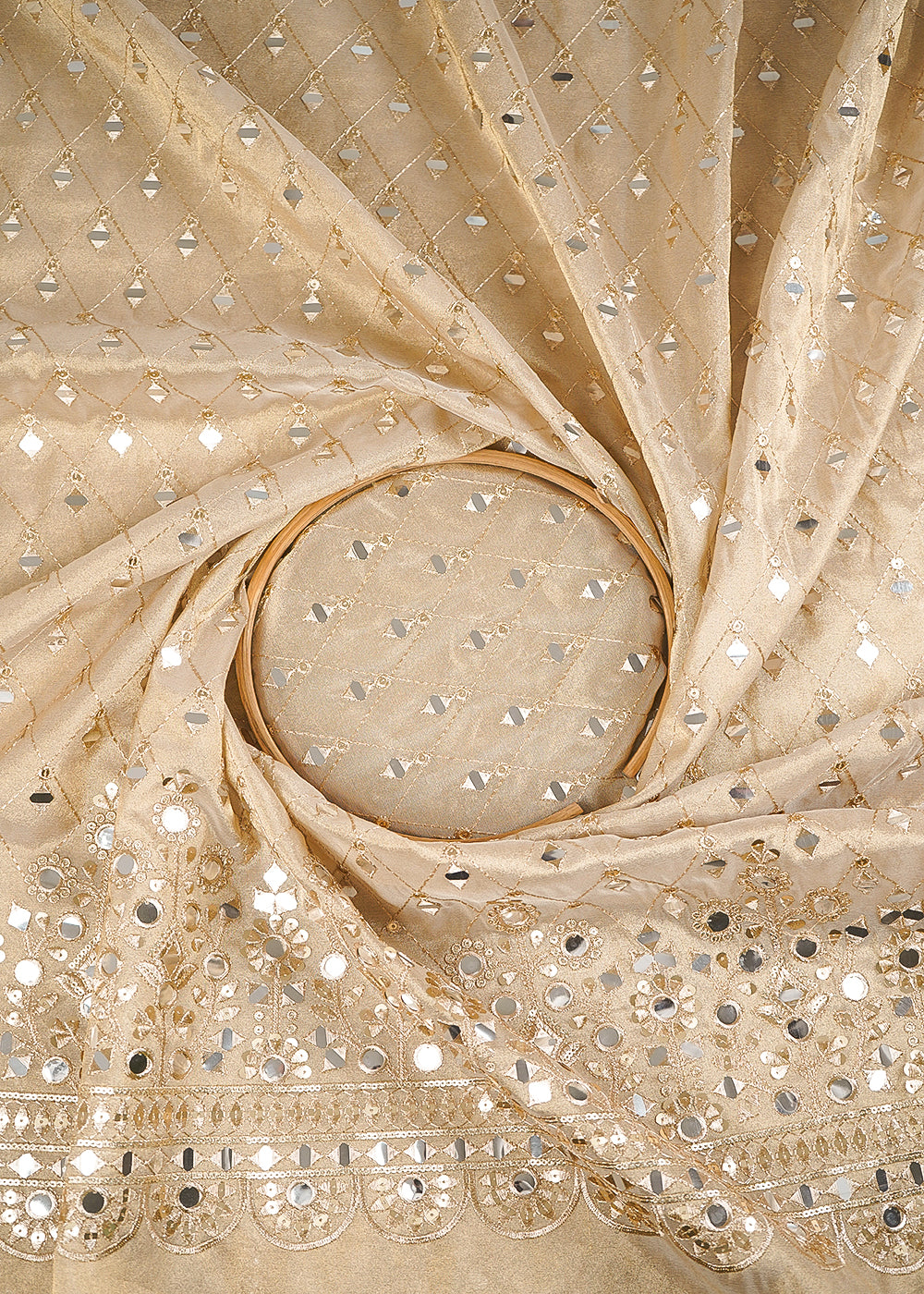
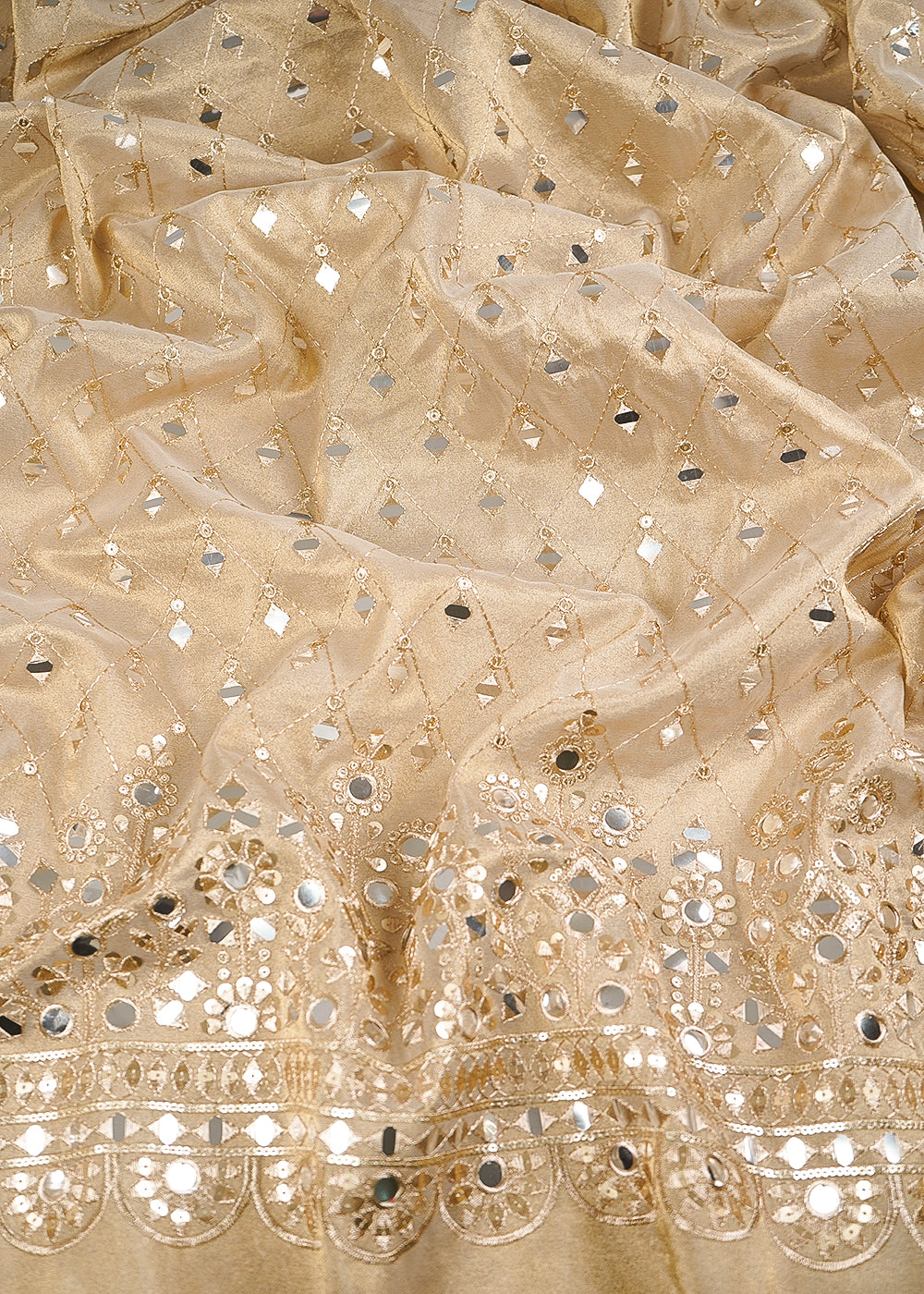
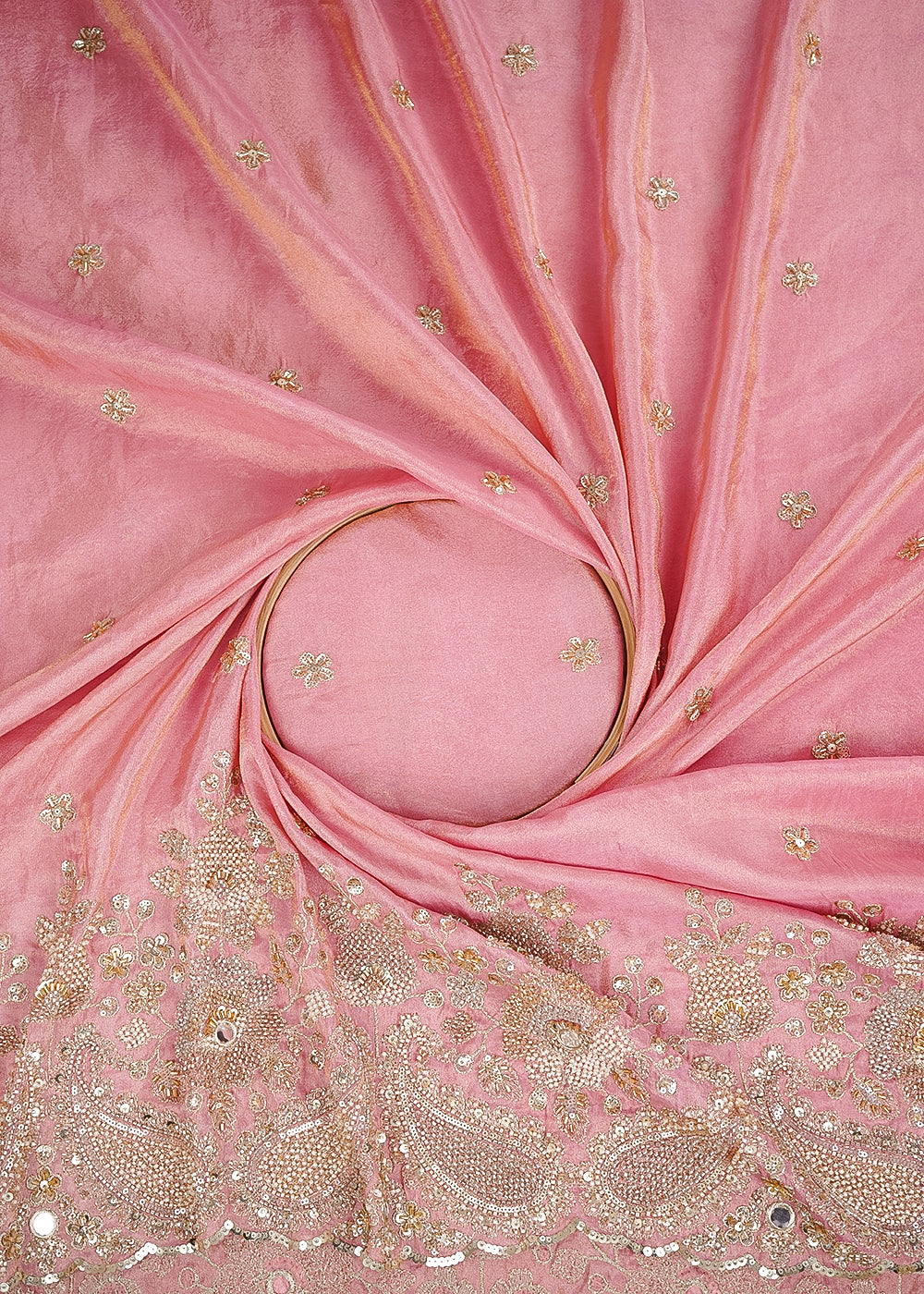
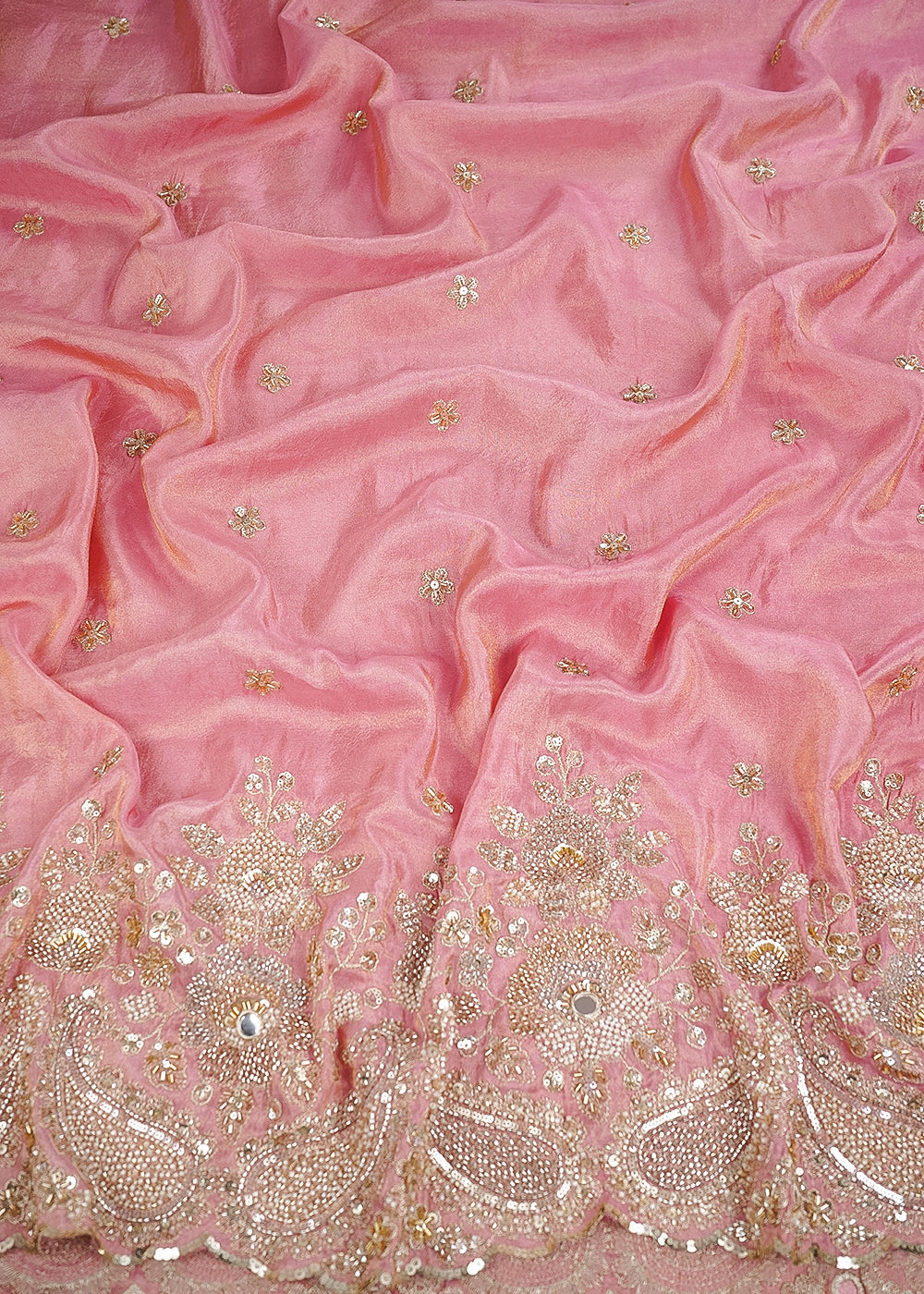
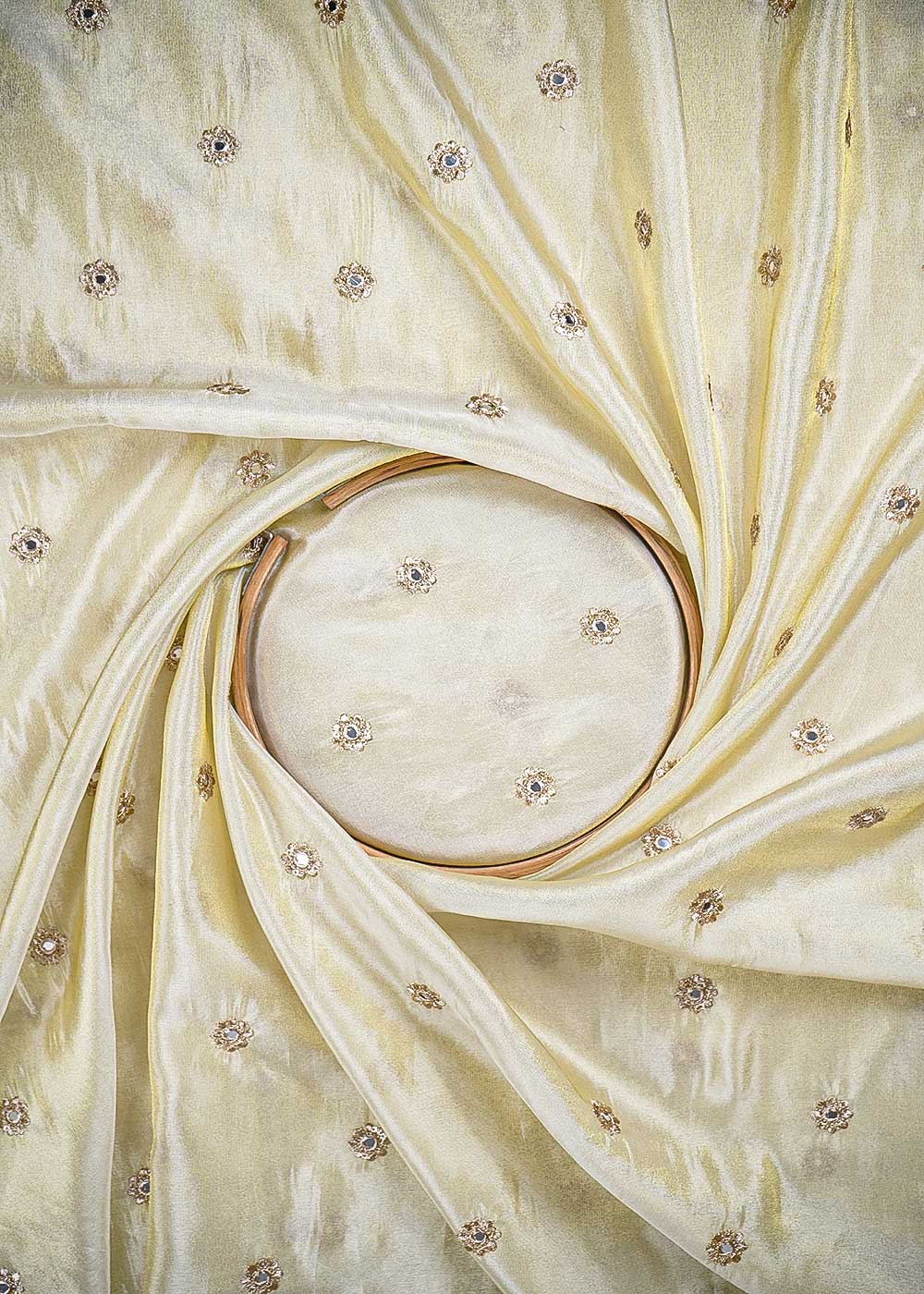
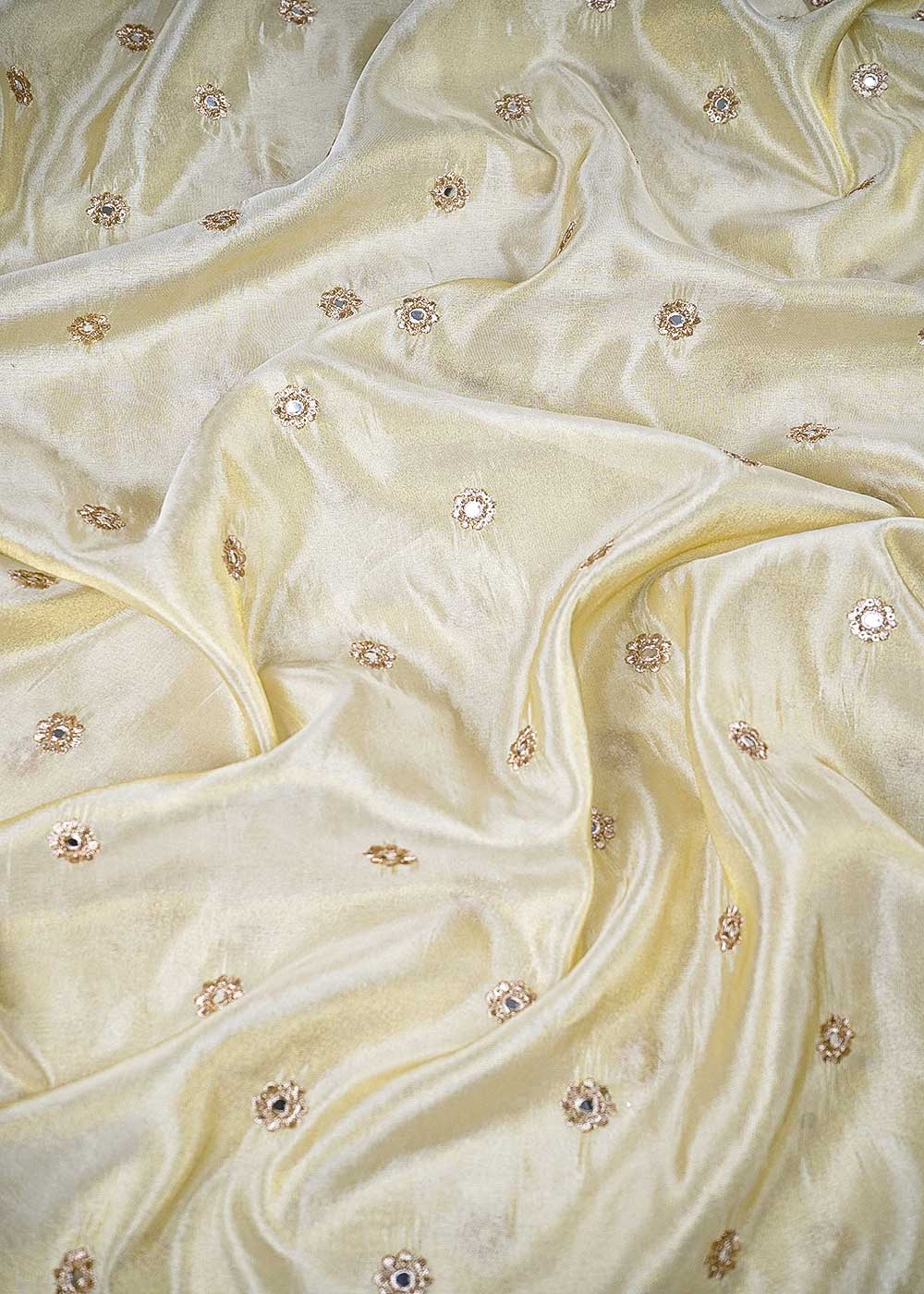
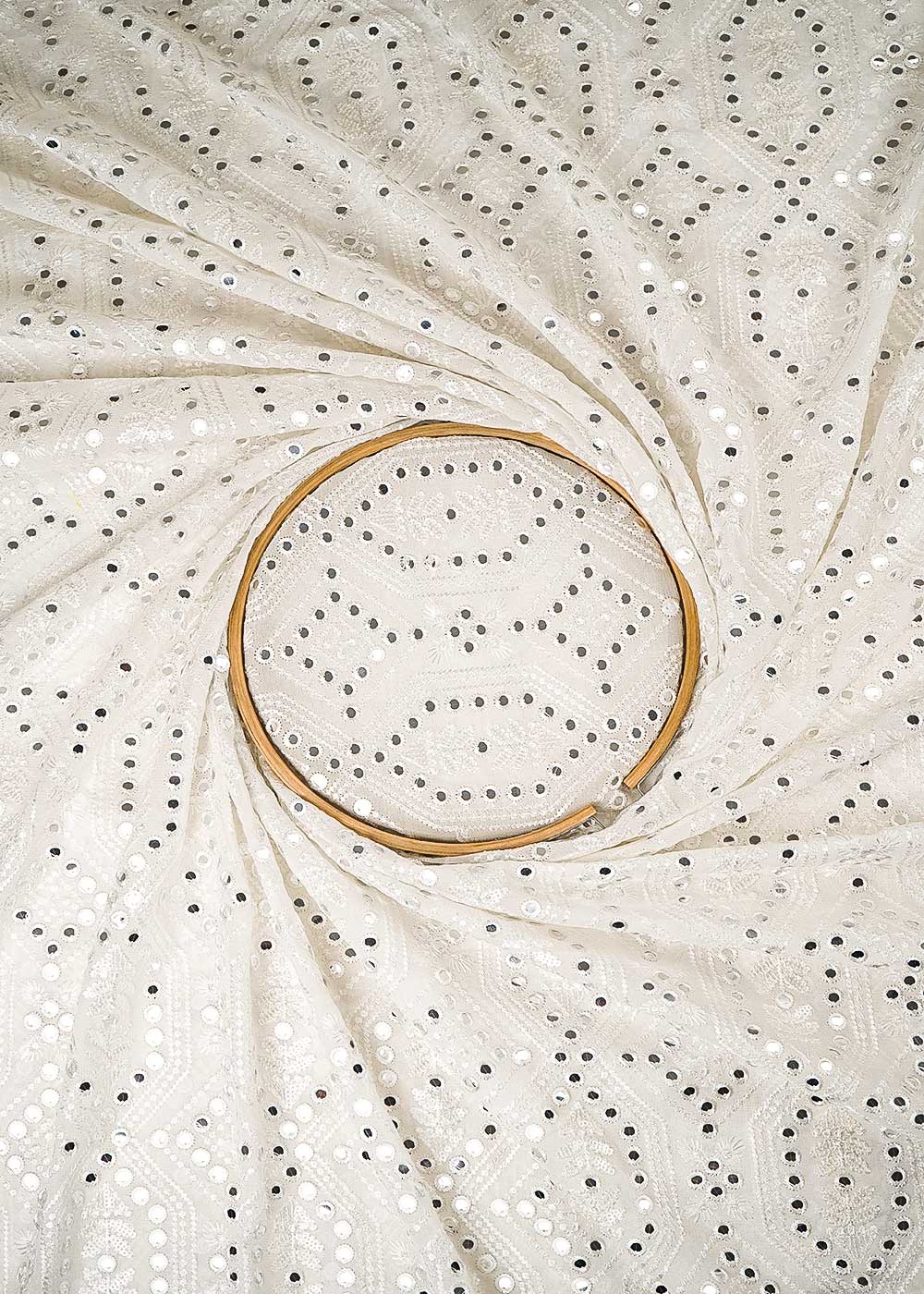
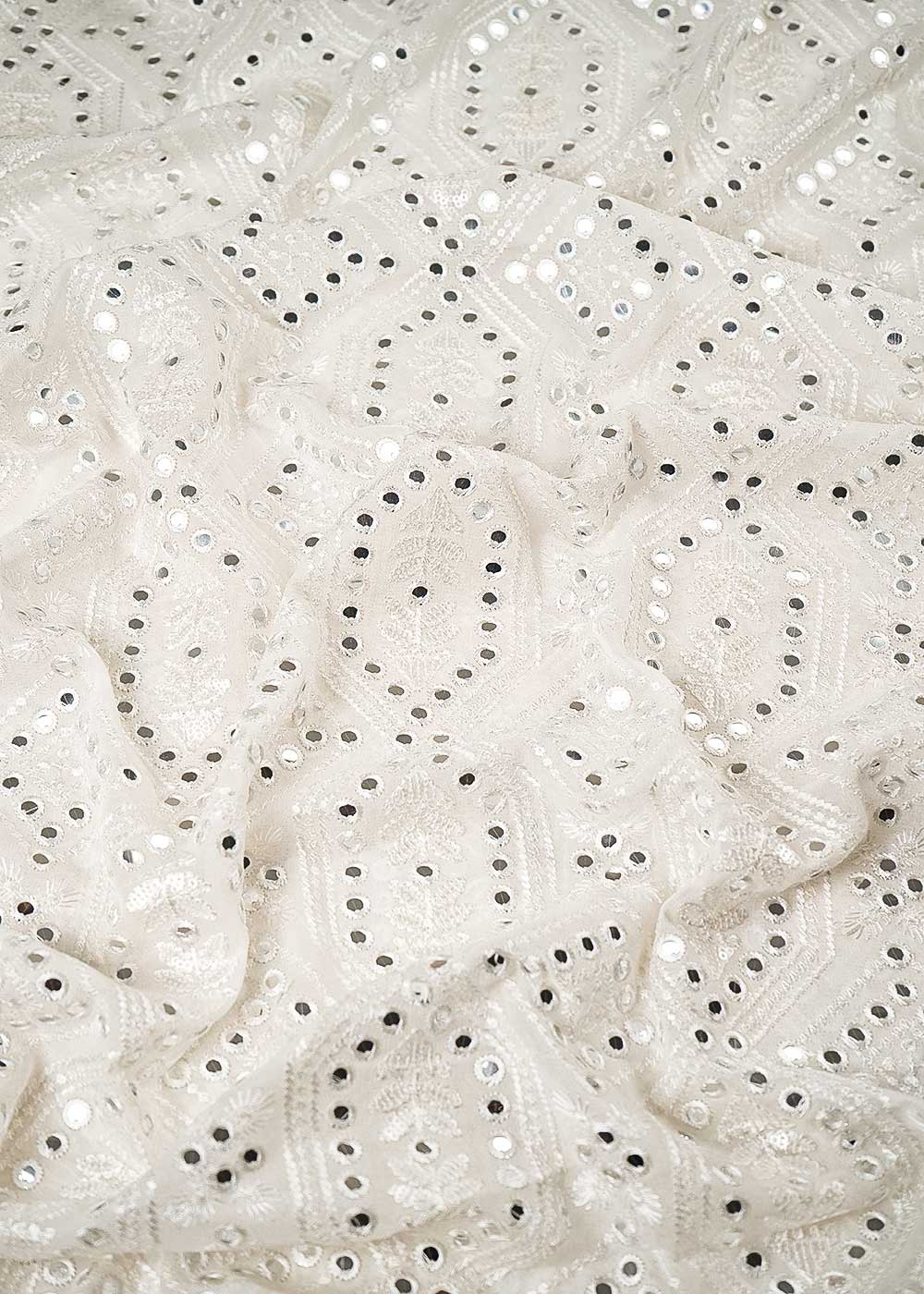
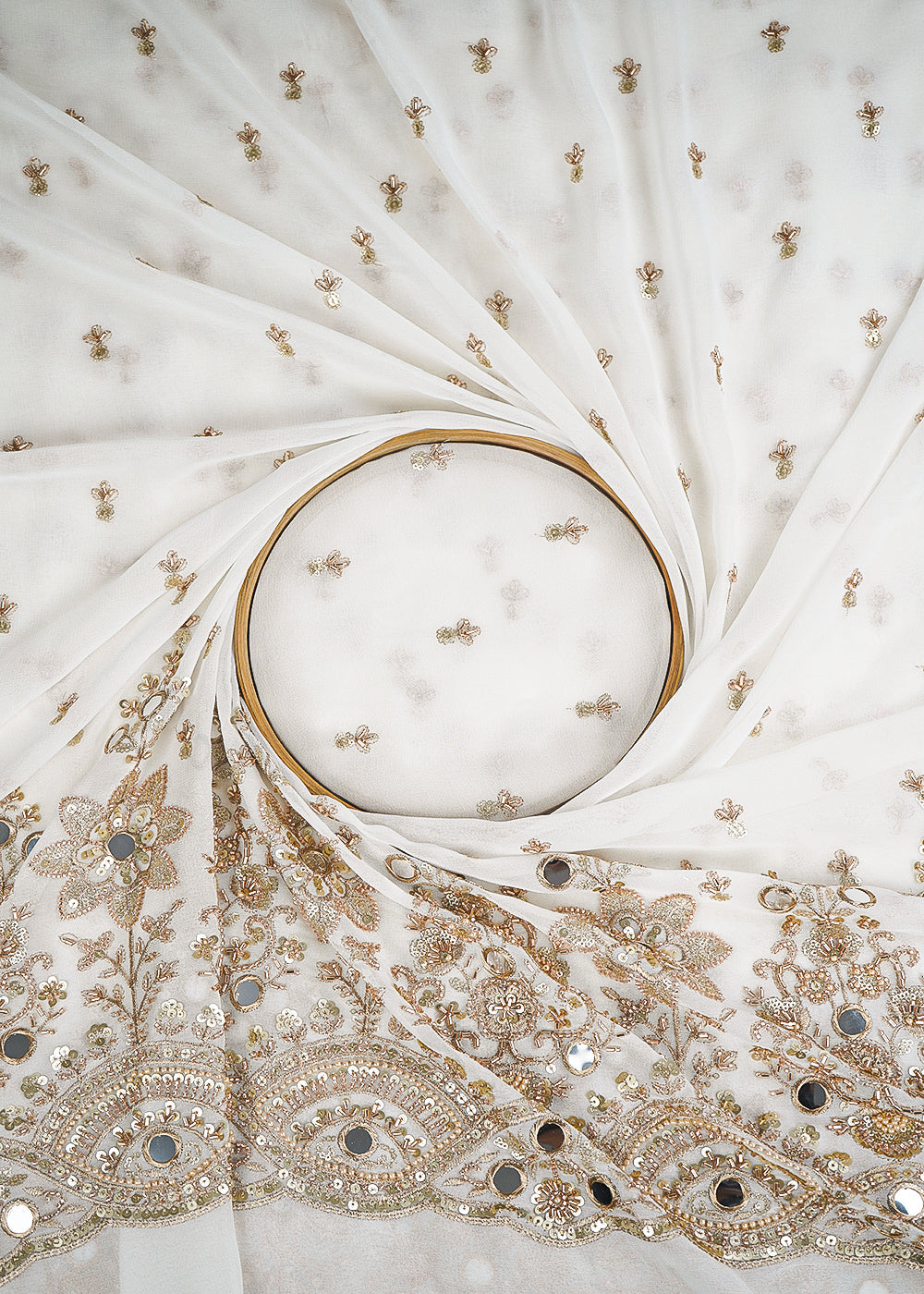
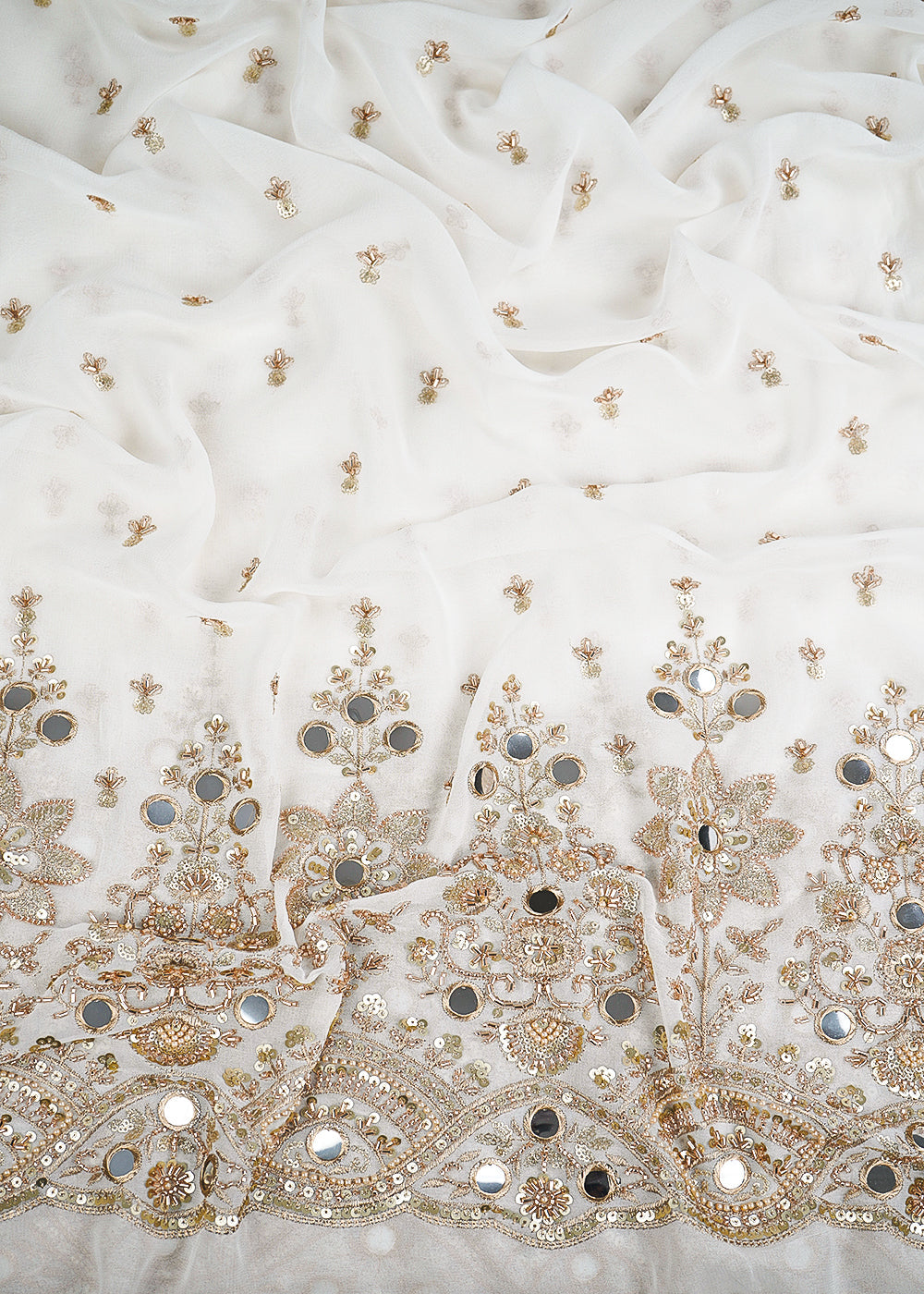
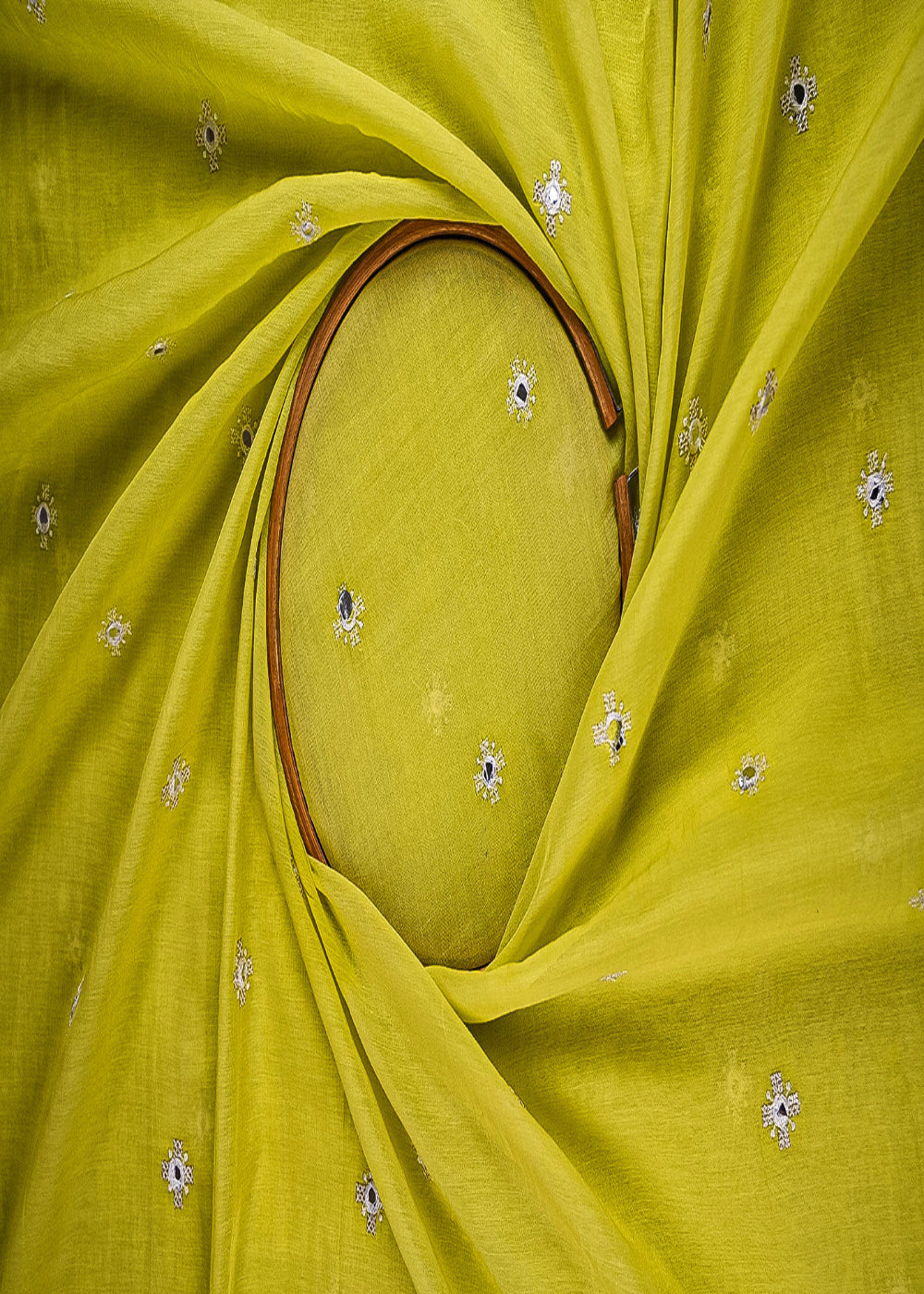
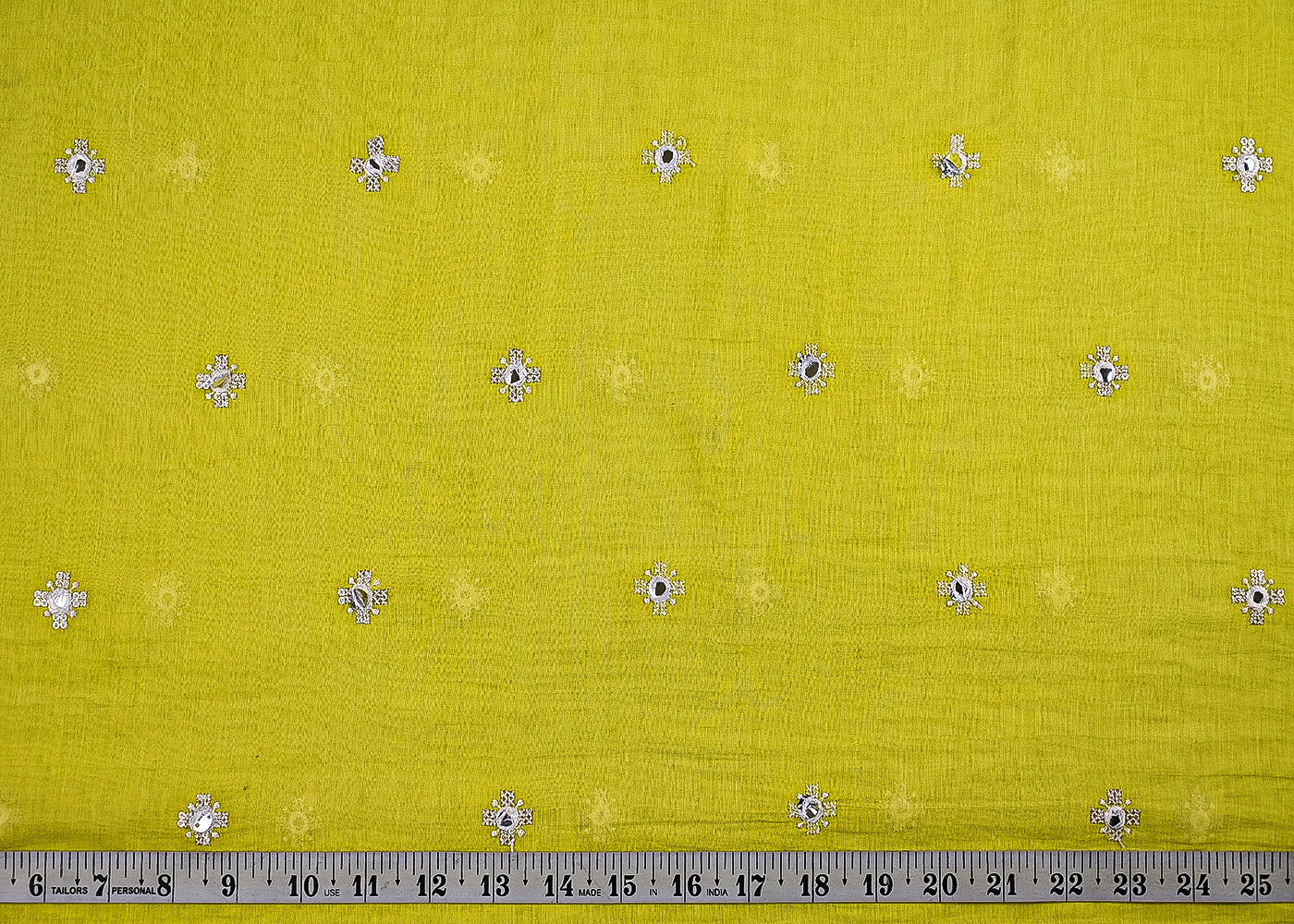
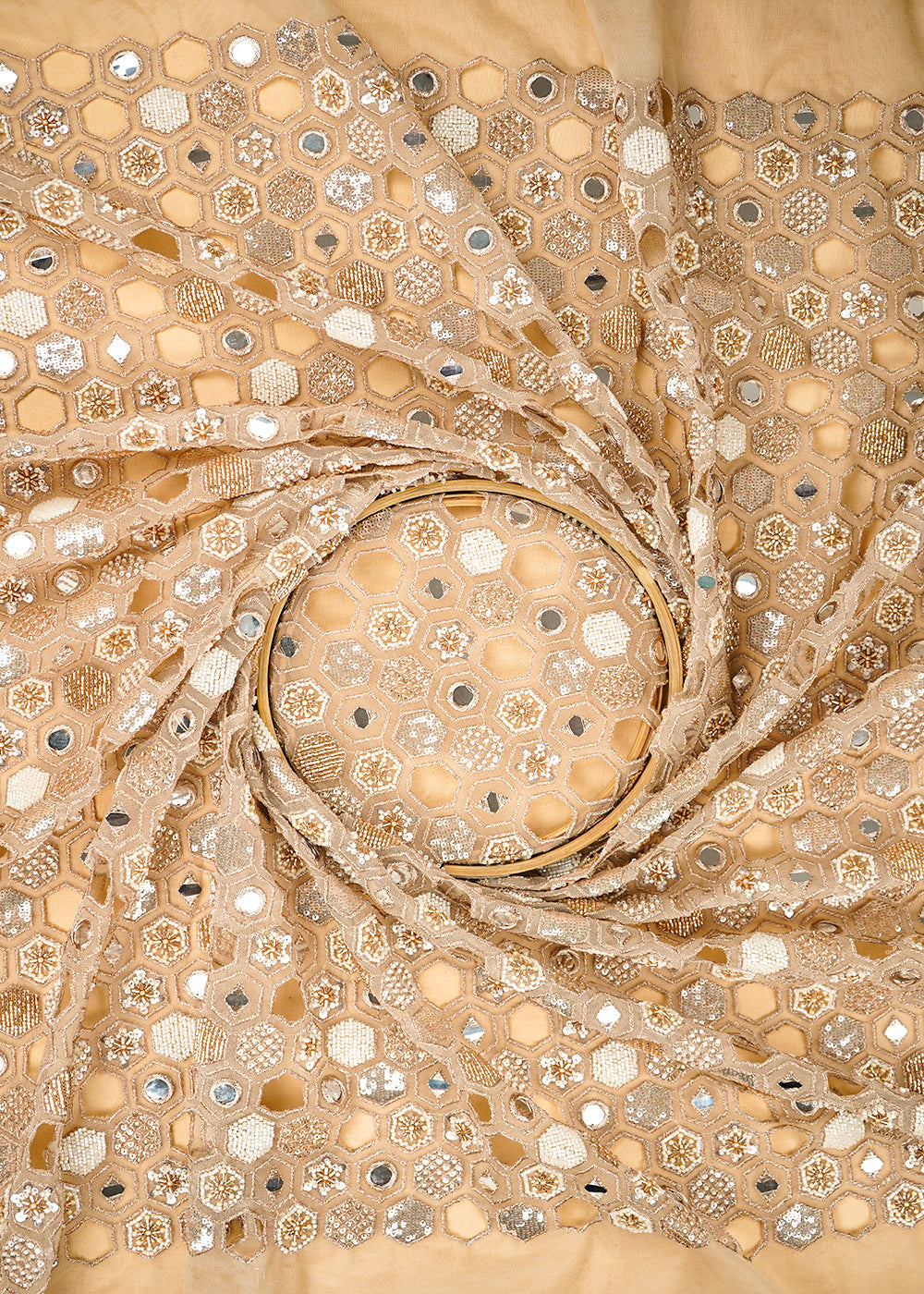
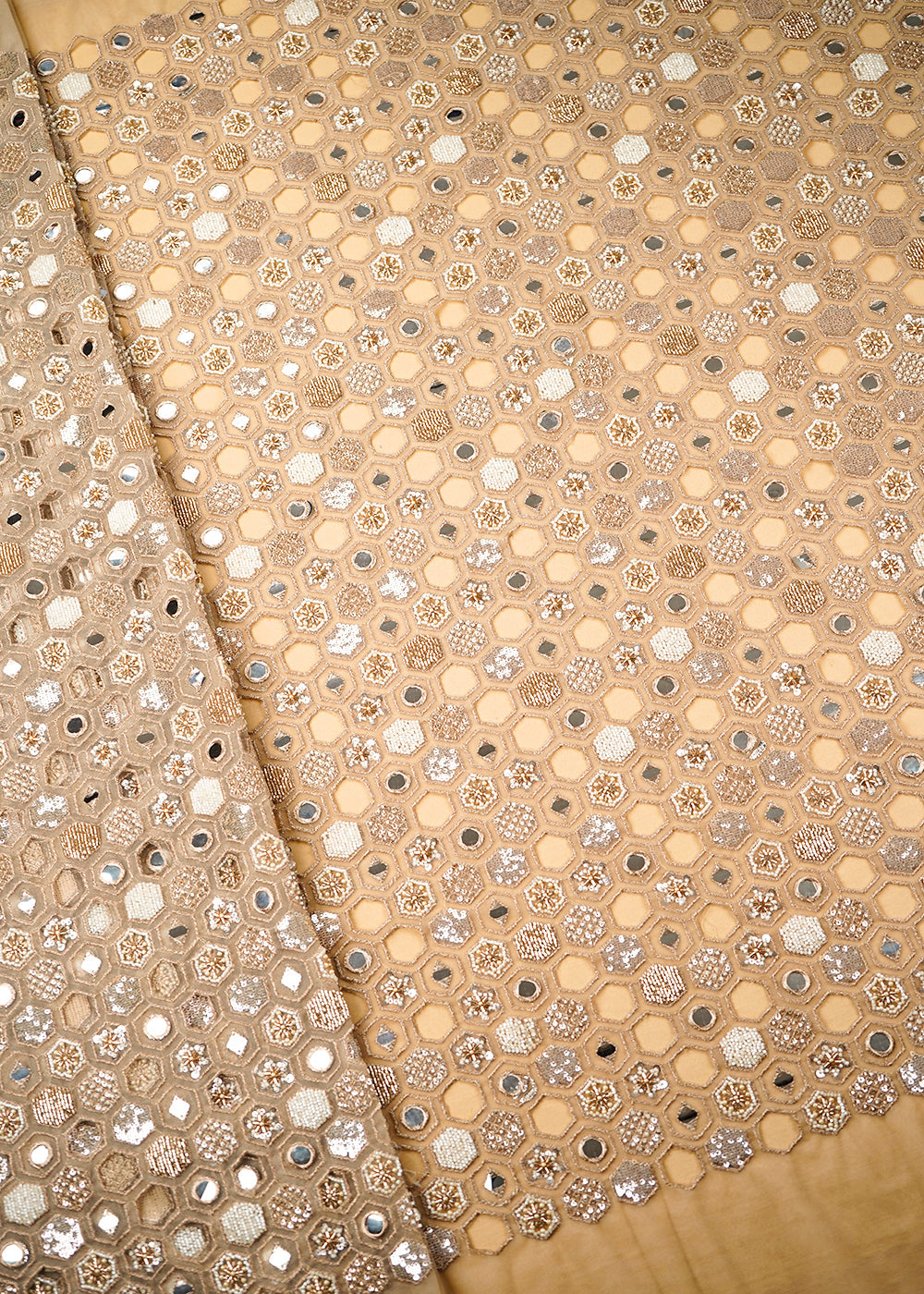
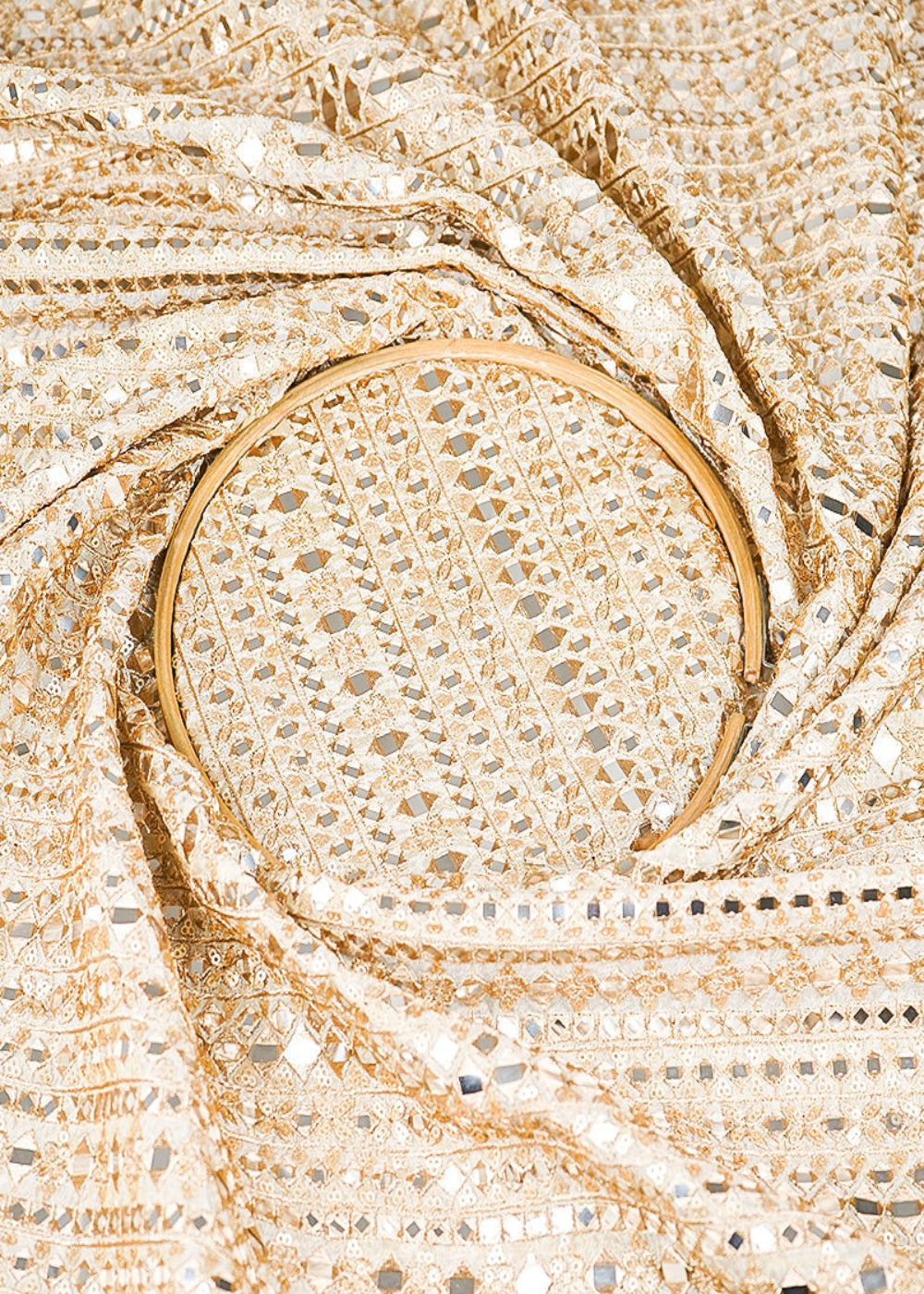
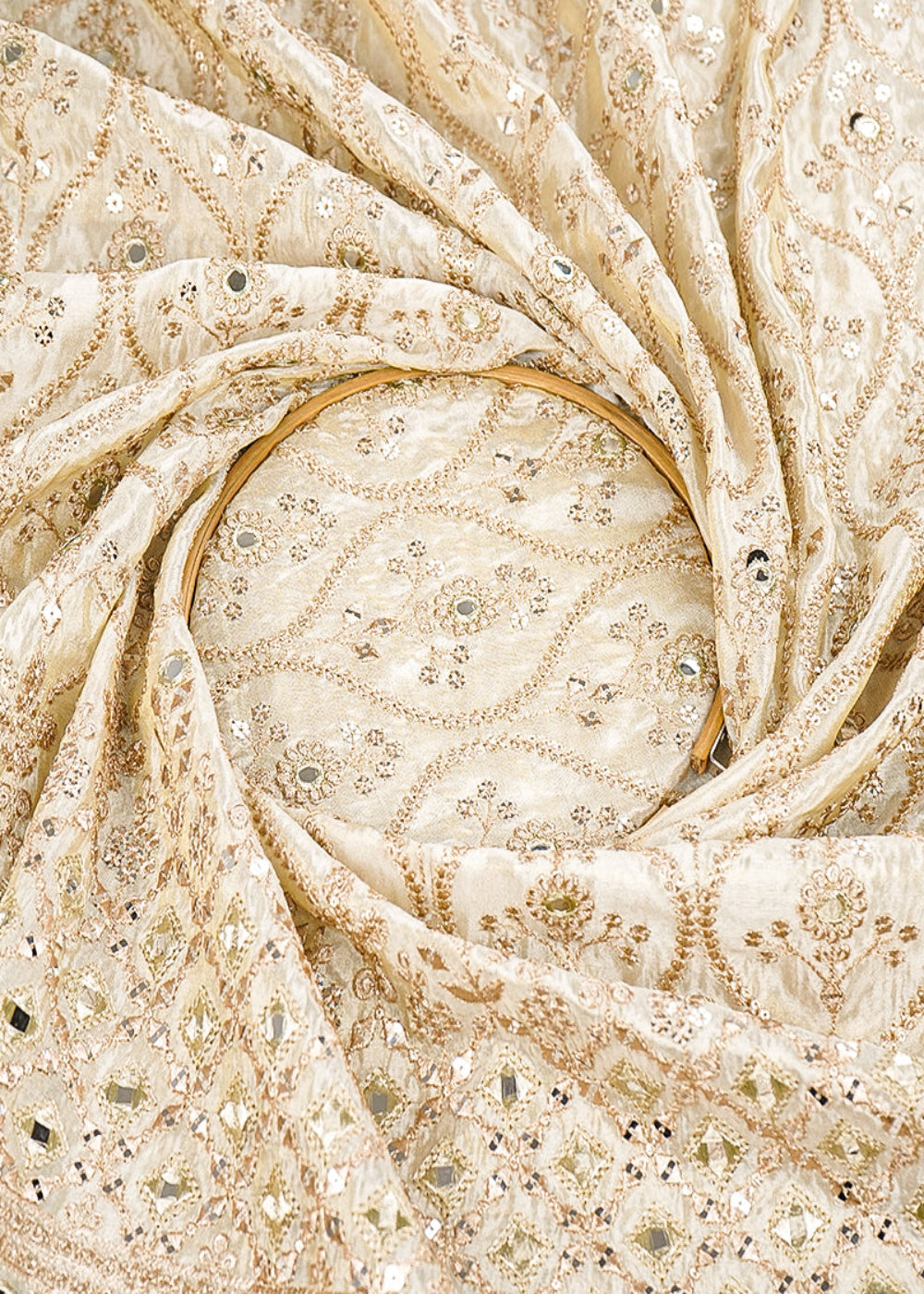
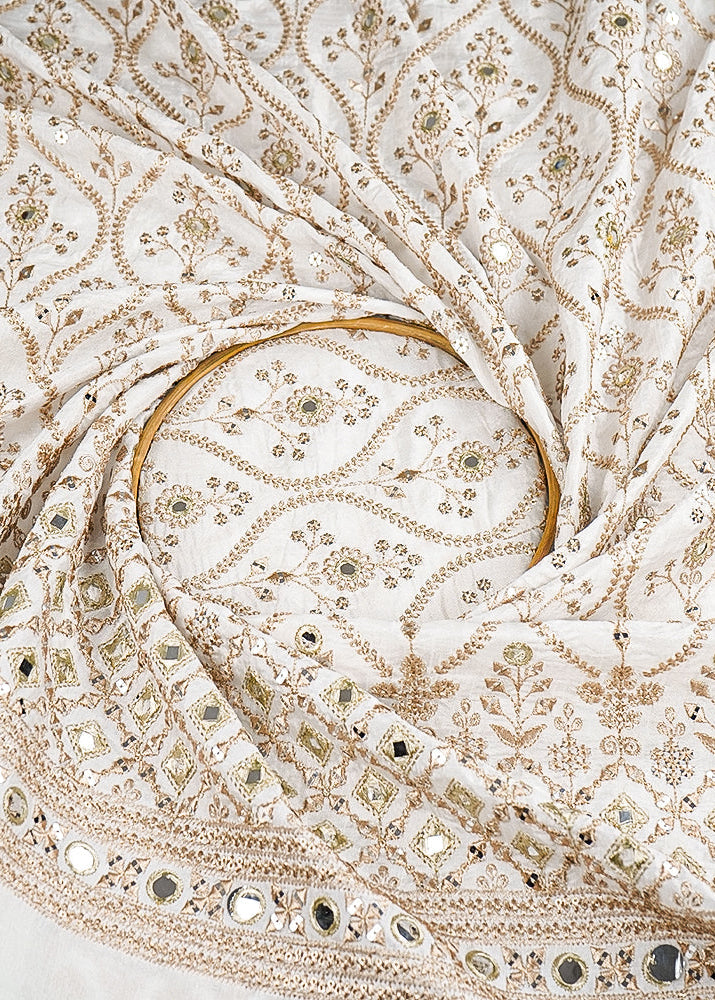
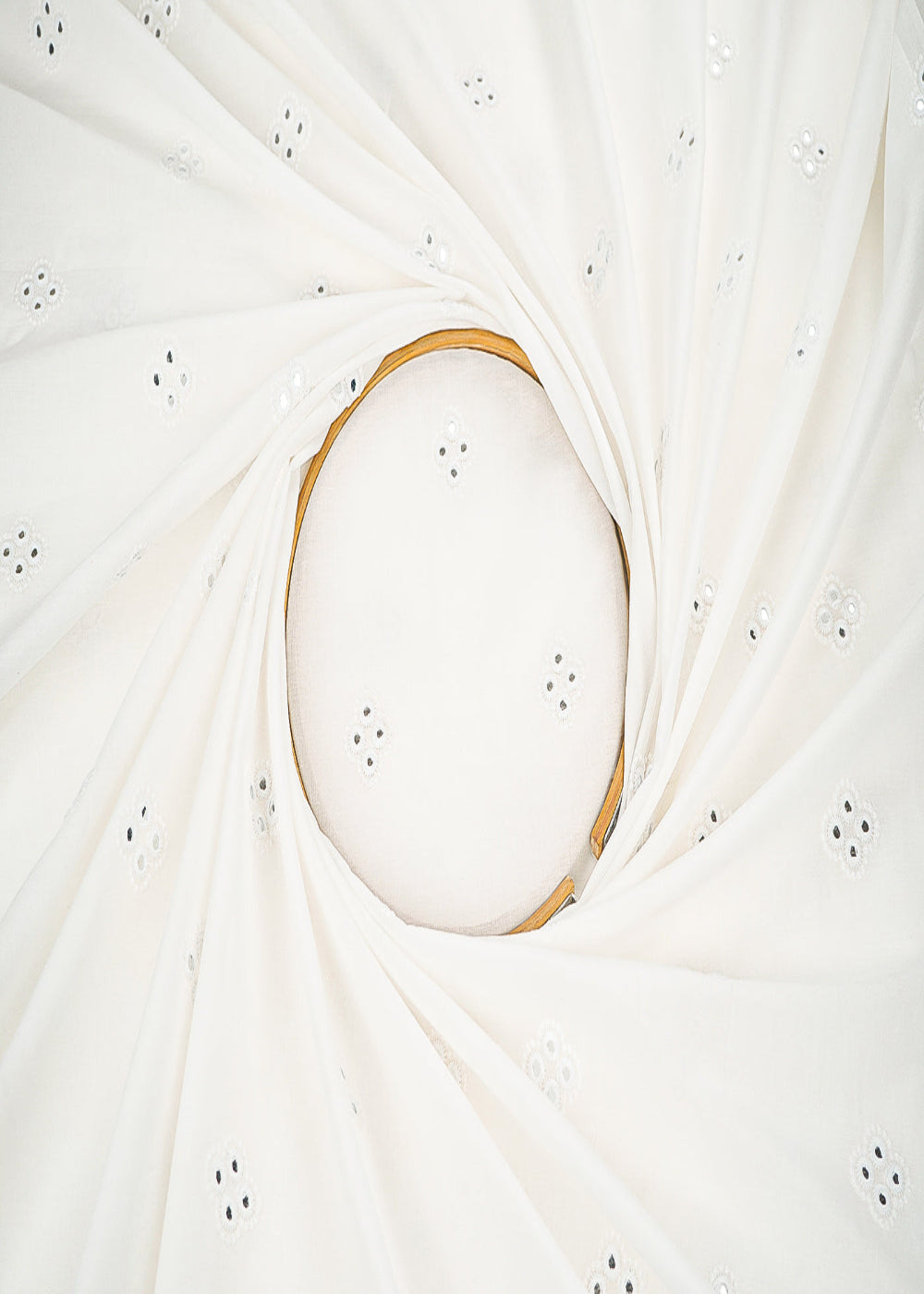
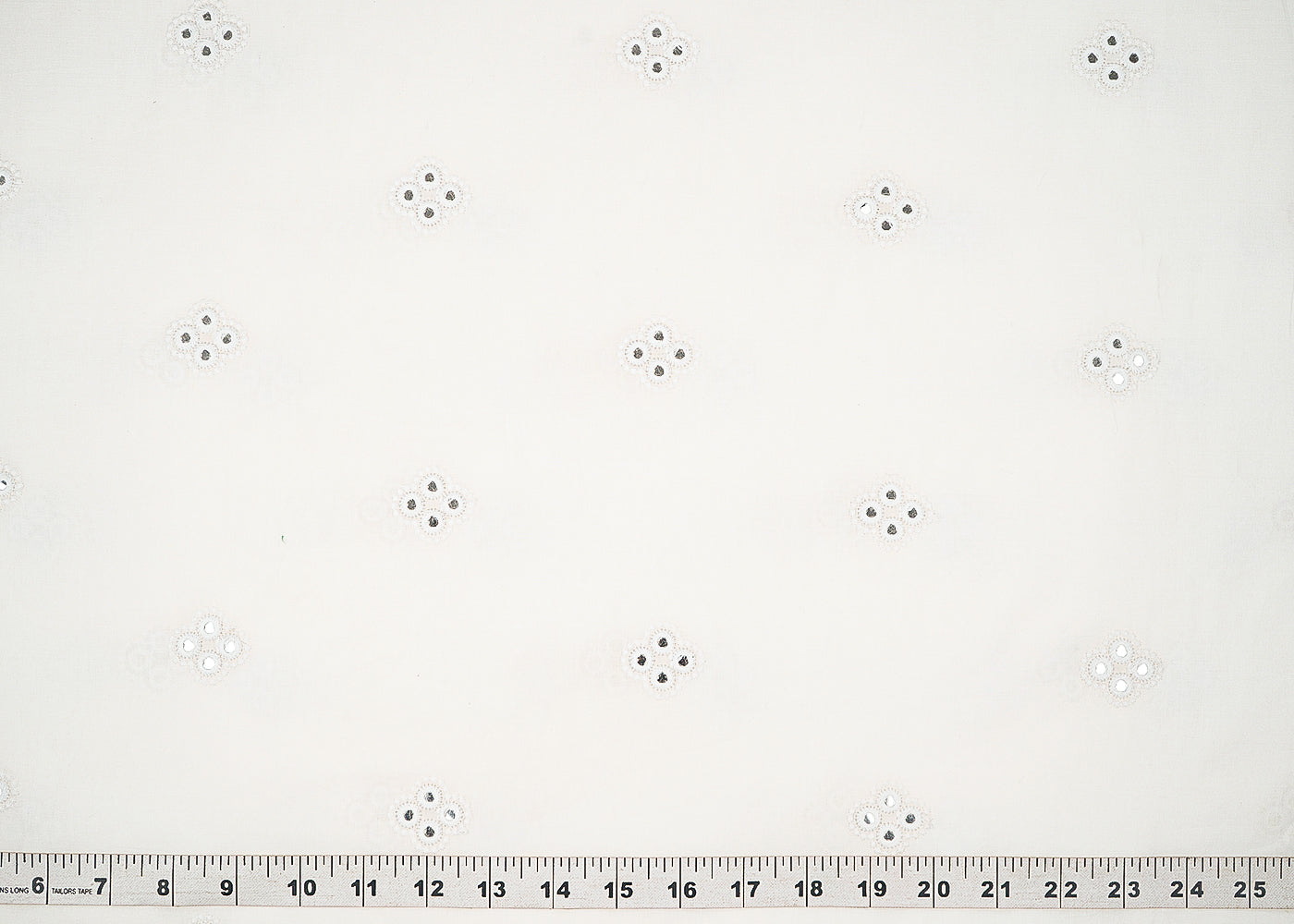
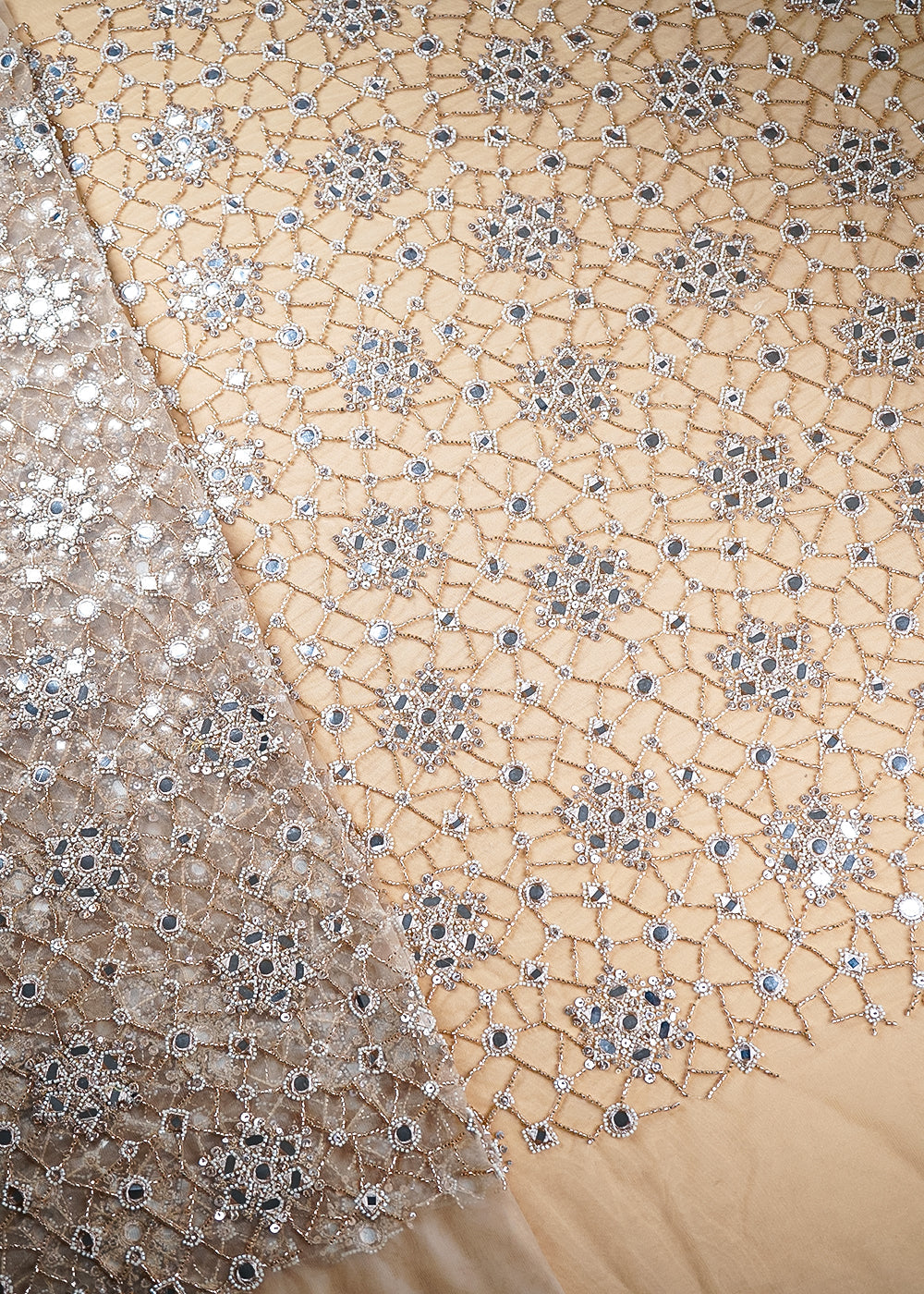
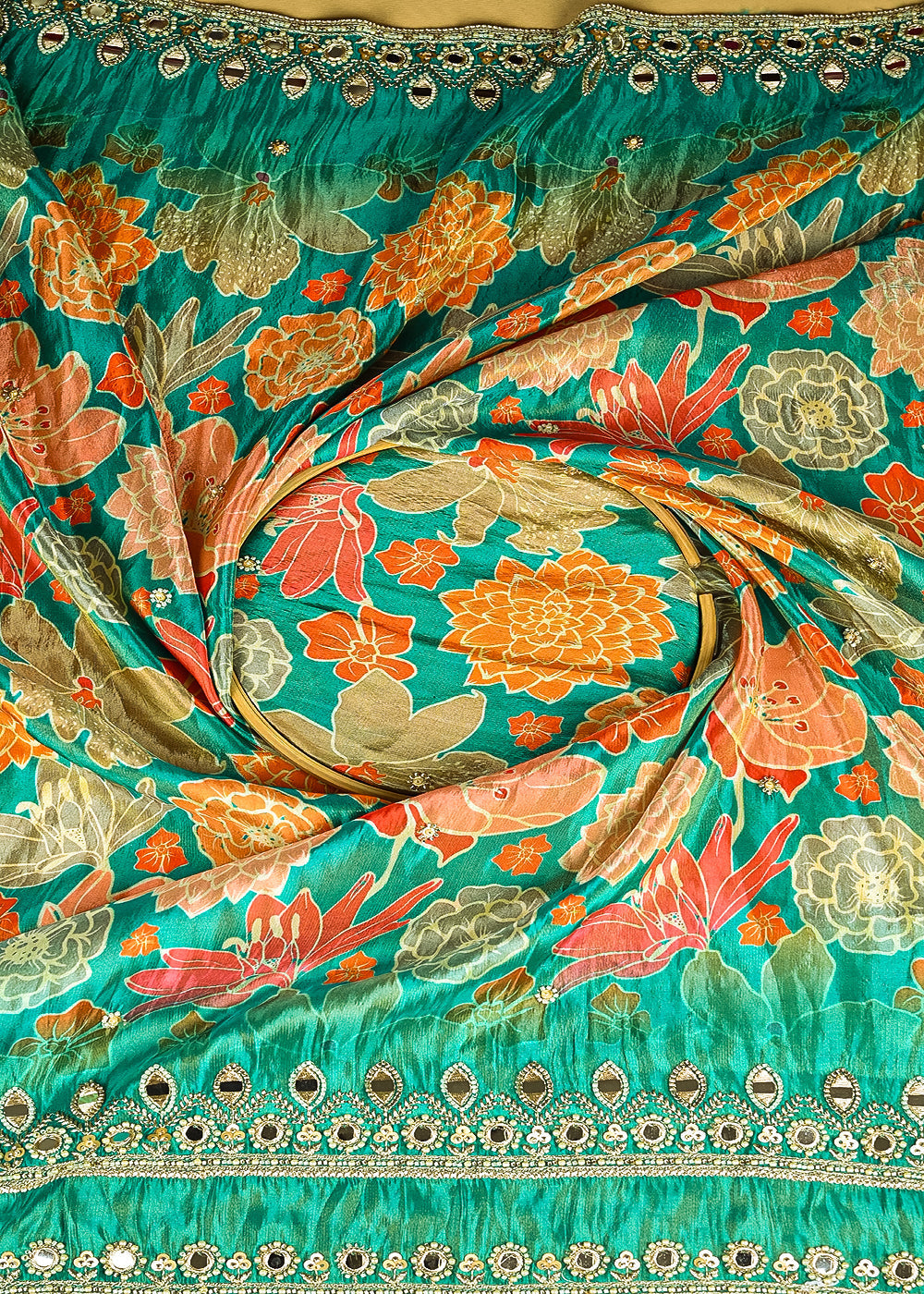
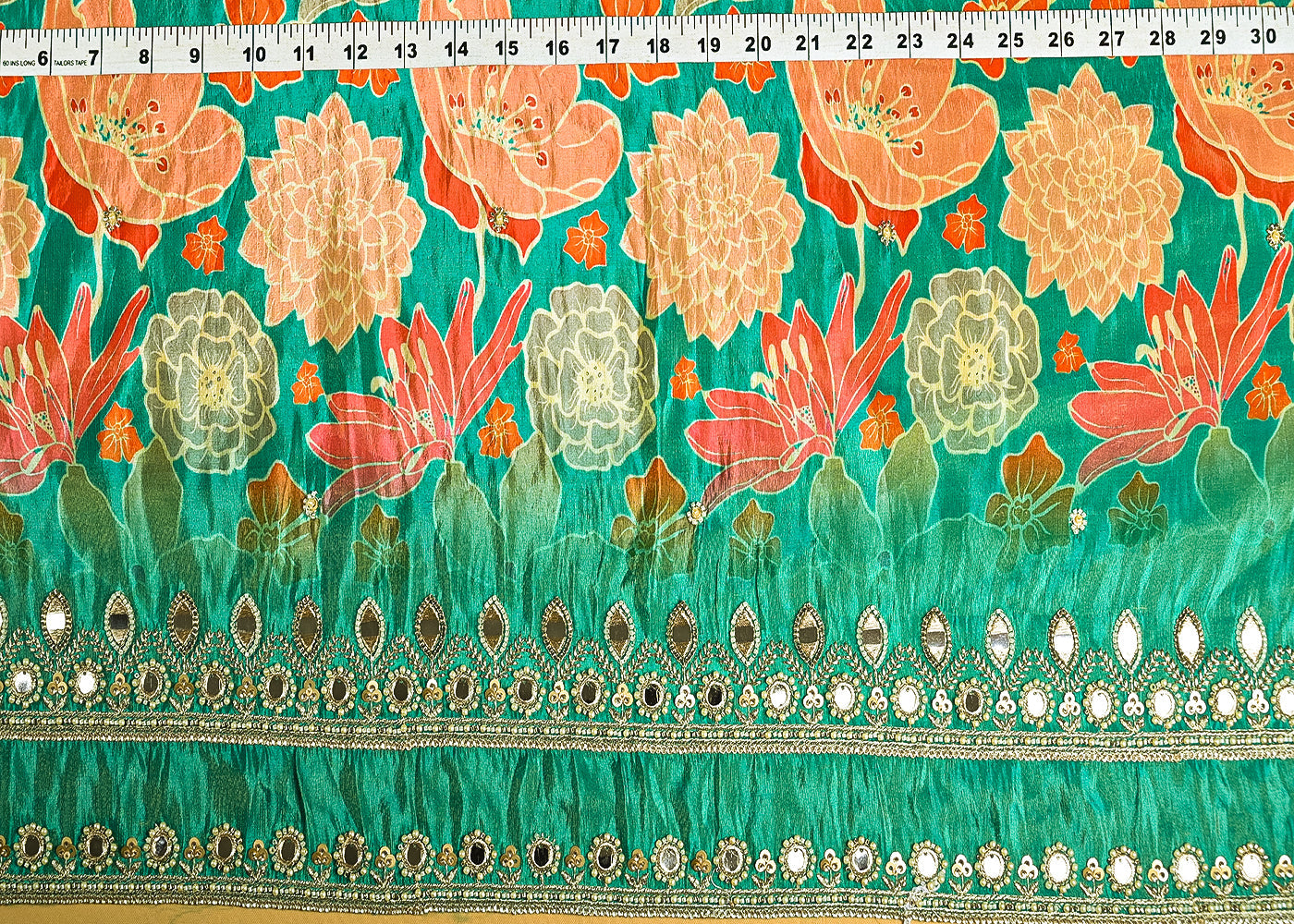
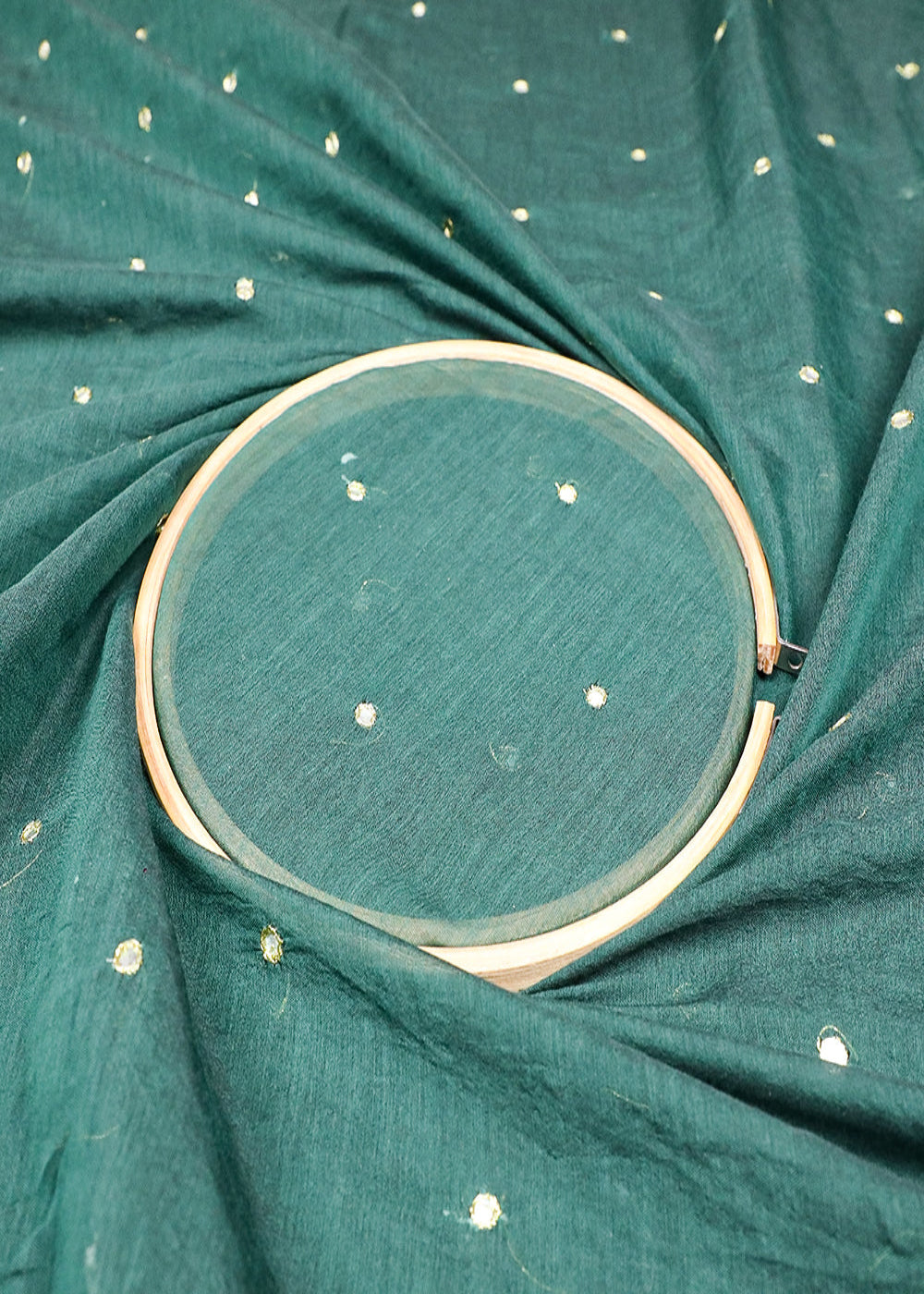
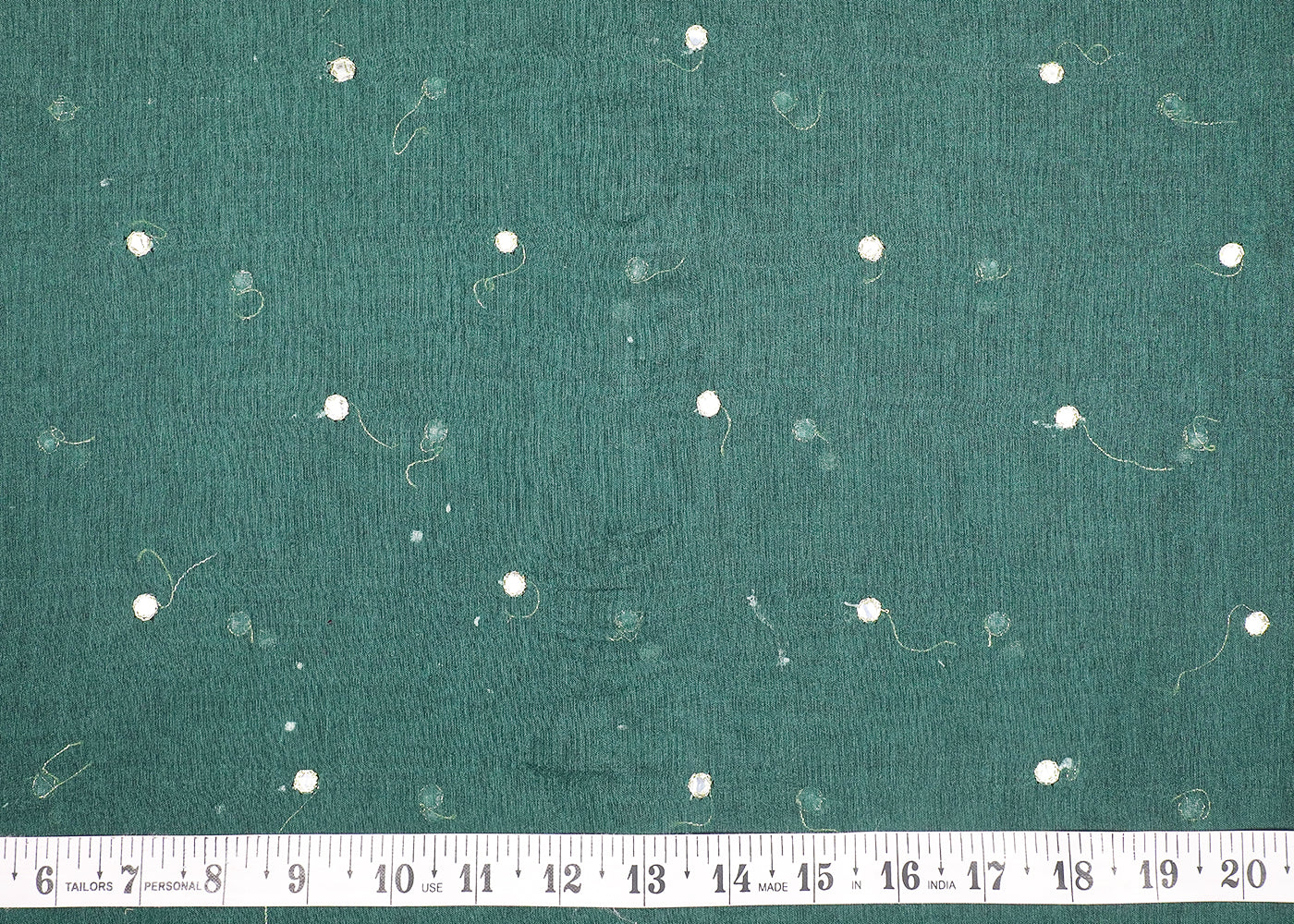
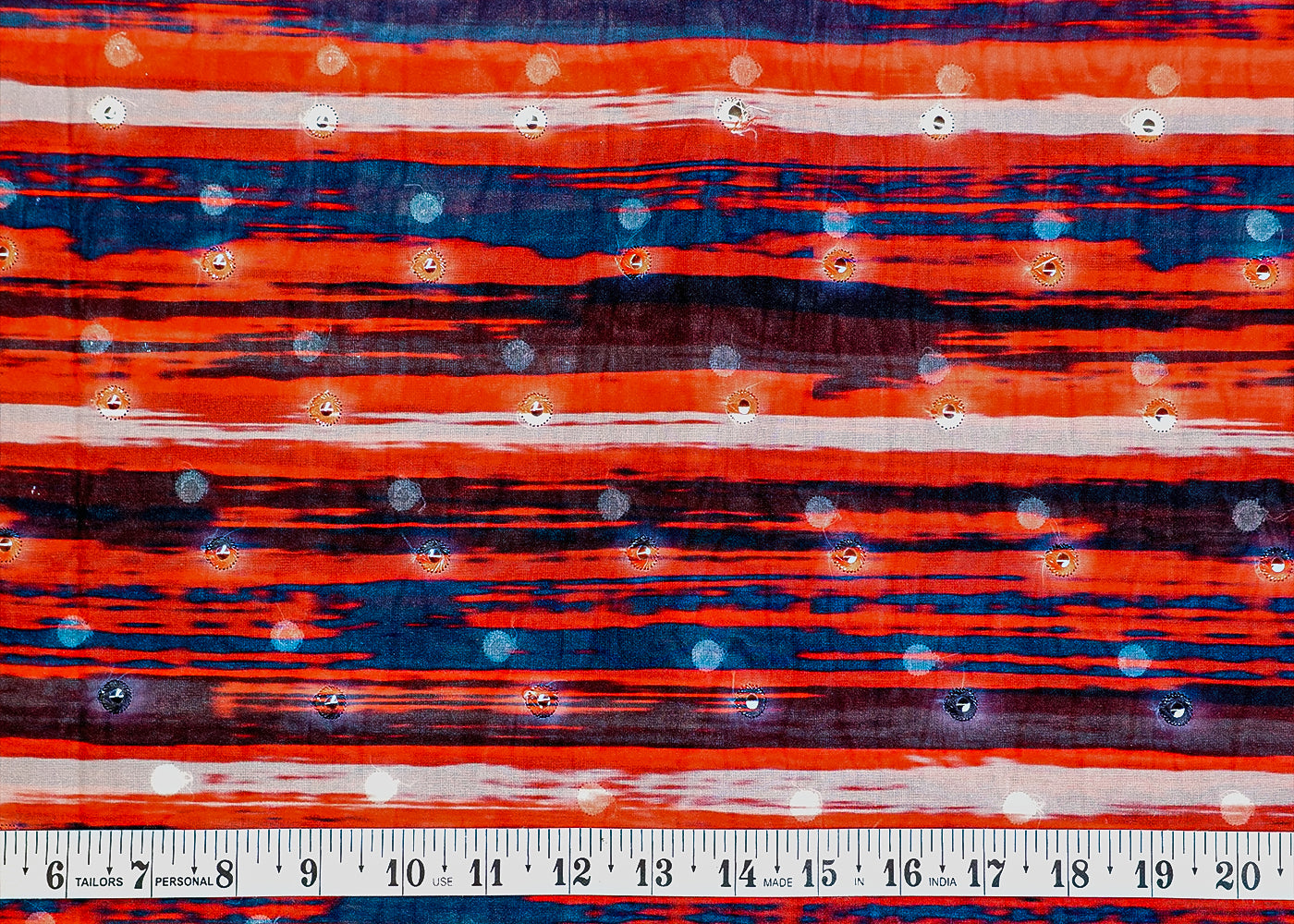
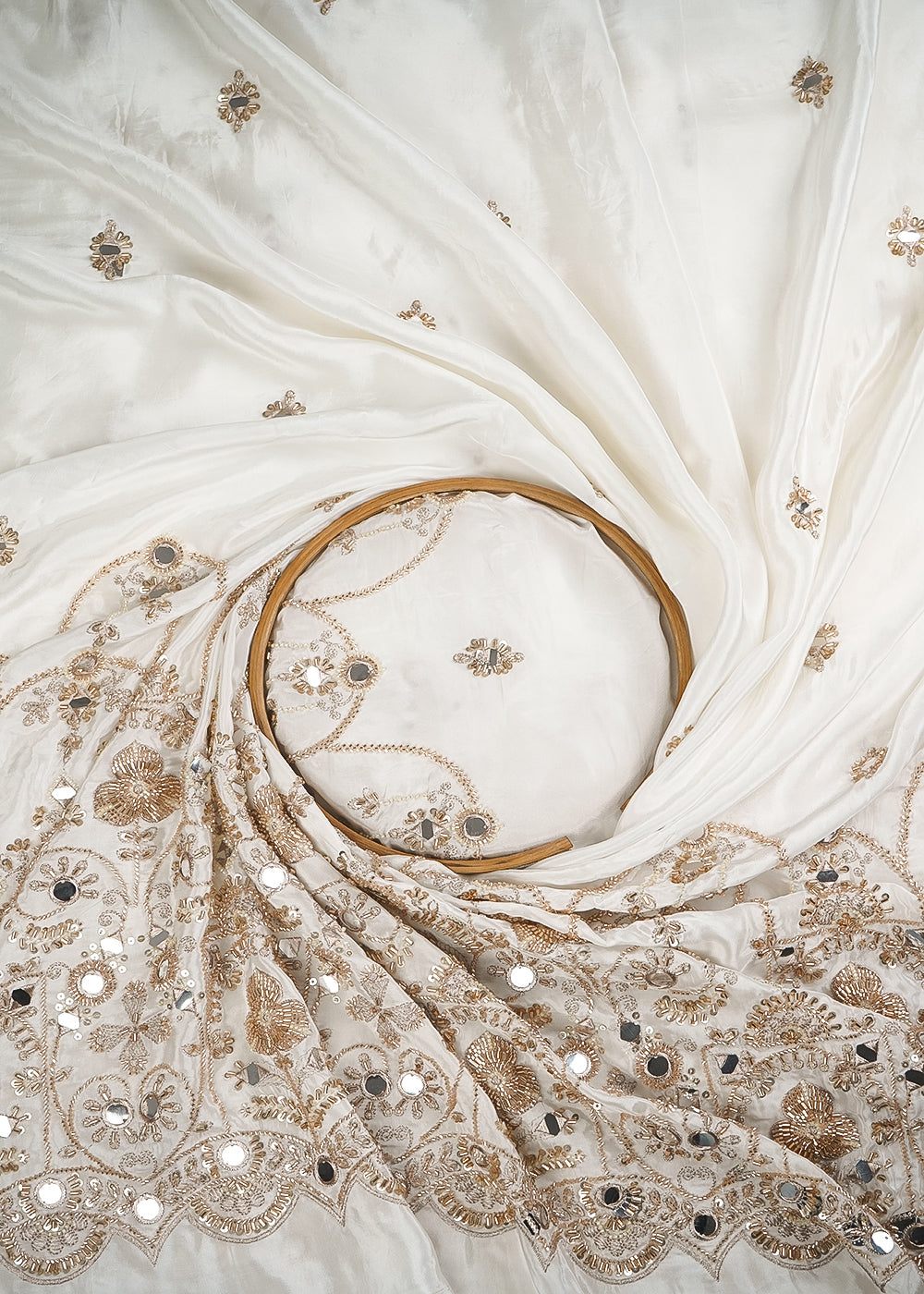
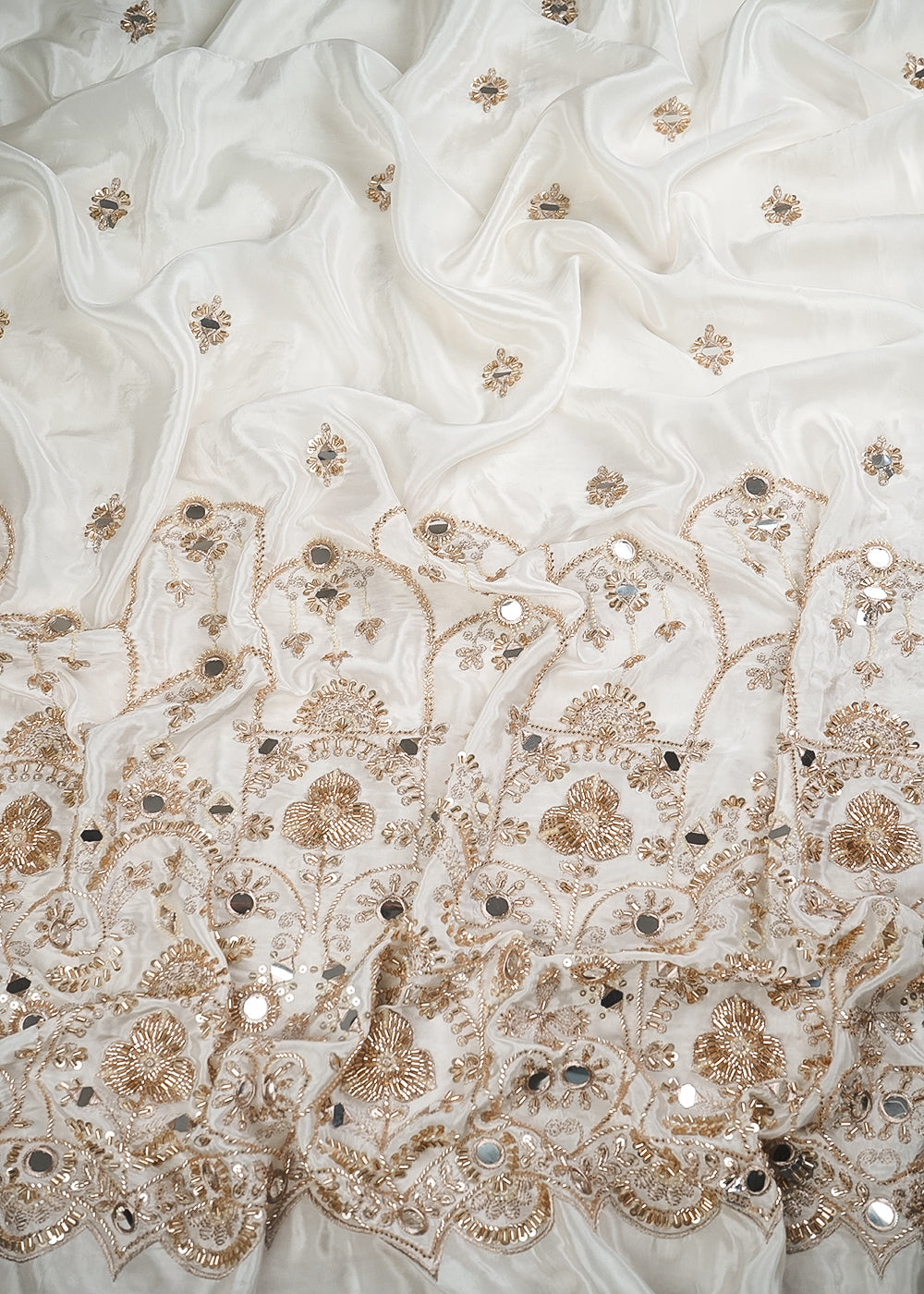
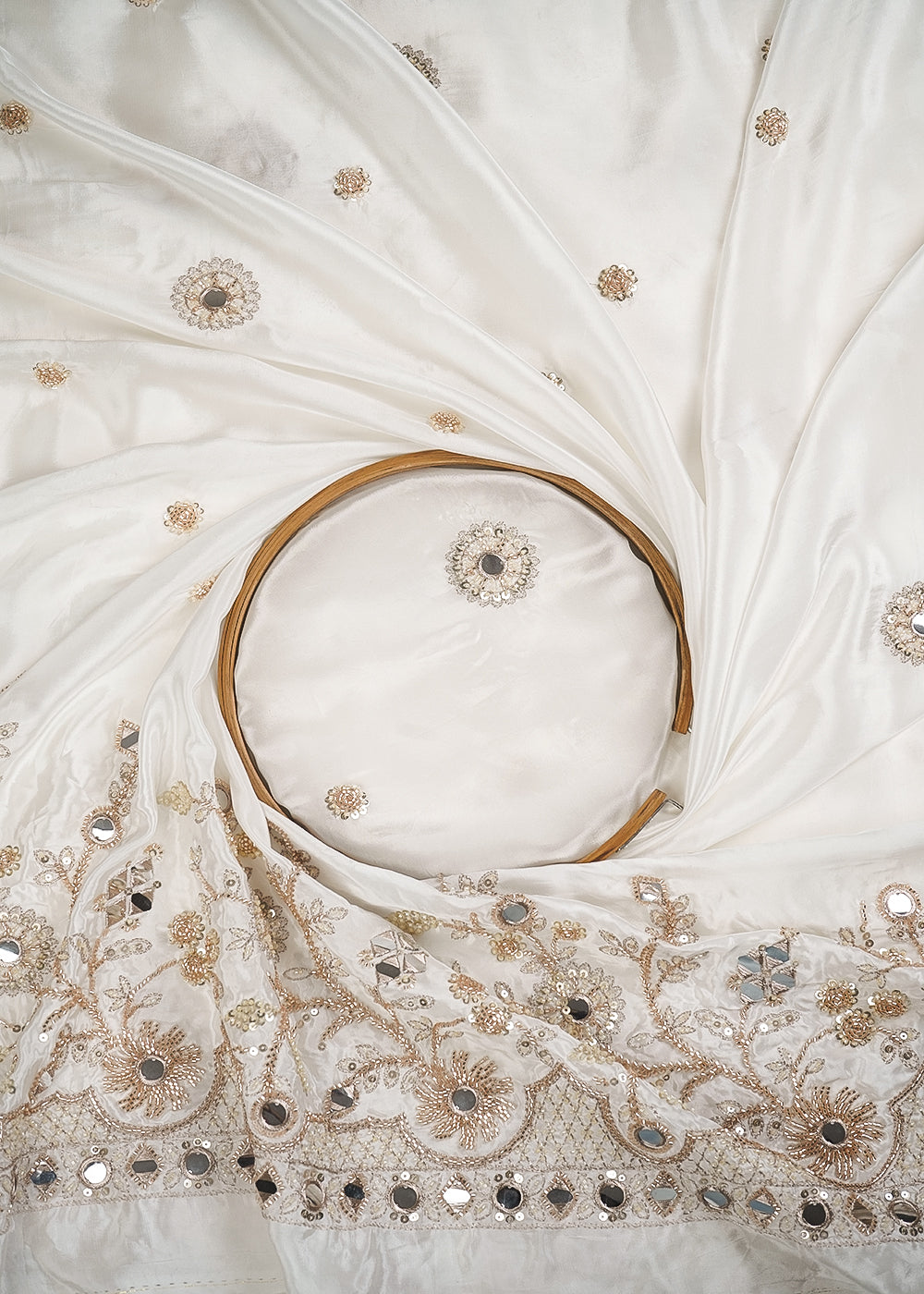
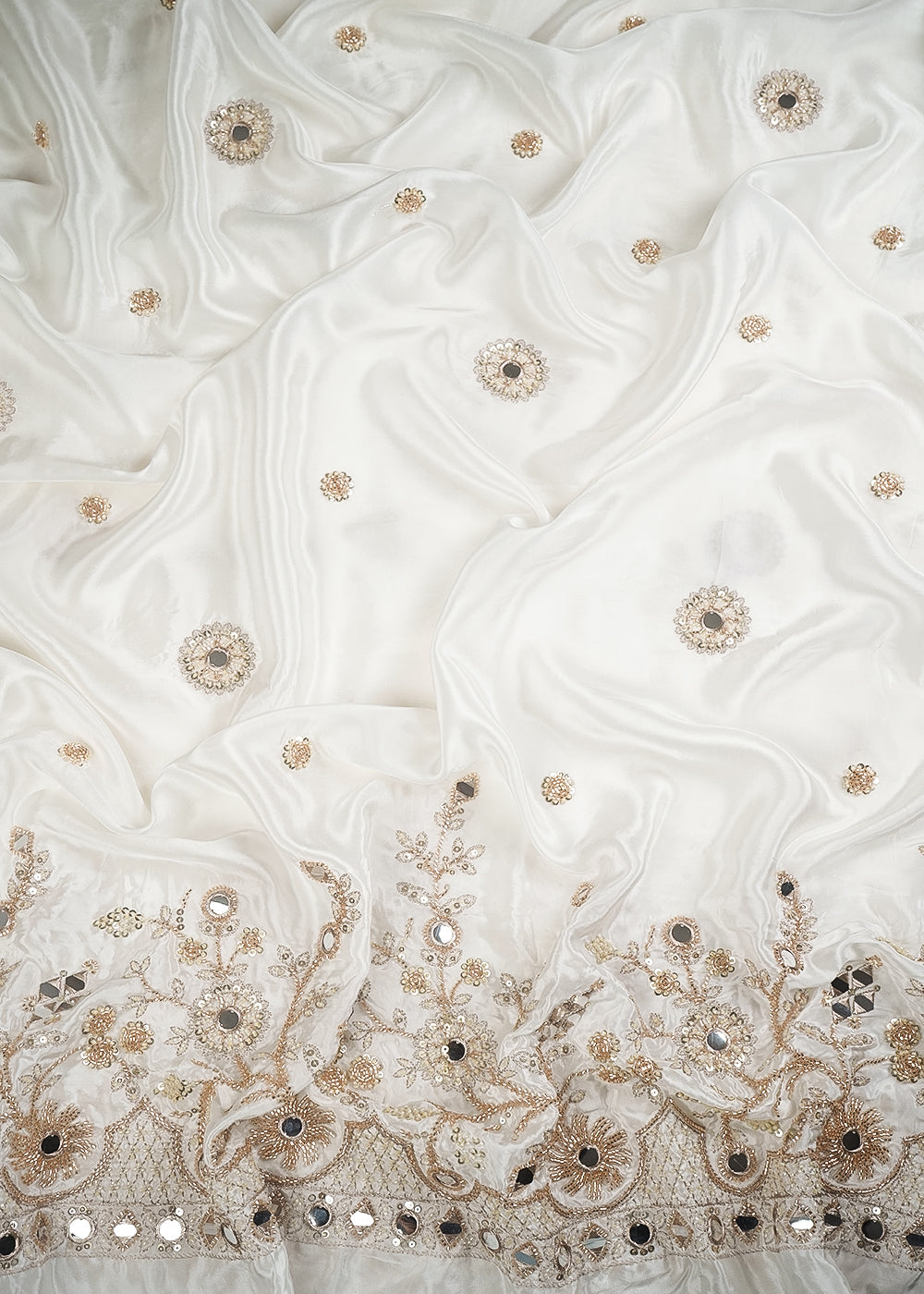
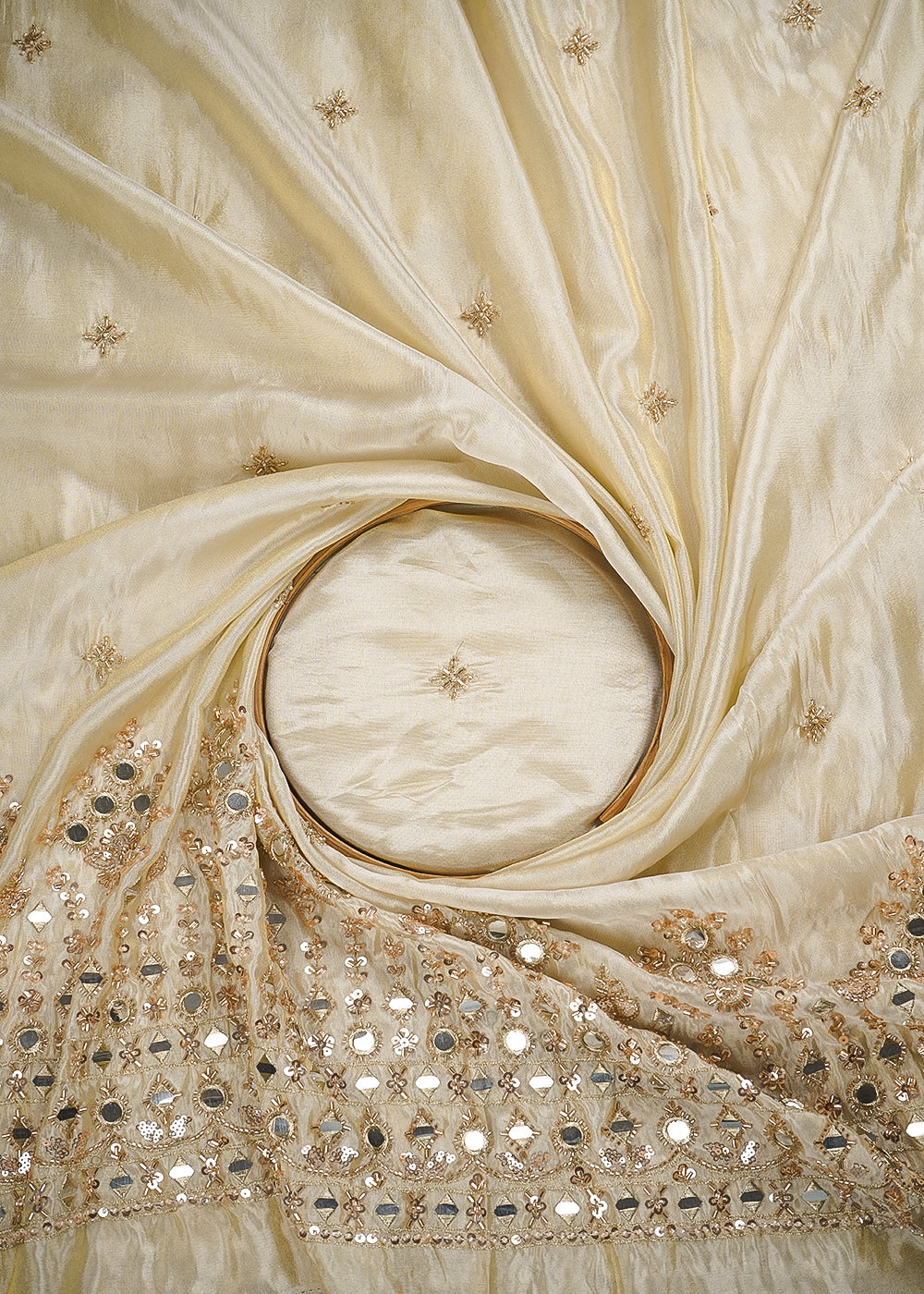
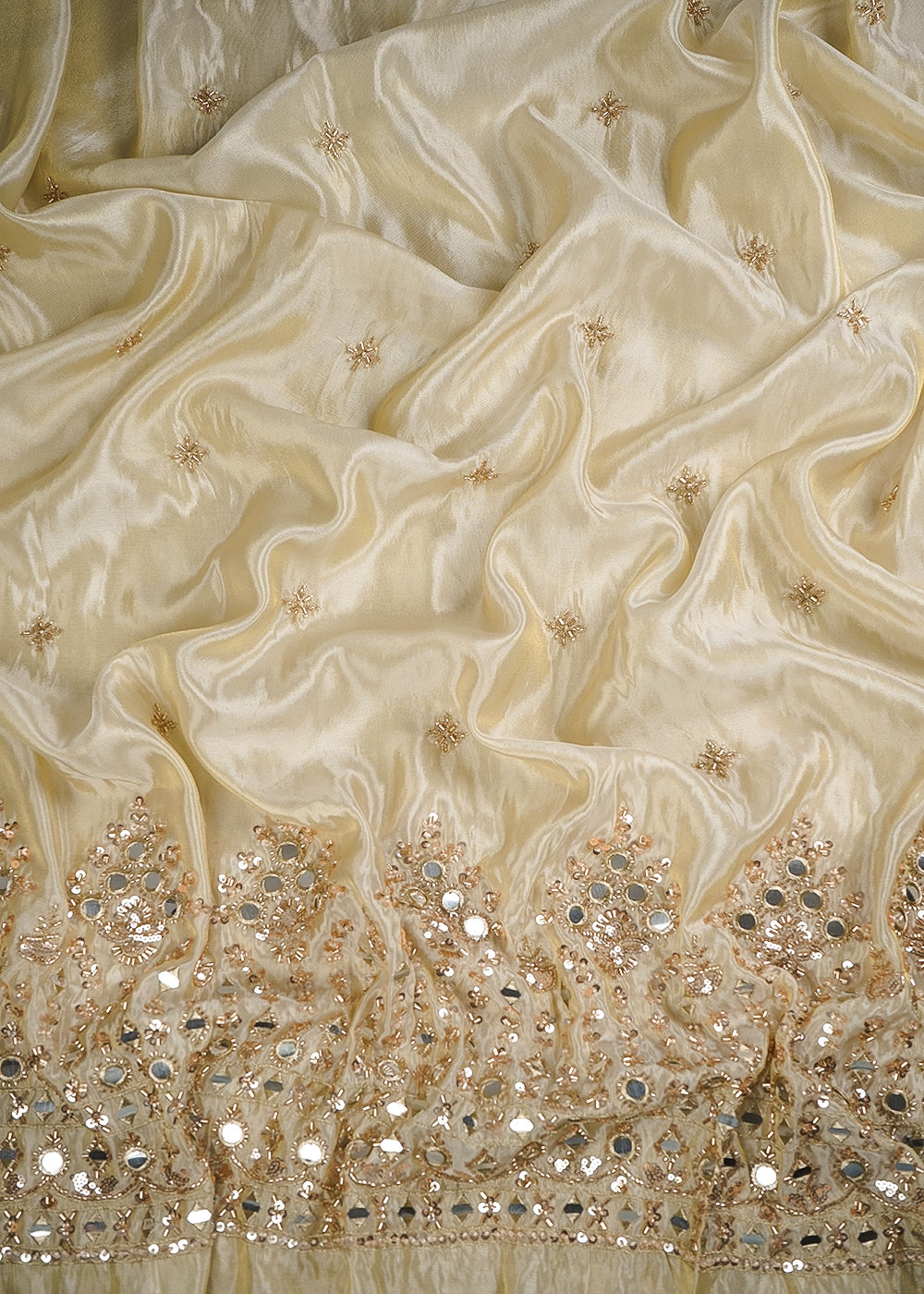
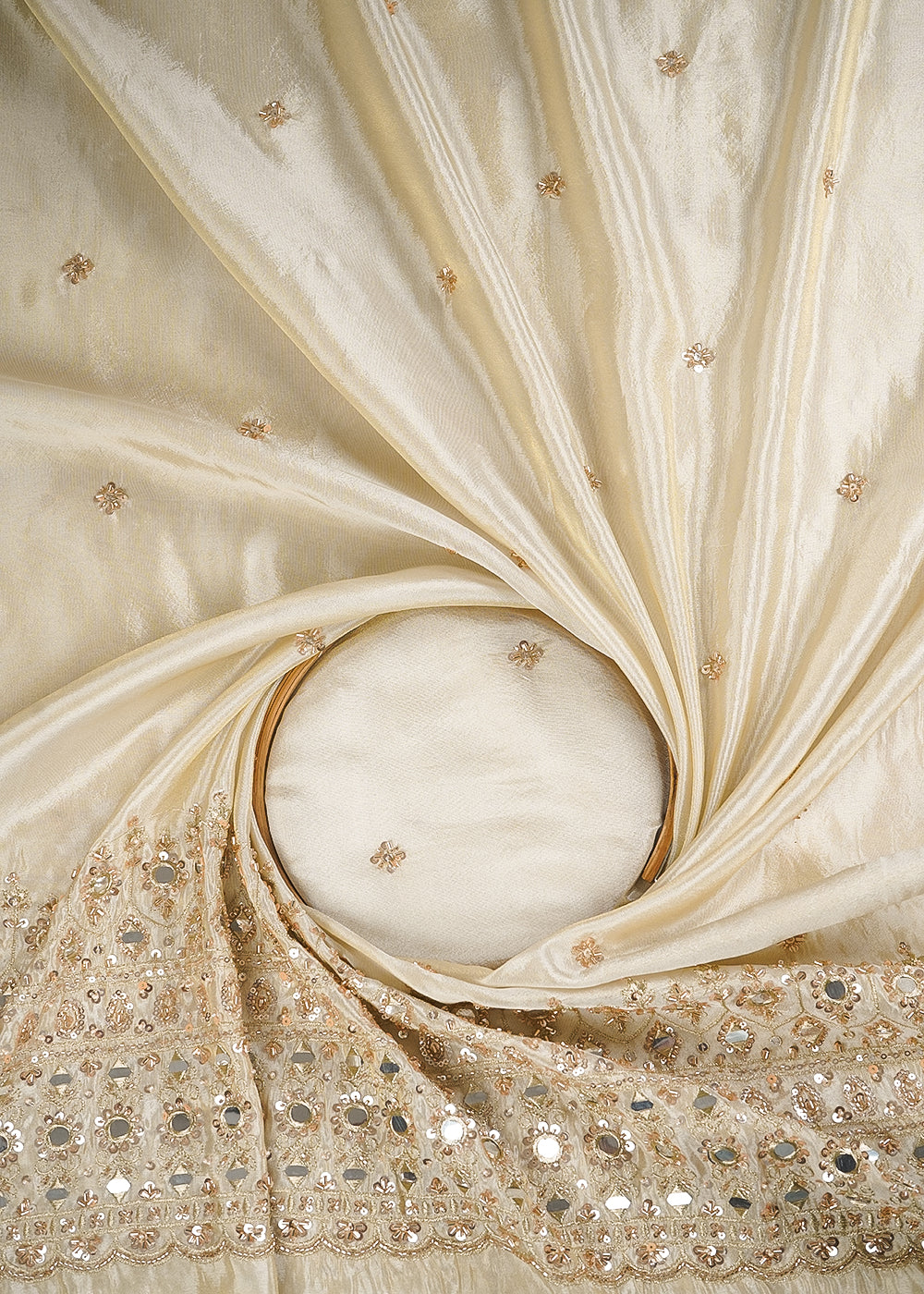
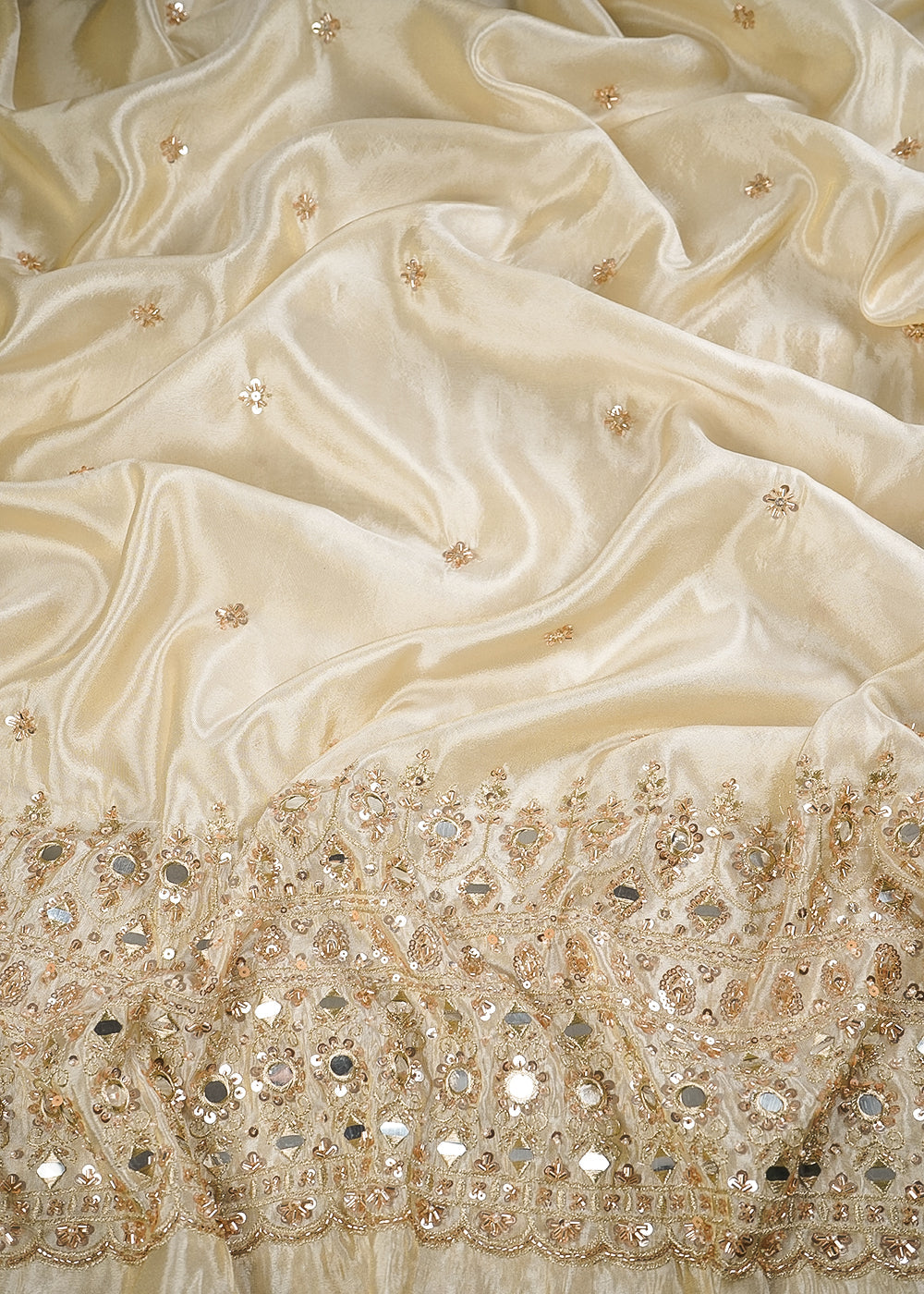
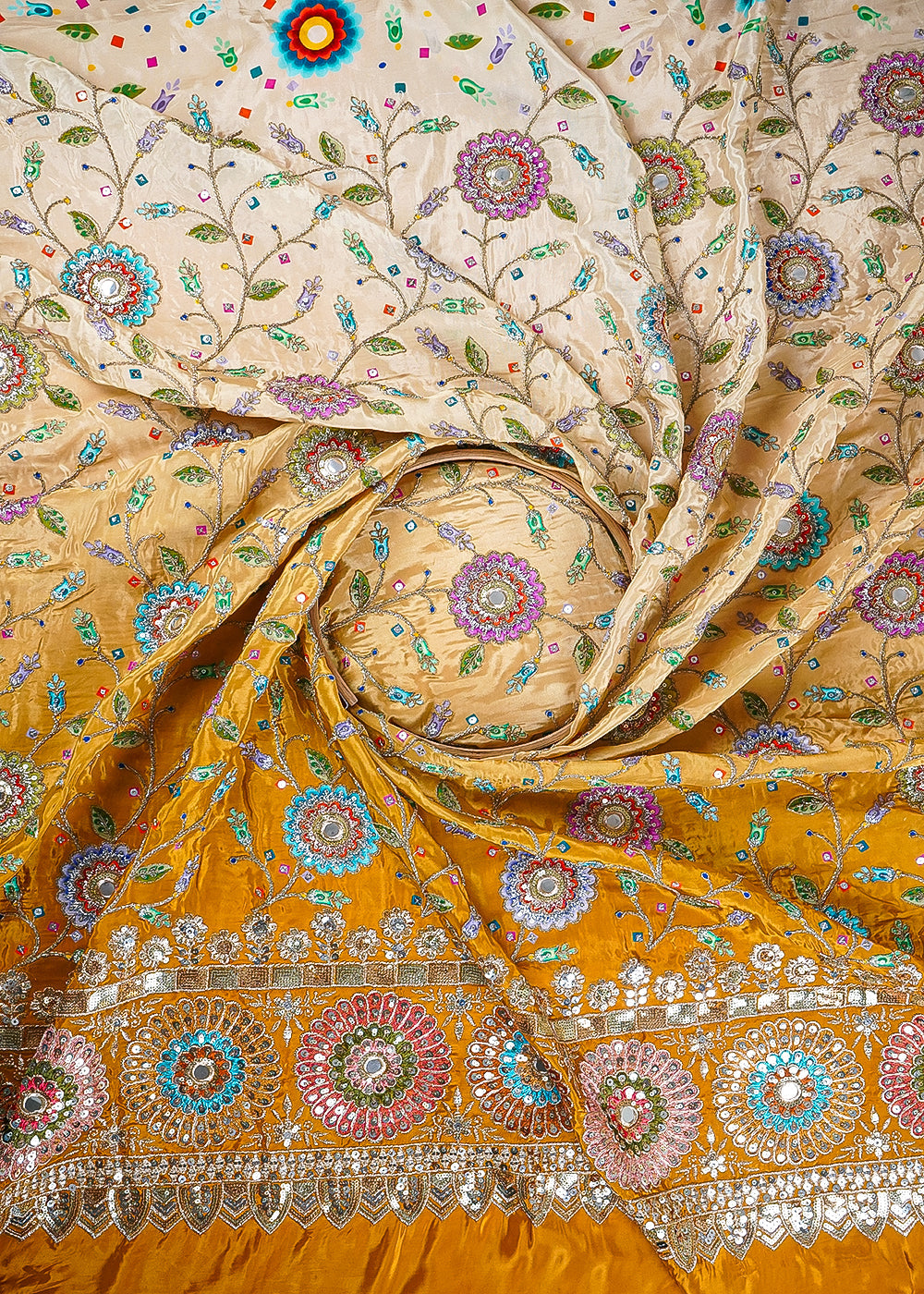
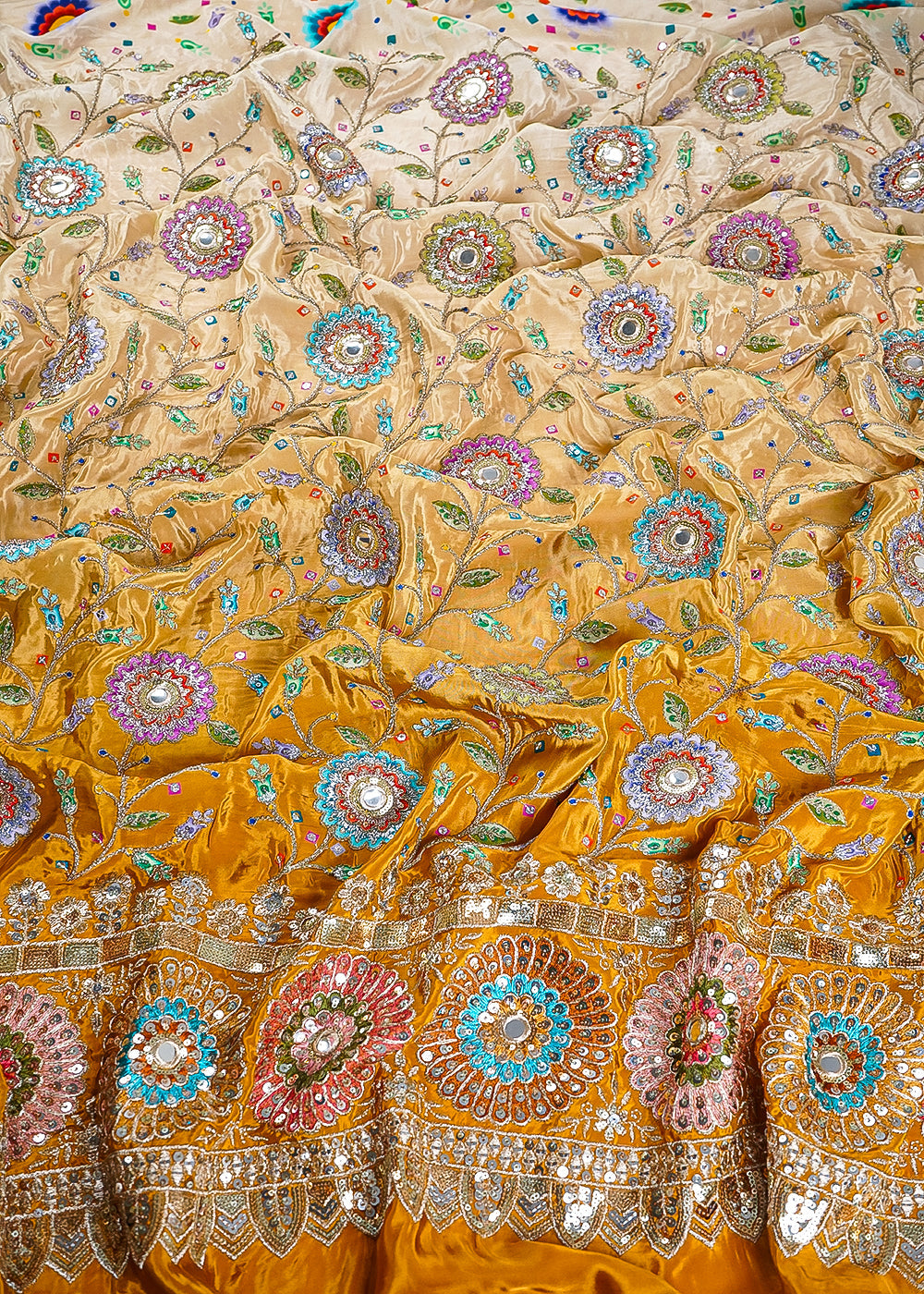
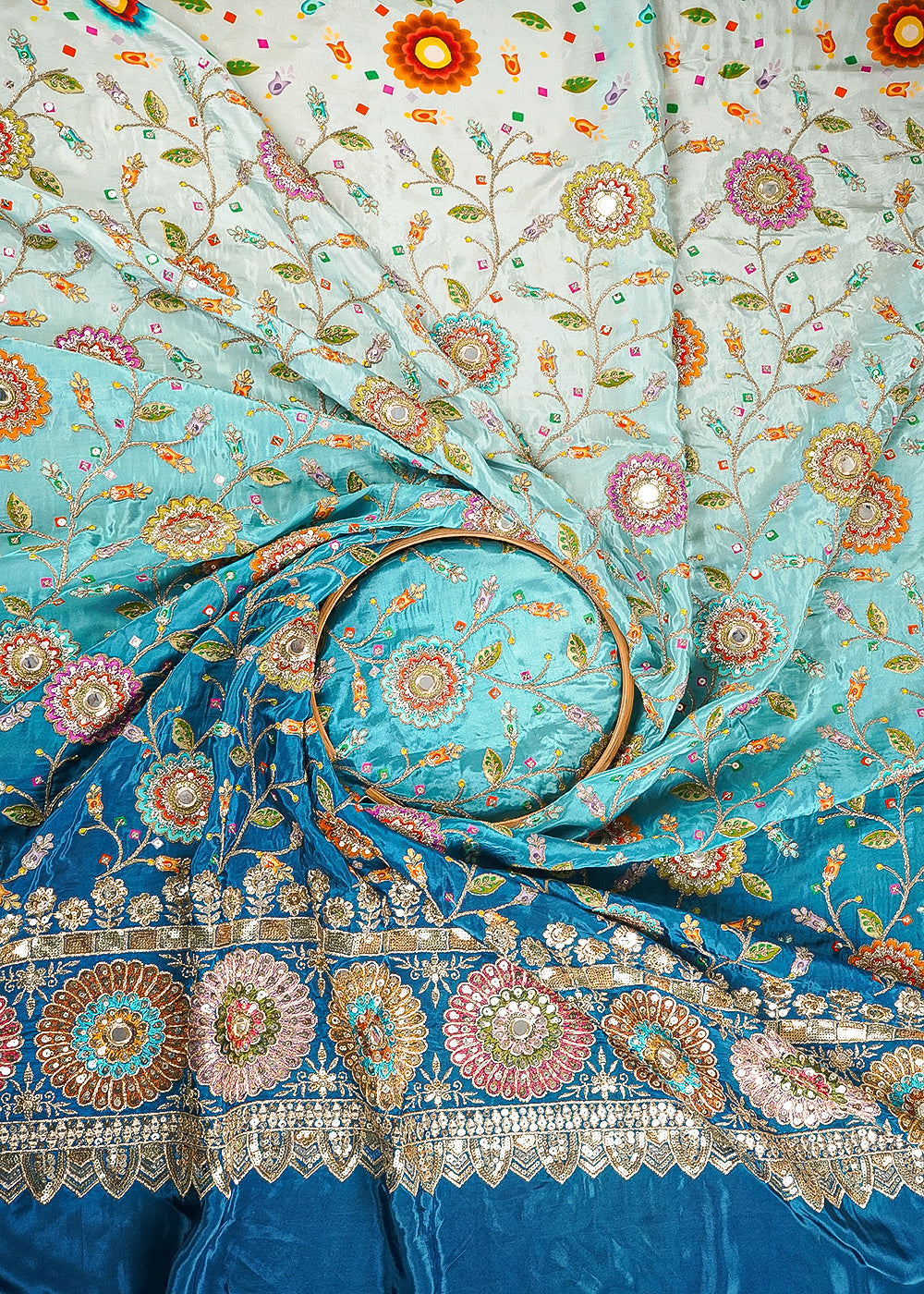
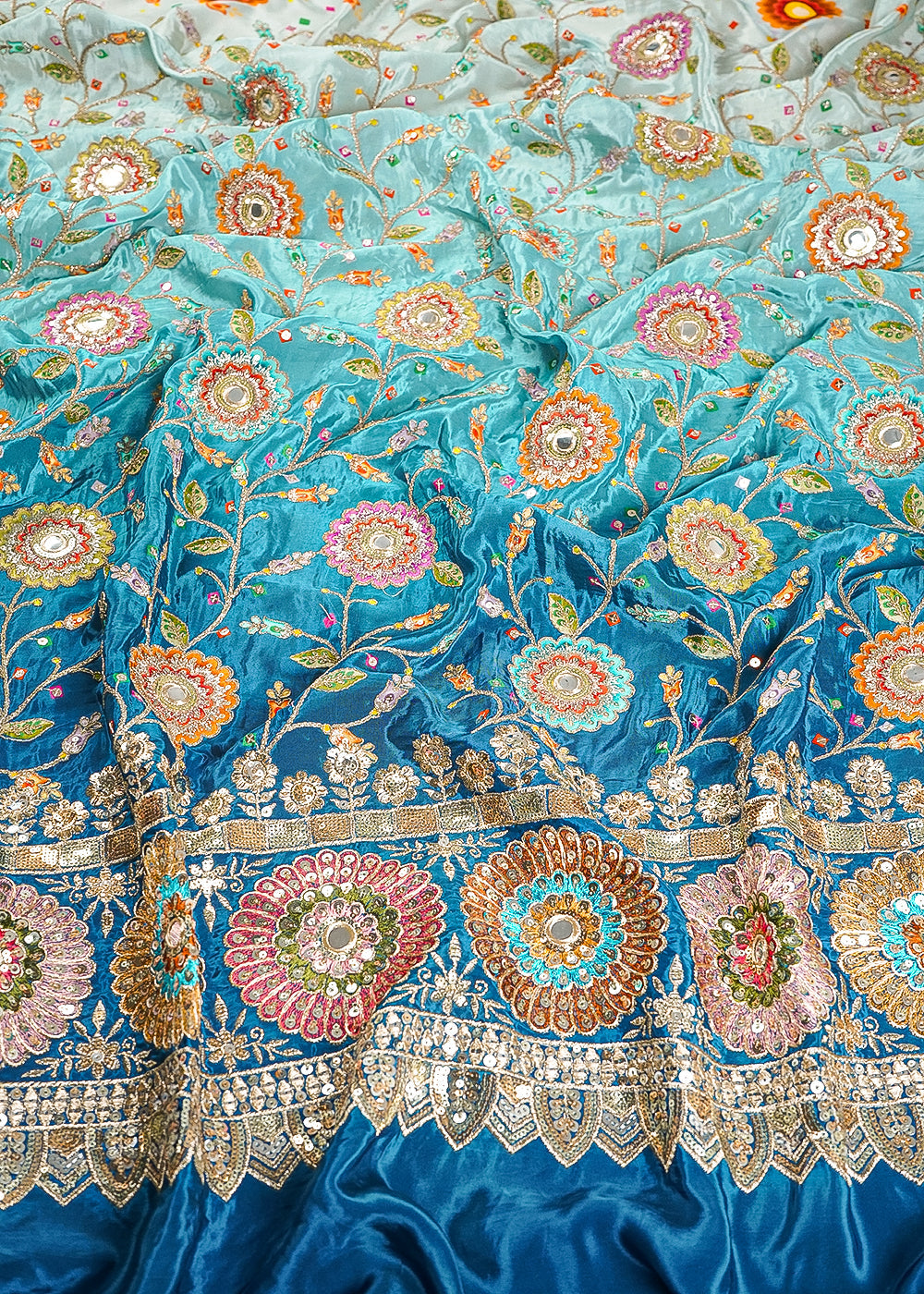
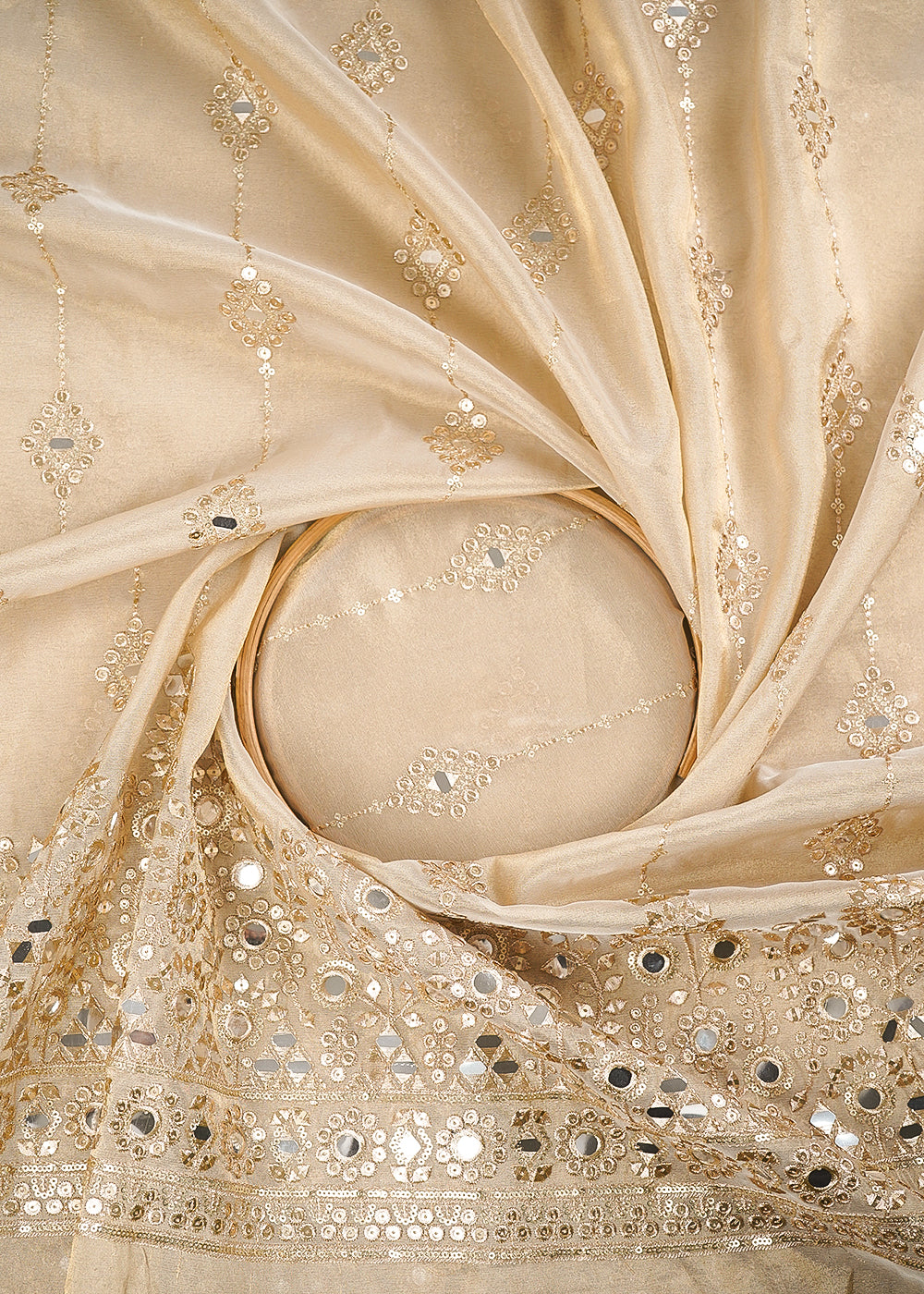
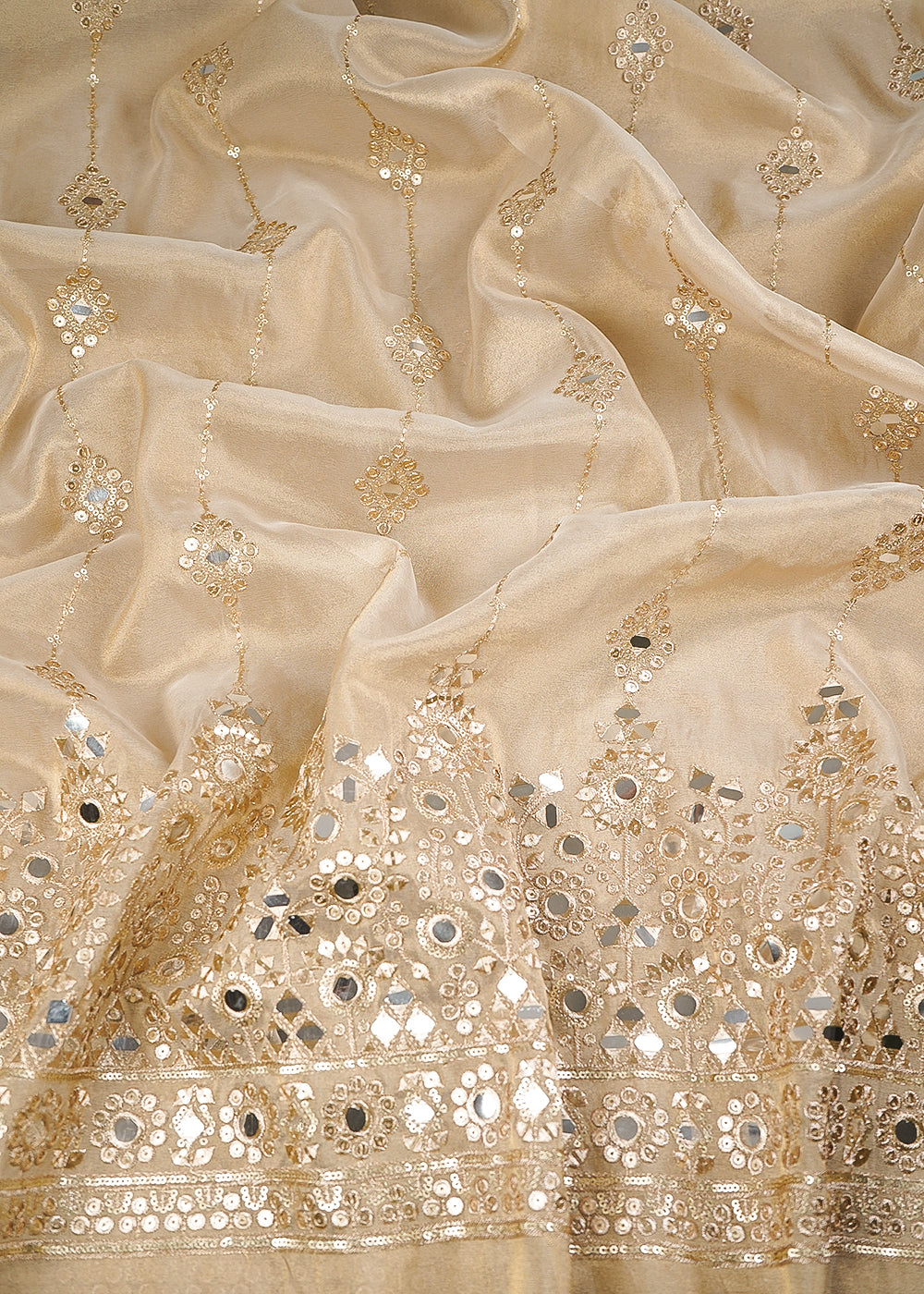
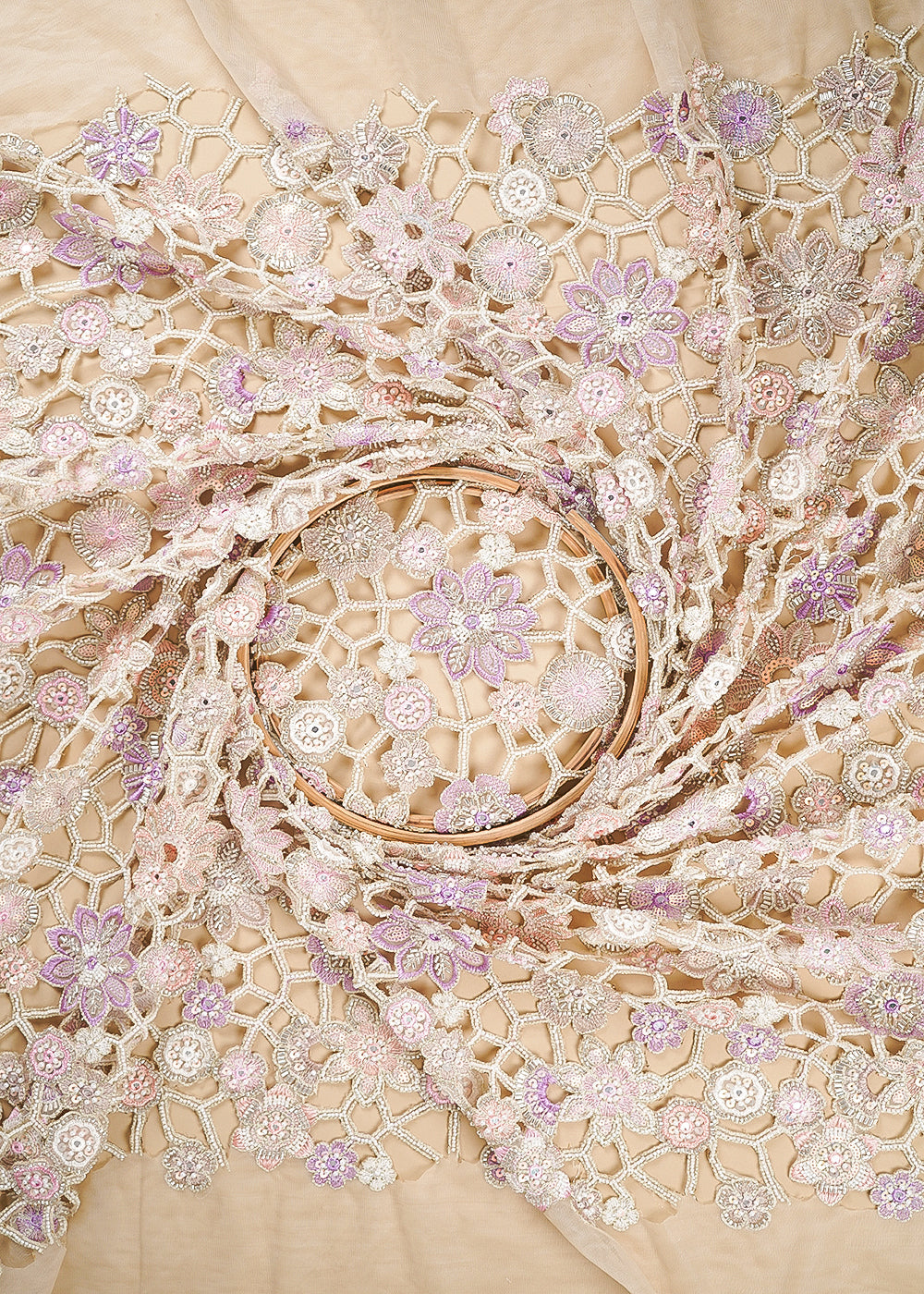
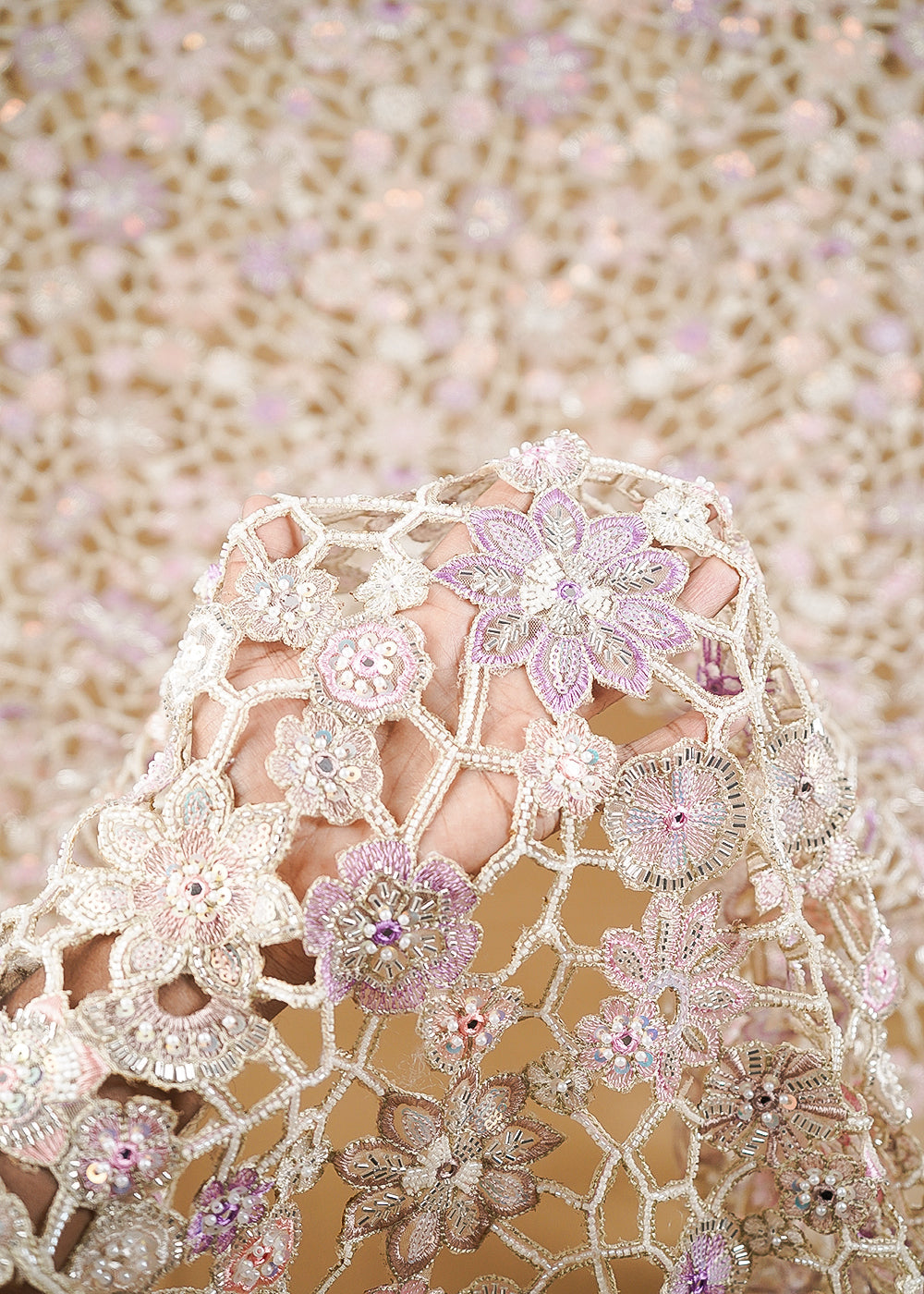
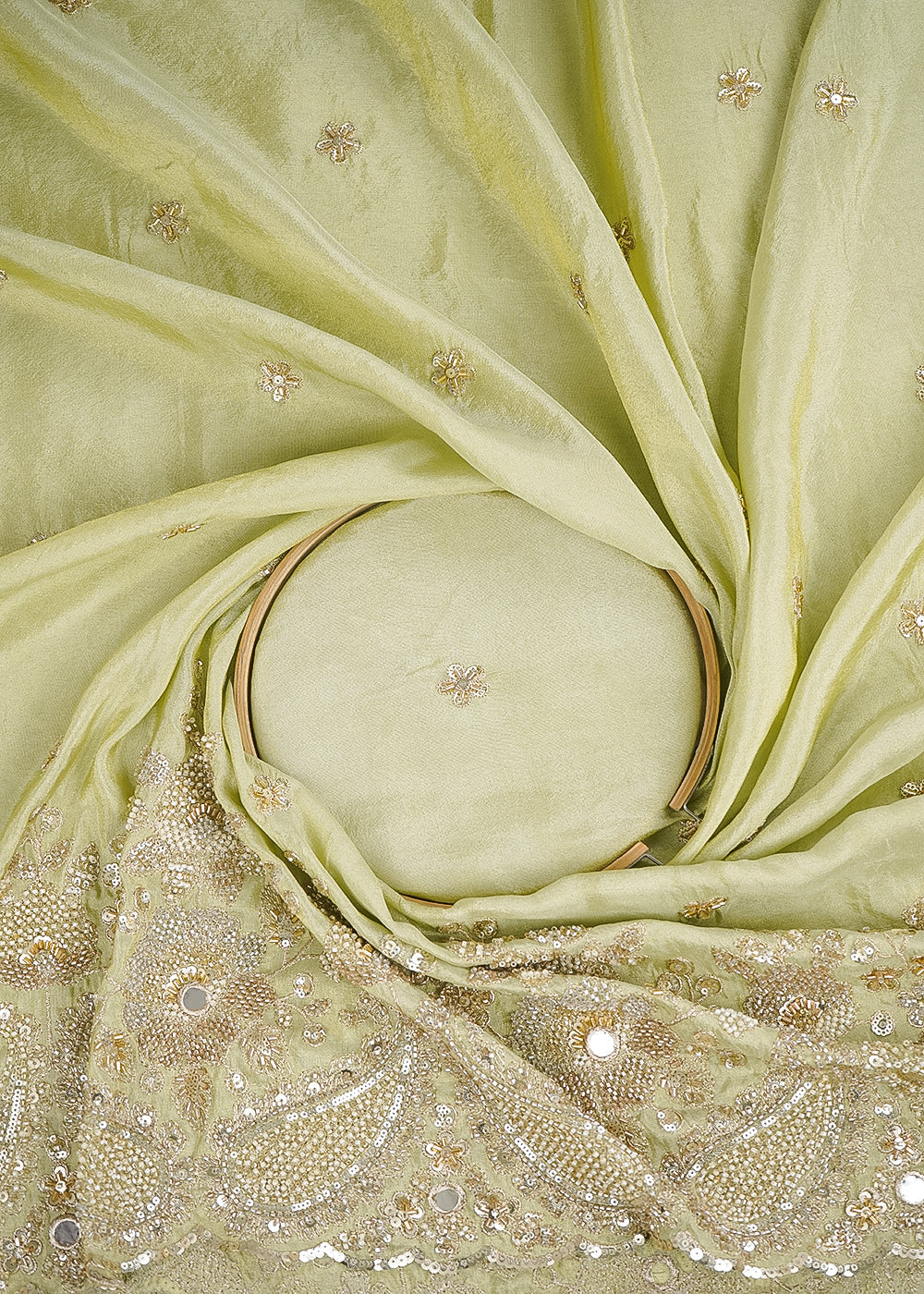
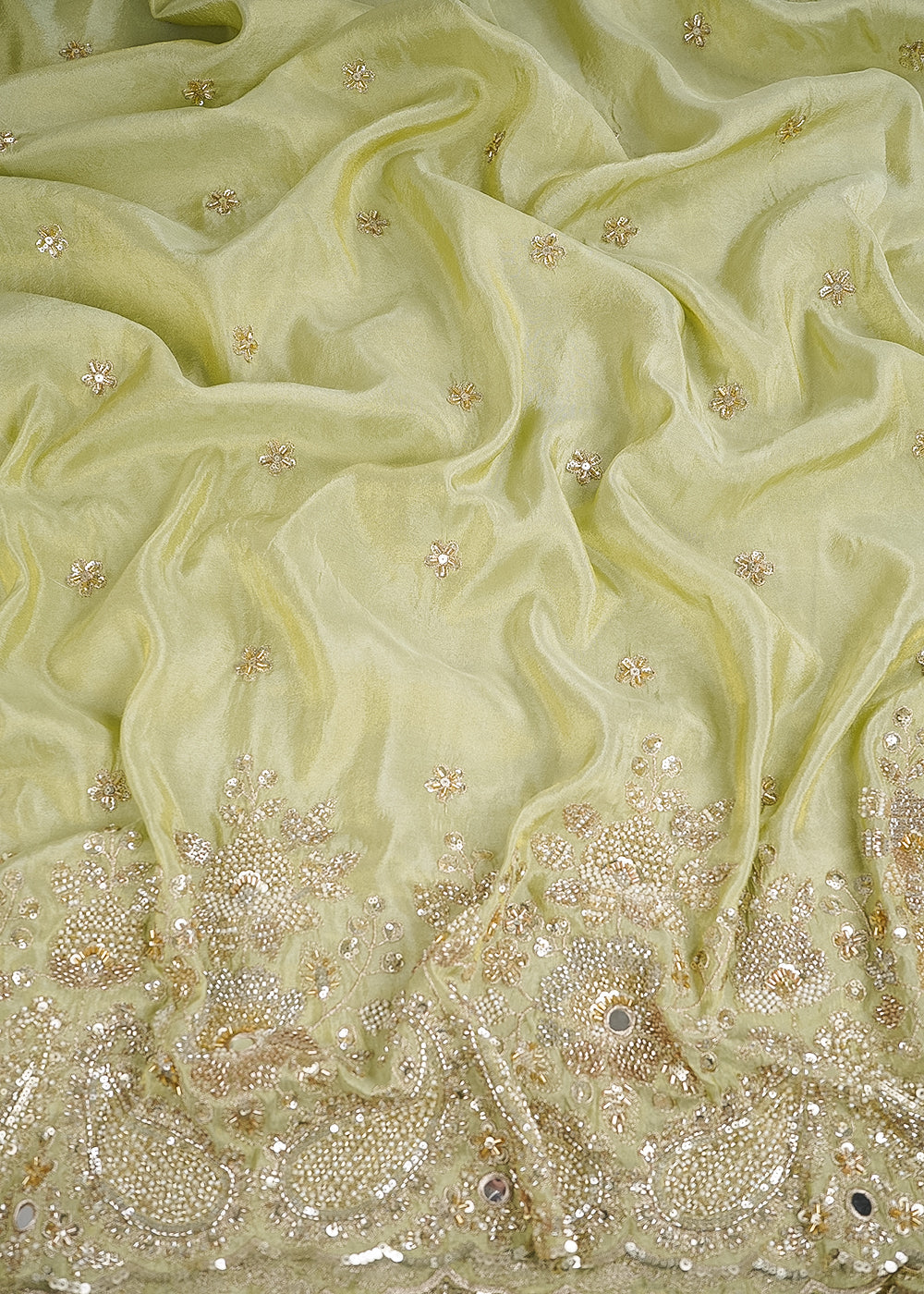
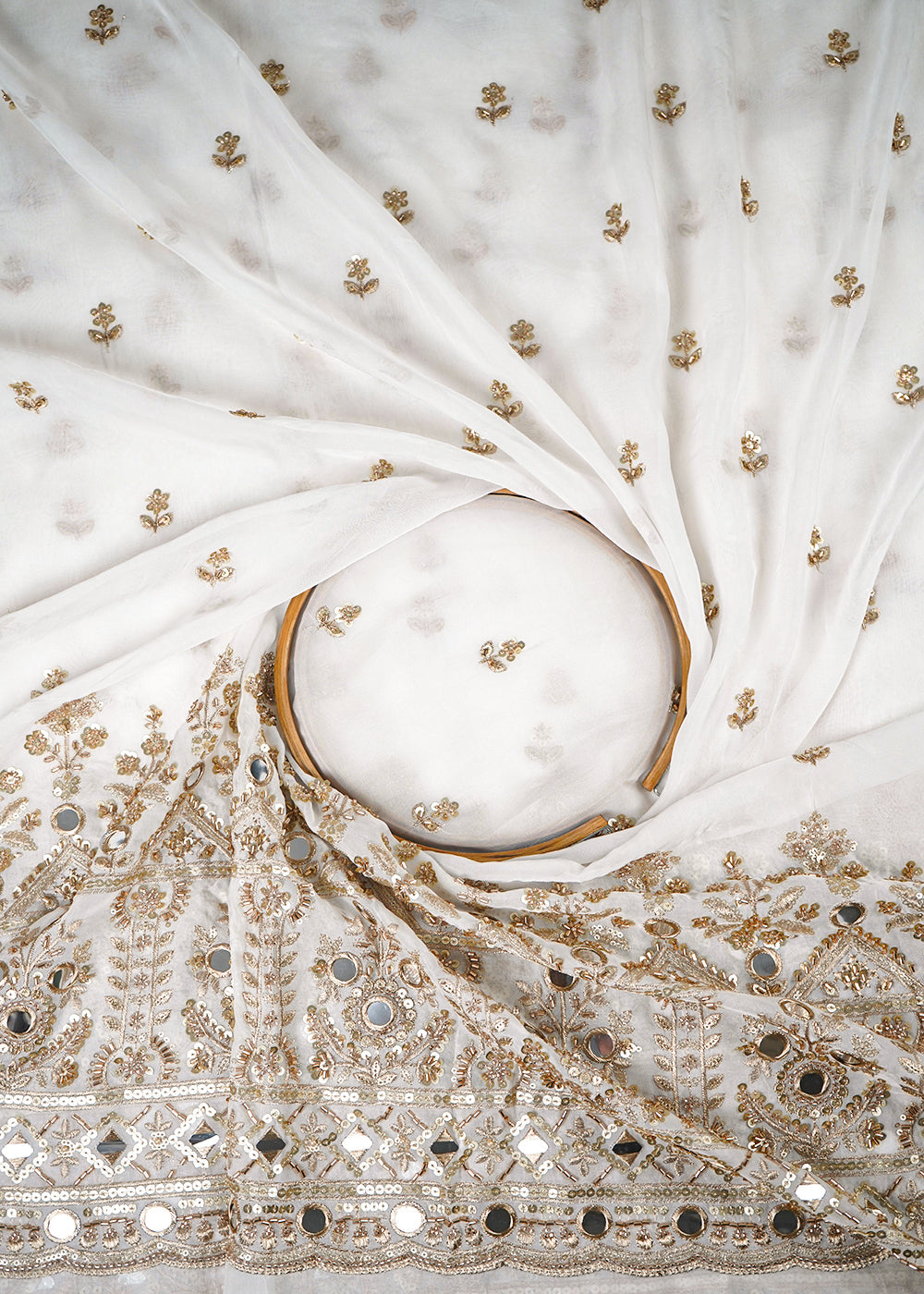
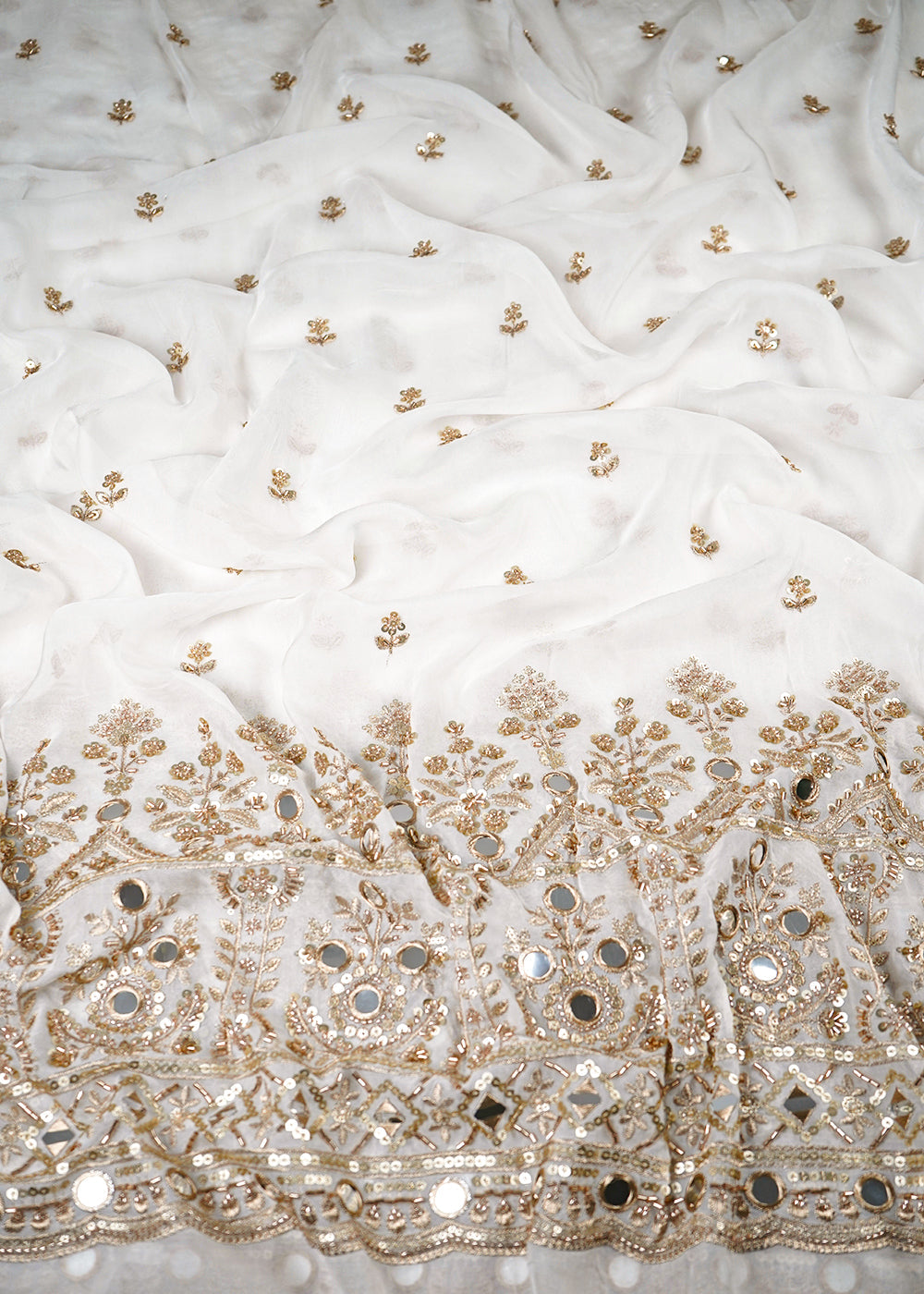
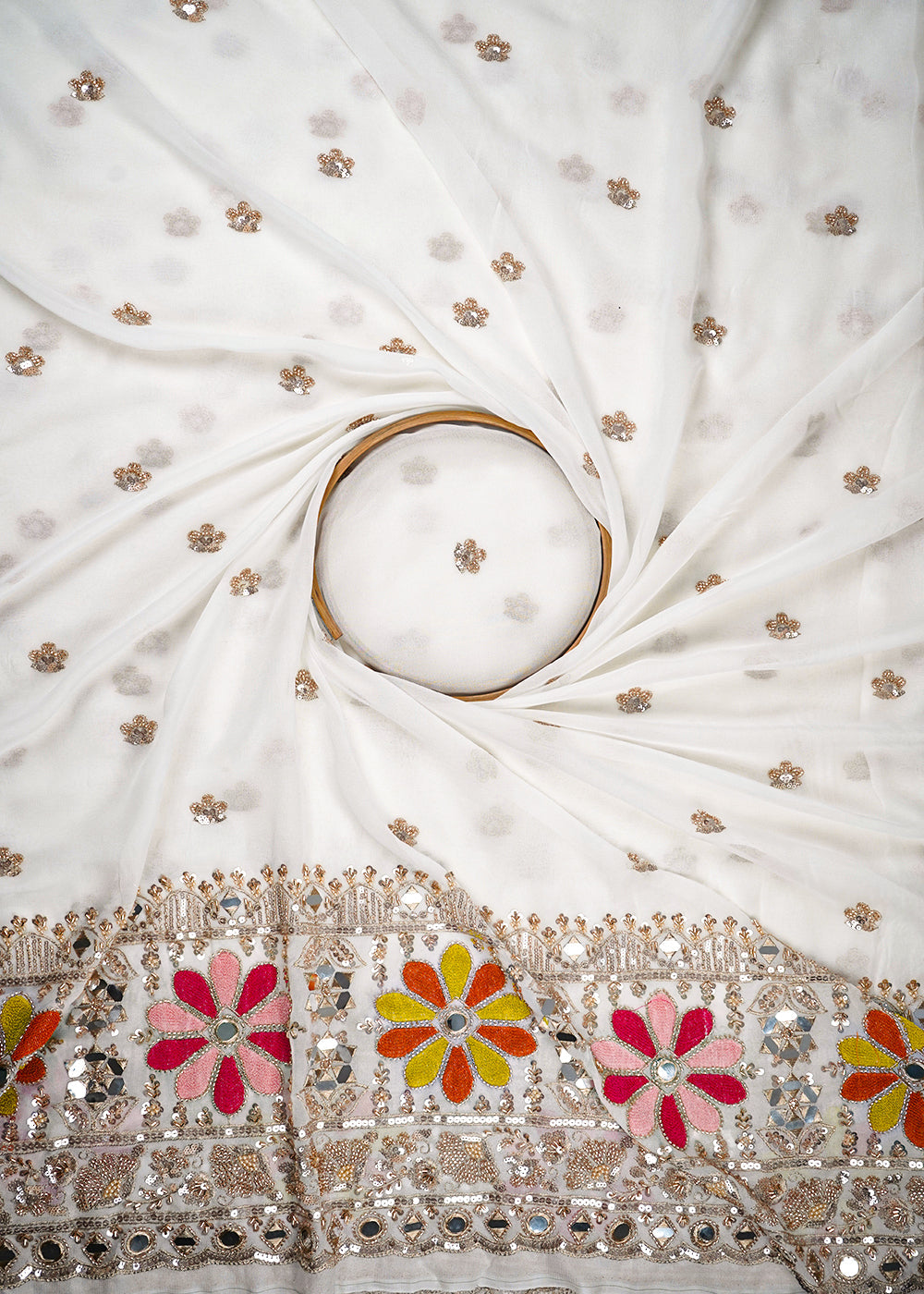
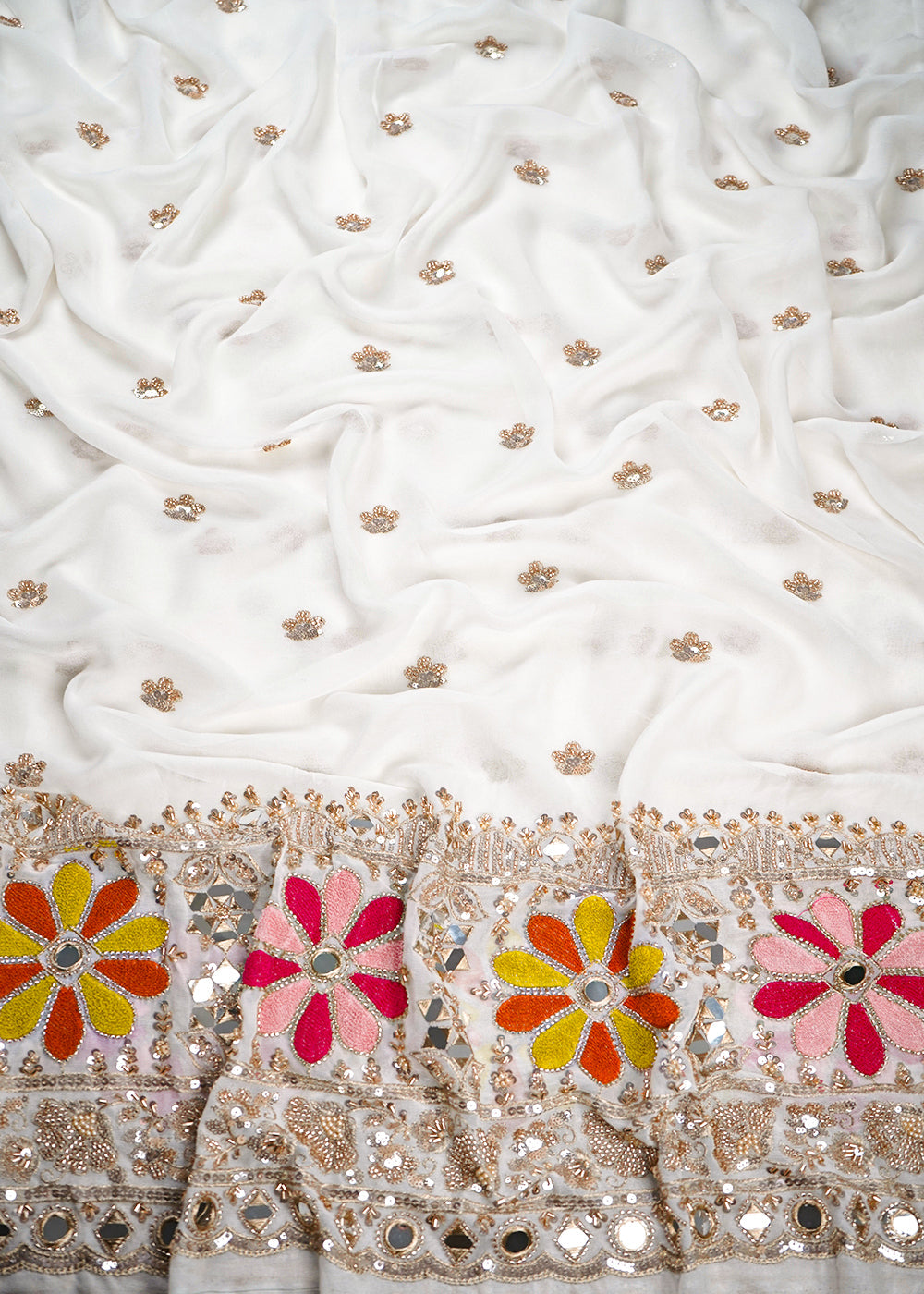
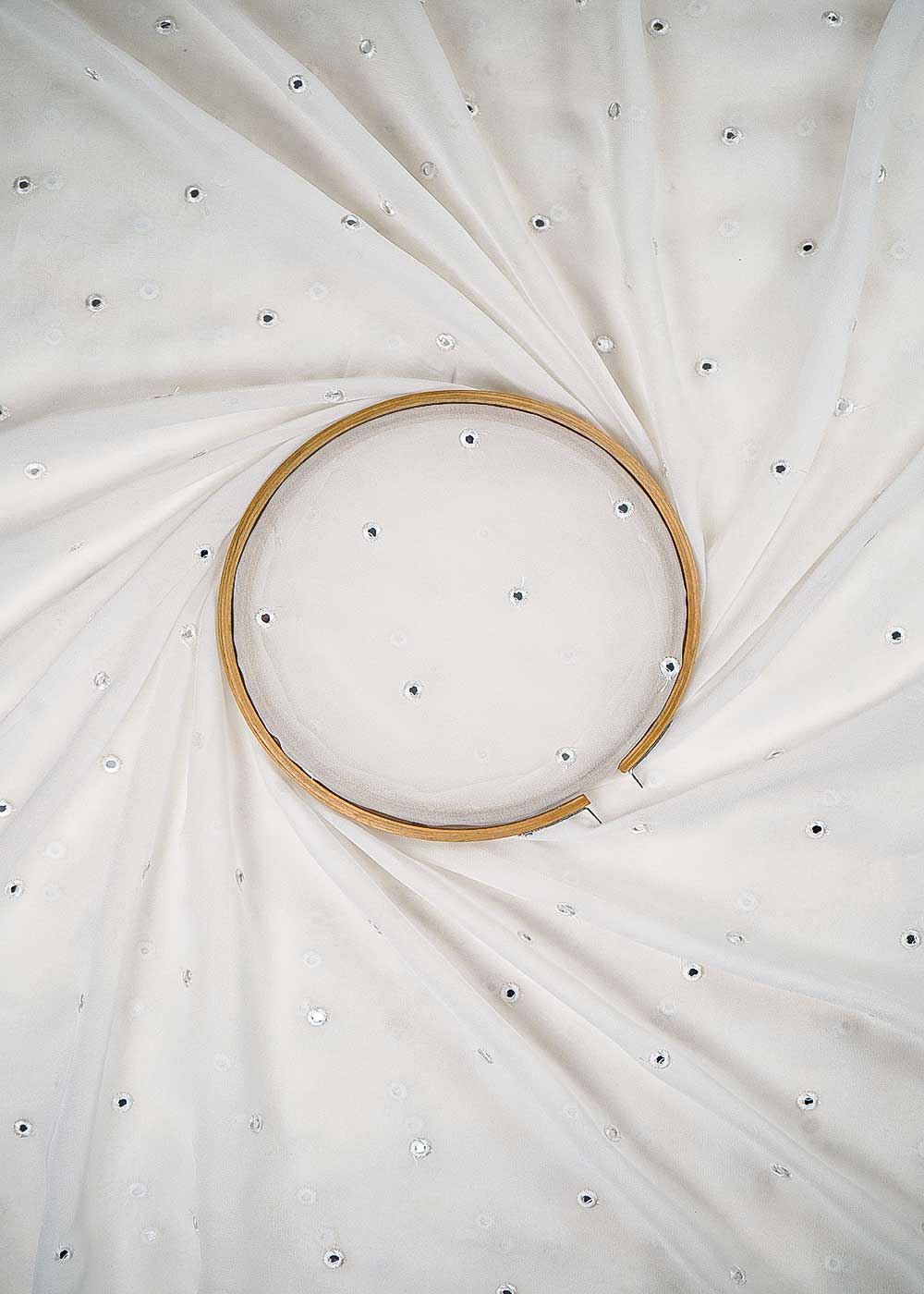
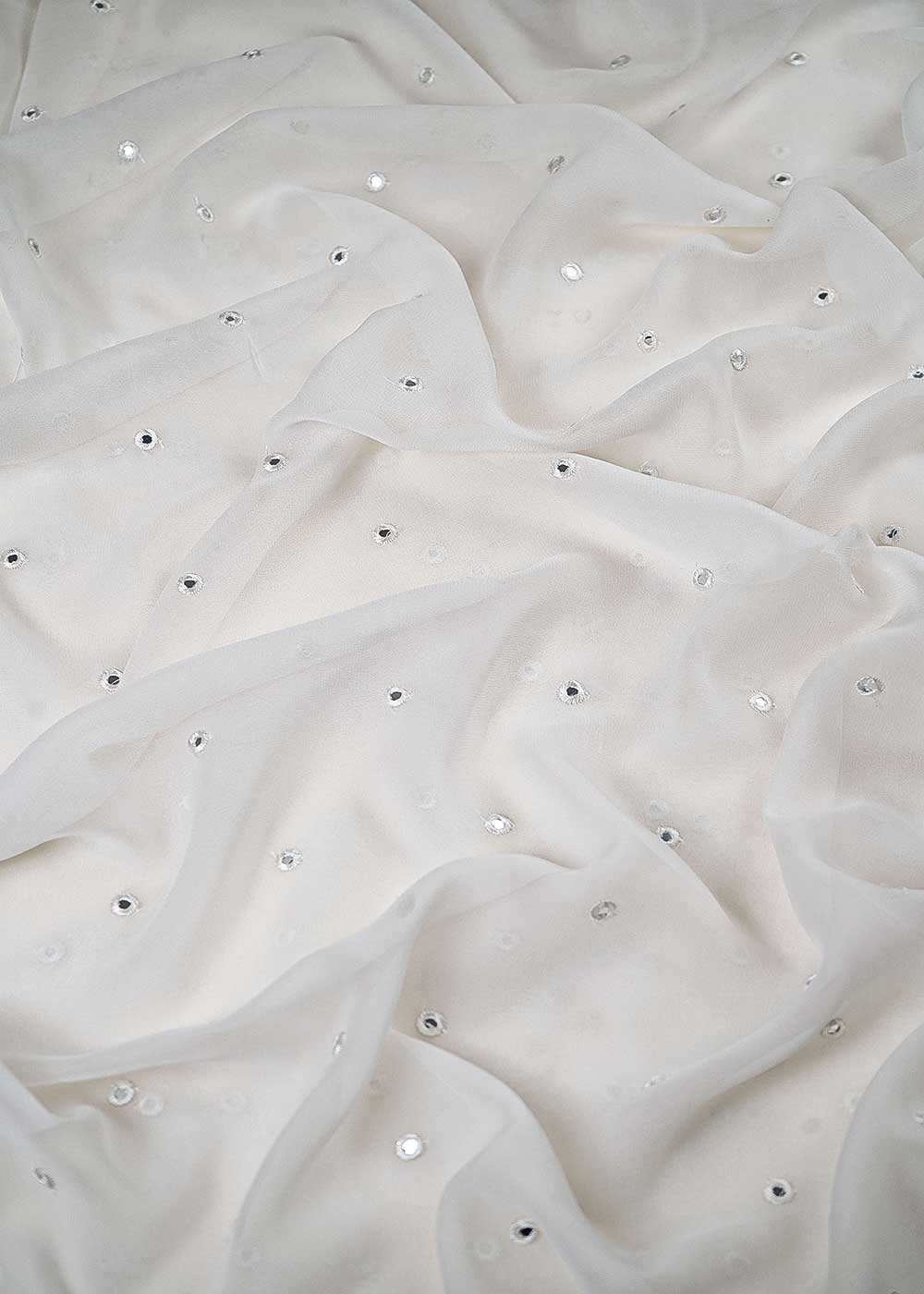
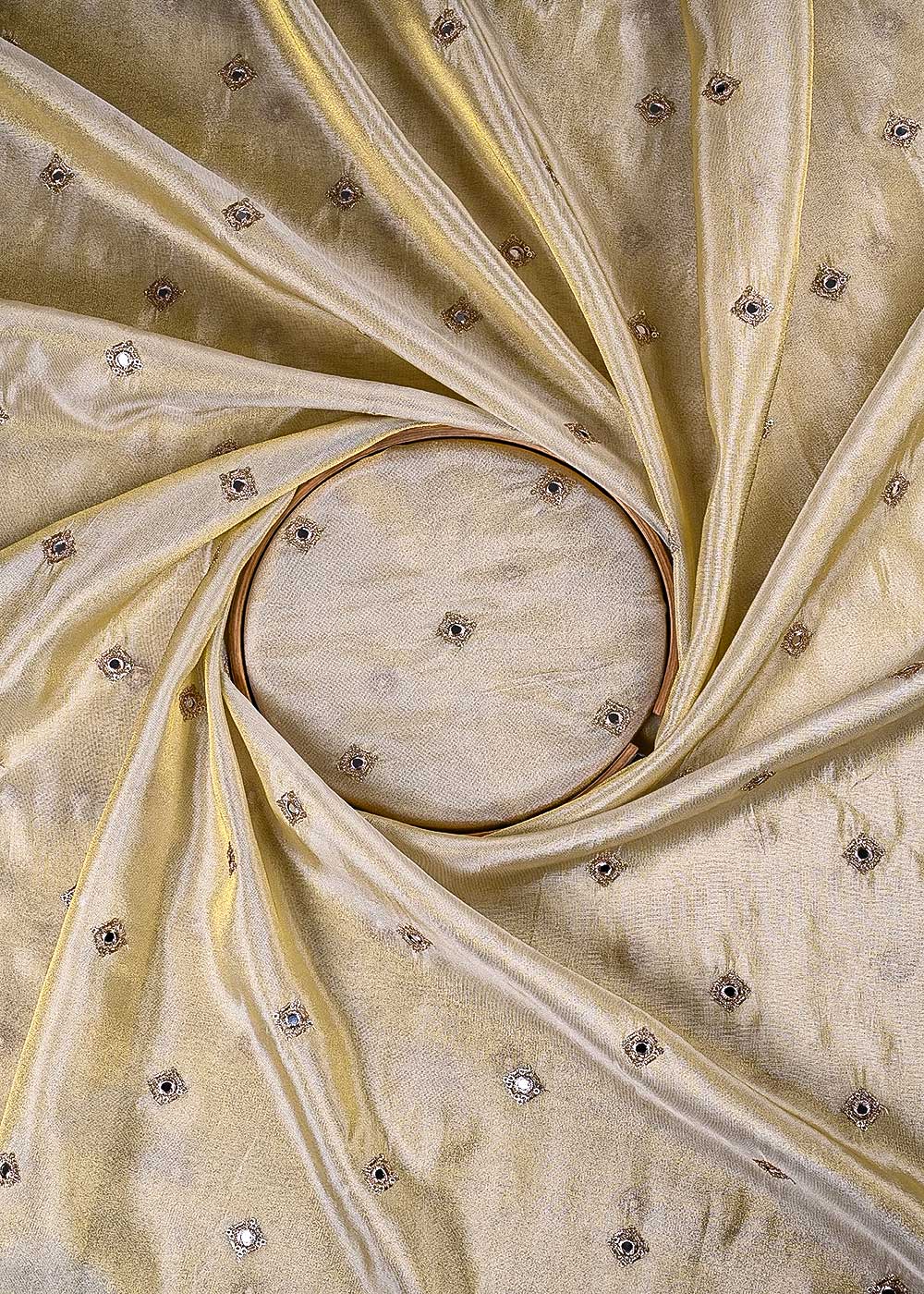
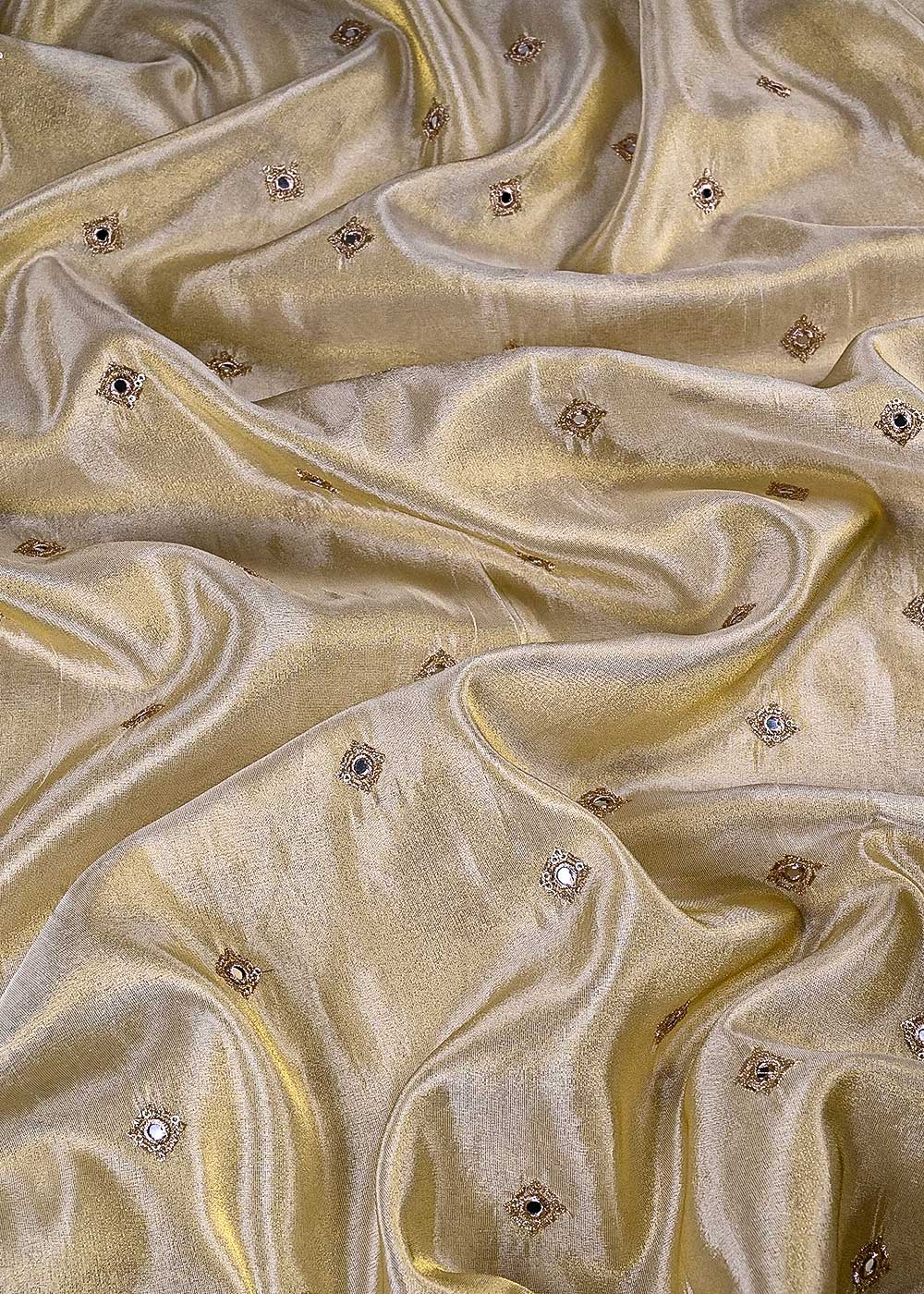
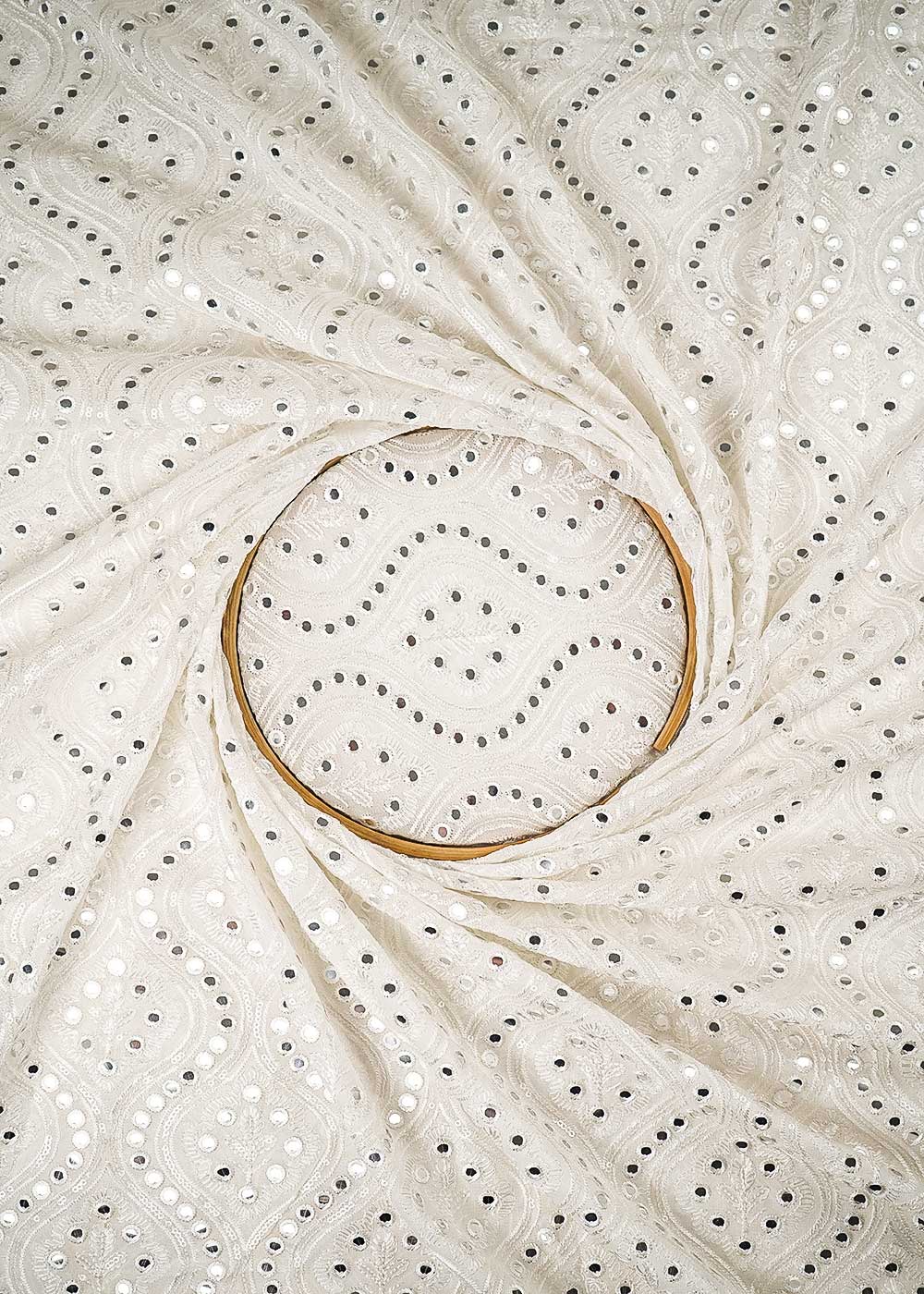
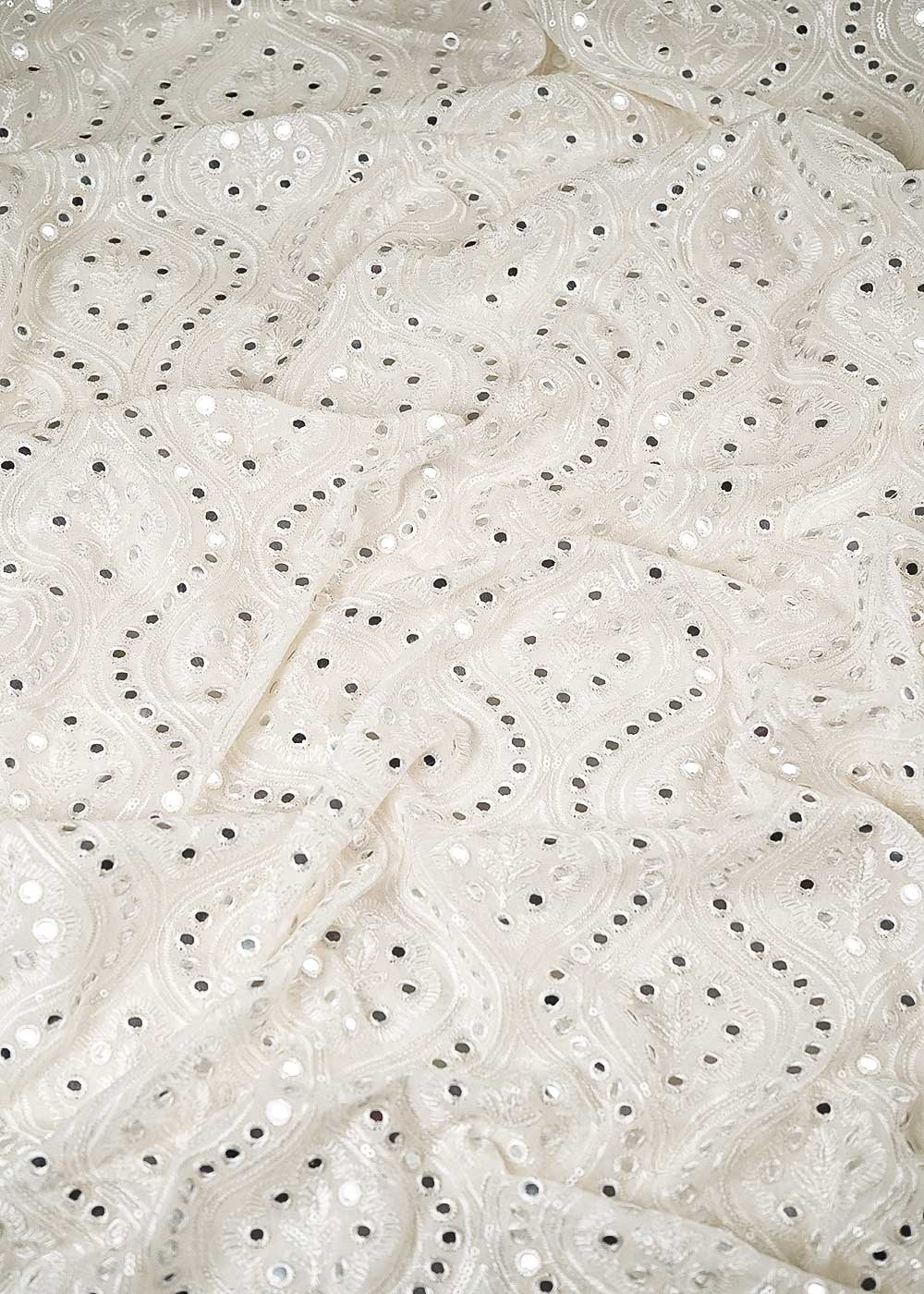
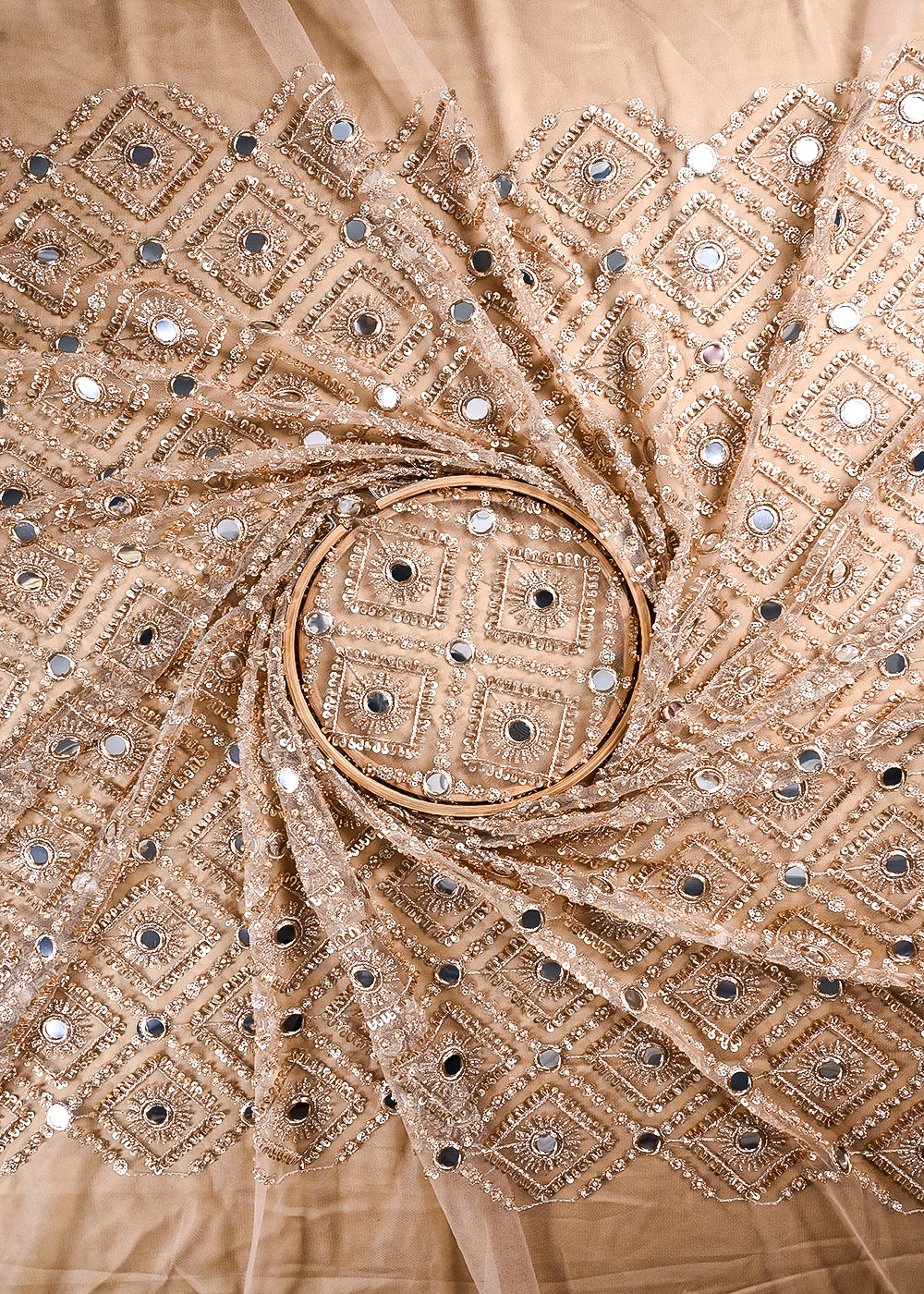
Mirror work is fabric embellished with small reflective shisha, each one held down by a frame of embroidery stitches around its edge. It runs from the Kutch and Rajasthani folk tradition, throws real light back off the cloth and reads festive in a way flat embroidery never manages. Across the Delhi NCR boutique trade it moves hard for the festive and Navratri segment, feeding the Rs 4,500 to 13,000 retail garment band.
Quick answer. Mirror work, or shisha work, is fabric set with small reflective shisha, each one held by a ring of stitches around the edge. It throws a true reflective flash and carries a folk, festive character, so it suits Navratri and garba kurtis, party dupattas and festive lehengas at Rs 720 to 1,780 per metre wholesale, depending on the shisha type and base grade.
What Makes Mirror Work Different
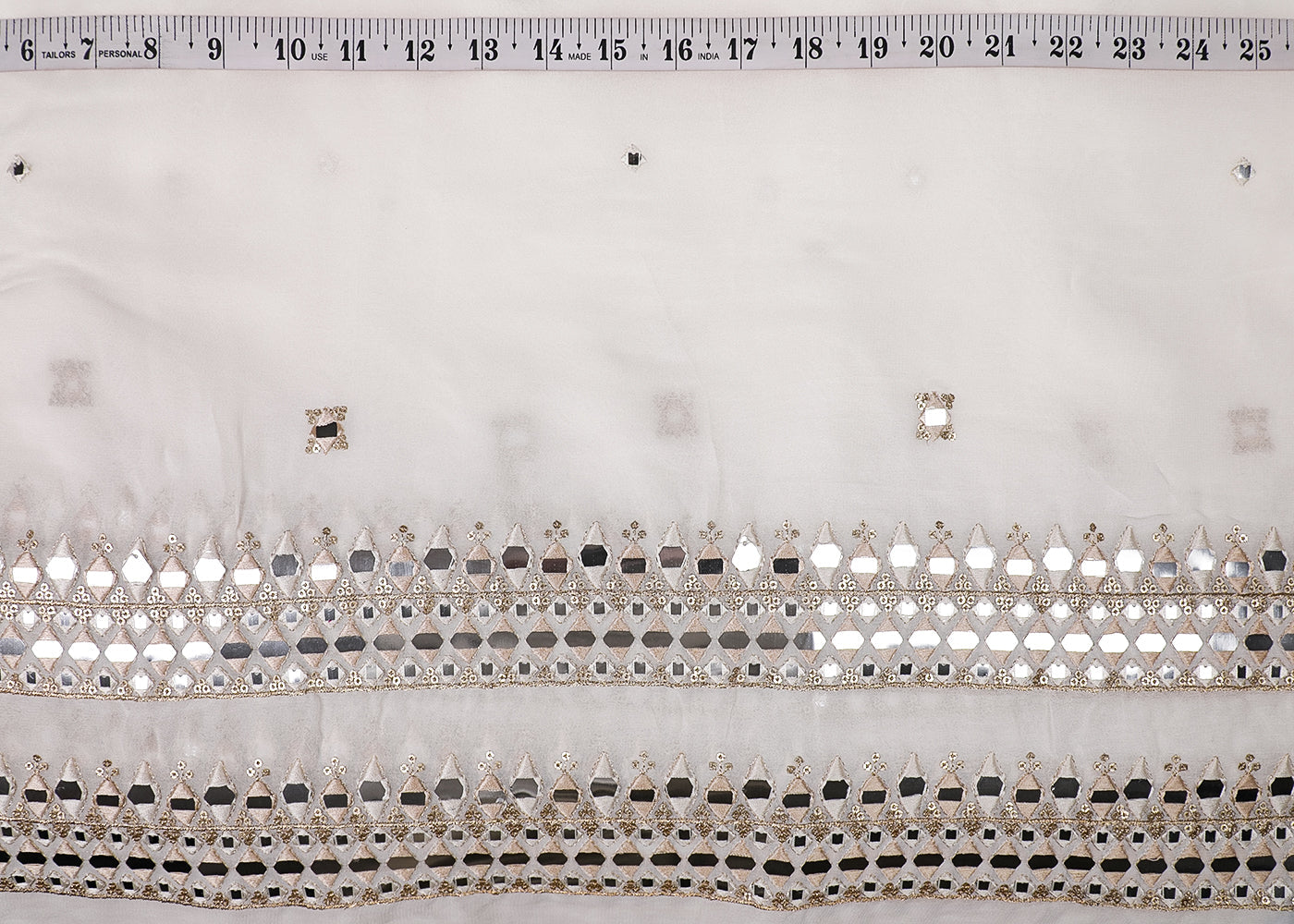
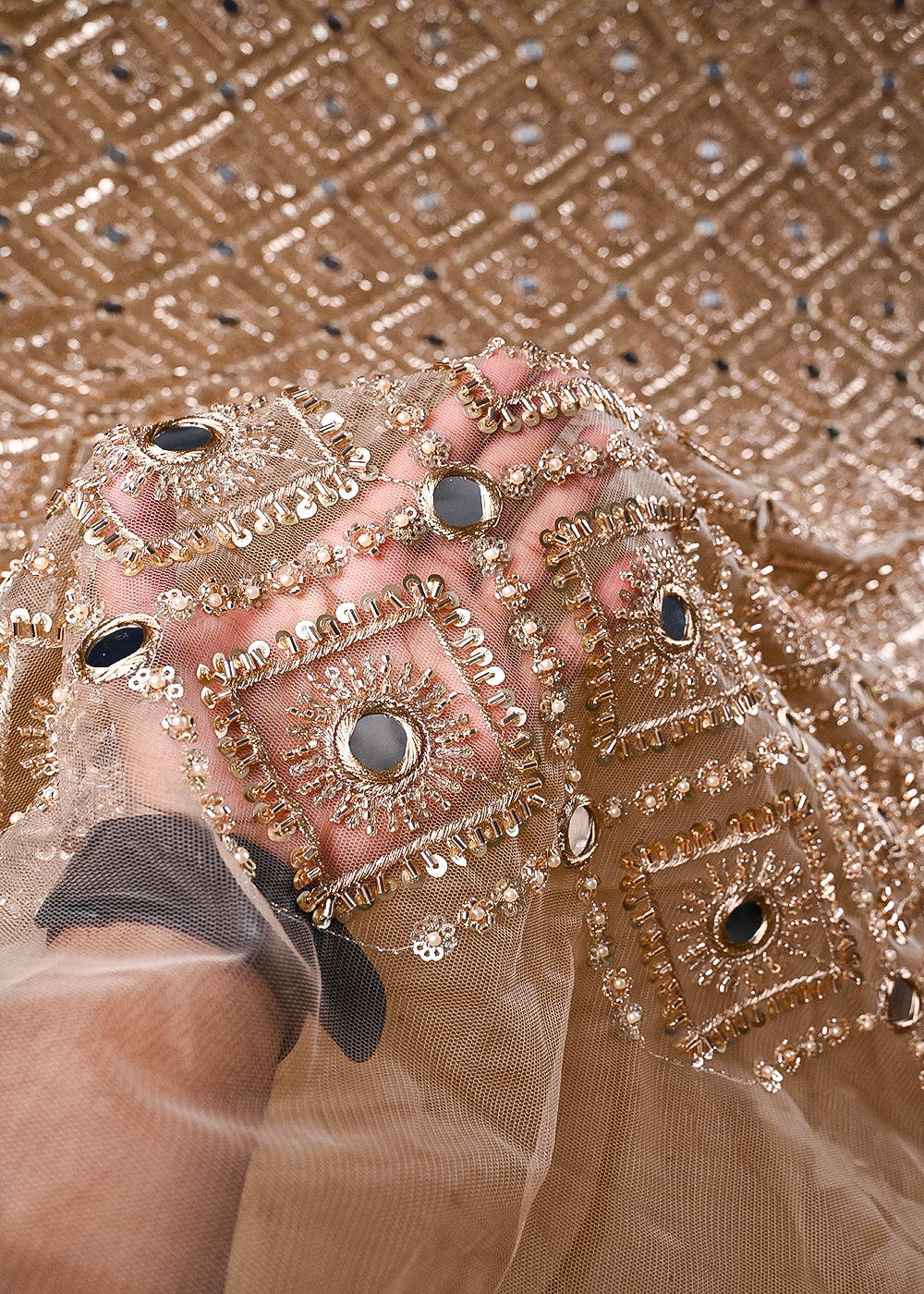
The framed reflective disc is the whole point. A sequin is sewn flat through a centre hole. A shisha is a proper mirror held down by a ring of stitches around its rim, so it sits raised, catches more light and throws a bigger flash than any flat sequin.
The variants split by shisha and method. Machine work goes to volume festive production. Traditional hand shisha follows the Kutch heritage. Cut geometric shapes serve the modern designer look. The mixed thread variant carries statement pieces. Buyers pick by the target garment and the retail band they are working.
It works for kurti construction across designer segments and for festive celebration function outfits. Lajpat Nagar wholesale runs Rs 720 to Rs 1,780 per metre, moving with the shisha type and the base grade.
Types of Mirror Work in Our Collection
| Type | Best use | Approx price |
| Machine Mirror | Volume festive kurtis, garba wear | Rs 720 to 920 per metre |
| Traditional Shisha | Heritage kurtis, Kutch-style dupattas | Rs 920 to 1,180 per metre |
| Cut-Mirror Geometric | Modern designer kurtis, party wear | Rs 1,180 to 1,420 per metre |
| Mirror-Thread Mixed | Statement festive pieces, dupattas | Rs 1,420 to 1,620 per metre |
| Heavy Statement | Festive lehengas, wedding-adjacent | Rs 1,620 to 1,780 per metre |
The machine variant is the volume seller across mid-market boutique production, since it hits the Navratri rush at an accessible rate. Upper-tier boutiques reach for traditional shisha and cut-shape grades, where the hand-set work and shaped pieces earn the rate.
Mirror Work GSM Guide
| GSM range | Fabric feel | Best for |
| 120 to 180 GSM | Light, drape-forward | Garba kurtis, dupattas |
| 180 to 260 GSM | Medium, structured | Festive kurtis, party sarees |
| 260 to 340 GSM | Heavy, rich | Festive lehengas, statement pieces |
Most buyers default to the 180 to 260 GSM band for standard production. It carries the shisha weight without the base sagging around each frame. Lighter grades suit garba kurtis and dupattas. The heaviest go to festive lehenga panels.
In short. This work sets small reflective shisha into a frame of stitches, throwing a folk-festive flash that flat sequins cannot. Buy in the 180 to 260 GSM band for standard festive kurti production. Budget 2.5 metres for a straight kurti, 4 for an anarkali. Never iron over the shisha, since glass cracks. Wholesale runs Rs 720 to 1,780 per metre.
Popular Uses
Navratri and garba kurtis lead, mostly in the Rs 4,500 to 7,000 band, where the reflective work is the whole point on a spinning dance floor. Party and festive dupattas come second, as the light-catching layer over a plain outfit. Gujarati and Rajasthani festive lehengas are third, around the Rs 9,000 to 13,000 band. Indo-western fusion pieces round out the list, for buyers who want the folk flash in a modern cut.
Festive Trends for 2026
The cut-geometric look is leading the modern designer segment right now. Buyers are choosing shaped, scattered shisha over dense traditional coverage, which reads cleaner in a fusion outfit. Delhi NCR boutiques reorder these lots every three weeks through the September to October Navratri run and again across the festive stretch. The mixed thread variant is the second pattern gaining ground, where the thread softens the folk look for a designer rack.
Care and Working Tips
Dry-clean the heavy and glass variants. On lighter pieces a gentle cold hand-wash is fine, turned inside out, but skip the machine, since the drum knocks the shisha loose and can crack the glass ones.
The shisha sit in a frame of stitches that can loosen. If one lifts, re-secure the frame before it drops out. Keep a few spare shisha from the lot for repair. Acrylic scratches and clouds, so handle the surface gently.
Never iron over the shisha, since heat cracks glass and clouds acrylic. Press only the plain base, on the reverse, at low heat through a cloth. Store flat with tissue between folds so the shisha do not scratch each other over long holds.
Frequently Asked Questions
How is mirror work different from sequin work?
Sequins are small flat discs sewn on through a centre hole. A shisha is a larger reflective mirror held down by a ring of stitches around its edge, so it sits raised and throws a bigger, true-mirror flash. It also carries a folk, festive character that fine sequin work does not.
Which variant works best for boutique production?
It depends on the retail band. Machine work handles volume Navratri and festive production at accessible rates. Traditional shisha serves the heritage look. Cut-geometric and mixed variants go to designer and statement pieces, where the shaped or hand-set work earns the higher rate.
Is mirror work available in bulk for boutique operations?
Yes, across all variants. Bulk pricing starts at 15 metres per SKU, with wholesale tiers from Rs 612 per metre on orders above 40 metres. Navratri-season lots above 100 metres unlock production pricing across the September to October peak.
How much fabric does a garment need?
It varies by garment. A kurti takes 2.5 metres for a straight cut, 4 metres for a kali-flare anarkali. A dupatta takes about 2.5 metres. A saree takes 5.5 to 6 metres. A single lehenga panel takes about 4.5 metres.
Why Boutique Owners Buy Mirror Work from Paras Gallery
Ten metres minimum gets you sample-rate per shade. Fifteen metres opens the wholesale tier per SKU. One hundred metres unlocks Navratri-season production pricing across the festive boutique cycle. The reason boutiques stock this work deep is the season, it clears through Navratri and festive faster than almost anything else on the rack. Browse the range and shade-match first, then order through our wholesale catalogue.
