Textured Fabrics
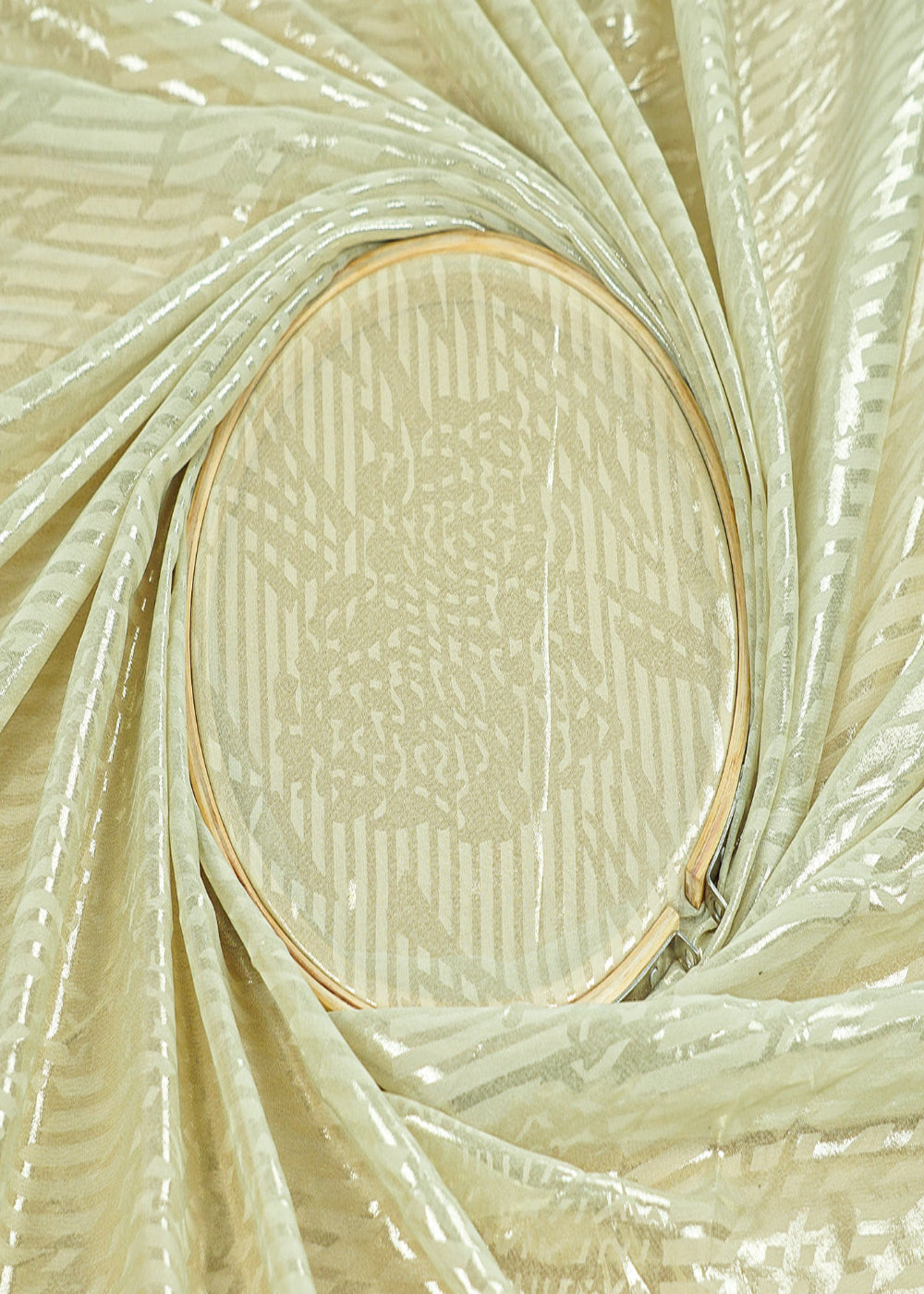
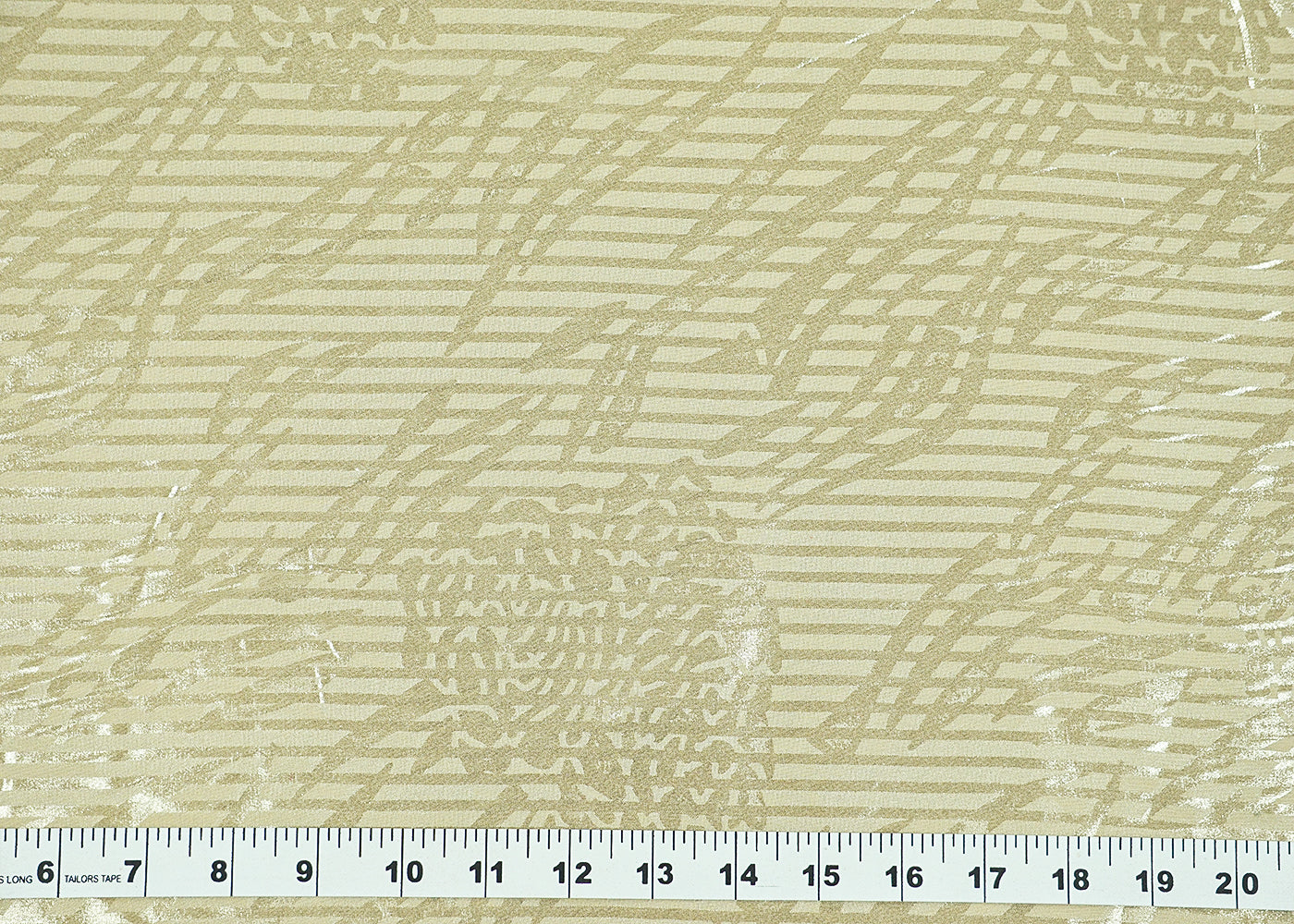
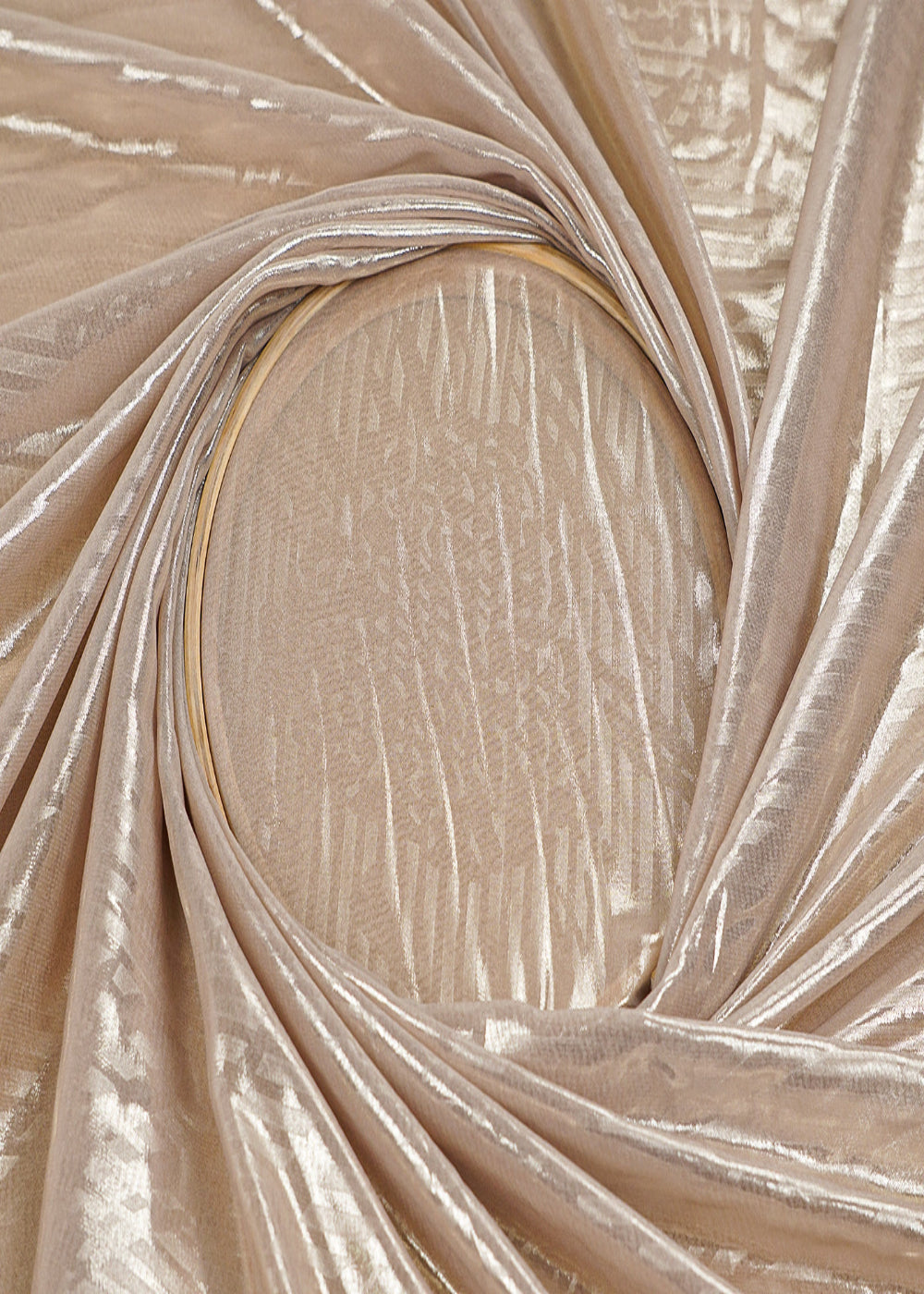
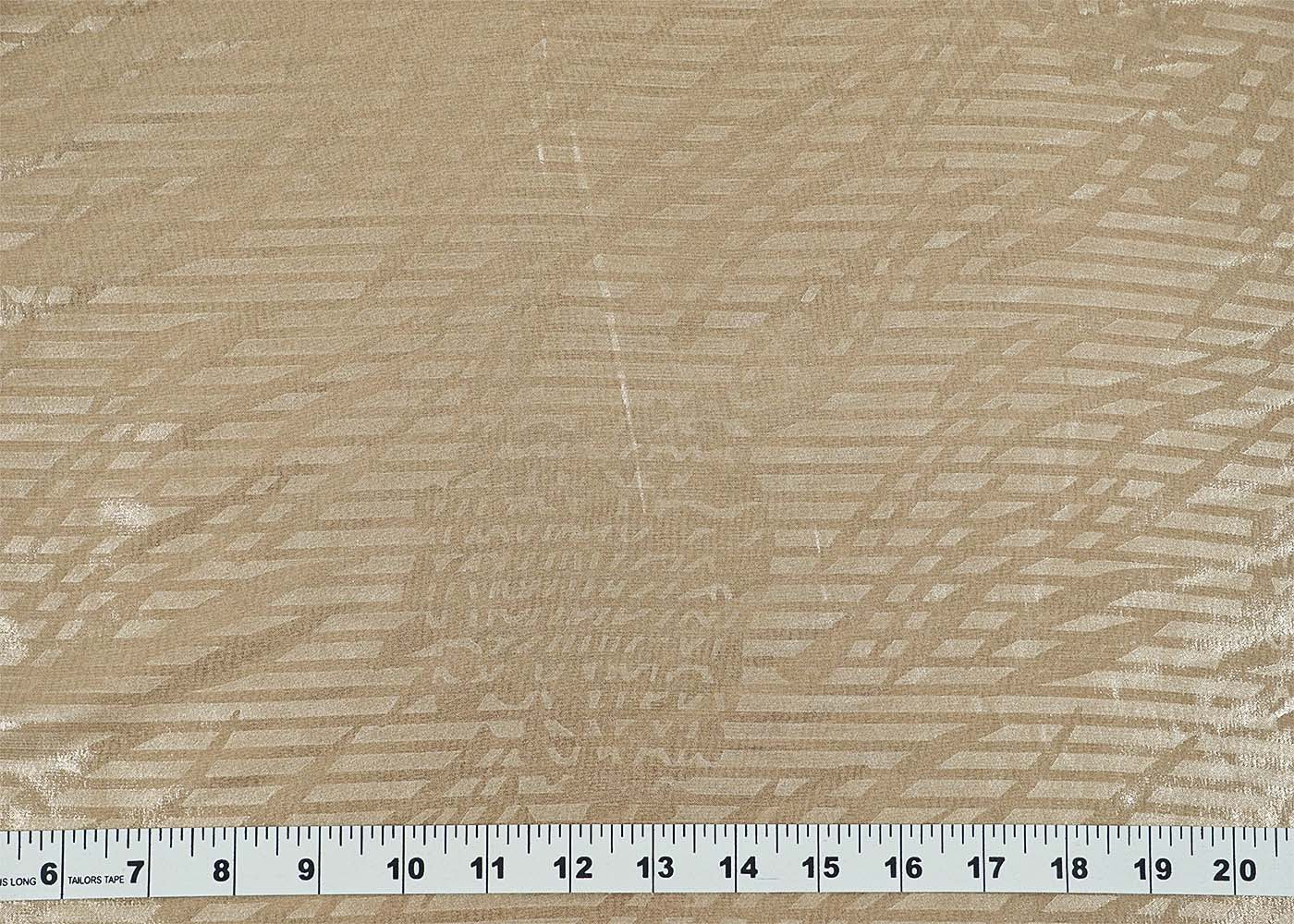

Textured Fabric in 2026: Buyer's Complete Reference
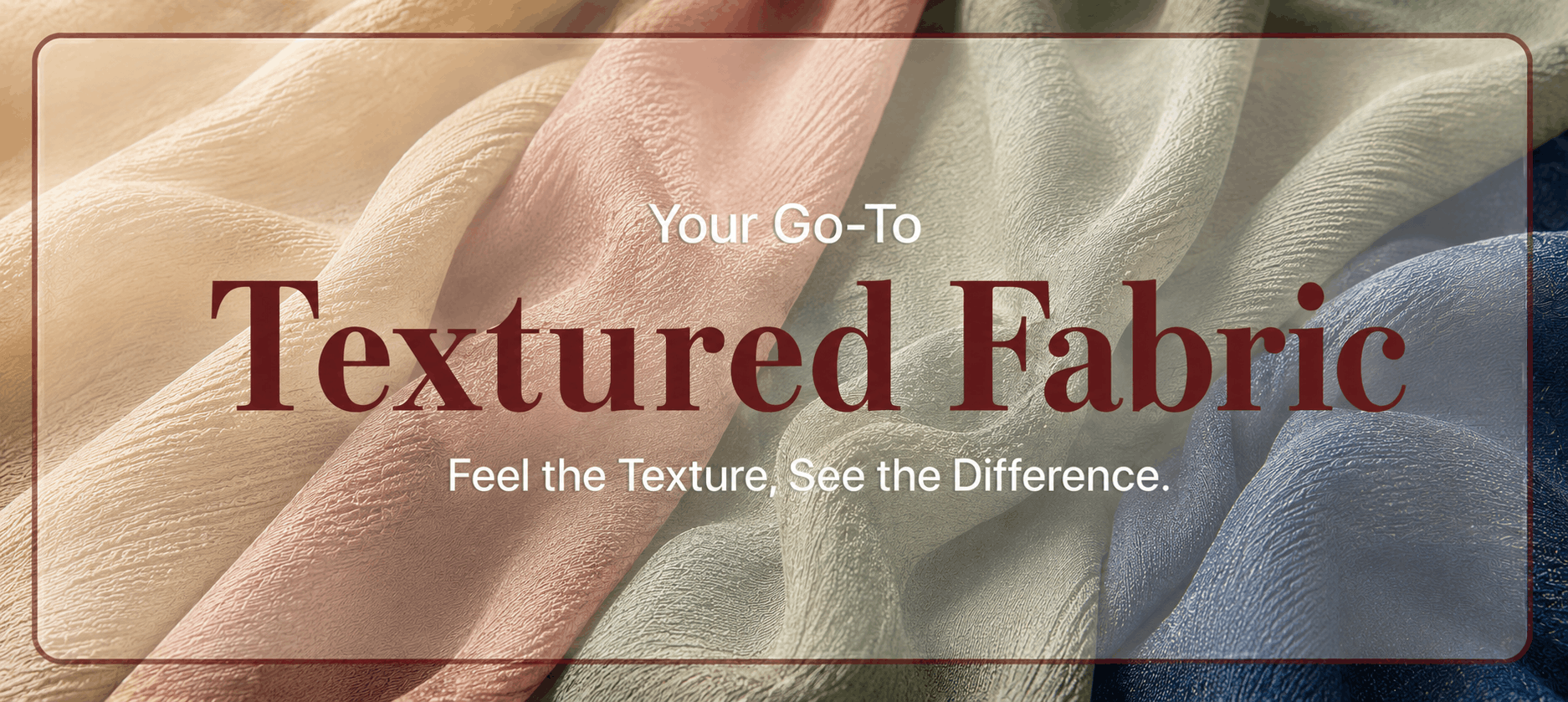
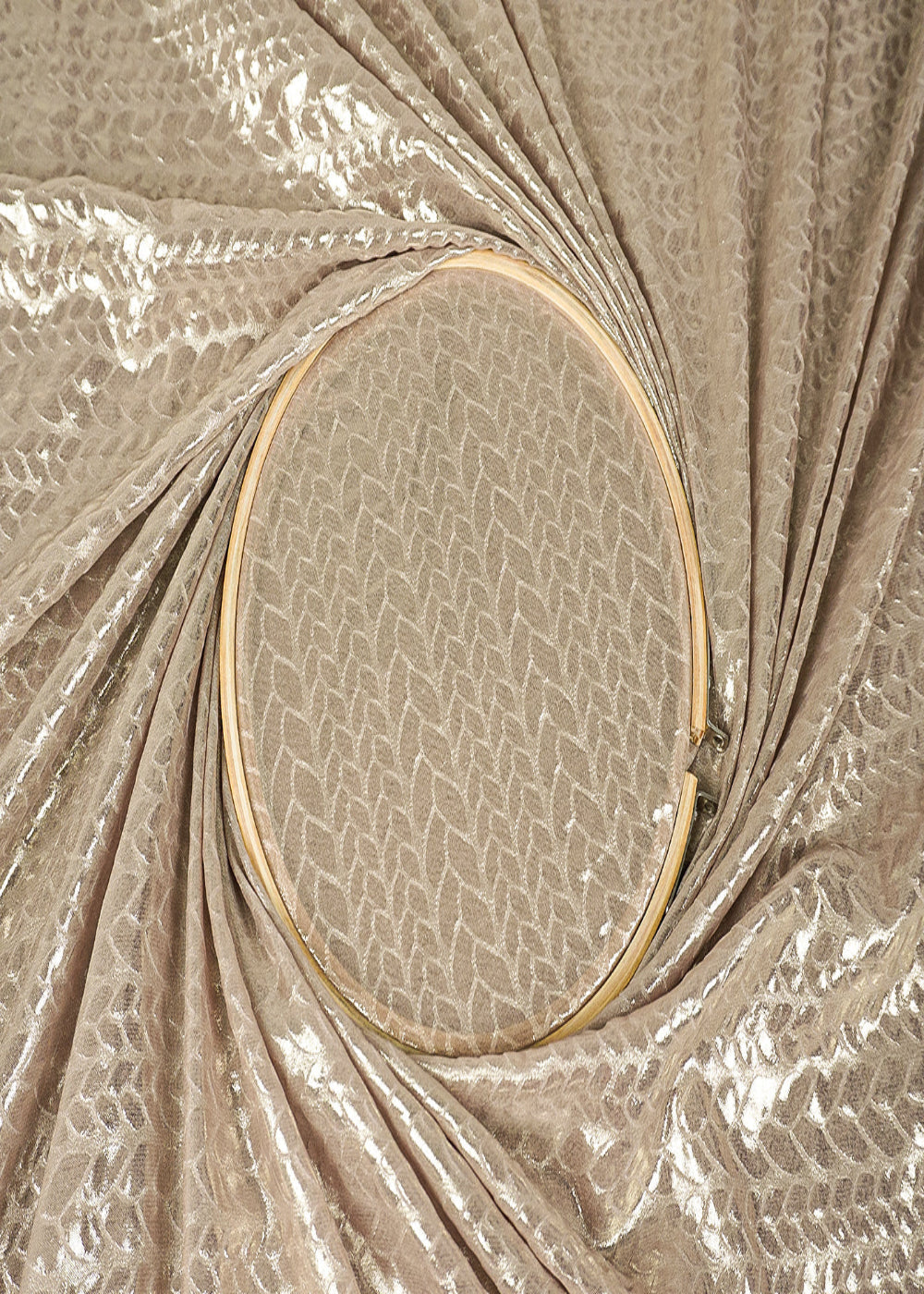
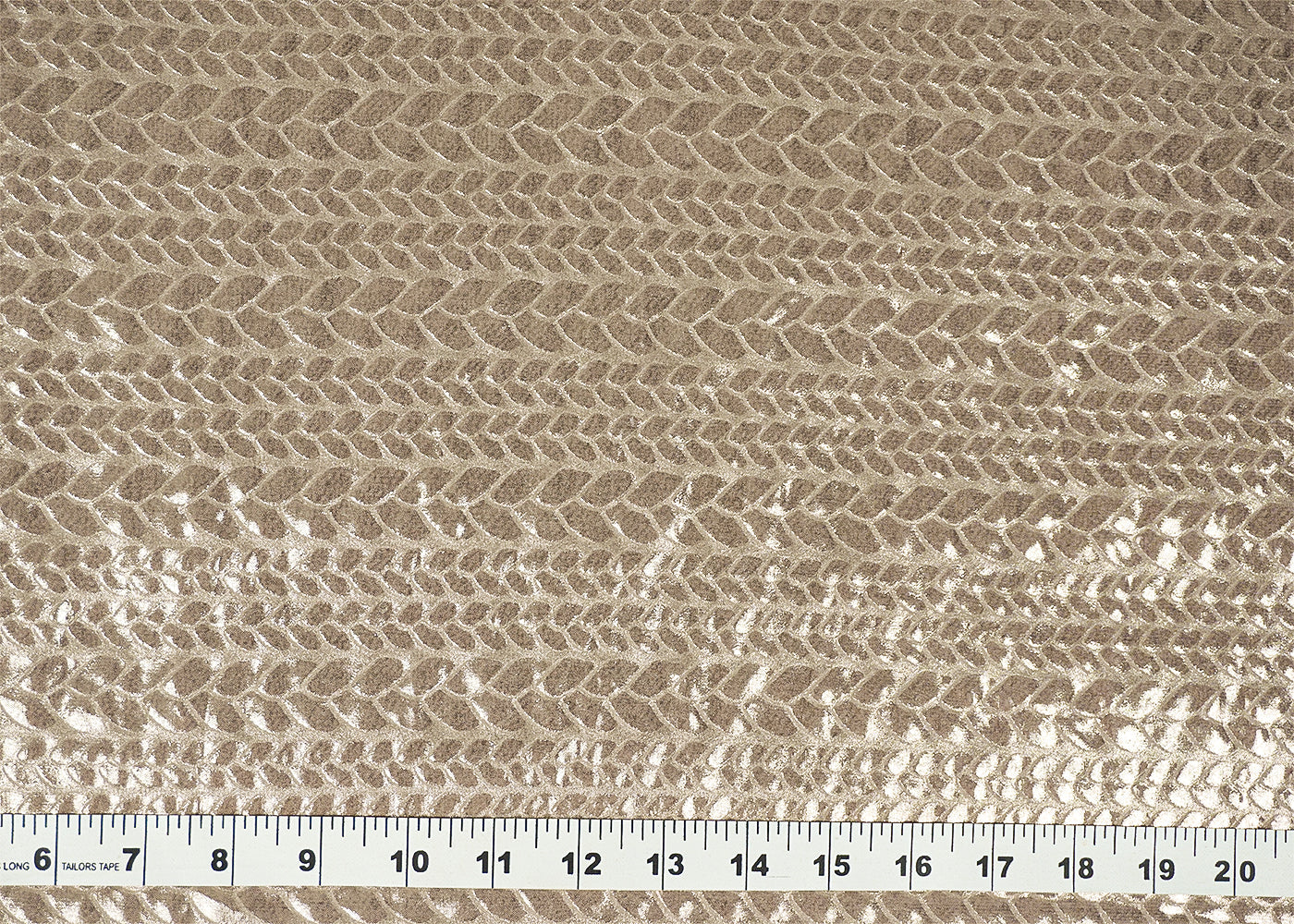
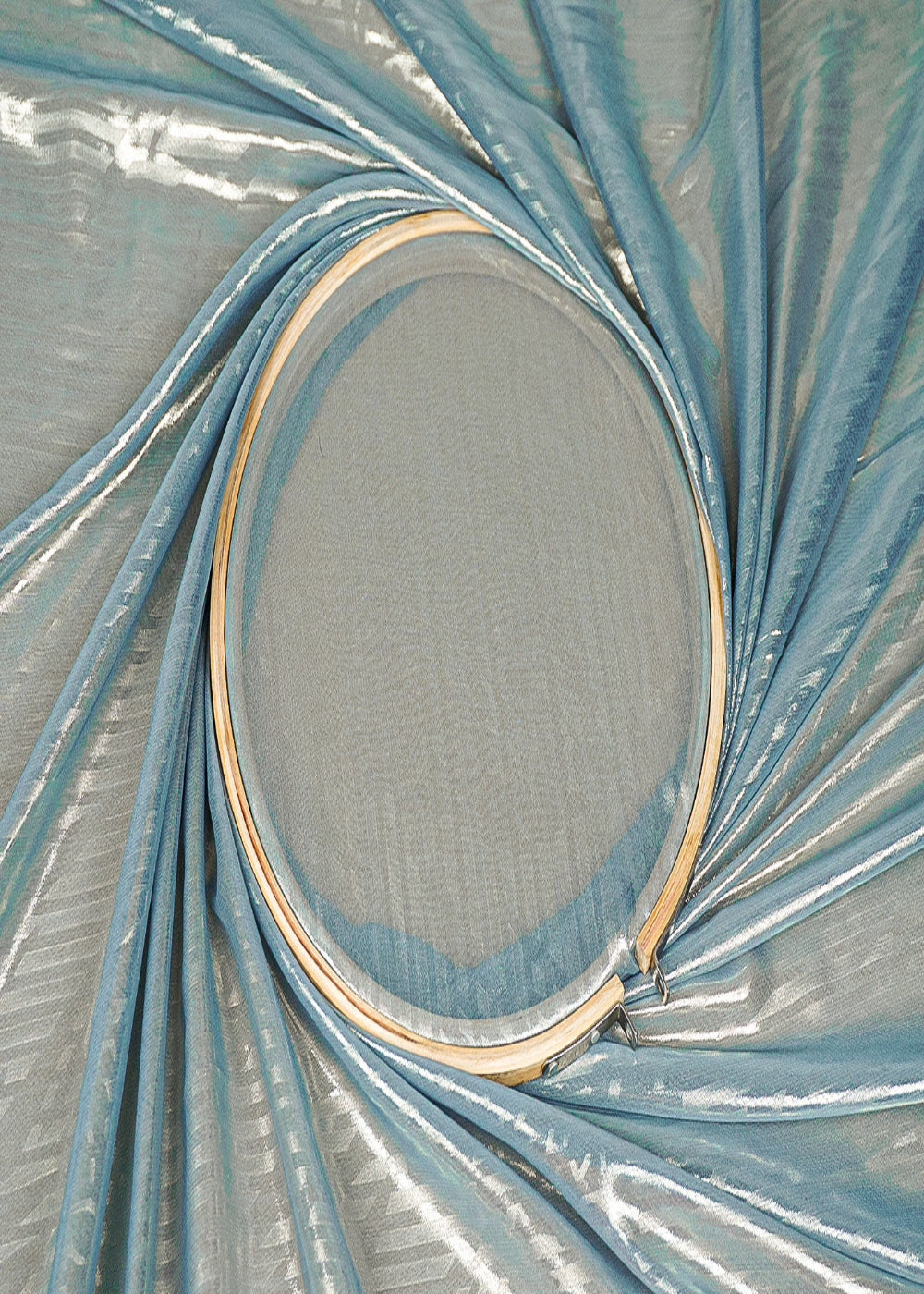
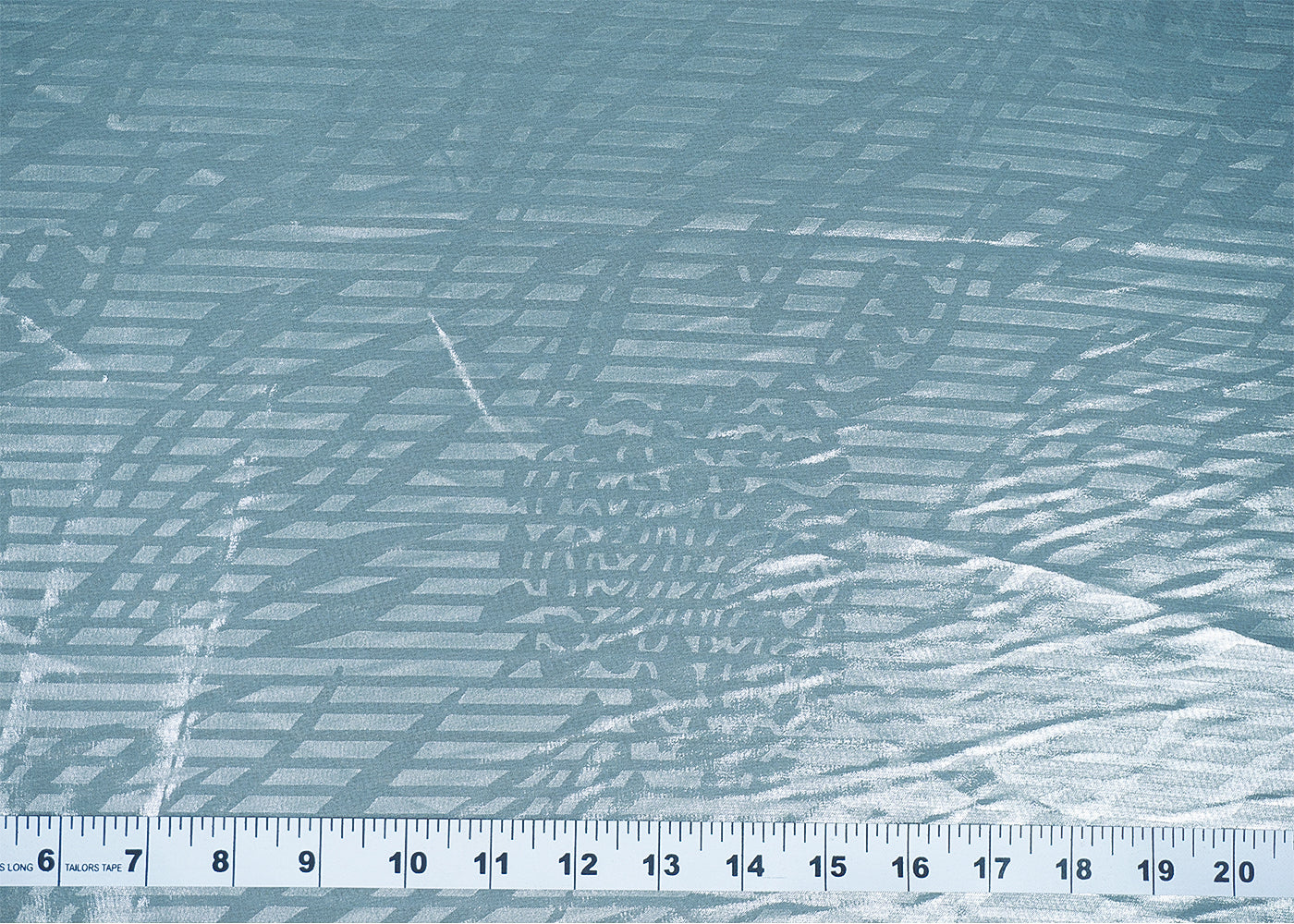
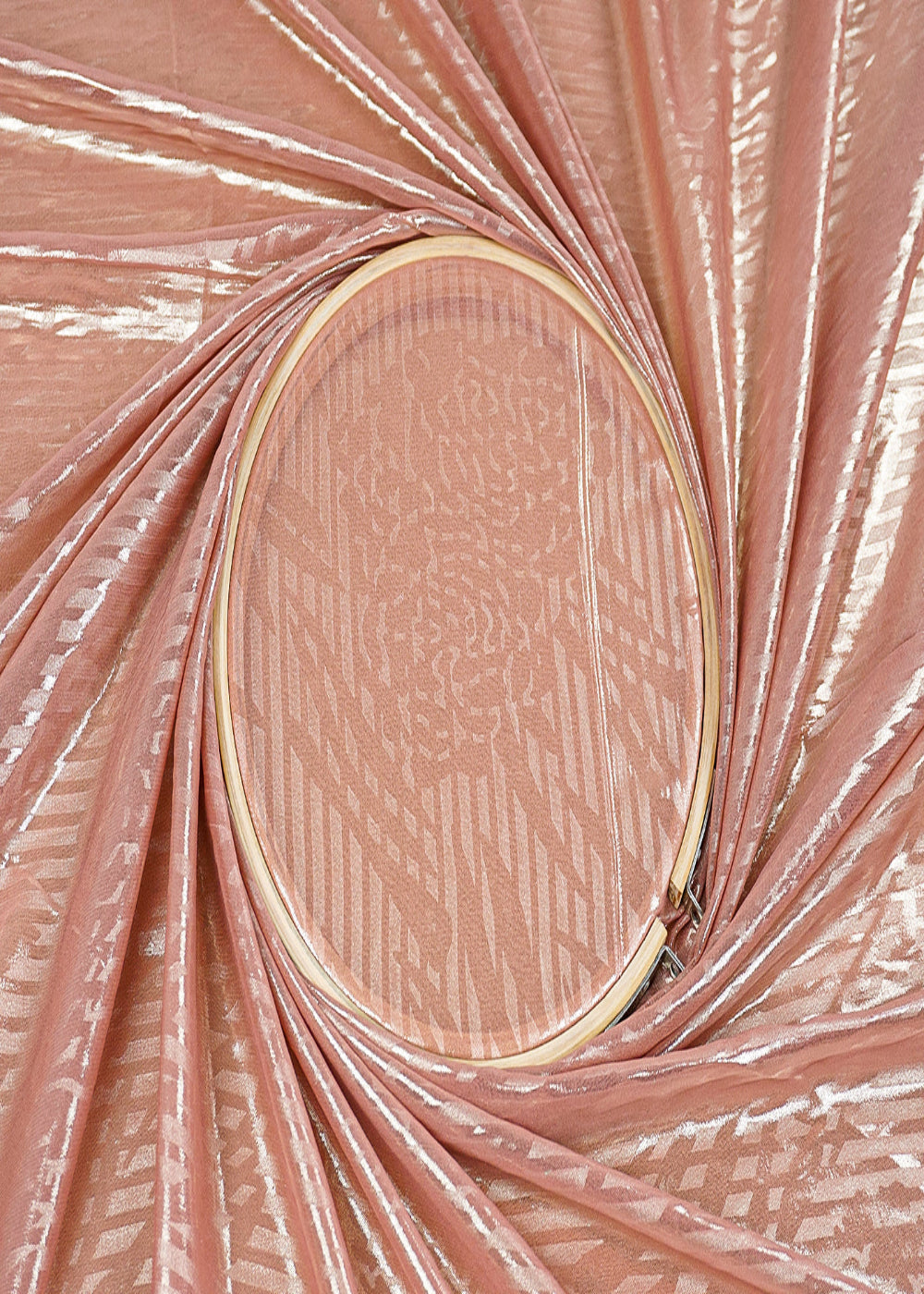
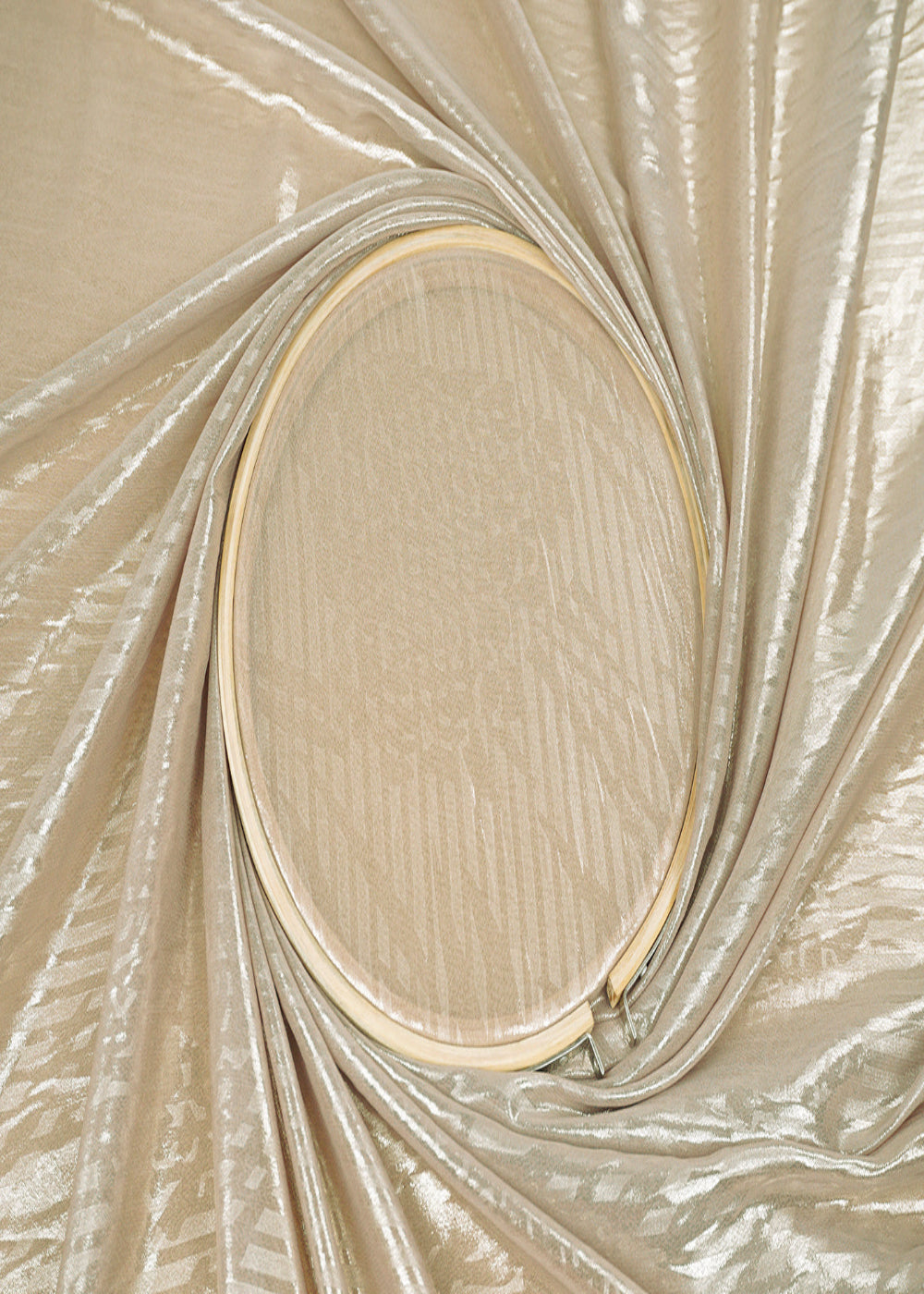
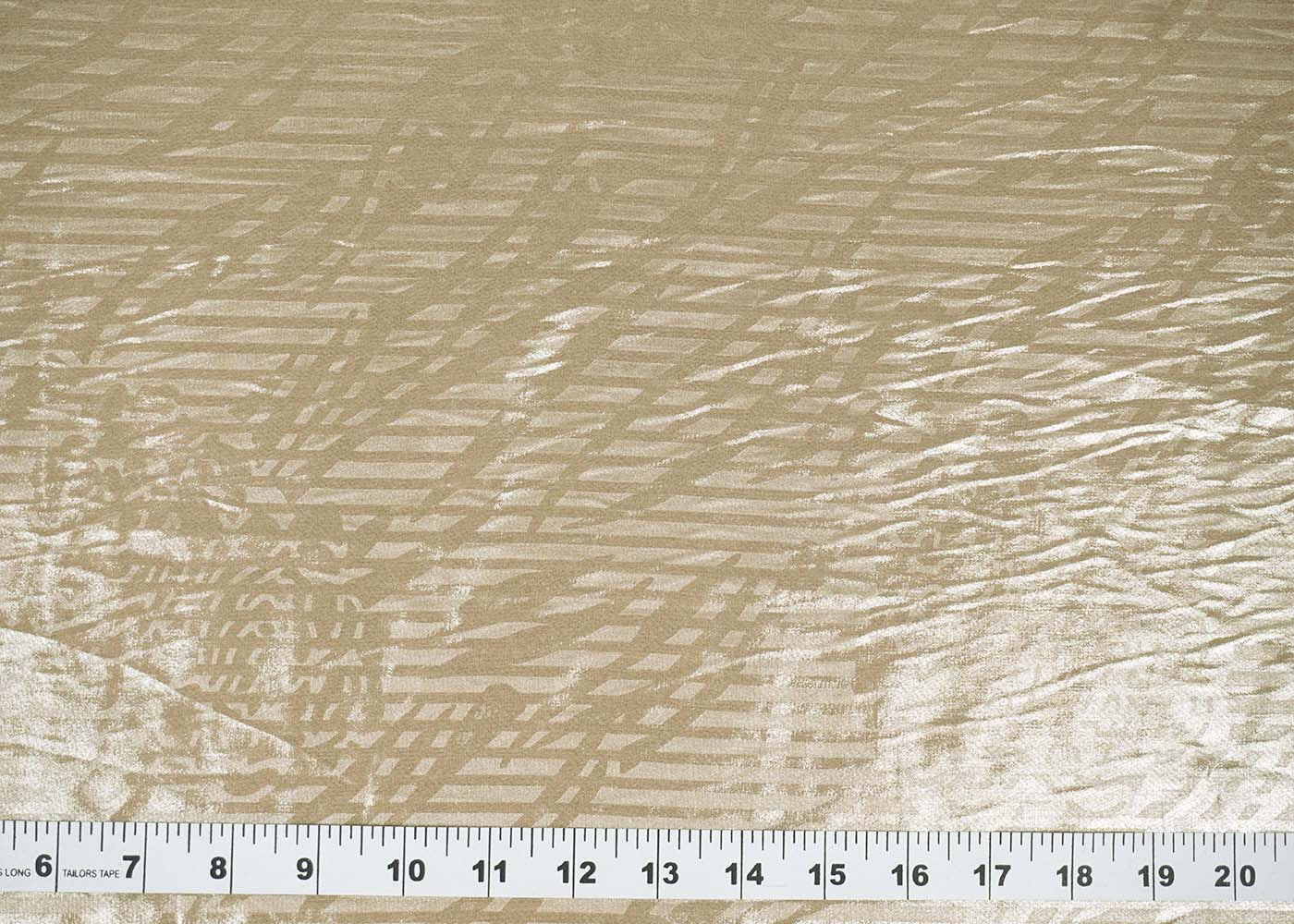
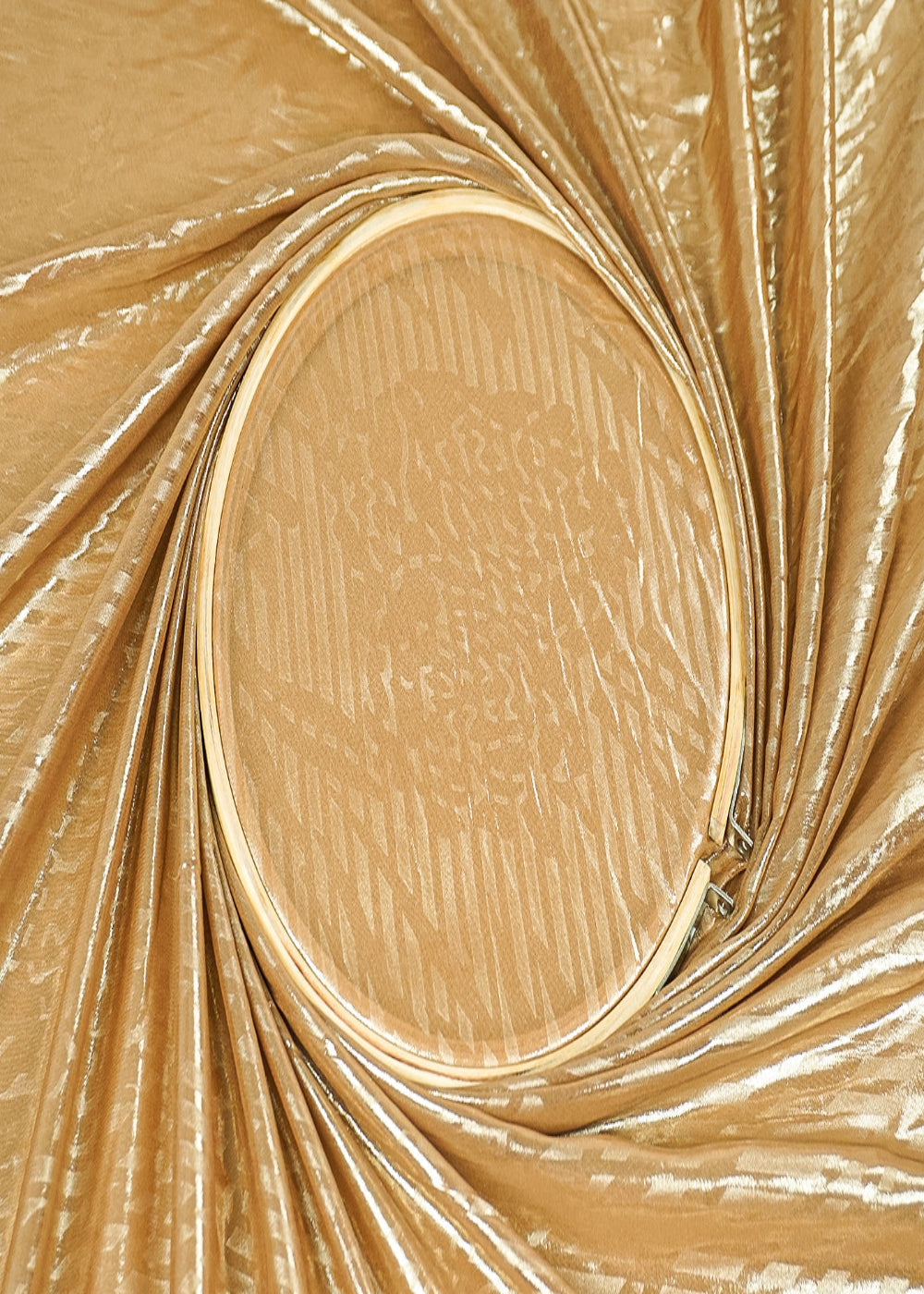
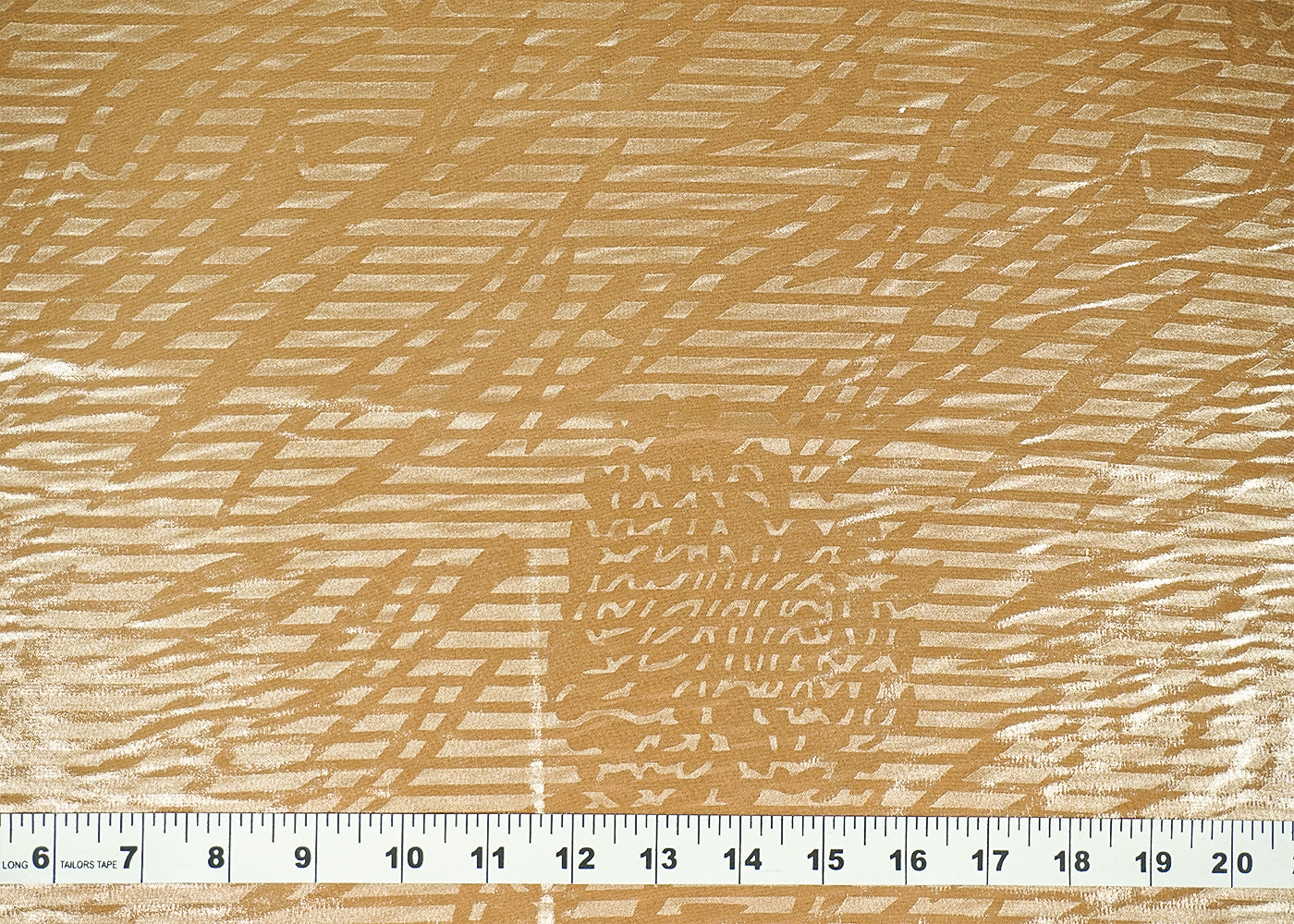
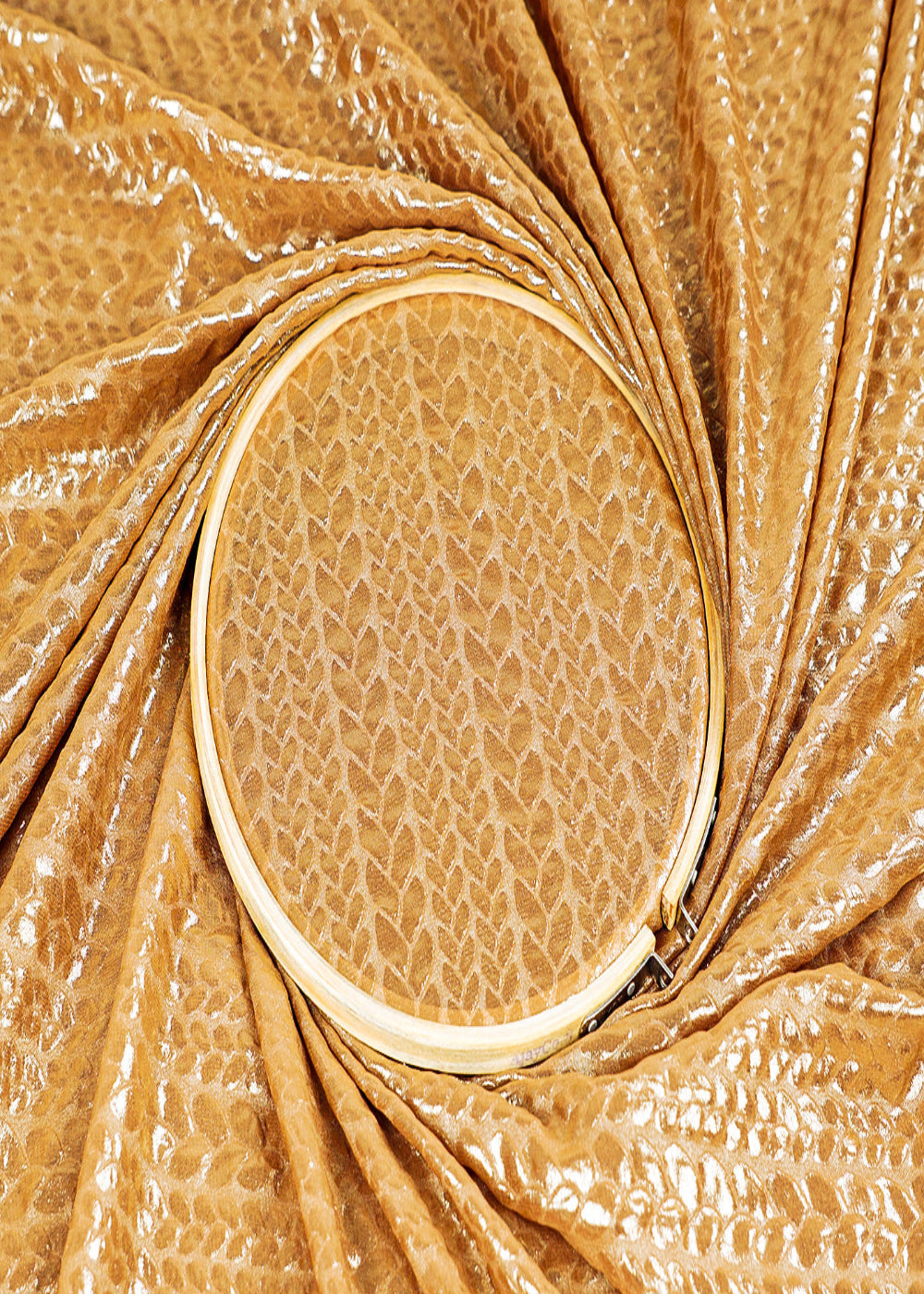
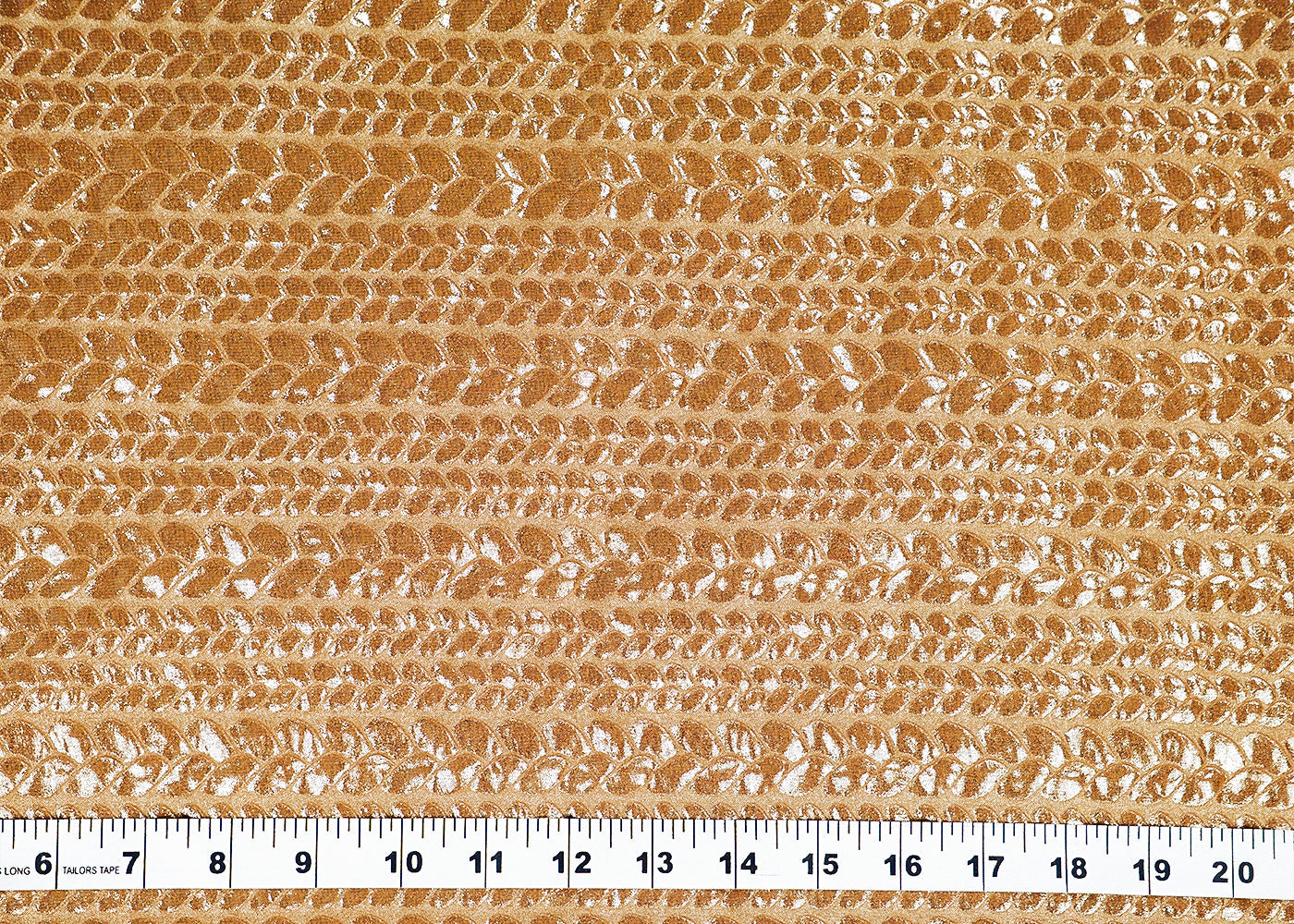
Textured fabric refers to any woven or knit textile with intentional surface texture built through weaving technique, yarn variation, or post-production finishing. The category covers crushed textures, ribbed weaves, dobby-pattern surfaces, embossed finishes, plus slub-yarn variations across silk, cotton, polyester, plus blend base fibres. The Delhi NCR designer boutique market absorbed textured fabric variants heavily between 2020 and 2025 because visible surface texture reads distinctly on Instagram catalogue photography compared to smooth-finish plain fabrics. This visibility drives customer engagement metrics measurably higher across the mid-luxury designer wear segment.
What Makes Textured Fabric Different
The surface story defines textured fabric. Look at plain weaves. Smooth-surfaced. Uniform texture across the fabric body. The category carries intentional surface interest built through construction technique rather than applied through print or embroidery afterwards. Textures never wear off. Never fade with laundering. Never require touch-up work over the fabric lifetime.
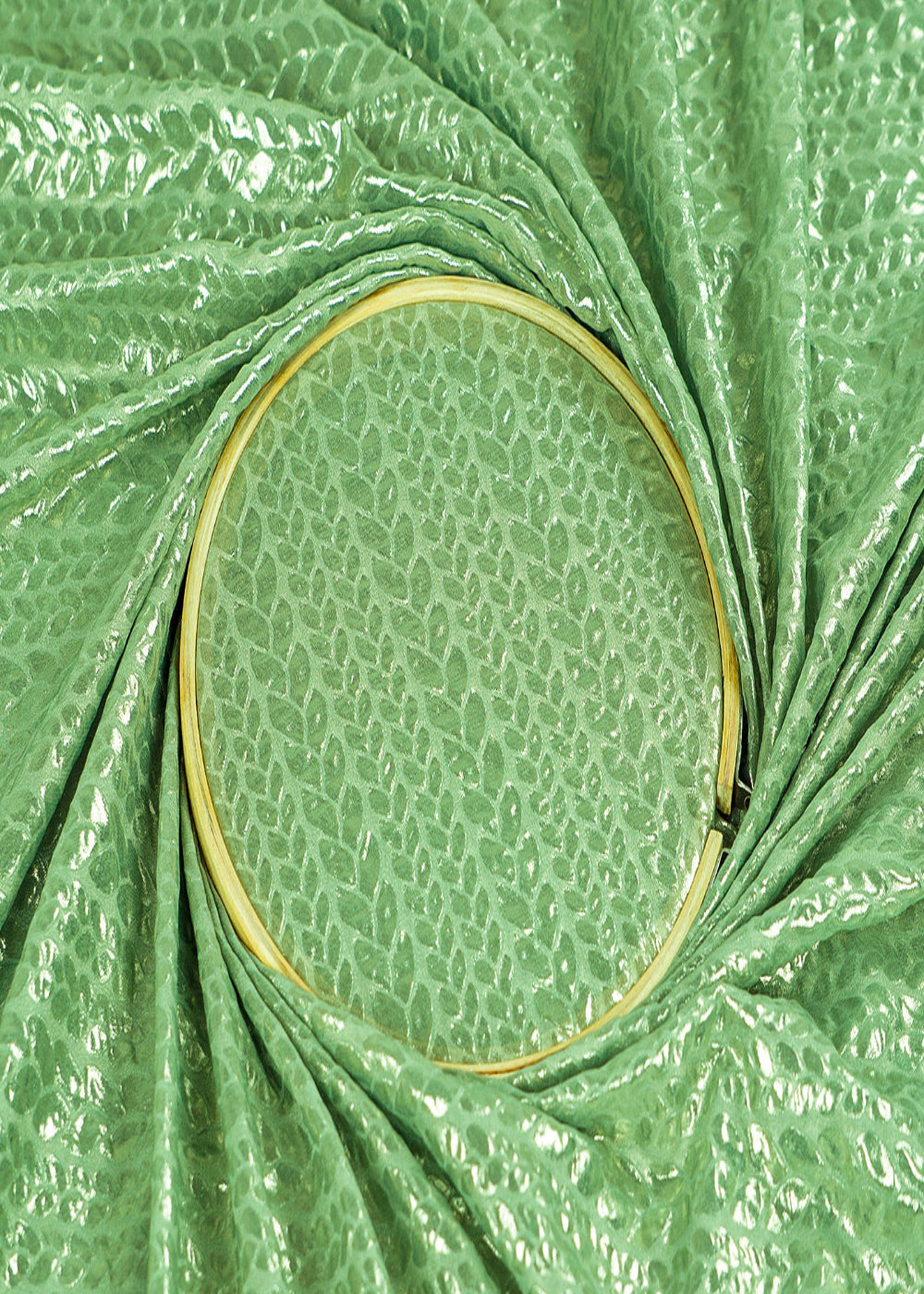
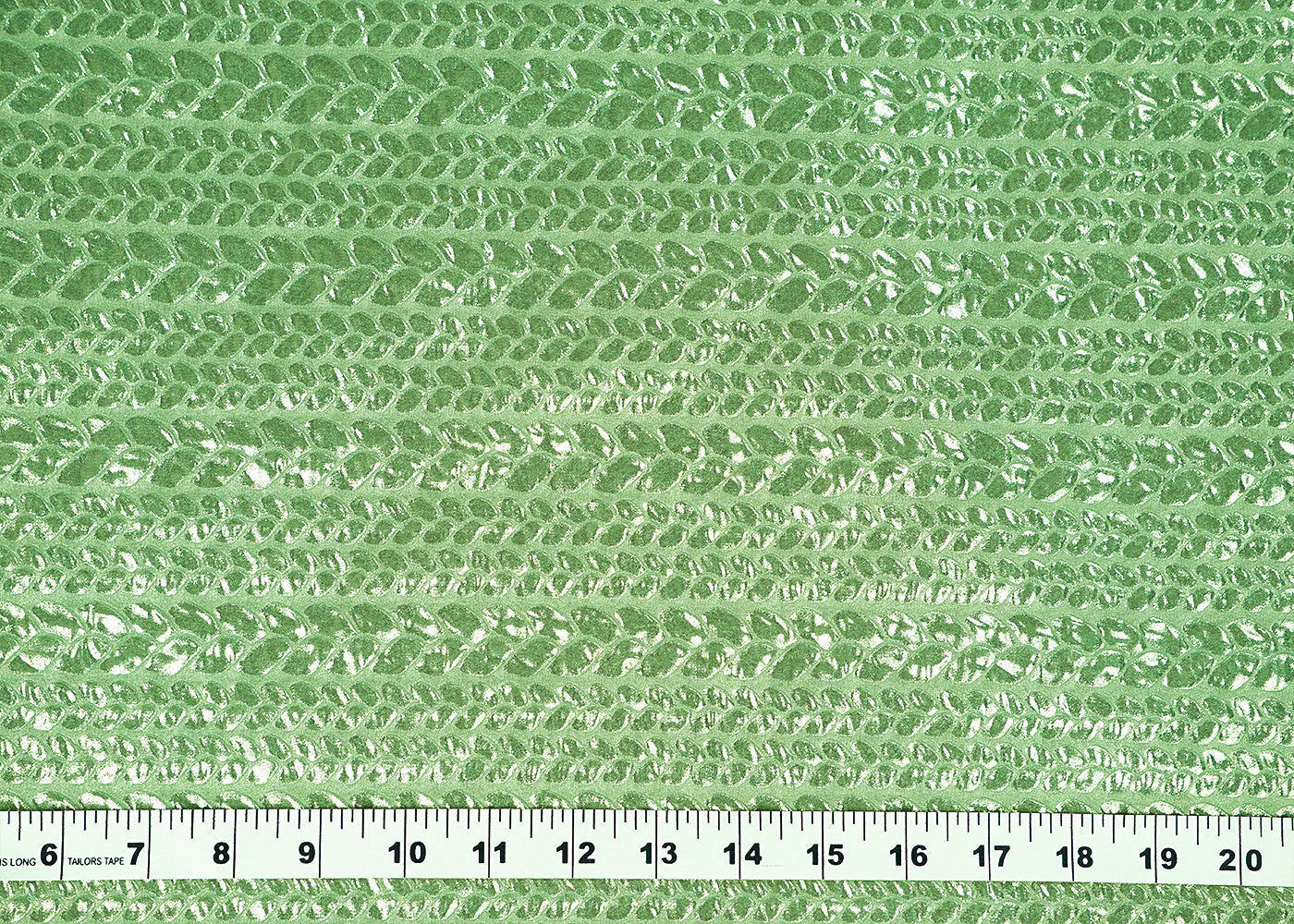
Category breakdowns fall into four production methods. Yarn-based textures (slub yarn, boucle, chenille) use irregular yarn thickness to create surface variation. Weave-based textures (dobby, jacquard, ribbed) use loom control to build pattern directly into fabric structure. Finishing-based textures (crushed, crinkle, embossed) apply post-production treatments to smooth fabrics for surface character. Blend-based textures use different fibre types in warp versus weft for shot-effect character. Same designer boutique might stock all four category types across seasonal drops.
Hand feel varies significantly across the textured fabric category. Crushed silk textures run soft, drape-forward. Ribbed weaves stay structured, geometric. Dobby-pattern surfaces read subtle, dimensional. Buyers select by target garment silhouette plus wear duration requirements.
Lajpat Nagar wholesale rates range Rs 260 to Rs 1,800 per metre depending on base fibre plus texture technique.
Types of Textured Fabric in Our Collection
| Type | Best Use | Approximate Price Range |
|---|---|---|
| Crushed Silk Texture | Party sarees, layered dupattas | Rs 480 to 780 per metre |
| Ribbed Weave Fabric | Structured kurtis, party sarees | Rs 340 to 620 per metre |
| Dobby-Pattern Weave | Designer kurtis, sarees | Rs 420 to 780 per metre |
| Embossed Finish Fabric | Statement dupattas, blouses | Rs 380 to 680 per metre |
| Slub-Yarn Textured | Casual-designer kurtis, sarees | Rs 260 to 520 per metre |
| Jacquard Textured | Bridal + engagement wear | Rs 720 to 1,800 per metre |
Dobby-pattern textured fabric sits as the volume seller for designer kurti production across Delhi NCR boutique segment. Also works well as festive celebration fabric across coordinated outfit production for family function styling requirements.
Textured Fabric GSM Guide
| GSM Range | Fabric Feel | Best For |
|---|---|---|
| 60 to 120 GSM | Light, drape-forward | Dupattas, layered blouses |
| 120 to 180 GSM | Medium, structured | Sarees, structured kurtis |
| 180 to 260 GSM | Medium-heavy, opulent | Bridal wear, statement pieces |
Boutique buyers select GSM by garment silhouette. Lighter weights suit dupattas plus multi-layer draping. Middle weights handle sarees plus kurti stitching. Heavier weights carry structured bridal wear plus statement engagement outfits.
Popular Uses
Designer kurtis dominate the use case list across corporate working-woman customer segment. Engagement sarees come second where visible surface texture reads richer on ceremony photography than smooth-finish alternatives. Statement dupattas layered over plain saree bases rank third pattern. Bridal blouse construction rounds out popular uses where textured blouse contrasts against smooth-finish jacquard or silk saree base.
Textured Fabric Trends for 2026
Crushed silk variants lead the party wear textured fabric segment currently. The crinkle-finish reads distinctly on Instagram photography while retaining silk drape character. Designer boutiques observe crushed silk reordering every two-three weeks through October-February peak function season. Dobby-pattern weaves represent the second growing pattern across designer kurti segment. Fine geometric patterns read subtle in-person while photographing distinctly under studio lighting.
Care and Working Tips for Textured Fabric
Pre-wash test piece before bulk cutting. Different textured variants shrink at different rates depending on base fibre plus texture technique. Silk-based crushed variants shrink 3 to 6 percent. Dobby weaves shrink 2 to 4 percent. Embossed variants may lose surface definition permanently under high-heat washing.
Silk thread for stitching handles most textured variants best. Polyester thread may create puckering along texture surfaces during construction. Also leave 2-3 mm extra seam allowance because textured edges behave differently than smooth-fabric edges during machine stitching operations.
Ironing requires reverse-side application at low heat with press cloth. Direct high heat destroys embossed textures plus flattens crushed silk character permanently. Storage folds in muslin cloth to preserve surface texture across long inventory holds.
What is Textured Fabric? (Quick Definition)
Any woven or knit textile with intentional surface texture built through weaving technique, yarn variation, or post-production finishing across silk, cotton, polyester, plus blend base fibres. Textured fabric gets used across designer kurtis, engagement sarees, statement dupattas, bridal blouse construction, plus coordinated wedding outfit segments. Available across 60 to 260 GSM in crushed silk, ribbed weave, dobby-pattern, embossed finish, slub-yarn, plus jacquard textured variants at wholesale rates Rs 260 to Rs 1,800 per metre.
Why Designers Buy Textured Fabric Online
Visible surface texture drives Instagram catalogue engagement measurably higher than smooth-finish alternatives across the mid-luxury designer wear segment. That engagement differential is why textured variants absorbed fast across Delhi NCR boutique market between 2020-2025 across engagement, festive, plus wedding party retail segments. Wholesale rates run Rs 260 to Rs 1,800 per metre depending on base fibre plus texture technique.
Frequently Asked Questions
What counts as textured fabric?
Any textile with intentional surface texture built through construction rather than applied after weaving. Four main categories: yarn-based textures (slub, boucle, chenille), weave-based textures (dobby, jacquard, ribbed), finishing-based textures (crushed, crinkle, embossed), plus blend-based textures using different fibres in warp versus weft. Same boutique might stock all four category types across seasonal collection drops.
Why choose textured fabric over plain fabric?
Instagram catalogue photography drives customer decisions in mid-luxury designer wear market. Visible surface texture photographs distinctly compared to plain fabrics, which measurably improves engagement metrics across boutique catalogue posts. This visibility advantage justifies the higher wholesale cost per metre for textured variants at boutique unit economics.
Is textured fabric available in bulk?
Yes across all variants. Bulk pricing thresholds vary by base fibre plus texture technique. Silk textures start at 20 metres per SKU per shade. Cotton-based textured variants start at 30 metres. Volume production pricing unlocks between 100-300 metres depending on the specific variant plus season demand cycle.
How much textured fabric does a saree need?
Standard saree needs 5.5 to 6 metres including pallu plus 0.8 metre for matching blouse. Textured pallu construction may need extra 0.3 metre for pattern-aligned cutting if the texture has directional weave. Lehenga base needs 6 to 7 metres for ghera plus 1.5 for blouse plus 2.5 for dupatta.
Why Boutique Owners Choose Textured Fabric from Paras Gallery
Sample-rate pricing kicks in at 10-30 metres per shade depending on base substrate. Wholesale tiers unlock between 20-50 metres per SKU across variants. Volume production pricing opens between 100-300 metres for peak season boutique cycles. Place order through our wholesale catalogue.
