









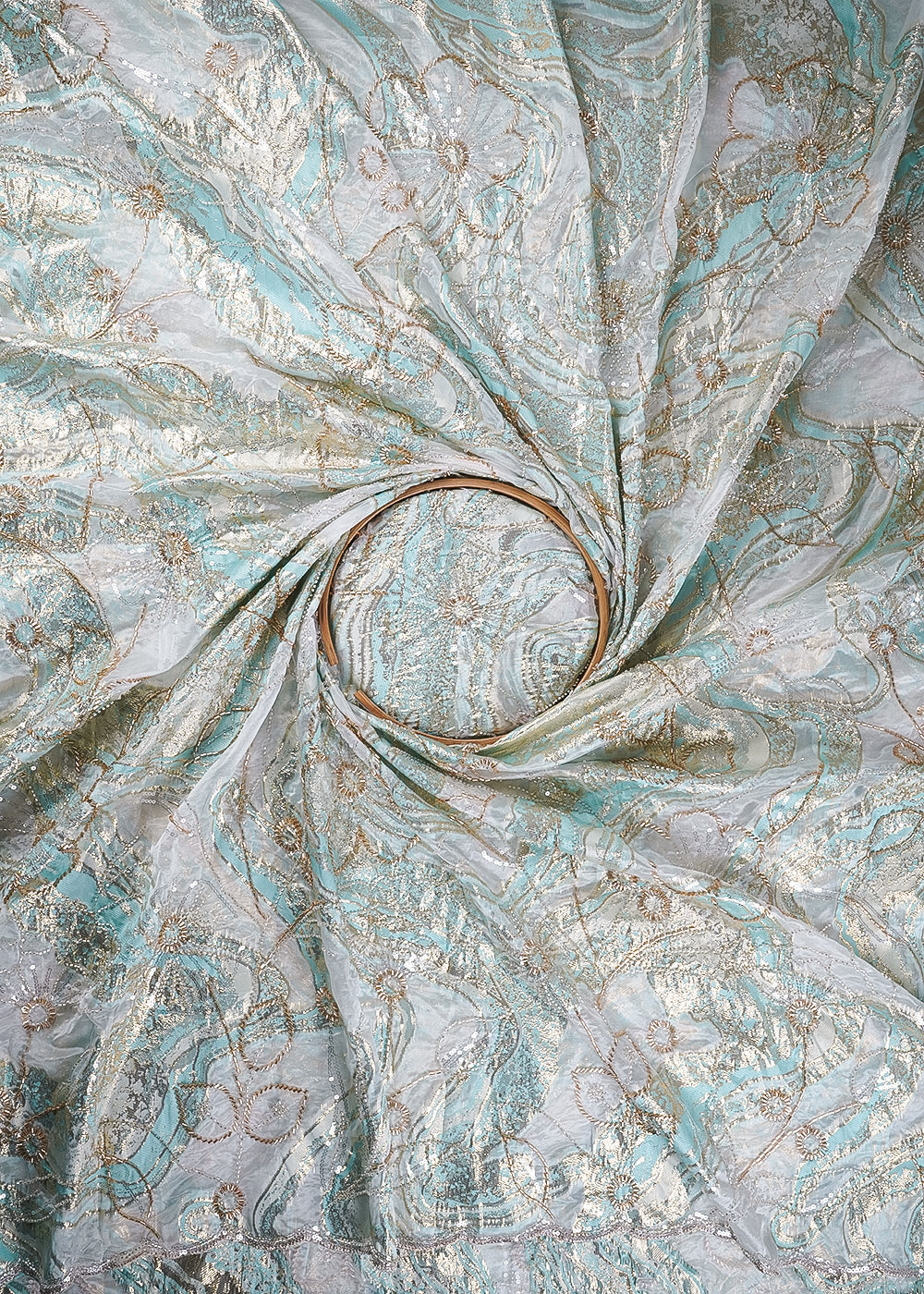
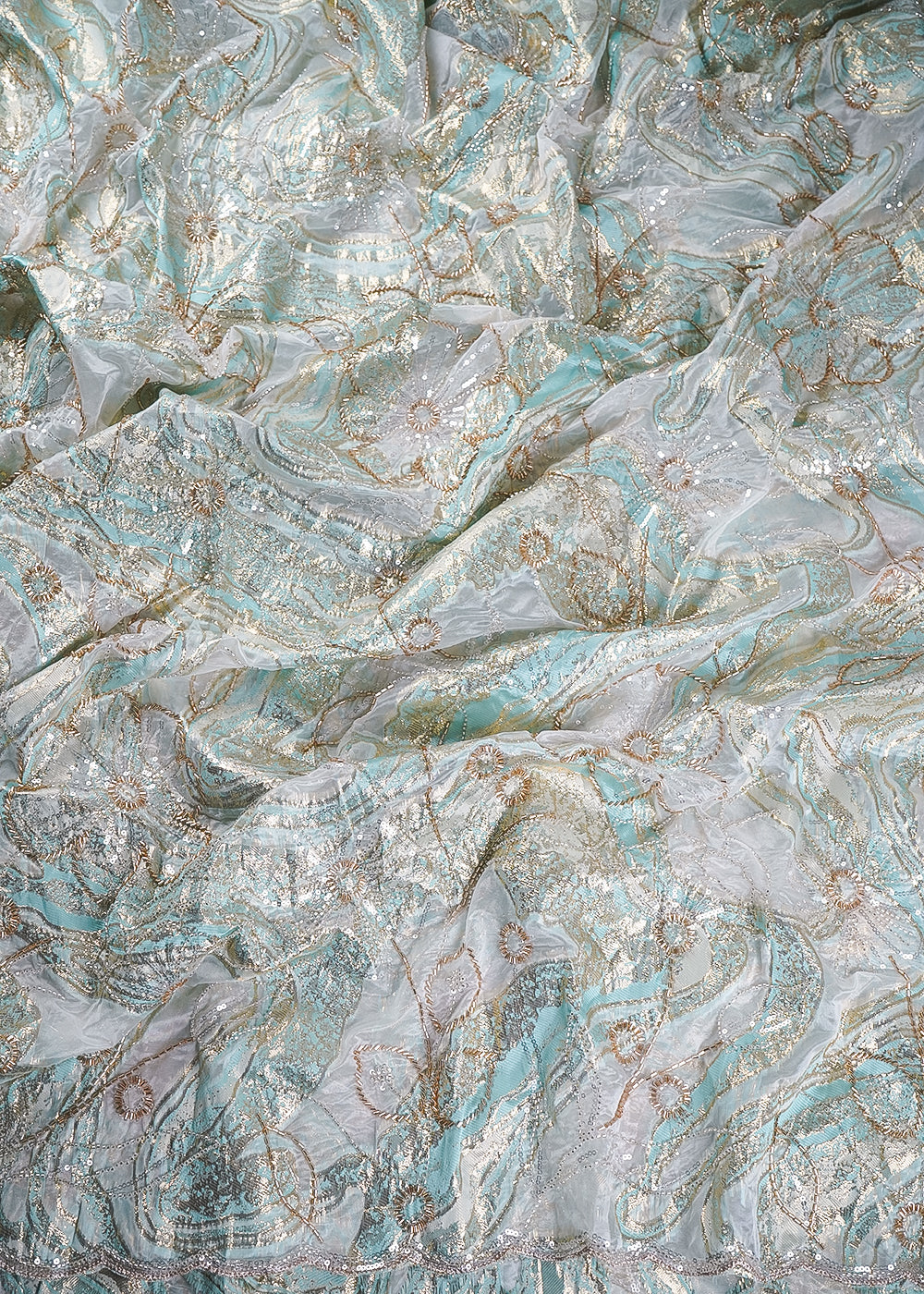
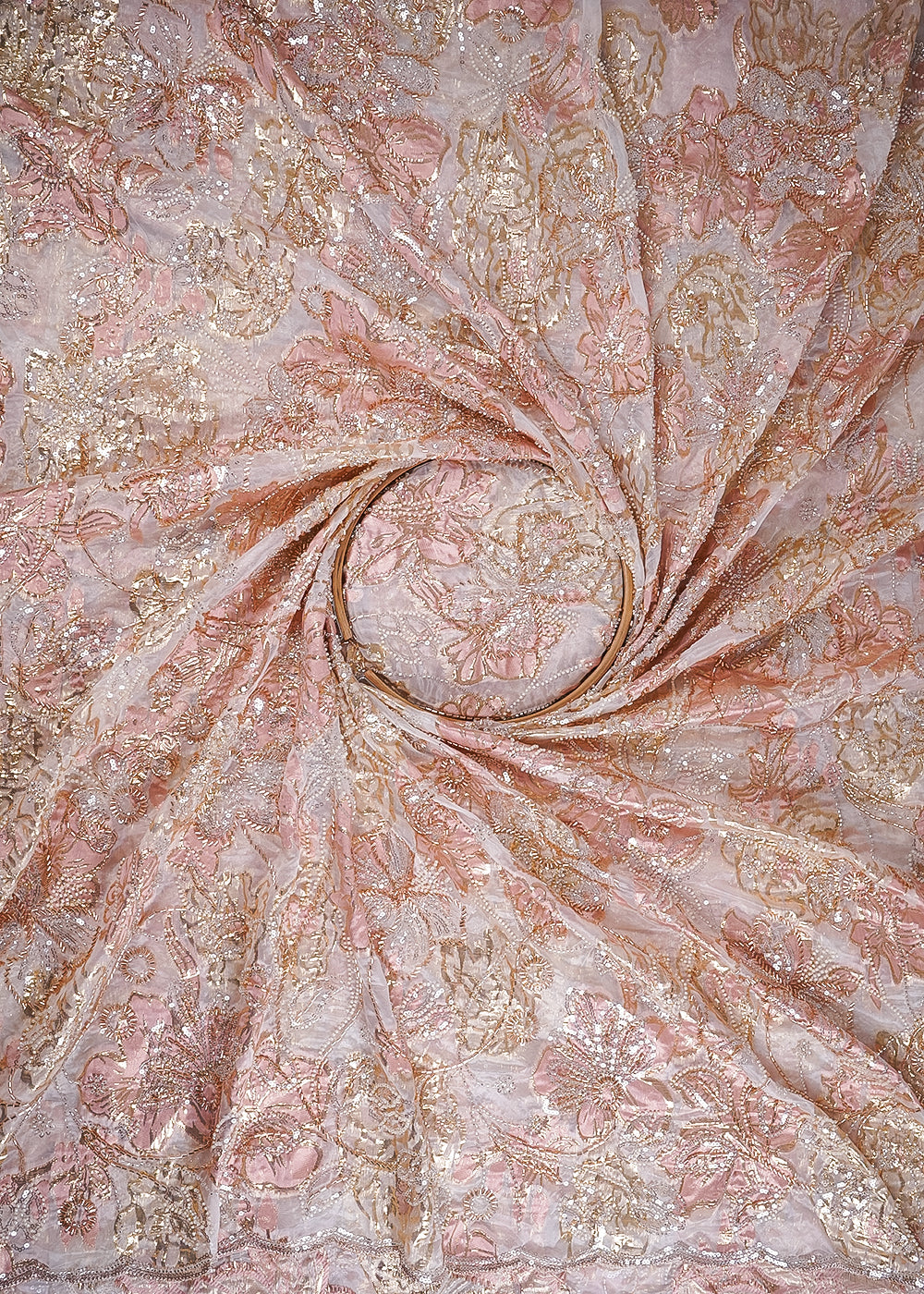
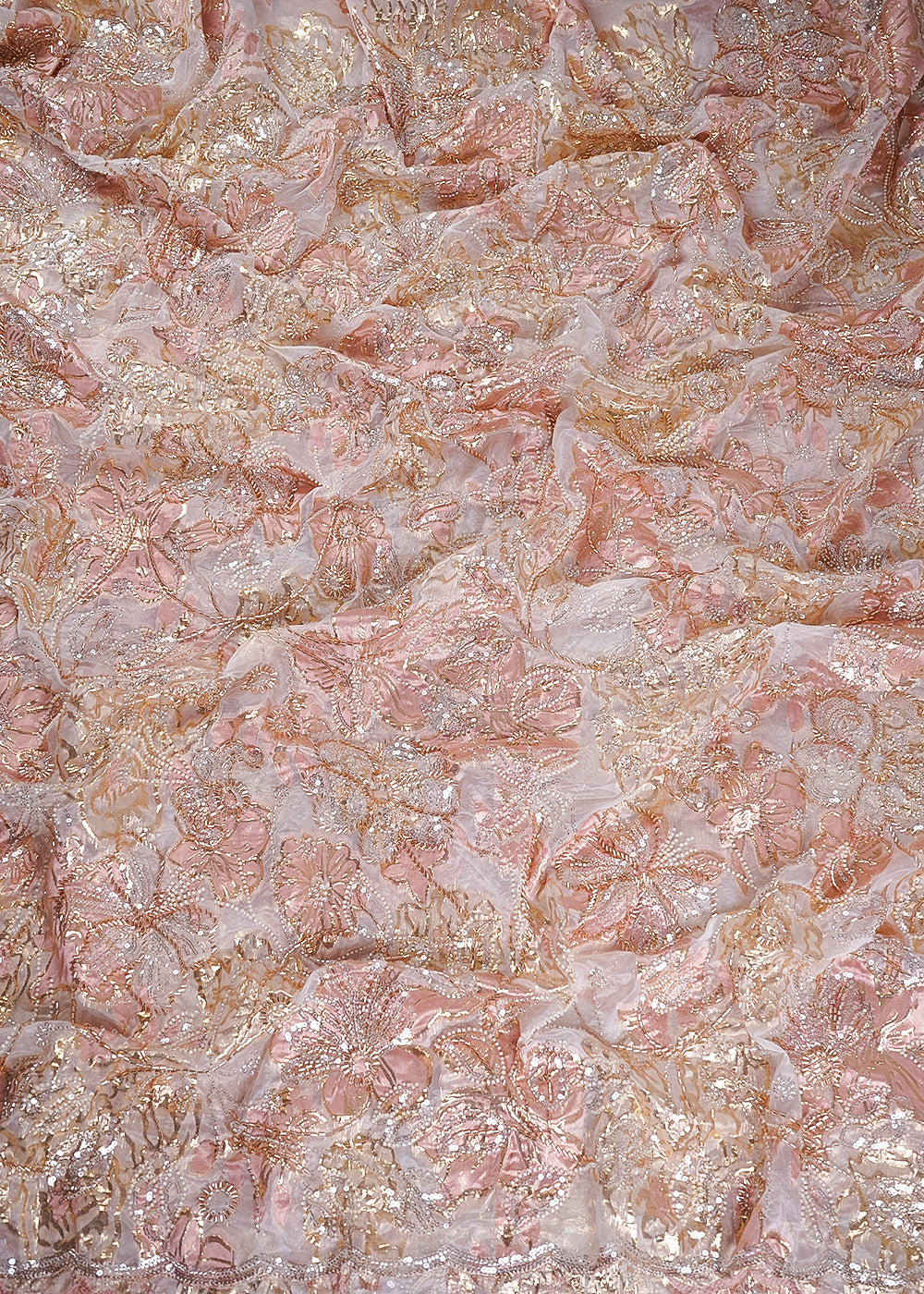
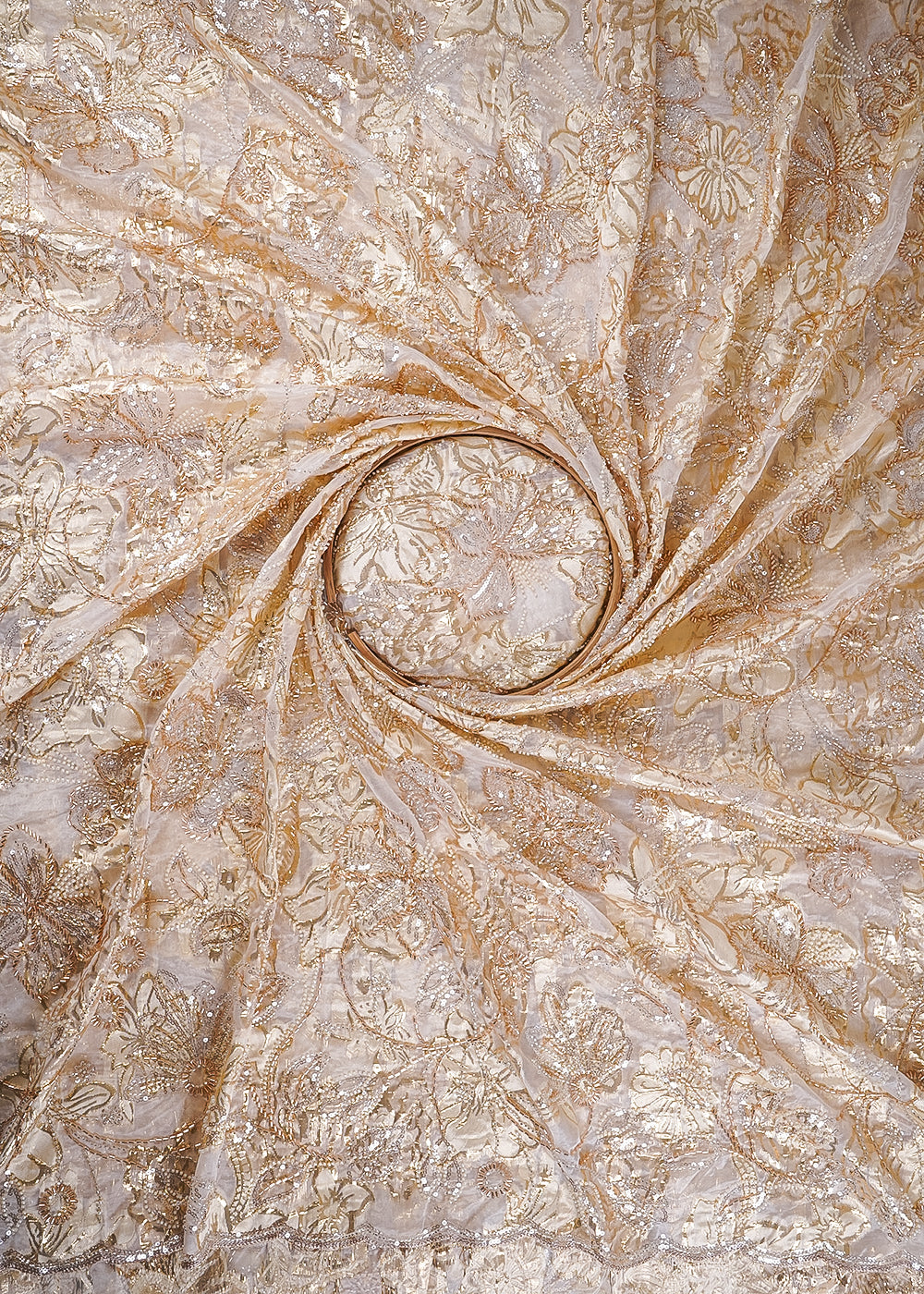
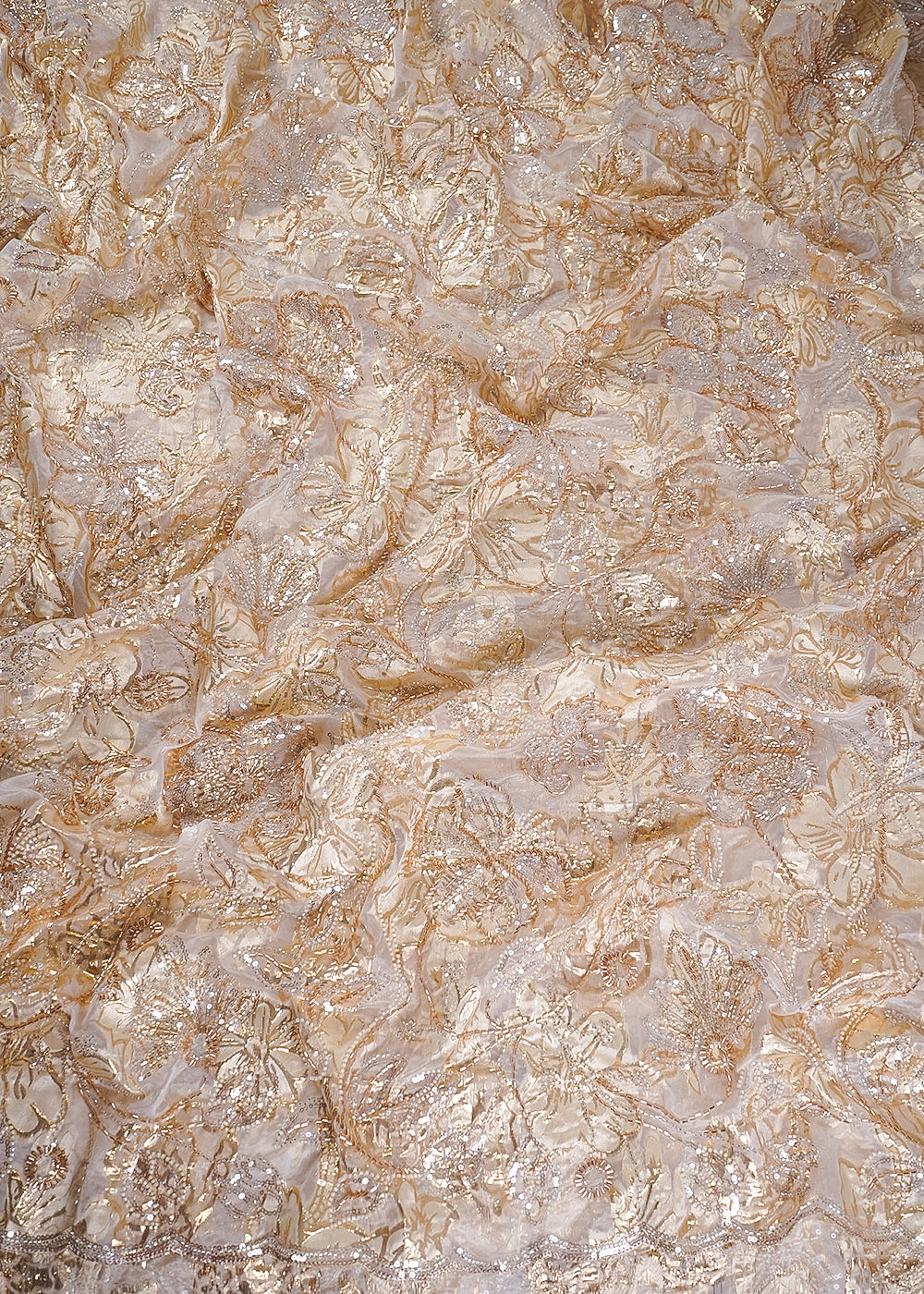
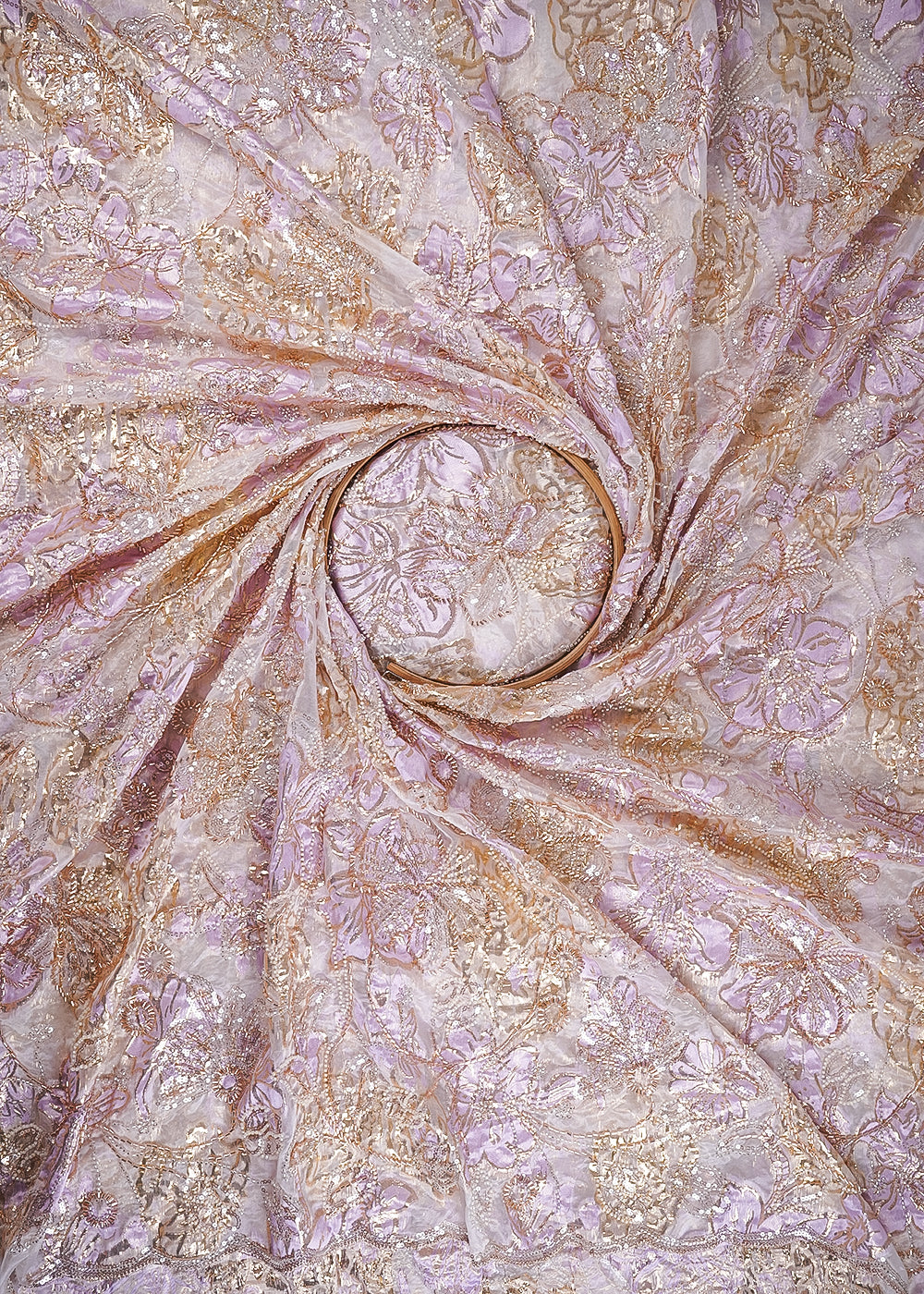
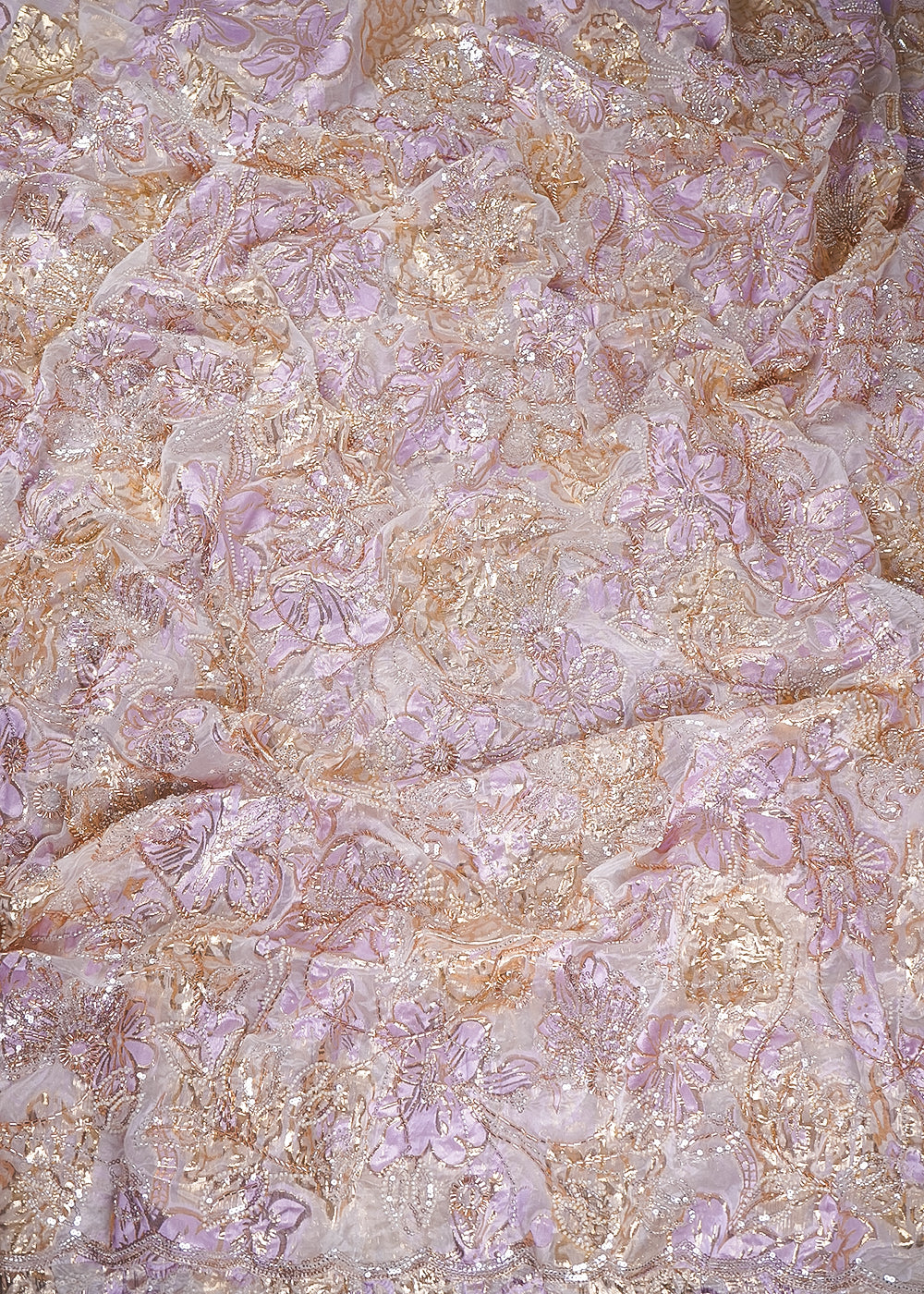
Organza Fabric Guide: Types, GSM, Prices, Uses
Organza sits in an unusual position. It is one of the lightest fabrics on the counter yet it holds shape better than most heavy goods. That combination is why it moved from a niche overlay fabric to a mainstream boutique staple across the last five years.
The crispness comes from tightly twisted yarn woven in plain structure with high tension. Nothing is added to stiffen it. That is the weave doing the work, which is also why good organza keeps its body through repeated wear while cheaper resin-finished versions go limp after two washes.
Why Organza Works for Boutique Production
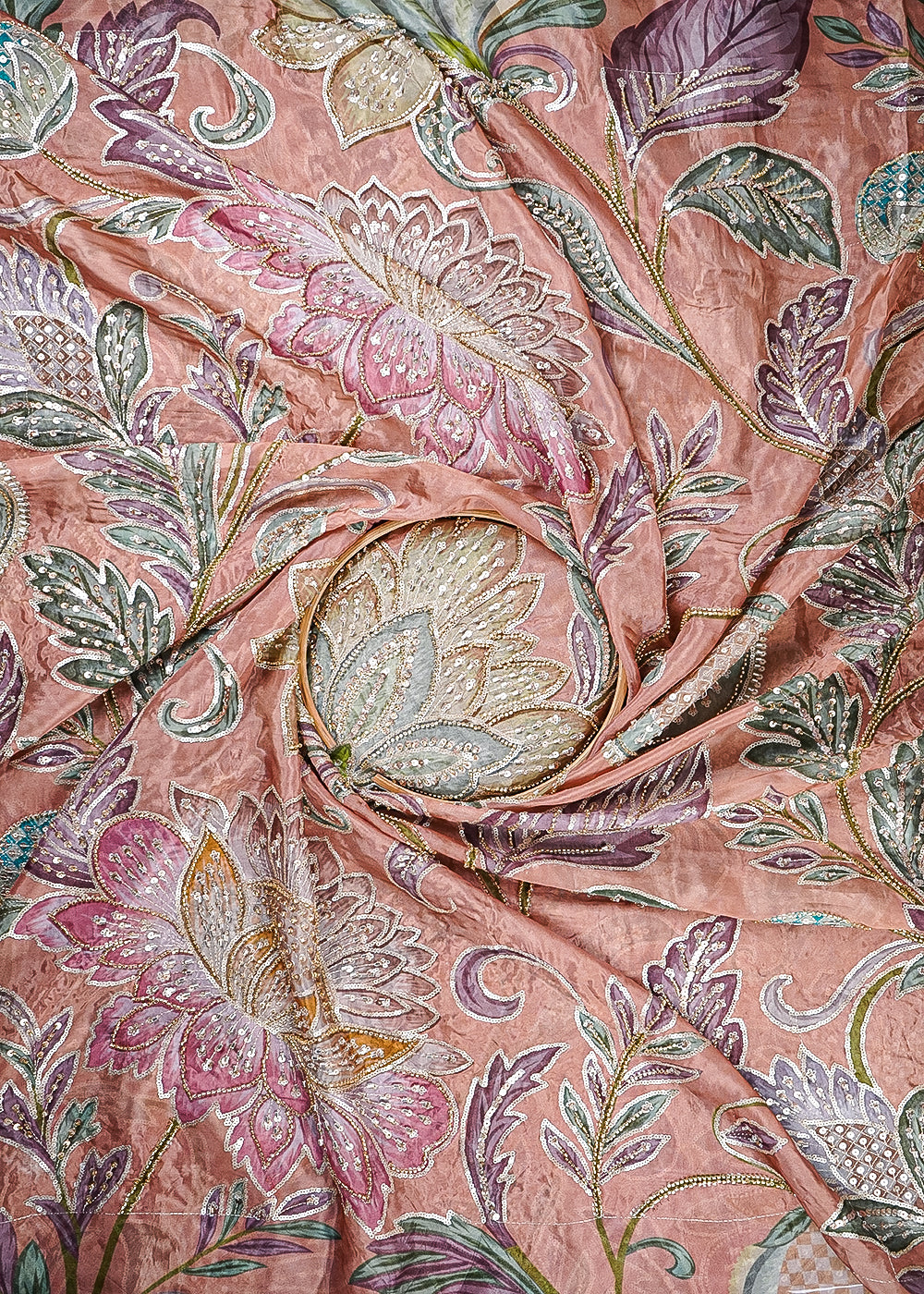
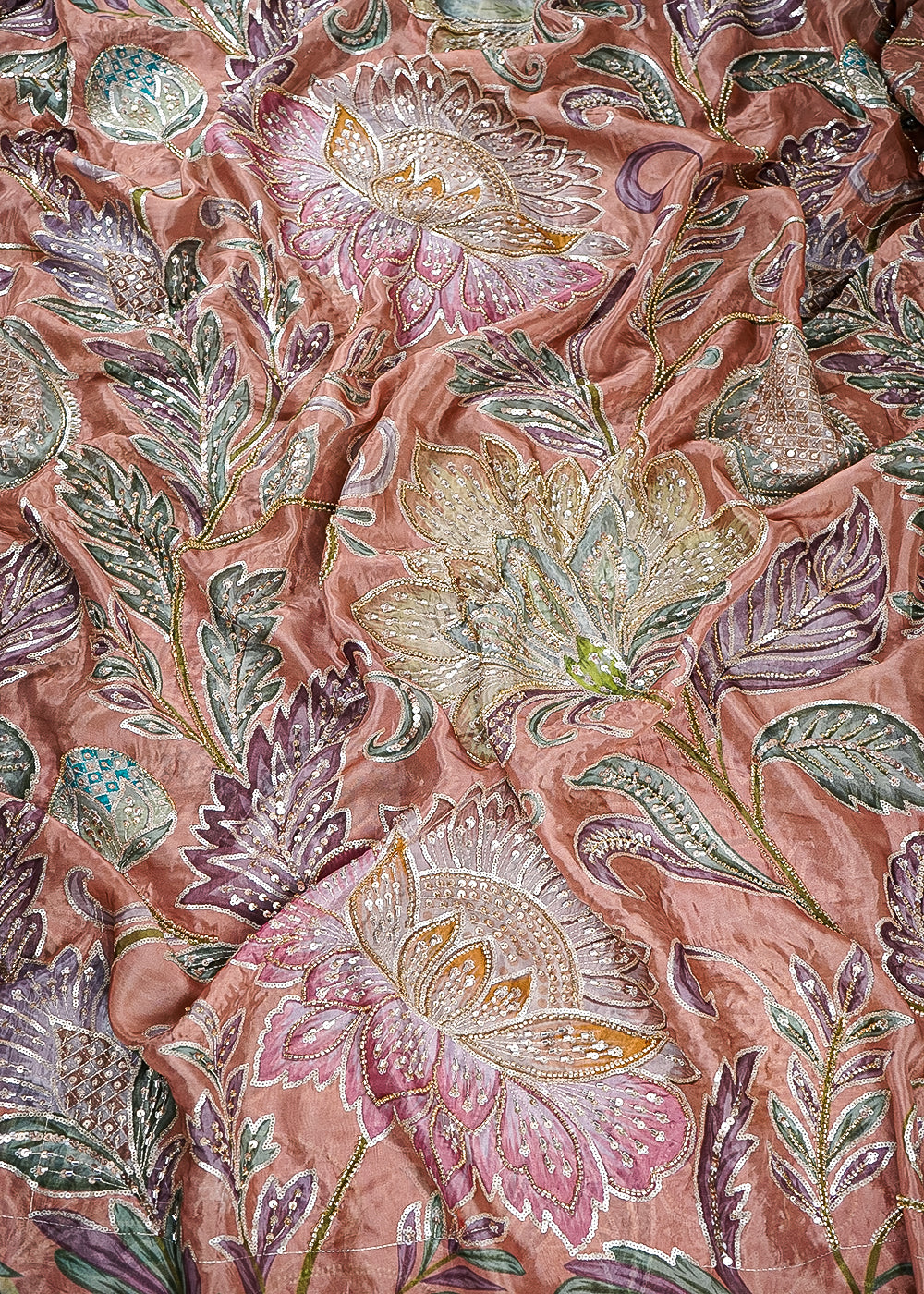
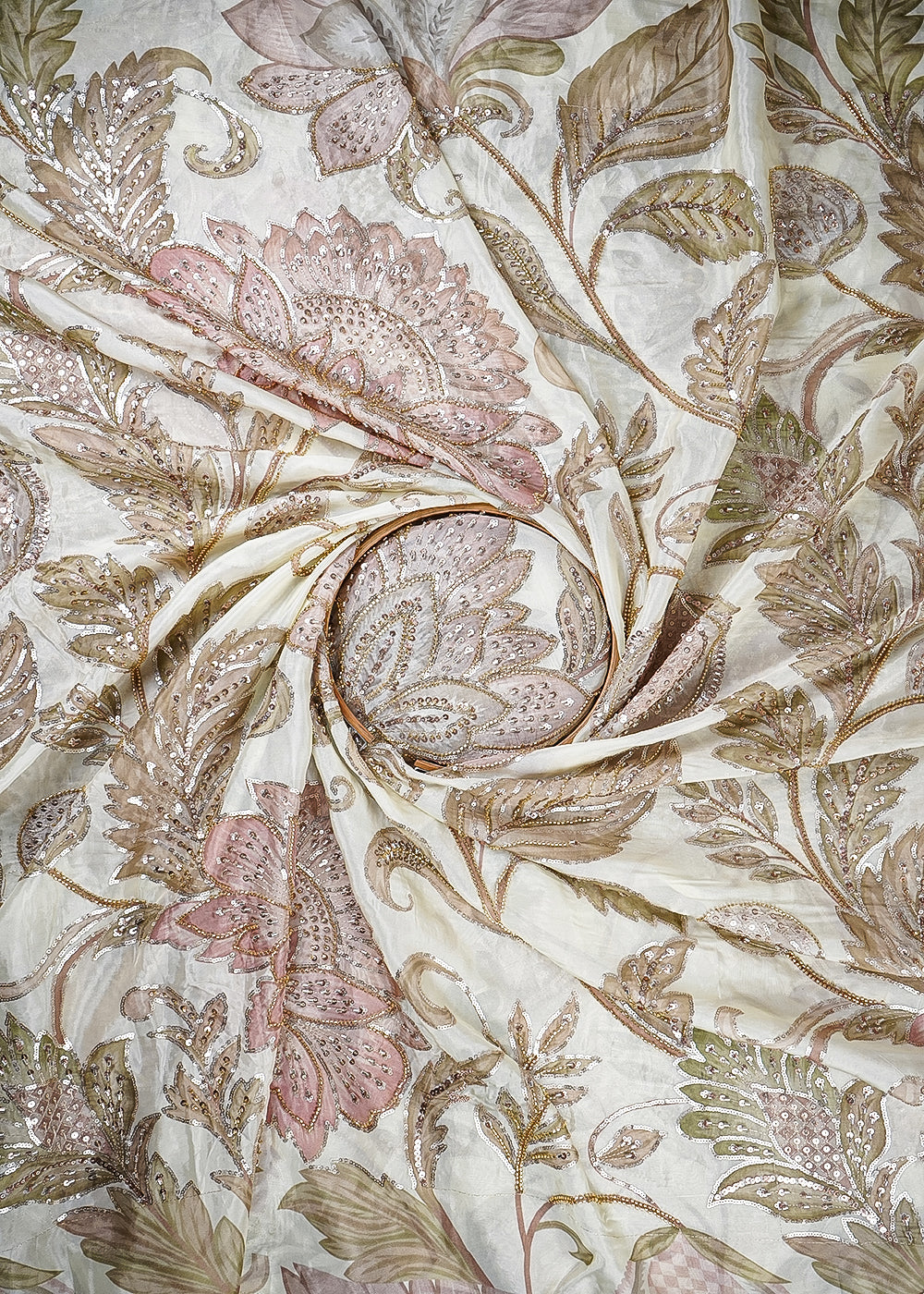
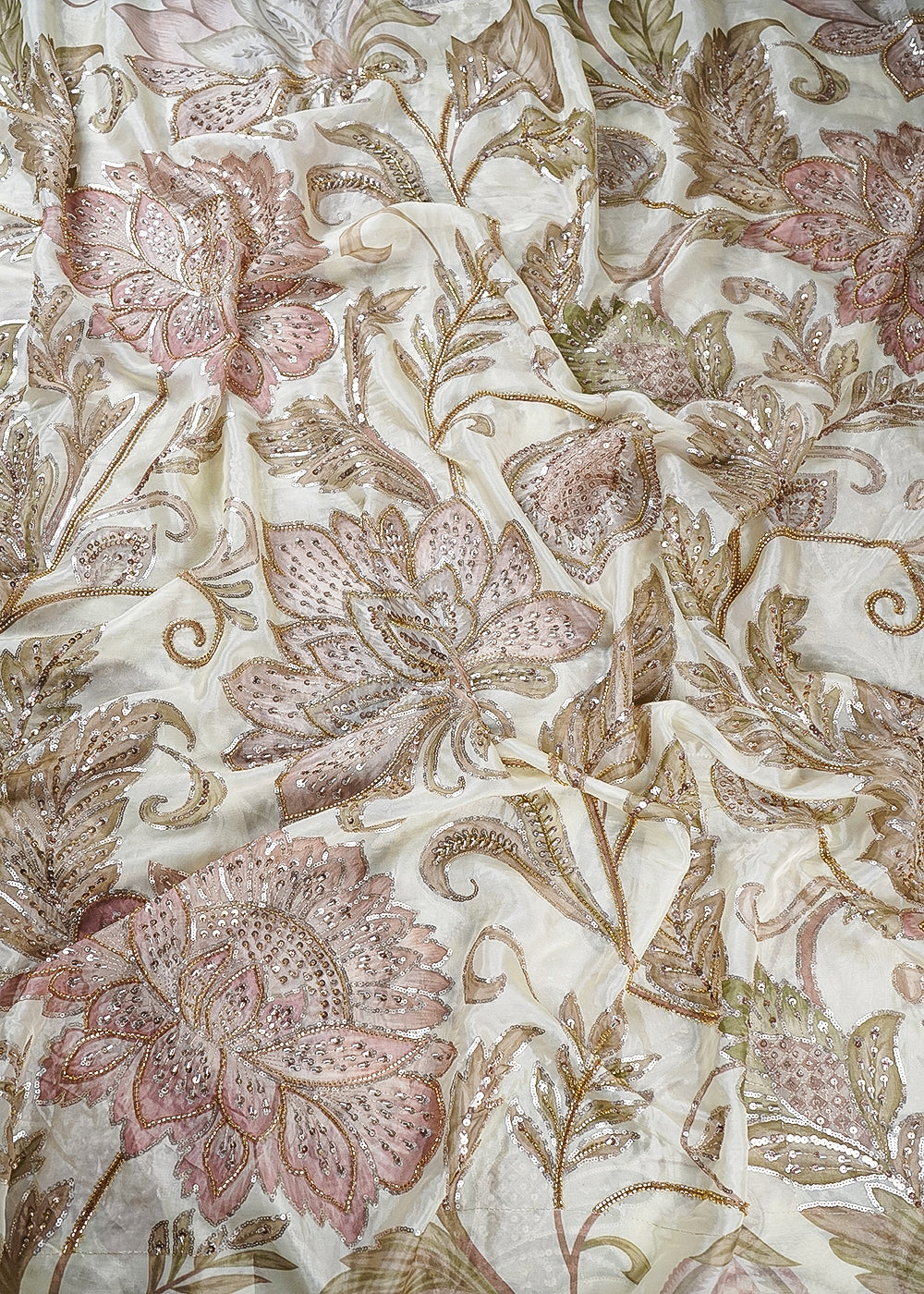
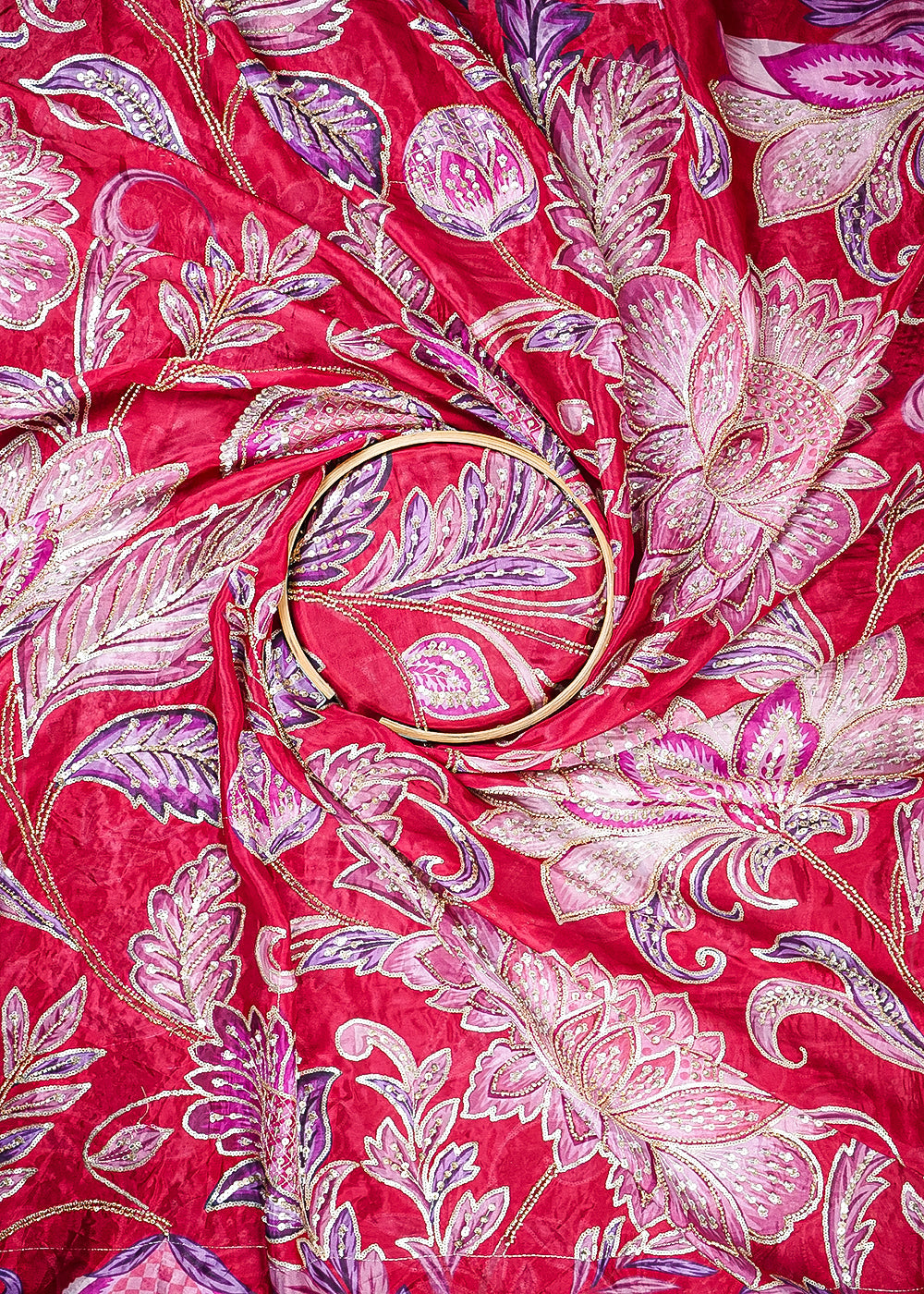
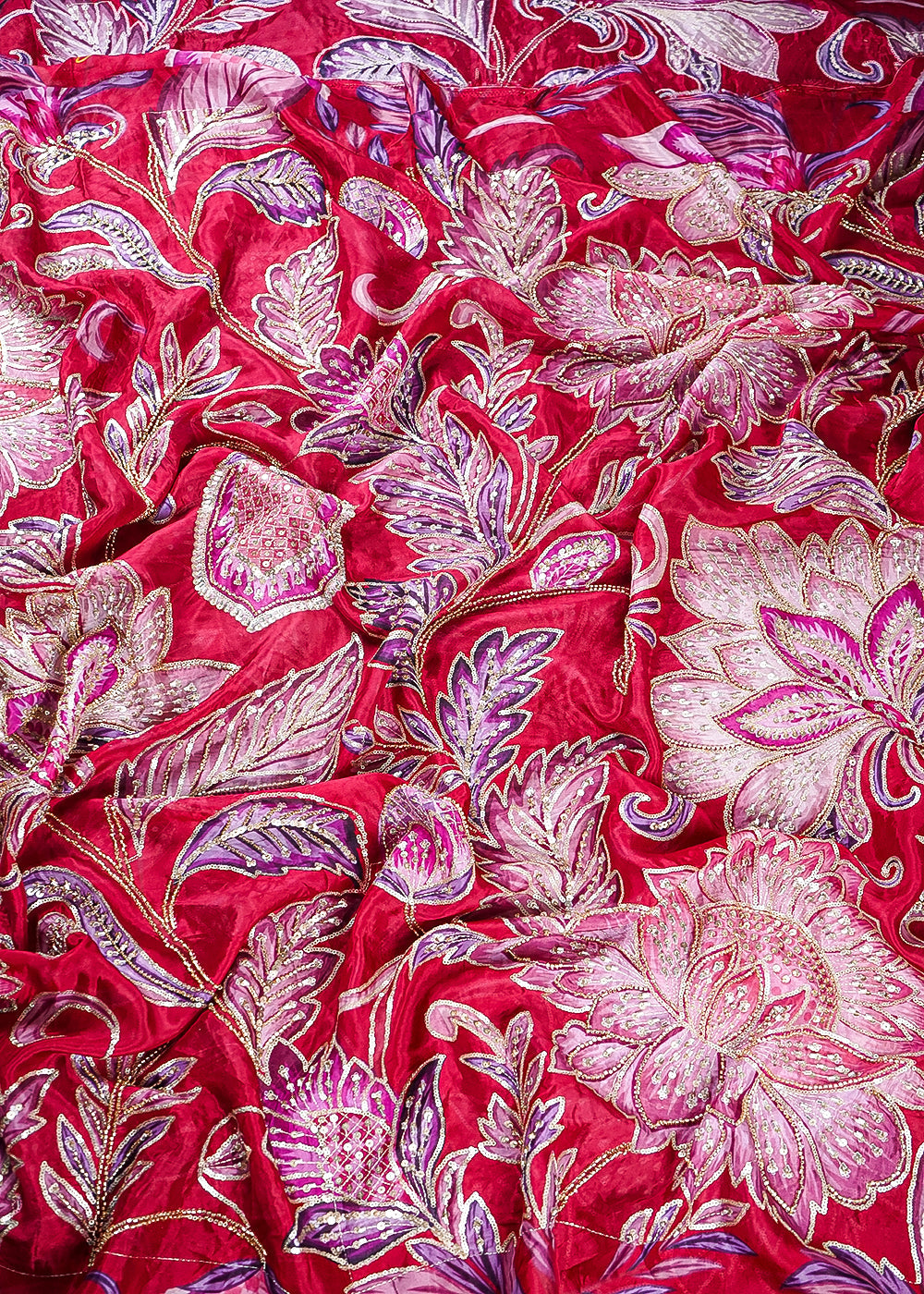
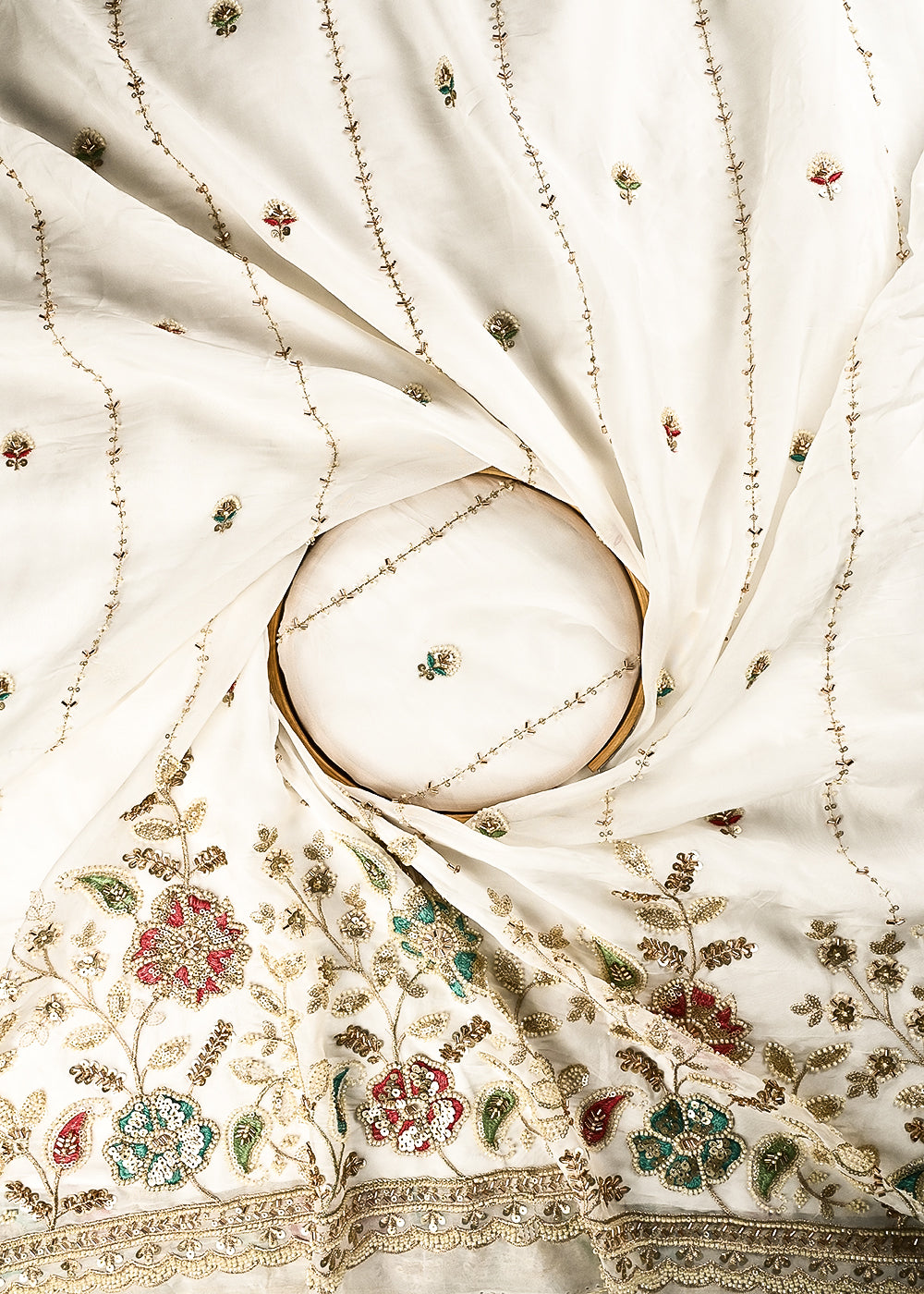
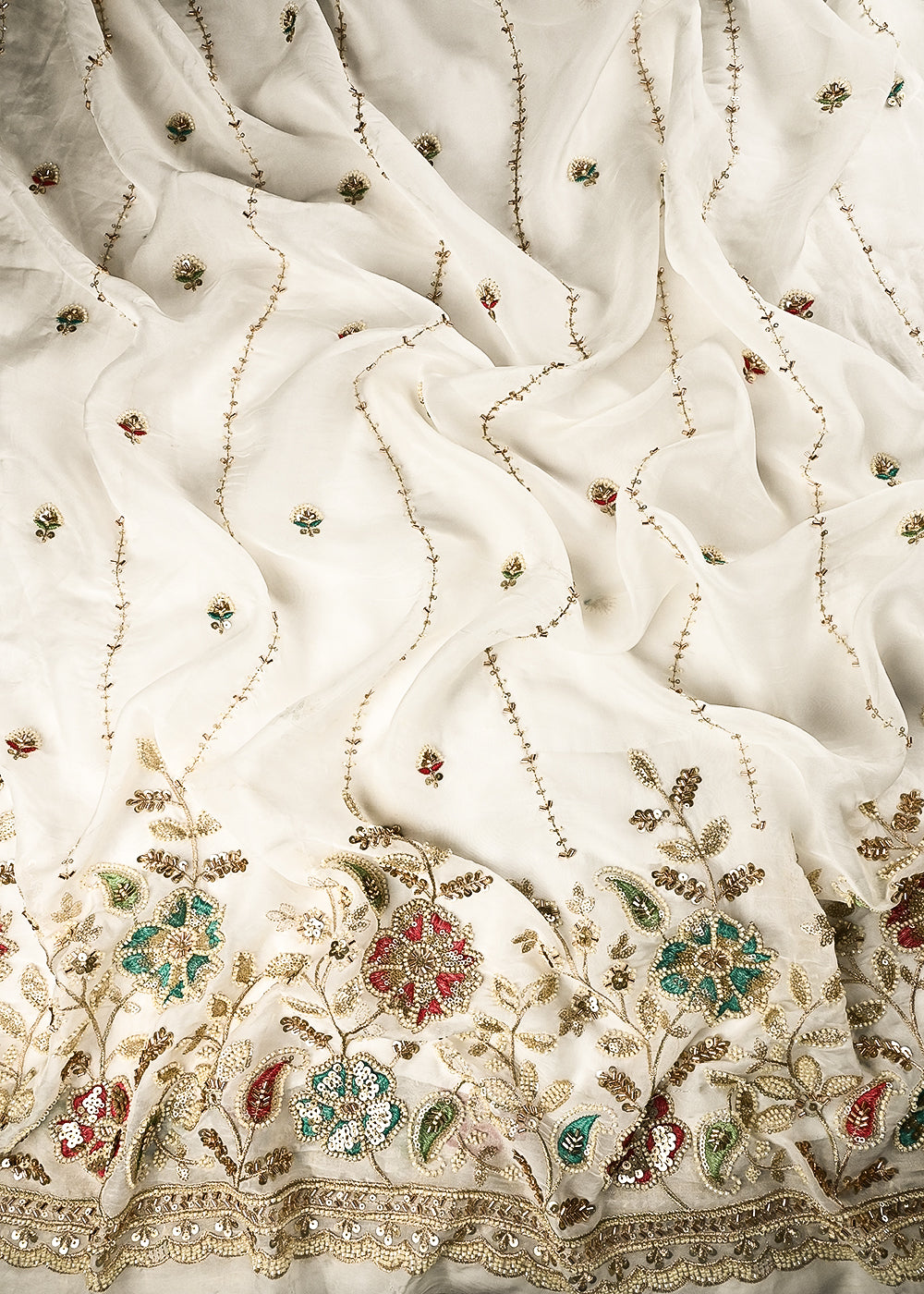
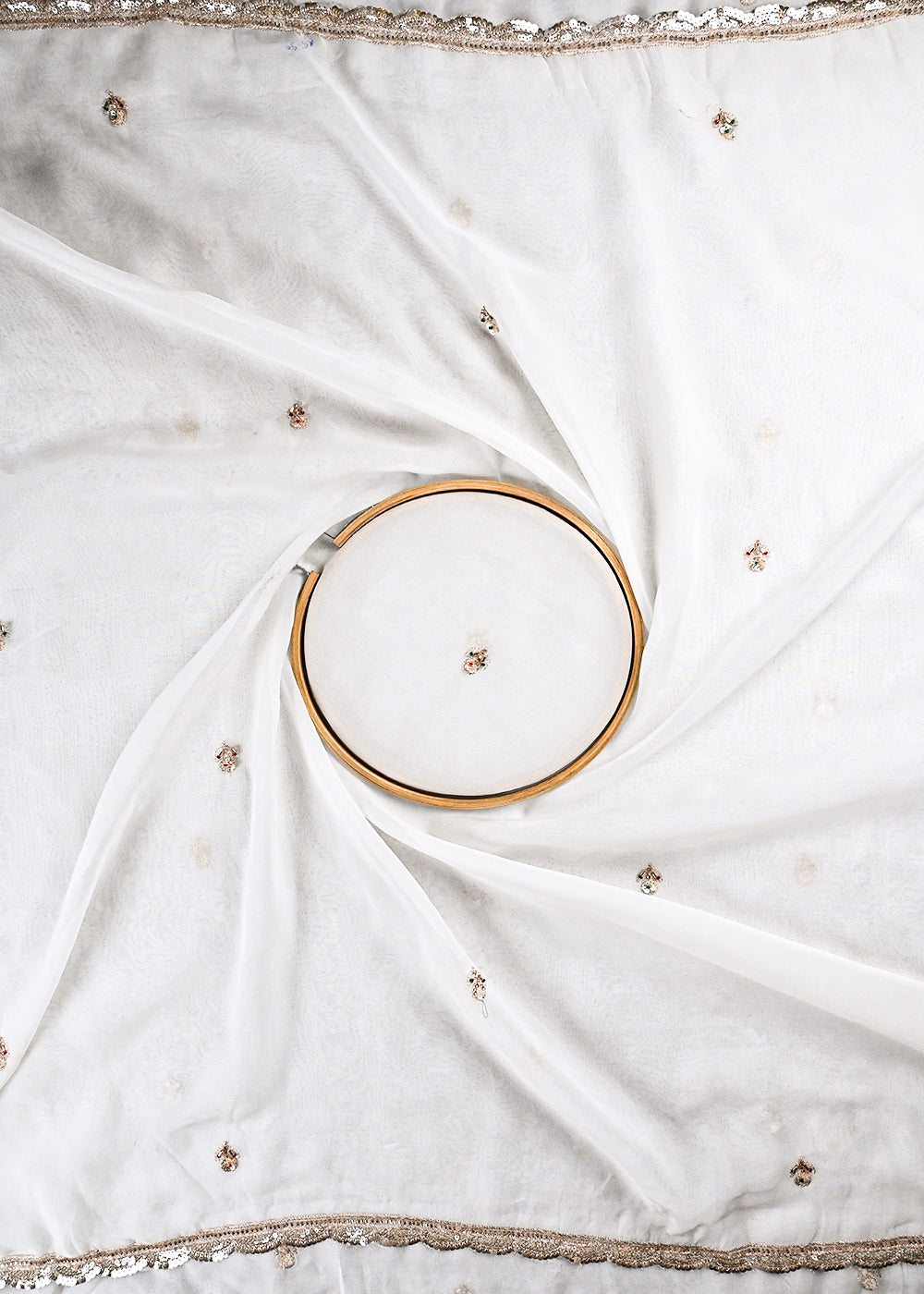
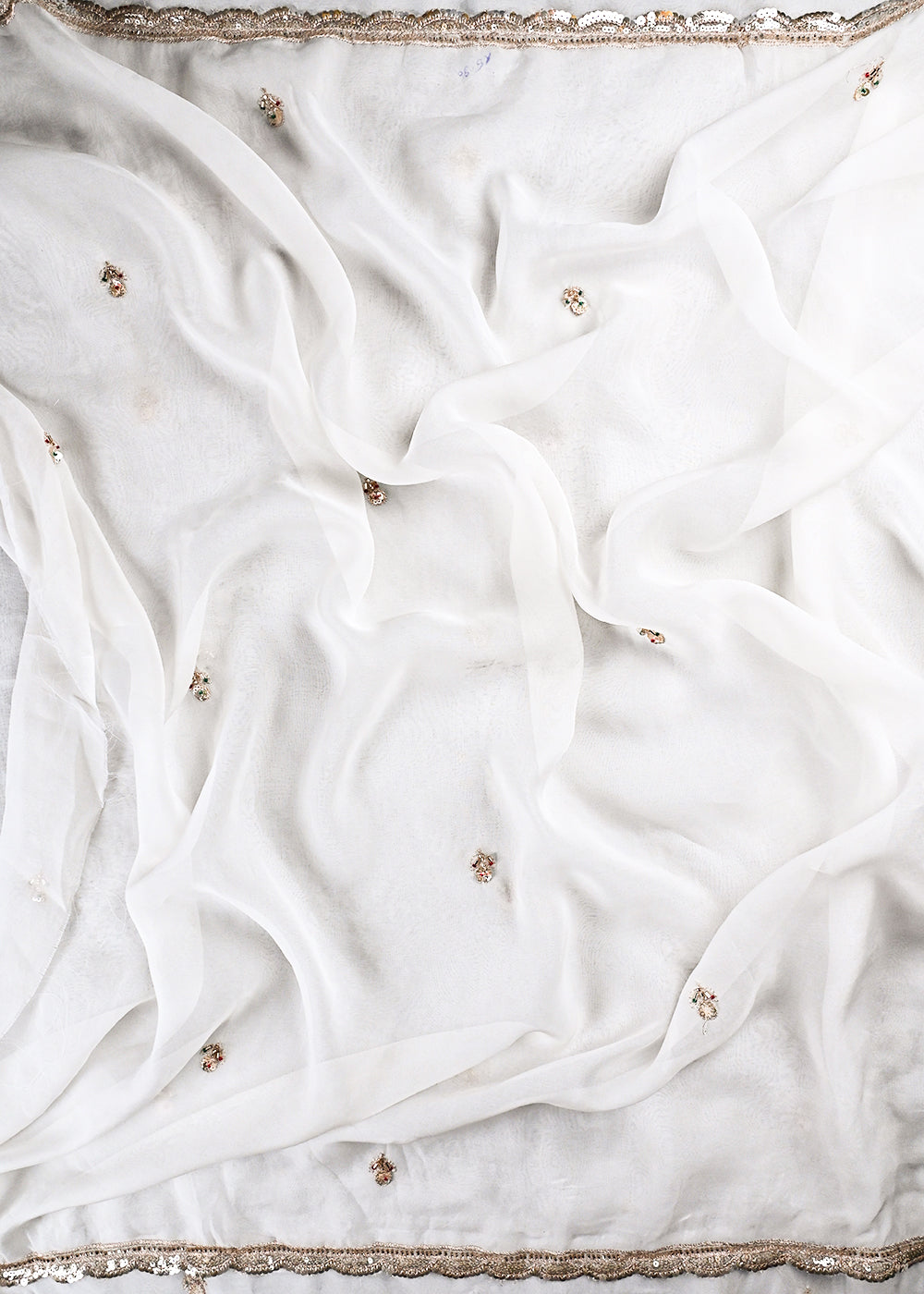
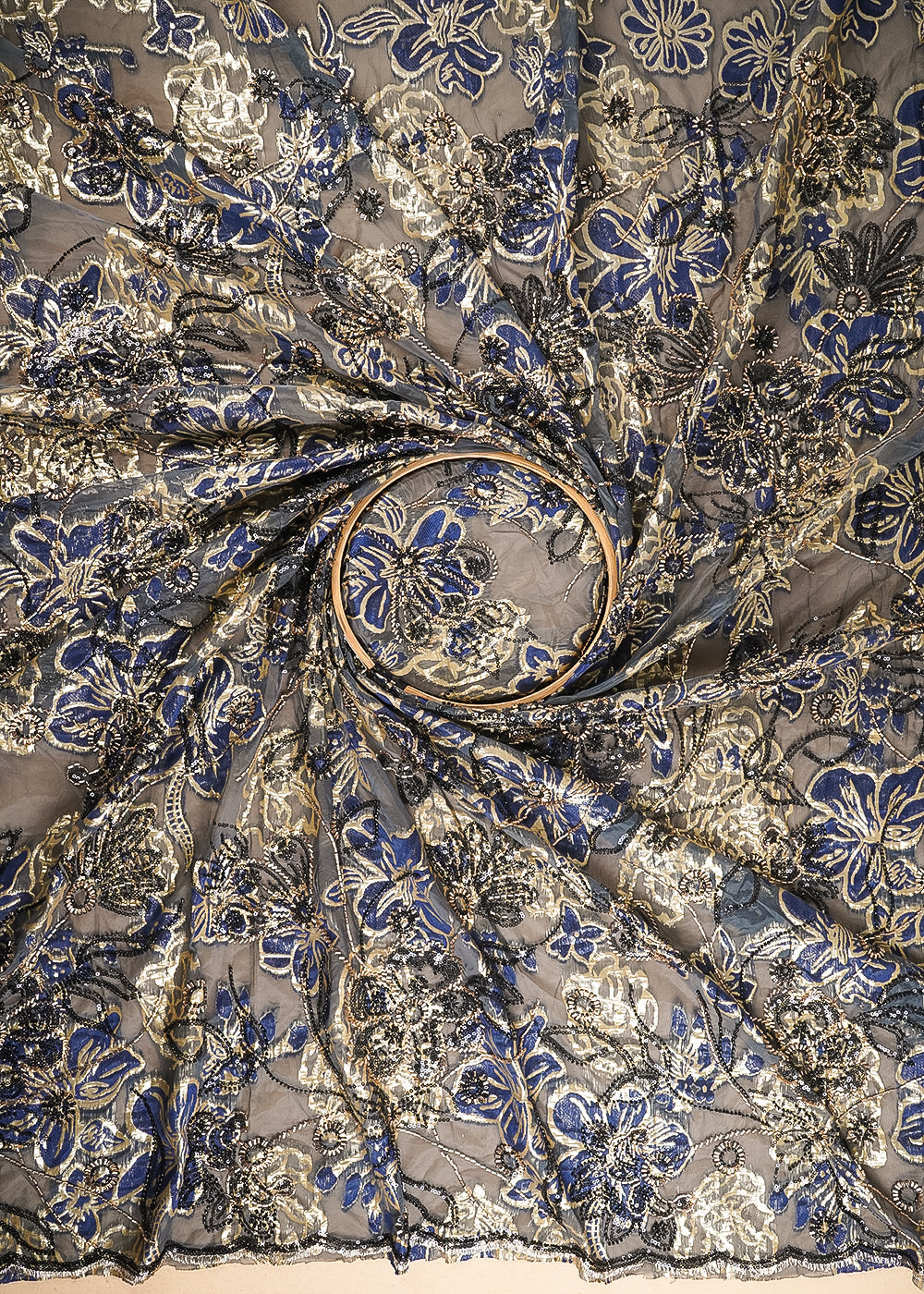
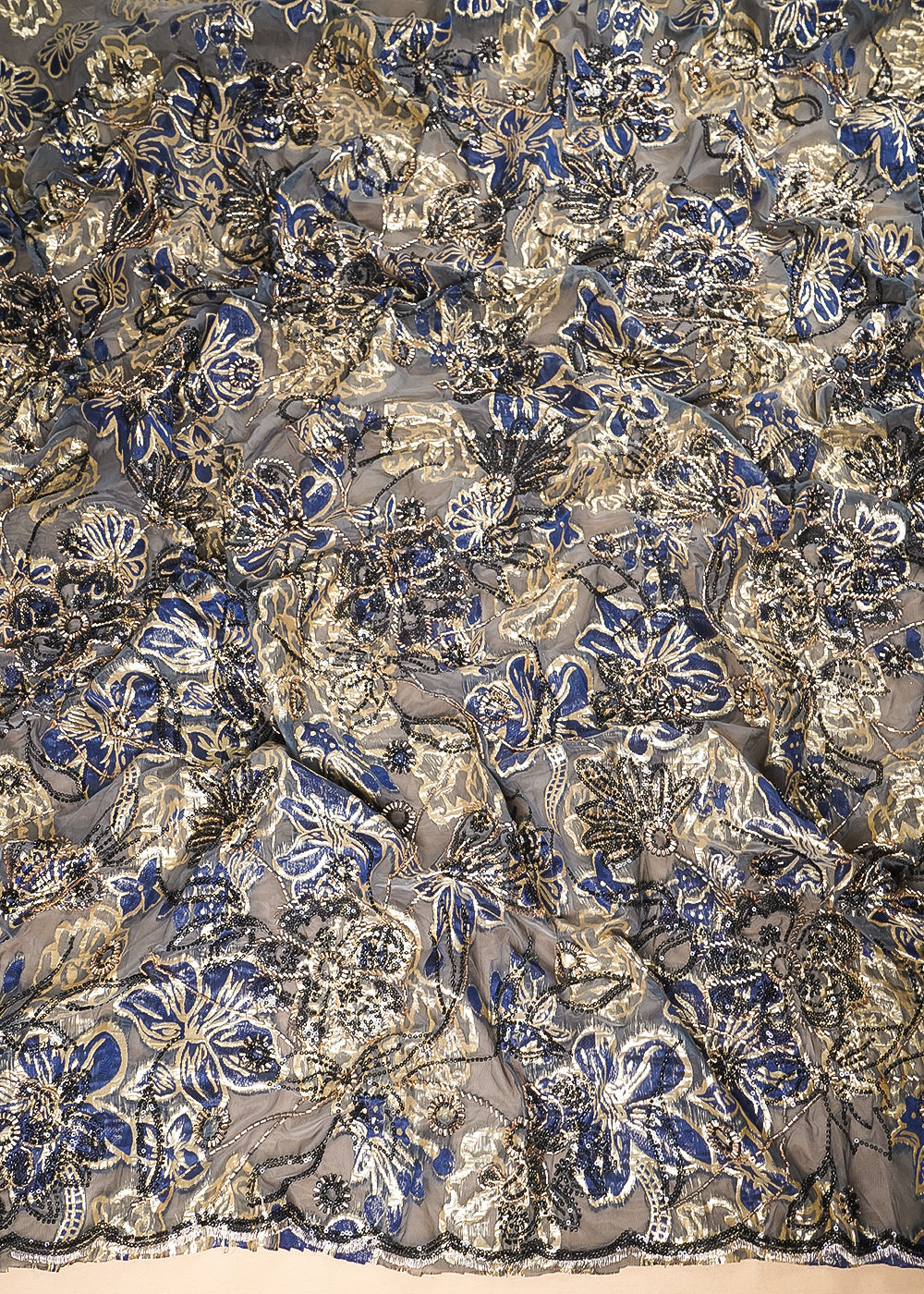
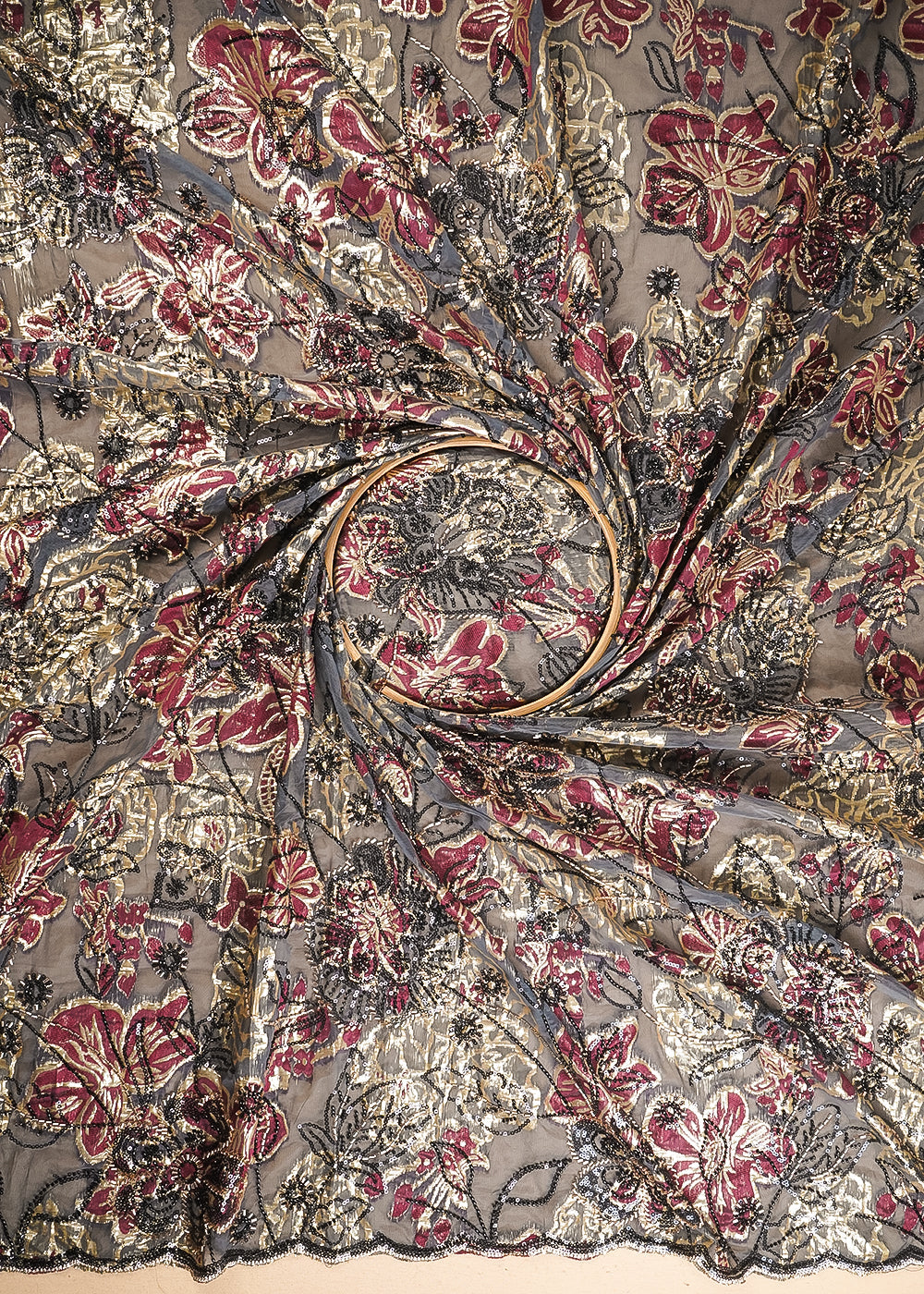
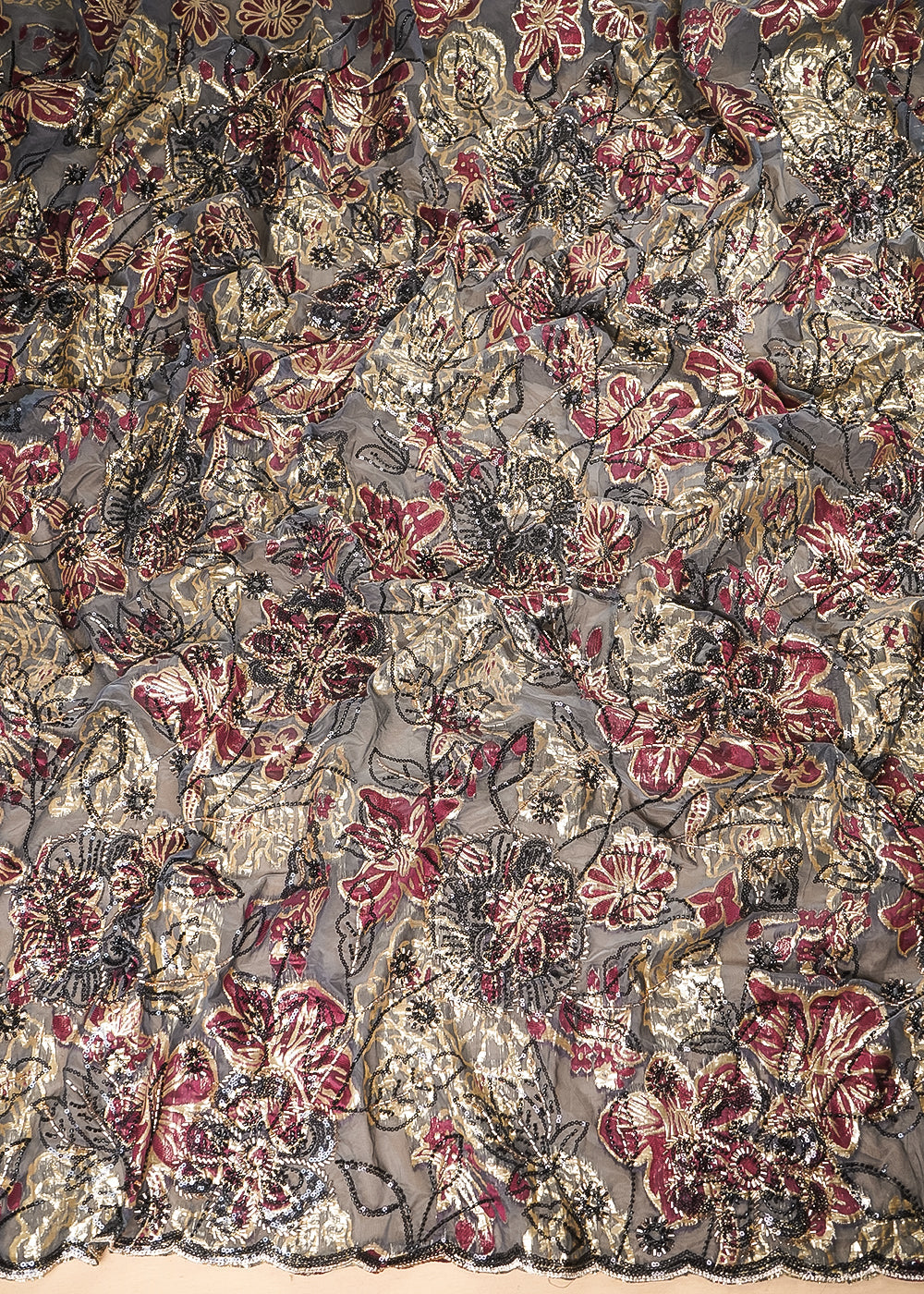
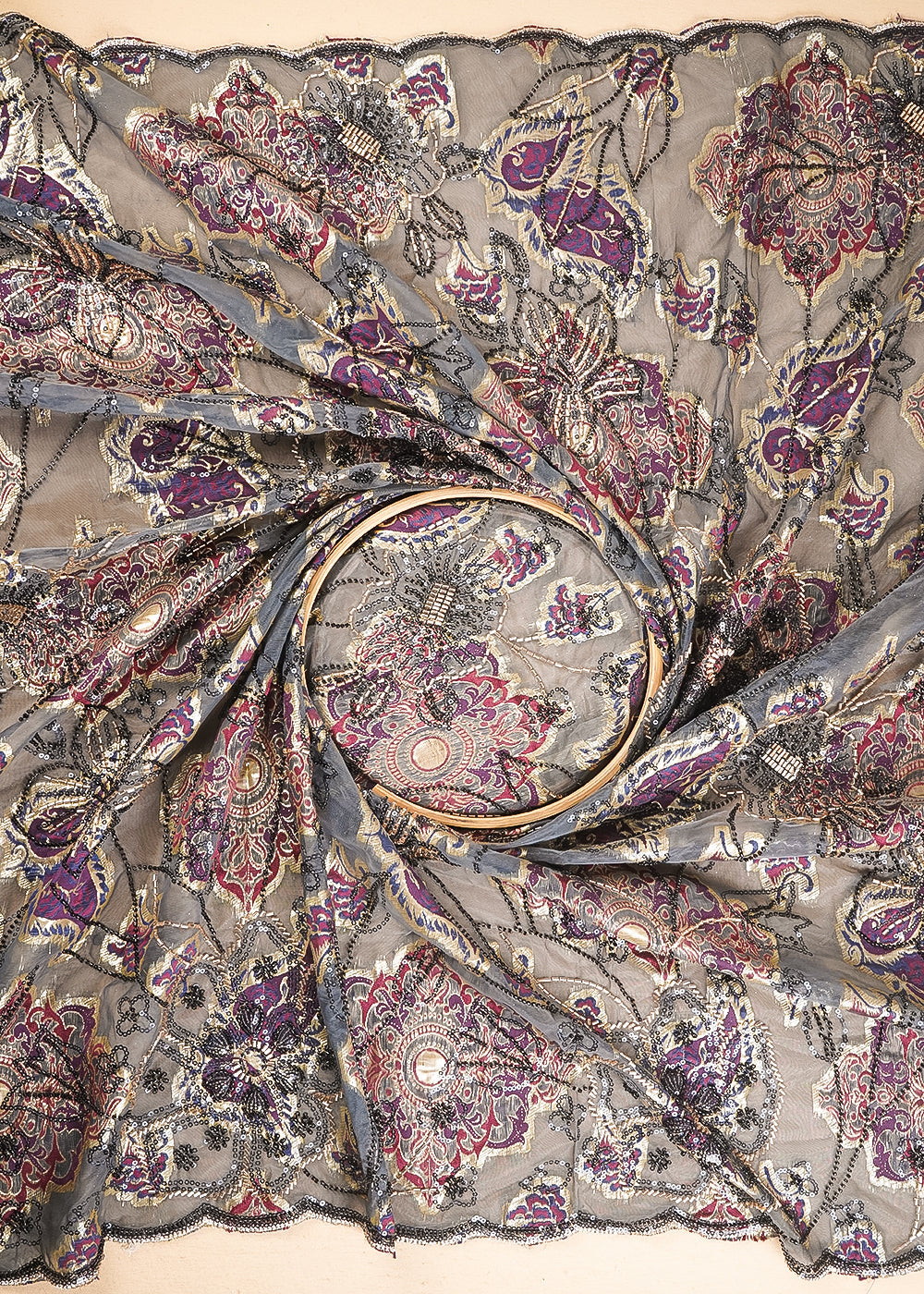
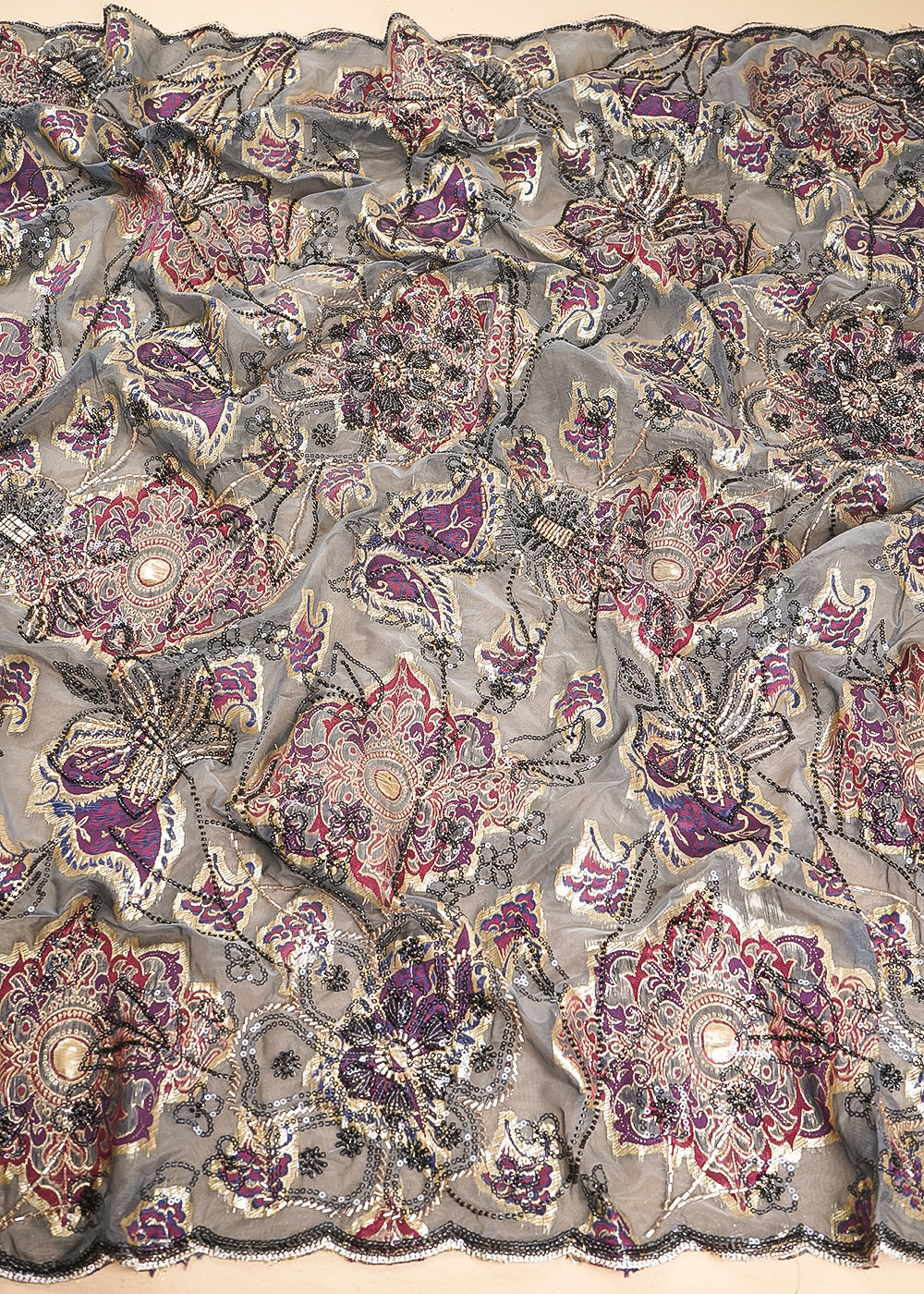
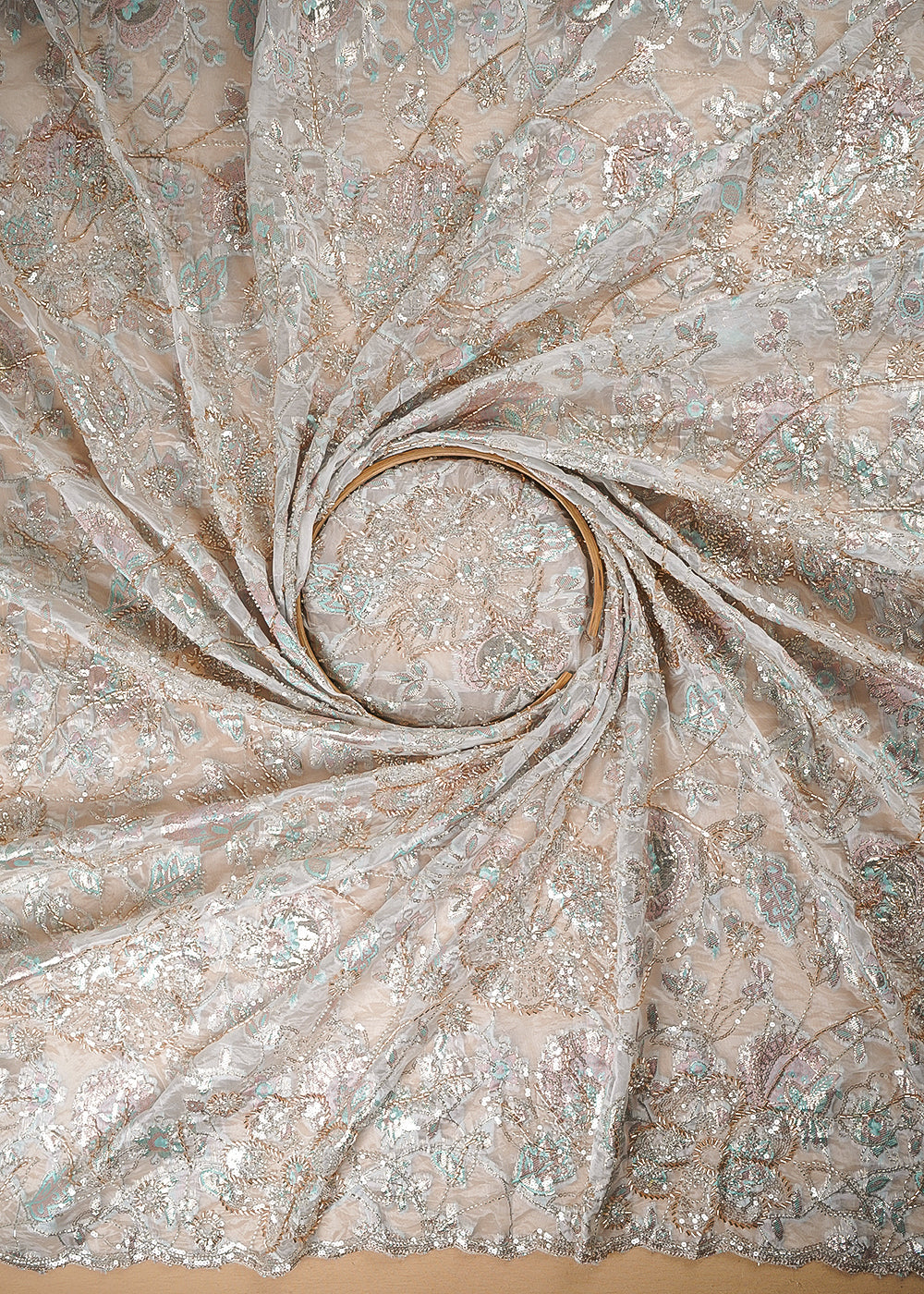
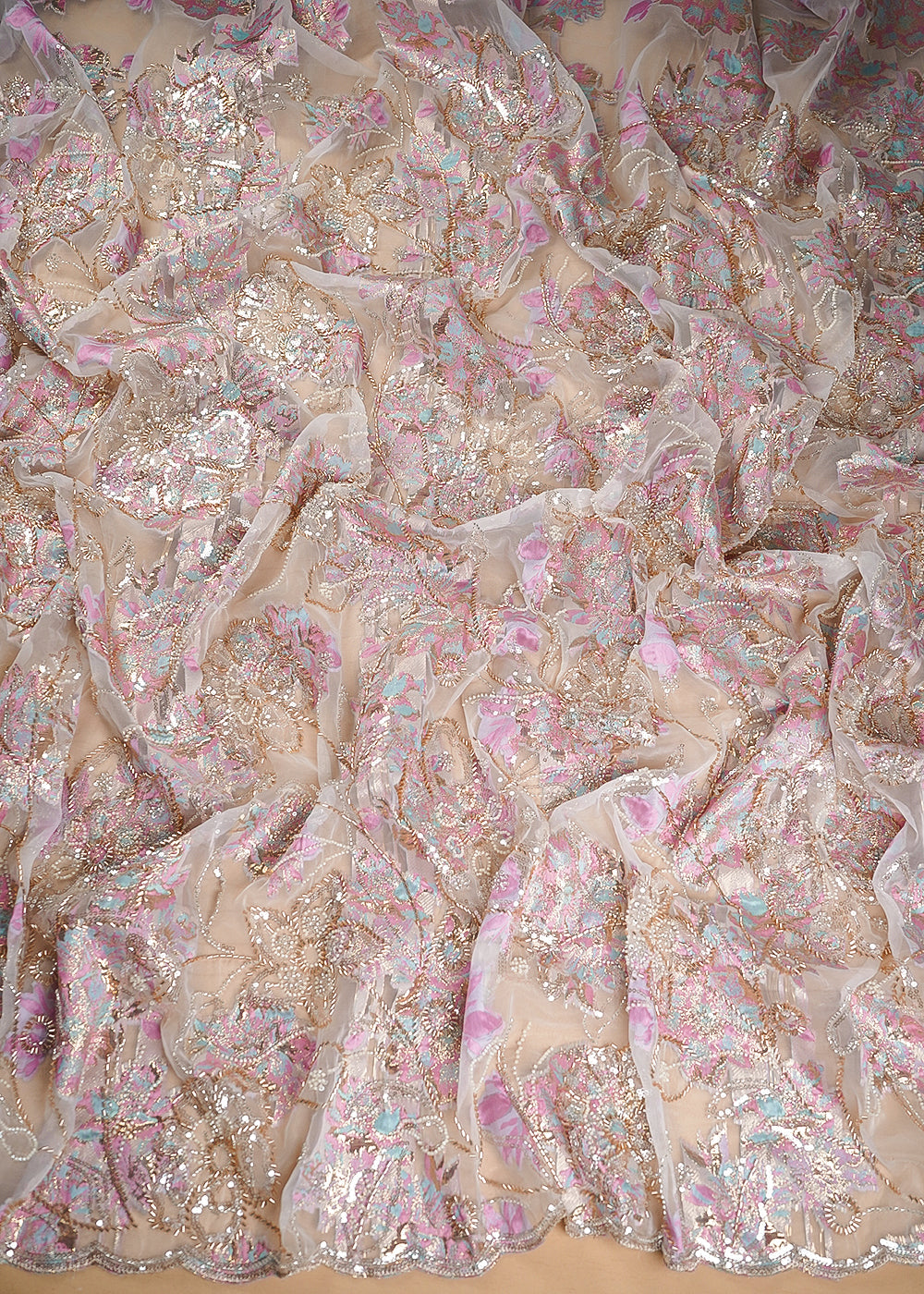
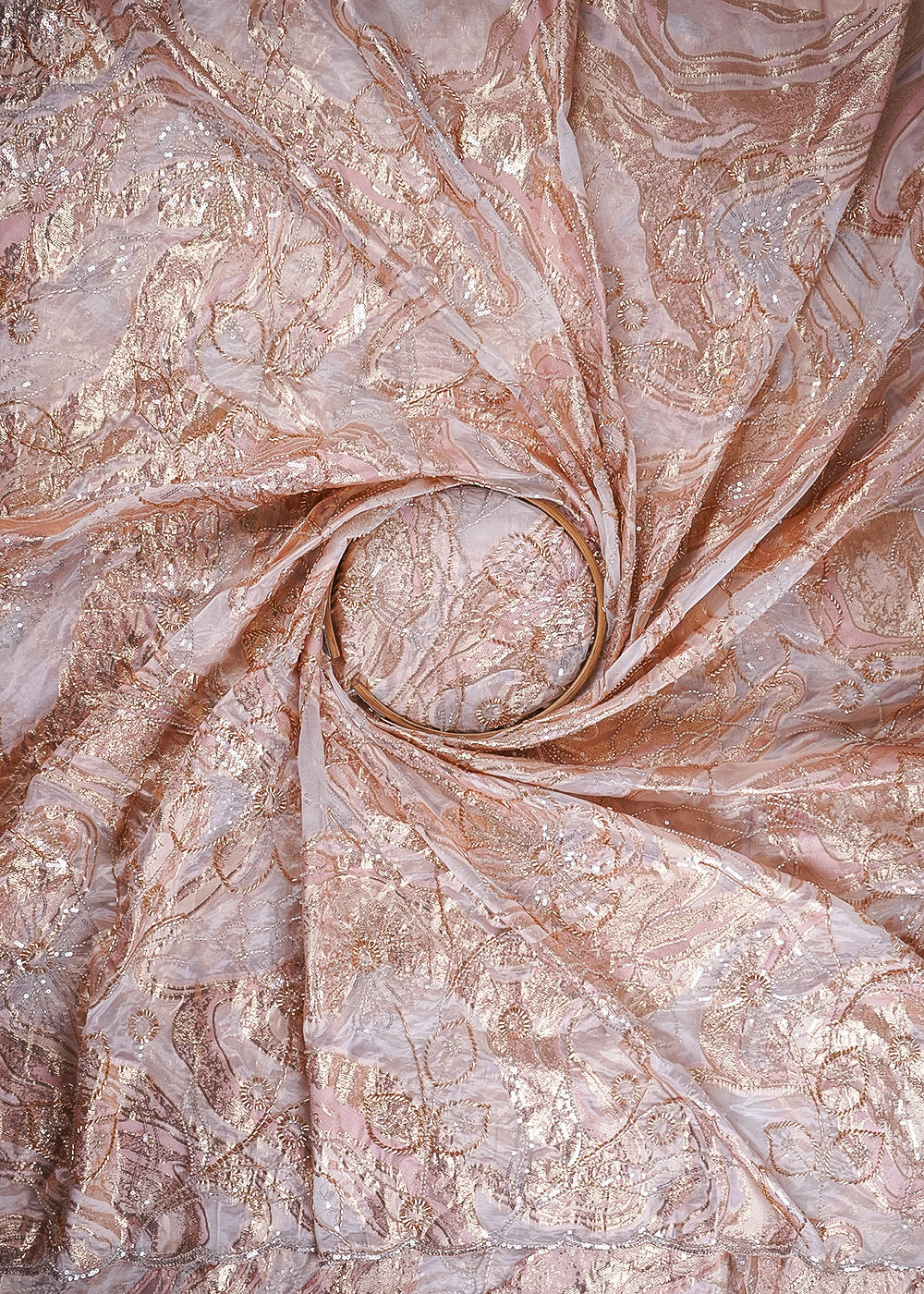
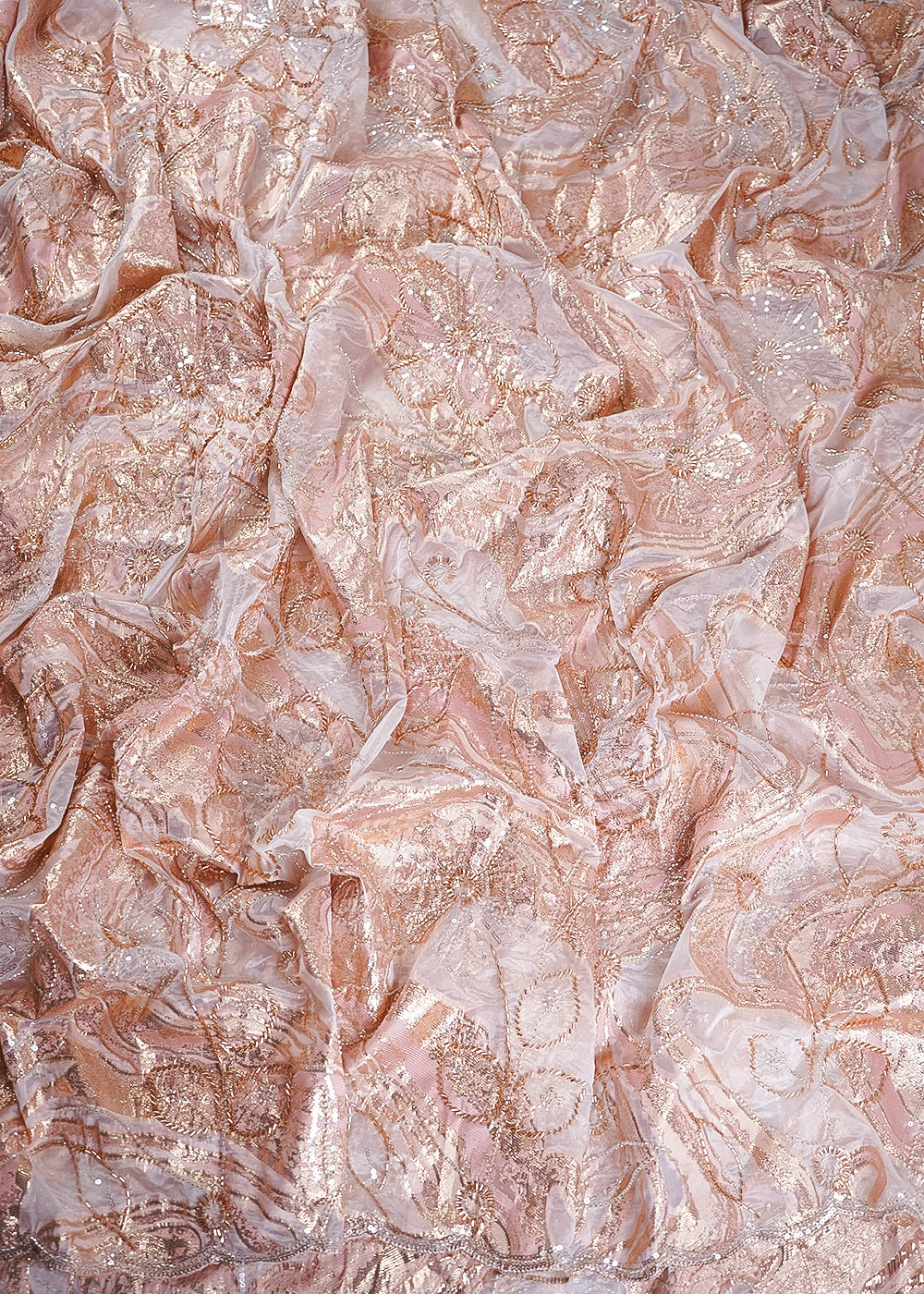
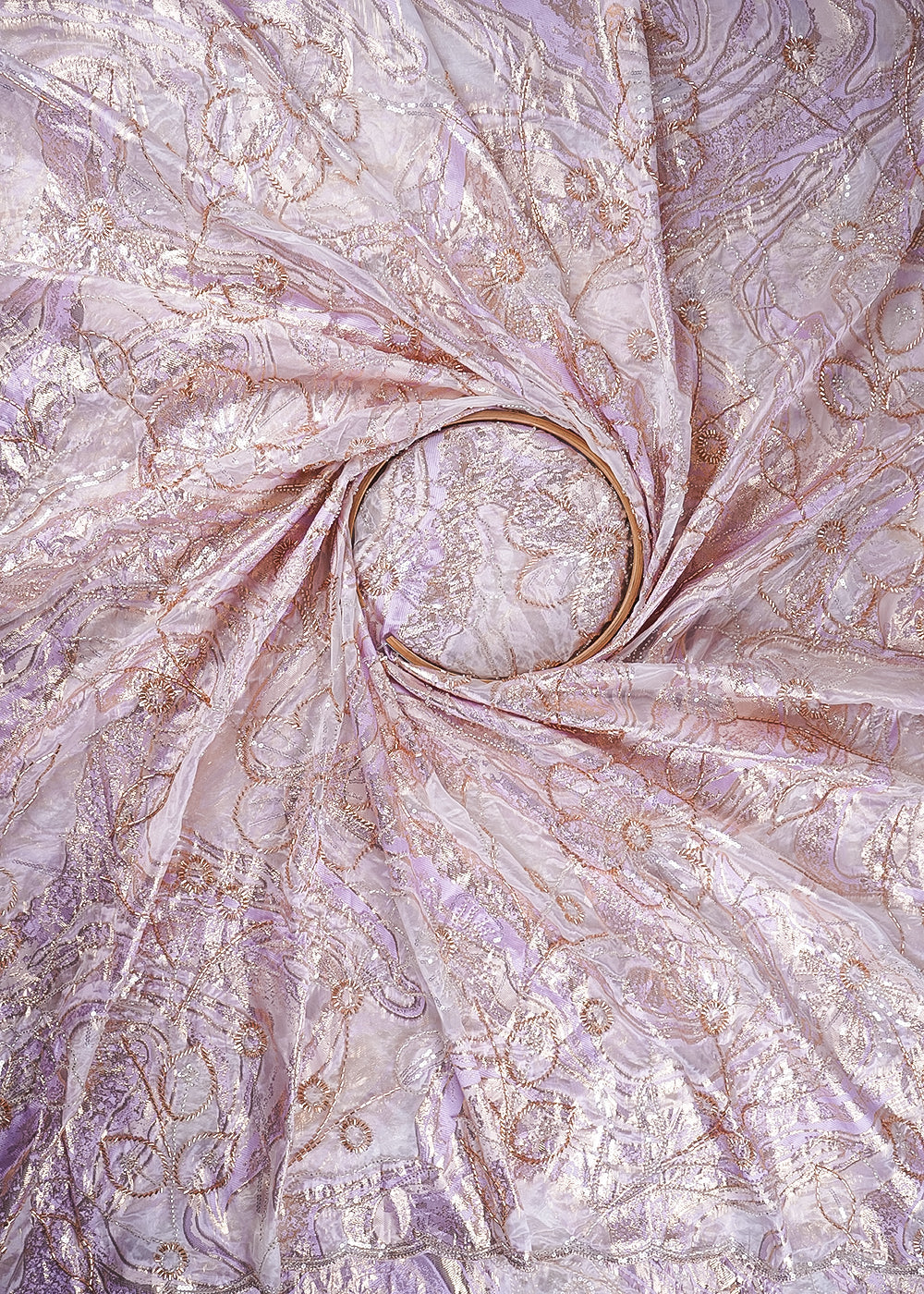
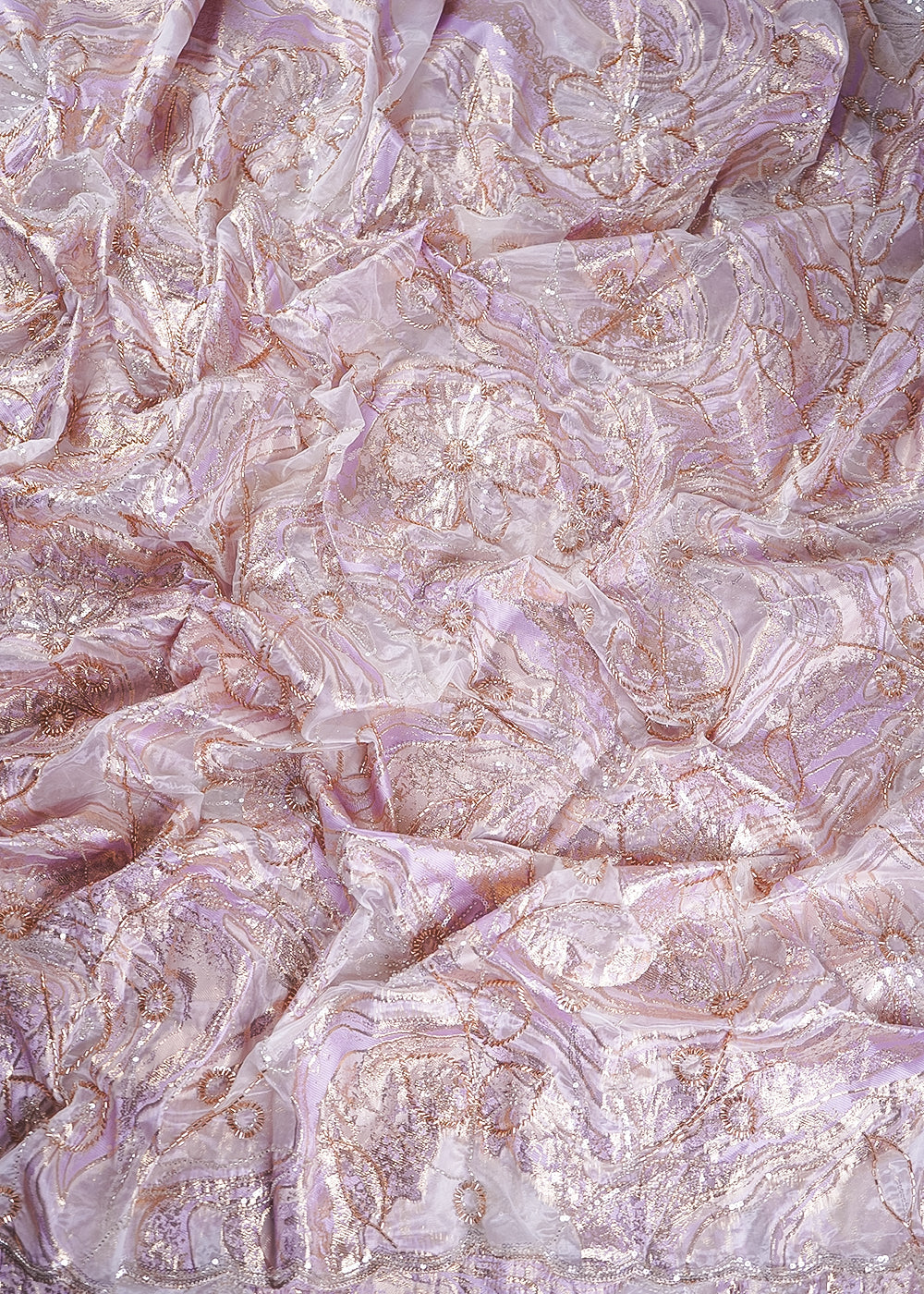
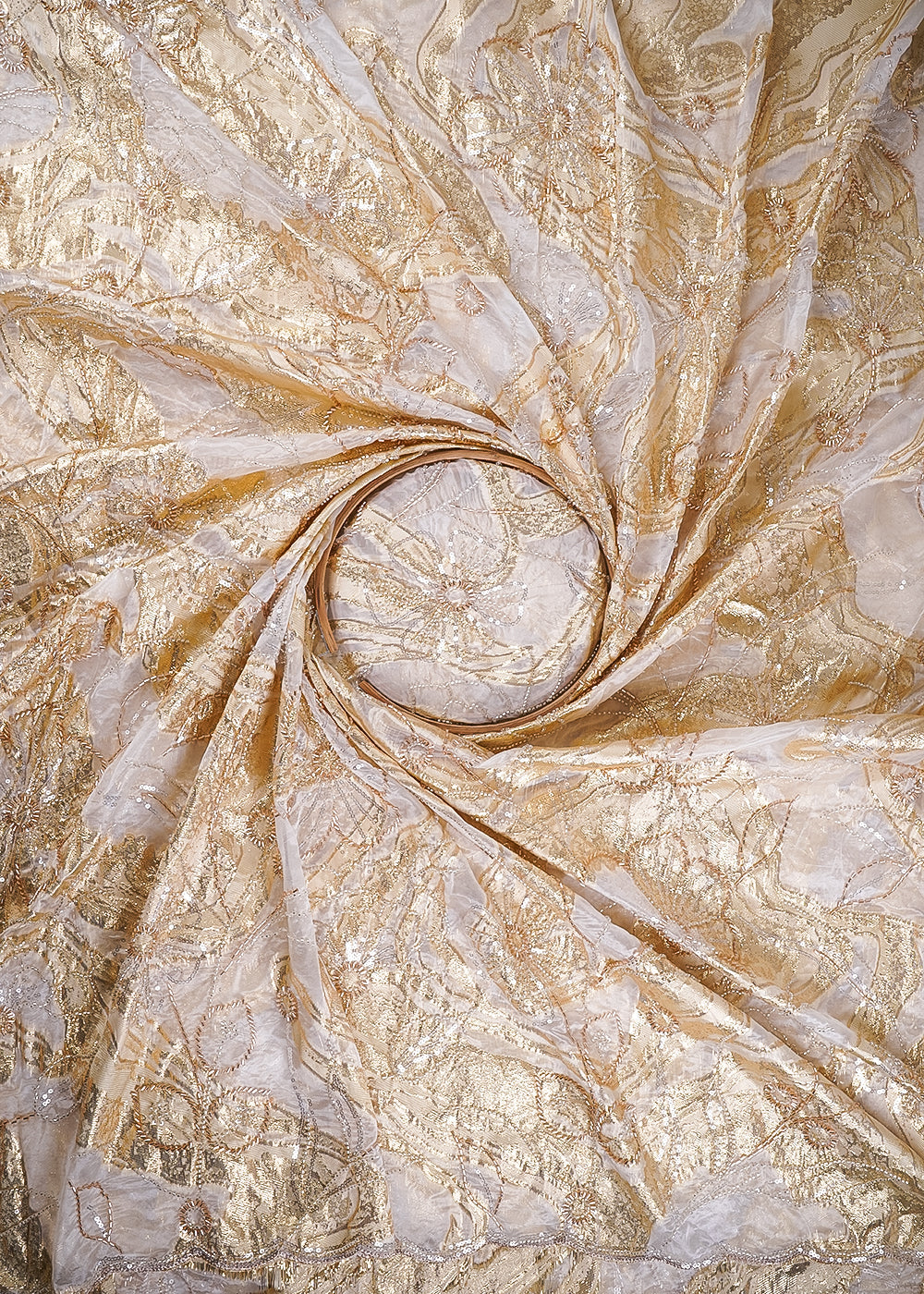
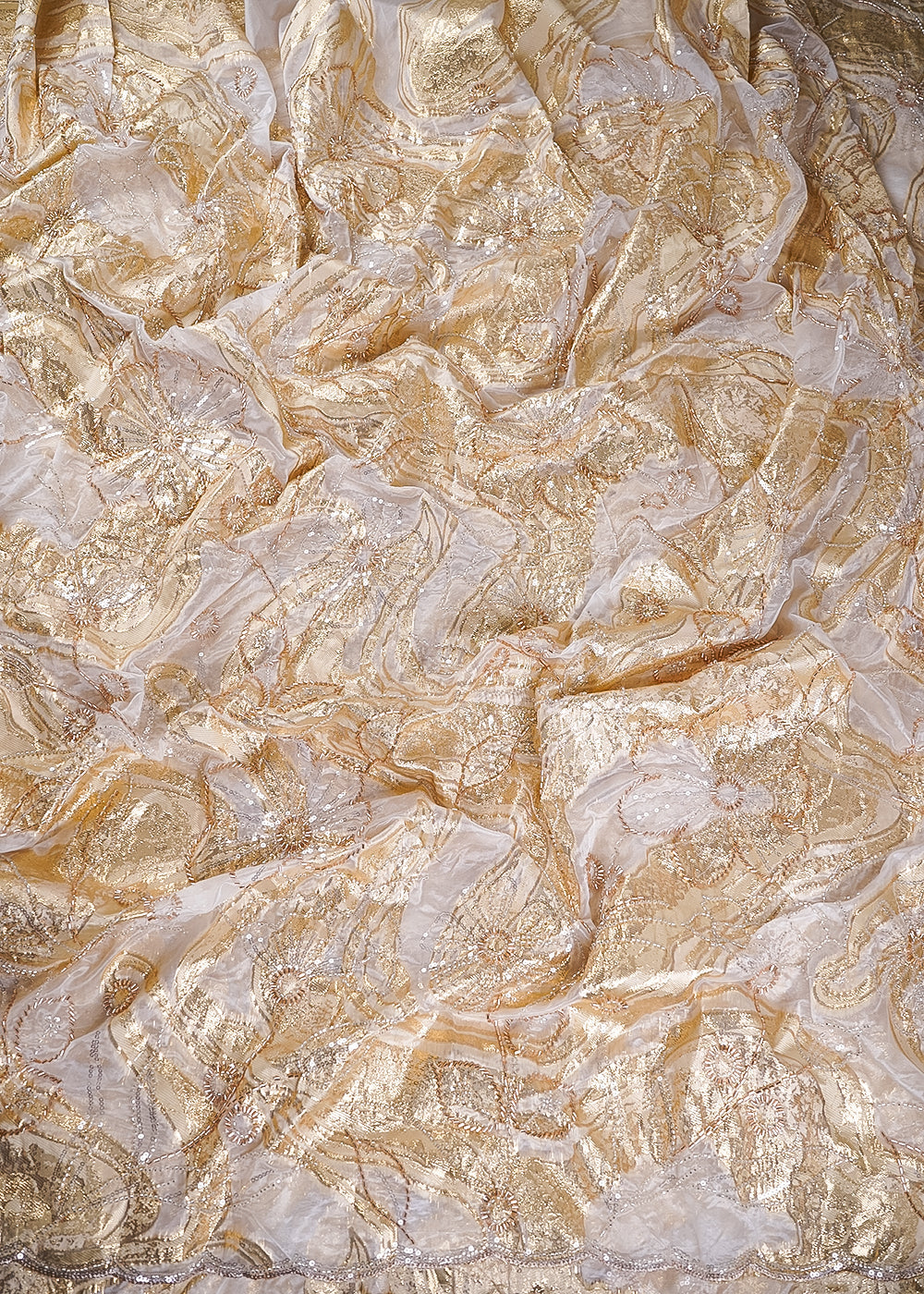
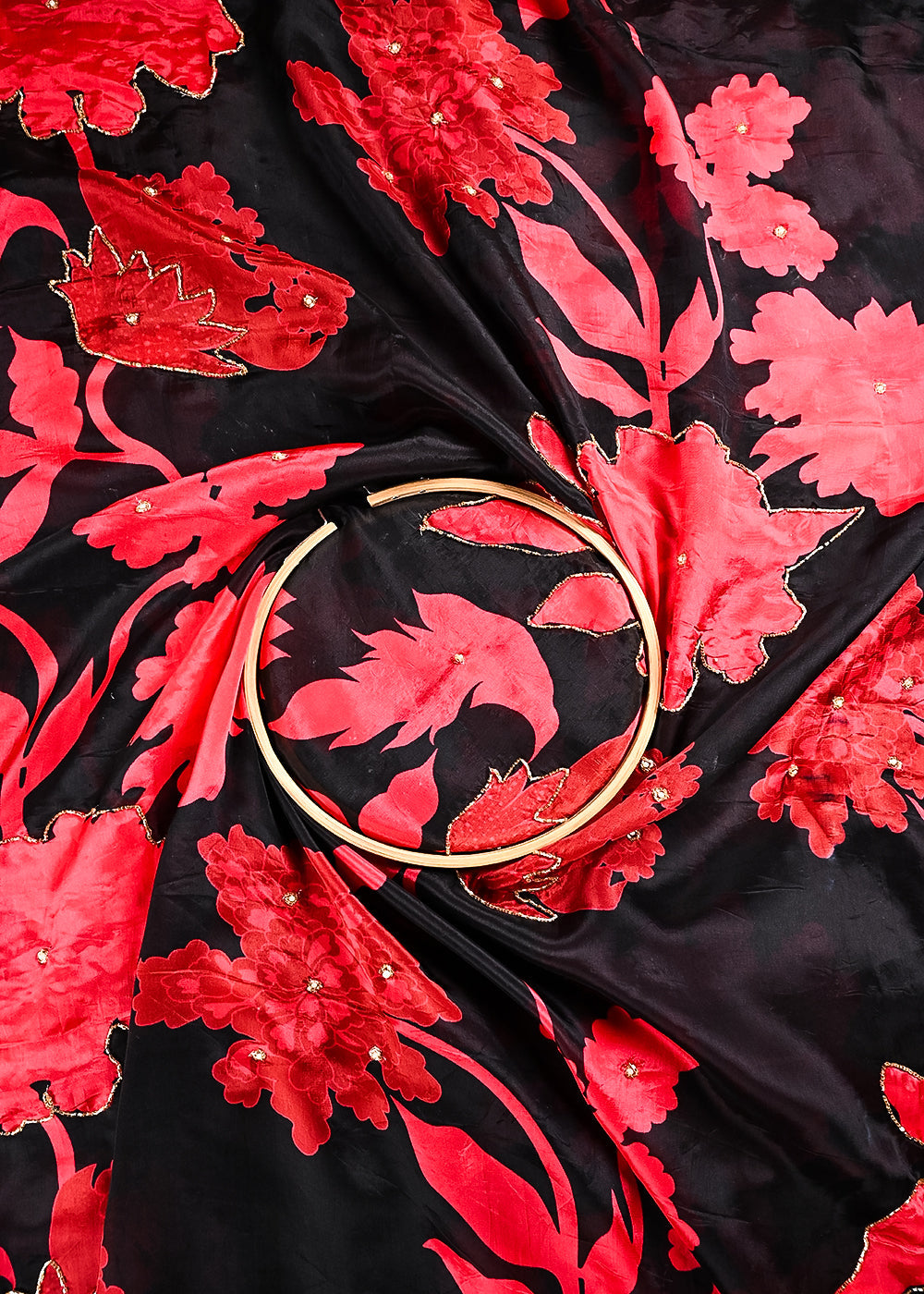
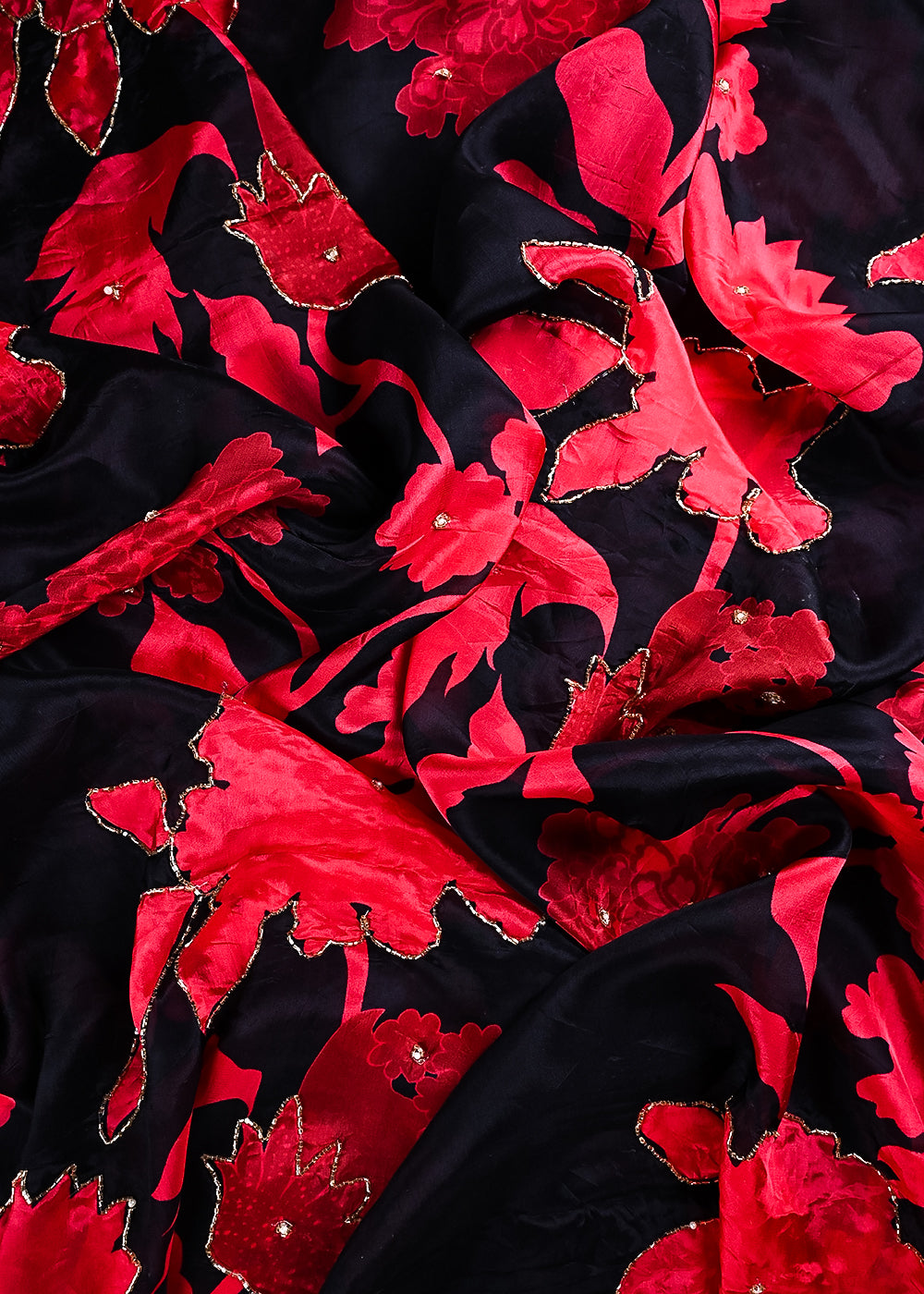
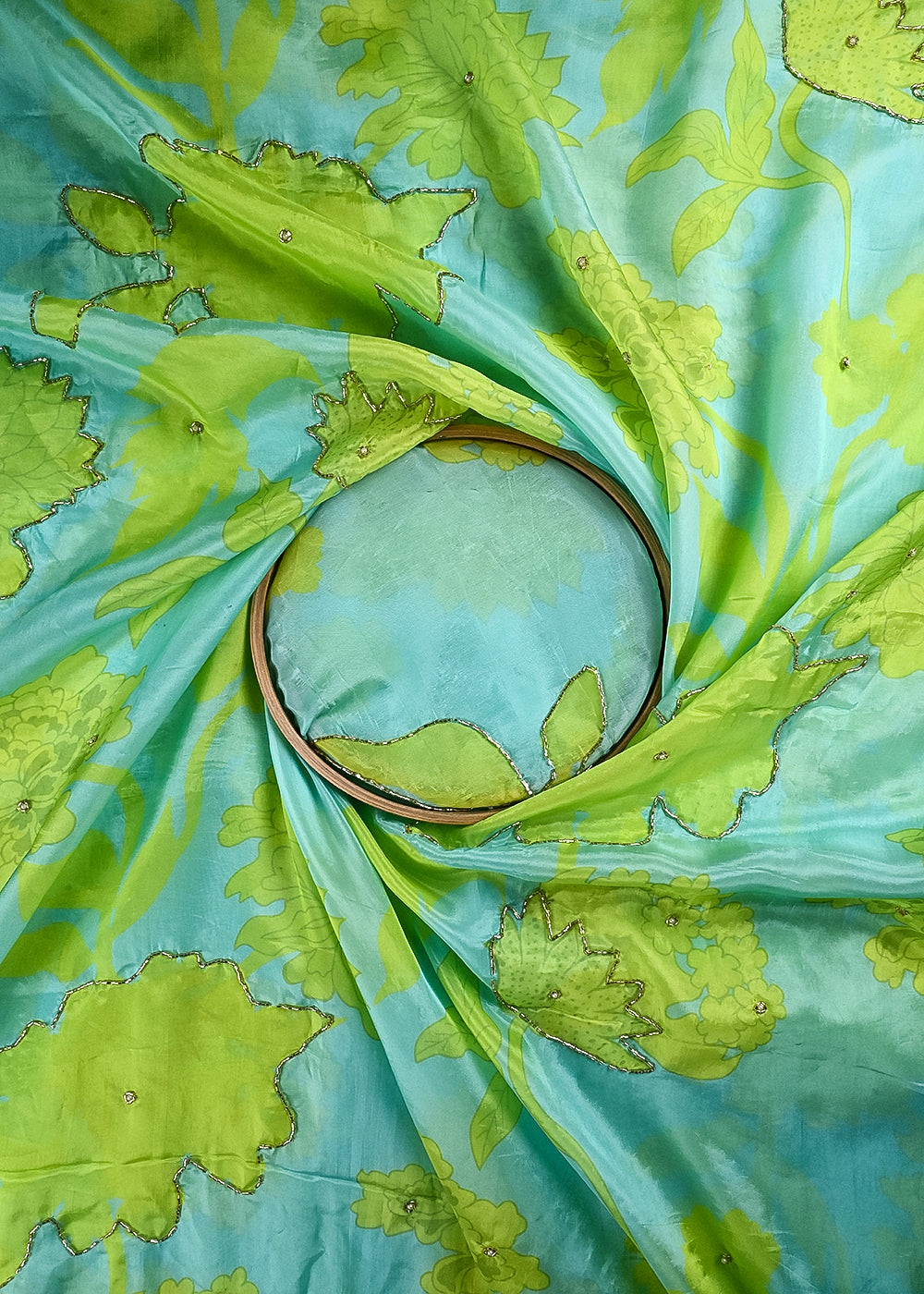
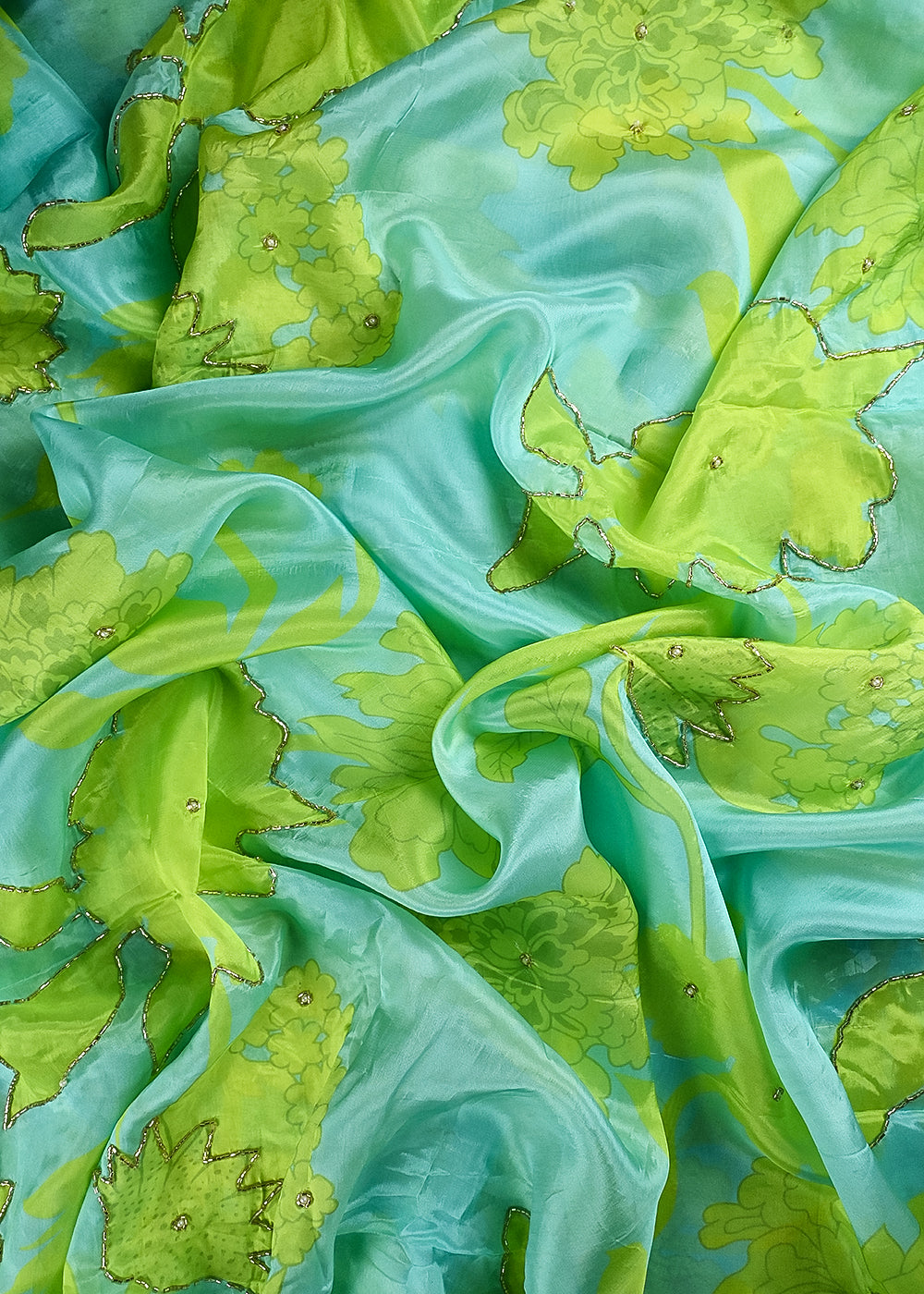
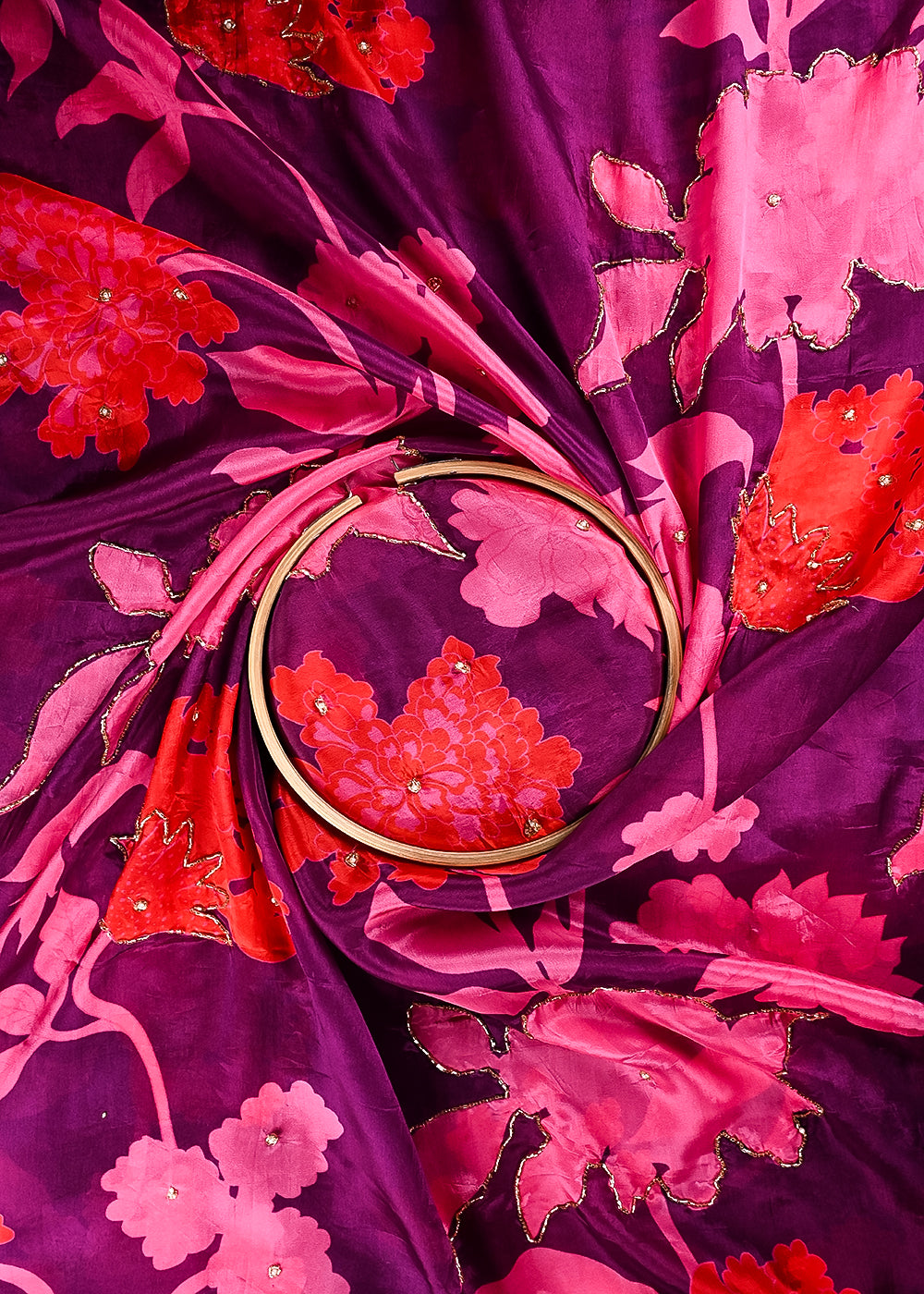
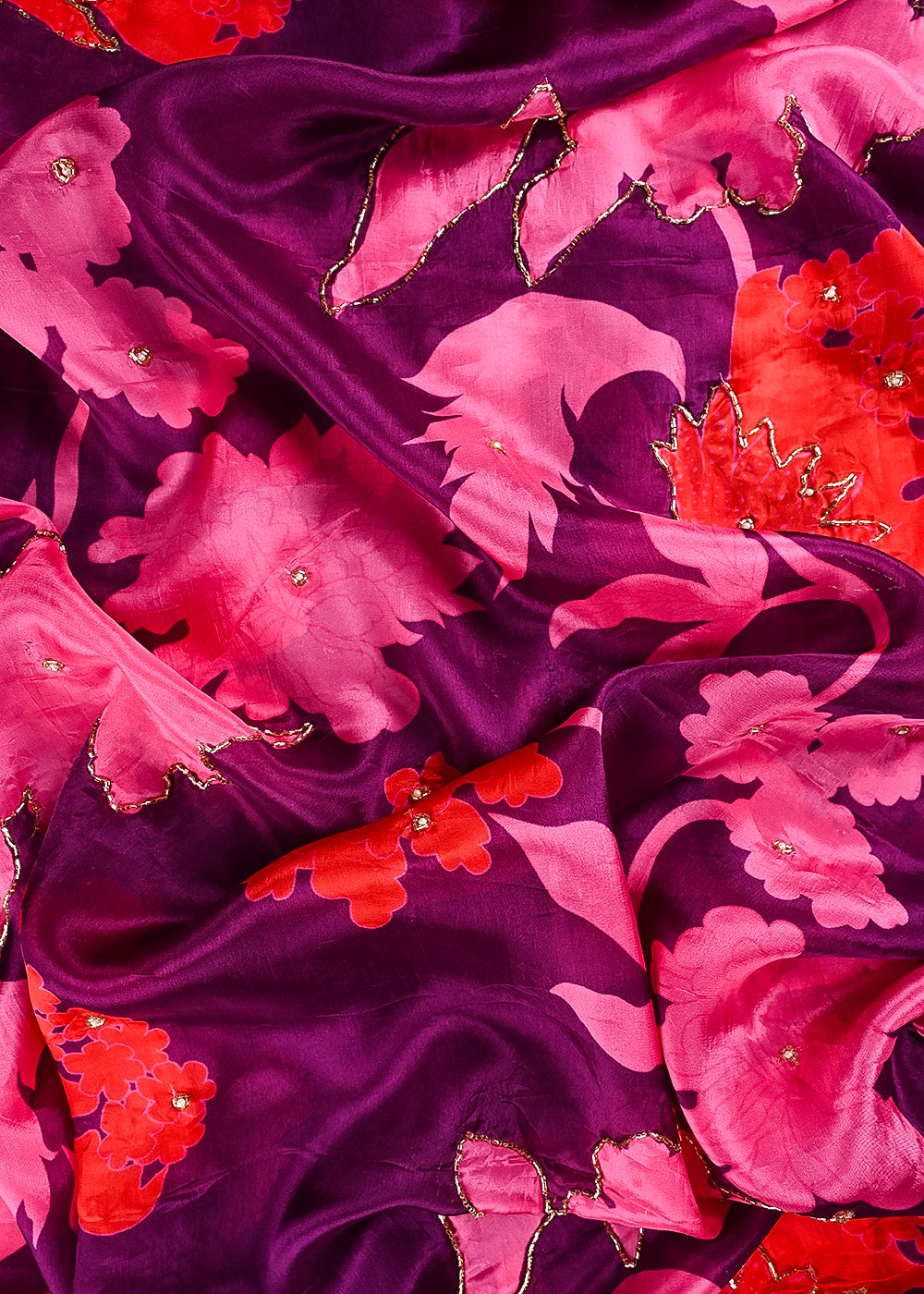
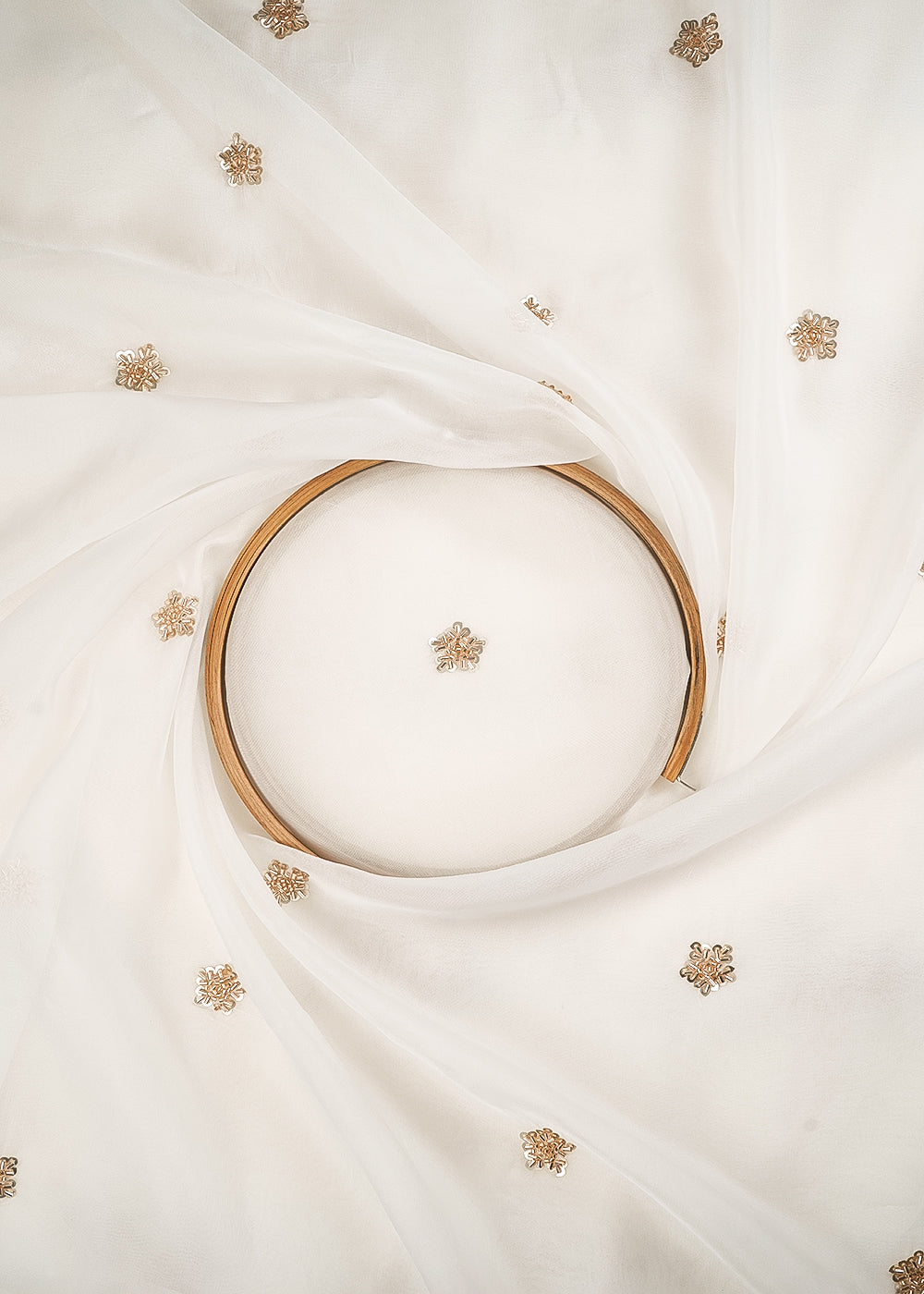
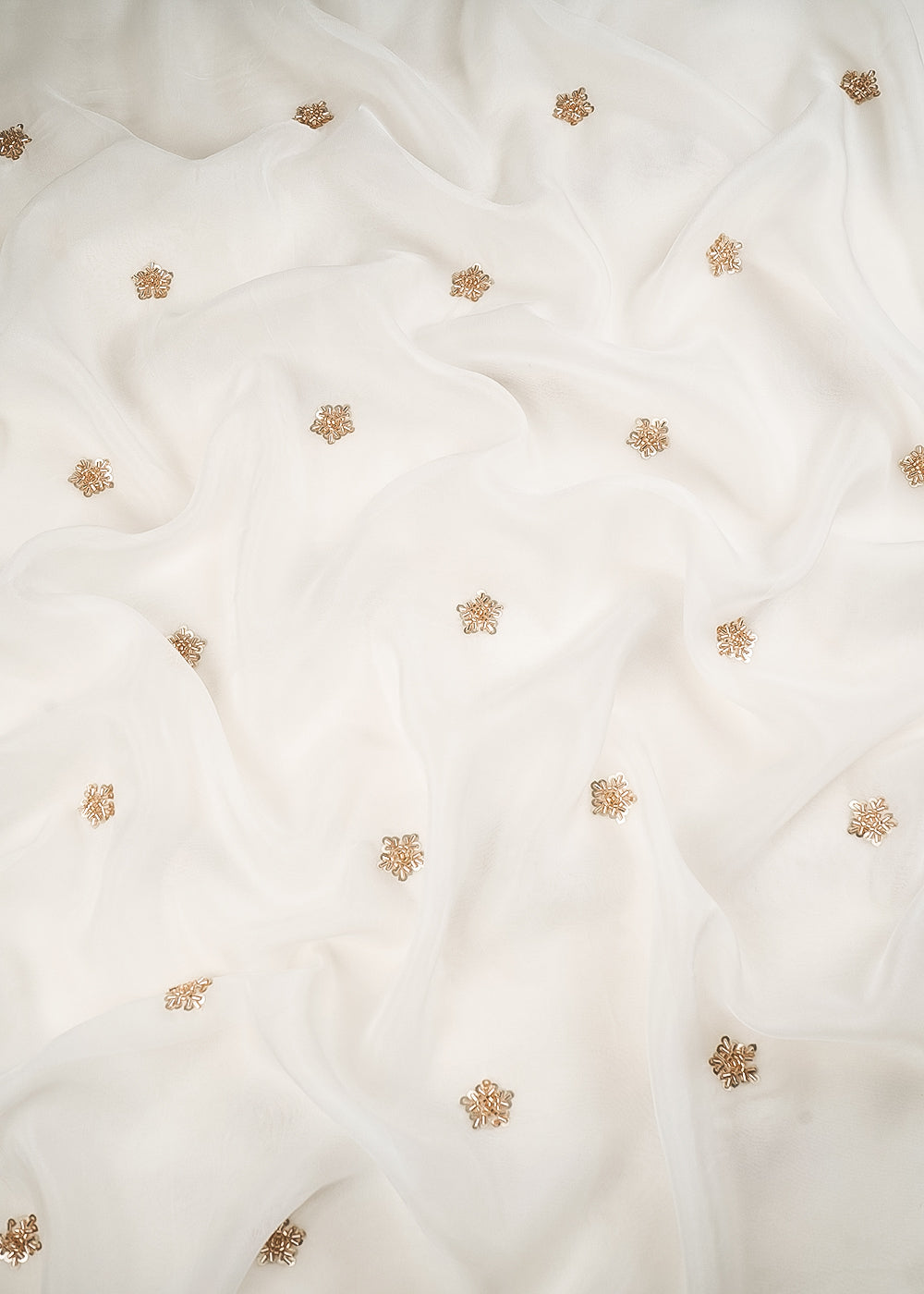
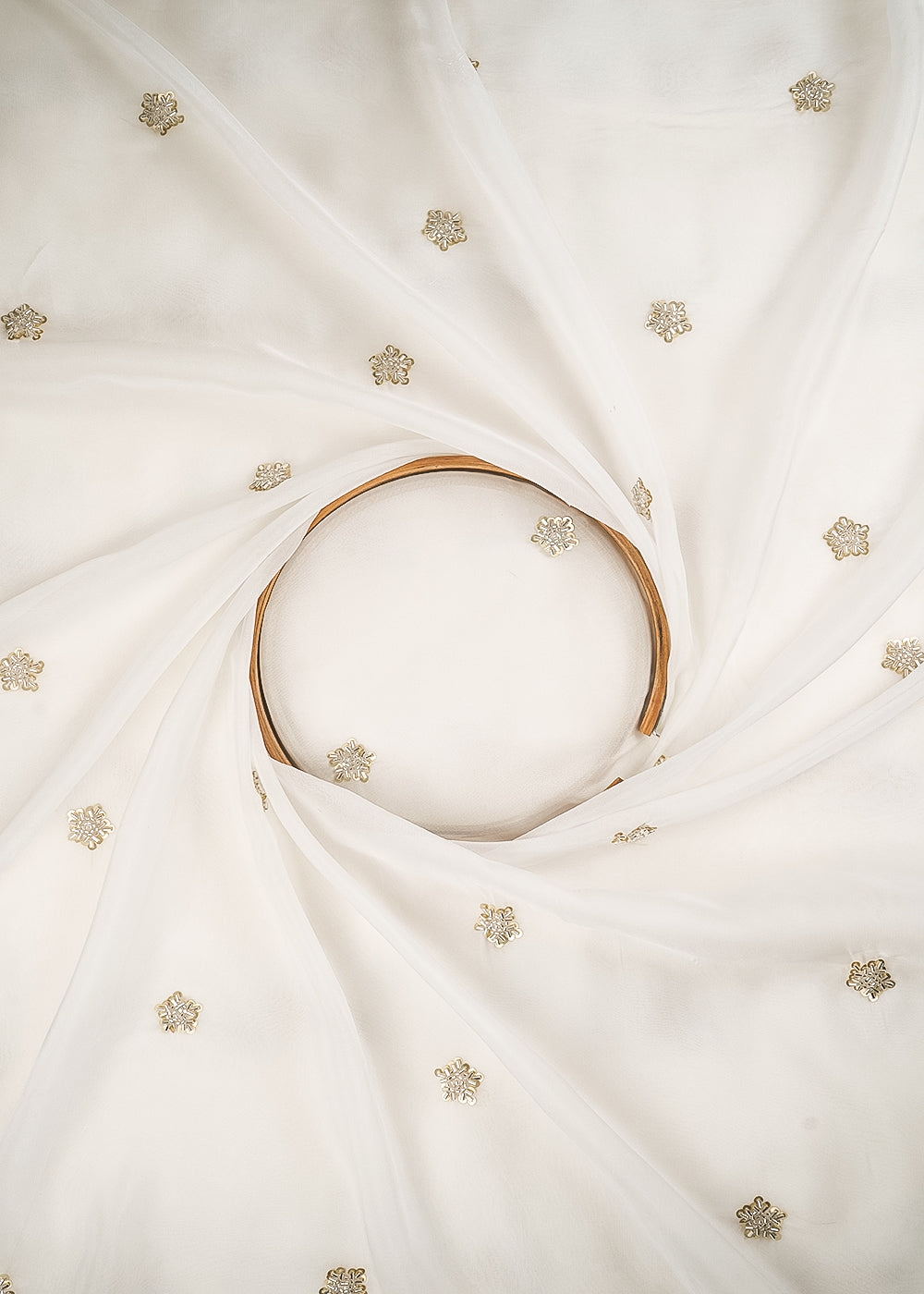
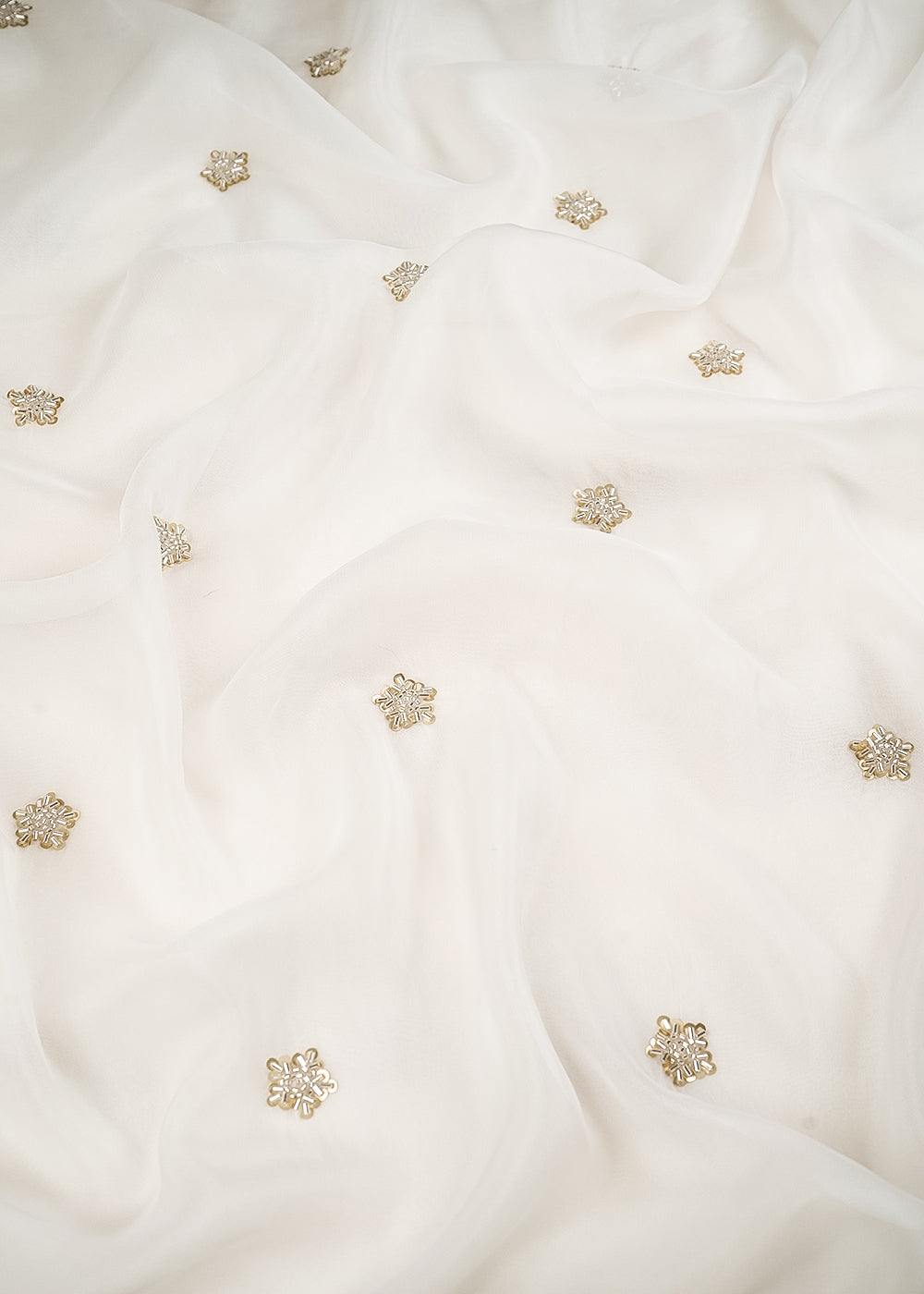
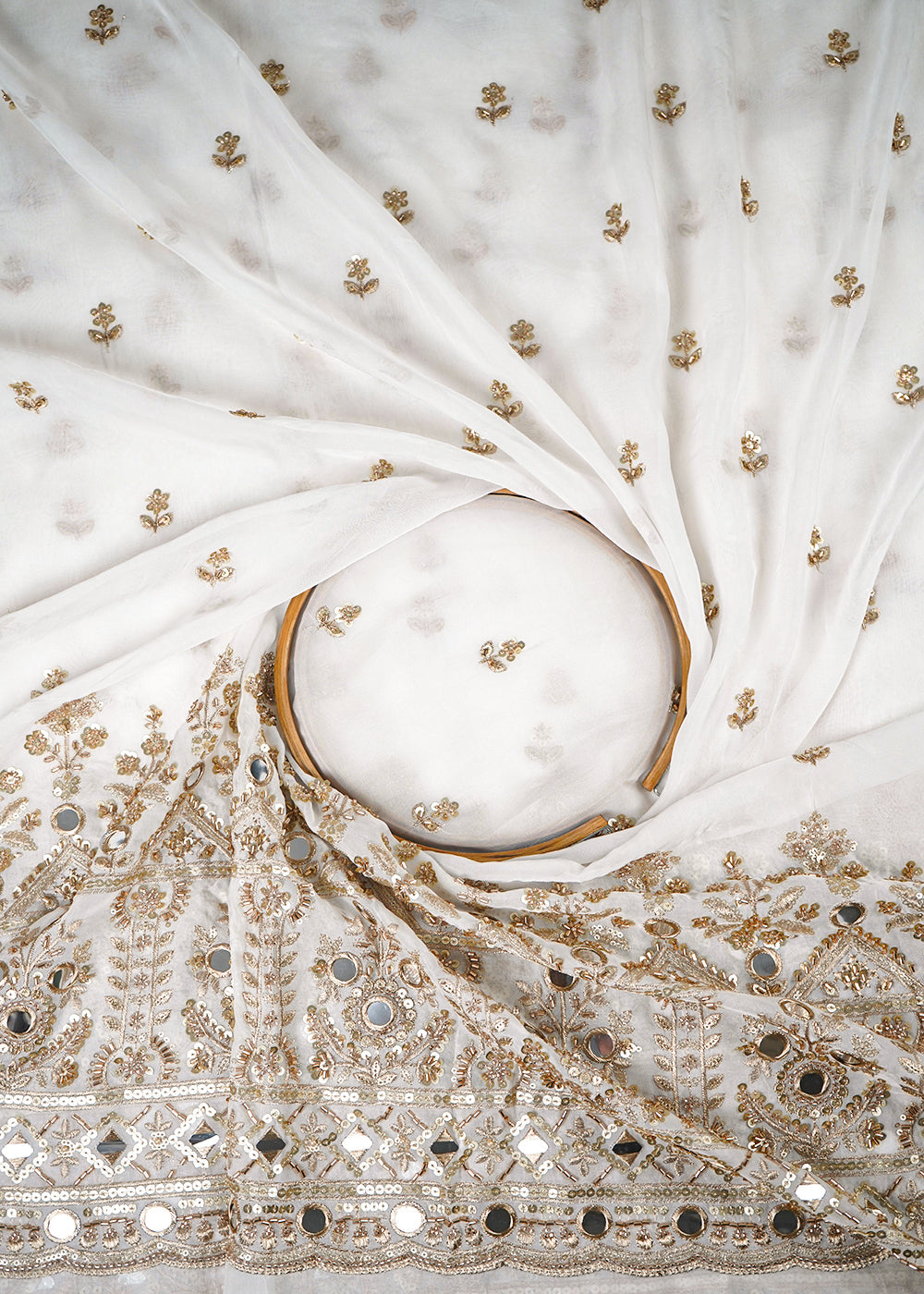
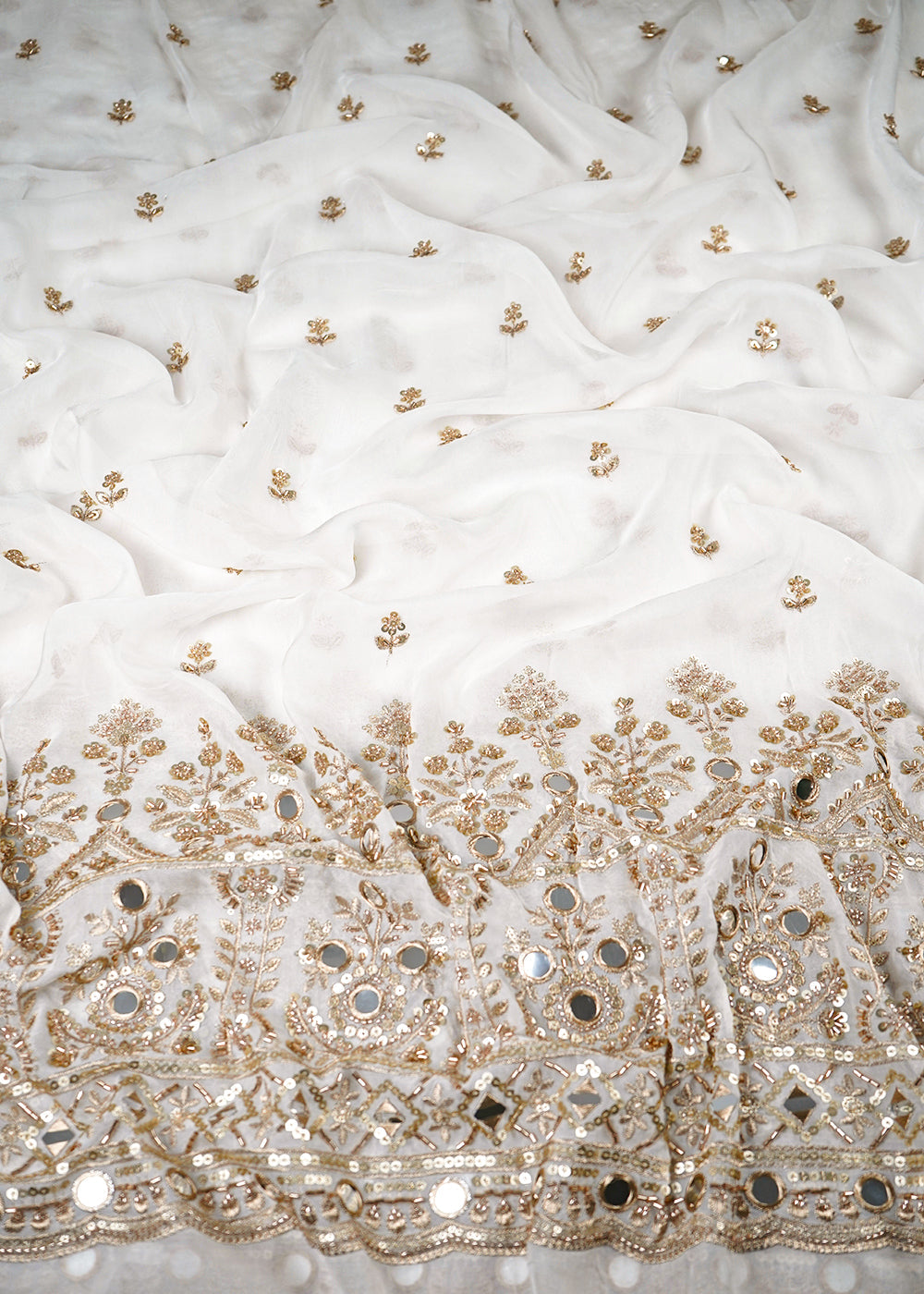
A dupatta in organza uses the same 2.5 metres as one in georgette but photographs better and carries embellishment without sagging. Sequins, thread work, foil print, zari. The base takes all of it because the weave has enough tension to hold weight at the stitch points.
The second reason is cost placement. Organza used selectively on yokes, sleeves, or overlay panels lifts a garment into designer territory without the metre count of a full silk build. For boutiques working to a price ceiling that flexibility matters more than the fabric rate itself.
Types of Organza Fabric
| Organza Type | Best For | Approx Rate |
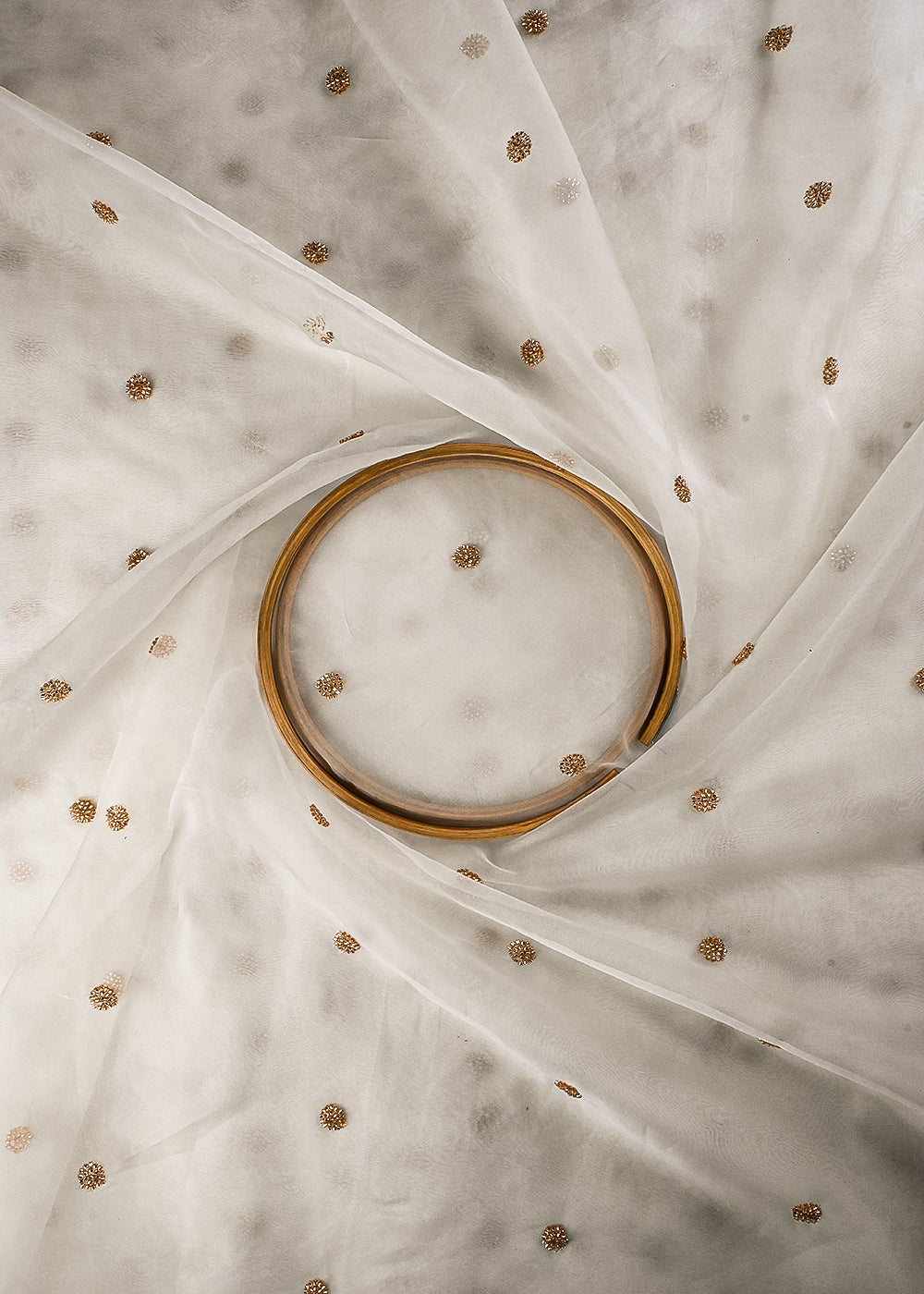
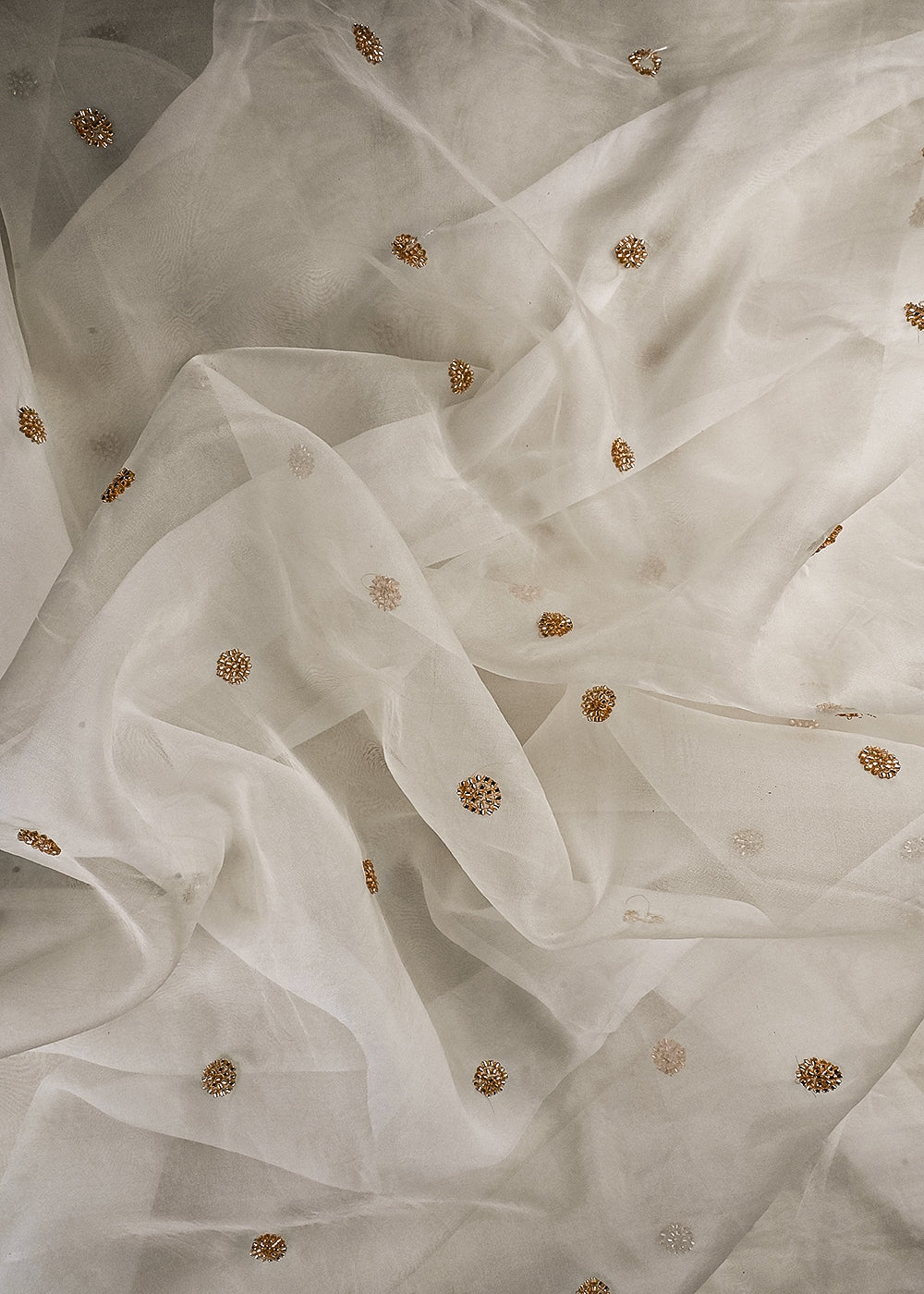
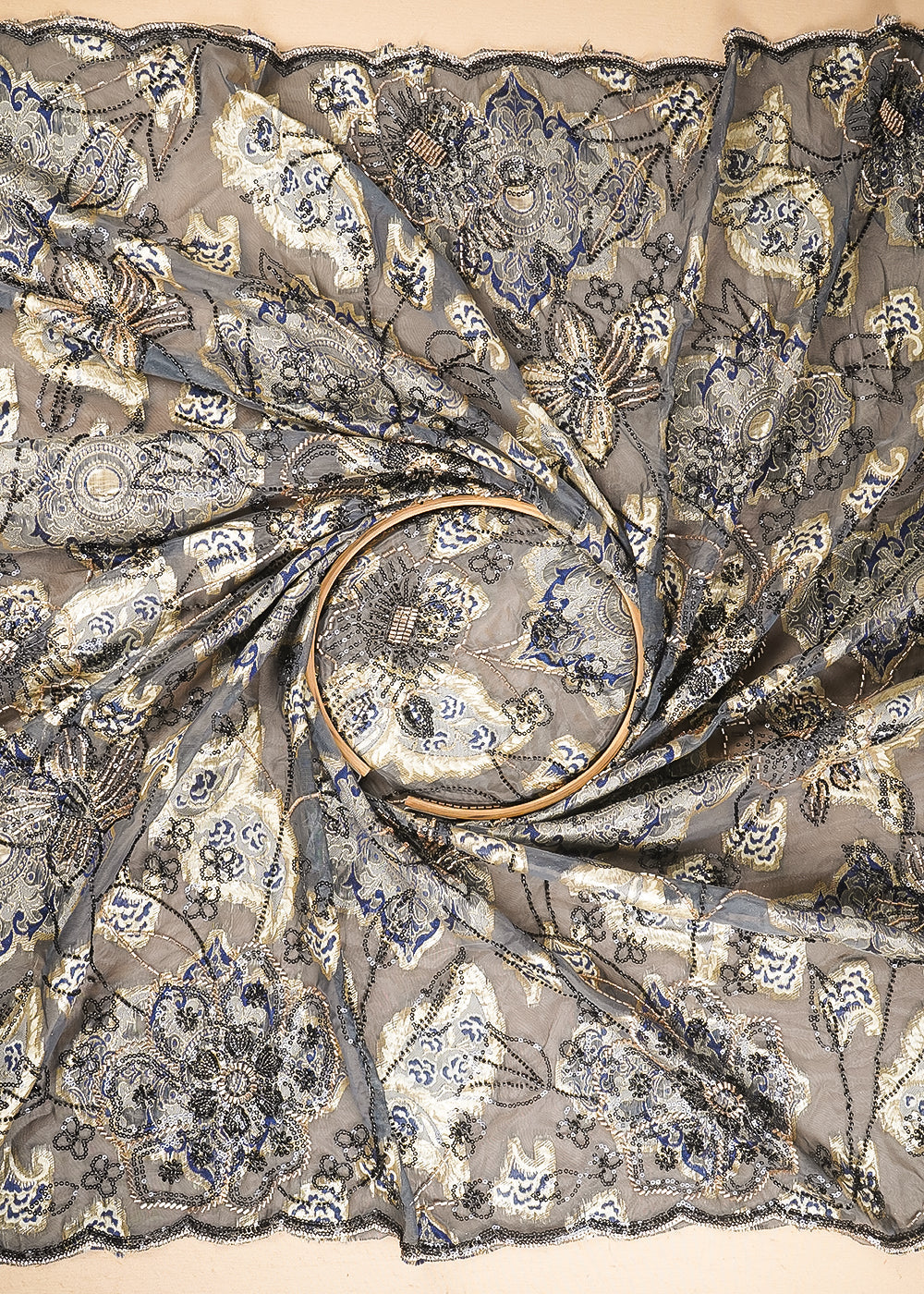
| Plain organza | Dupattas, ruffles, saree pallu | Rs 90 to 180 per metre |
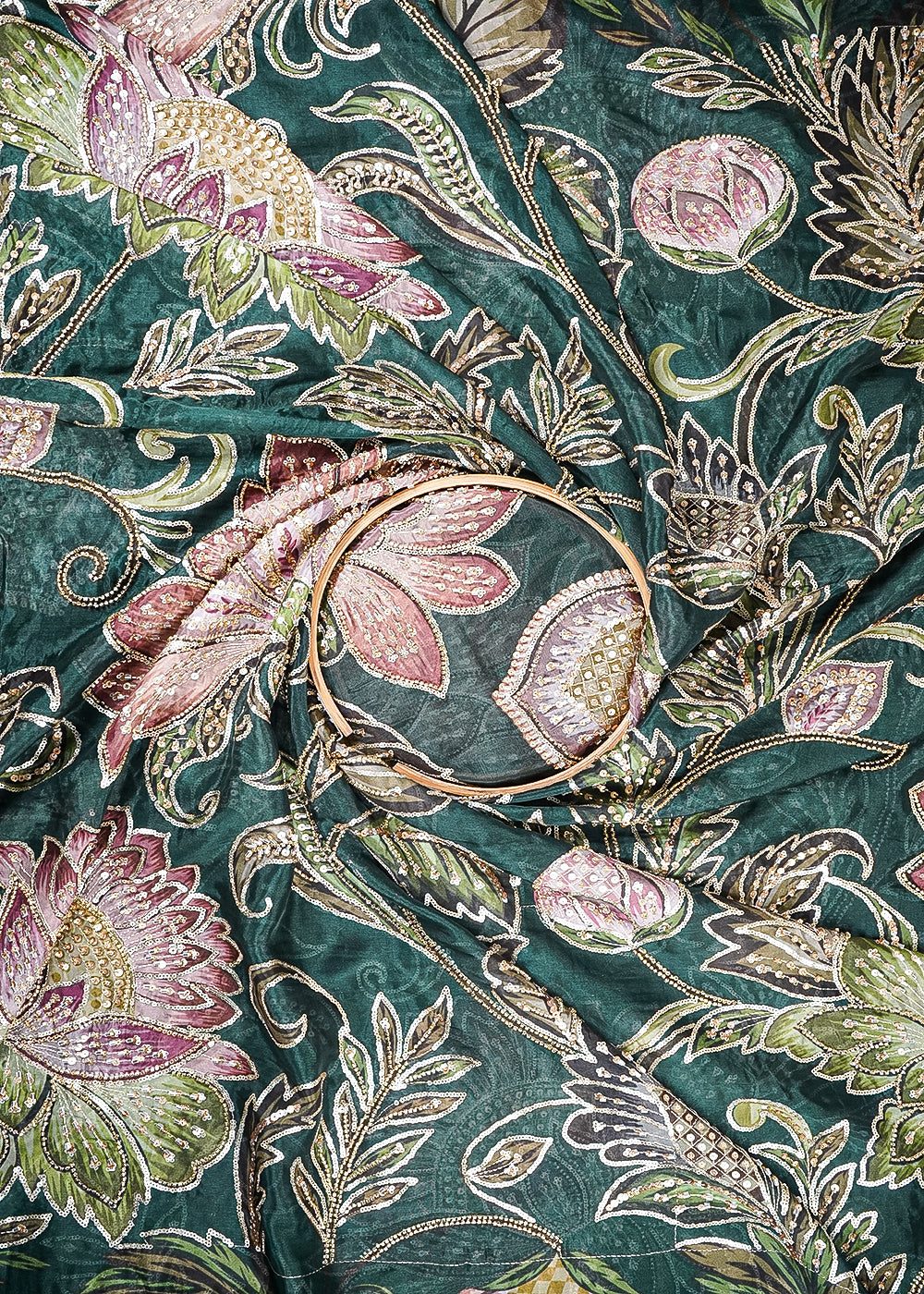
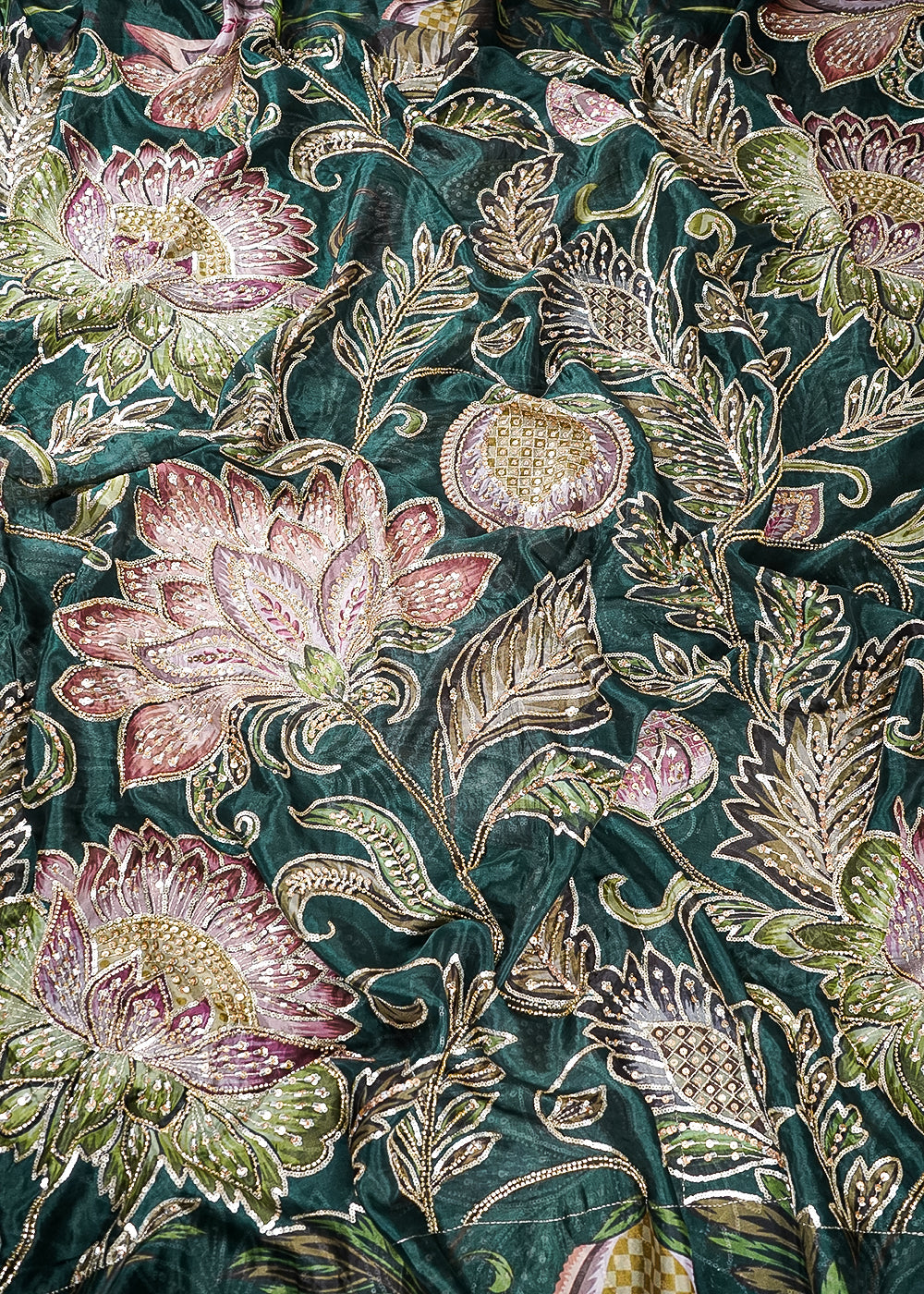
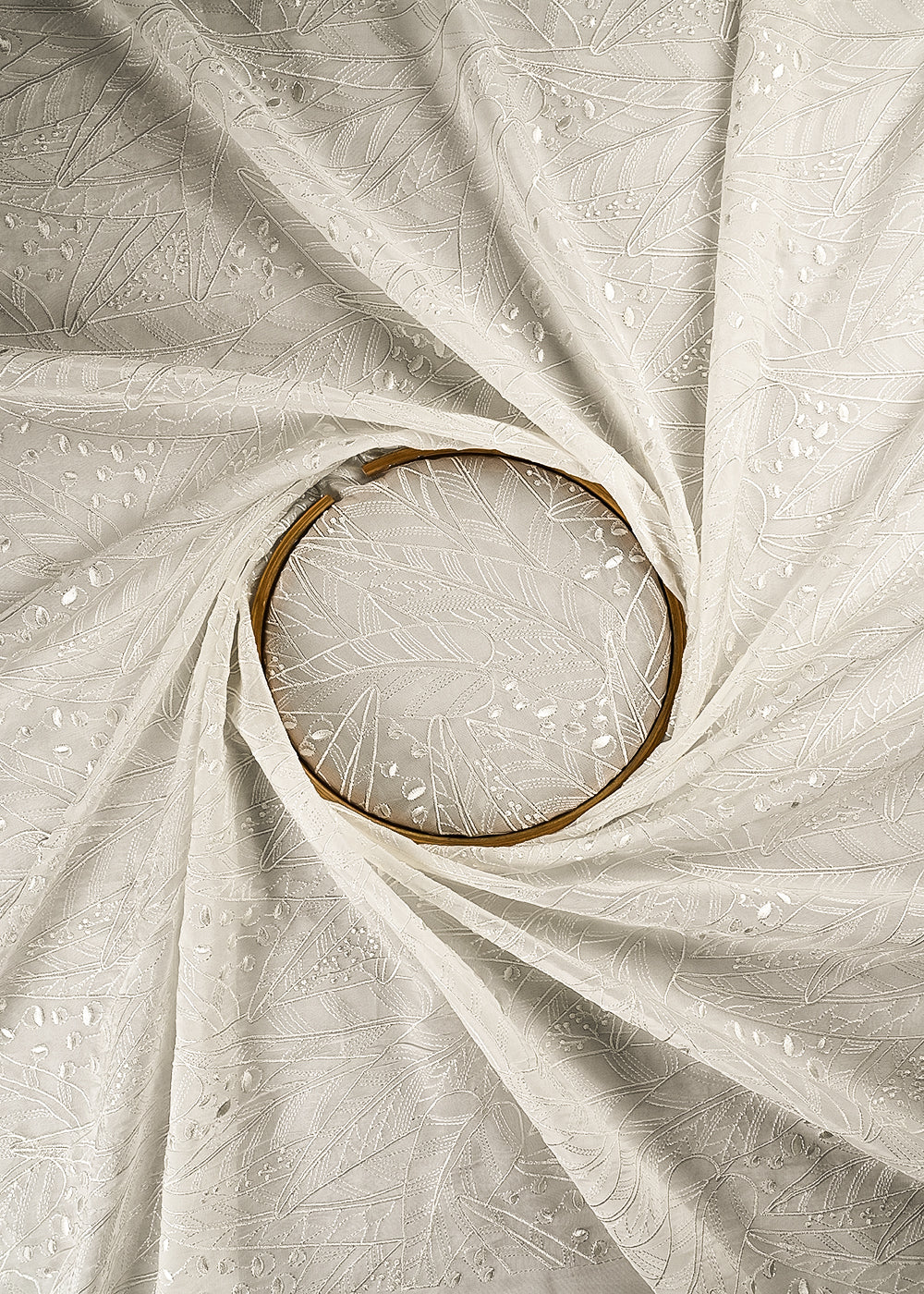
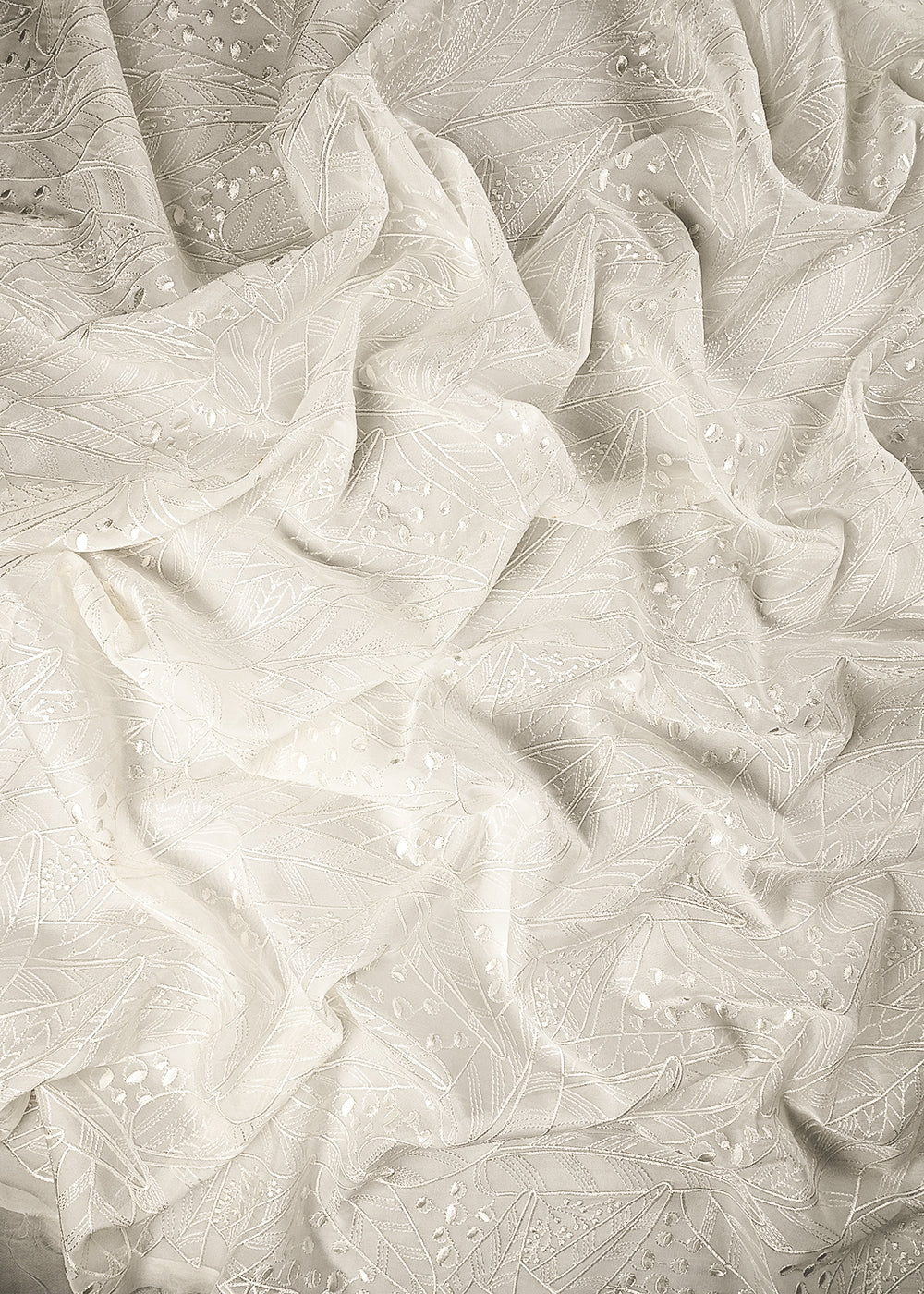
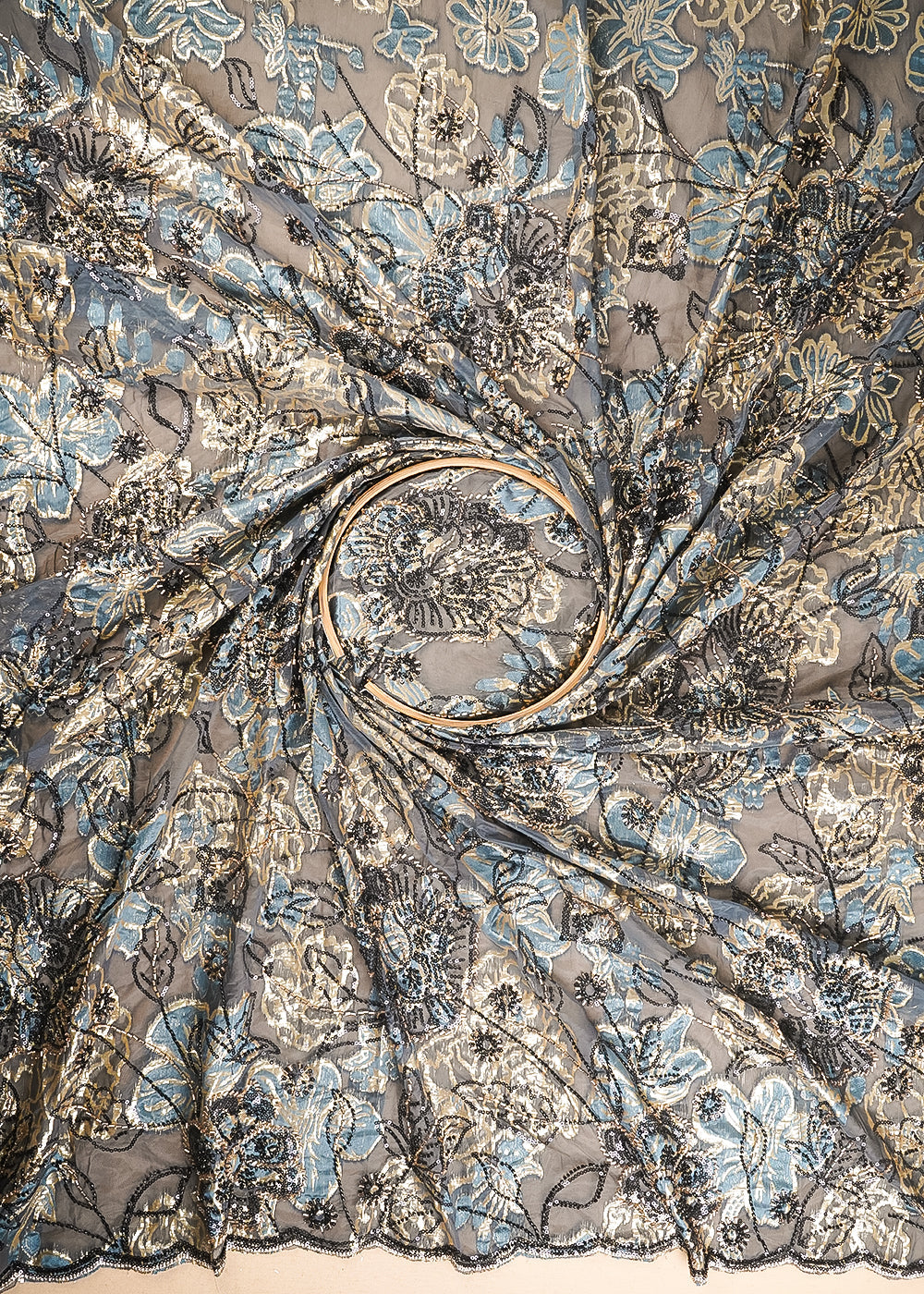
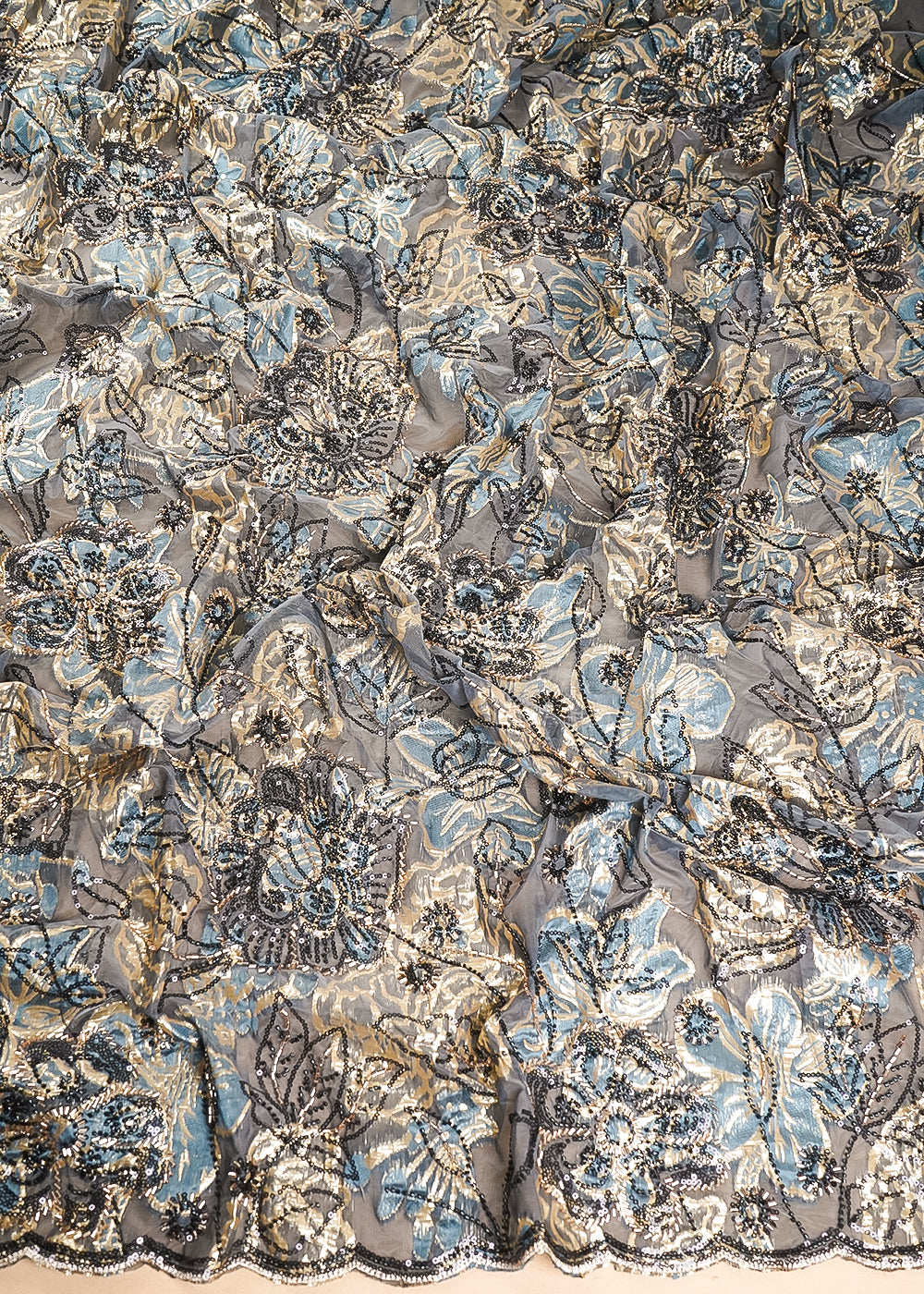
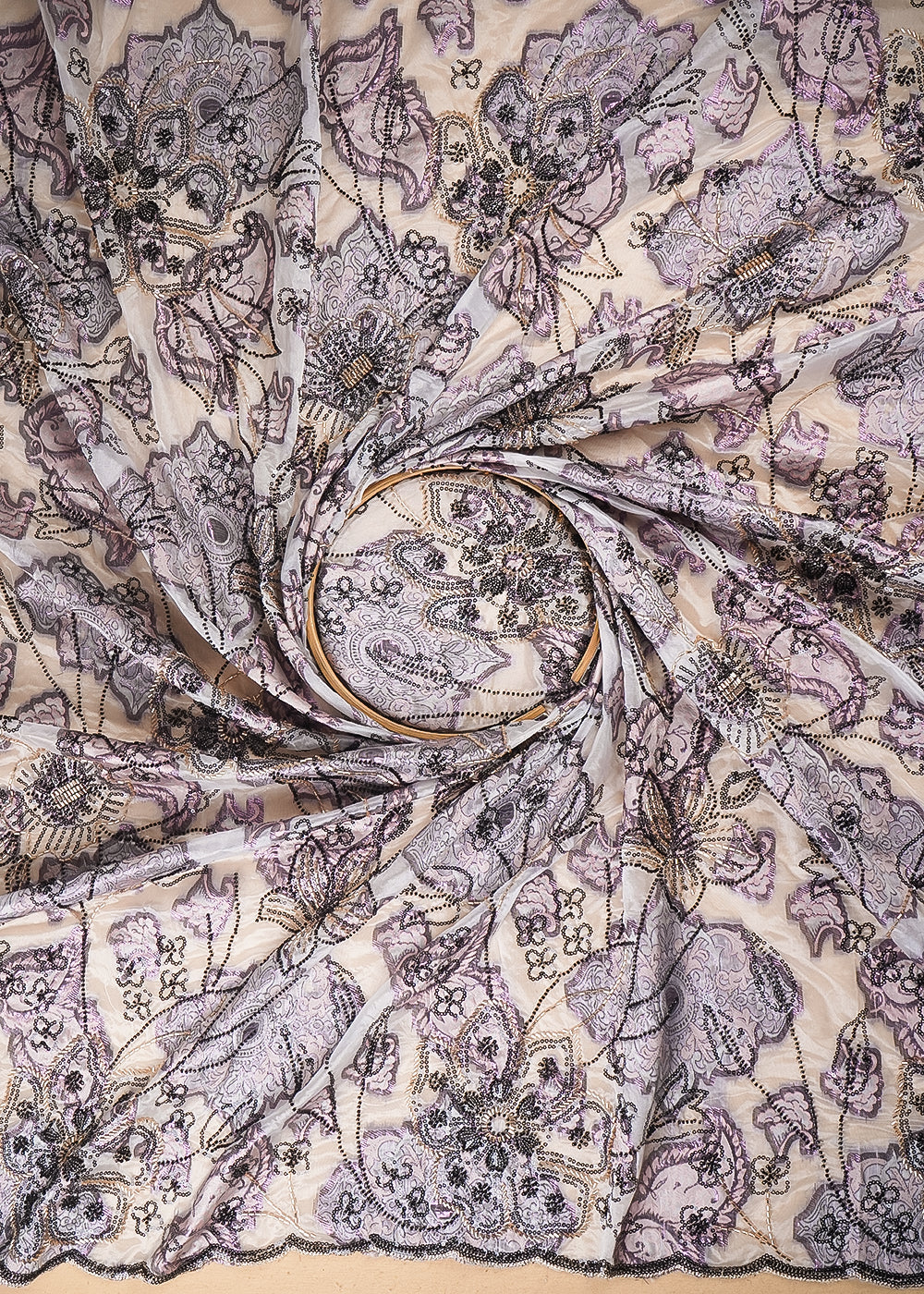
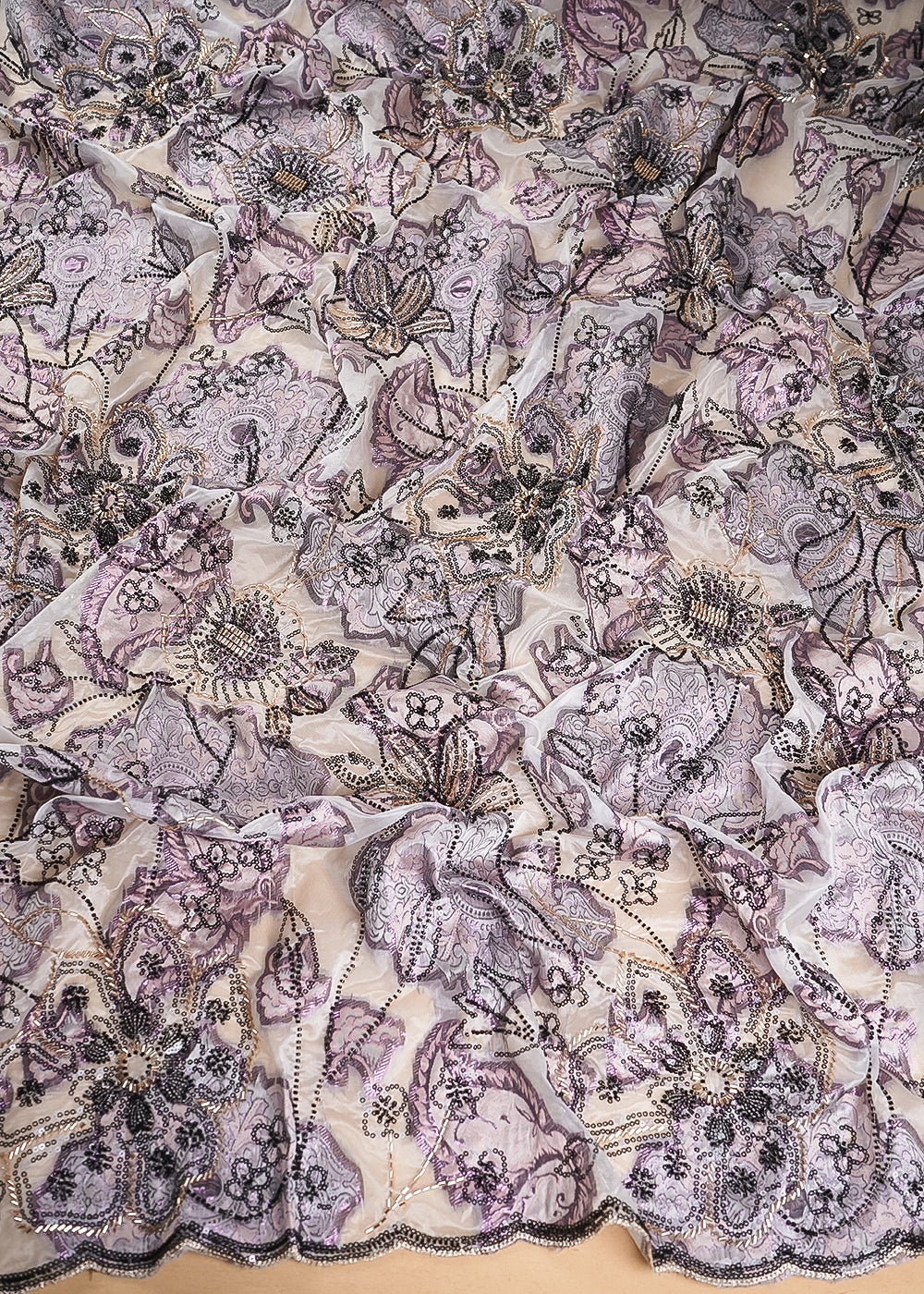
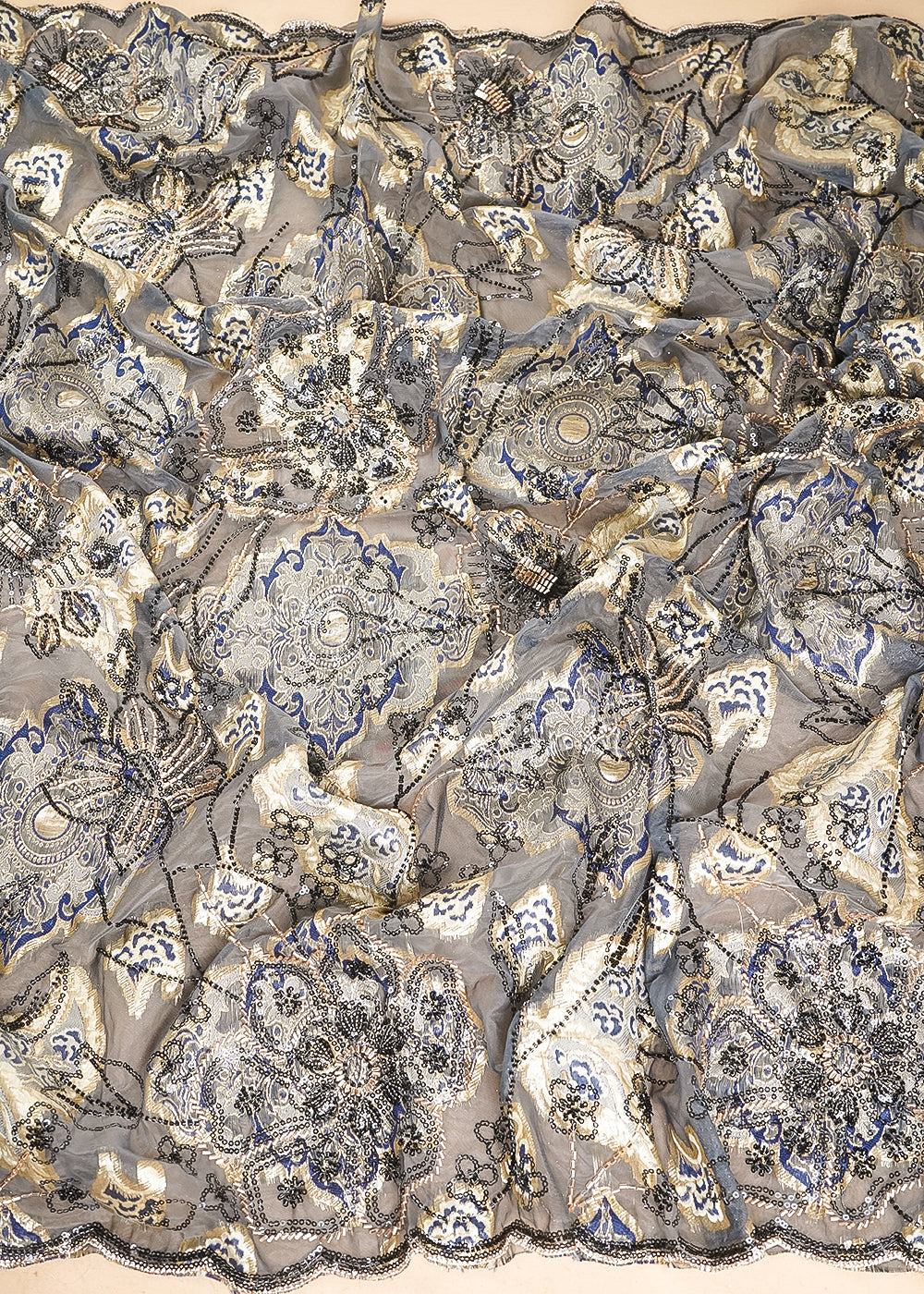
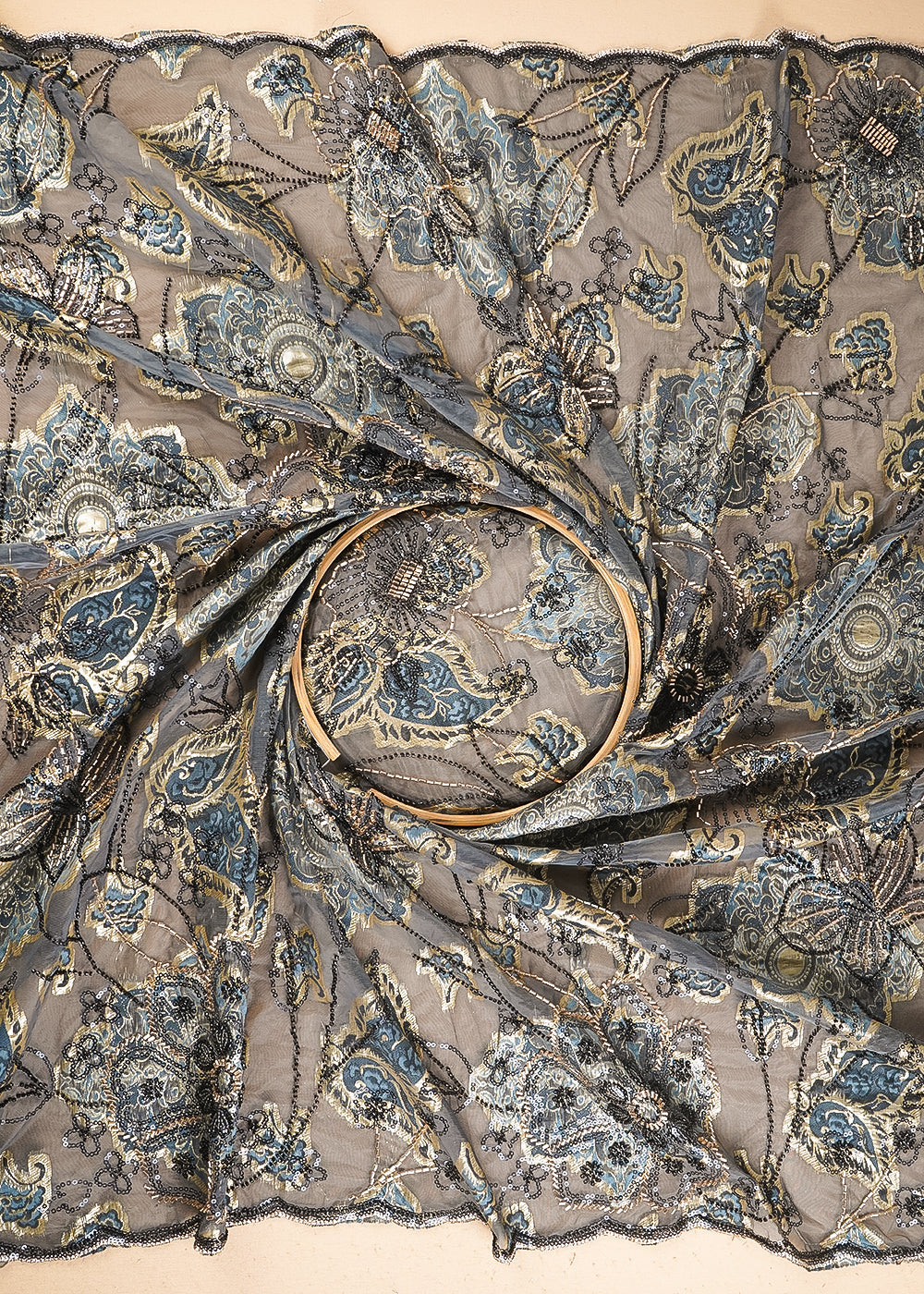
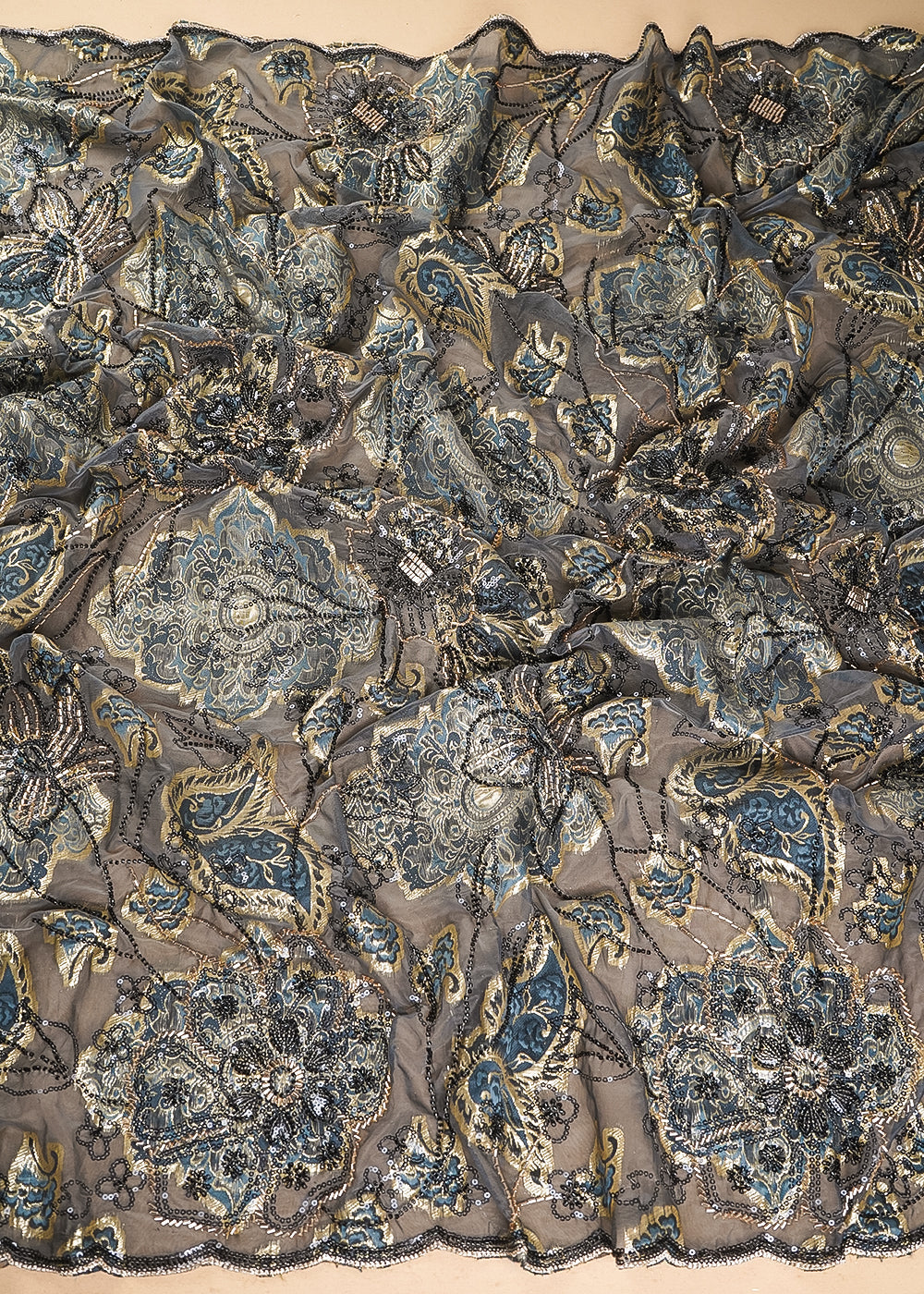
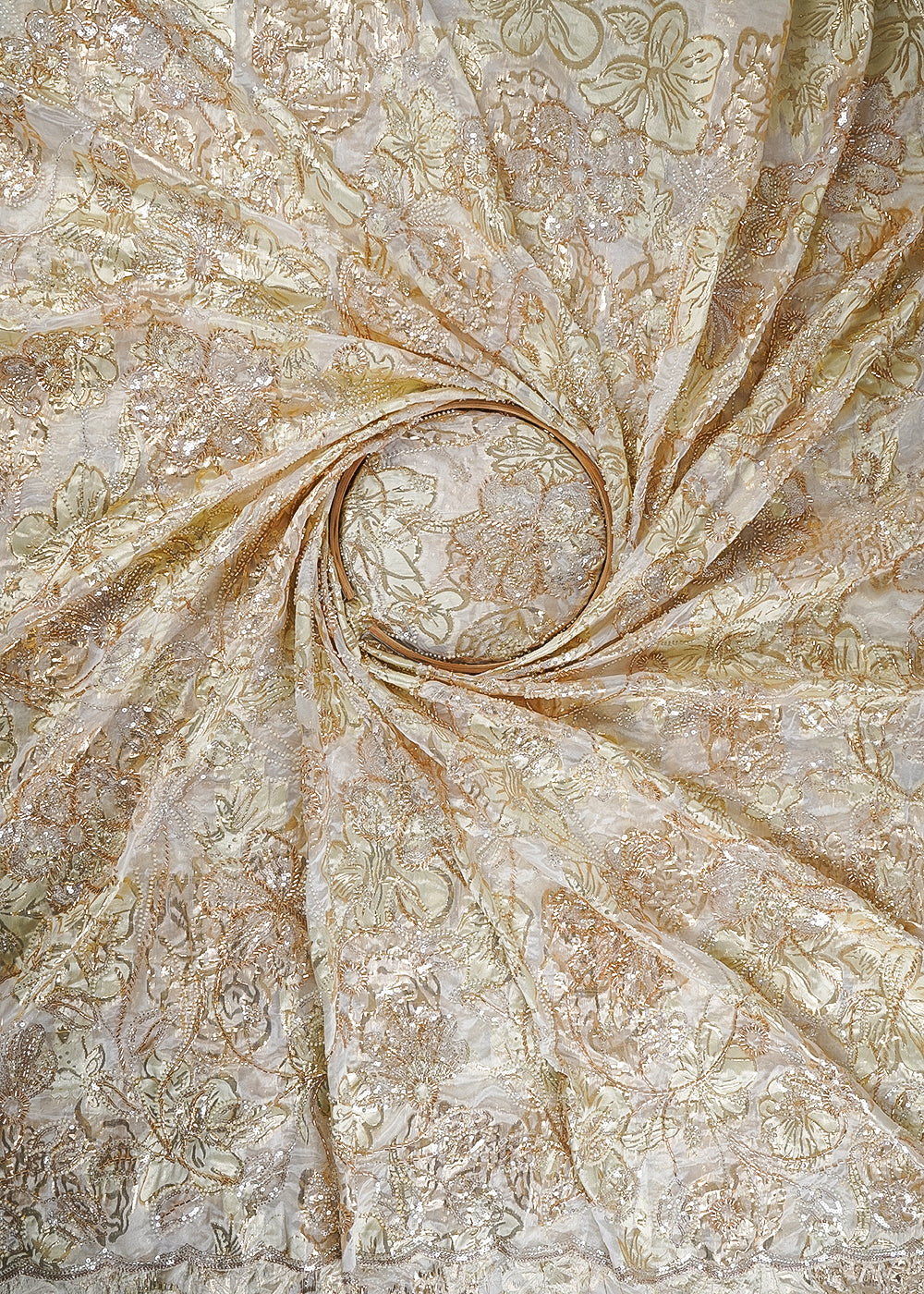
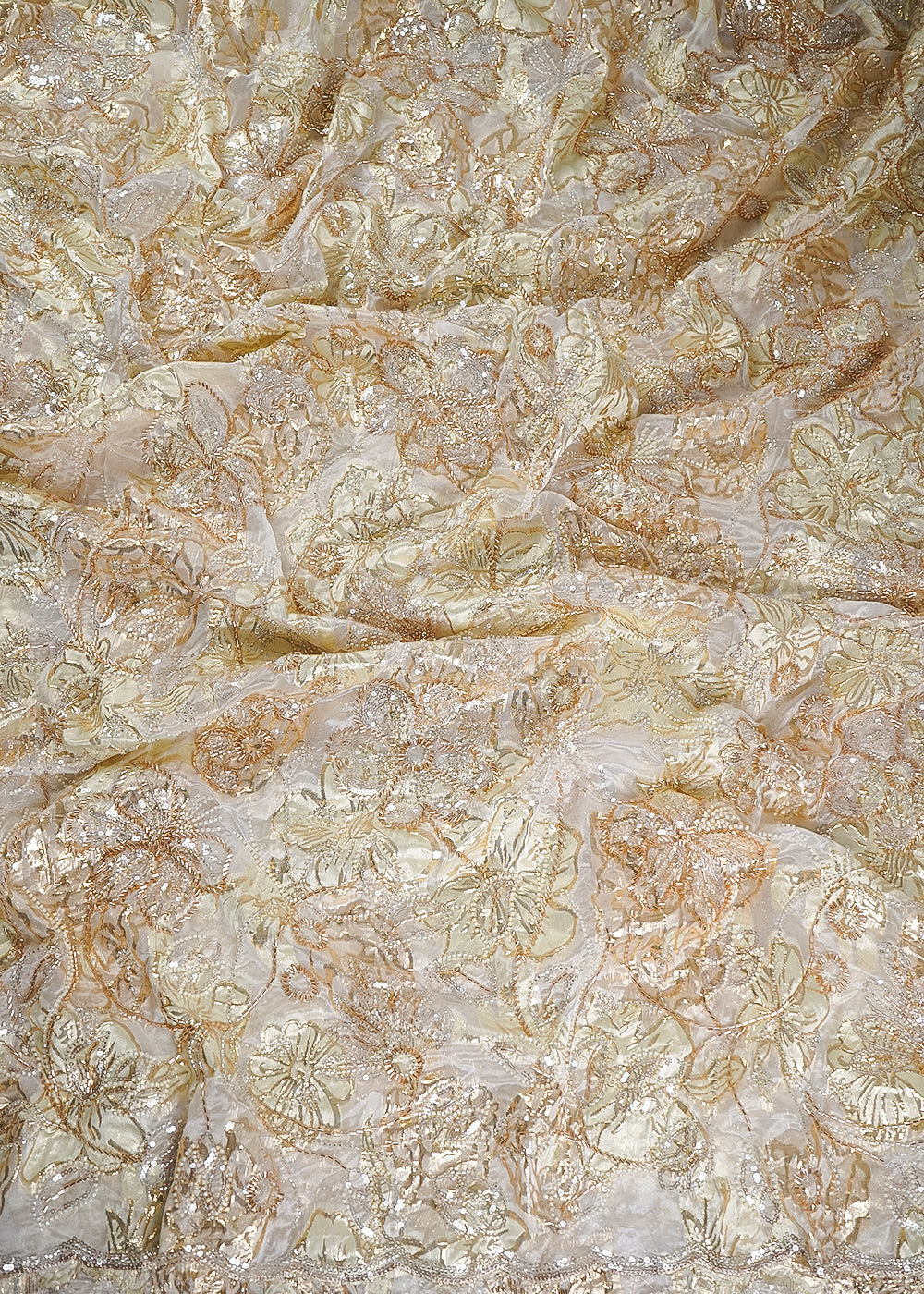
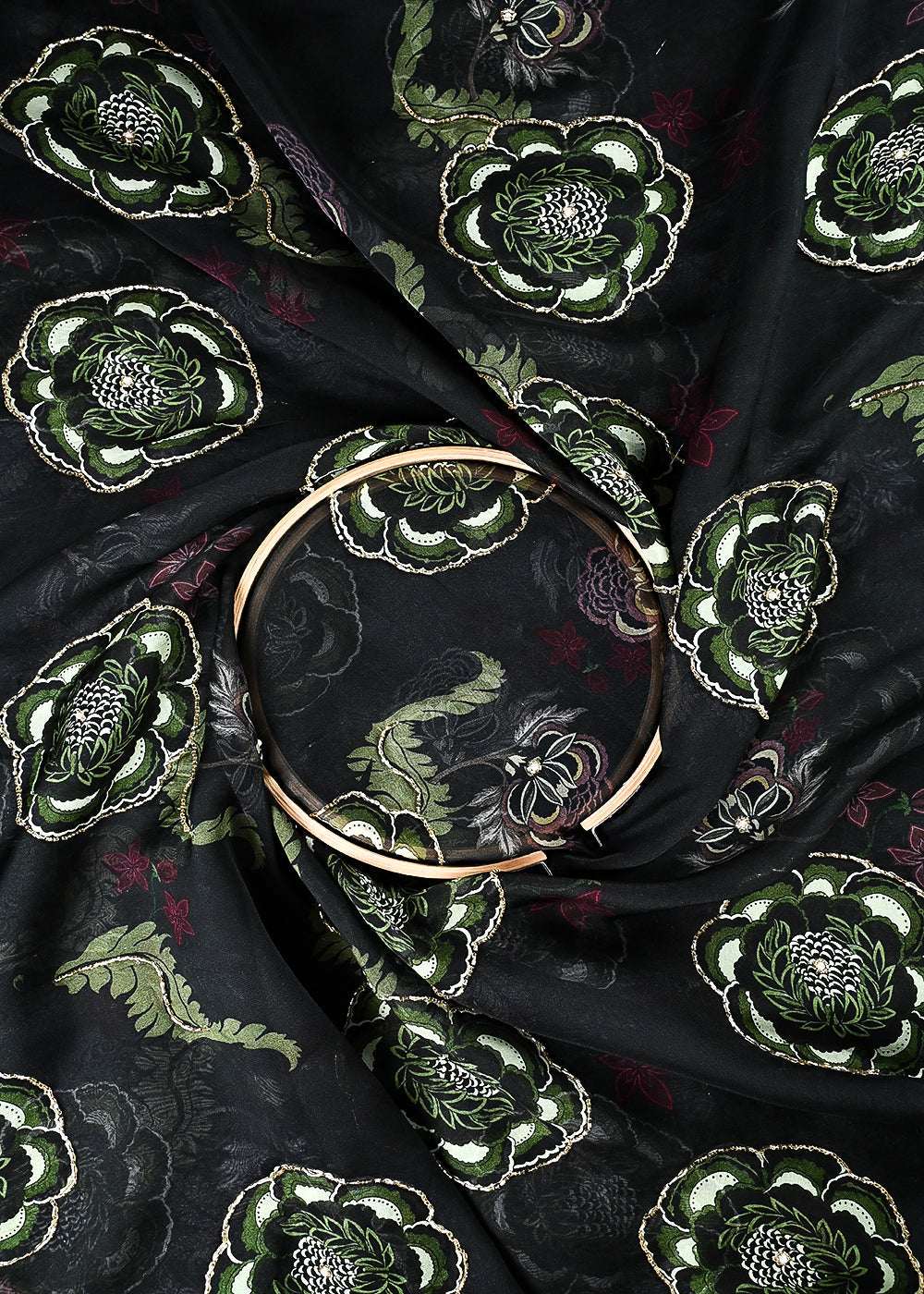
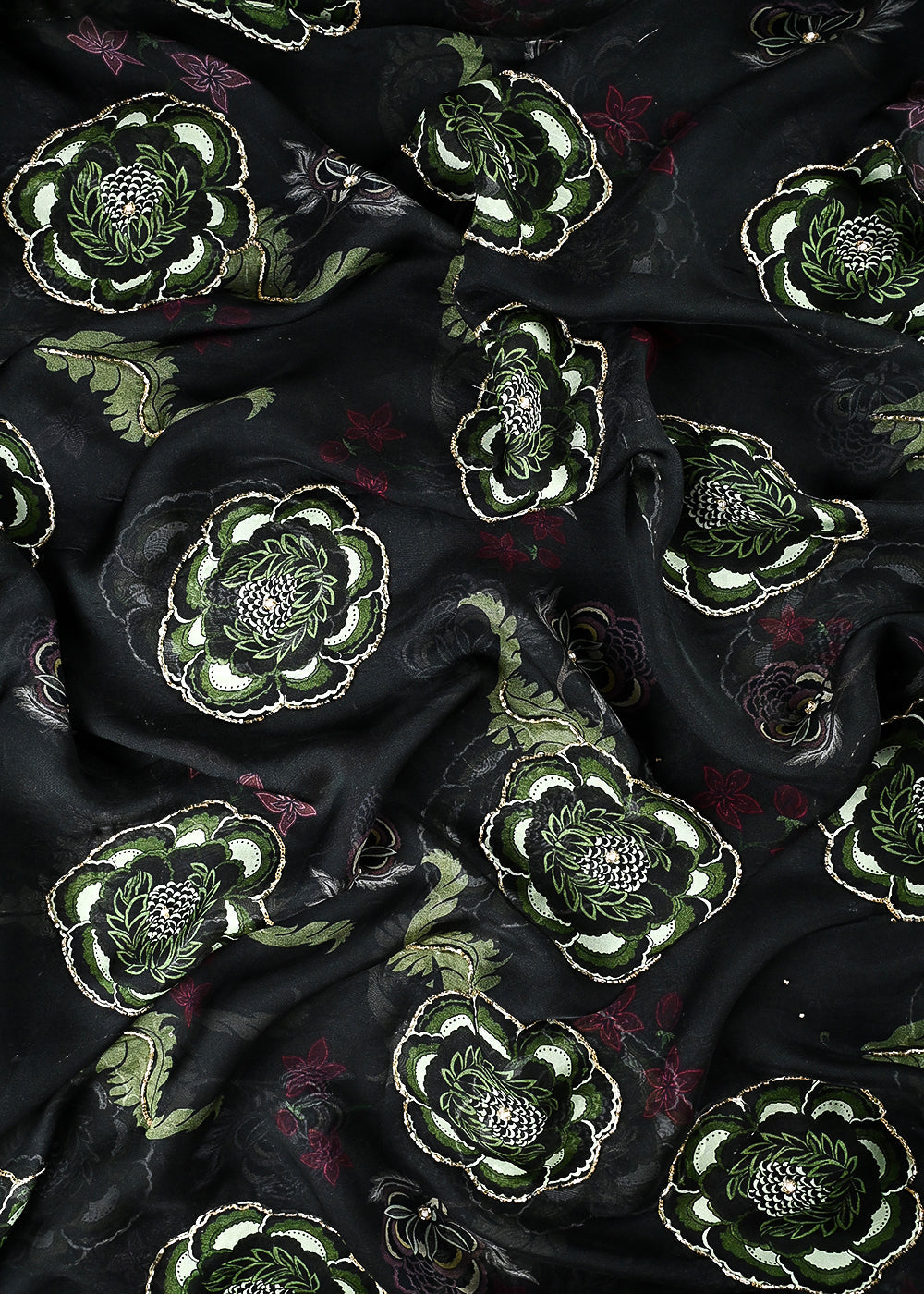
| Embroidered organza | Lehenga kalis, yokes, blouse sleeves | Rs 450 to 1,200 per metre |
| Foil-printed organza | Sarees, suit sets, skirt layers | Rs 200 to 400 per metre |
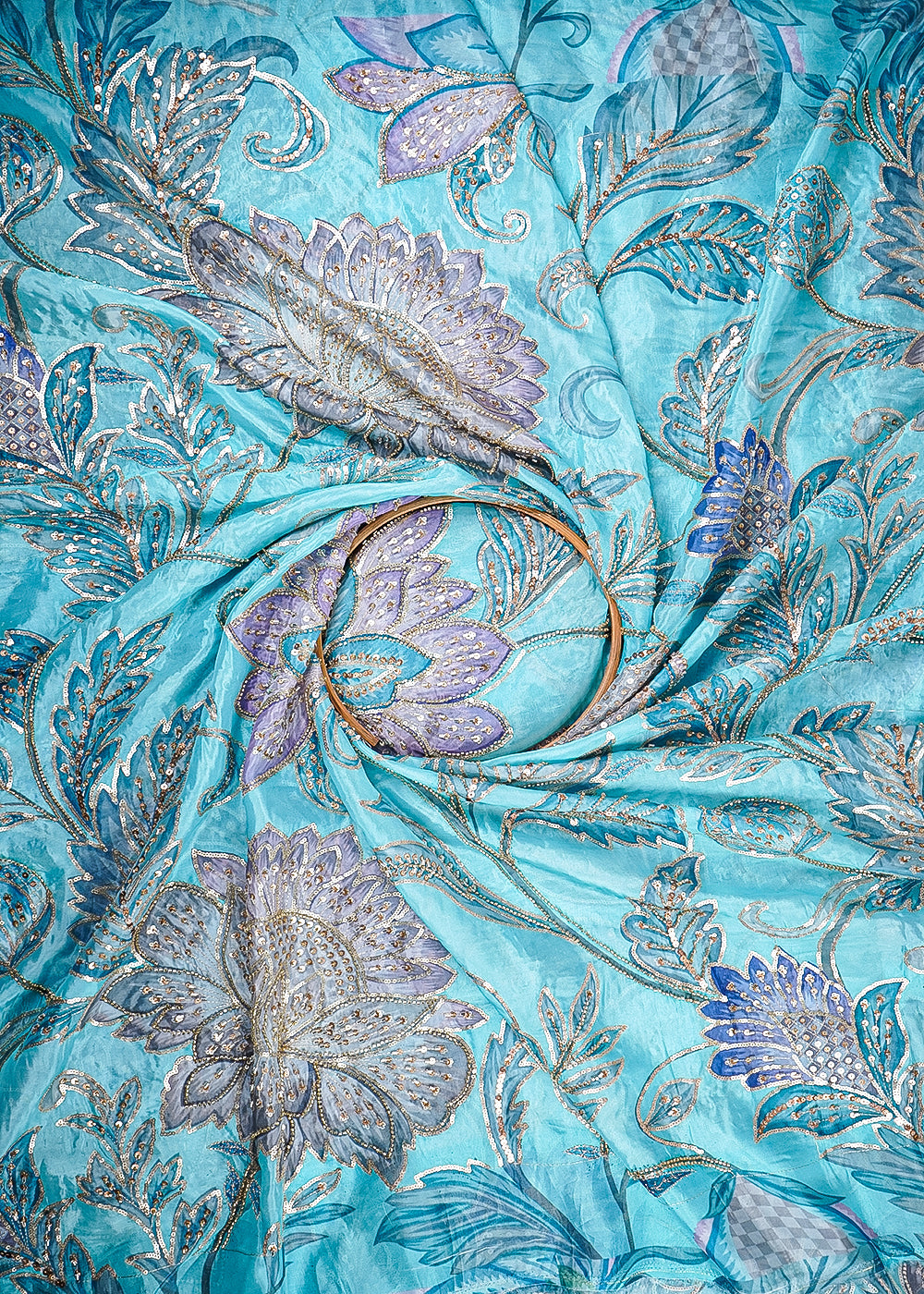
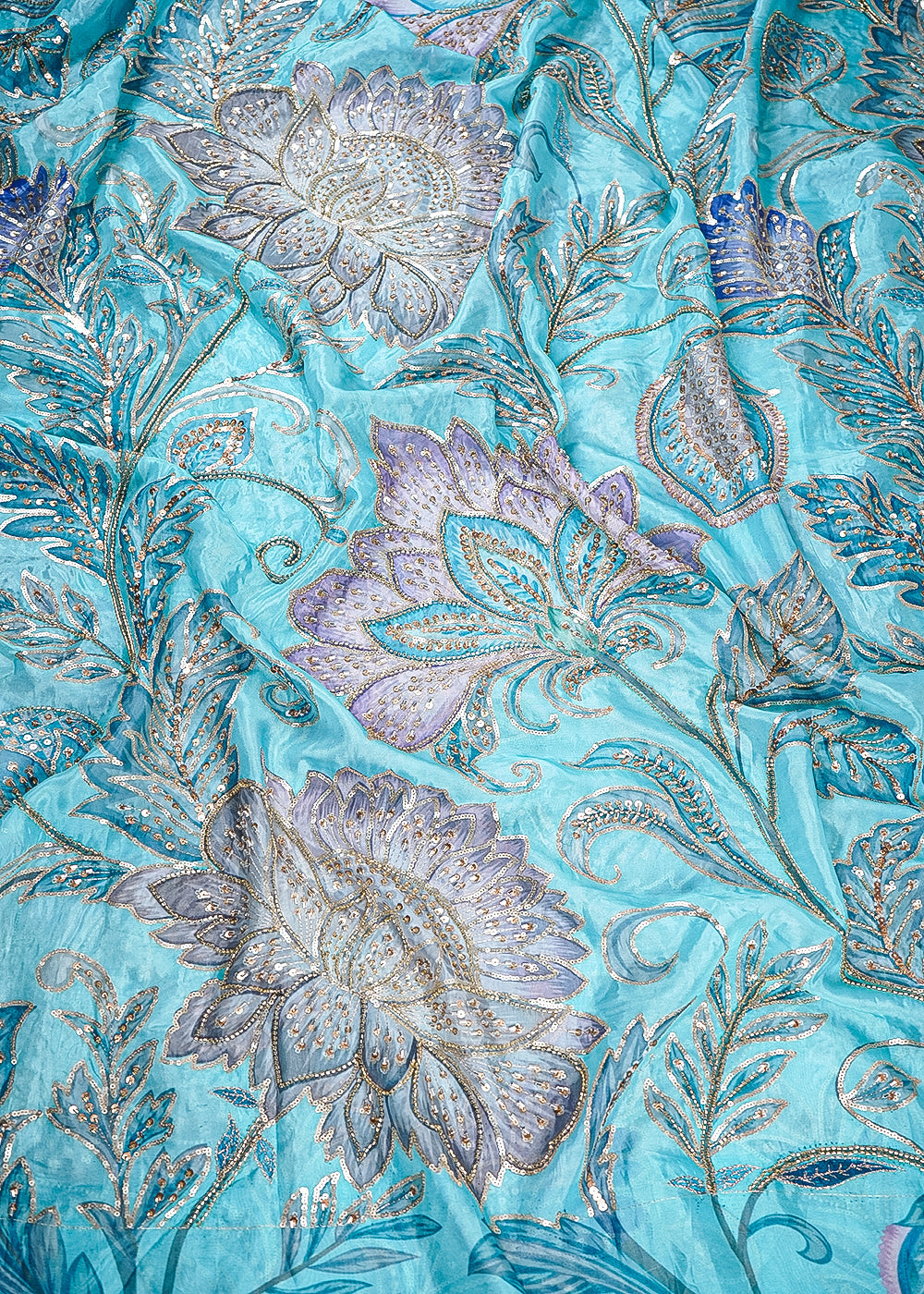
| Sequin organza | Festive jackets, party gowns, fusion wear | Rs 350 to 900 per metre |
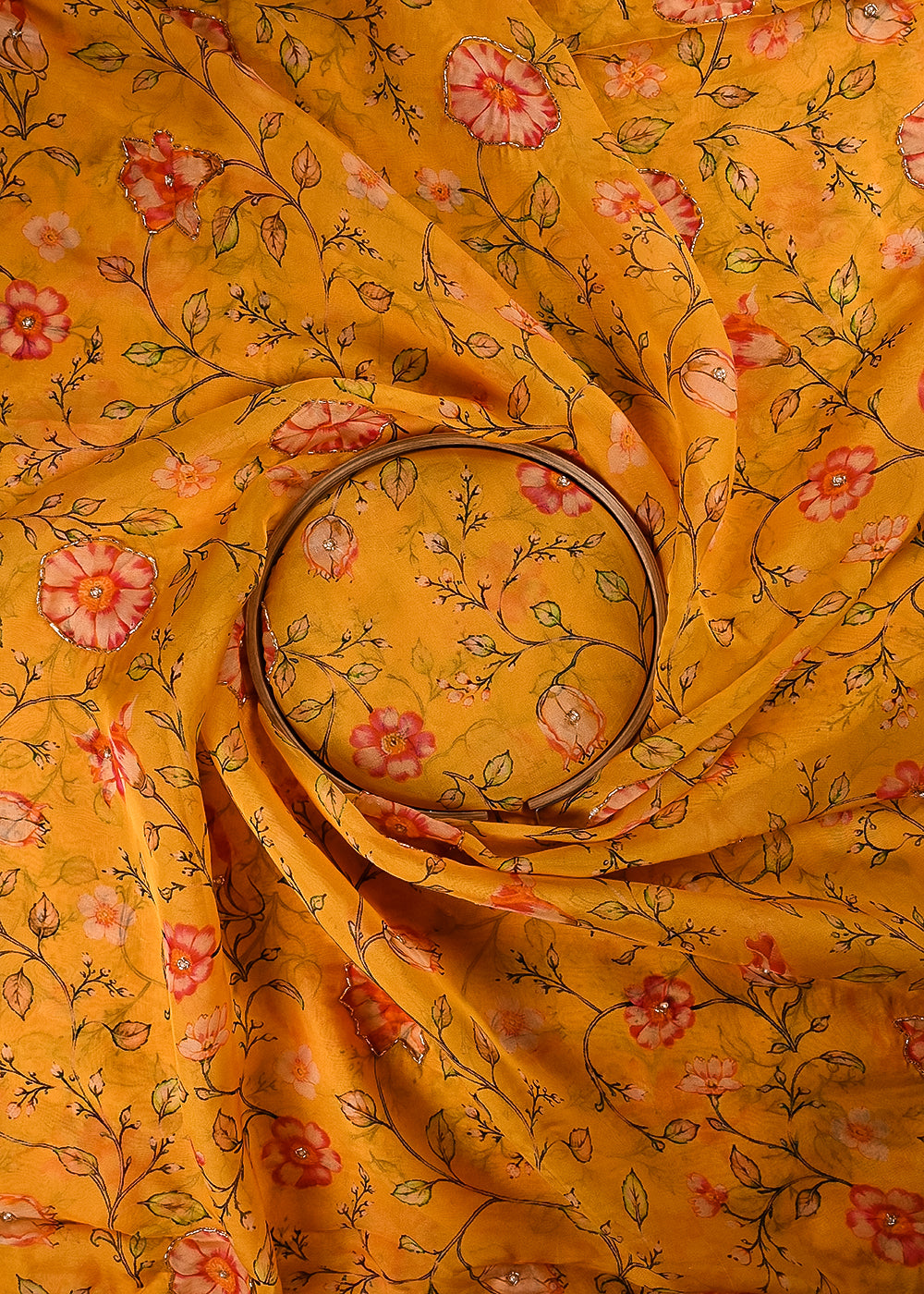
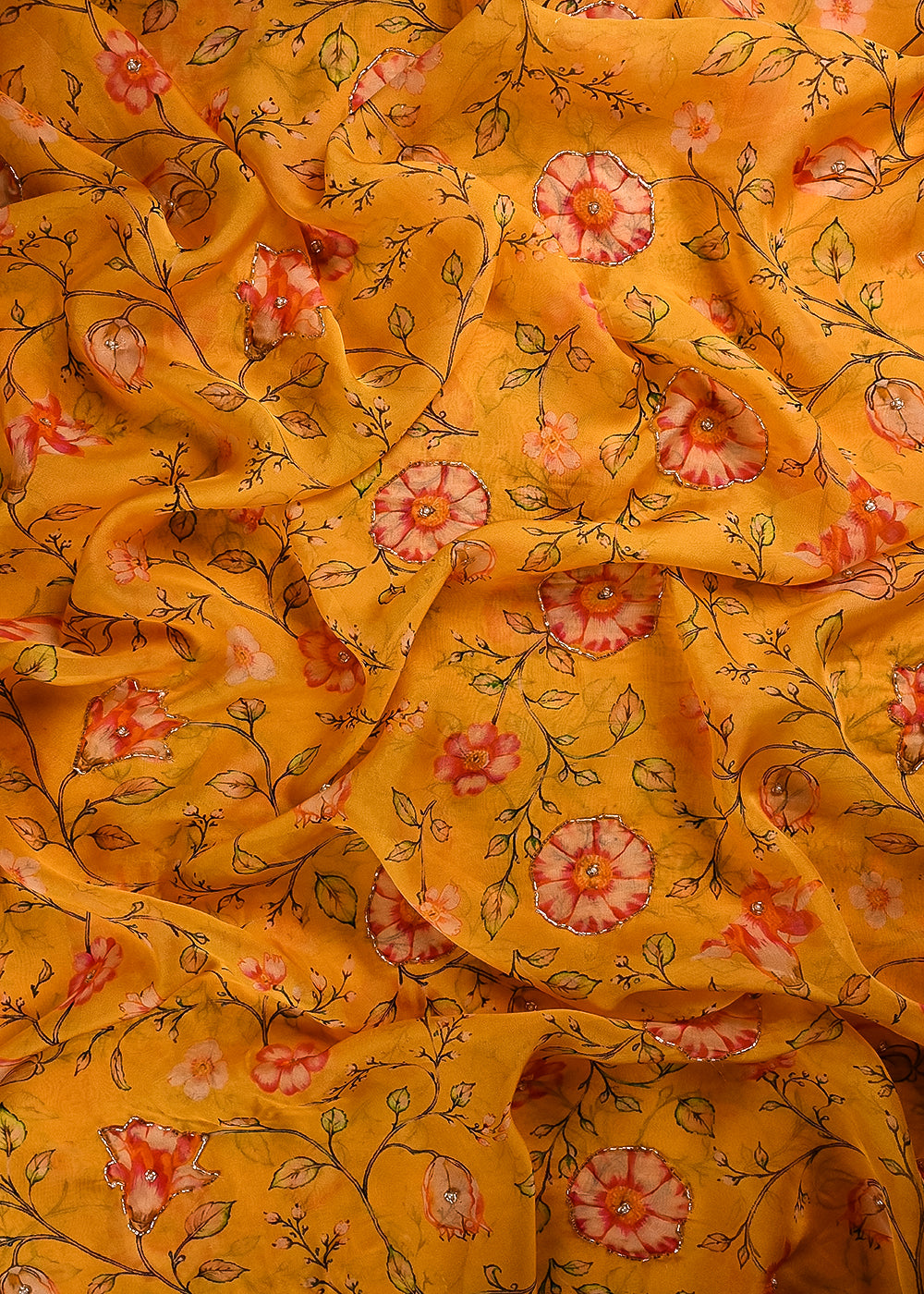
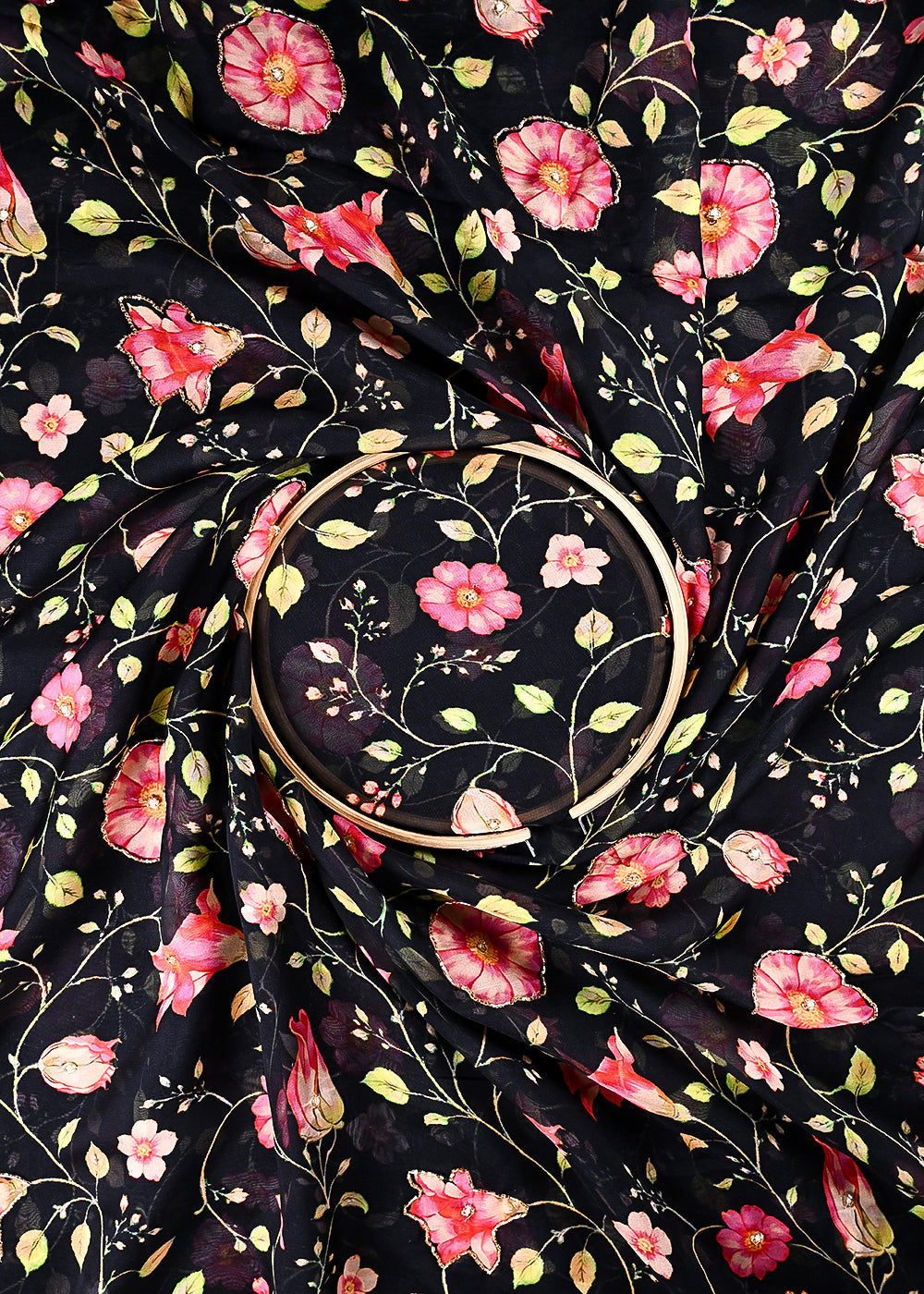
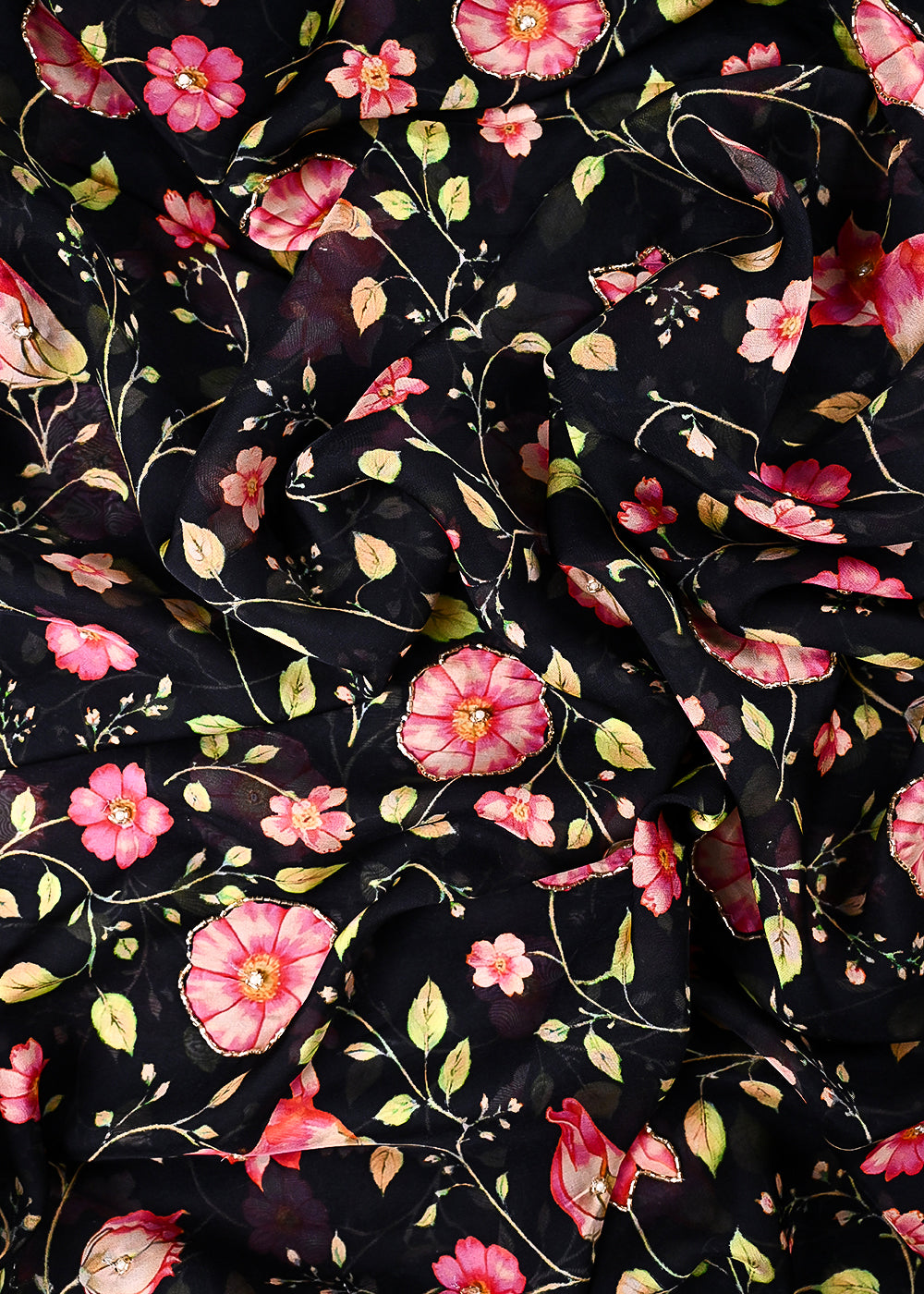
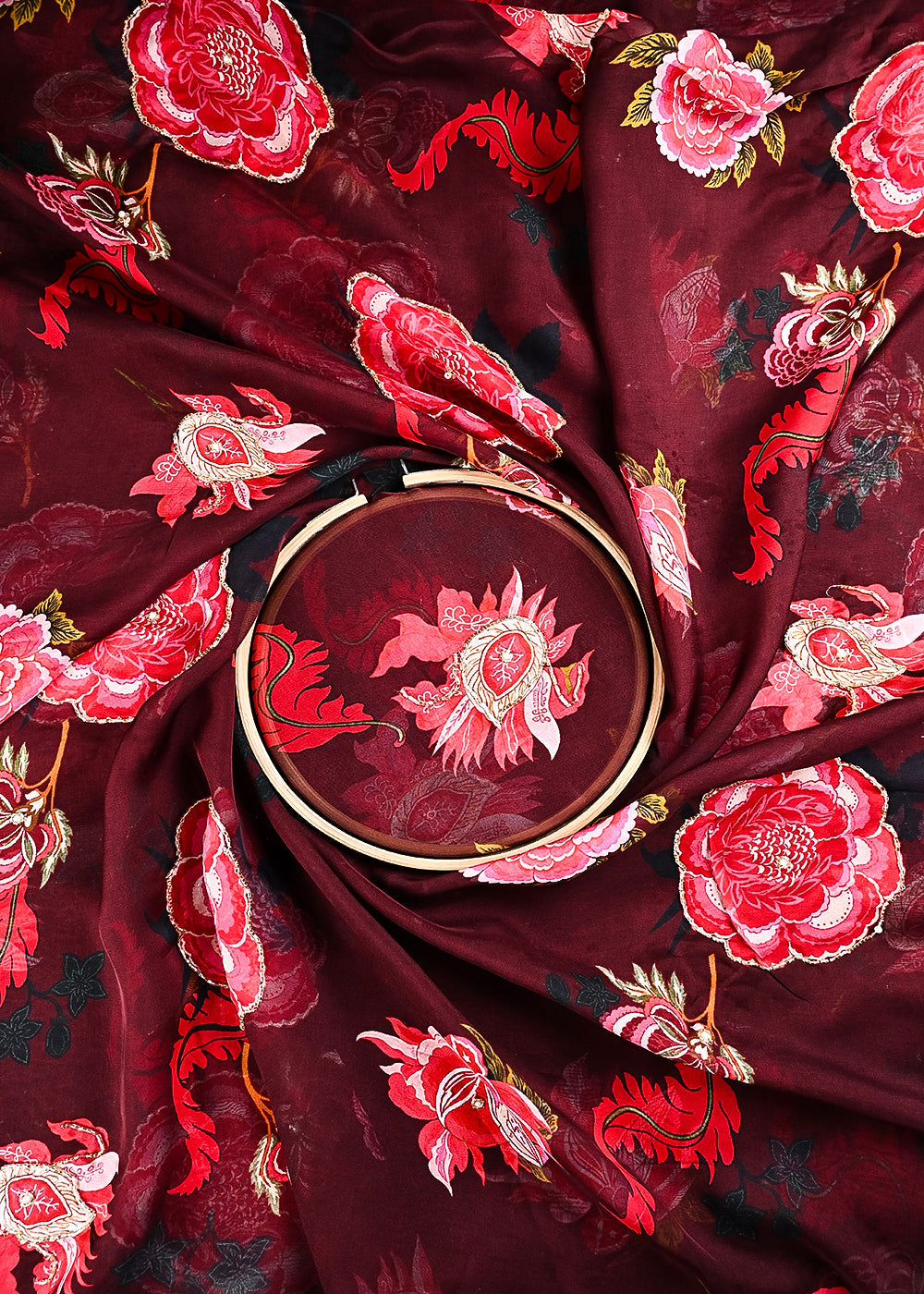
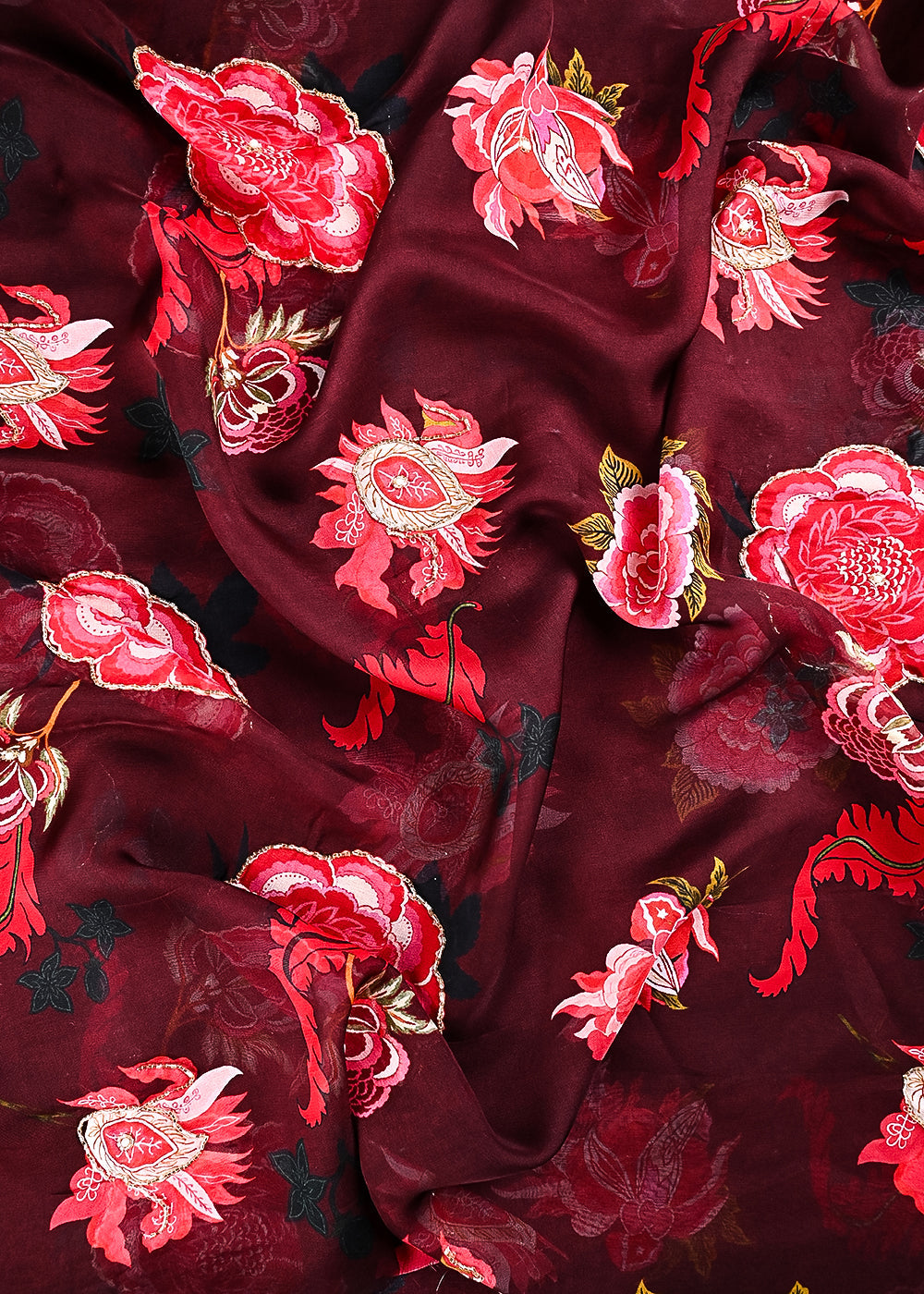
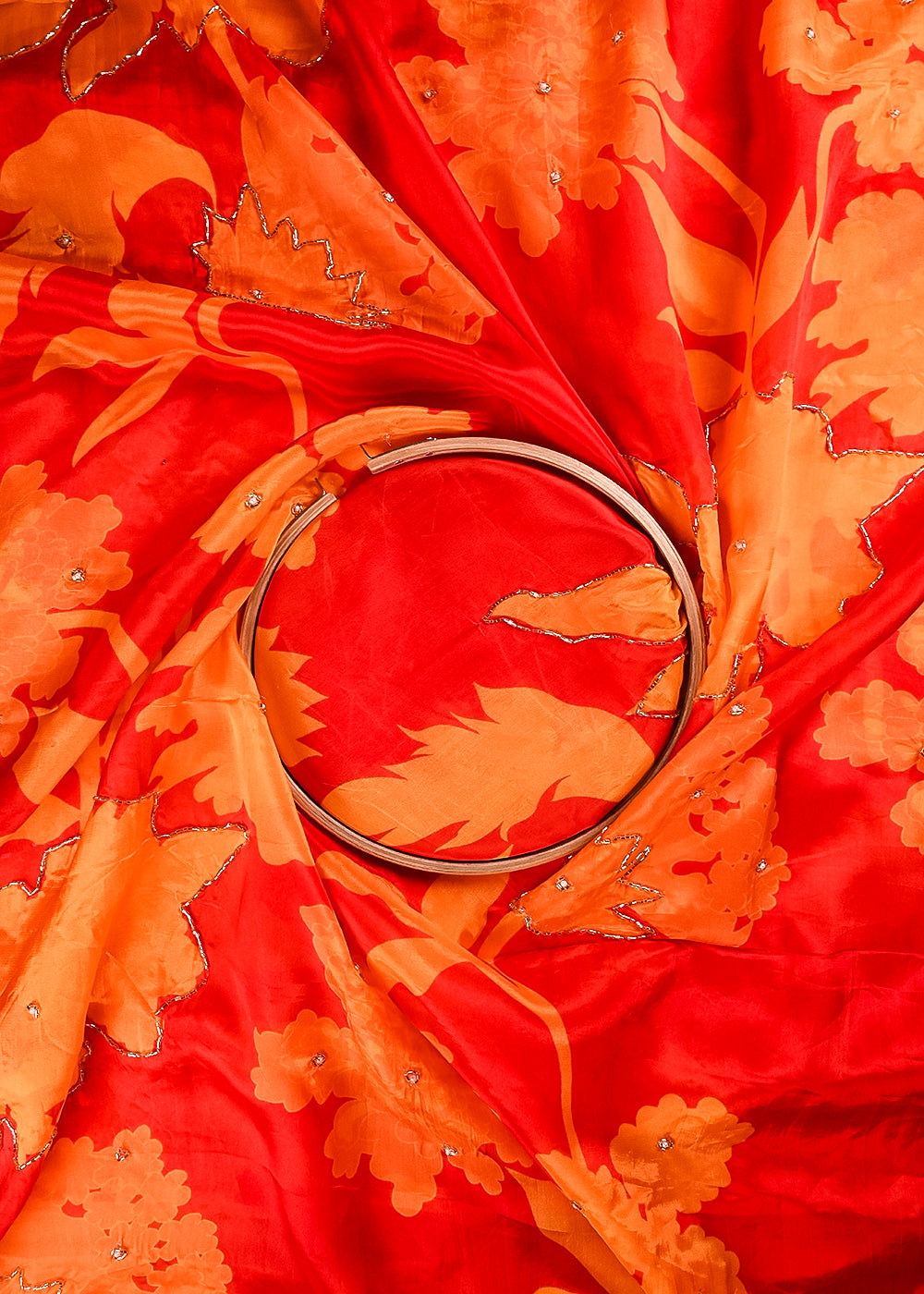
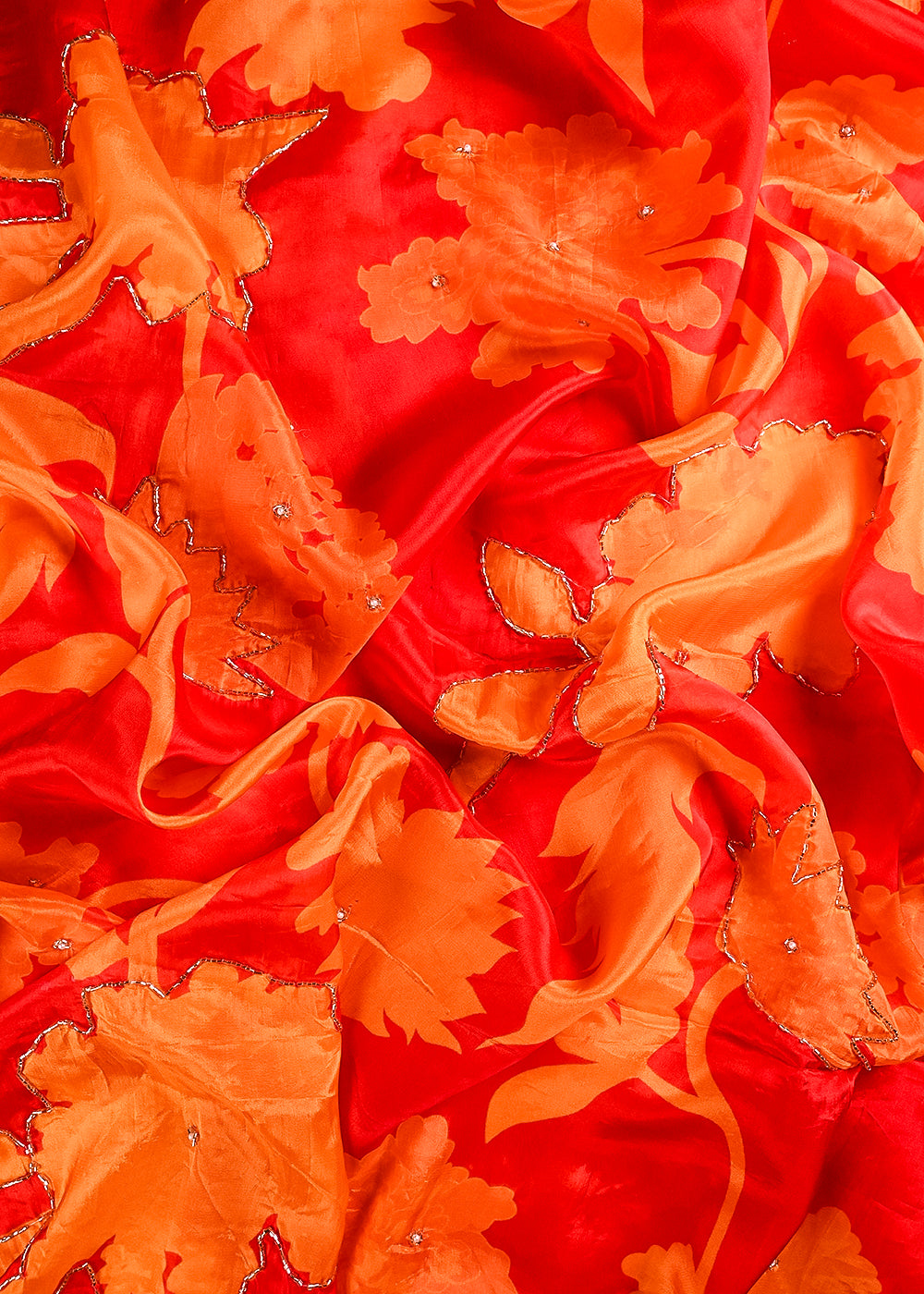
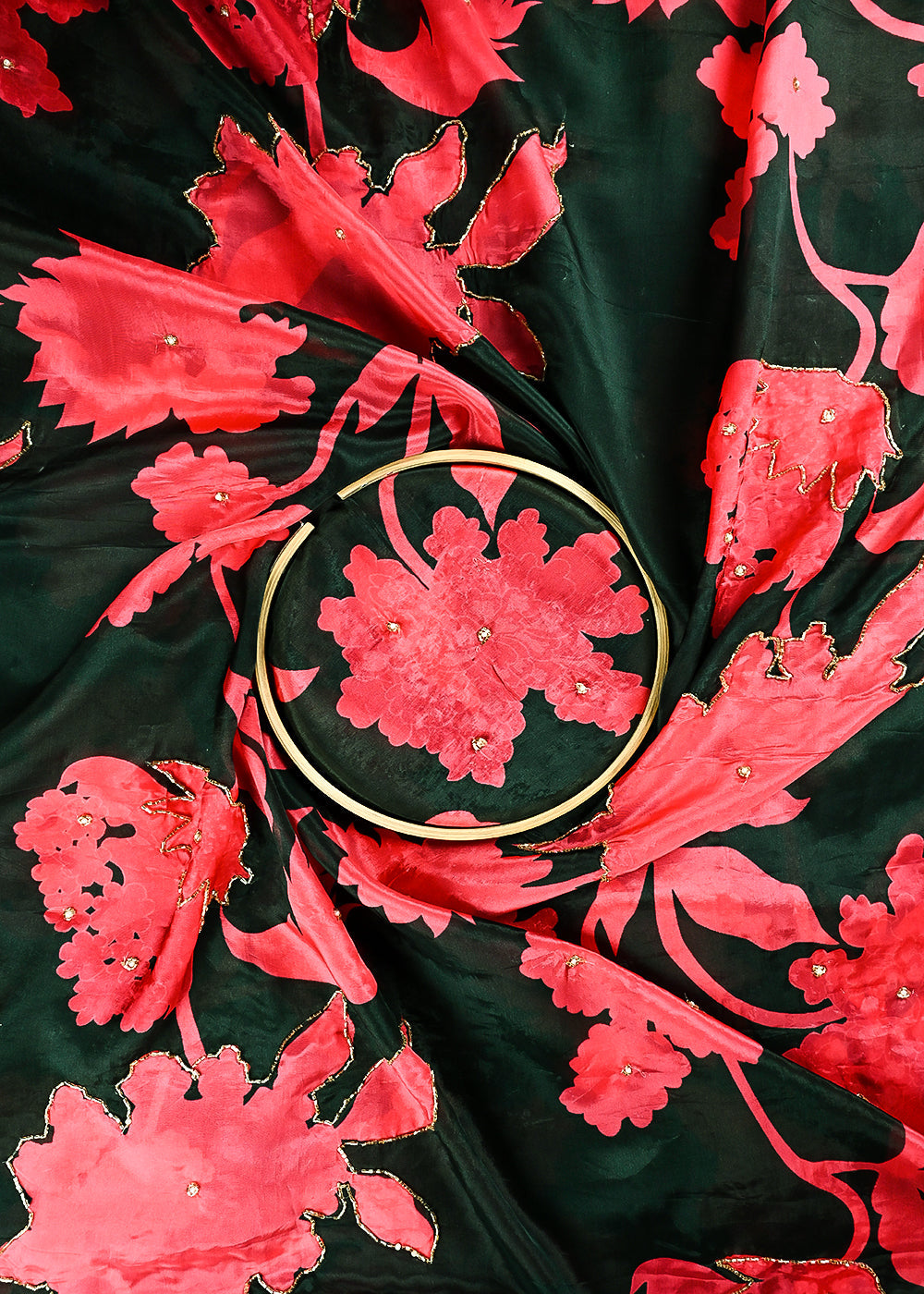
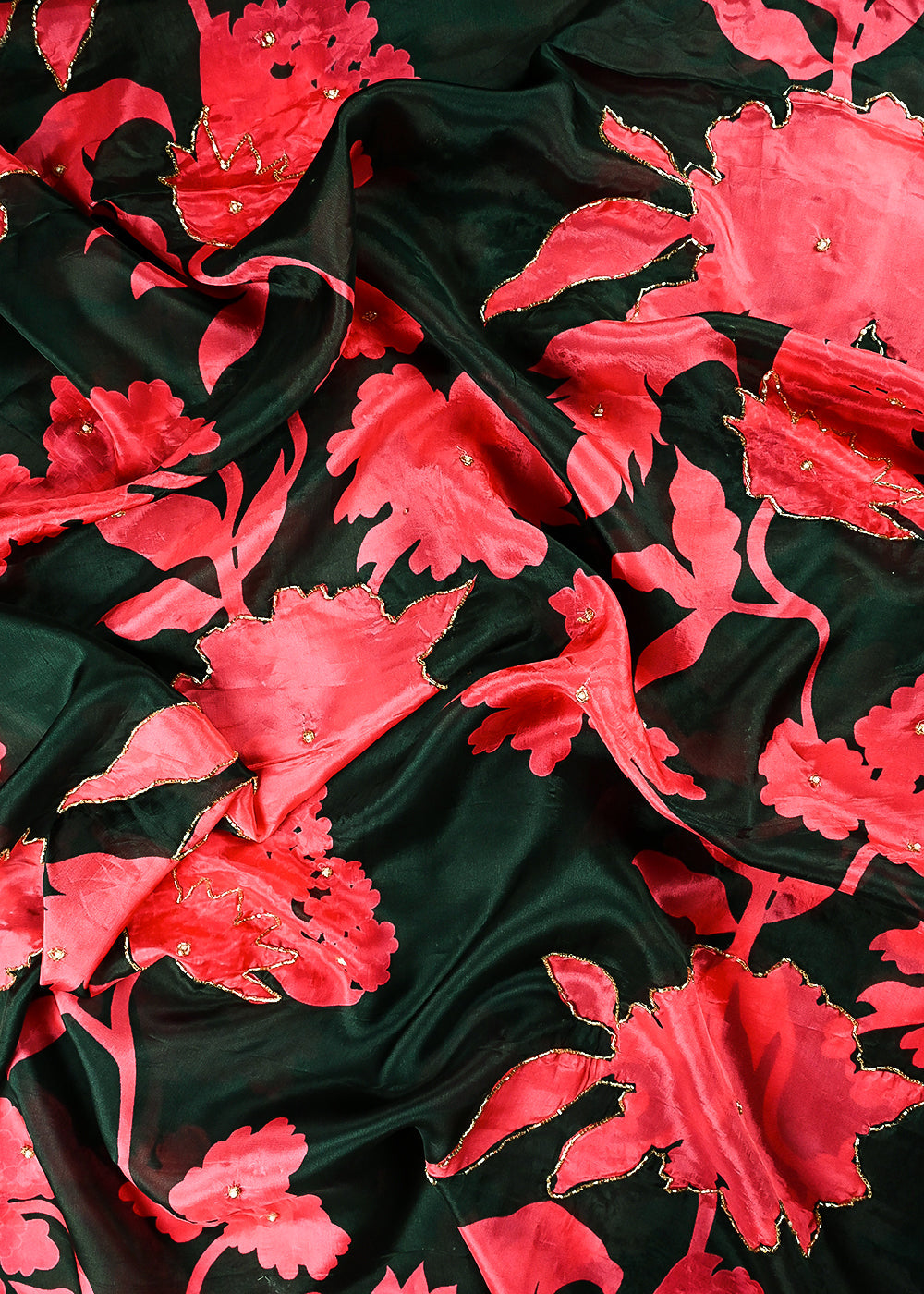
| Floral printed organza | Pastel kurtas, flared skirts, daywear | Rs 160 to 320 per metre |
Rates shift with embroidery density and sequin grade. Bulk thaan purchase brings plain and foil grades down noticeably, embroidered less so since the work cost stays fixed.
Organza GSM Guide
Organza runs light across the board. The narrow GSM band is what decides whether a ruffle stands or collapses.
| GSM Range | Feel | Best For |
| 40 to 60 GSM | Very sheer, soft fall | Layered gowns, soft drape overlays |
| 60 to 90 GSM | Standard crisp | Dupattas, sarees, kurtas |
| 90 to 130 GSM | Firm, holds volume | Ruffles, structured sleeves, capes |
| 130 GSM upward | Heavy, sculptural | Embroidered kalis, statement panels |
Popular Uses
- Bridal dupattas and lehenga overlay panels
- Saree pallu, ruffle borders, blouse sleeves
- Festive kurtas, flared skirts, indo-western gowns
- Kidswear frocks and boutique daywear ranges
For a wedding party ordering across multiple functions, organza carries well from mehendi daywear through to a reception cape, which keeps the fabric selection simple when four or five outfits are being planned together. Sequin grades sit closest to the sequins fabric range if the brief calls for heavier surface work.
Colour Directions for 2026
Two movements are visible. Muted tones are pulling ahead for daytime functions. Mint, blush, ivory, lilac, champagne. These photograph well under natural light without the harshness that saturated shades pick up on camera.
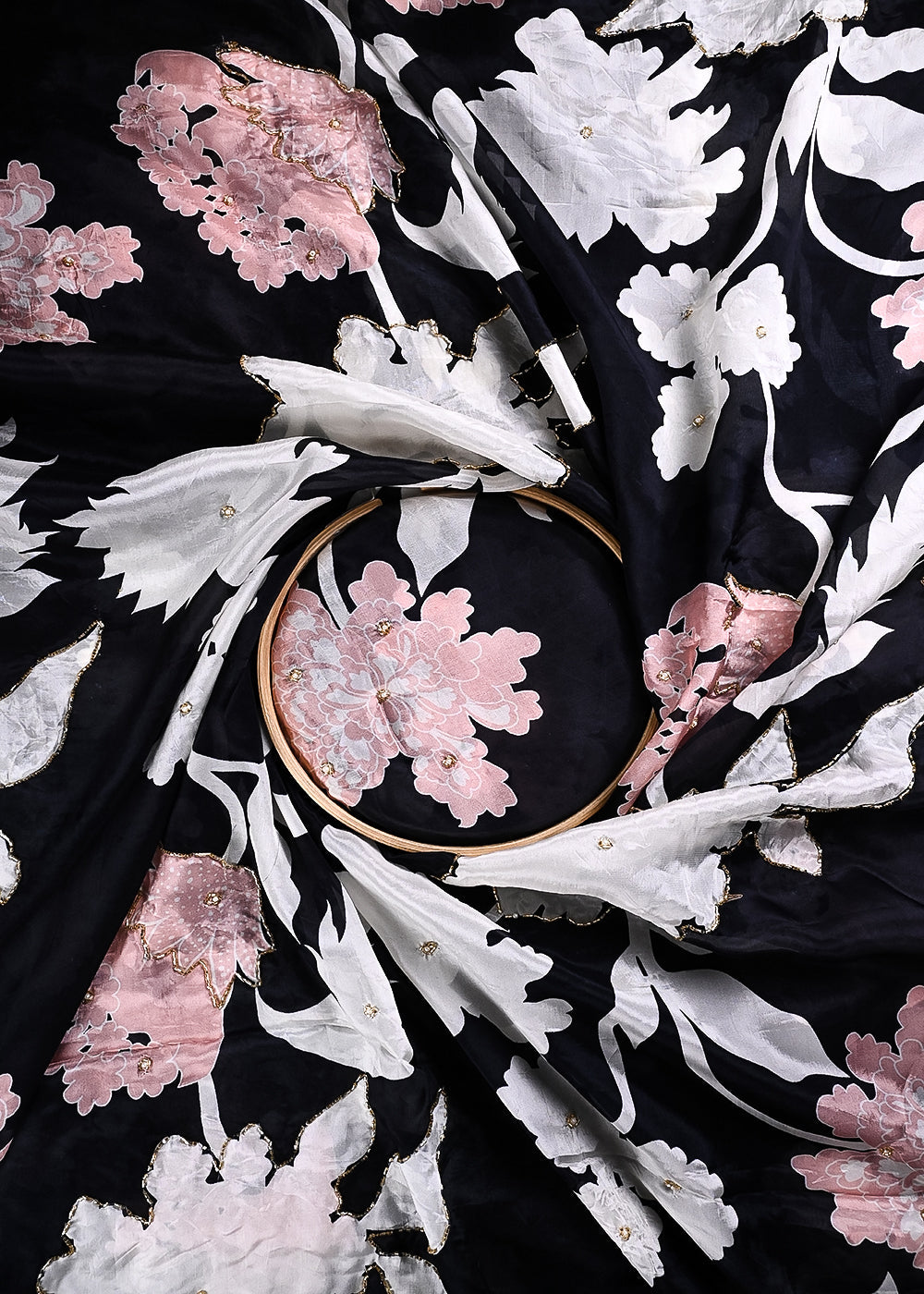
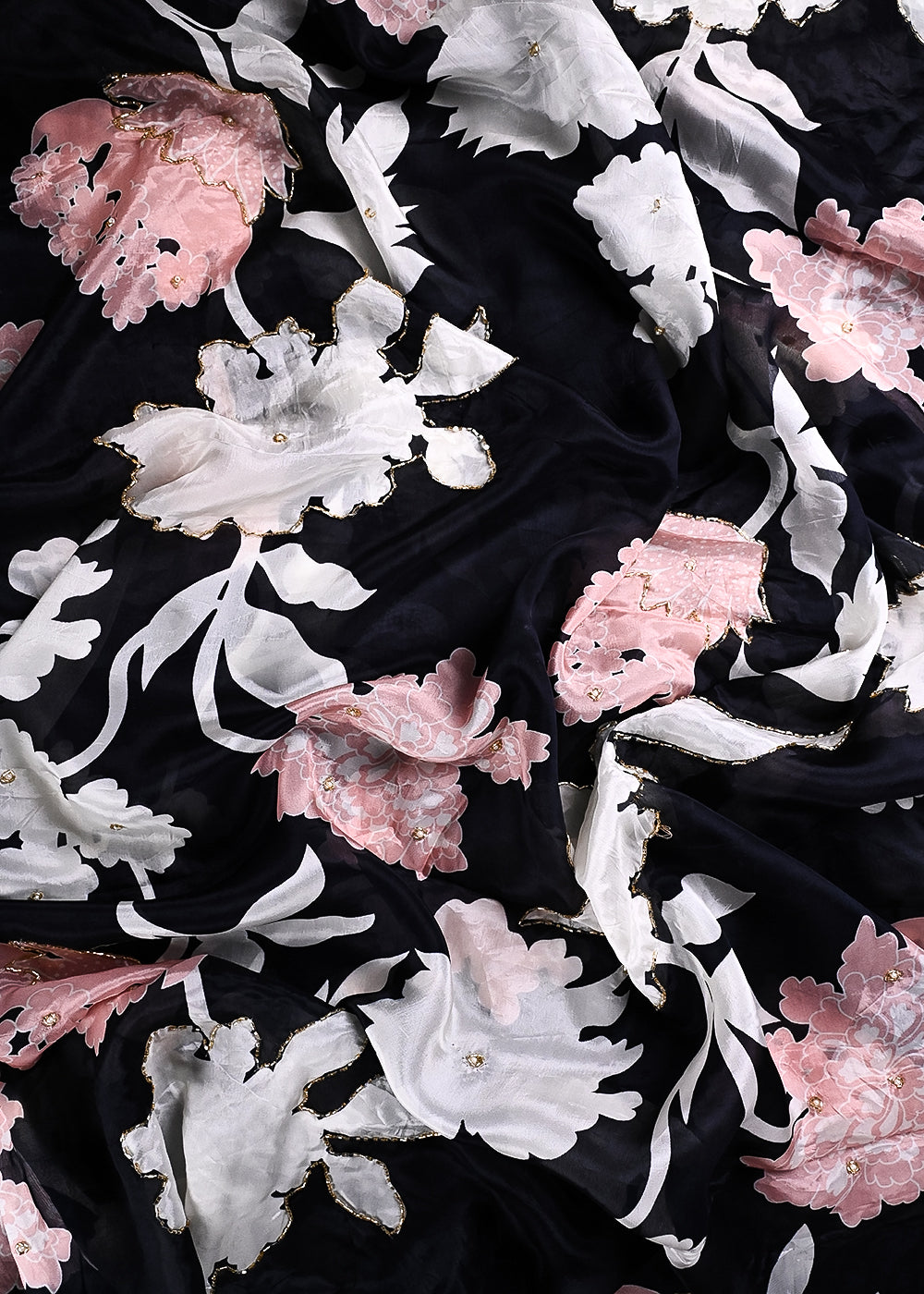
For evening the trade has shifted toward wine, navy, rust. Deeper grounds carry sequin and zari work better because the embellishment reads as contrast rather than disappearing into a bright base. Pair either direction with cotton silk lining, satin underlay, or velvet piping for weight balance.
Working Tips for Organza
- Use French seams or bind the edges. Raw seams show straight through the sheer weave
- Fine needle at 60 or 70 gauge with a shorter stitch length prevents puckering
- Press on low heat with a cloth between iron and fabric. Direct heat glazes the surface permanently
- Place organza on yokes, sleeves, or borders rather than full builds to control cost per garment
Frequently Asked Questions
How much organza is needed for a dupatta?
A standard dupatta takes 2.5 metres at 44 inch width. Ruffled or double-layer versions need 4 to 5 metres depending on the gather ratio. Add extra when the border is cut on bias.
Does organza wrinkle badly?
It creases but releases faster than cotton or linen because the fibre has no memory for folds. Hang rather than fold for storage. Steam on low rather than pressing directly.
Which GSM holds a ruffle properly?
The 90 to 130 GSM band. Below 90 the ruffle drops and reads flat. Above 130 the fabric becomes stiff enough to look boxy on a dupatta edge.
Can organza be used for a full bridal lehenga?
Yes with a lining underneath. Organza alone lacks opacity, so kalis are usually built over cotton silk or satin. Budget 7 to 9 metres for the skirt depending on ghera and panel count, plus lining separately.
Order Organza Fabric at Paras Gallery Fabrics
Our organza range covers plain, embroidered, foil-printed, sequin, floral grades across the full GSM spread, cut by the metre or supplied by thaan for production runs. Designers building bridal collections can check bulk rates on our wholesale page.
Frequently Asked Questions
What can organza fabric be most effective to serve?
It can be used to make beautiful dupattas, blouse sleeves, sarees, dresses, children's clothing and even overlays.
Do beginners have the ability to sew organza fabric?
Yes, organza is easy to stitch when used with a lining. Make sure to use fine needles and neat finishing.
Do I need to order less than 1 Meter?
We accept orders starting from 1 meter and above. Video previews can also be provided before purchase.
Is this Organza fabric transparent?
Yes, Organza is semi-sheer, but you can layer it with cotton silk or satin for full coverage.
Do you provide videos for review of Organza Fabric?
Yes, you can request a complimentary 5-minute video preview of the fabric before placing your order.
