

Pearl

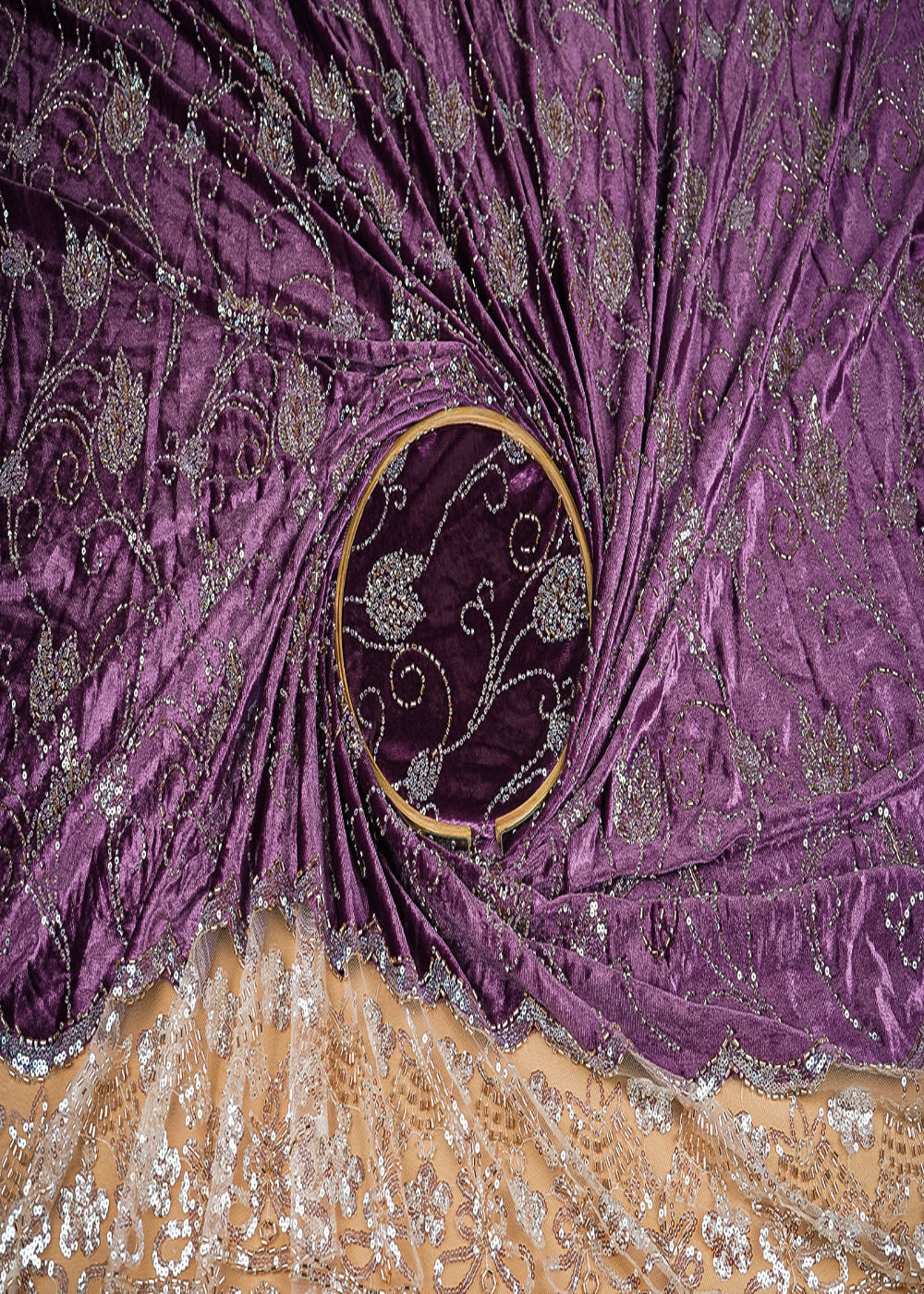
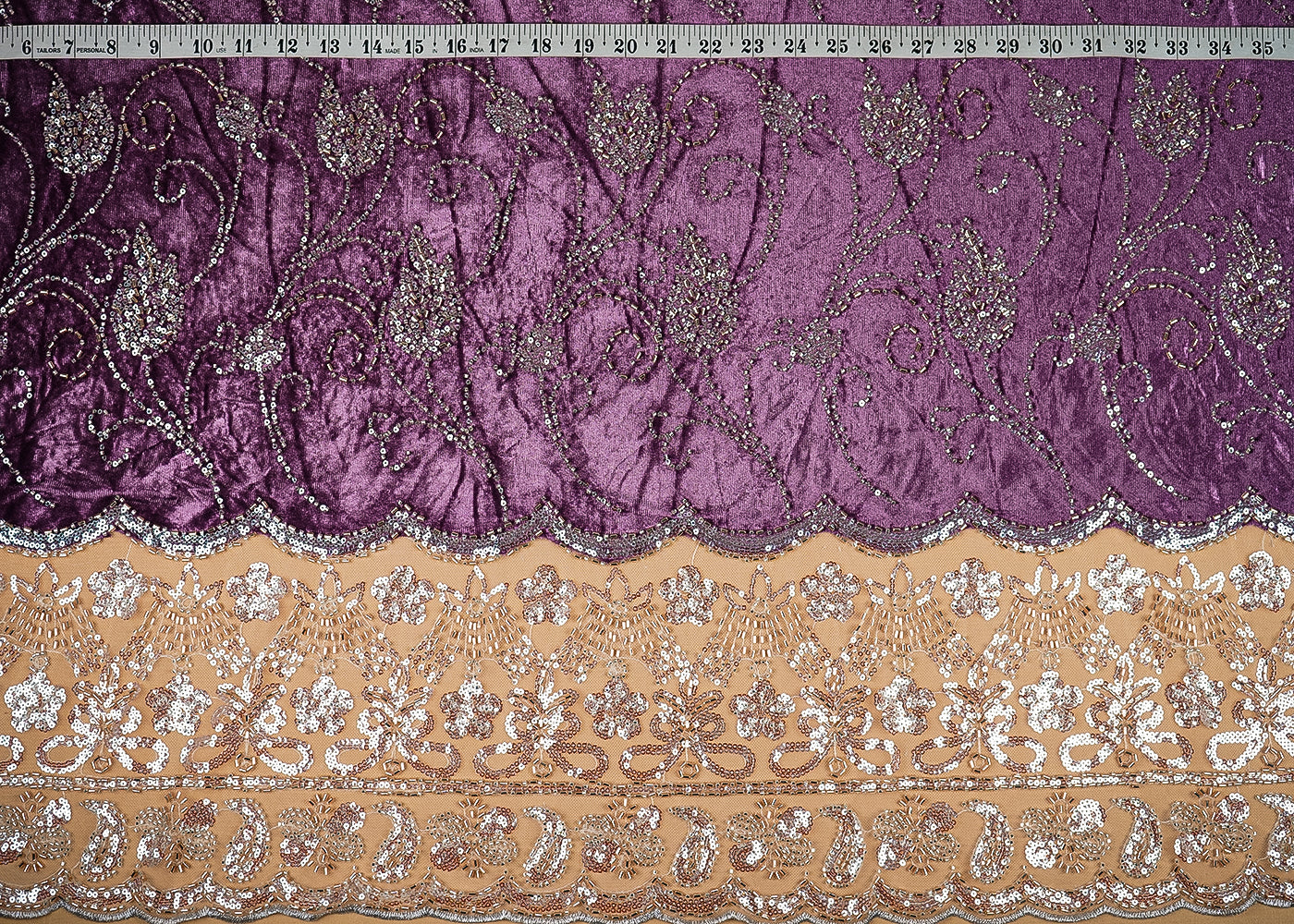

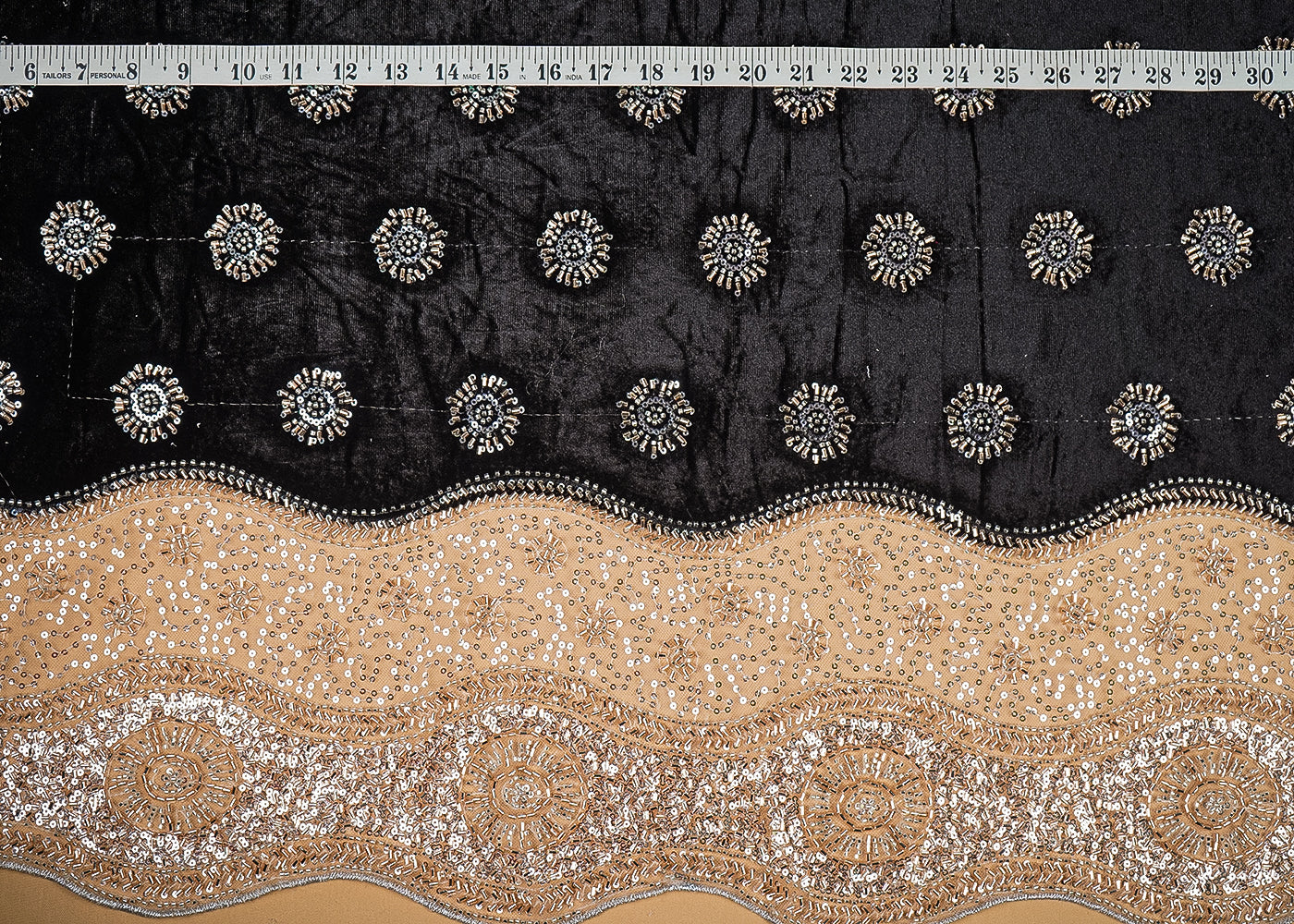
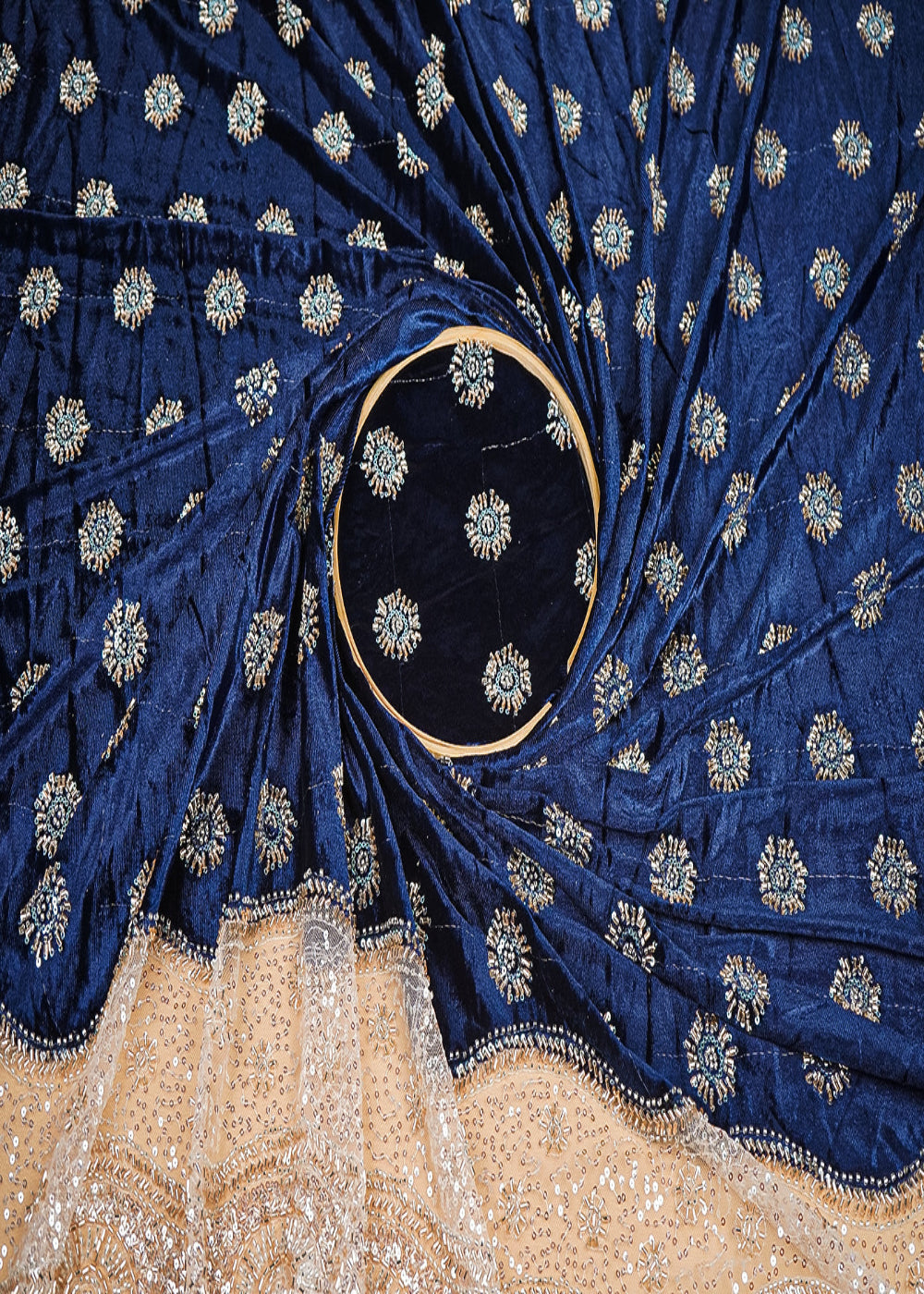
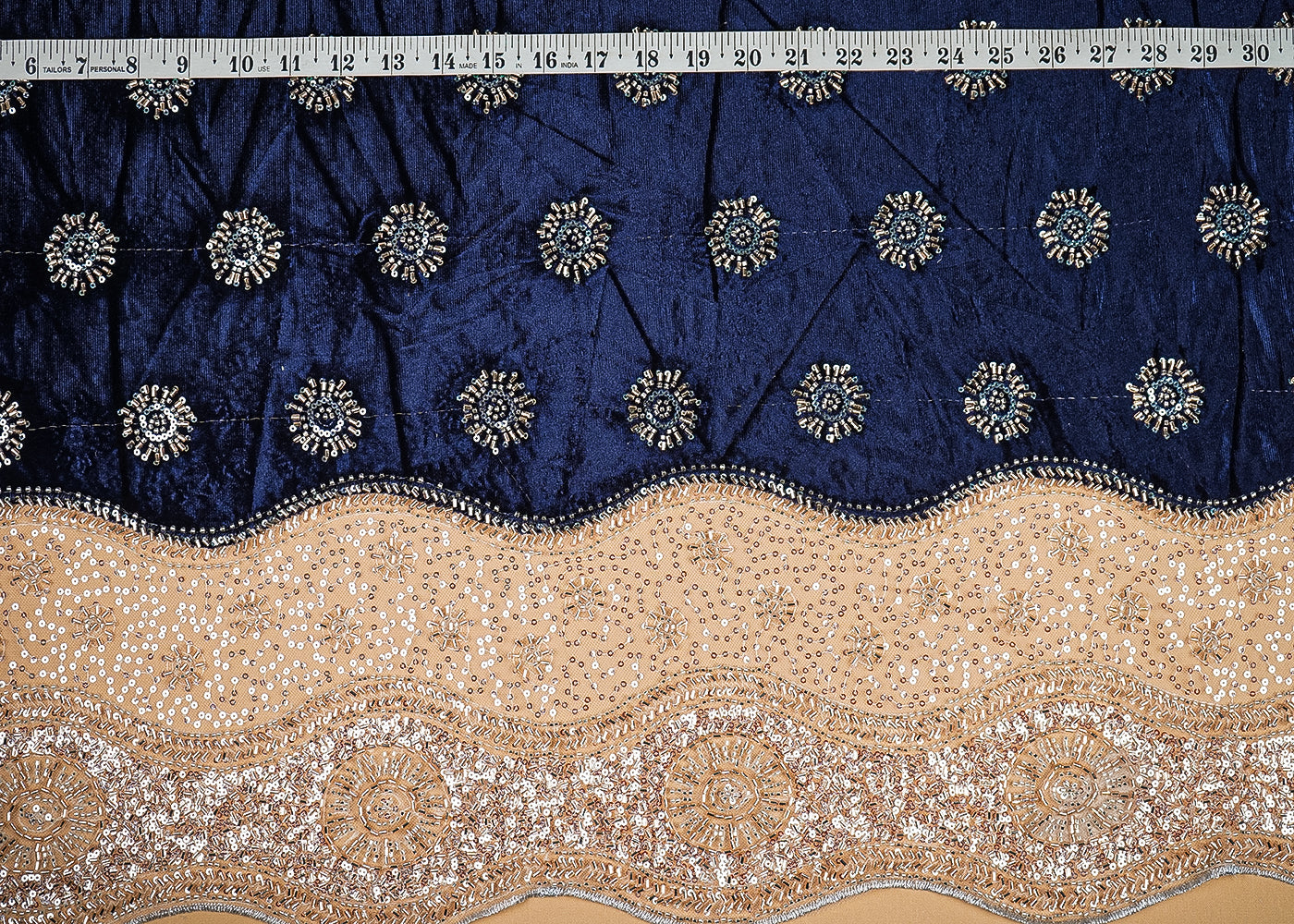
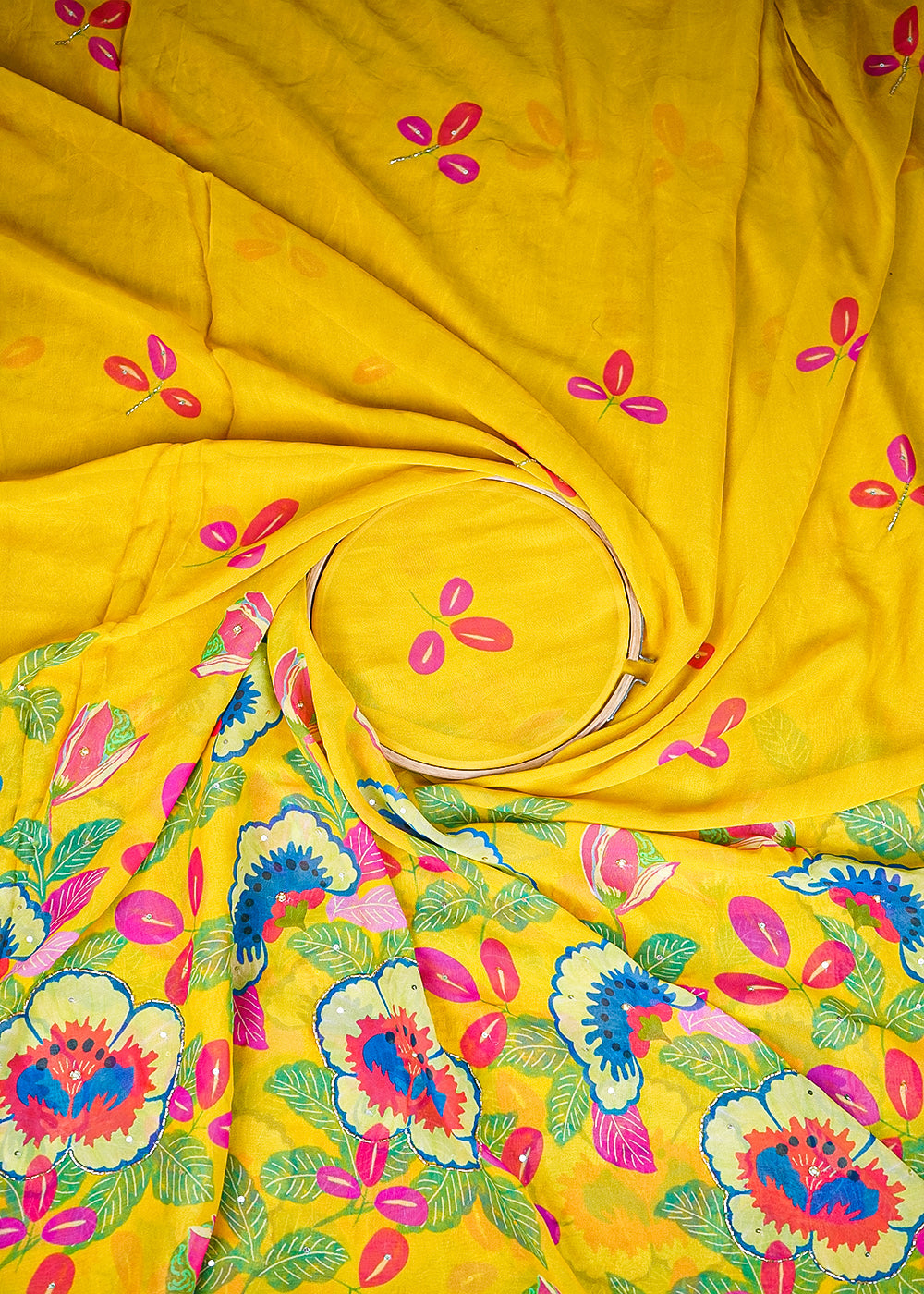
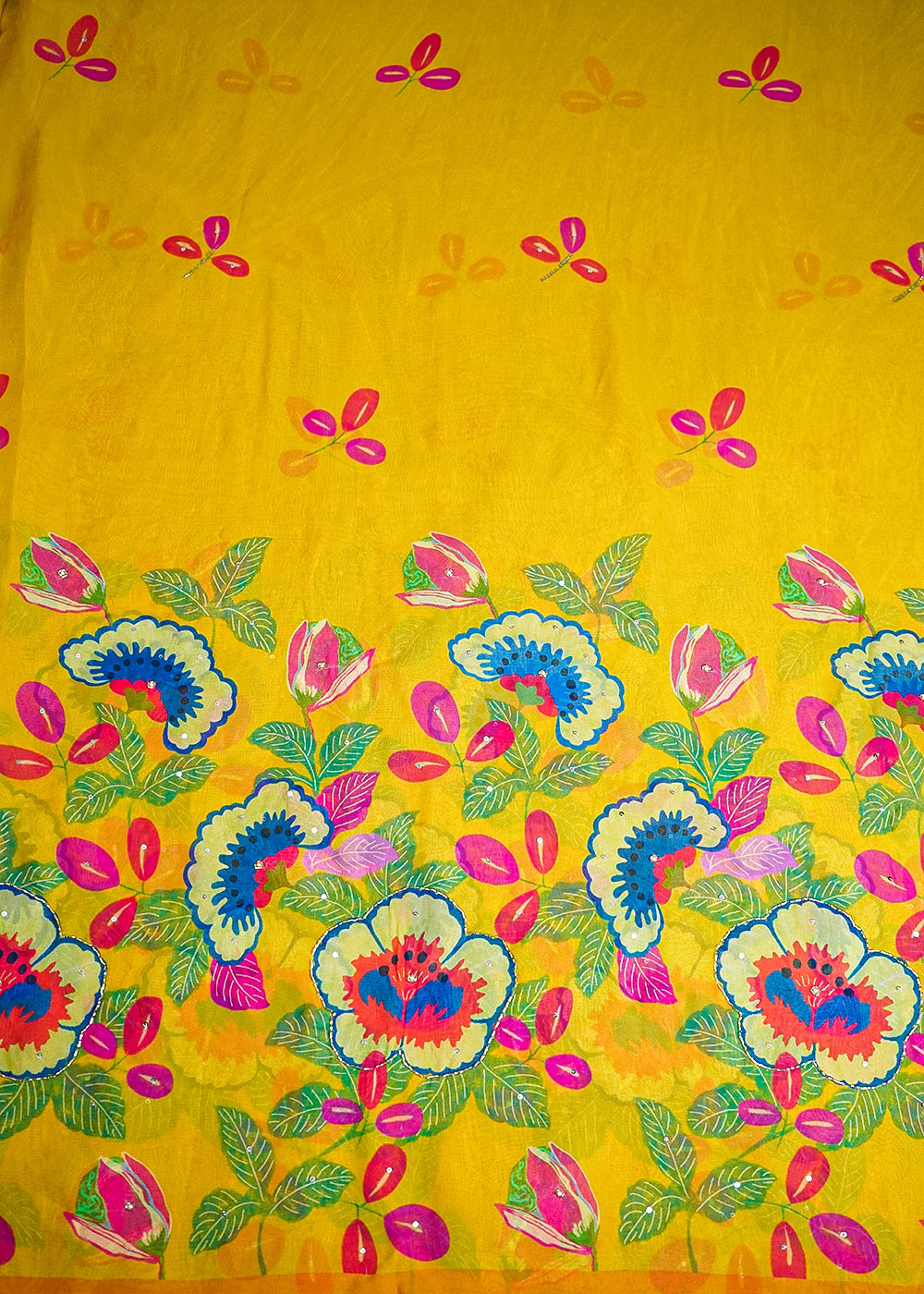
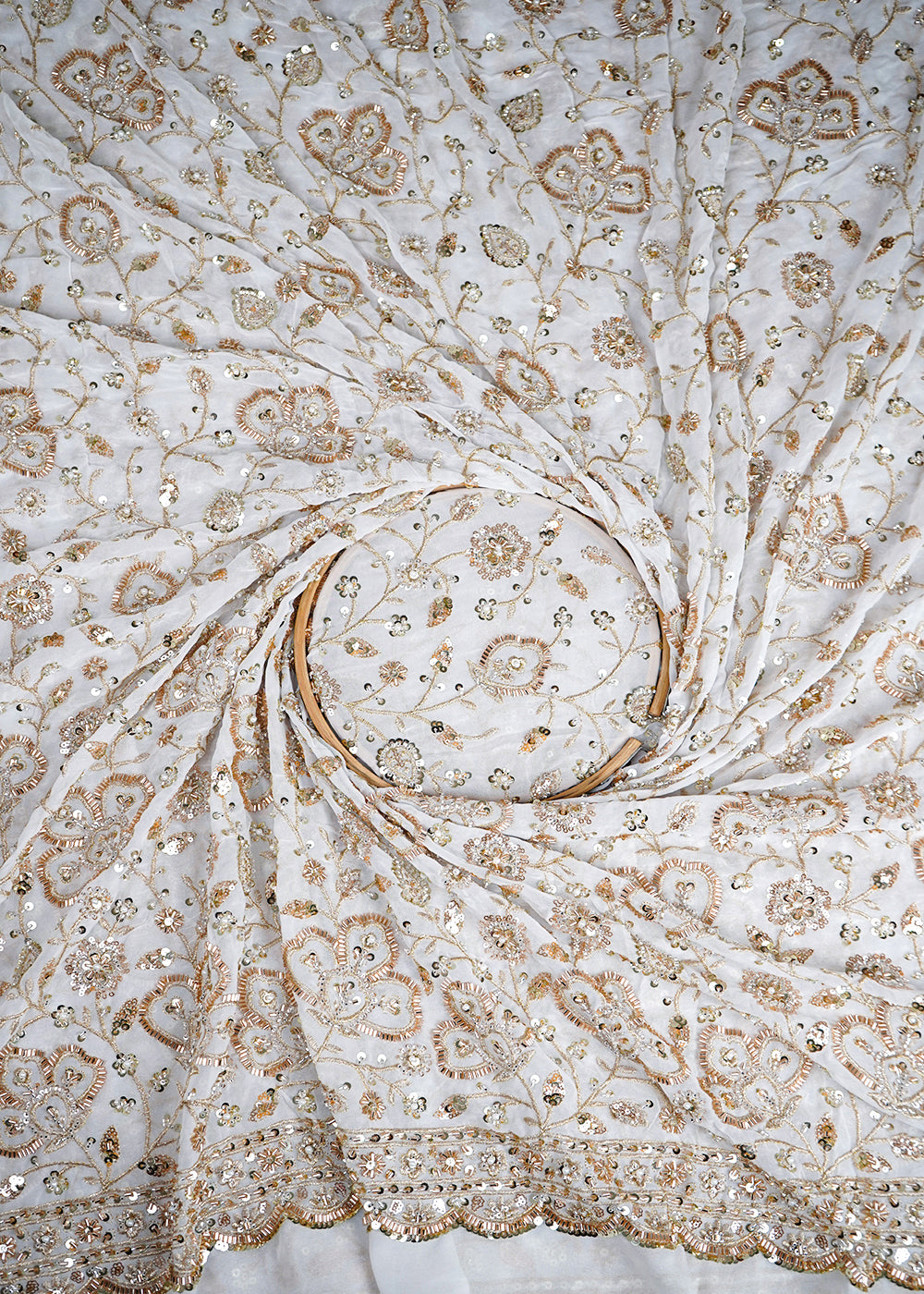



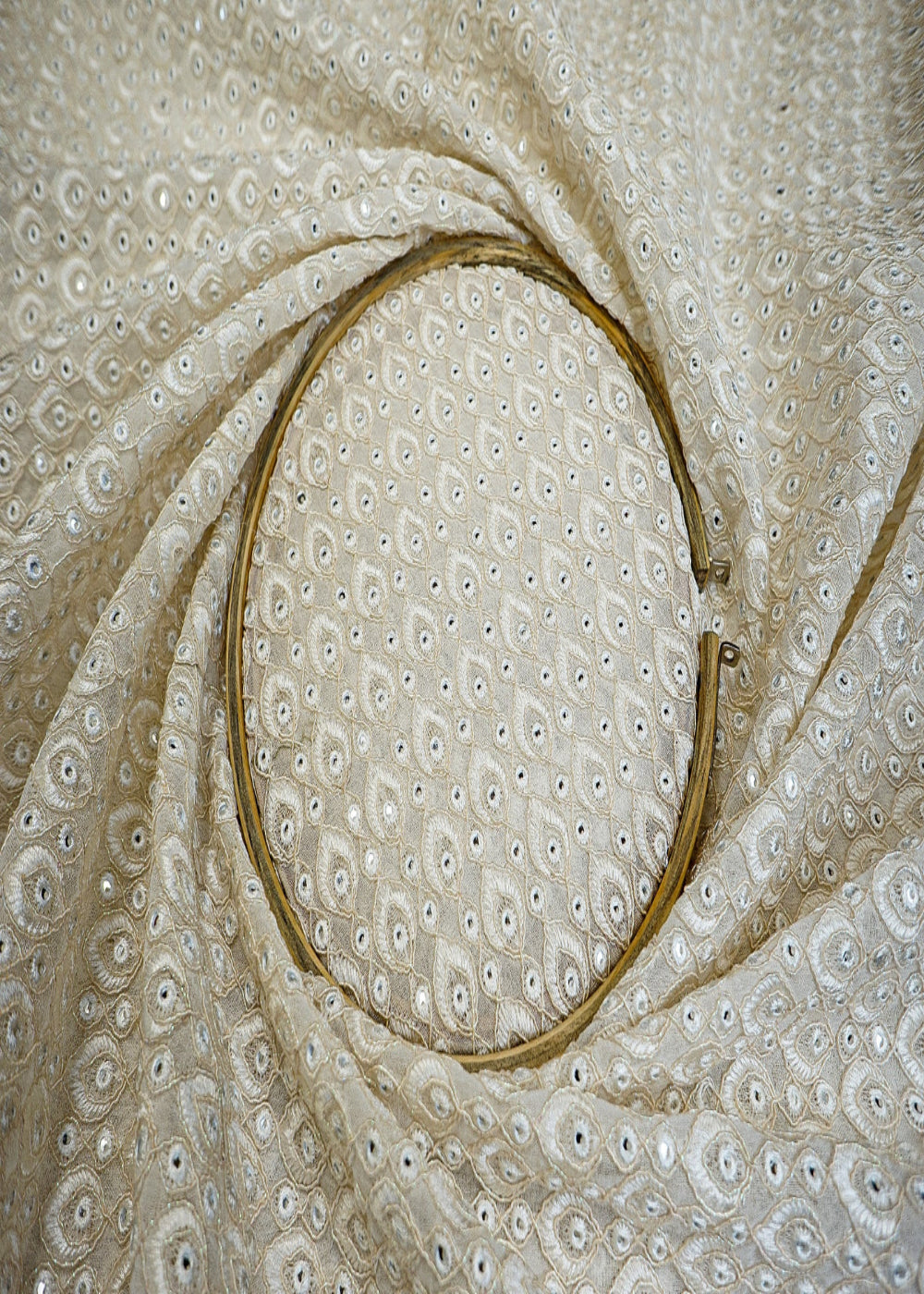
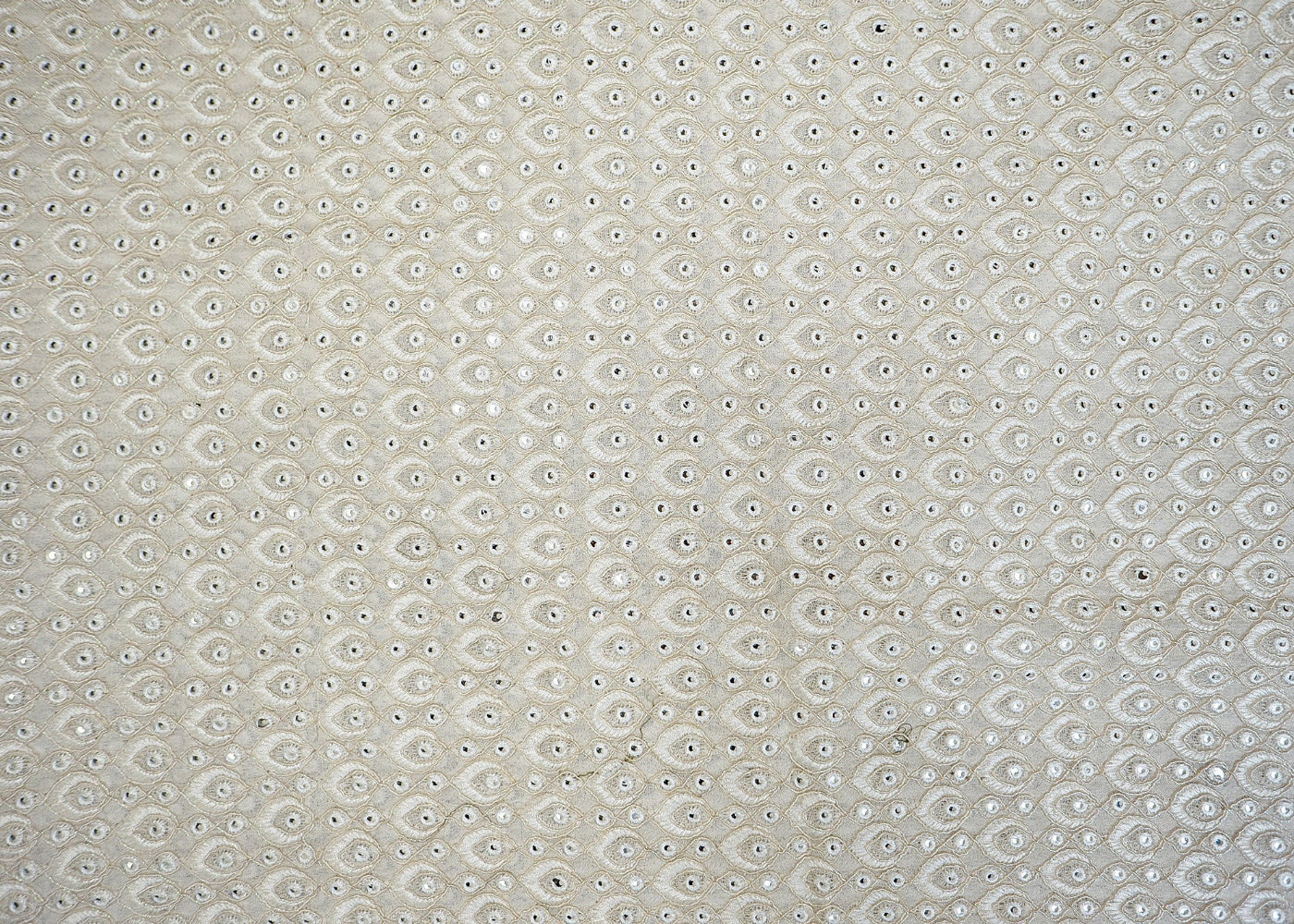
Why Pearl Work Owns Wedding Statement Dressing
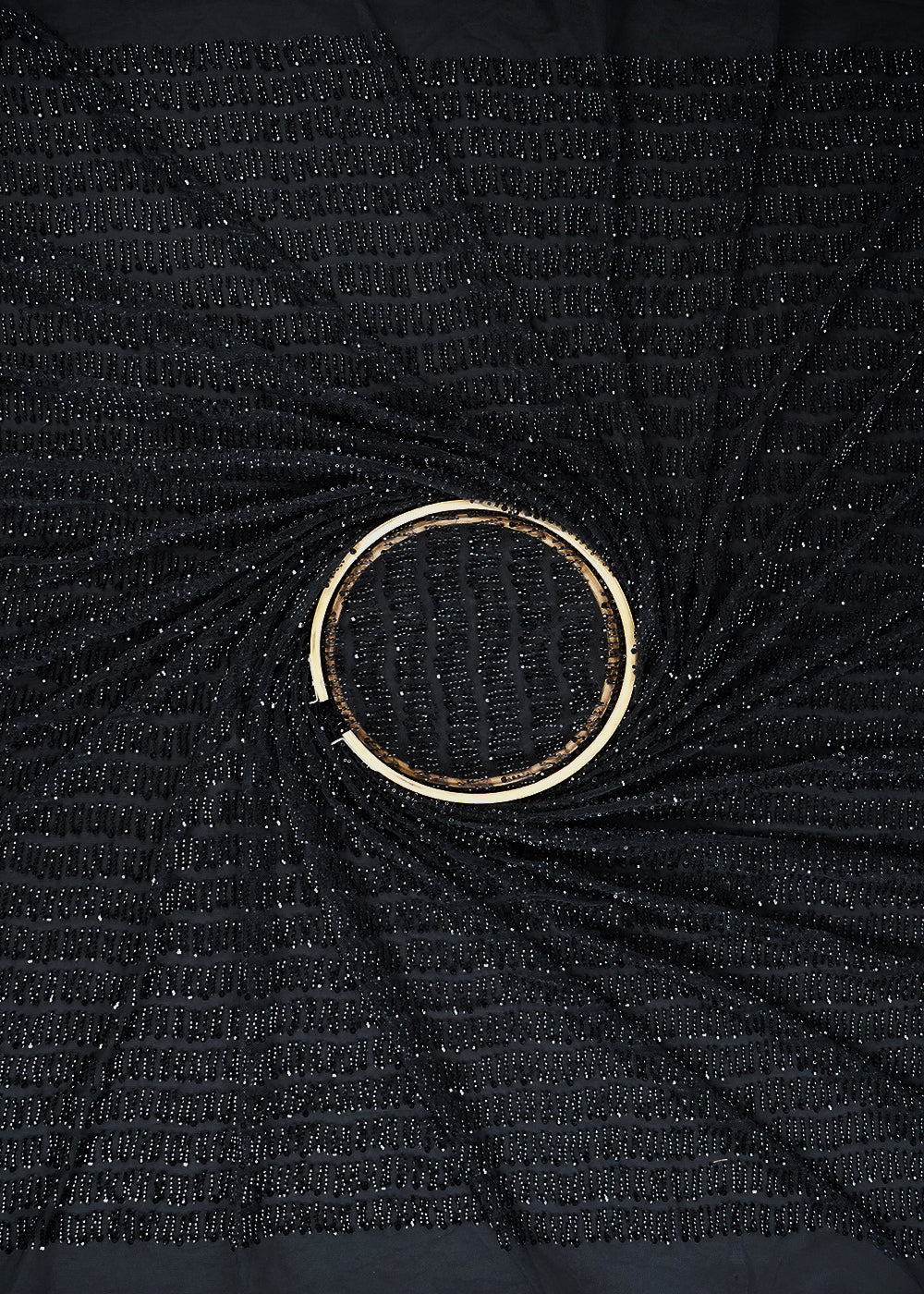
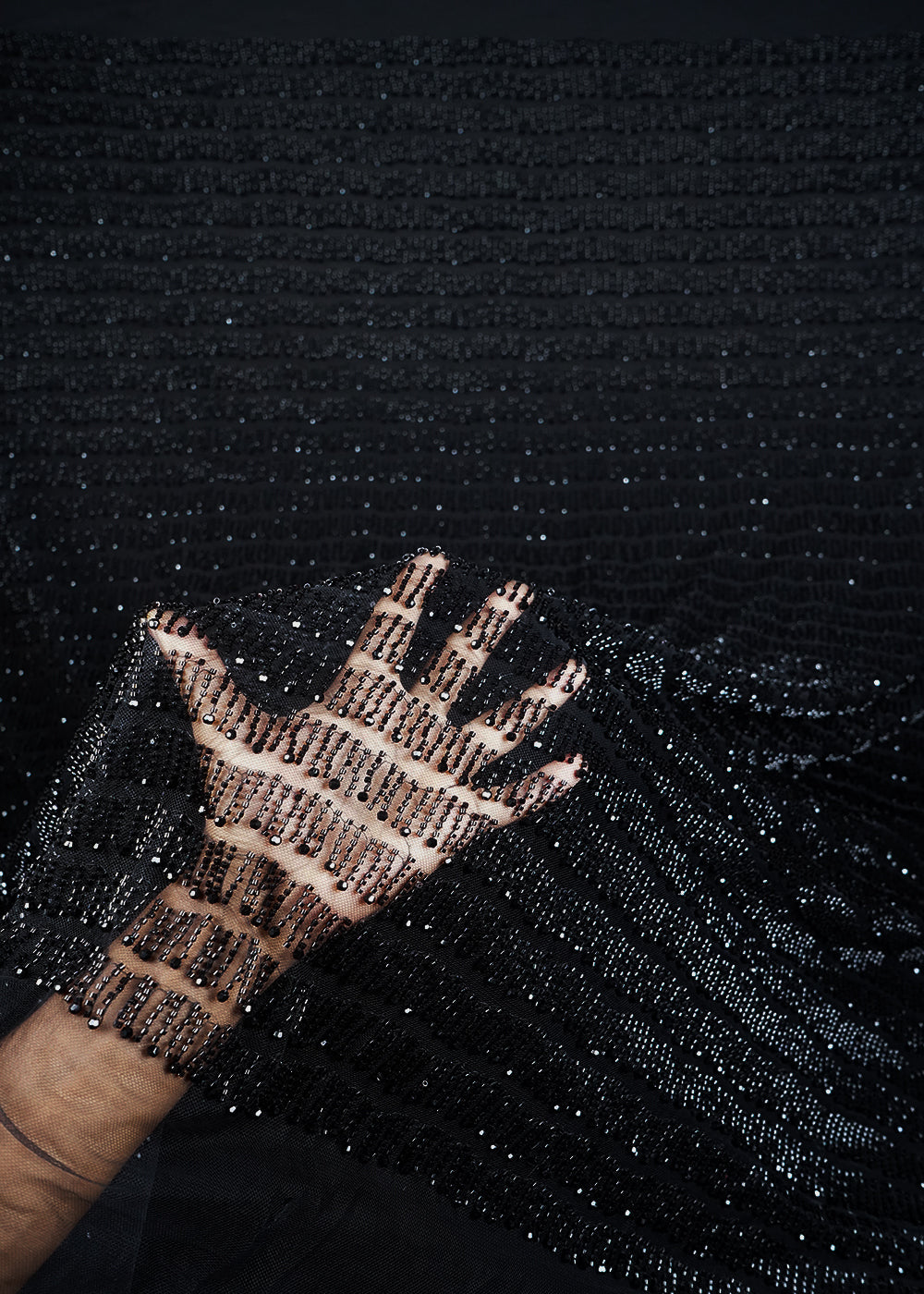
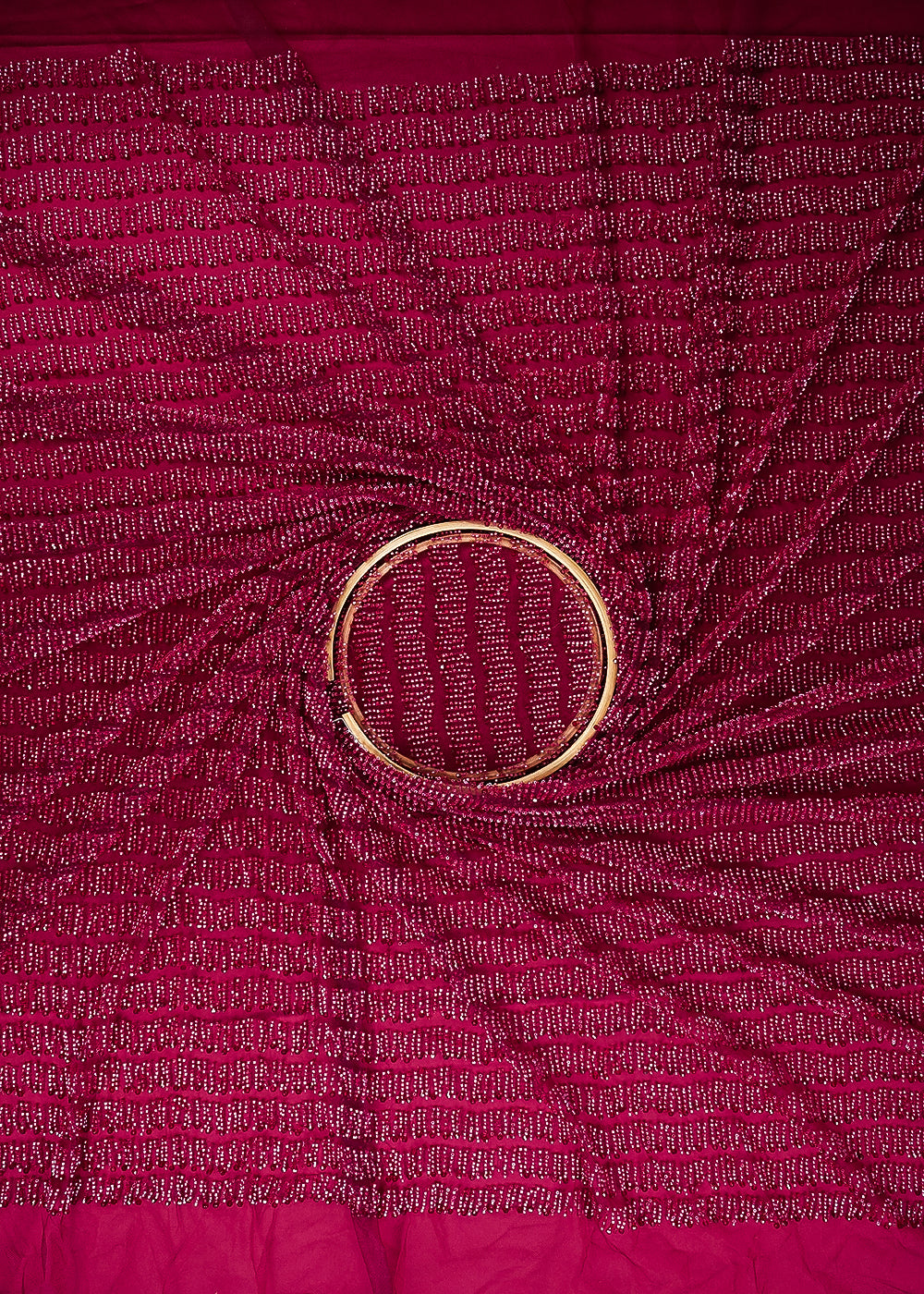
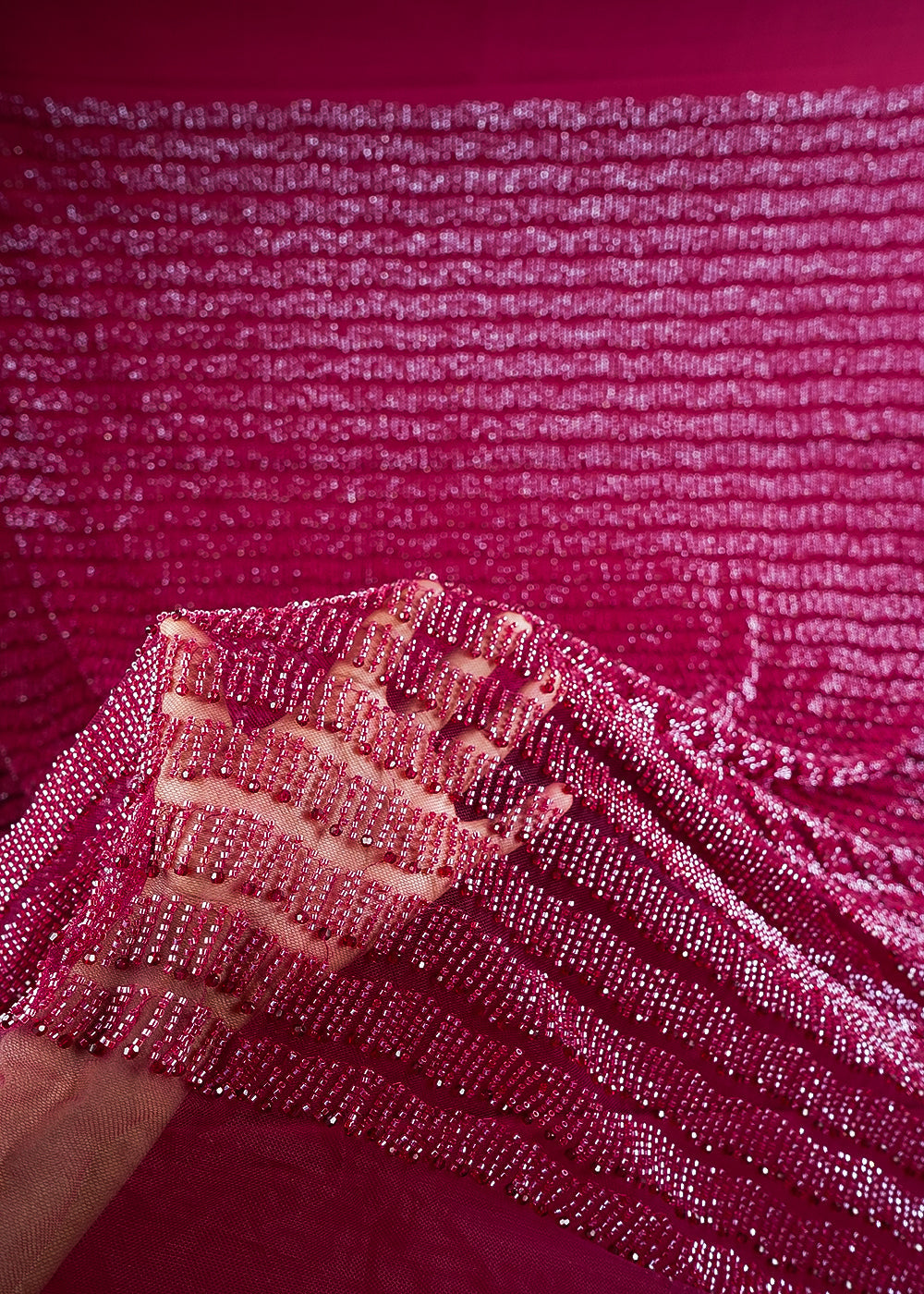
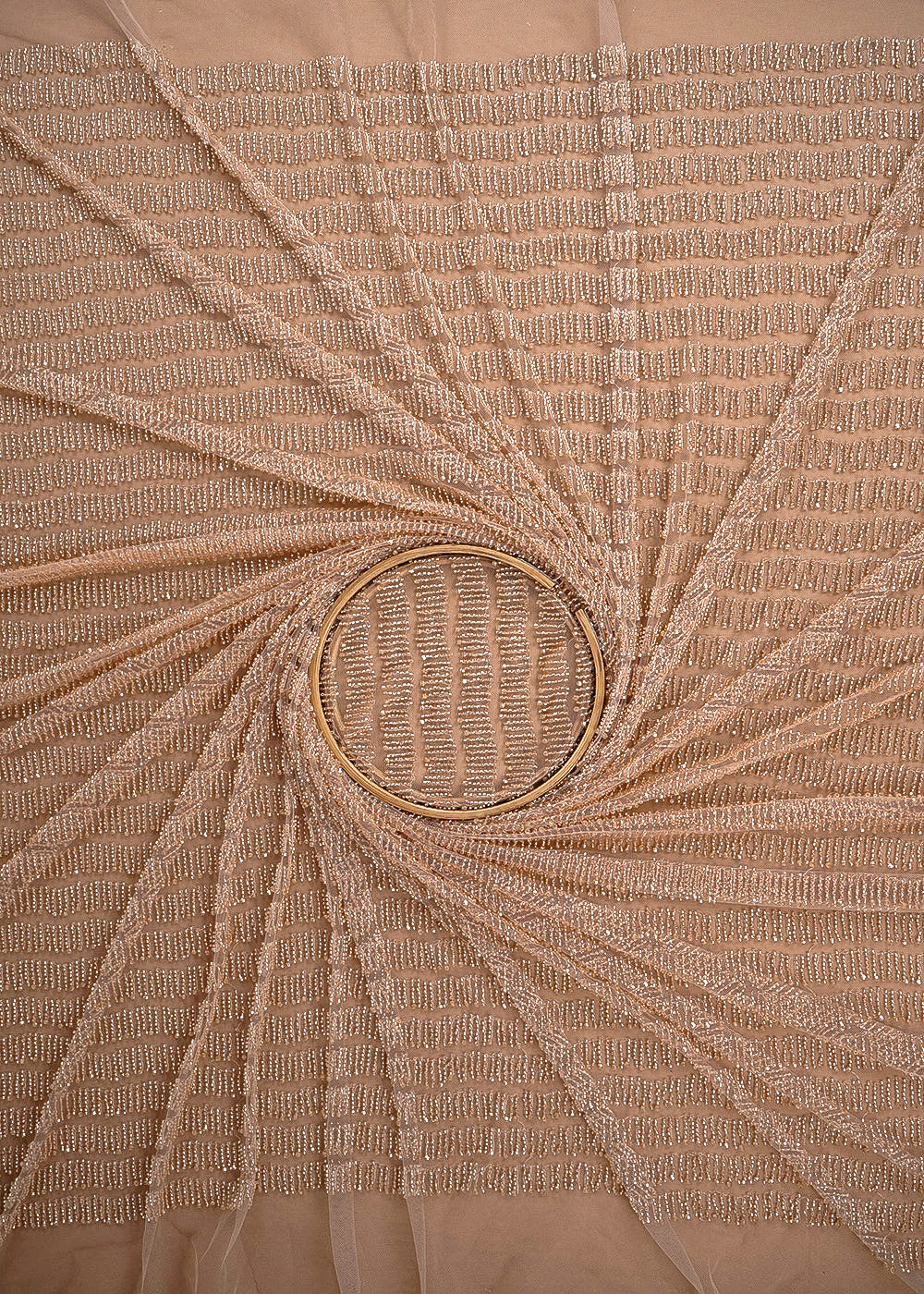
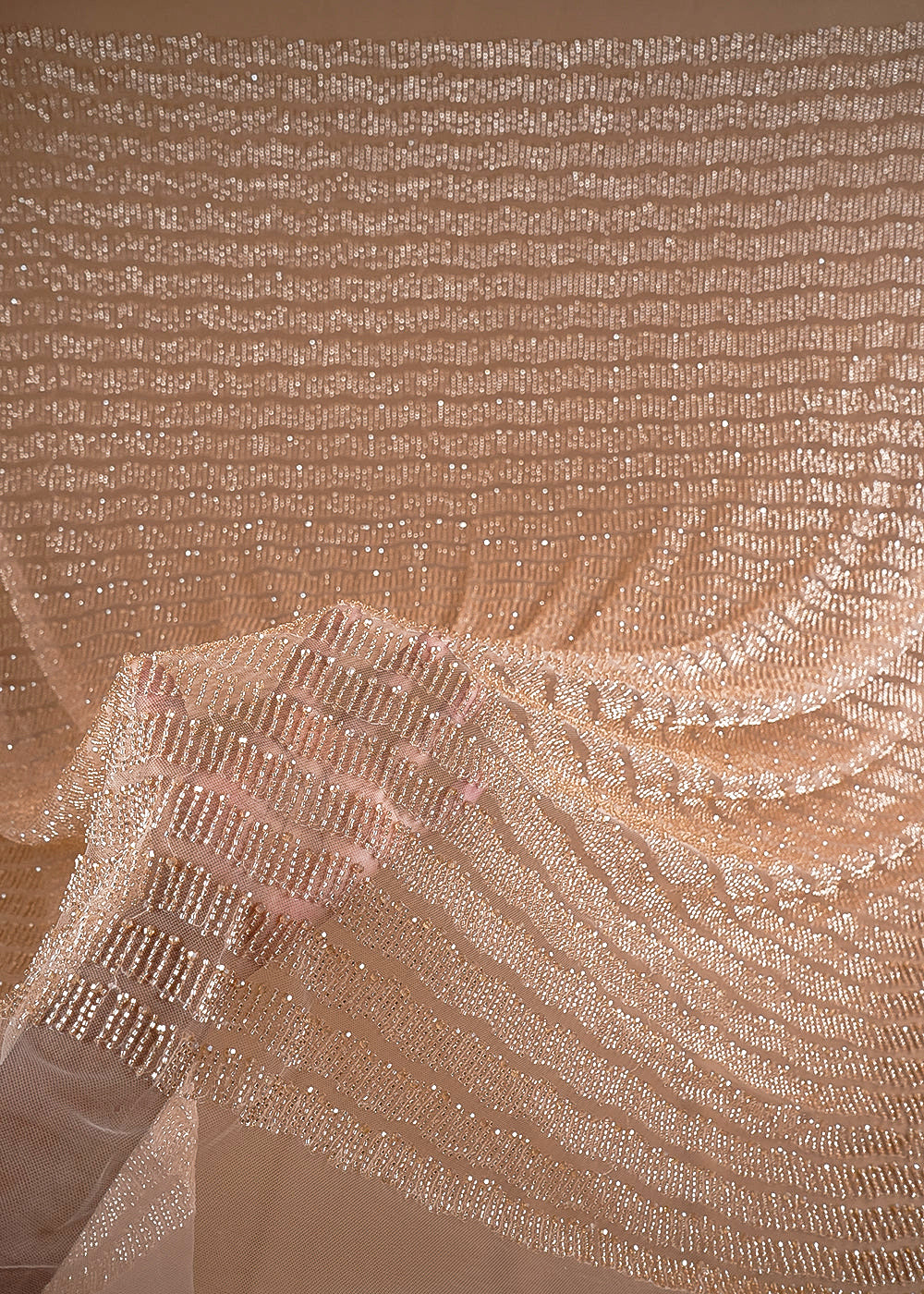
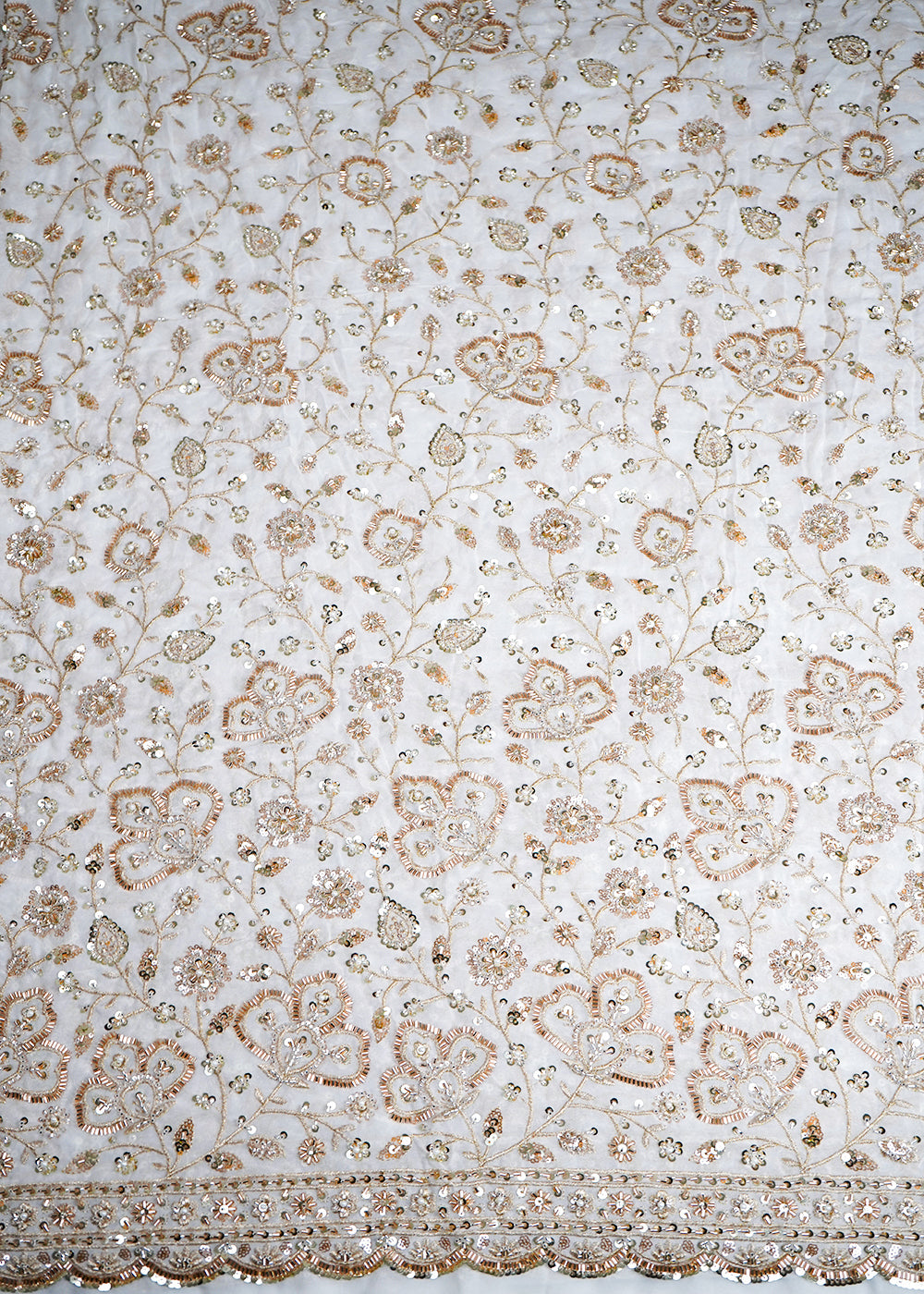
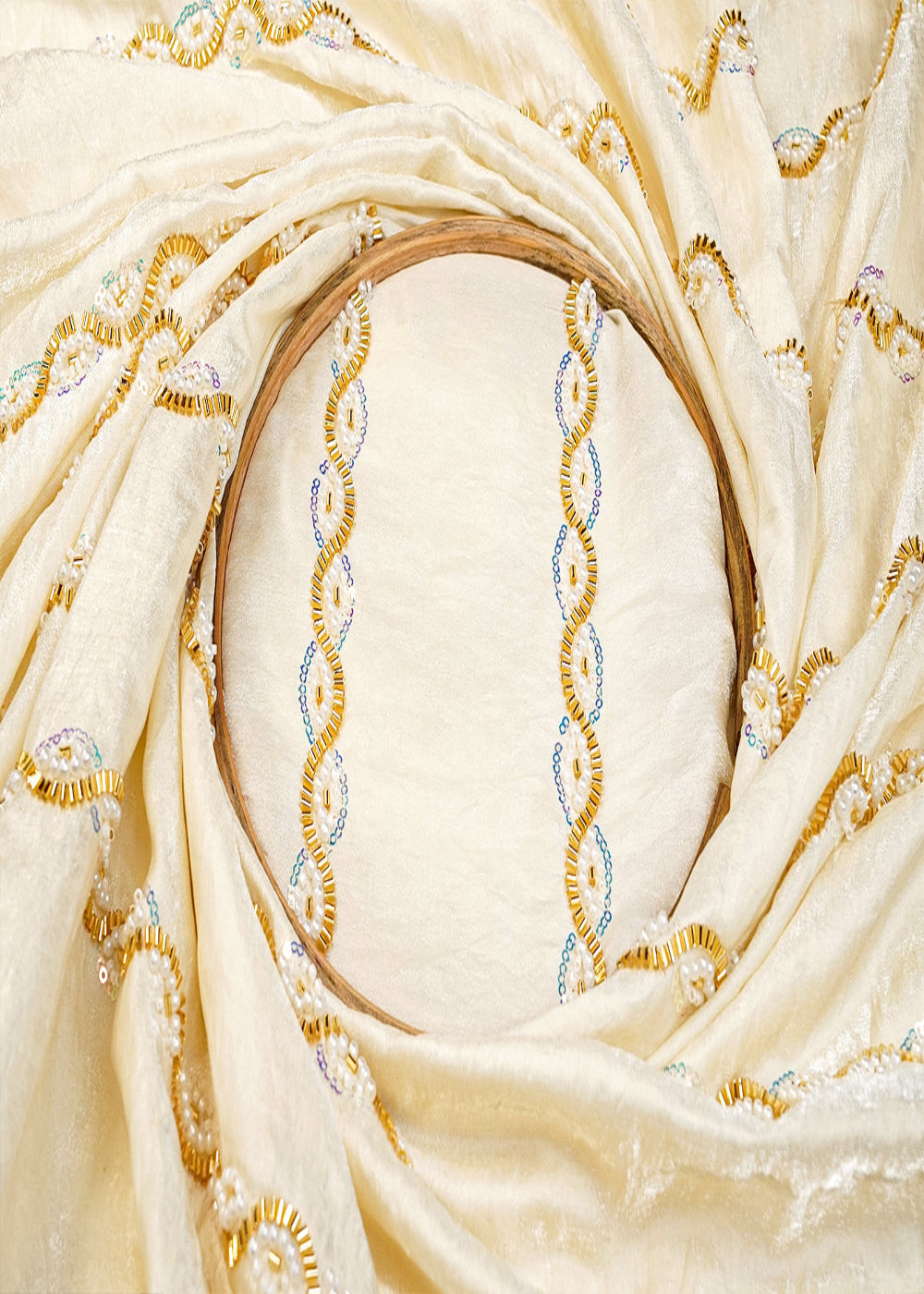
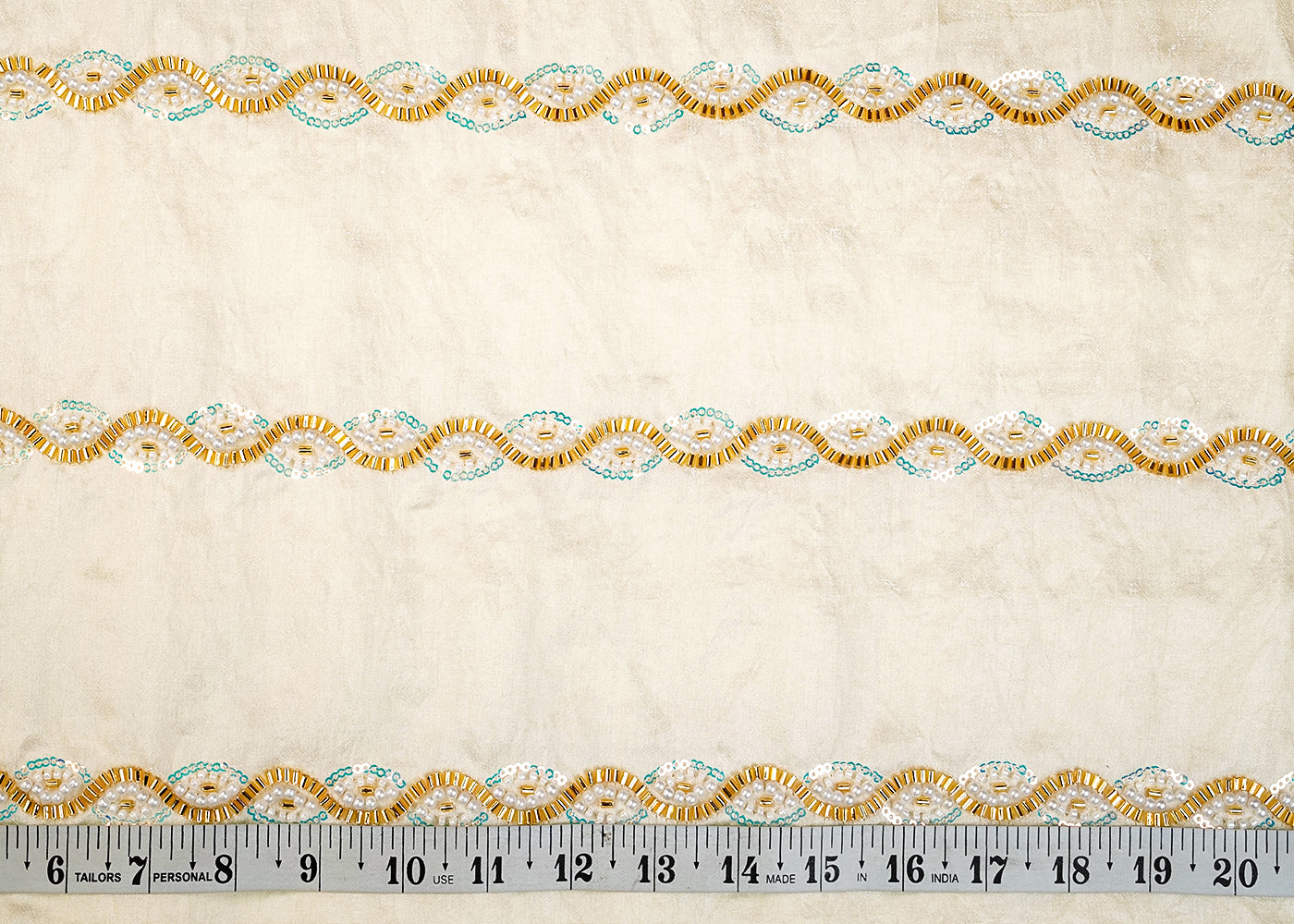
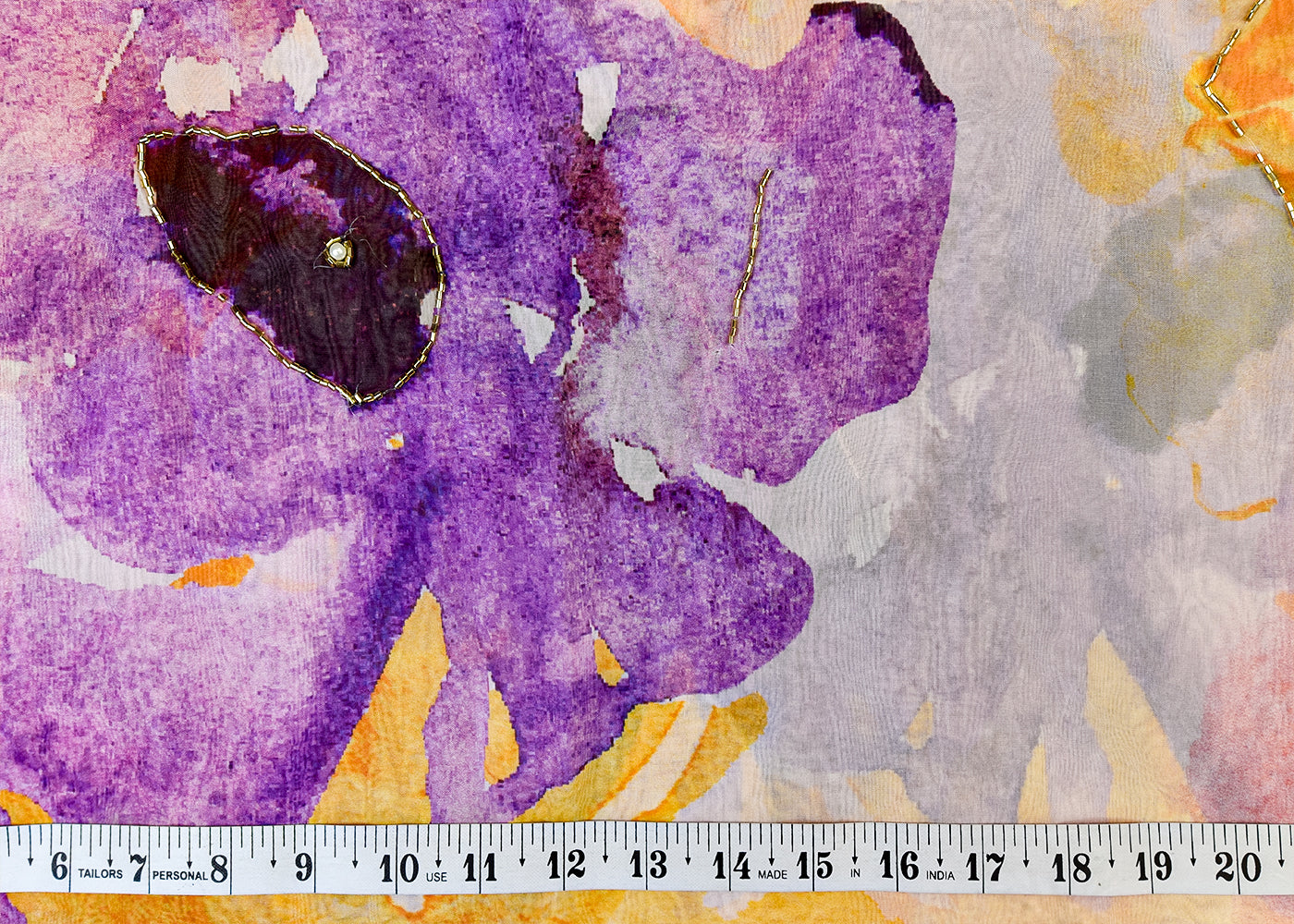
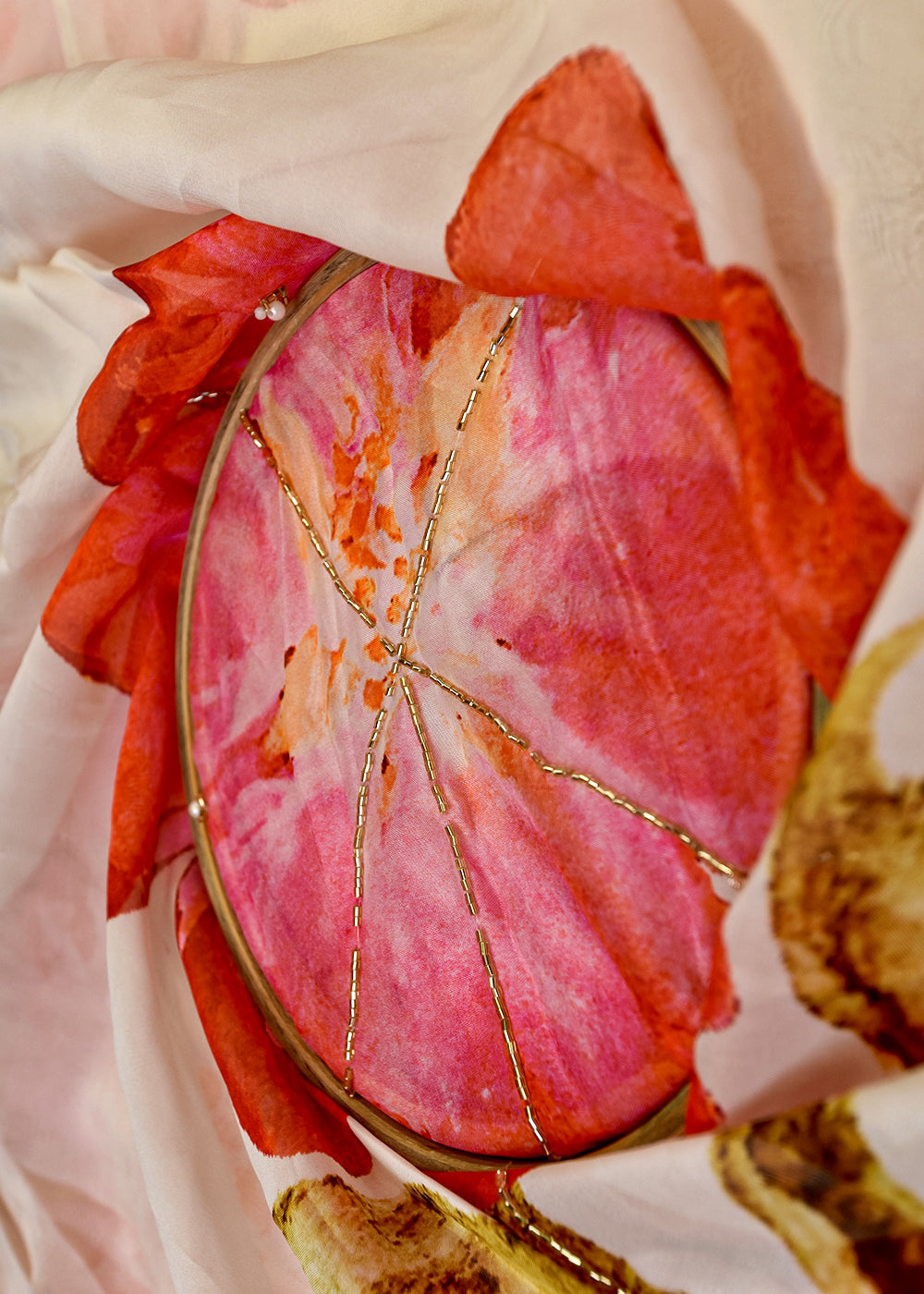
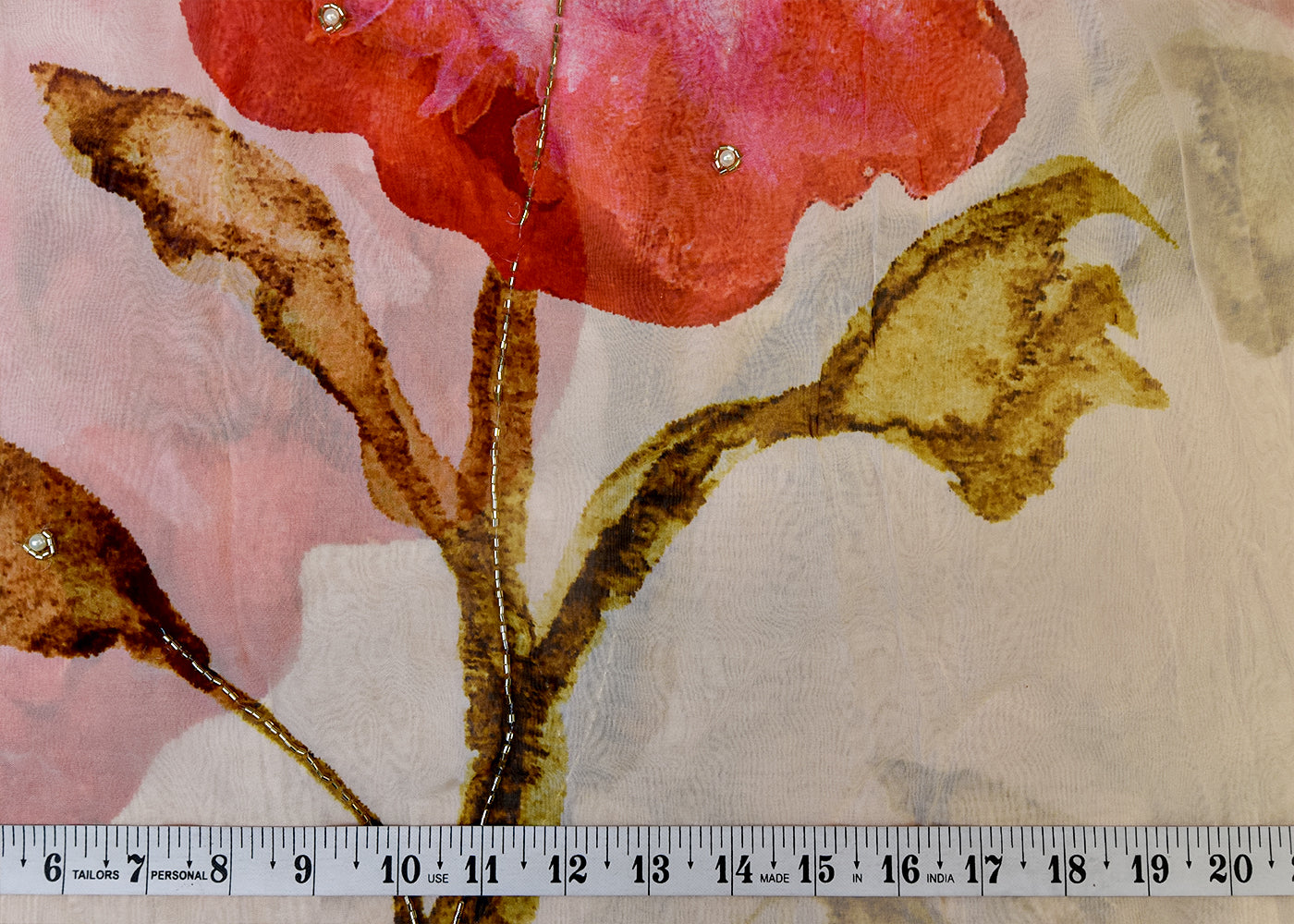
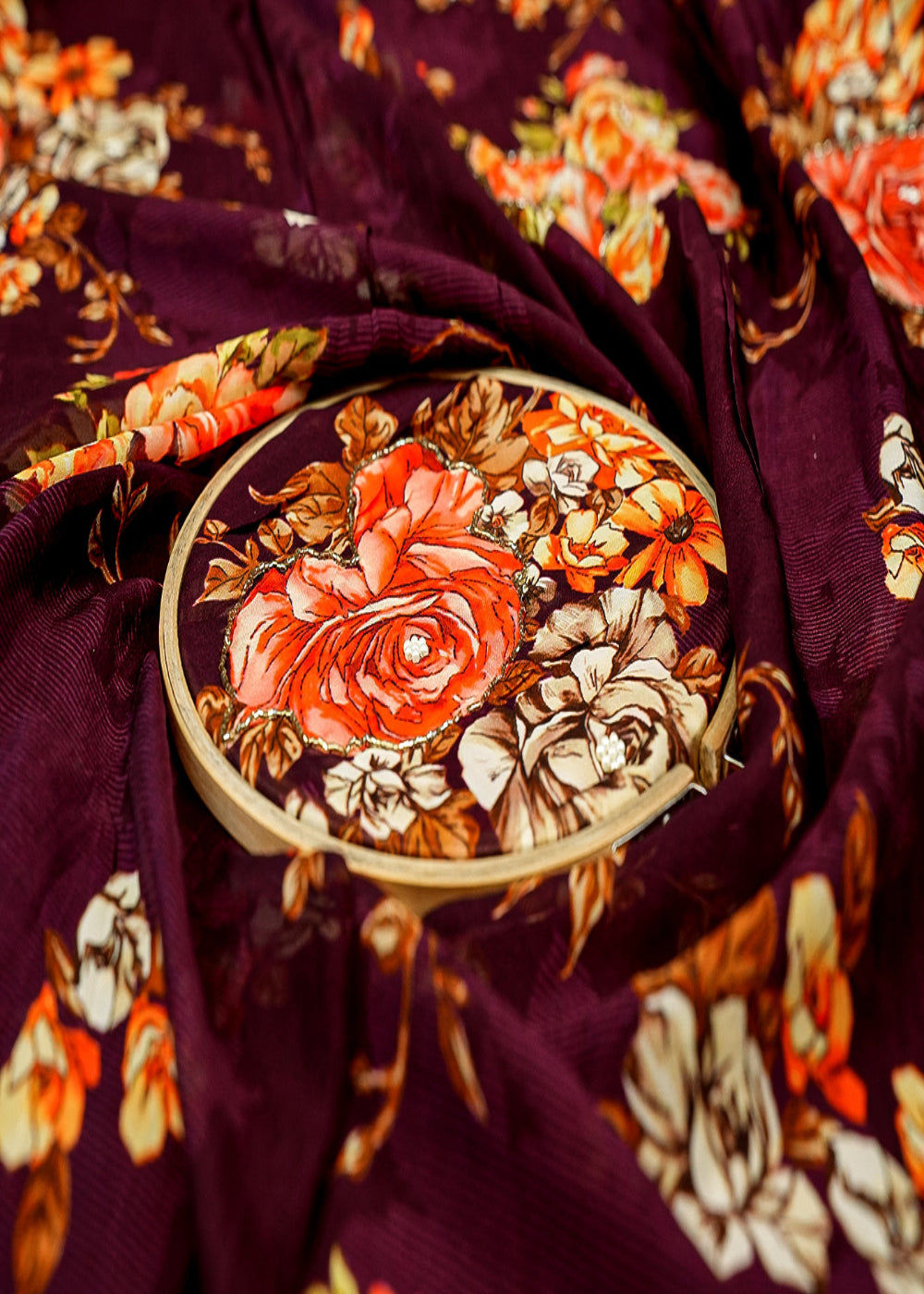
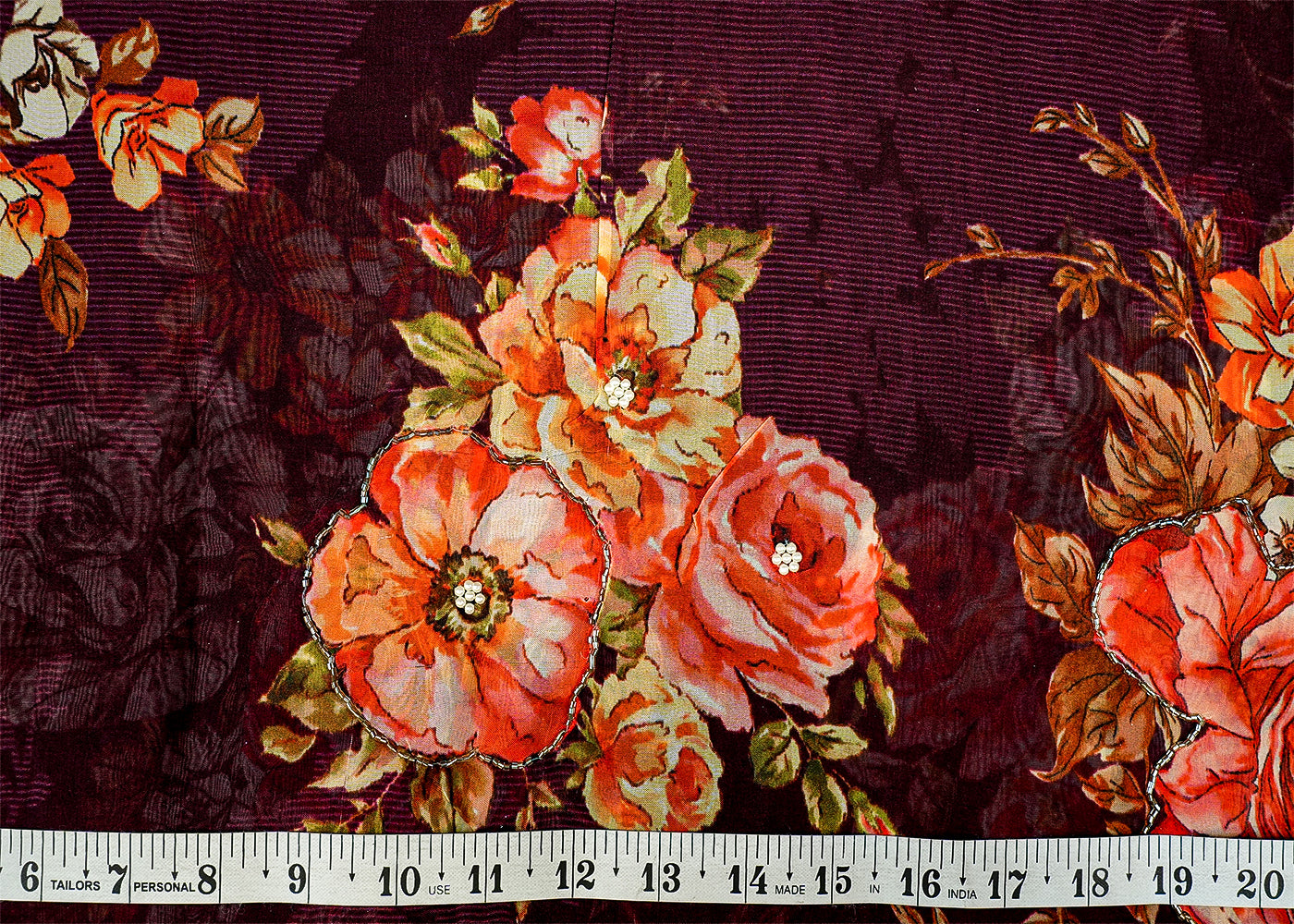
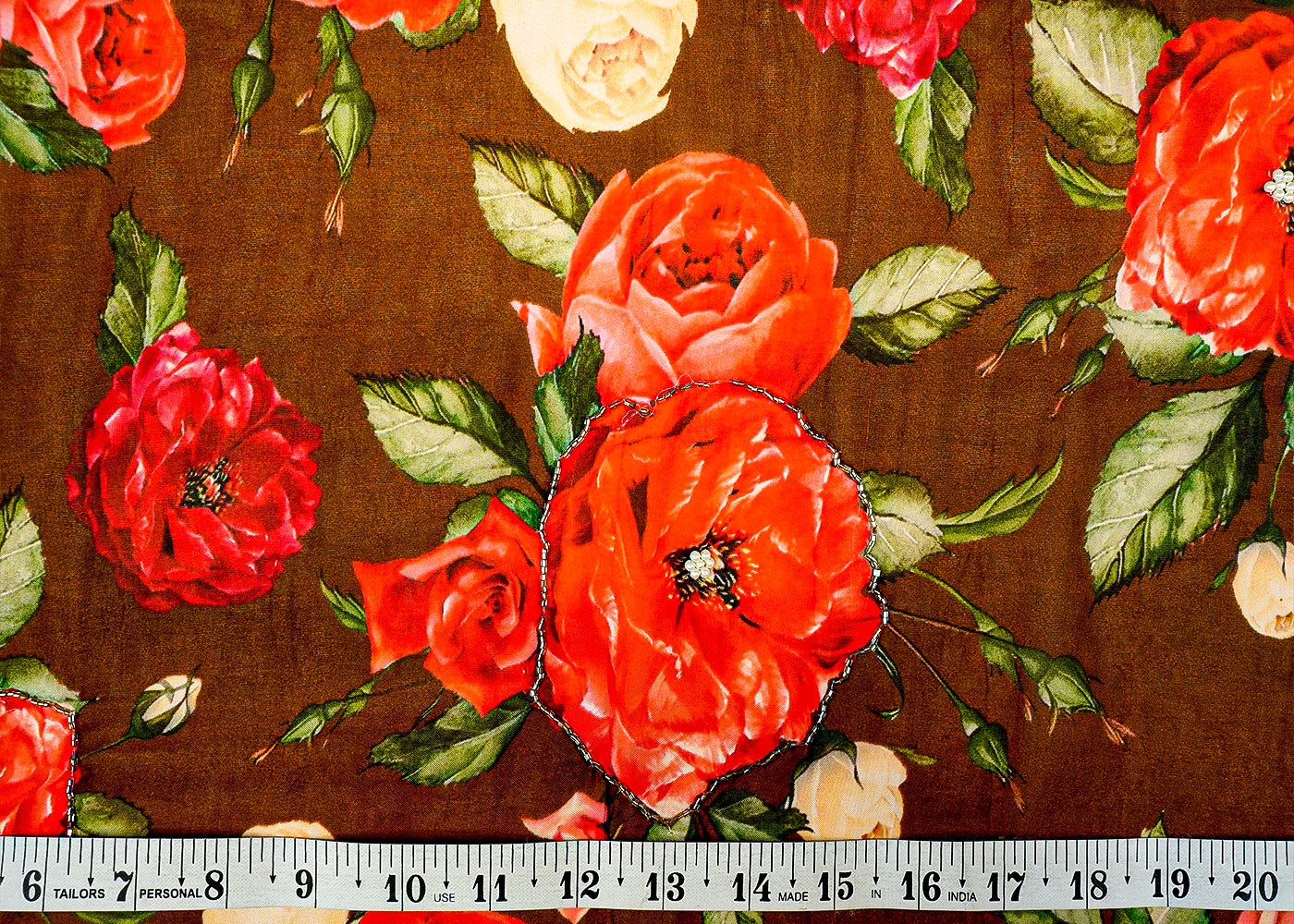
Pearl work, or moti work, is fabric embellished with small round beads stitched onto a base to build soft, luminous motifs. Where sequins flash and katdana catches metallic light, moti does something quieter. It reads refined rather than loud, which is exactly why it anchors so much wedding and reception dressing. Across the Delhi NCR boutique trade it moves steadily for the wedding function segment, feeding roughly the Rs 7,500 to 18,000 retail garment band.
Quick answer. Pearl work, called moti work, is fabric embellished with round beads (glass, shell or faux) stitched onto the base to form raised luminous motifs. Softer than sequins and warmer than katdana, it suits wedding blouses, dupattas, lehenga panels and reception pieces, at roughly Rs 850 to 1,900 per metre wholesale depending on bead density and base grade.
What Makes Pearl Work Different
The finish is the whole point. A sequin is a flat disc that throws hard, mirror-like light. A moti sits round on the surface and gives back a soft, milky glow instead. That difference is why the work photographs as refined wedding detail, where dense sequin can read costume under strong reception lighting.
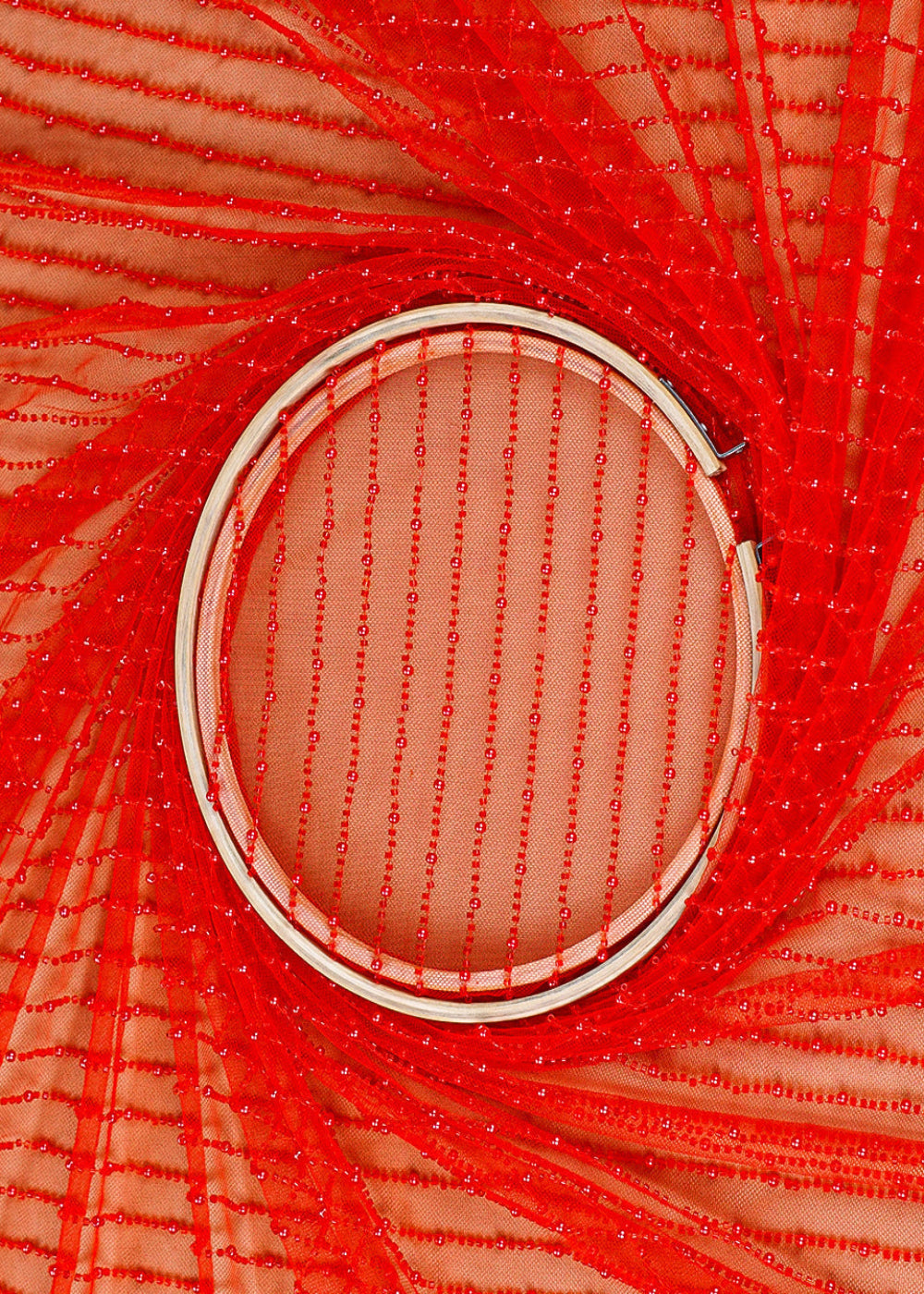
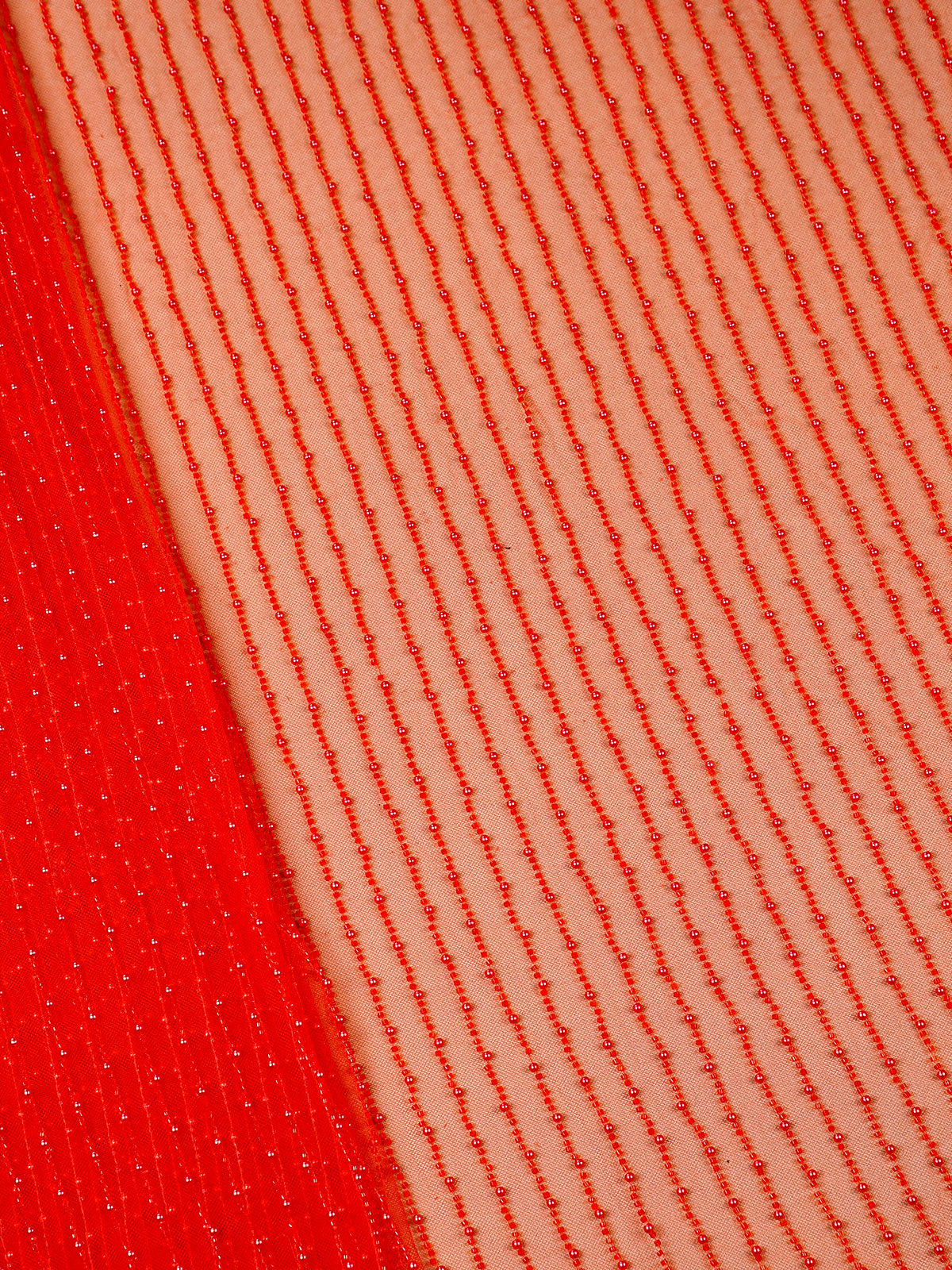
The base variants split by bead density. Scattered moti in a buti layout goes to engagement and lighter festive blouses, dense coverage to wedding blouses and statement dupattas, mixed bead-sequin or bead-zari to reception pieces that want both glow and flash. Buyers pick by the target garment and the retail band they are working.
It works for bridal bliss function outfits and pairs naturally against plainer sequins panels for contrast dressing. Lajpat Nagar wholesale runs roughly Rs 850 to Rs 1,900 per metre, moving with bead density and the base fabric grade.
Types of Pearl Work in Our Collection
| Type | Best use | Approx price (verify) |
| Scattered (buti) | Engagement blouses, lighter festive wear | Rs 850 to 1,050 per metre |
| Dense Coverage | Wedding blouses, statement dupattas | Rs 1,150 to 1,450 per metre |
| Zari-Accent | Wedding lehenga panels, reception blouses | Rs 1,350 to 1,650 per metre |
| Sequin Mix | Reception statement pieces | Rs 1,550 to 1,800 per metre |
| Graded (drop) | Upper-tier wedding, couture panels | Rs 1,700 to 1,900 per metre |
The scattered variant is the volume seller across mid-market wedding production, since it gives the moti look without the weight or cost of full coverage. Upper-tier boutiques working the higher retail bands reach for dense and graded panels, where the coverage earns the rate.
Pearl Work GSM Guide
| GSM range | Fabric feel | Best for |
| 140 to 200 GSM | Light-medium, structured | Scattered blouses, kurti panels |
| 200 to 280 GSM | Medium-heavy, rich | Wedding blouses, statement dupattas |
| 280 to 360 GSM | Heavy, statement-weight | Dense lehenga panels, reception |
Most buyers default to the 200 to 280 GSM band for standard wedding production. It carries the bead weight without pulling the base out of shape through a full function. Lighter grades suit scattered blouses. The heaviest go to dense lehenga panels and reception pieces.
In short. Moti work is round bead-work that glows soft where sequins flash. Buy in the 200 to 280 GSM band for standard wedding pieces. Budget 1 to 1.5 metres for a blouse, 4.5 metres for a lehenga panel. Dry-clean it. Store it flat. Wholesale runs roughly Rs 850 to 1,900 per metre.
Popular Uses
Wedding blouses lead, mostly in the Rs 8,500 to 14,000 retail band across the Delhi NCR designer trade. Statement dupattas come second, where a moti-heavy border carries an otherwise plain outfit. Lehenga panels for coordinated wedding-family sets are third. Reception and engagement pieces round out the list, in the boutiques working the upper retail bands.
Pearl Work Trends for 2026
Soft-tone moti is leading the wedding segment right now. Boutiques are setting the beads on ivory, champagne and blush bases rather than the older bright grounds, tracking what performs on Instagram catalogue posts. Delhi NCR wedding boutiques reorder these soft bases every three weeks across the October to February peak. Scattered minimalist work is the second pattern gaining ground, driven by the engagement segment that wants the finish without full wedding weight.
Care and Working Tips
Dry-clean moti-work pieces. Machine washing knocks the beads loose. Even hand-washing can dull faux-bead coatings over time. Keep the fabric away from long moisture exposure, which is what fogs a faux pearl.
Stitch with a silk-blend thread, it handles the embellished base best. A fine needle is mandatory, since a standard needle catches the beads and the thread that holds them. Loosen the machine tension for the combined weight of base and bead layer.
Iron on low heat, reverse side, through a press cloth. Keep the iron off the beads directly, because heat clouds them. Store the fabric flat or rolled on a tube rather than folded, since a fold line crushes the beads along the crease.
Frequently Asked Questions
How is pearl work different from sequin work?
The finish is the difference. A sequin is a flat disc that throws sharp, mirror-like light. A moti is round and gives a soft, milky glow instead. On camera the work reads as refined wedding detail, where dense sequin can look costume under strong light. Many wedding pieces now mix the two, moti for the glow with a few sequins for lift.
Which variant works best for boutique production?
It depends on the retail band and the function. The scattered variant handles volume engagement and festive work at accessible rates. Dense coverage serves wedding blouses and dupattas. Graded and zari-accent panels go to upper-tier reception and couture pieces, where the coverage earns the higher rate.
Is pearl work available in bulk for boutique operations?
Yes, across all variants. Bulk pricing starts at 15 metres per SKU, with wholesale tiers from around Rs 720 per metre on orders above 40 metres. Peak-season lots above 100 metres unlock production pricing across the October to February wedding season.
How much fabric does a pearl-work garment need?
It varies by garment. A blouse takes 1 to 1.5 metres. A dupatta takes about 2.5 metres. A saree takes 5.5 to 6 metres. A single lehenga panel takes about 4.5 metres. A kurti takes 2.5 metres for a straight cut, 4 for a kali-flare anarkali.
Why Boutique Owners Buy Pearl Work from Paras Gallery
Ten metres minimum gets you sample-rate per shade. Fifteen metres opens the wholesale tier per SKU. One hundred metres unlocks peak-season production pricing across the wedding boutique cycle. The reason boutiques keep moti on the shelf is the finish, that soft glow reads wedding in a way no flat sequin manages. Browse the range and shade-match first, then order through our wholesale catalogue.
