









How Velvet Became the Winter Wedding Standard
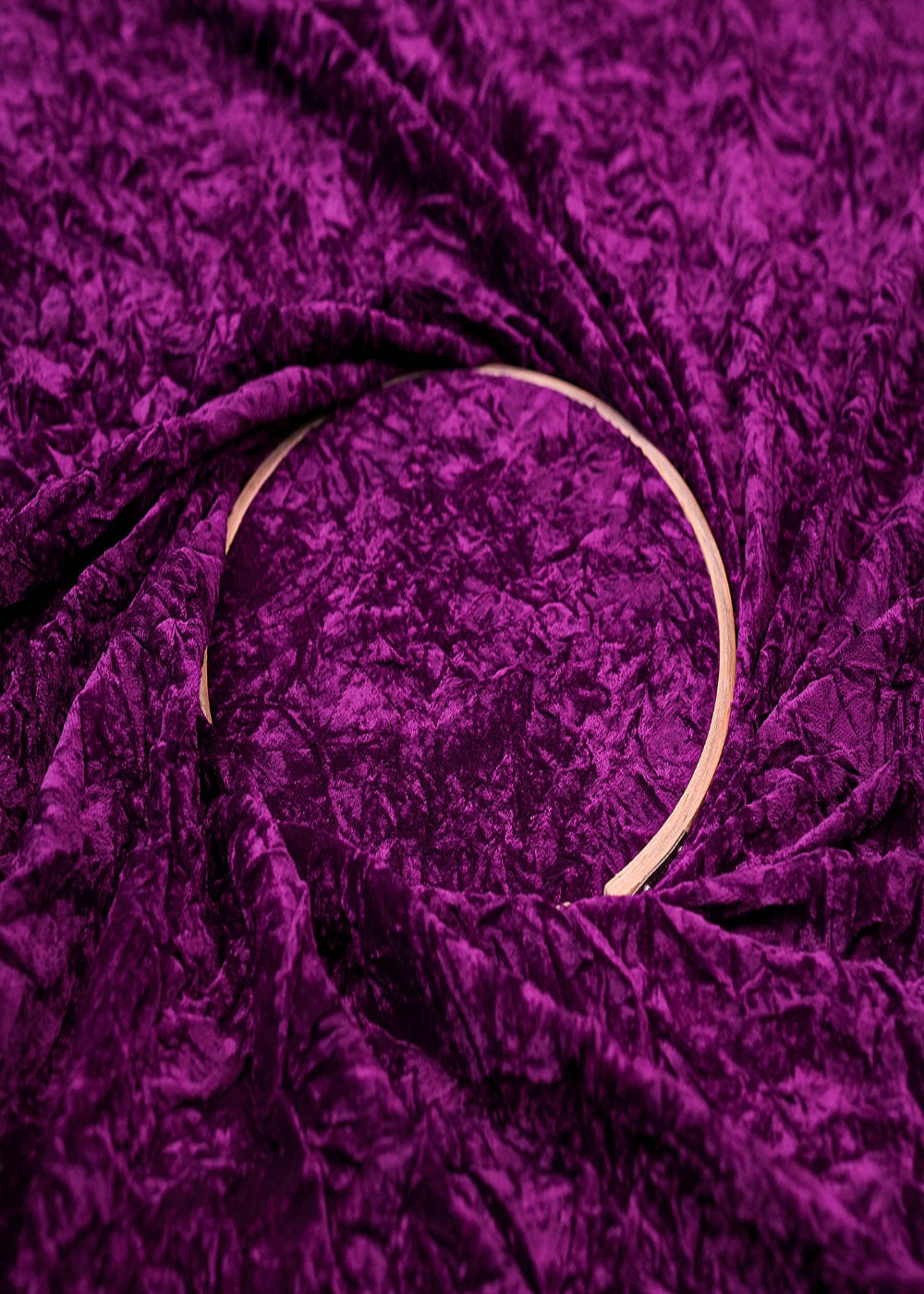
Velvet owns the winter wedding season for one reason. It carries weight and depth that no other fabric matches under function lighting, while the dense pile holds warmth for December and January weddings. That combination is why bridal designers reach for it every cold-season collection.
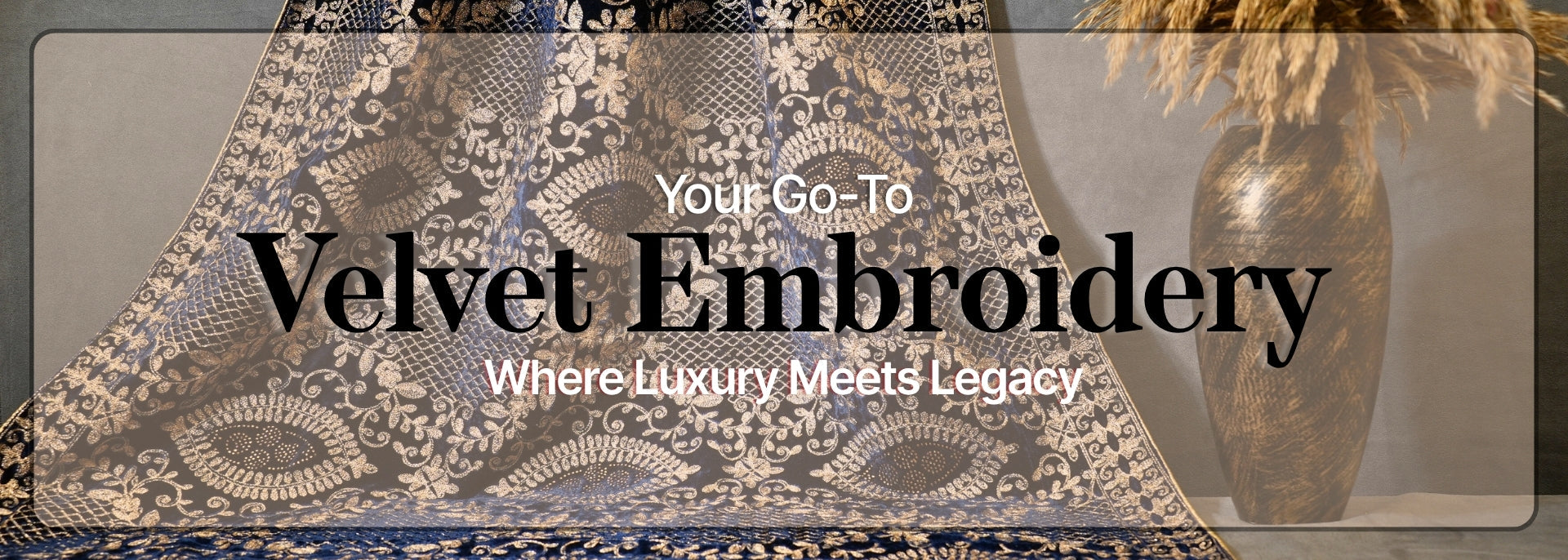
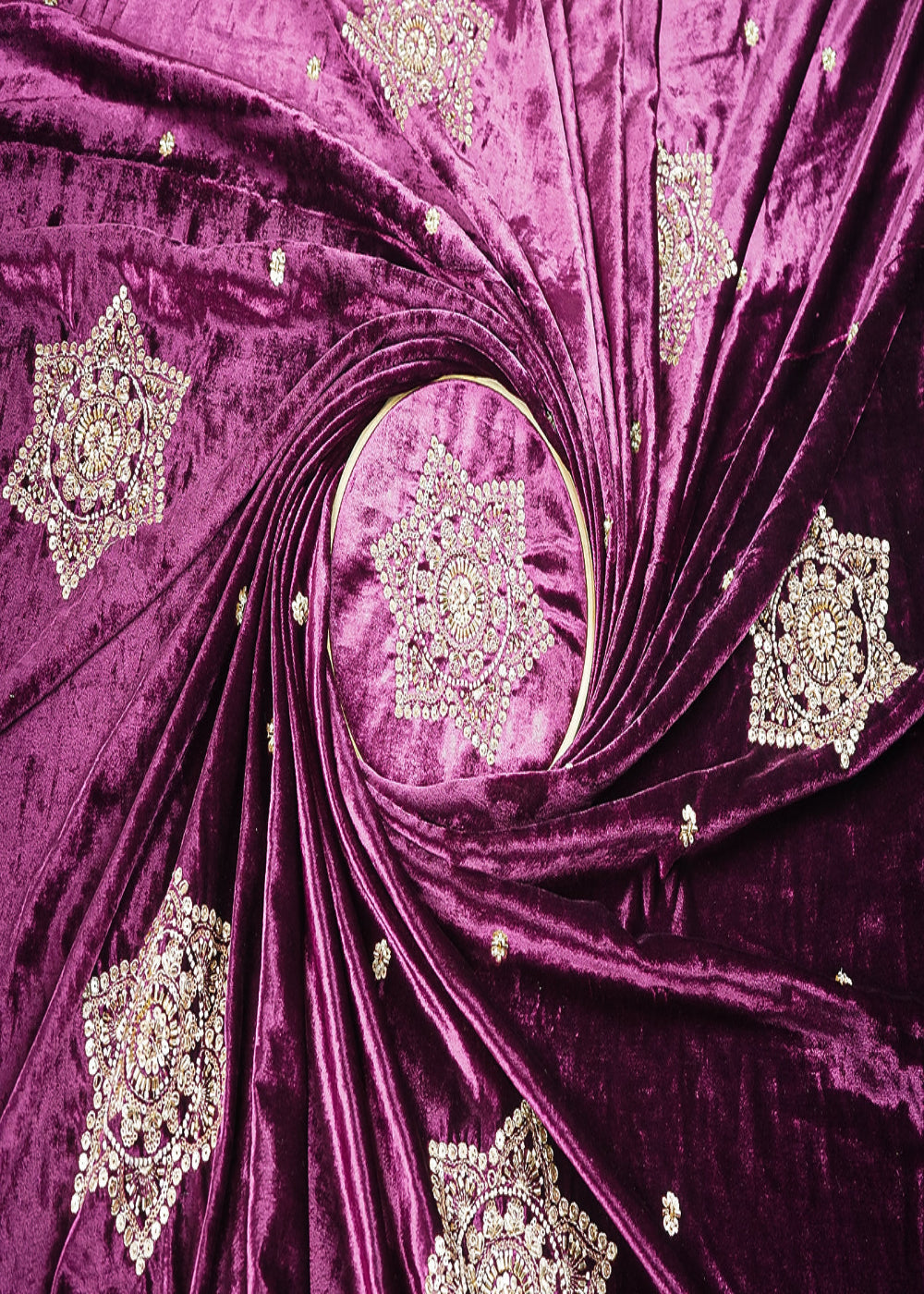
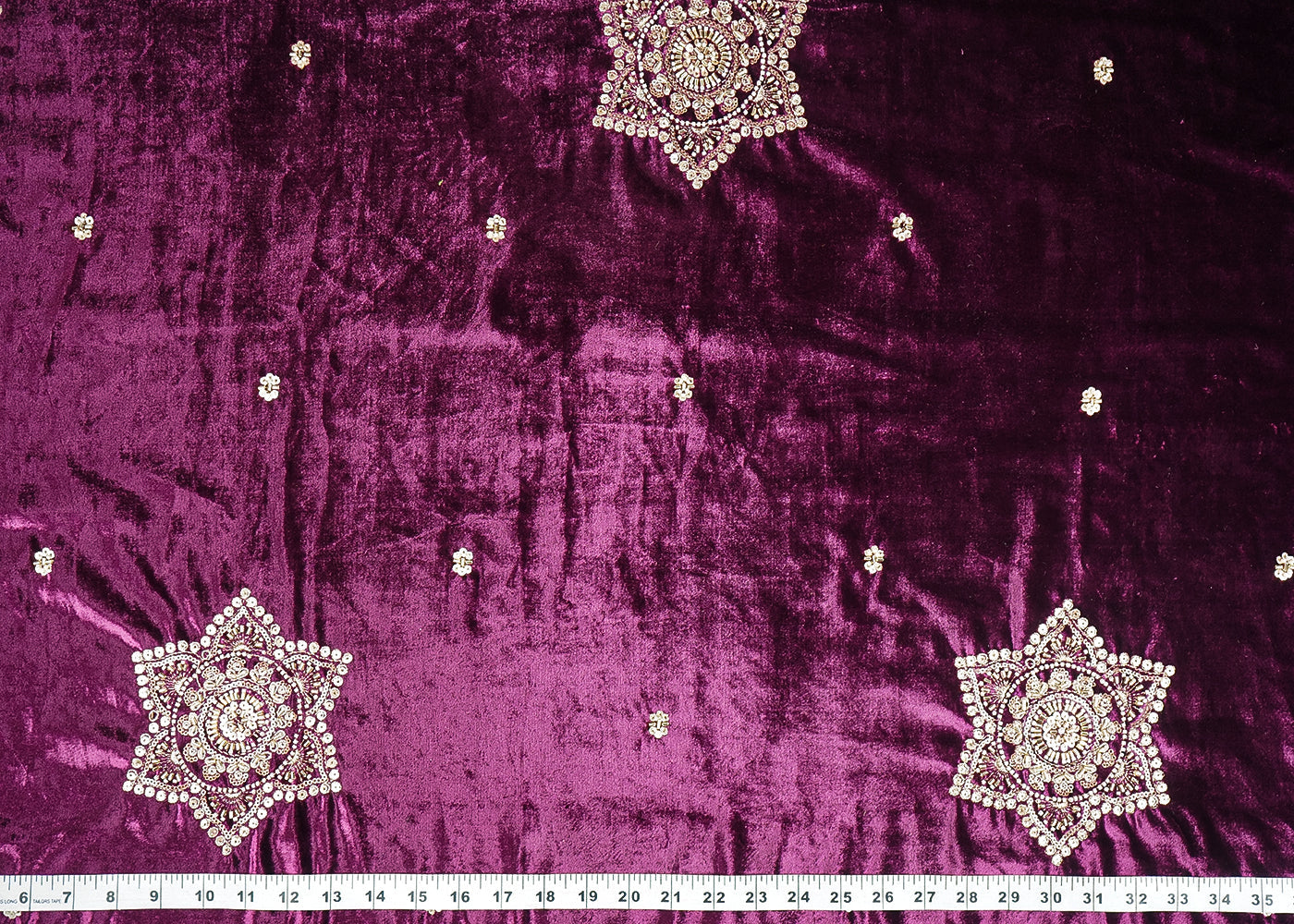
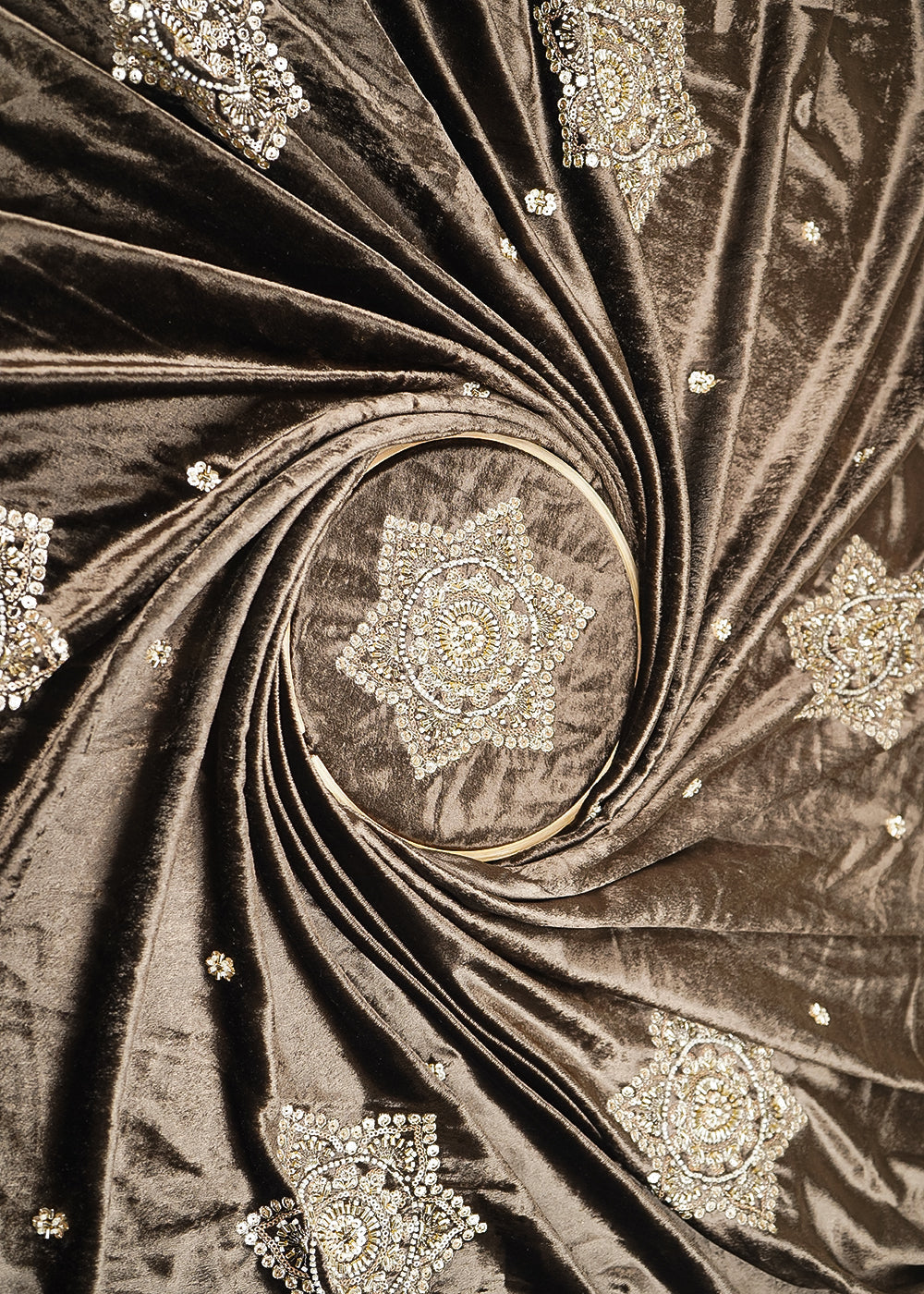
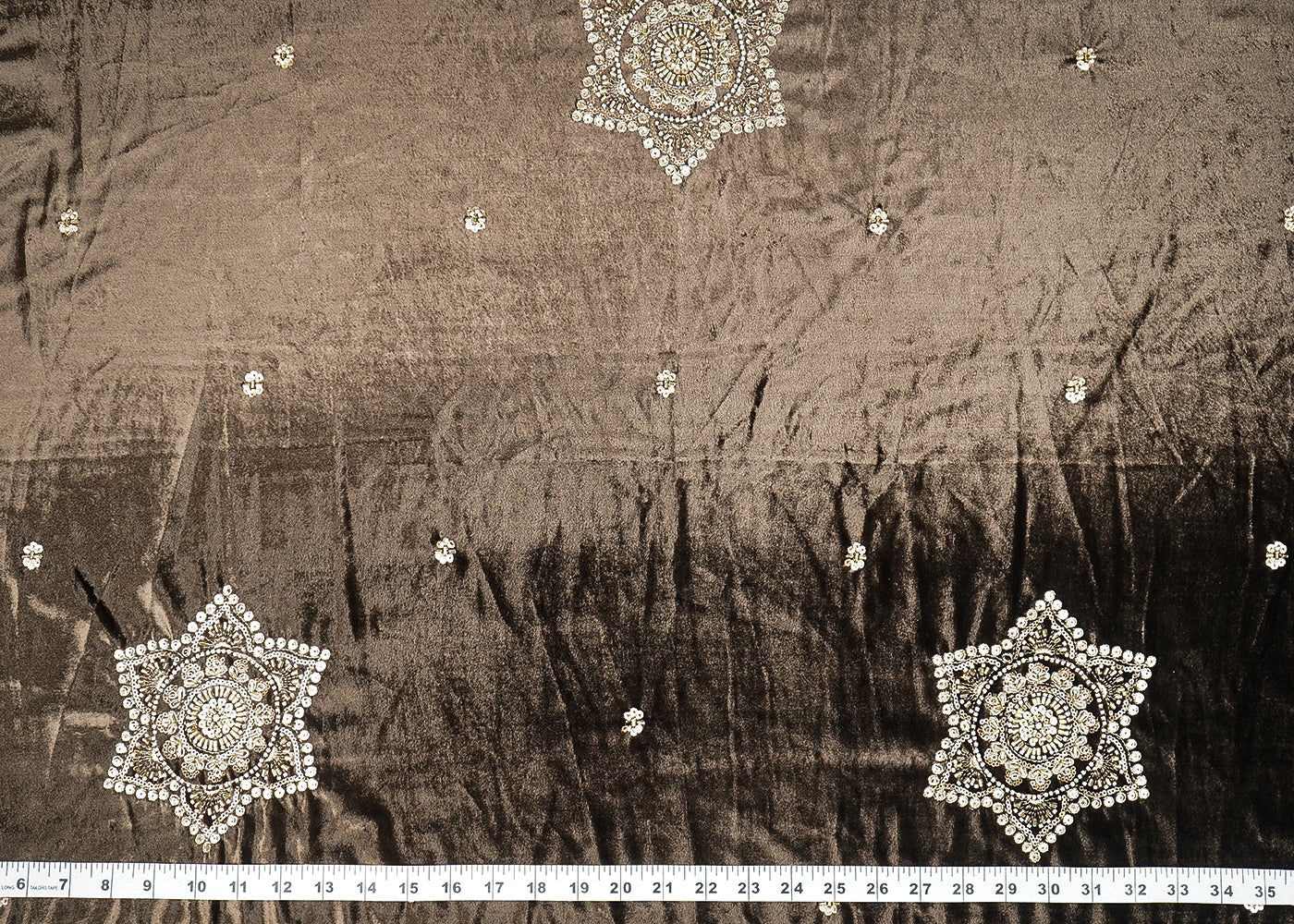
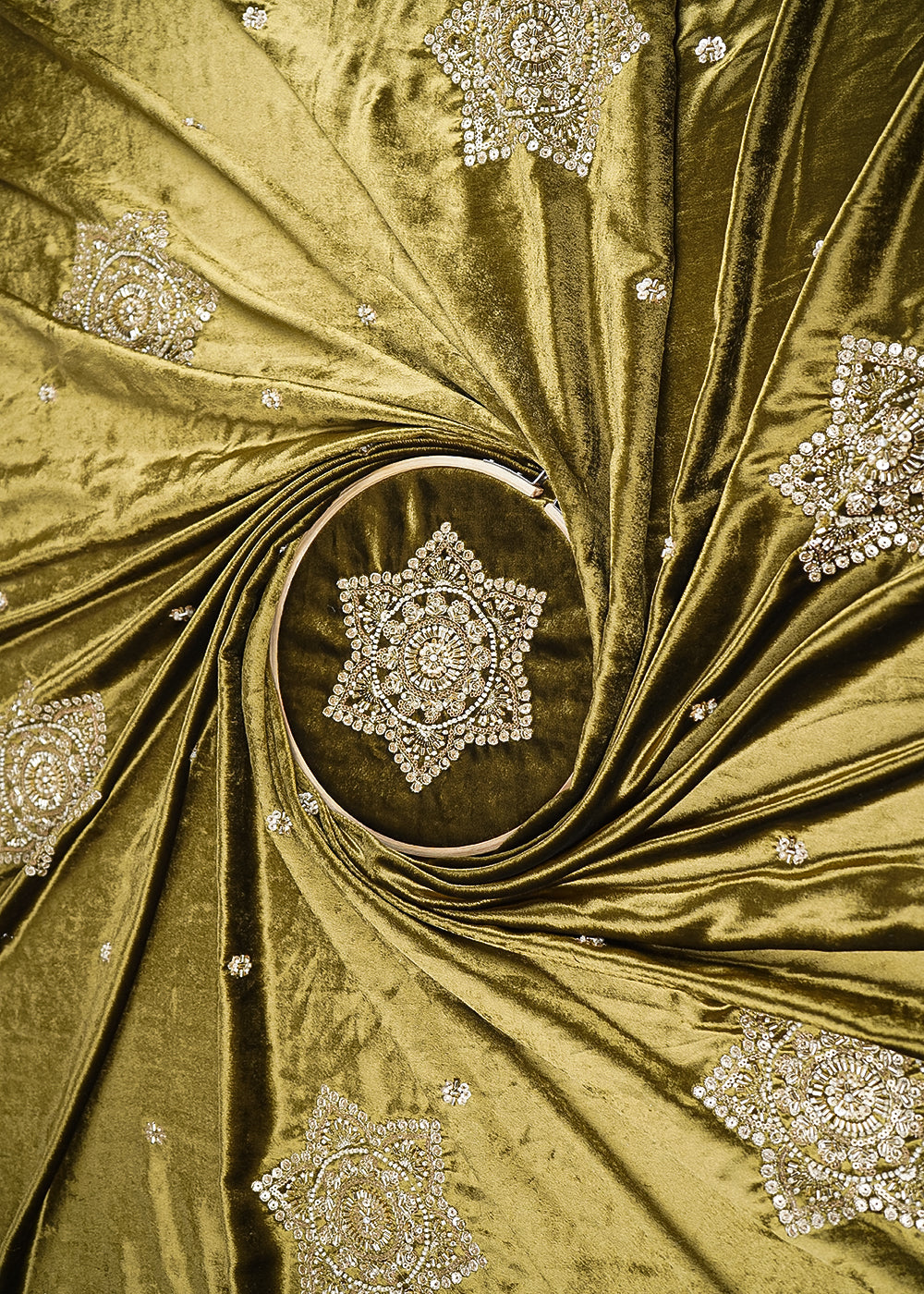
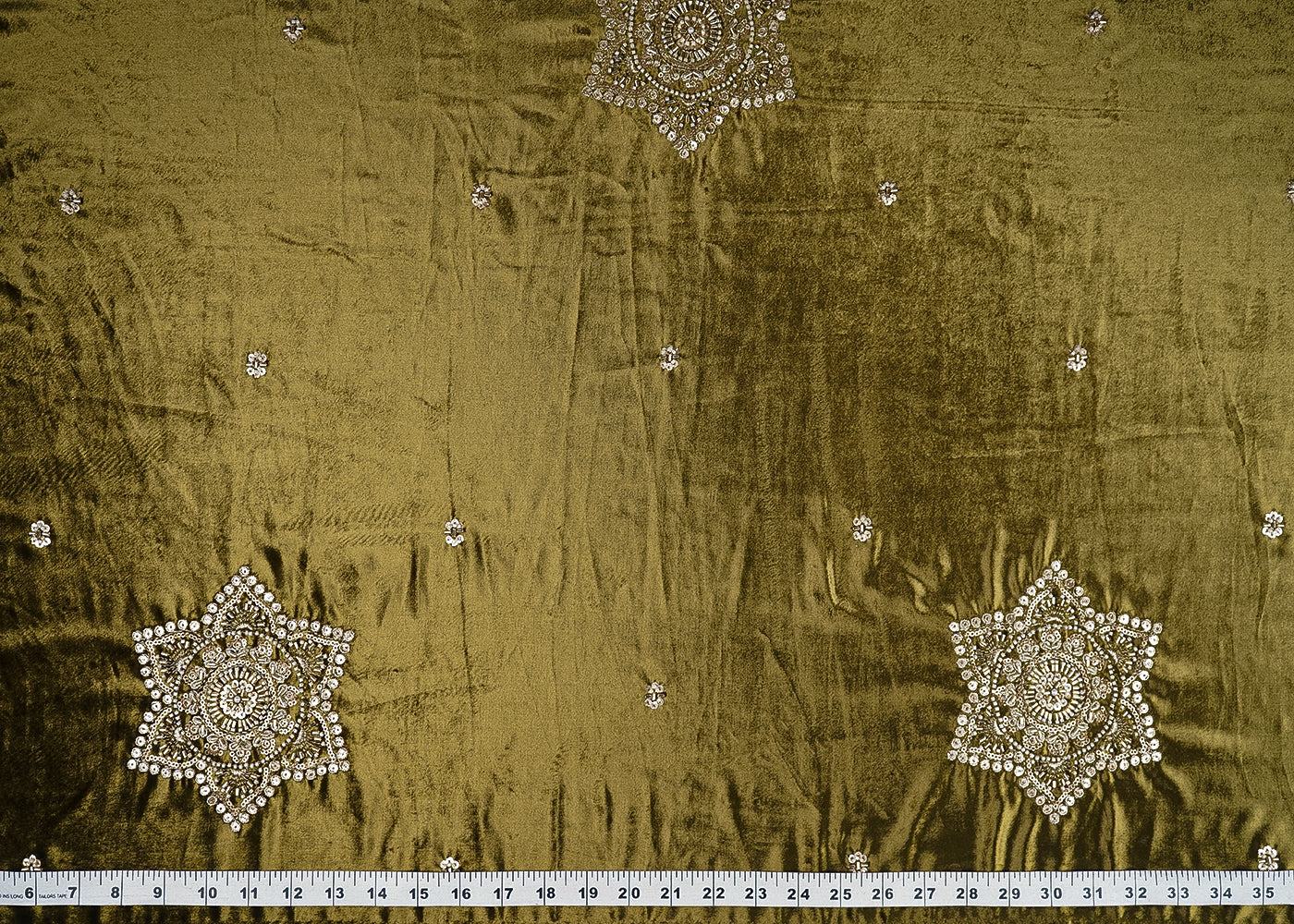
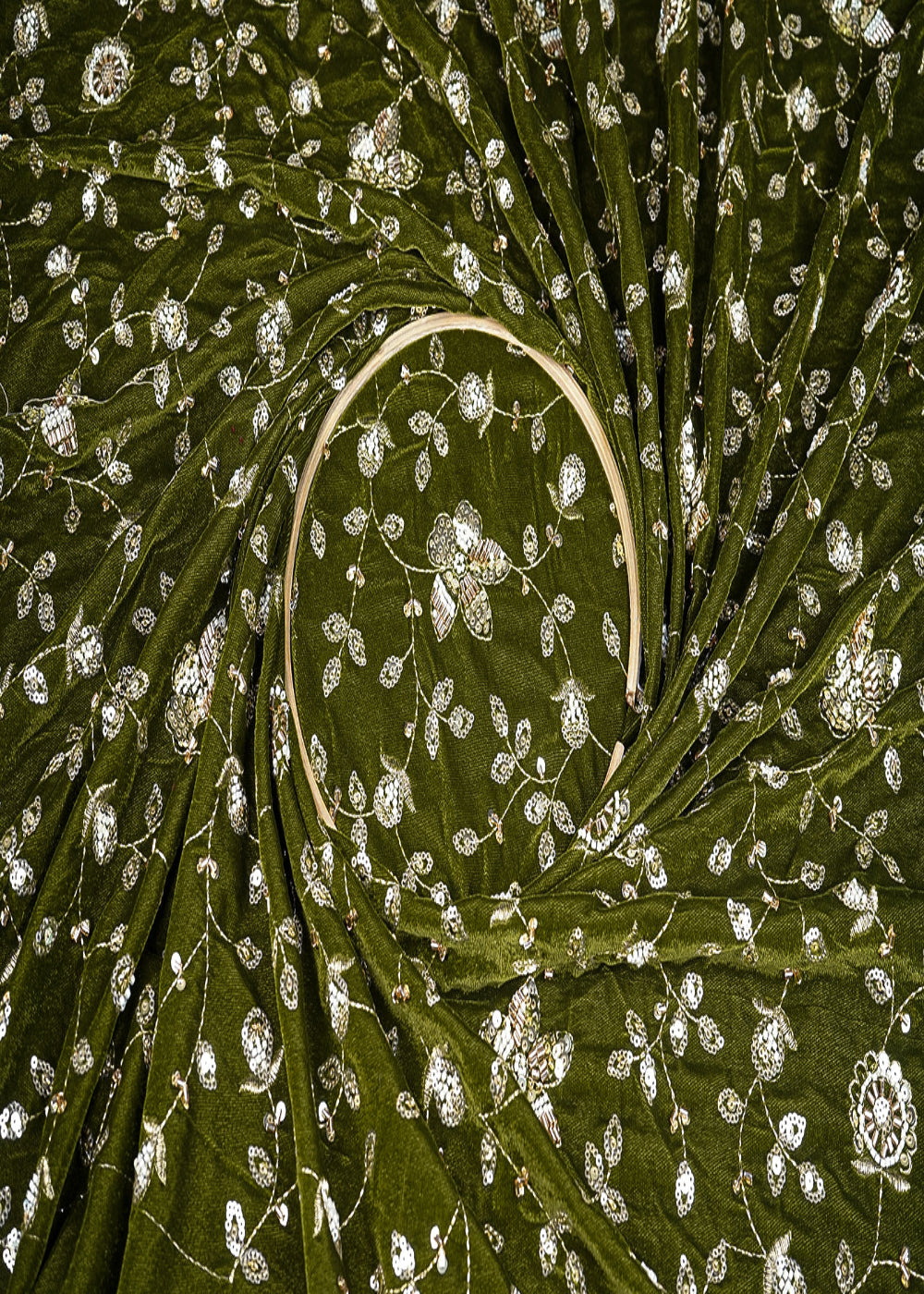
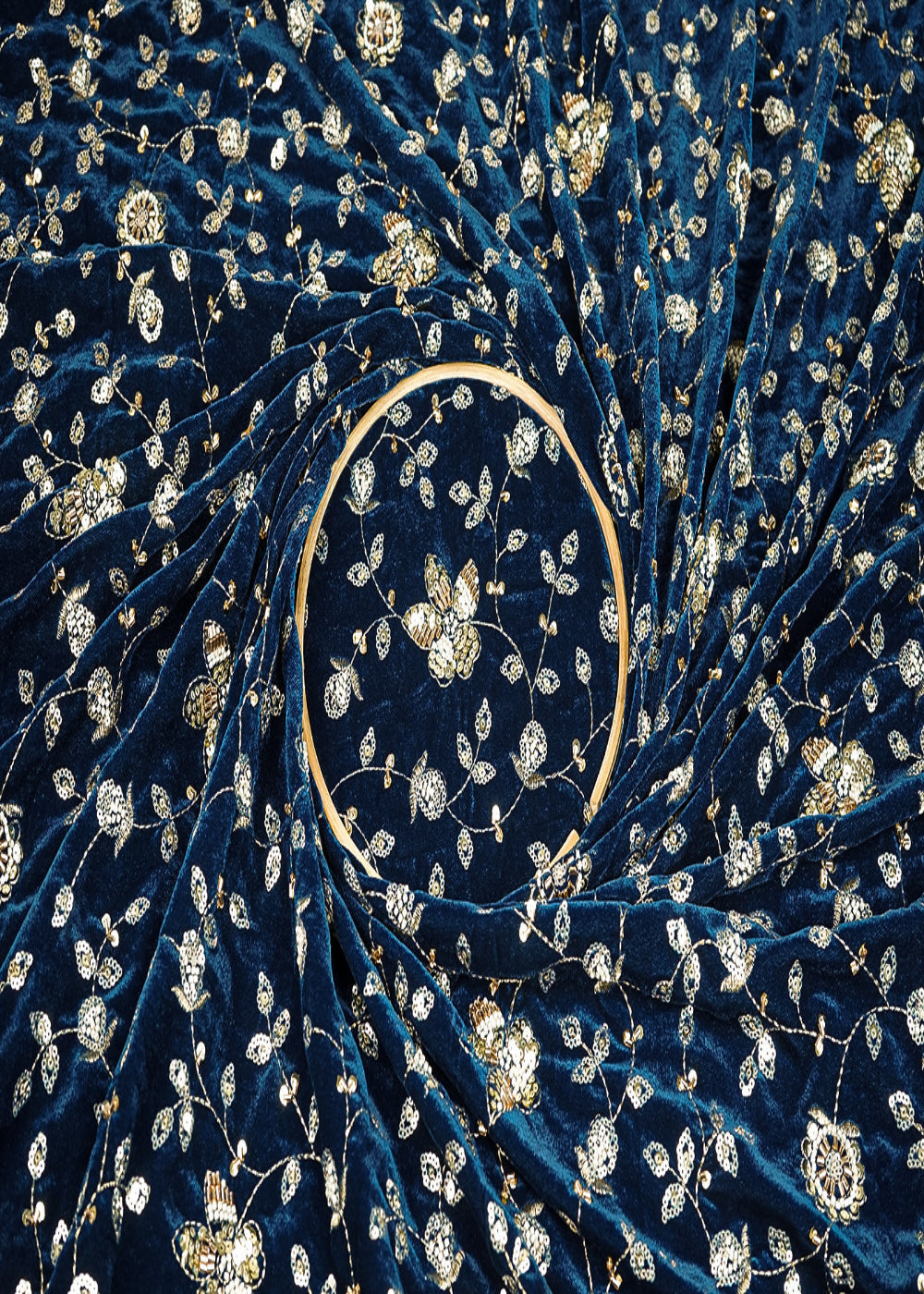
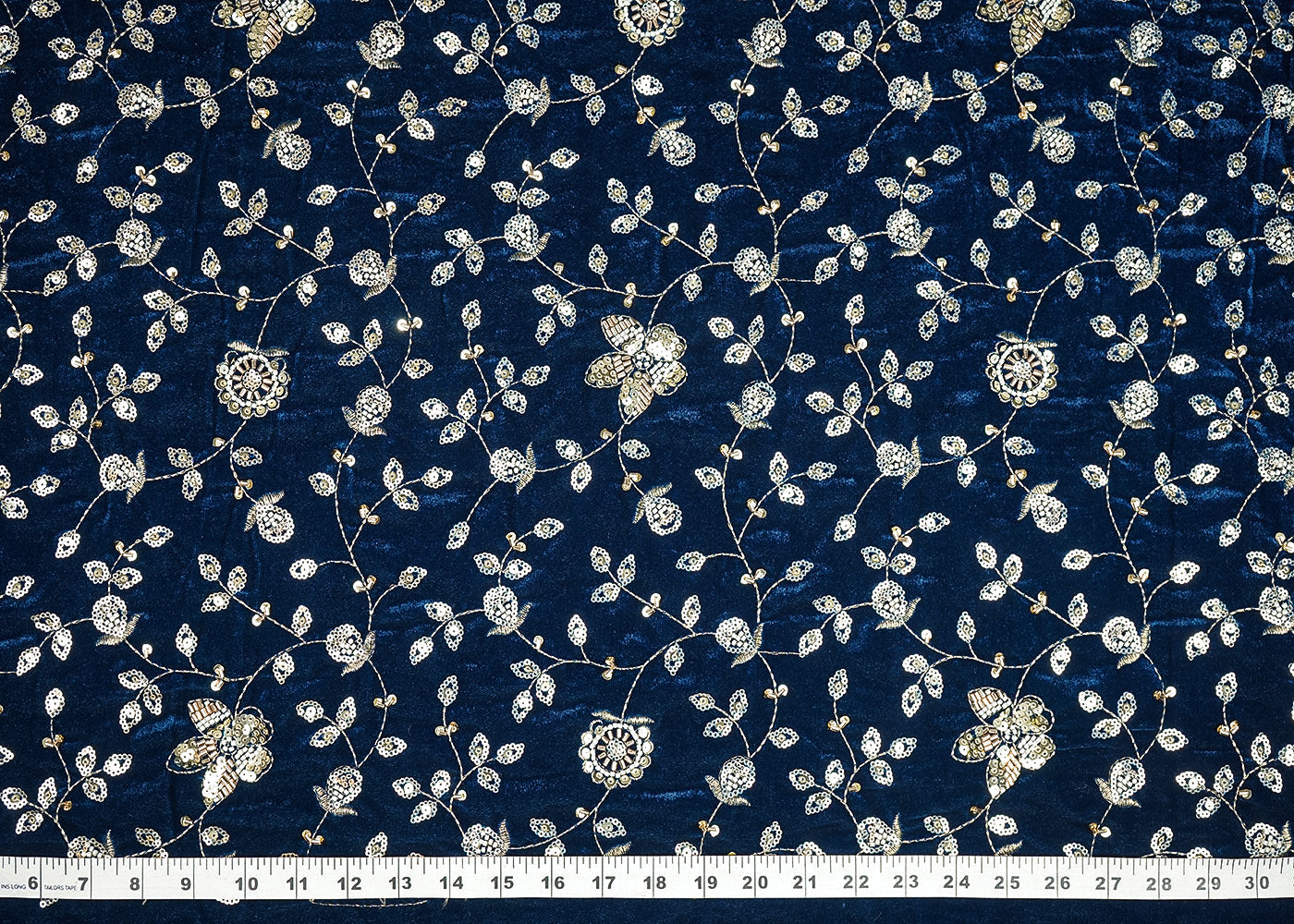
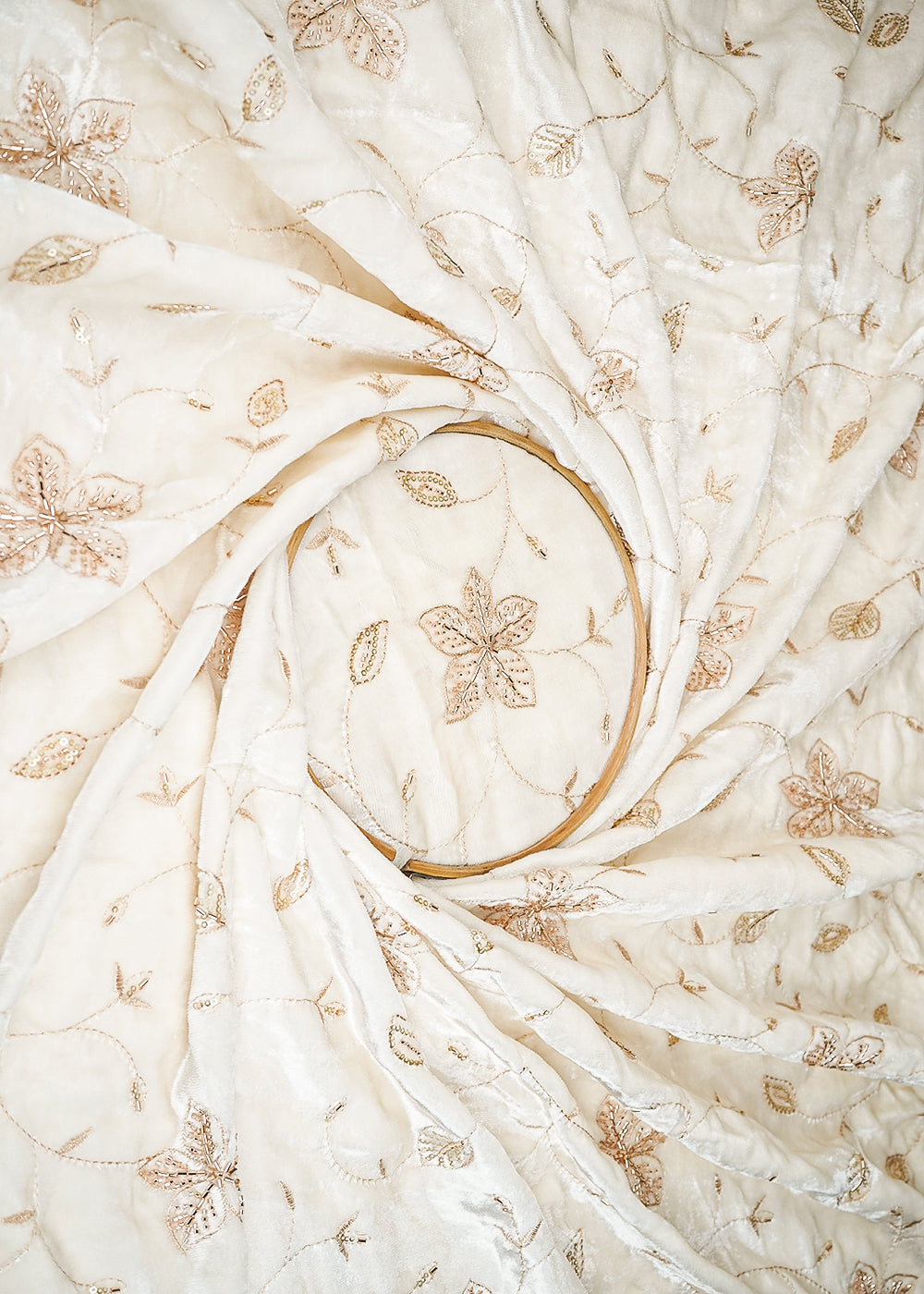
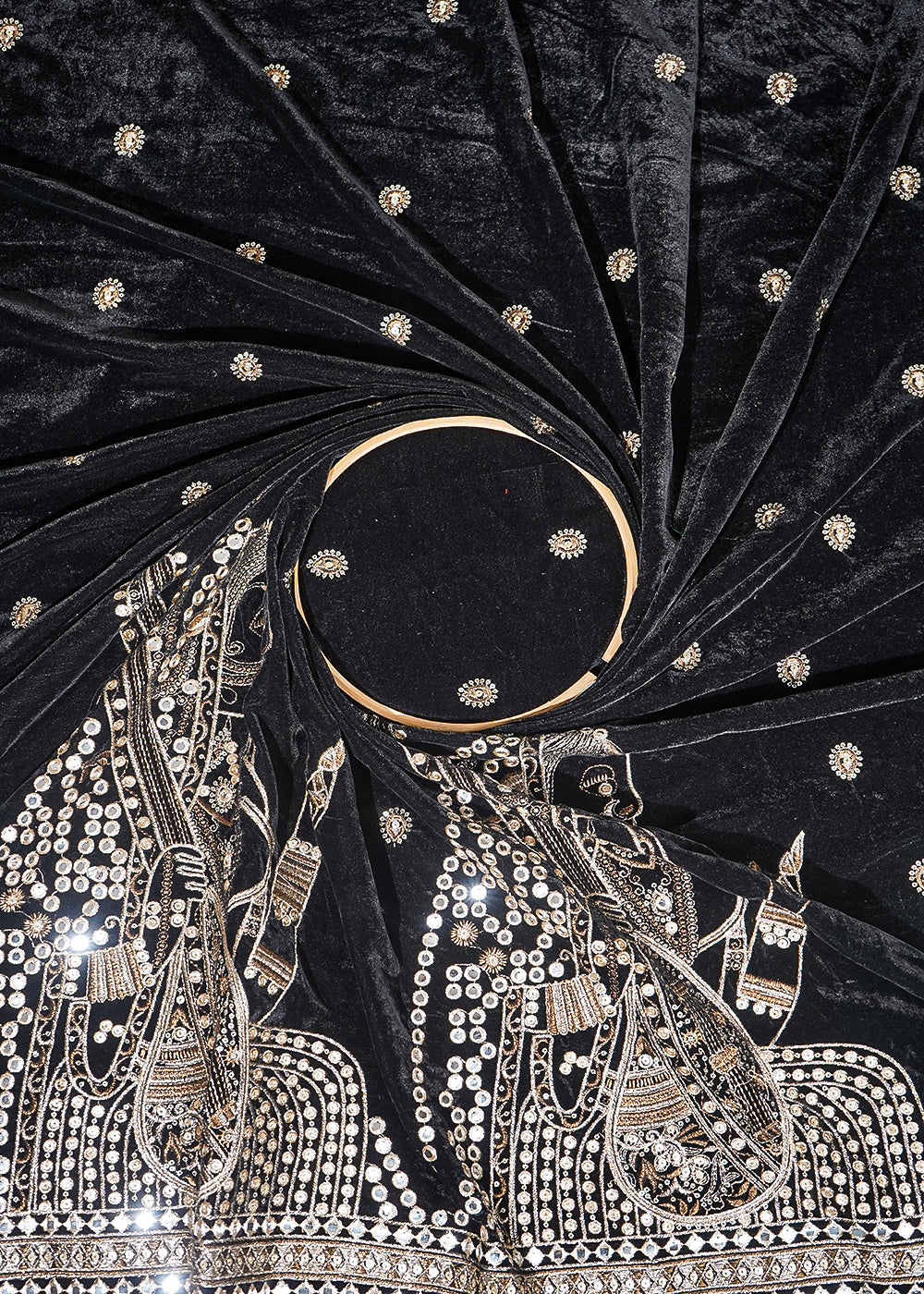
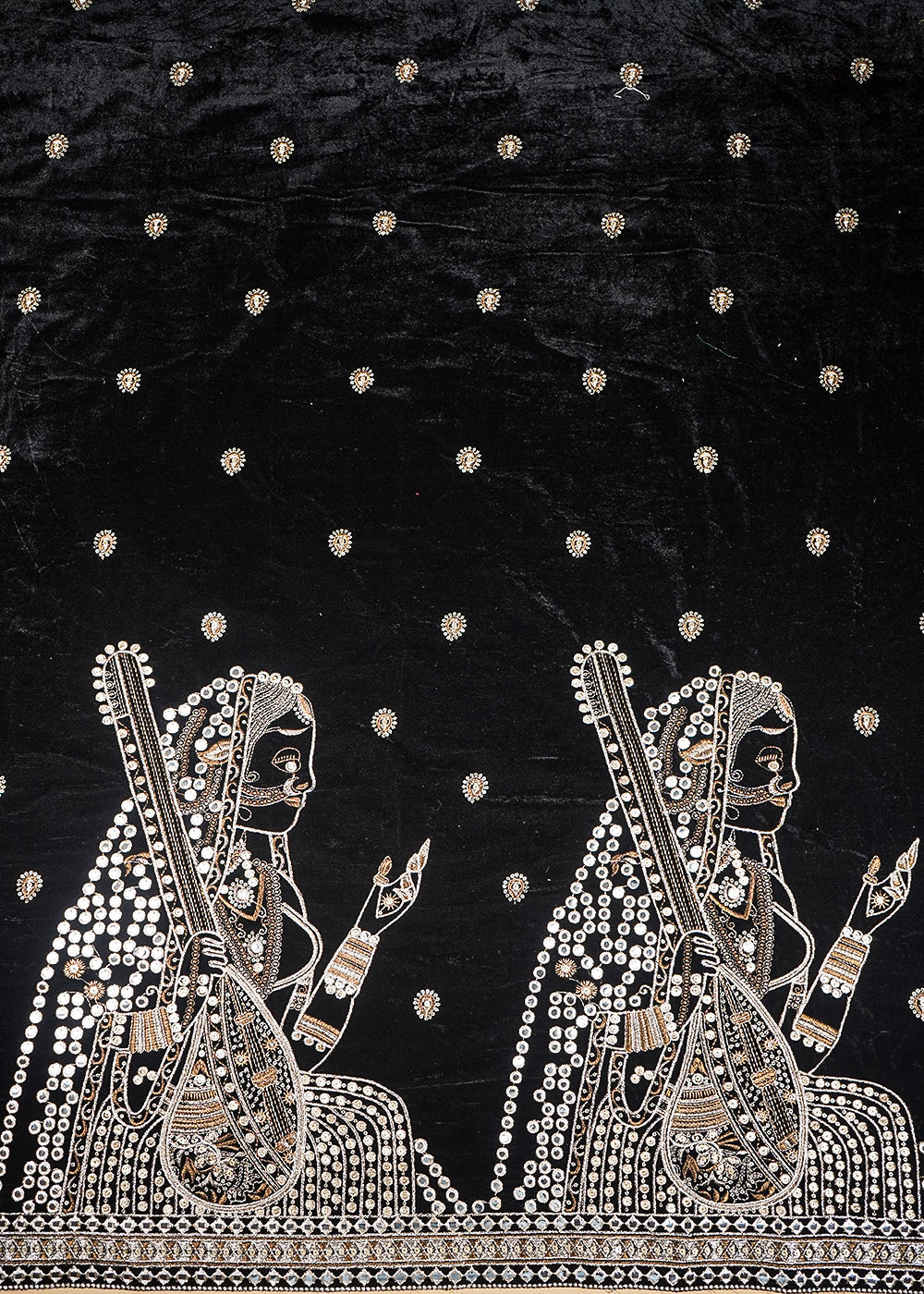
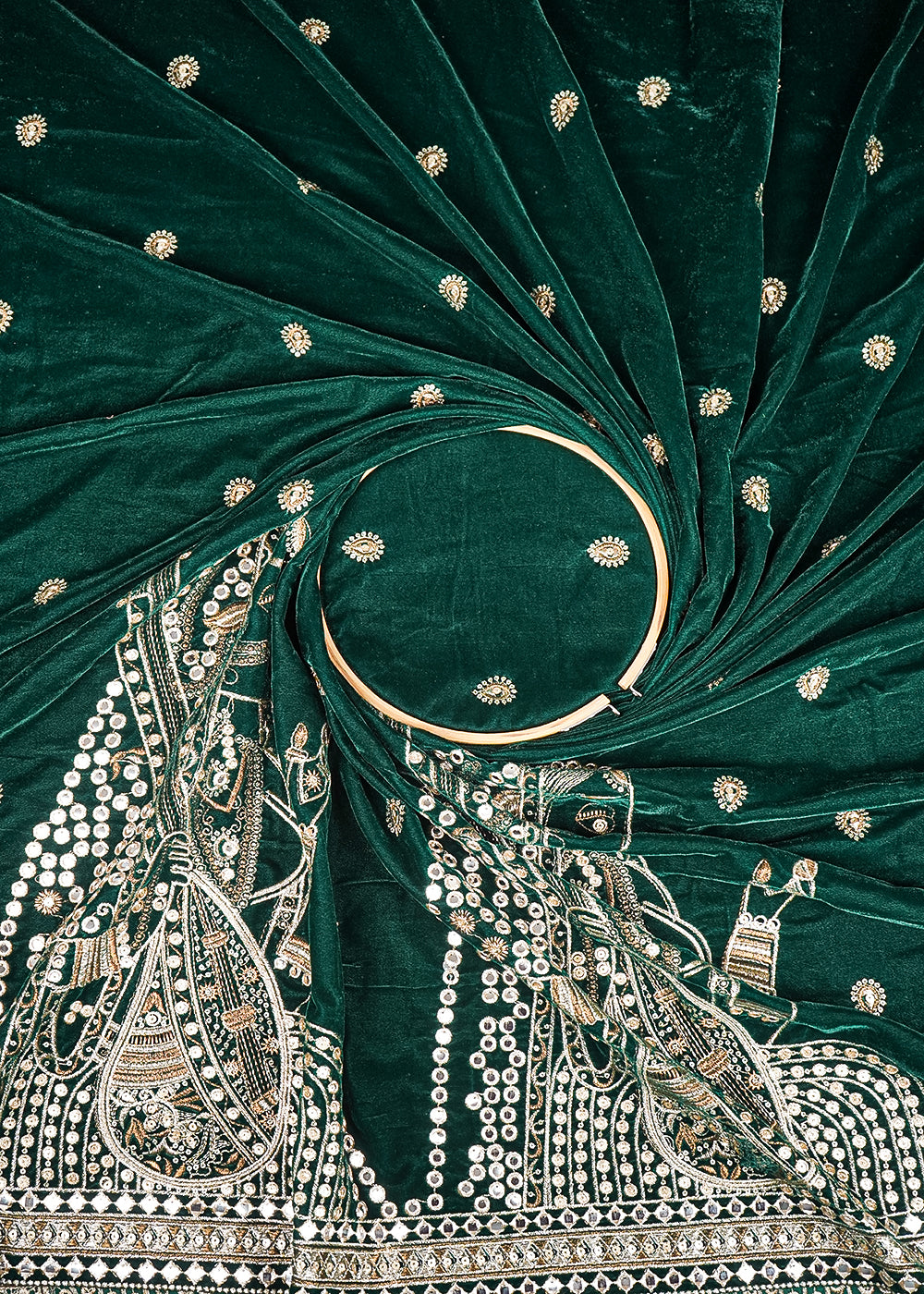
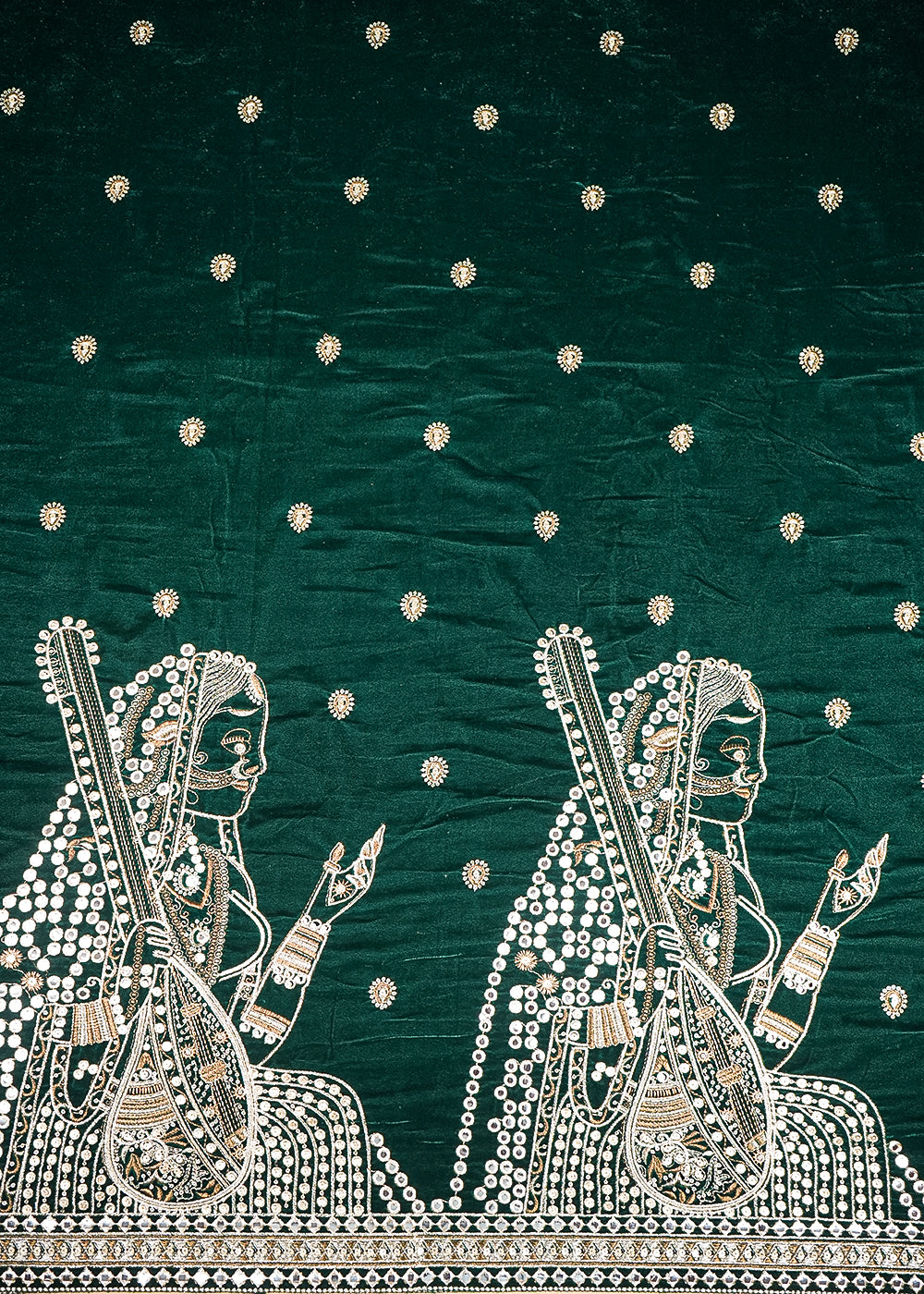
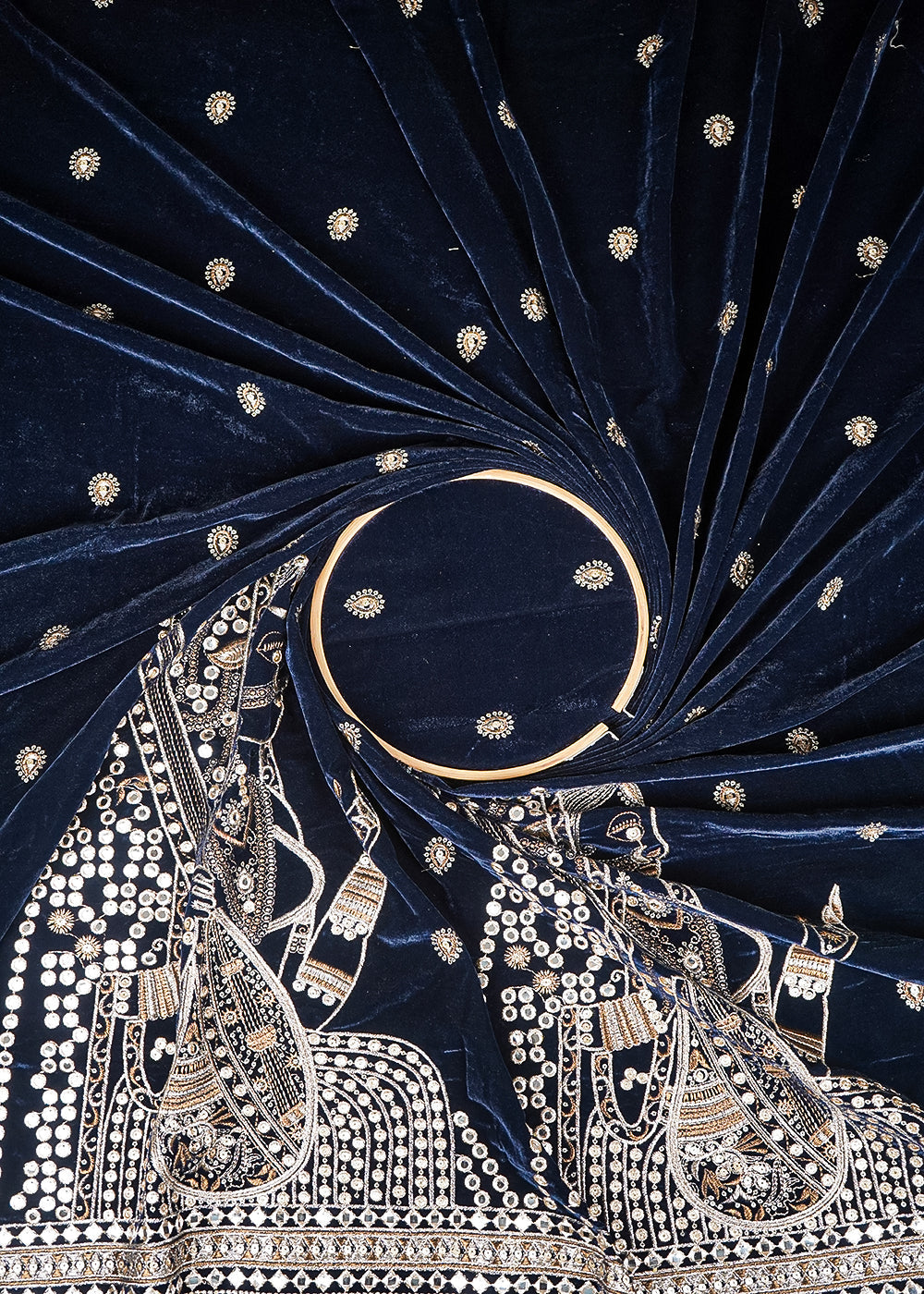
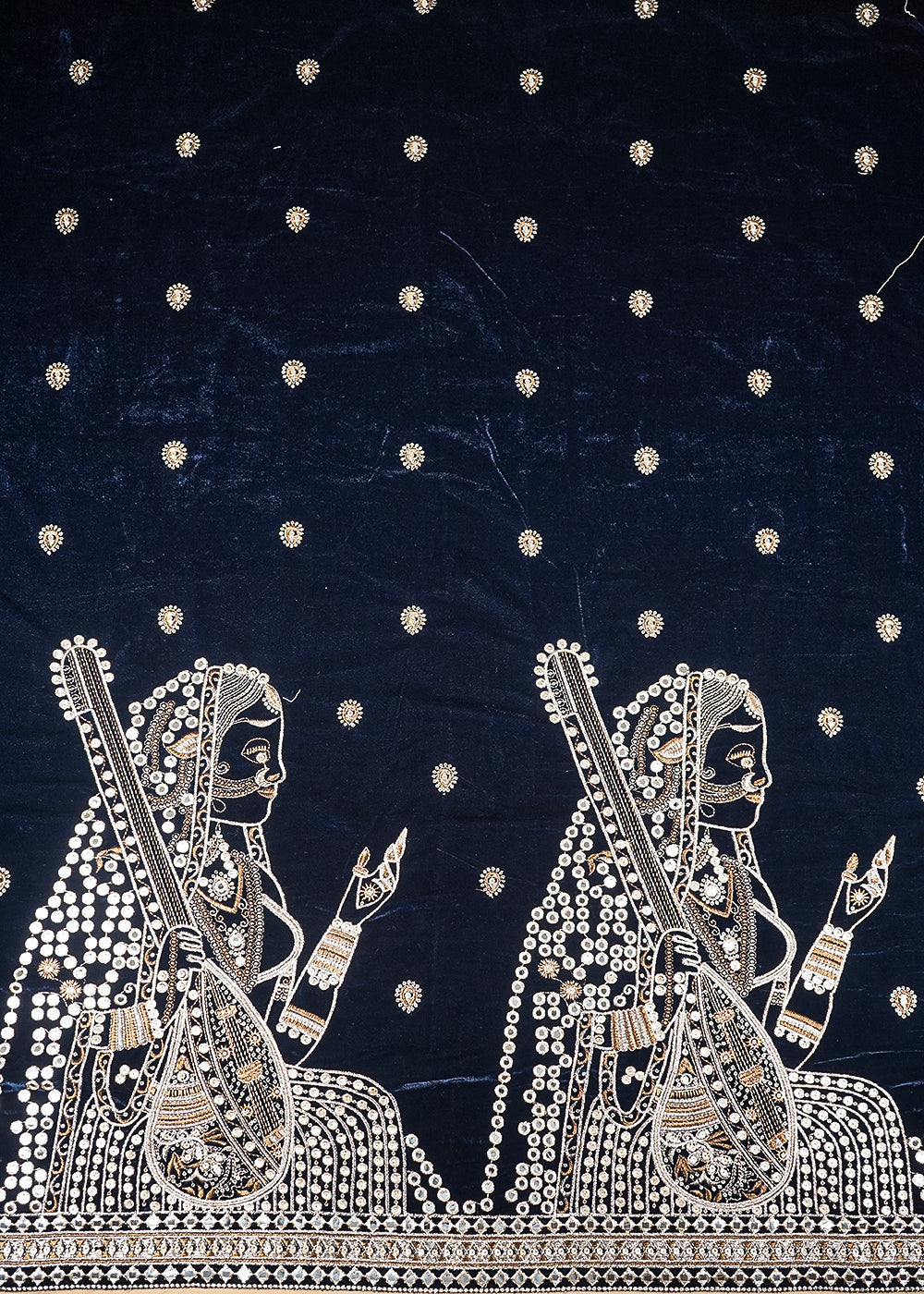
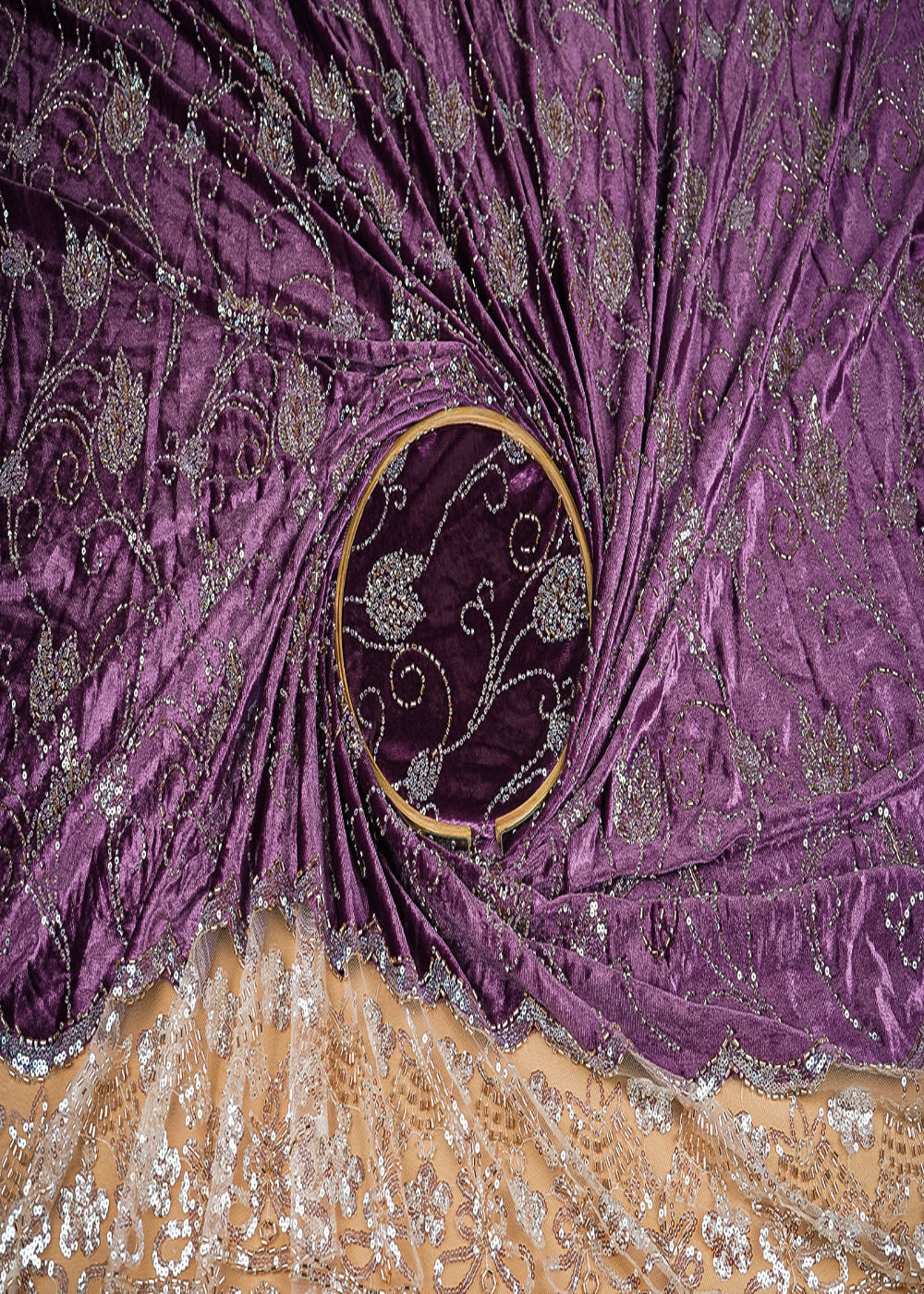
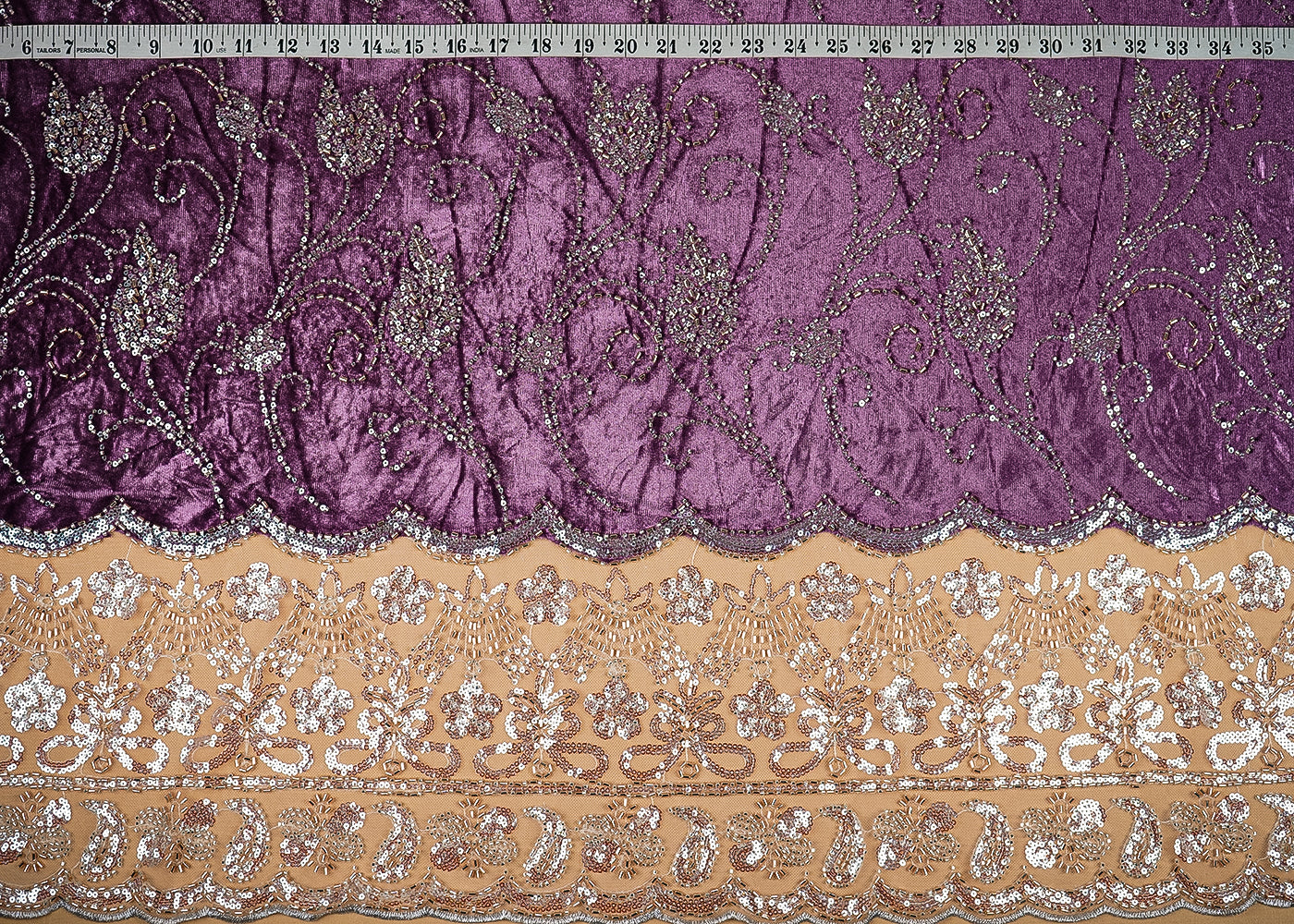
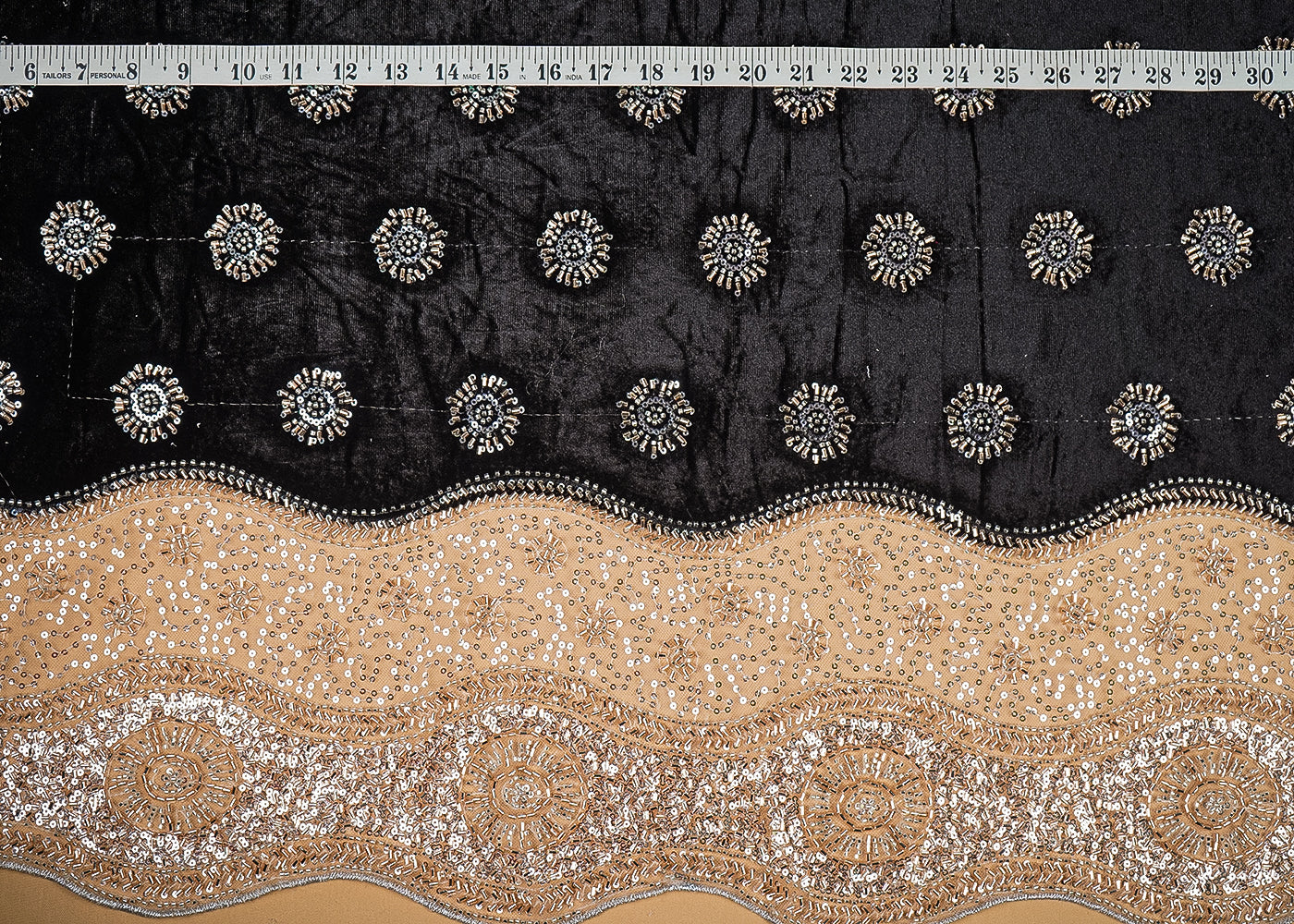
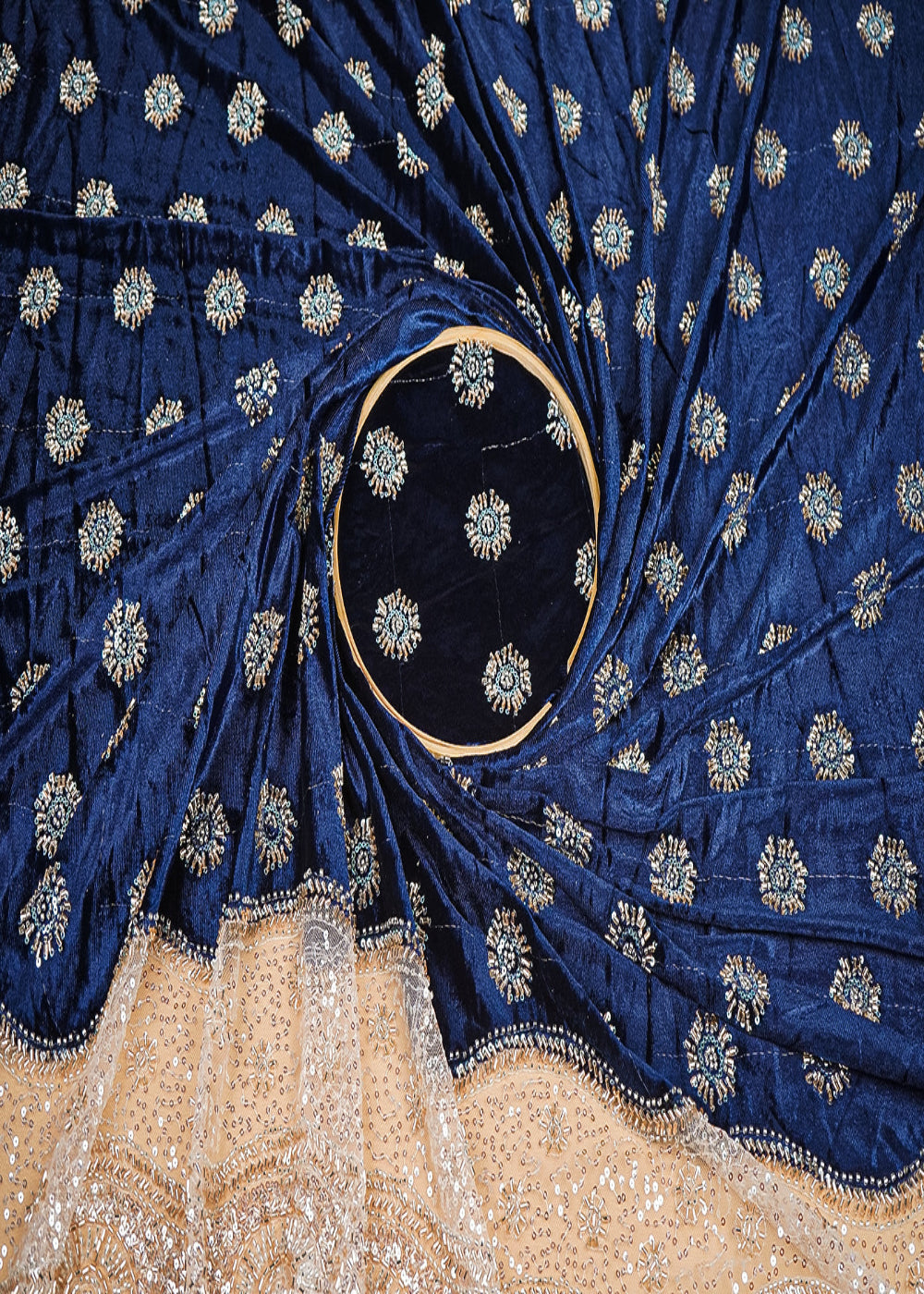
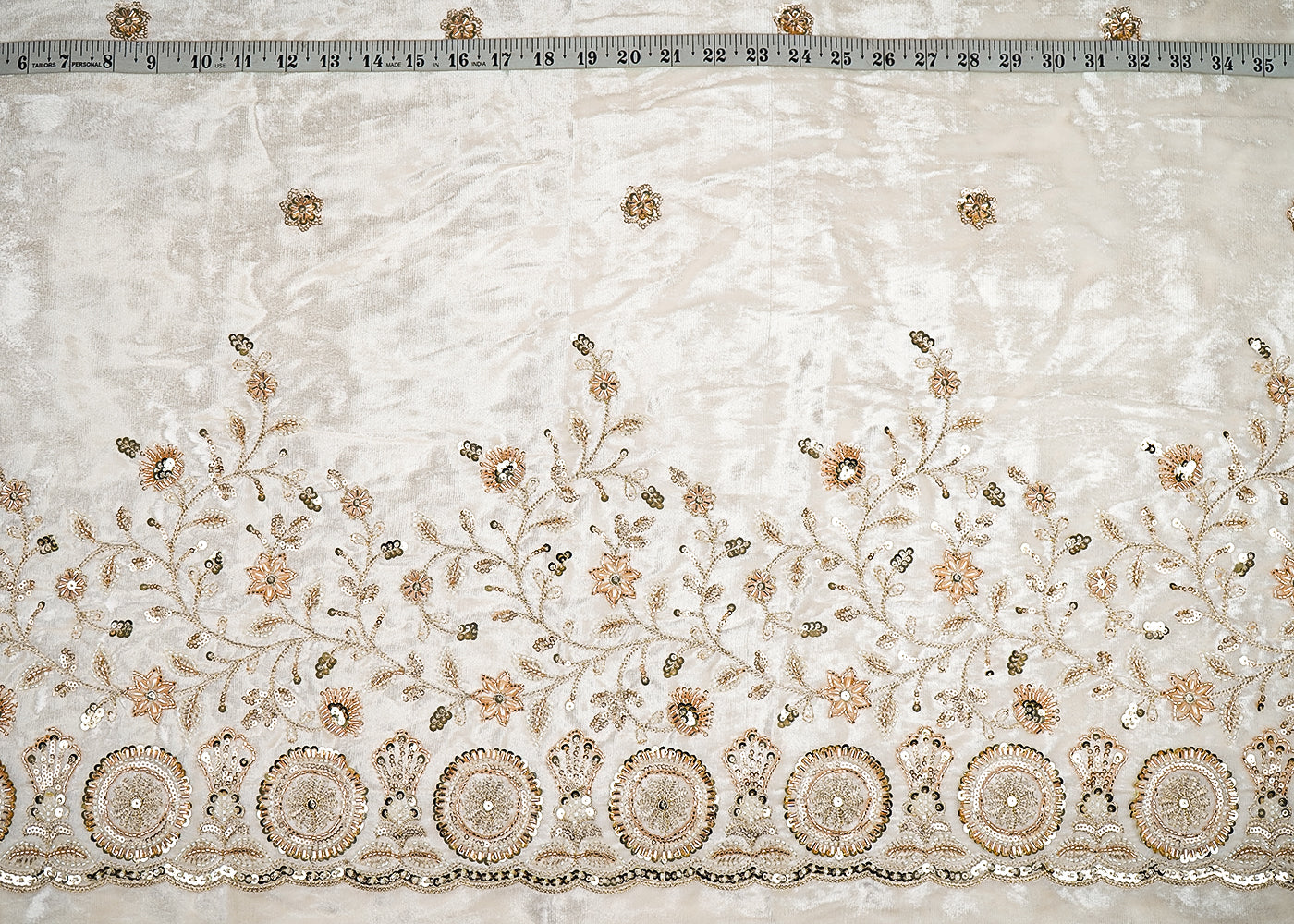
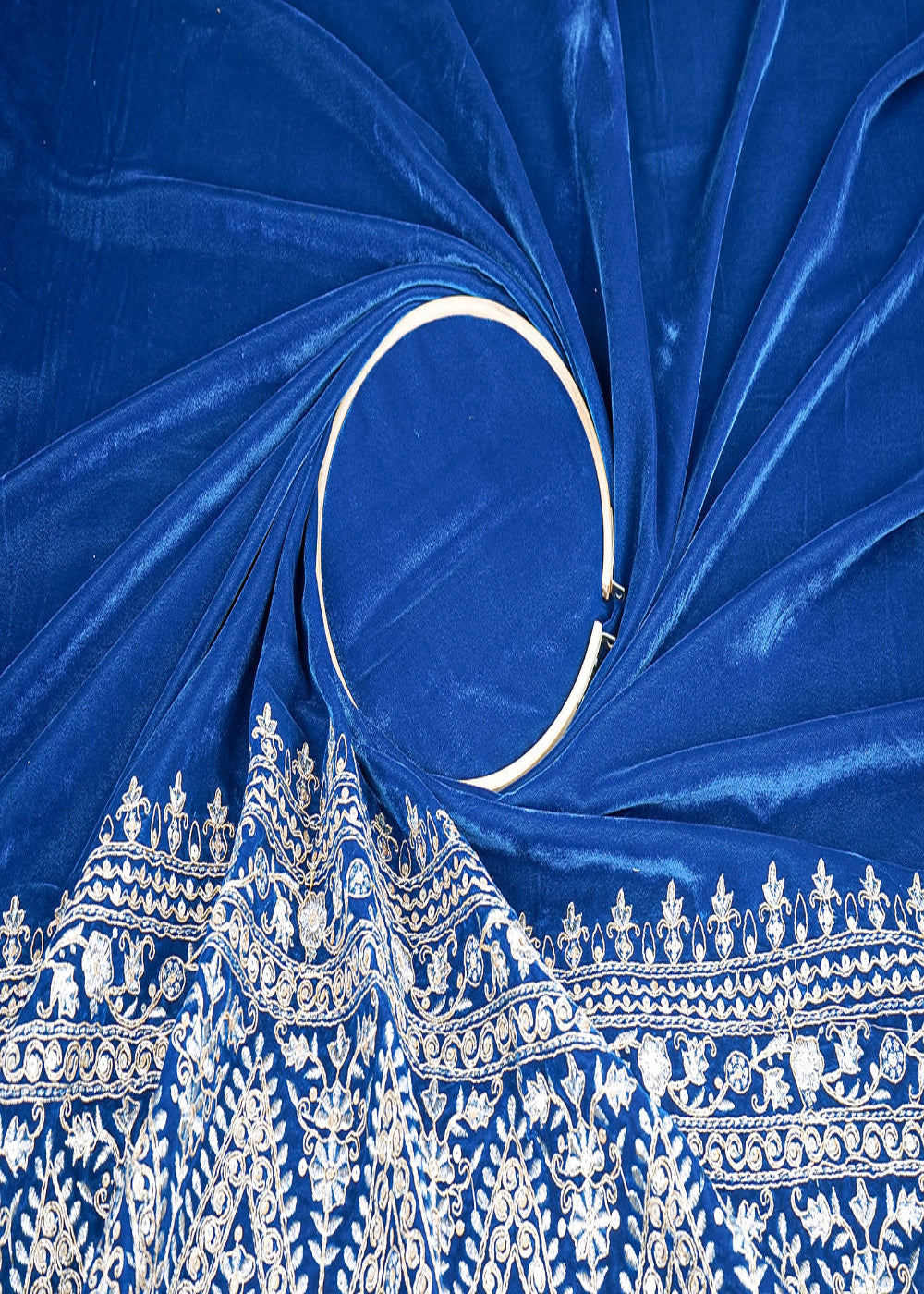
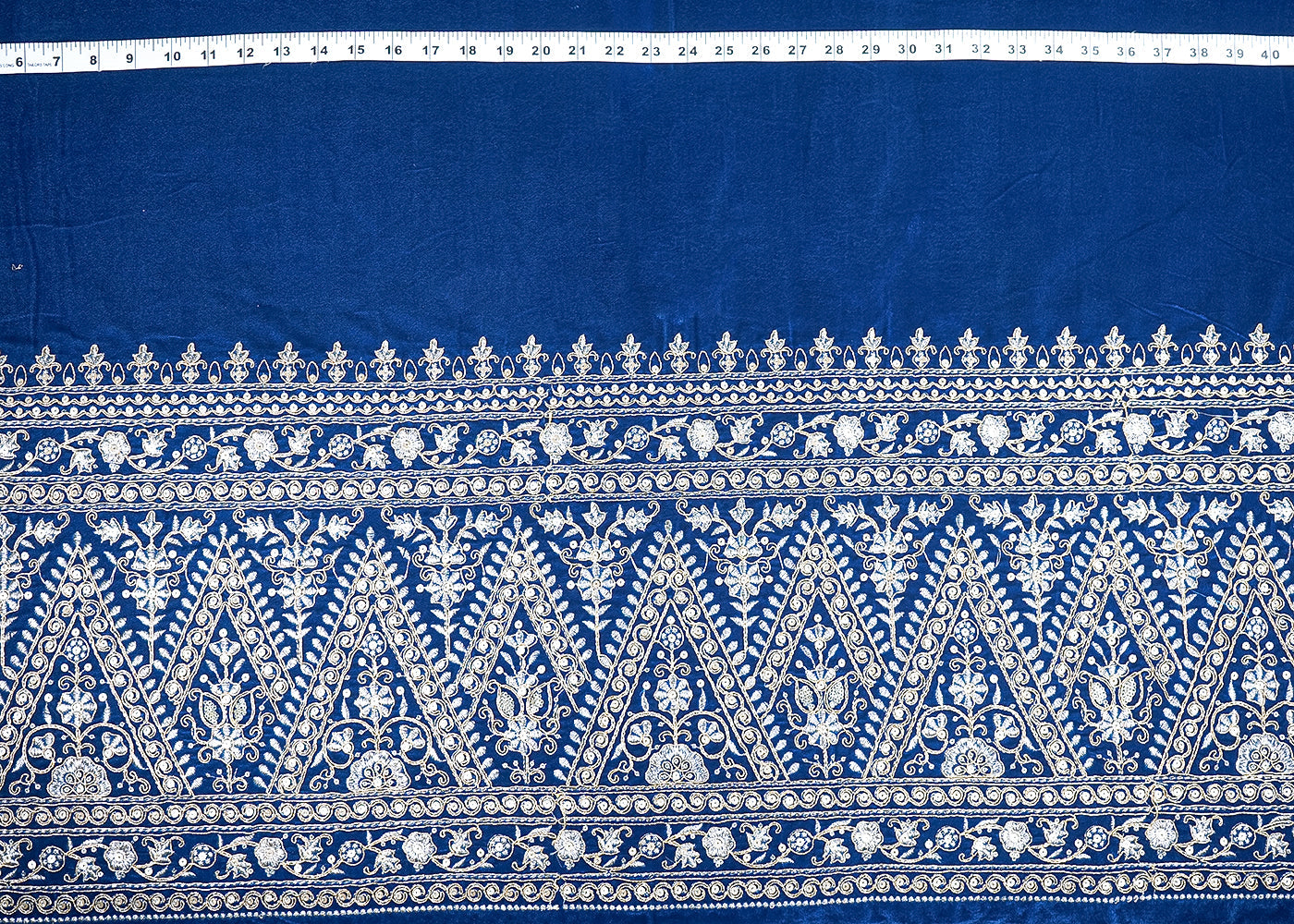
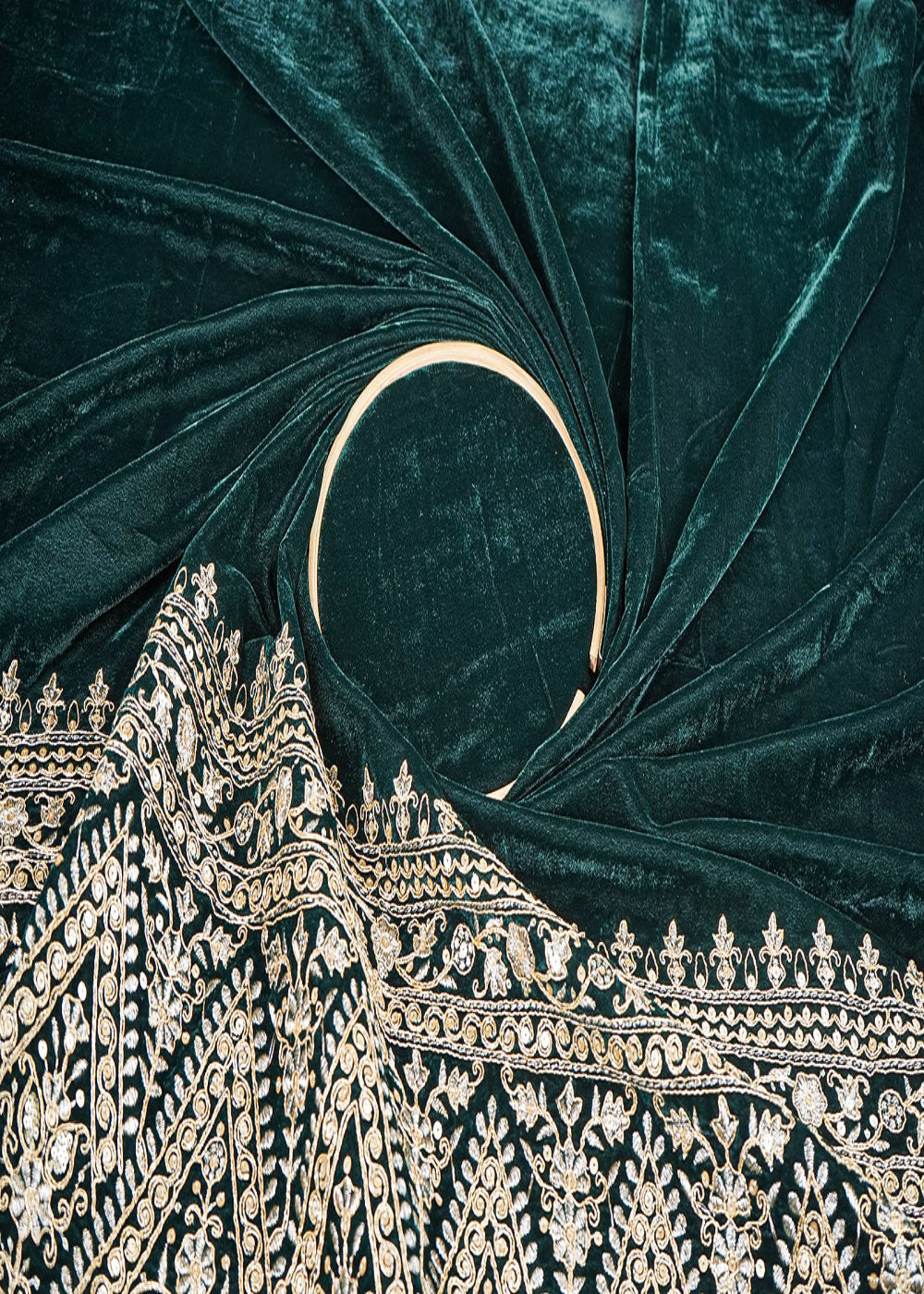
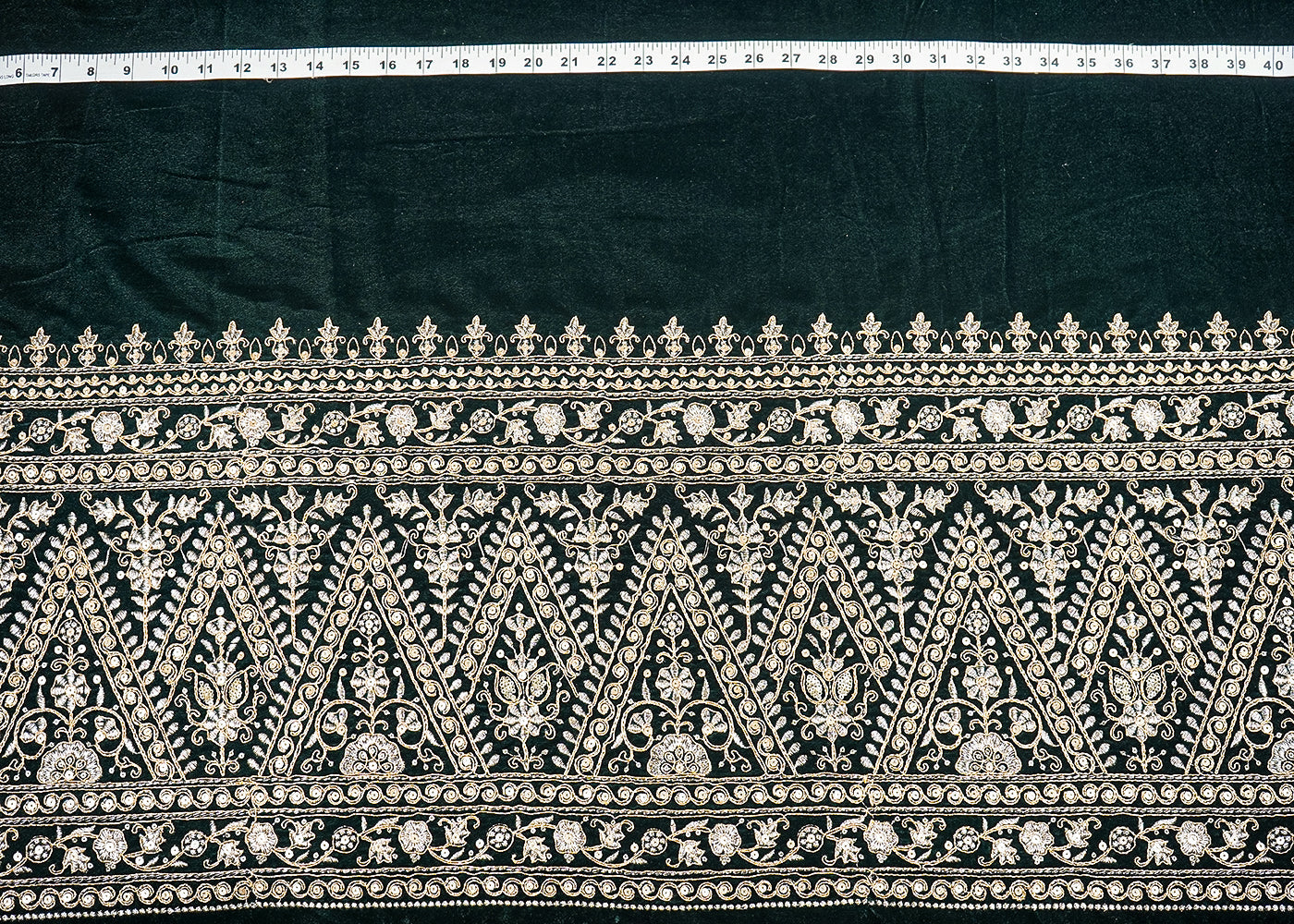
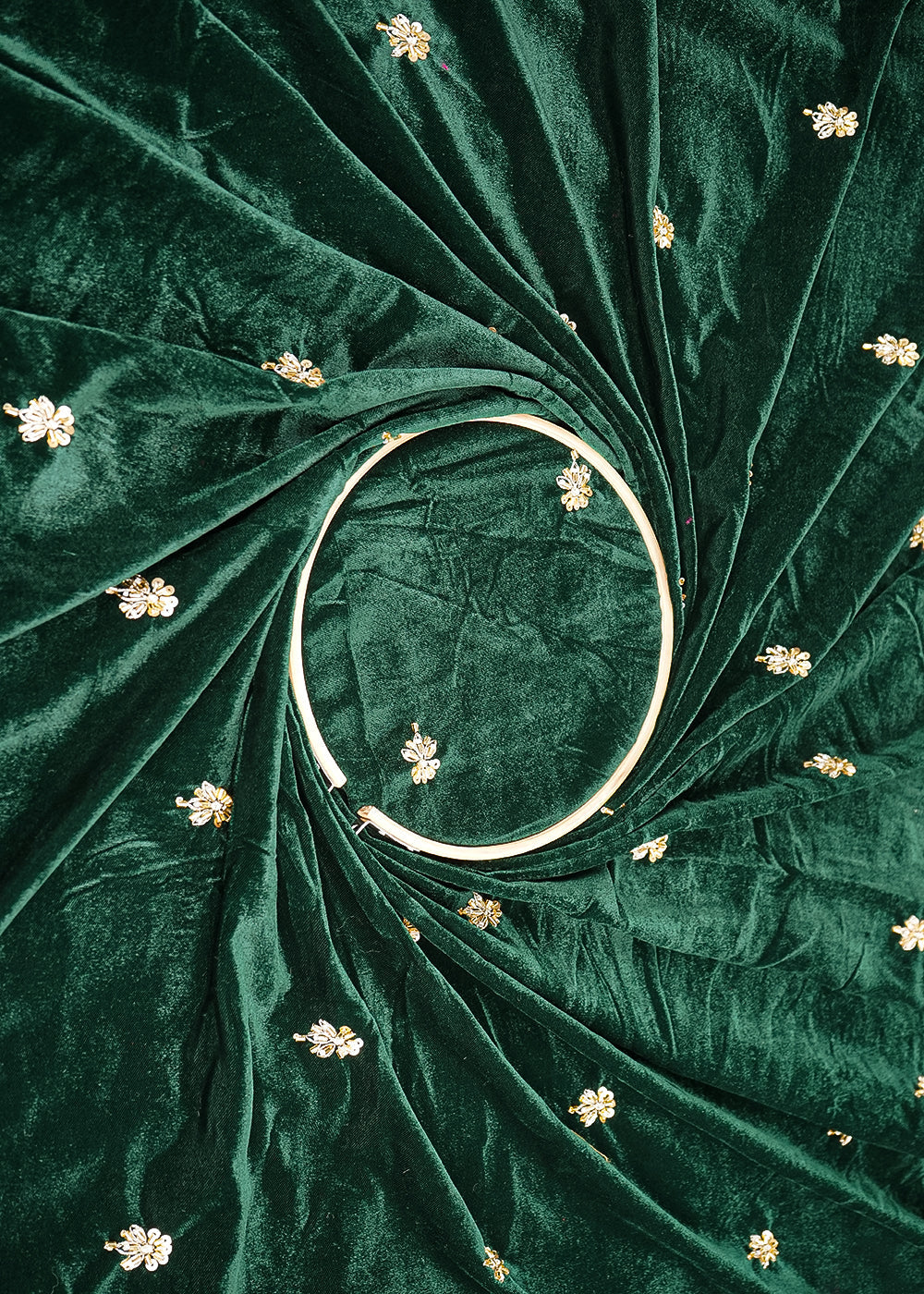
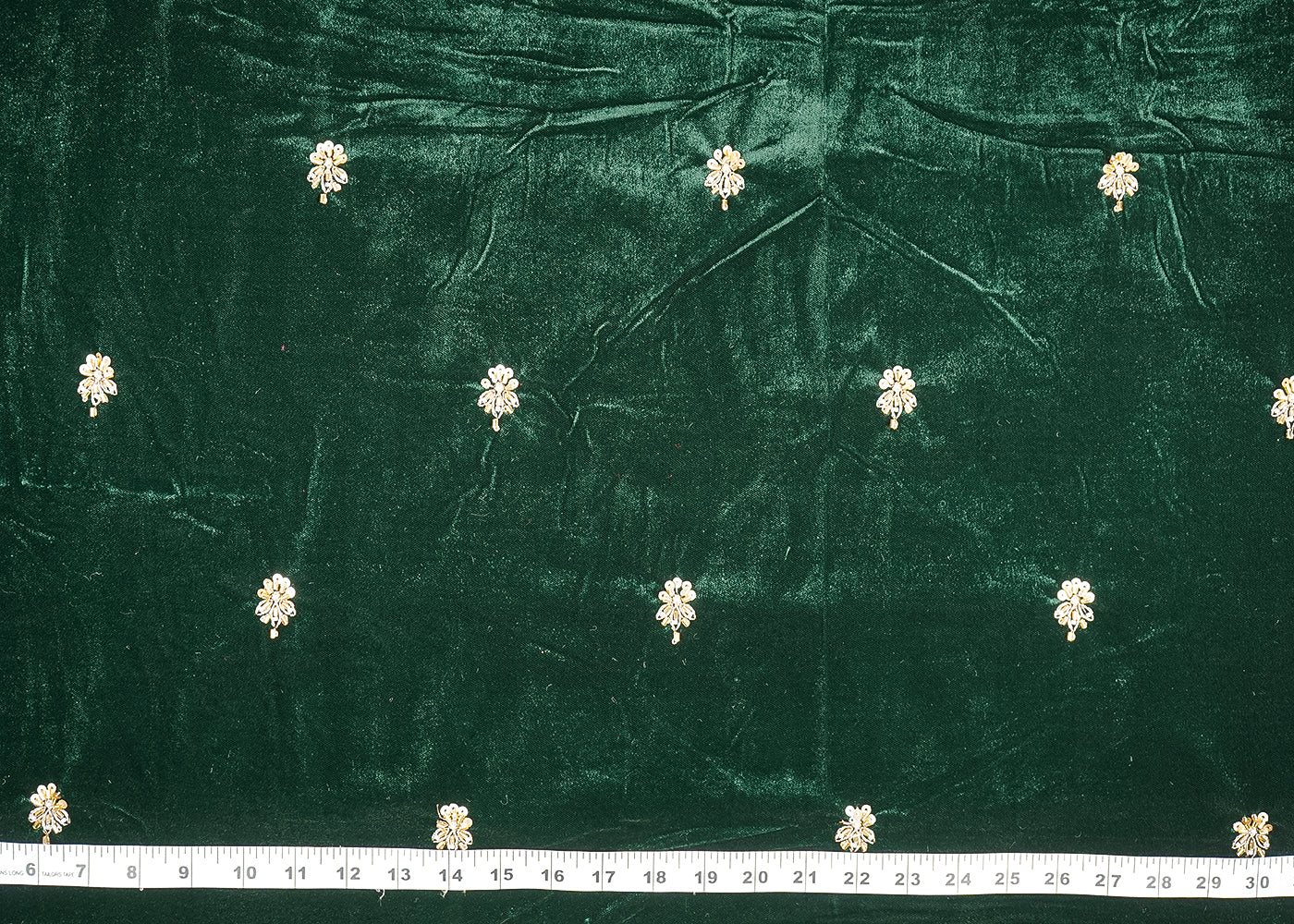
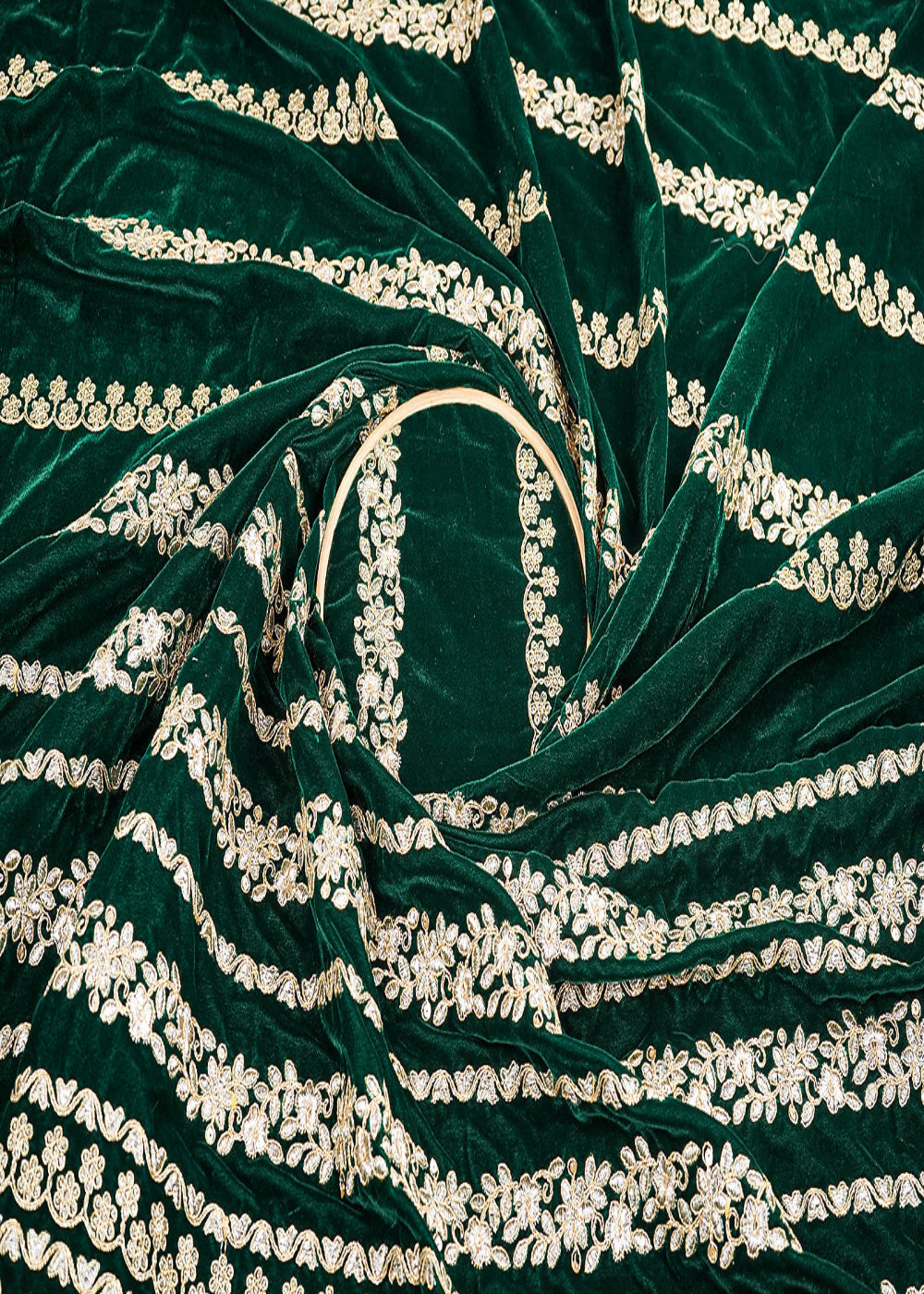
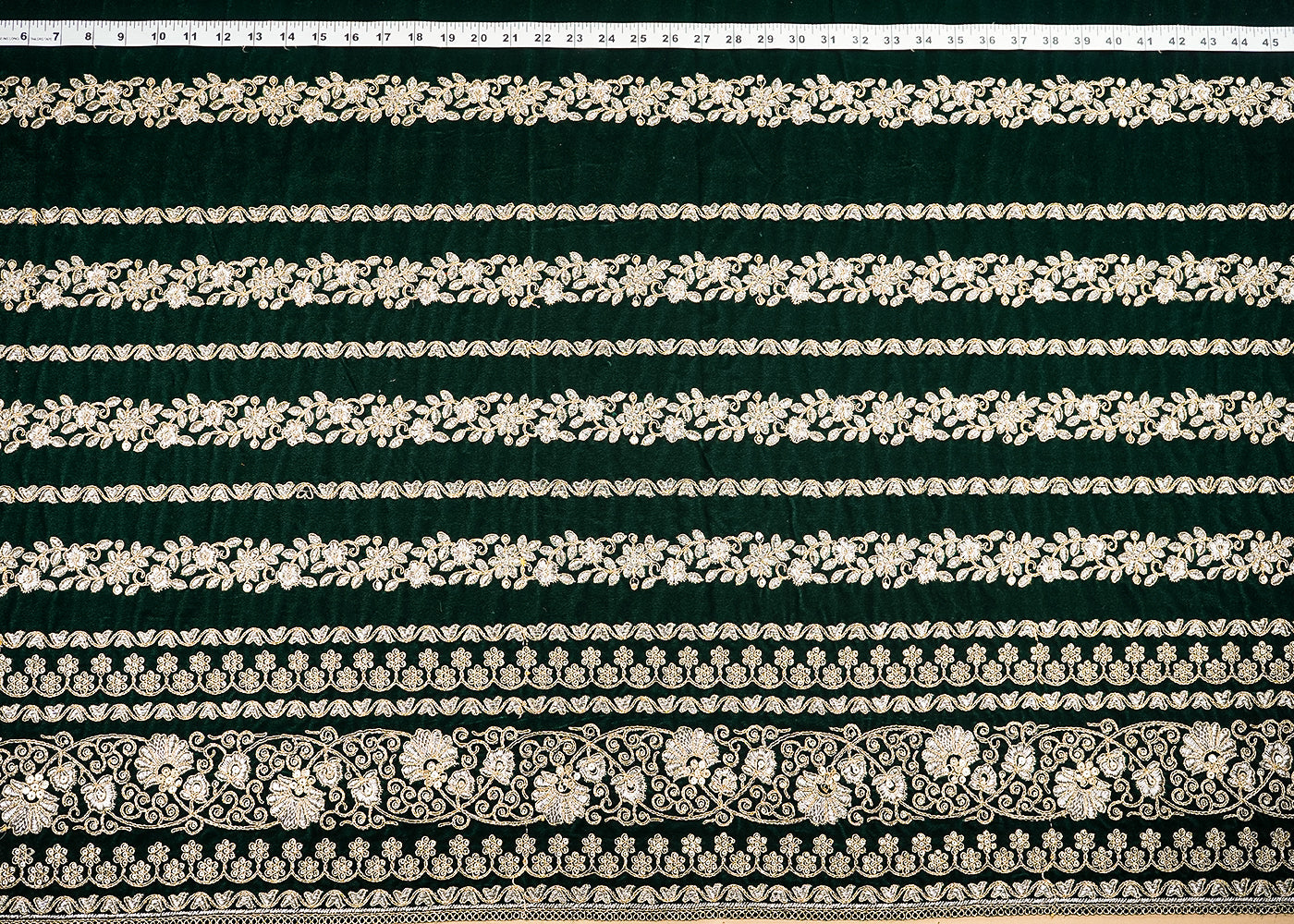
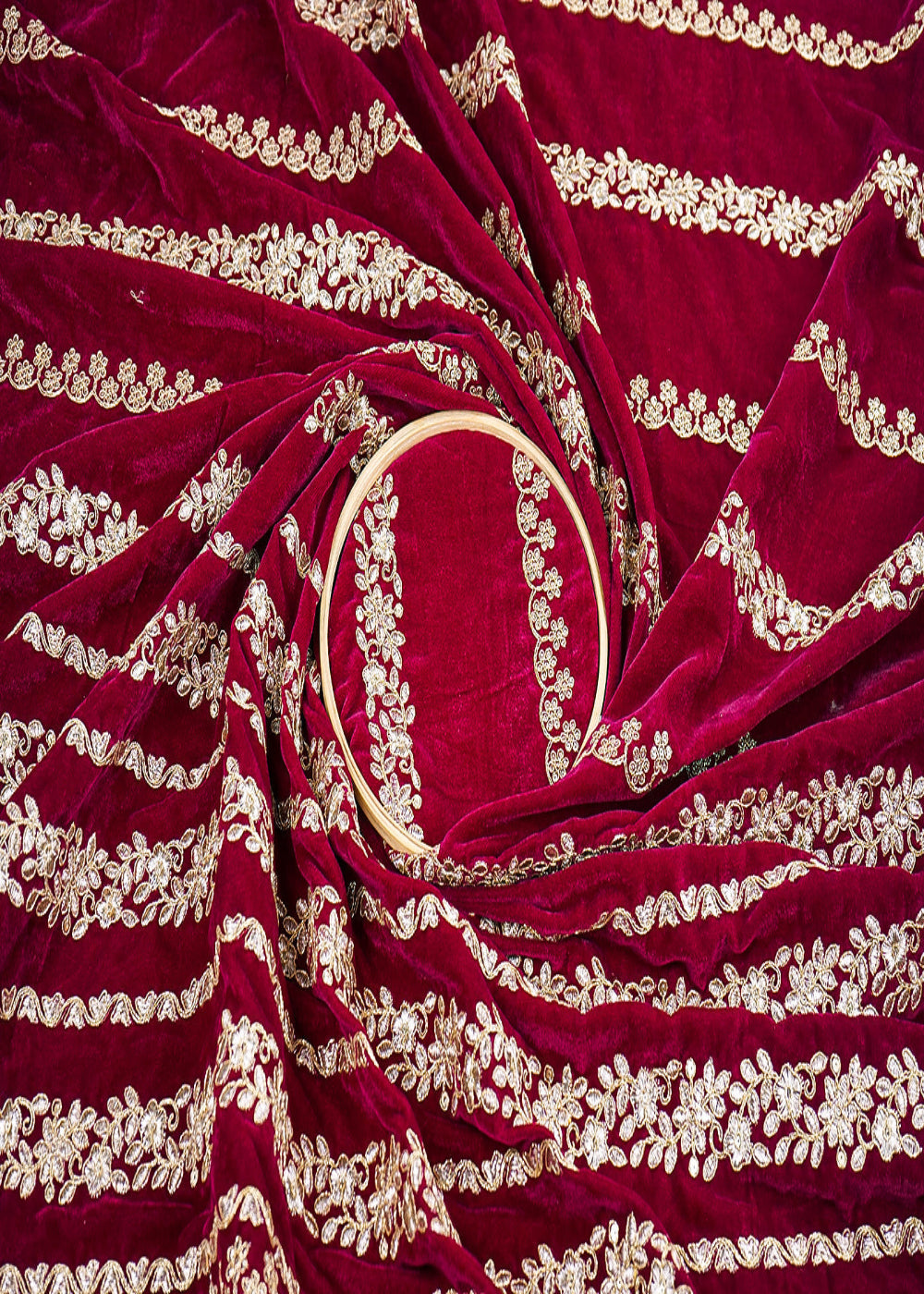
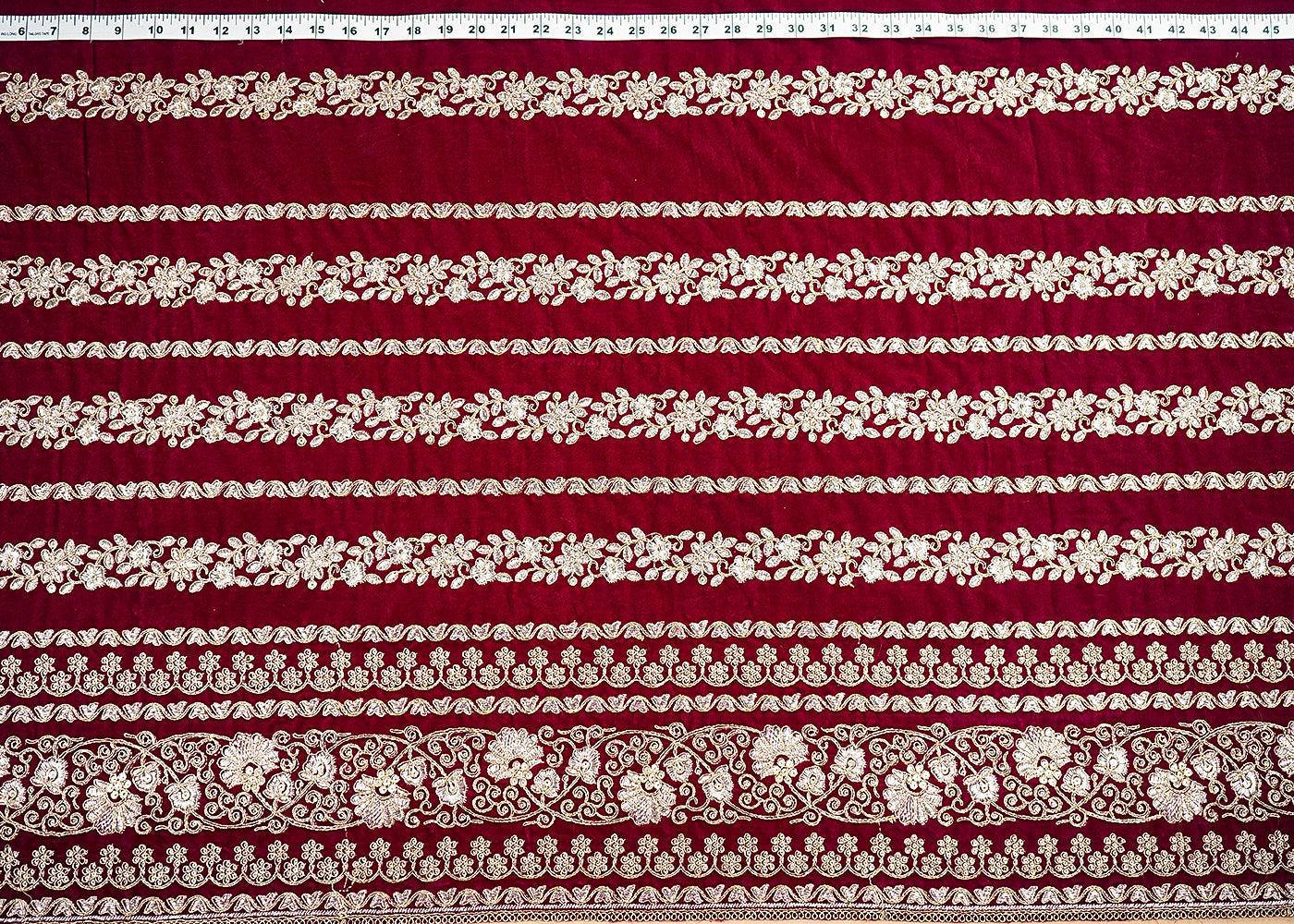
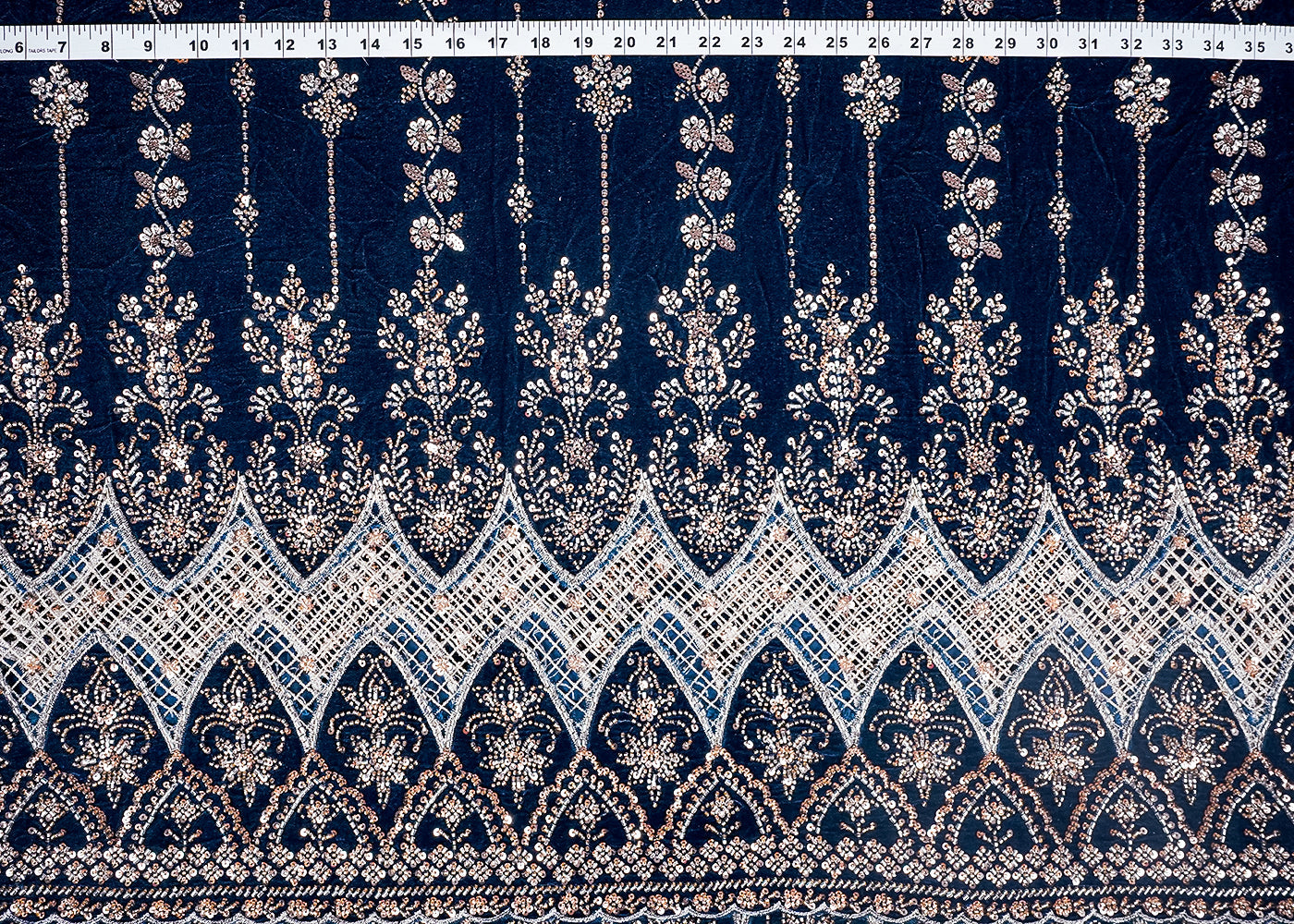
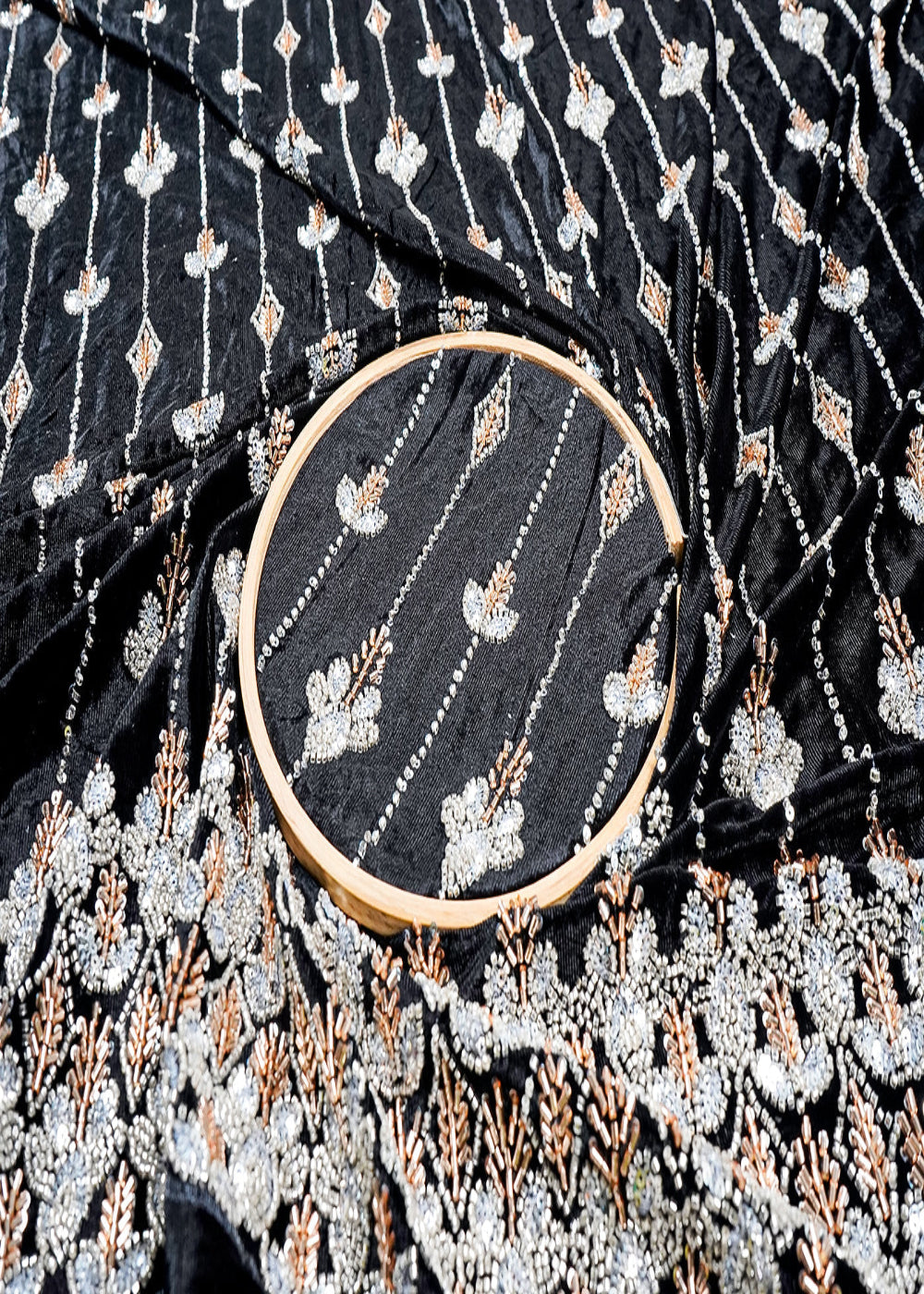
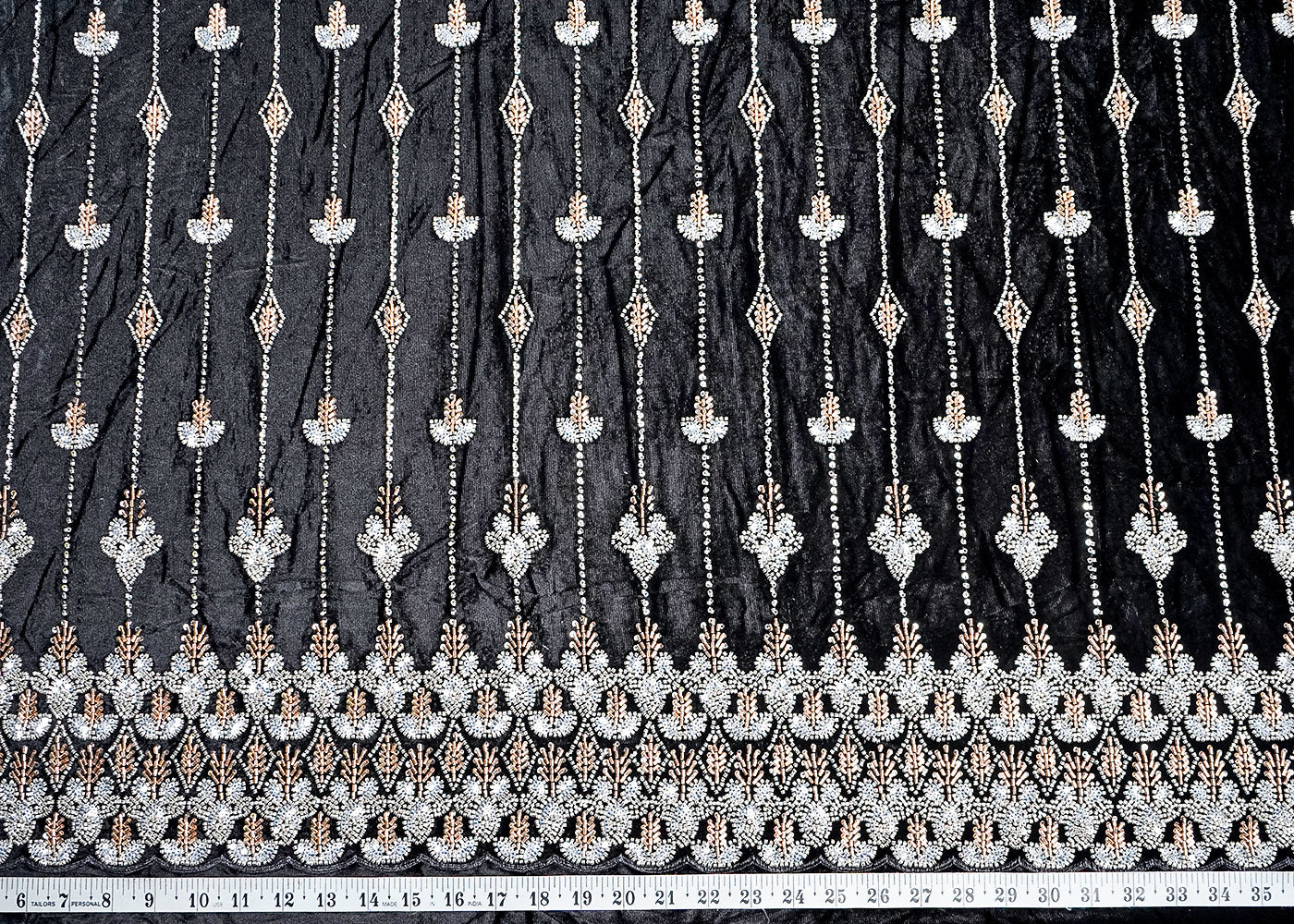
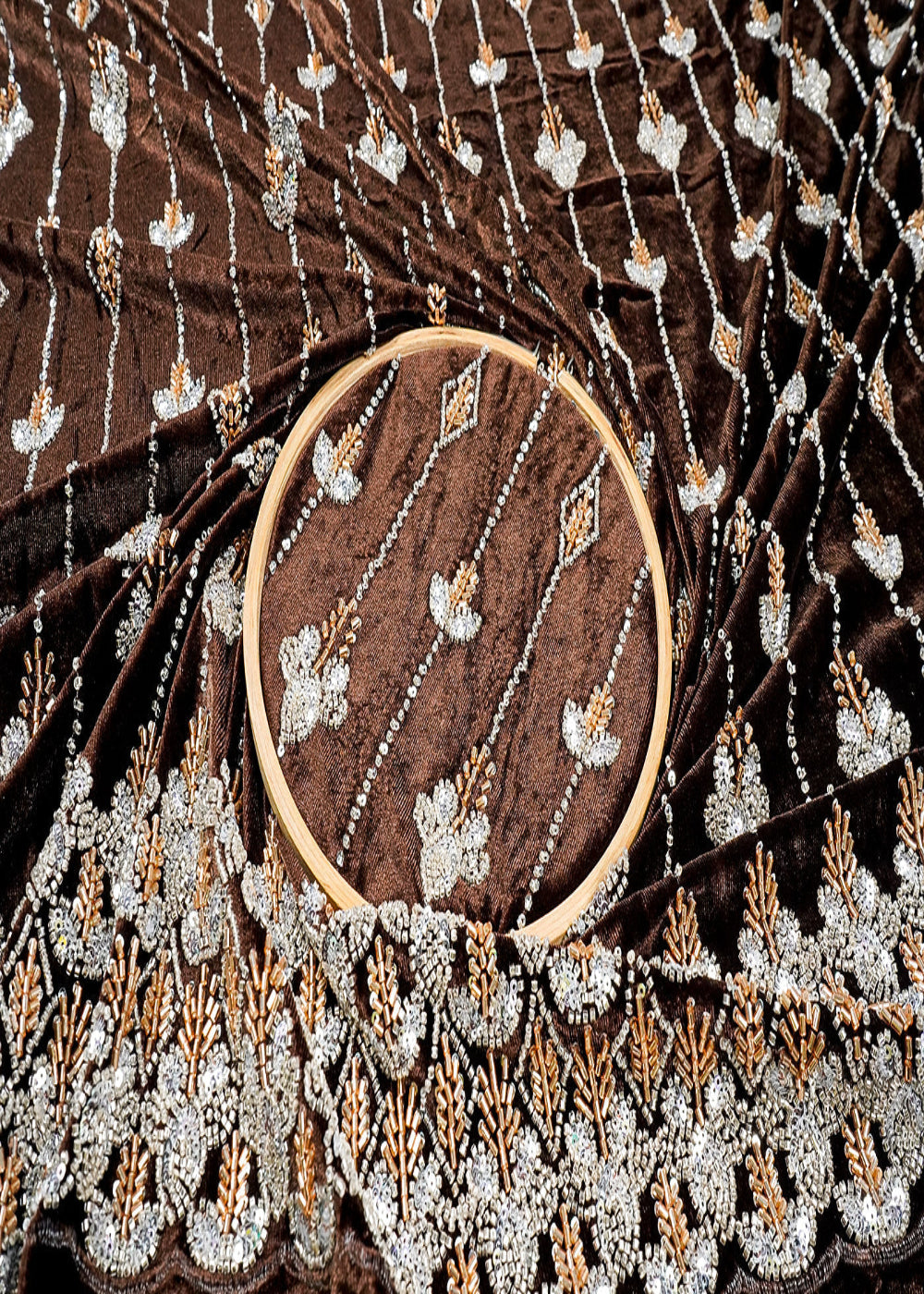
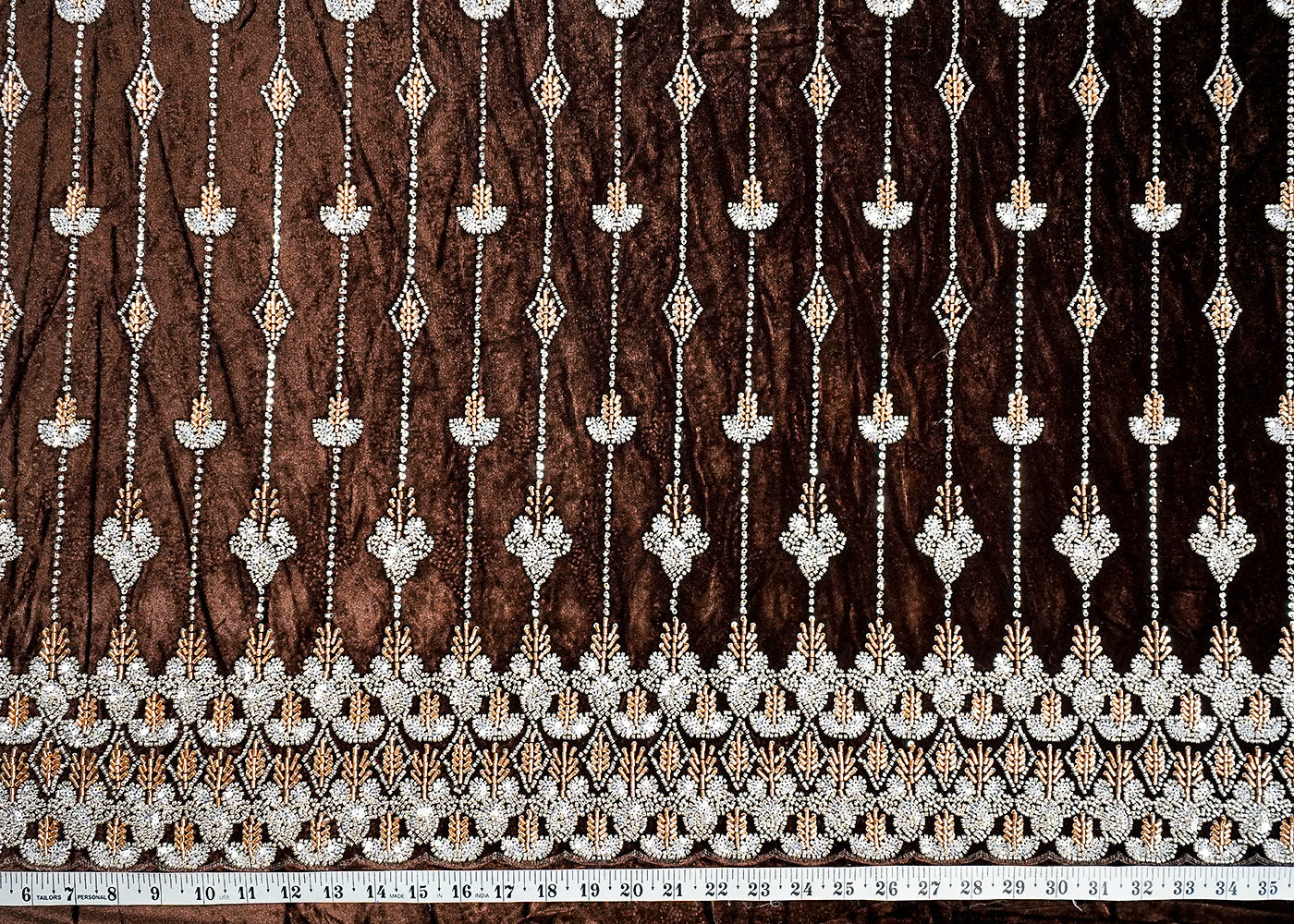
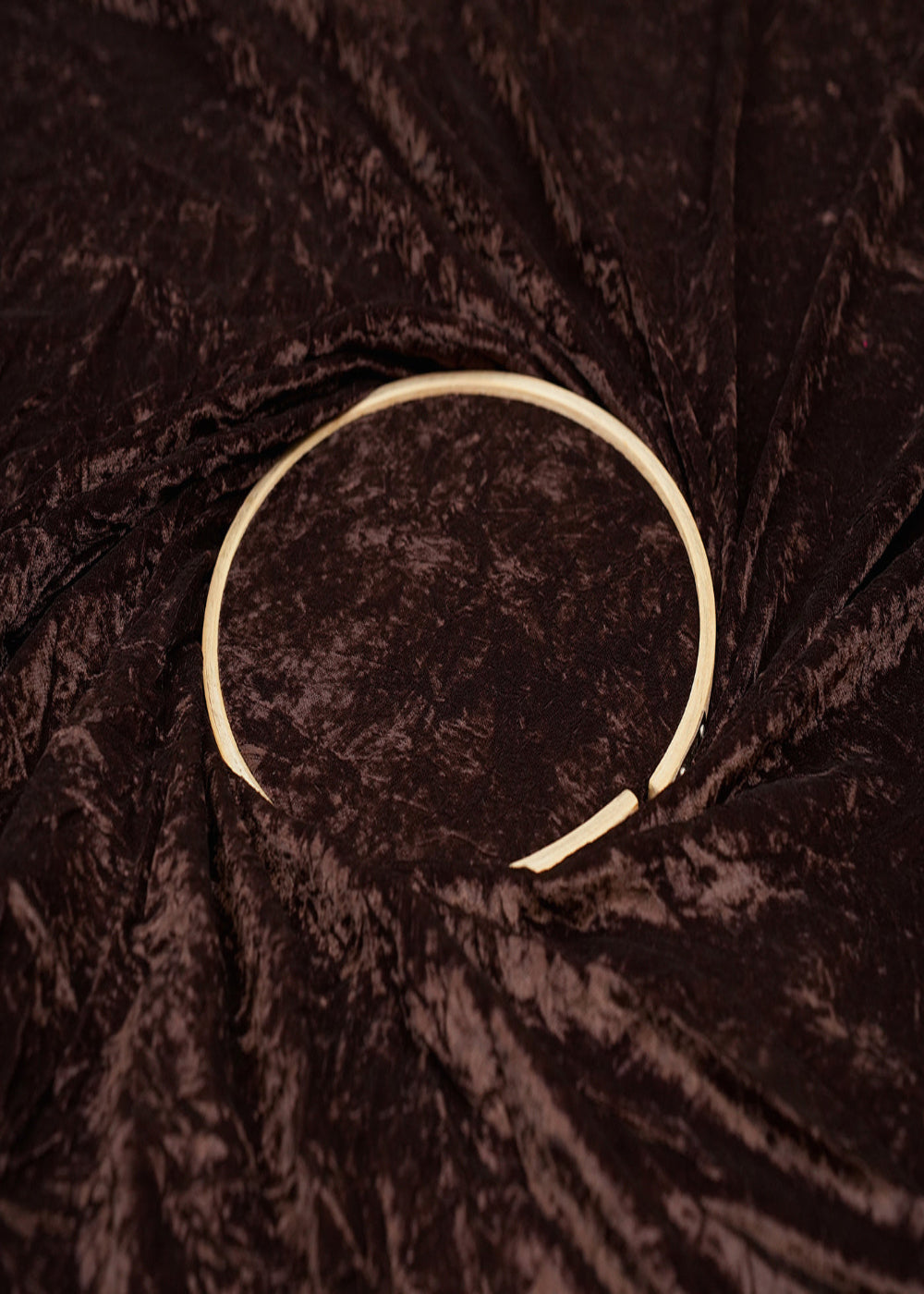
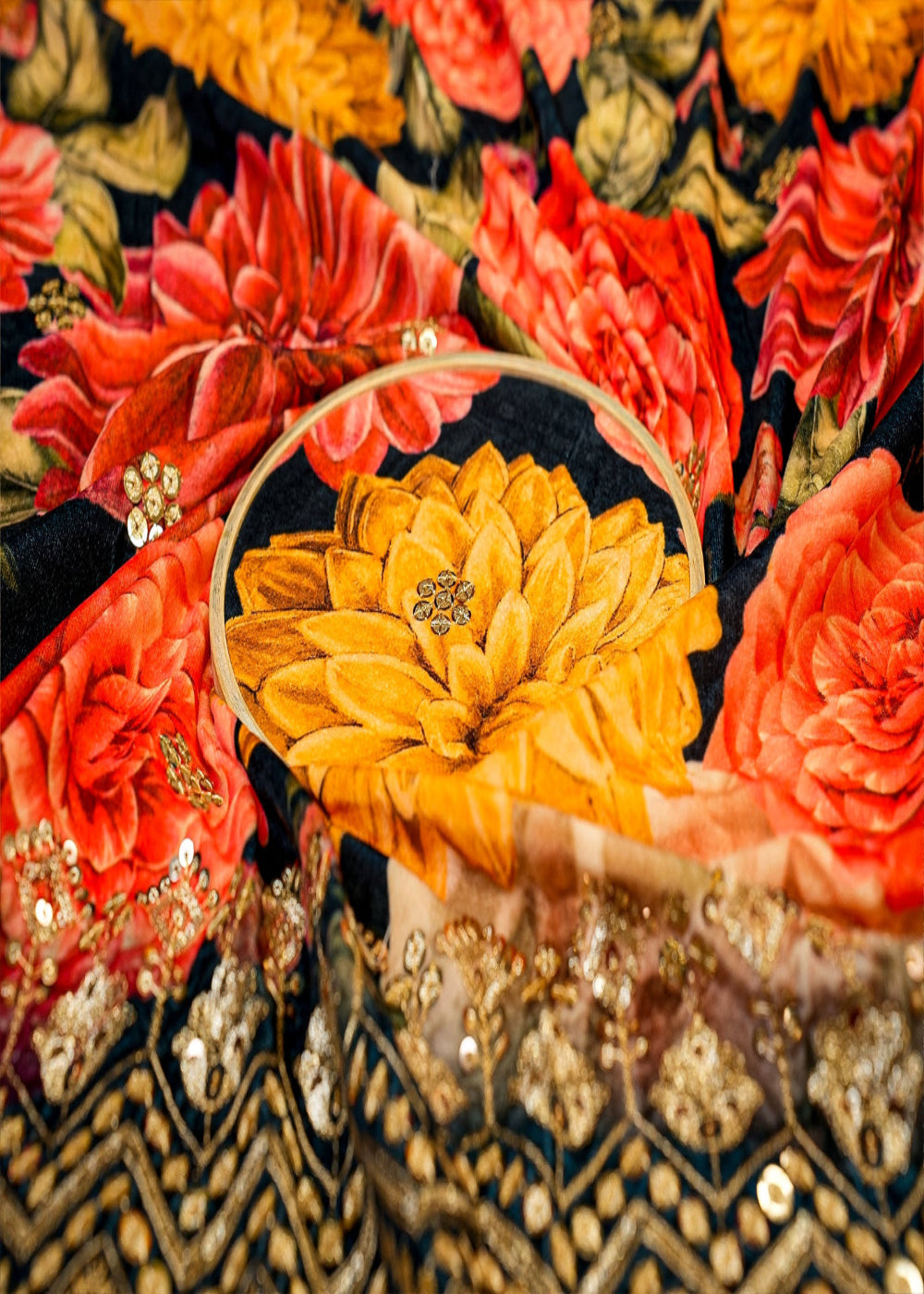
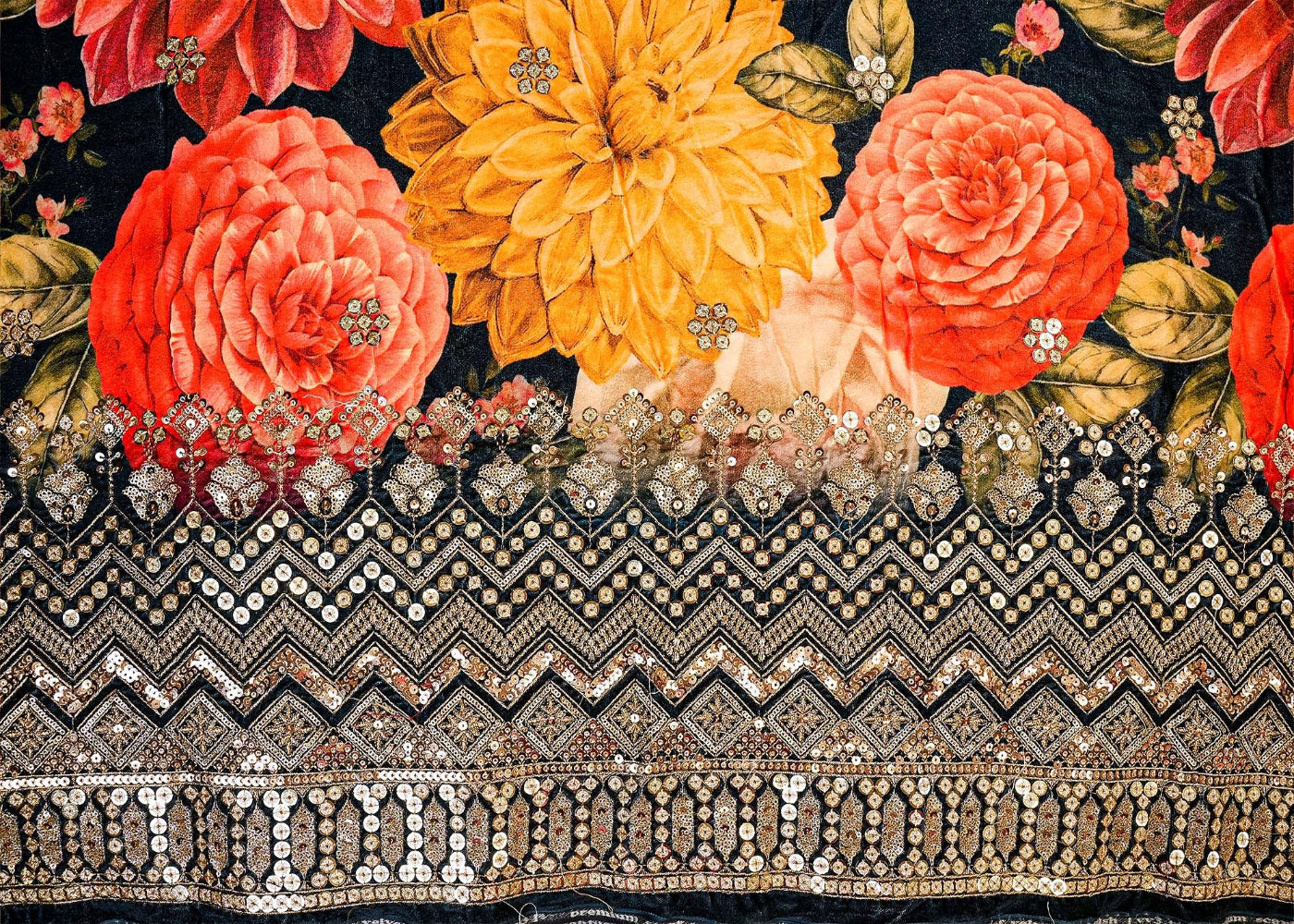
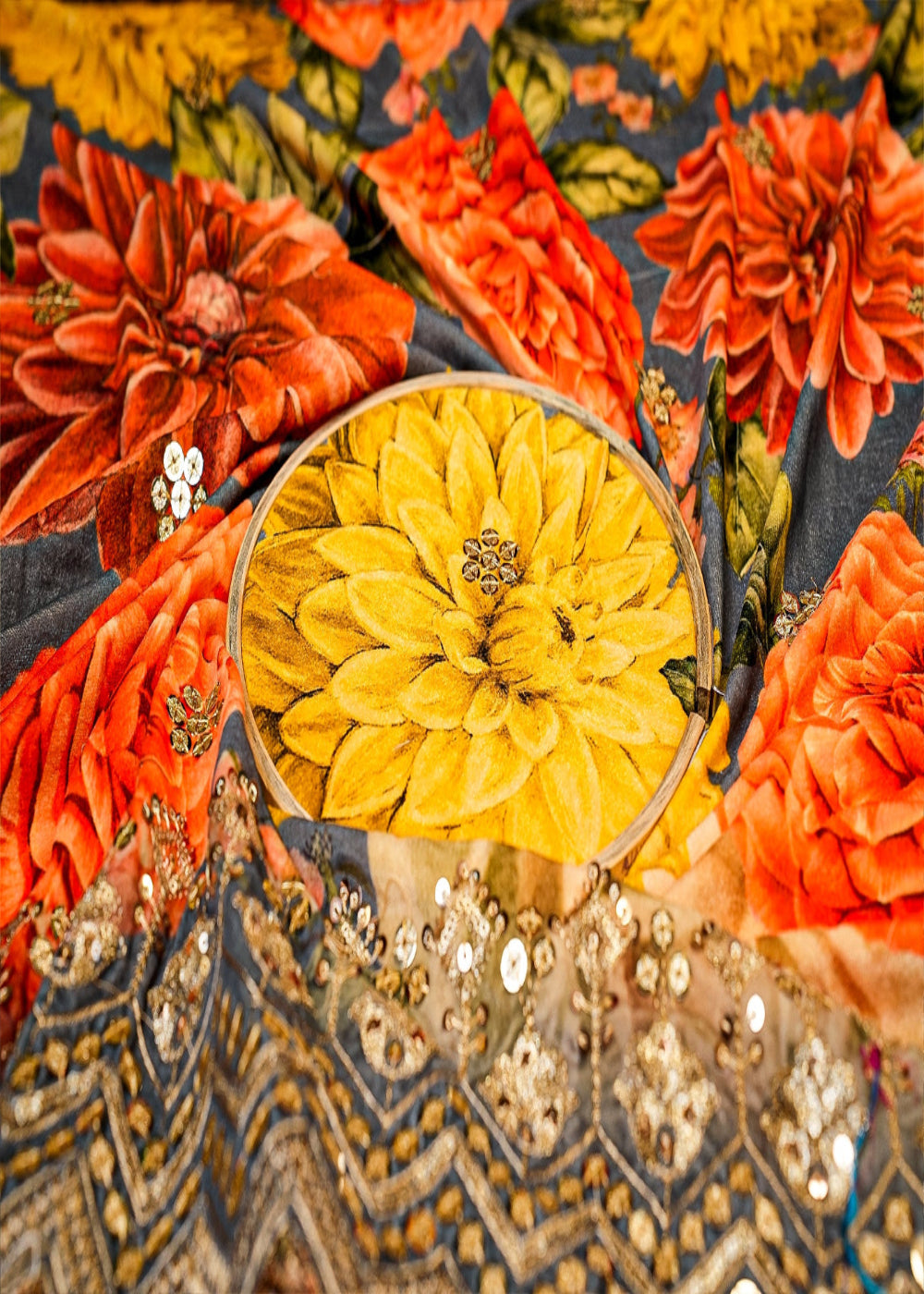
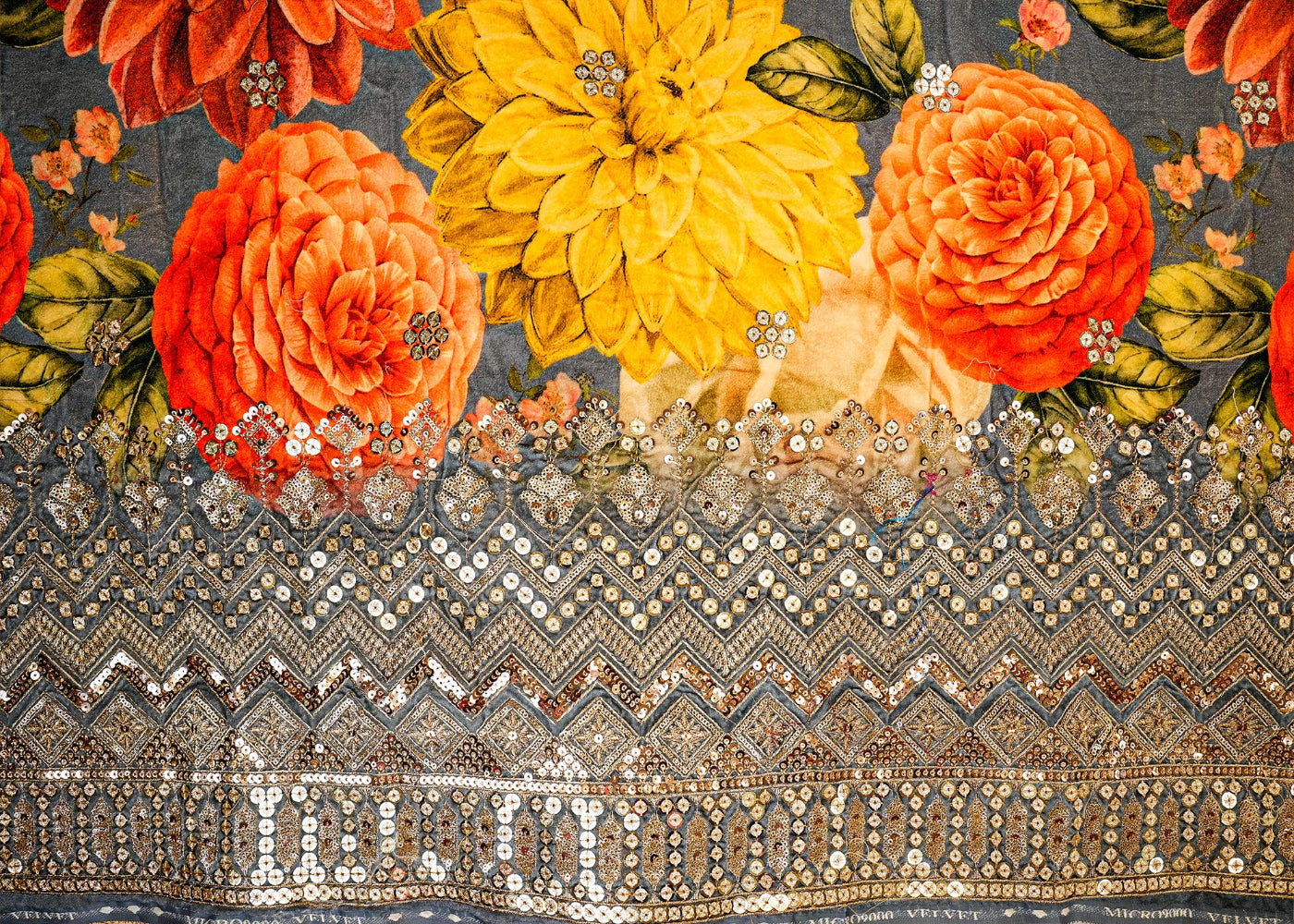
The surface is the whole appeal. Light sinks into the pile and reflects back rich, so even a plain velvet panel reads regal without a single stitch of work. Add zardozi, sequin, or resham on top and the fabric carries it without sagging, which is rare in a fabric this heavy.
Why Velvet Holds Heavy Work Best
Dense embroidery needs a ground with body. Velvet has both weight and a firm backing weave, so zardozi and heavy sequin sit flat and stable where a lighter fabric would pucker or drag at the stitch points.
It also works across menswear and womenswear equally, which few fabrics do. Sherwanis, bridal lehengas, dupattas, jackets, blouses. The same bolt serves a groom's achkan and a bride's lehenga panel, which makes it efficient stock for a boutique running full wedding orders.
Types and Rates
| Velvet Type | Best For | Approx Rate |
| Plain velvet | Blouses, lehenga panels, suits, kurta sets | Rs 250 to 550 per metre |
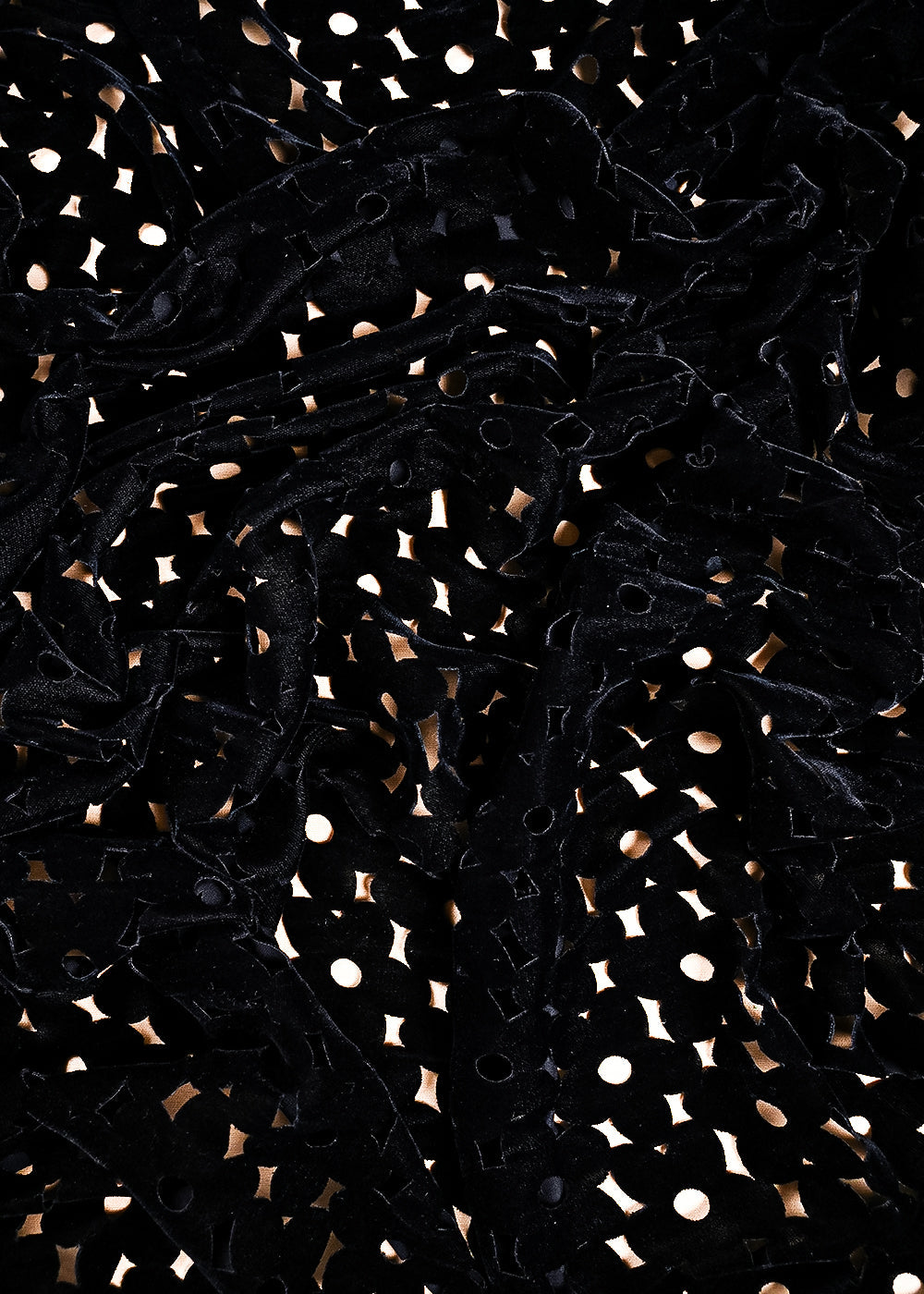
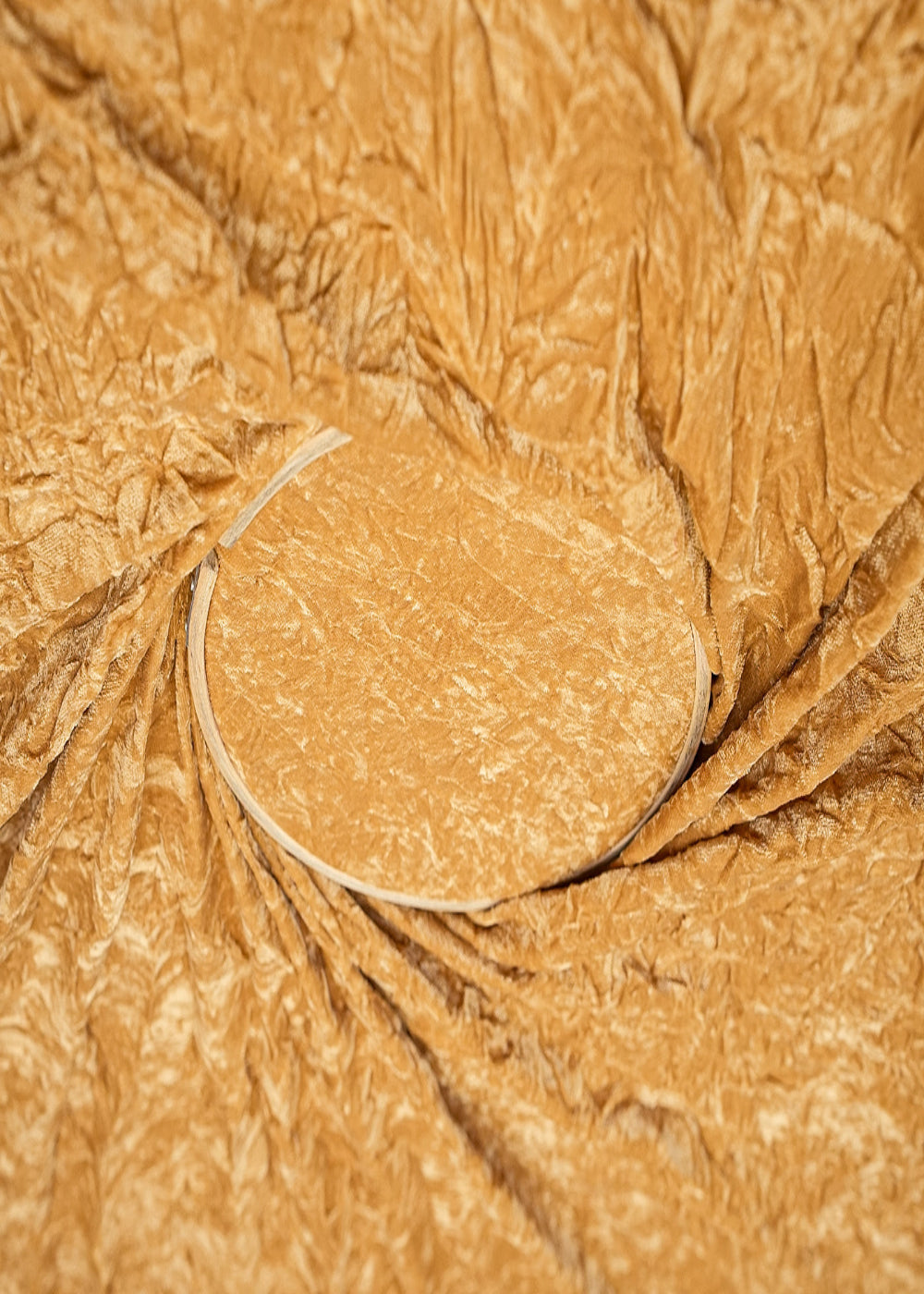
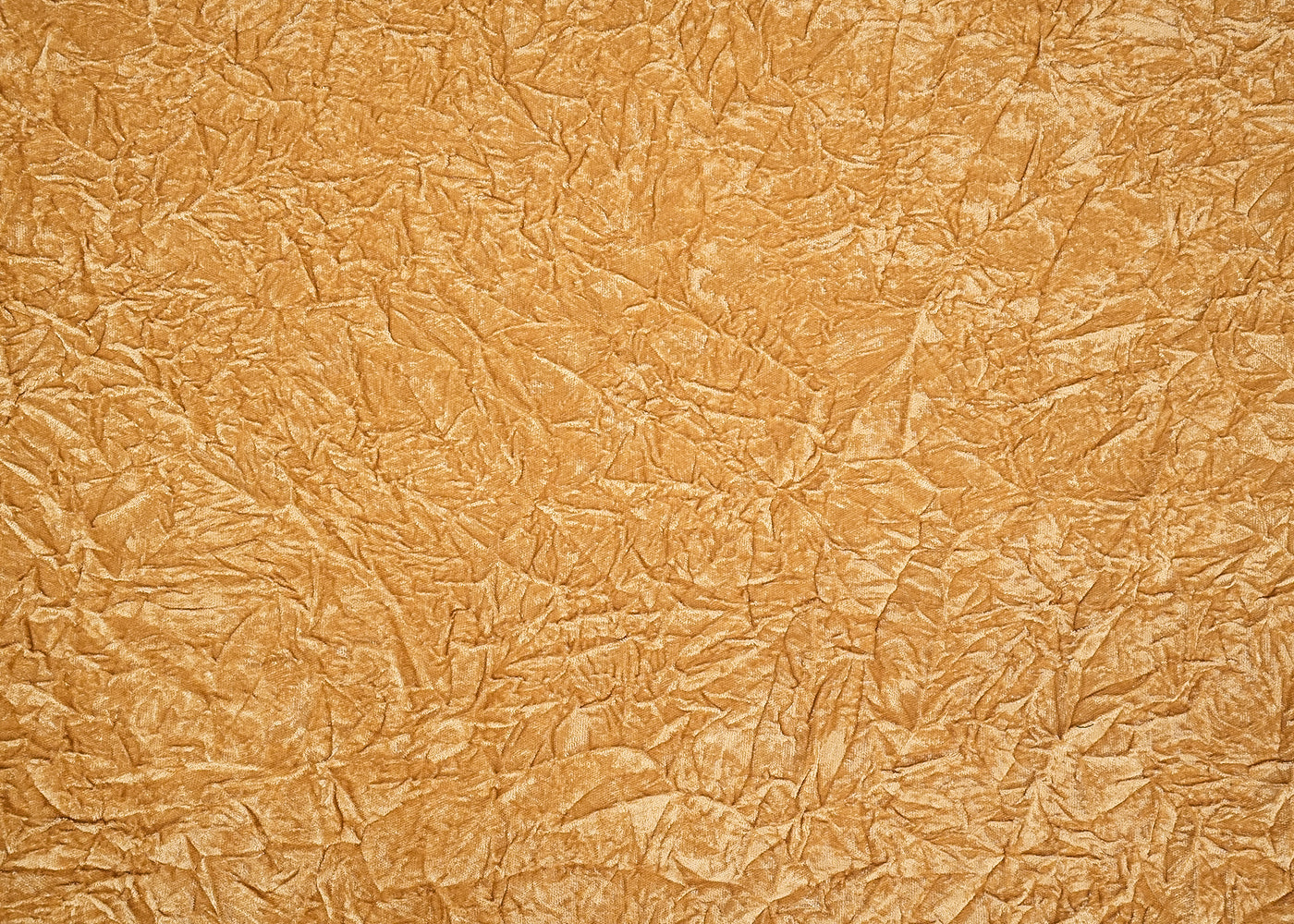
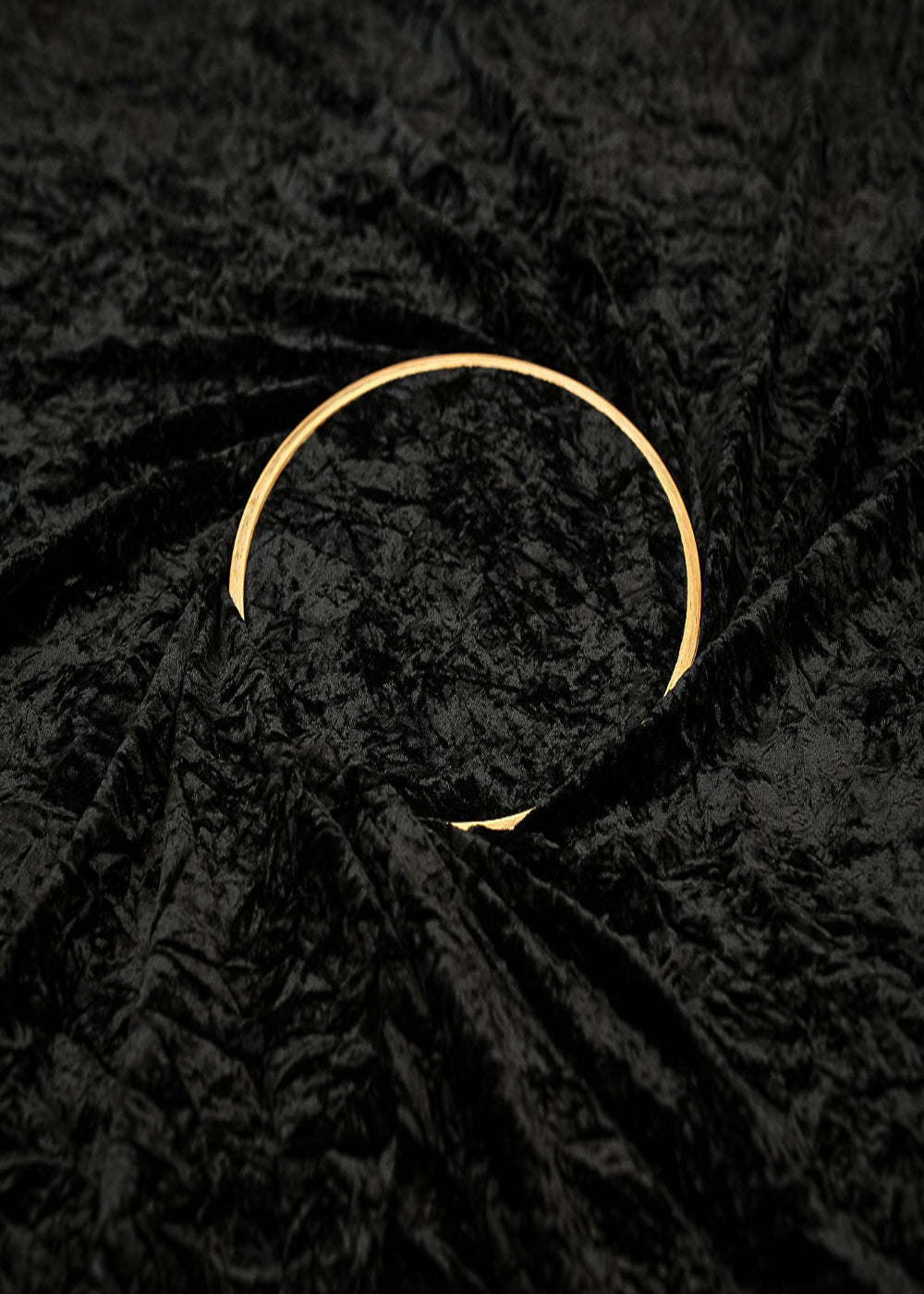
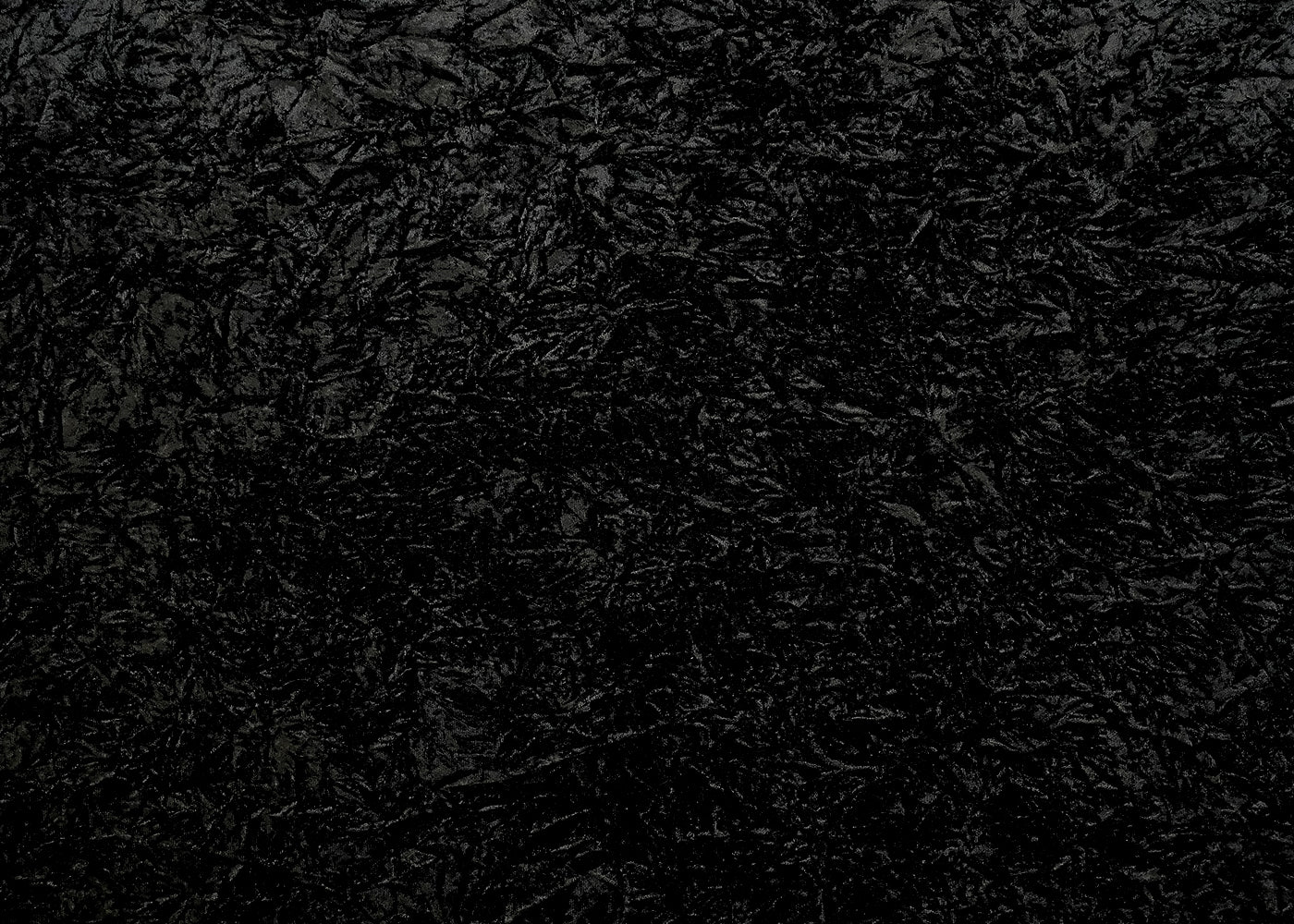
| Crushed velvet | Indo-western gowns, layered dresses | Rs 300 to 600 per metre |
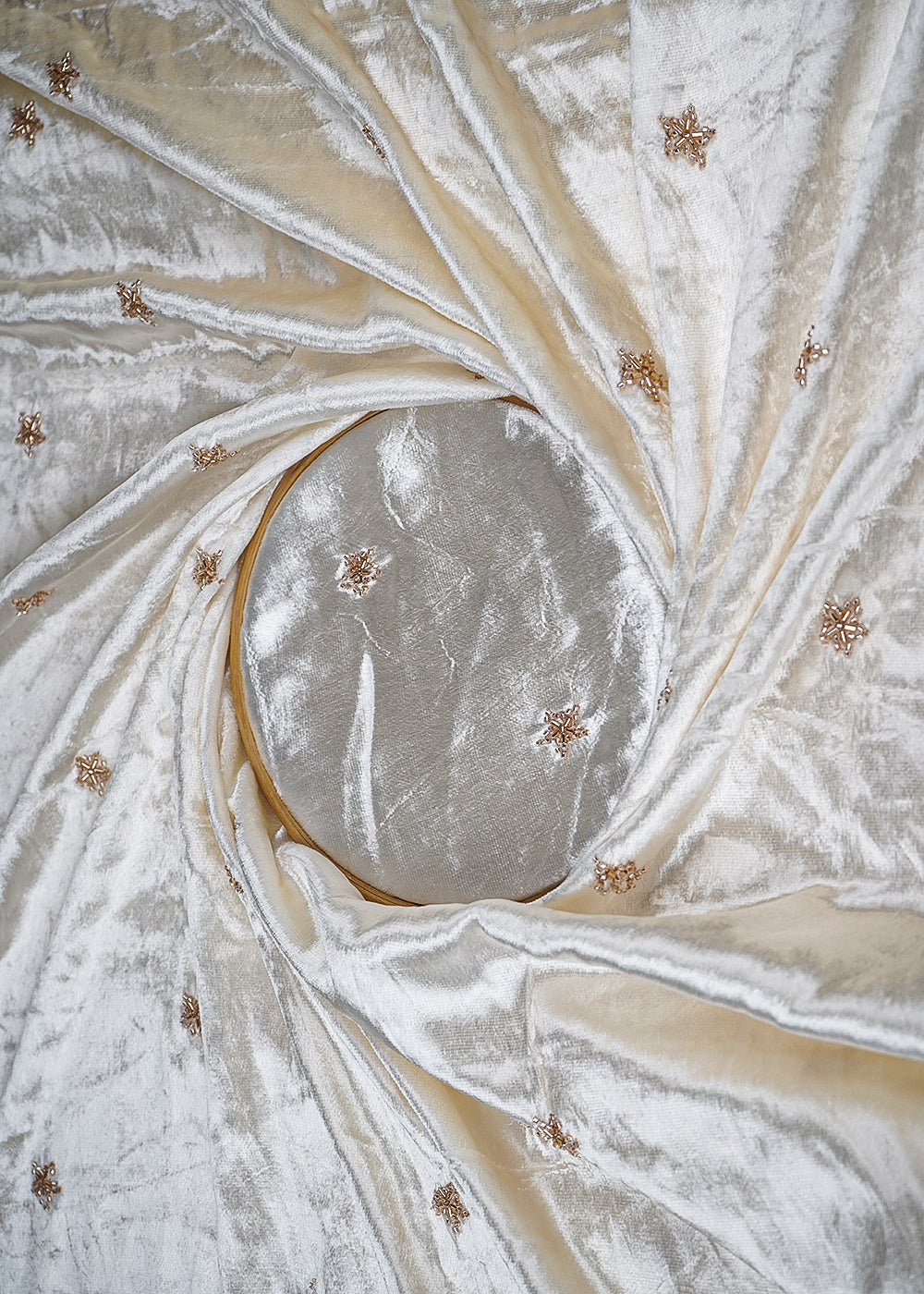
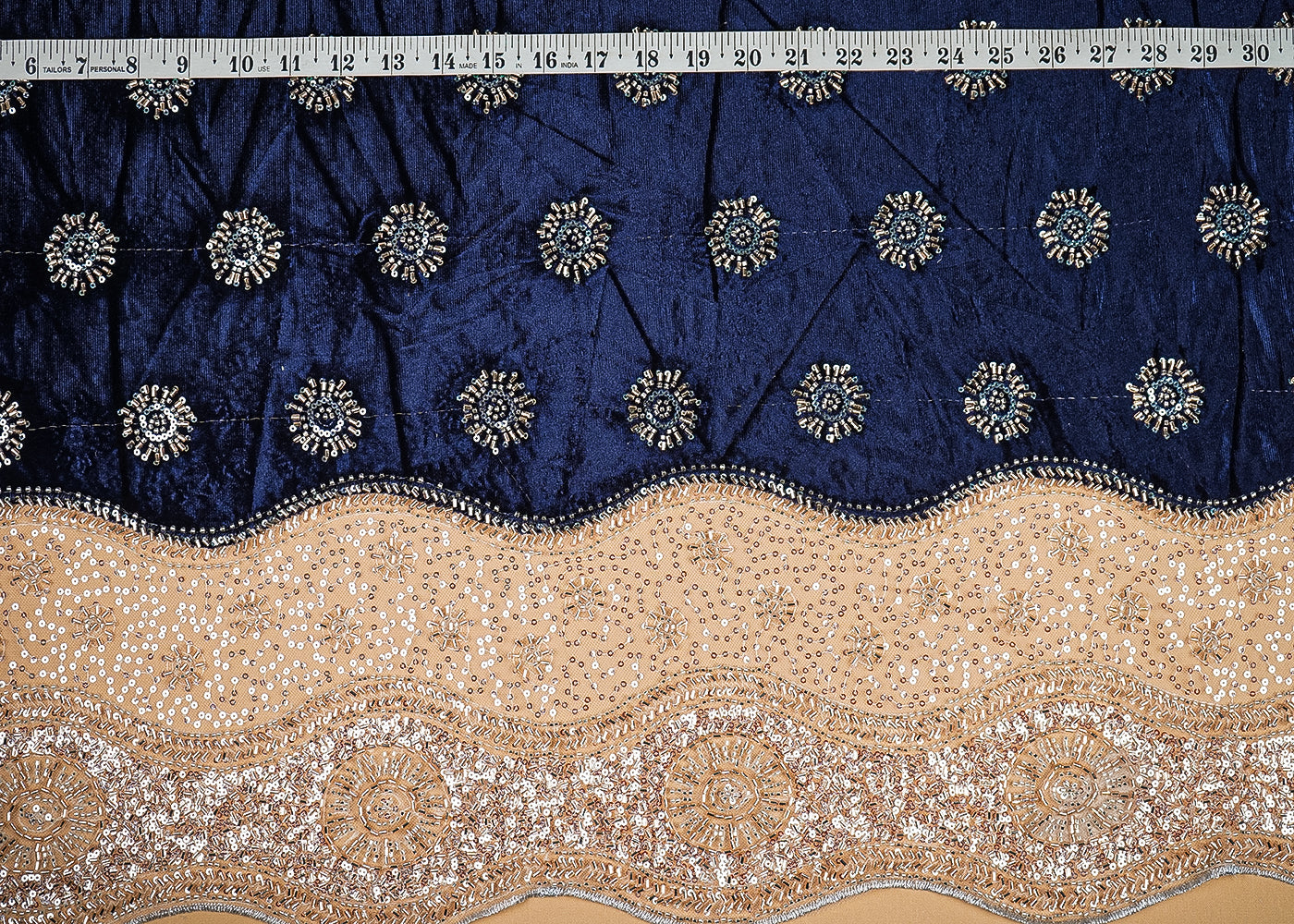
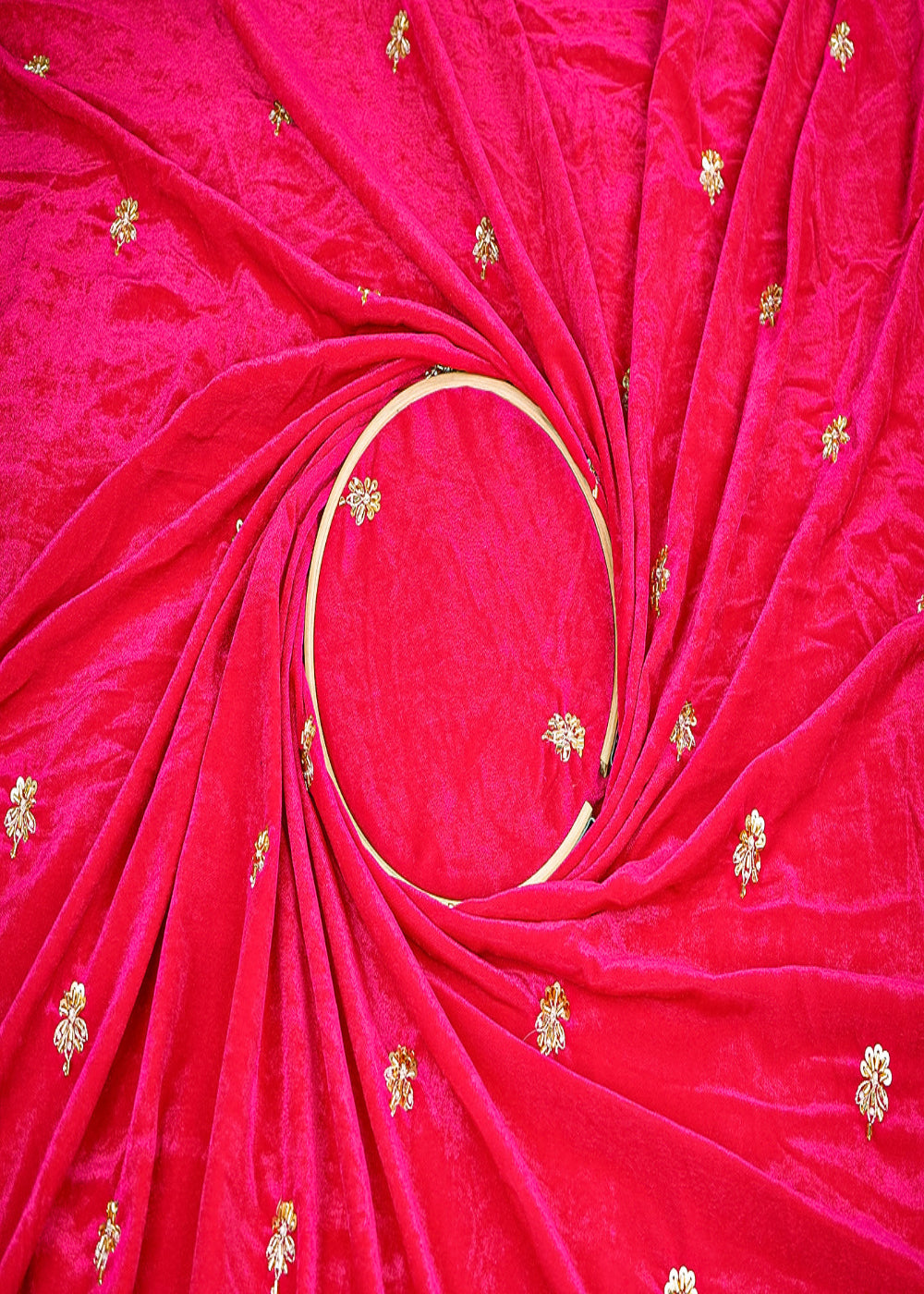
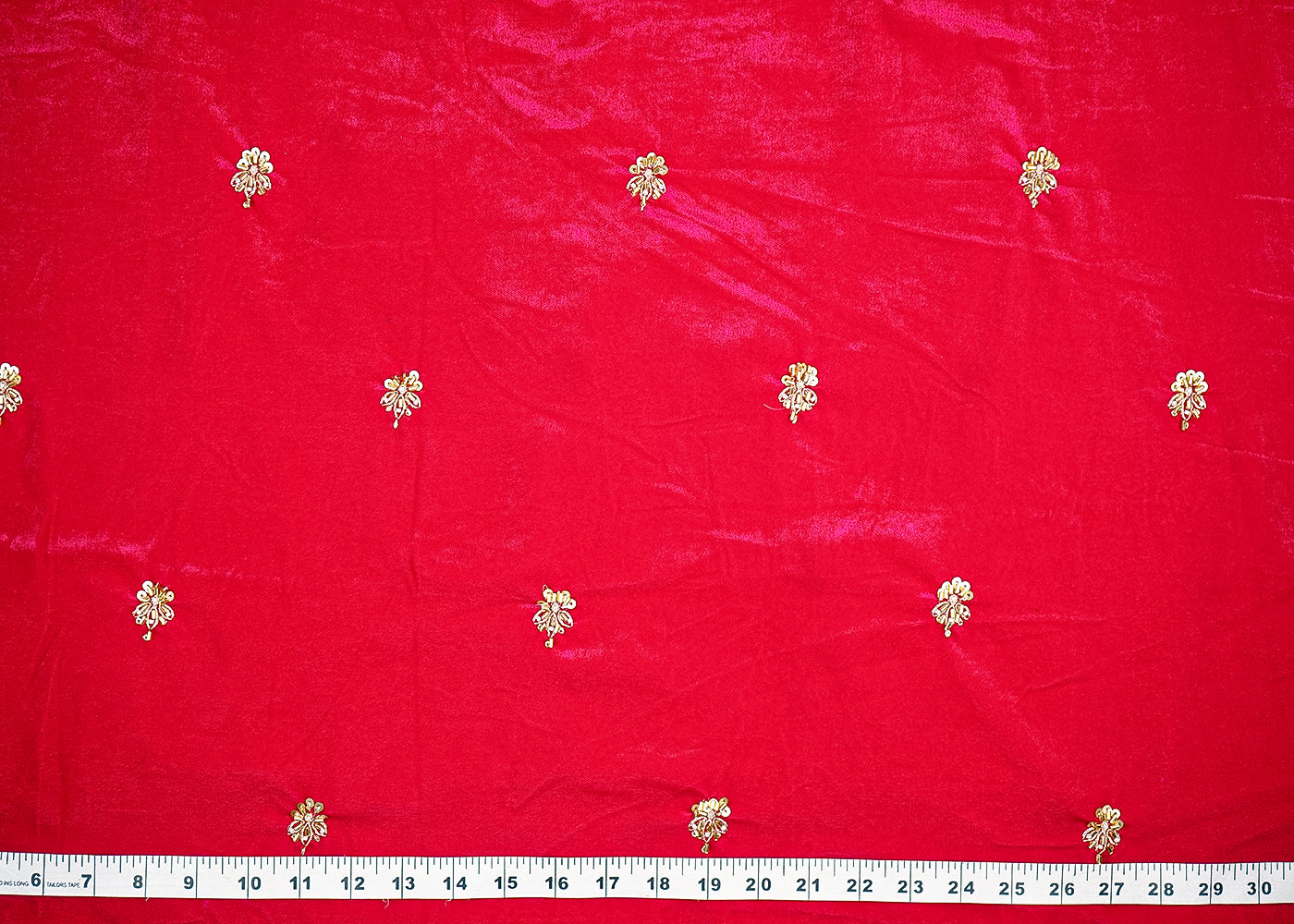
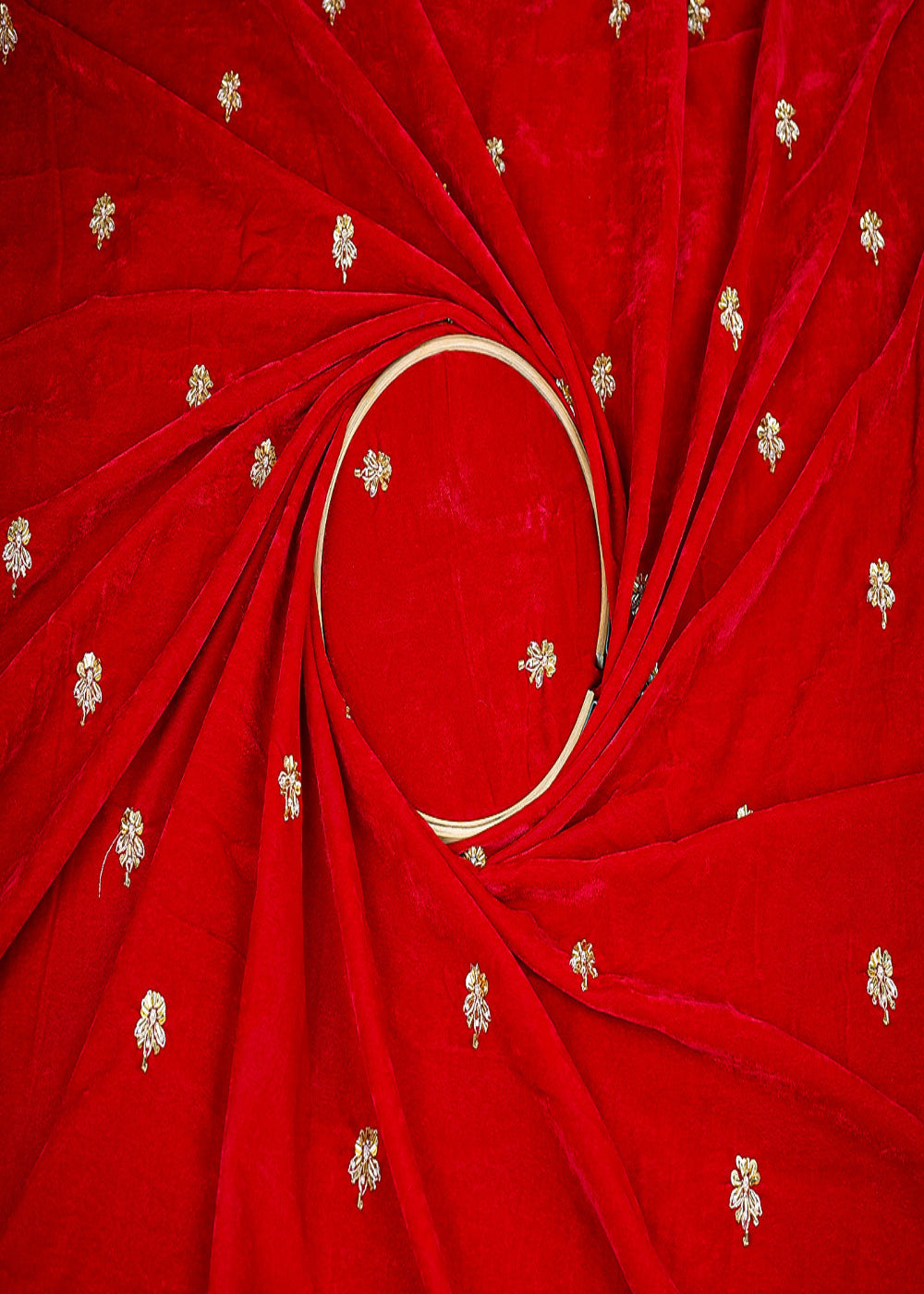
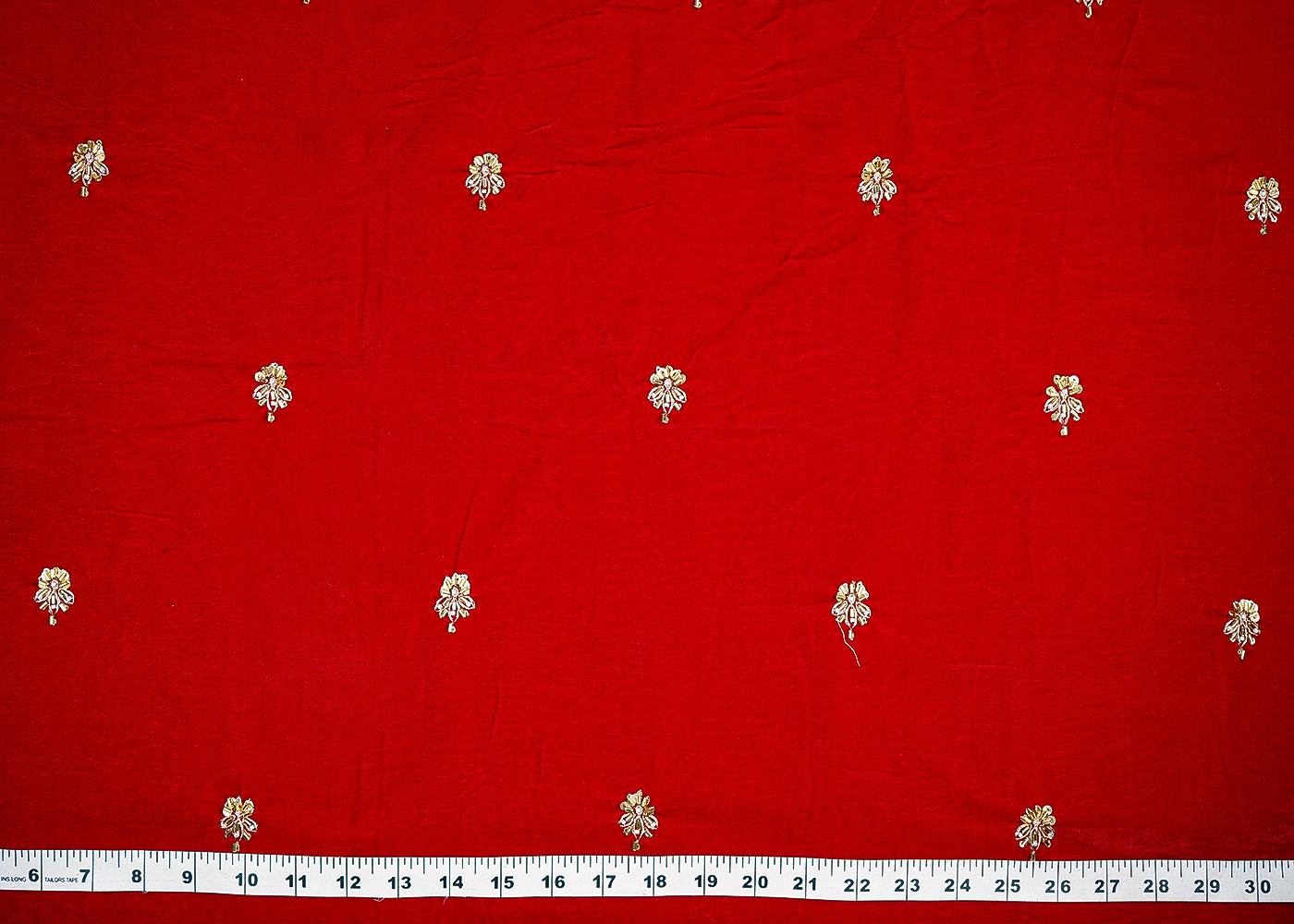
| Embroidered velvet | Bridal dupattas, shawls, jackets | Rs 700 to 1,800 per metre |
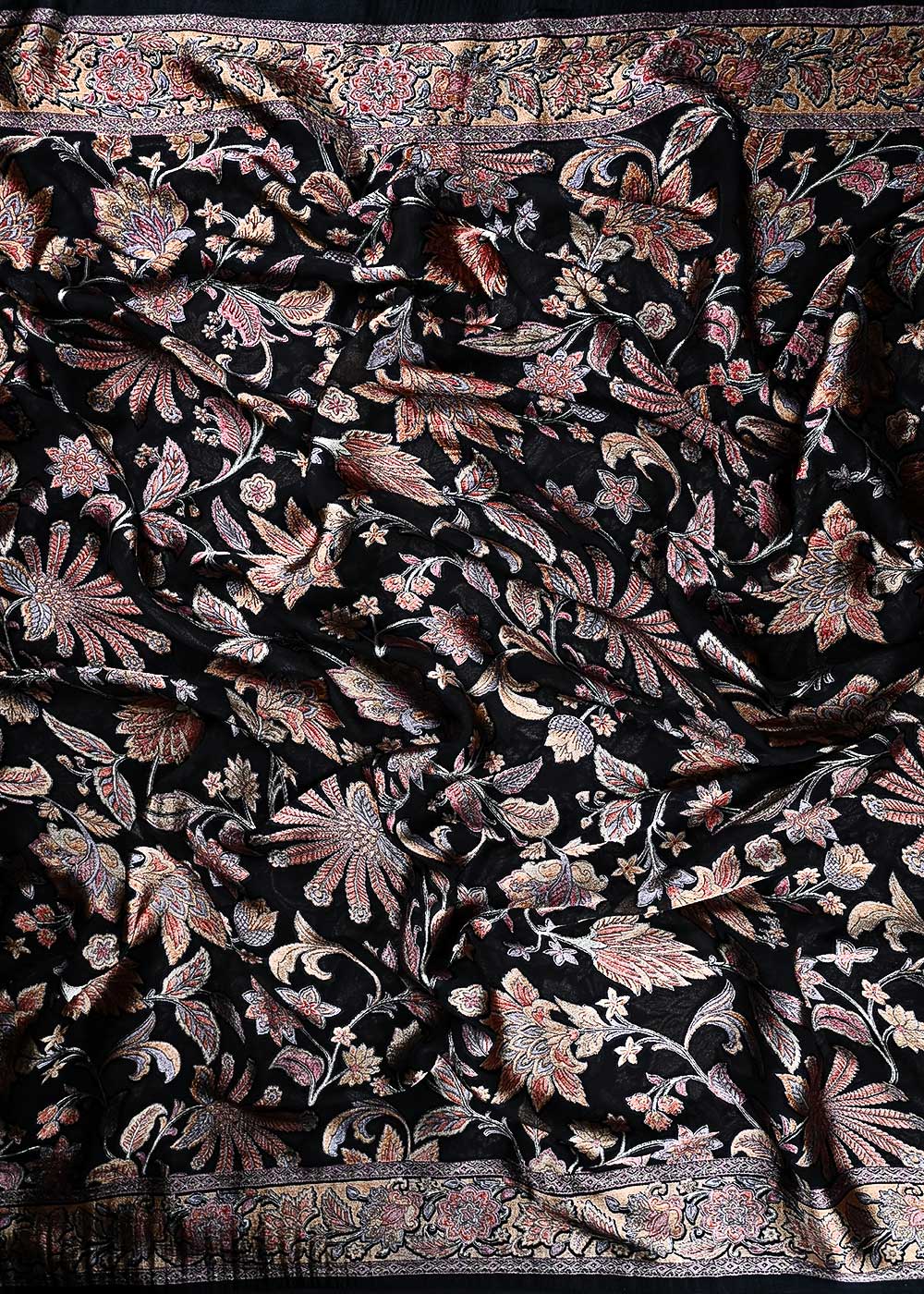
| Digital printed velvet | Designer blouses, festive skirts, kidswear | Rs 350 to 650 per metre |
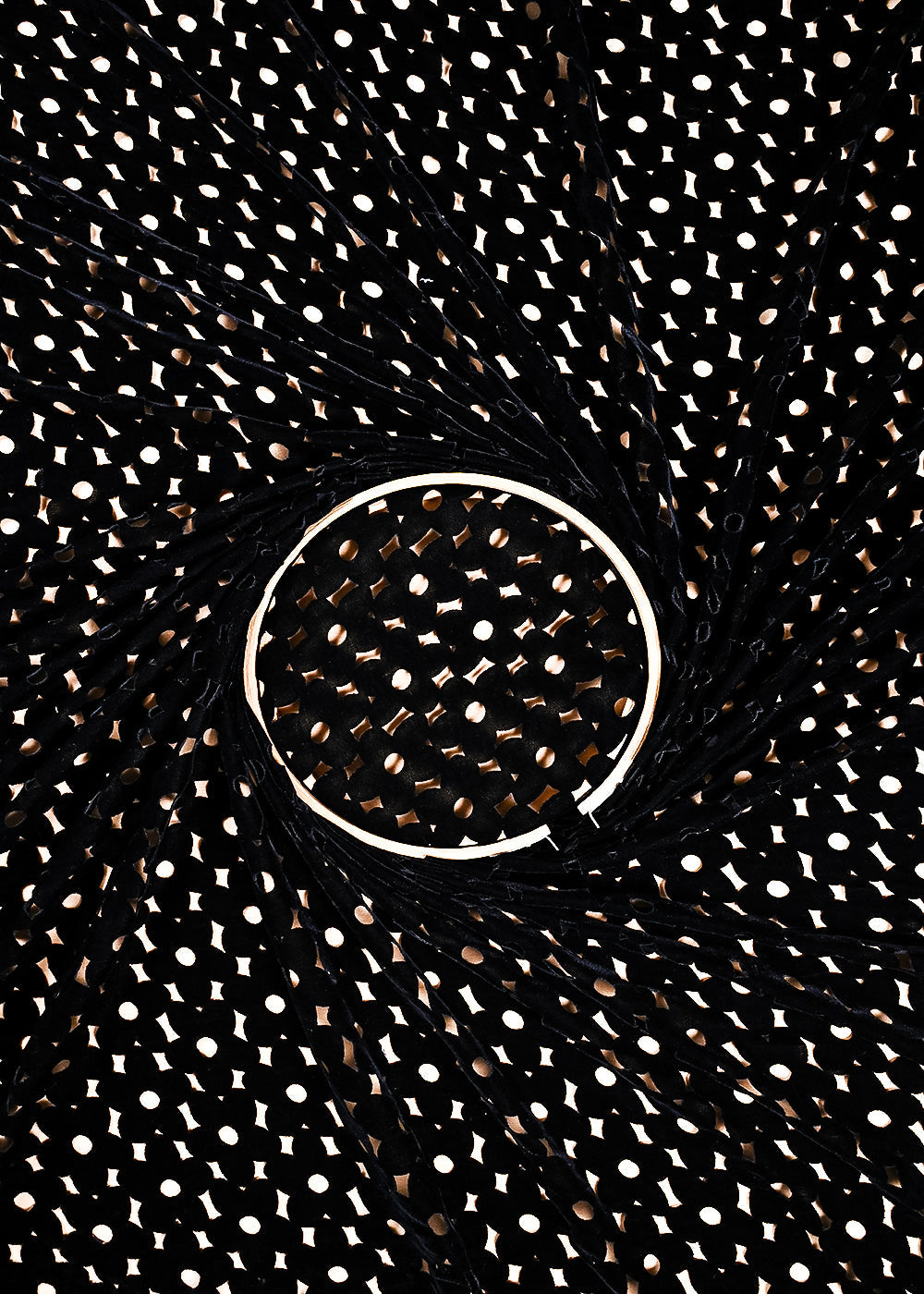
| Foil print velvet | Party suits, blouse backs, overlays | Rs 400 to 750 per metre |
Rate moves with pile density and work. Embroidered grades carry the top rates since the base is already heavy before the karigar starts. Bulk thaan purchase helps most on plain and printed grades.
Velvet GSM Guide
Velvet runs heavy across every grade. The band decides how much structure the garment holds and how well it carries embroidery weight.
| Velvet Type | GSM Range | Feel | Best For |
| Crushed velvet | 160 to 180 GSM | Textured with shimmer | Gowns, indo-western wear |
| Printed velvet | 180 to 200 GSM | Smooth with rich prints | Designer kurtis, festive skirts |
| Plain velvet | 180 to 220 GSM | Dense, soft pile | Kurta sets, blouses, lehengas |
| Embroidered velvet | 220 to 250 GSM | Heavy, structured | Shawls, bridal dupattas, jackets |
Popular Uses
- Bridal lehengas, dupattas, blouses, kurta sets
- Sherwanis, achkans, groom jackets
- Indo-western gowns, shawls, festive skirts
- Winter suits, stagewear, statement blouse backs
For a winter wedding party velvet anchors the heavy pieces on both sides of the family, so a boutique can build the bride's lehenga and the groom's sherwani from related bolts. Pair a plain velvet base with a worked zari border for a bridal look at controlled cost.
Colour Directions for 2026
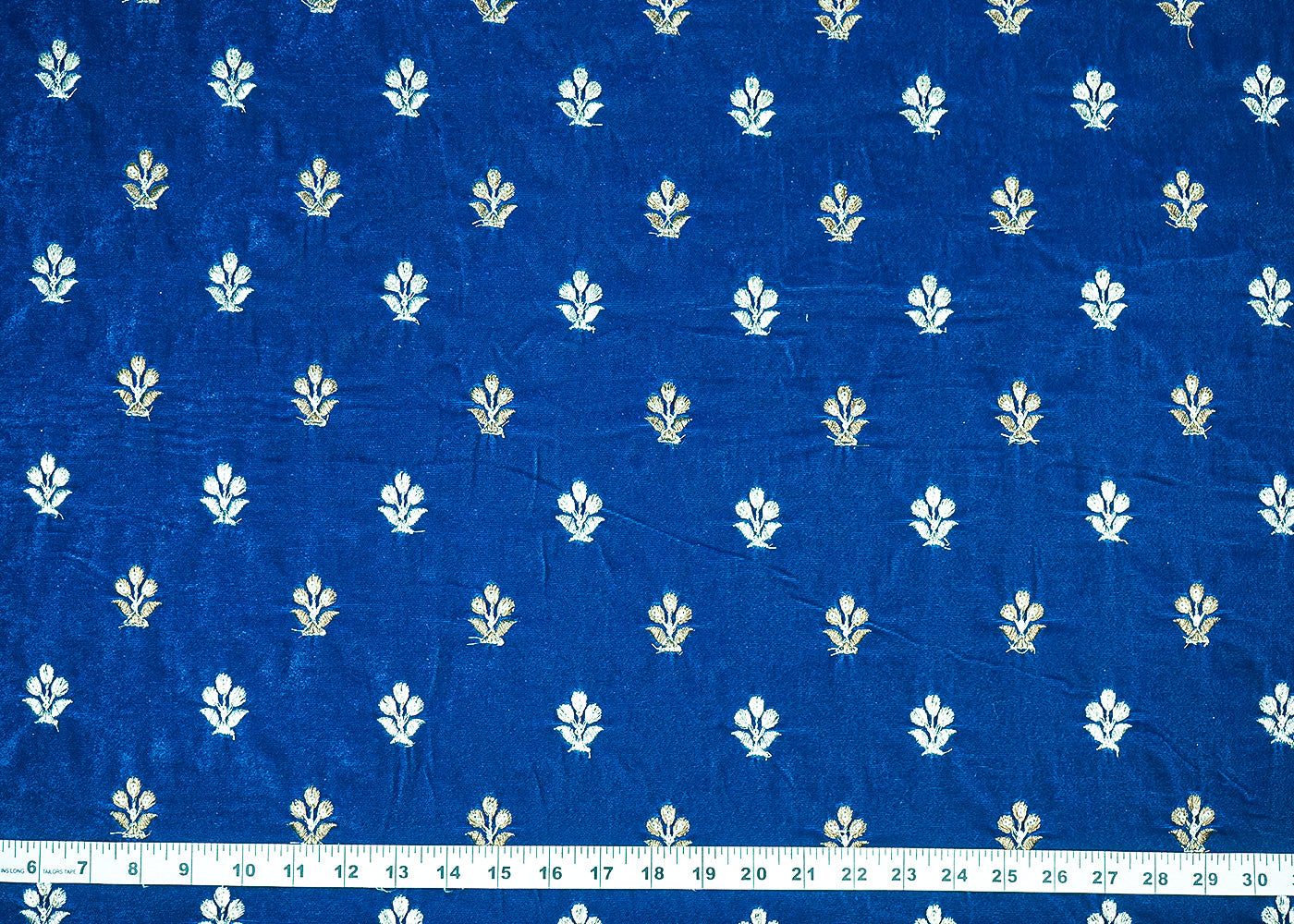
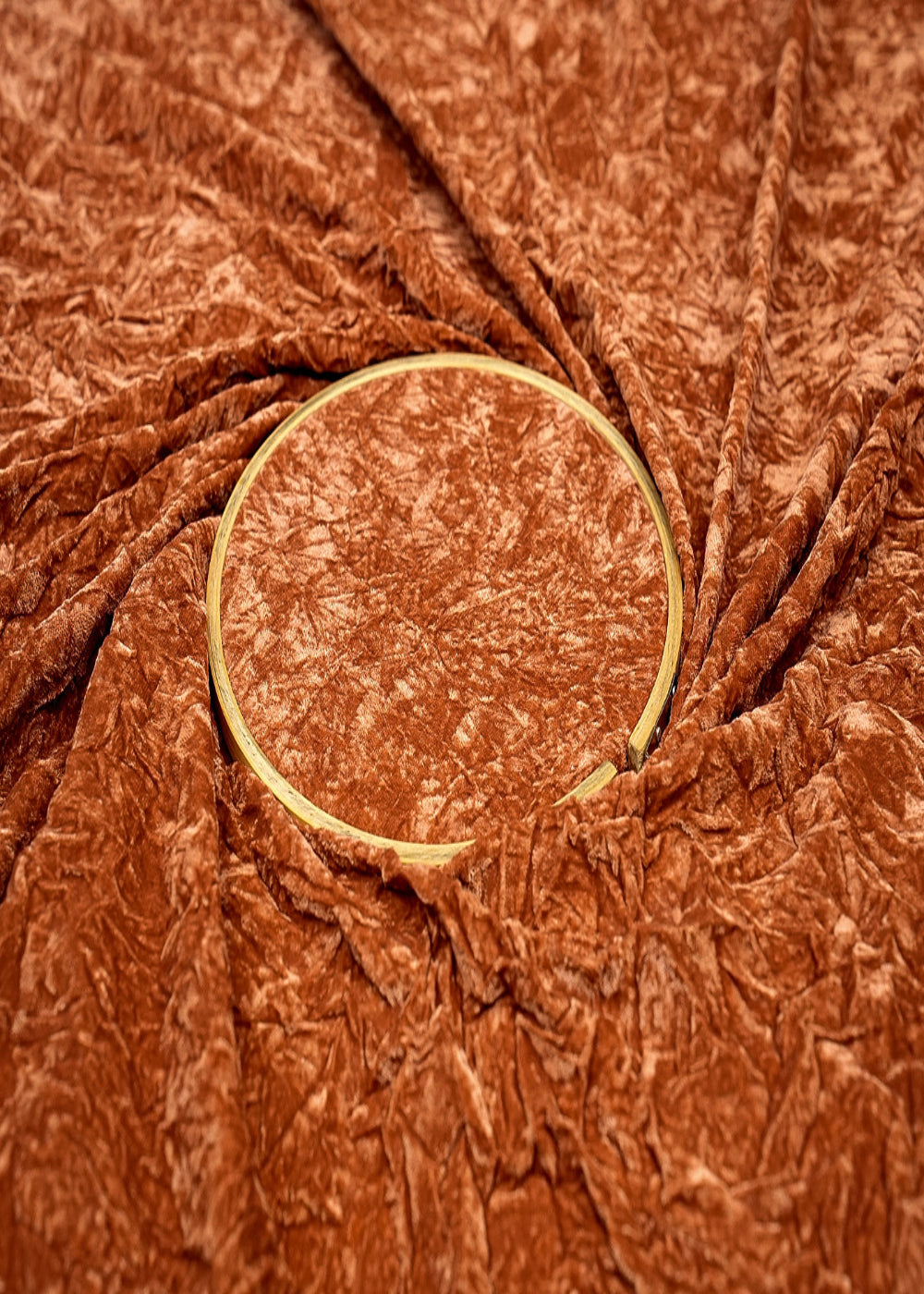
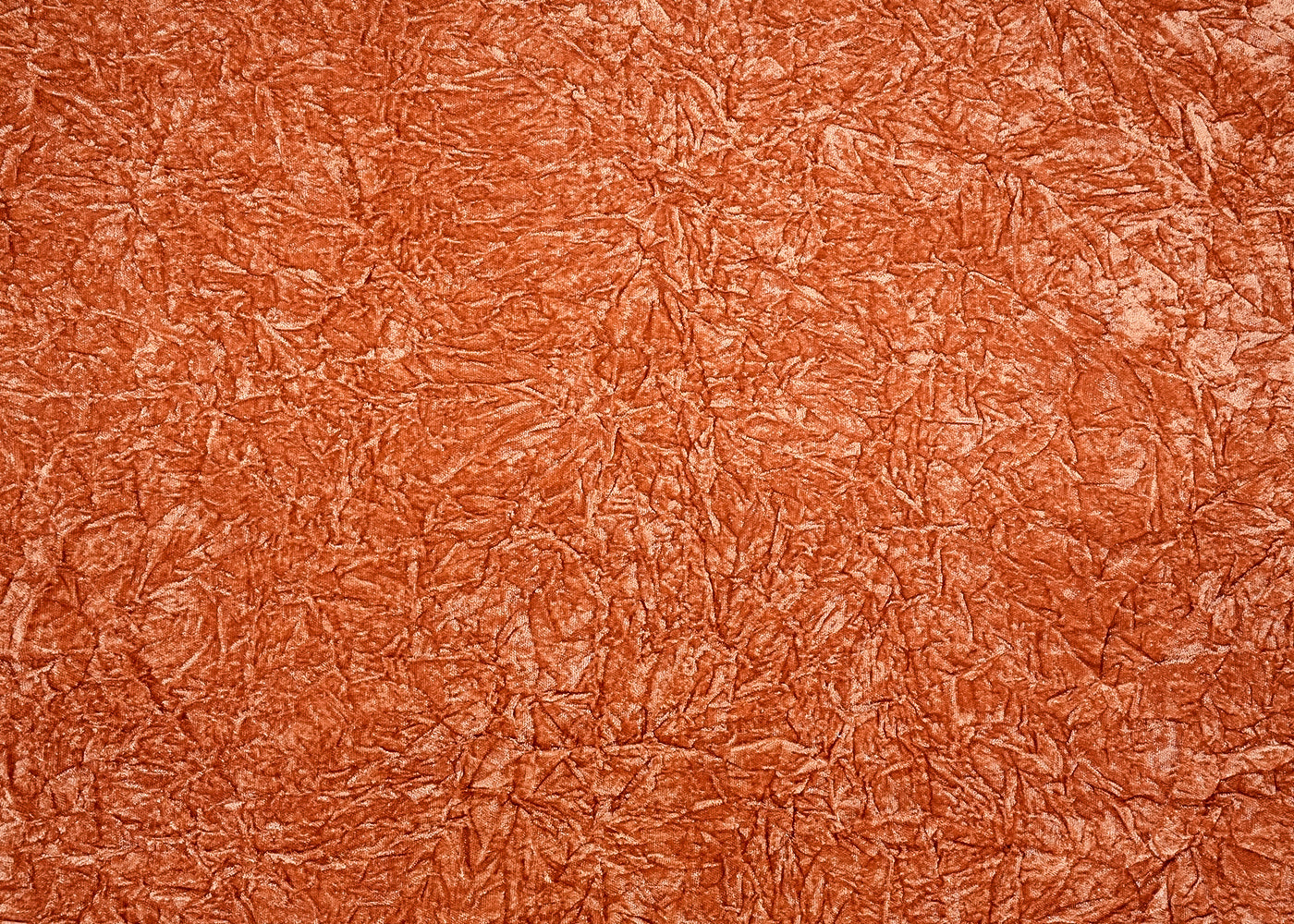
The deep jewel palette leads every winter. Maroon, bottle green, royal blue, navy, rust, black. These read richest against the velvet pile and carry gold or silver work as clean contrast.
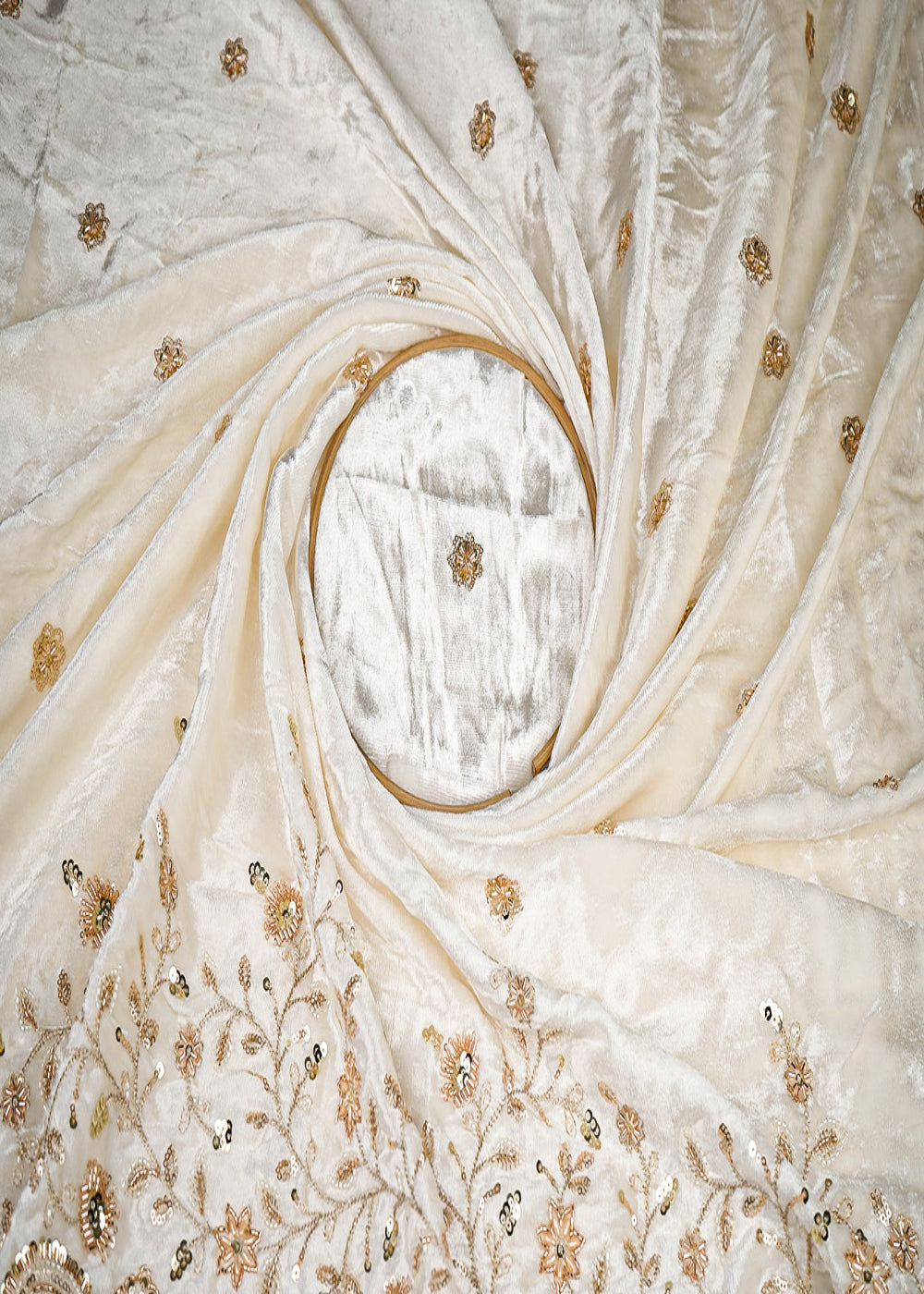
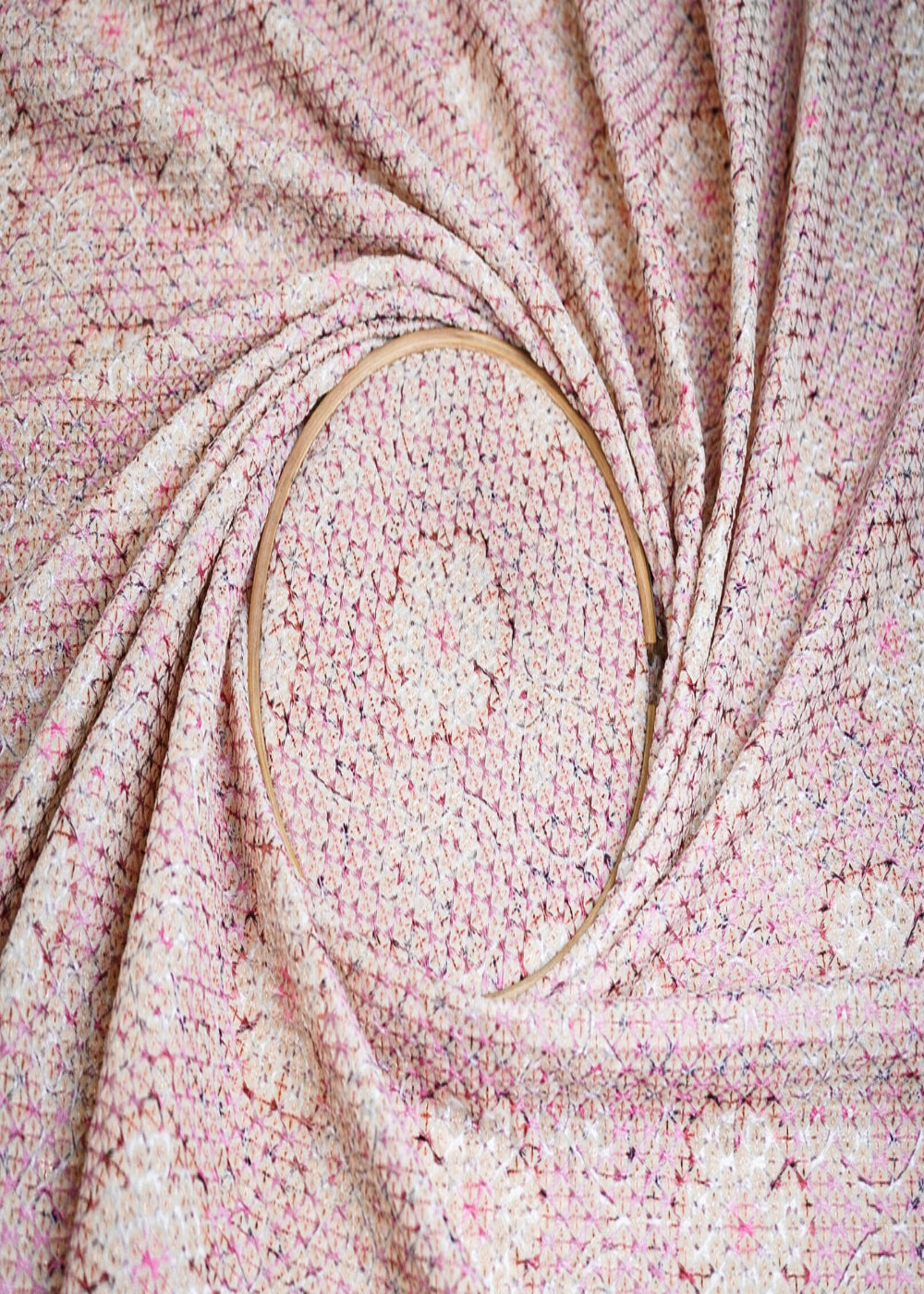
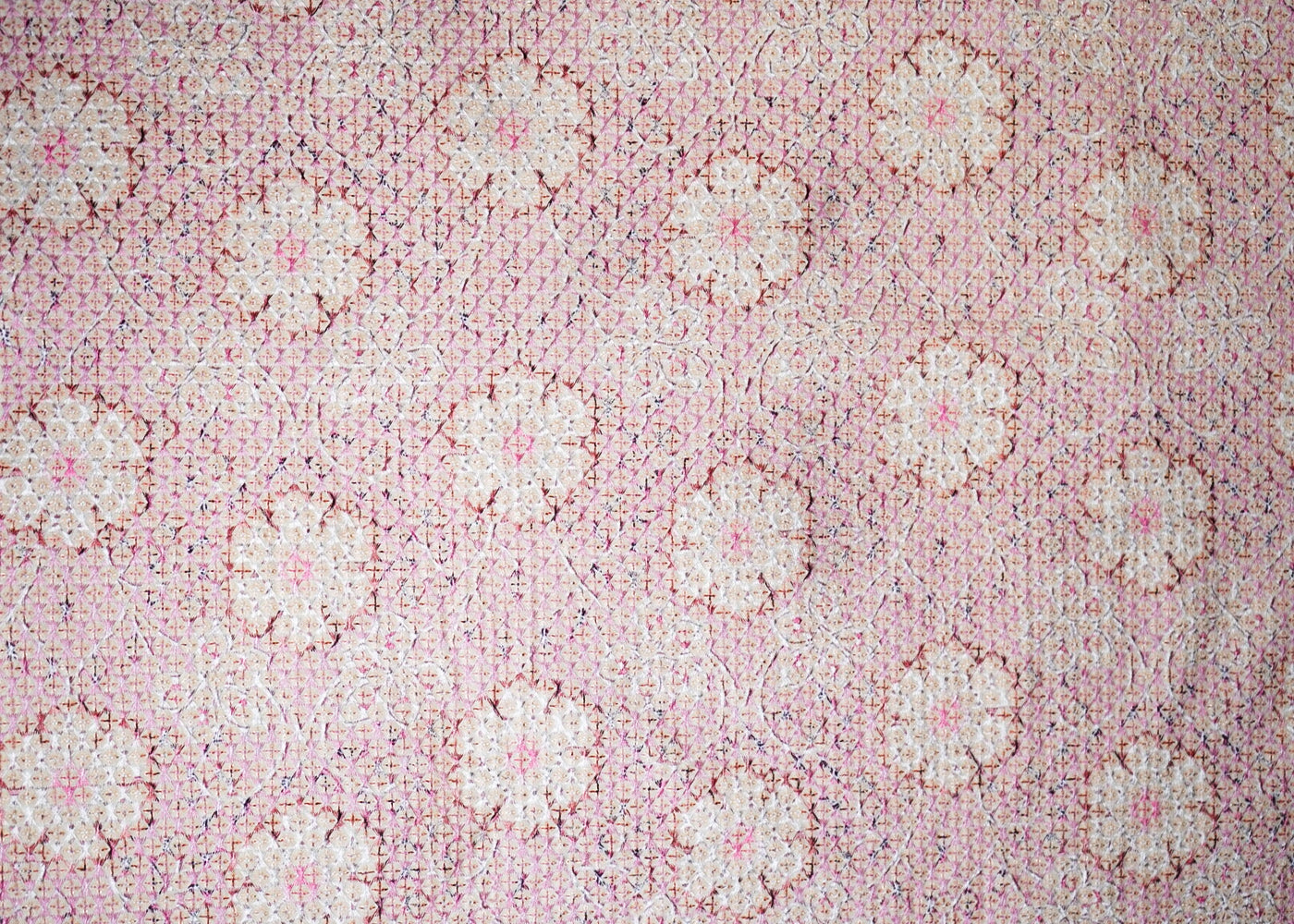
Ivory and blush velvet have gained ground for contemporary brides moving away from the classic red. On a pale velvet the pile still gives depth, so the outfit reads rich without the traditional deep tone.
Working Tips for Velvet
- Cut all panels with the pile running the same direction. Mixed pile shows as different shades under light
- Never iron the pile face down. Press from the reverse or steam, or the pile flattens permanently
- Use velvet panels on sleeves, yokes, borders to lift a plain outfit without a full heavy build
- Pair with organza or net sleeves for a lighter contemporary contrast against the weight
Frequently Asked Questions
Is velvet only for winter wear?
Mostly, yes. The dense pile holds warmth, which suits winter weddings and festive wear but feels heavy in summer heat. For year-round use, lighter crushed velvet works better than the heavy plain grade.
How much velvet is needed for a bridal lehenga?
A full velvet lehenga takes 4 to 5 metres for the skirt depending on kali count, since velvet is used in panels rather than heavy flare. Add 2.5 metres for a velvet dupatta and around 1 metre for the blouse.
Why does velvet look different from different angles?
The pile catches light in one direction and absorbs it in the other, so the same panel shifts shade as you move. This is why all panels must be cut with the pile running the same way, or the finished garment looks patchy.
Can velvet be washed at home?
No. Velvet should be dry cleaned only. Water crushes the pile and worked grades lose their embroidery, so home washing ruins the fabric that gives velvet its richness.
Order Velvet Fabric at Paras Gallery Fabrics
Our velvet range covers plain, crushed, embroidered, digital print, foil grades across the full GSM spread, cut by the metre or supplied by thaan for production runs. Designers building winter bridal collections can check bulk rates on our wholesale page.
Frequently Asked Questions
Does velvet work in hot temperatures?
Velvet is most suitable for winter and colder months because of its warm, dense, and thick texture. It may feel heavy in hot weather.
Can I use velvet for men's ethnic wear?
Yes. Velvet is widely used in men's sherwanis, kurtas, Nehru jackets, and shawls due to its regal look and structured finish.
Can velvet fabric be washed by hand?
Dry-cleaning is strongly advised for velvet to maintain its luster, softness, and rich texture. Hand washing may damage the pile.
What is the minimum quantity to order velvet fabric?
You can order as low as 1 meter. For wholesale or boutique orders, discounted prices are available on 20+ meters.
Do you provide fabric previews or video samples for velvet?
Yes. Simply WhatsApp our team and we will send you an uncut video clip of the fabric under natural light before you place your order.
