
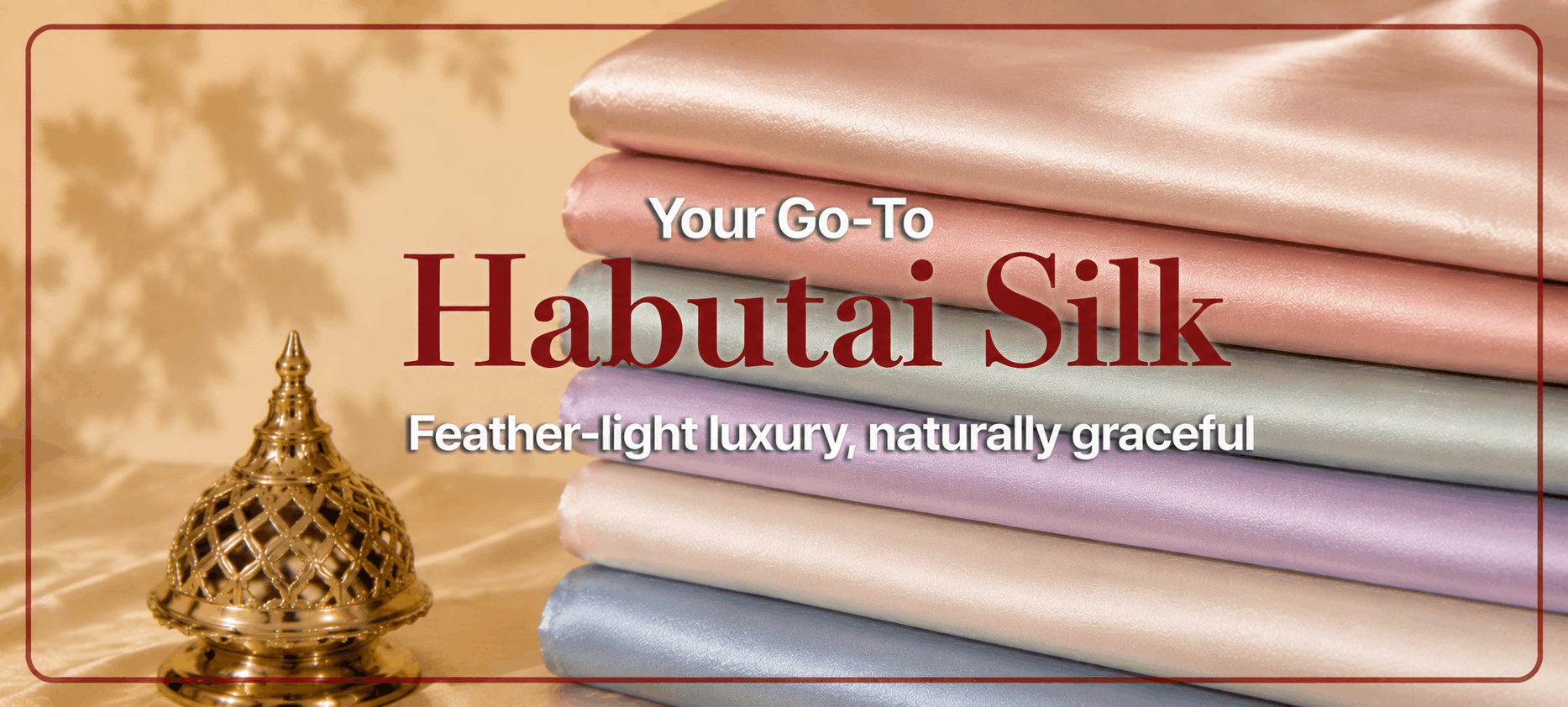
Habutai Silk

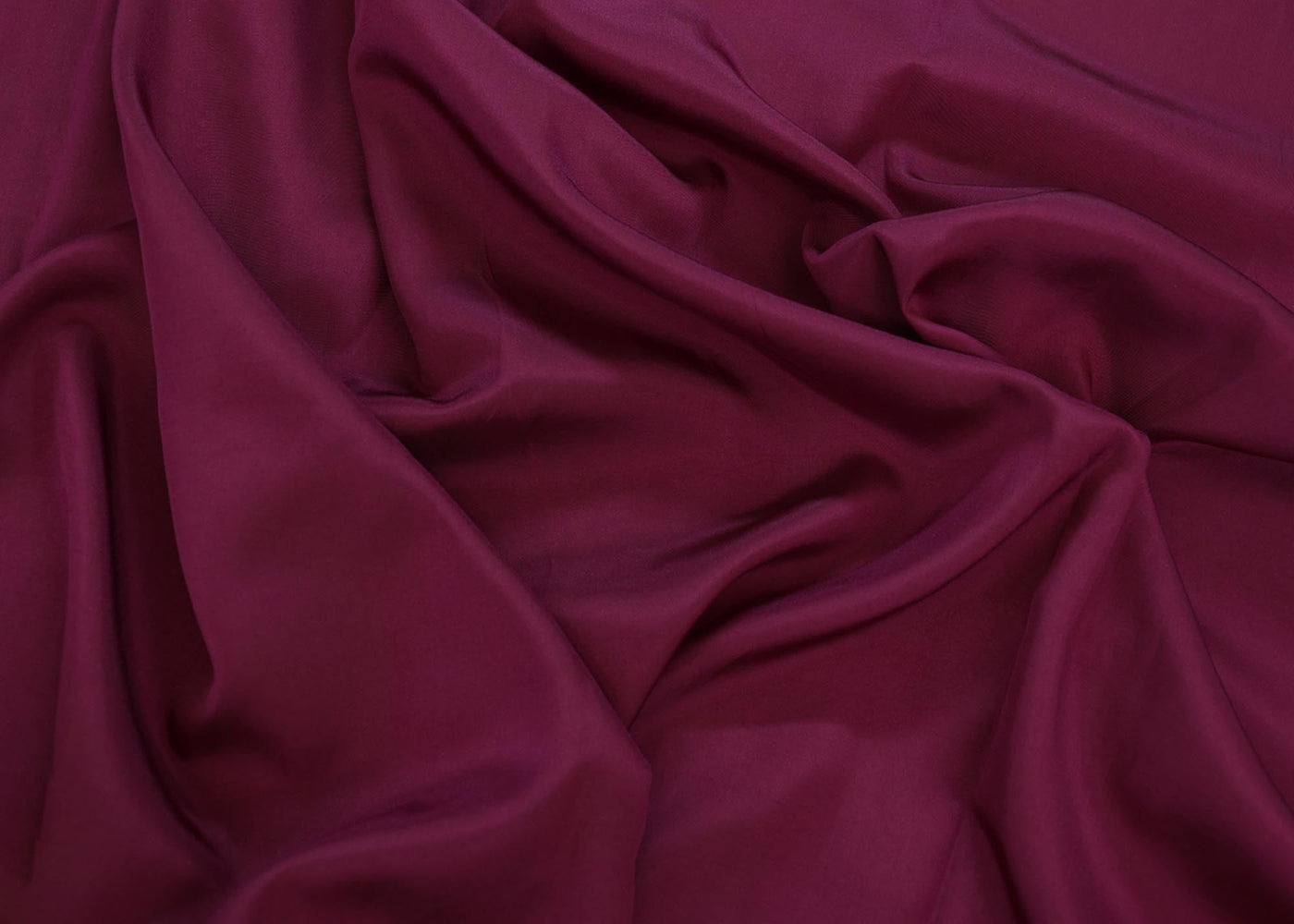

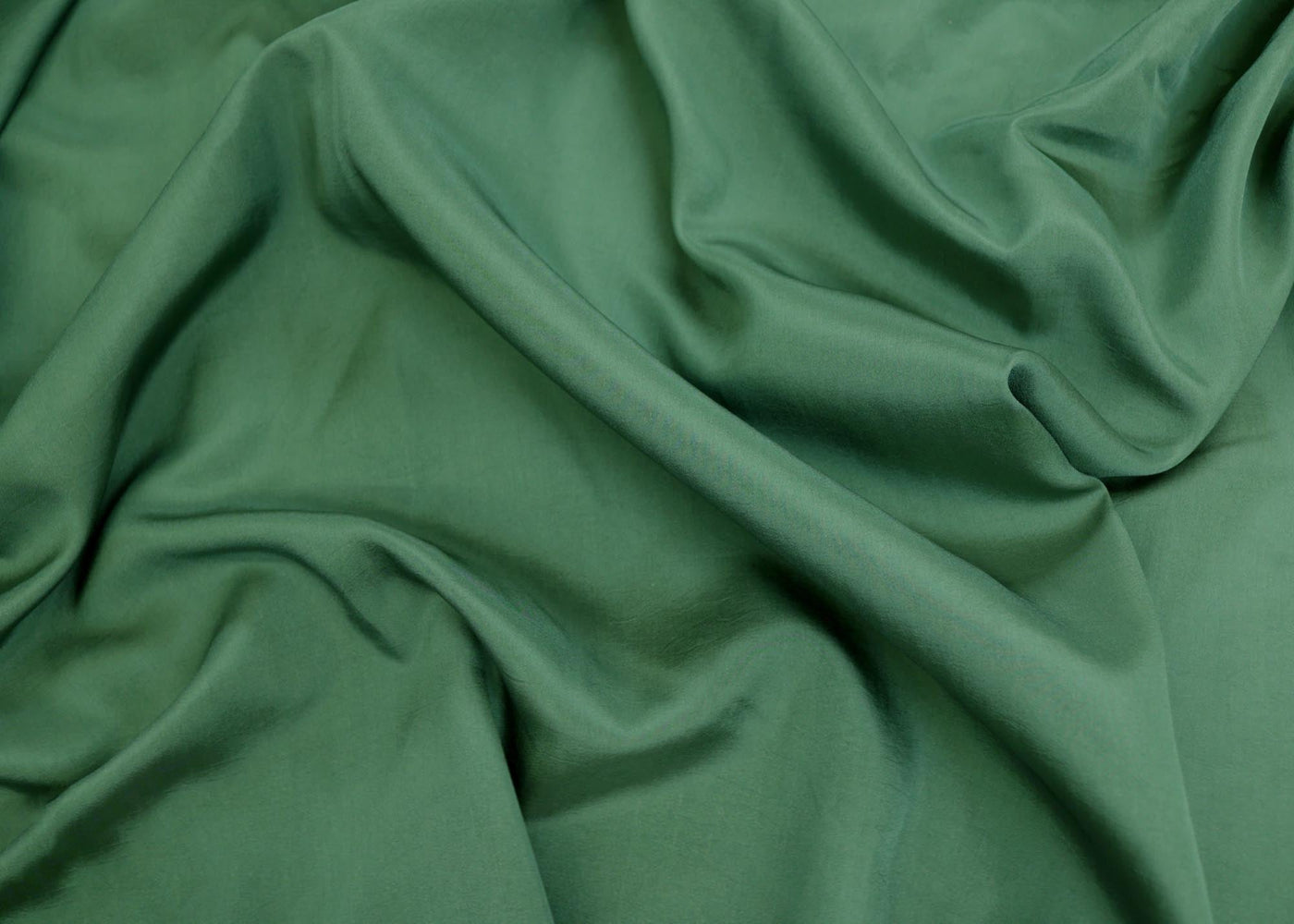

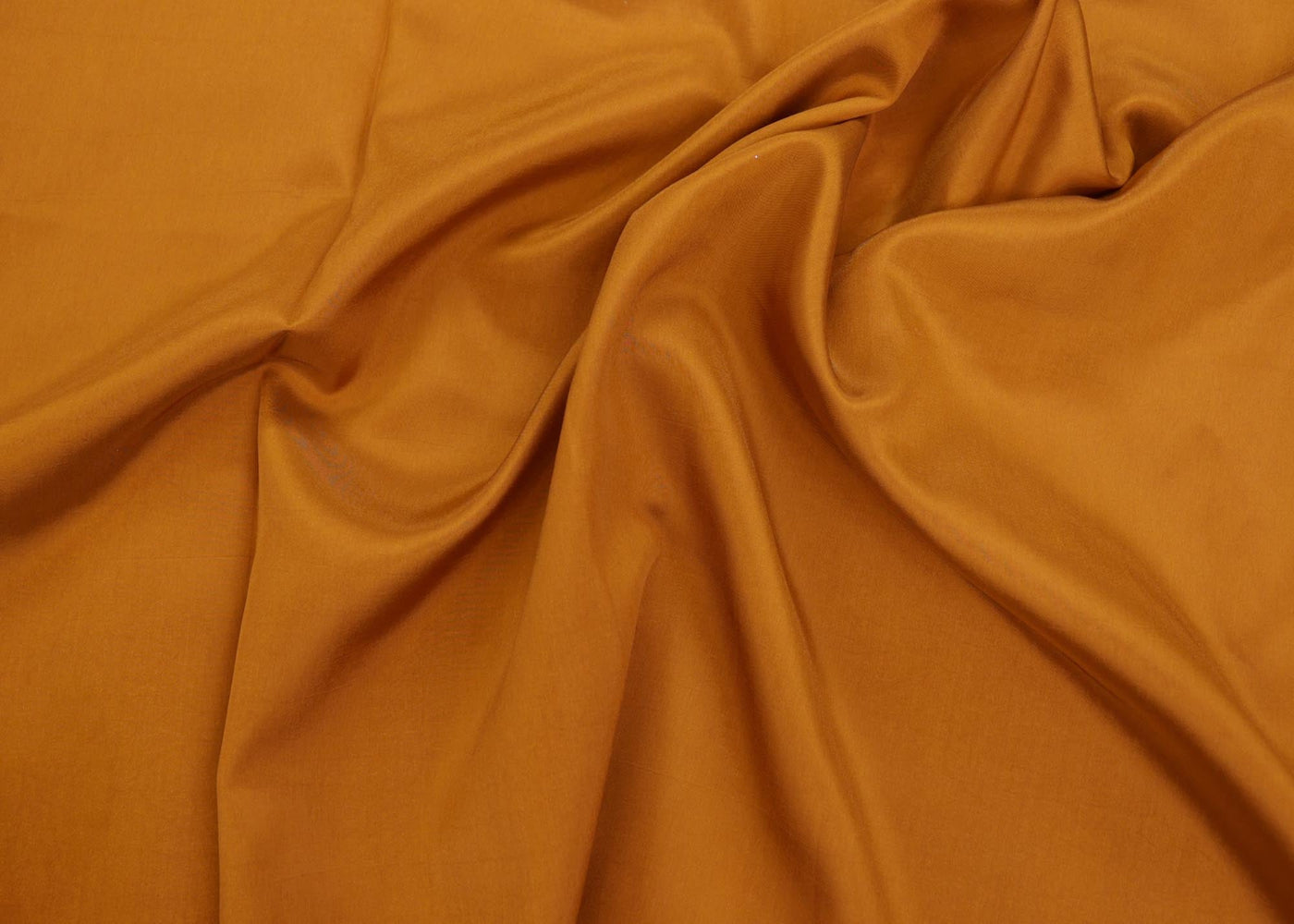


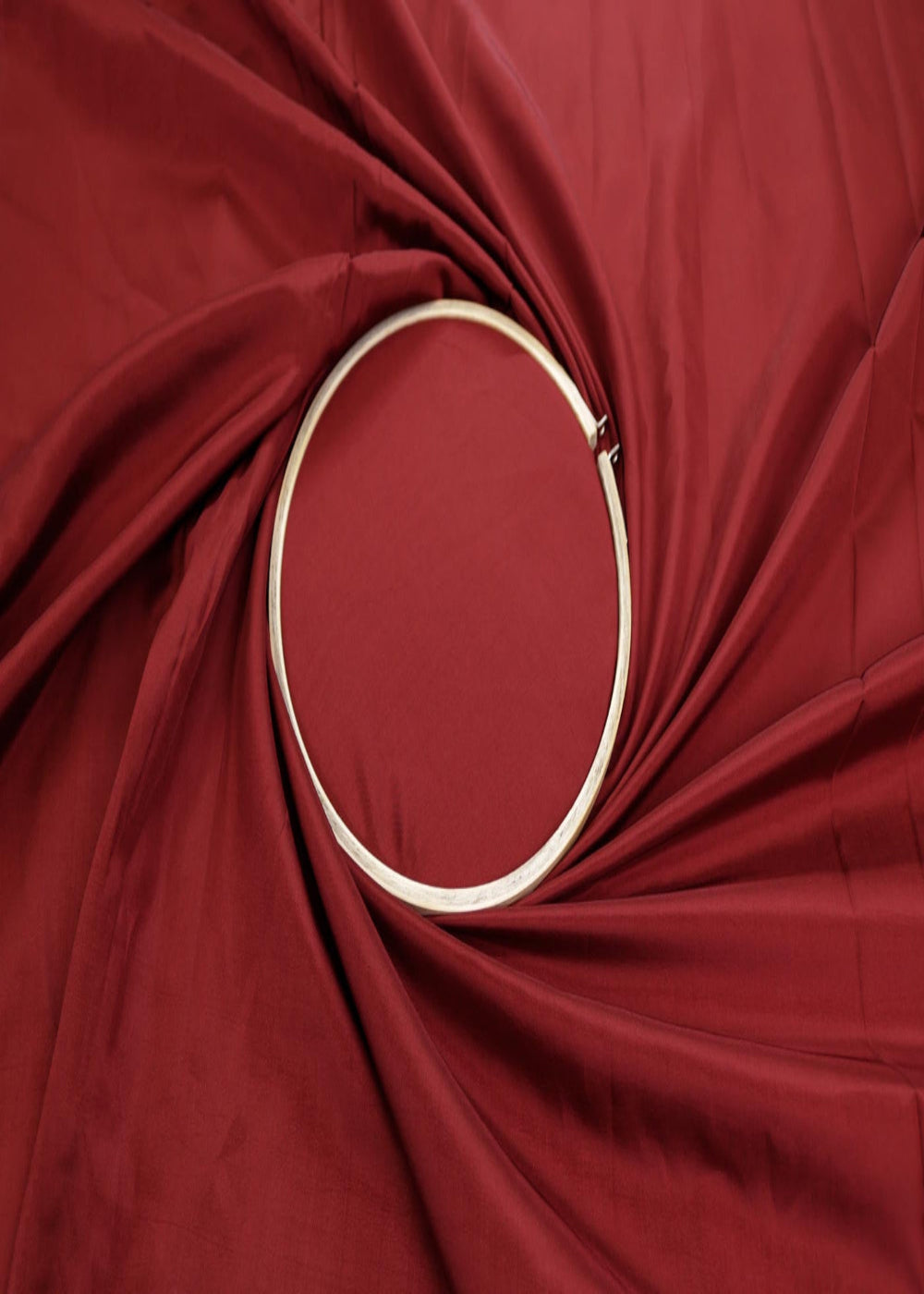
Everything You Need to Know About Habutai Silk Fabric
Second week of last October, a wedding stitching unit from Kashmiri Gate places an order that we still remember. Bhaiya, need 300 metres of Habutai silk, ivory shade, for bridal lehenga linings across a batch of 40 bridal orders. Their peak season stretches October through February; lining every heavy embroidered lehenga in Habutai silk saves the bride comfort while adding the silk-against-skin richness customers expect at that price point.
This is where Habutai silk quietly earns its place. Not the fabric that gets photographed on the outside of the outfit, but the fabric that decides whether the bride can comfortably wear her lehenga for eight hours or whether she starts asking to change into simpler clothes by hour four. Lining choice matters that much.
If you are stitching bridal lehenga linings, traditional silk kurtas, dupatta inner layers, or entry-level silk garments, here is the breakdown of this fabric before any bulk order commitment.
What Makes Habutai Silk Different
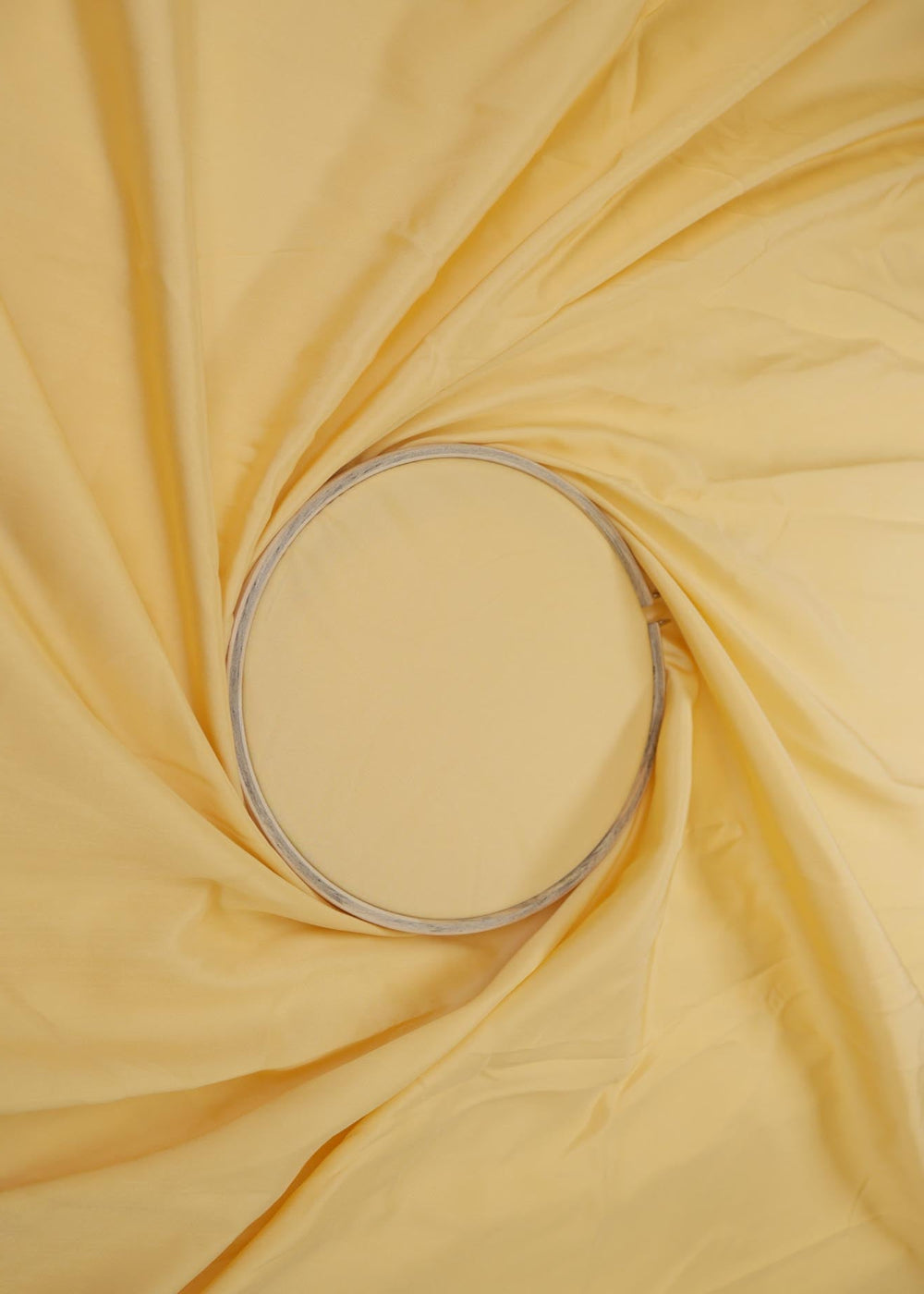
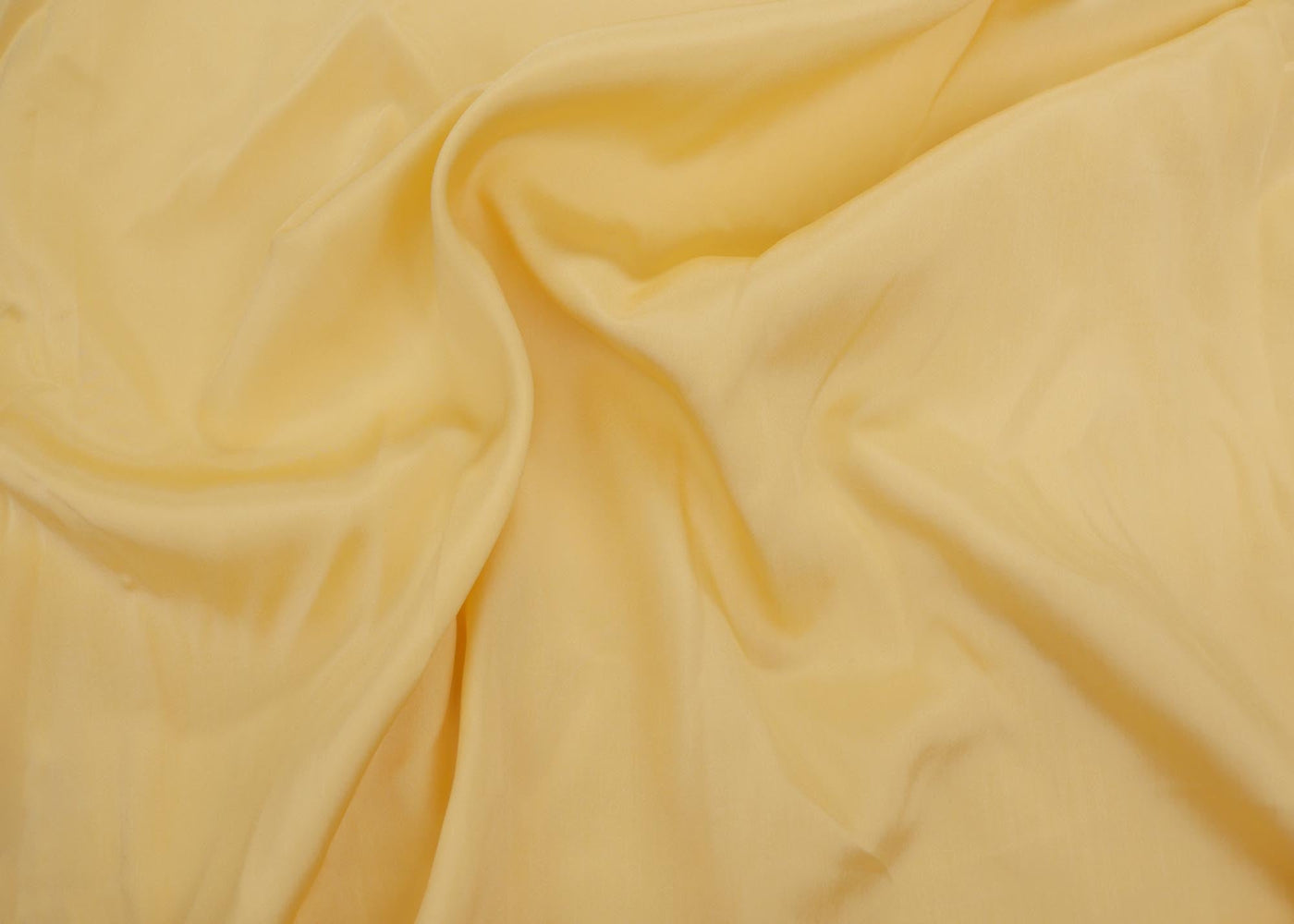
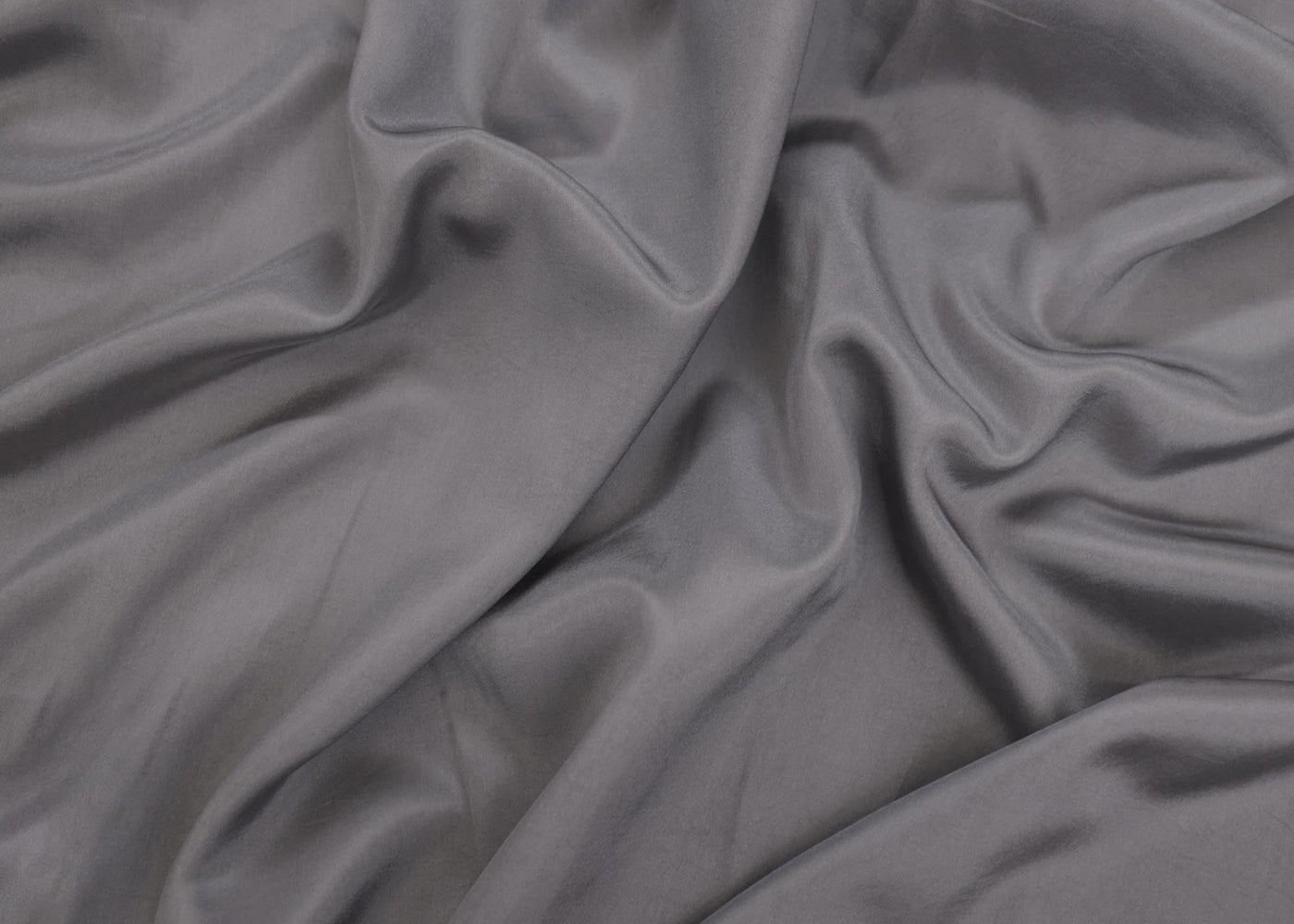
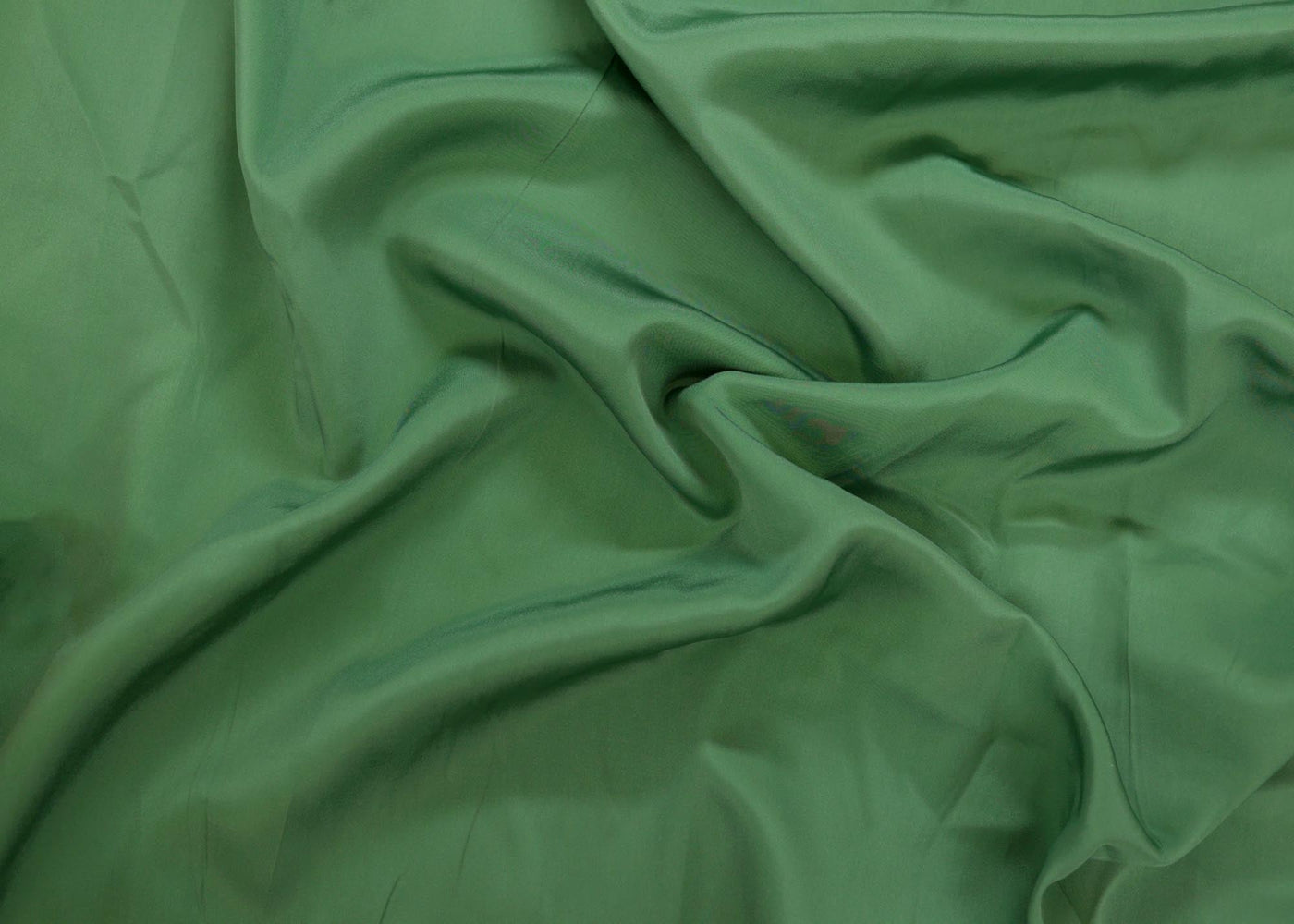
Habutai silk is a lightweight plain-weave silk originally developed in Japan (habotai roughly translates to "smooth as feathers"). The weave is completely balanced, no ridges or texture on the surface, which gives an ultra-smooth hand feel that sits comfortably against skin for long hours.
Regular silks with textured weaves like raw silk or dupion have visible slubs and ridges. Habutai is the opposite: completely flat, uniform, matte-to-subtle sheen throughout. This makes it invisible as a lining underneath heavier outer fabrics but comfortable enough to wear as a standalone kurta or shirt when needed.
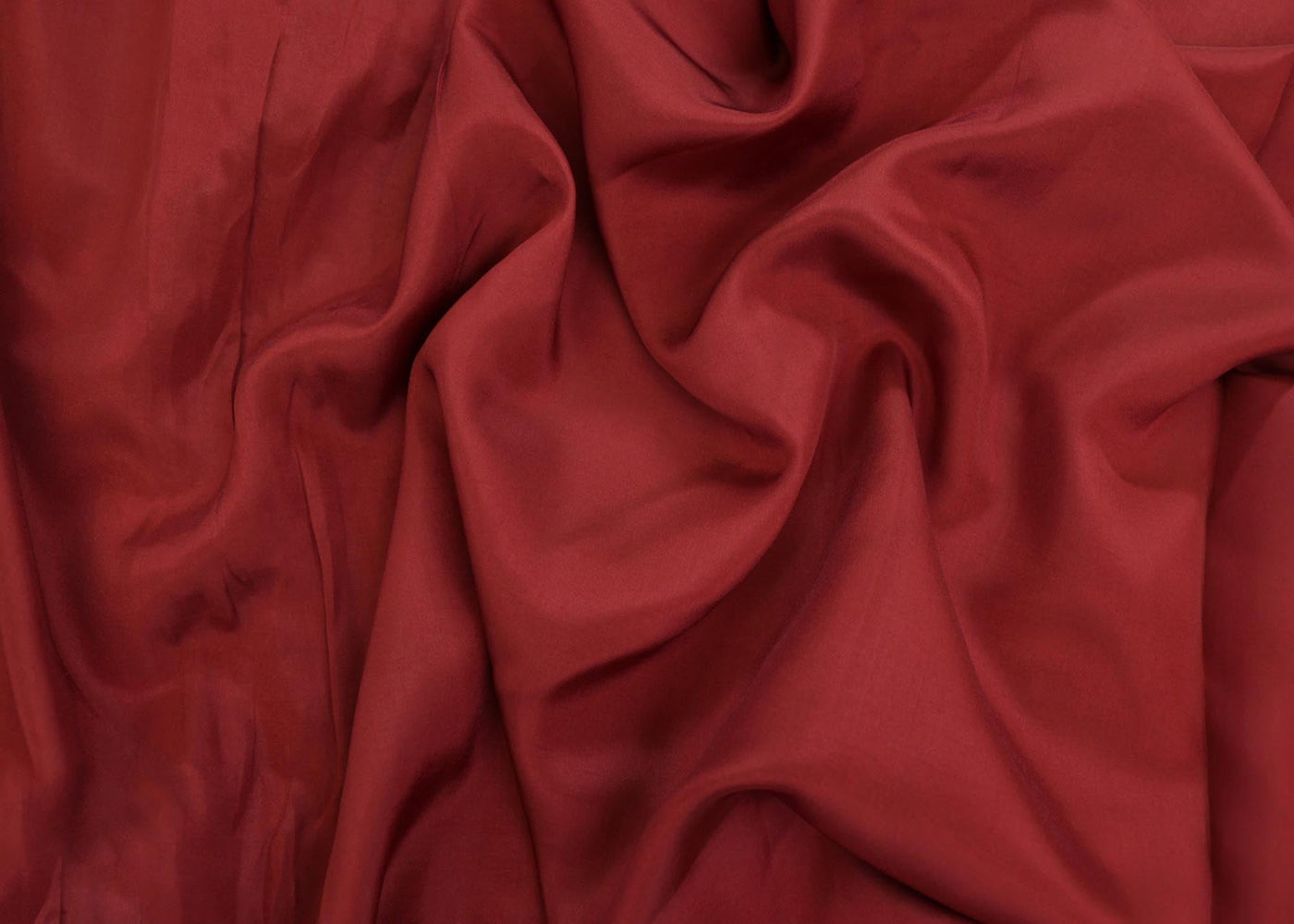
Hand feel is smooth, cool against skin, slight give without stretch. Run a finger across a thaan; it slides silky without catching anywhere. The lightweight nature means the fabric does not add bulk when used as lining. When used as outer garment it hangs softly without structural stiffness.
Lajpat Nagar boutiques typically paying between Rs. 200 and Rs. 550 per metre depending on momme weight and finish quality.
Why Boutiques and Designers Continue Choosing Habutai Silk
Bridal lehenga lining volume is the biggest use case. Every heavy embroidered lehenga sold at Rs. 40,000 and above expects silk lining because polyester lining feels cheap against skin during the eight-hour wedding day. Wedding stitching units restocking Habutai silk every fortnight through October-February wedding season for this exact reason.
Traditional silk kurtas is the next area. Older customers plus certain regional markets specifically ask for Habutai silk kurtas because the smooth drape feels traditional without being formal-heavy. Bengali, Malayali, plus Tamil customer segments buying more Habutai kurta fabric than the North Indian segment historically.
Dupatta inner-layer construction is the third pattern. Designer studios stitching two-layer dupattas where the outer layer is embroidered organza or dyeable embroidery need a soft silk inner layer for drape control. Habutai gives that silk feel without adding visible bulk through the transparent outer layer.
Types of Habutai Silk in Our Collection
Five variants moving through our shelves regularly.
| Type | Best Use | Approximate Price Range |
|---|---|---|
| Plain Habutai Silk | Bridal lehenga linings, dupatta inner layers | Rs. 200 to 320 per metre |
| Dyeable Habutai Silk | Custom-shade linings, designer collections | Rs. 220 to 380 per metre |
| Printed Habutai Silk | Casual silk kurtas, festive dupattas | Rs. 320 to 500 per metre |
| Zari-Border Habutai Silk | Traditional silk kurtas, coordinate sets | Rs. 380 to 650 per metre |
| Heavy Habutai Silk | Bridal blouse construction, scarves | Rs. 420 to 750 per metre |
For first-time buyers, plain gives the most usability. Works as lehenga lining, dupatta inner layer, kurta fabric, plus blouse coordinate material across bridal outfit construction.
Habutai Silk GSM Guide
Weight in Habutai silk gets measured in momme rather than pure GSM traditionally, but we convert for clarity. The three ranges we stock.
| Weight (Momme / GSM) | Fabric Feel | Best For |
|---|---|---|
| 5 to 8 momme (30-50 GSM) | Ultra-light, sheer | Dupatta inner layers, blouse linings |
| 8 to 12 momme (50-75 GSM) | Light, comfortable | Lehenga linings, casual kurtas, scarves |
| 12 to 16 momme (75-100 GSM) | Mid-weight, substantial | Traditional kurtas, blouse construction |
Most wedding stitching units default to the 8 to 12 momme range for bridal lehenga linings. Balances comfort against skin with structural stability across eight-hour wedding-day wear.
Popular Uses of Habutai Silk
Where this fabric earns its place on our shop counter through wedding and festive seasons.
Bridal lehenga linings underneath heavy embroidered outer fabrics. Signature use case that keeps brides comfortable during long ceremonies.
Traditional silk kurtas for older customers plus South Indian, Bengali, plus East Indian regional markets. Smooth drape gives silk feel without formal-heavy weight.
Dupatta inner layers in two-layer designer dupatta construction. Gives silk feel through the transparent outer layer without adding visible bulk.
Scarf and stole production for boutique gift ranges. Habutai silk scarves in solid colours or block prints sell year-round.
Blouse linings underneath sheer embroidered blouse fabric. Adds modesty coverage plus silk comfort against skin.
Wedding trousseau nightwear and slip construction. Bridal trousseau shops ordering Habutai silk for custom slip and lingerie construction.
Habutai Silk Trends for 2026
Three patterns running strong on our shop floor this season.
Ivory, champagne, dusty rose lining shades are leading. Bridal outer lehengas moving toward these neutral outer colours means the lining fabric orders for these three shades have risen sharply. Wedding stitching units restocking these three shades weekly through peak season.
Dyeable Habutai silk demand is the second trend. Designer studios wanting exact bridal shade matching for lining underneath specific lehenga outer fabrics. Custom dyeing orders above 100 metres running consistently through wedding season.
Traditional silk kurta revival is the third pattern. Younger customers rediscovering plain Habutai silk kurtas for Karva Chauth and Teej functions because the fabric feels traditional-appropriate without being fussy. Older Bengali and Tamil markets already knew this, now North Indian markets catching up.
Expert Tips for Working with Habutai Silk
Some tips from many wedding seasons of watching stitching units handle this fabric.
Pre-wash before cutting for lining use. Habutai shrinks 3 to 5 percent on first wash depending on momme weight. Skip this step and the finished lehenga becomes uncomfortably tight around the waist after the first dry clean.
Use fine silk thread for all stitching because polyester creates visible puckering along seams. Silk thread matches Habutai texture and stays flat across long wear.
Iron on low heat with press cloth. Direct high-heat iron will leave scorch marks that never come off. Steam ironing through cloth works safer, plus it settles the drape into place naturally.
For lehenga lining construction, cut generous seam allowance because Habutai frays at raw edges more than synthetic linings. French seams or bound edges last longer than plain overlock in wedding-wear construction.
For custom dyeing, always dye before cutting. Pre-cut pieces develop uneven dye absorption at edges compared to bolt-length dyeing. Order dyed length rather than dyeing purchased fabric.
Following these care steps means the bridal lining survives across pheras, varmala, cocktail, reception without visible wear anywhere. Skipping them means the bride notices discomfort by hour four.
What is Habutai Silk? (Quick Definition)
Habutai silk is a lightweight plain-weave silk fabric with ultra-smooth surface plus soft drape carrying a subtle matte-to-sheen finish. It gets used in bridal lehenga linings, traditional silk kurtas, dupatta inner layers, scarves, blouse coordinates, plus wedding trousseau construction. Available in 5 to 16 momme weights across plain, dyeable, plus embellished variants.
Why Designers Buy Habutai Silk Online
This is the lightweight silk workhorse of Indian bridal construction because comfort against skin during long wedding days depends on silk lining choice. Balanced plain weave gives smooth hand feel without slubs or texture, drape falls softly without structural stiffness. Delhi NCR boutiques price plain weights between Rs. 200 and Rs. 550 per metre, while embellished variants run higher. Best uses: bridal lehenga linings, traditional silk kurtas, dupatta inner layers, scarves, blouse coordinates.
Frequently Asked Questions
How is Habutai silk different from other silks like dupion or raw silk?
Dupion and raw silk have visible slubs, ridges, textured surfaces from their weaves. Habutai is completely smooth with balanced plain weave, no visible texture at all. This smoothness is exactly why Habutai works as lining underneath other fabrics, where slubs would show through or feel scratchy against skin.
Is Habutai silk affordable compared to other silks?
Yes relatively. Habutai sits in the entry-to-mid tier of silk pricing at Rs. 200 to 550 per metre versus dupion or raw silk which start at Rs. 450 to Rs. 800 per metre. This affordability is what makes Habutai the default choice for bridal lining volumes where the fabric quantity per lehenga runs 3 to 4 metres.
Will Habutai silk shrink after washing?
Yes 3 to 5 percent on first wash. Always pre-wash a test piece before bulk cutting. Heavier momme variants (12 momme and above) shrink less than lighter variants (5 to 8 momme). For lining construction always factor this shrinkage into your cut calculations from the start.
Can Habutai silk be re-dyed for custom bridal shades?
Yes definitely. Habutai accepts dye better than most silks because the plain balanced weave absorbs dye uniformly across the fabric. Home dyeing possible for small quantities but industrial dyeing recommended for orders above 20 metres to ensure consistent shade across the entire lining requirement.
Is Habutai silk available in bulk for wedding season stitching units?
Yes. Bulk pricing kicks in at 50 metres per SKU. Wholesale tiers begin at Rs. 170 per metre for plain weights on 100-metre-plus orders. Wedding-season bulk lots above 250 metres unlock stitching-unit pricing. WhatsApp the team by September for October-February peak season delivery guarantees.
How much Habutai silk does a bridal lehenga lining need?
Standard bridal lehenga lining needs 3.5 to 4.5 metres depending on ghera fullness. Fishtail lehengas with dramatic flare need up to 5 metres. Blouse lining adds another 0.8 metre. Use our Fabric Estimator with your specific lehenga design before ordering.
Why Boutique Owners Choose Habutai Silk from Paras Gallery
Twenty-five metres minimum buys sample-rate pricing. Fifty metres unlocks wholesale tier per SKU. Two hundred fifty metres opens stitching-unit pricing for wedding-season bulk supply cycles.
For one-off bridal purchases we ship single metres with weight samples dispatched within 48 hours across India. Lining buyers should verify momme weight before ordering since lehenga lining comfort depends on selecting the right weight for the outer fabric weight.
Browse the full Habutai silk range below or WhatsApp the team for shade matching before bulk order through our wholesale catalogue. Many wedding seasons of supplying Habutai silk to stitching units across Delhi NCR, we know which weights work for which outer lehenga fabrics. Shortcut is asking us first, not after the karigar starts cutting.