
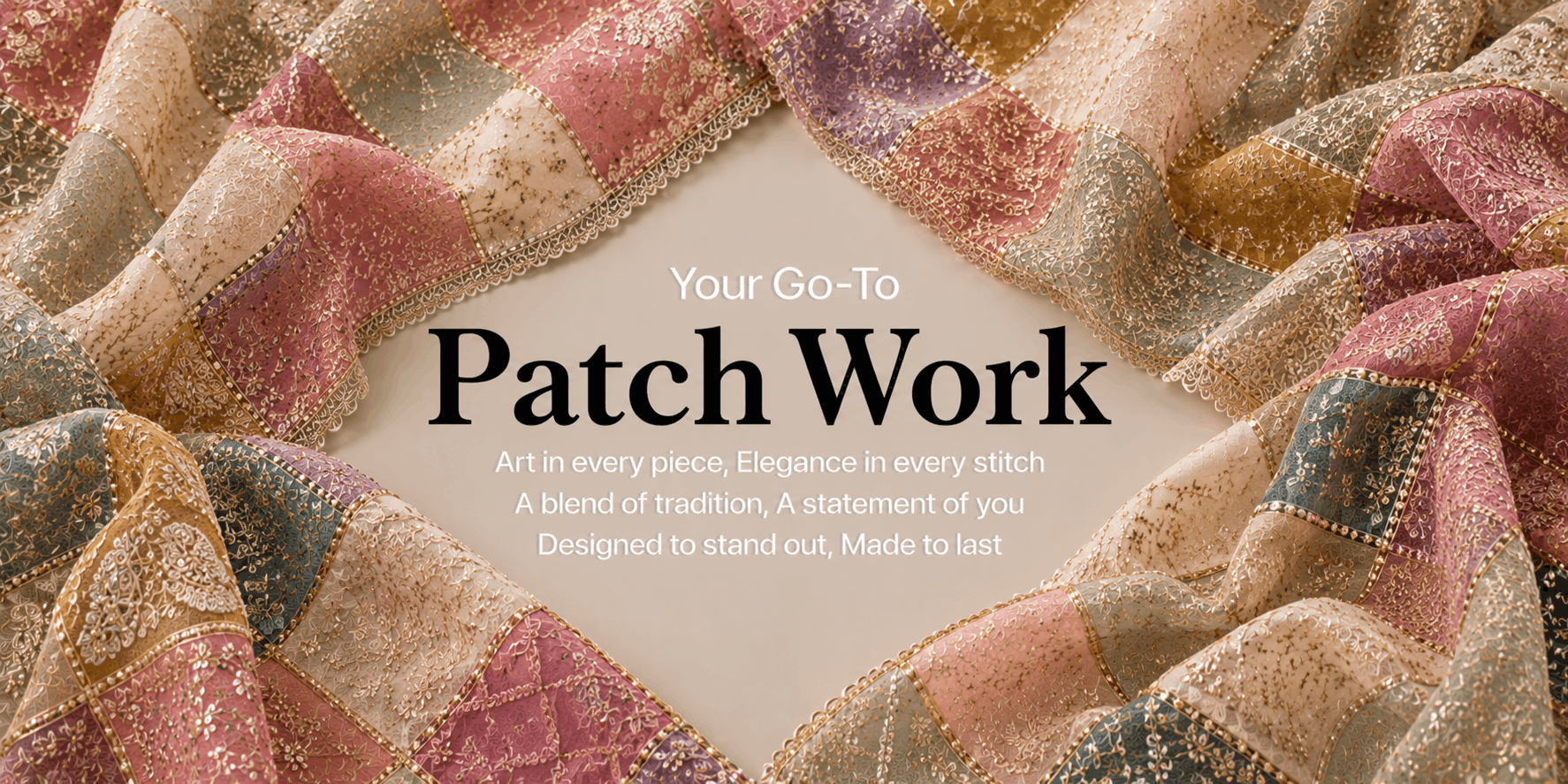
Patch Work

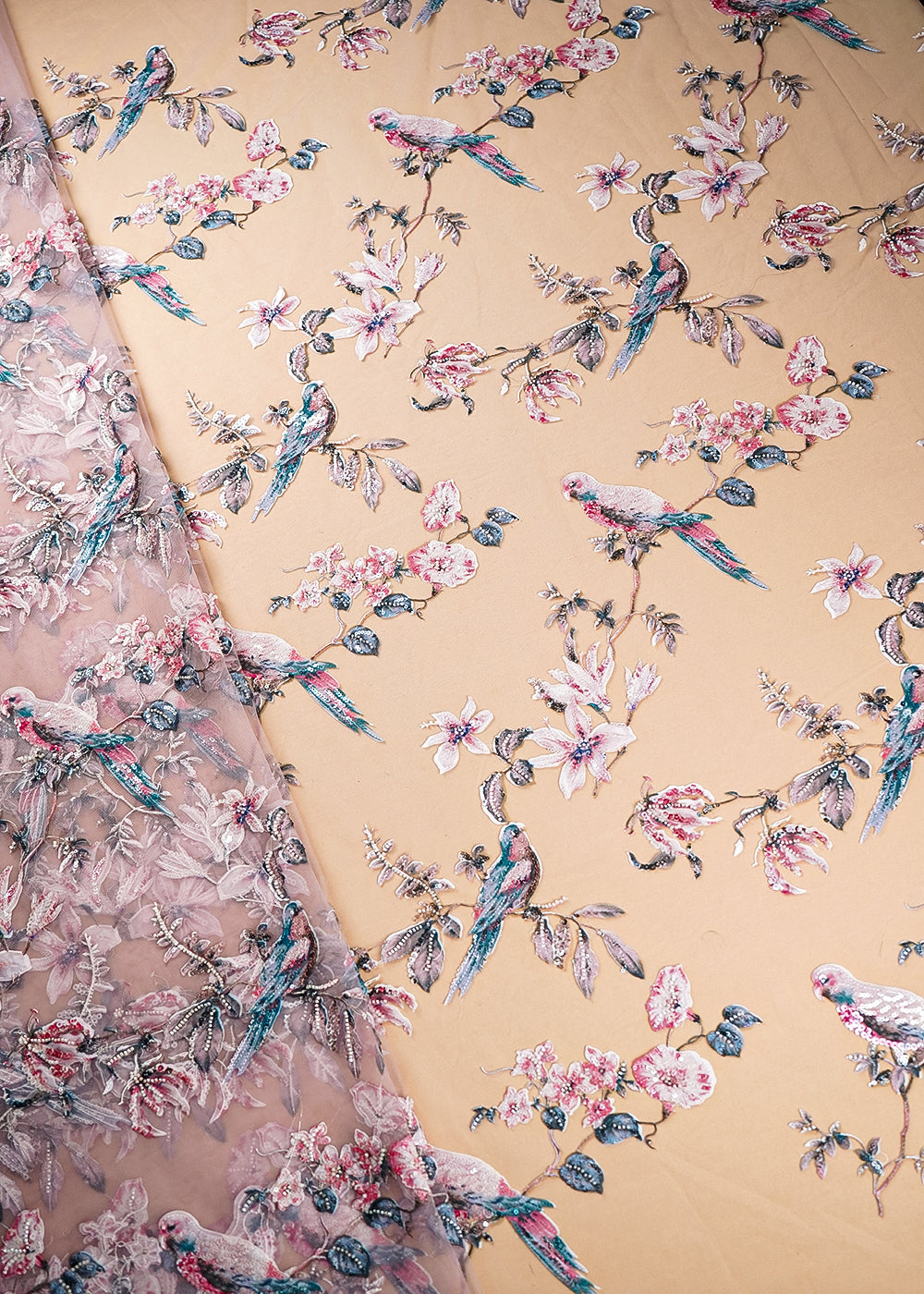

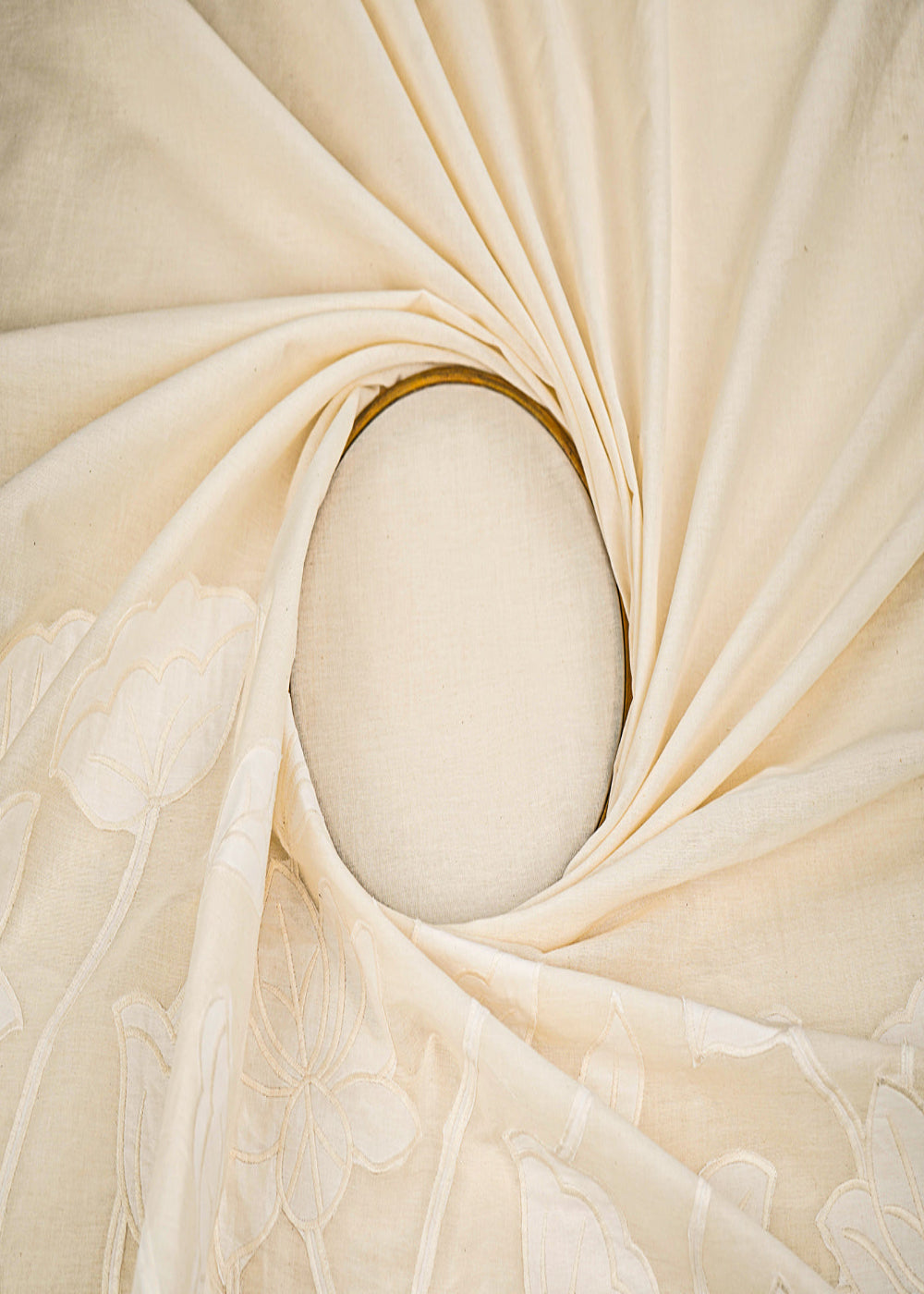
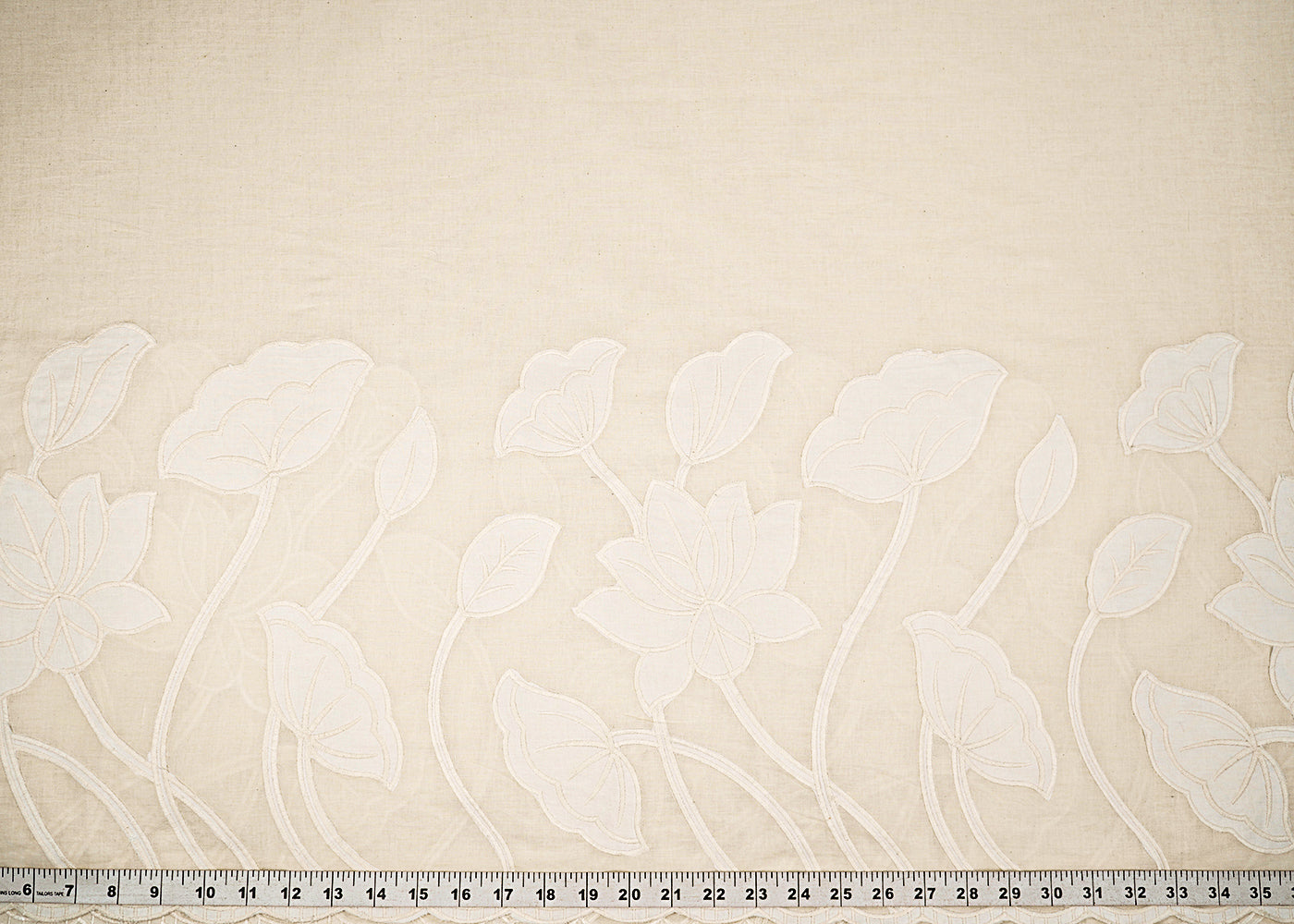
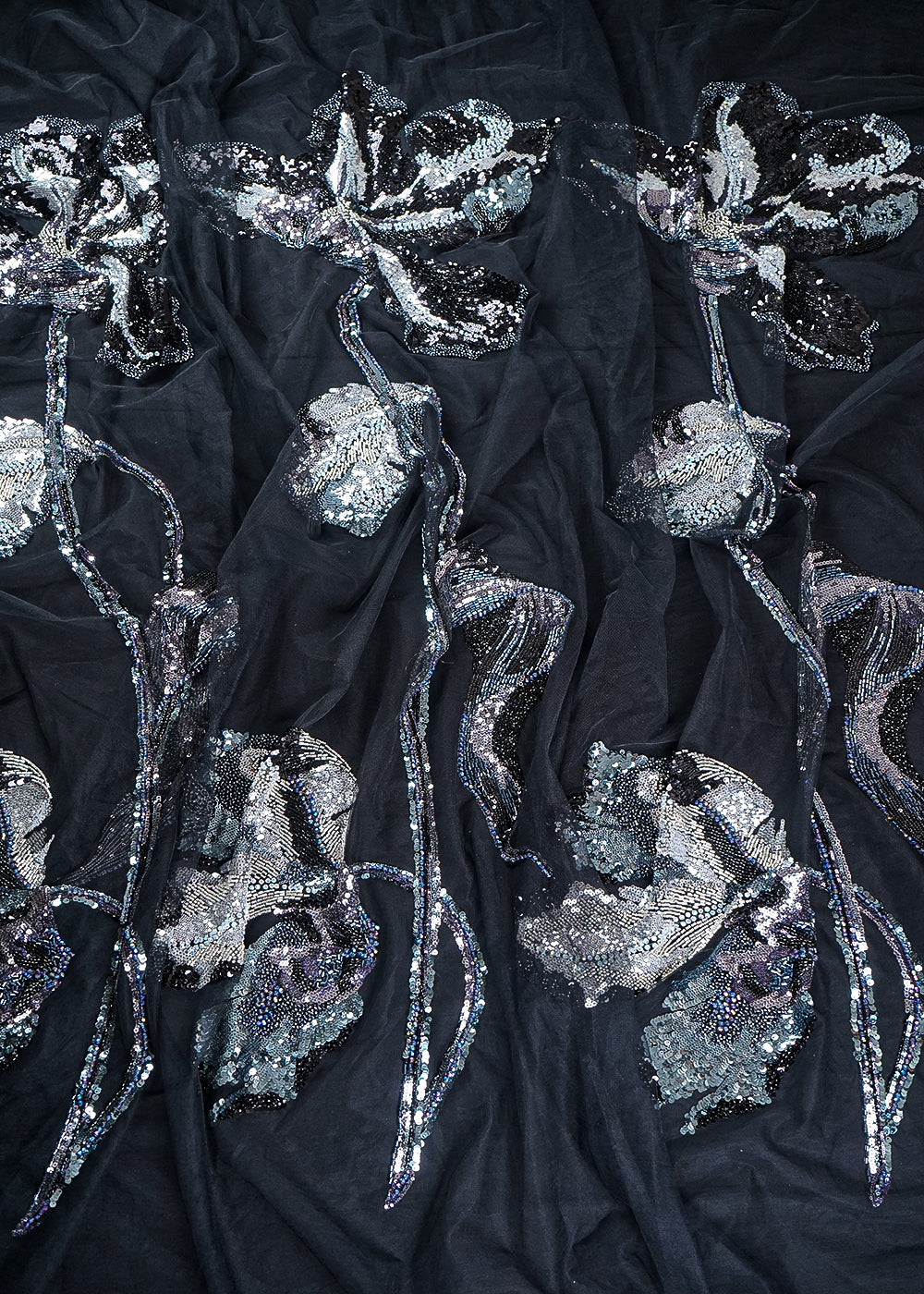
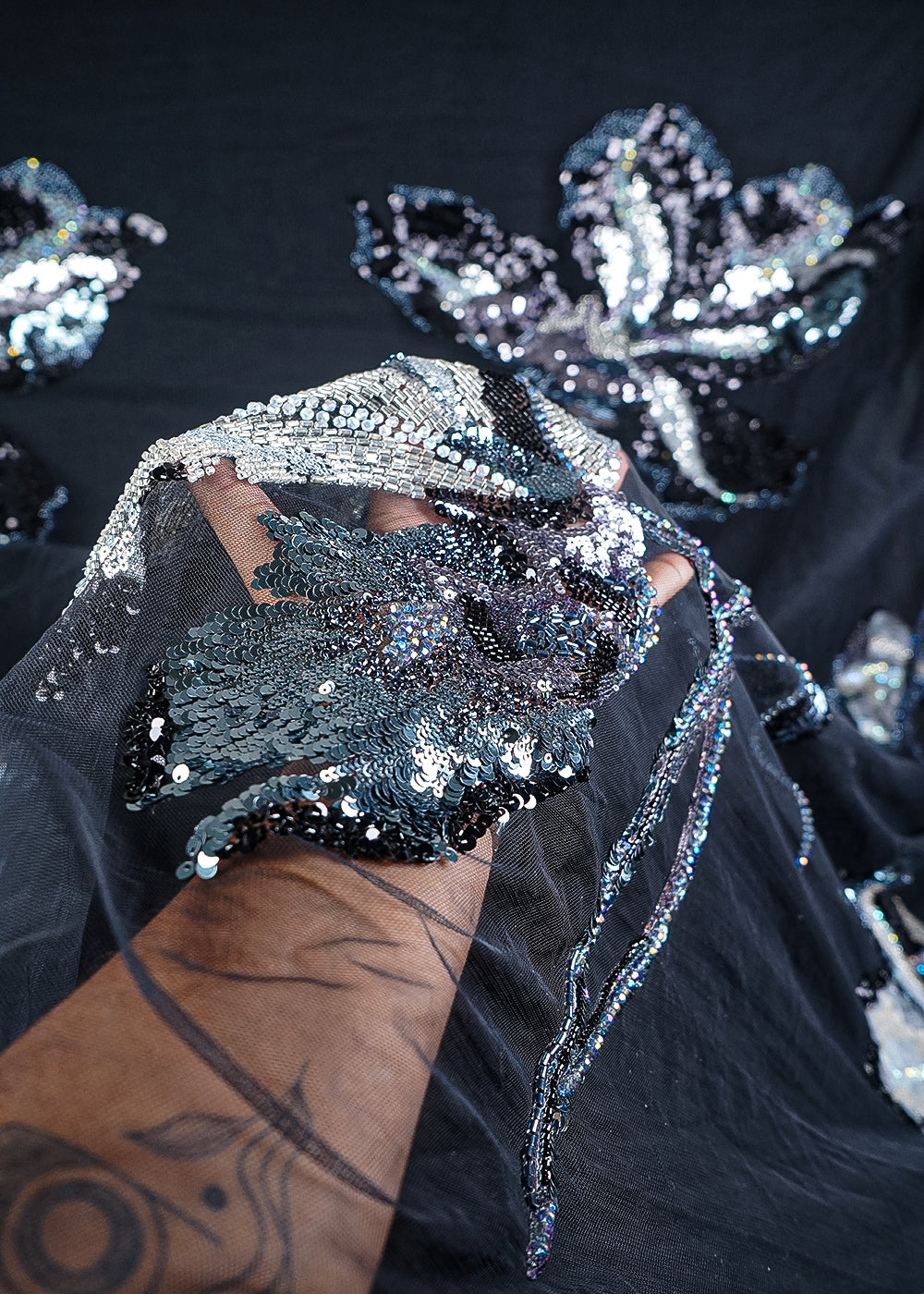
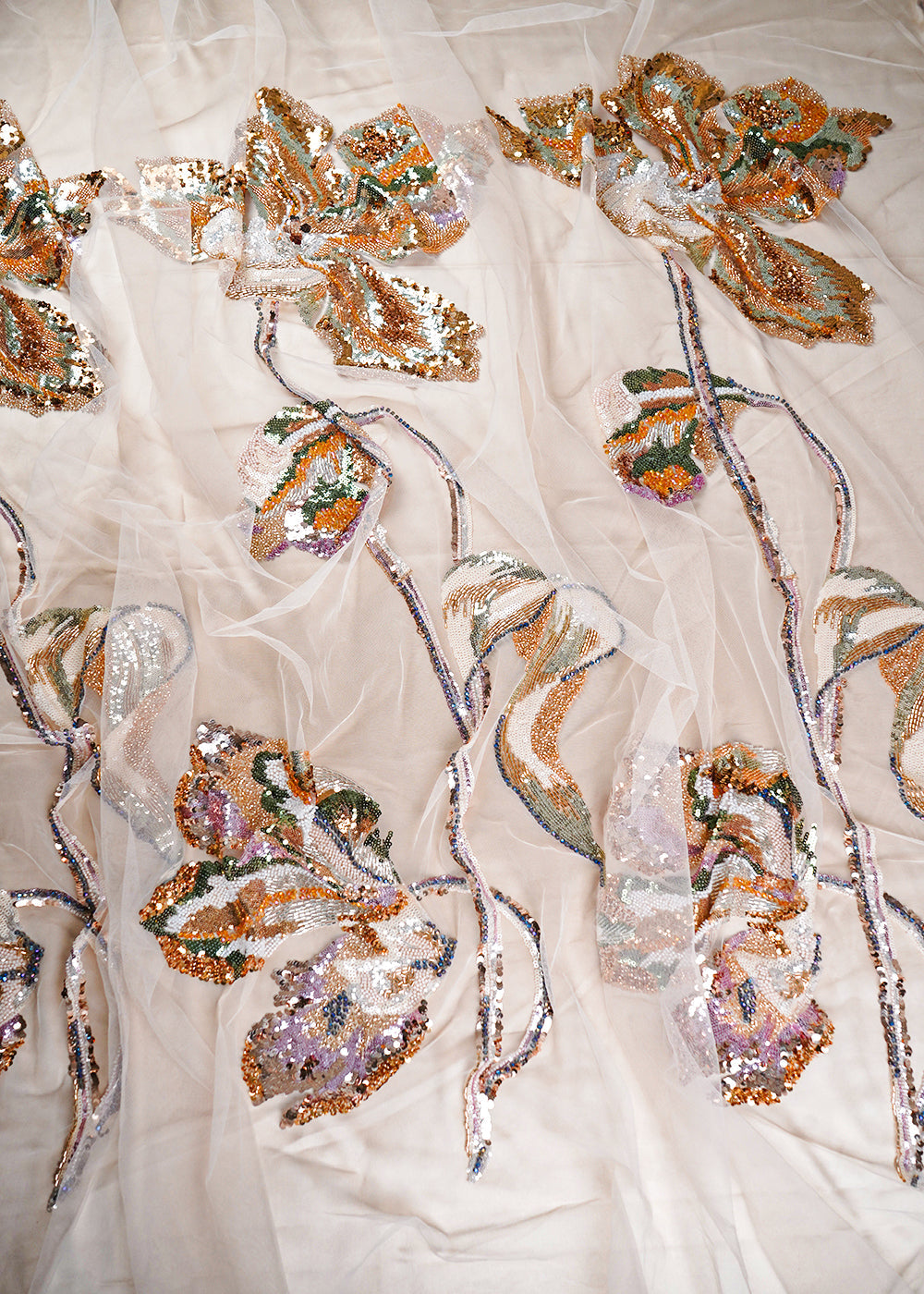
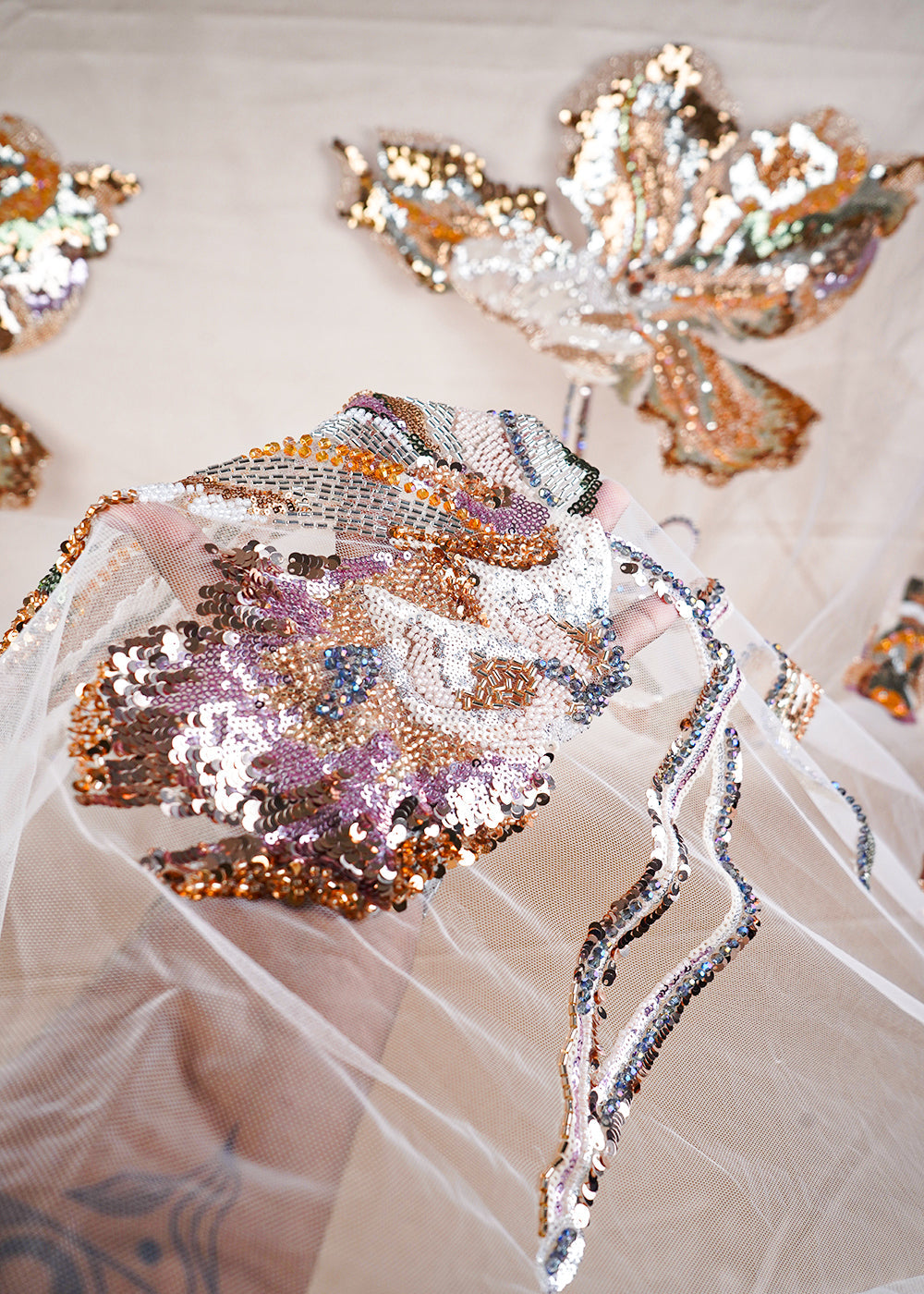
Why Patchwork Owns Everyday Designer Kurti
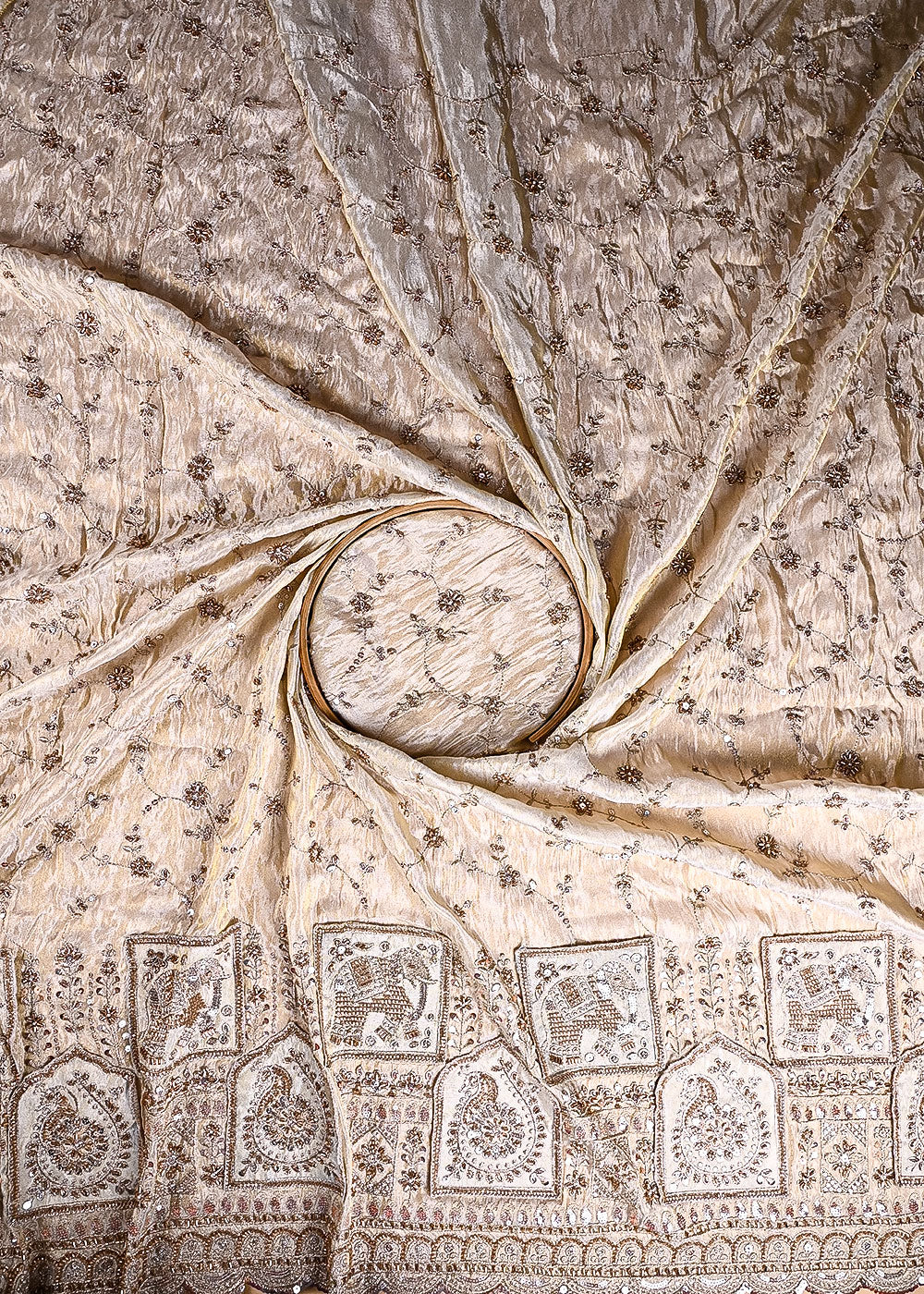
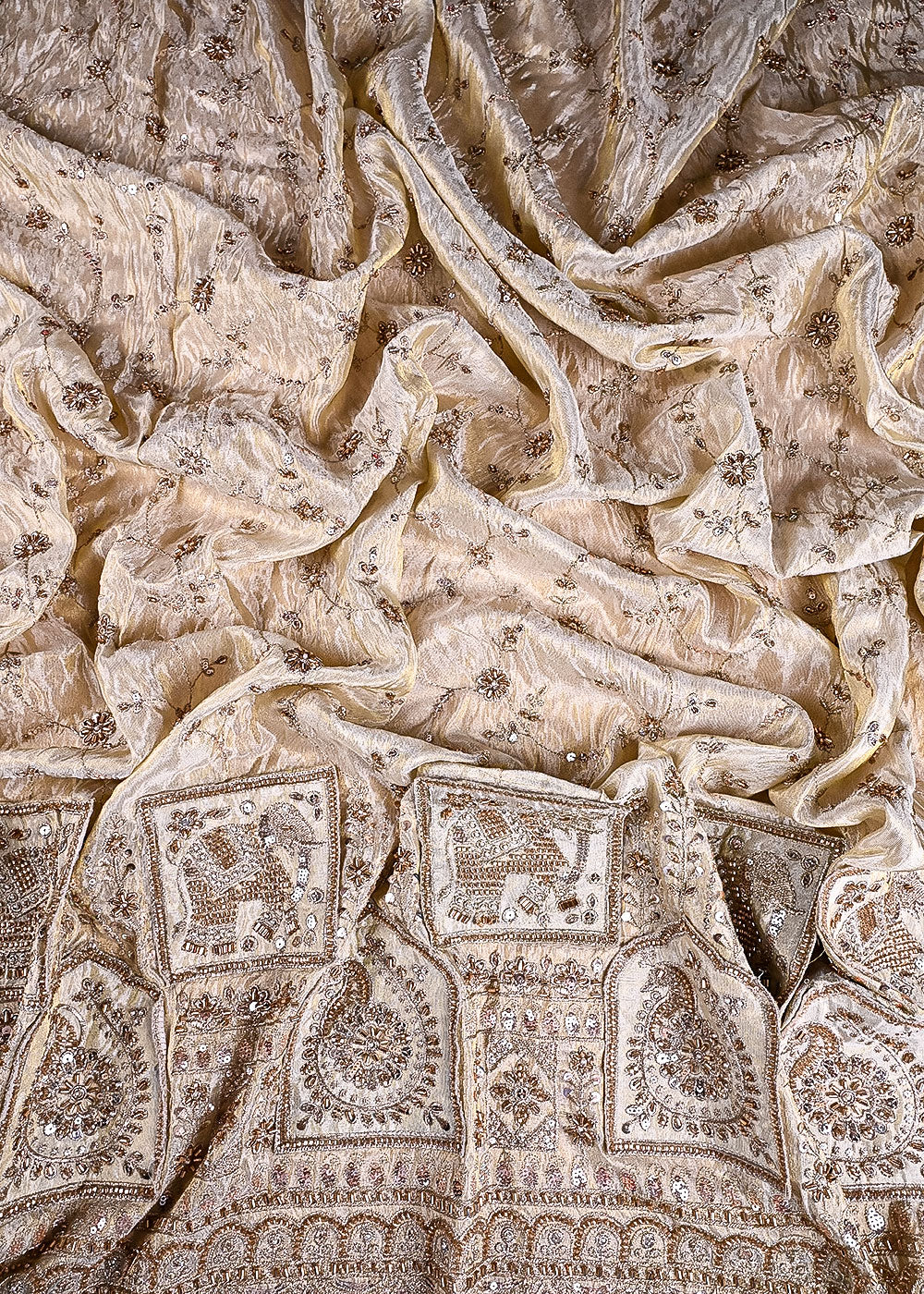
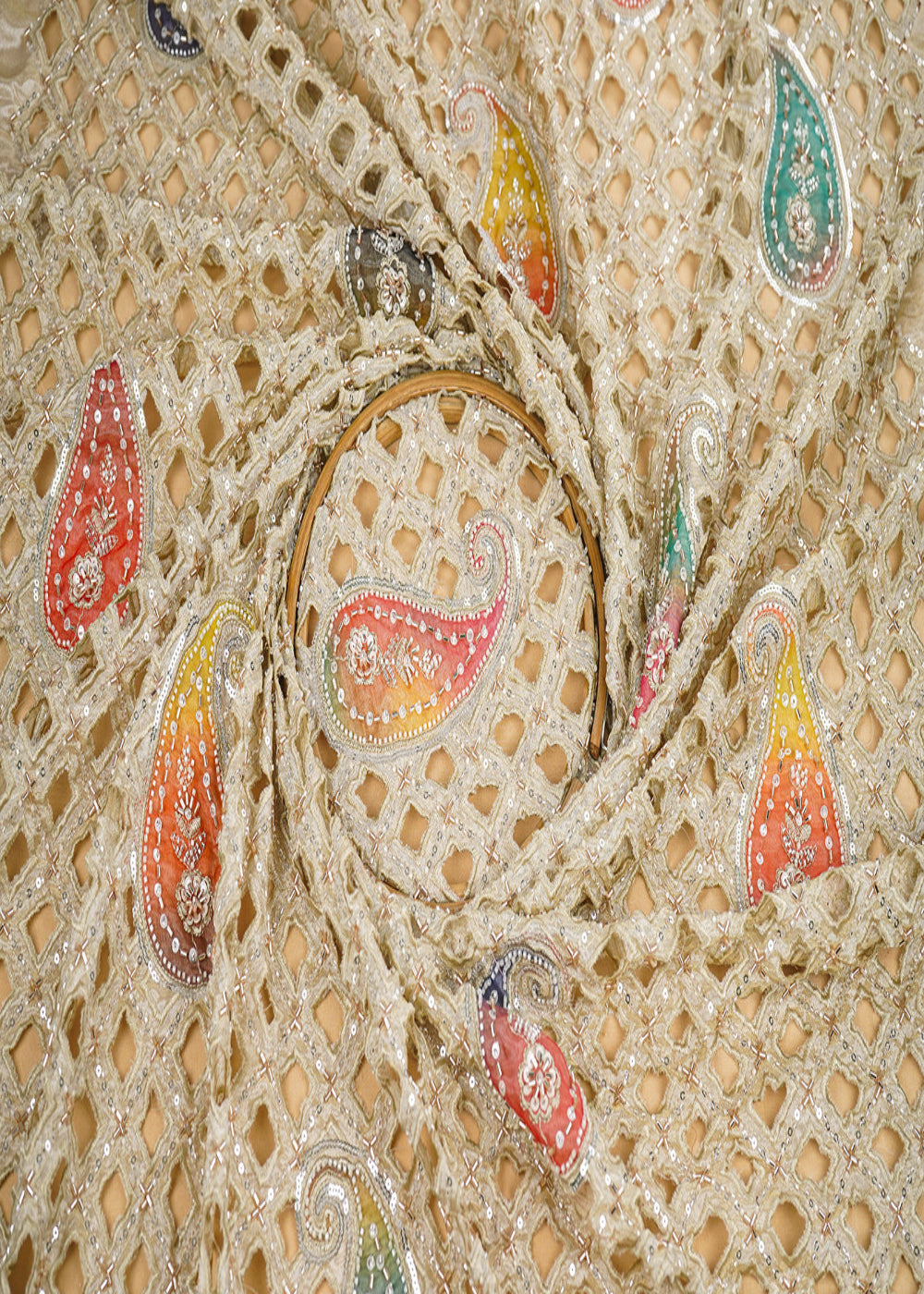
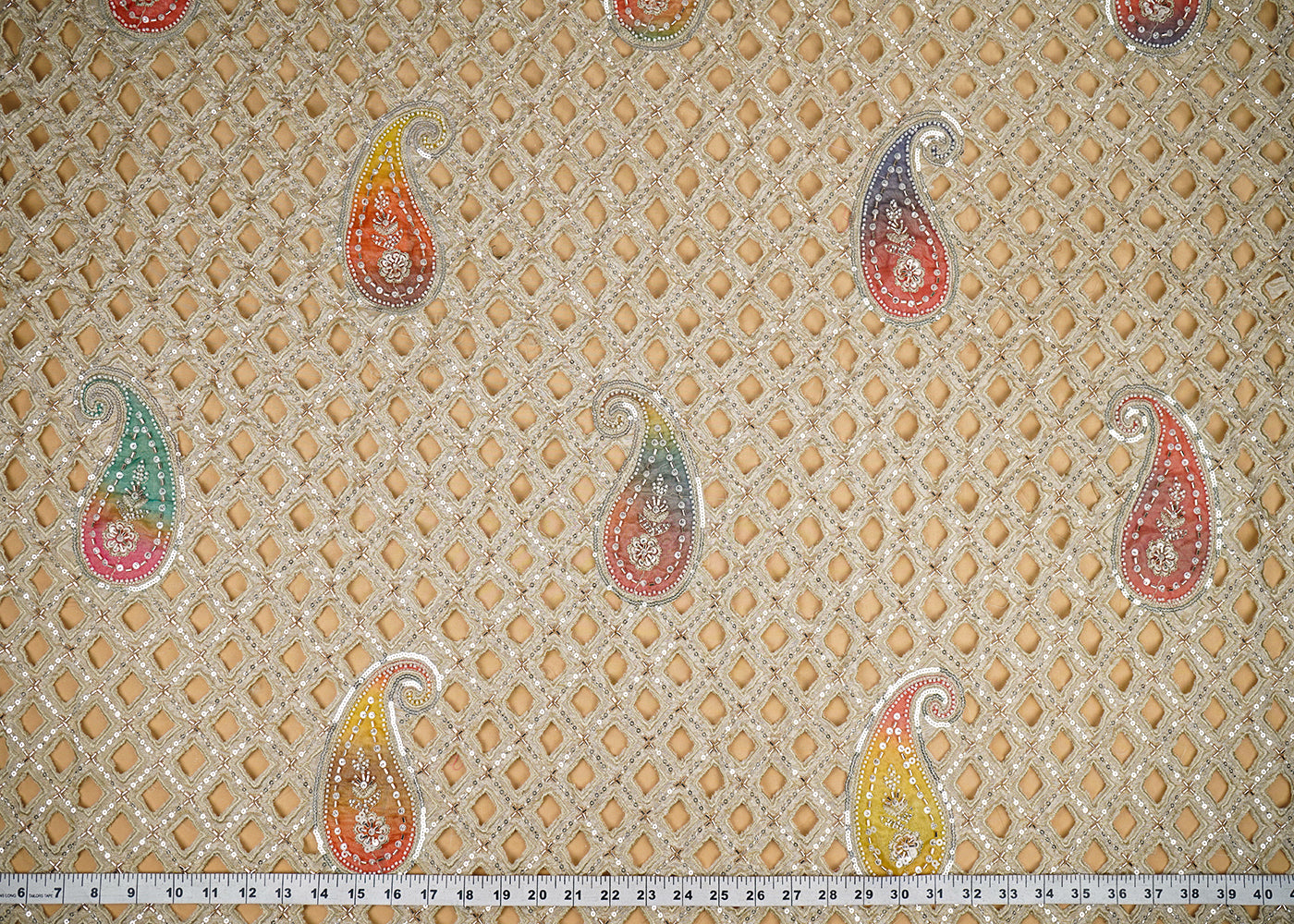
Patchwork is fabric built up from contrasting cloth patches stitched onto a base, laid out in geometric or freeform motifs. Where thread and bead work add surface detail, it works in blocks of fabric, bringing both texture and colour contrast that thread alone cannot. Across the Delhi NCR boutique trade it moves heavily for the festive designer segment, feeding the Rs 3,500 to 9,000 retail garment band, with the everyday designer kurti as its anchor.
Quick answer. Patchwork is fabric embellished with contrasting cloth patches (cotton, silk or brocade) stitched onto a base to form geometric or freeform motifs. It reads as texture-and-colour contrast rather than thread detail. It suits designer kurtis, festive outfits and sangeet wear at Rs 640 to 1,240 per metre wholesale, depending on the patch fabric and base grade.
What Makes Patchwork Different
The applied cloth patches are the whole point. Standard embroidery works in thread or beads. It works in fabric itself, contrasting cotton, silk or brocade segments stitched onto the base, which gives a texture-and-colour contrast that thread-only work cannot reach.
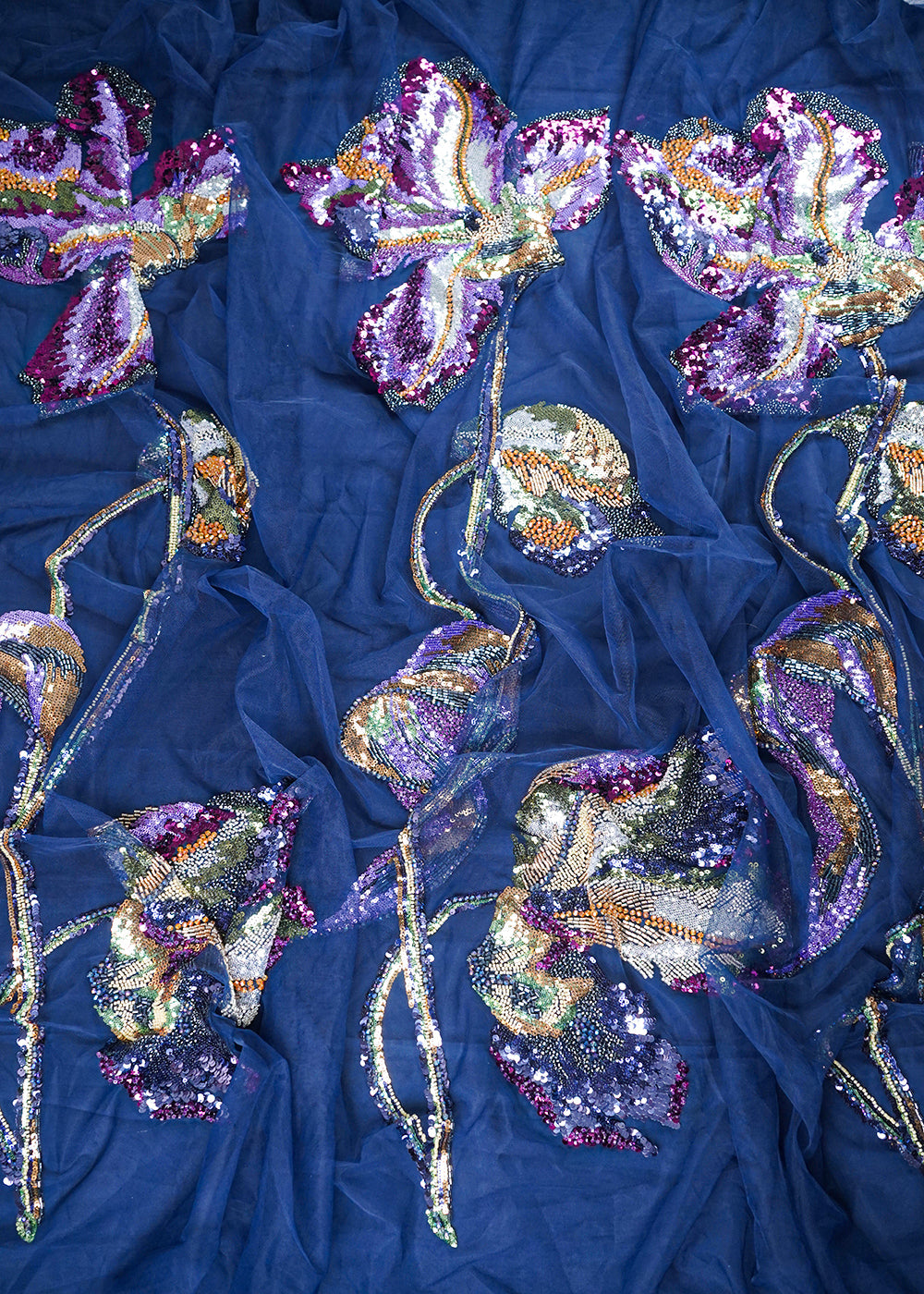
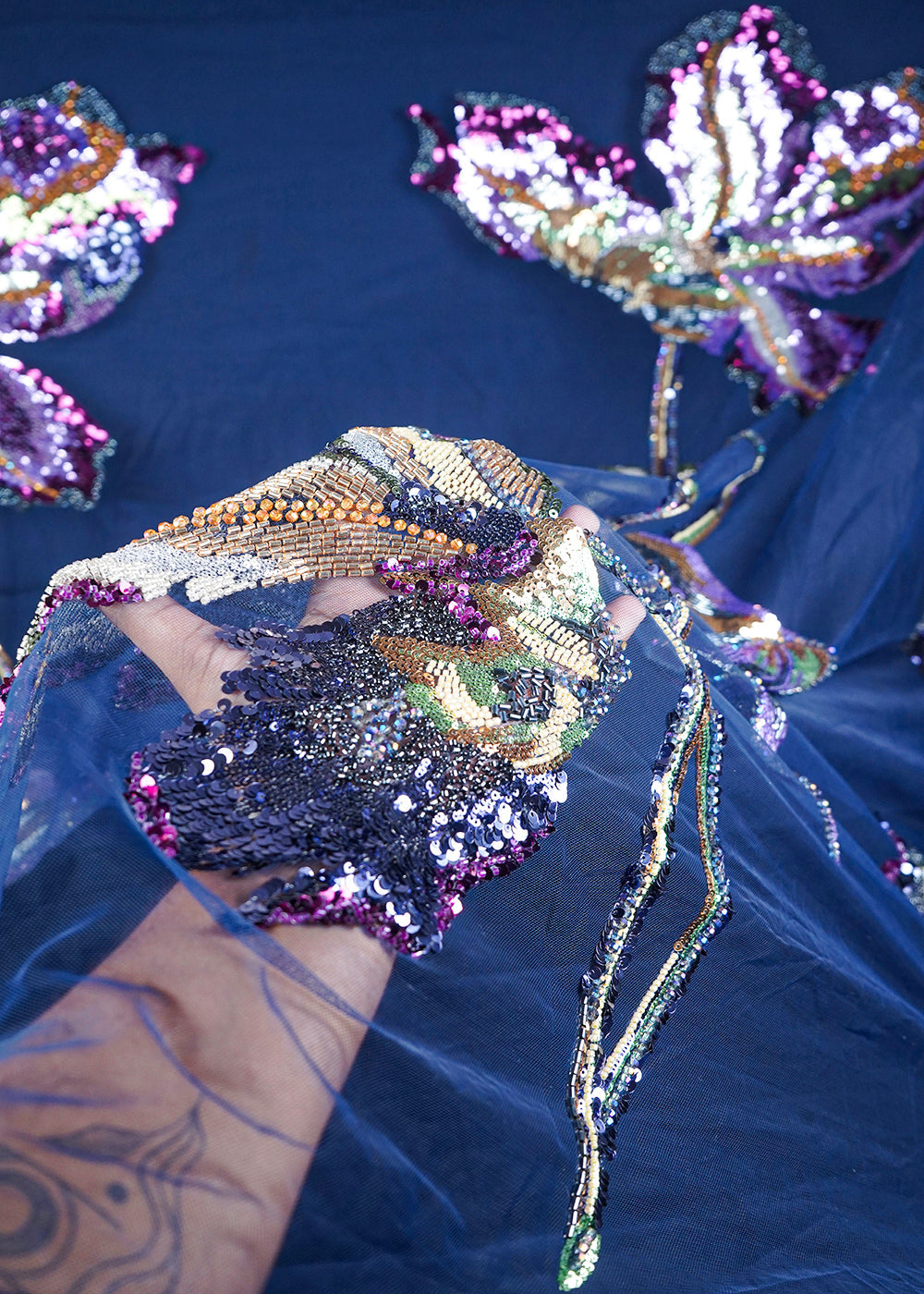
The variants split by patch fabric. Cotton goes to volume kurti production. Silk serves designer boutique pieces. Brocade carries statement work. Mirror-and-patch mixed variants go to festive designer wear. Buyers pick by the target garment and the retail band they are working.
It works for kurti construction across designer segments and for festive celebration function outfits. Lajpat Nagar wholesale runs Rs 640 to Rs 1,240 per metre, moving with the patch fabric and the base grade.
Types of Patchwork Fabric in Our Collection
| Type | Best use | Approx price |
| Cotton | Volume kurtis, casual designer | Rs 640 to 780 per metre |
| Silk | Designer kurtis, boutique festive | Rs 780 to 940 per metre |
| Brocade | Statement kurtis, wedding-family | Rs 940 to 1,080 per metre |
| Mirror-Patch Mixed | Festive designer wear, sangeet outfits | Rs 1,080 to 1,180 per metre |
| Heavy Statement | Boutique statement pieces, festive centrepiece | Rs 1,180 to 1,240 per metre |
The entry cotton variant is the volume seller across mid-market boutique production. Upper-tier boutiques working the Rs 6,300-and-up retail band reach for the brocade and heavy statement grades, where the patch fabric earns the rate.
Patchwork GSM Guide
| GSM range | Fabric feel | Best for |
| 120 to 180 GSM | Light-medium, drape-forward | Casual kurtis, layered pieces |
| 180 to 240 GSM | Medium, structured | Designer kurtis, festive outfits |
| 240 to 320 GSM | Medium-heavy, rich | Statement pieces, heavy festive |
Most buyers default to the 180 to 240 GSM band for standard production. It holds the patch weight against the drape a kurti needs. Lighter grades suit casual layered pieces. The heaviest go to statement festive work.
In short. Patchwork builds a design from contrasting cloth patches instead of thread, so it reads as blocks of texture and colour. Buy in the 180 to 240 GSM band for standard kurti production. Budget 2.5 metres for a straight kurti, 4 for an anarkali. Dry-clean the brocade and silk-patch variants. Wholesale runs Rs 640 to 1,240 per metre.
Popular Uses
Designer kurtis lead, mostly in the Rs 3,500 to 5,500 band across the urban festive customer base, where the patch contrast stands out against plain solids. Festive family sets for Diwali and other functions come second. Statement kurtis for the corporate festive segment are third, around the Rs 5,500 to 7,500 band. Sangeet outfits in the mirror-and-patch variants round out the list.
Patchwork Trends for 2026
Brocade is leading the designer segment right now. Buyers are choosing the heritage-adjacent brocade patch over plain cotton, which drives steady reorders at the higher price tiers. Delhi NCR boutiques reorder it every three weeks across the October to February festive peak. Mirror-and-patch mixed work is the second pattern gaining ground, mostly across the sangeet and mehendi segments.
Care and Working Tips
Dry-clean the brocade and silk-patch variants. Water lifts patch edges and can bleed one contrast colour into another. A cold hand-wash is fine for cotton-patch pieces, but wash them separately the first two or three times, since the contrast patches can run.
The patch seams are the stress points, so reinforce them. Stitch with a silk-blend thread and a fine needle. Finish the patch edges cleanly so they do not fray with wear.
Iron on low heat, reverse side, through a press cloth, because a silk or brocade patch scorches faster than the cotton base. Store lighter pieces folded in muslin. The heavy statement pieces keep best rolled on a tube, which stops the patch seams creasing over long holds.
Frequently Asked Questions
How does patchwork differ from other embroidery work?
Patchwork works in fabric, not thread. Standard embroidery adds thread or bead detail on top of the base. It stitches contrasting cotton, silk or brocade patches onto it, which gives a texture-and-colour contrast in blocks rather than fine surface work. Boutiques pick between them by the garment and the look the customer wants.
Which variant works best for boutique production?
It depends on the retail band. Cotton handles volume kurti production at accessible rates. Silk serves designer boutique work. Brocade and heavy statement variants go to upper-tier festive production in the Rs 6,300-and-up band, where the patch fabric earns the higher rate.
Is patchwork available in bulk for boutique operations?
Yes, across all variants. Bulk pricing starts at 15 metres per SKU, with wholesale tiers from Rs 544 per metre on orders above 40 metres. Peak-season lots above 100 metres unlock production pricing across the October to February festive season.
How much patchwork fabric does a garment need?
It varies by garment. A kurti takes 2.5 metres for a straight cut, 4 metres for a kali-flare anarkali. A blouse takes 1 to 1.5 metres. A saree takes 5.5 to 6 metres. A single lehenga panel takes about 4.5 metres.
Why Boutique Owners Buy Patchwork from Paras Gallery
Ten metres minimum gets you sample-rate per shade. Fifteen metres opens the wholesale tier per SKU. One hundred metres unlocks peak-season production pricing across the festive boutique cycle. The reason boutiques keep it on the shelf is the contrast, those blocks of colour read distinct on a rack full of solid kurtis. Browse the range and shade-match first, then order through our wholesale catalogue.
