



























Why Printed Crepe Owns Everyday Kurti Production Right Now
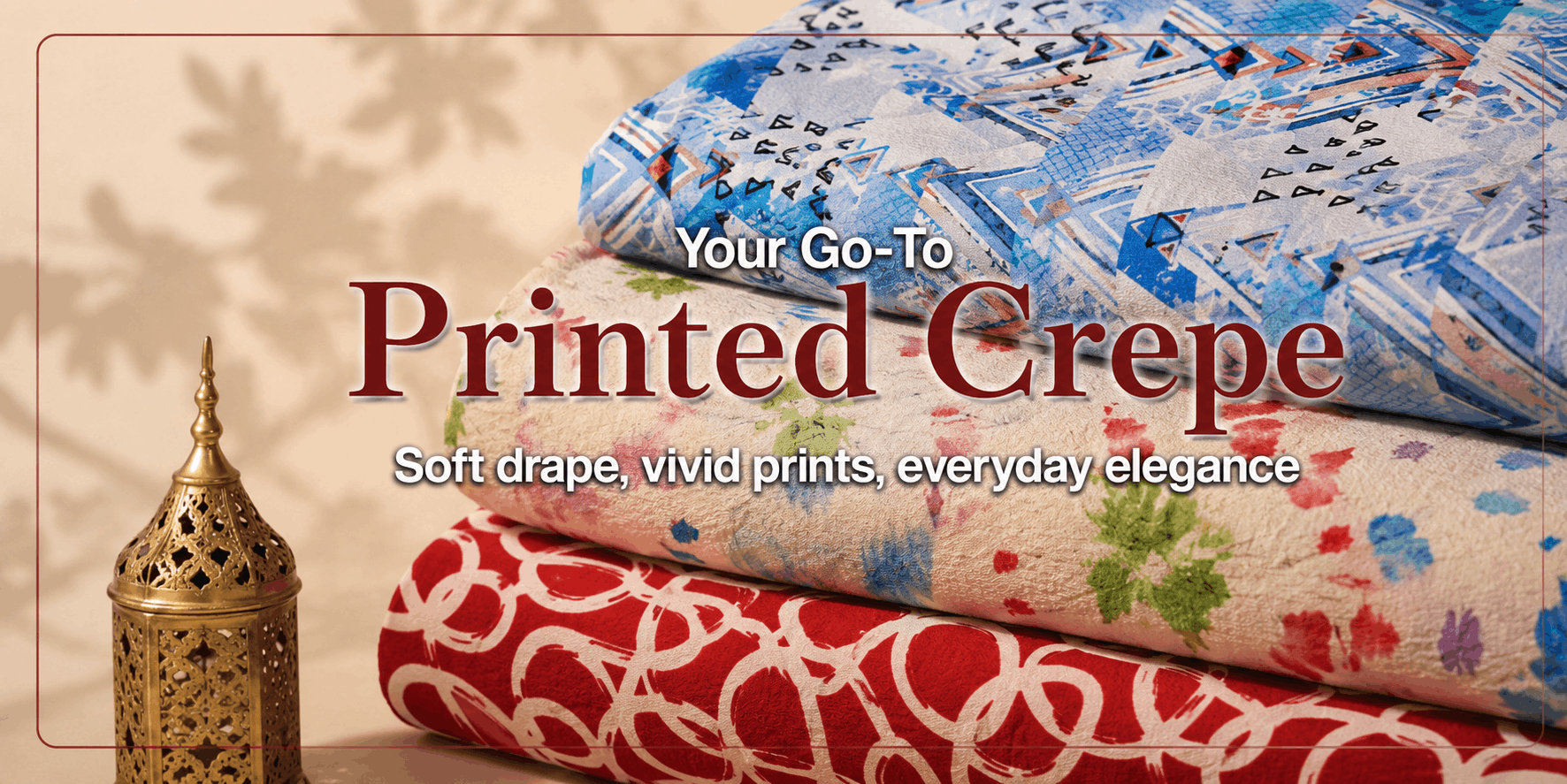
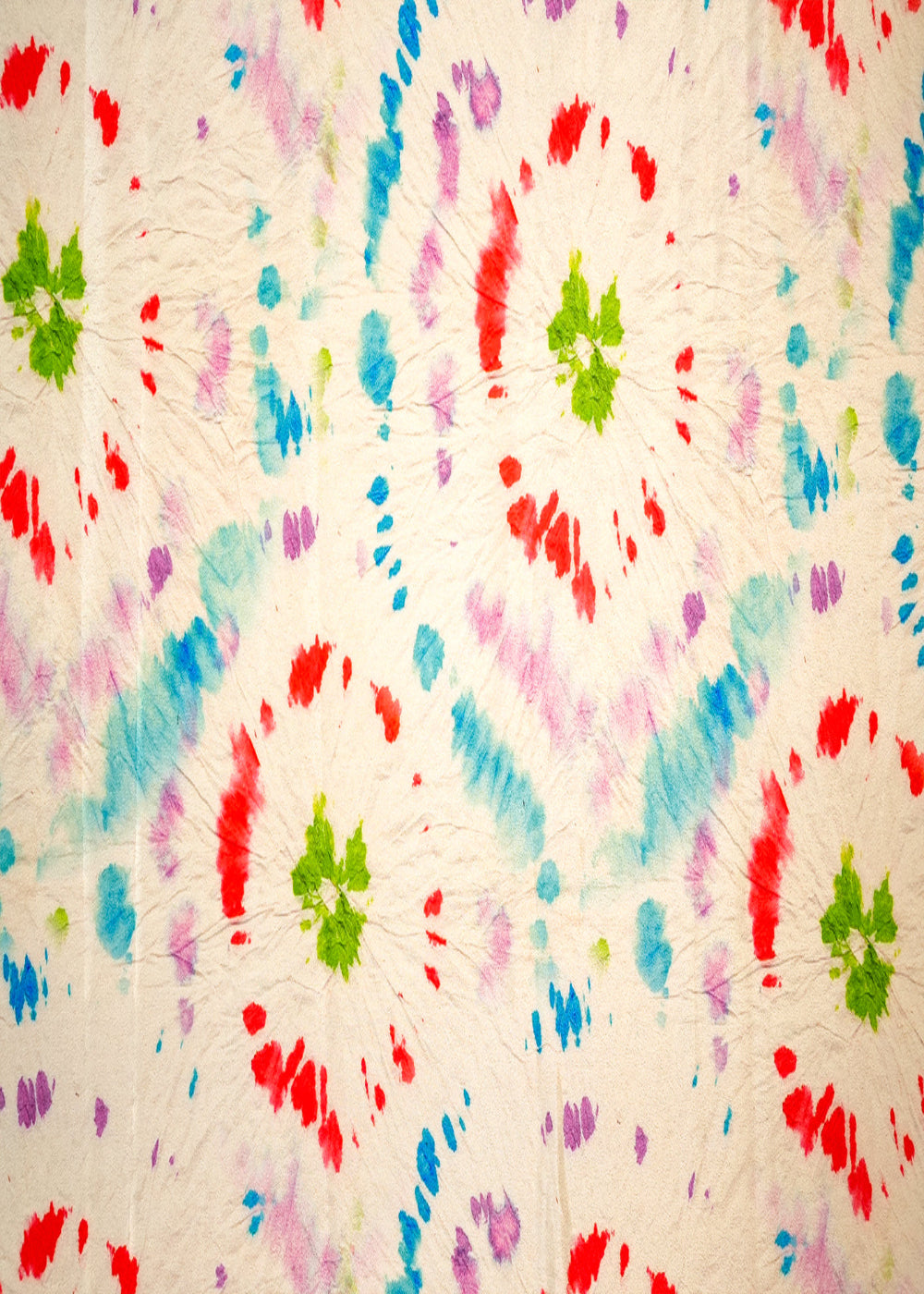
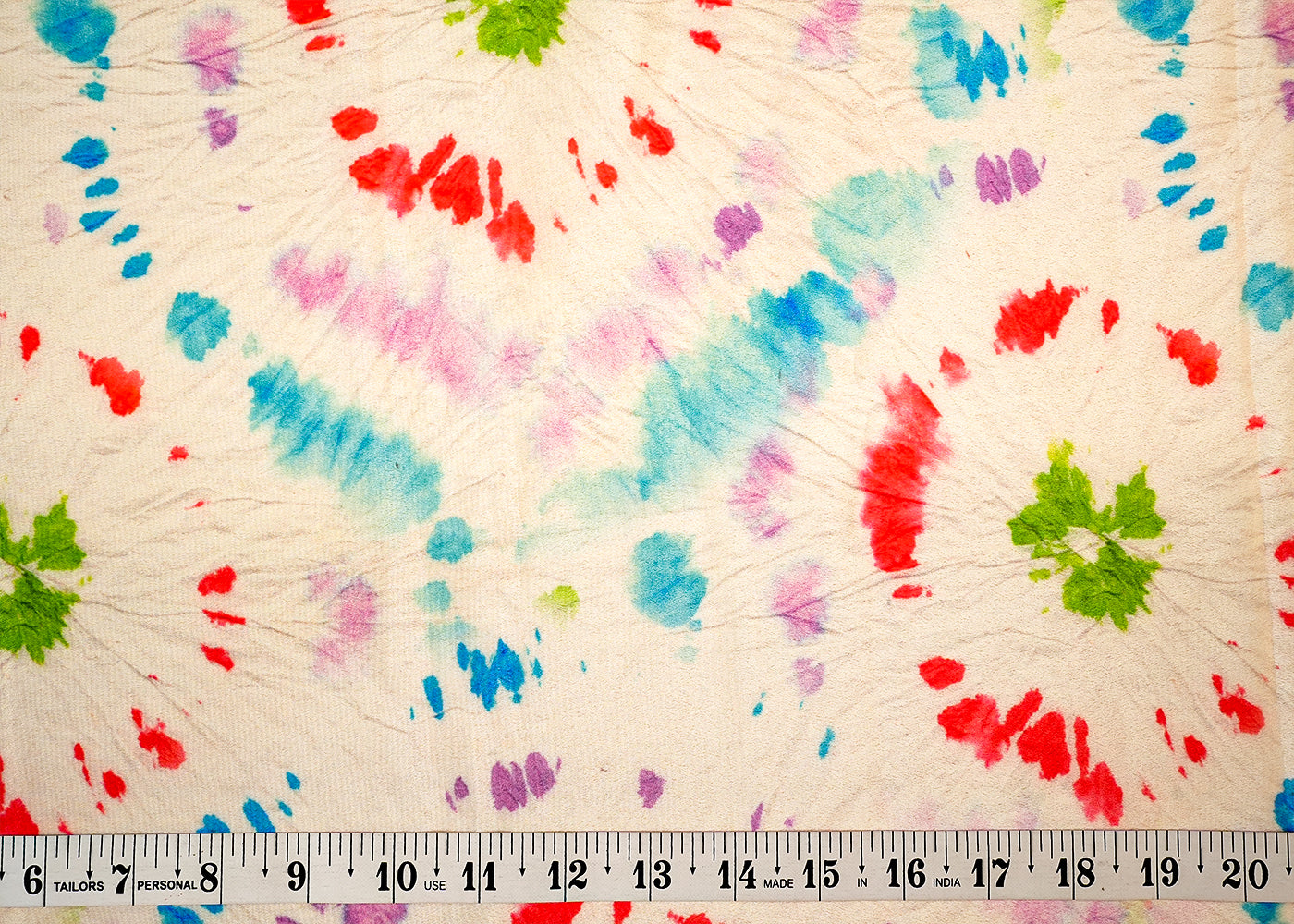
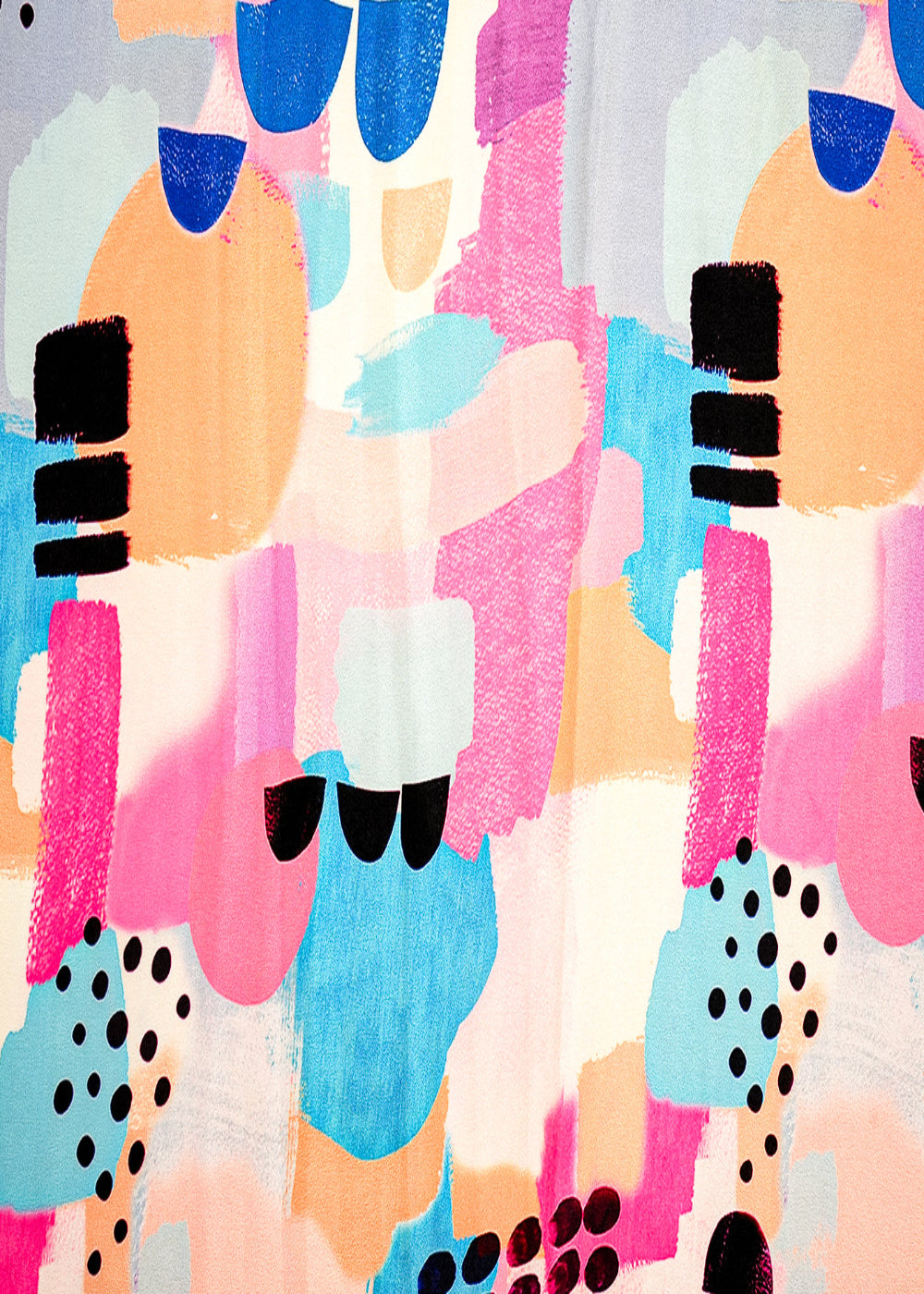
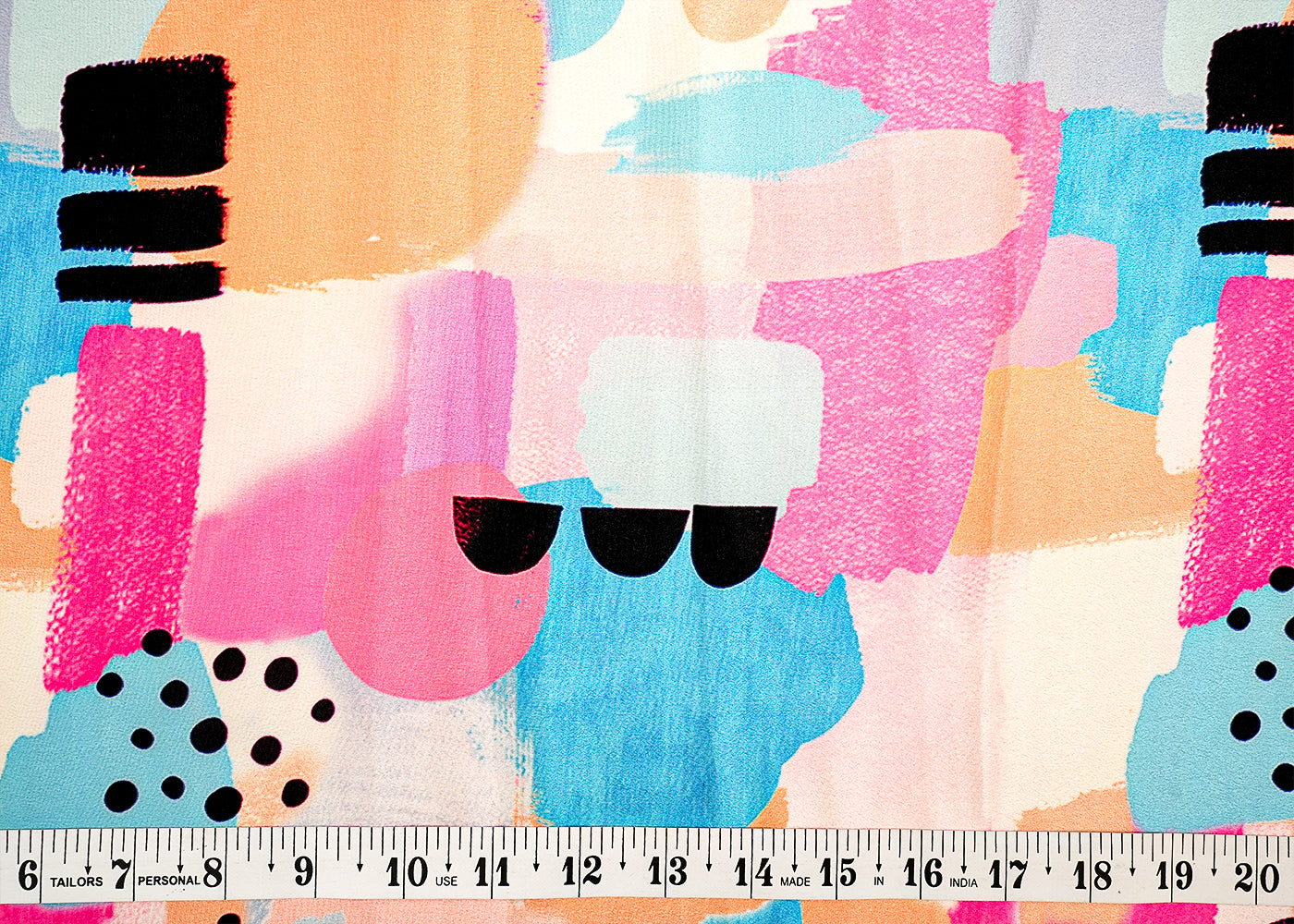
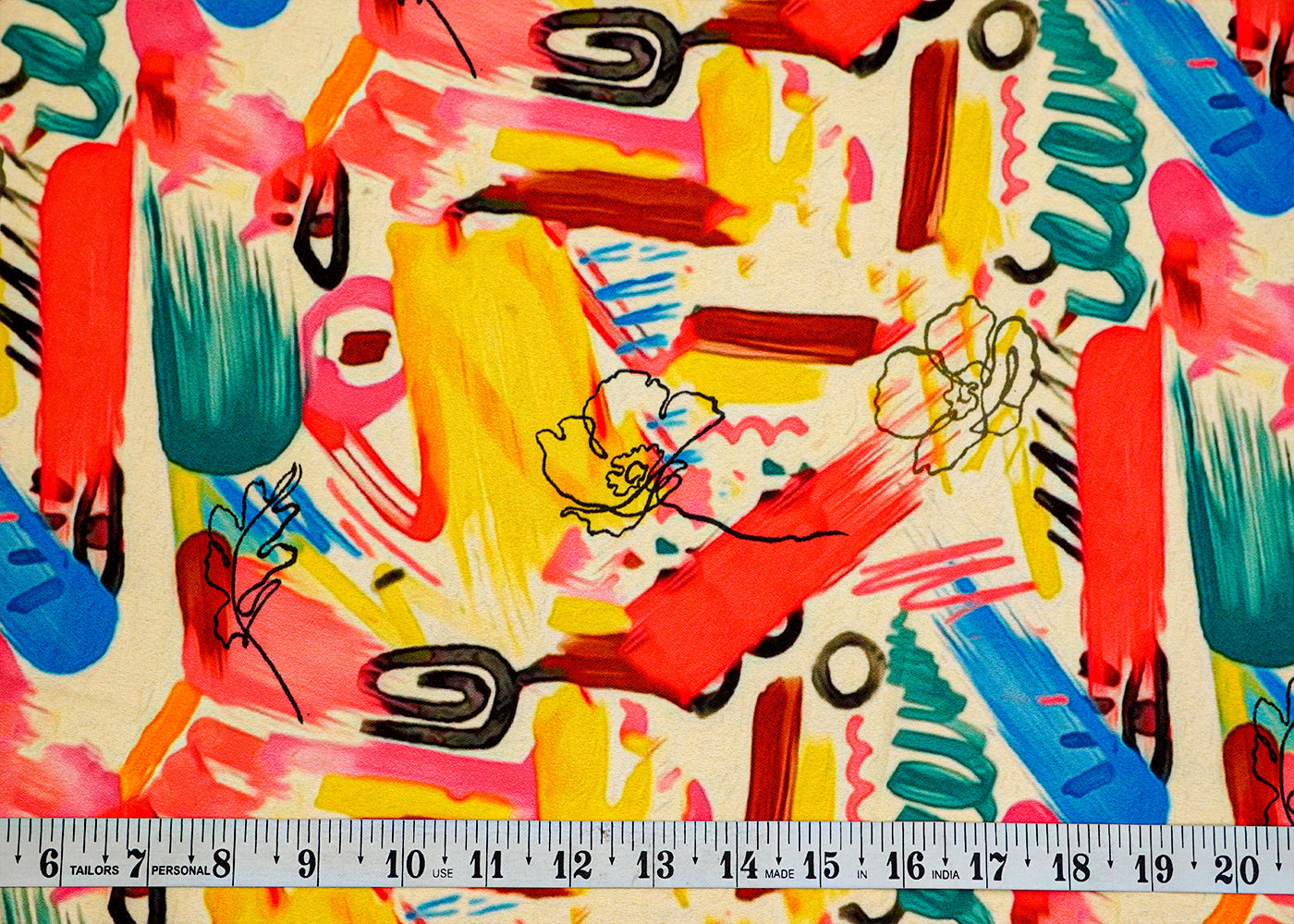
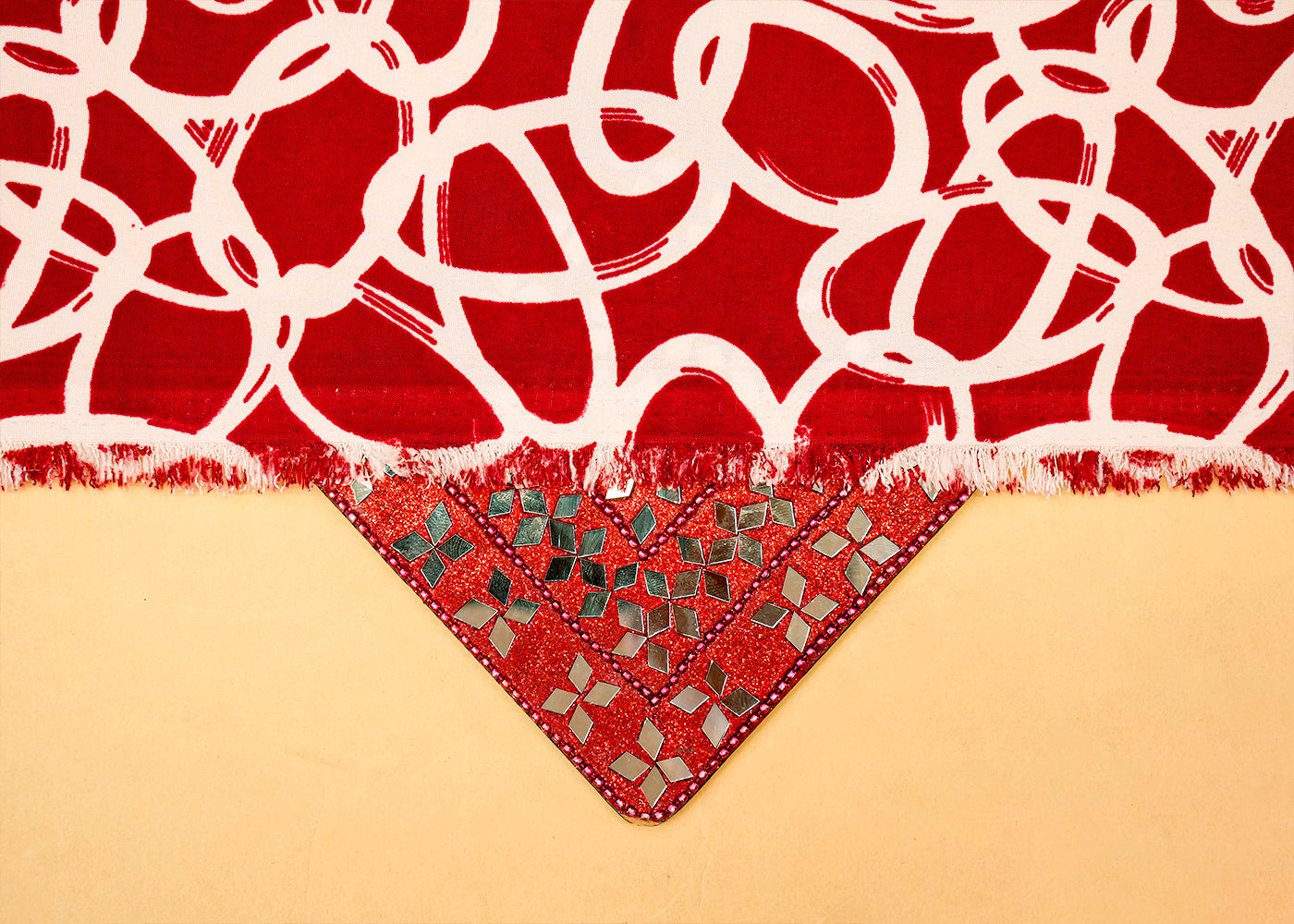
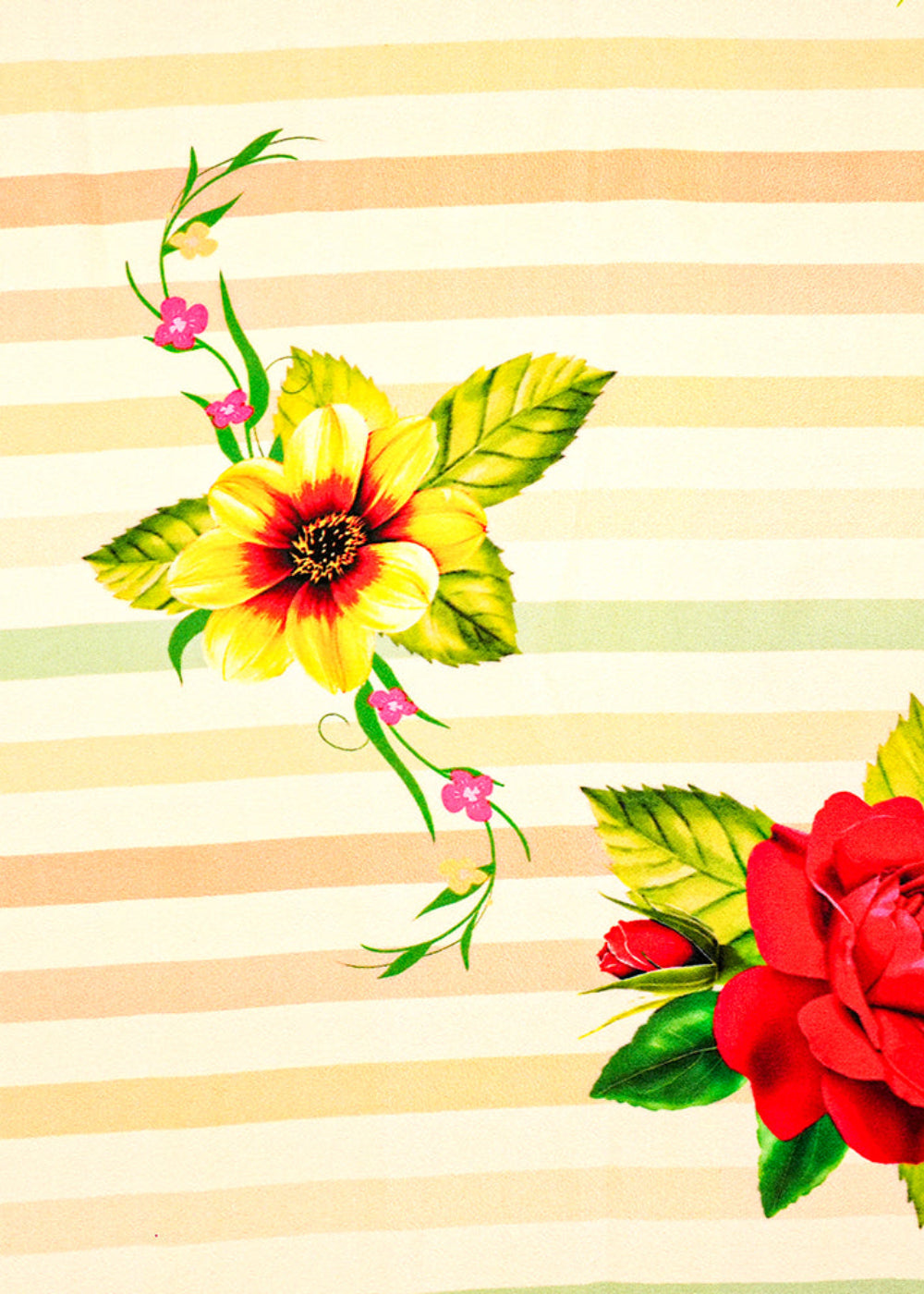
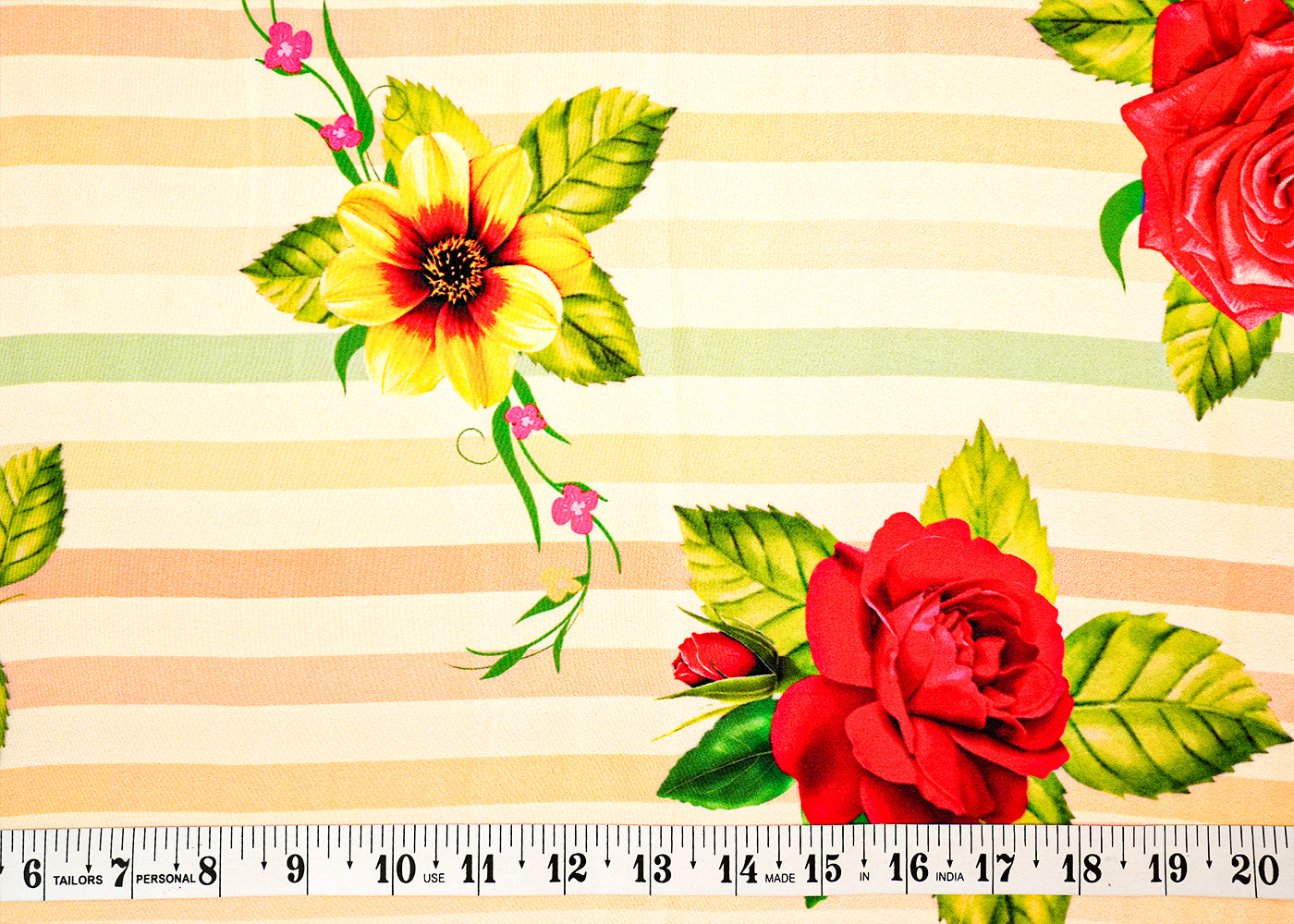
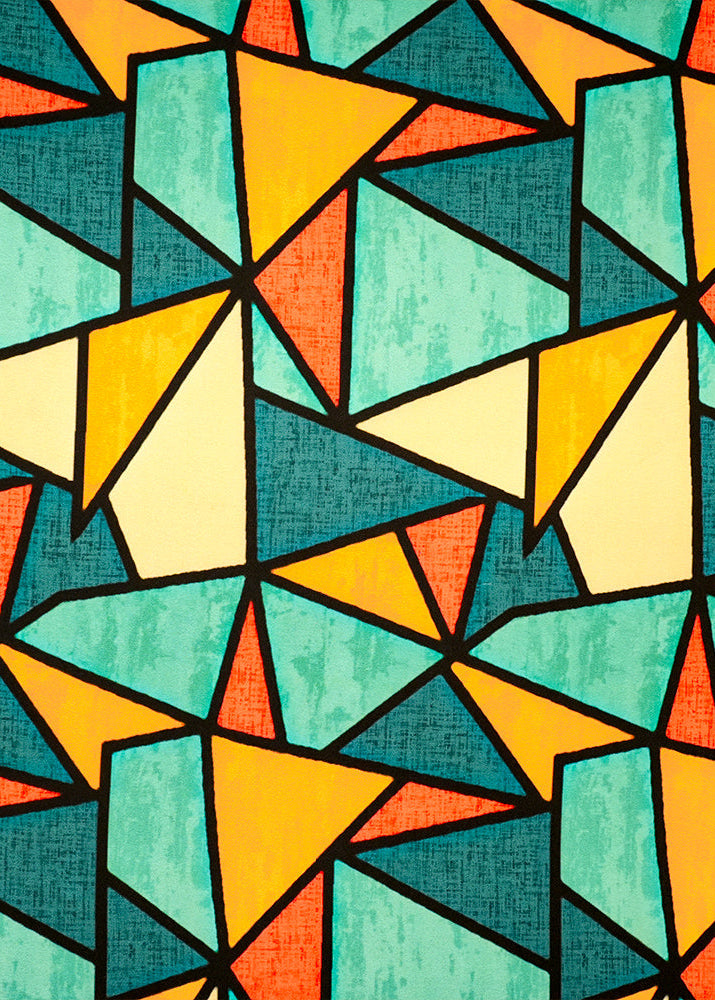
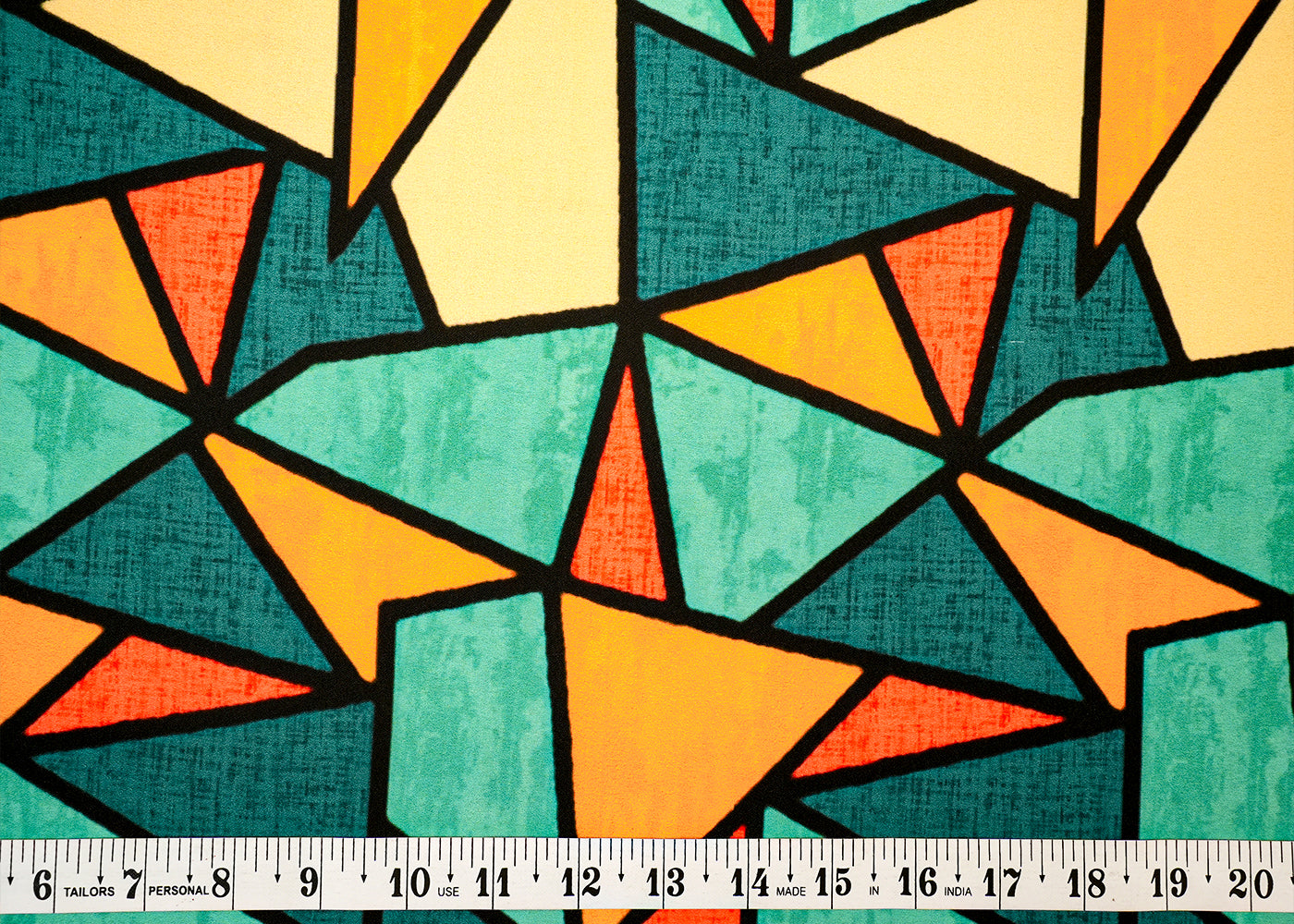
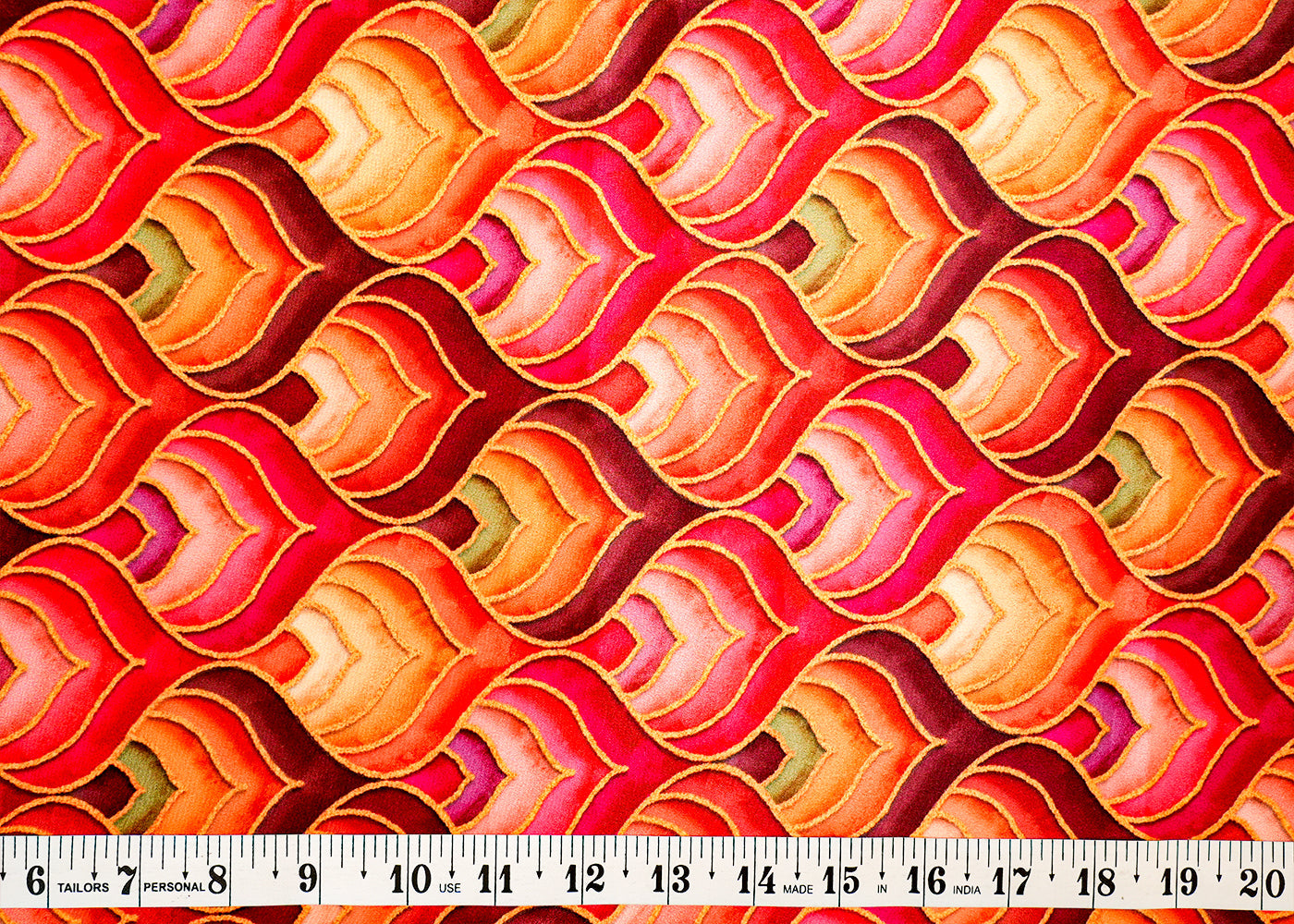
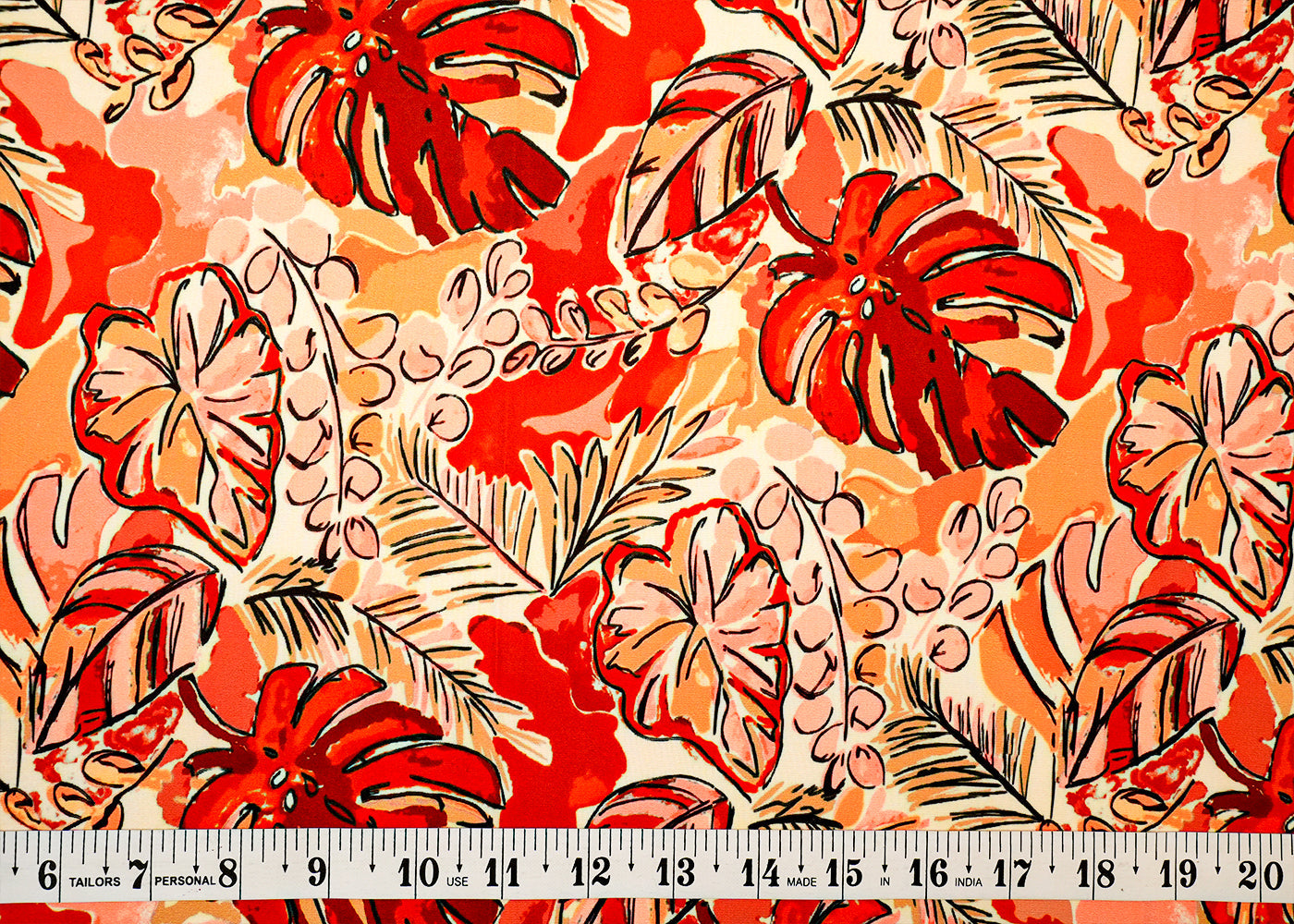
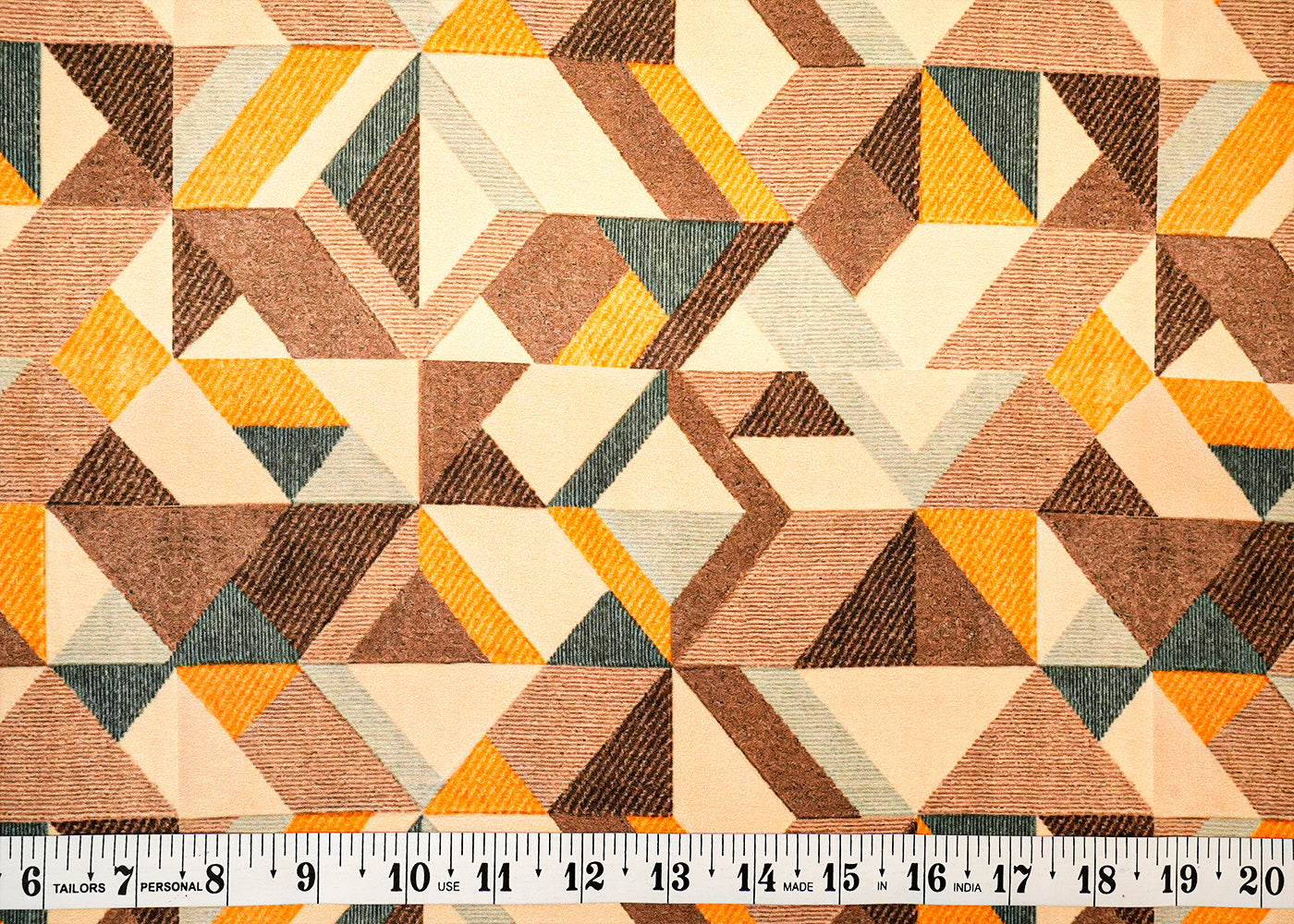
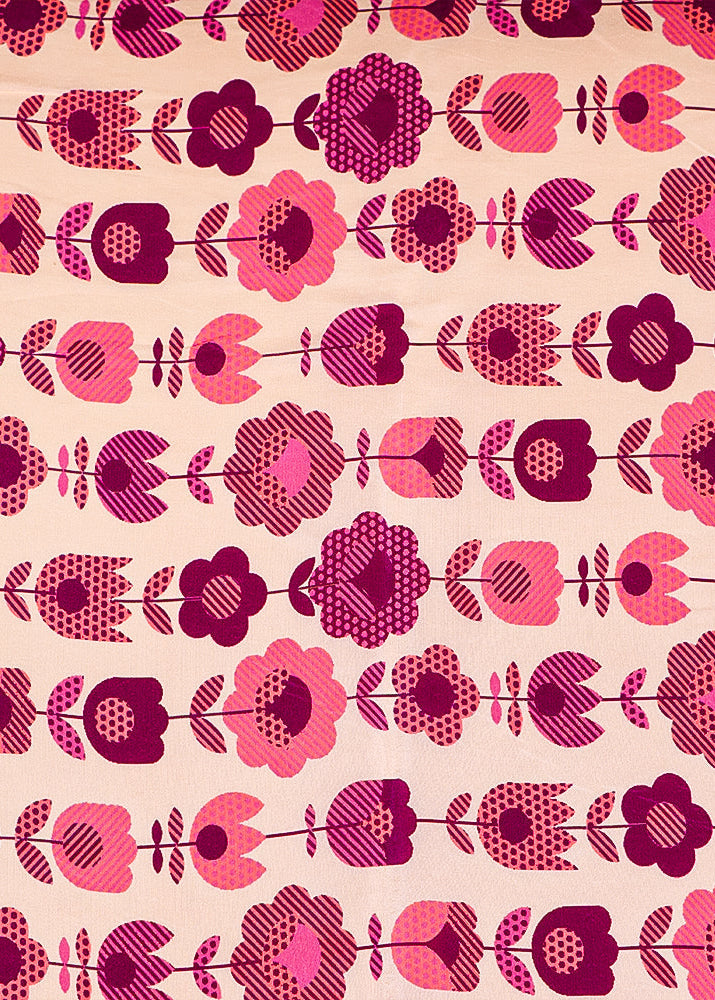
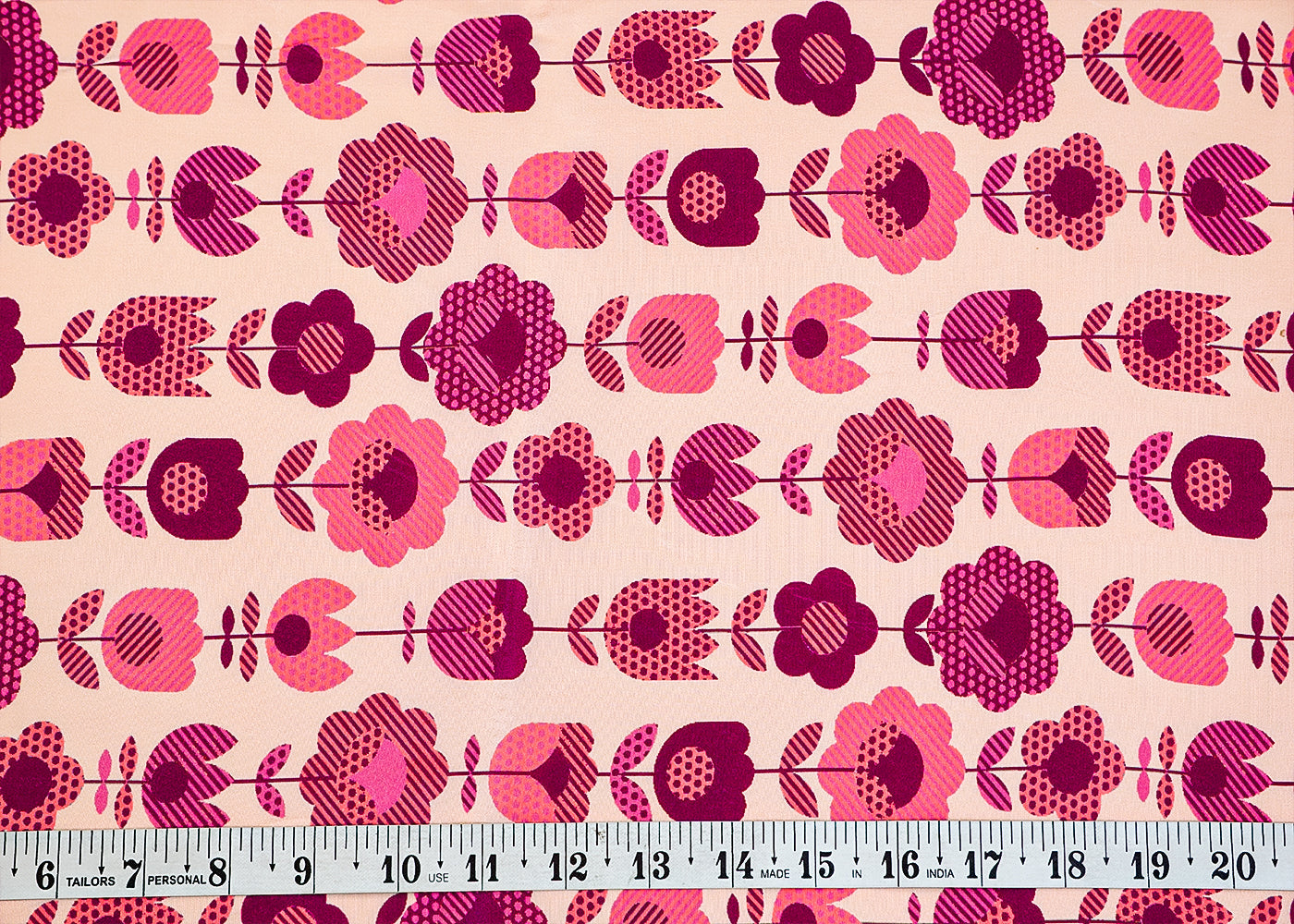
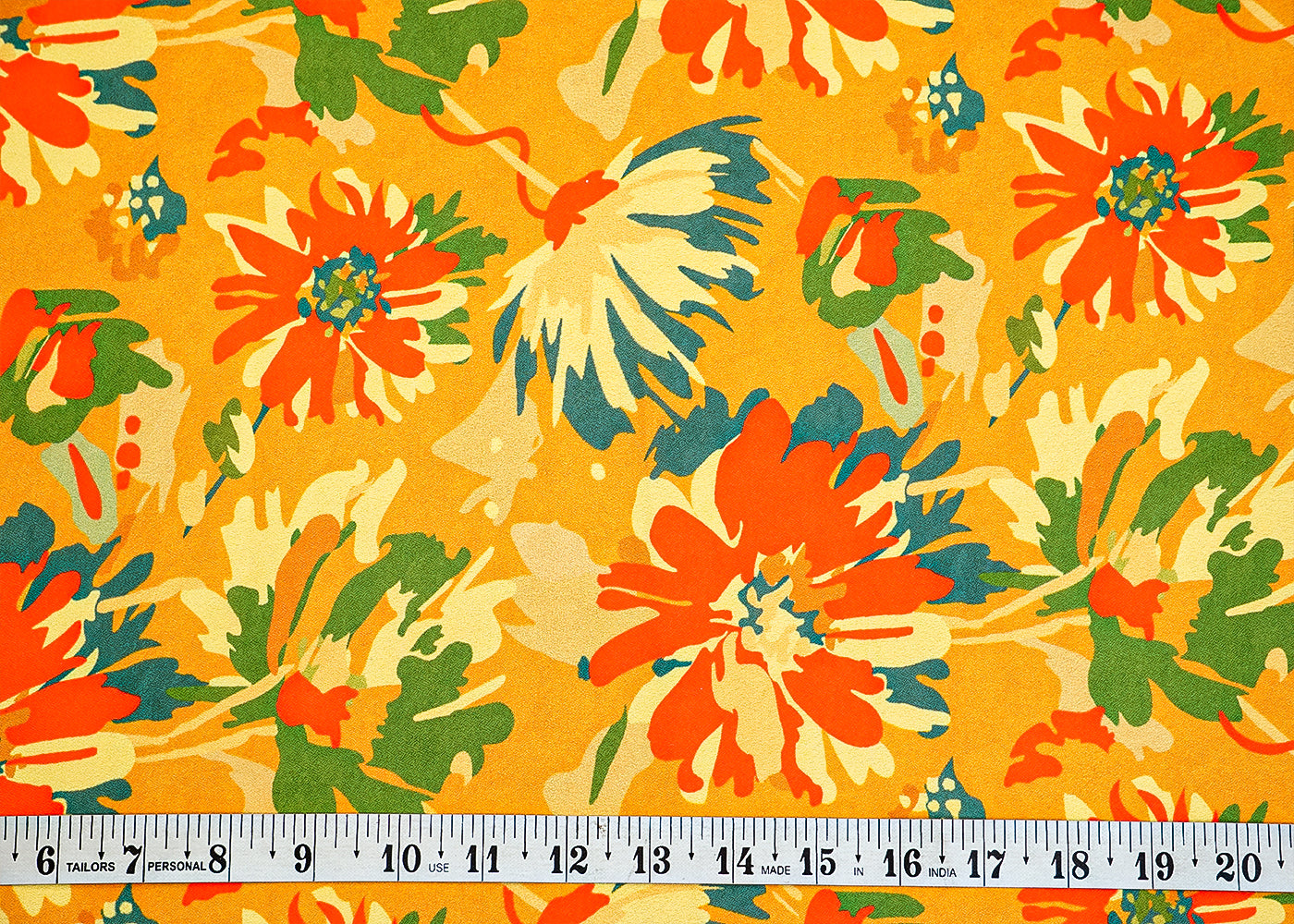
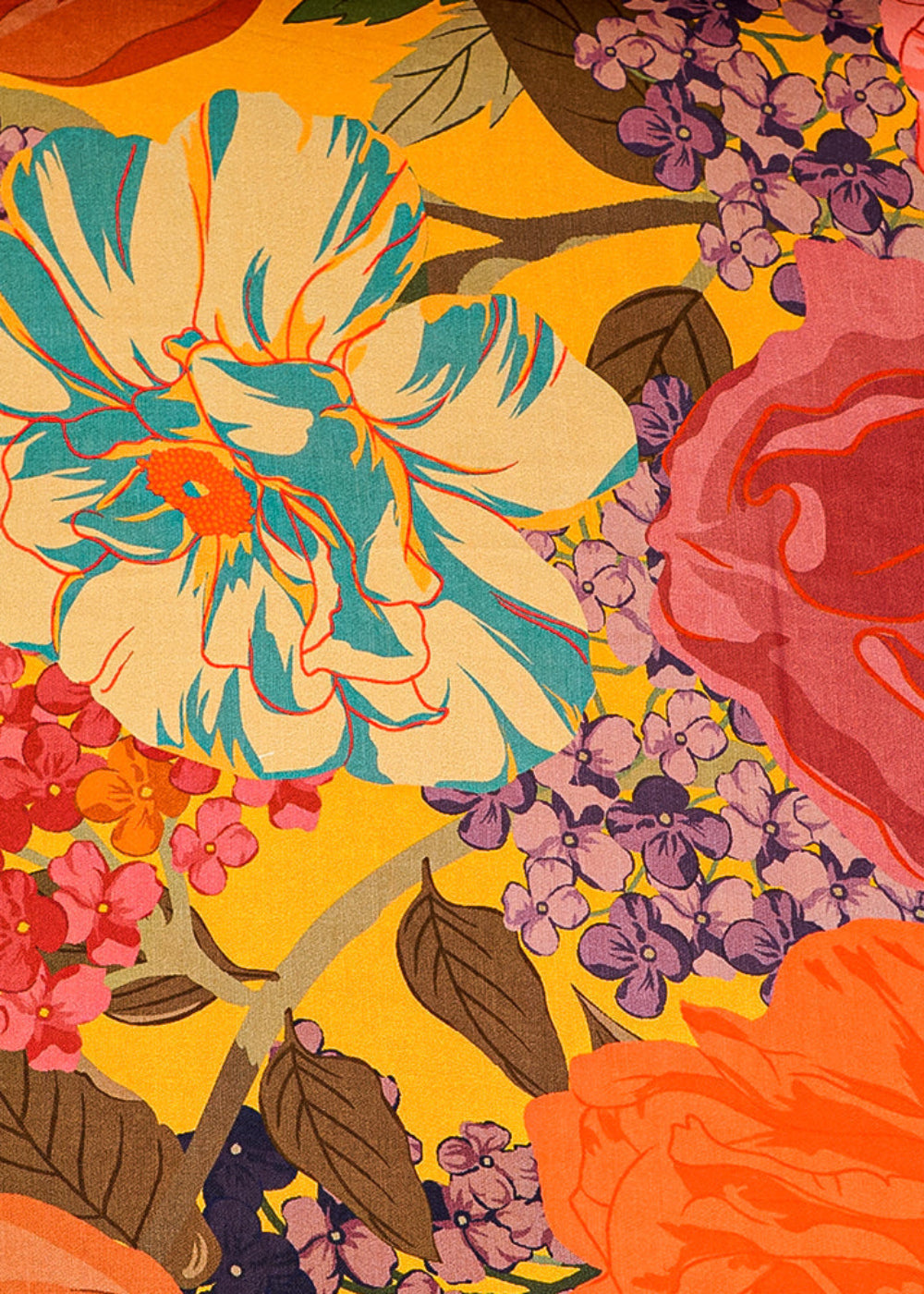
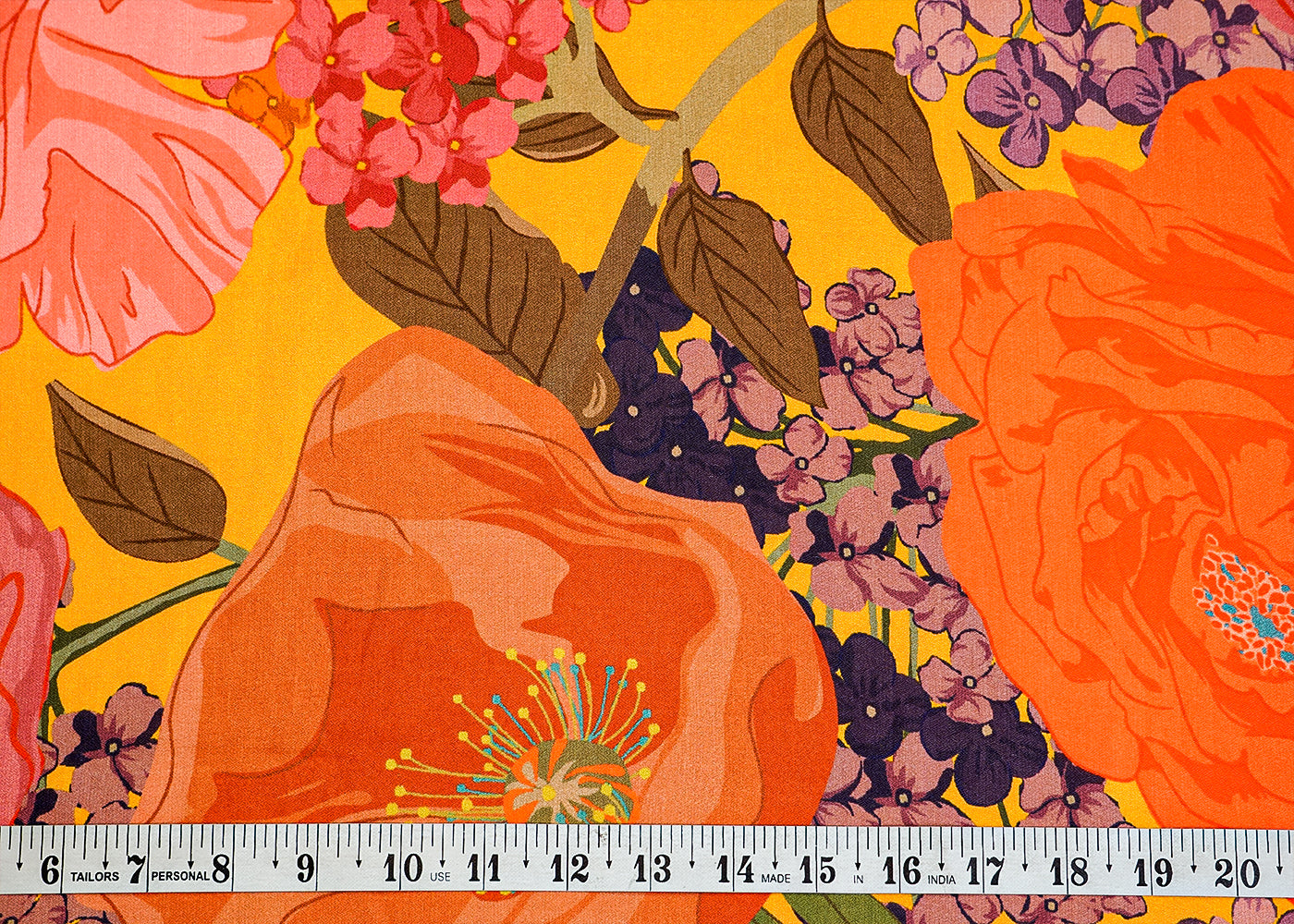
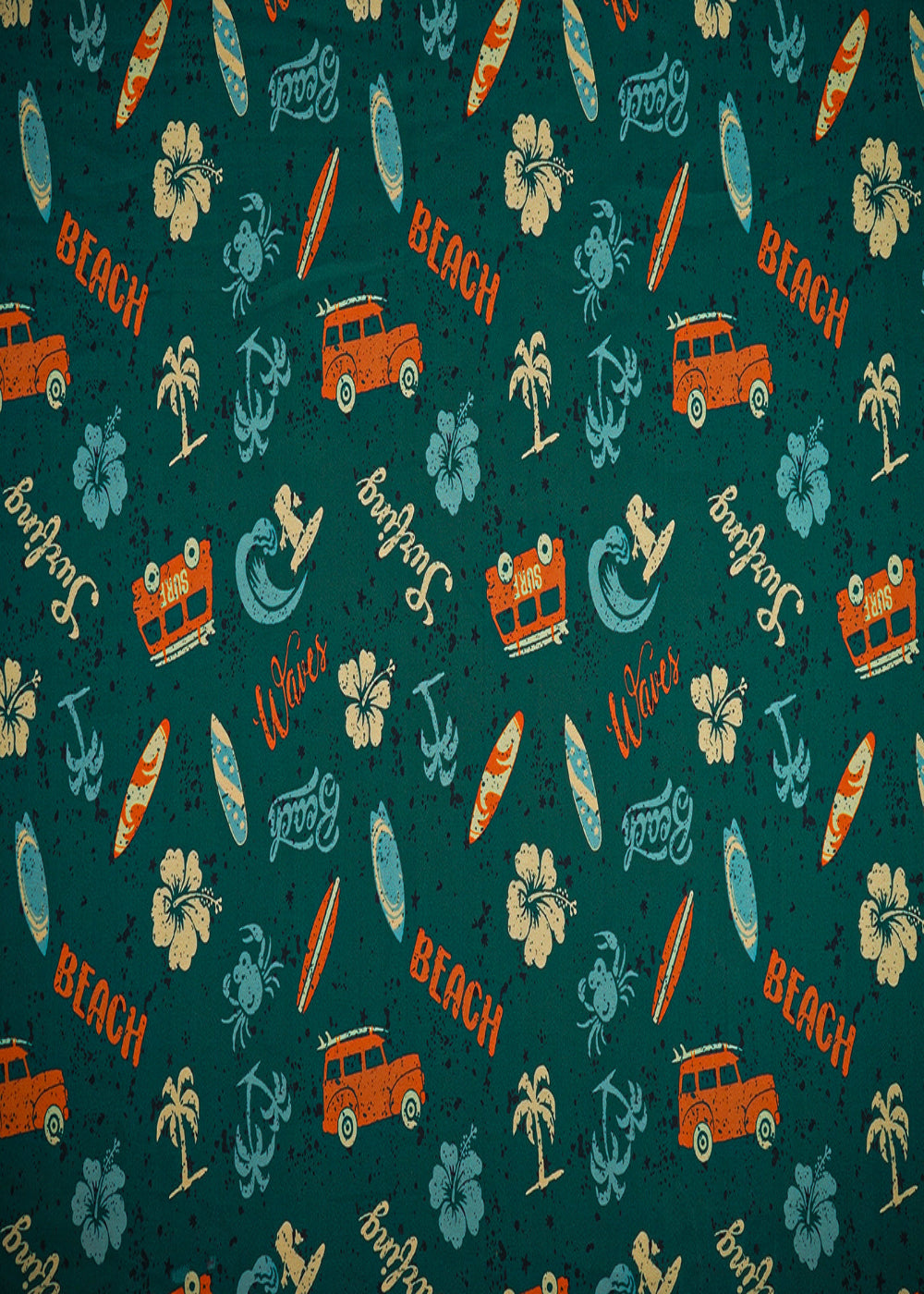
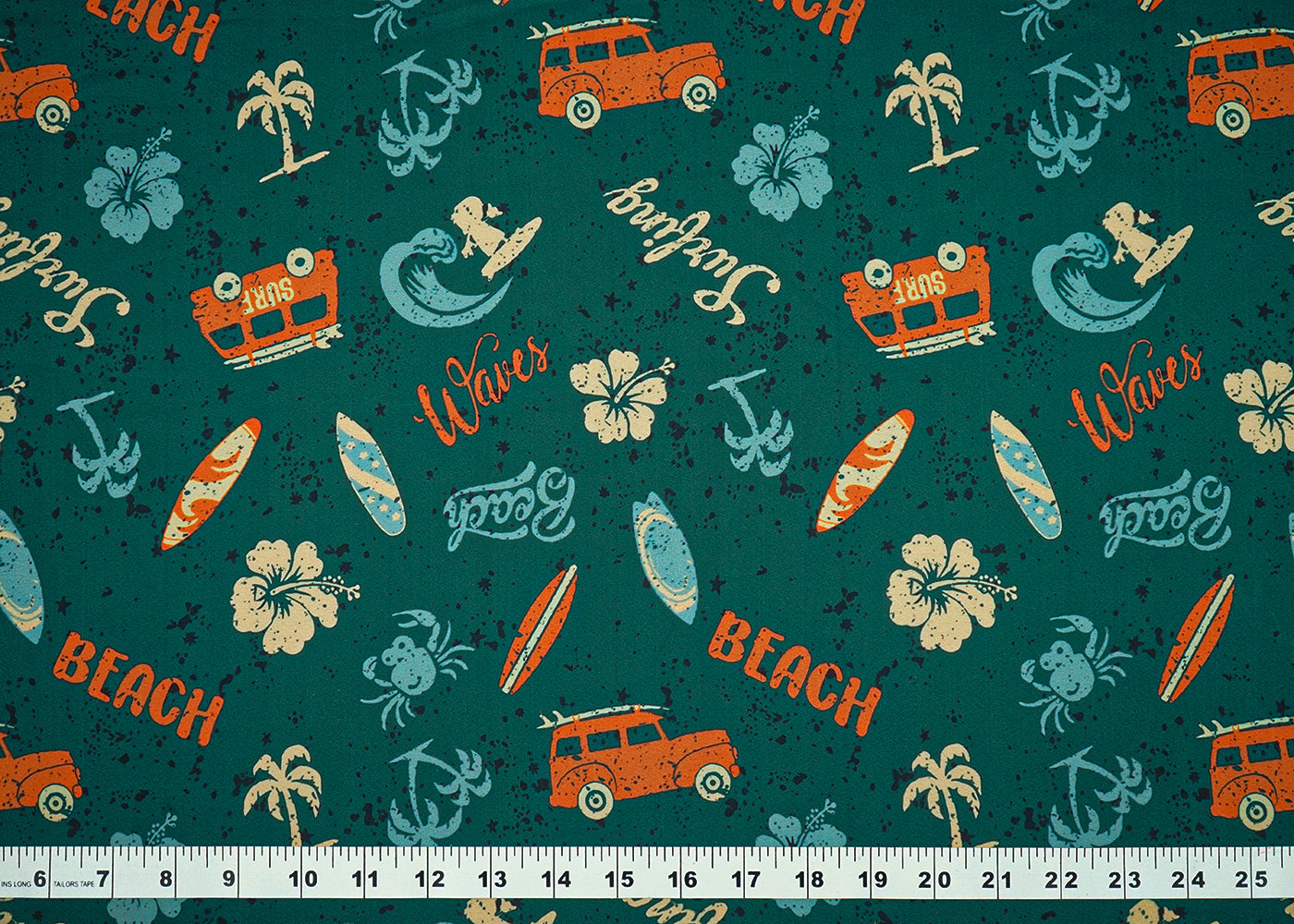
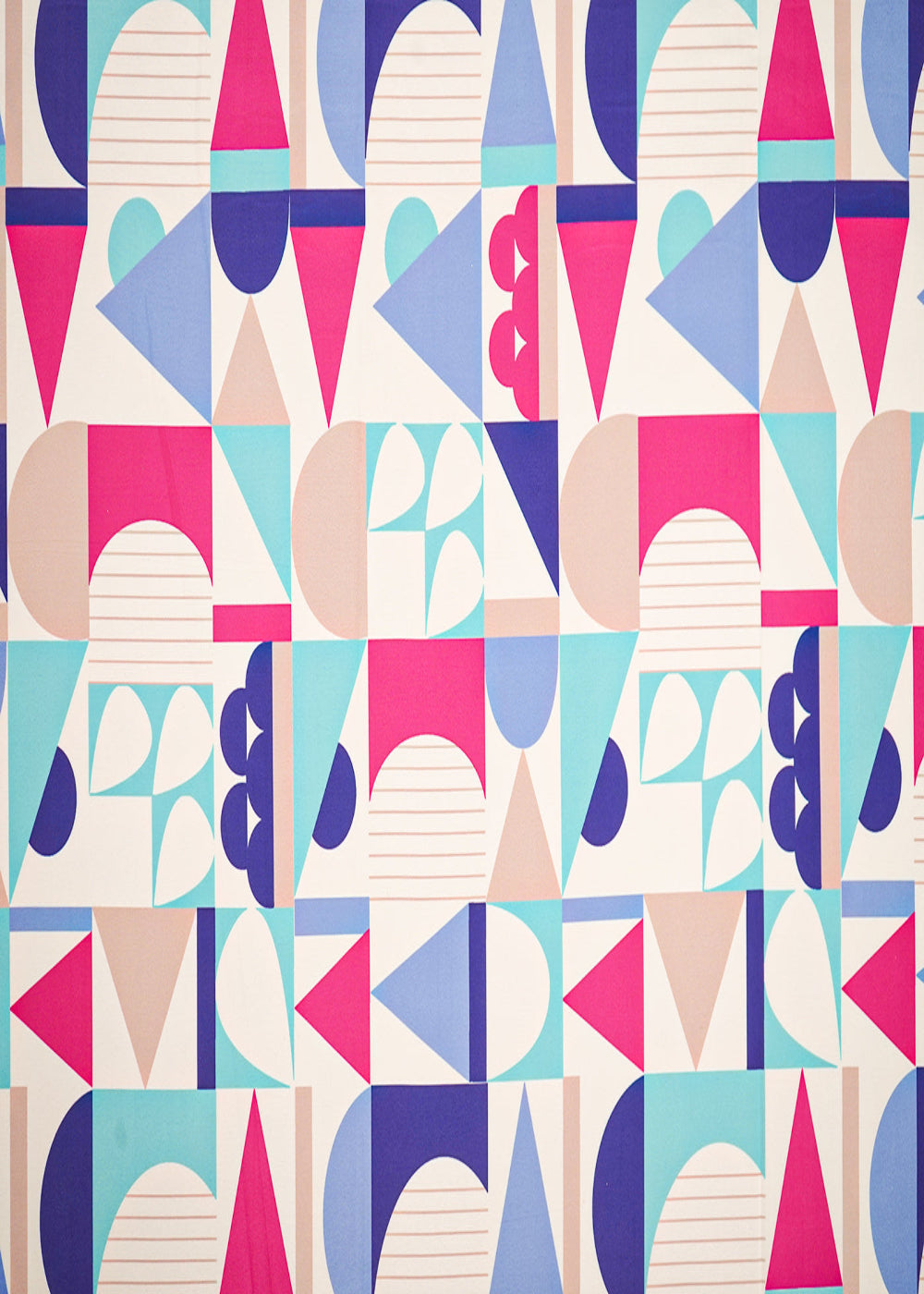
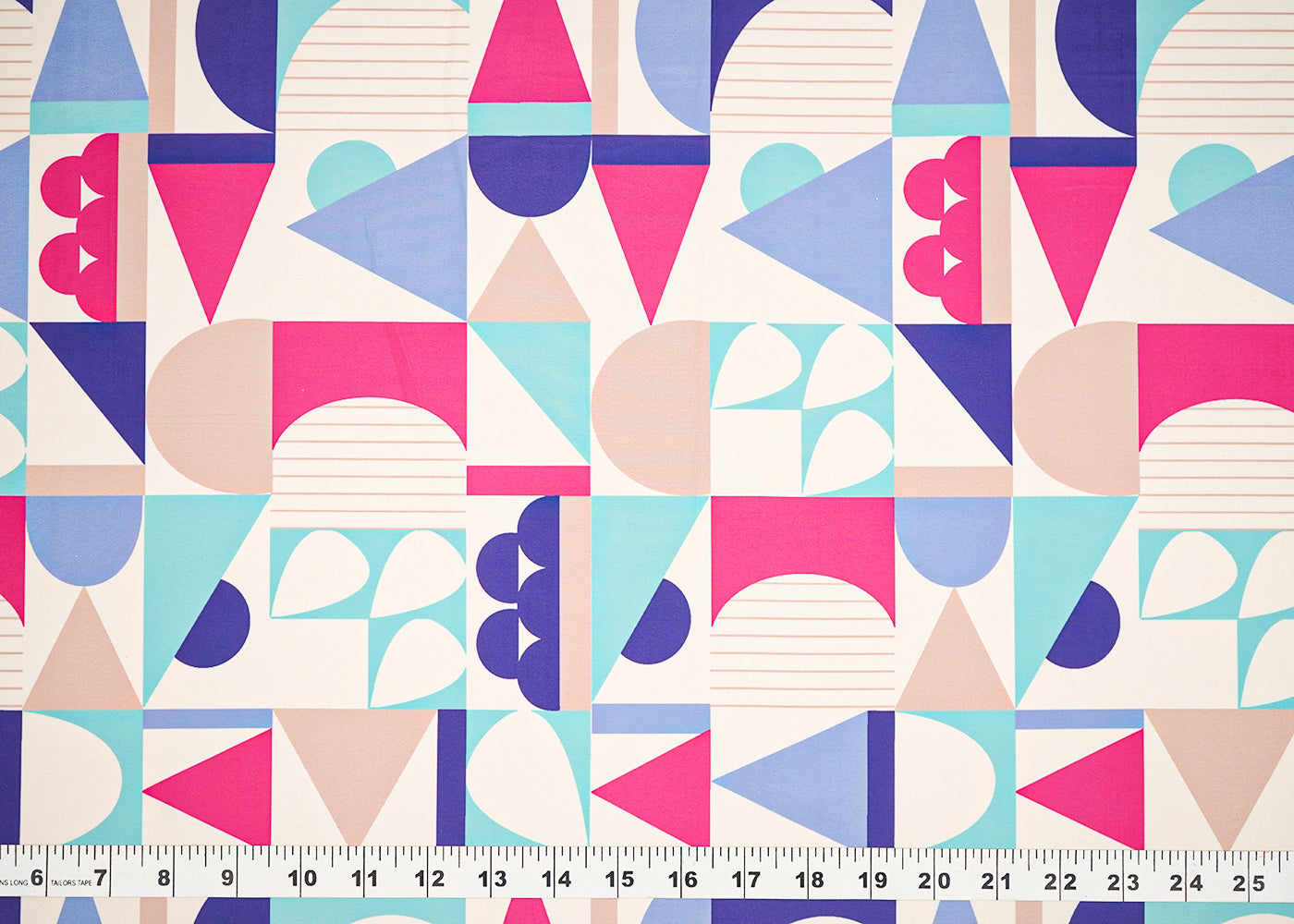
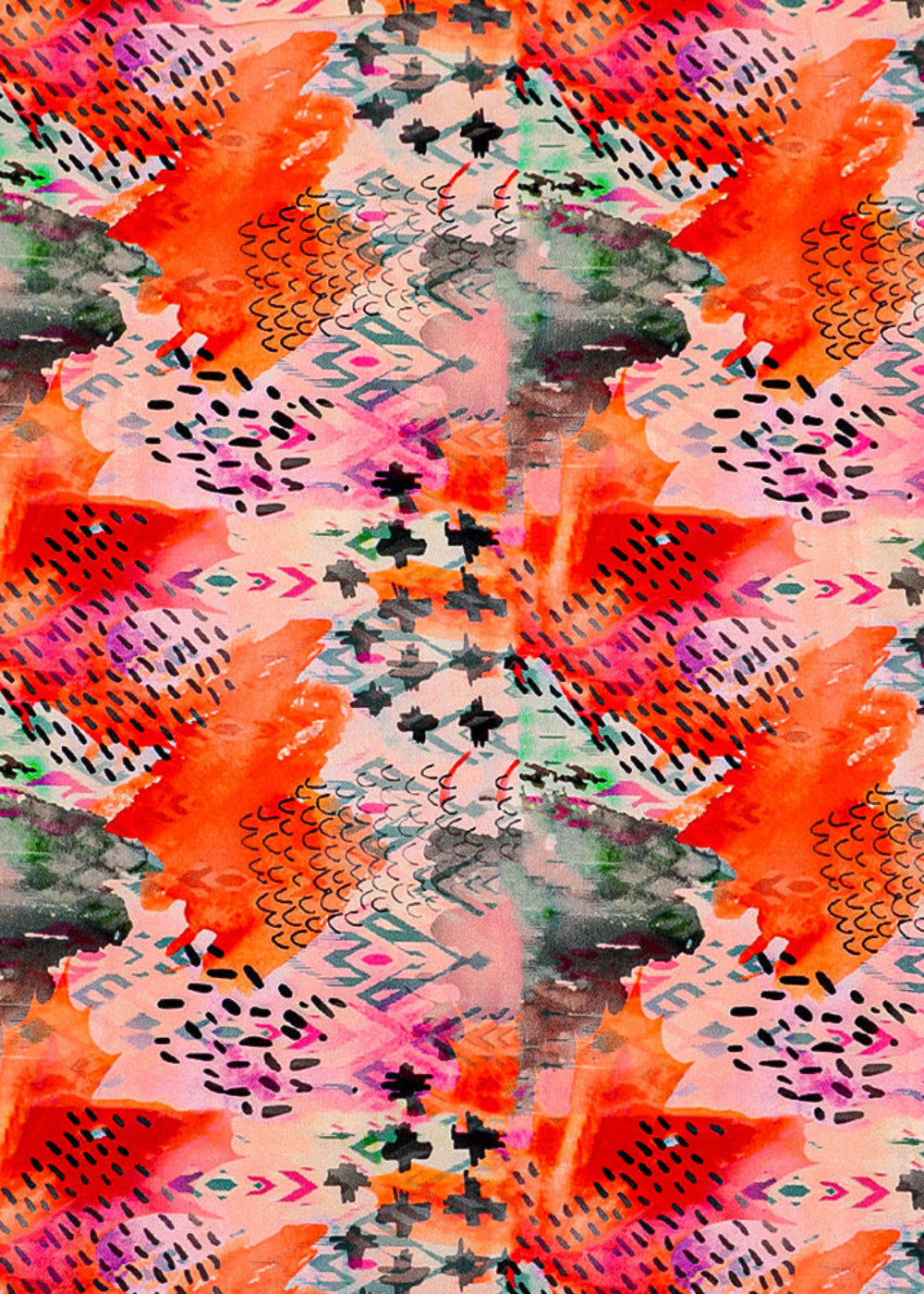
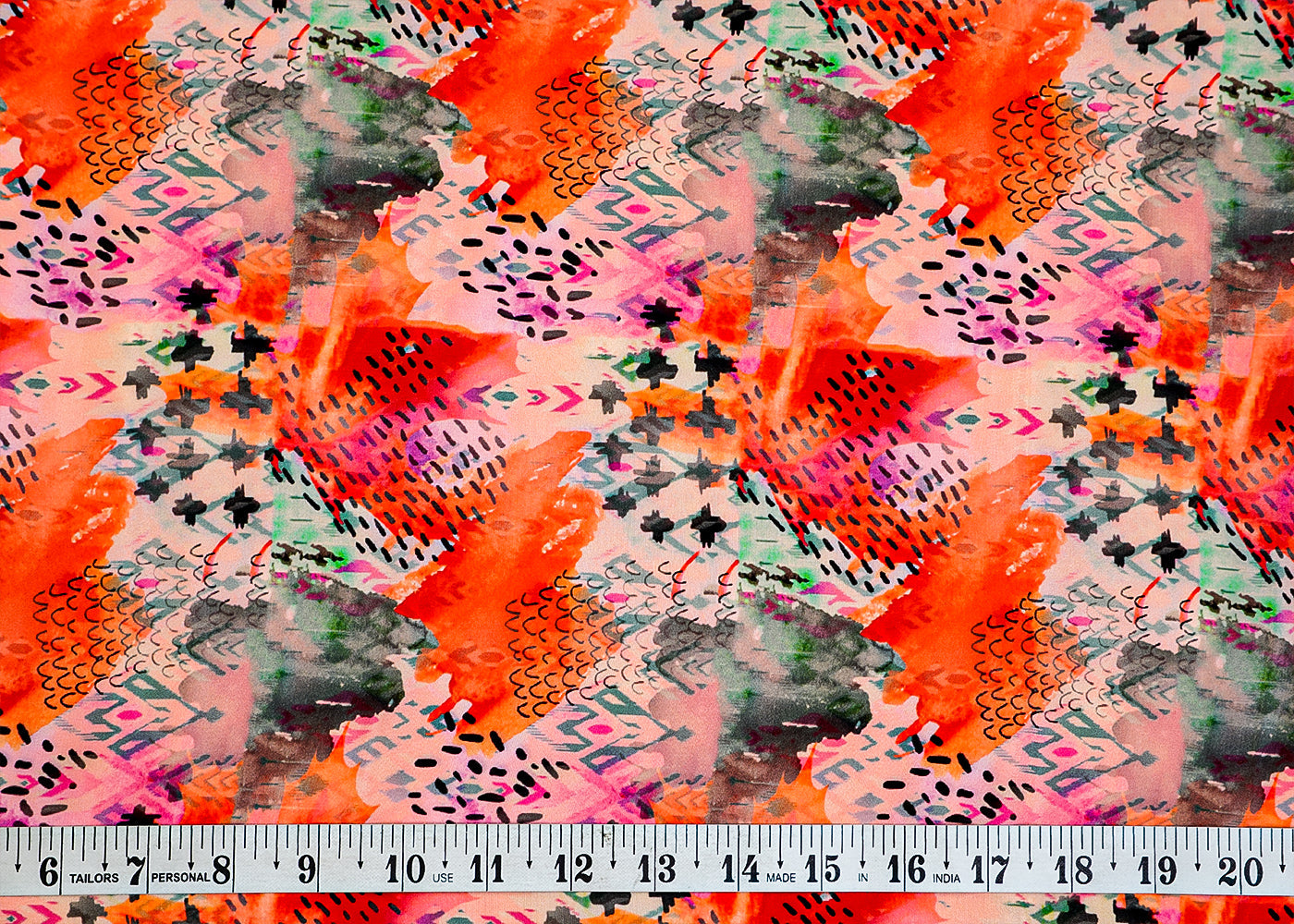
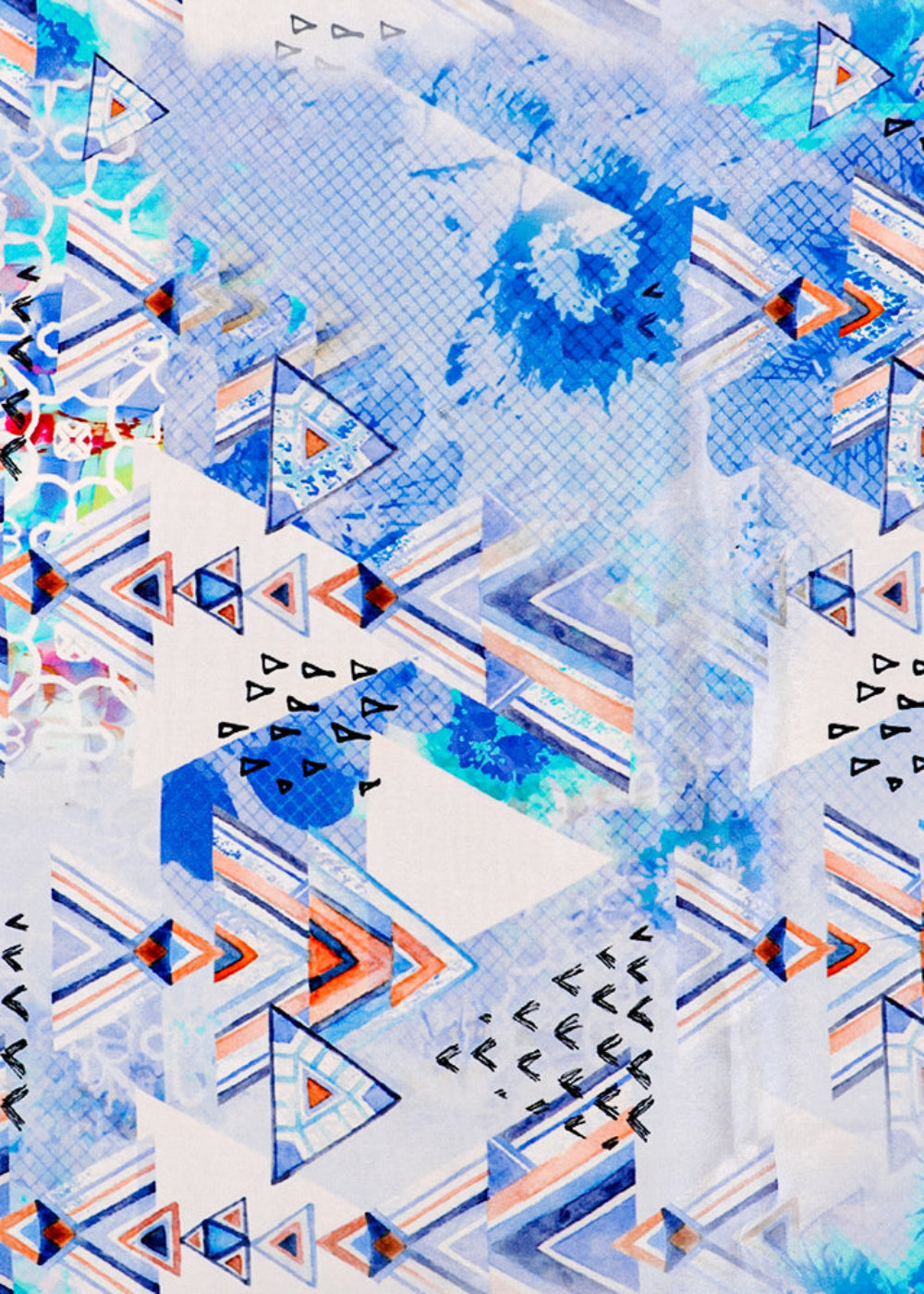
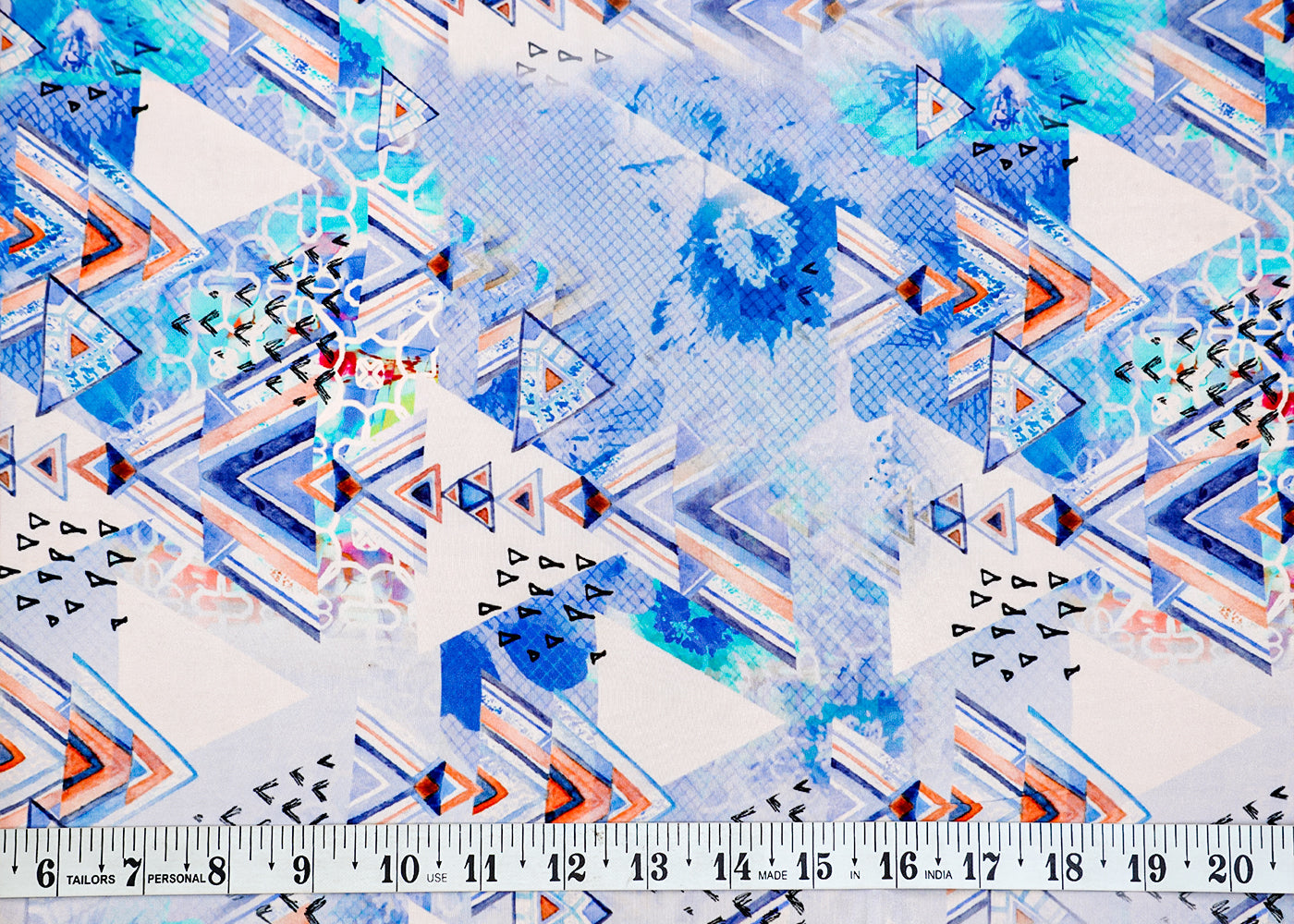
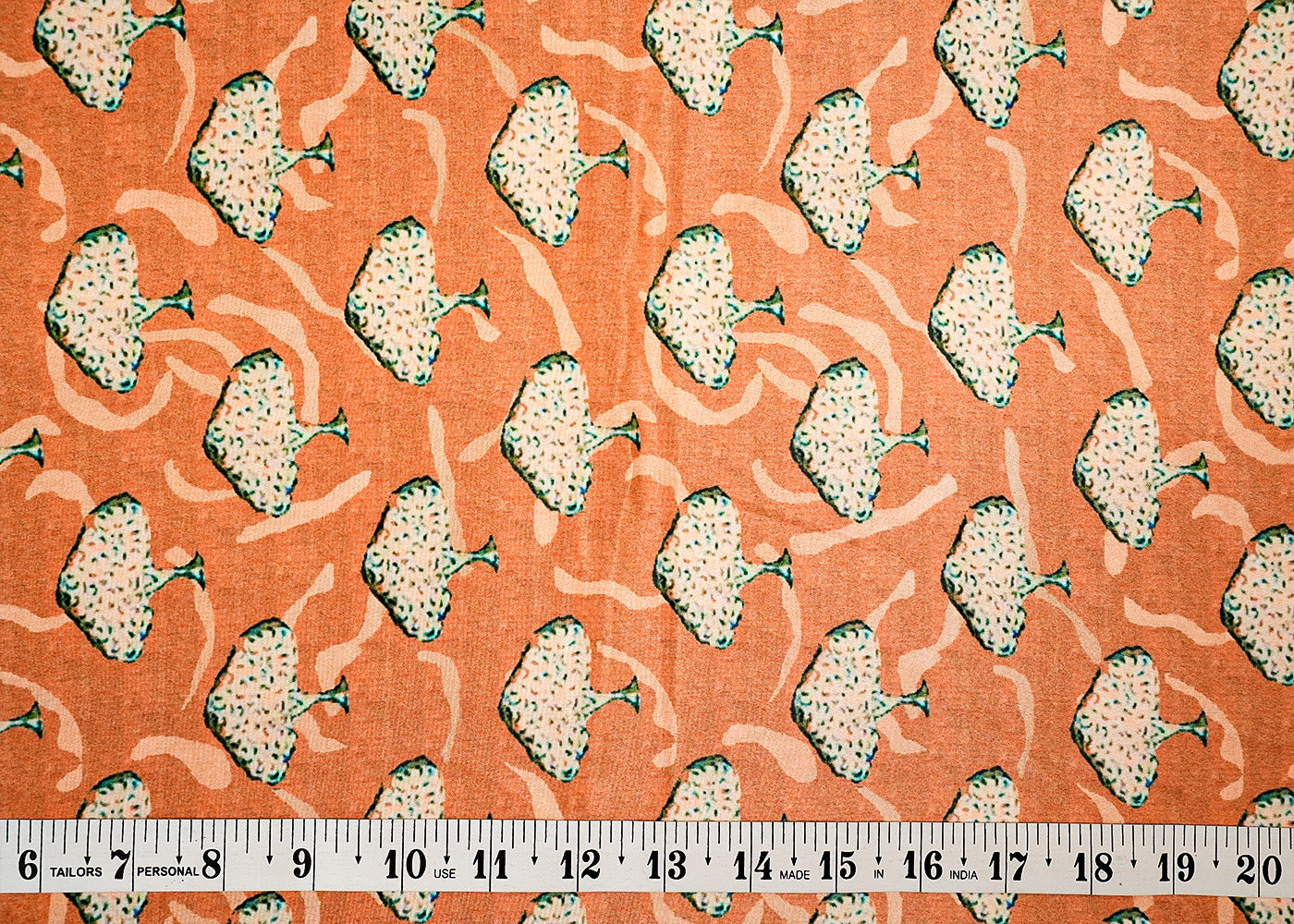
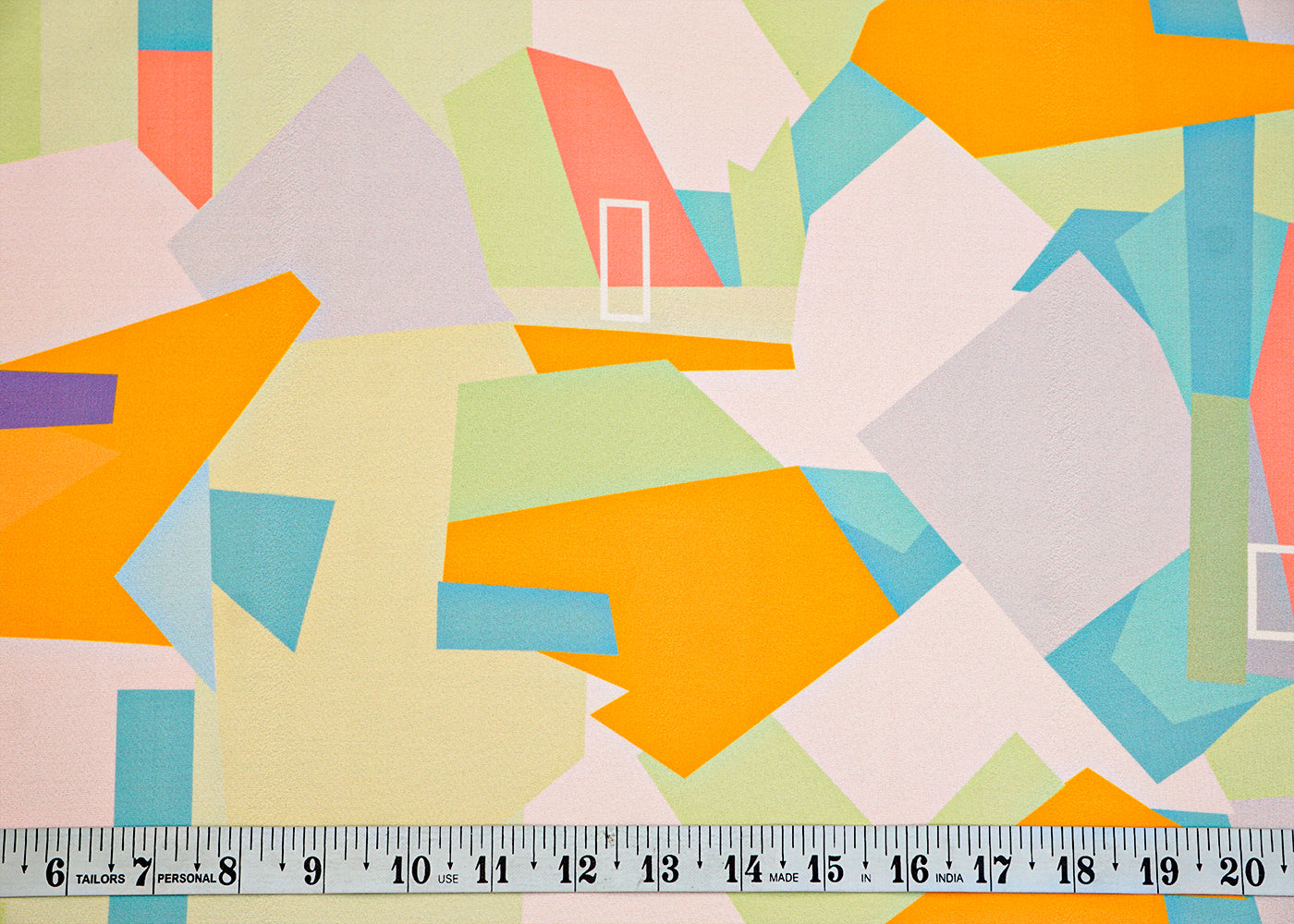
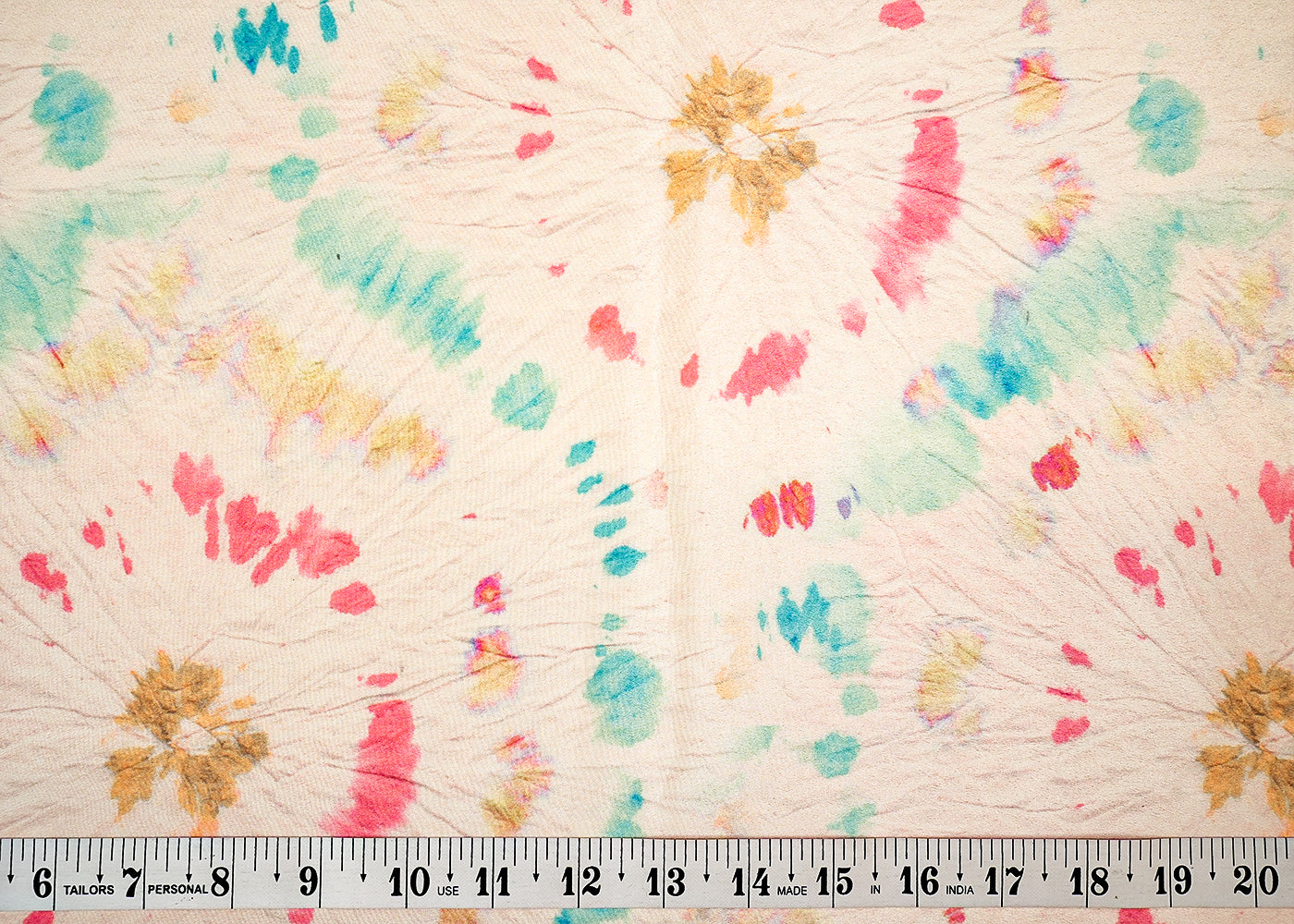
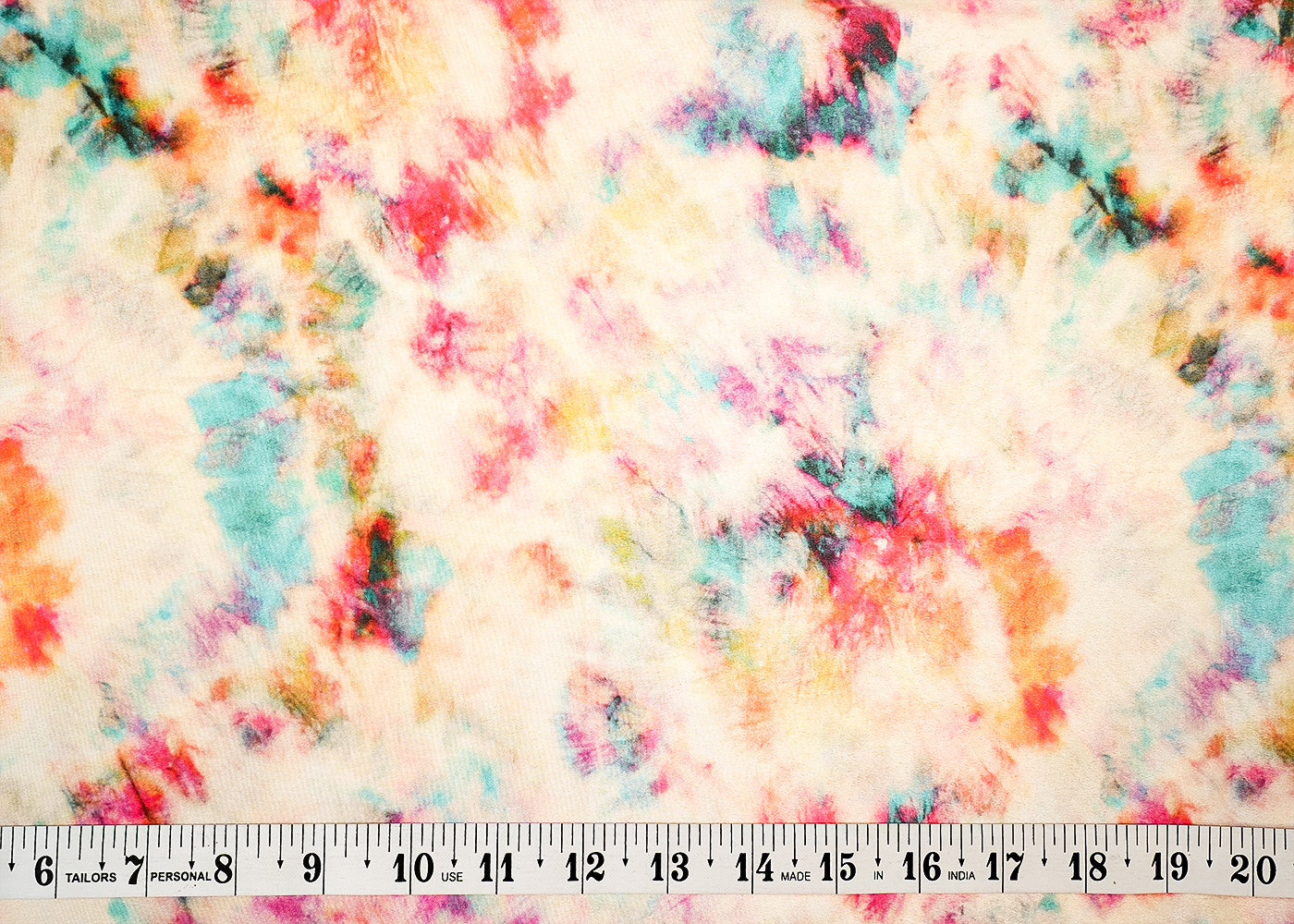
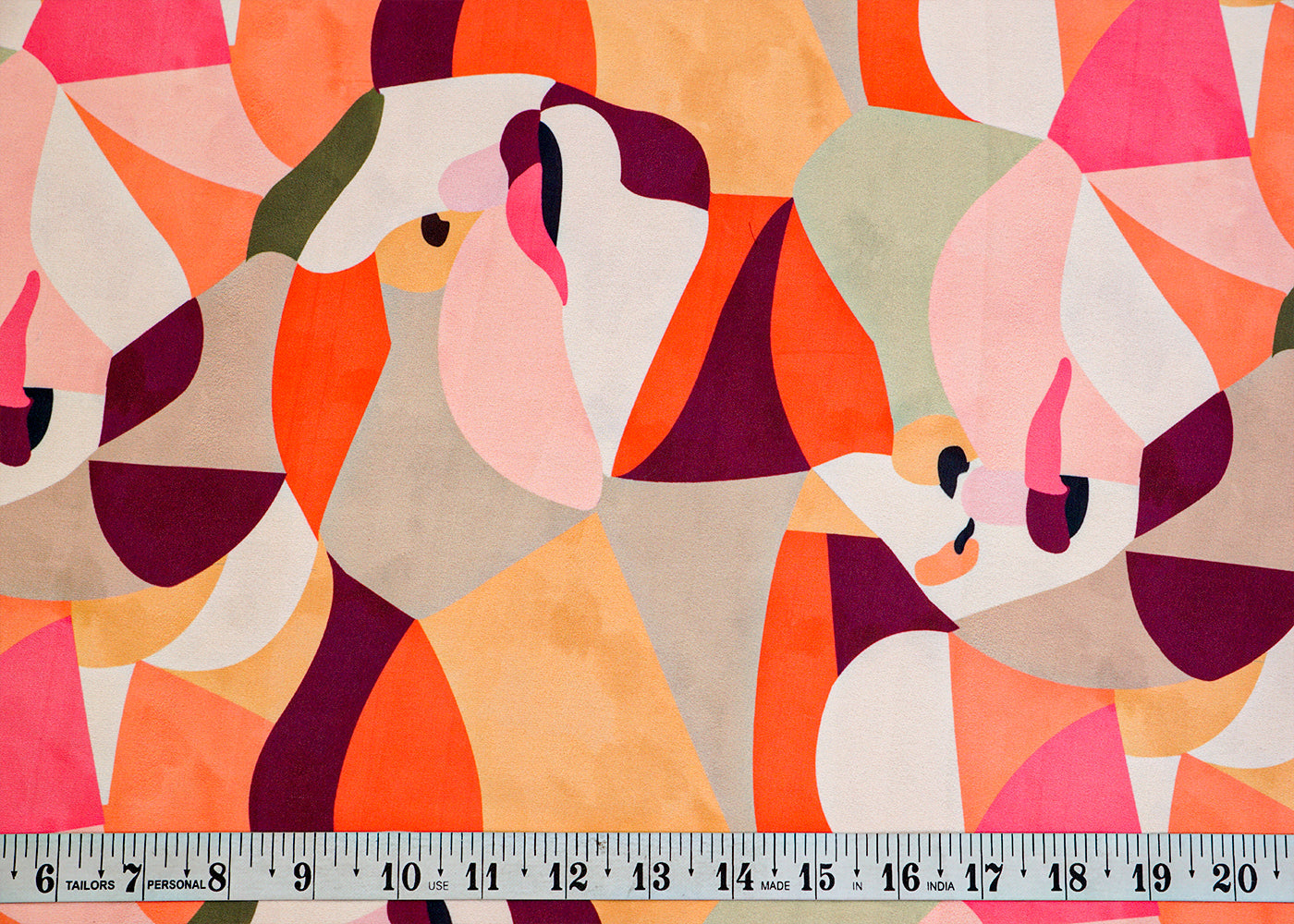
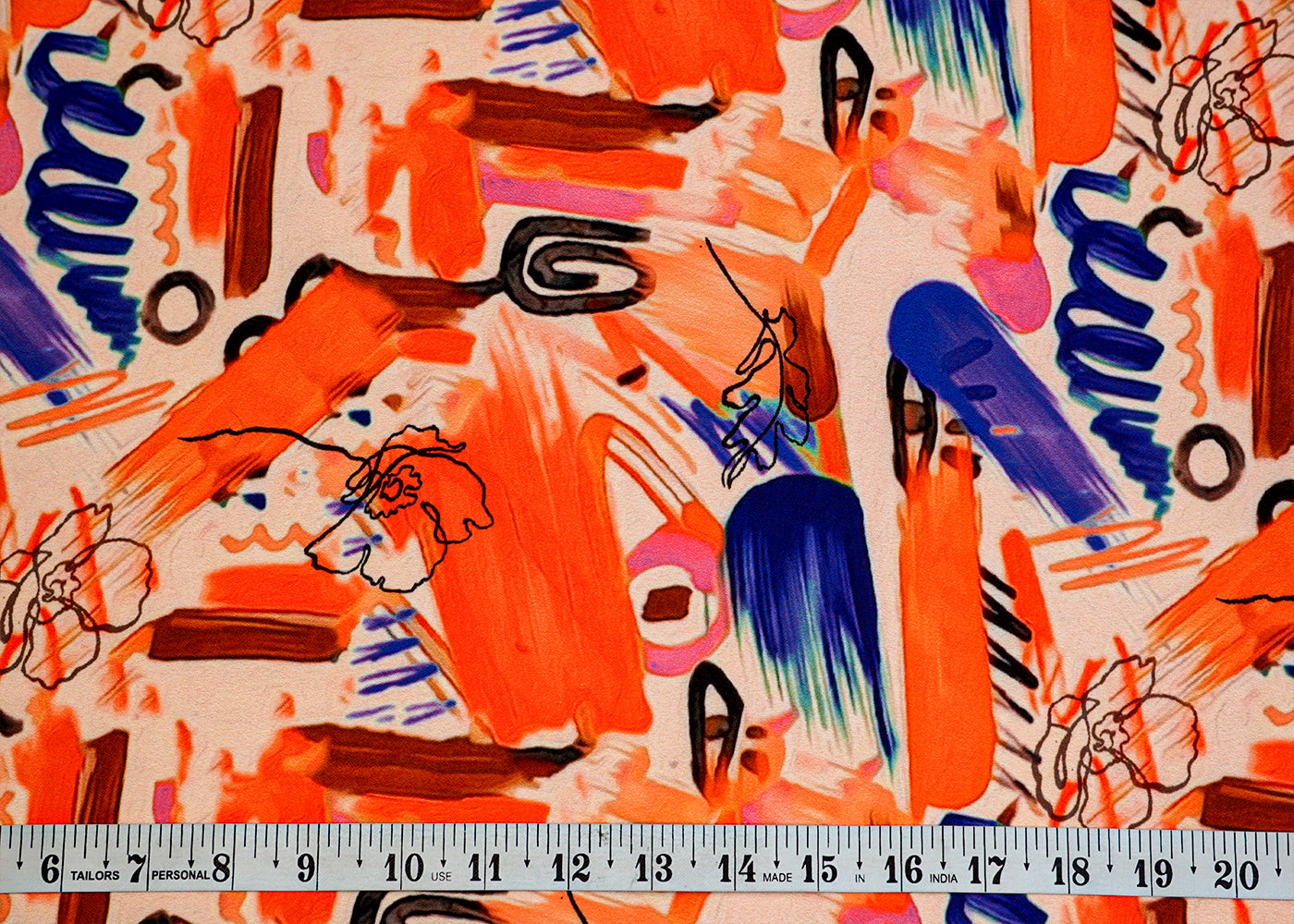
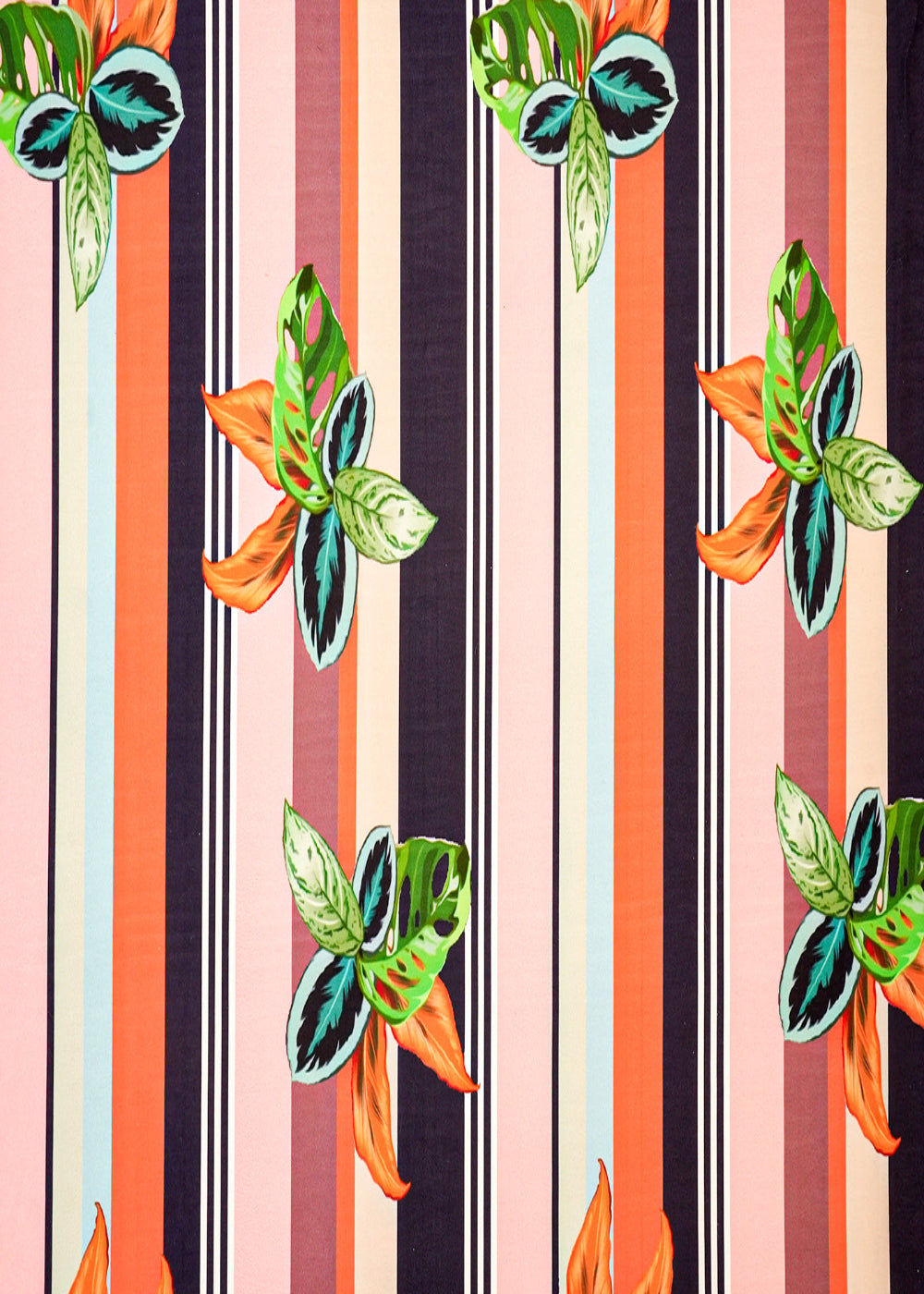
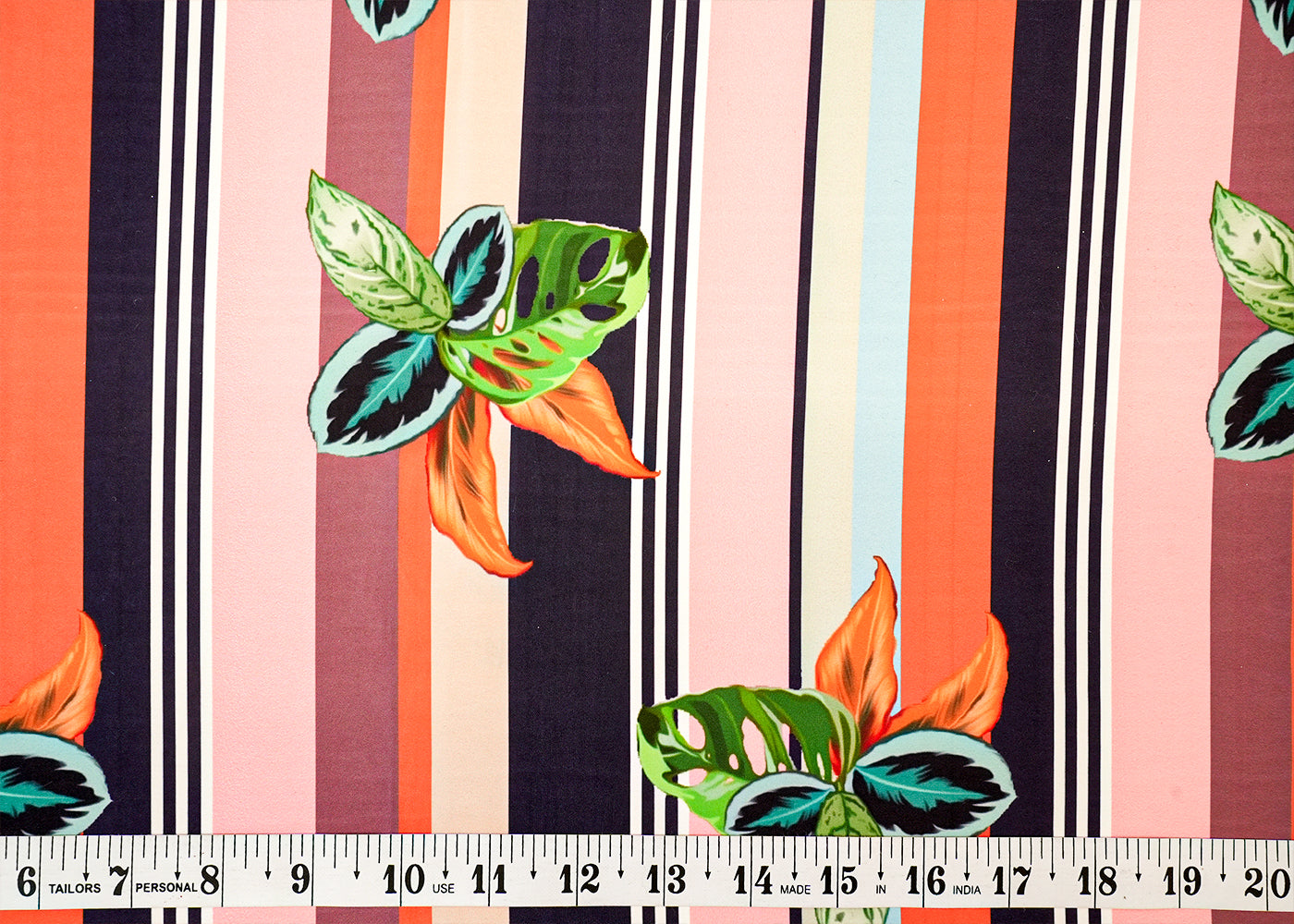
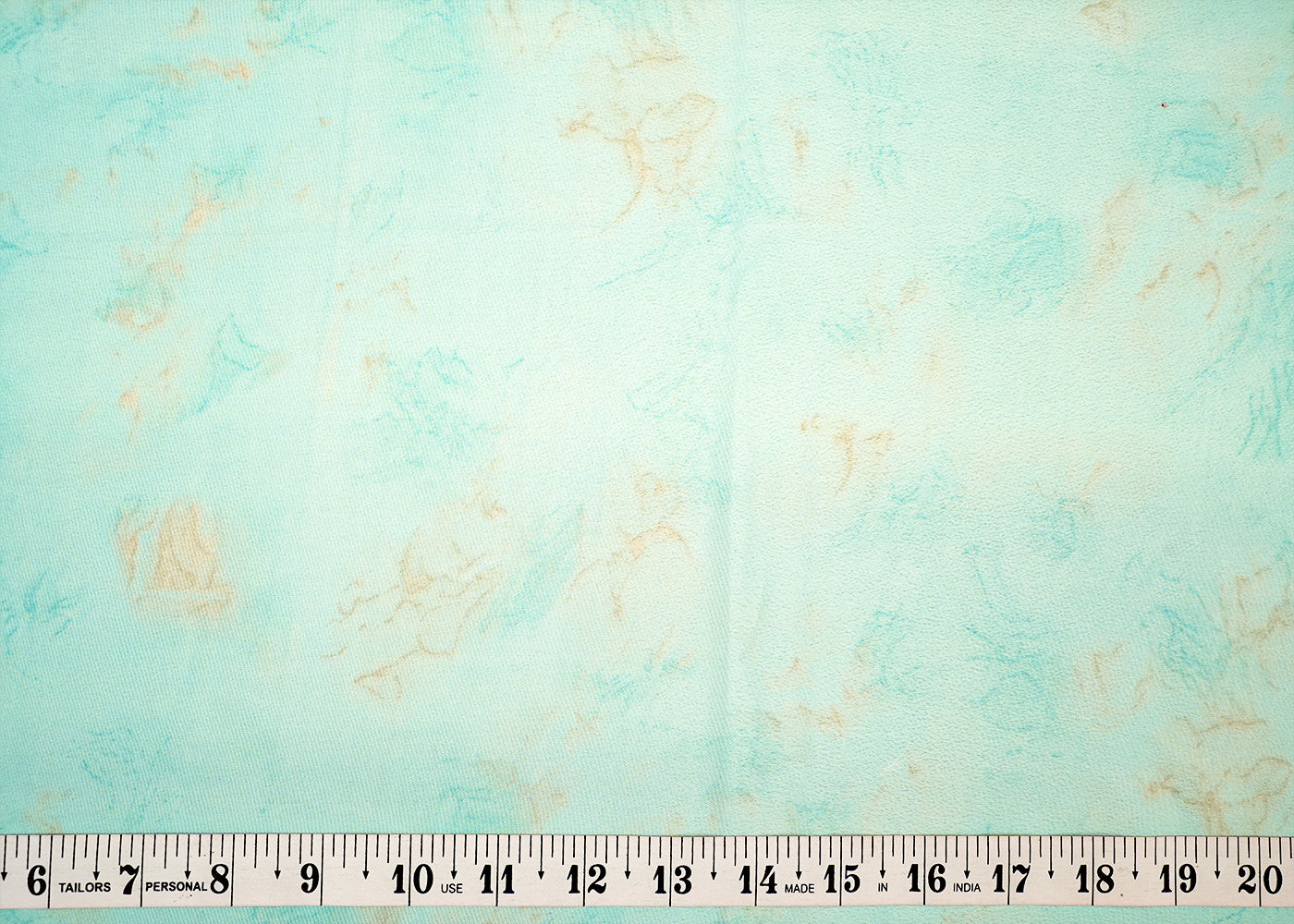
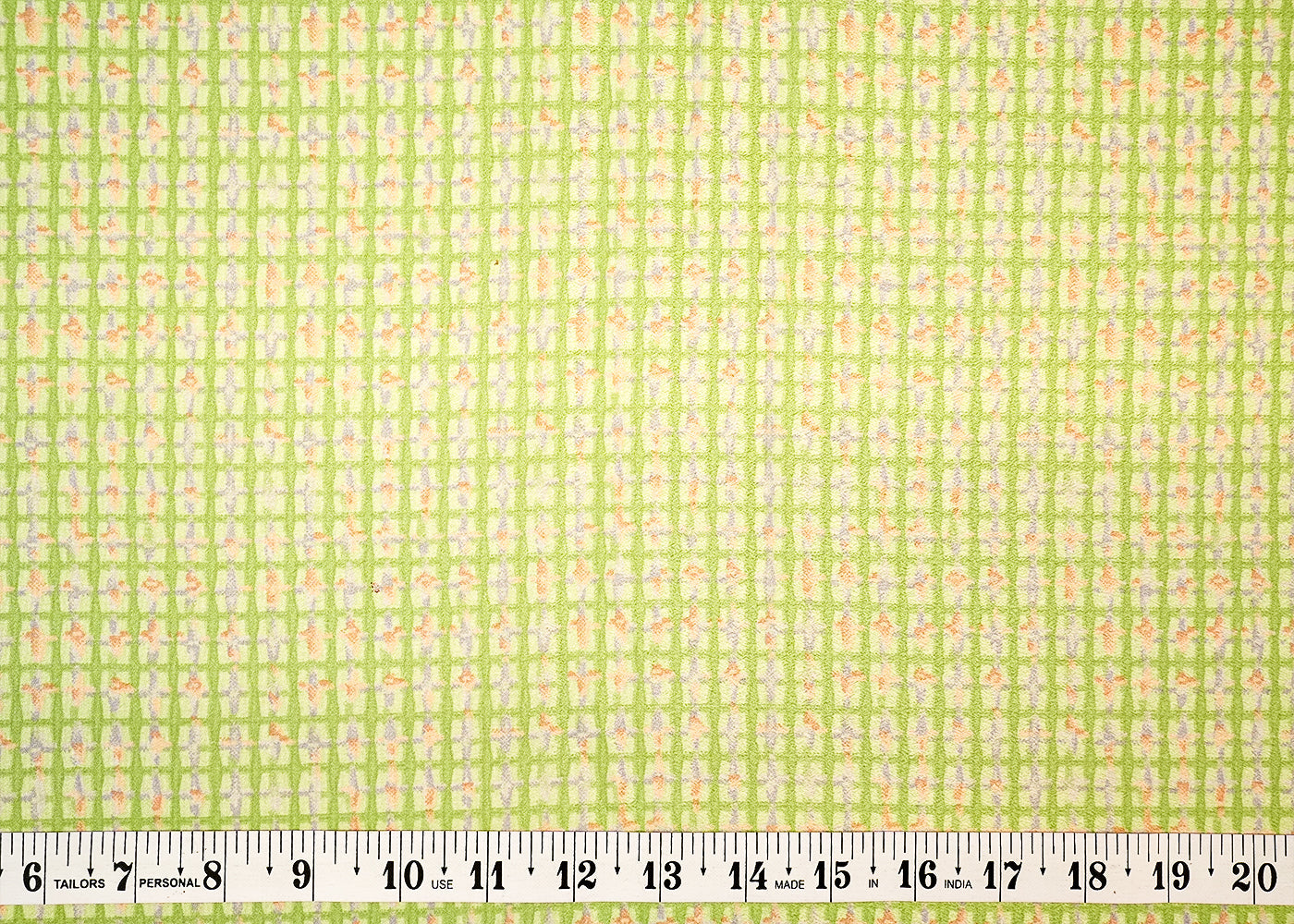
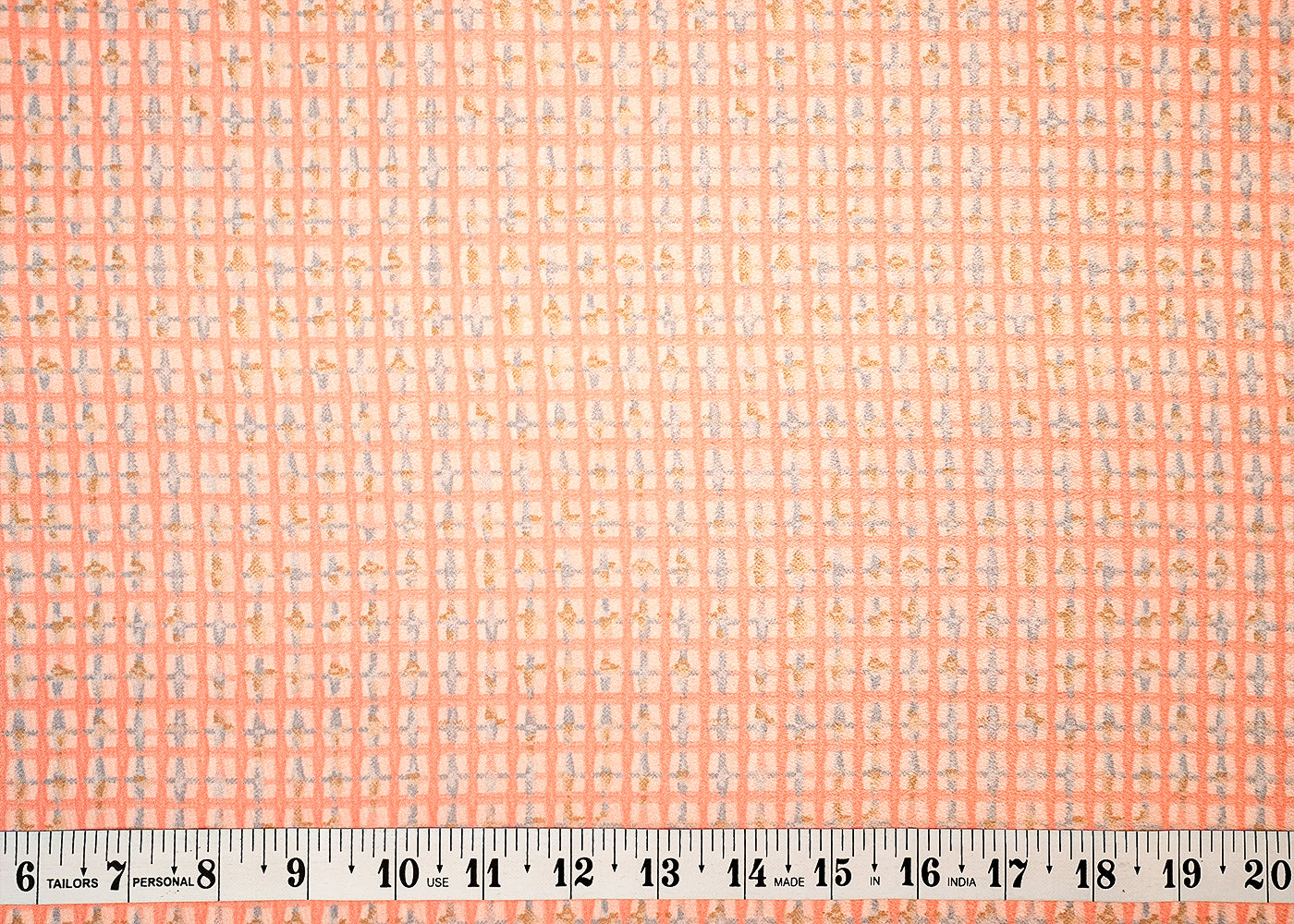
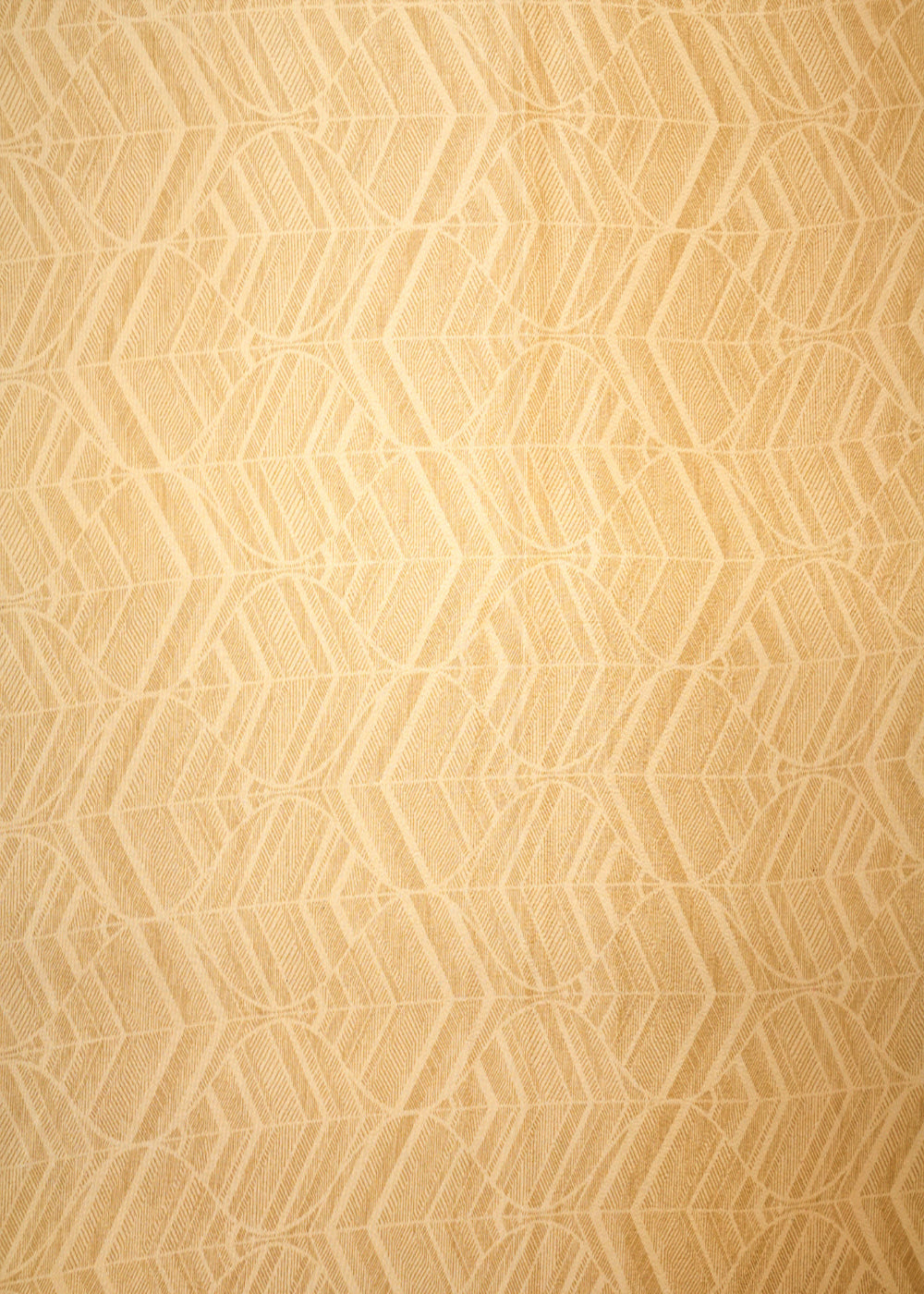
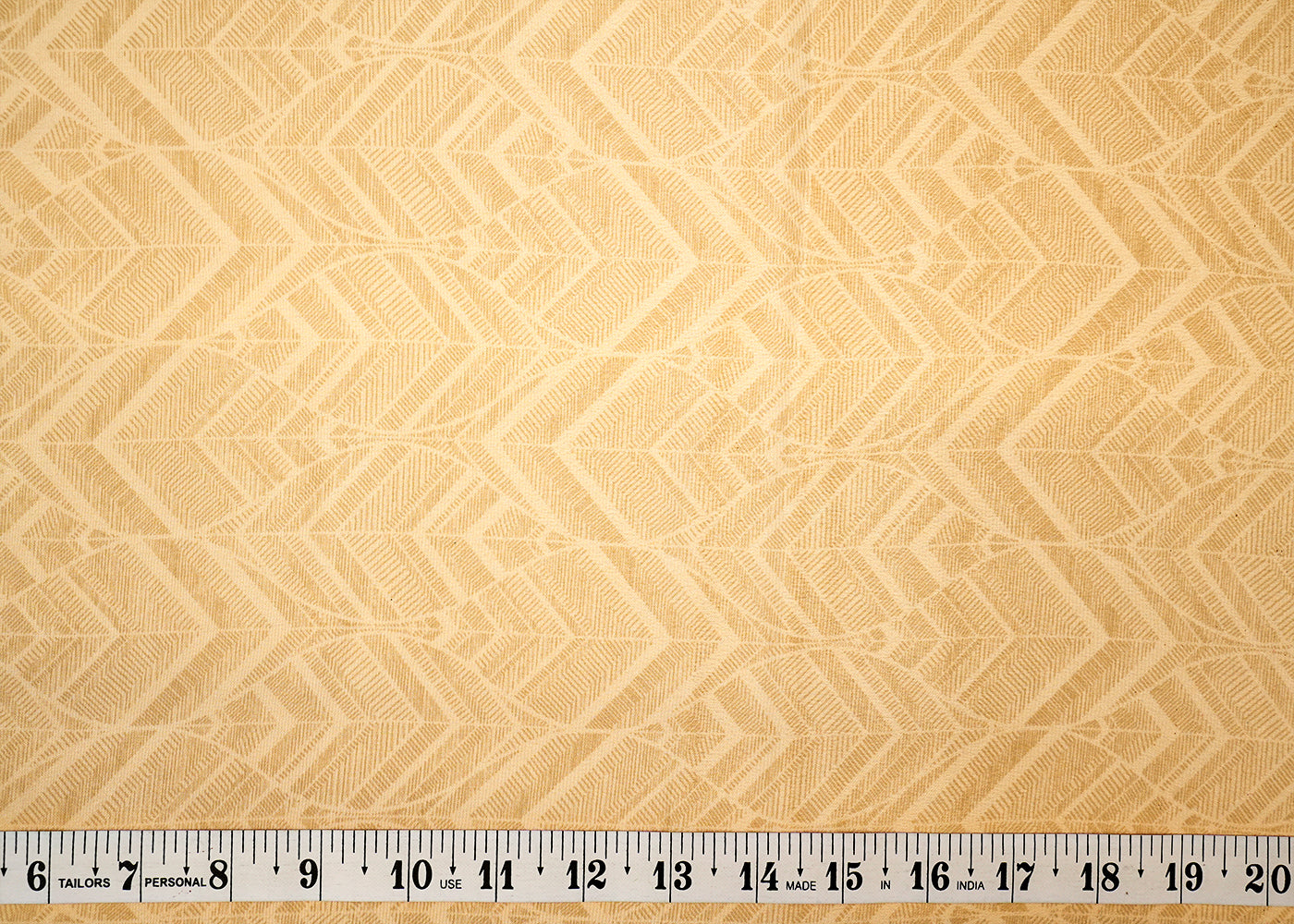
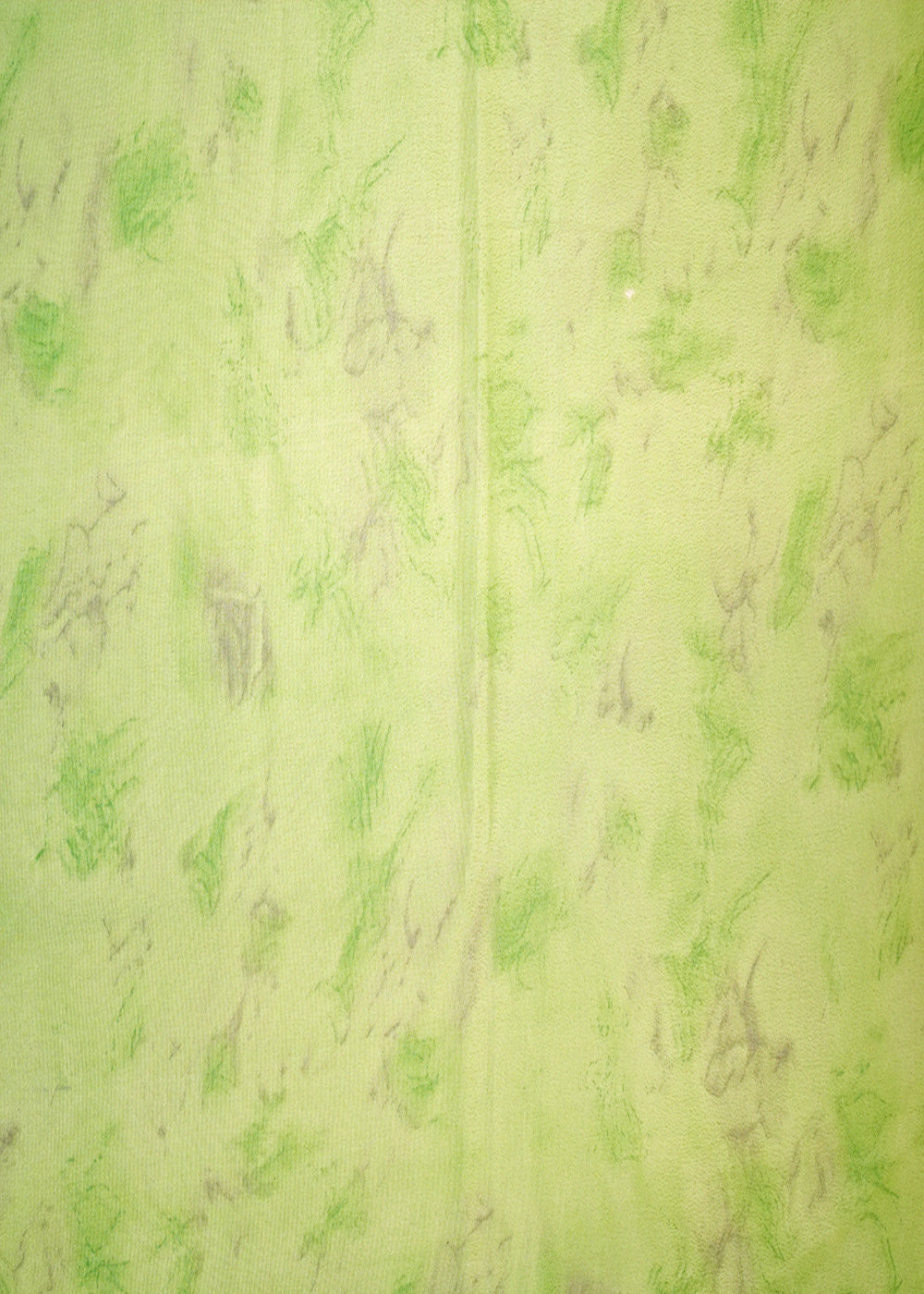
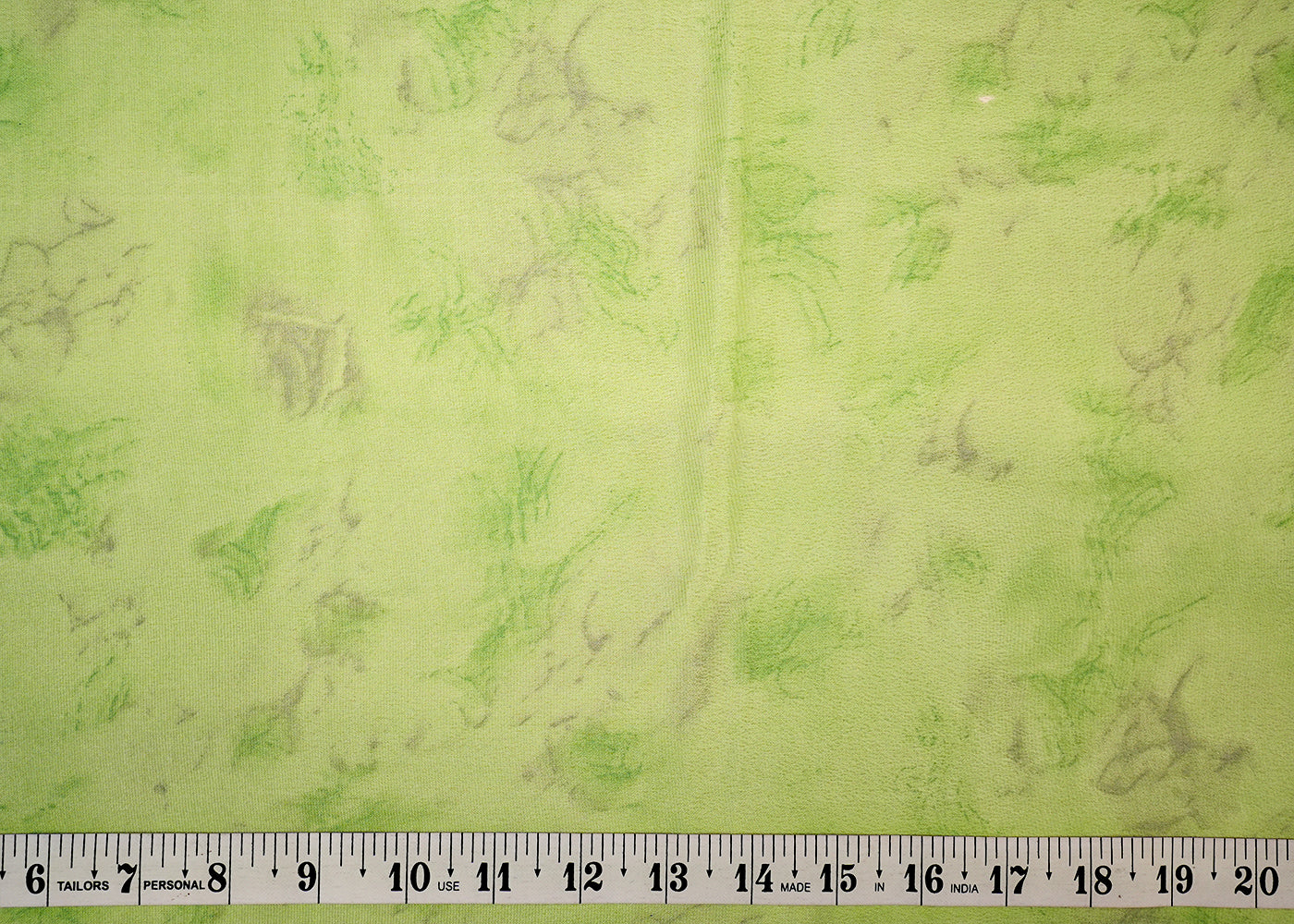
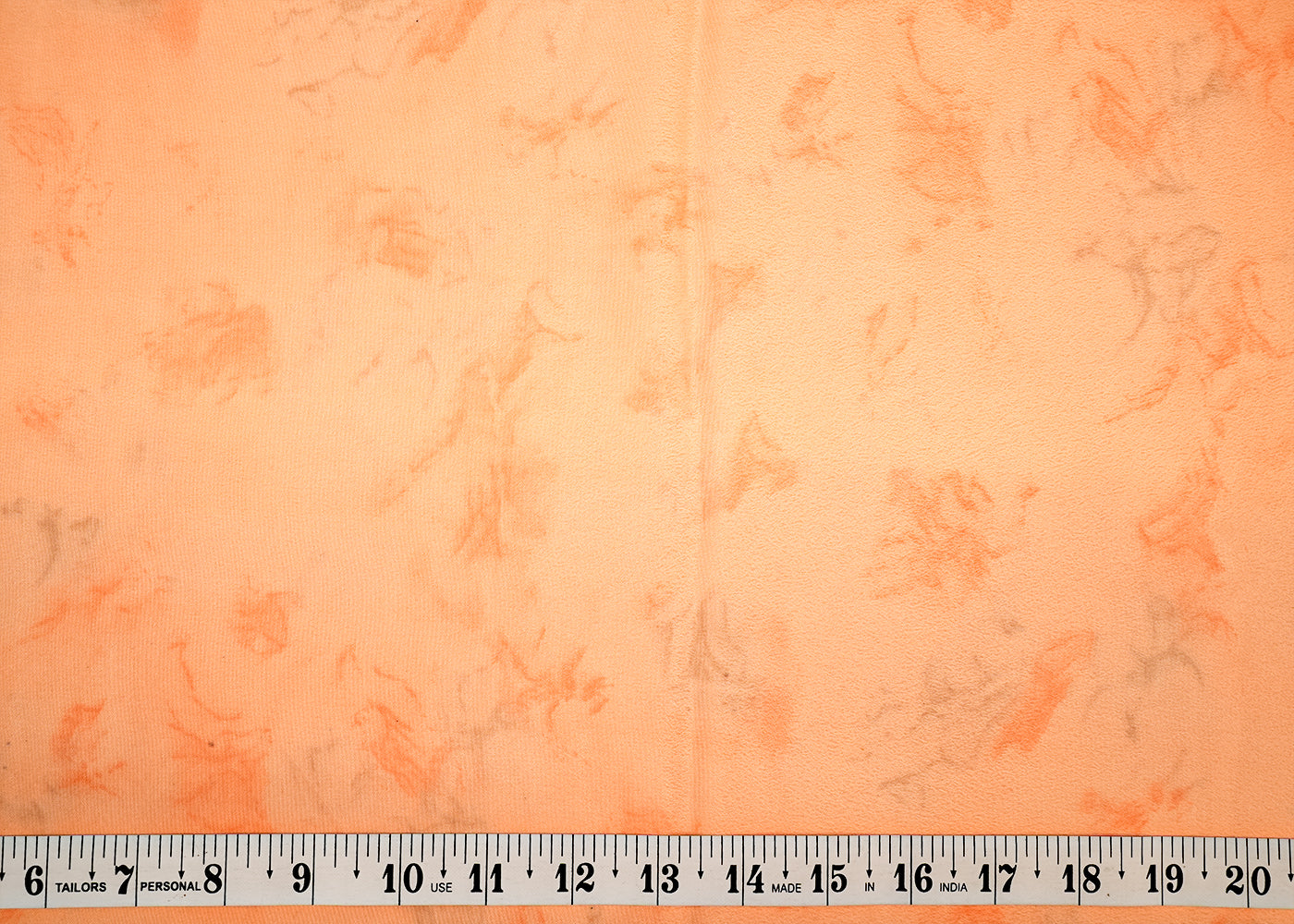
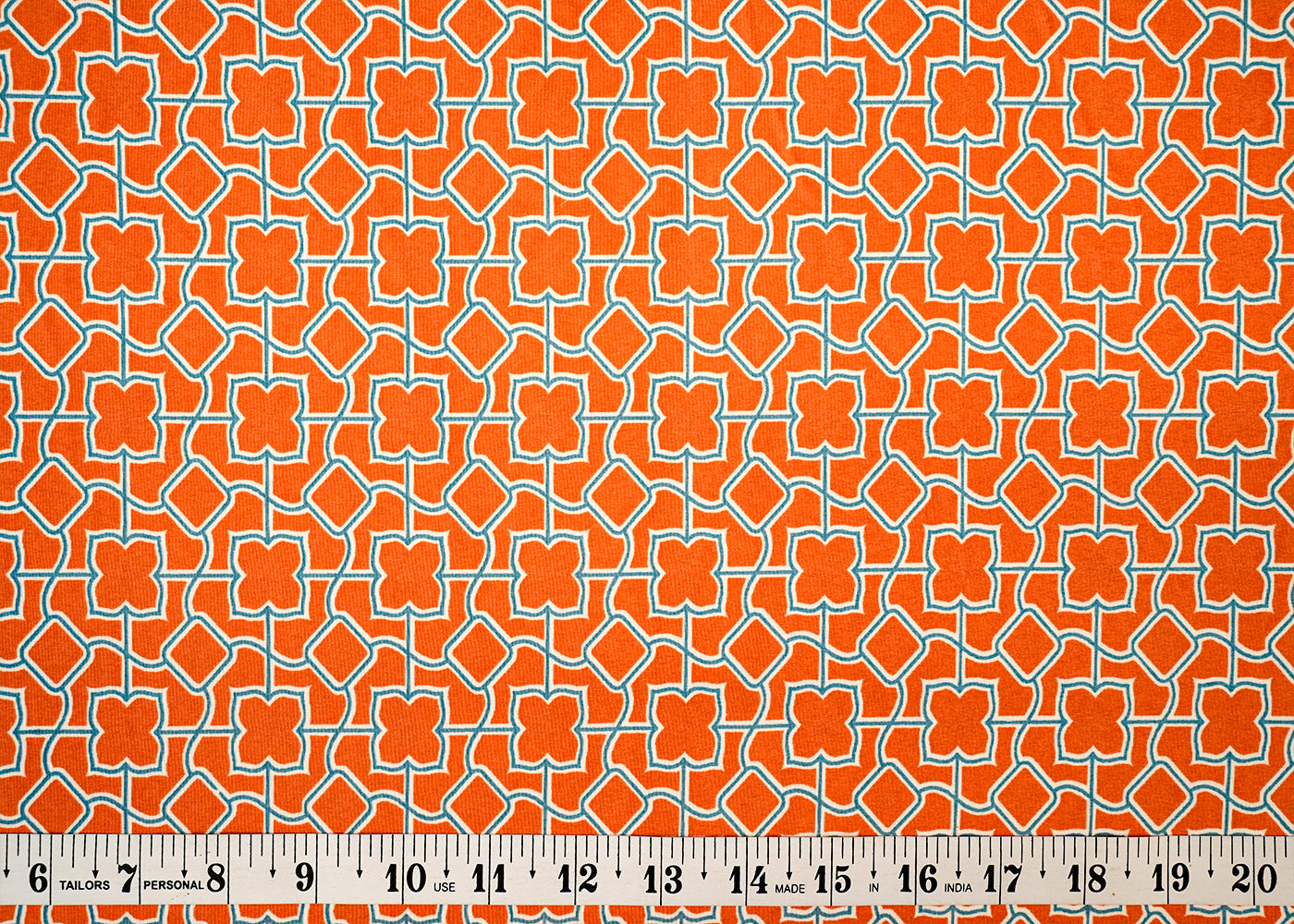
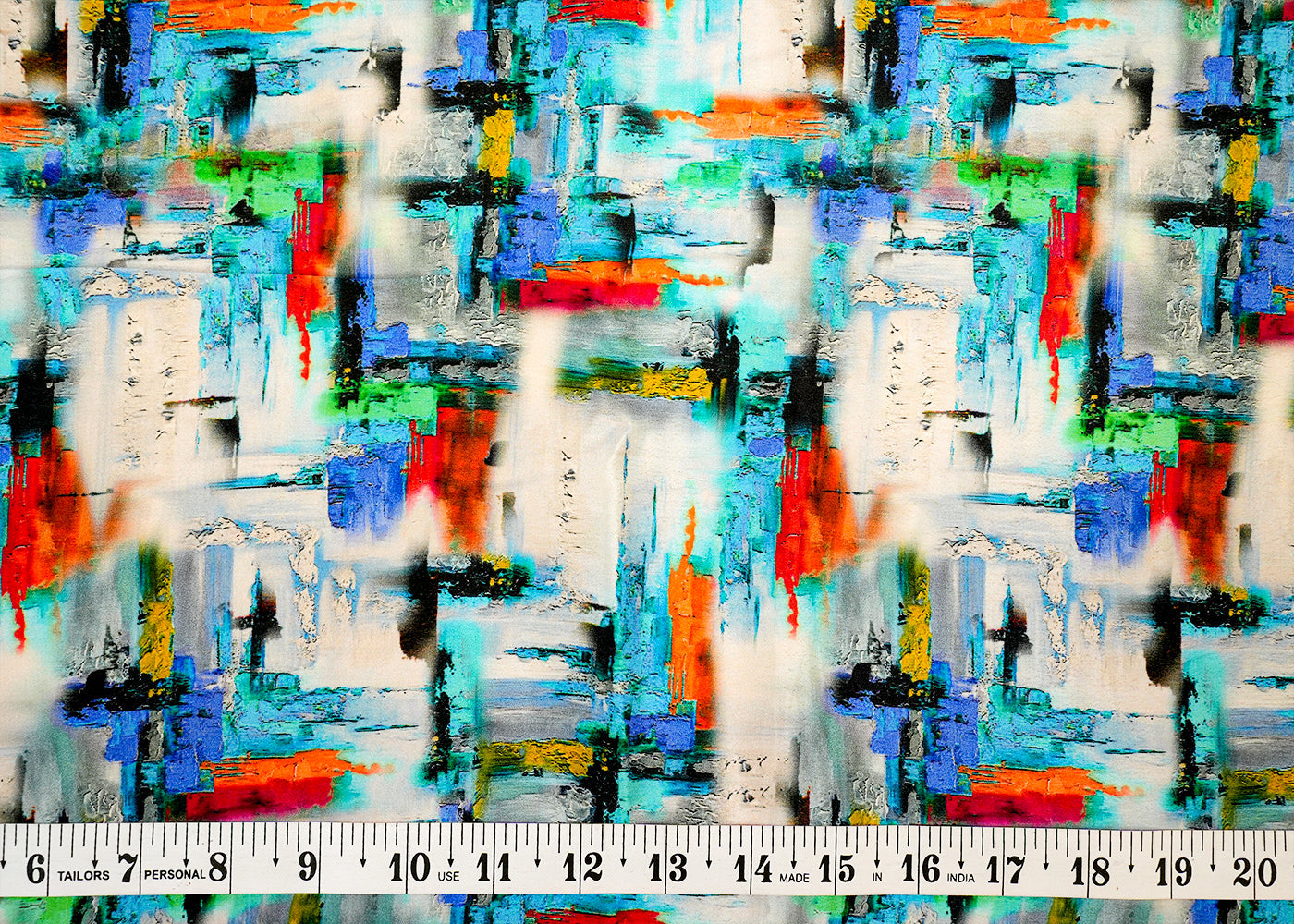
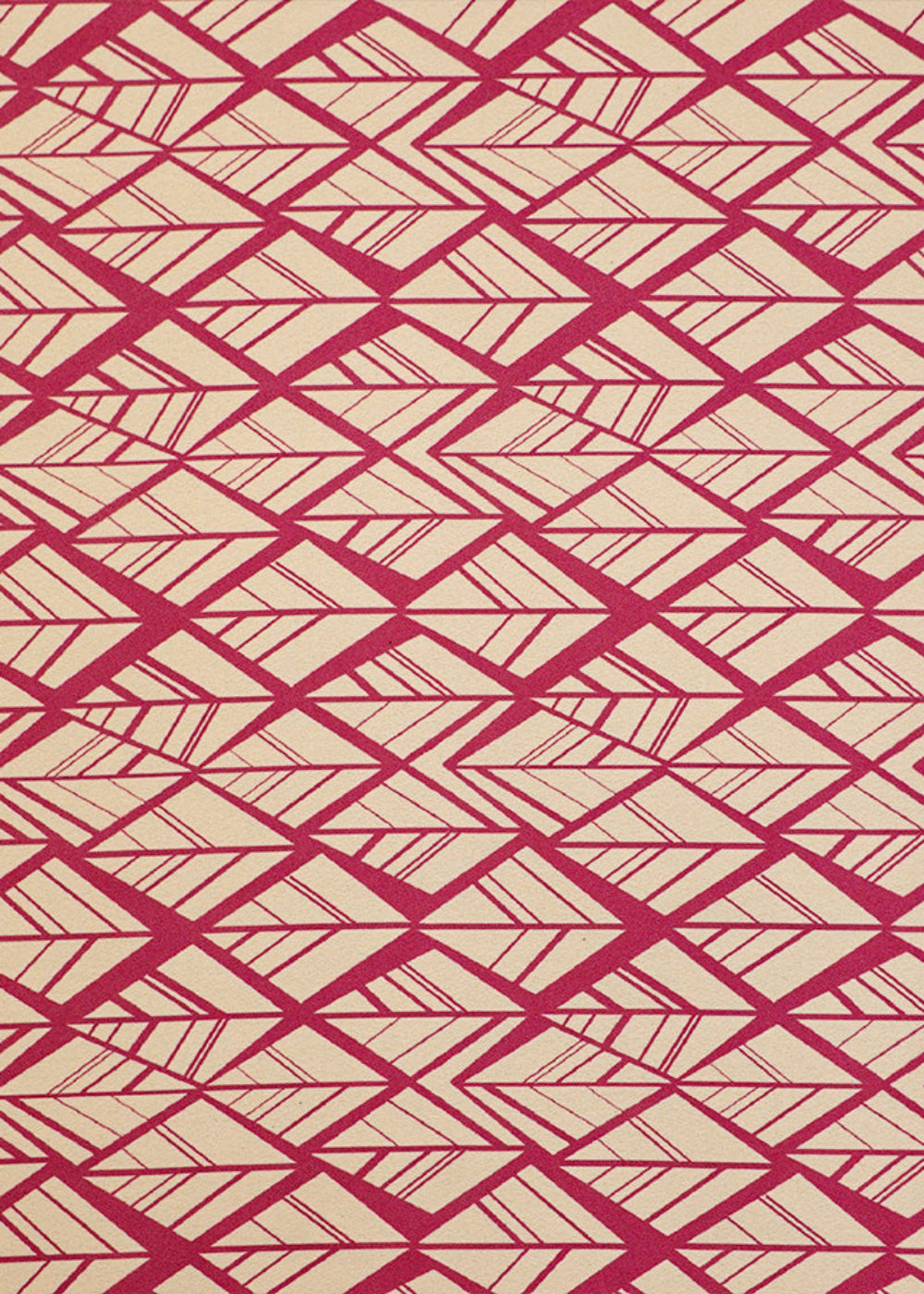
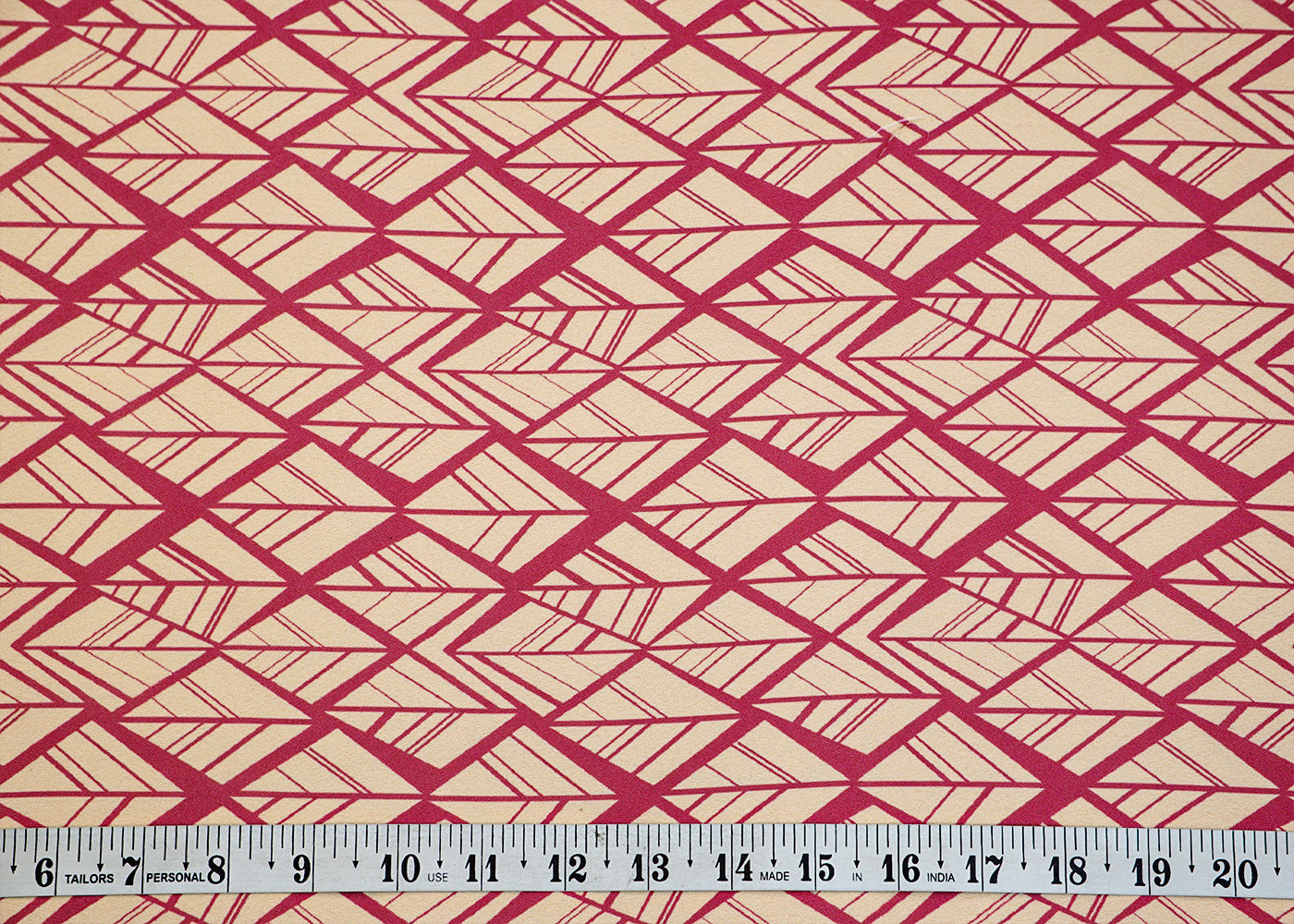
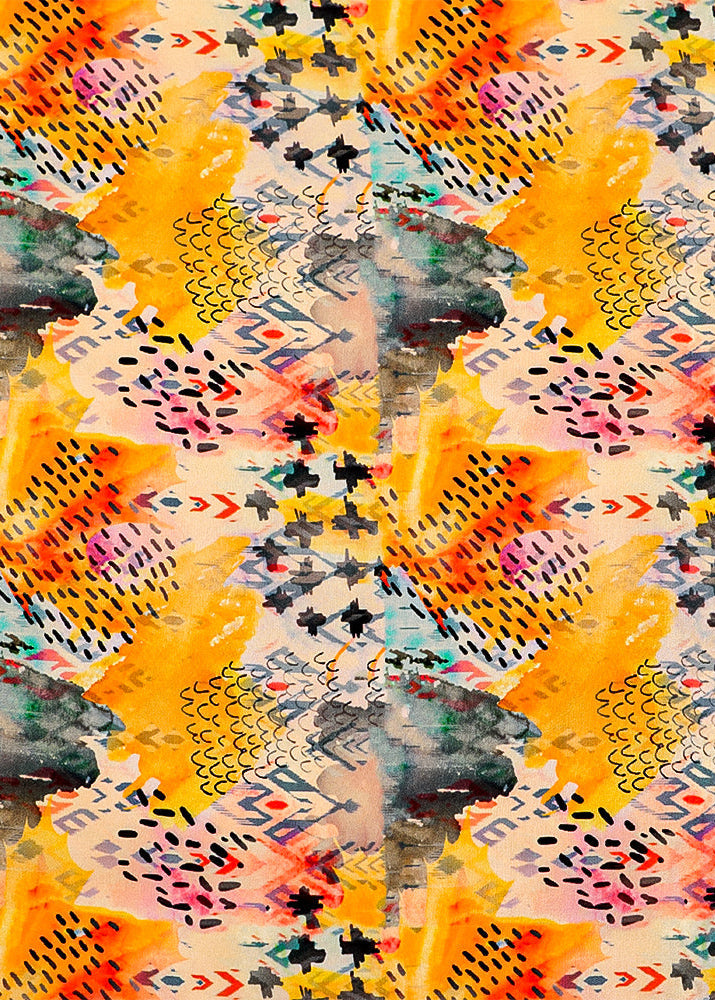
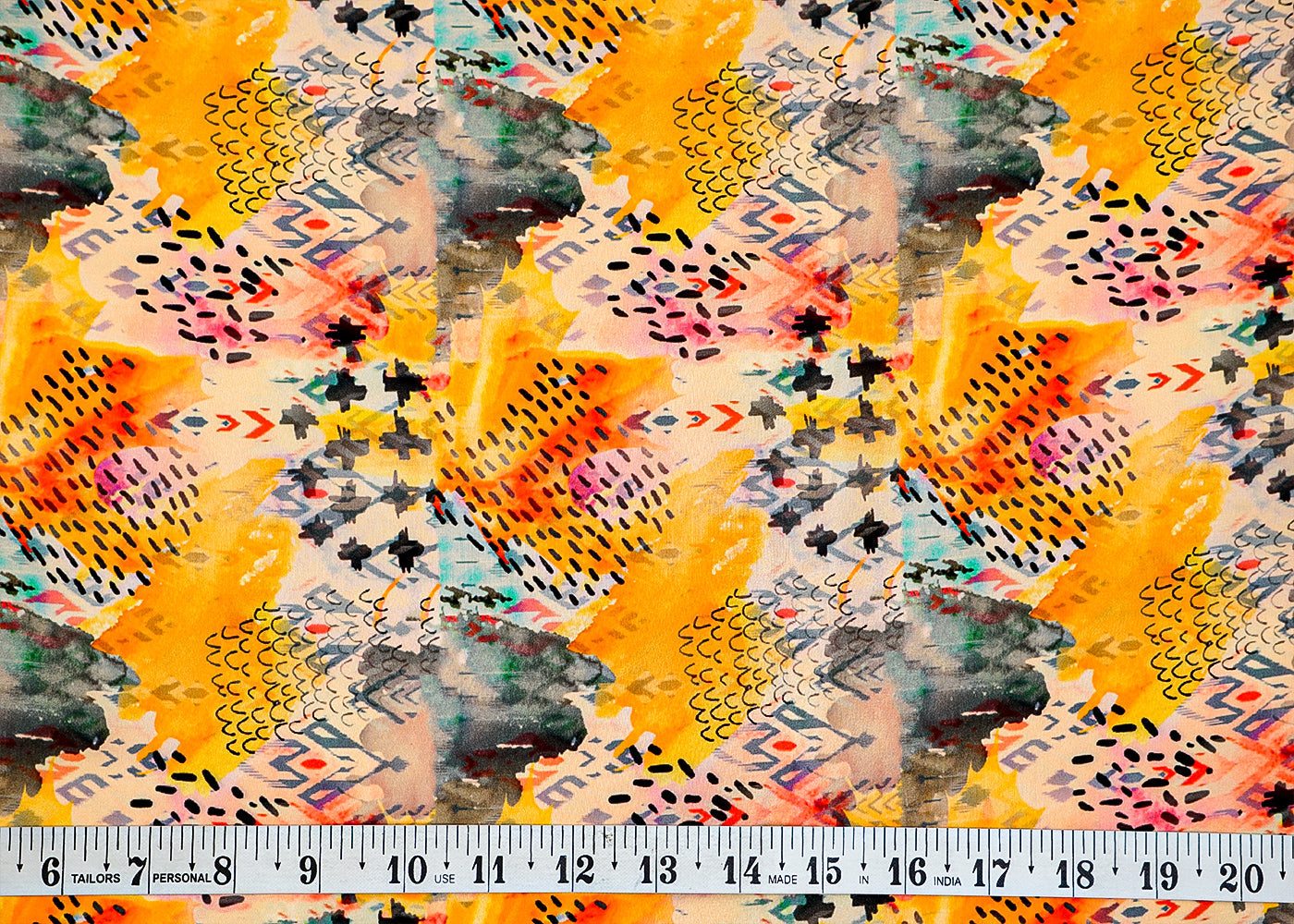
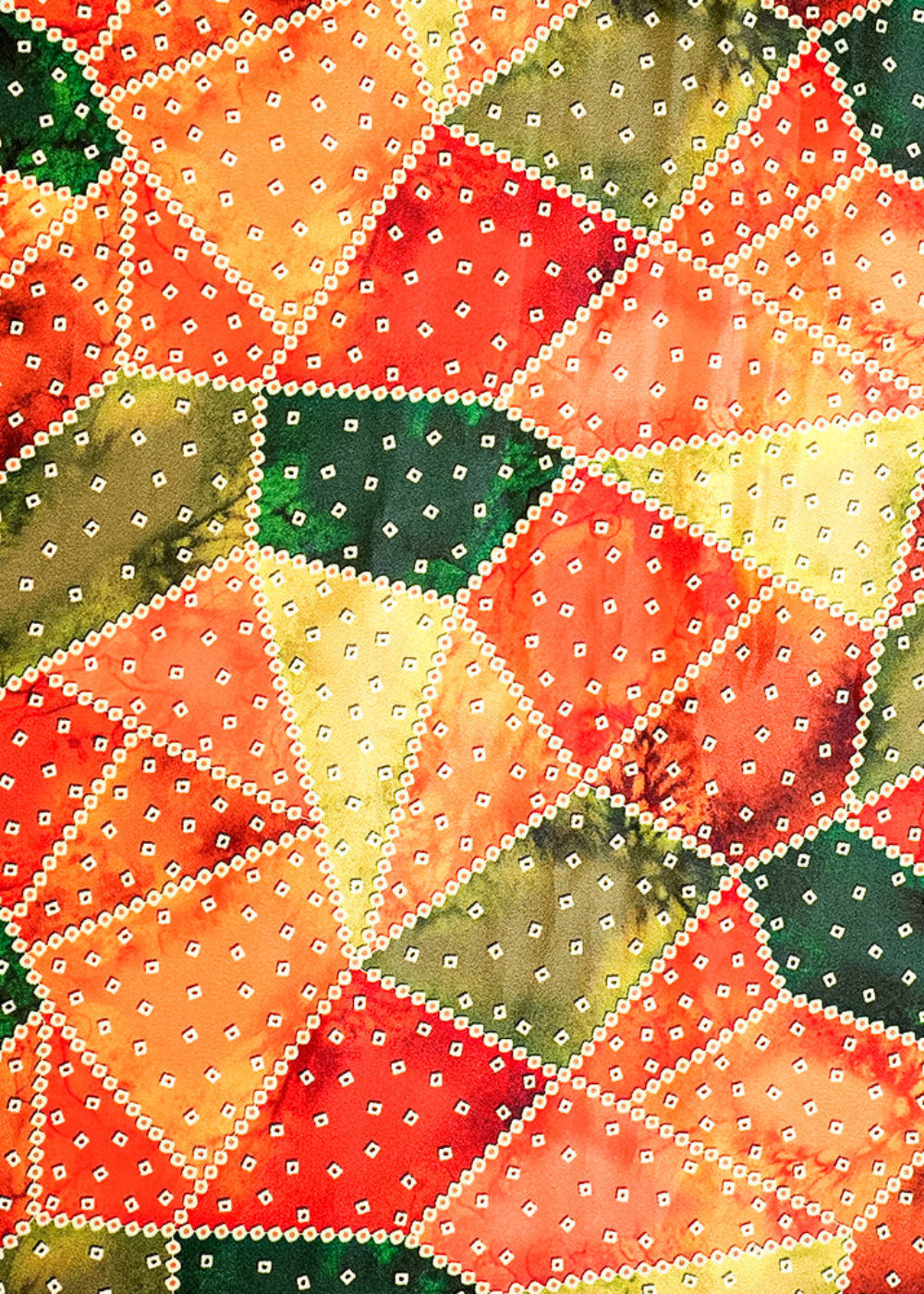
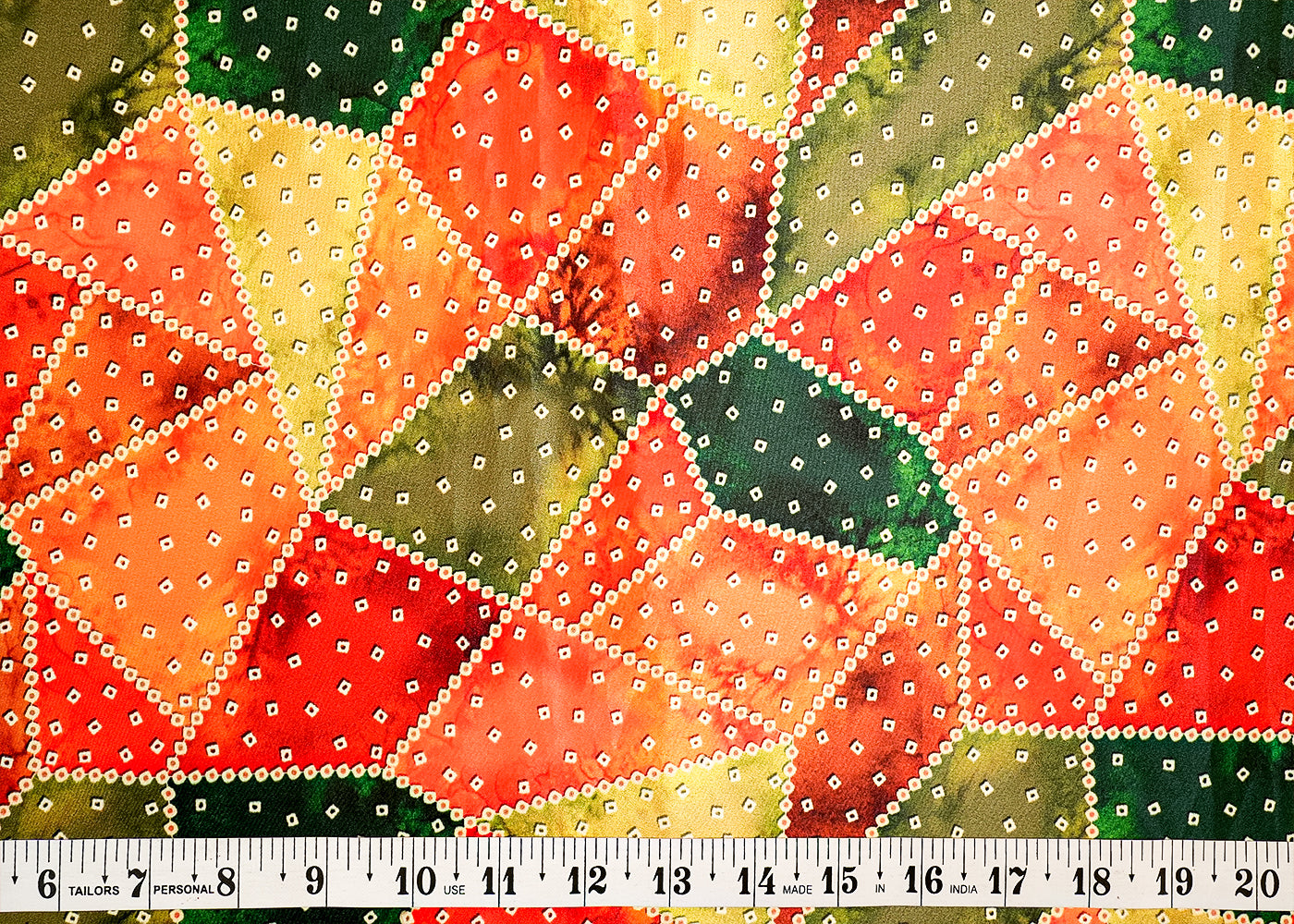
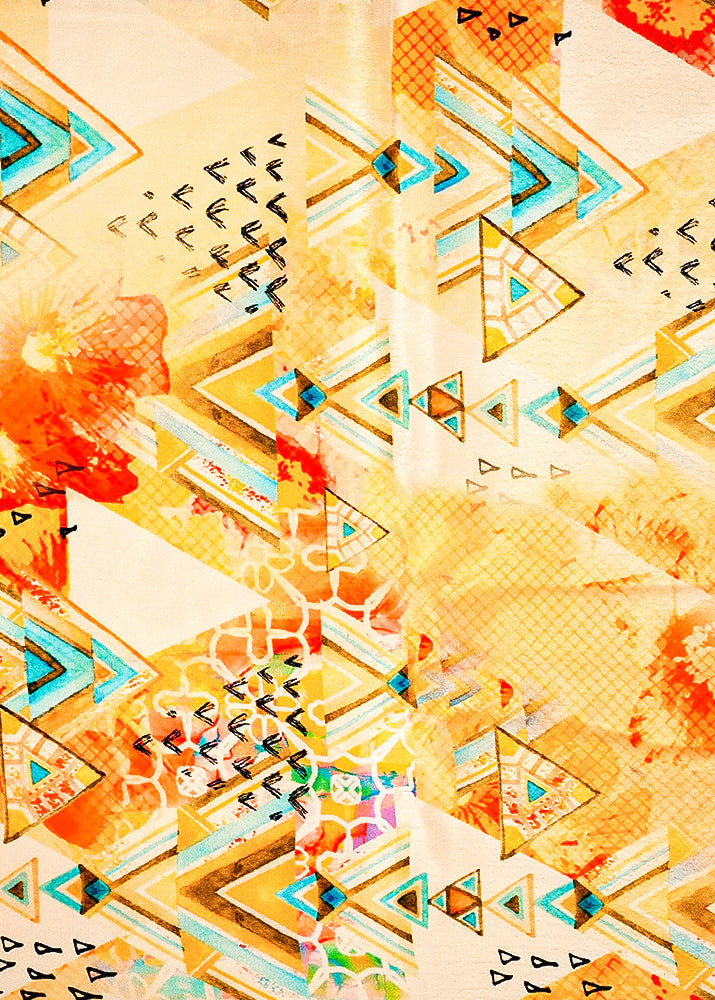
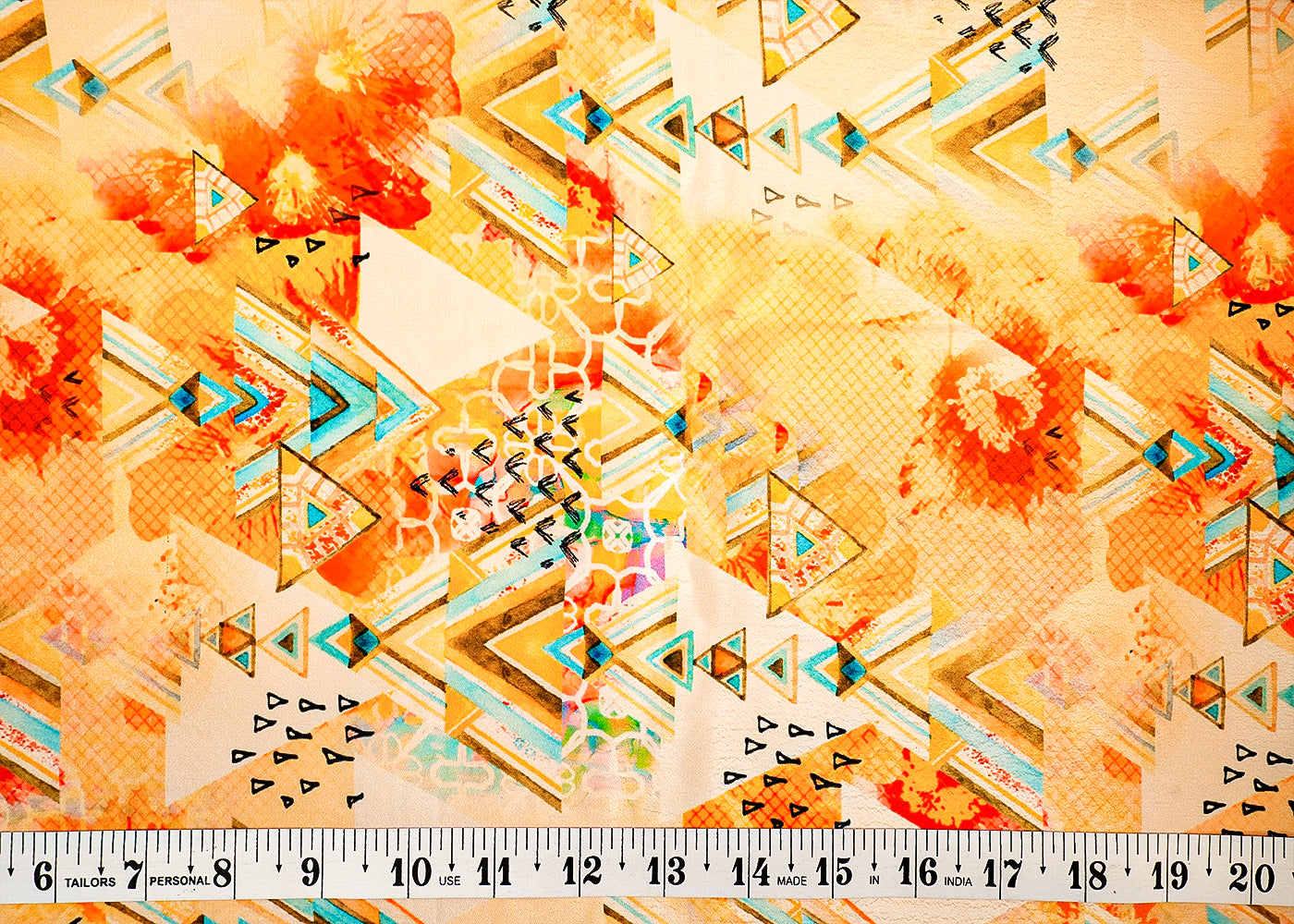
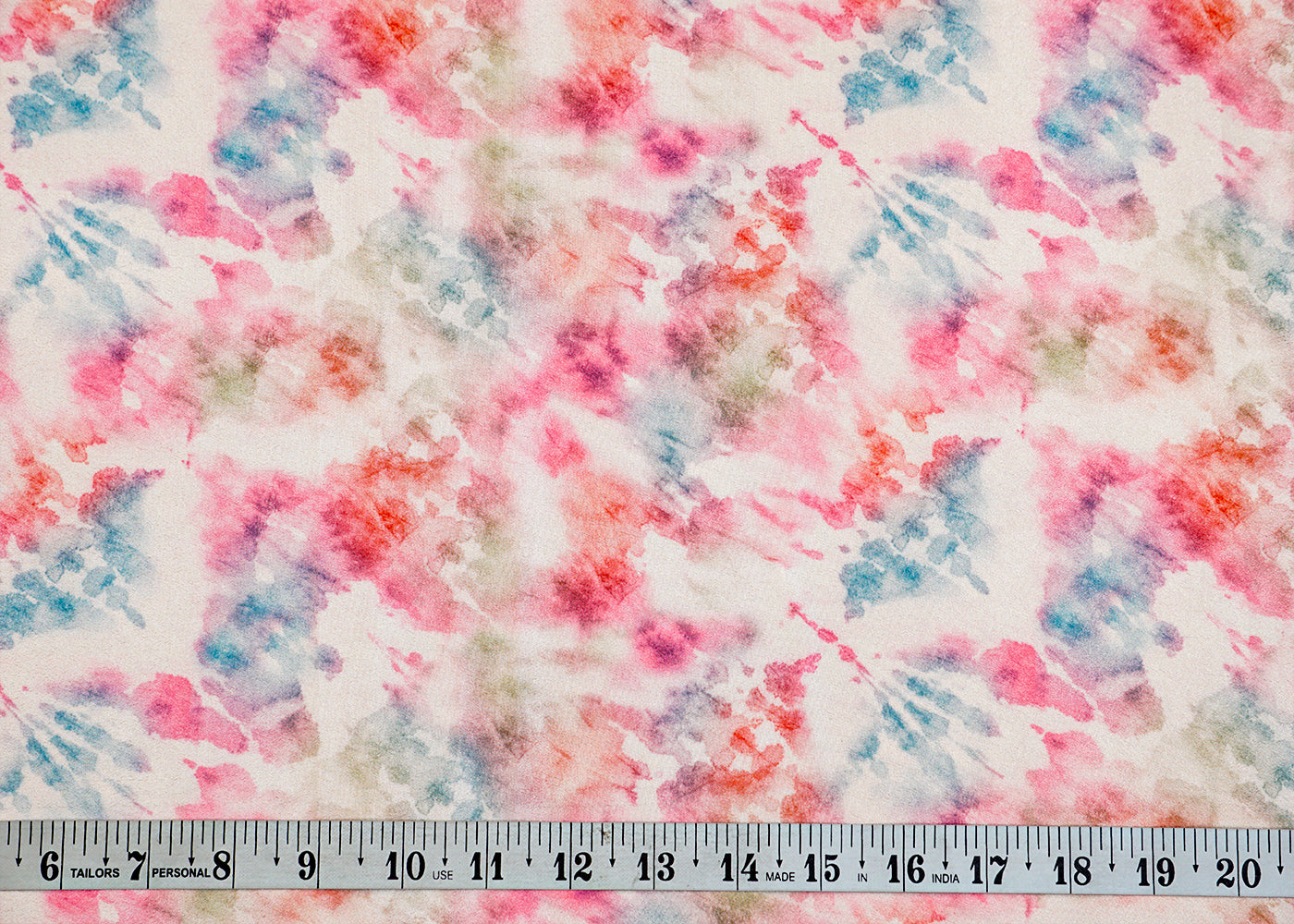
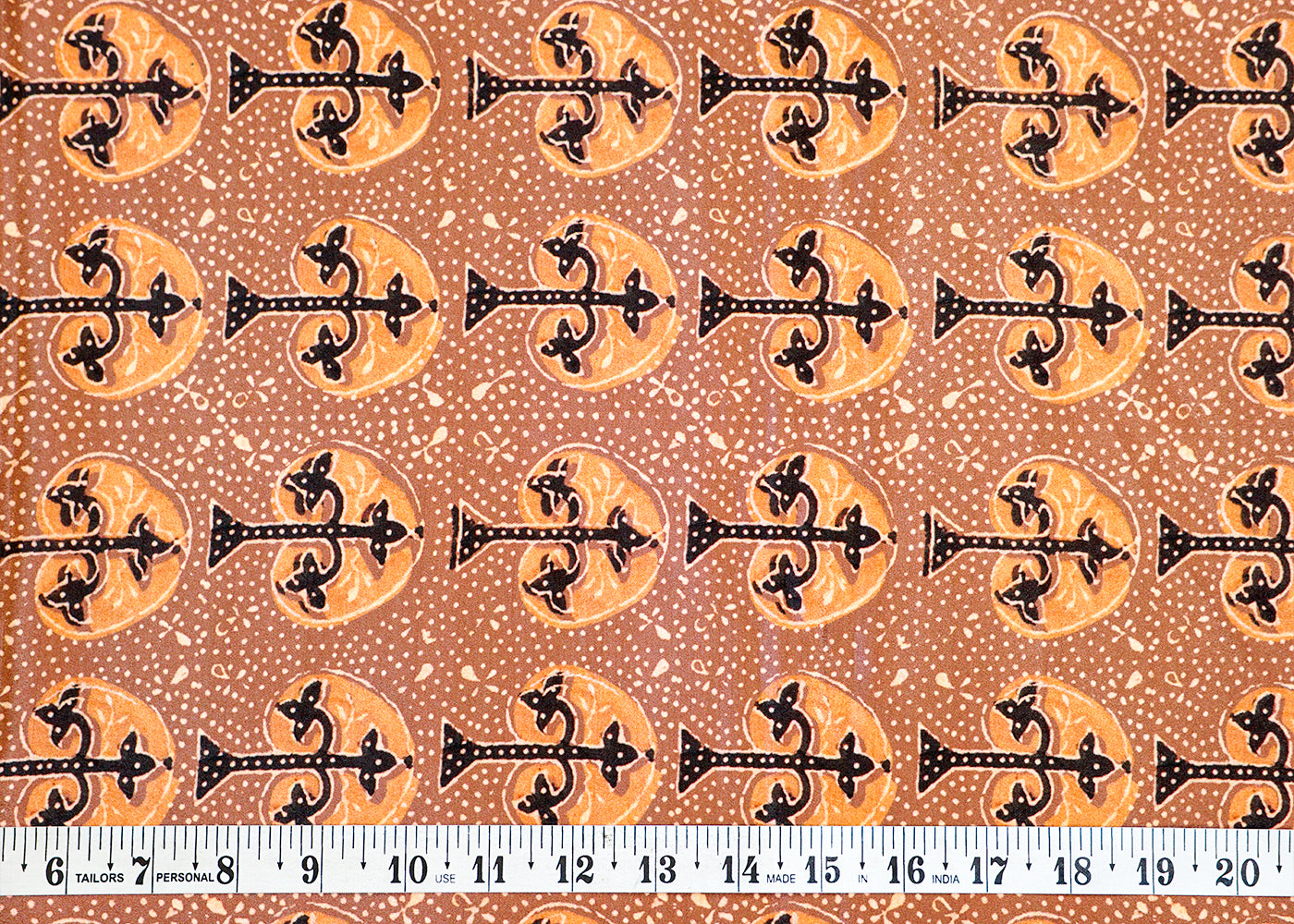
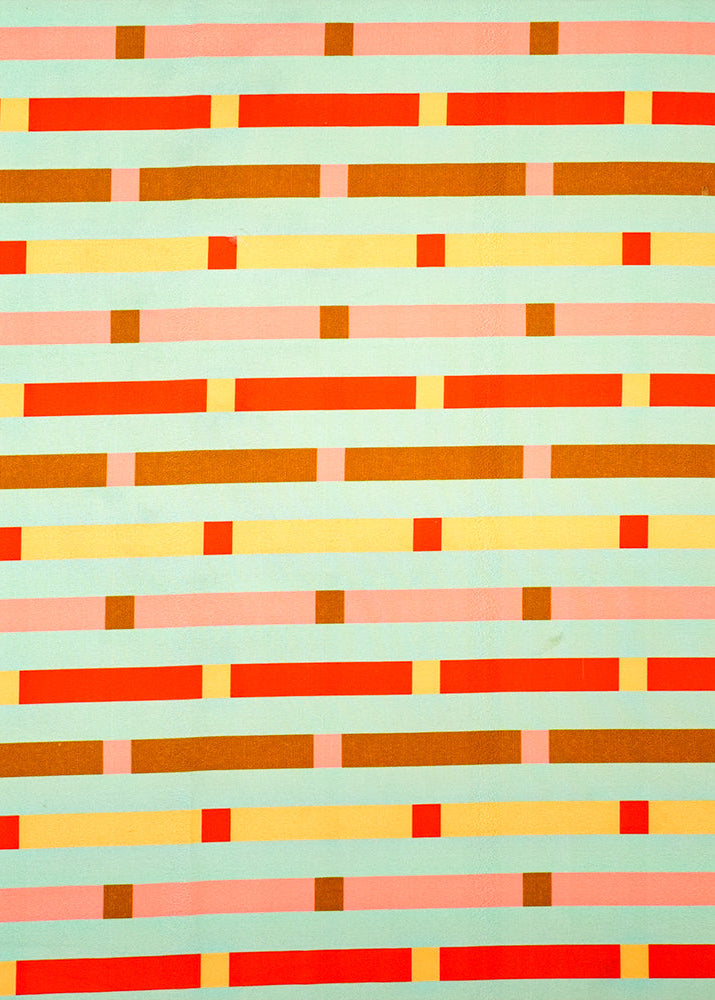
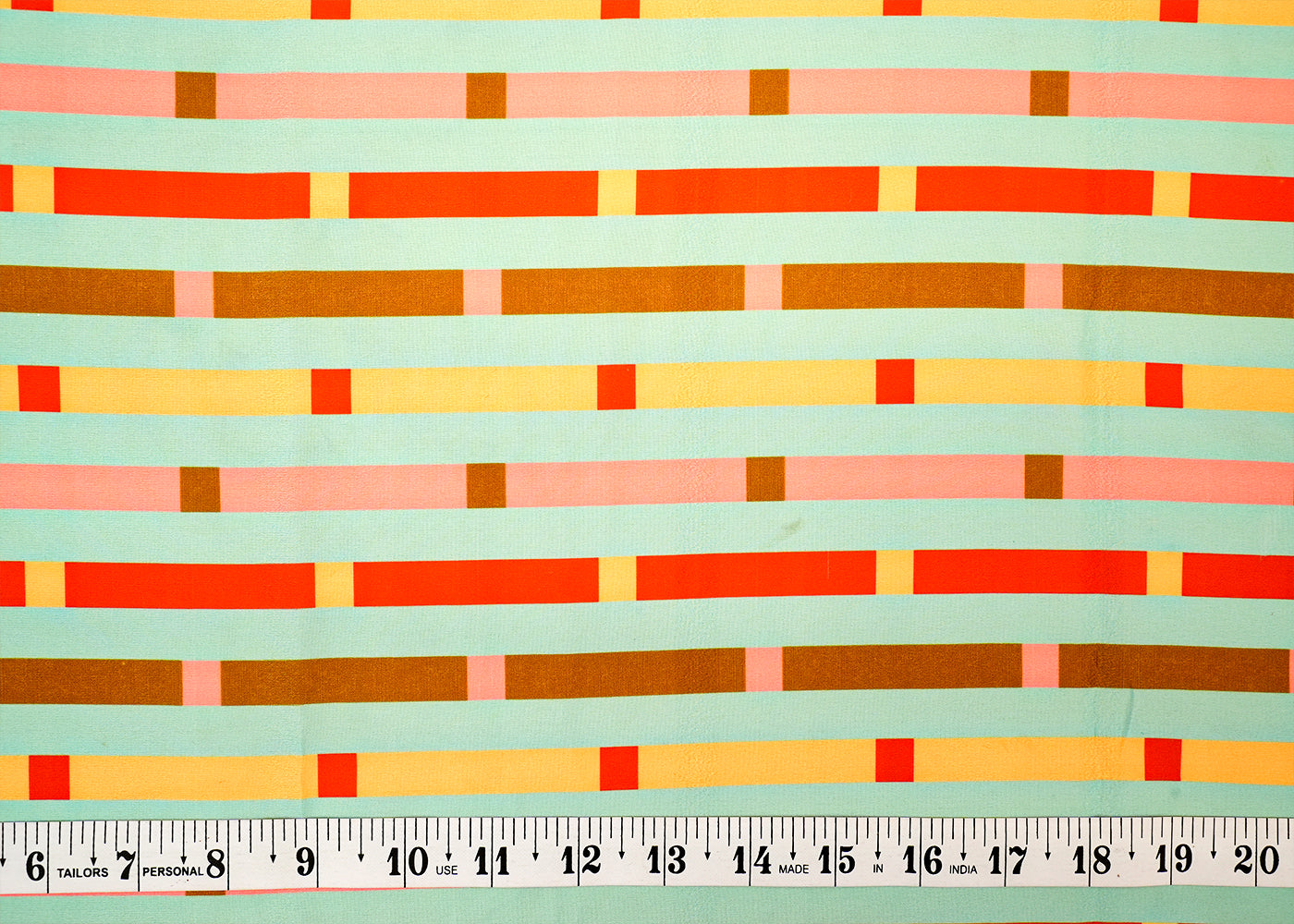
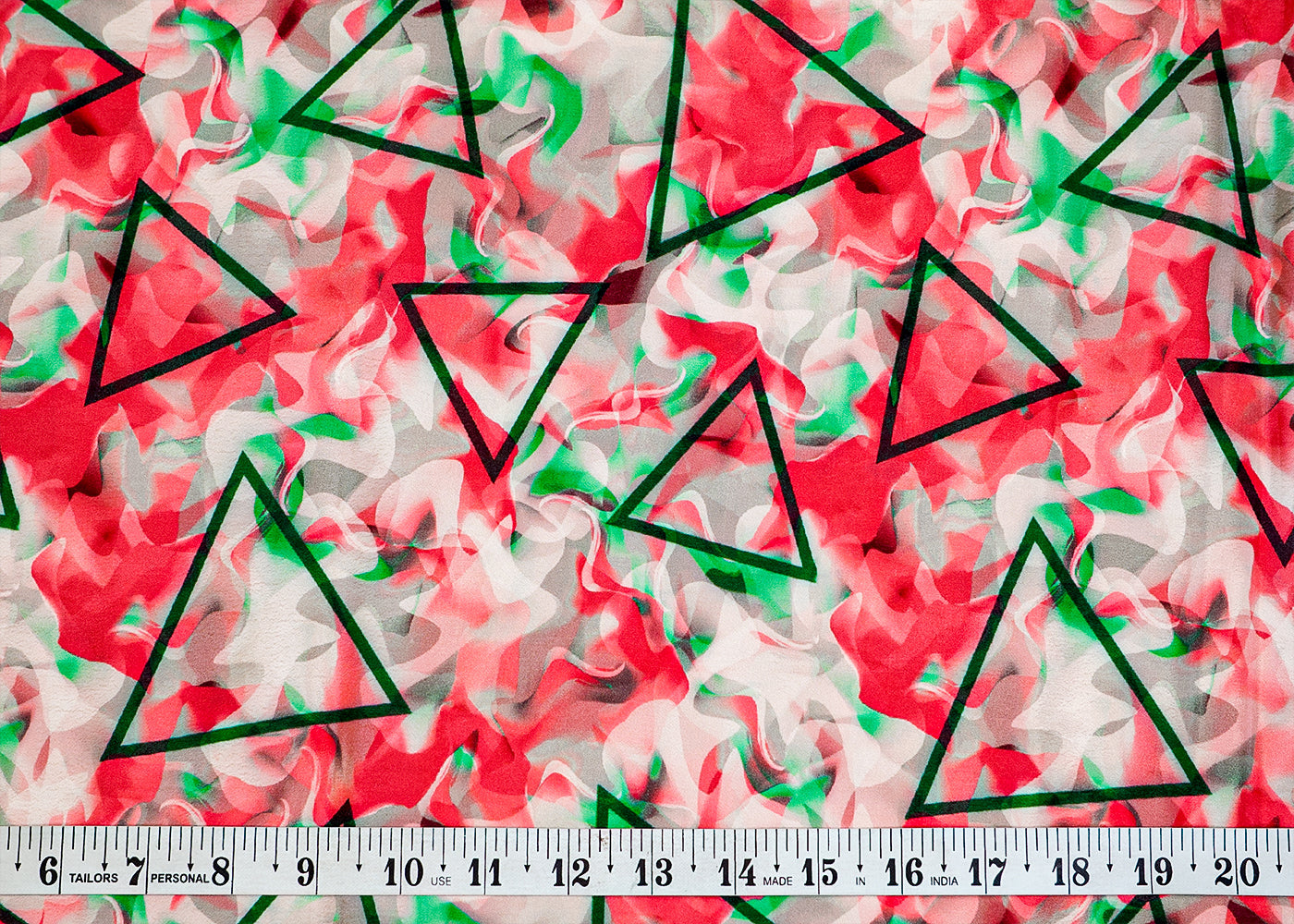
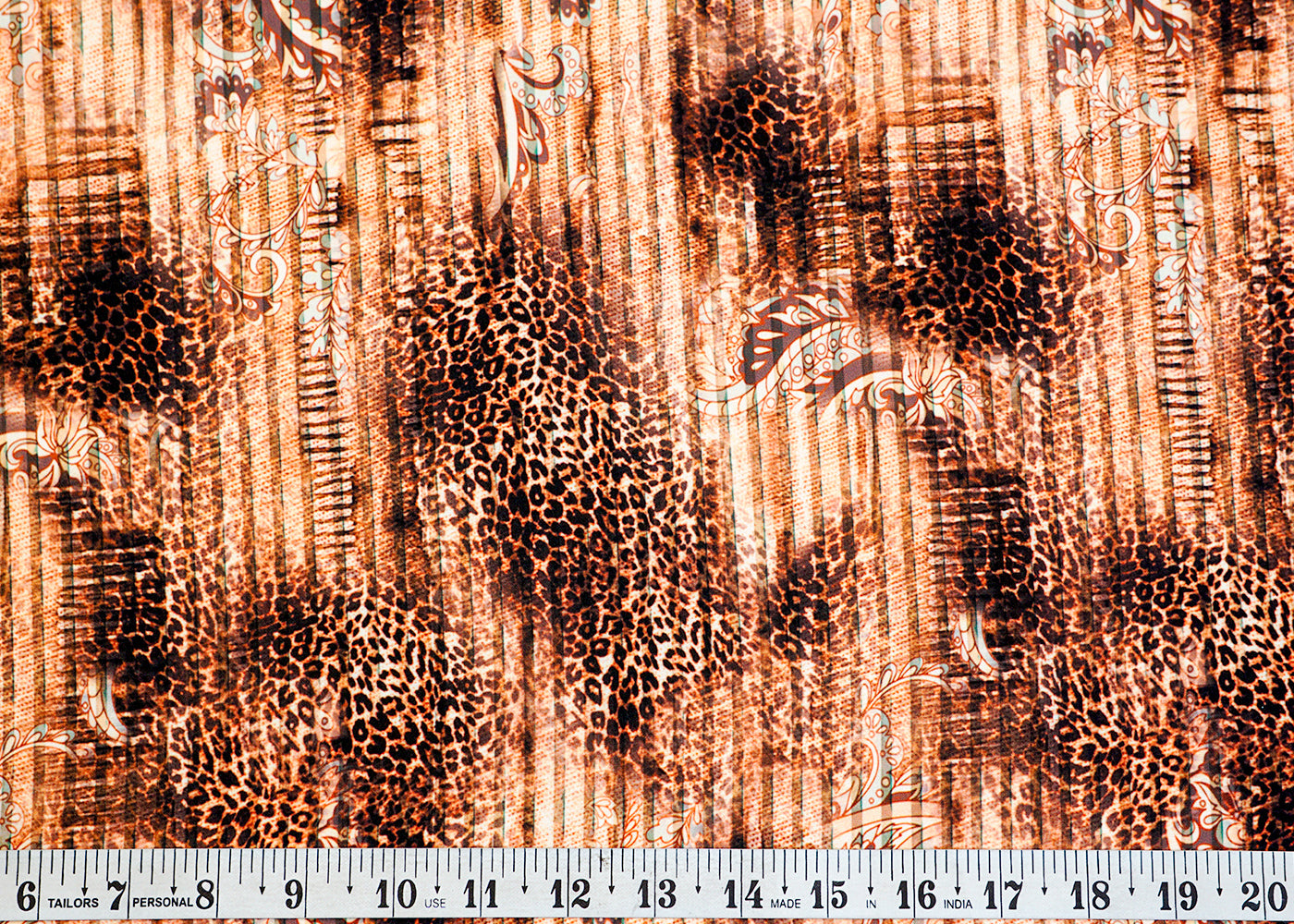
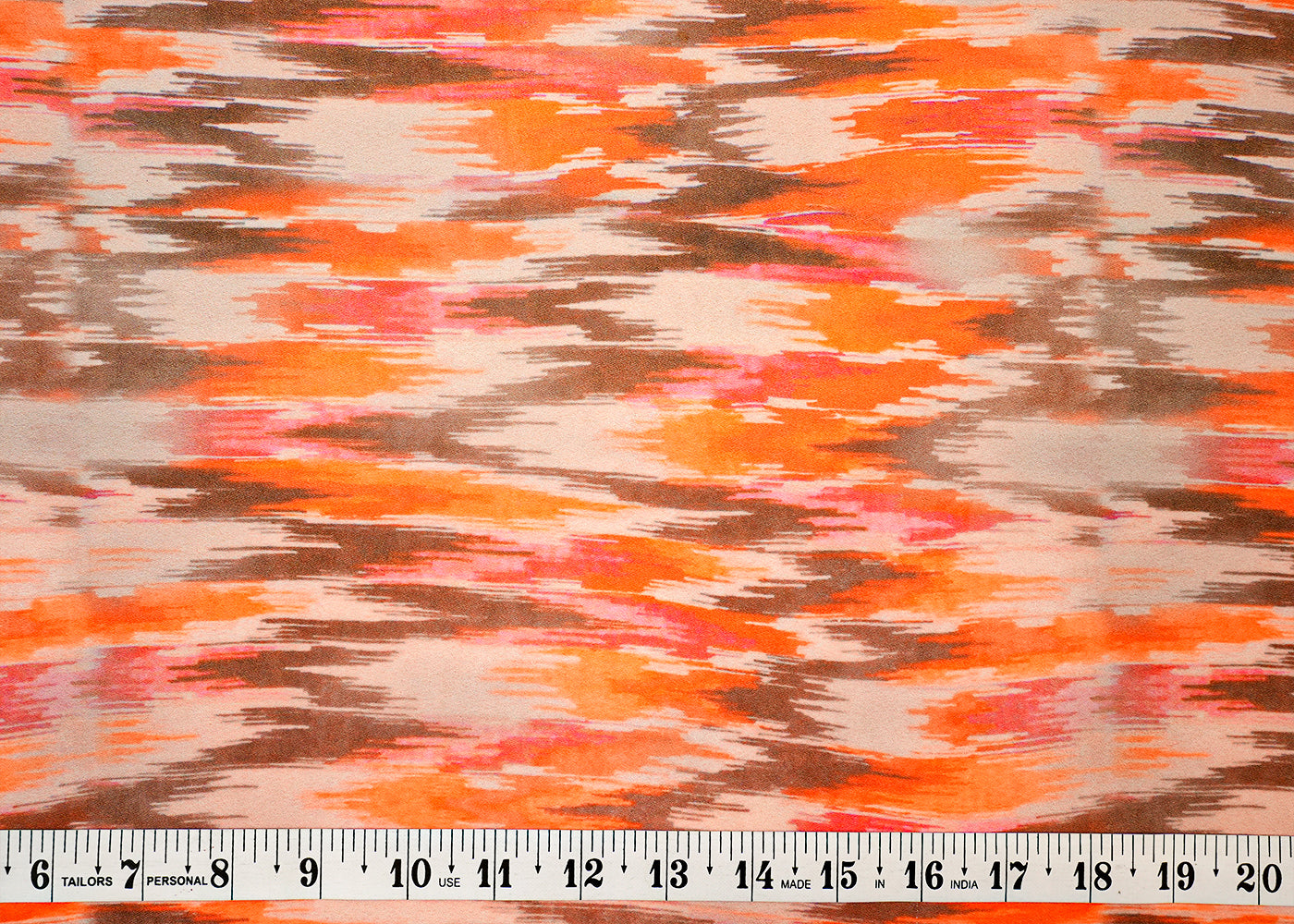
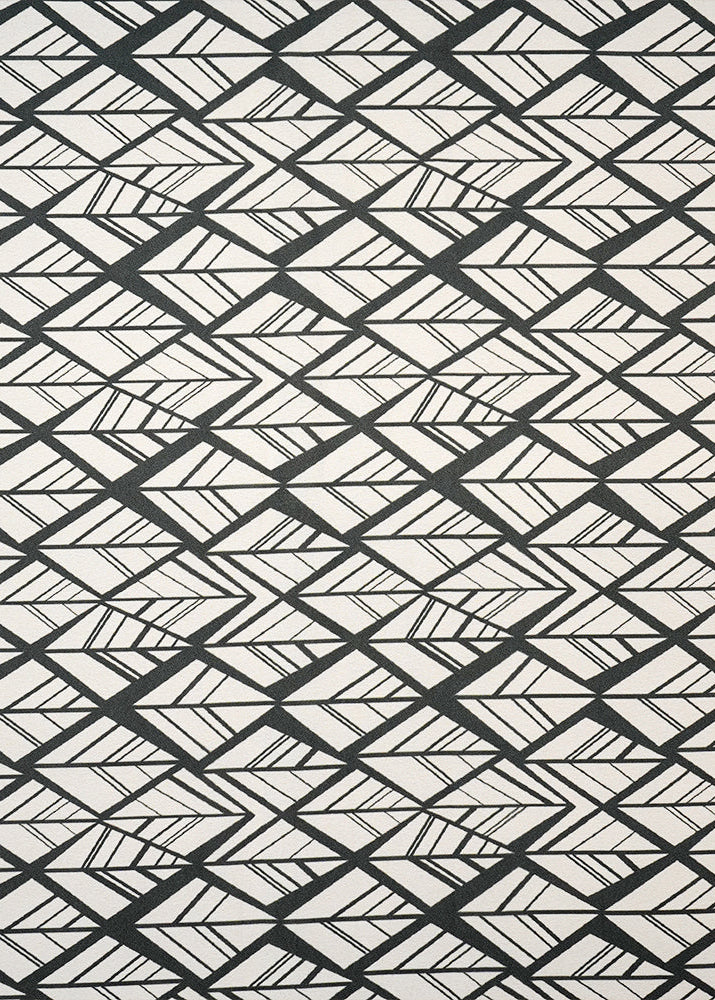
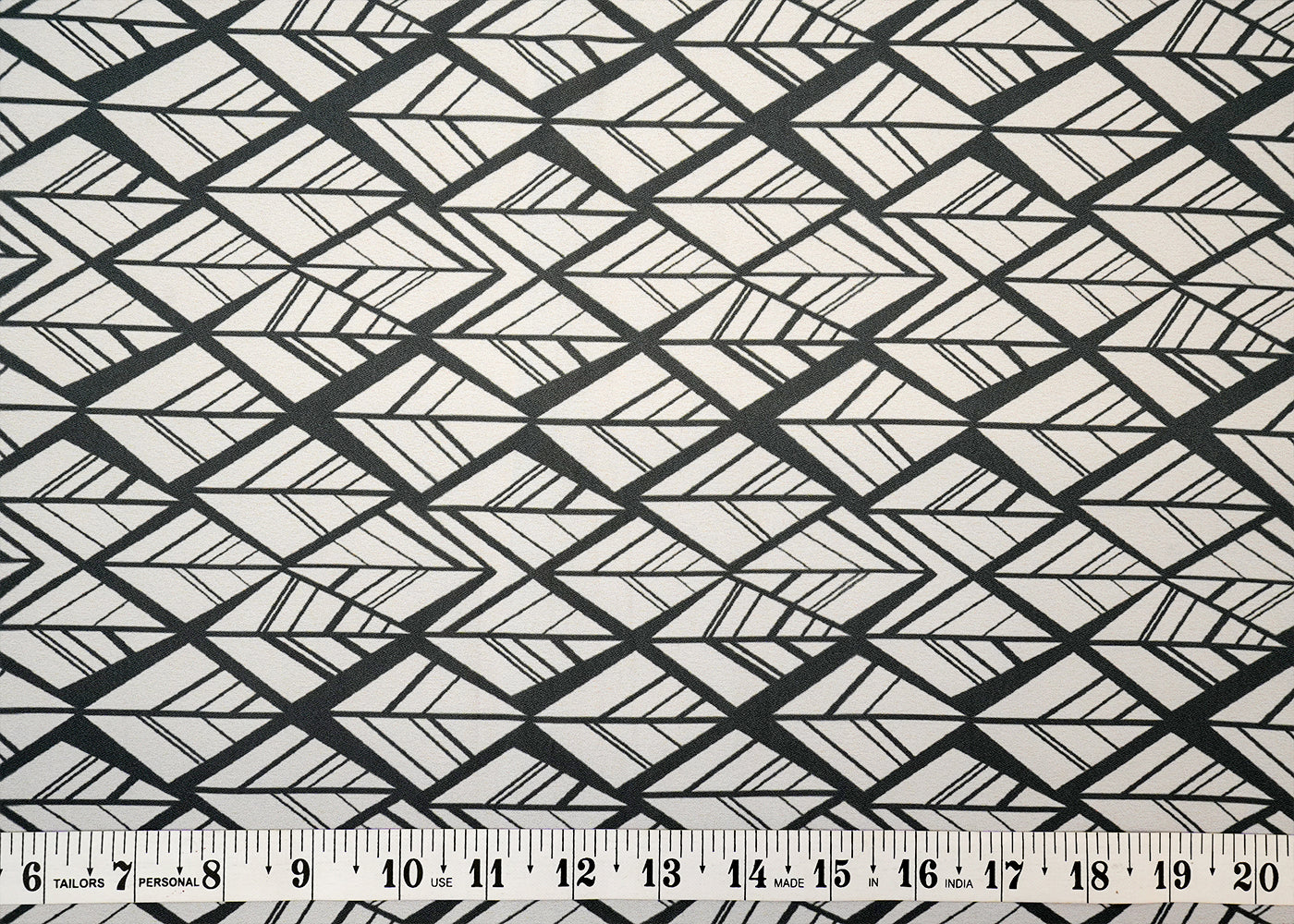
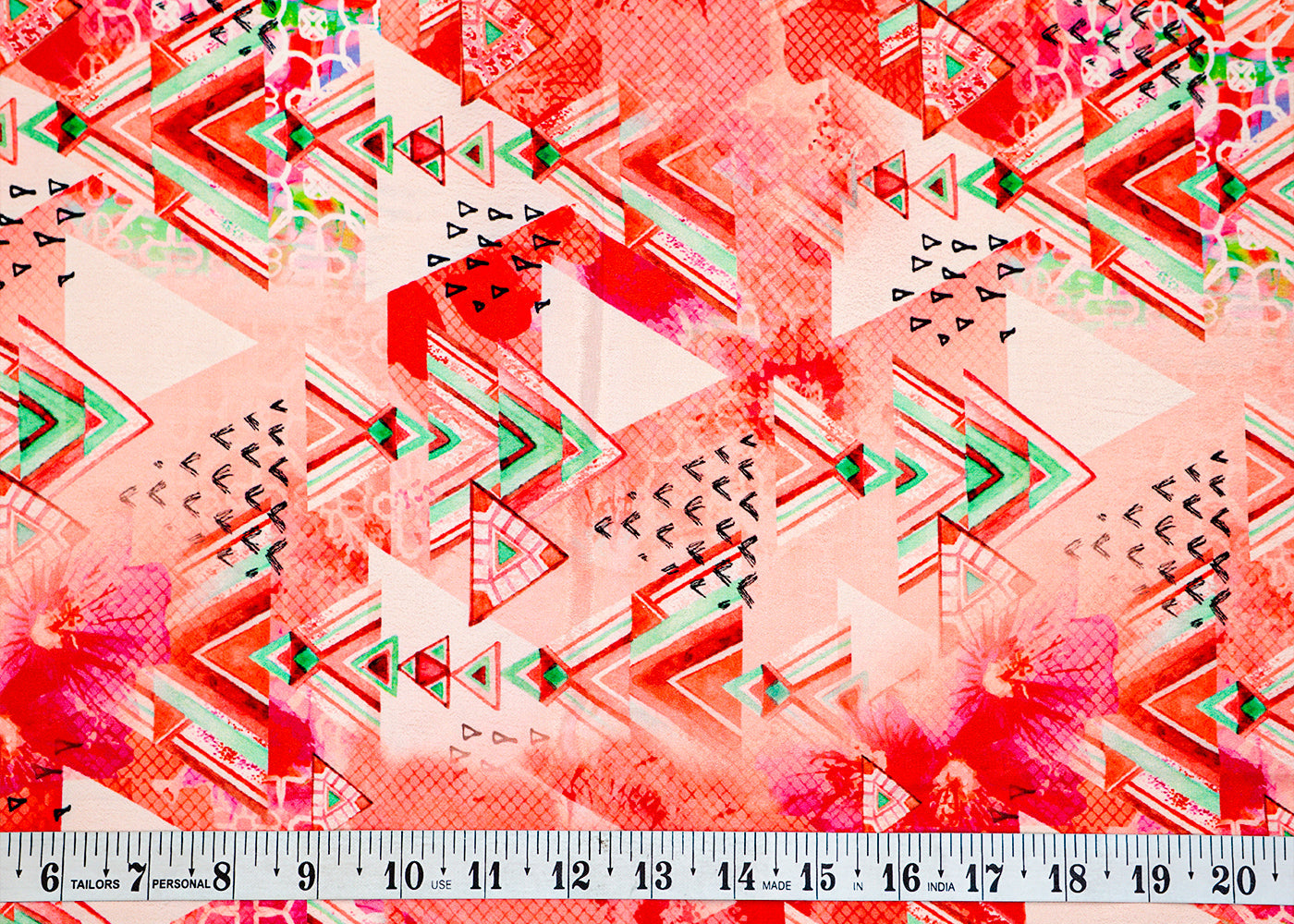
Printed crepe fabric is a crepe-weave textile with pattern designs applied through digital-print, screen-print, or block-print techniques after weaving. The crepe base carries signature matte finish plus soft drape character from crimped crepe yarn construction while applied print work adds visible pattern interest across the fabric surface. Delhi NCR designer boutique market absorbed the variant heavily between 2019 and 2025 for the everyday casual wear segment because matte crepe combined with prints delivers comfortable structure that satin sheen or georgette crispness cannot match across long working-day wear cycles.
What Makes Printed Crepe Different
The crimped crepe yarn structure carries the base character. Crepe production uses highly-twisted yarn producing crimped surface texture that stays matte across the fabric body. Standard smooth-yarn fabrics arrive with even surface reflection. This variant delivers deliberately matte finish that reads distinctly against smooth-finish printed alternatives across the everyday designer wear segment.
Base fibre variants dominate the family. Polyester crepe printed handles volume production at accessible pricing. Viscose crepe printed sits at middle tier with softer hand feel plus better drape. Pure silk crepe printed variants target upper-tier boutiques at higher price bands. Each variant serves distinct customer segments across the boutique wholesale market.
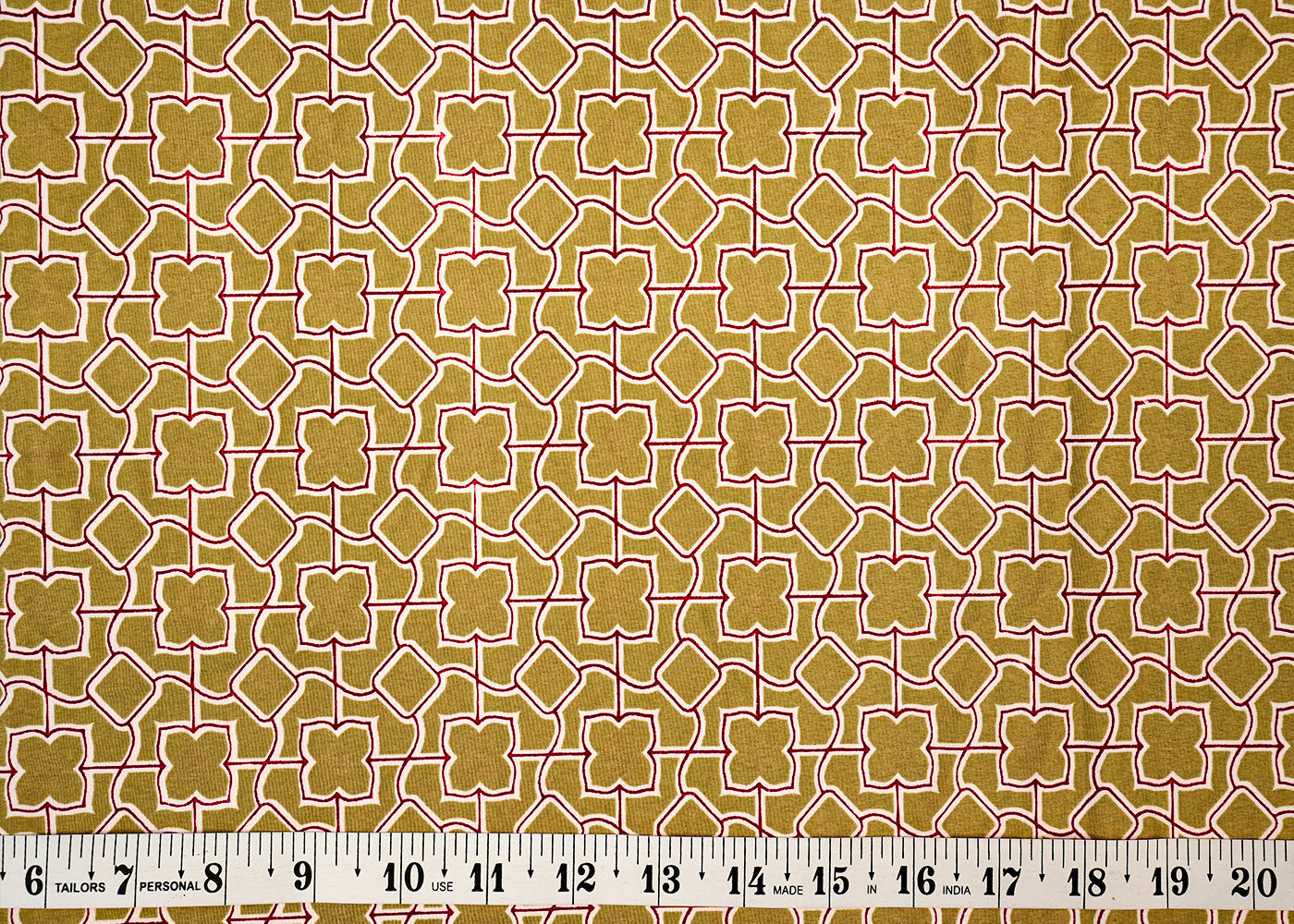
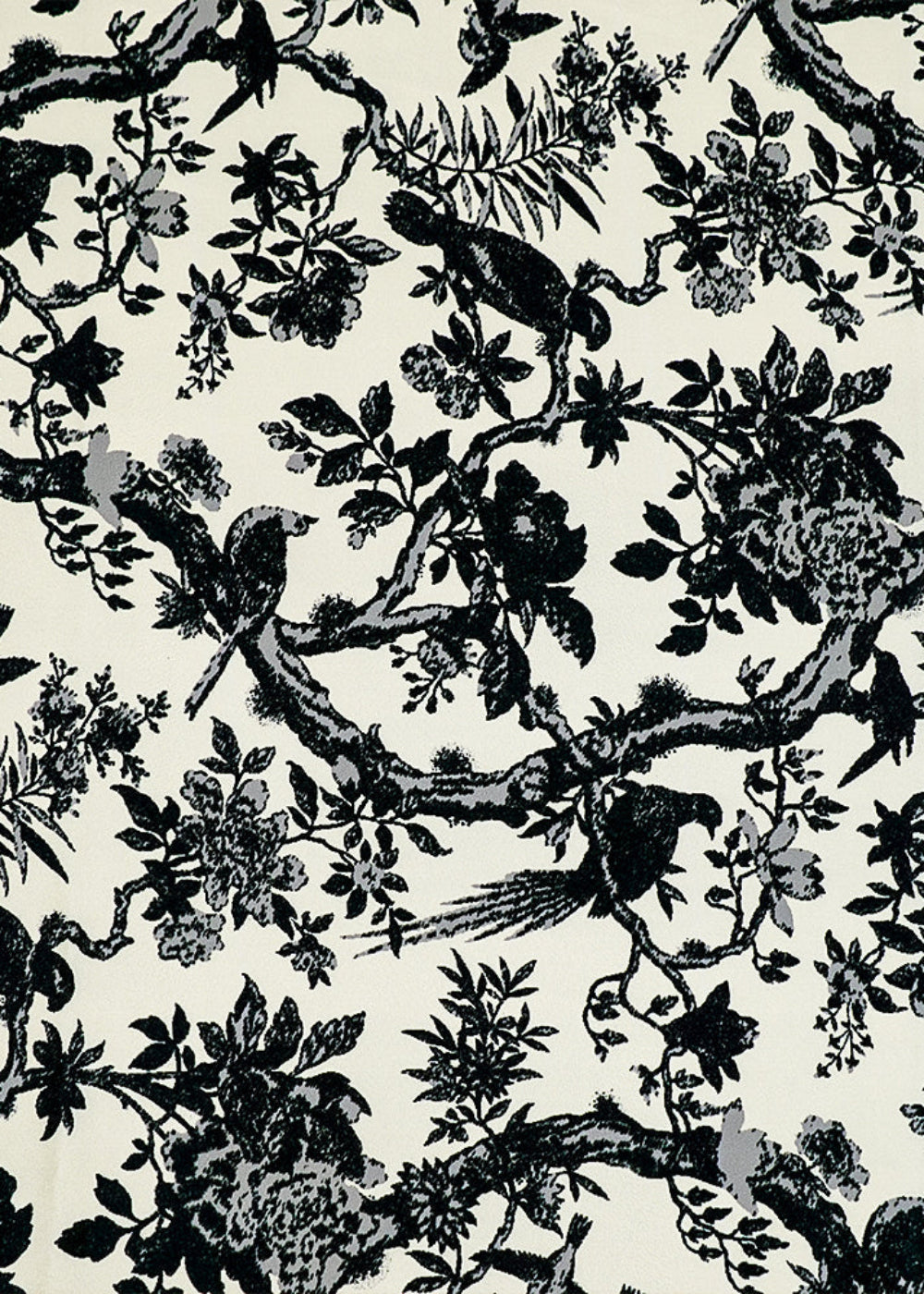
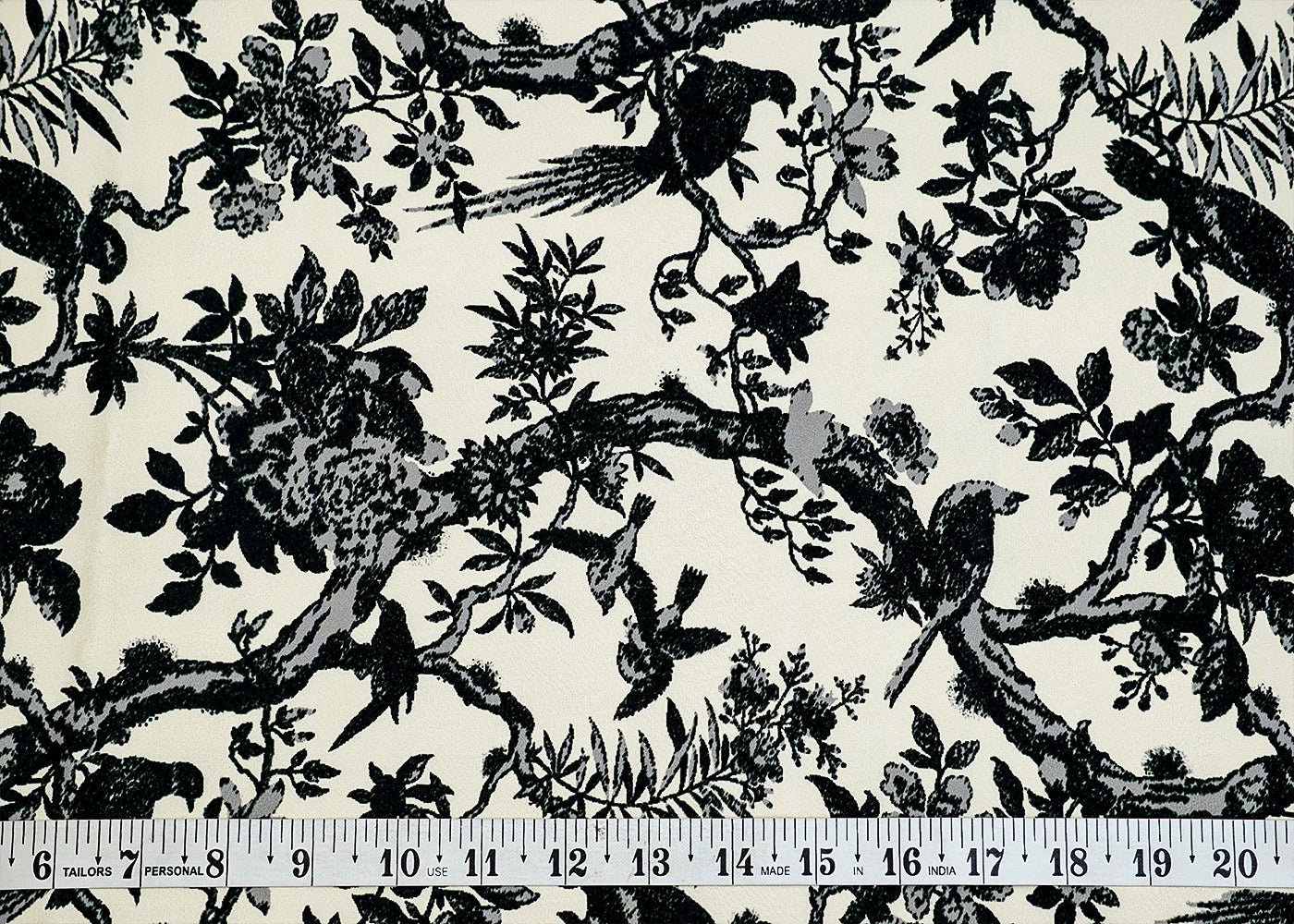
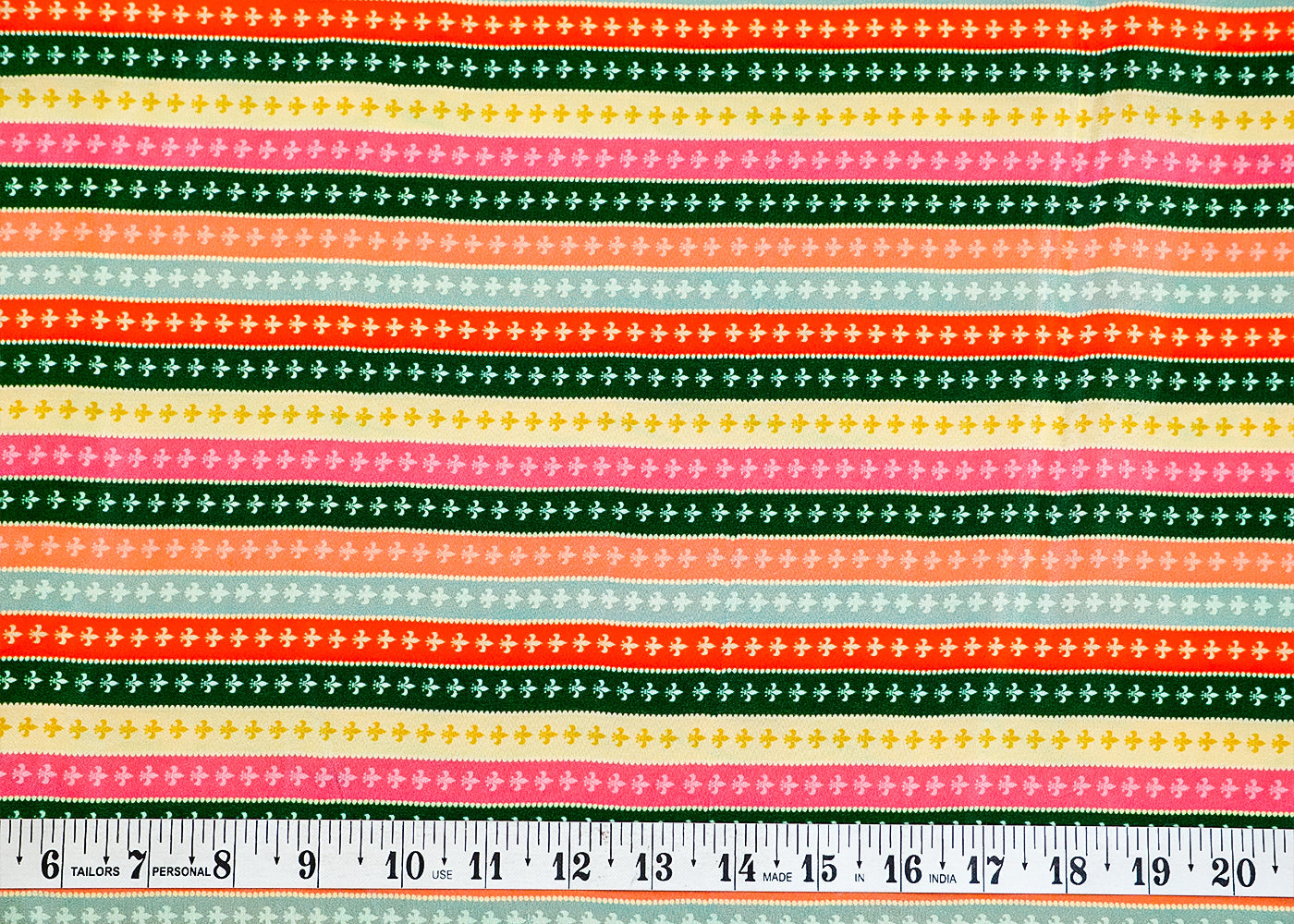
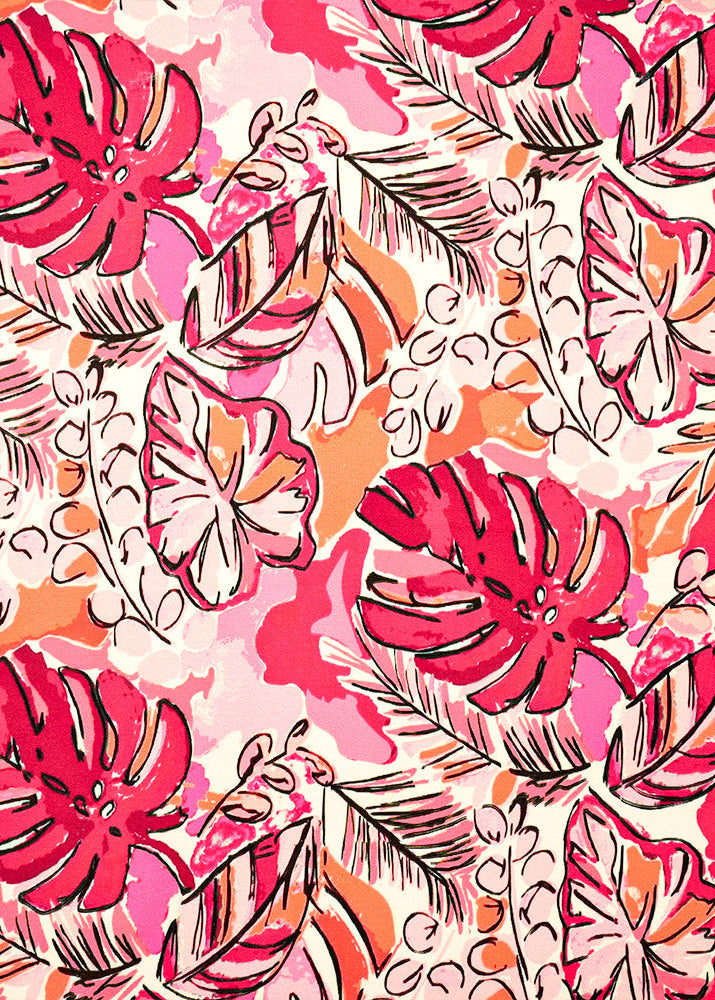
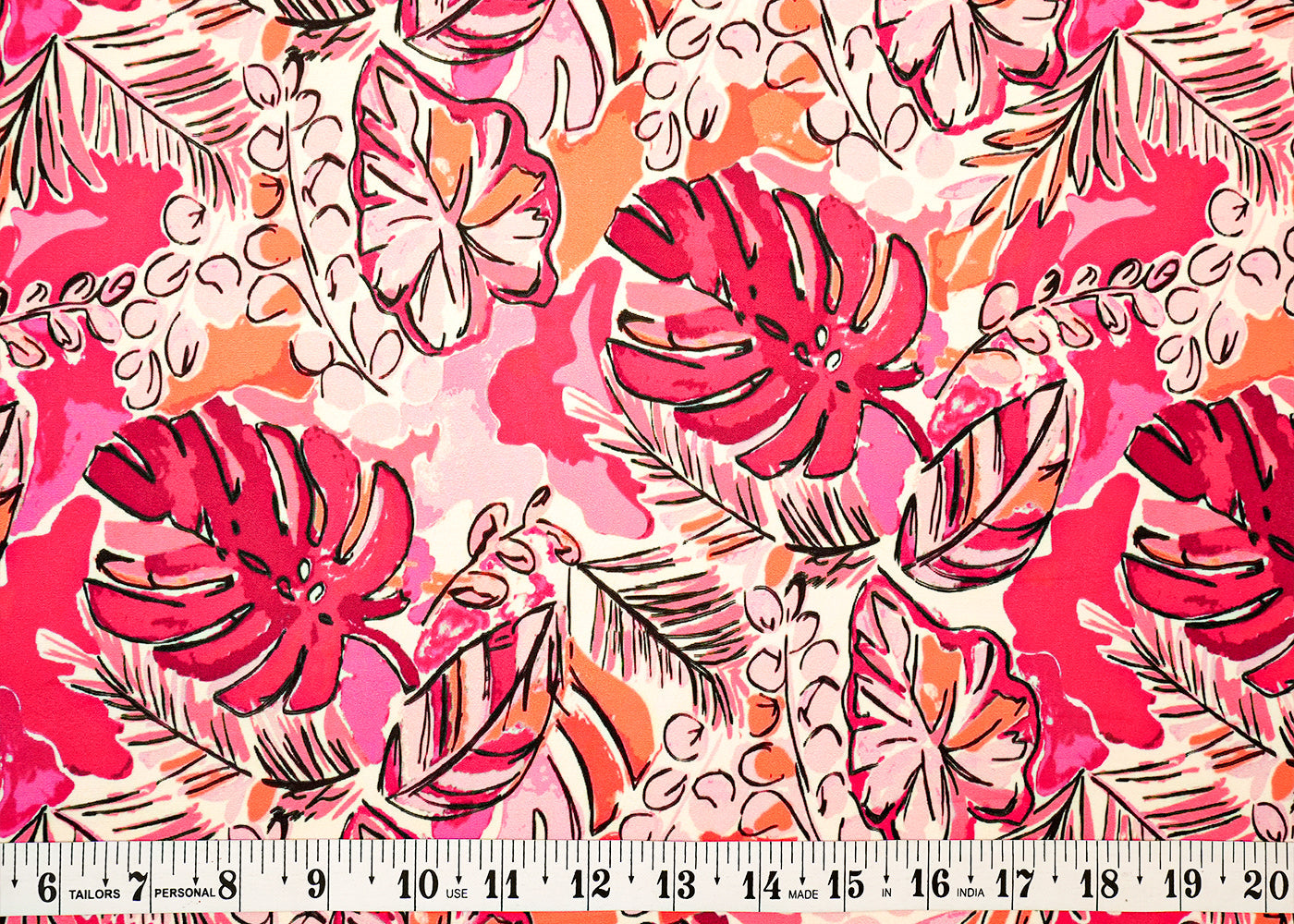
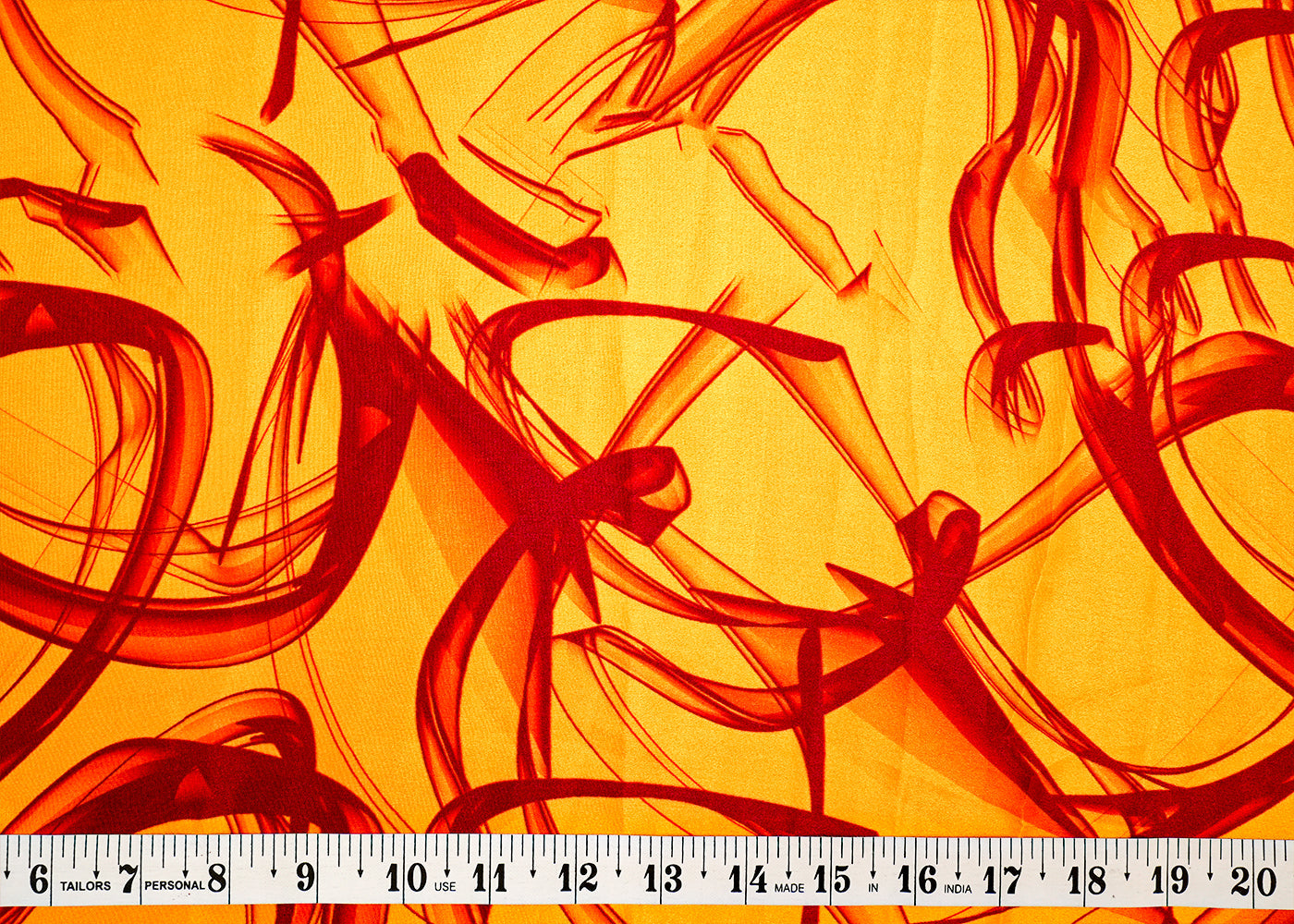
Print production on crepe handles well across techniques because the matte surface absorbs dye evenly. Digital print delivers photo-quality complex patterns. Screen print produces uniform pattern repetition at commercial speed. Block print produces artisanal character across the crimped surface texture.
The fabric hand feel runs light-medium. Cool against skin. Soft matte drape defines printed crepe with structural body from print layer. Suitable for kurti production across everyday designer segment plus festive celebration function outfits. Lajpat Nagar wholesale rates for printed crepe run Rs 280 to Rs 620 per metre depending on base fibre plus print technique.
Types of Printed Crepe in Our Collection
| Type | Best Use | Approximate Price Range |
|---|---|---|
| Digital-Print Polyester Crepe | Everyday kurtis, casual sarees | Rs 280 to 380 per metre |
| Screen-Print Polyester Crepe | Volume kurtis, work-wear pieces | Rs 260 to 360 per metre |
| Digital-Print Viscose Crepe | Designer kurtis, boutique sarees | Rs 380 to 480 per metre |
| Block-Print Viscose Crepe | Boutique casual wear, artisanal pieces | Rs 420 to 540 per metre |
| Silk Crepe Printed | Party sarees, engagement outfits | Rs 520 to 620 per metre |
Digital-print polyester crepe sits as the volume seller for everyday kurti production across mid-market boutique segment. Viscose crepe variants target the corporate working-woman customer base picking softer hand feel at middle price tiers. The silk crepe variants anchor the upper-tier boutique segment serving engagement plus party function outfits.
Printed Crepe GSM Guide
| GSM Range | Fabric Feel | Best For |
|---|---|---|
| 60 to 90 GSM | Light, drape-forward | Layered dupattas, blouse overlays |
| 90 to 130 GSM | Medium, structured | Everyday kurtis, casual sarees |
| 130 to 170 GSM | Medium-heavy, opulent | Statement kurtis, party sarees |
Boutique buyers default to 90-130 GSM for everyday kurti production. Balances crepe matte drape with wearing comfort across long working-day cycles. Below 90 GSM moves into dupatta territory. Above 130 GSM handles statement pieces where structural weight matters.
Popular Uses
Everyday casual kurtis dominate uses across urban working-woman customer segments picking Rs 1,800 to 4,500 retail band. Casual sarees for corporate office wear come second across urban customer bases. Boutique designer kurtis at Rs 4,500 to 7,500 retail band rank third across the mid-tier segment. Layered kurta-plus-dupatta sets round out popular uses across boutique units producing coordinated print-plus-solid pieces.
Printed Crepe Trends for 2026
Digital-print floral variants lead the working-woman segment currently. Photo-quality complex florals combined with matte crepe drape photograph distinctly on Instagram catalogue compared to sheen alternatives. Delhi NCR designer boutiques reorder digital-print crepe every three weeks through peak seasons. Dusty pastel base palette drives volume across the urban corporate customer base picking office-appropriate designer wear.
Care and Working Tips for Printed Crepe
Pre-wash test piece before bulk cutting. Crepe shrinks 3 to 6 percent on first wash depending on base fibre. Polyester variants stay stable. Viscose plus silk crepe variants shrink more significantly during first customer wash. Cold-water washing recommended.
Silk-blend thread handles crepe structure best. Fine needle preferred because standard needles catch the crimped yarn texture causing visible puckering during construction. Machine tension needs adjustment for the crimped surface which shifts differently than smooth fabrics.
Ironing works at low heat on reverse side with press cloth. Direct heat may flatten the crepe crimp permanently. Storage folds in muslin cloth rather than hanging.
What is Printed Crepe? (Quick Definition)
A crepe-weave textile with pattern designs applied through digital-print, screen-print, or block-print techniques after weaving, delivering fabric combining matte crimped-yarn drape with visible pattern interest. The printed crepe fabric use extends across everyday casual kurtis, casual sarees, boutique designer kurtis, plus coordinated kurta-plus-dupatta sets at retail bands from Rs 1,800 to Rs 8,500. Available across 60 to 170 GSM in polyester, viscose, plus silk-crepe base variants at wholesale rates Rs 280 to Rs 620 per metre.
Why Designers Buy Printed Crepe Online
Everyday designer wear segment across Delhi NCR boutique market needs matte-drape printed fabric with comfortable structure supporting long working-day wear cycles. Printed crepe delivers exactly that positioning at the Rs 1,800 to 8,500 retail garment band. Wholesale rates run Rs 280 to Rs 620 per metre depending on base fibre plus print technique.
Frequently Asked Questions
How does printed crepe differ from printed satin?
Crepe uses highly-twisted yarn producing matte crimped surface texture. Satin uses warp-faced weave producing surface sheen character. Crepe suits everyday designer wear where matte finish reads comfortable across working-day cycles. Satin suits evening plus cocktail wear where sheen reads distinctly under function lighting.
Which base fibre works best for boutique crepe production?
Depends on target retail band. Polyester crepe handles volume mid-market at Rs 1,800-4,500 kurti retail. Viscose sits at Rs 4,500-7,500 middle tier with softer hand feel. Silk-base variants target upper-tier boutiques at Rs 7,500-plus retail where fabric character justifies higher wholesale rates.
Is printed crepe available in bulk?
Yes across all variants. Bulk pricing kicks in at 30 metres per SKU. Wholesale tiers begin at Rs 220 per metre for polyester on 100-metre-plus orders. Peak-season boutique lots above 200 metres unlock production pricing tier.
How much printed crepe does a kurti need?
Standard straight-cut kurti needs 2.5 metres. Anarkali kurtis with kali flare need 4 metres. Coordinated kurti-plus-dupatta sets need 4.5 metres total across the two pieces.
Why Boutique Owners Choose Printed Crepe from Paras Gallery
Fifteen metres minimum buys sample-rate per shade. Thirty metres unlocks wholesale tier. Two hundred metres opens production pricing across peak seasons. Place order through our wholesale catalogue.
