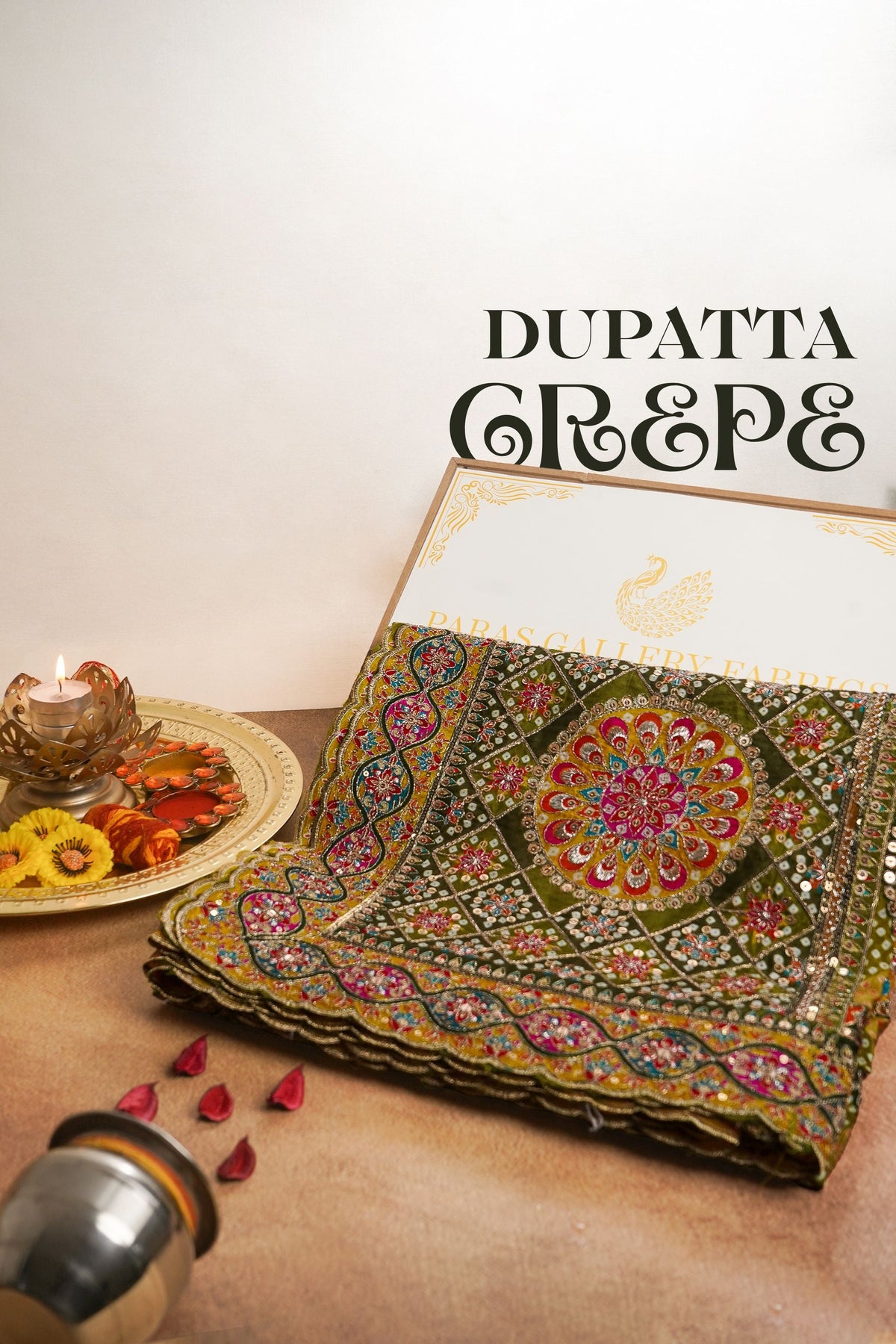
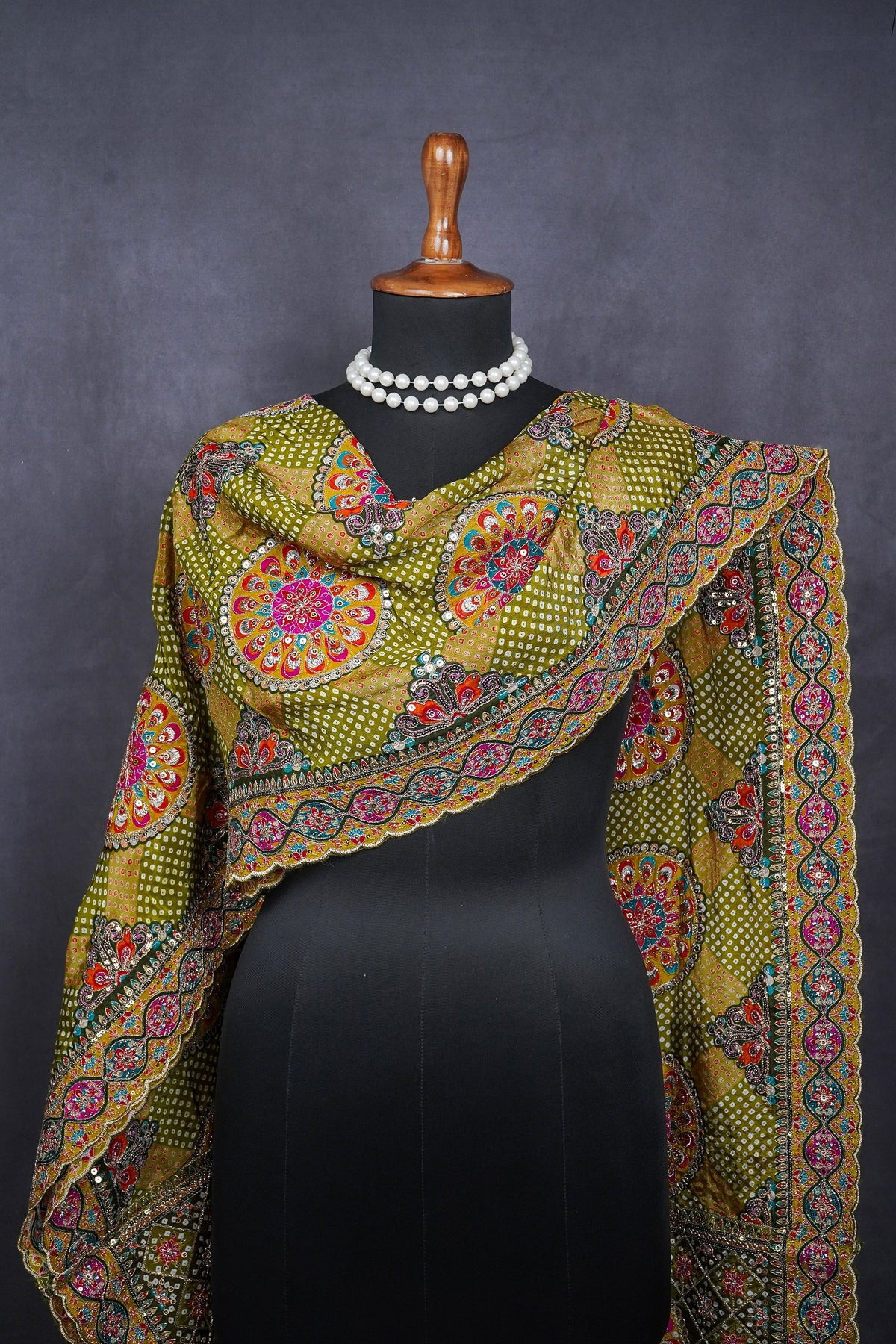
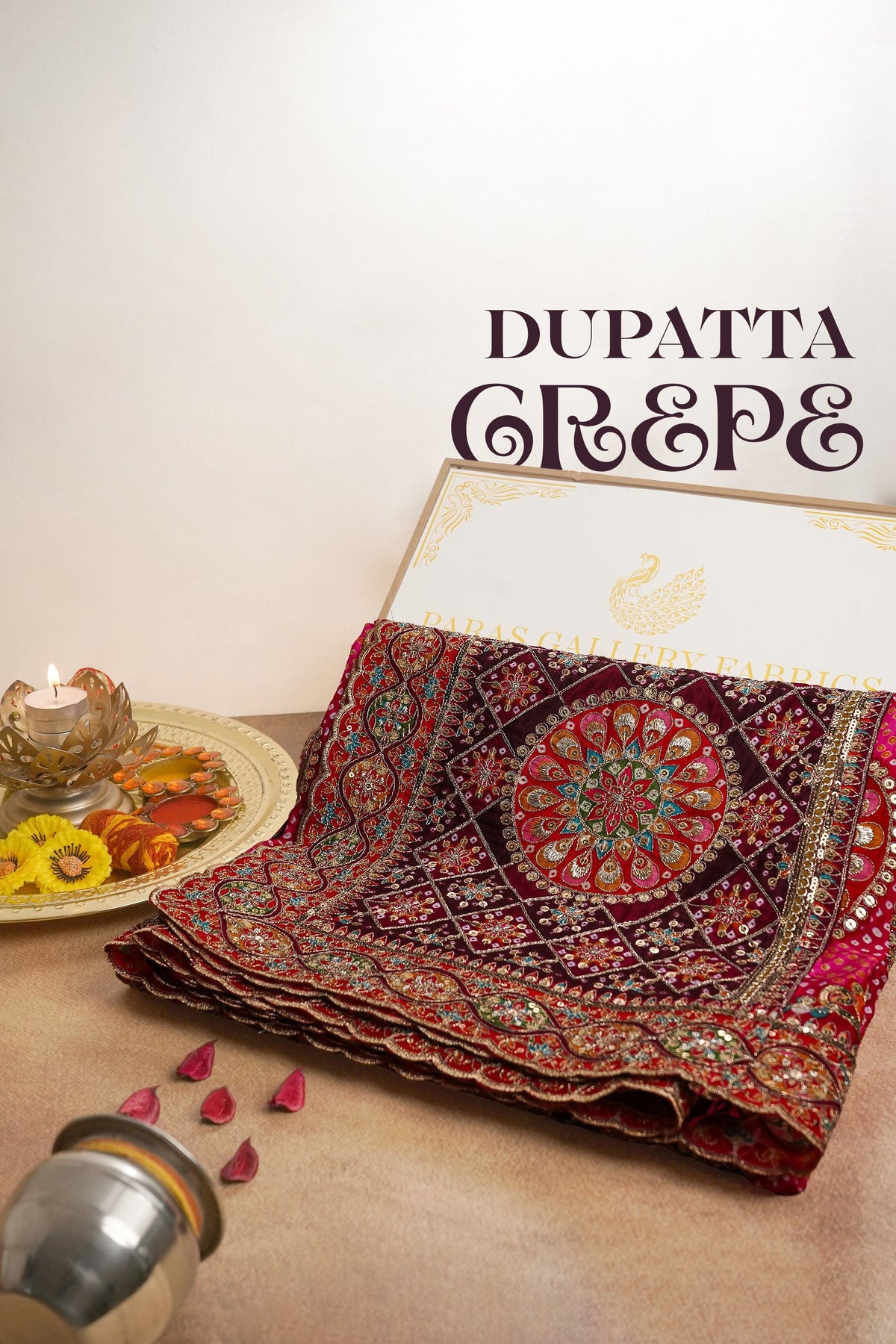
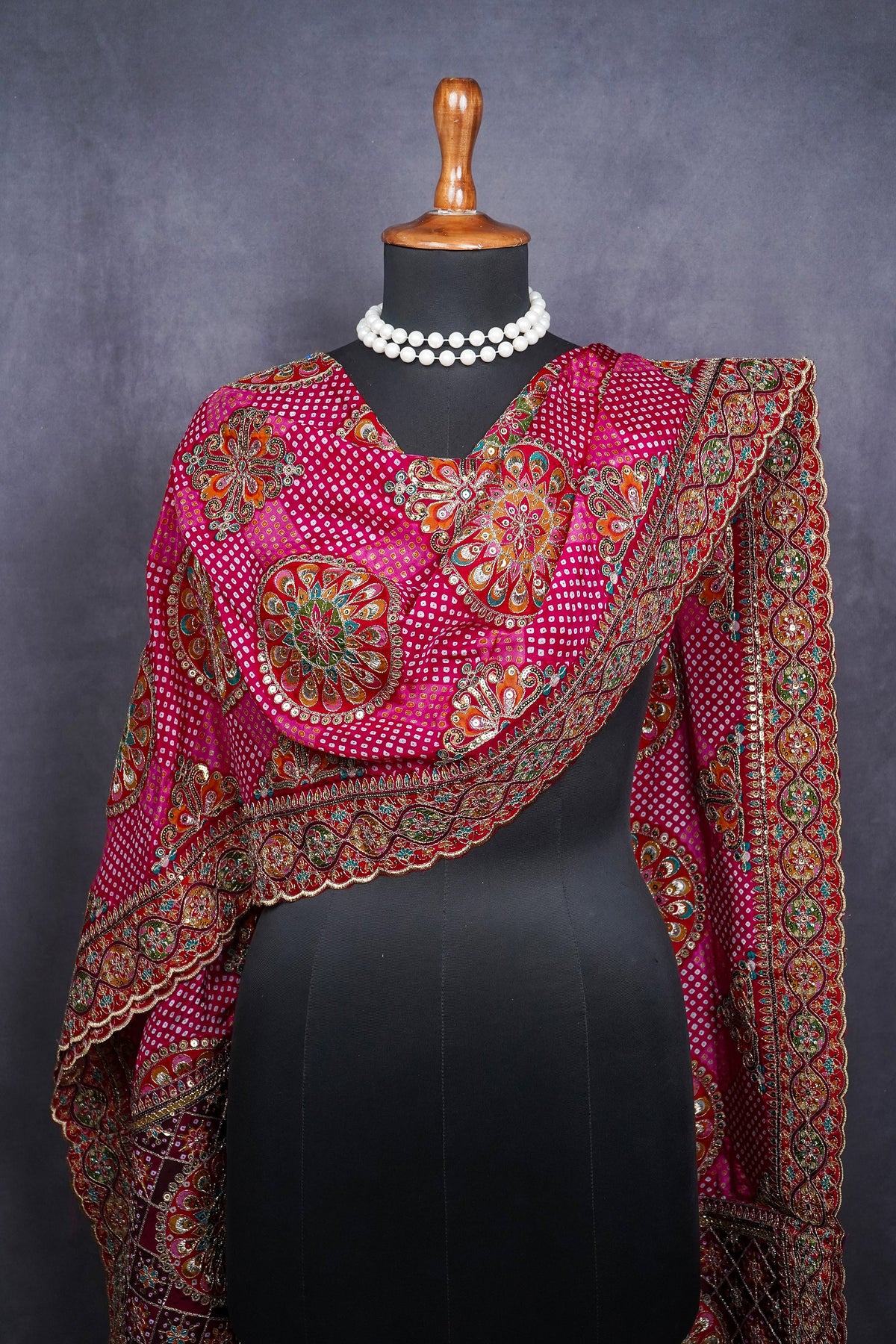
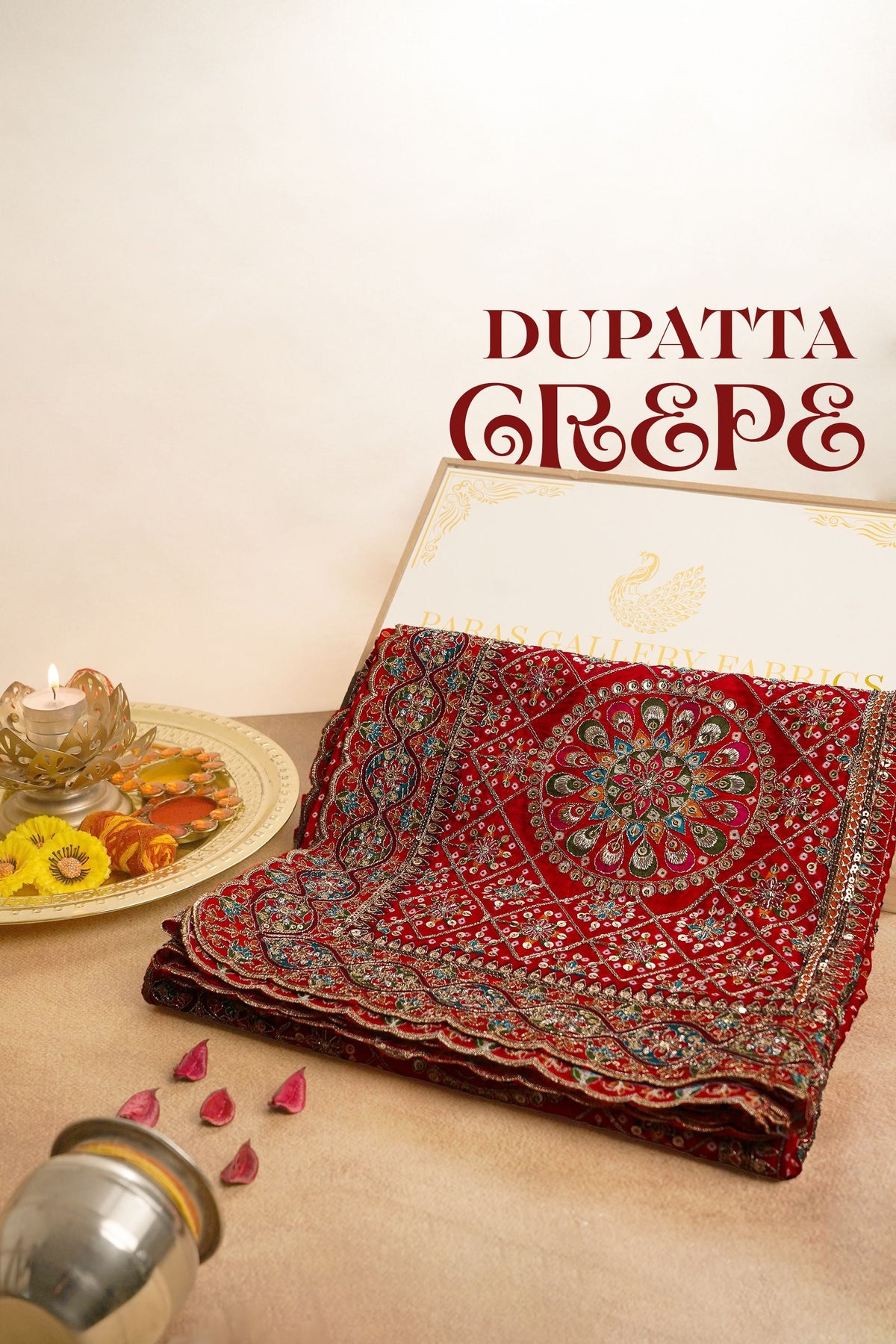
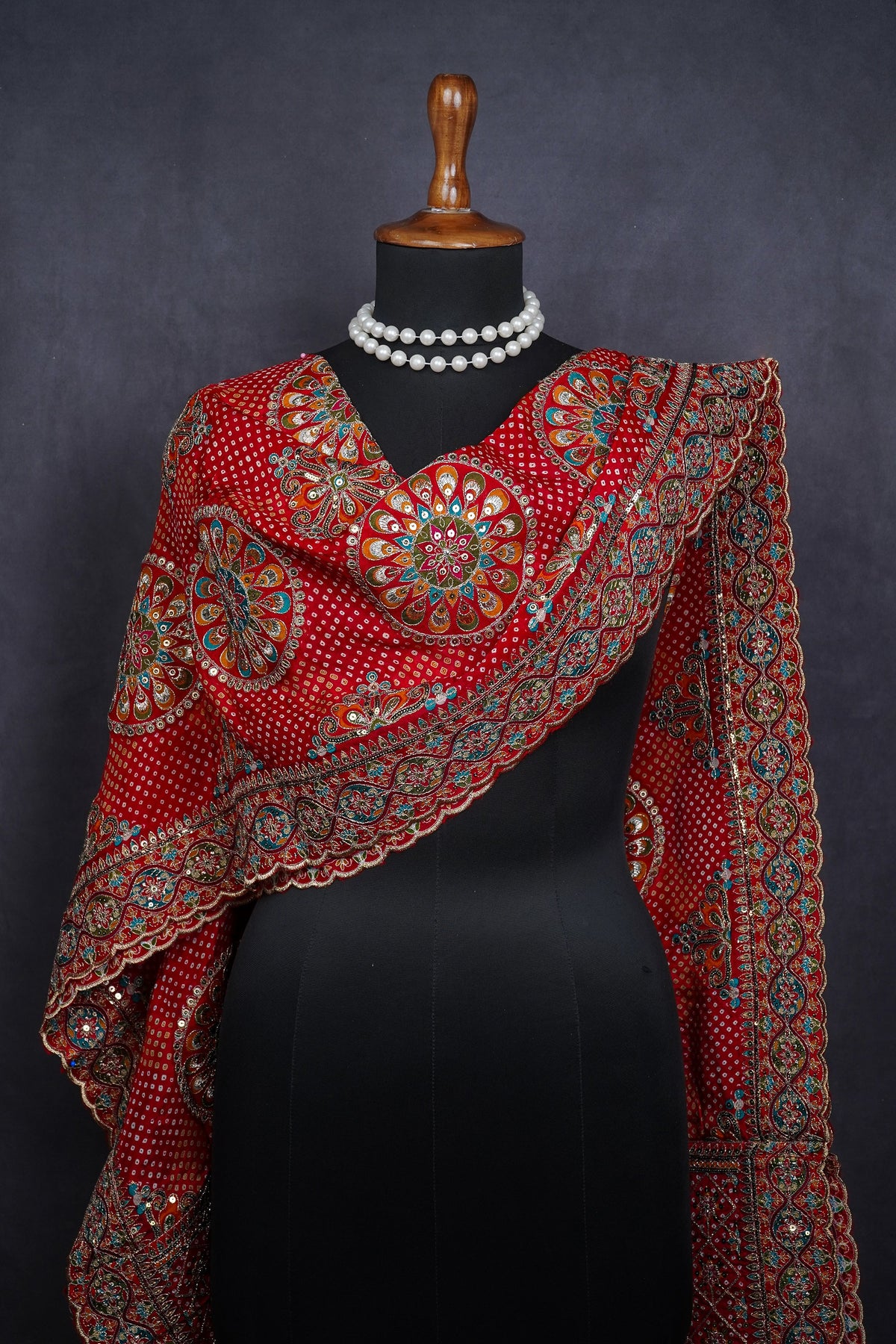
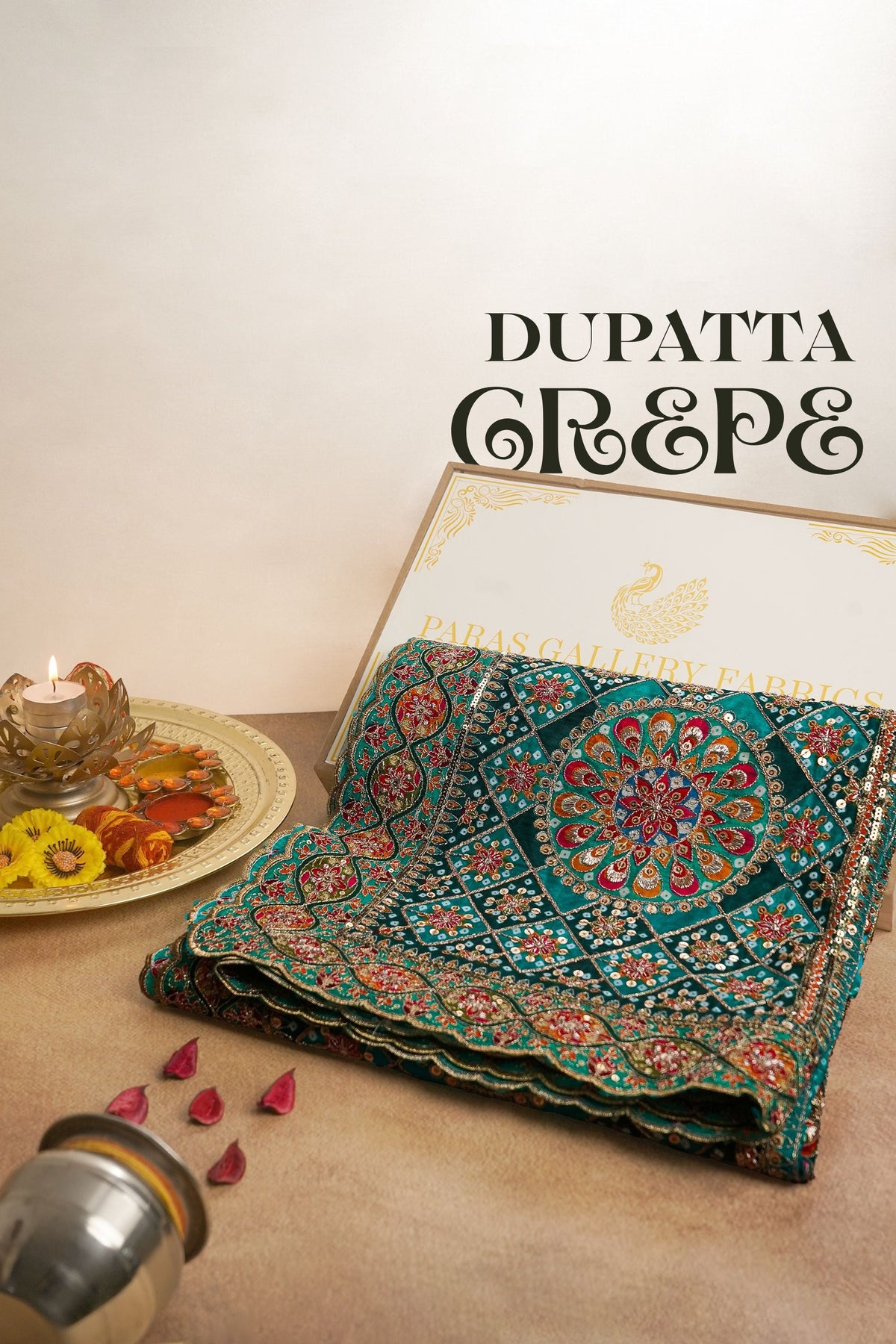
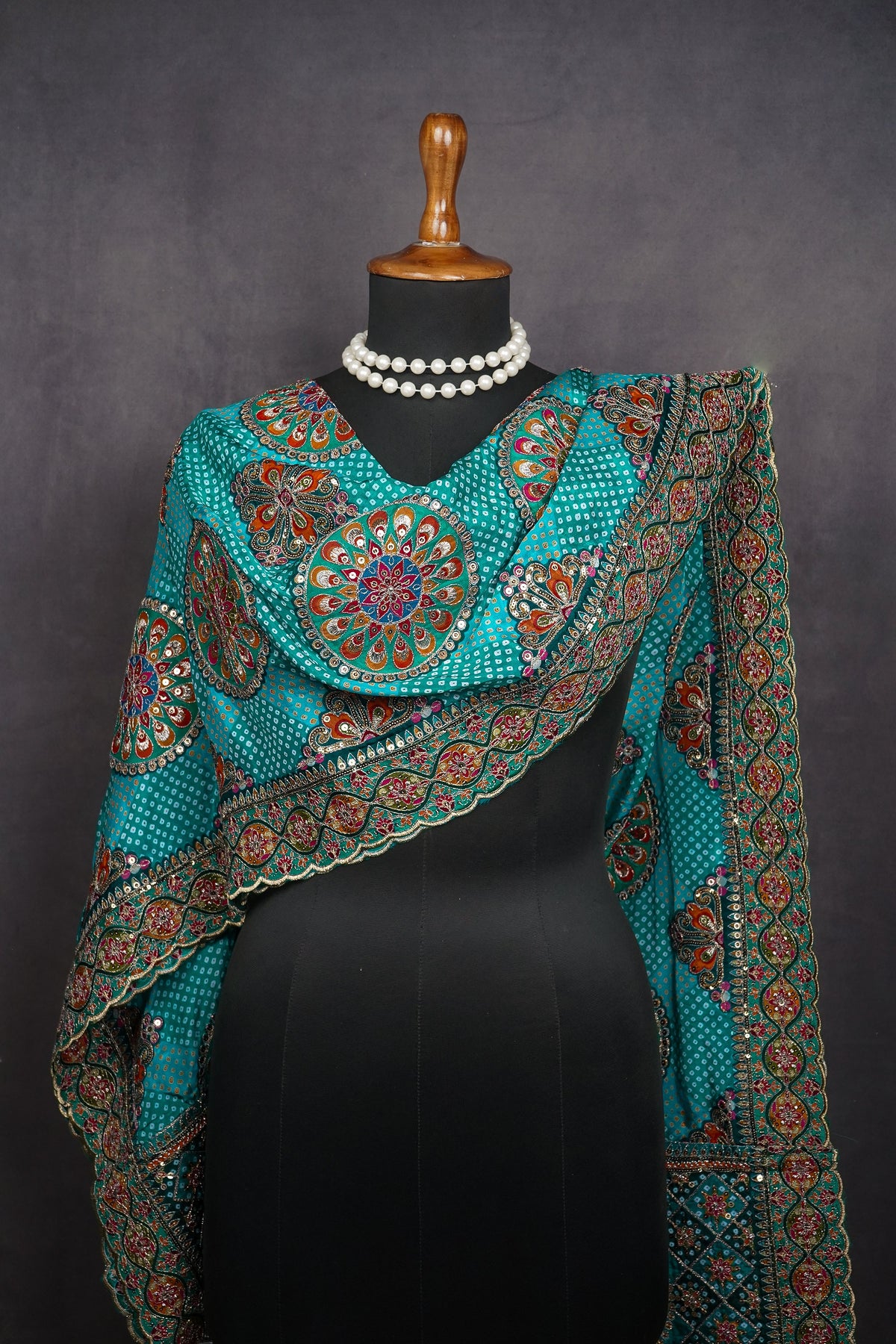


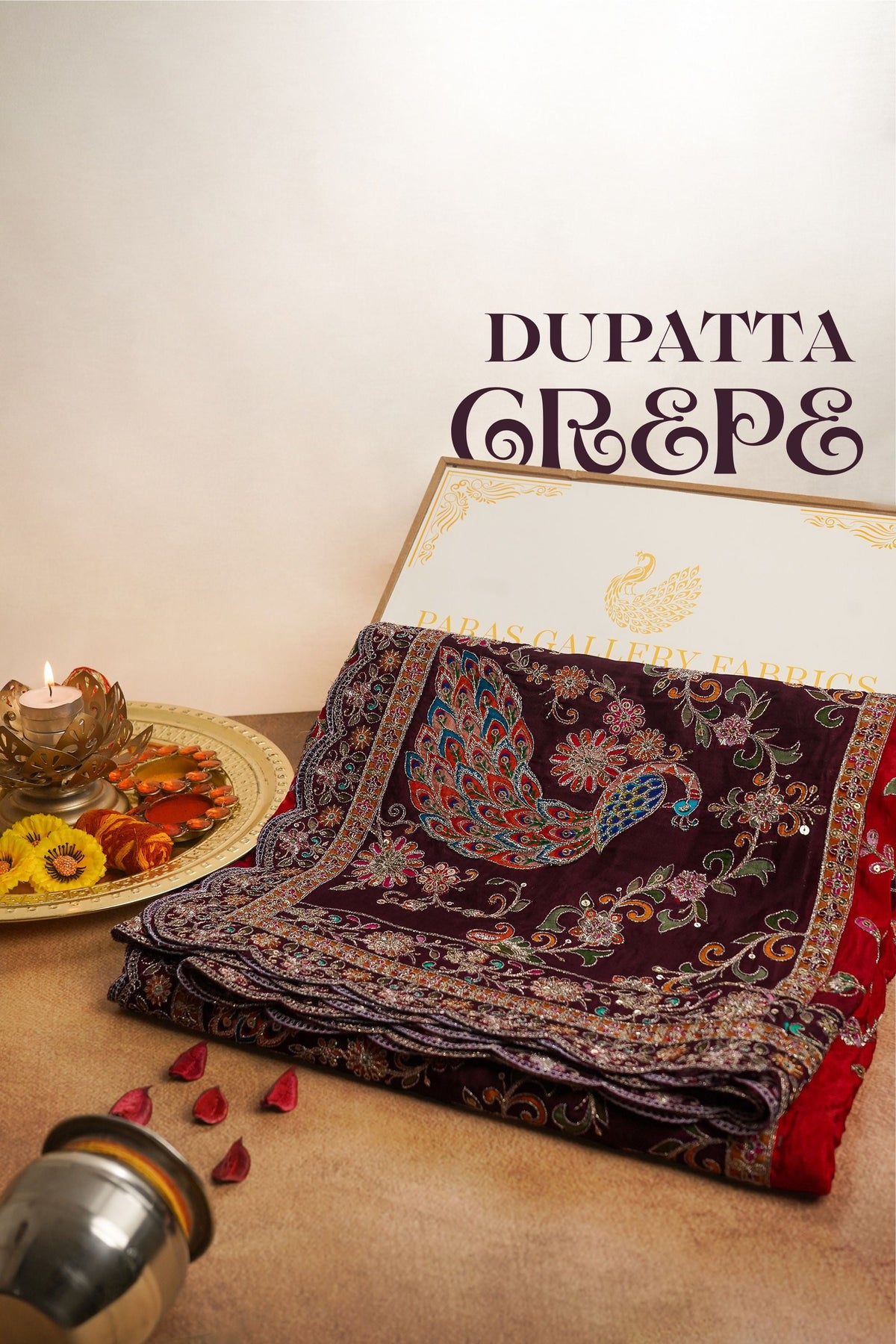
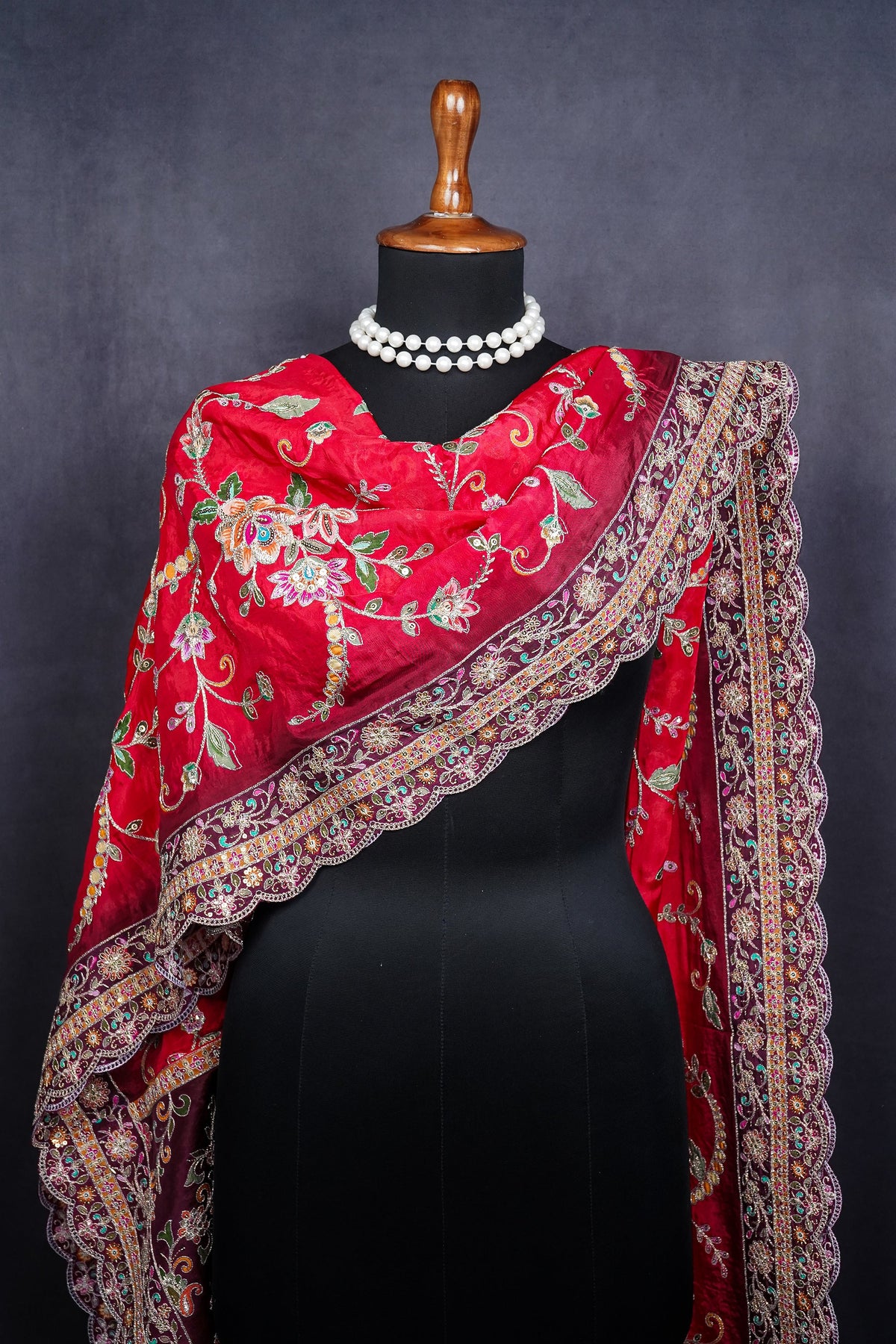


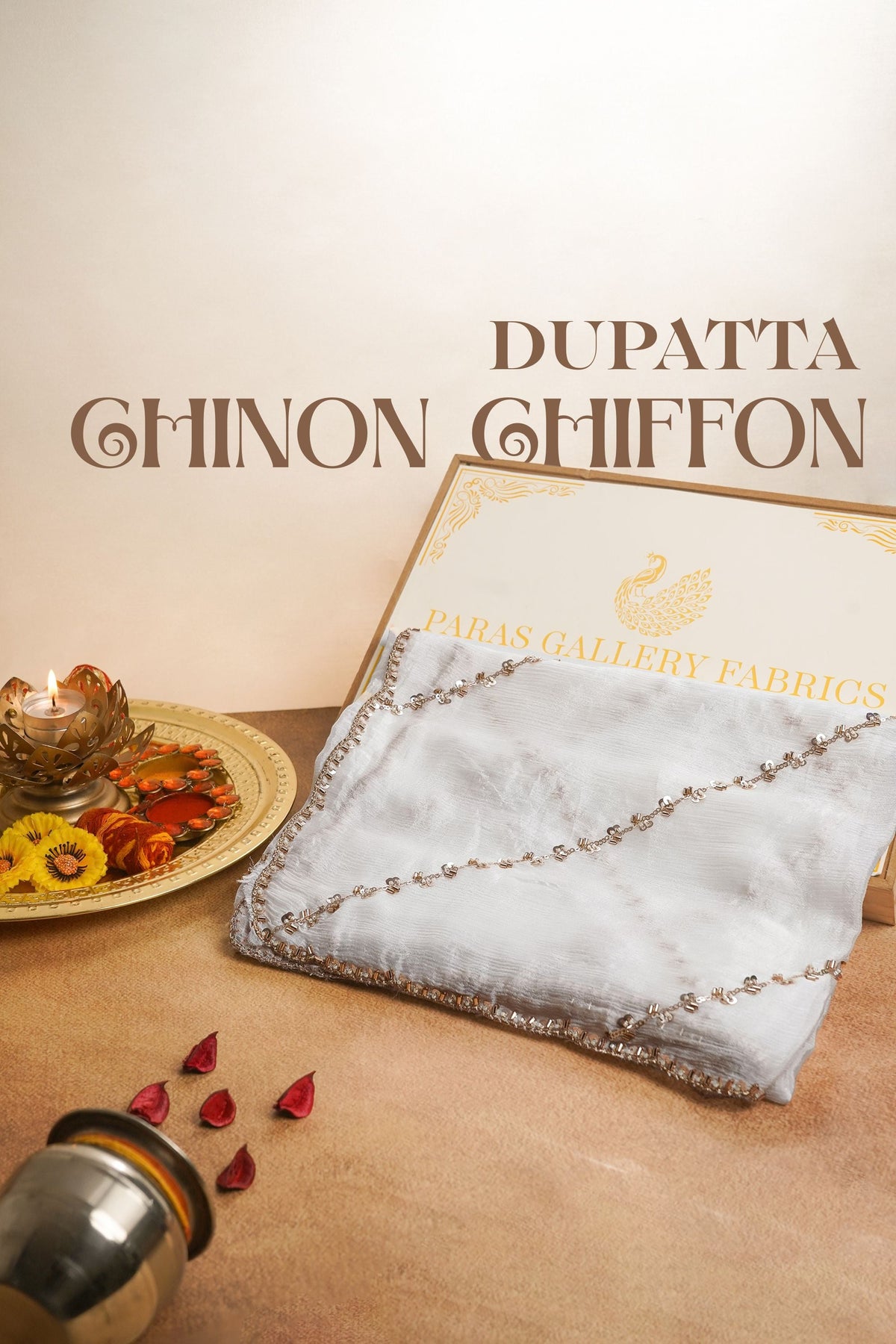
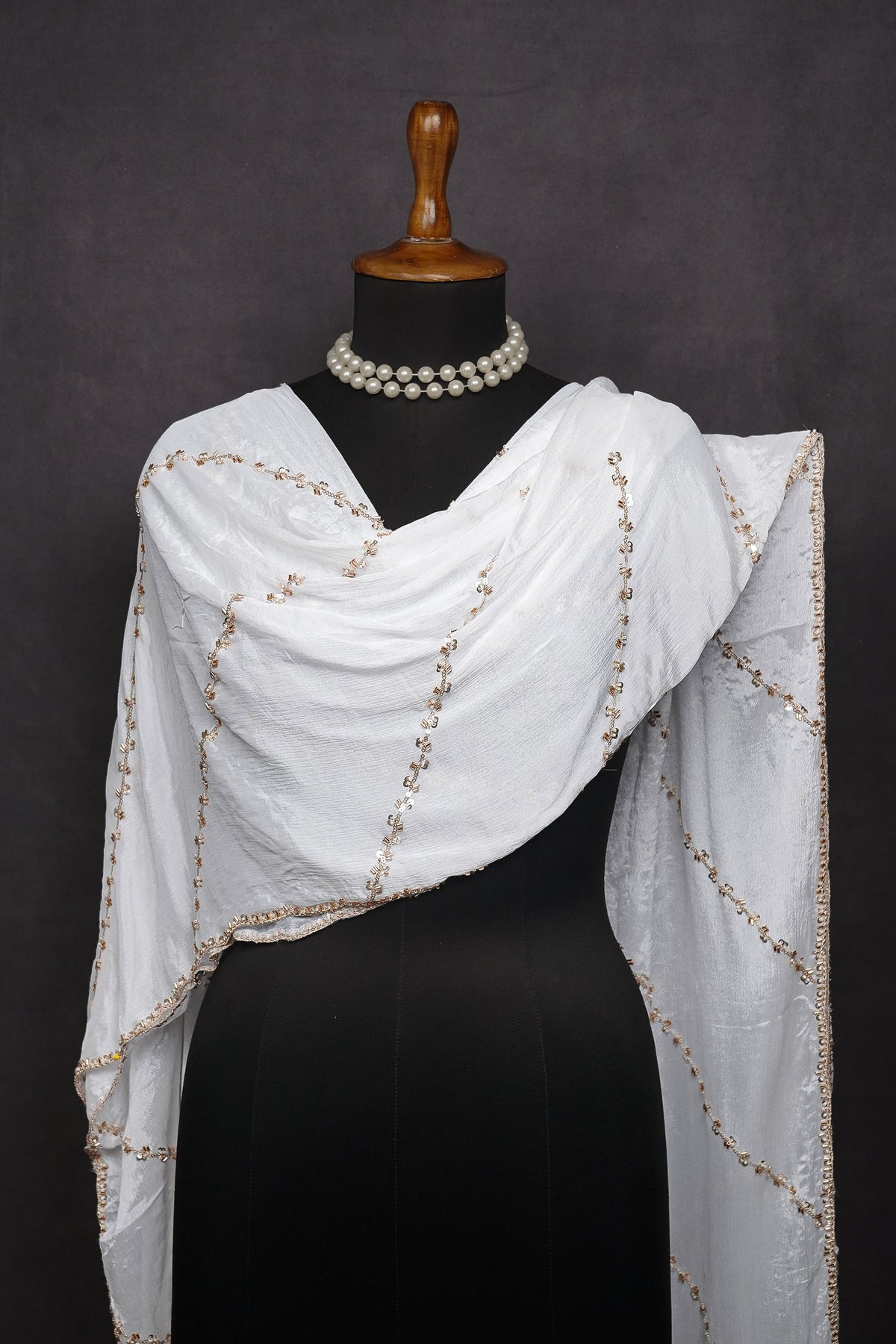


Designer Dupatta in 2026: Buyer's Complete Reference
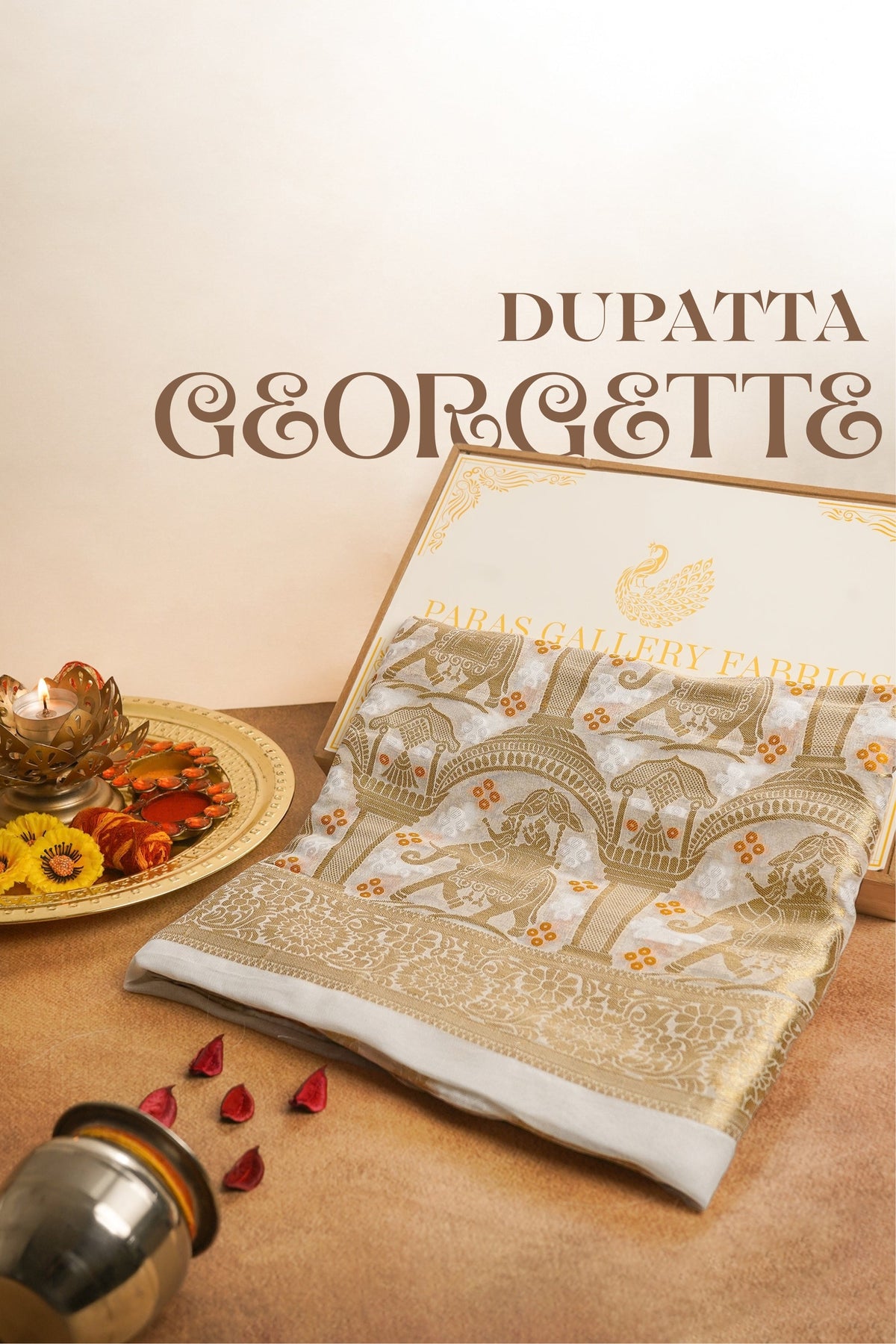
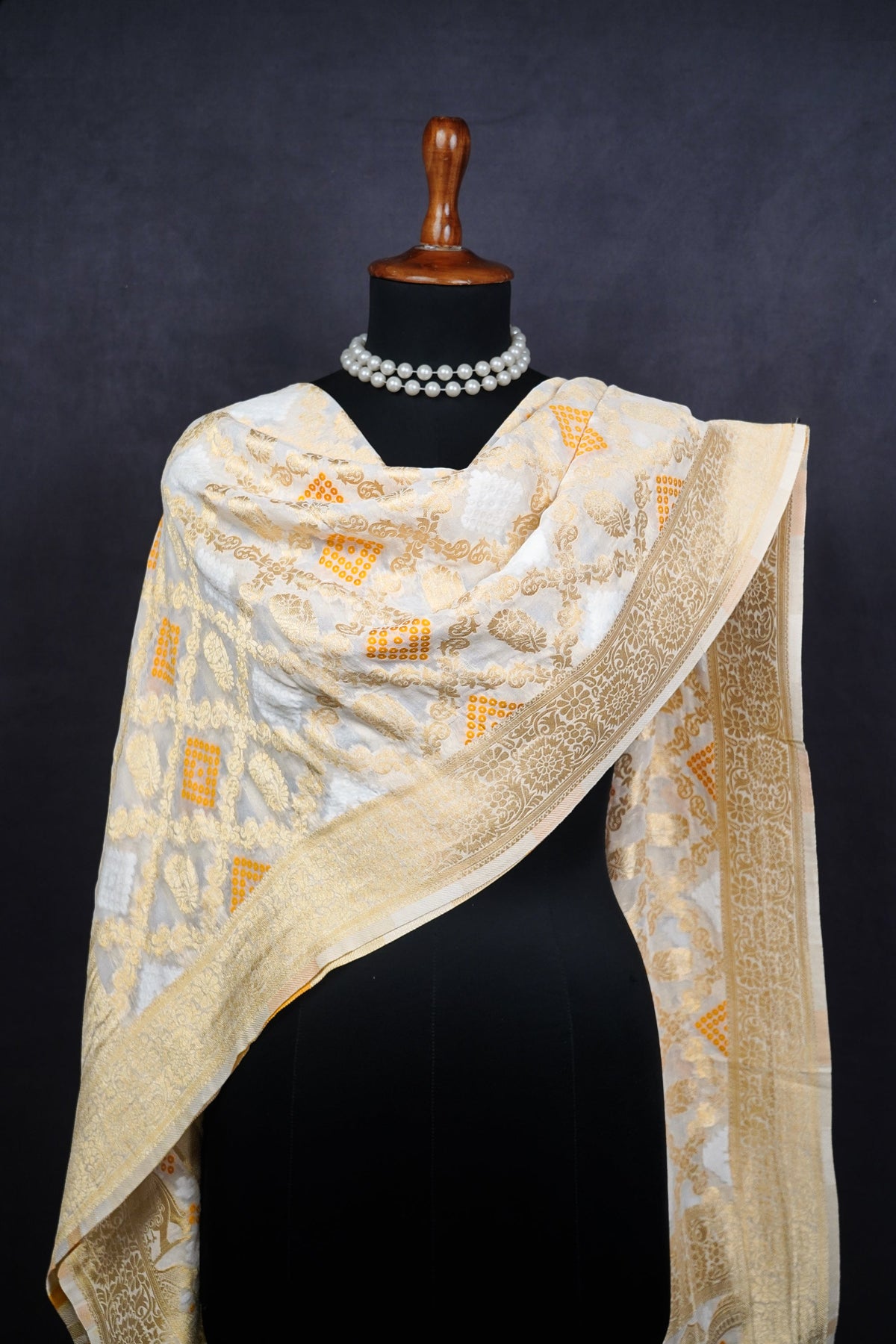
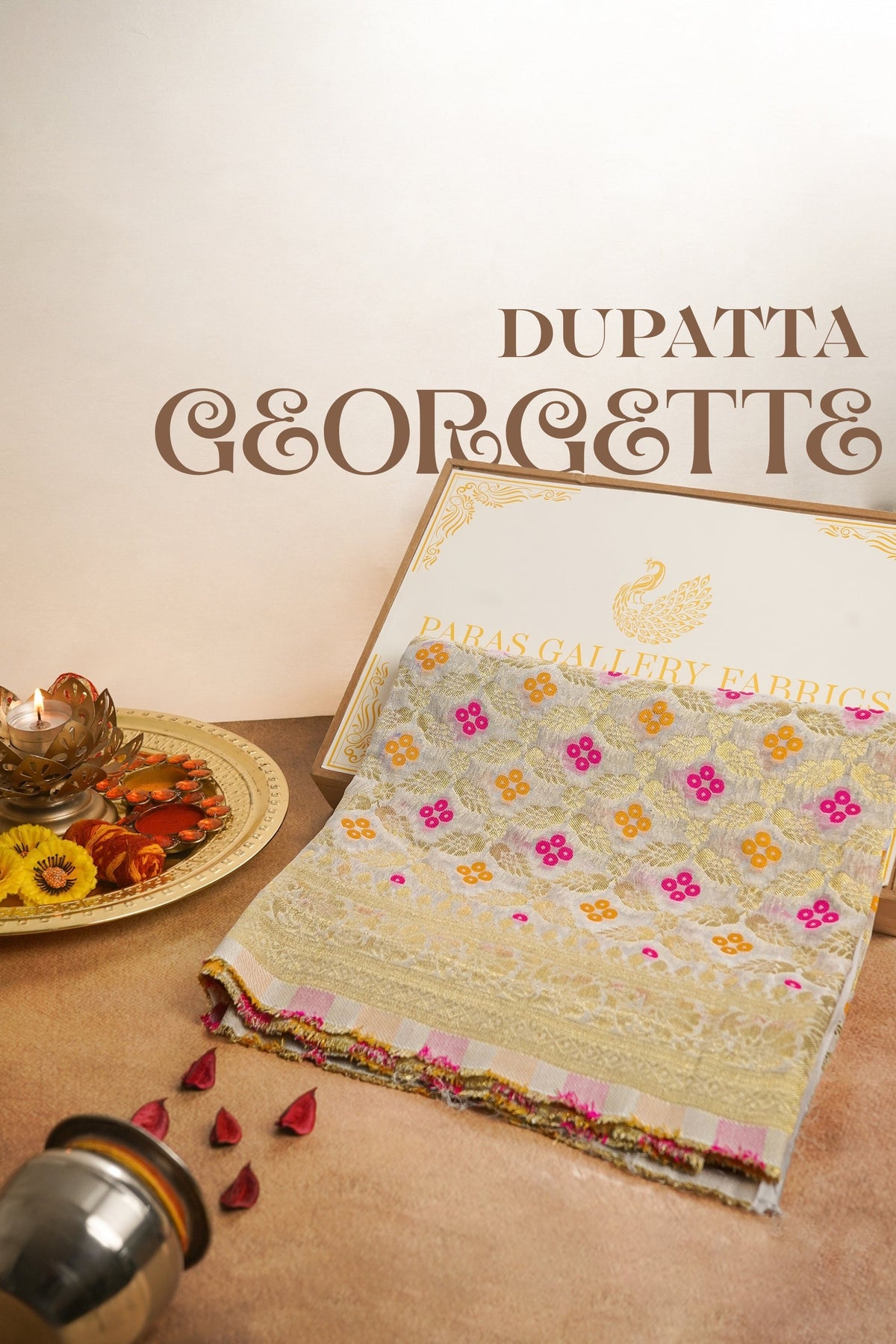
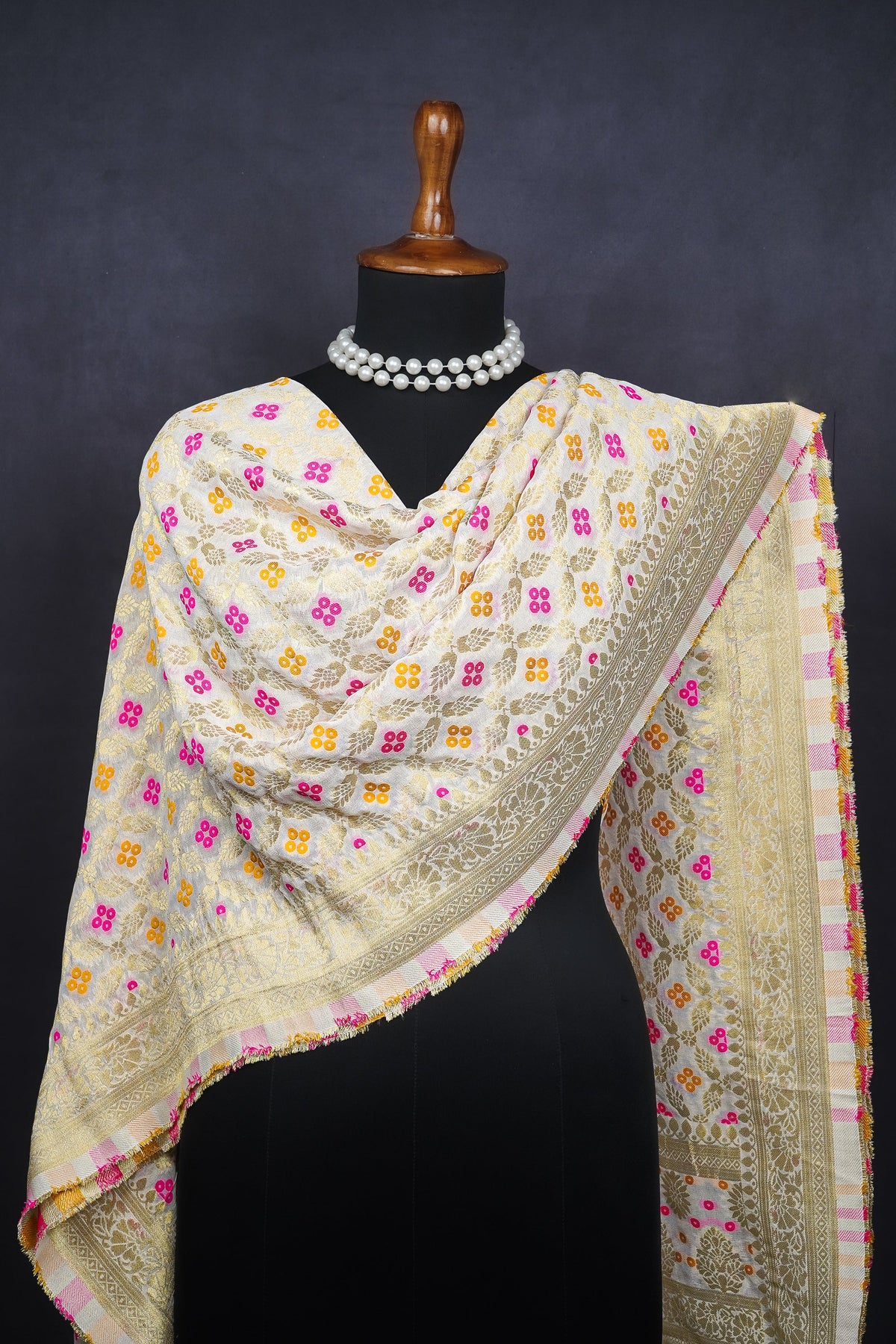
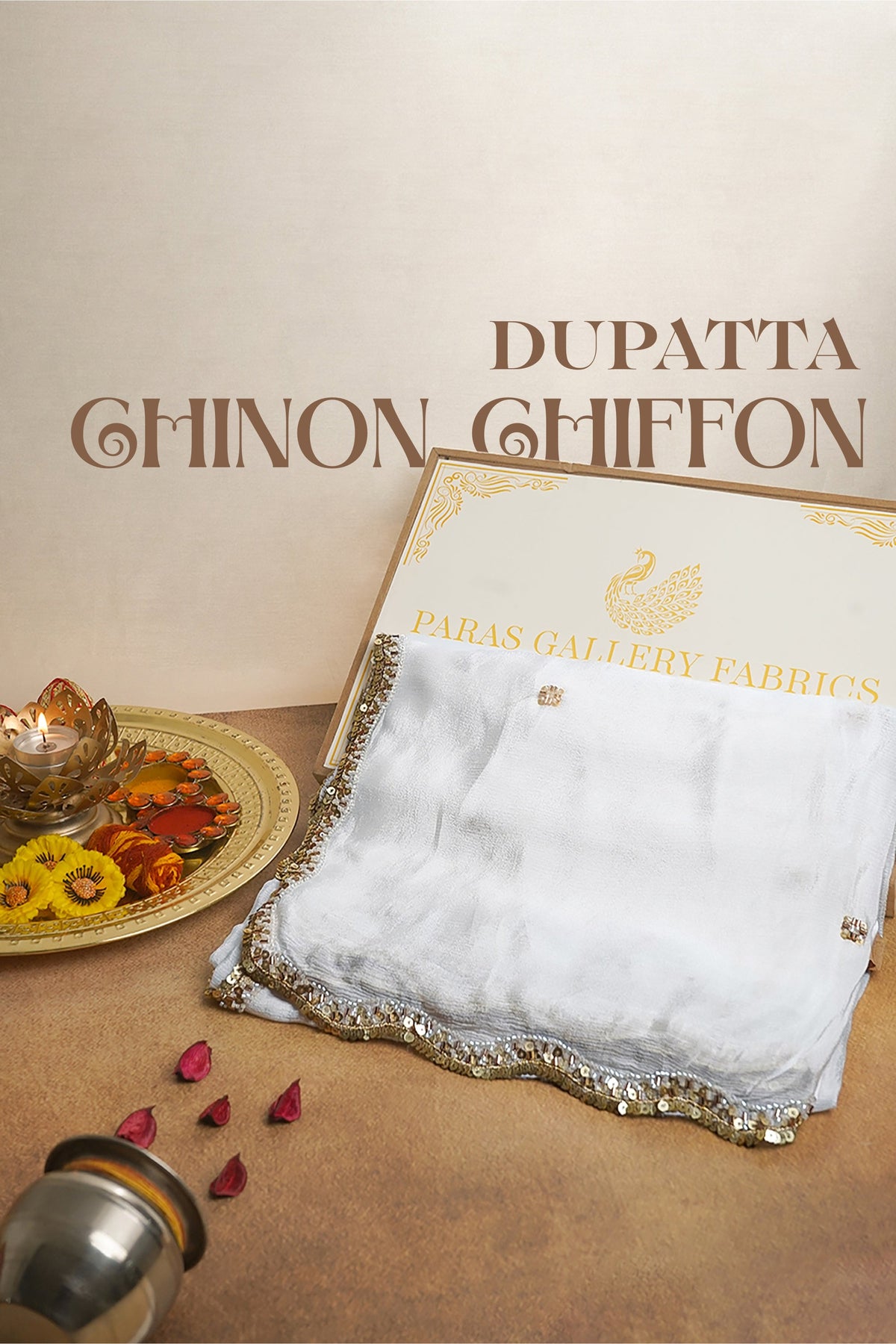
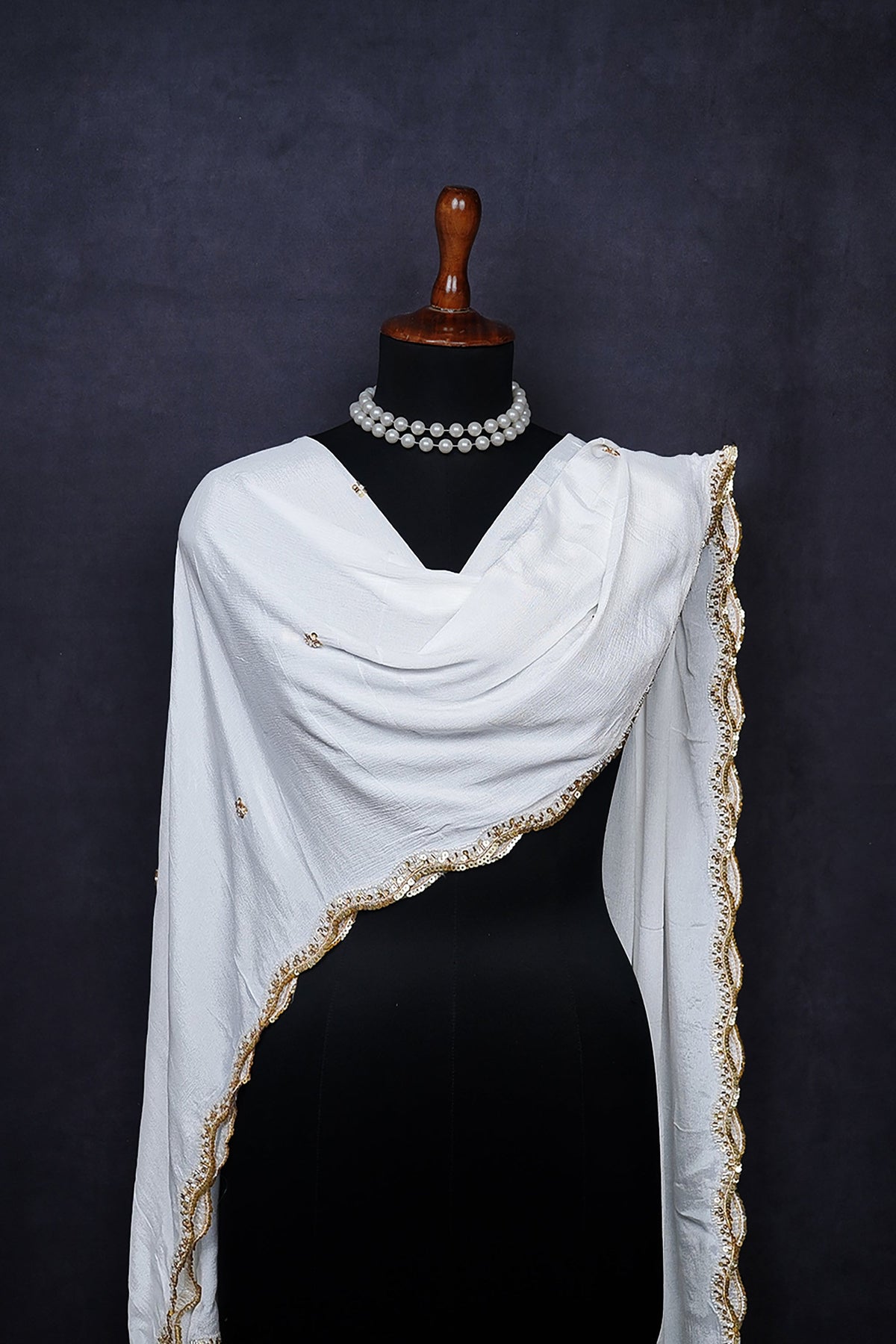
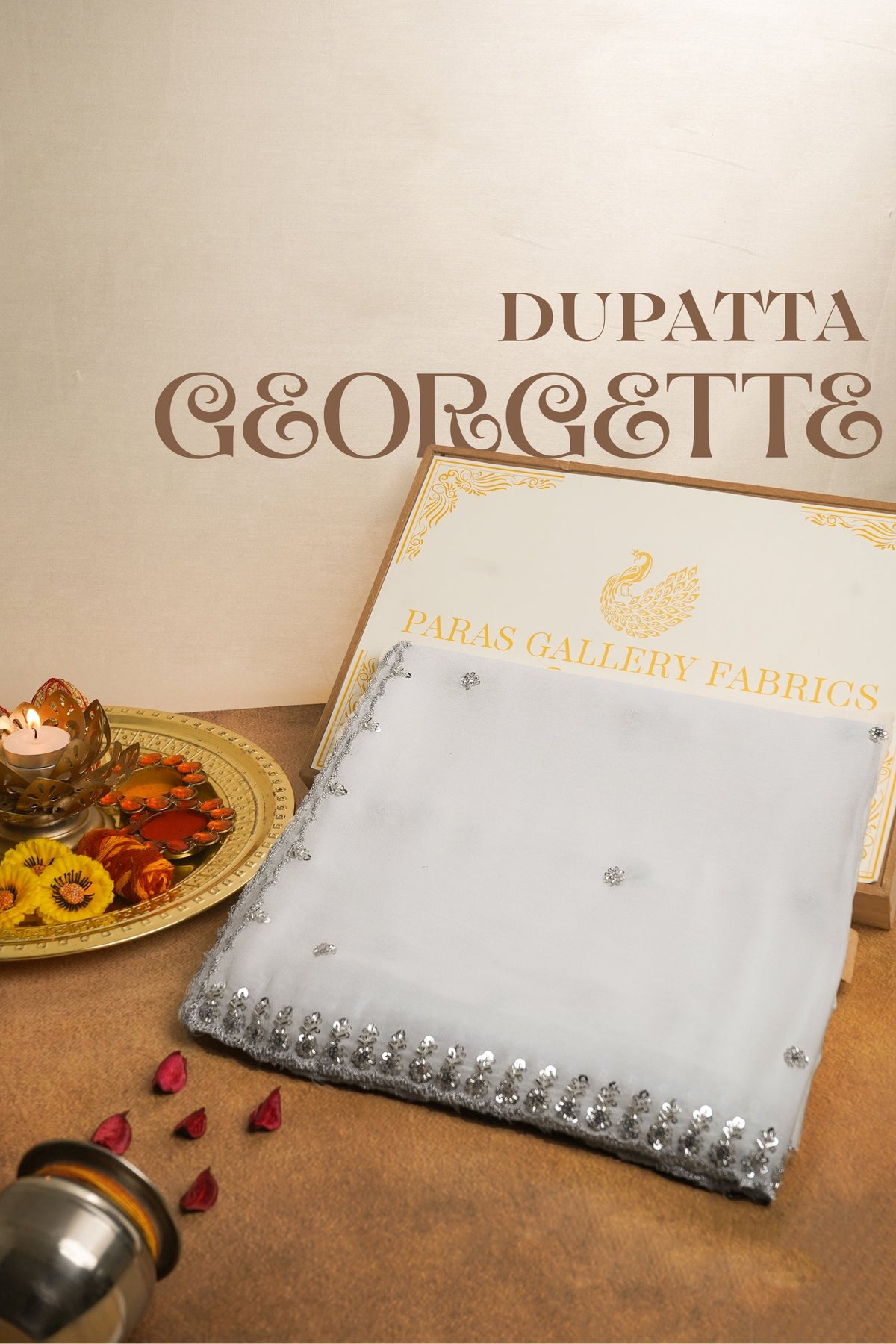
Every ethnic outfit needs its finishing piece. That is where the Paras Gallery Dupatta Collection anchors bridal-family plus festive boutique buying. One hundred thirty-eight curated designer dupatta pieces span georgette, crepe, organza, chanderi, tissue, net, velvet segments. Sale rates deliver 45 to 55 percent discount off original wholesale.
What Makes Designer Dupatta Different
Fabric character defines the story. Standard dupatta browsing splits by shade family. The variant browsing organises by use-case sub-category. Bridal custom coordination. Winter luxury. Single-fibre heritage. Pre-dyed solid palette.
Five sub-categories cover the complete dupatta brief:
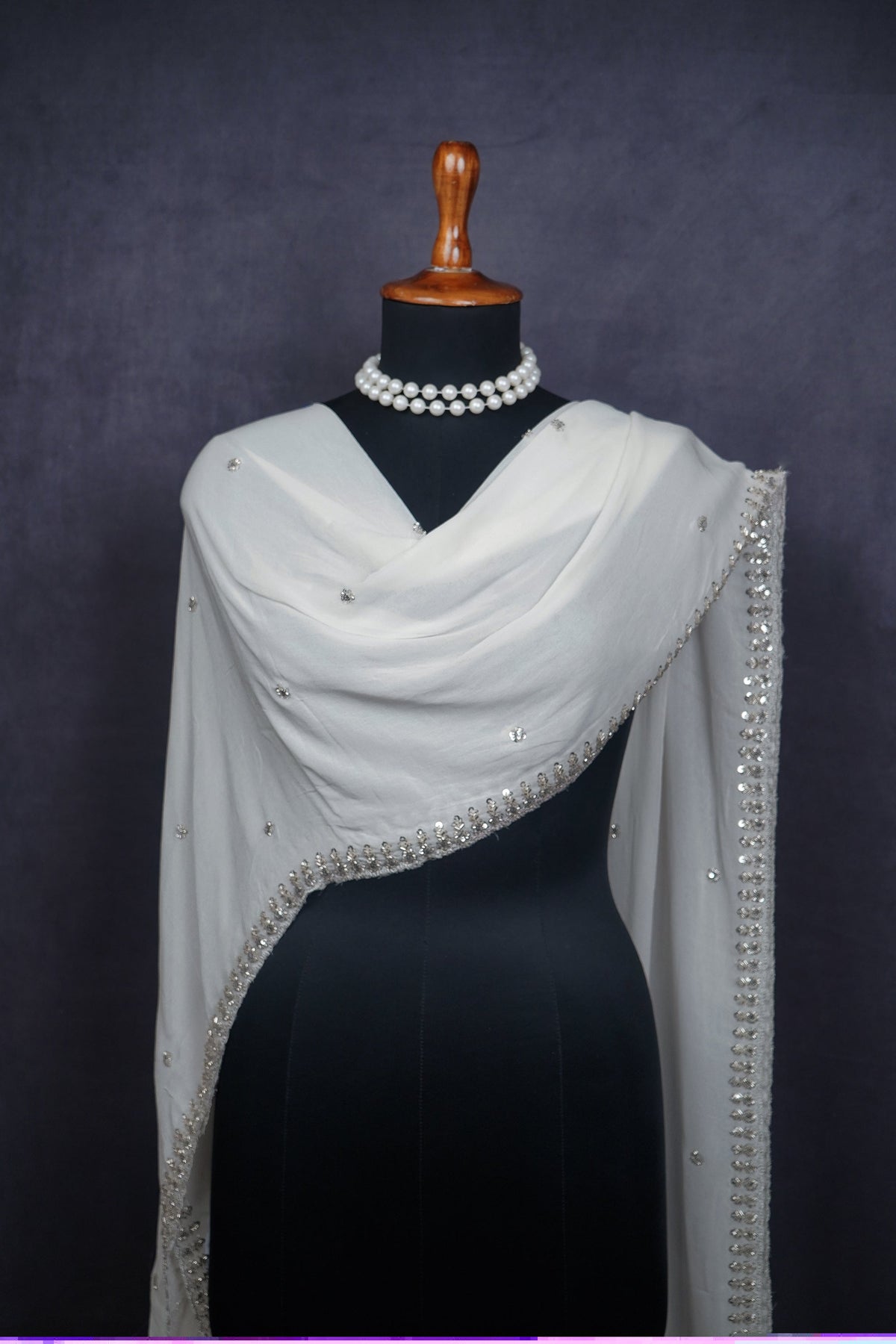
- Dyeable Dupatta (117 pieces): White or cream base ready for boutique custom-colour dyeing across bridal palette matching plus family coordination
- Velvet Dupatta (9 pieces): Winter-season statement pieces with structured drape for reception plus bridal-party outfit segments
- Pure Dupatta: Single-fibre construction (pure silk, pure cotton, pure chiffon, pure chanderi) for heritage-conscious upper-tier bridal
- Colored Dupatta (4 pieces): Pre-dyed solid shades ready for direct pairing without dye workflow
- Coloured Dupatta (5 pieces): Additional pre-shaded curated pieces across coordinated palette segments
Suitable for dyeable embroidery coordination across bridal segments plus blouse production for saree-plus-blouse-plus-dupatta coordinated sets. Lajpat Nagar wholesale rates run Rs 795 to Rs 3,435 per piece depending on base fabric plus embellishment character.
Types of Designer Dupatta in Our Collection
| Type | Best Use | Approximate Price Range |
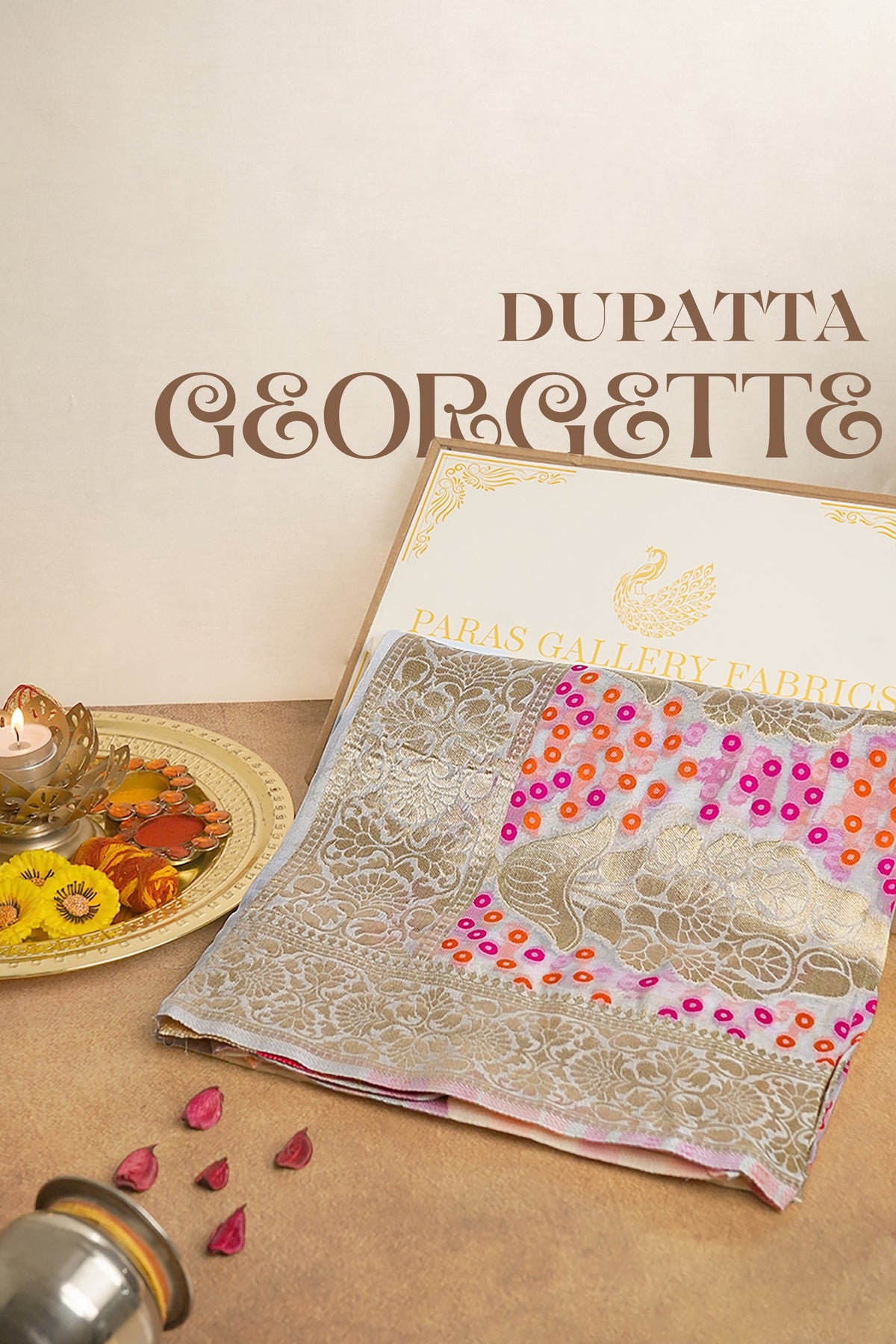
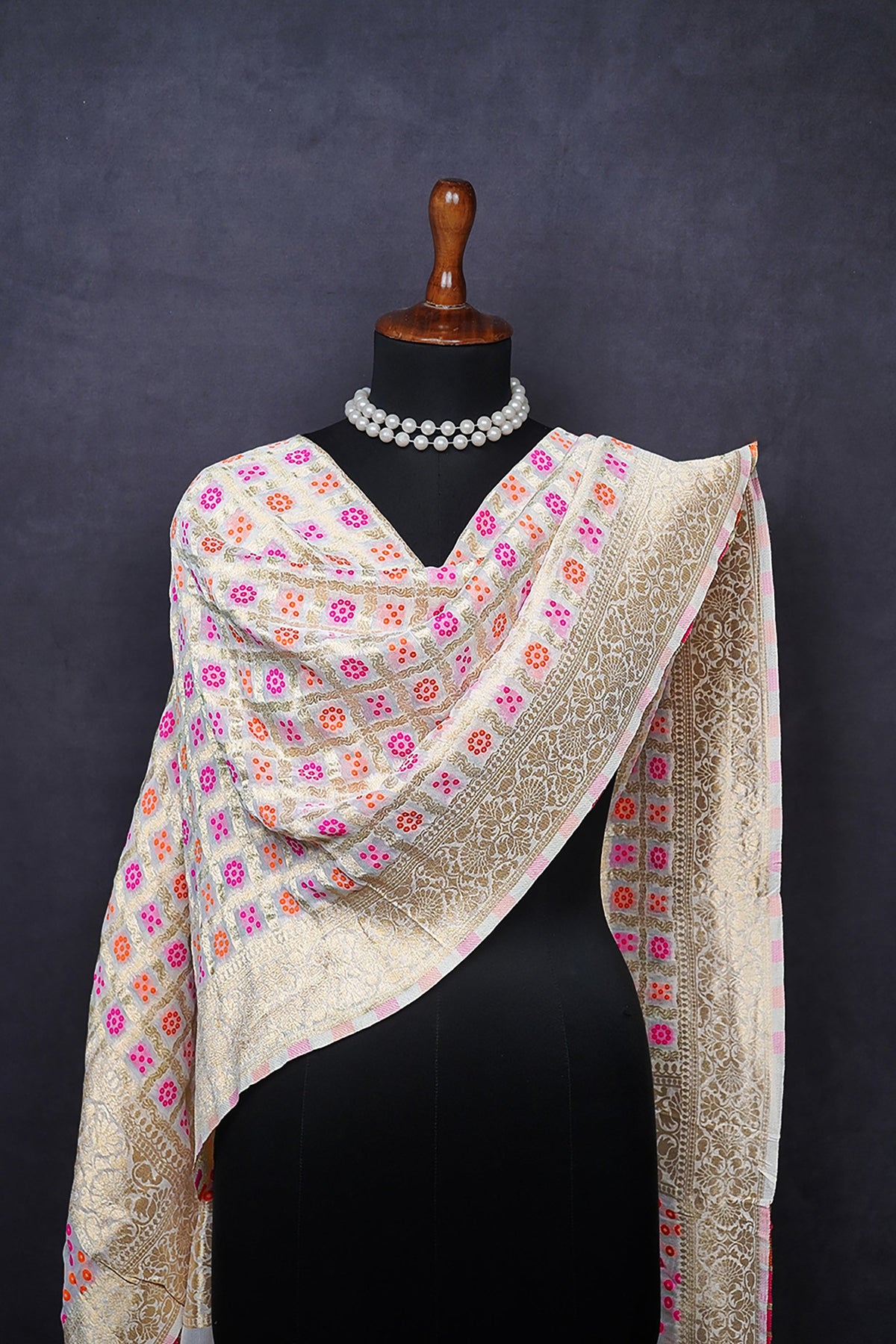
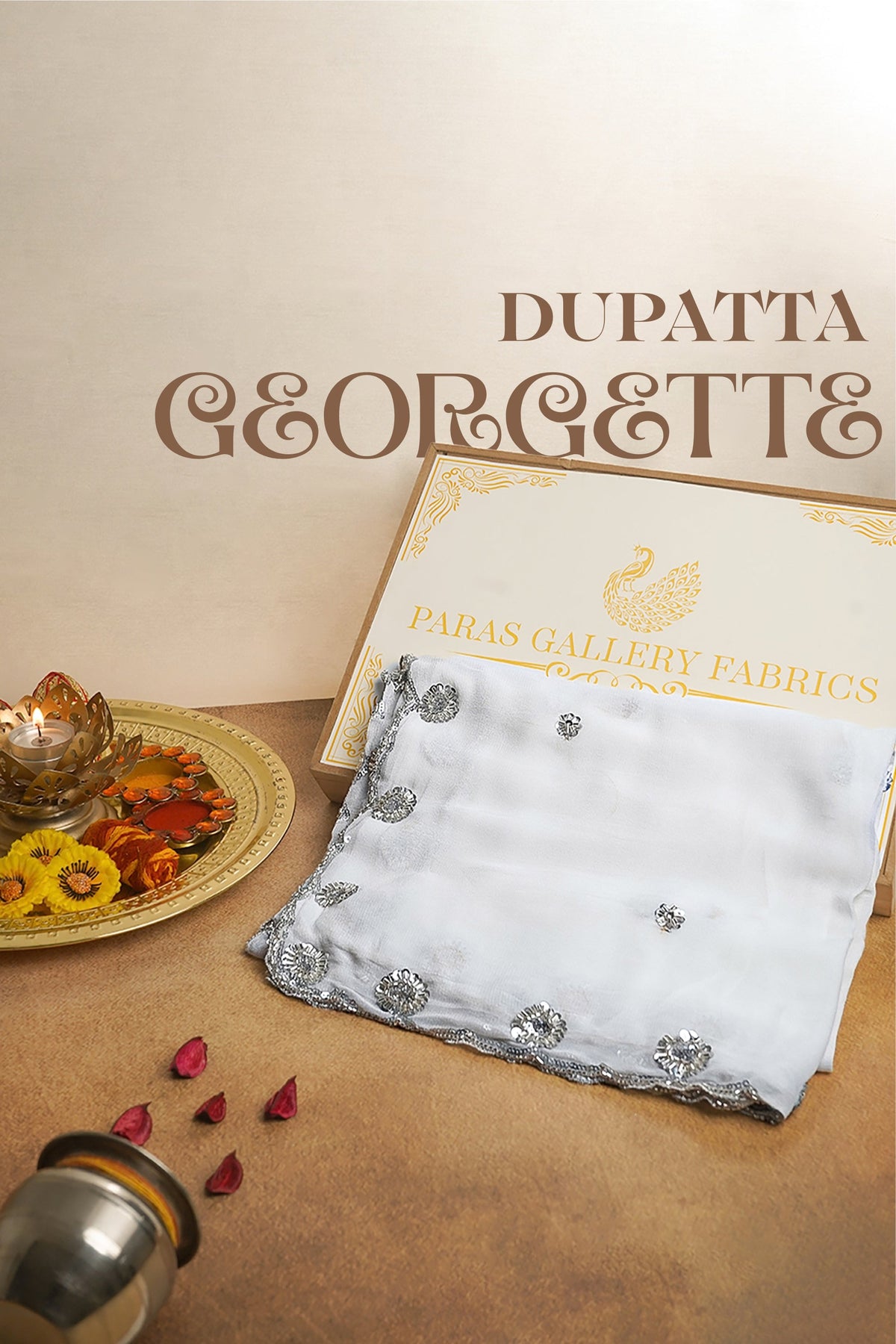
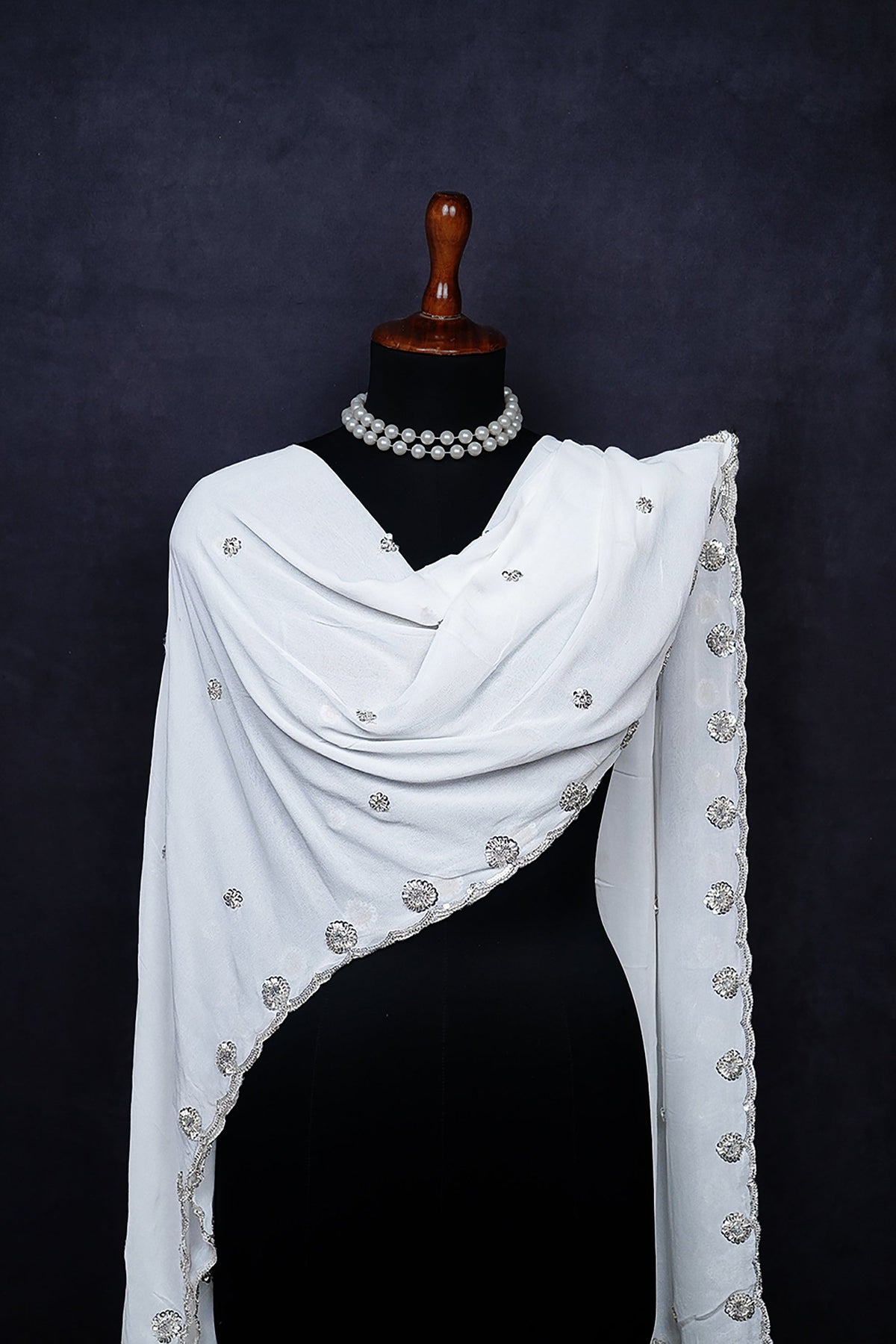
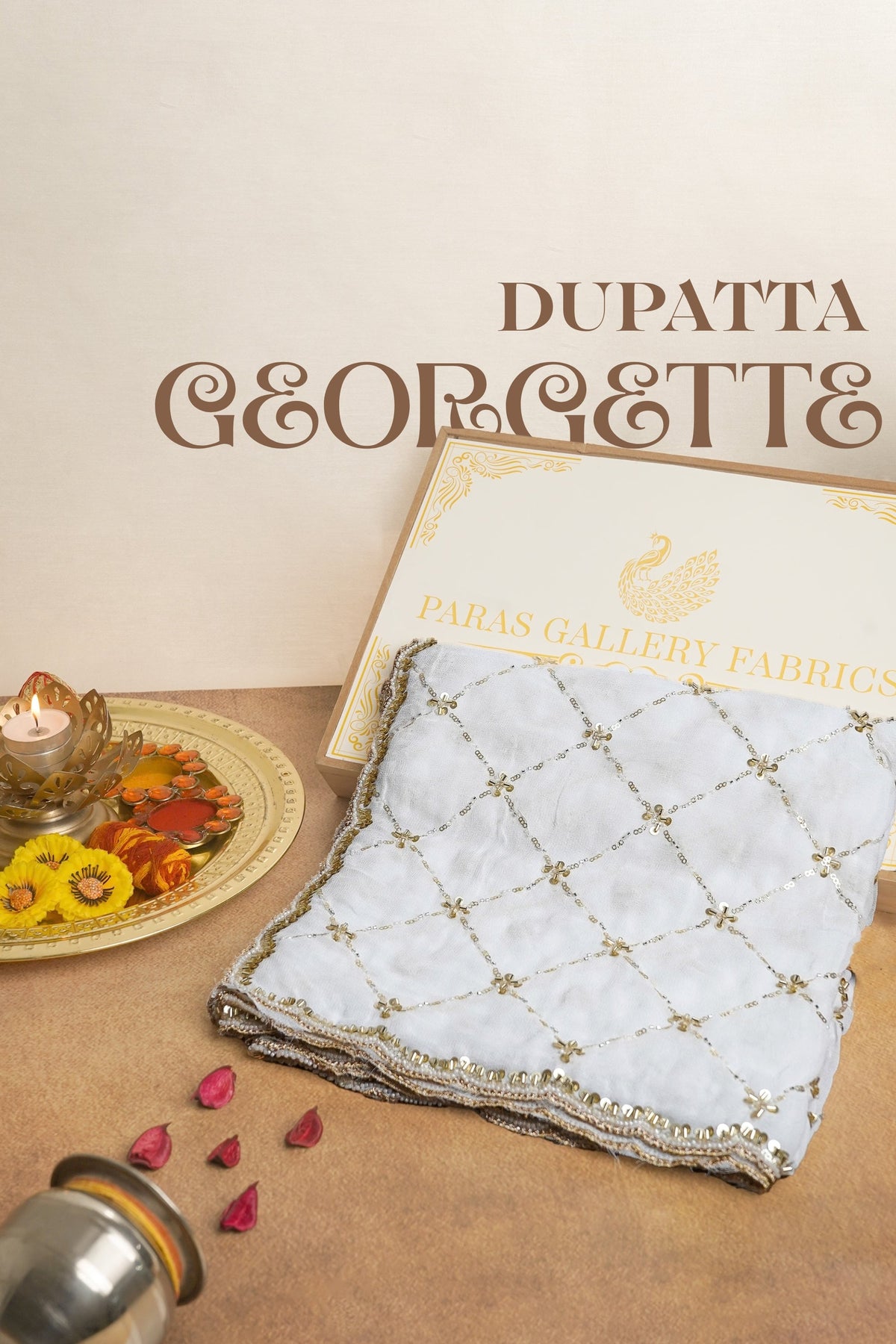
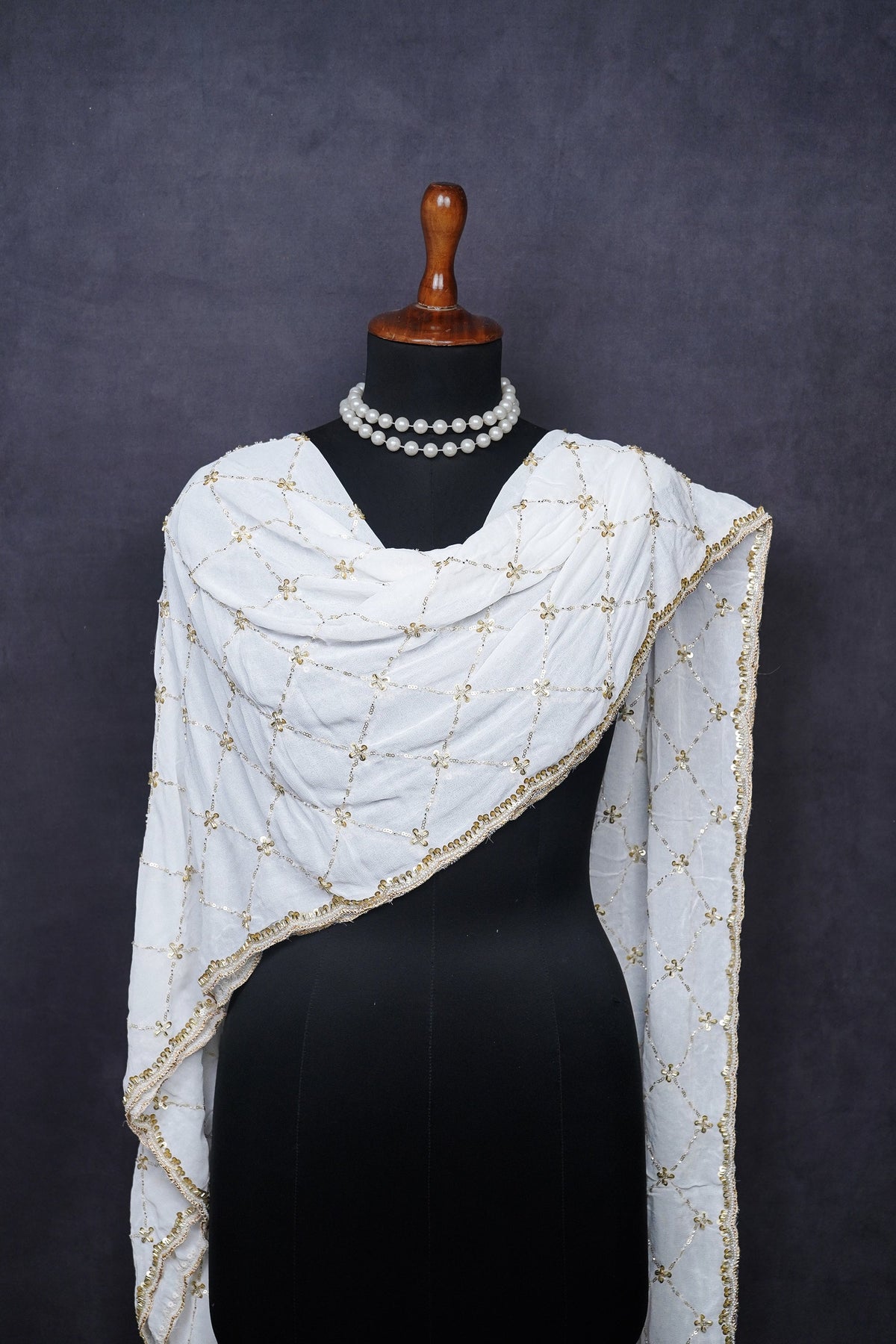
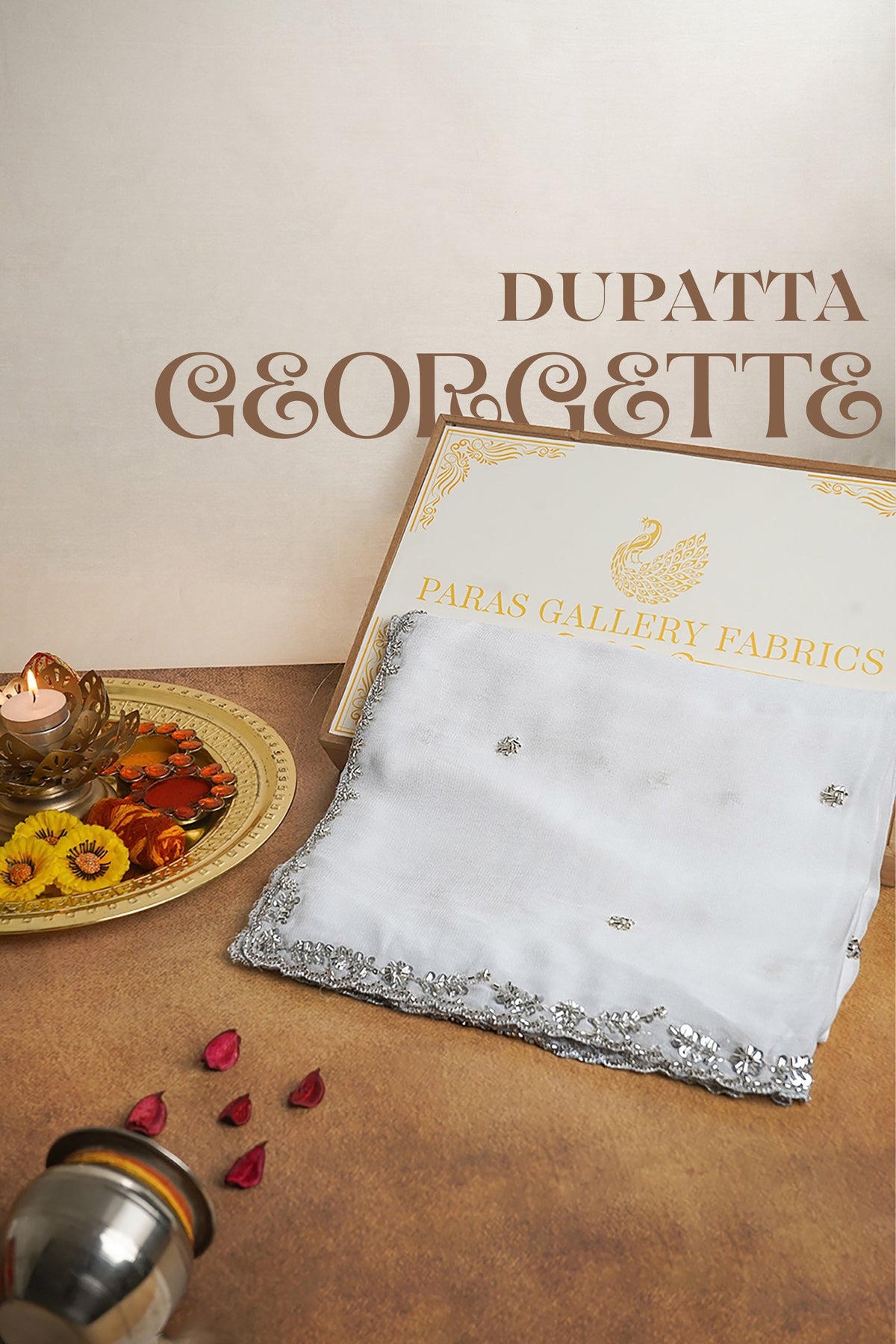
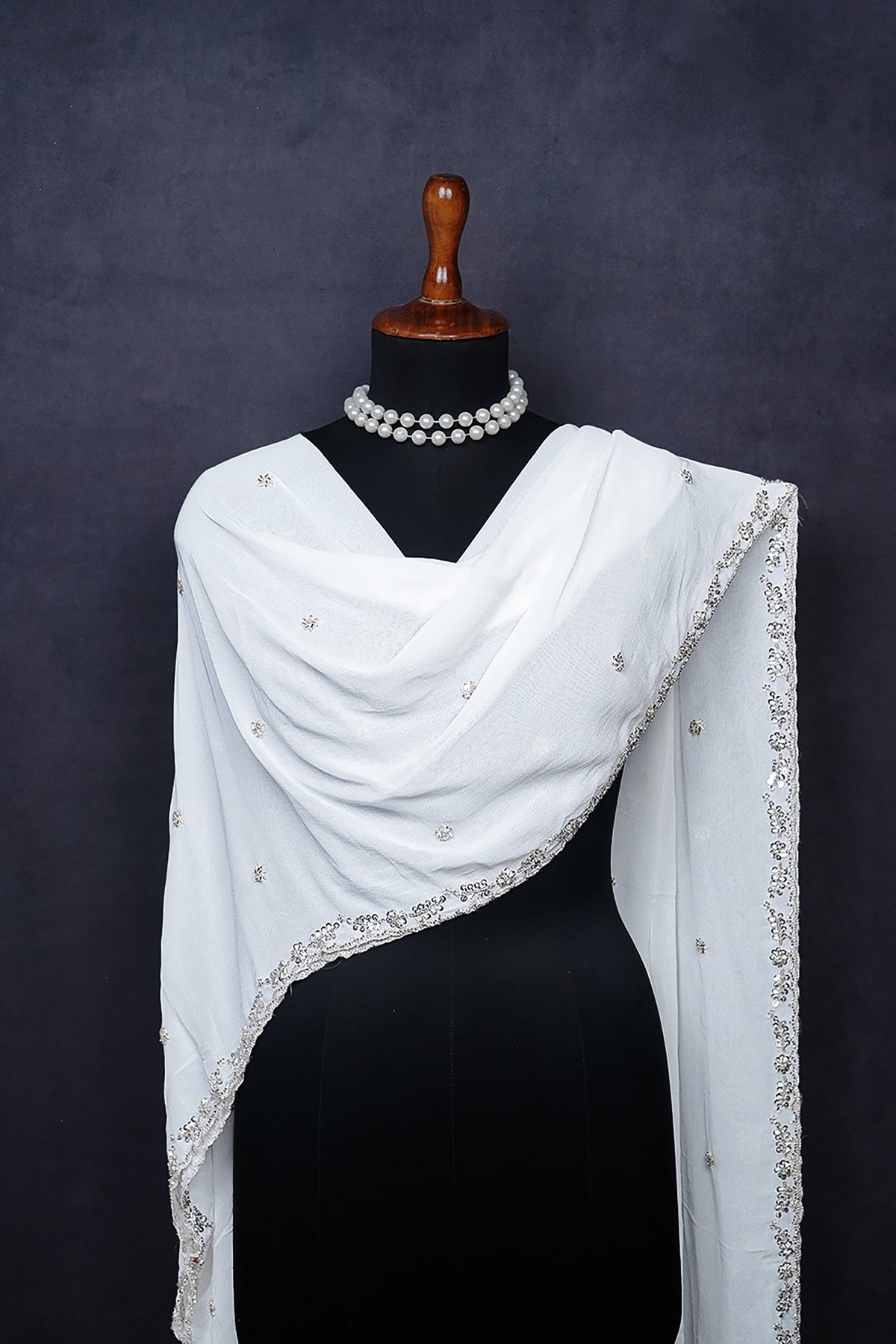
| Dyeable Georgette Dupatta | Custom-palette bridal coordination | Rs 1,060 to 2,800 per piece |
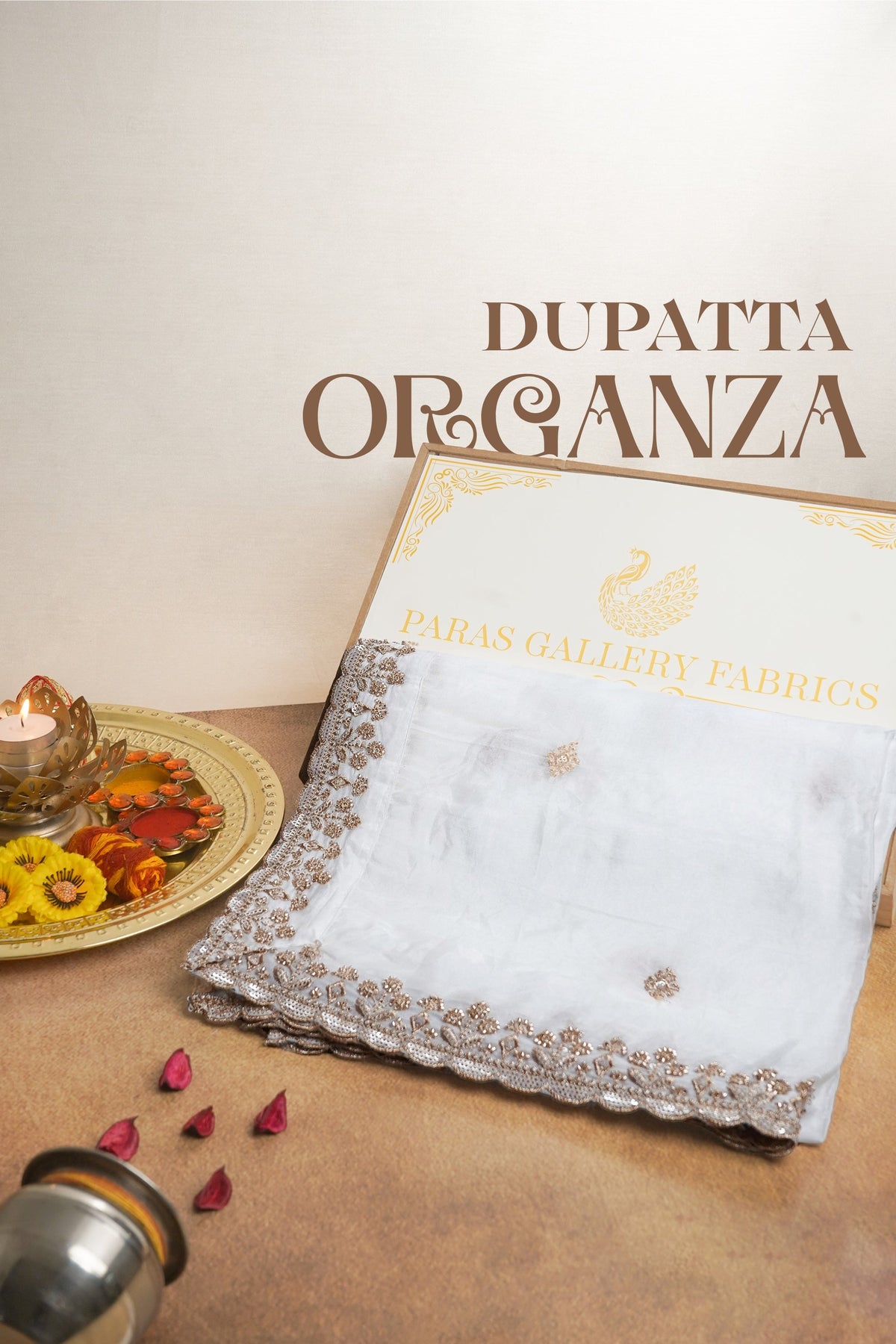
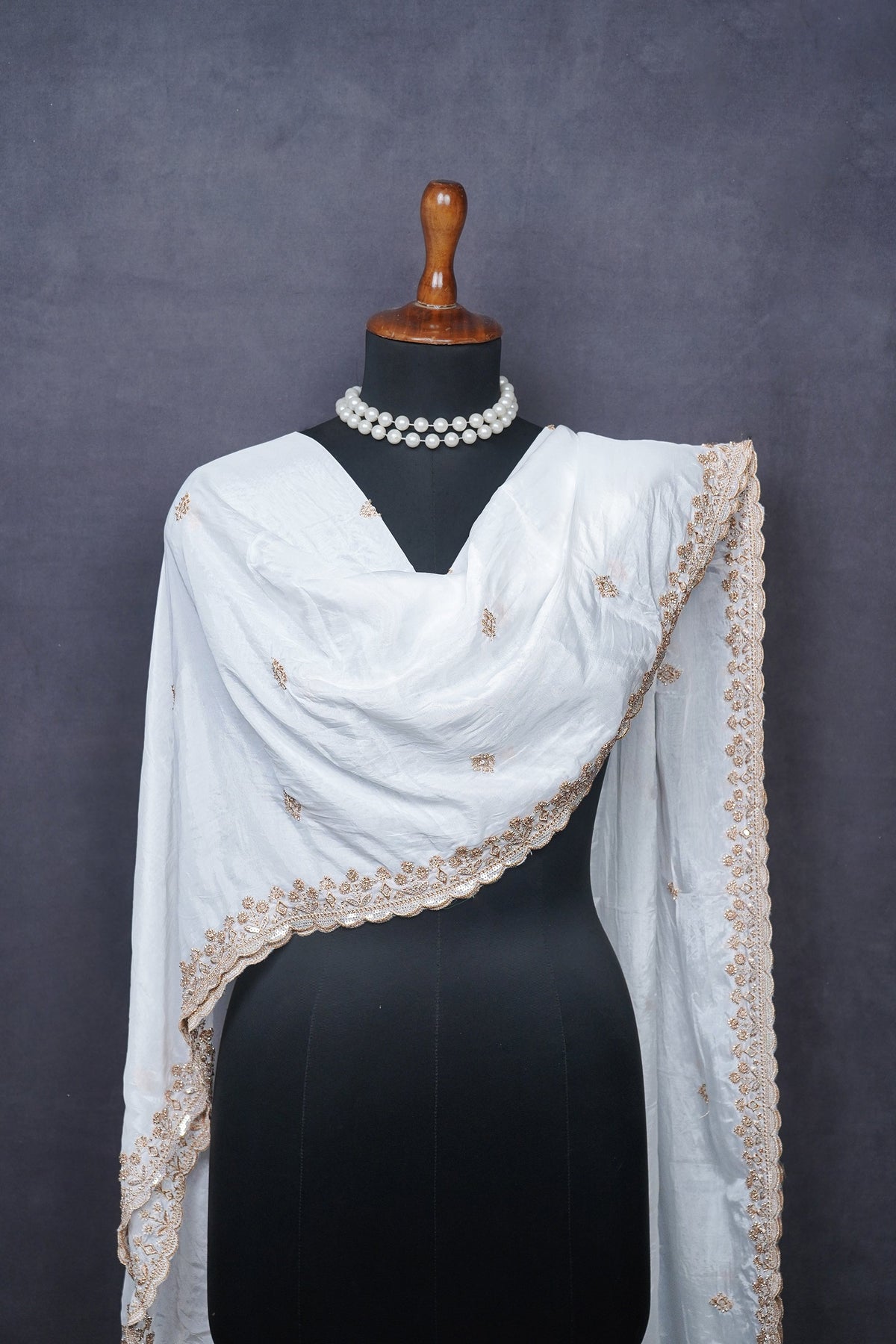
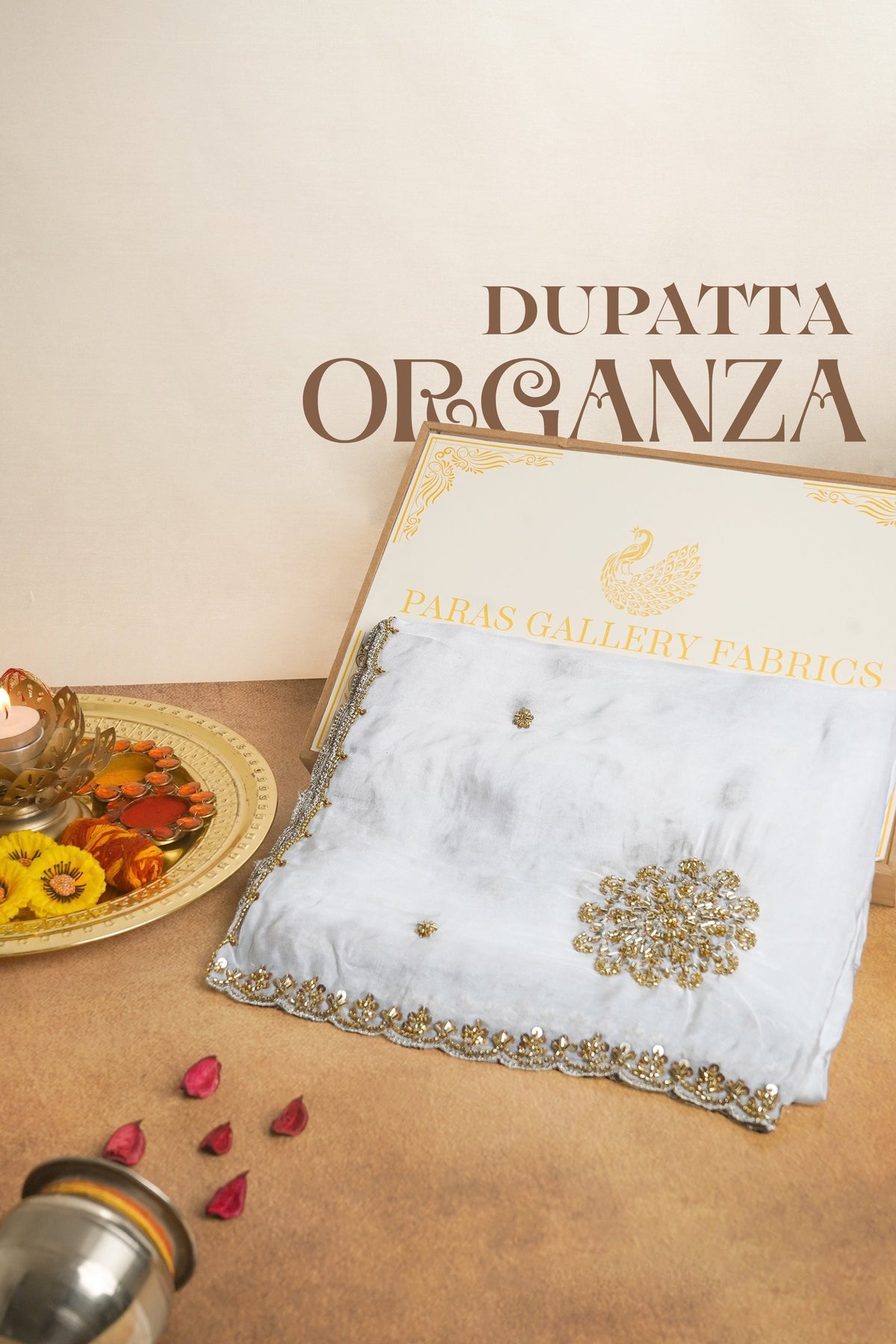
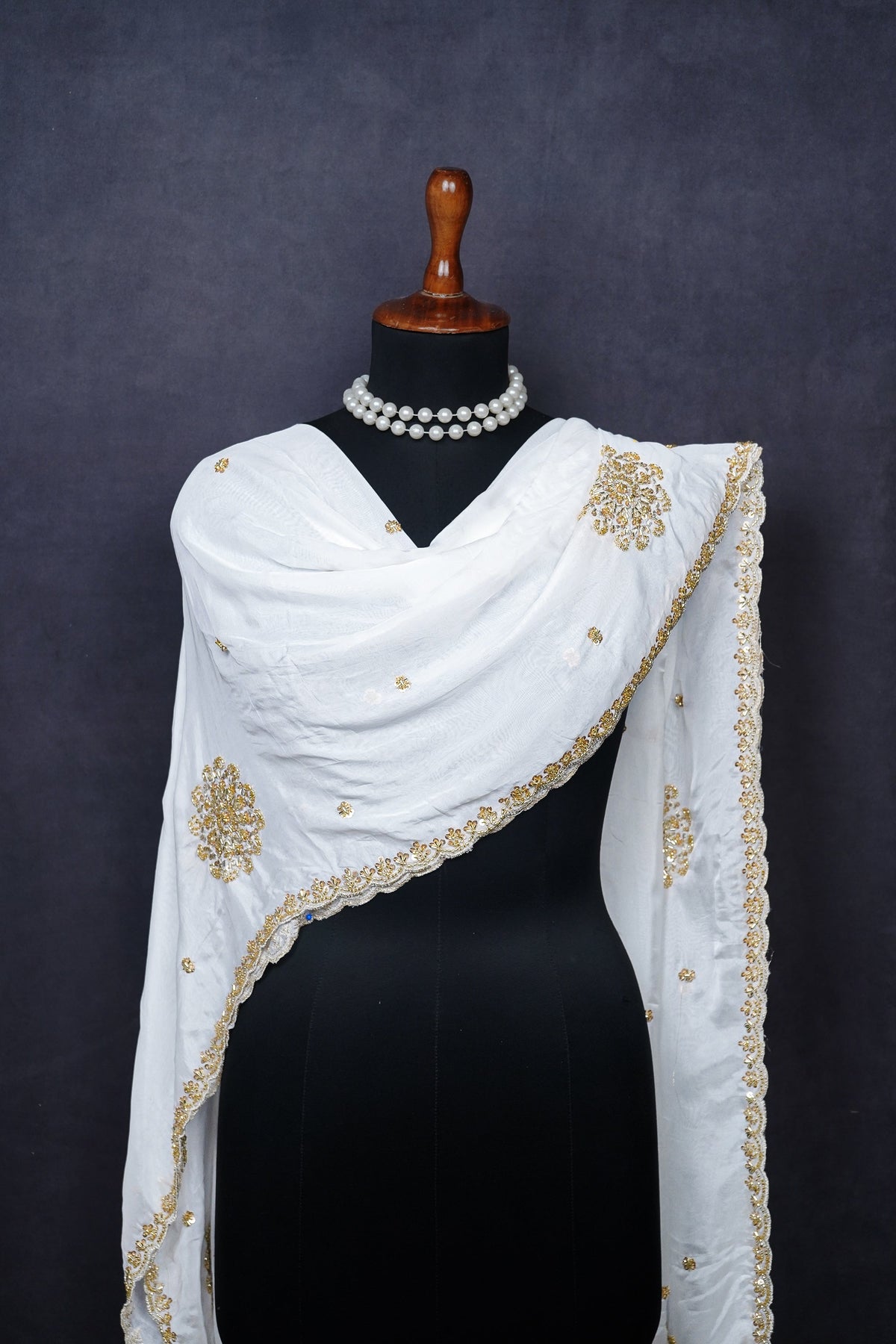
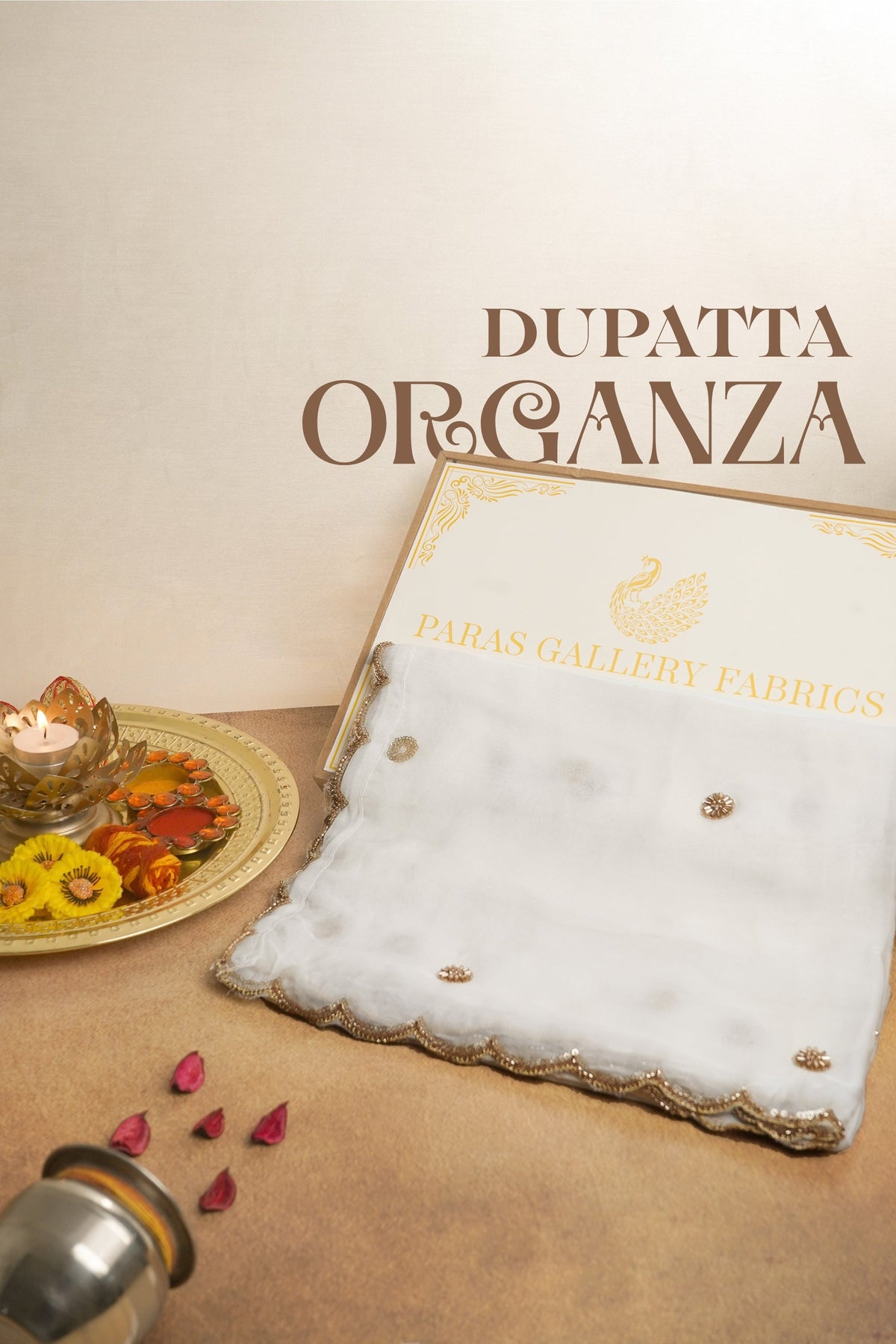
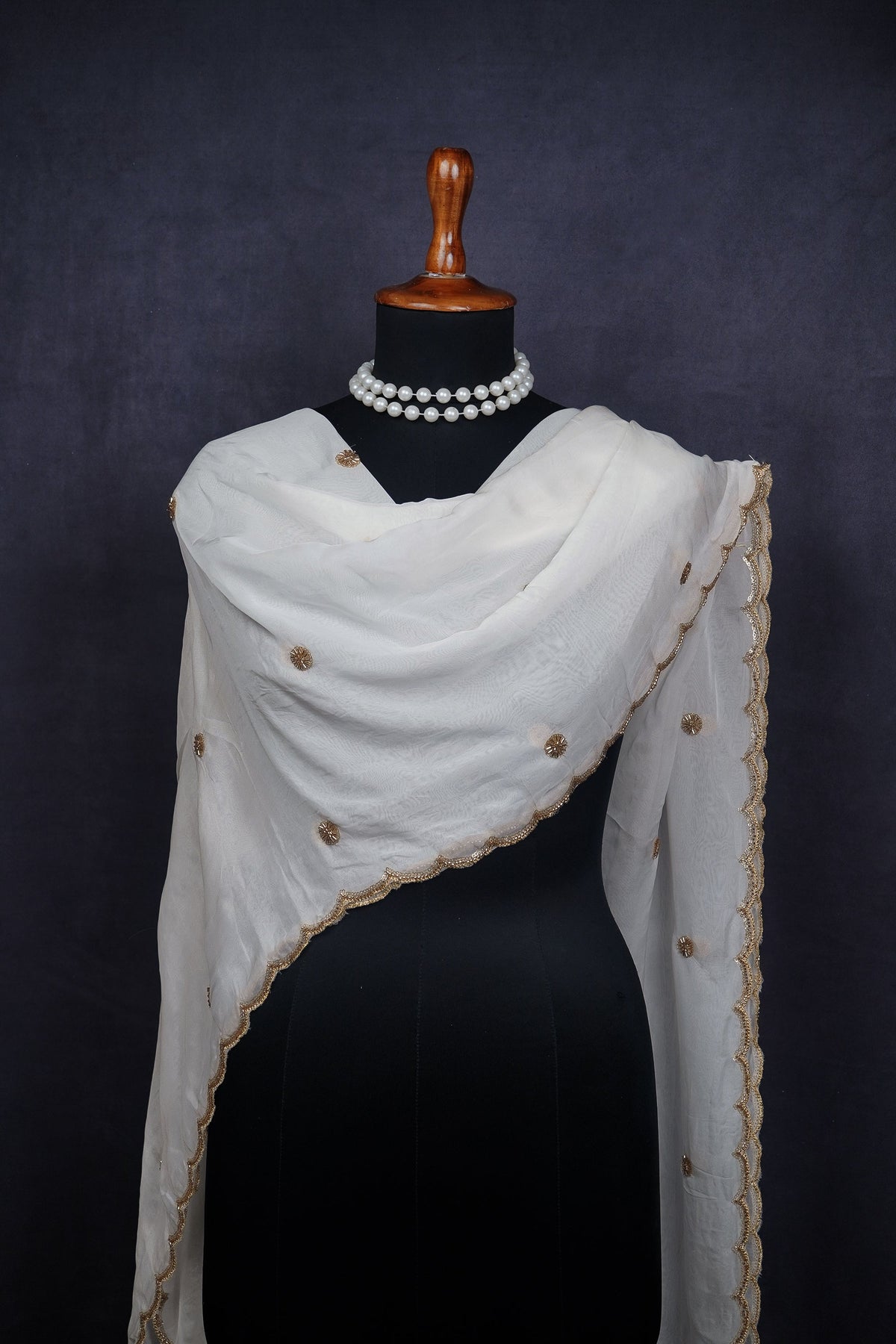
| Dyeable Organza Dupatta | Reception statement dupatta segments | Rs 795 to 2,795 per piece |
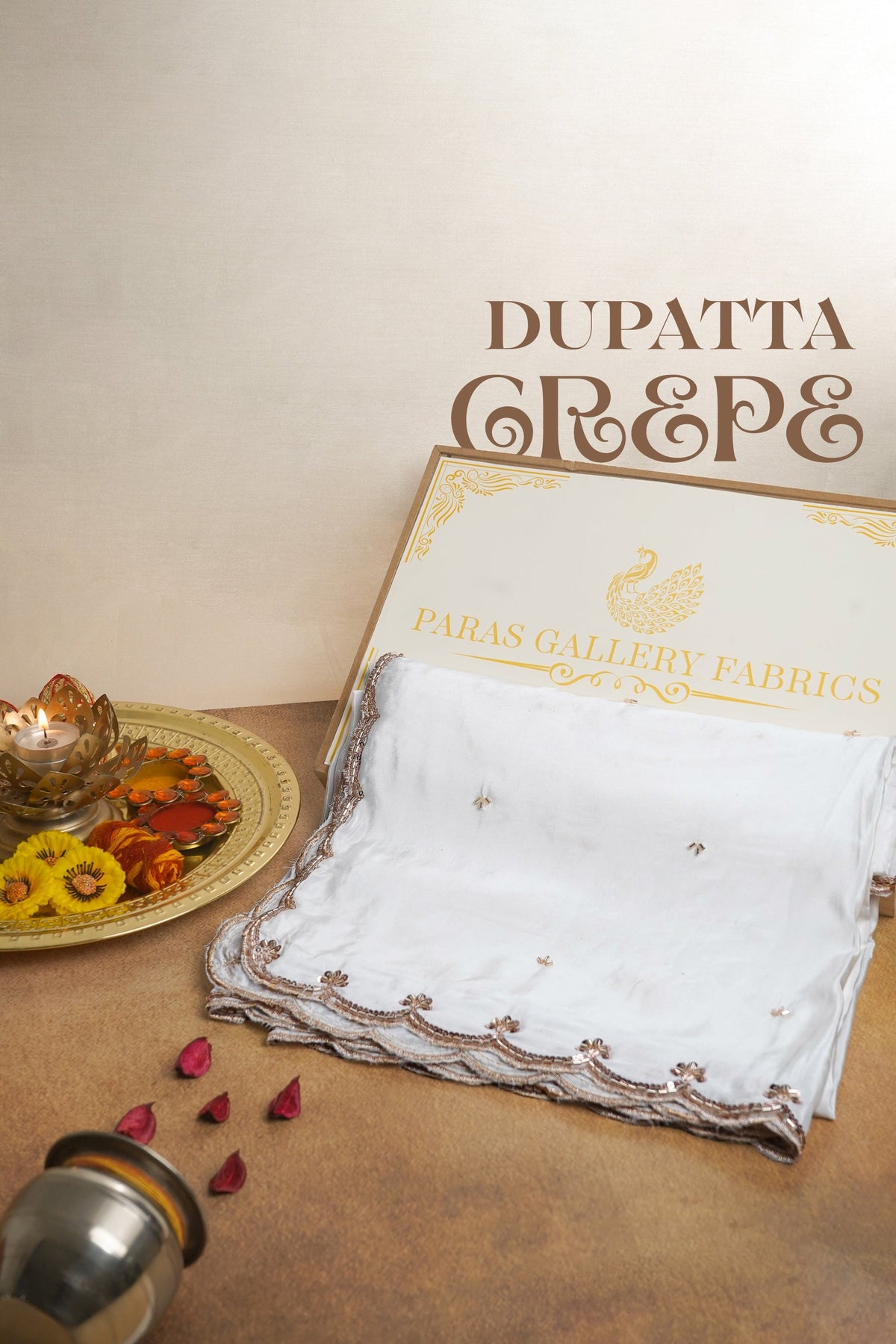
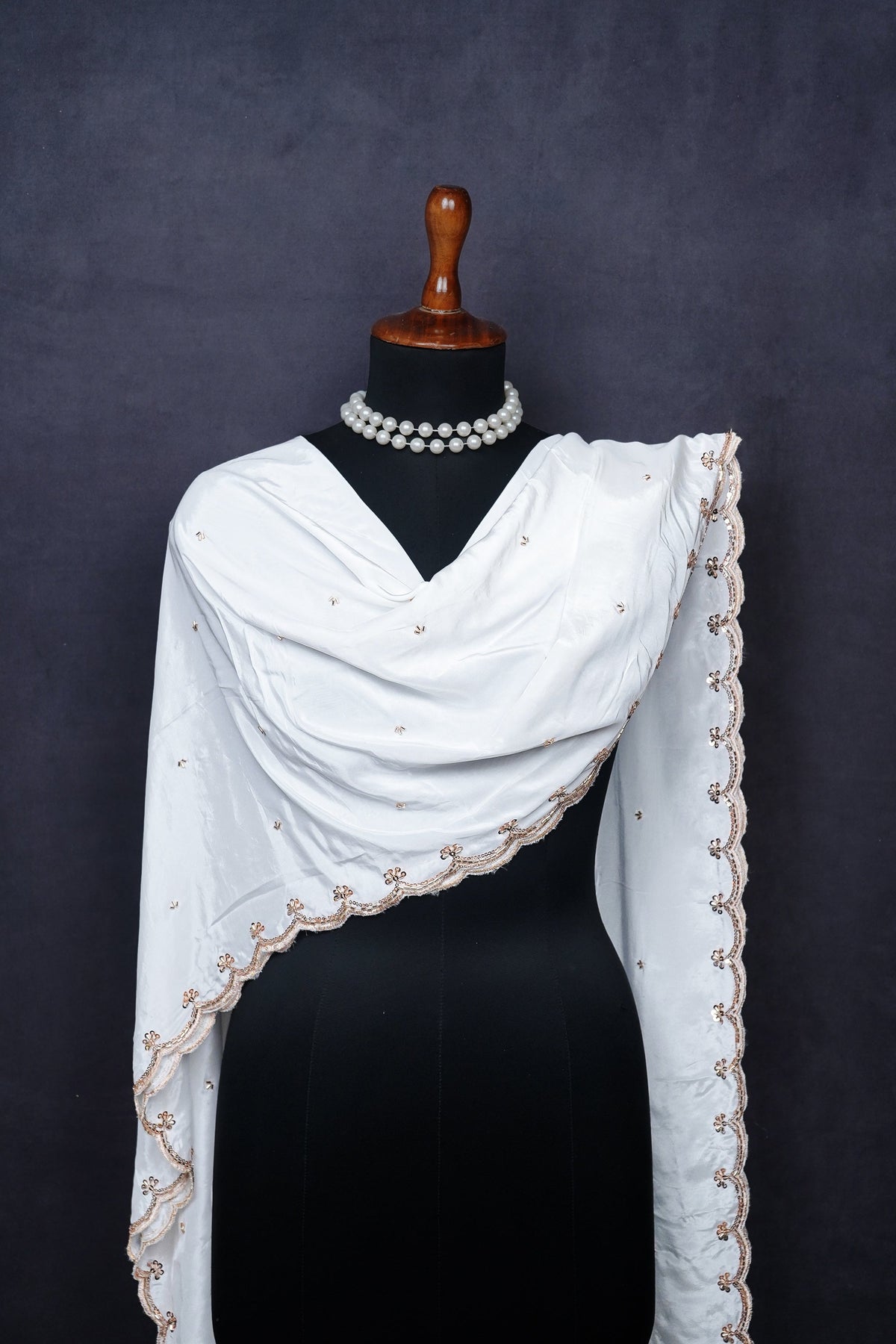
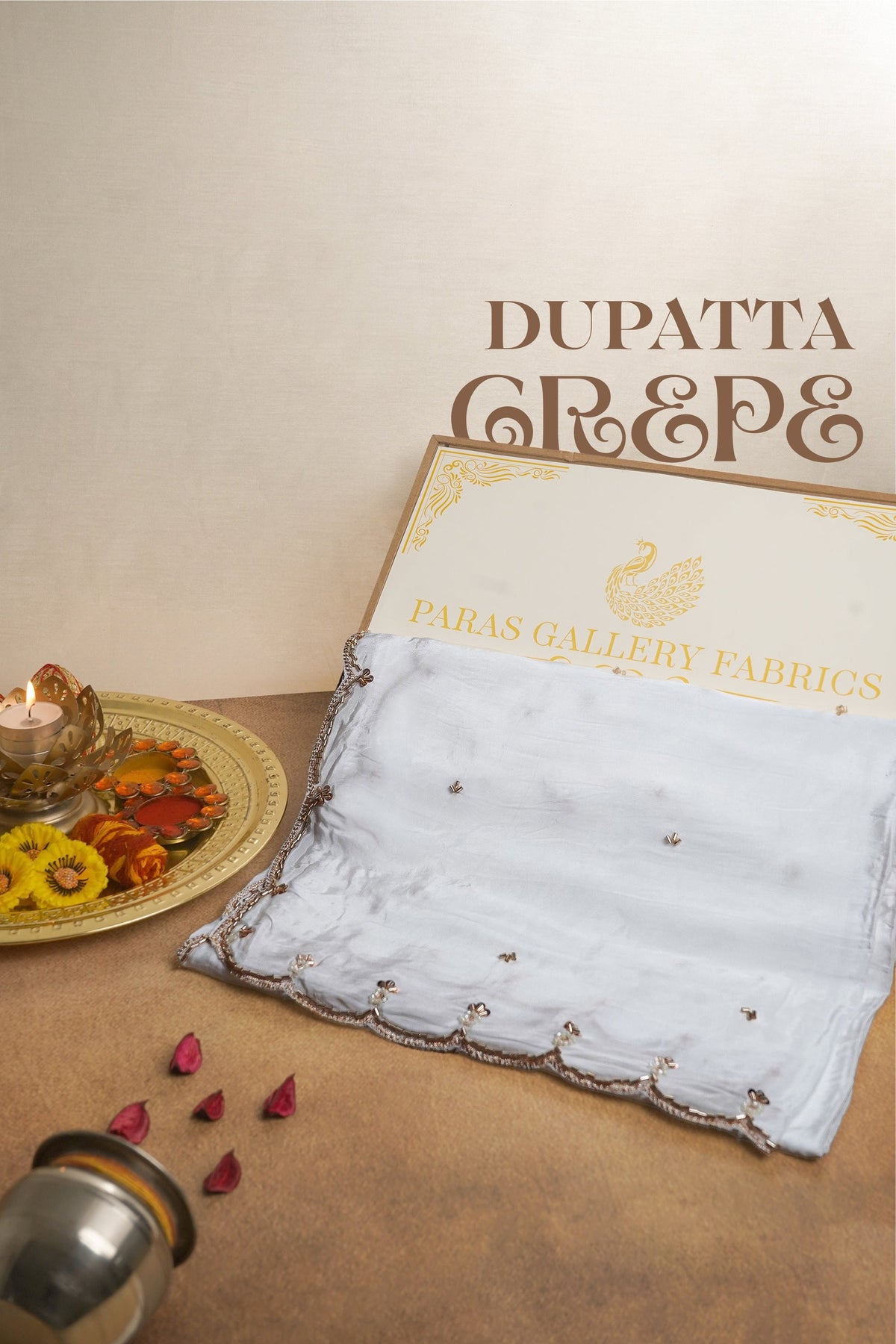
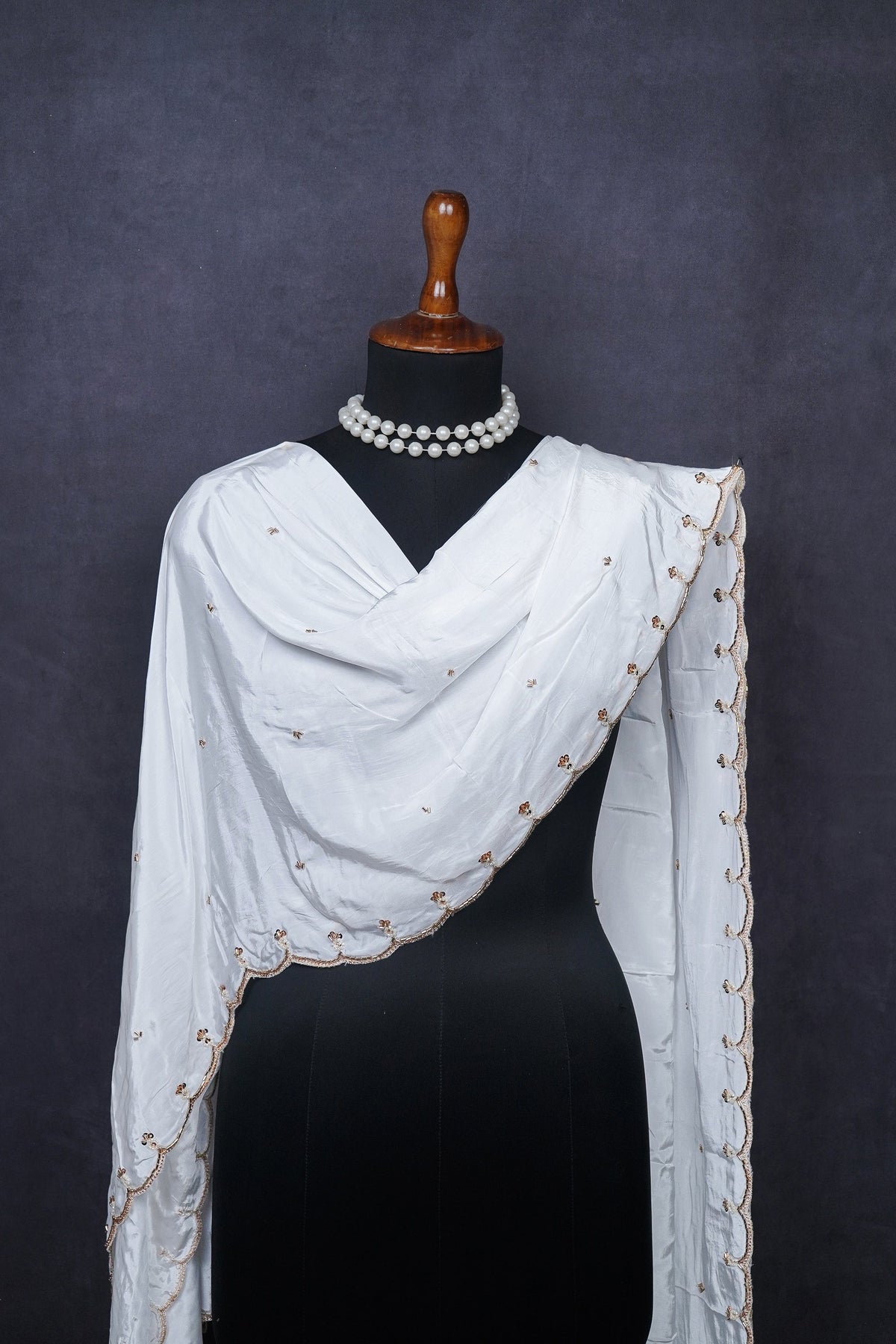
| Dyeable Crepe Dupatta | Family function coordination | Rs 1,300 to 1,900 per piece |
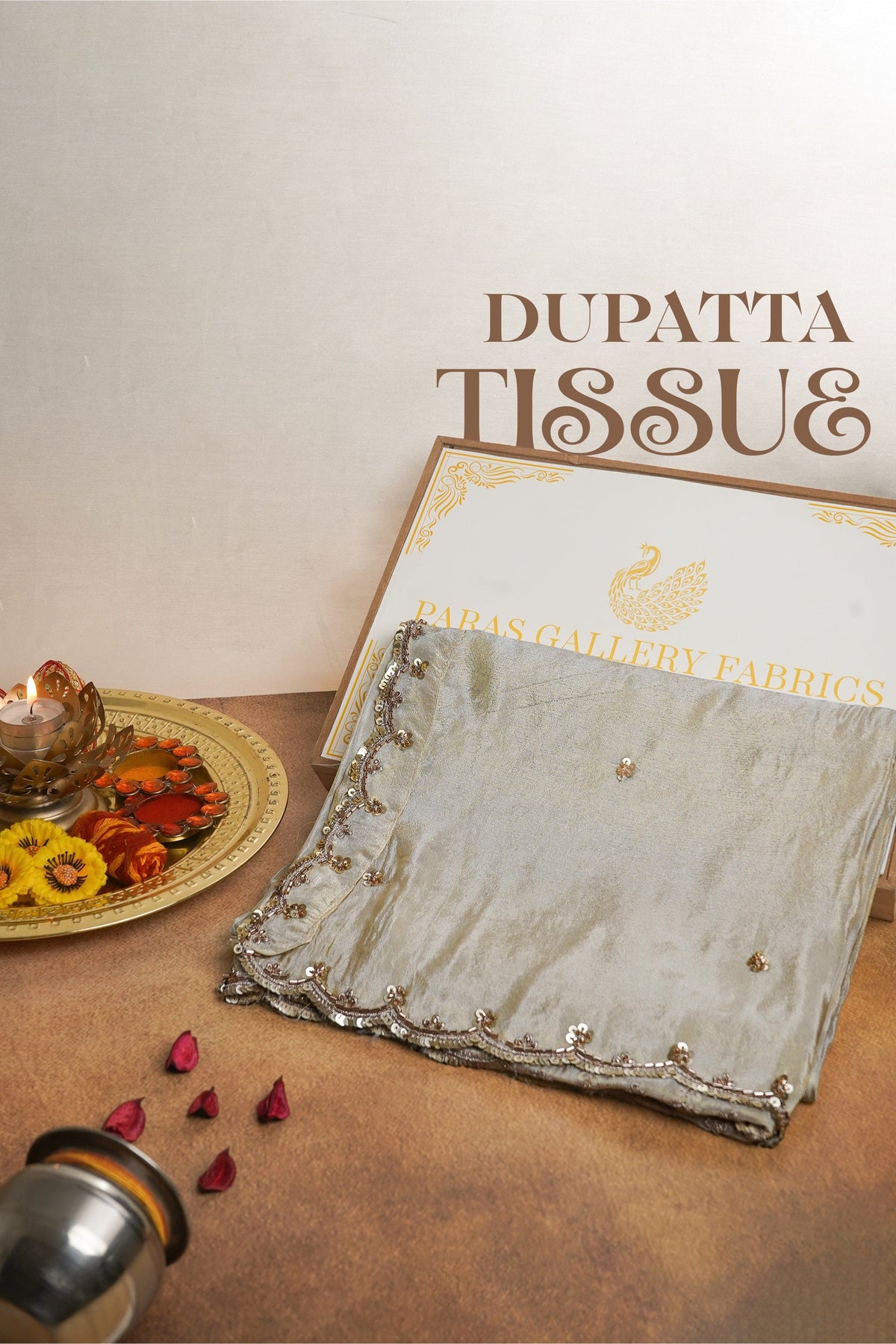
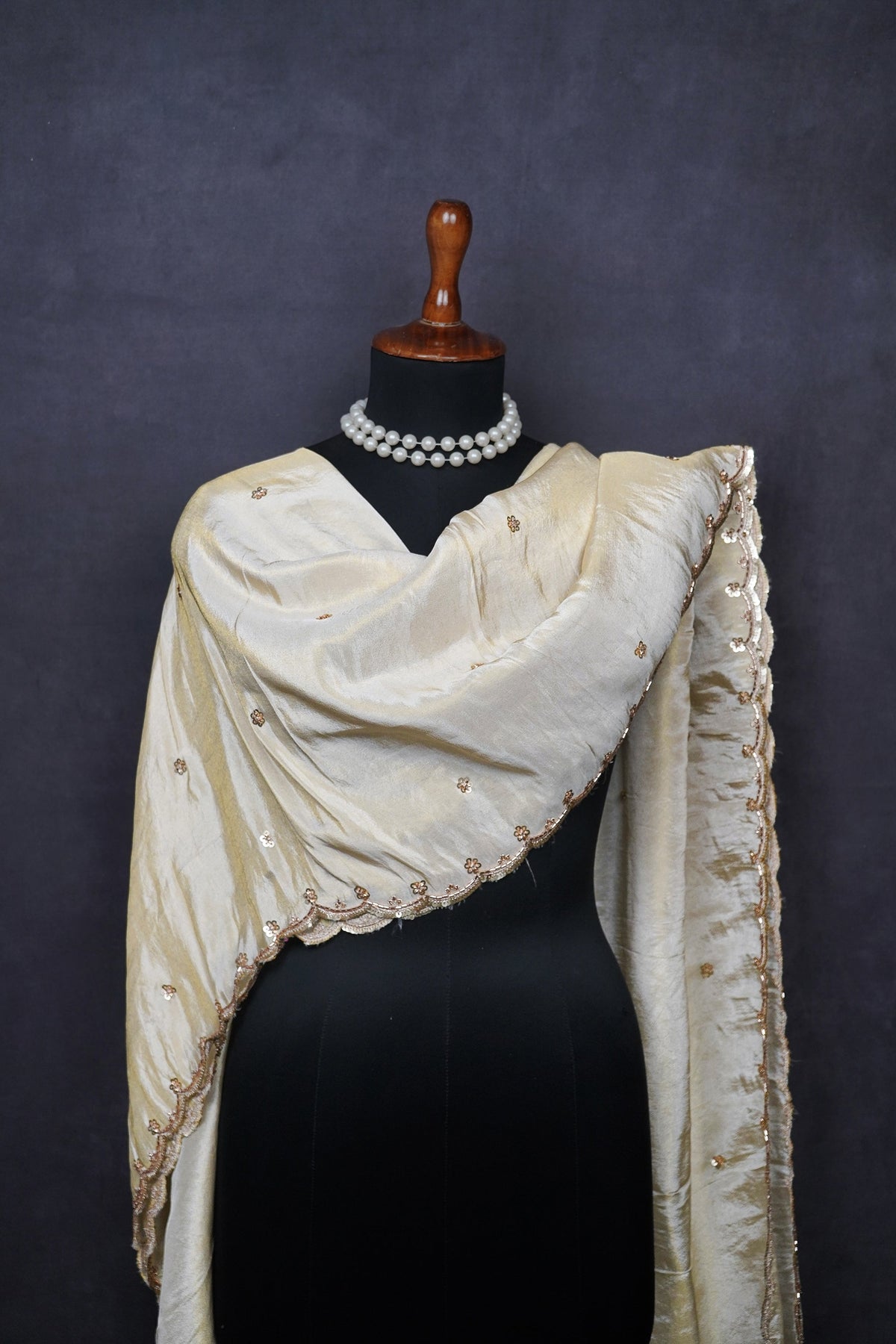
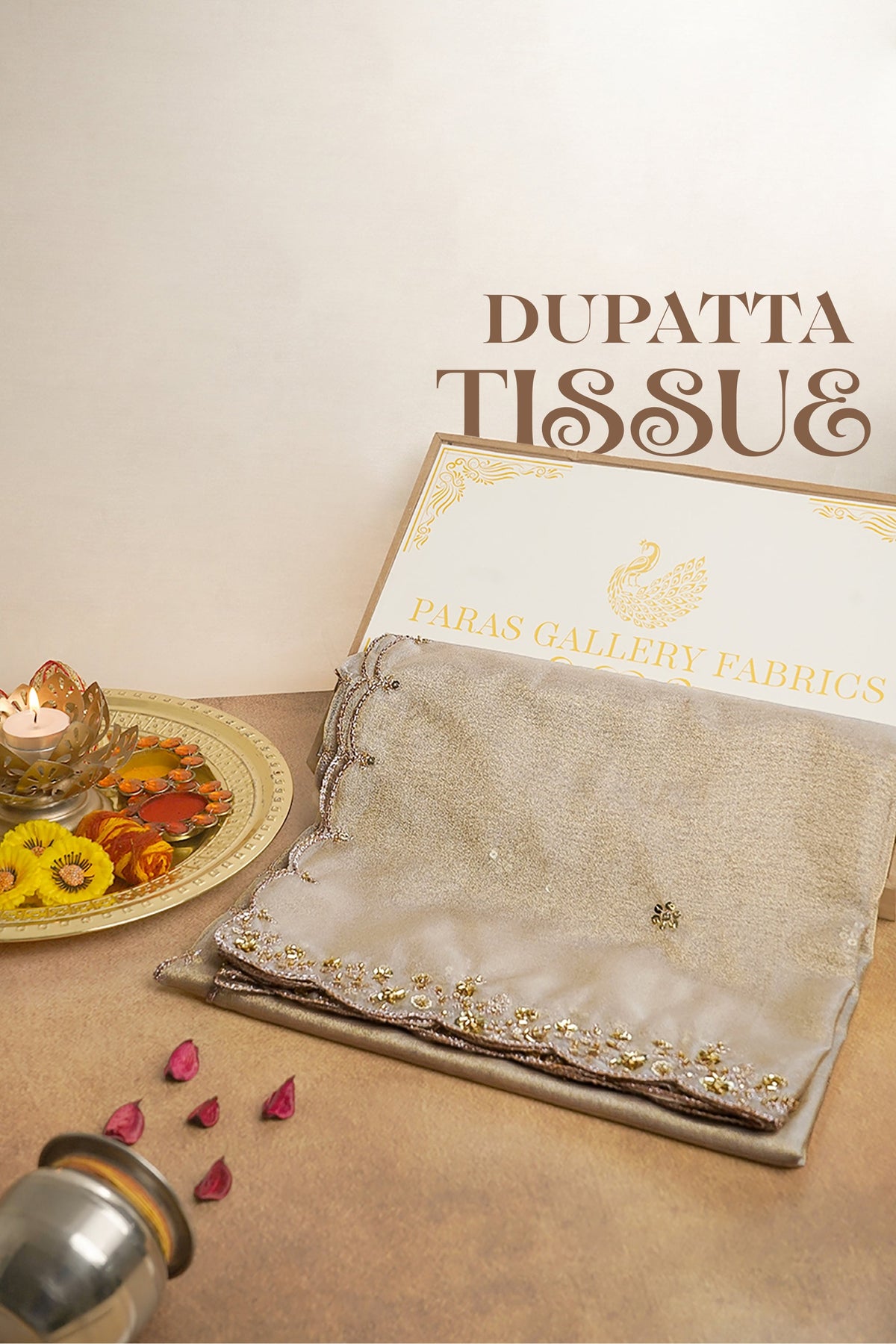
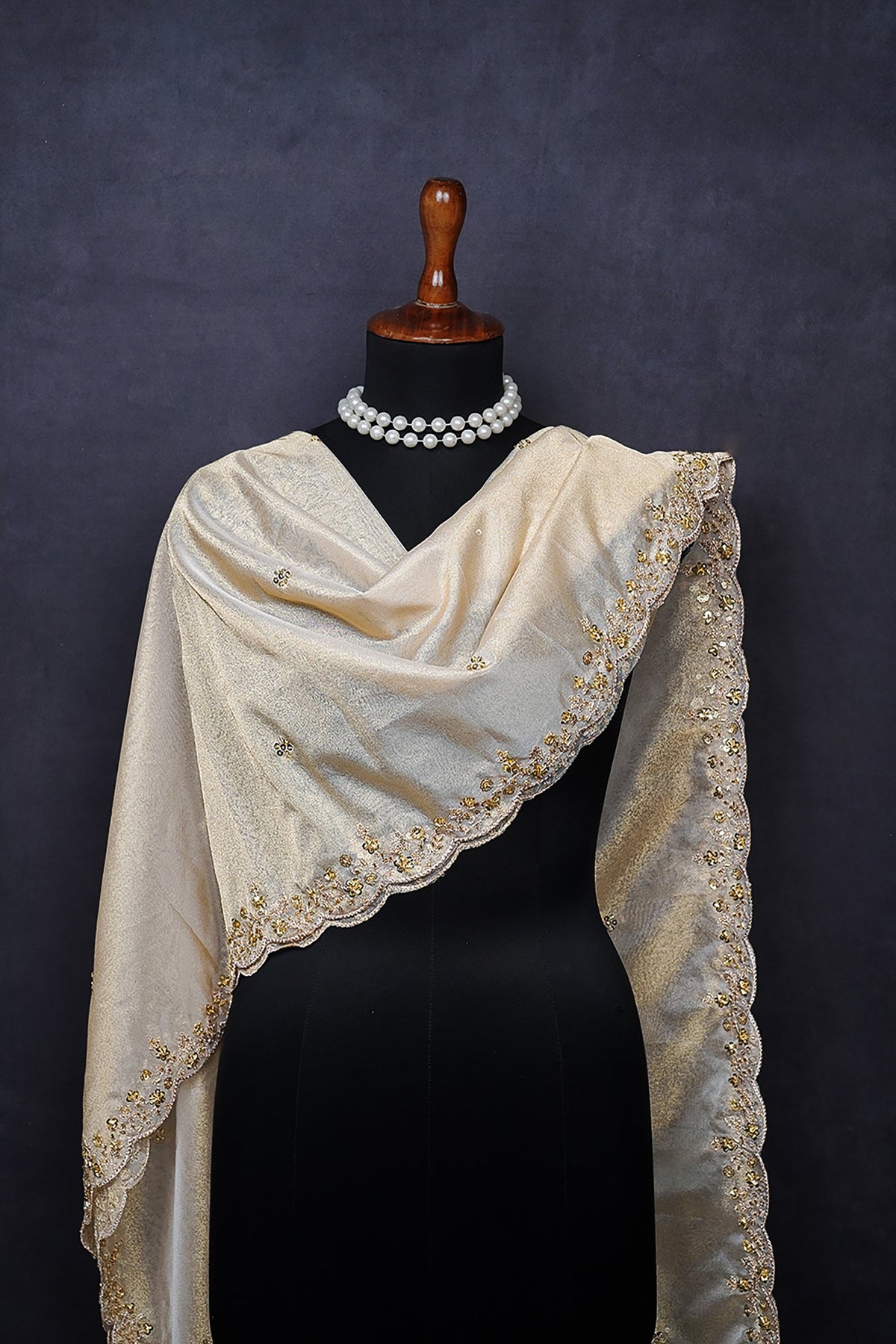
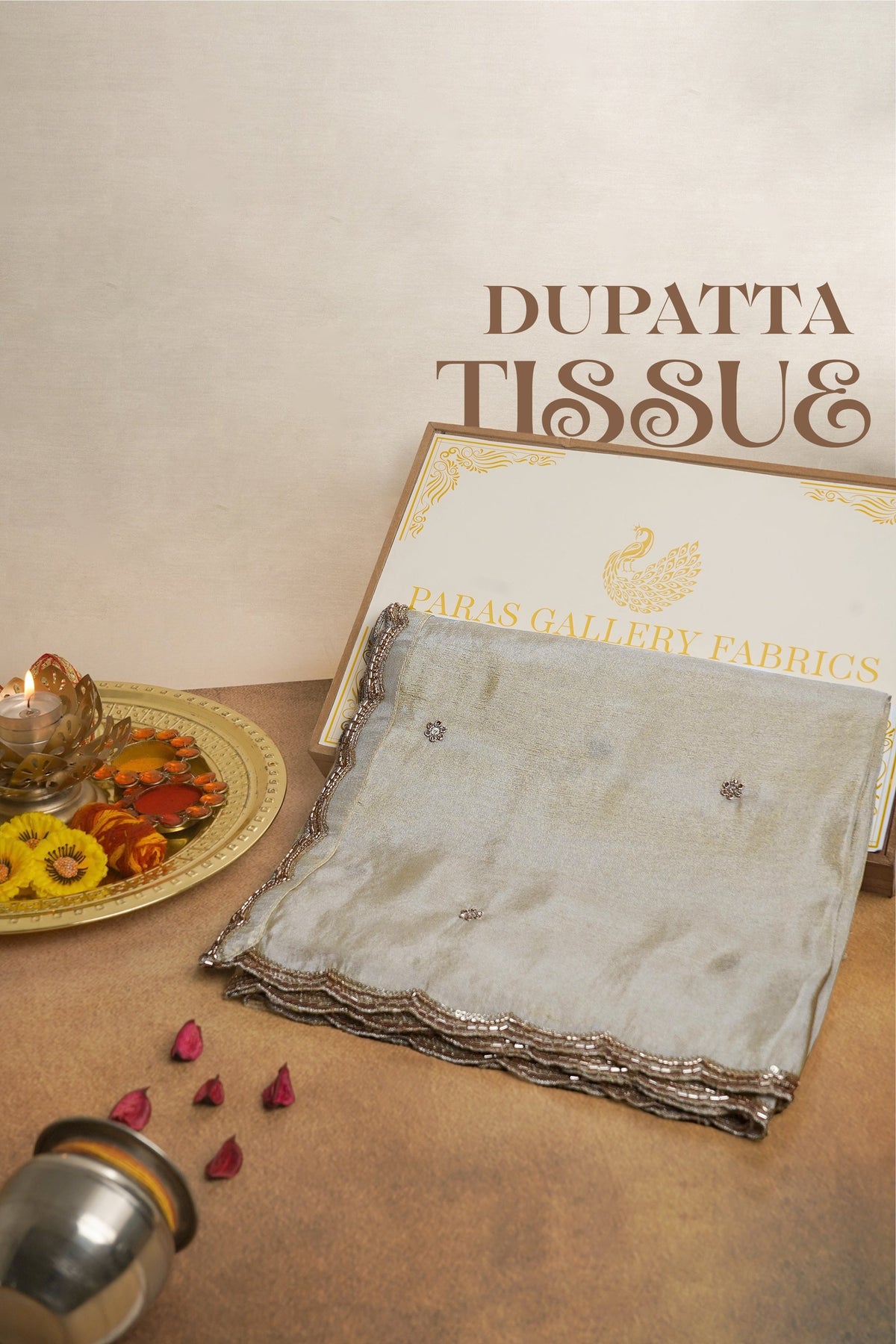
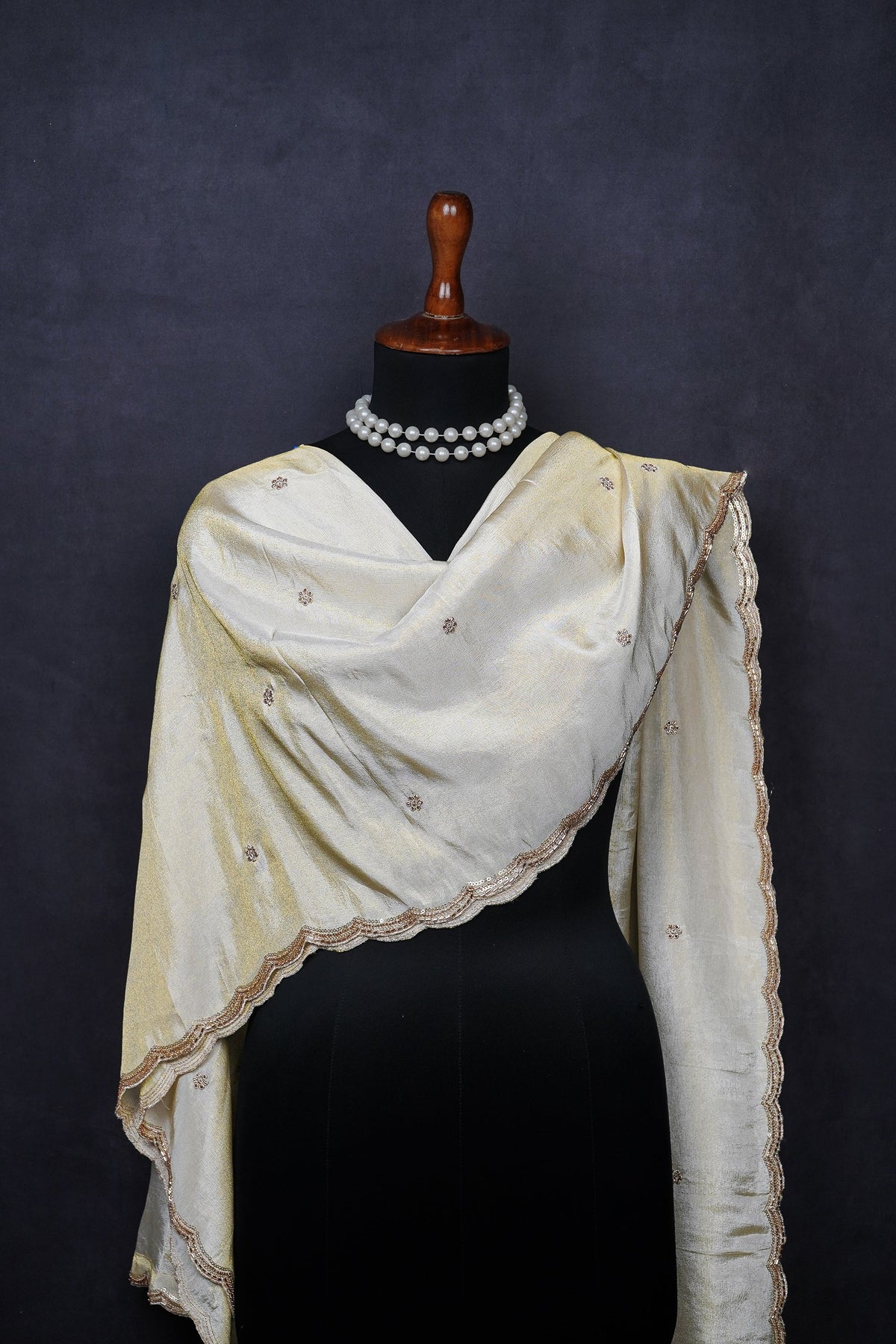
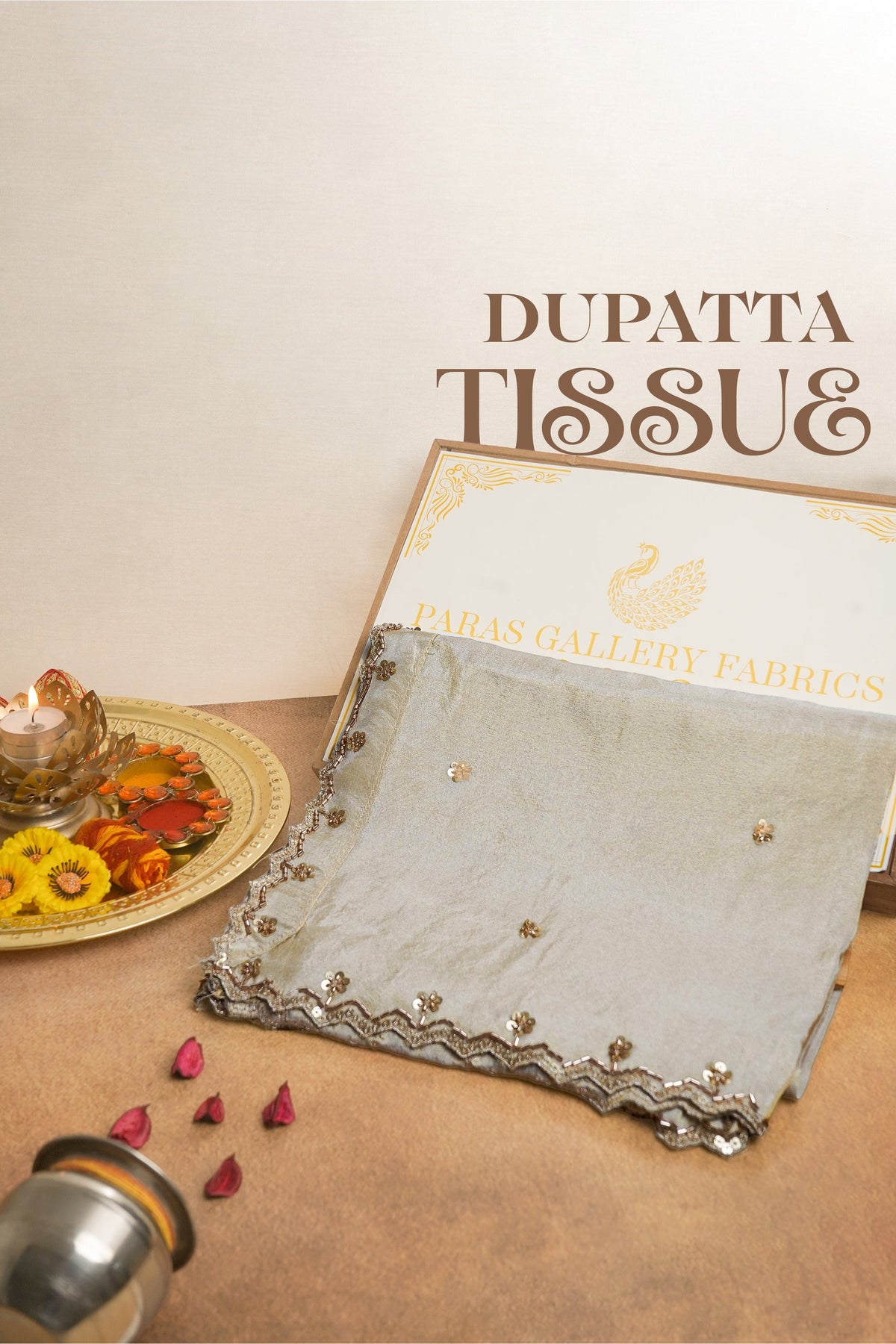
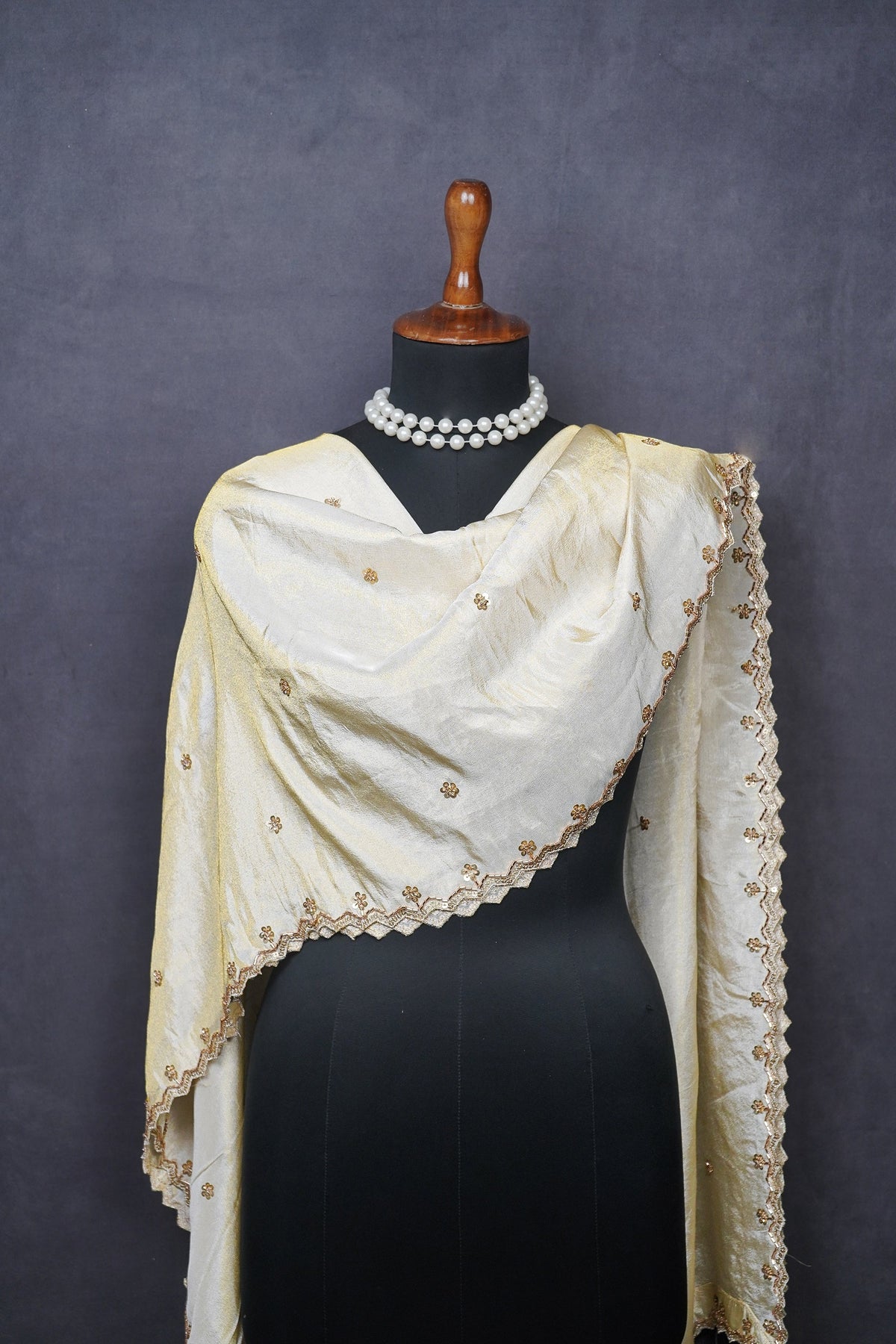
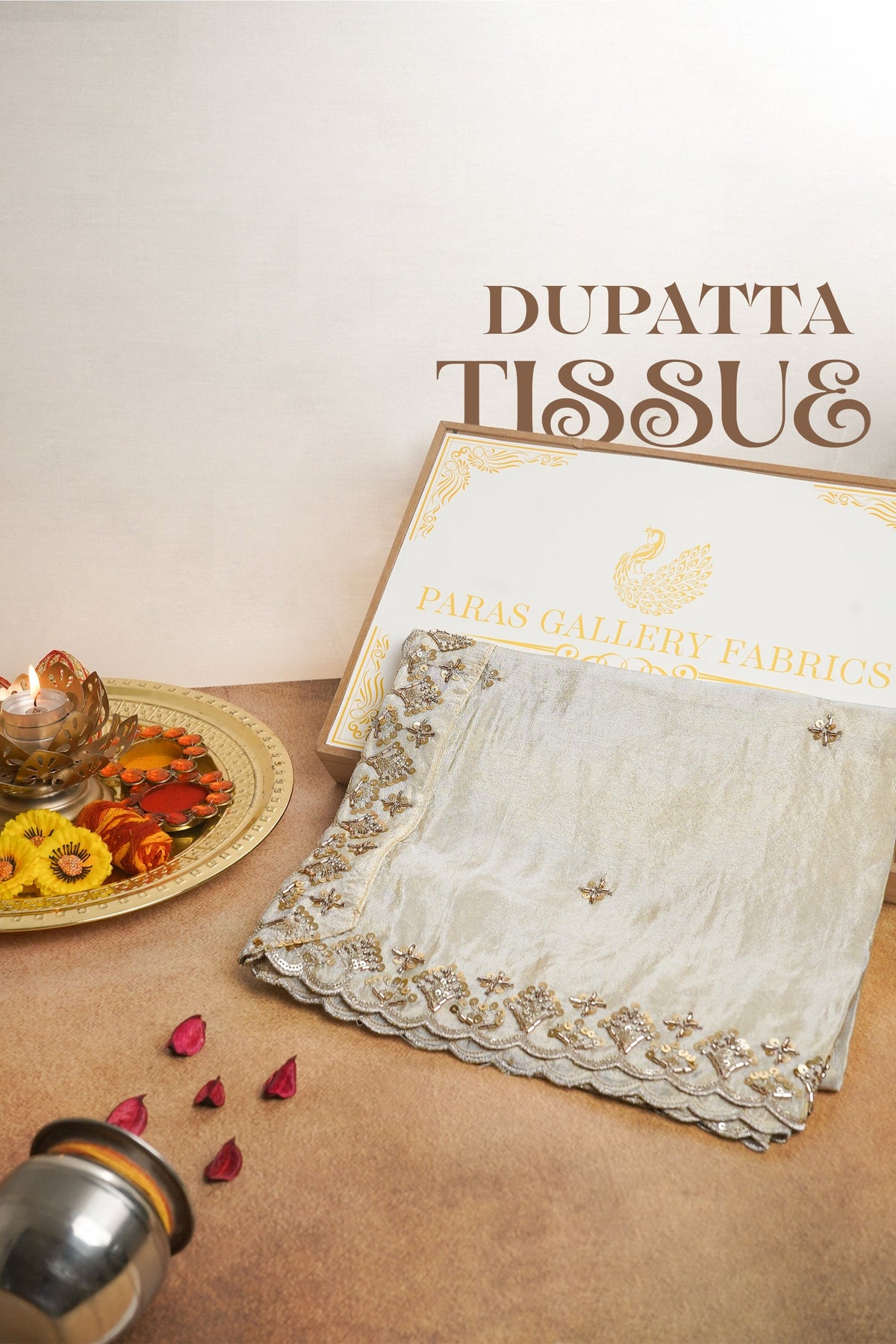
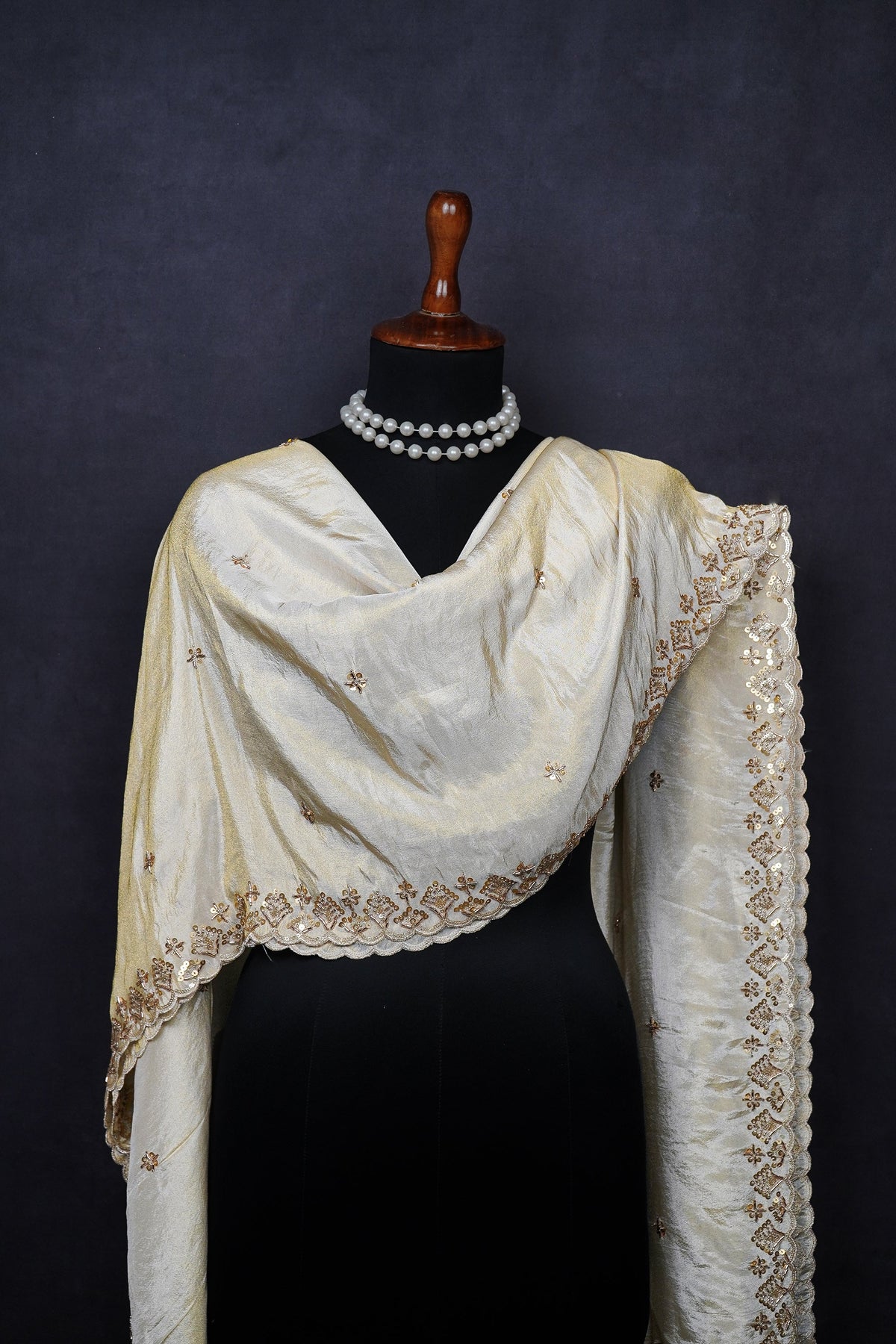
| Dyeable Tissue Dupatta | Lehenga plus dupatta zari coordination | Rs 1,260 to 1,900 per piece |
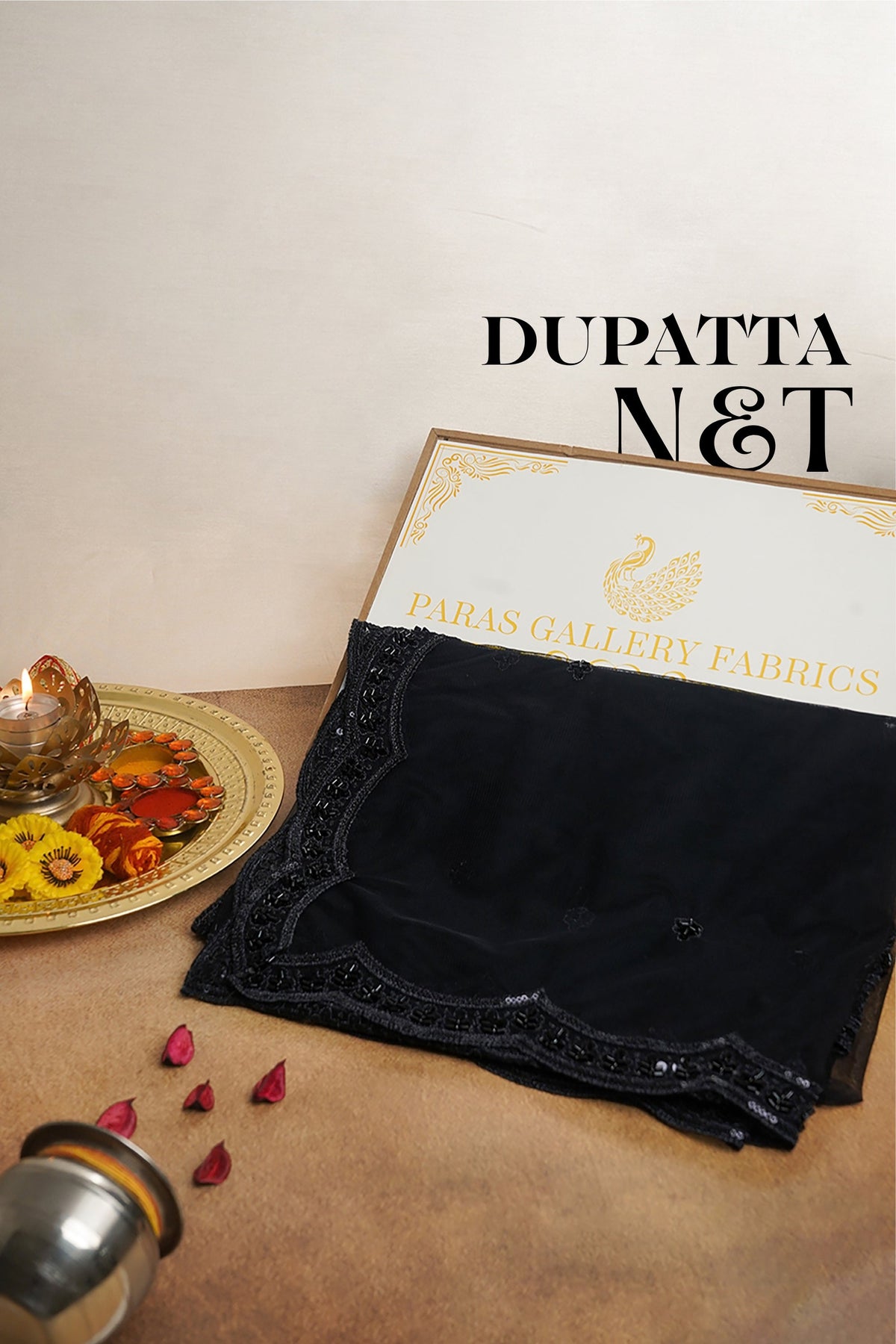
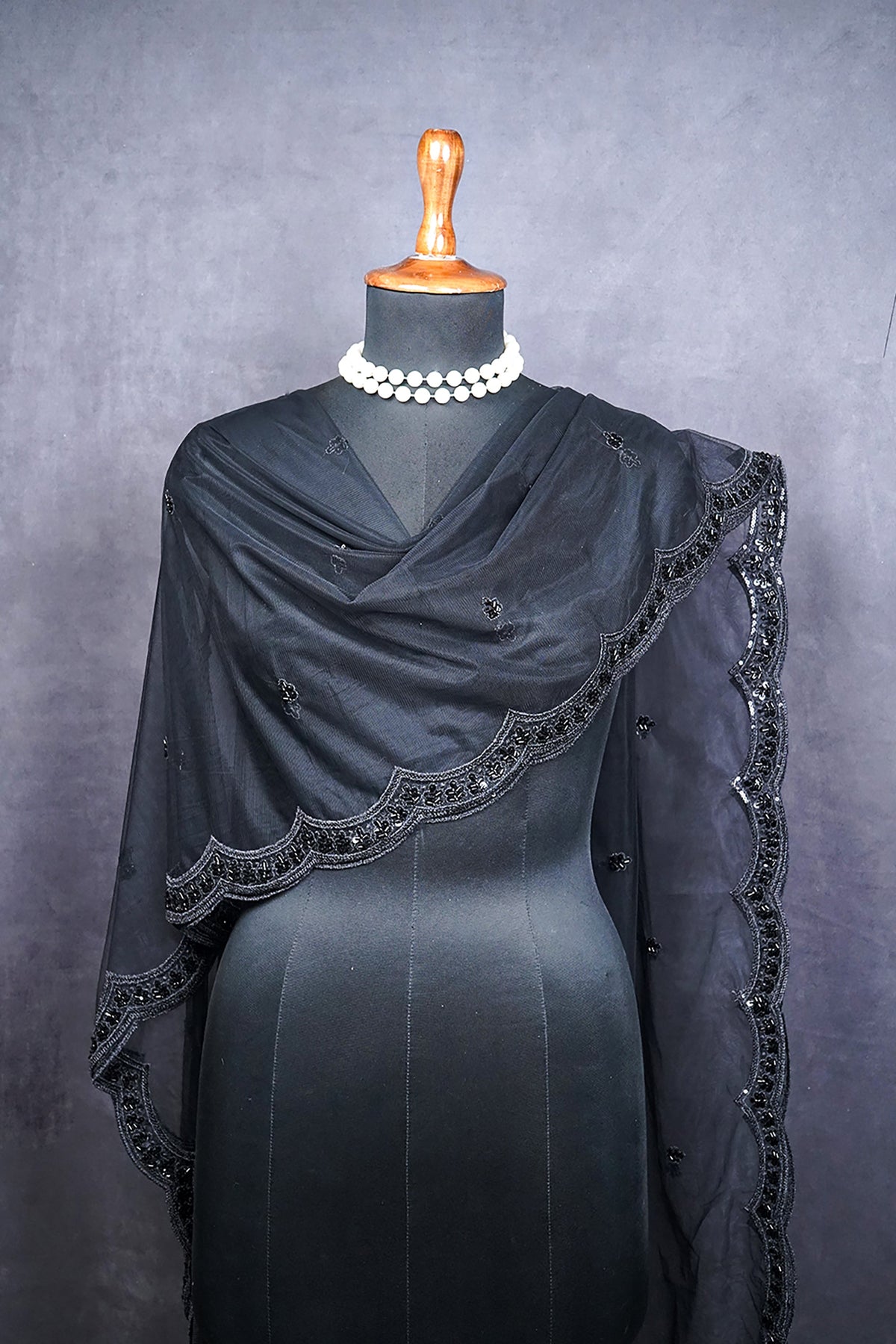
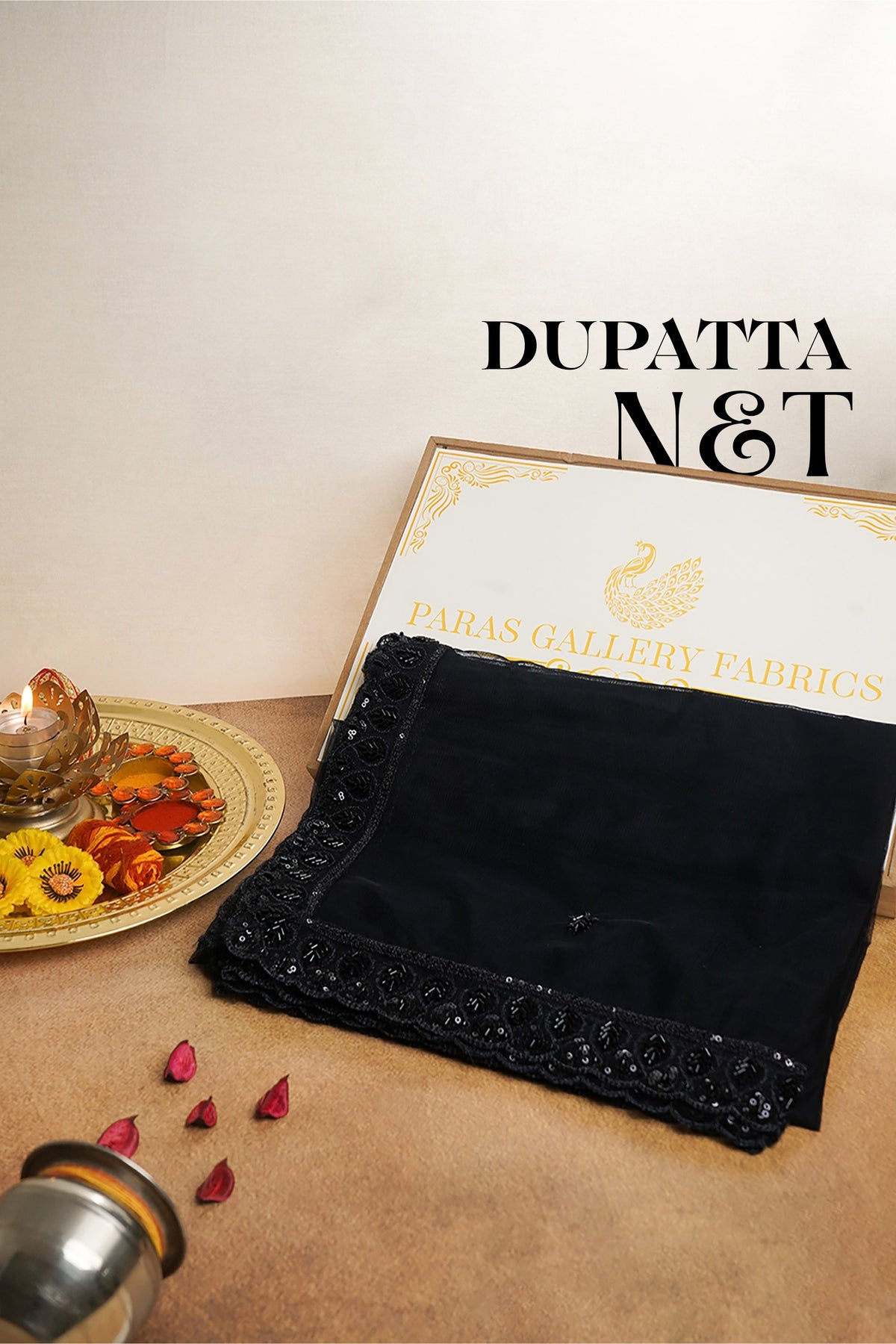
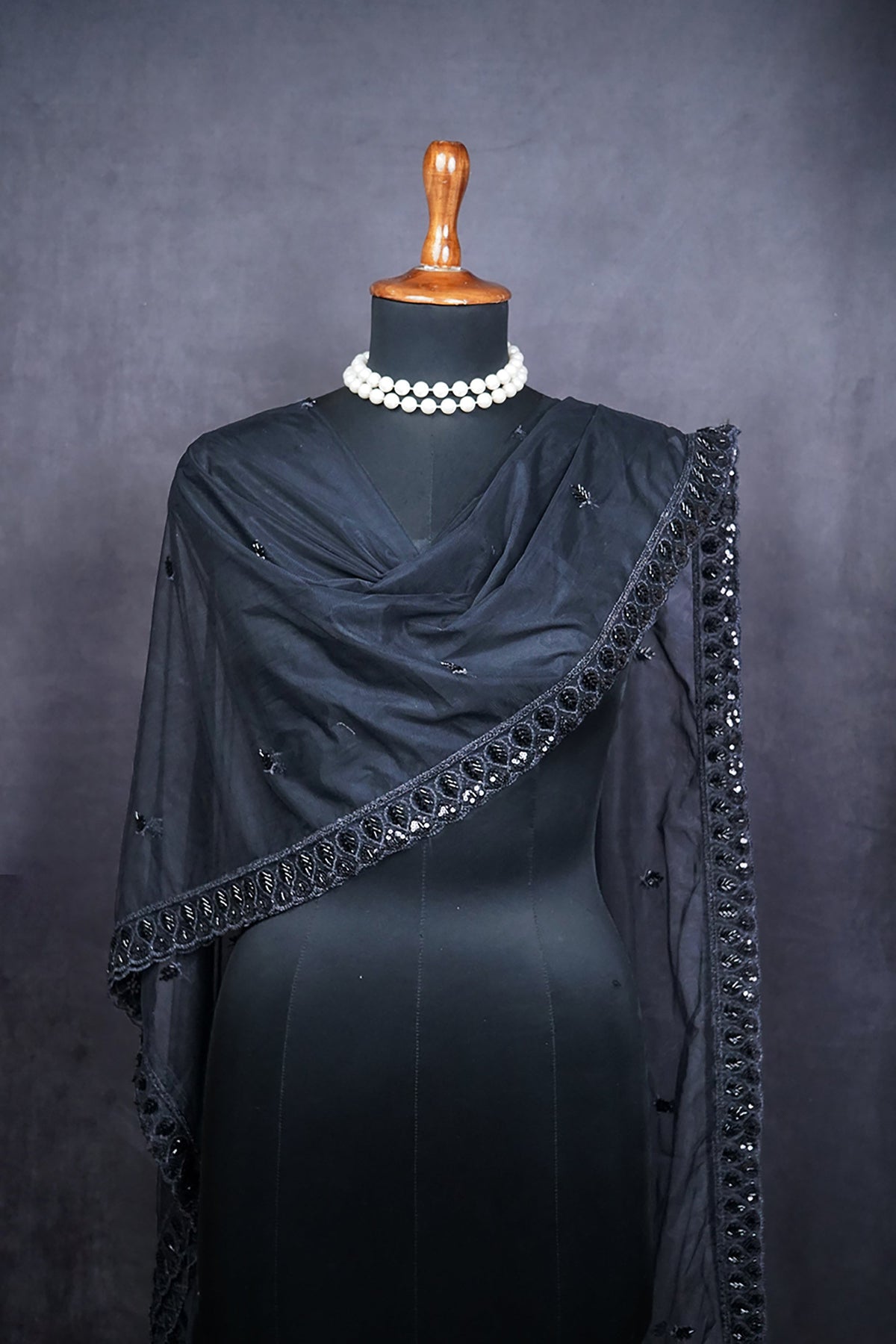
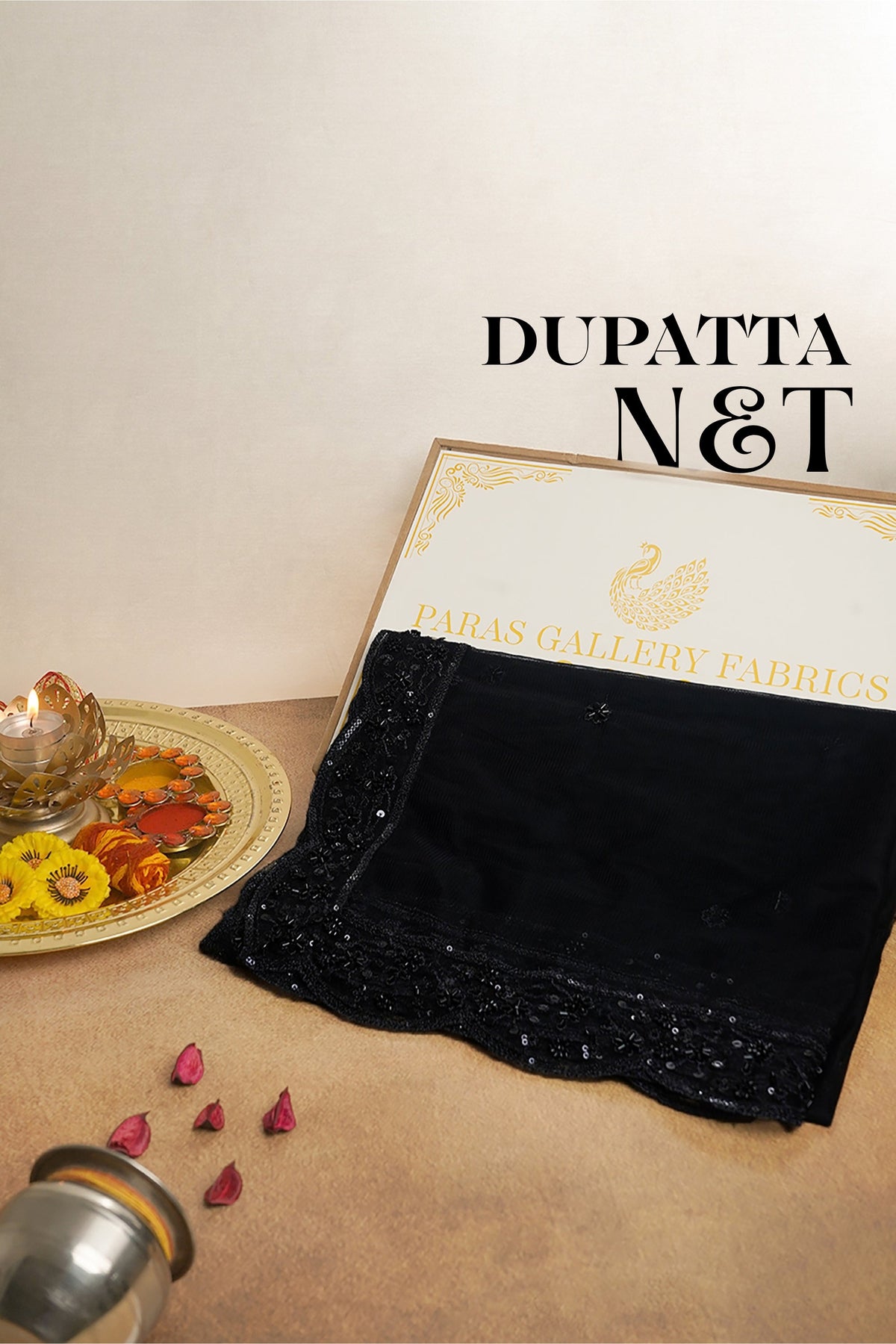
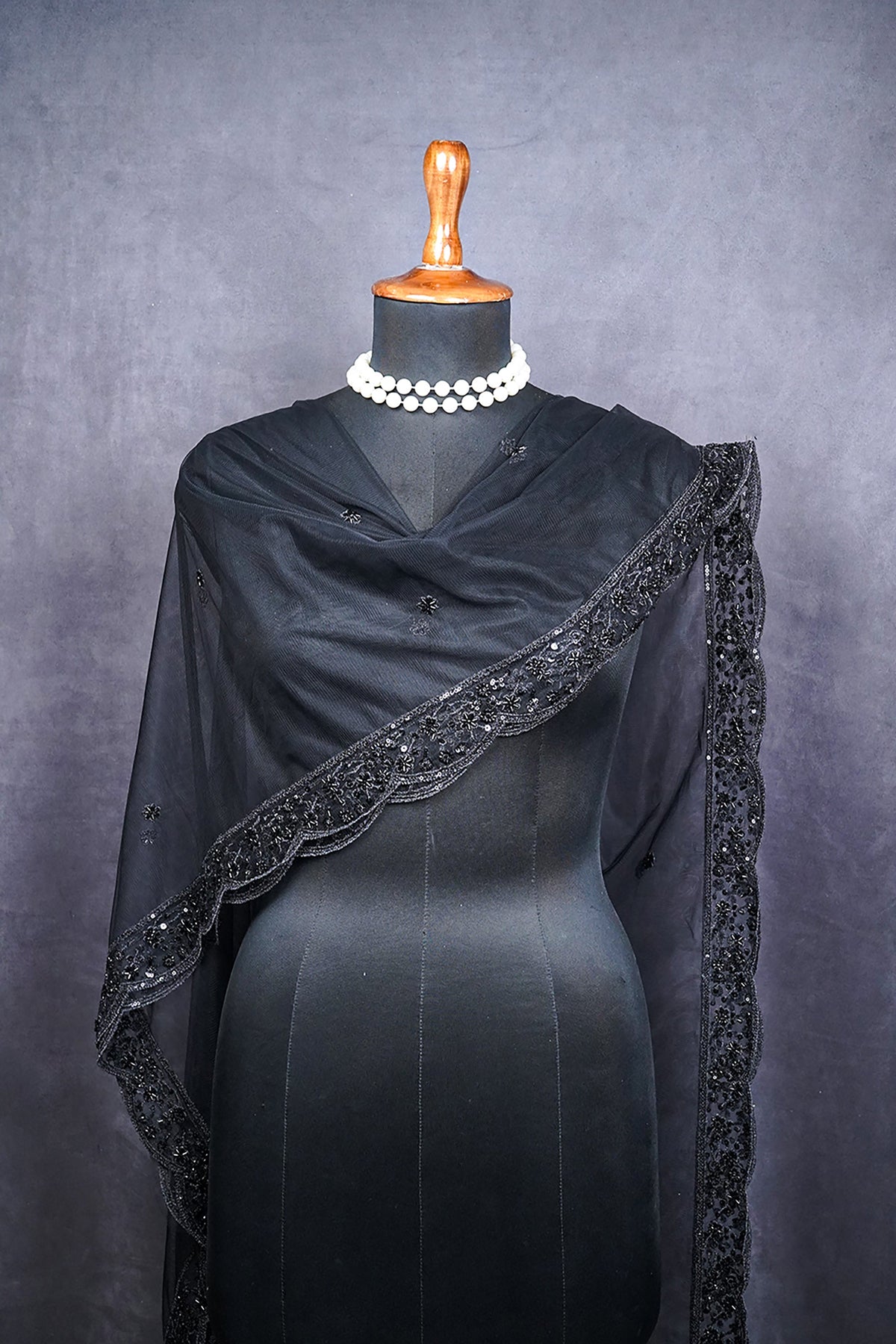
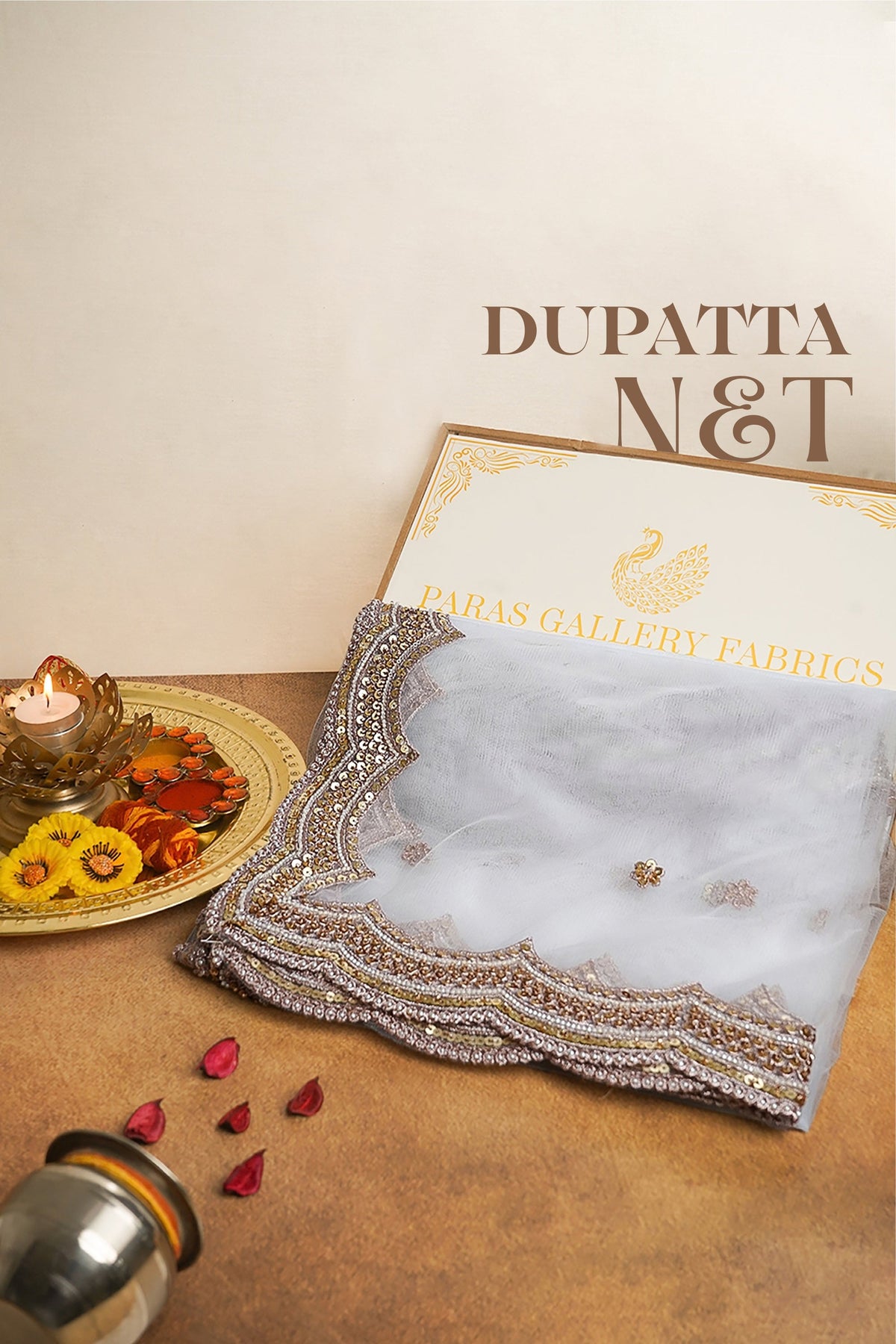
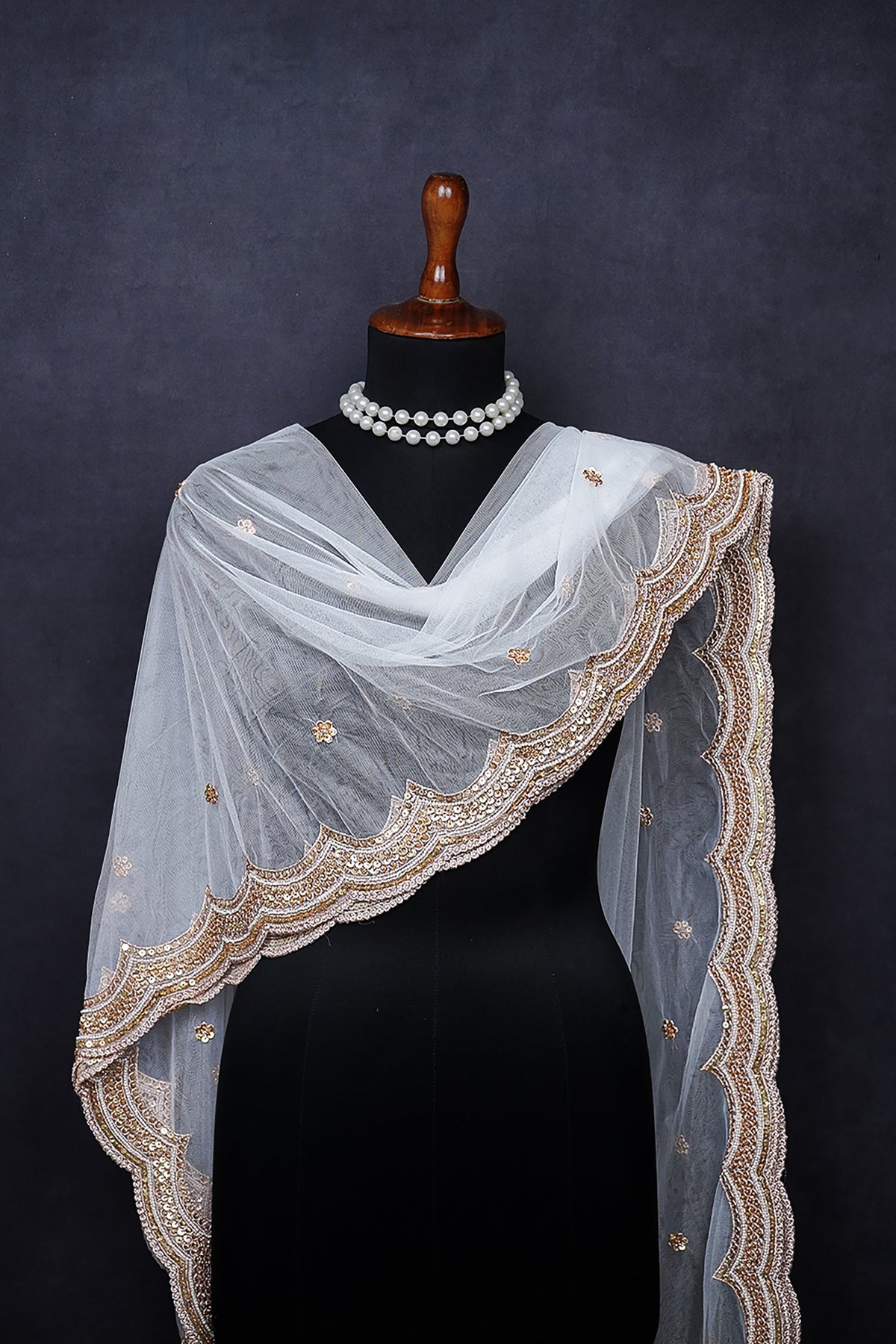
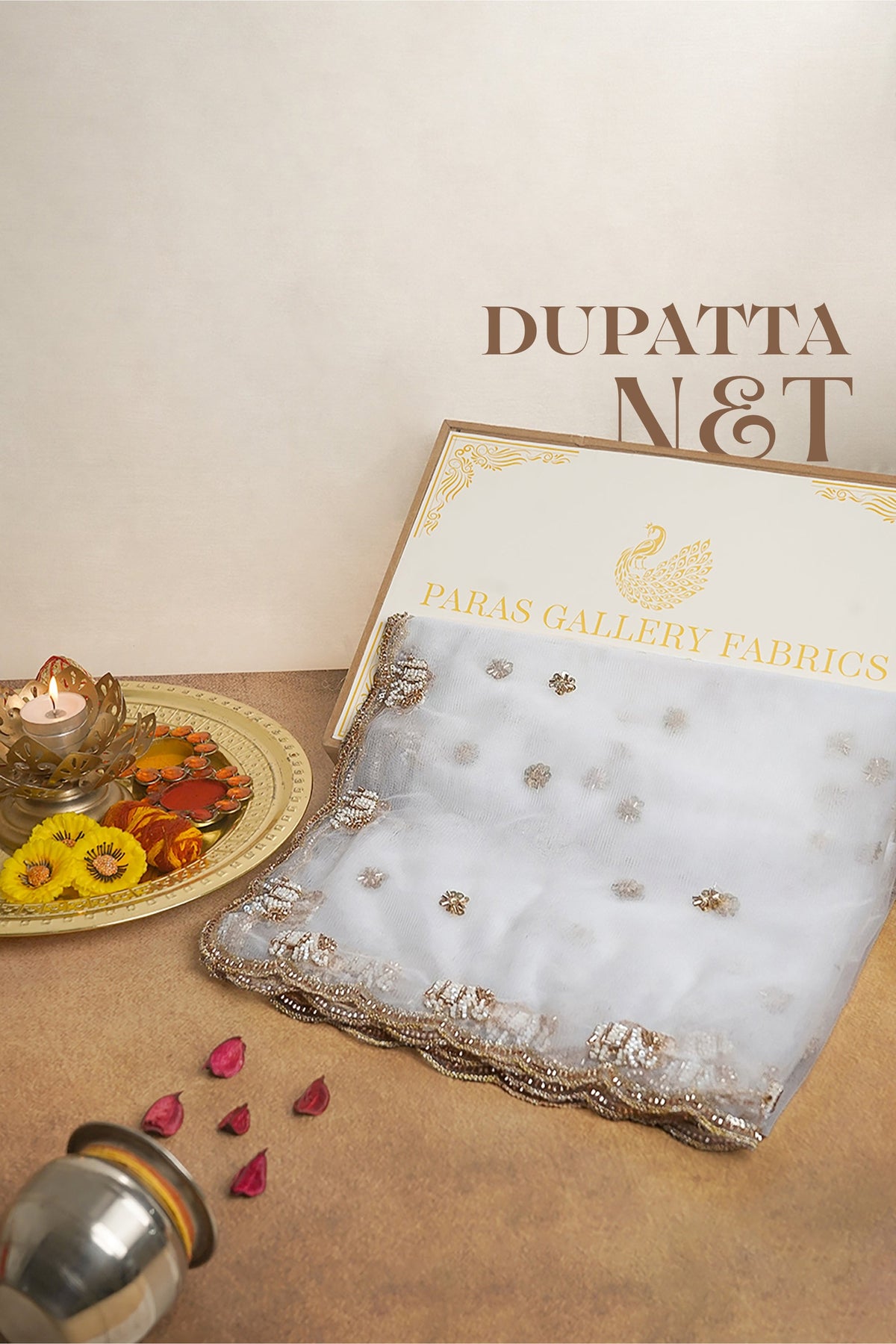
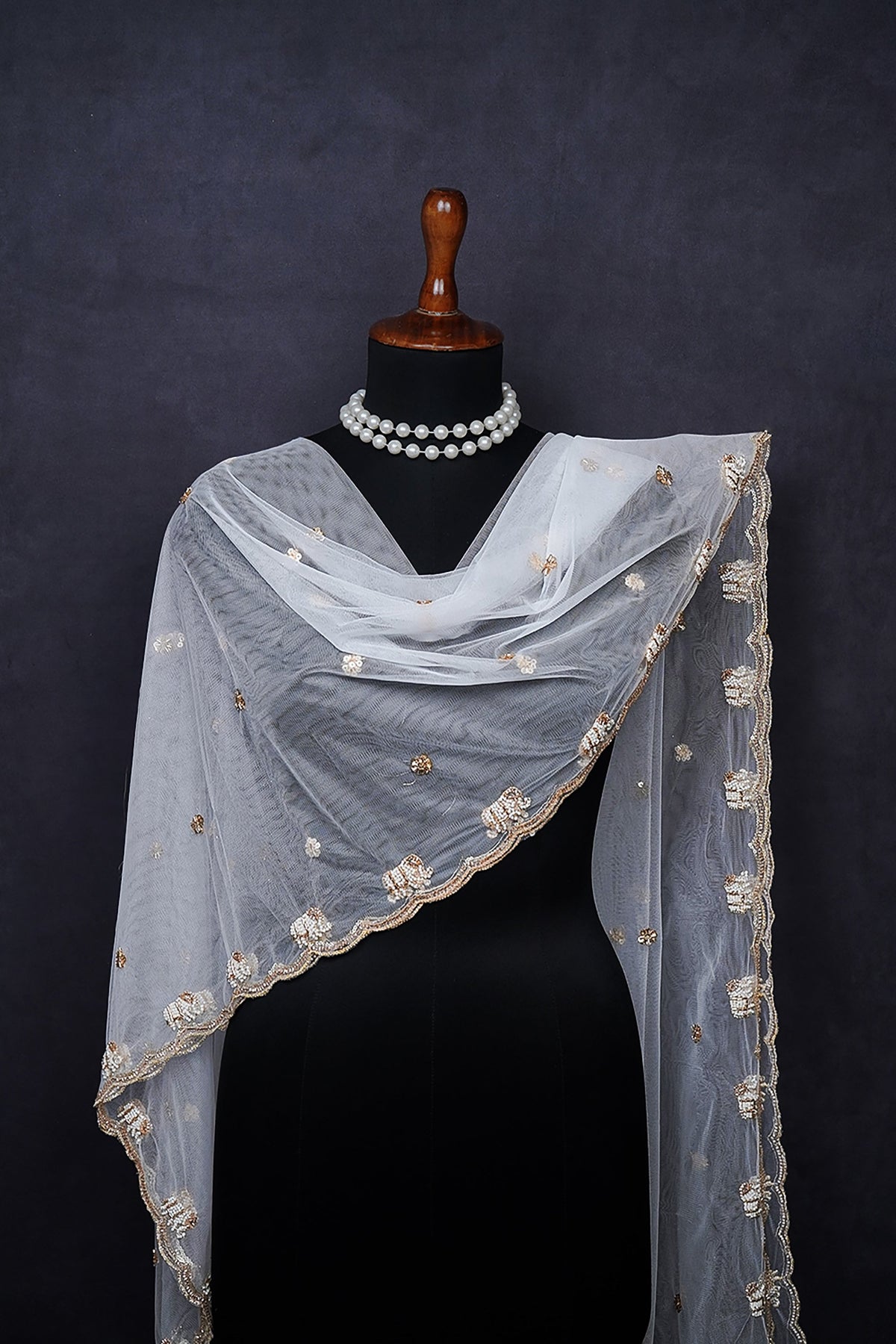
| Net Dupatta with Lucknowi | Statement cocktail segments | Rs 2,175 to 3,435 per piece |
Dyeable georgette variants sit as the volume category across mid-market boutique bridal production. Net dupattas with Lucknowi work target upper-tier boutiques serving Rs 8,000-plus retail band cocktail production. Tissue dupattas dominate lehenga coordination segments where zari handloom character matters.
Designer Dupatta Width Guide
| Width Range | Fabric Feel | Best For |
| 30 to 34 inches | Standard dupatta cut | Salwar suit pairing, everyday festive |
| 34 to 38 inches | Wide standard | Lehenga pairing, statement drape |
| 38 to 48 inches | Extended pallu | Bridal statement, saree-adjacent drape |
Boutique buyers default to 34 to 38 inch width dupatta variants for standard bridal-family production. Balances drape structural character with wearing comfort across long function cycles.
Popular Uses
Bridal-family custom coordination dominates uses across Delhi NCR bridal segment where custom-dye designer dupatta character matches specific palette themes across bride-plus-family orders. Wedding function coordination for engagement plus reception segments comes second at Rs 6,500 to Rs 22,000 retail lehenga-plus-dupatta combined pricing. Festive family production for Diwali plus family function segments ranks third at Rs 3,500 to Rs 12,000 retail. Statement cocktail dupattas for corporate wedding events round out popular uses.
Designer Dupatta Trends for 2026
Custom-dyed pastel palettes lead current bridal demand across urban customer bases. Boutiques picking white dyeable base then custom-dyeing into dusty rose, sage green, powder blue, plus champagne shades drive this trend across coordinated wedding photography segments.
Zari handloom heritage variants represent the second growing pattern. Traditional zari plus katdana work on chanderi plus tissue bases lead second-tier statement dupatta demand at Rs 12,000-plus retail band across heritage-conscious bridal segments.
Care and Working Tips for Designer Dupatta
Pre-wash first. Test the dupatta piece before bulk cutting. Dry-cleaning recommended across embellished variants because heavy zari plus sequin work damages under machine wash cycles. Dyeable base variants tolerate cold-water pre-rinse before boutique dyeing operations.
Thread selection follows base fabric character. Silk-blend thread handles georgette plus crepe best. Cotton thread suits chanderi variants. Fine polyester thread handles net dupatta segments. Sharp thin needle mandatory across organza plus net variants to prevent weave distortion.
Ironing depends on base fibre. Low heat setting matches sheer base fibre character. Storage folds in muslin cloth. Heavy velvet plus embellished variants stored rolled preserve character best across long inventory holds.
What is Designer Dupatta? (Quick Definition)
Designer Dupatta Collection refers to 138 curated dupatta pieces across five sub-categories including dyeable, velvet, pure, colored, plus coloured segments with base fabrics spanning georgette, organza, crepe, chanderi, tissue, net, silk segments. Designer dupatta gets used across bridal-family coordination, engagement plus reception function segments, festive family production, plus statement cocktail dupatta pieces at retail bands Rs 3,500 to Rs 22,000. Available at wholesale rates Rs 795 to Rs 3,435 per piece.
Why Boutique Owners Choose Designer Dupatta
Ten pieces minimum unlocks wholesale tier. Twenty-five pieces opens bulk pricing across bridal-family orders. Fifty pieces above peak season unlocks production pricing tier across October-February peak bridal cycles. Place order through our wholesale catalogue.
Frequently Asked Questions
How does the Designer Dupatta Collection differ from single fabric browsing?
This collection curates dupattas across five distinct sub-categories (dyeable, velvet, pure, colored, coloured) serving different buyer intents. Standard fabric browsing requires cross-collection sourcing for coordinated bridal production. The parent collection streamlines dupatta selection across the complete brief.
Which sub-category works best for boutique bridal production?
Depends on customer intent. Dyeable variants handle custom-palette bridal-family coordination. Velvet variants serve winter reception segments. Pure variants target heritage-conscious upper-tier customers. Colored variants ship pre-dyed for direct pairing without dye workflow.
Which colour palette leads current designer dupatta demand?
Custom-dyed pastels lead pre-wedding function segments. Golden zari variants lead wedding-day segments. White dyeable base variants remain the volume leader across custom-dye boutique operations serving 85 percent of bridal coordination workflow.
Is designer dupatta available in bulk for boutique operations?
Yes across all sub-categories. Bulk pricing kicks in at 15 pieces per SKU. Wholesale tiers begin at Rs 640 per piece for dyeable chiffon variants on 40-piece-plus orders. Peak-season boutique lots above 100 pieces unlock production pricing tier across the October-February peak bridal cycle.
Frequently Asked Questions
Why are dupattas such an important part of Indian outfits?
Dupattas complete the look of an outfit. They add balance, elegance, and movement, making even simple suits or lehengas feel finished. That’s why most traditional and festive outfits feel incomplete without one.
What fabrics are commonly used for dupattas?
Dupattas are made in many fabrics like cotton, silk, chiffon, georgette, net, organza, velvet, and dyeable fabrics. Each fabric gives a different feel, from light and flowy to rich and structured.
How do designers usually use dupattas in their designs?
Designers use dupattas in many creative ways. They can be draped traditionally, used as panels, borders, layered over outfits, or styled as statement pieces to enhance the overall look.
Which dupatta fabrics are best for weddings and festive wear?
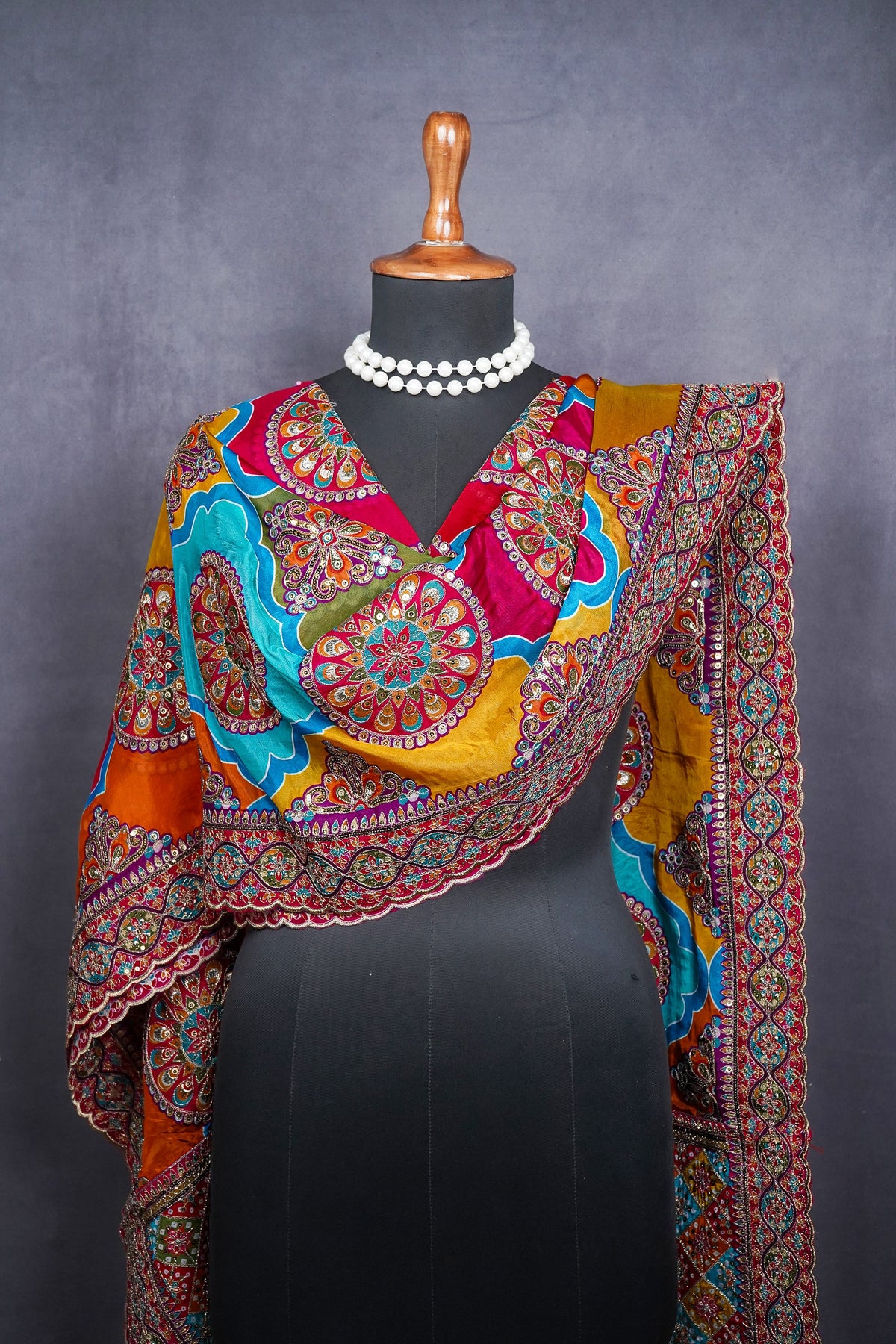
For weddings and festive occasions, pure georgette dupattas with Bandhani and zari handloom work are very popular. Velvet and organza dupattas are also used depending on the season and outfit style.
What does GSM mean when choosing a dupatta?
GSM refers to the weight of the fabric. Lower GSM dupattas are lighter and flowy, while higher GSM dupattas feel heavier and more structured. Choosing the right GSM helps ensure comfort and a good fall.
Can one dupatta be reused with multiple outfits?
Yes, a well-chosen dupatta can be styled with many outfits. It can be reused across suits, lehengas, jackets, and even fusion wear, making it a smart and cost-effective choice.
Are dyeable dupattas a good option for designers?
Dyeable dupattas are a favourite among designers because they can be colour-matched with outfits. They work especially well for bridal sets and coordinated collections.
How do dupattas help save money in outfit styling?
A well-finished dupatta can elevate an outfit on its own, reducing the need for heavy embroidery or extra add-ons. This helps save cost while still achieving a rich and complete look.
Do you support bulk dupatta orders for designers and boutiques?
Yes, Paras Gallery Fabrics supports bulk orders for designers and boutique owners with guidance on fabric selection, delivery support, and wholesale pricing.
How do I choose the right dupatta for my outfit?
Think about the occasion, outfit fabric, and comfort. Light dupattas work well for daily and festive wear, while heavier or textured dupattas suit weddings and special occasions. When in doubt, checking the fabric fall and weight always helps.
