
Royal Satin
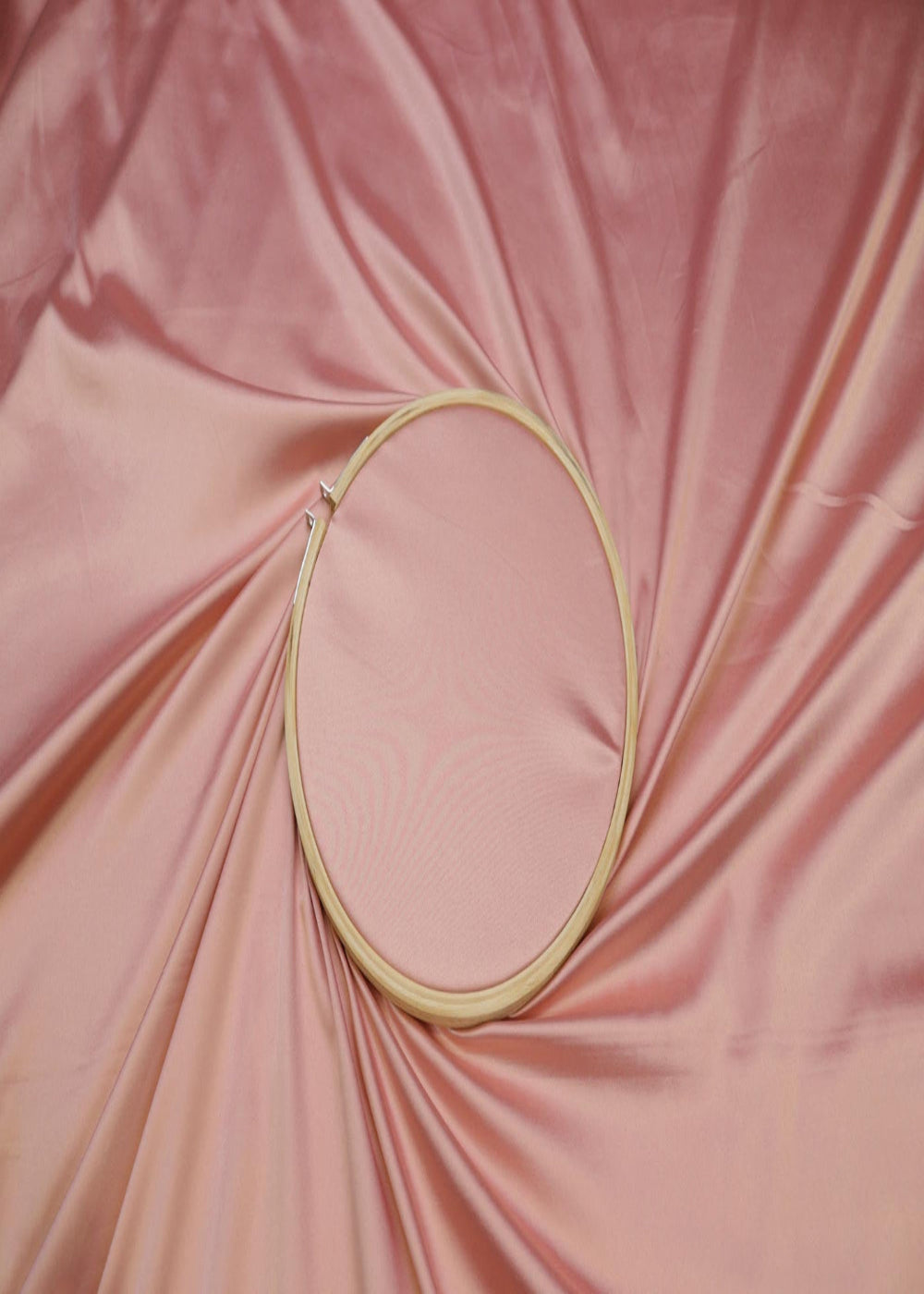
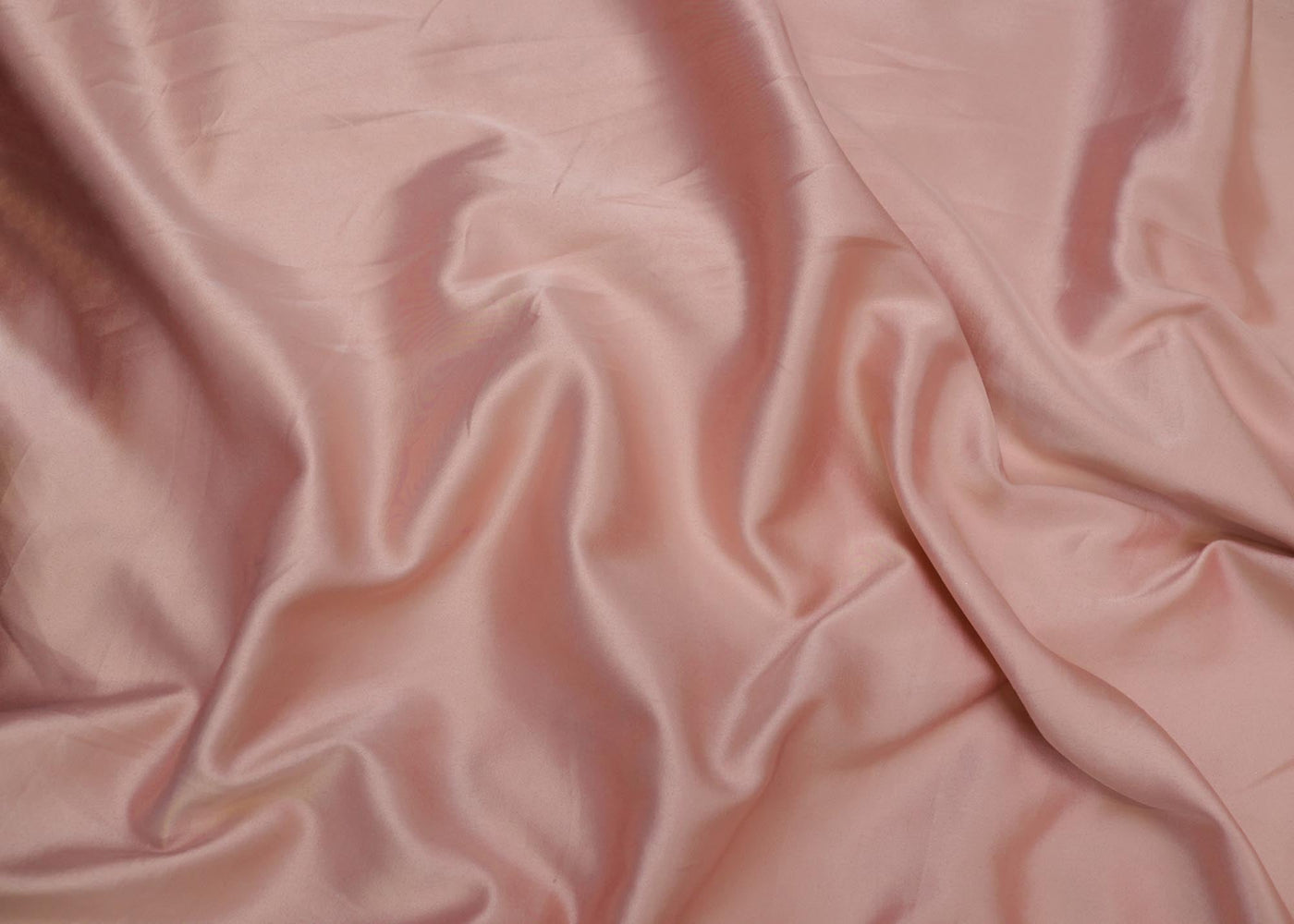
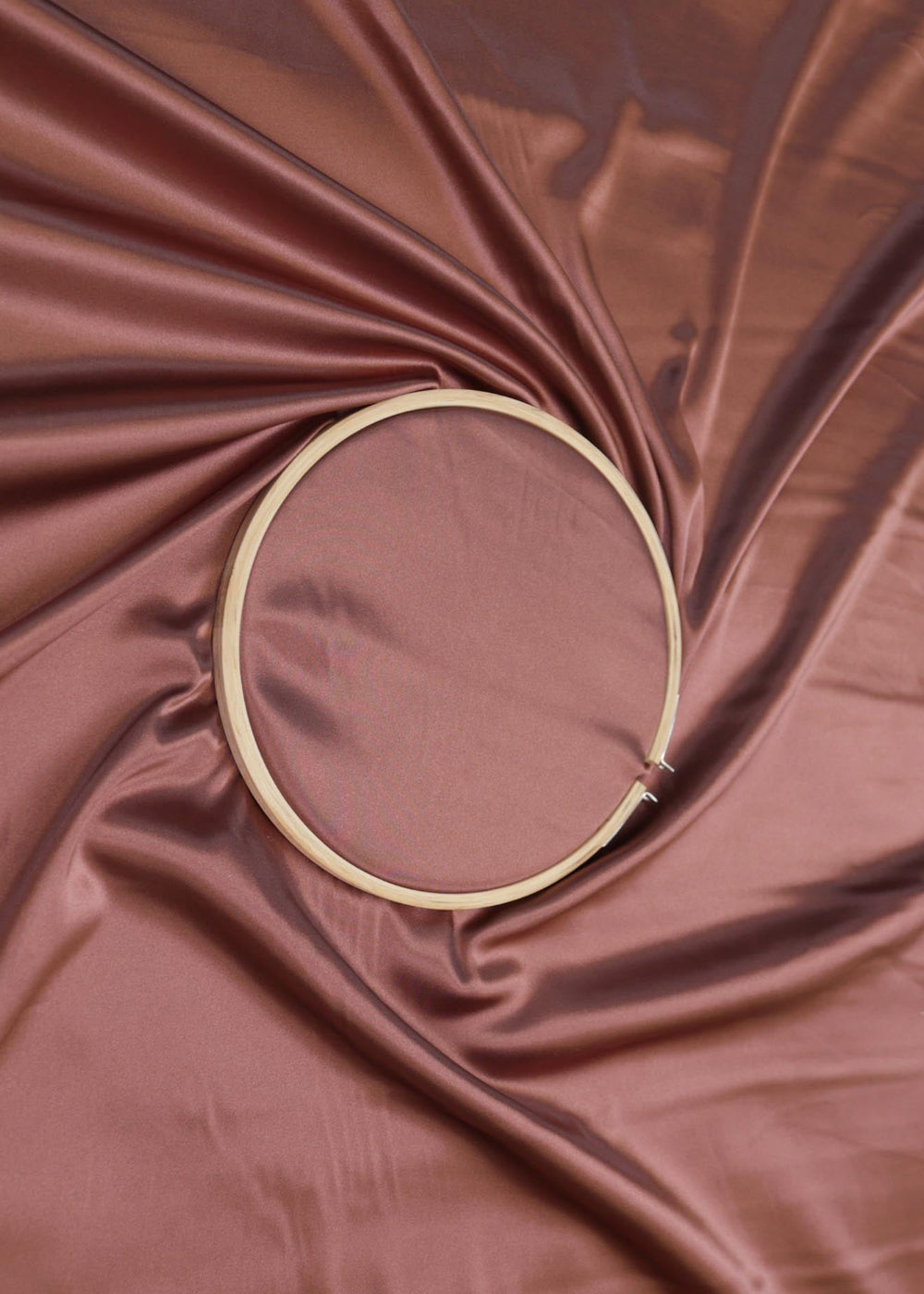


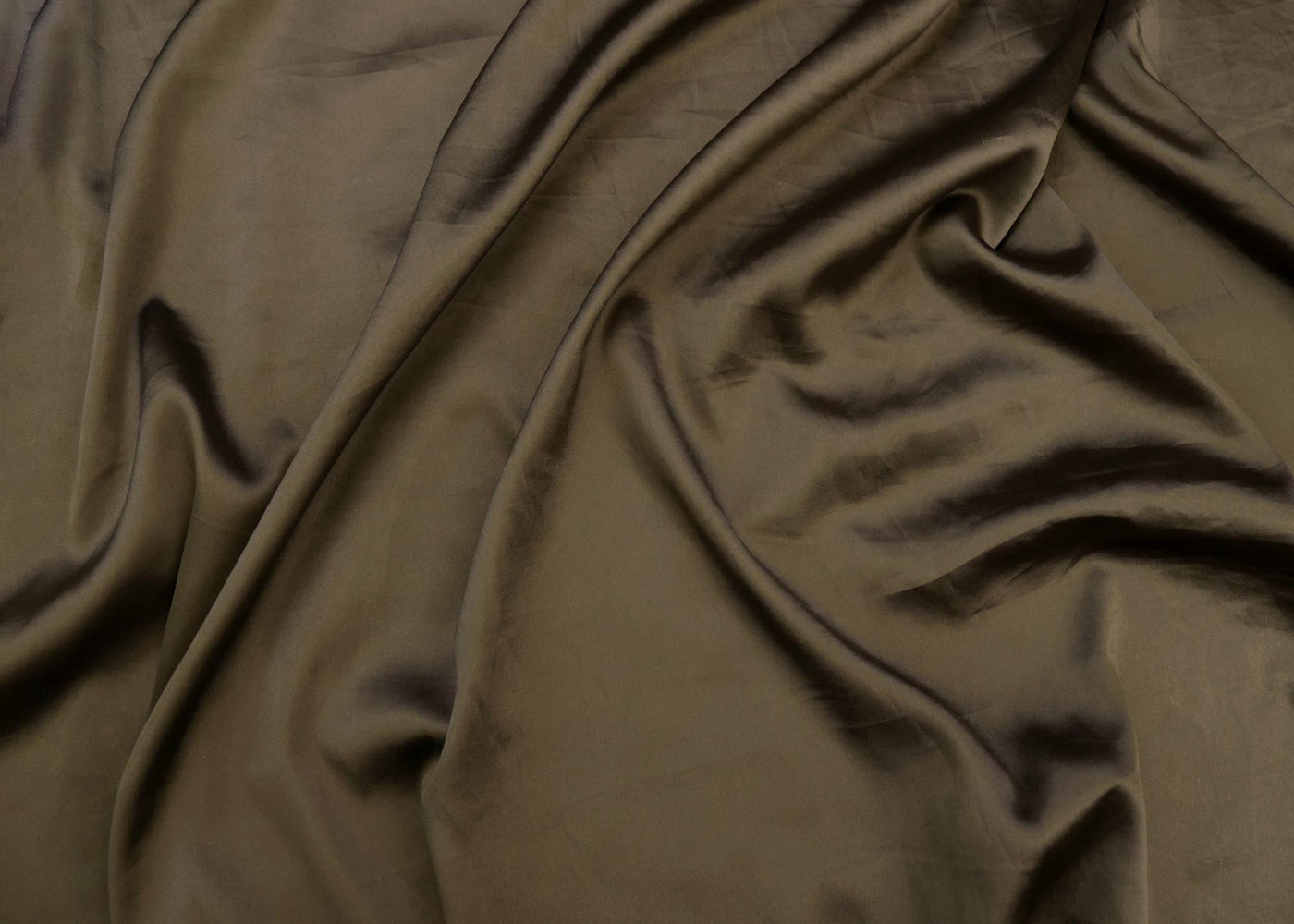
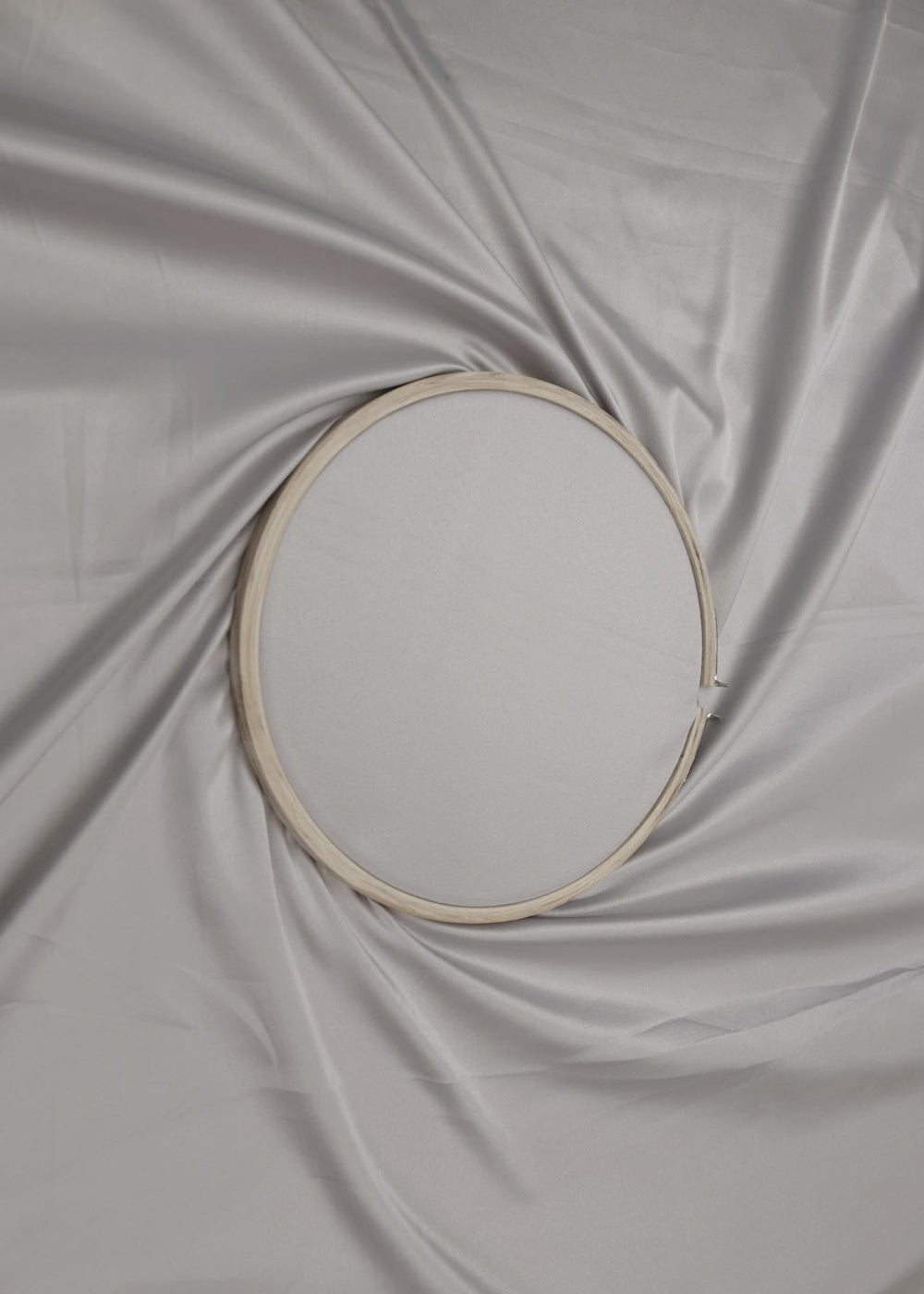
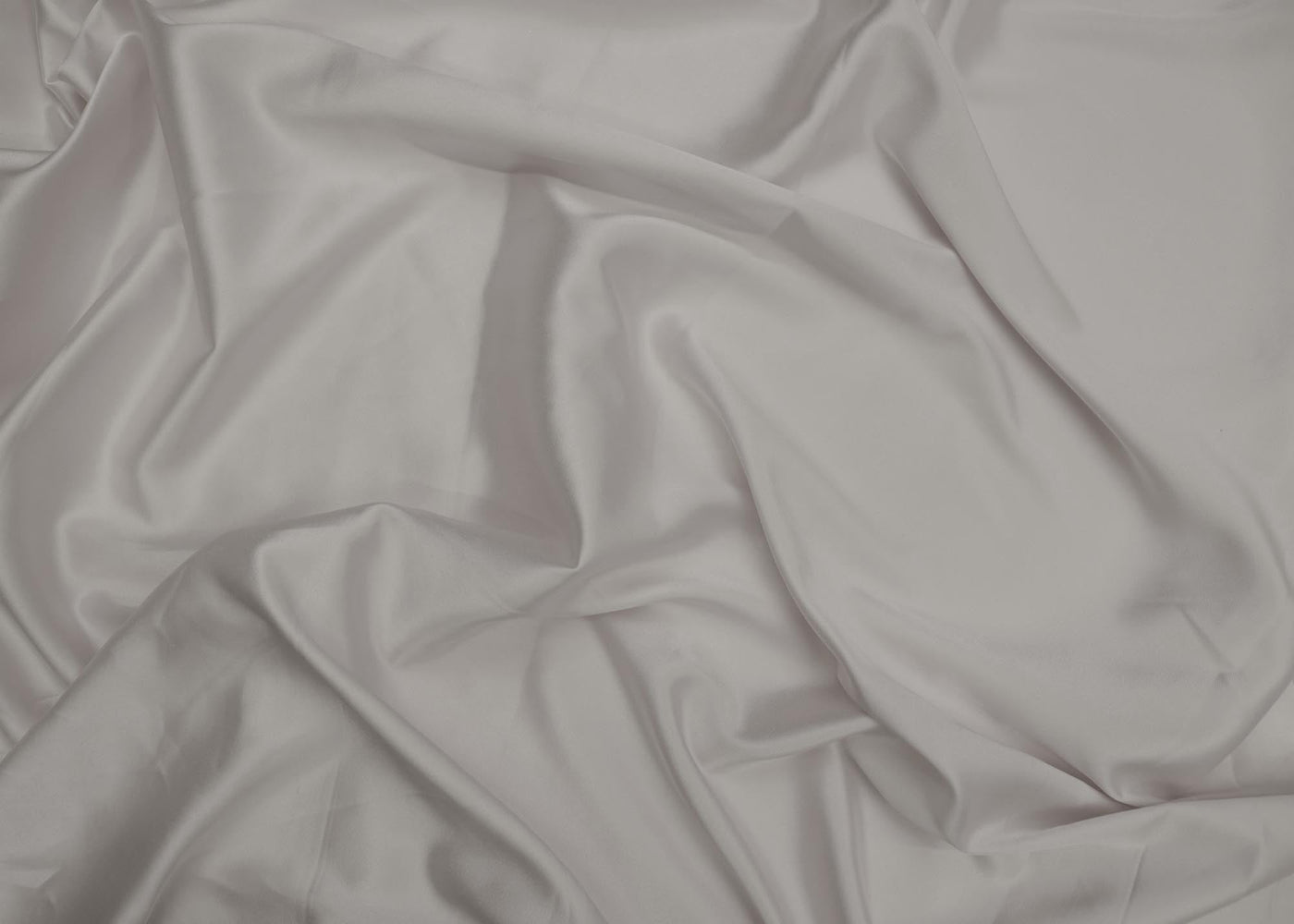
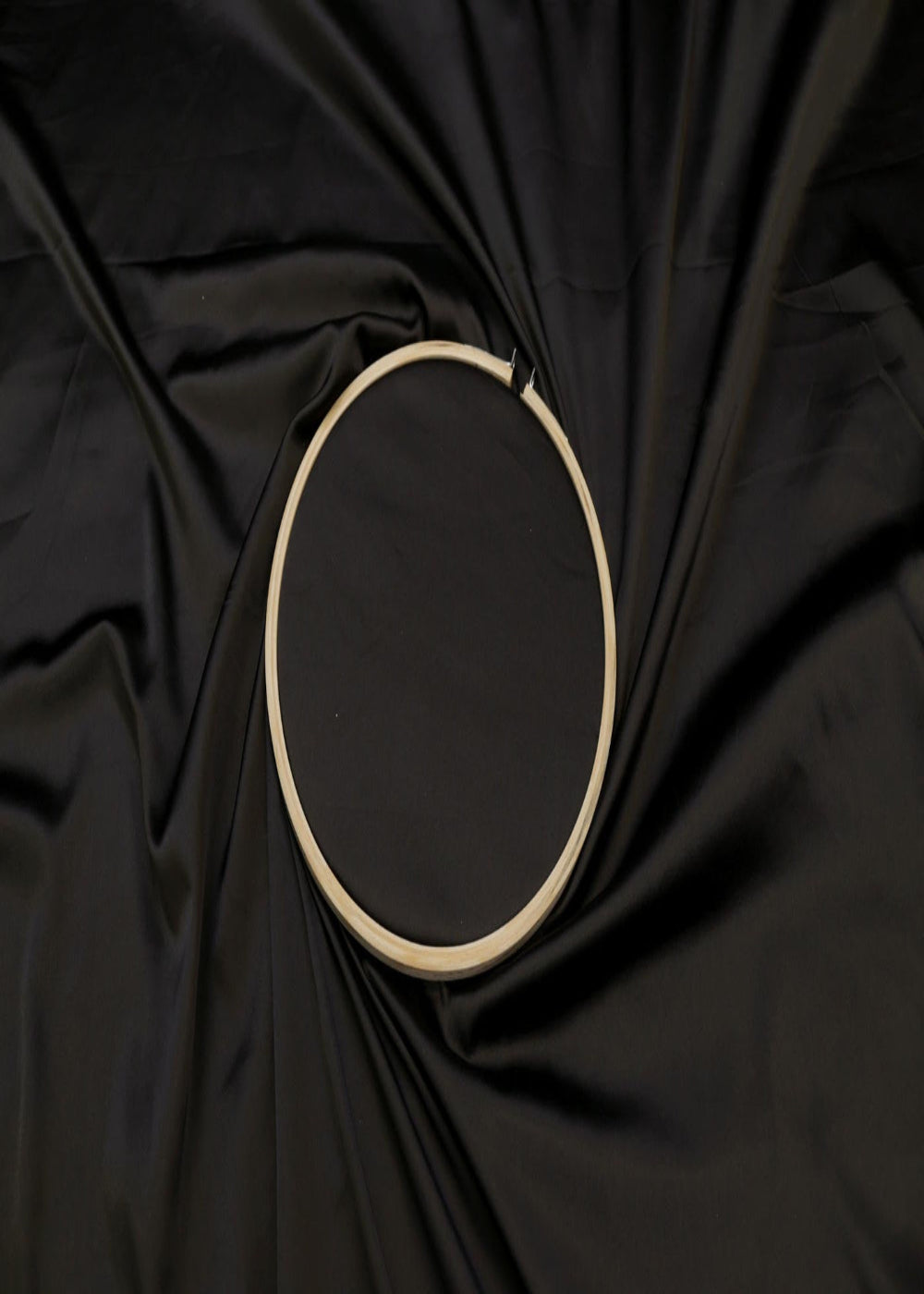

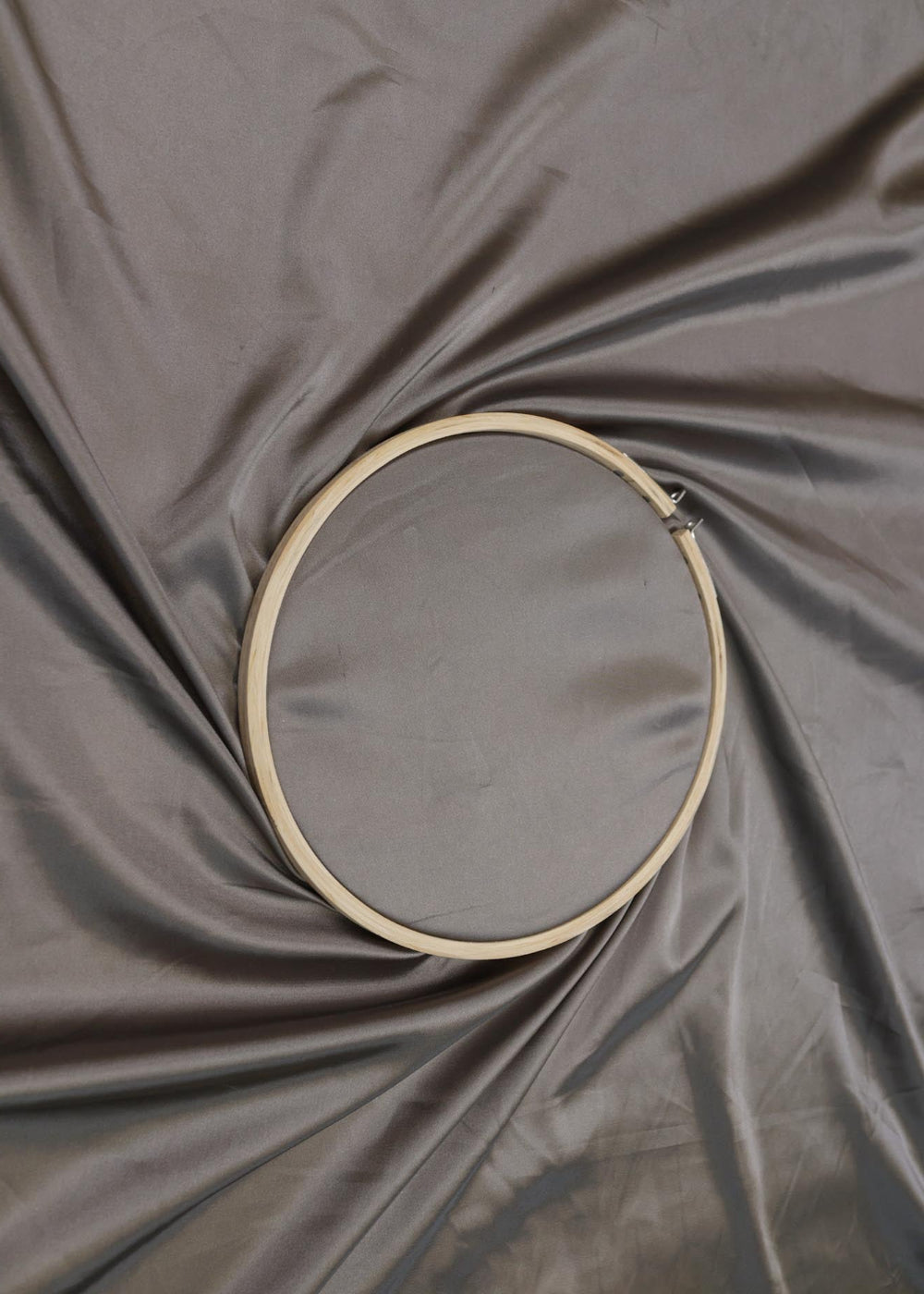

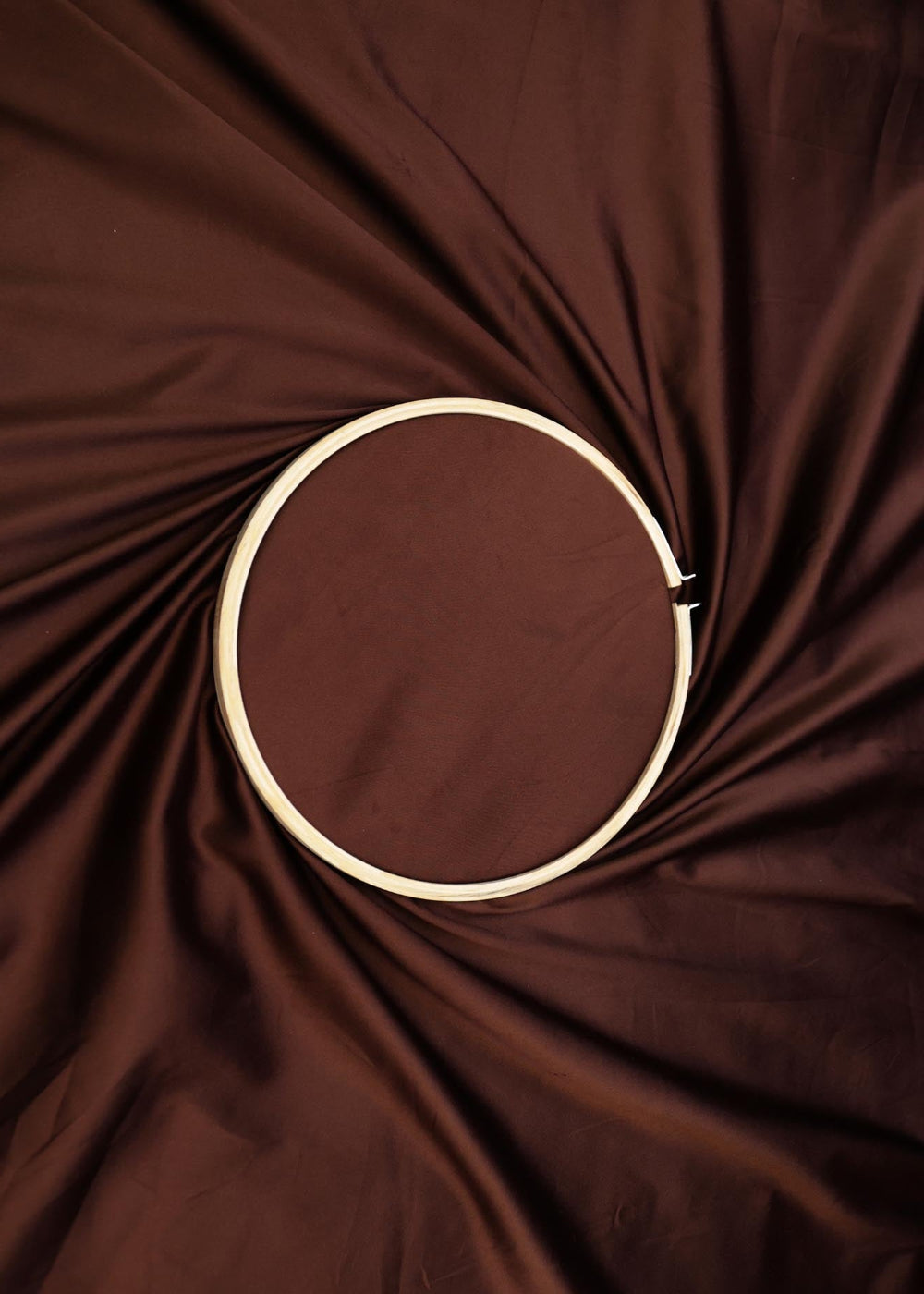
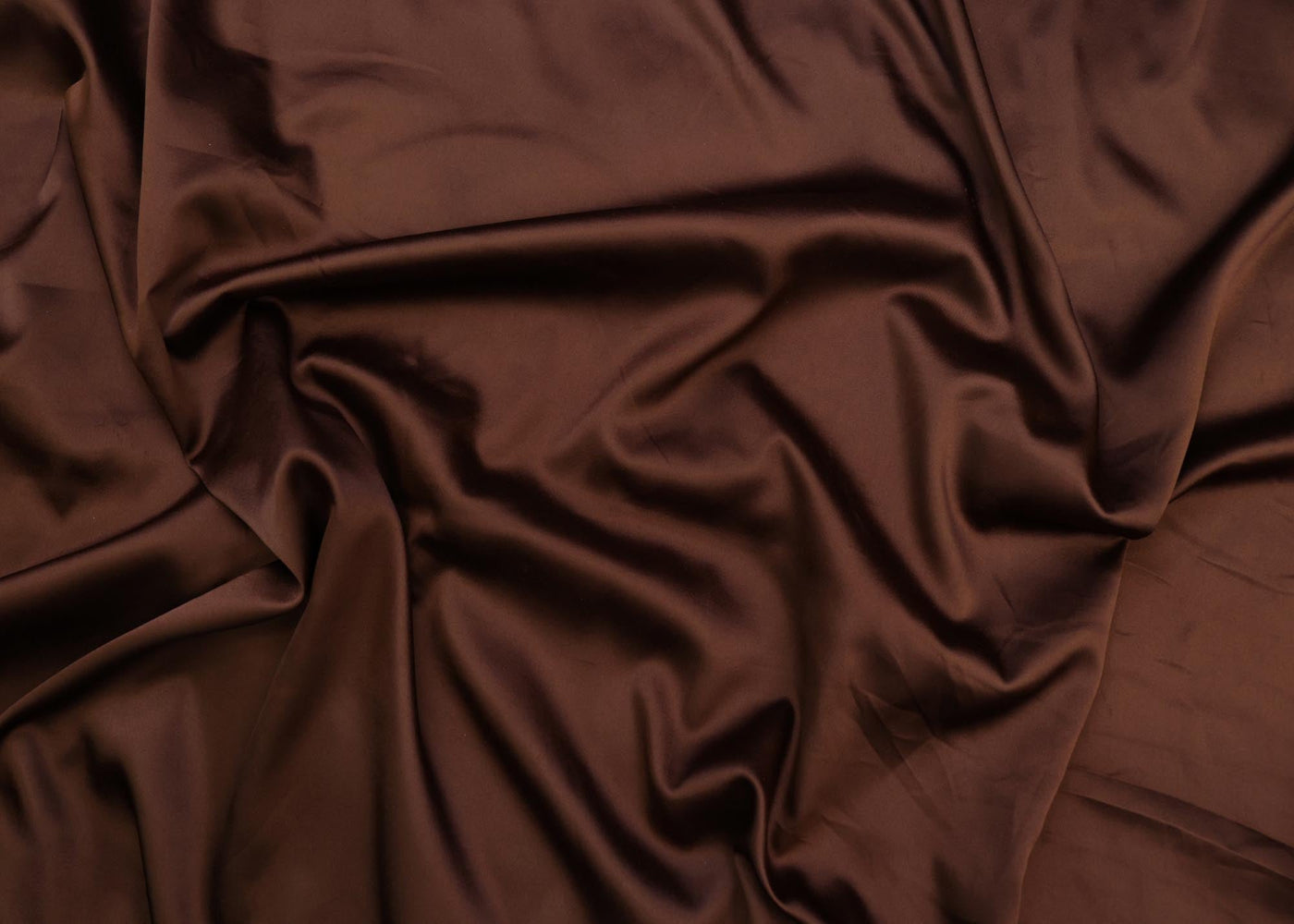
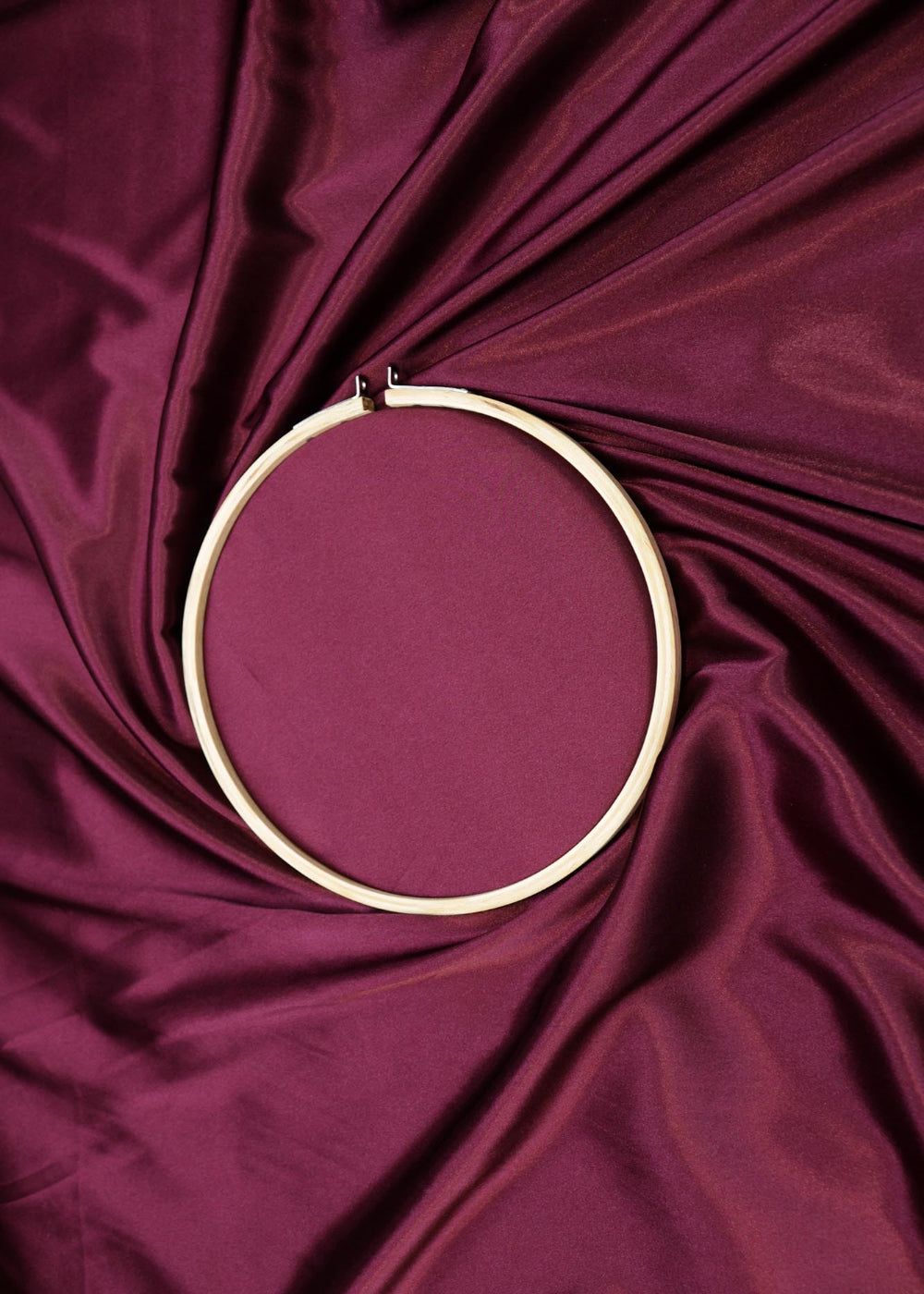
Everything You Need to Know About Royal Satin Fabric
So second week of last September, a wholesale supplier from Sadar Bazaar walks into the shop counter. Four hundred metres of royal satin, three shades, deadline before Karva Chauth. Bhaiya, sherwani season is starting October end, stock must be ready. He supplies groom sherwani fabric to shops across Old Delhi, Kashmiri Gate, Chandni Chowk. Every year same order pattern, past five years running. Rain or shine, wedding or no wedding in his own family, the man is buying his stock in September only.
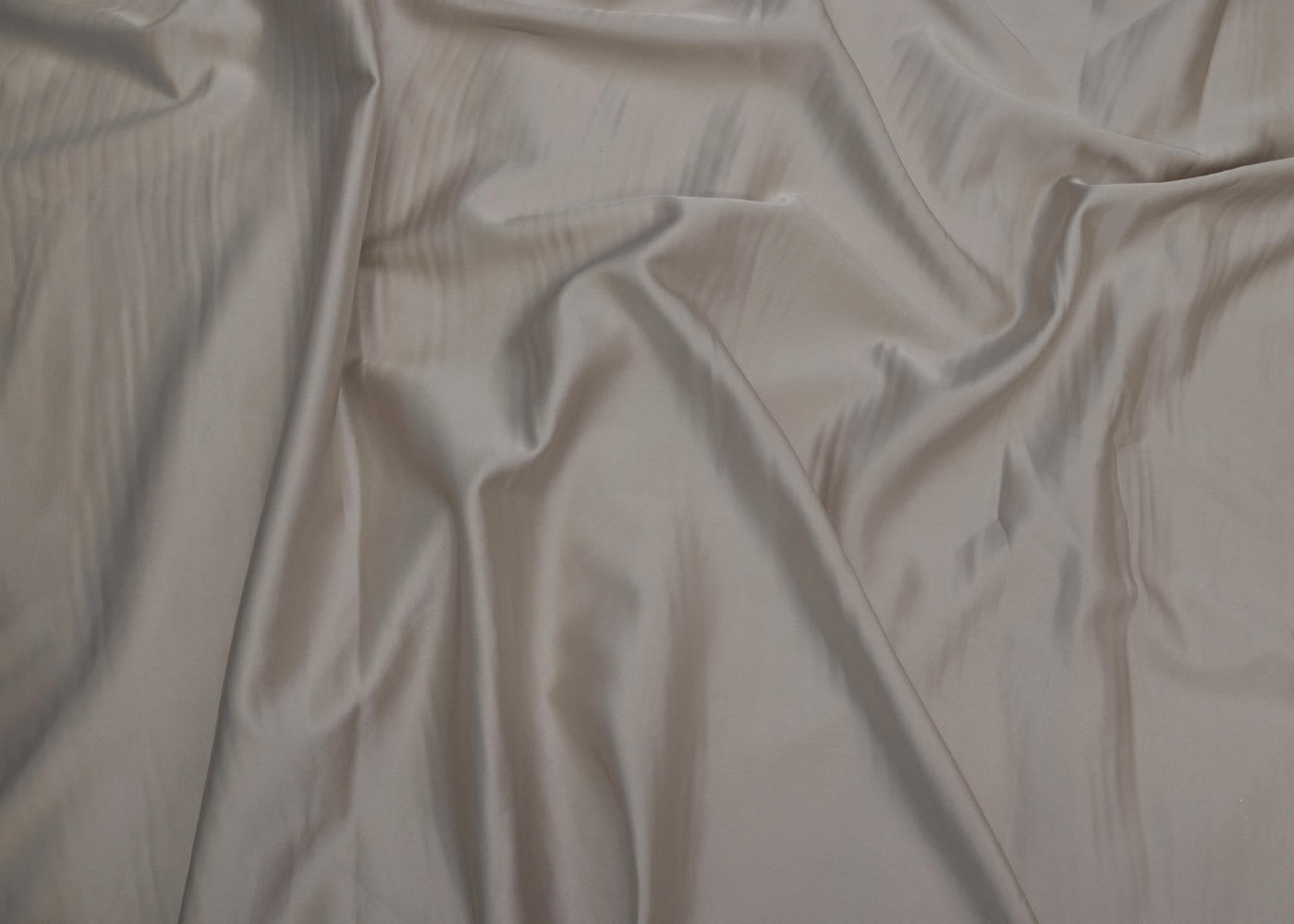
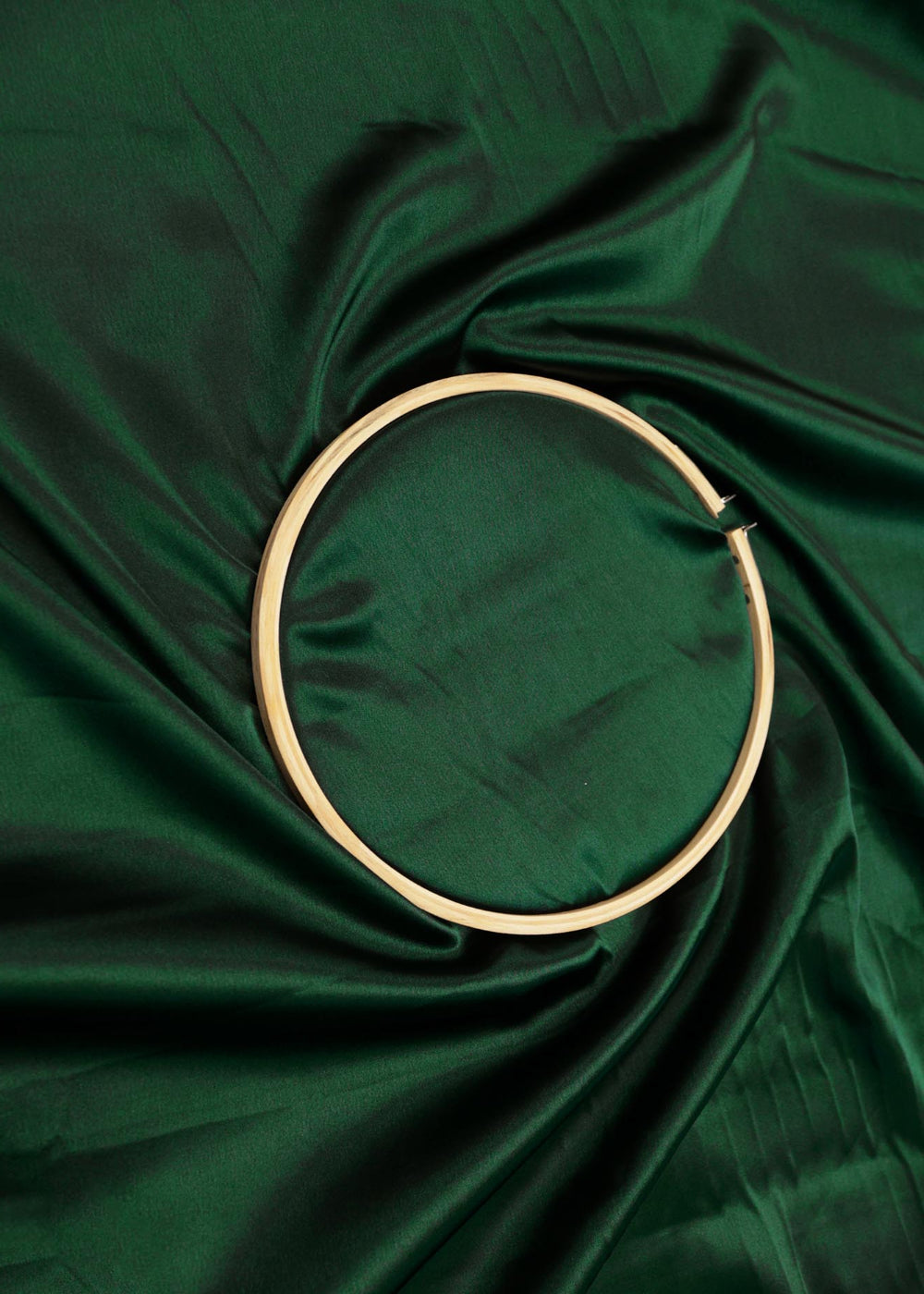
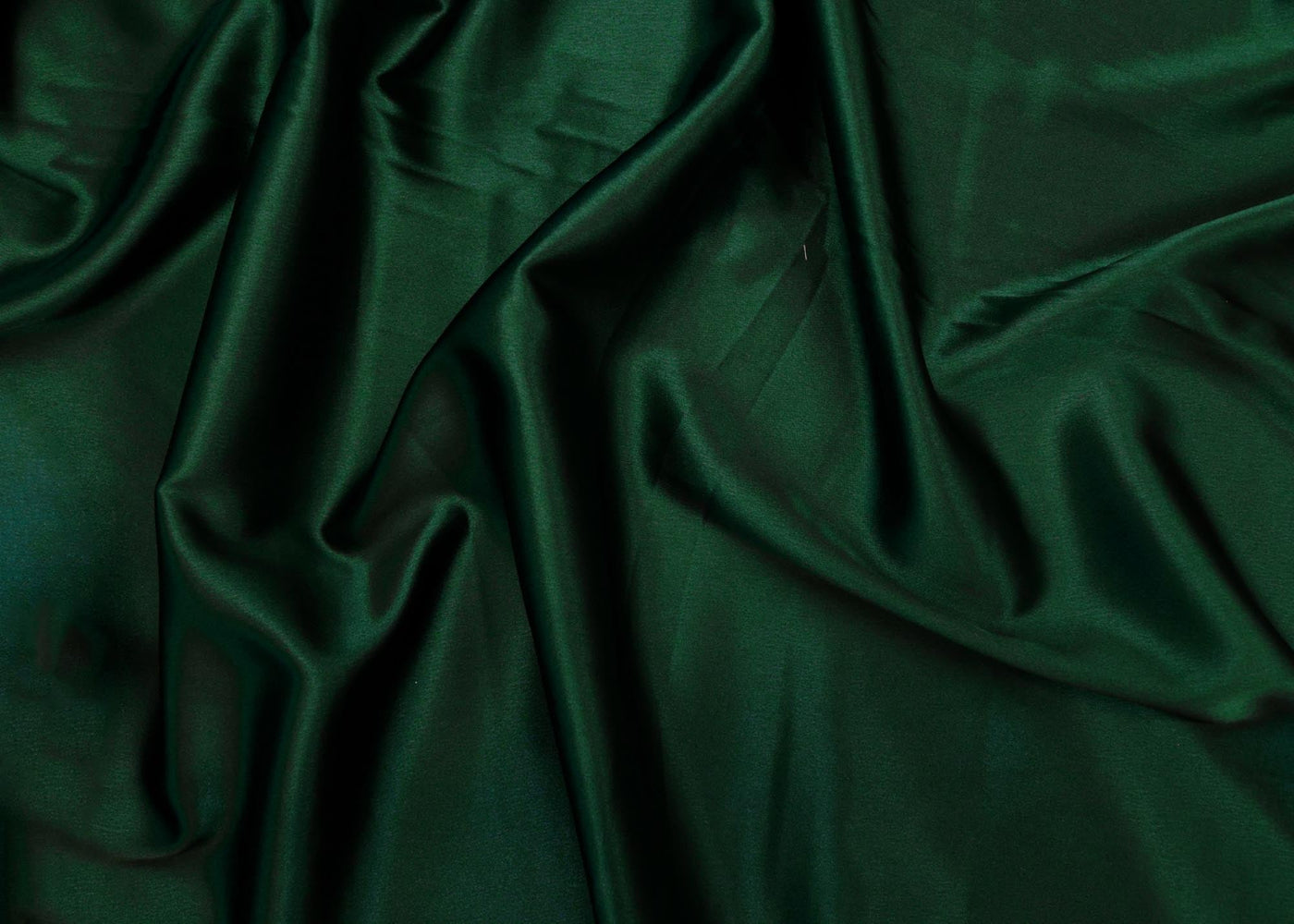
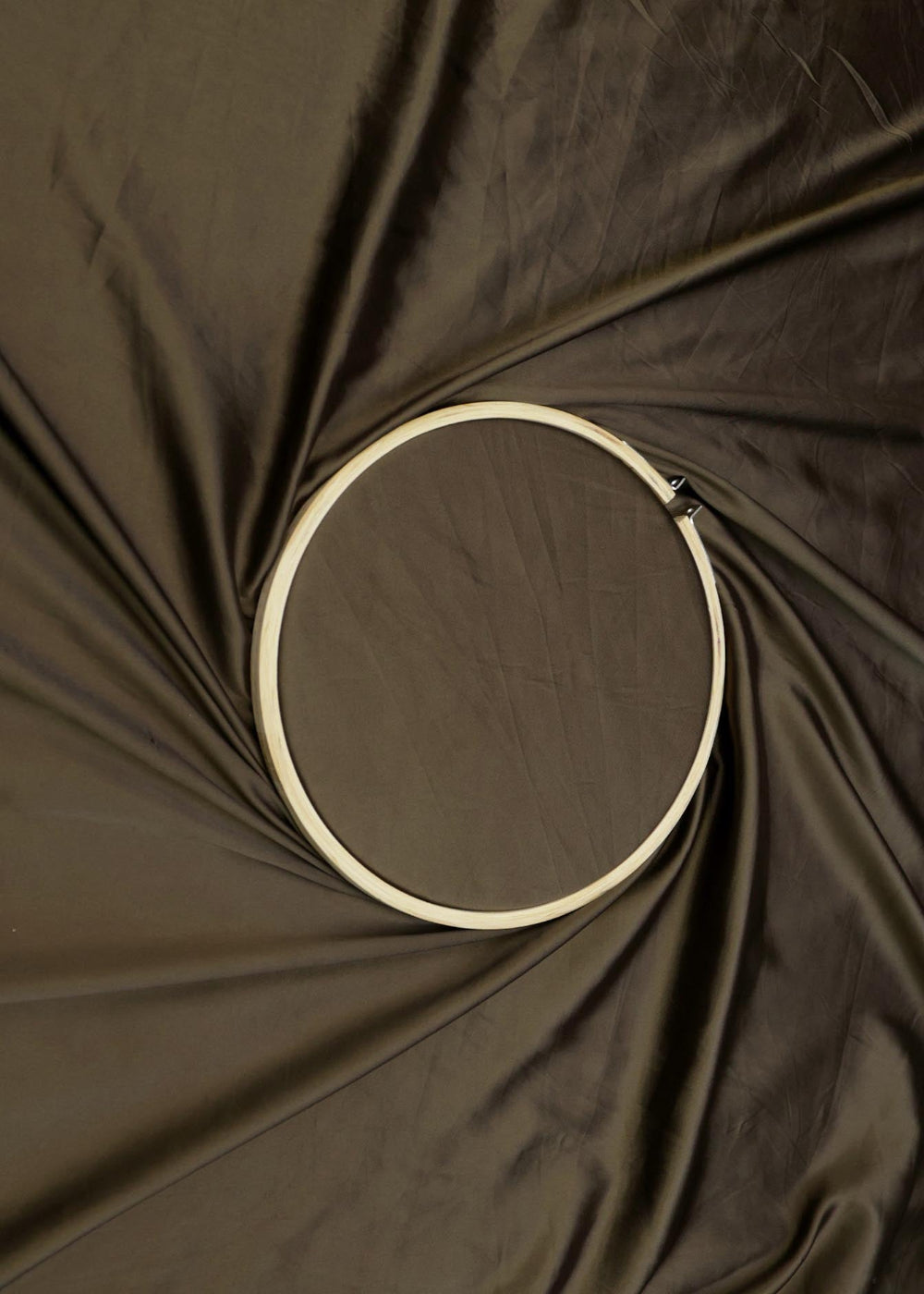
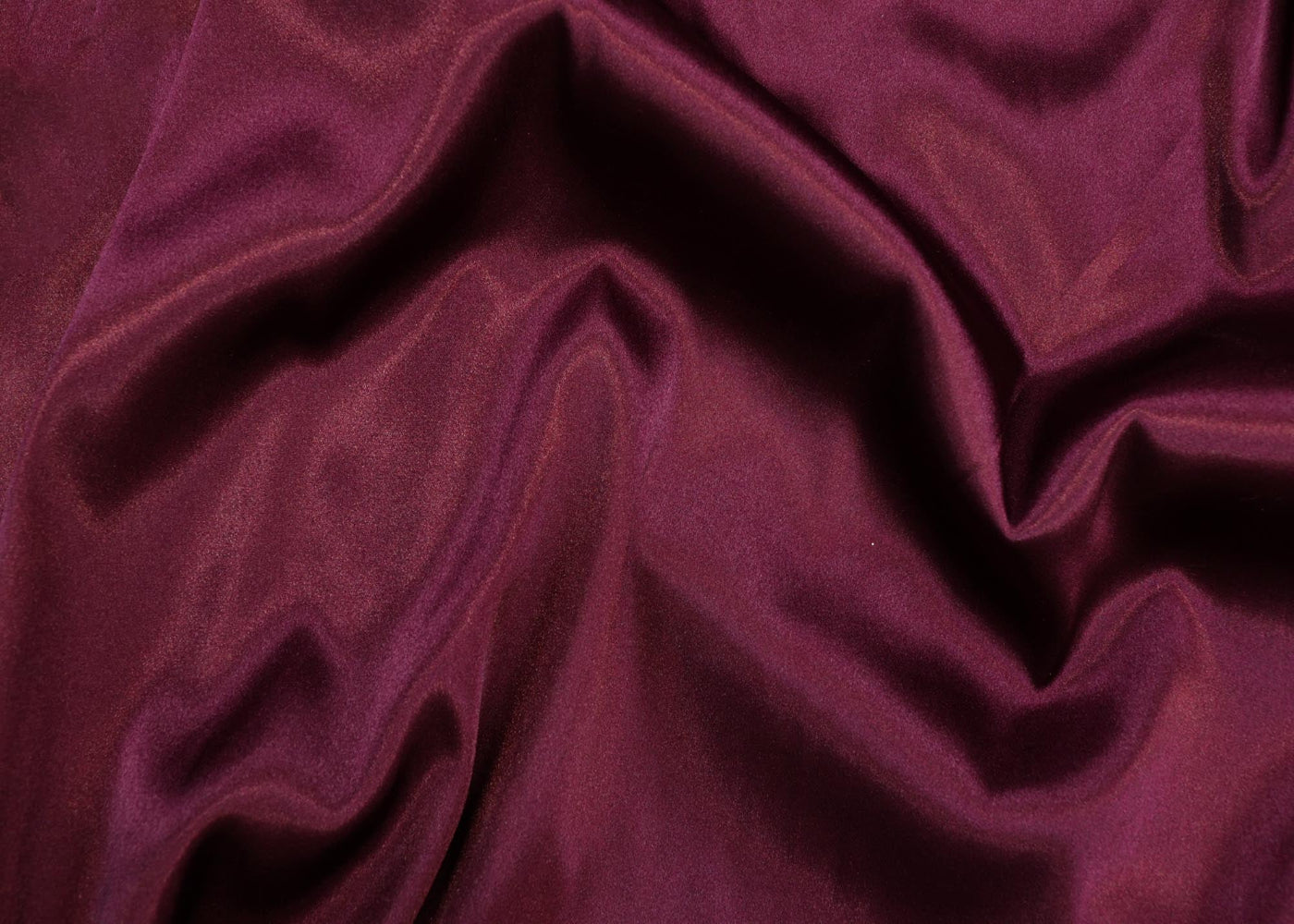
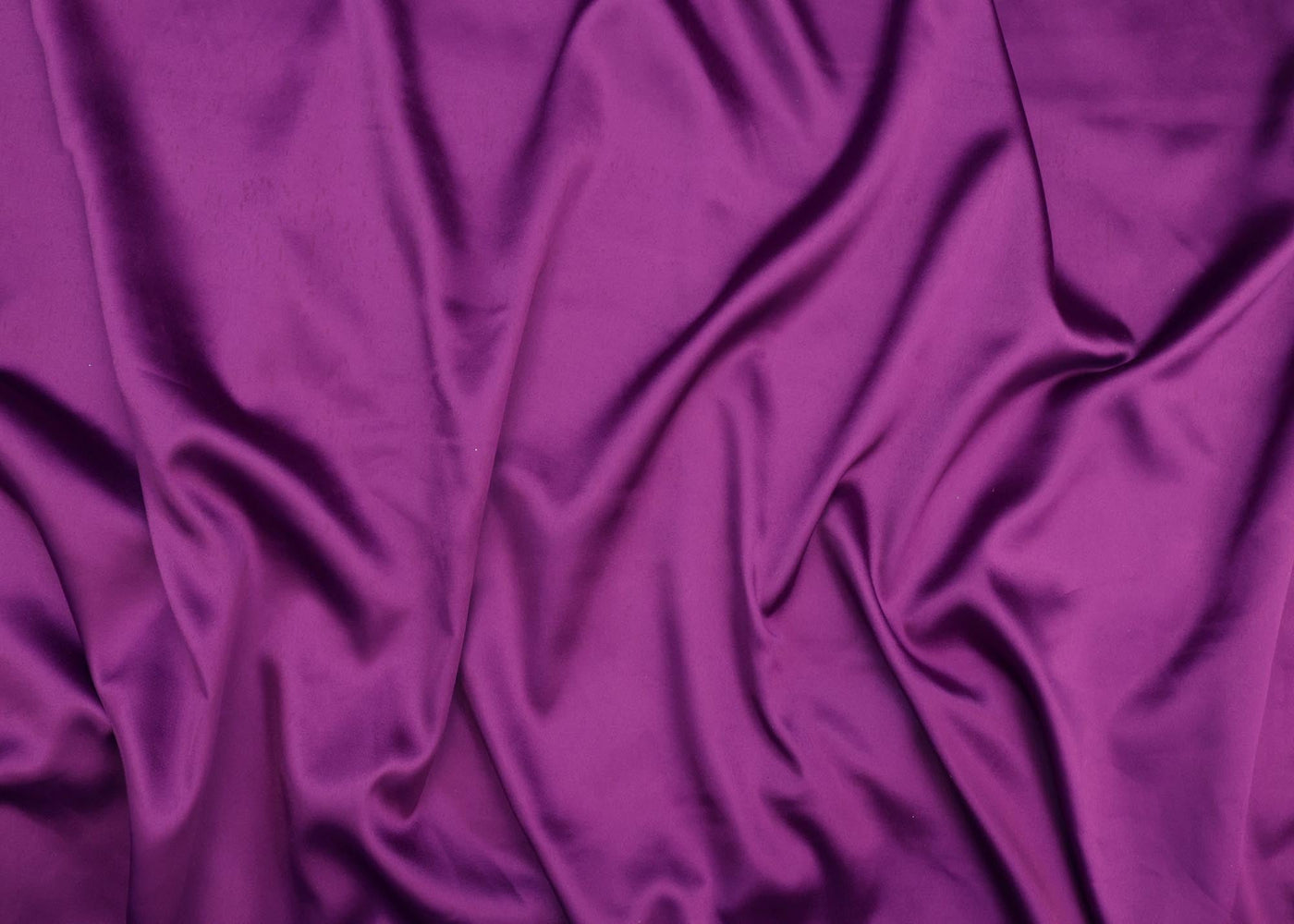
This royal satin holds a specific niche in Indian wedding-wear. Not the mid-weight structured satin that Armani goes to for cocktail wear. Not the hybrid drape-and-sheen of georgette satin for online designer sarees. This is the top of the satin weight range. Thick. Structured. Opulent hand feel. Meant for garments that need to hold their shape across the entire wedding function without any assistance from interlining.
What Makes Royal Satin Different
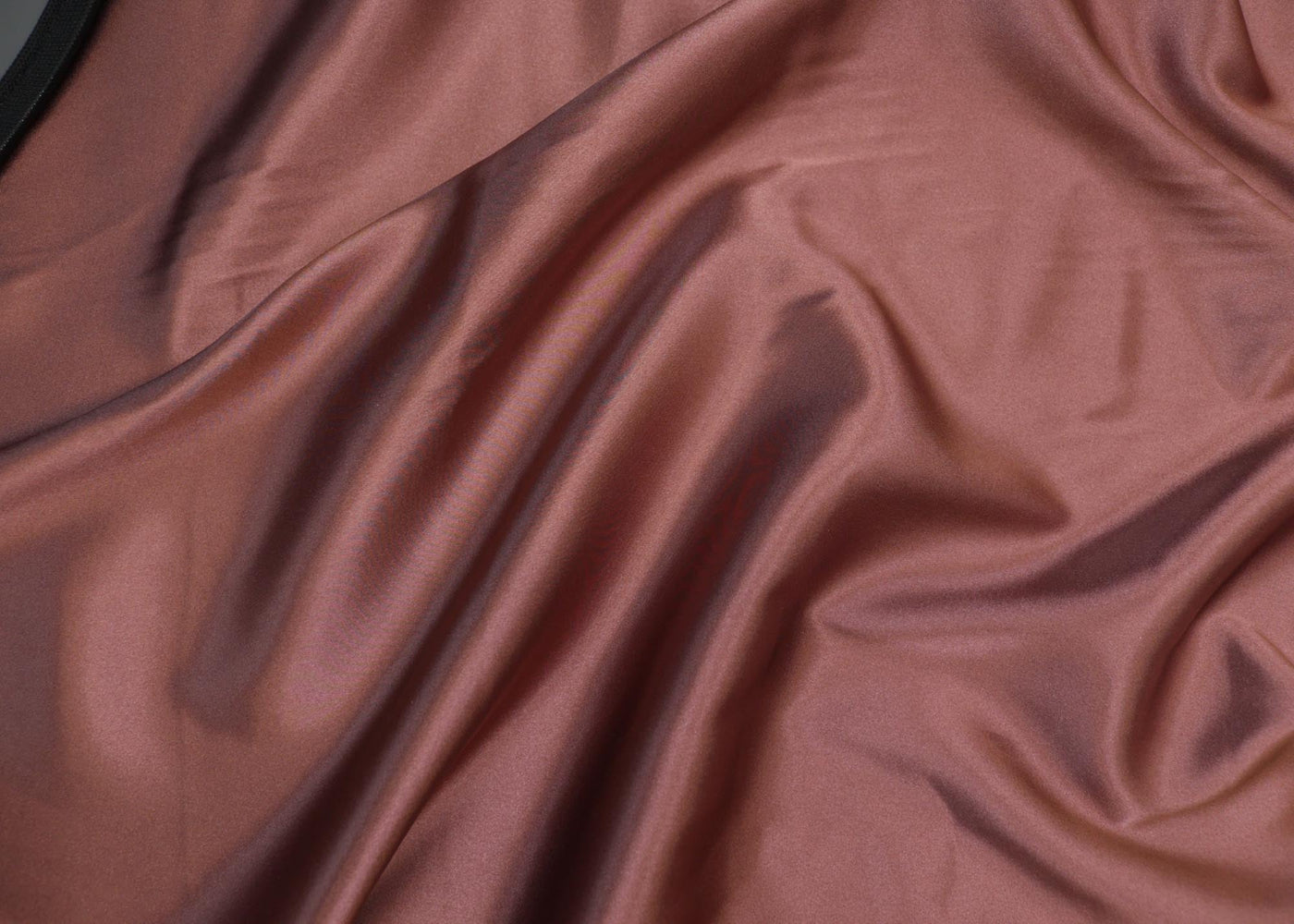
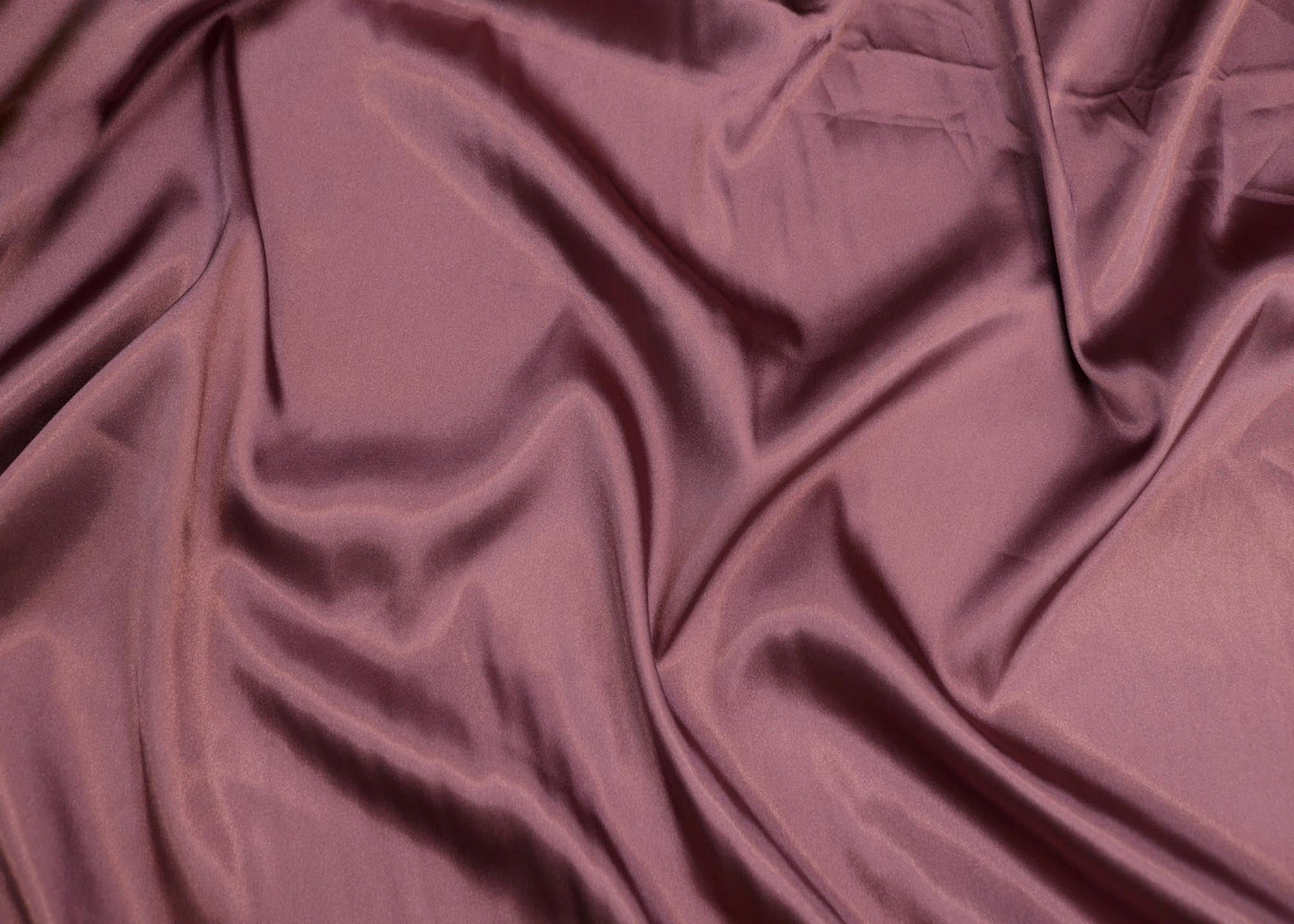
Basically this weight class sits at the heaviest end of the commercial satin category. Range is 180 to 320 GSM. That puts it straight into structural fabric territory. The satin weave is fully developed. Dense yarn count. High thread density per inch. Pronounced surface sheen that catches indoor wedding lighting from every angle you can imagine.
Regular satin? Sits at 100 to 180 GSM for mid-market use. This variant sits heavier, folds sharper, has more visible surface glow. Groom sherwani production almost exclusively picking royal satin in this weight range because sherwani silhouette needs fabric that stays crisp across seven hours of standing, sitting, walking during pheras and reception. Ask any sherwani-wala in Kashmiri Gate.
Hand feel is dense, substantial, weighted. That density is what holds sherwani cut, blouse structural core, jacket shape without needing extra canvas interlining underneath. Simple economics.
Boutiques in Lajpat Nagar typically paying between Rs. 450 and Rs. 1,200 per metre depending on shade plus weight class.
Types of Royal Satin in Our Collection
Five variants moving through our shelves regularly.
| Type | Best Use | Approximate Price Range |
|---|---|---|
| Plain Royal Satin | Sherwani, formal jackets, blouse cores | Rs. 450 to 650 per metre |
| Zari-Border Royal Satin | Wedding sherwani, festive kurtas | Rs. 550 to 900 per metre |
| Embroidered Royal Satin | Bridal blouses, designer sherwani panels | Rs. 900 to 2,400 per metre |
| Foil Print Royal Satin | Indo-western jackets, formal wear | Rs. 650 to 1,100 per metre |
| Sequin Royal Satin | Sangeet sherwani, cocktail jackets | Rs. 850 to 1,600 per metre |
For first-time buyers, plain royal satin remains the most flexible pick. Works as sherwani base, bridal blouse core, jacket fabric, plus lining underneath heavier imperial brocade outer garments.
Royal Satin GSM Guide
| GSM Range | Fabric Feel | Best For |
|---|---|---|
| 180 to 220 GSM | Medium-heavy, structured | Bridal blouses, formal kurtas |
| 220 to 270 GSM | Heavy, opulent | Groom sherwani, wedding jackets |
| 270 to 320 GSM | Very heavy | Reception jackets, structural bridal wear |
Most sherwani stitching units defaulting to 220 to 270 range. Balances structural hold with wearing comfort across seven-hour ceremonies. Heavier than this becomes uncomfortable on the dulha; lighter loses the sherwani-appropriate hand feel completely.
Popular Uses
Groom sherwani for pheras plus reception. Signature use case. Keeps sherwani cut structural across the entire wedding day.
Bridal blouse structural cores underneath heavy embroidery. Fabric holds embroidery weight without visible sagging by the reception dinner.
Formal jackets for groom's family, wedding guests. Classic wedding-jacket structure with rich surface sheen that catches candid indoor photography beautifully. Photographers actually thank us for this fabric on wedding videos.
Sangeet sherwani with sequin work overlay. Dense satin base holds sequin weight without deforming the sherwani silhouette during dance segments.
Royal Satin Trends for 2026
Deep maroon, midnight navy, oxidised gold are leading this year. Traditional wedding shade combinations proving resilient because sherwani buyers still value classic-formal over fashion-forward palette choices. Sadar Bazaar wholesalers reordering these three royal satin shades every three weeks through peak season currently.
Embroidered variants with three-dimensional karigar work is the second pattern. Sherwani panels stitched with raised zari, thread work, plus subtle pearl detailing. Rising fast in the Rs. 45,000 to 90,000 sherwani retail band for designer boutiques serving destination weddings.
Expert Tips for Working with Royal Satin
Cut with sharp shears in single-layer passes only. Heavy fabric creates thick folds that double-layer cutting cannot handle without skewing panel dimensions across the sherwani body.
Use heavy-duty silk or cotton-poly thread for stitching, never fine silk alone. Fabric weight puts stress on seams during long-wear function; fine thread breaks under repeated stress across seven-hour wedding days.
Iron on reverse side always at medium heat with steam. Direct high-heat ironing scorches the satin surface leaving permanent marks; reverse-side steam settles the fabric into shape without damaging the finish.
What is Royal Satin? (Quick Definition)
Royal satin is a heavy structured satin fabric at the top of the satin weight range with 180 to 320 GSM, dense yarn count, pronounced surface sheen throughout. It gets used in groom sherwani, bridal blouse structural cores, formal jackets, wedding-set coordinates, sangeet sherwani, plus structural bridal wear.
Why Designers Buy Royal Satin Online
This is the heavy structural satin of Indian wedding-wear because the dense weave holds sherwani, blouse, plus jacket silhouettes across long ceremony hours without extra interlining. Sits at the top of the satin weight range with dense yarn count plus pronounced surface sheen catching indoor wedding lighting from every angle. Delhi NCR wholesalers price plain weights between Rs. 450 and Rs. 1,200 per metre, while embroidered variants run up to Rs. 2,400.
Frequently Asked Questions
How is royal satin different from Armani satin?
Armani satin sits at 100 to 180 GSM for mid-weight structured cocktail plus reception wear. This weight class sits heavier at 180 to 320 GSM specifically for sherwani, bridal blouse cores, plus formal jackets where the garment needs to hold shape across the entire wedding function. Different weight classes, different use cases, different price bands entirely.
Is royal satin suitable for bridal lehenga fabric?
Not usually. The weight class makes lehenga panels too heavy for long-wear comfort during pheras and reception. Bridal lehengas normally use lighter georgette, silk, or brocade for outer panels. This fabric works well for the blouse structural core underneath heavy embroidery, not for the ghera itself.
Is royal satin available in bulk for sherwani stitching units?
Yes definitely. Bulk pricing kicks in at 50 metres per SKU per shade. Wholesale tiers begin at Rs. 380 per metre for plain weights on 100-metre-plus orders. Wedding-season bulk lots above 300 metres unlock stitching-unit pricing.
How much royal satin does a groom sherwani need?
Standard groom sherwani needs 4.5 to 5.5 metres including body, sleeves, plus lining allowance. Longer sherwanis with achkan-style skirt volume need 6.5 metres. Add 2 metres for matching churidar or pyjama. WhatsApp us with your groom's height plus sherwani style and we will send exact quantity.
Why Boutique Owners Choose Royal Satin from Paras Gallery
Twenty-five metres minimum buys sample-rate pricing per shade. Fifty metres unlocks wholesale tier. Three hundred metres opens stitching-unit pricing for wedding-season sherwani production cycles.
Browse the full royal satin range below or WhatsApp us for shade matching before bulk order through our wholesale catalogue. Many wedding seasons supplying wholesalers plus stitching units across Delhi NCR, this we can promise. Shortcut is asking us first, not after the karigar starts cutting.
