









Everything You Need to Know About Coloured Crepe Fabric
Last Wednesday afternoon, this manufacturer from Karol Bagh sends us a WhatsApp message. Bhaiya, need 400 metres of coloured crepe across twelve shades by next Friday. He runs a small kurti production unit supplying online sellers. October to December is his peak season; same order pattern, three years running.
This is the kind of volume coloured crepe moves at. Boutique kurtis, palazzo bottoms, casual sarees, festival anarkalis. The fabric is the workhorse of mid-priced ethnic wear across most Indian markets. Pre-dyed in many colours, ready to cut, no extra processing needed; that convenience explains the demand.
If you are stitching kurtis at scale, producing palazzo sets for online sale, or putting together coordinated festive sets, here is the breakdown of this fabric before any bulk commitment.
What Makes Coloured Crepe Different
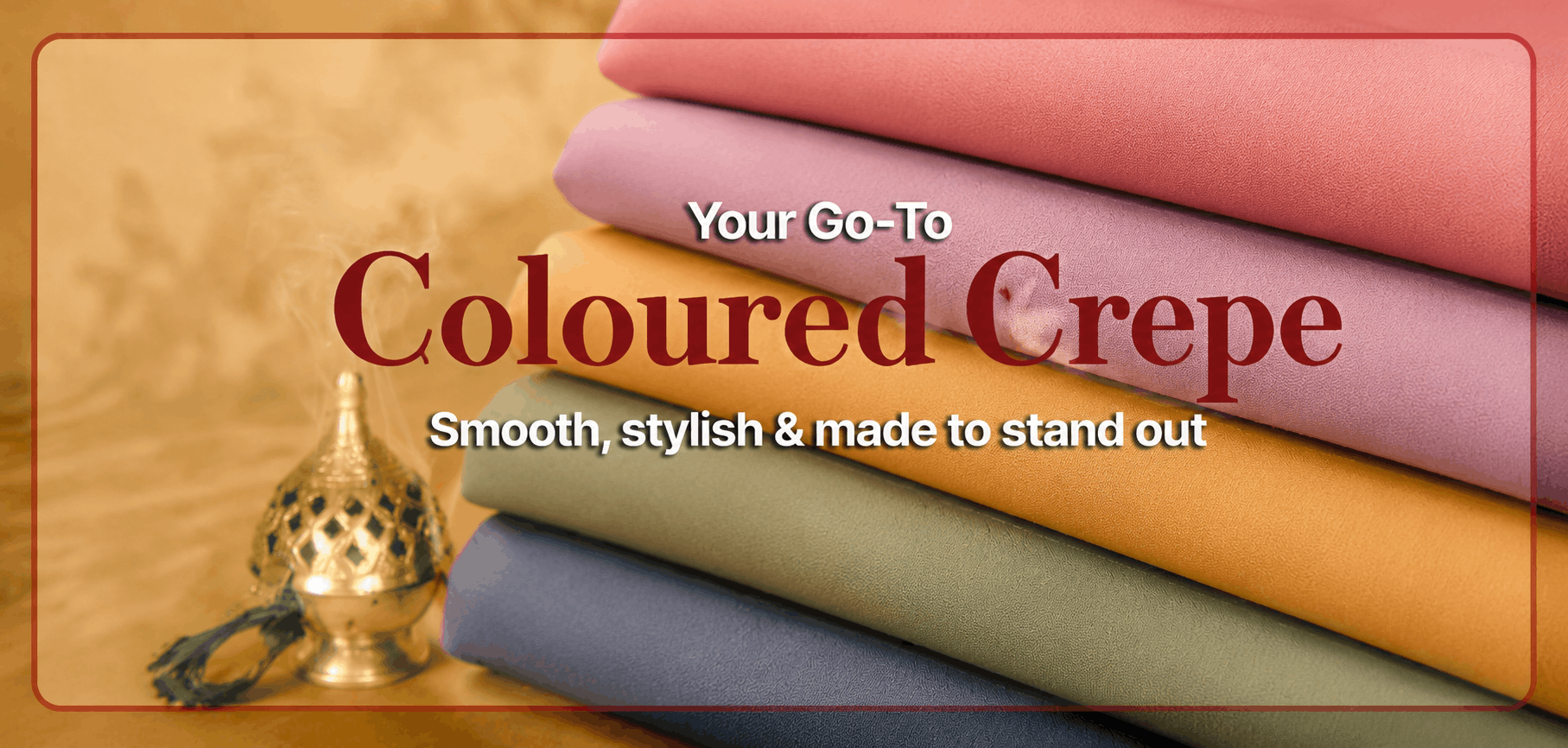
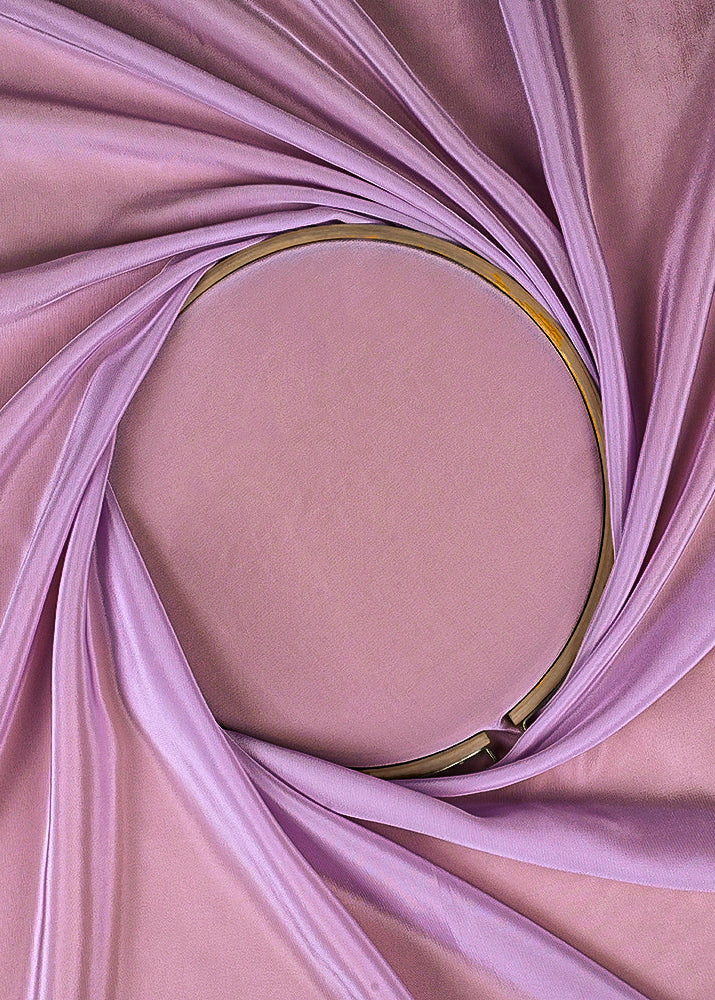
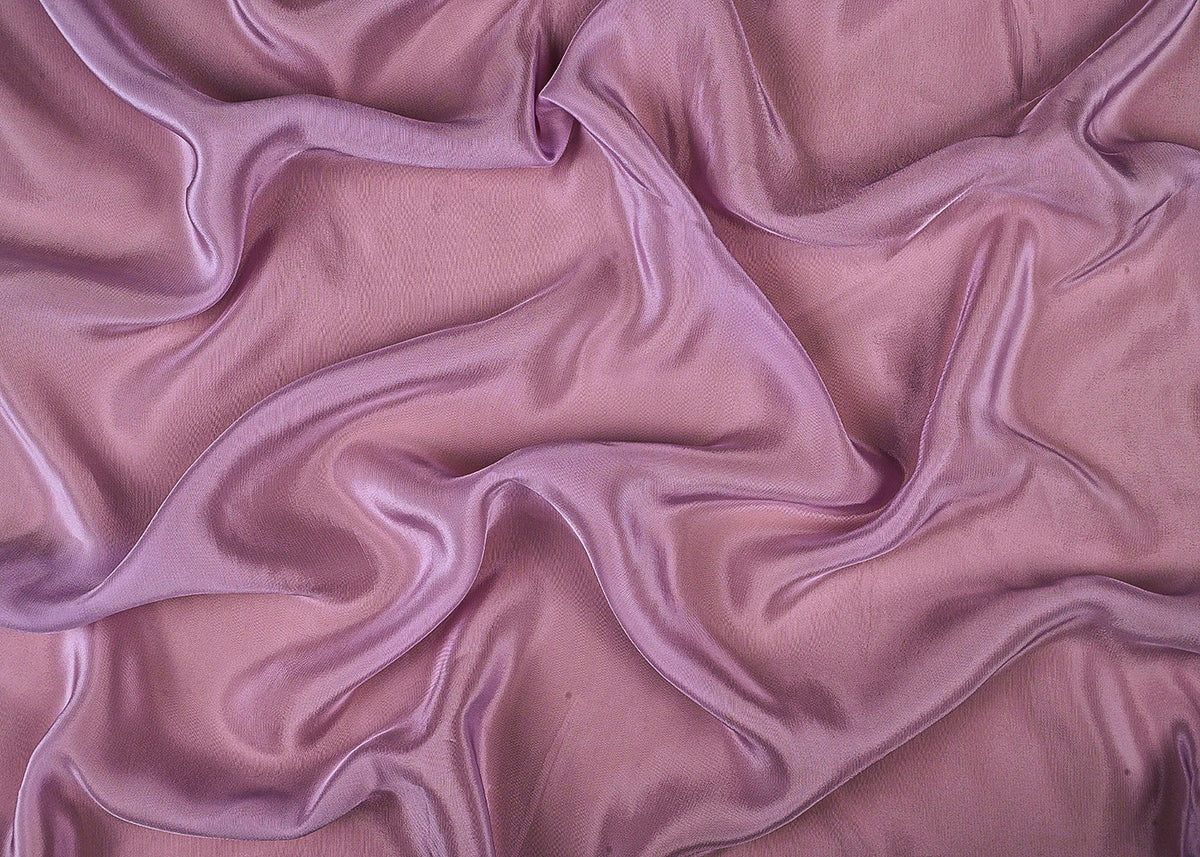
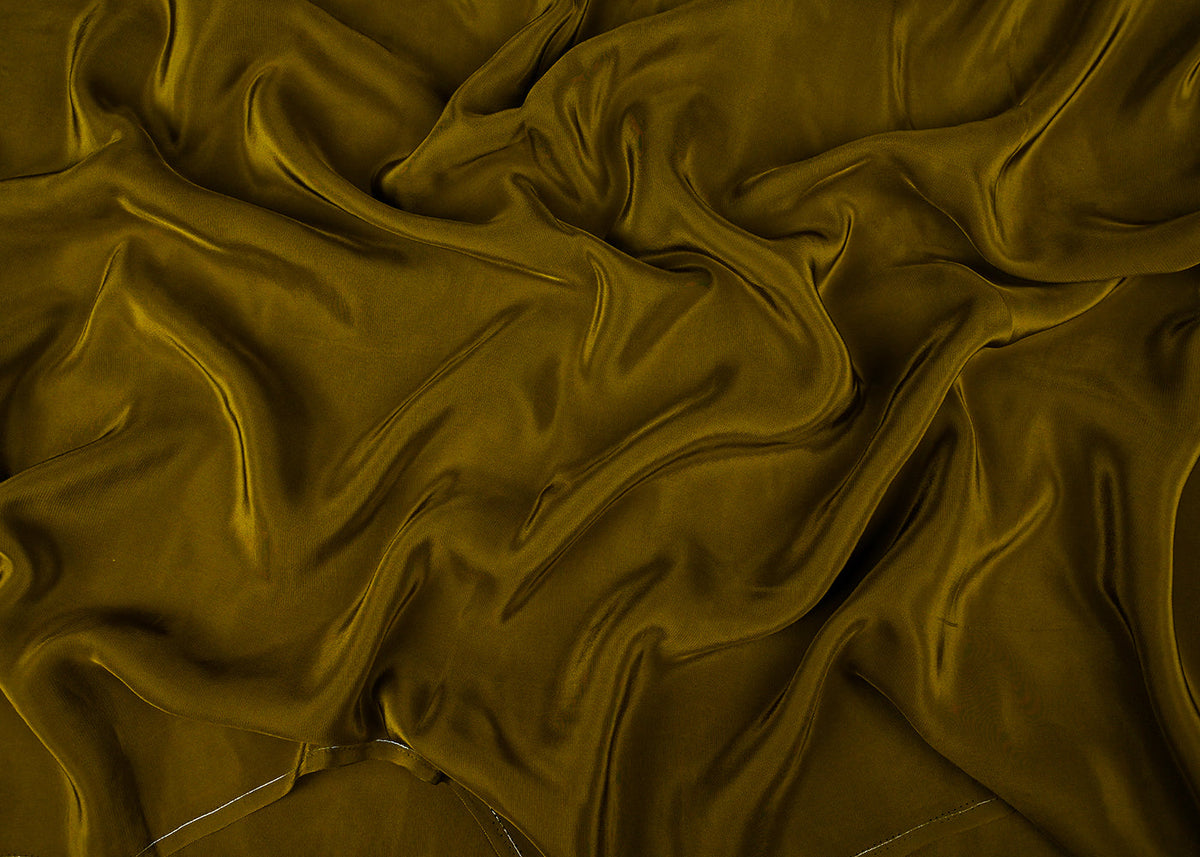
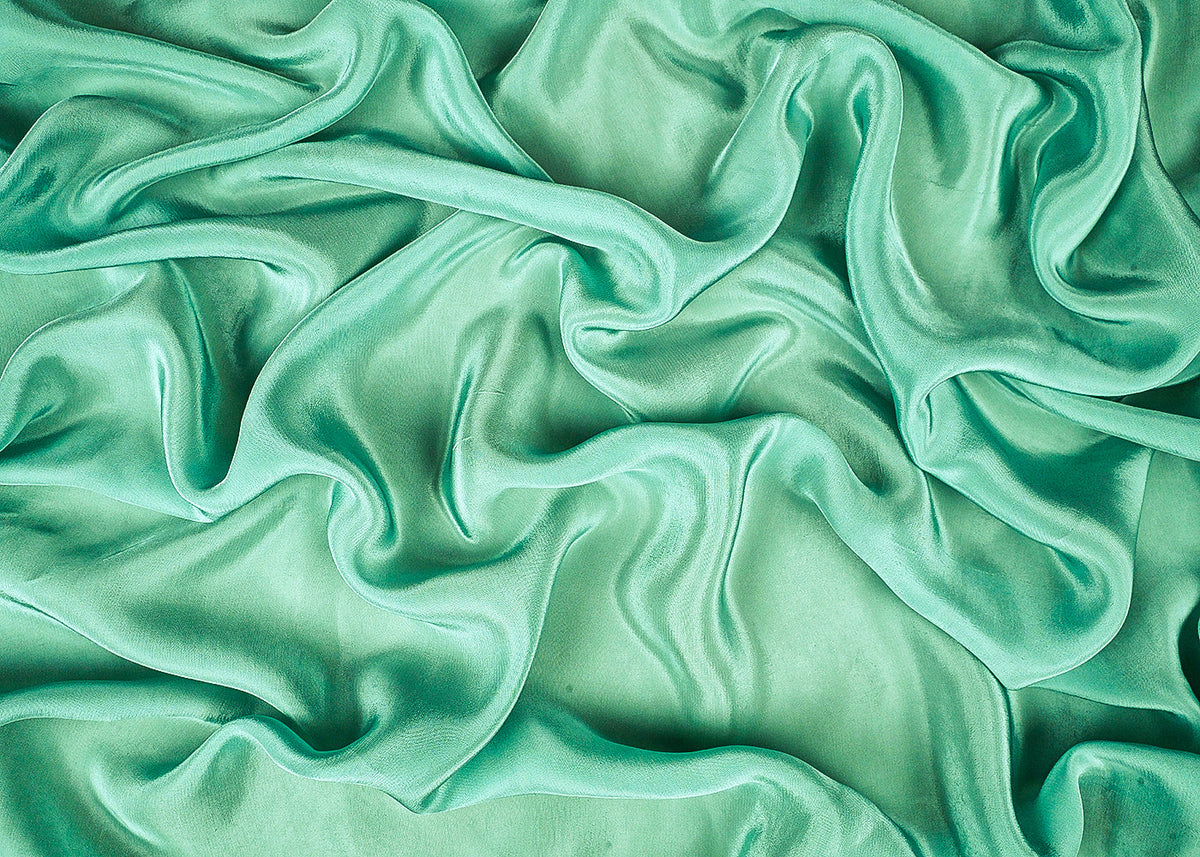
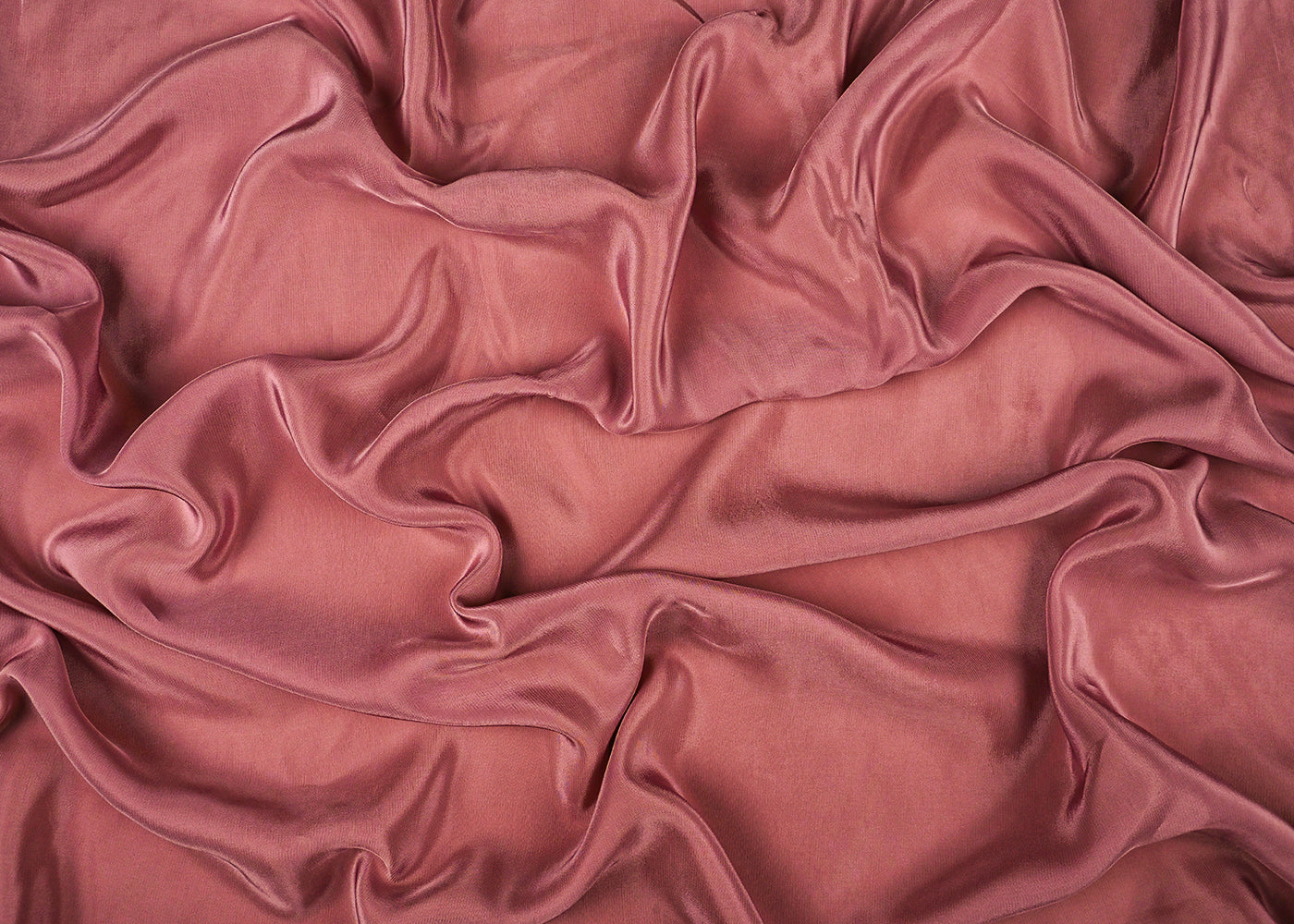
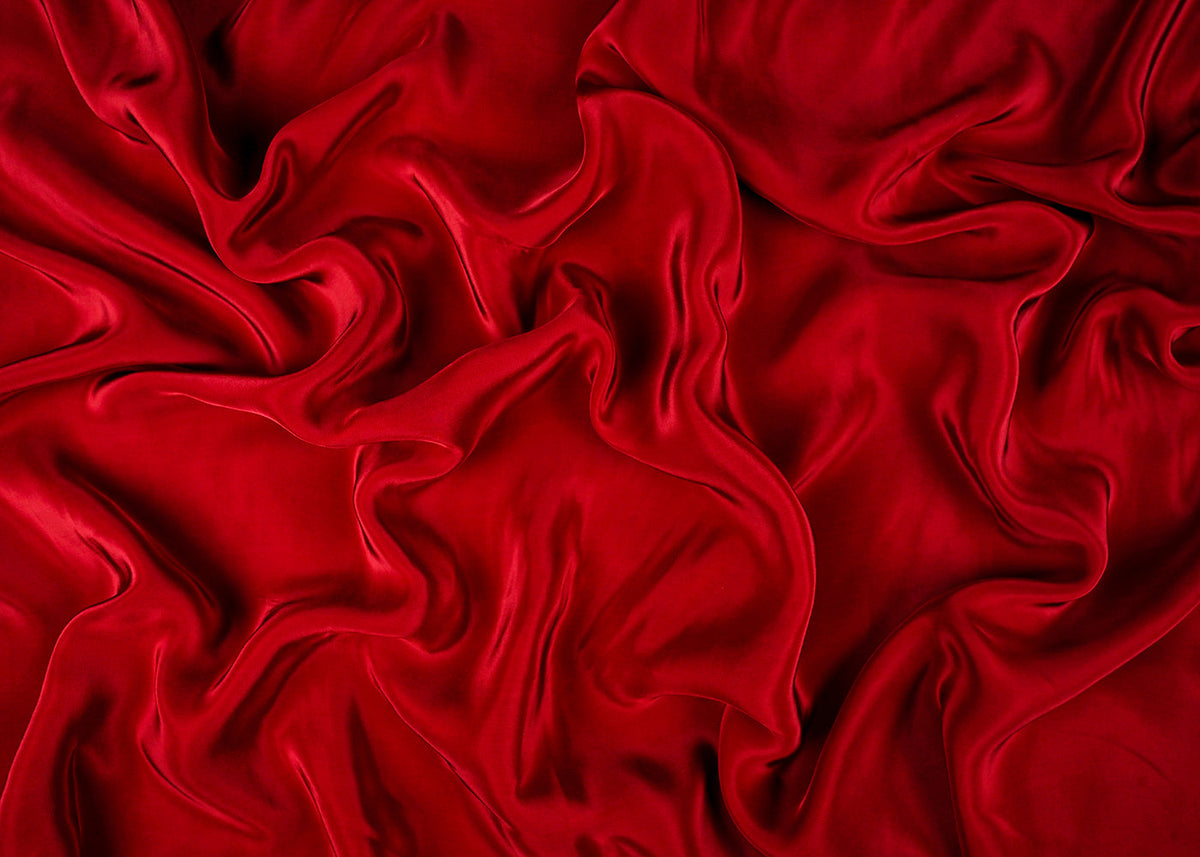
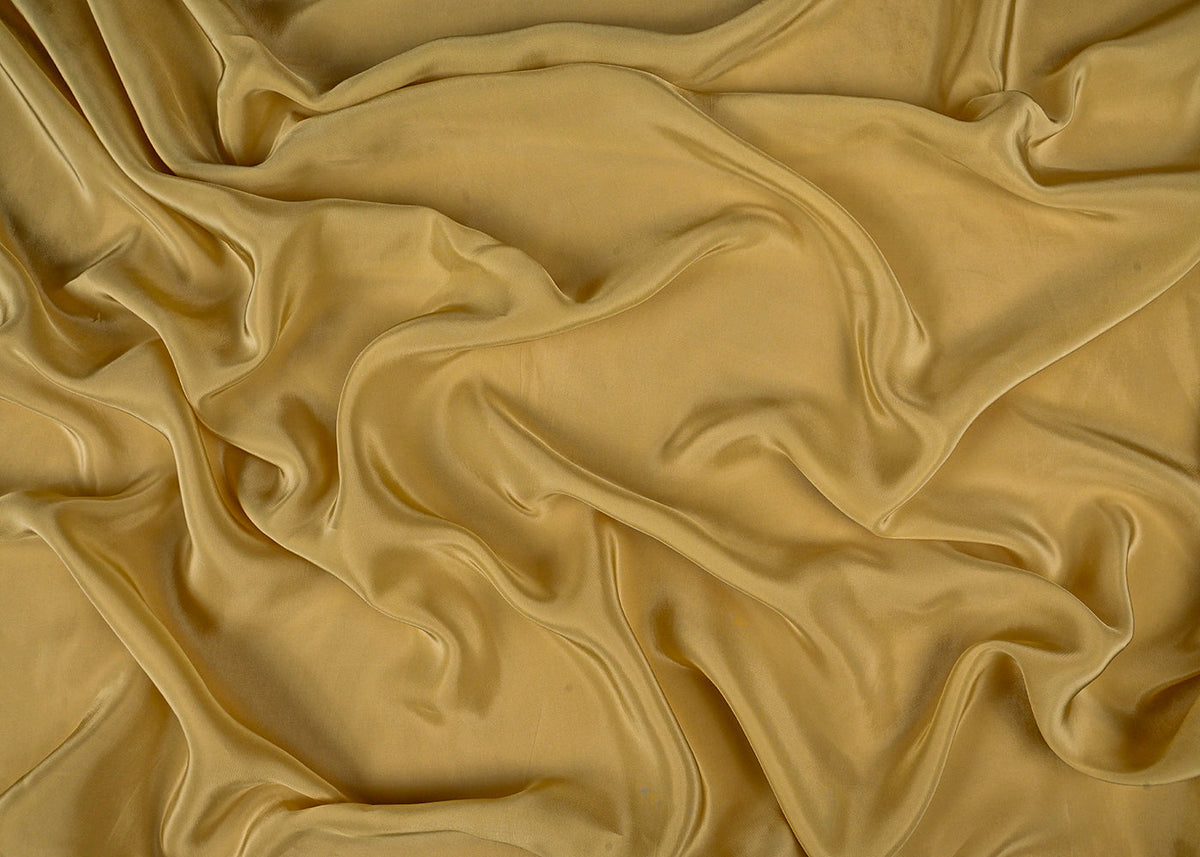
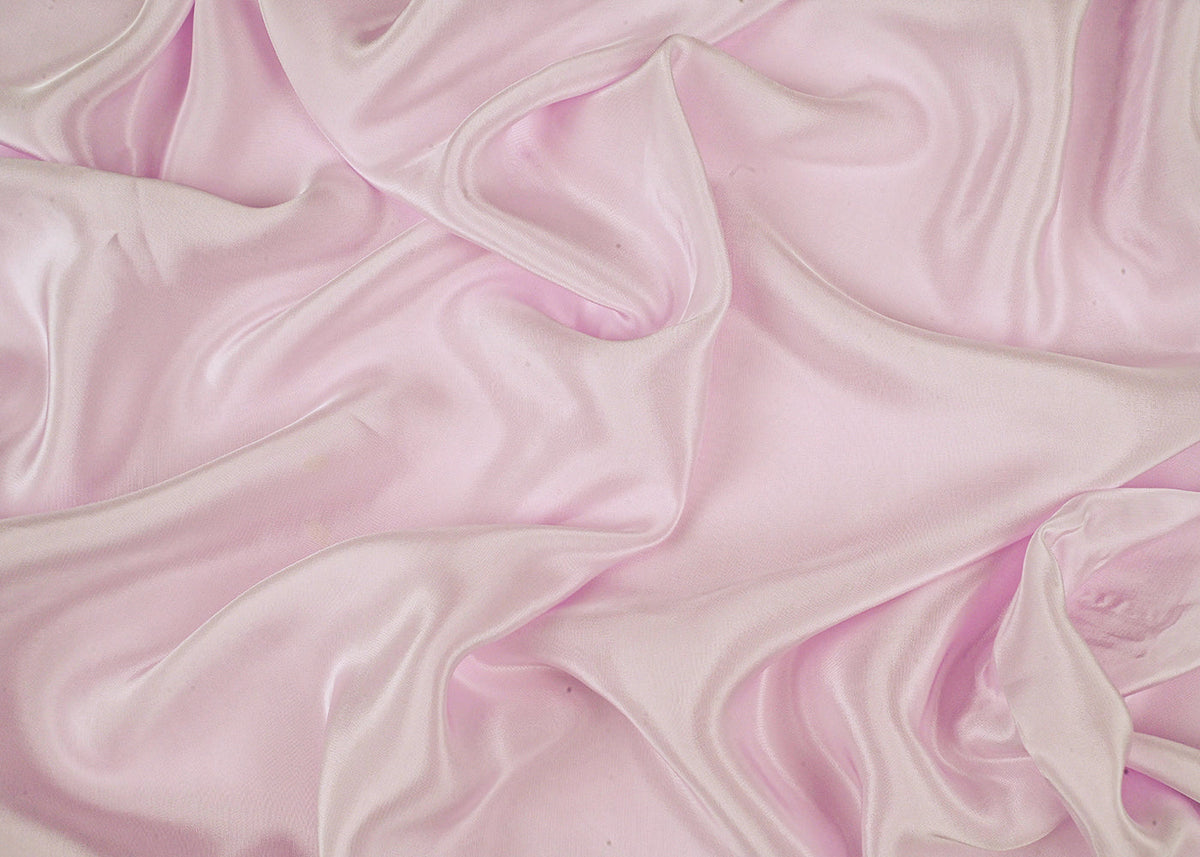
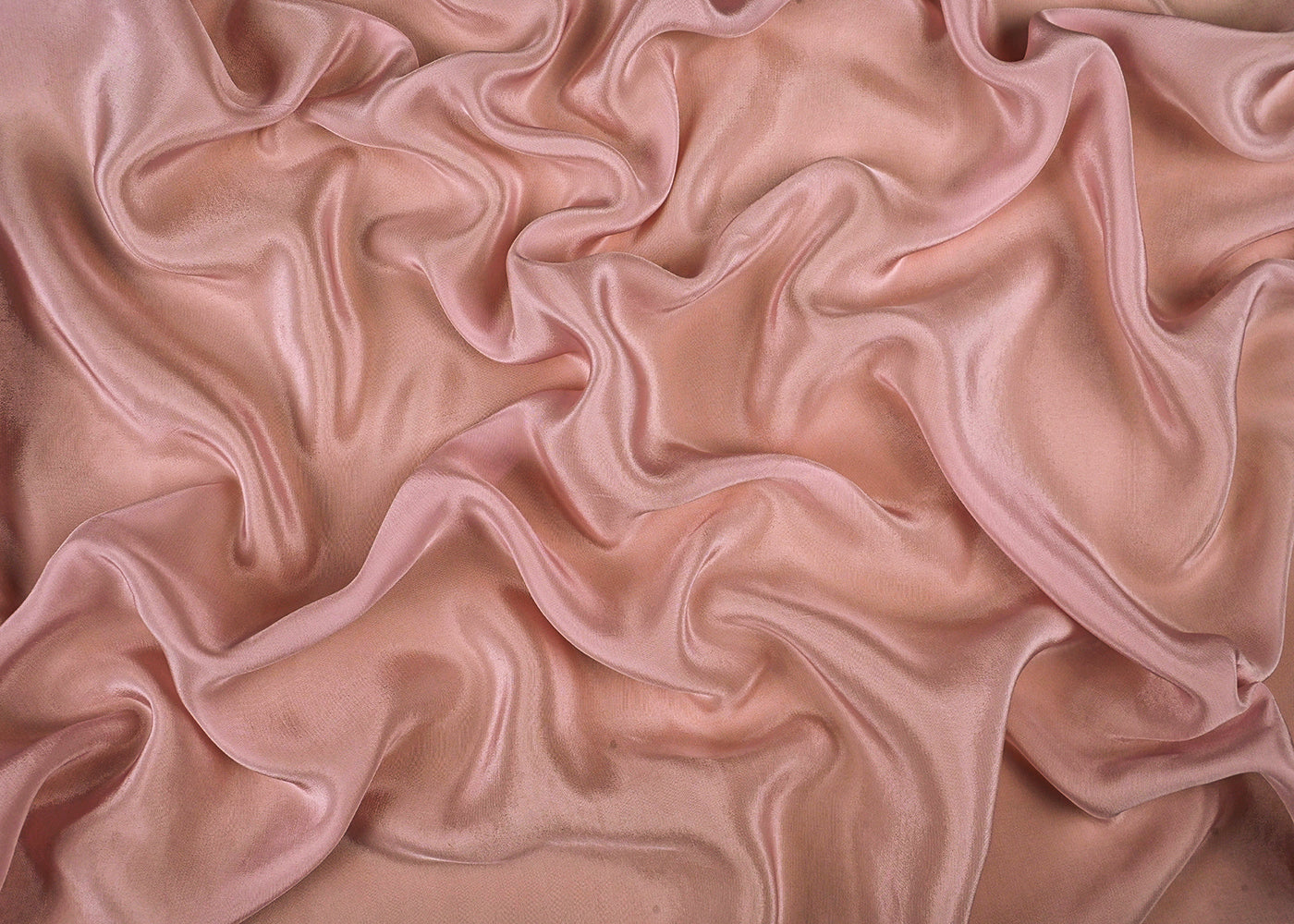
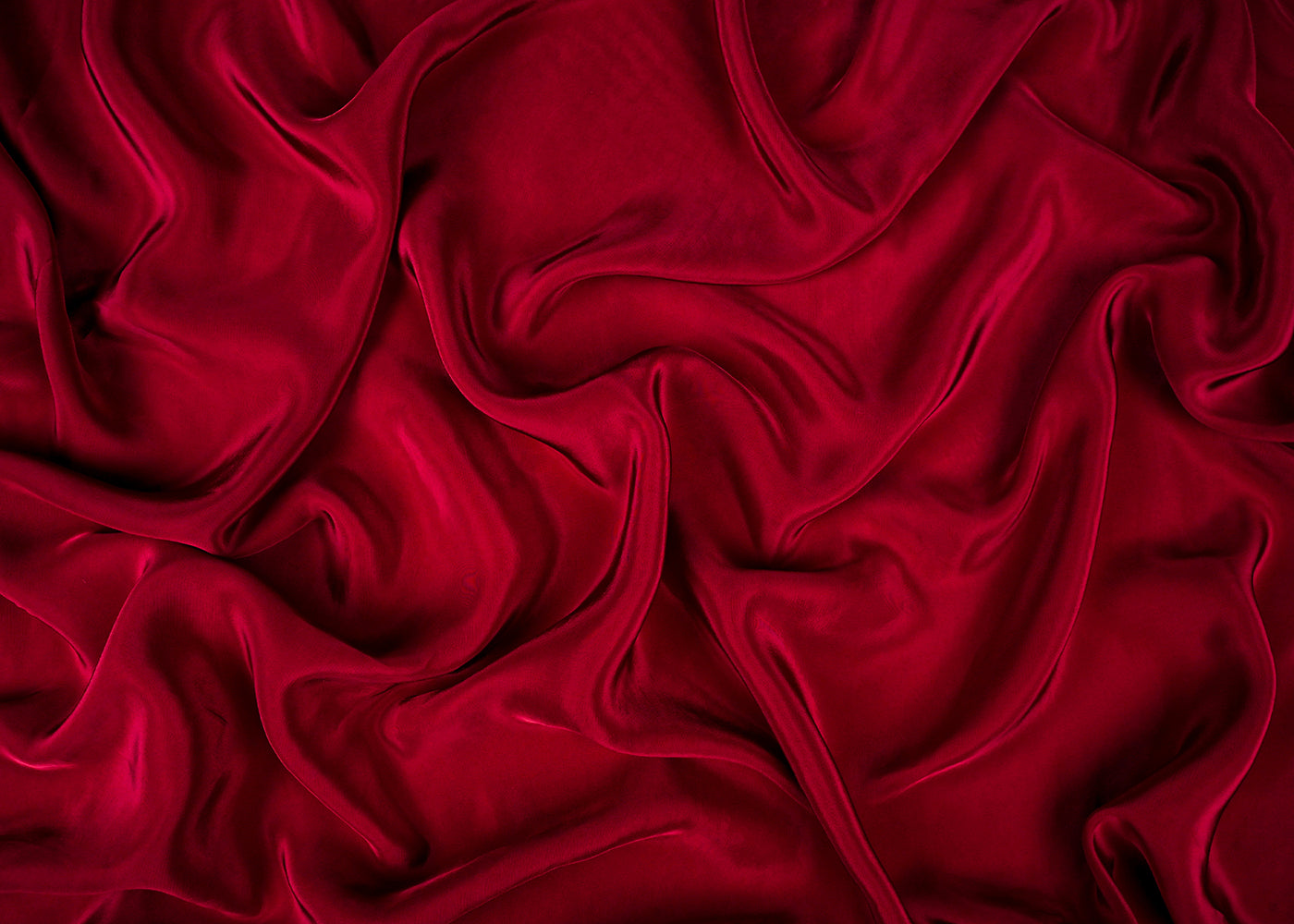
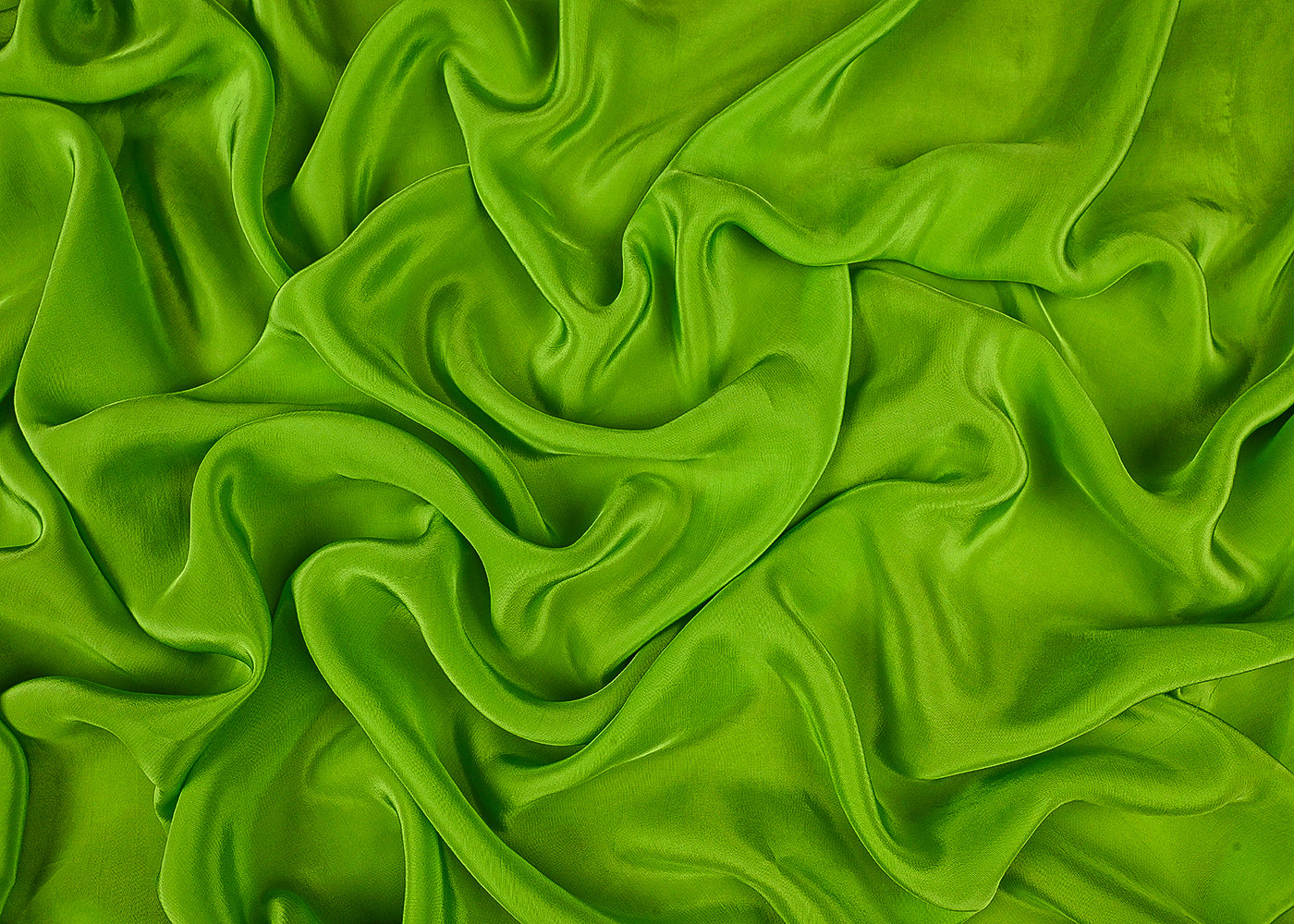
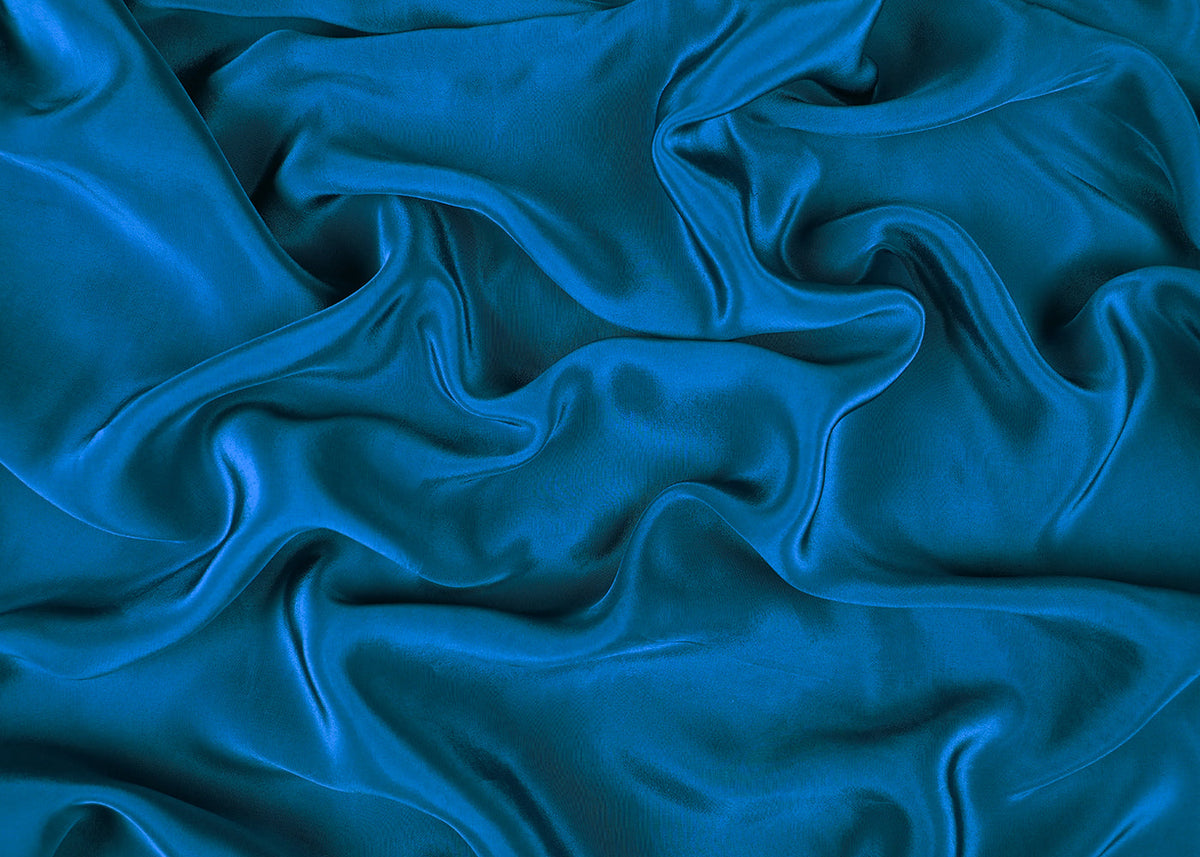
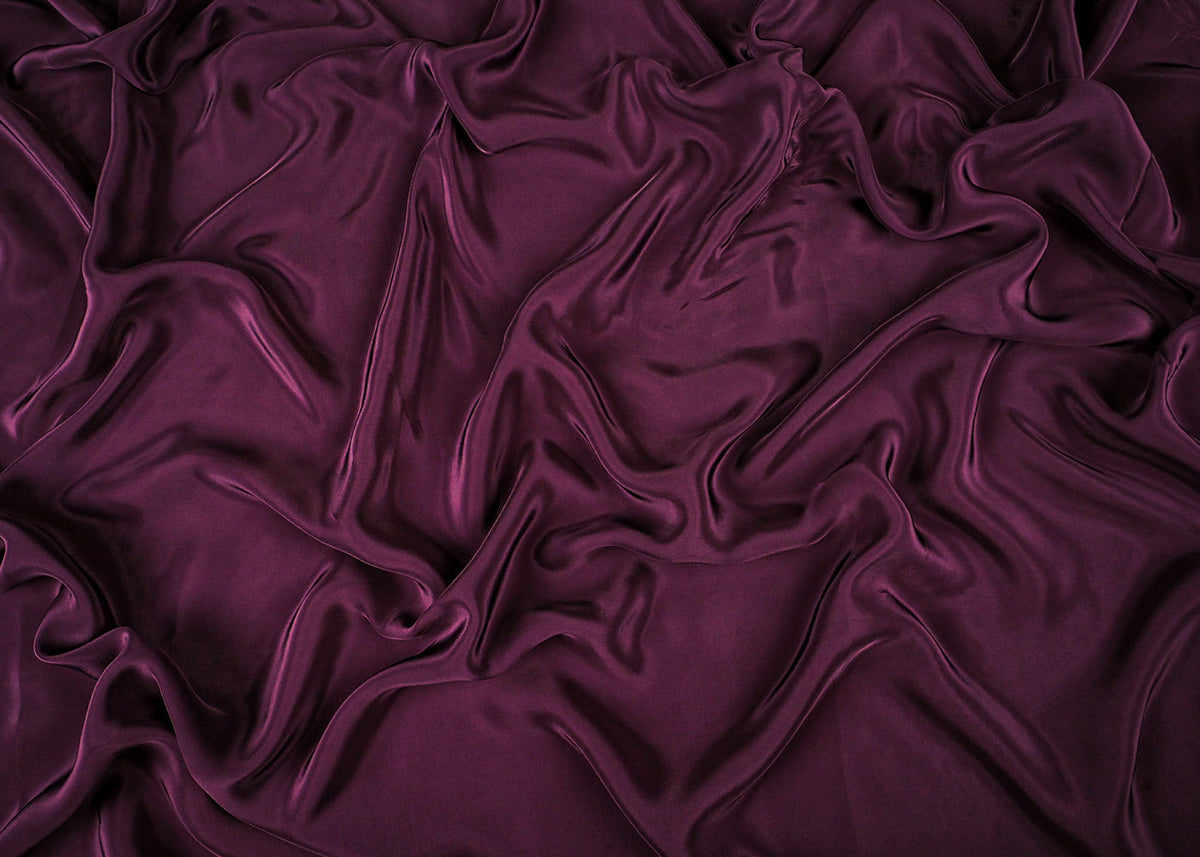
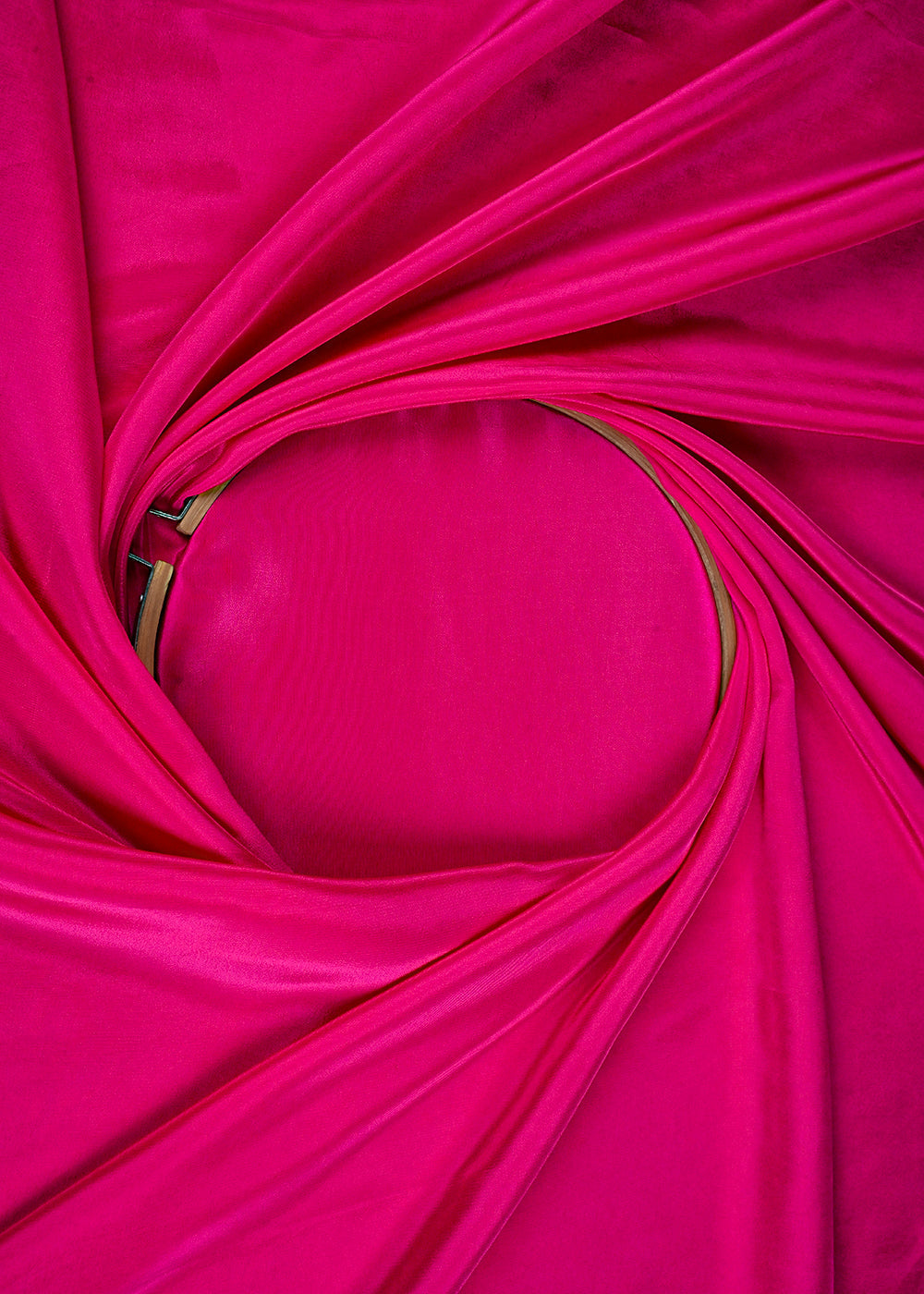
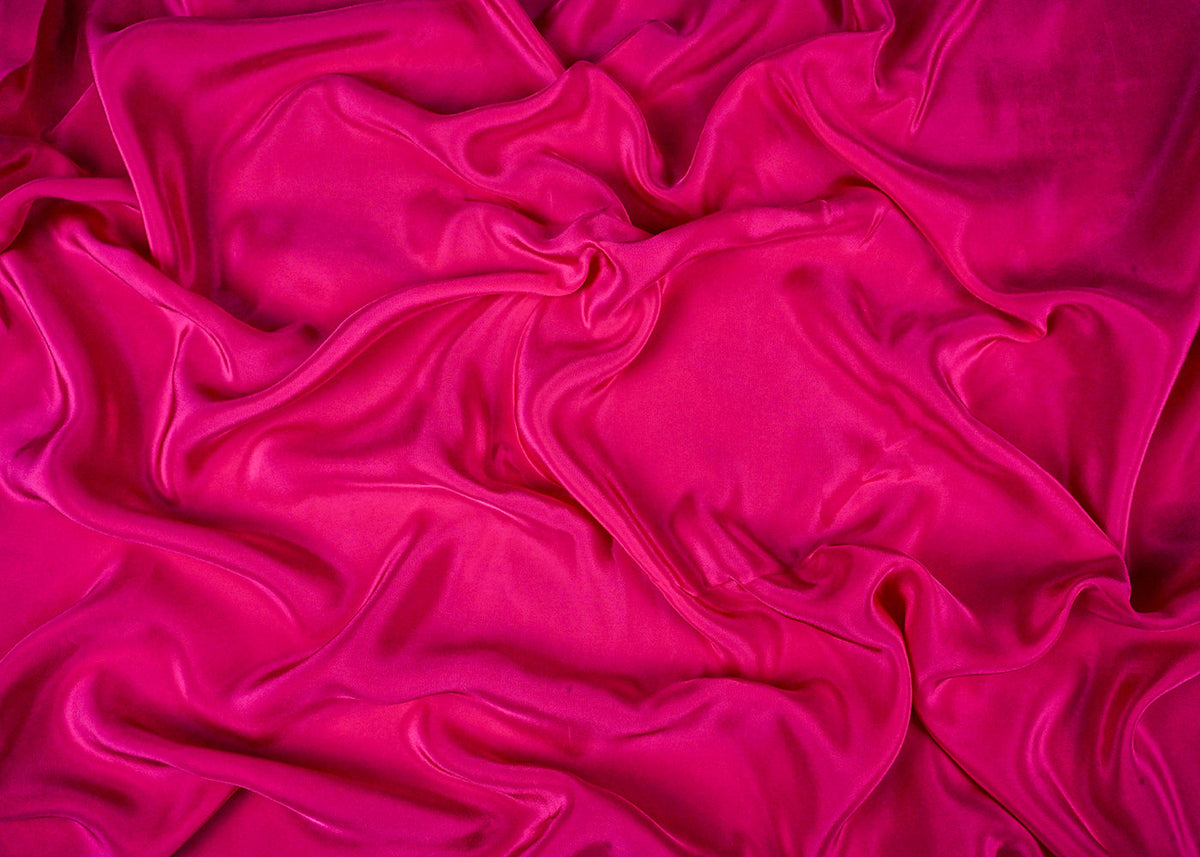
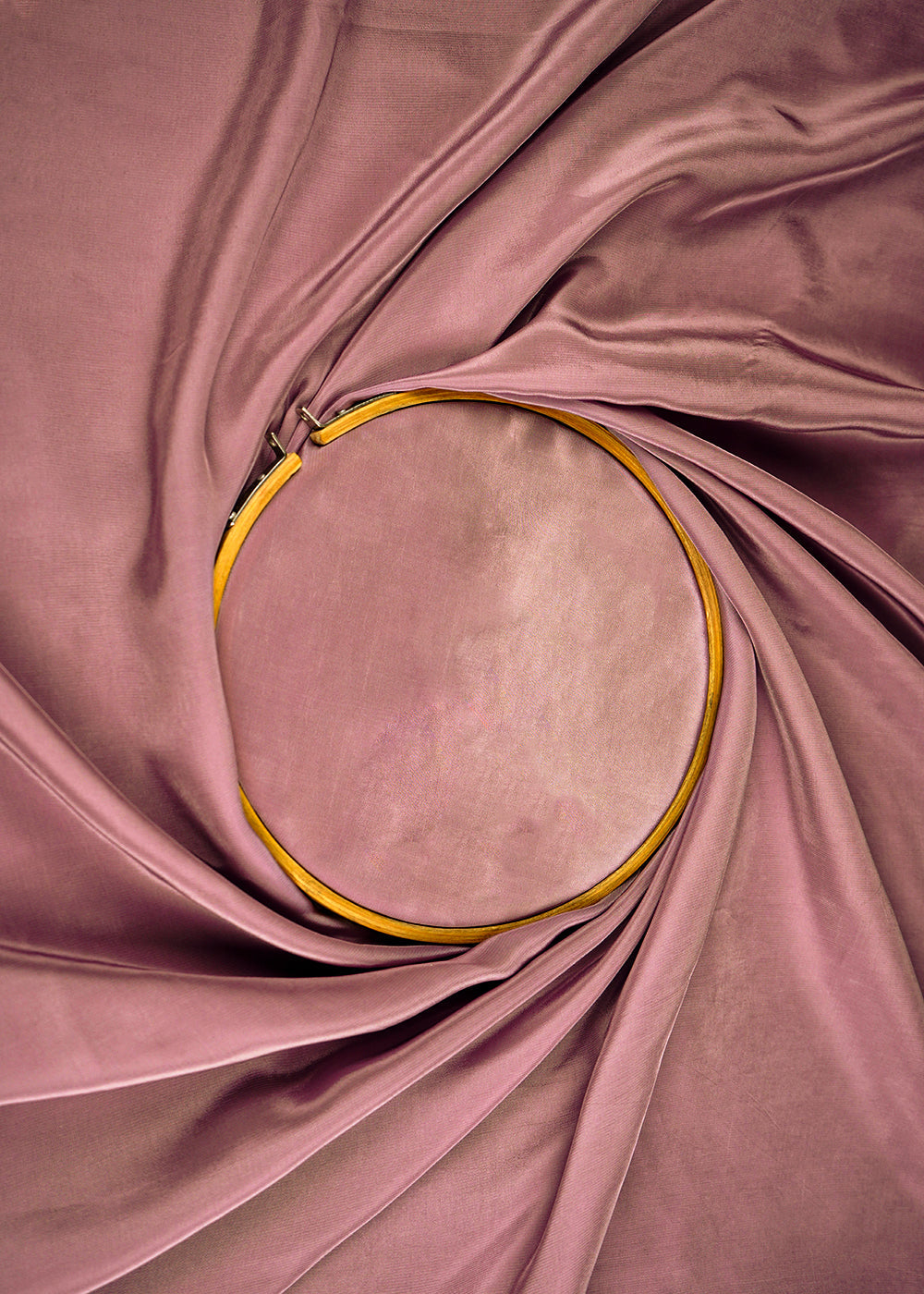
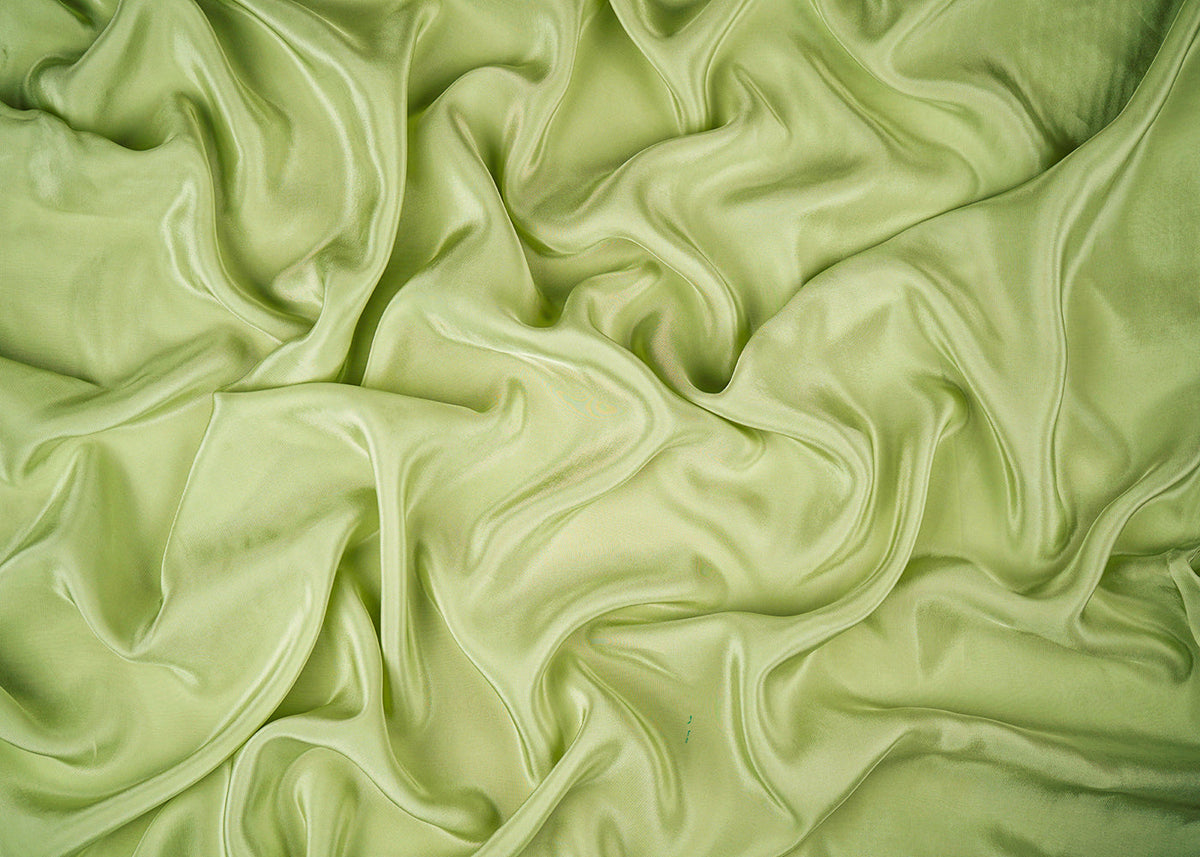
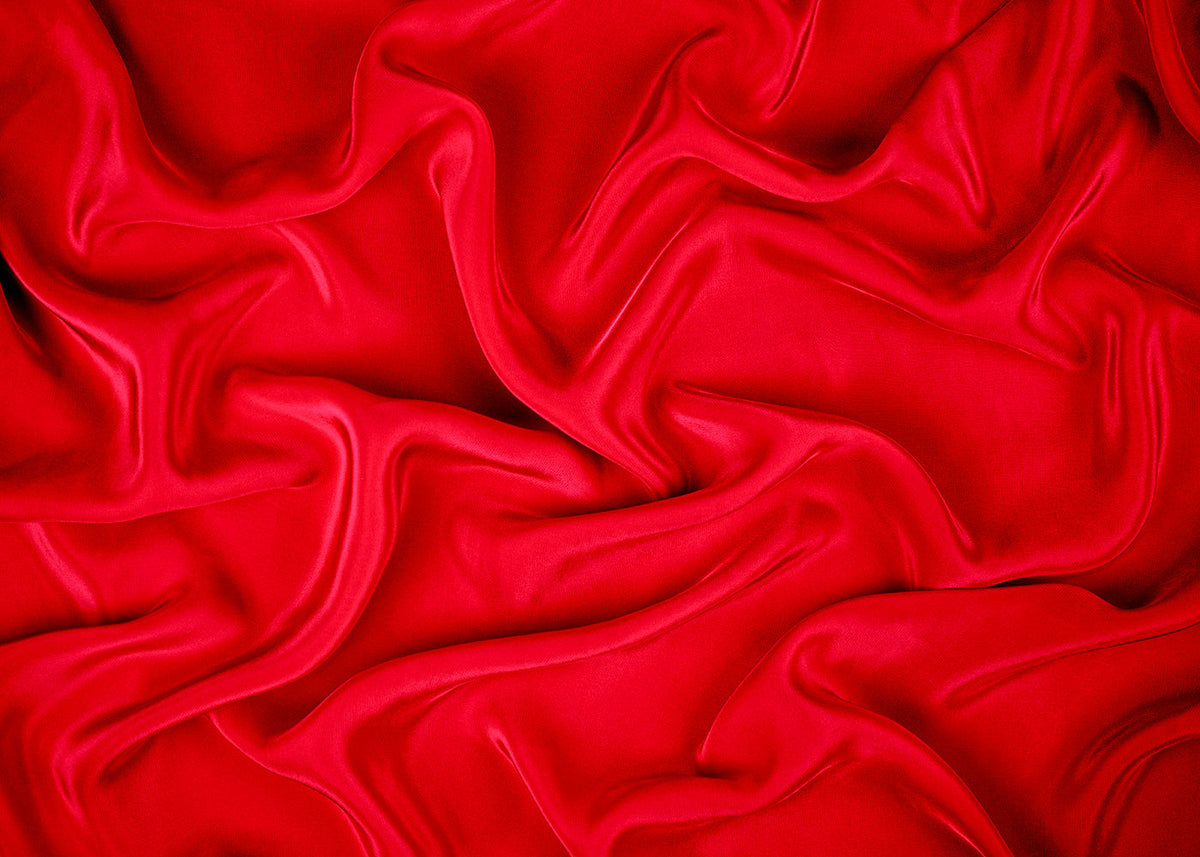
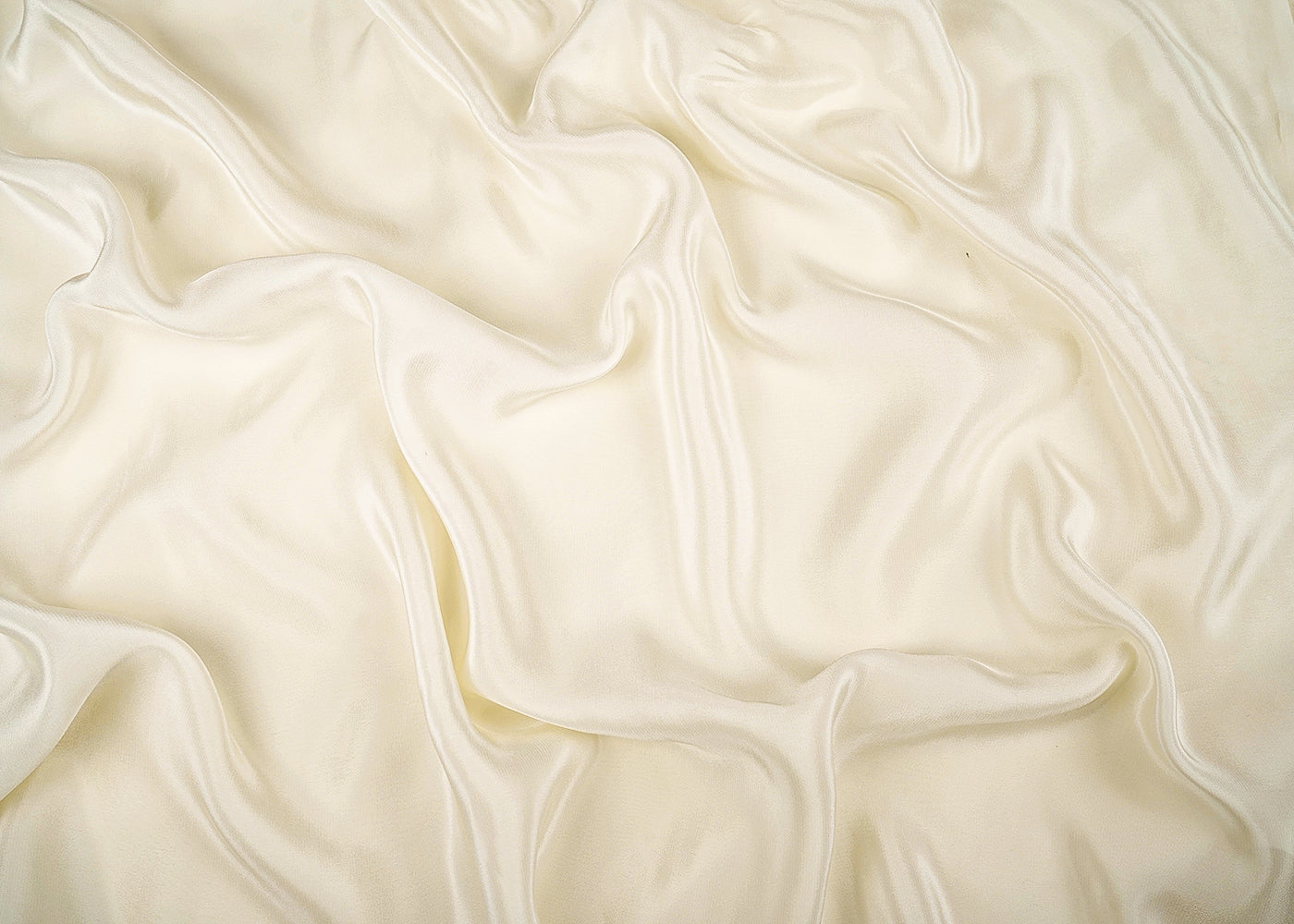
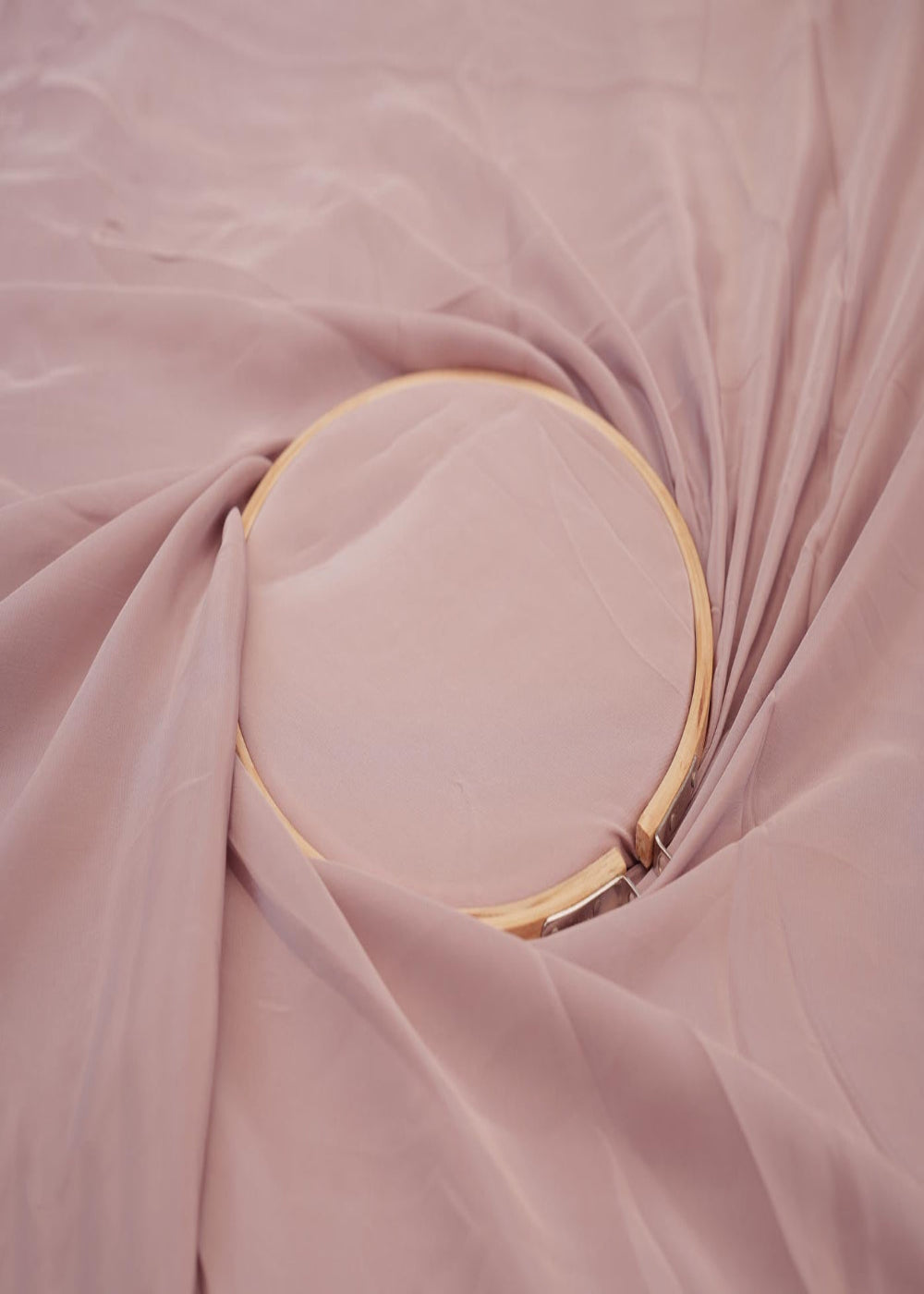
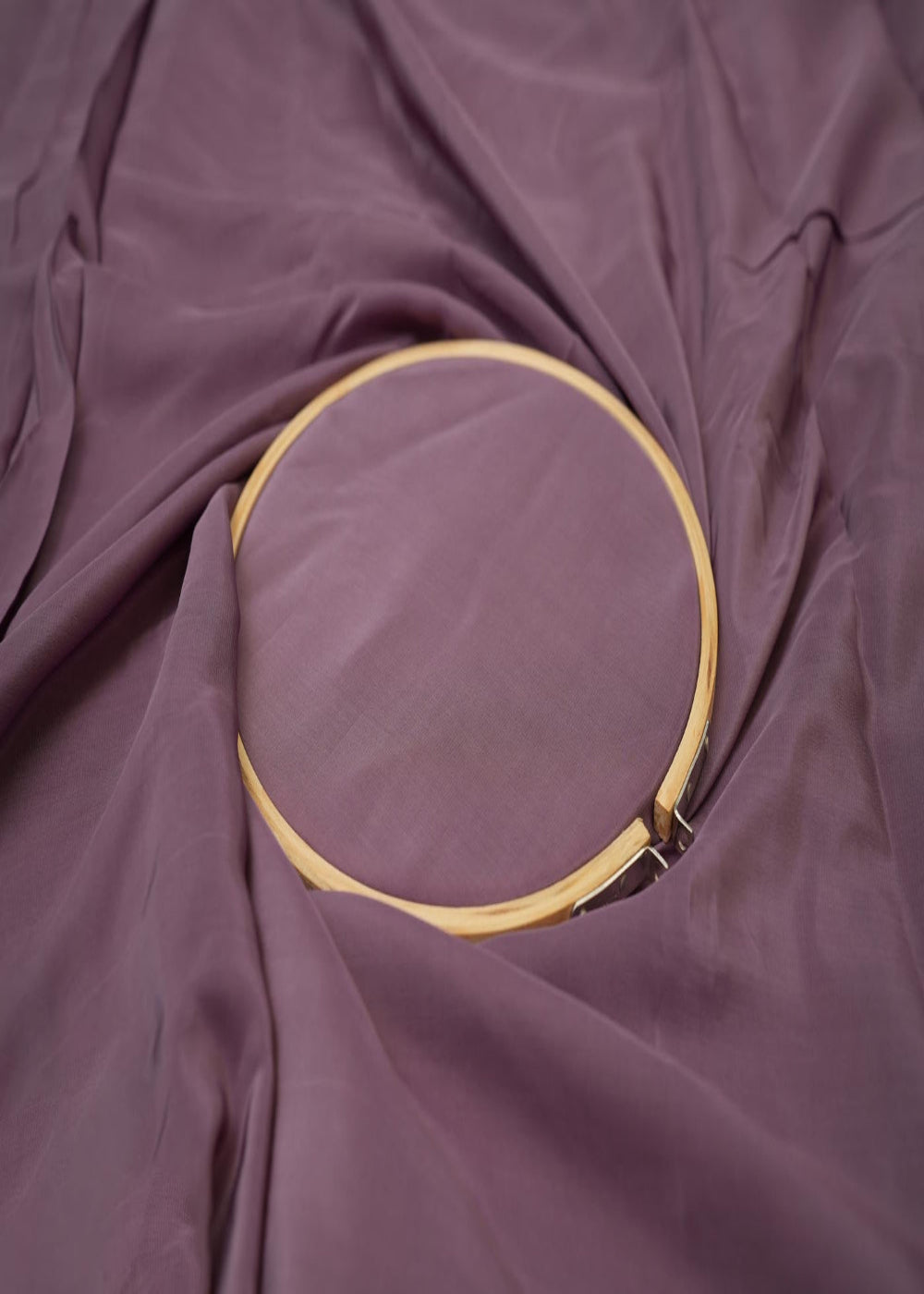
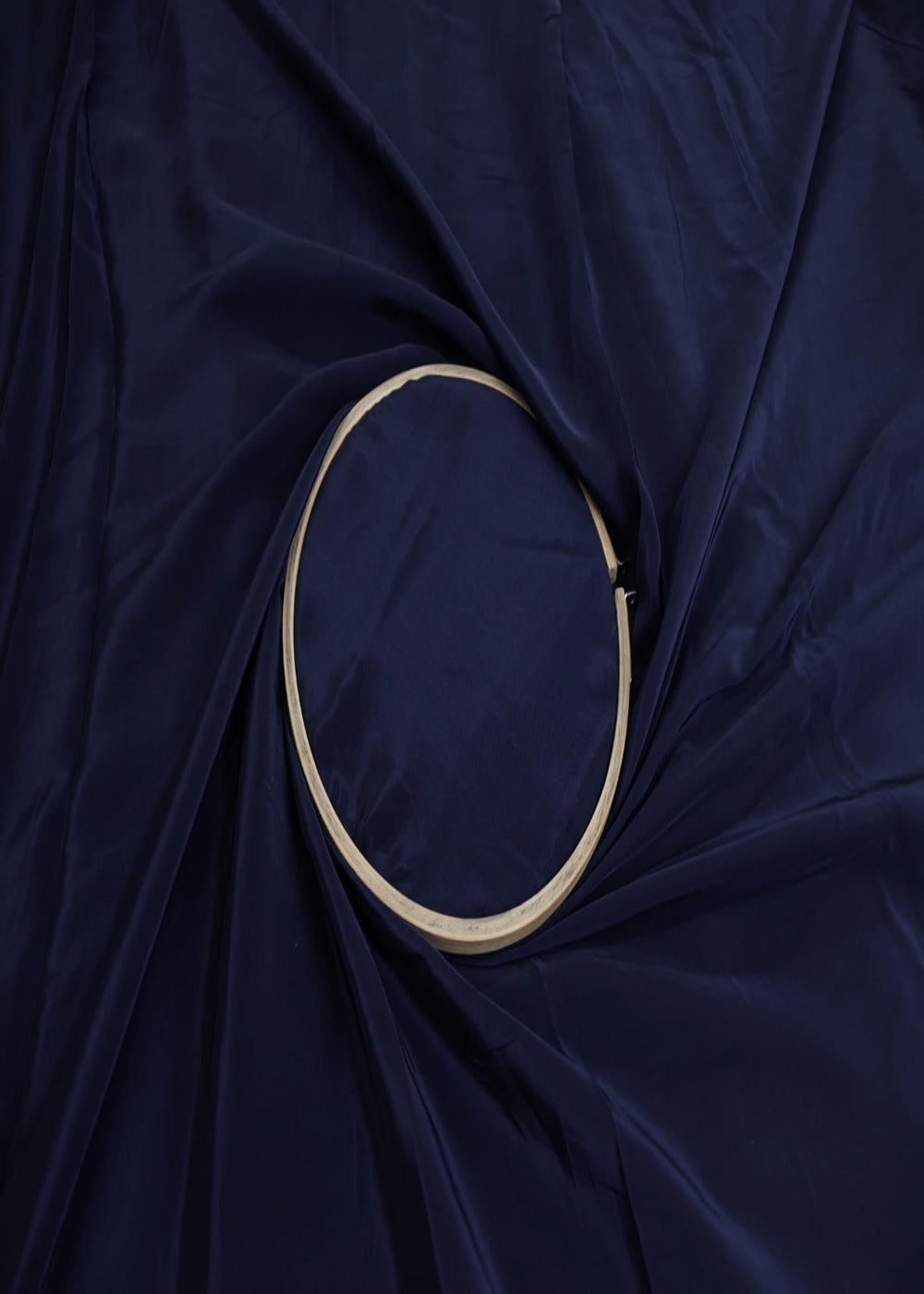
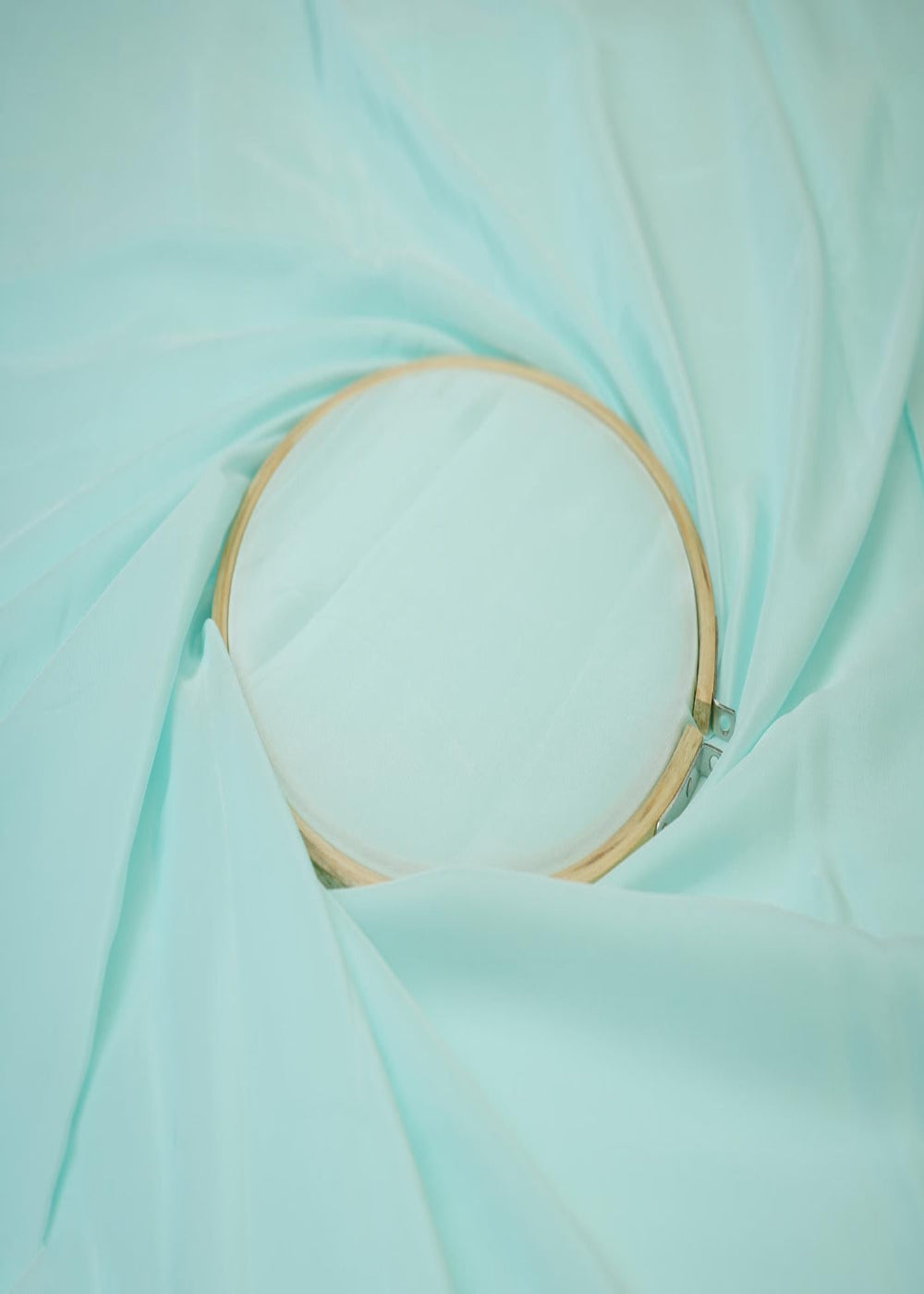
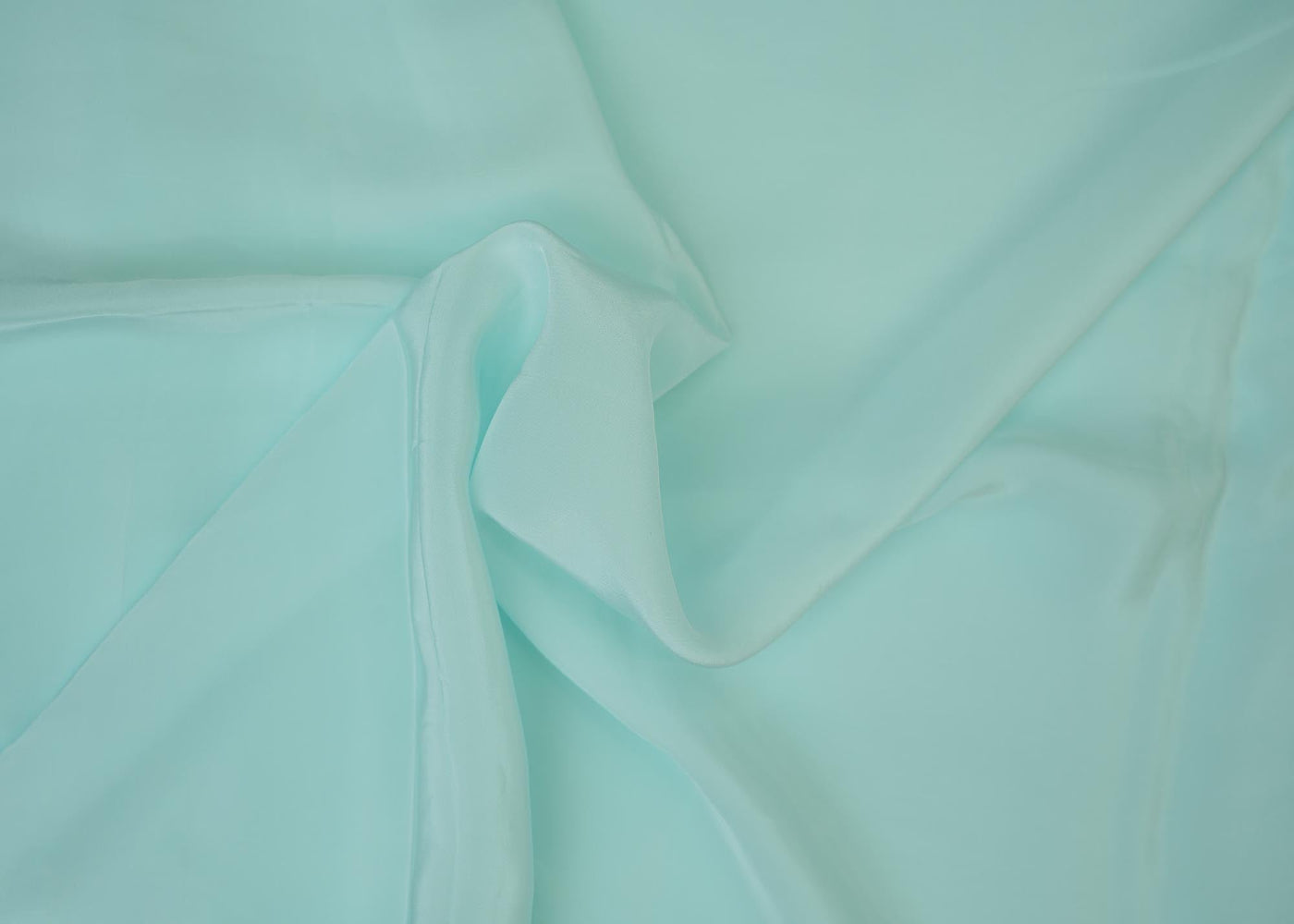
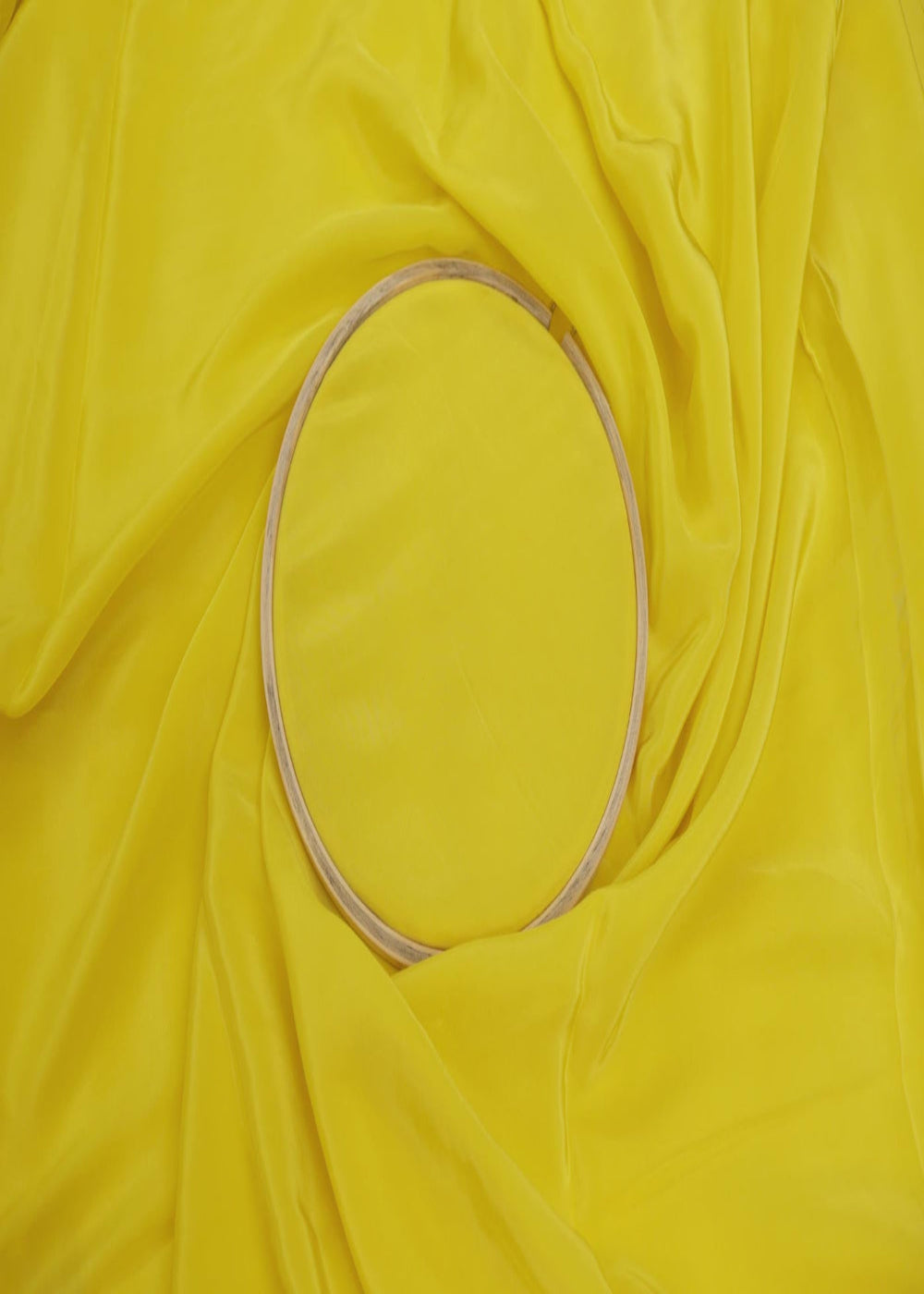
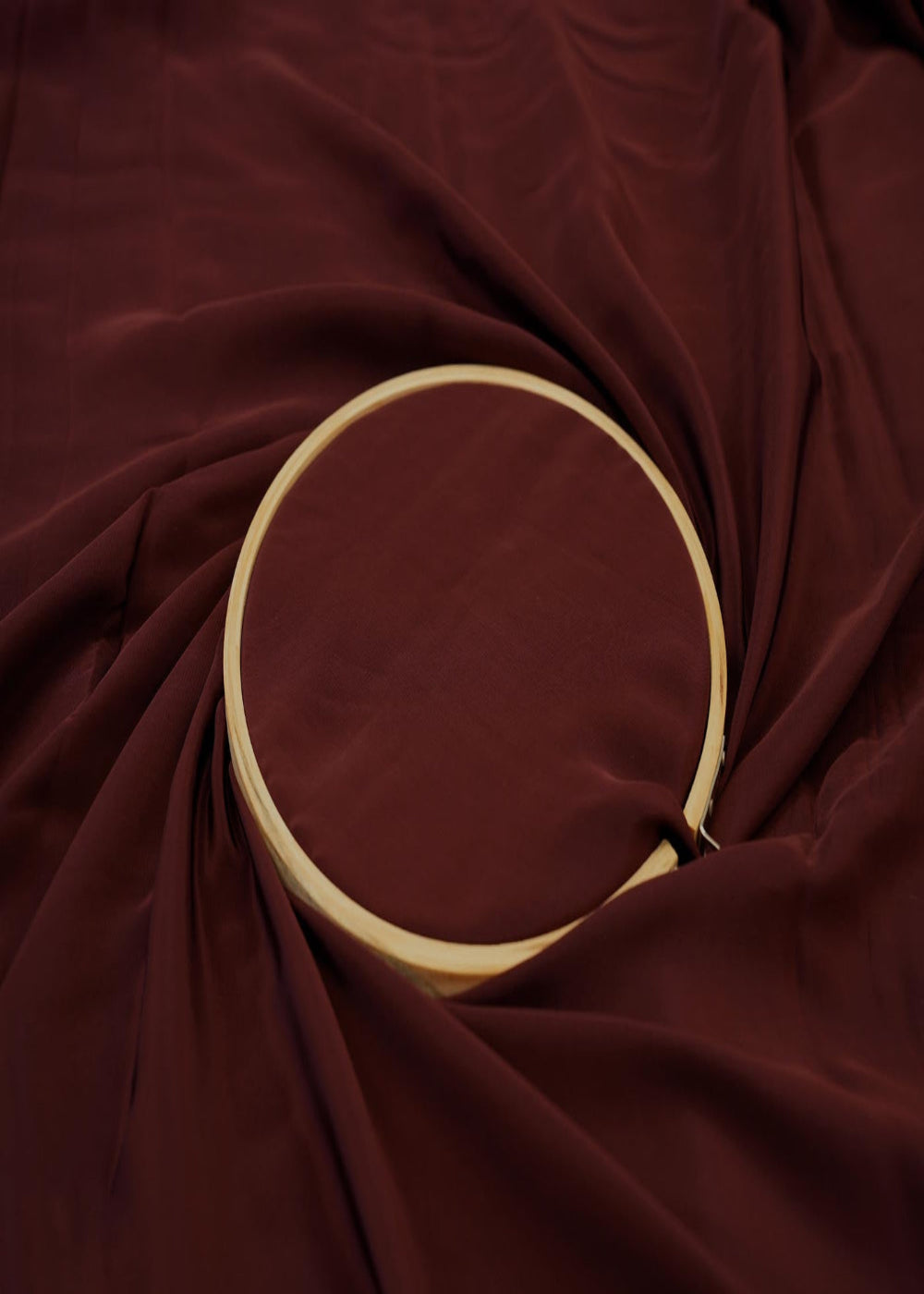
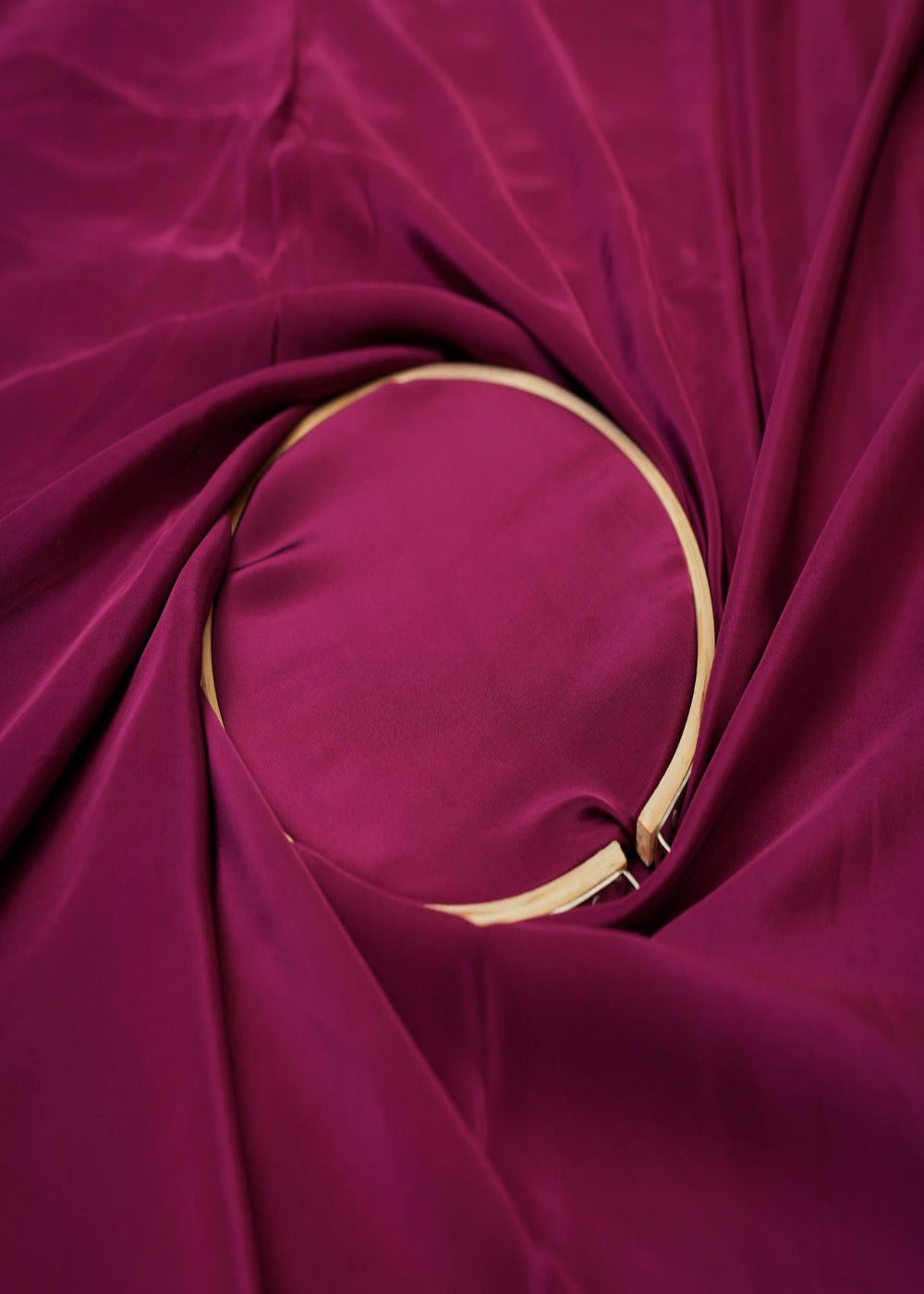
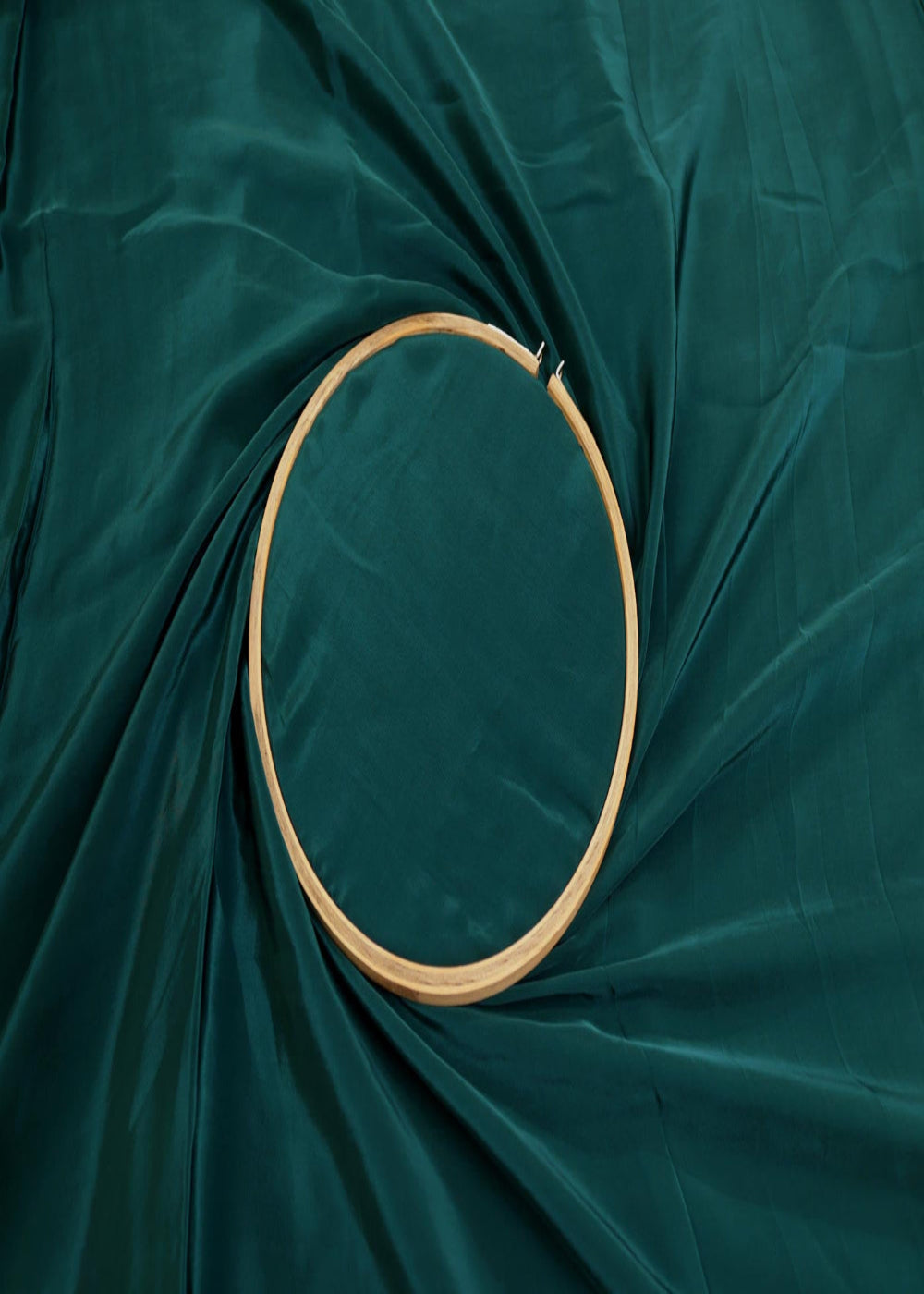
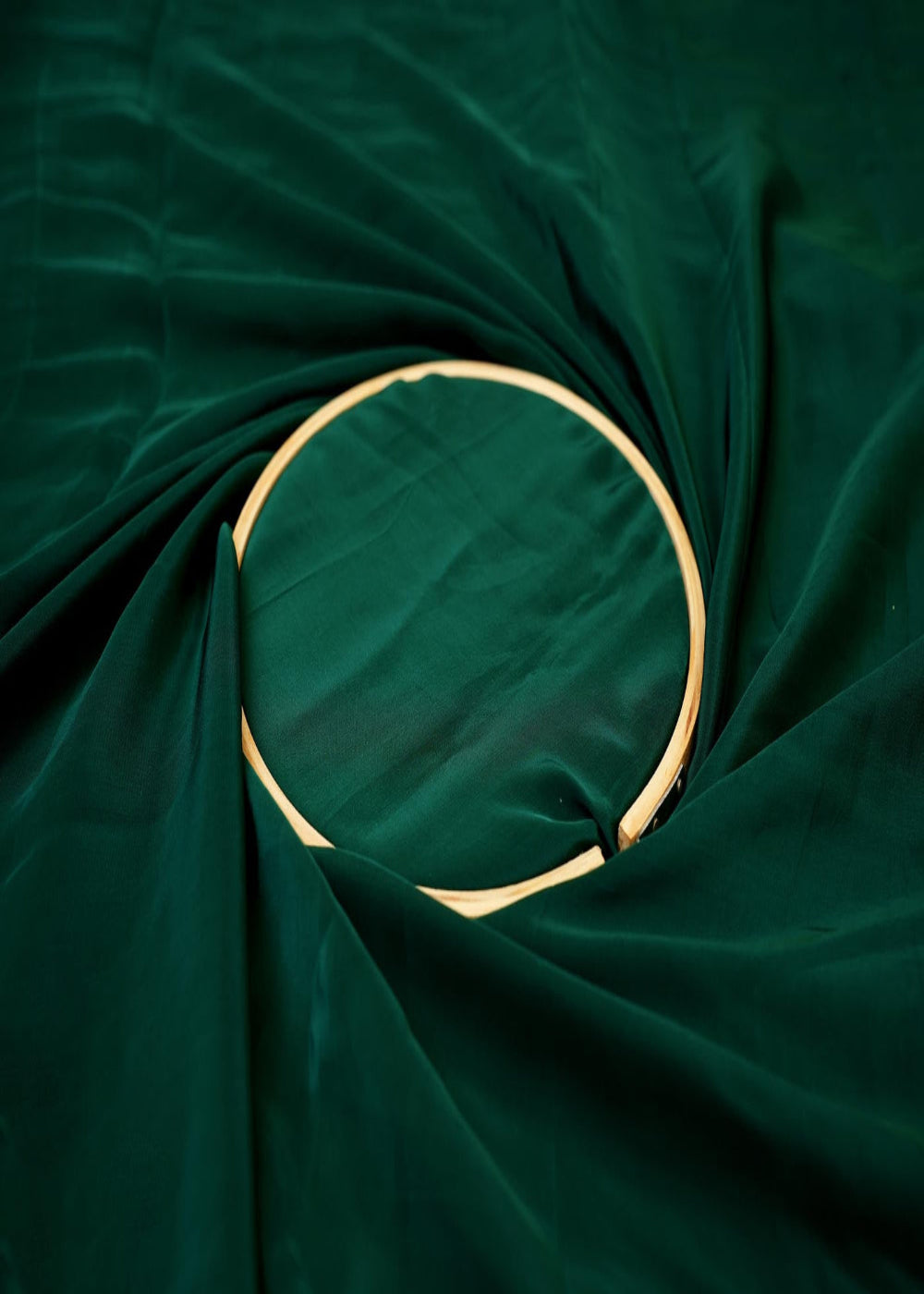
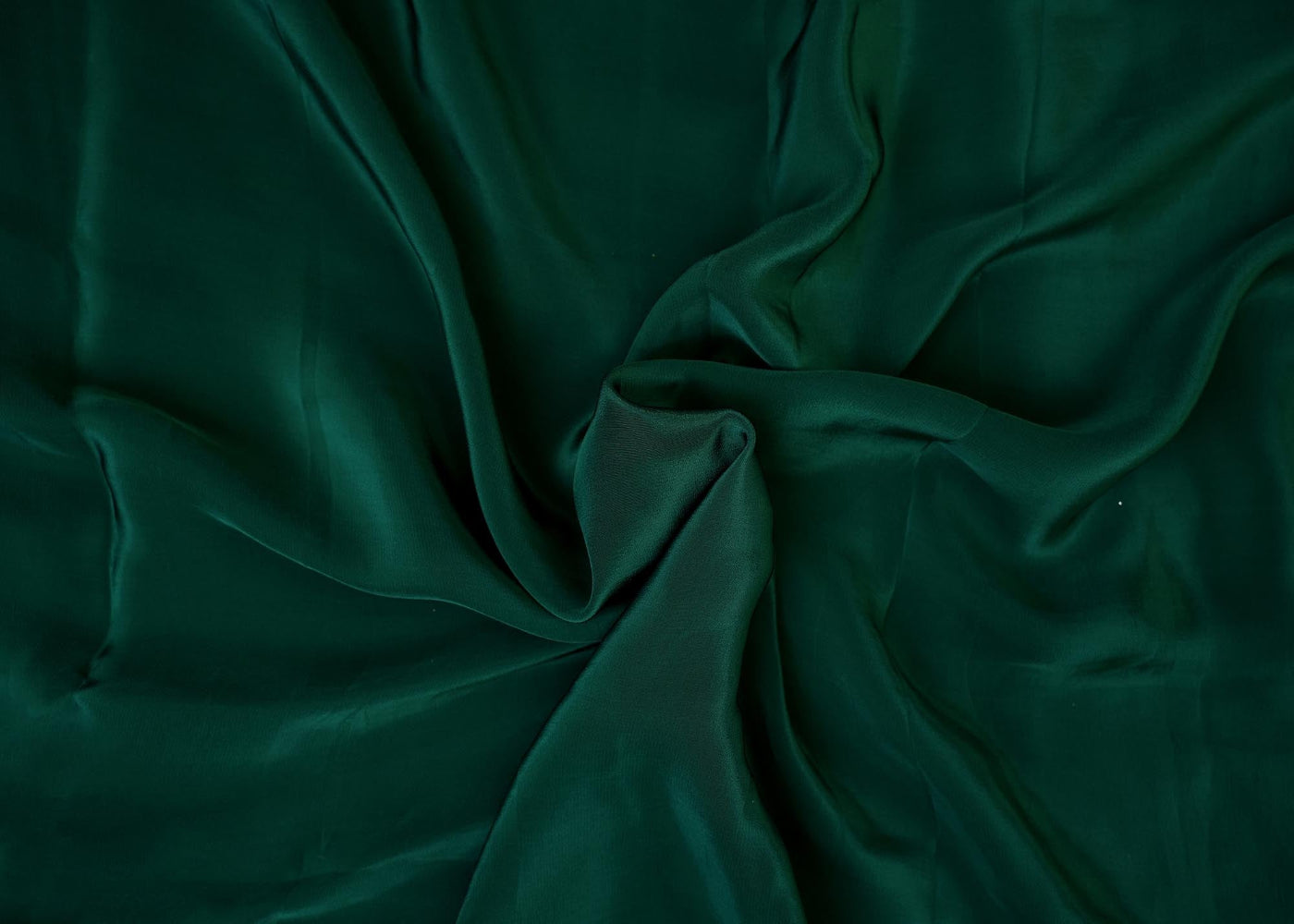
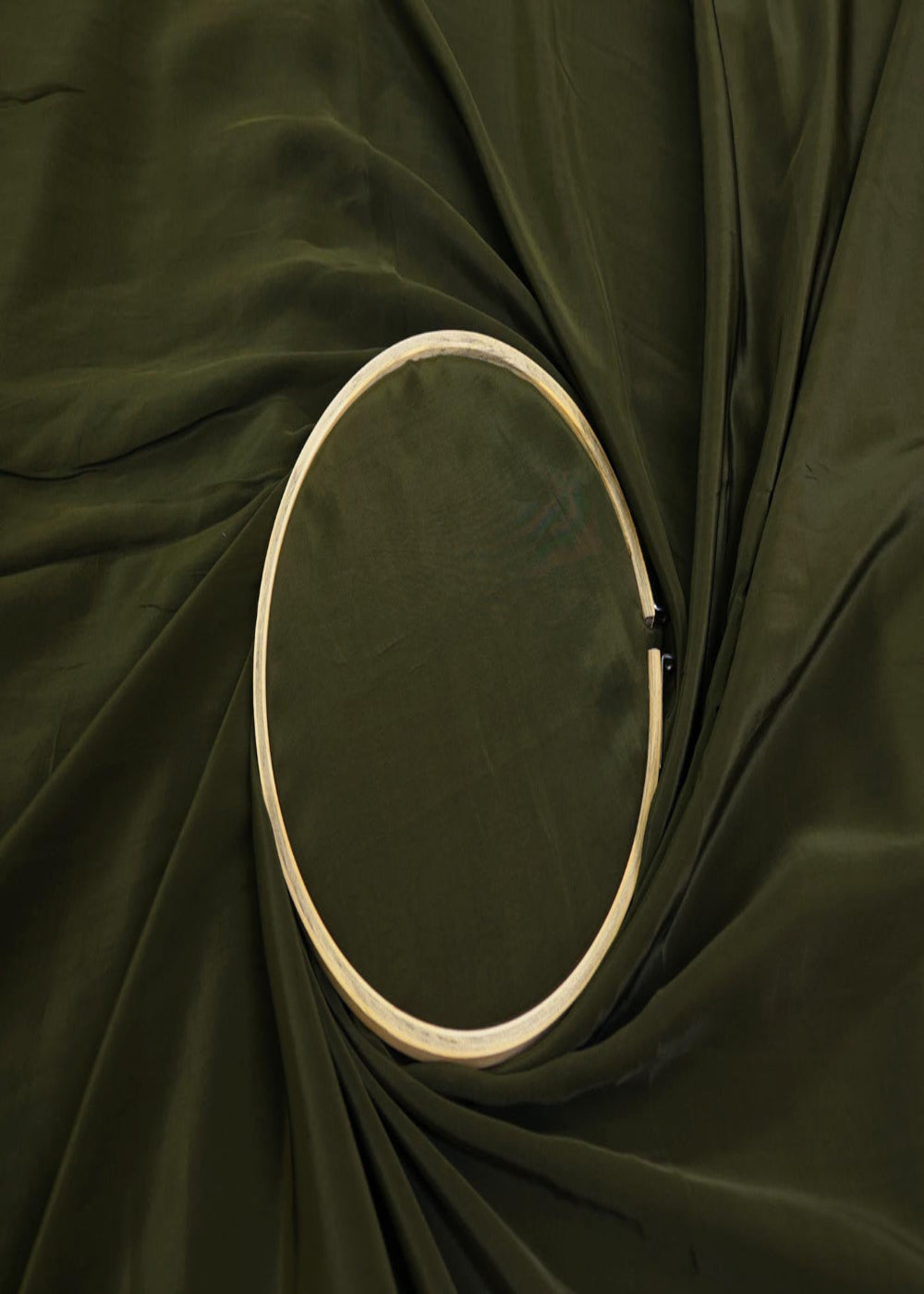
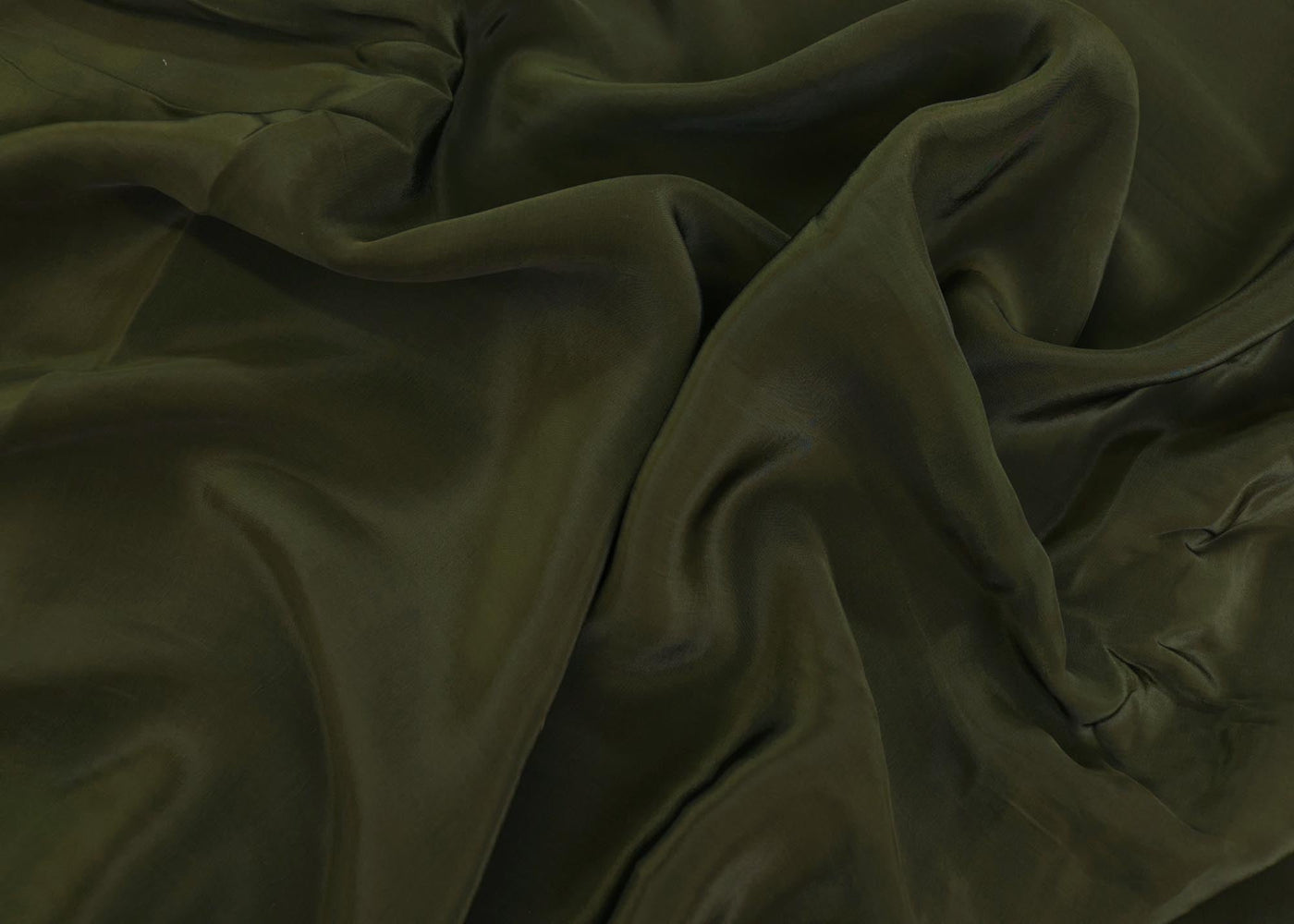
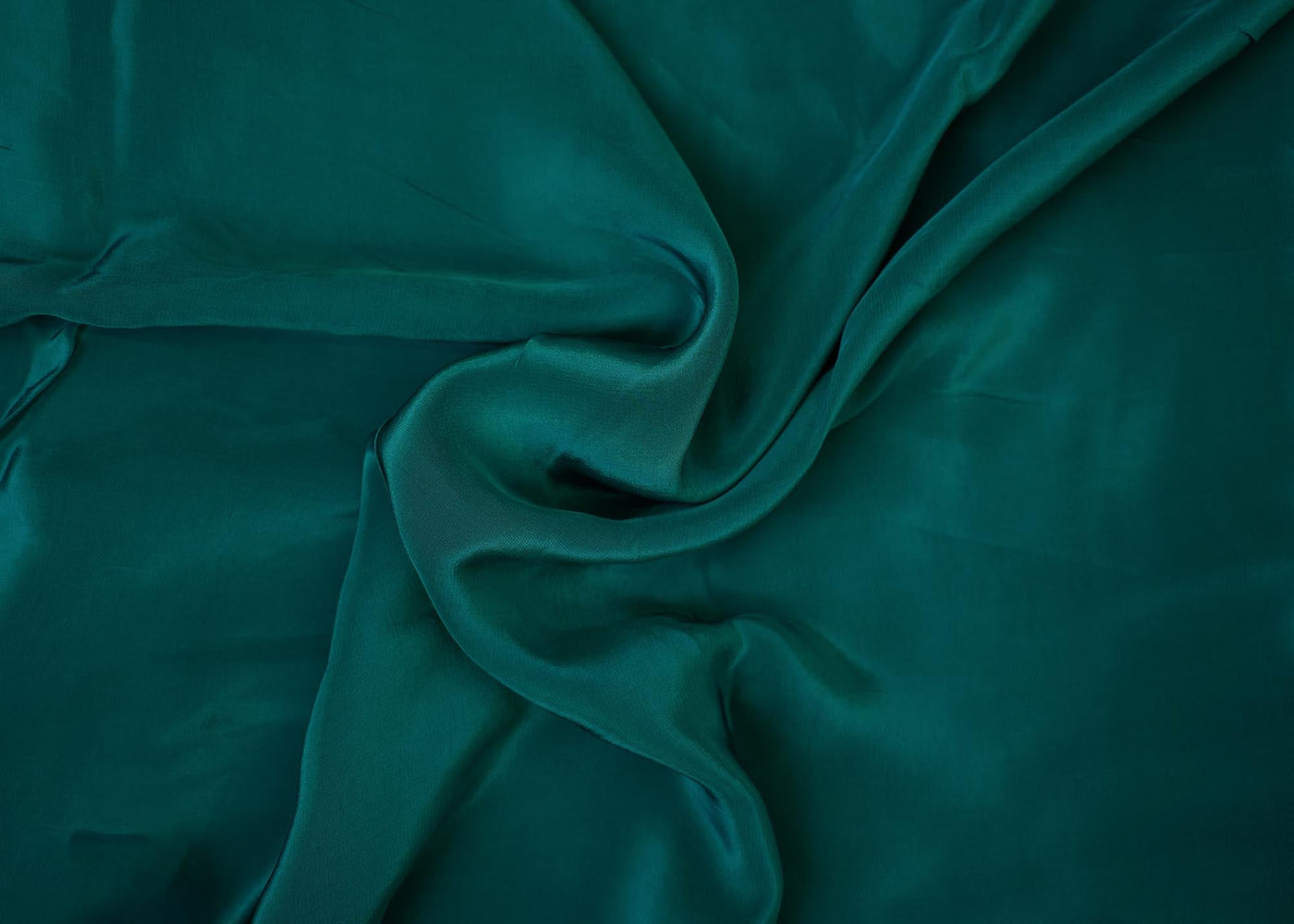
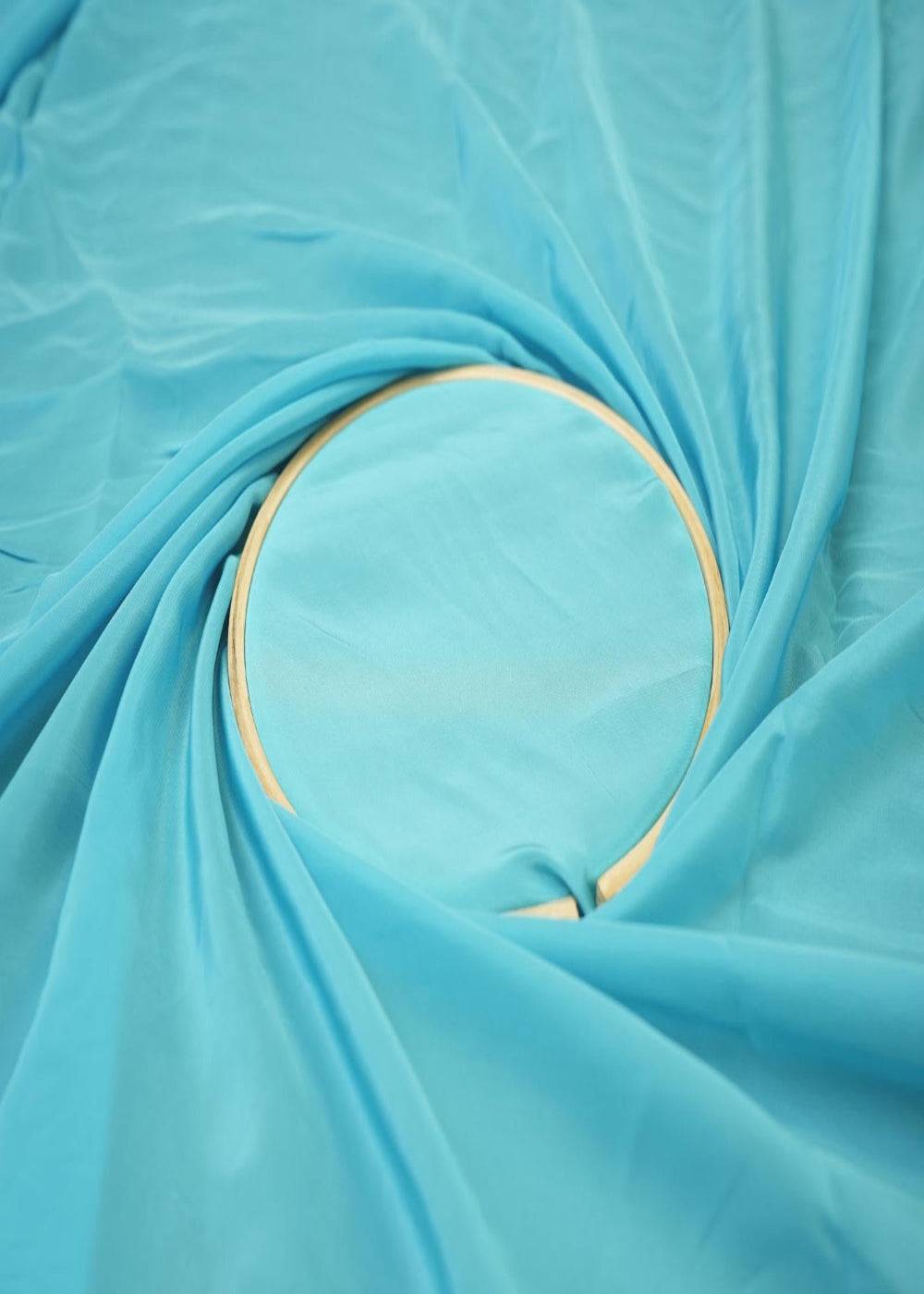
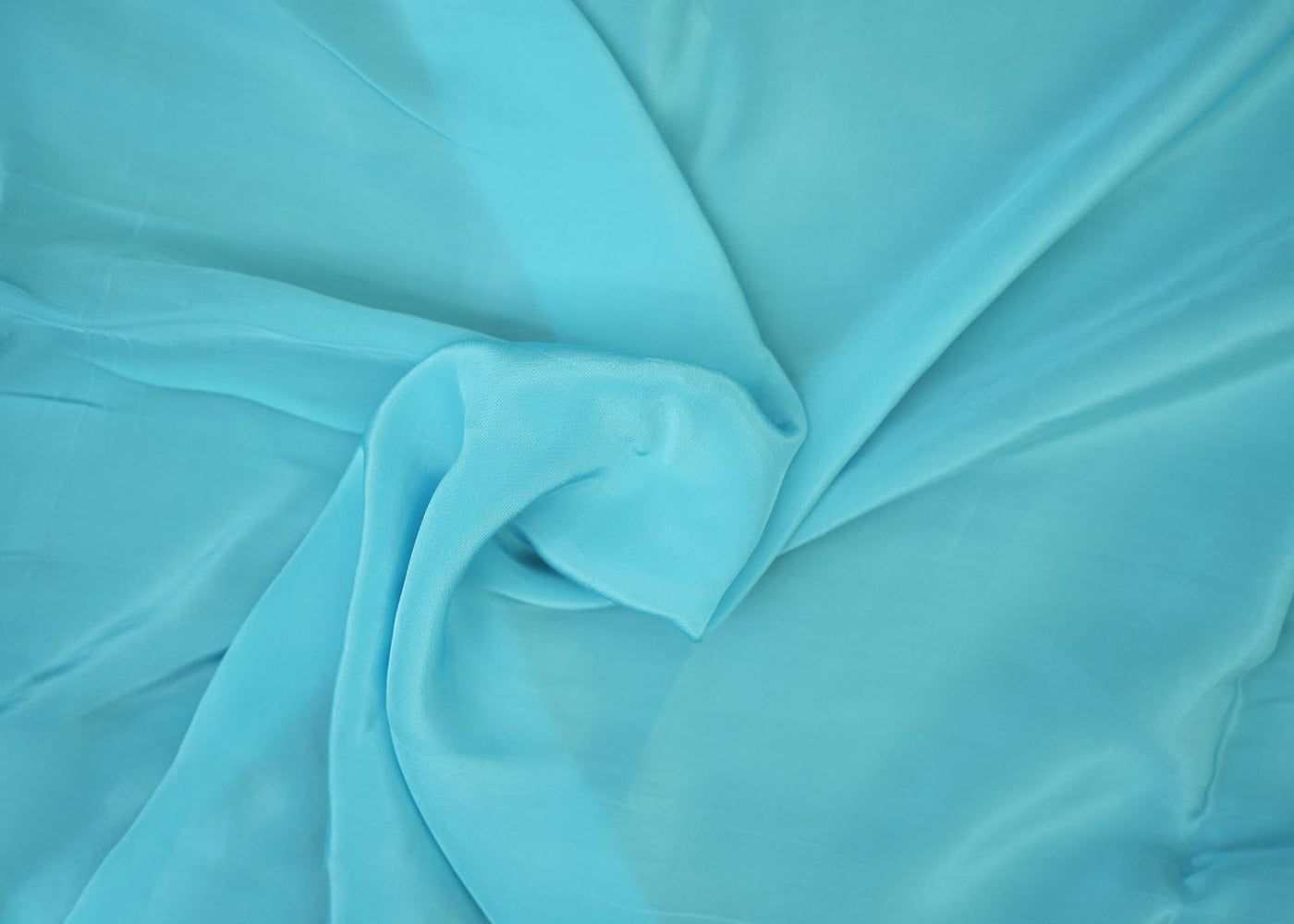
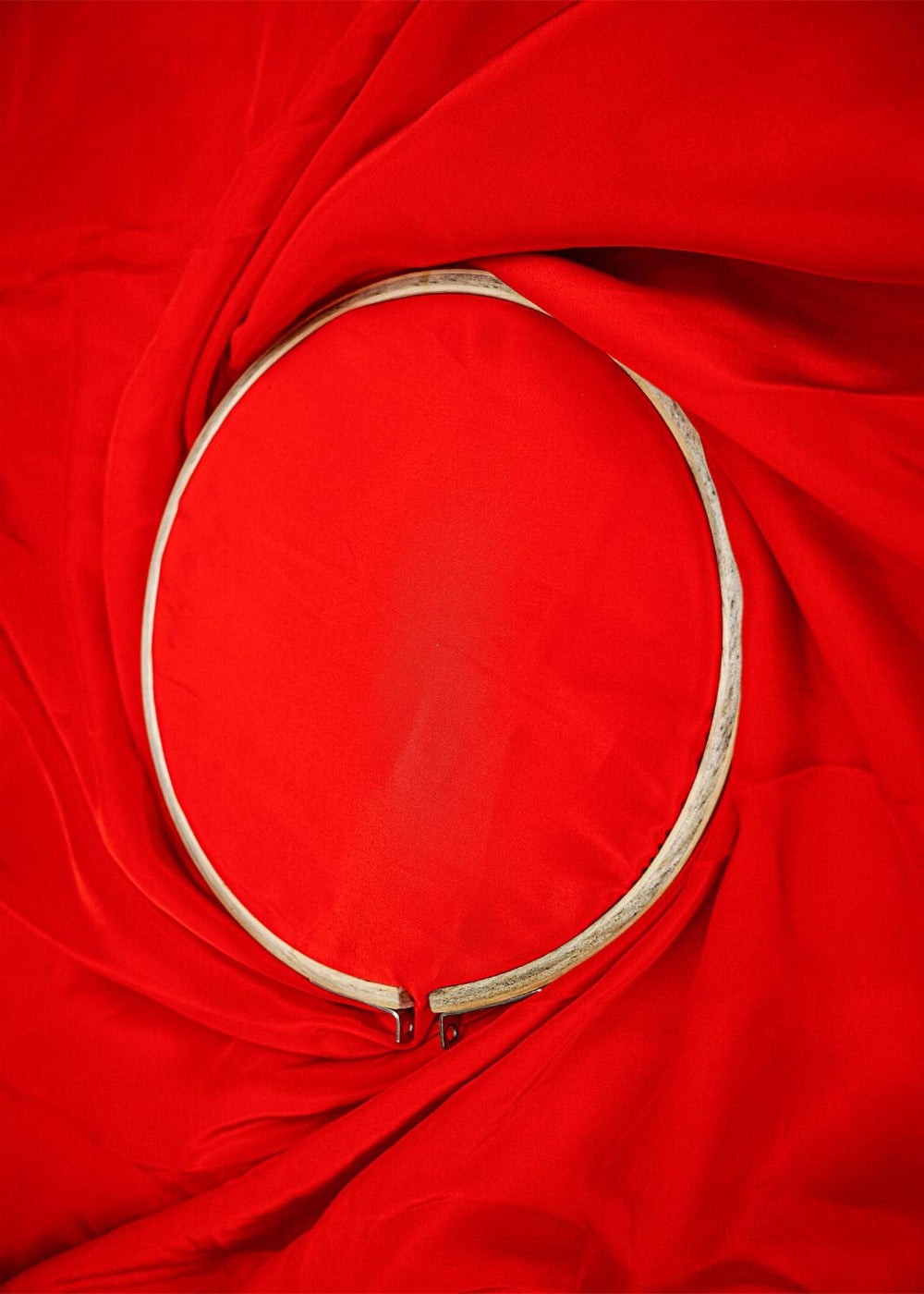
This is pre-dyed crepe fabric. The crinkled crepe texture sits on the surface and gives a slight matte finish without sheen; drape stays soft and opaque, falling smoothly against the body without clinging anywhere.
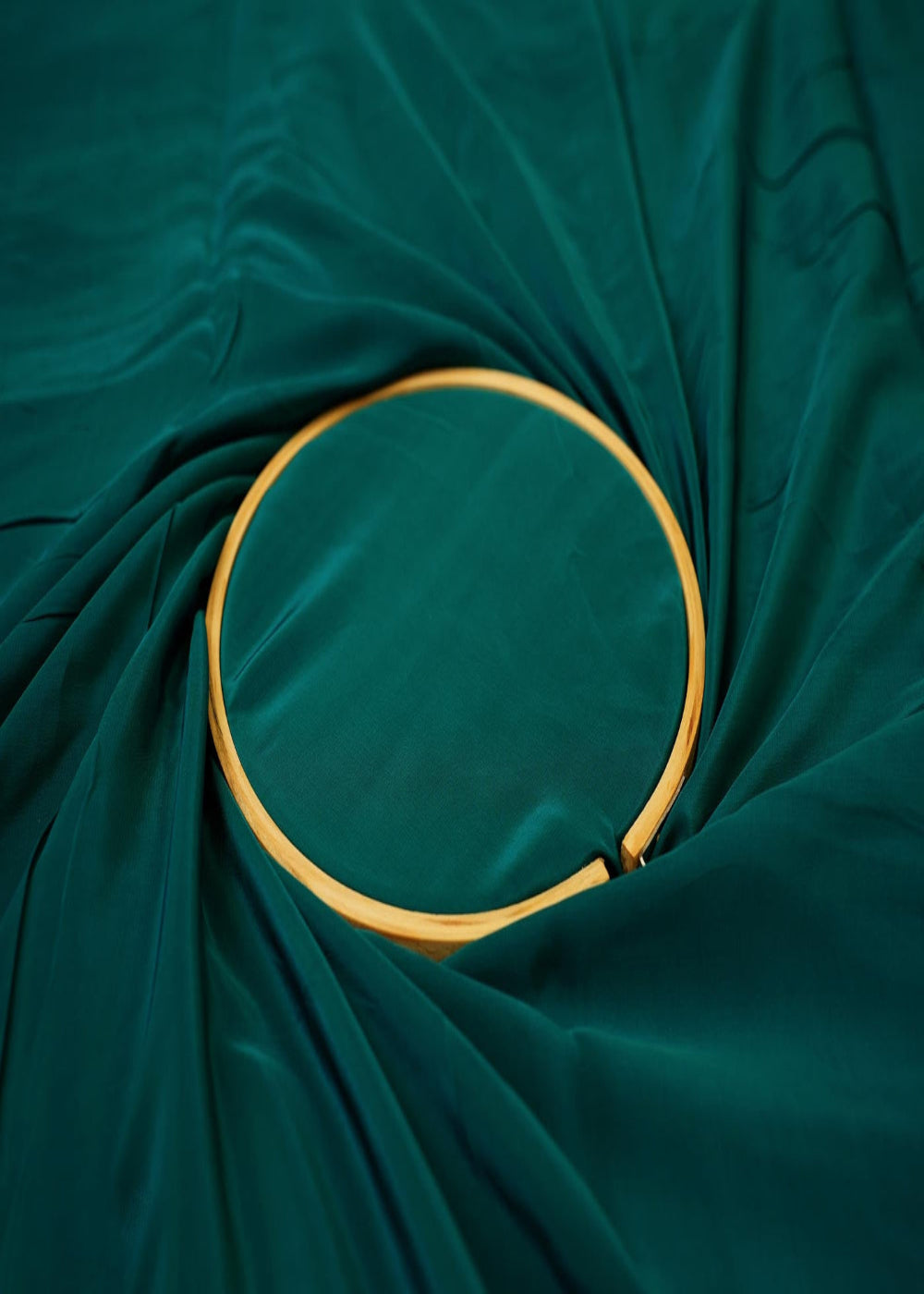
Most plain unfinished crepe arrives white or off-white. This pre-dyed version comes ready in 40 to 60 stock shades, which means no dye shop trip, no waiting period, no Pantone mismatch risk. Buy the colour, cut, stitch, ship; done.
Hand feel is dry but soft. Not as silky as satin, not as rough as raw silk; sits comfortably against skin which makes it the default daily-wear ethnic fabric across most boutiques. Boutique manufacturers in Karol Bagh and Sarojini Nagar consider coloured crepe their bread and butter SKU.
Boutiques in Lajpat Nagar typically paying Rs. 160 to Rs. 380 per metre. Mid-range pricing that resellers can mark up cleanly.
Why Boutiques and Designers Continue Choosing Coloured Crepe
Volume production is the main reason. Kurtis, palazzo sets, simple sarees move in hundreds of units monthly from most production units. The fabric absorbs that production scale because the supply chain is reliable, the dyeing is consistent across batches plus the cutting yields are predictable.
Mix-and-match flexibility is the next big factor. Boutiques buying coloured crepe in twelve shades simultaneously, stitching coordinated kurti-palazzo sets, mixing tops and bottoms across colours for fast-fashion drops. Same fabric, multiple combinations, faster inventory turnover.
Daily wear comfort is the third reason buyers ask about. Customers wearing crepe kurtis to office and family functions both. Fabric does not announce itself but holds shape through long wear without crushing. Important for working women who buy ethnic wear for daily use, not just functions.
Types of Coloured Crepe in Our Collection
Five variants moving regularly through our shelves.
| Type | Best Use | Approximate Price Range |
|---|---|---|
| Plain Coloured Crepe | Kurtis, palazzo bottoms, casual sarees | Rs. 160 to 250 per metre |
| Printed Coloured Crepe | Designer kurtis, dupattas, summer suits | Rs. 220 to 380 per metre |
| Embroidered Coloured Crepe | Festive kurtas, party blouses | Rs. 450 to 950 per metre |
| Sequin Coloured Crepe | Sangeet outfits, designer kurtas | Rs. 380 to 700 per metre |
| Designer Coloured Crepe | Indo-western jumpsuits, statement gowns | Rs. 320 to 600 per metre |
For first-time buyers, plain is the most flexible pick. Works as kurti fabric, palazzo bottom material, blouse lining for bridal lehengas, even simple saree material.
Coloured Crepe GSM Guide
GSM affects fall and durability. The three ranges we stock.
| GSM Range | Fabric Feel | Best For |
|---|---|---|
| 90 to 130 GSM | Light, fluid drape | Dupattas, light kurtis, summer suits |
| 130 to 180 GSM | Mid-weight, balanced | Daily kurtis, palazzo bottoms, blouses |
| 180 to 240 GSM | Heavier, structured | Designer kurtas, sangeet outfits |
Most boutique buyers default to the 130 to 180 range. Sweet spot for daily-wear ethnic production where the fabric must wash multiple times without thinning.
Popular Uses of Coloured Crepe
Where this fabric earns its keep on our shop counter through every season.
Daily-wear kurtis for office plus home use. The signature use case across most online ethnic sellers and physical boutiques both.
Palazzo bottoms and culottes that need to fall straight without bunching at ankle. The crepe weight is ideal for this exact silhouette.
Designer blouses with sequin or thread embroidery added on top. Holds embellishment without sagging.
Casual sarees for daily office wear or family functions. Sells in coordinated sets with matching blouses.
Anarkali kalis where each panel needs same drape consistency. This fabric gives uniform fall across all kalis.
Lining material for organza or net outer fabrics on lehengas and gowns.
Coloured Crepe Trends for 2026
Three patterns running strong on our shop floor this season.
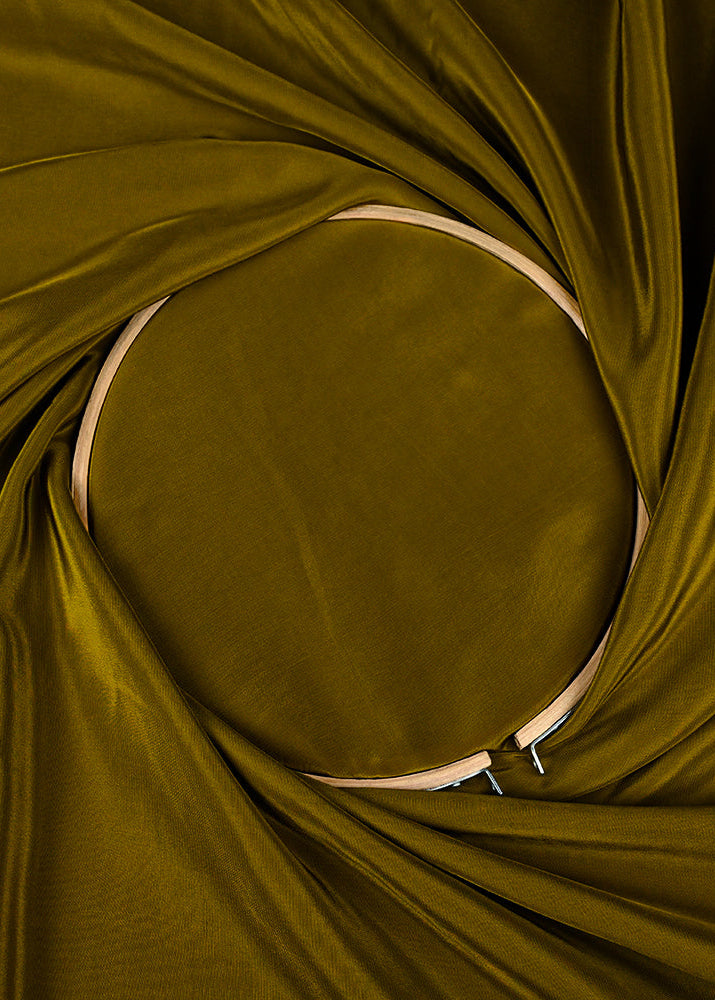
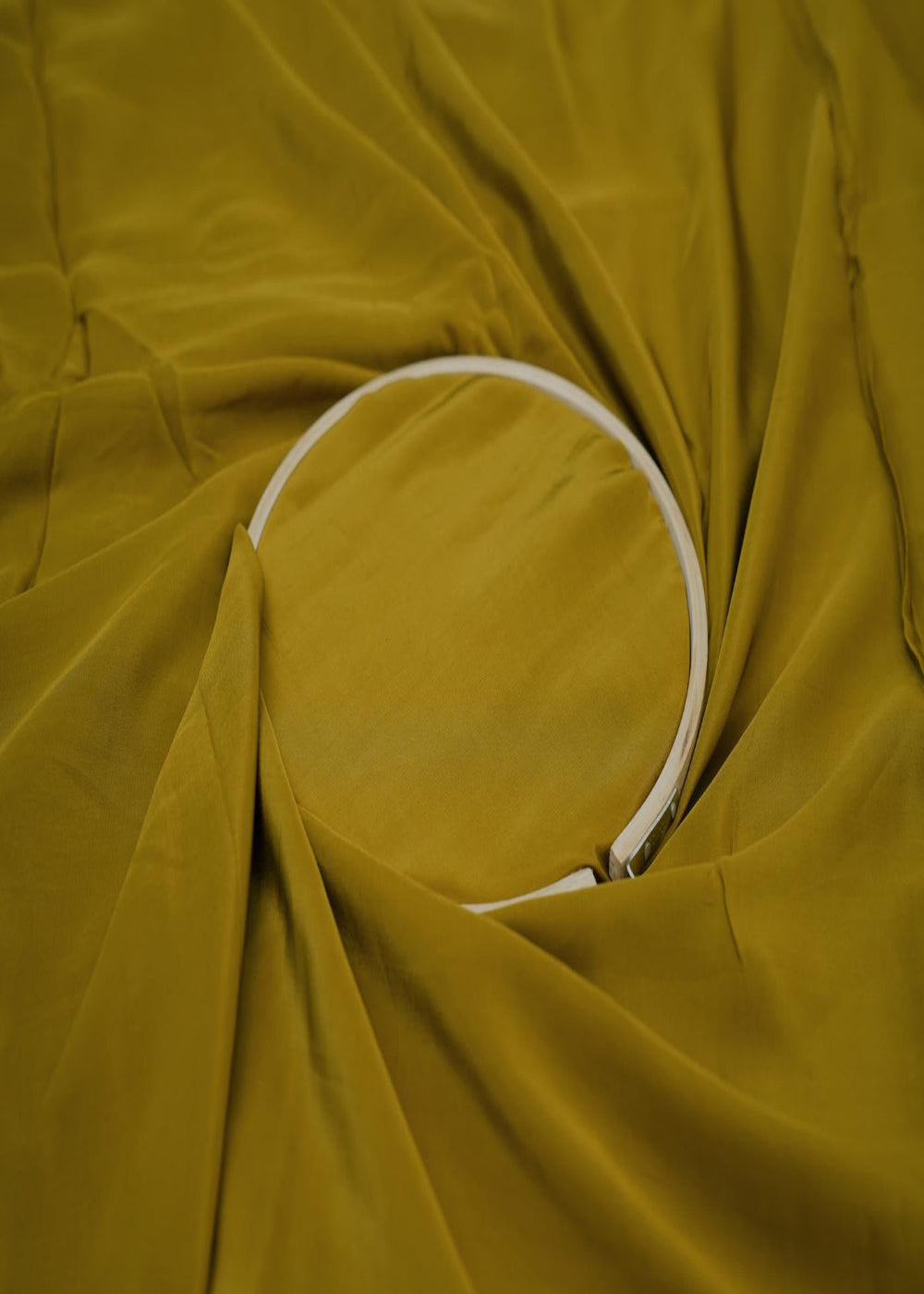
Earth tones are leading. Terracotta, olive, rust, mustard, coffee. These five shades selling fastest in kurti and palazzo production right now. Buyers moving away from older pastels and bright primary colours toward muted earth palette. Instagram aesthetic shift.
Coordinated three-piece sets are the second trend. Kurti, palazzo, dupatta all stitched from coloured crepe in matching or contrasting shades. Online sellers ordering in lots of 15 metres per shade to produce limited drops. Sells out faster than printed mixed-fabric sets.
Sequin coloured crepe for sangeet is the third pattern. Replacing georgette as the default sangeet outfit fabric in mid-priced category. Lighter to dance in, holds sequins better, easier to maintain after the function. South Delhi boutiques reorder sequin variants monthly.
Expert Tips for Working with Coloured Crepe
Some tips from many production seasons of watching this fabric perform.
Always pre-wash before cutting because some coloured crepe shrinks 3 to 4 percent on first wash. Skip this step and your finished kurti comes one size tighter after the first laundry.
Cut on the bias for kurti panels that need extra drape; straight-grain cuts work for boxy silhouettes while bias-cut works for fitted silhouettes that need to skim the body.
Use polyester thread for stitching because the crepe weave handles polyester tension better than silk thread. Reverse of what you would use on Barfi silk or true silks.
Steam iron on medium setting to relax the crinkle without flattening it. Direct heat at high setting flattens the crepe texture permanently, which removes the whole reason customers chose this fabric.
Coordinate dye lots across bulk orders. Even within same SKU, two production runs can vary by one or two shade points. For coordinated set production, order all required quantity together not in batches.
What is Coloured Crepe? (Quick Definition)
Coloured crepe is pre-dyed crepe fabric with a soft crinkled surface plus opaque drape and dry hand feel. It gets used in daily kurtis, palazzo bottoms, casual sarees, designer blouses, festive anarkalis, plus lining for heavier outer fabrics. Available in 40 to 60 stock shades across 90 to 240 GSM range.
Why Designers Buy Coloured Crepe Online
This pre-dyed crepe is the workhorse of Indian ethnic wear production because of its consistent supply, ready-to-cut shade availability, plus mid-range pricing. The crinkled surface gives a matte finish without sheen, drape stays soft and opaque, hand feel is dry and comfortable for daily wear. Boutiques in Delhi NCR price plain coloured crepe between Rs. 160 to Rs. 380 per metre, while embroidered variants run up to Rs. 950. Best uses: kurtis, palazzo bottoms, casual sarees, designer blouses, festive anarkalis.
Frequently Asked Questions
How is coloured crepe different from regular crepe?
Regular plain crepe arrives undyed, white or off-white, requires dyeing before use. Coloured crepe comes pre-dyed in 40 to 60 stock shades, ready for cutting. Both have the same crinkled crepe weave underneath. Pre-dyed saves boutiques the dye shop trip and the Pantone matching risk for daily production.
Does coloured crepe shrink on first wash?
Most variants shrink 3 to 4 percent on first wash. Heavier 180-plus GSM variants shrink less, around 1 to 2 percent. Always pre-wash a test piece before bulk cutting. Skipping this step leads to finished garments coming one size tighter after first laundry, which causes return claims from end customers.
Is coloured crepe see-through?
The 90 to 130 GSM variants are slightly translucent. The 130 GSM and above are fully opaque. For kurtis and blouses worn as top layer, choose 130 GSM or higher to avoid needing inner lining. For dupattas and layered anarkali kalis, the lighter weights work because translucency adds visual depth.
Can sequin work be added on coloured crepe after purchase?
Yes. The mid-weight variants hold karigar sequin and stone work without sagging. We recommend the 150 GSM and above variants for any handwork addition. The lighter weights below 130 GSM struggle to hold embroidery weight long-term. Pre-embroidered variants are also available if you want to skip the karigar lead time.
Is coloured crepe available in bulk for production units?
Yes definitely. Bulk pricing kicks in at 50 metres per SKU per shade. Wholesale tiers begin at Rs. 130 per metre for plain weights on 100-metre-plus orders. Mixed-shade lots above 200 metres total quantity get separate bulk discount. WhatsApp the team with shade list and quantity for production-rate quotes.
Which colours sell fastest at retail?
Earth tones currently dominate. Terracotta, olive, rust, mustard, coffee are the top five shades by reorder volume. Older bright pinks, royal blues, plus emerald greens have slowed down. The pastel range stays steady year-round for summer kurti production.
Why Boutique Owners Choose Coloured Crepe from Paras Gallery
Twenty-five metres minimum buys you sample-rate pricing. Fifty metres lands wholesale tier per SKU. Mixed-shade lots above 200 metres unlock production-rate pricing for boutique manufacturers running large kurti production cycles.
For one-off boutique purchases we ship single metres with shade swatches dispatched within 48 hours across India. Kurti production buyers should use our Fabric Estimator since standard kurti needs 2.5 metres while palazzo bottoms need 2 metres each.
Browse the full coloured crepe range below or WhatsApp the team for shade matching before bulk order through our wholesale catalogue. Many production seasons of supplying crepe to manufacturers, we know which shades move when. Shortcut is asking us first, not after the karigar starts cutting.
