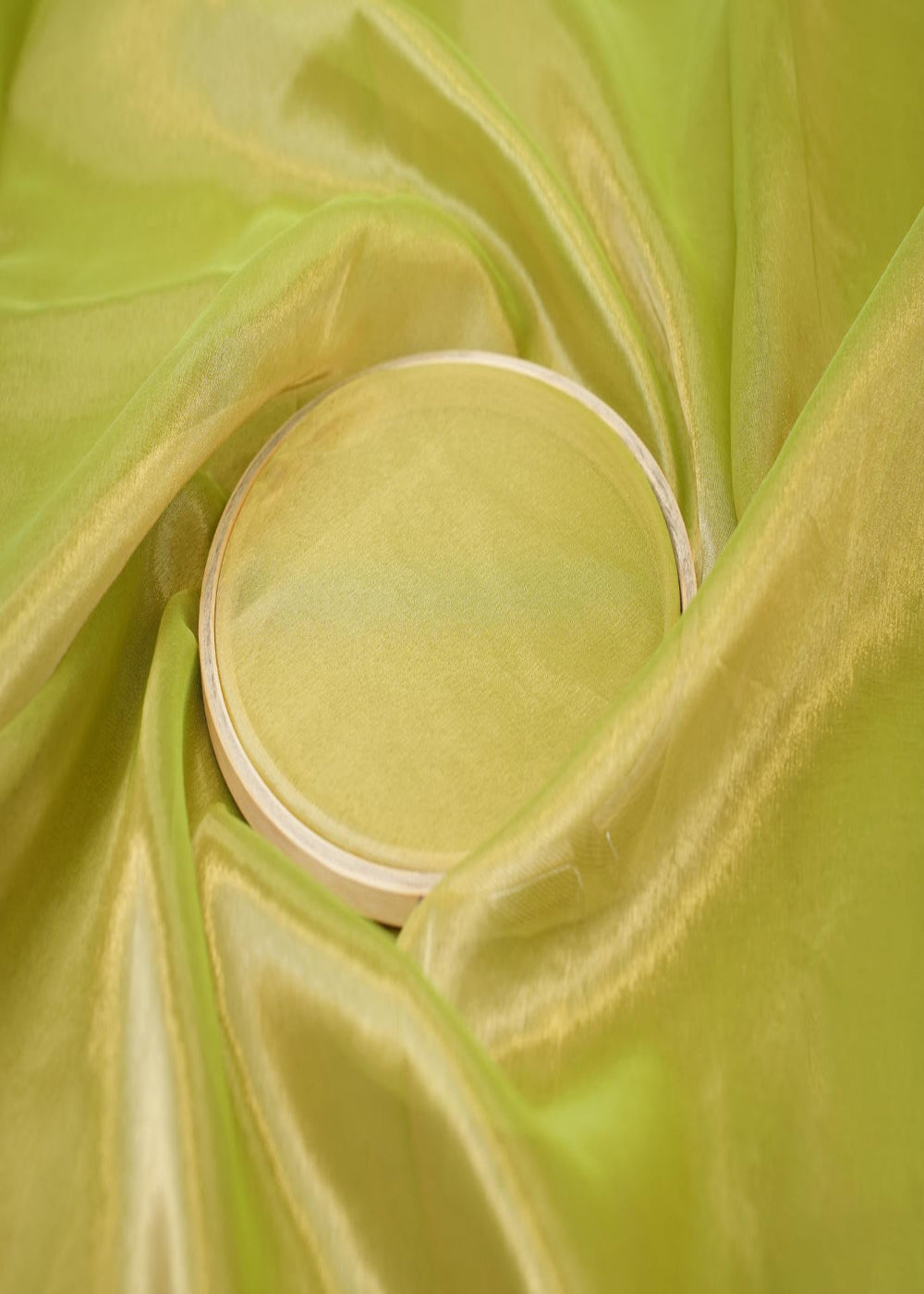
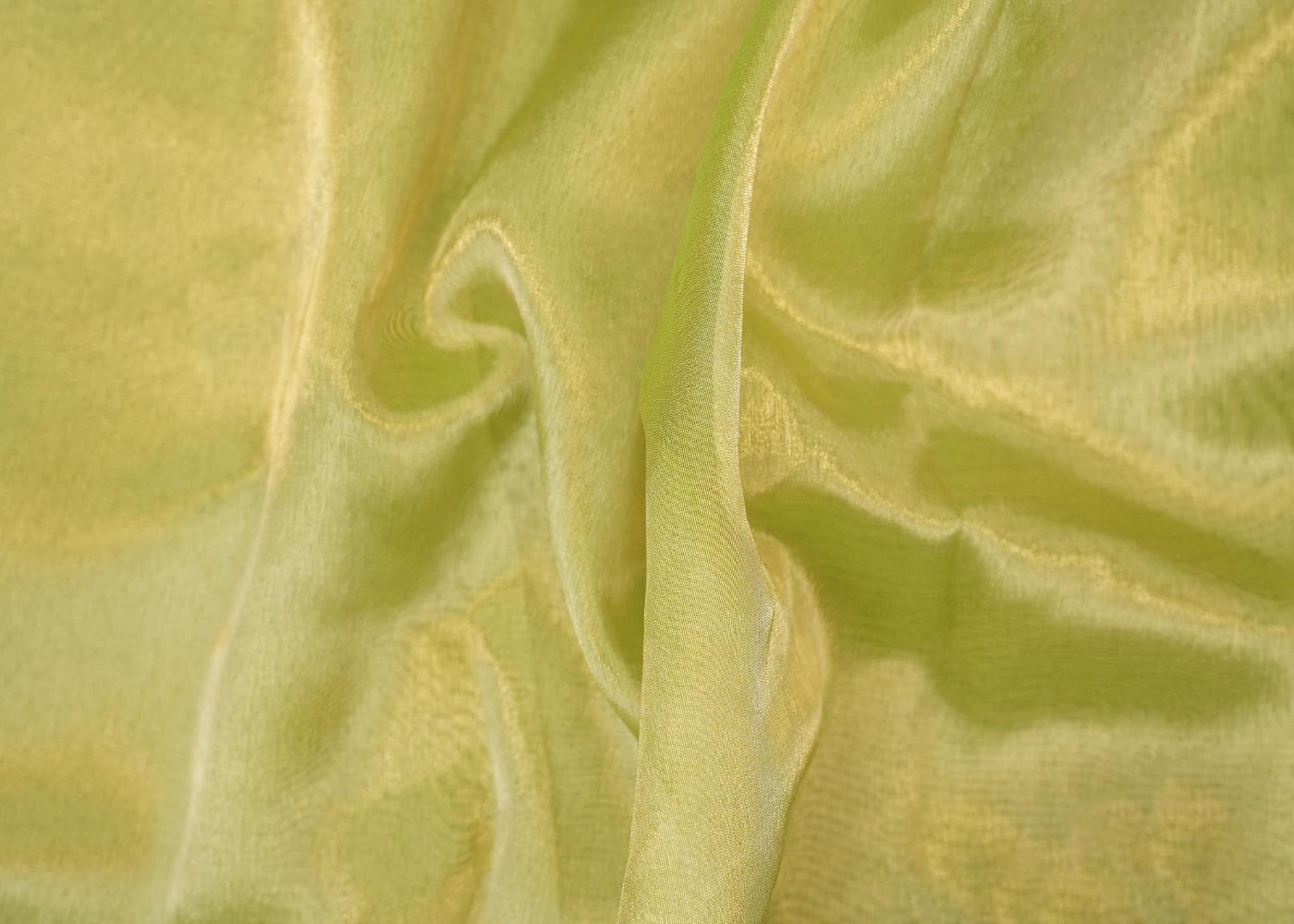
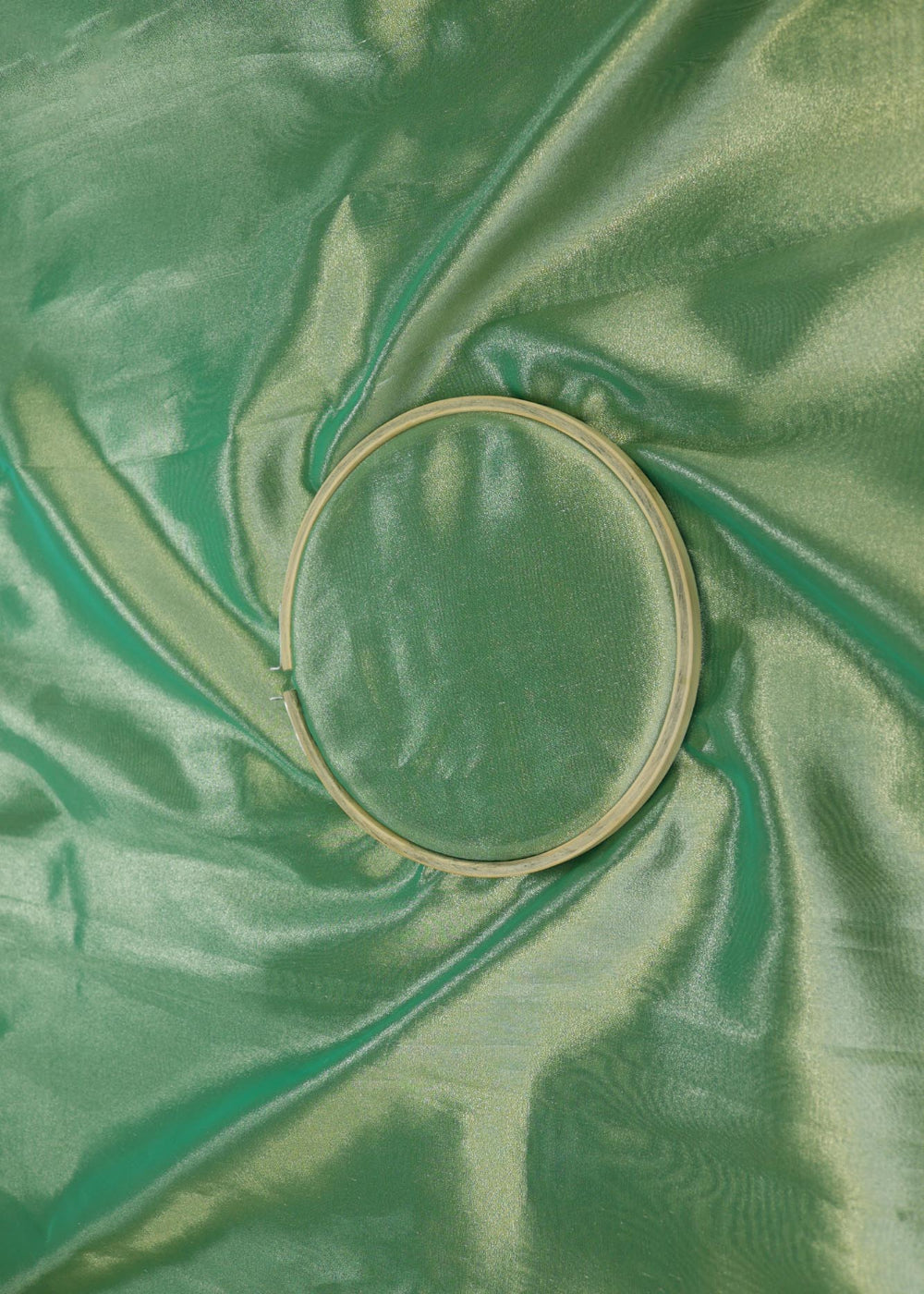
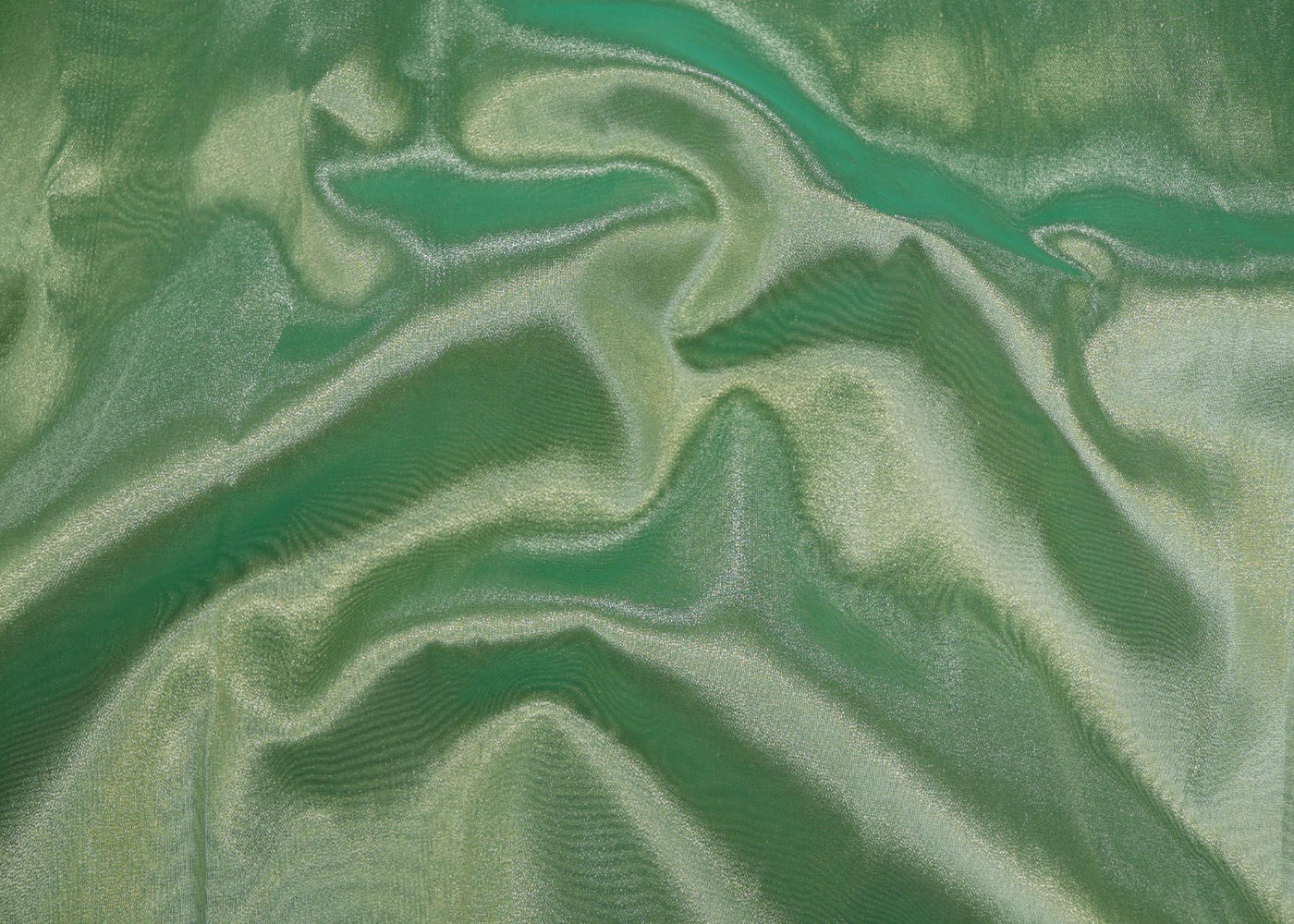
Everything You Need to Know About Coloured Tissue Fabric
Last month a reseller from Sarojini Nagar walks in with a shade card printed on his phone. Twelve colours he wants matching in coloured tissue, 30 metres each, for a coordinated dupatta lot going to Amazon plus Meesho sellers by weekend. Weekly rotation, three months planning ahead; same reseller ordered similar quantity in April for the Karva Chauth window.
This is where coloured tissue pulls its weight. Pre-dyed, ready to cut, no dye shop wait, no Pantone mismatch risk. Boutique manufacturers running online drops love this convenience because production timelines are tight.
If you are stitching festive dupattas, party gowns, gharara sets, or kurti-dupatta coordinated sets for online sale, here is the breakdown of this fabric before any commitment.
What Makes Coloured Tissue Different
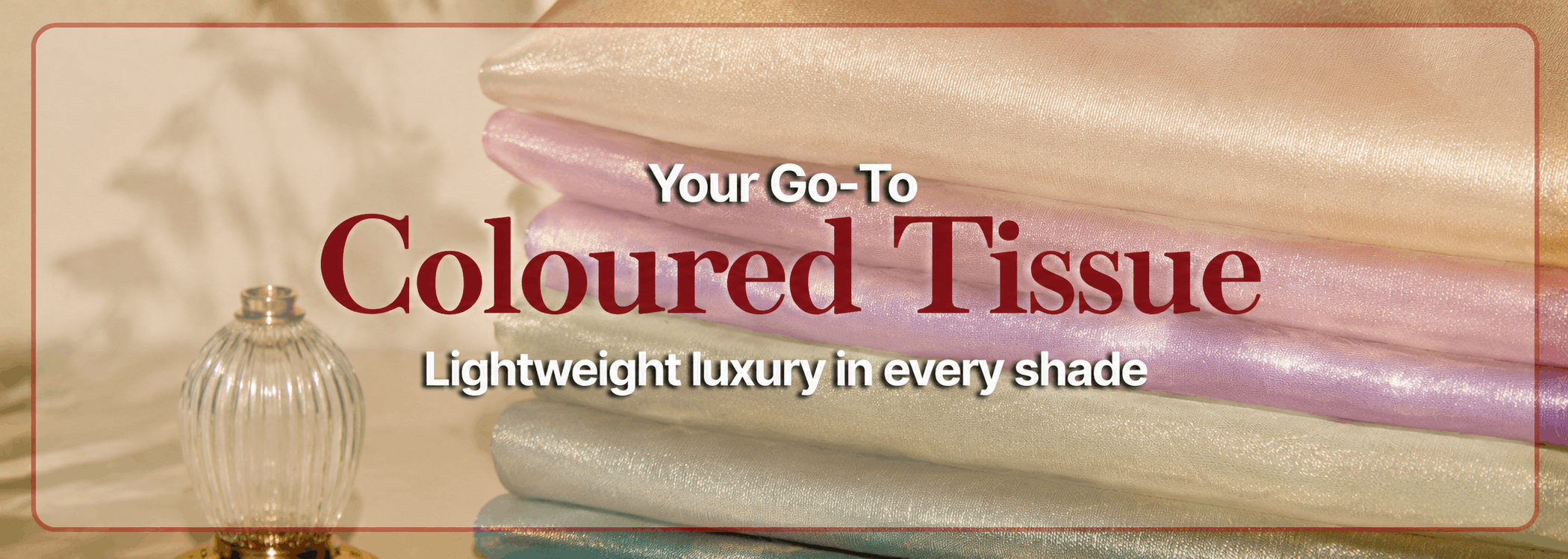
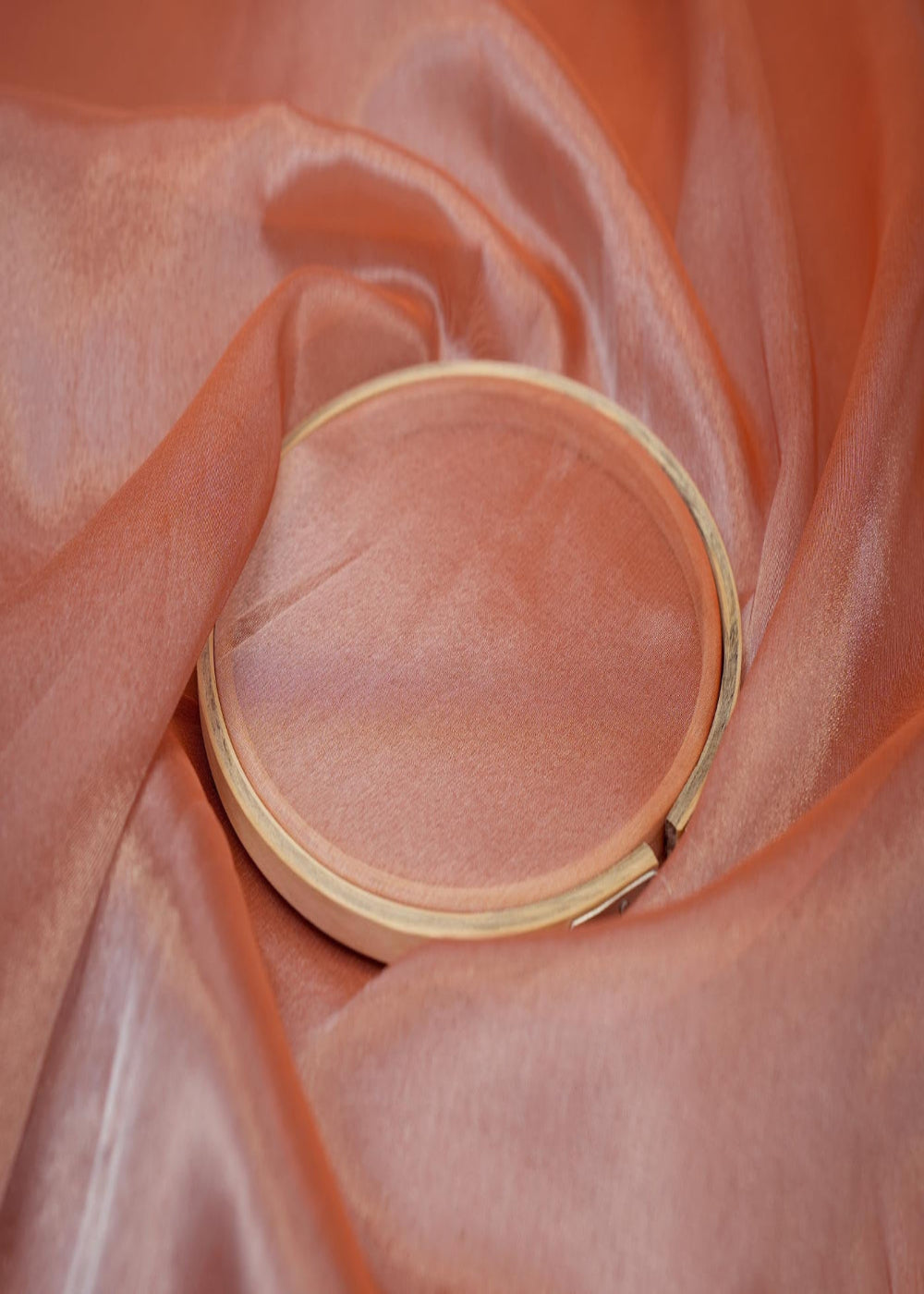
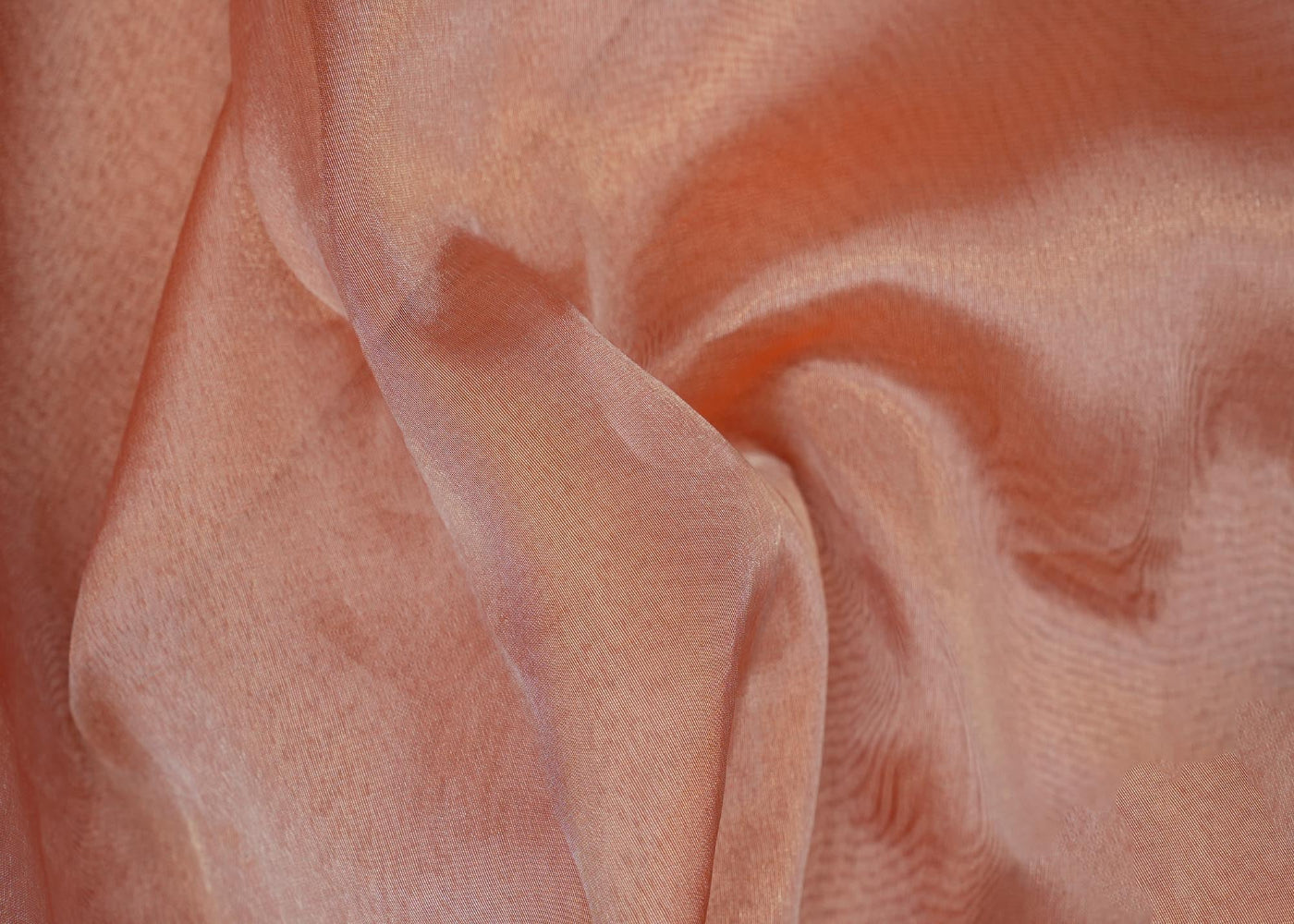
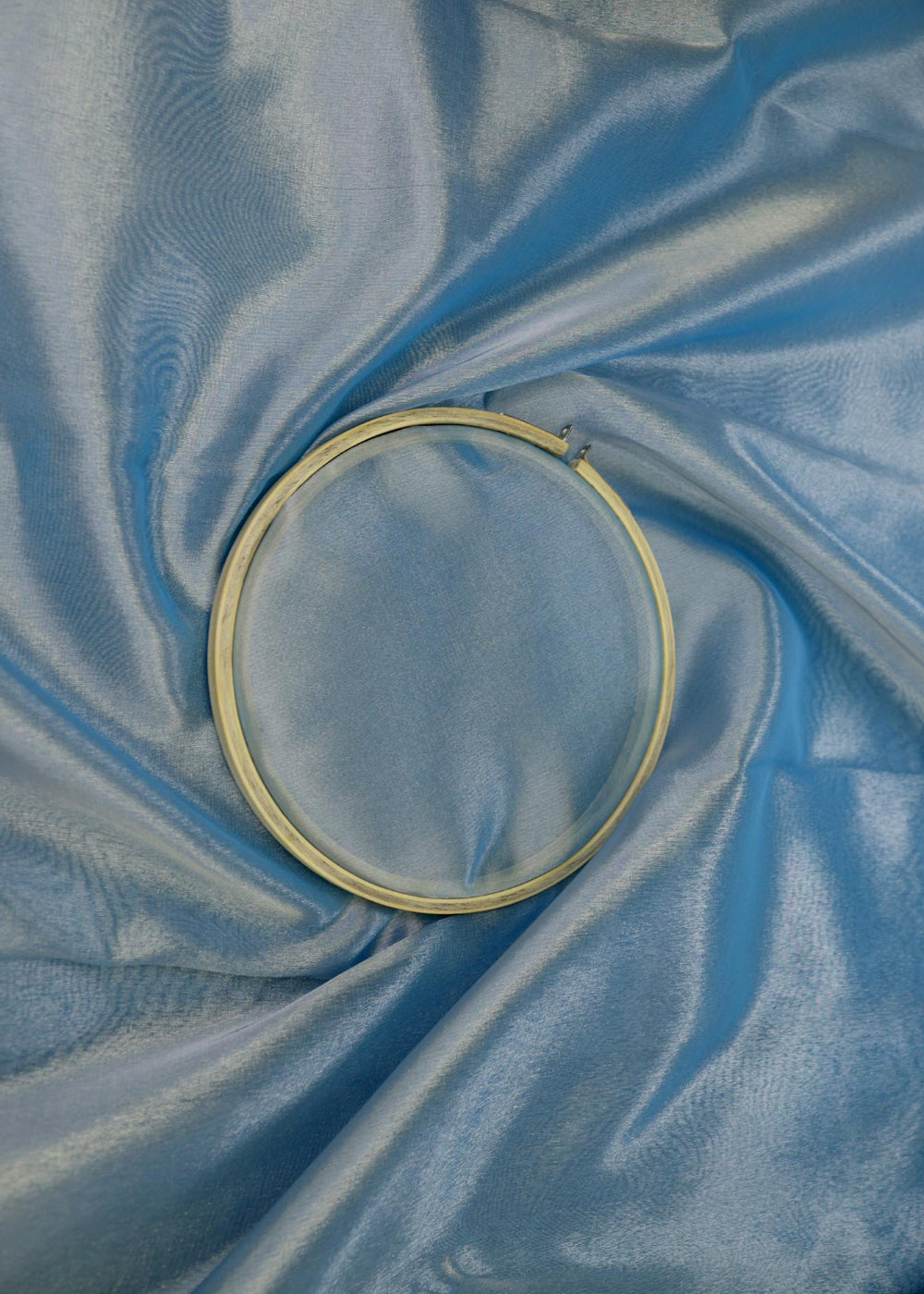
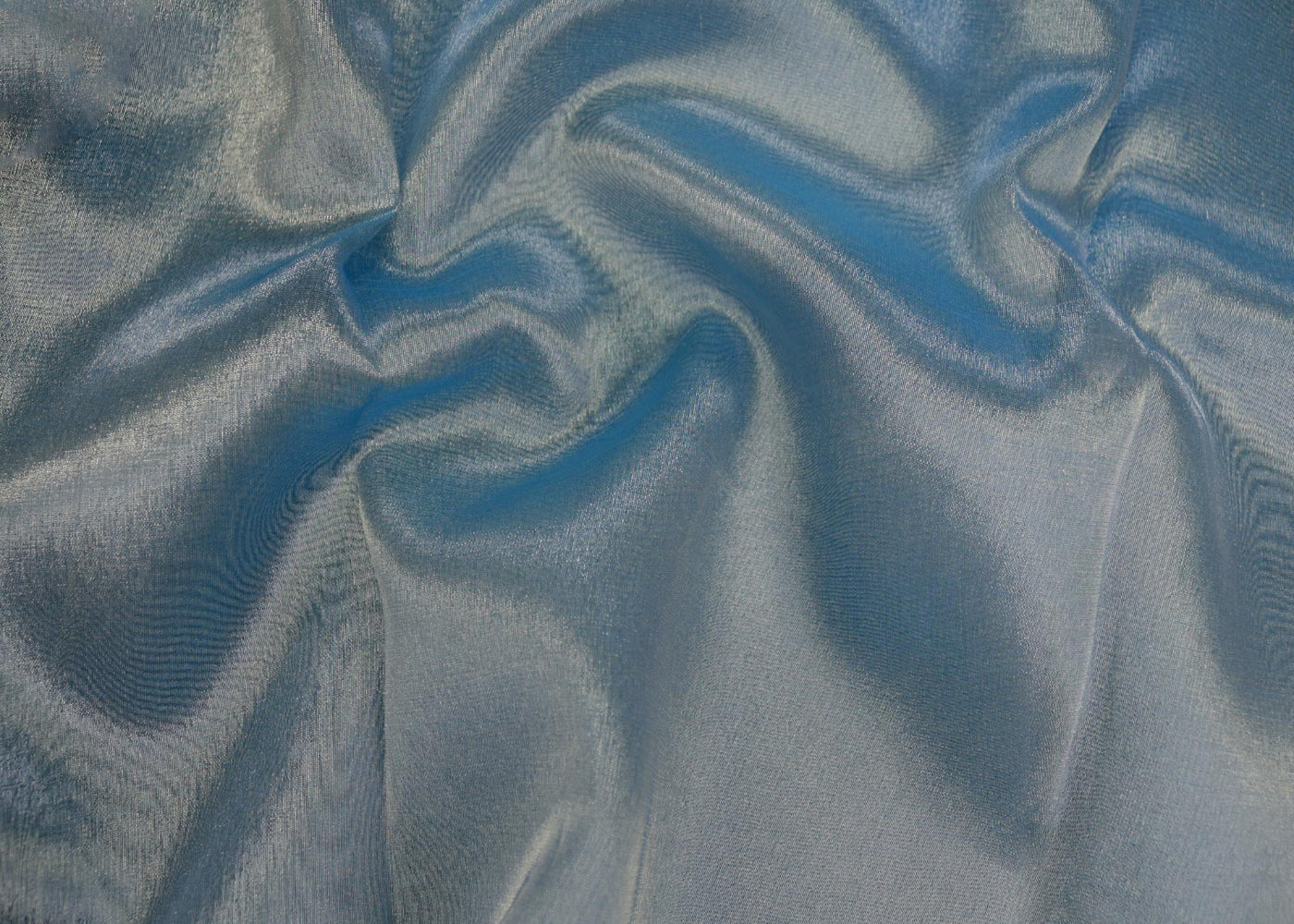
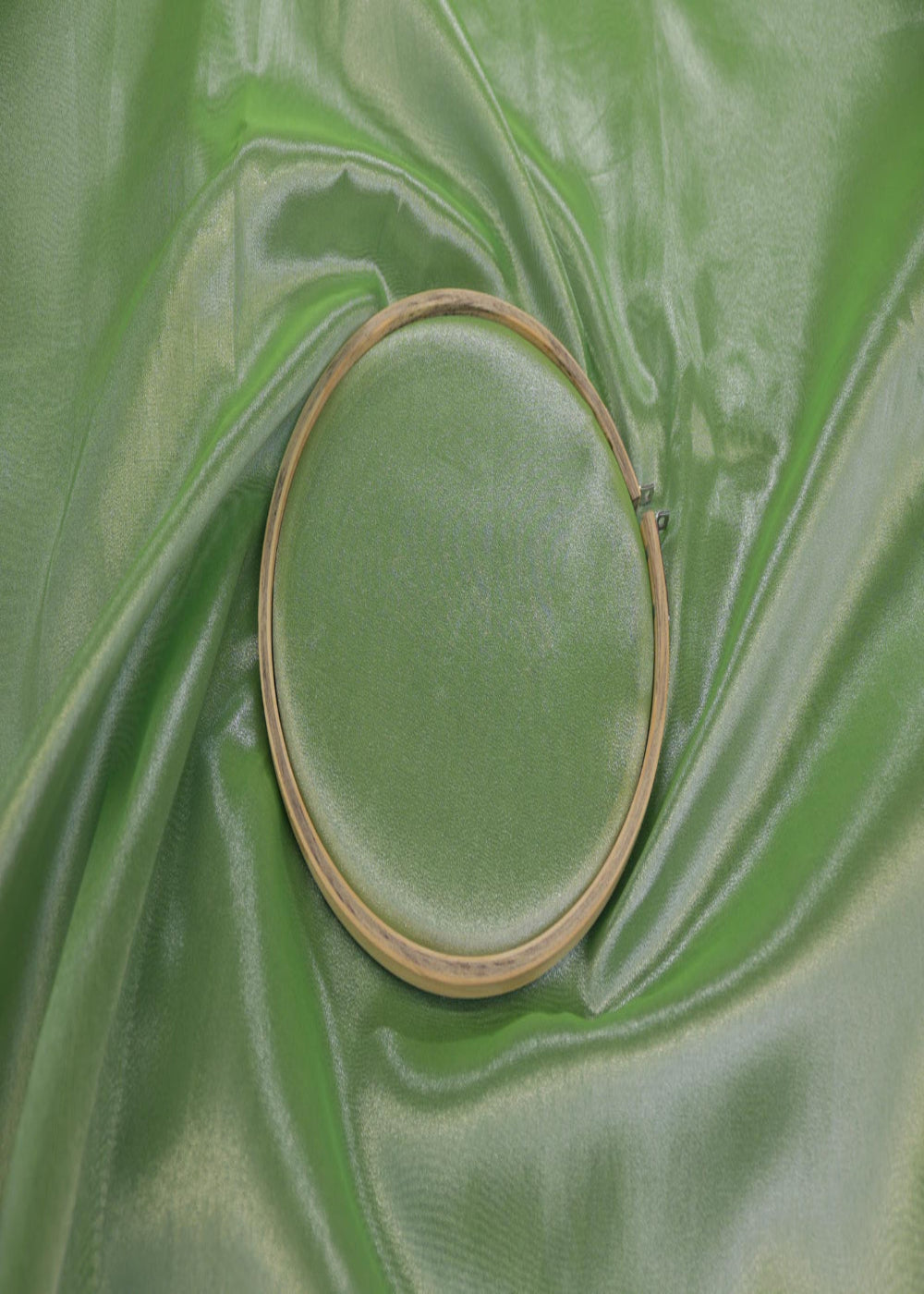
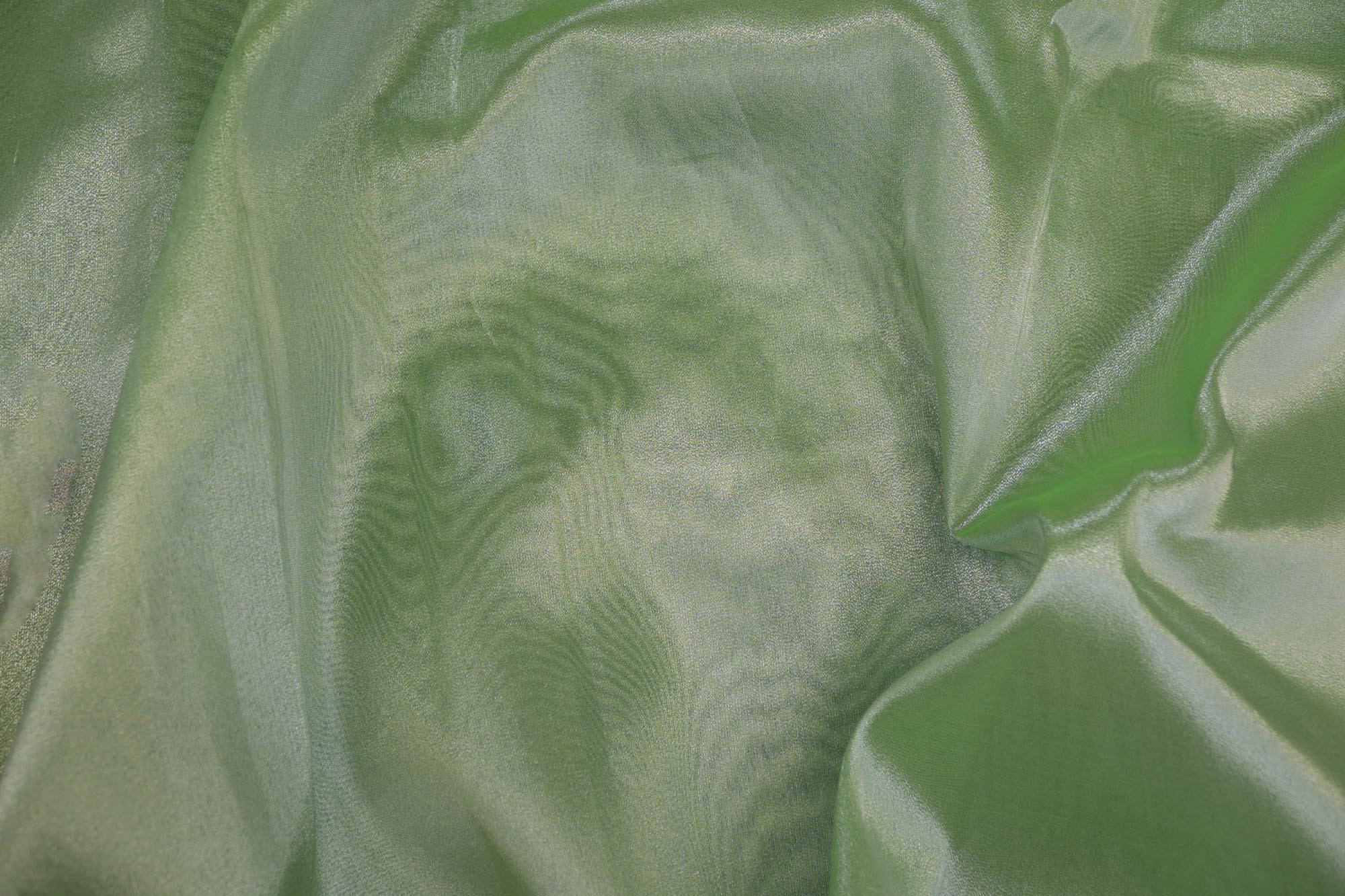
Tissue is a lightweight sheer fabric usually blended with metallic threads for that signature shimmer that catches wedding videography lighting. Coloured tissue is the pre-dyed version, meaning the base fabric comes to us already coloured across 30 to 50 stock shades. The metallic lurex thread stays gold or silver regardless of base colour, which is exactly what gives this fabric its wedding-market appeal.
Regular tissue arrives white or ivory, needs dyeing before use; this pre-coloured version skips that entire step. Boutiques order the shade they need, cut the same day, ship the finished product within a week; turnaround shrinks by ten days easily compared to the plain-tissue dyeing cycle.
Hand feel is crisp, slightly stiff; holds a shape when folded which is why it works so well for structured gharara panels and anarkali kalis with defined swing. Metallic thread catches indoor lighting, photographs richly on candid videos, sits well against skin without irritation.
Boutiques in Lajpat Nagar typically paying Rs. 180 to Rs. 450 per metre depending on shade and metallic density.
Why Boutiques and Designers Continue Choosing Coloured Tissue
Online-seller supply is the main reason. This fabric moves in bulk lots because Amazon, Myntra, Meesho, Flipkart resellers need consistent stock shades across their product catalogues. Twenty metres per shade in twelve shades means one weekly production cycle covers hundreds of listings.
Coordinated dupatta sets is the next big pattern. Buyers stitching kurti-dupatta or salwar-dupatta combinations where the dupatta is coloured tissue matched to a plain crepe or georgette top. The shimmer contrast against solid colours photographs well on marketplace listing images.
Gharara and sharara production is the third area. The stiffness of coloured tissue works perfectly for the flared bottom silhouettes without needing extra stiffening interlining. Karigars working on gharara panels prefer this fabric over plain tissue because the shade is set, so they can quality-check embroidery placement without imagining the final colour.
Types of Coloured Tissue in Our Collection
Five variants moving regularly through our shelves.
| Type | Best Use | Approximate Price Range |
|---|---|---|
| Plain Coloured Tissue | Dupattas, anarkali kalis, gharara panels | Rs. 180 to 280 per metre |
| Zari-Border Coloured Tissue | Festive dupattas, kurti sets | Rs. 320 to 550 per metre |
| Sequin Coloured Tissue | Sangeet gharara, party dupattas | Rs. 450 to 850 per metre |
| Foil Print Coloured Tissue | Indo-western jackets, statement dupattas | Rs. 380 to 650 per metre |
| Embroidered Coloured Tissue | Reception dupattas, designer gowns | Rs. 750 to 1,600 per metre |
For first-time buyers, plain is the most flexible pick. Works as dupatta, kurta bottom, gharara panel plus lining for heavier bridal fabrics.
Coloured Tissue GSM Guide
Weight determines crispness and drape behaviour. Three ranges we keep on shelves.
| GSM Range | Fabric Feel | Best For |
|---|---|---|
| 40 to 70 GSM | Light, sheer, soft | Dupattas, dupatta linings, layered kalis |
| 70 to 110 GSM | Mid-weight, crisper hold | Anarkali kalis, gharara panels, kurti sleeves |
| 110 to 160 GSM | Heavy, structured | Festive gowns, sharara bottoms, jackets |
Most boutique buyers default to the 70 to 110 range. Balances shimmer visibility with drape control across the widest variety of ethnic silhouettes.
Popular Uses of Coloured Tissue
Where this fabric earns its place on our counter through wedding and festive seasons.
Festive dupattas for coordinated kurta-dupatta sets. Signature use case across most North Indian boutique catalogues.
Gharara and sharara panels where the fabric stiffness holds the flared silhouette without inner canvas.
Sangeet anarkali kalis with sequin work on top. The metallic base plus sequin overlay photographs cinematically.
Party gowns for cocktail and reception second-function wear. Especially in dusty rose, wine, teal, plus champagne shades.
Indo-western jackets for festive layering over plain kurta-palazzo sets.
Bridal dupatta linings underneath heavier zari or dyeable embroidery dupattas. Adds shimmer through the sheer top layer.
Coloured Tissue Trends for 2026
Three patterns running strong on our shop floor this season.
Wine, teal, forest green are leading. Older maroon and gold combinations losing ground as brides shift to jewel-tone dupattas for reception looks. Boutiques in South Delhi reorder these three shades every three weeks currently.
Foil-printed coloured tissue is the second trend. Metallic gold or silver foil printed on solid coloured tissue base. Indo-western jackets and statement dupattas driving this demand. Resellers from Tier 2 cities ordering 60 to 100 metre lots monthly.
Sequin coloured tissue for sangeet is the third pattern. Replacing net and georgette for sangeet outfit fabric in mid-priced boutique category because the tissue base sits crisper and photographs brighter under indoor lighting.
Expert Tips for Working with Coloured Tissue
Some tips from many wedding seasons of watching this fabric perform after stitching.
Pin the fabric extensively before cutting because tissue shifts easily under shears. Twenty pins minimum for a two-metre cut. Skipping pins costs you a metre in wastage.
Use French seams for dupatta edges instead of overlock. French seams stay clean; edge does not fray while the finish looks professional inside and outside both.
Iron on low heat with a press cloth between iron and tissue. Direct high-heat iron melts the metallic thread within seconds, leaves permanent puckering.
Store finished coloured tissue garments rolled, not folded. Fold creases become permanent in tissue because the weave does not have the memory to bounce back.
For gharara panels, cut extra 10 percent beyond calculation because tissue frays at edges during multiple fittings. Plan for that fray margin from the start.
These care steps sound minor but they save hundreds of rupees per garment in rework and returns.
What is Coloured Tissue? (Quick Definition)
The pre-dyed variant is a lightweight tissue fabric with metallic thread woven through the base for signature shimmer. It gets used in dupattas, gharara panels, sharara bottoms, festive gowns, kurti sets, plus bridal dupatta linings. Available in 30 to 50 stock shades across 40 to 160 GSM range.
Why Designers Buy Coloured Tissue Online
This is a pre-dyed sheer tissue popular in Indian ethnic wear because of ready-shade availability plus consistent metallic shimmer across bolts. The base is lightweight, crisp, holds structure well for gharara and anarkali silhouettes. Delhi NCR boutiques price plain weights between Rs. 180 to Rs. 450 per metre, while embroidered variants run up to Rs. 1,600. Best uses: festive dupattas, gharara panels, sharara bottoms, party gowns, Indo-western jackets, bridal dupatta linings.
Frequently Asked Questions
How is coloured tissue different from plain tissue?
Plain tissue arrives undyed, requires dye shop trip before use. Coloured tissue comes pre-dyed in 30 to 50 stock shades ready for cutting. The metallic thread stays gold or silver in both. Pre-dyed saves boutiques the dye shop wait time plus the Pantone matching risk for coordinated set production.
Will the metallic thread come off during dry cleaning?
Not if done properly. Standard dry cleaning at reputable outlets preserves metallic thread integrity across ten to fifteen cleanings easily. Home dry cleaners using low-quality solvents can dull the metallic finish within three cleanings. Always specify metallic thread when handing over to the cleaner.
Is coloured tissue transparent?
The 40 to 70 GSM variants are sheer enough to need lining underneath. The 70 to 110 GSM variants are semi-opaque, work with a light inner layer. The 110 GSM and above are fully opaque, no lining needed. For dupattas transparency does not matter. For gharara or kurta pieces, choose 110 GSM or add inner lining.
Can sequin work be added on coloured tissue after purchase?
Yes. The mid-weight variants hold karigar sequin, katdana, thread work without sagging. We recommend 90 GSM or higher for any embroidery addition. Lighter weights below 70 GSM struggle to hold embroidery weight long-term, will droop on the ghera during wear.
Is coloured tissue available in bulk for online seller production?
Definitely available. Bulk pricing kicks in at 50 metres per SKU per shade. Wholesale tiers begin at Rs. 140 per metre for plain weights on 100-metre-plus orders. Mixed-shade lots above 300 metres total unlock reseller pricing. WhatsApp our team with the shade list for current quotes.
Which shades sell fastest at online marketplaces?
Currently wine, teal, forest green, dusty rose, champagne are the top five shades by reorder volume from our reseller customers. Traditional maroon and royal blue have slowed down over the past year. The pastel range stays steady for summer festive drops between April and August.
Why Boutique Owners Choose Coloured Tissue from Paras Gallery
Twenty metres minimum buys sample-run pricing per shade. Fifty metres unlocks wholesale tier. Mixed-shade lots above 300 metres total unlock reseller pricing for online sellers running multi-SKU production cycles.
For one-off buyers we ship single metres with shade swatches dispatched within 48 hours across India. Gharara production buyers should use our Fabric Estimator since standard gharara panels need 3 metres while sharara bottoms need 2.5 metres per pair.
Browse the full coloured tissue range below or WhatsApp the team for shade matching before bulk order through our wholesale catalogue. Many production cycles of supplying tissue to resellers, we know which shades move fastest per season. Shortcut is asking us first, not after the karigar starts cutting.
