Tissue Jacquard






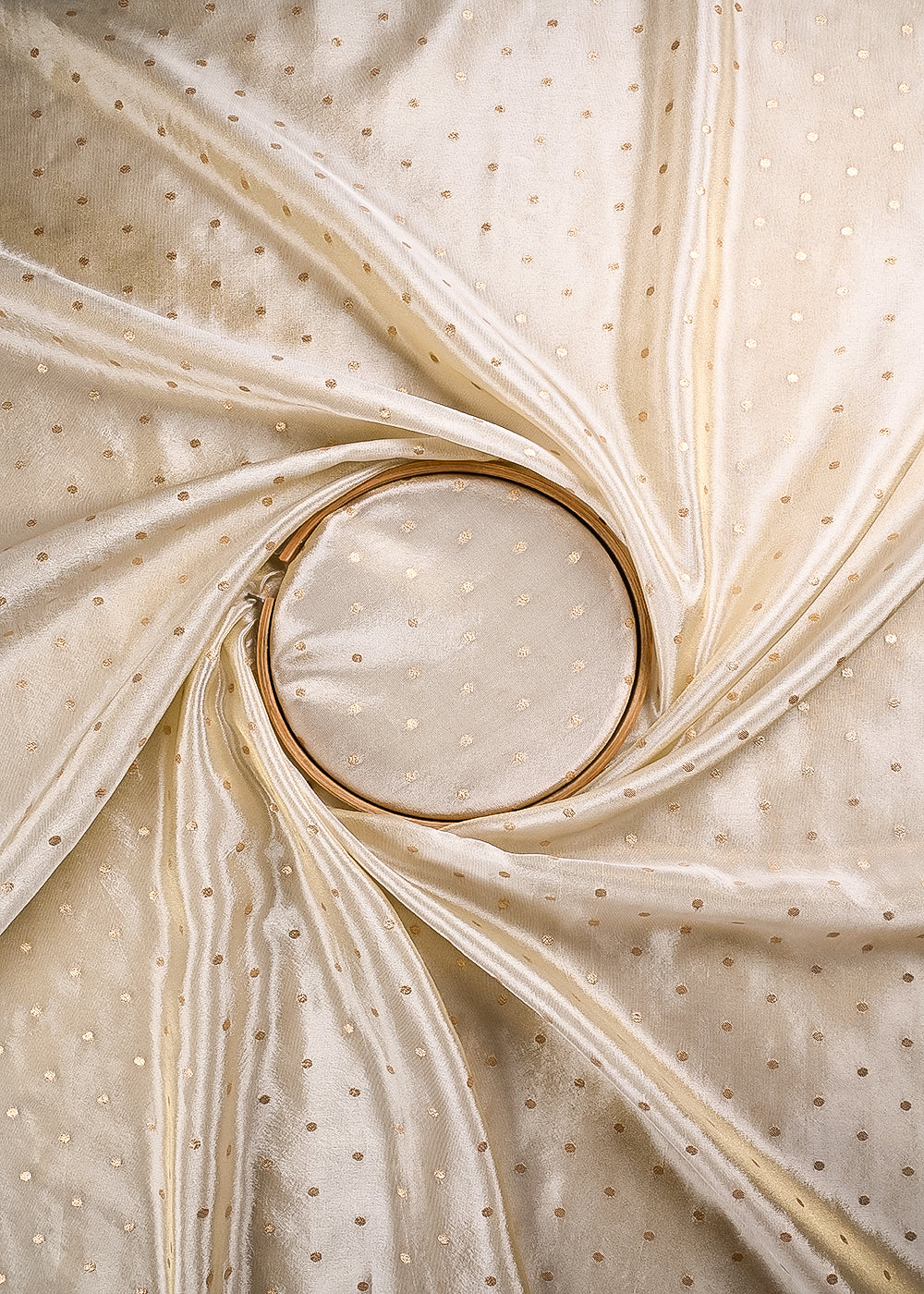
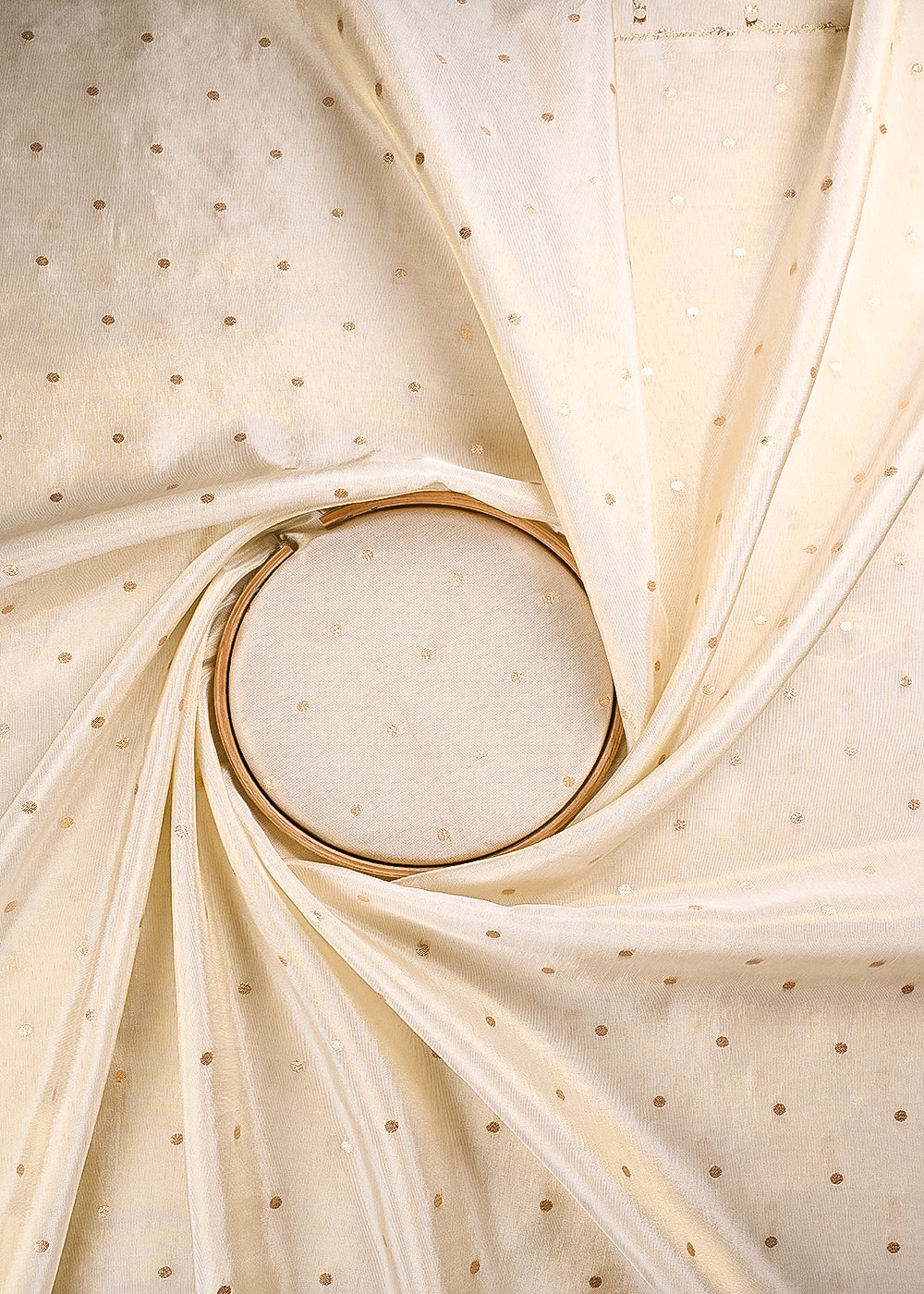


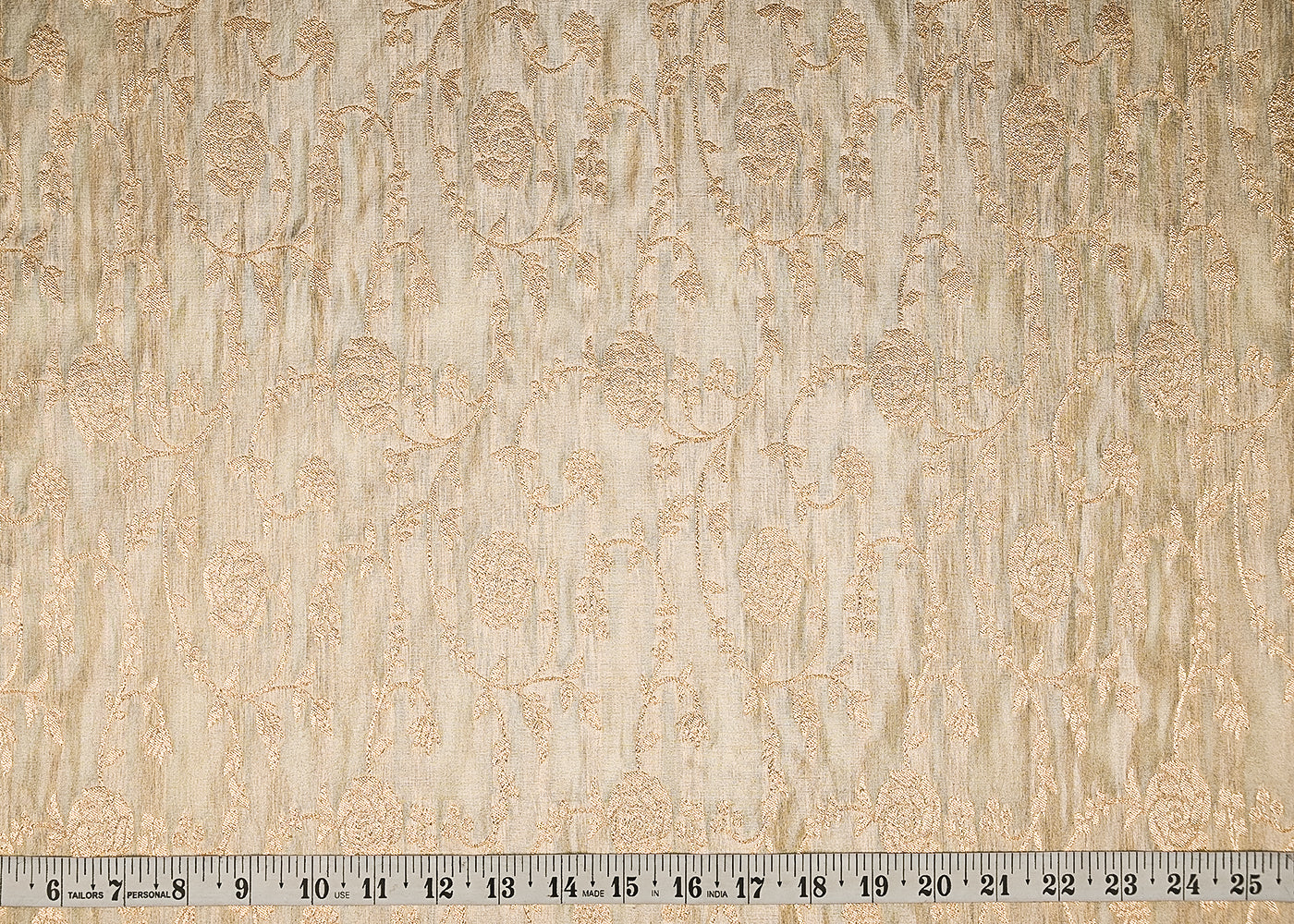


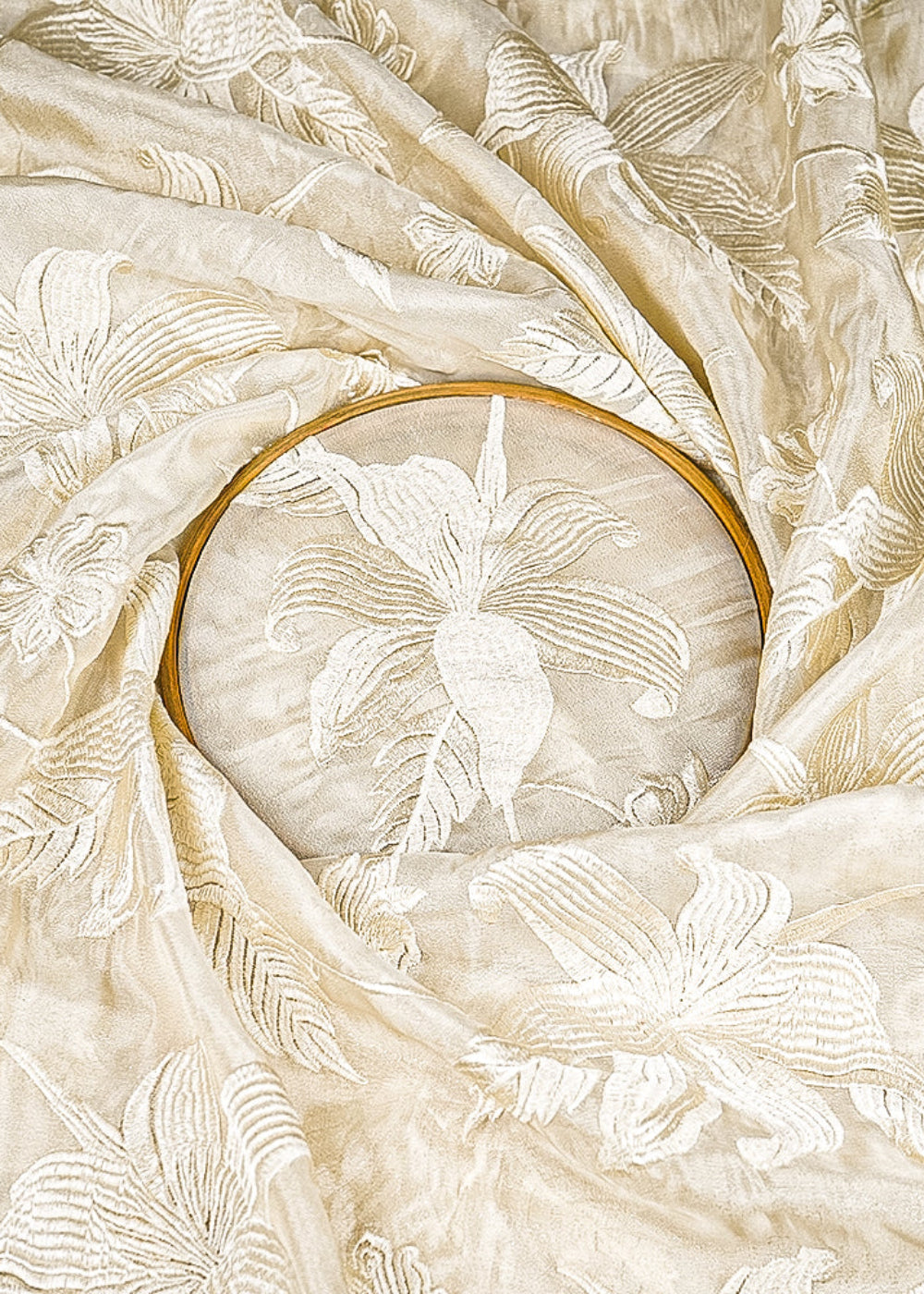
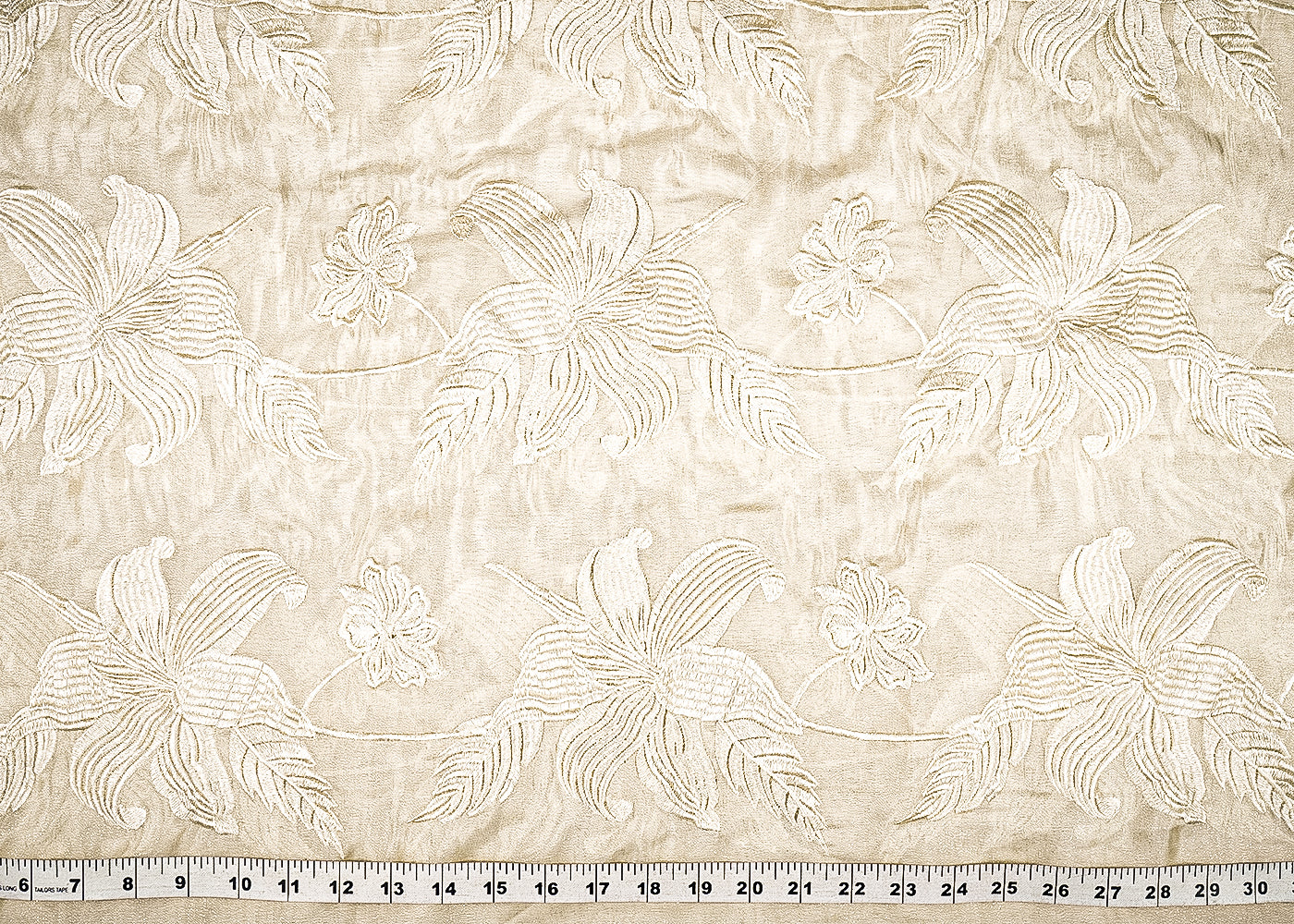
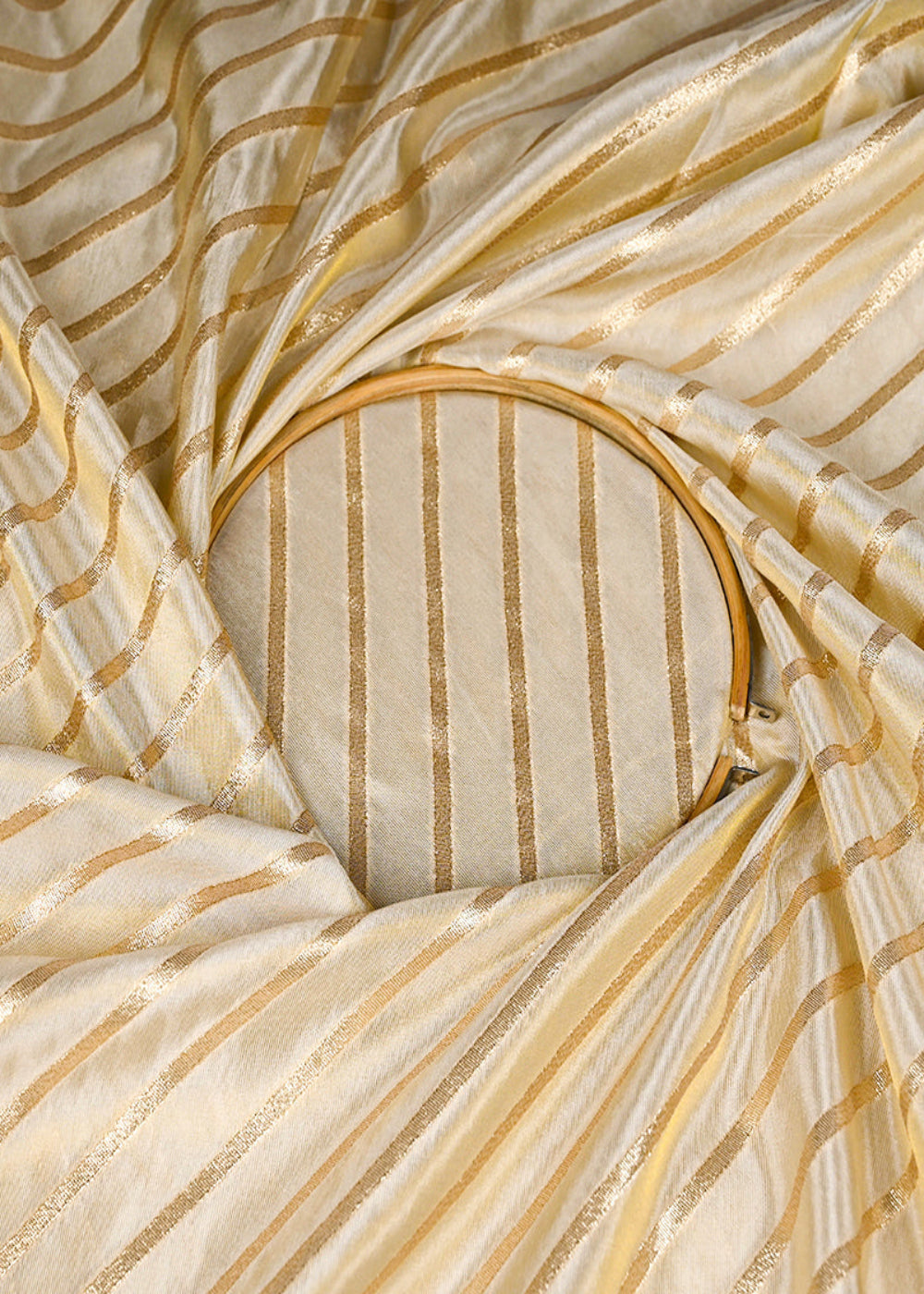


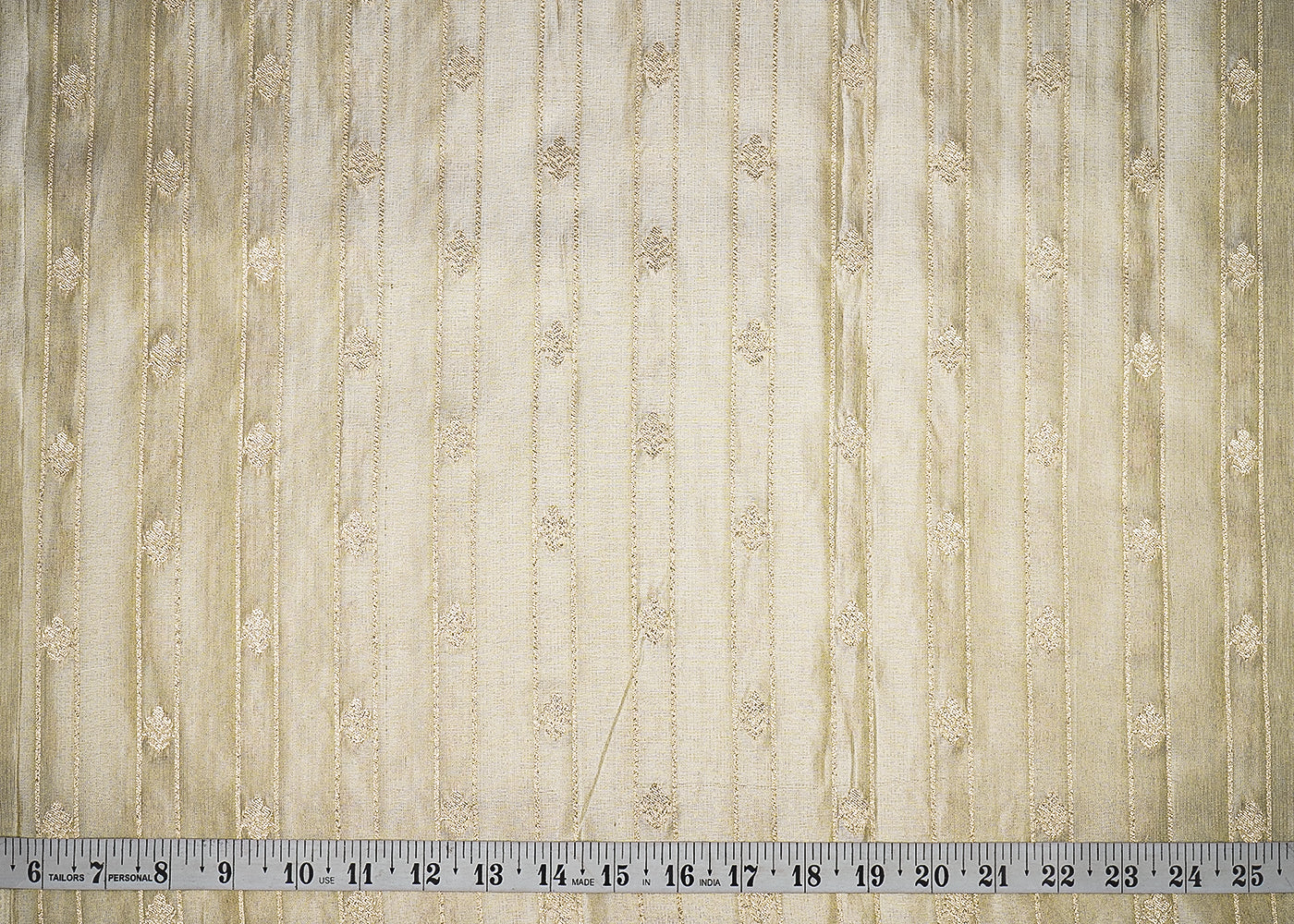
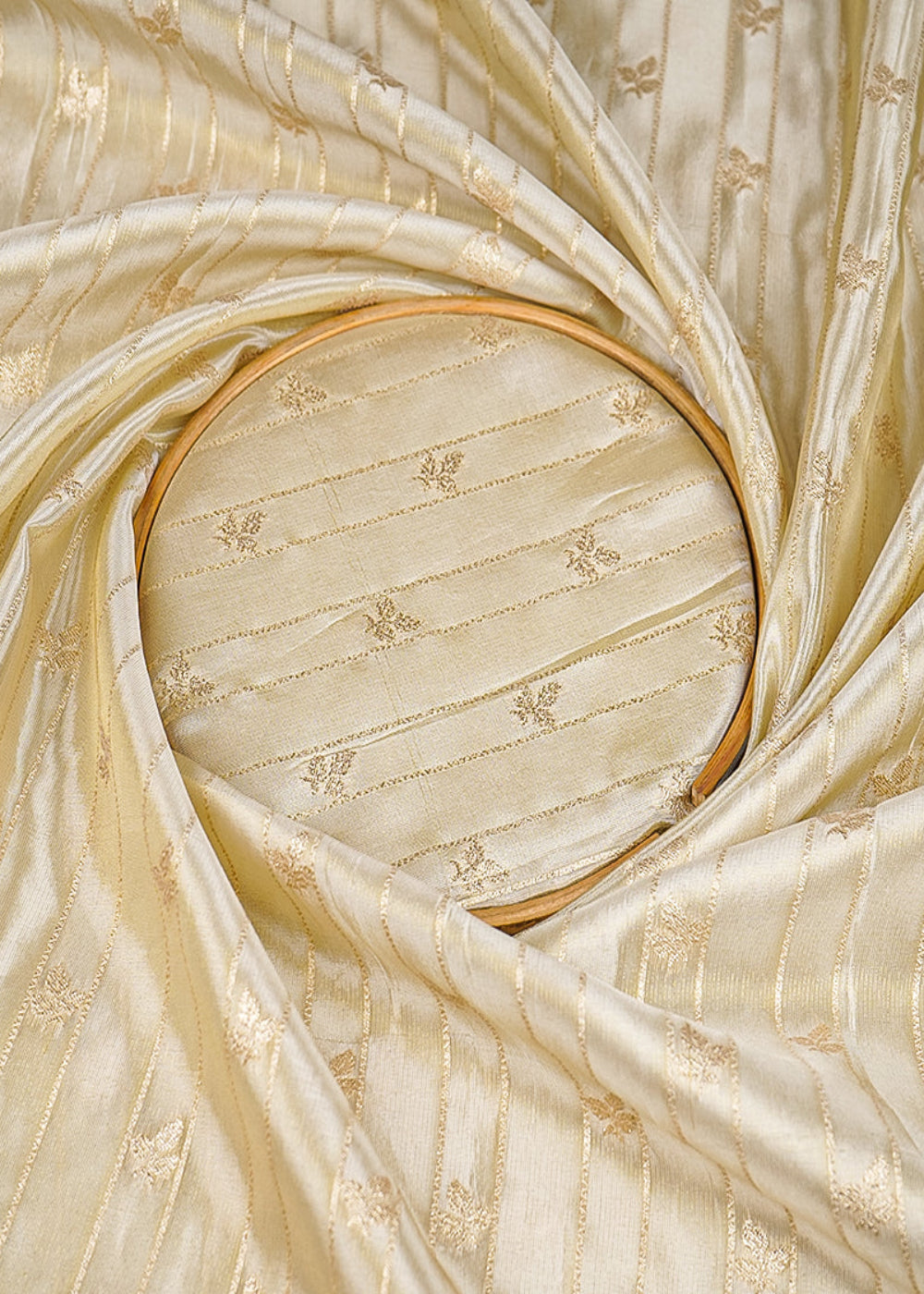
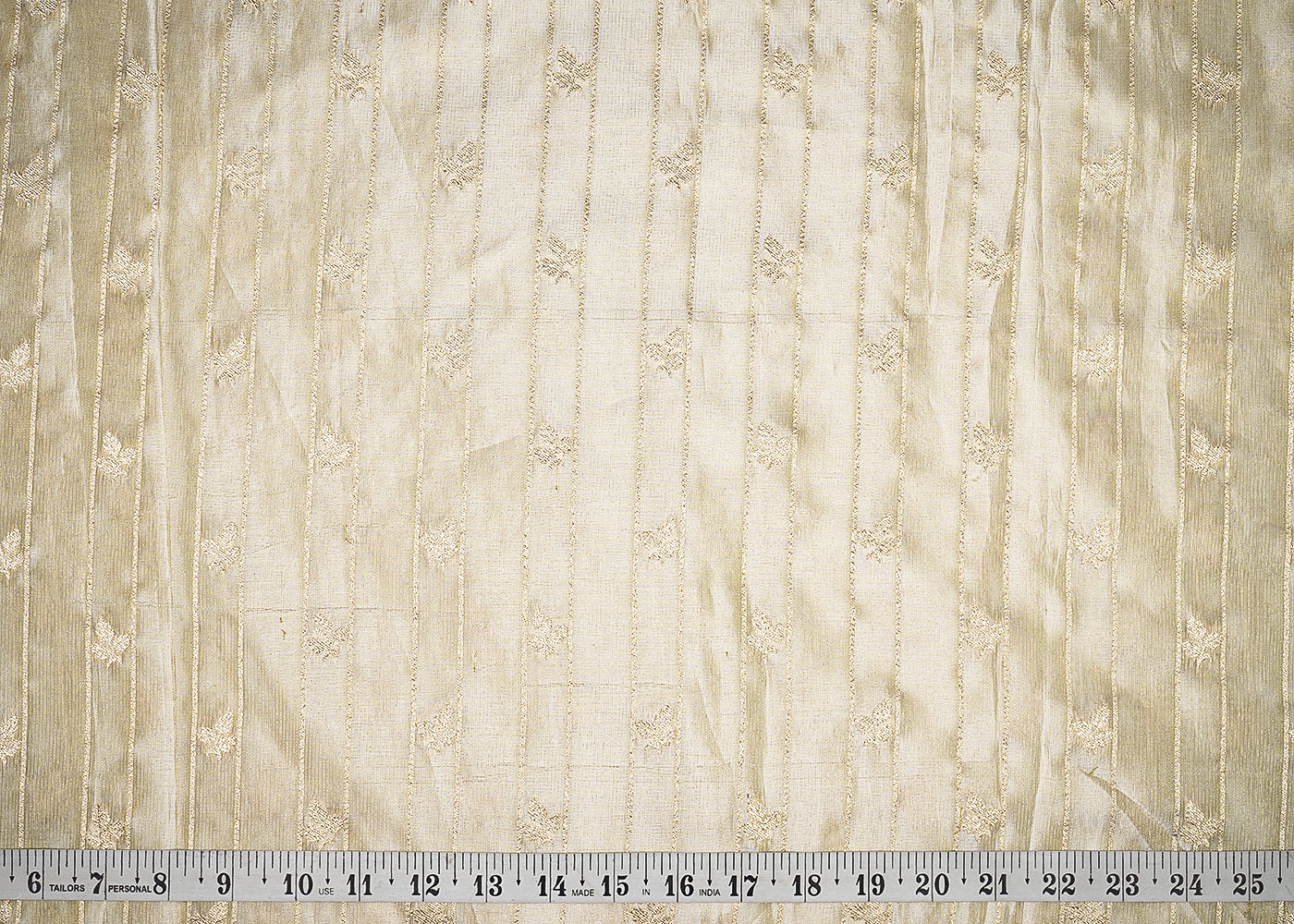

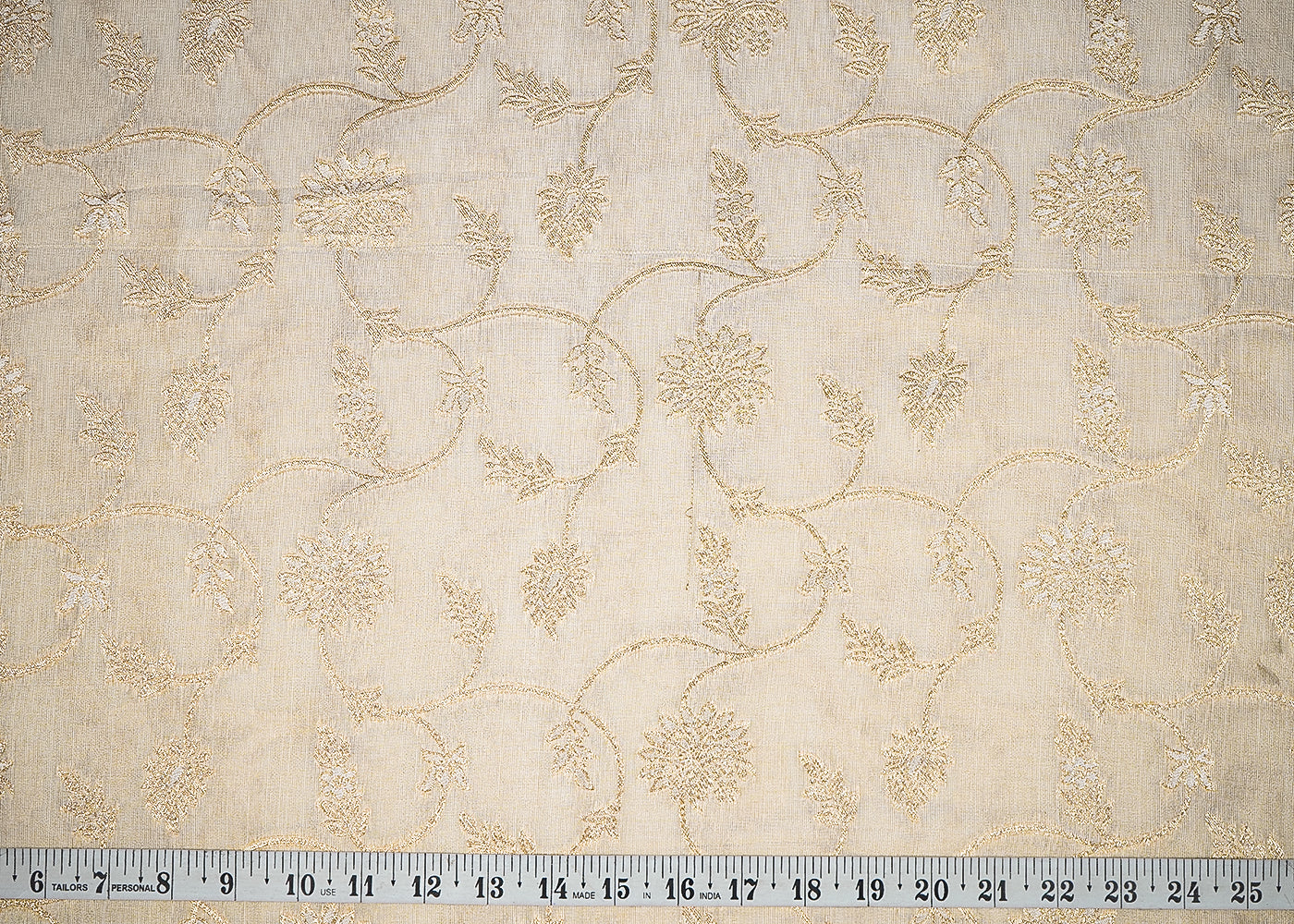

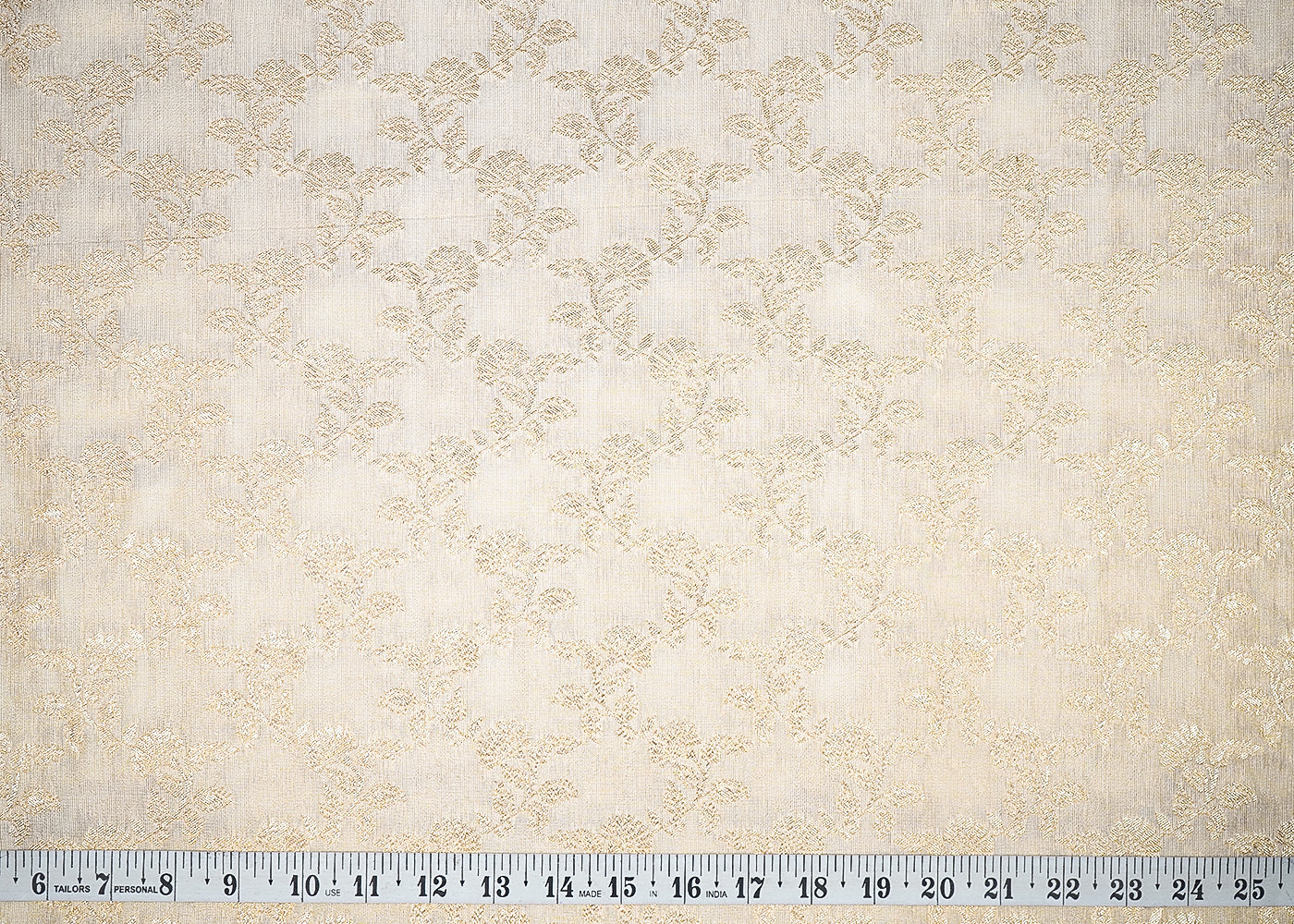

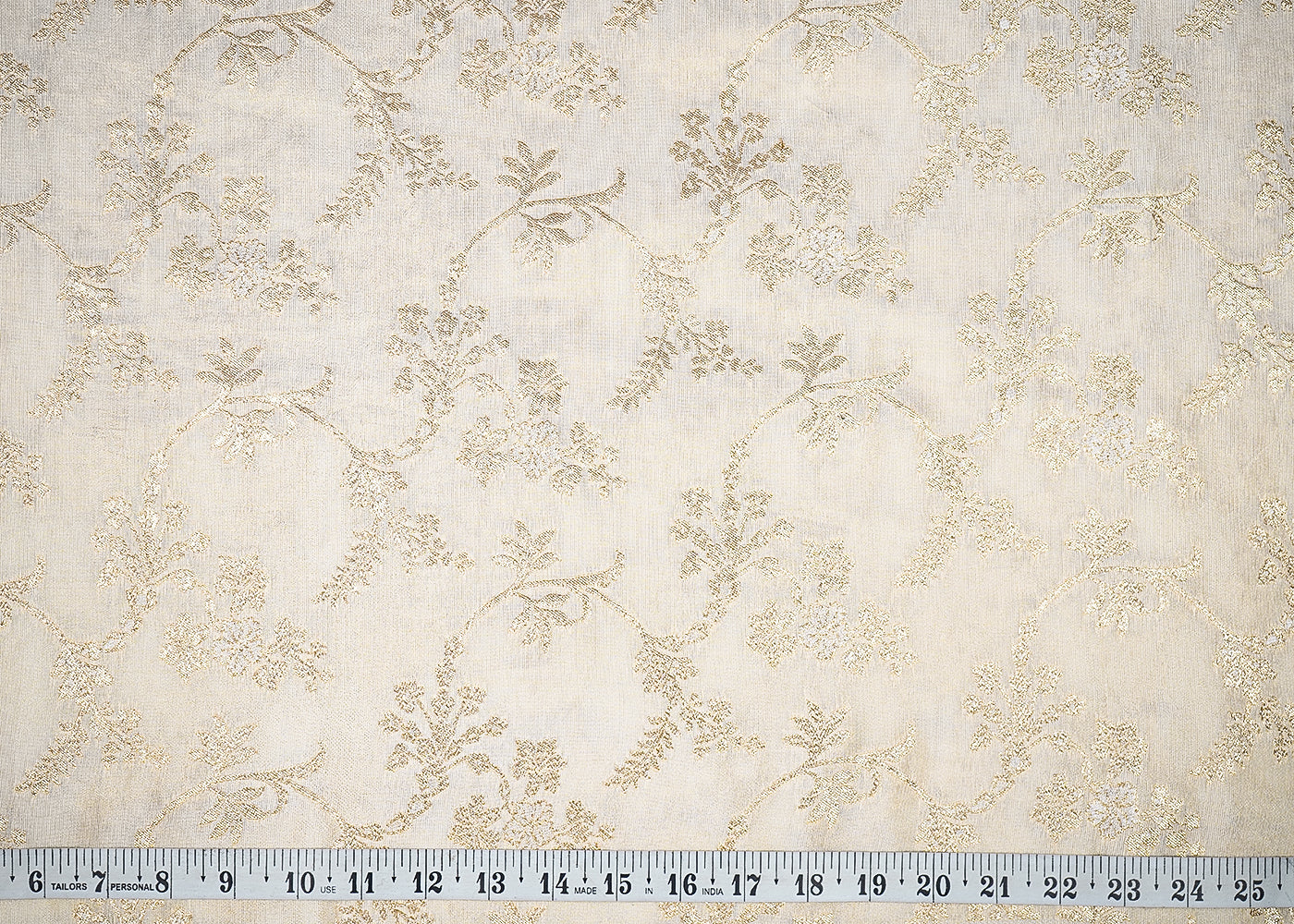

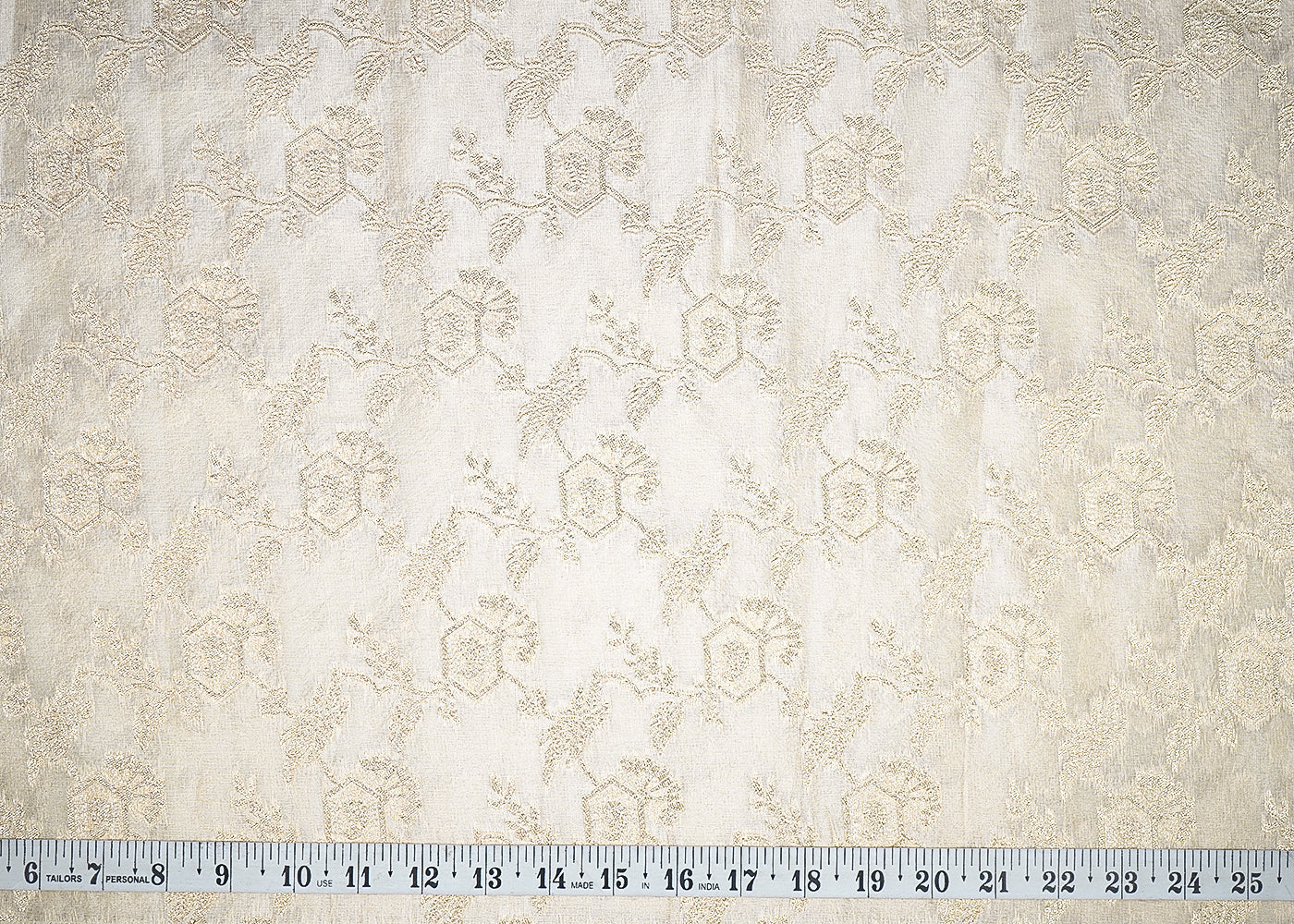

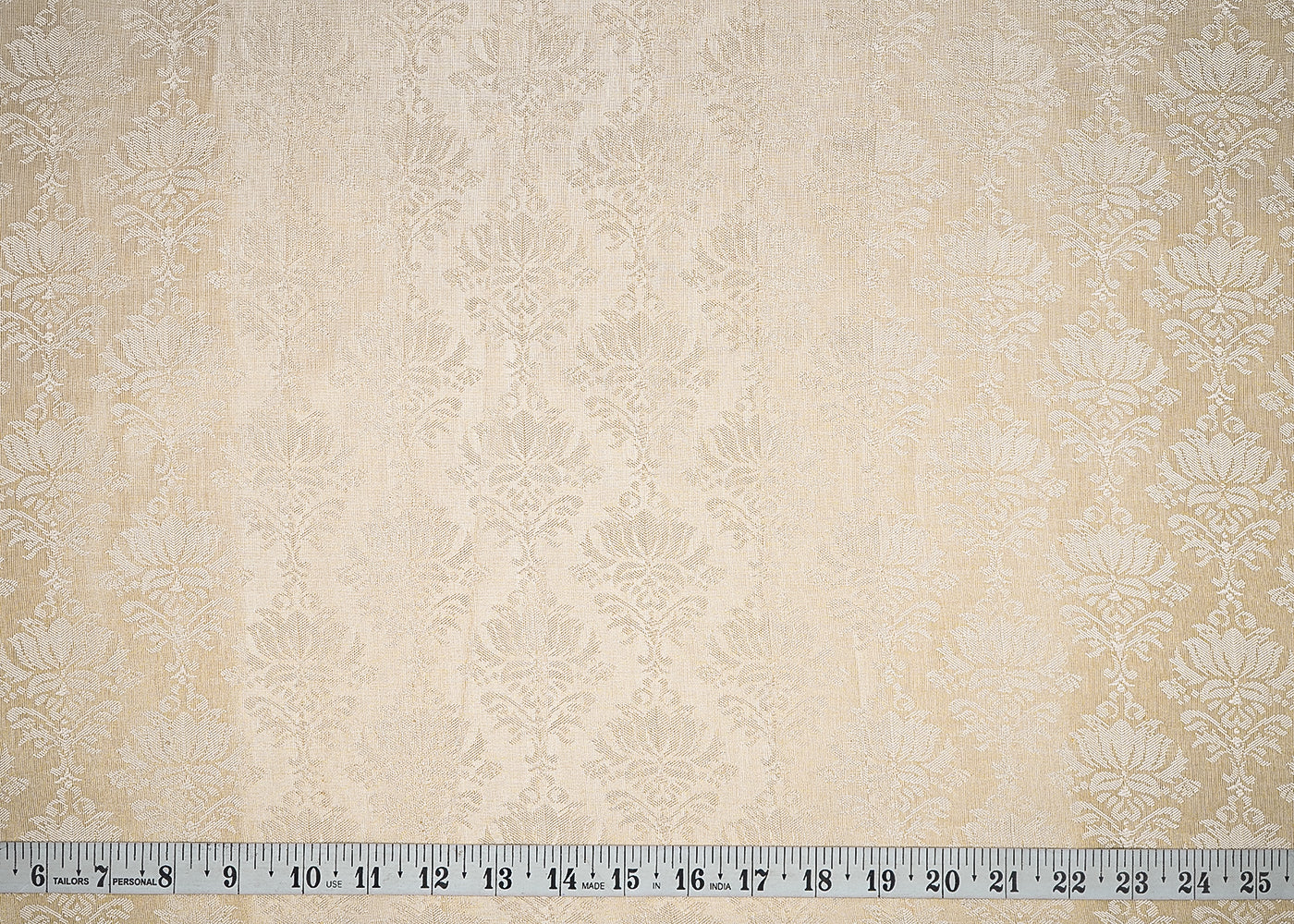










What Makes Tissue Jacquard the Festive Volume Pick
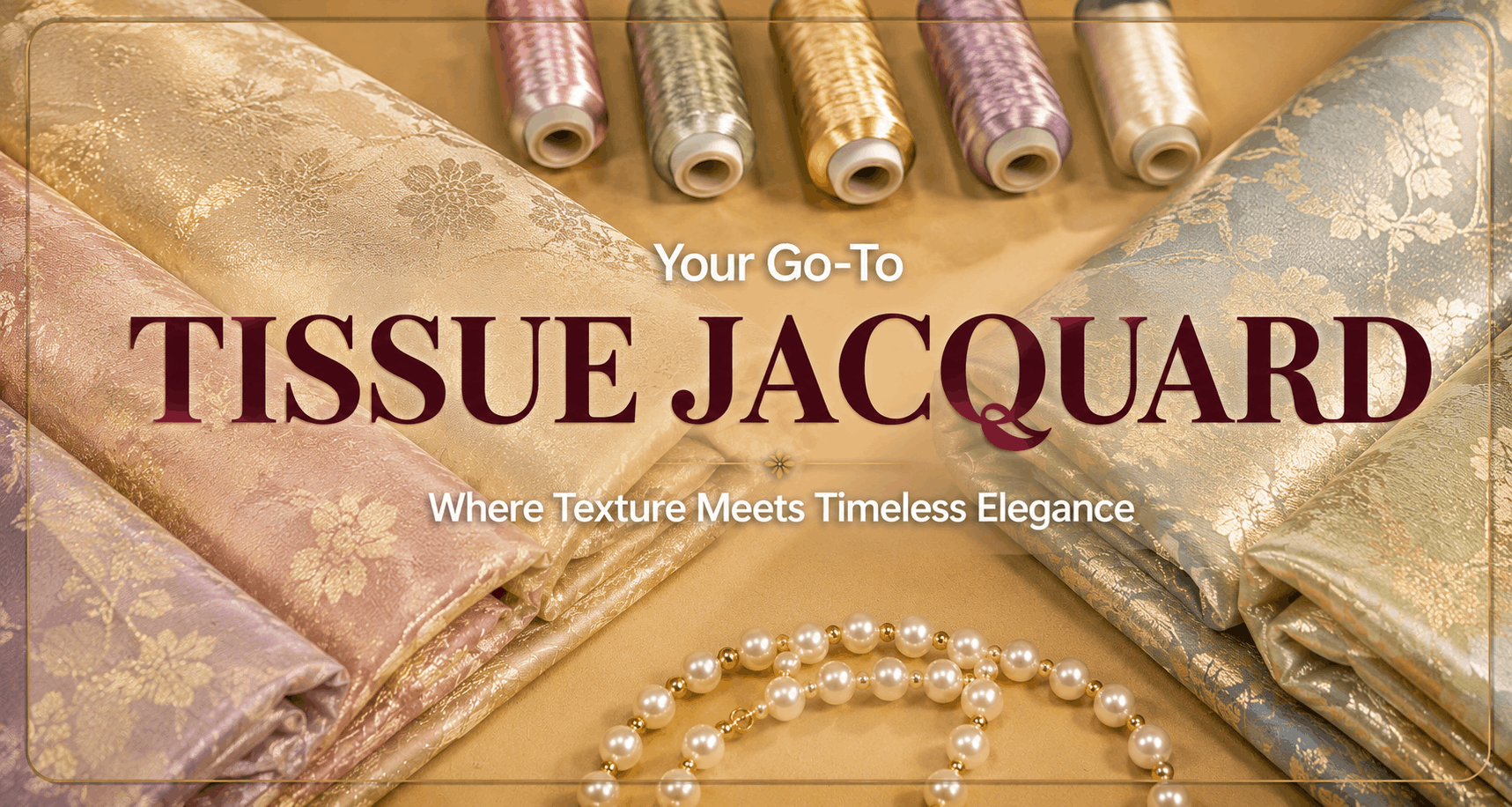
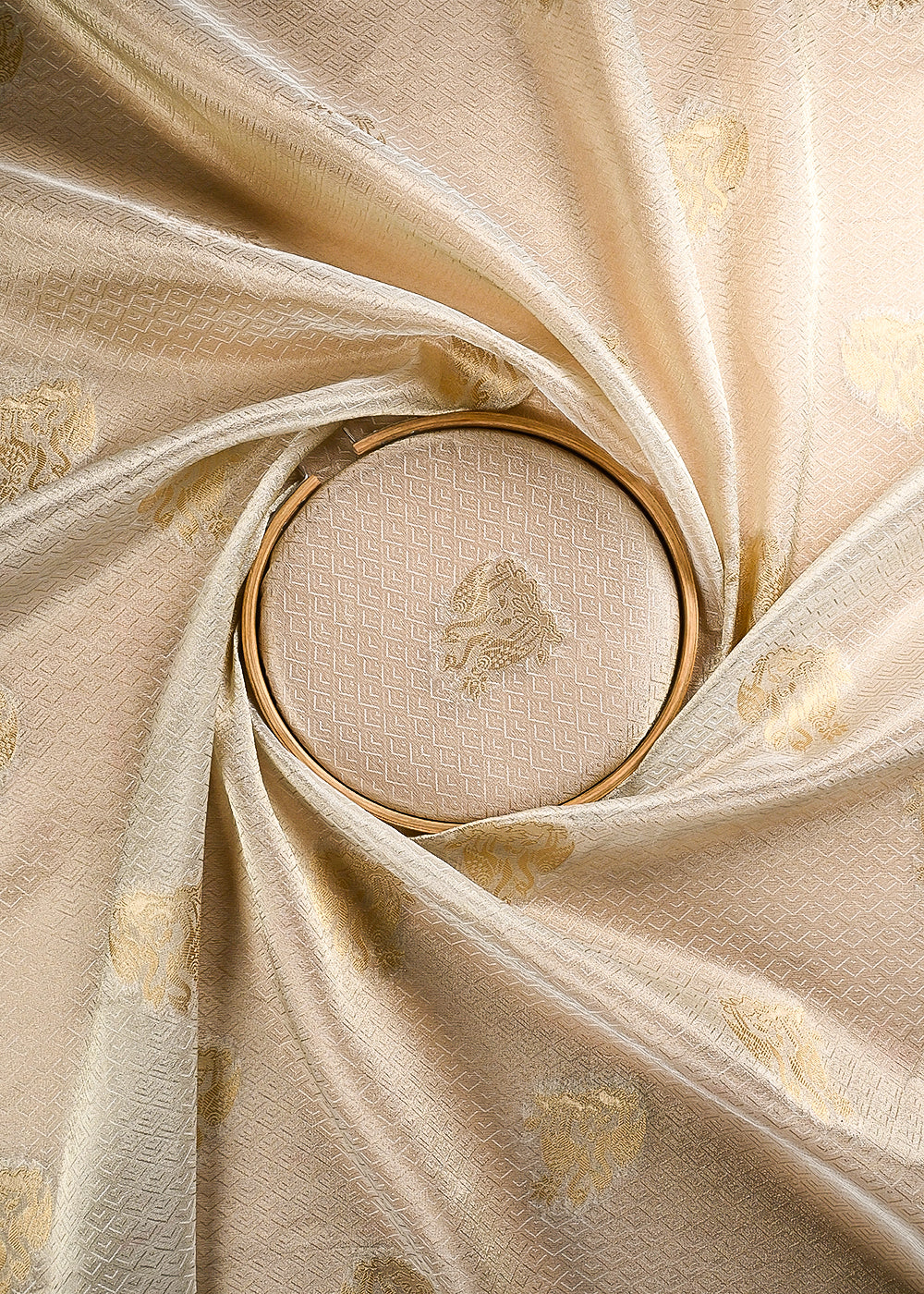
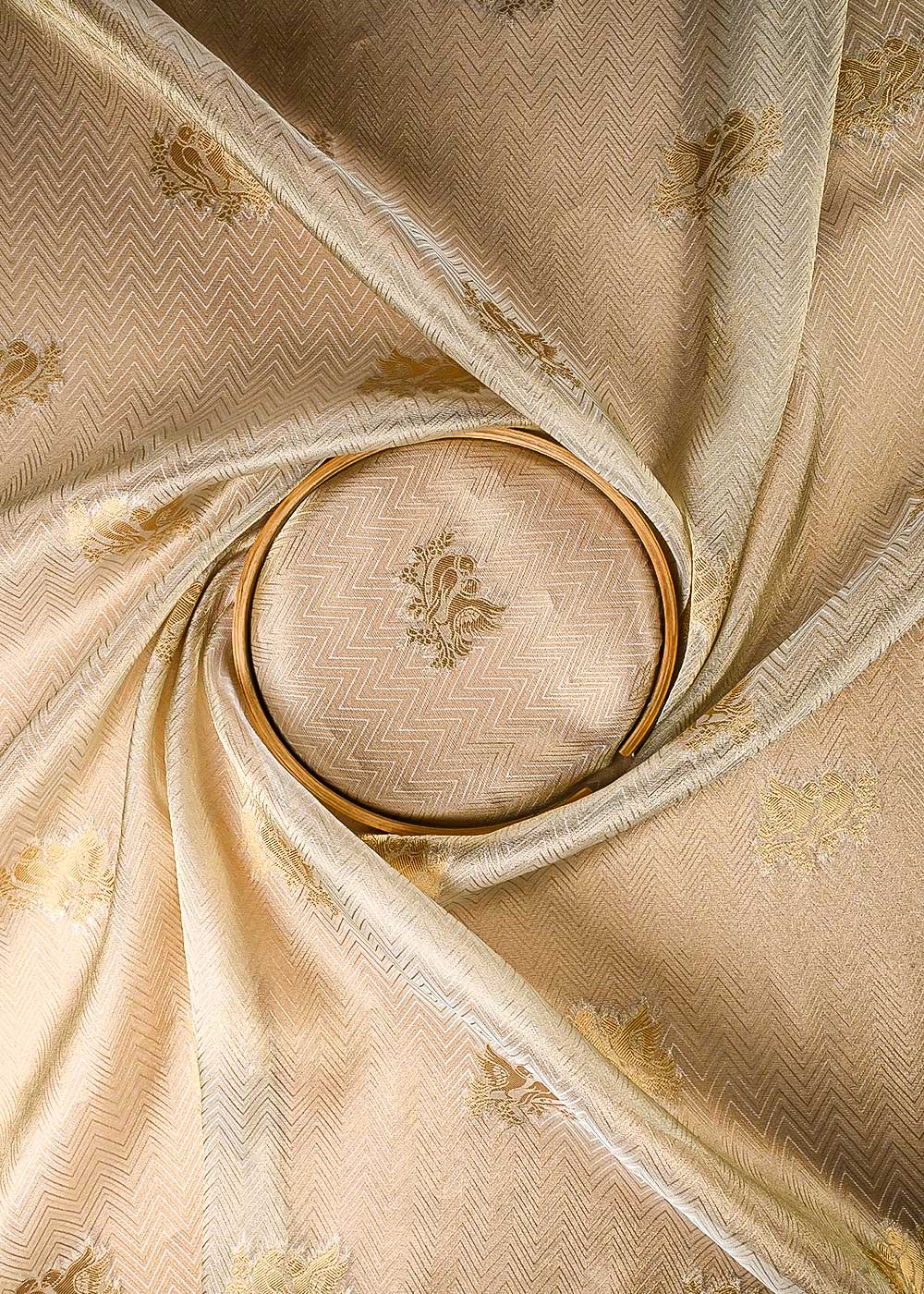
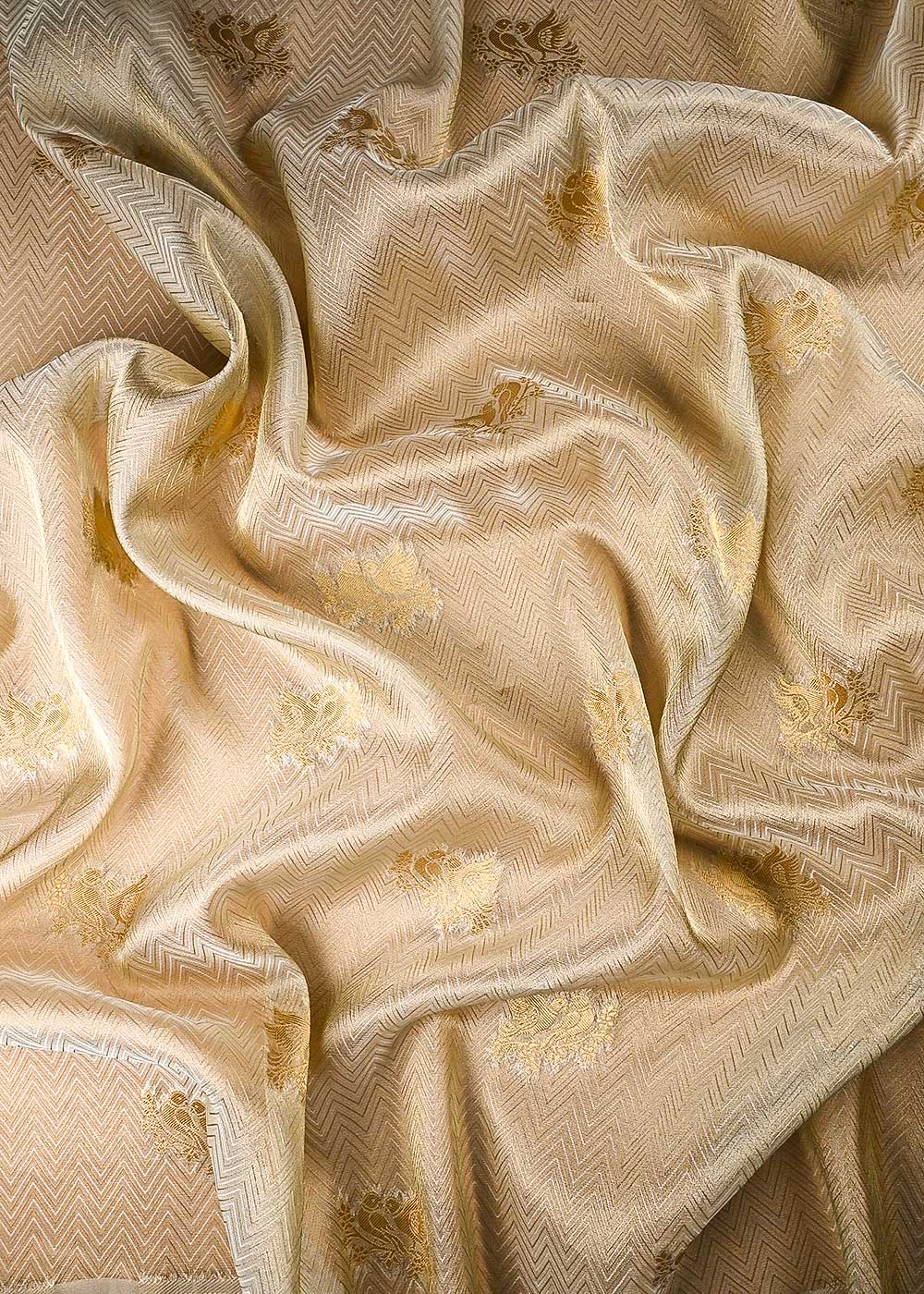
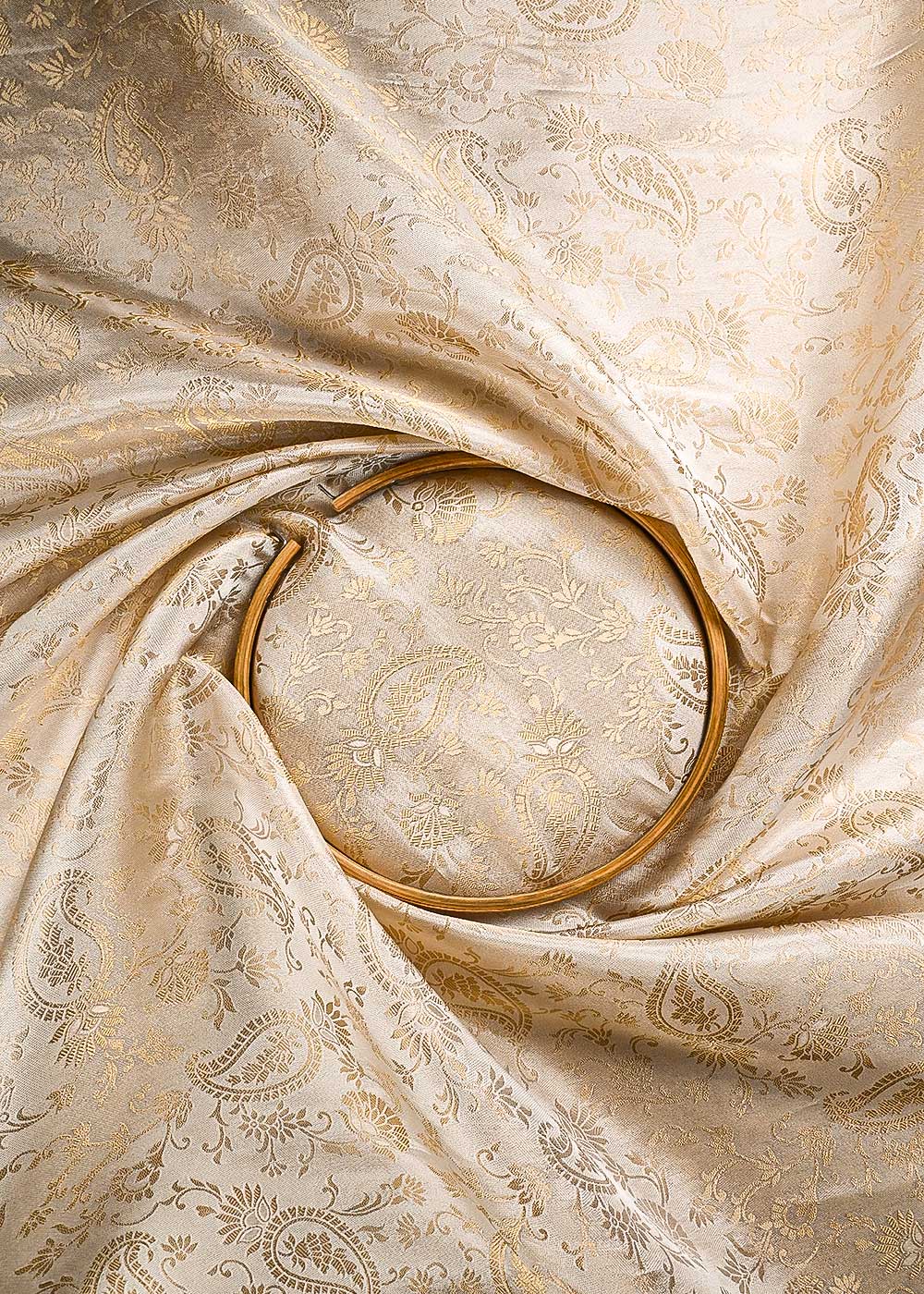
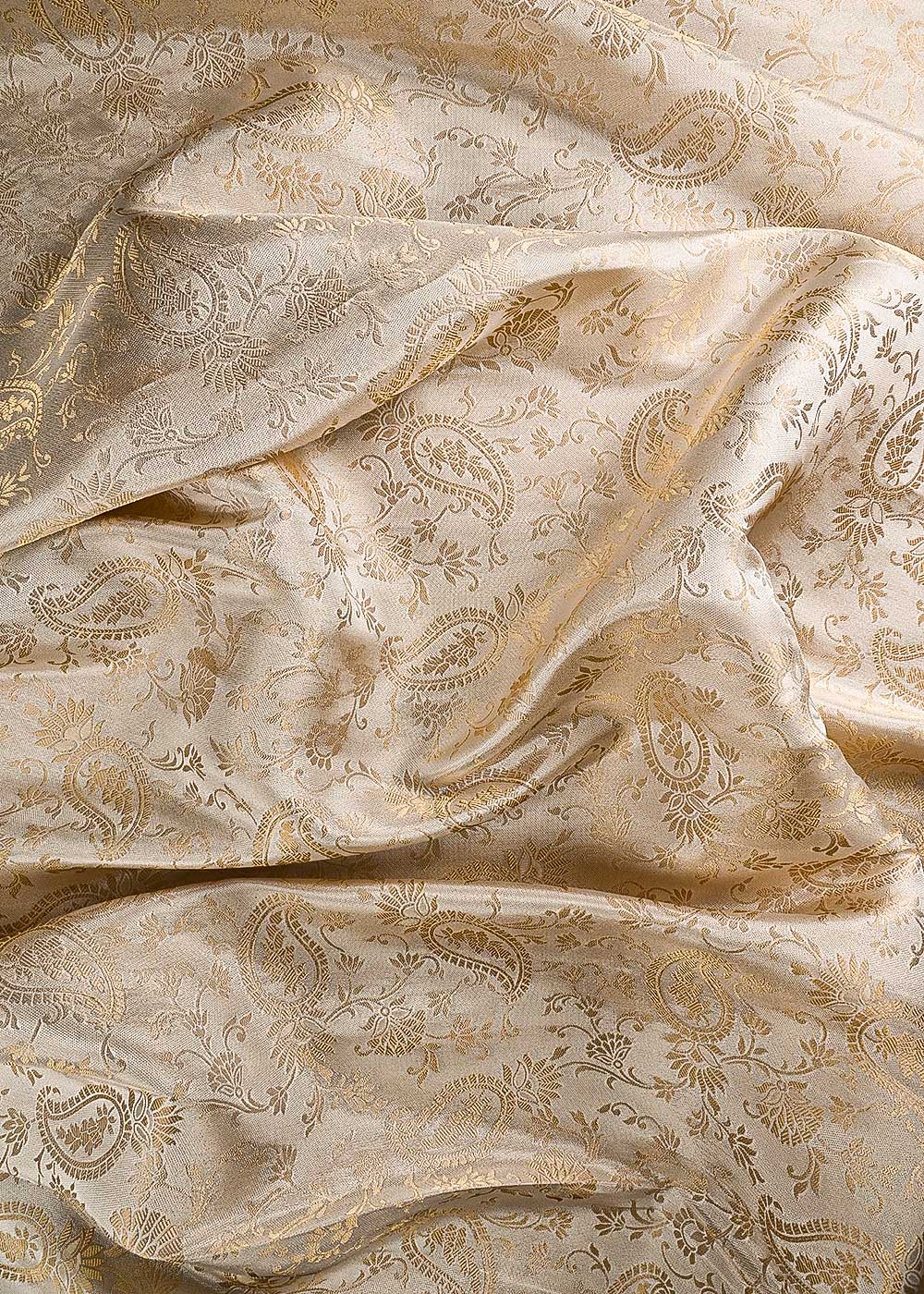
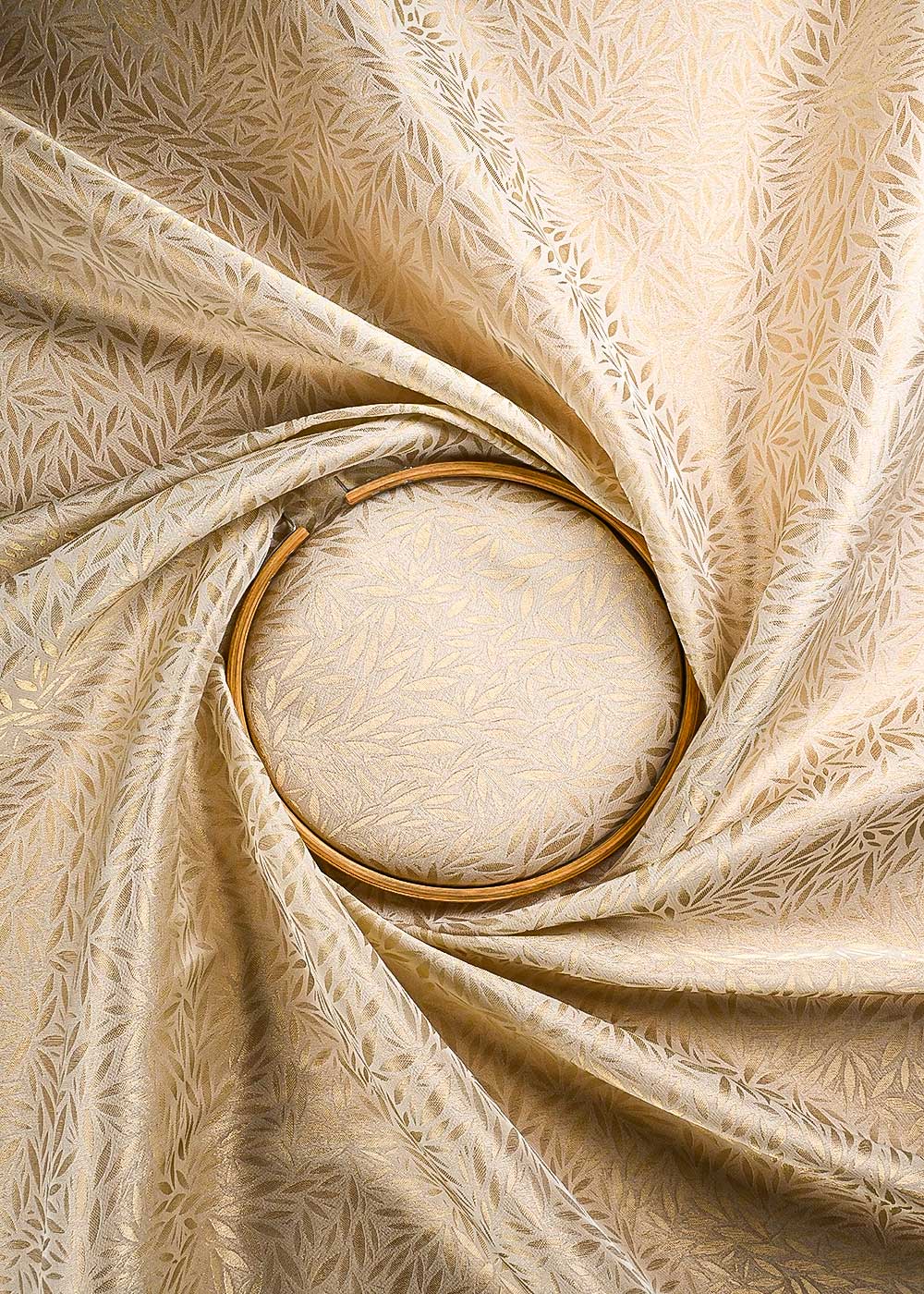
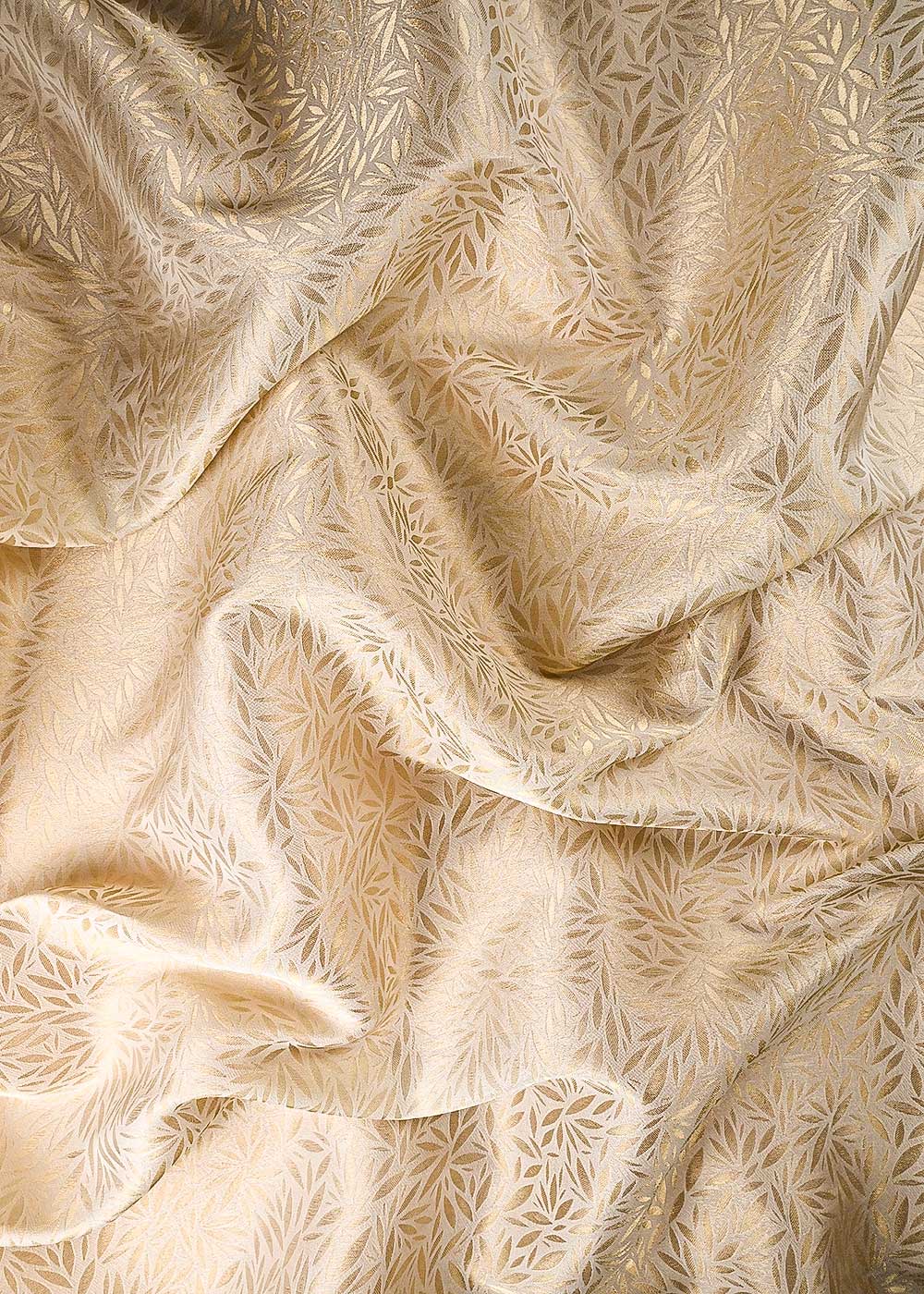
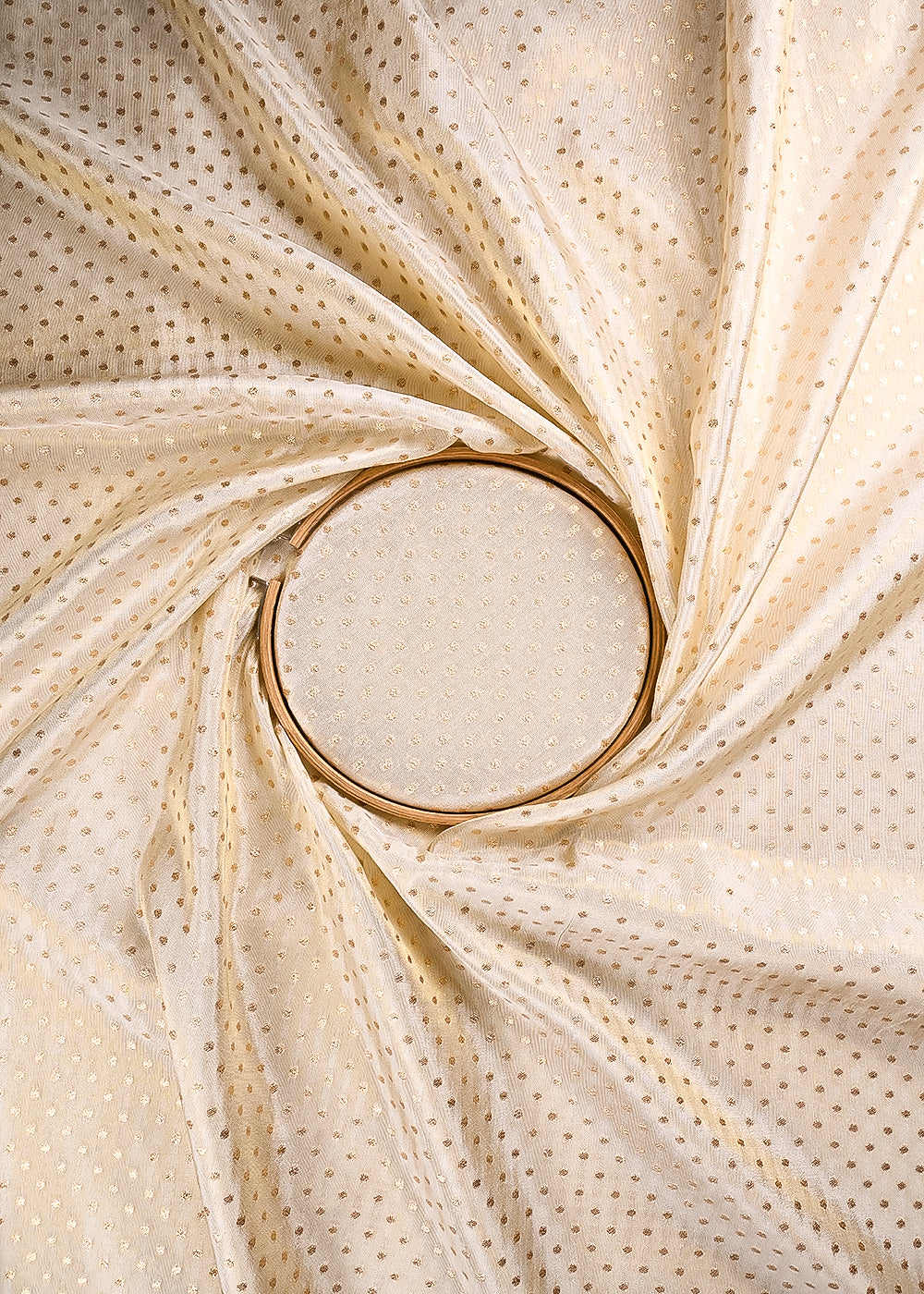
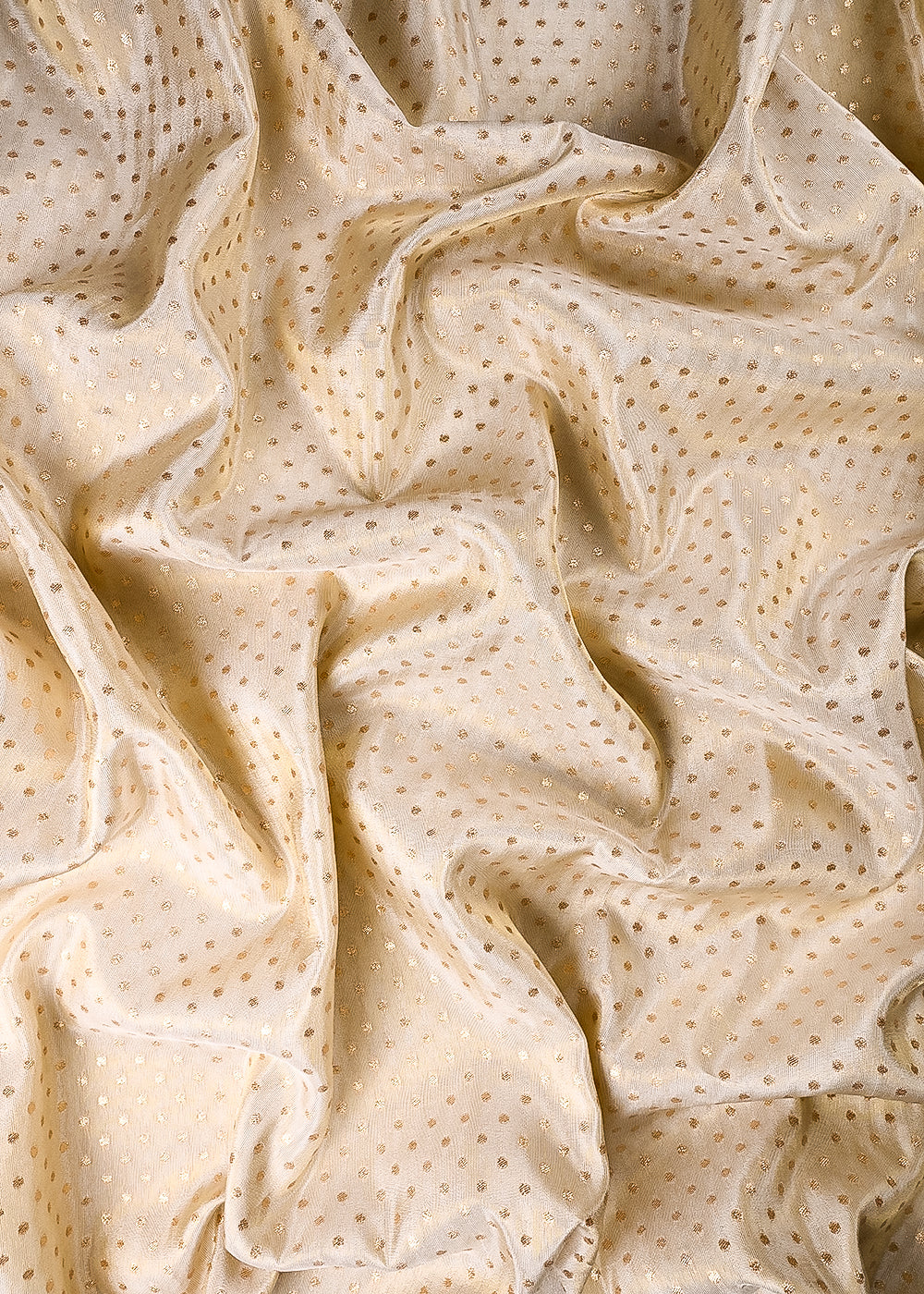
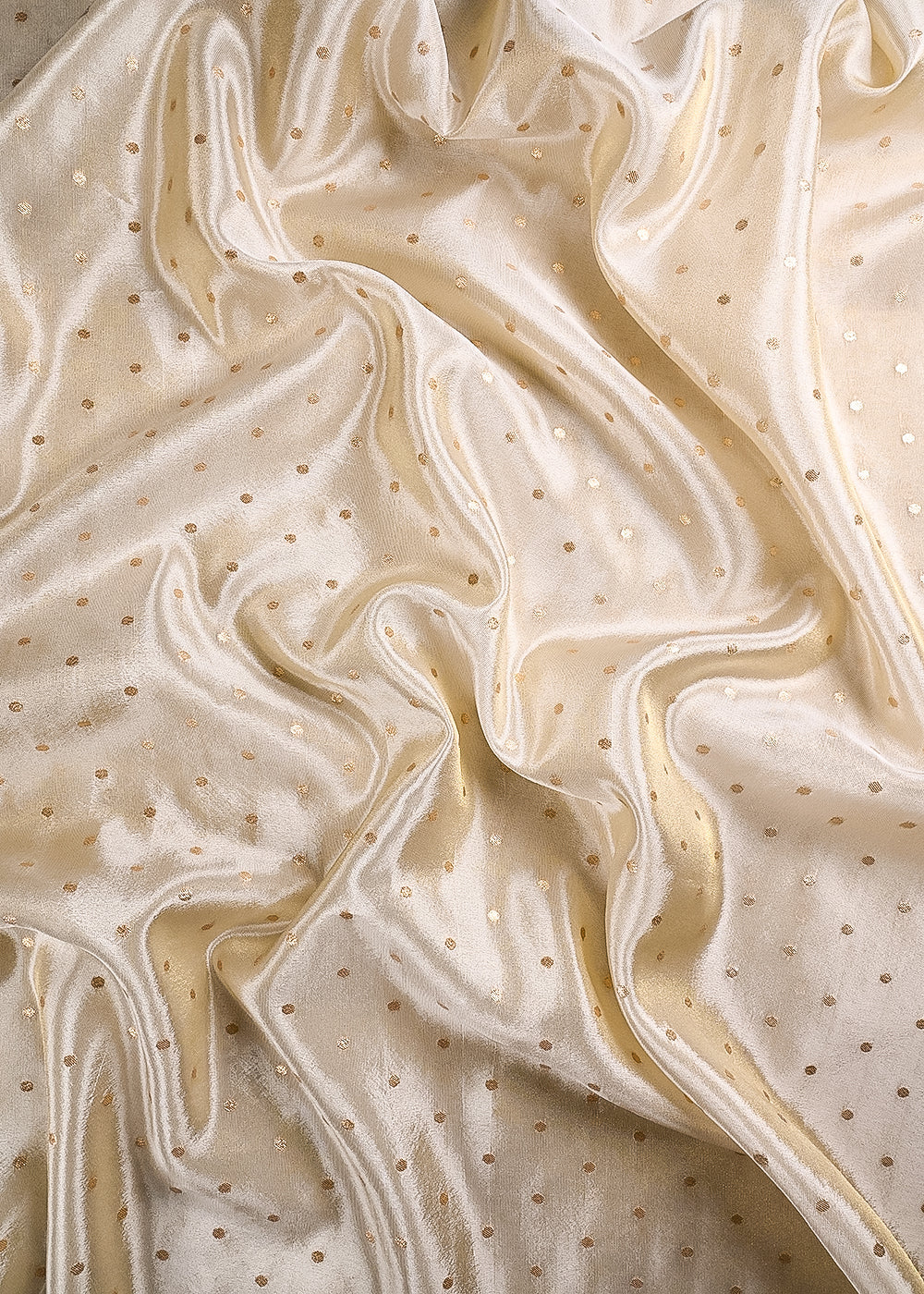
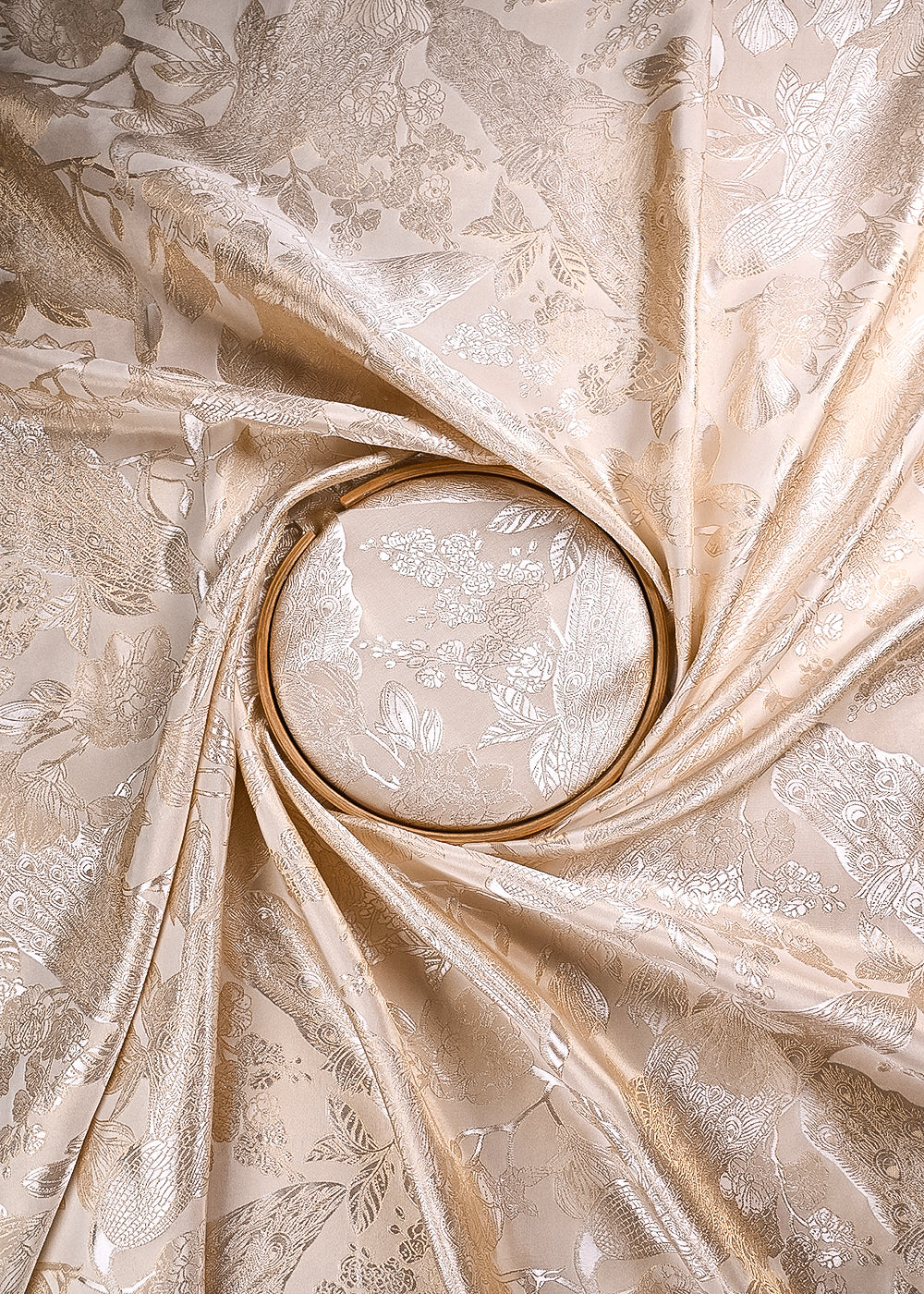
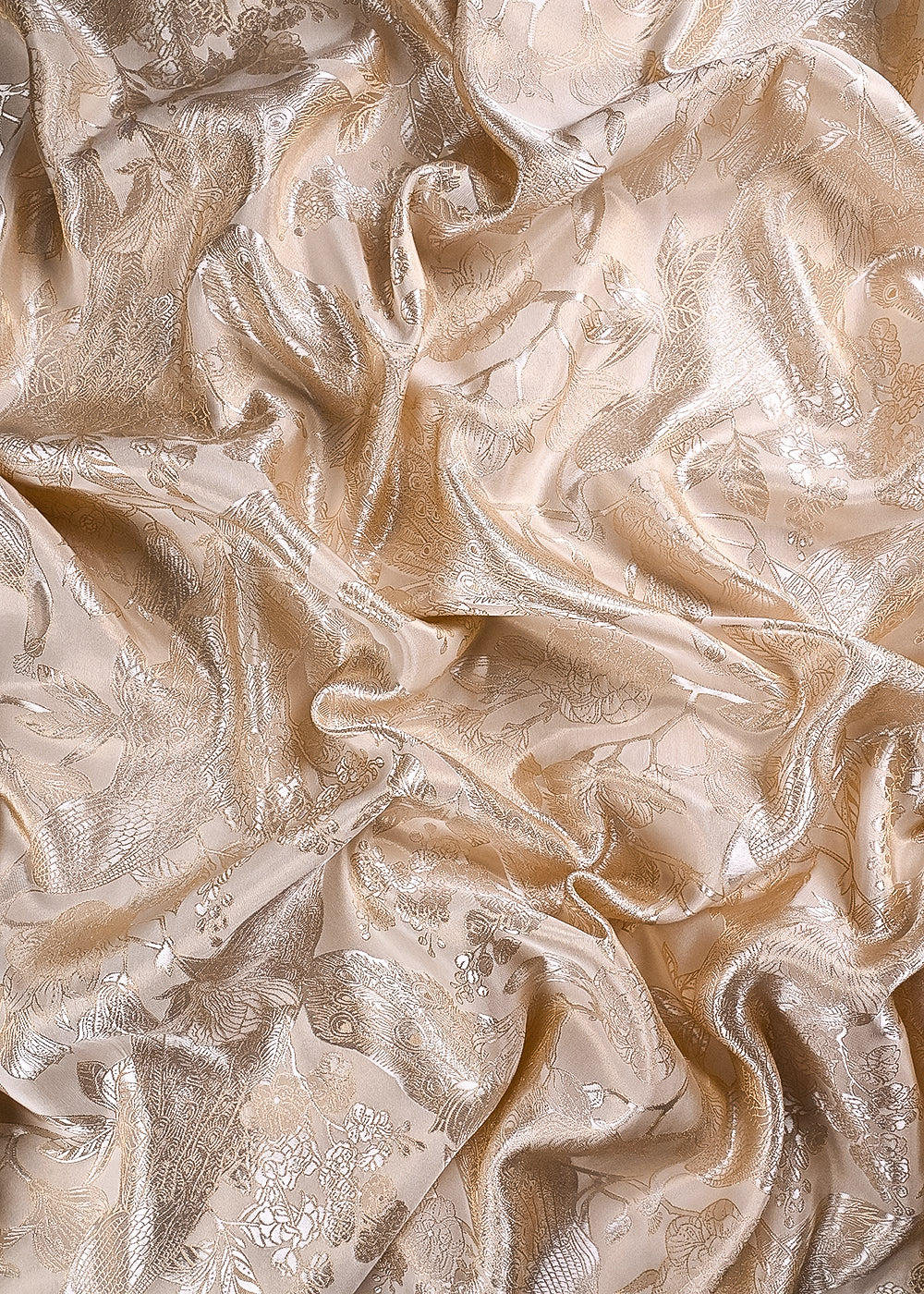
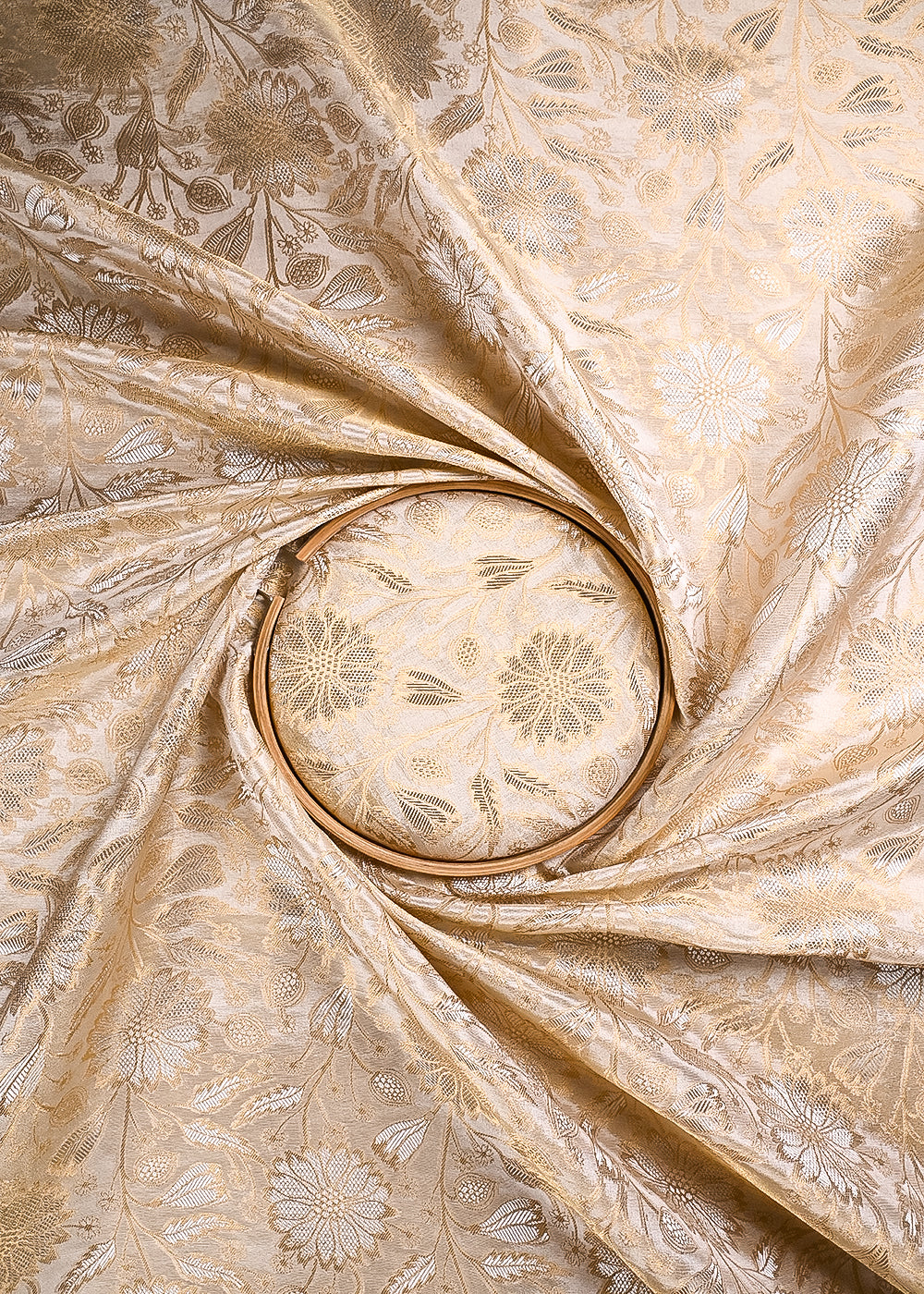
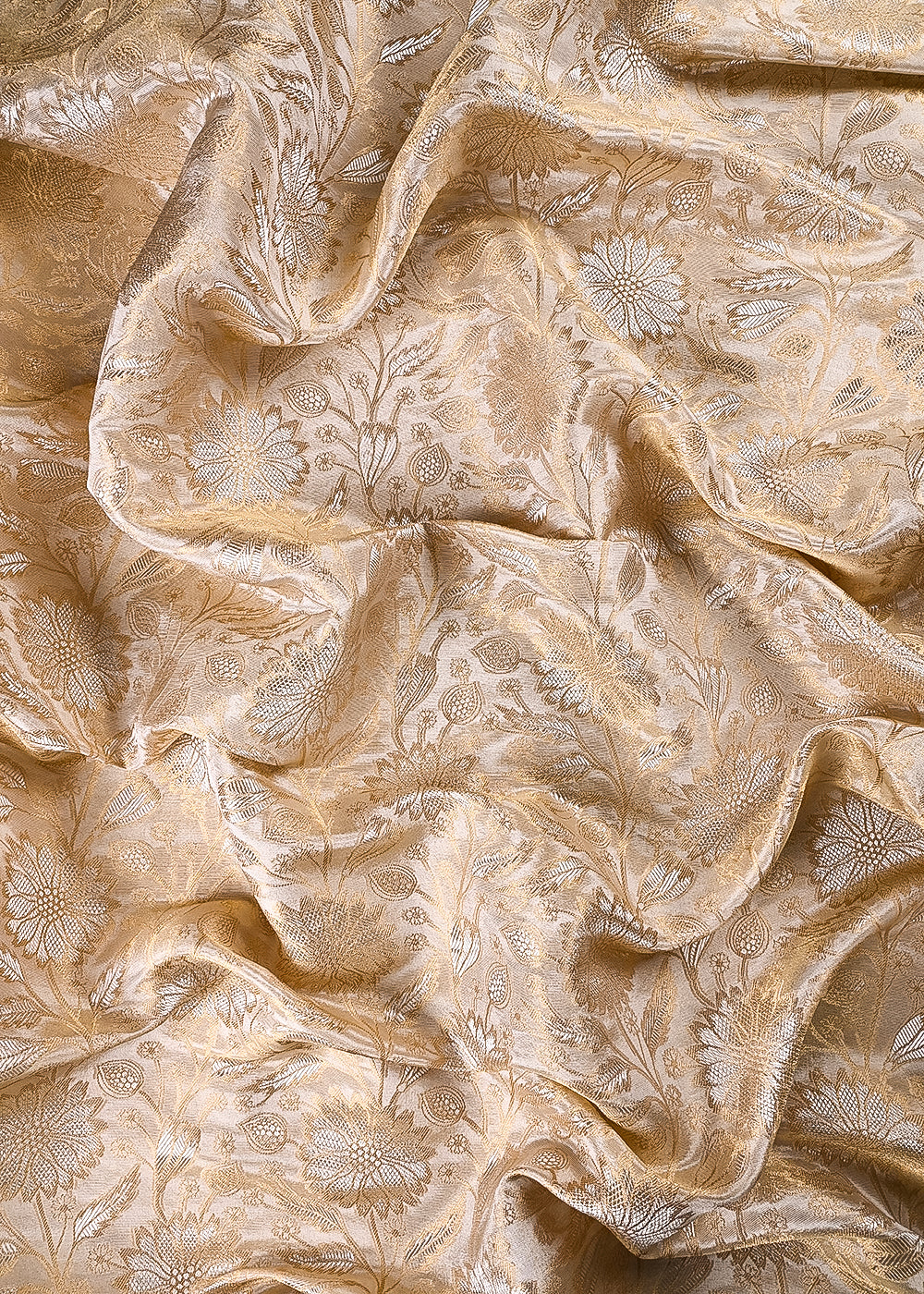
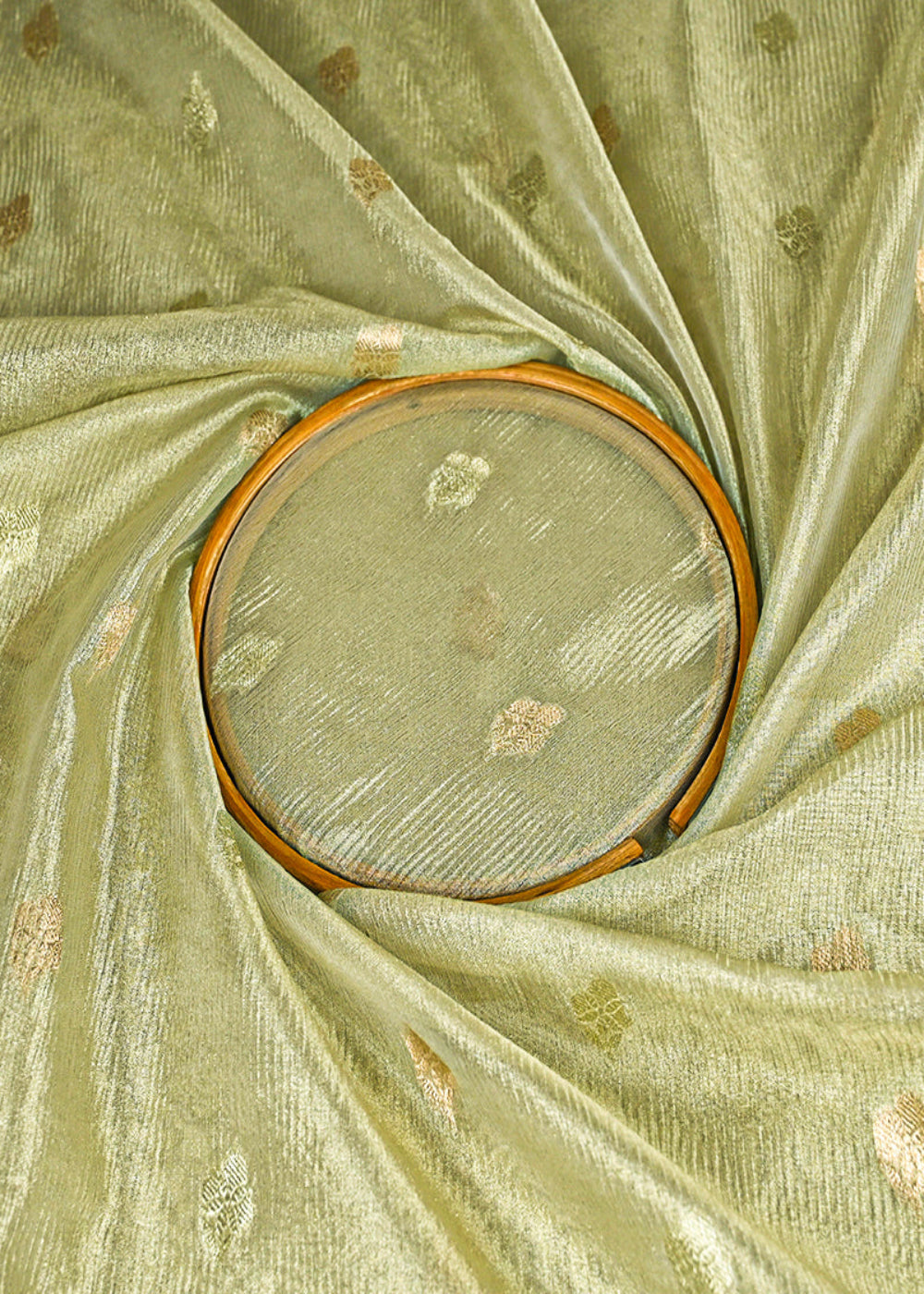
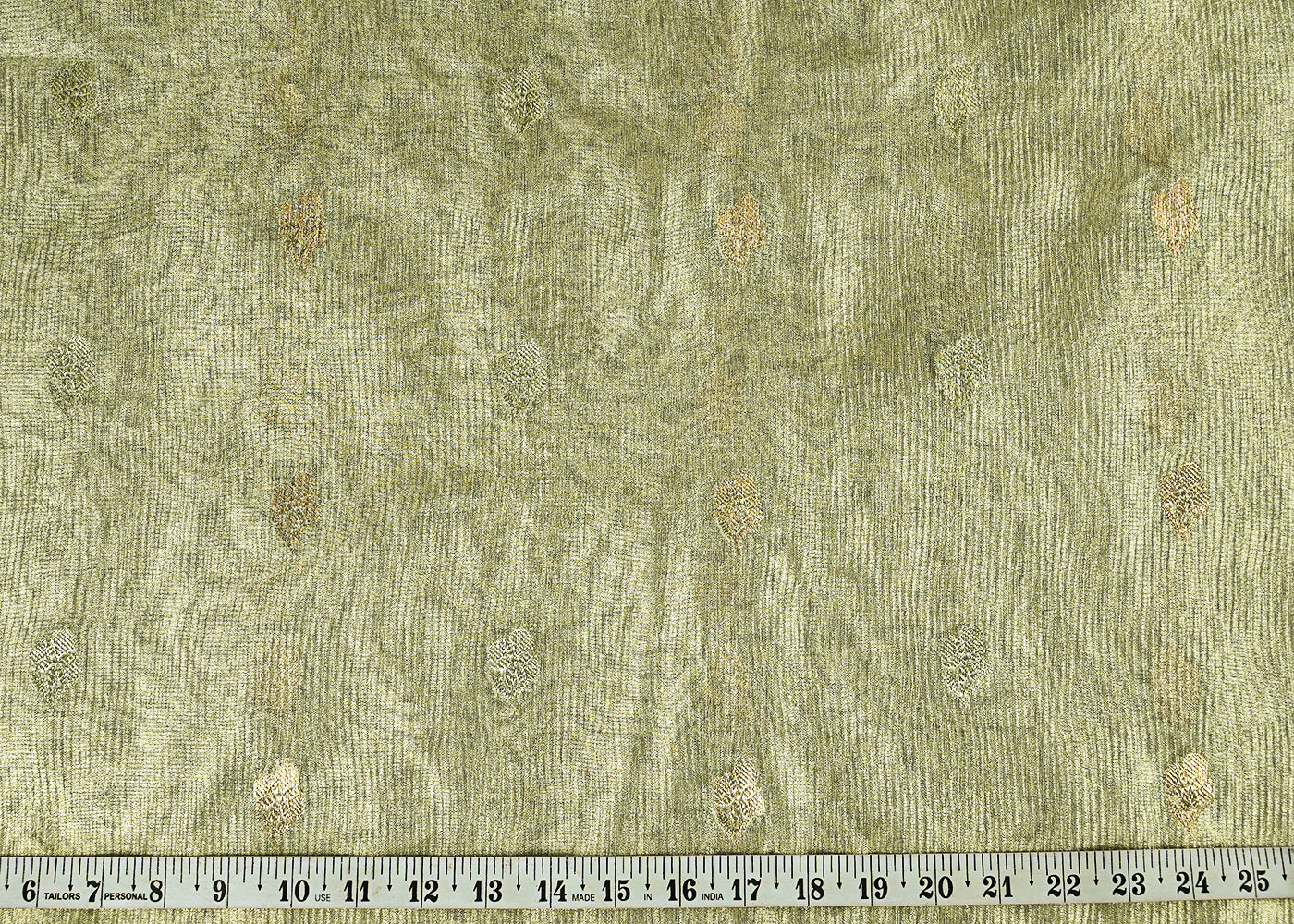
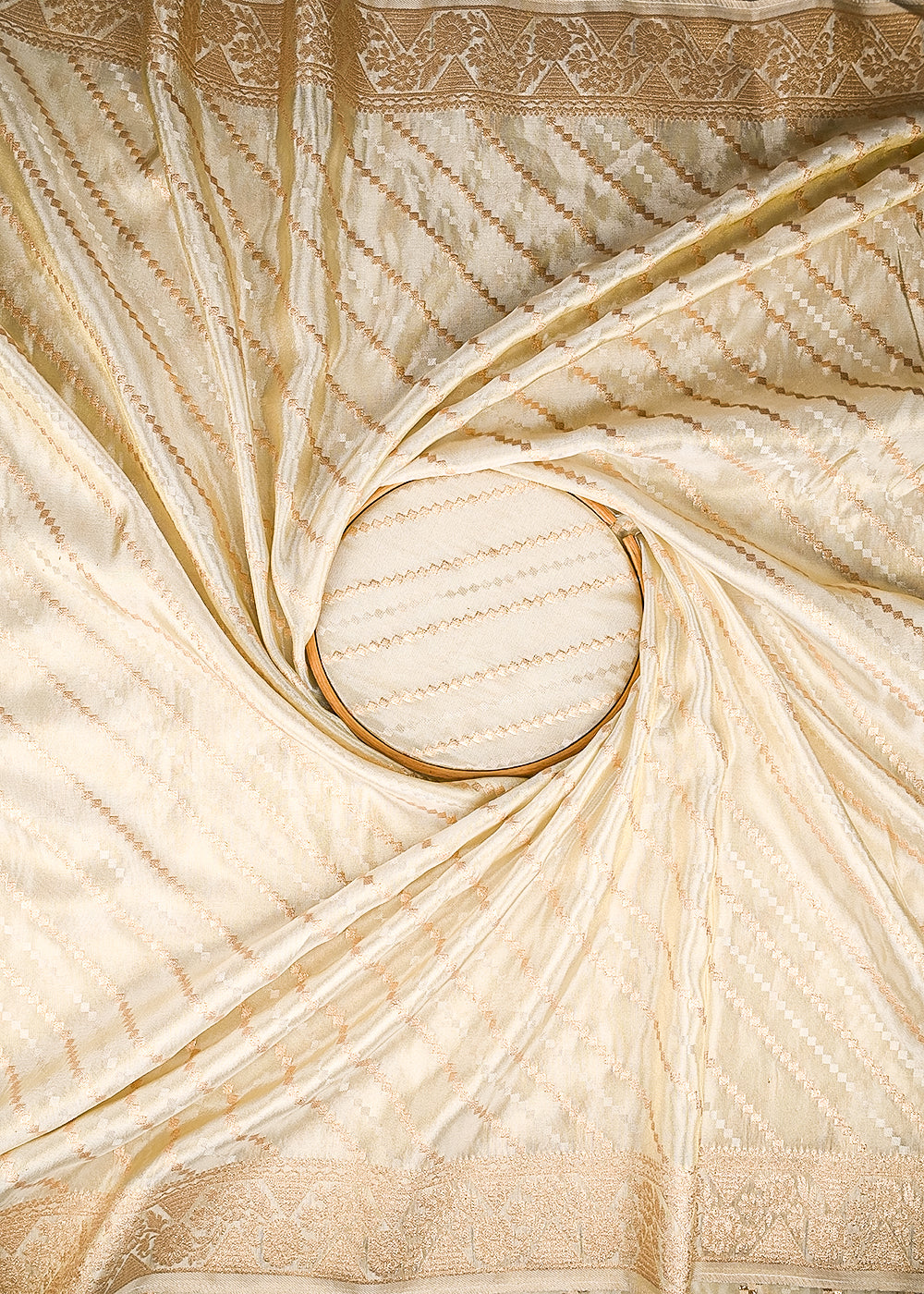
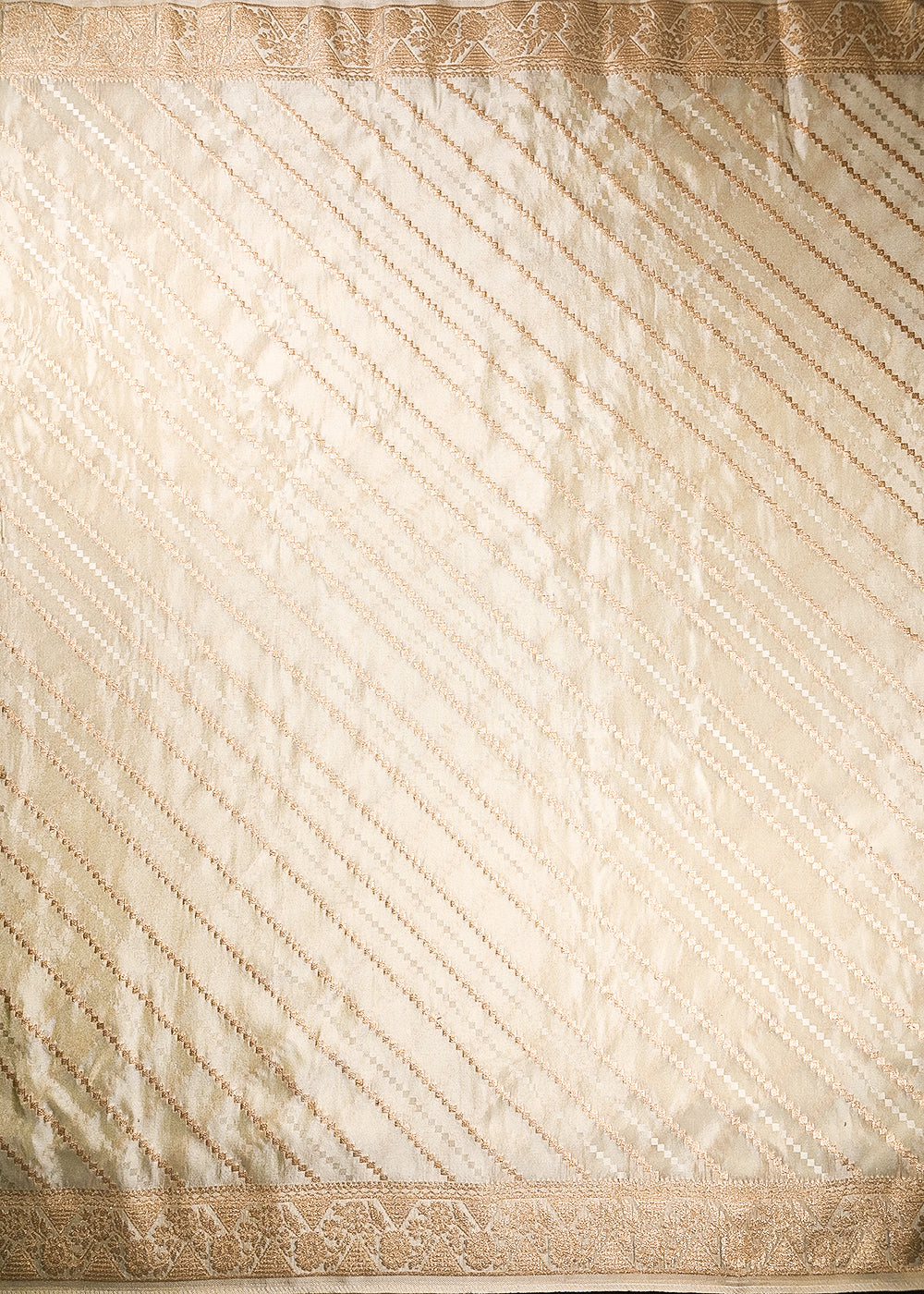
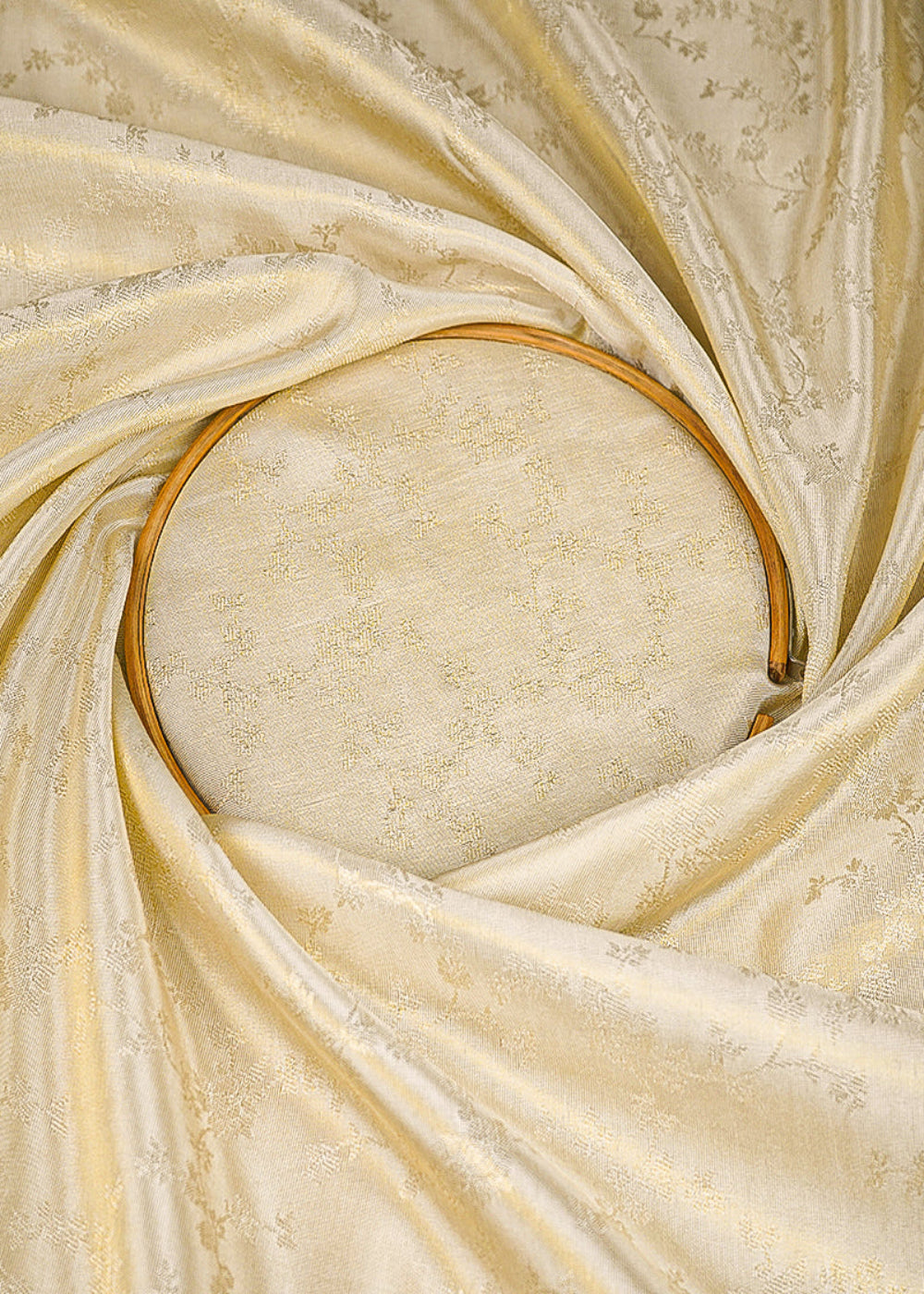
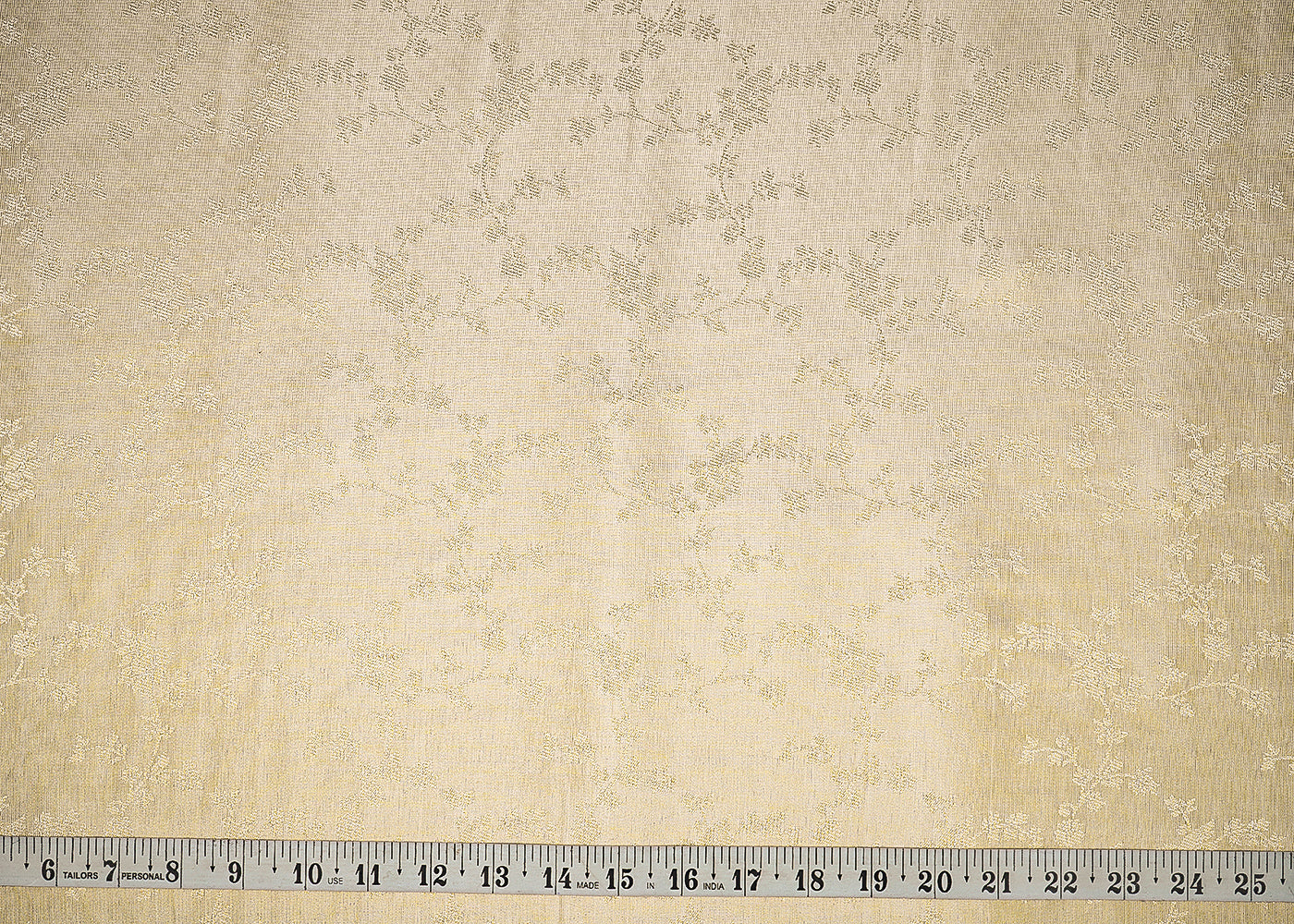
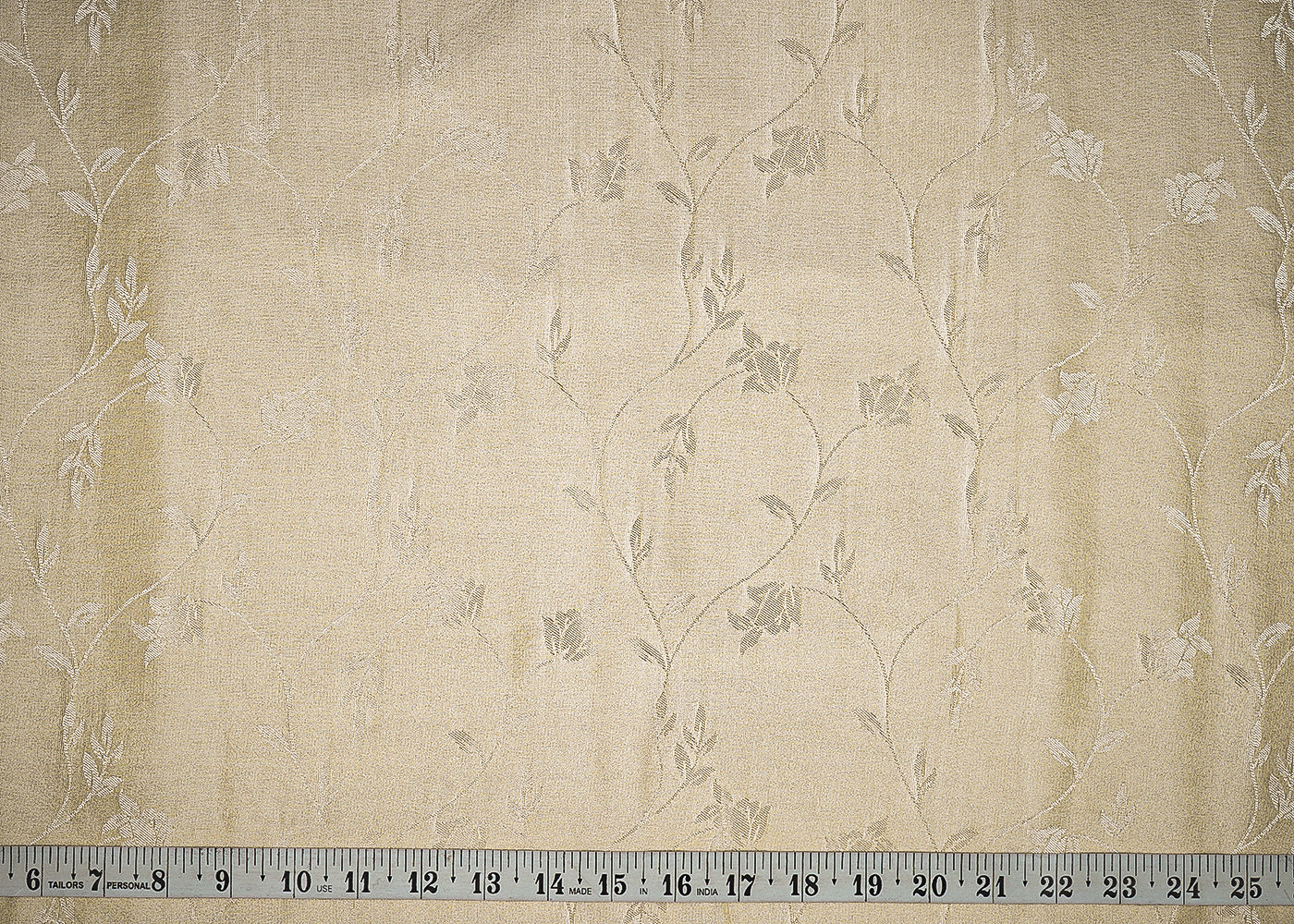
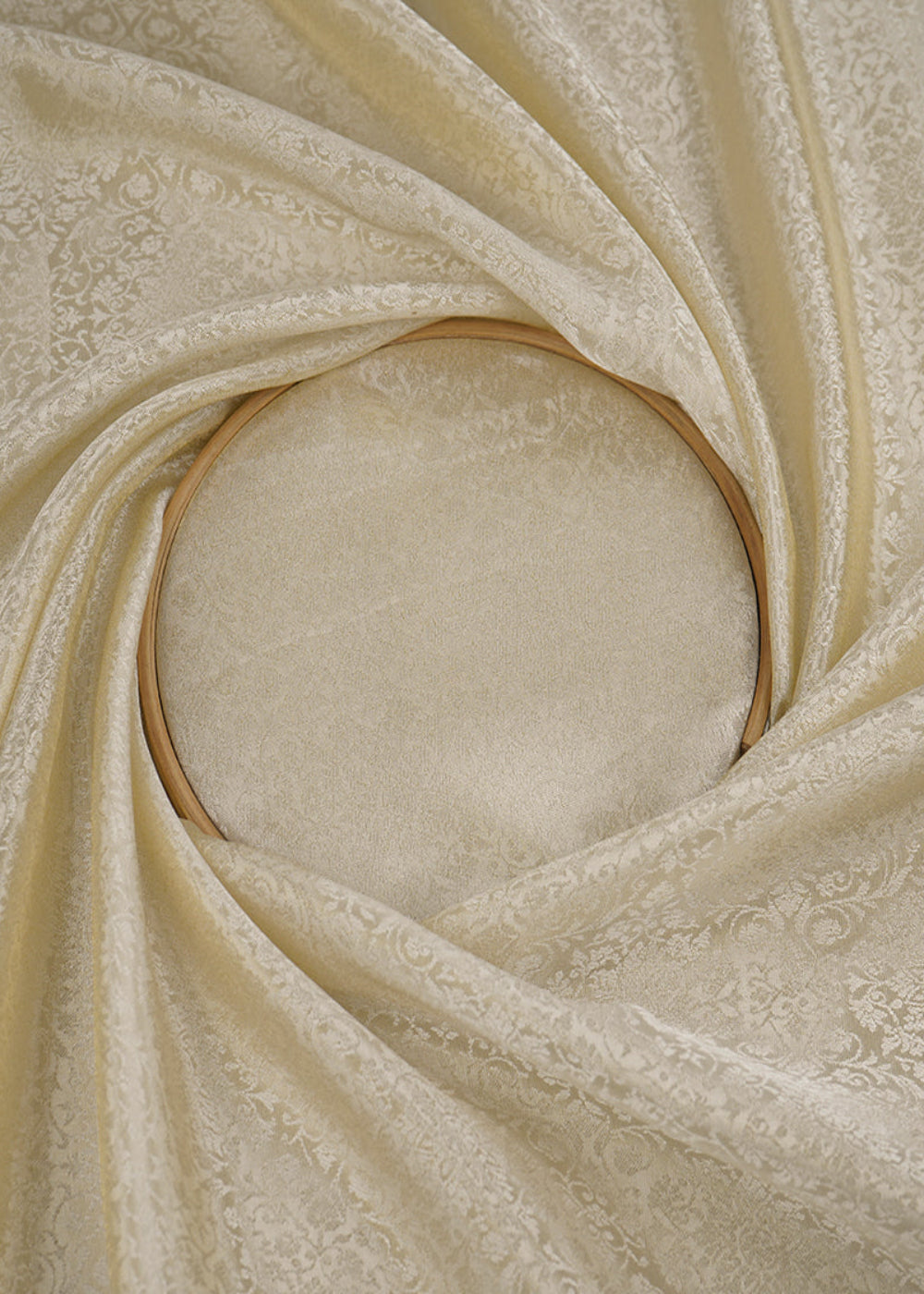
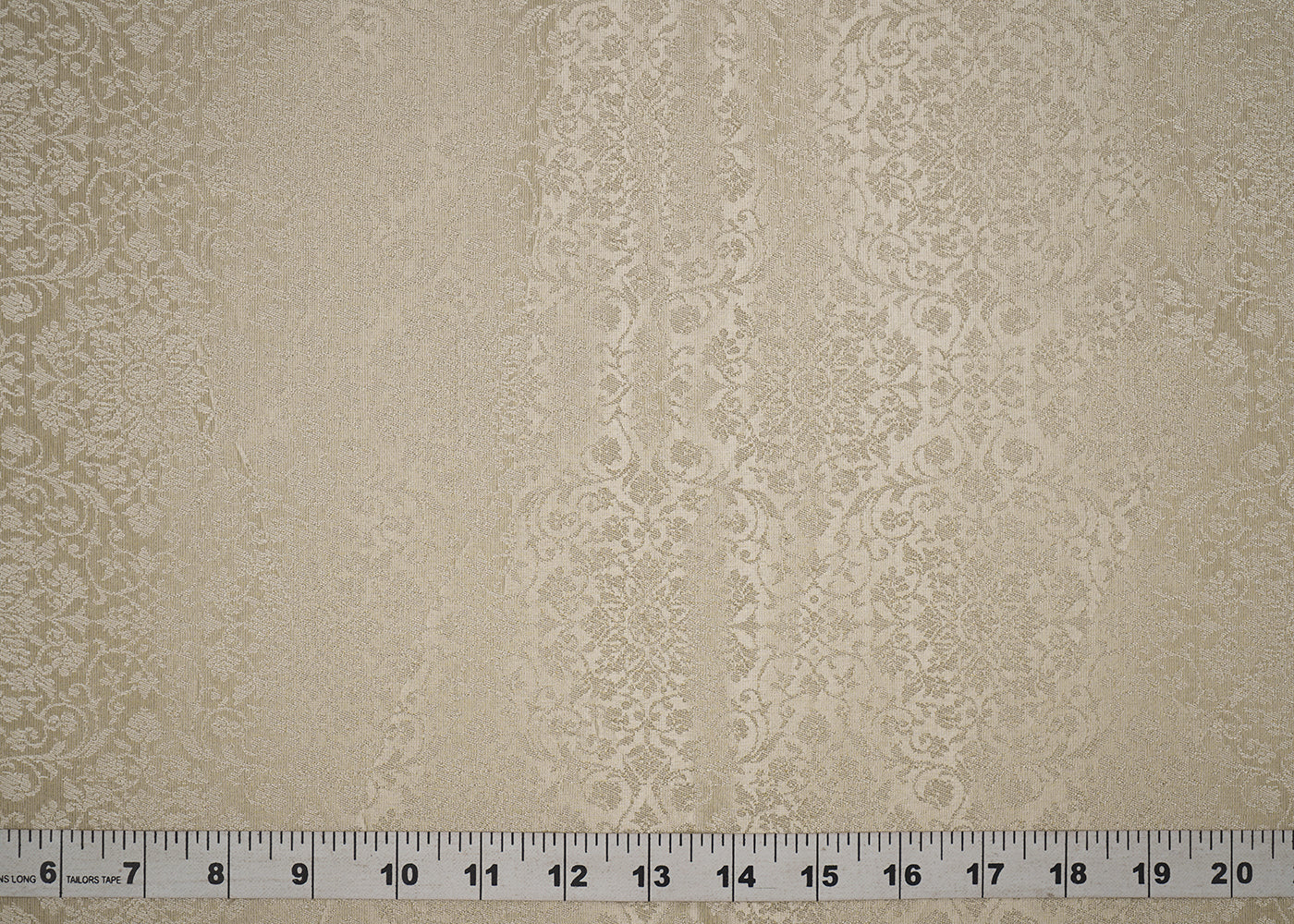
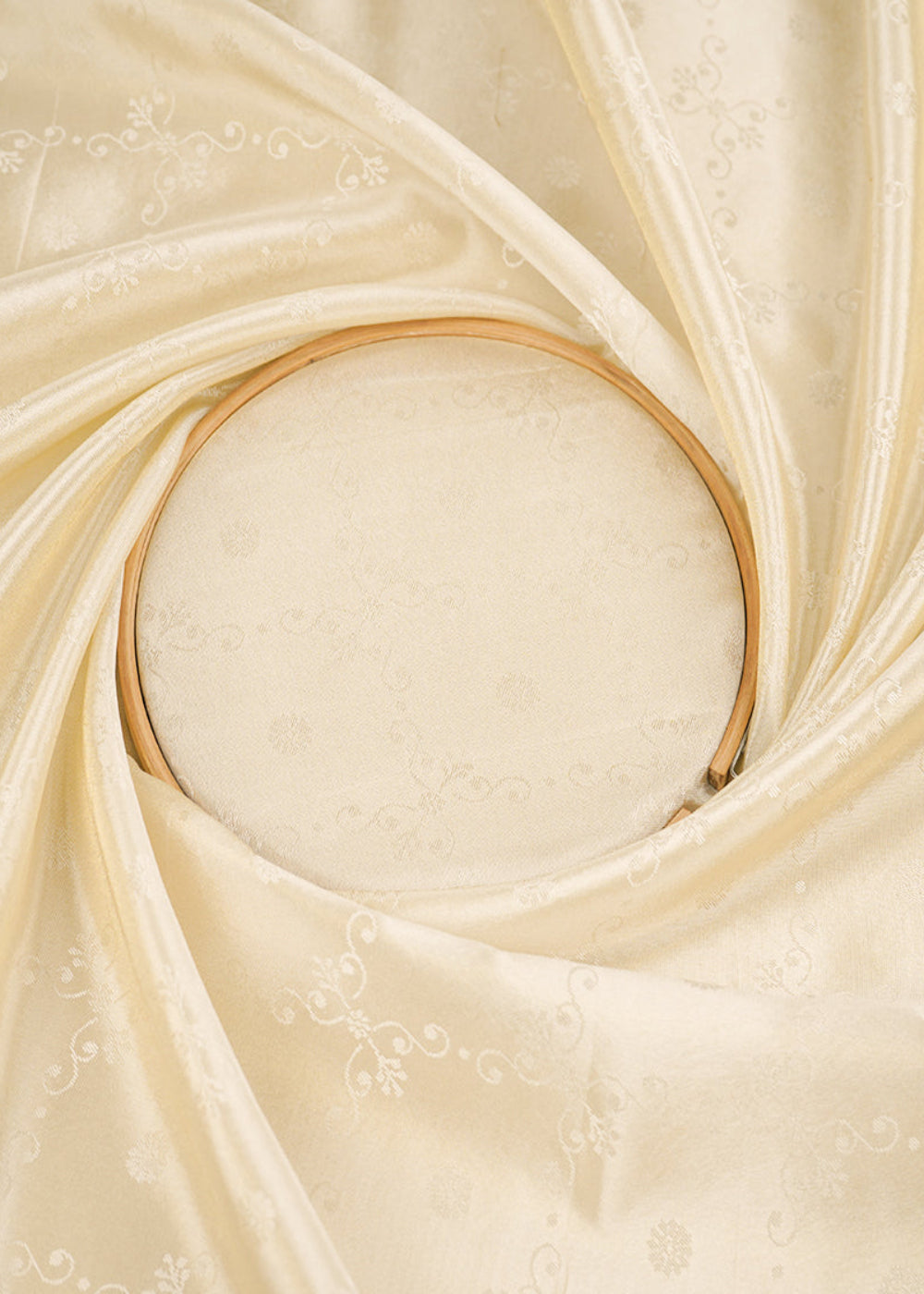
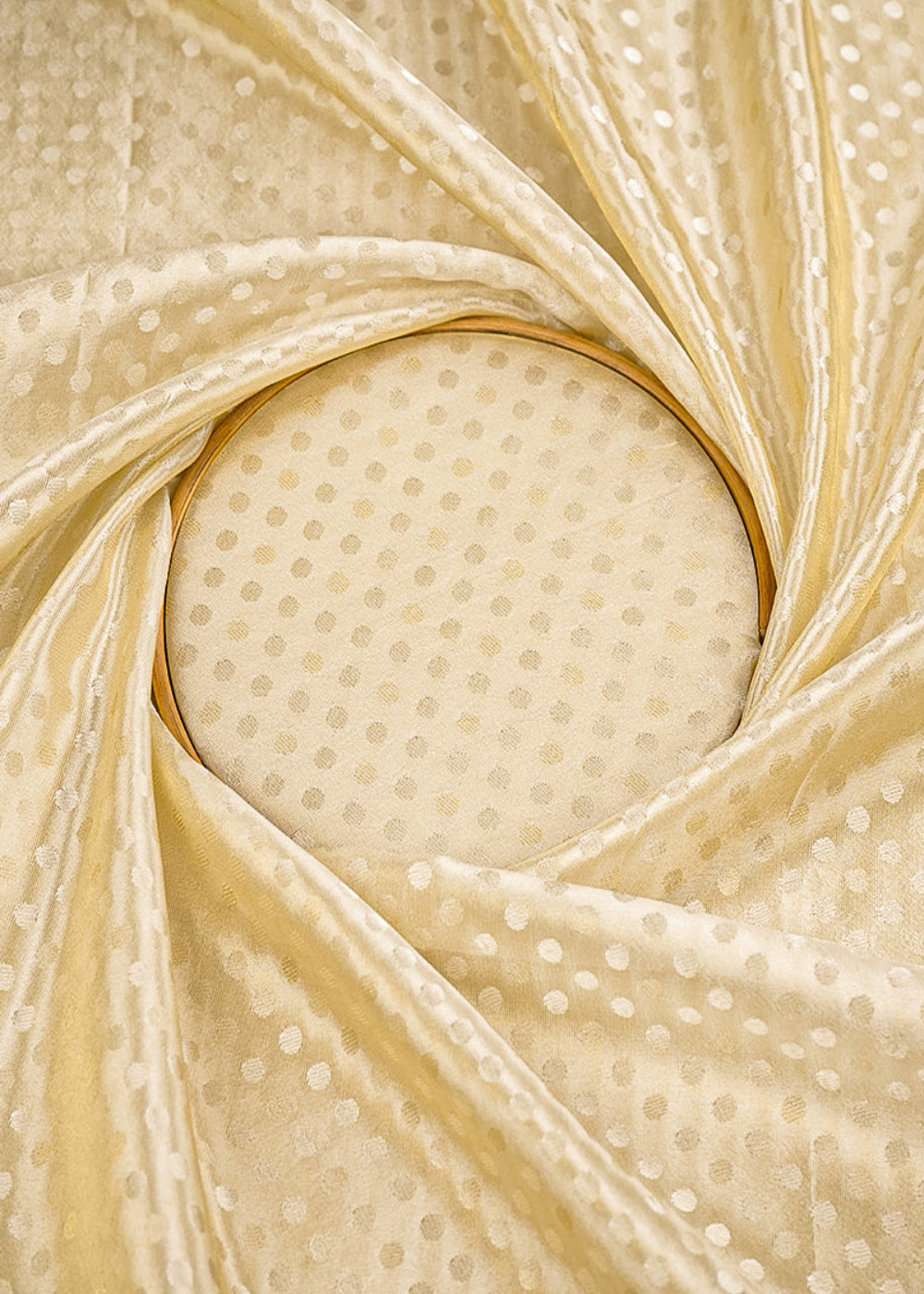
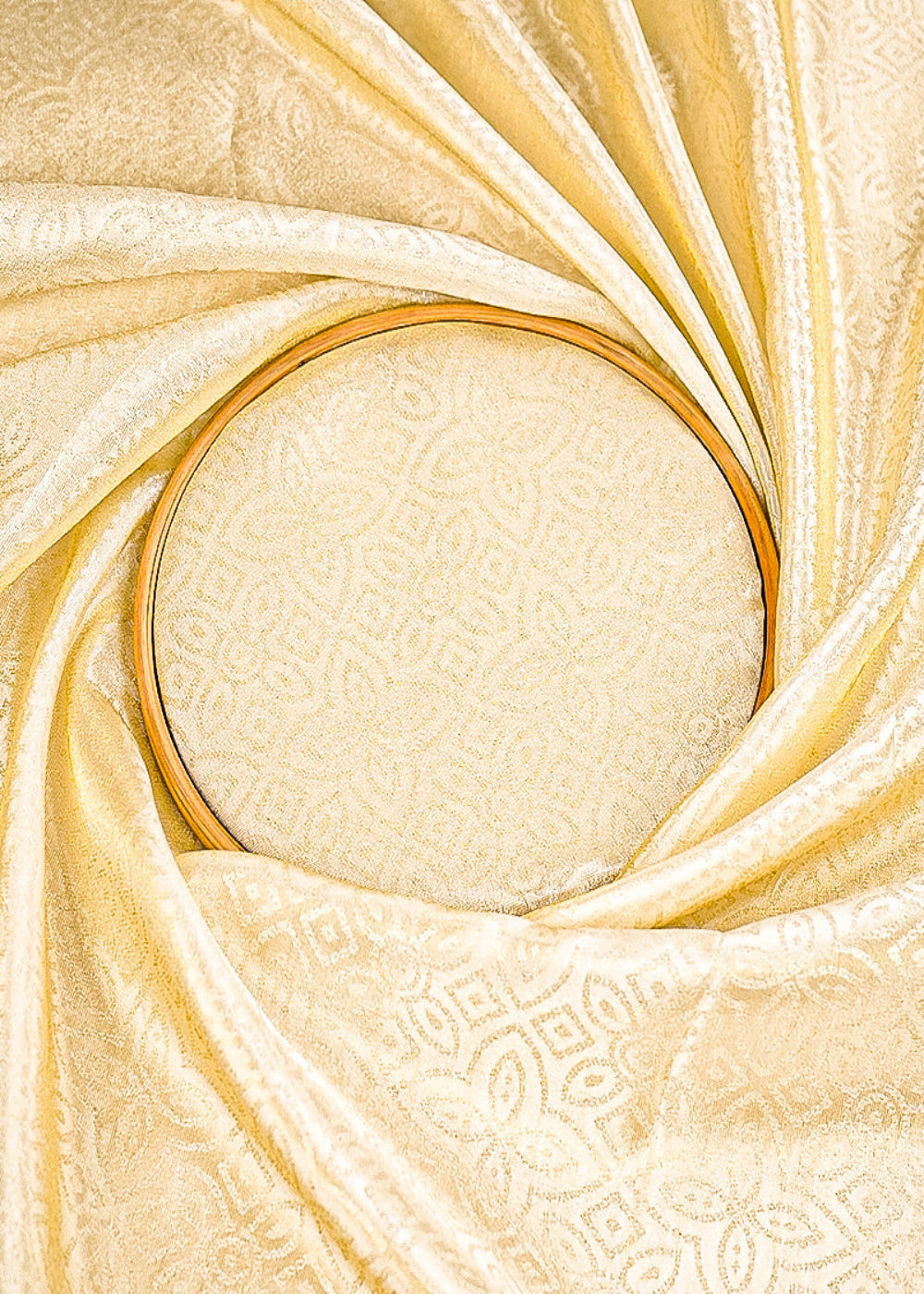
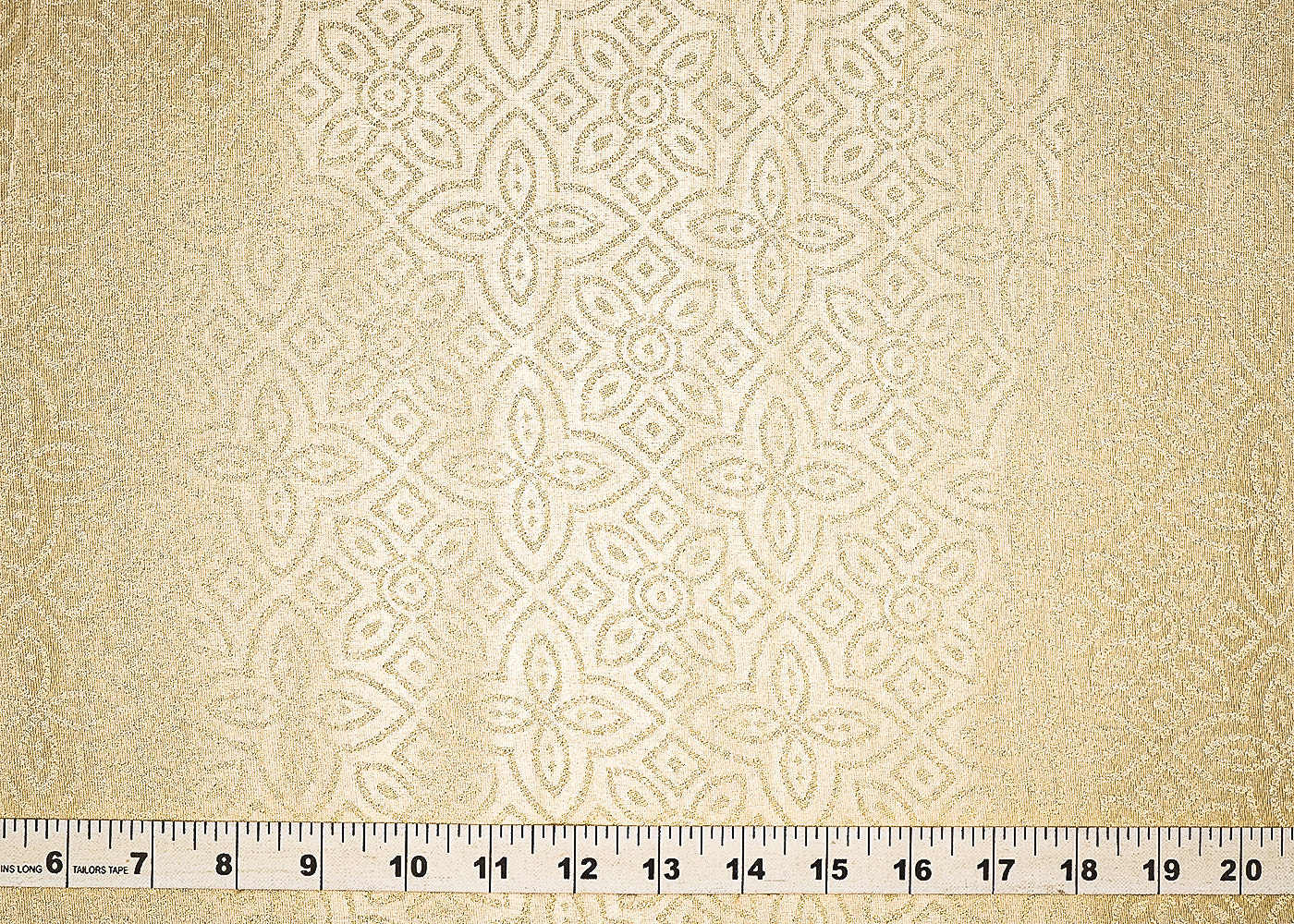
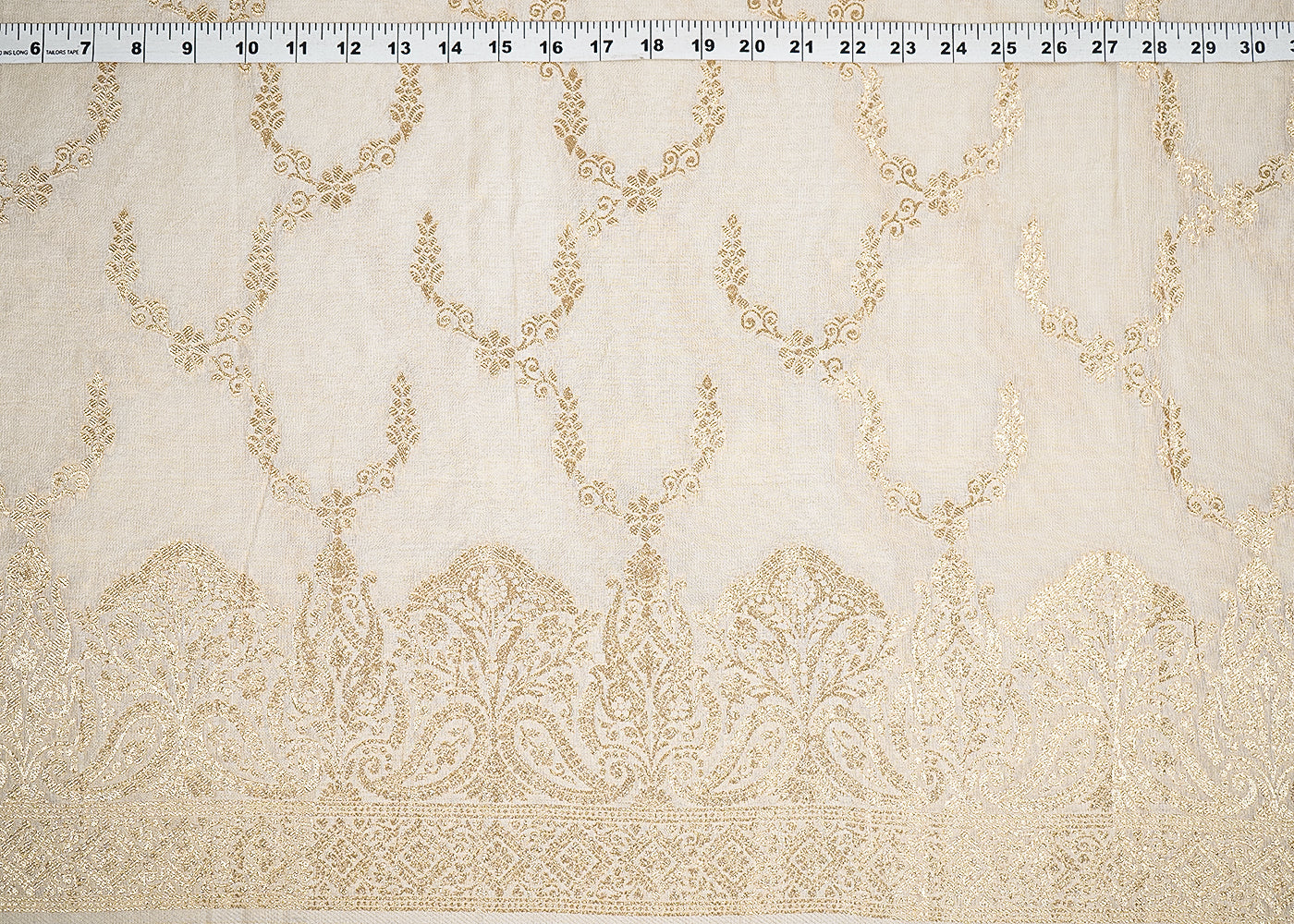
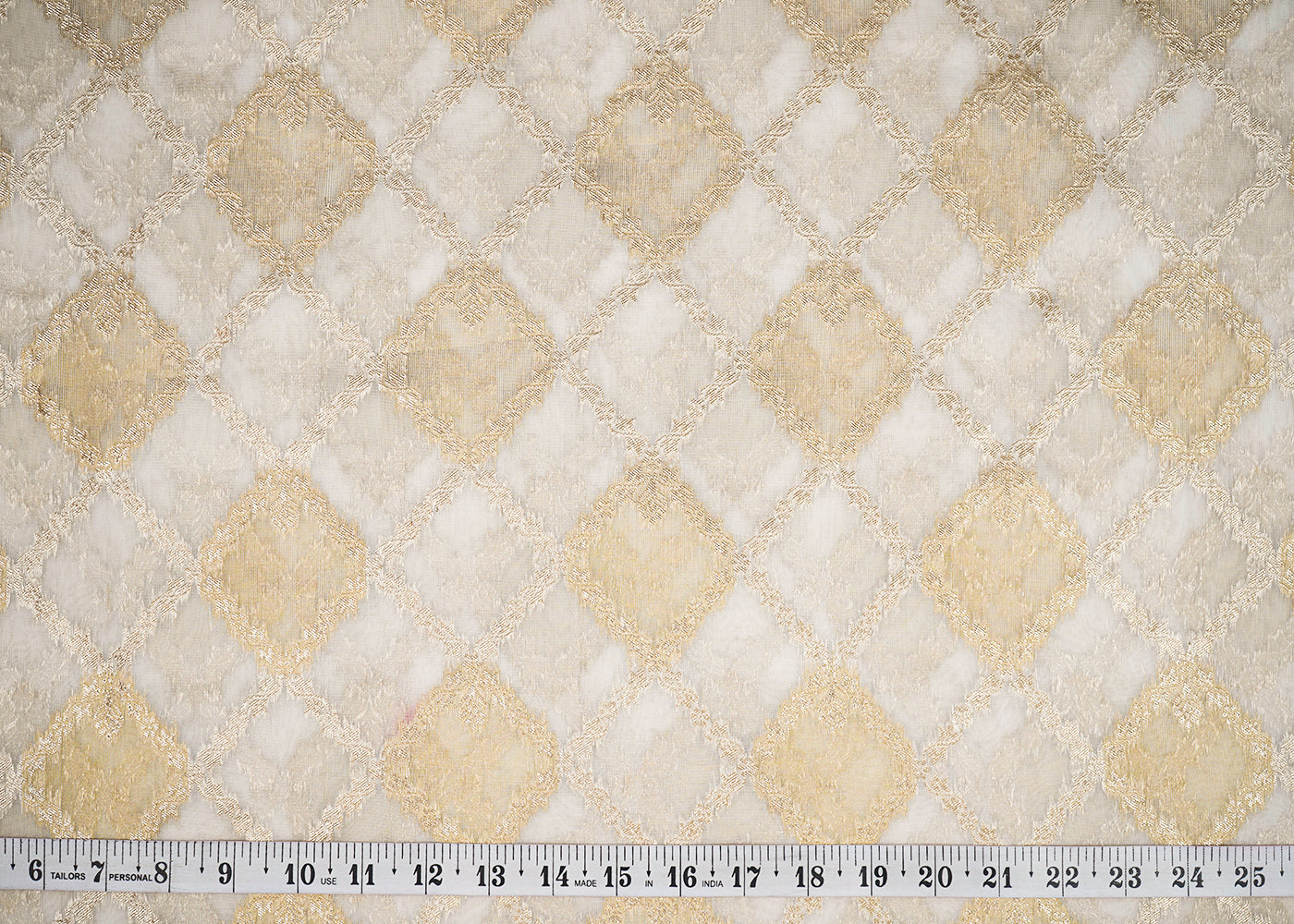
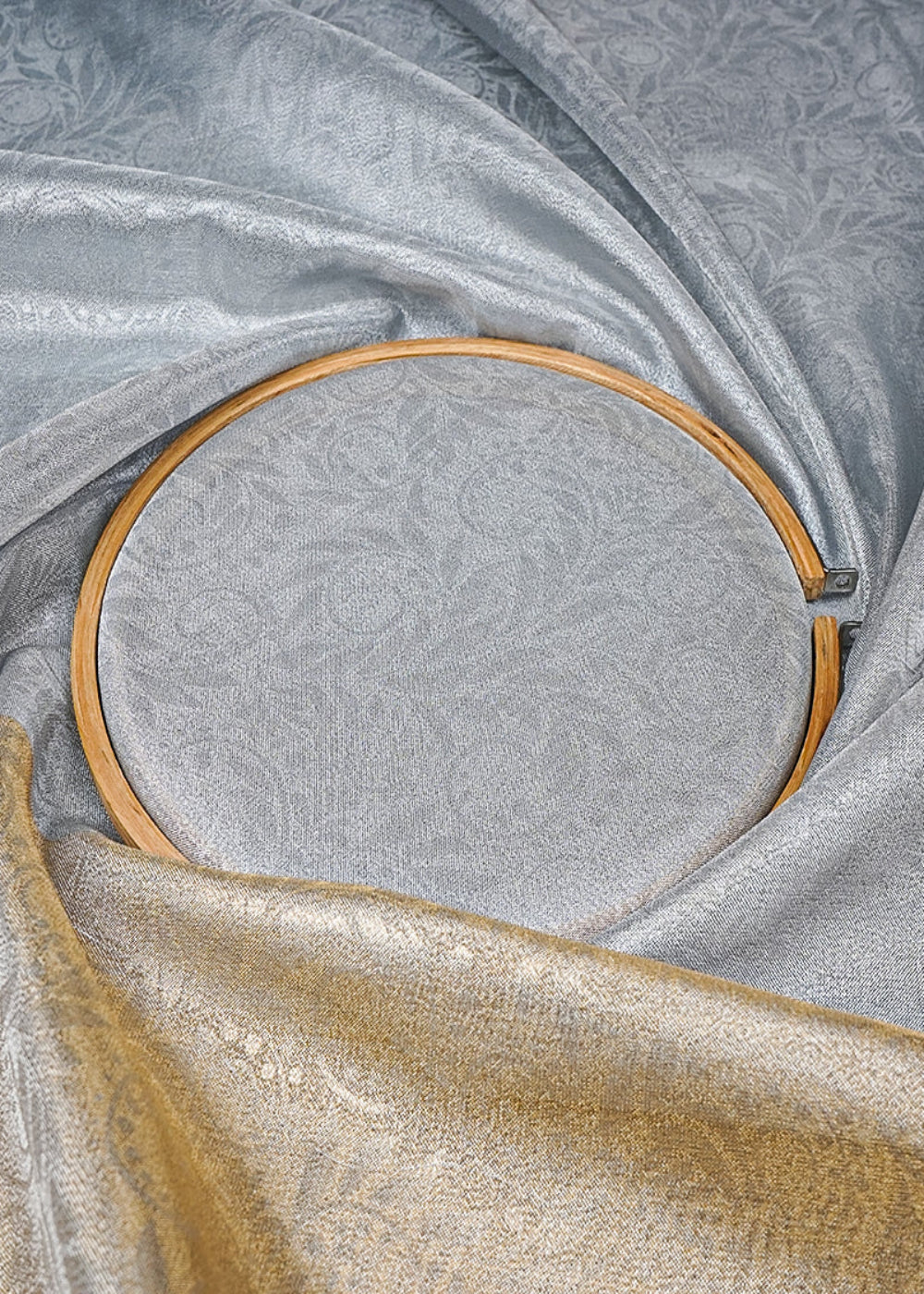
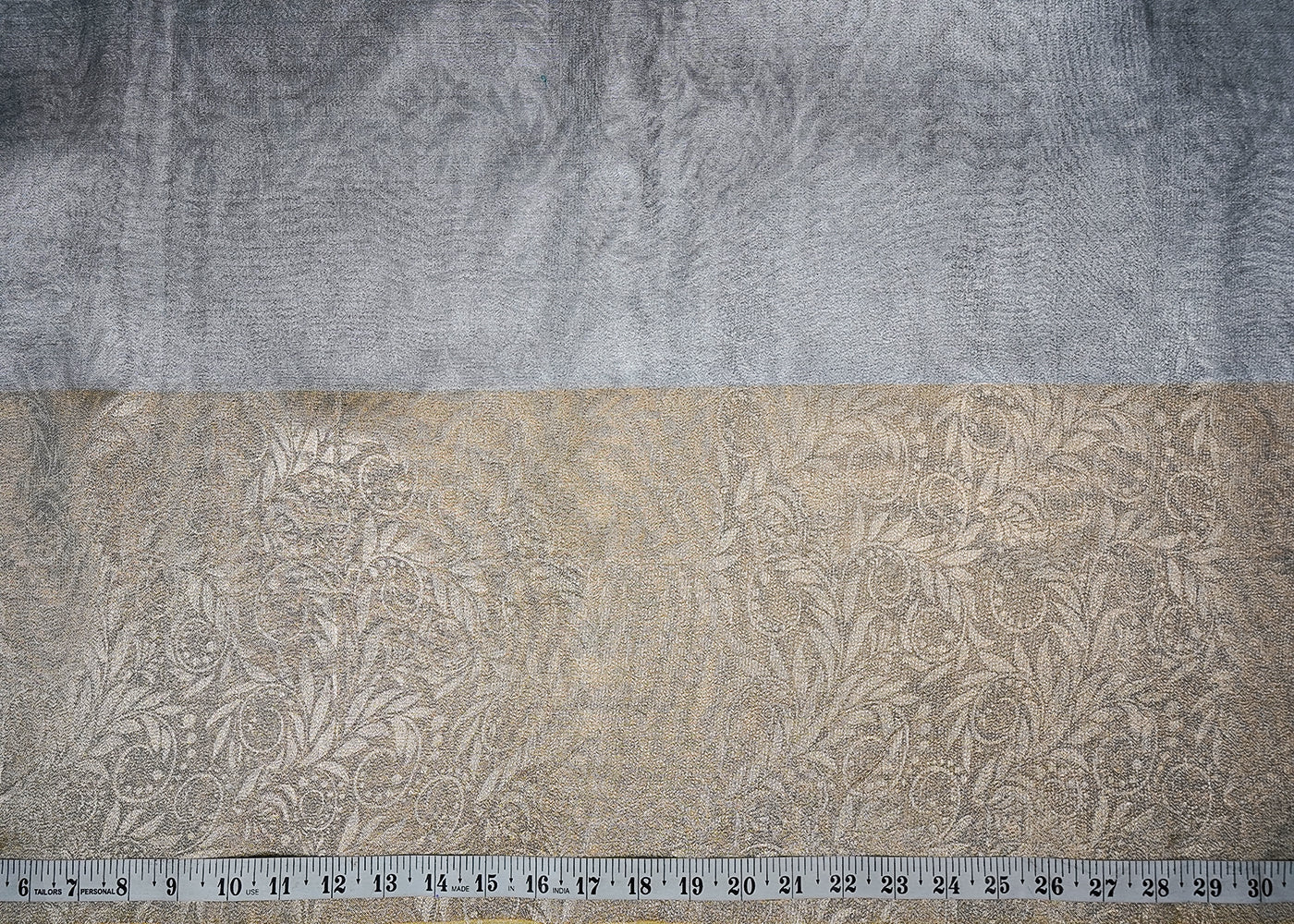
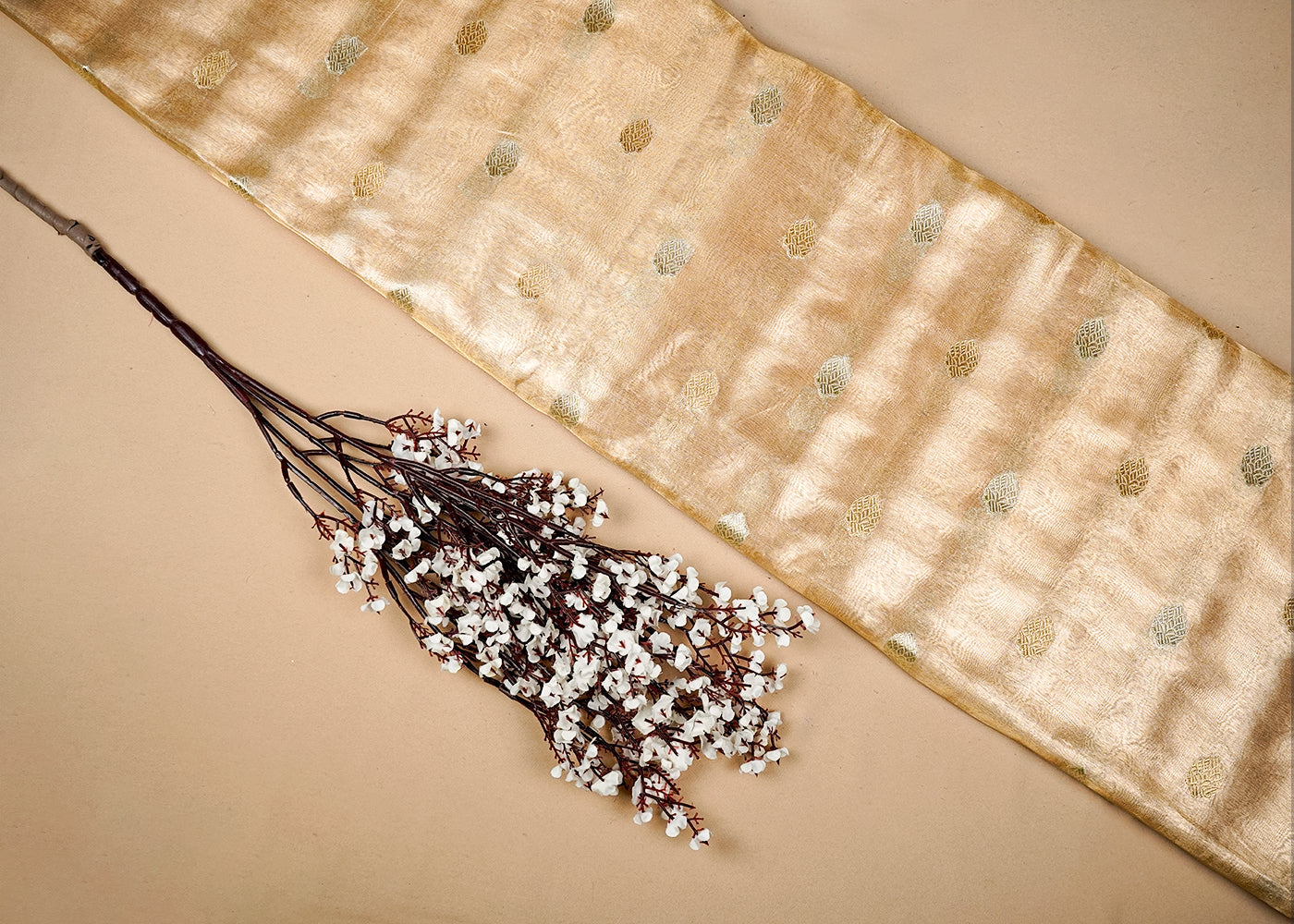
Tissue jacquard is the festive-volume grade of the jacquard family. A tissue base carries a natural metallic shimmer while the jacquard loom weaves a motif straight into that shimmering ground. So the fabric reads rich and festive at very low weight, which is exactly why Delhi NCR boutiques run it hard through the Diwali and festive season for the Rs 2,500 to 6,500 kurta band.
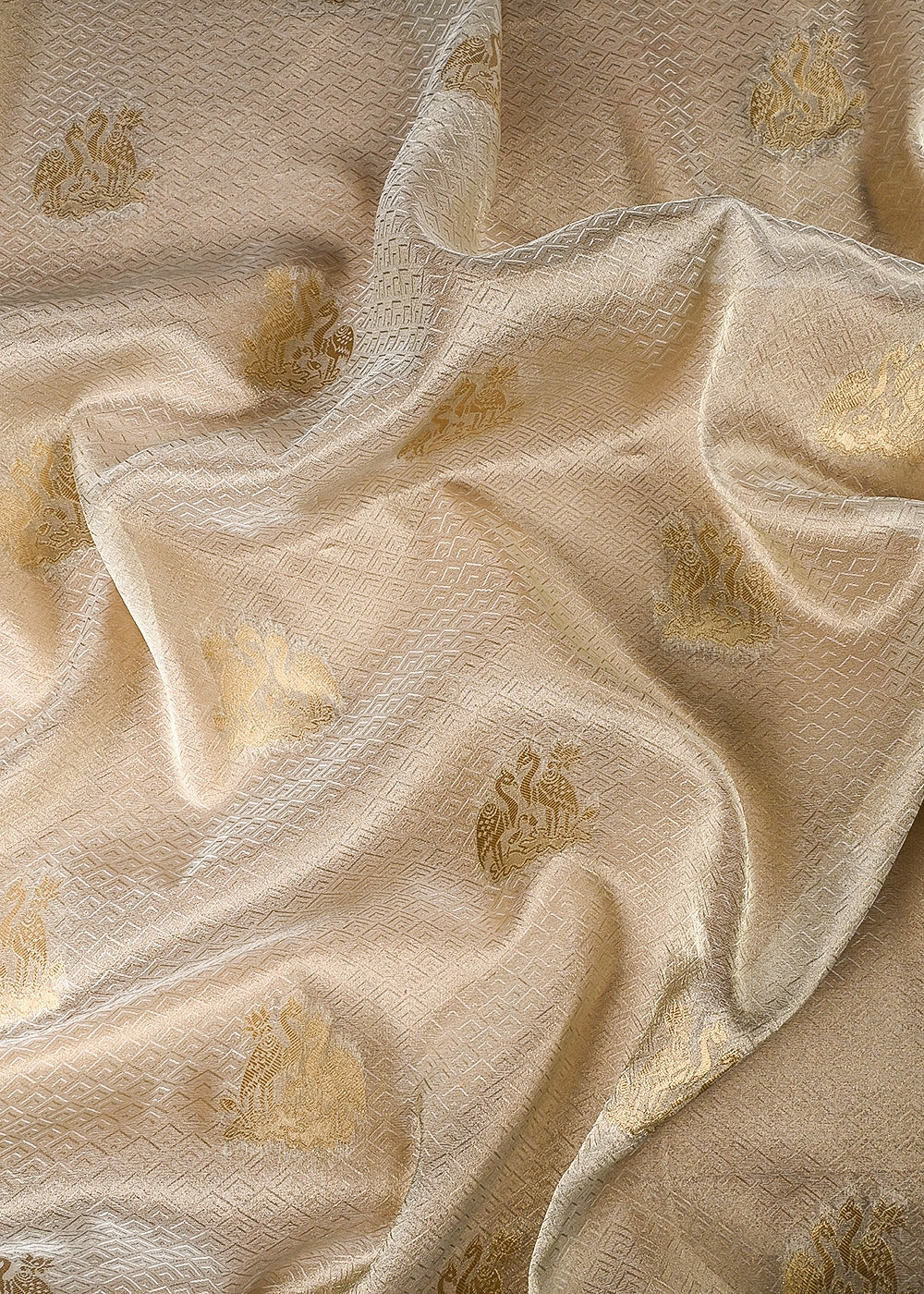
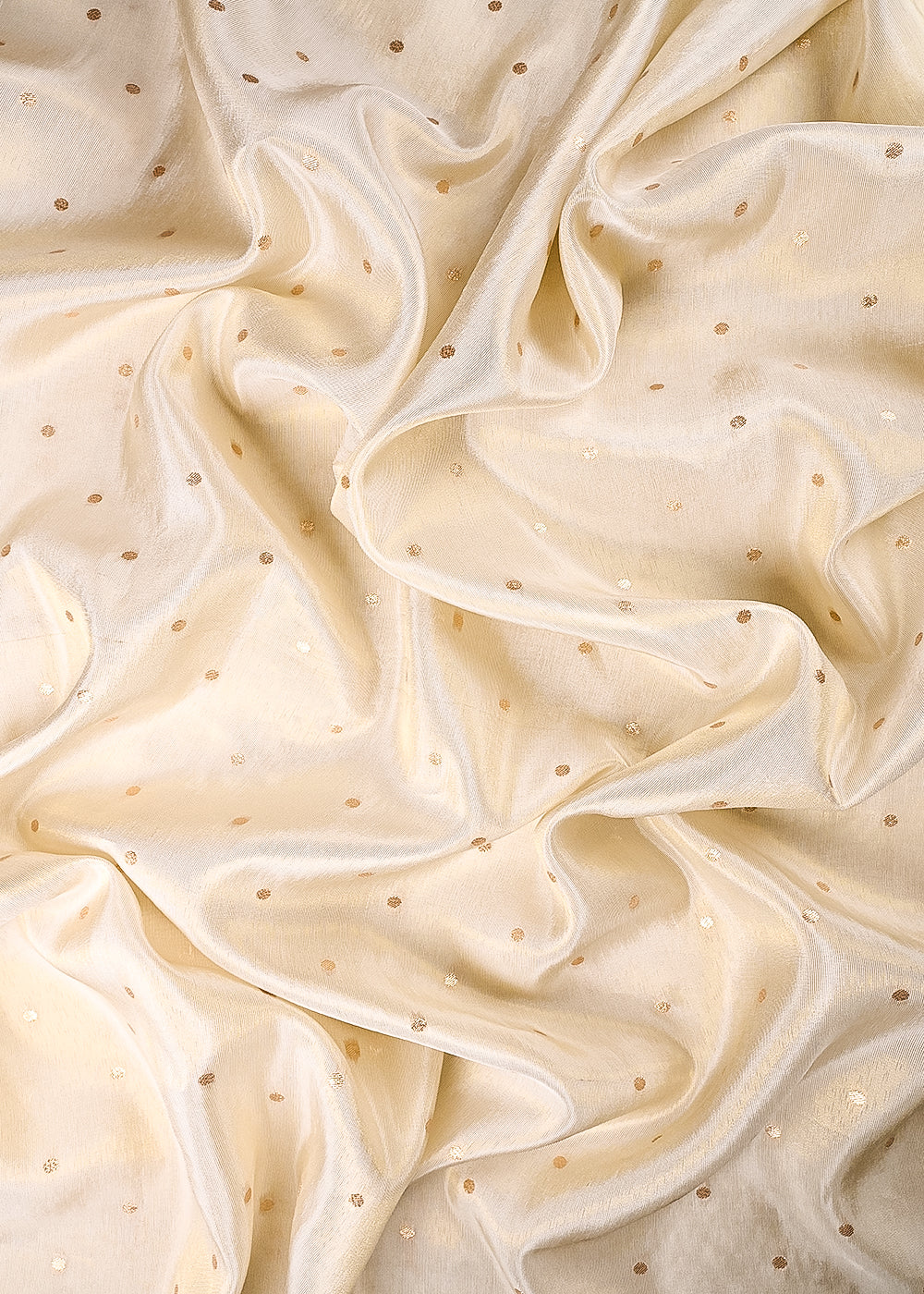
The motif is woven in, not printed or embroidered on afterward. Light bounces off the metallic tissue and around the woven pattern, so even a plain tissue jacquard kurta looks worth the price without any added work. That shine-for-weight ratio is the whole commercial case.
Why the Tissue Base Drives Festive Volume
Silk or georgette jacquard carries weight and sits at higher price bands. Tissue jacquard runs light with a built-in metallic sheen, so it delivers a festive look at a fraction of the weight and cost. That makes it the volume seller for festival-season kurta and dupatta runs where a boutique needs turnover, not a centrepiece piece.
The tissue shimmer also lifts the woven motif. On a matte base the same motif reads flat, but on tissue the metallic ground makes even a light buti pattern look richer. So boutiques get an occasion look without stepping up to a worked or embroidered fabric.
Types and Rates
| Type | Best Use | Approx Rate |
| Buti tissue jacquard | Festive kurtas, daily festive wear | Rs 260 to 420 per metre |
| Floral tissue jacquard | Kurta sets, dupattas, festive suits | Rs 340 to 520 per metre |
| Zari accent tissue jacquard | Festive sarees, statement kurtas | Rs 460 to 620 per metre |
| Two-tone tissue jacquard | Coordinated sets, cocktail kurtas | Rs 420 to 600 per metre |
| Heavy motif tissue jacquard | Festive statement, reception dupattas | Rs 550 to 720 per metre |
The buti and floral grades are the festive-season volume sellers. Zari and heavy motif grades carry the top band on denser coverage. Bulk thaan purchase brings the lighter grades down. These rates are estimates for the range, so confirm against current stock before publishing.
Tissue Jacquard GSM Guide
Tissue jacquard runs light by nature. The narrow band decides how much the motif stands and how the fabric drapes once stitched.
| GSM Range | Feel | Best For |
| 50 to 80 GSM | Very light, soft shimmer | Dupattas, layered kurtas, sleeves |
| 80 to 110 GSM | Light with body | Festive kurtas, kurta sets, suits |
| 110 to 140 GSM | Crisp with weight at motifs | Festive sarees, statement dupattas |
Popular Uses
- Festive kurtas and kurta sets at the Rs 2,500 to 6,500 band
- Diwali and festival-season production runs
- Festive dupattas, sarees, layered blouse sleeves
- Coordinated kurta-dupatta sets from a single fabric lot
The shine-for-weight ratio is what makes it a festive-volume fabric. A family shopping for festival outfits can pull coordinated kurta sets from one variant in matching shades, which keeps the look consistent across the household. Pair a tissue jacquard kurta with a plain kurta base for sets that lift the price without lifting the input cost.
Colour Directions for 2026
Metallic neutrals lead the festive segment. Gold, champagne, rose gold, silver, ivory read richest against the tissue shimmer and photograph clean under festival lighting. The daytime function band leans toward pastels, blush, mint, lavender, where the soft shade balances the metallic base.
Two-tone weaves have grown fast for the coordinated-set segment, running a warp and weft in different shades for a shot effect that shifts through the motif from every angle.
Working Tips for Tissue Jacquard
- Line kurtas and worn garments. The tissue base is semi-sheer and delicate
- Use a fine needle and short stitch length. The light weave frays and puckers under a heavy needle
- Cut single layer and match the motif at seams, since the slick tissue shifts under double-layer cutting
- Press on low heat with a cloth between. Direct heat glazes the metallic ground permanently
Frequently Asked Questions
How does tissue jacquard differ from other jacquard variants?
The metallic tissue base sets it apart. Silk and georgette jacquard use heavier opaque bases at higher price bands. Tissue jacquard uses a light metallic-shimmer base, so it delivers a festive look at low weight and cost, which suits volume festival-season production.
How much tissue jacquard does a kurta need?
A standard kurta needs 2.5 metres including body and sleeves. A longer straight cut needs 3 metres. A coordinated kurta and dupatta set needs around 4.5 metres total. A festive saree needs 5.5 metres including the pallu.
Does tissue jacquard need lining?
For kurtas and worn garments, yes, since the tissue base is semi-sheer and delicate. Dupattas and overlays stay unlined because they layer over other pieces. Lining also protects the light weave through repeated wear.
Can tissue jacquard be washed at home?
No. Tissue jacquard should be dry cleaned only. Water dulls the metallic shimmer and the delicate weave can distort, so home washing damages the shine that gives the fabric its value.
Order Tissue Jacquard at Paras Gallery Fabrics
Our tissue jacquard range covers buti, floral, zari accent, two-tone, heavy motif grades across the full GSM spread, cut by the metre or supplied by thaan for production runs. Boutiques building festive festive ranges can check bulk rates on our wholesale page.
