
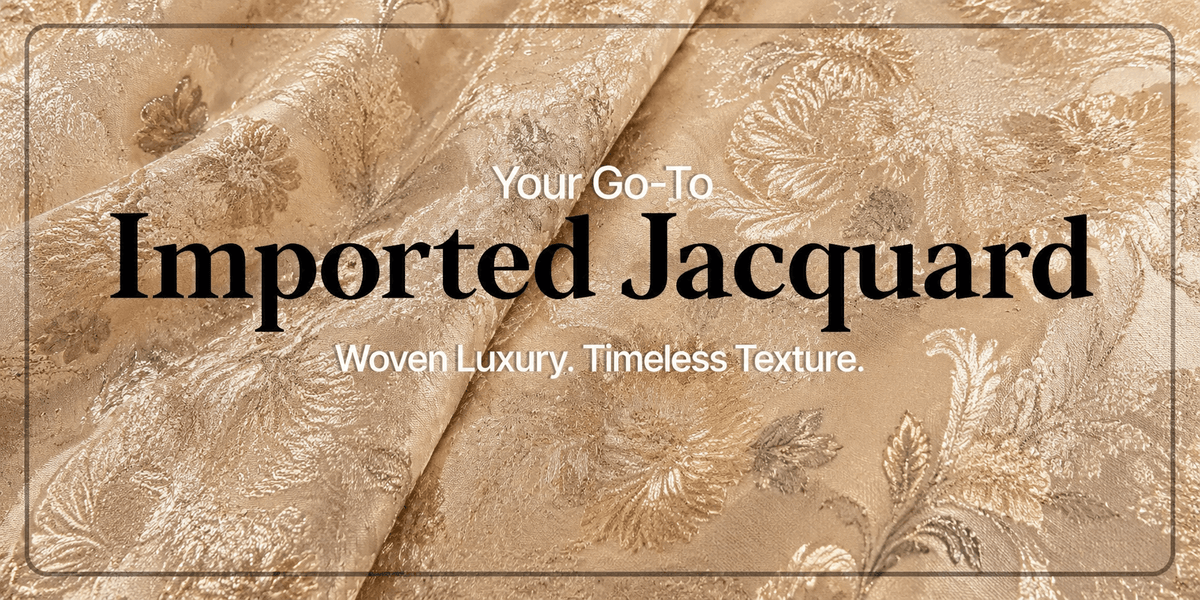
Imported Jacquard
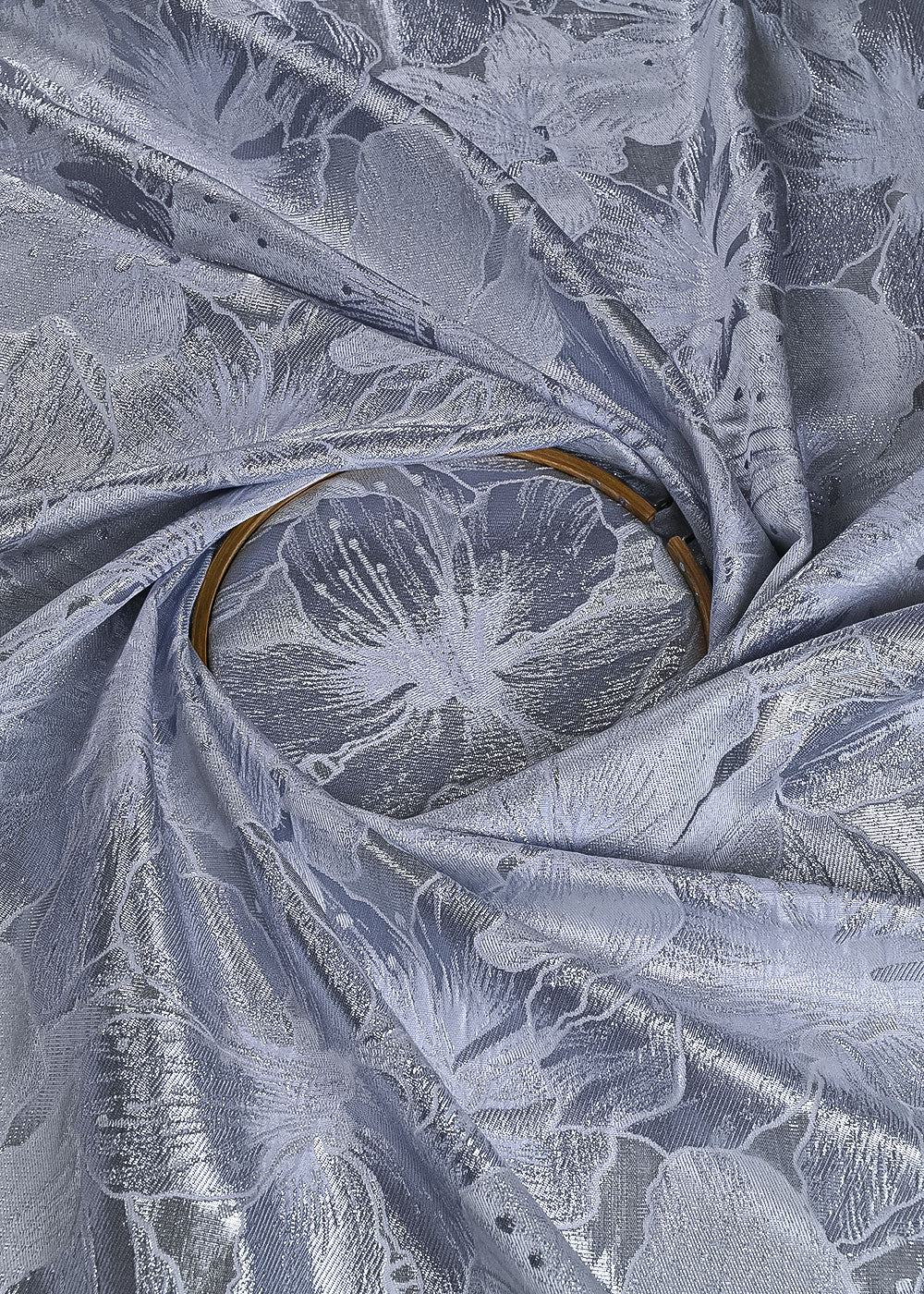
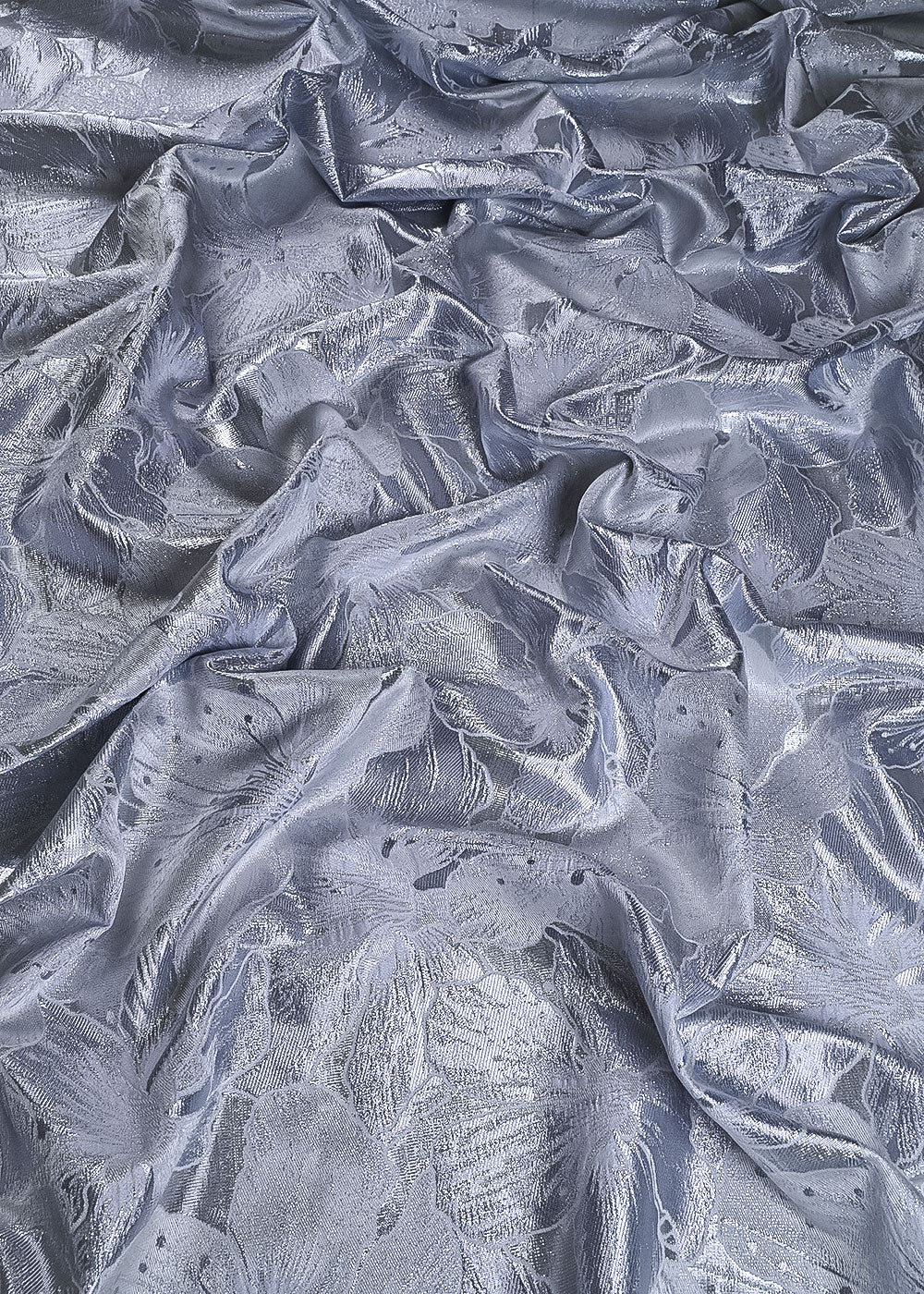

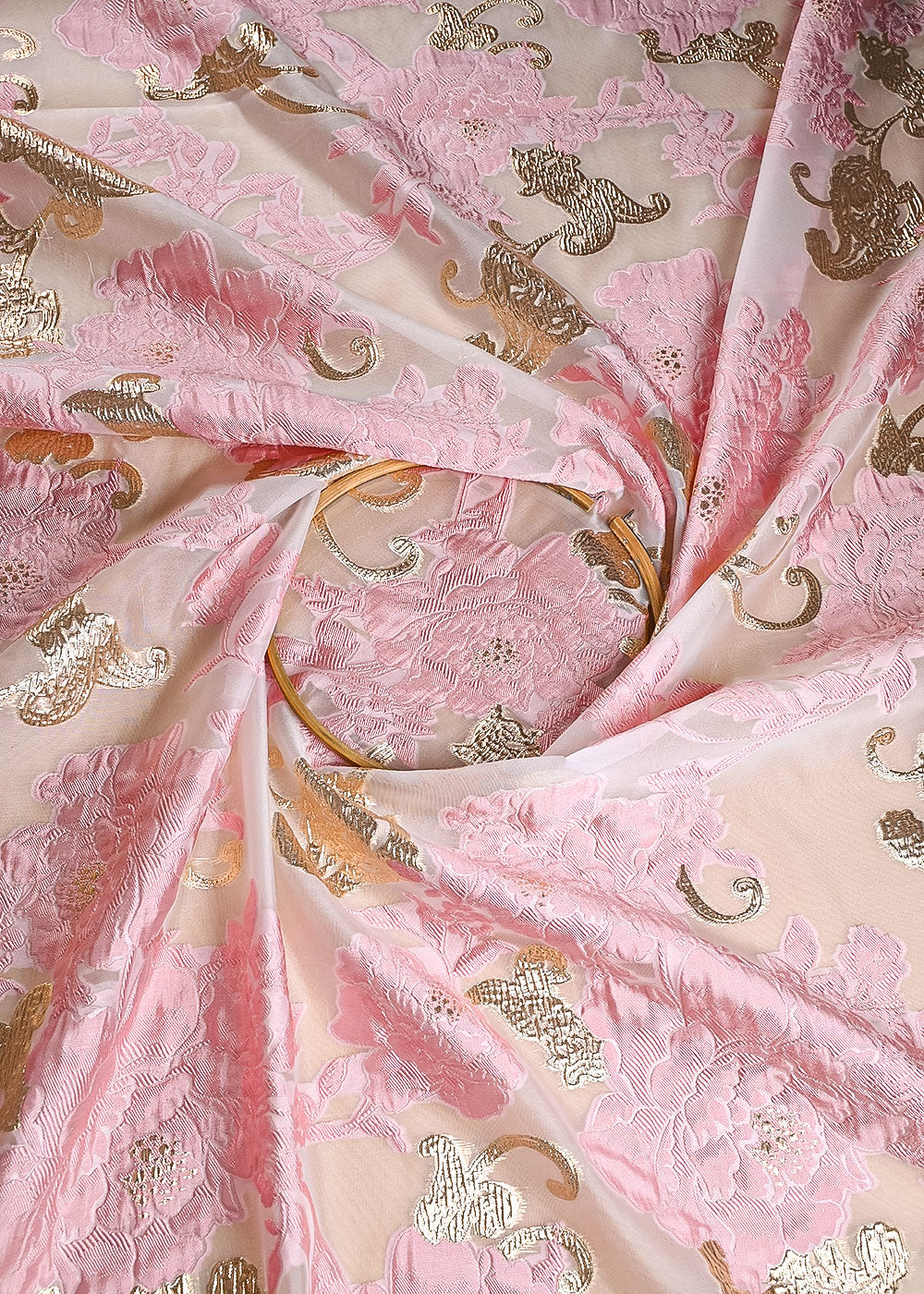
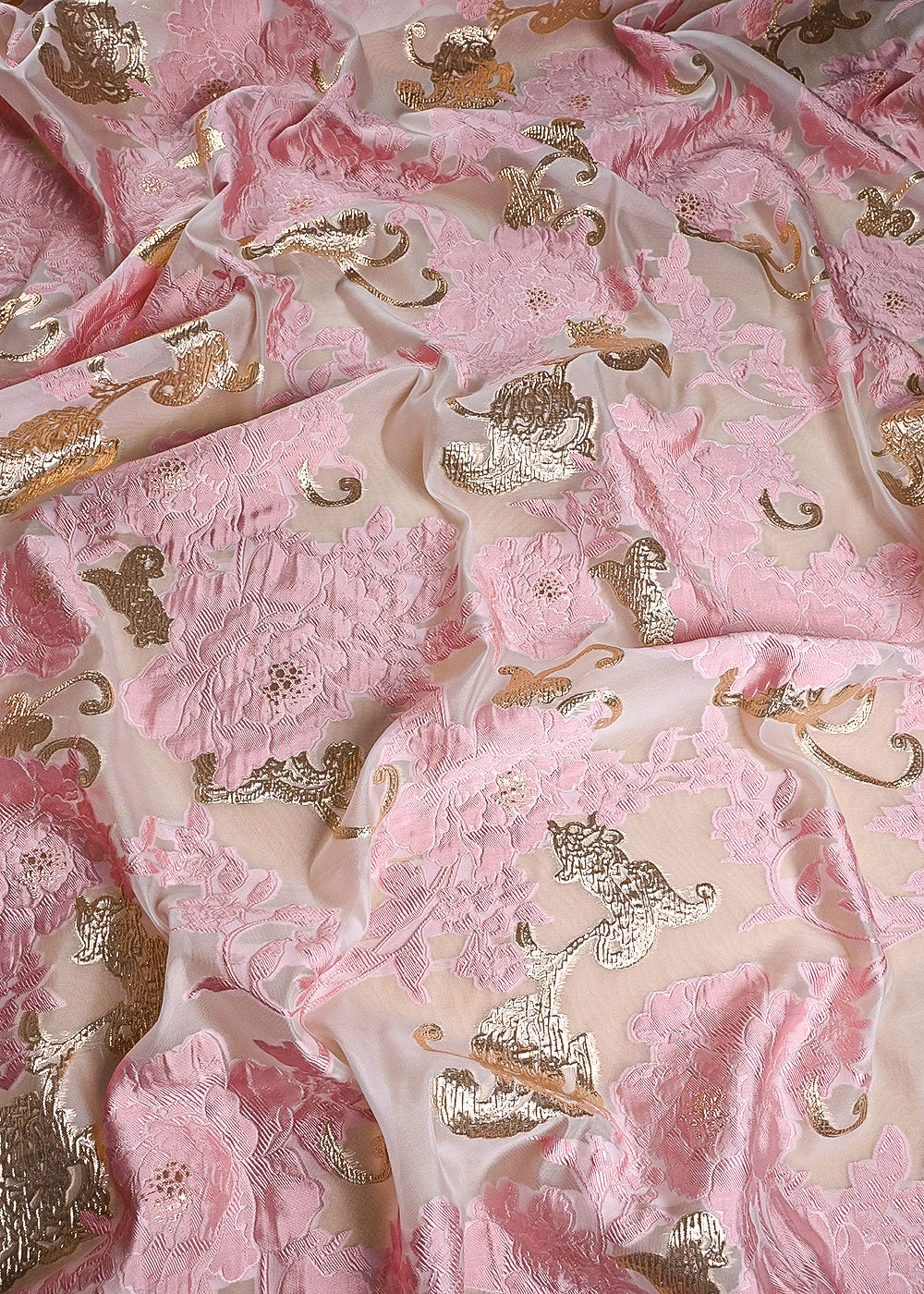
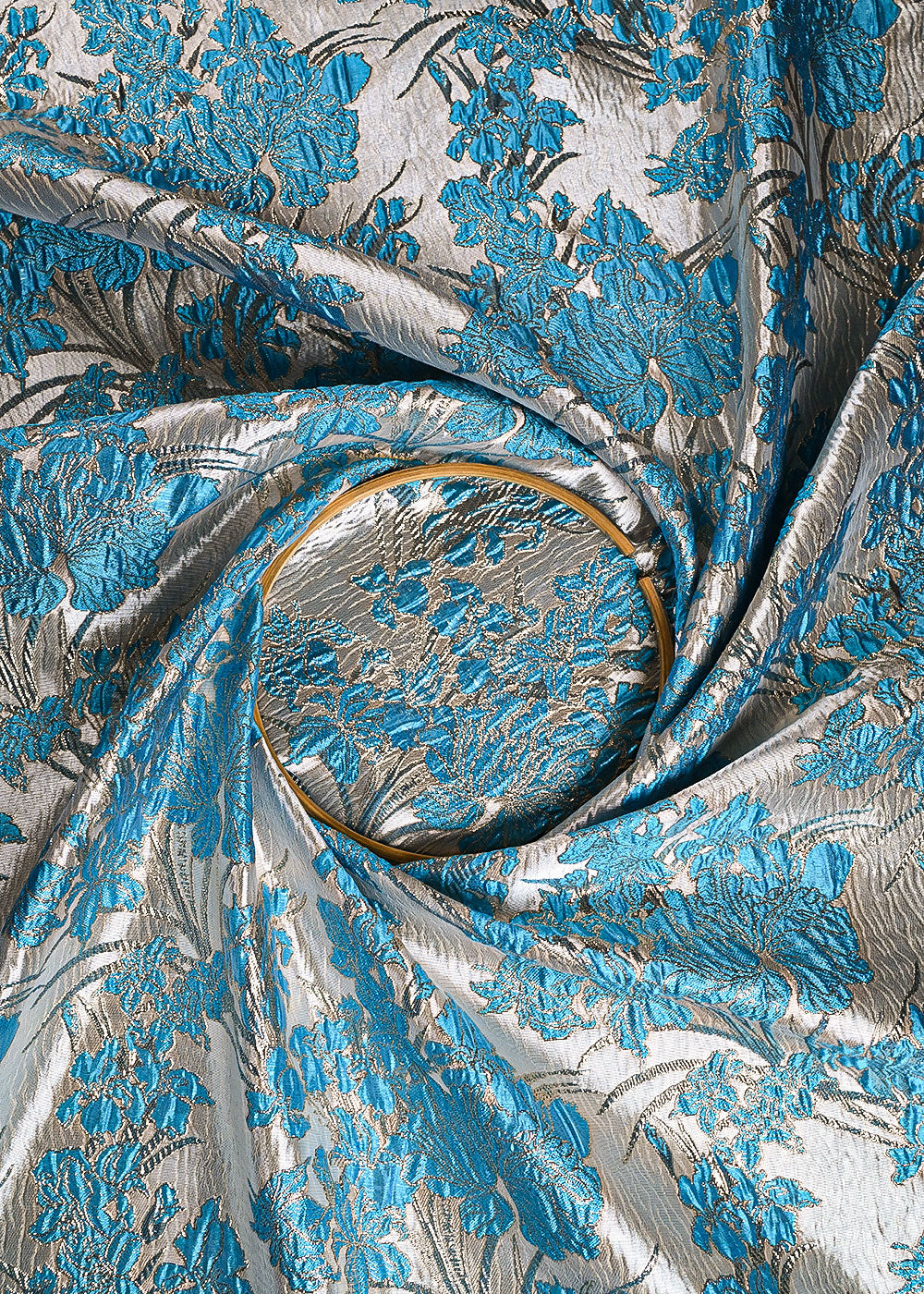
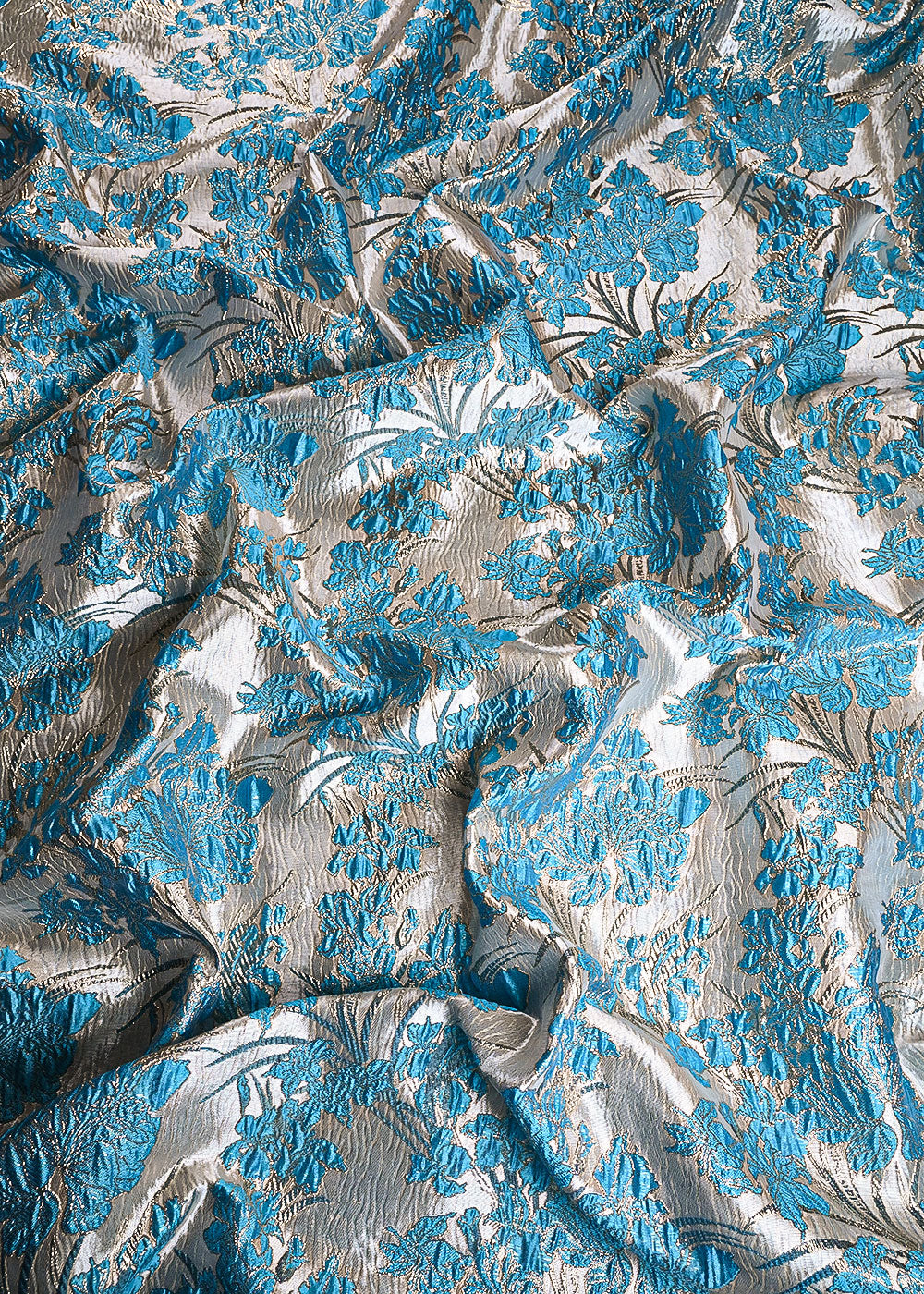
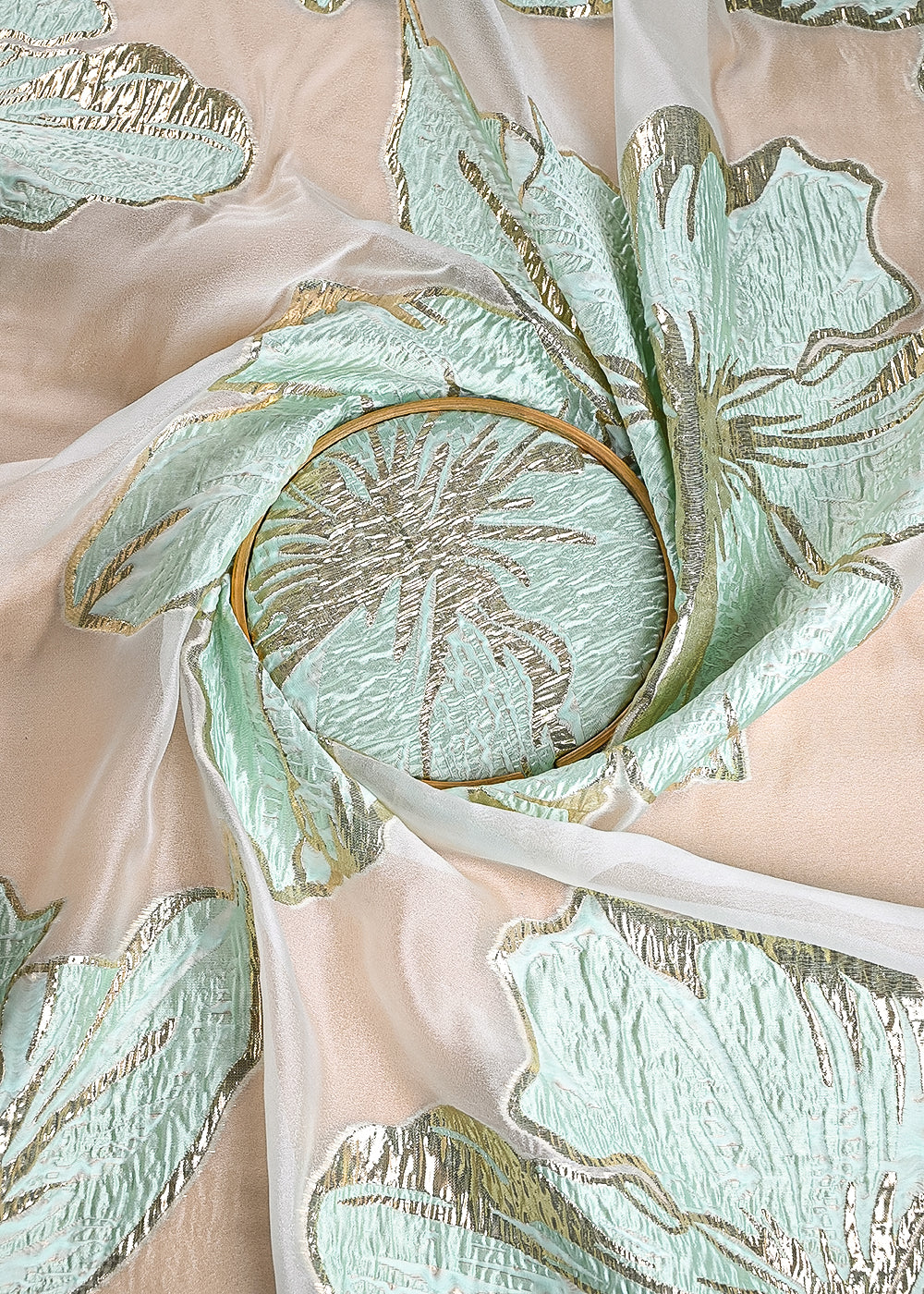
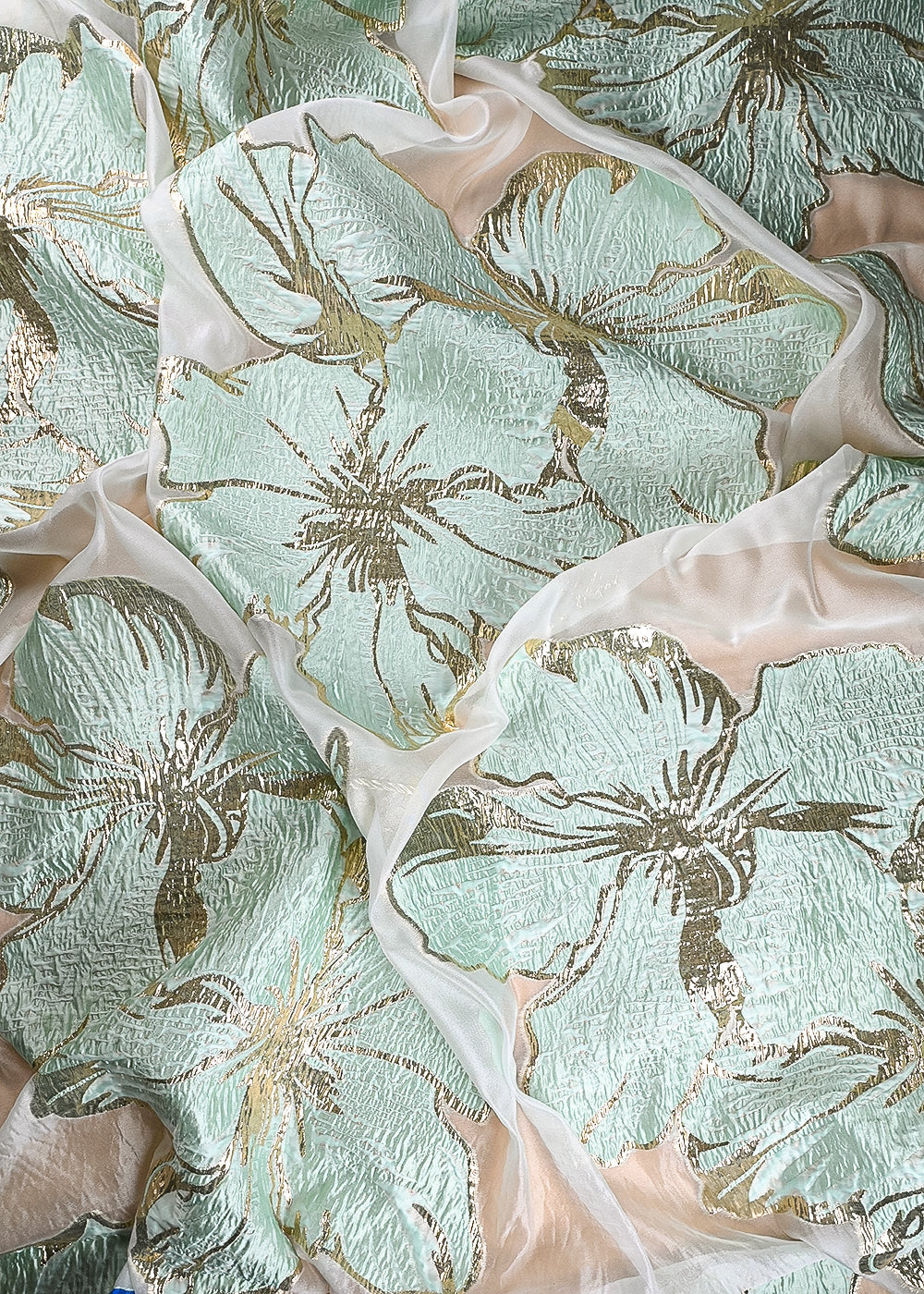
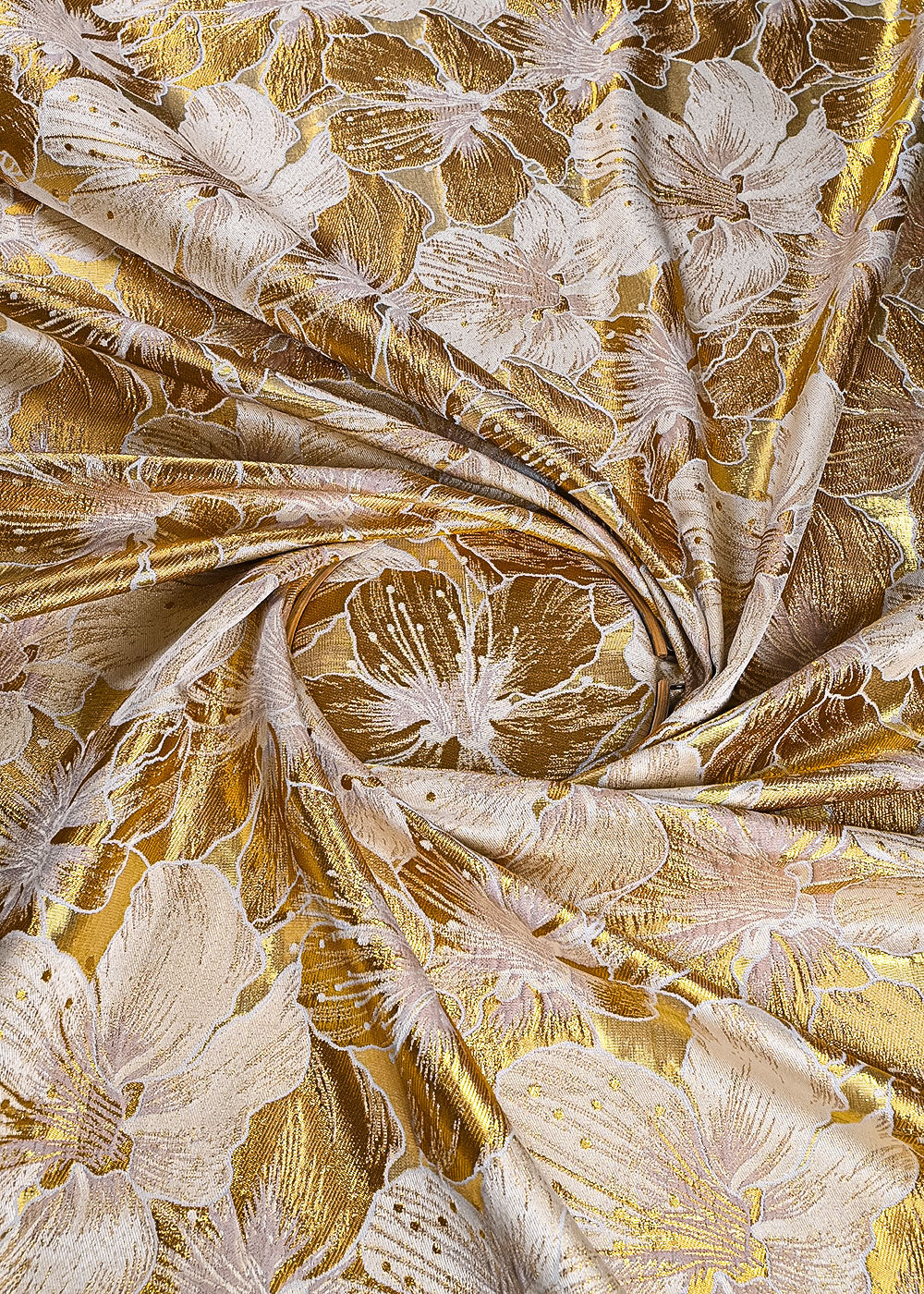
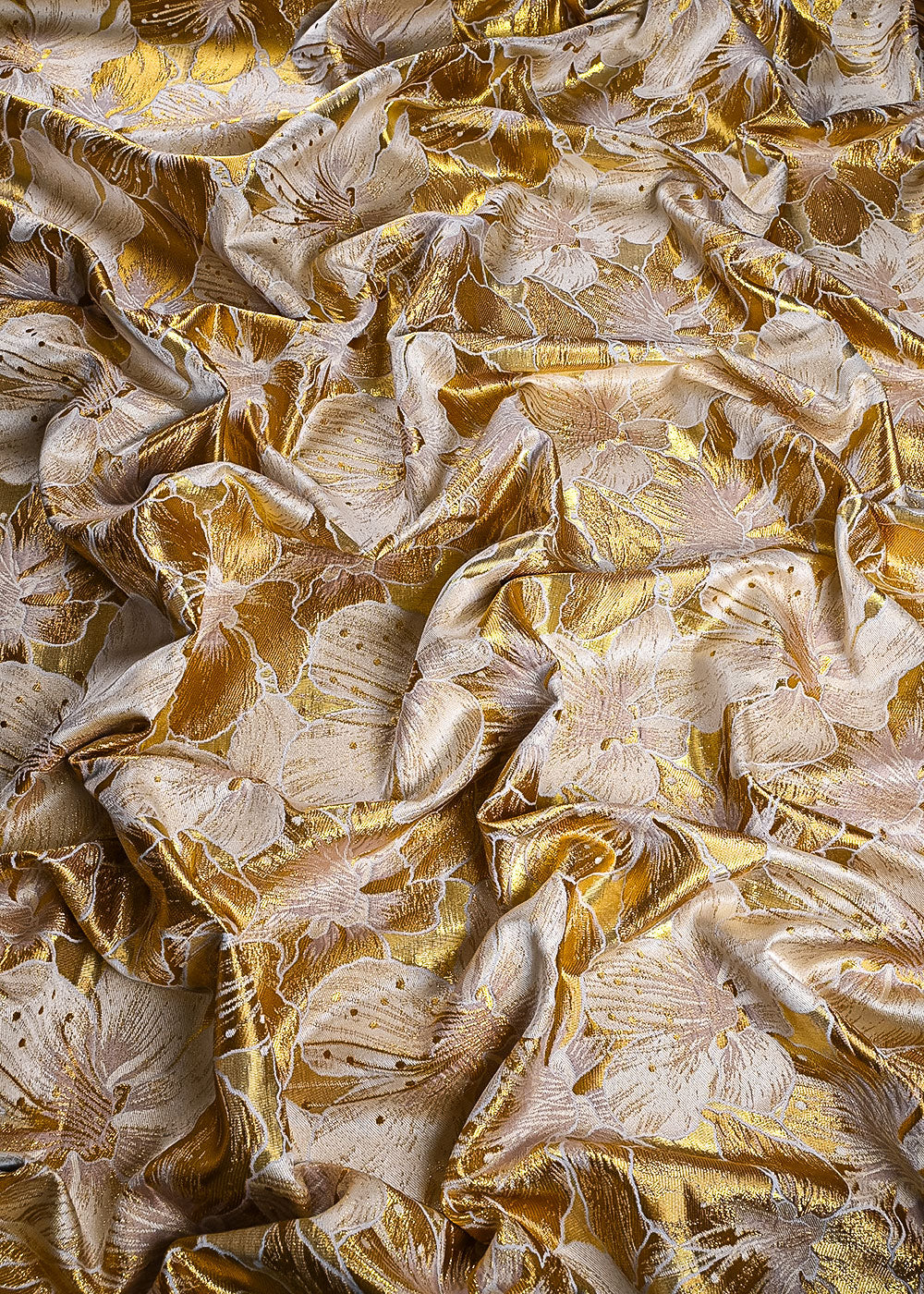
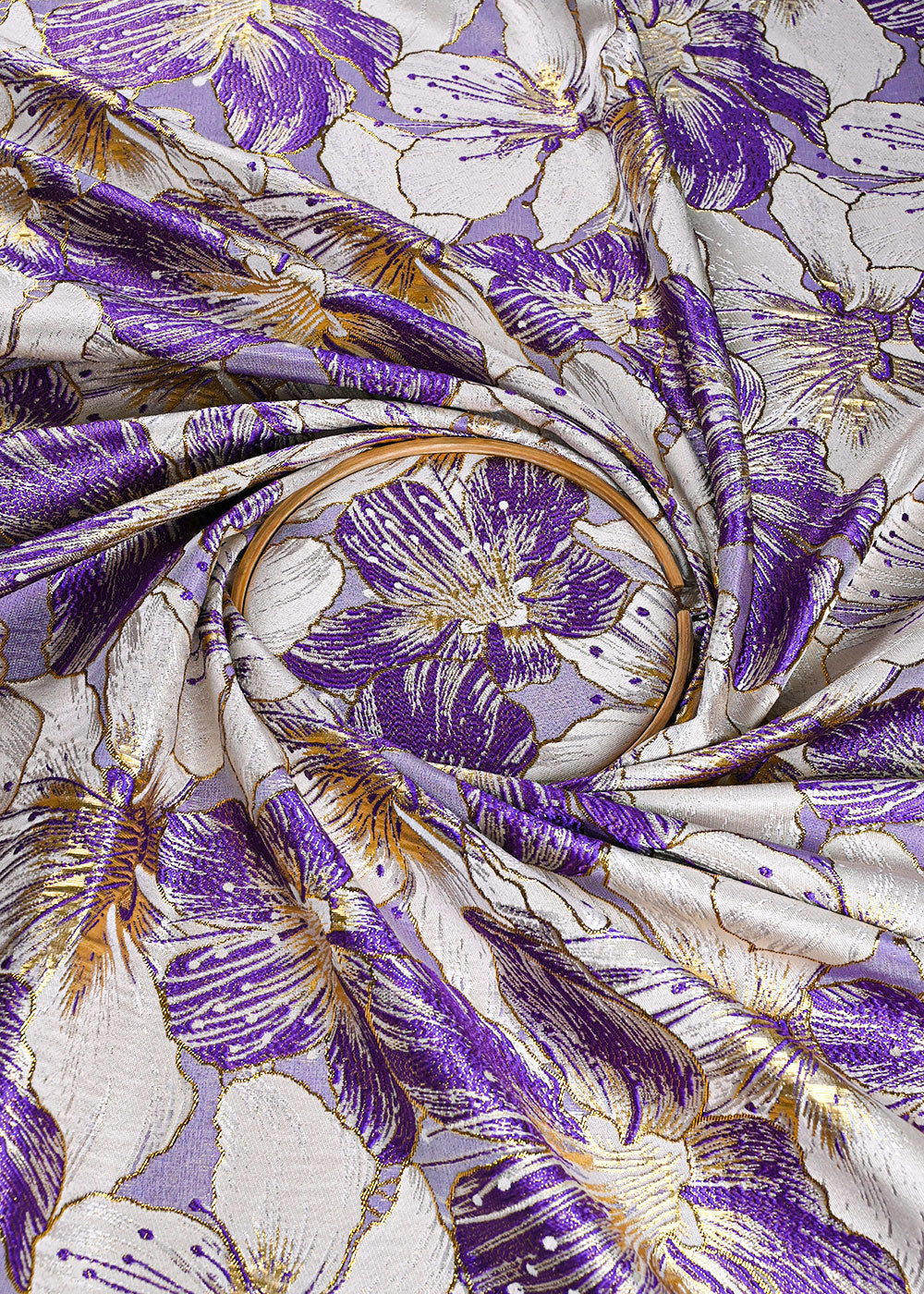
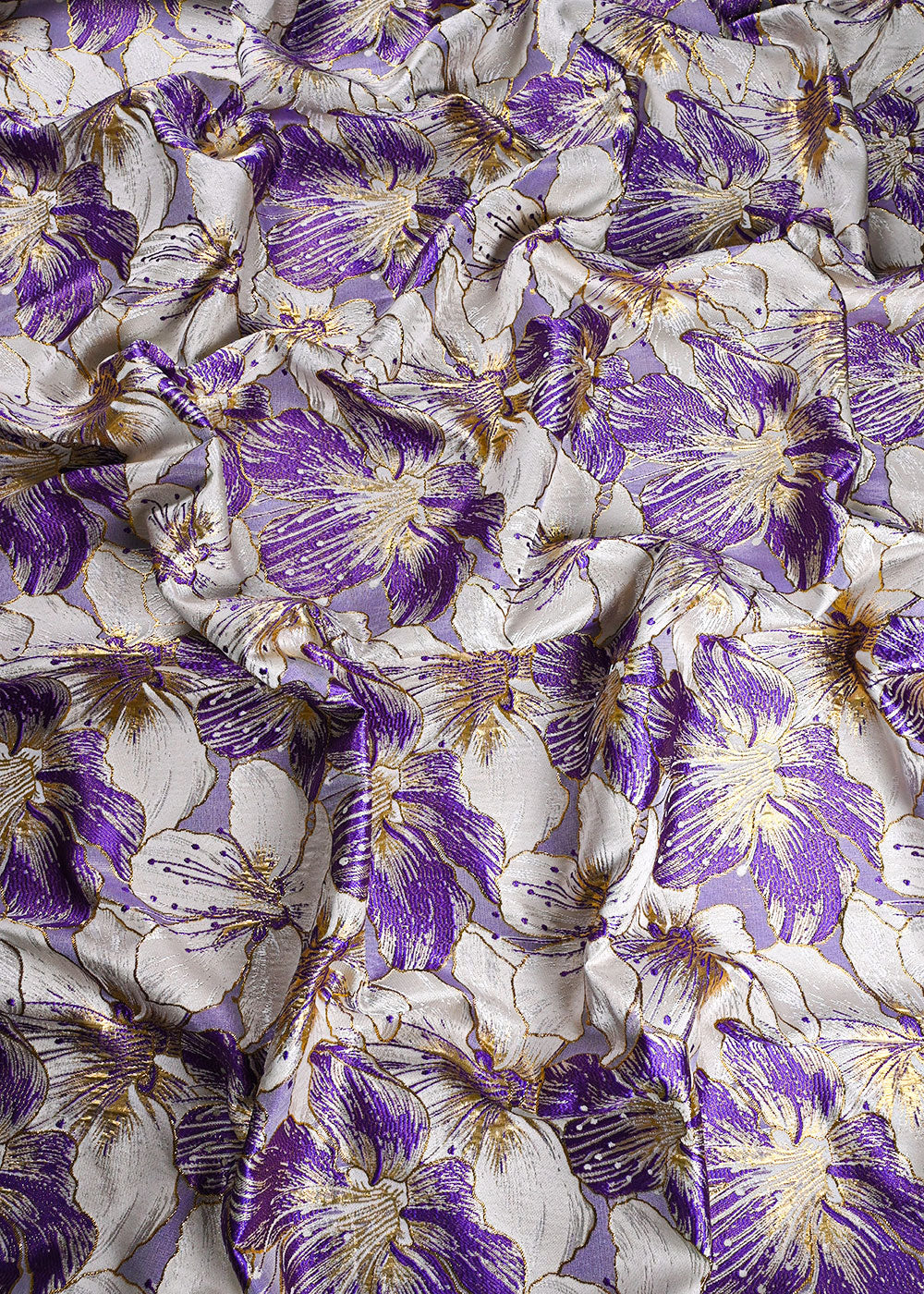
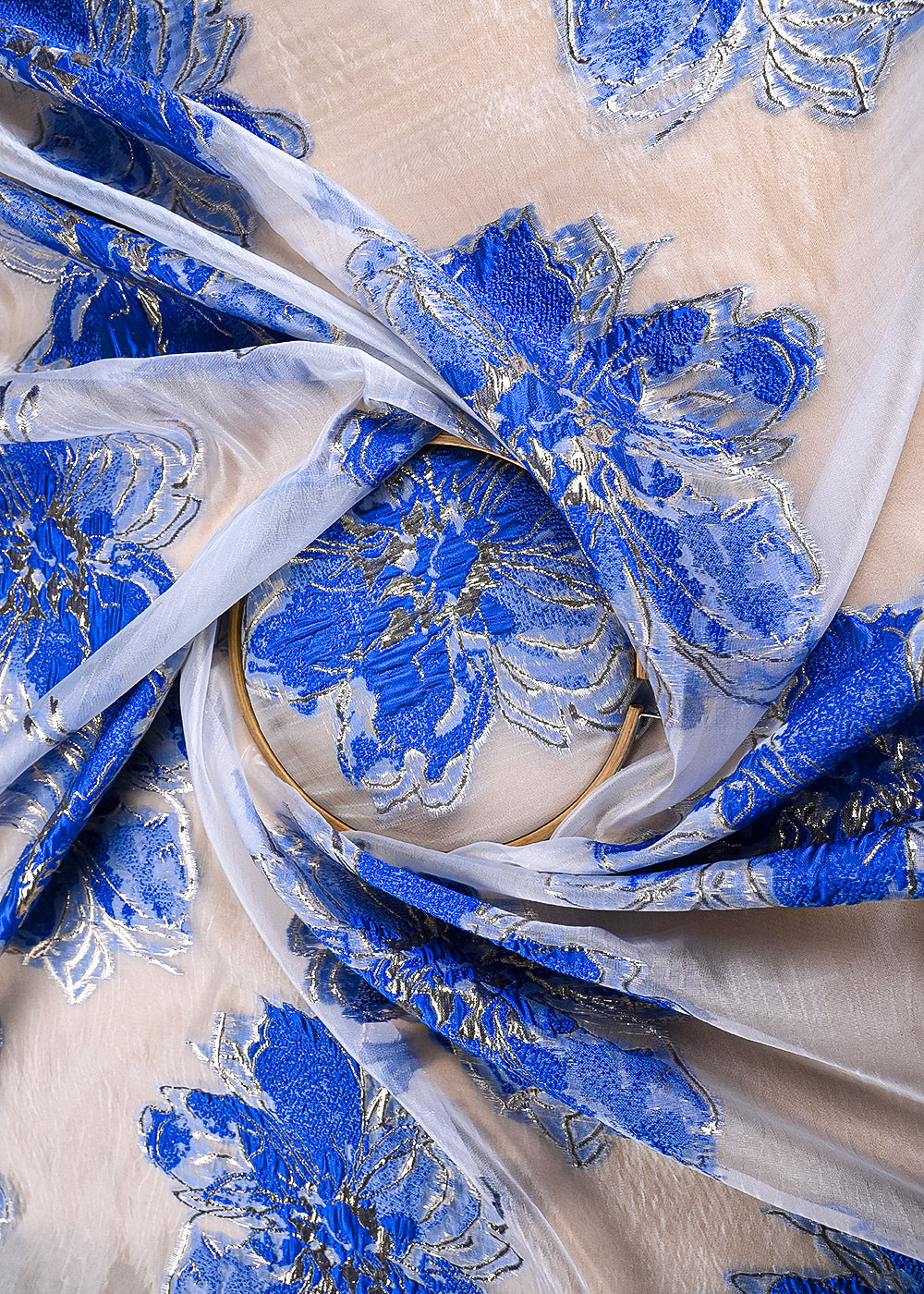
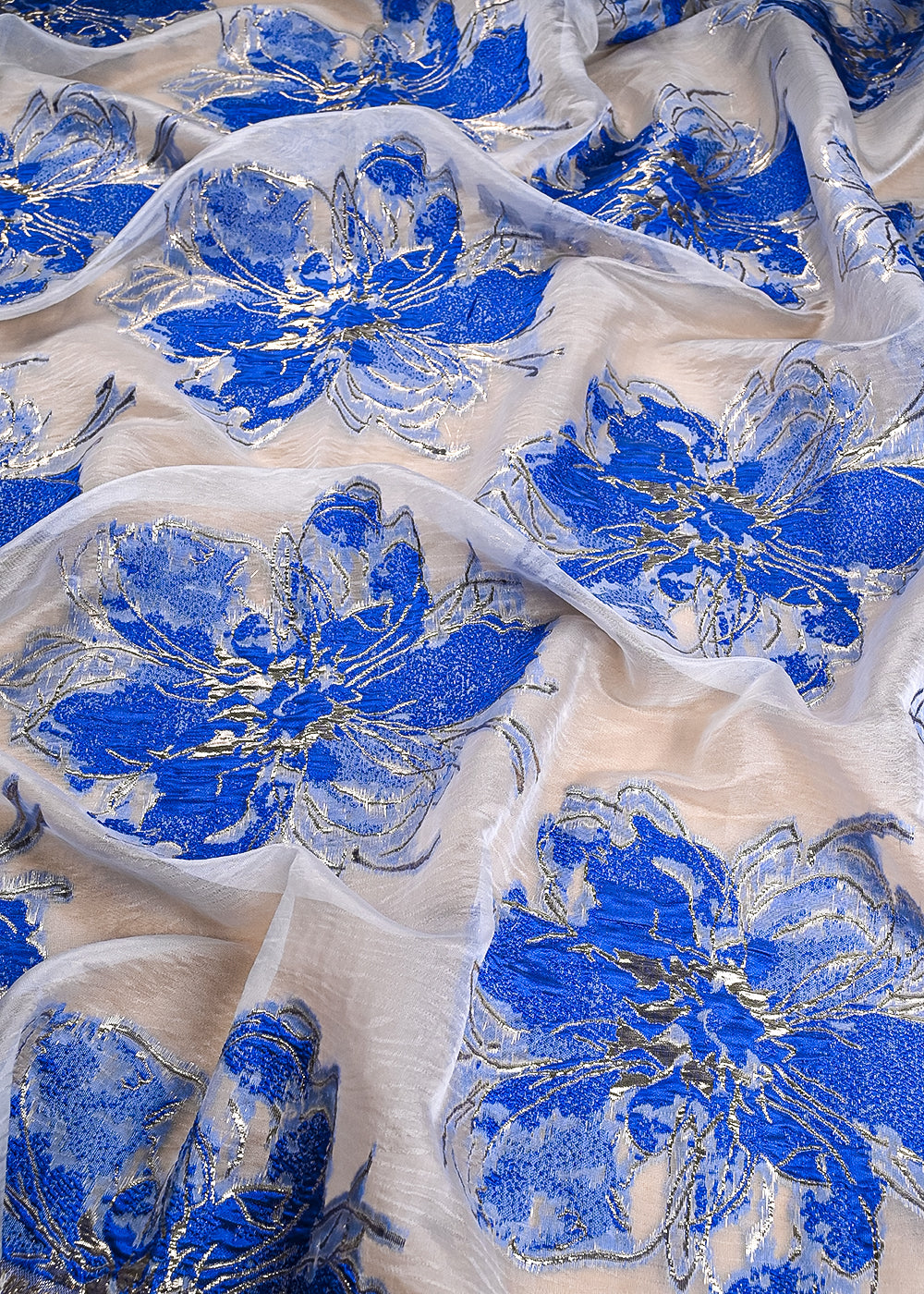
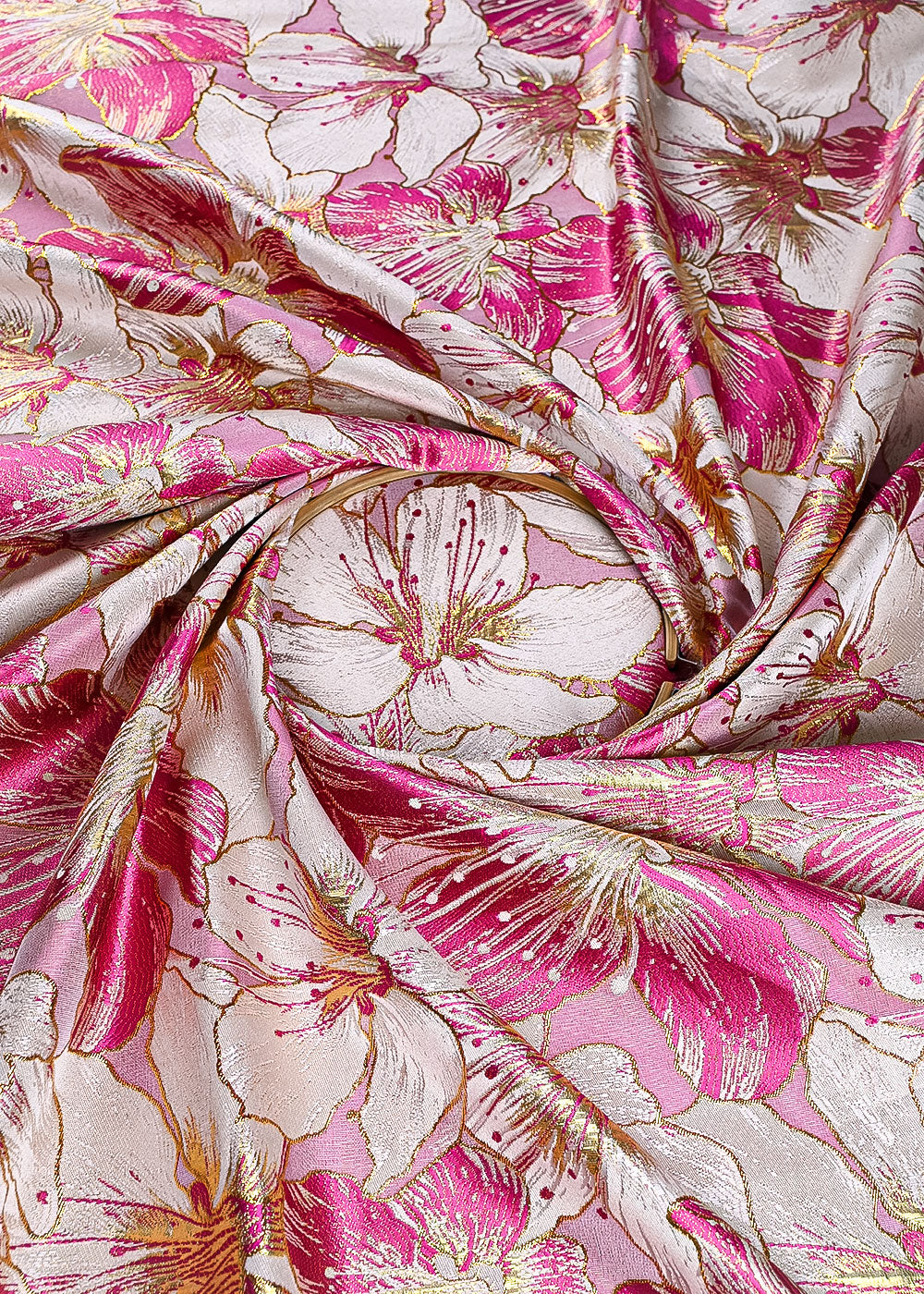
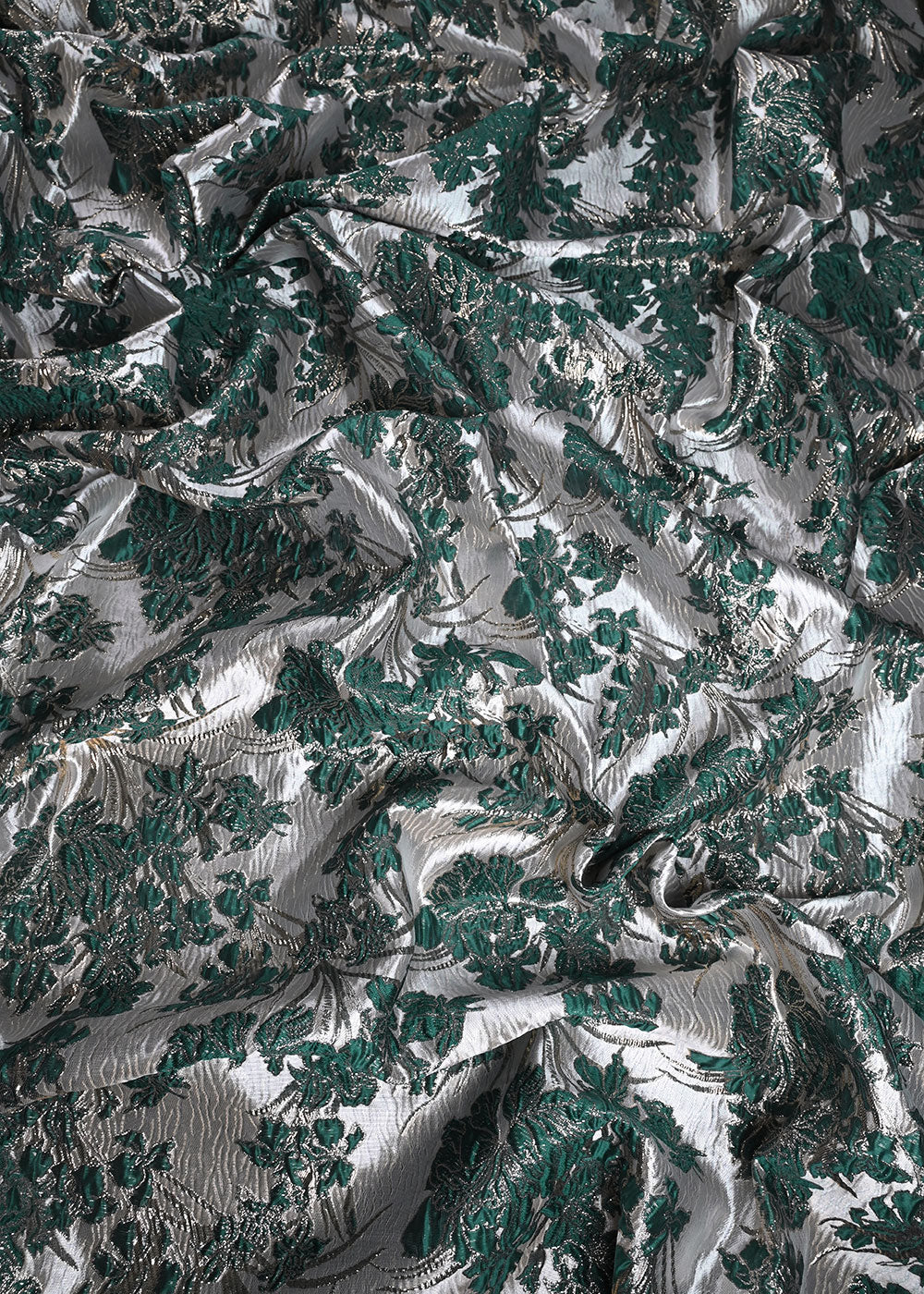
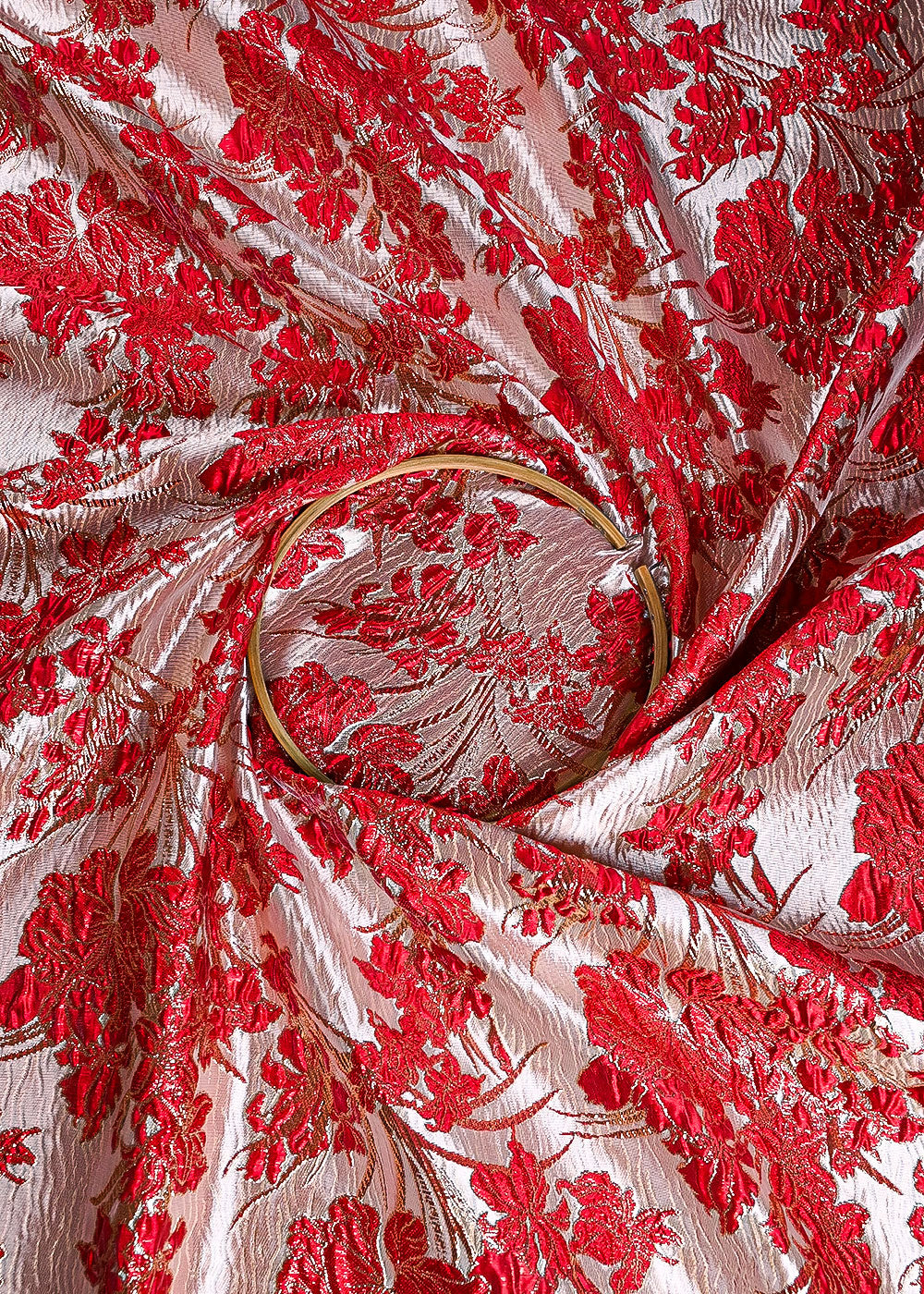
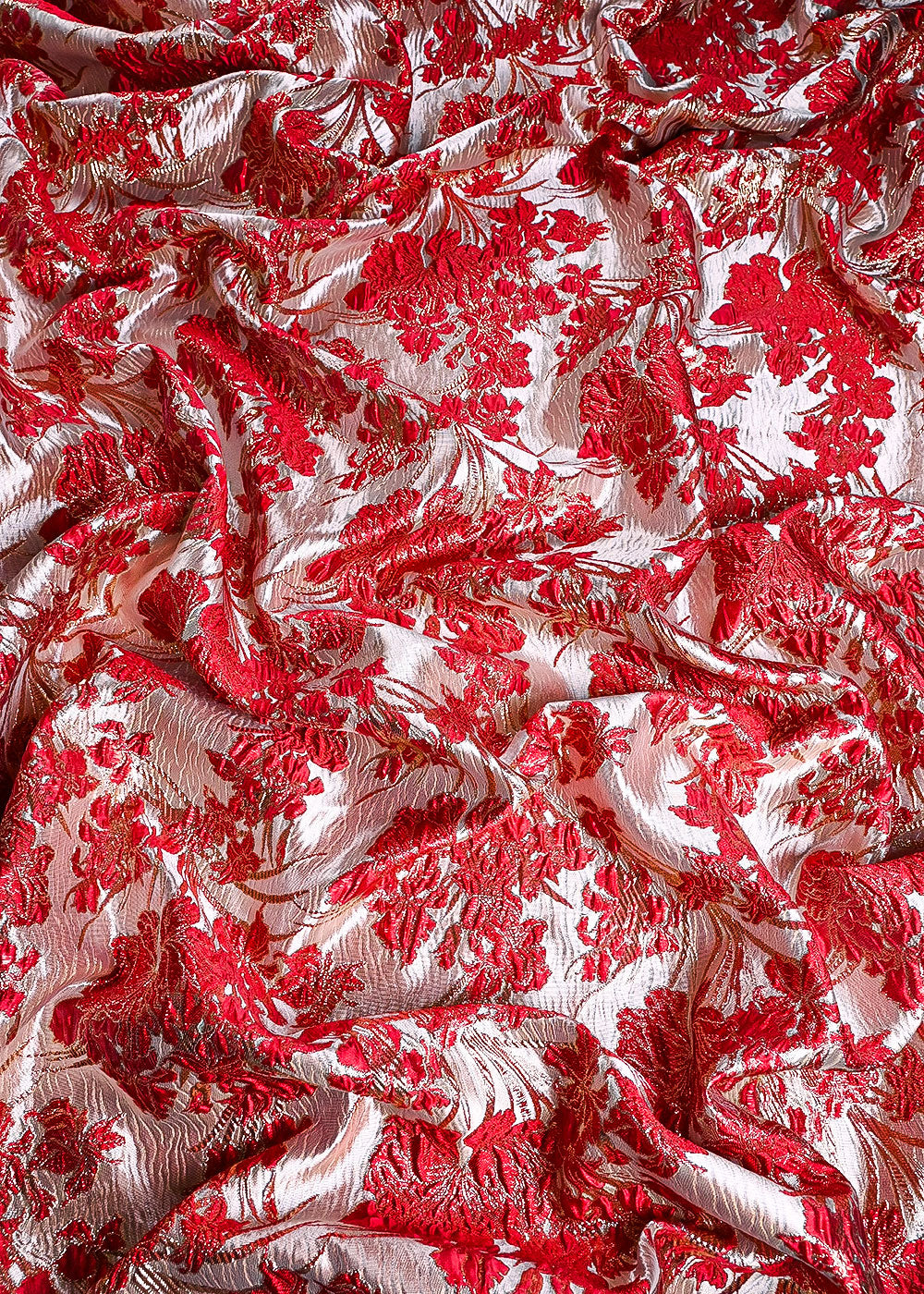
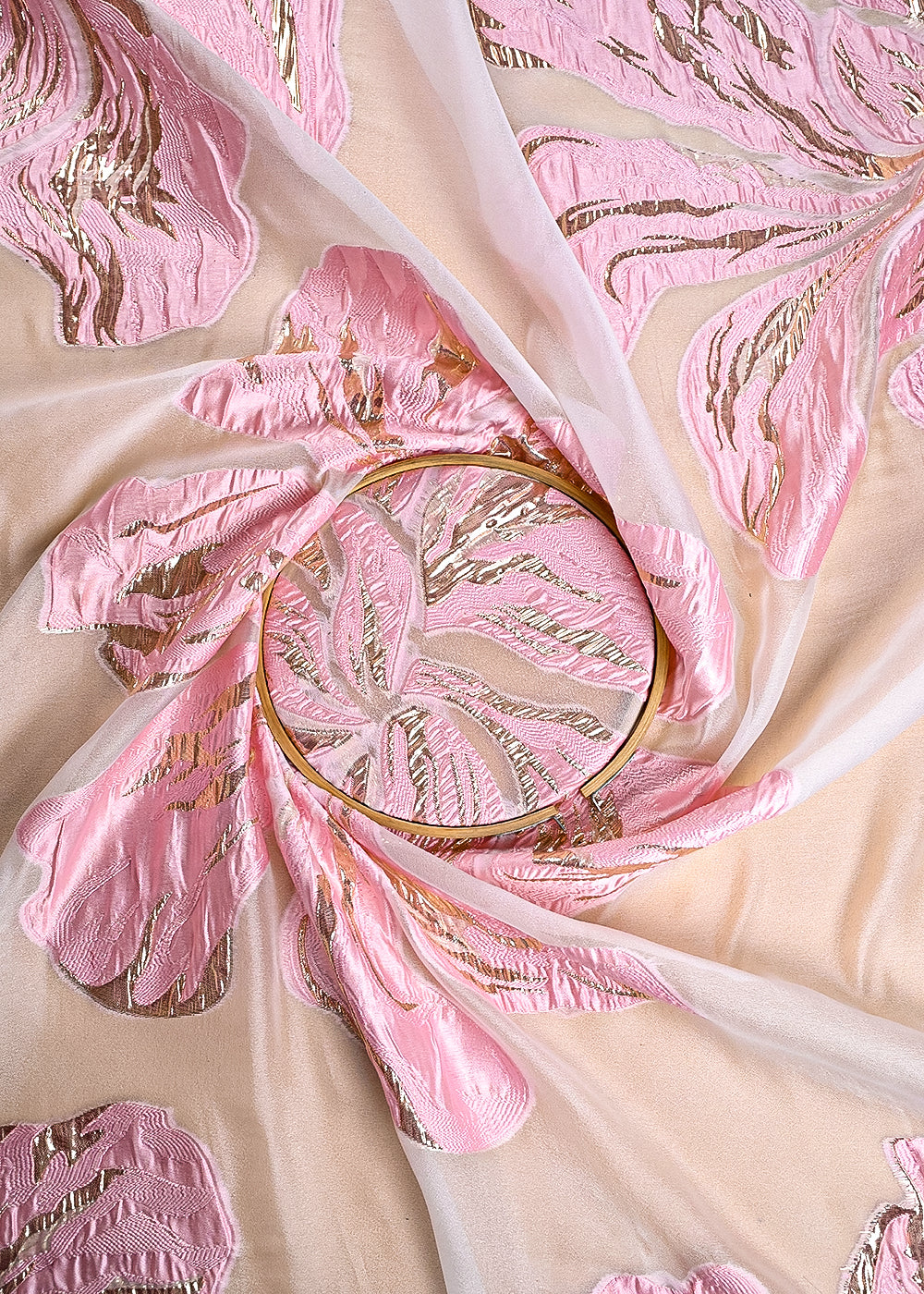
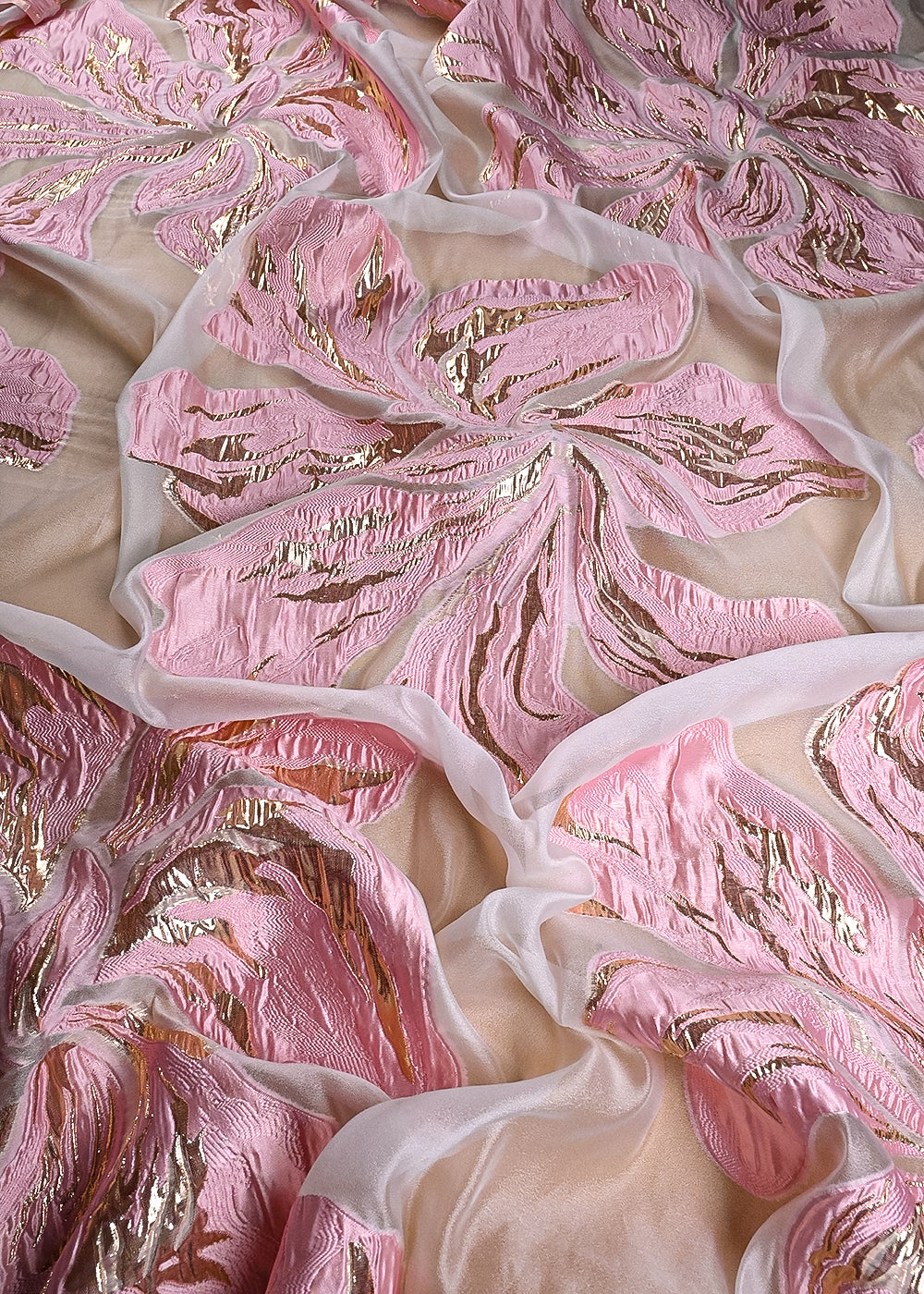
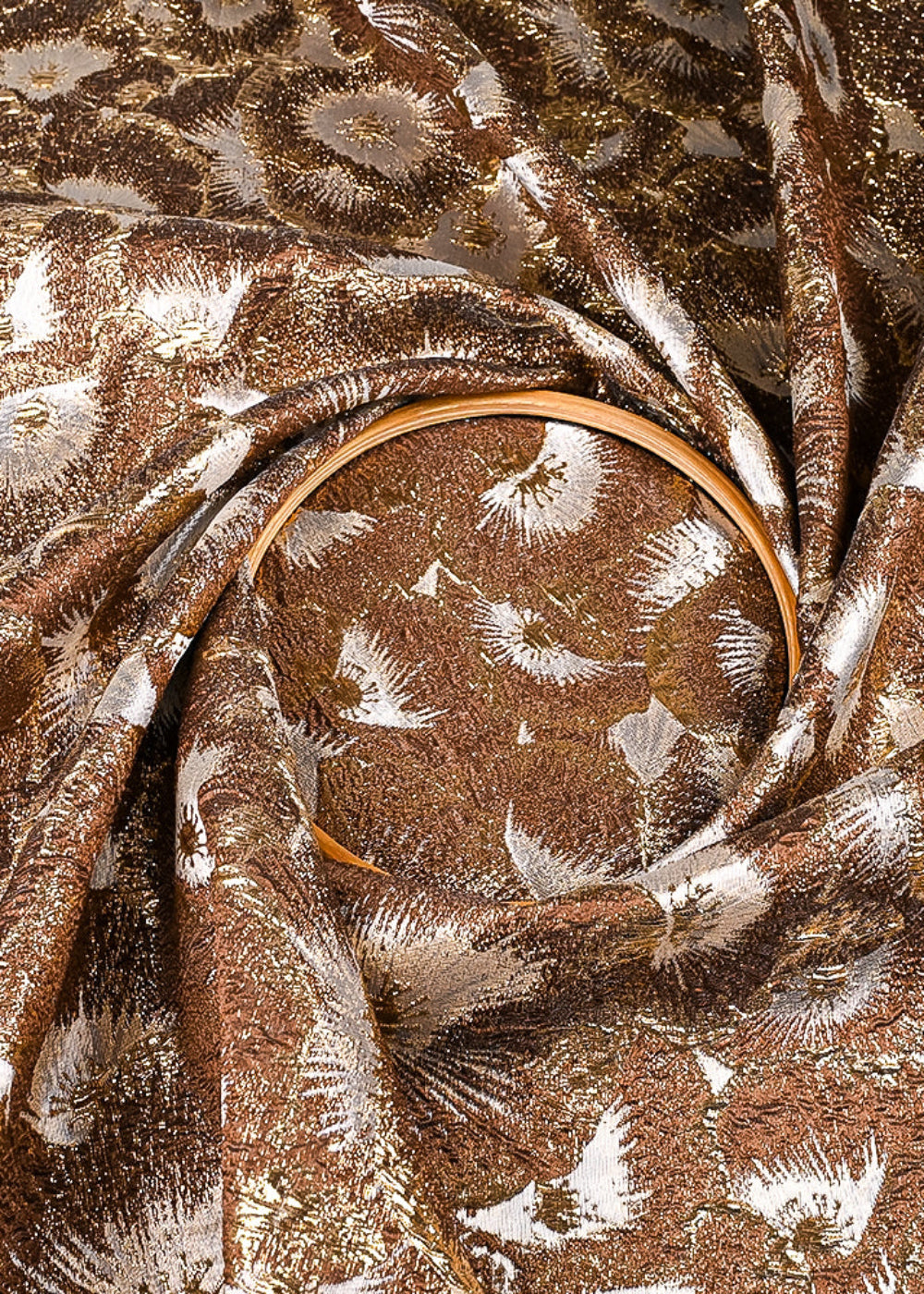
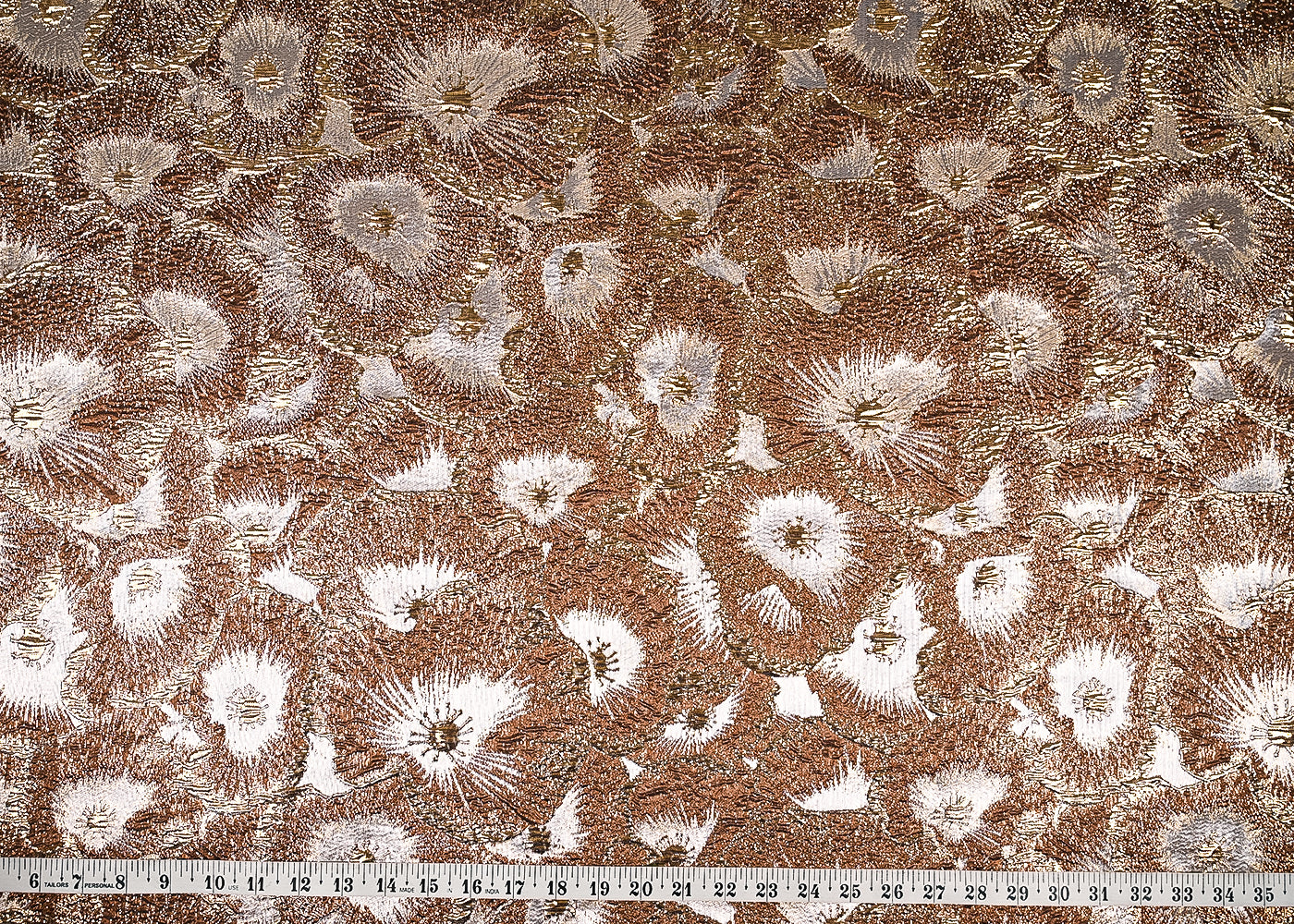
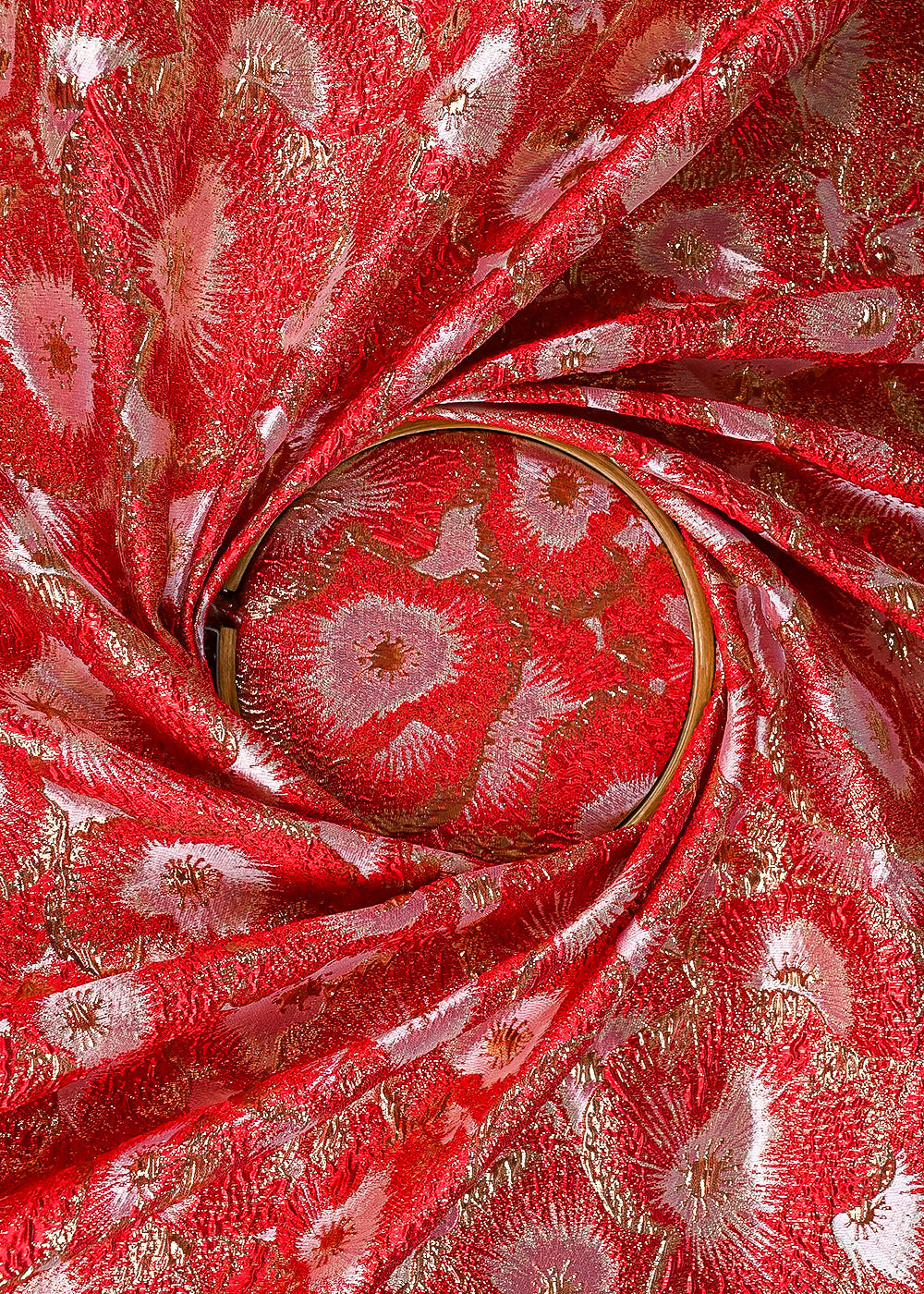
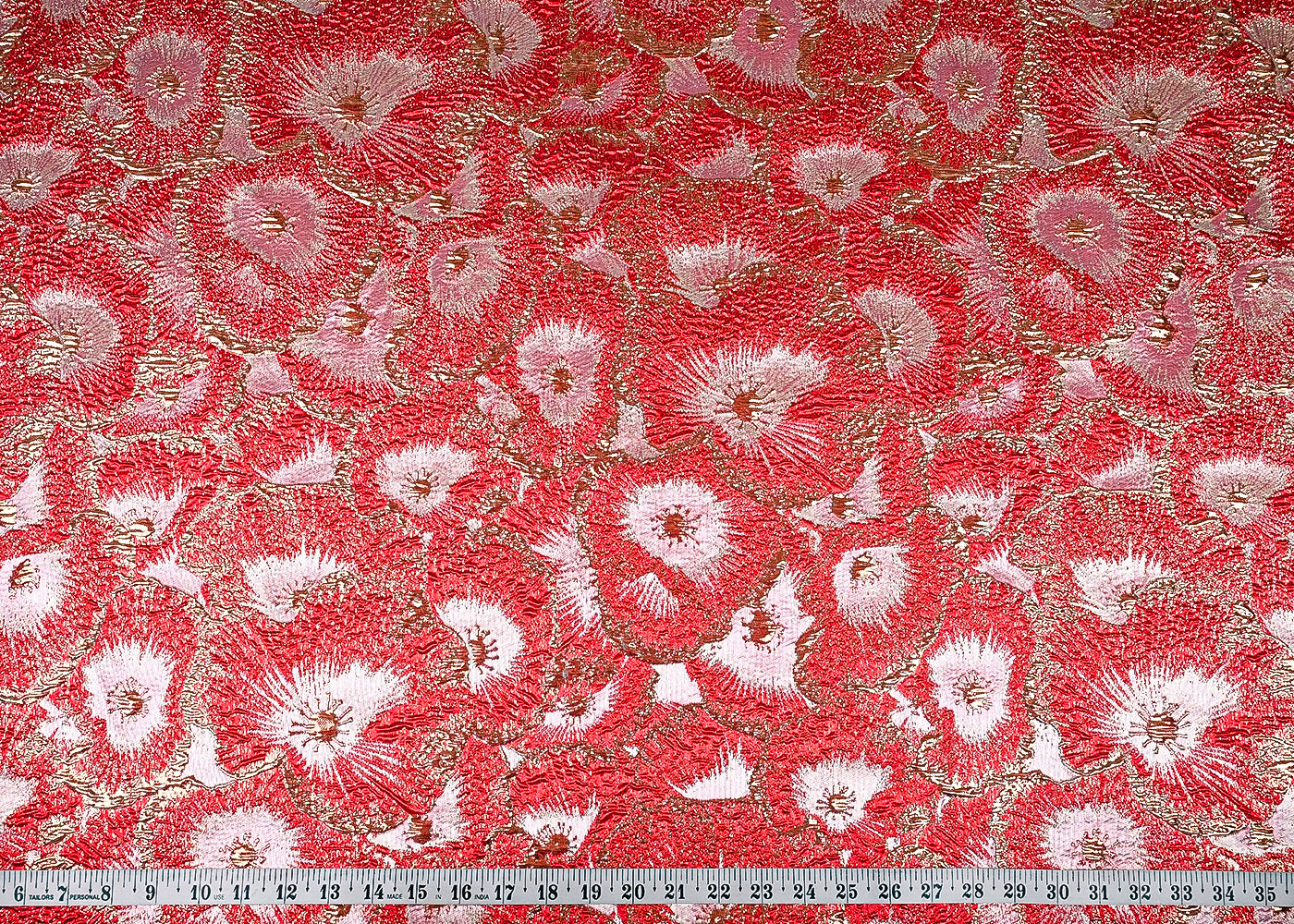
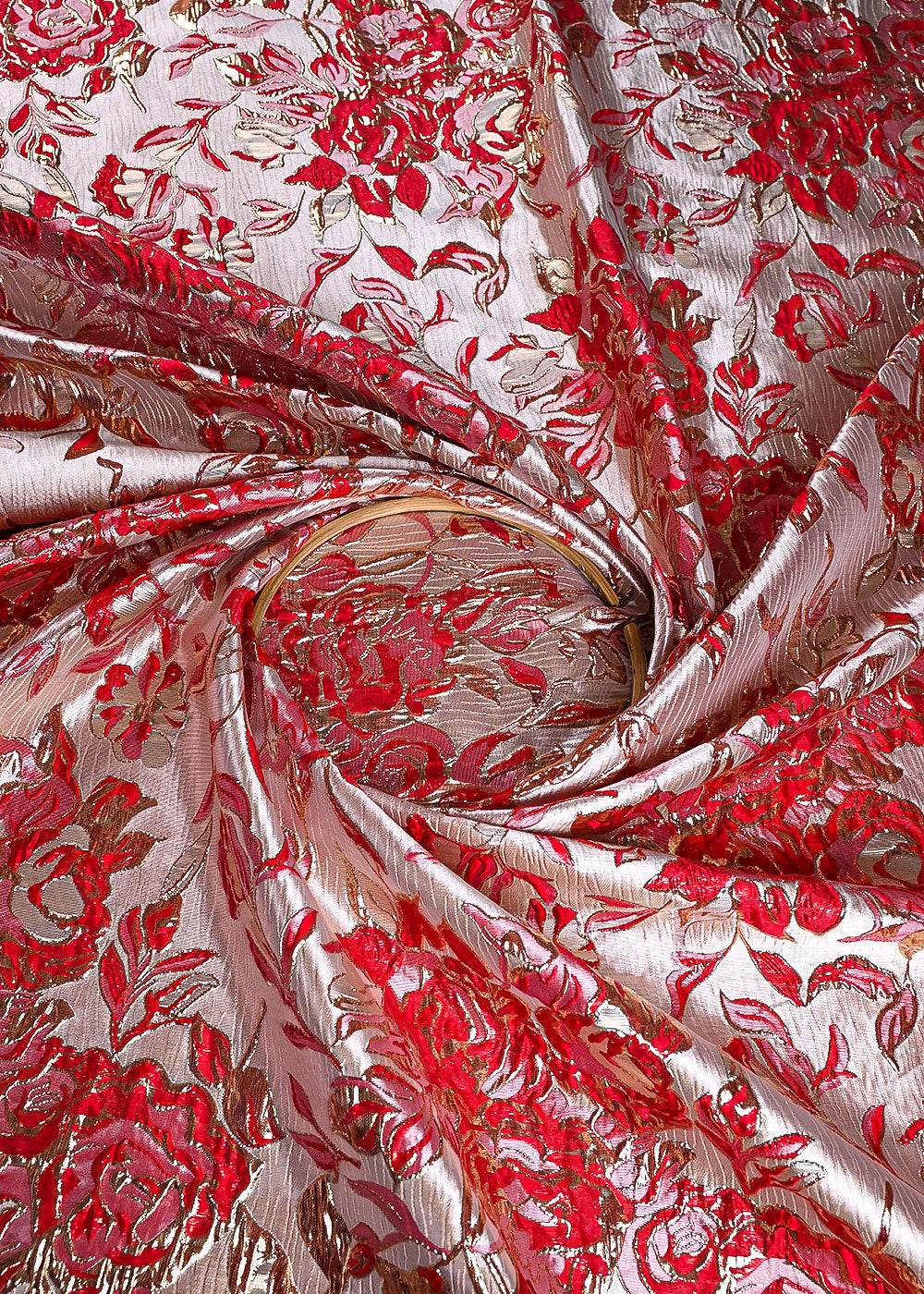
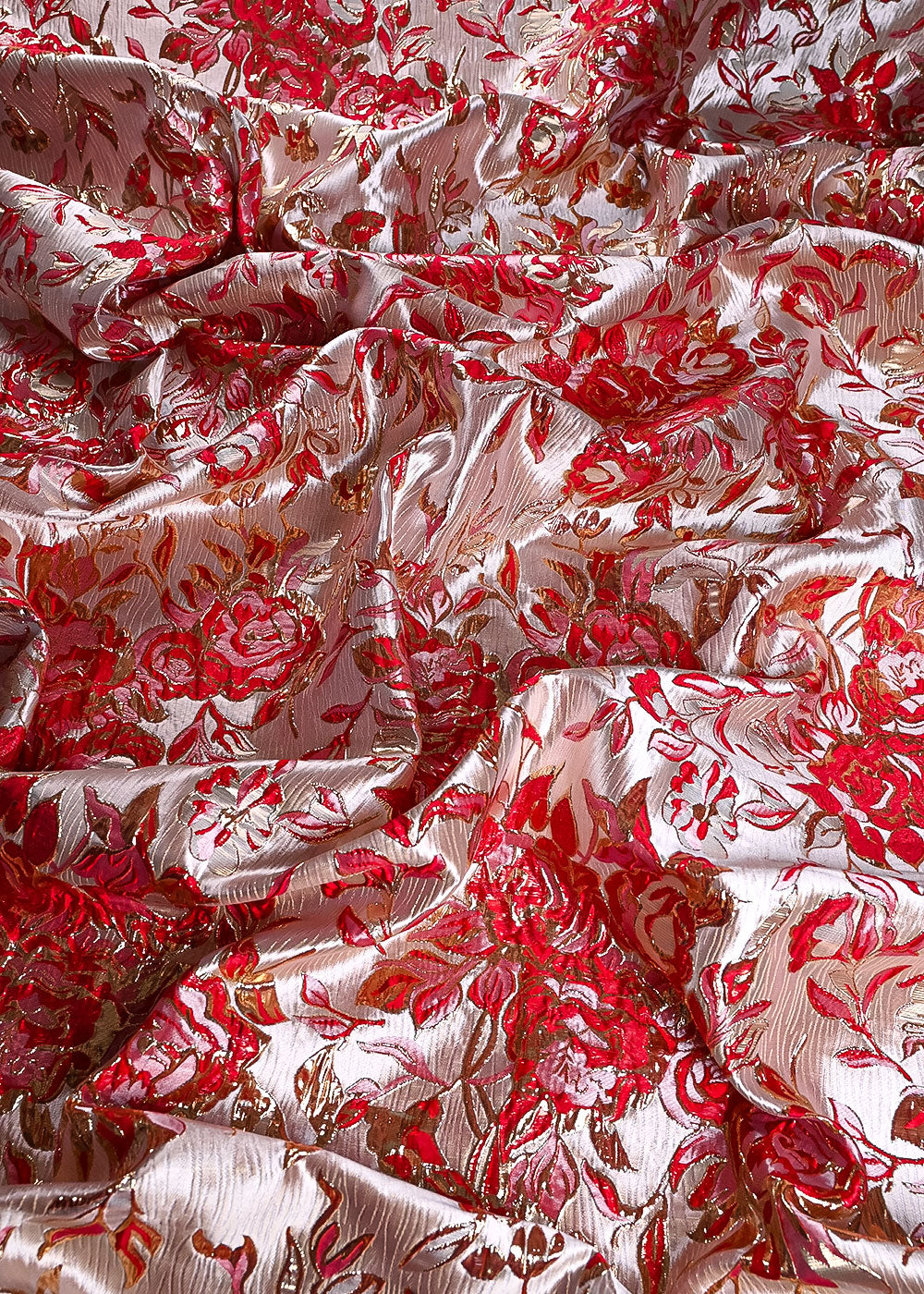
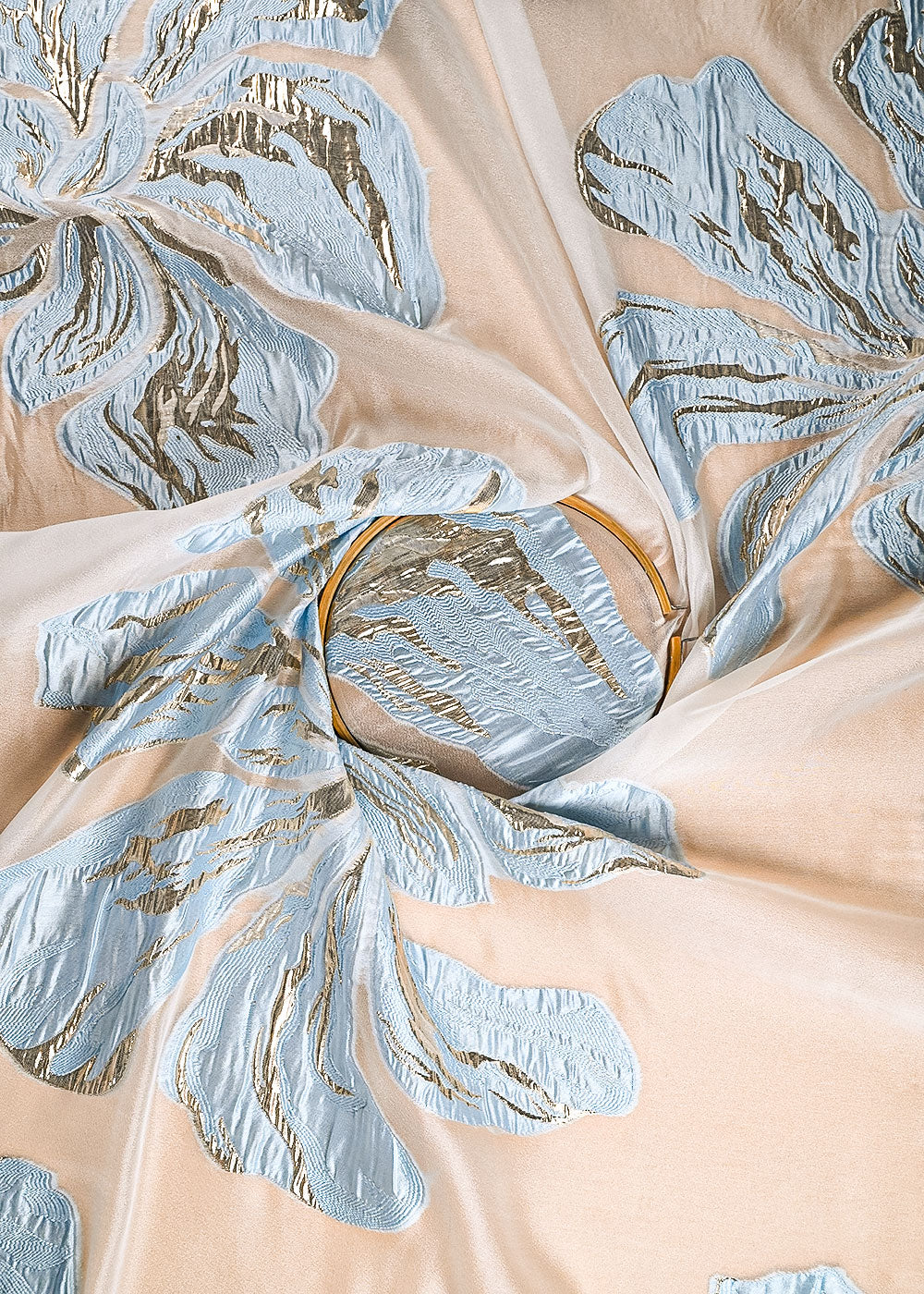
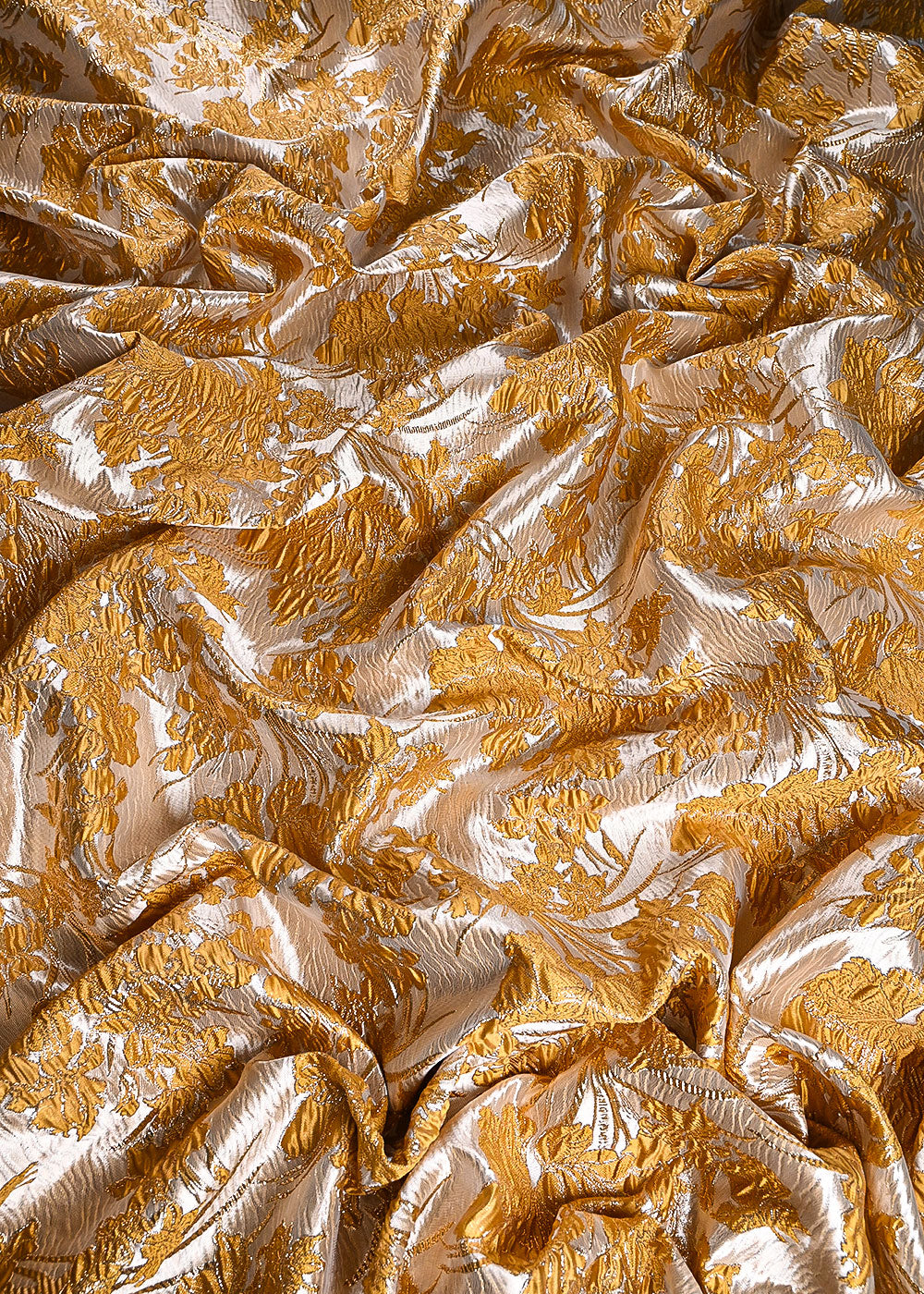
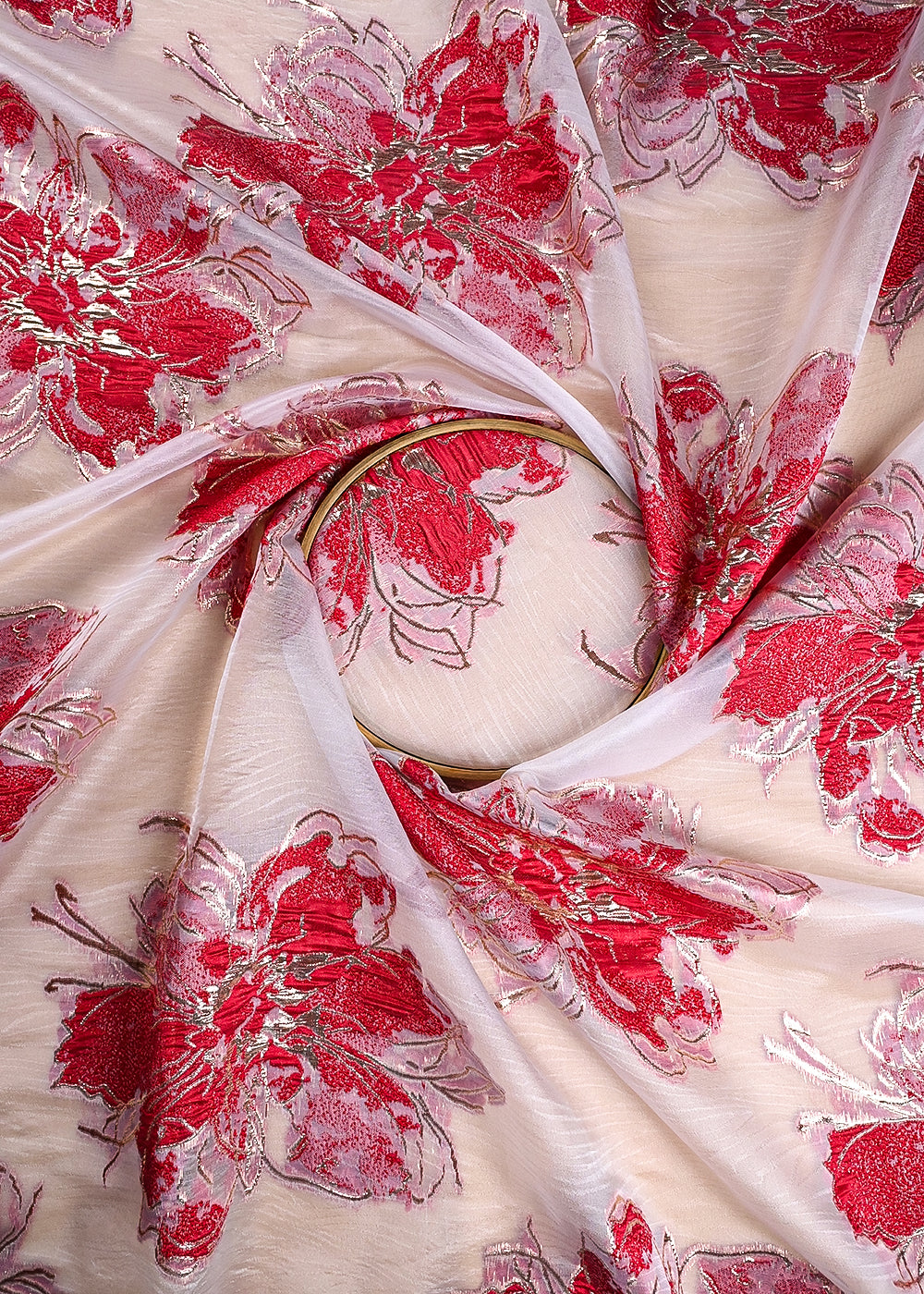
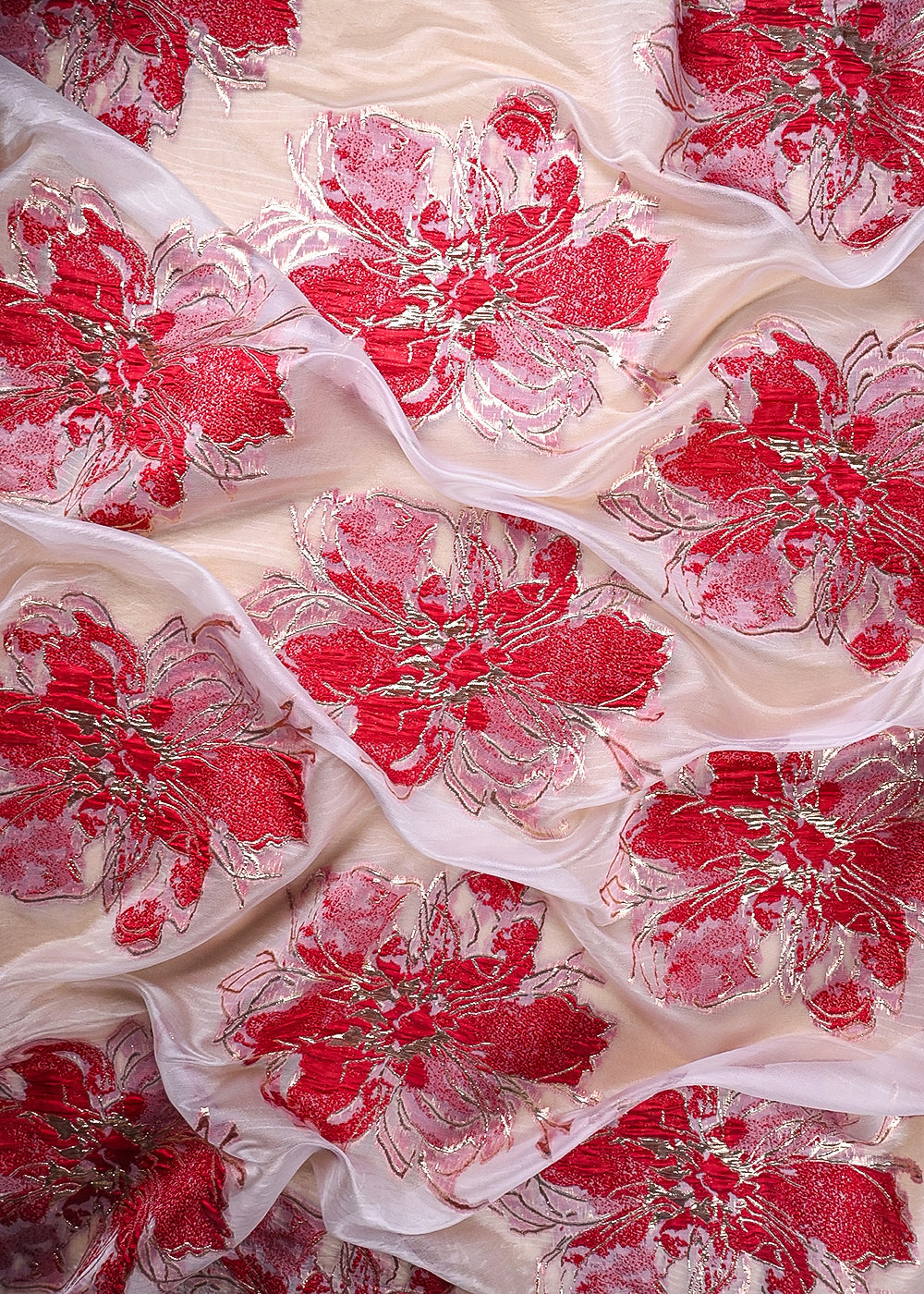
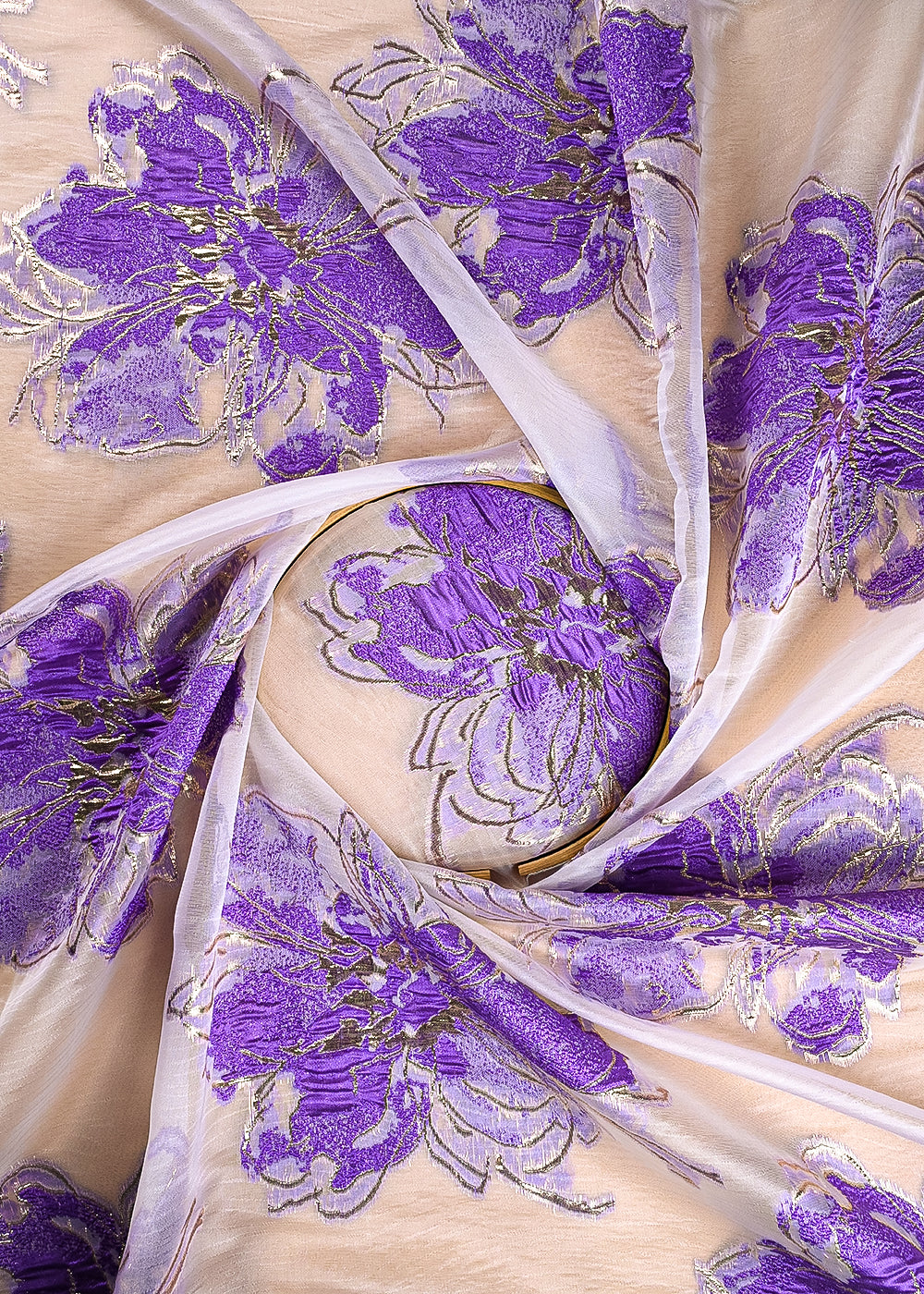
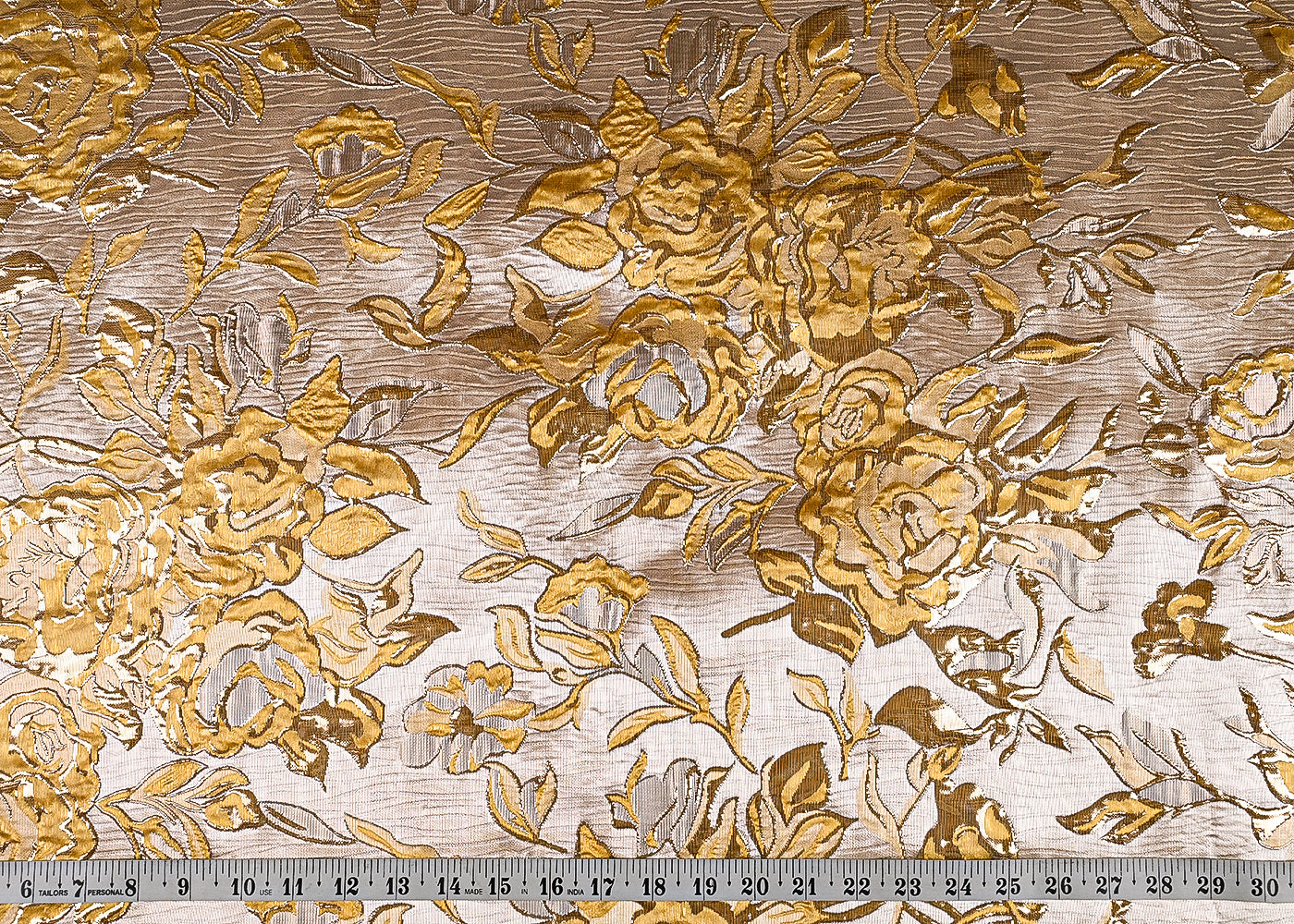
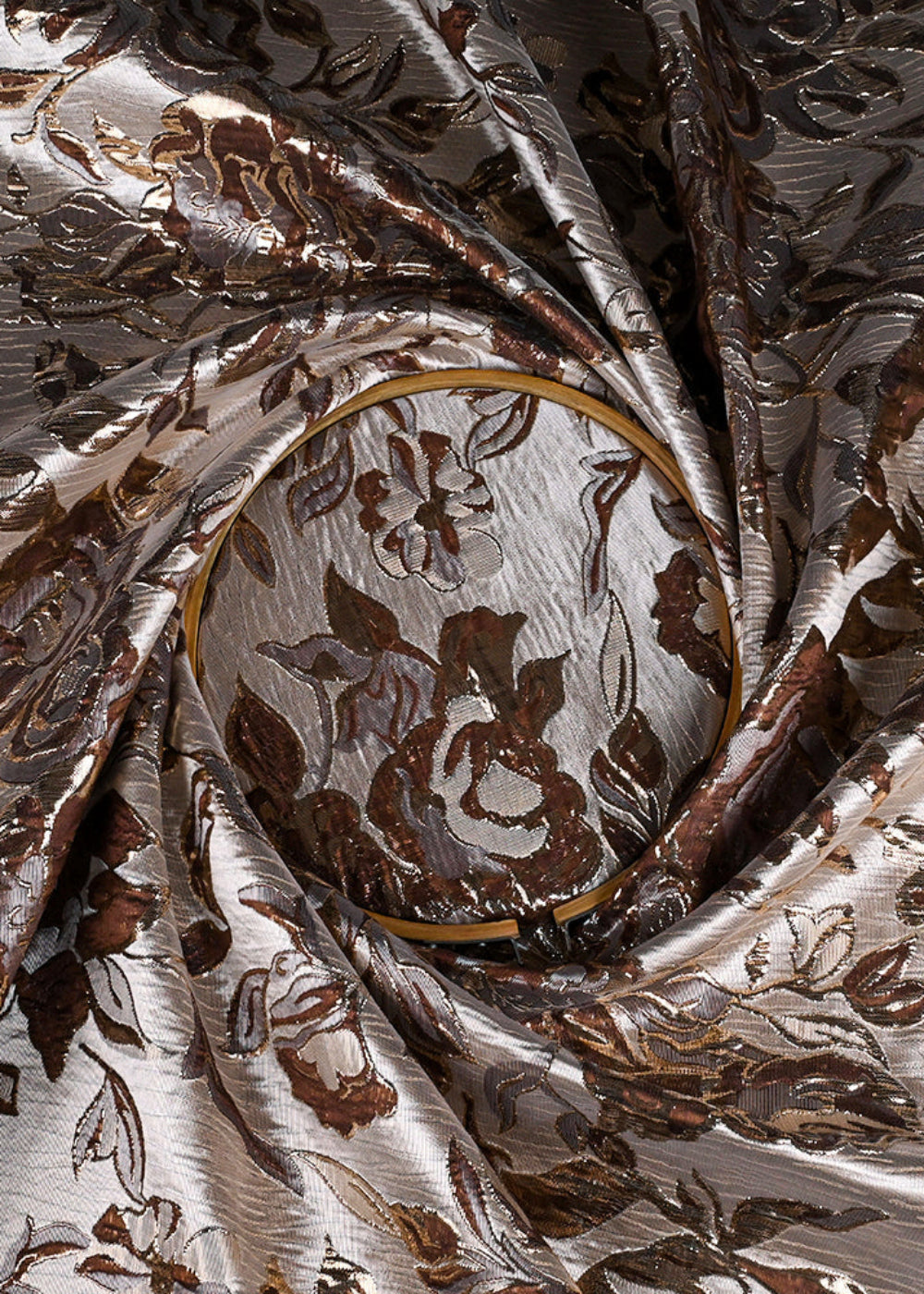
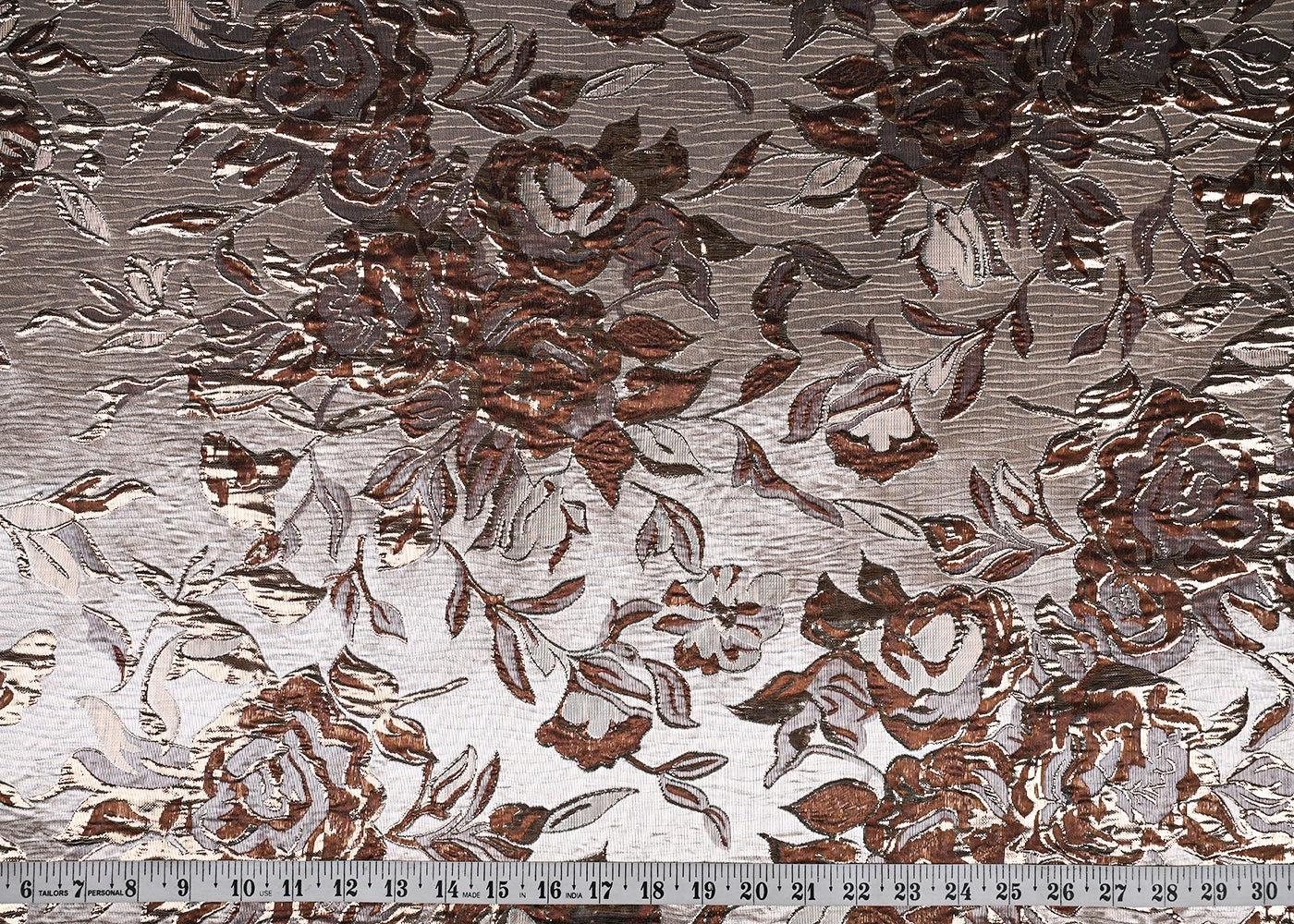
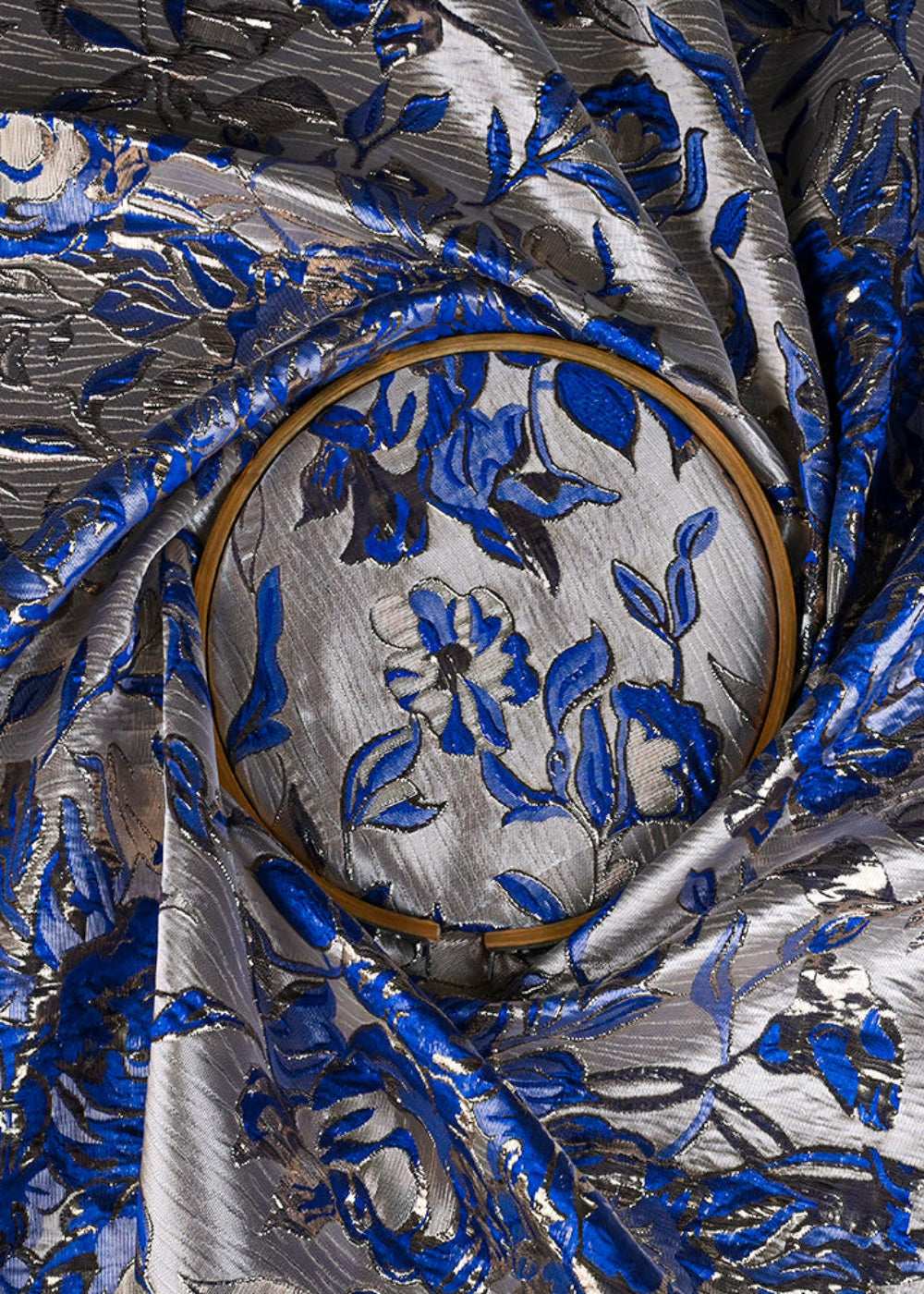
Why Imported Jacquard Owns Statement Wedding Wear
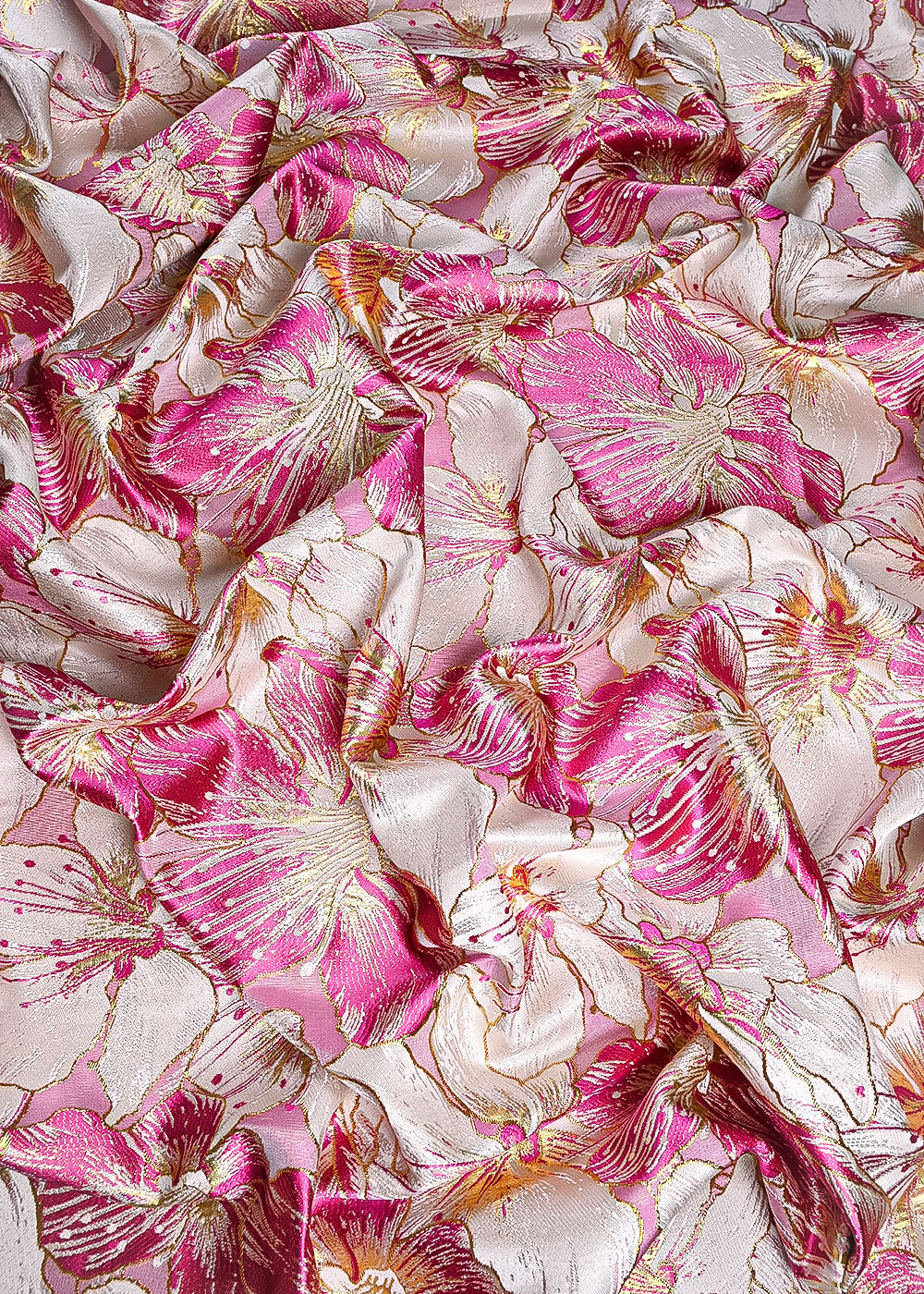
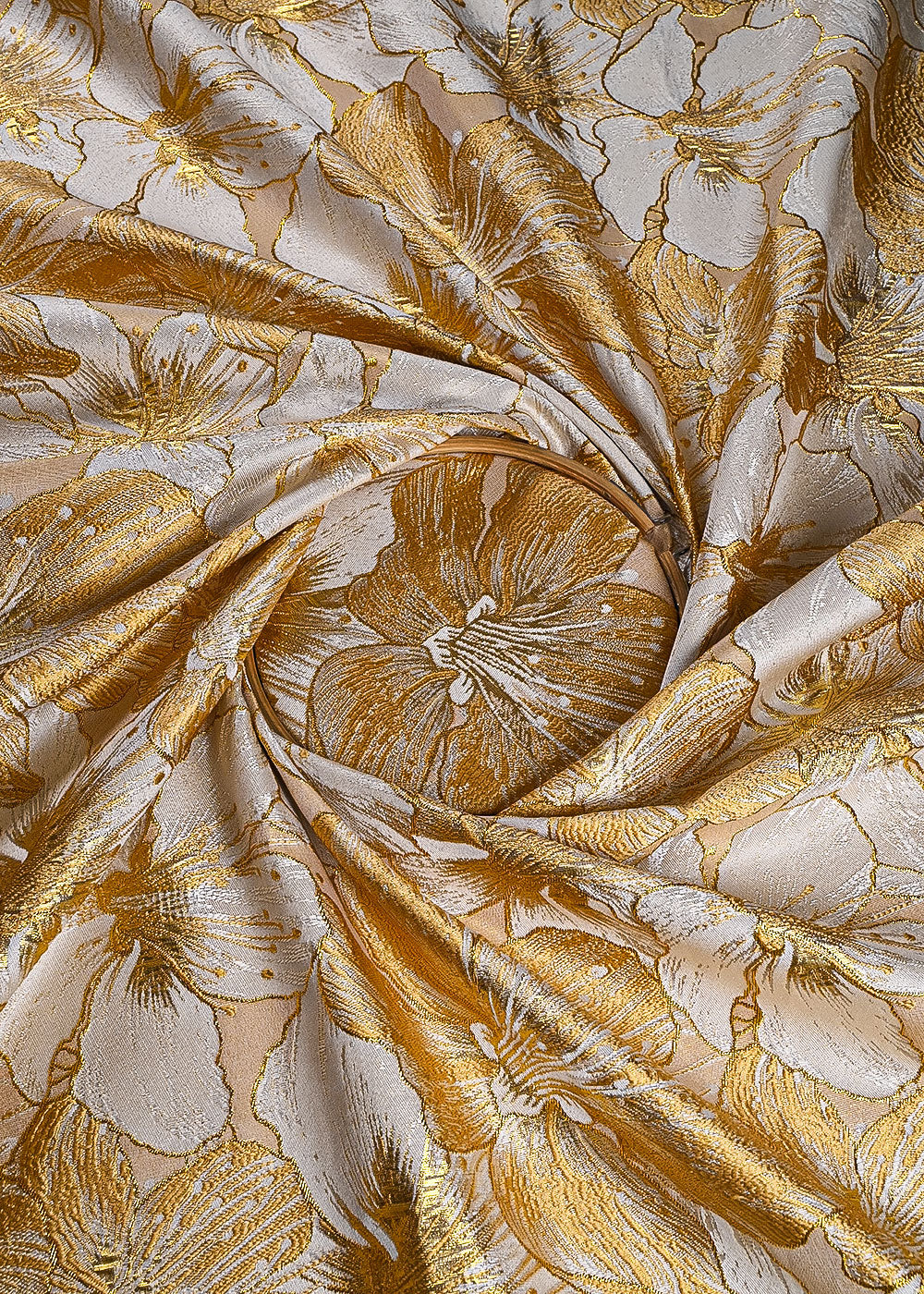
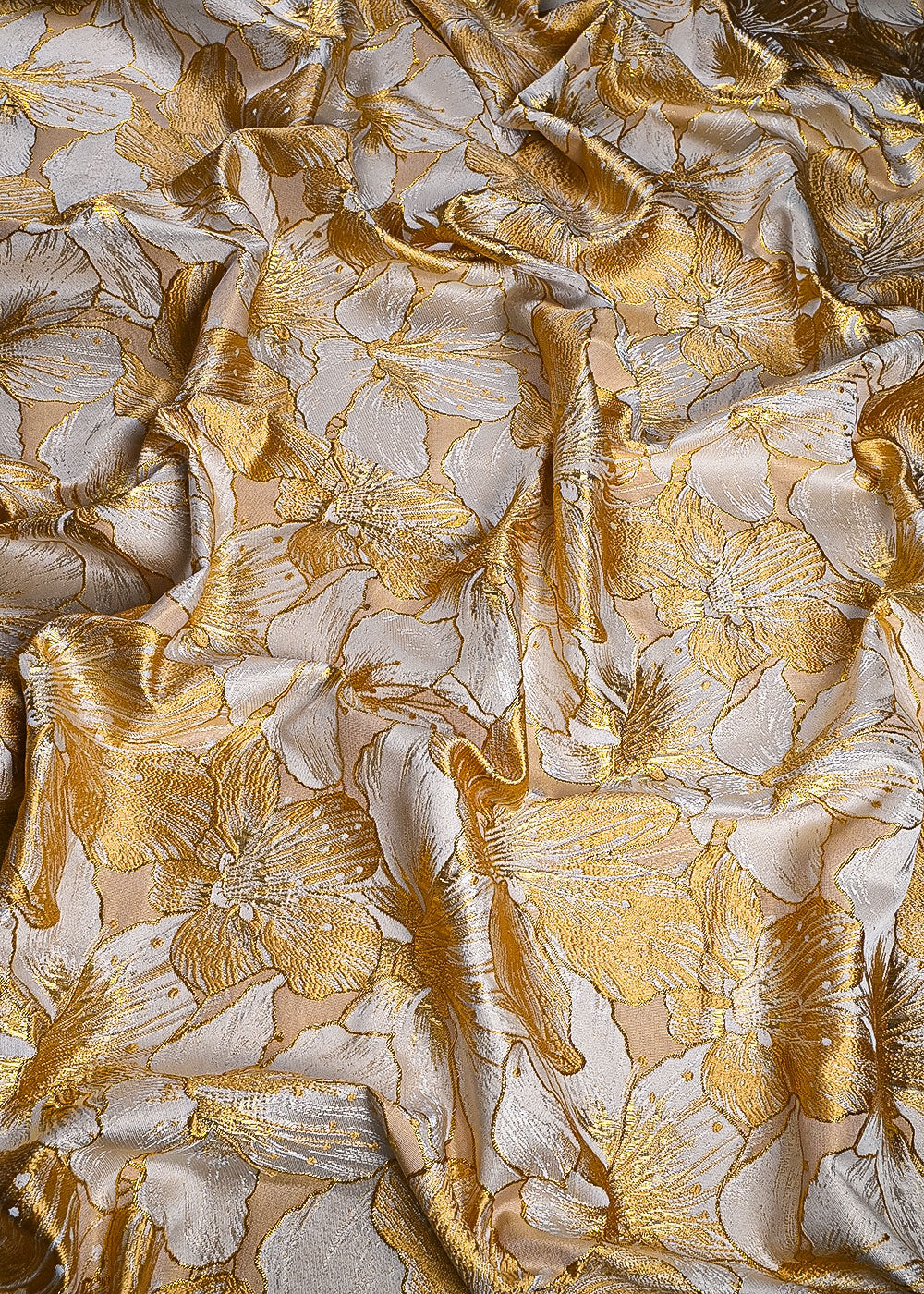
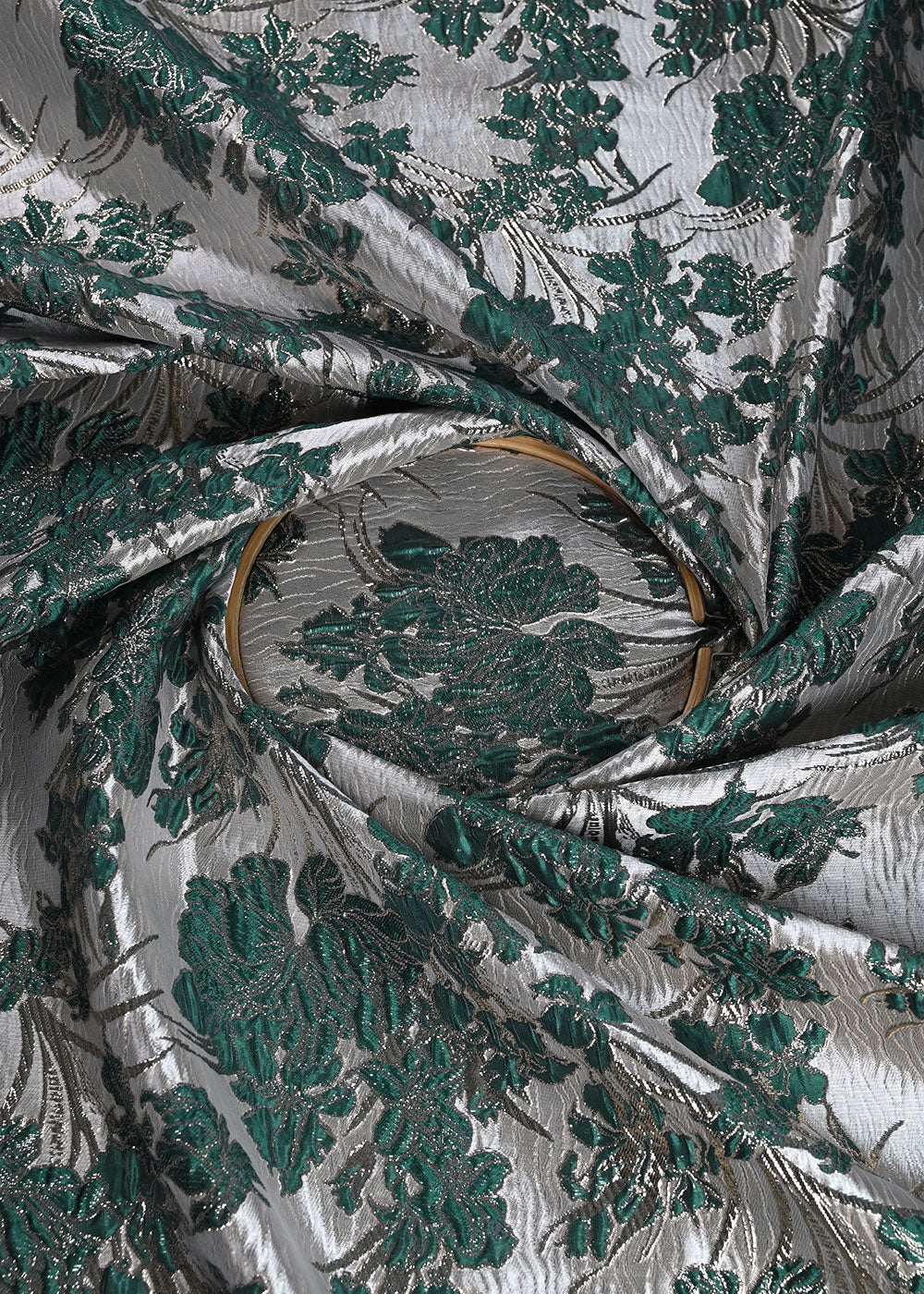
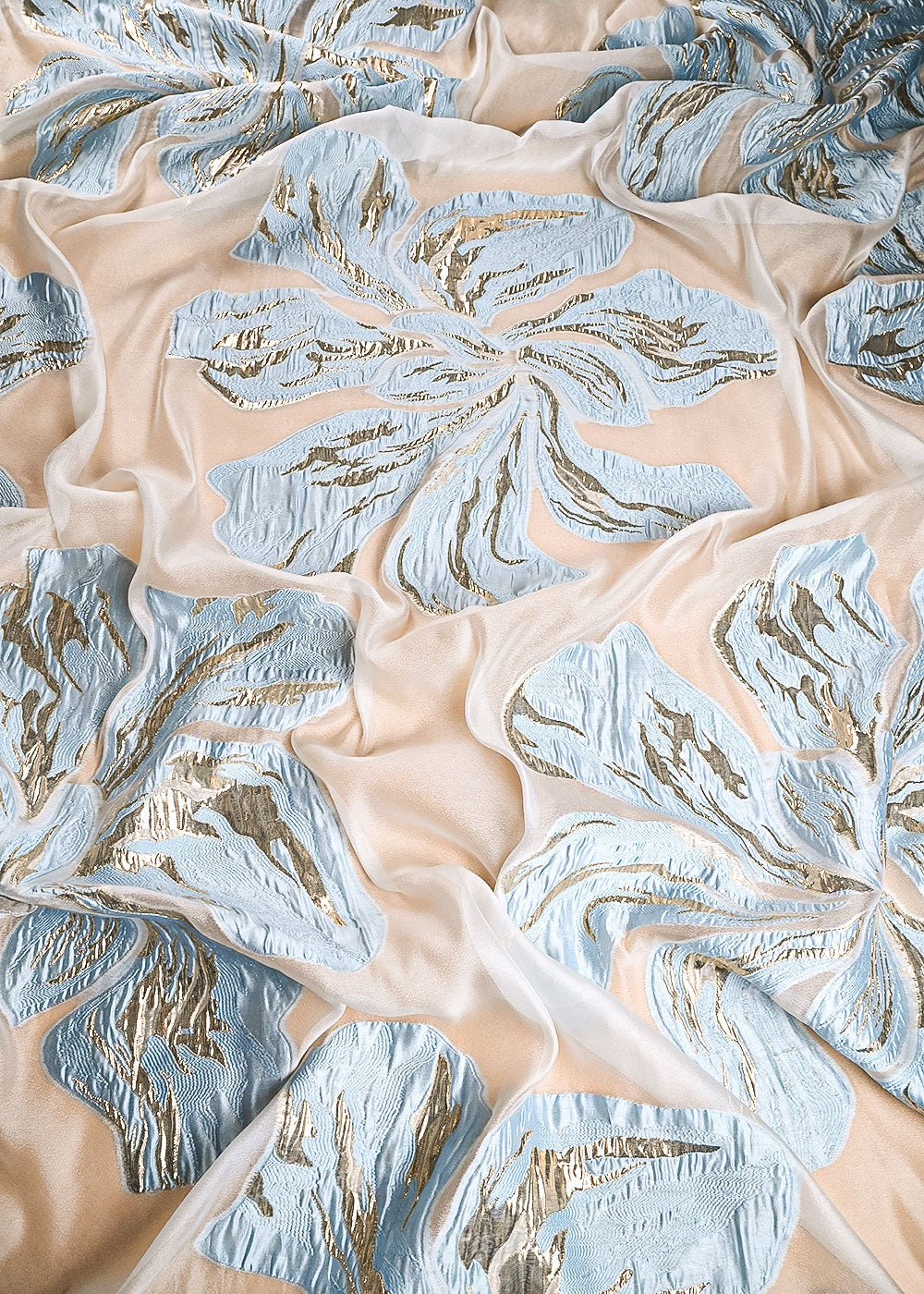
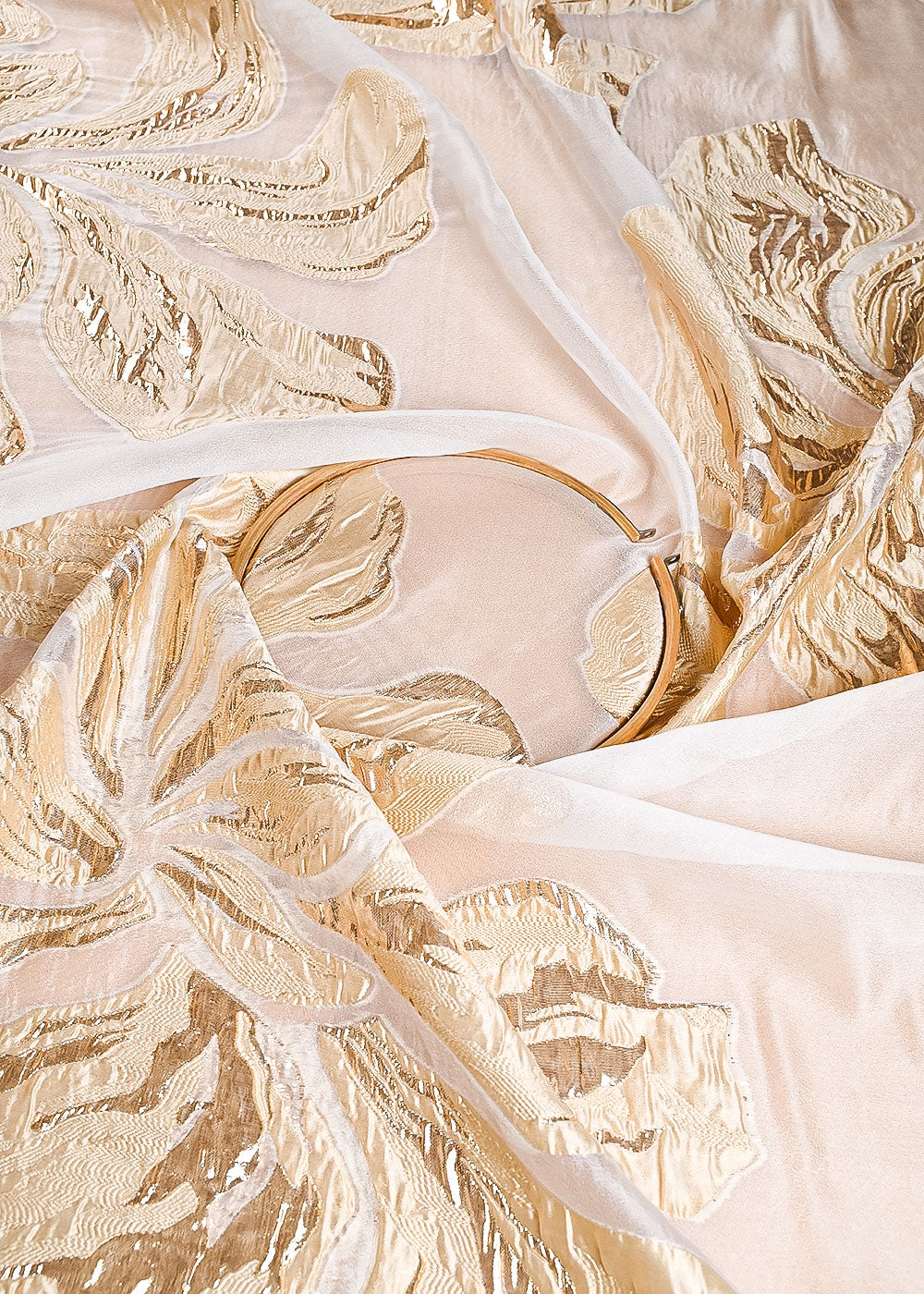
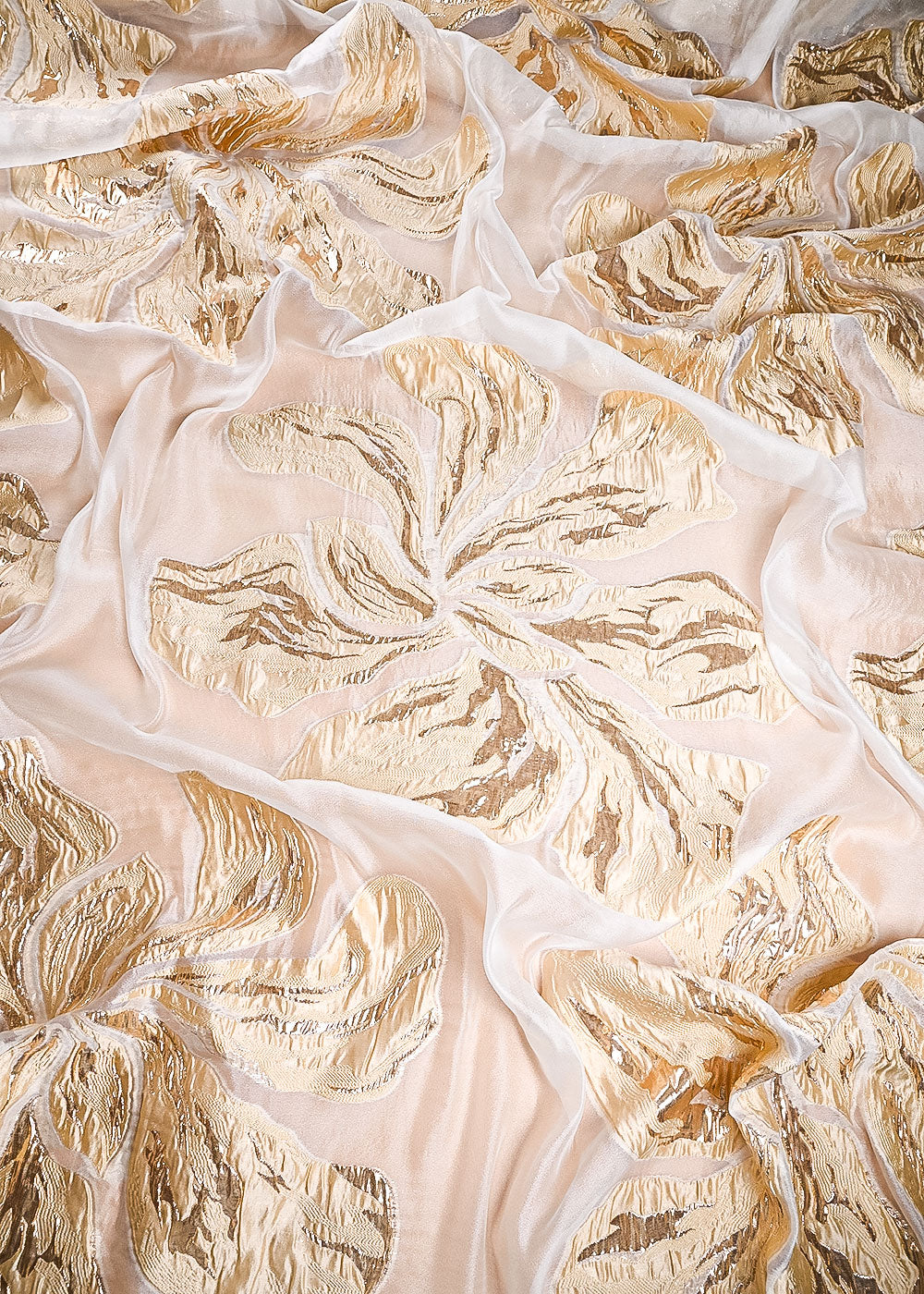
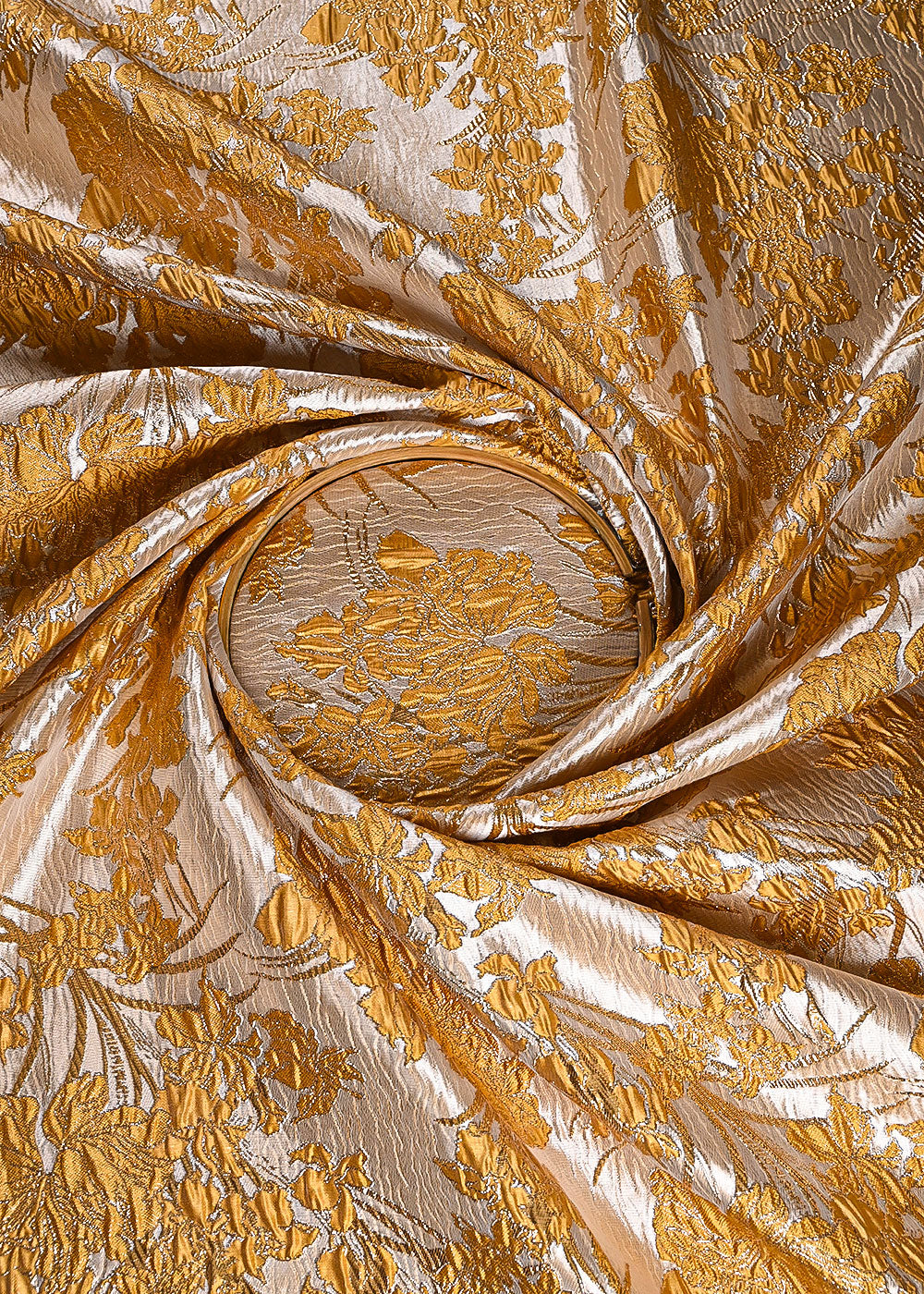
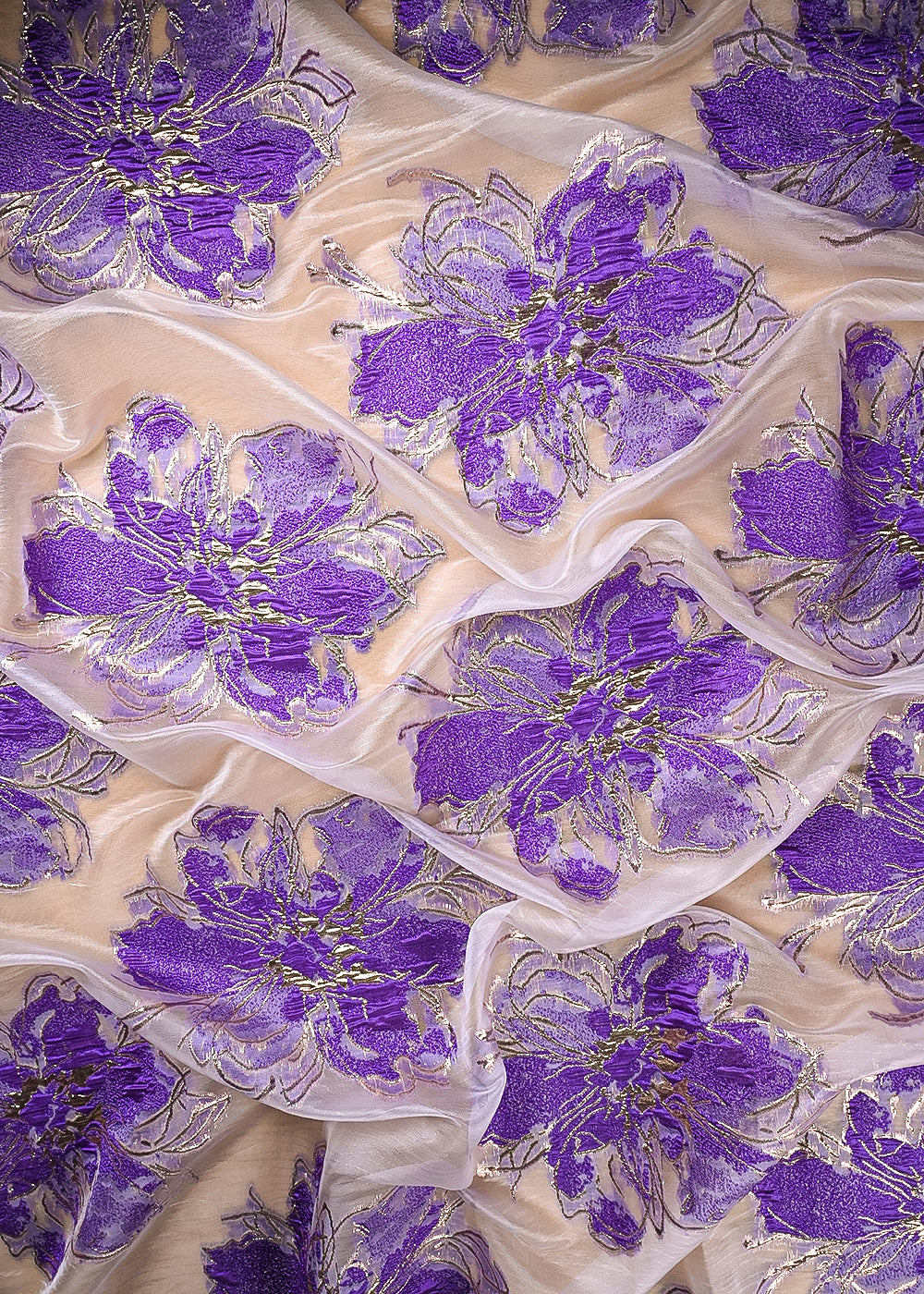
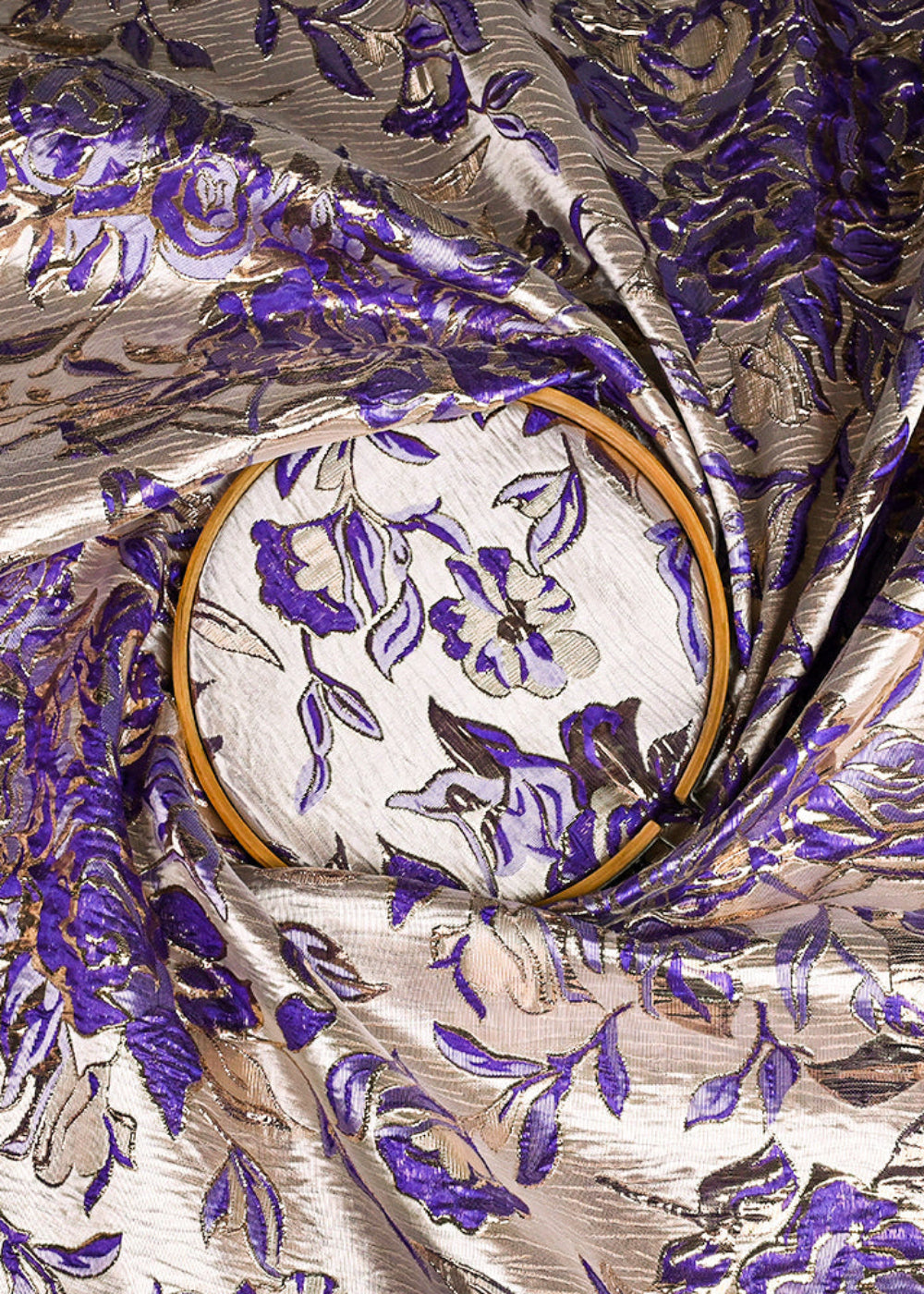
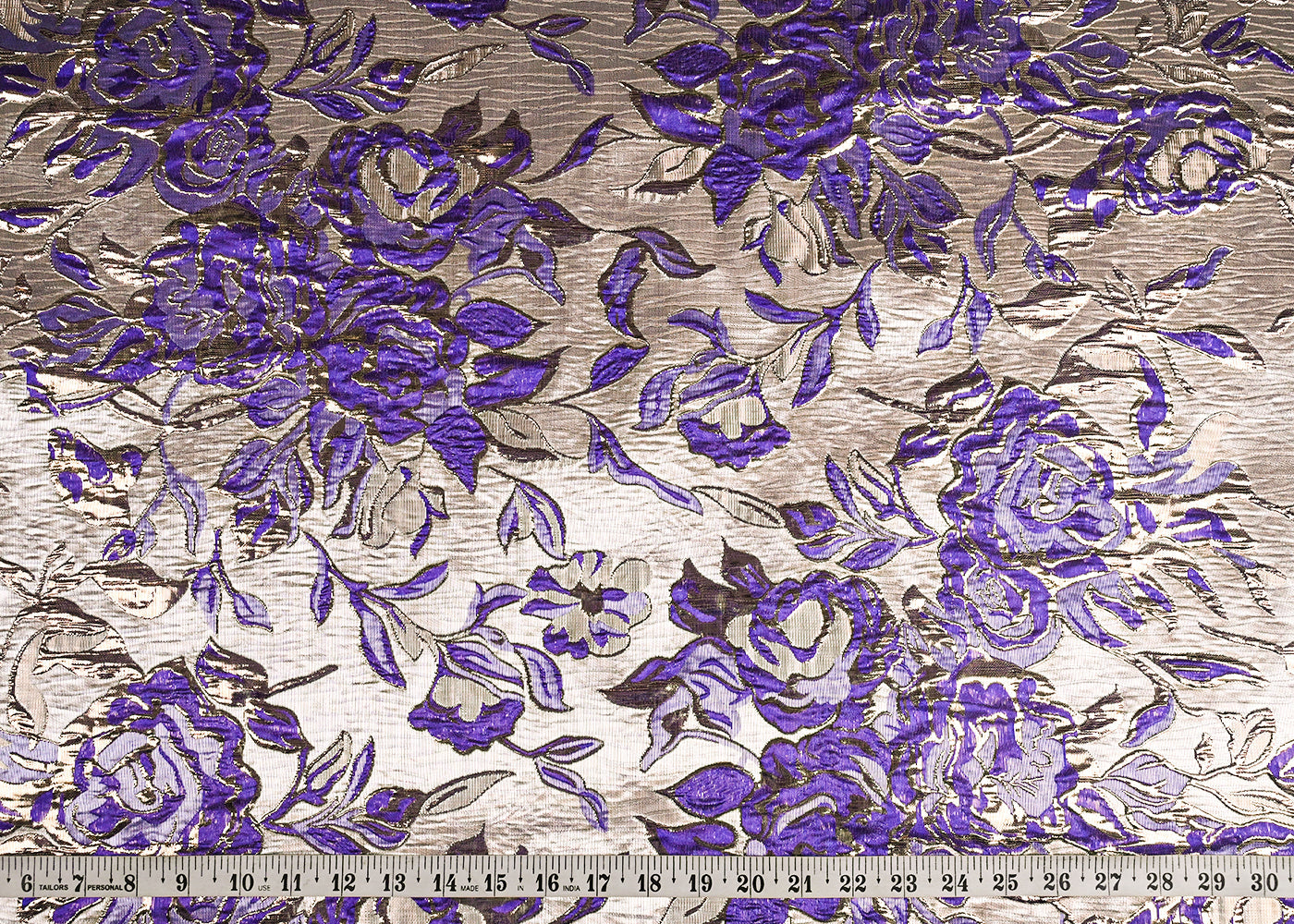
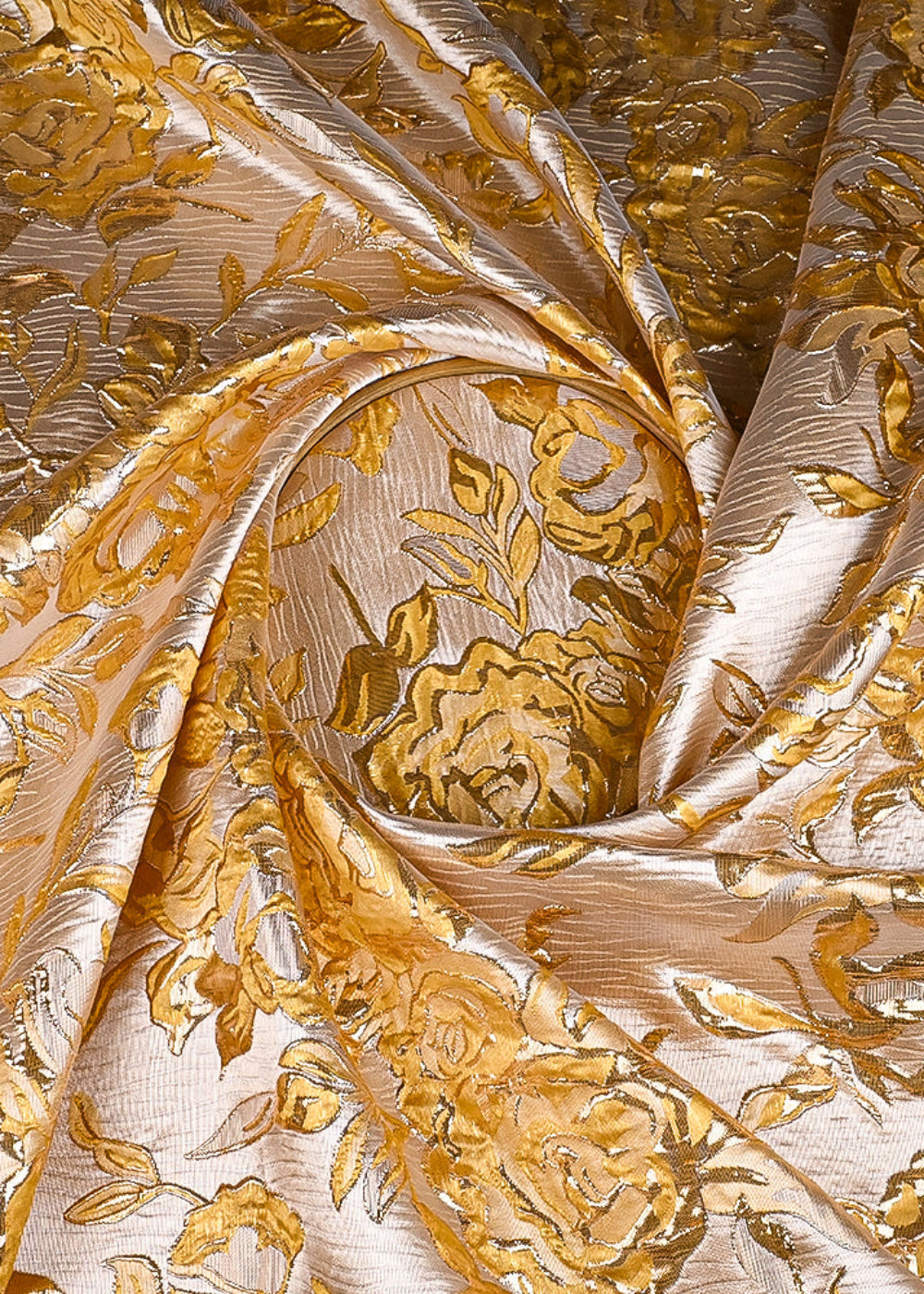
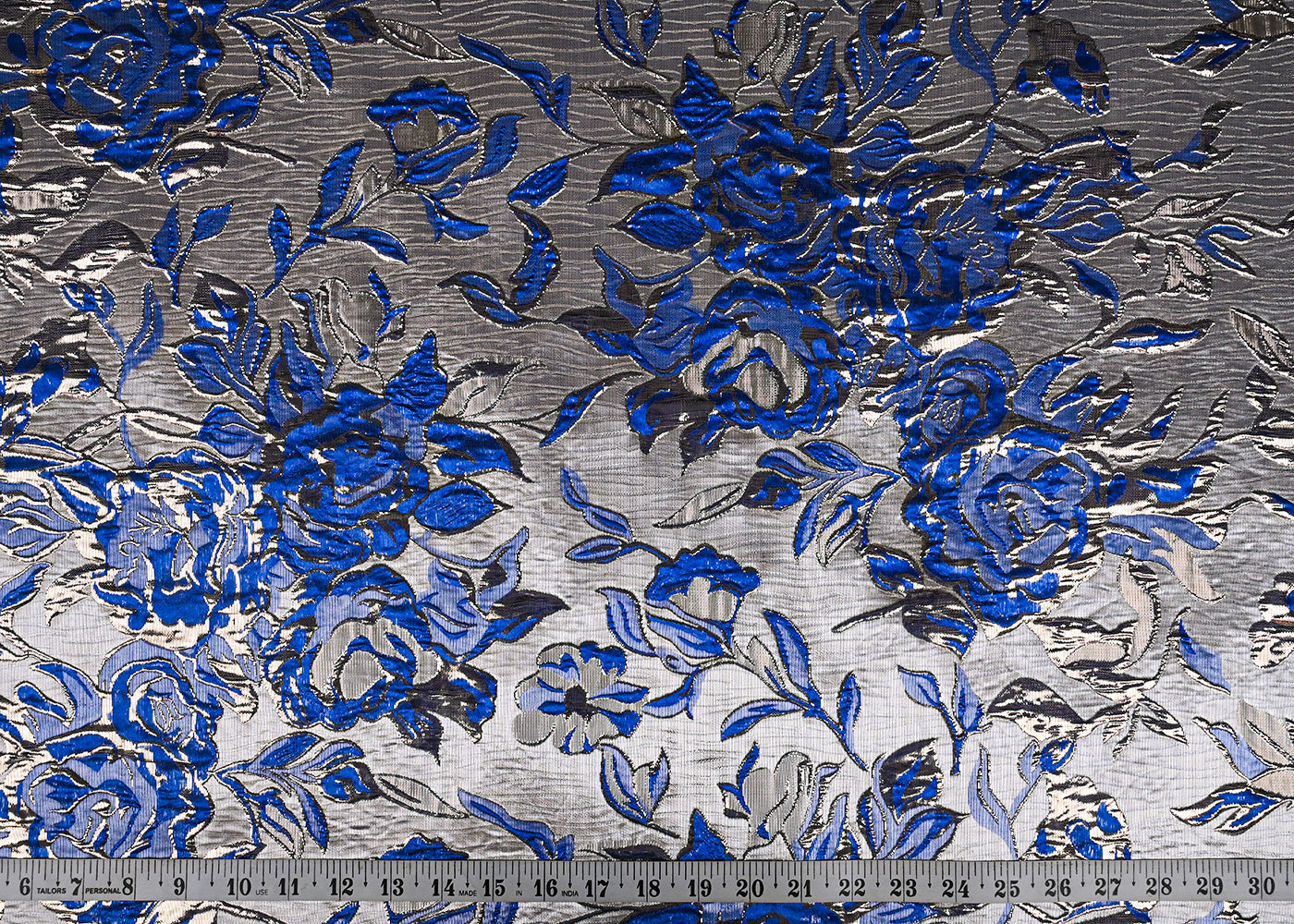
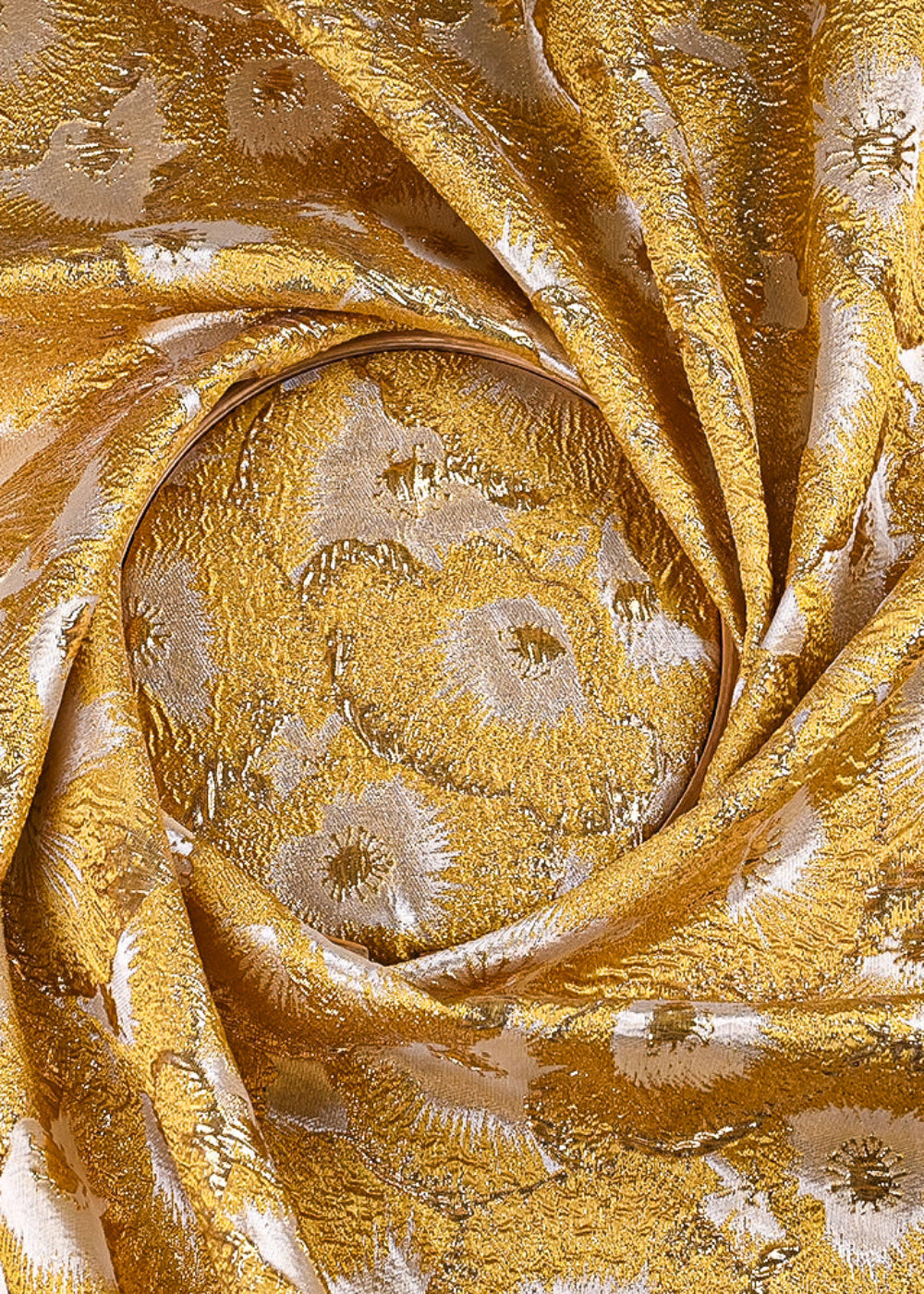
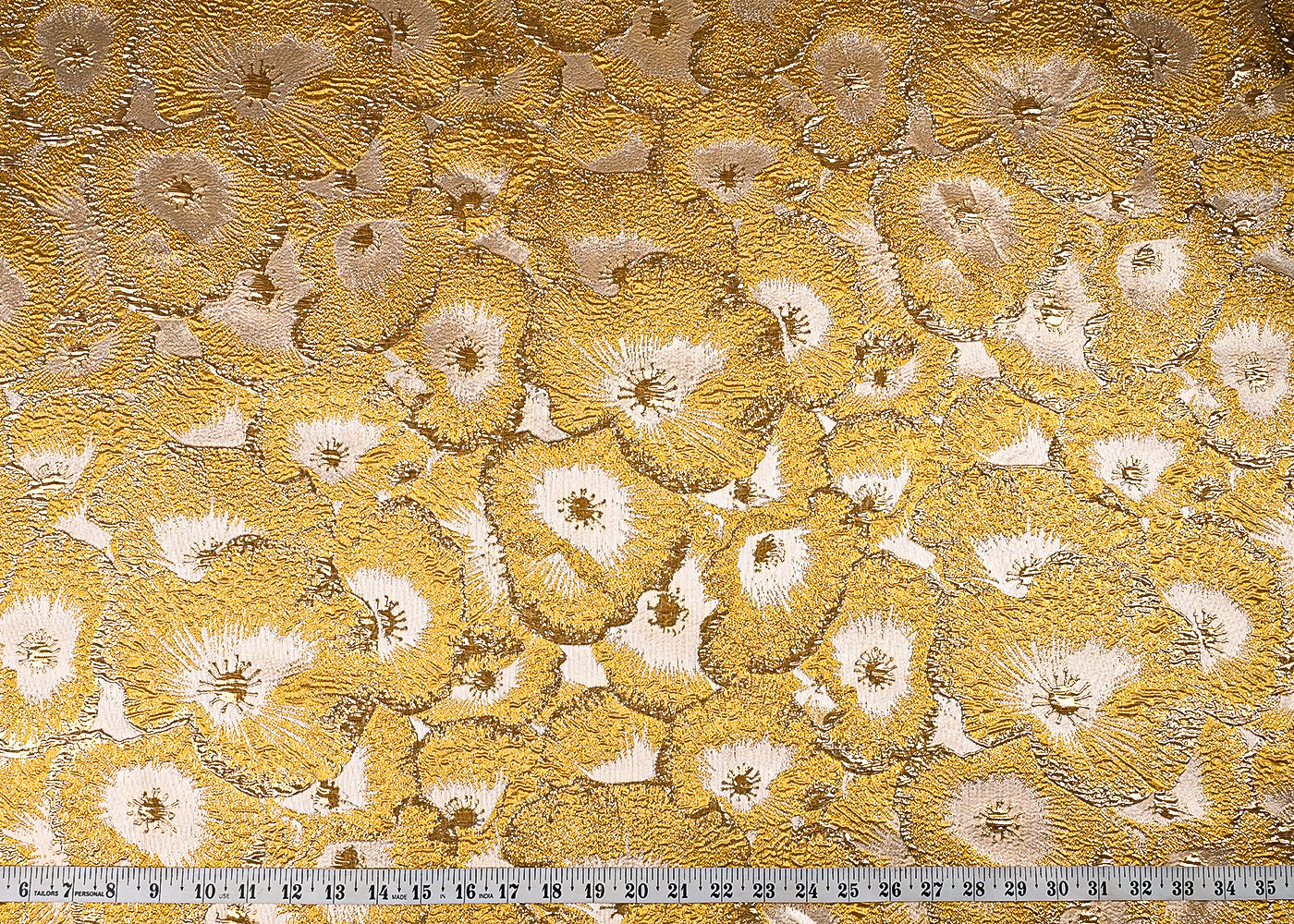
Imported jacquard is woven on Korean, Chinese, Japanese looms that run higher yarn counts than domestic mills. The result is a finer weave, sharper pattern registration, plus subtler metallic thread work. That finish is why Delhi NCR designer boutiques reach for it on the statement wedding segment where the fabric has to carry the whole outfit.
The difference shows most under function lighting. A domestic jacquard reads fine on the shelf, but the imported weave definition photographs sharper on camera, which is exactly what a wedding blouse or lehenga panel needs at the Rs 8,500 to 22,000 retail band.
What Sets the Imported Weave Apart
Domestic jacquard uses standard yarn counts and conventional loom density. The imported looms run higher-thread-count yarn, which gives finer weave definition, more consistent pattern registration, plus cleaner metallic integration across the motif.
Origin decides the tier. Chinese imported serves mid-tier boutique production. Korean sits at the fashion-forward statement segment. Japanese runs at the upper tier for reception centrepiece pieces. Boutique buyers pick the variant by target garment and customer band rather than by look alone.
Types and Rates
| Type | Best Use | Wholesale Rate |
| Chinese imported jacquard | Mid-tier wedding blouses, engagement panels | Rs 1,240 to 1,480 per metre |
| Korean imported jacquard | Statement wedding blouses, lehenga panels | Rs 1,480 to 1,780 per metre |
| Japanese imported jacquard | Upper-tier statement, reception centrepiece | Rs 1,780 to 2,180 per metre |
| Metallic thread imported | Wedding statement pieces, centrepiece | Rs 2,180 to 2,480 per metre |
| Heavy statement imported | Wedding centrepiece, upper-tier pieces | Rs 2,480 to 2,880 per metre |
The entry variant is the volume seller across mid-market boutique production. Upper-tier boutiques serving the Rs 15,000-plus retail band pick the heavier grades. Bulk thaan purchase brings the rate down from around Rs 1,240 to Rs 1,054 per metre on larger orders.
Imported Jacquard GSM Guide
| GSM Range | Feel | Best For |
| 180 to 260 GSM | Medium-heavy, structured | Wedding blouses, engagement panels |
| 260 to 360 GSM | Heavy with body | Lehenga panels, statement blouses |
| 360 to 480 GSM | Statement heavy weight | Wedding centrepiece pieces |
Boutique buyers default to the middle range for standard production, which balances weave character against structural integrity through repeated function wear.
Popular Uses
- Wedding blouse production at the Rs 12,000 to 18,000 retail band
- Wedding lehenga panels for coordinated multi-piece sets
- Statement engagement blouses at the Rs 10,000 to 14,000 band
- Reception centrepiece pieces for upper-tier boutiques
The weave definition is what makes it a blouse and panel fabric rather than a full-garment one. Used on the statement piece with a lighter base for the rest, it lifts a coordinated wedding set at controlled cost. It sits within the wider jacquard range for cross-substrate planning.
Trends for 2026
Korean imported leads the fashion-forward wedding segment. Buyers choosing the finer Korean weave over domestic alternatives drive steady reorders across urban boutiques, which restock every three to four weeks through the October to February peak season.
Japanese imported continues serving the upper-tier segment at higher price bands, where the customer is paying specifically for the weave precision rather than the motif alone.
Care and Working Tips
- Dry clean the heavy variants. Machine washing damages the weave structure
- Use silk-blend thread and a fine needle. Standard needles catch the weave surface during construction
- Adjust machine tension for the heavier weight across wedding grades
- Iron reverse side, low heat, press cloth. Store heavy grades rolled on tubes, not folded
Frequently Asked Questions
How does imported jacquard differ from domestic jacquard?
Import origin is the main difference. Domestic jacquard uses standard yarn counts and conventional loom density. Imported variants from Korean, Chinese, Japanese looms use higher-thread-count yarn, giving finer weave definition, subtler metallic work, plus more consistent pattern registration.
Which variant works best for boutique production?
It depends on the target retail band. Entry Chinese variants handle volume at accessible rates. Korean mid-tier variants serve designer boutique segments. Japanese upper-tier variants target statement production at the Rs 15,000-plus retail band.
How much imported jacquard does a garment need?
A blouse needs 1 to 1.5 metres. A straight-cut kurti needs 2.5 metres, a kali-flare anarkali 4 metres. A saree needs 5.5 to 6 metres. A lehenga panel needs around 4.5 metres per piece.
Is imported jacquard available in bulk?
Yes across all variants. Sample-rate pricing opens at 10 metres per shade, wholesale tiers at 15 metres per SKU with rates from Rs 1,054 on 40-metre orders. Peak-season lots above 100 metres unlock production pricing through the October to February season.
Order Imported Jacquard at Paras Gallery Fabrics
Our imported jacquard range covers Chinese, Korean, Japanese, metallic, heavy statement grades across the full GSM spread, cut by the metre or supplied by thaan for production runs. Sample-rate pricing opens at 10 metres per shade, production pricing above 100 metres. Boutiques can check bulk rates on our wholesale page.
