
Printed Linen















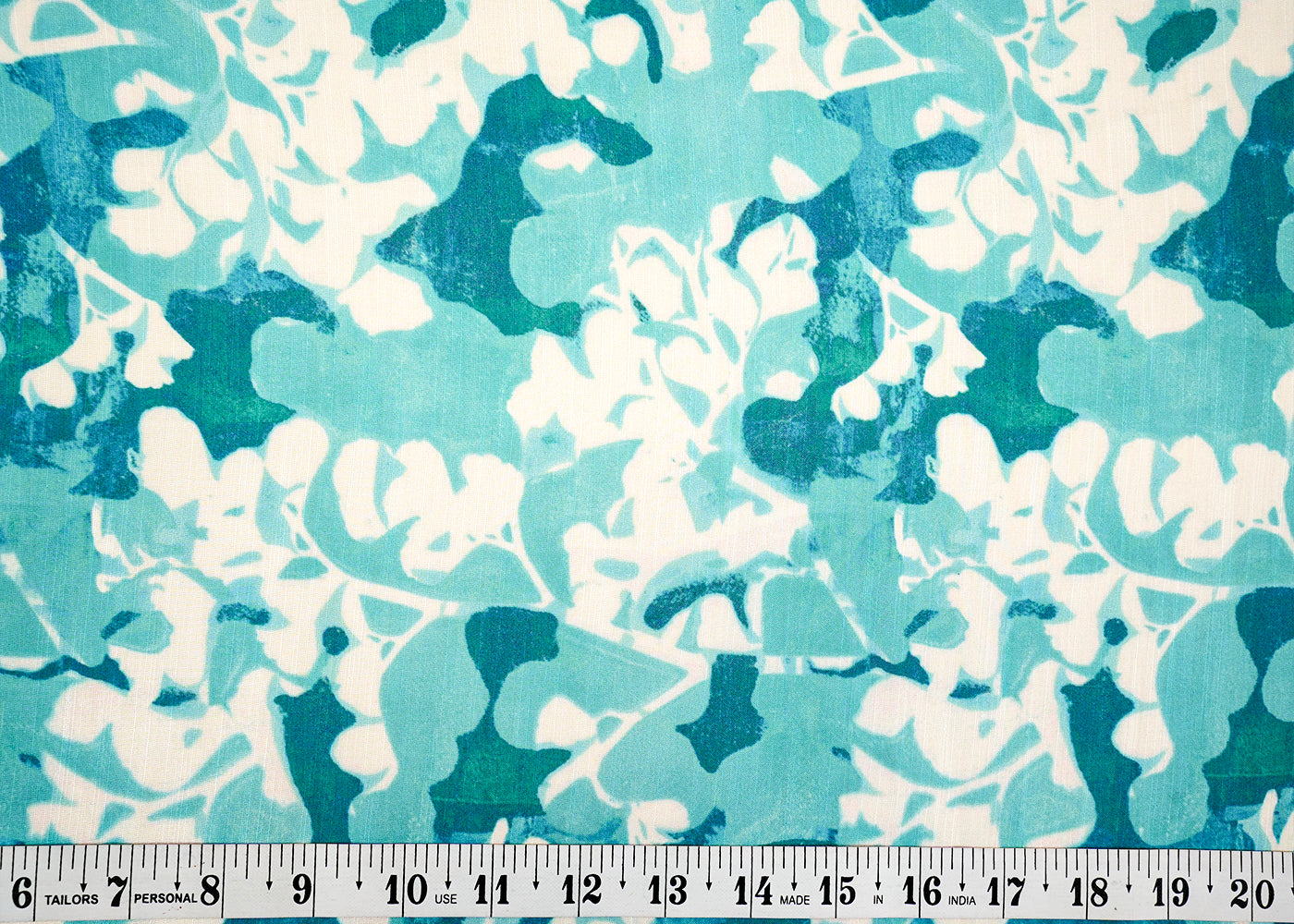
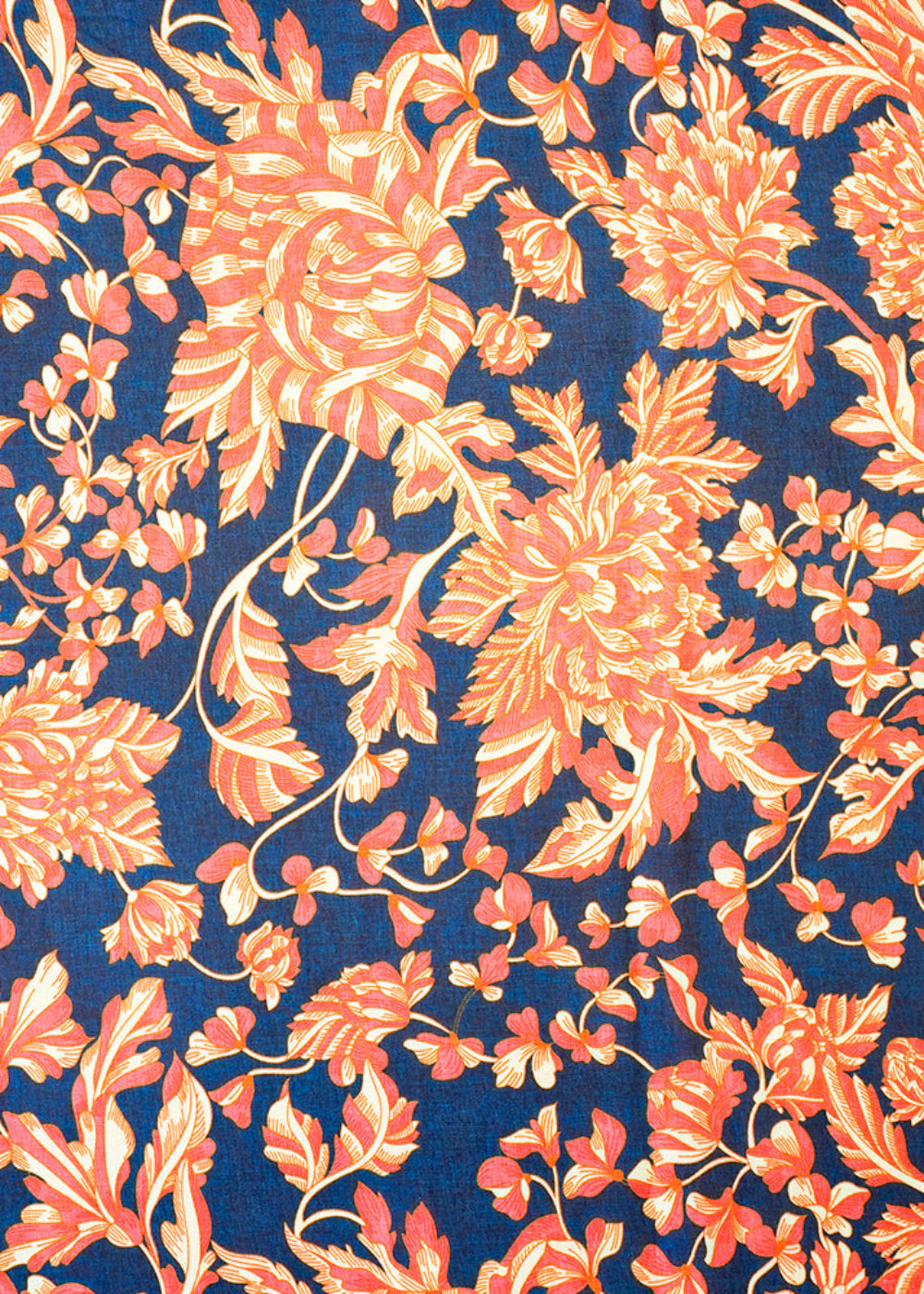
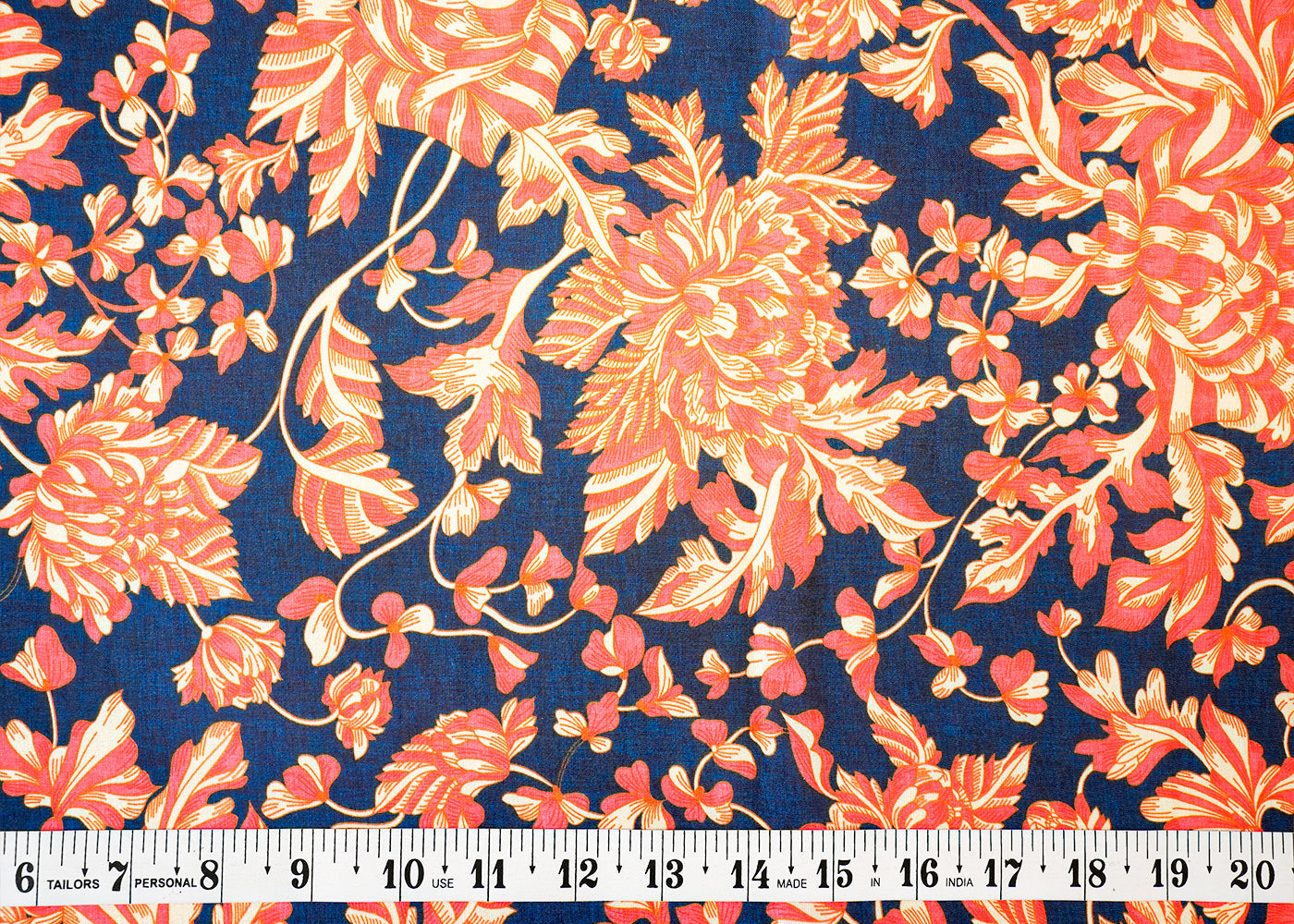
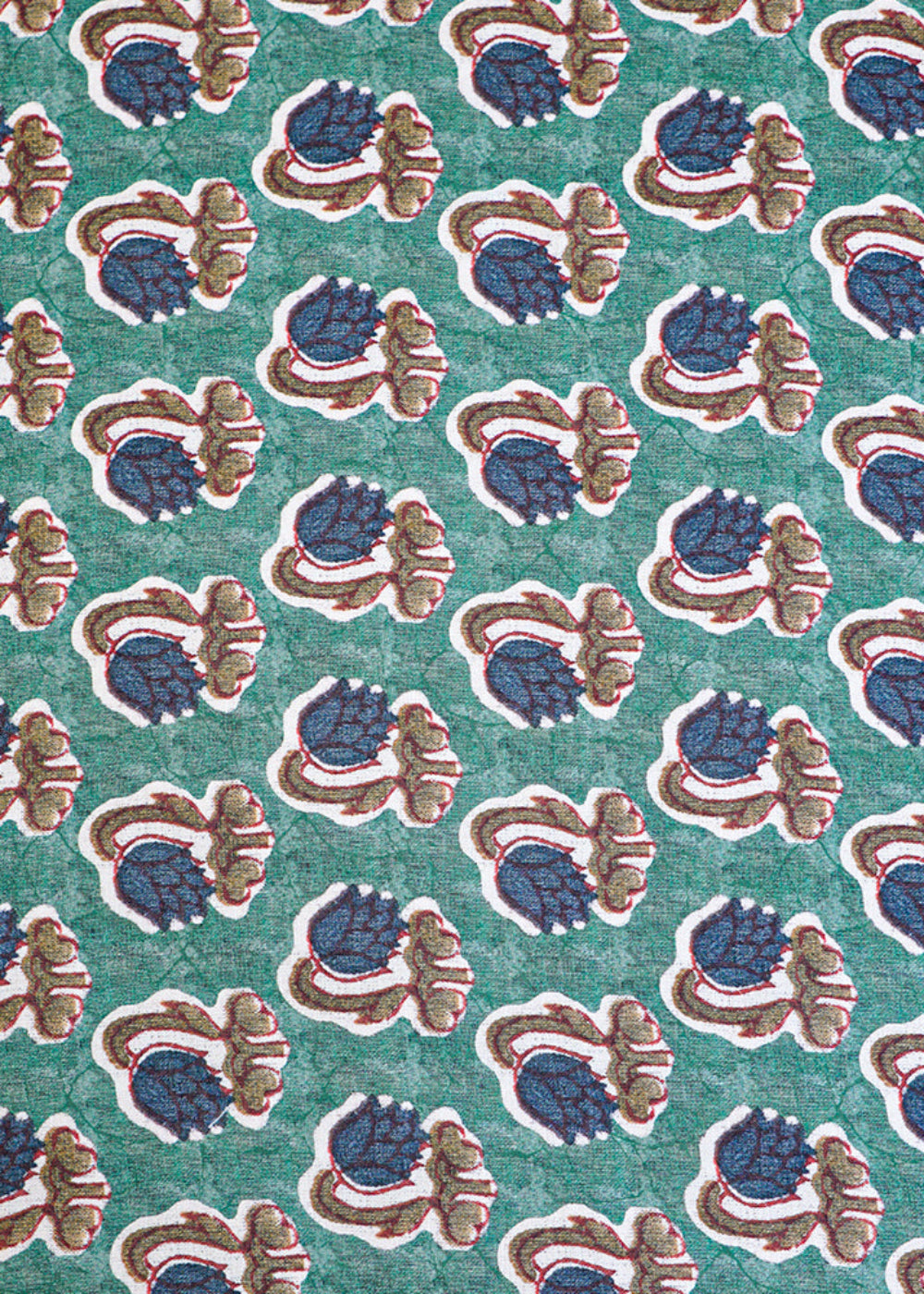




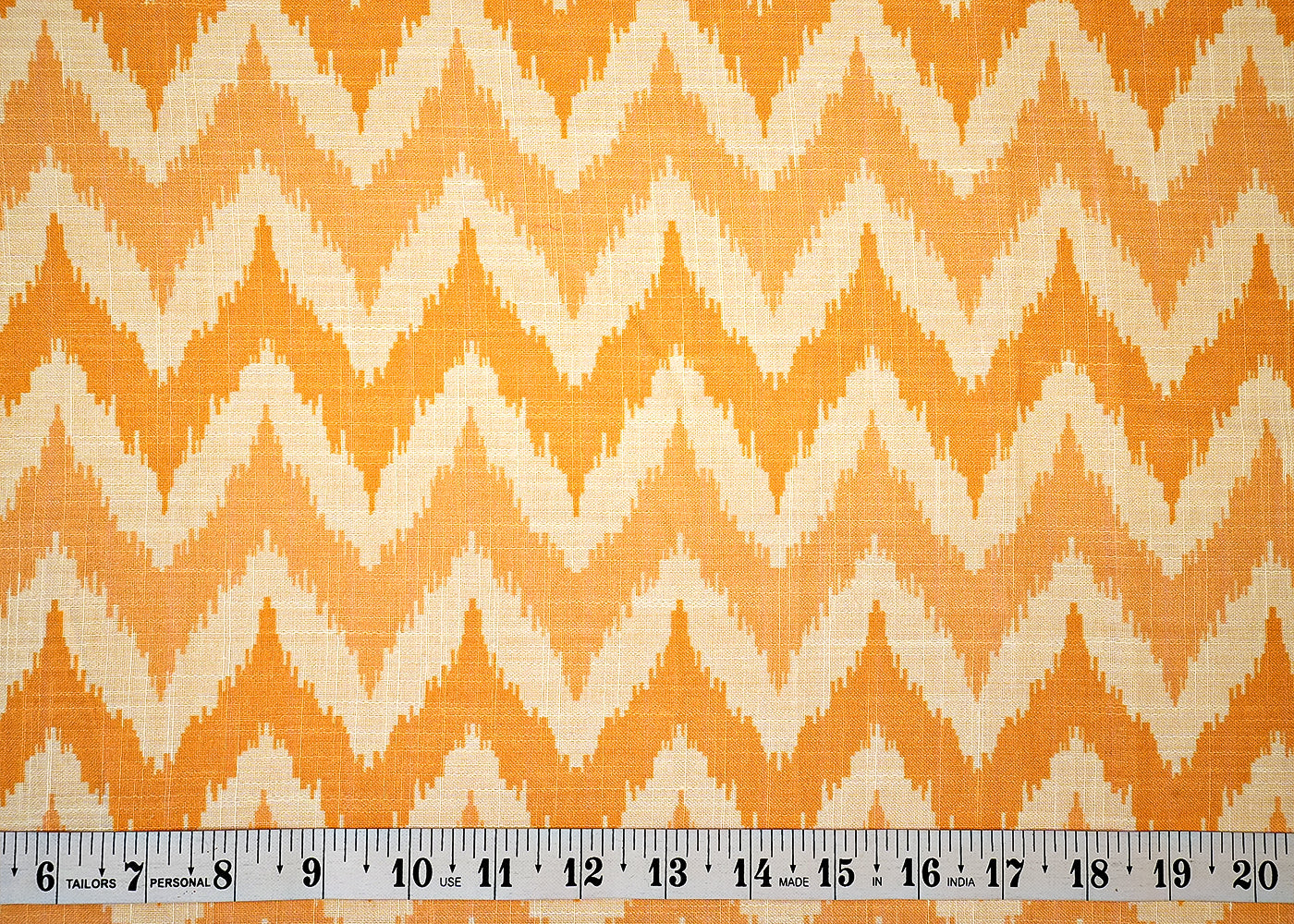
The Boutique Insider Guide to Printed Linen
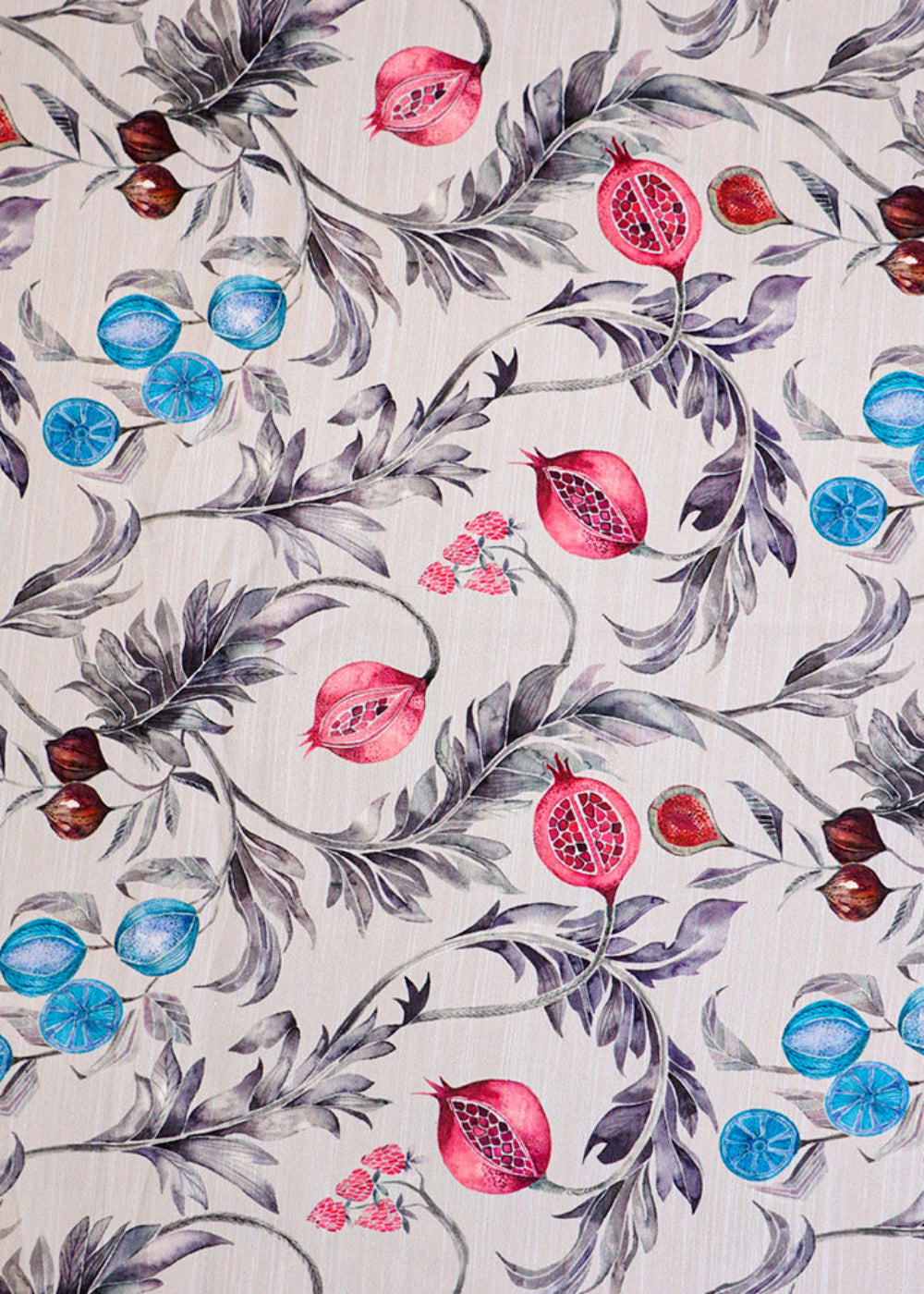
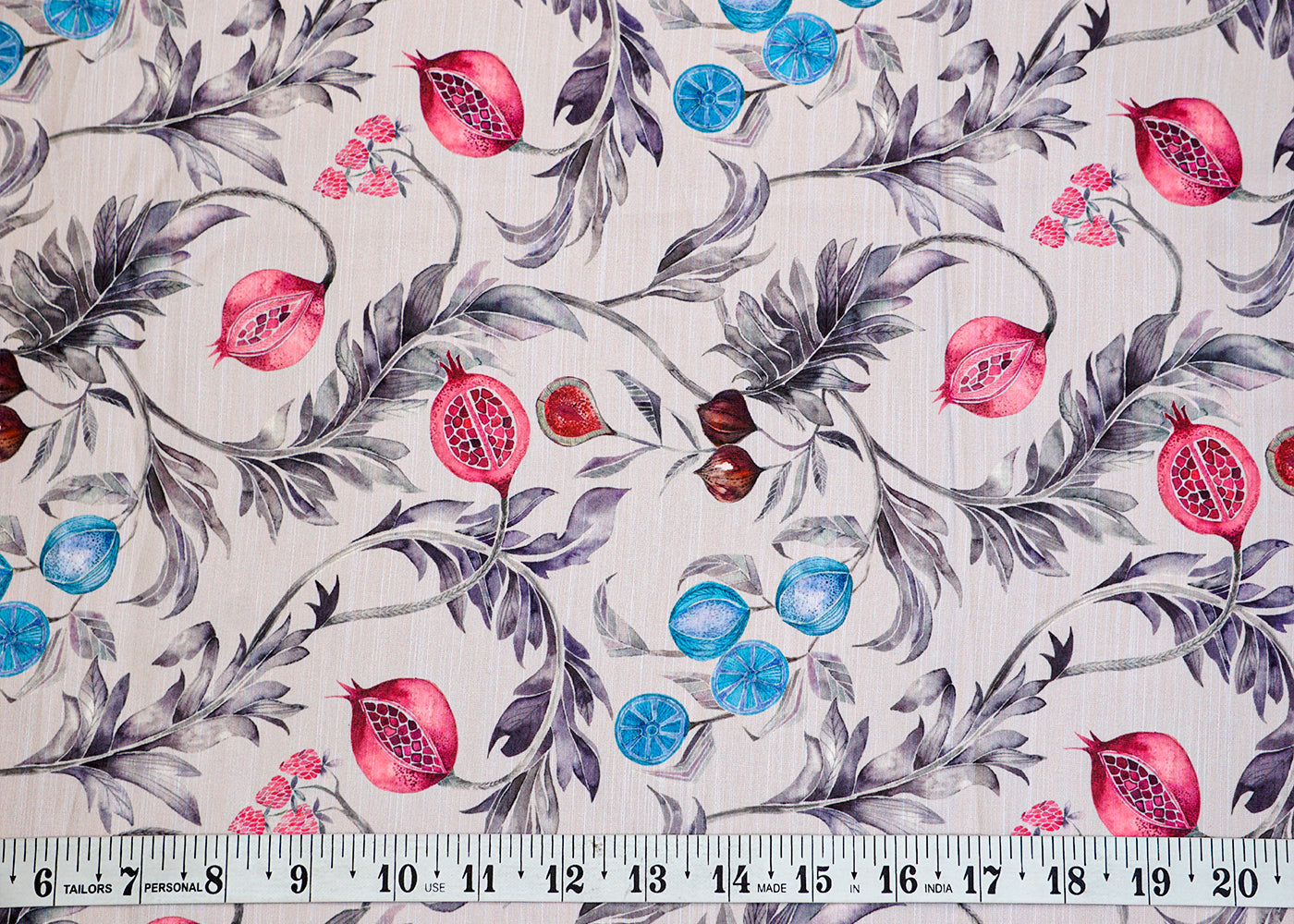
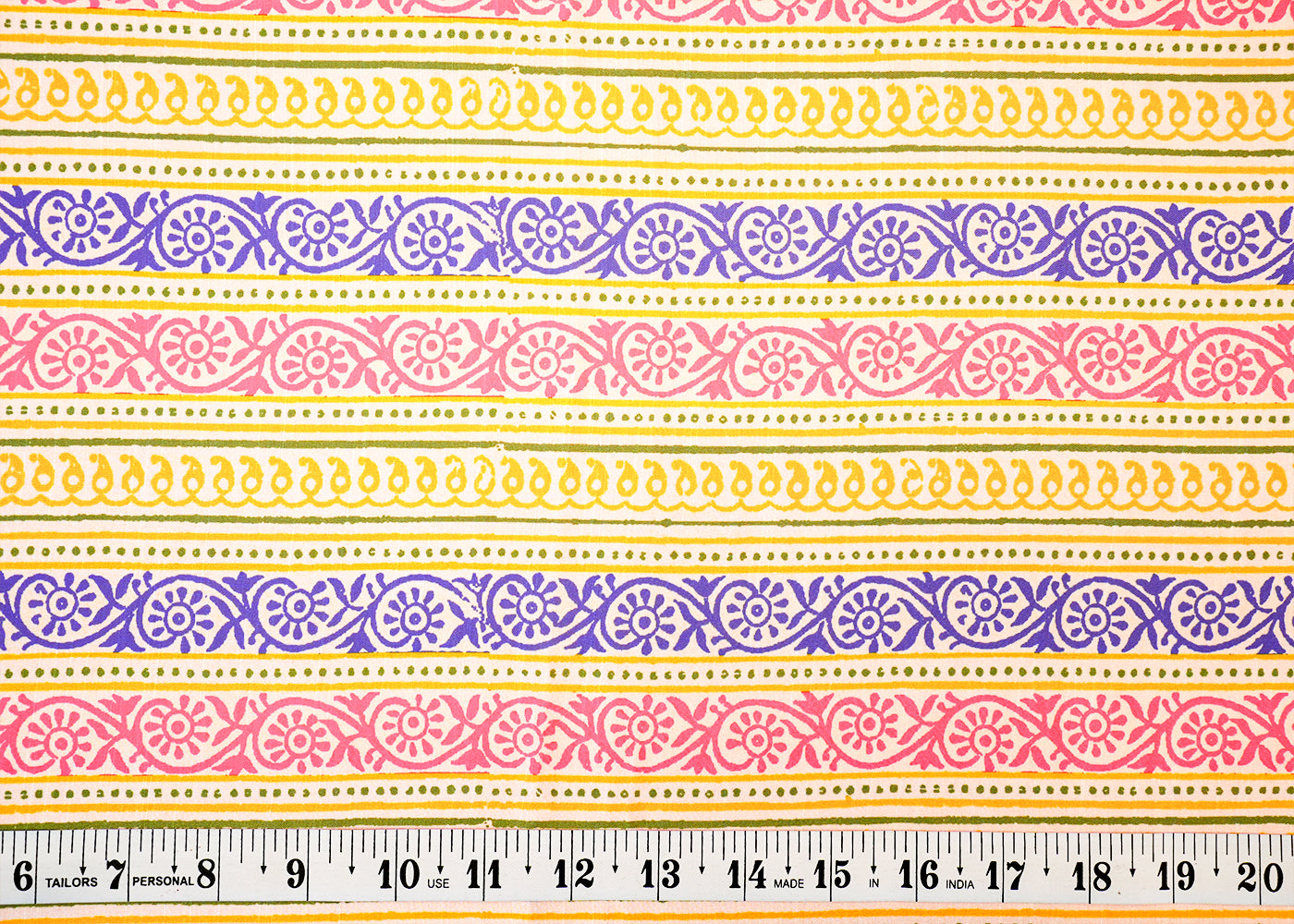
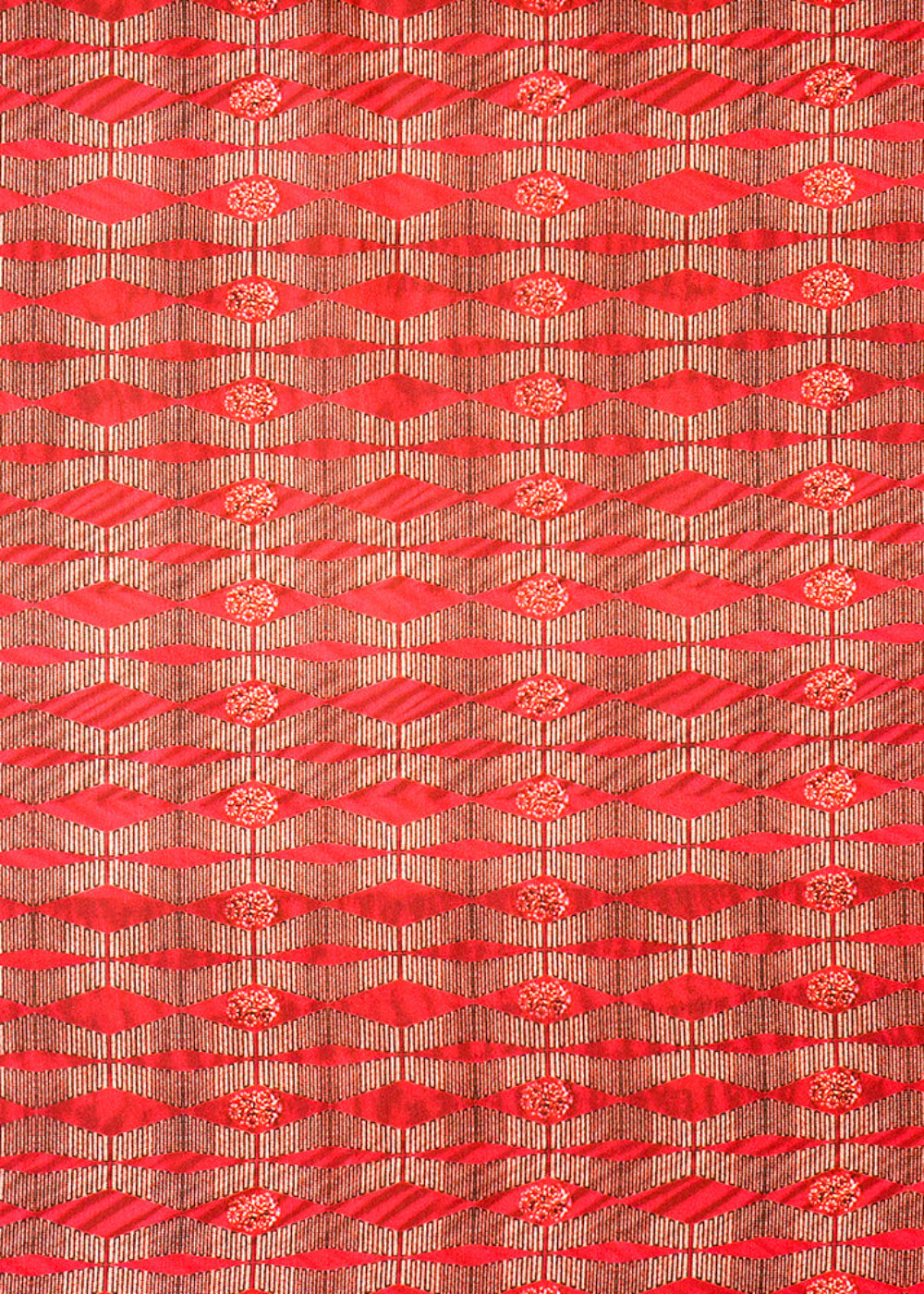
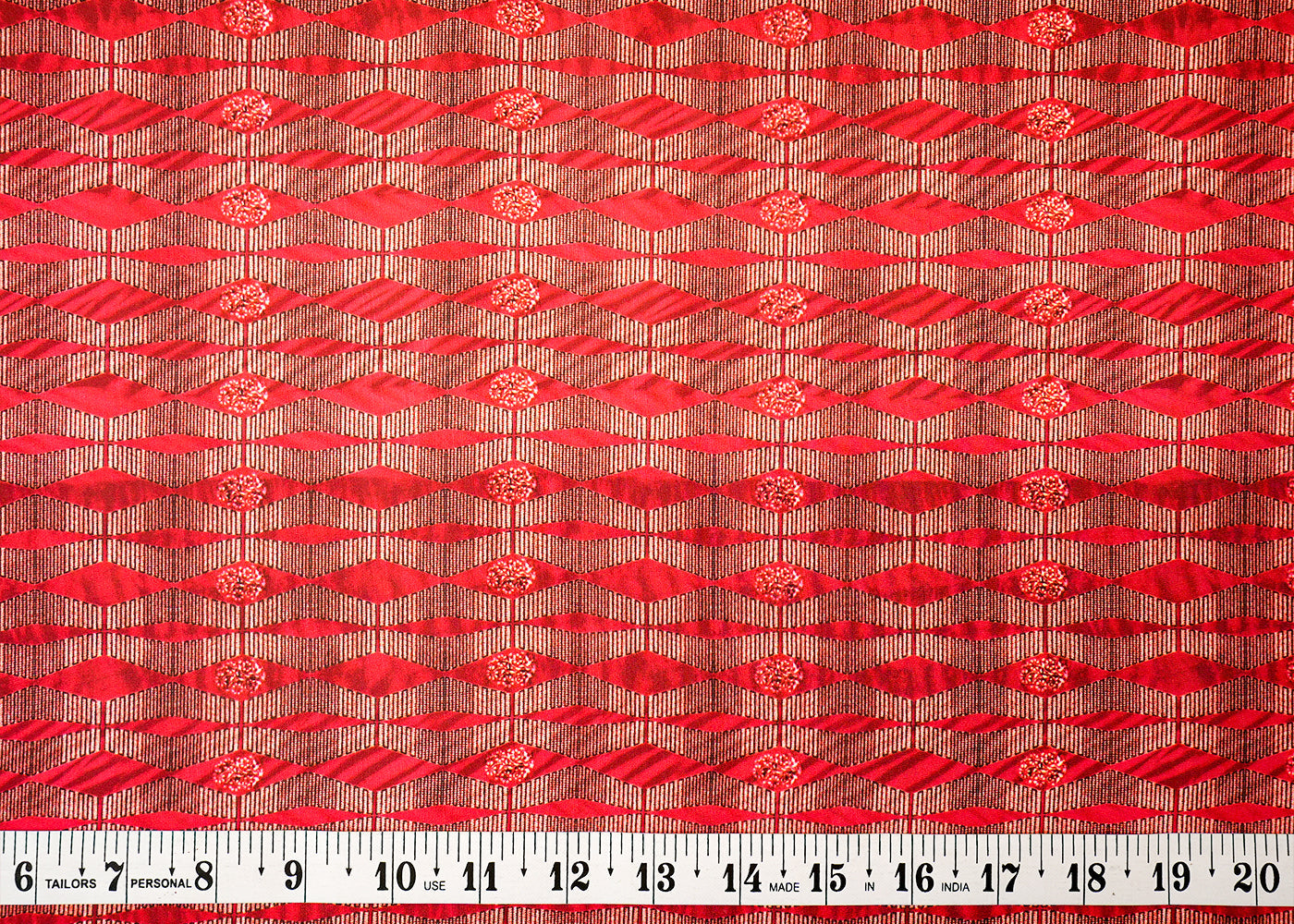
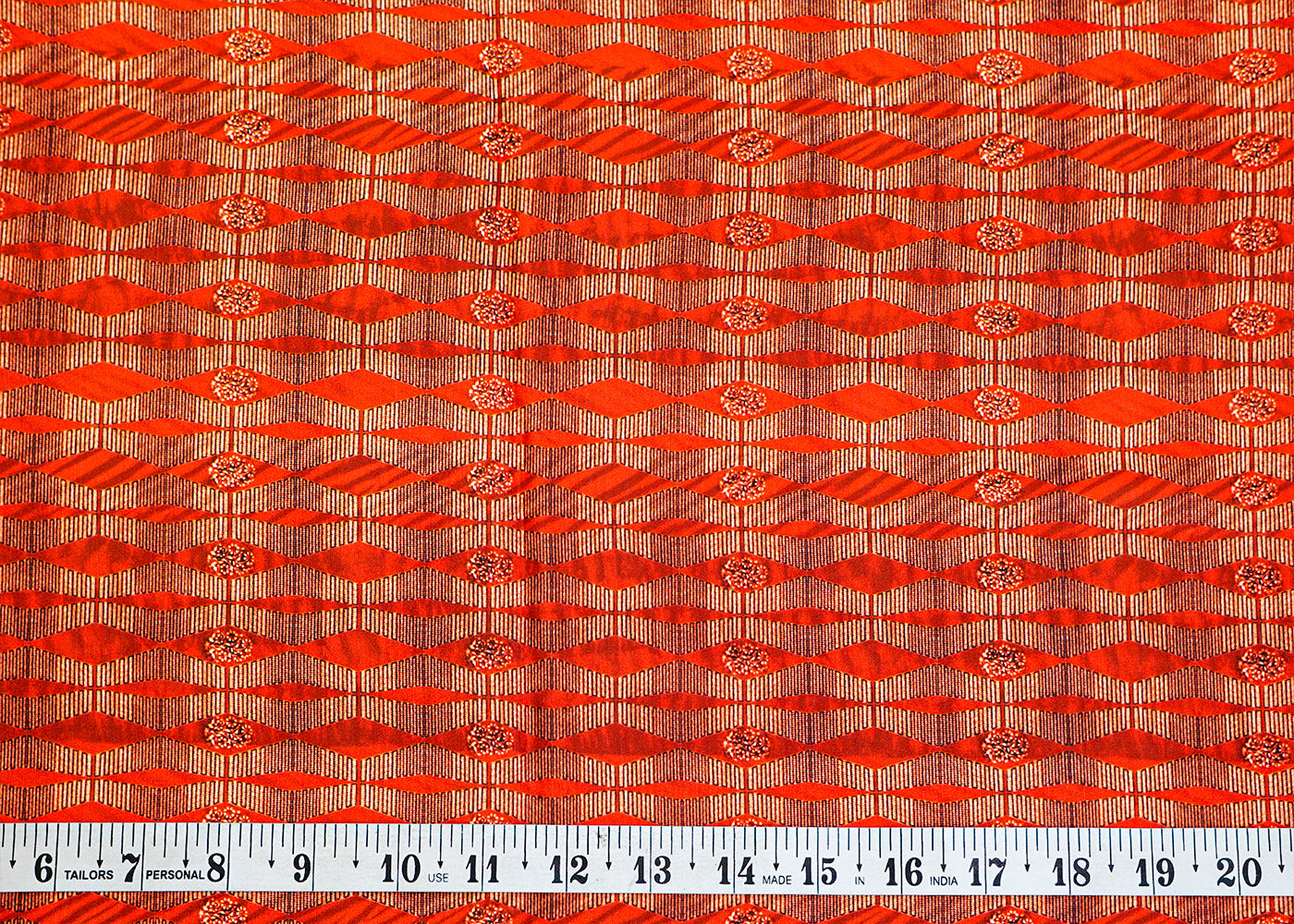
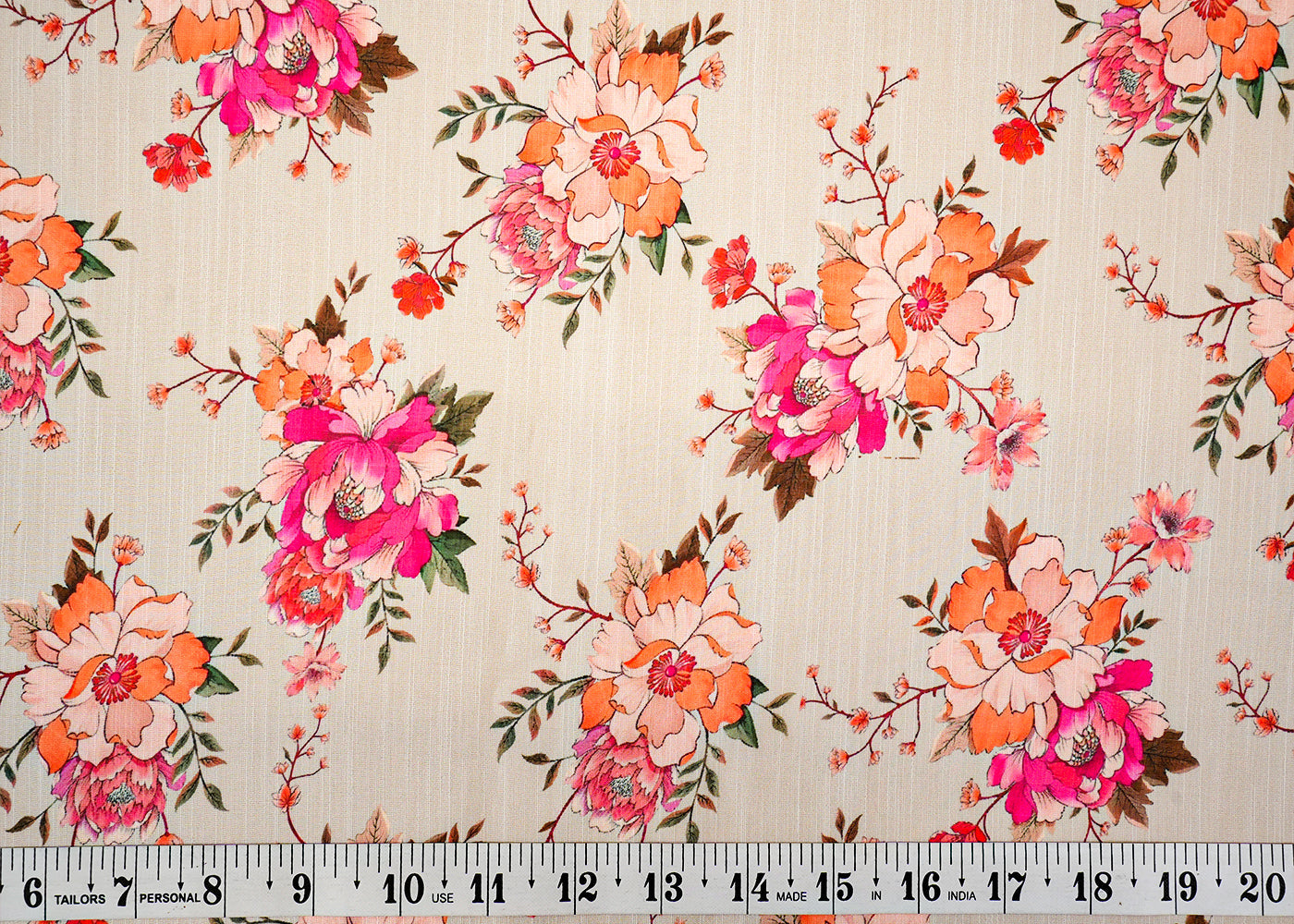
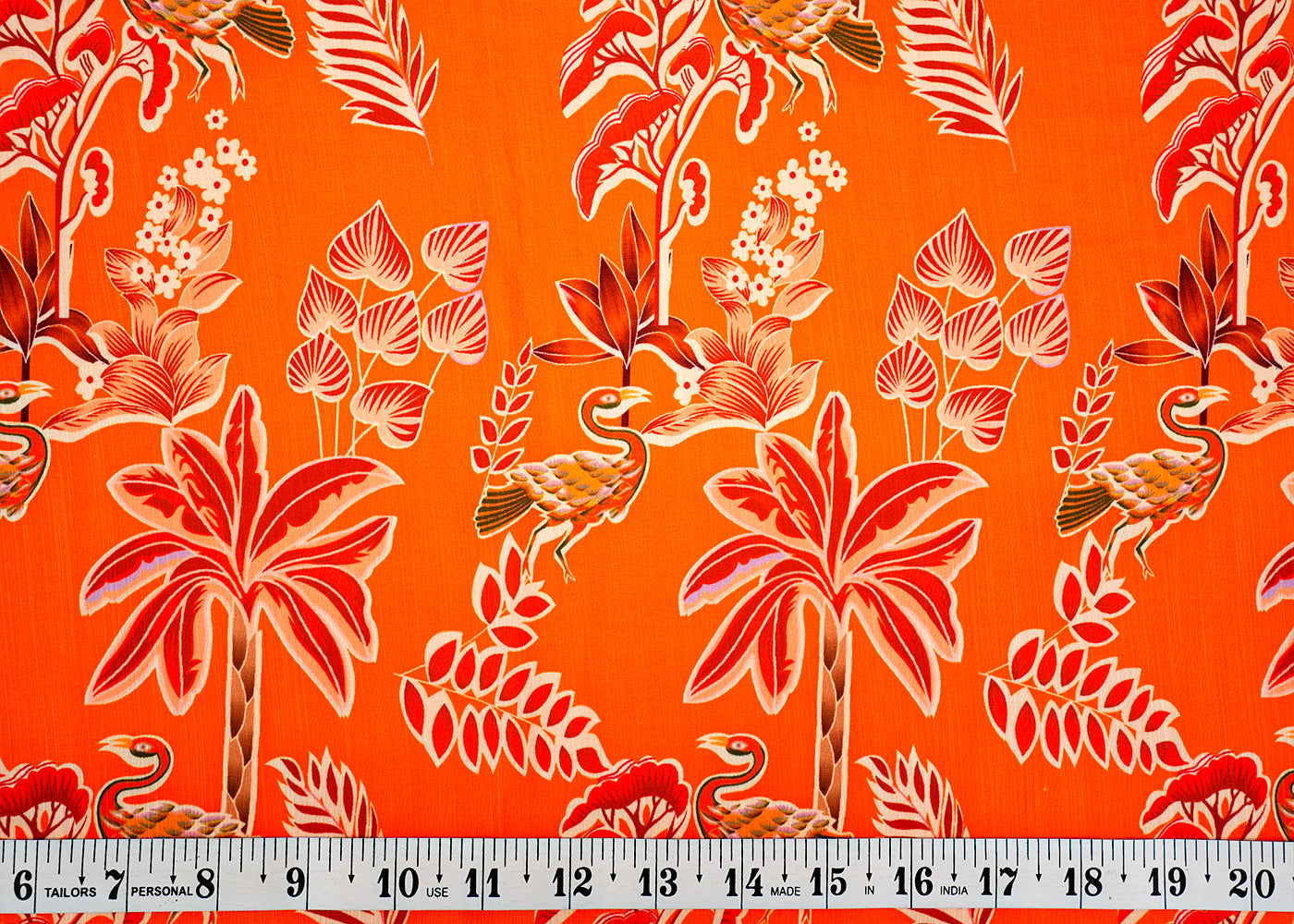
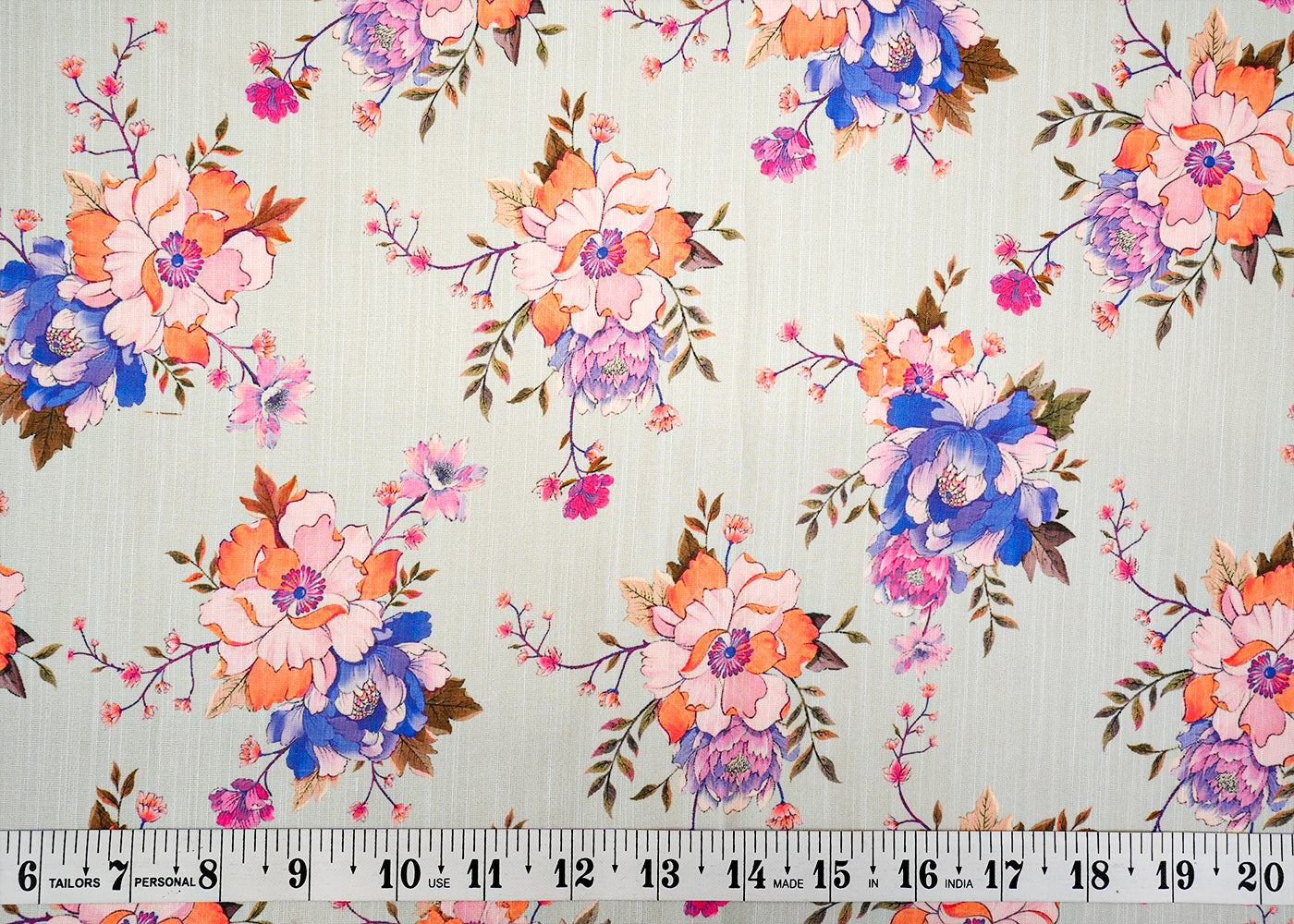
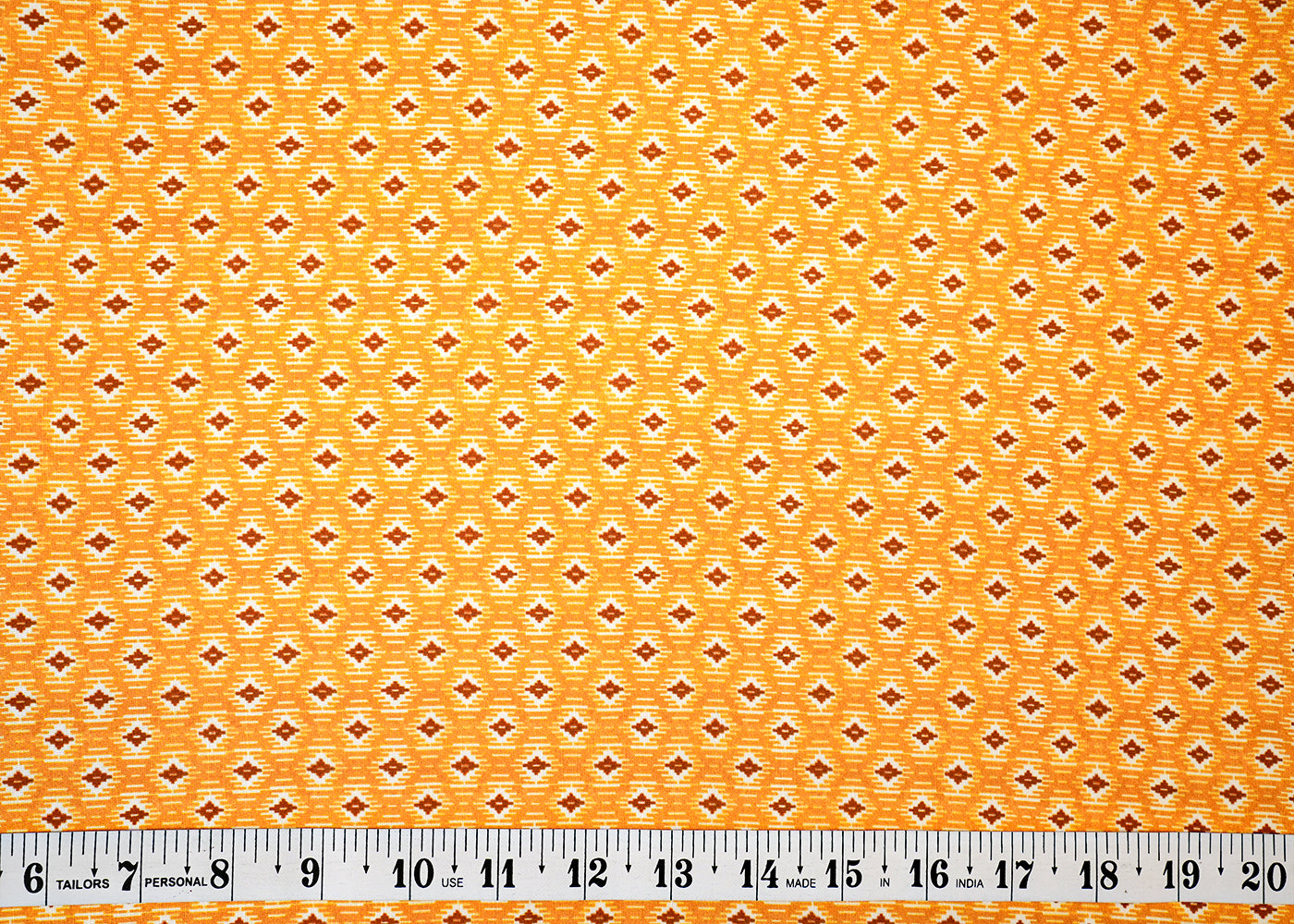
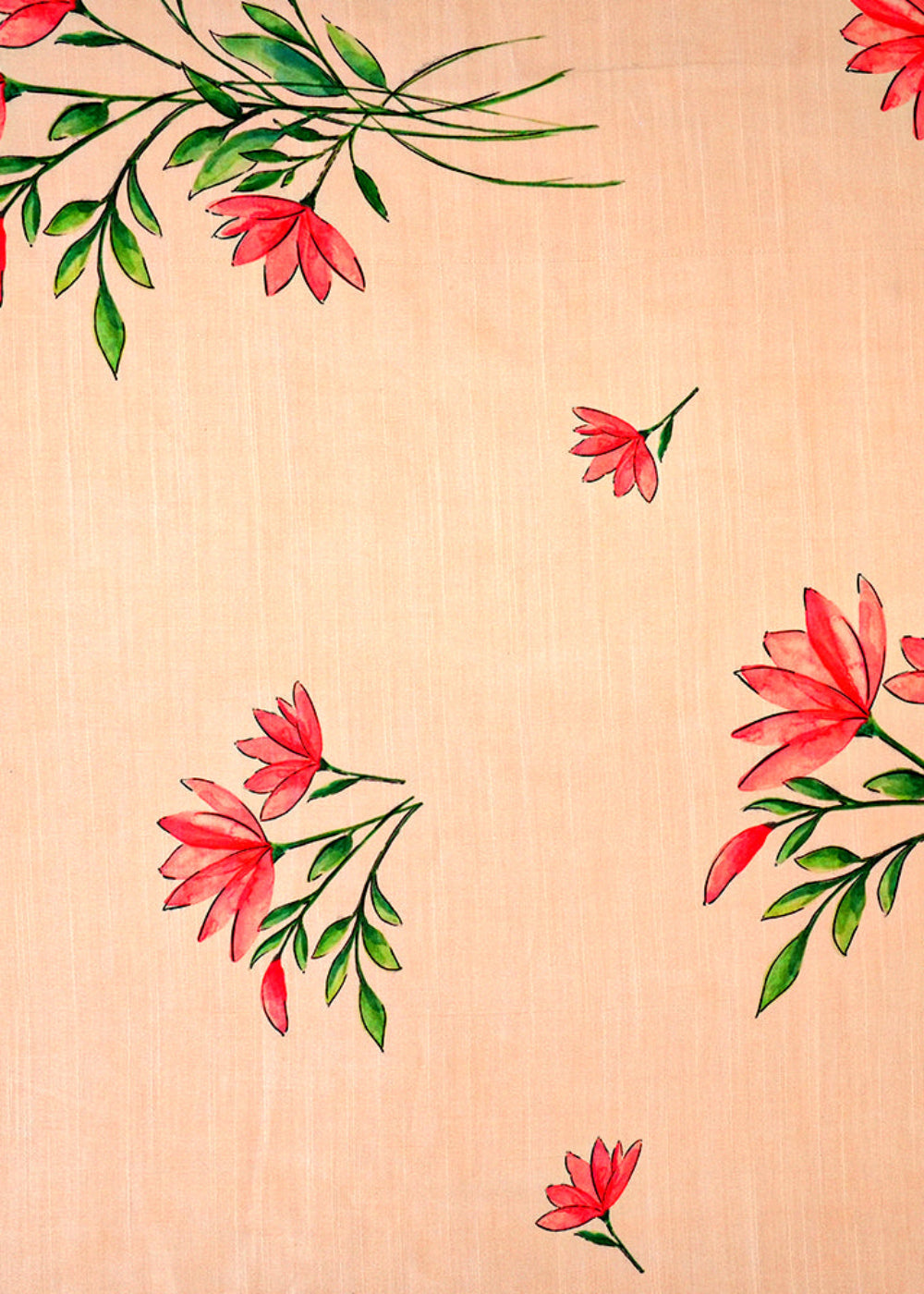
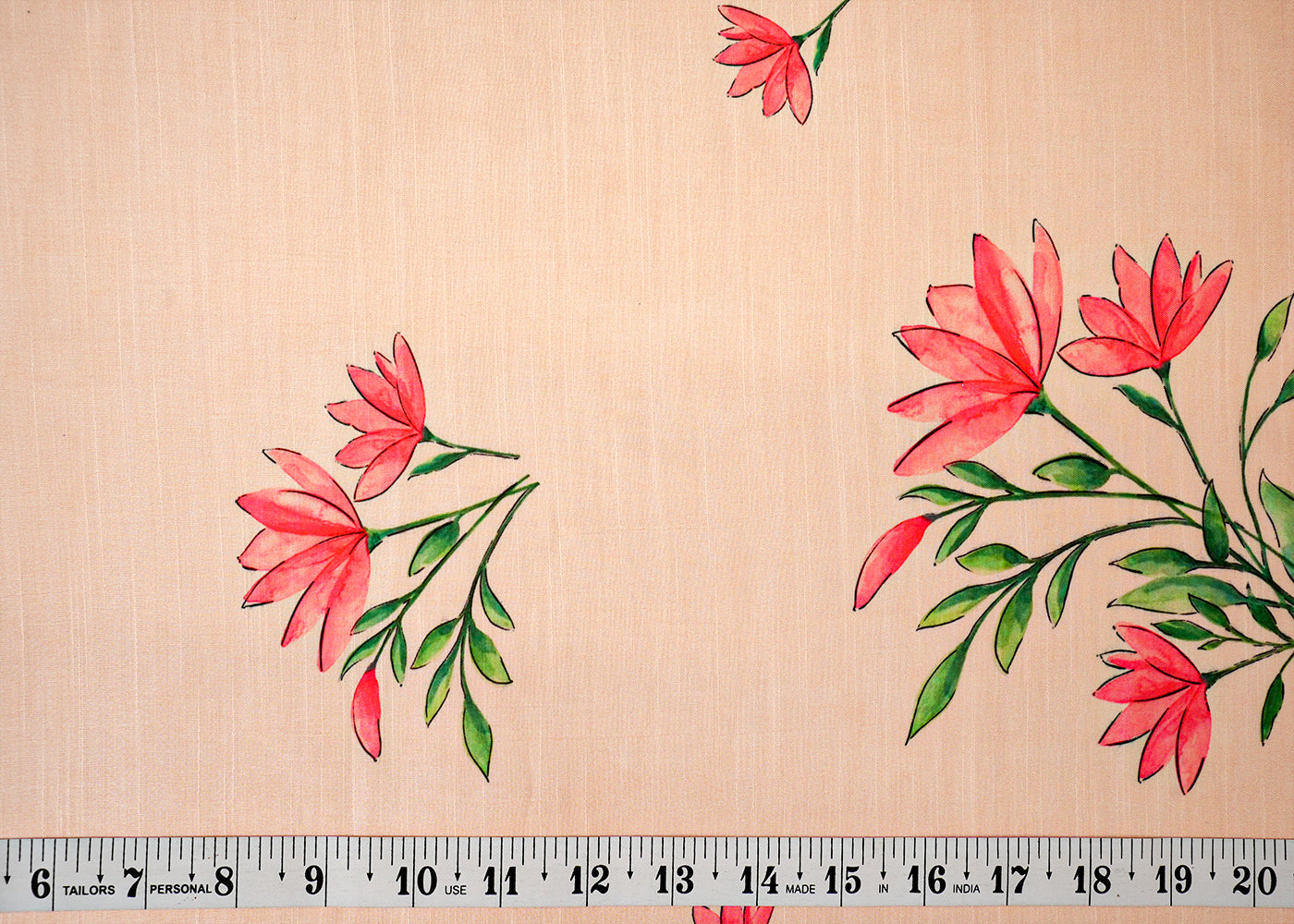
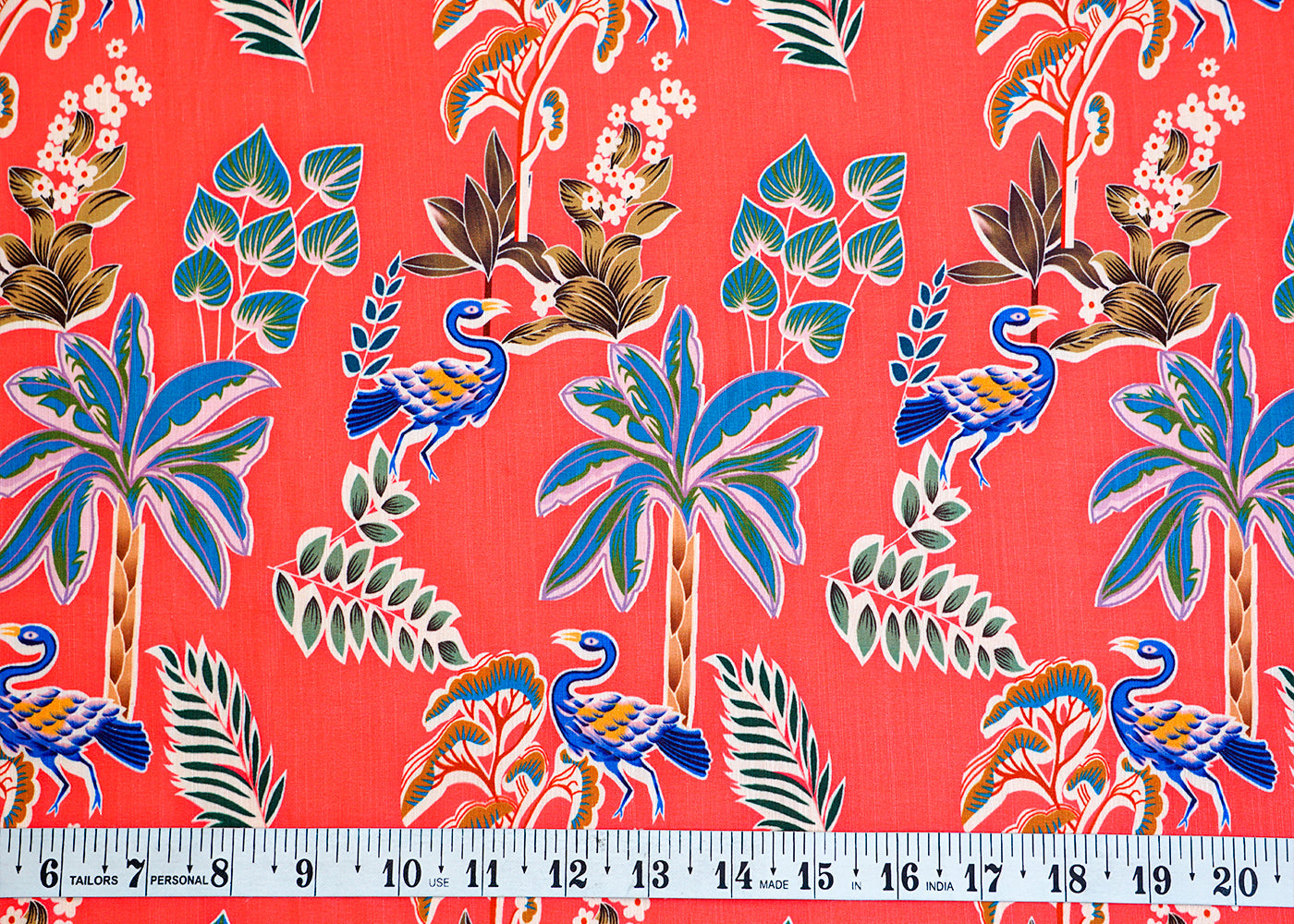
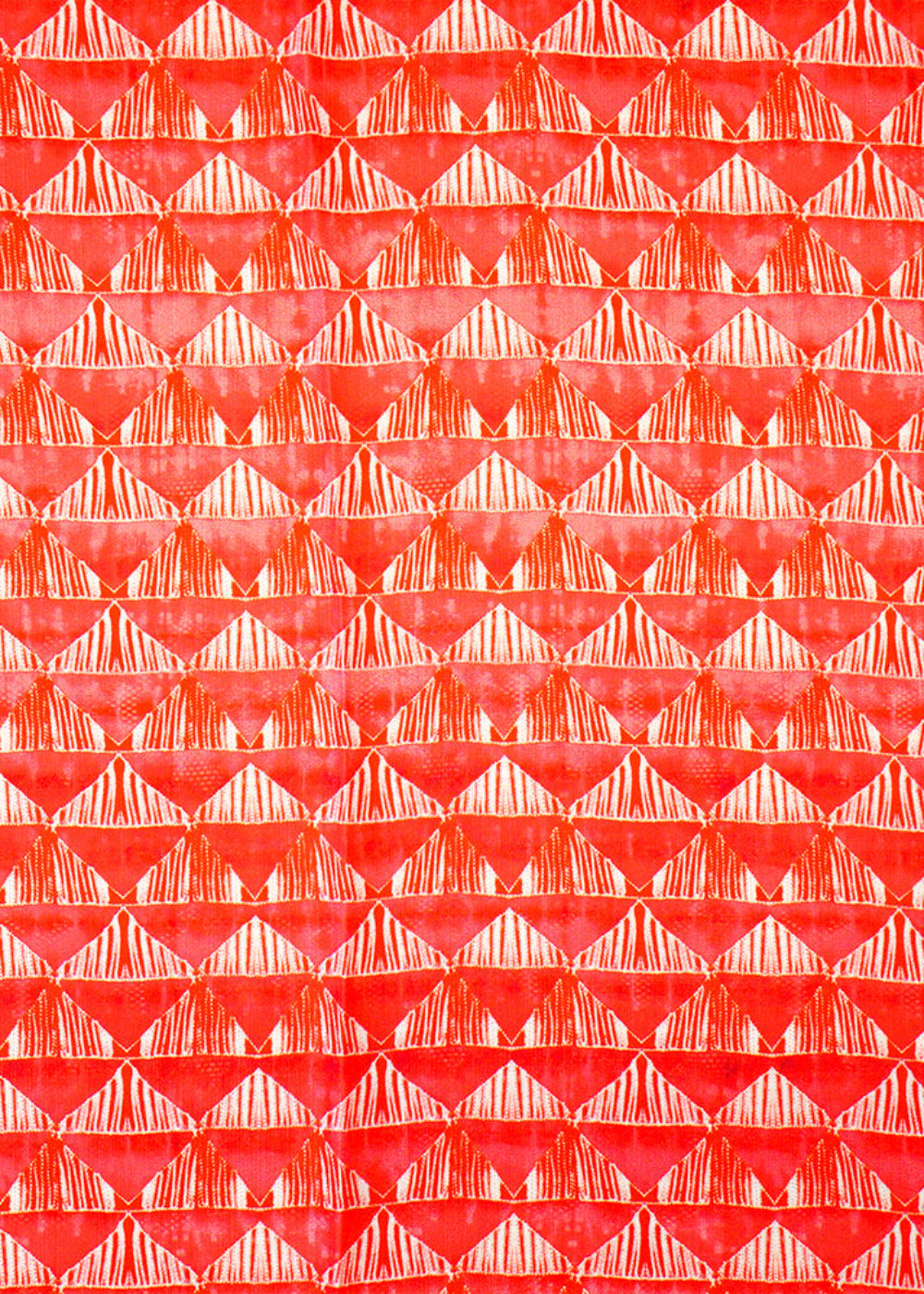
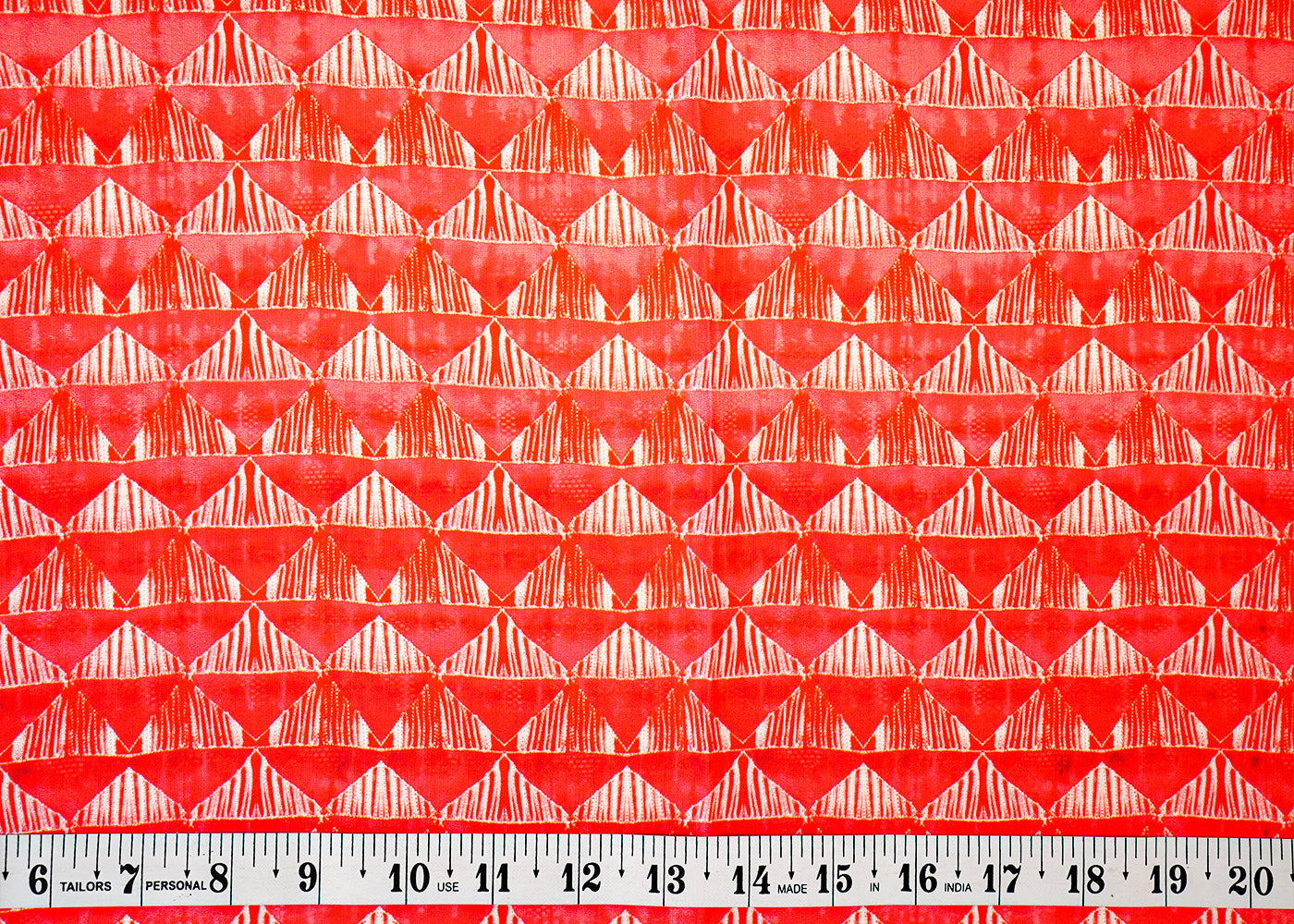
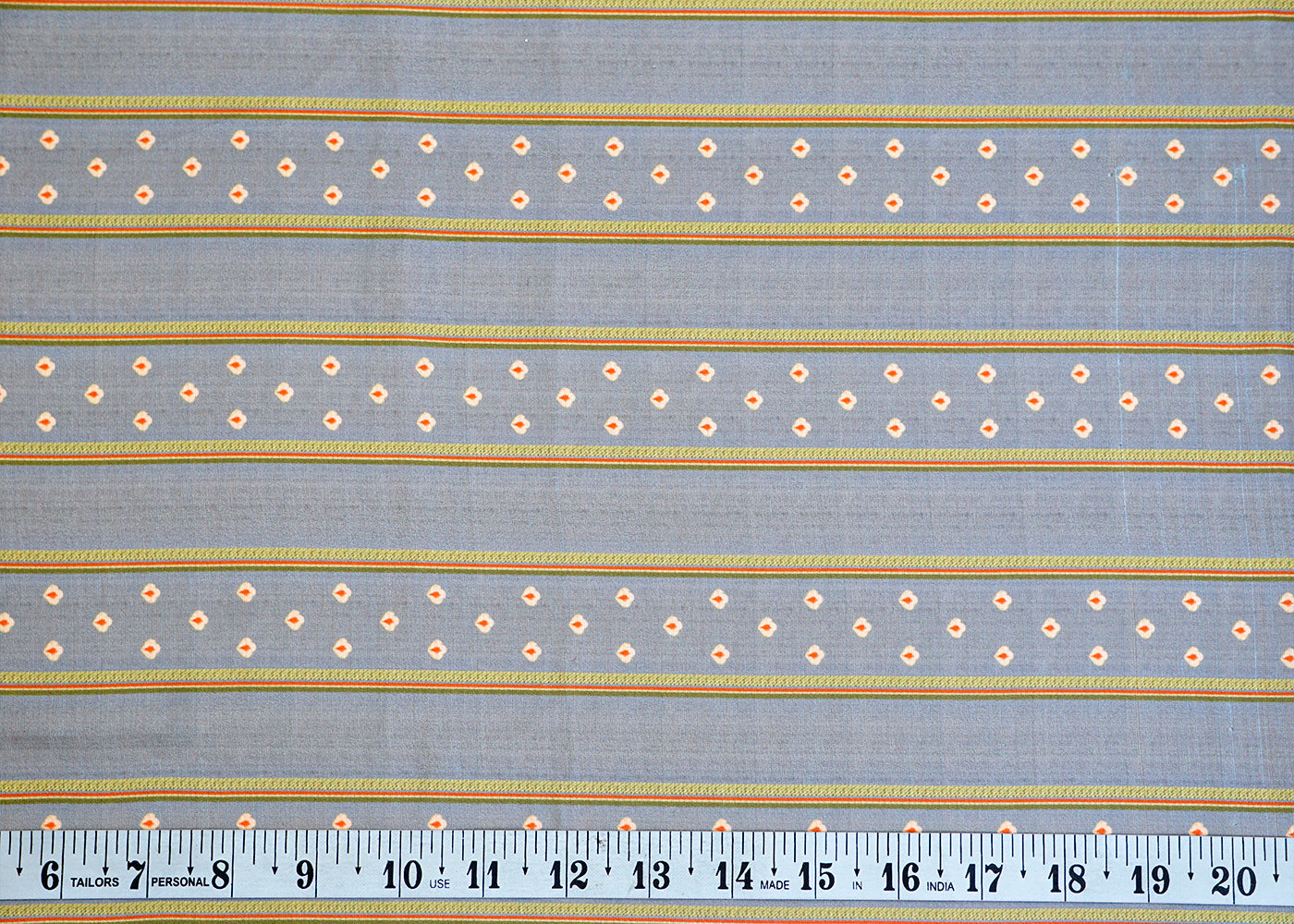
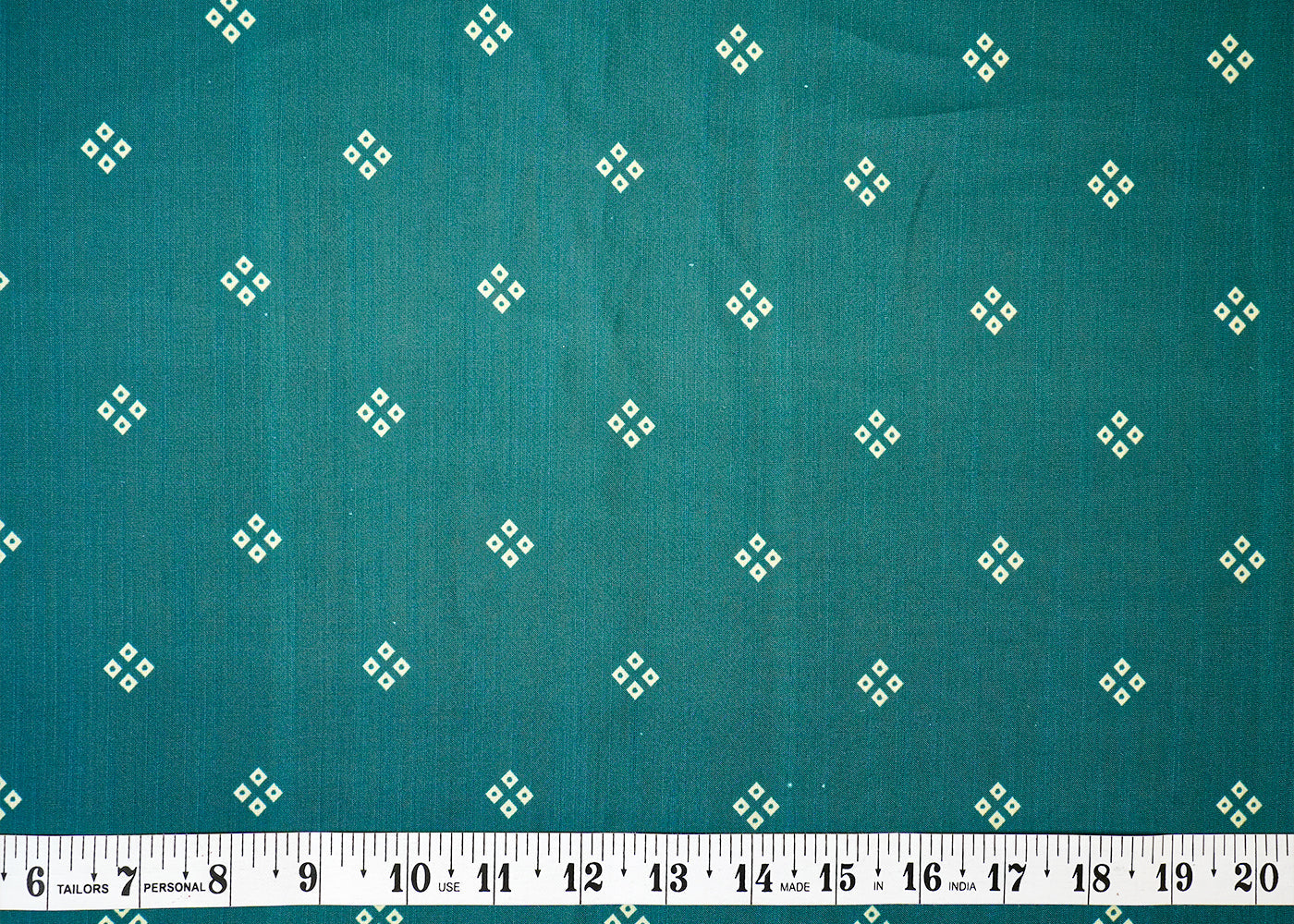
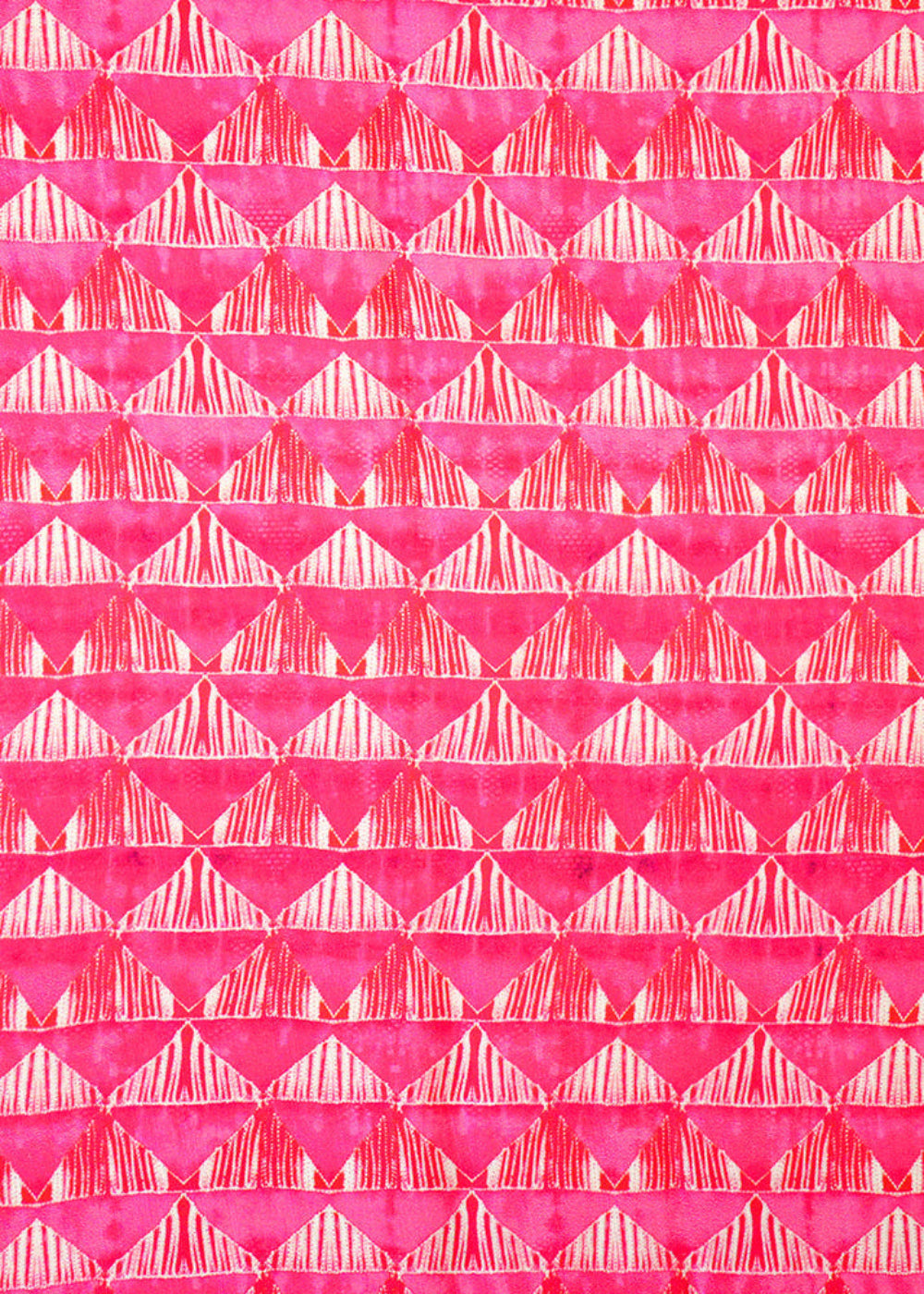
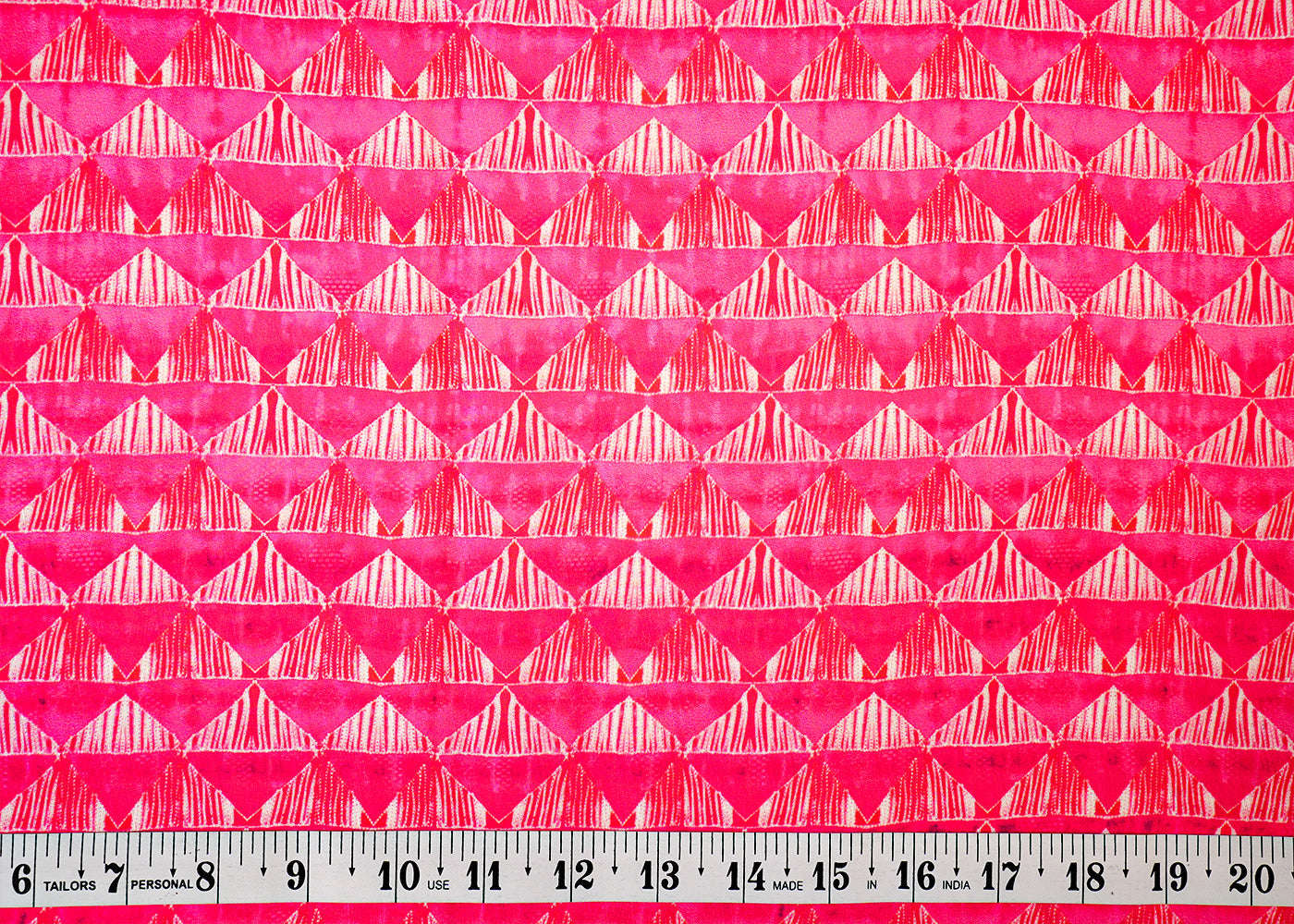
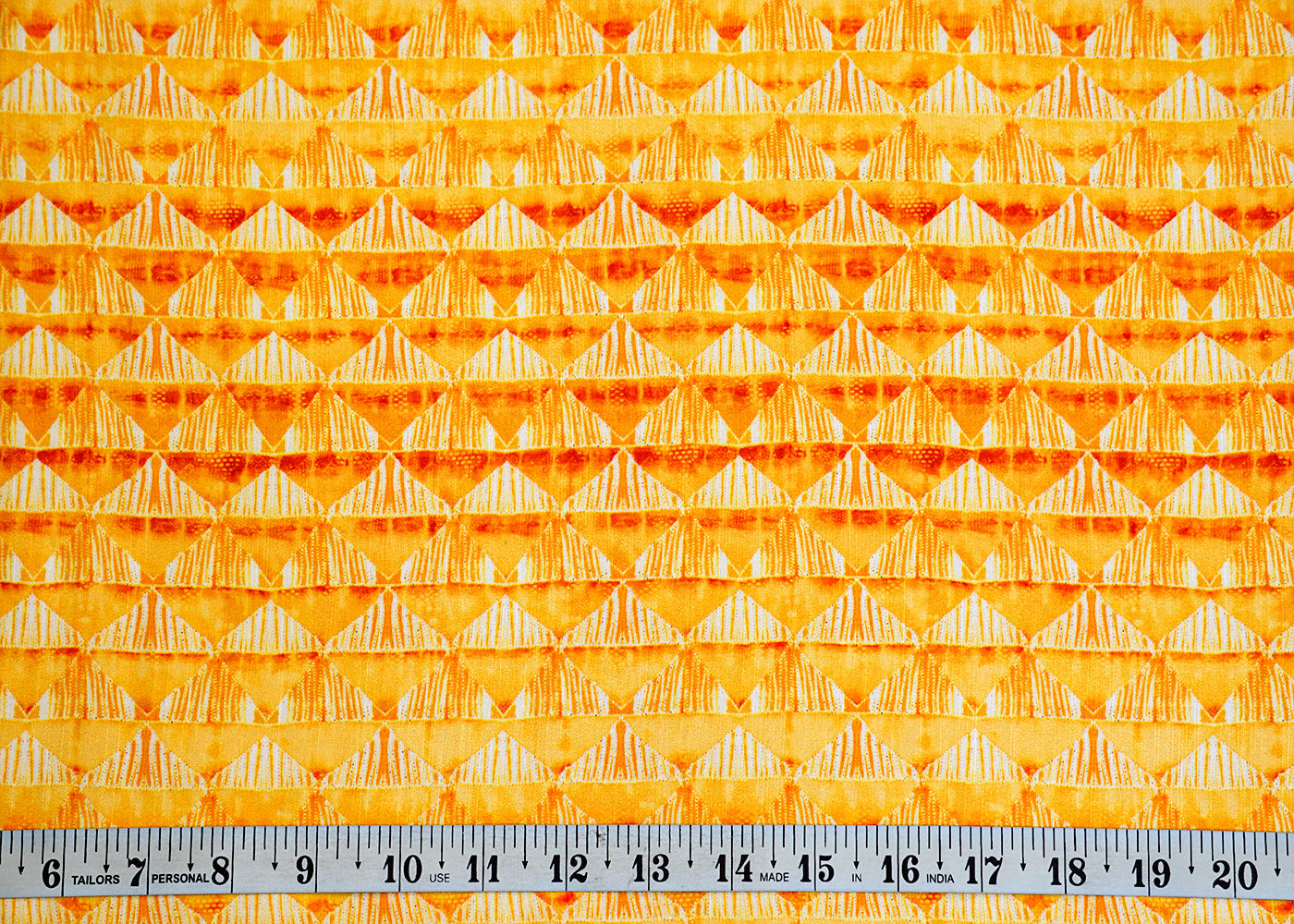
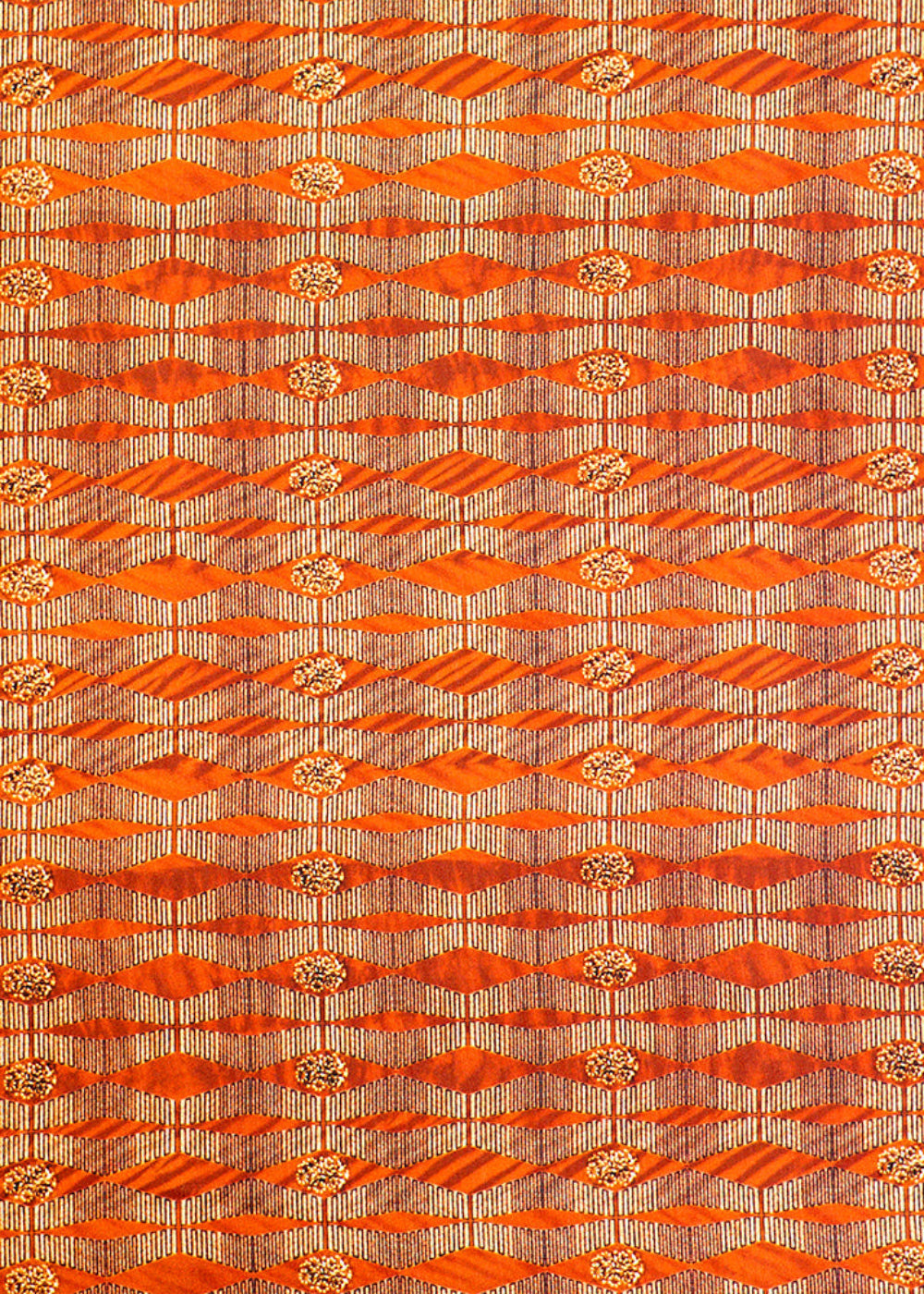
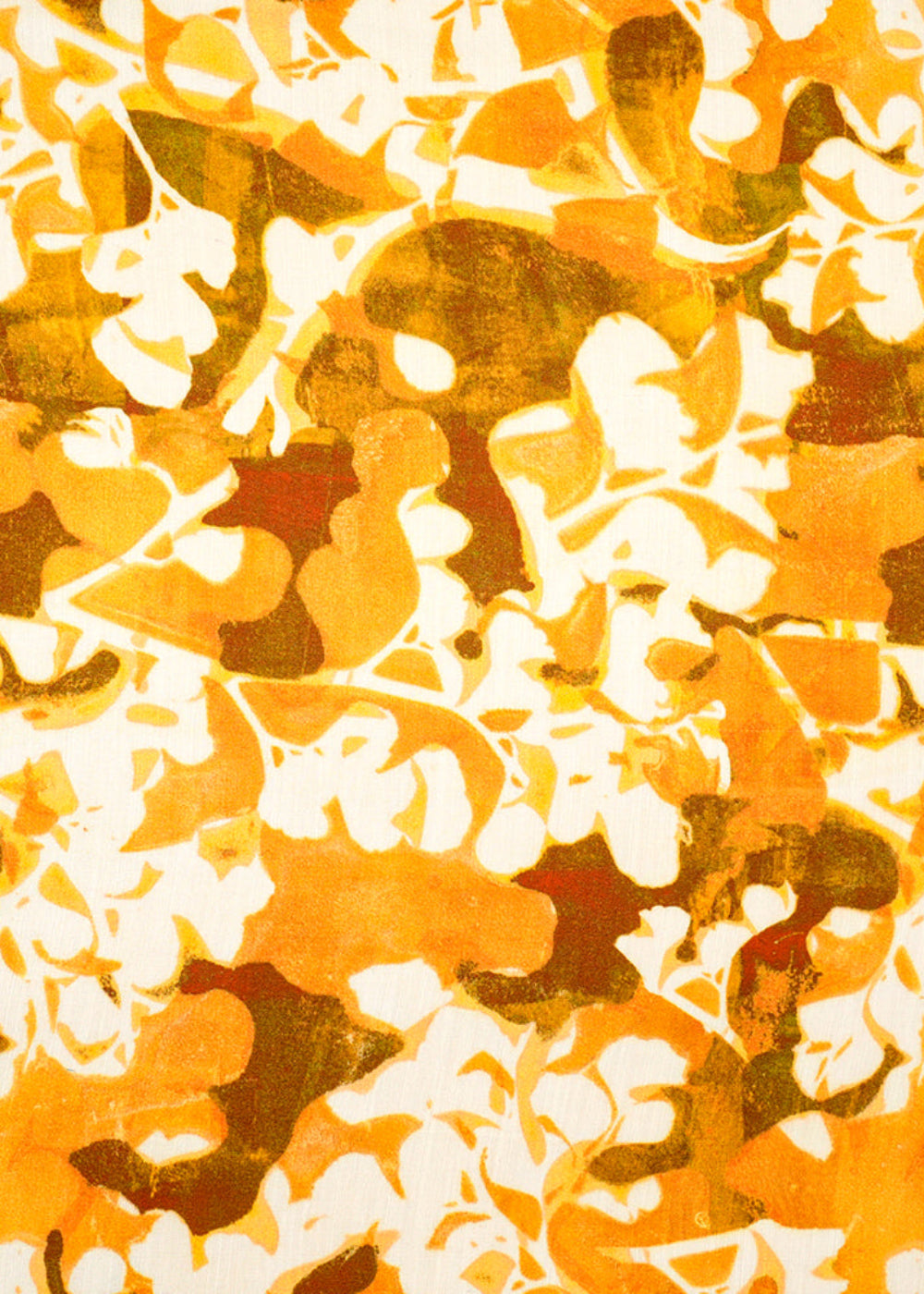
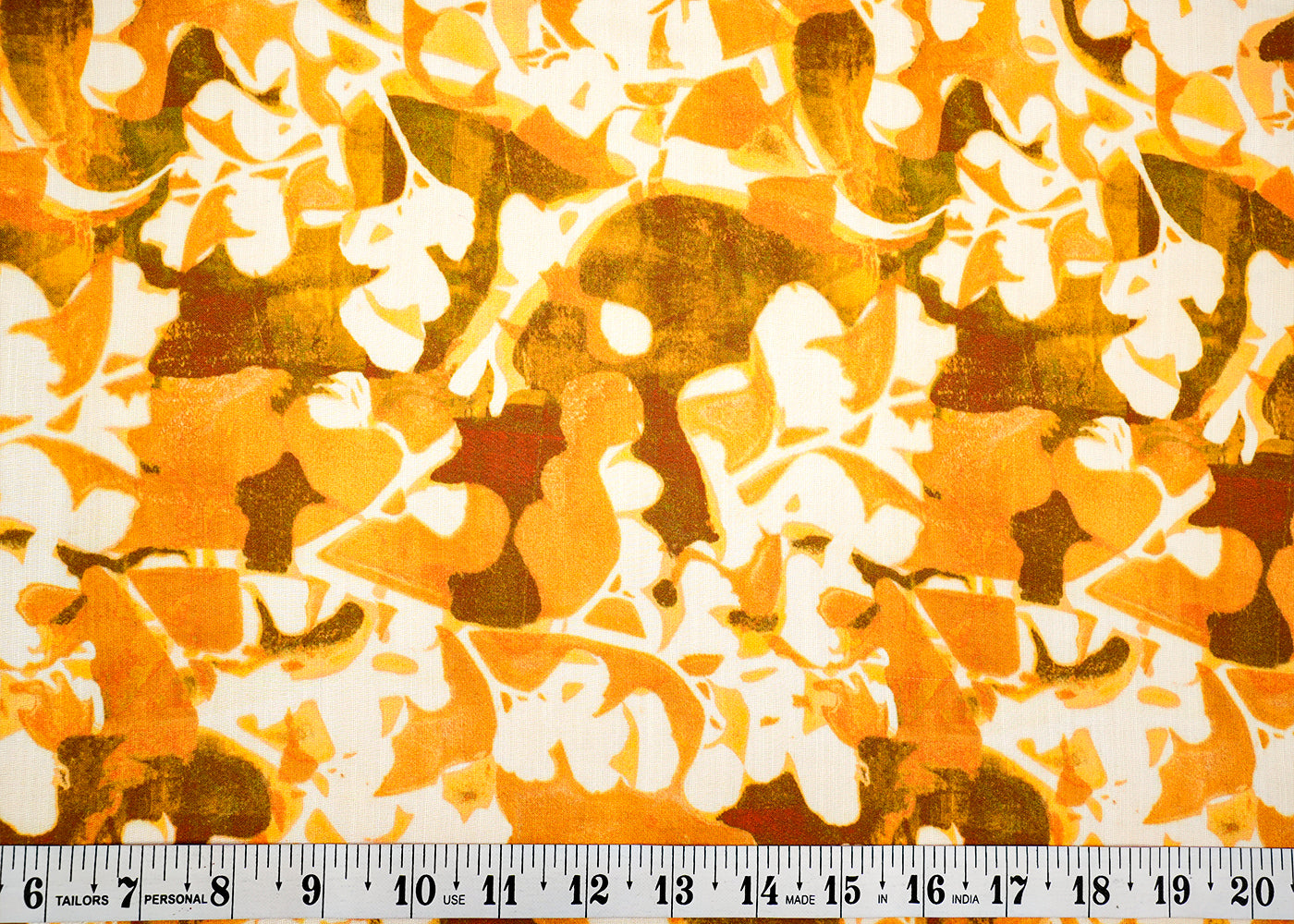
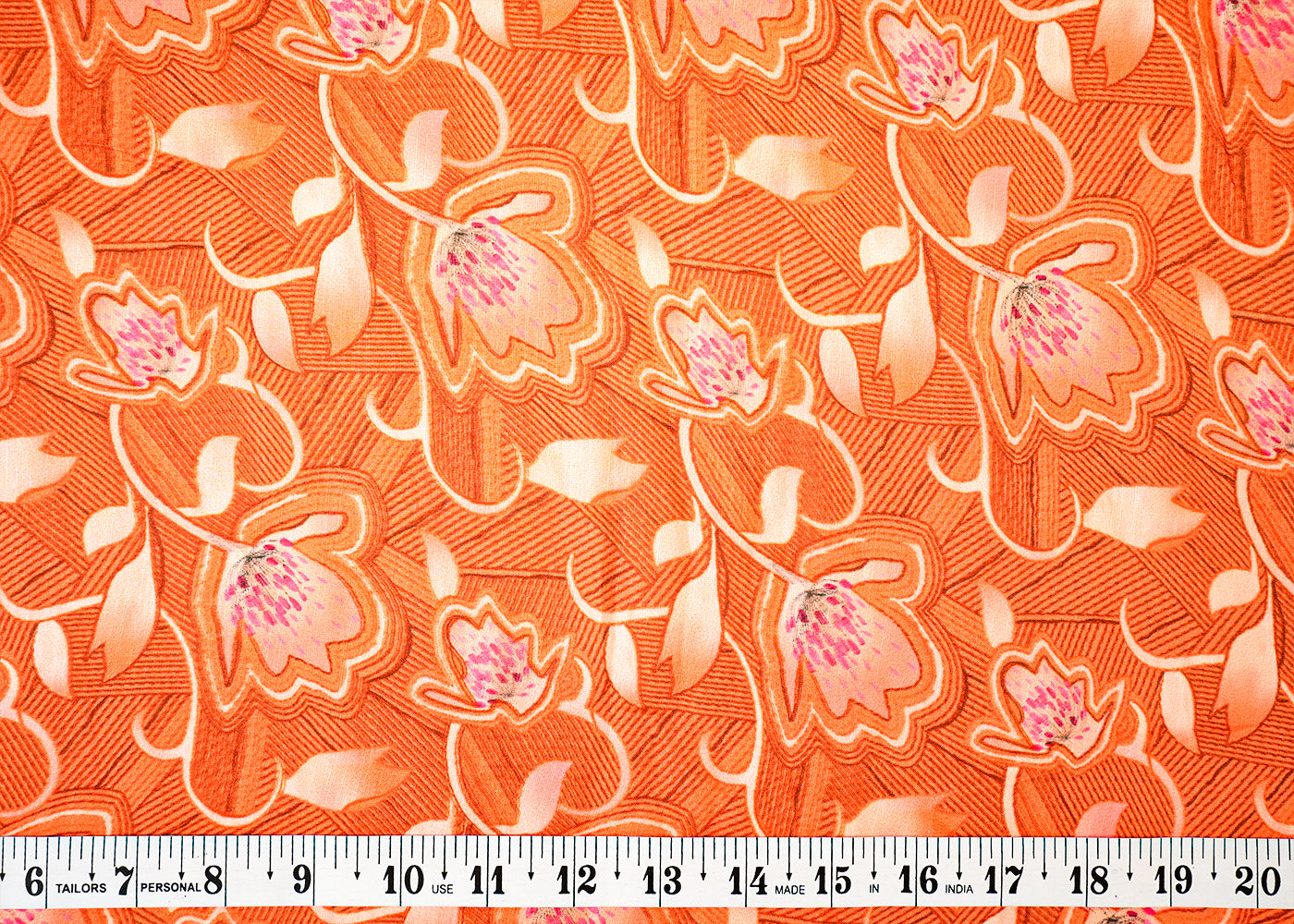
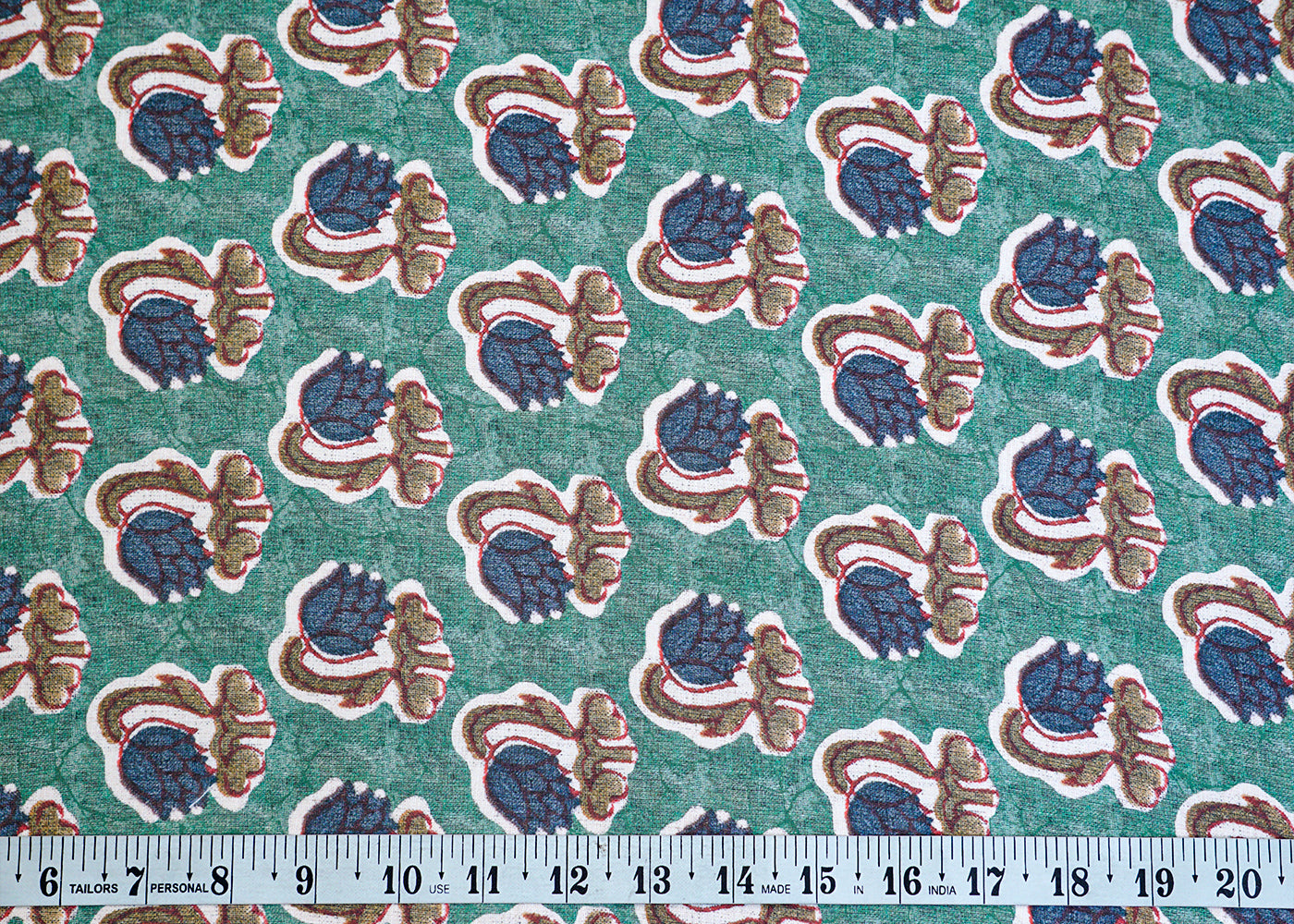
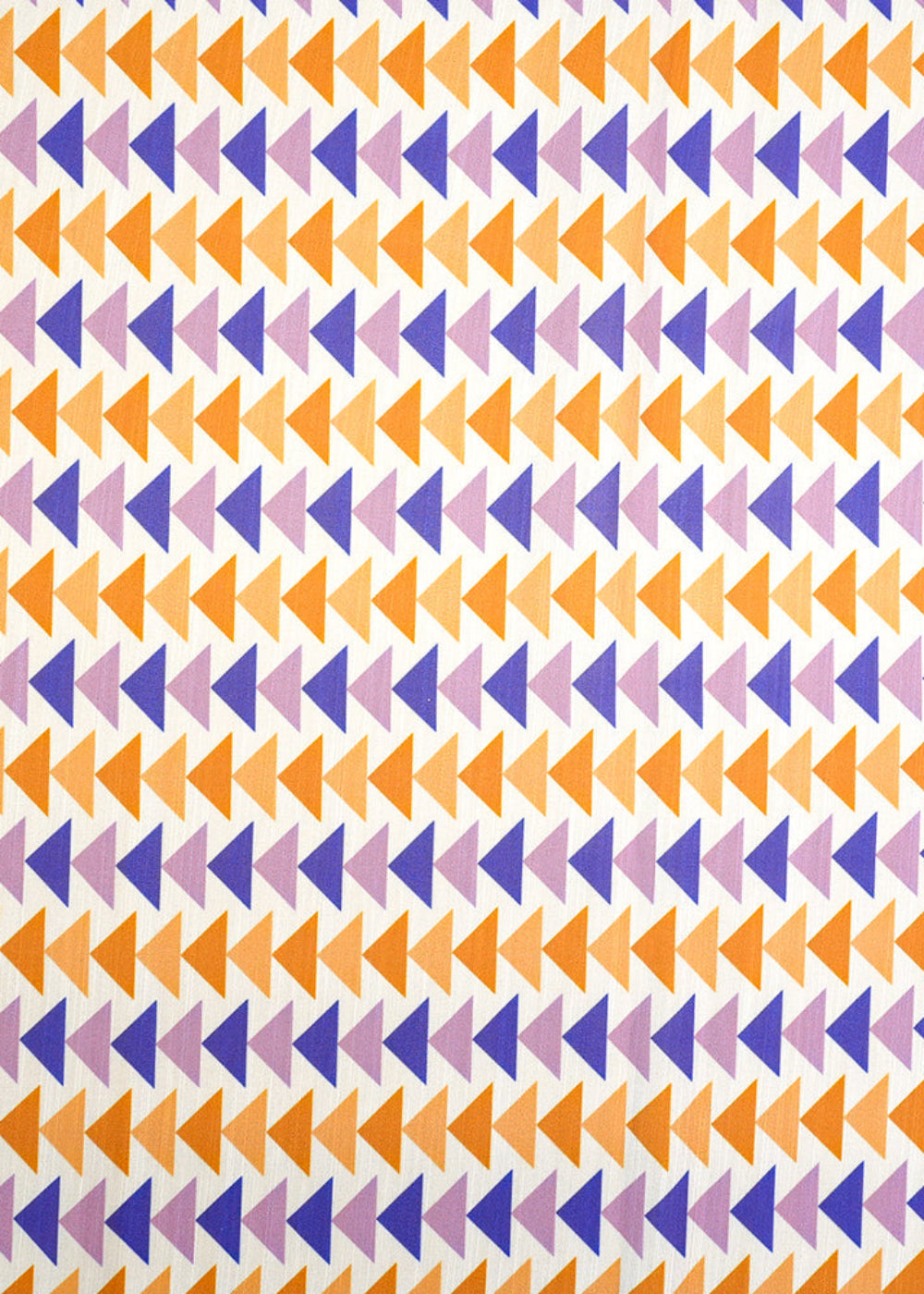
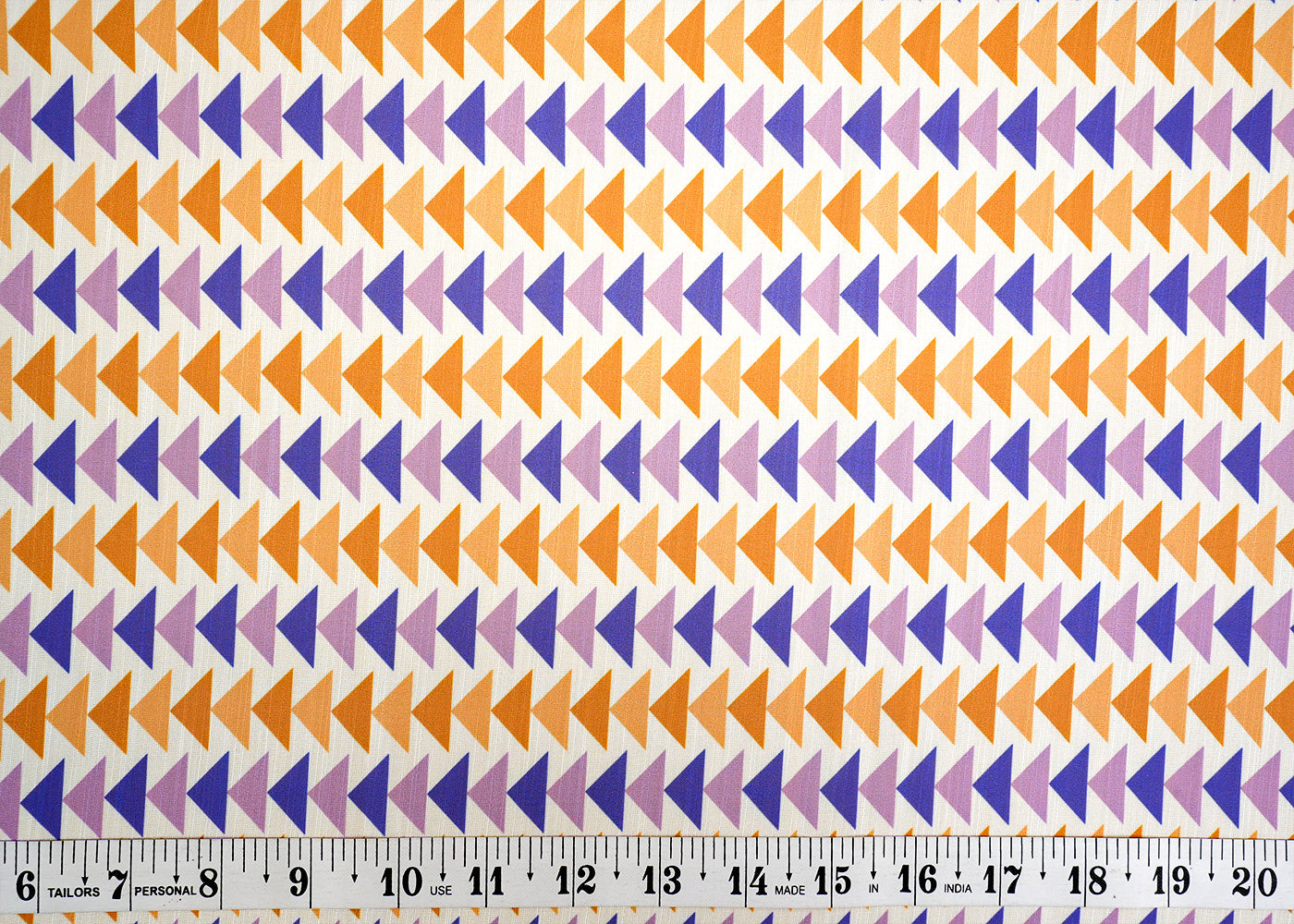
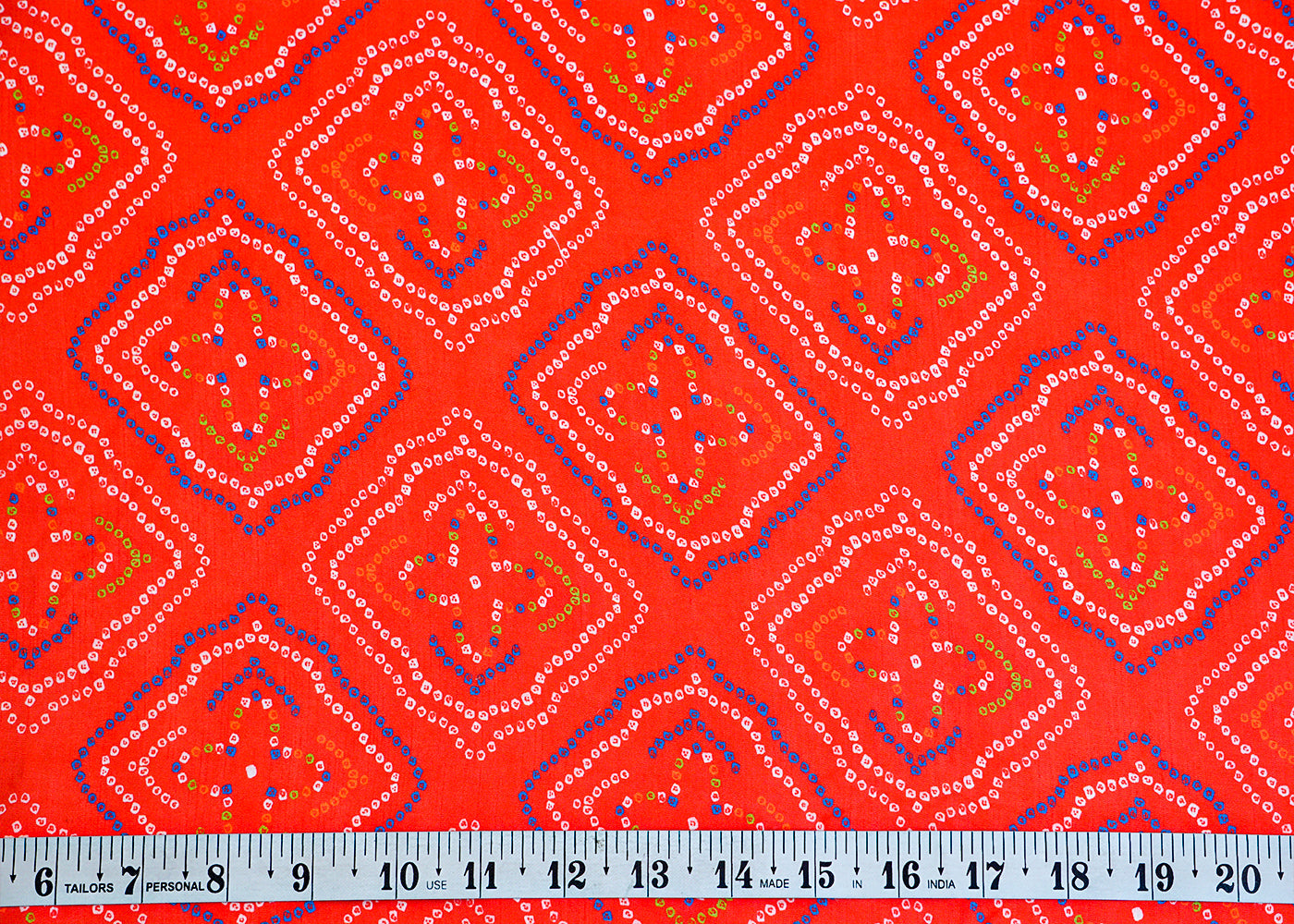
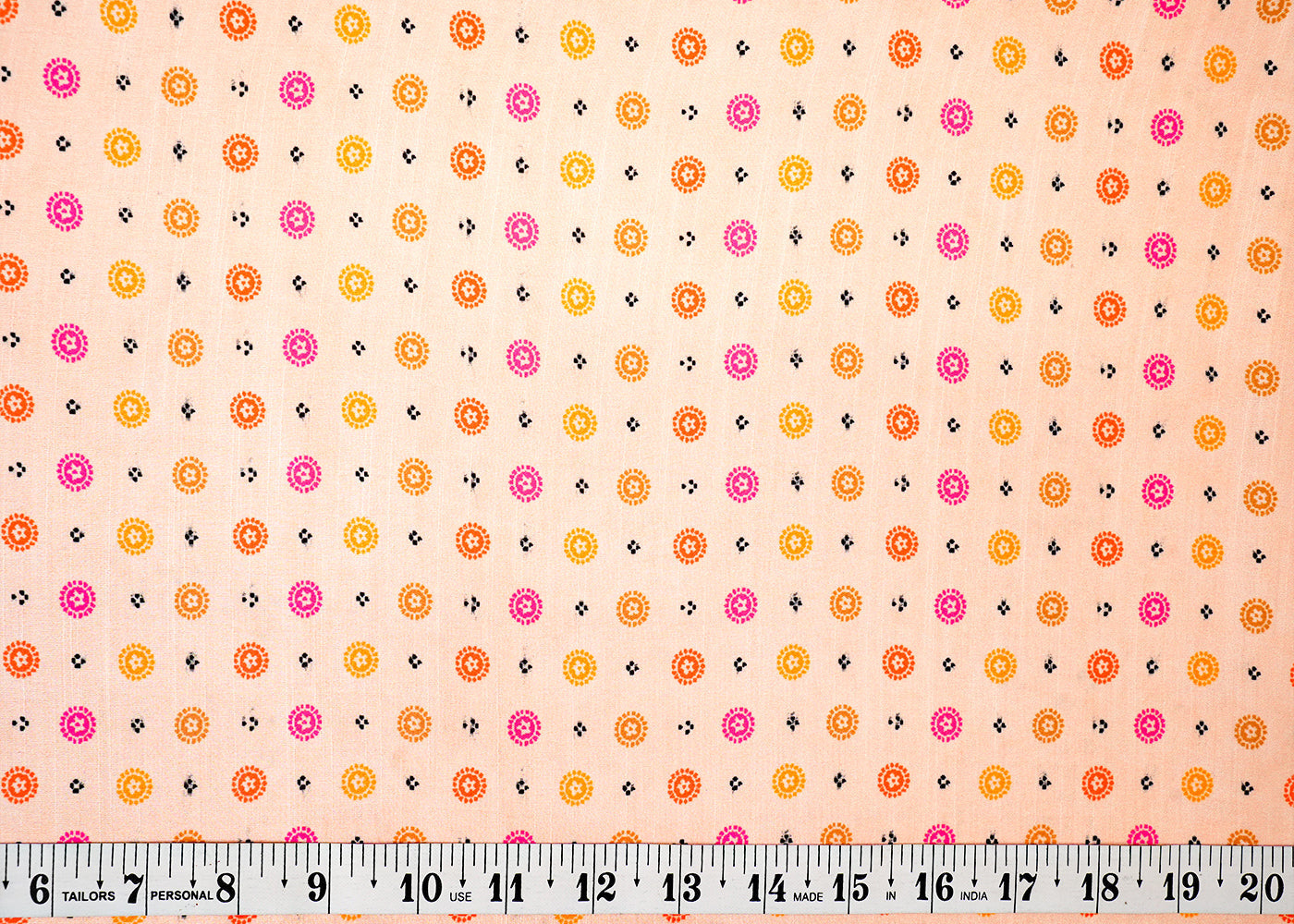
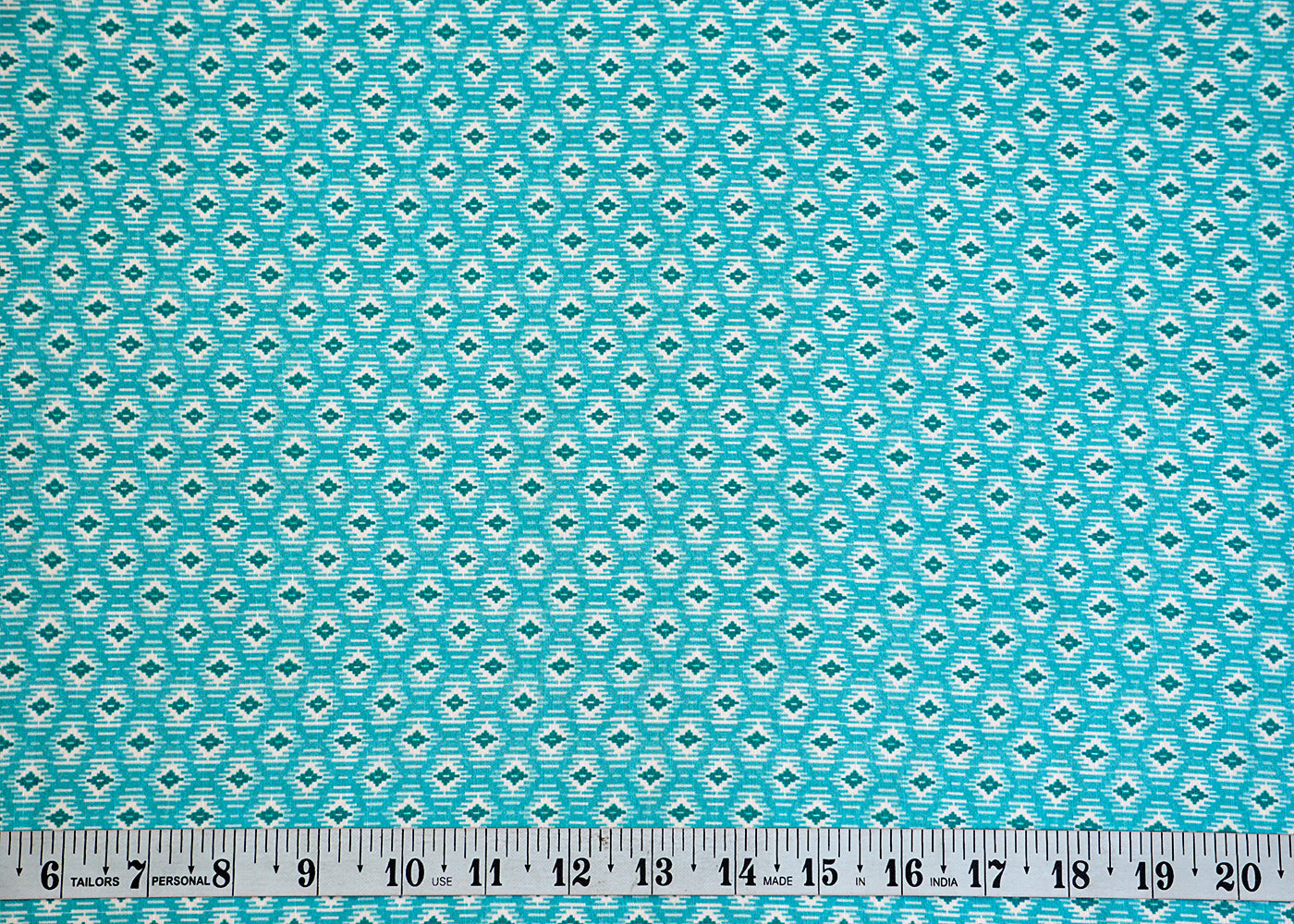
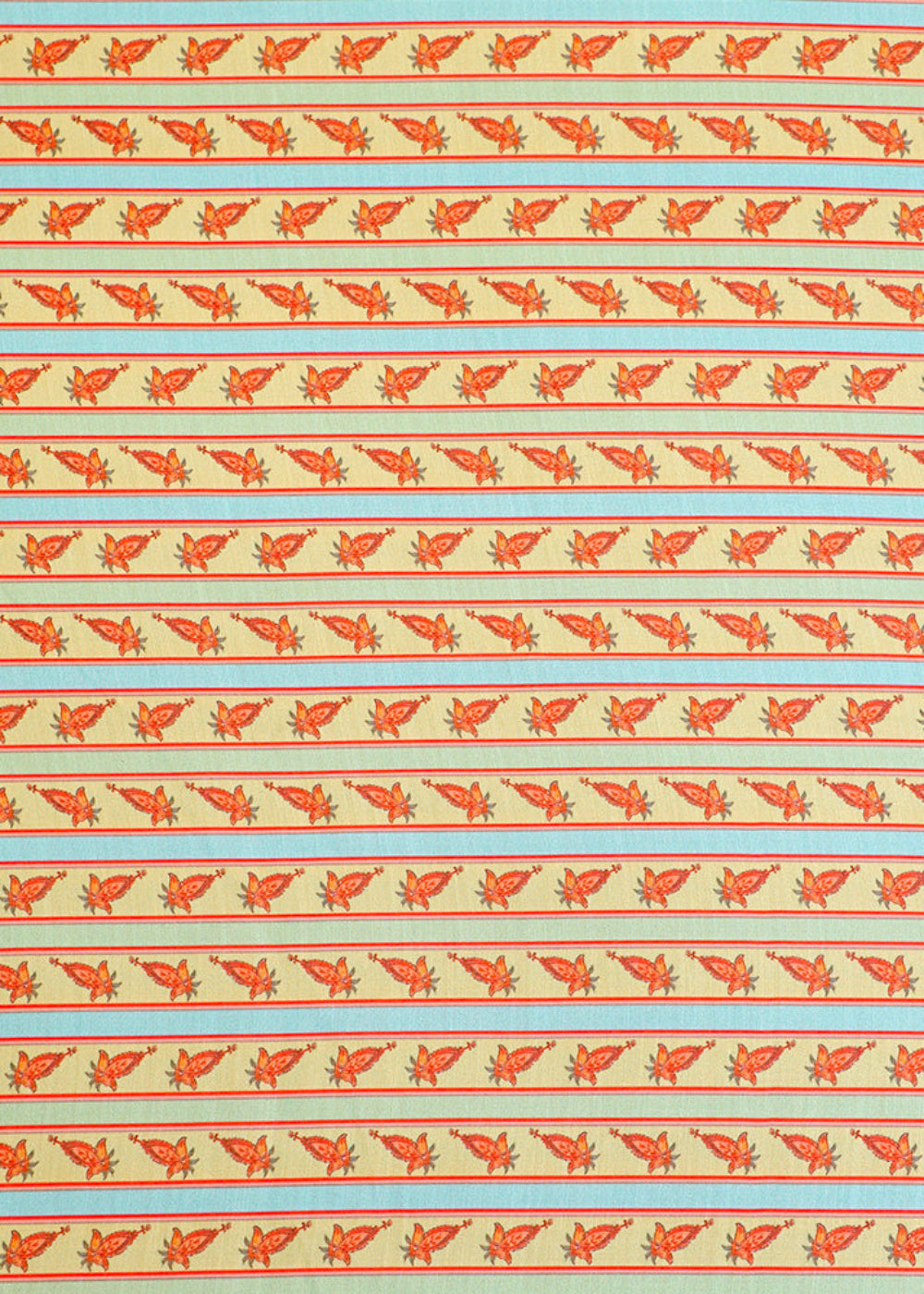
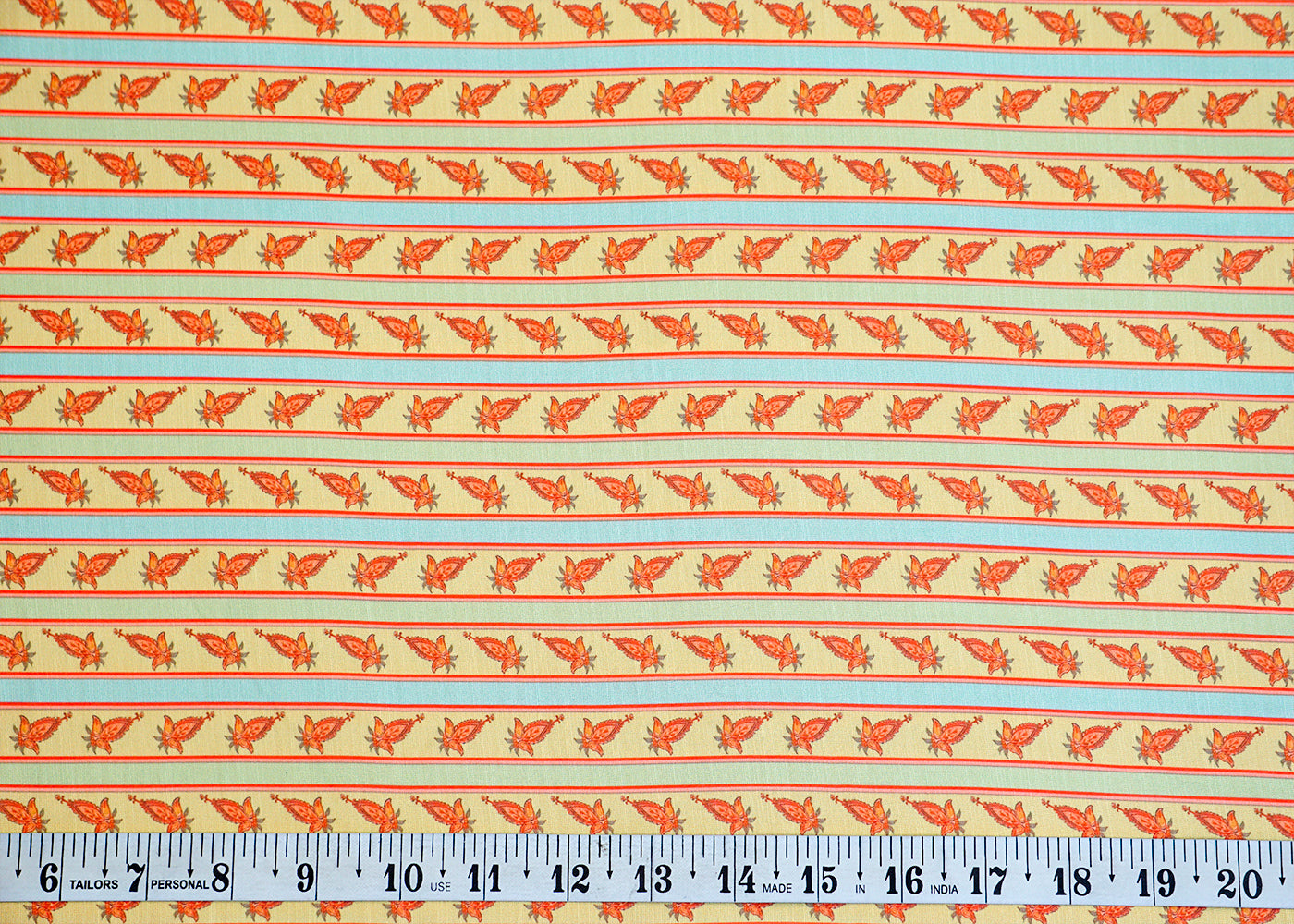
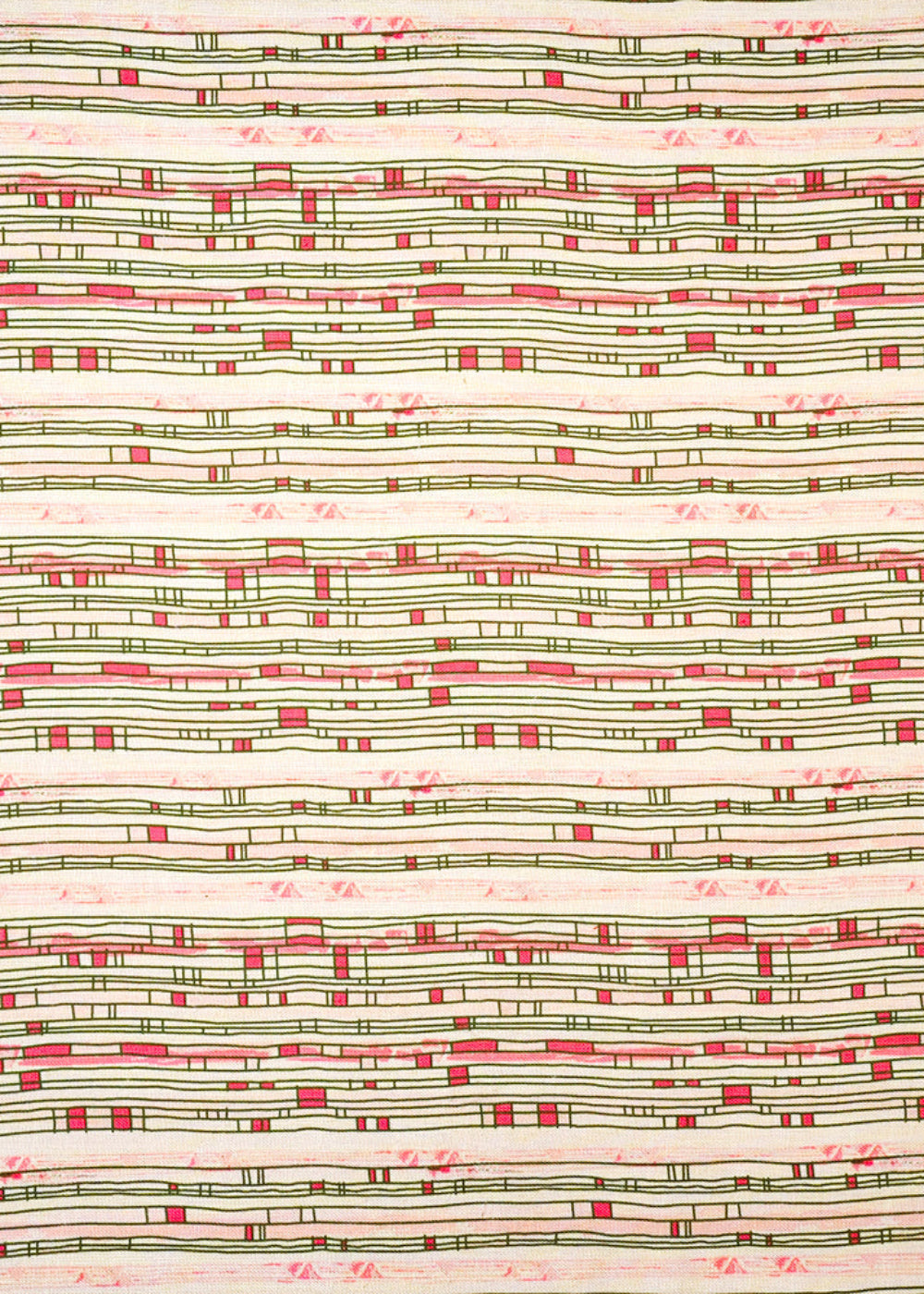
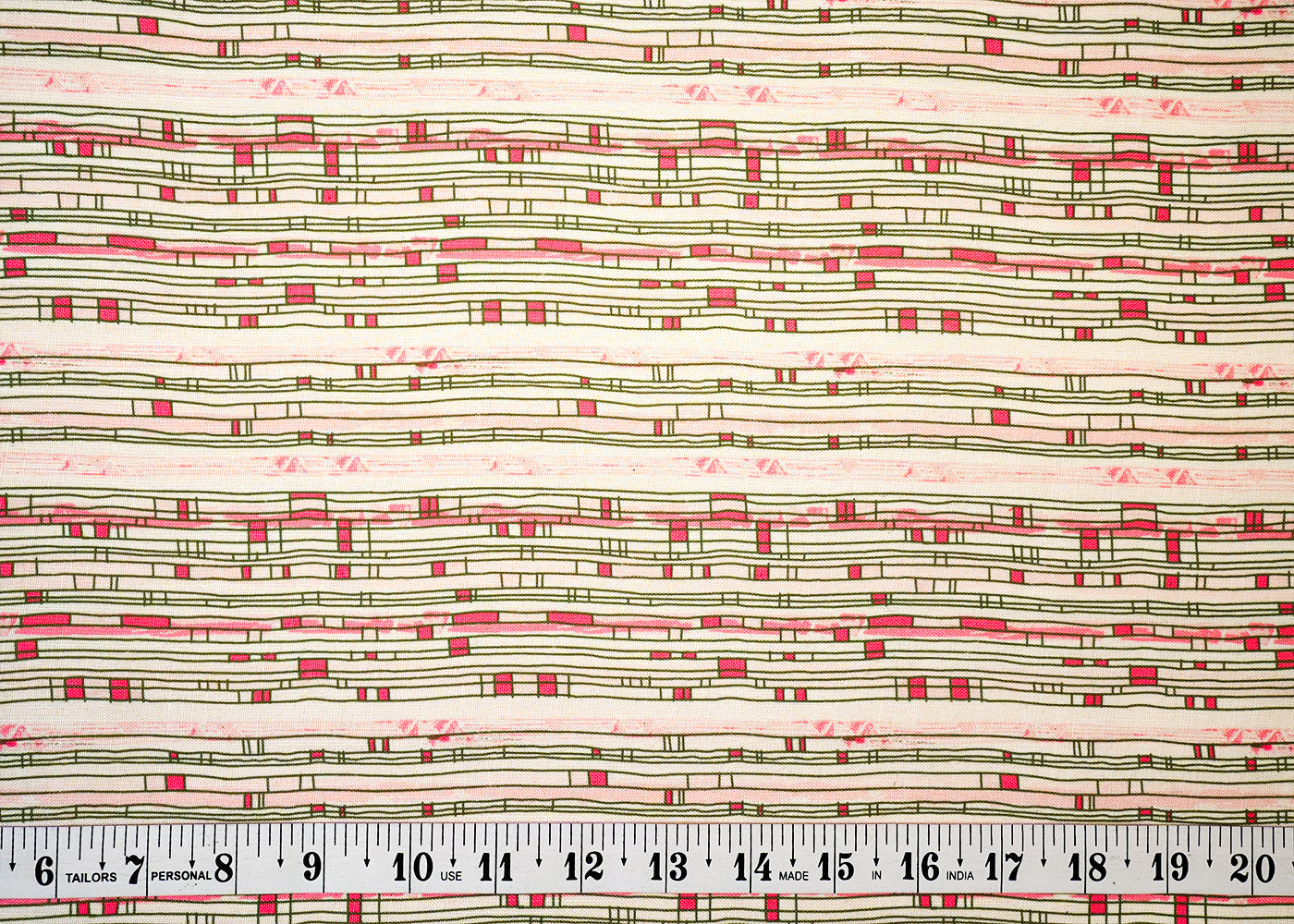
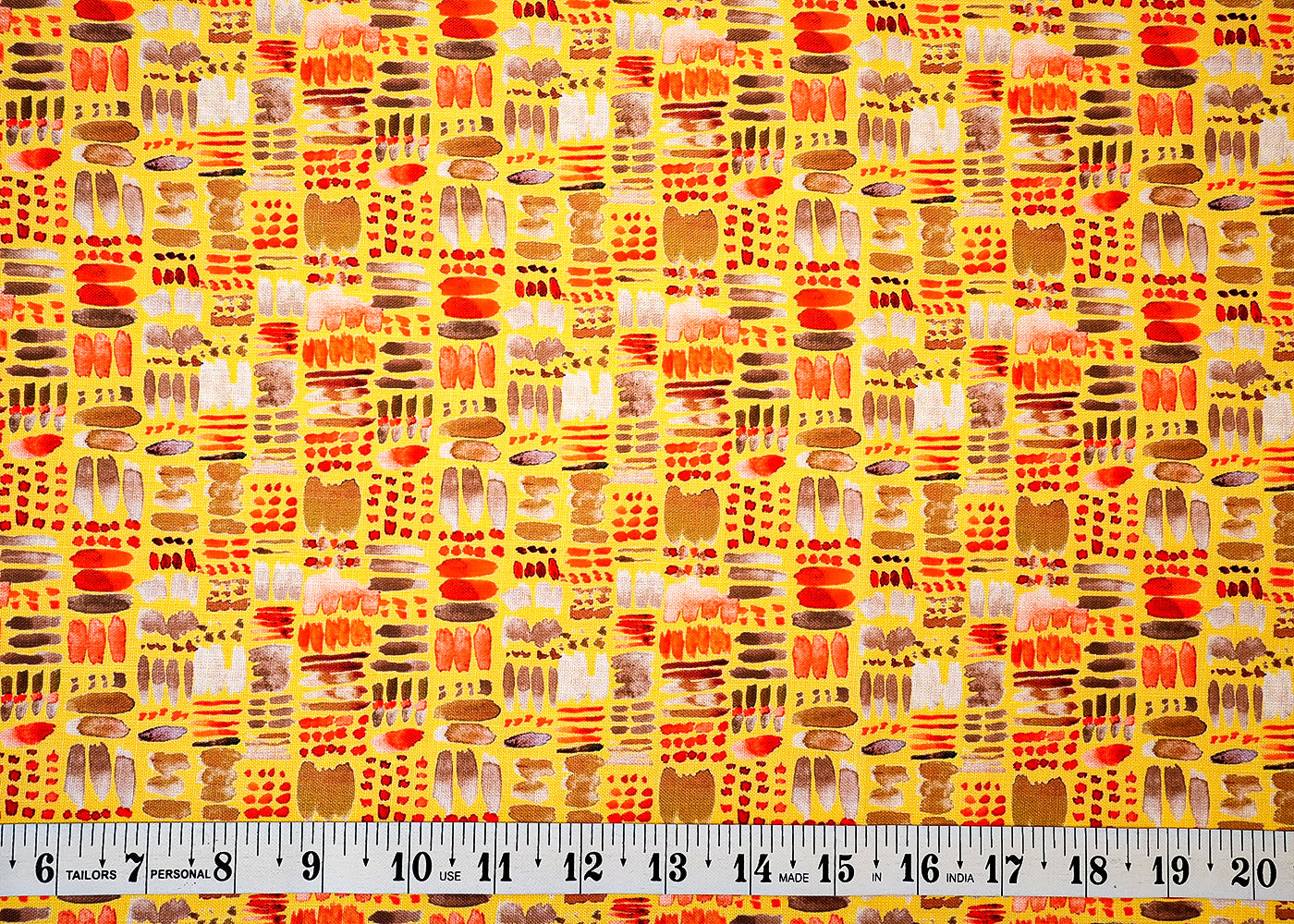
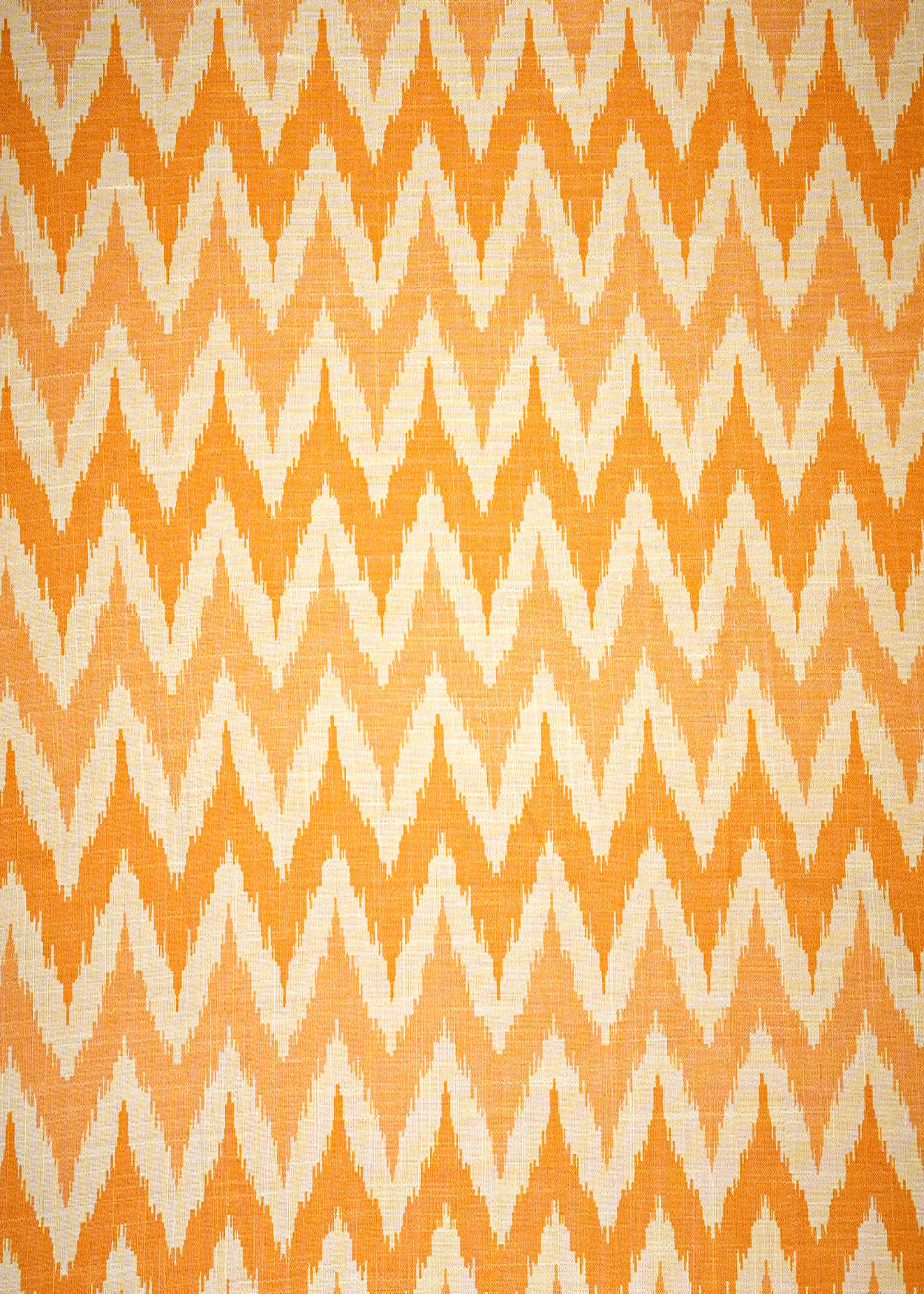
Printed linen fabric is a linen textile (produced from flax plant fibres) with pattern designs applied through digital-print, screen-print, block-print, or Ajrakh-print techniques after weaving. The linen base carries signature textured character (visible slub yarn, natural cellulose fibre body, breathable structure) while applied print work adds visible pattern interest across the fabric surface. Delhi NCR designer boutique market absorbed the variant heavily between 2020 and 2025 for the summer wear plus sustainability-conscious customer segments at Rs 2,500 to 8,500 retail kurti plus saree band.
What Makes Printed Linen Different
The flax fibre base carries the whole story. Linen production uses fibres from the flax plant stem processed through retting, scutching, plus combing stages to produce yarn with characteristic slub texture (variable thickness across the length). Standard cotton yarn arrives uniform in thickness. Linen delivers deliberate irregular texture that reads distinctly against smooth-finish alternatives across the summer boutique segment.
Base fibre grades vary significantly across the family. Pure flax linen delivers designer-tier character at higher price bands. Linen-cotton blends handle volume production at accessible pricing with slightly reduced texture visibility. Linen-viscose blends deliver drape-forward variants at middle tiers. Each grade serves different customer segments across the boutique wholesale market.
Print production on linen requires careful preparation. Natural slub texture affects dye absorption unevenly causing pattern variation. Higher-quality mills pre-treat linen before printing. Digital print delivers photo-quality patterns handling slub variation. Block print works especially well because artisanal registration variance combines with linen texture.
The hand feel runs medium. Cool against skin. Textured slub surface characterizes printed linen with drape-forward structural body. Suitable for kurti production across summer boutique segment plus kurta construction for men's designer casual segment. Lajpat Nagar wholesale rates for printed linen run Rs 320 to Rs 680 per metre depending on flax content plus print technique.
Types of Printed Linen in Our Collection
| Type | Best Use | Approximate Price Range |
|---|---|---|
| Digital-Print Linen-Cotton | Summer kurtis, casual sarees | Rs 320 to 420 per metre |
| Screen-Print Linen-Cotton | Volume kurtis, kurta production | Rs 300 to 400 per metre |
| Block-Print Pure Flax Linen | Boutique designer kurtis, kurtas | Rs 460 to 580 per metre |
| Ajrakh-Print Pure Flax Linen | Statement pieces, artisanal wear | Rs 540 to 680 per metre |
| Zari-Print Linen-Silk | Engagement kurtas, festive sarees | Rs 580 to 720 per metre |
Digital-print linen-cotton sits as the volume seller for summer kurti production across mid-market boutique segment. Block-print pure flax variants target designer boutiques serving artisanal-conscious customers at higher price tiers. Ajrakh-print variants anchor the sustainability-focused urban customer segment picking heritage textile production.
Printed Linen GSM Guide
| GSM Range | Fabric Feel | Best For |
|---|---|---|
| 100 to 140 GSM | Light, drape-forward | Summer kurtis, dupattas |
| 140 to 180 GSM | Medium, structured | Kurta construction, designer sarees |
| 180 to 240 GSM | Medium-heavy, opulent | Structured kurtas, statement pieces |
Summer wear boutiques default to 100-140 GSM for kurti production. Balances linen breathability with print visibility. Above 140 GSM handles men's kurta construction plus structured designer pieces. The 180-240 range handles statement kurtas where fabric body matters more than movement.
Popular Uses
Summer kurtis dominate uses across urban working-woman customer segments picking Rs 2,500 to 5,500 retail casual-designer band during April-August peak. Men's kurtas at Rs 3,500 to 8,500 retail come second across corporate customer base. Designer sarees for festive celebration function segments rank third pattern. Sustainability-conscious pieces at Rs 6,500 to 12,000 retail round out popular uses across boutiques serving eco-conscious buyers.
Printed Linen Trends for 2026
Ajrakh-print pure flax variants lead the sustainability segment. Buyers picking heritage textile production drive steady reorders at higher price tiers. Delhi NCR boutiques reorder Ajrakh-linen every three-four weeks through peak function season. Digital-print floral variants represent the second growing pattern across the working-woman segment picking Instagram-friendly complex patterns on breathable summer fabric.
Care and Working Tips for Printed Linen
Pre-wash test piece before bulk cutting. Linen shrinks 4 to 8 percent on first wash depending on flax content plus finishing technique. Higher-quality mills pre-shrink during finishing, but volume-tier variants may shrink significantly.
Standard cotton thread handles linen best. Sharp needle changes matter frequently because the natural slub texture dulls needles faster than smooth cotton variants. Machine tension needs adjustment for the substantial fabric weight combined with print layer.
Ironing works at medium-high heat on linen setting. Slightly damp ironing produces best results. Storage folds in muslin cotton fabric or tissue paper. Polythene traps moisture damaging both flax fibre plus print integrity.
What is Printed Linen? (Quick Definition)
A linen textile produced from flax plant fibres with pattern designs applied through digital-print, screen-print, block-print, or Ajrakh-print techniques after weaving, delivering fabric combining natural slub texture with visible pattern character. The printed linen fabric use extends across summer kurtis, men's kurtas, designer sarees, plus sustainability-focused statement pieces at retail bands from Rs 2,500 to Rs 12,000. Available across 100 to 240 GSM in linen-cotton, pure flax, plus linen-silk base variants at wholesale rates Rs 320 to Rs 680 per metre.
Why Designers Buy Printed Linen Online
Summer wear plus sustainability-conscious segment across Delhi NCR designer market needs breathable natural-fibre printed fabric with distinct textured character. Printed linen delivers exactly that positioning at the Rs 2,500 to 12,000 retail garment band. Wholesale rates run Rs 320 to Rs 680 per metre depending on flax content plus print technique.
Frequently Asked Questions
How does printed linen differ from printed cotton?
Both are natural cellulose-fibre textiles but the plant source differs. Linen comes from flax plant stem fibres producing yarn with characteristic slub texture. Cotton comes from cotton plant seed fibres producing smoother uniform yarn. Linen reads more textured plus more designer-tier against skin. Cotton reads smoother plus more familiar in the Indian retail segment.
What is the sustainability advantage of linen?
Flax cultivation requires roughly 60 percent less water than cotton production. The full plant gets used across textile plus food production (linseed oil comes from flax seeds). Linen fabric biodegrades naturally within twelve months in composting conditions. These characteristics drive sustainability-conscious customer preference across urban corporate customer bases.
Is printed linen available in bulk for boutique production?
Yes across all variants. Bulk pricing kicks in at 30 metres per SKU. Wholesale tiers begin at Rs 260 per metre for linen-cotton blends on 100-metre-plus orders. Peak-season boutique lots above 200 metres unlock production pricing tier.
How much printed linen does a kurti need?
Standard straight-cut kurti needs 2.5 metres. Anarkali kurtis with kali flare need 4 metres. Men's kurta needs 2.8 metres. Coordinated kurti-plus-dupatta sets need 4.5 metres total.
Why Boutique Owners Choose Printed Linen from Paras Gallery
Fifteen metres minimum buys sample-rate per shade. Thirty metres unlocks wholesale tier. Two hundred metres opens production pricing for peak seasons. Place order through our wholesale catalogue.
