Soft Tissue

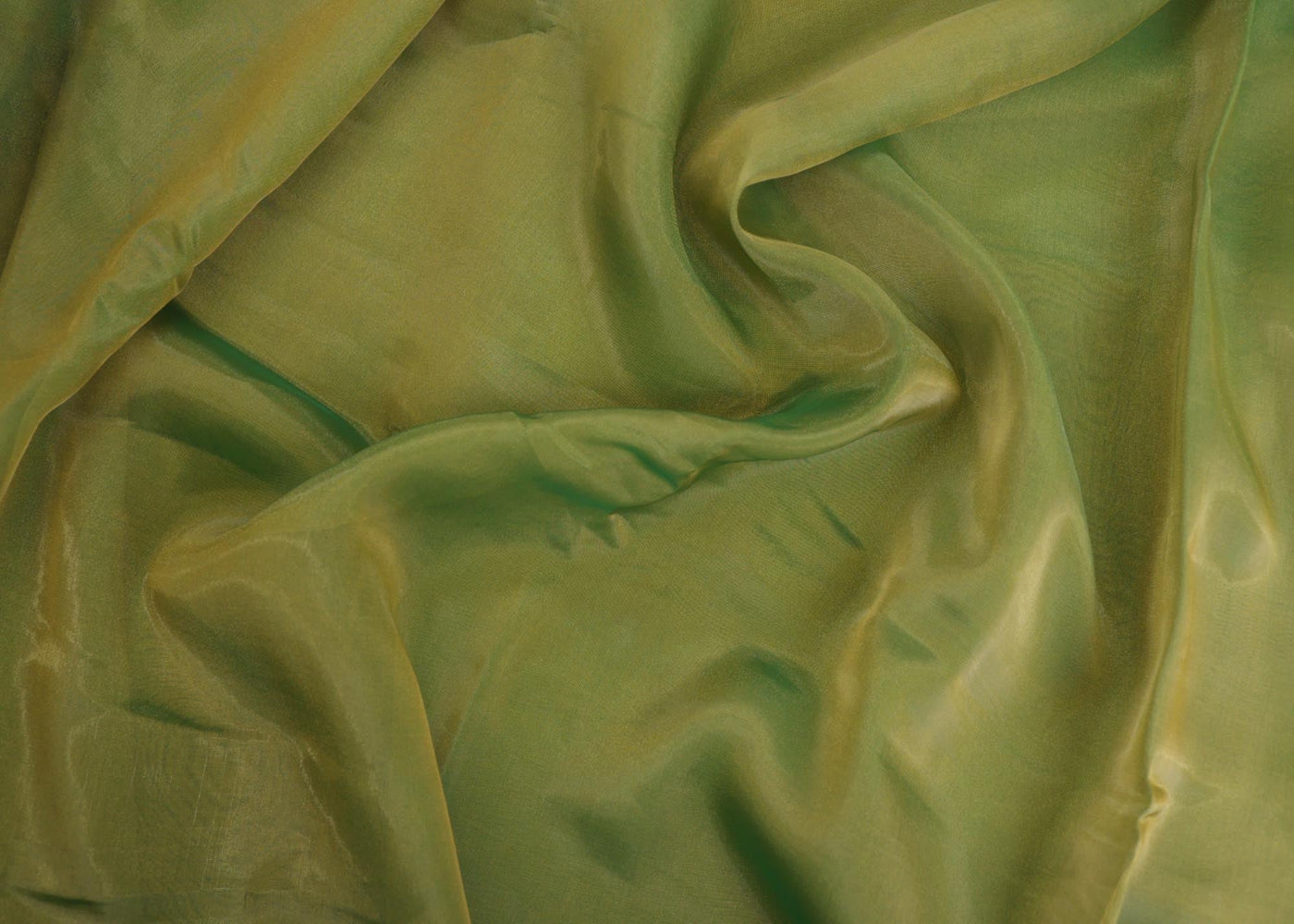
Everything You Need to Know About Soft Tissue Fabric
Basically last Thursday, one Model Town boutique owner sends WhatsApp voice note at nine PM. Bhaiya, my kurta customers are complaining that regular tissue kurtas feel scratchy against skin after two hours of wear. She has been running festive kurta production for East and North Delhi customers, mid-market Rs. 1,800 to 4,500 kurta band. Her buyer is the working woman doing five Diwali functions in one week. Comfort matters. Regular tissue was not delivering.
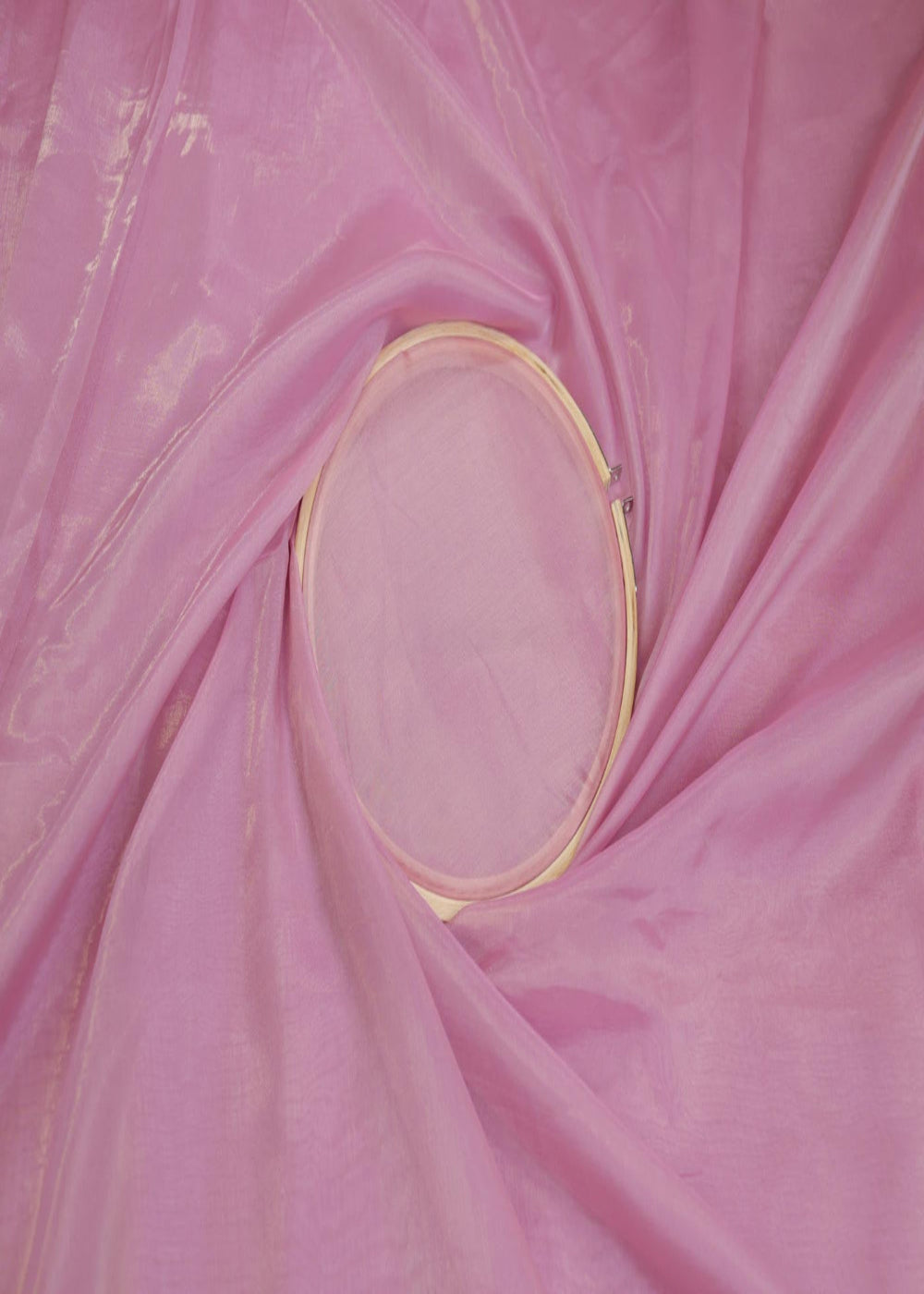
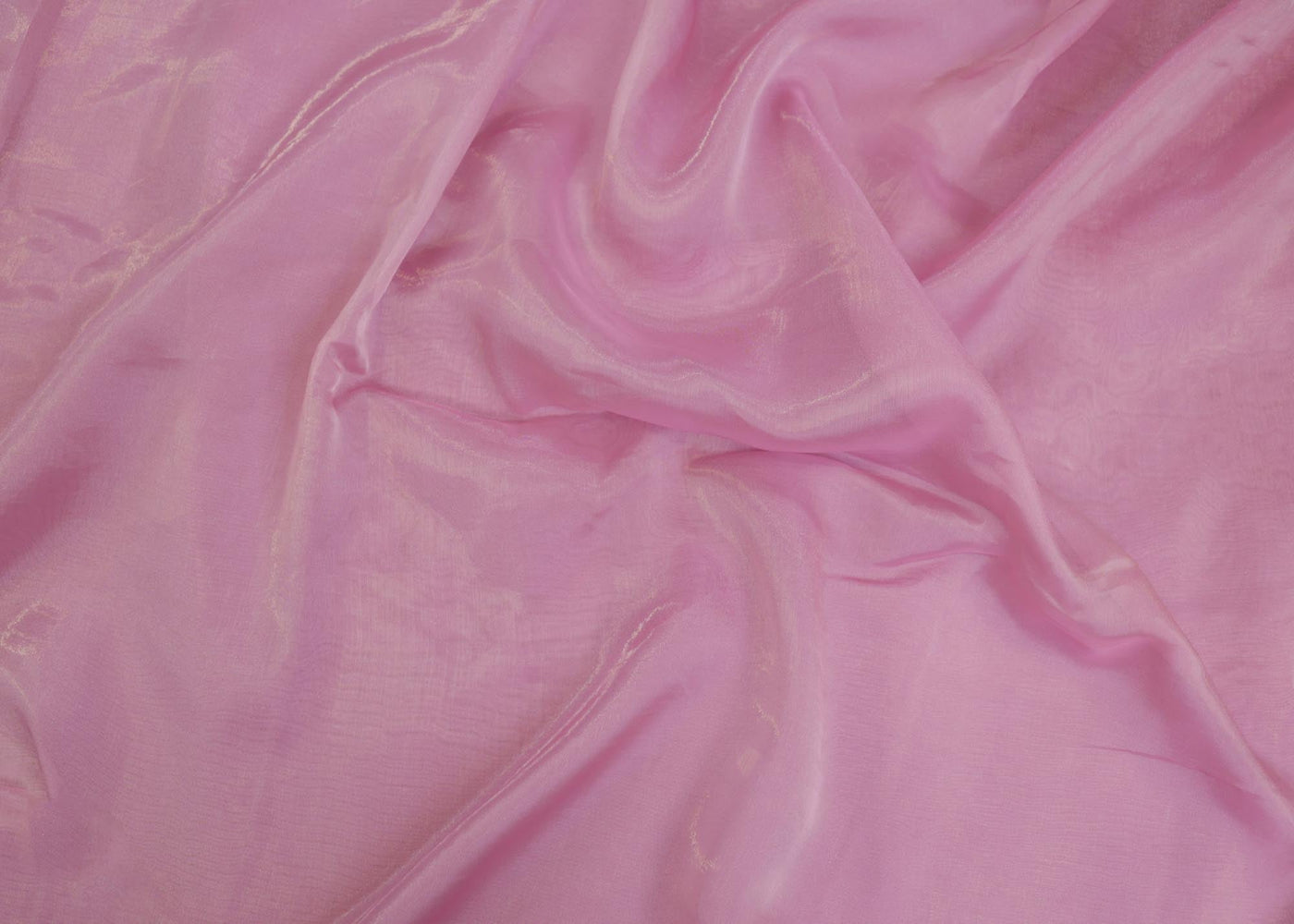
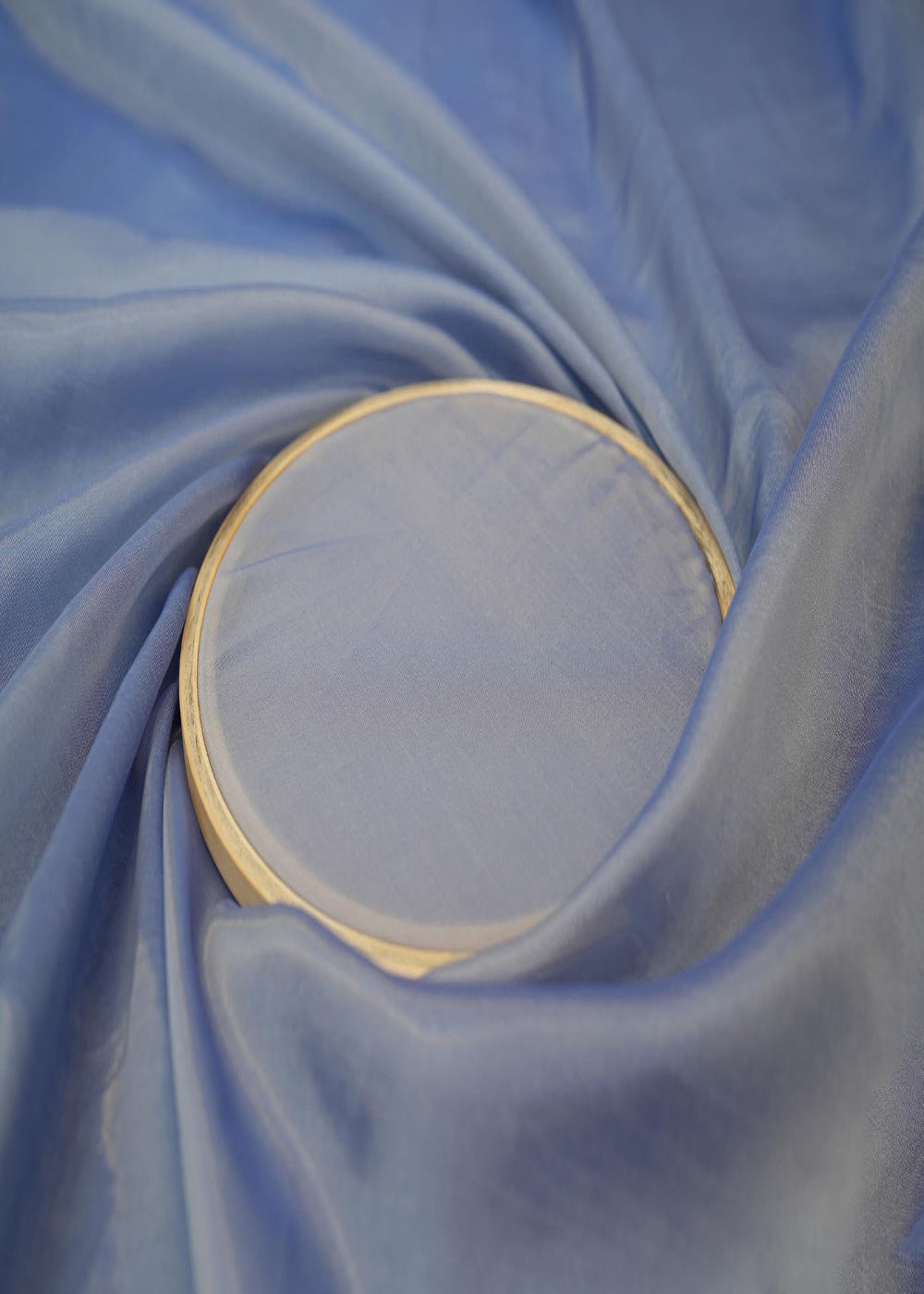
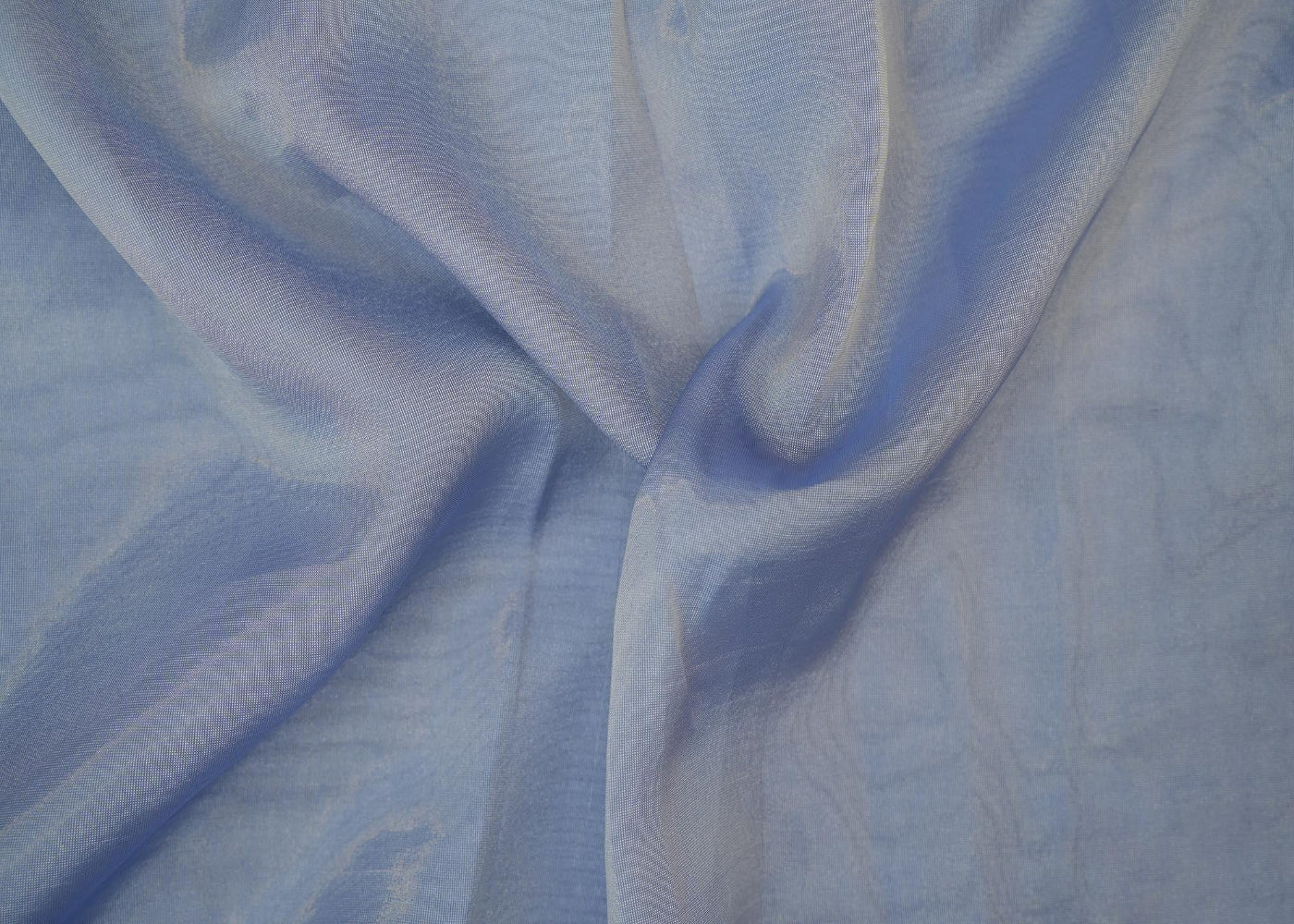
This is where soft tissue quietly takes over. Same shimmer as regular tissue but with softer hand feel plus better drape against skin. Fabric mills started making this variant specifically because kurta and dupatta buyers pushed back on standard tissue scratchiness. Softer yarn treatment, gentler weave finishing, same metallic thread integration for that signature festive shimmer. Result is tissue you can actually wear all evening without complaining.
What Makes Soft Tissue Different
See the difference is at the finishing stage. The regular version arrives crisp, dry, sometimes scratchy against skin. This variant gets a softener treatment during finishing plus a different weave tension that makes the fabric drape softer against the body. Metallic thread stays intact. Shimmer stays intact. Only the hand feel improves.
Standard tissue photographs bright but feels rigid on wear. This variant photographs equally bright but drapes closer to how georgette or chiffon behaves against skin. Best of both worlds essentially. Which is why the fabric became the default for festive kurta production across mid-market boutiques over the past two years.
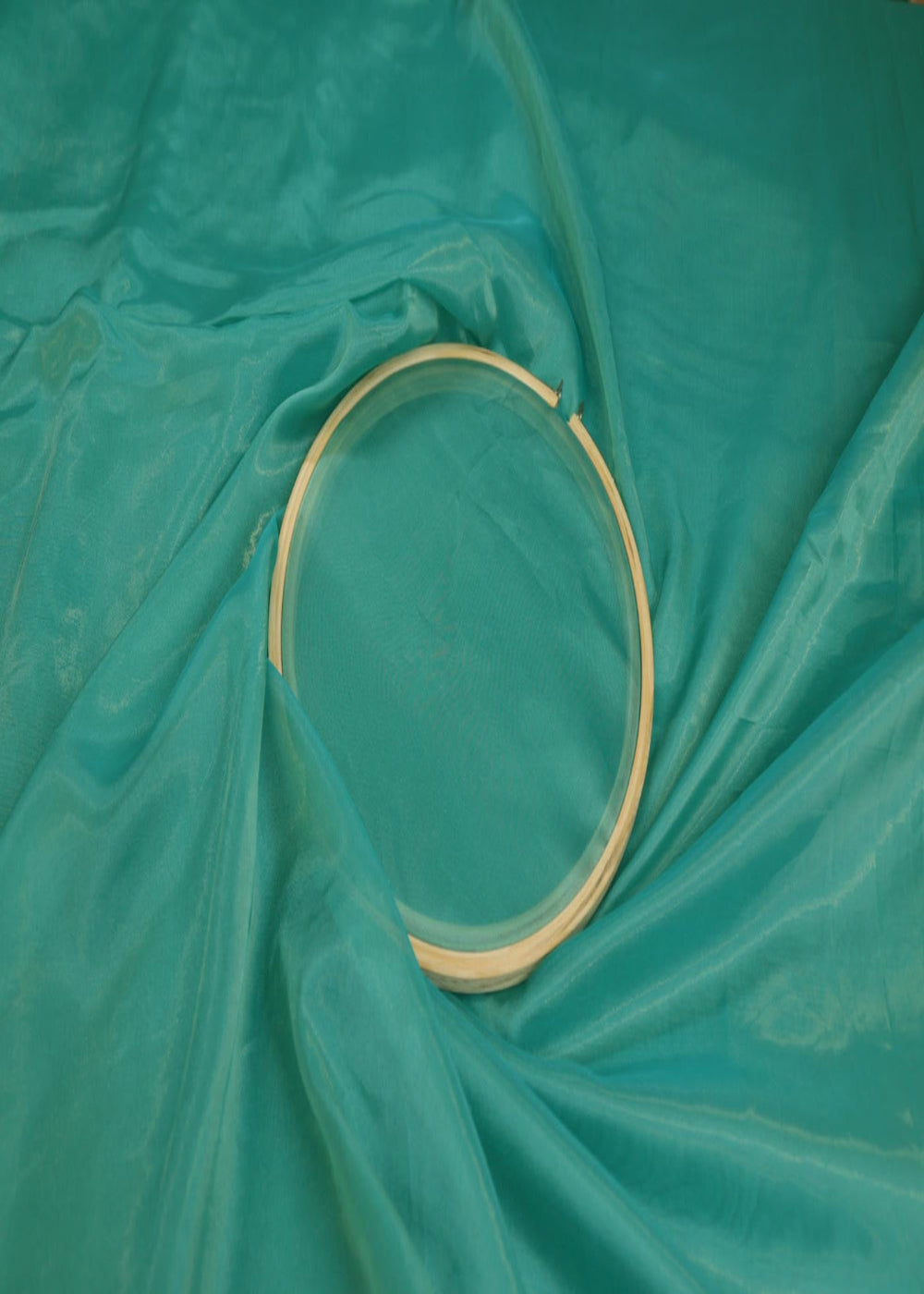
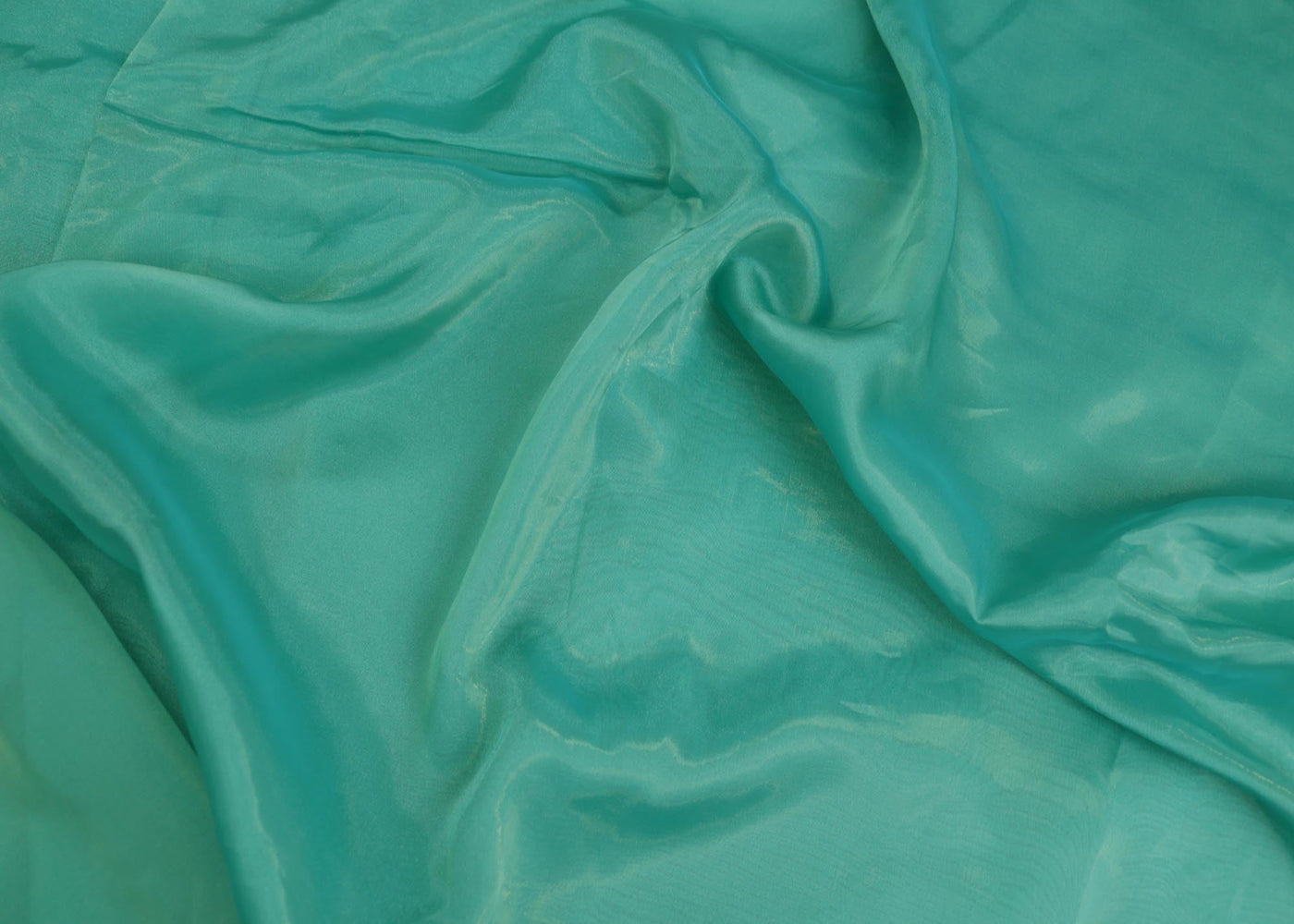
Hand feel is soft, cool against skin, slight give without stretch. Run a finger across a thaan; it slides silky without catching. The lightweight nature means fabric drapes closer to body than standard tissue does.
Boutiques in Lajpat Nagar typically paying between Rs. 240 and Rs. 620 per metre depending on metallic thread density plus finish grade.
Types of Soft Tissue in Our Collection
| Type | Best Use | Approximate Price Range |
|---|---|---|
| Plain Soft Tissue | Kurtas, dupattas, festive sarees | Rs. 240 to 380 per metre |
| Zari-Border Soft Tissue | Festive kurtas, coordinated sets | Rs. 380 to 550 per metre |
| Sequin Soft Tissue | Sangeet outfits, party gowns | Rs. 500 to 850 per metre |
| Foil Print Soft Tissue | Indo-western jackets, statement dupattas | Rs. 420 to 700 per metre |
| Embroidered Soft Tissue | Reception dupattas, designer sarees | Rs. 750 to 1,650 per metre |
For first-time buyers, plain gives the most versatility. Works as kurta fabric, dupatta base, saree material, plus overlay layer on sequin or embroidered underlayers.
Soft Tissue GSM Guide
| GSM Range | Fabric Feel | Best For |
|---|---|---|
| 45 to 70 GSM | Ultra-light, floaty | Dupattas, layered kalis, gown top layers |
| 70 to 100 GSM | Light, drape-forward | Kurtas, party sarees, kurti sets |
| 100 to 140 GSM | Mid-weight, defined | Reception sarees, structured kurtas |
Most mid-market kurta boutiques defaulting to 70 to 100 range because it balances shimmer visibility with drape softness across long-wear festive functions.
Popular Uses
Festive kurtas for Diwali, Karva Chauth, Teej, Bhaidooj functions. Signature use case. Comfortable enough for multi-hour wear.
Party dupattas with plain crepe or georgette kurti bases. Shimmer without weight on shoulders.
Casual sarees for evening functions in festive collection styling range Rs. 1,800 to 4,500 retail.
Haldi ceremony outfits where comfort matters because the wearing time stretches across morning-to-afternoon functions with multiple applications.
Soft Tissue Trends for 2026
Rose gold, dusty pink, mint green, champagne shades are leading currently. Mid-market boutiques observing shift toward pastel palettes because Instagram feed engagement performs better on softer shades. Model Town, Rohini, Pitampura, GTB Nagar boutiques all reordering these four shades consistently through past six months.
Foil-printed soft tissue is the second pattern. Metallic gold or silver foil pattern on plain base creates layered metallic effect for statement dupattas. Marketplace resellers driving this demand across festive drops on Meesho and Amazon platforms.
Expert Tips for Working with Soft Tissue
Pre-wash a small test piece before bulk cutting because soft tissue shrinks 2 to 4 percent on first wash depending on metallic thread density. Skip this step and finished kurtas end up tight around bust and hips.
Use fine silk thread for stitching, never polyester. Polyester creates puckering along the softer surface because thread tension pulls unevenly against the fabric weave. Silk thread stays flat every seam.
Iron on reverse side always at low heat with press cloth. Direct high-heat iron will melt metallic thread within seconds. Steam ironing through cloth works safer and preserves the softened finish that separates this from standard tissue.
What is Soft Tissue? (Quick Definition)
The soft variant is a lightweight tissue fabric with softener finishing treatment plus modified weave tension that delivers metallic shimmer with drape-forward hand feel against skin. It gets used in festive kurtas, party dupattas, casual sarees, haldi ceremony outfits, sangeet blouses, plus reception dupattas. Available across 45 to 140 GSM in plain and embellished variants.
Why Designers Buy Soft Tissue Online
This is the workhorse tissue of mid-market festive kurta production because the softer hand feel makes multi-hour wear comfortable while retaining the signature metallic shimmer that defines tissue fabric family. Boutiques in Delhi NCR price plain weights between Rs. 240 and Rs. 620 per metre, while embroidered variants run up to Rs. 1,650. Best uses cover festive kurtas, party dupattas, casual sarees, haldi ceremony outfits, sangeet blouses.
Frequently Asked Questions
How is soft tissue different from regular tissue?
Regular tissue arrives crisp, sometimes scratchy against skin. Soft tissue gets softener treatment during finishing plus modified weave tension that improves drape and hand feel. Metallic shimmer stays identical between both. Kurta and dupatta buyers preferring the softer variant for multi-hour festive wear comfort.
Will the shimmer come off after dry cleaning?
Not if handled properly. Standard dry cleaning at reputable outlets preserves the metallic finish across many cleanings. Home washing on gentle cycle also works for soft tissue because the softener treatment stabilizes the fabric against light washing better than standard tissue.
Is soft tissue available in bulk for boutique kurta production?
Yes definitely. Bulk pricing kicks in at 40 metres per SKU per shade. Wholesale tiers begin at Rs. 190 per metre for plain weights on 100-metre-plus orders. Mid-market boutique lots above 200 metres unlock production pricing tier.
How much fabric does a soft tissue kurta need?
Standard kurta needs 2.5 metres for straight-cut construction. Anarkali kurtas with kali flare need 4 to 4.5 metres. Add 0.8 metre for matching dupatta if going coordinated set. WhatsApp us with your design and we send exact quantity per SKU.
Why Boutique Owners Choose Soft Tissue from Paras Gallery
Twenty metres minimum buys sample-rate pricing per shade. Forty metres unlocks wholesale tier per SKU. Two hundred metres opens production pricing for mid-market boutique kurta production cycles.
Browse the full soft tissue range below or WhatsApp us for shade matching before bulk order through our wholesale catalogue. Many festive seasons supplying kurta boutiques across Delhi NCR mid-market circuit, we know which weights work for which kurta silhouettes. Shortcut is asking us first, not after the karigar starts cutting.
