













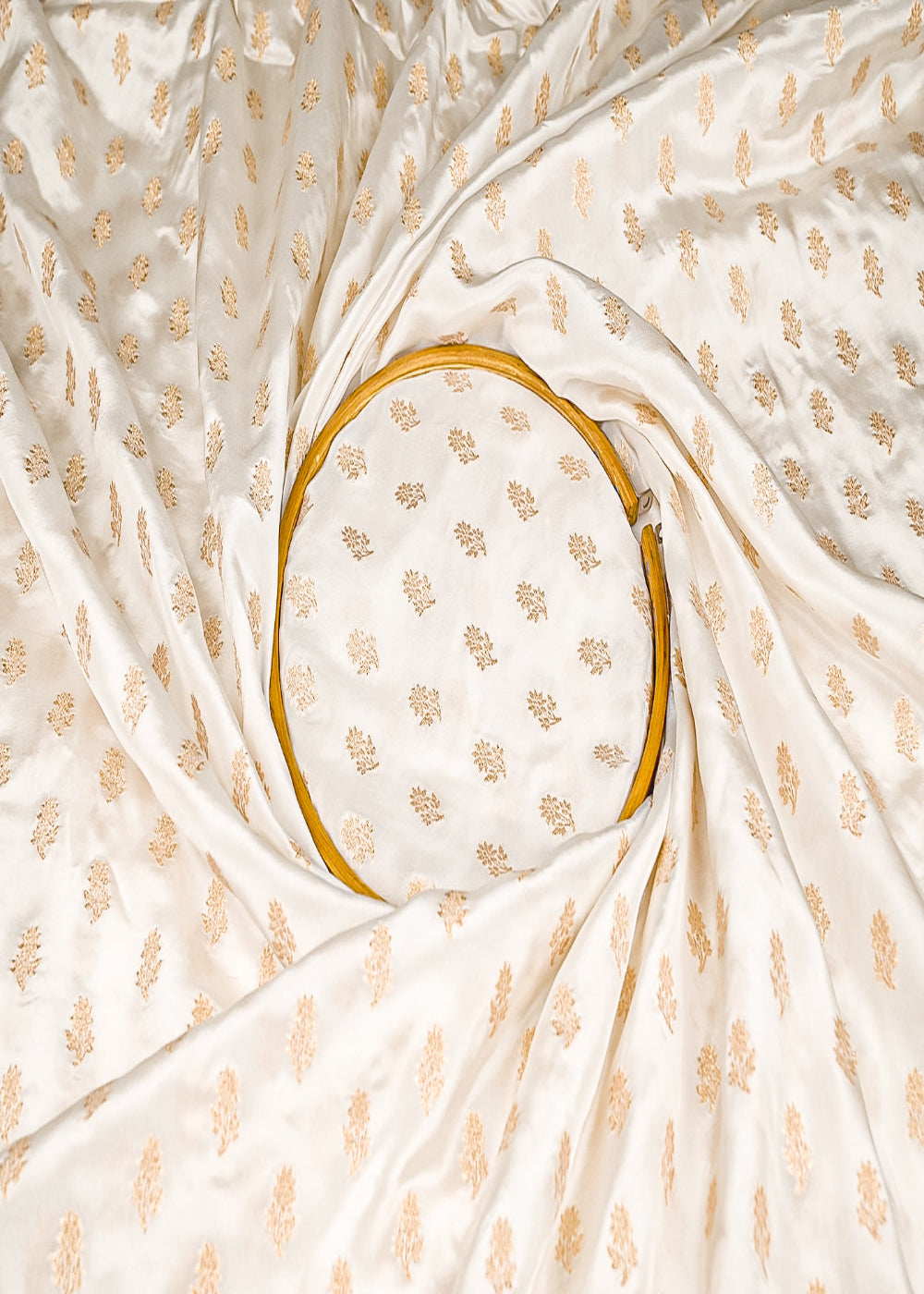
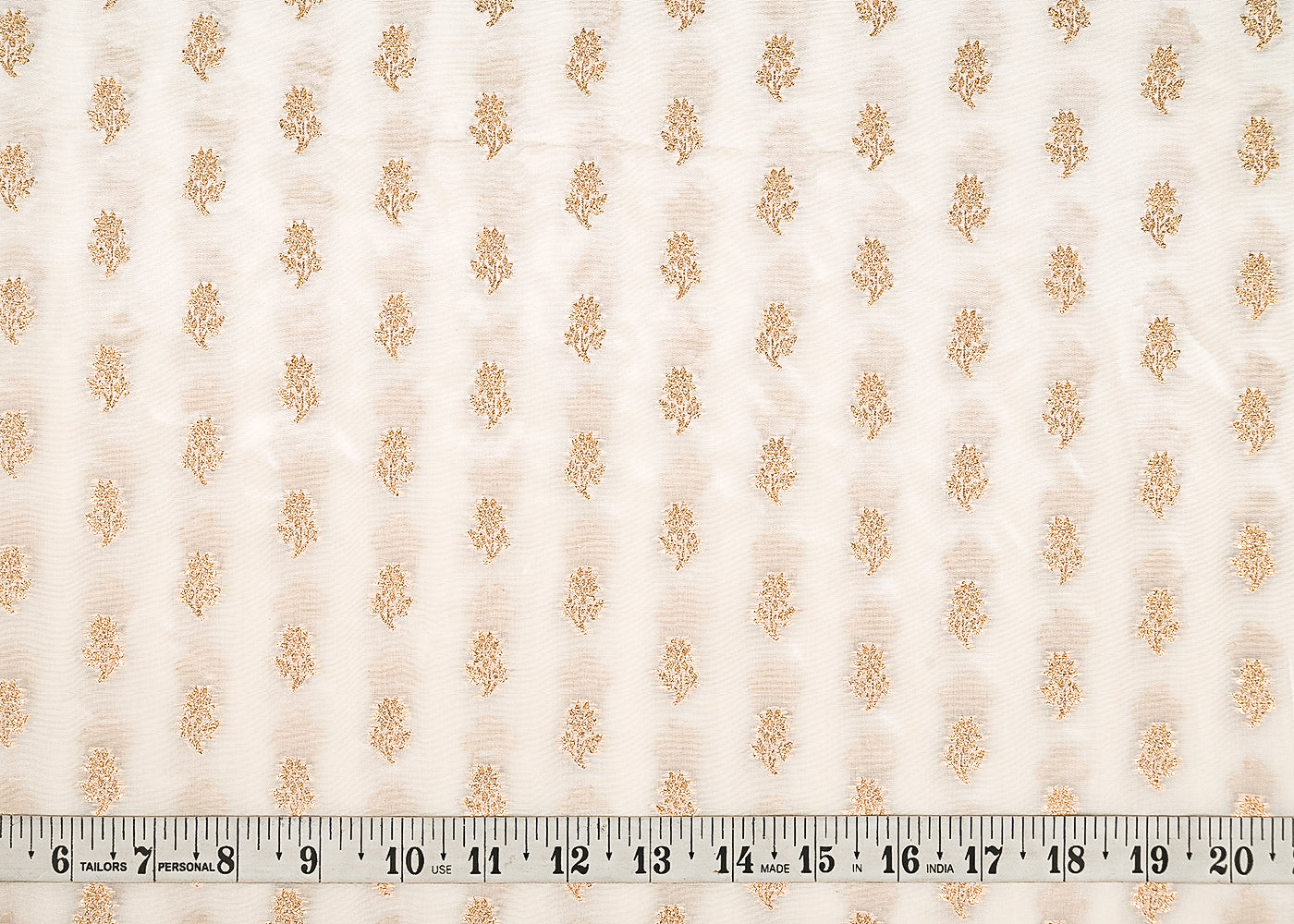
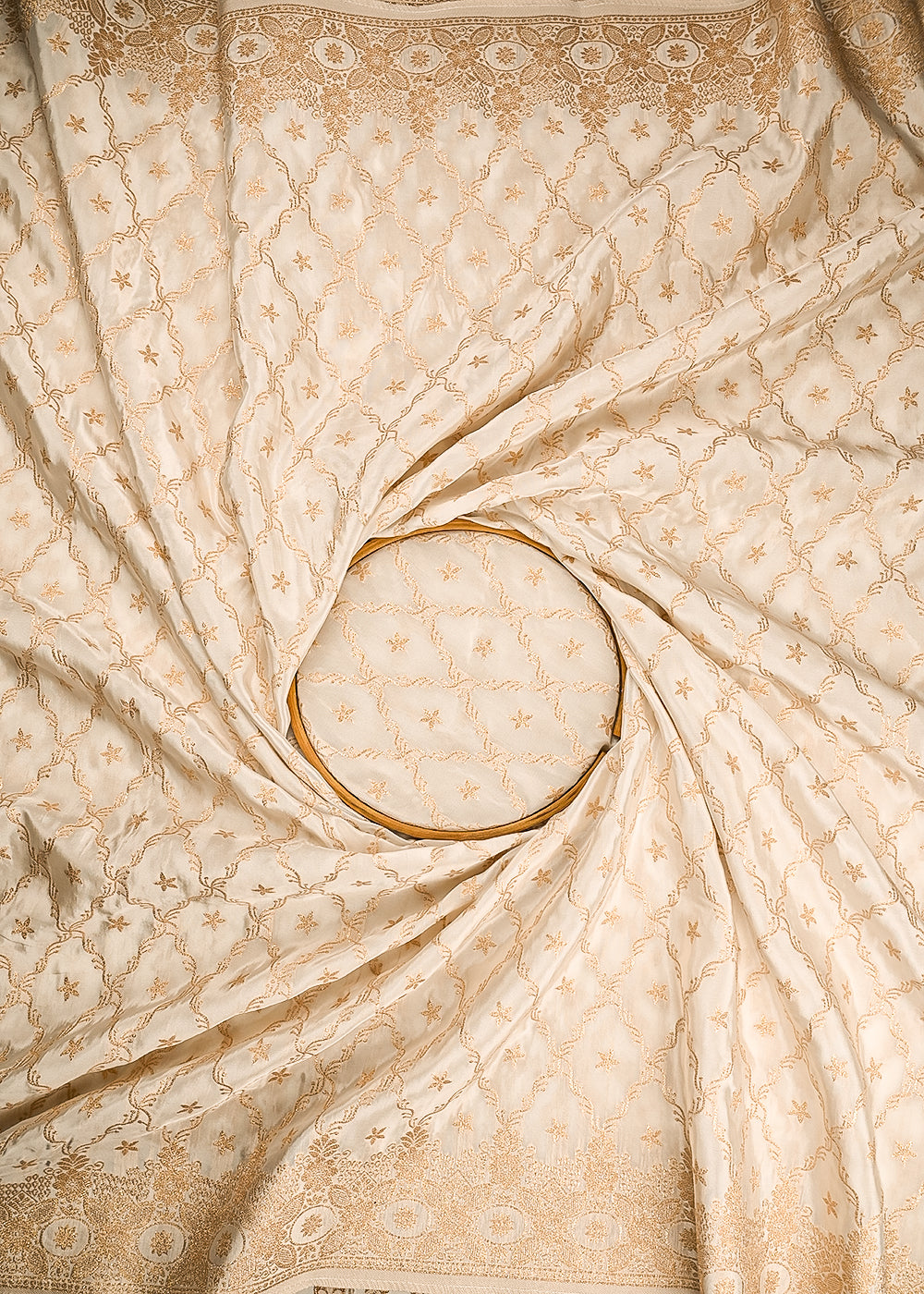
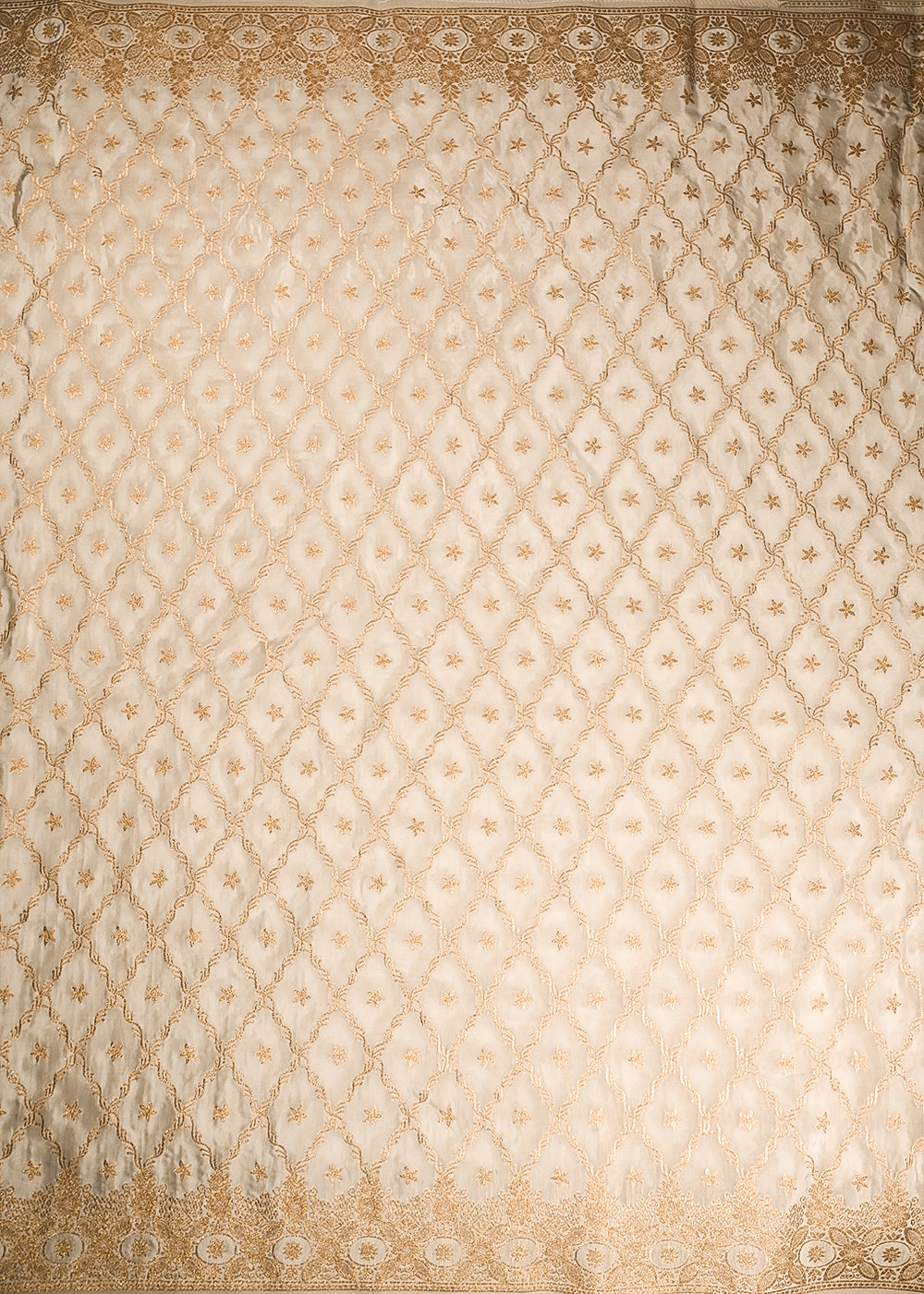
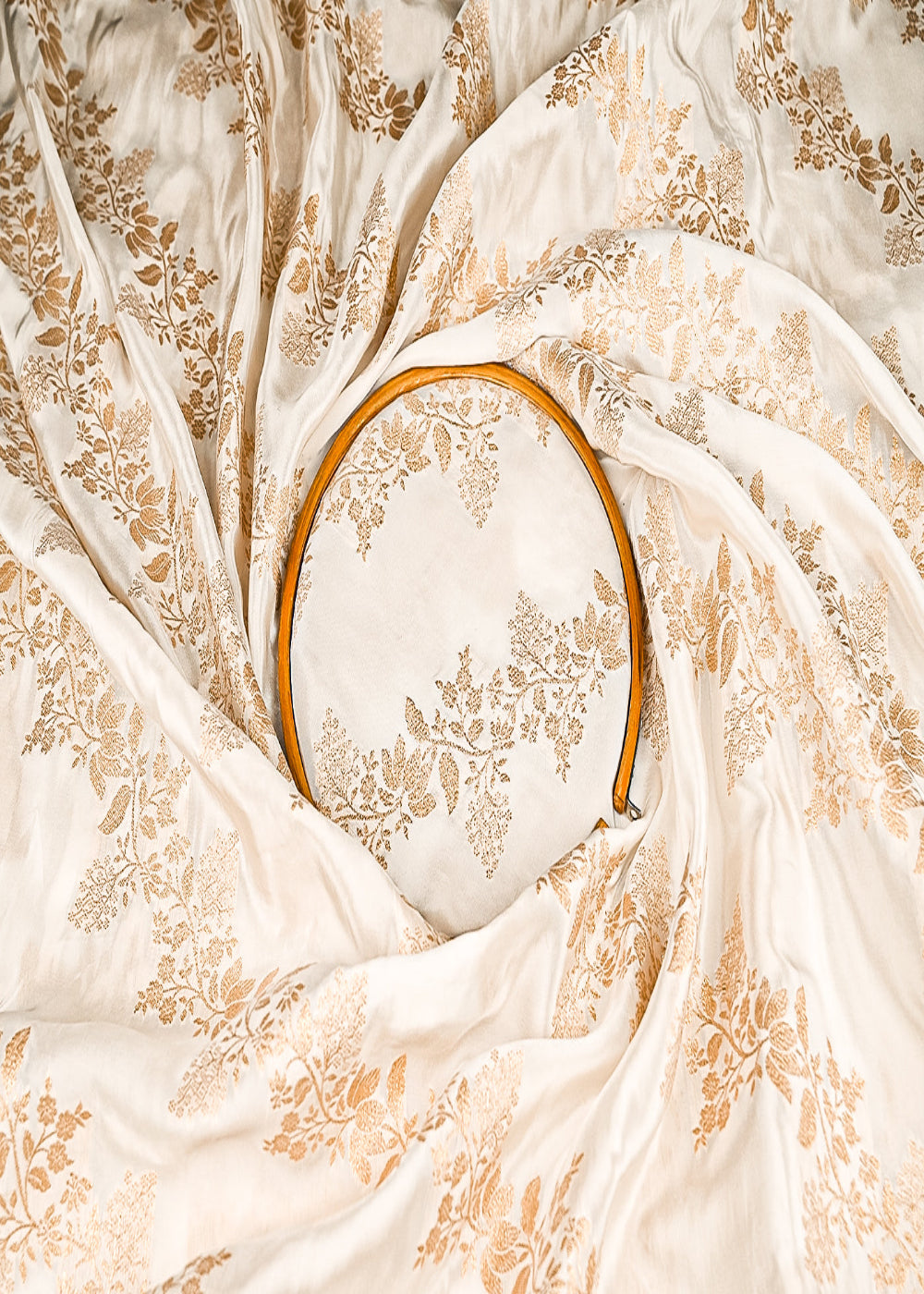
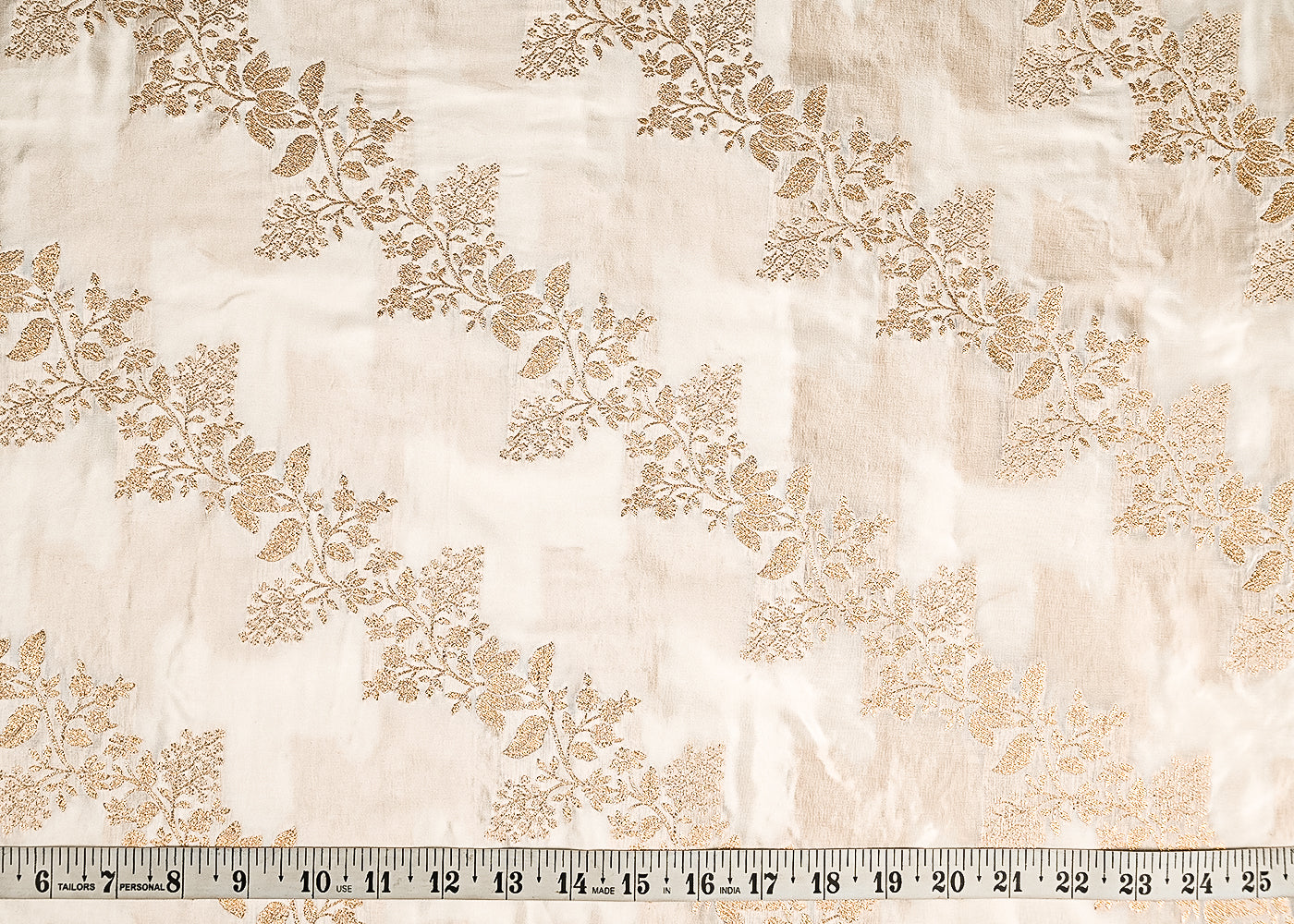

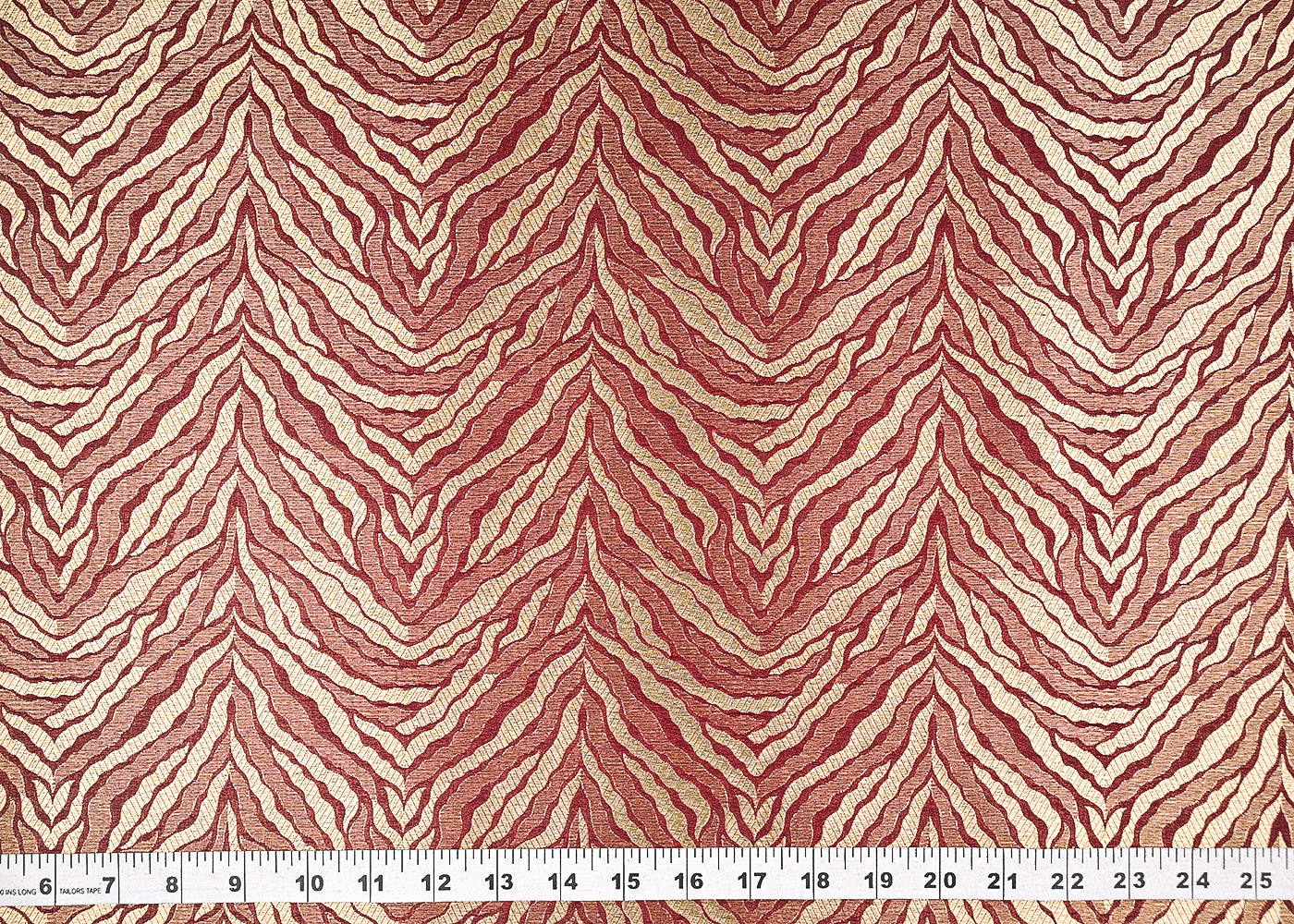
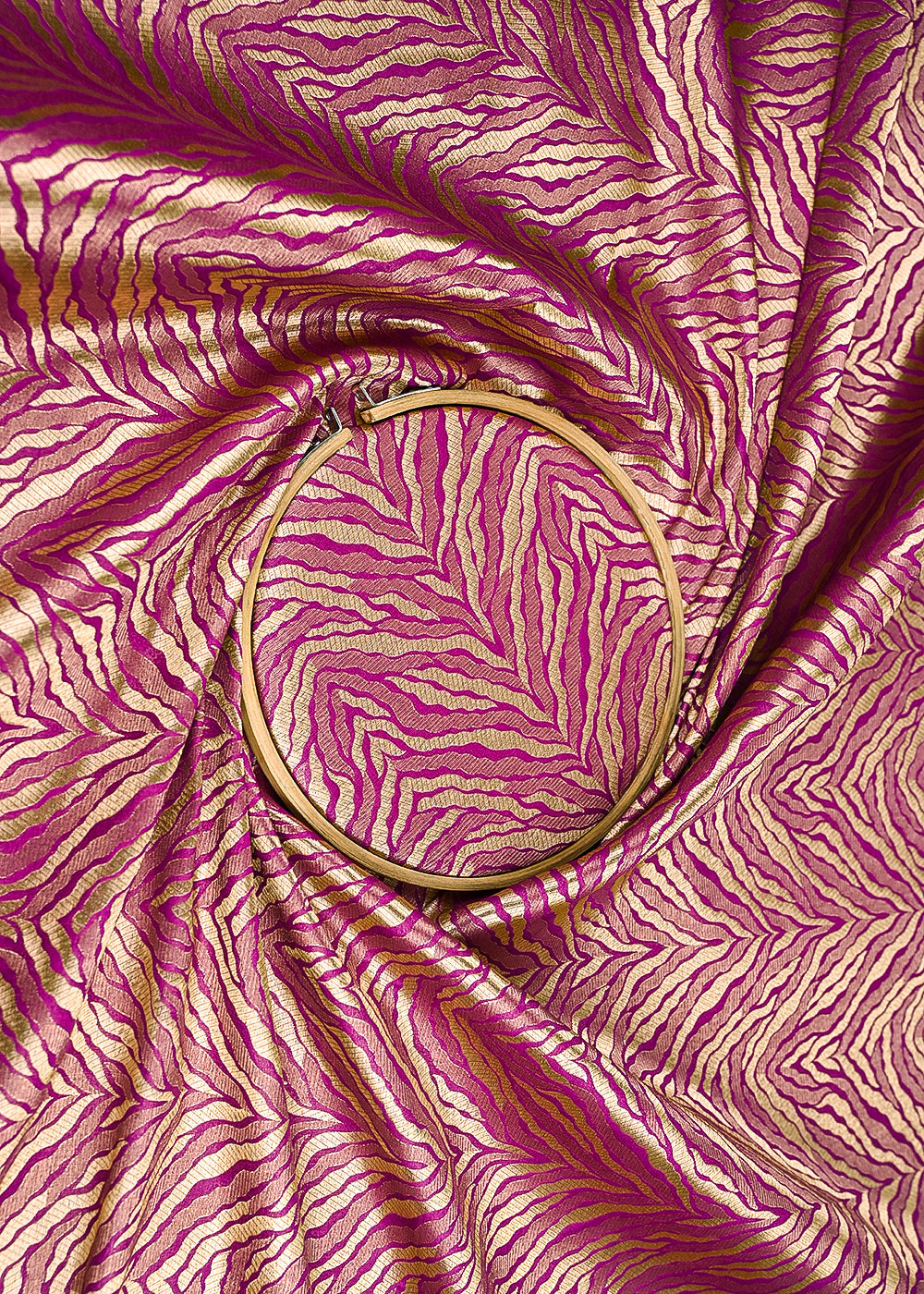














How Jacquard Became the No-Embroidery Designer Weave
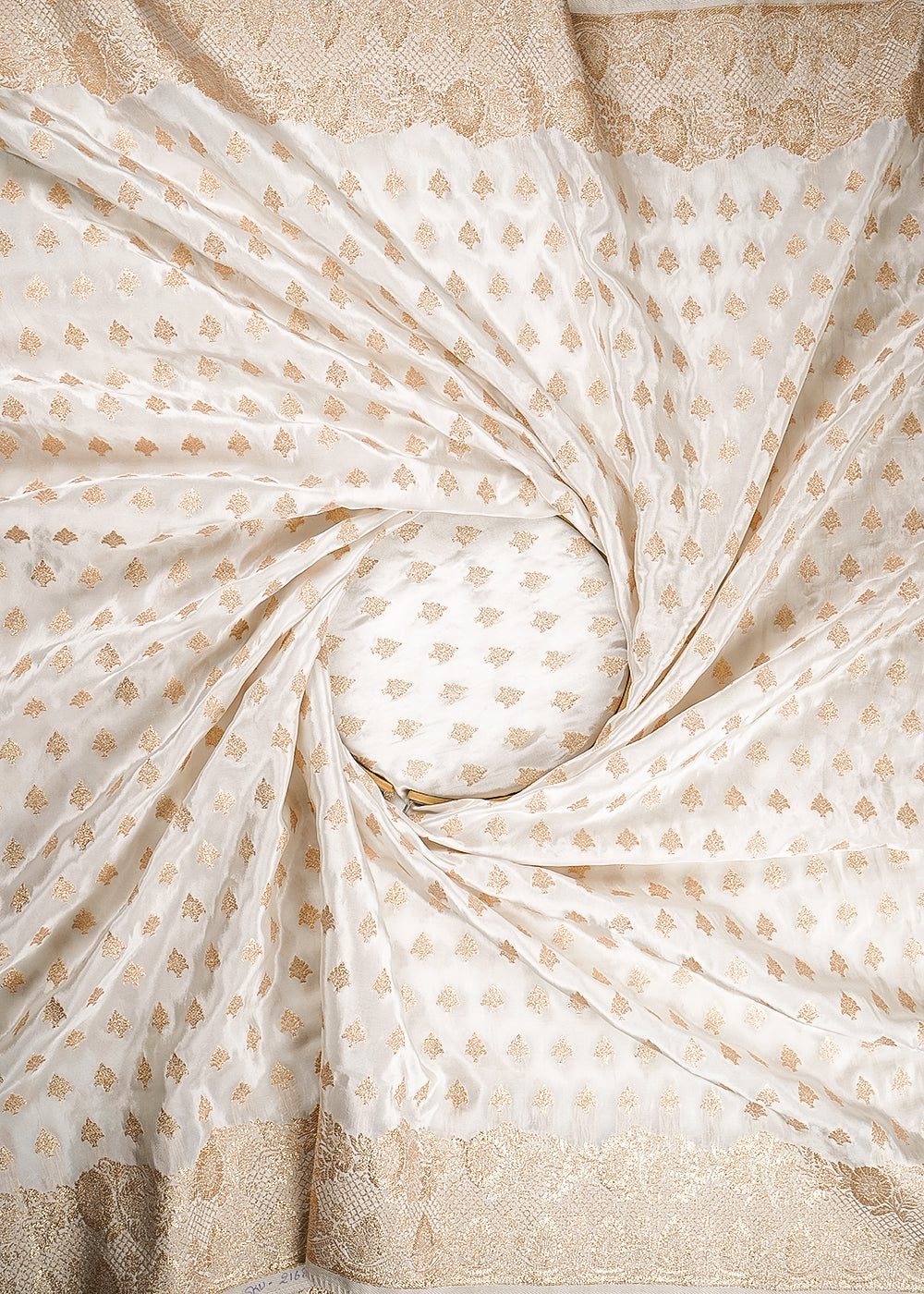
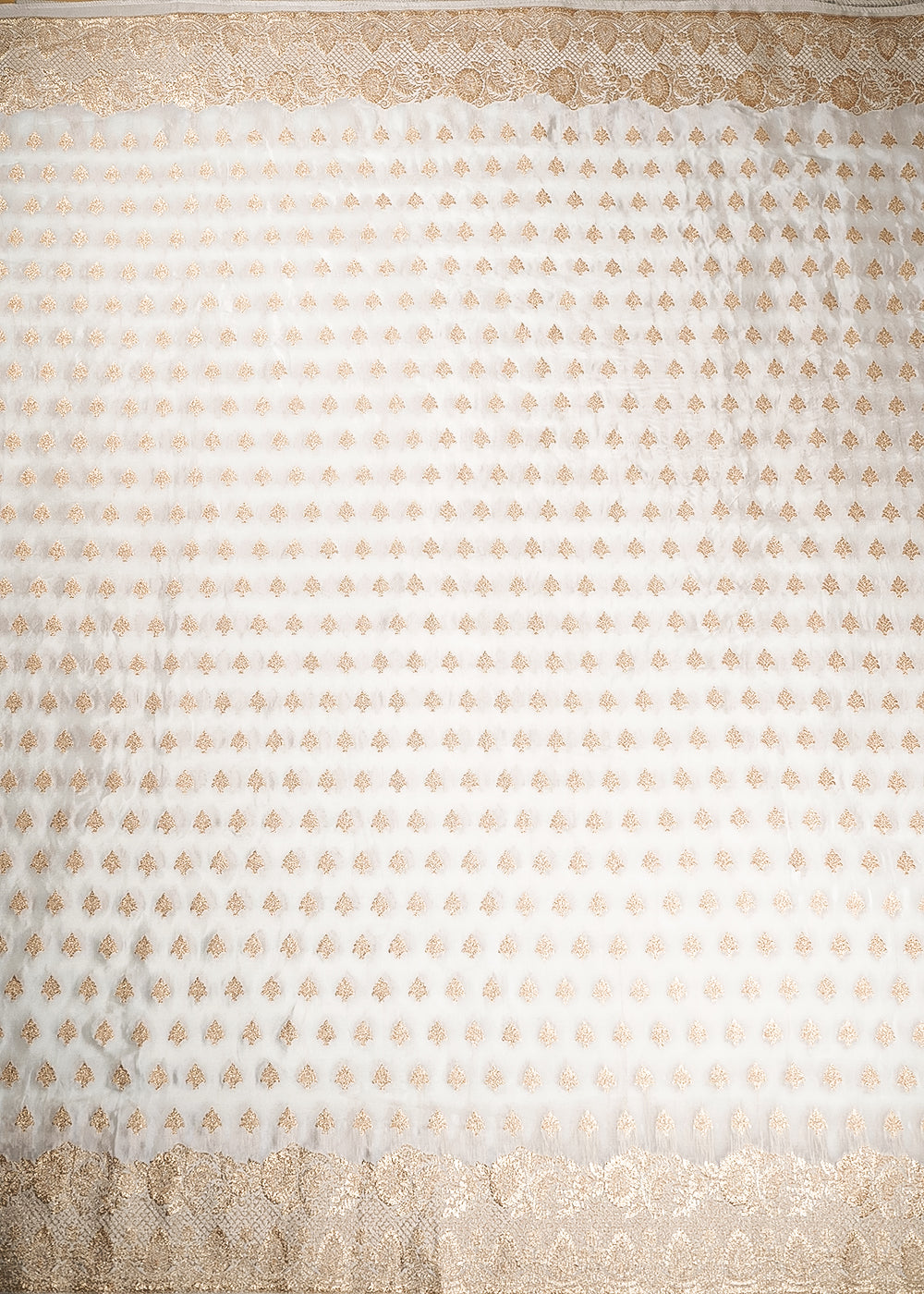
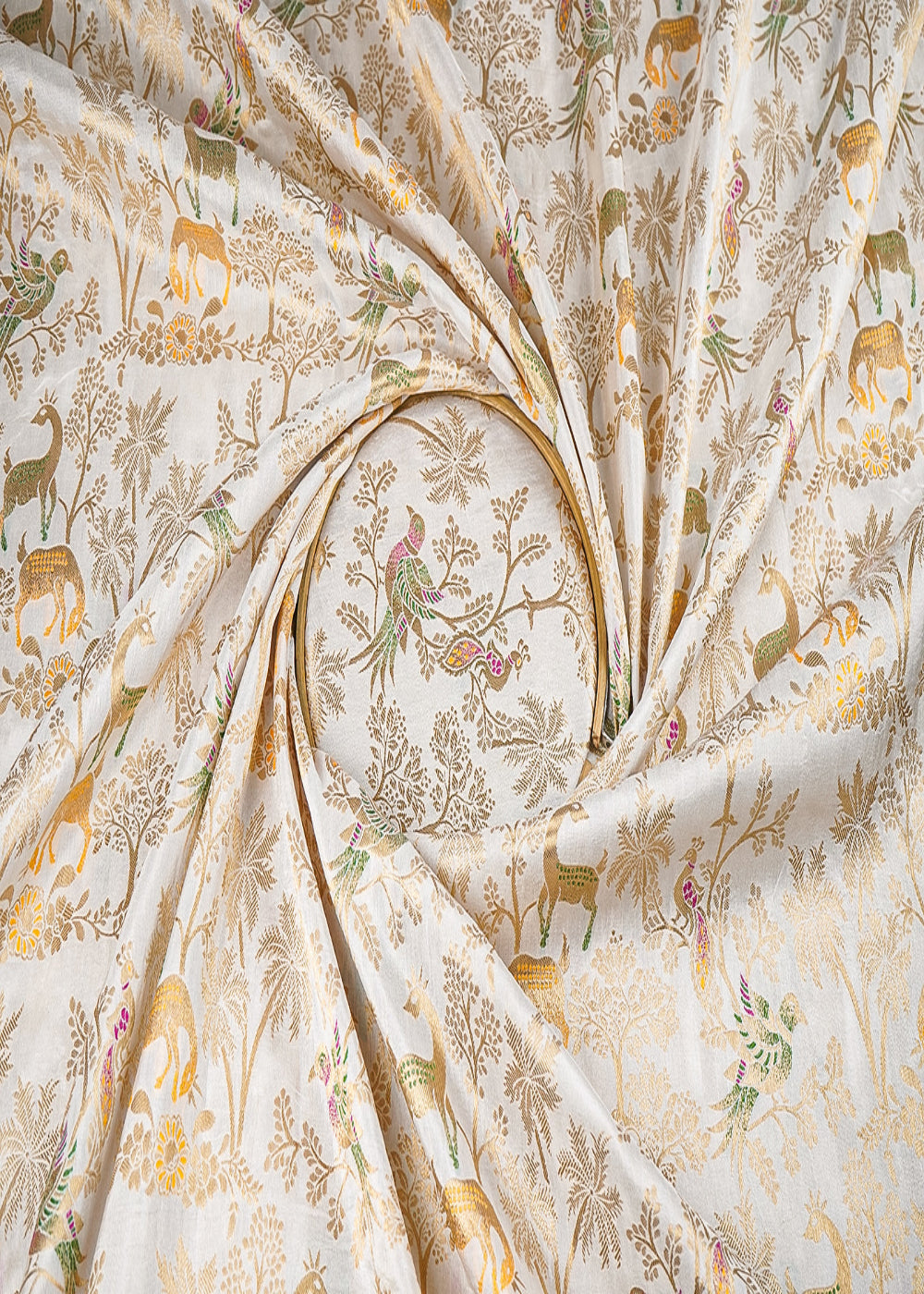
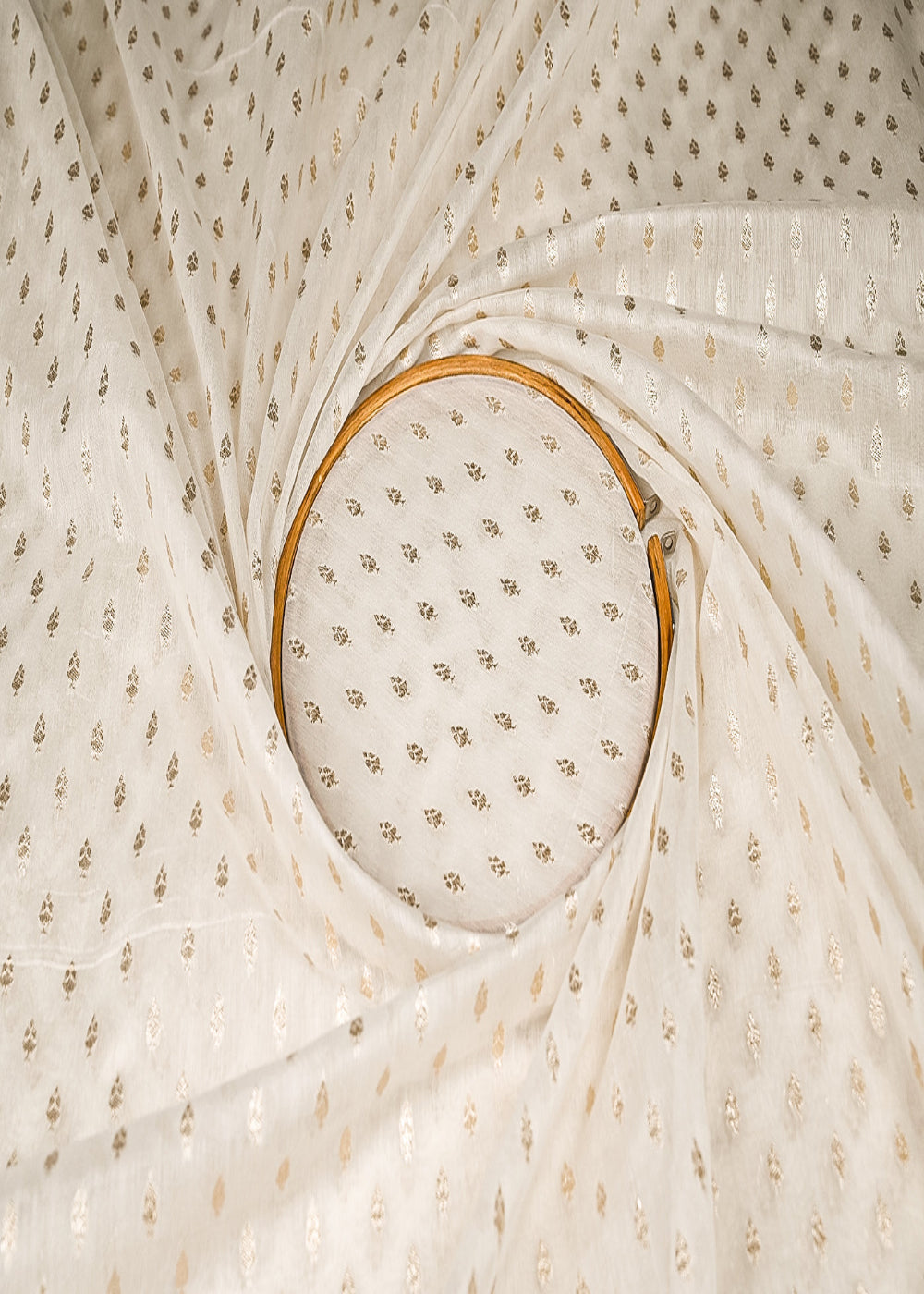
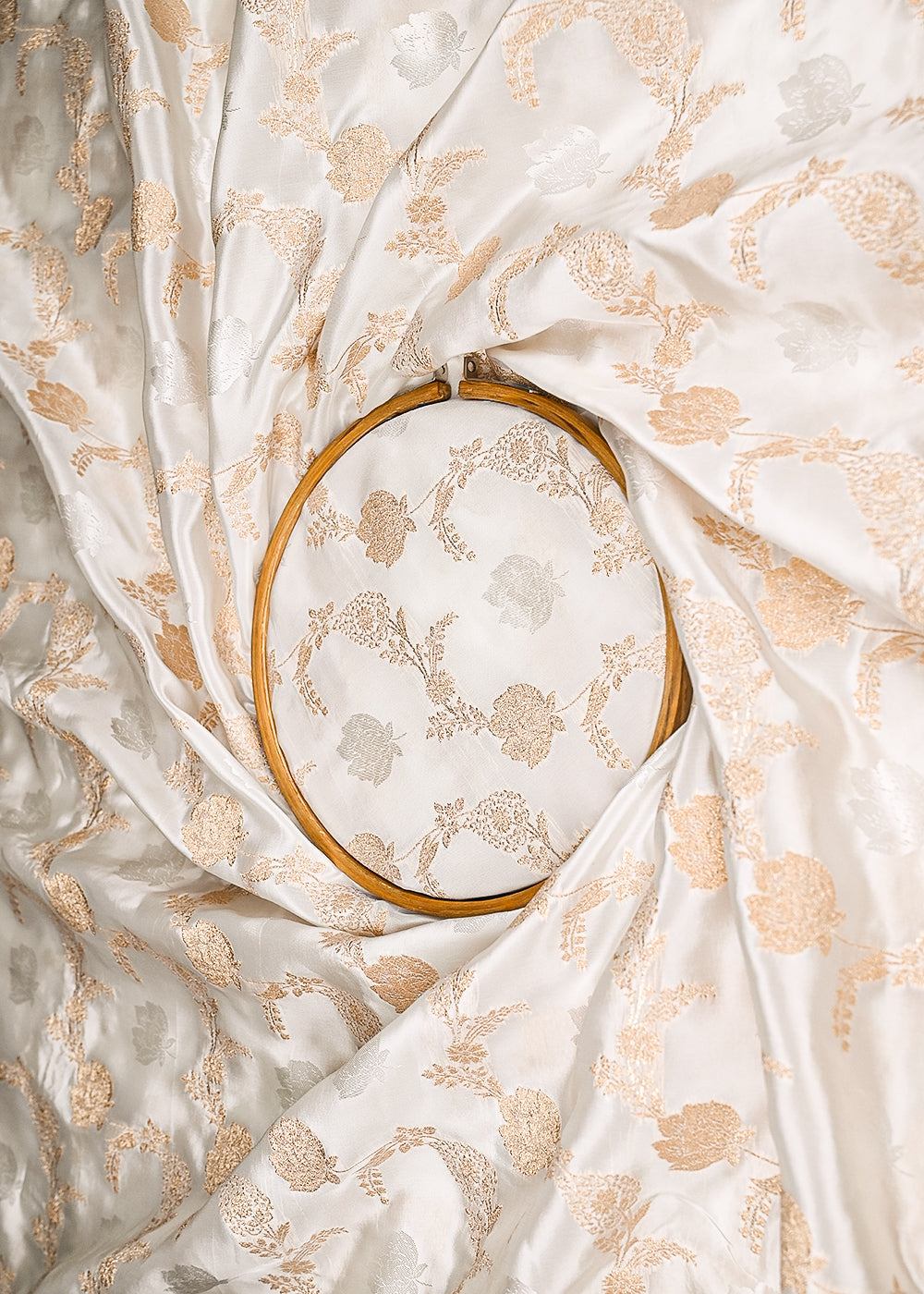
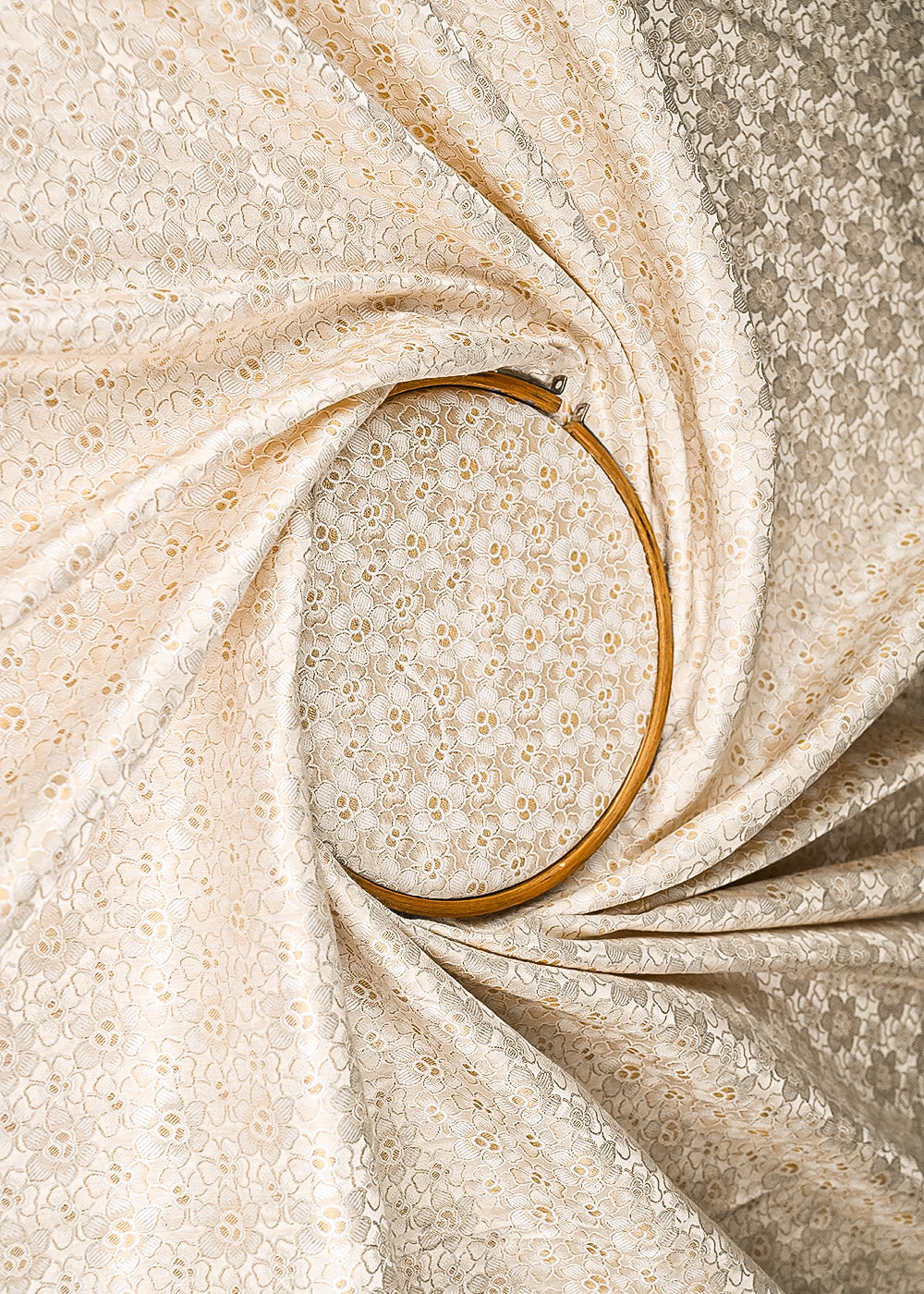
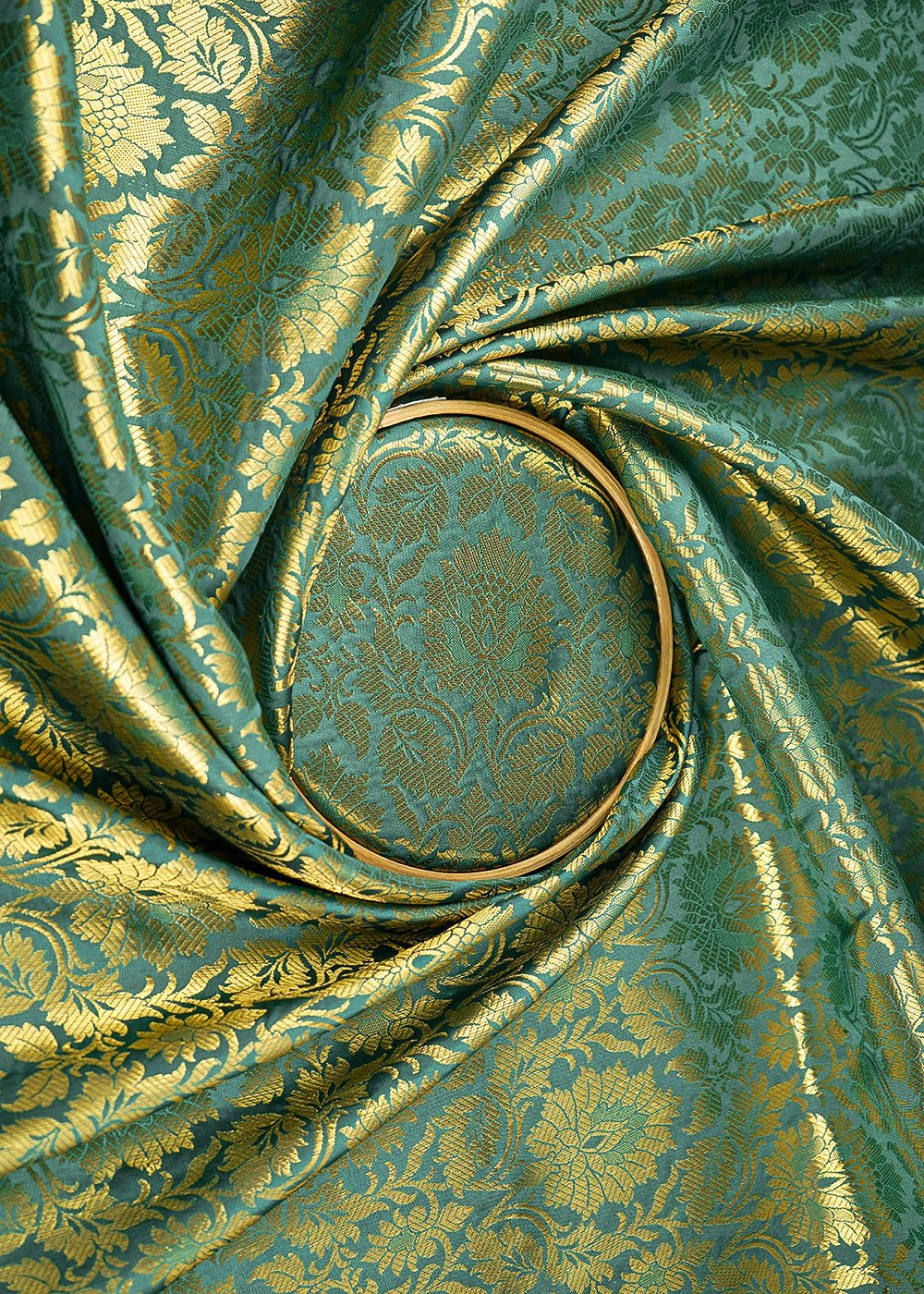
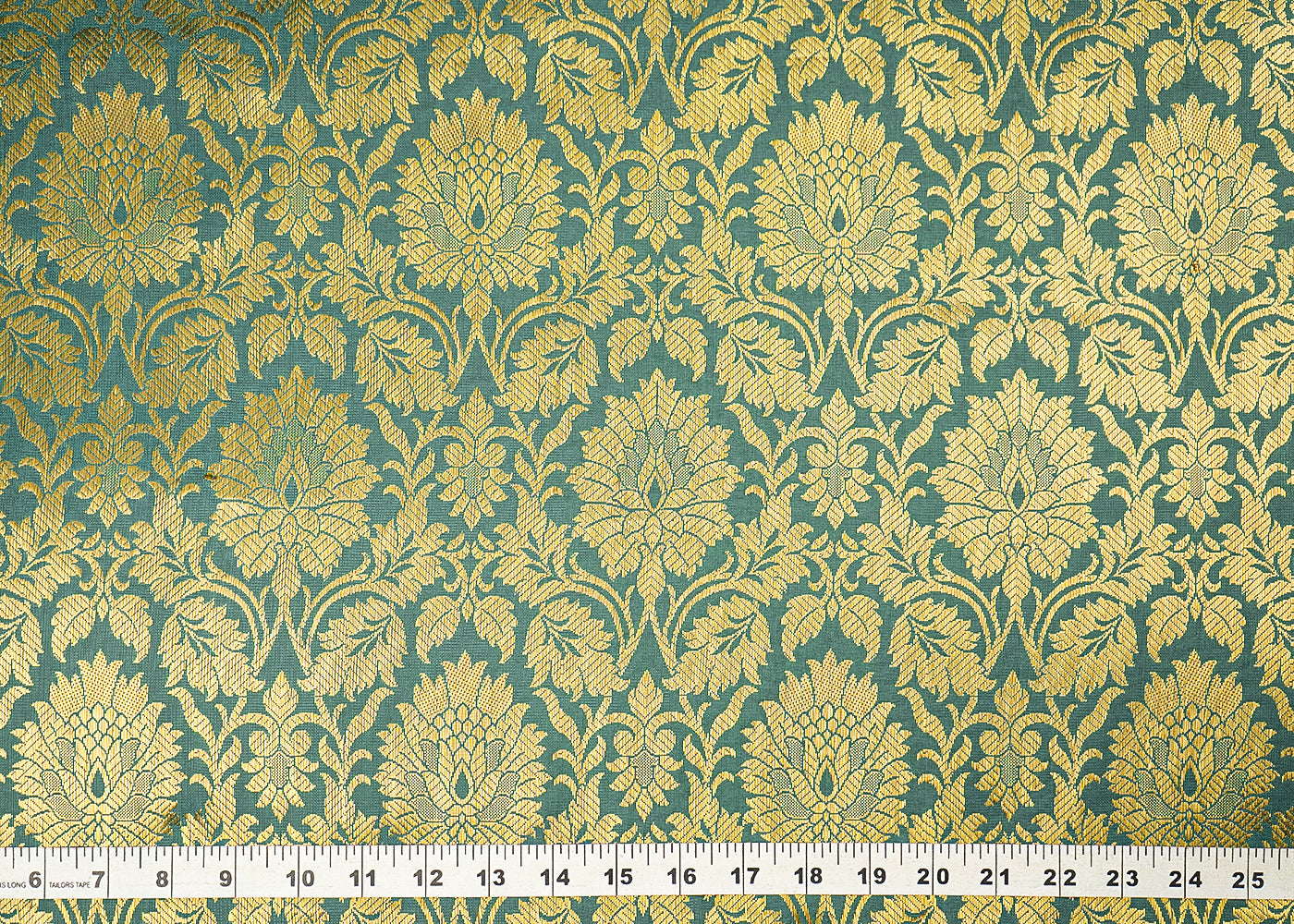
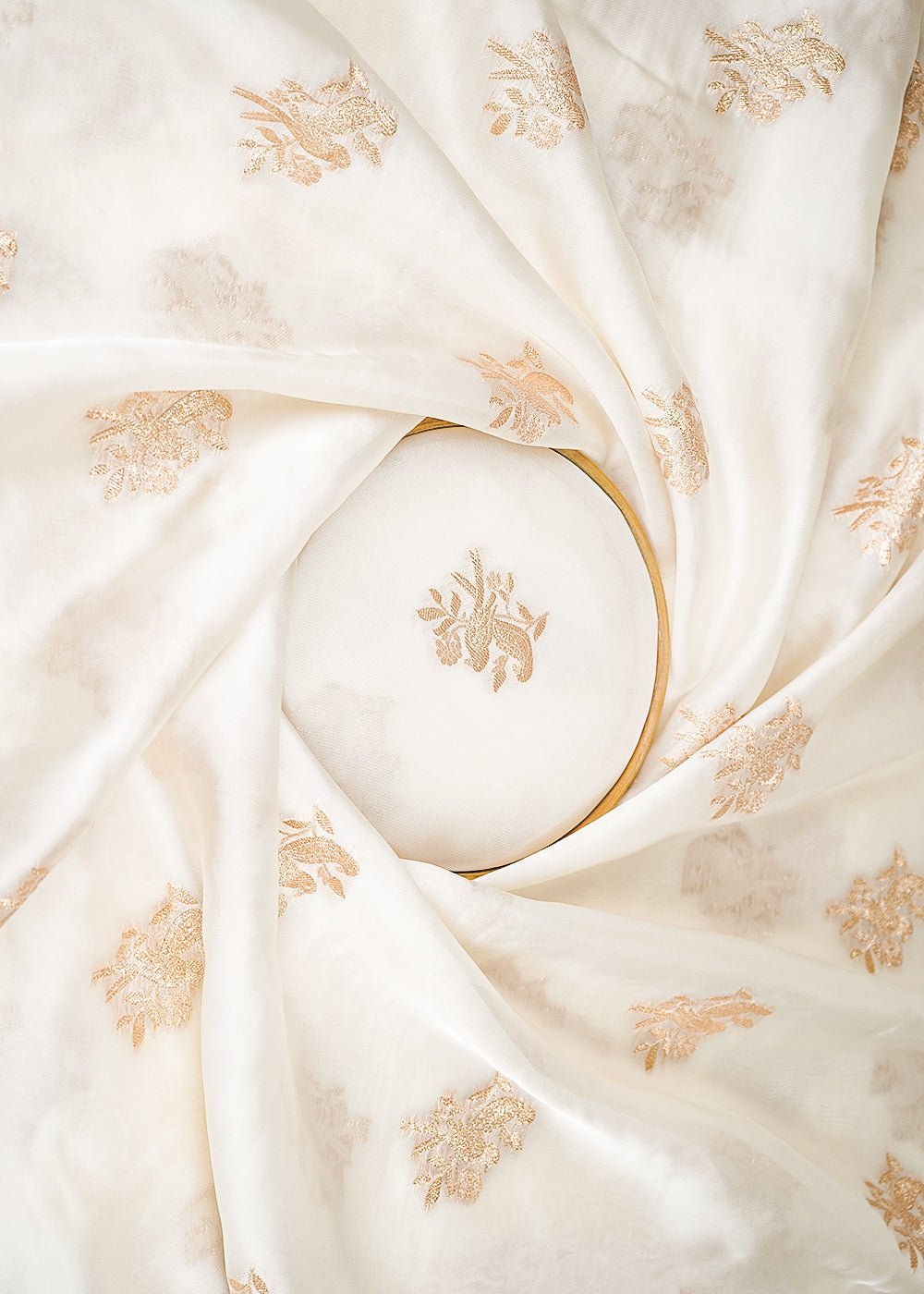
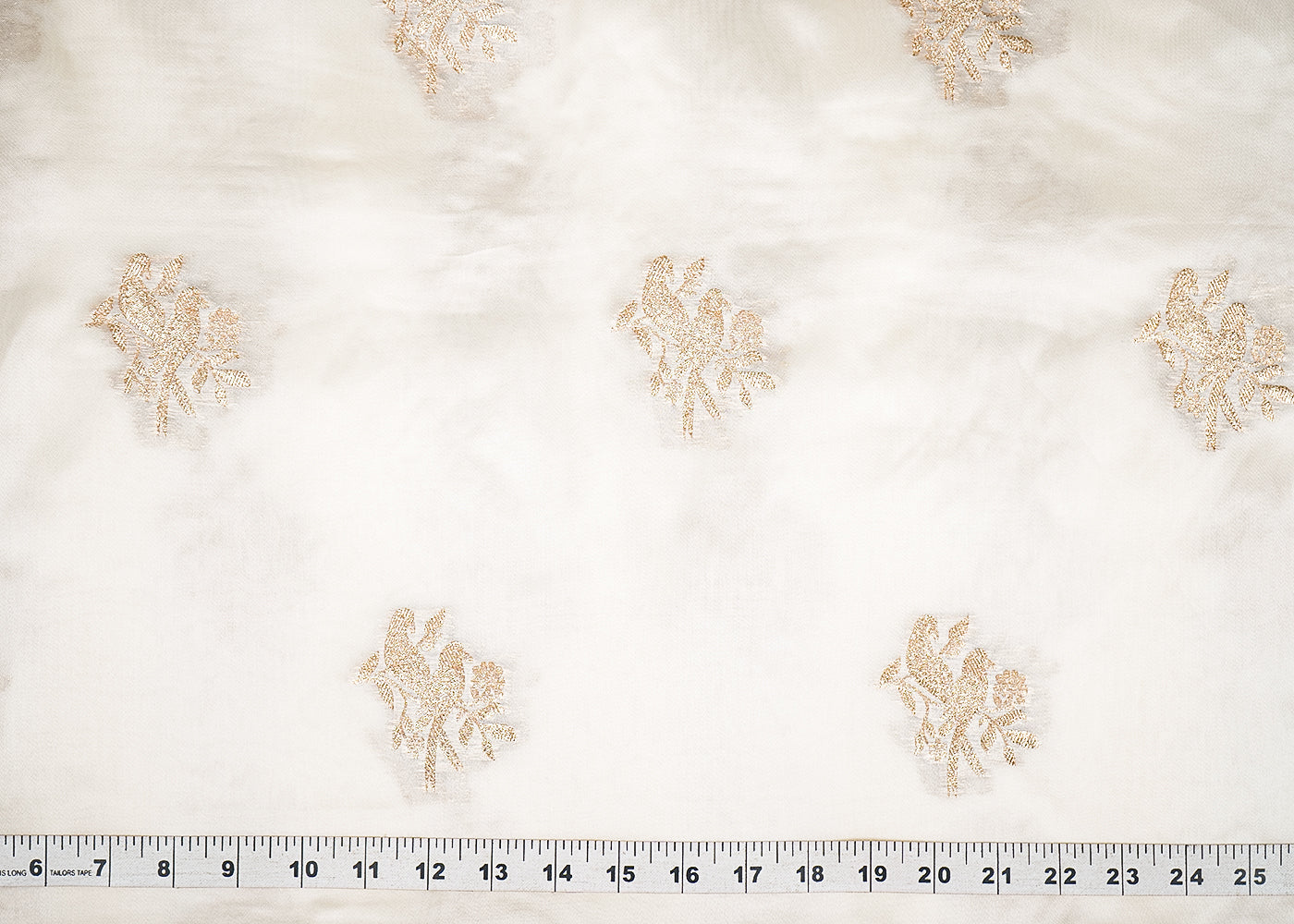
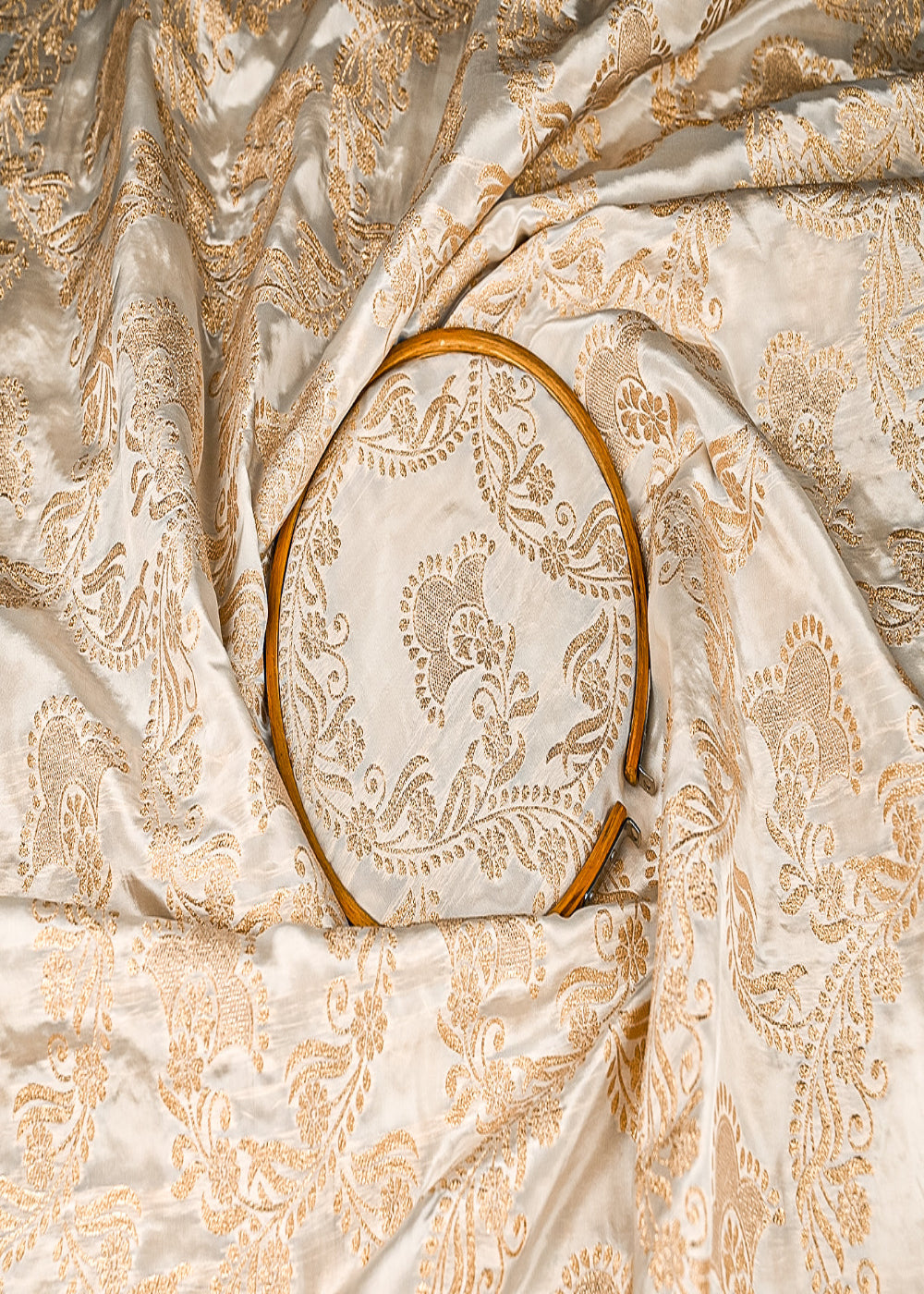
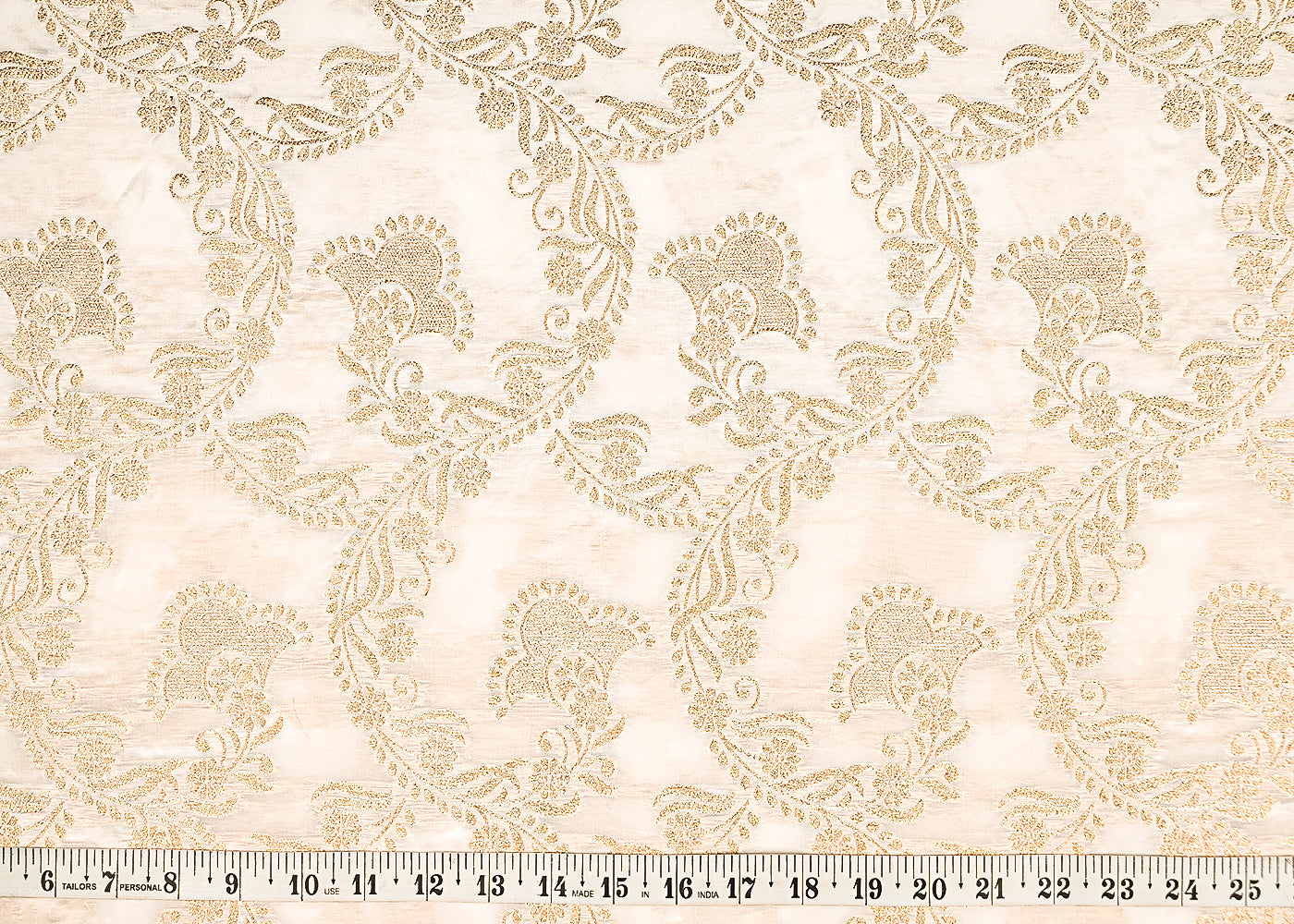
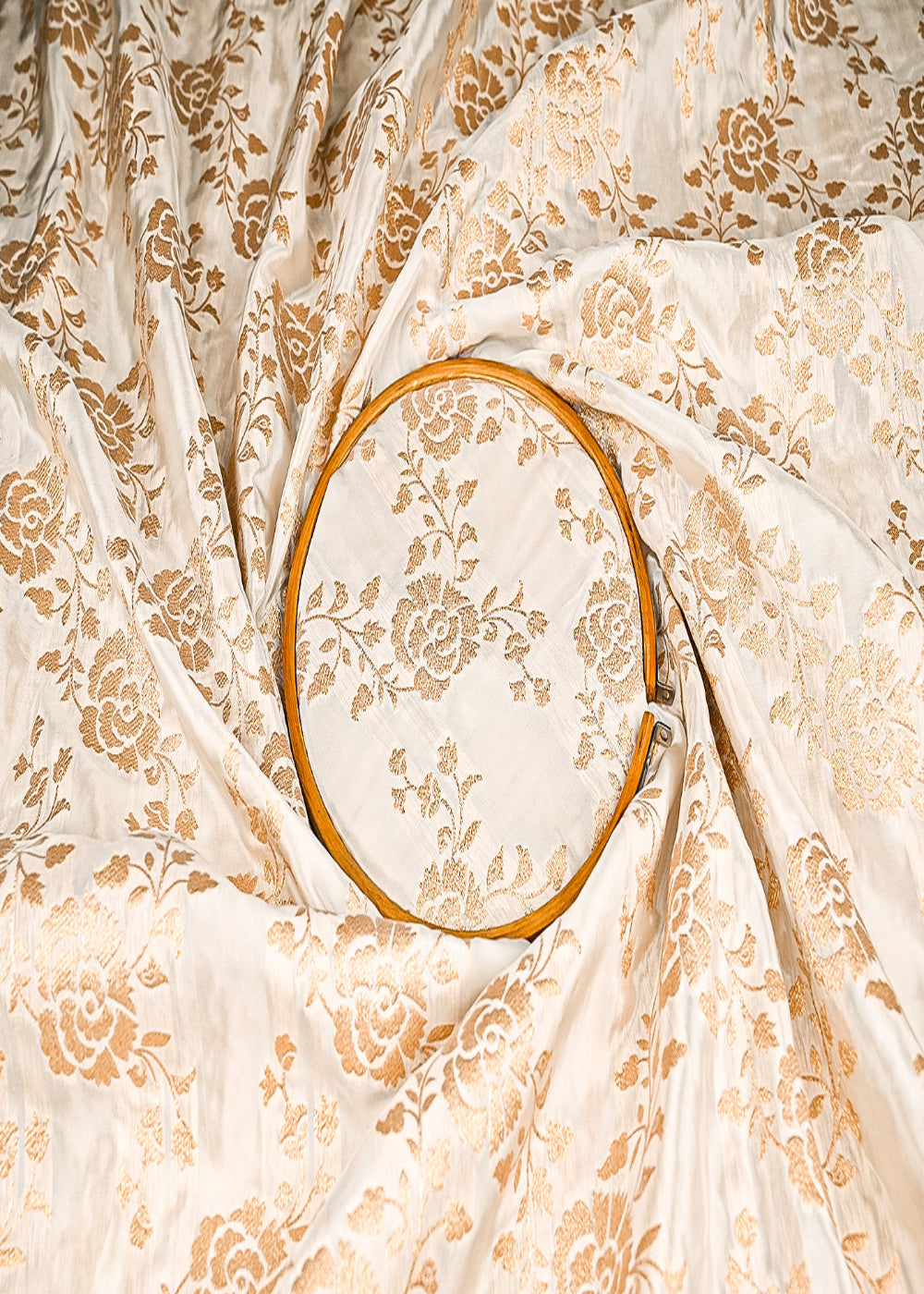
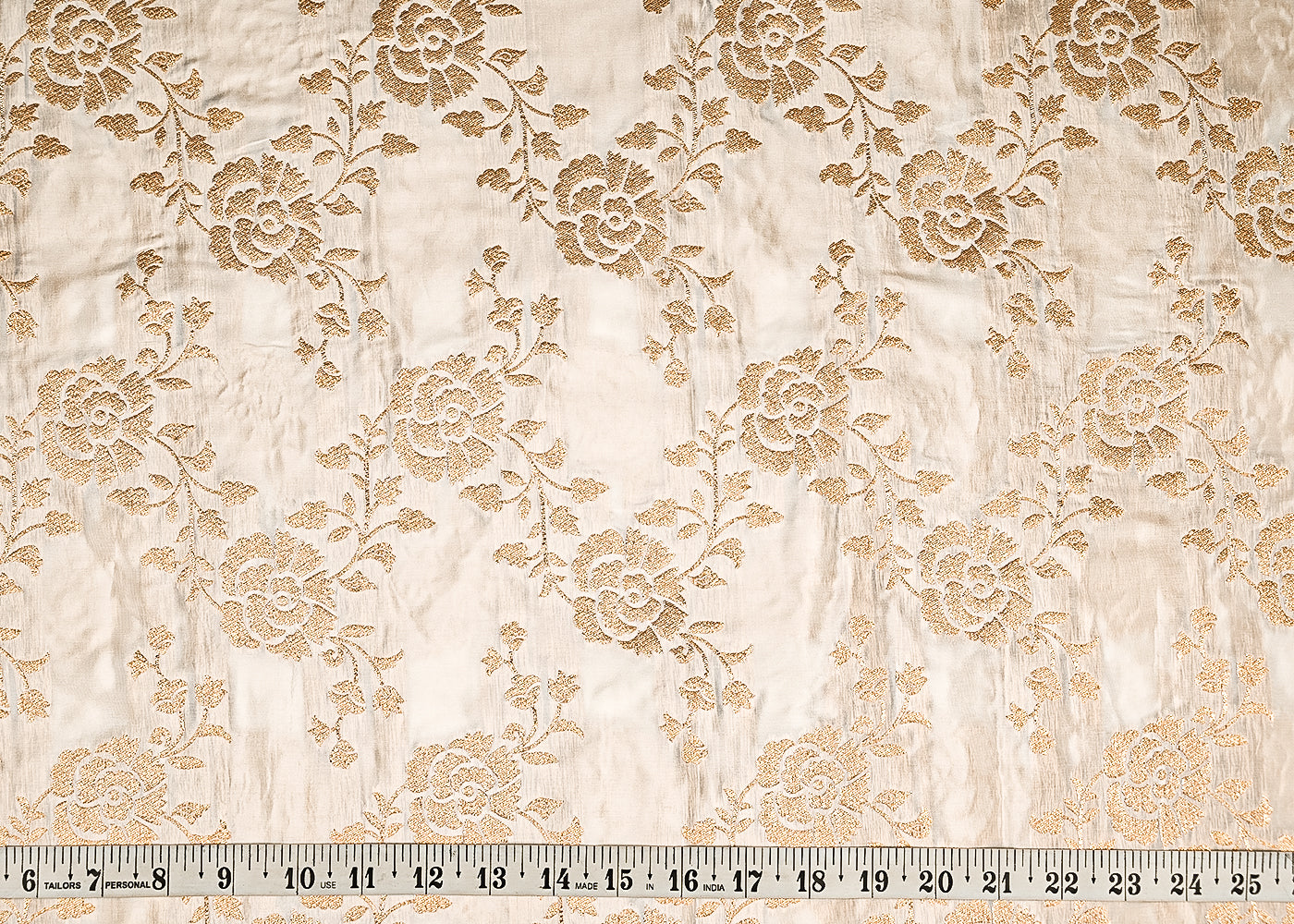
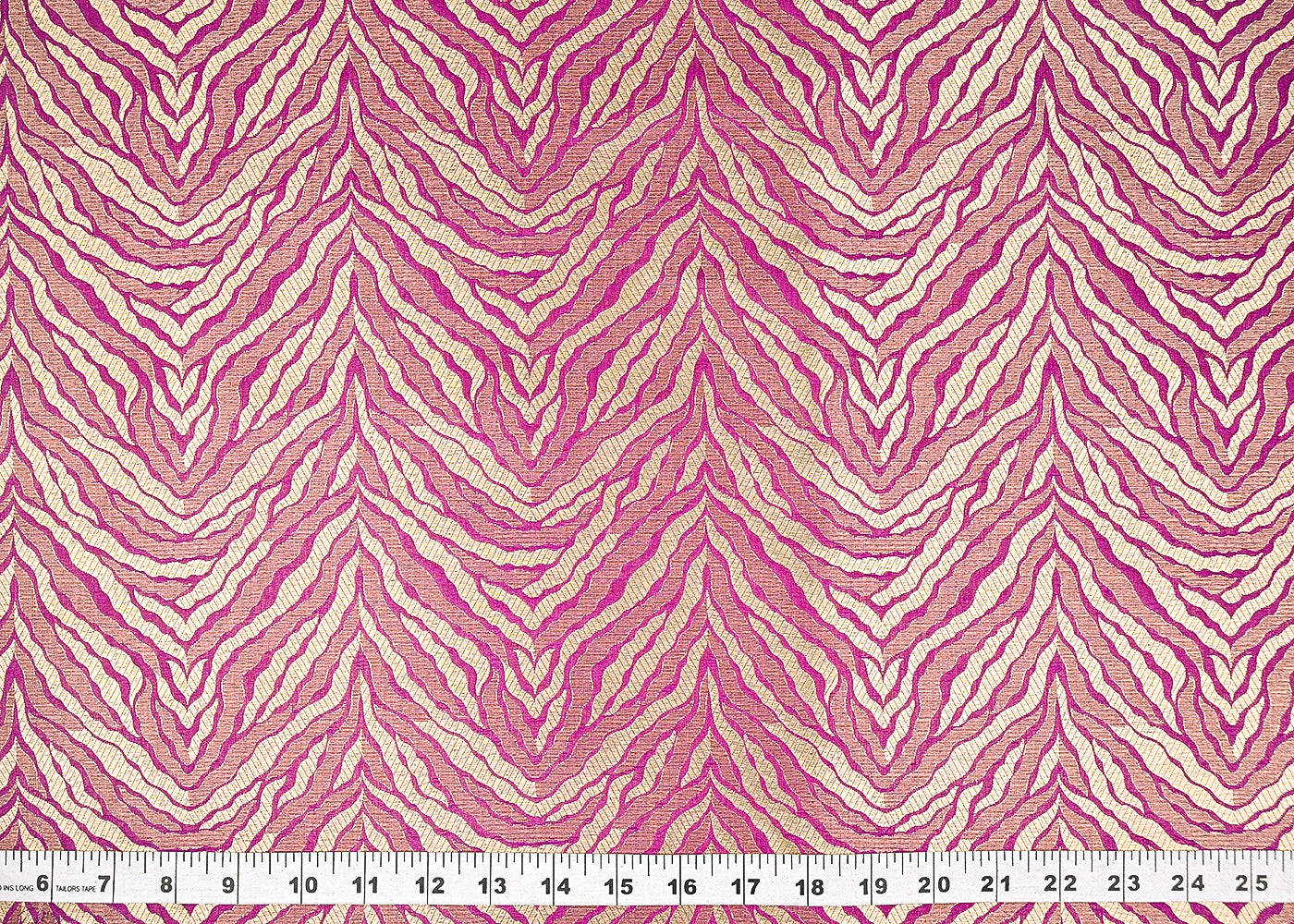
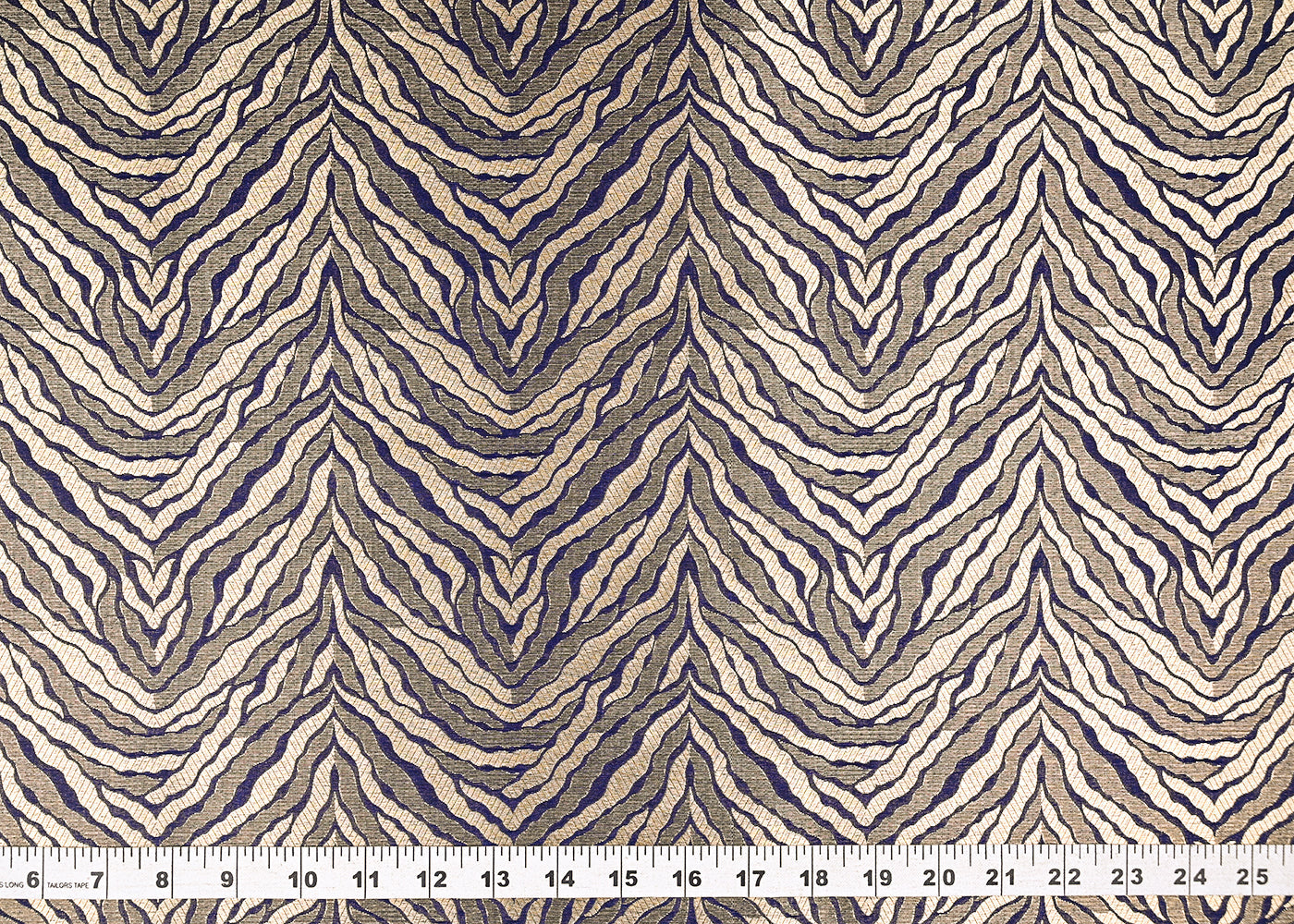
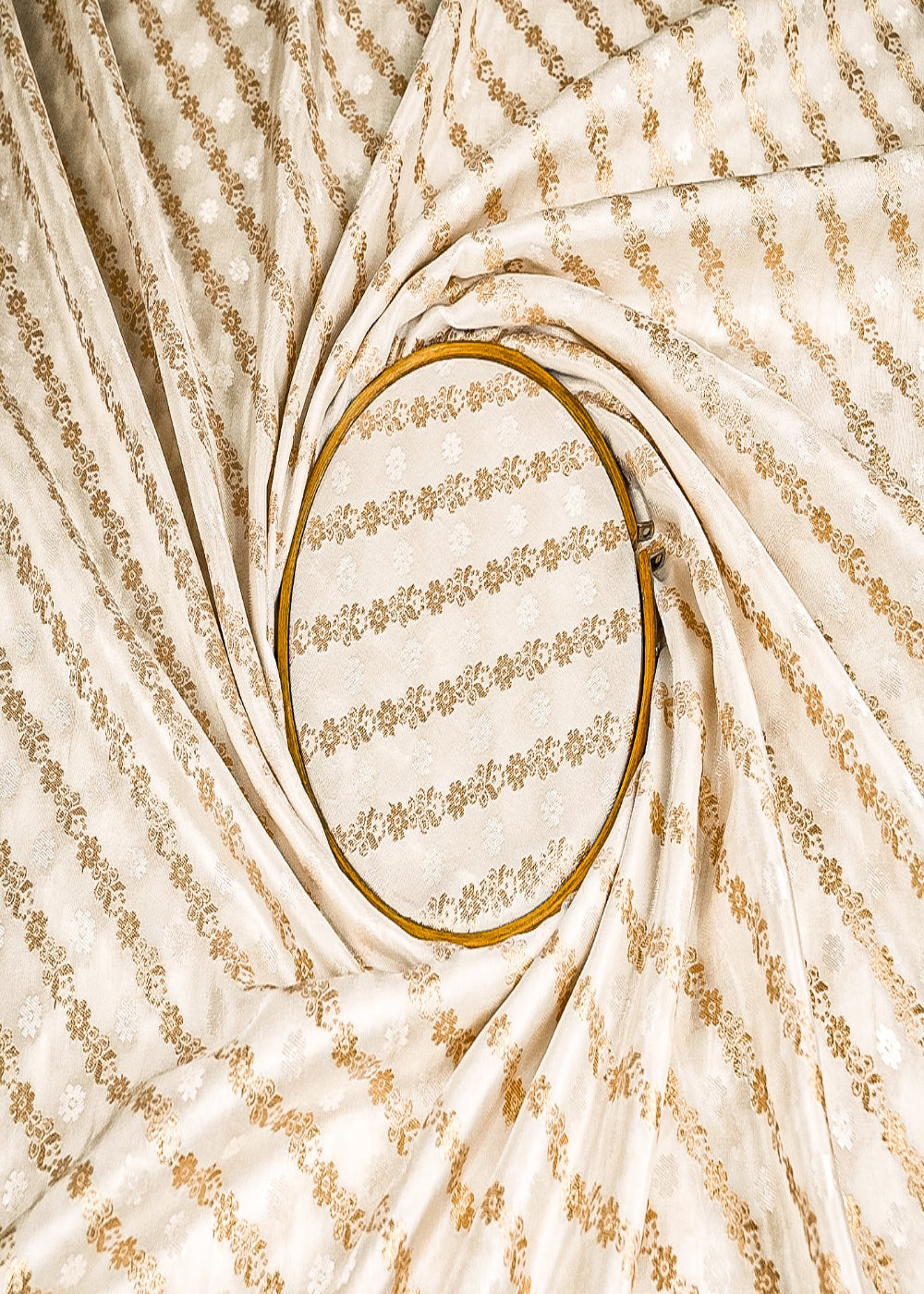
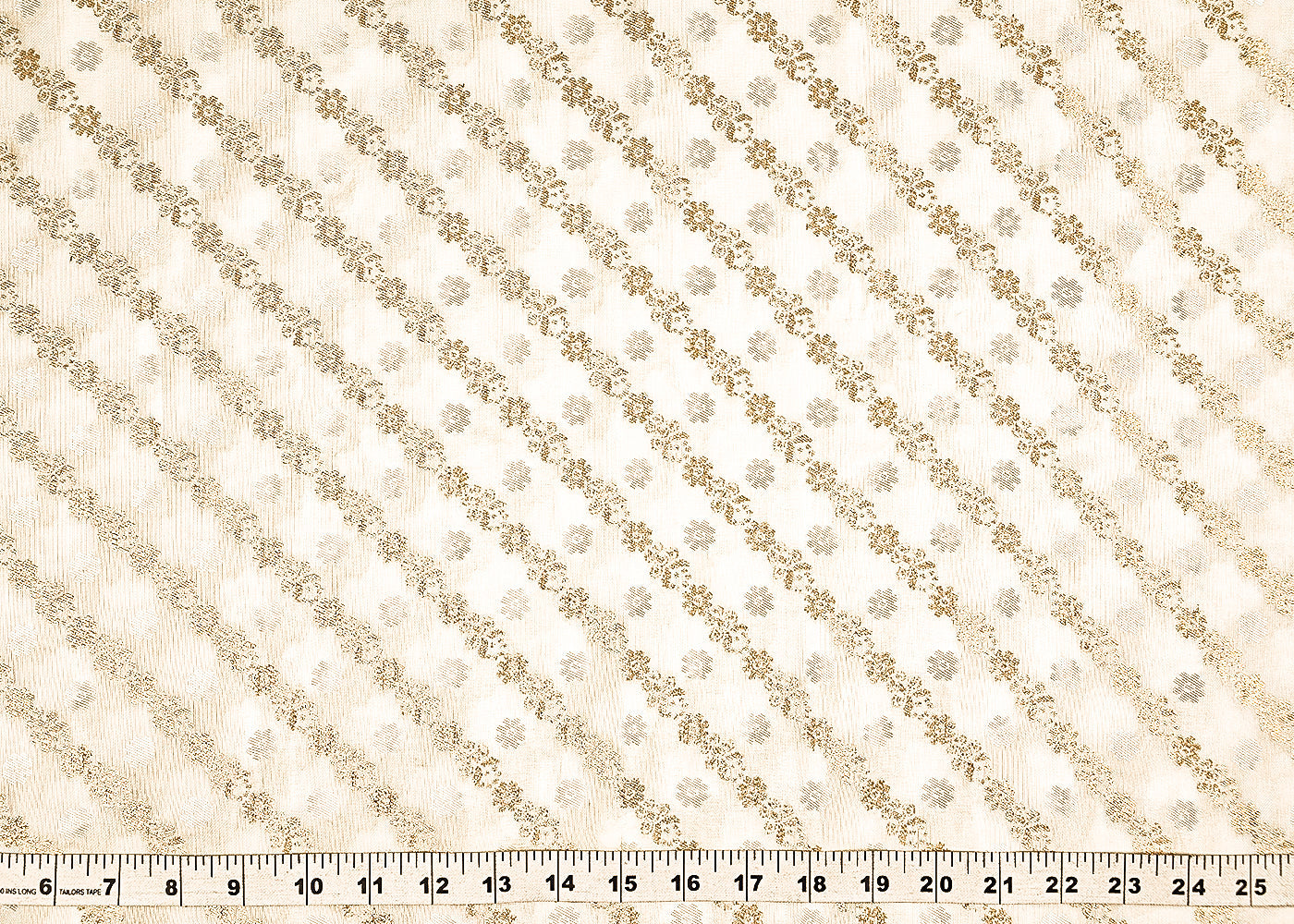
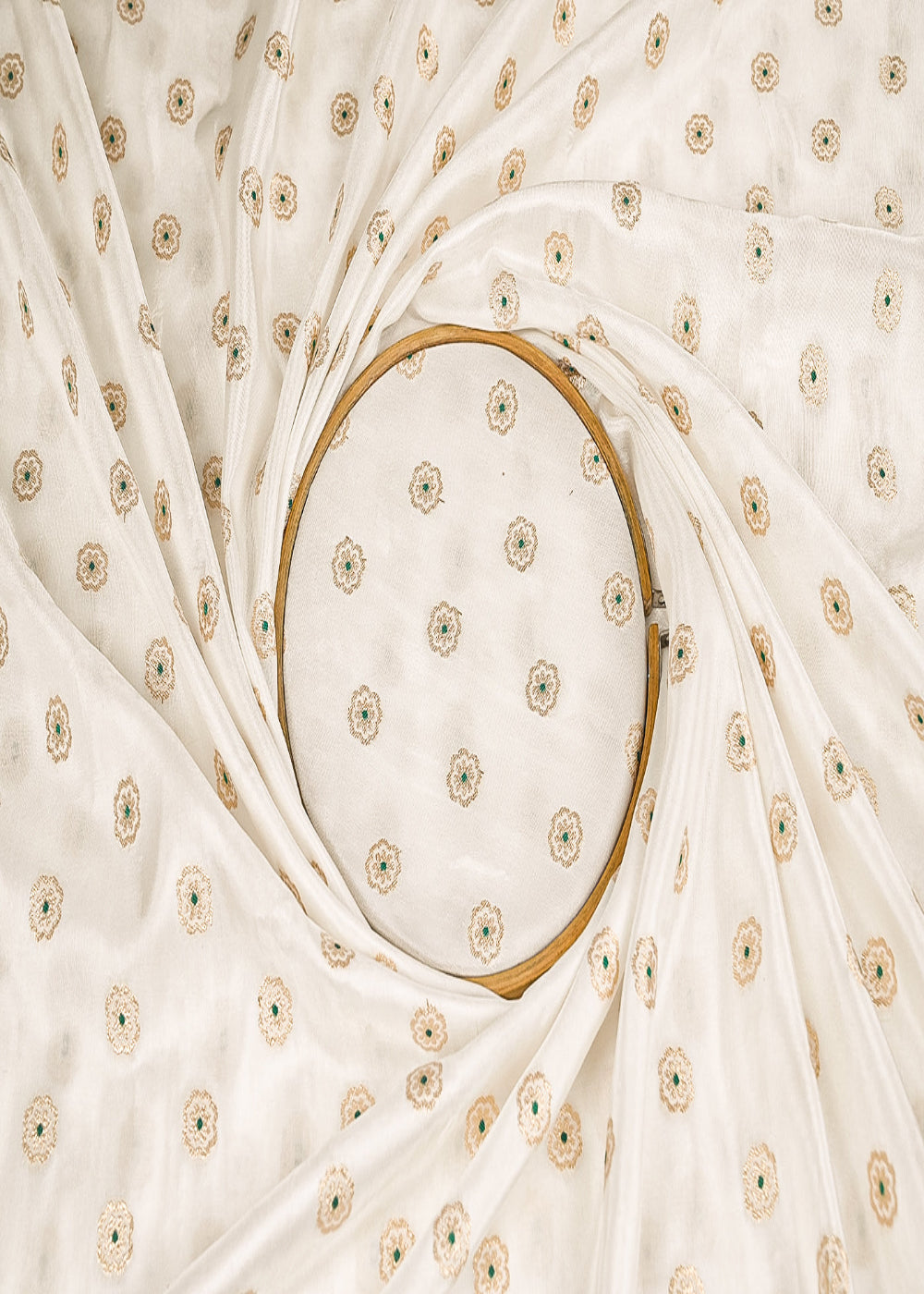
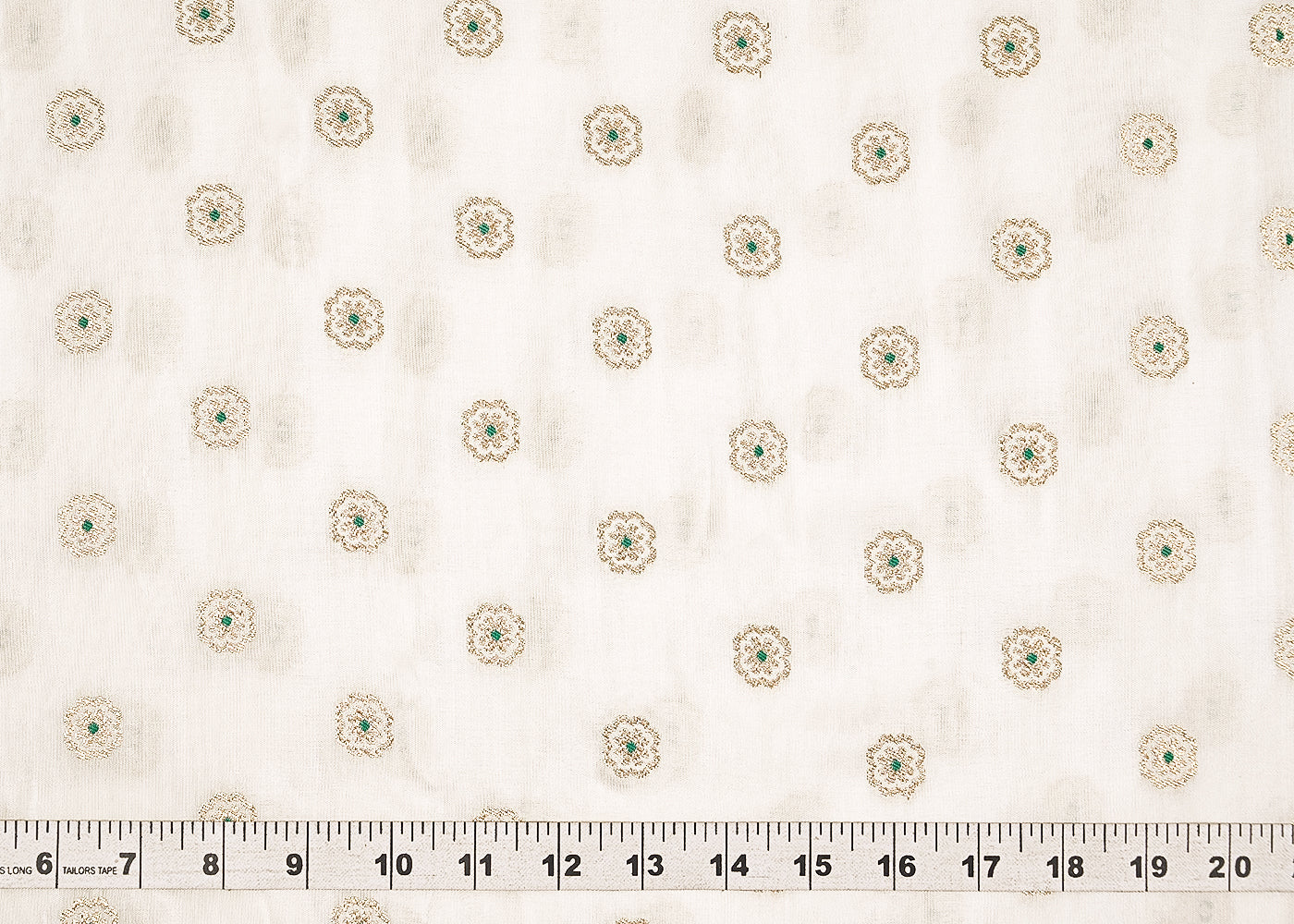
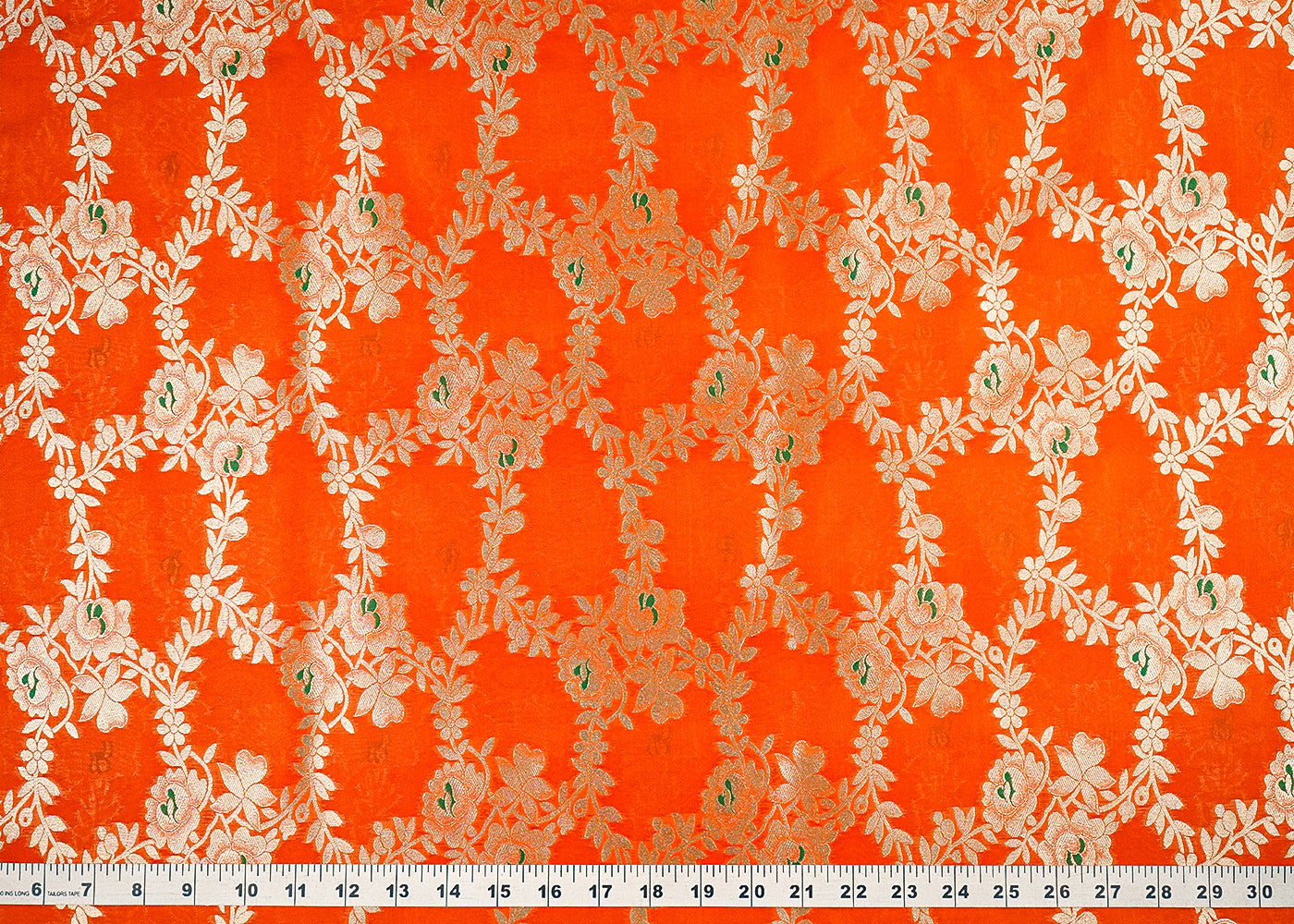
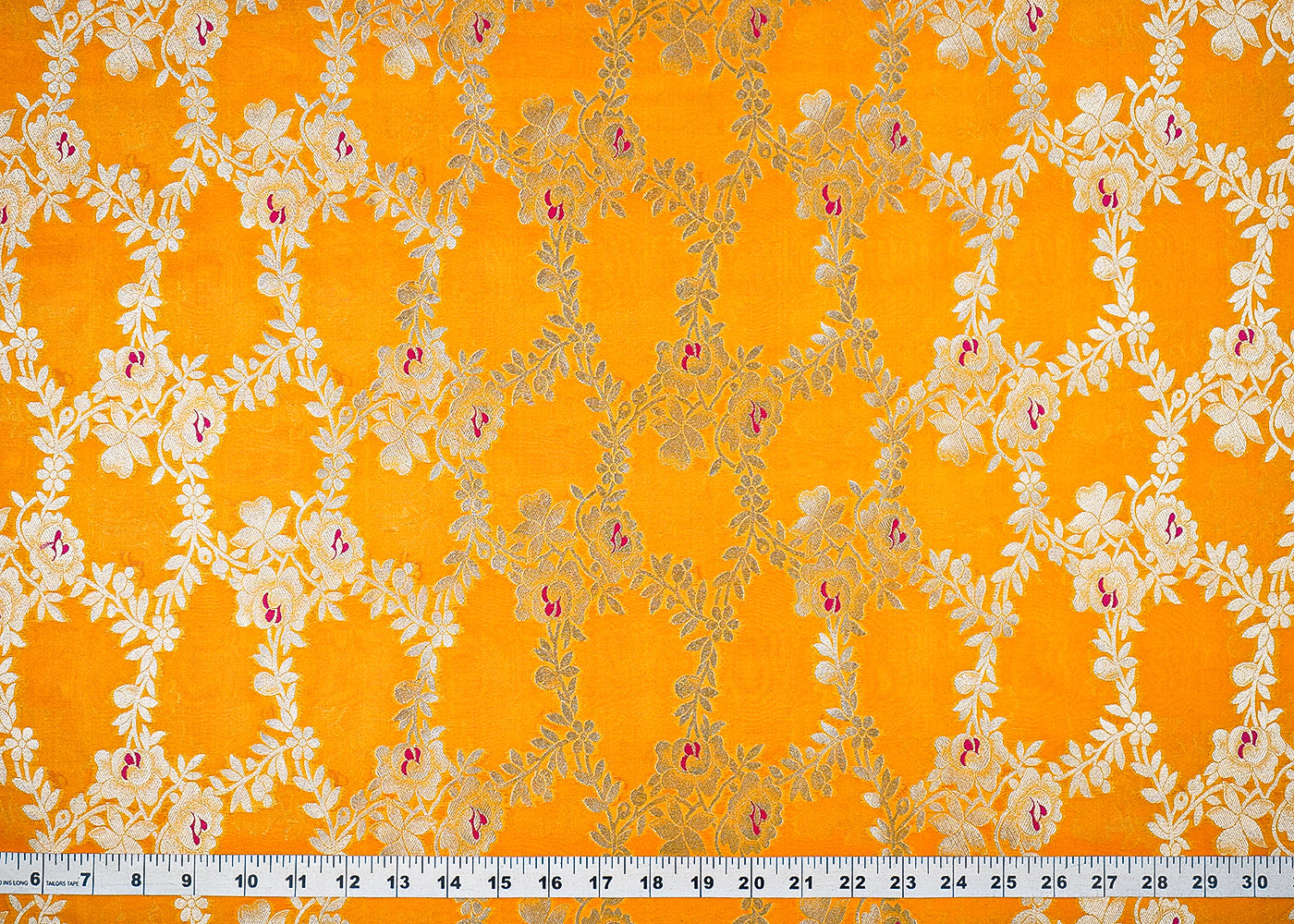
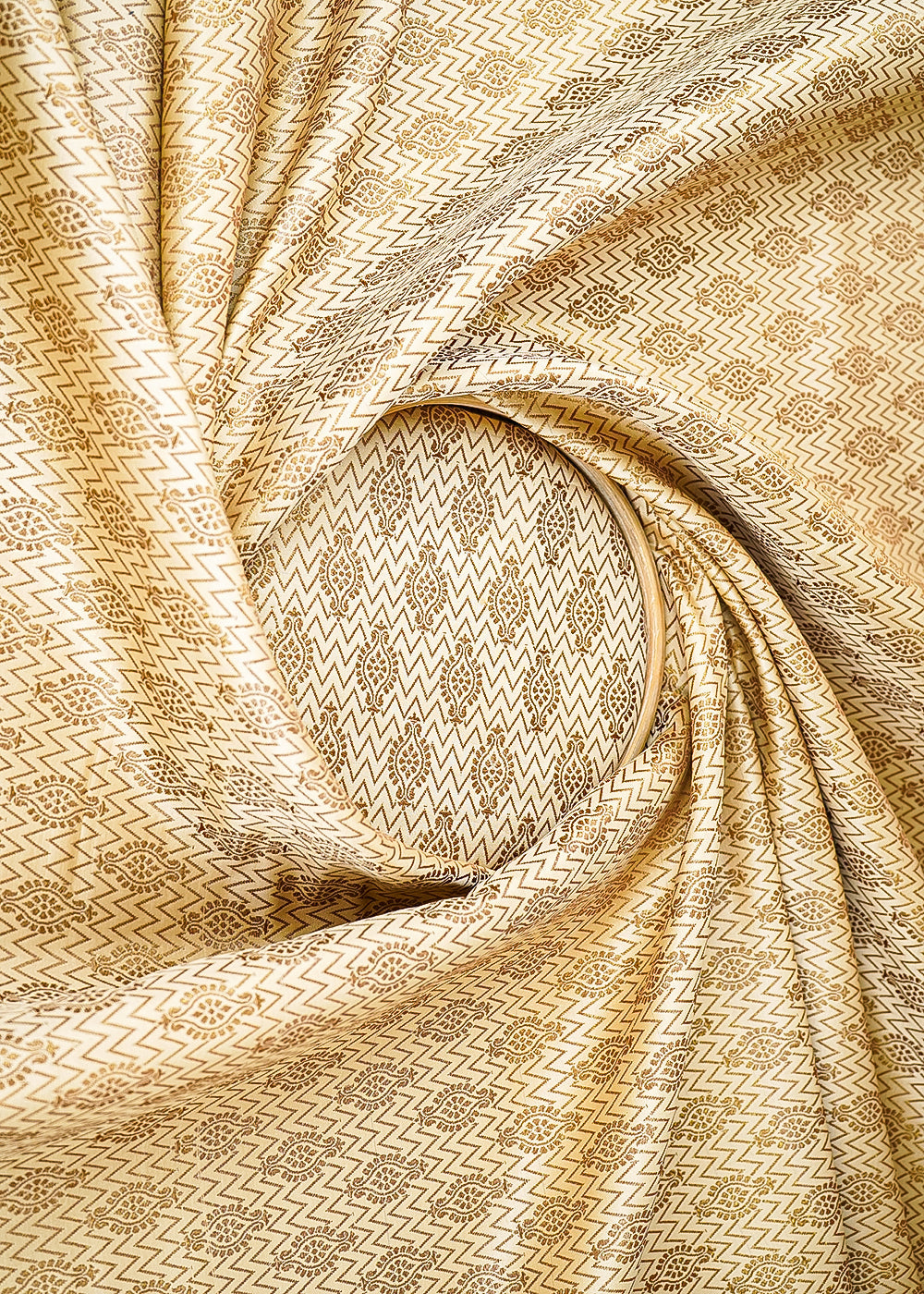
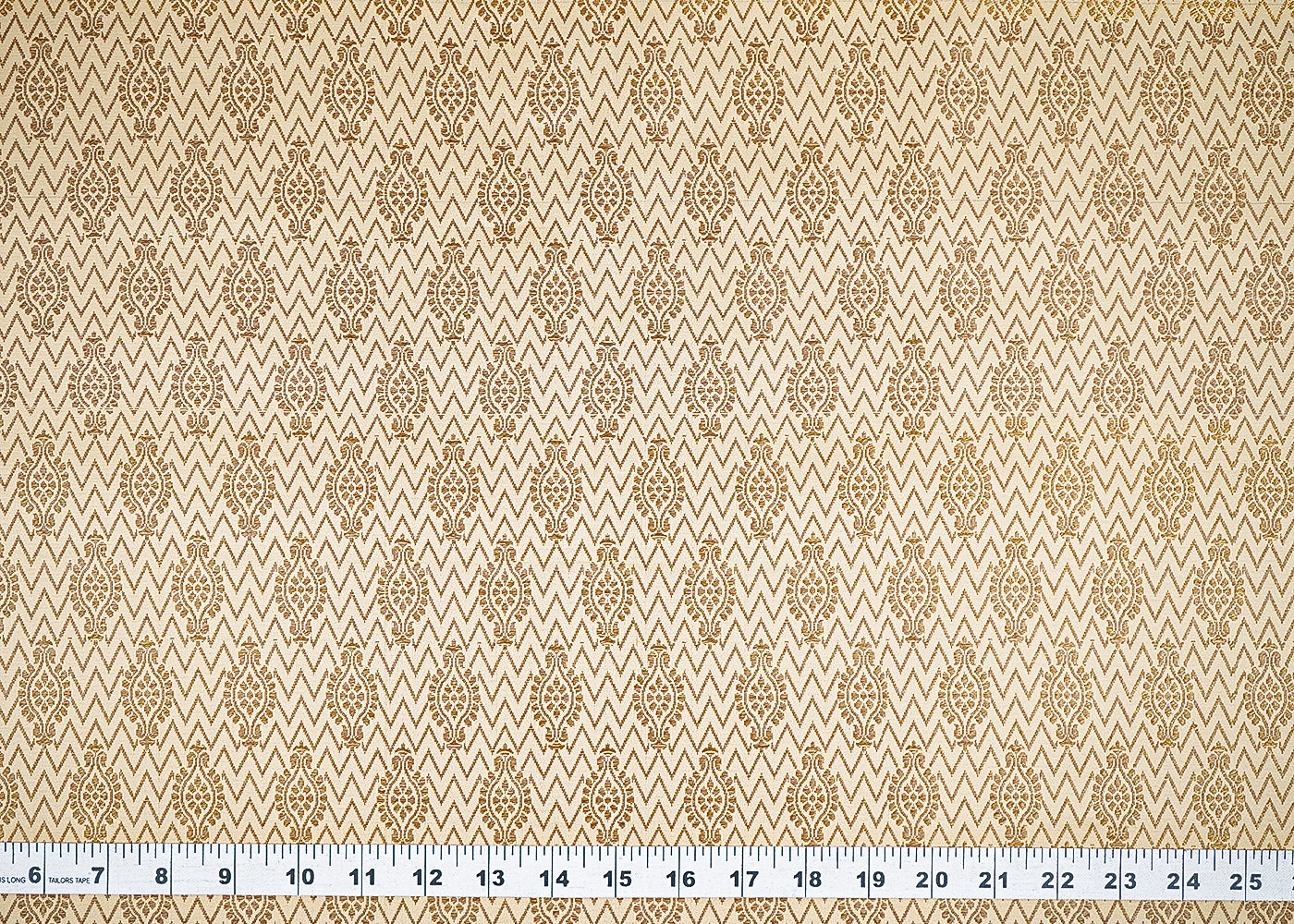
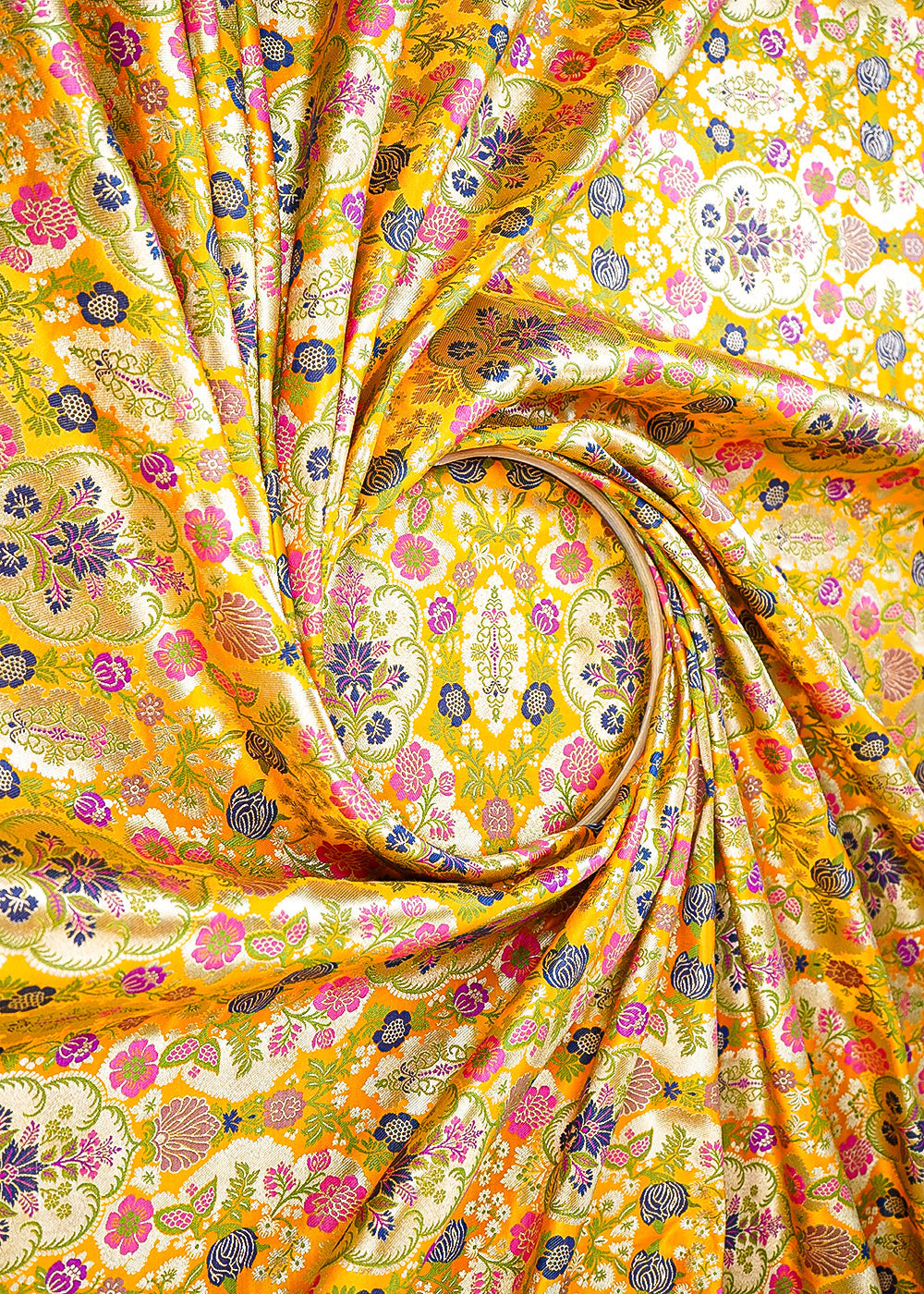
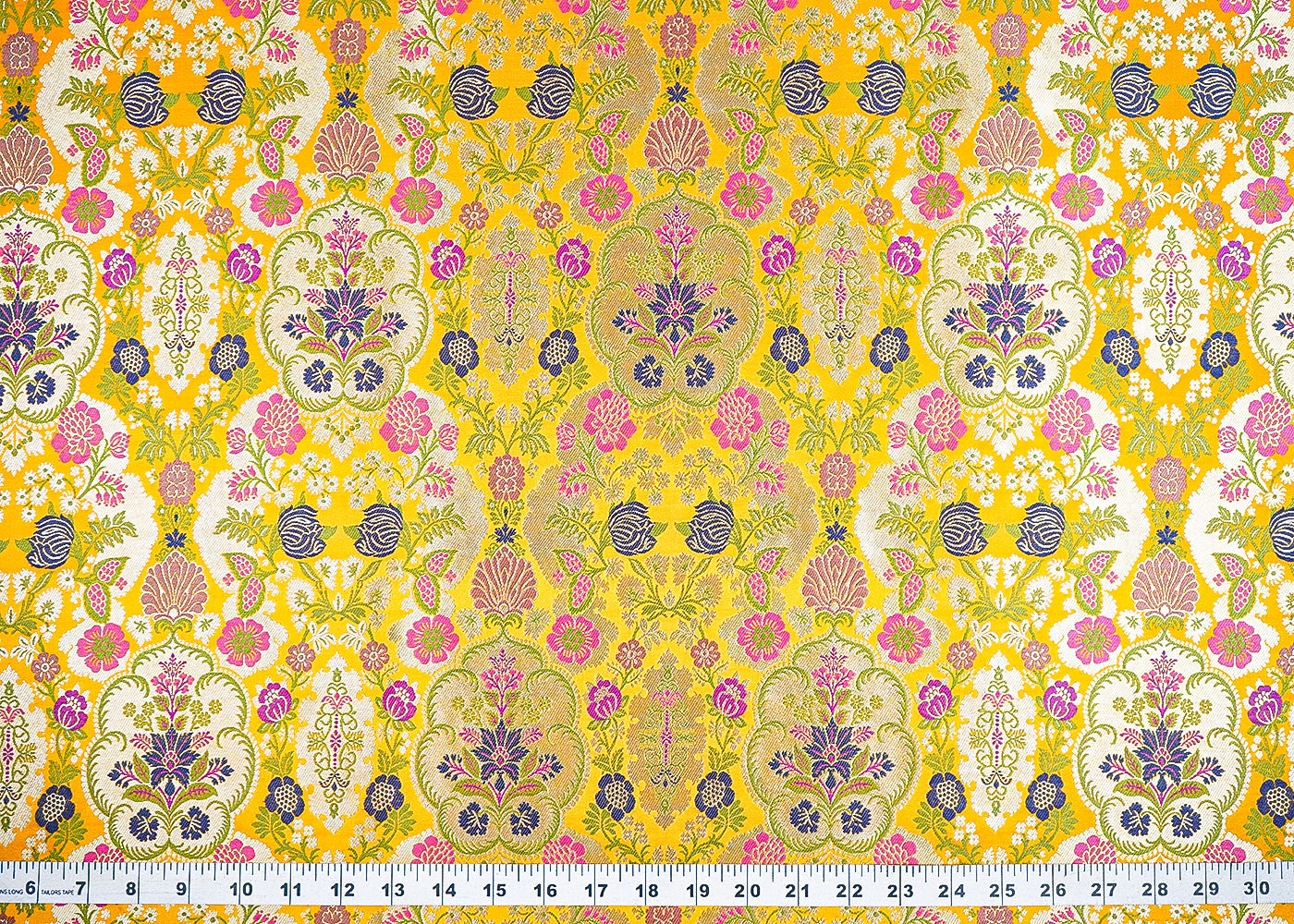
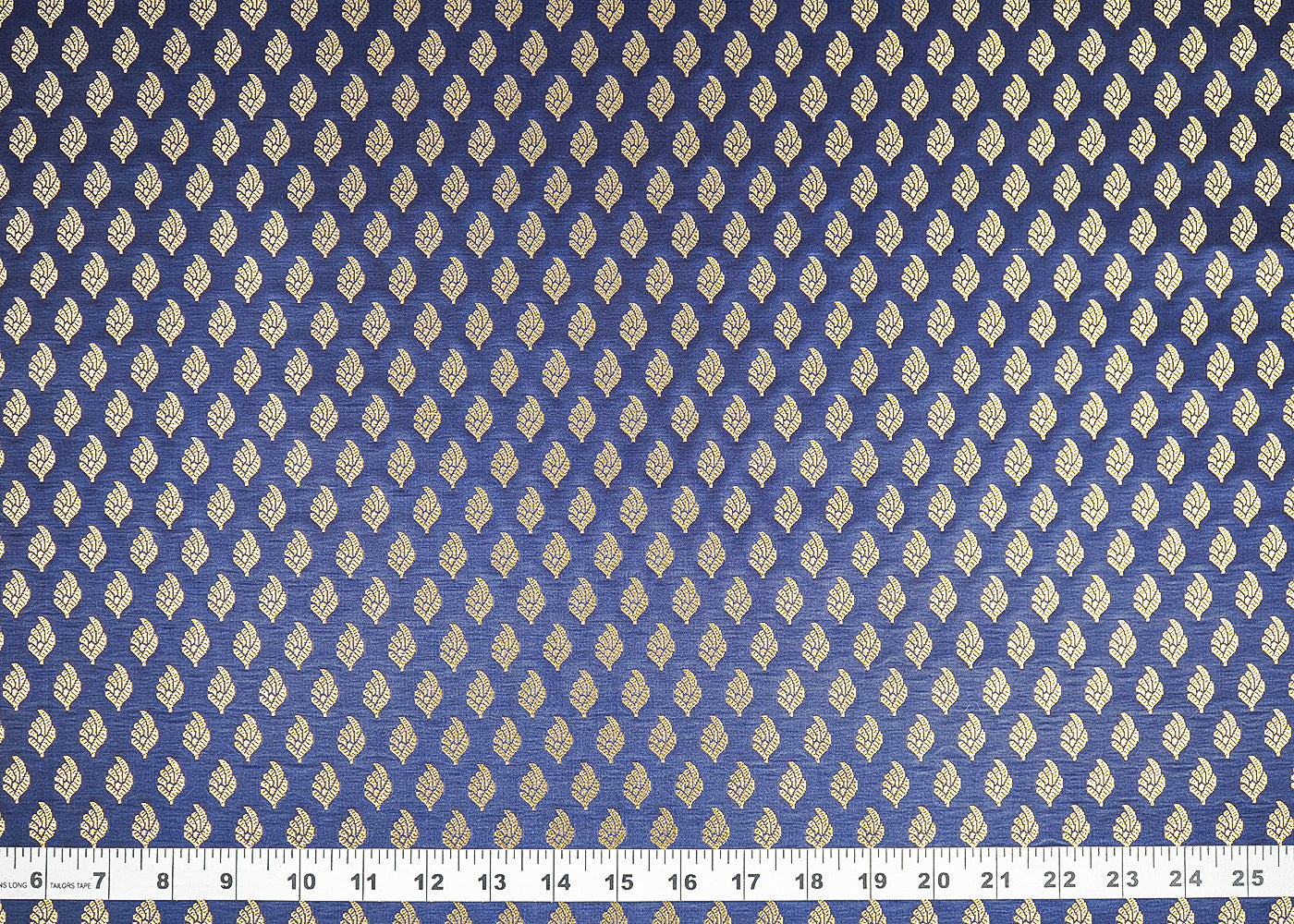
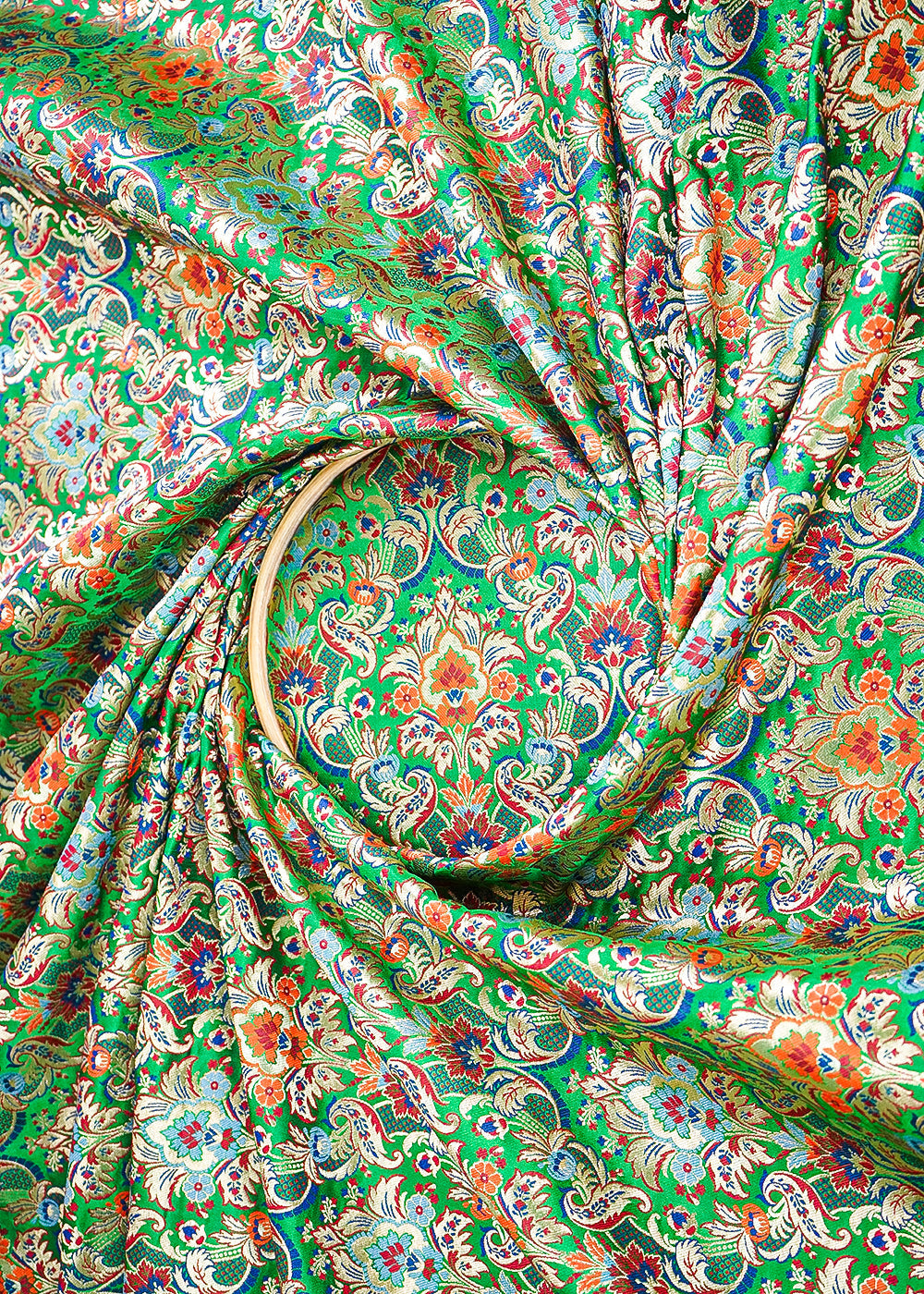
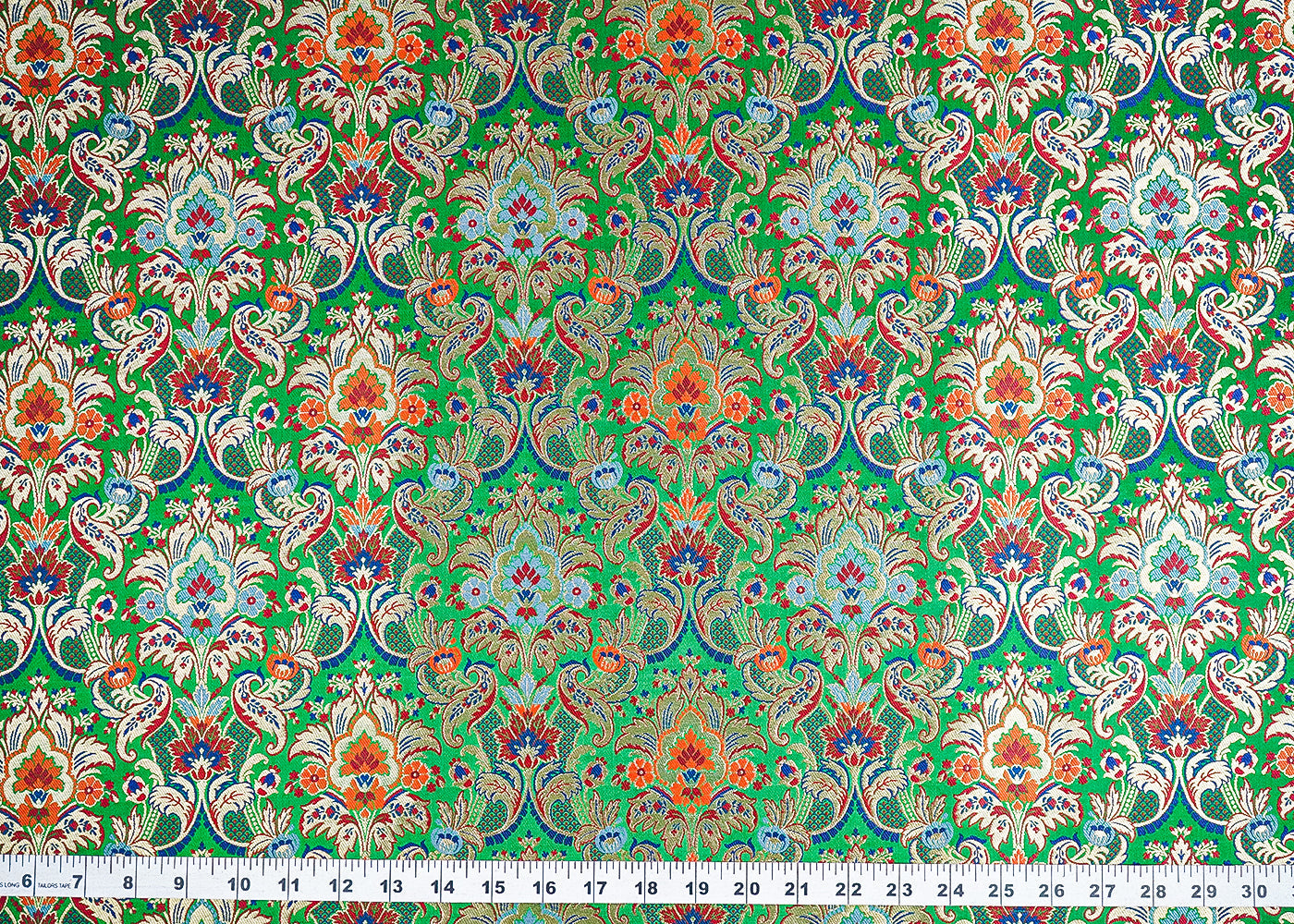
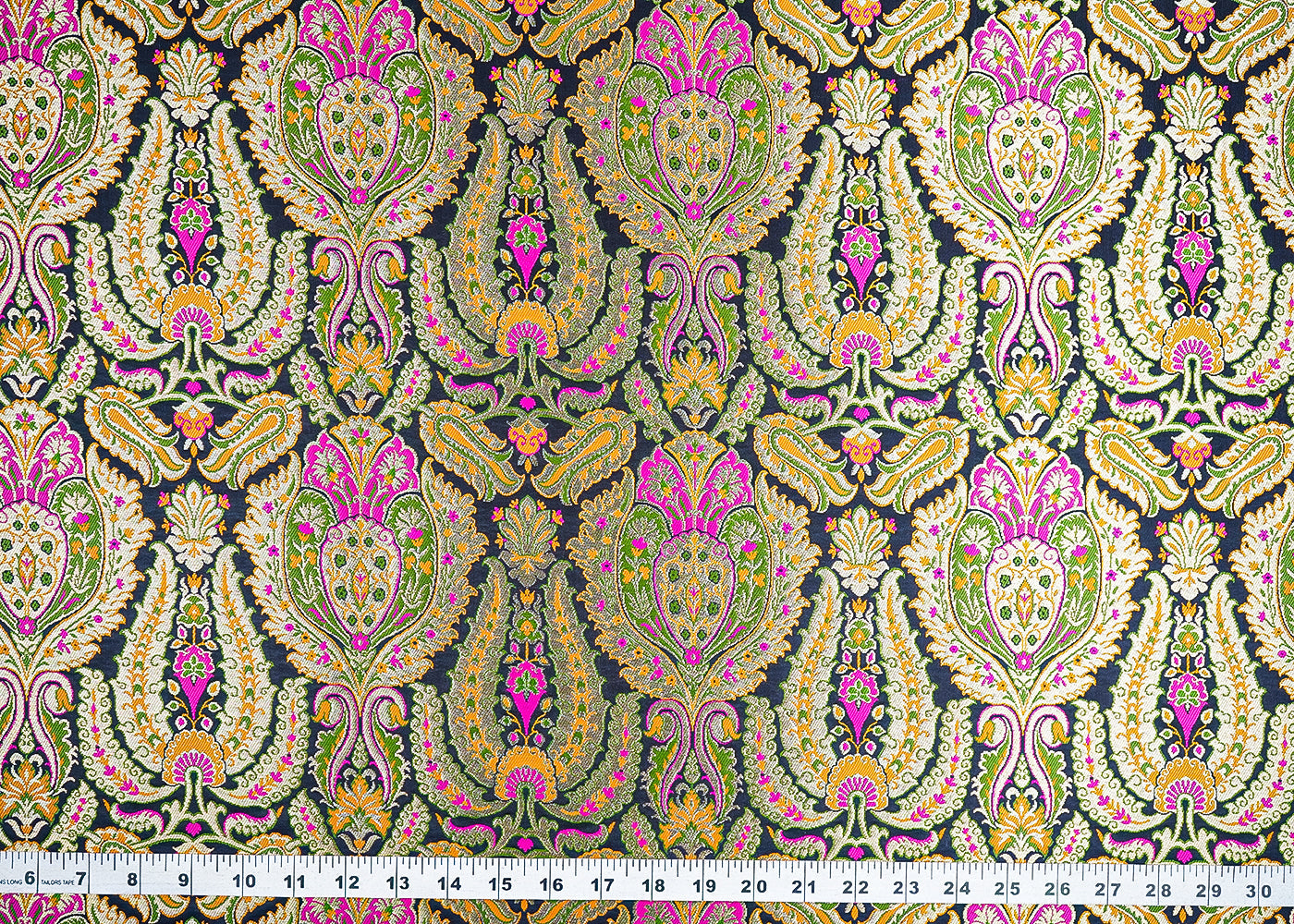
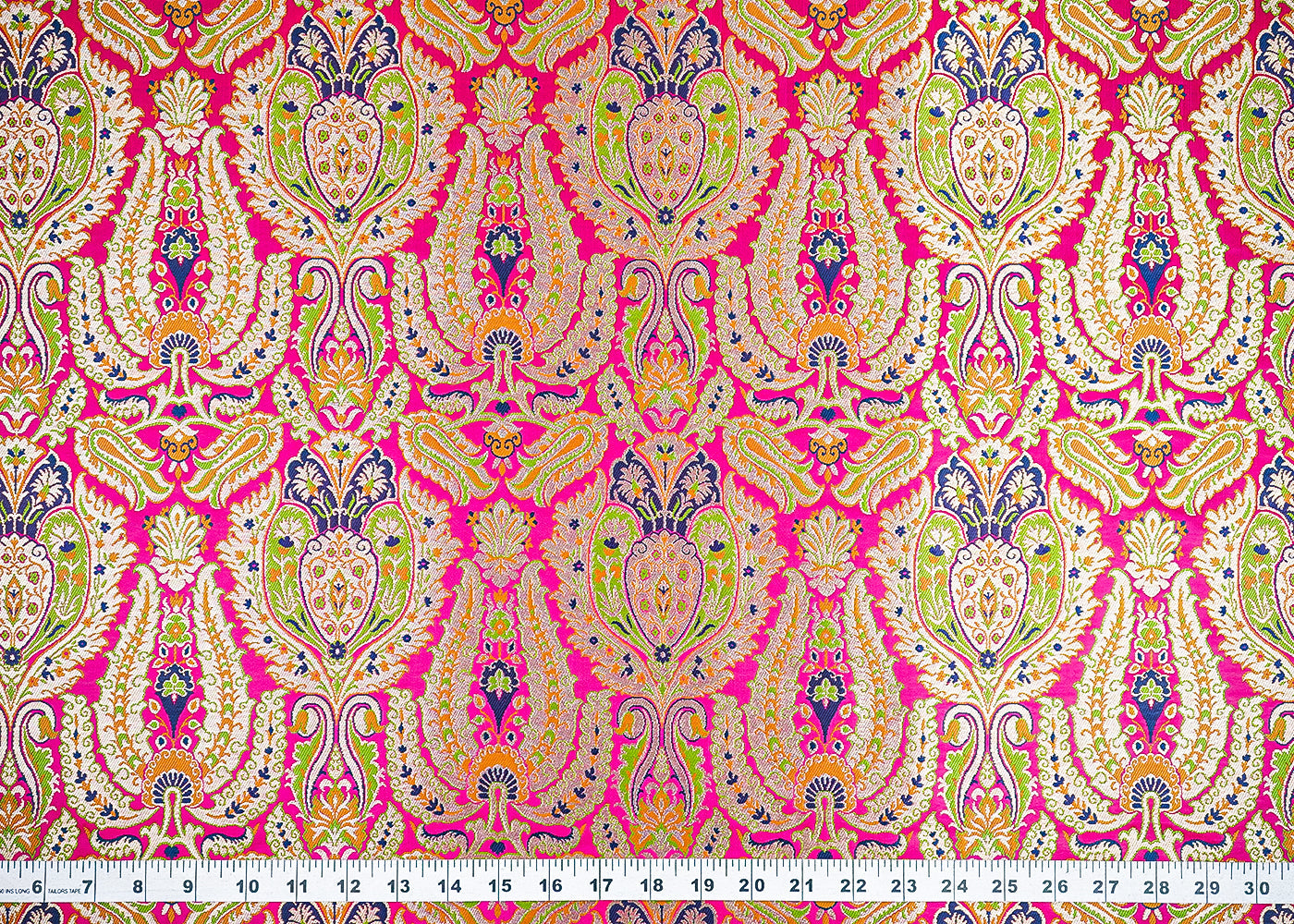
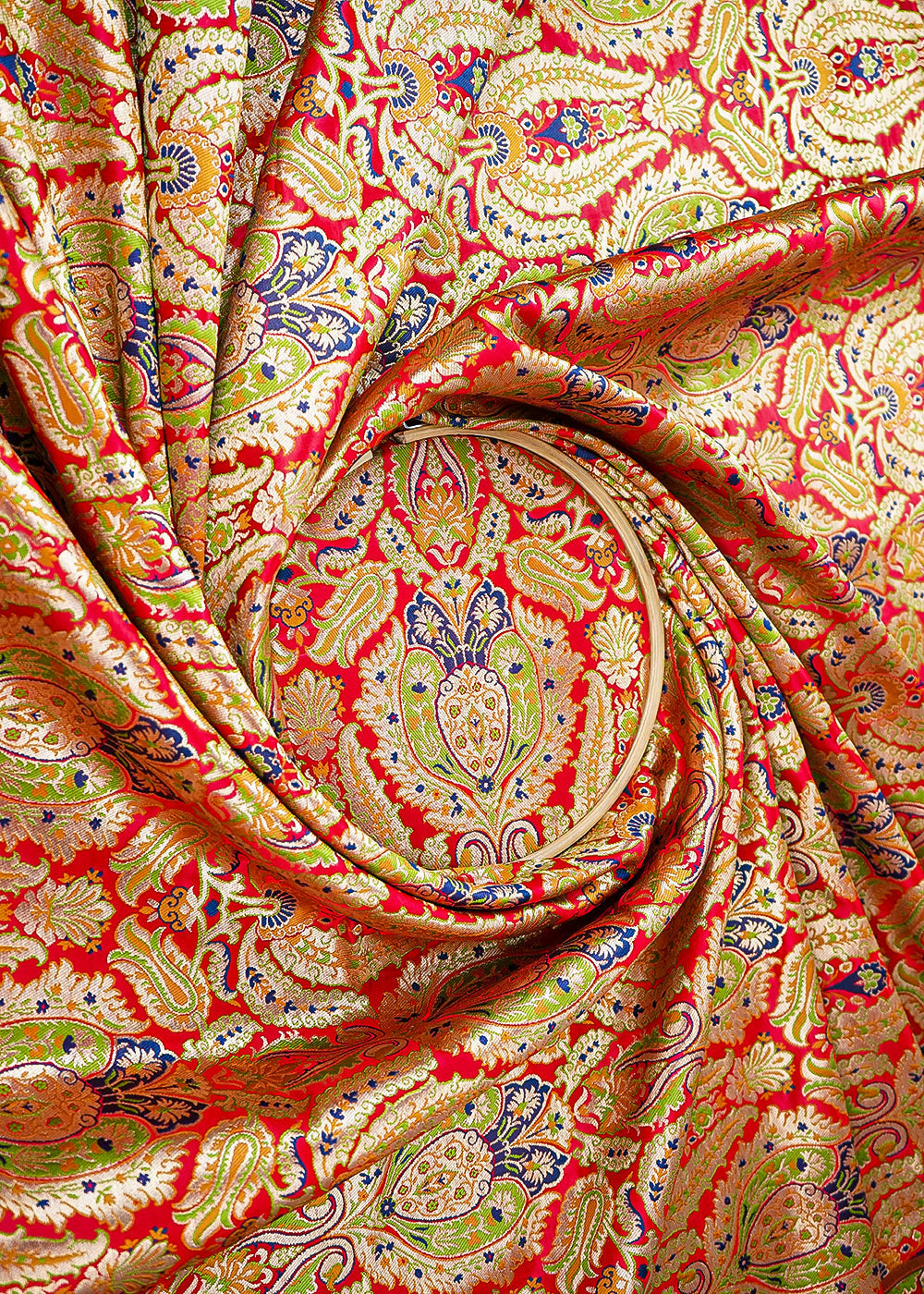
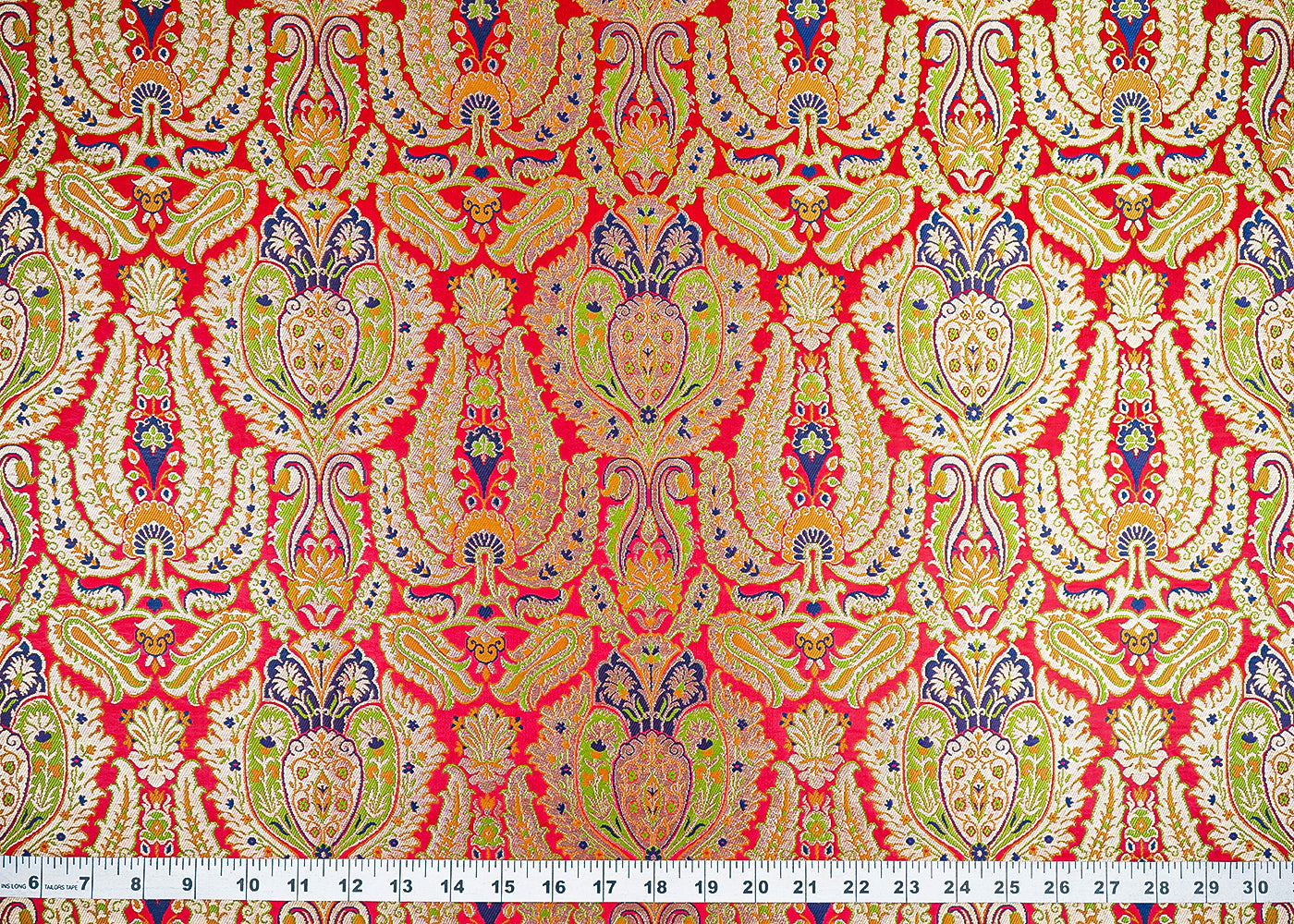
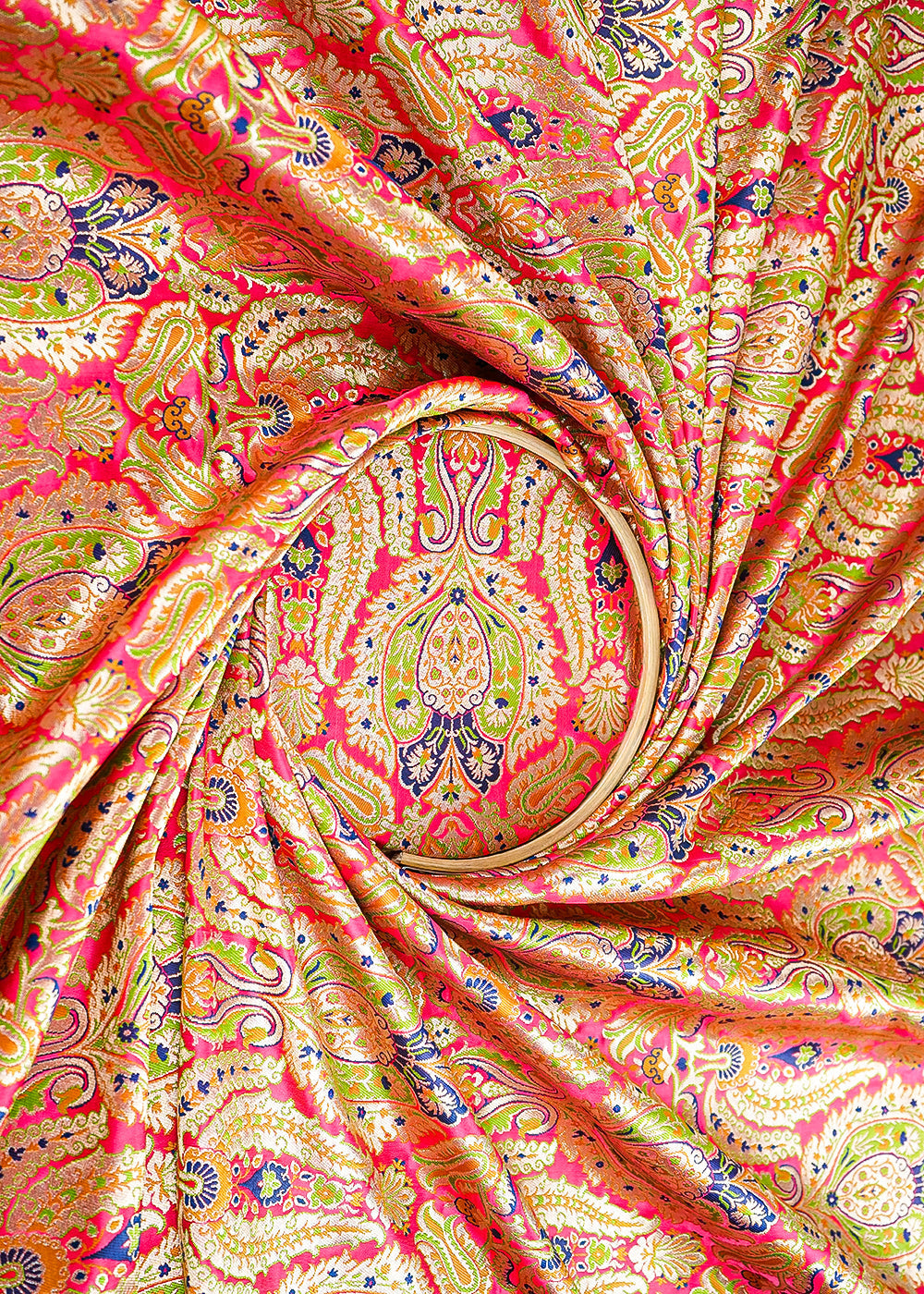
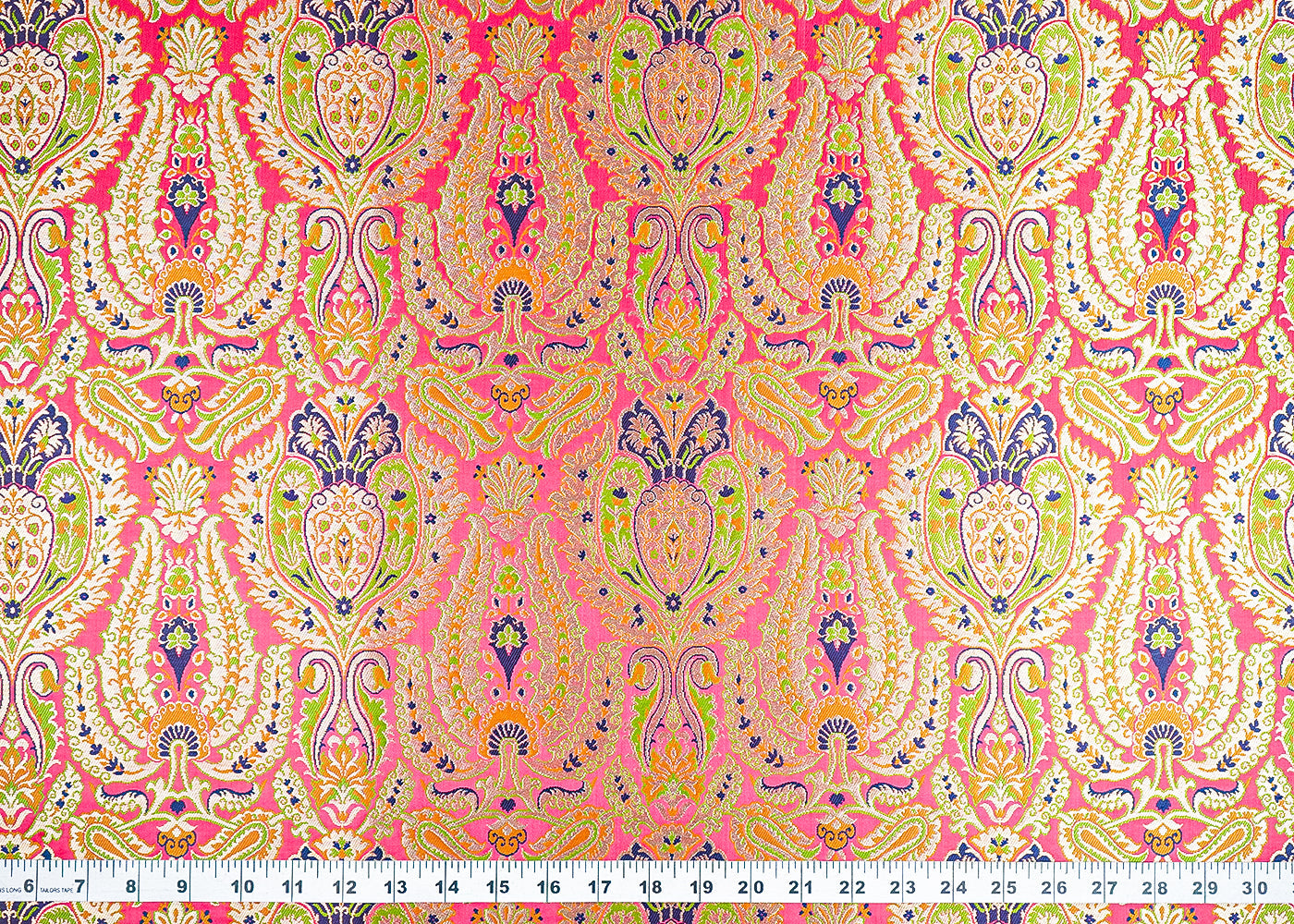
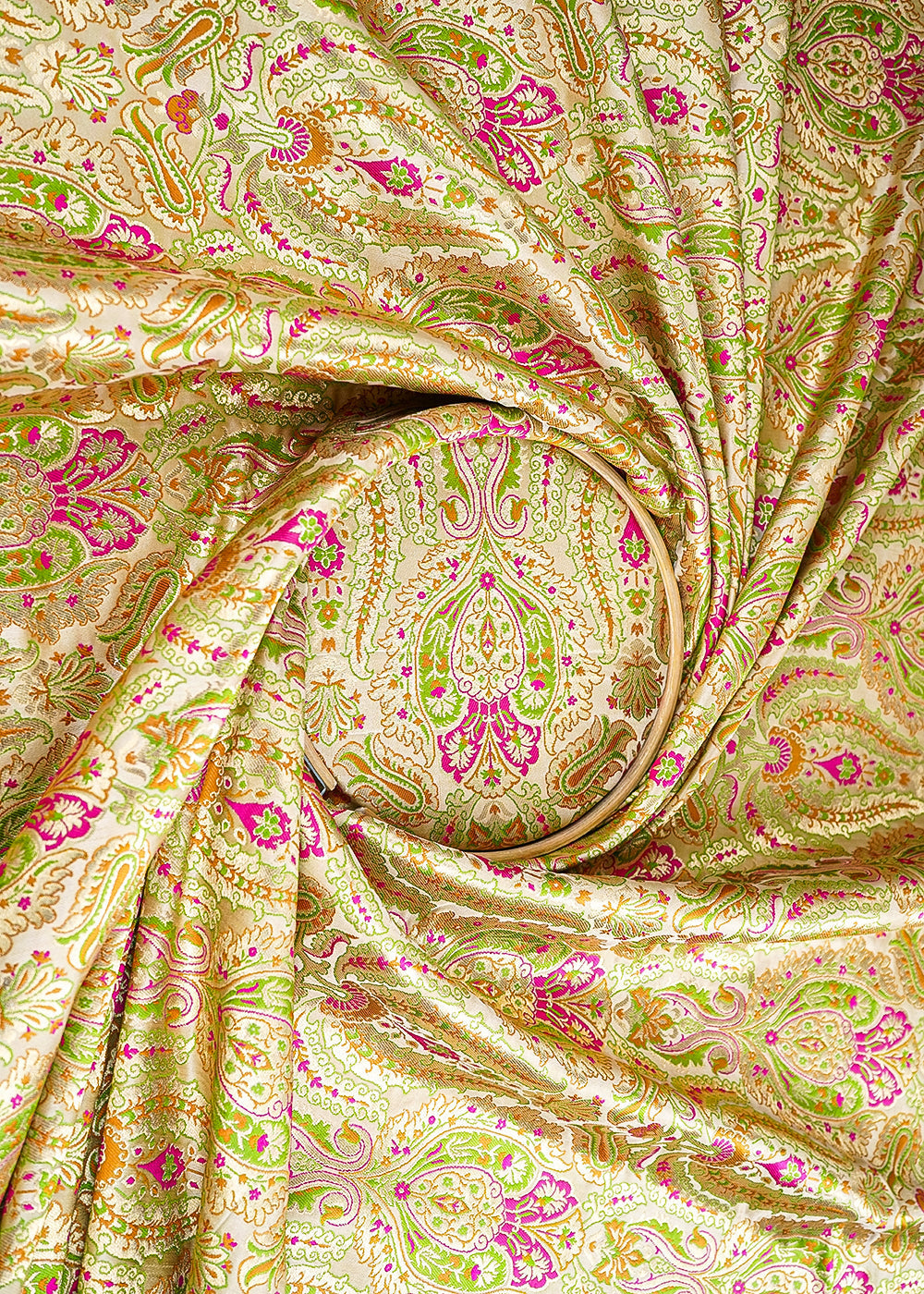
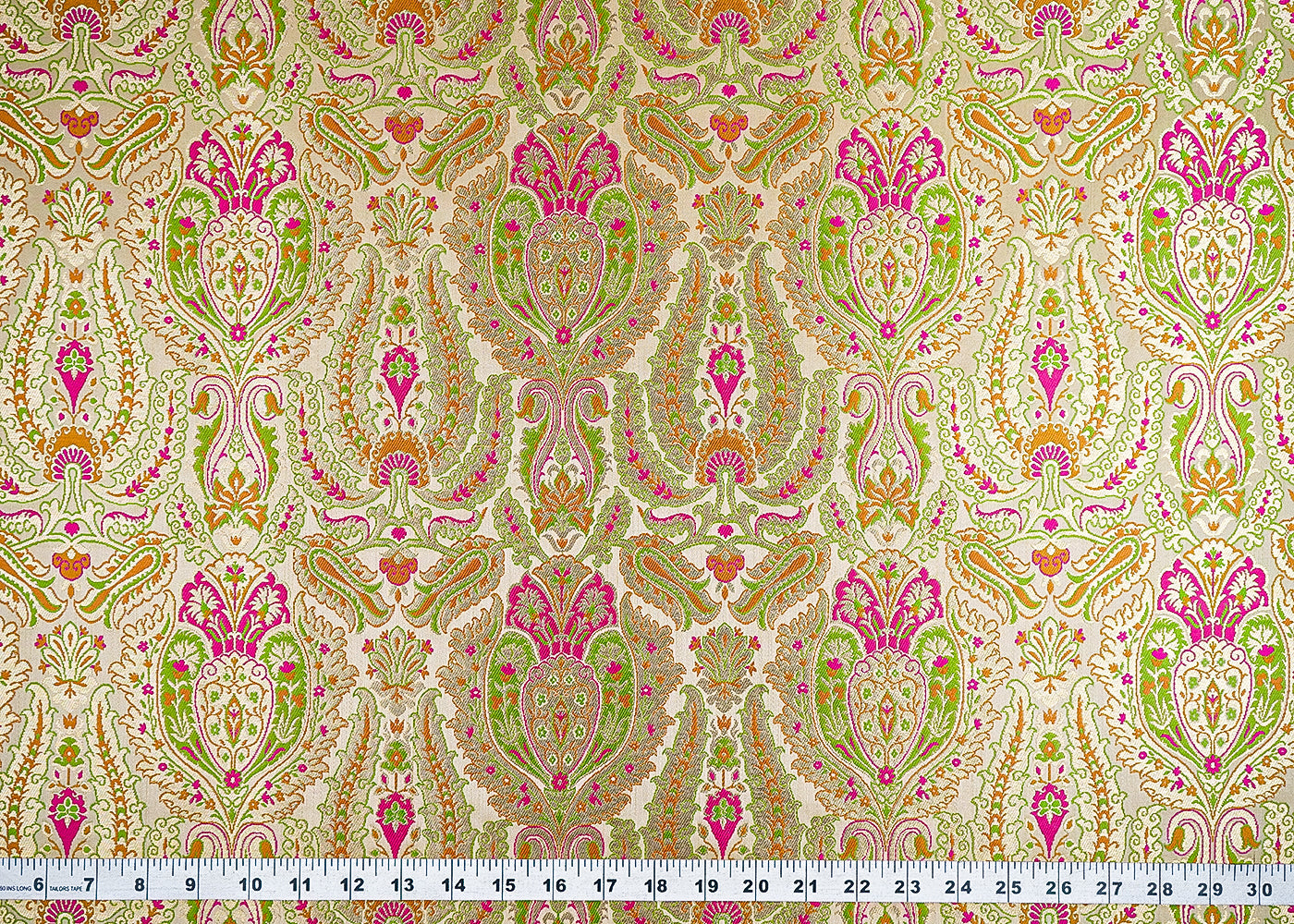
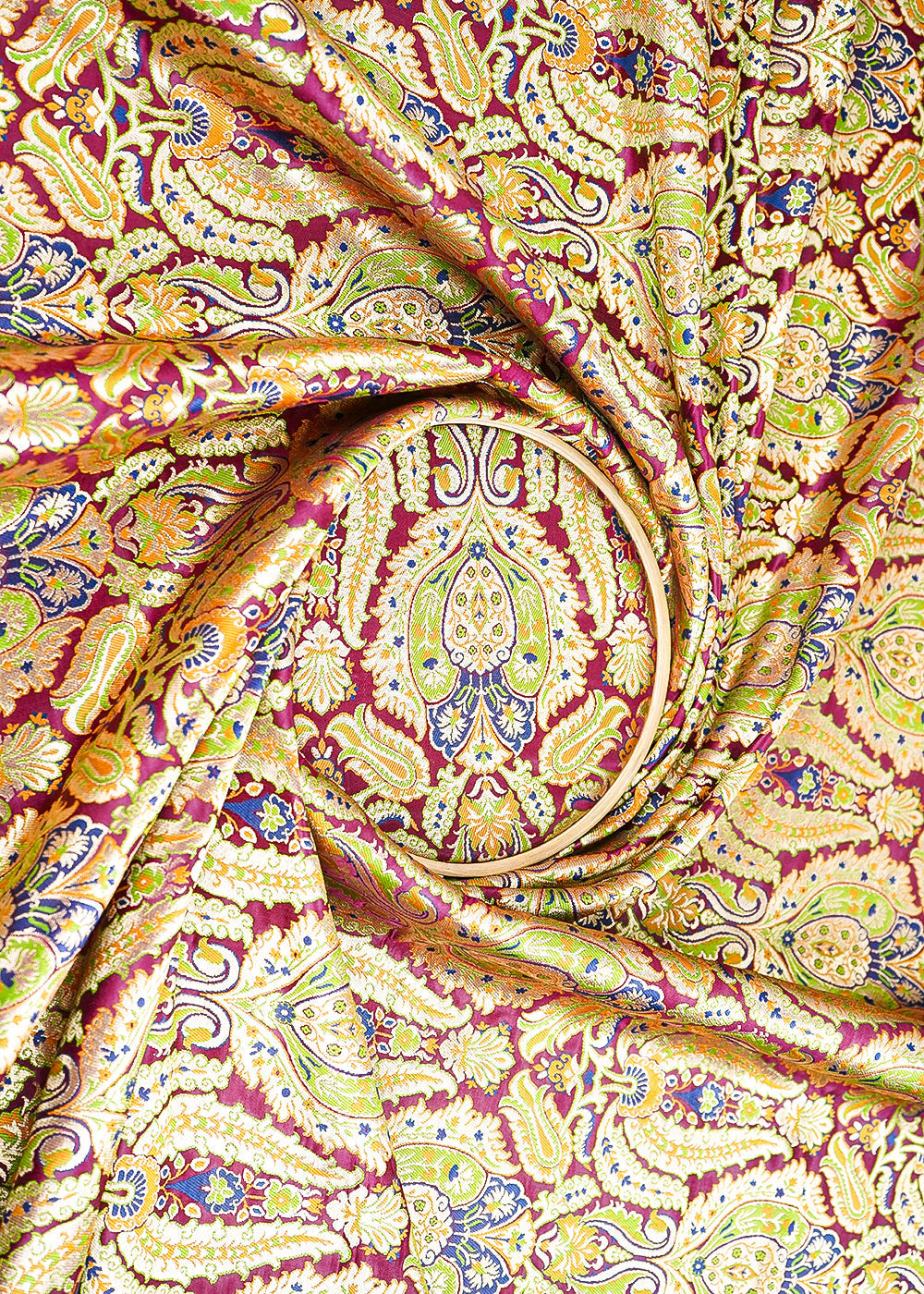
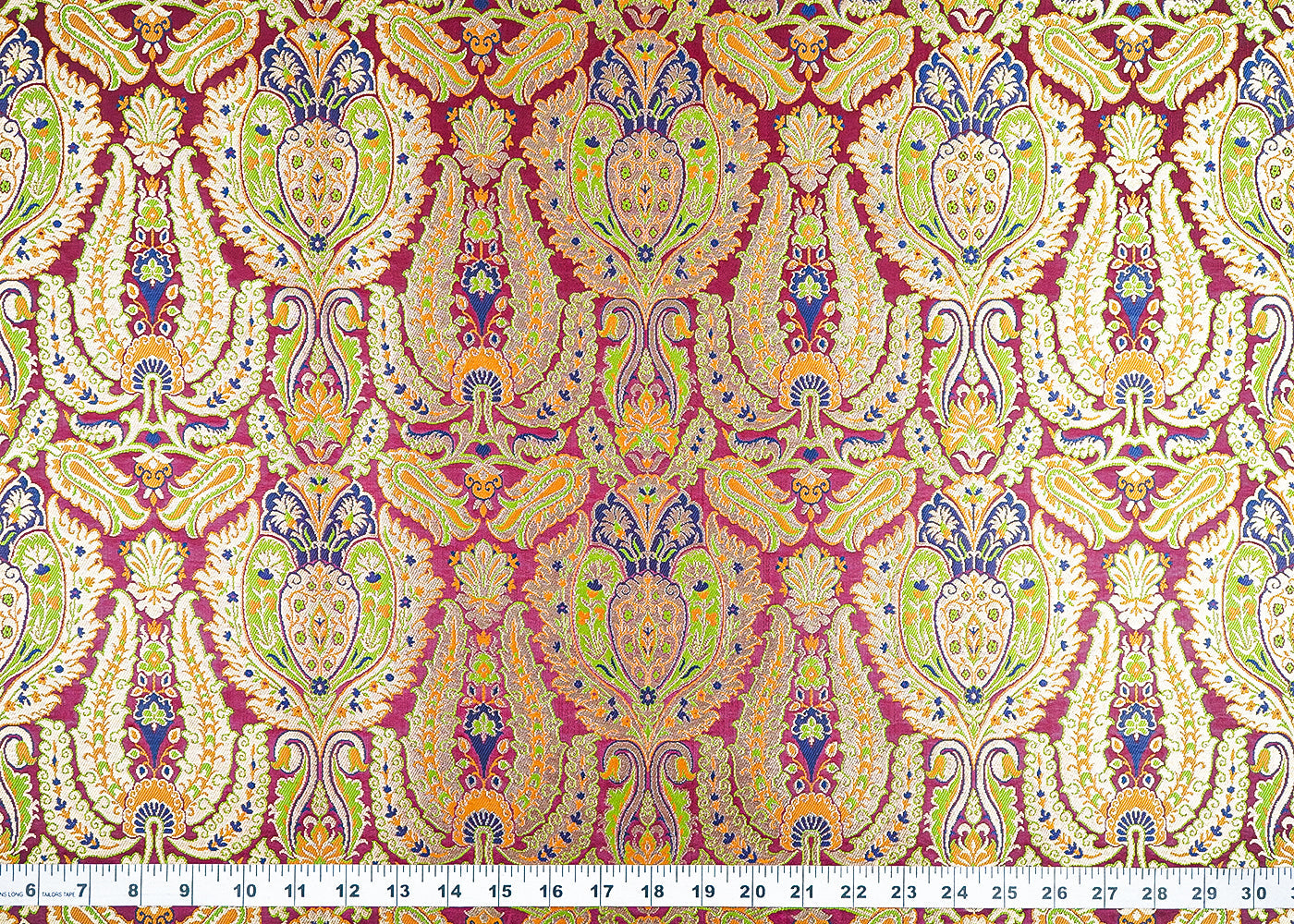
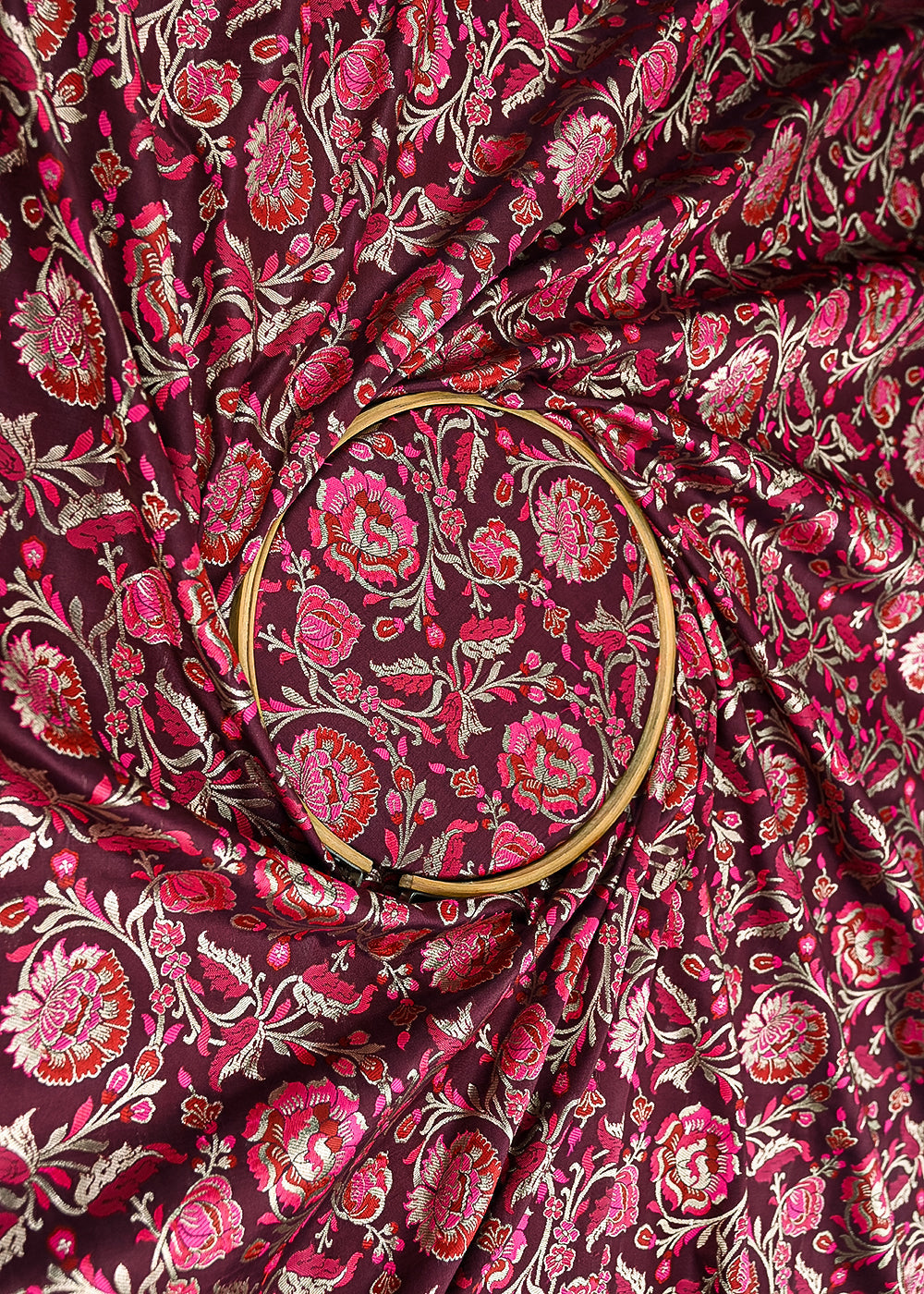
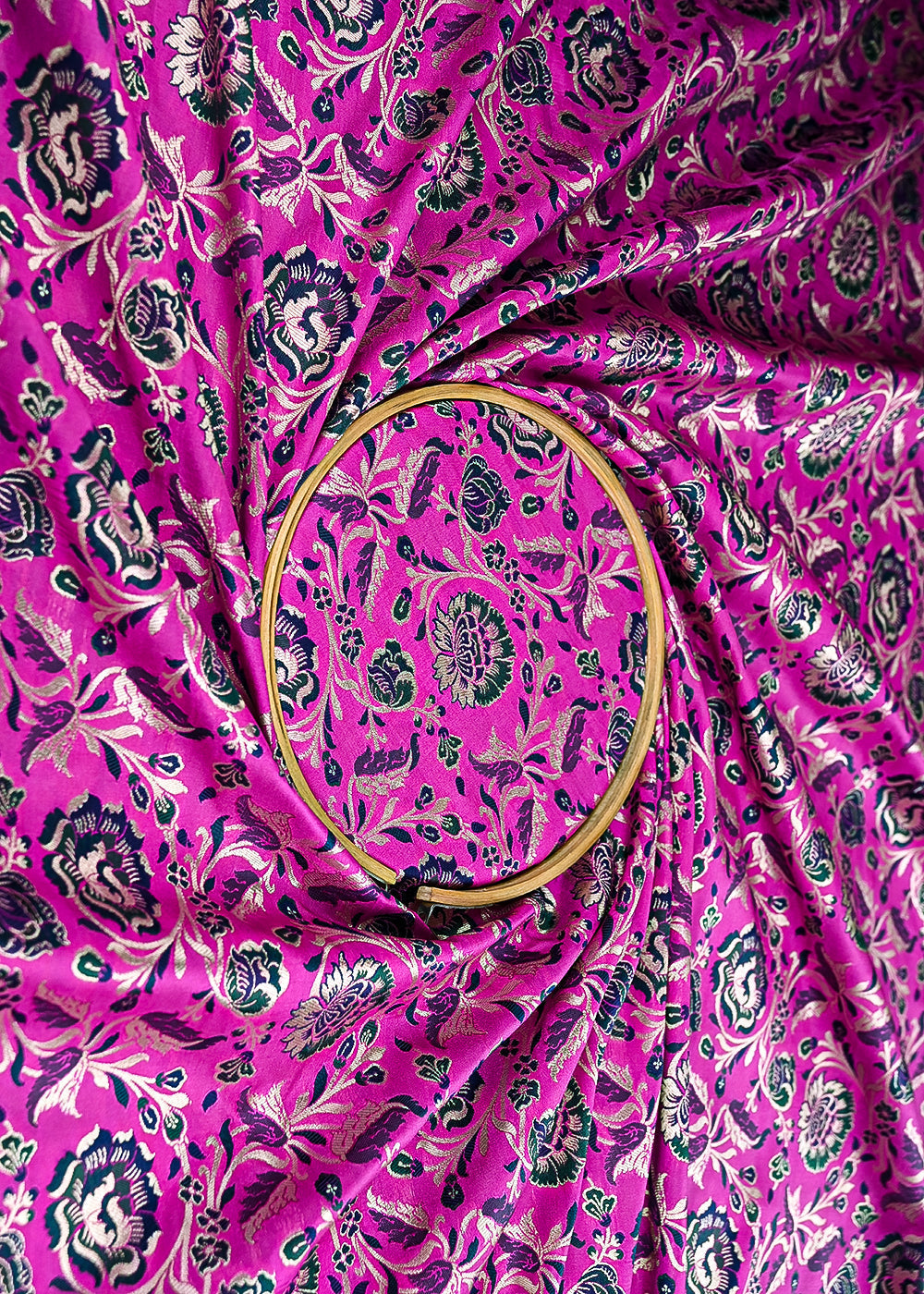
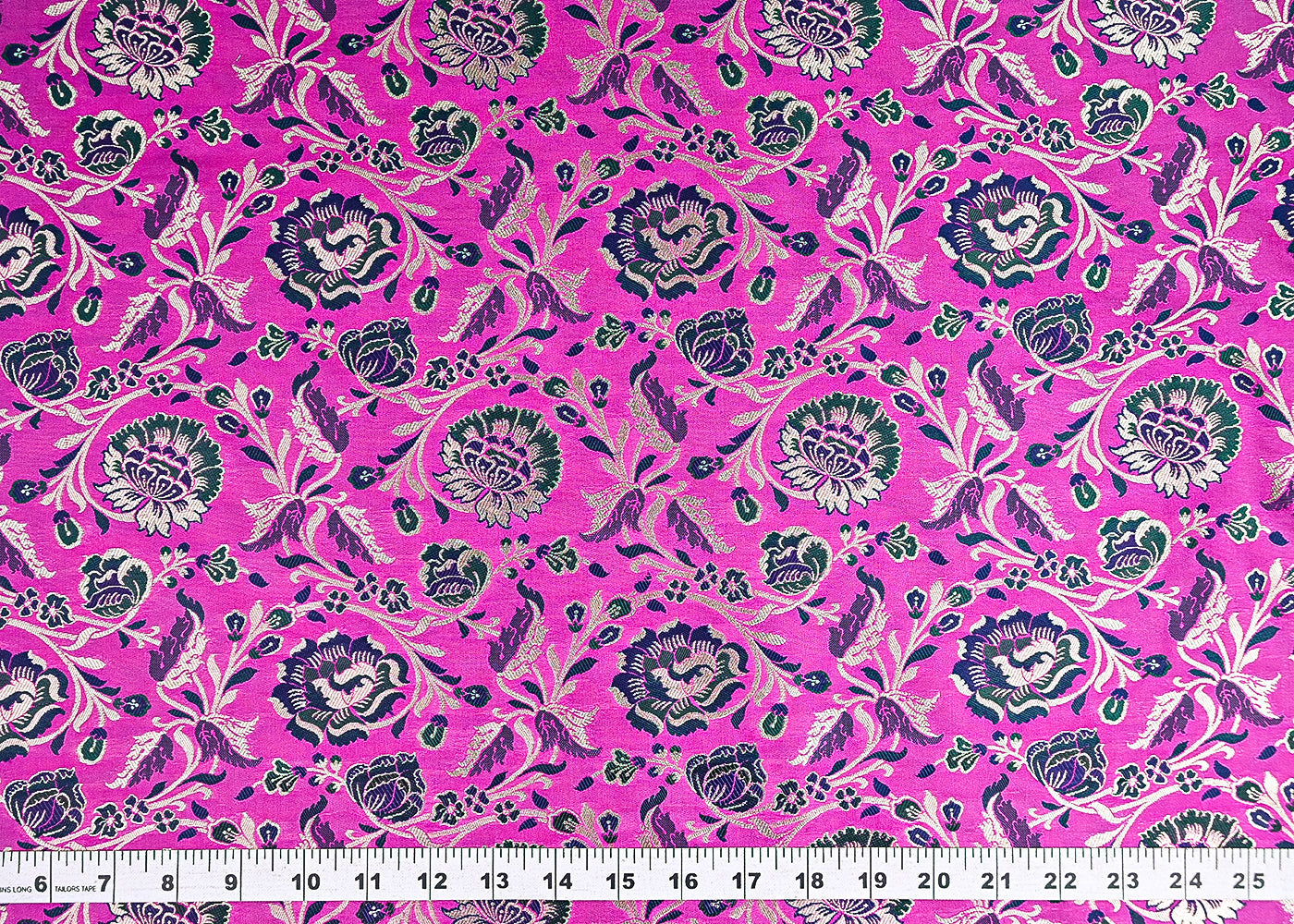
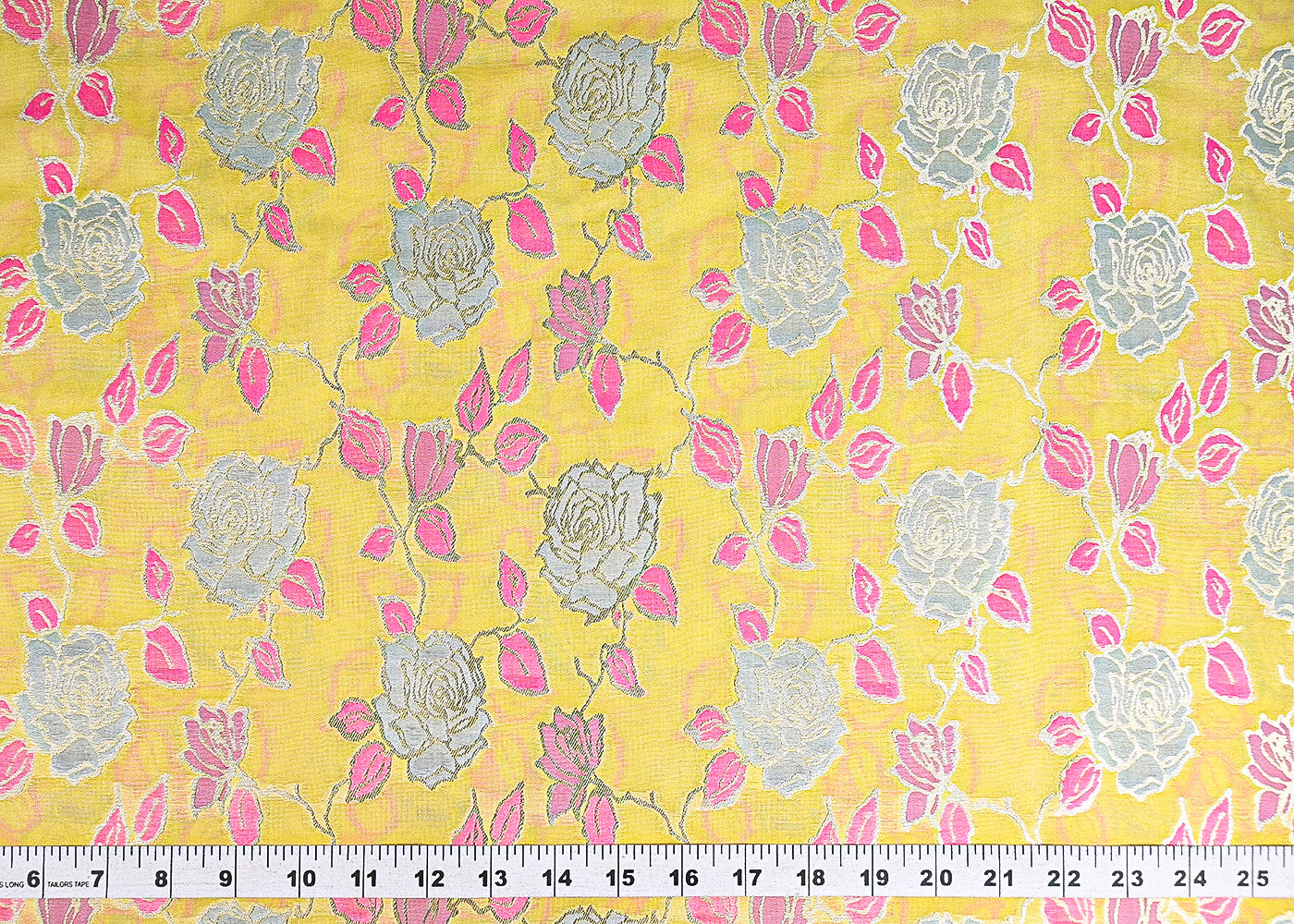
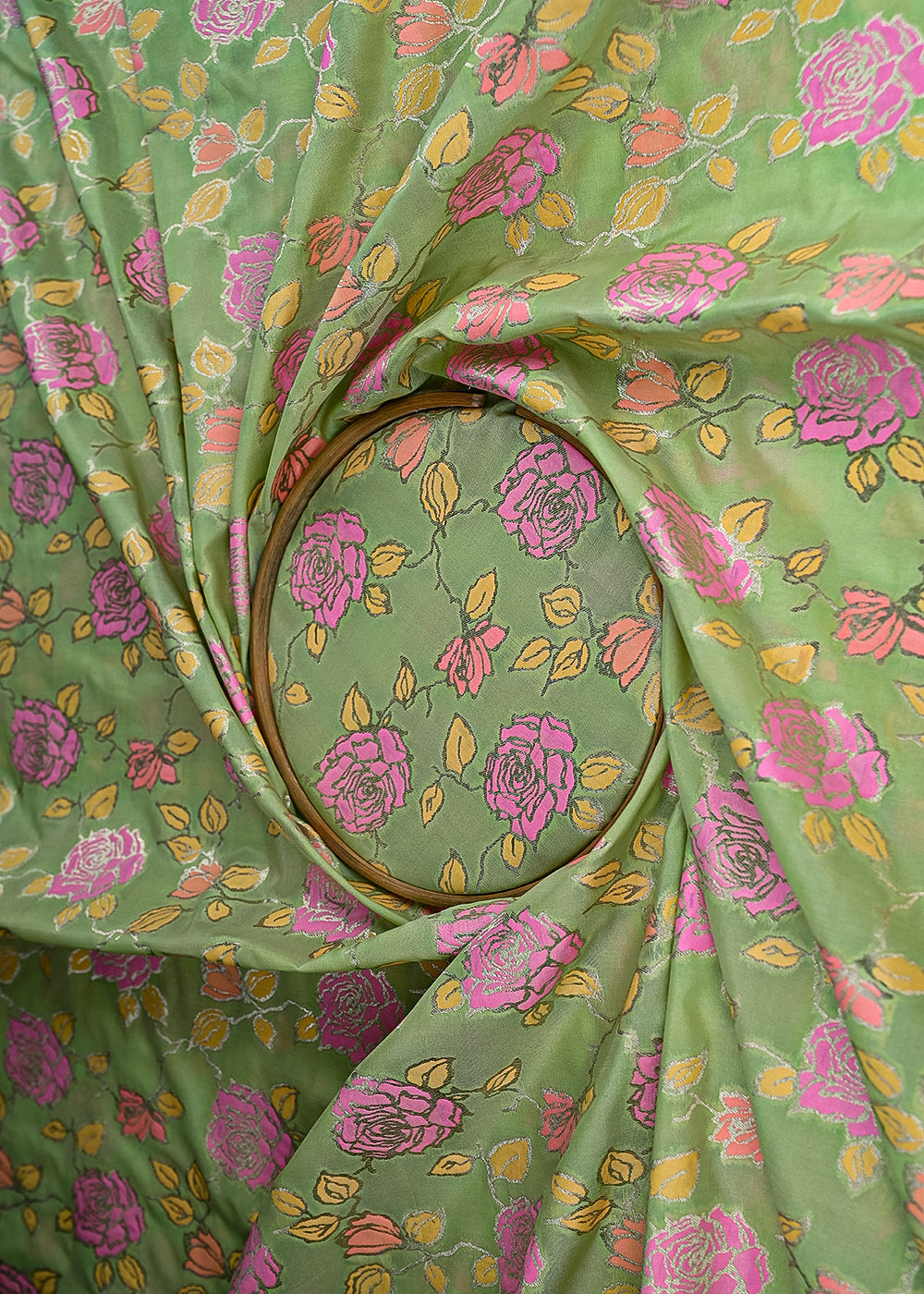
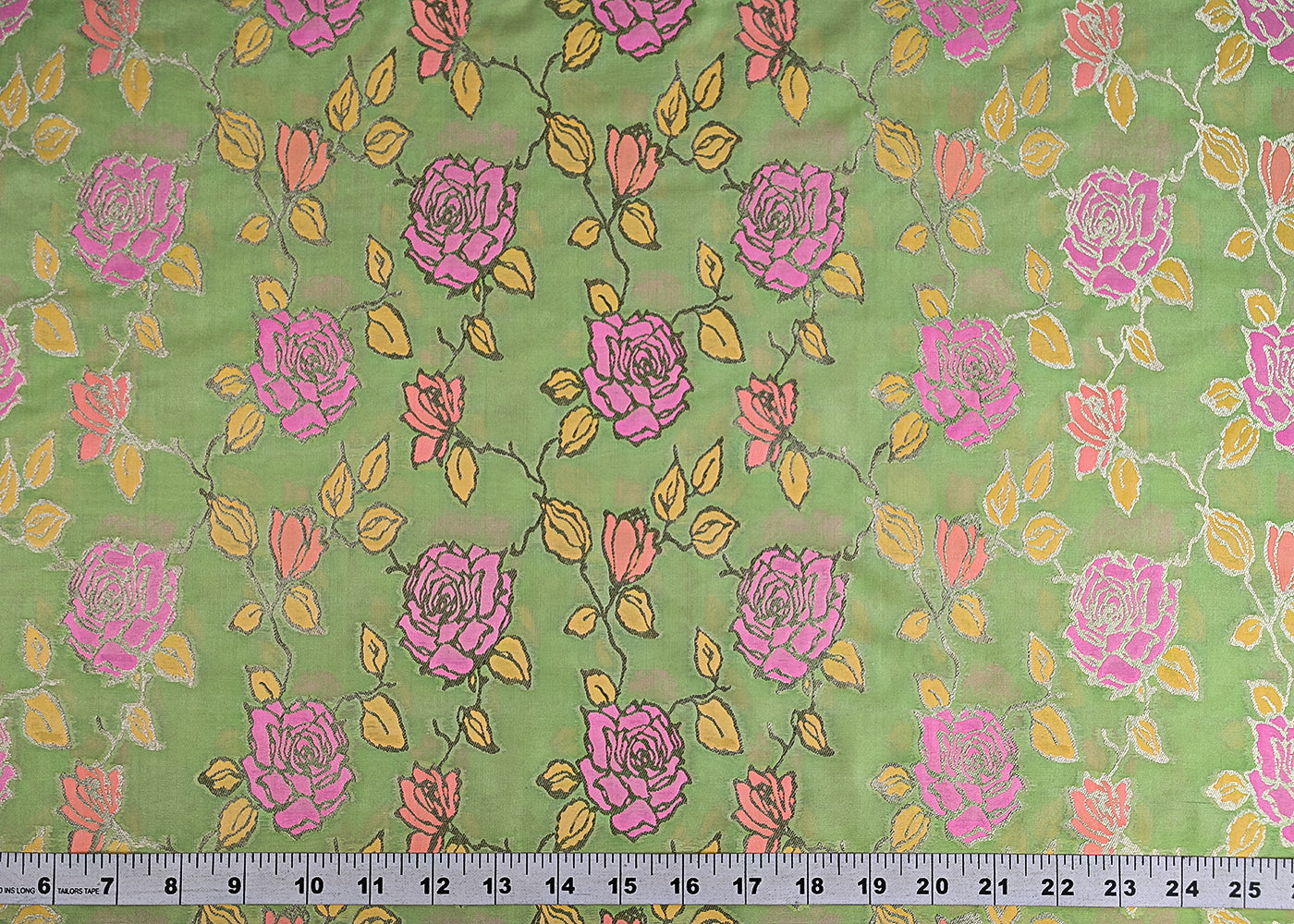
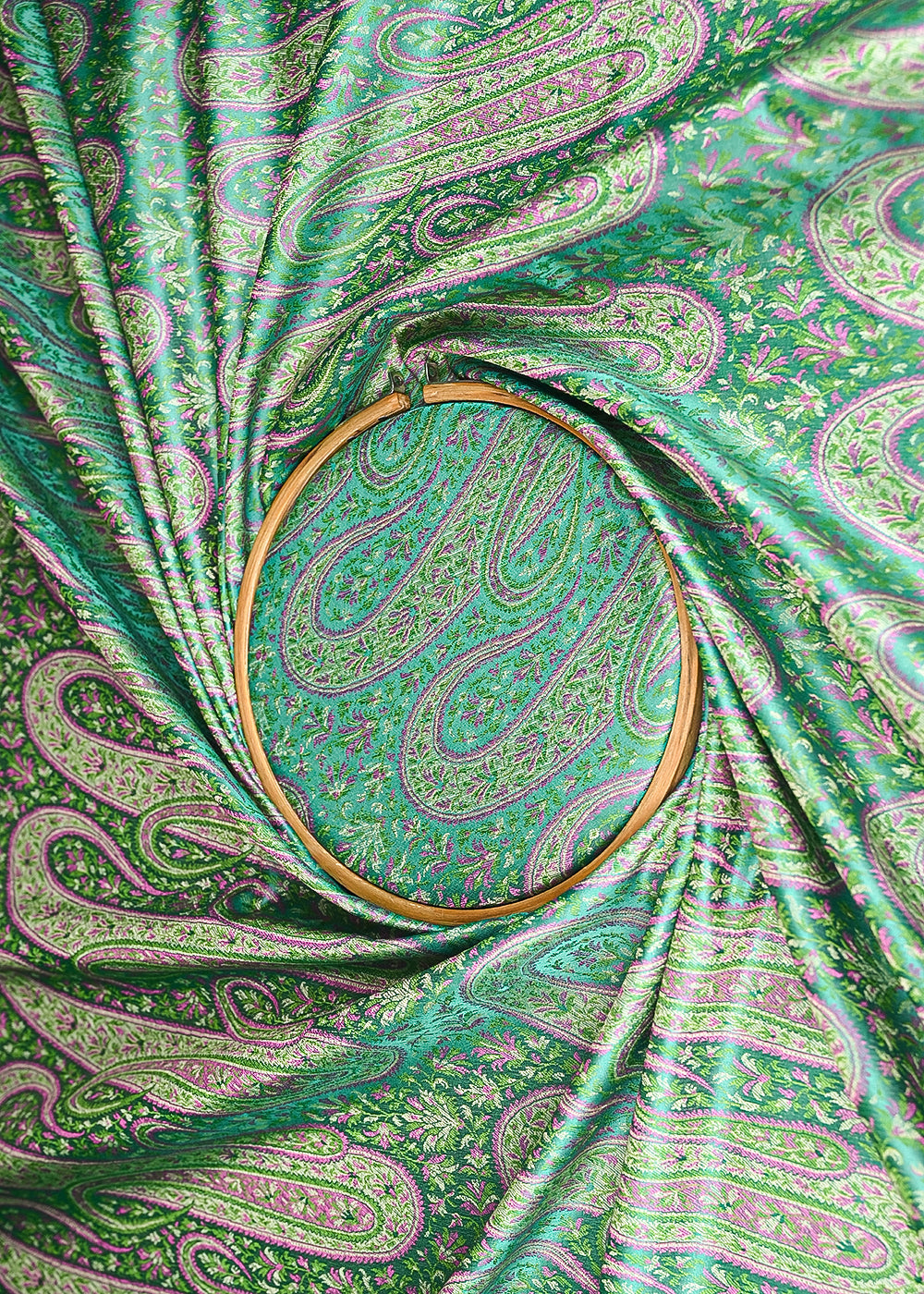
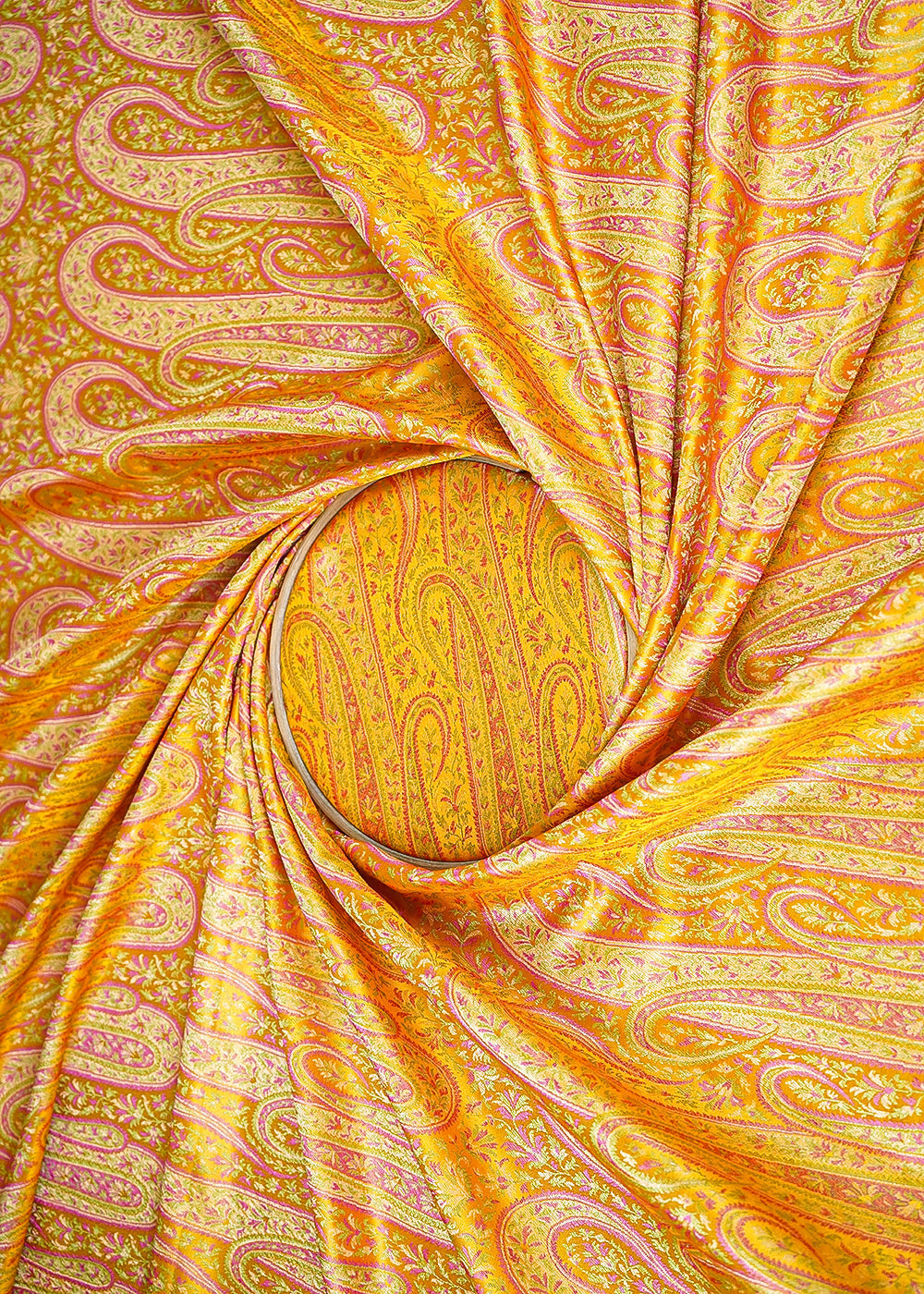
Jacquard is not a fabric. It is a weave technique where the motif is built into the fabric structure on the loom itself, not embroidered on afterward. That single fact is why it took over the Indian designer wear market between 2018 and 2025. The pattern comes woven in, so there is no post-production embroidery cost.
The name comes from Joseph-Marie Jacquard, a French weaver who patented the loom mechanism around 1804. His system, originally punched-card driven and now computerised, made complex woven motifs affordable at industrial scale. Every jacquard fabric on the counter today runs on a descendant of that machine.
How the Jacquard Loom Works
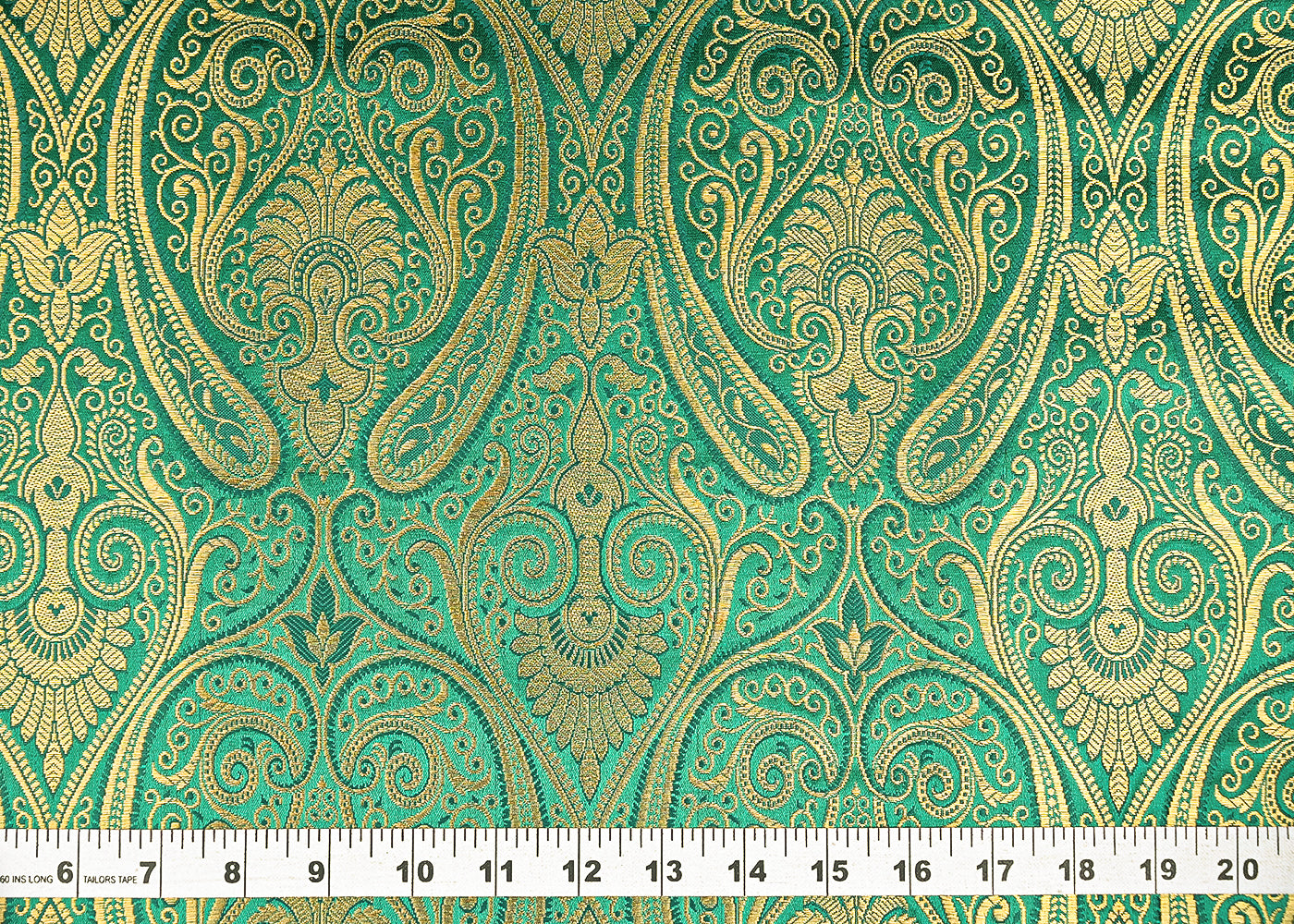
A normal loom lifts warp threads in fixed groups. A jacquard loom lifts each warp thread on its own, reading pattern data through a control apparatus. That independent thread control is what makes complex motifs possible. Florals, paisley, geometric grids, buti scatter, zari accents all get woven straight into the fabric body through selective lifting during weft insertion.
Any base fabric can pass through this loom. Silk becomes silk jacquard, georgette becomes georgette jacquard, likewise for the rest. The word describes the method, not the fabric family. So the buying decision is two steps. Pick the substrate first, then pick the motif complexity within it.
The Jacquard Family and Rates
| Variant | Base | Best Use | Wholesale Rate |
| Silk jacquard | 100 percent silk | Engagement sarees, wedding lehenga, sarees | Rs 720 to 2,400 per metre |
| Tissue jacquard | Metallic tissue | Festive kurtas, Diwali runs, dupattas | Rs 260 to 720 per metre |
| Georgette jacquard | Georgette | Party sarees, engagement outfits, kurtis | Rs 340 to 780 per metre |
| Crepe jacquard | Matte crepe | Cocktail kurtis, party wear, dupattas | Rs 320 to 780 per metre |
| Organza jacquard | Translucent organza | Cocktail sarees, gharara flares, jackets | Rs 420 to 1,250 per metre |
The silk base takes the top band because silk carries its own character before any motif goes in. Tissue sits at the volume festive kurta end. Georgette, crepe, organza fill the party and engagement niches in the middle.
Jacquard GSM Across the Family
| GSM Range | Family Position | Typical Use |
| 40 to 90 GSM | Organza, tissue variants | Dupattas, kalis, layered blouses |
| 90 to 170 GSM | Georgette, crepe variants | Party sarees, festive kurtis, dupattas |
| 170 to 270 GSM | Silk variants, heavy motif | Wedding sarees, engagement sets |
Buyers pick GSM by silhouette and wear duration. Lighter weights suit multi-layer dupattas and gharara flares. Middle weights handle sarees and kurti stitching. Heavier weights carry structured wedding saree and engagement blouse work.
Popular Uses
- Wedding and engagement sarees on the silk variant
- Festive kurta production runs on the tissue variant
- Party sarees and cocktail kurtis on georgette and crepe
- Gharara flares, indo-western jackets, statement dupattas on organza
Statement dupattas cut across every variant, working as coordinated pieces for lehenga and saree sets. That cross-category use is why boutiques keep at least two jacquard substrates in stock through the season.
Jacquard Trends for 2026
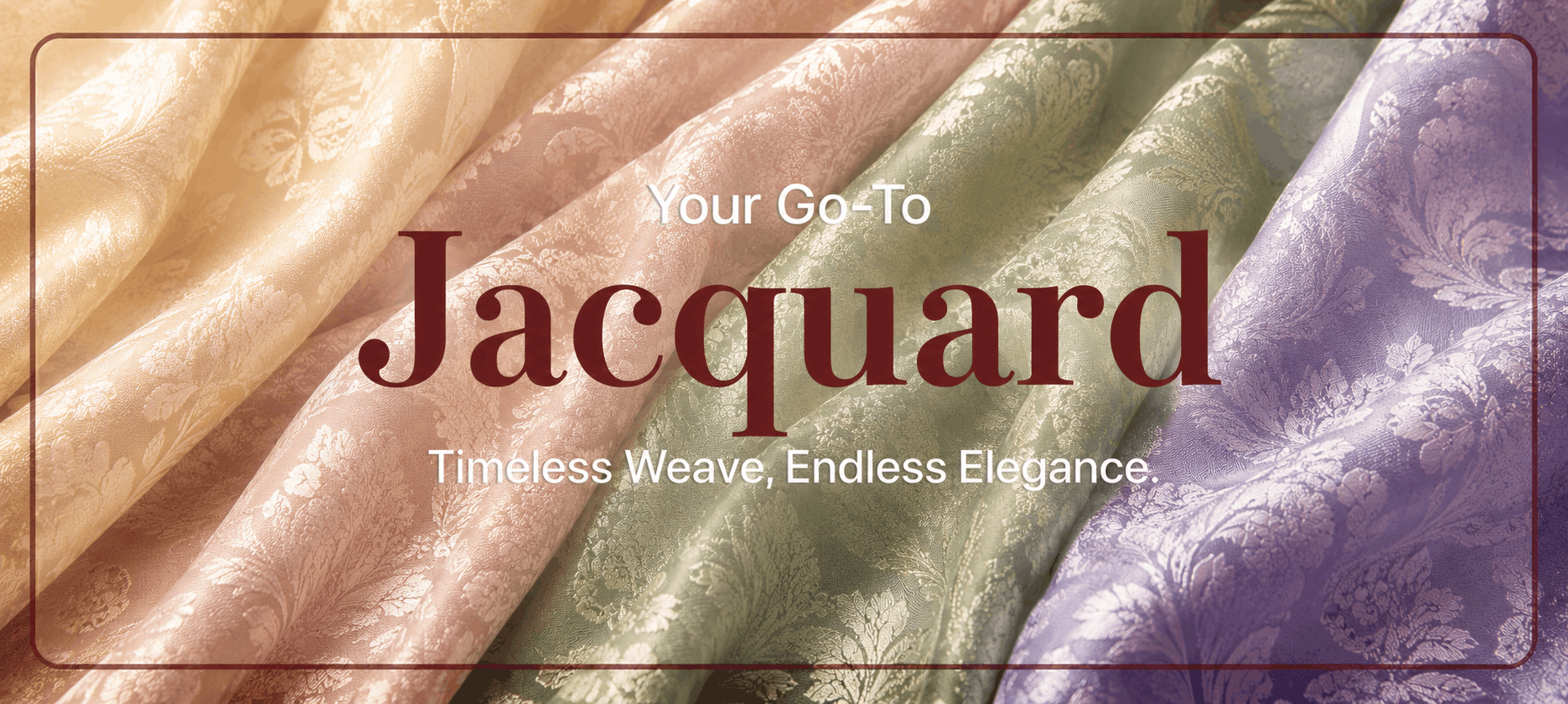
Dusty pastels lead the cocktail and engagement segments. Dusty rose, sage, oxidised bronze, champagne move fastest through catalogue engagement. The wedding saree segment holds steady on traditional red and gold, where generational shopping patterns stay resilient.
Two-tone production is the second trend, running across every variant. Motif-matched coordinated sets are the third, growing fast for festive function planning where the family wants outfits that read as one visual story across events.
Care and Working Tips
- Cut single layer with sharp shears. The uneven motif thickness shifts under double-layer cutting
- Match the motif at pallu and blouse body seams before cutting, or the pattern breaks visibly
- Use silk thread, not polyester. Poly breaks under the stress of the motif weave
- Iron reverse side, low heat, press cloth. Store folded in muslin, never polythene which traps moisture
Frequently Asked Questions
What makes a fabric jacquard?
The weave technique defines it. Any base fabric such as silk, cotton, tissue, georgette, crepe, or organza can go through a jacquard loom. The loom uses individual warp thread control to weave the motif directly into the structure. The result is jacquard regardless of the substrate underneath.
Which variant works best for wedding wear?
Silk jacquard leads the wedding saree and engagement segment across the Rs 22,000 to 55,000 retail band. For cocktail and reception second outfits, organza jacquard gives a lighter alternative at more accessible pricing.
How much jacquard fabric does a saree need?
A standard saree needs 5.5 to 6 metres including the pallu, plus 0.8 metre for a matching blouse. Motif-matched pallu work adds 0.3 metre. A gharara flare needs 4 to 5 metres. A lehenga base needs 6 to 7 metres for the ghera, 1.5 for the blouse, 2.5 for the dupatta.
Is jacquard available in bulk?
Yes across all variants. Silk opens the wholesale tier at 20 metres per SKU, georgette at 30 metres, tissue at 50 metres. Volume production pricing unlocks between 100 and 400 metres depending on substrate and season demand.
Order Jacquard Fabric at Paras Gallery Fabrics
Our jacquard range covers silk, tissue, georgette, crepe, organza substrates across the full GSM and motif spread, cut by the metre or supplied by thaan for production runs. Sample-rate pricing opens at 10 to 25 metres per shade, volume pricing between 100 and 400 metres for peak season. Boutiques can check bulk rates on our wholesale page.
