













Bead Embroidery: The Wholesale Buyer's Handbook
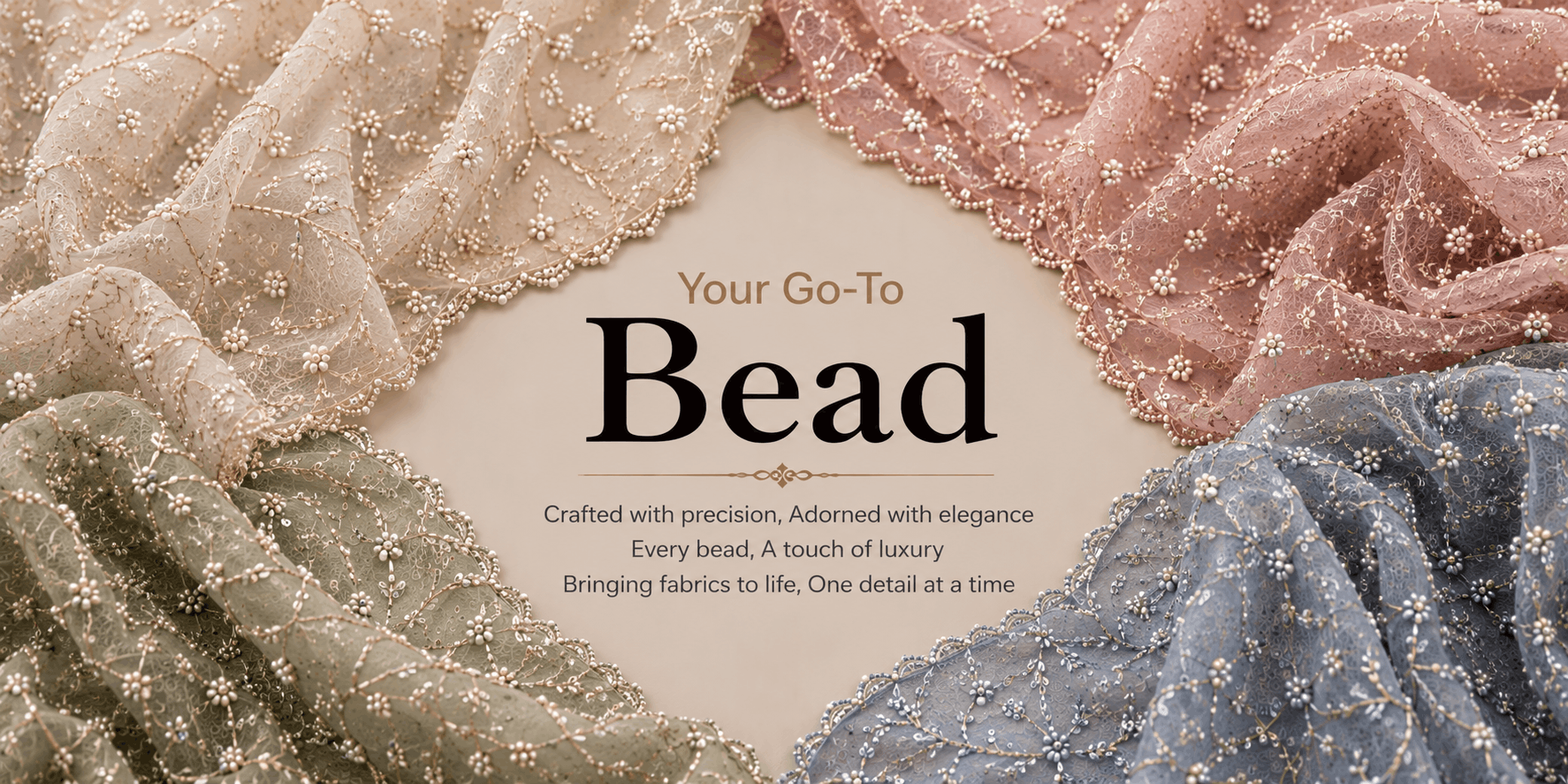
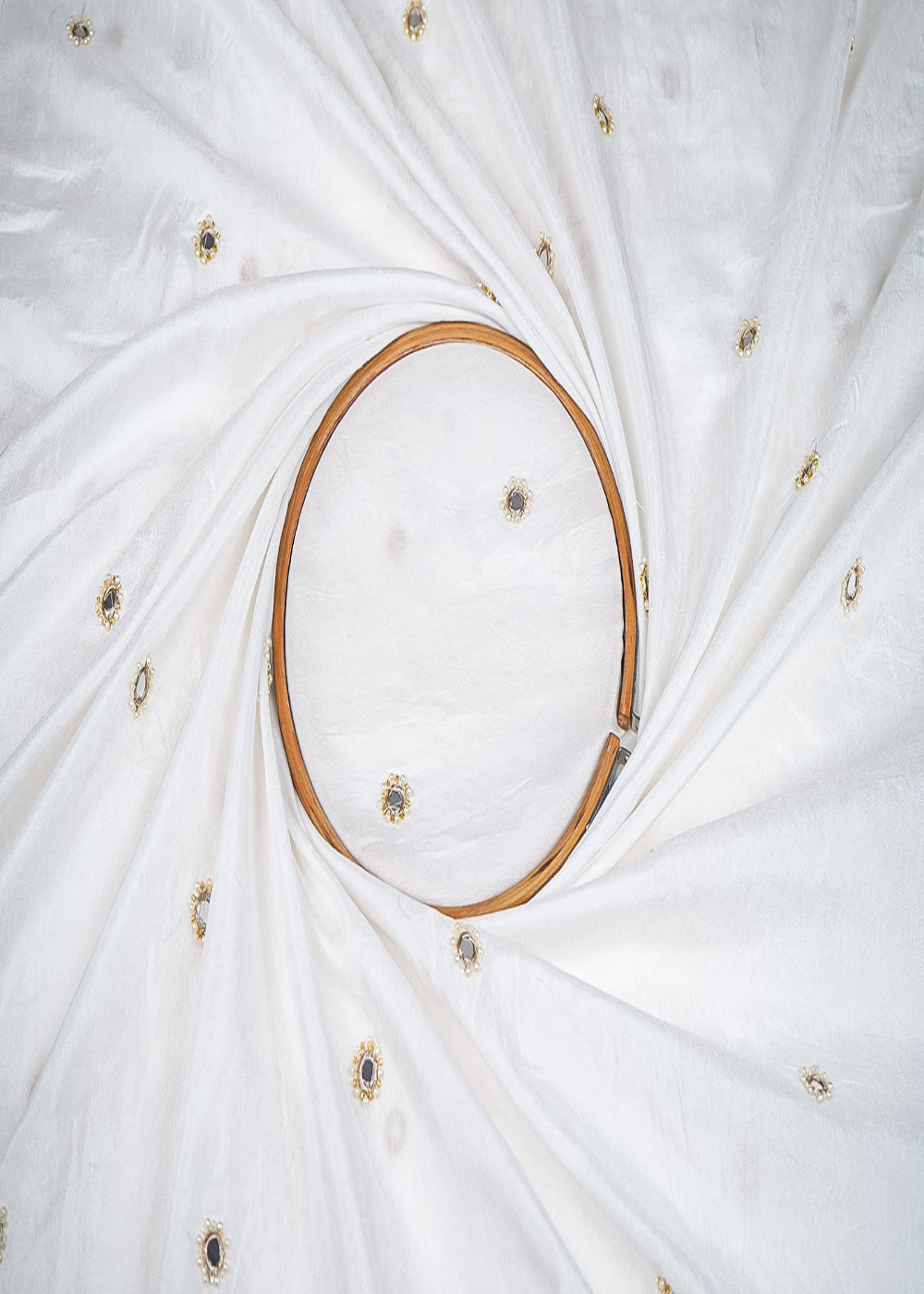
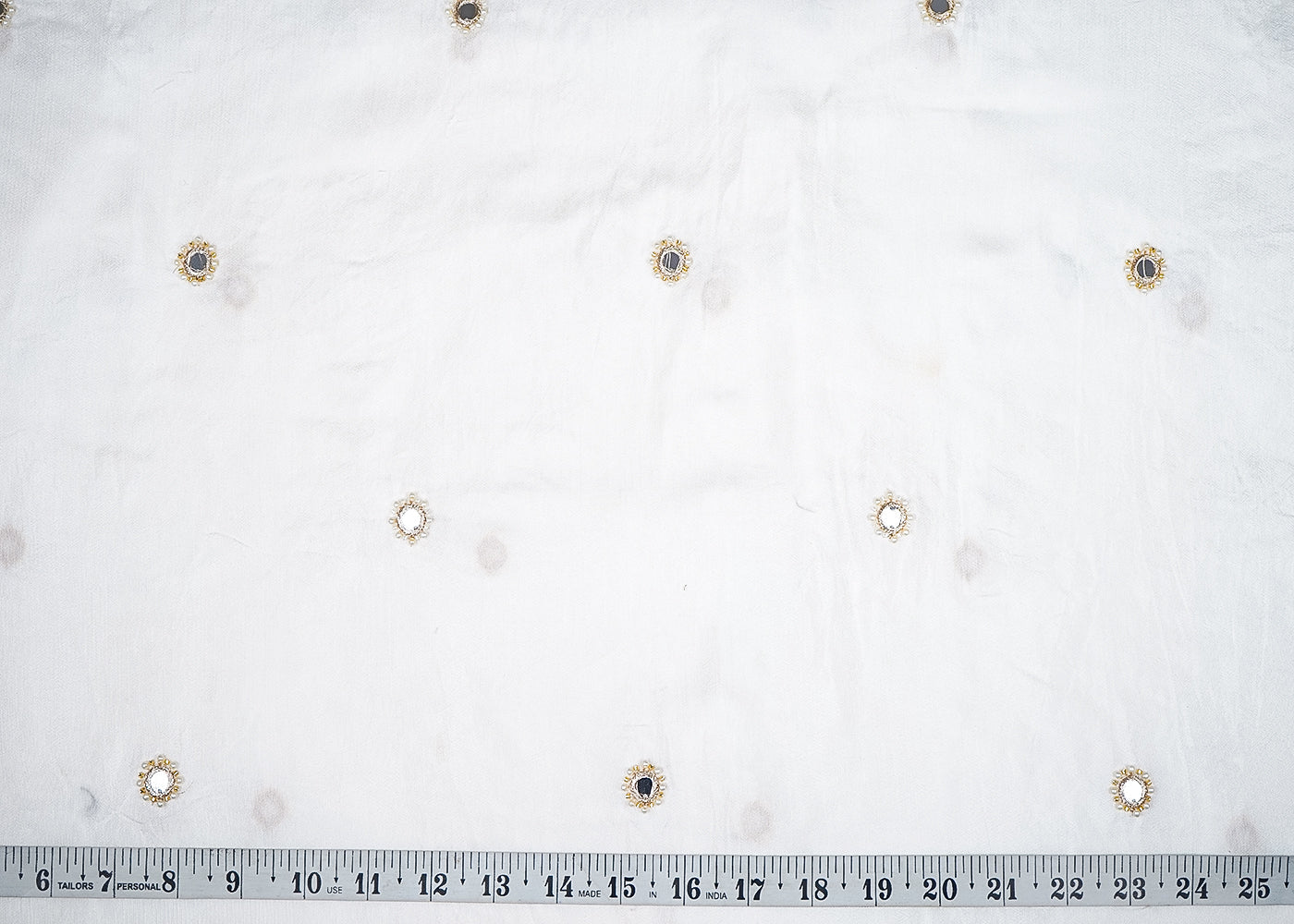
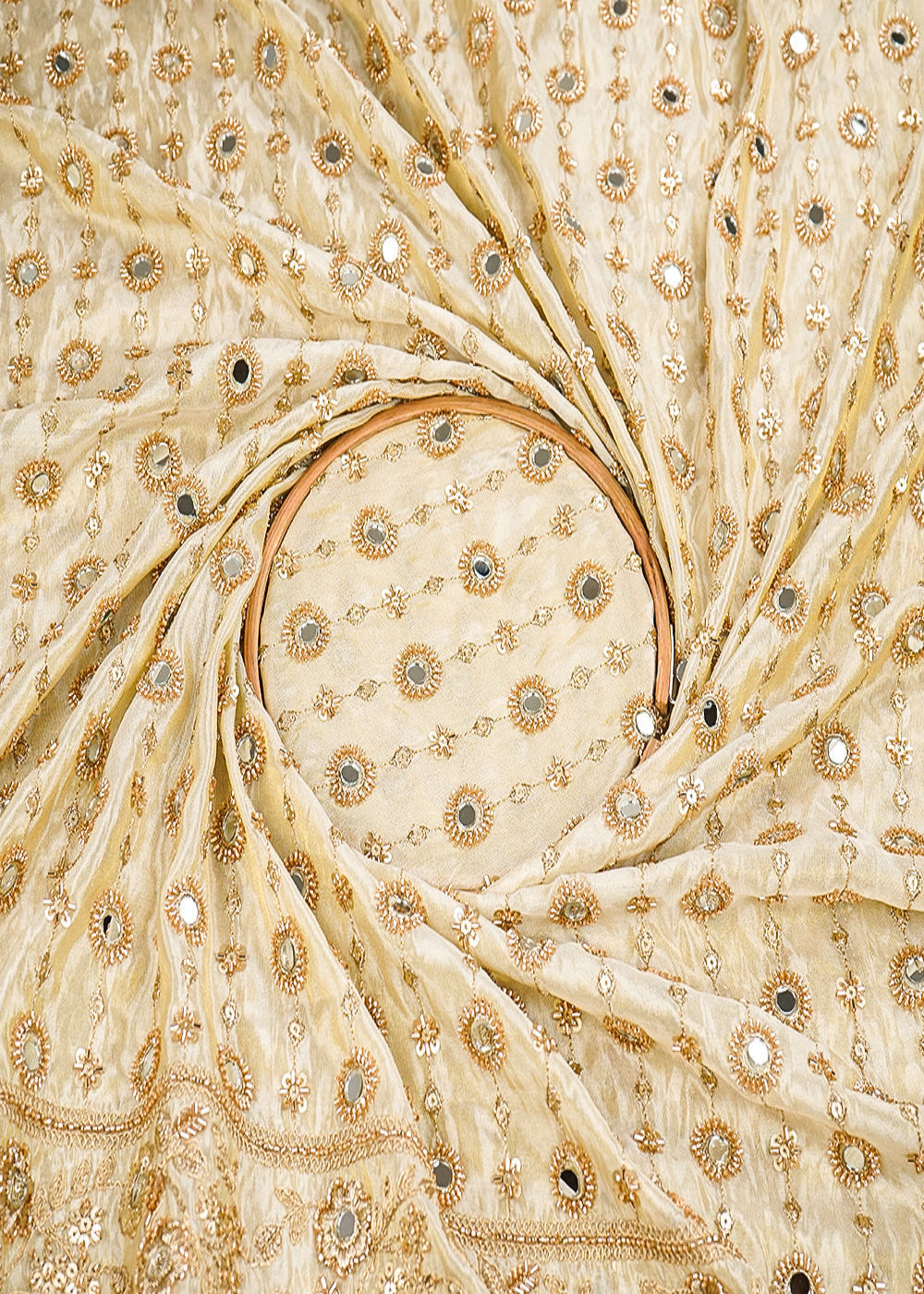
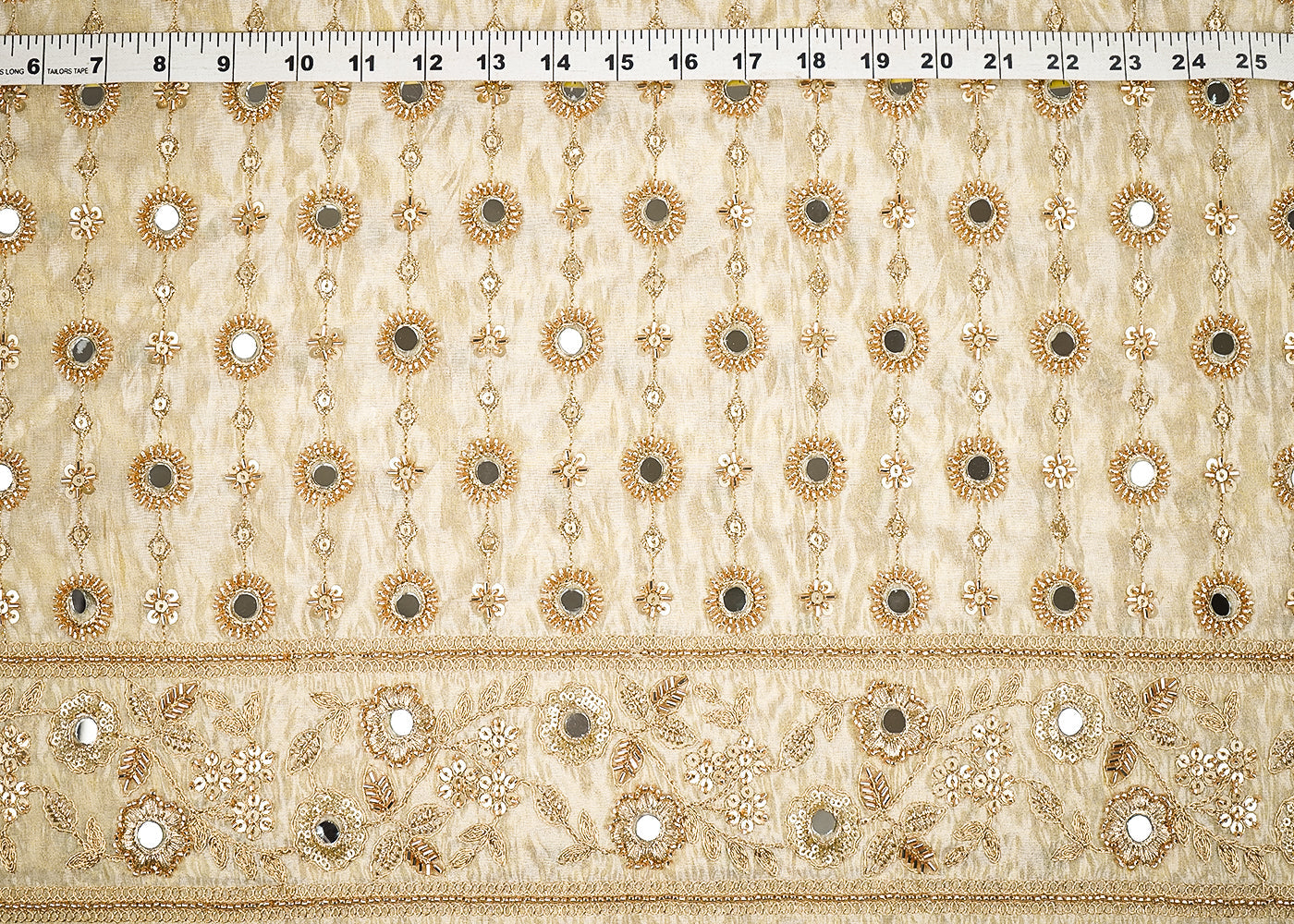
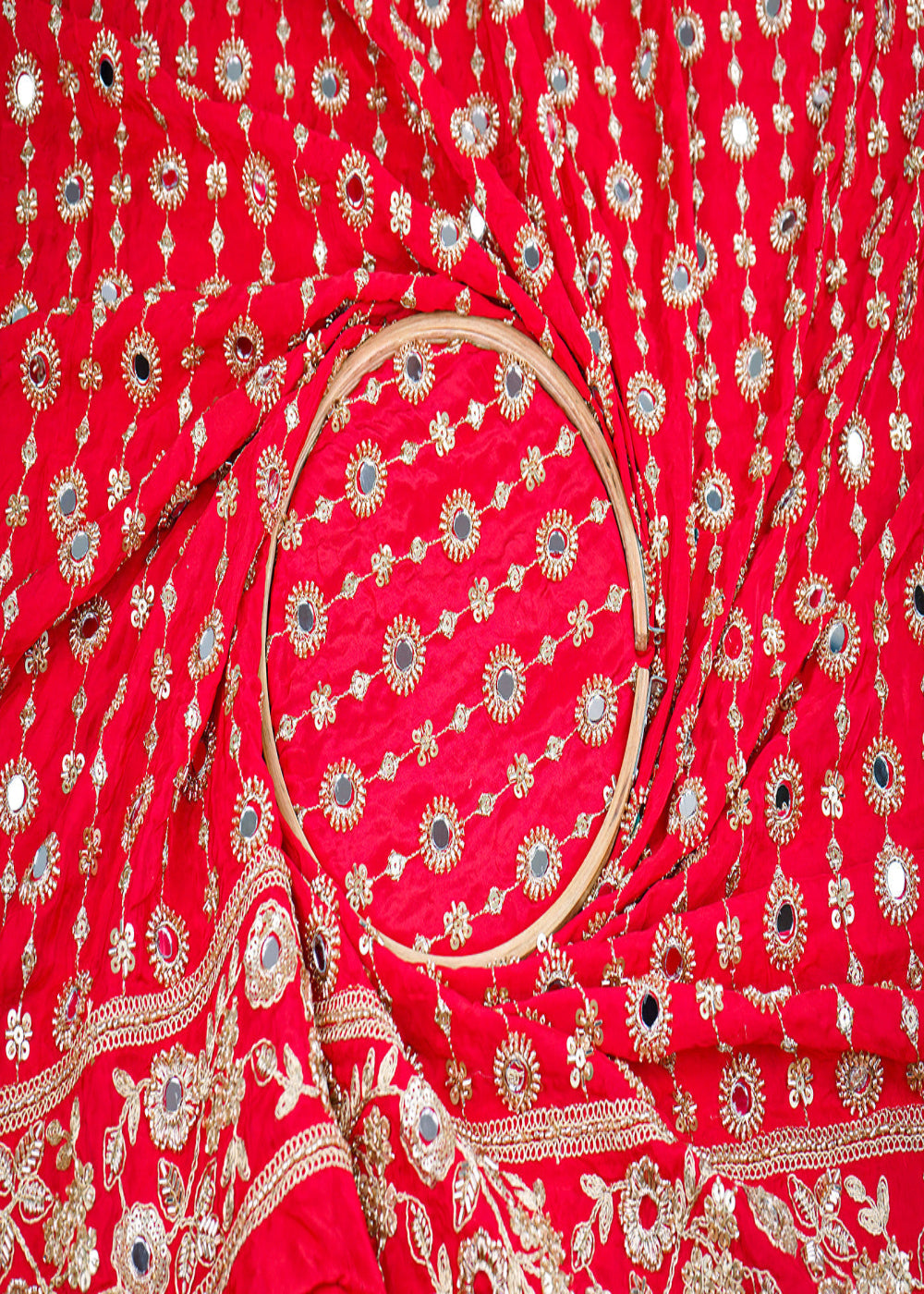
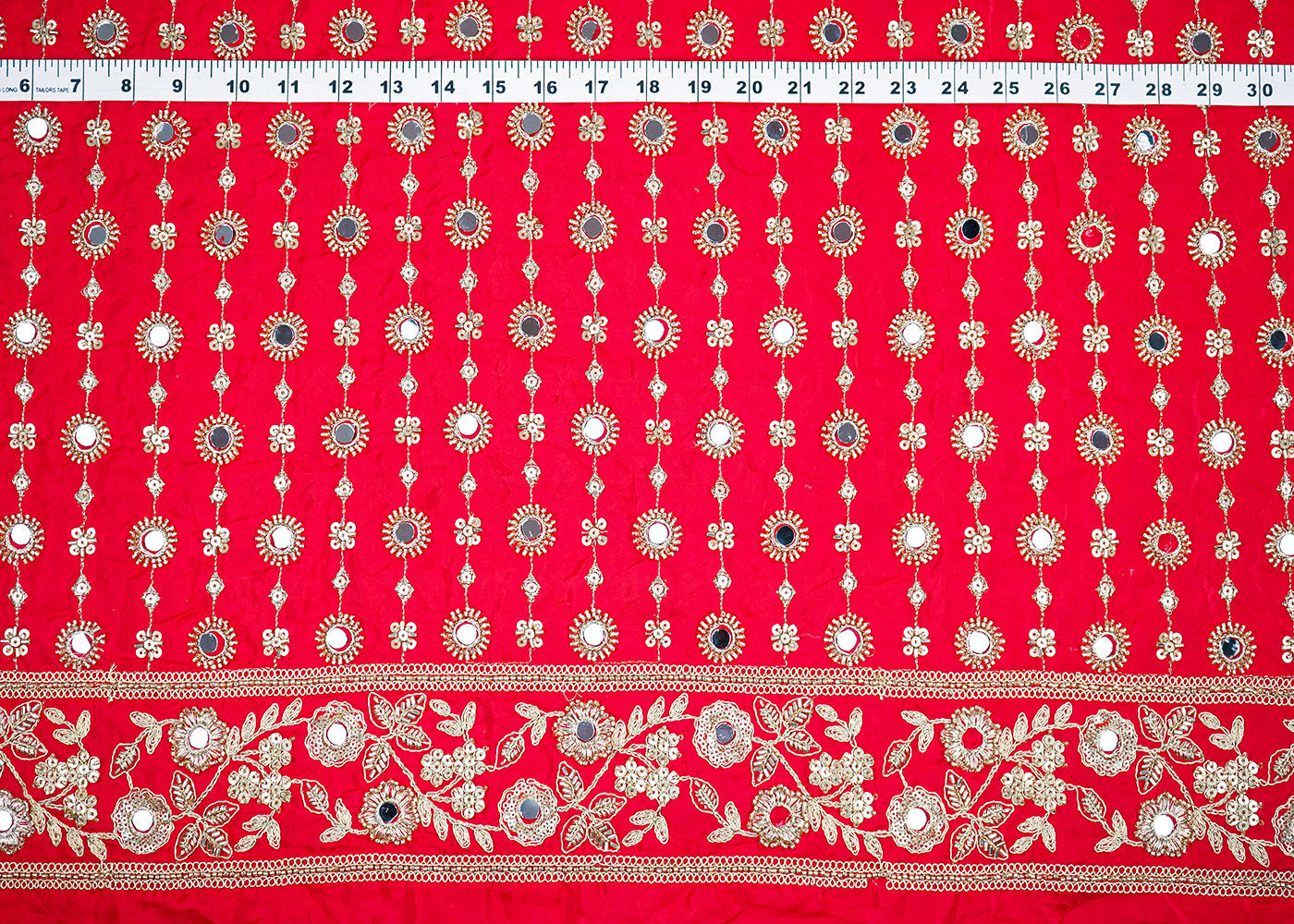
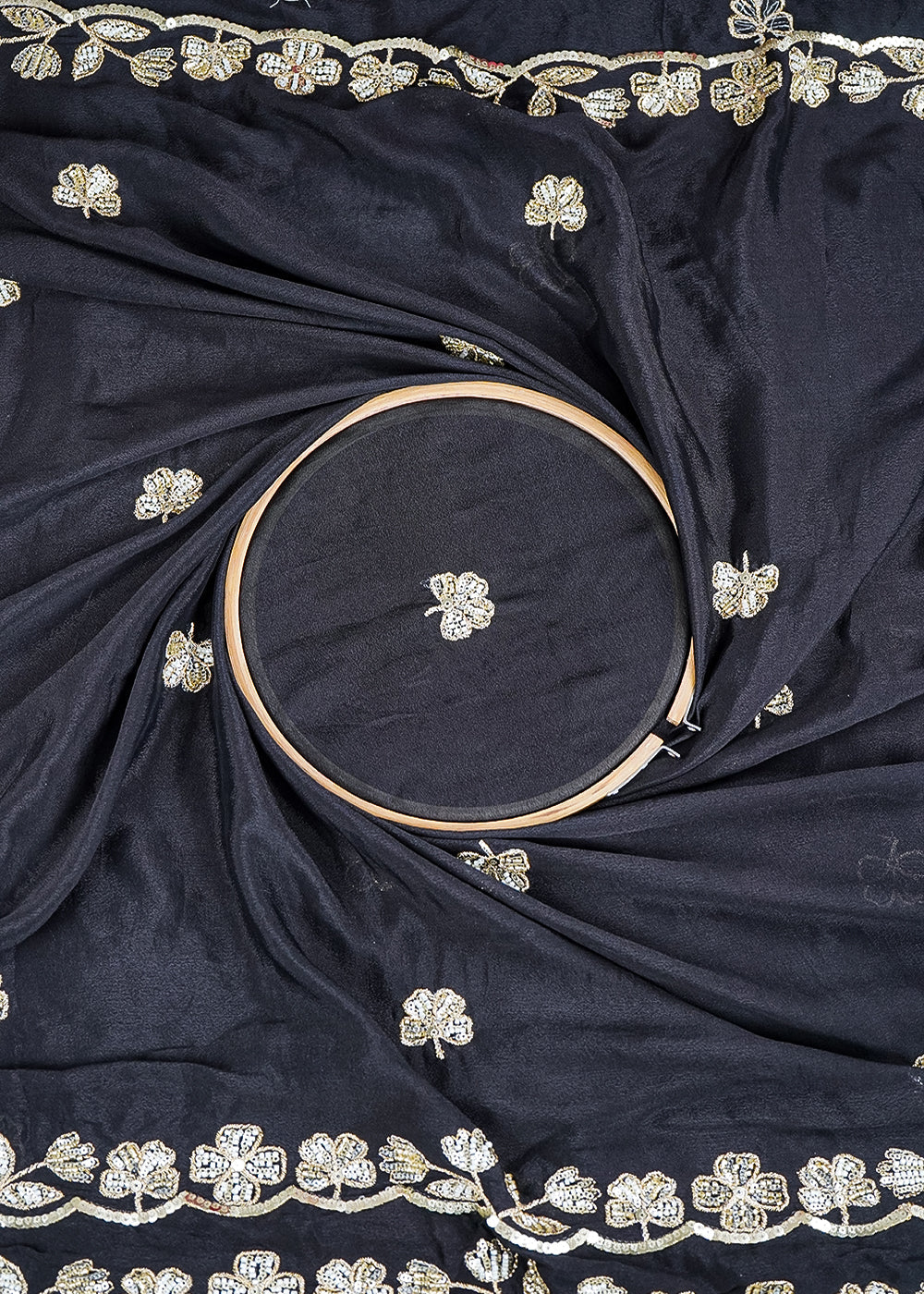
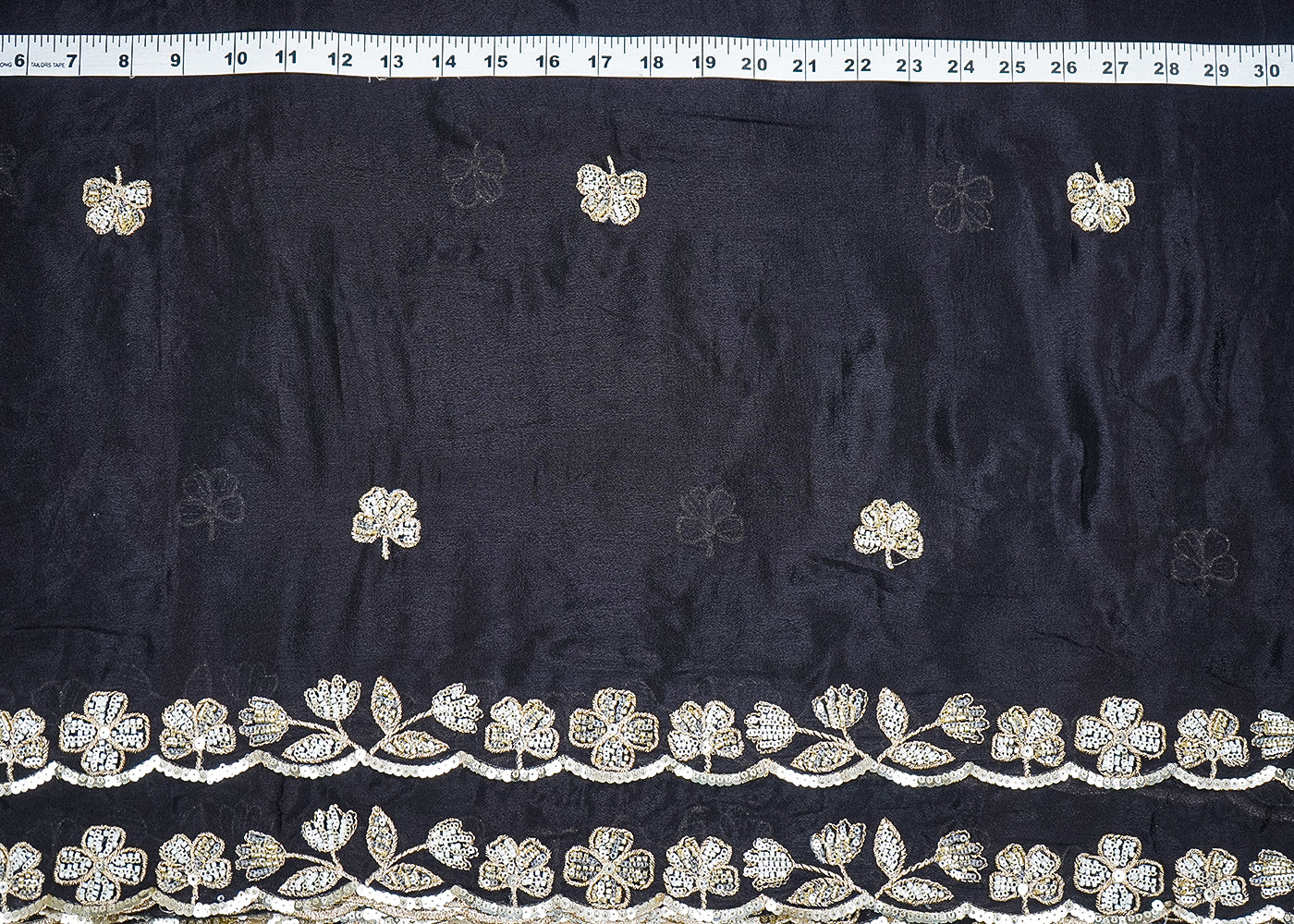
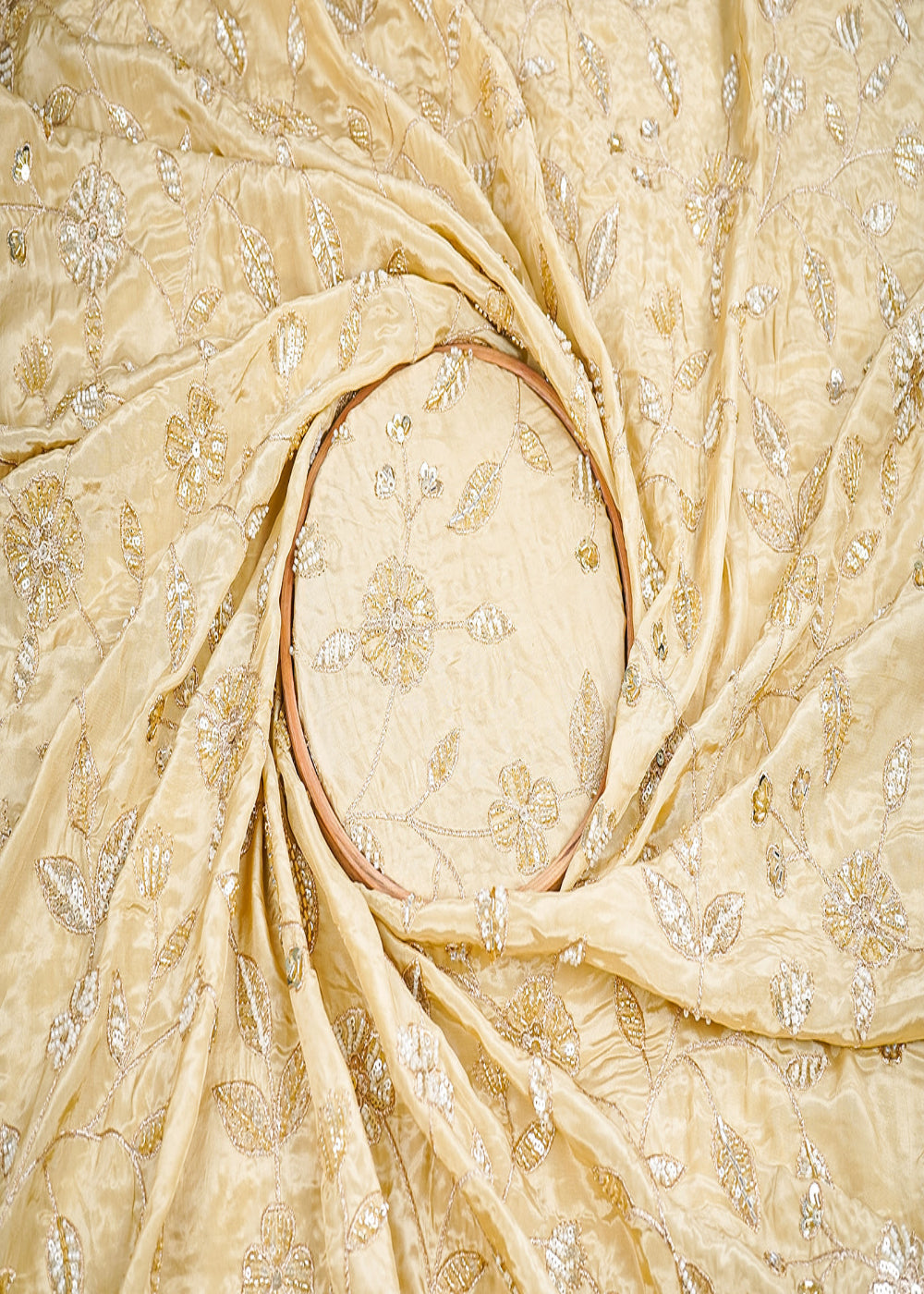
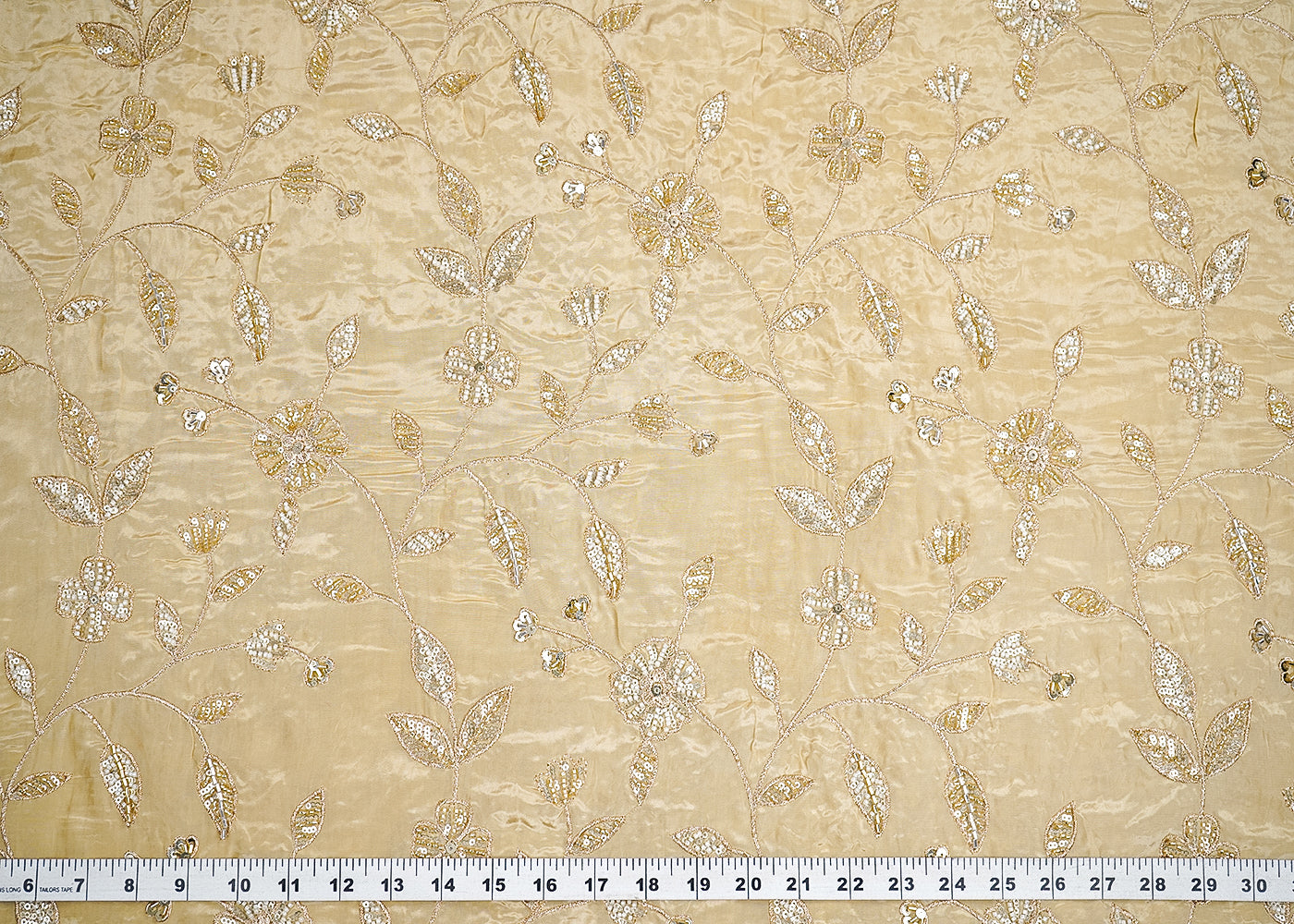
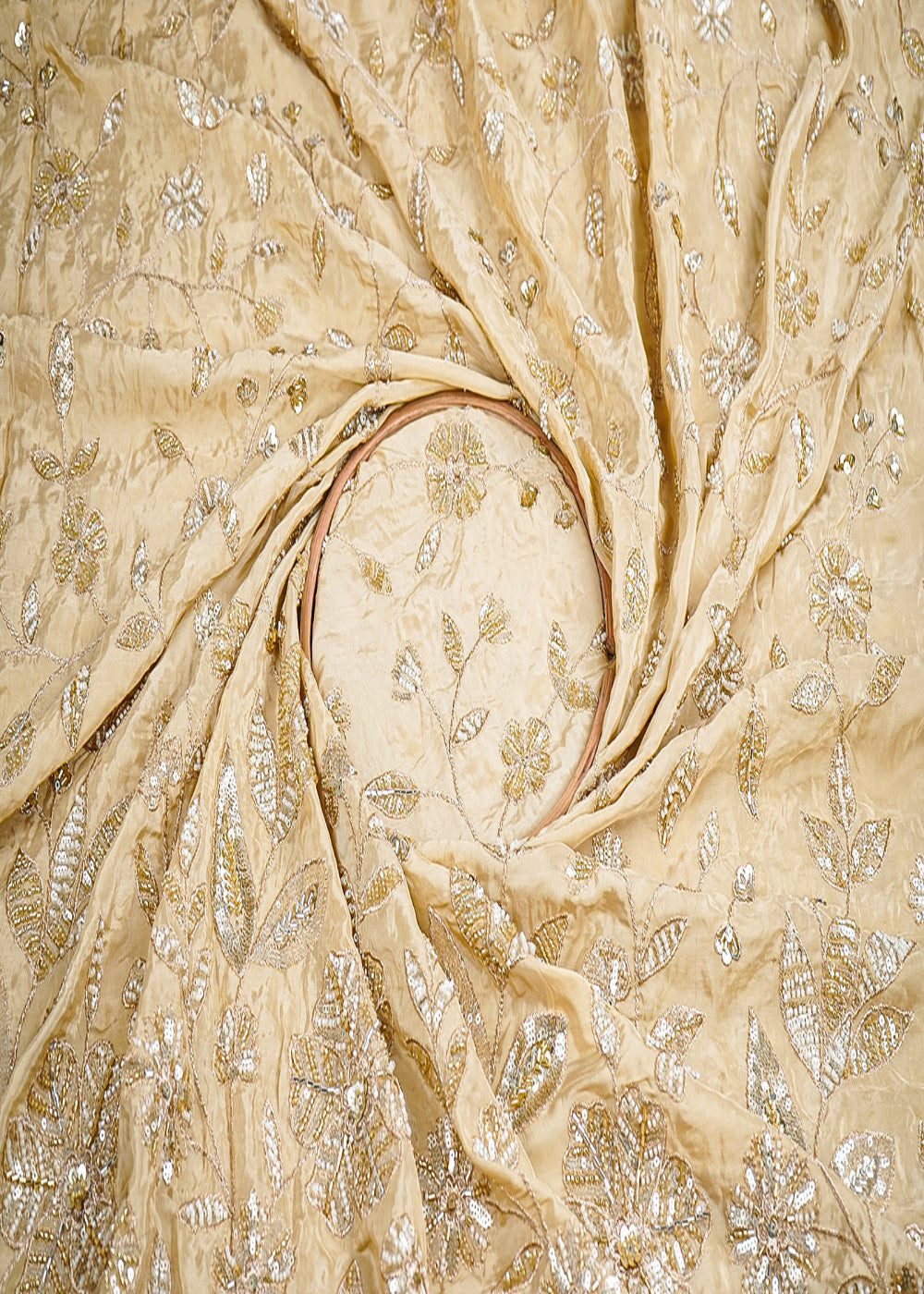
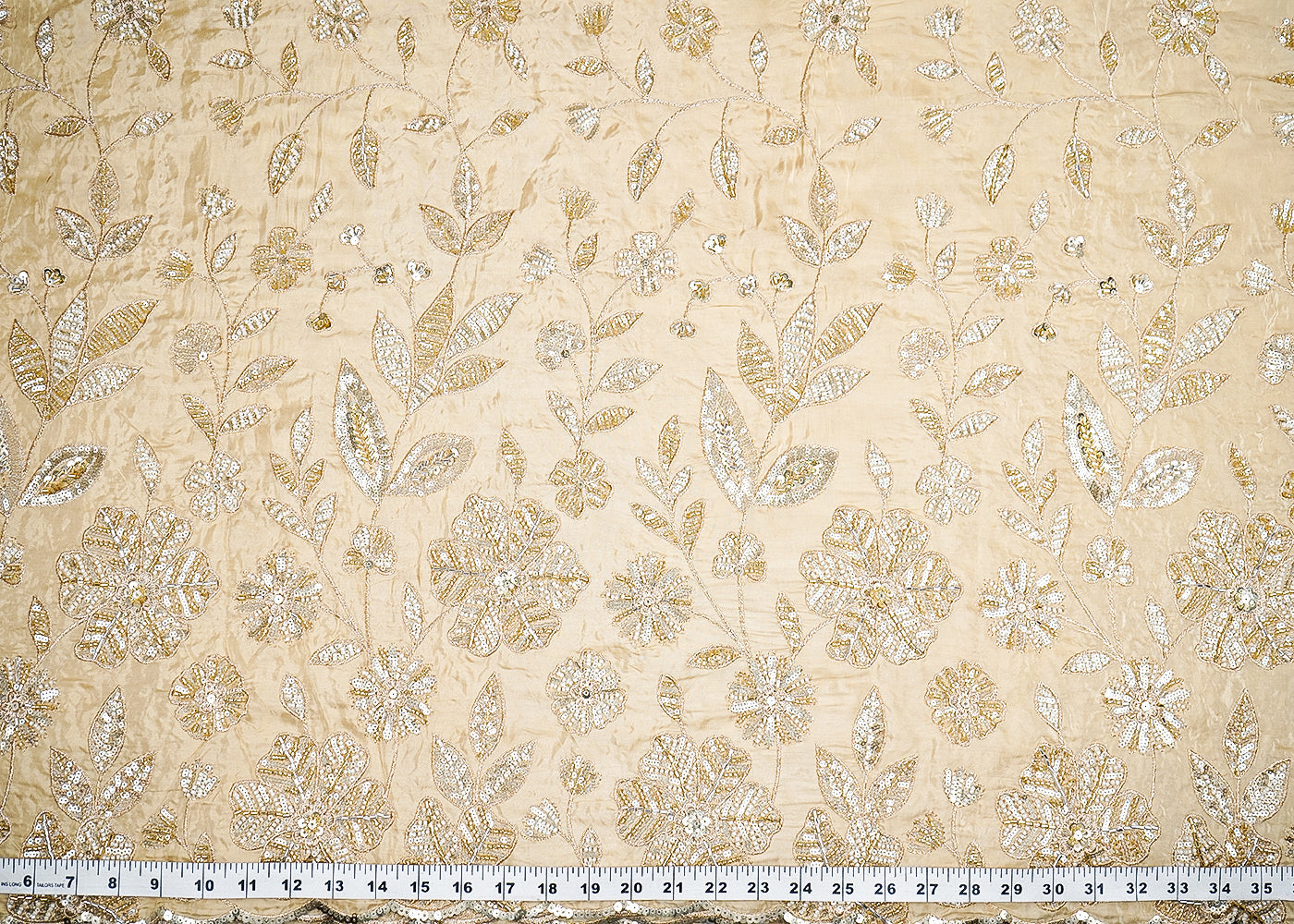
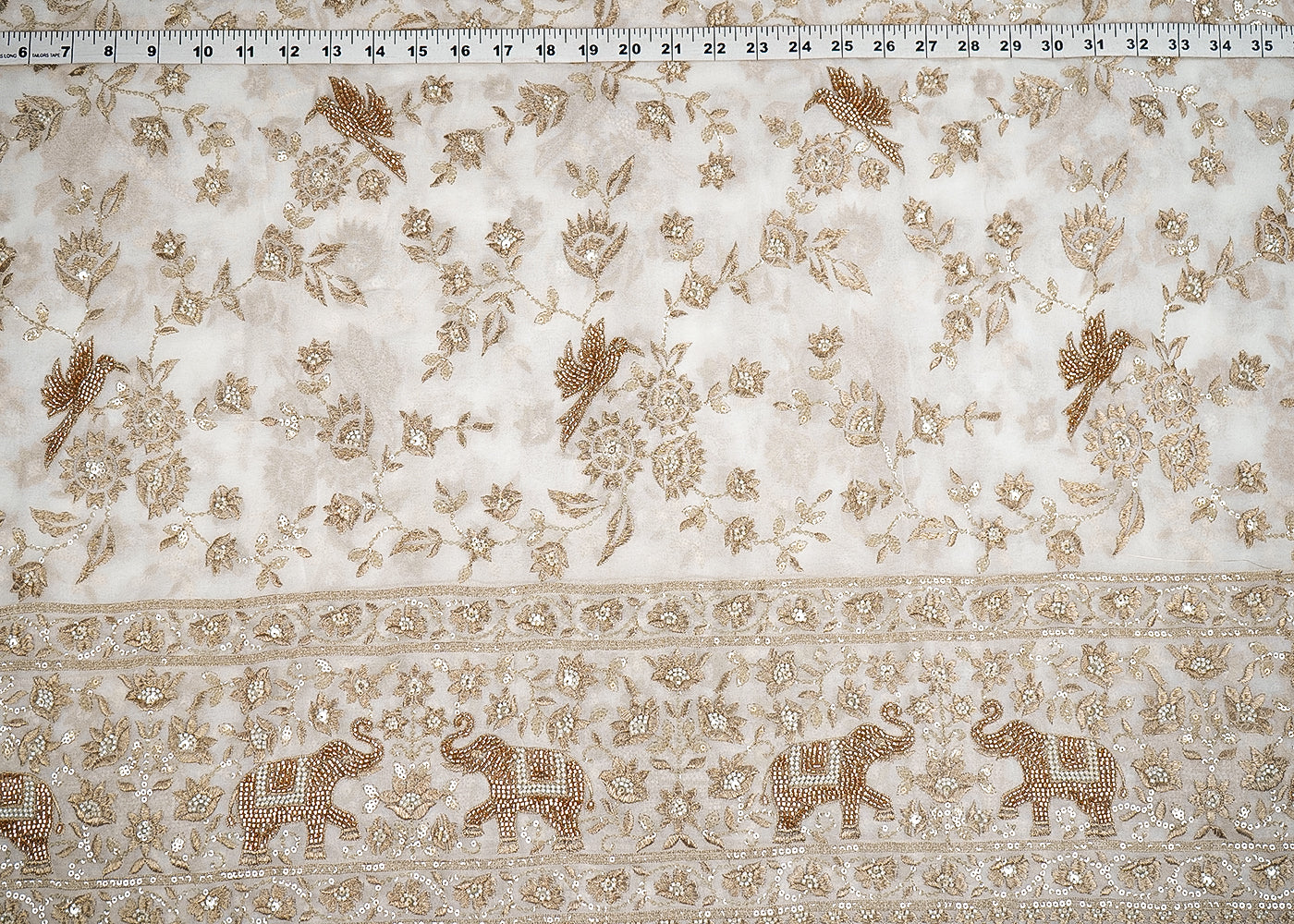
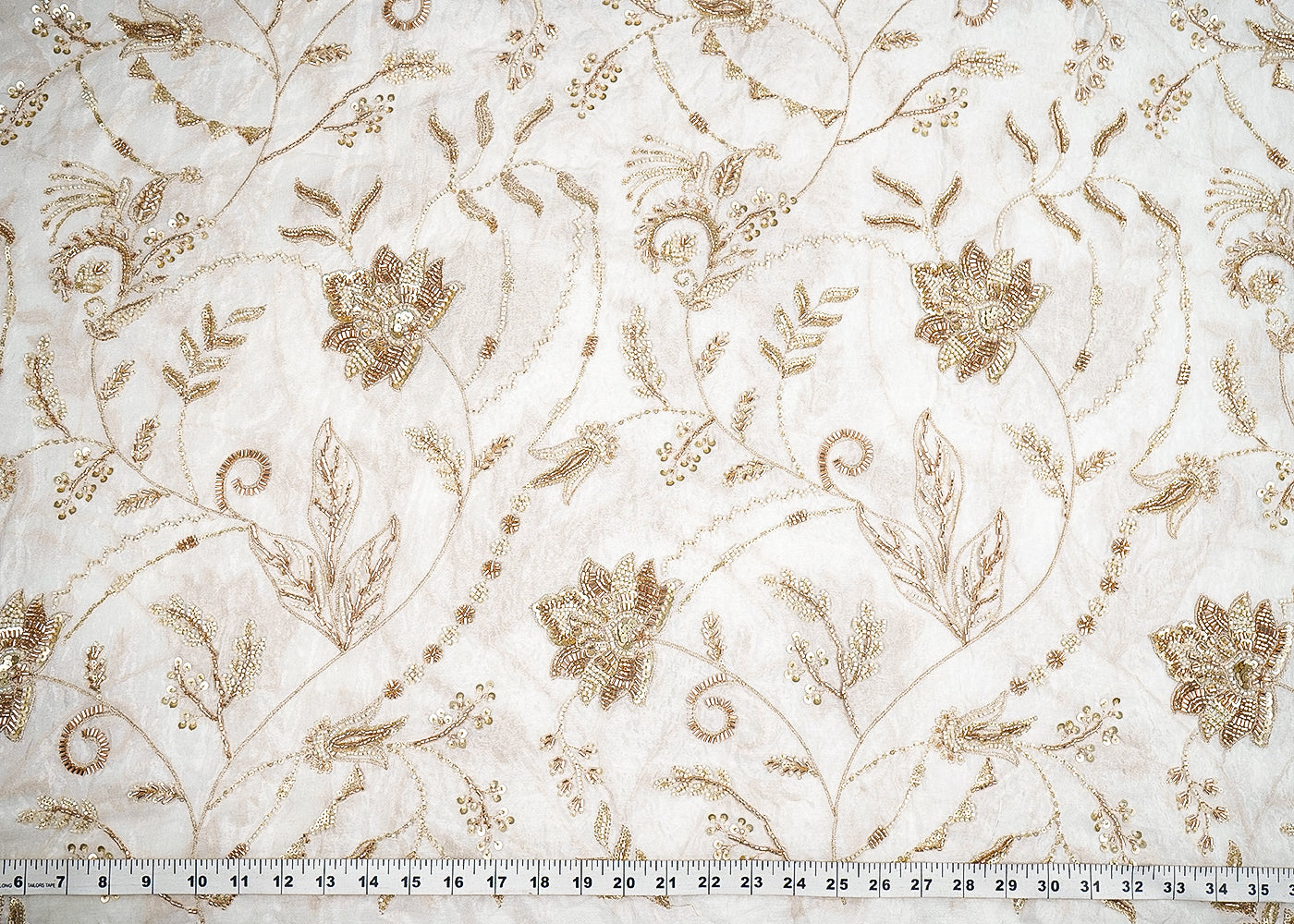
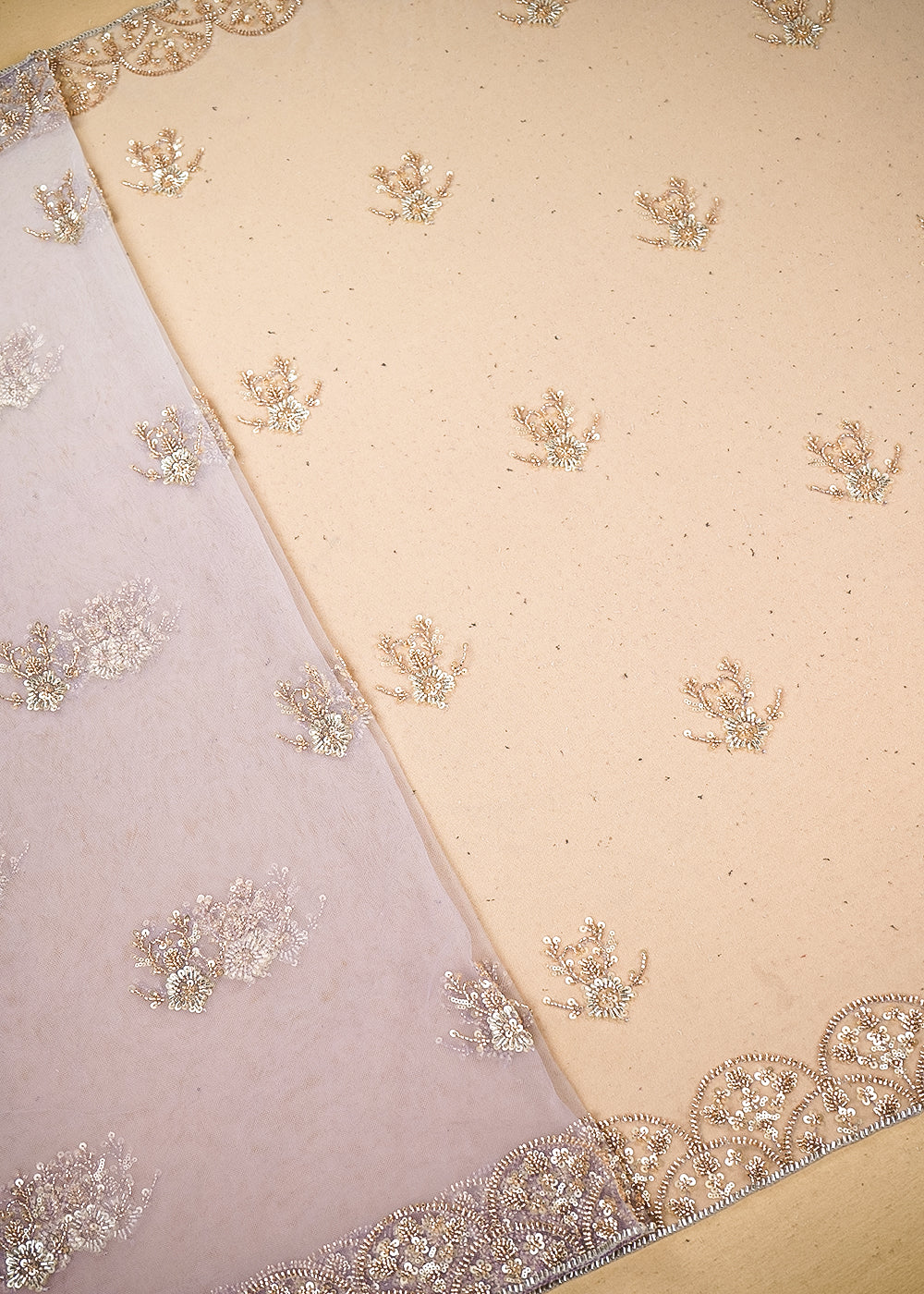
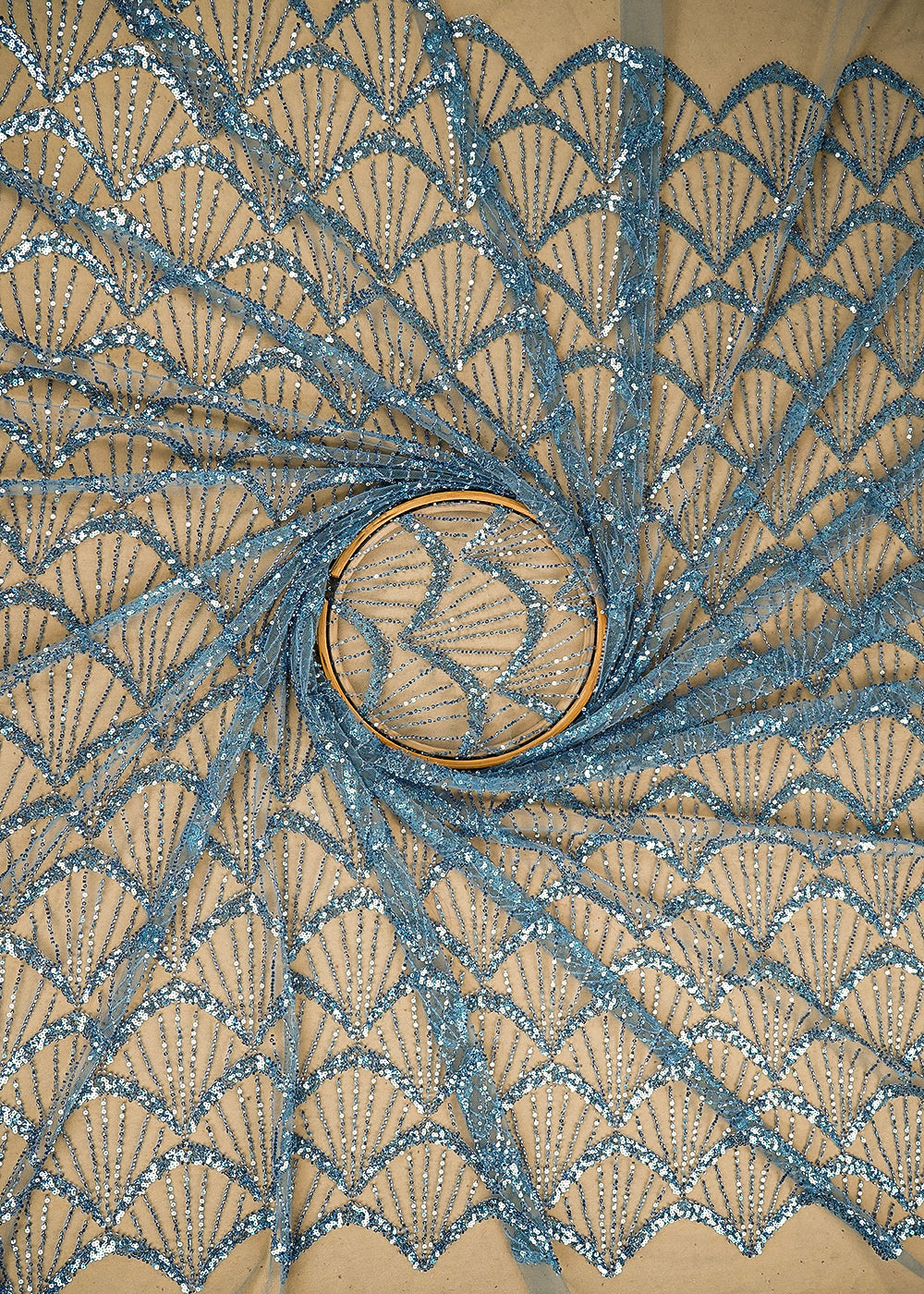
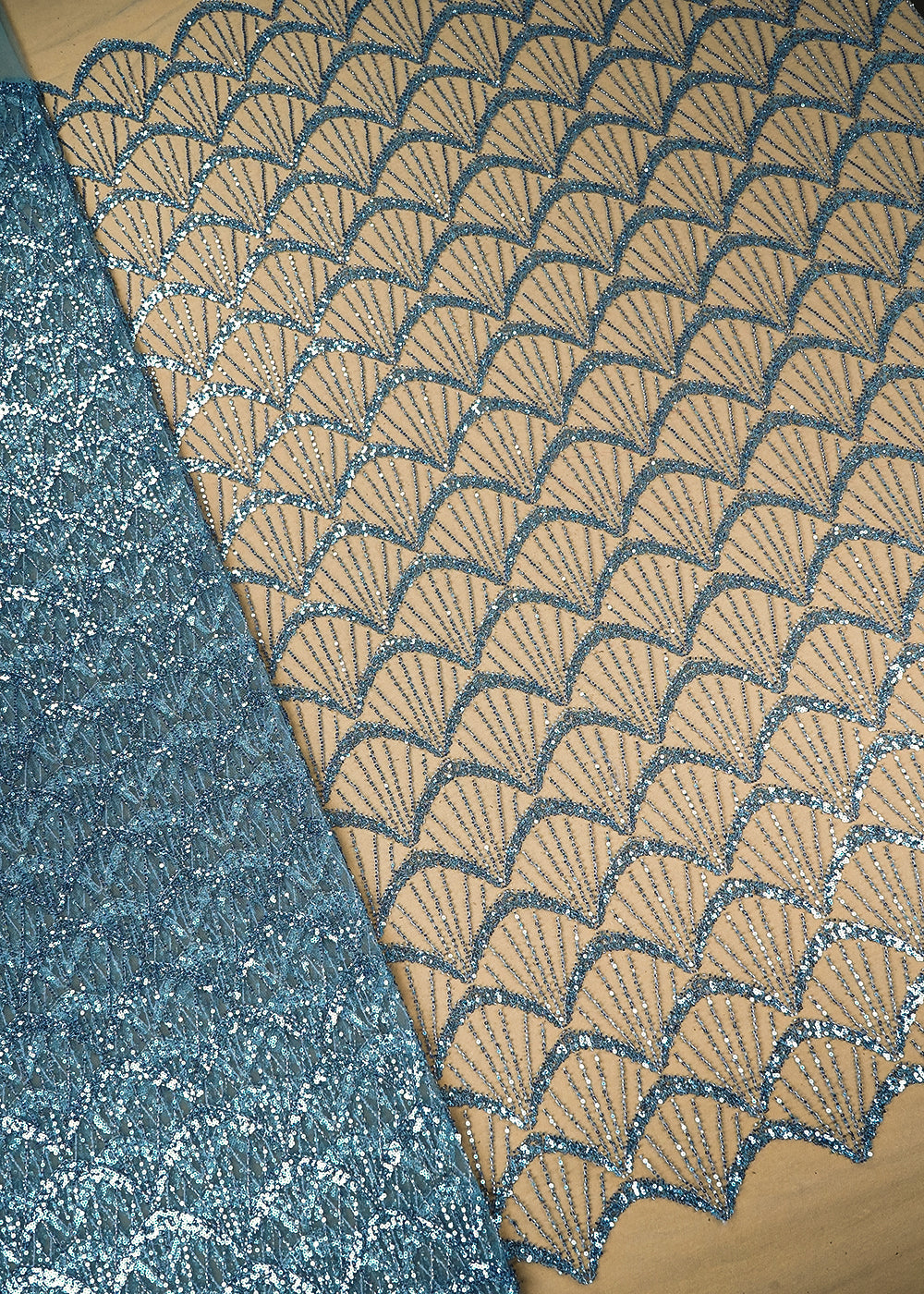
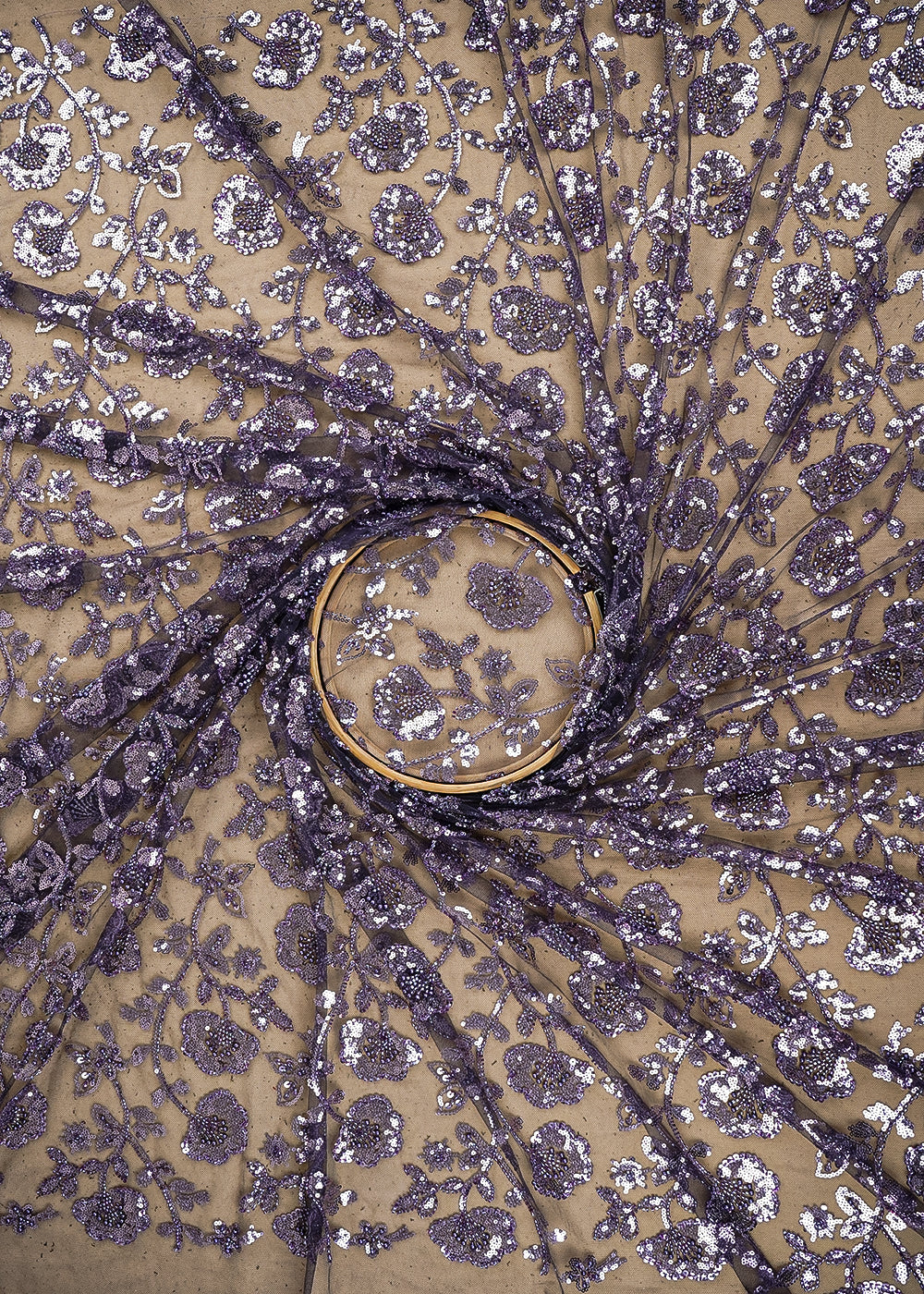
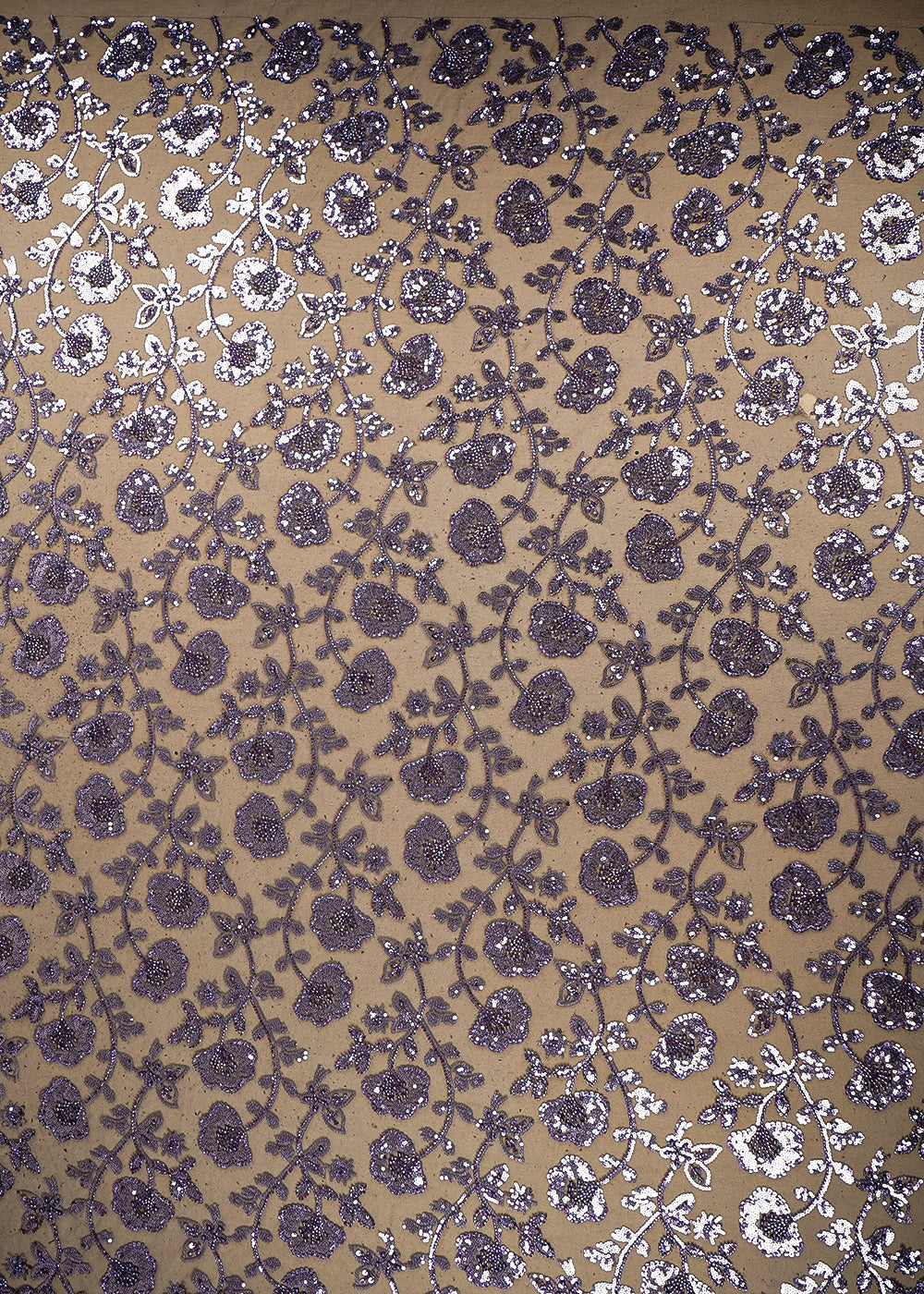
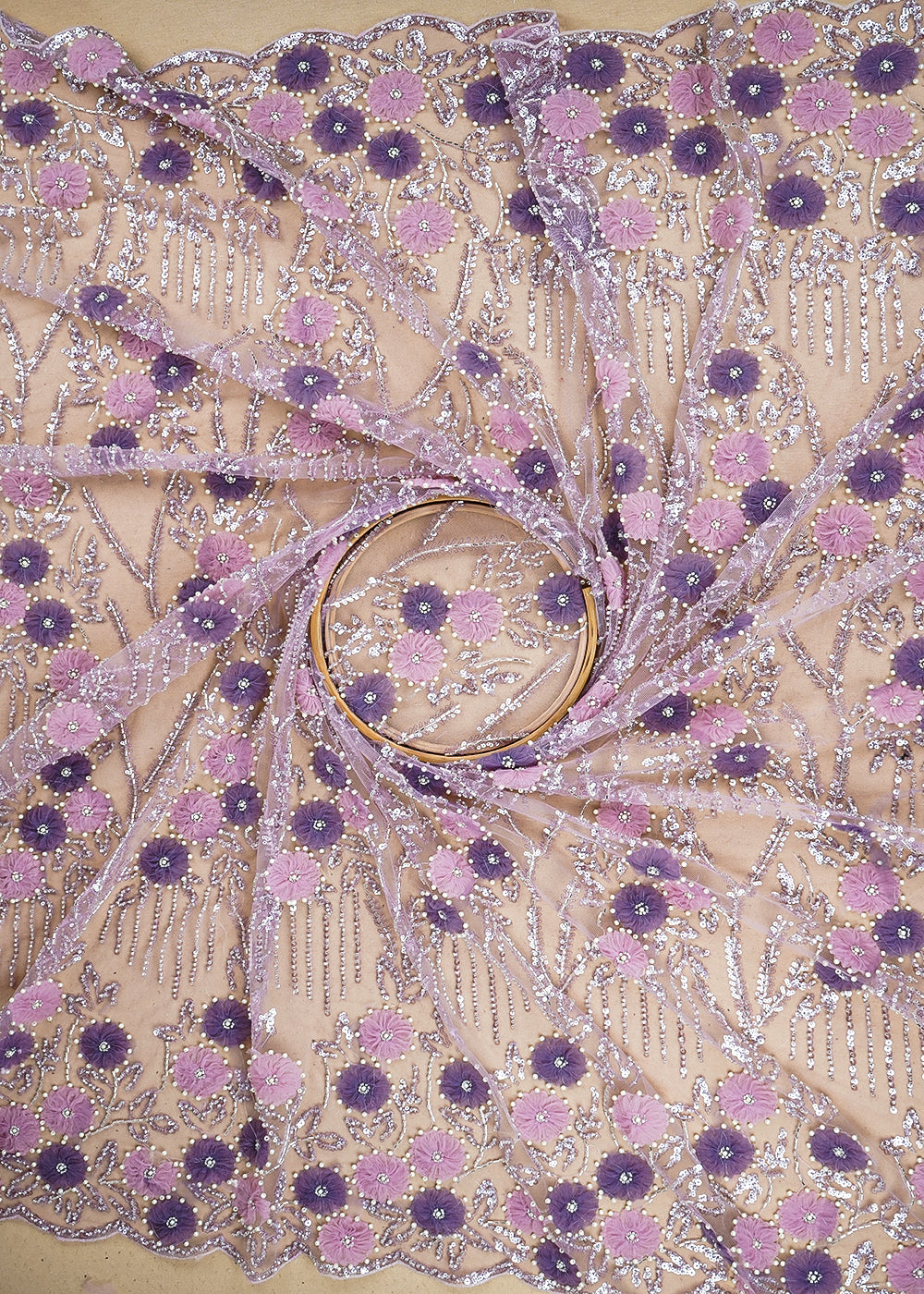
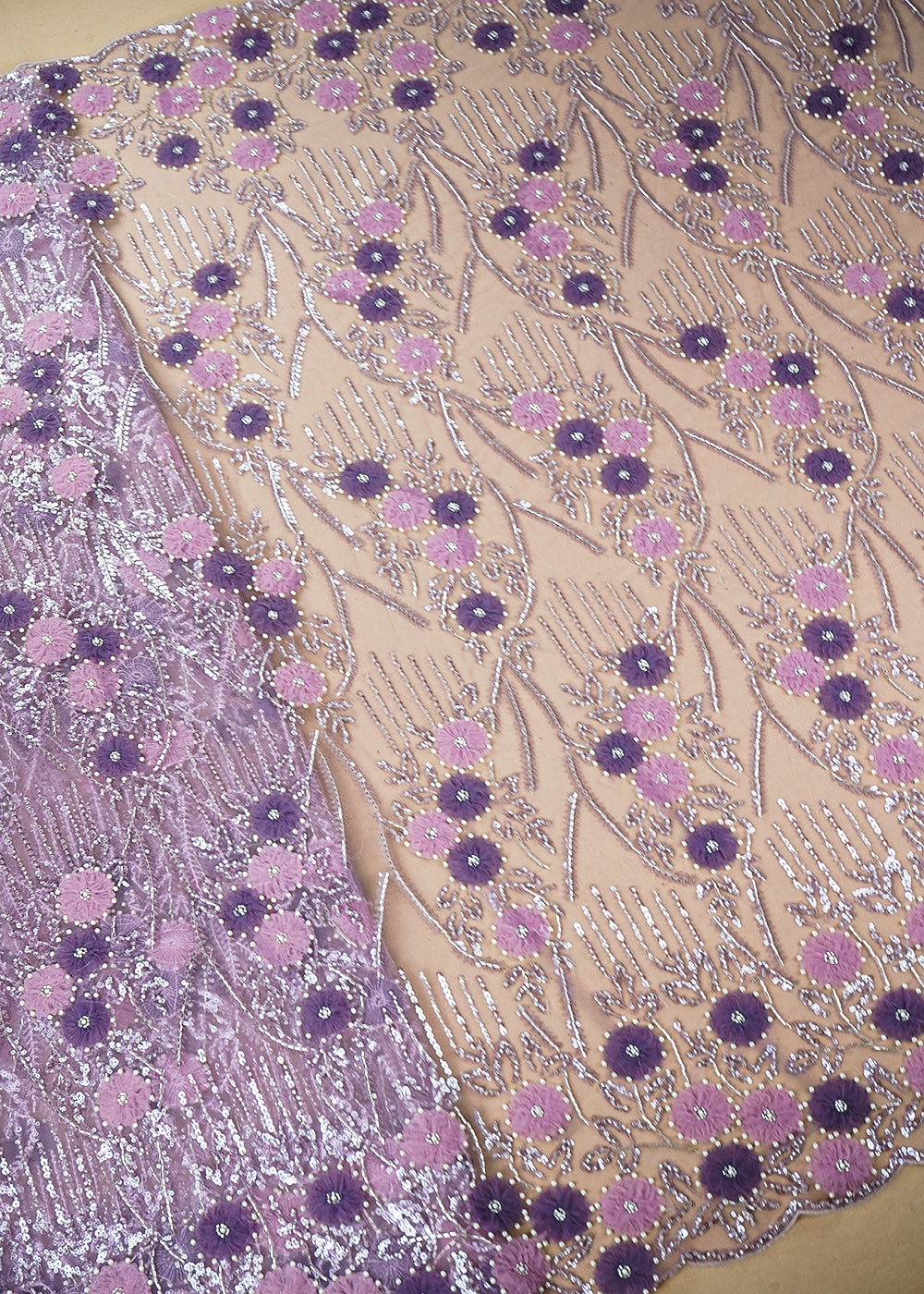
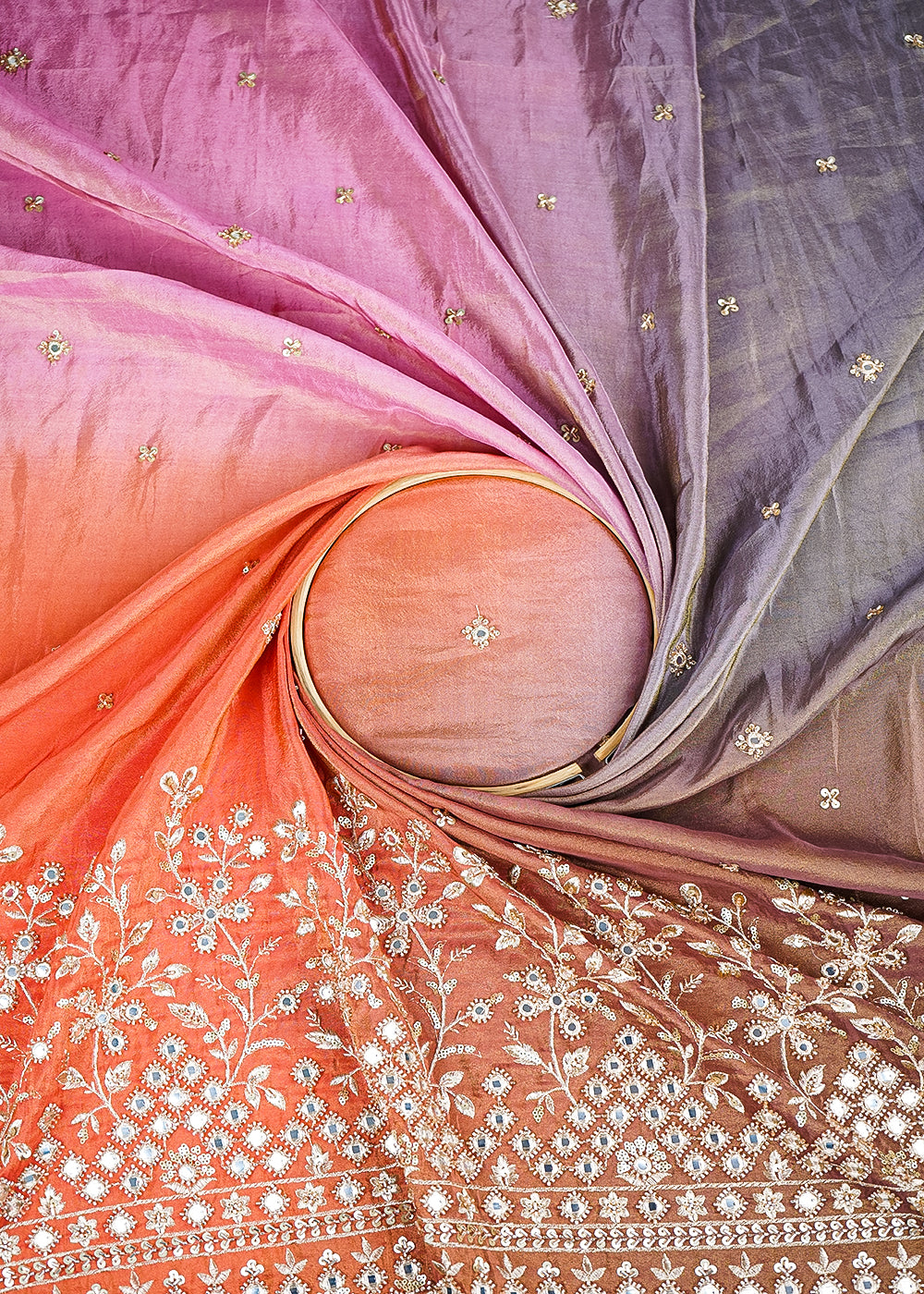
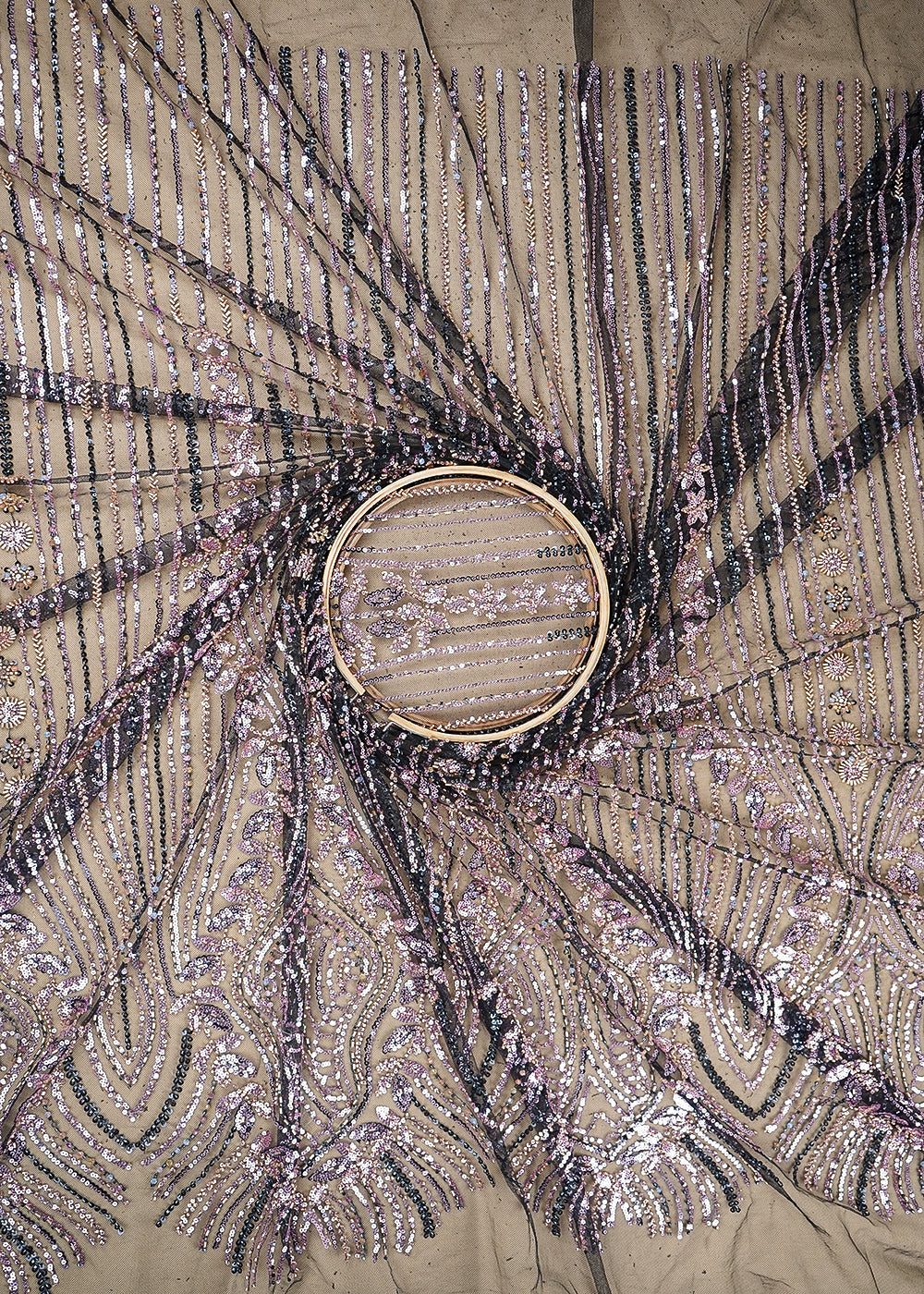
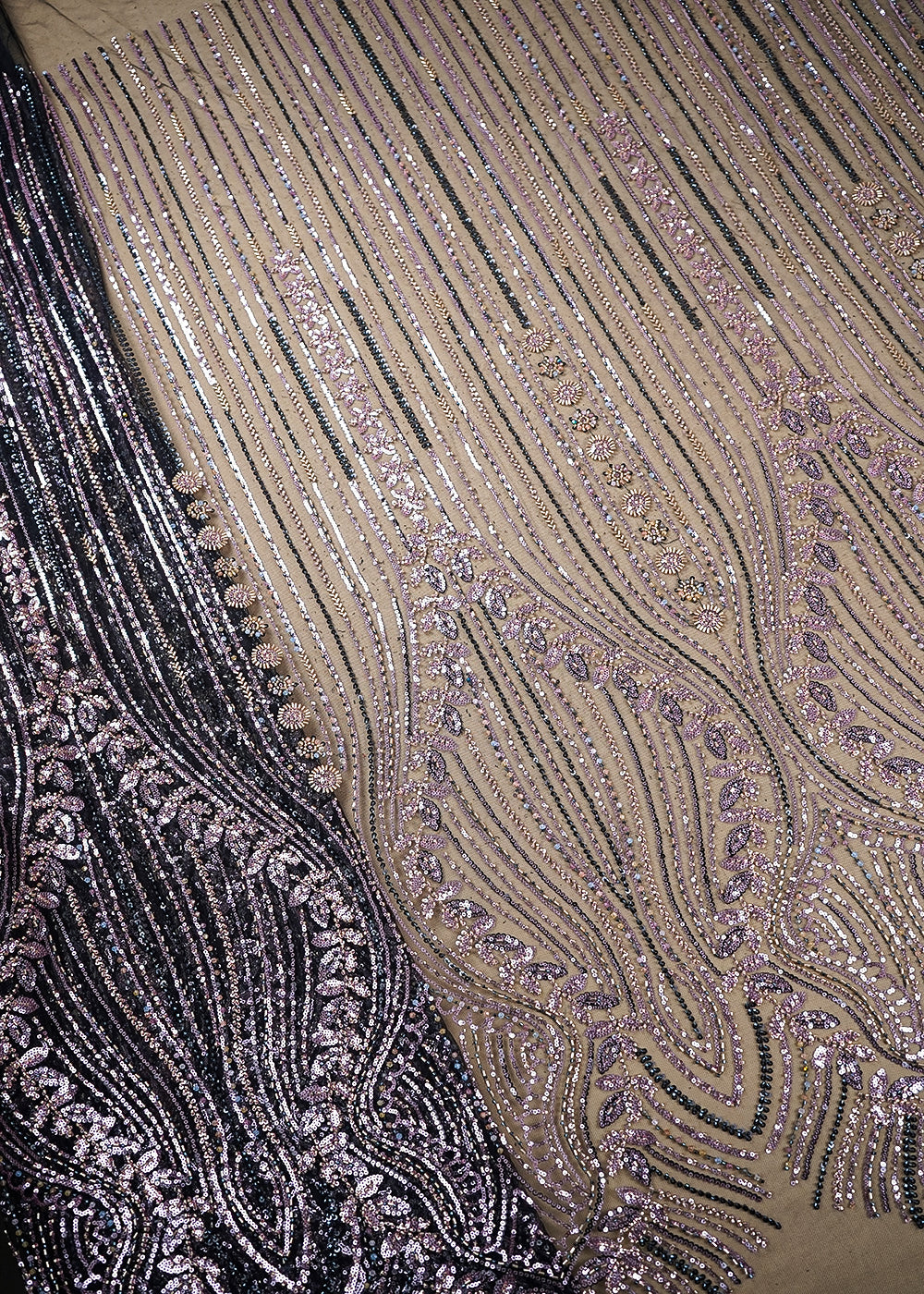
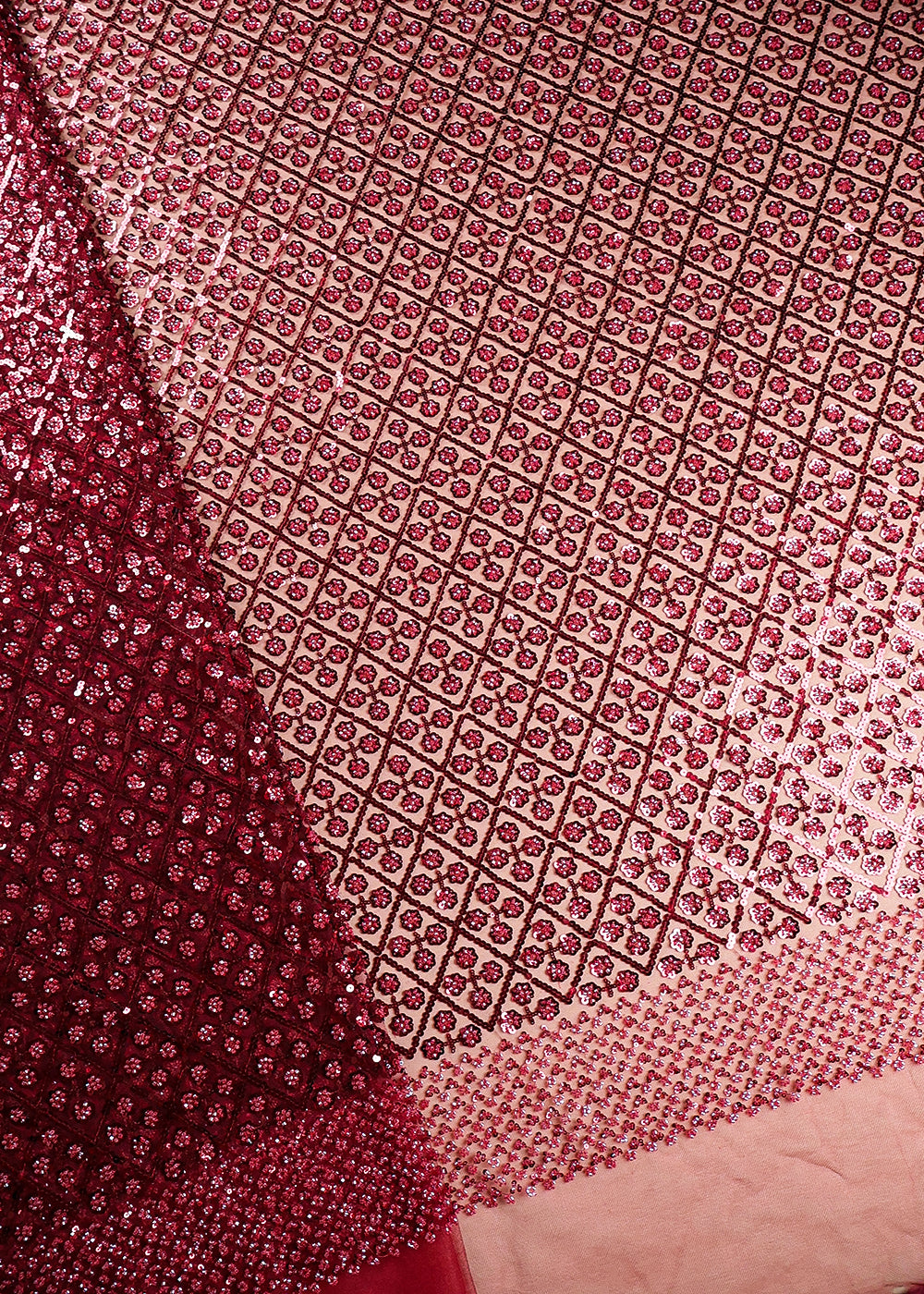
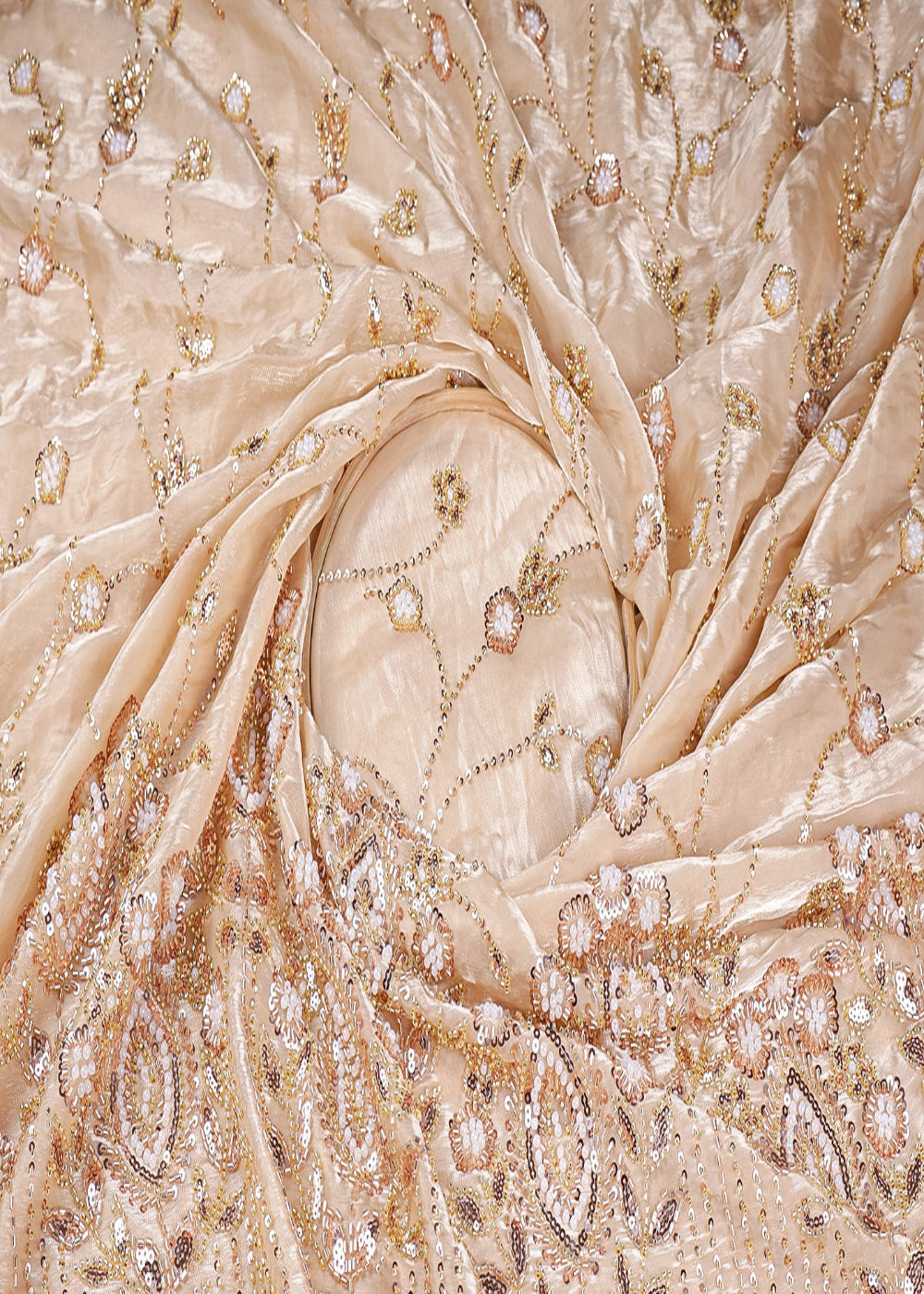
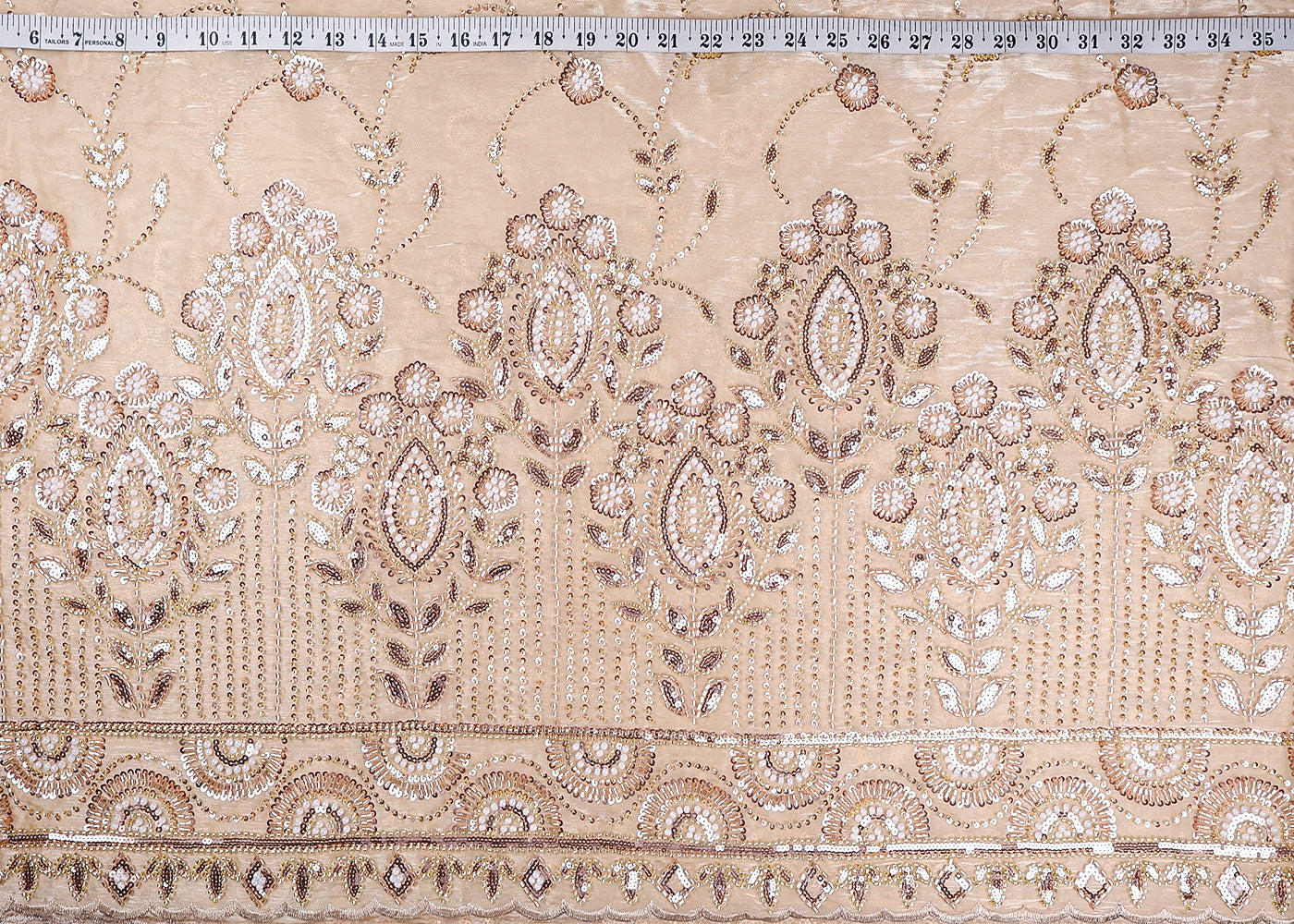
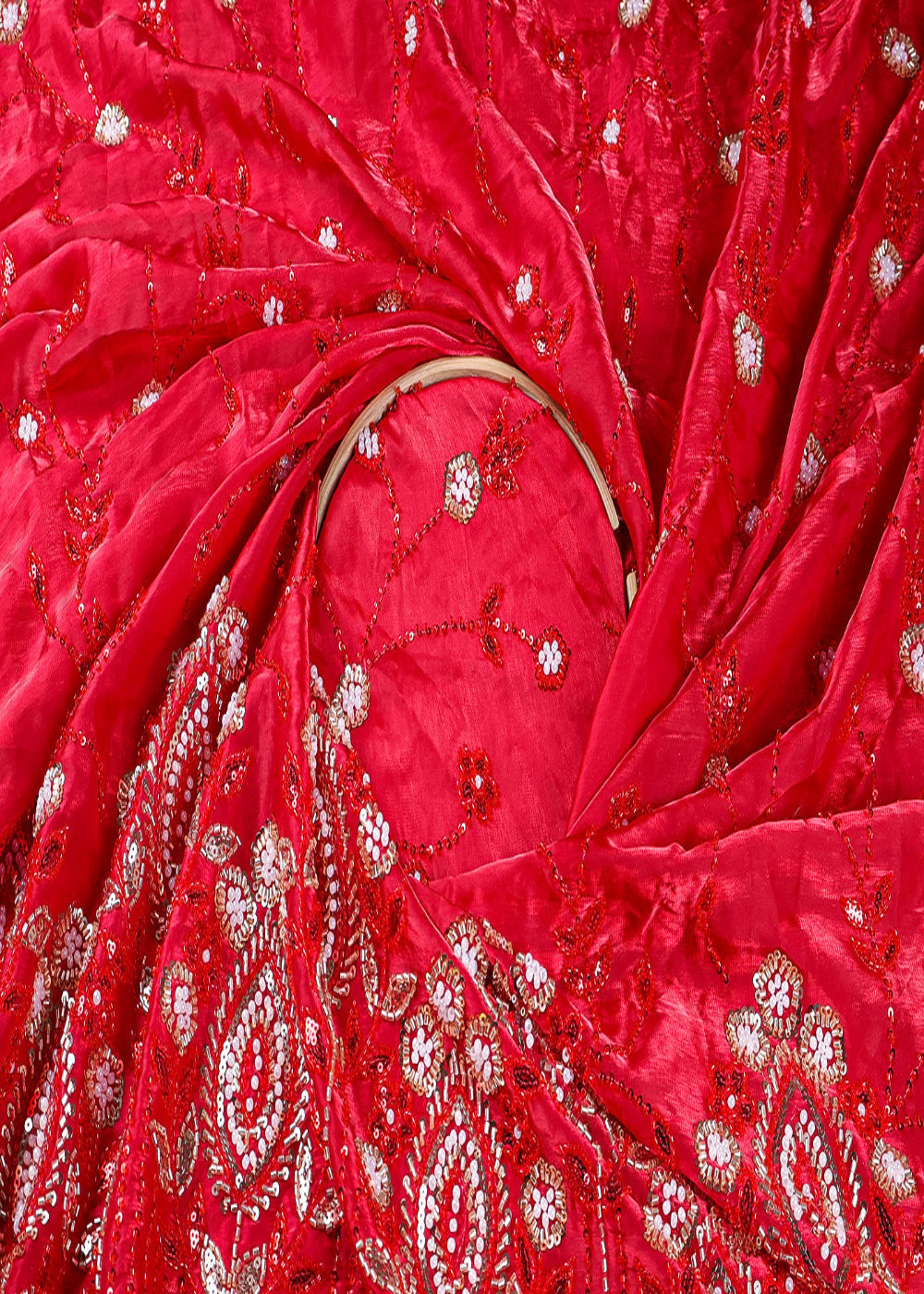
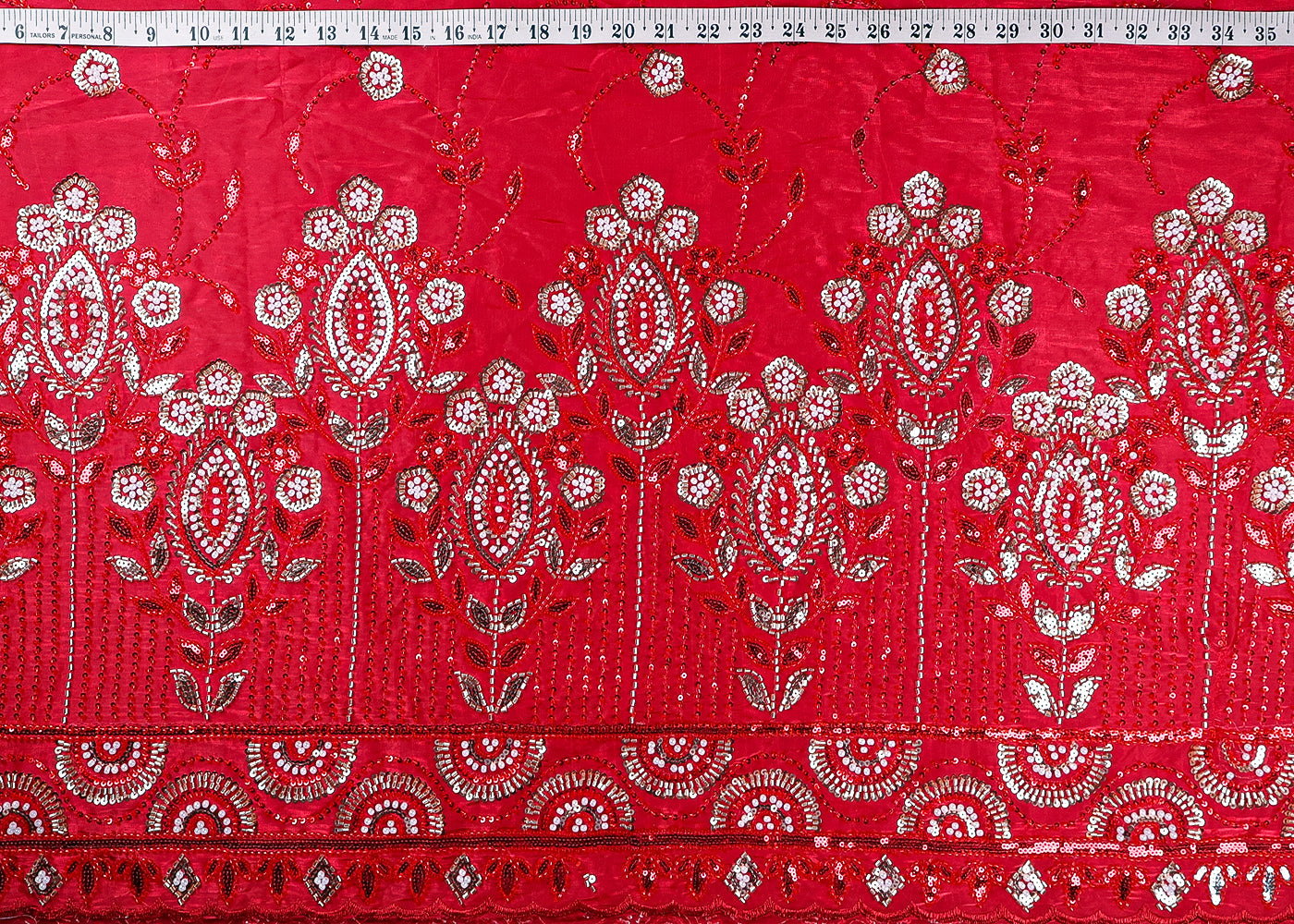
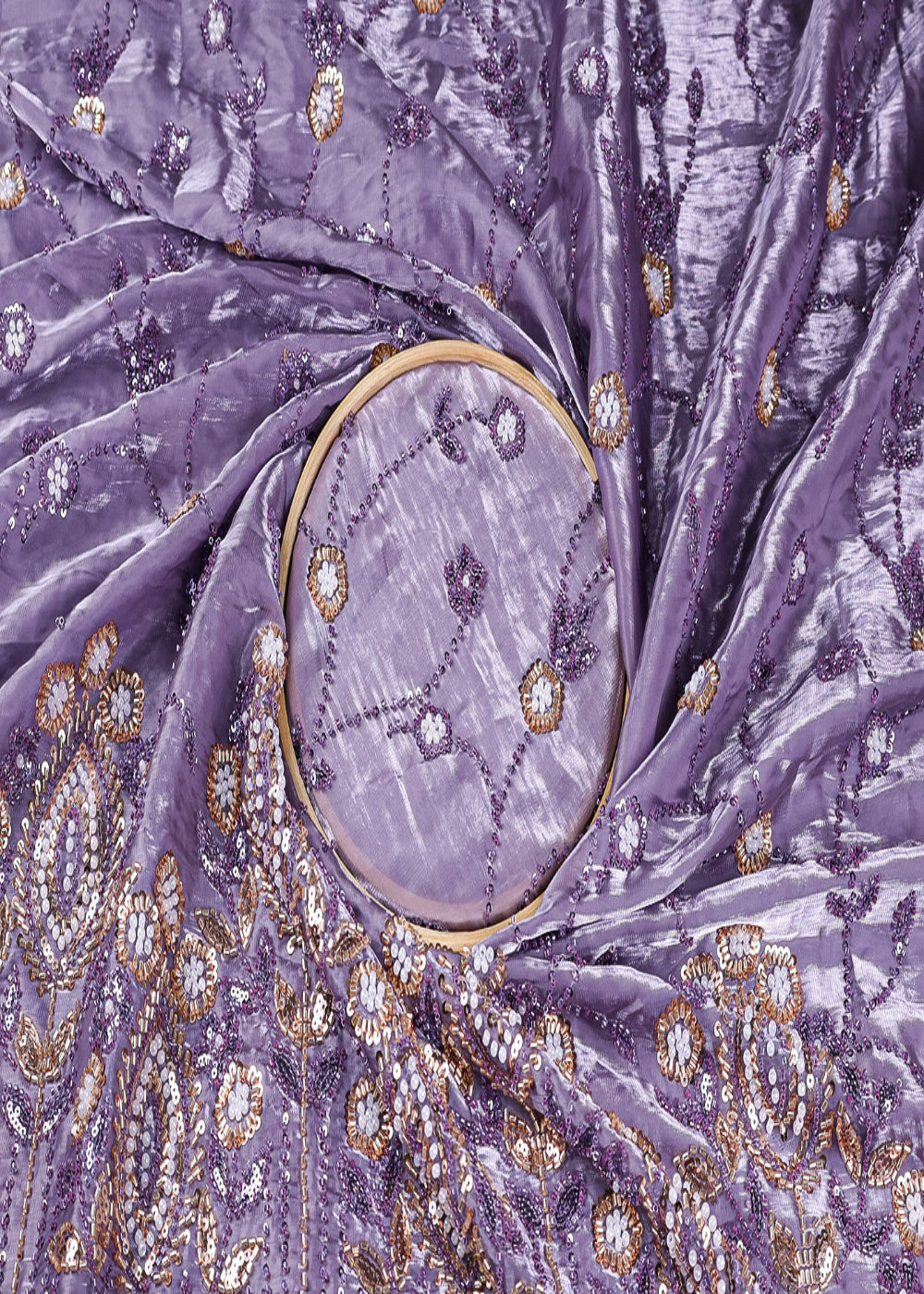
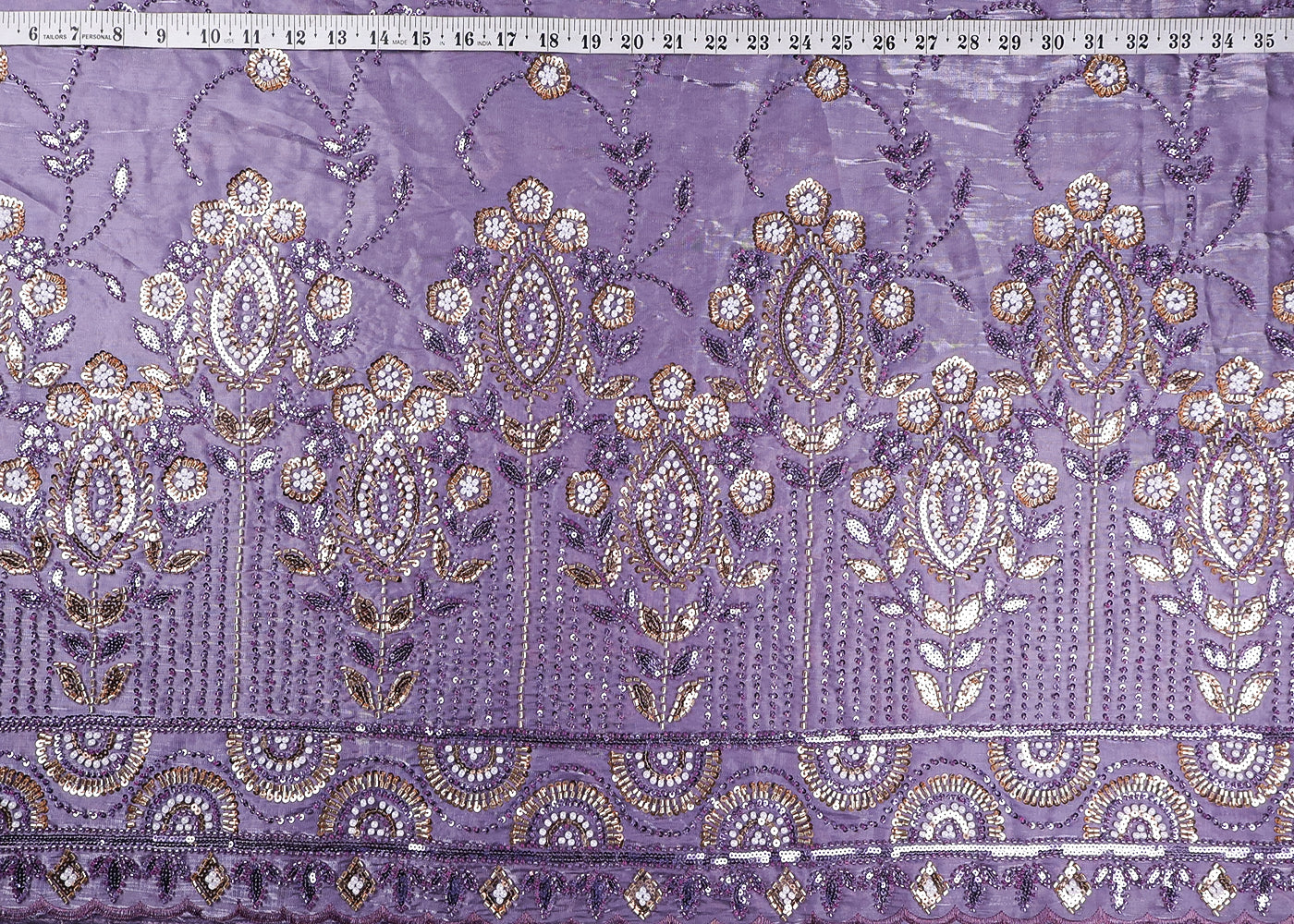
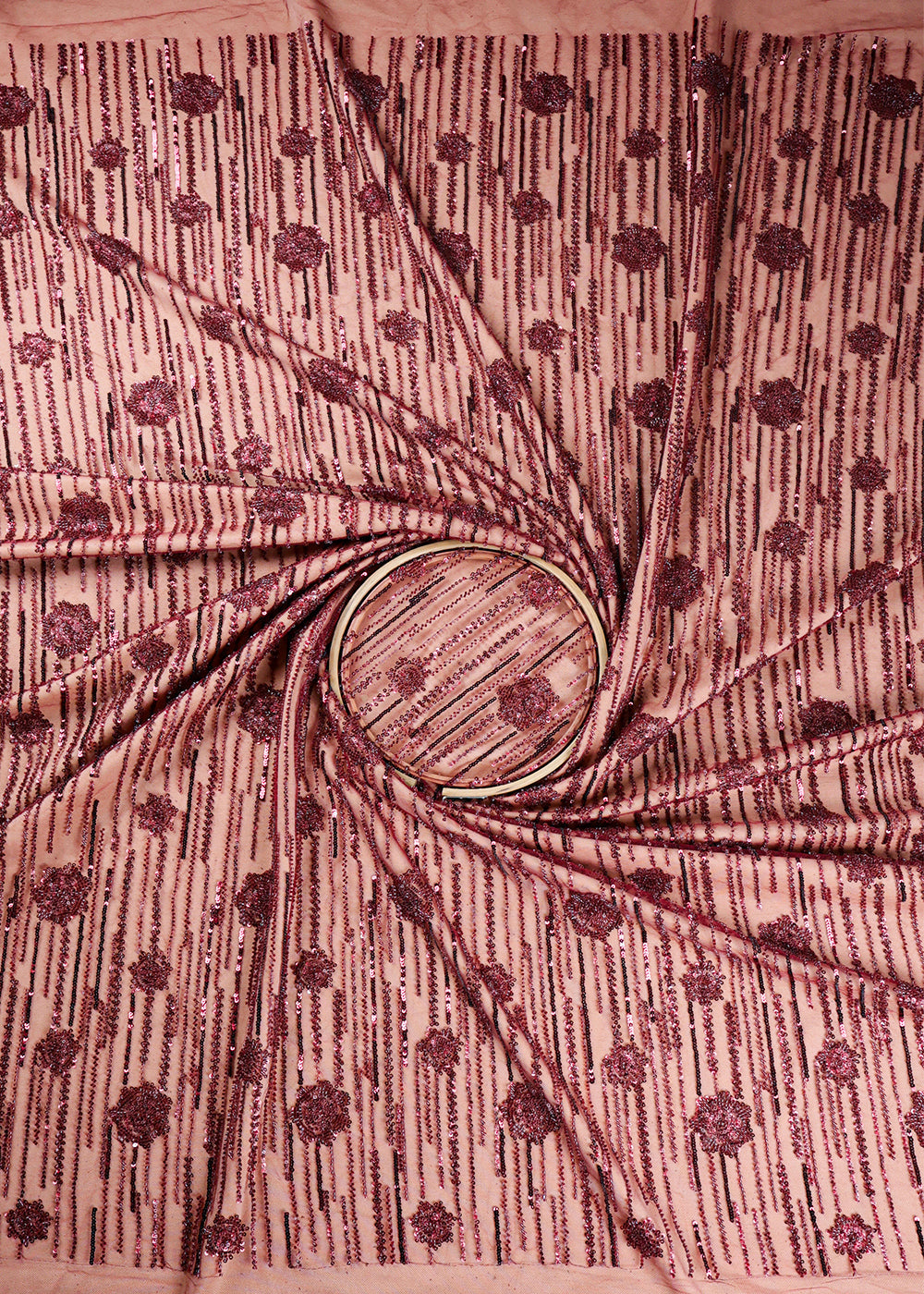
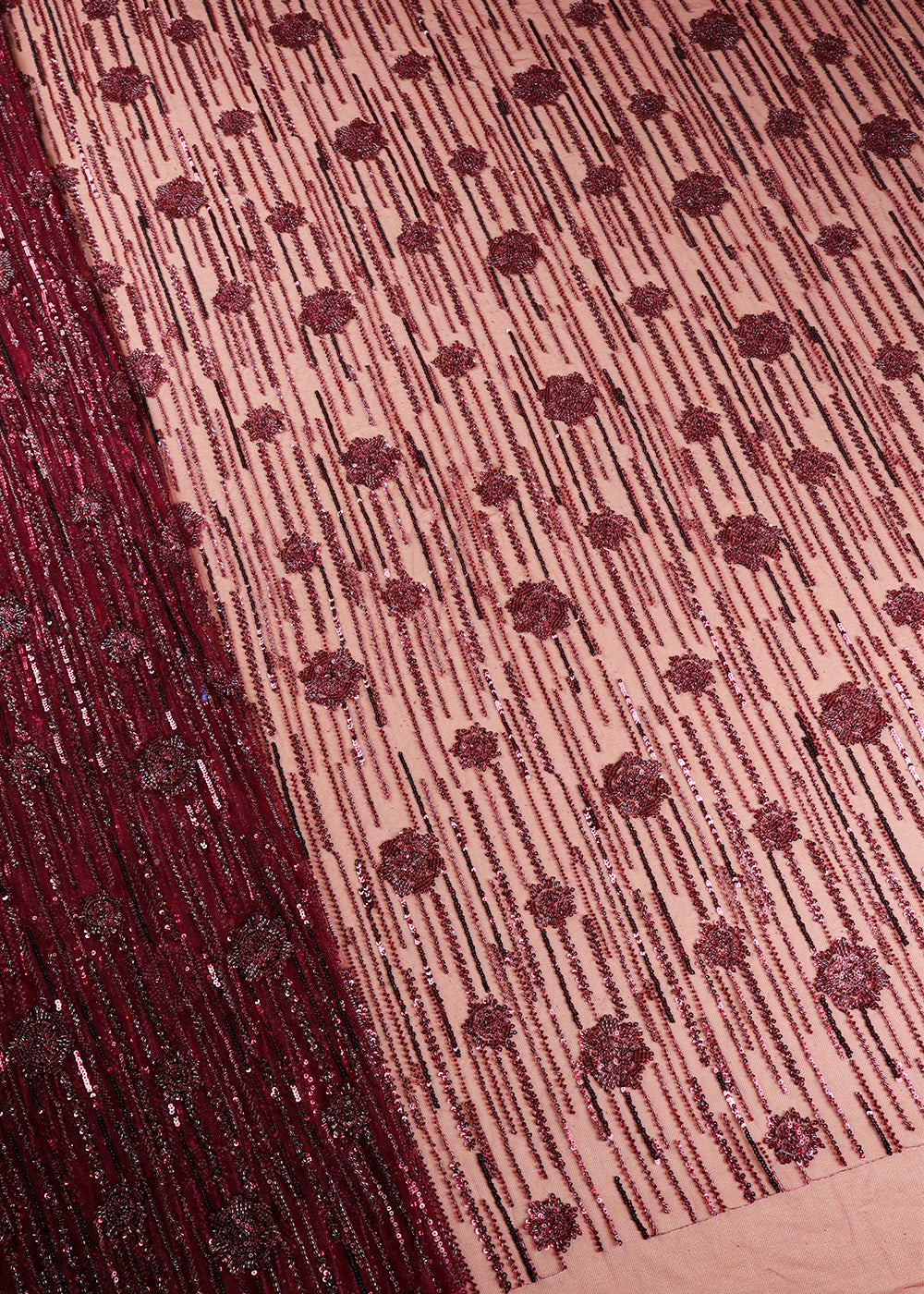
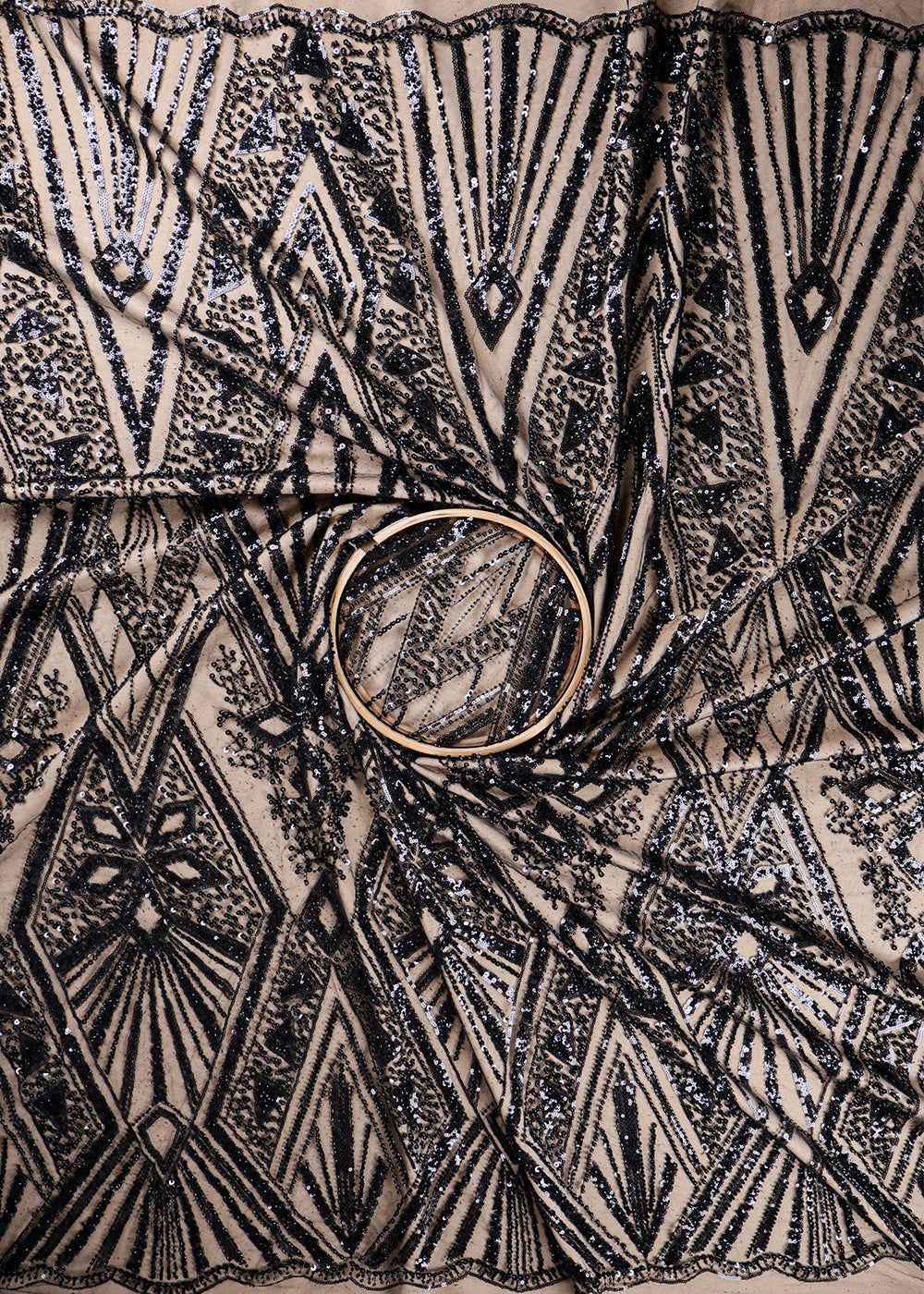
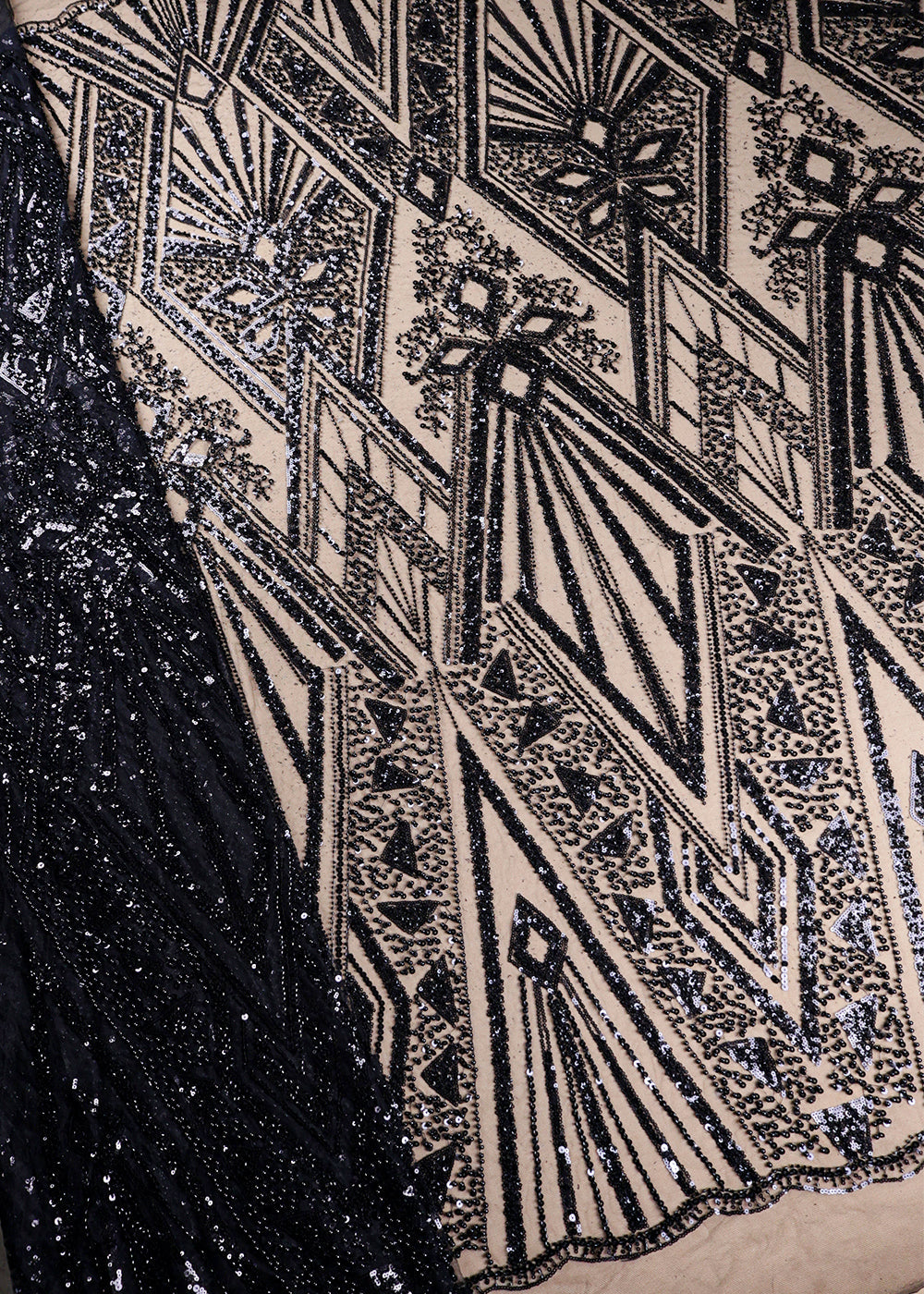
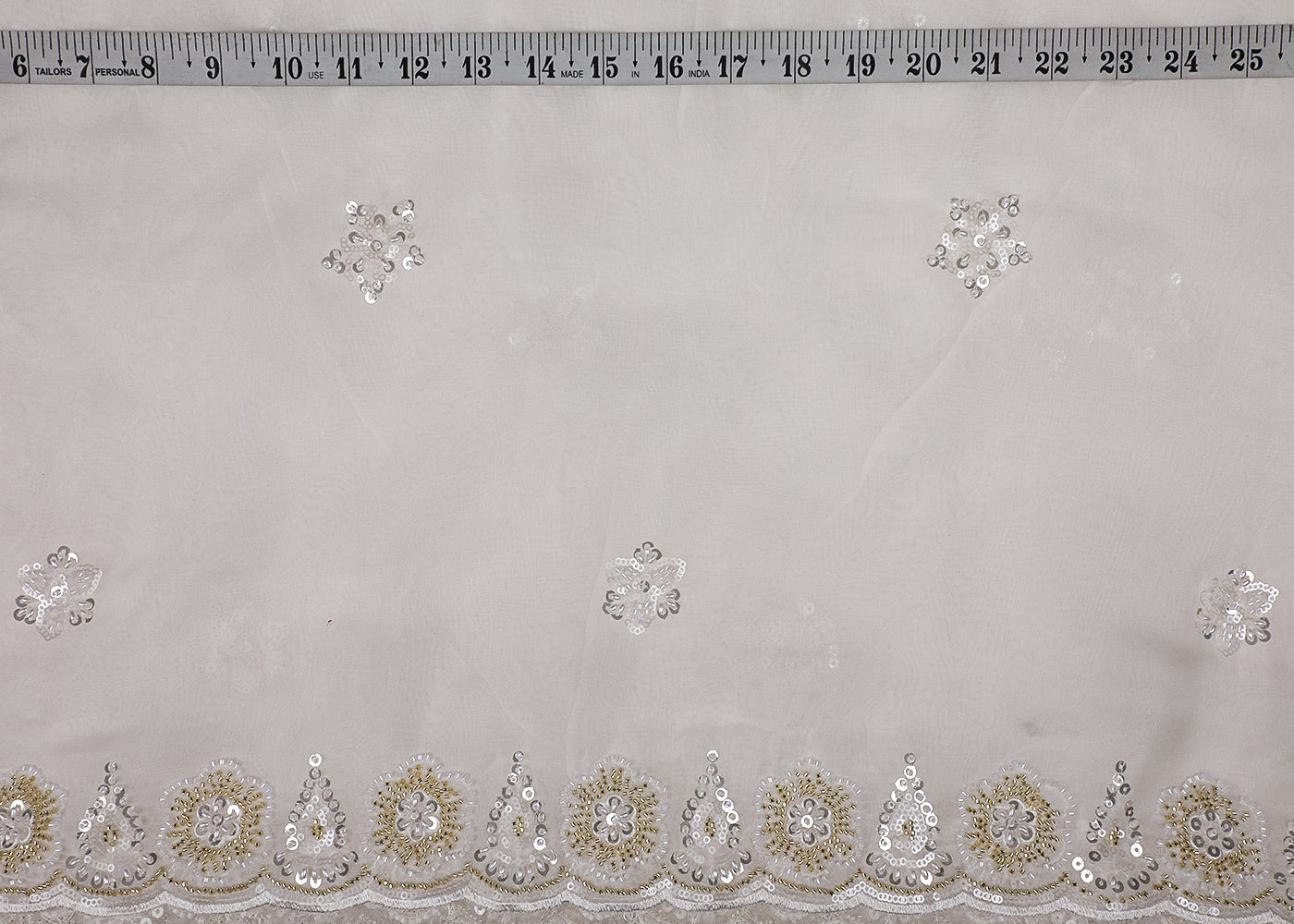
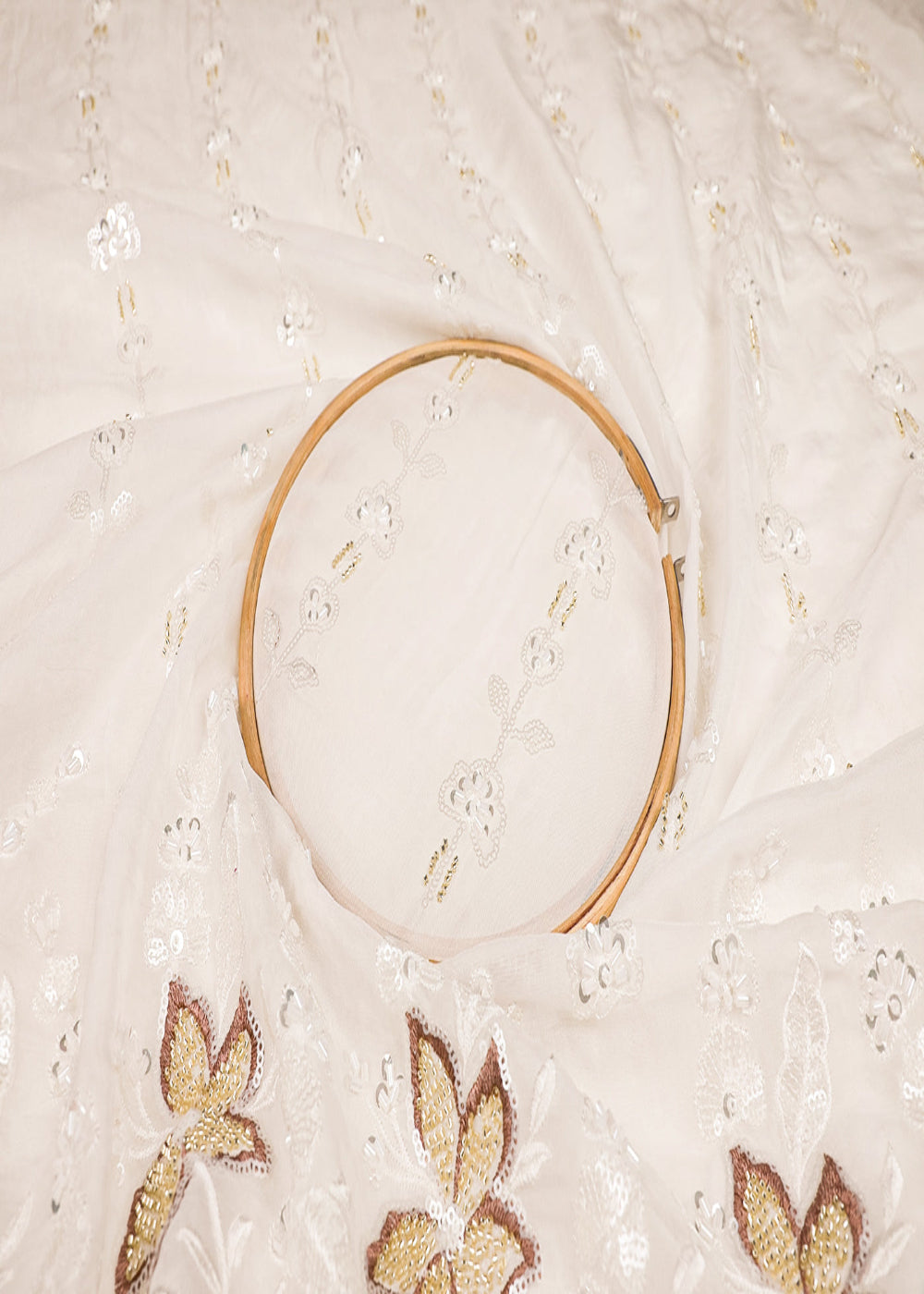
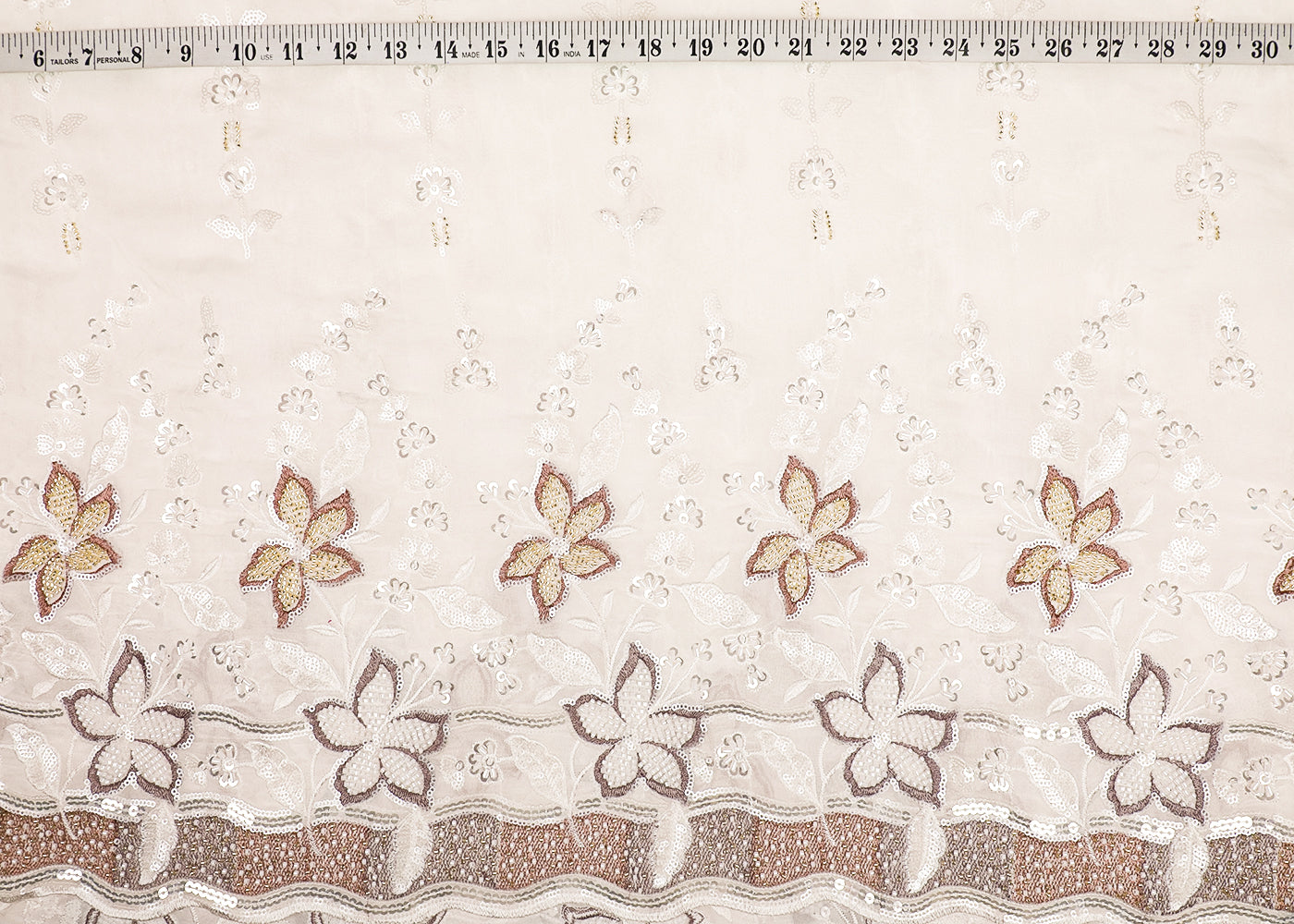
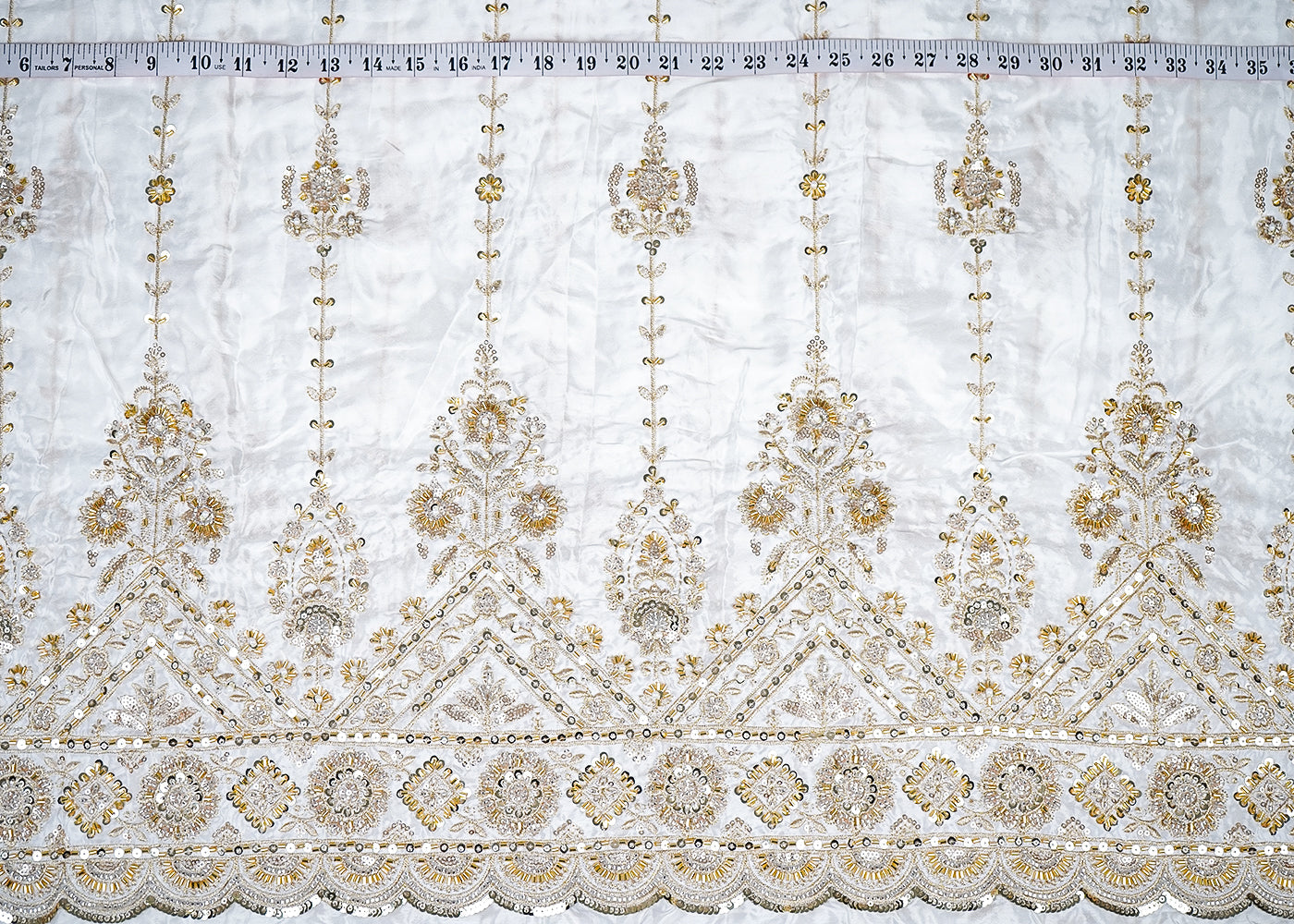
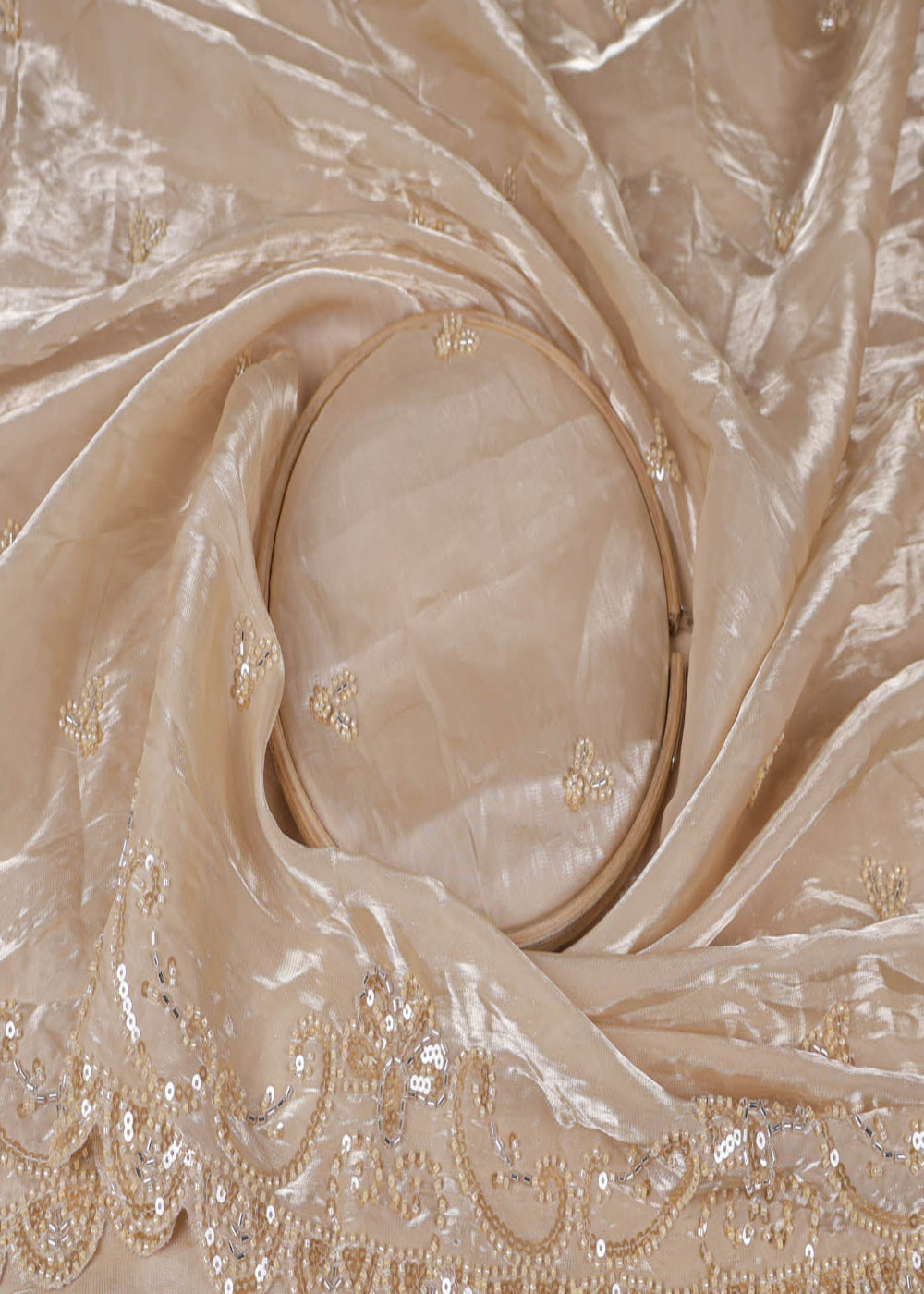
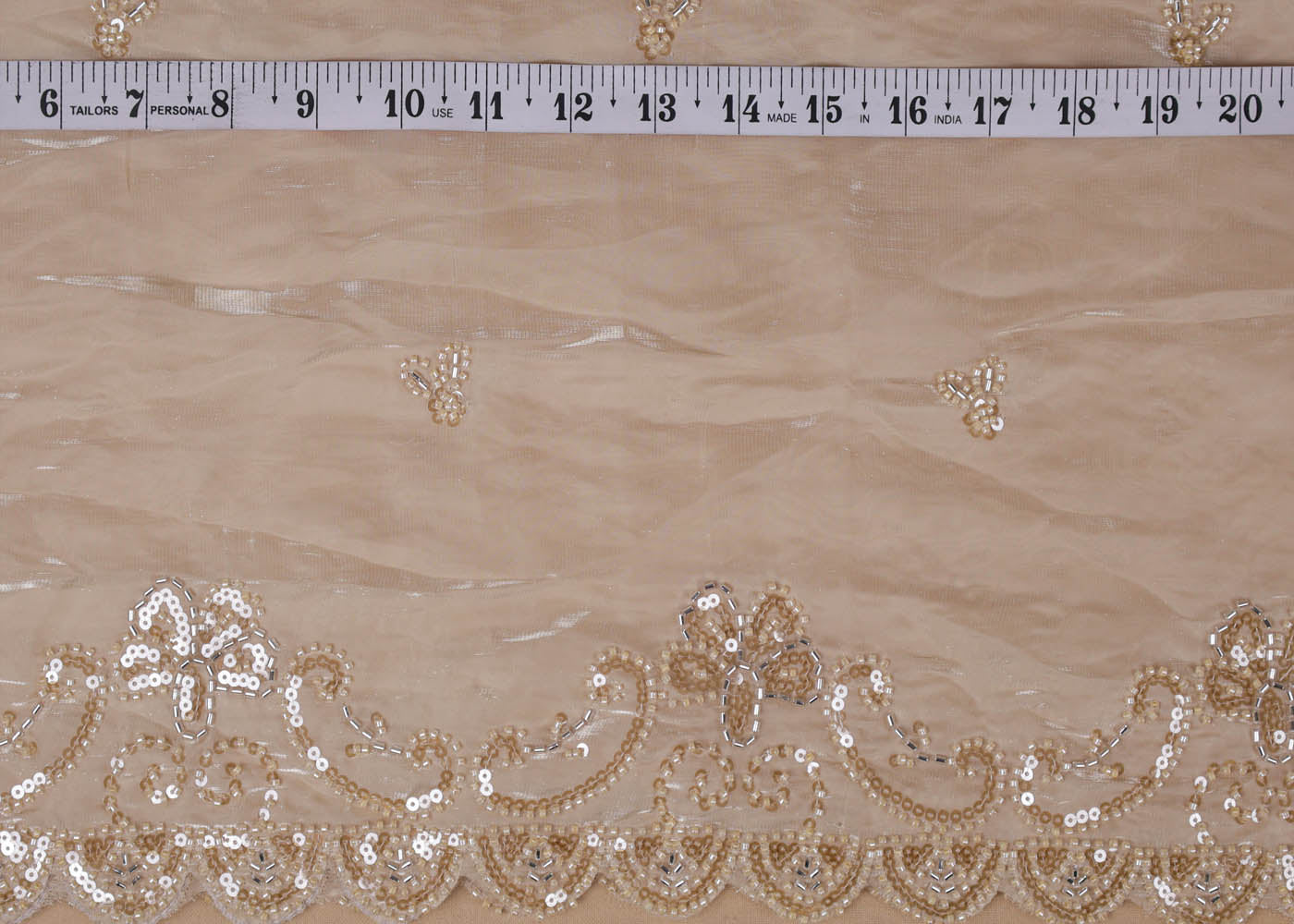
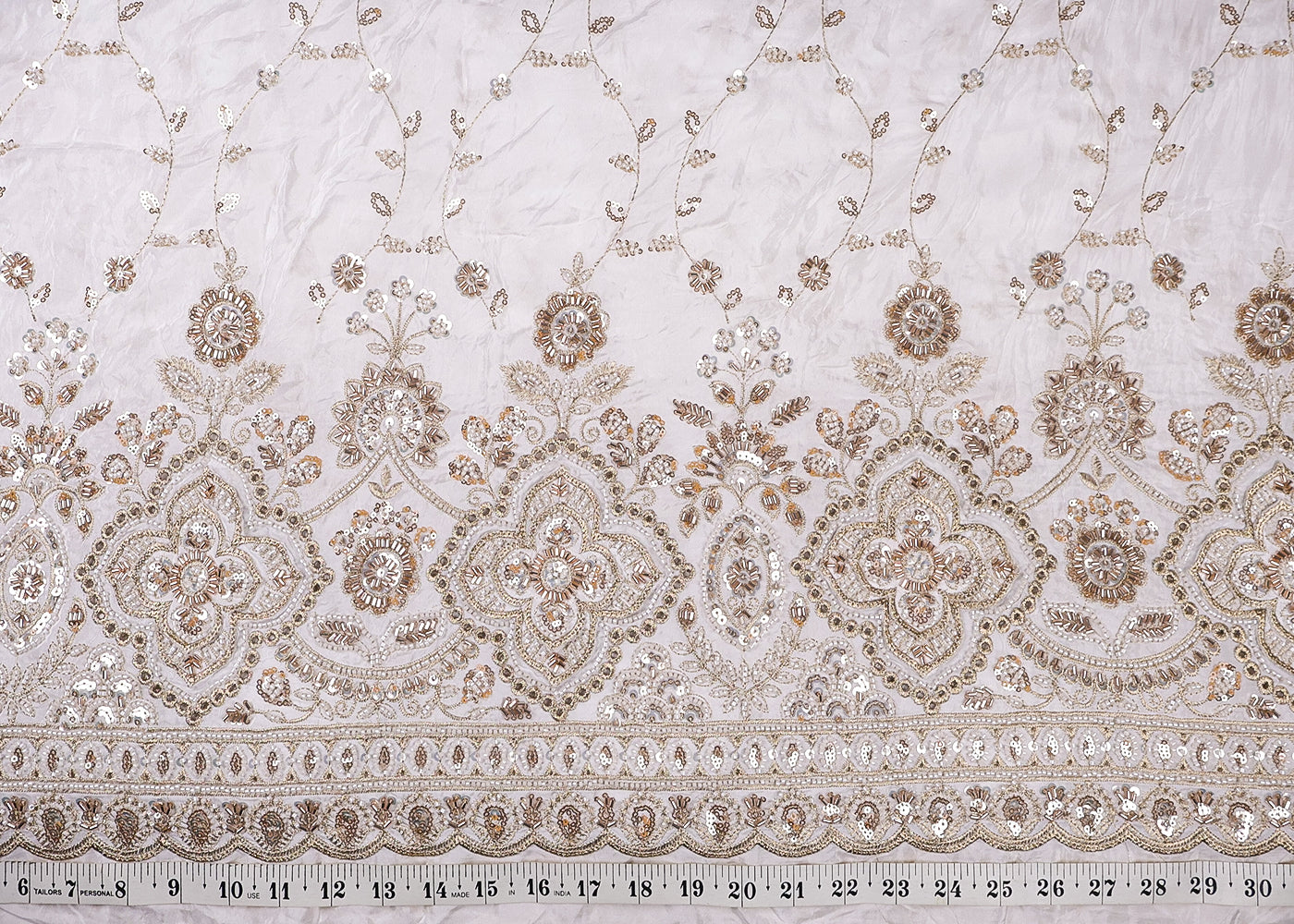
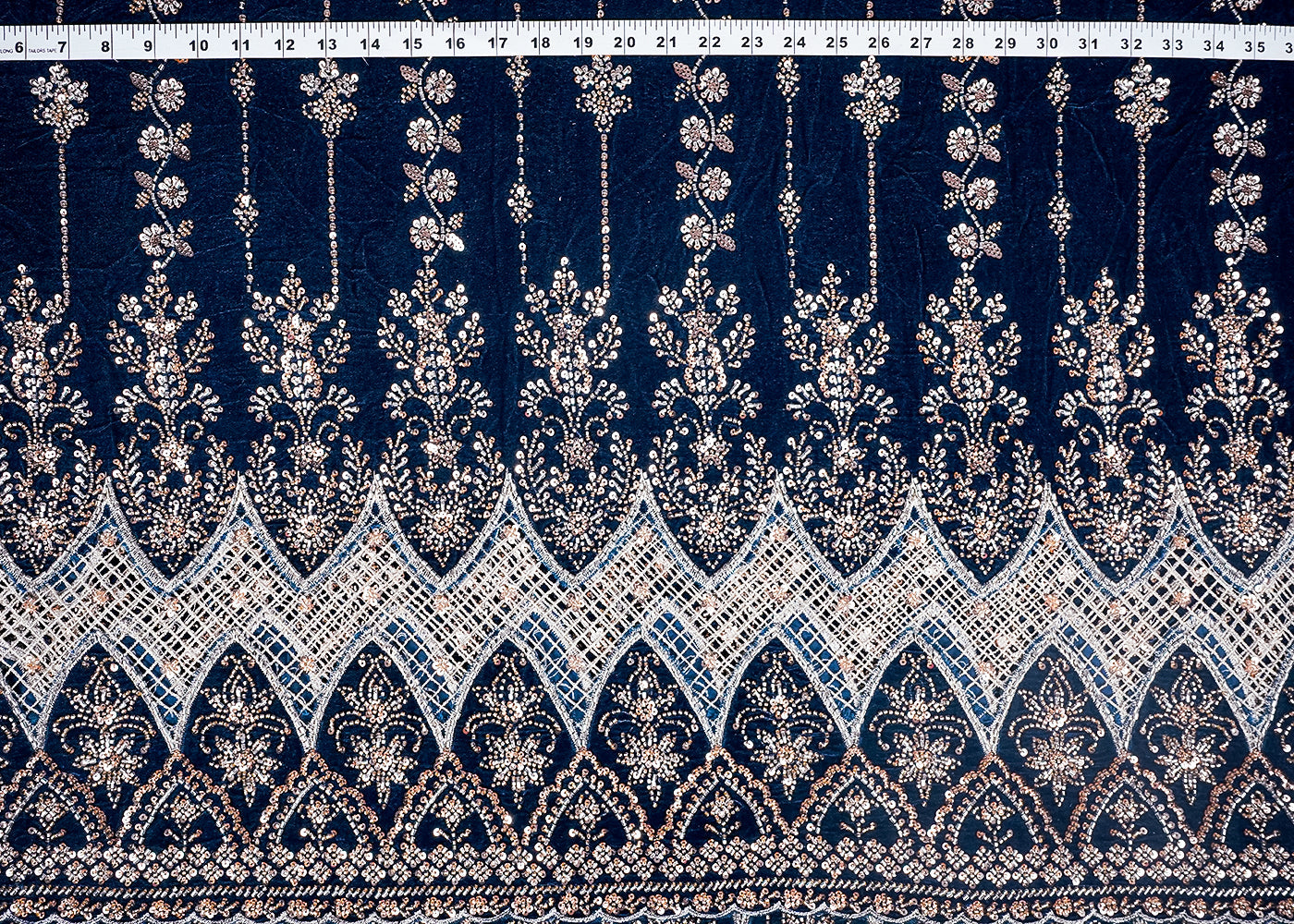
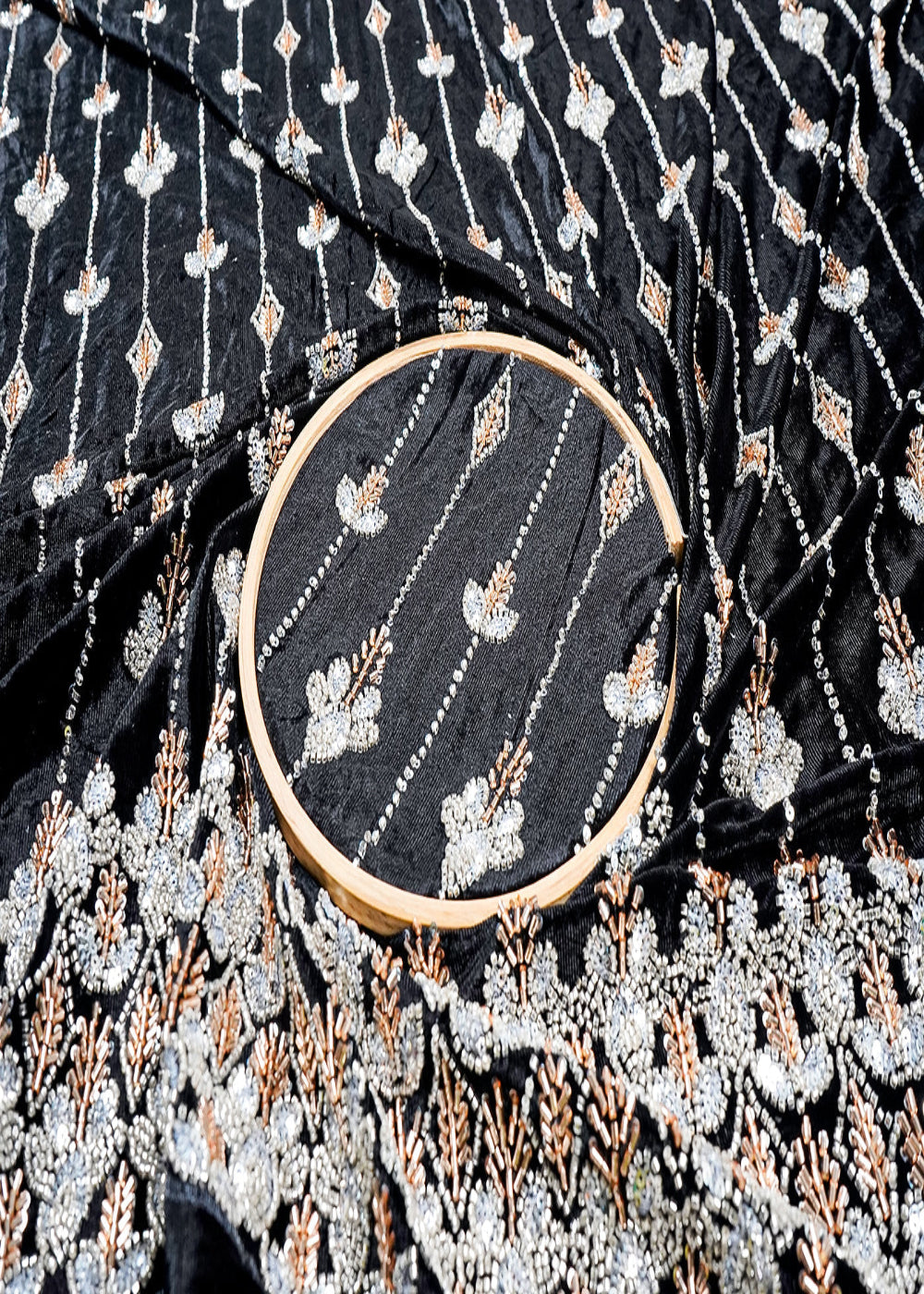
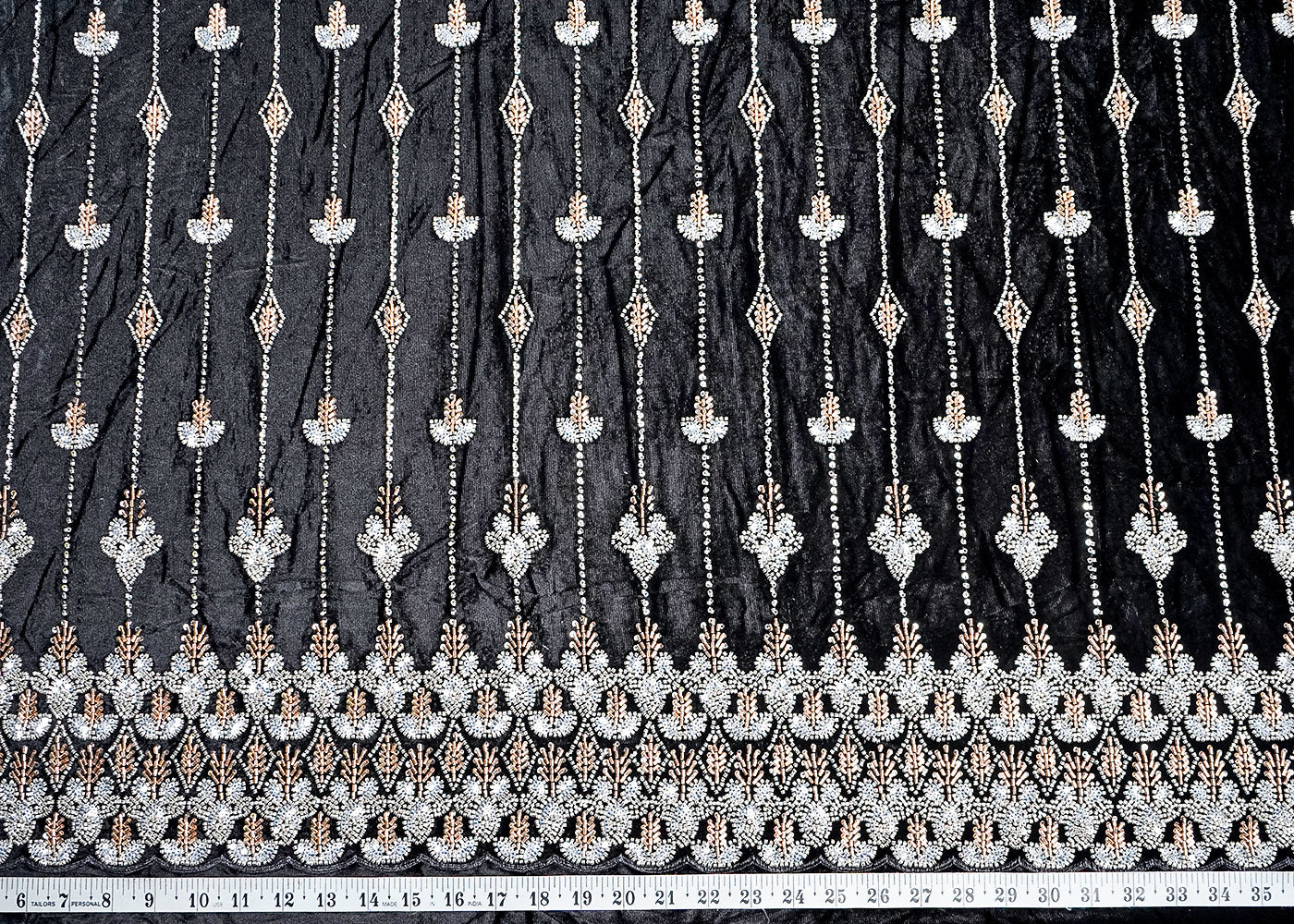
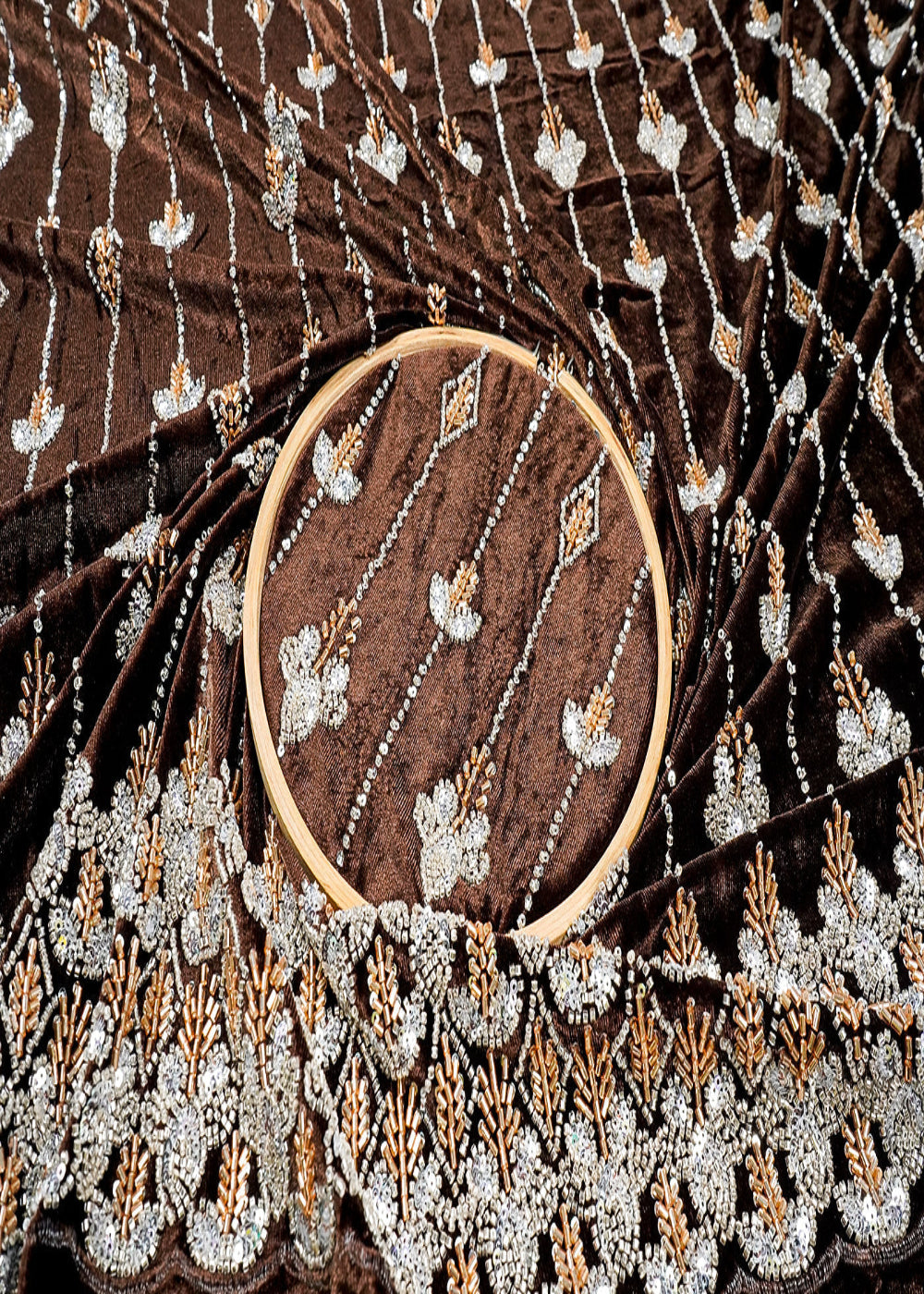
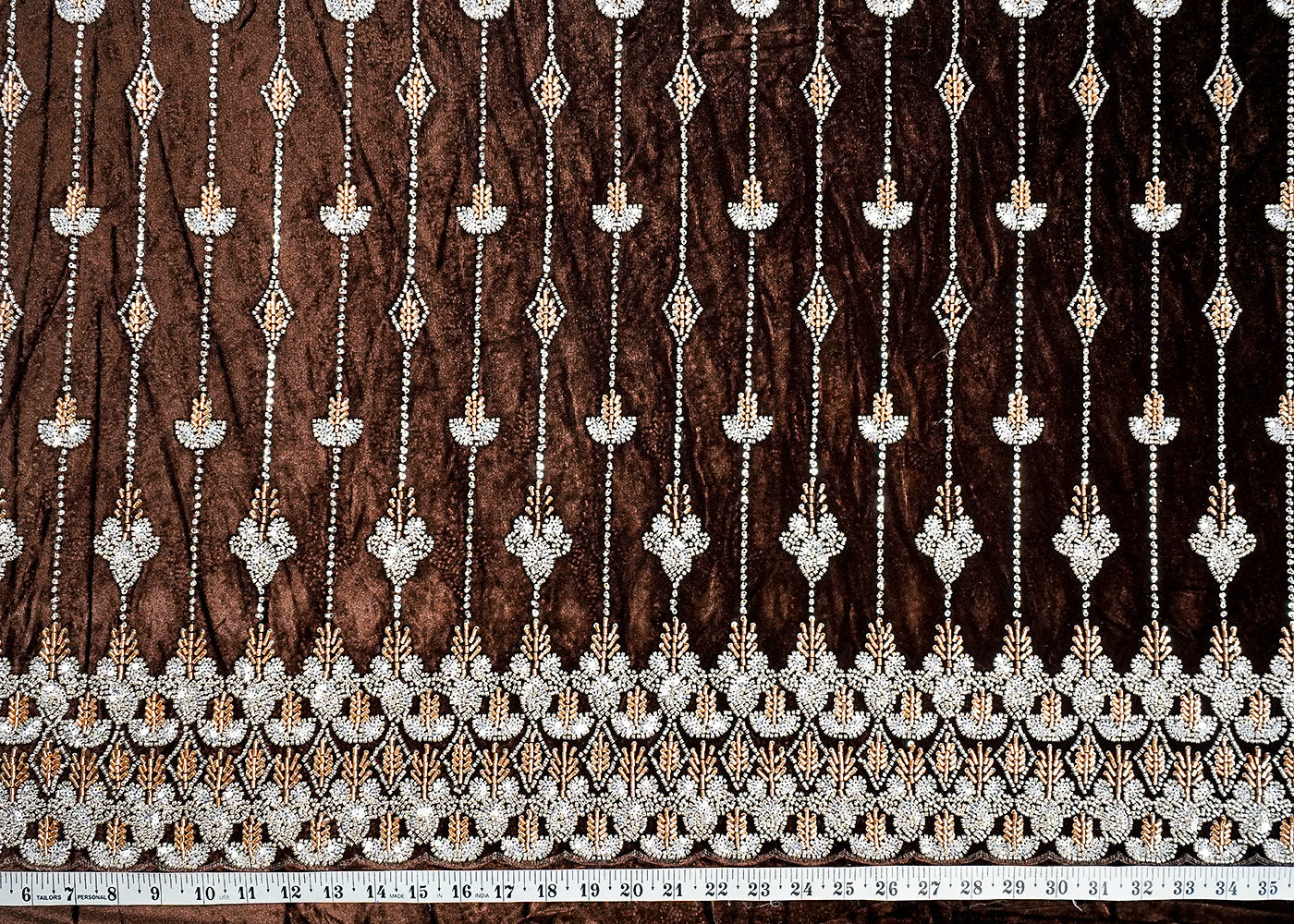
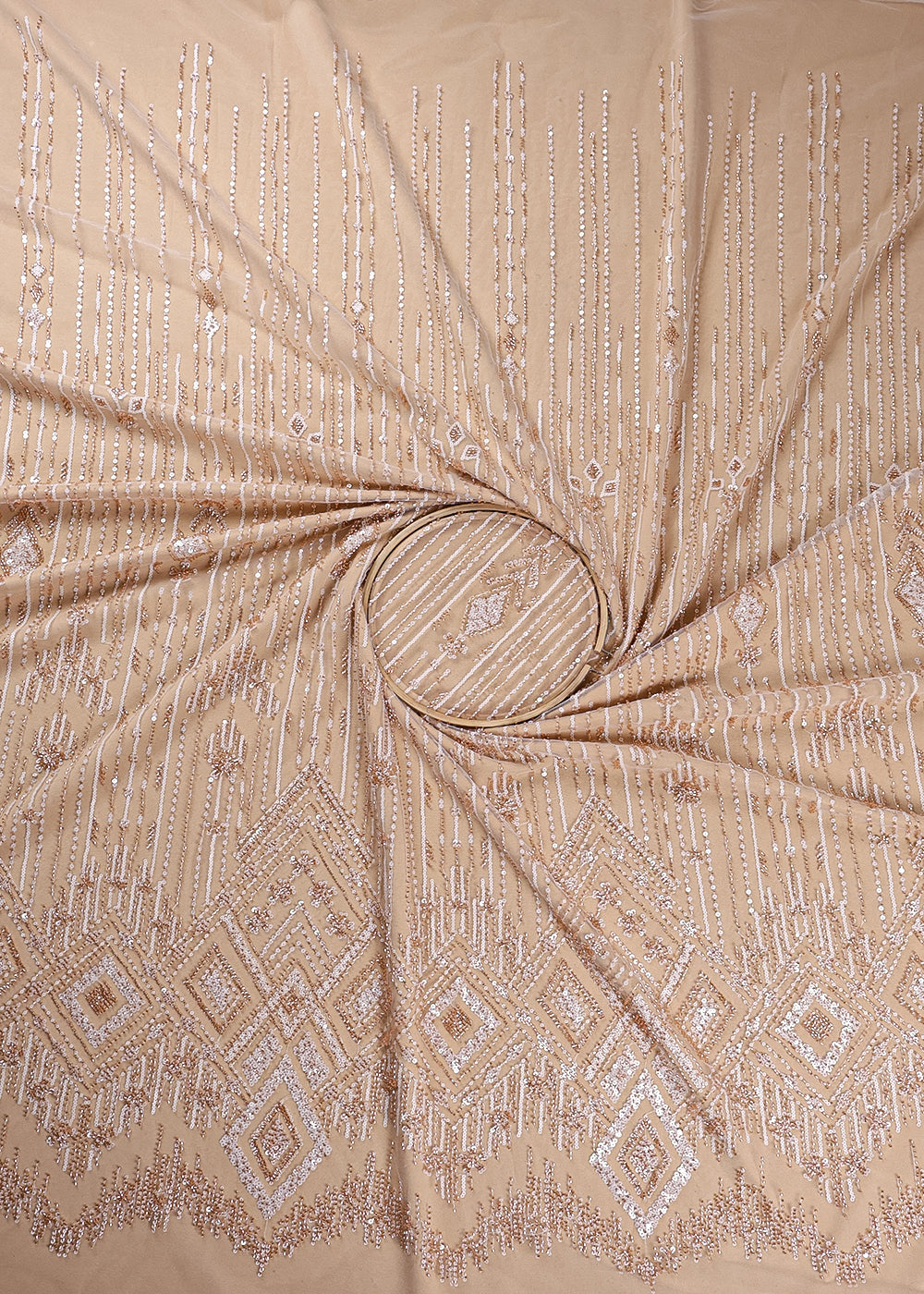
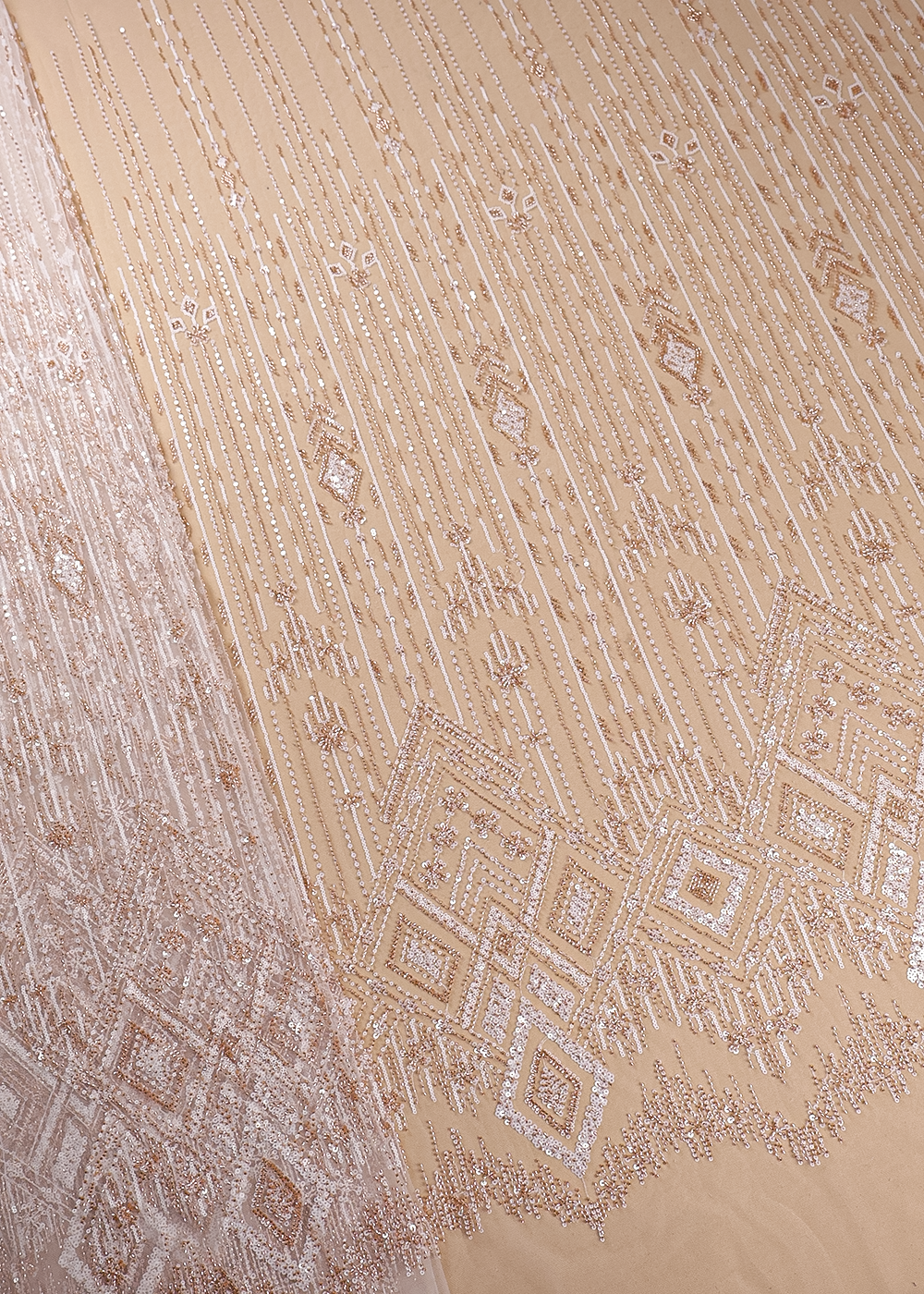
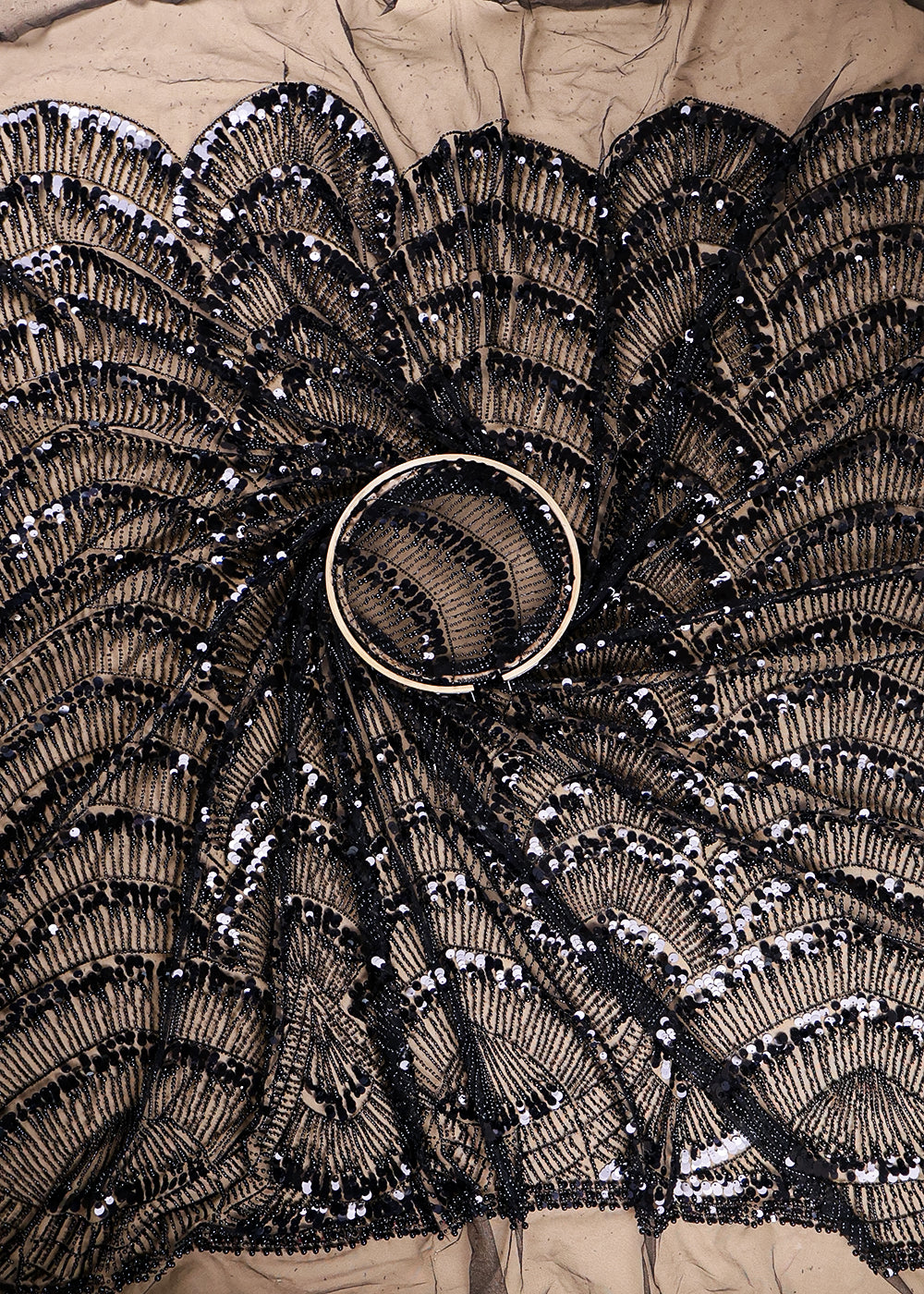
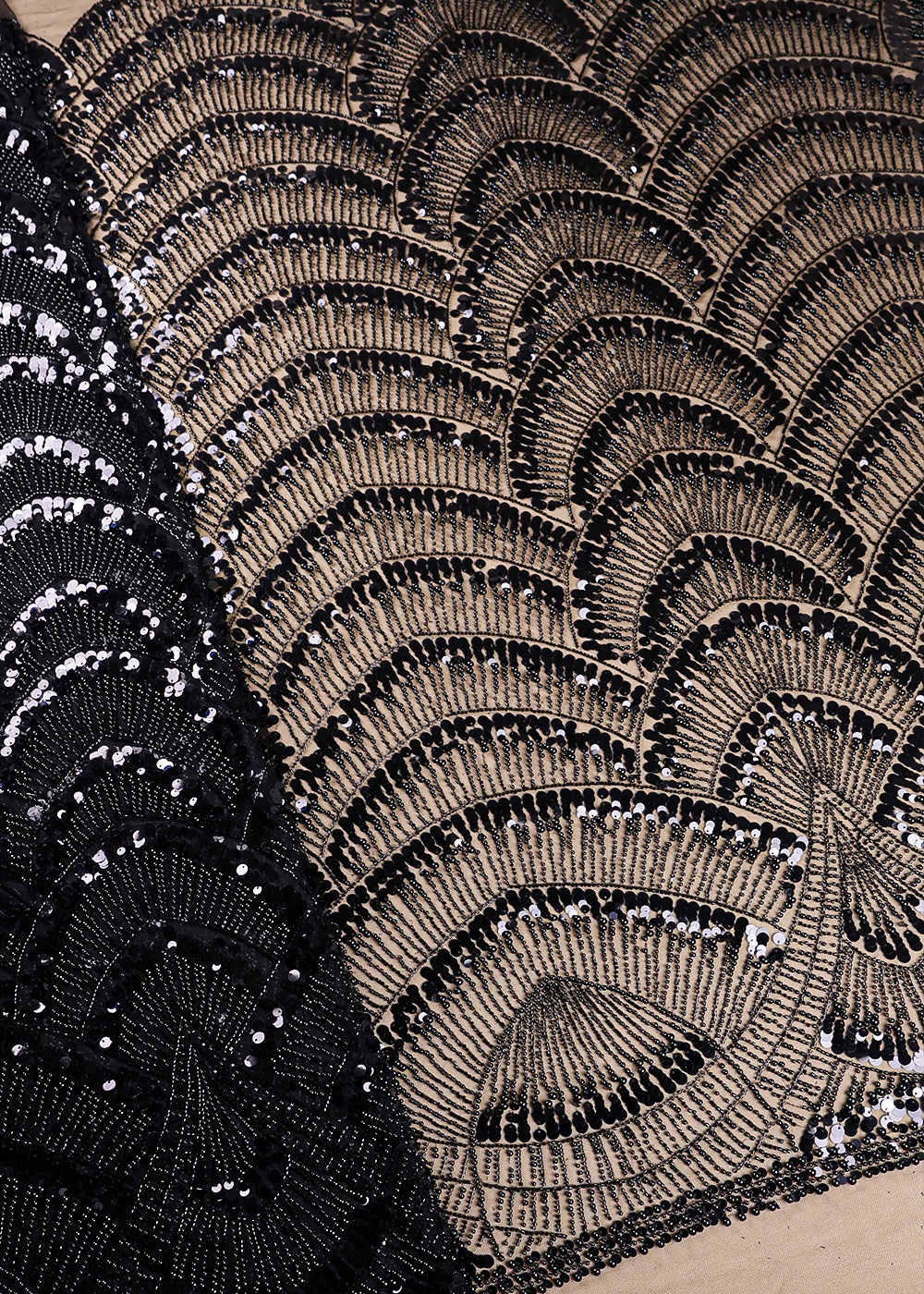
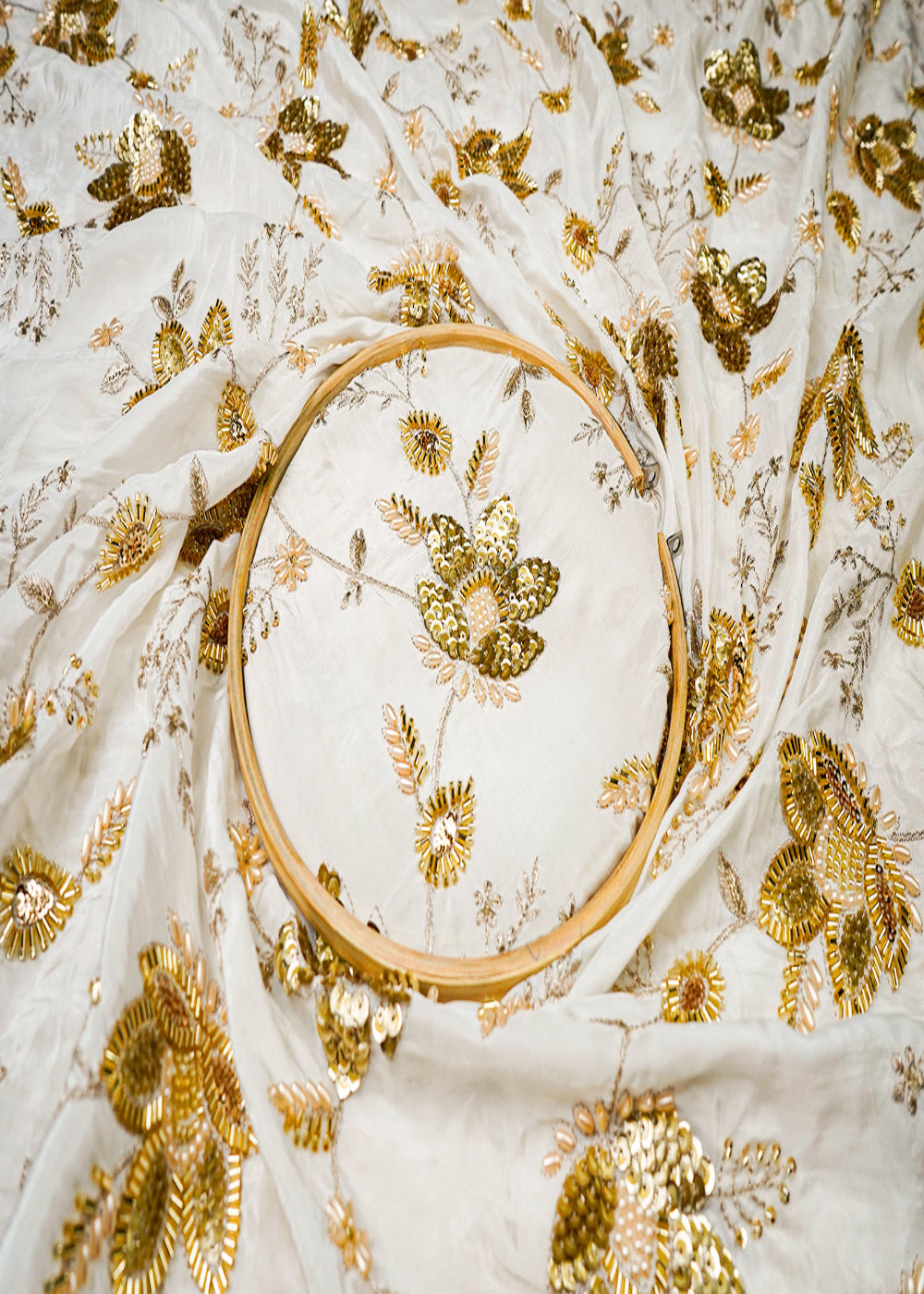
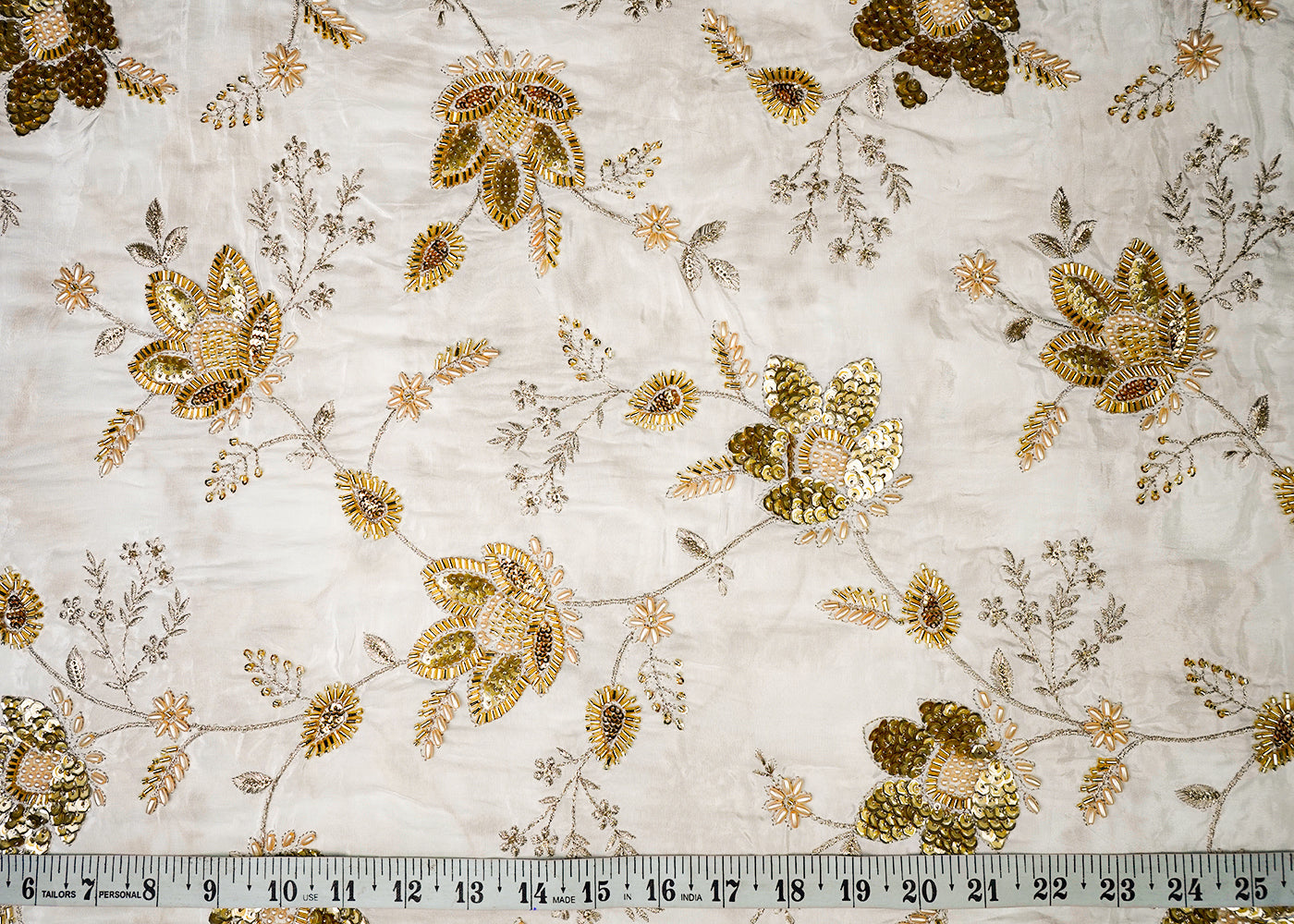
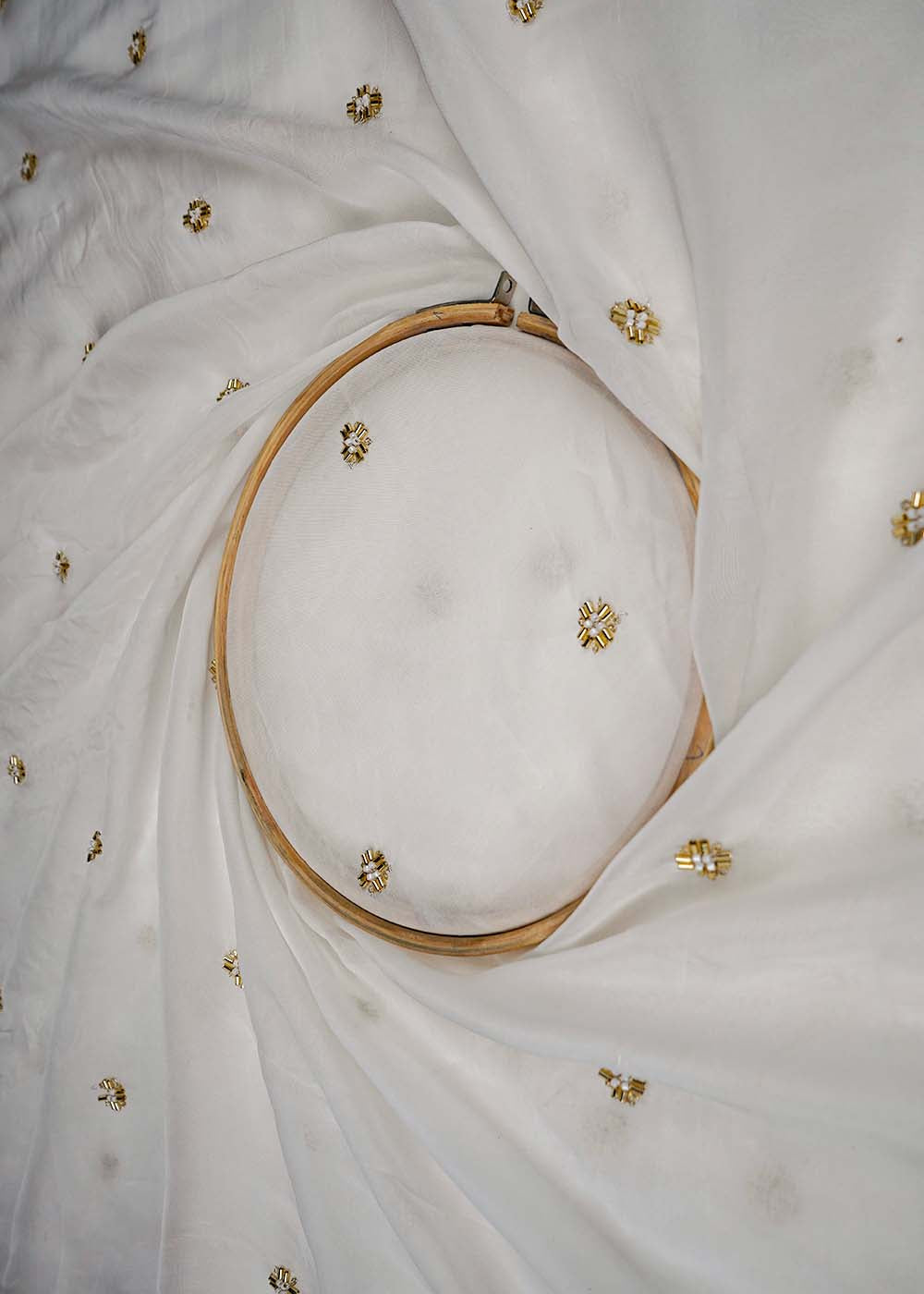
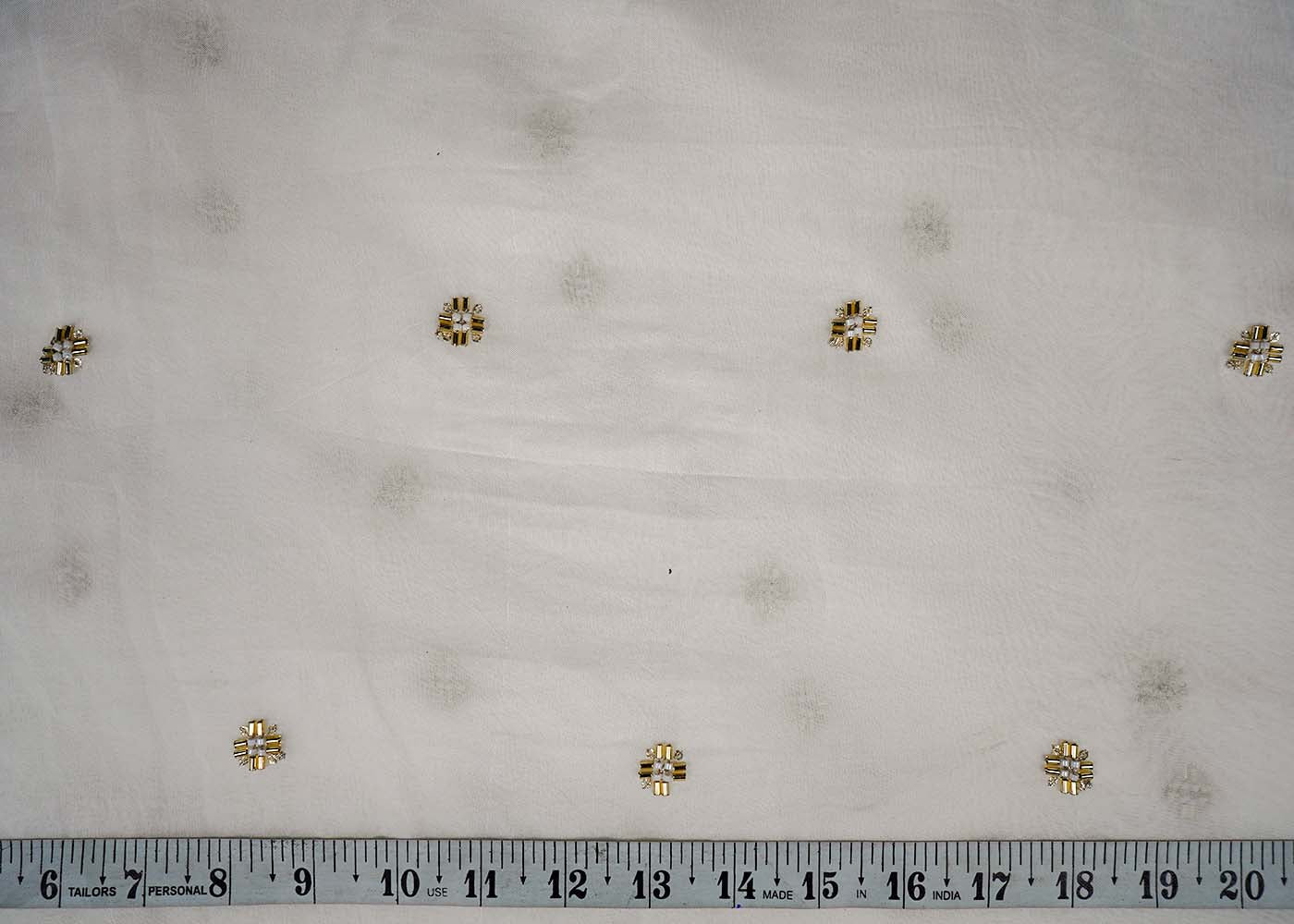
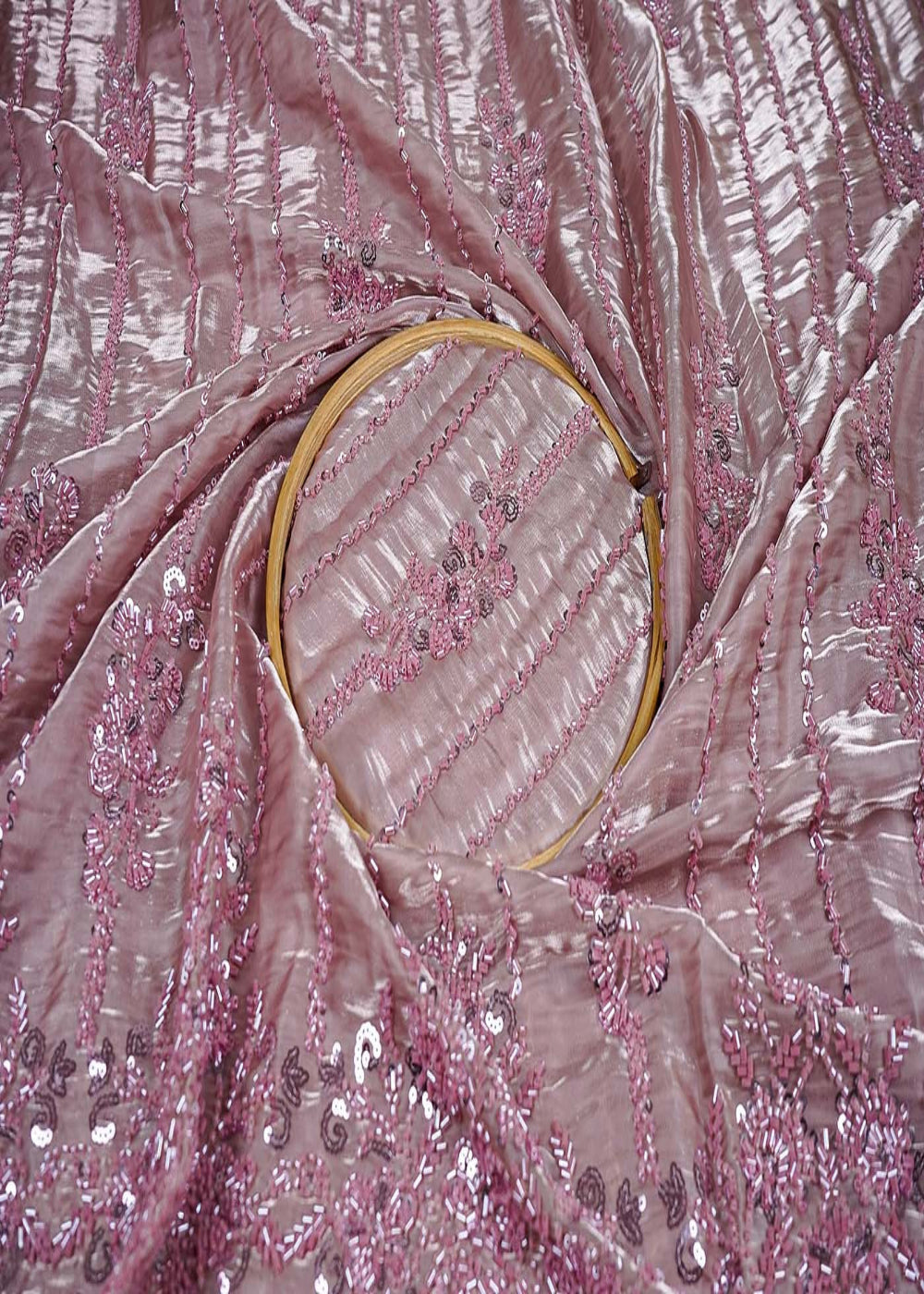
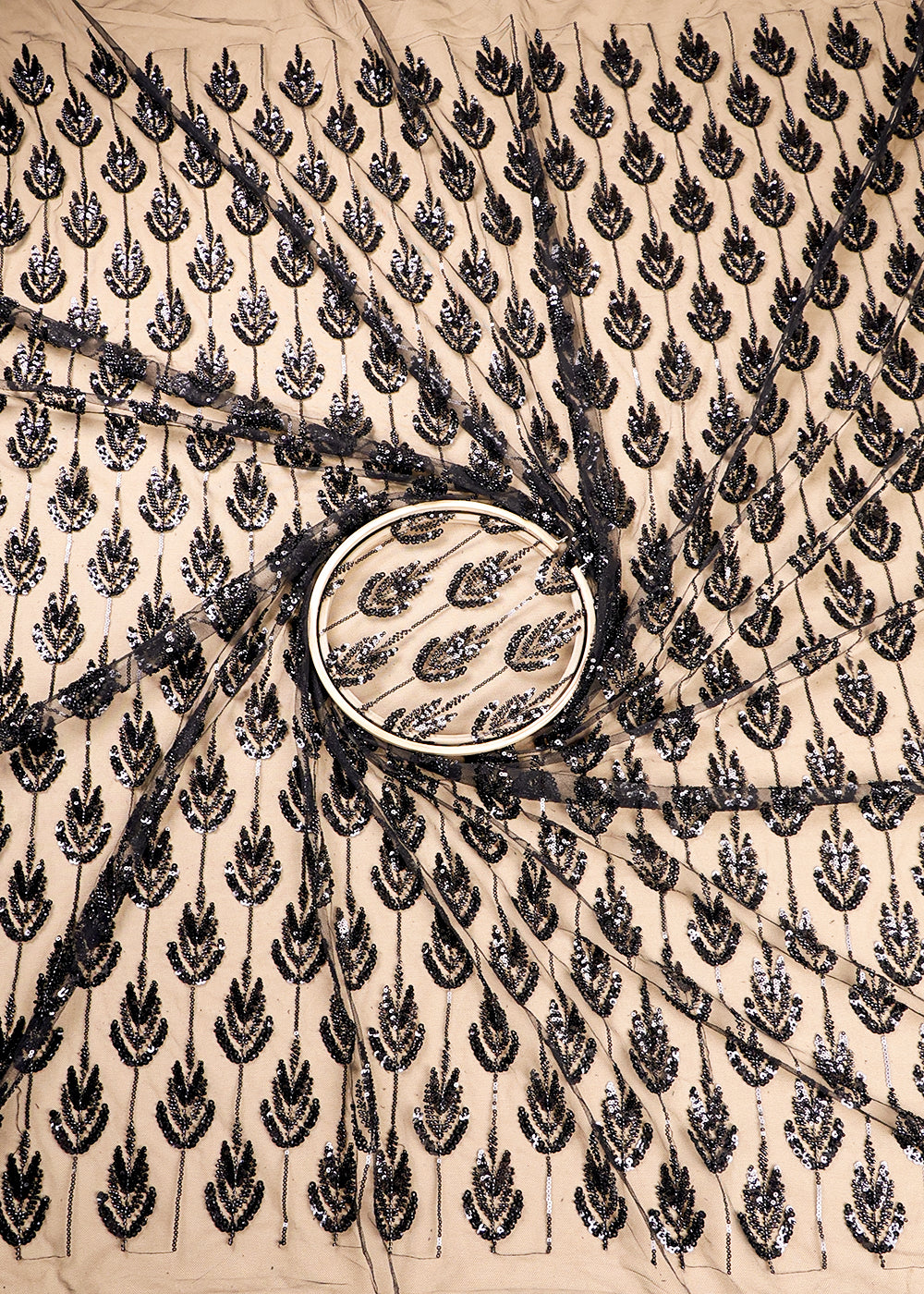
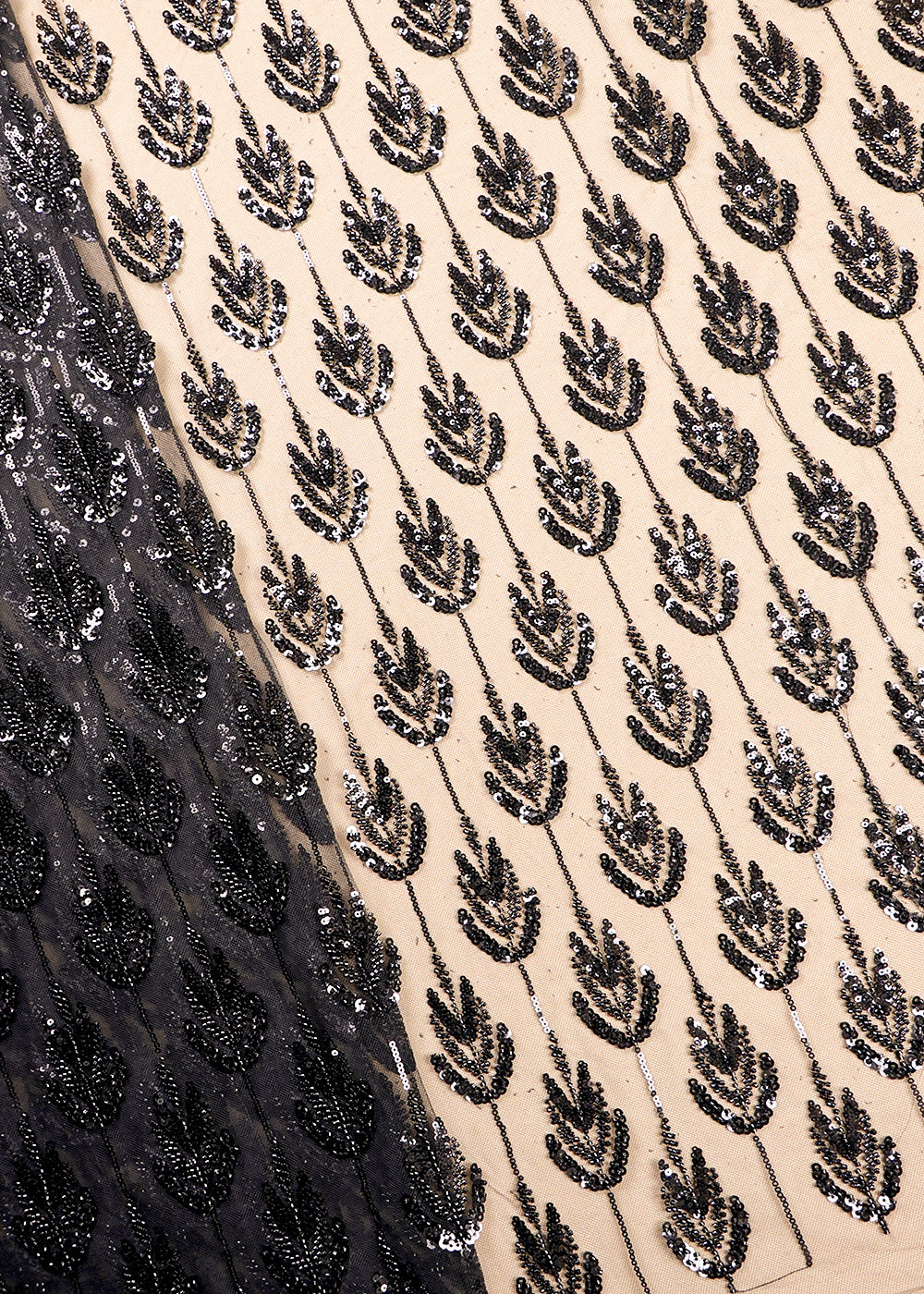
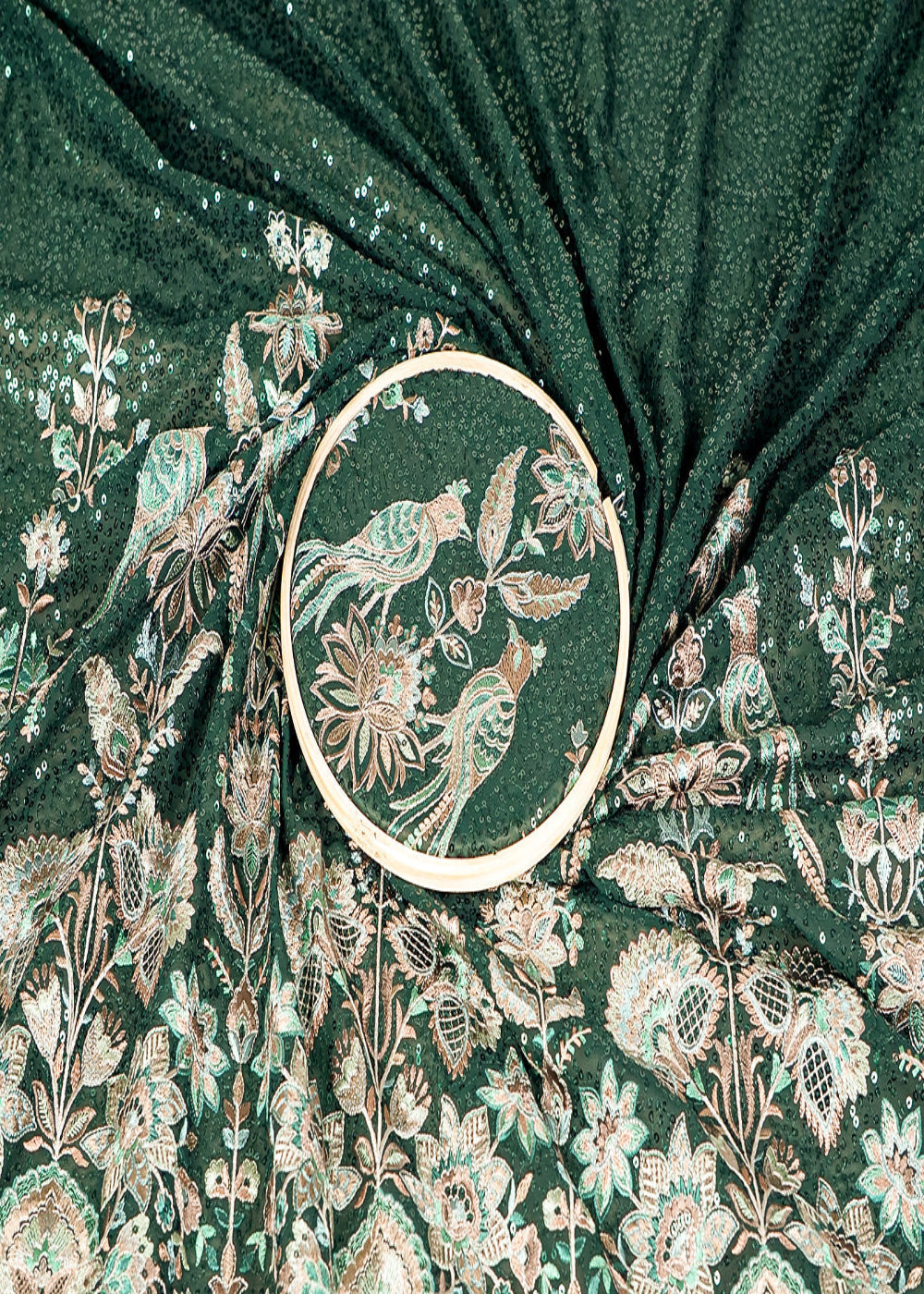
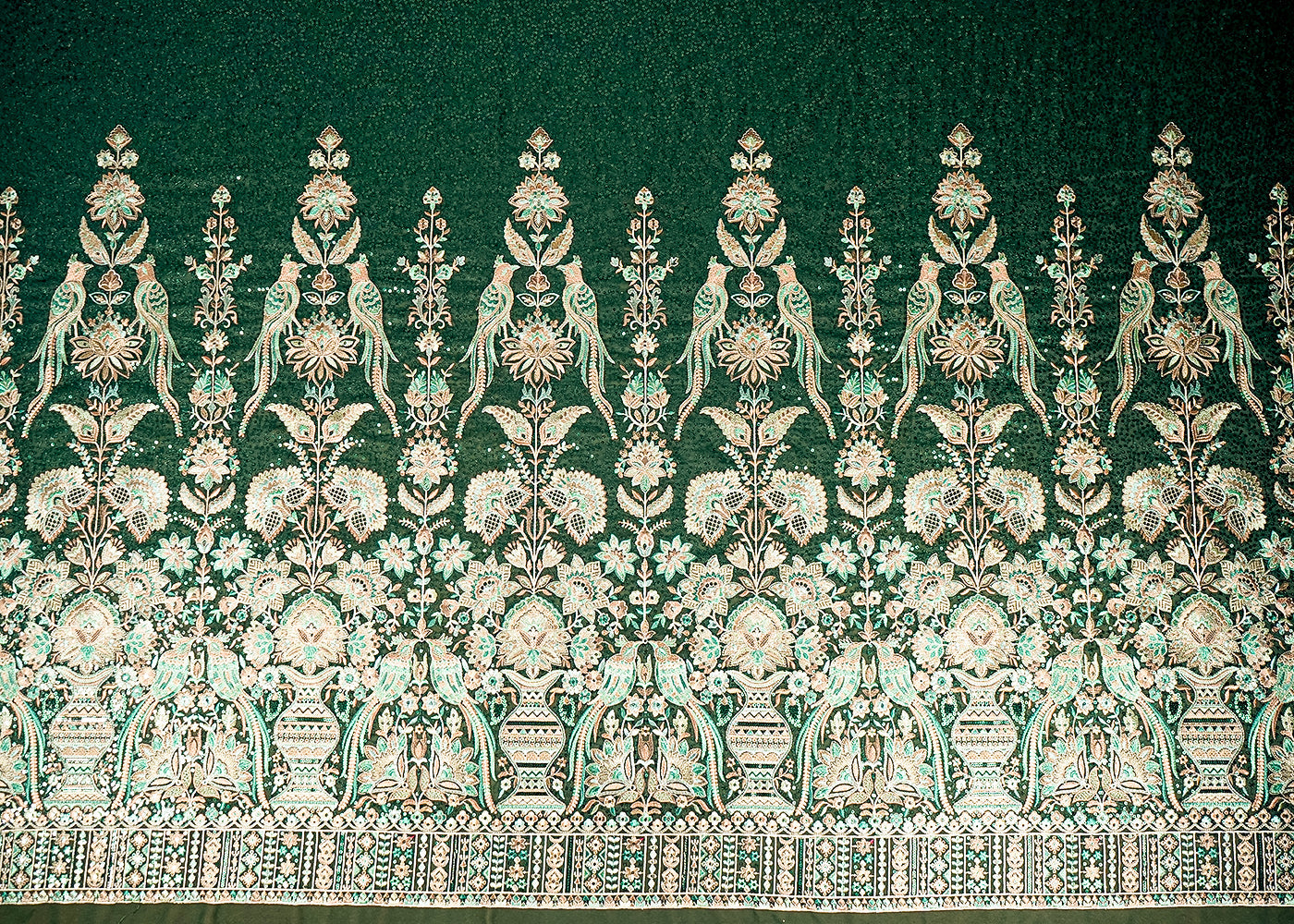
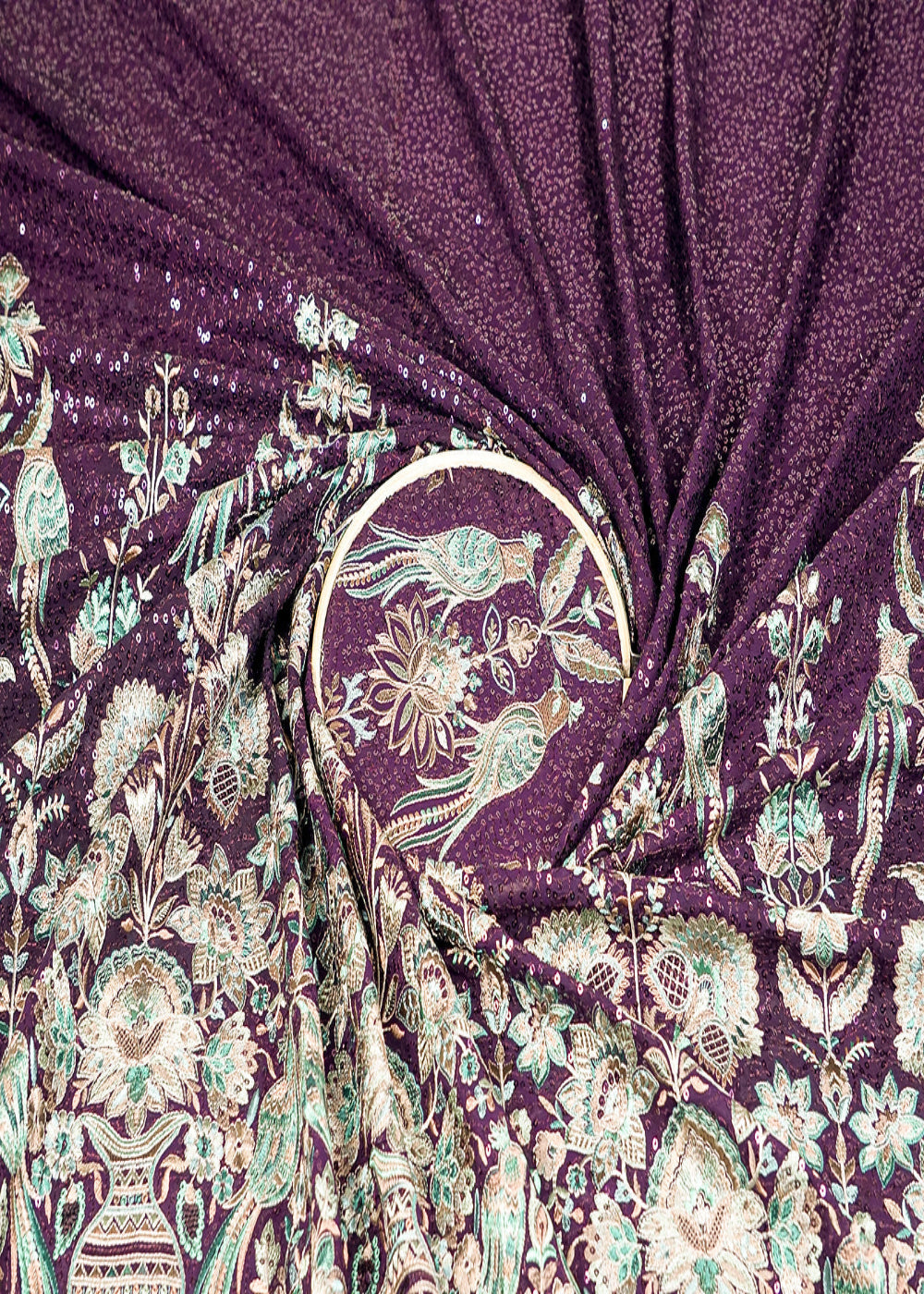
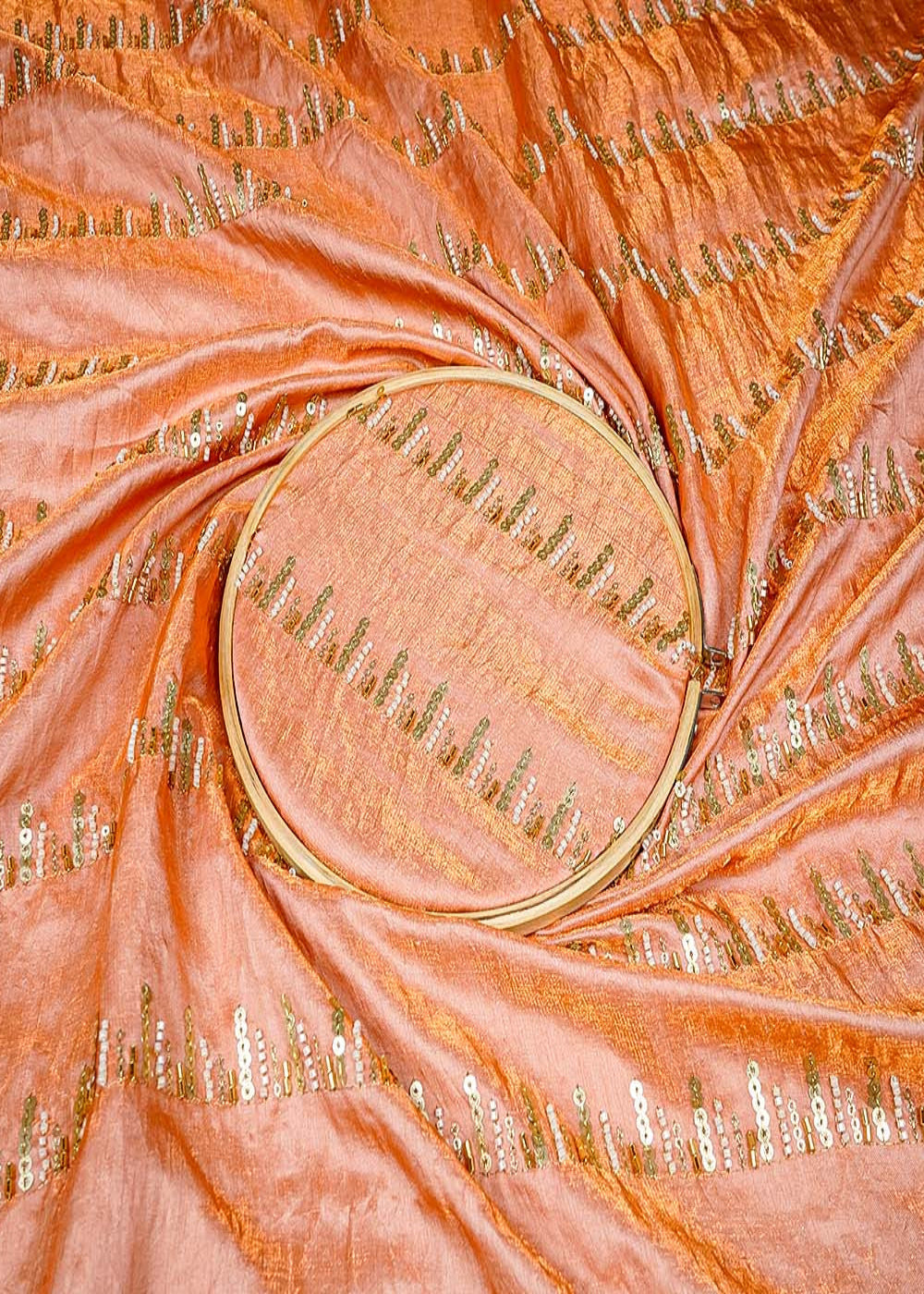
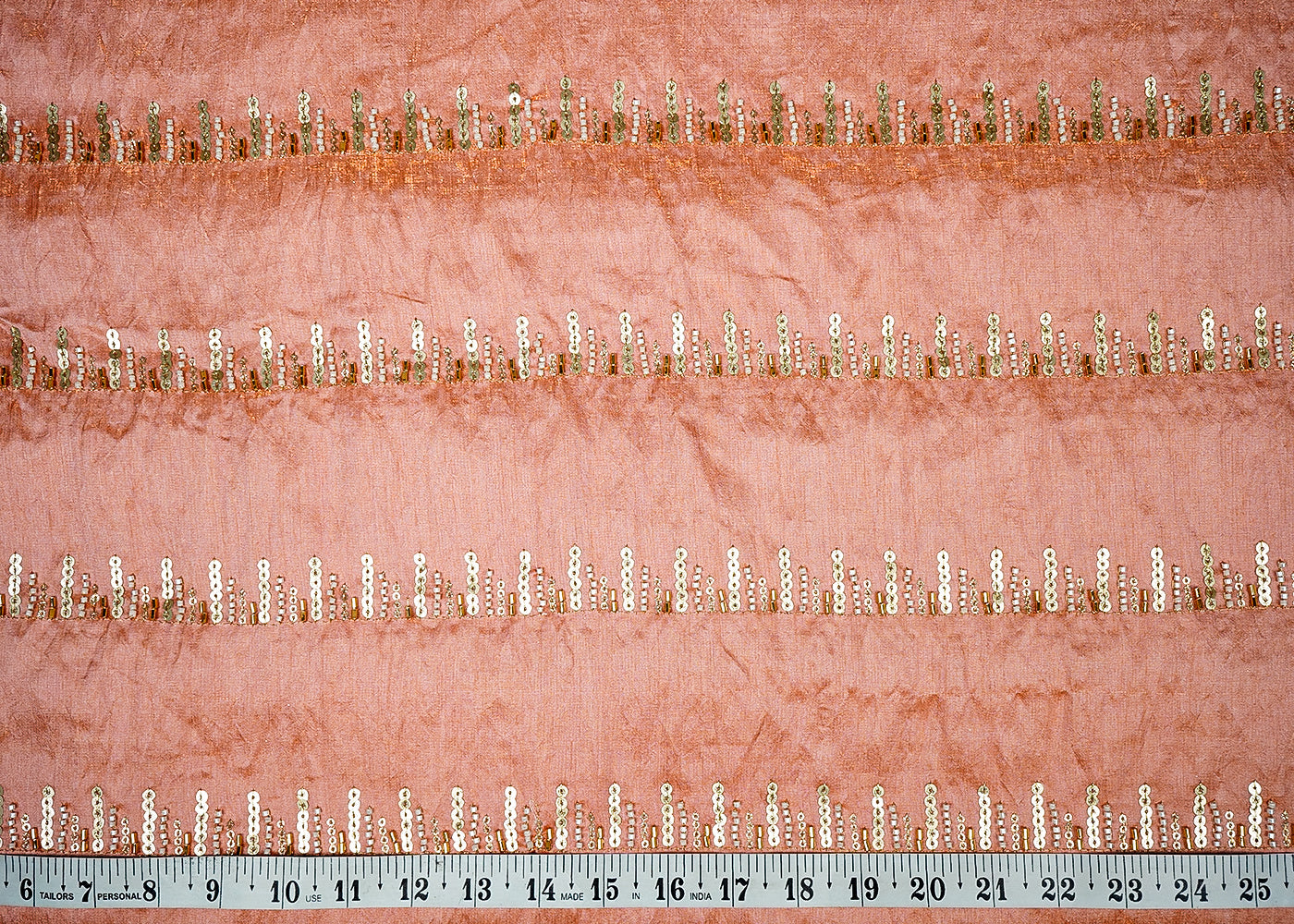
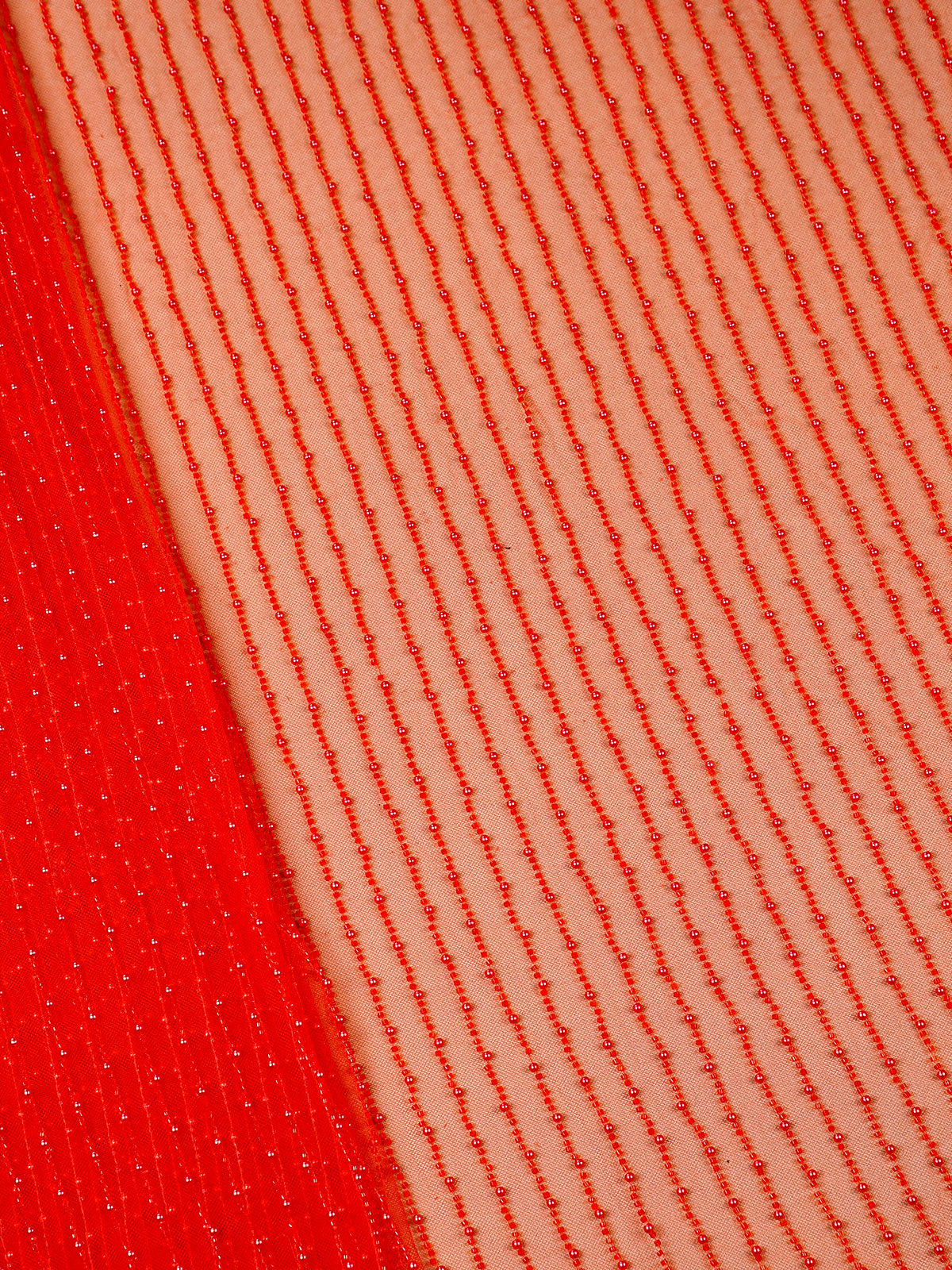
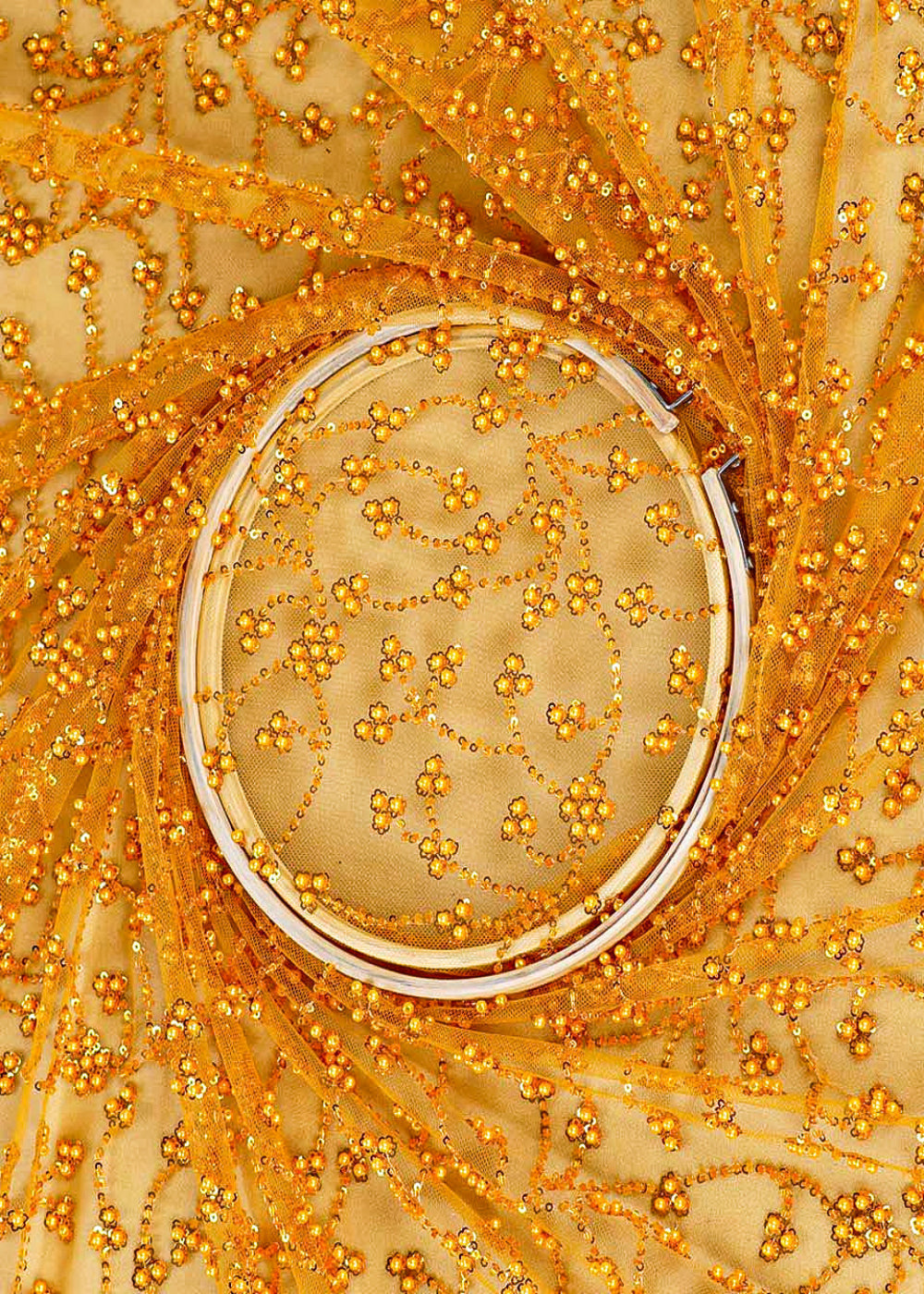
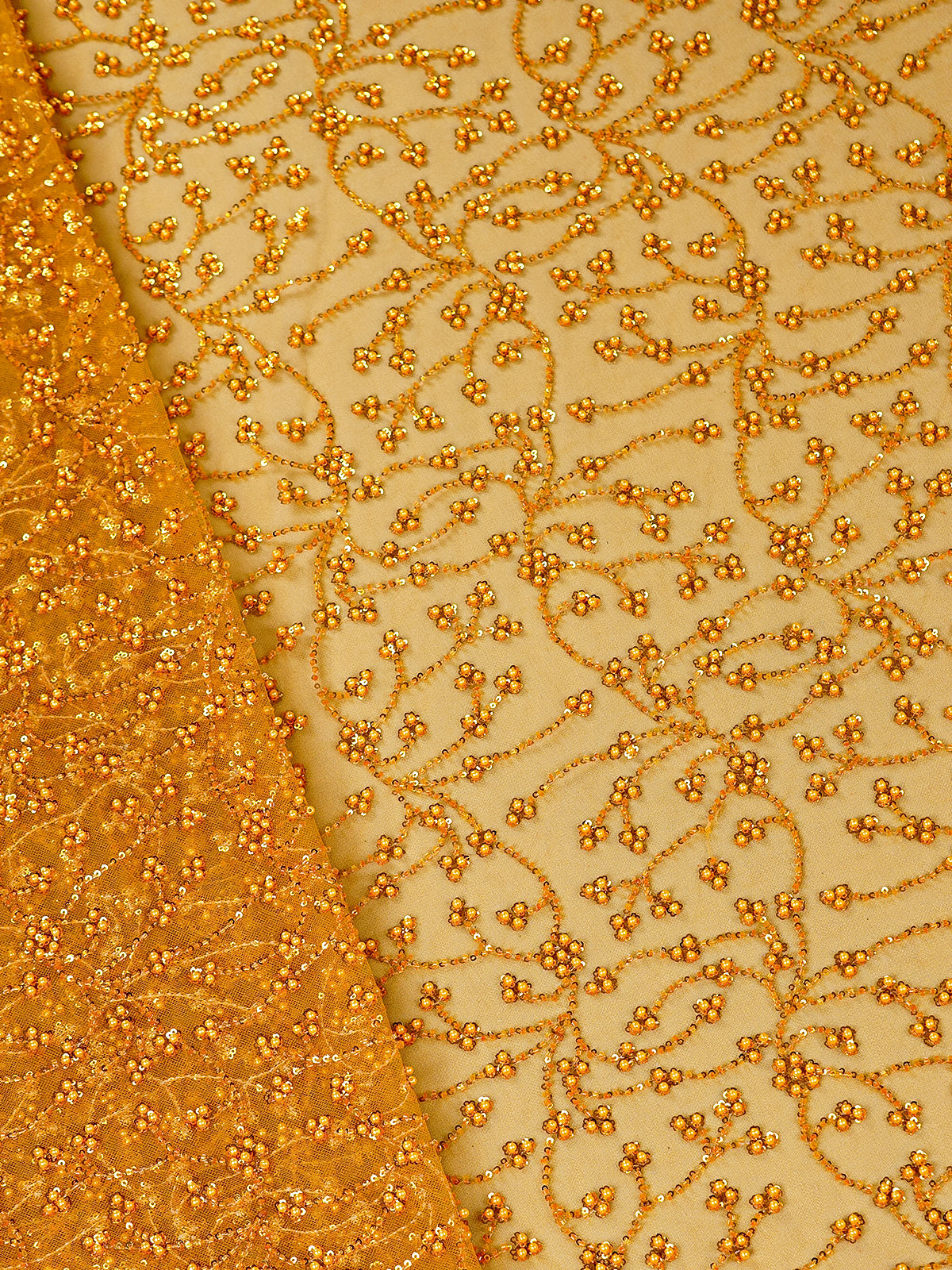
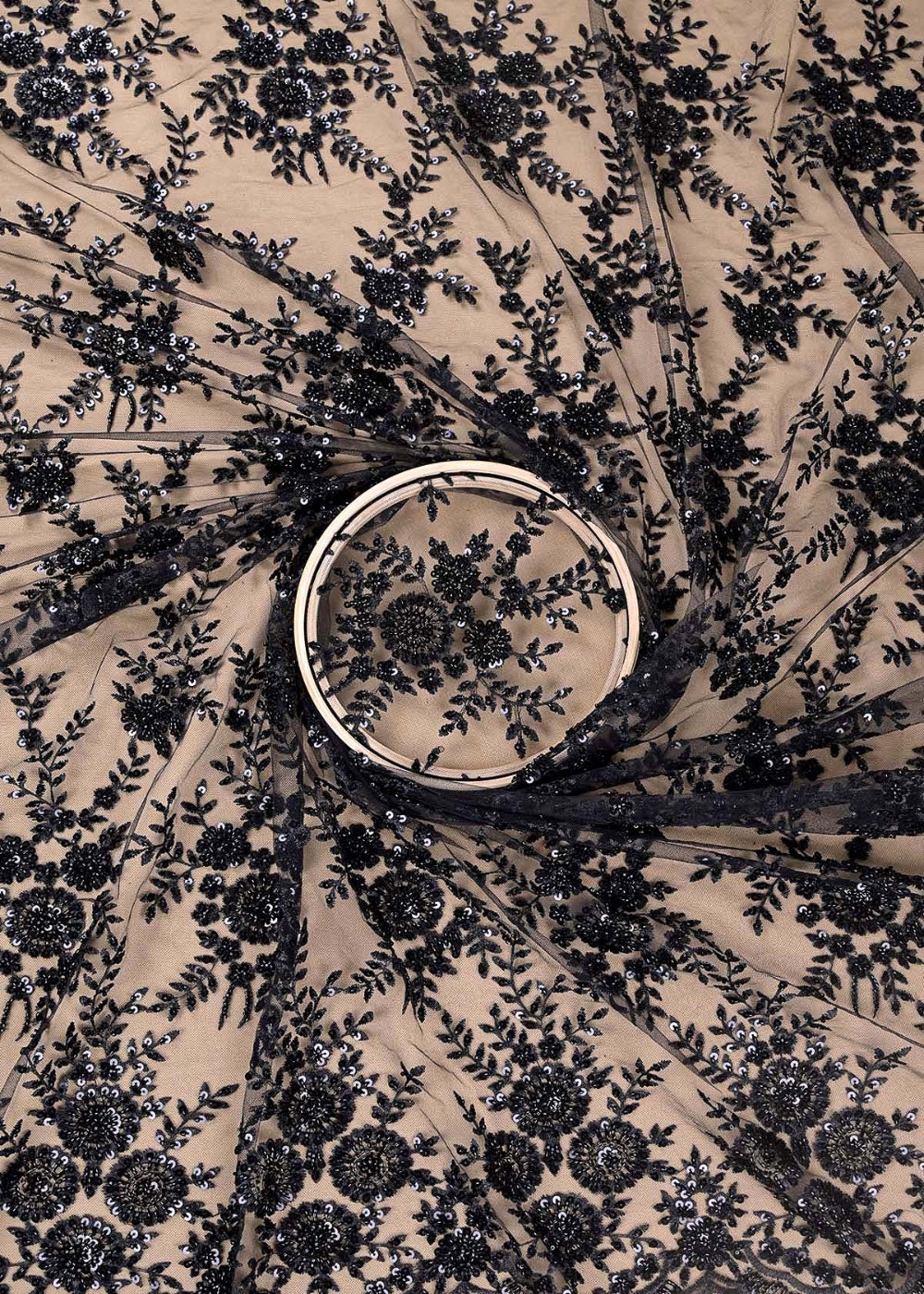
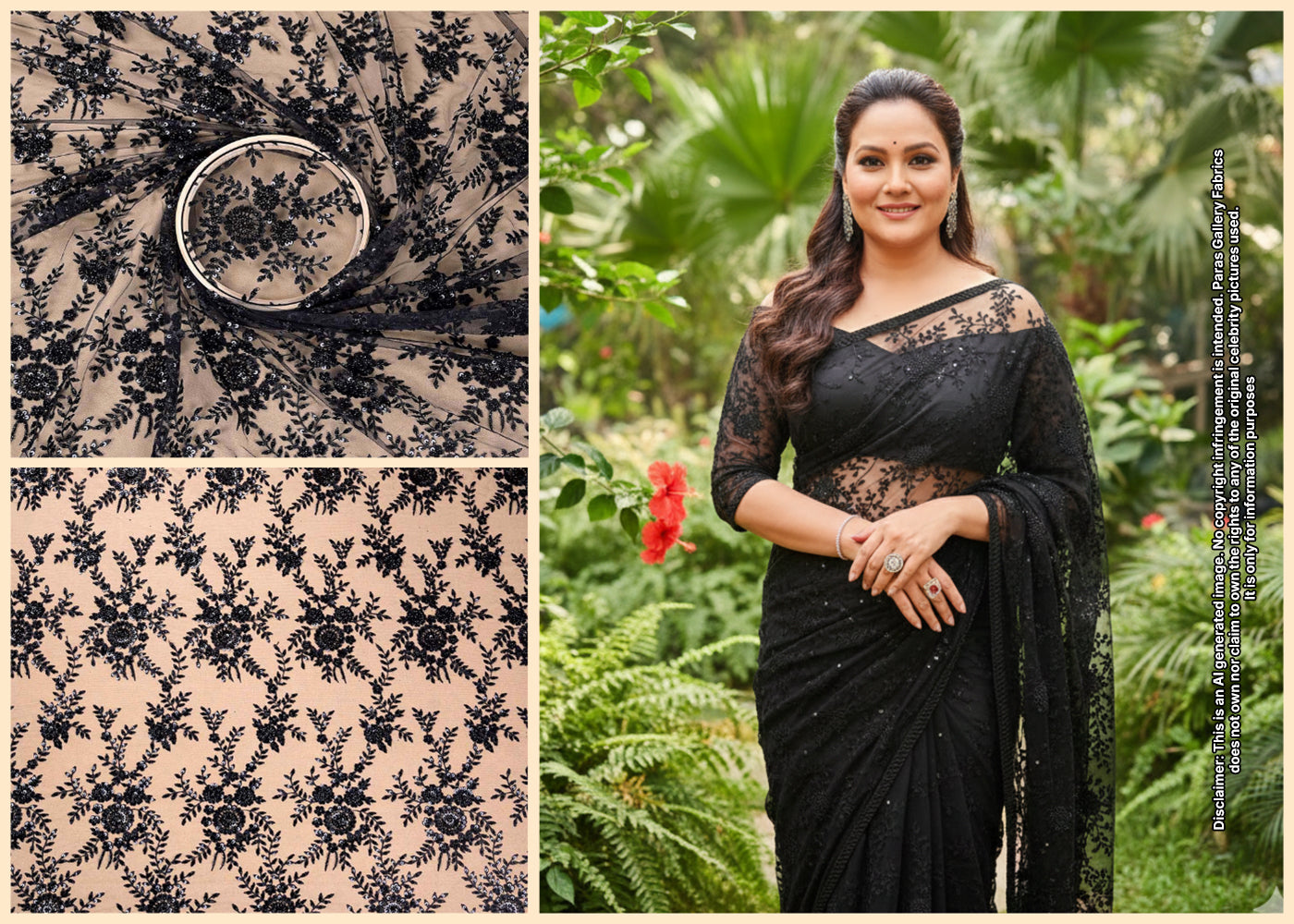
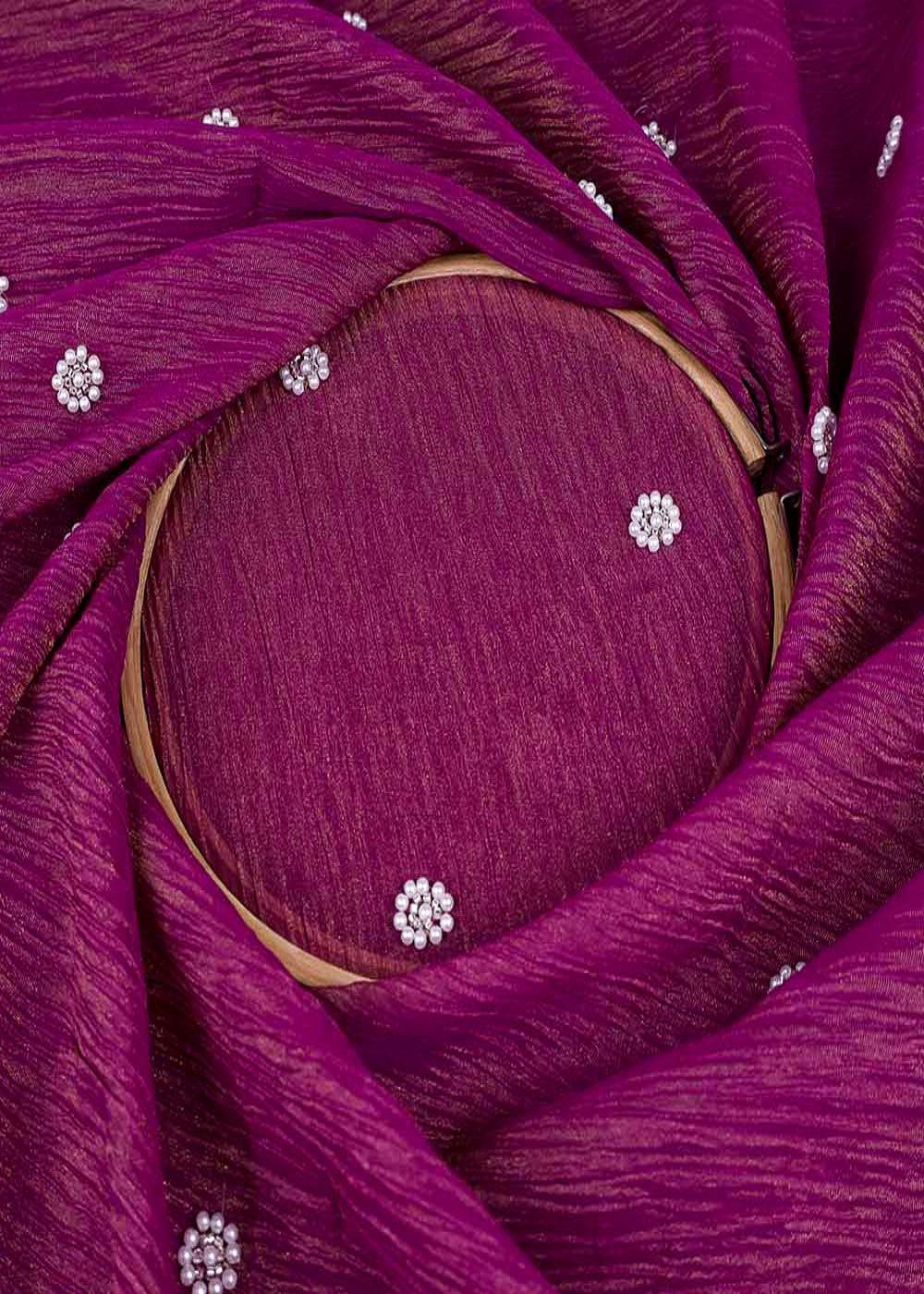
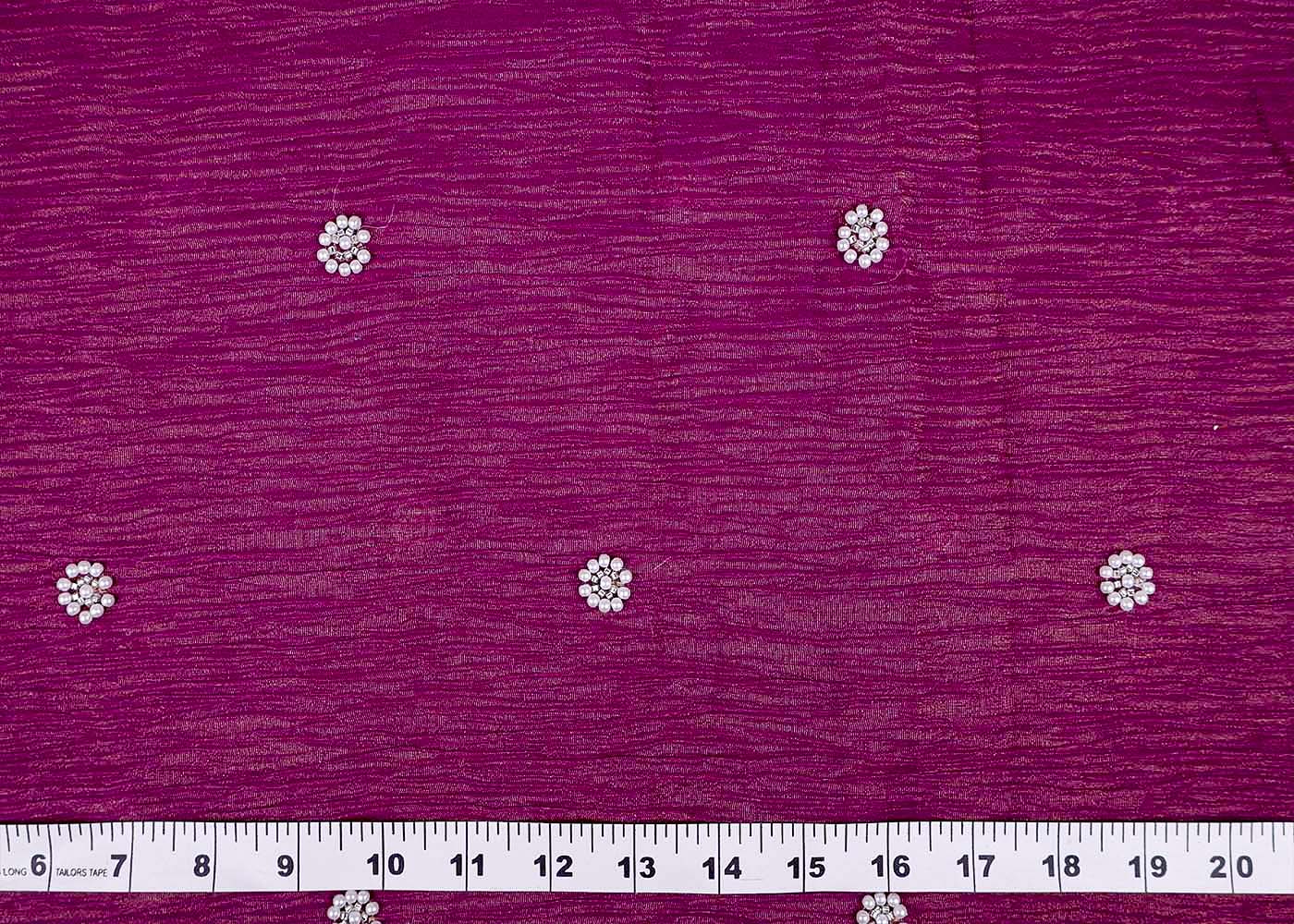
Bead embroidery is fabric worked in three-dimensional beads, glass, plastic or metal (round, tubular or crystal-cut) stitched onto the base to build a raised, textured surface. Where sequins lie flat, they stand above the cloth, which gives the depth that reads on camera for engagement and wedding dressing. Across the Delhi NCR boutique trade it moves heavily for the engagement and wedding function segment, feeding the Rs 8,500 to 22,000 retail garment band.
Quick answer. Bead embroidery is fabric worked in three-dimensional glass, plastic or metal beads (round, tubular or crystal-cut) stitched onto the base for a raised, textured finish. Unlike flat sequins it stands above the surface. It suits engagement sarees, wedding blouses and reception statement pieces at Rs 1,240 to 2,680 per metre wholesale, depending on the stone type and base grade.
What Makes Bead Different
The raised, three-dimensional finish is the whole point. A sequin lies flat and reflects. A single stone sits raised on the surface and builds a texture you can feel, which is the depth flat-disc work cannot reach.
The variants split by stone. Standard glass goes to volume engagement pieces. Crystal-cut serves mid-tier boutique work. Swarovski-adjacent sits at the upper tier. The mixed variant carries statement wedding pieces. Buyers pick by the target garment and the retail band they are working.
It works for saree construction across designer segments and for engagement enchantment function outfits. Lajpat Nagar wholesale runs Rs 1,240 to Rs 2,680 per metre, moving with the stone type and the base grade.
Types of Bead Fabric in Our Collection
| Type | Best use | Approx price |
| Standard Glass | Volume engagement sarees, party outfits | Rs 1,240 to 1,540 per metre |
| Coloured Designer | Designer boutique sarees, engagement | Rs 1,540 to 1,880 per metre |
| Crystal-Cut | Wedding blouses, statement pieces | Rs 1,880 to 2,180 per metre |
| Swarovski-Adjacent | Upper-tier engagement, statement wedding | Rs 2,180 to 2,480 per metre |
| Bead-Sequin Mixed | Statement wedding pieces, reception centrepiece | Rs 2,480 to 2,680 per metre |
The entry glass variant is the volume seller across mid-market boutique production. Upper-tier boutiques working the Rs 15,399-and-up retail band reach for the crystal-cut and Swarovski-adjacent grades, where the stone itself earns the rate.
Bead GSM Guide
| GSM range | Fabric feel | Best for |
| 120 to 180 GSM | Light-medium, drape-forward | Engagement dupattas, party pairing |
| 180 to 260 GSM | Medium-heavy, structured | Engagement sarees, wedding blouses |
| 260 to 350 GSM | Heavy, statement-weight | Wedding statement, reception centrepiece |
Most buyers default to the 180 to 260 GSM band for standard production. It carries the stone weight without dragging the drape a saree needs. Lighter grades suit dupattas. The heaviest go to statement centrepiece pieces.
In short. This work stands raised off the cloth where sequins lie flat, giving real texture. Buy in the 180 to 260 GSM band for standard engagement pieces. Budget 5.5 to 6 metres for a saree, 1 to 1.5 for a blouse. Dry-clean it and store it flat so the stones do not crush. Wholesale runs Rs 1,240 to 2,680 per metre.
Popular Uses
Engagement sarees lead, mostly in the Rs 8,500 to 14,000 band across the pre-wedding segment, where the textural depth photographs sharp under function lighting. Wedding blouses for the coordinated family sets come second. Statement engagement outfits in the crystal-cut variants are third, around the Rs 12,000 to 18,000 band. Reception centrepiece pieces in the mixed variants round out the list.
Trends in Bead Work for 2026
Crystal-cut work is leading the fashion-forward engagement segment right now. Buyers are choosing the dimensional crystal texture over standard glass, which drives steady reorders at the higher price tiers. Delhi NCR boutiques reorder crystal-cut every three weeks across the October to February peak. The Swarovski-adjacent grade is the second pattern gaining ground, mostly across the upper-tier engagement segment.
Care and Working Tips
Dry-clean the crystal and Swarovski variants. Machine washing pops the stones off and tangles the loose threads. Even hand-washing loosens them at the edges. A cold hand-wash is fine only for light glass-stone pieces, turned inside out.
A loose thread runs, so if a stone comes off, secure the thread end at the back before the next ones unravel. Keep a few spare stones from the lot for repair. When stitching, remove the stones on the seam line first, so the needle does not hit one.
Iron on the reverse, low heat, through a press cloth. Never press the stones directly, since heat cracks plastic and crystal. Store flat or rolled so a heavy panel does not crush or snag over long holds.
Frequently Asked Questions
How does bead embroidery differ from other embroidery work?
It comes down to shape. Sequins are flat discs that lie on the fabric and reflect. Beads are round or shaped and stand above it, building a texture you can feel. Boutiques pick between them by the garment and whether they want flat shine or raised depth.
Which variant works best for boutique production?
It depends on the retail band. Standard glass handles volume engagement production at accessible rates. Coloured and crystal-cut serve designer boutique work. Swarovski-adjacent and mixed variants go to statement production in the Rs 15,399-and-up band, where the stone earns the higher rate.
Is bead embroidery available in bulk for boutique operations?
Yes, across all variants. Bulk pricing starts at 15 metres per SKU, with wholesale tiers from Rs 1,054 per metre on orders above 40 metres. Peak-season lots above 100 metres unlock production pricing across the October to February wedding season.
How much fabric does a garment need?
It varies by garment. A saree takes 5.5 to 6 metres. A blouse takes 1 to 1.5 metres. A kurti takes 2.5 metres for a straight cut, 4 metres for a kali-flare anarkali. A single lehenga panel takes about 4.5 metres.
Why Boutique Owners Buy Bead Embroidery from Paras Gallery
Ten metres minimum gets you sample-rate per shade. Fifteen metres opens the wholesale tier per SKU. One hundred metres unlocks peak-season production pricing across the wedding boutique cycle. The reason boutiques keep this work on the shelf is the depth, that raised texture reads on camera where flat work goes quiet. Browse the range and shade-match first, then order through our wholesale catalogue.
