








Crepe Fabric Guide: Types, GSM, Prices, Uses
Crepe solves a problem most fabrics leave open. It is light and opaque at the same time, so a kurti or suit needs no lining for daywear, yet the piece never looks cheap. That single property is why it has become the safe everyday stock for boutiques and the go-to base for beginner tailors.
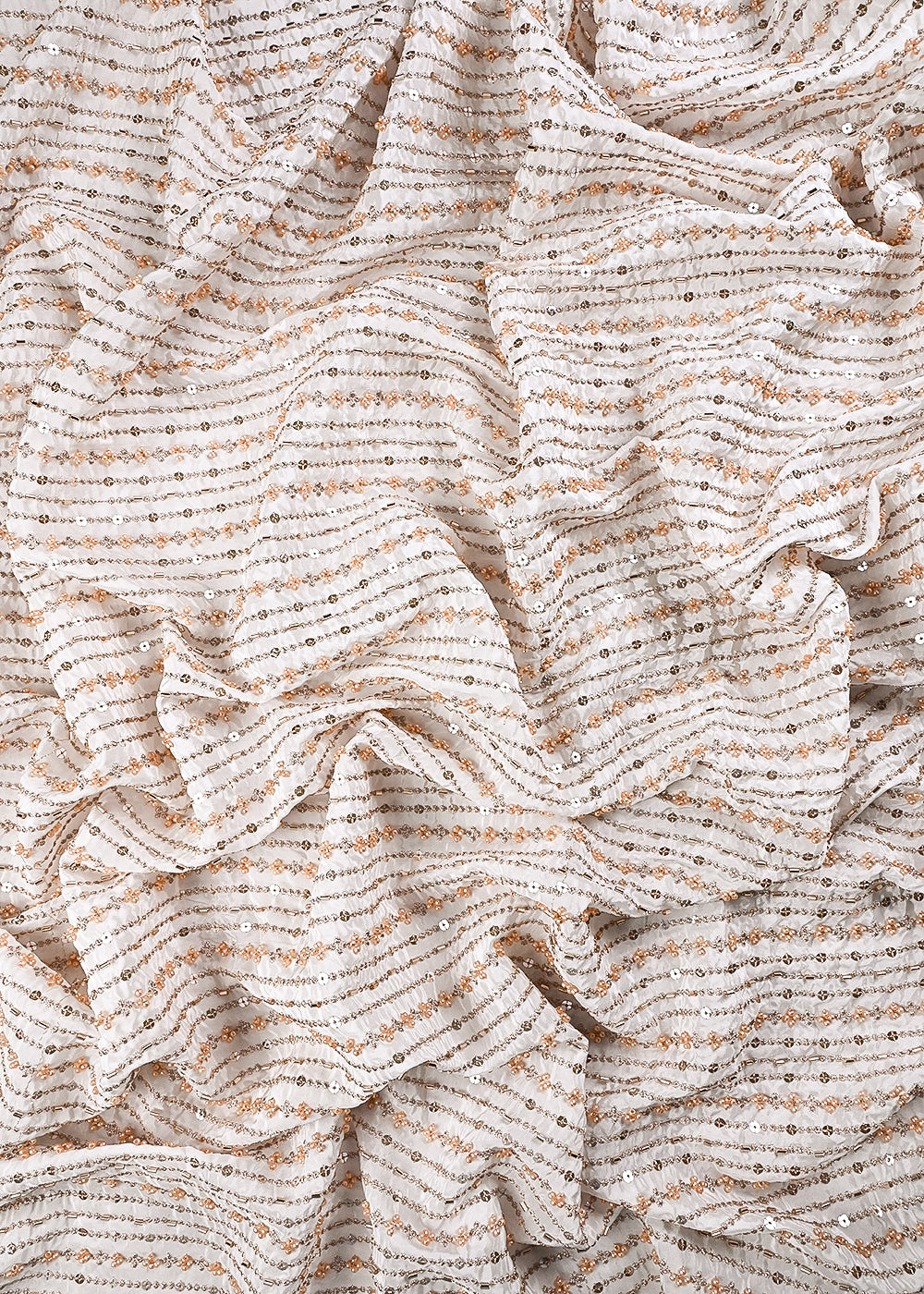
The look comes from the crinkled surface texture woven into the yarn. It reads matte and refined rather than shiny. It holds dye deeply, resists creasing better than almost any fine fabric on the counter. Pastels for daywear, deep shades for evening, crepe carries across both without changing character.
Why Crepe Is Easy to Work and Easy to Sell
Two things make it a tailor favourite. It does not slip under the scissor the way georgette or satin does, so cutting stays accurate. And it holds a seam clean without puckering, which is why beginners reach for it first.
On the sales side the wrinkle resistance is the quiet winner. A customer can wear a crepe kurti through a full day, fold it into a bag, pull it out fine. For a boutique that translates into repeat purchase, since the garment performs in real life rather than only on the hanger.
Types of Crepe Fabric
| Crepe Type | Best For | Approx Rate |
| Plain crepe | Kurti sets, blouses, palazzos | Rs 120 to 250 per metre |
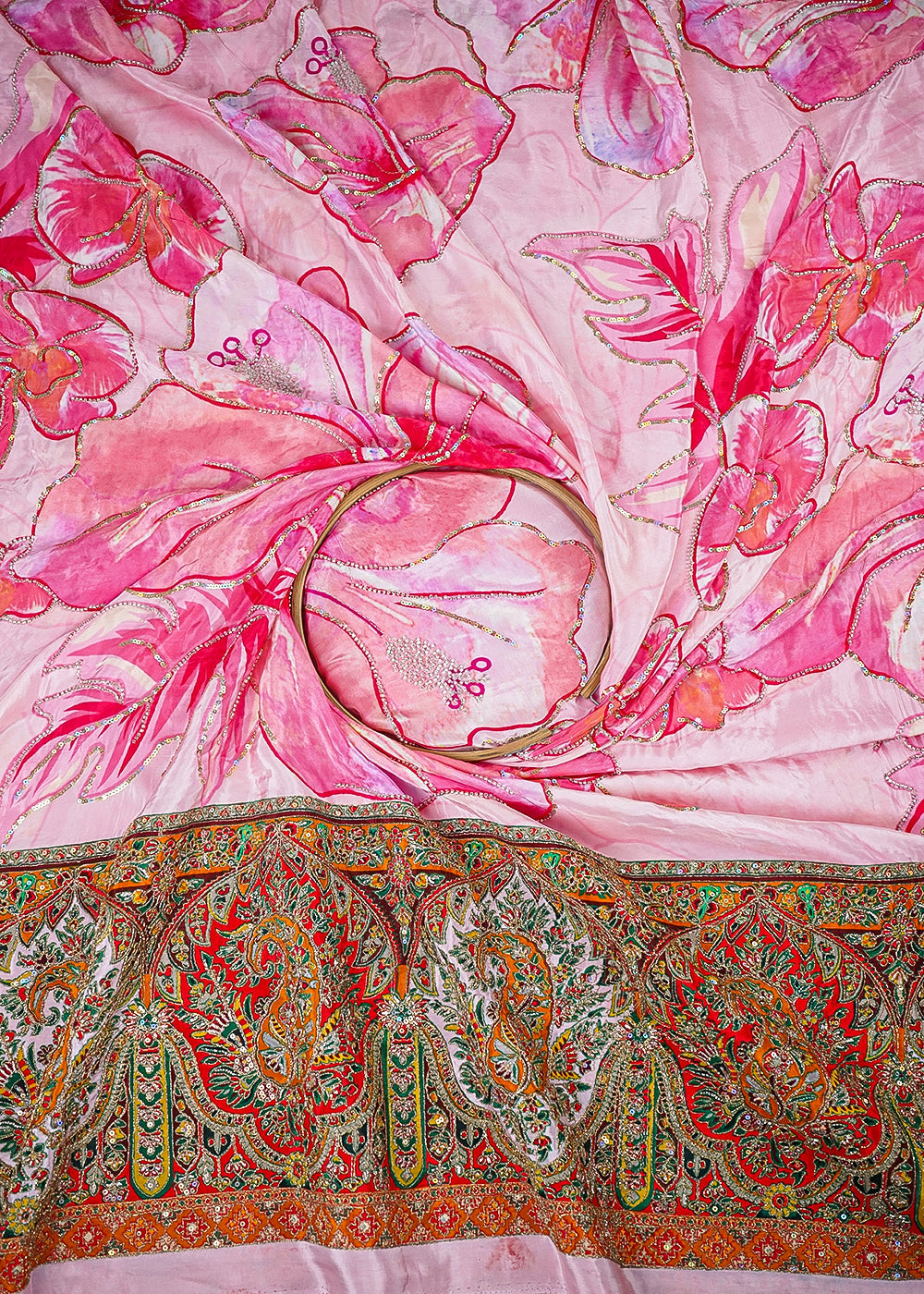
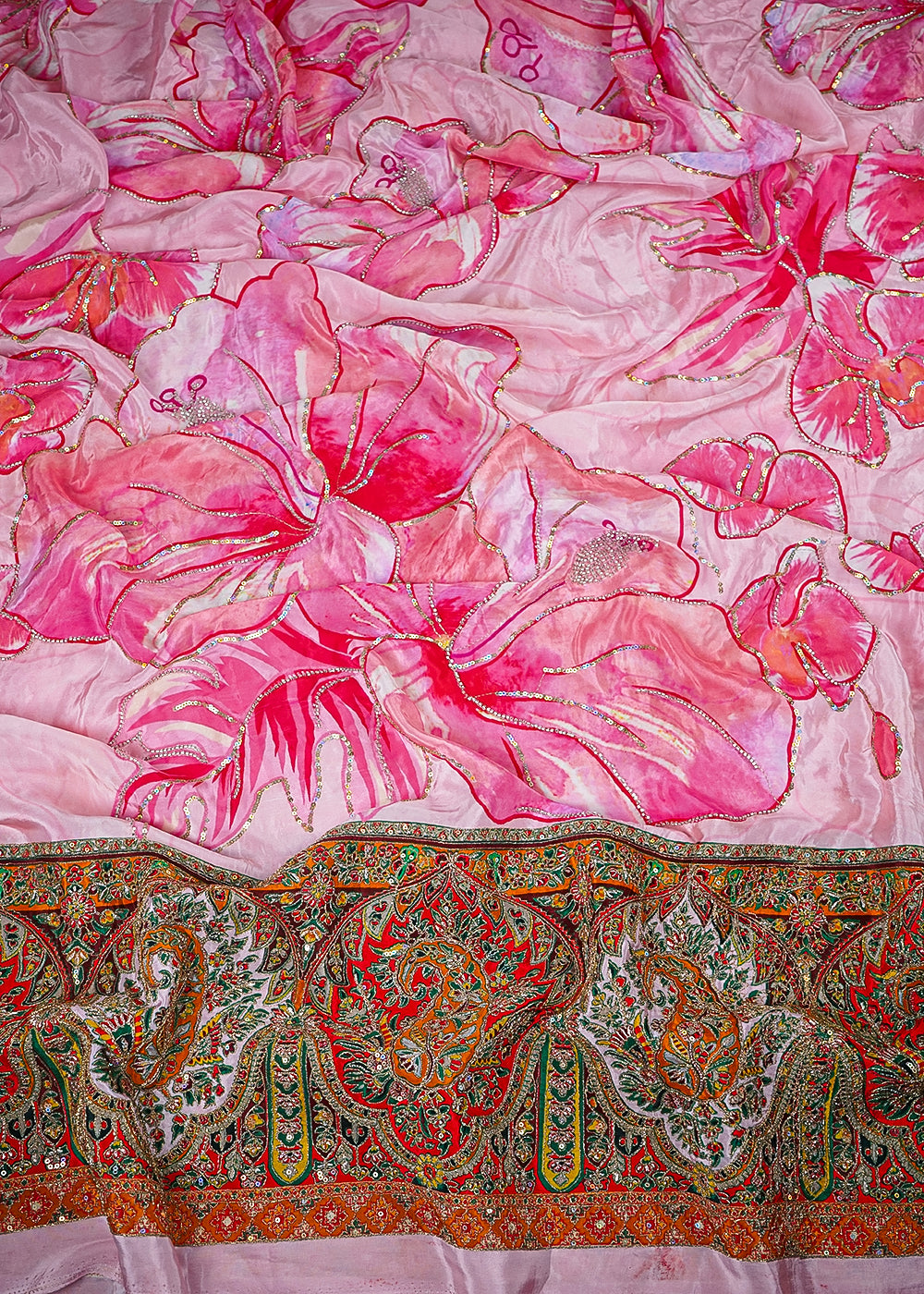
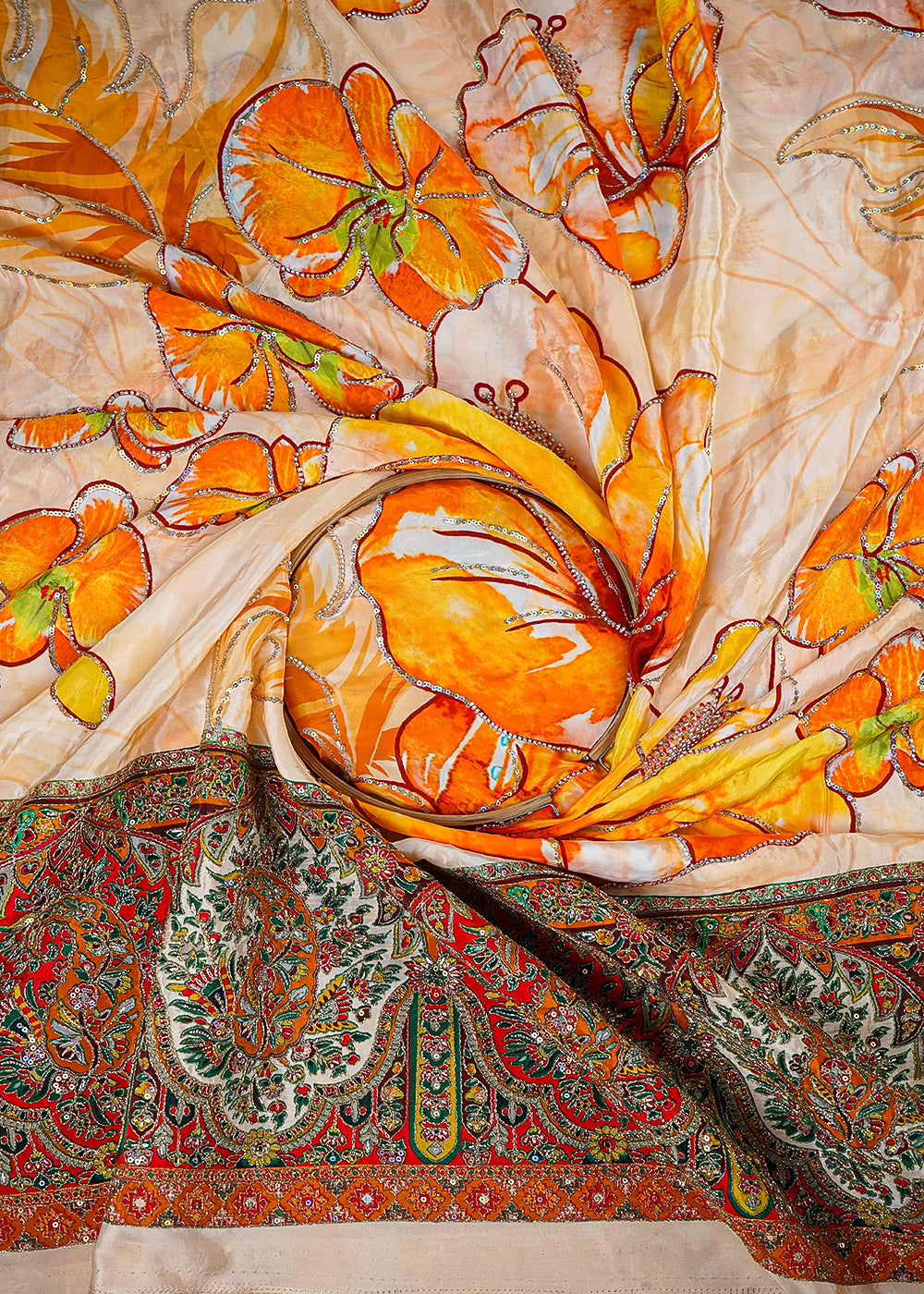
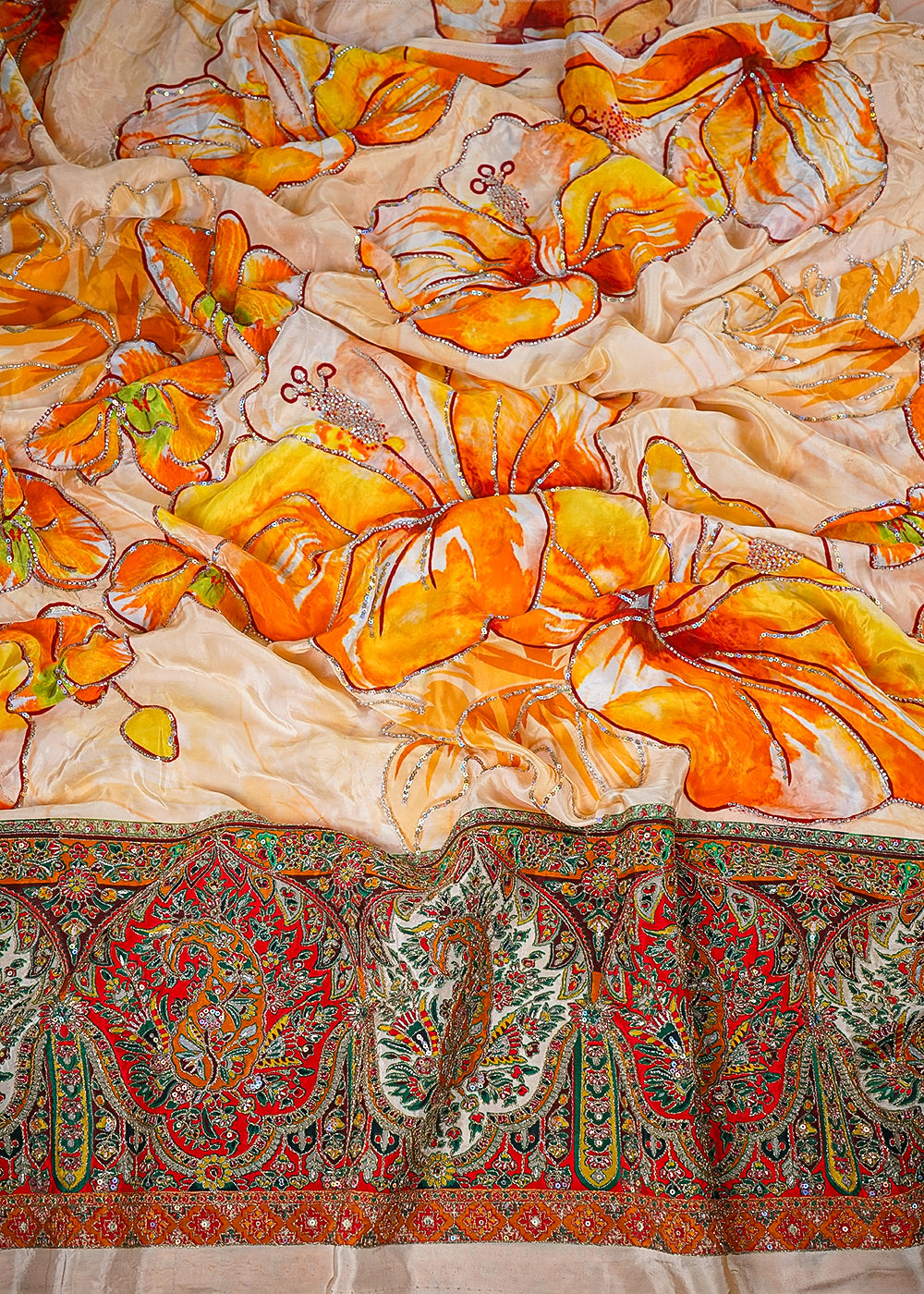
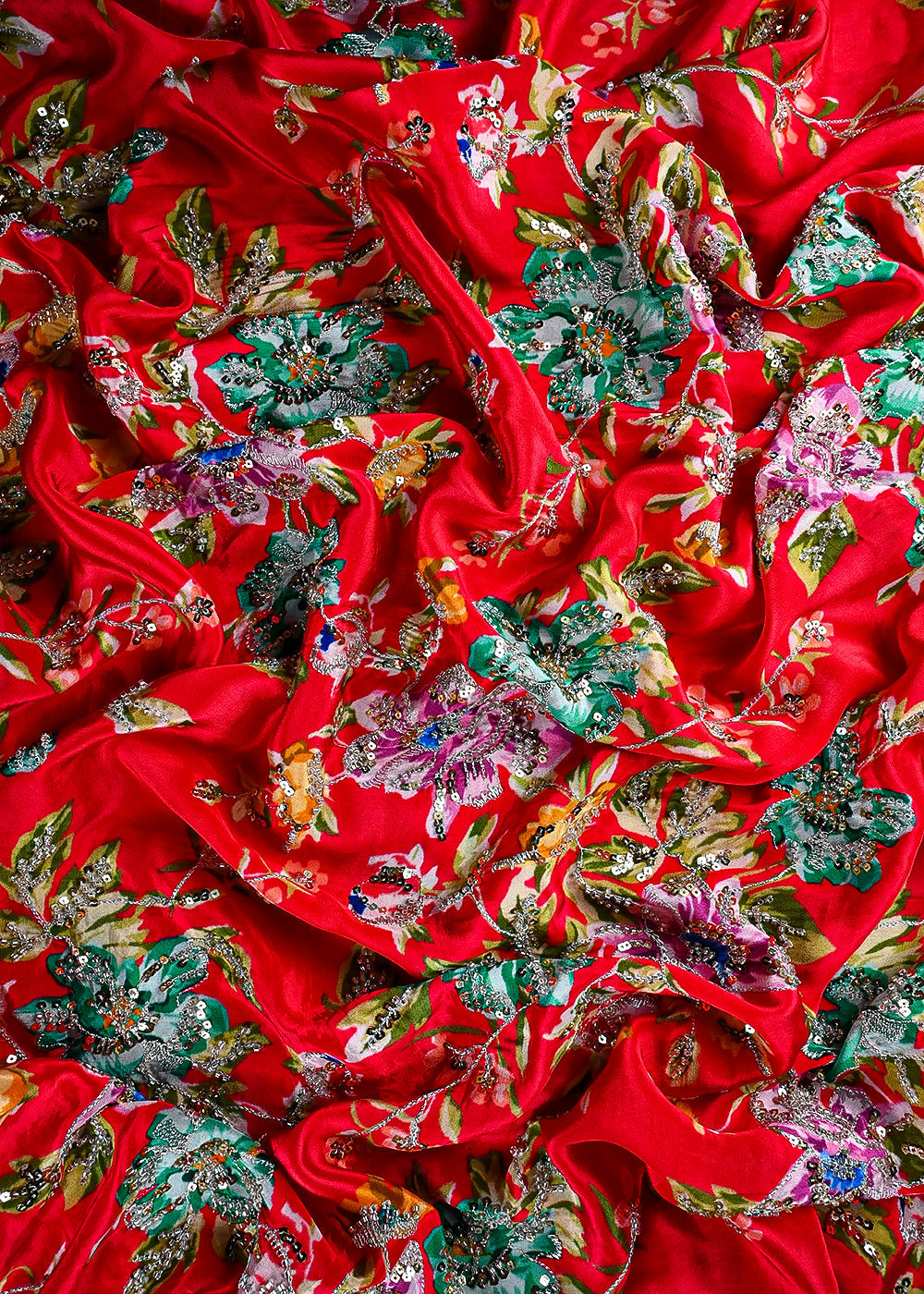
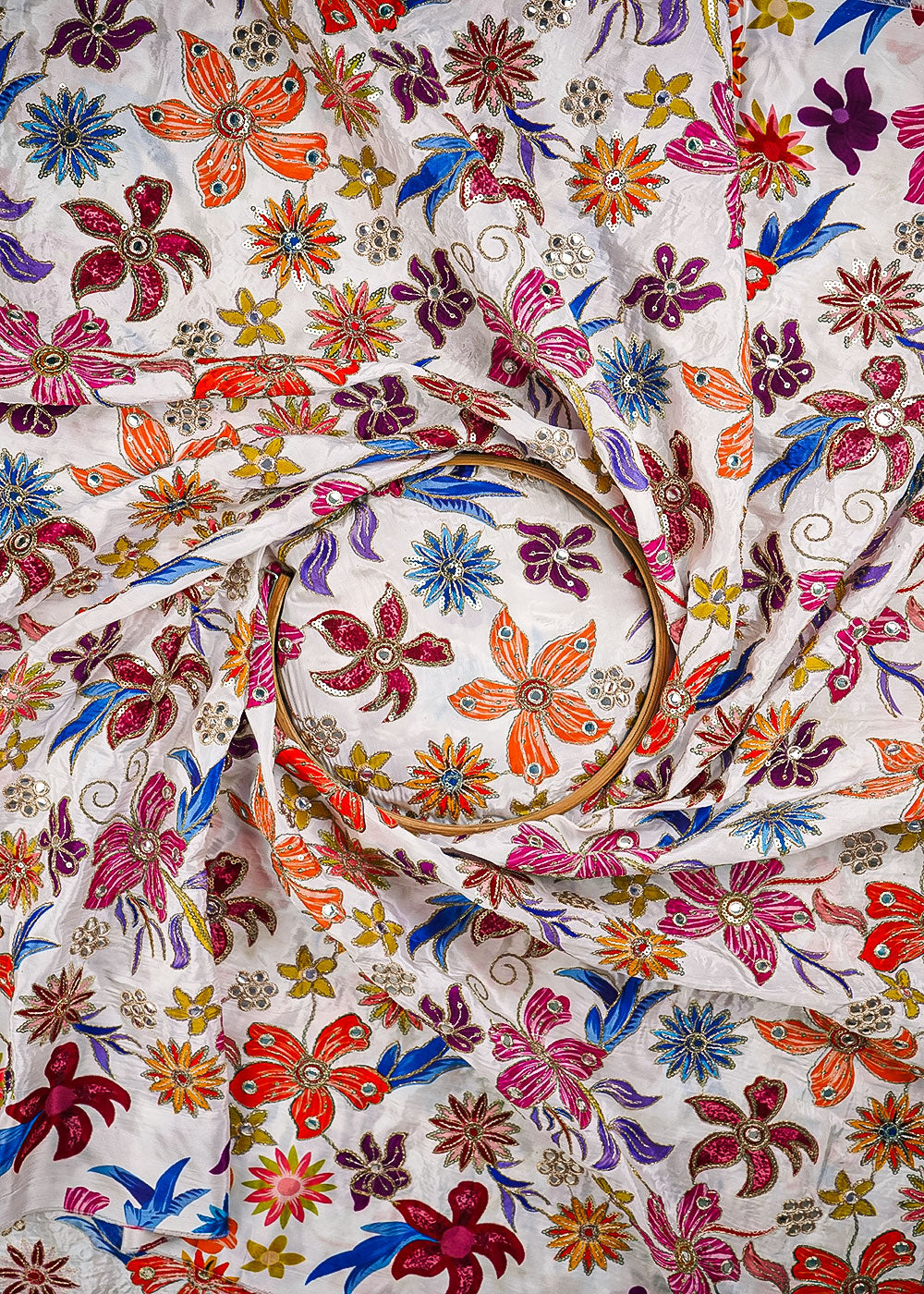
| Printed crepe | Kaftans, tunics, maxi dresses | Rs 160 to 320 per metre |
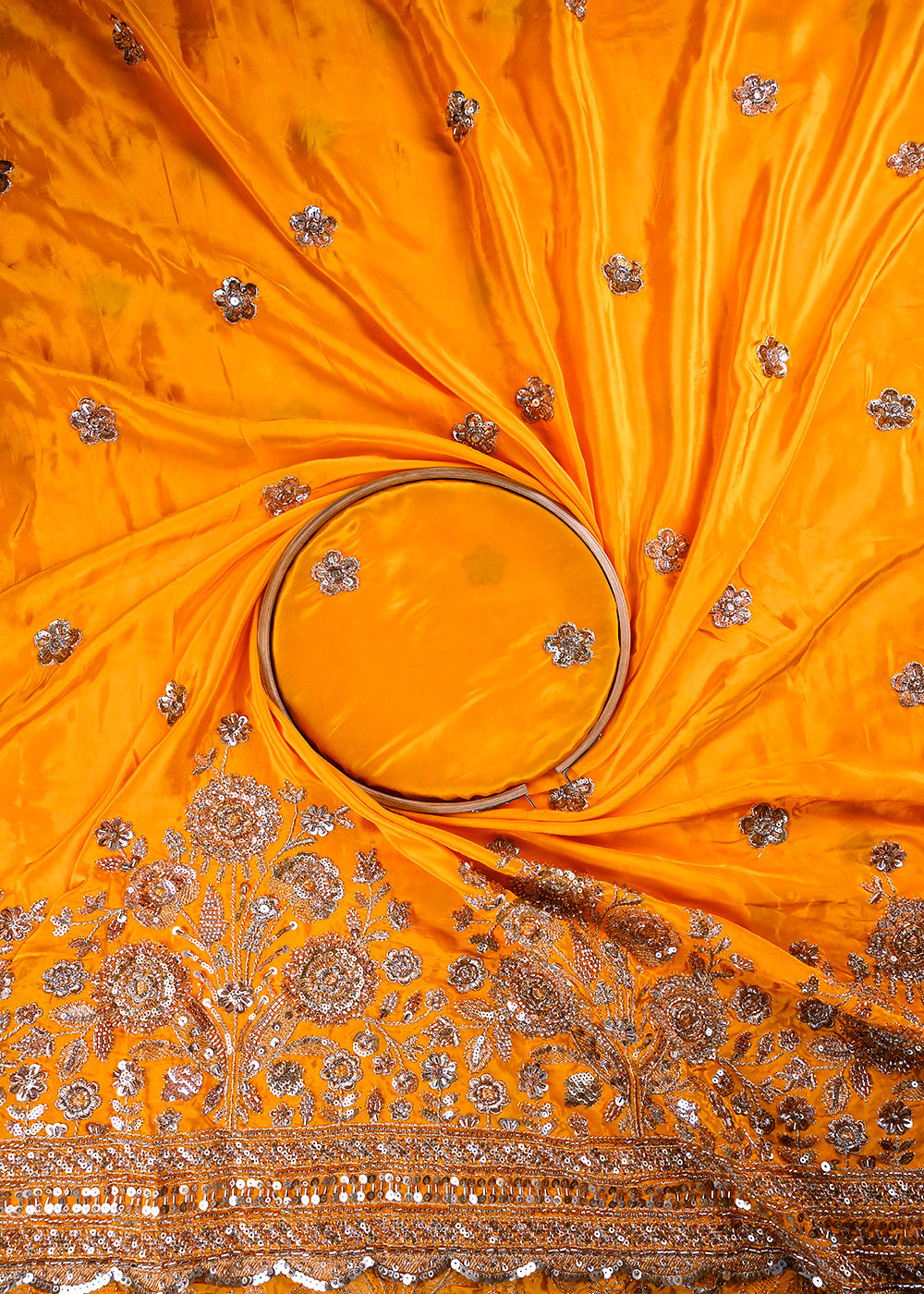
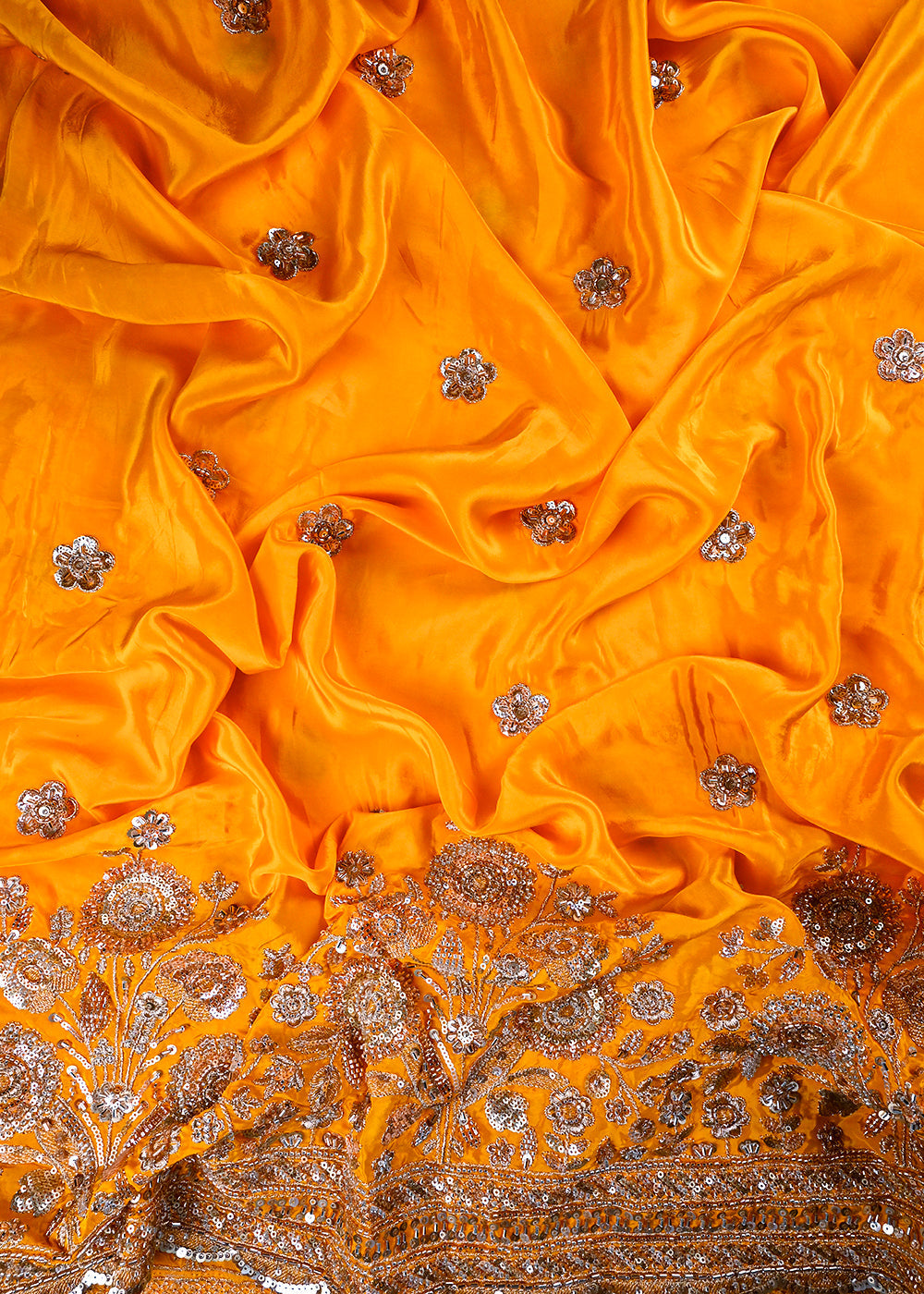
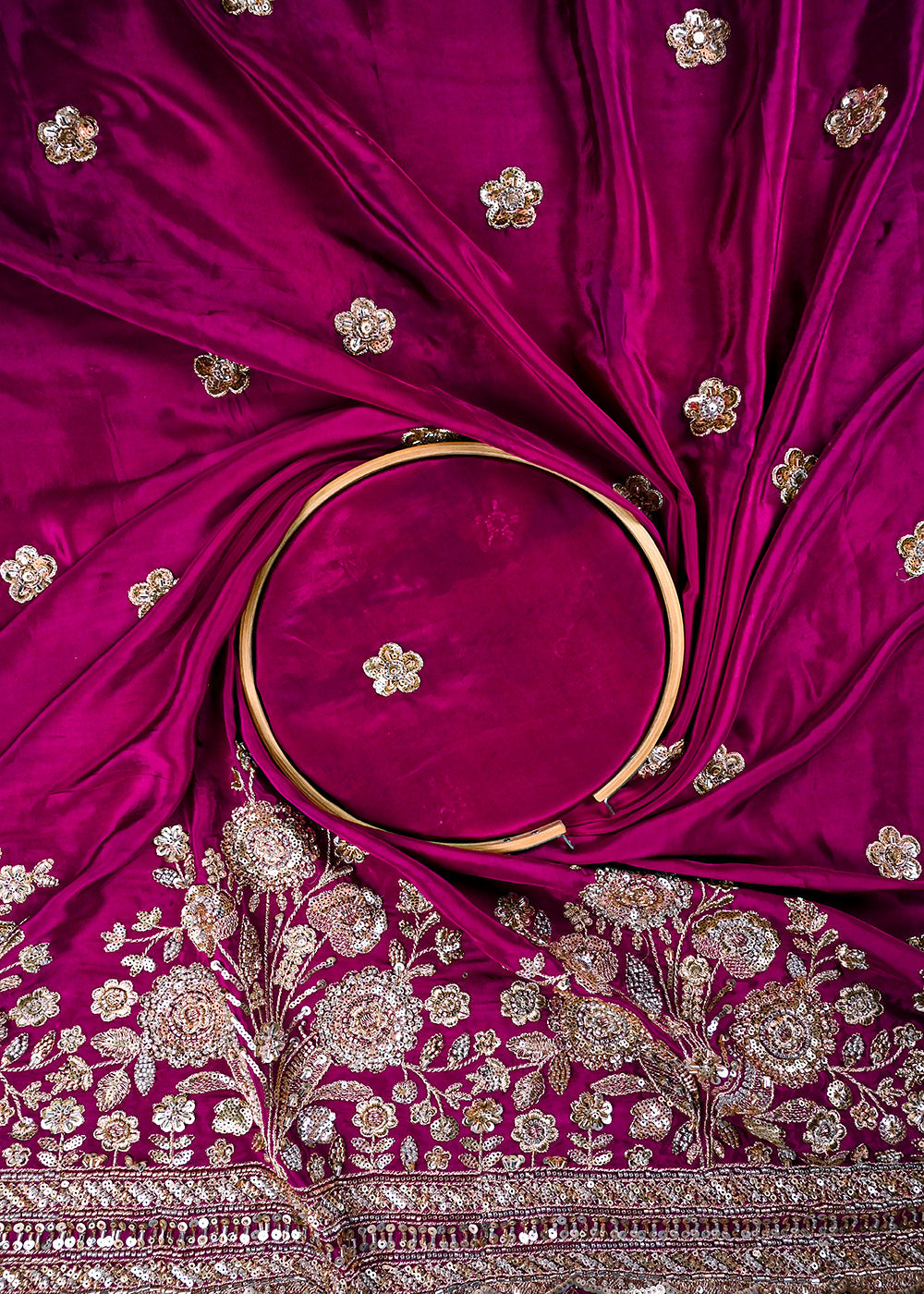
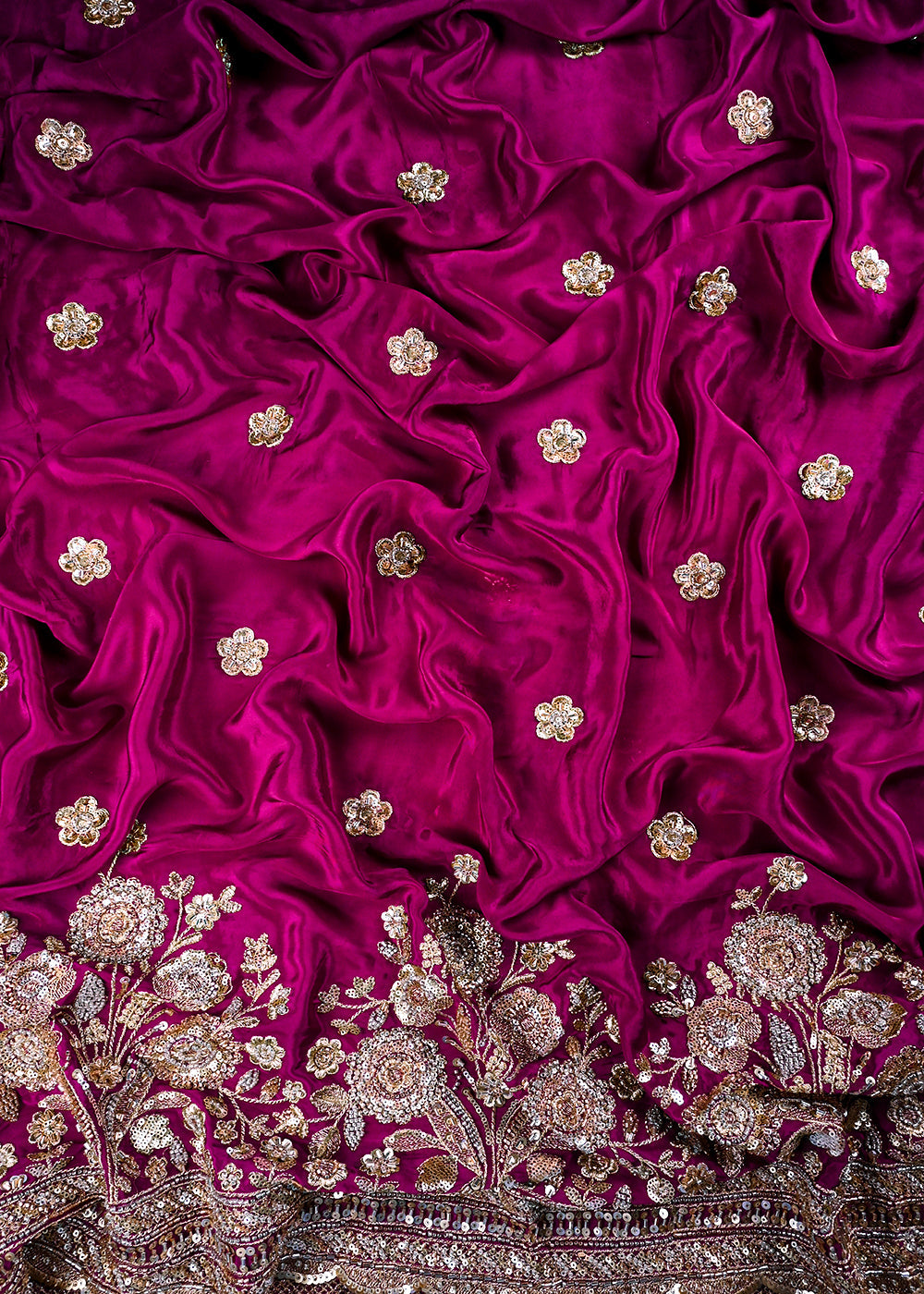
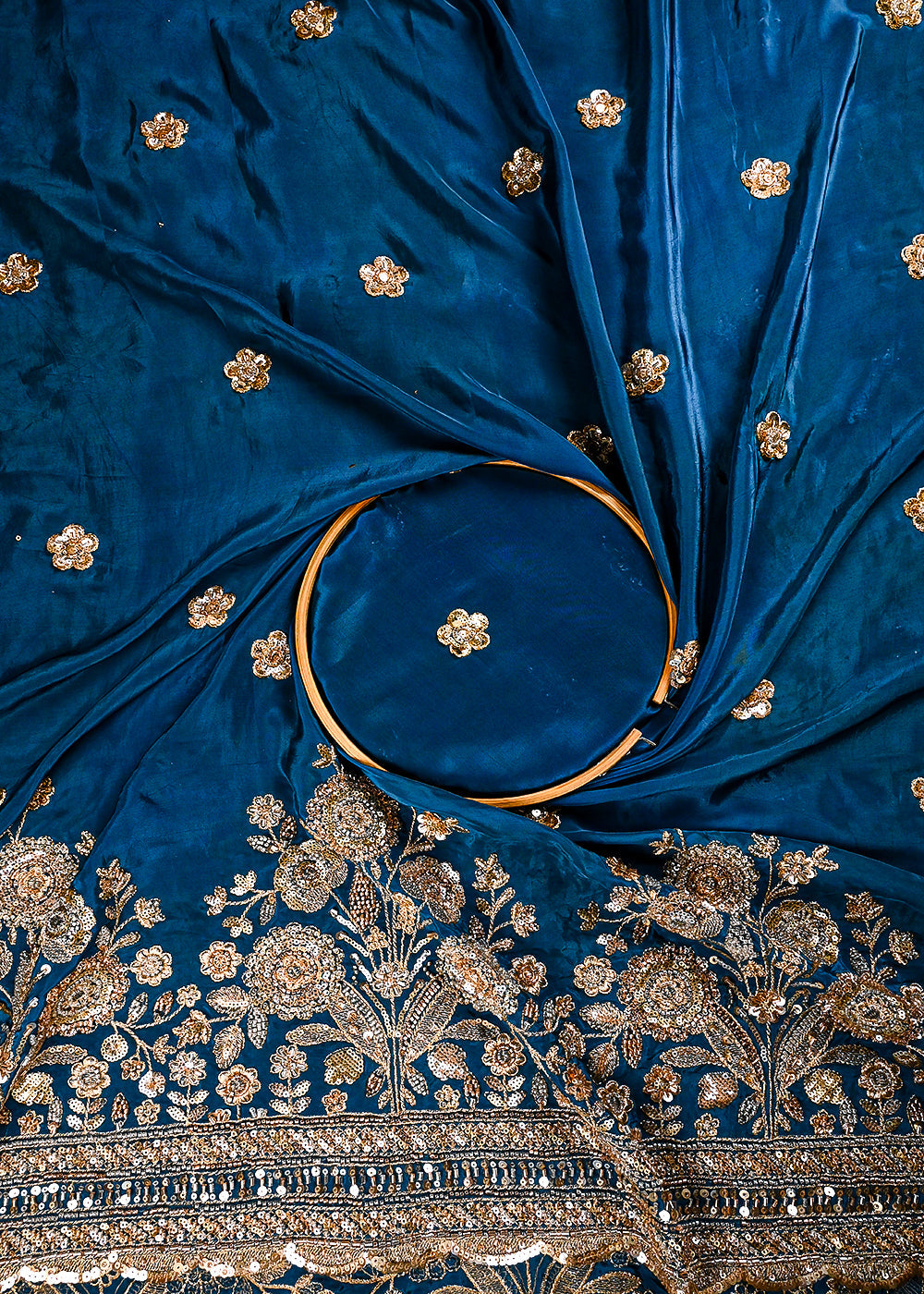
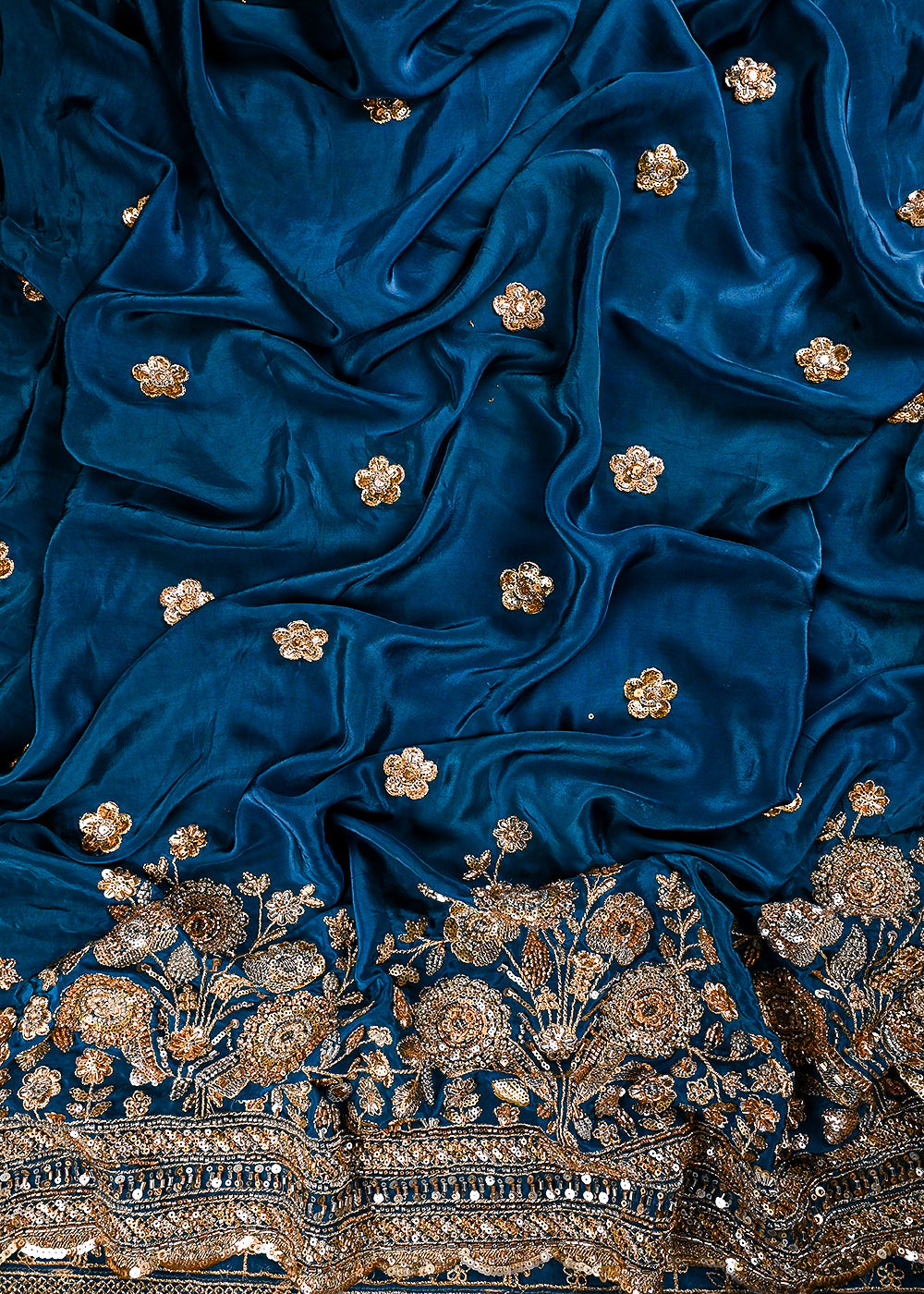
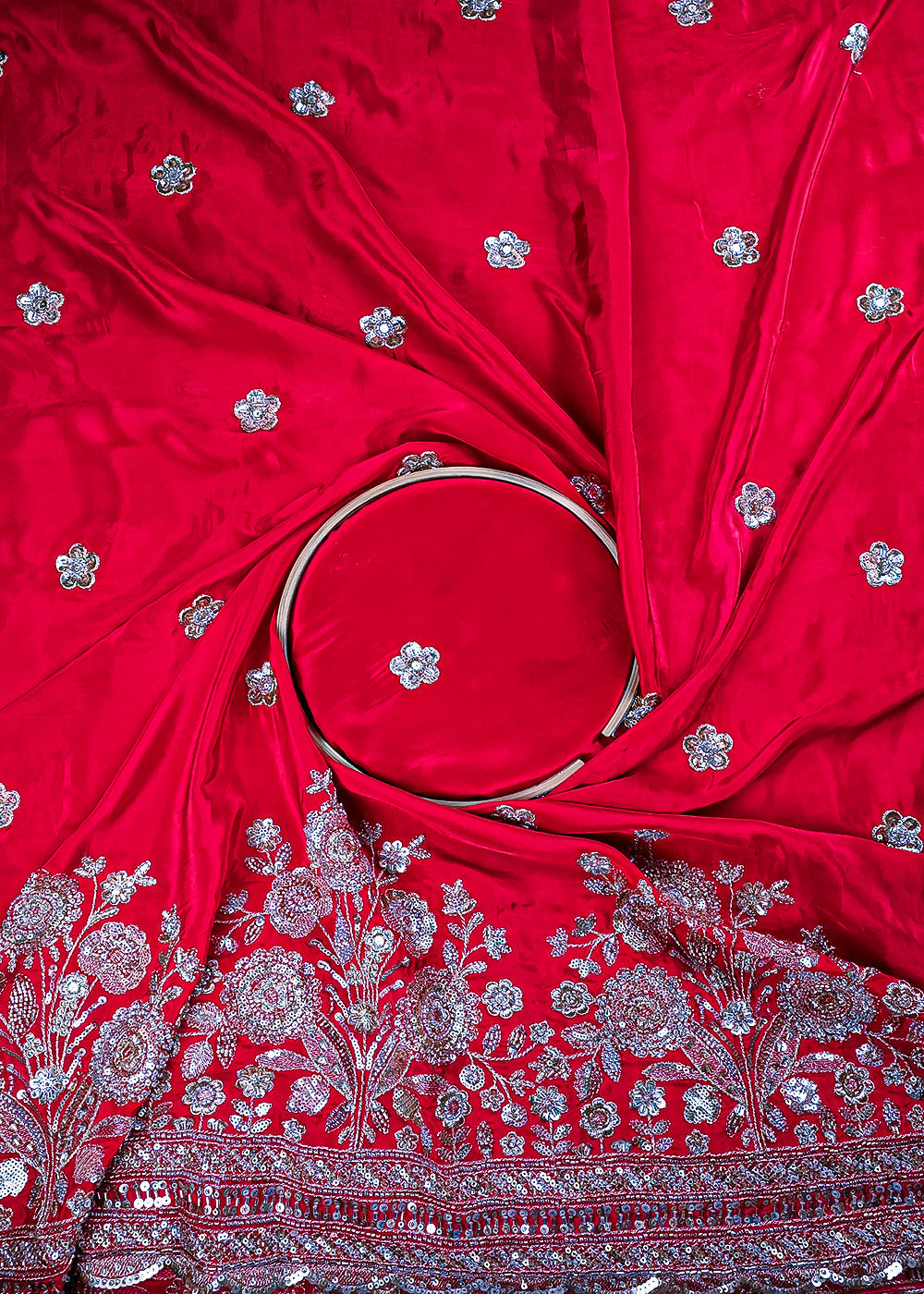
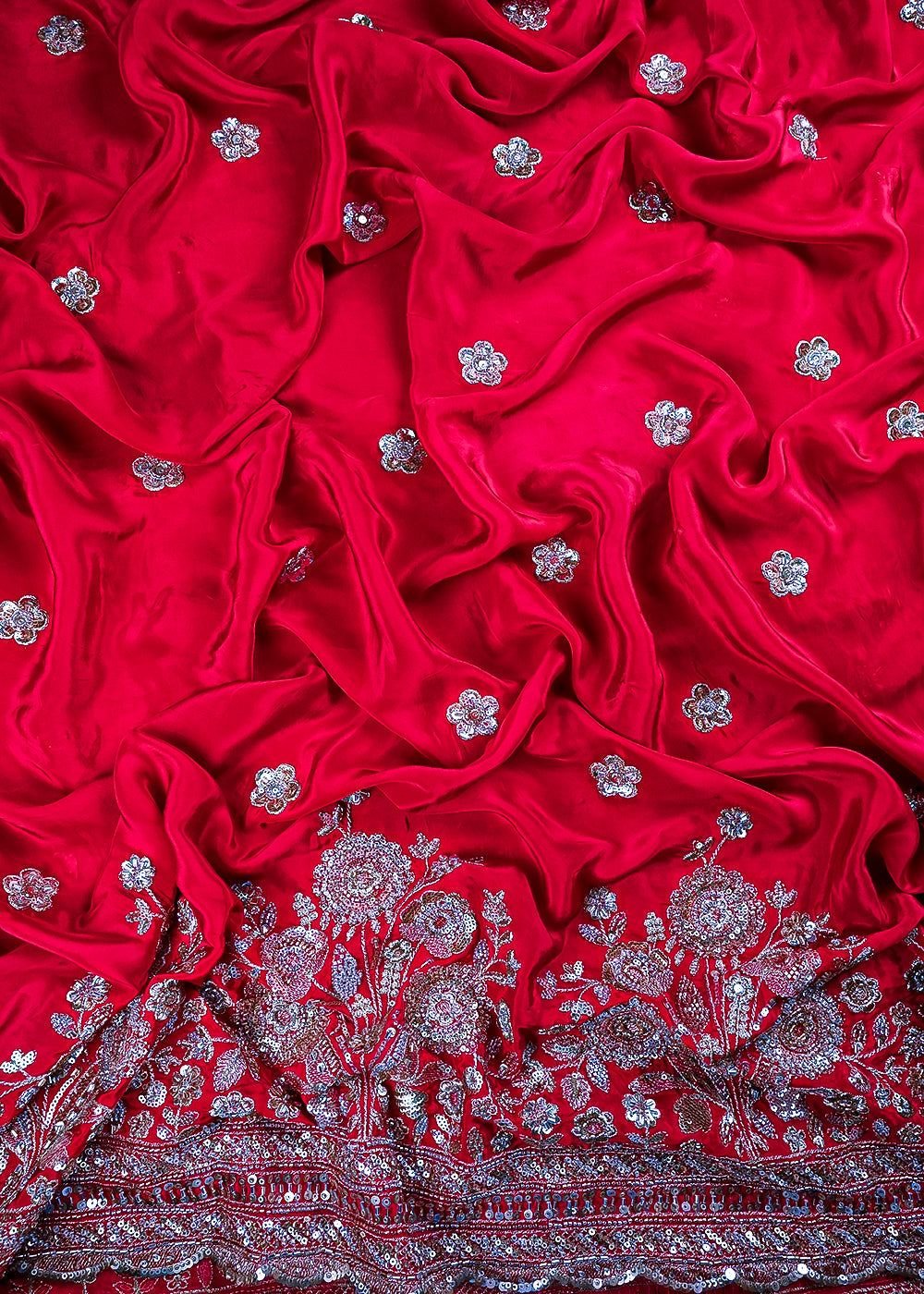
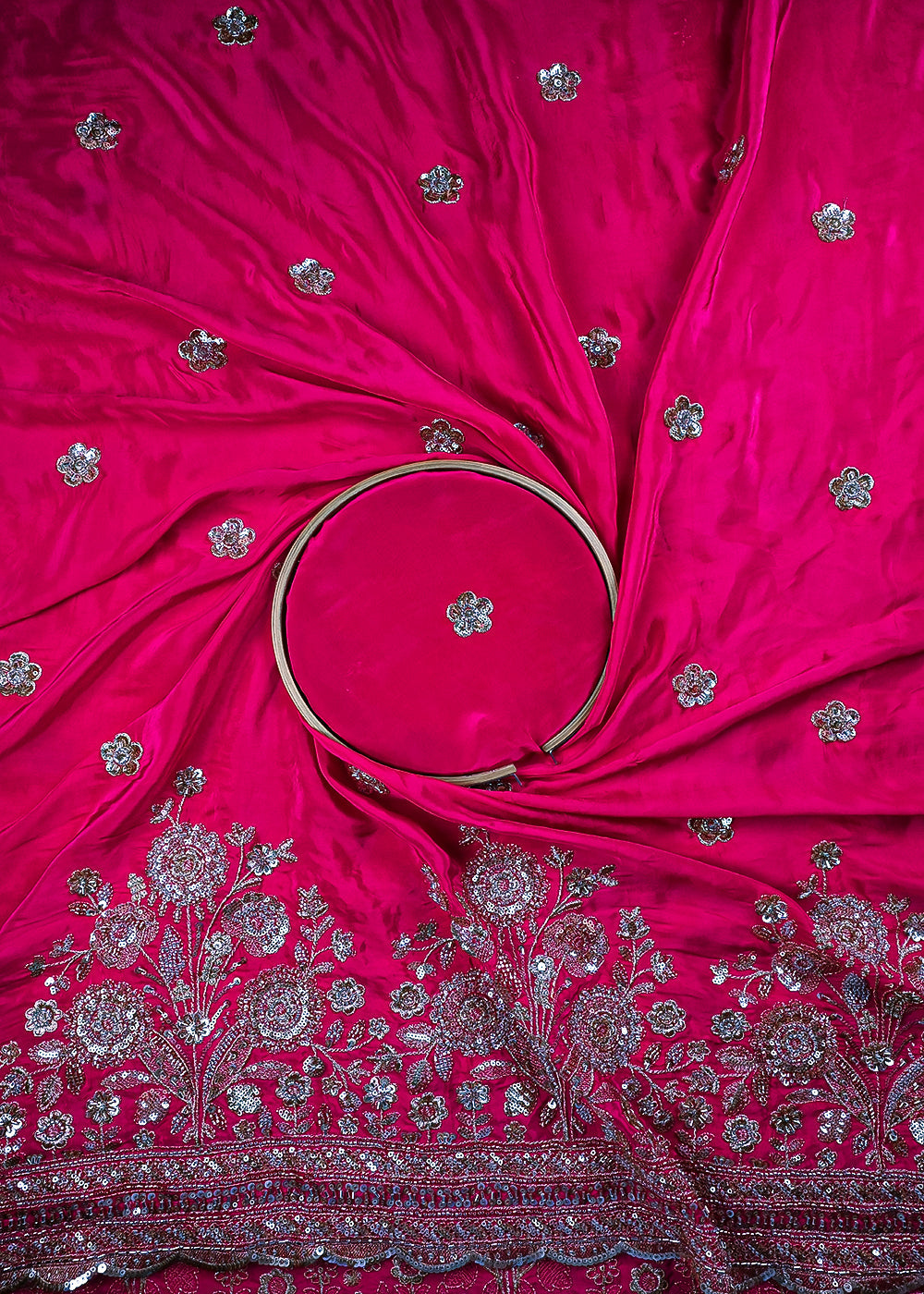
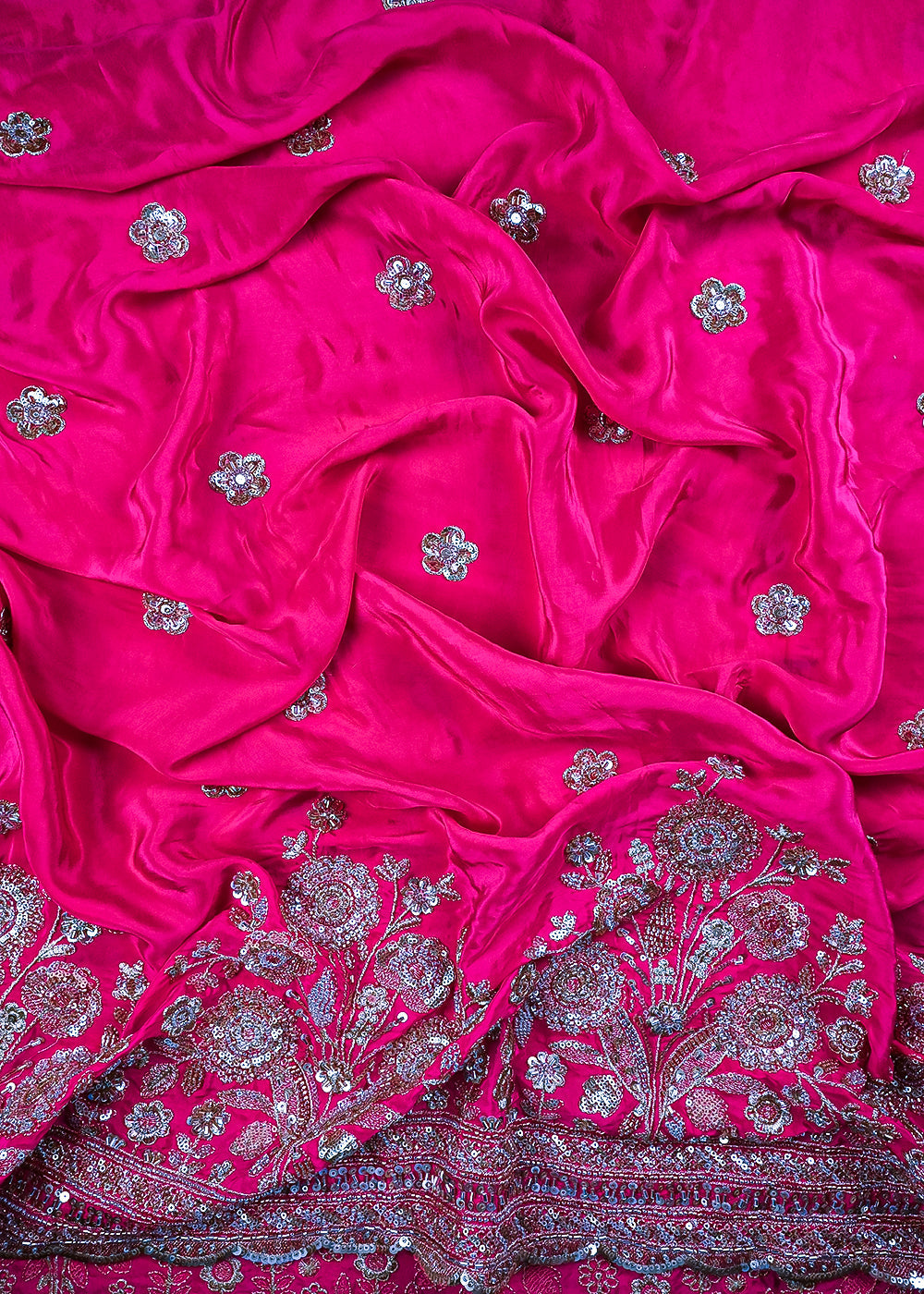
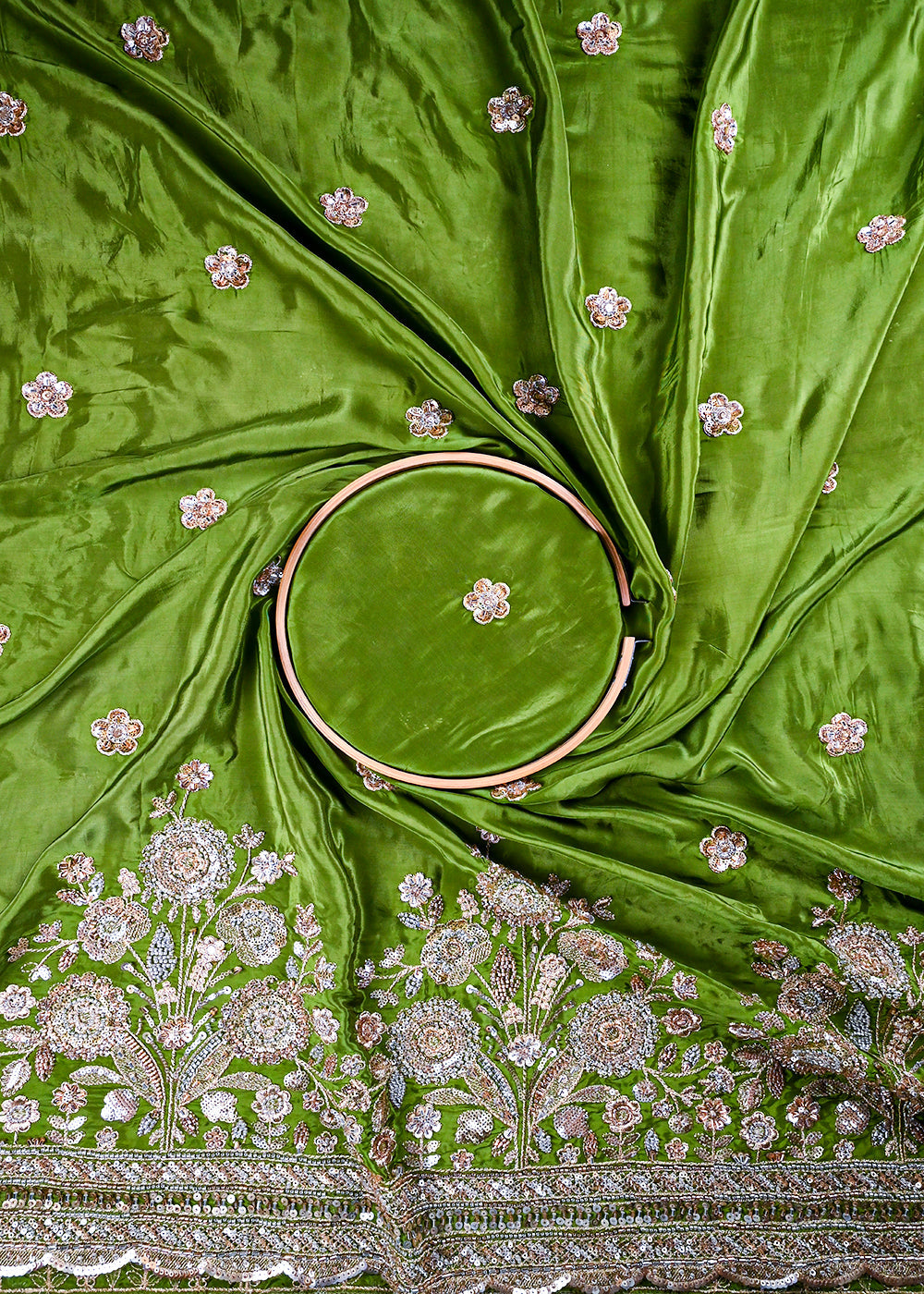
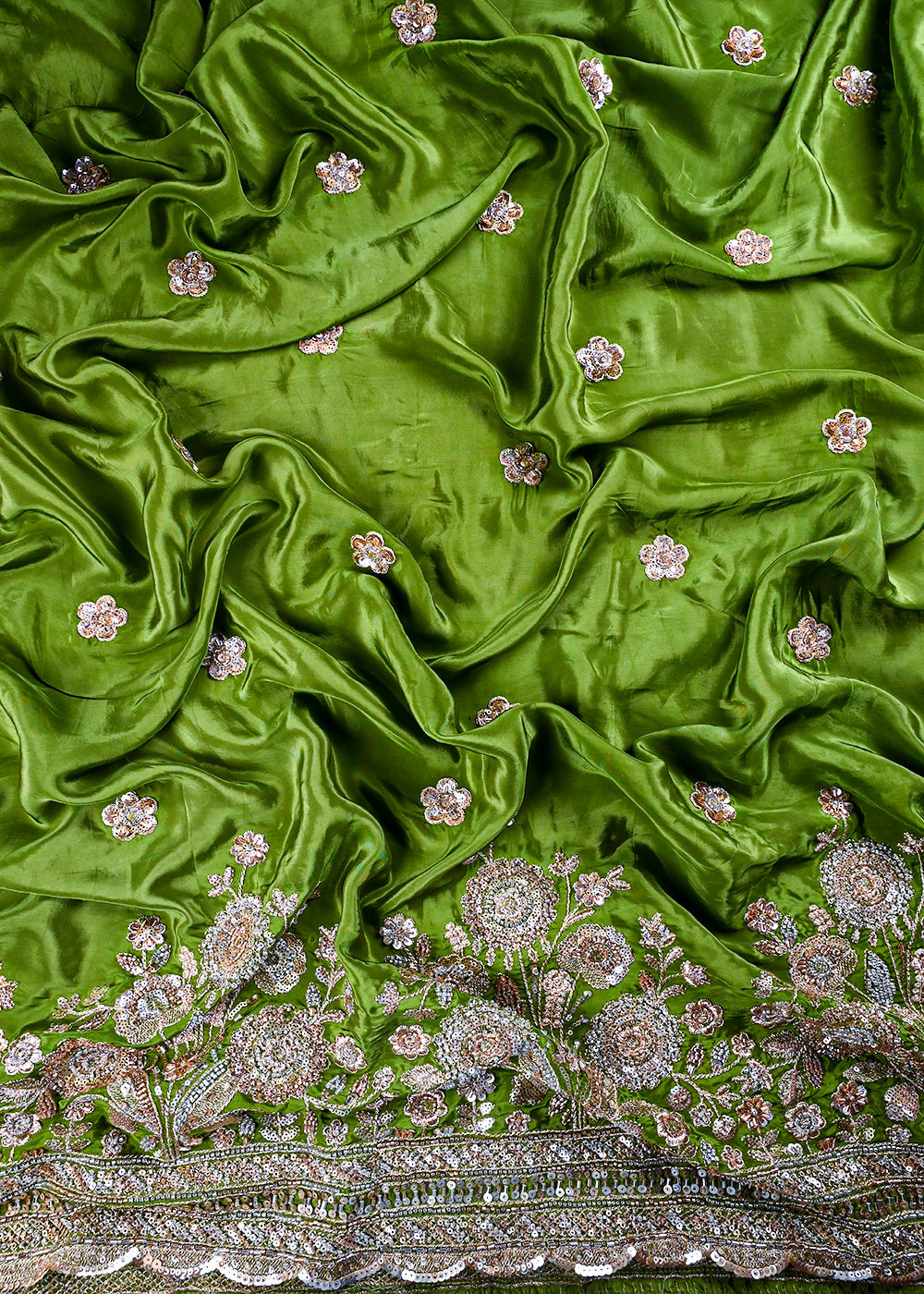
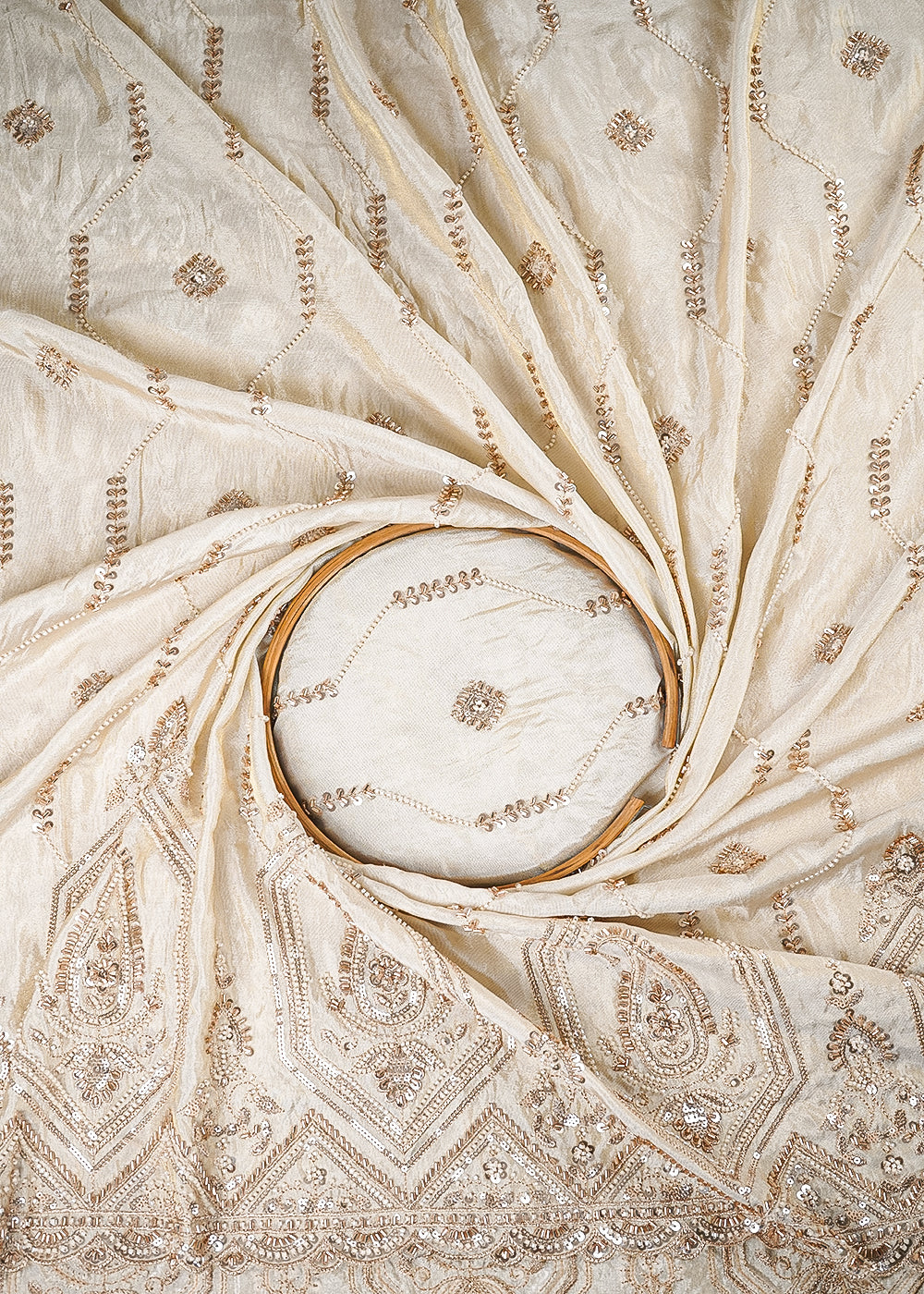
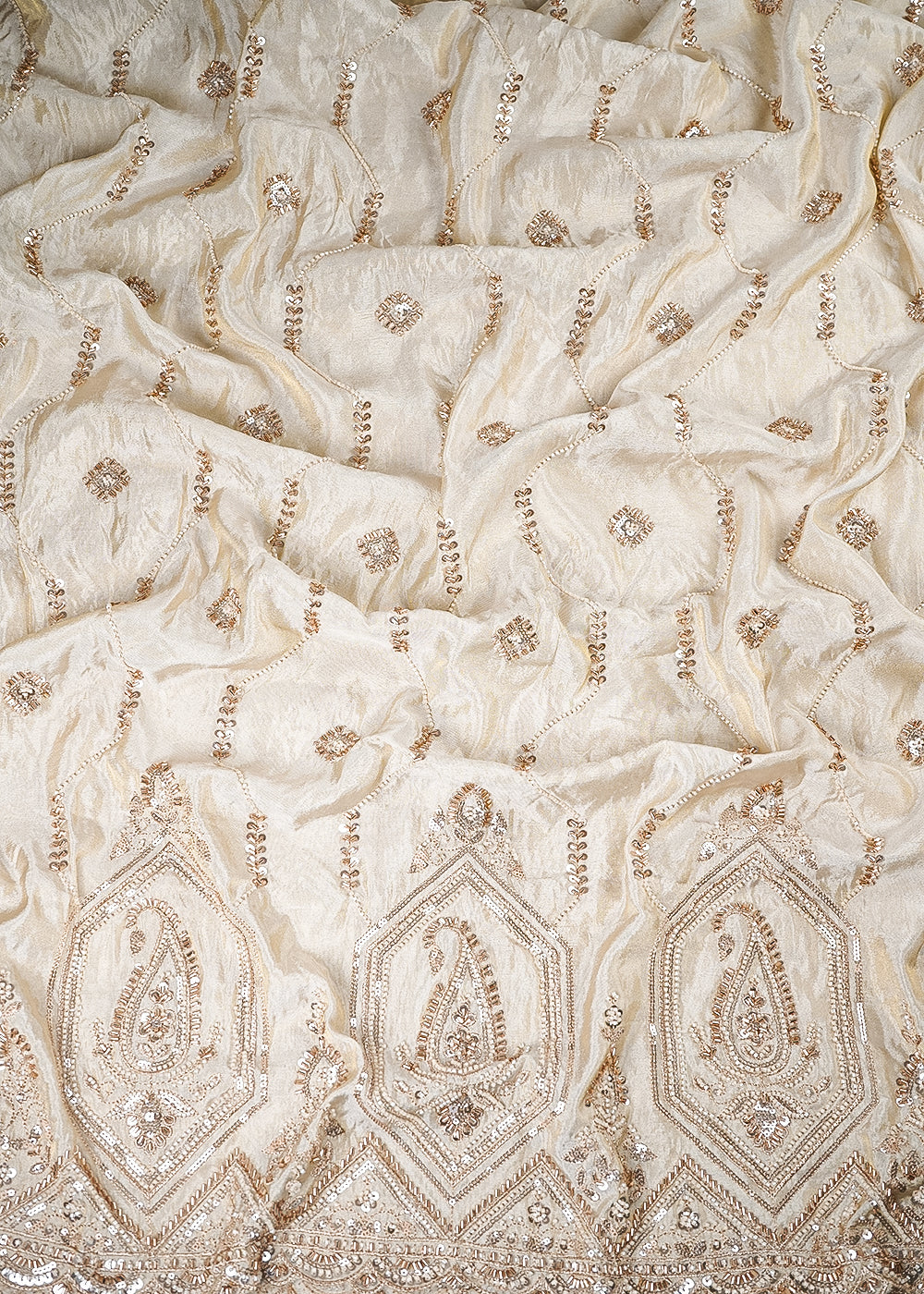
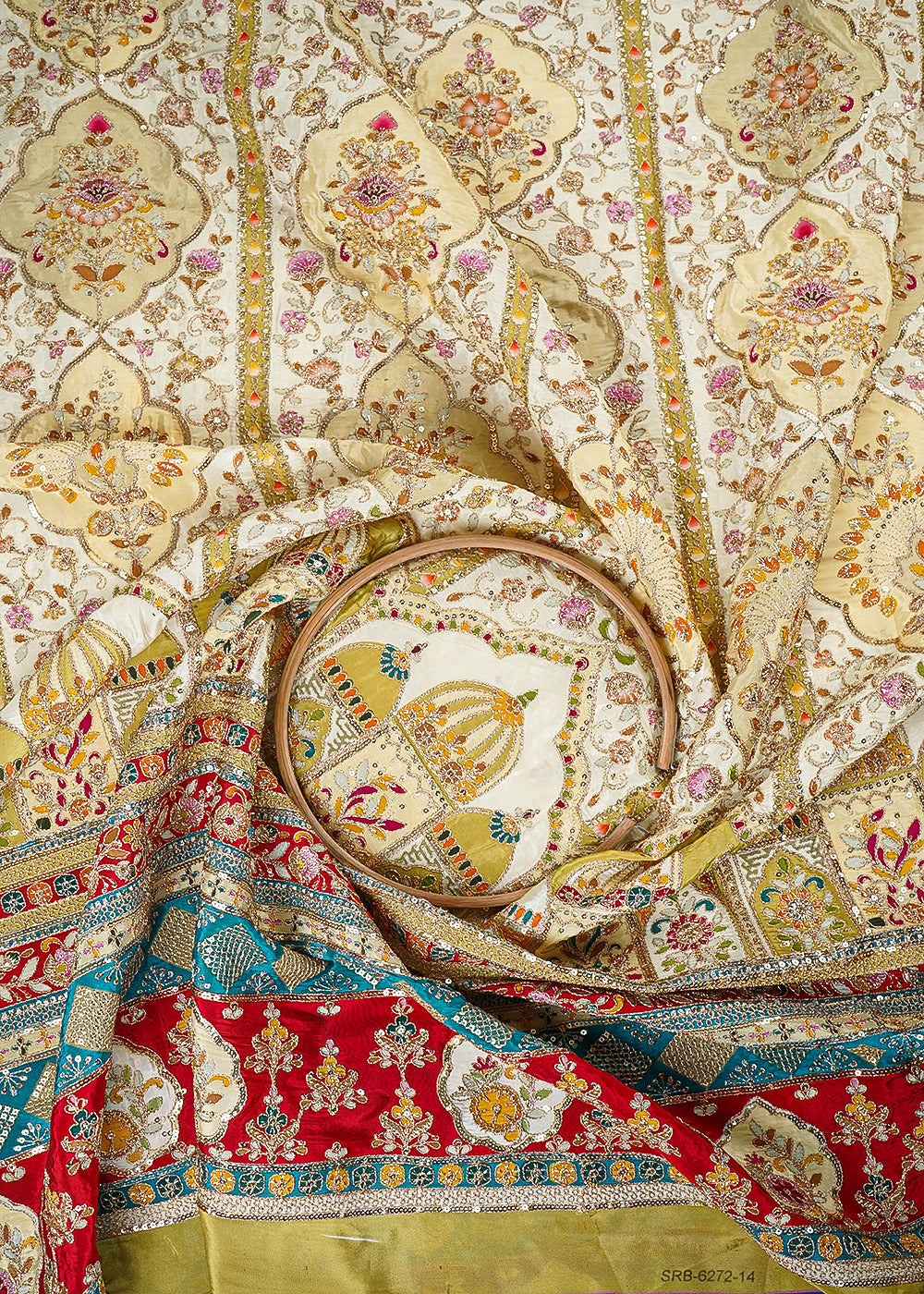
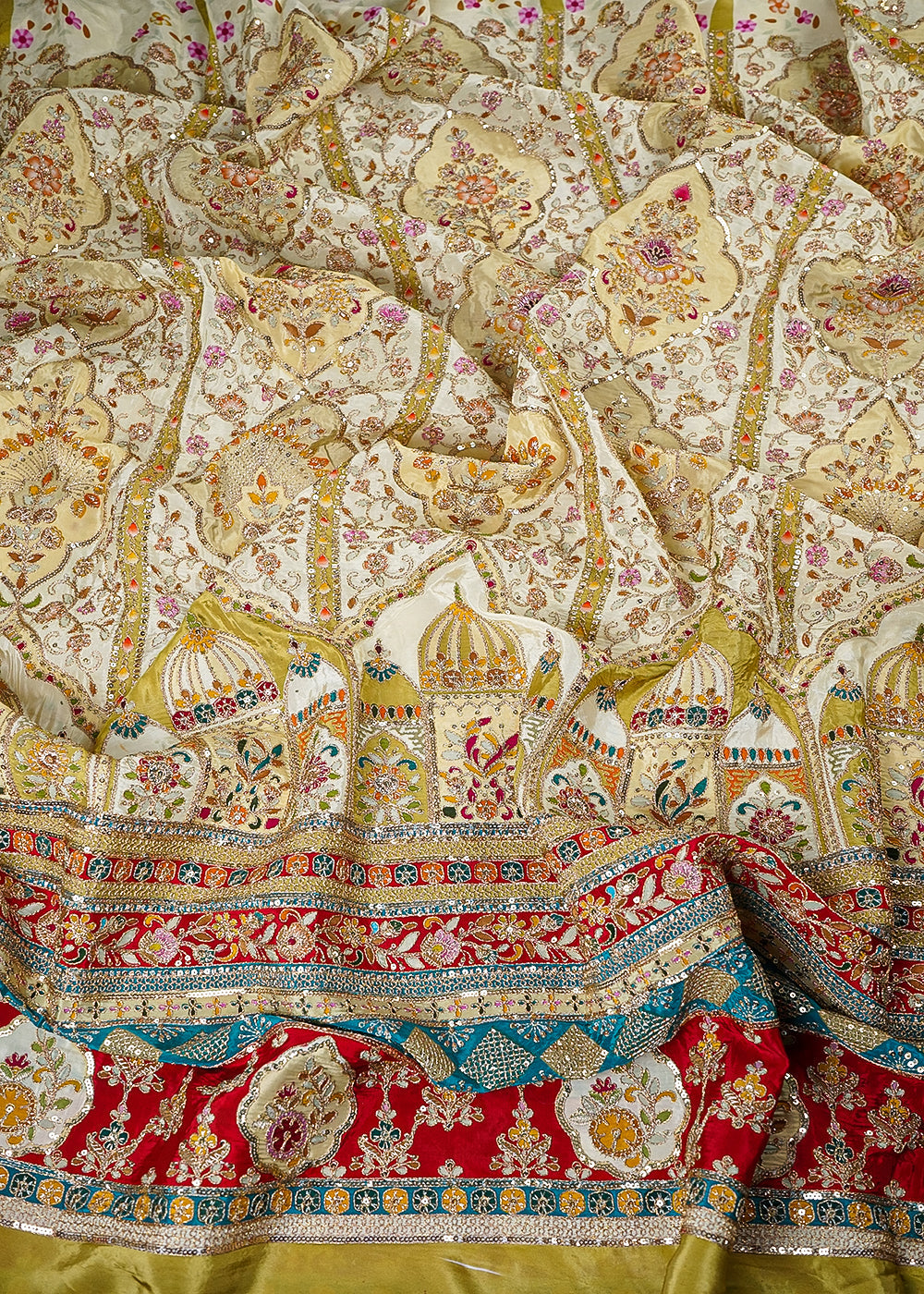
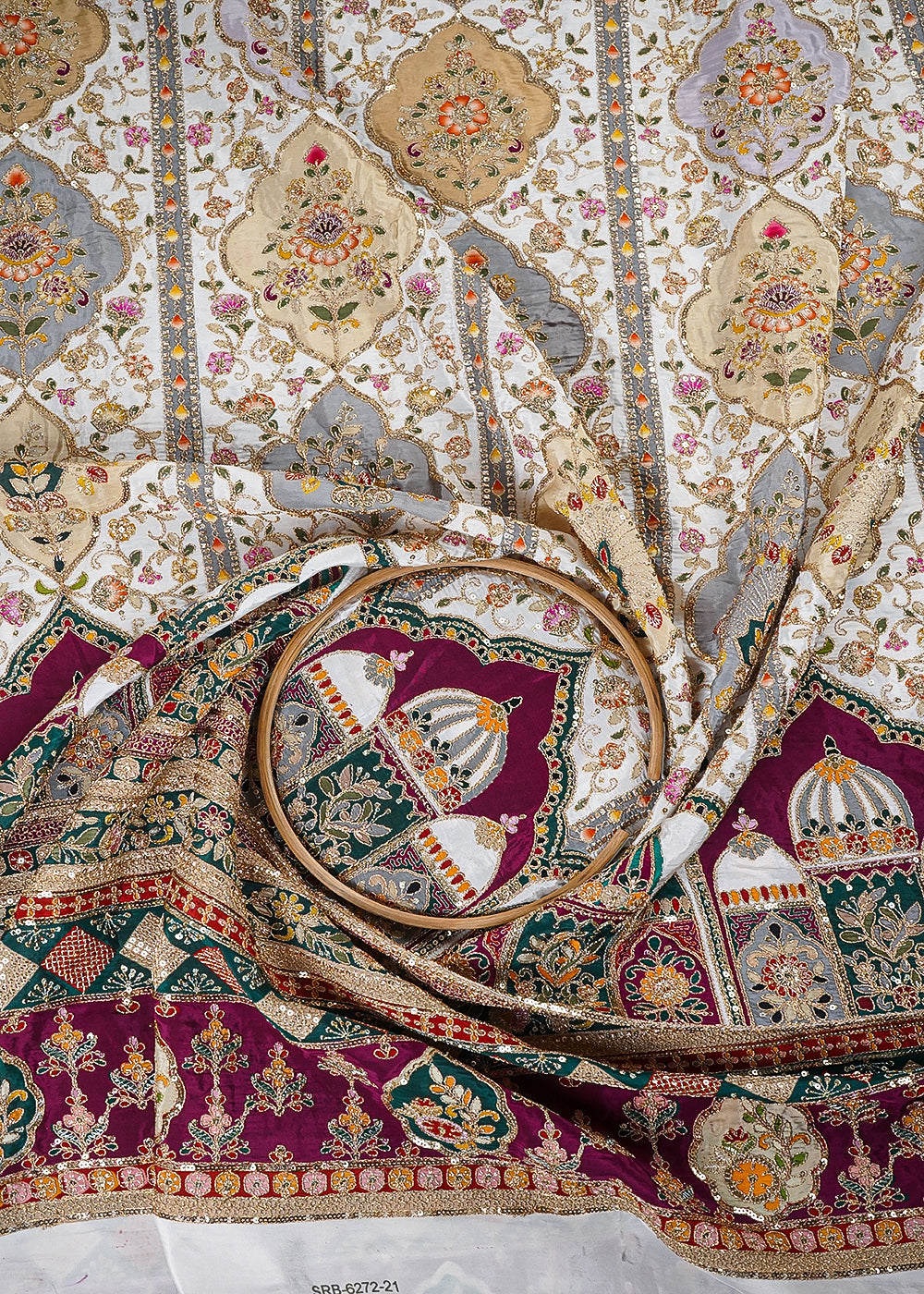
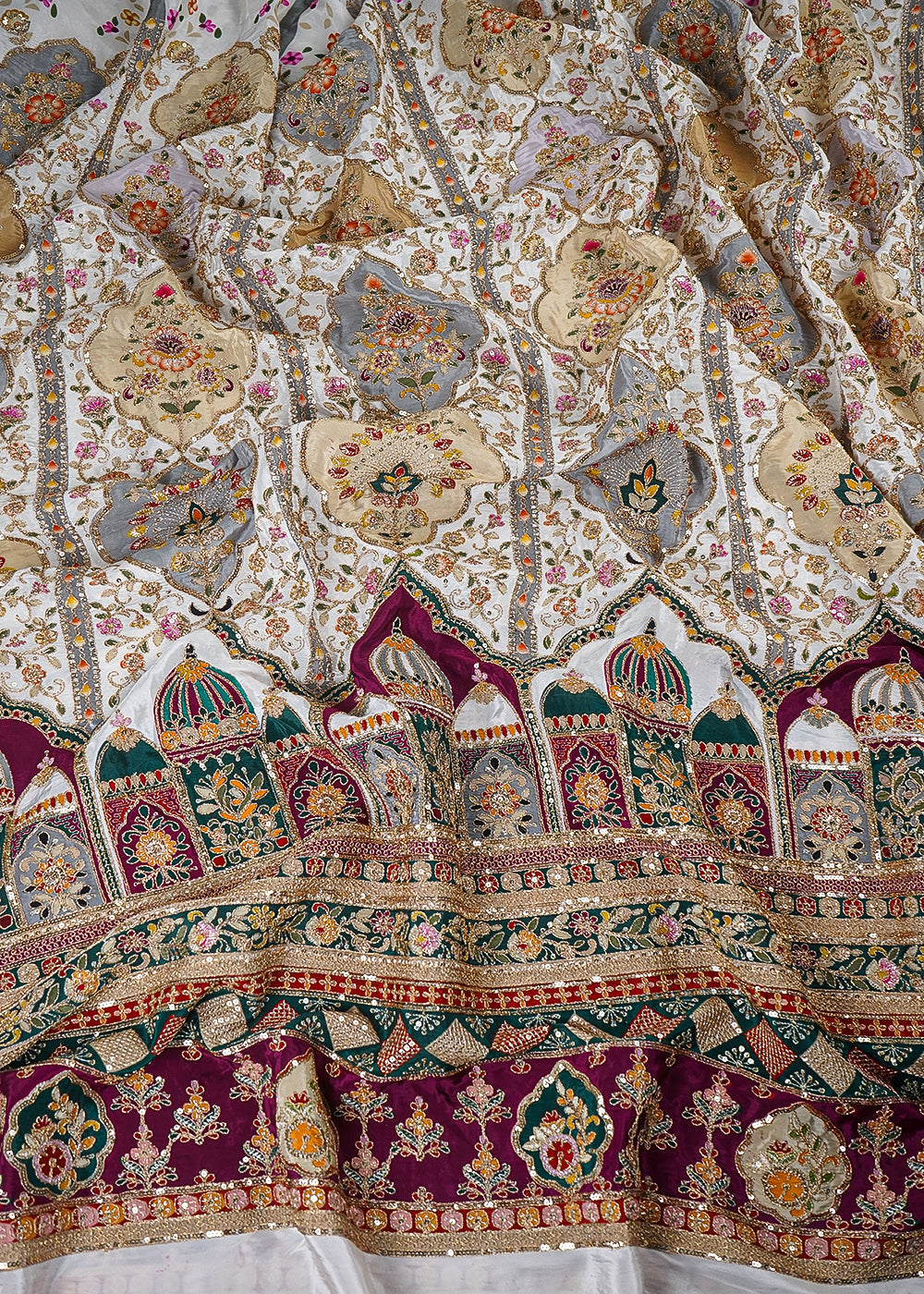
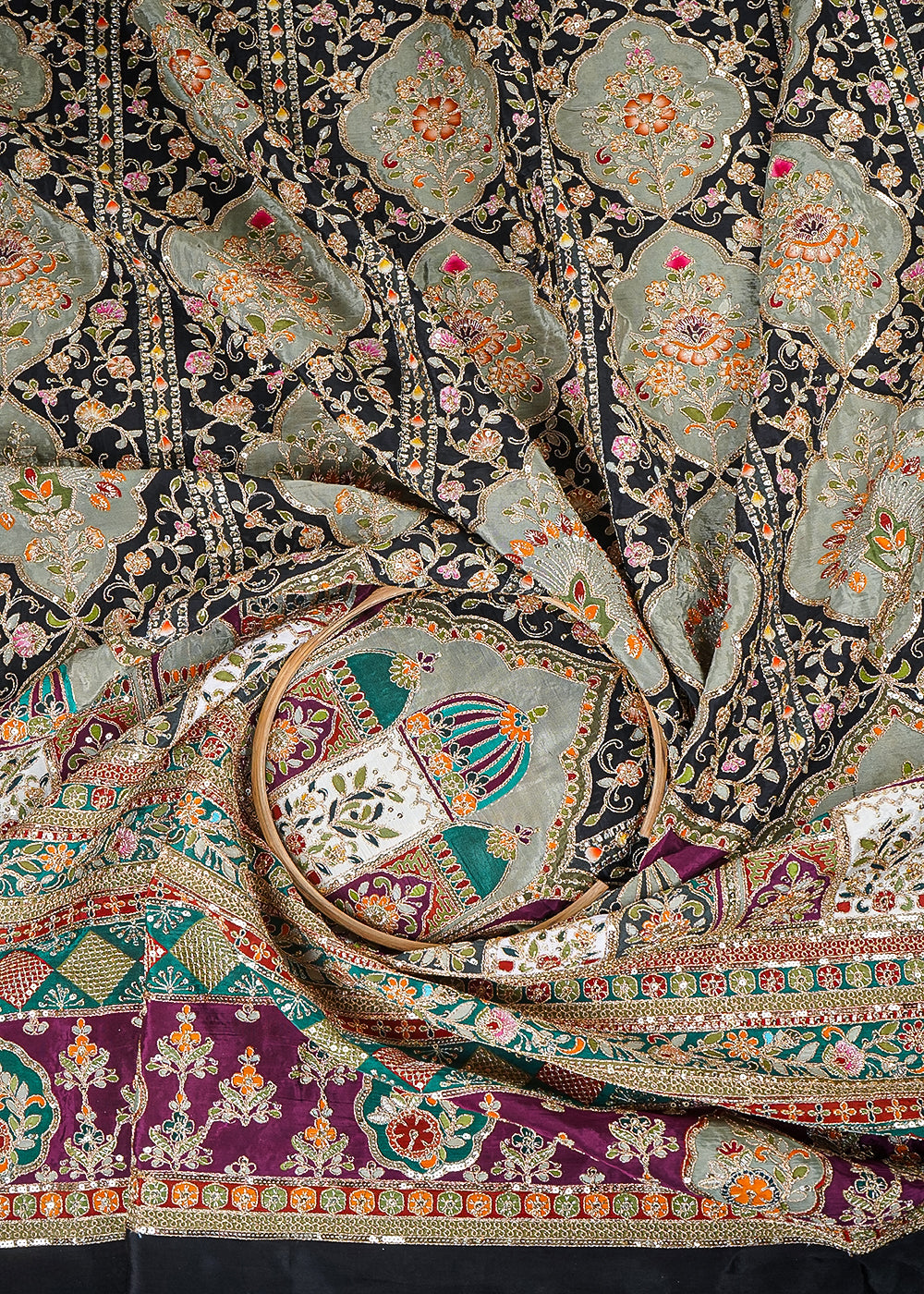
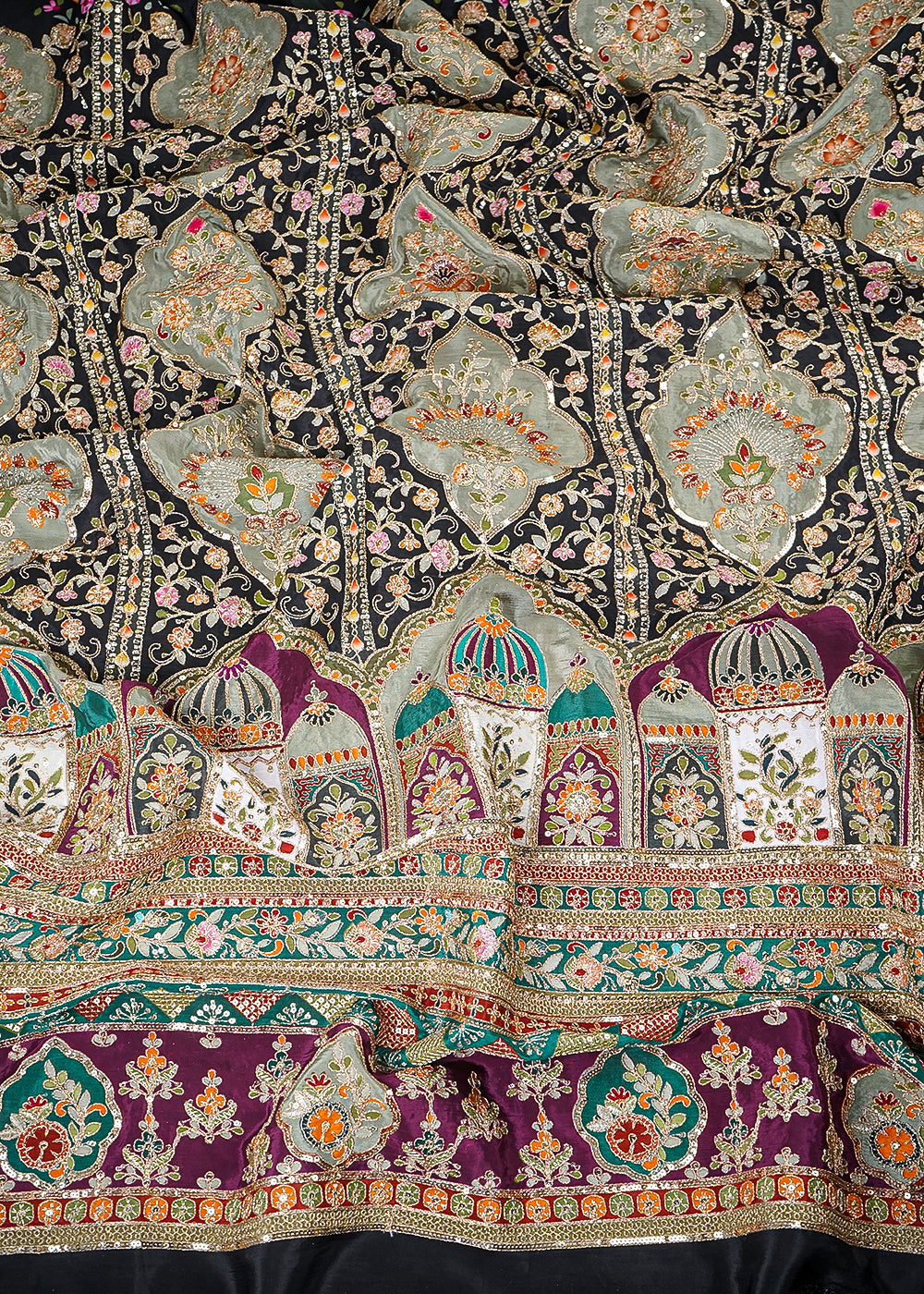
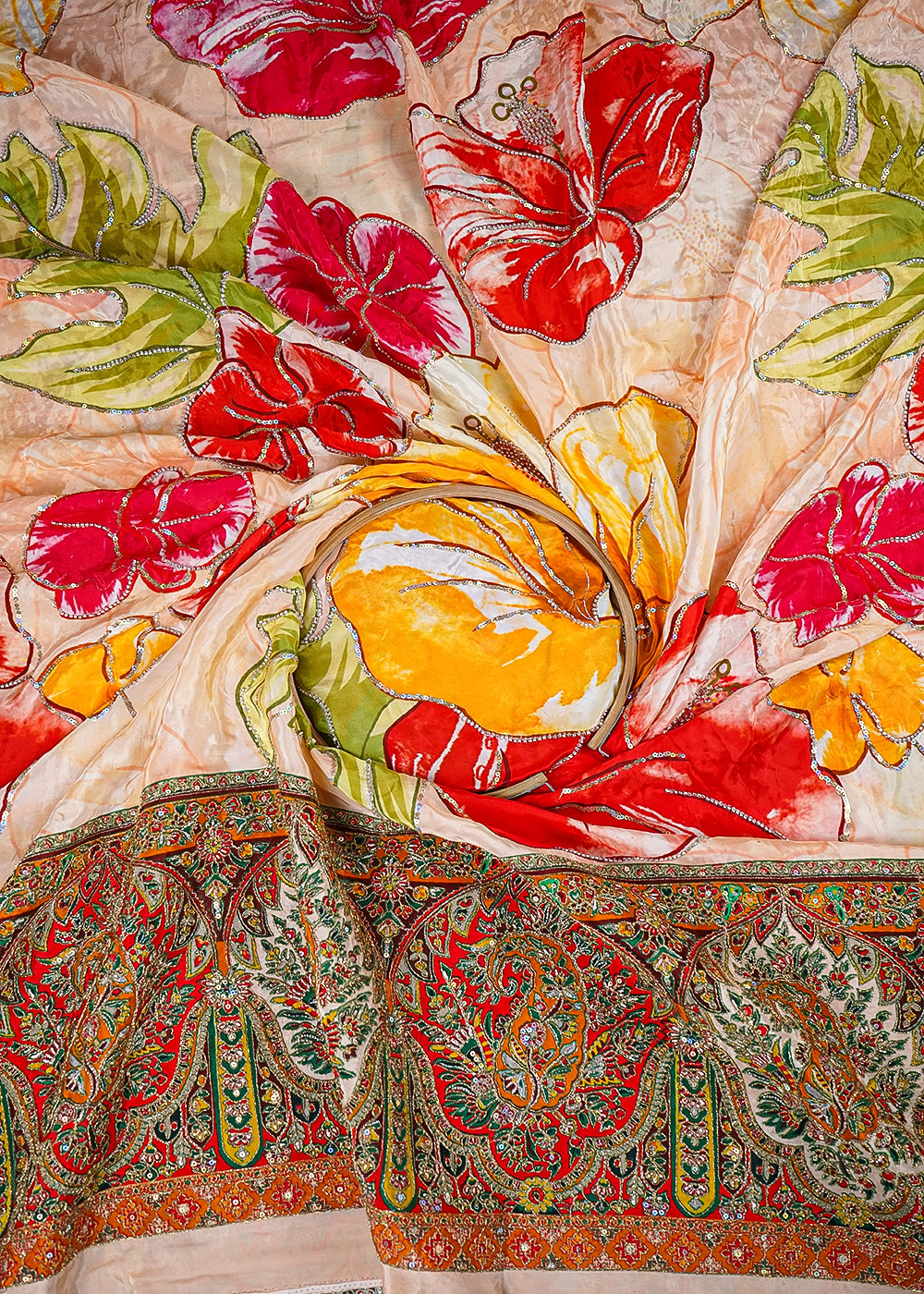
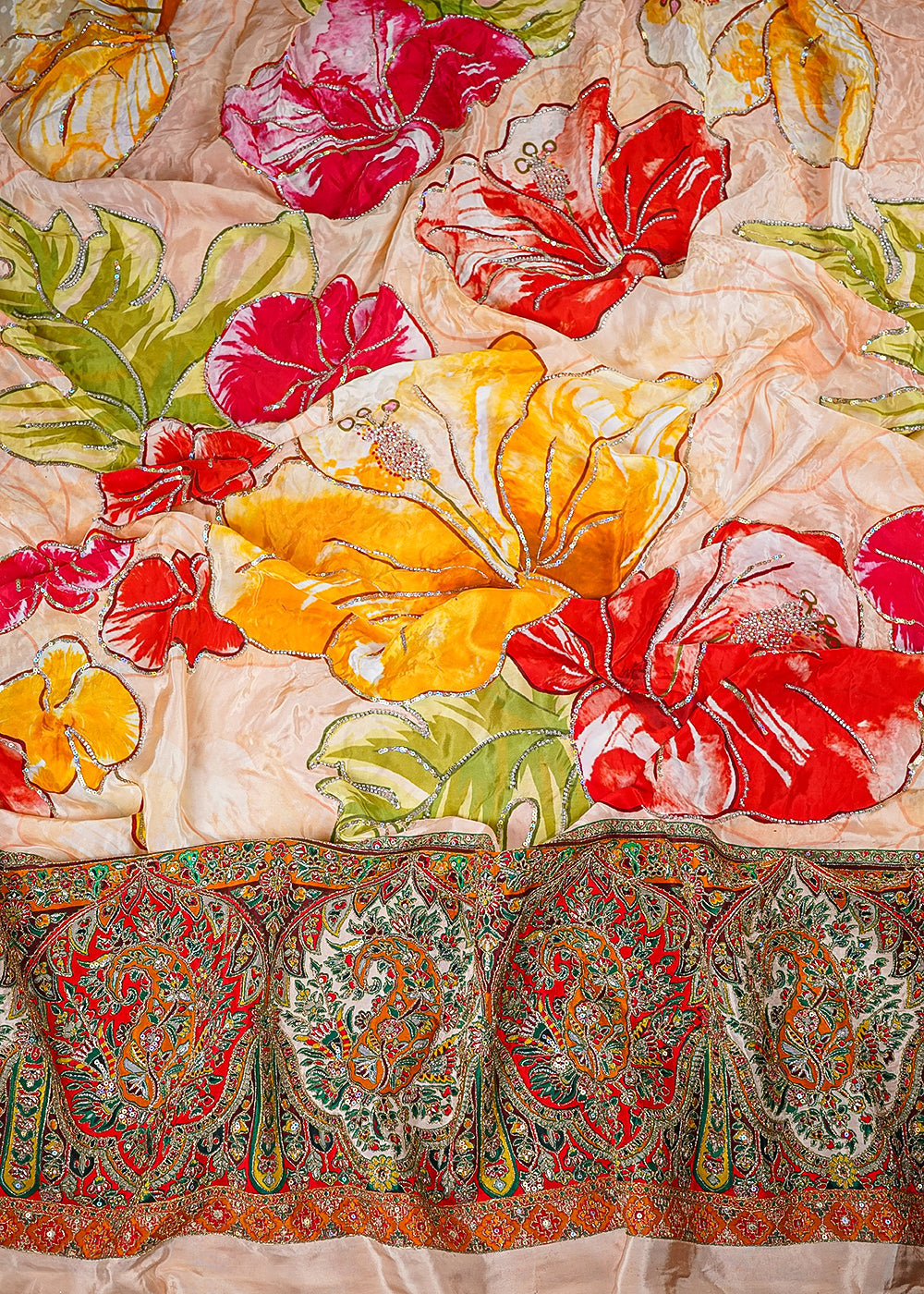
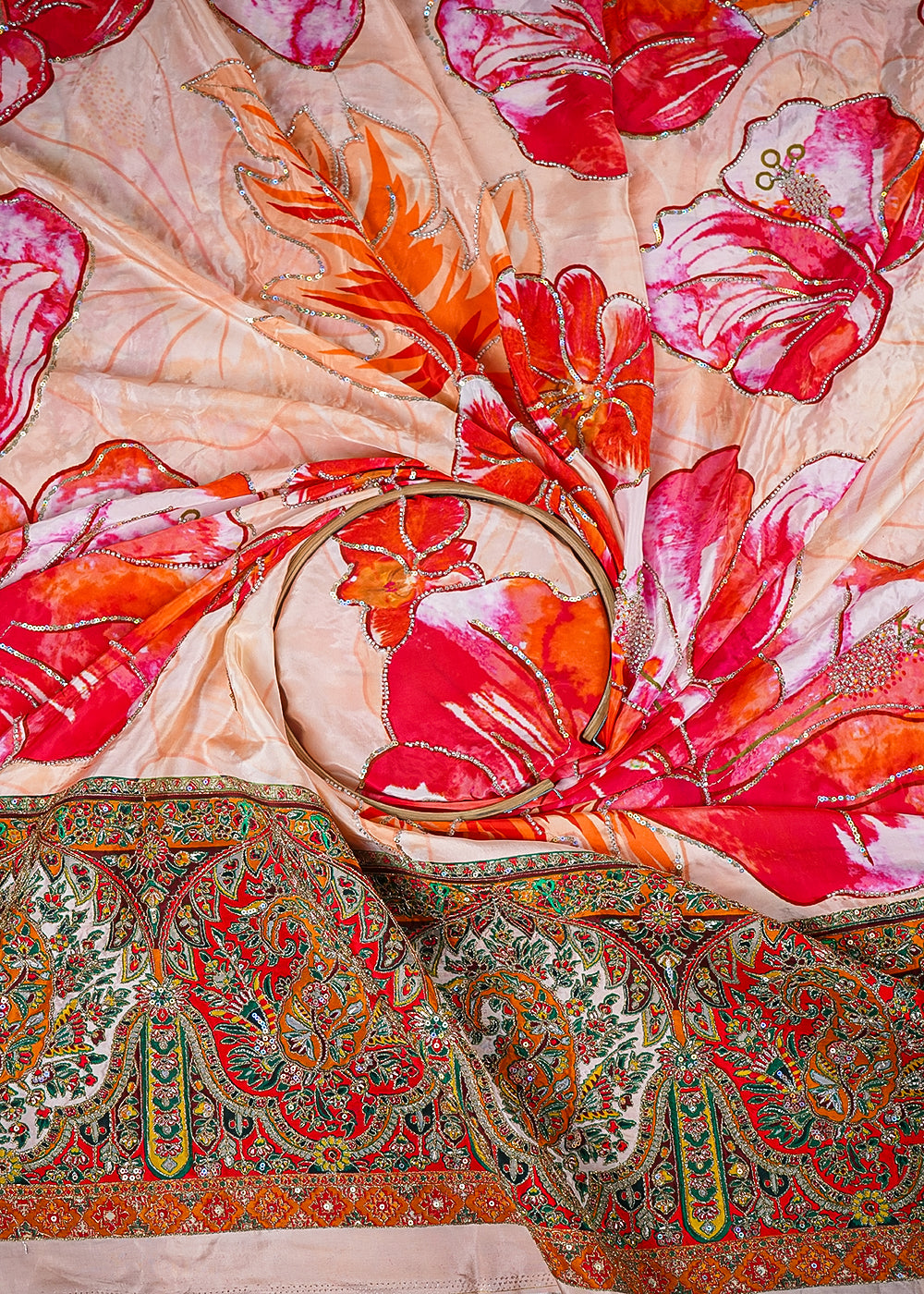
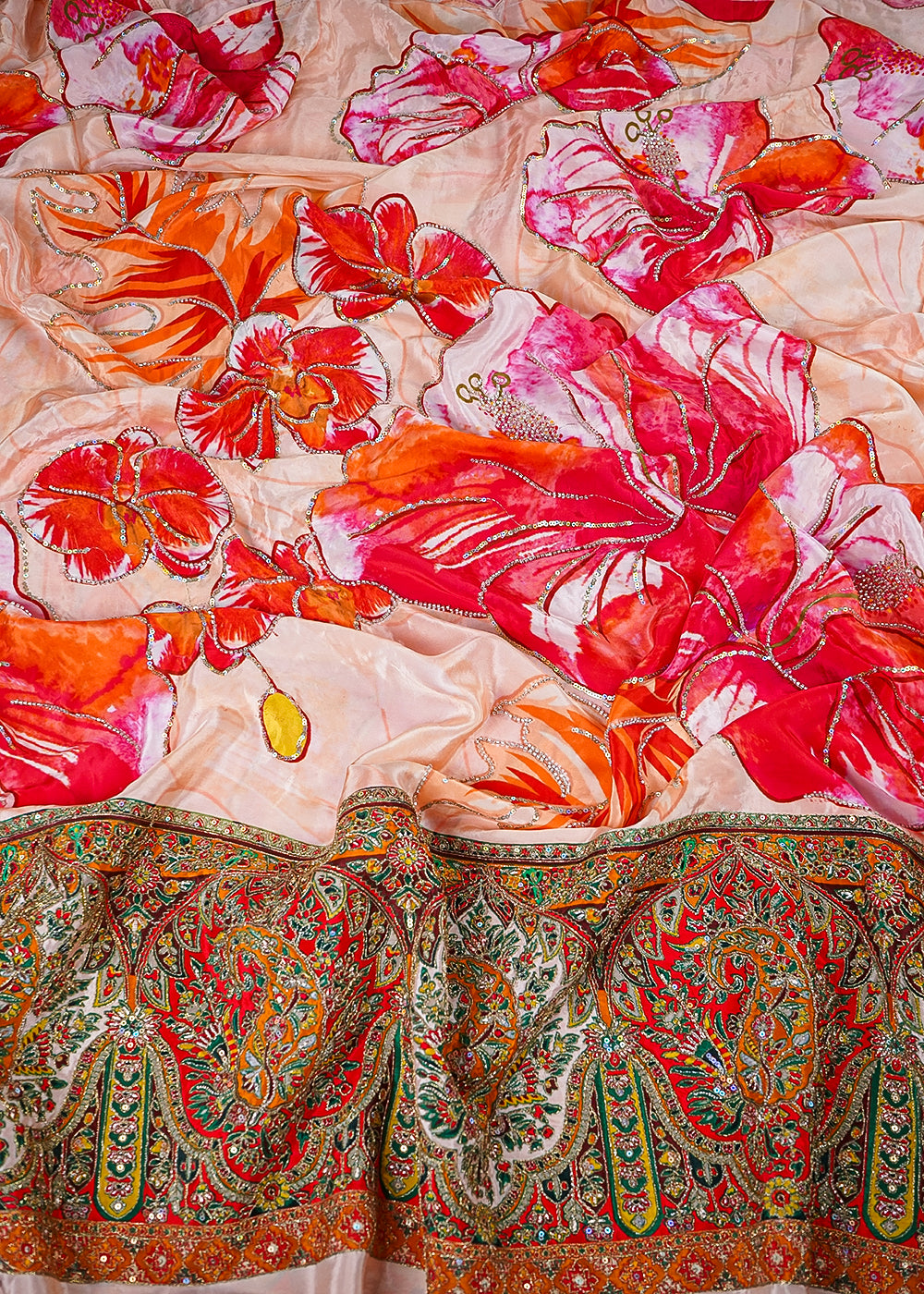
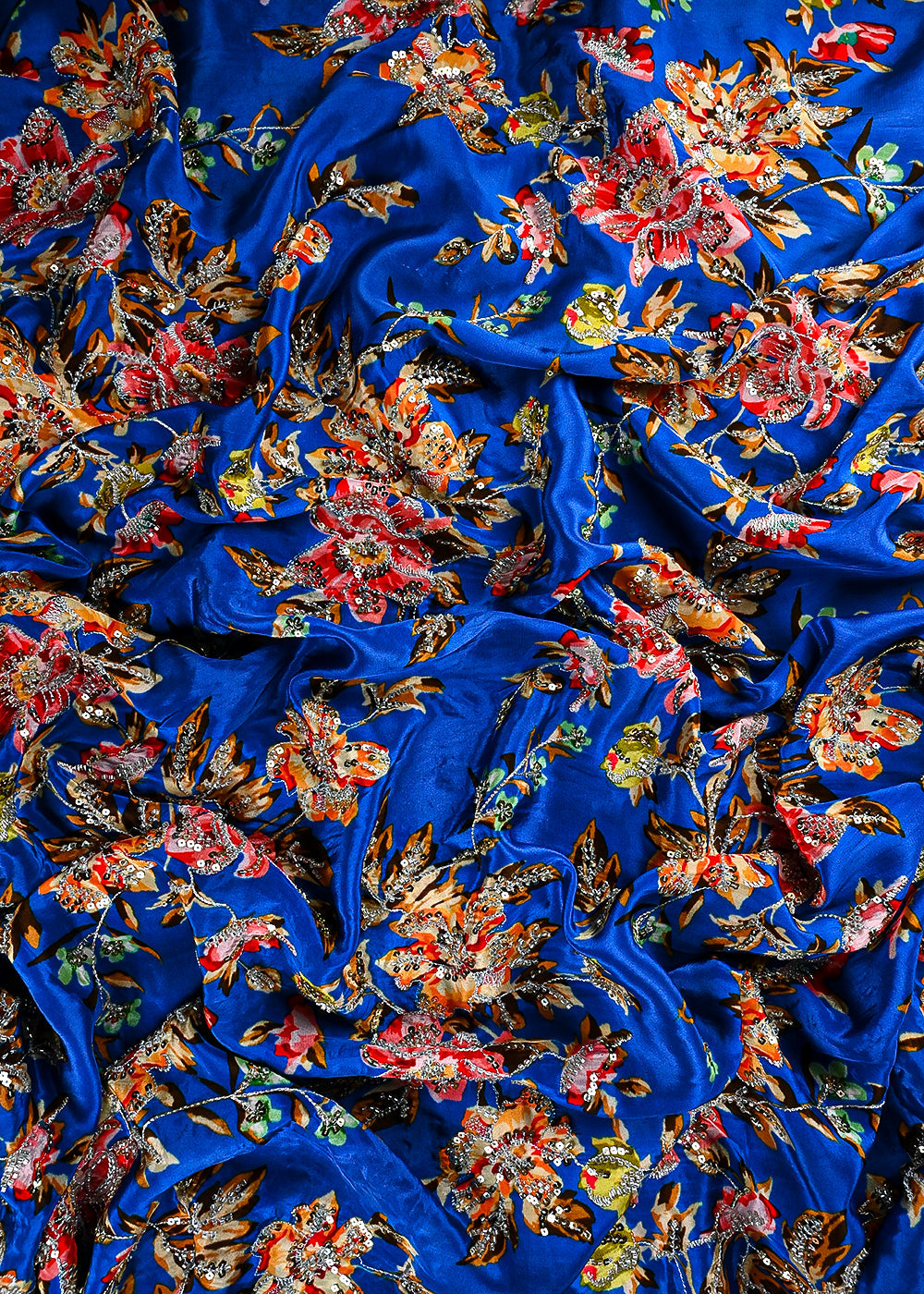
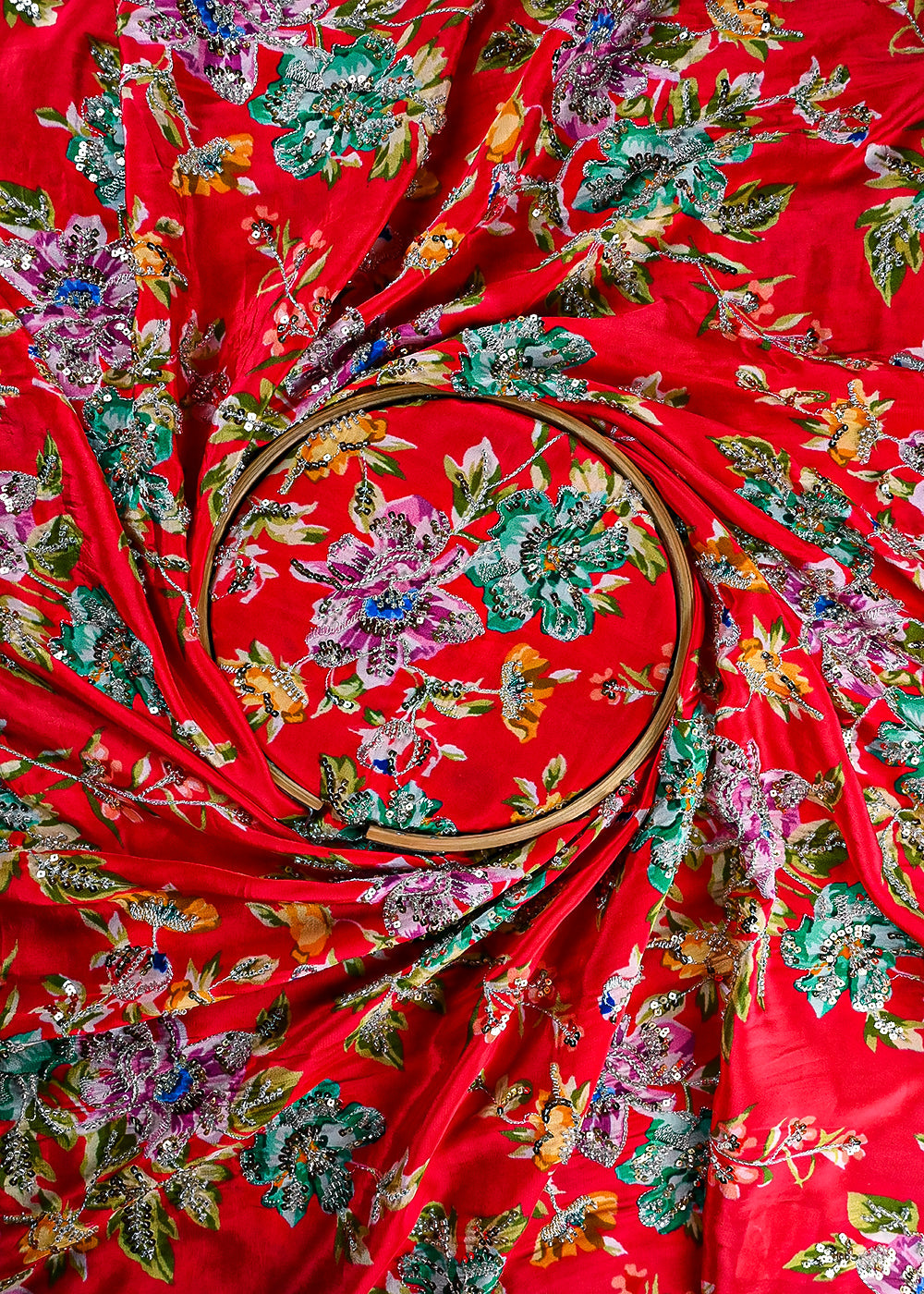
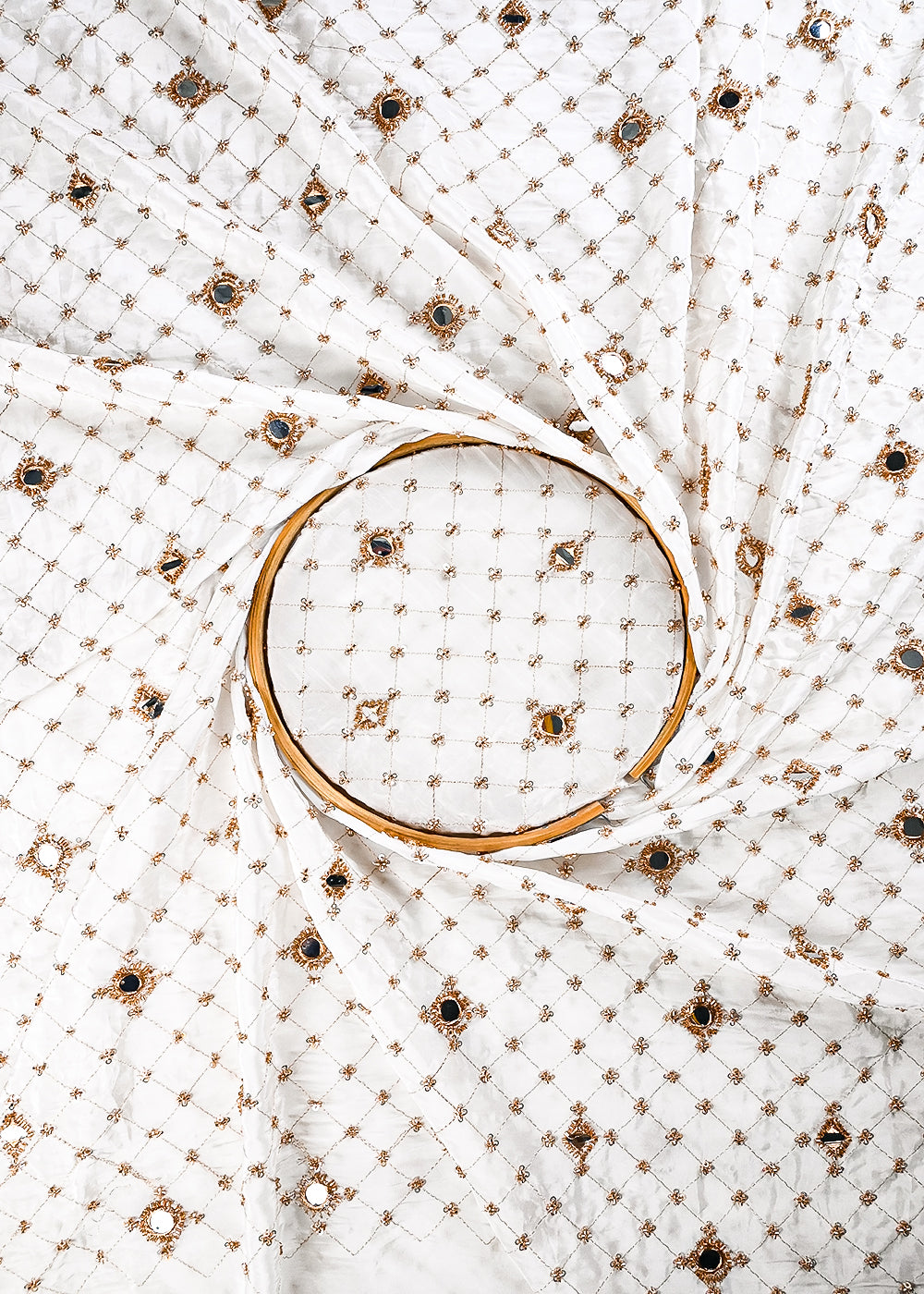
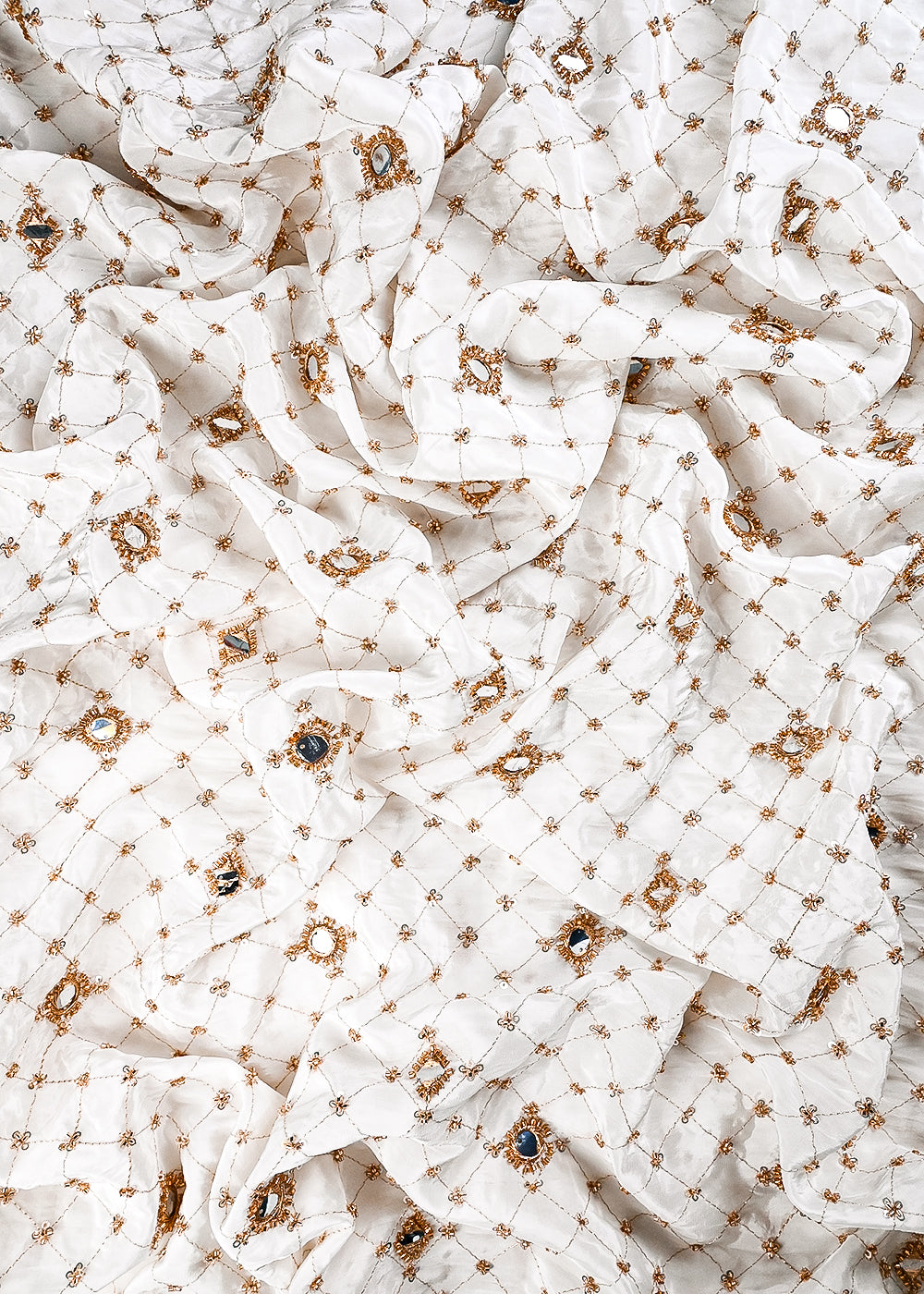
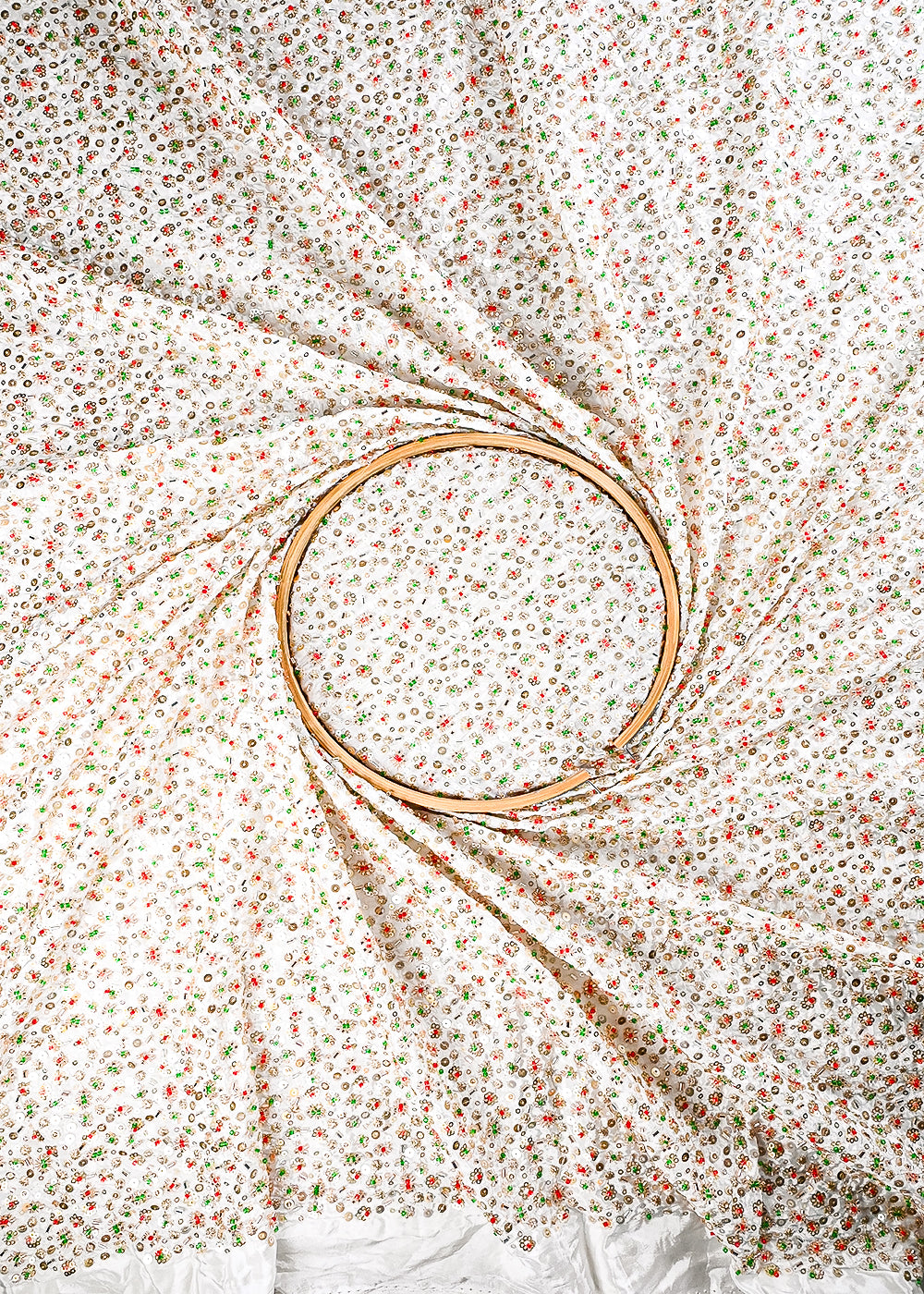
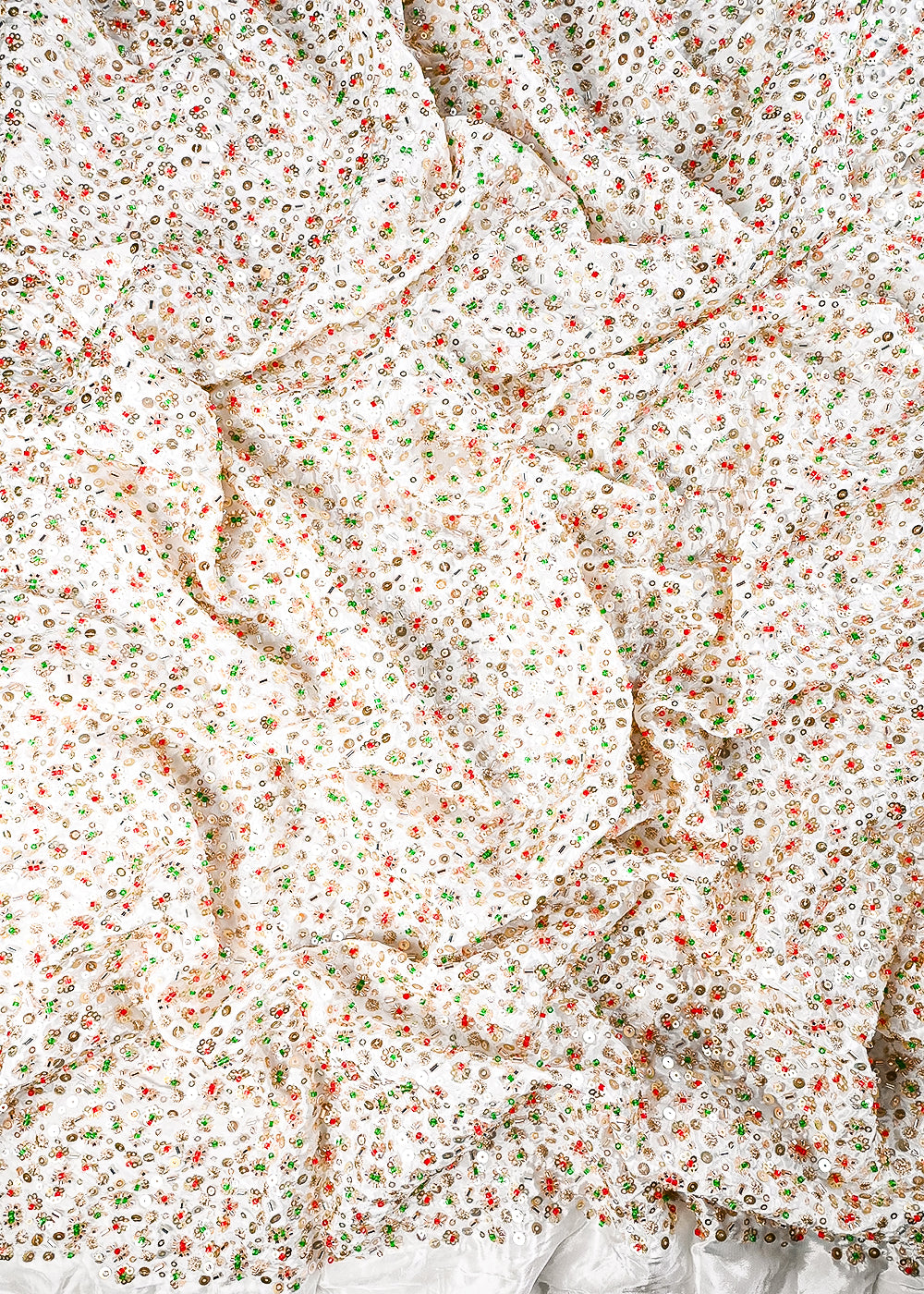
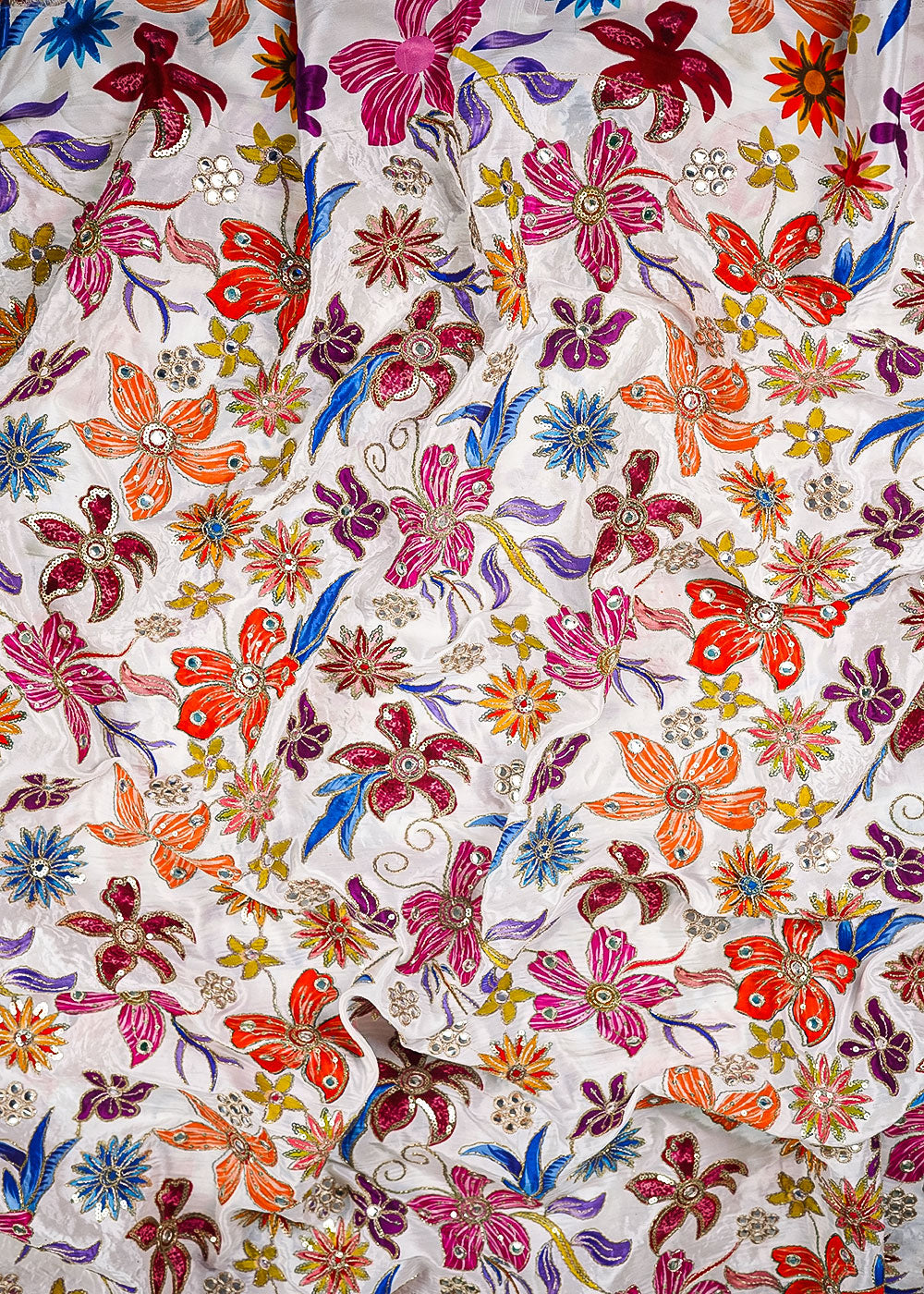
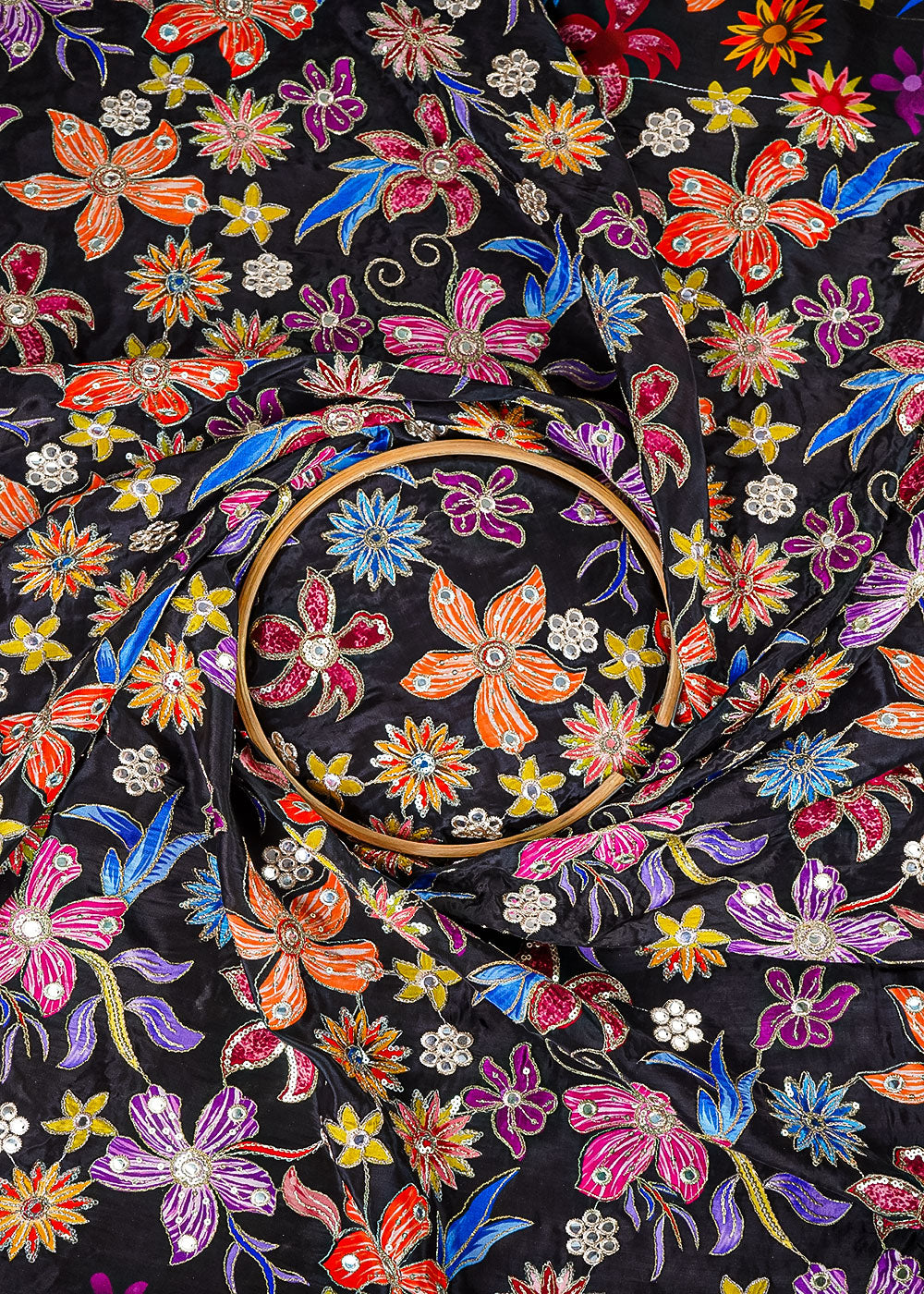
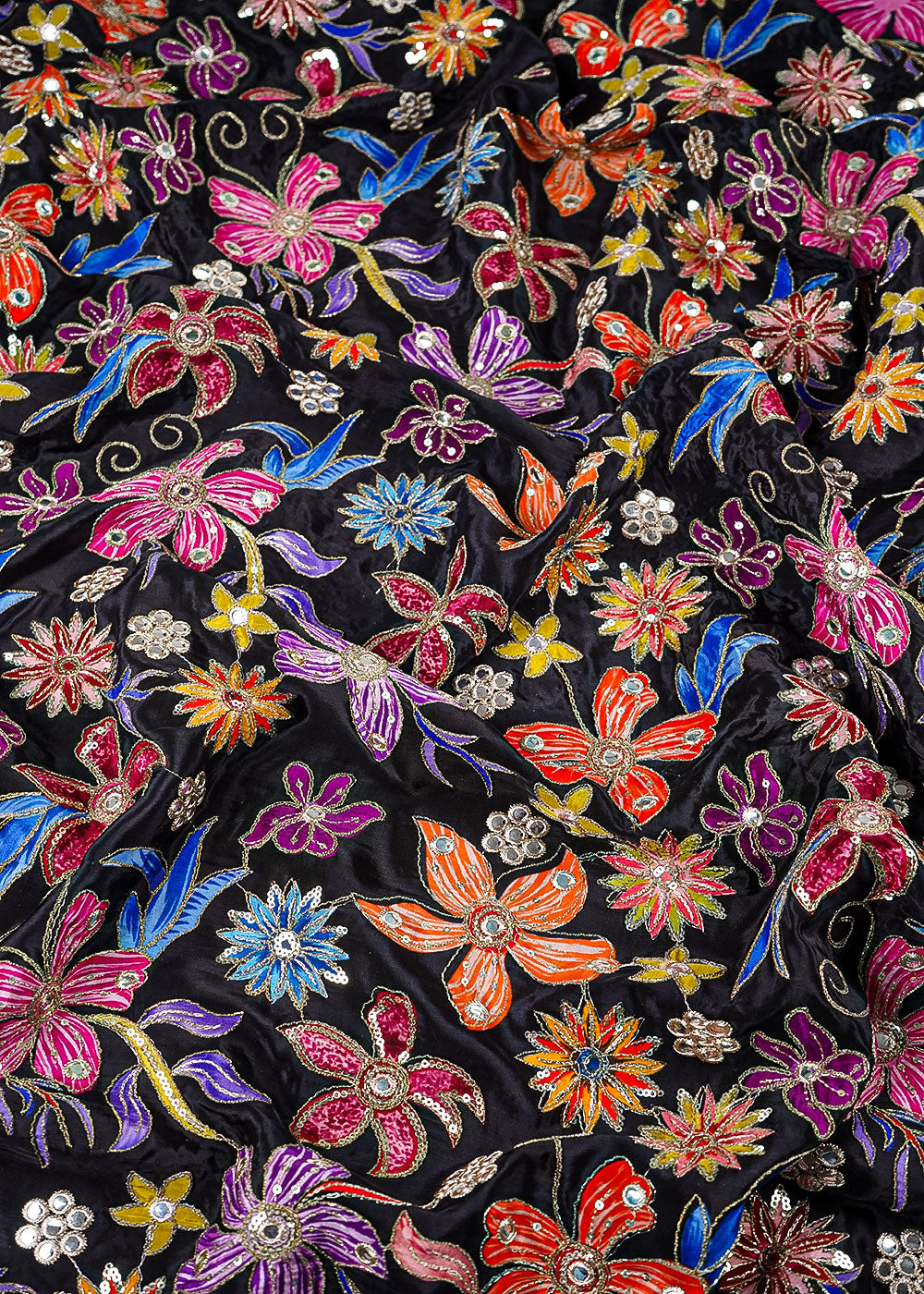
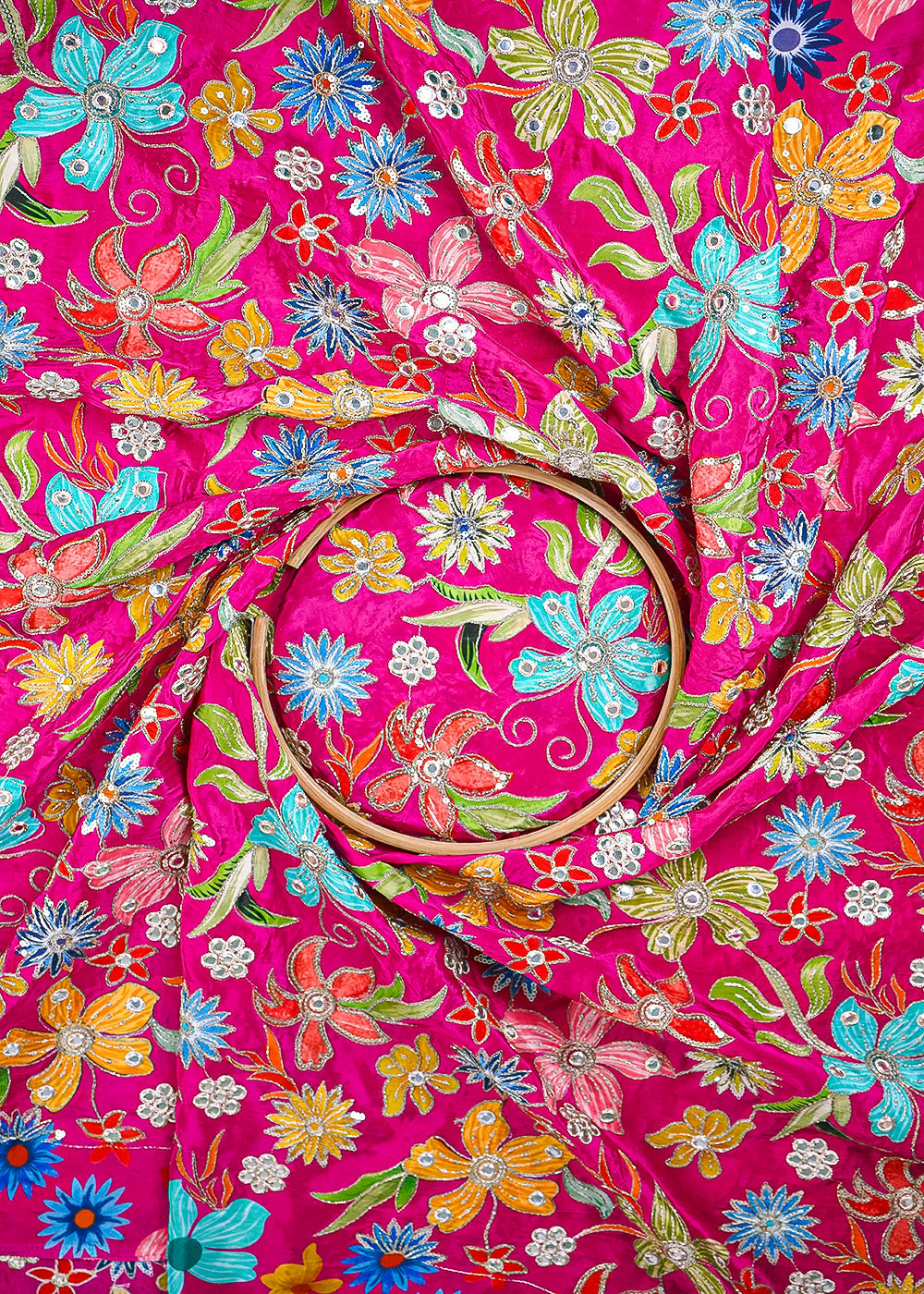
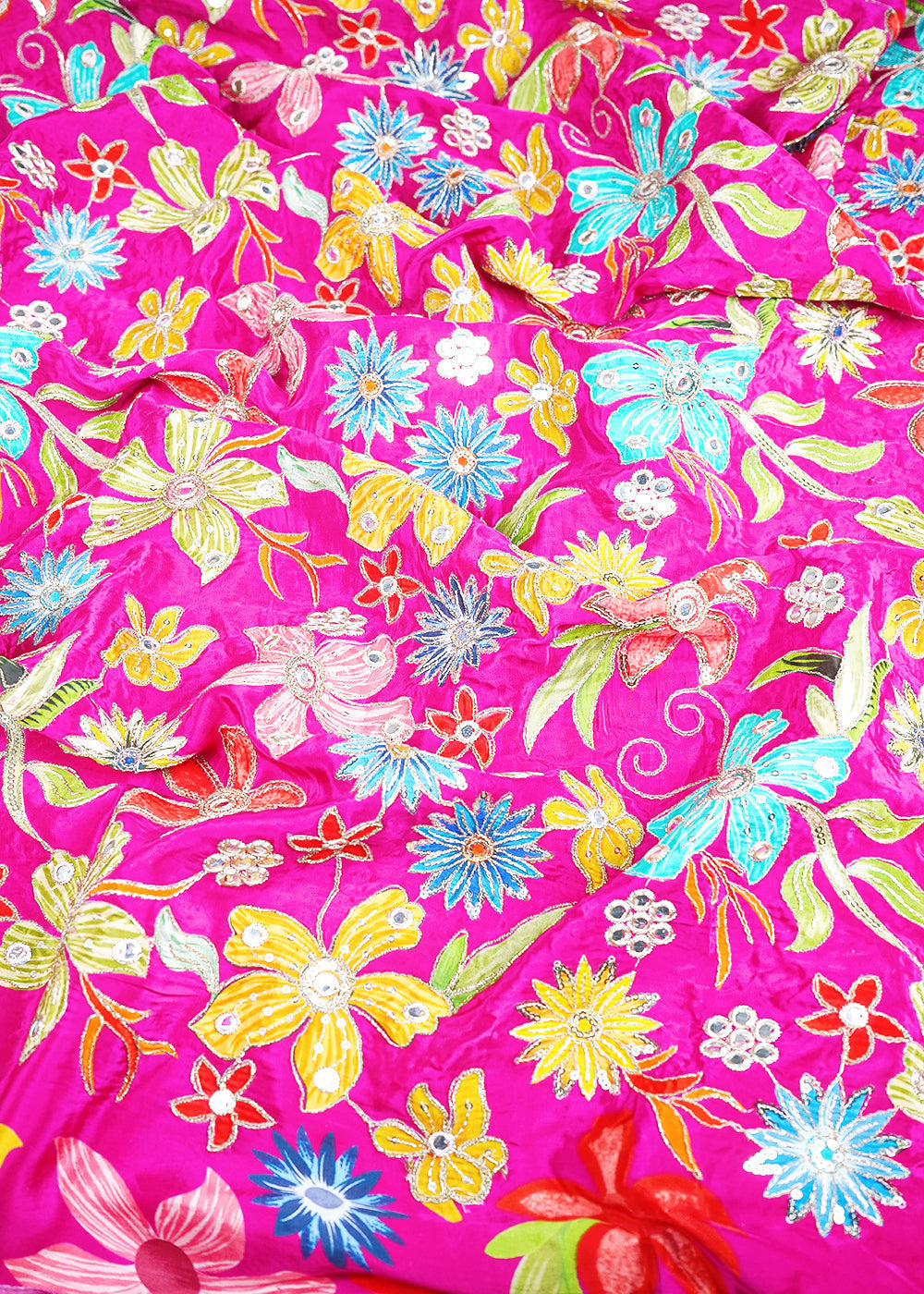
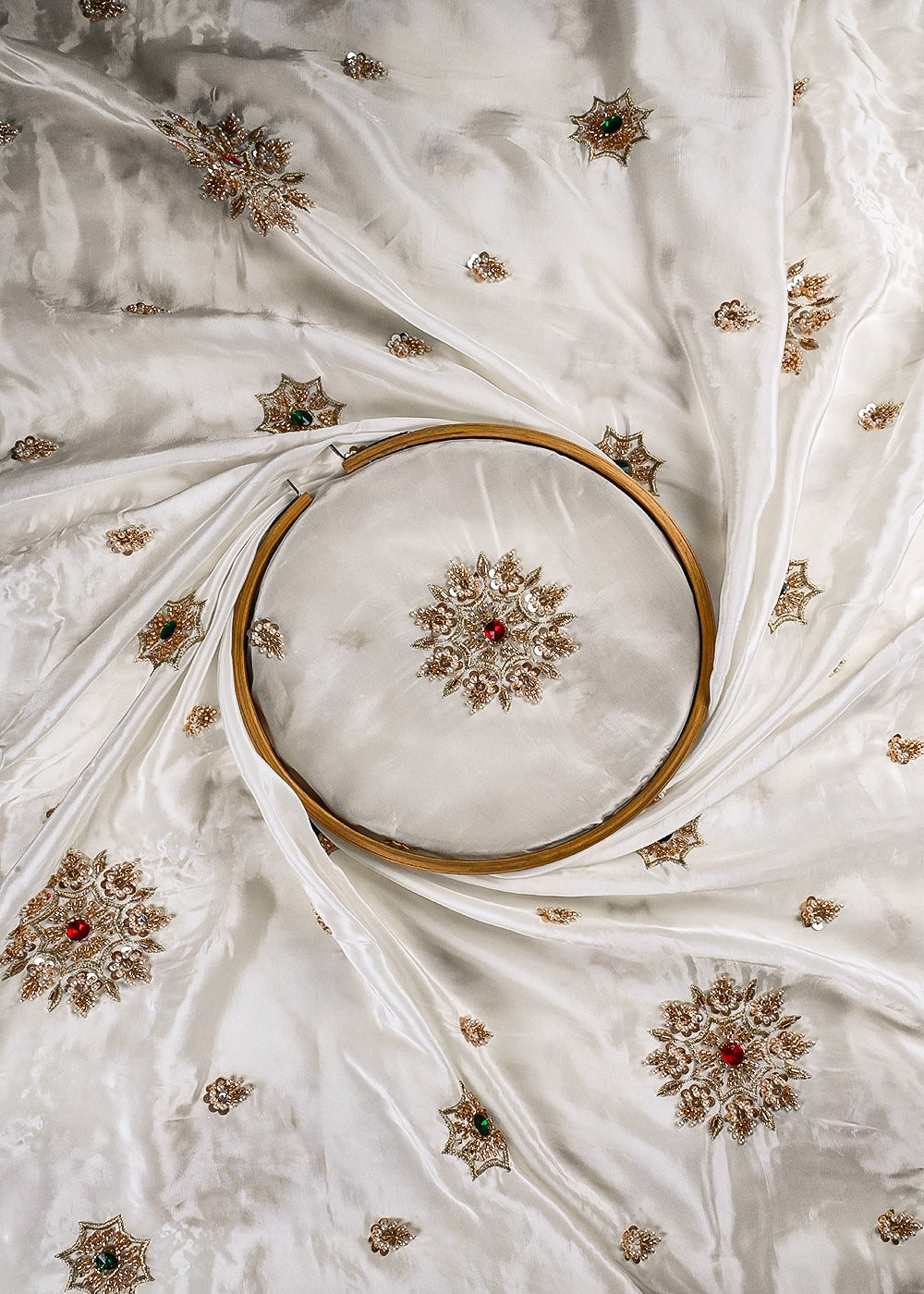
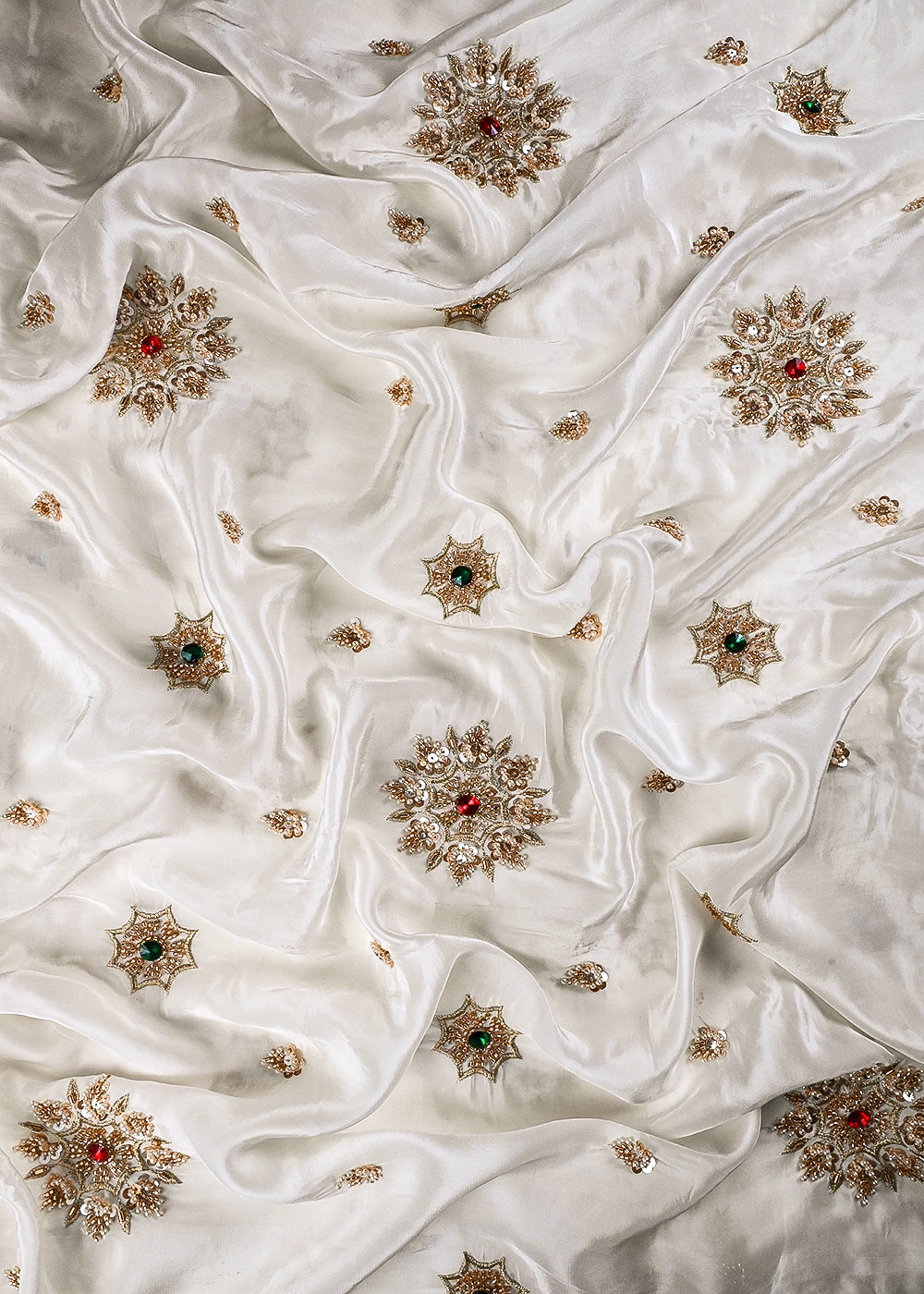
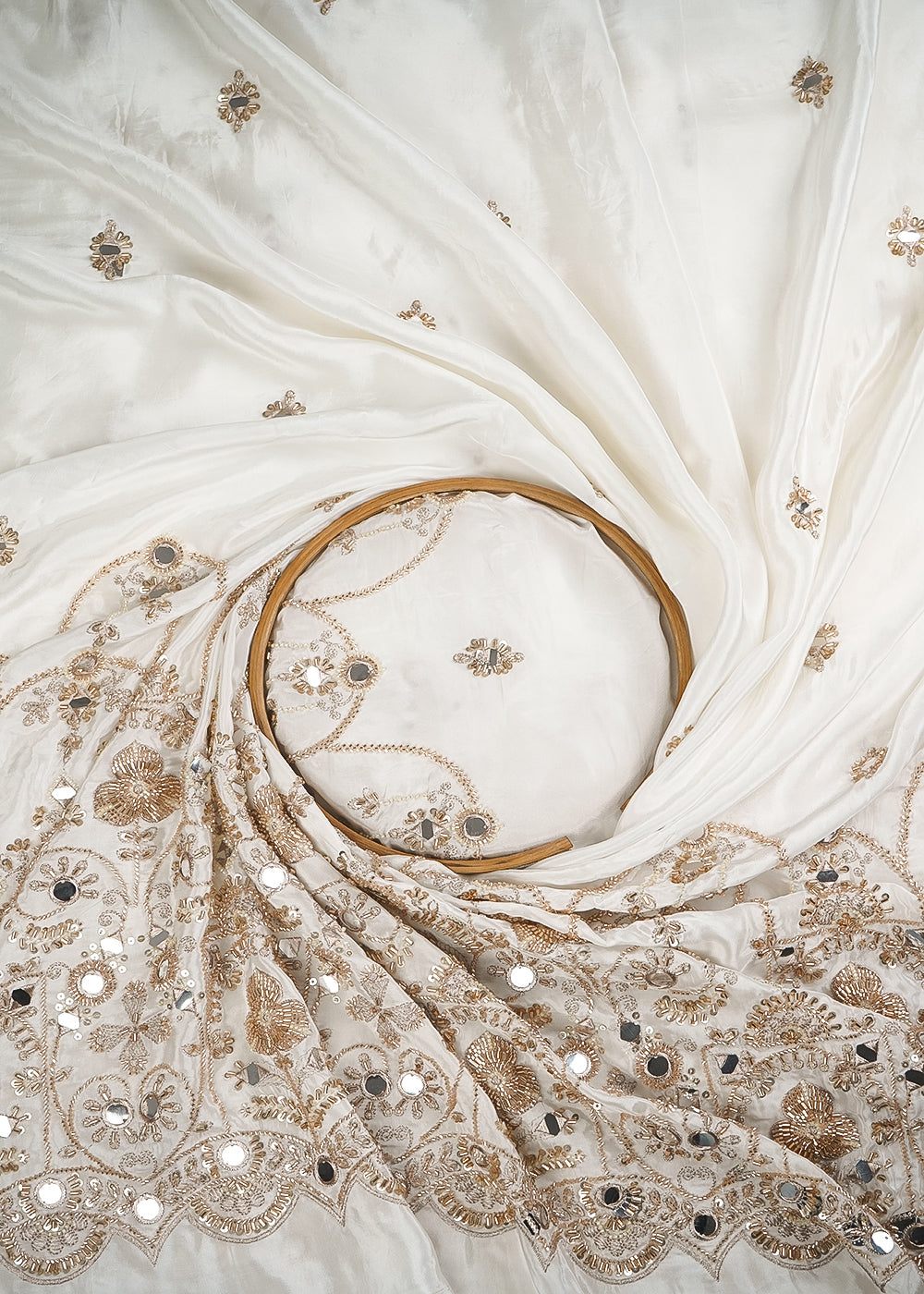
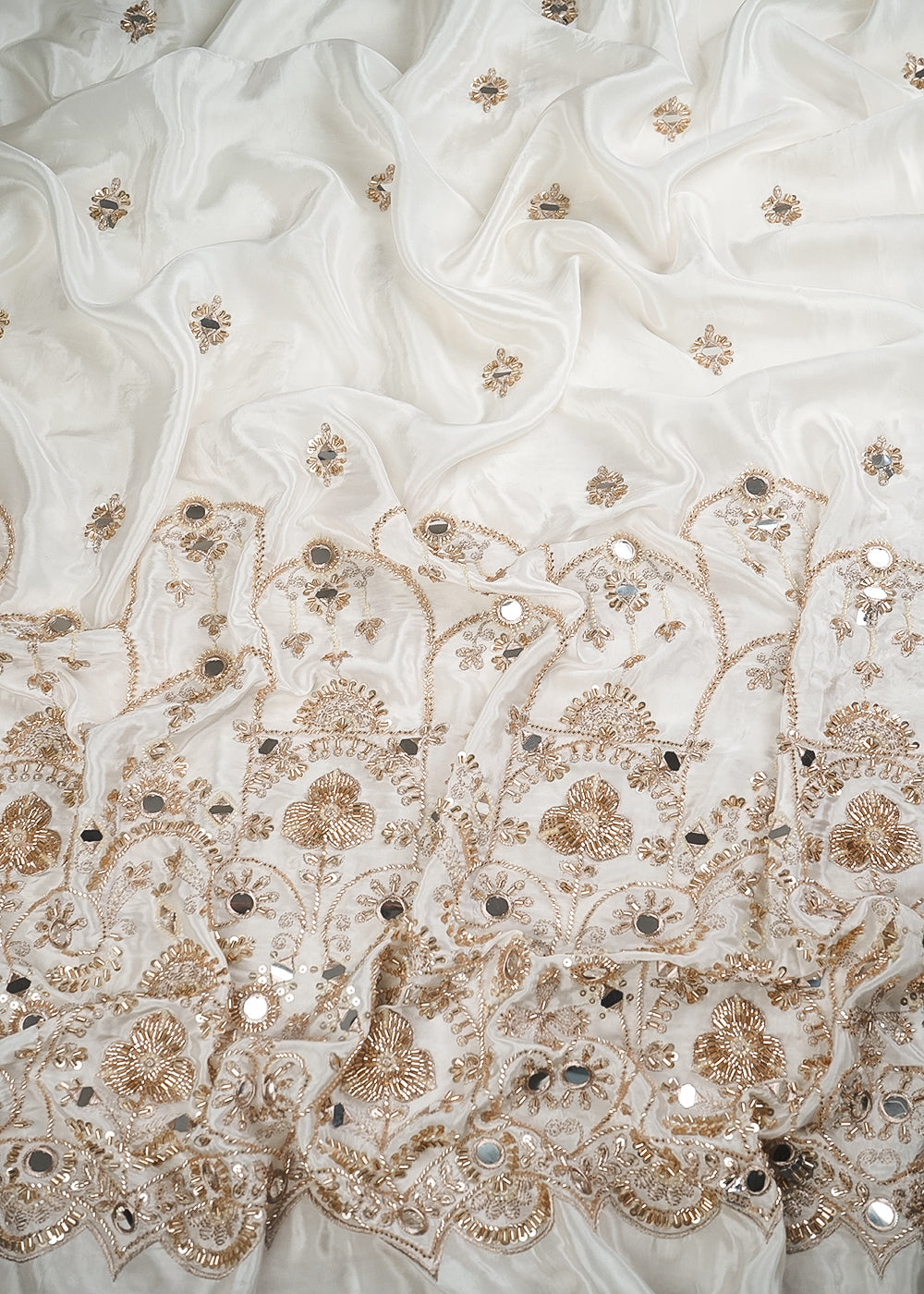
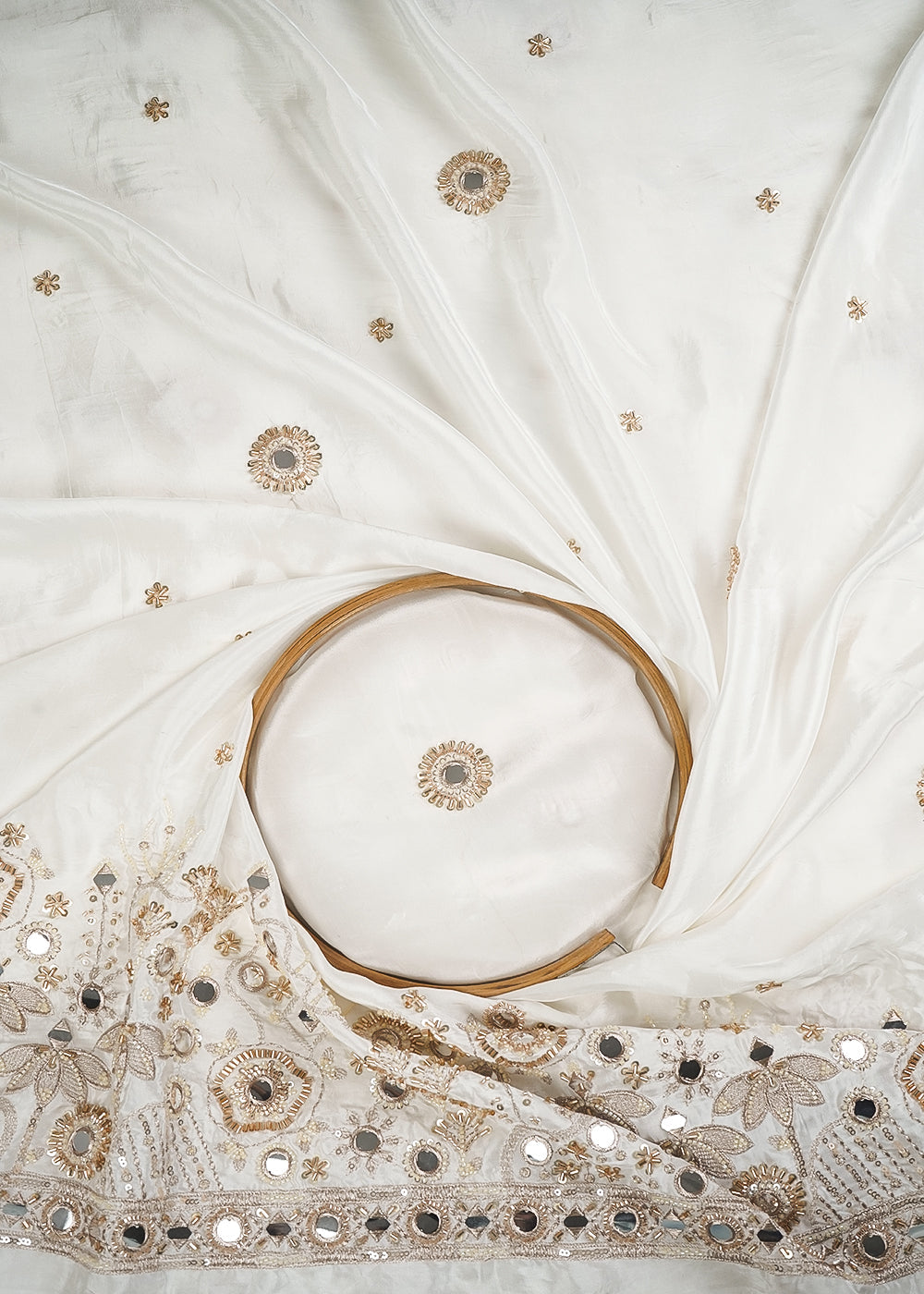
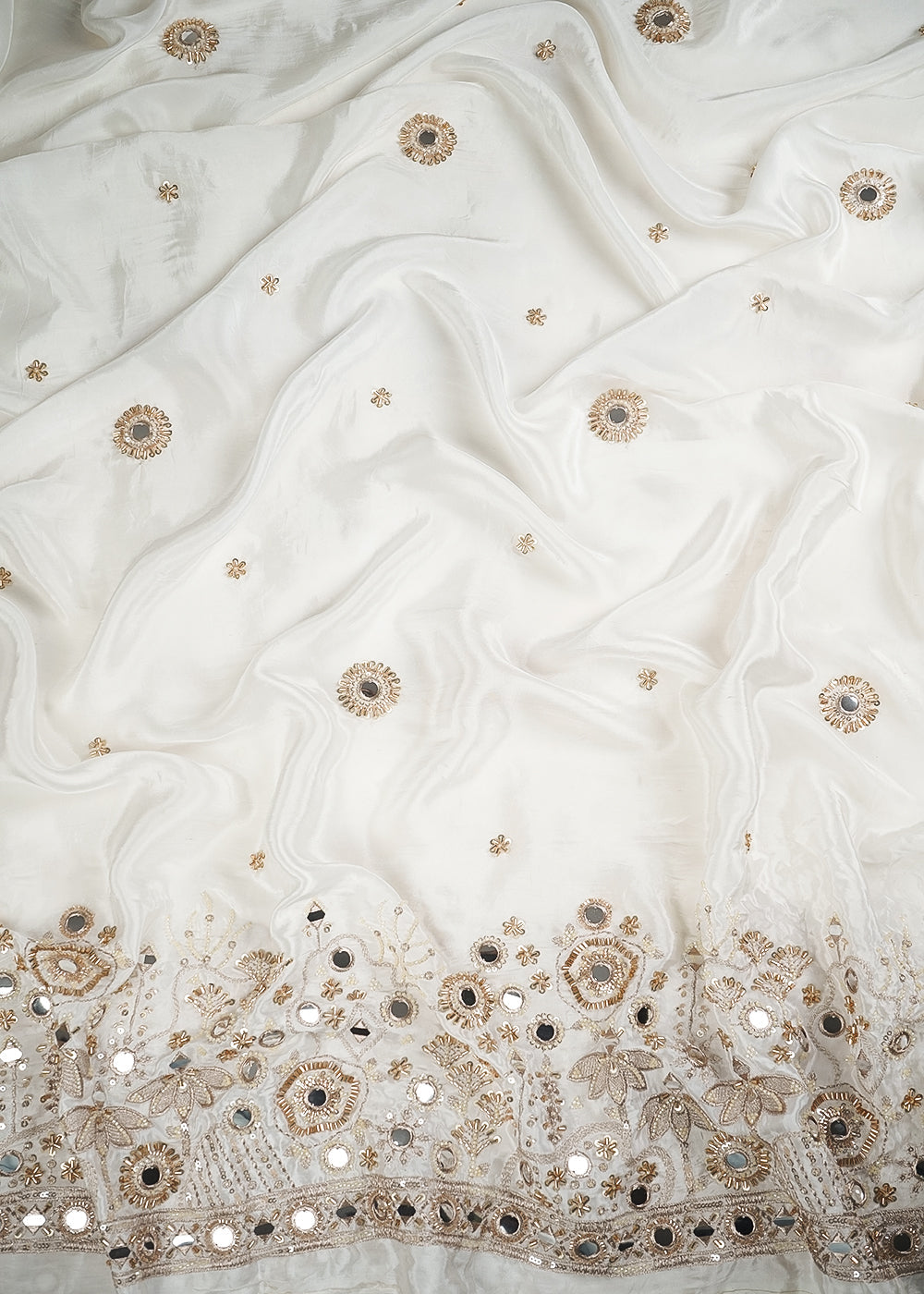
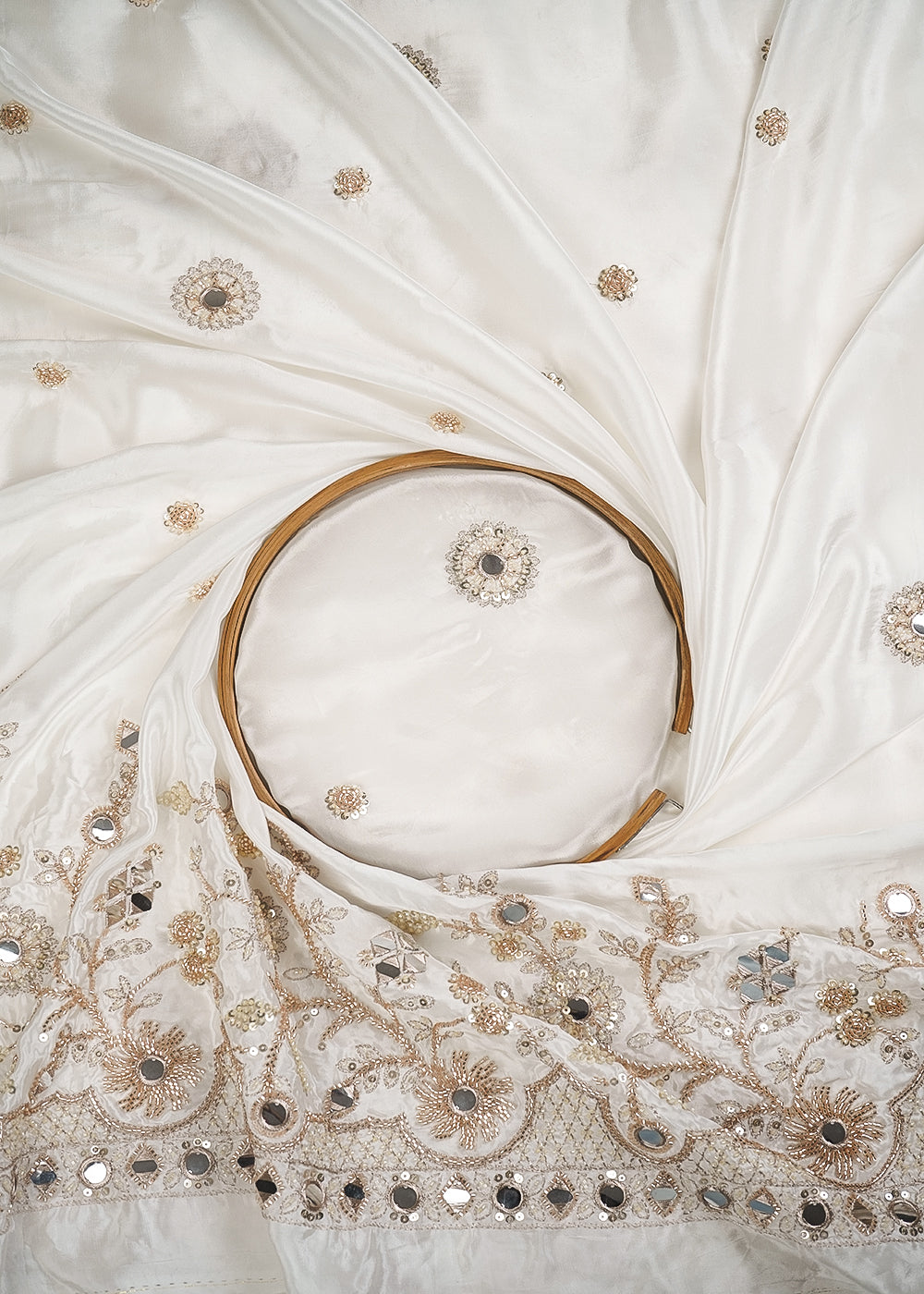
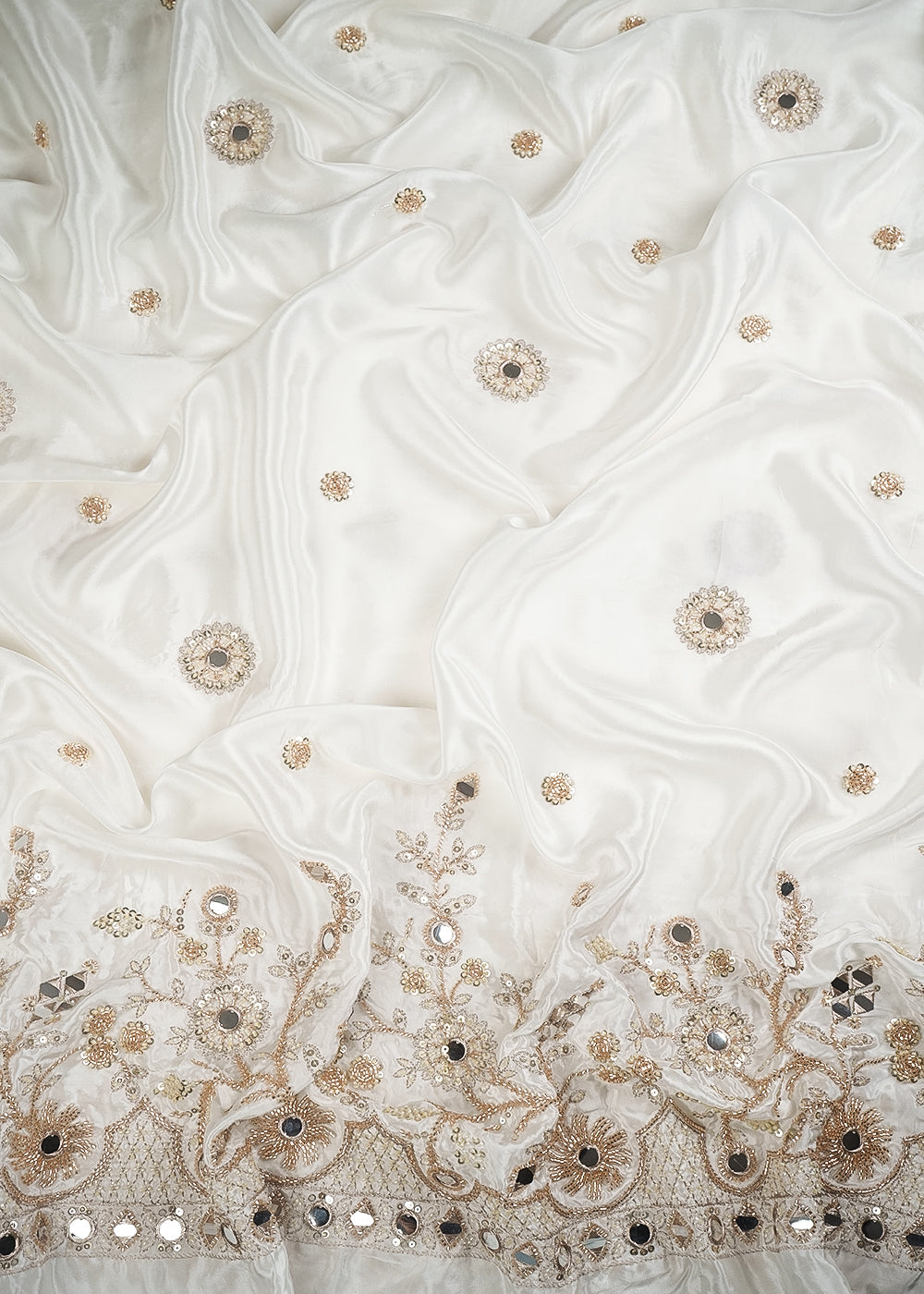
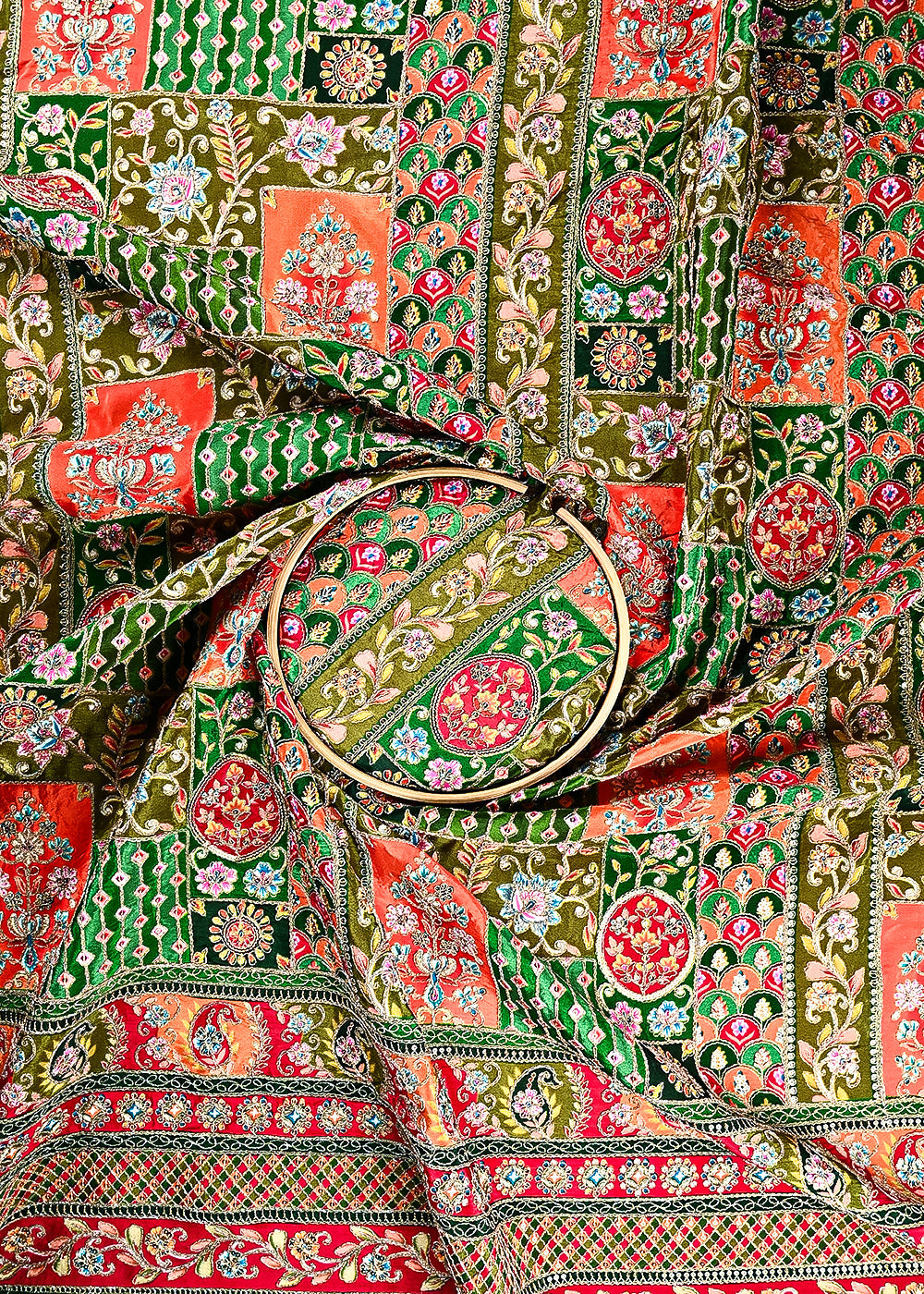
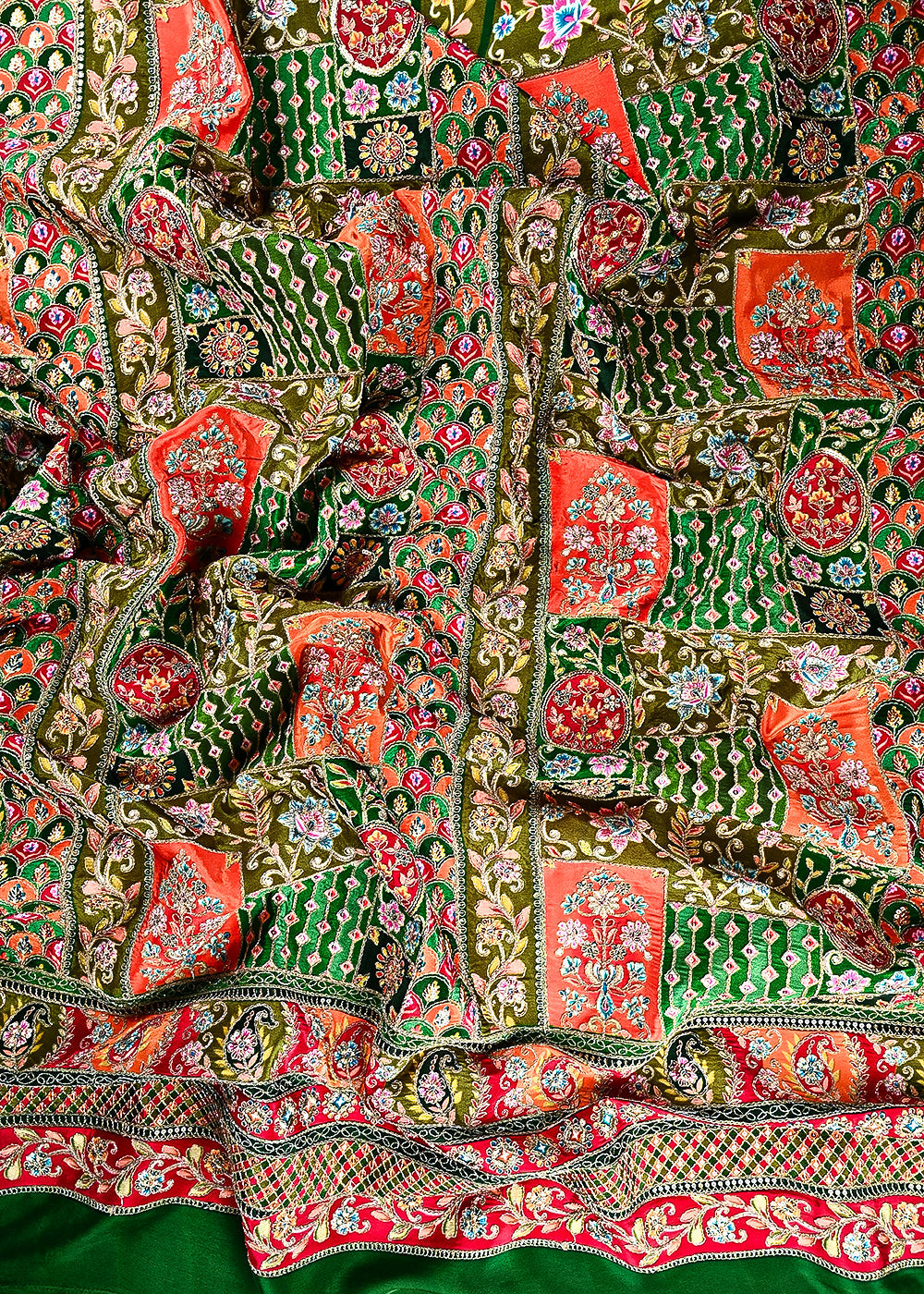
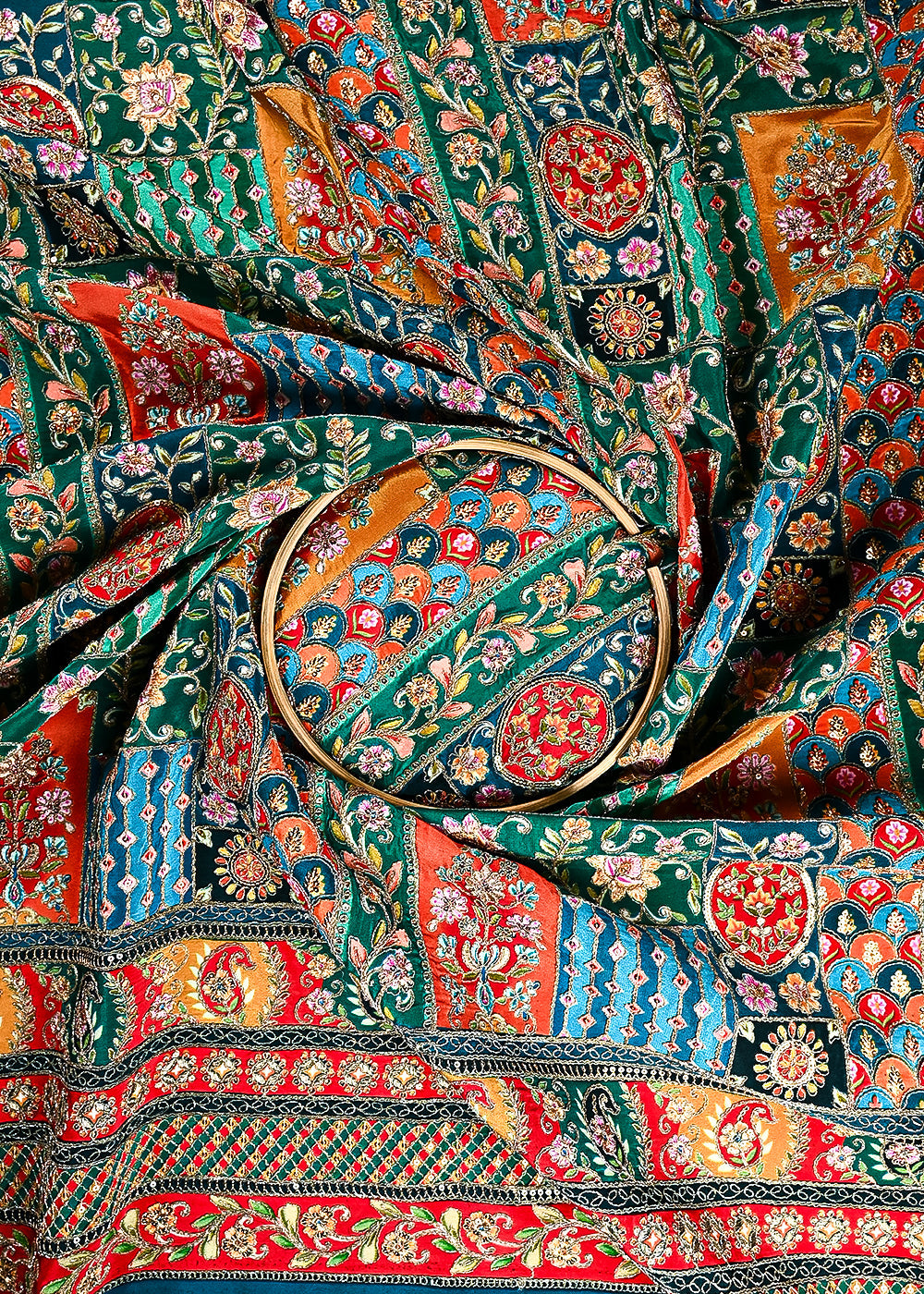
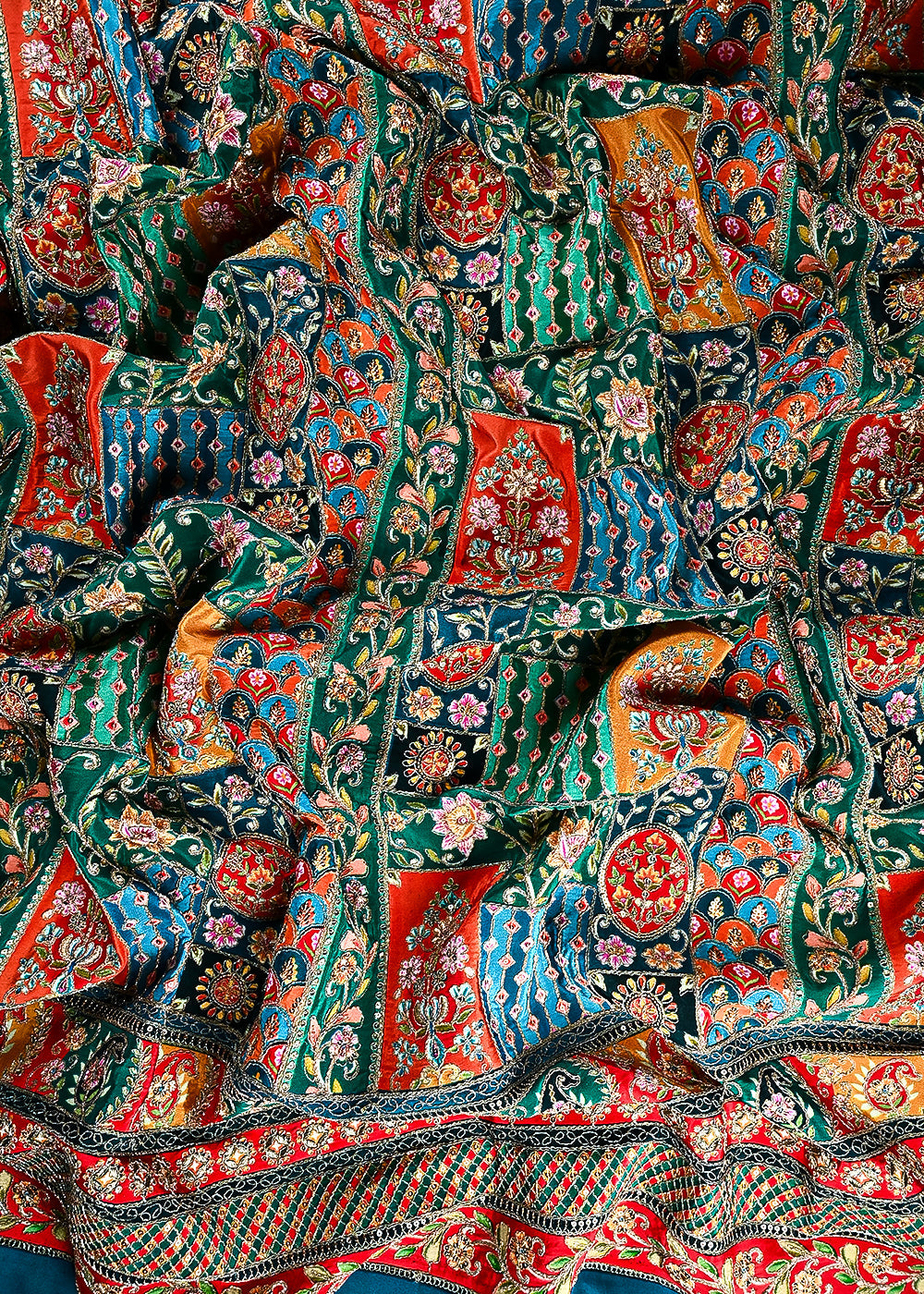
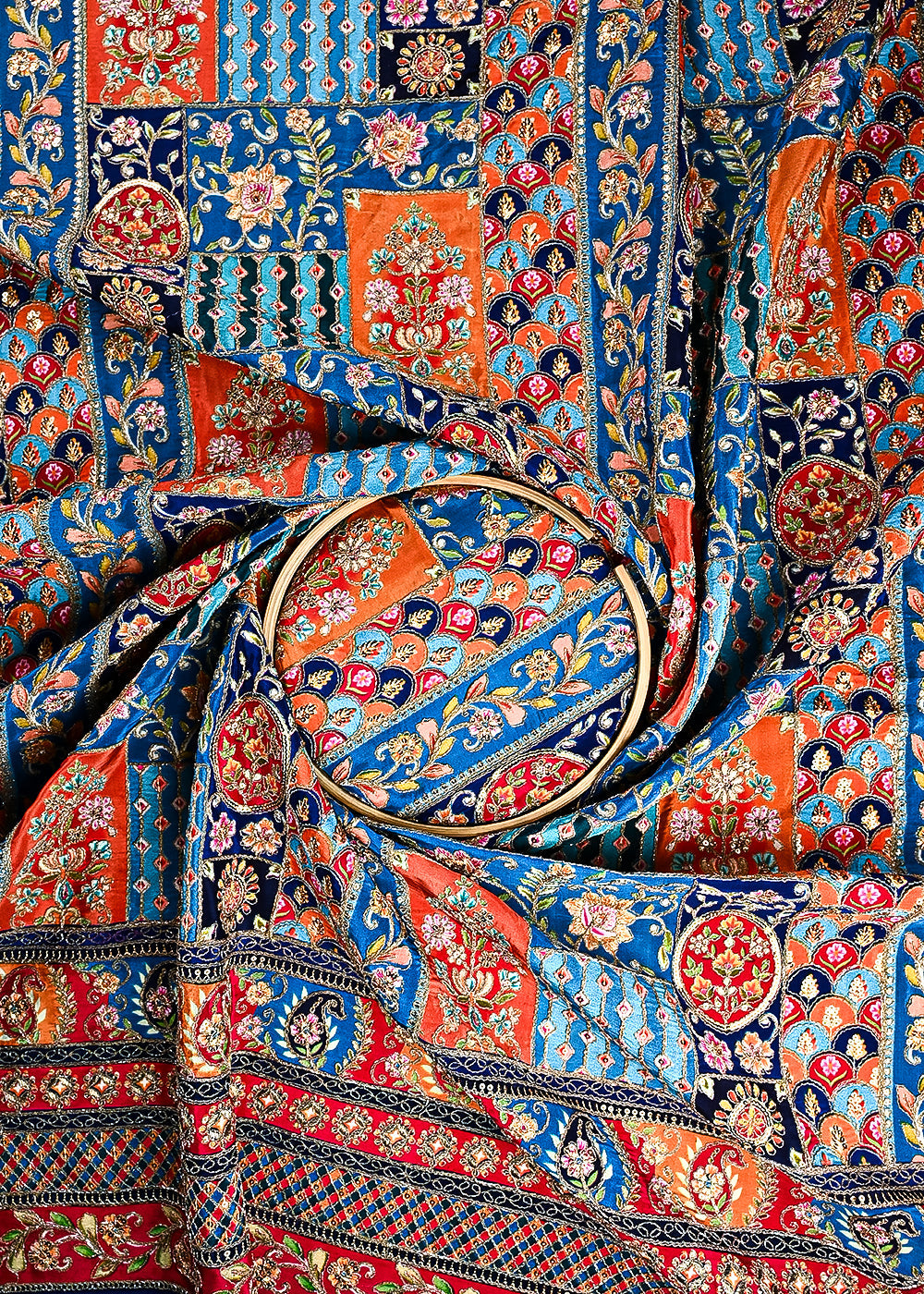
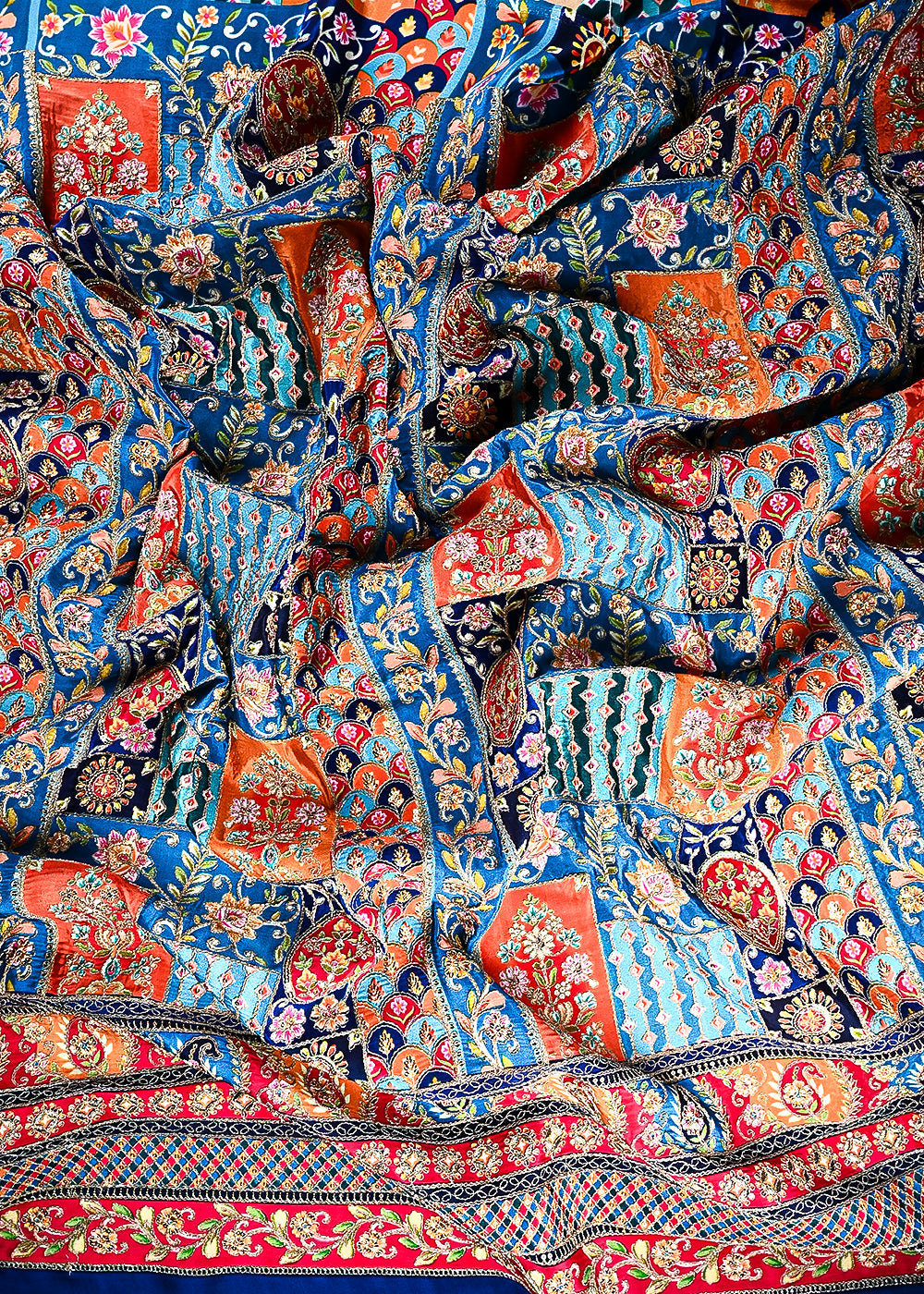
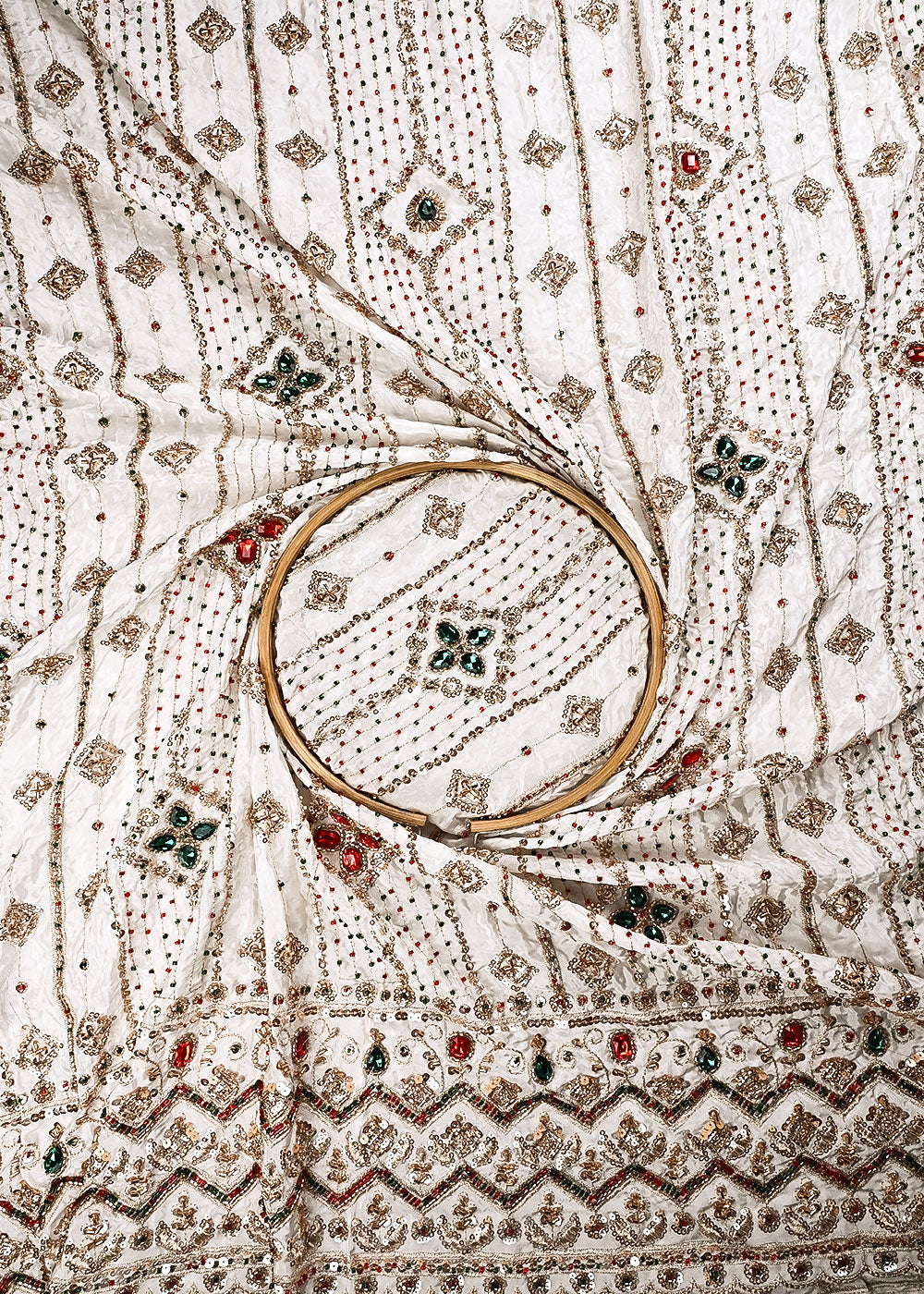
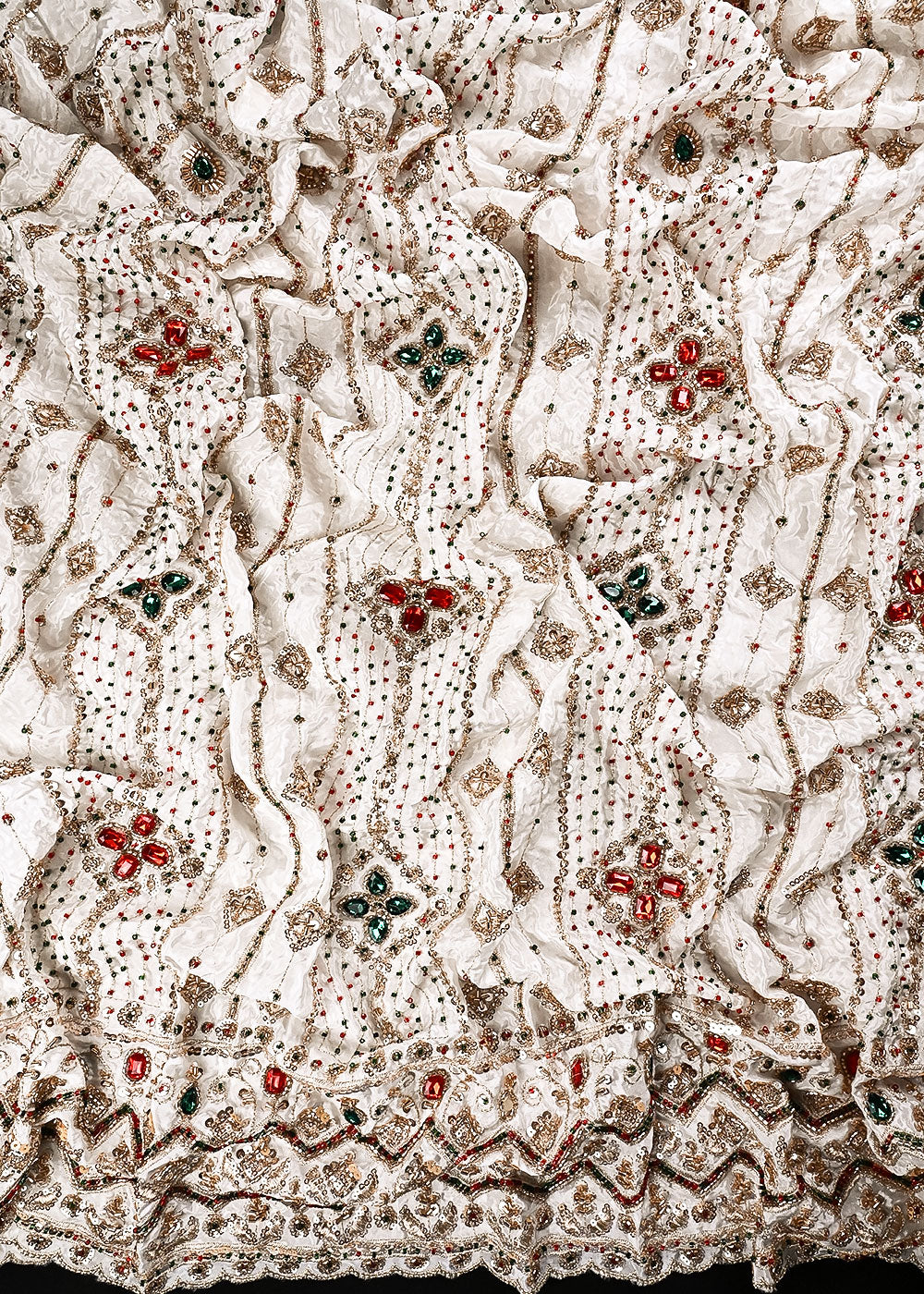
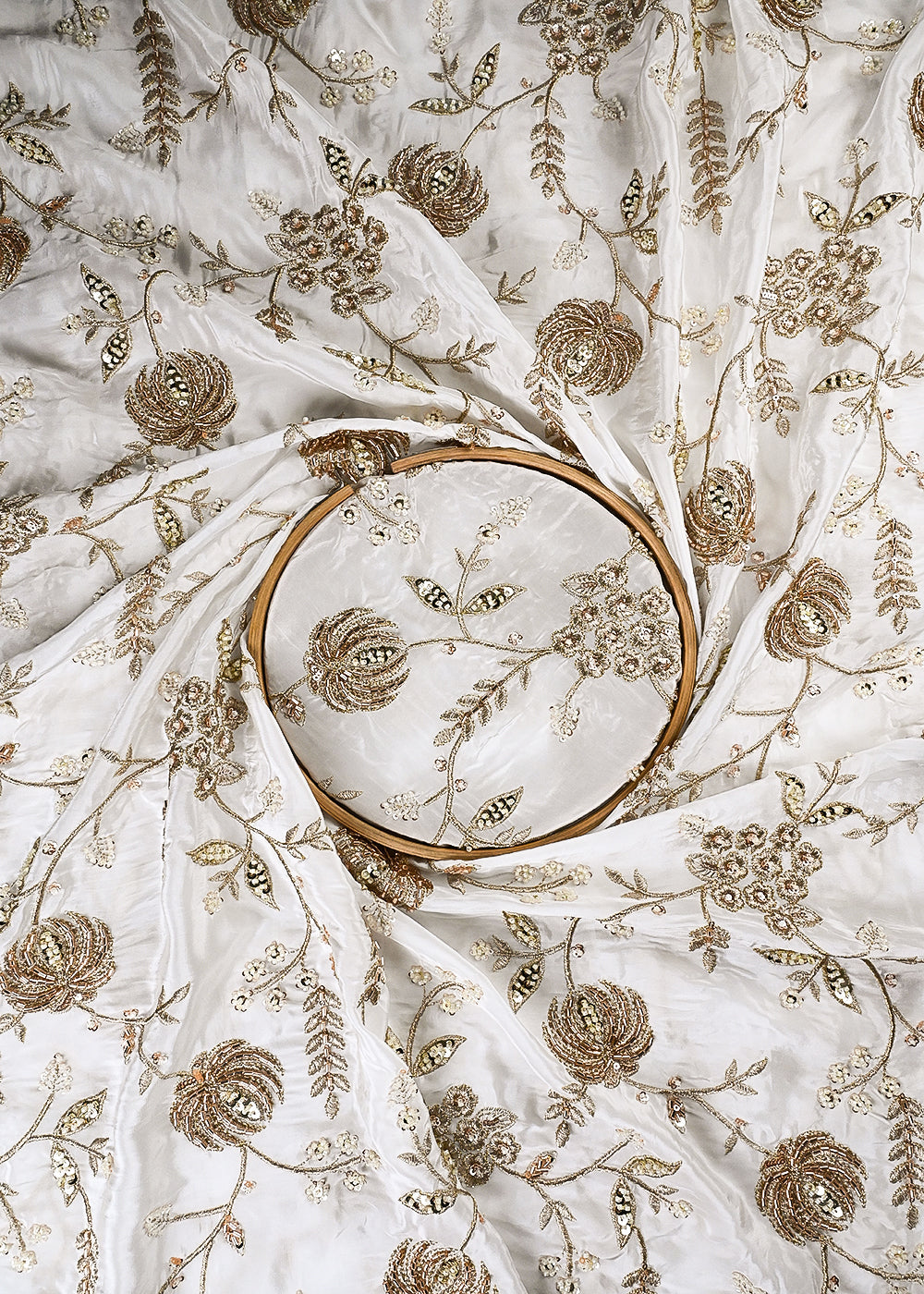
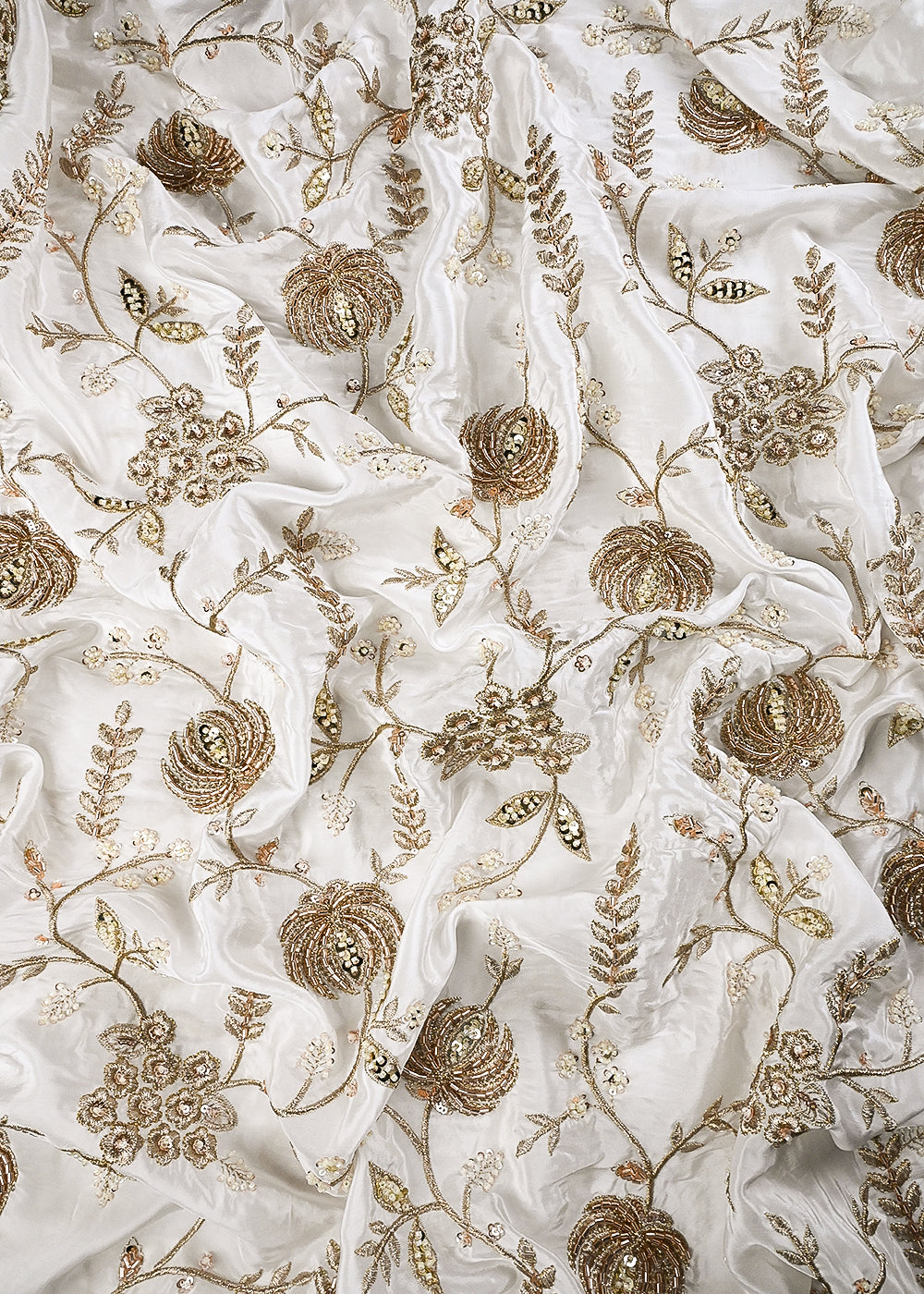
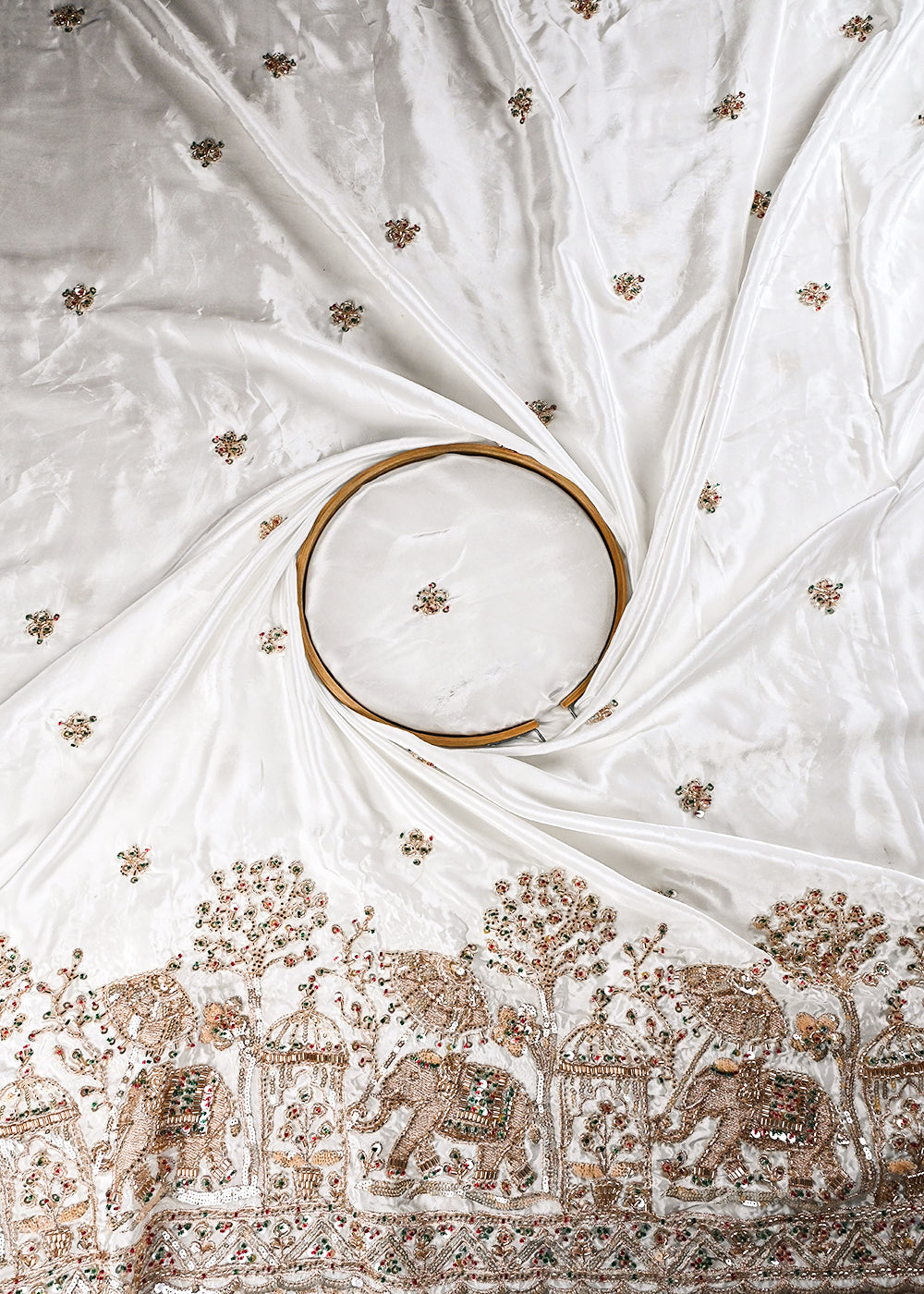
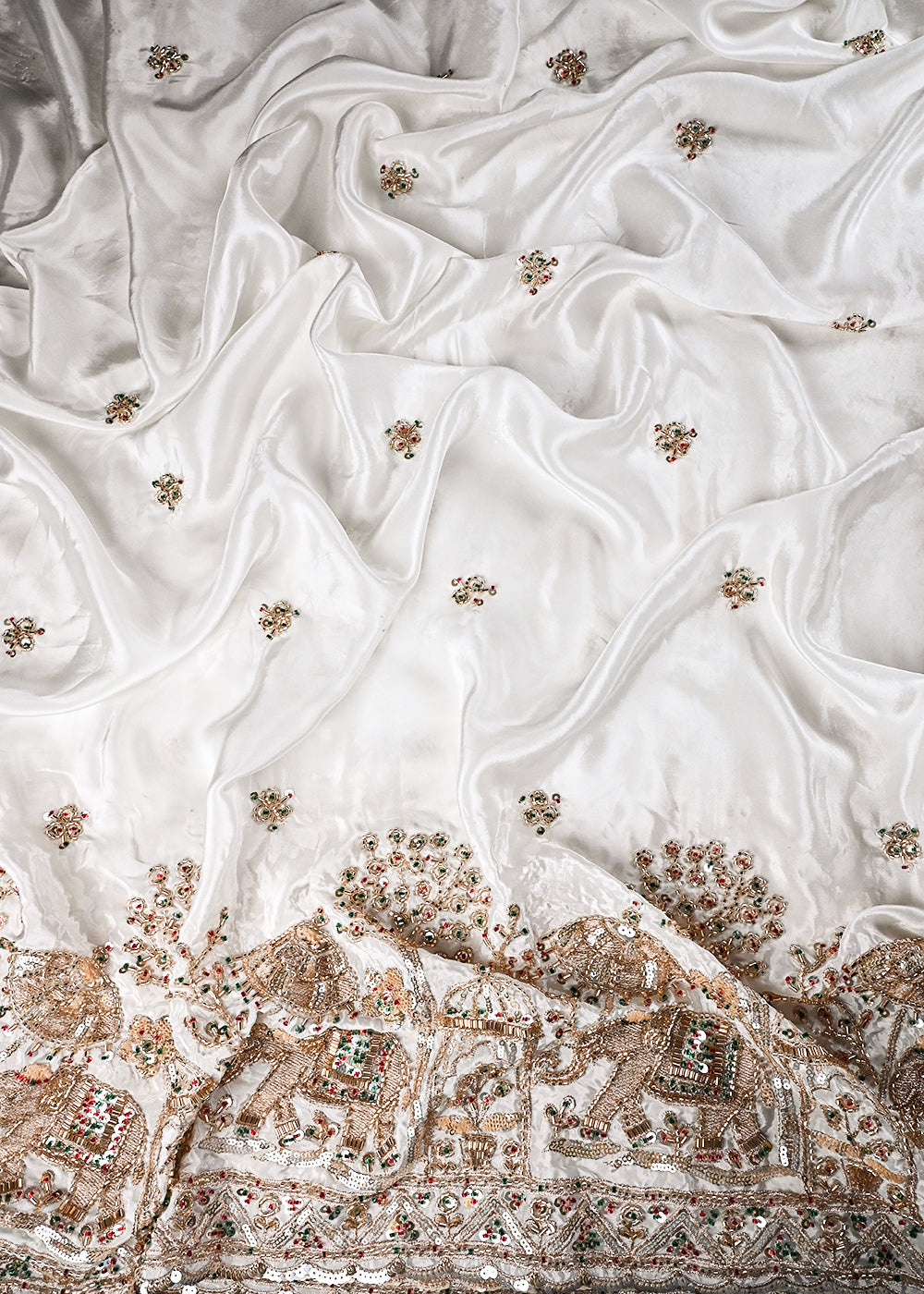
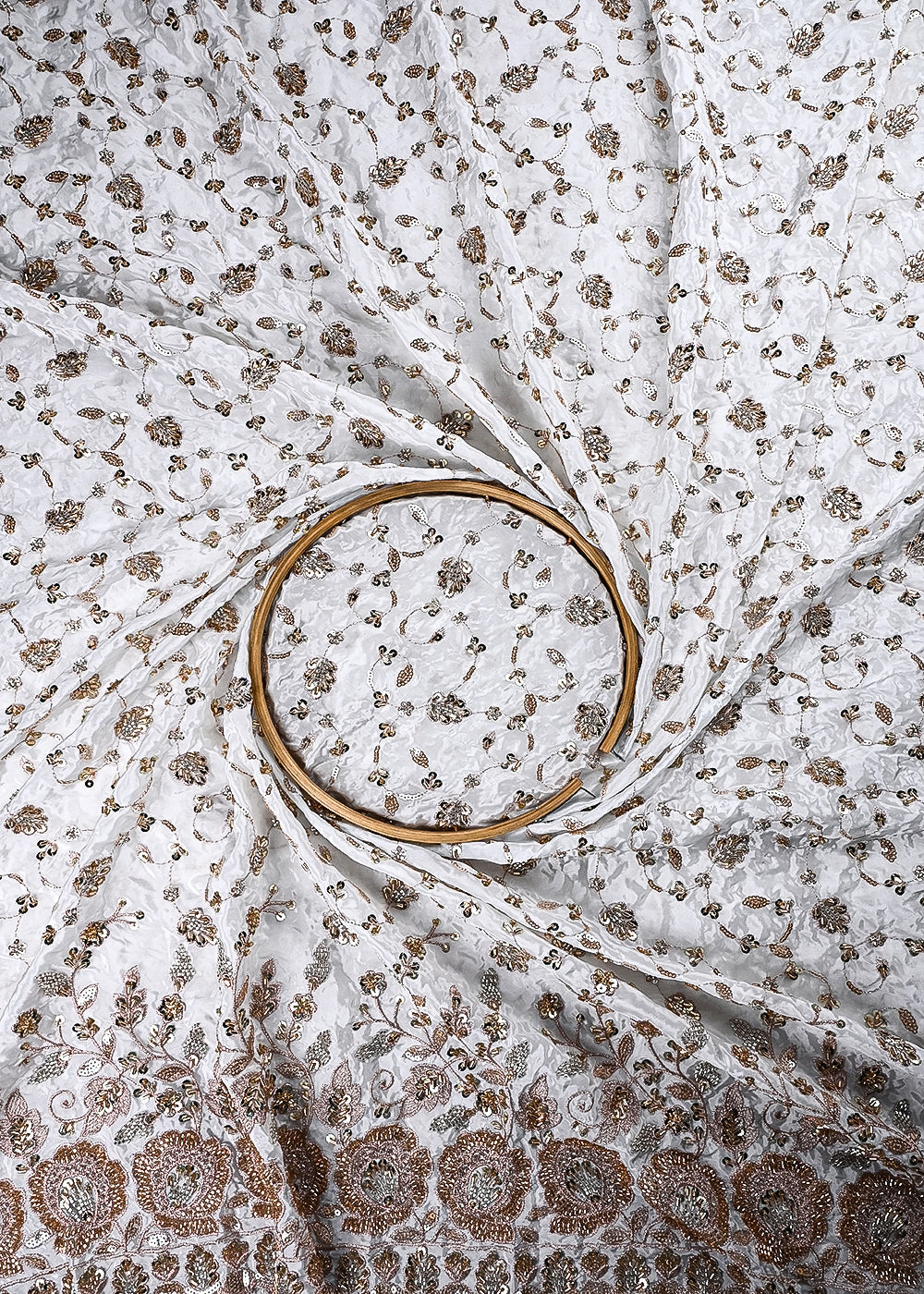
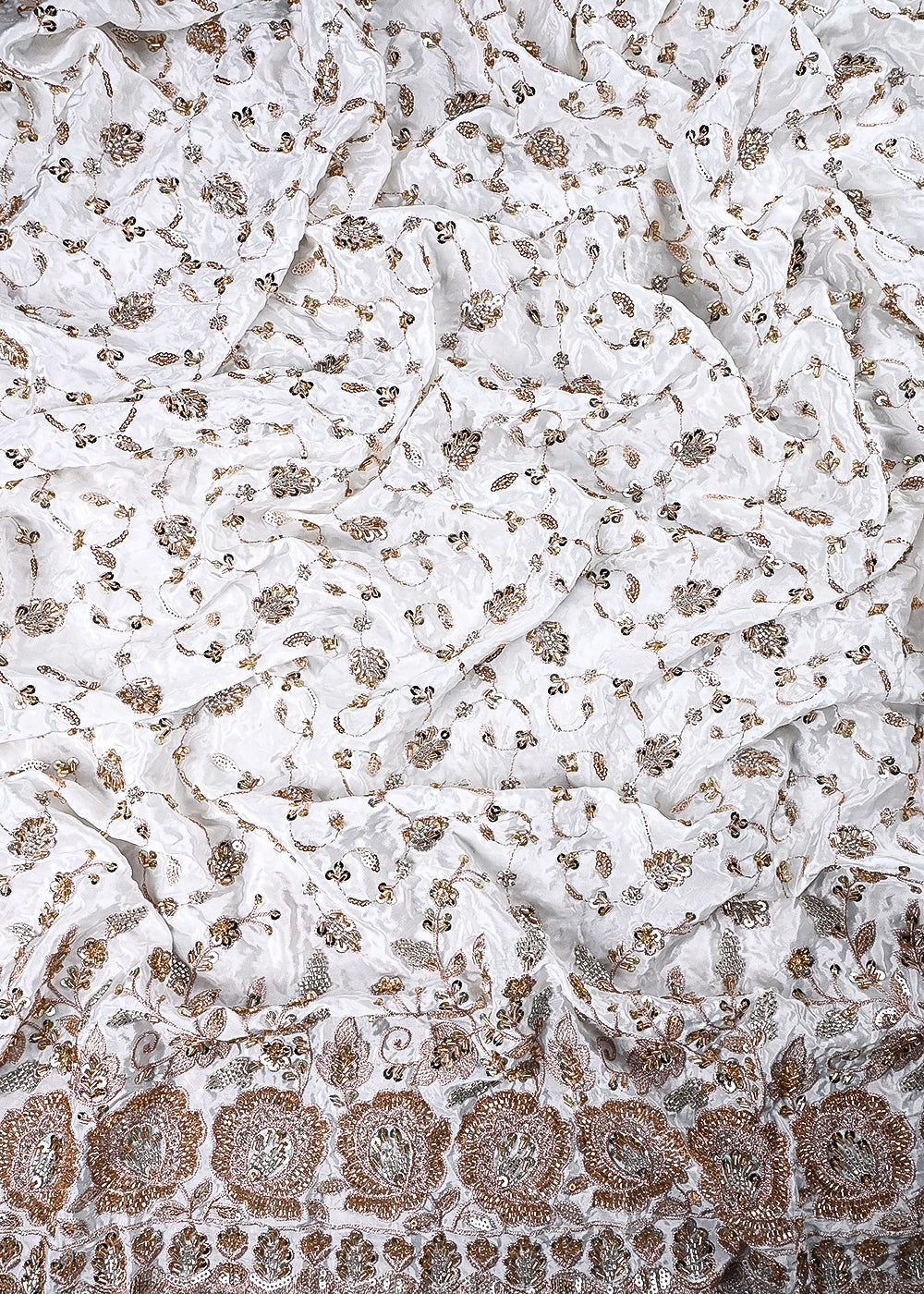
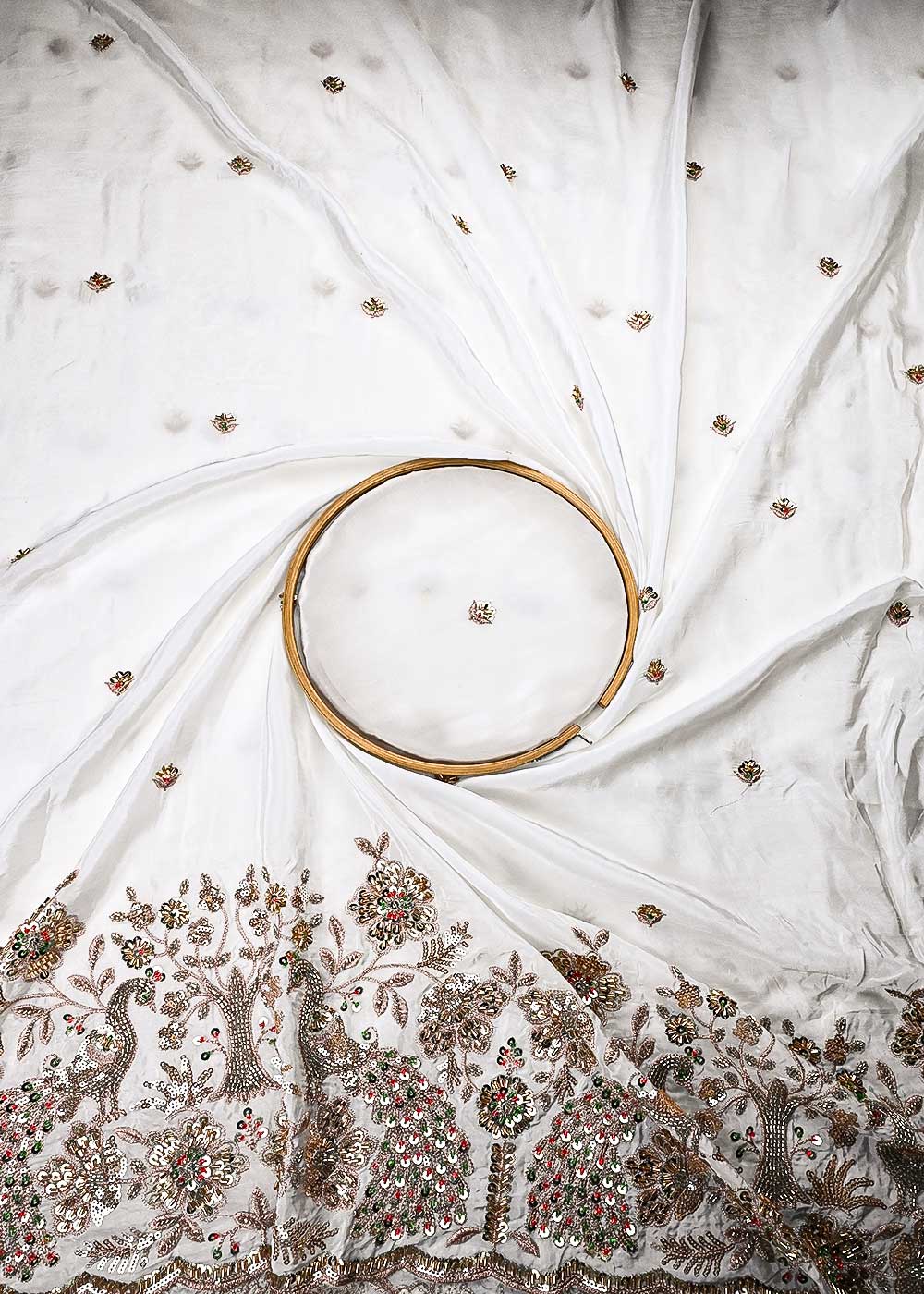
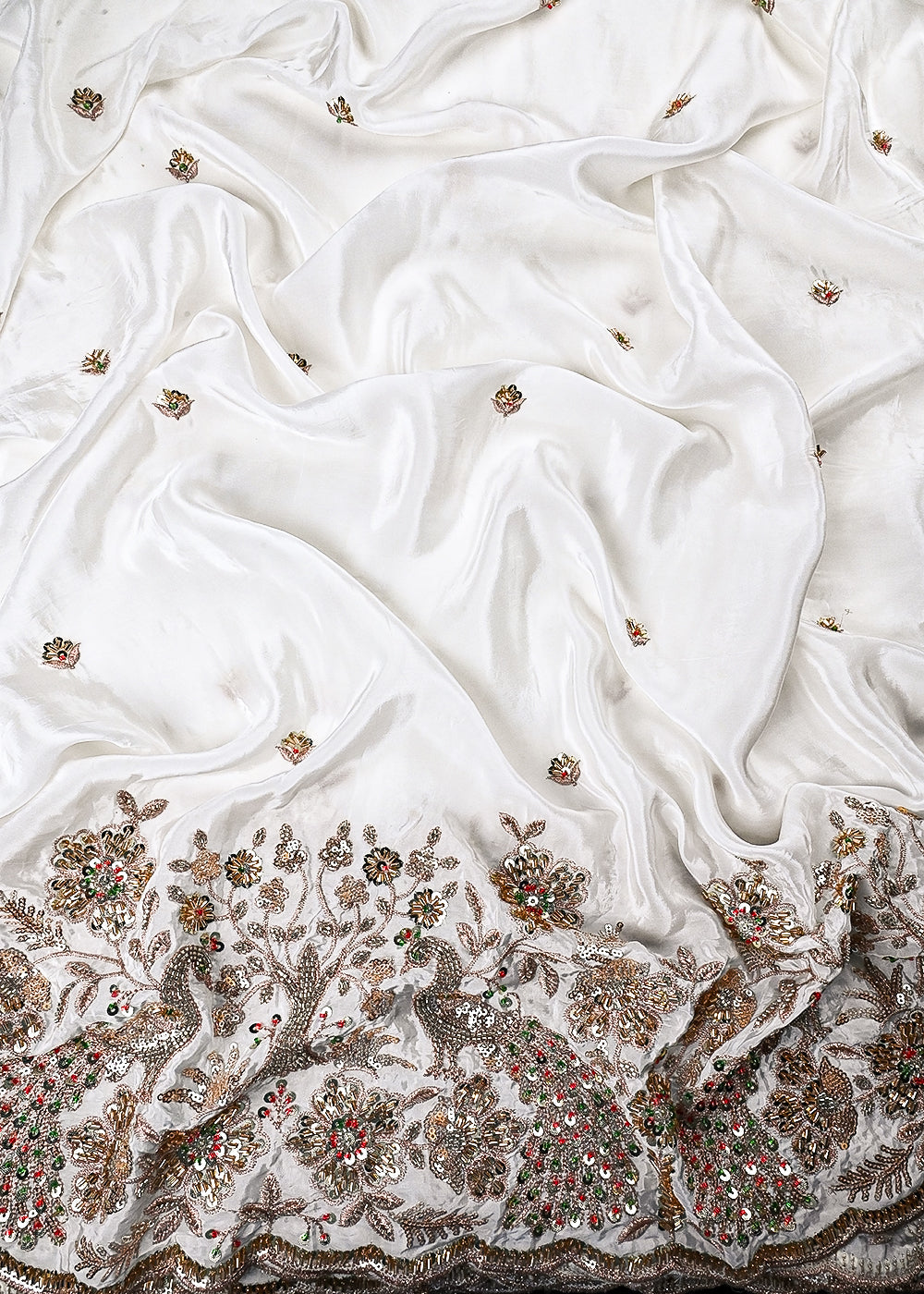
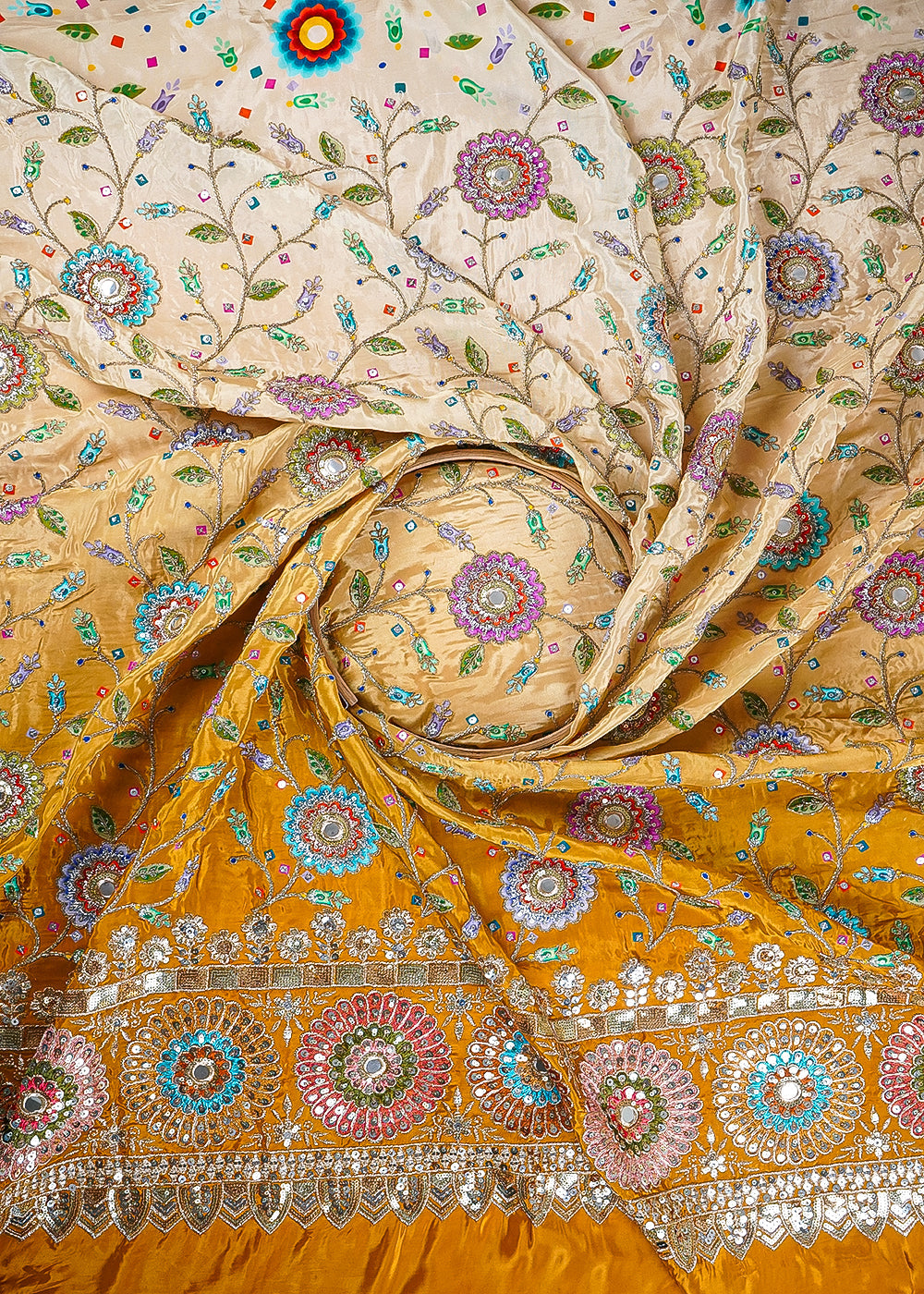
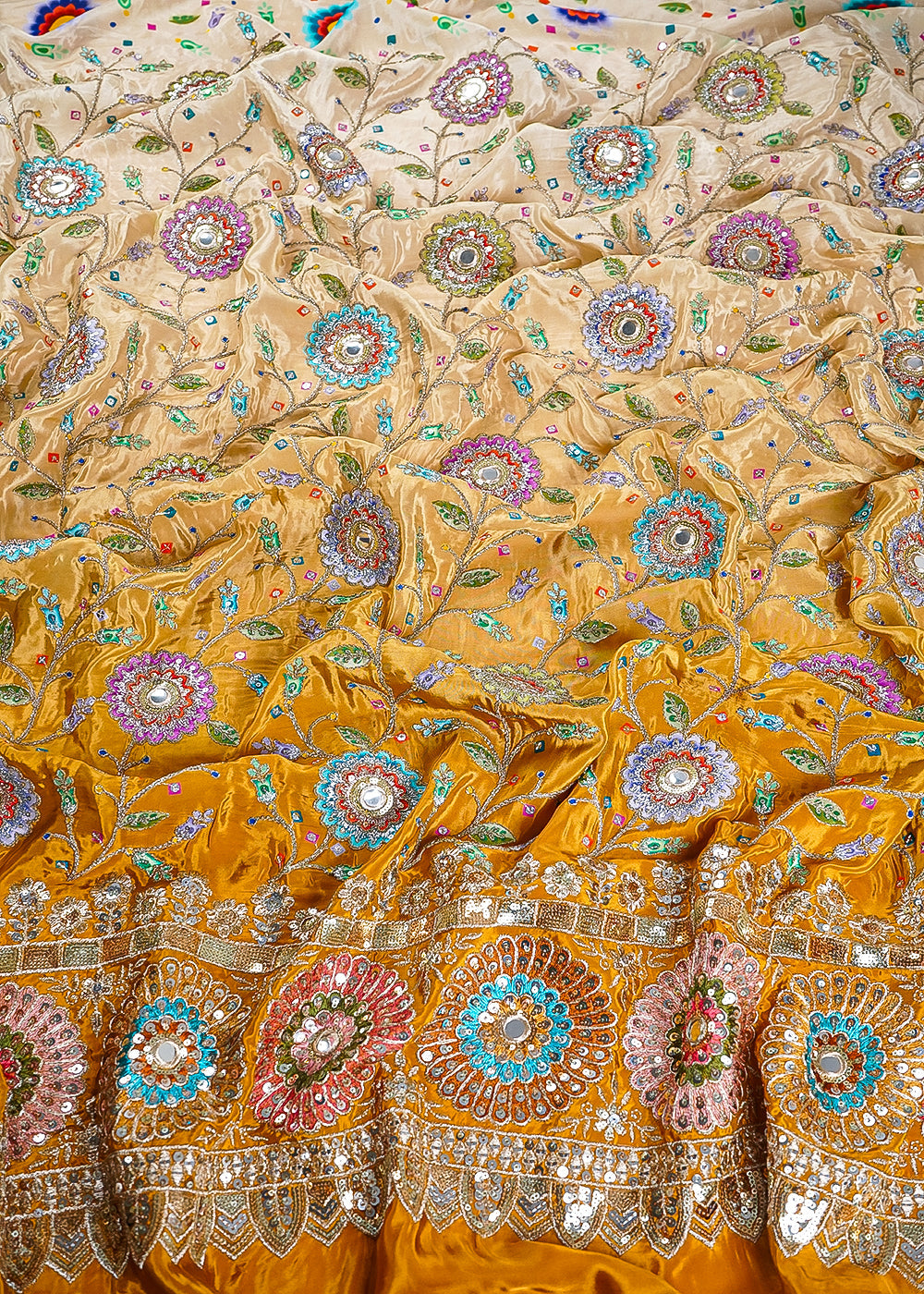
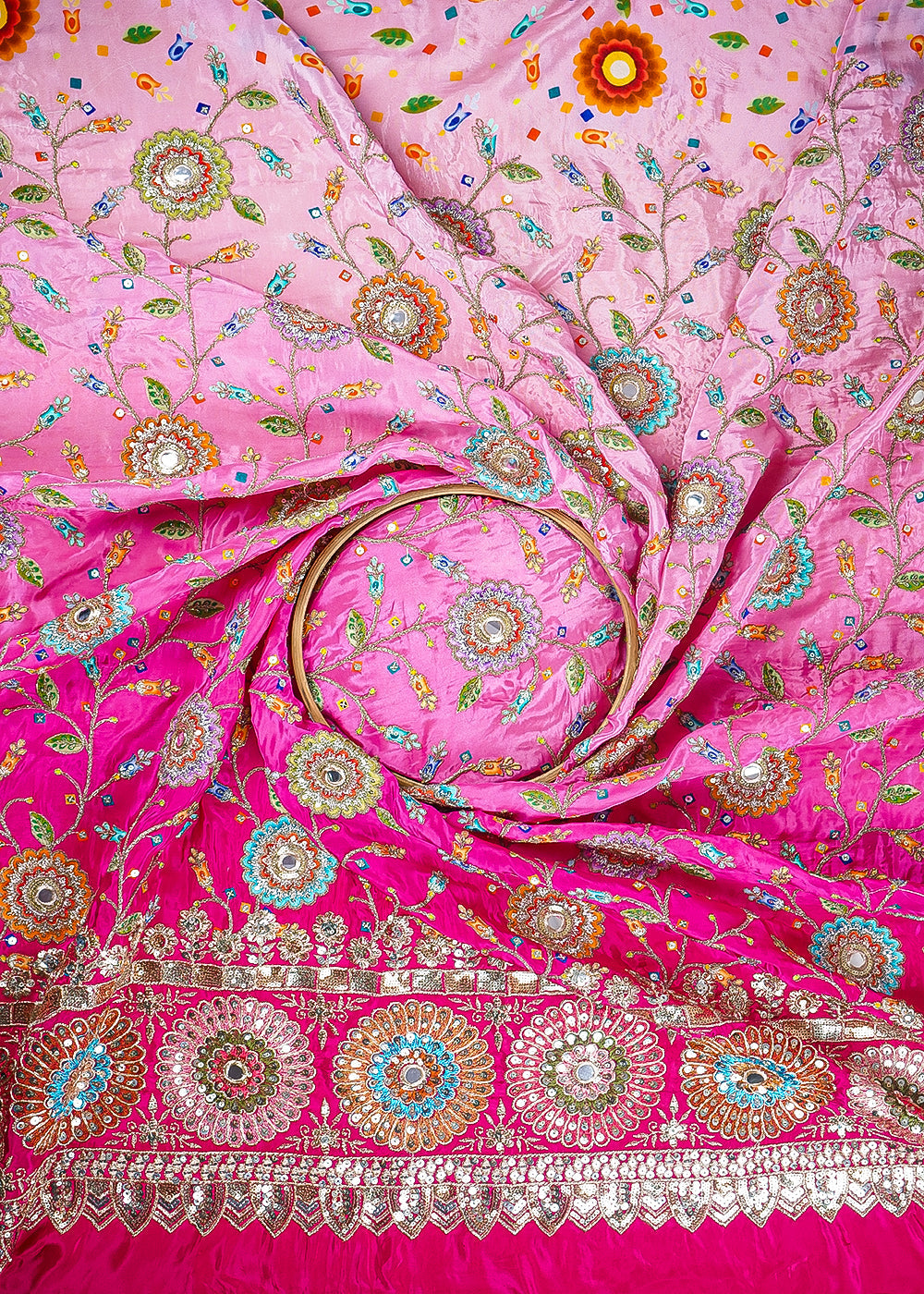
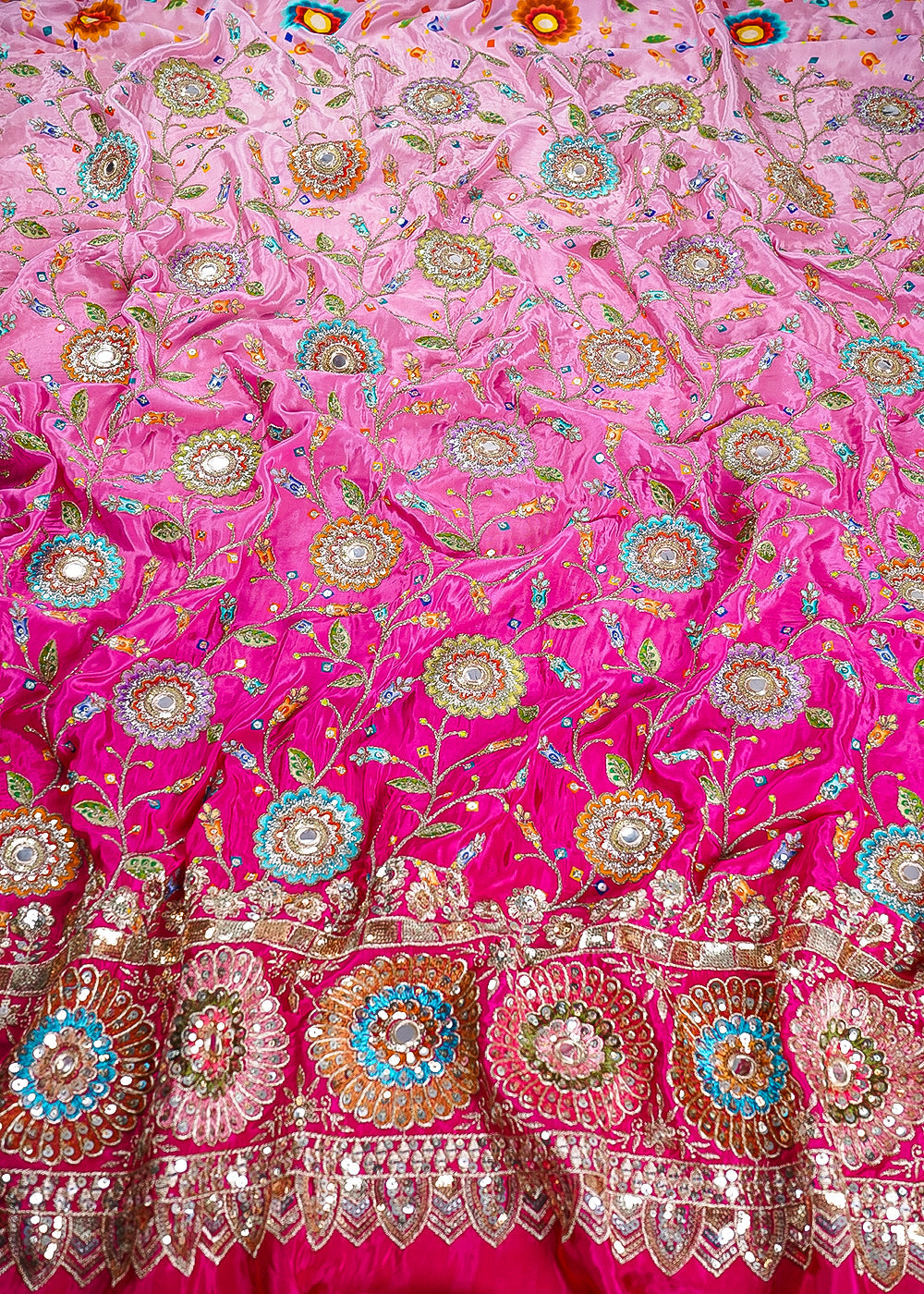
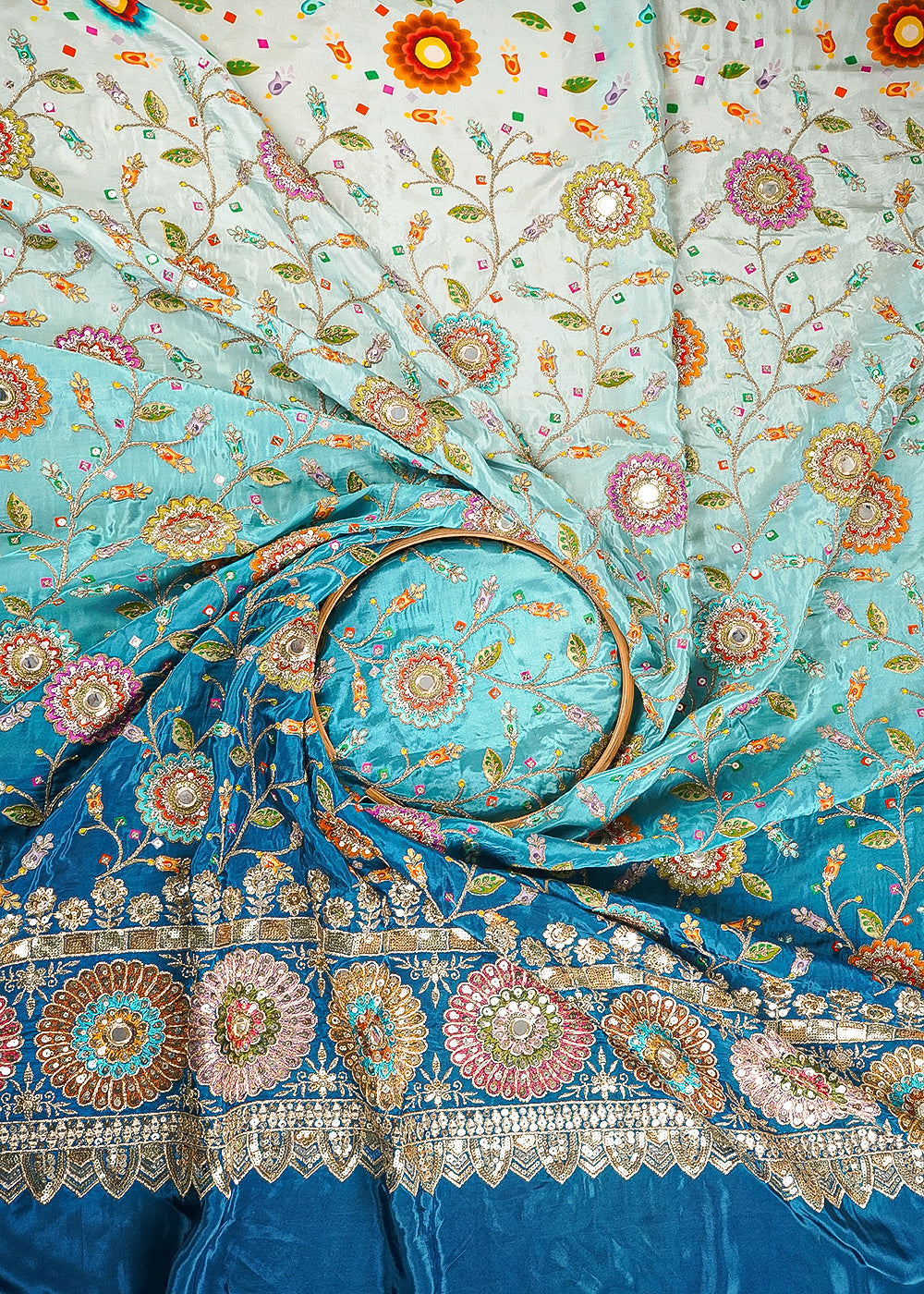
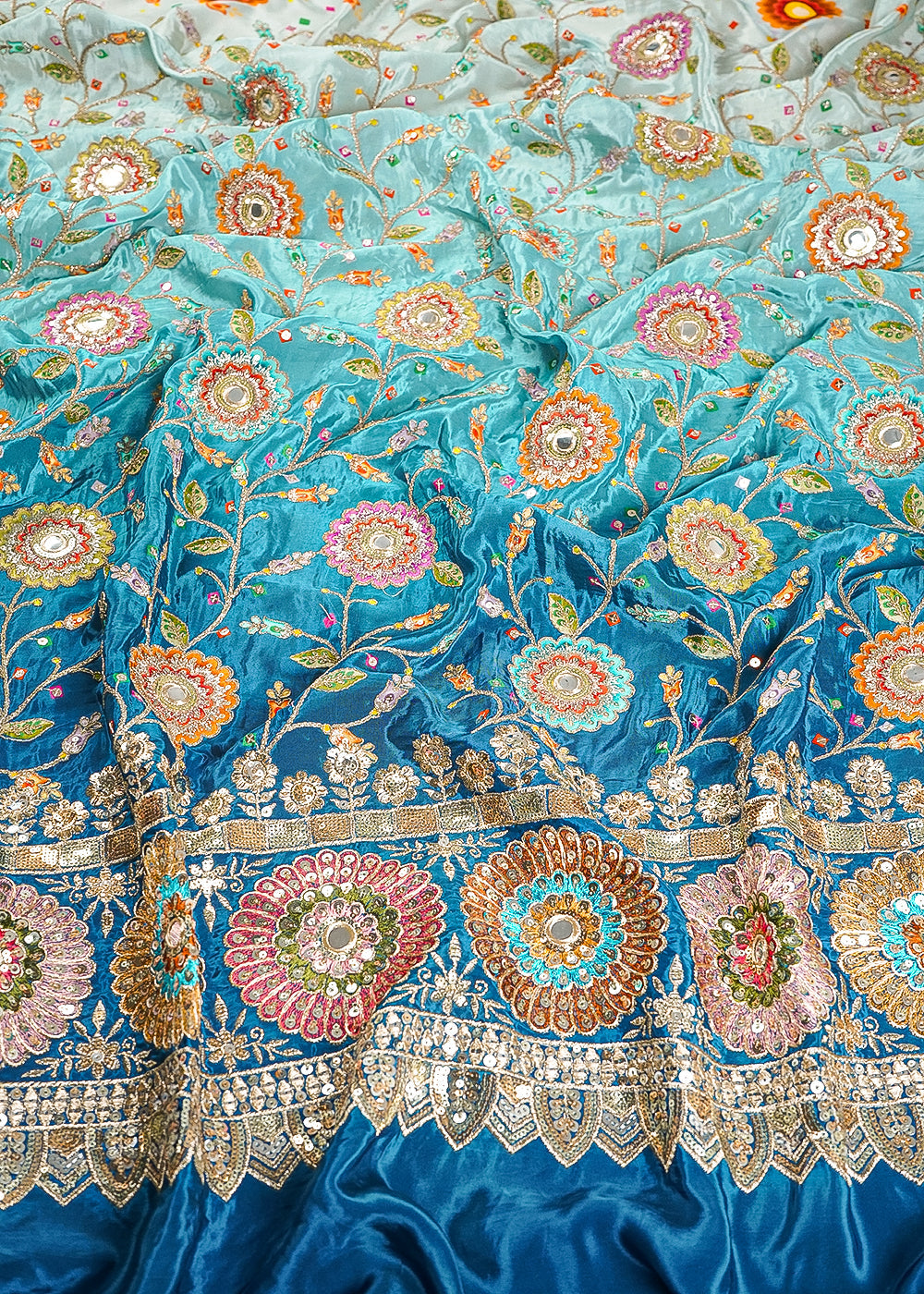
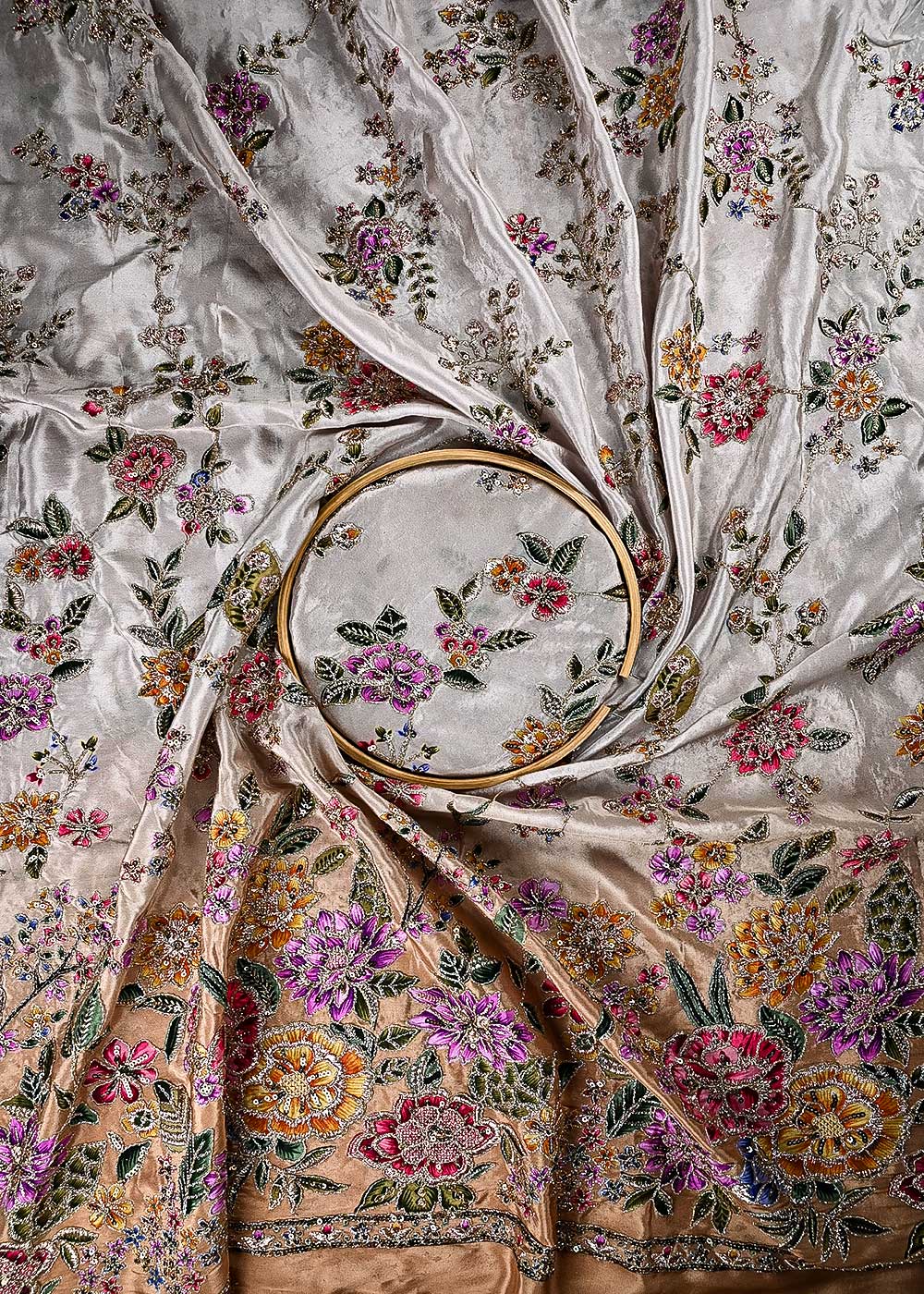
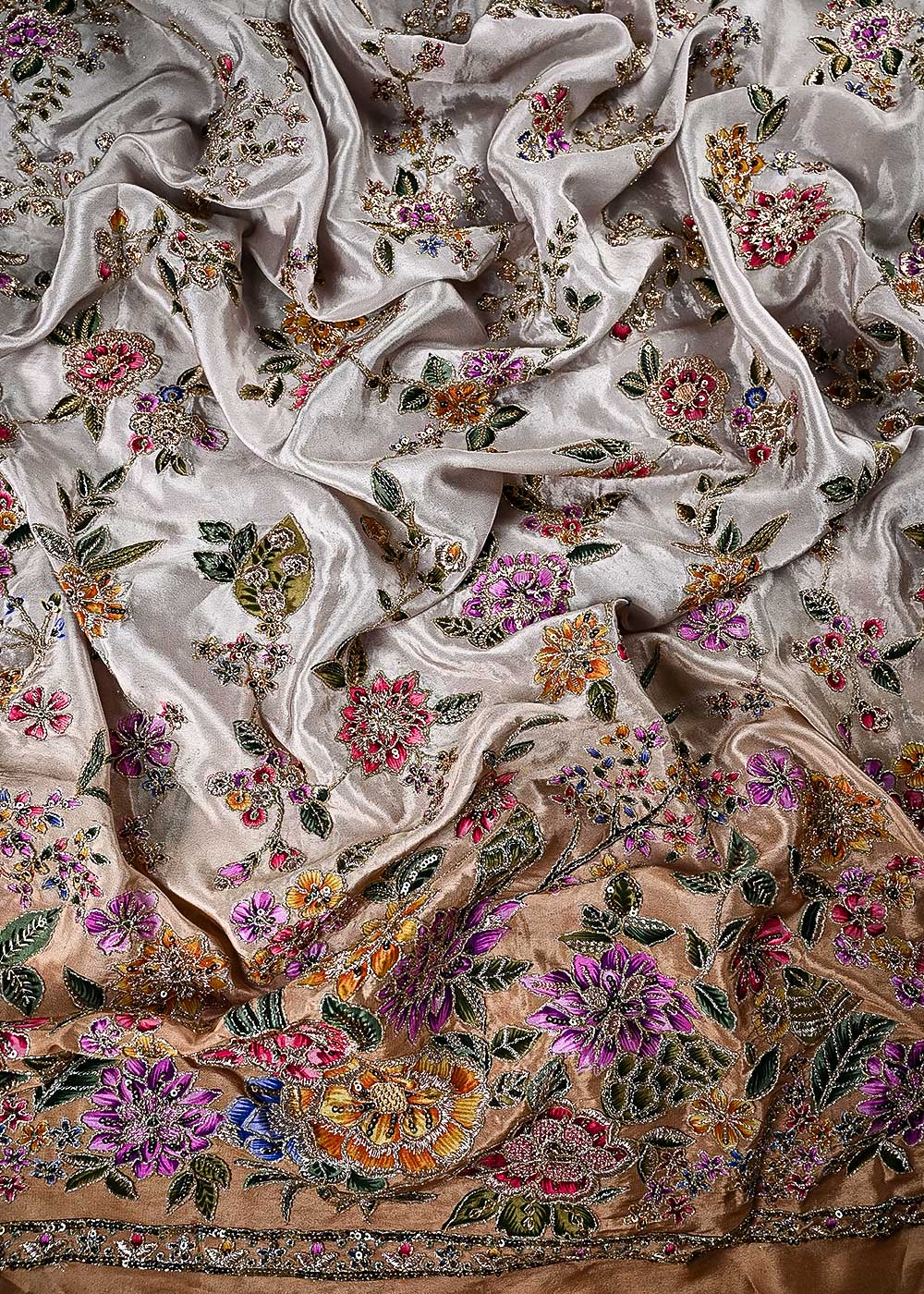
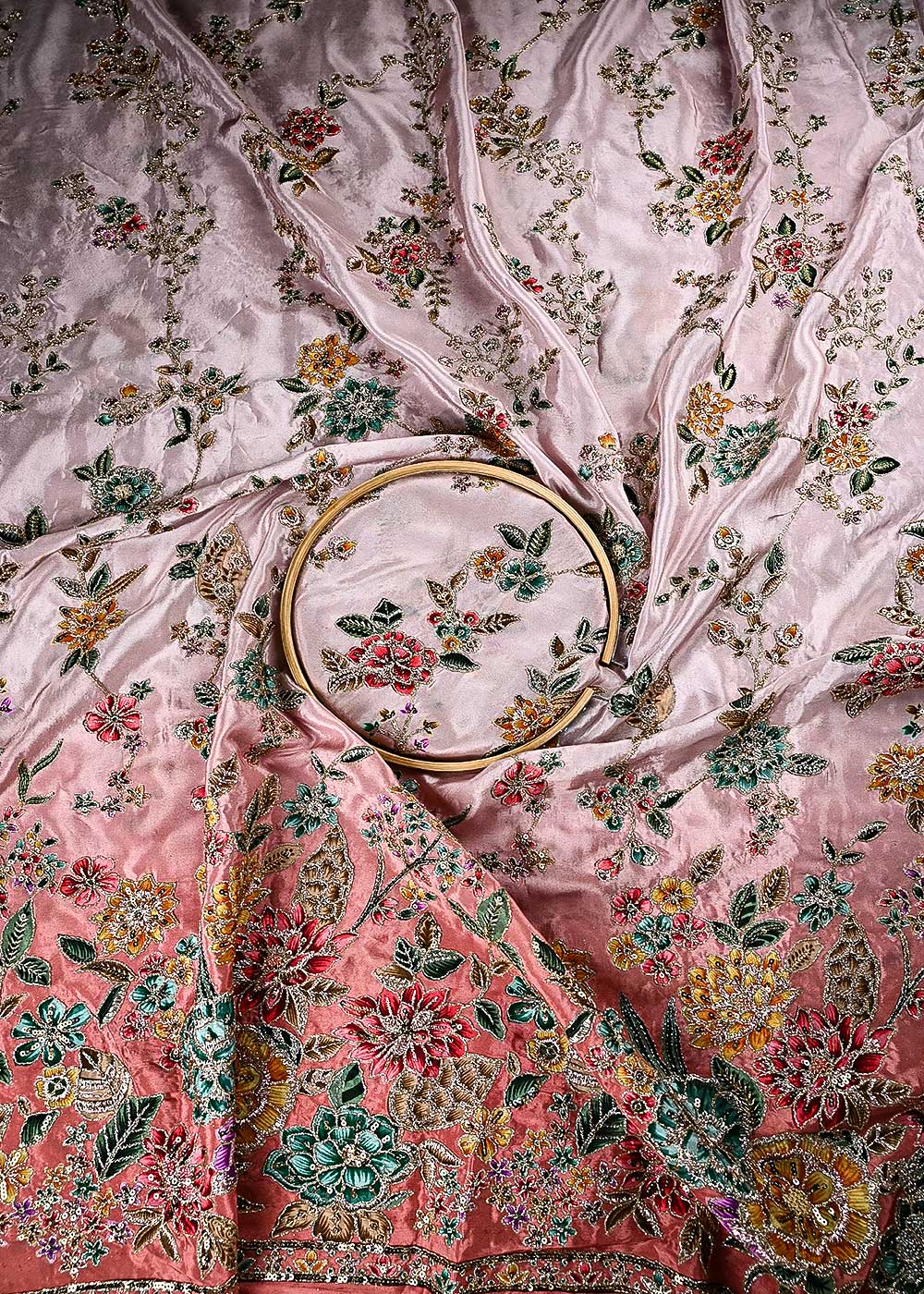
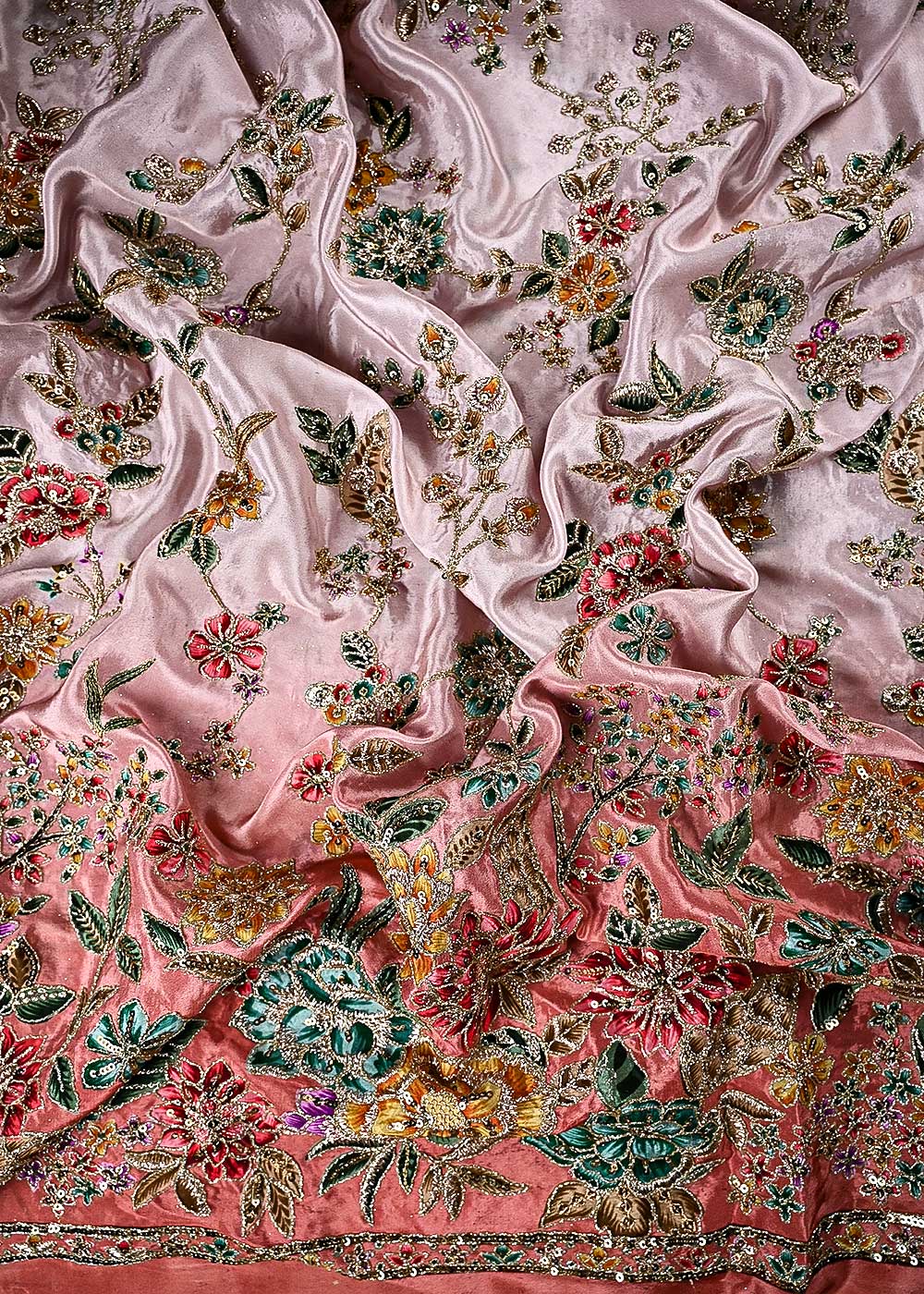
| Embroidered crepe | Anarkali suits, festive tops | Rs 350 to 700 per metre |
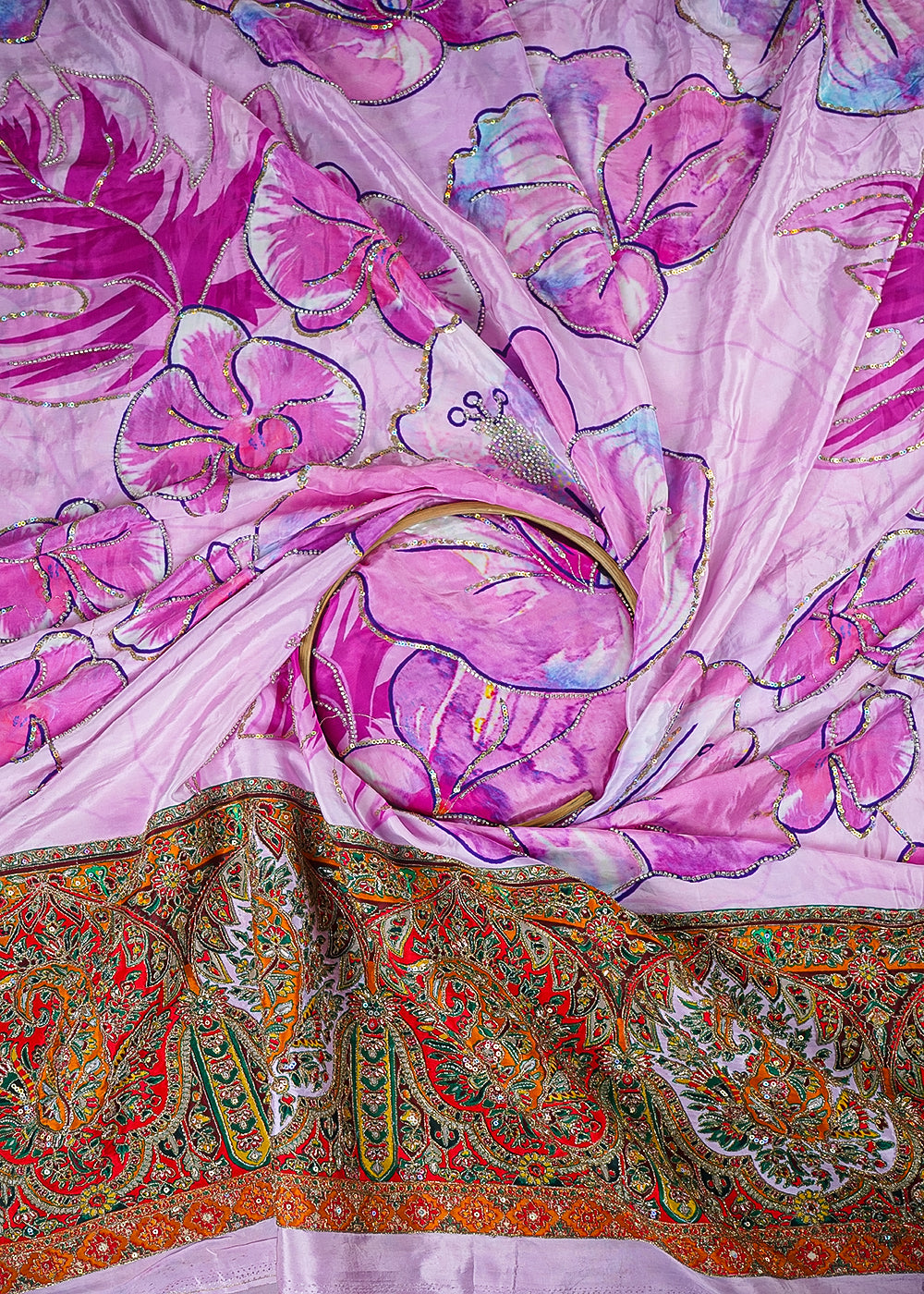
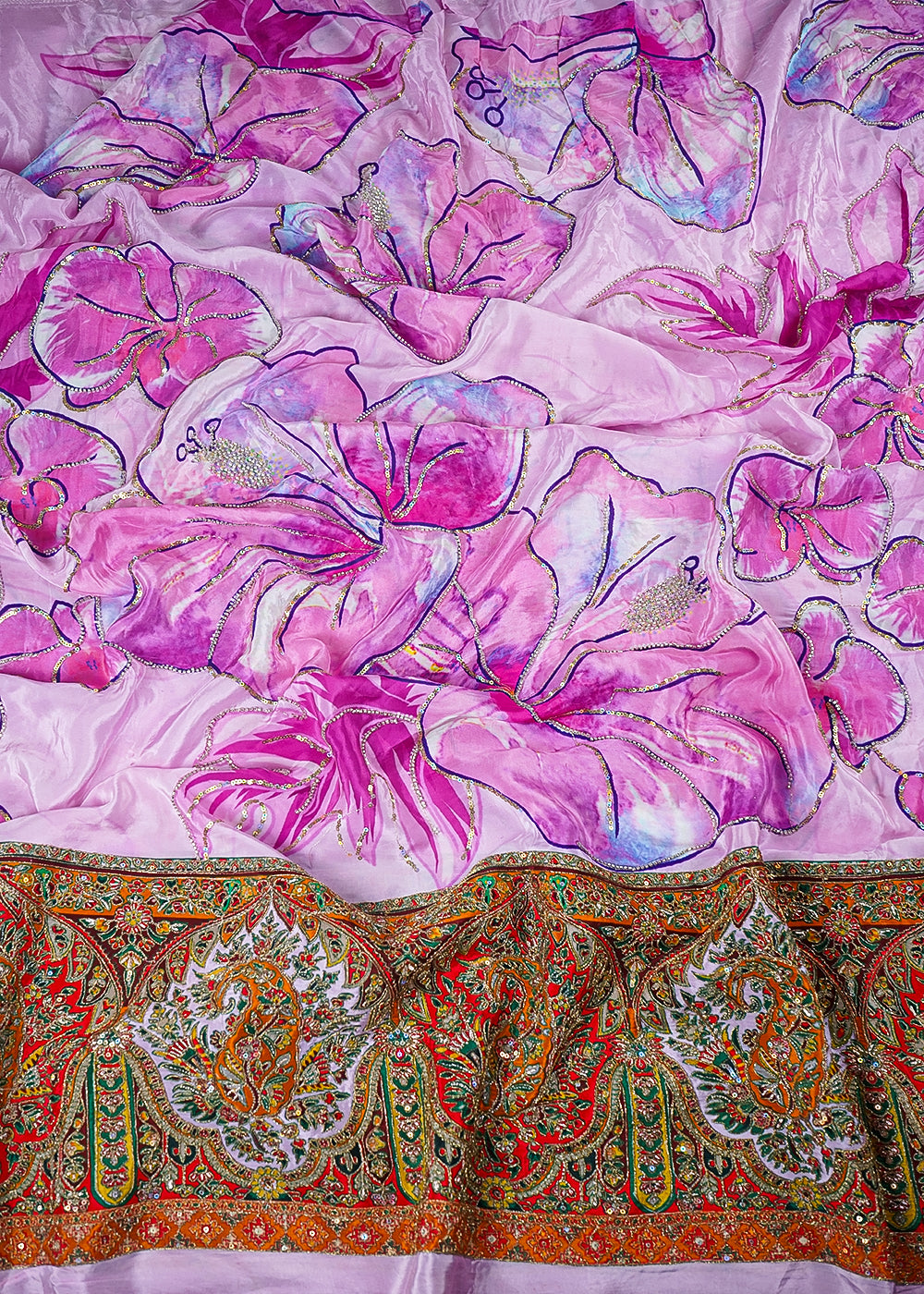
| Foil printed crepe | Indo-western dresses, party wear | Rs 250 to 450 per metre |
| Georgette-crepe blend | Ruffle sarees, festive kurtis, overlays | Rs 200 to 400 per metre |
Rates move with print complexity and yarn grade. Bulk thaan purchase brings plain and printed grades down noticeably, embroidered less so since the work cost stays fixed.
Crepe GSM Guide
Crepe runs light across the board. The narrow band decides whether the fabric flows for a maxi or holds enough body for a structured kurta.
| Crepe Type | GSM Range | Feel | Best For |
| Plain crepe | 60 to 80 GSM | Matte, soft | Everyday kurtis, tops, pants |
| Printed crepe | 70 to 90 GSM | Smooth, flowing | Tunics, indo-western wear |
| Foil or designer crepe | 80 to 100 GSM | Polished with light shine | Sarees, gowns, party wear |
| Embroidered crepe | 90 to 110 GSM | Textured with body | Wedding suits, festive kurtas |
Popular Uses
- Everyday kurti sets, blouses, palazzos, straight pants
- Kaftans, tunics, maxi dresses, indo-western pieces
- Anarkali suits, festive tops, bridal trousseau suits
- Ruffle sarees and layered overlay work
This is repeat-purchase stock rather than one-time occasion spend. A customer who buys a crepe kurti in summer returns for a printed set at festival time. Pair a plain crepe base with a printed dupatta and the set price lifts without the input cost climbing much.
Colour and Trend Directions for 2026
Crepe holds dye deeply, so it reads richest in saturated tones. Rose pink, lavender, navy, emerald, mustard, wine move fast for boutique ranges. Ivory and beige hold steady as the neutral base every collection needs.
On styling the trade has shifted toward straight-cut suits that show the natural drape rather than heavy flare. Buyers want the fabric to do the work, which is exactly what crepe is built for.
Working Tips for Crepe
- Skip the lining on most daywear. Crepe is opaque enough on its own
- Choose straight cuts to highlight the drape rather than fighting it with stiff flare
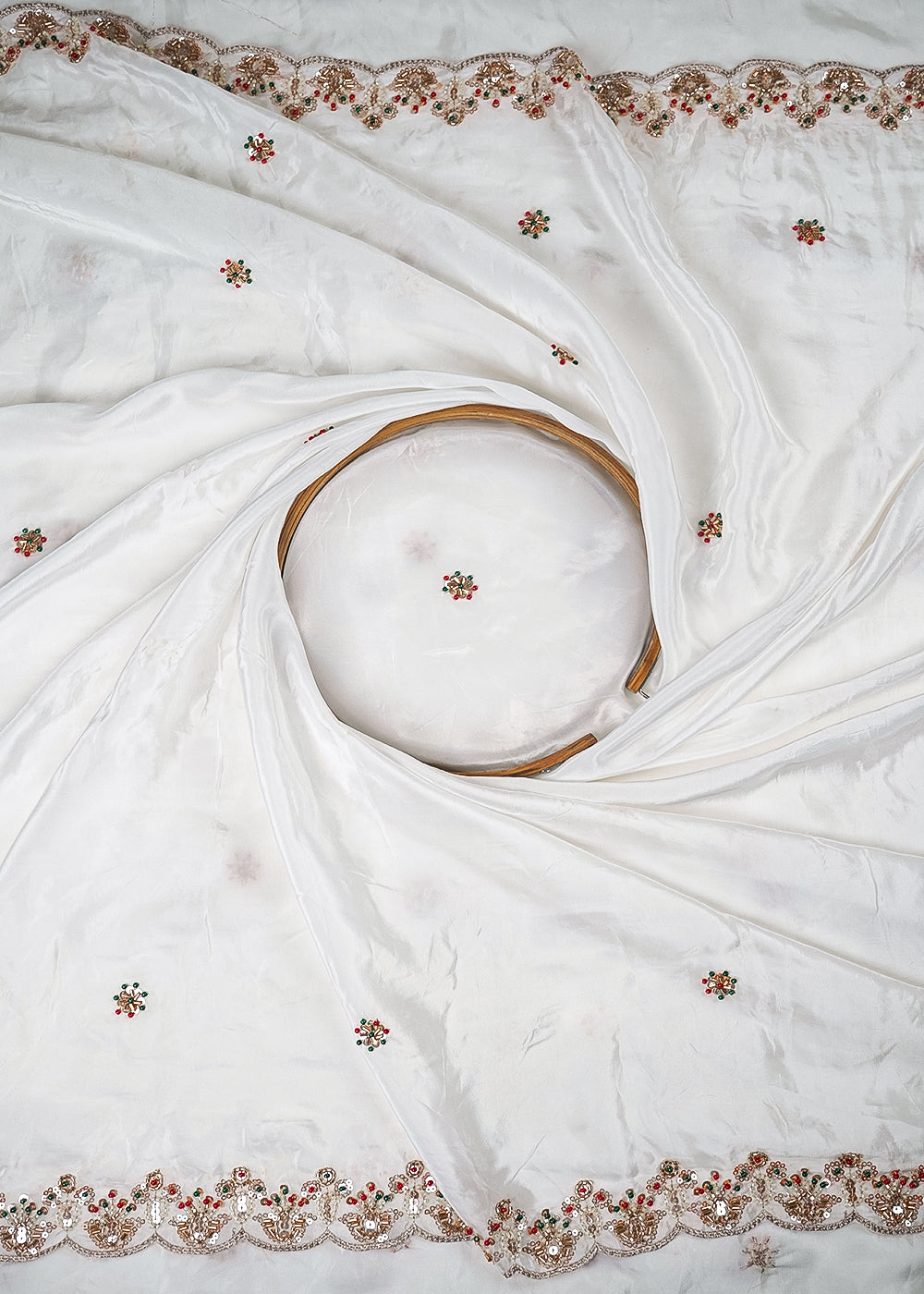
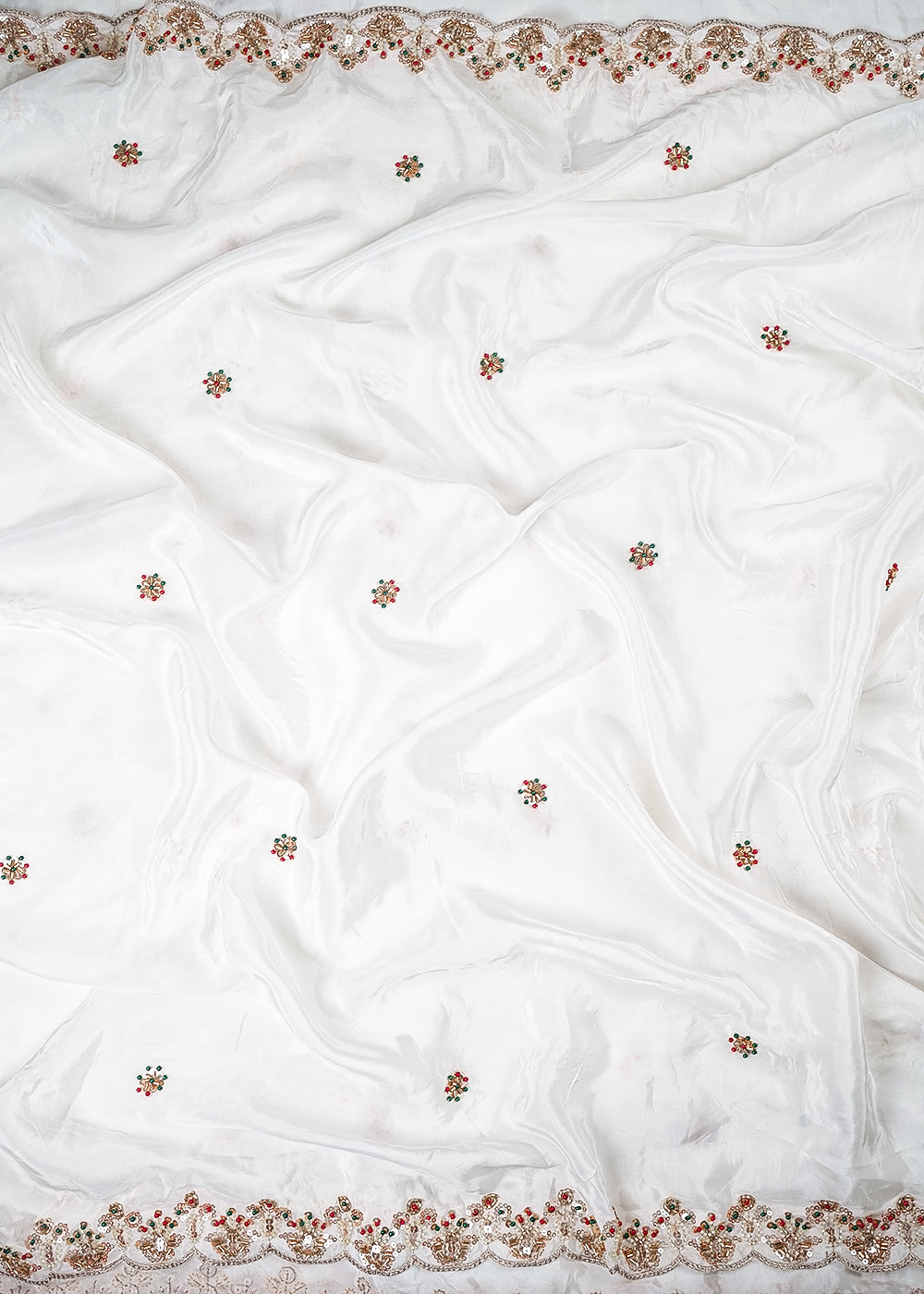
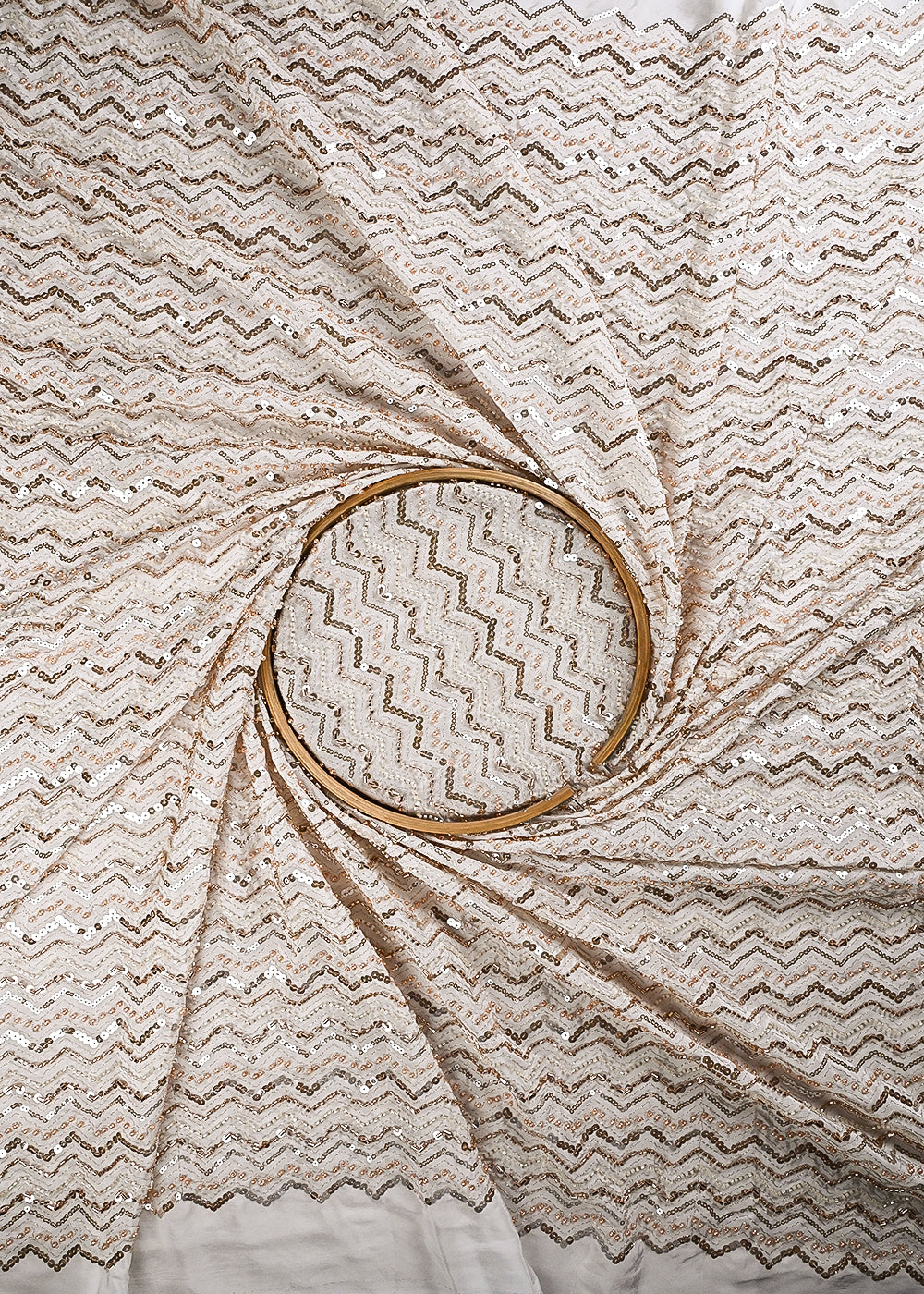
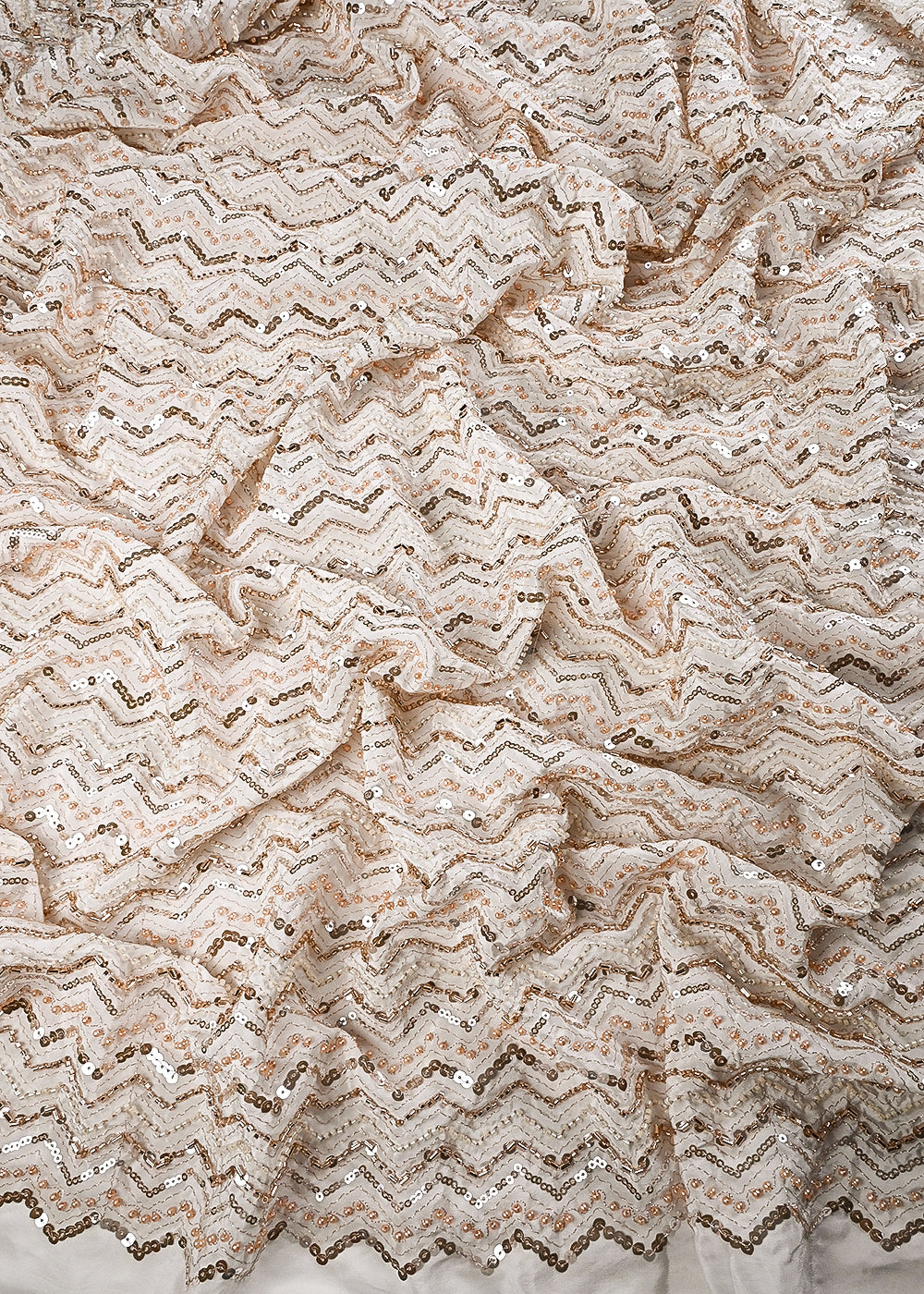
- Lift plain crepe with a sequin lace border or contrast piping at low cost
- Pre-wash a sample. Some crepe grades shrink on the first wash before settling
Frequently Asked Questions
Does crepe fabric need lining?
Most daywear does not. Crepe is opaque enough to wear unlined for kurtis, suits, dresses. Only very light grades or fitted evening pieces need a backing, usually for structure rather than coverage.
How much crepe is needed for a kurti set?
A kurti and palazzo set takes around 5 metres total, roughly 2.5 metres for the top and 2 metres for the bottom, plus 2.5 metres if a dupatta is added. A single kurti needs 2.5 metres.
Does crepe wrinkle?
Far less than cotton or linen. The crinkle texture hides light creasing, which is why it holds up through a full day of wear and travel. A quick steam removes deeper folds.
Can crepe be machine washed?
Plain and printed crepe take a gentle cold cycle. Foil, embroidered, sequin grades are safer hand washed or dry cleaned, since the surface work can lift under machine agitation.
Order Crepe Fabric at Paras Gallery Fabrics
Our crepe range covers plain, printed, embroidered, foil, georgette-crepe blend grades across the full GSM spread, cut by the metre or supplied by thaan for production runs. Boutiques stitching seasonal kurti ranges can check bulk rates on our wholesale page.
Frequently Asked Questions
Can crepe fabric be stretched?
Crepe is not particularly stretchy but offers natural ease and comfort when worn.
Do I have to use crepe for weddings?
Yes. Crepe is especially popular for wedding suits, anarkalis, and blouses. Pairing it with an elegant dupatta enhances the look.
What is the minimum order quantity for Crepe Fabric?
You can order as little as 1 meter. Special discounts are available for bulk orders.
Does crepe fabric need a liner?
Mostly no, but you can add lining for more structured outfits or lighter shades.
Do you provide styling ideas or video previews for Crepe Fabric?
Yes. Contact Paras Gallery Fabrics via WhatsApp to receive styling suggestions and real fabric video previews.
