















What Every Designer Should Know About Dyeable Chanderi
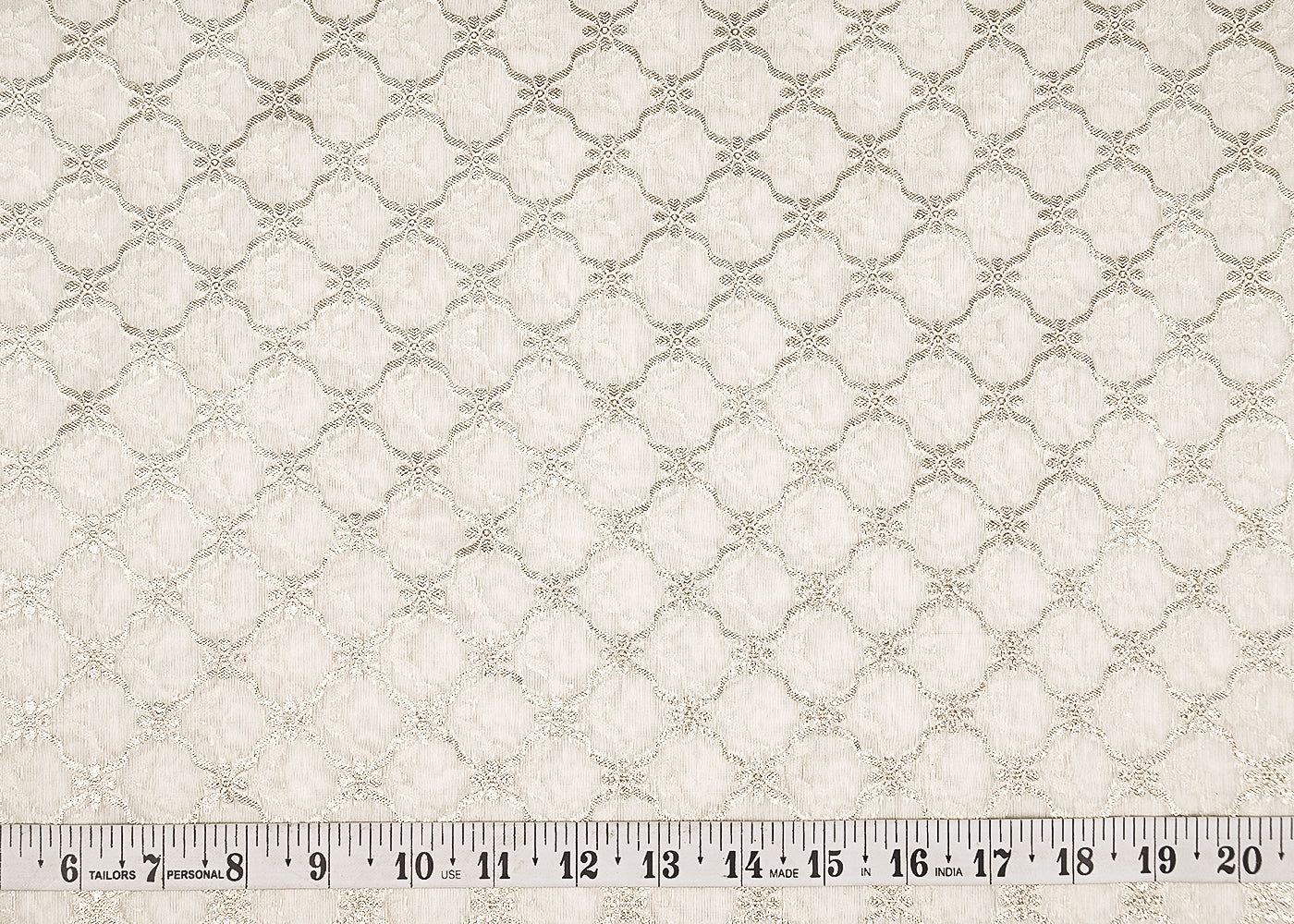
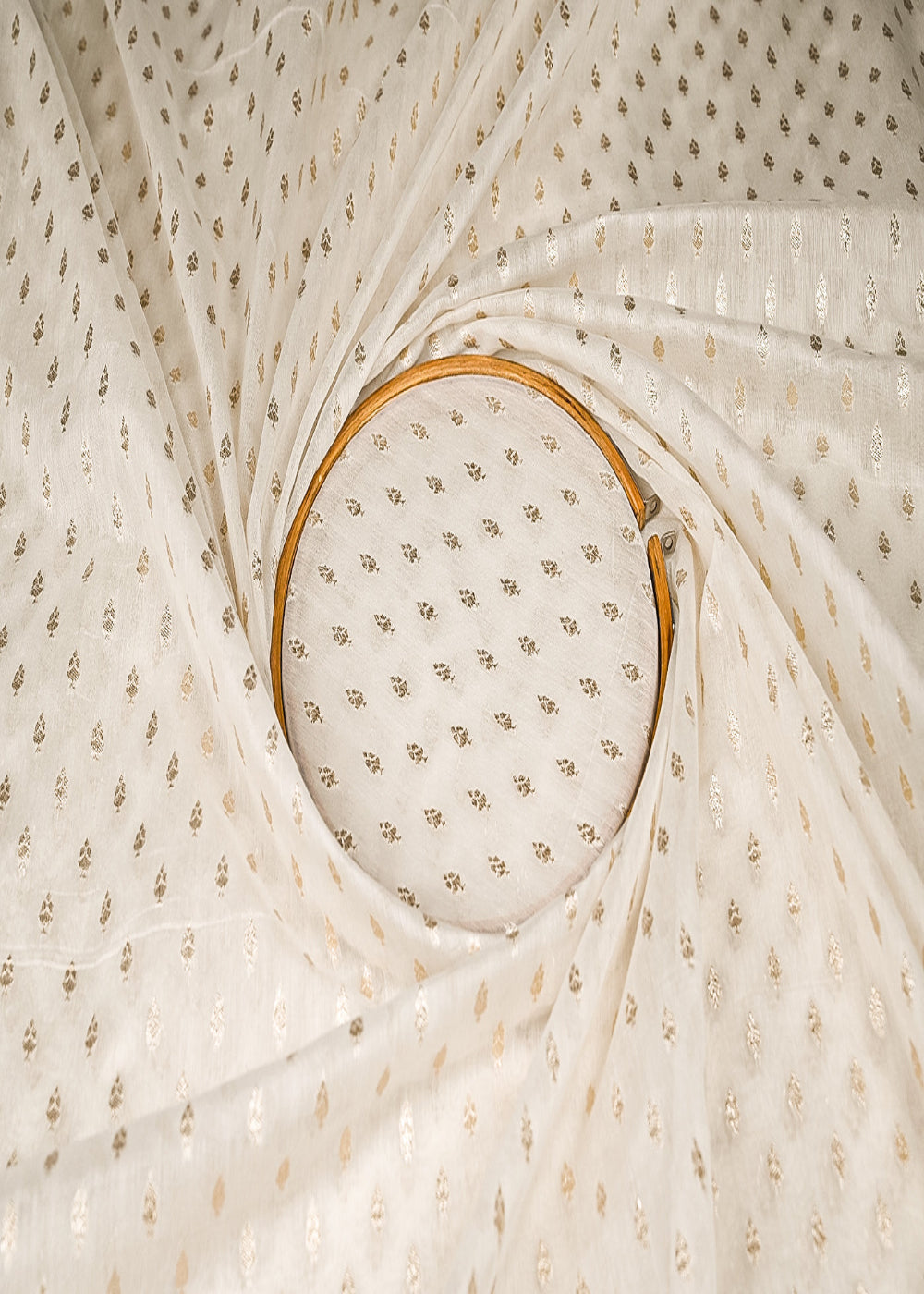
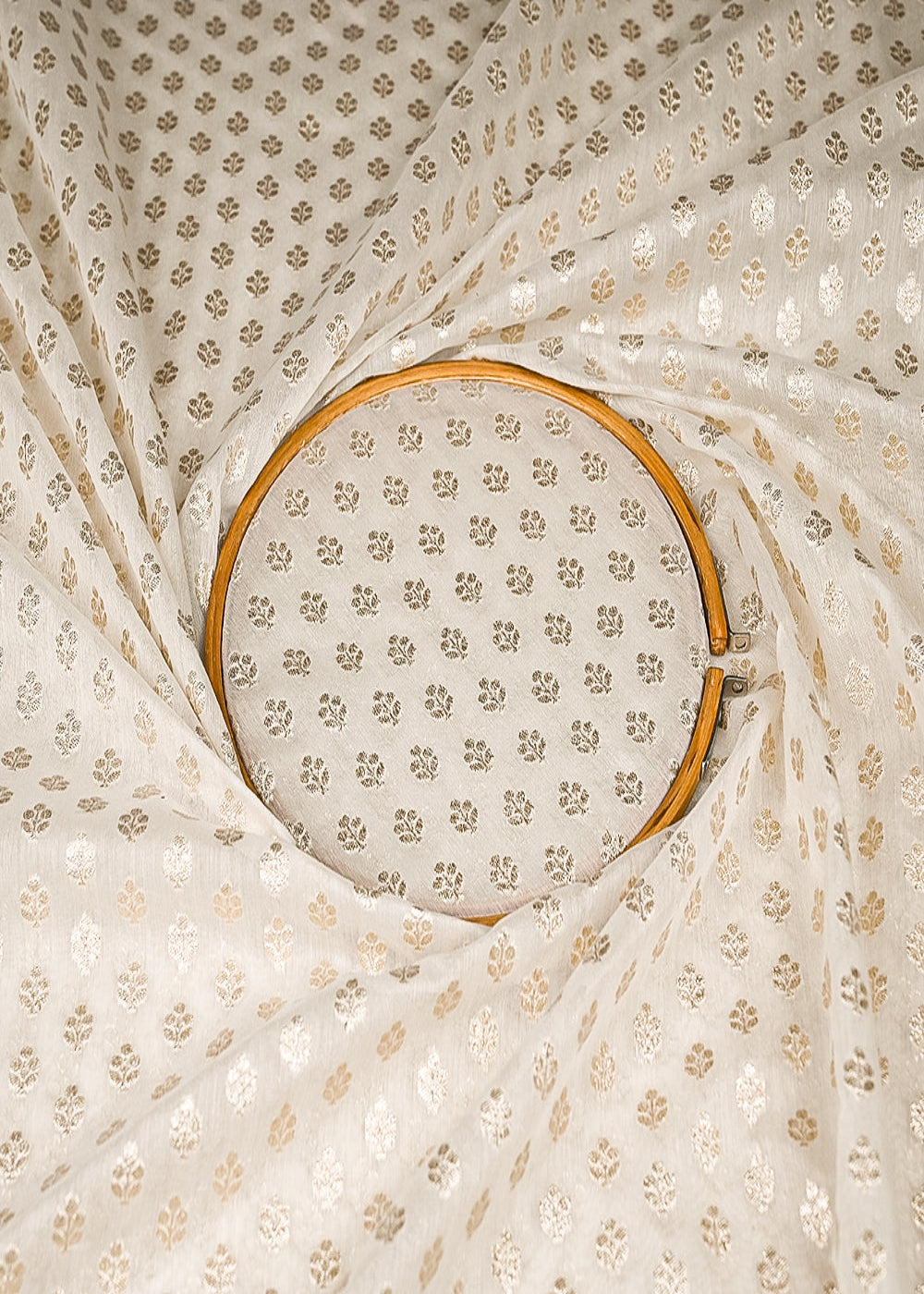
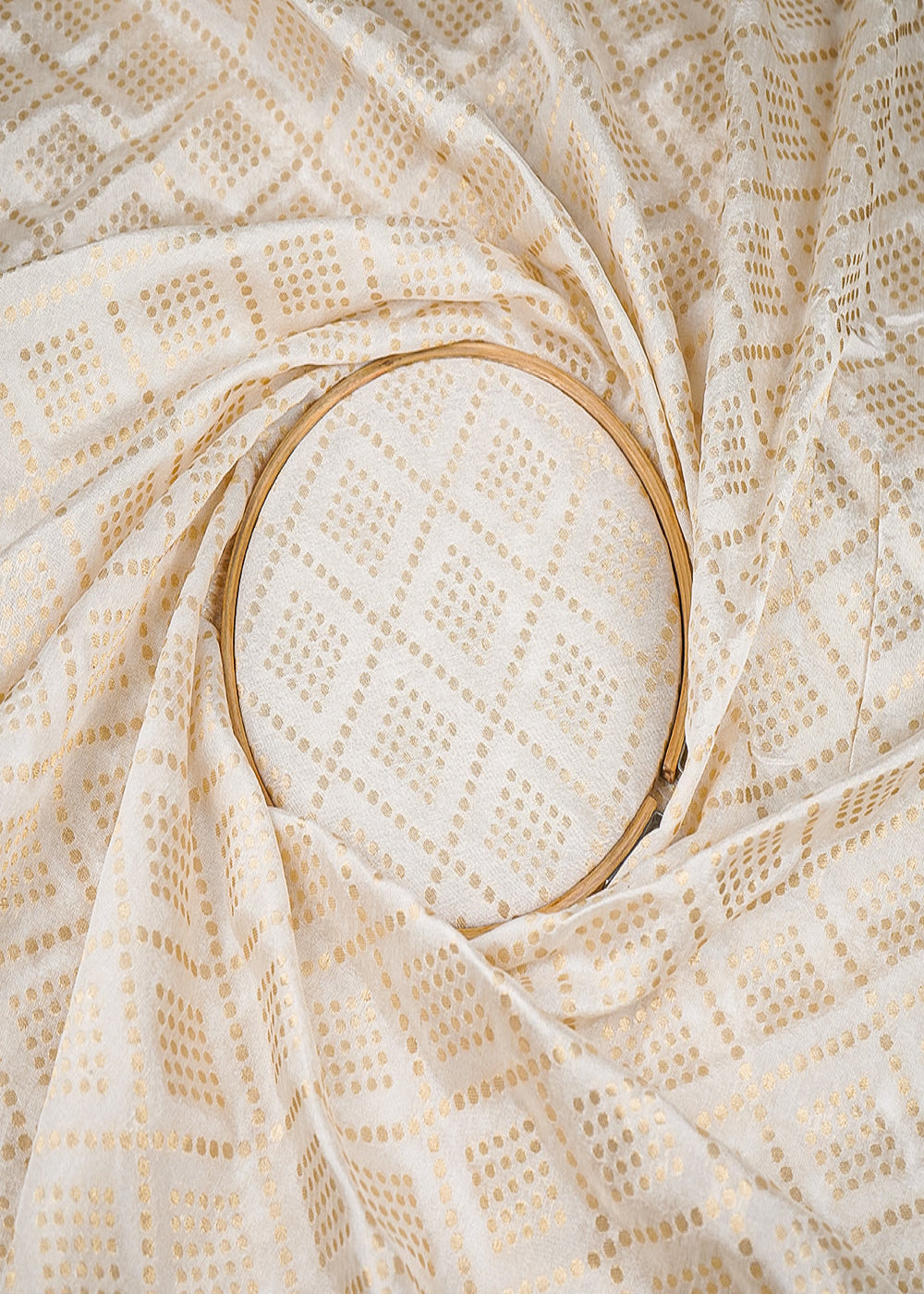
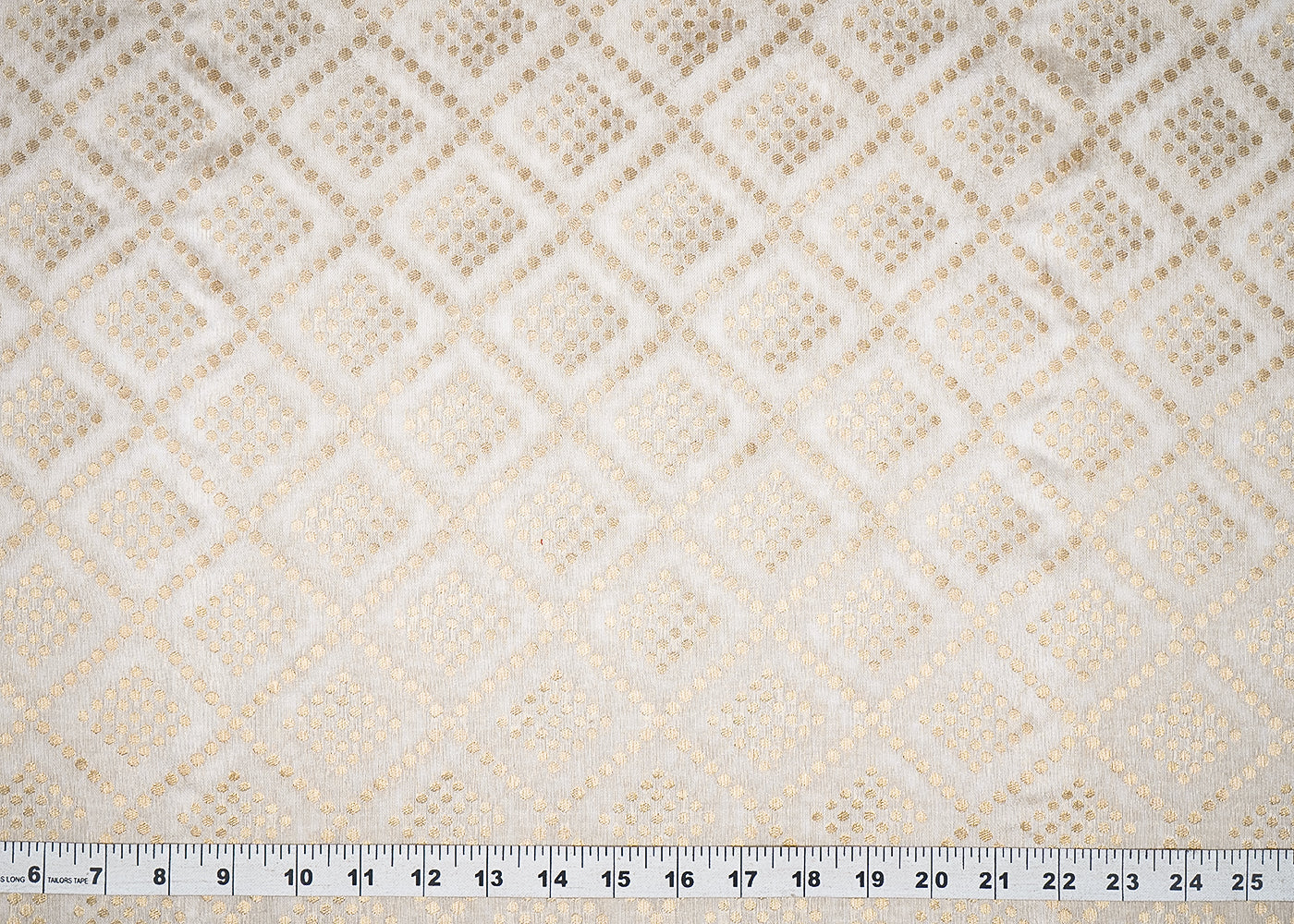
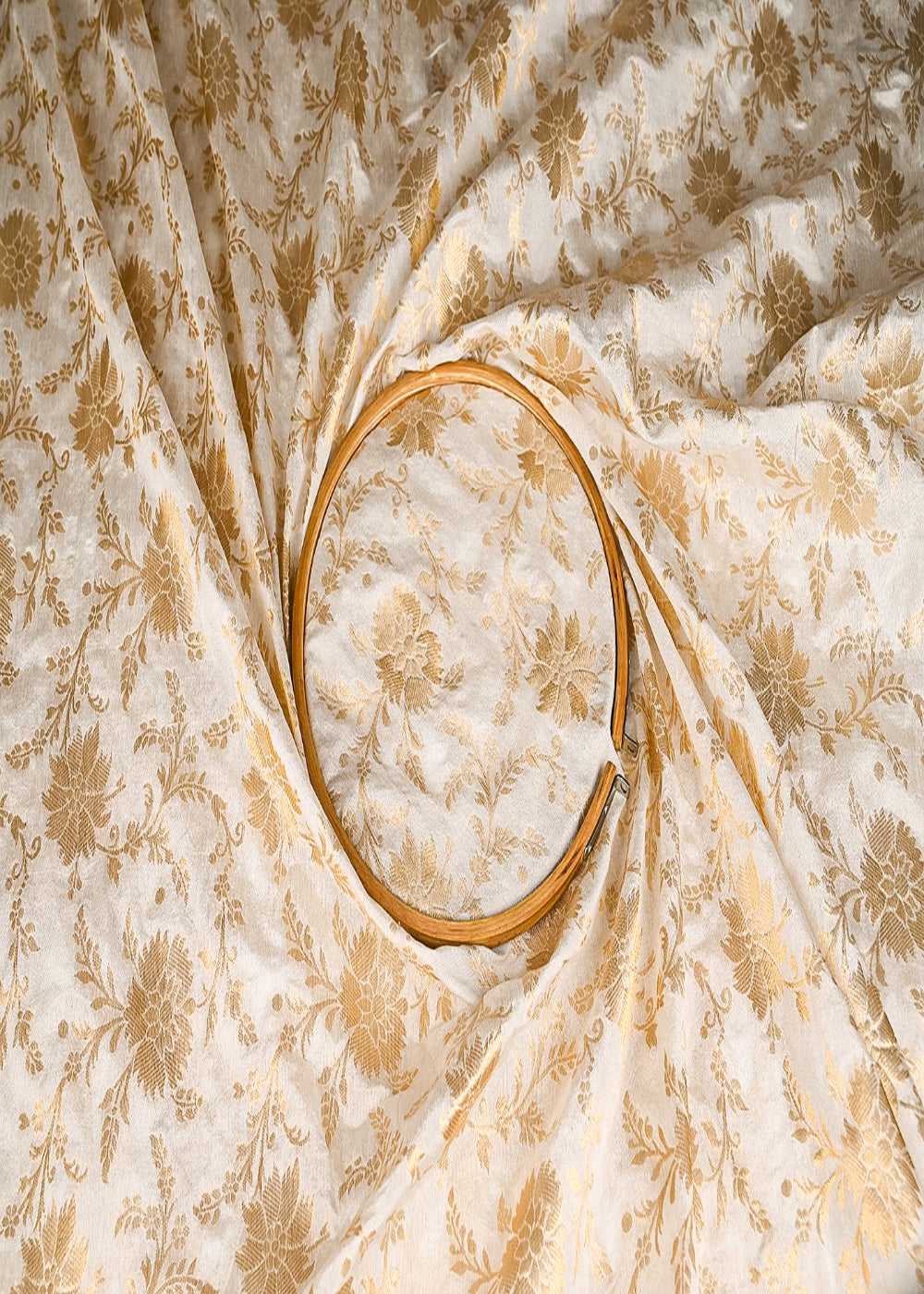
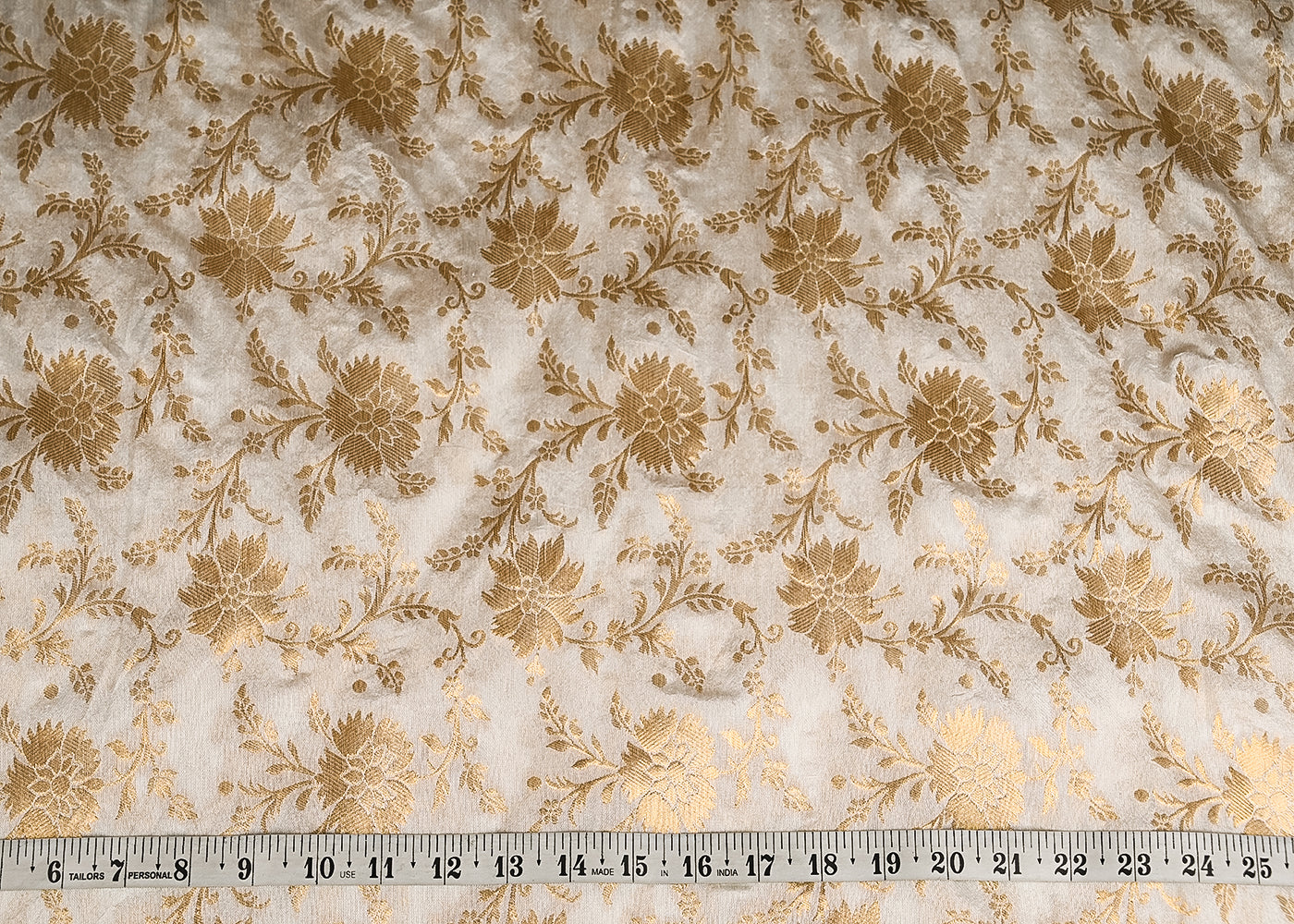
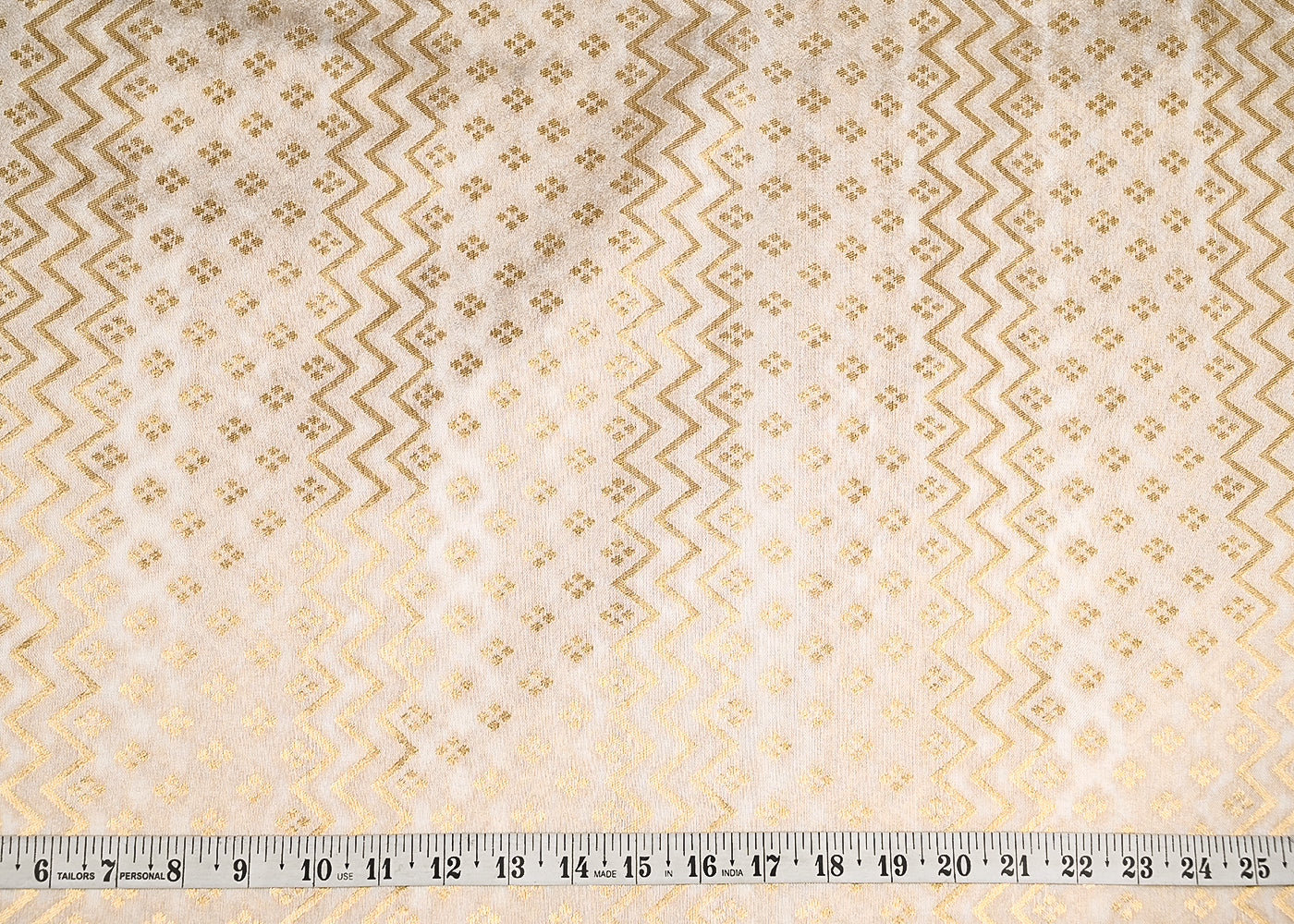
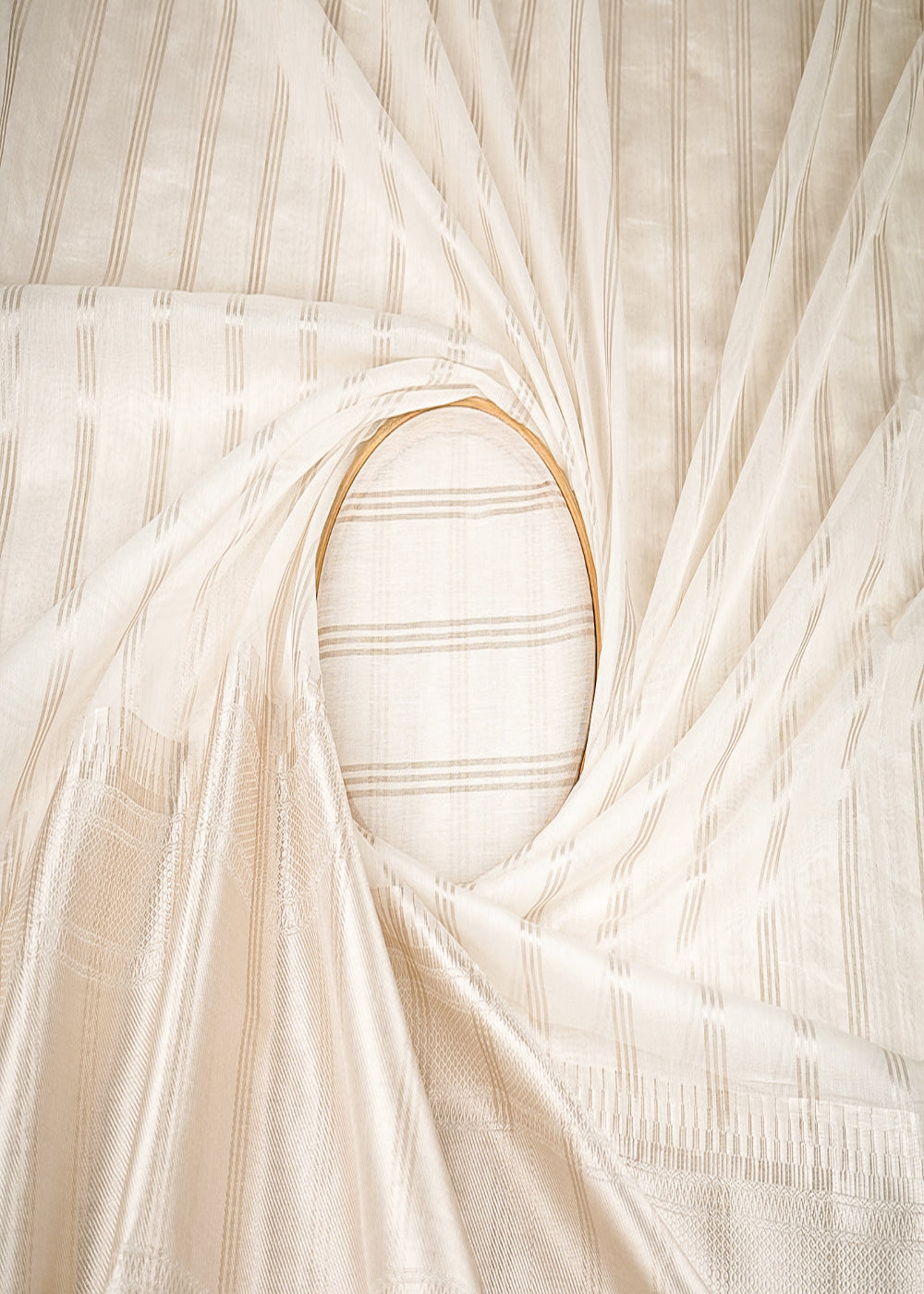
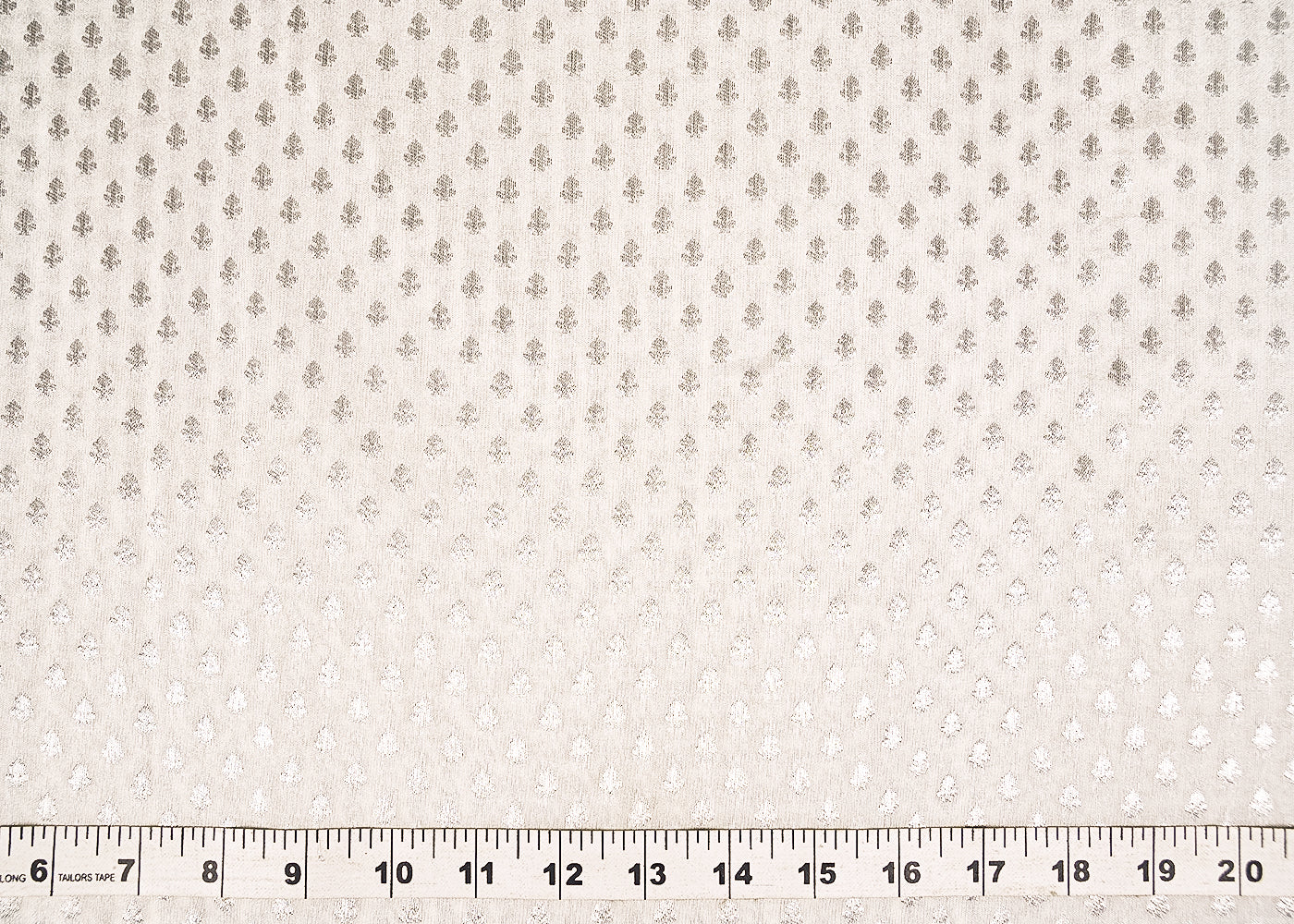
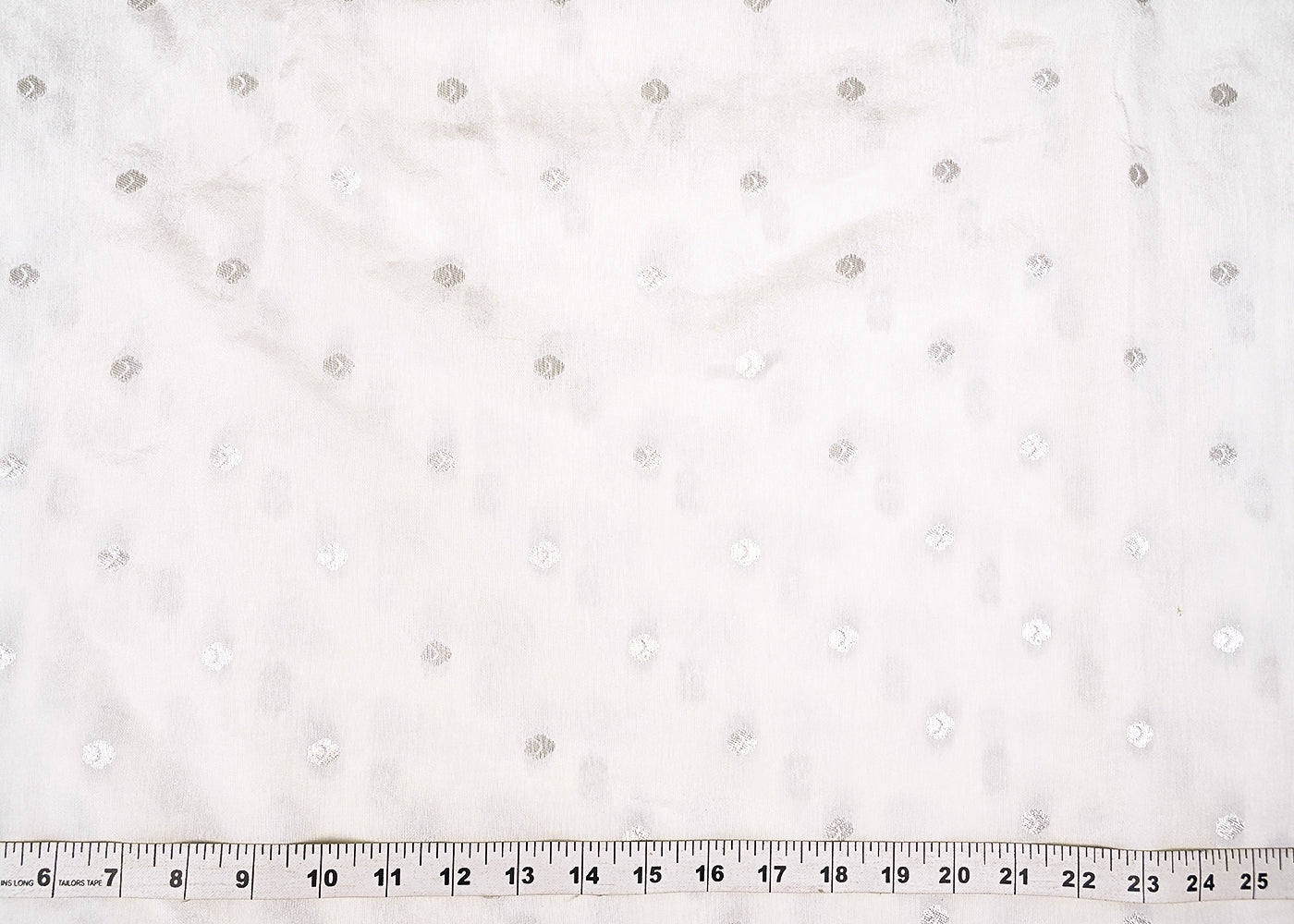
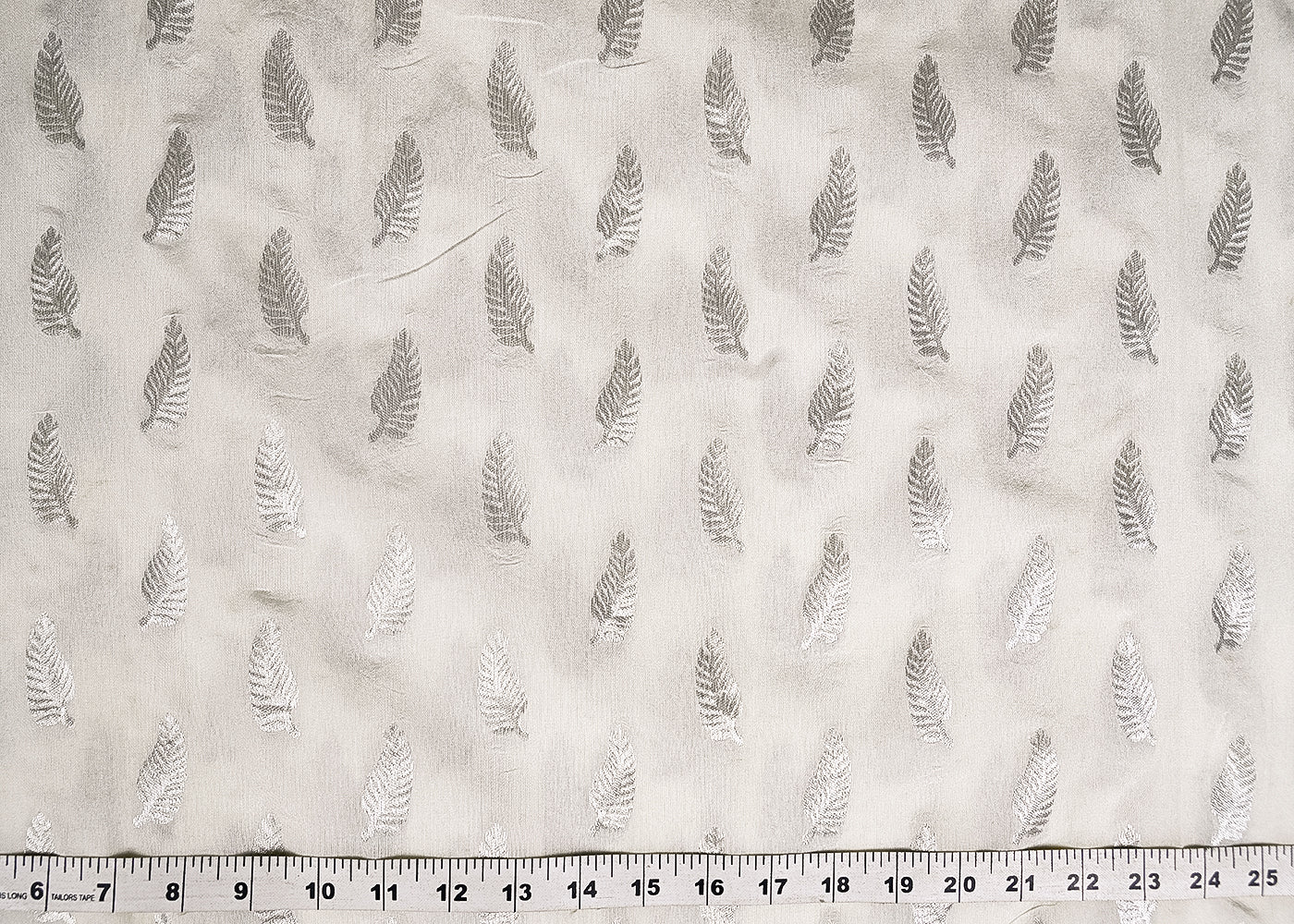
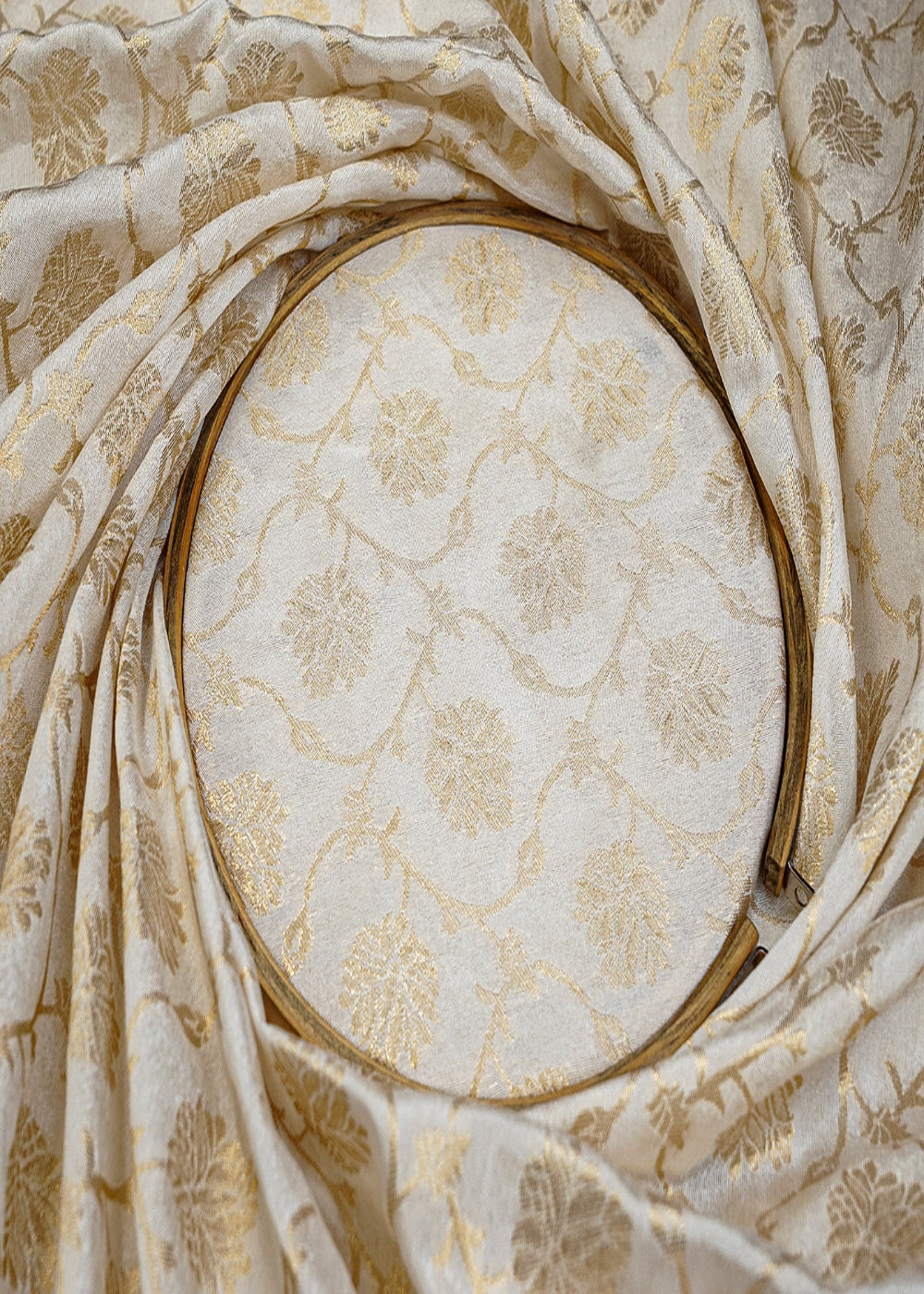
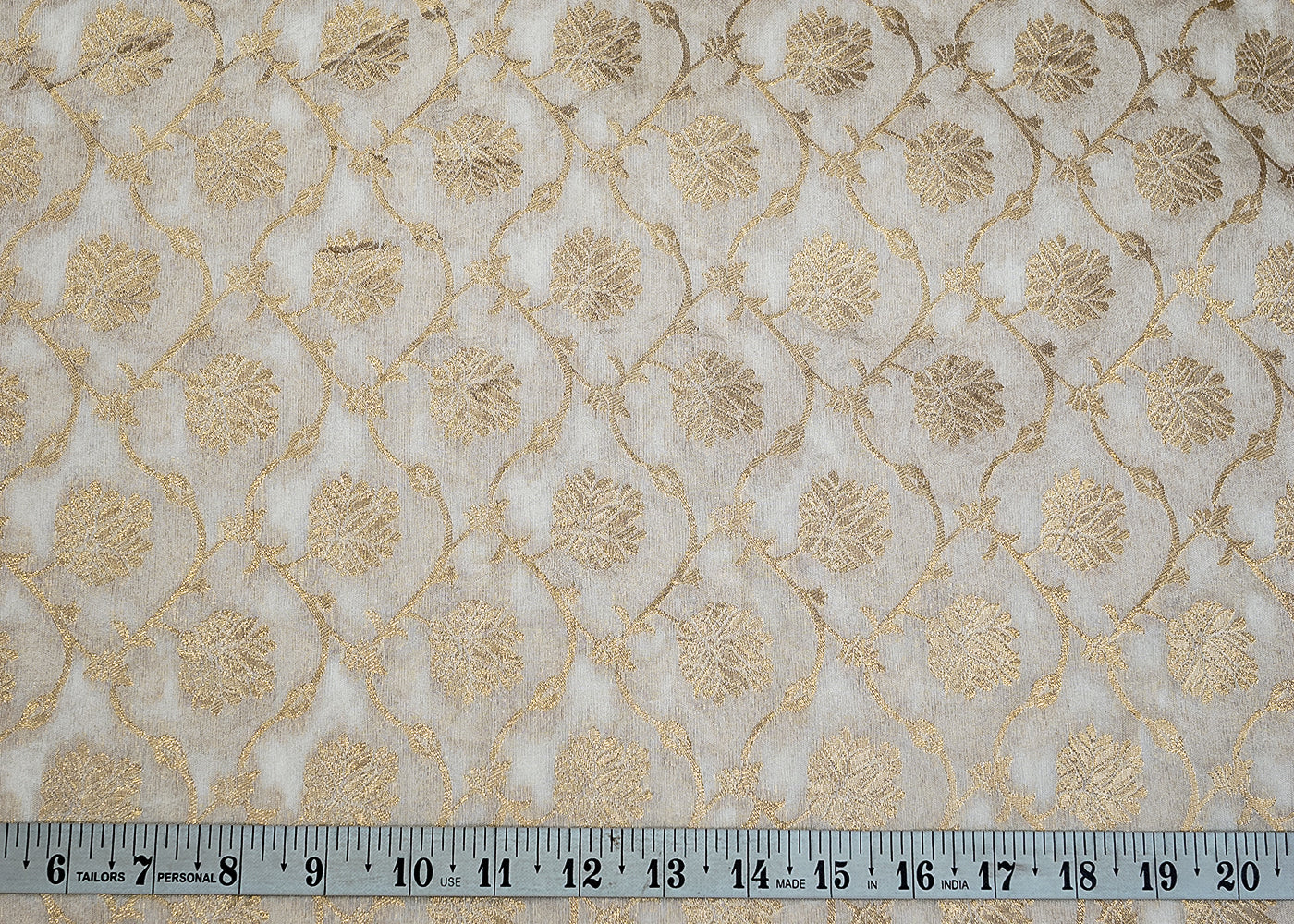
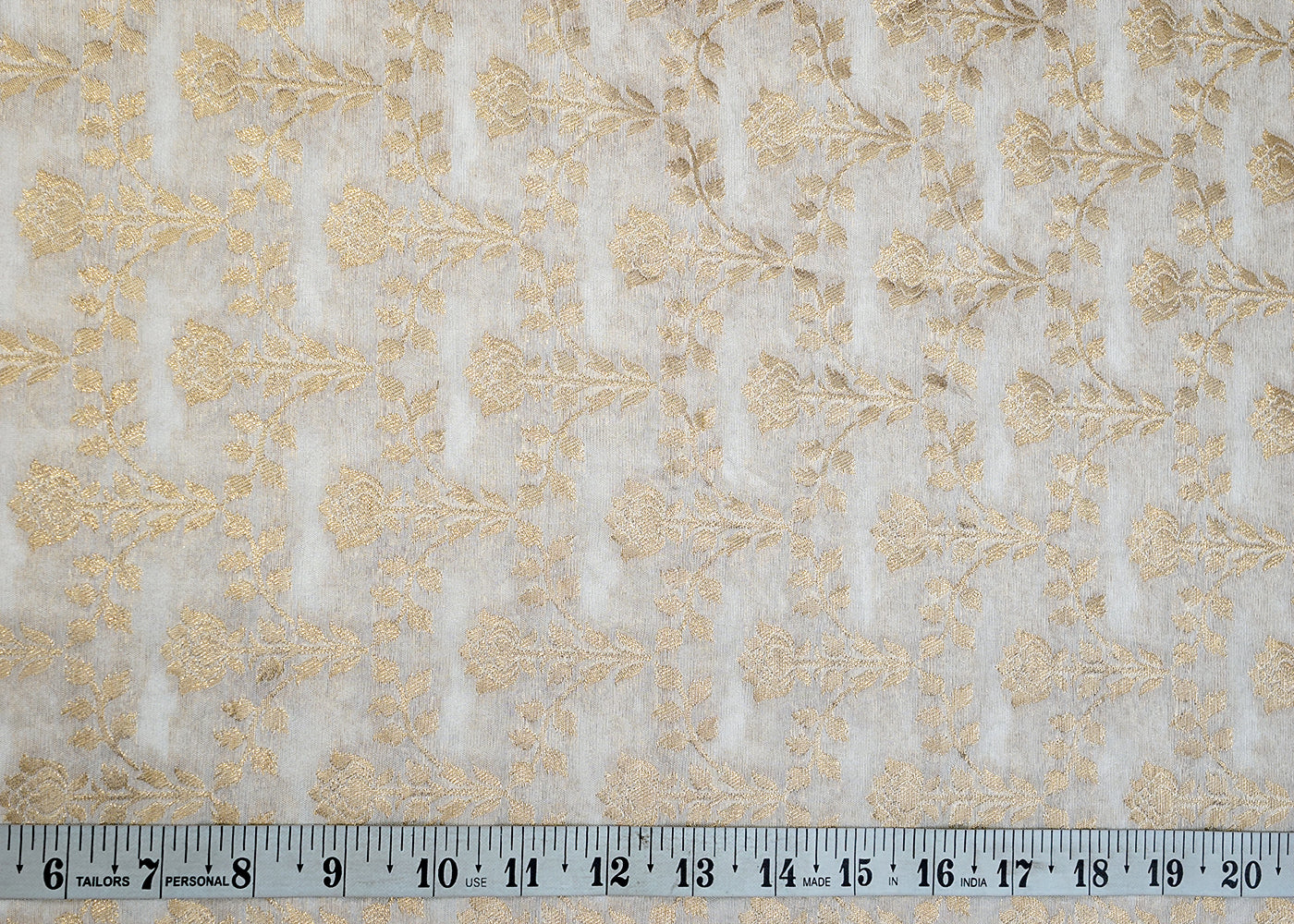
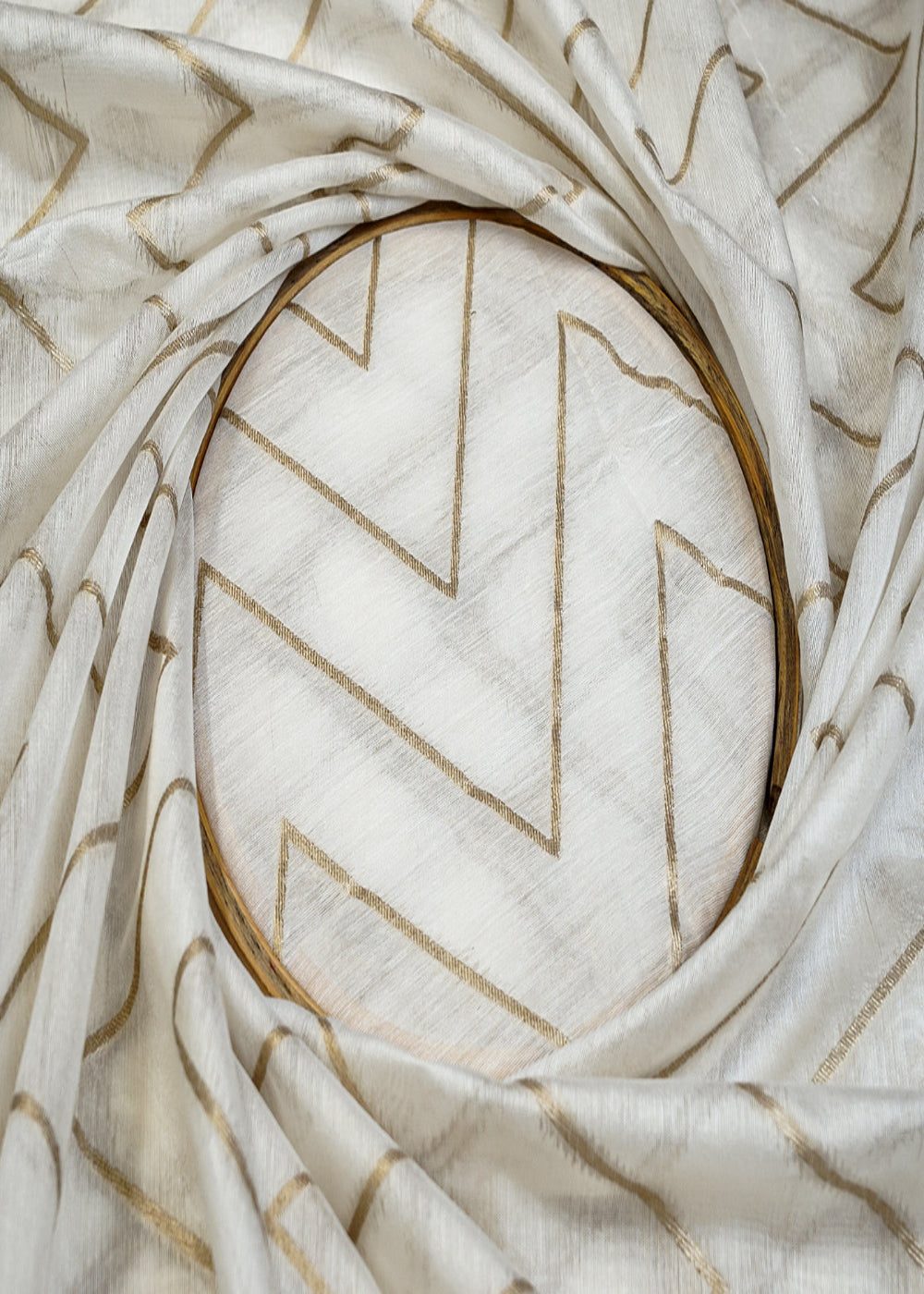
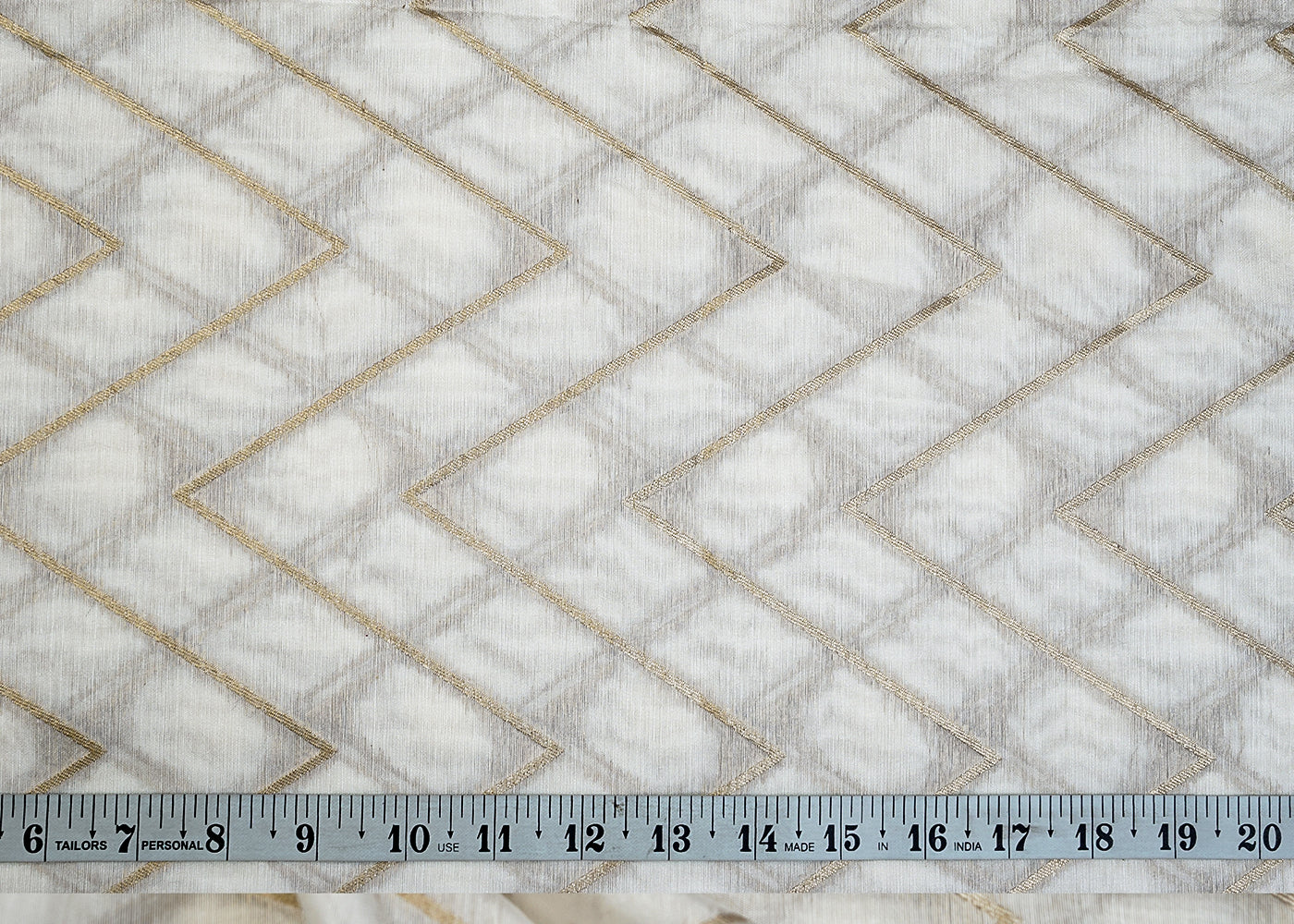
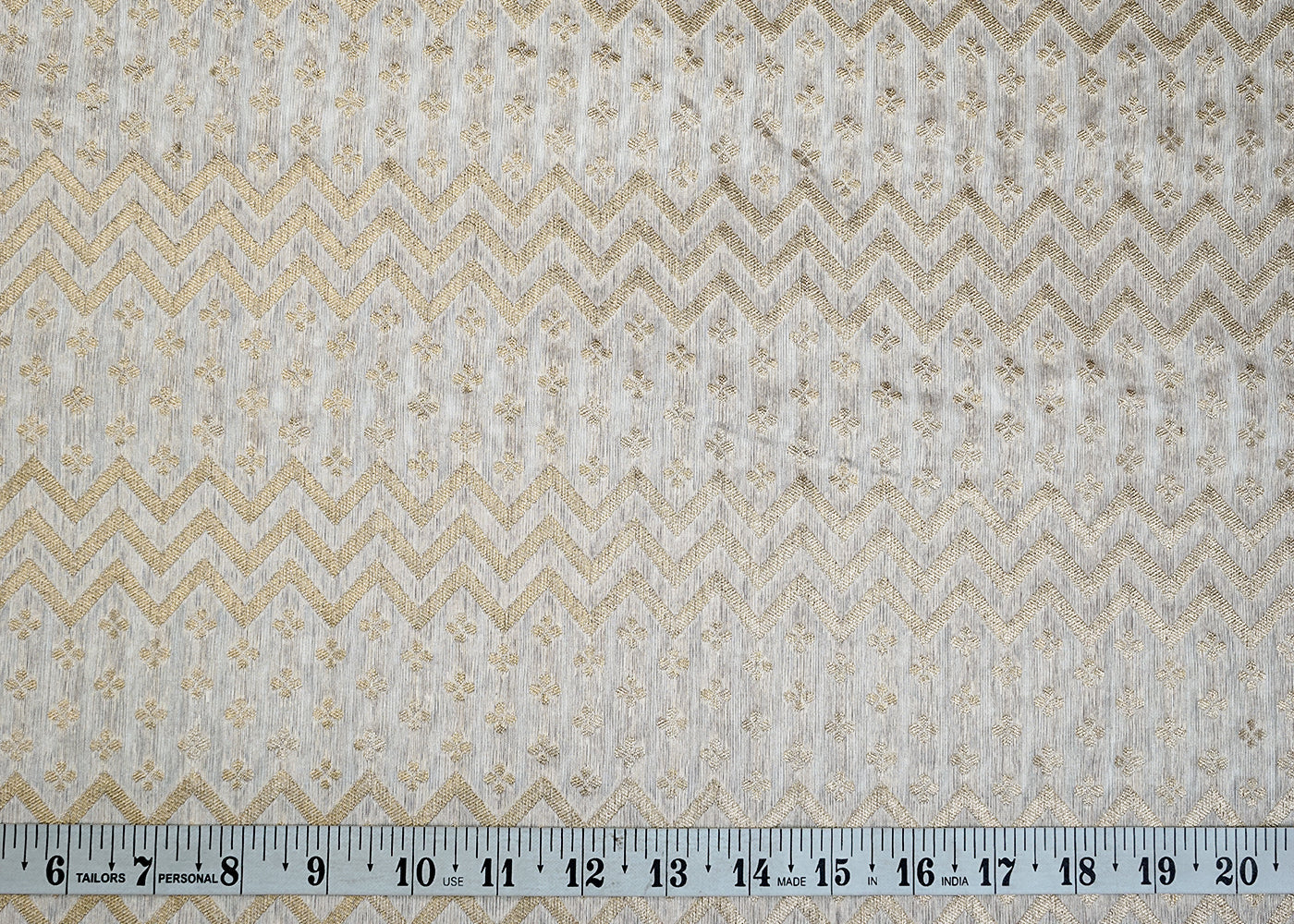
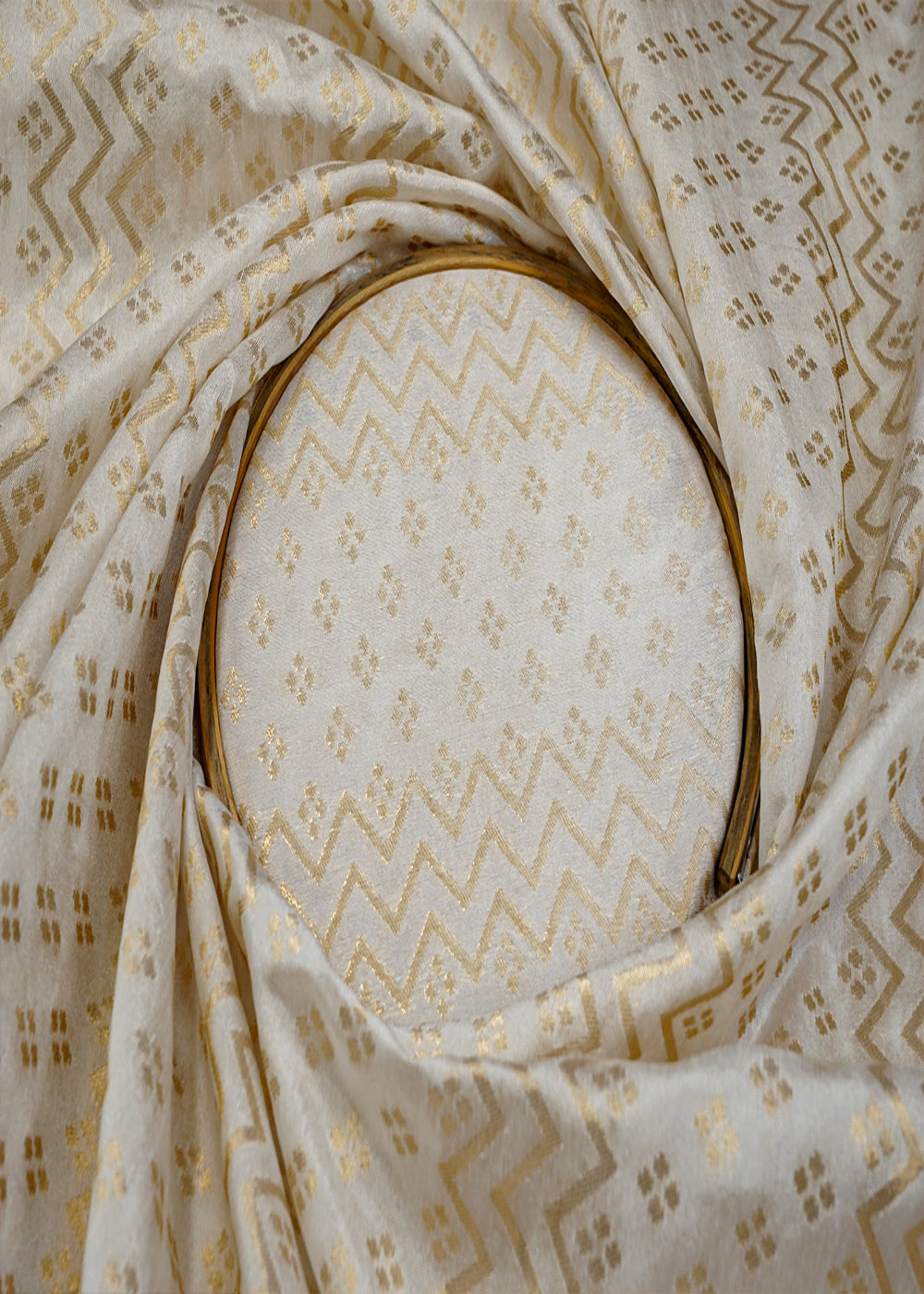
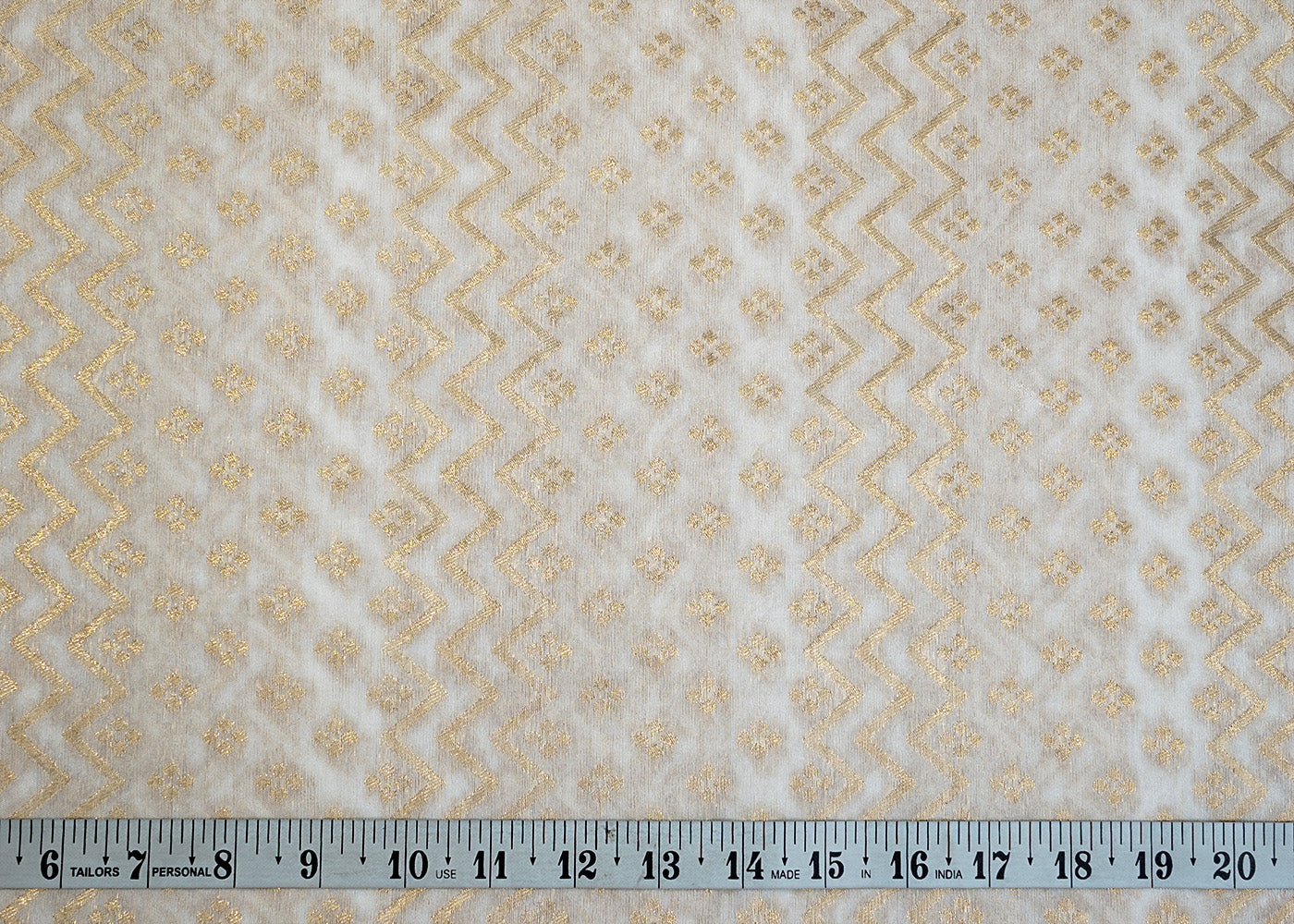
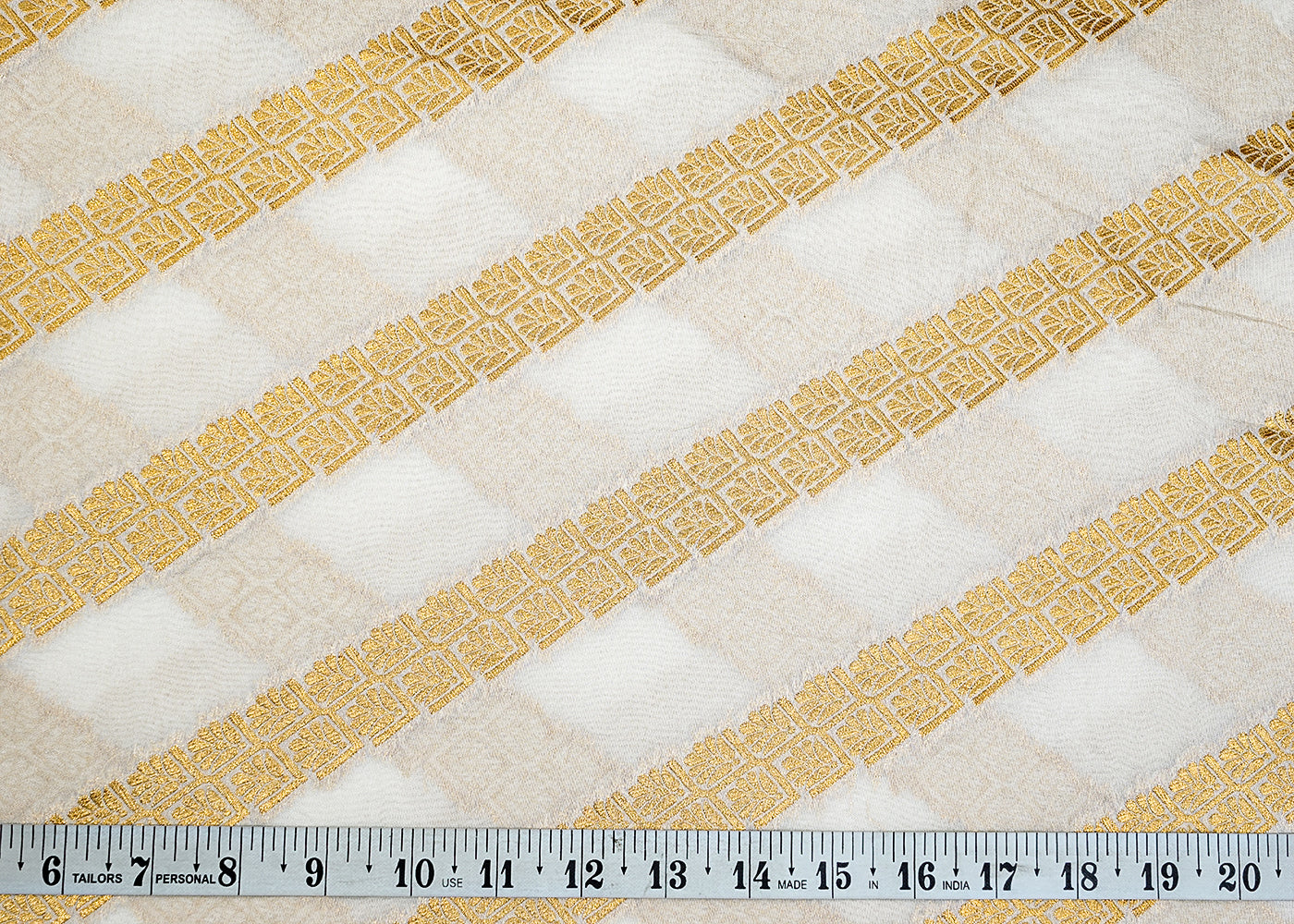
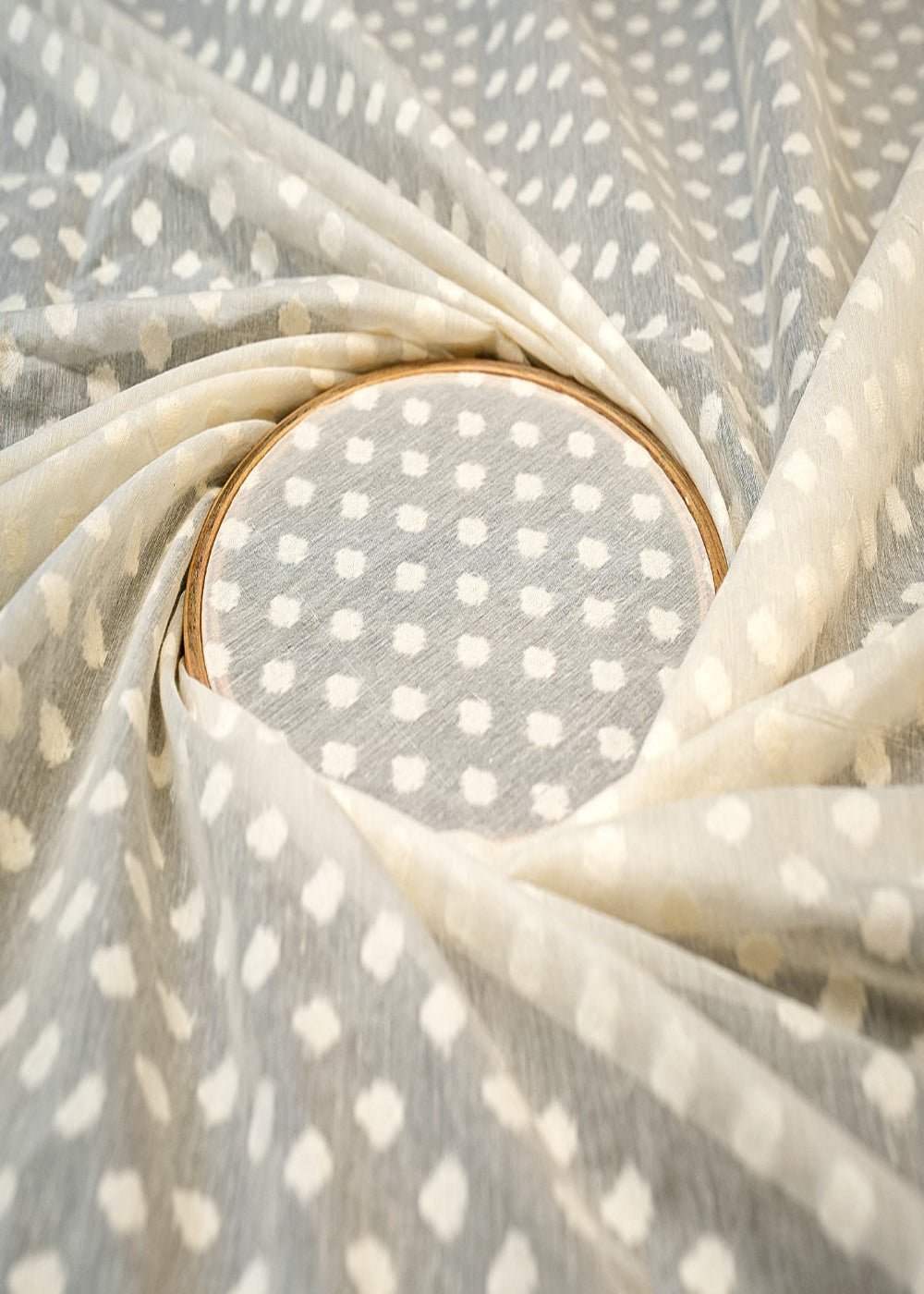
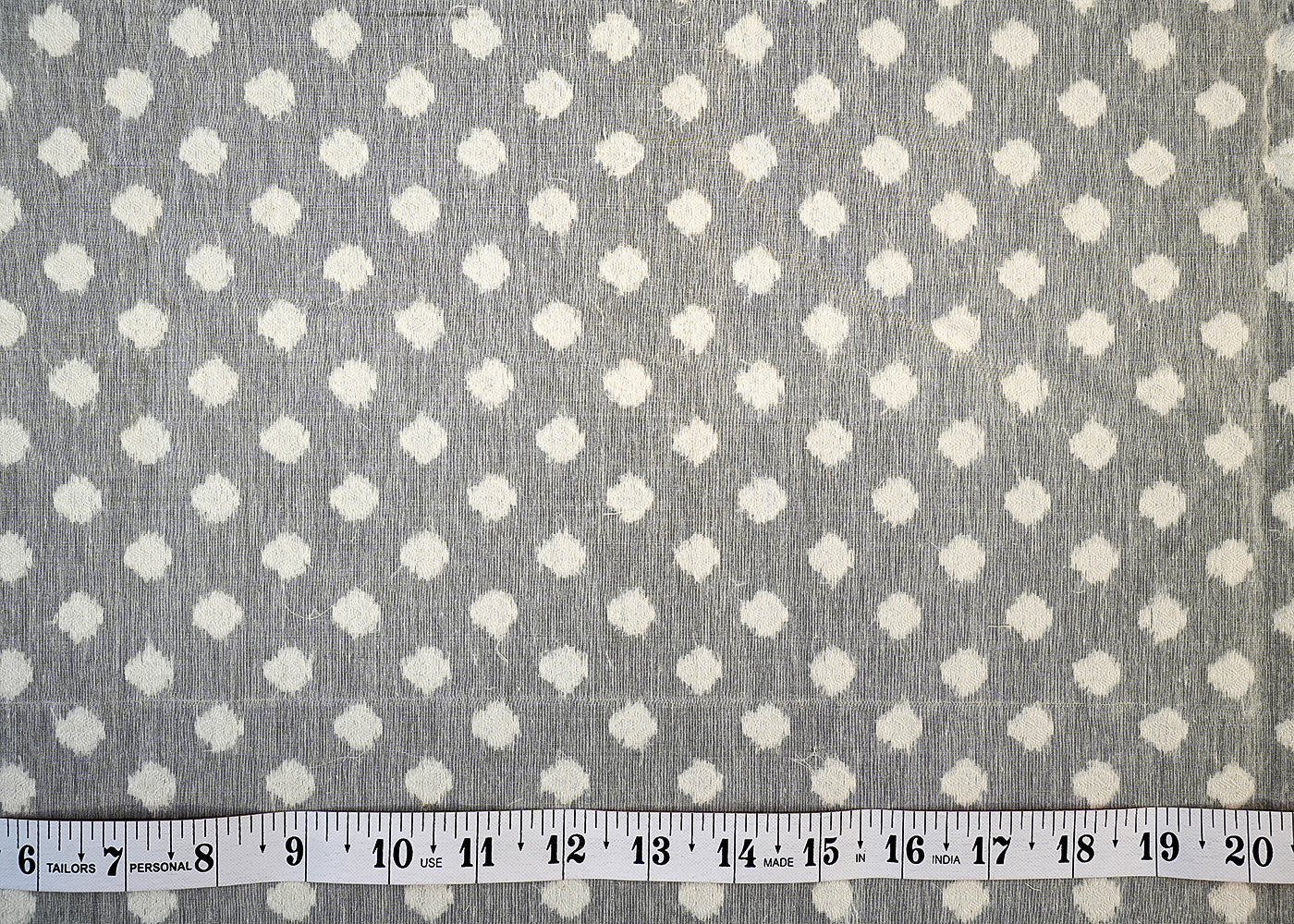
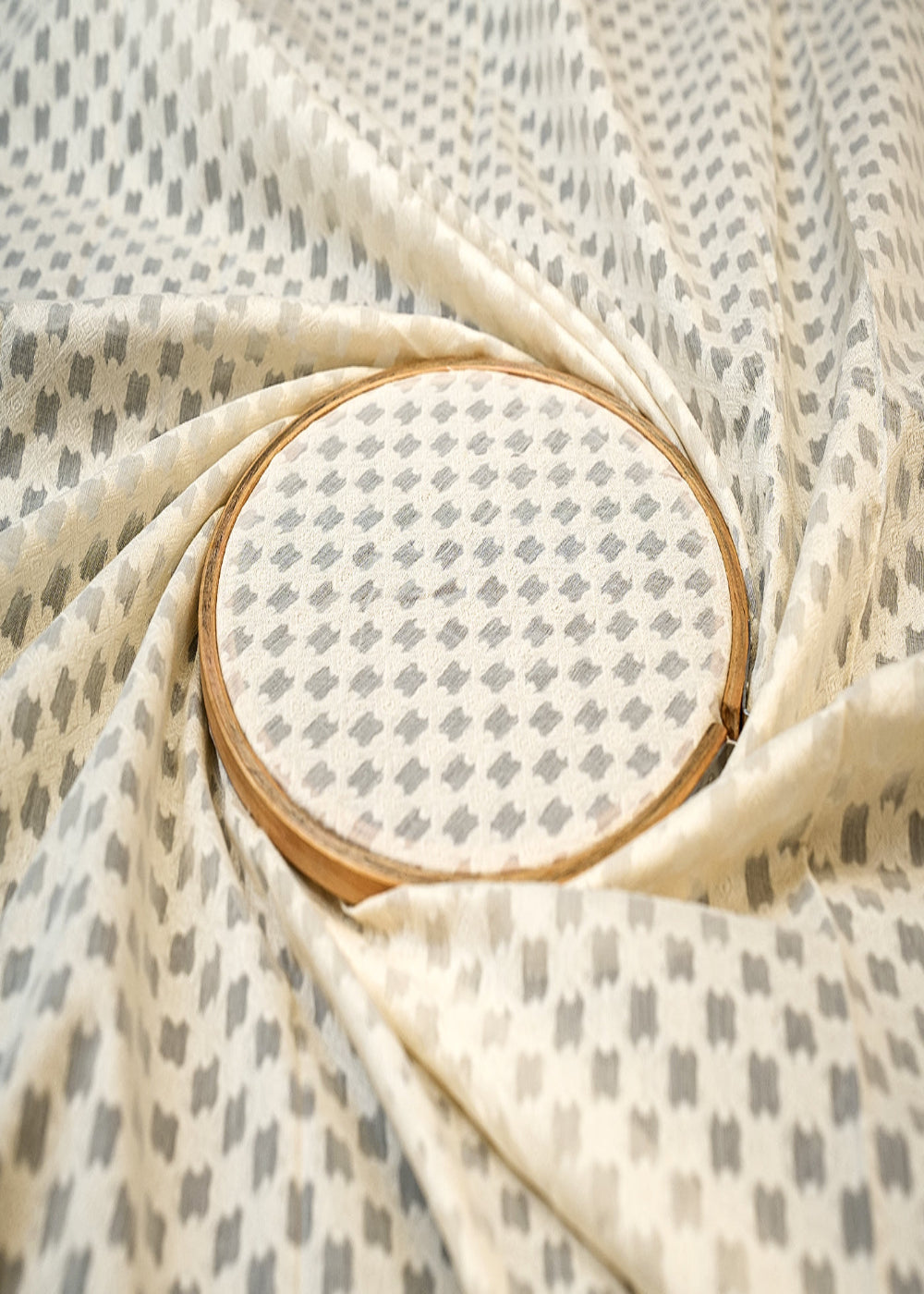
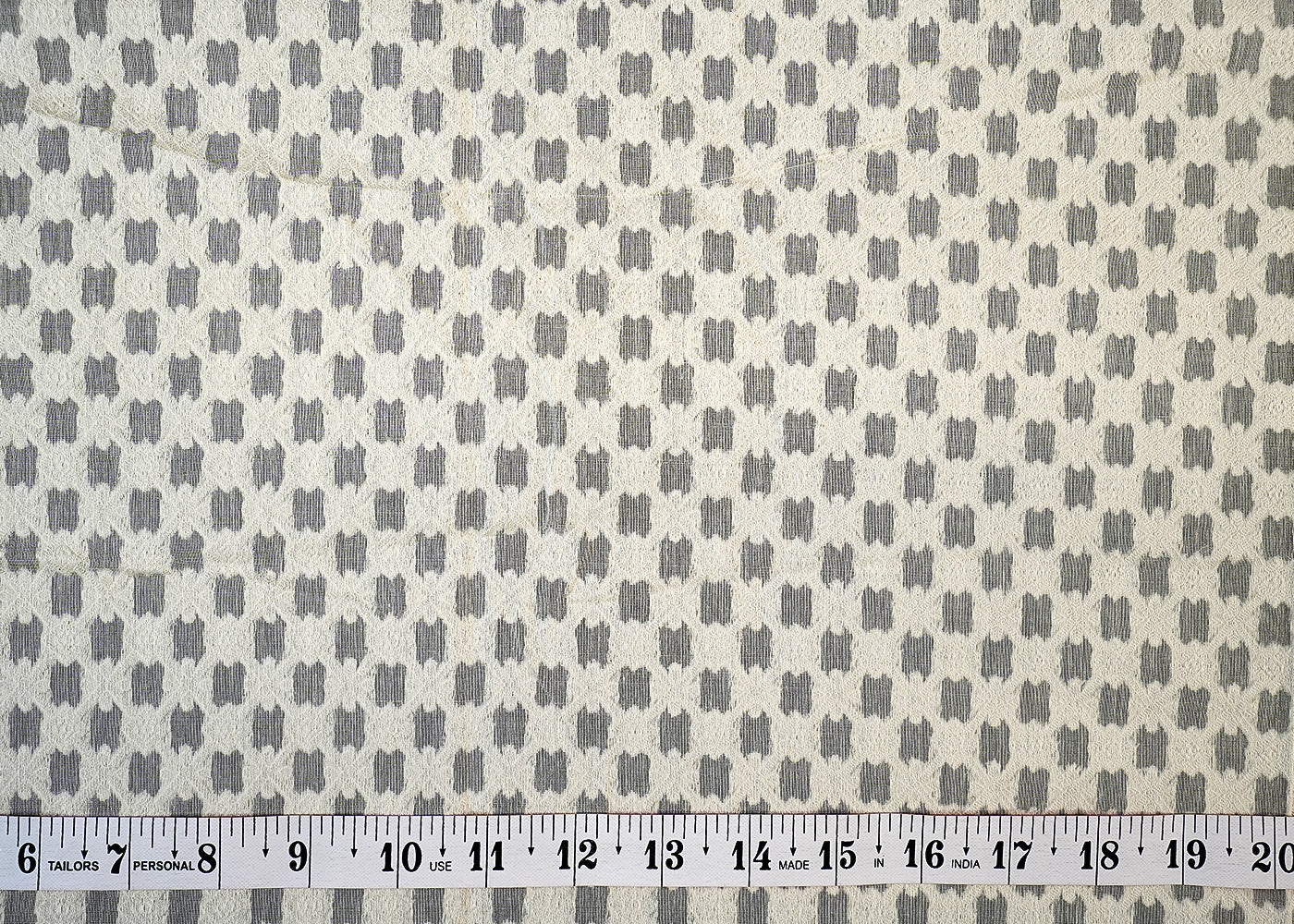
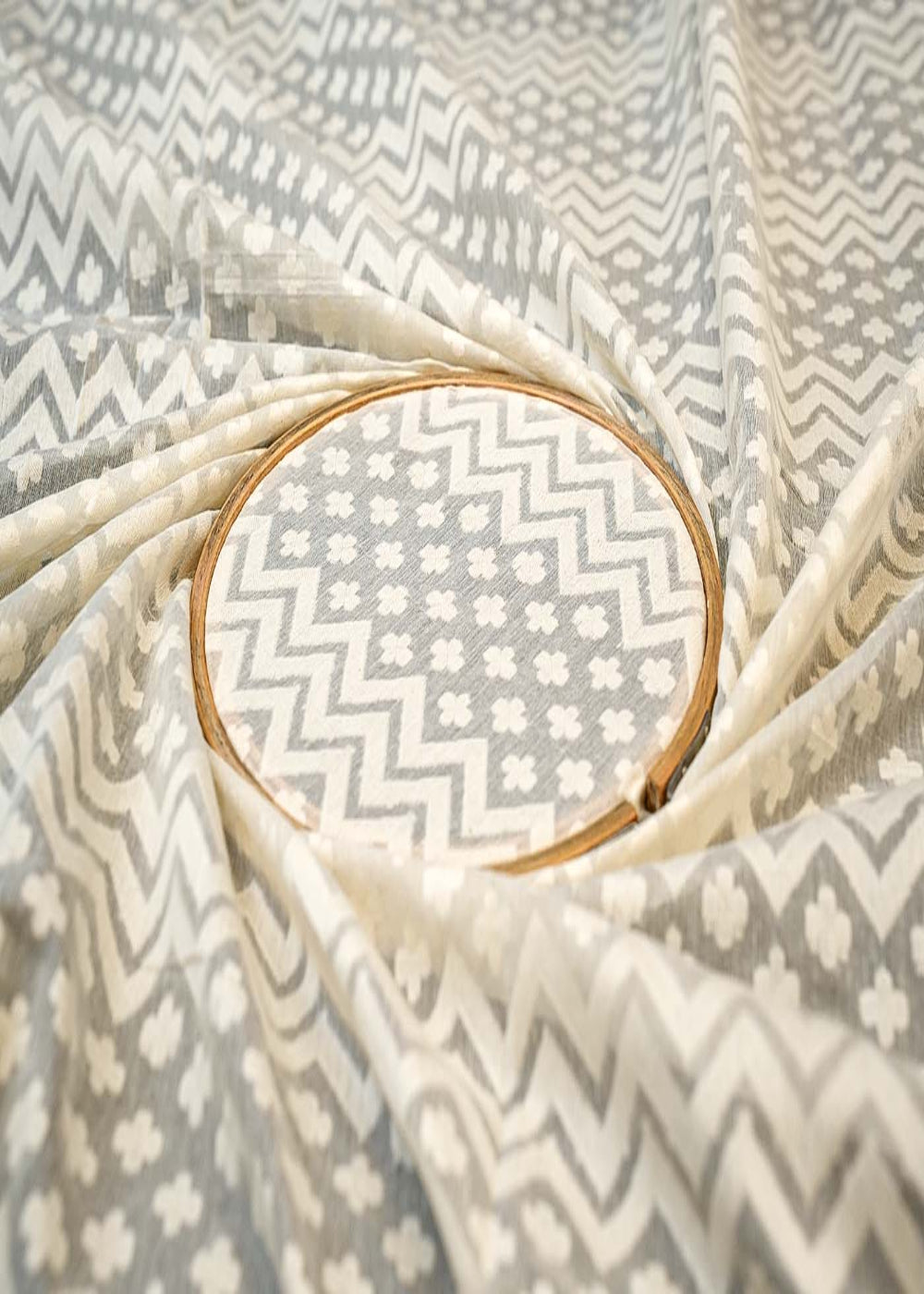
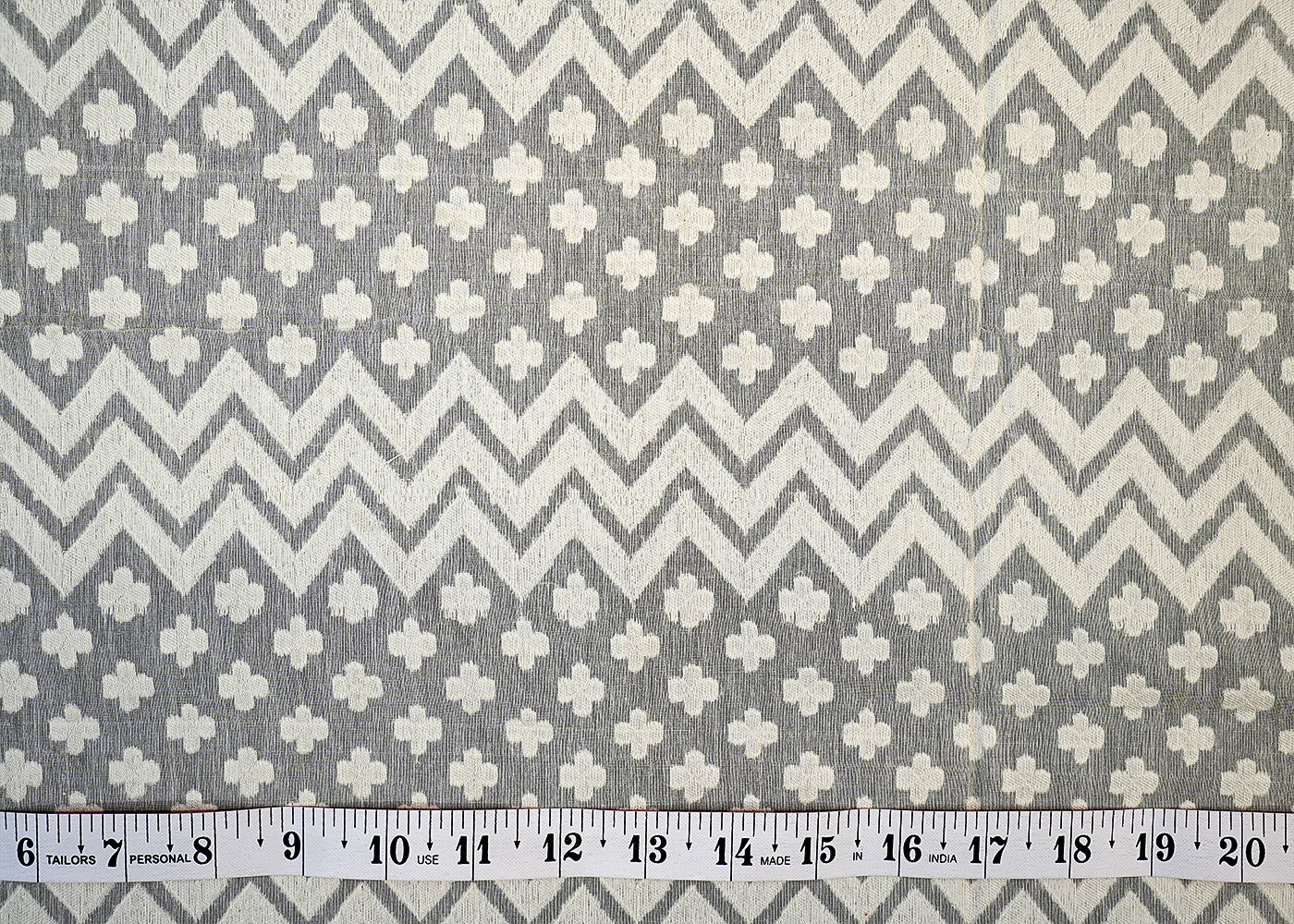
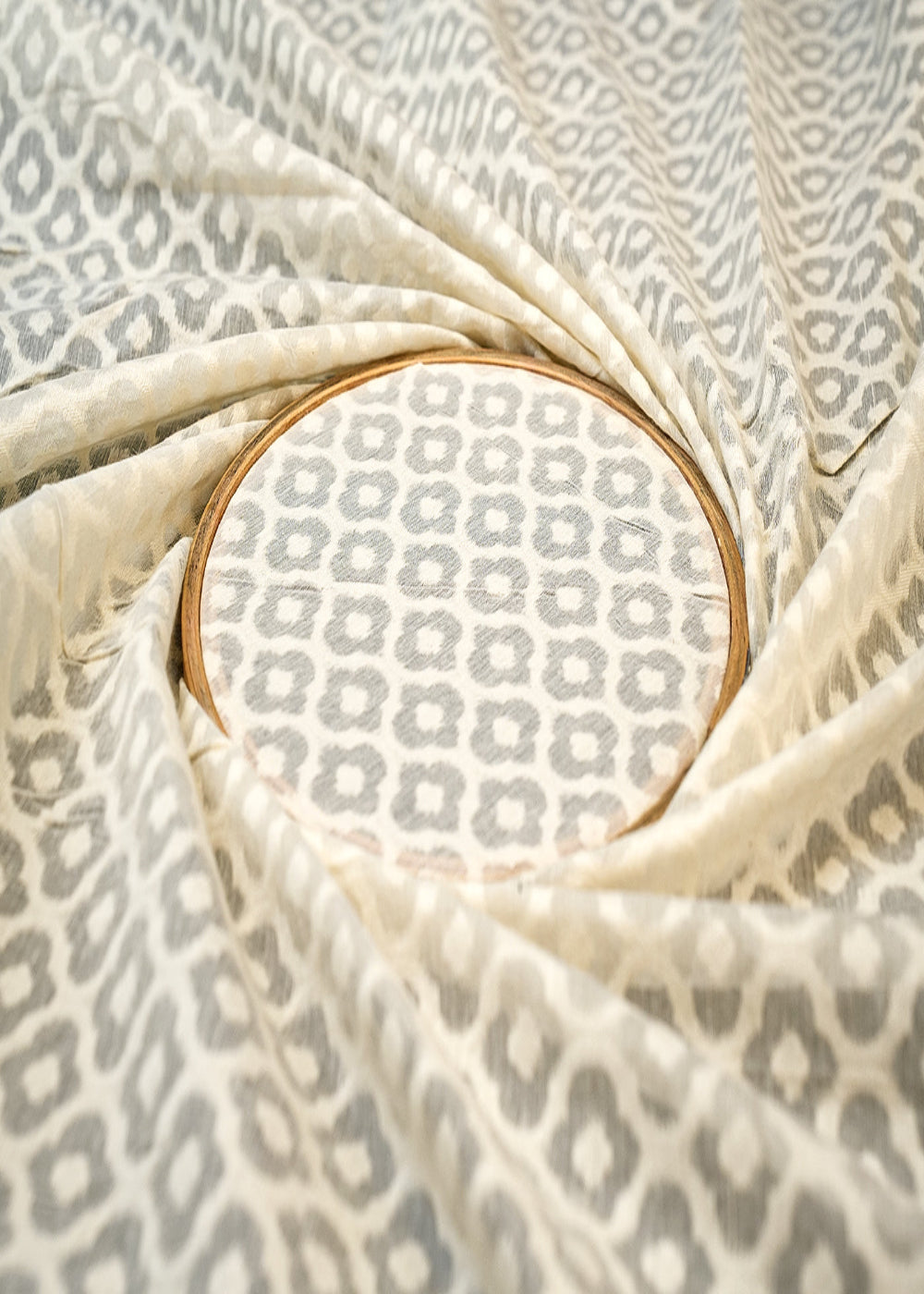
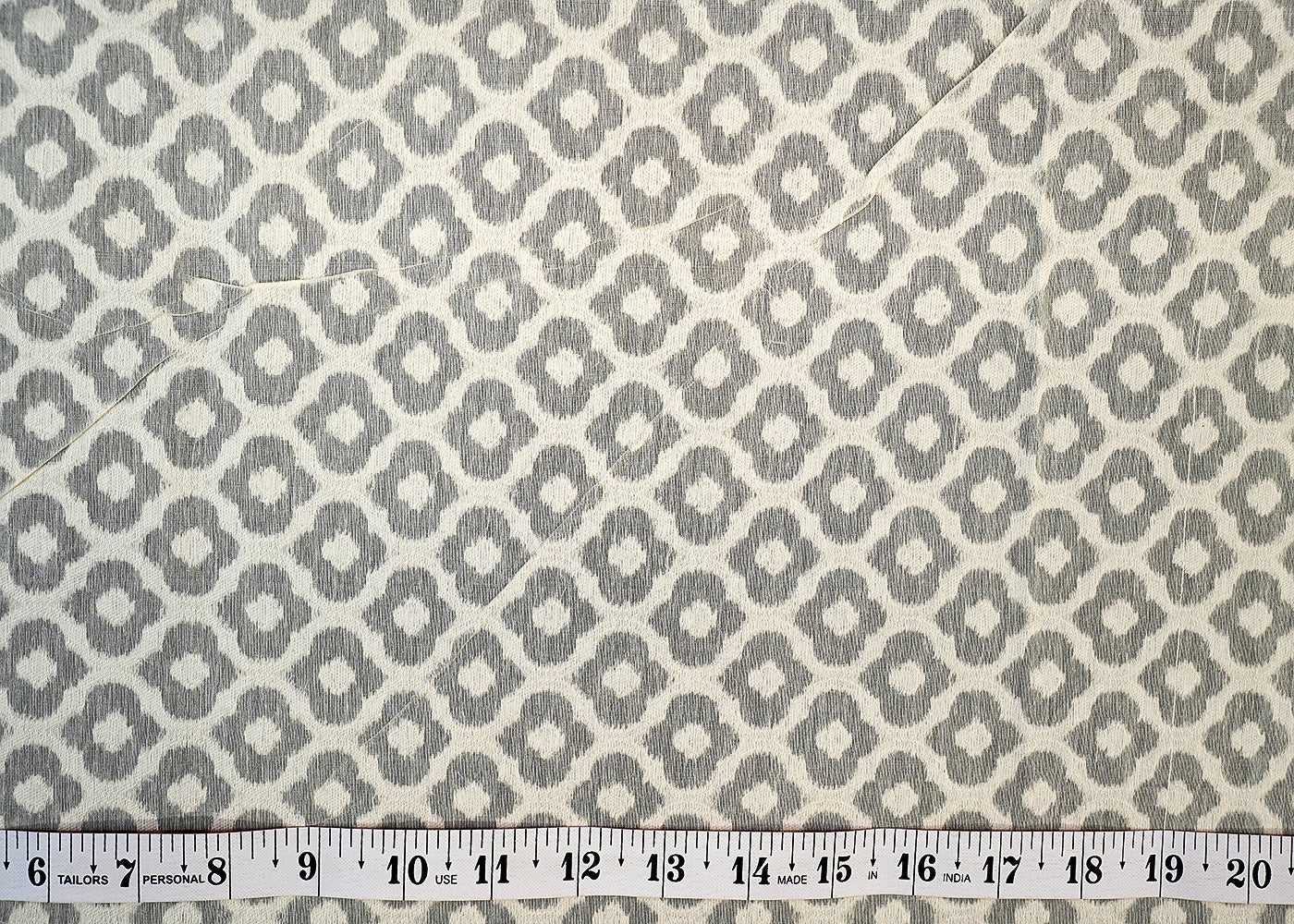
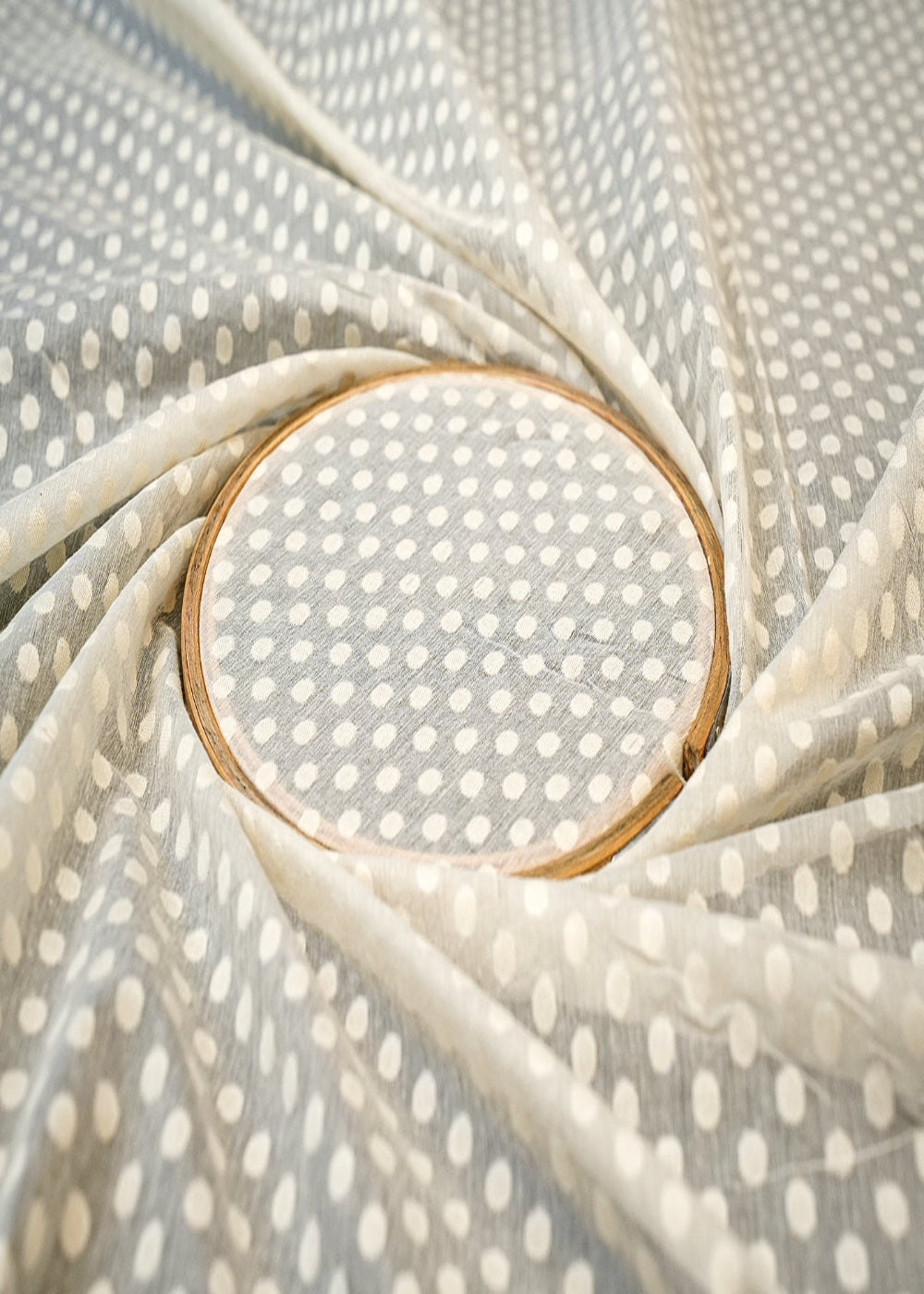
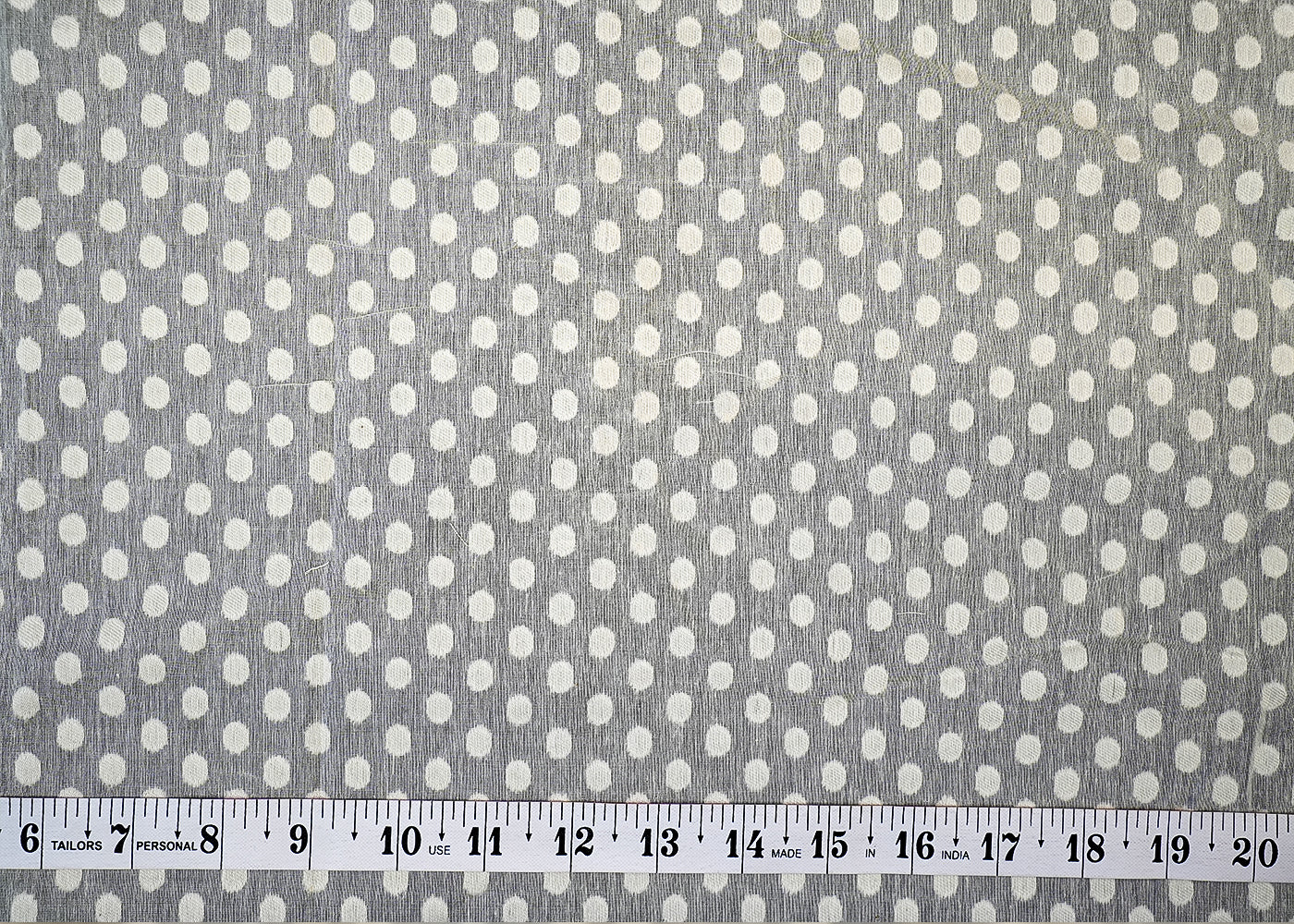
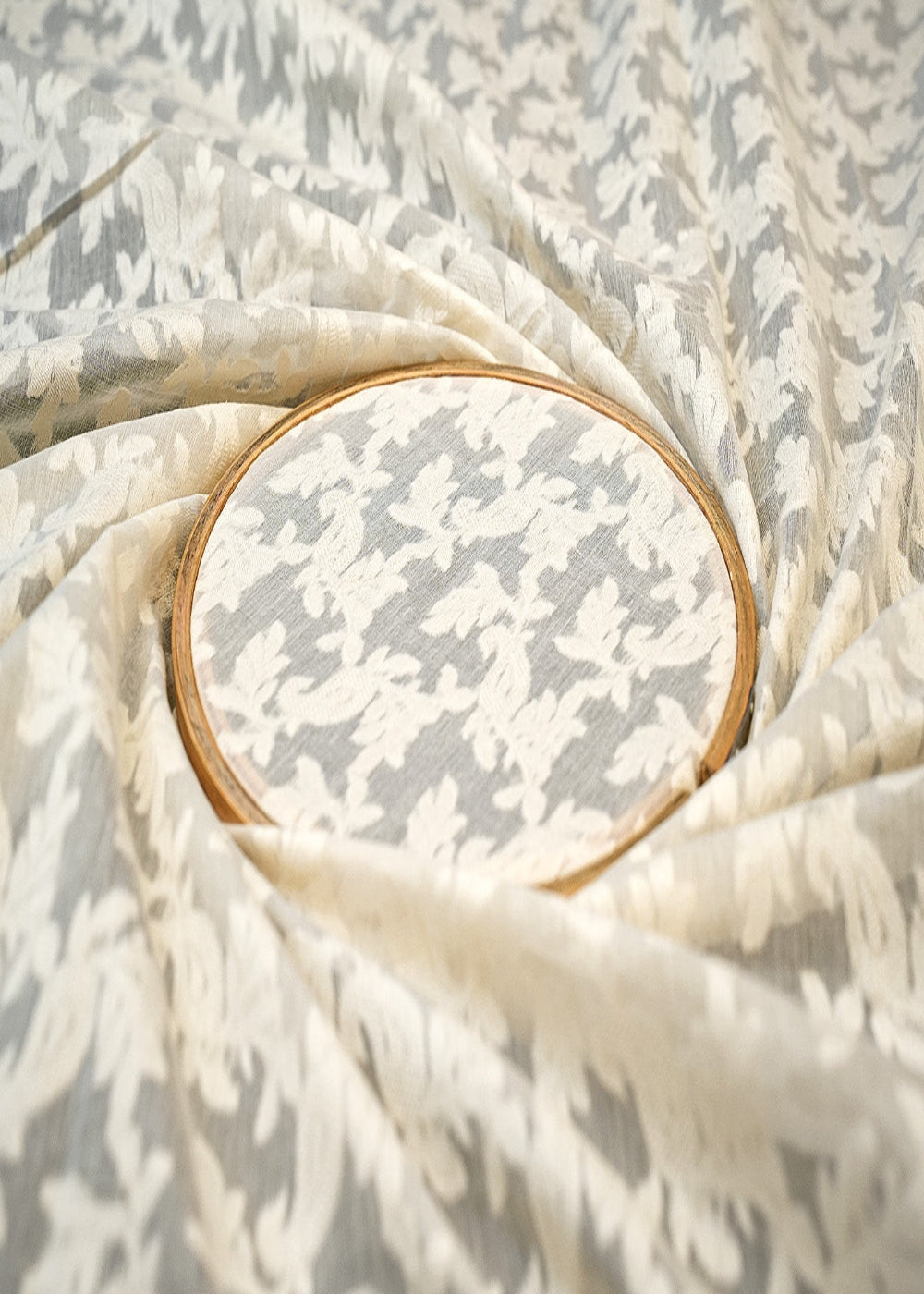
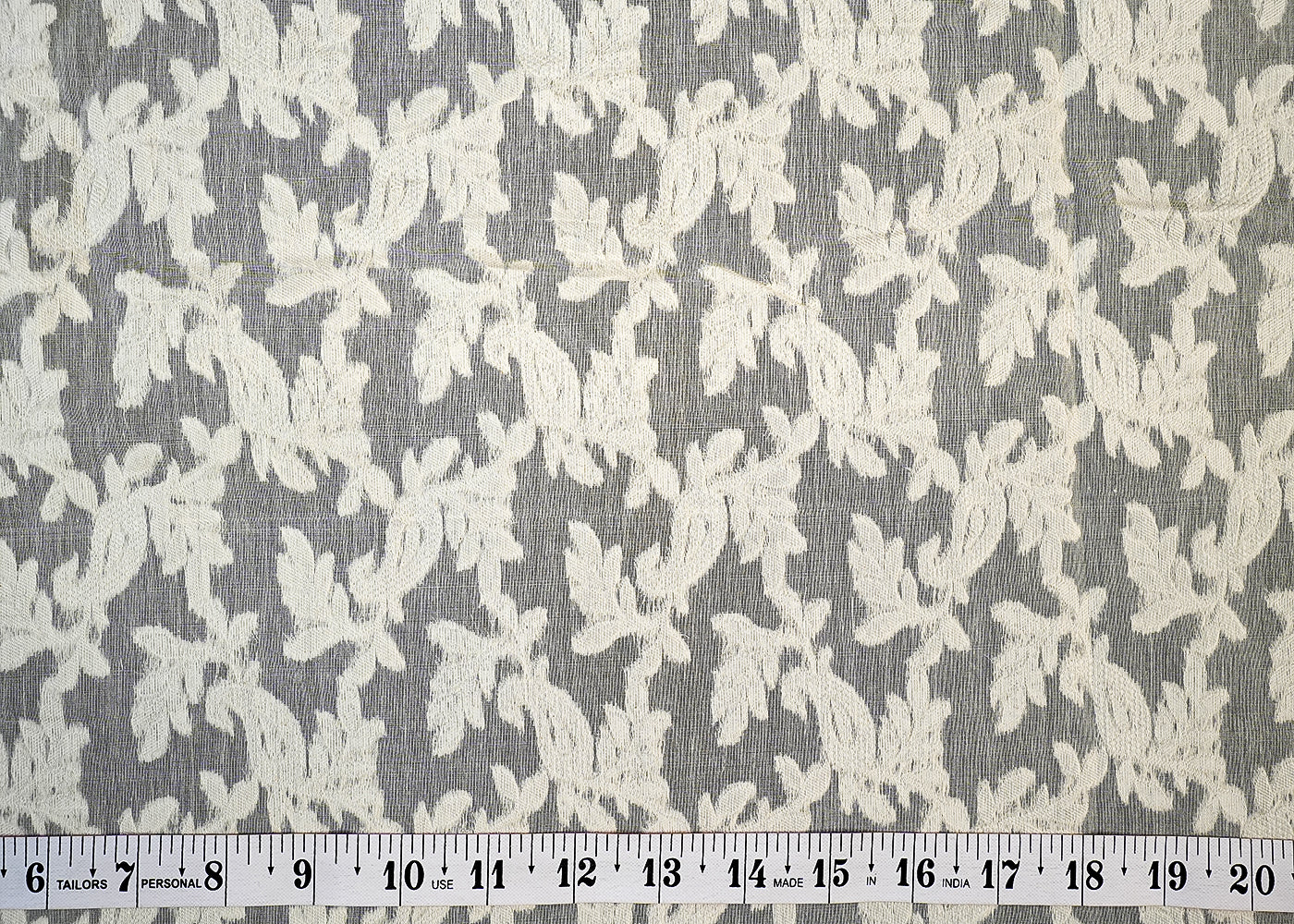
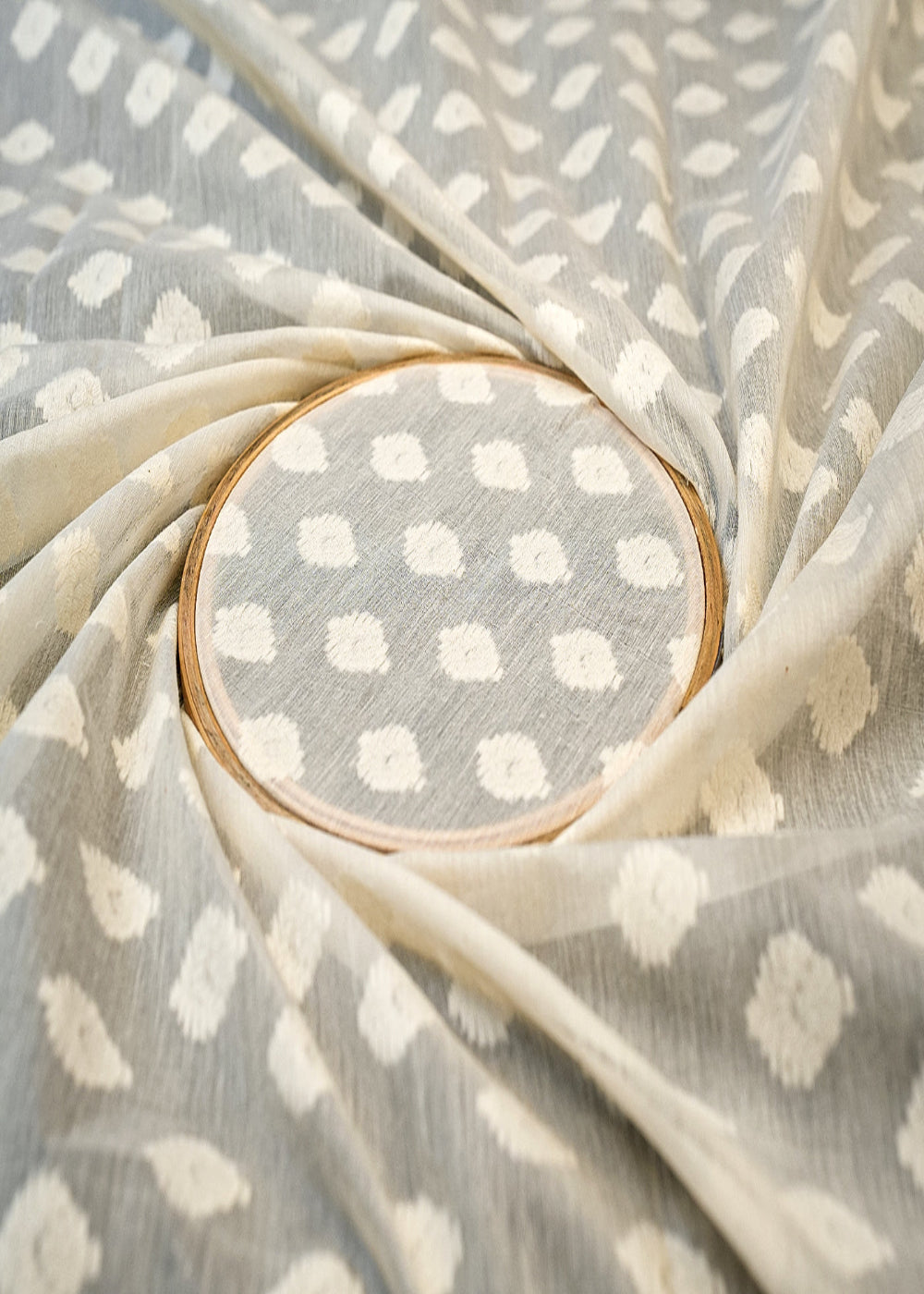
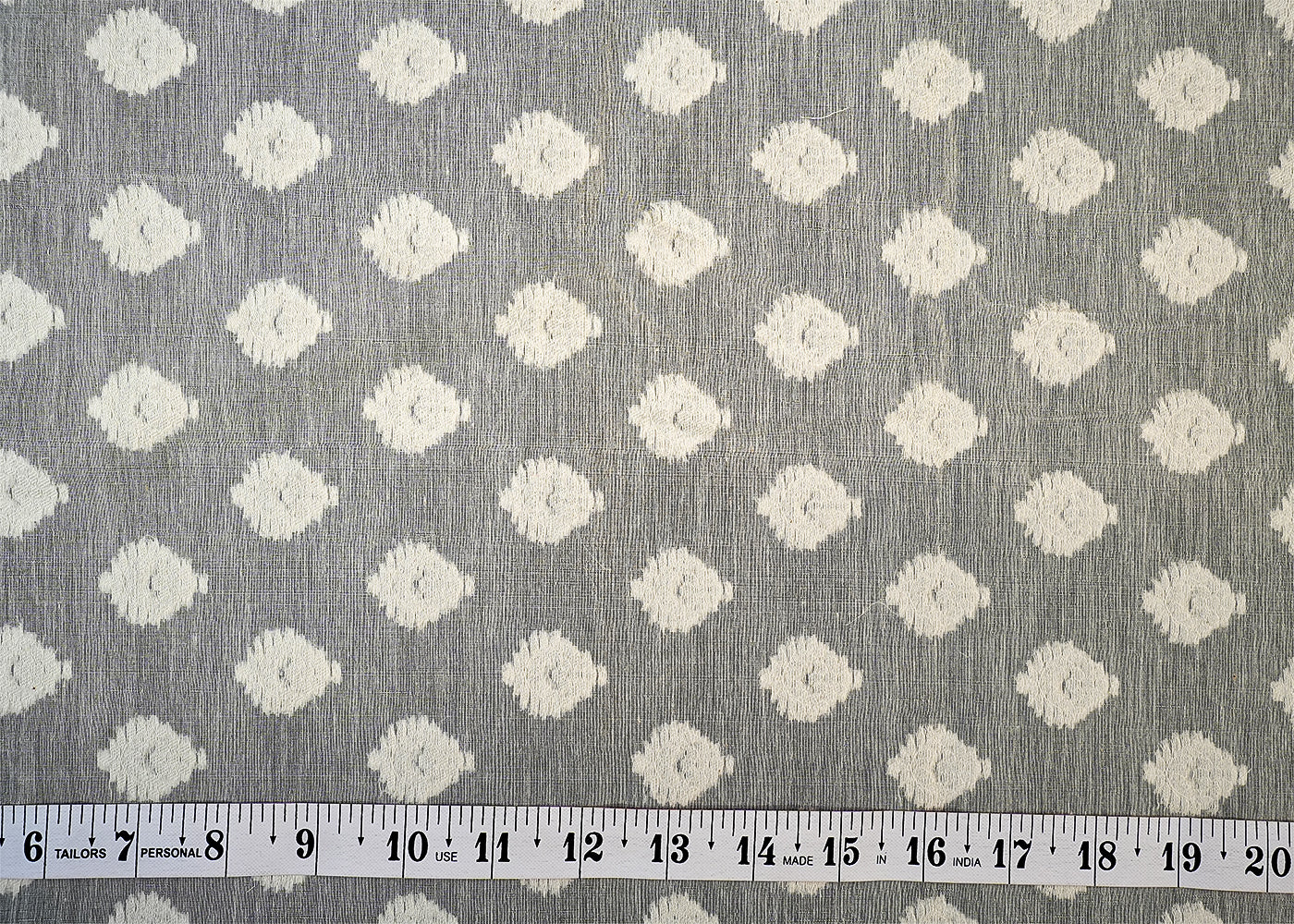
Dyeable chanderi is an undyed silk-cotton blend from the Chanderi weaving tradition of Madhya Pradesh, woven in natural white or cream and left ready for the boutique to colour itself. The base already carries the chanderi signature. Fine silk-cotton hand, a subtle sheen off the silk warp, cotton-weft breathability, a light body. What it does not carry is a fixed shade. That is the whole point. Across the Delhi NCR designer market it caught on hard between 2019 and 2025, for boutiques working the Rs 3,500 to 12,000 retail saree and kurti band.
Quick answer. Dyeable chanderi is an undyed silk-cotton blend from the Chanderi tradition of Madhya Pradesh, woven in natural white or cream and ready for custom boutique dyeing. It runs 60 to 150 GSM across standard, fine-weave, silk-heavy and zari-butti variants. It suits boutique sarees, designer kurtis, festive sarees and wedding blouses at Rs 380 to 780 per metre wholesale.
What Makes Dyeable Chanderi Different
The silk-cotton blend is what defines the base. Chanderi weavers have always run pure silk in the warp and fine cotton in the weft, which gives you sheen from the silk sitting on the surface and breathability from the cotton underneath. Modern mills carry that same weave at industrial scale. The dyeable version simply stops before the finishing dye stage, so the fabric reaches you raw, ready for custom colour.
Standard chanderi turns up pre-dyed in whatever shades the mill picked at finishing. This one leaves that call to you. The same dyeable lot can serve several customer orders in different colours right through the wedding and festive demand cycle. That flexibility moves boutique economics in a way that holding pre-dyed inventory across many shades never will.
Hand feel runs light-medium, silk-cool on the skin, subtle sheen, drape-forward. It works for saree production and kurti construction across the boutique wholesale segment. Lajpat Nagar wholesale sits at Rs 380 to Rs 780 per metre, moving with the silk-cotton ratio and the weave grade.
Types of Dyeable Chanderi in Our Collection
| Type | Best use | Approx price |
| Standard | Casual sarees, everyday kurtis | Rs 380 to 480 per metre |
| Fine-Weave | Designer sarees, boutique kurtis | Rs 480 to 620 per metre |
| Silk-Heavy | Party sarees, engagement kurtis | Rs 580 to 720 per metre |
| Zari-Butti | Festive sarees, wedding blouses | Rs 640 to 780 per metre |
Fine-weave is the volume seller across designer boutique production. More silk in the warp means a softer hand and better dye uptake when the boutique colours it. Silk-heavy variants go to the upper-tier boutiques working retail bands above Rs 8,000, where the fabric character earns the higher rate.
Dyeable Chanderi GSM Guide
| GSM range | Fabric feel | Best for |
| 60 to 90 GSM | Ultra-light, drape-forward | Dupattas, layered blouses |
| 90 to 120 GSM | Light, structured | Sarees, kurtis, standard construction |
| 120 to 150 GSM | Medium-light, rich | Statement sarees, wedding blouses |
Most buyers default to the 90 to 120 GSM band for standard saree and kurti production. It holds the silk-cotton character against structural integrity through a long function. Above 120 GSM you are into statement-piece territory, where construction preferences shift.
In short. This fabric gives you the chanderi hand on a raw, undyed base, so you set the colour yourself. Stay in the 90 to 120 GSM band for everyday sarees and kurtis. Pre-rinse before dyeing. Use a union-dye system for even colour. Budget 5.5 to 6 metres a saree. Wholesale runs Rs 380 to 780 per metre.
Popular Uses
Casual boutique sarees lead, mostly in the Rs 3,500 to 6,500 band for urban working women. Designer kurtis come second, with the corporate customer picking chanderi over synthetics for the breathability. Festive sarees are third, tied to the festive-celebration wardrobe. Wedding blouses dyed to a bridal palette round out the list.
Dyeable Chanderi Trends for 2026
Dusty pastels are leading the dyed output for the working-woman segment right now. Boutiques take white chanderi lots and dye them into dusty rose, sage green, oxidised bronze and champagne, tracking what performs on Instagram catalogue posts. On the festive side, bright traditional shades still hold, because there the family shade coding runs the shopping.
Multi-shade coordinated dyeing is the second pattern gaining ground. One lot dyed into three or four matching shades for a whole family function set, so the outfits read as one story in the photographs. Pre-dyed inventory cannot match that on boutique economics.
Care and Working Tips
Pre-rinse the undyed fabric before you dye. The cotton weft can hold sizing from mill finishing. That sizing blocks even absorption and shows up later as patchy shade. A cold-water rinse with mild detergent sorts it out on most lots.
Stitch with a silk-blend thread once dyeing is done, it handles the chanderi structure best. Use a fine needle too, since a standard needle can pucker such a light fabric. Machine tension needs a little adjustment for the silk-cotton blend.
Iron on low, silk setting, through a press cloth. Direct heat can shift the custom dye. For storage, fold in muslin, not polythene. Polythene traps moisture. That moisture damages both the fibre and the dye over a long hold.
Frequently Asked Questions
How does dyeable chanderi differ from pre-dyed chanderi?
Pre-dyed chanderi comes from the Madhya Pradesh mills already coloured at finishing, so you are limited to whatever shades are in stock. The dyeable version leaves that decision with you, which lets you colour-match to a specific customer palette or a seasonal drop after purchase.
What dyes work best on dyeable chanderi?
Reactive dyes handle the cotton weft best. Acid dyes suit the silk warp. A combined system, called union dyeing, gives even colour across both fibres in professional boutique work. Direct dyes are cheaper but hold colour less well over long wear.
Is dyeable chanderi available in bulk for boutique operations?
Yes. Bulk pricing starts at 30 metres per SKU, with wholesale tiers from Rs 320 per metre on orders above 100 metres. Peak-season lots above 200 metres unlock production pricing across the October to February wedding season and the March to July festive stretch.
How much dyeable chanderi does a saree need?
A standard saree needs 5.5 to 6 metres with the pallu, then 0.8 metre for a matching blouse. A kurti needs 2.5 metres for a straight cut, 4 metres for a kali-flare anarkali. A coordinated saree-and-kurti set runs about 9 metres across the two.
Why Boutique Owners Buy Dyeable Chanderi from Paras Gallery
Fifteen metres minimum gets you sample-rate per grade. Thirty metres opens the wholesale tier per SKU. Two hundred metres unlocks peak-season production pricing. The whole value of a dyeable base is control, matching colour to your customer instead of the mill's stock card. Browse the range, then order through our wholesale catalogue.
