



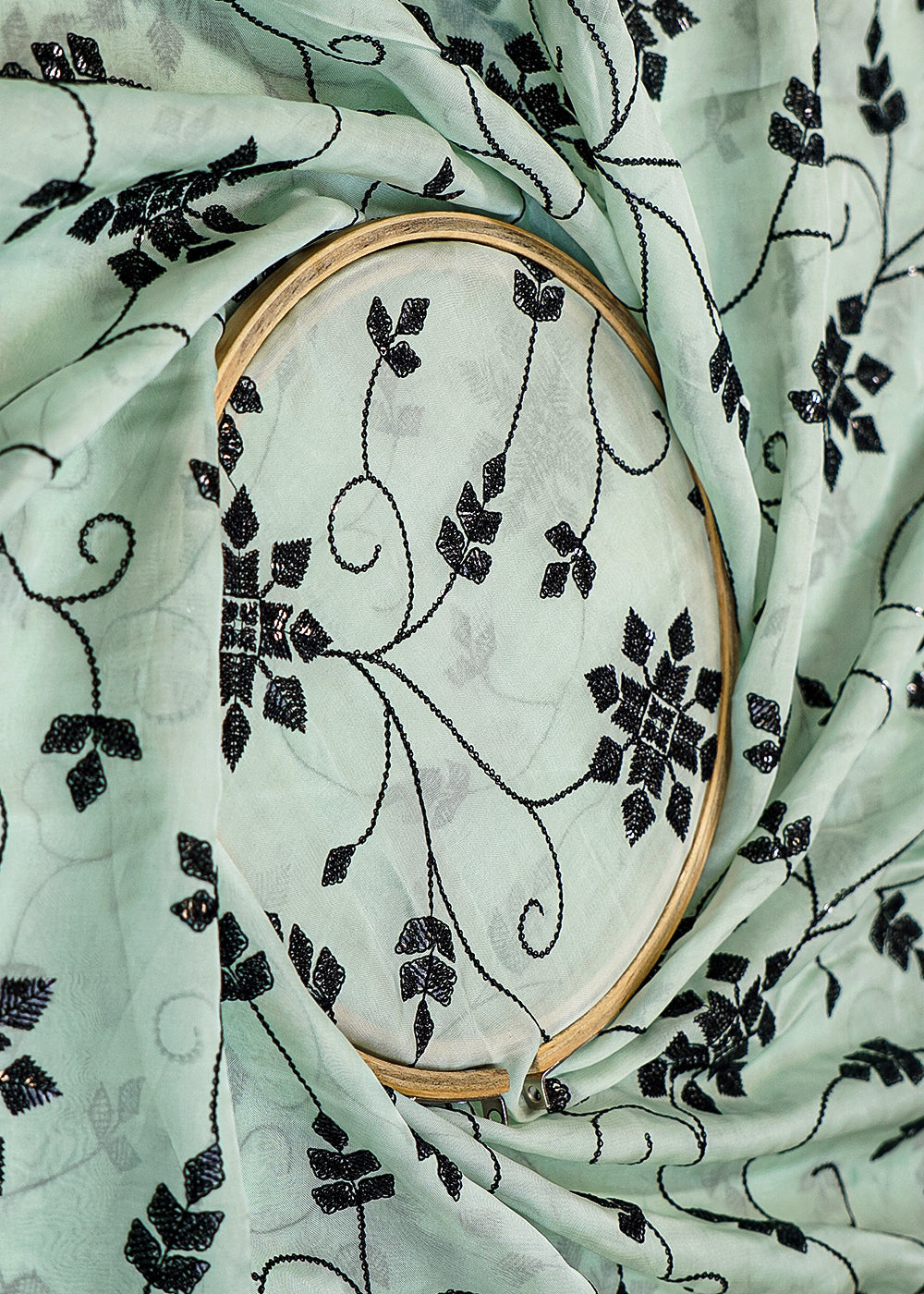
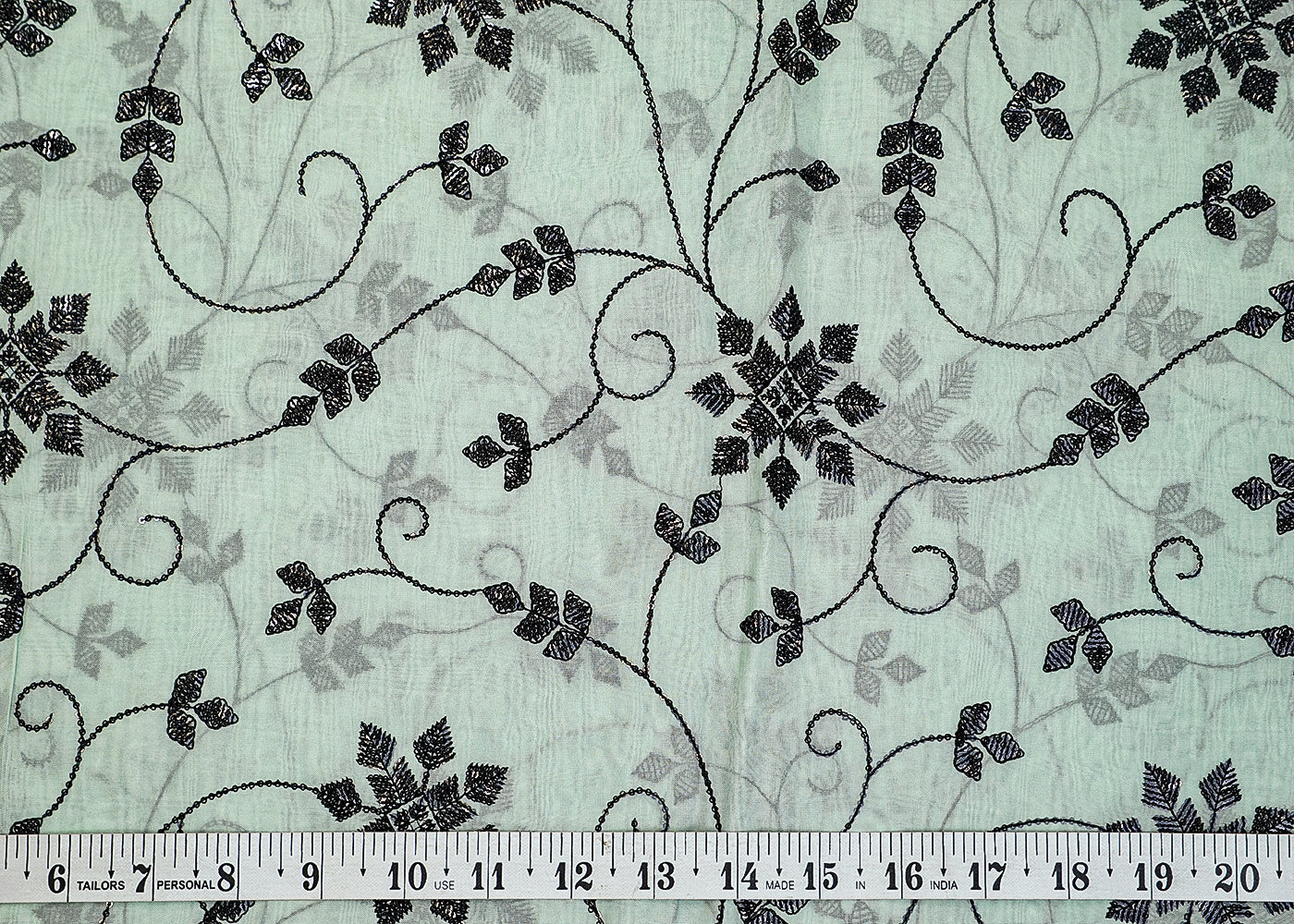
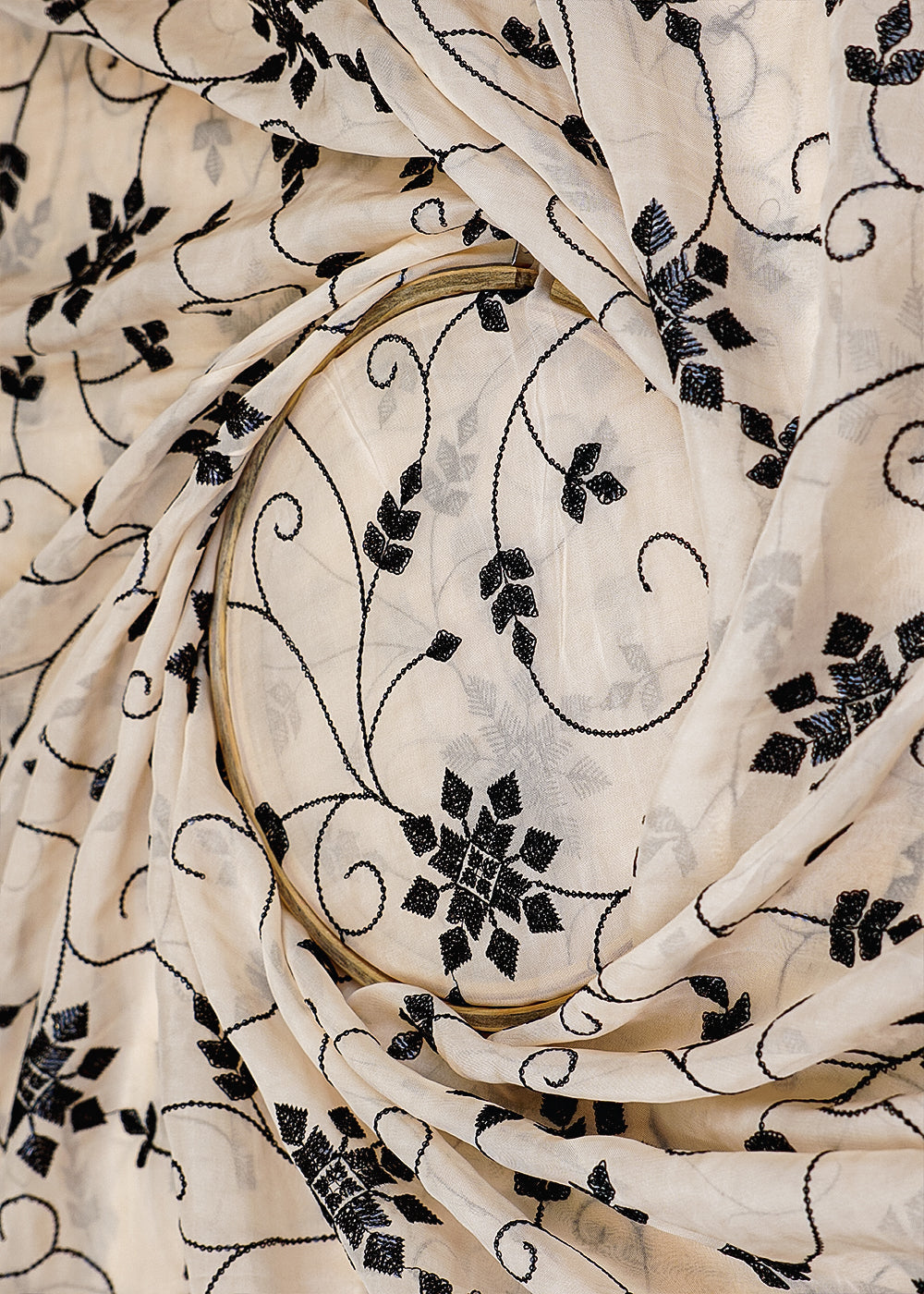
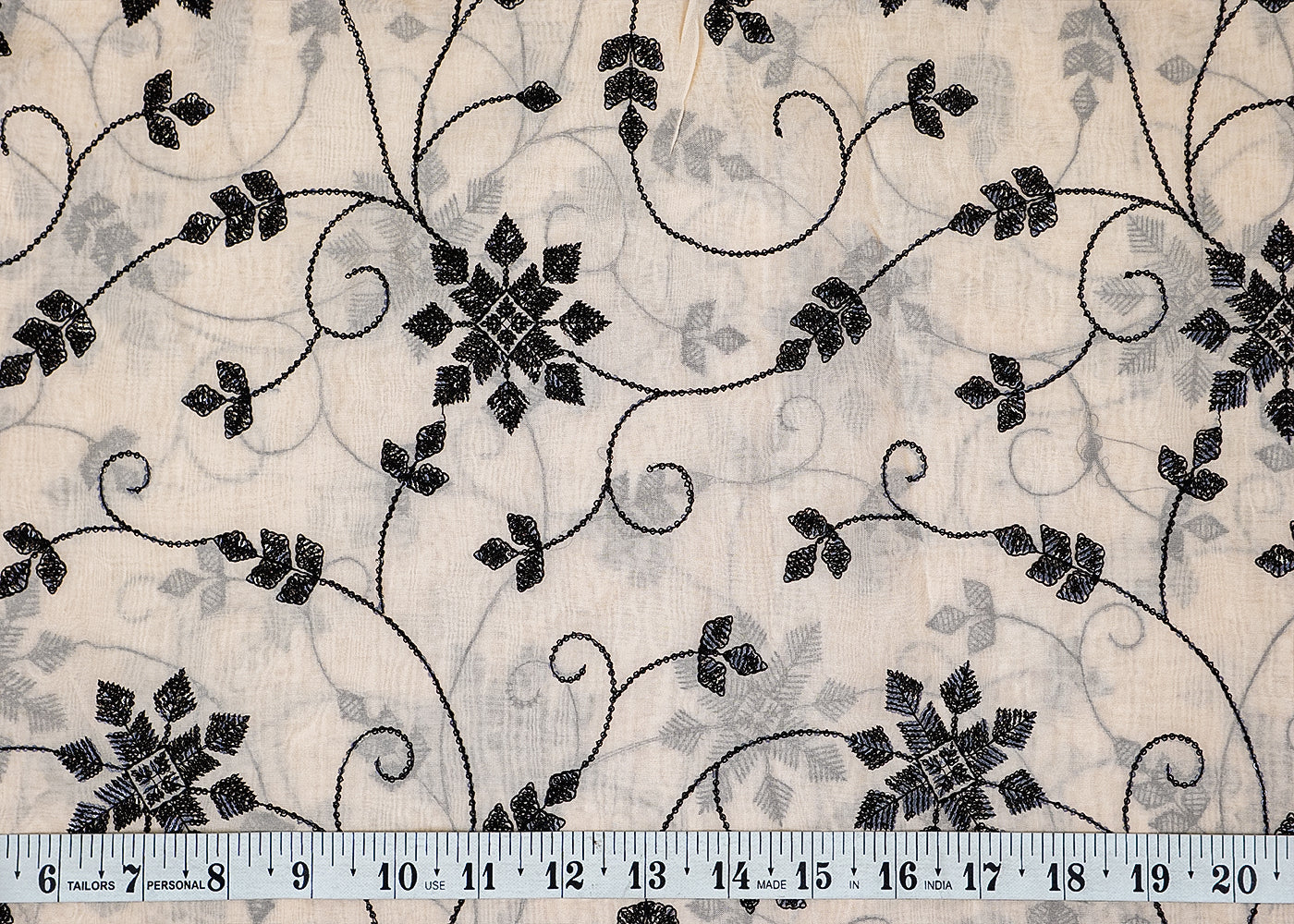






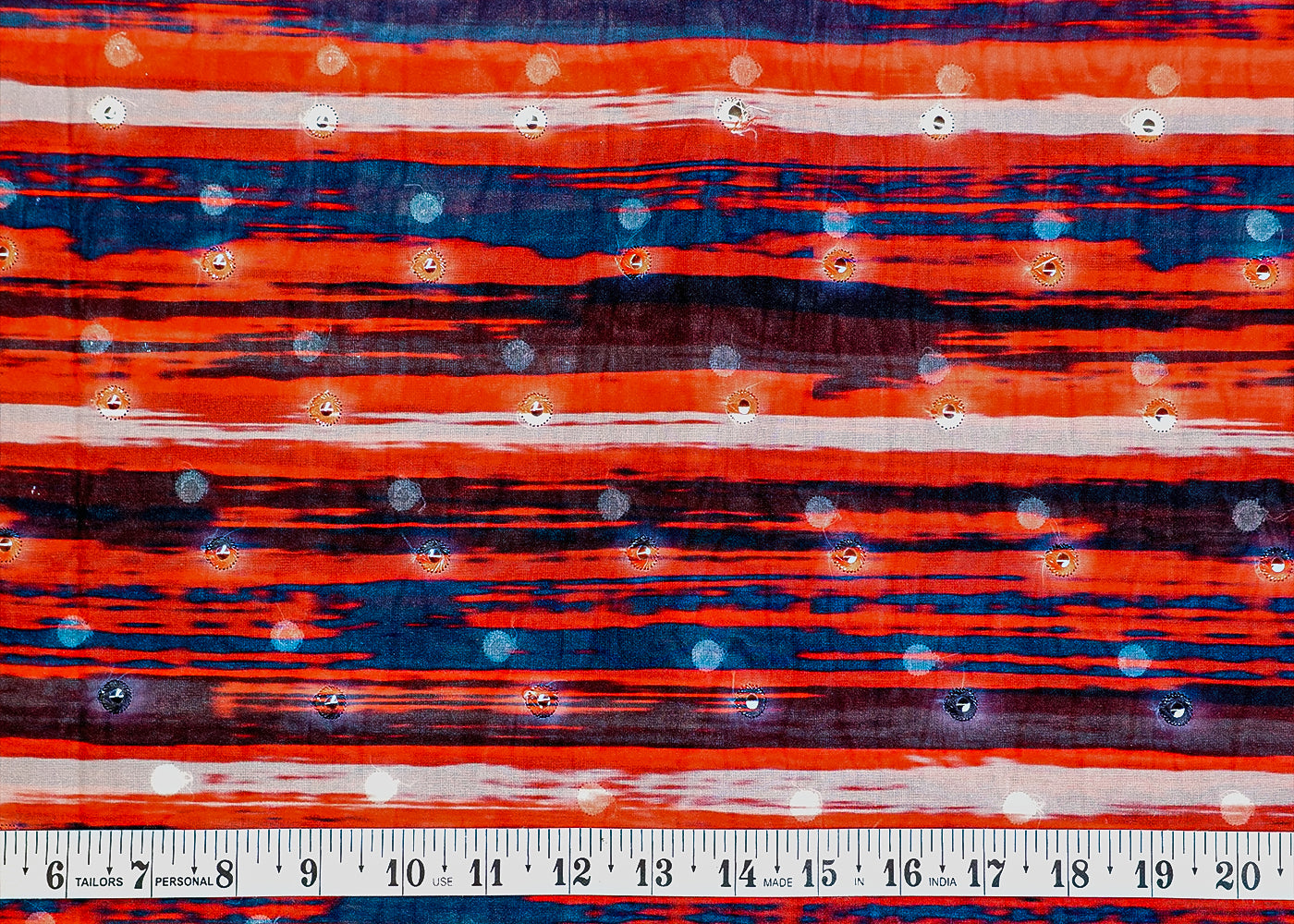

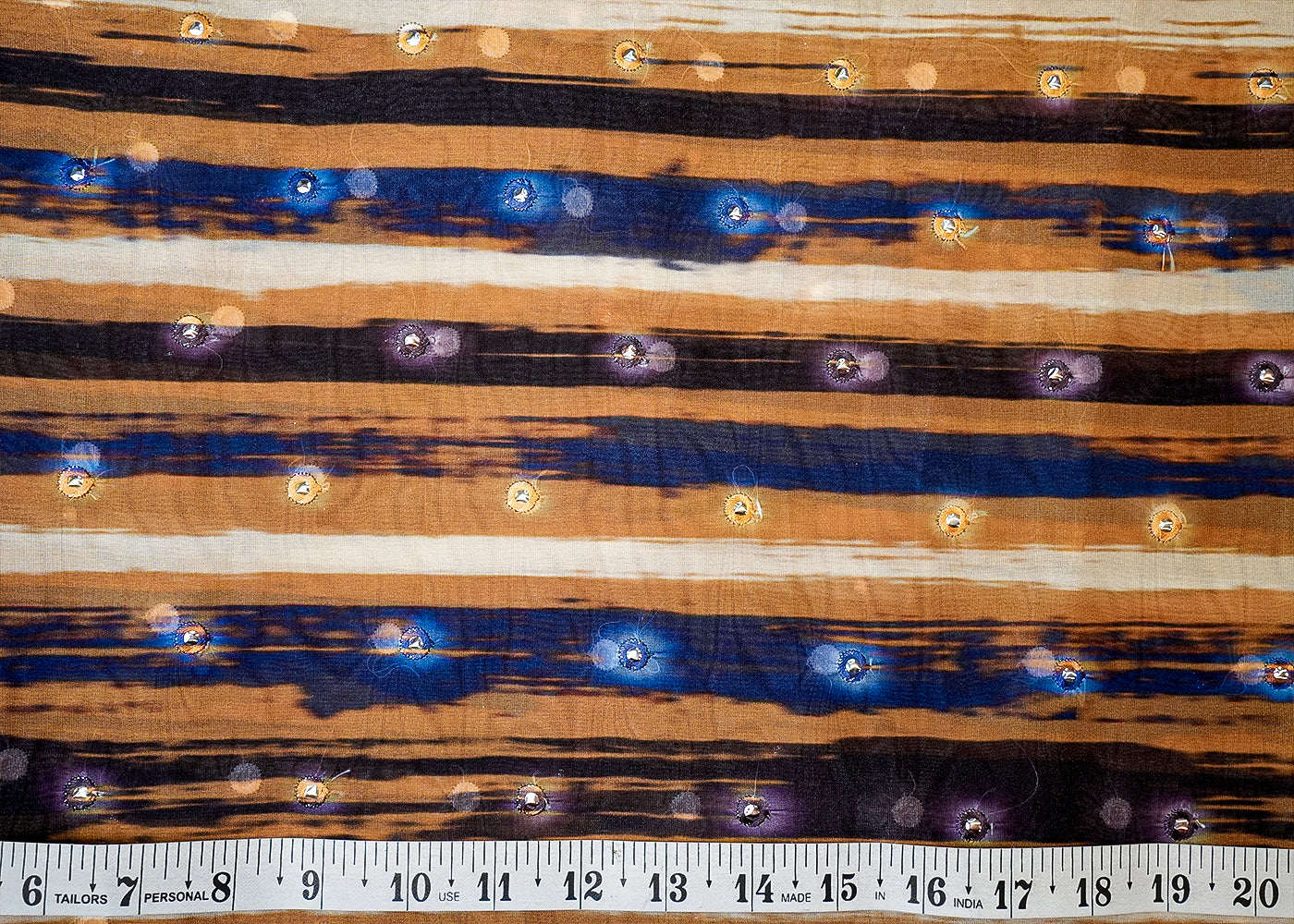


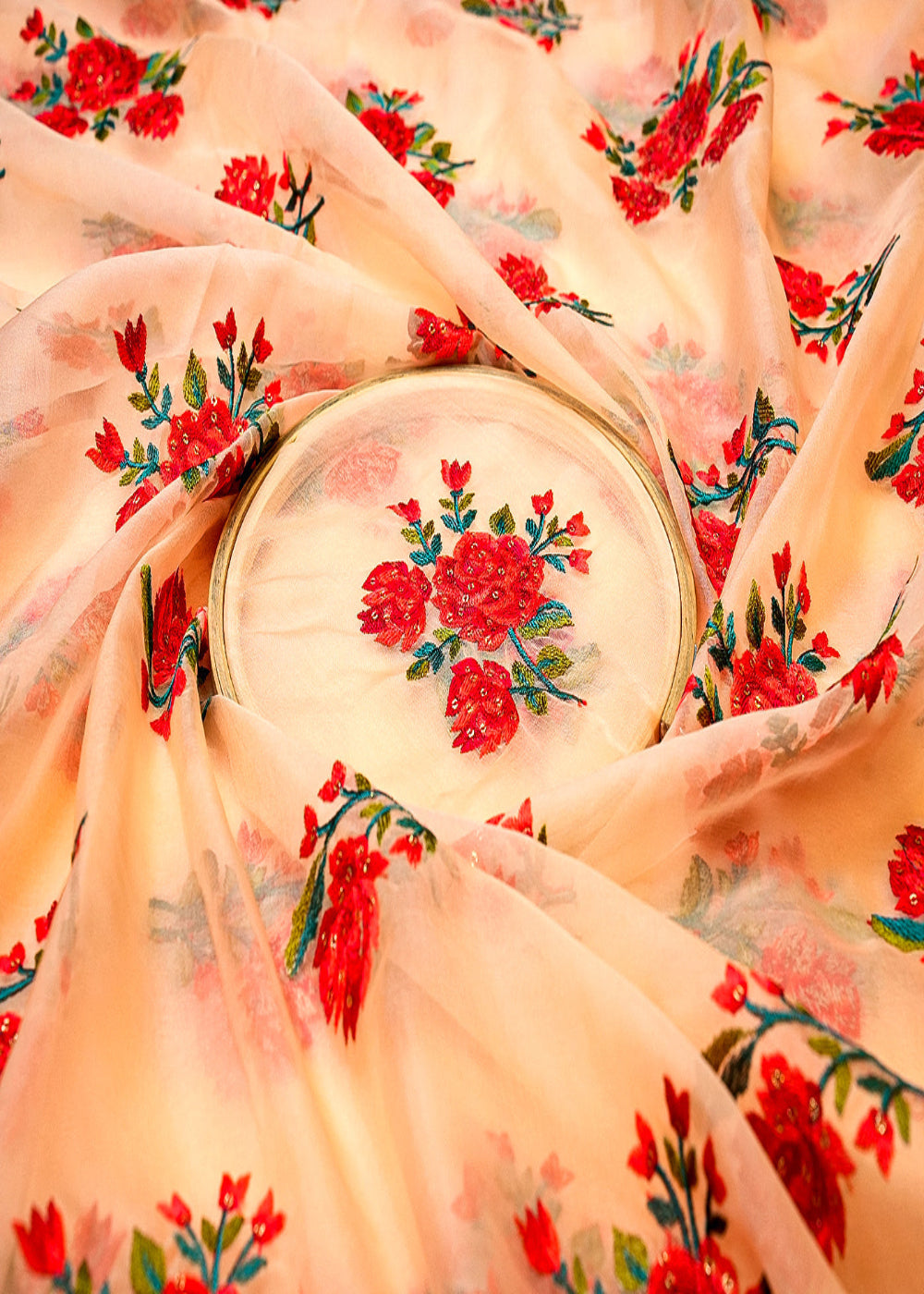
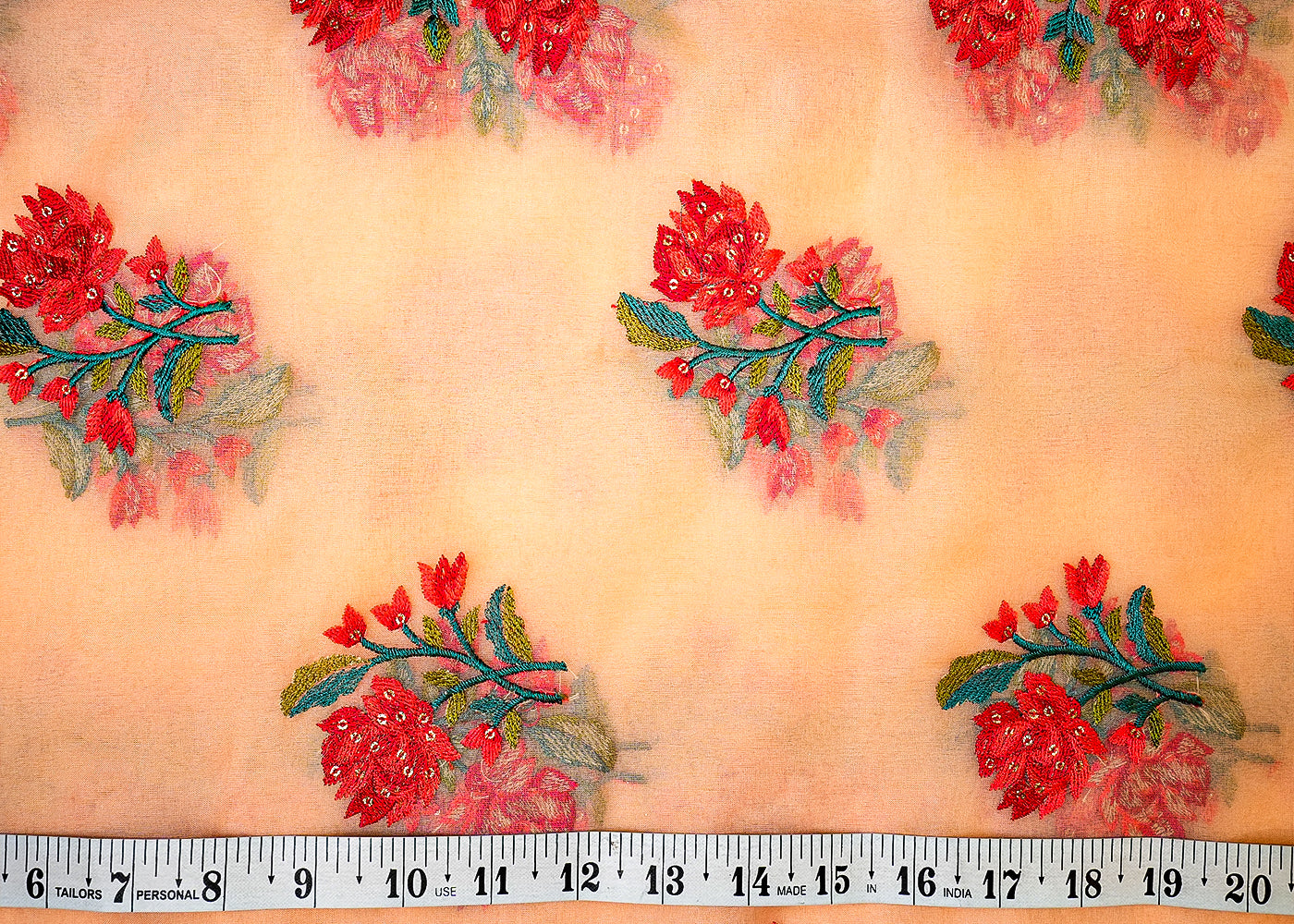










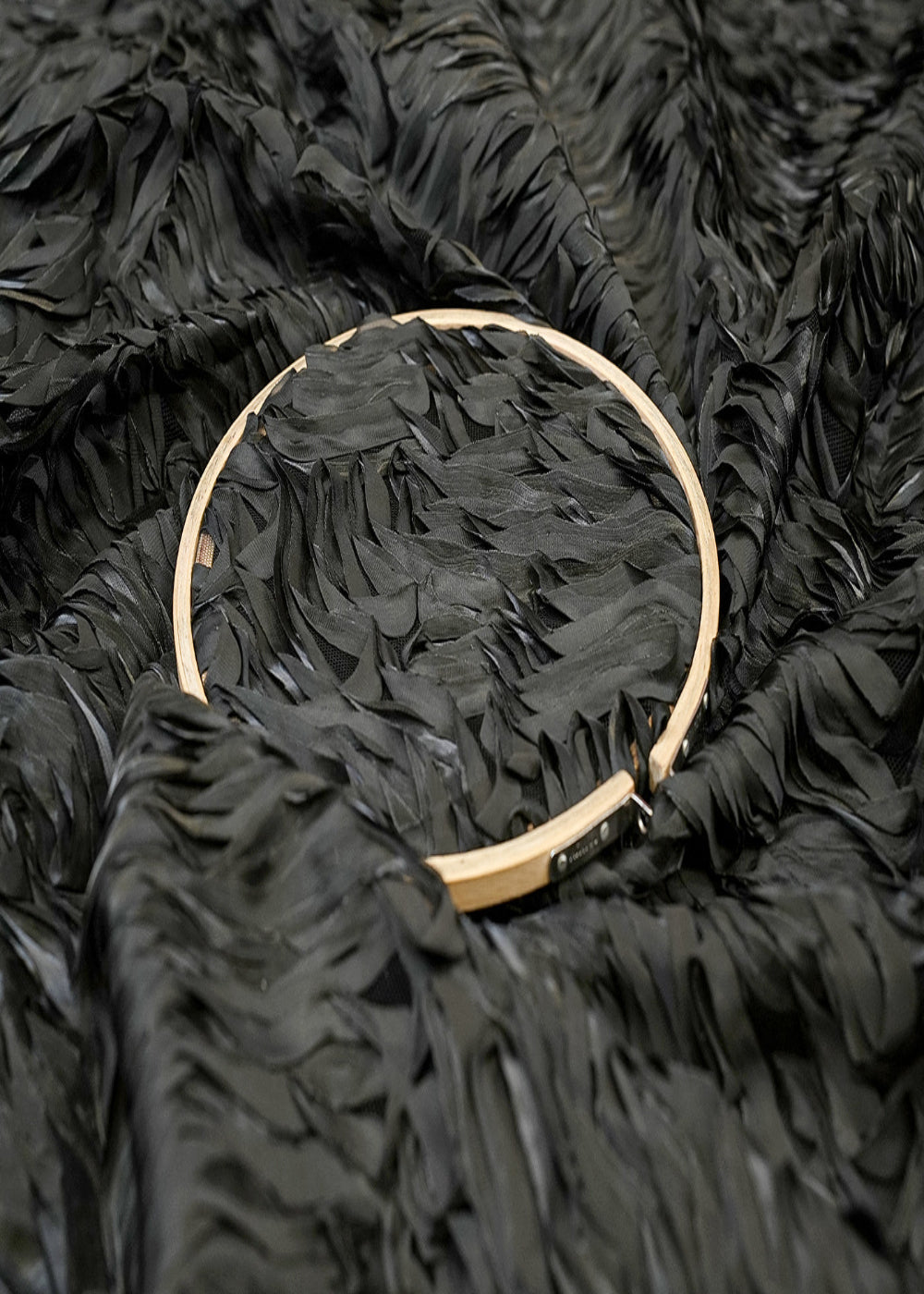

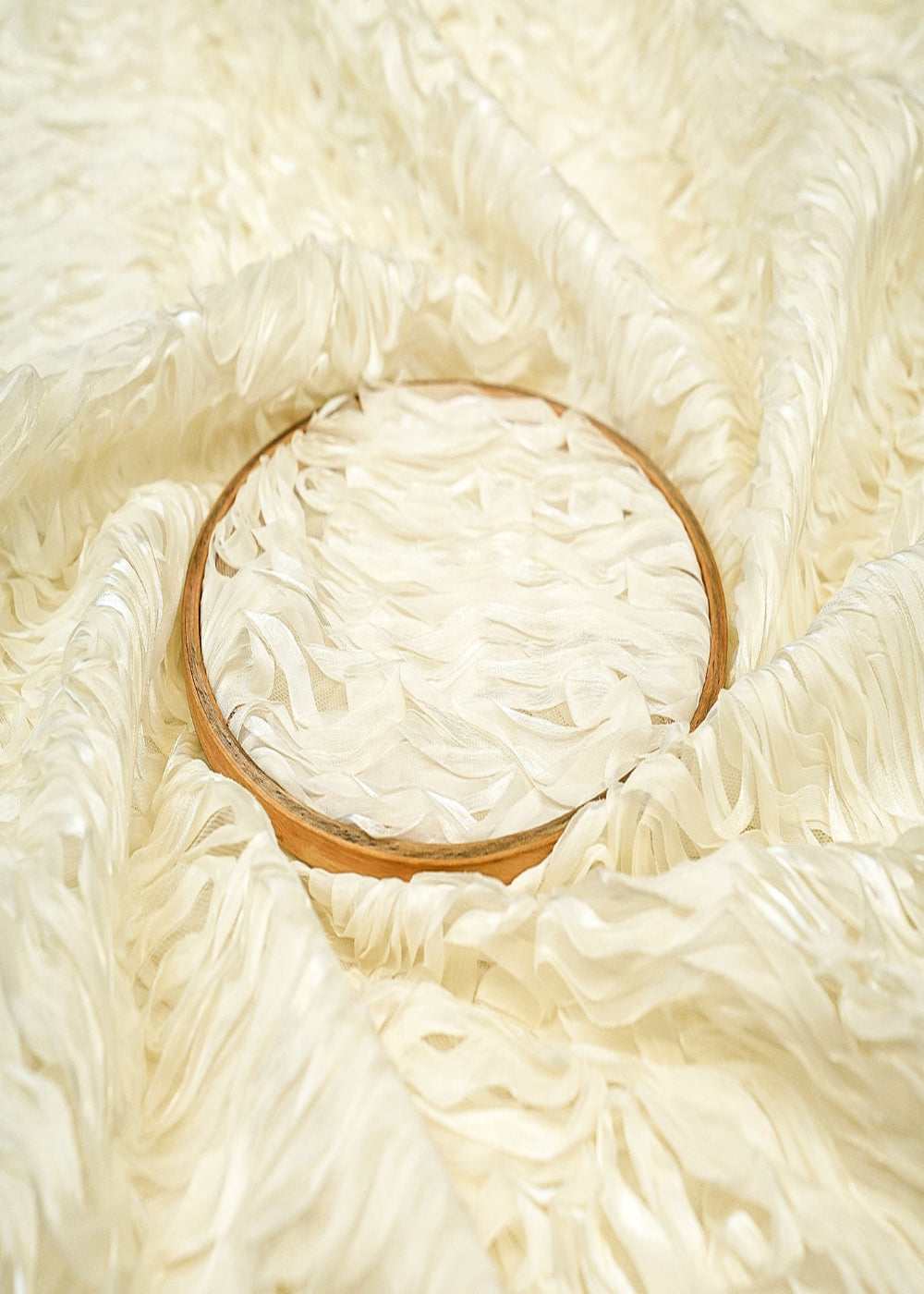
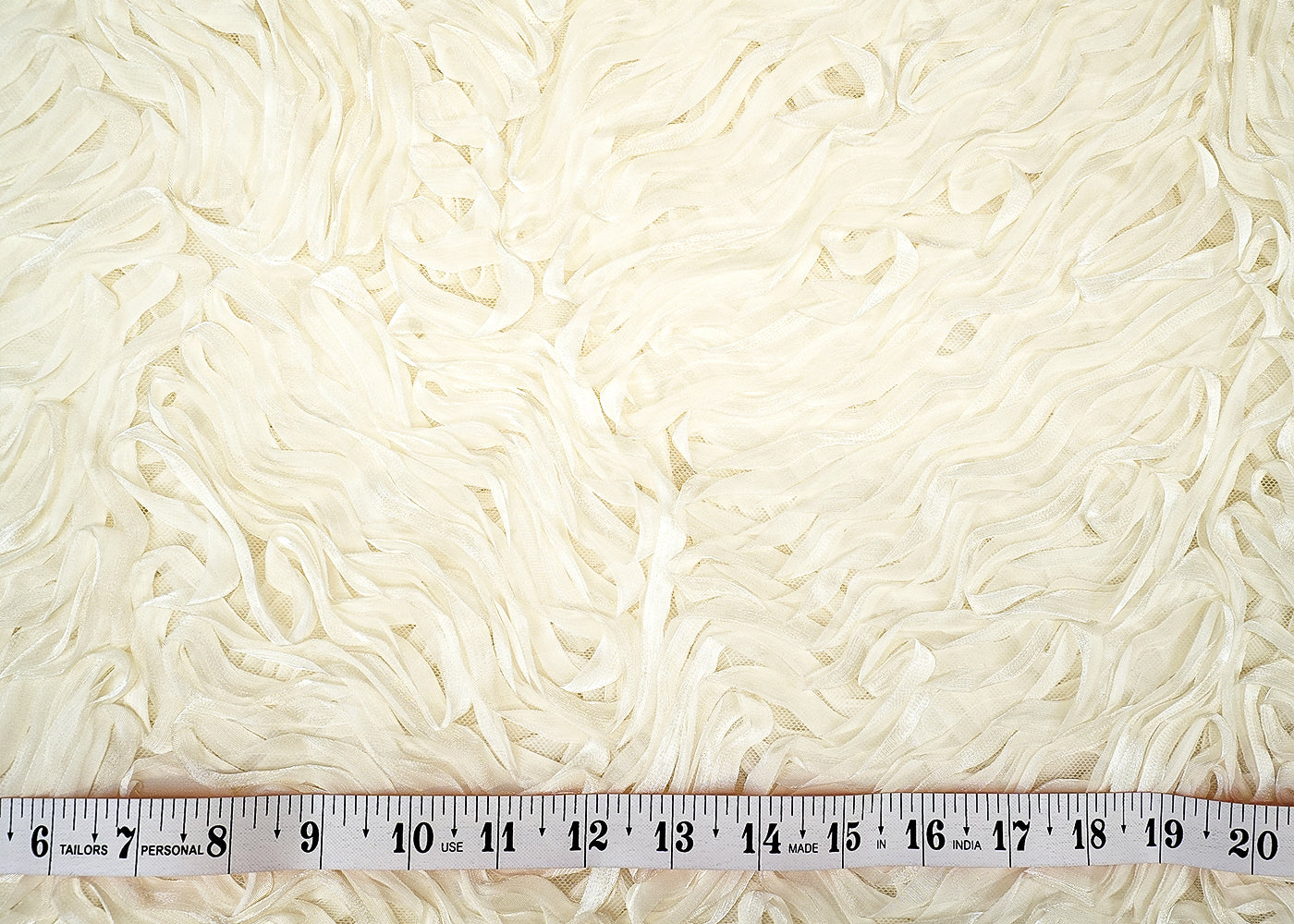

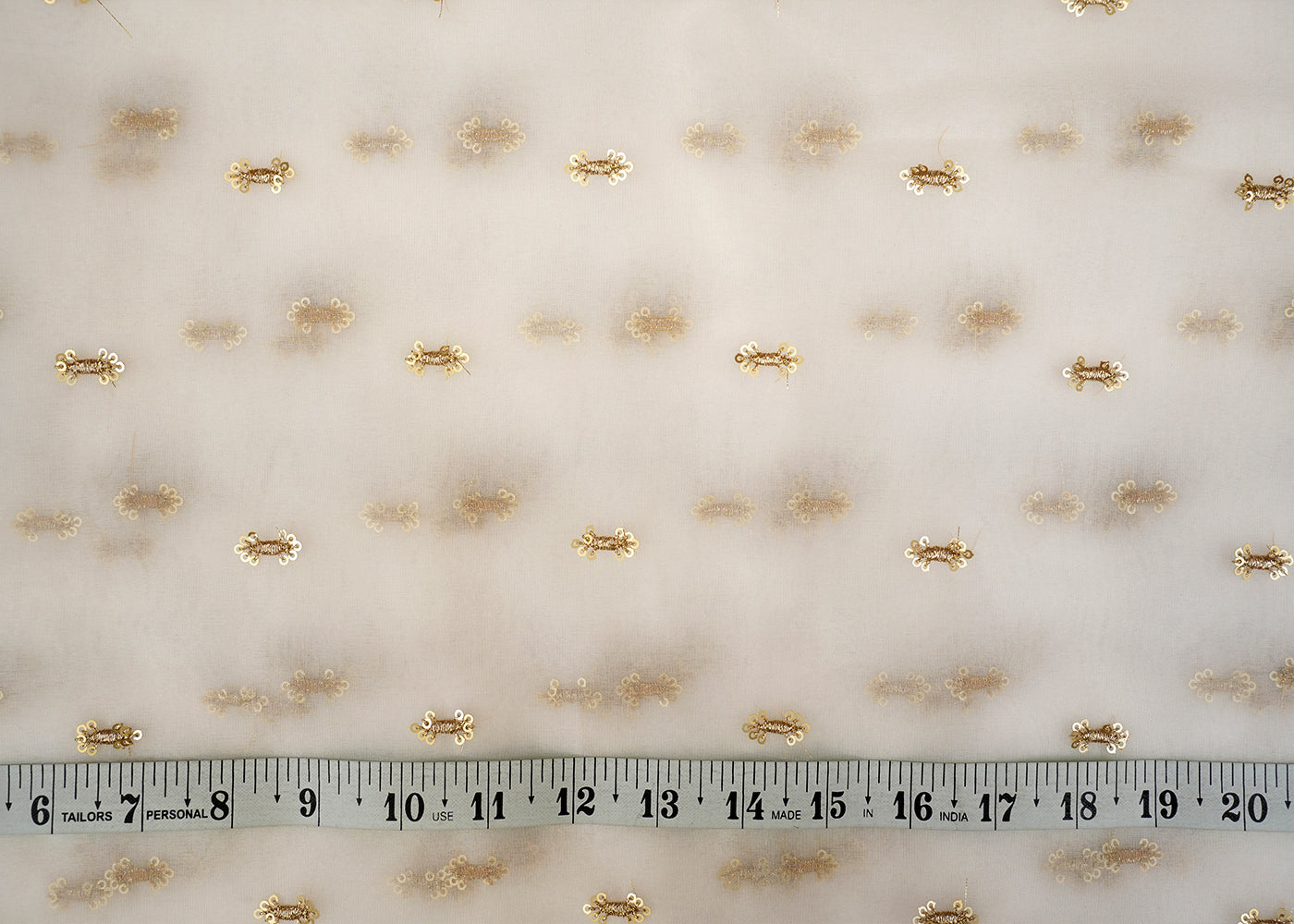
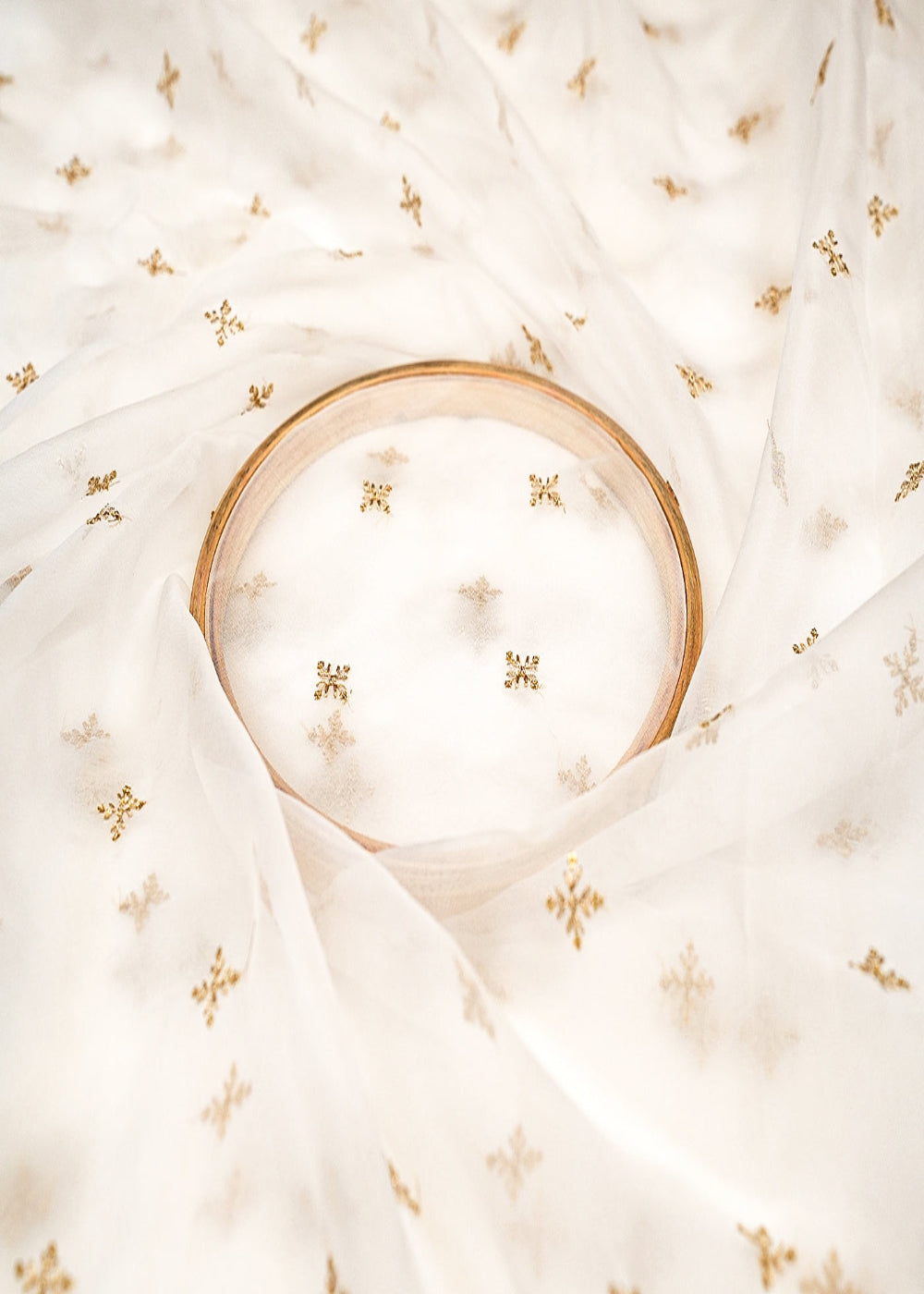

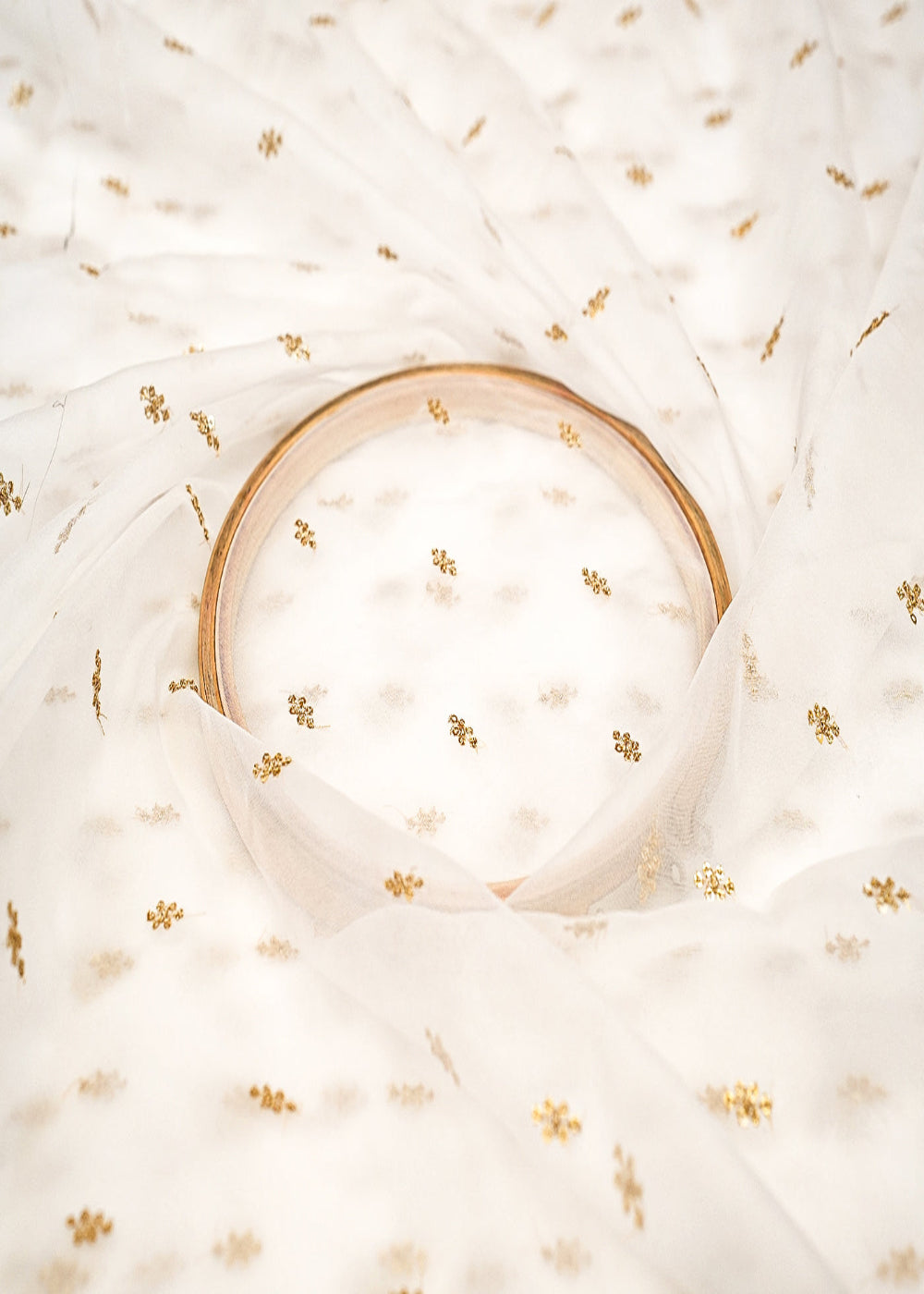

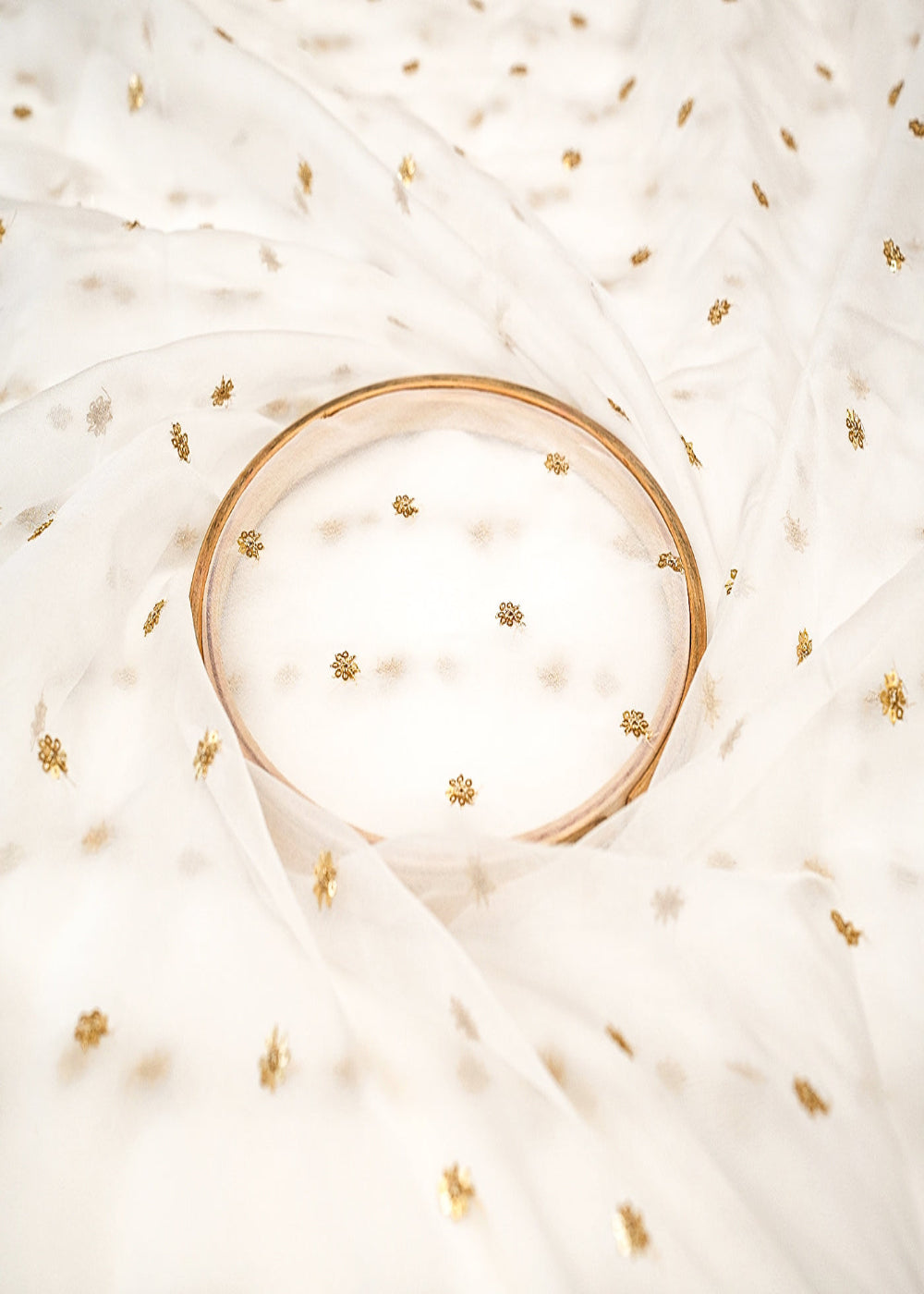
How Embroidered Fabric Online Became the Bridal Standard
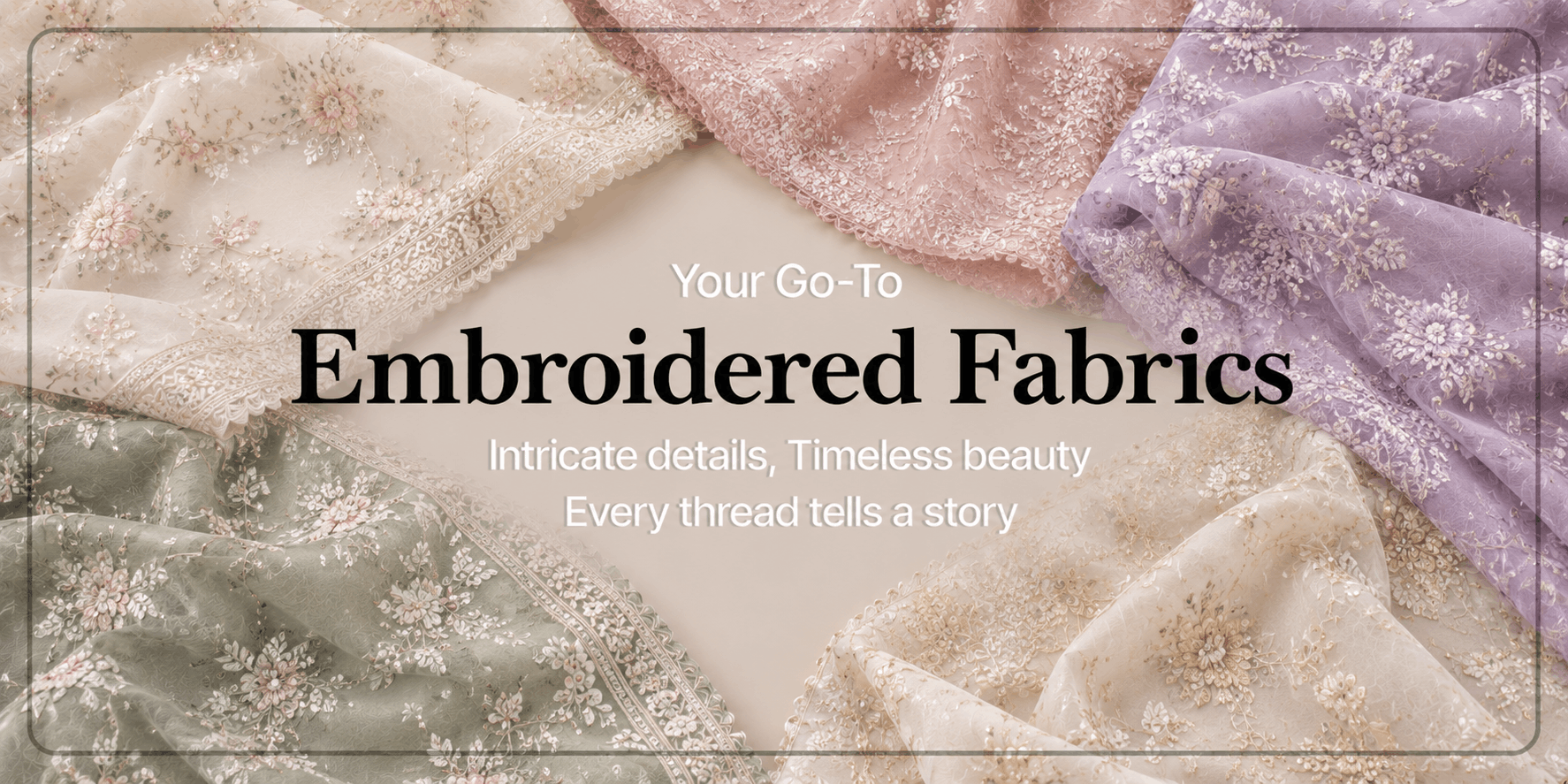
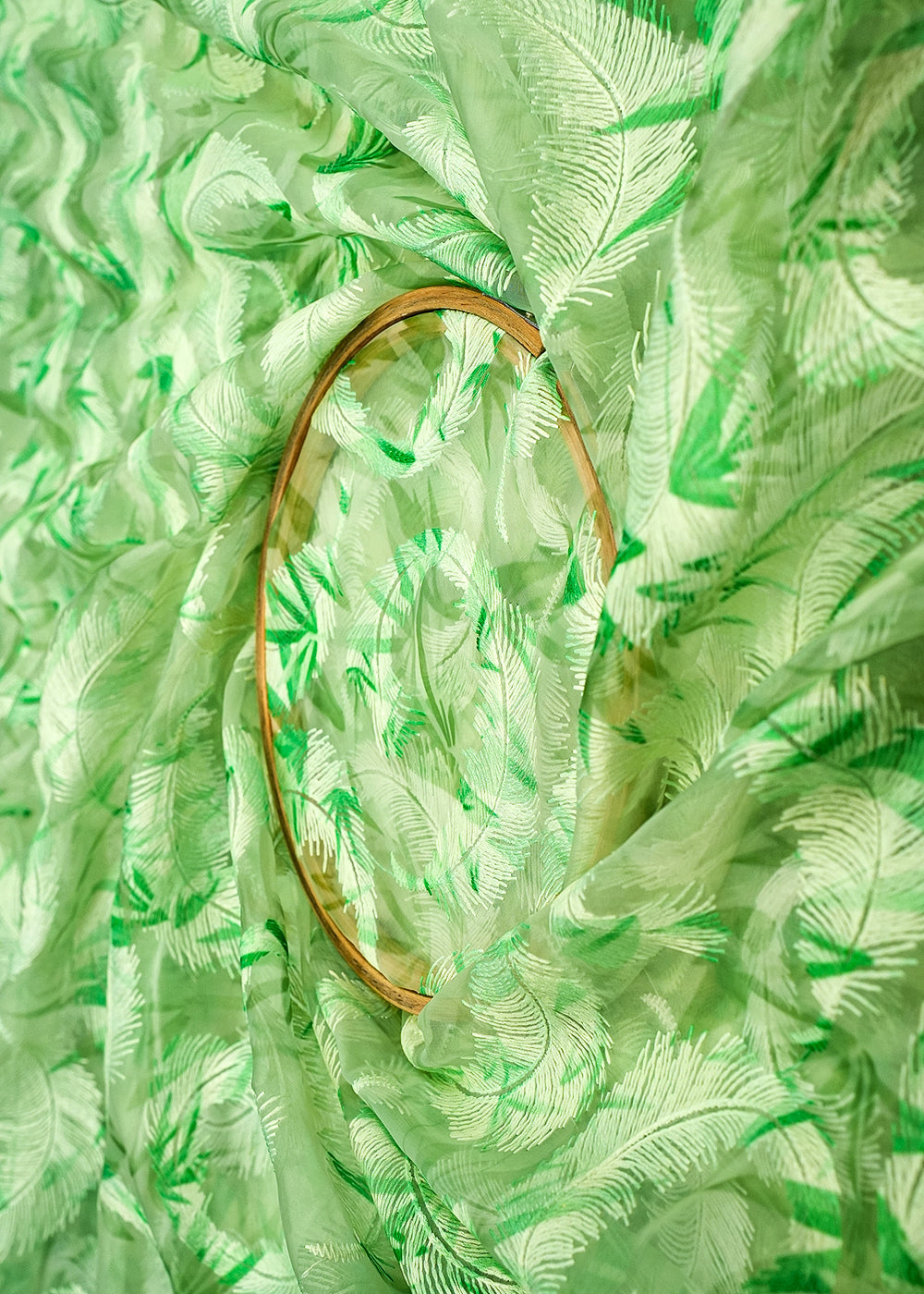
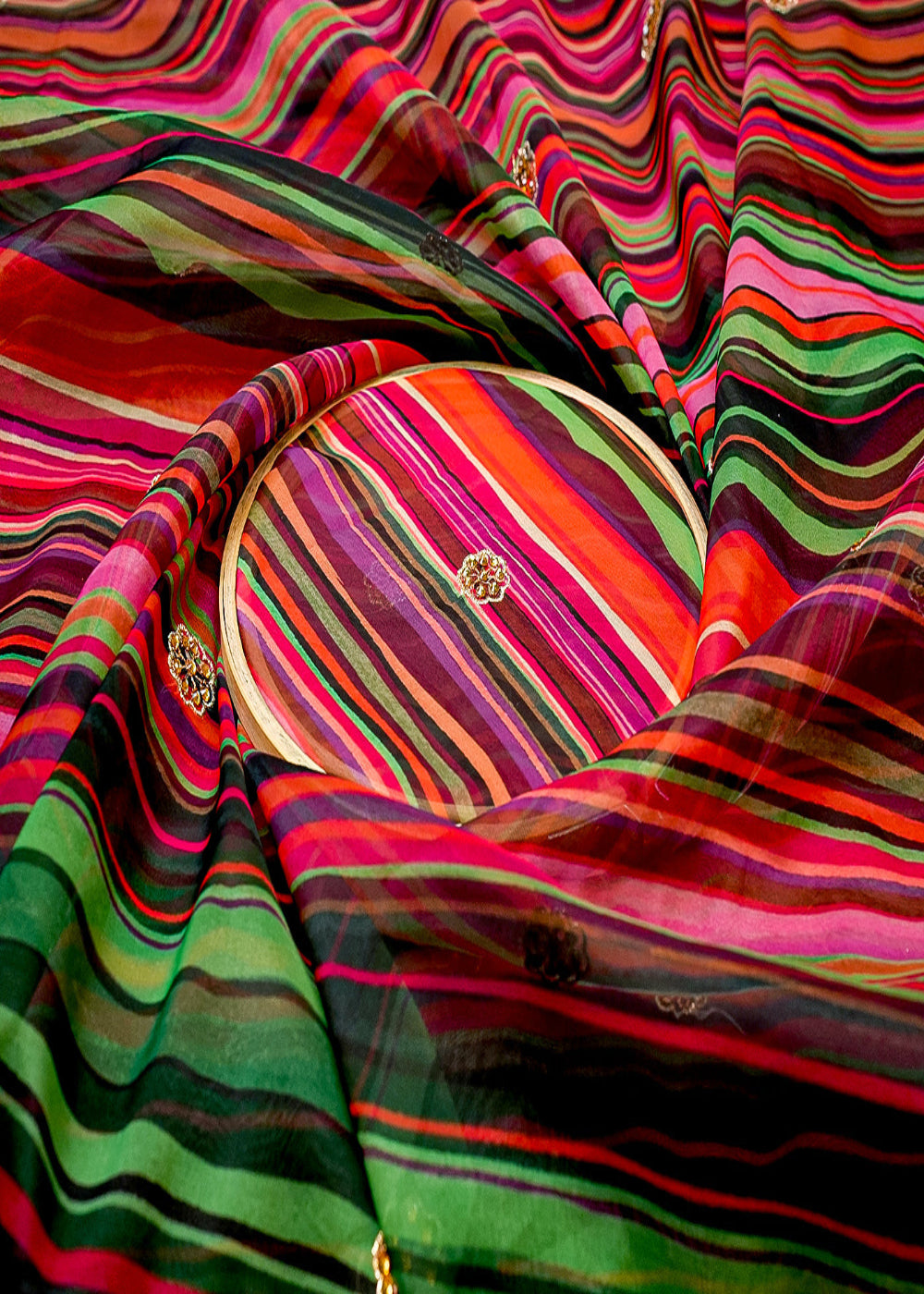
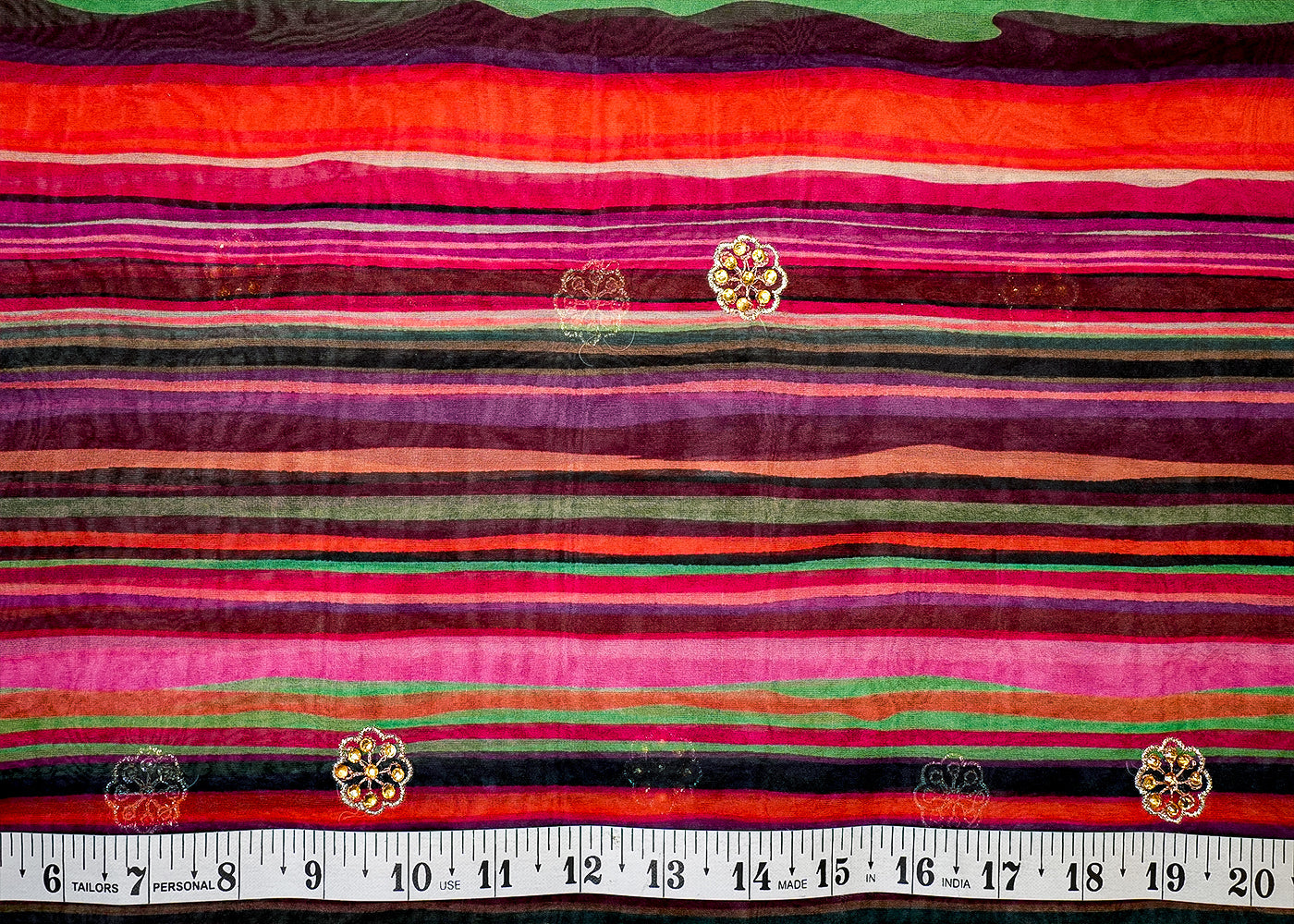
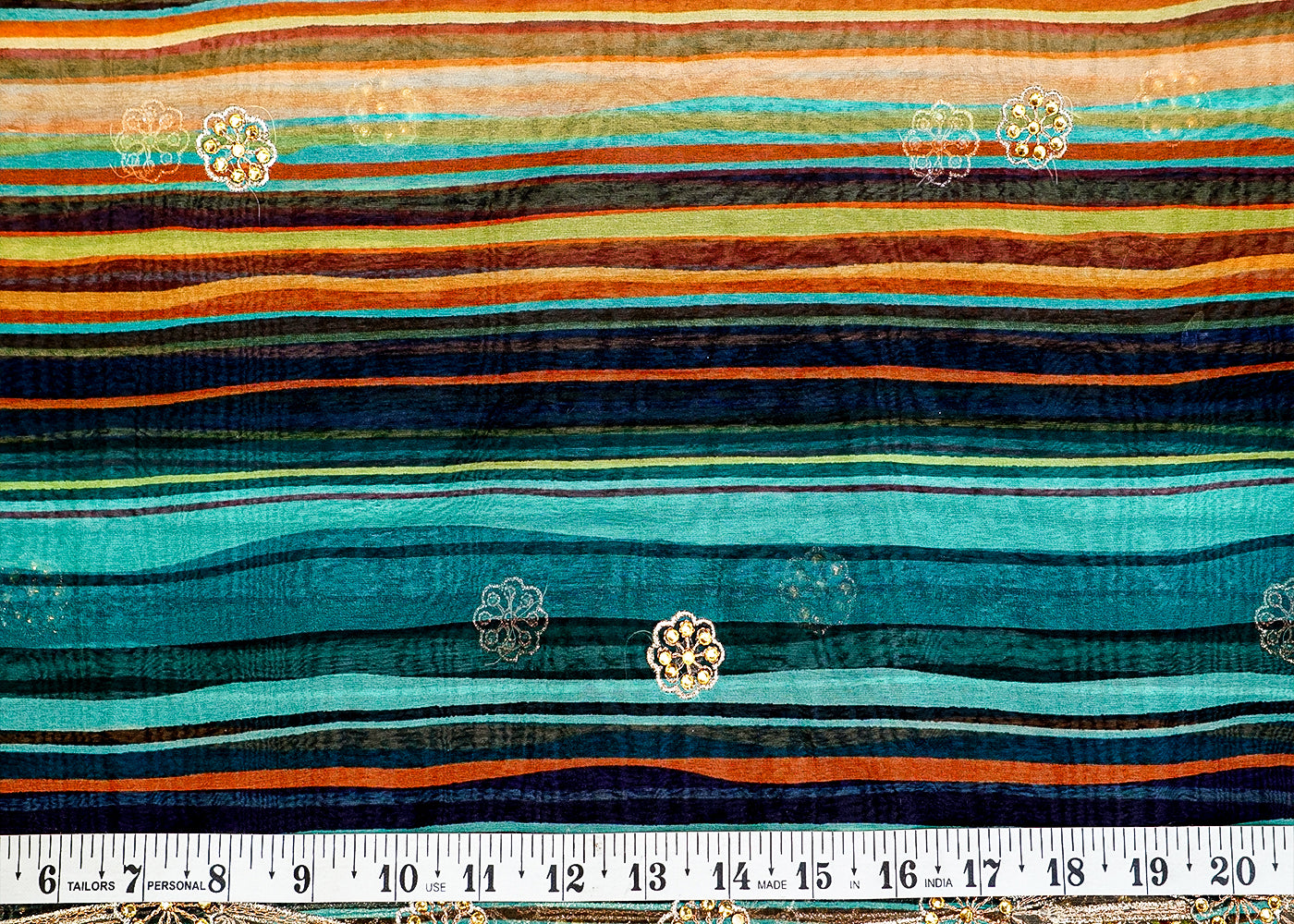
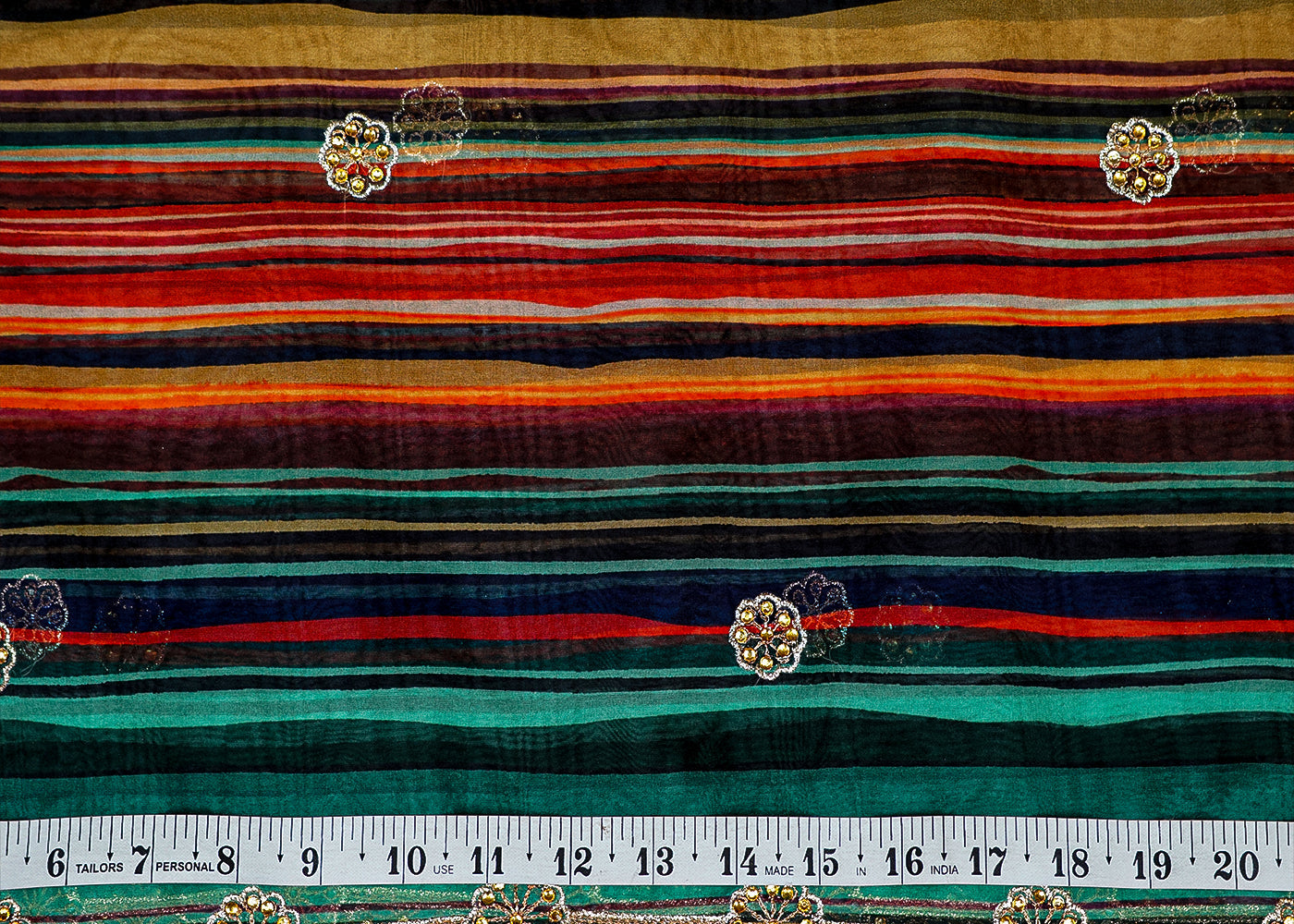
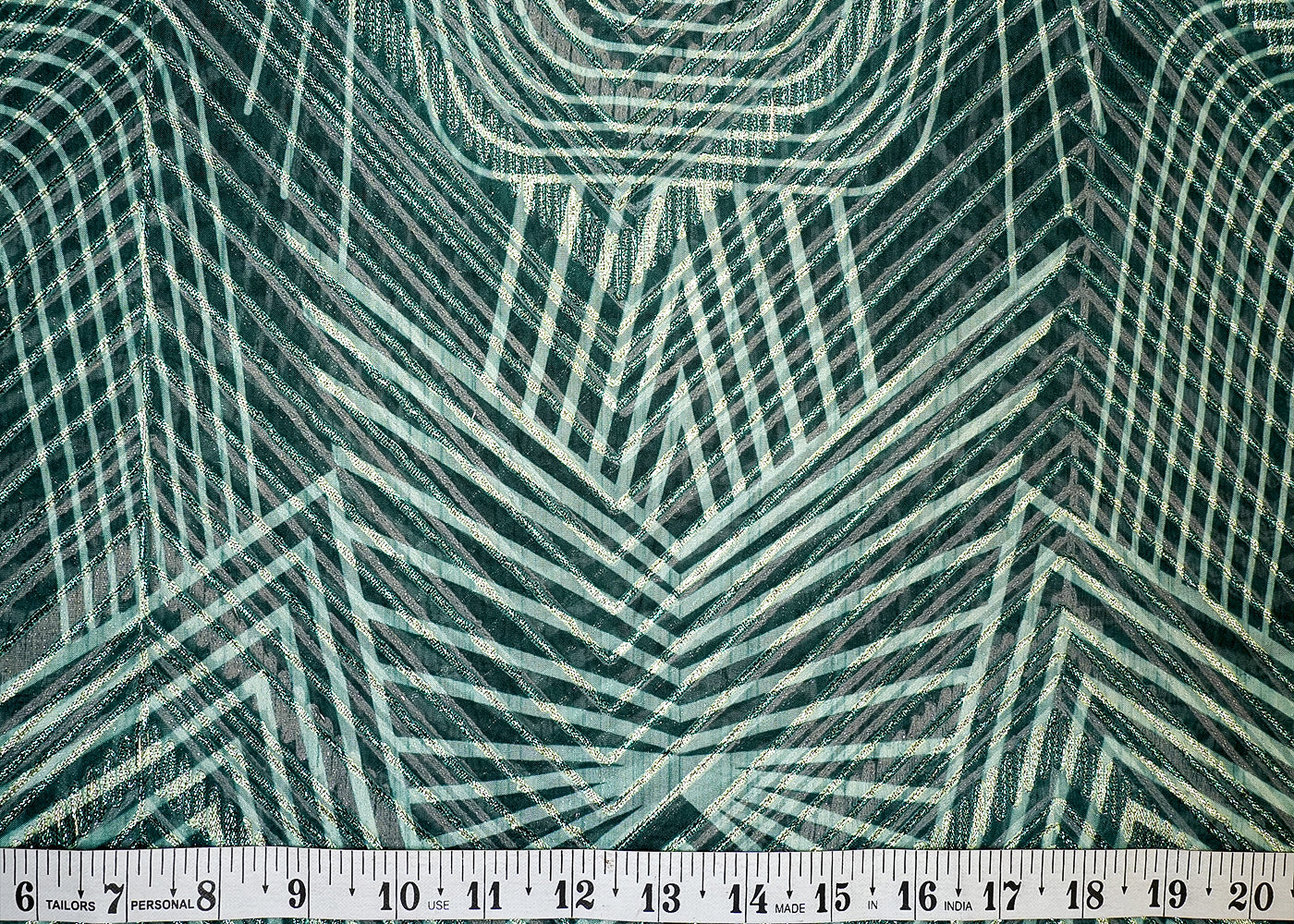
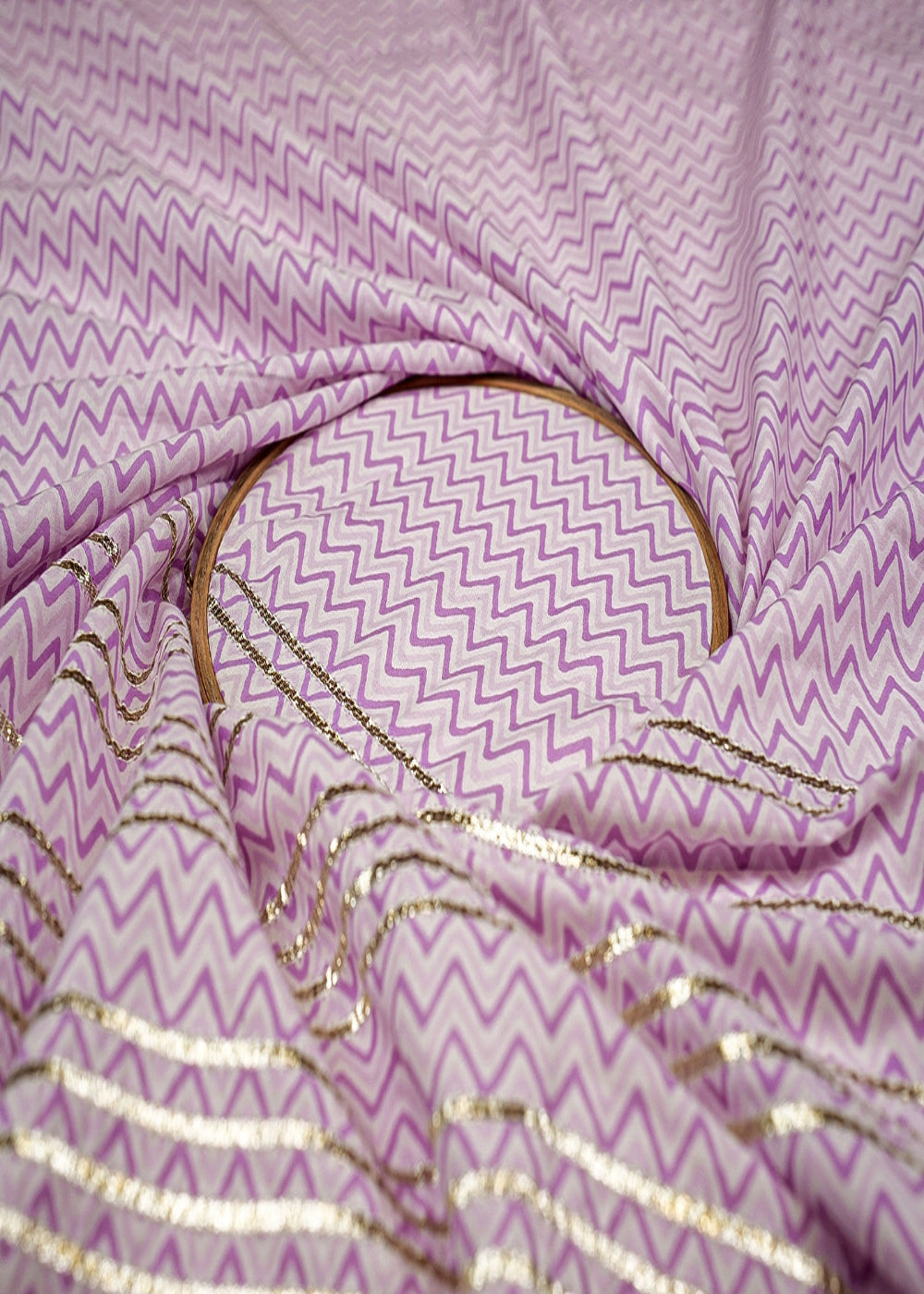
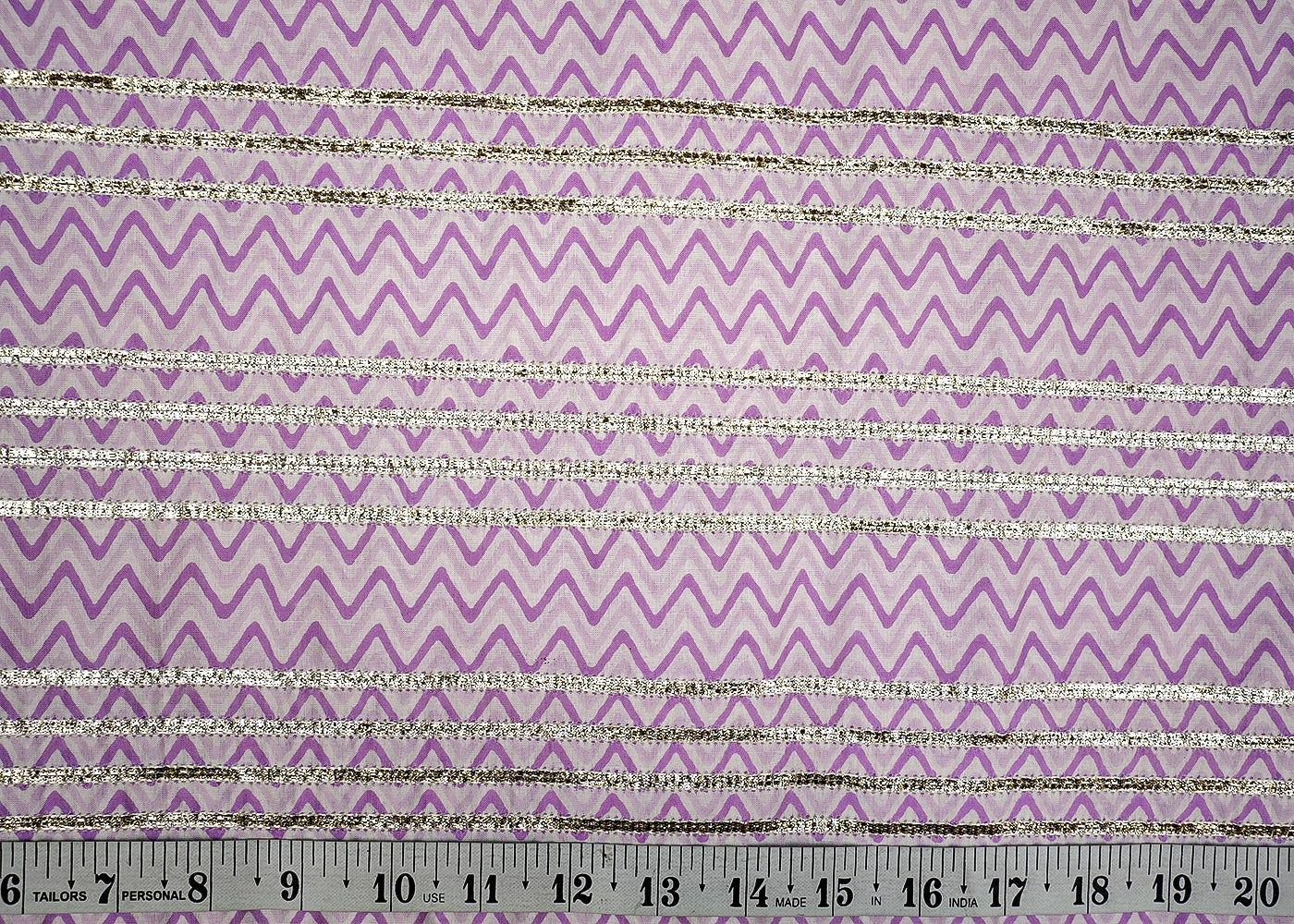
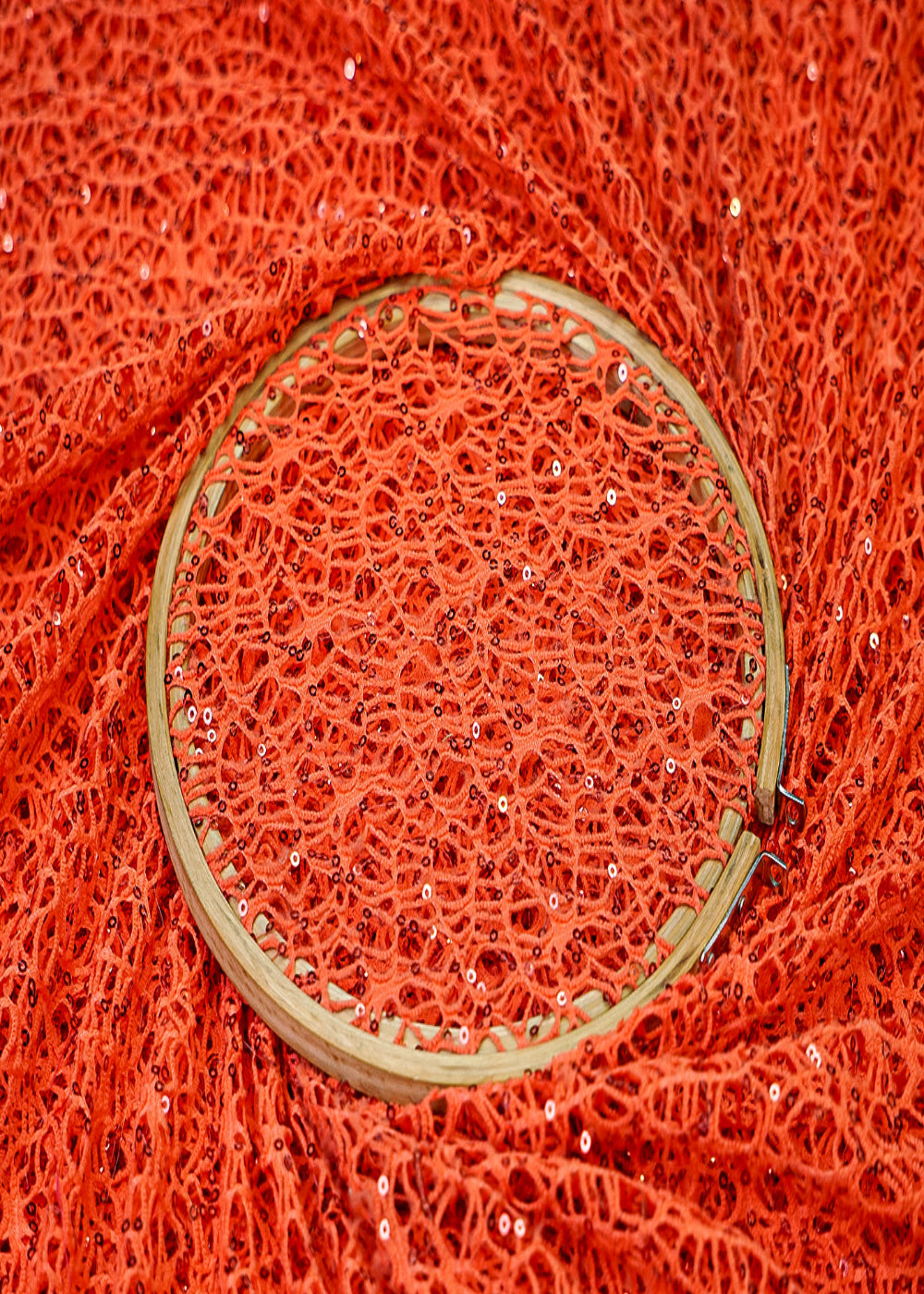
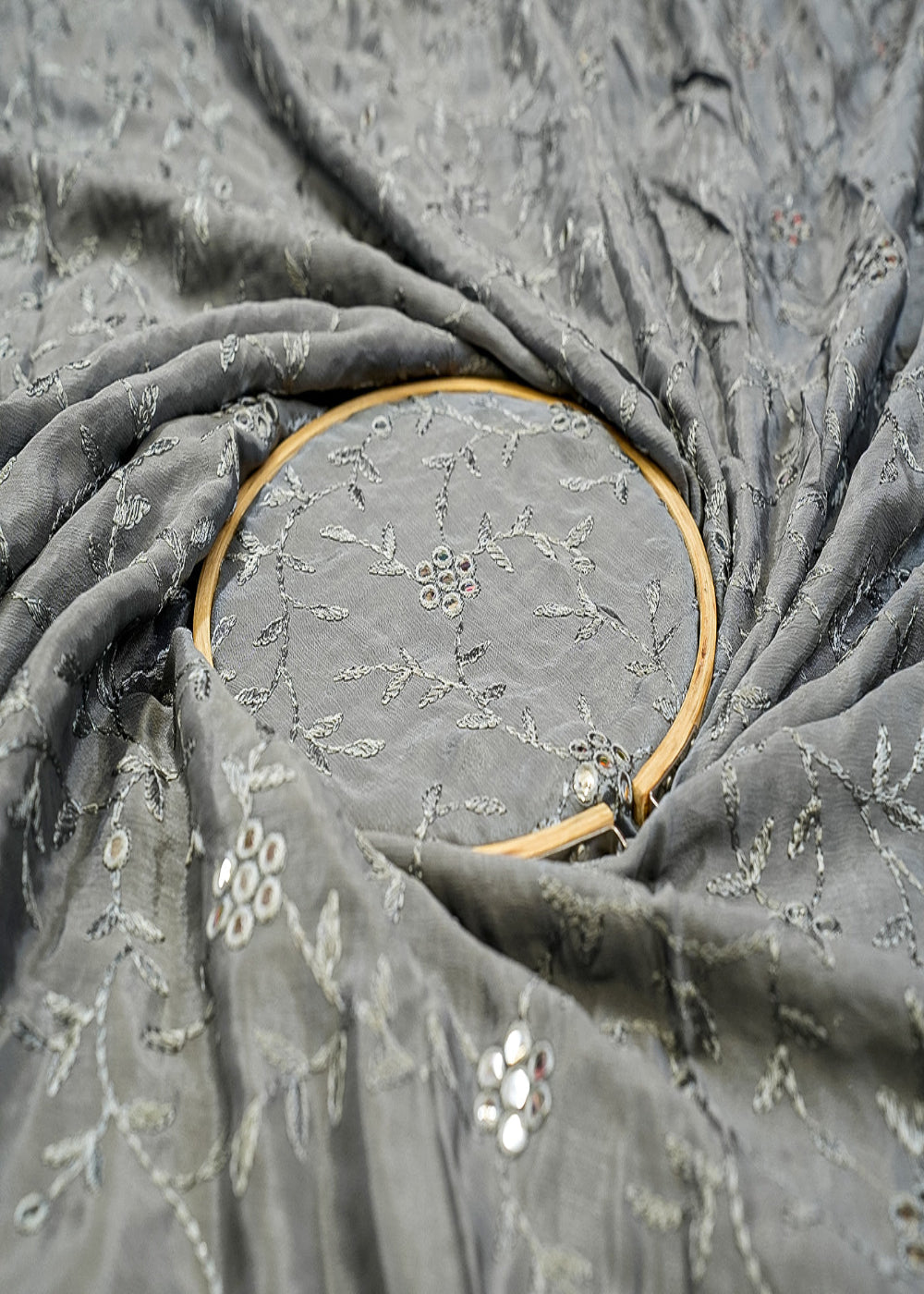
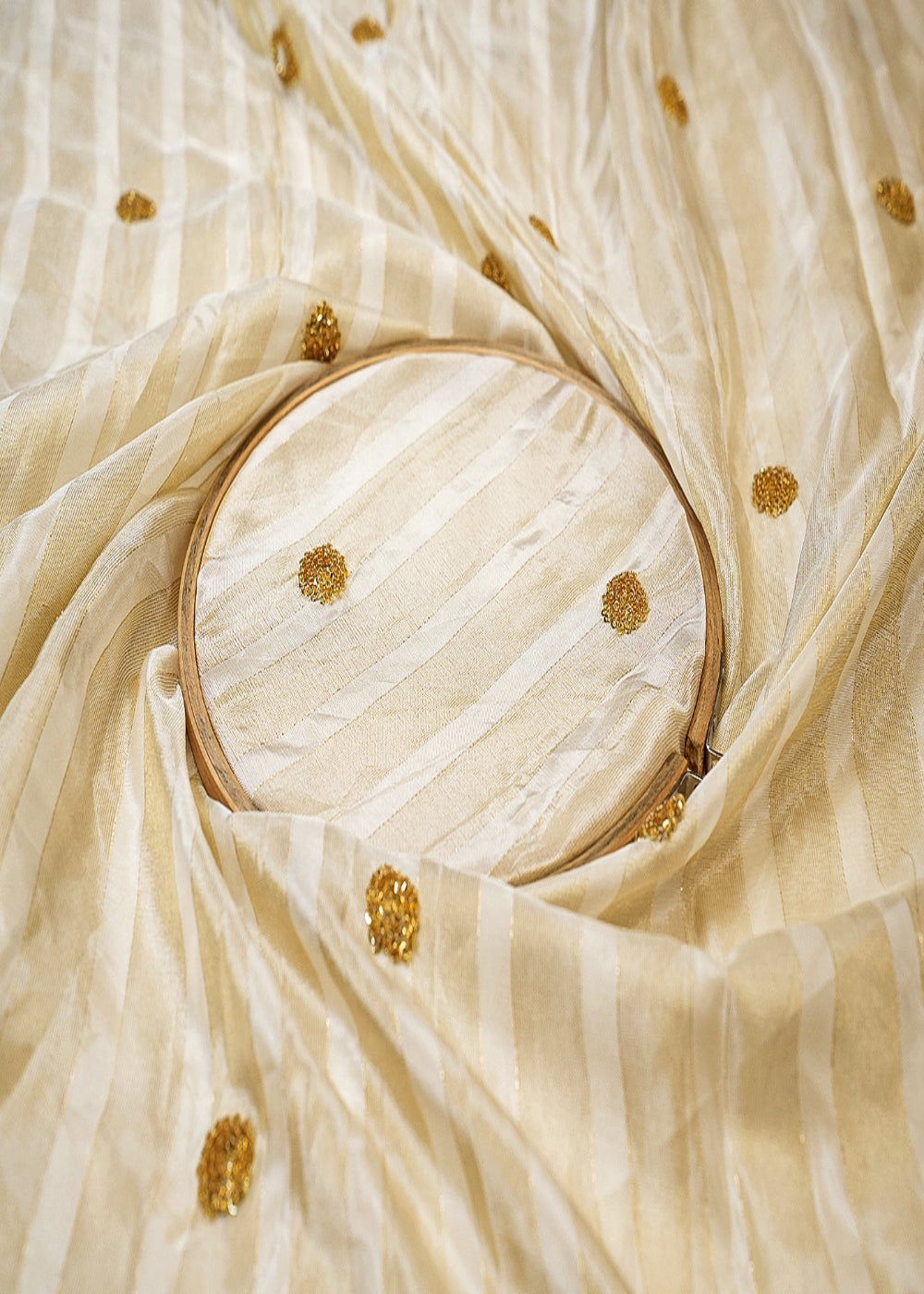
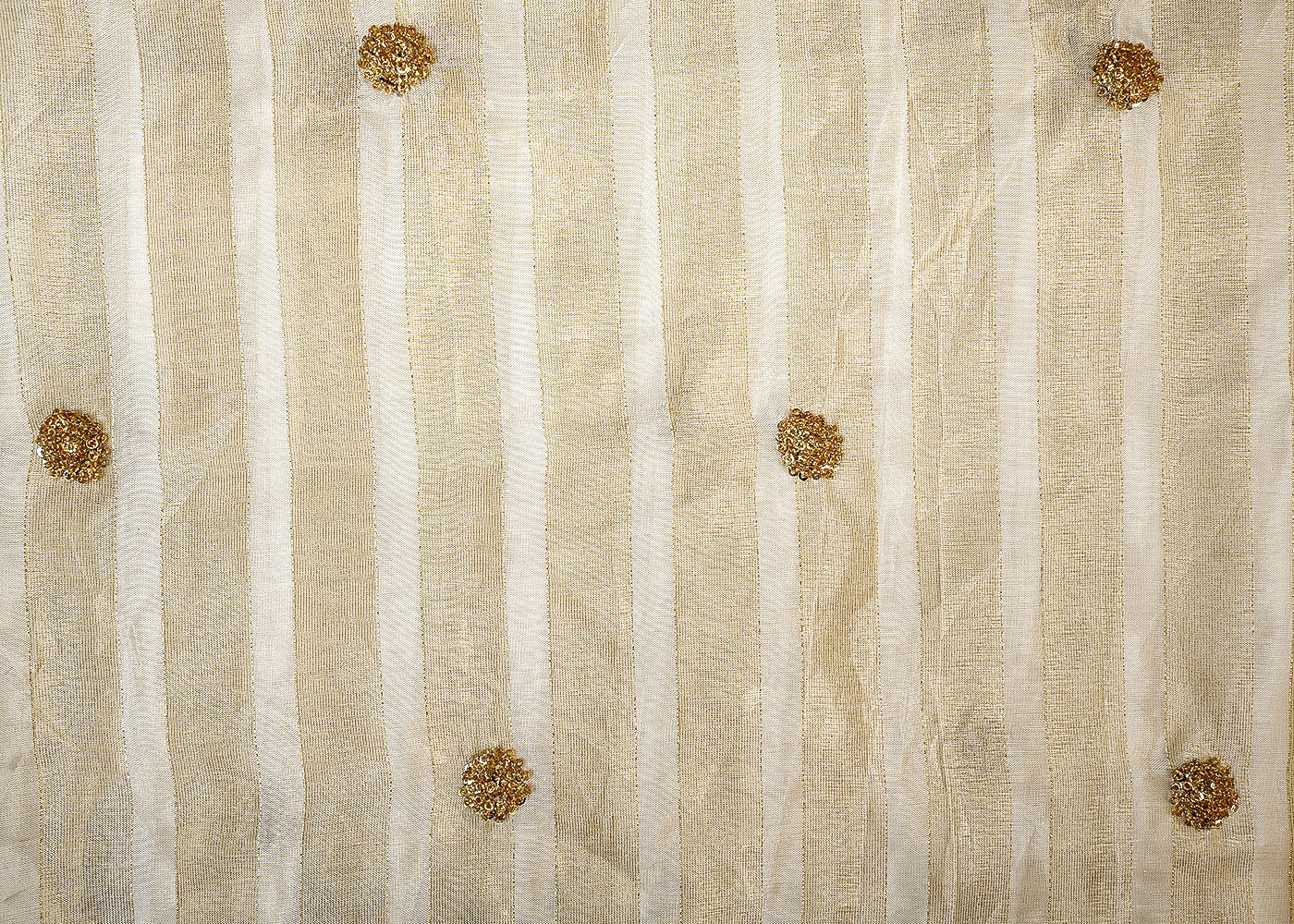
Embroidered fabric online buying covers the full category of textiles with applied thread, zari, sequins, or bead work embroidered onto the base fabric surface, sold through e-commerce channels rather than physical wholesale markets. The Paras Gallery embroidered fabric catalogue spans 2,400-plus variants across silk, georgette, chiffon, net, organza, plus velvet bases, delivered through machine-embroidery, hand-embroidery, plus computerised production techniques. Delhi NCR bridal boutique market drives online buying volume heavily because the embroidered segment carries higher retail pricing (Rs 8,500 to 65,000 per garment) justifying sample-plus-bulk workflow decision cycles.
What Makes Embroidered Fabric Online Different
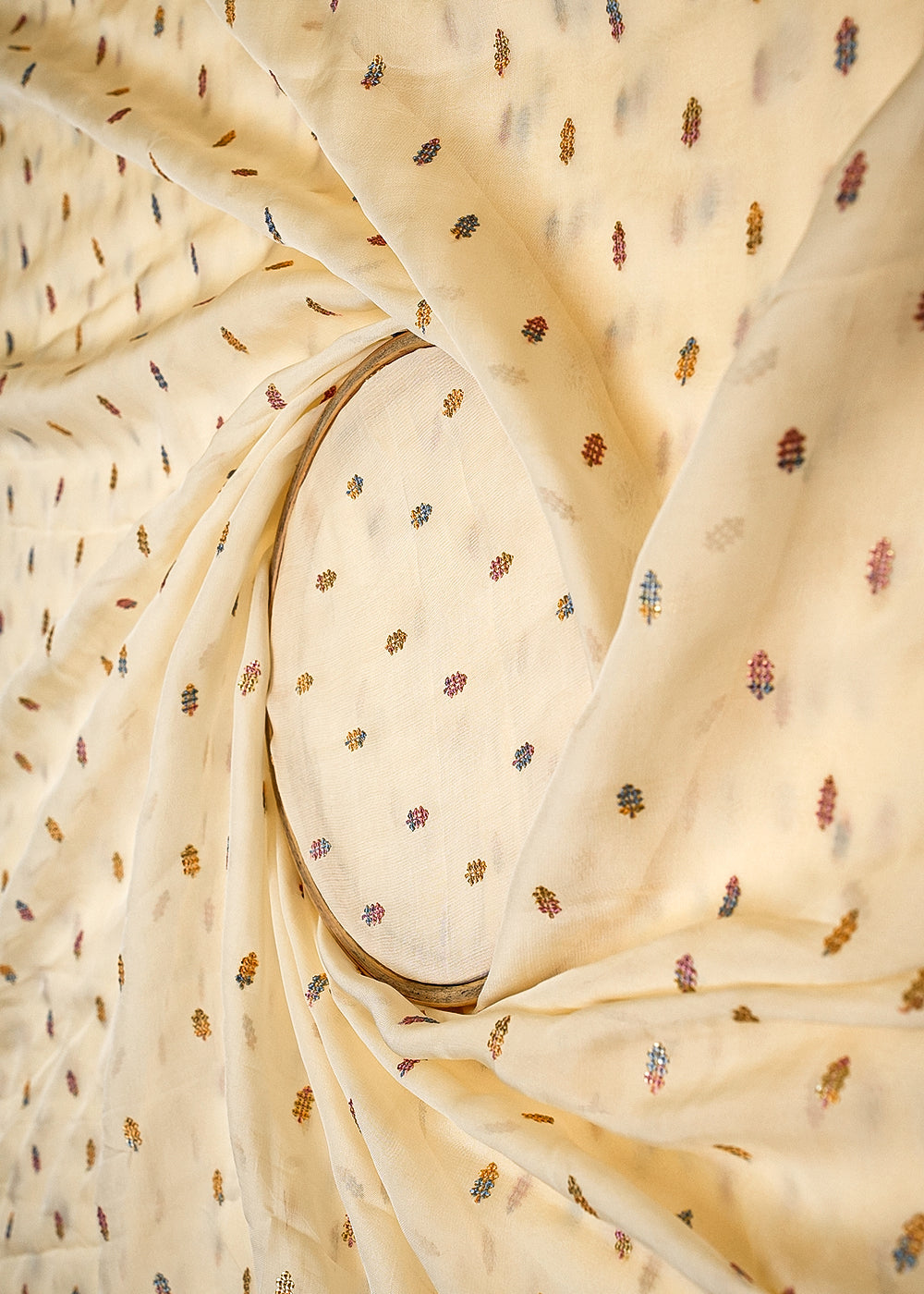
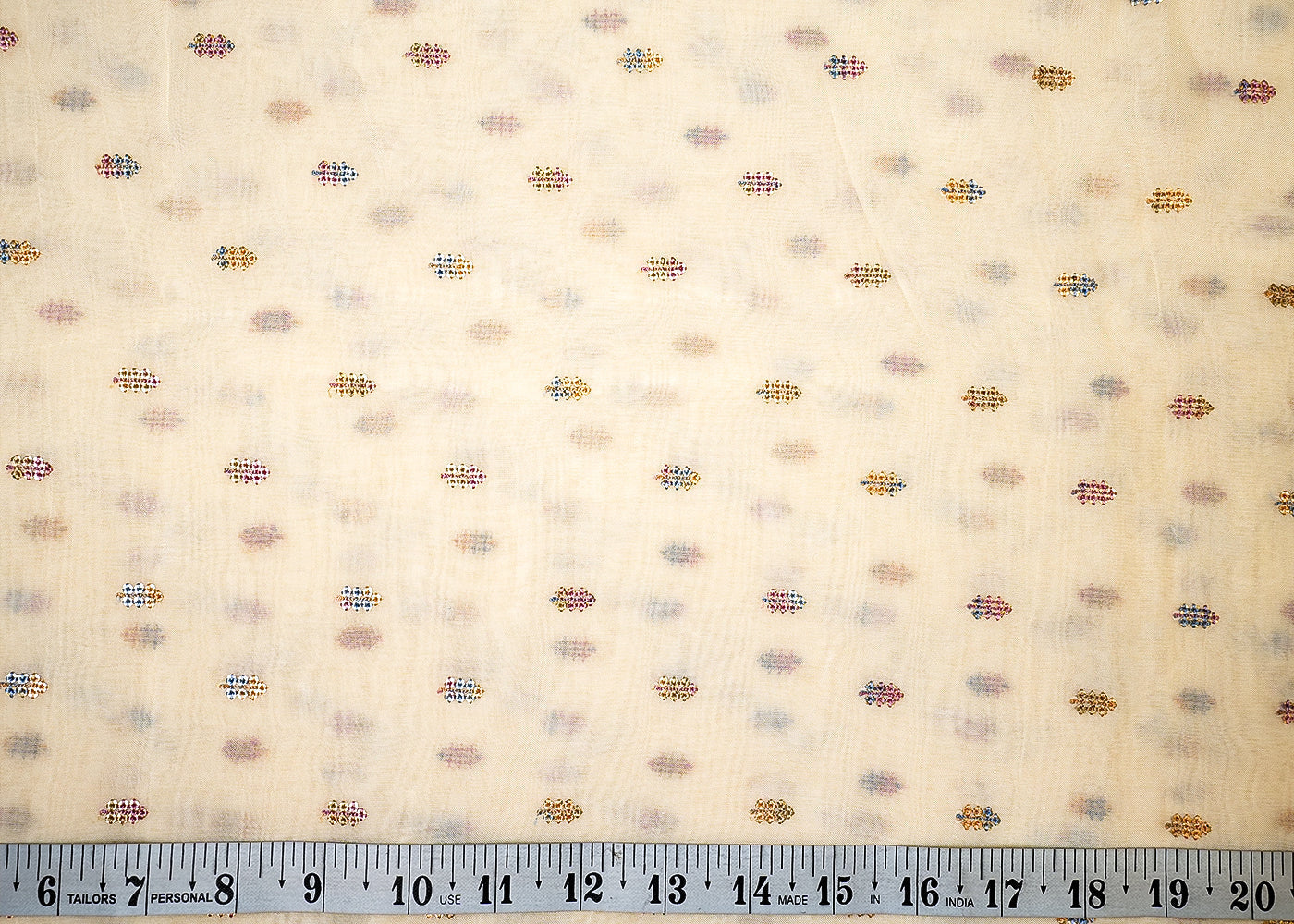
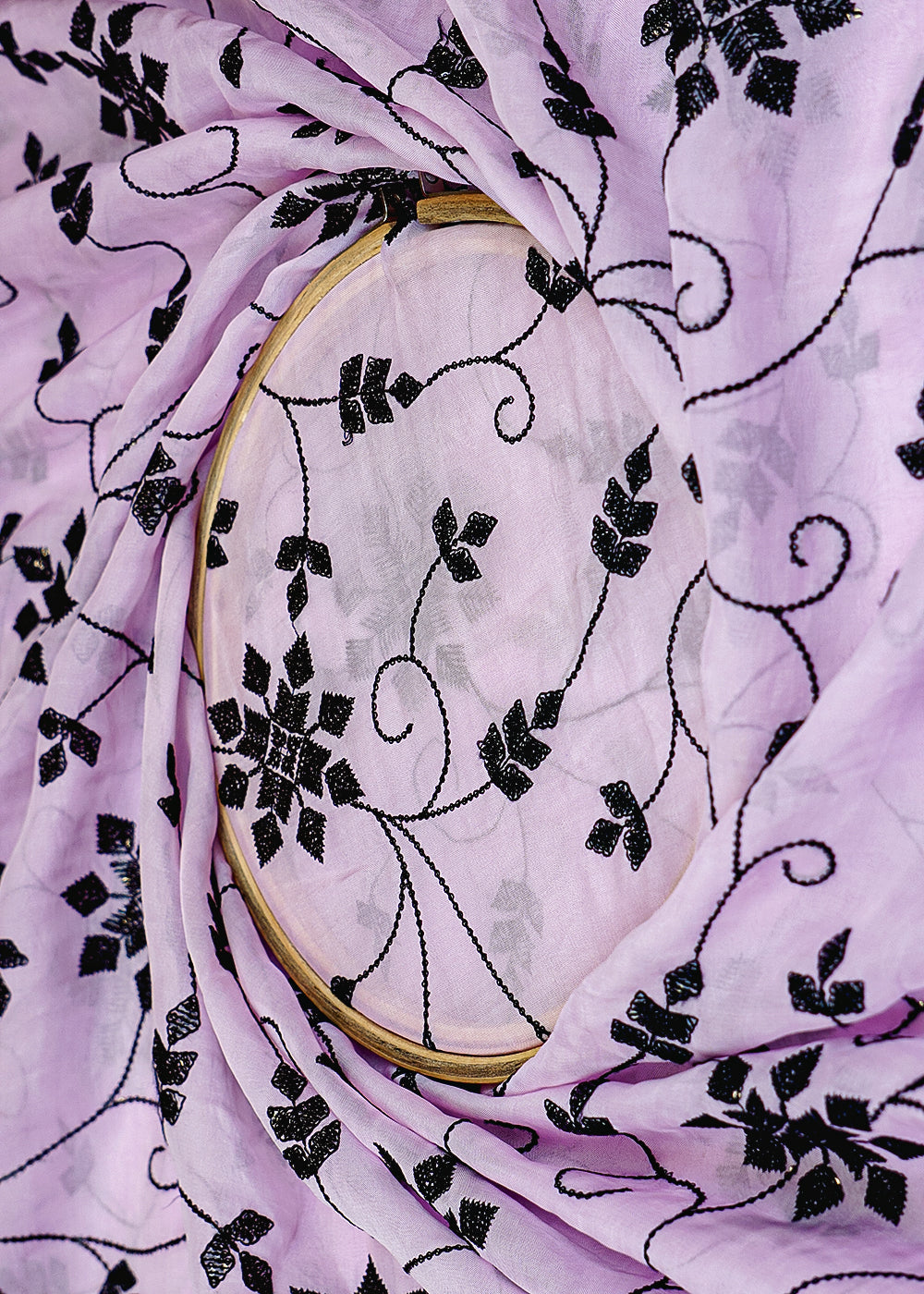
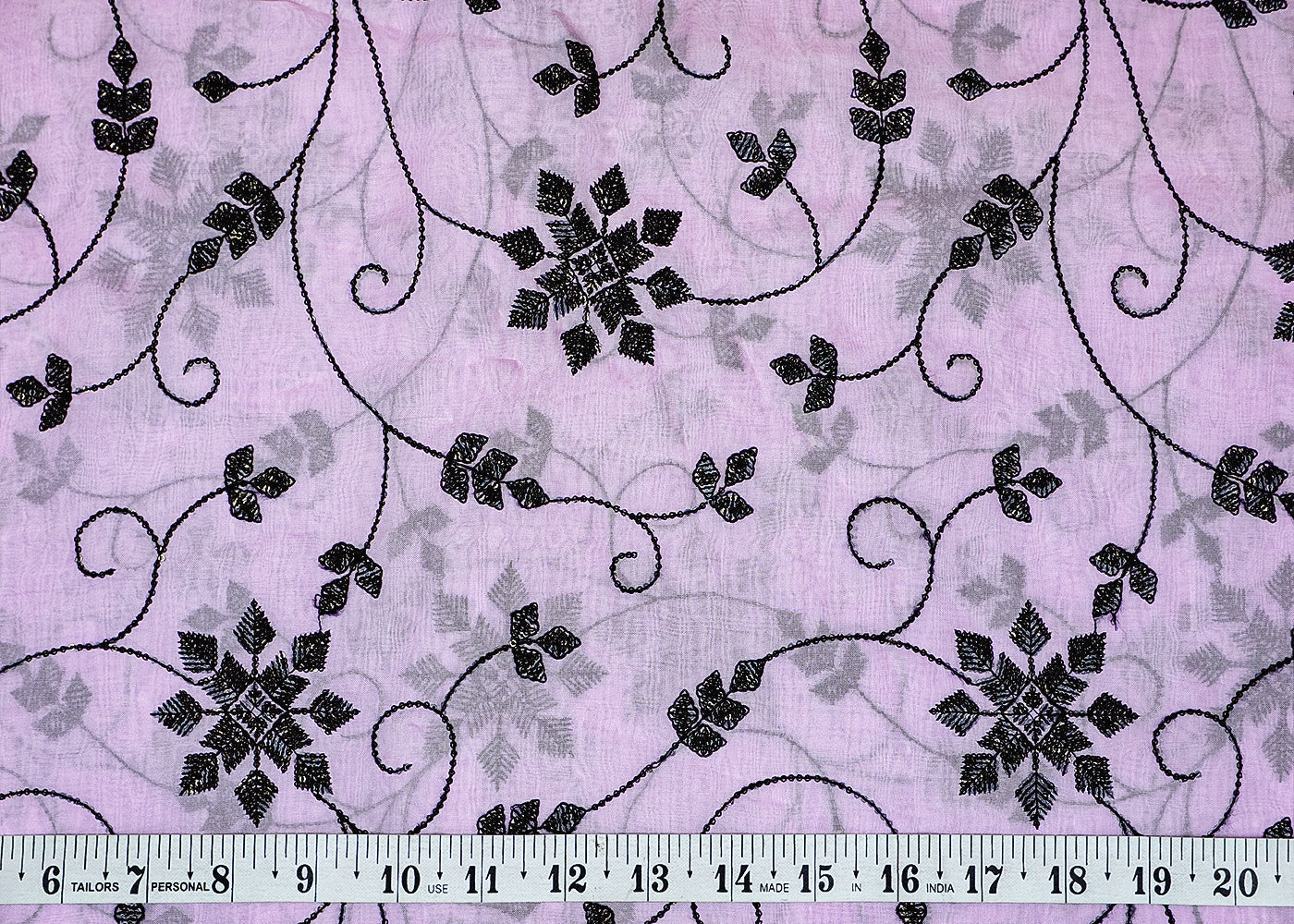
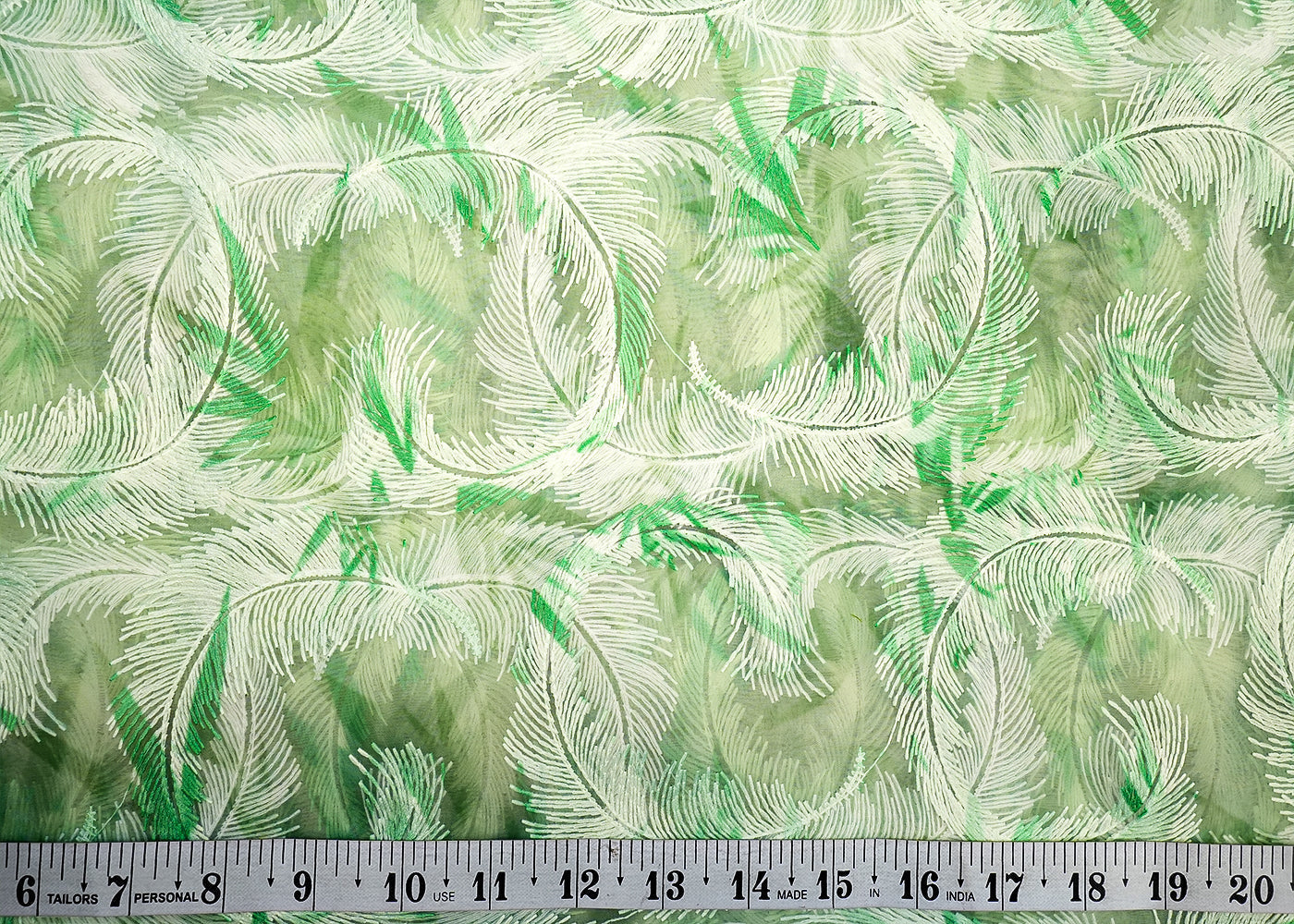
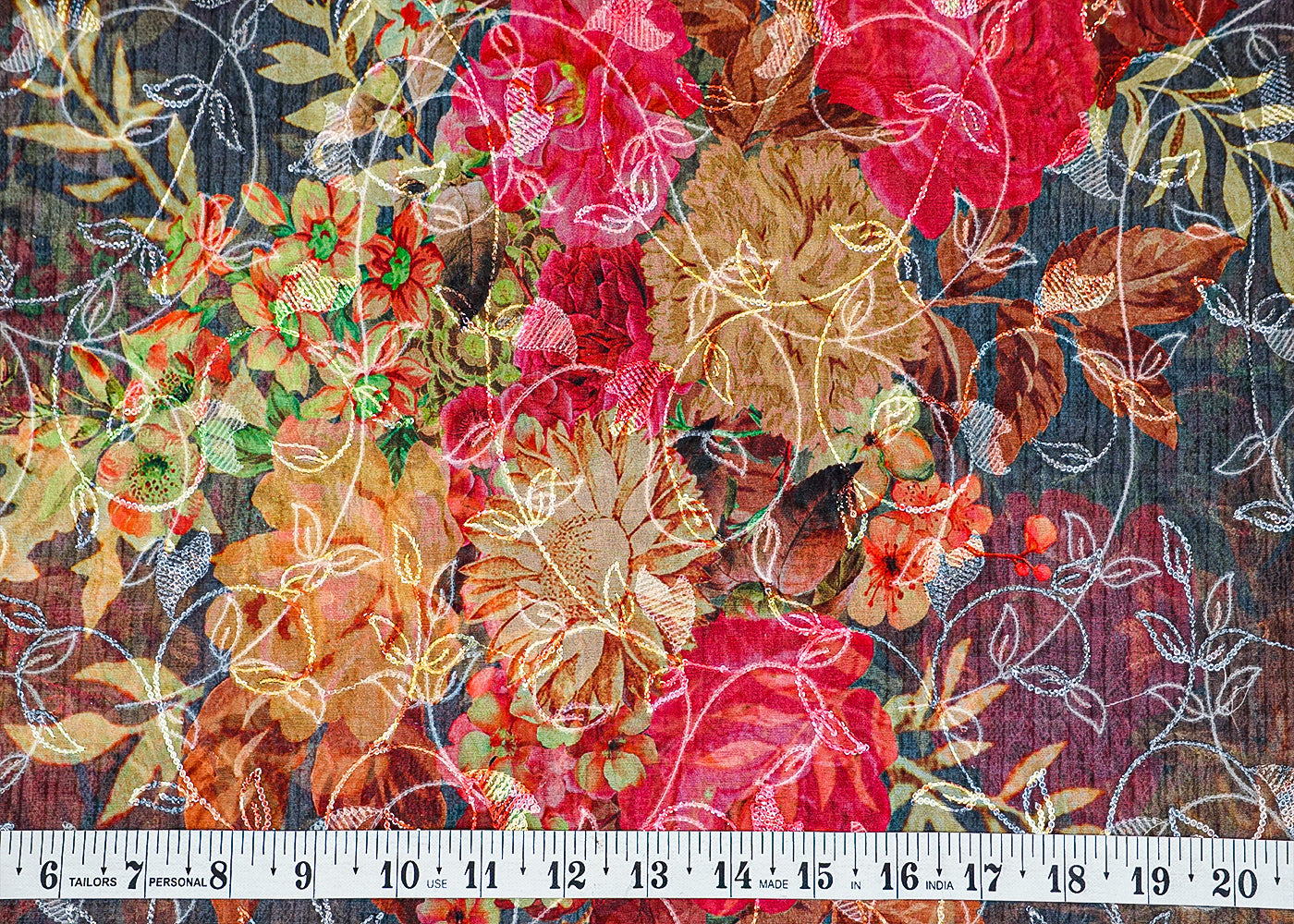
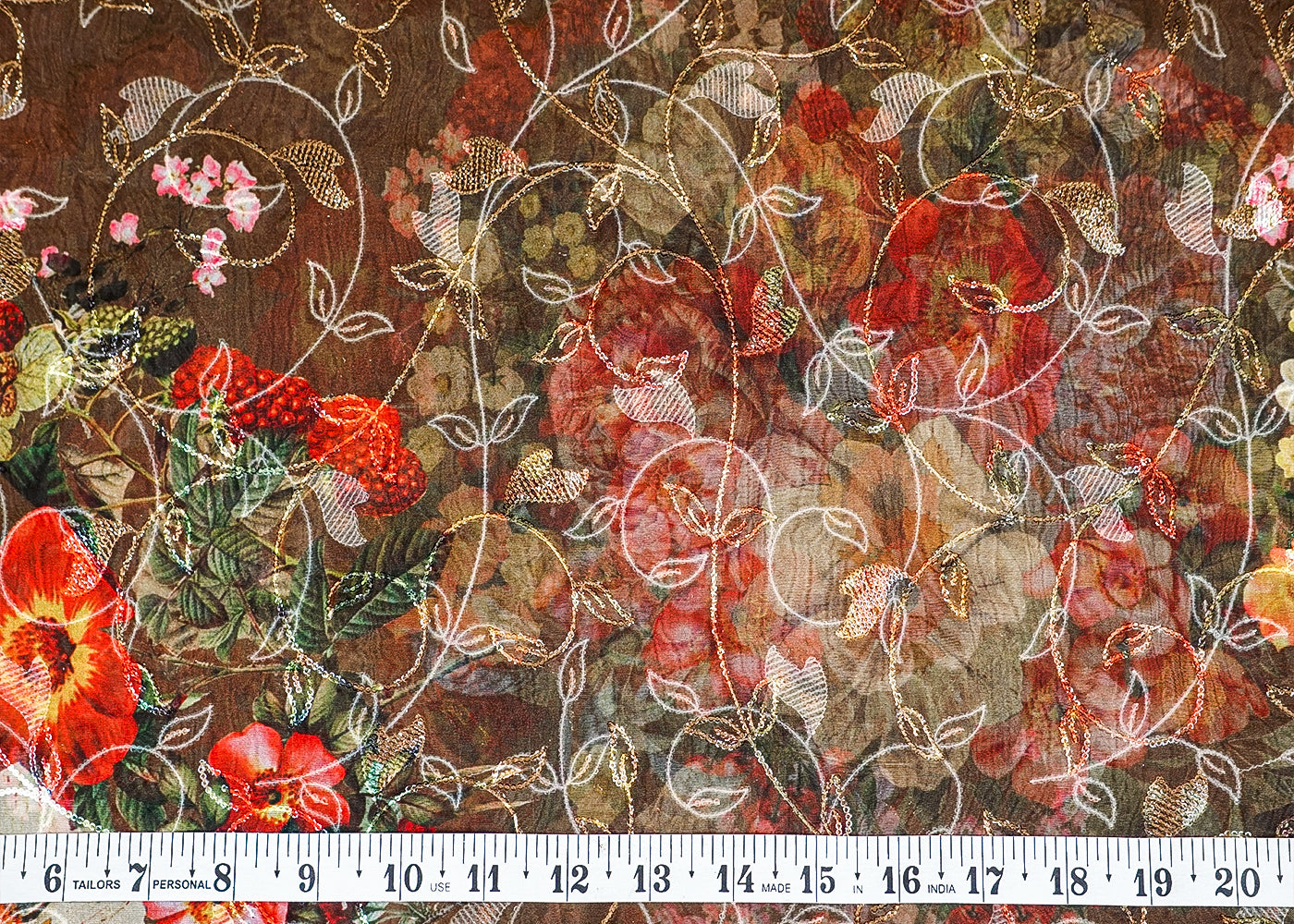
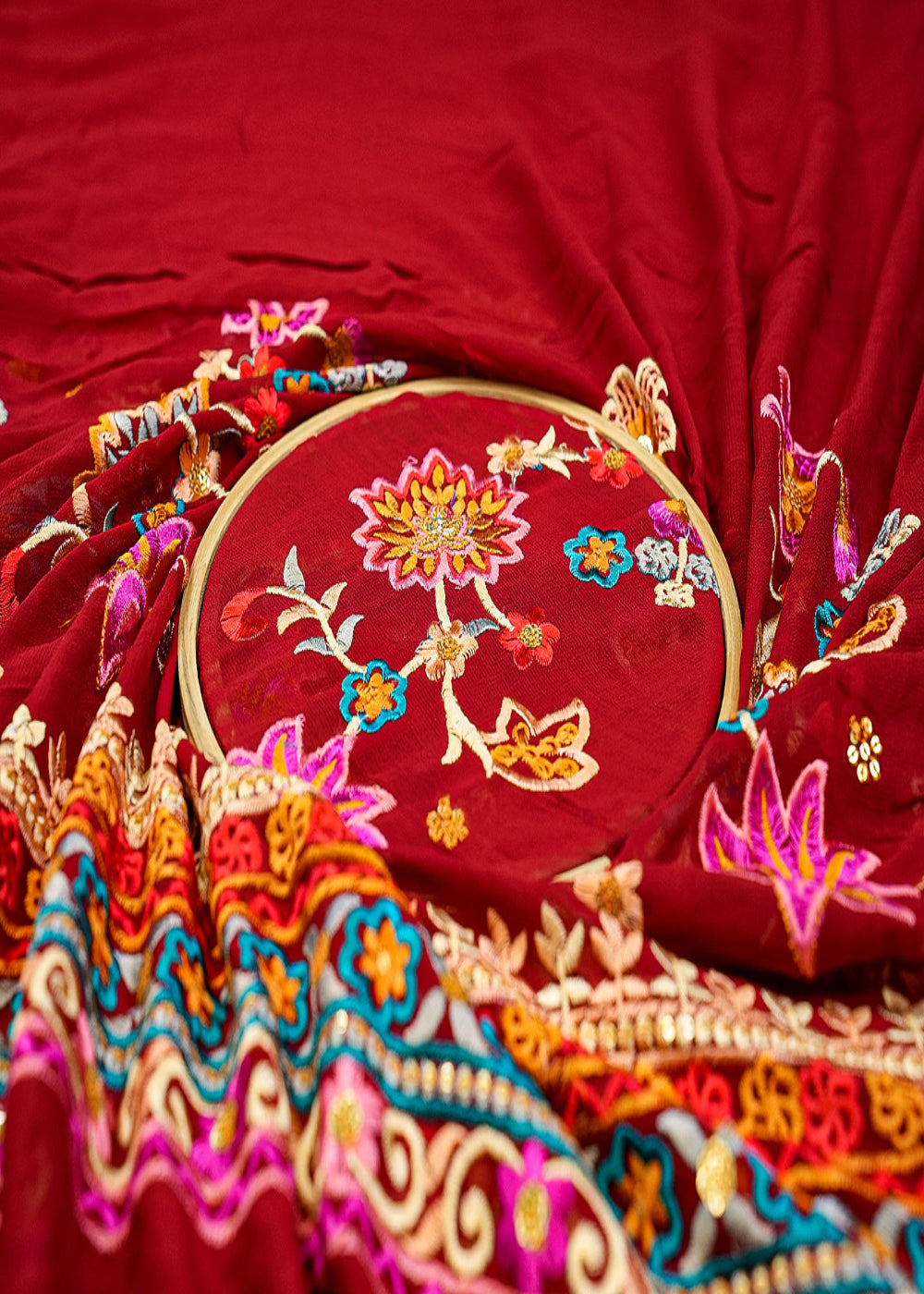
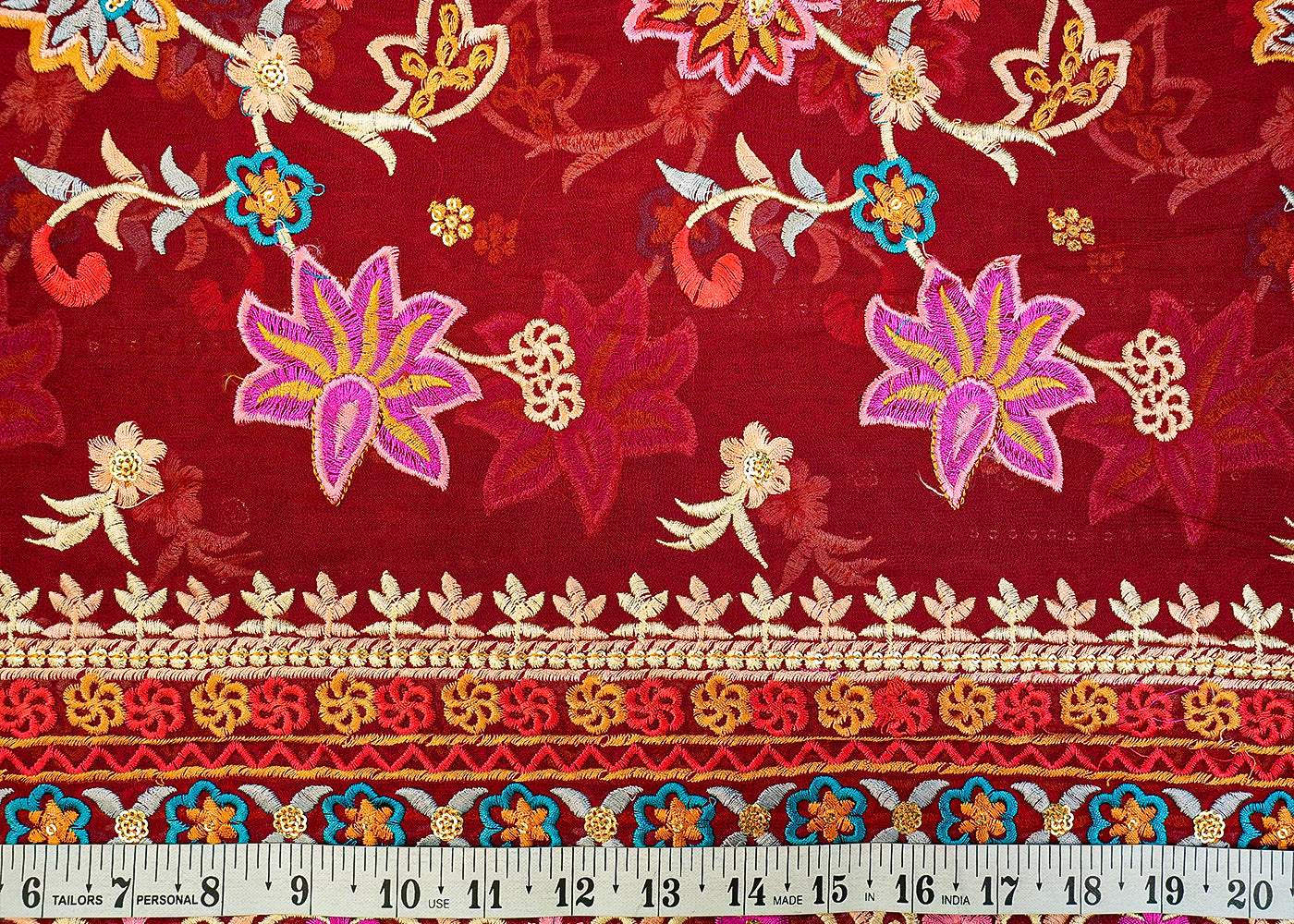
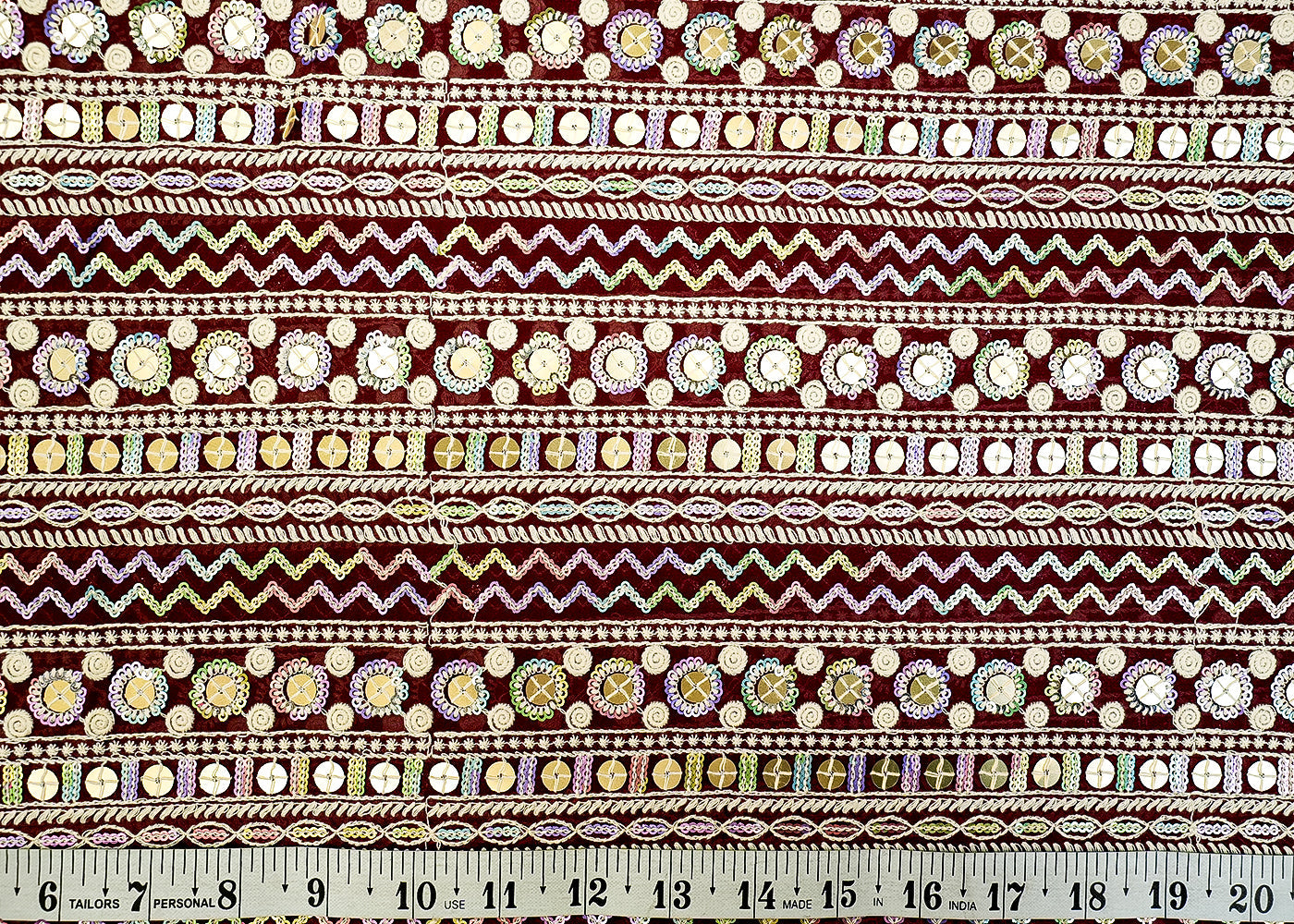
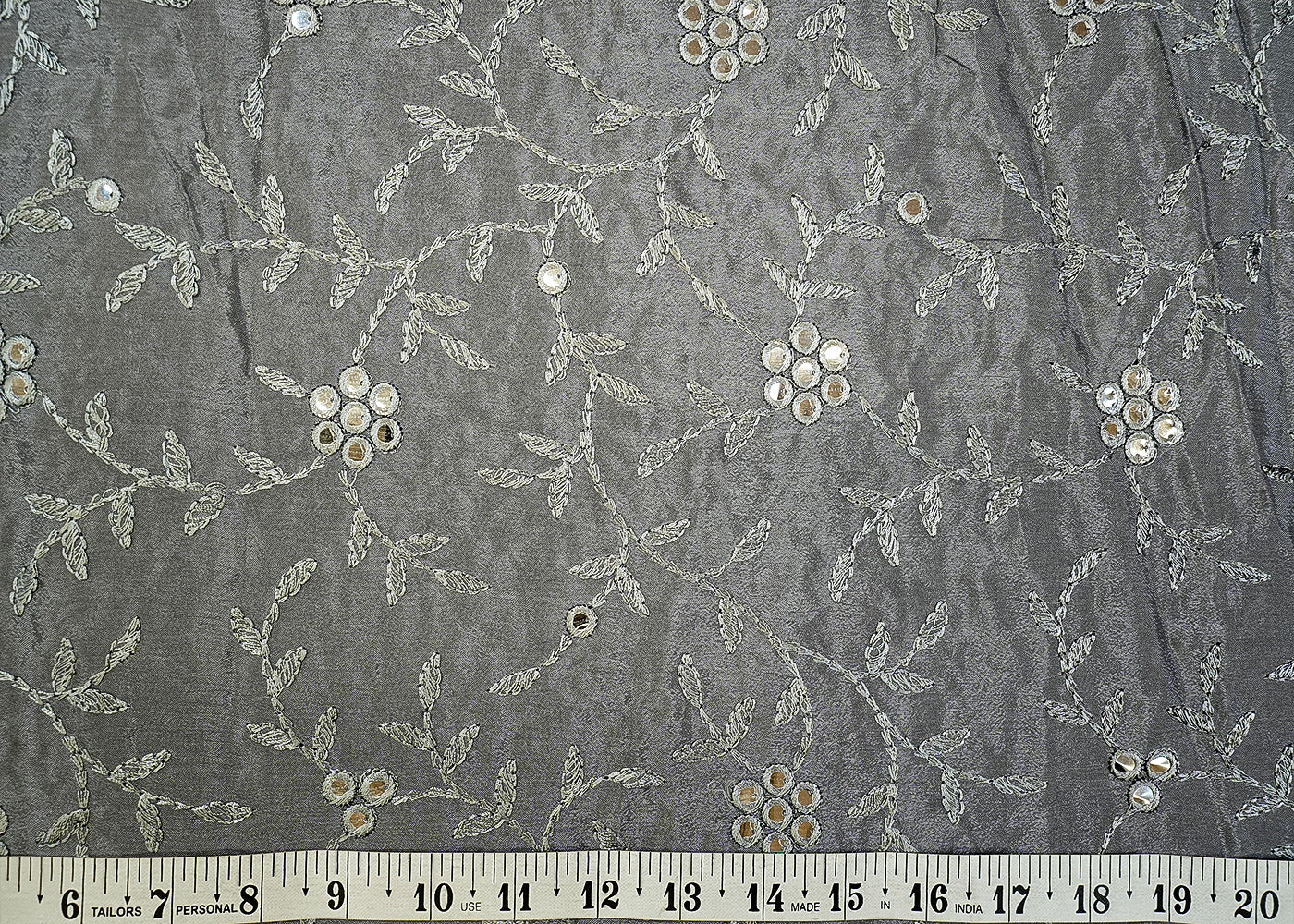
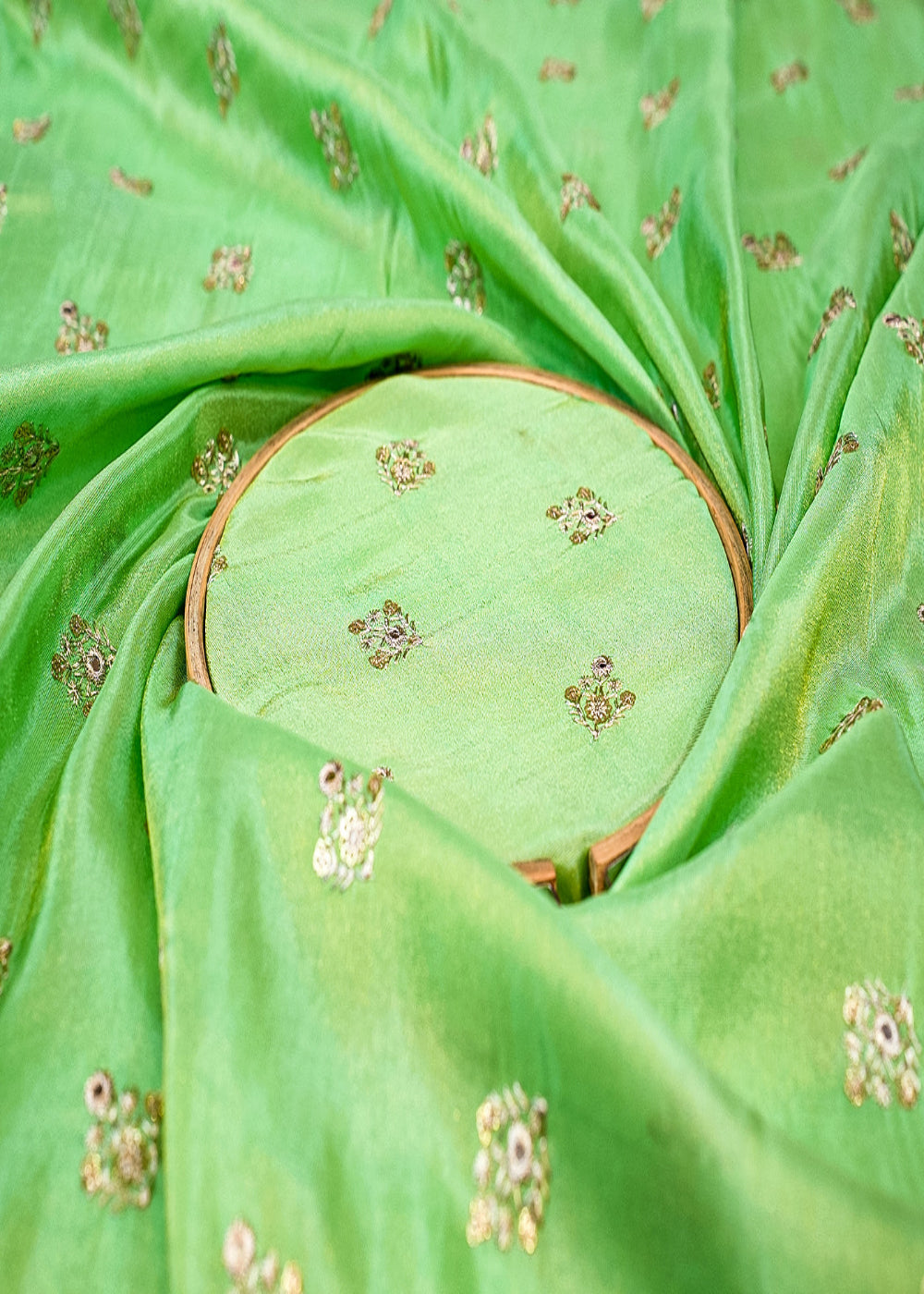
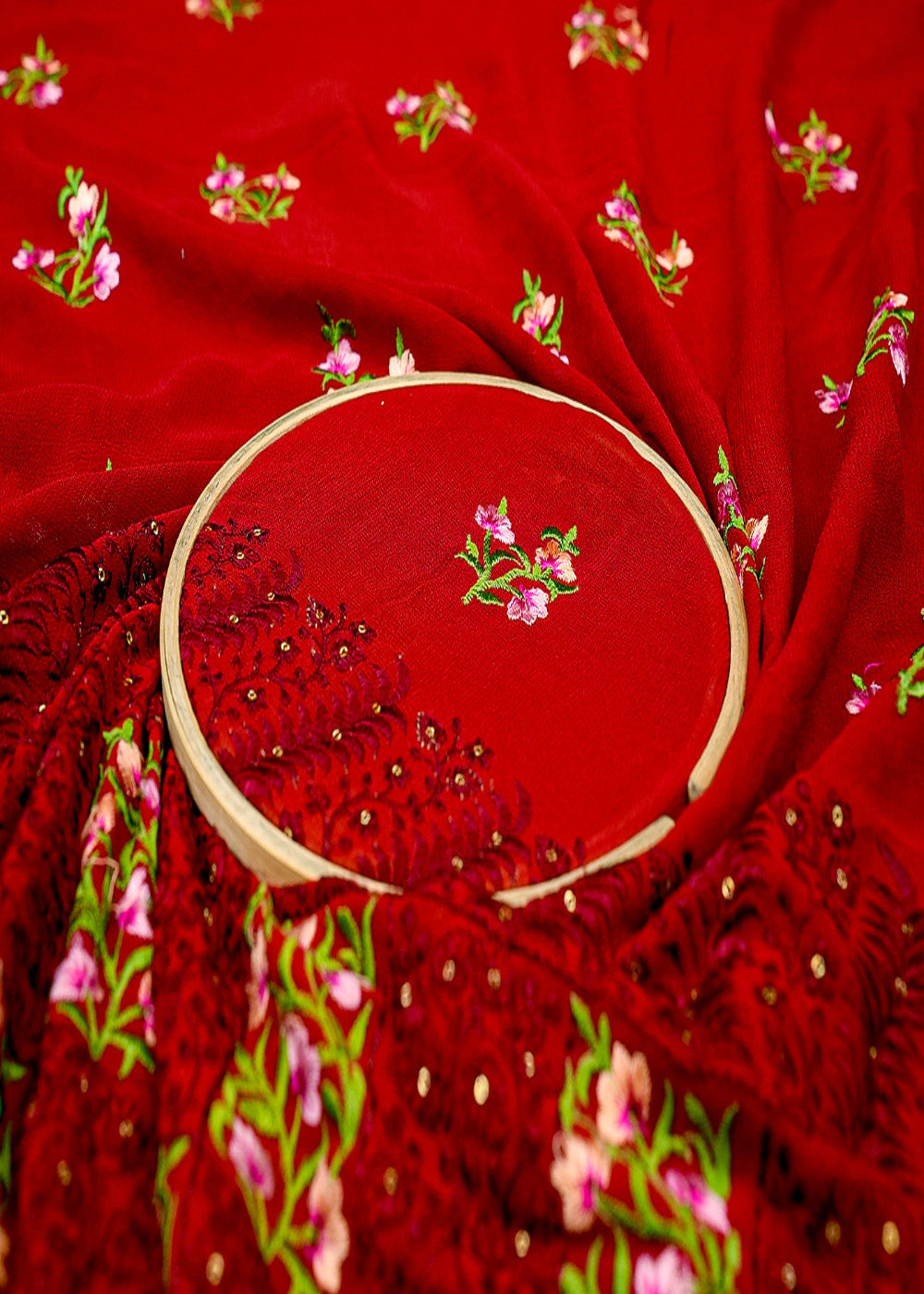
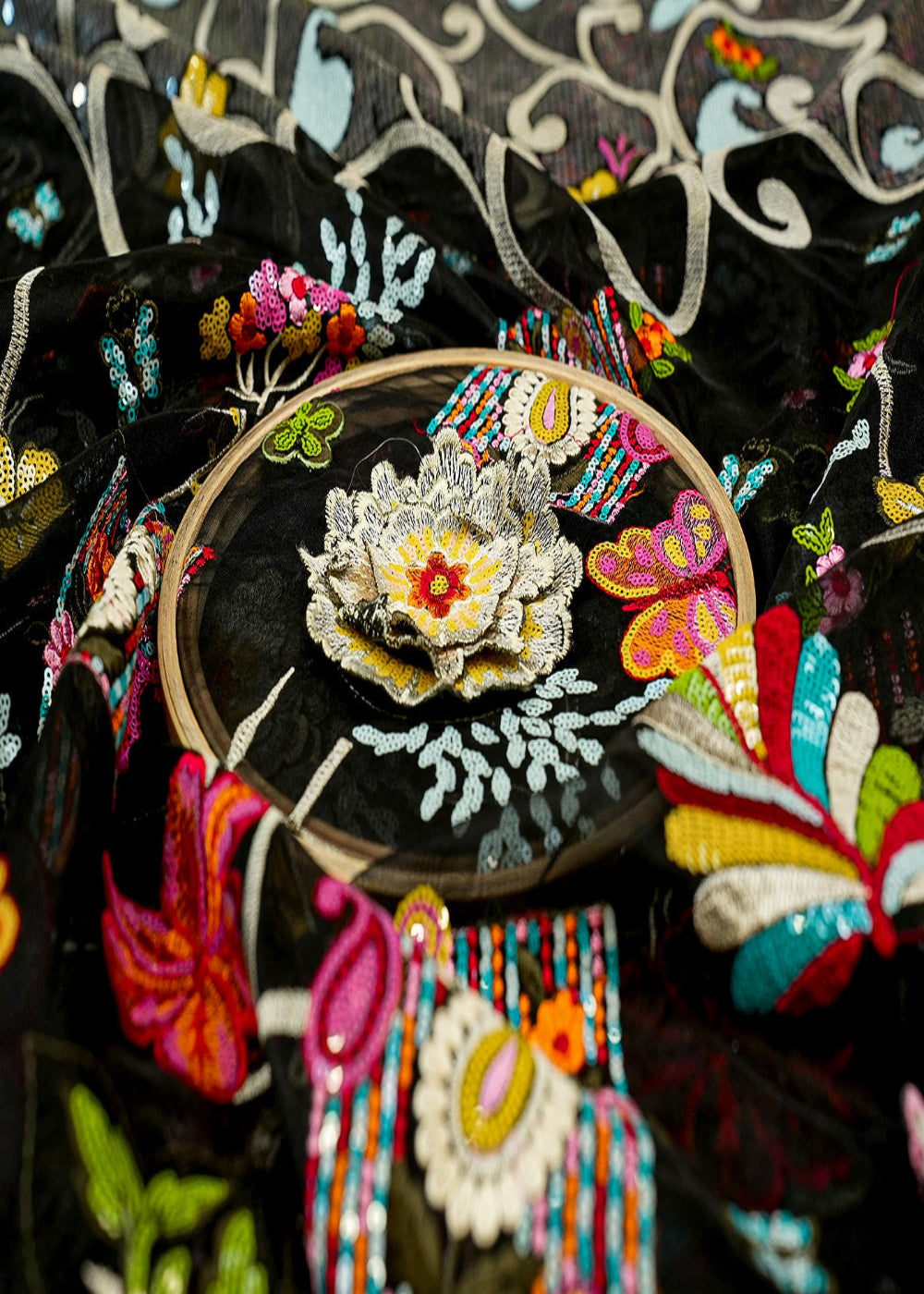
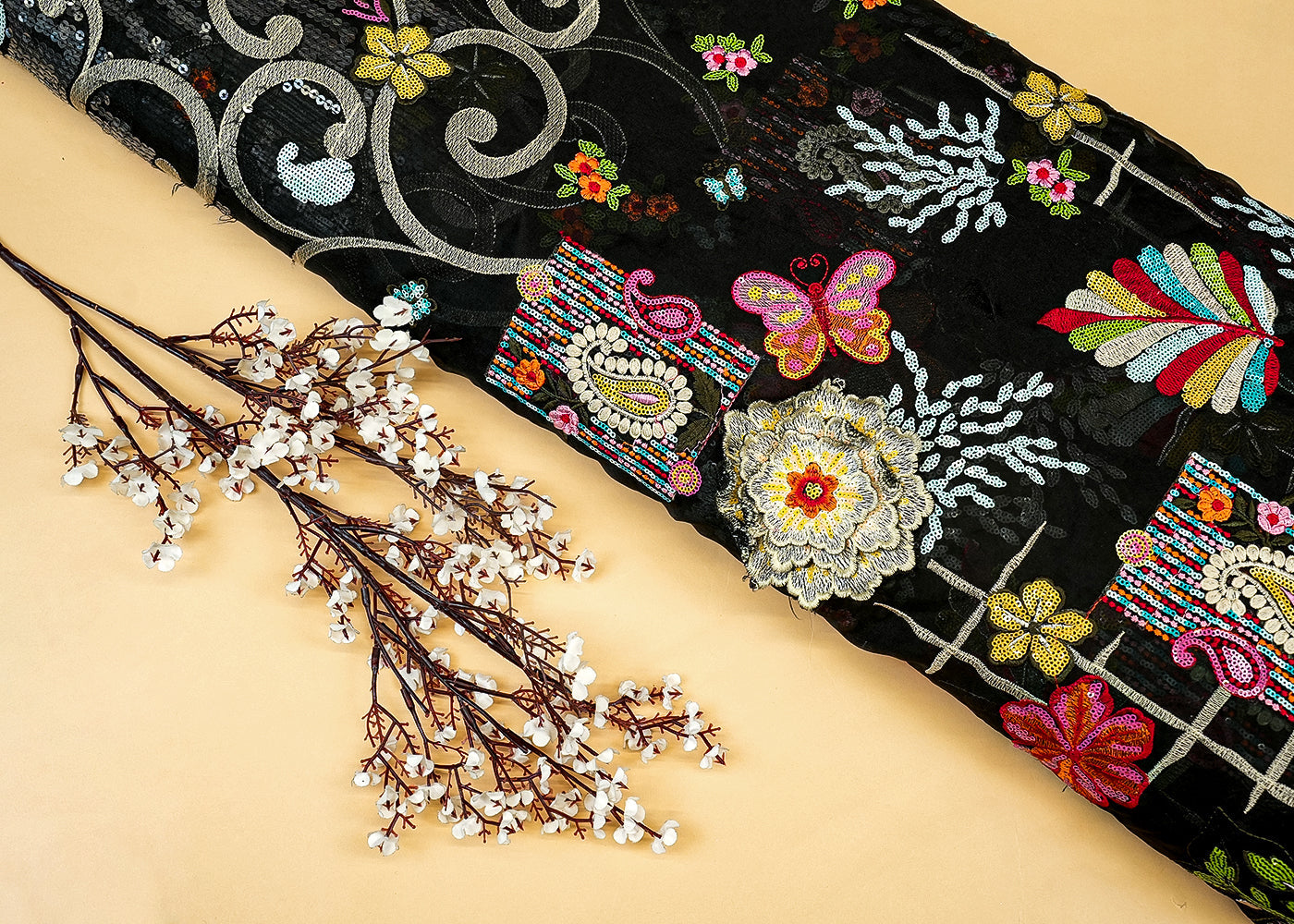
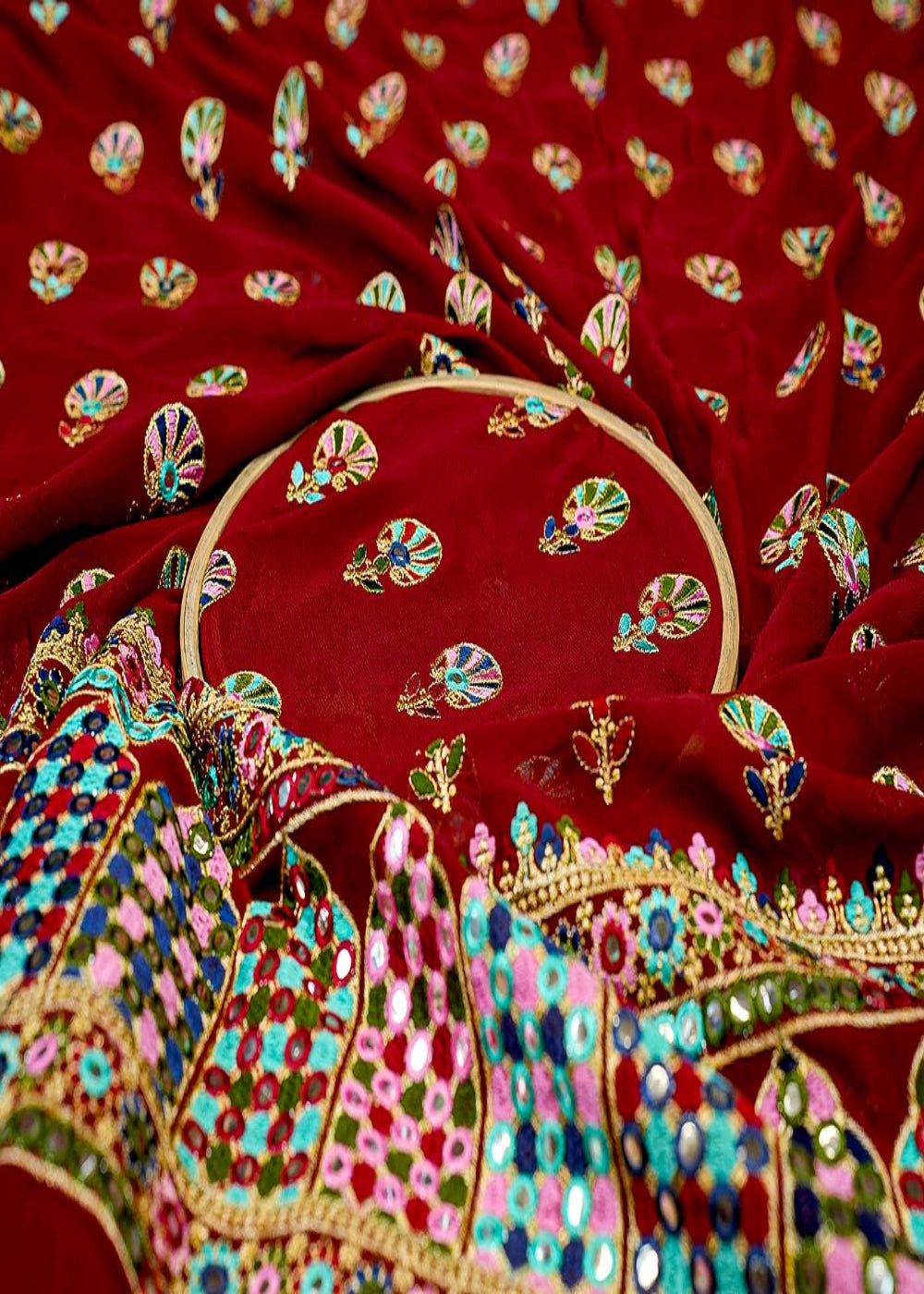
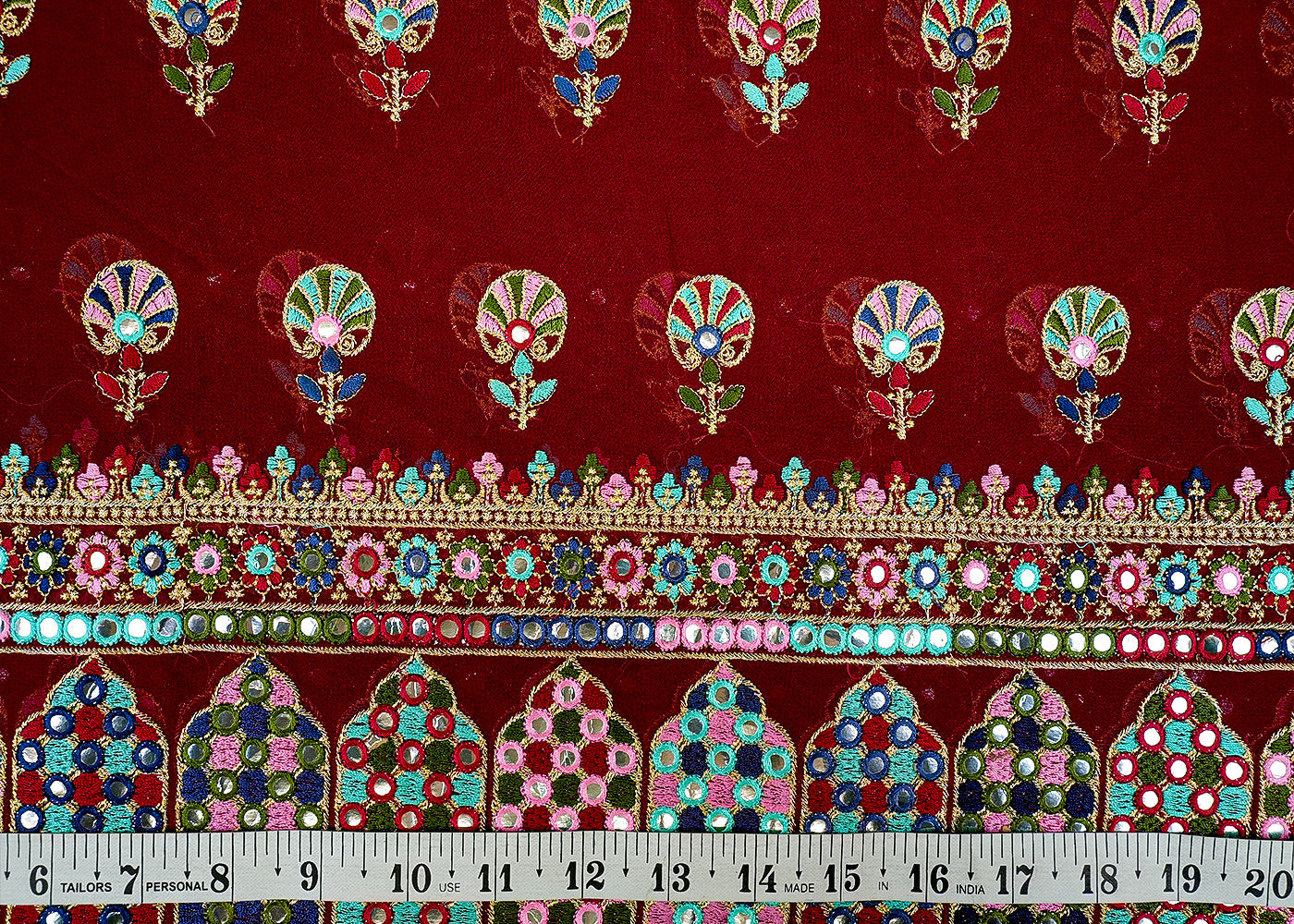
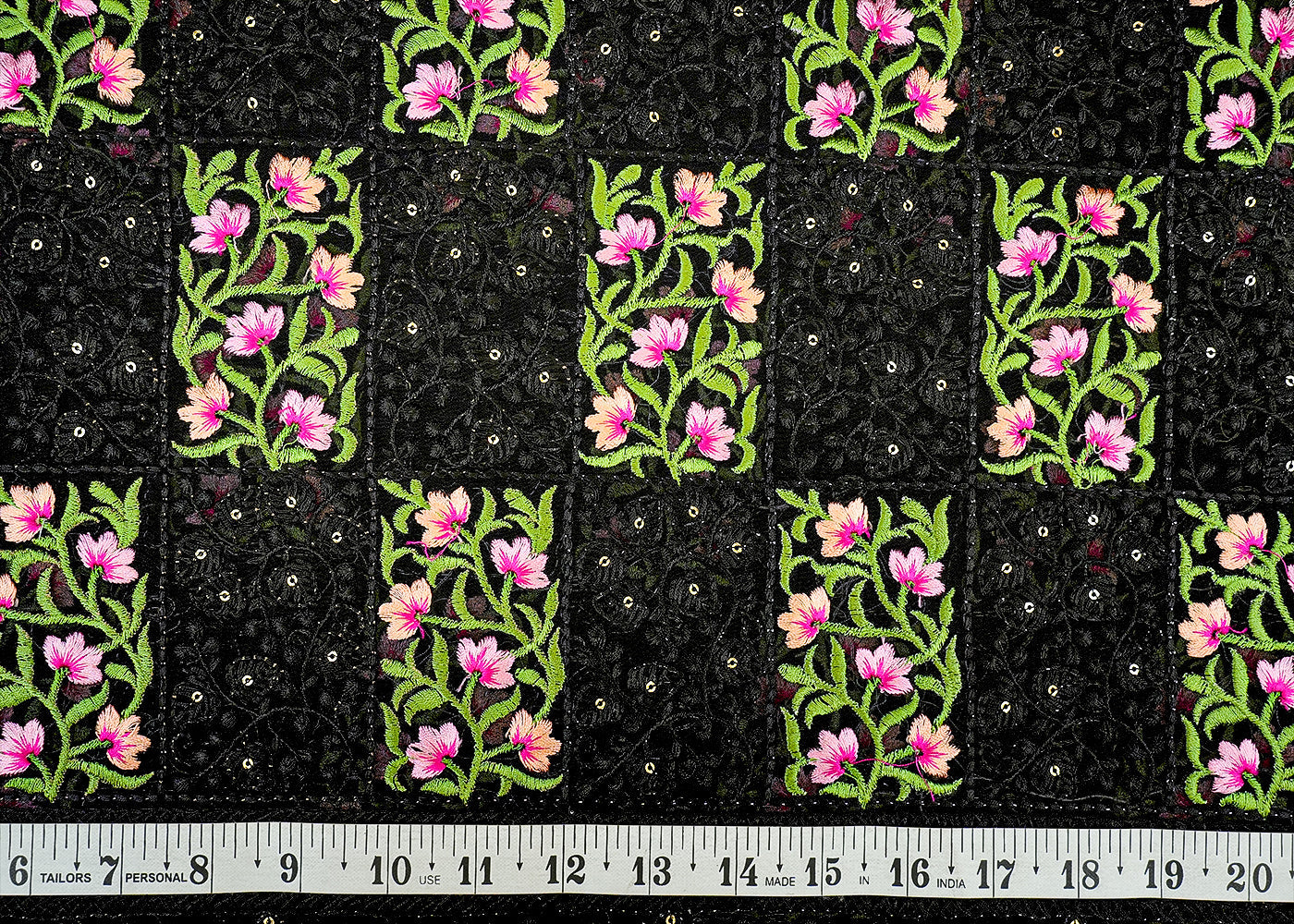
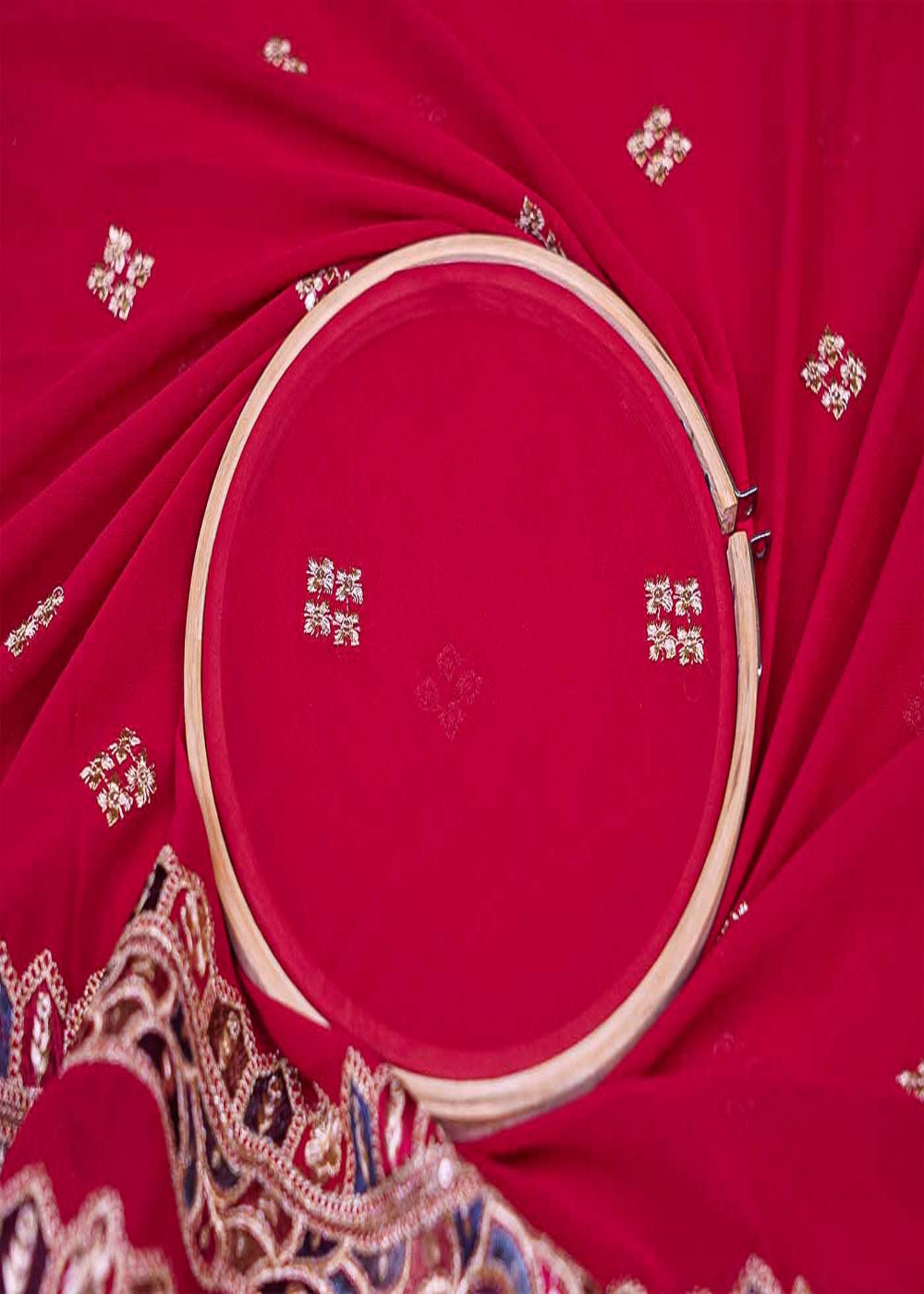
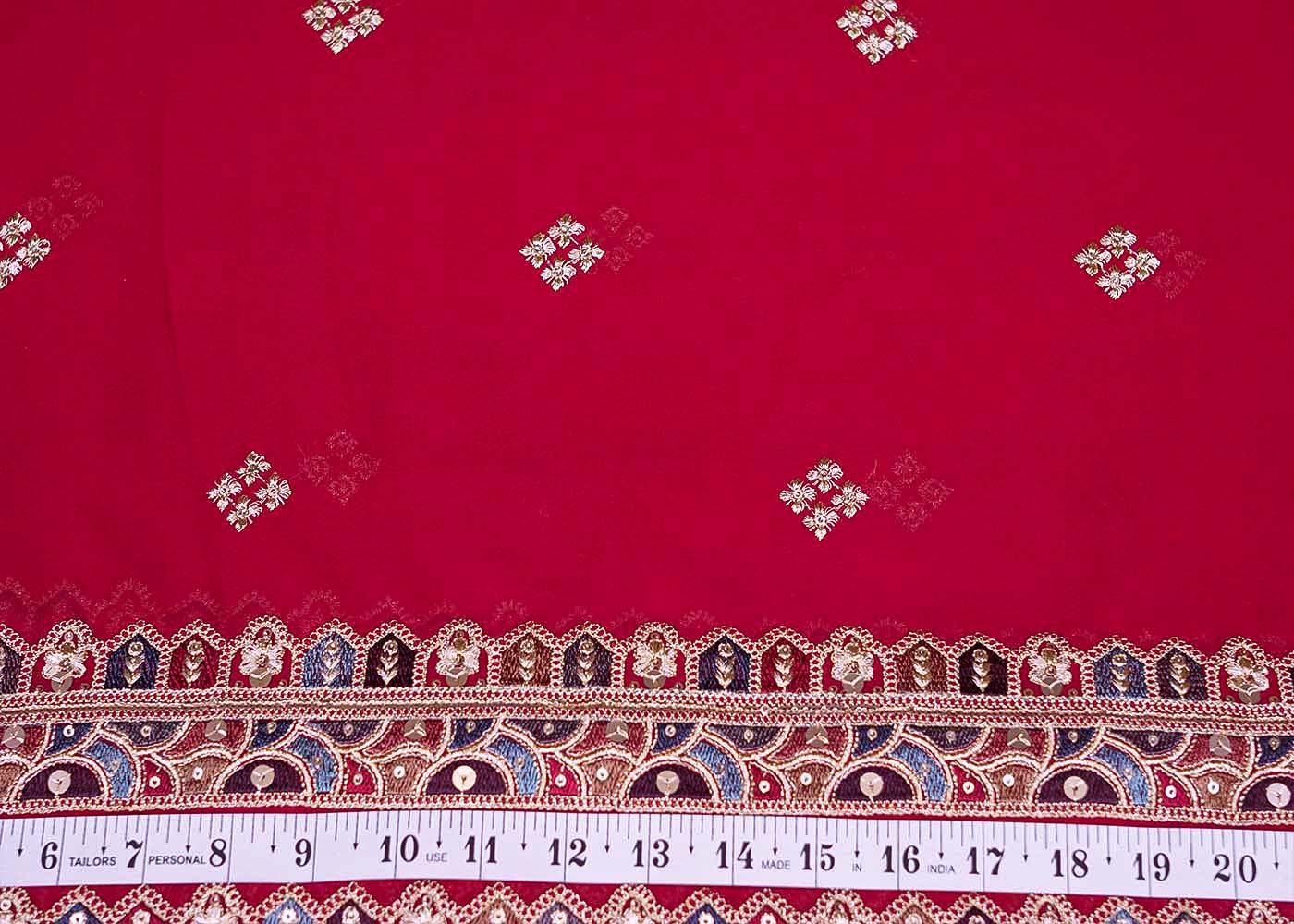
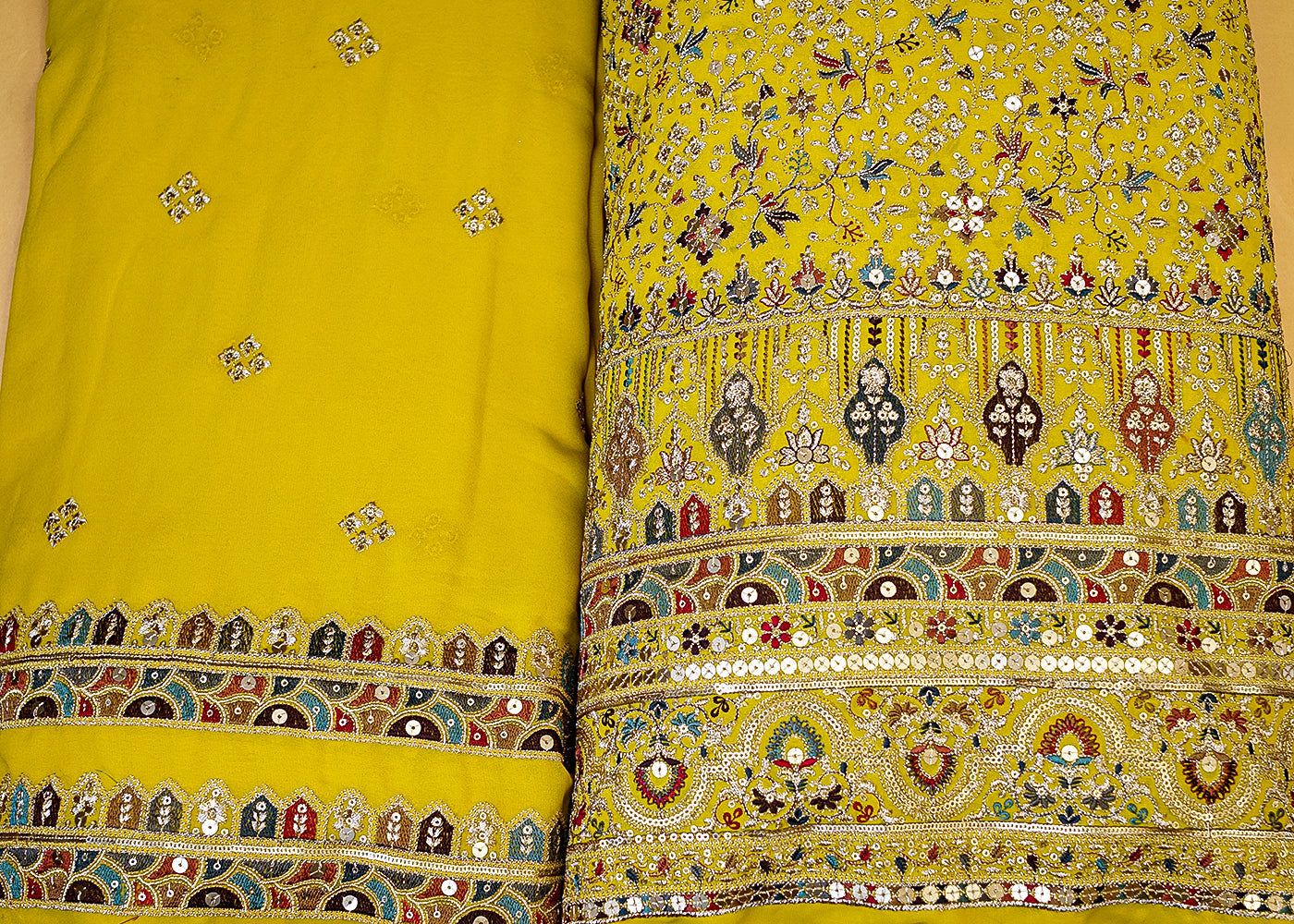
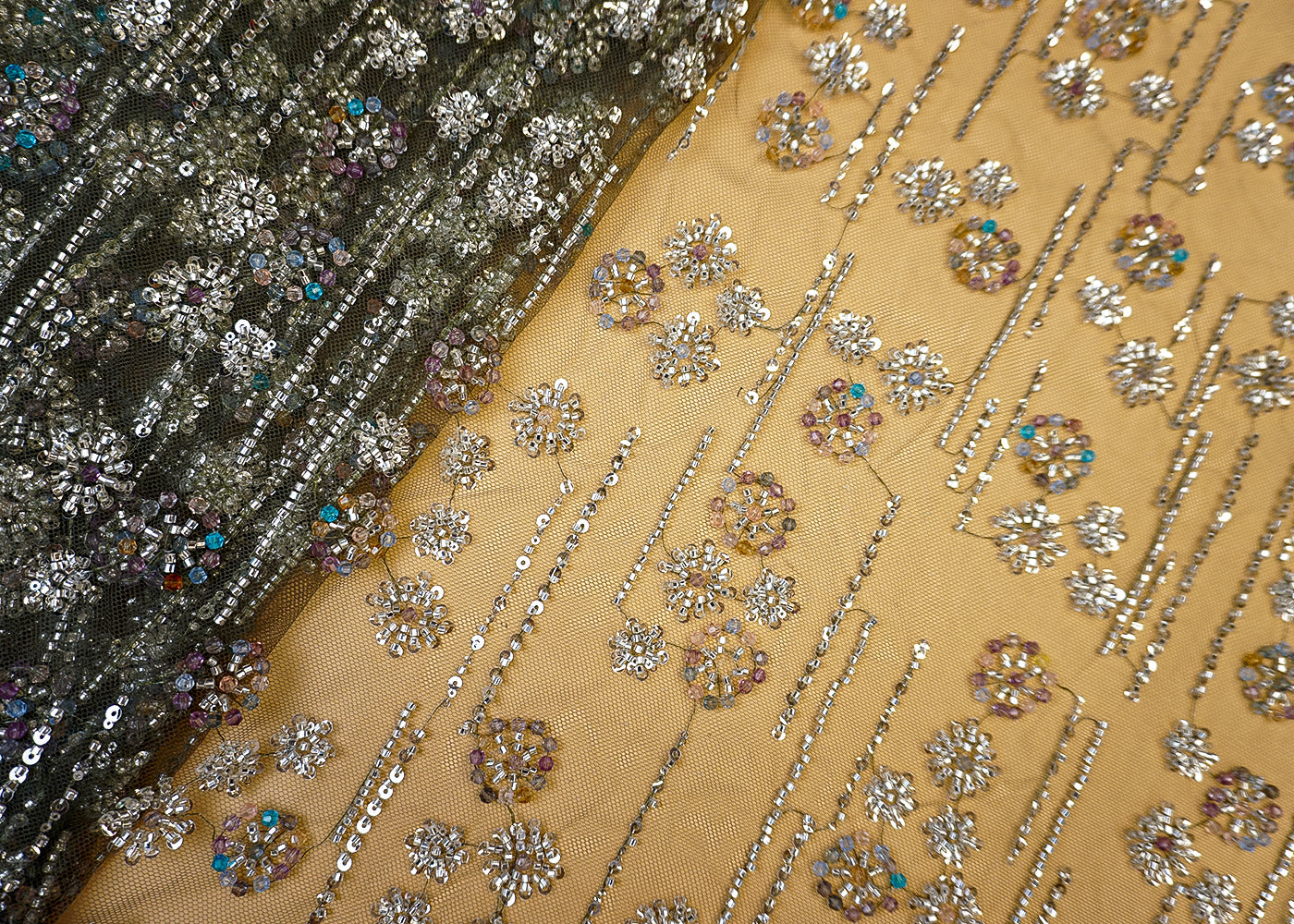
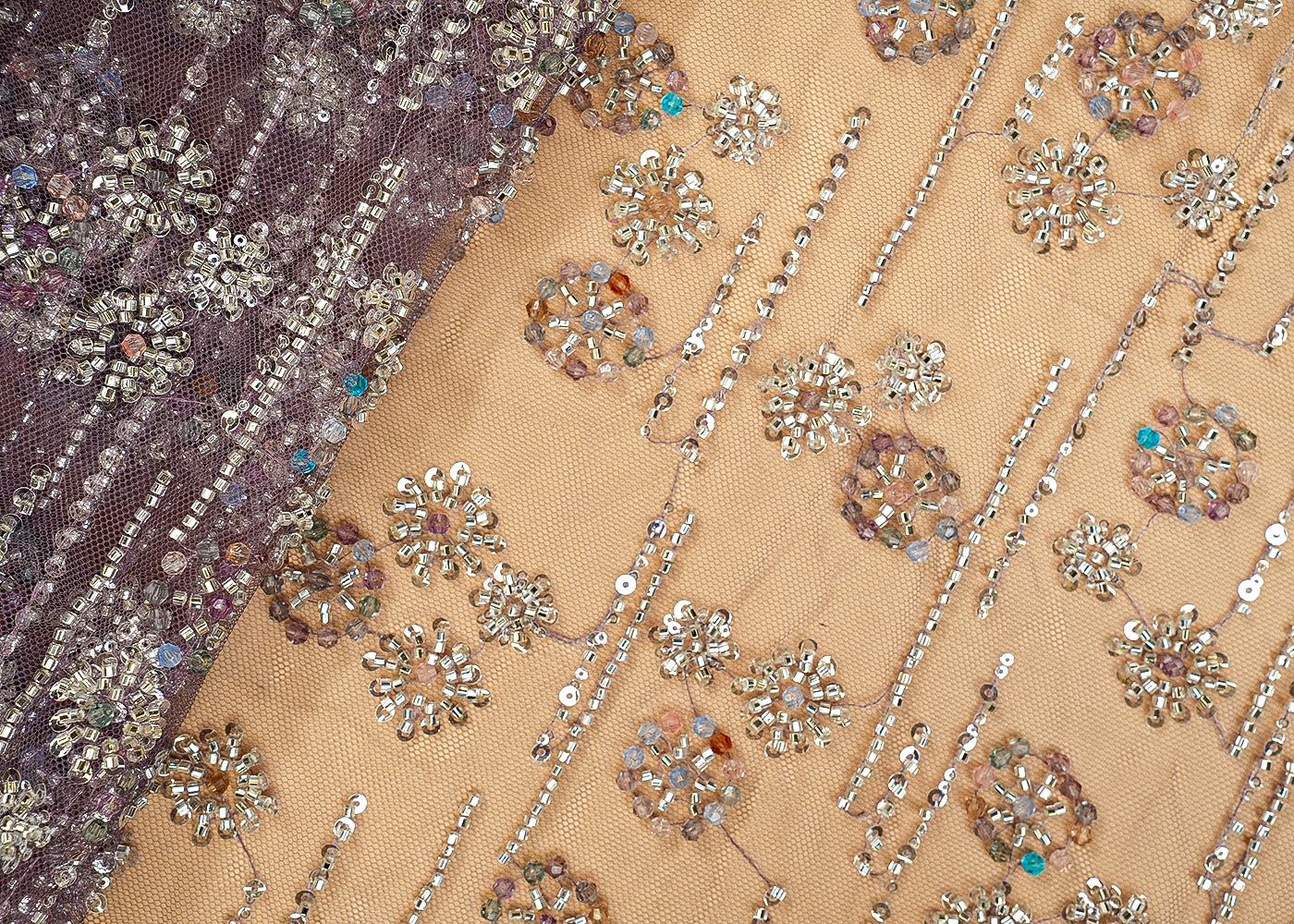
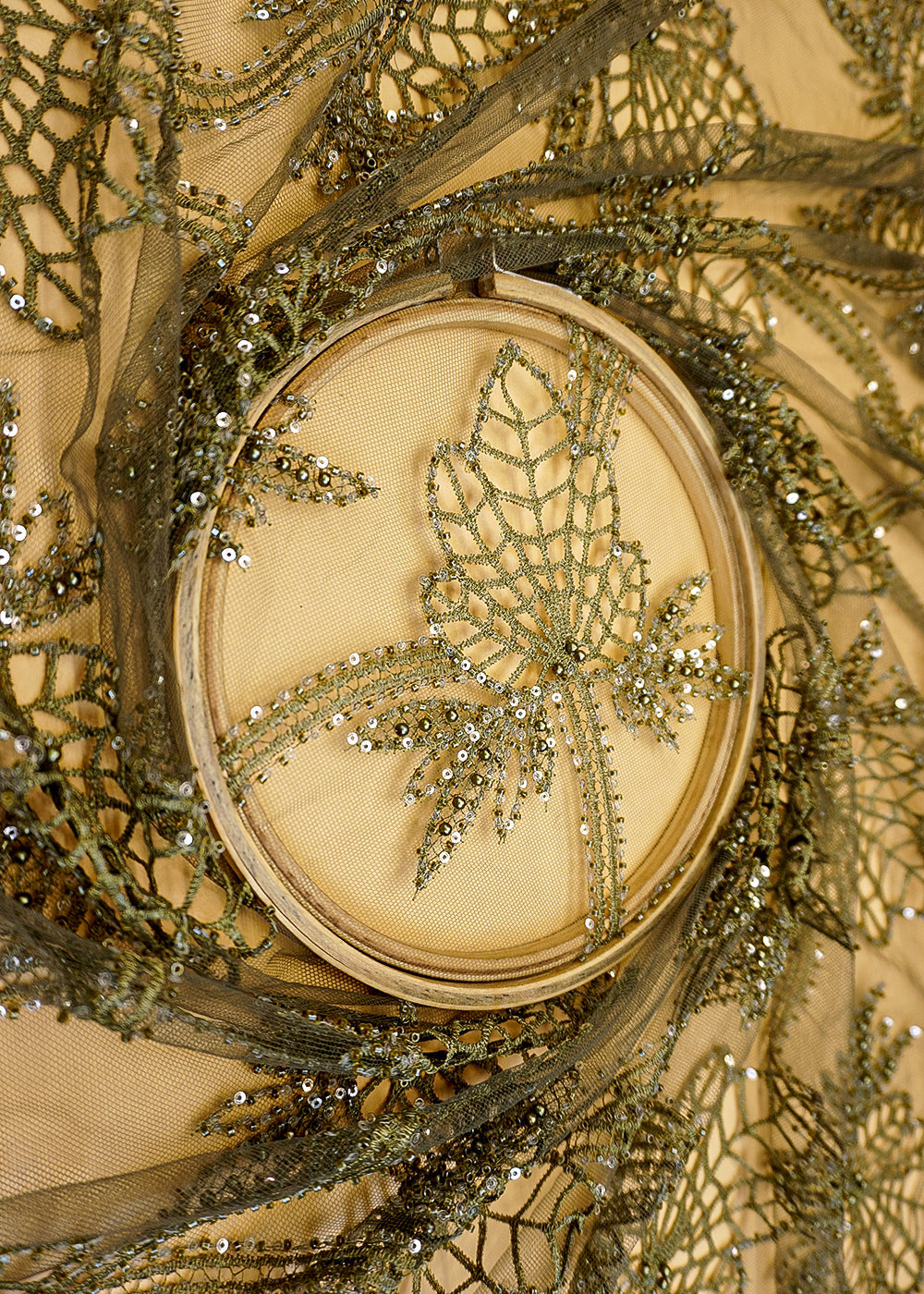
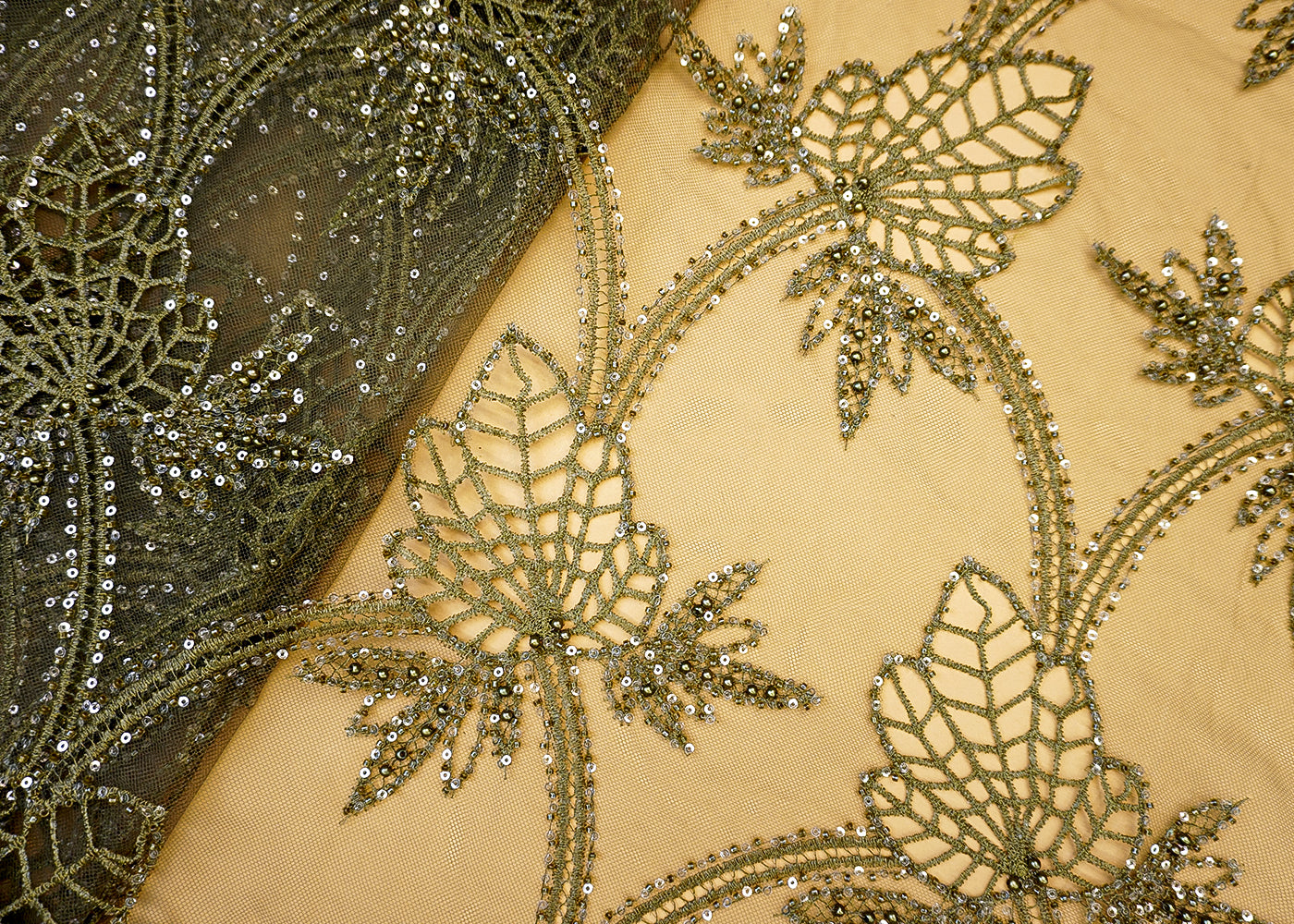
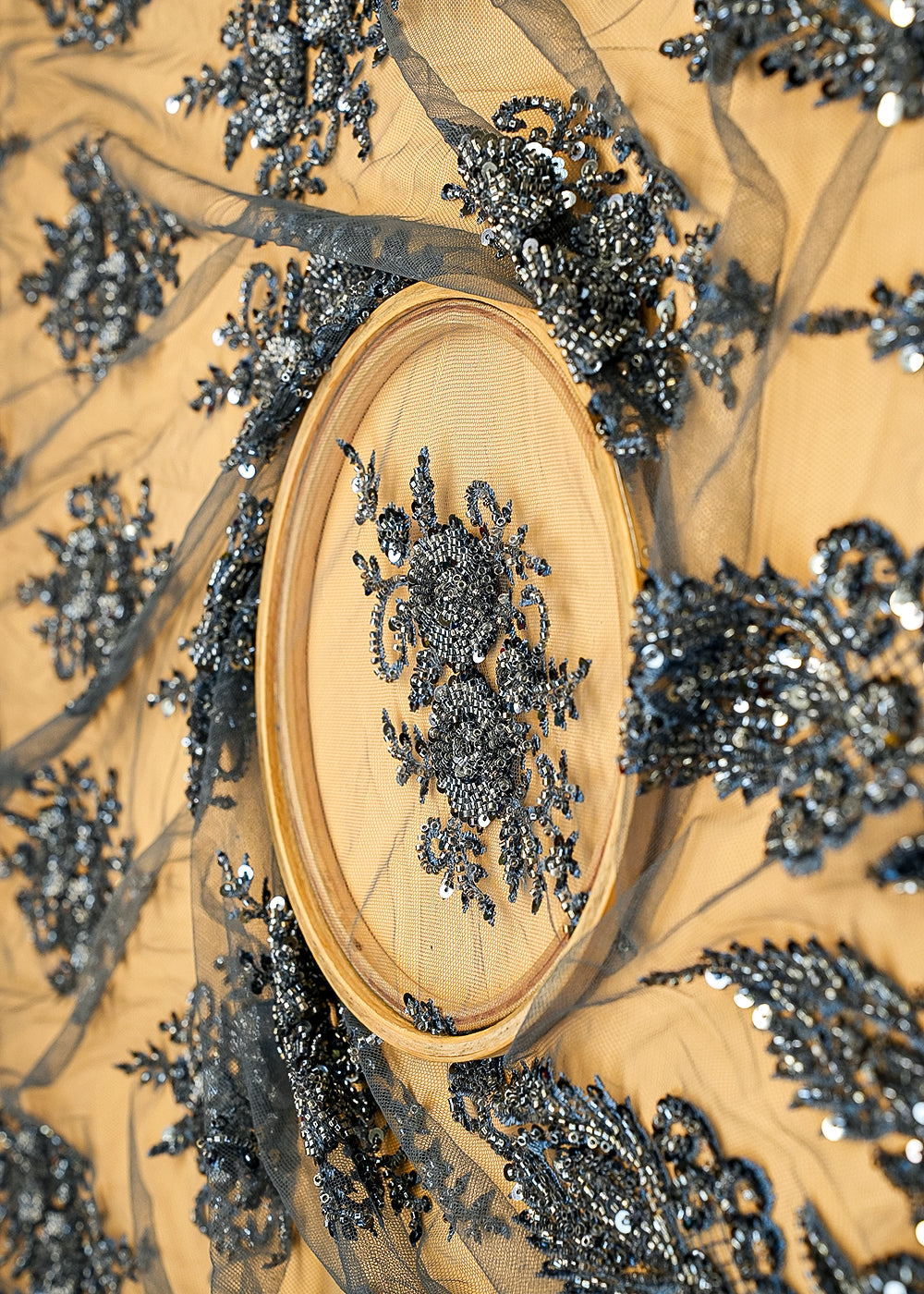
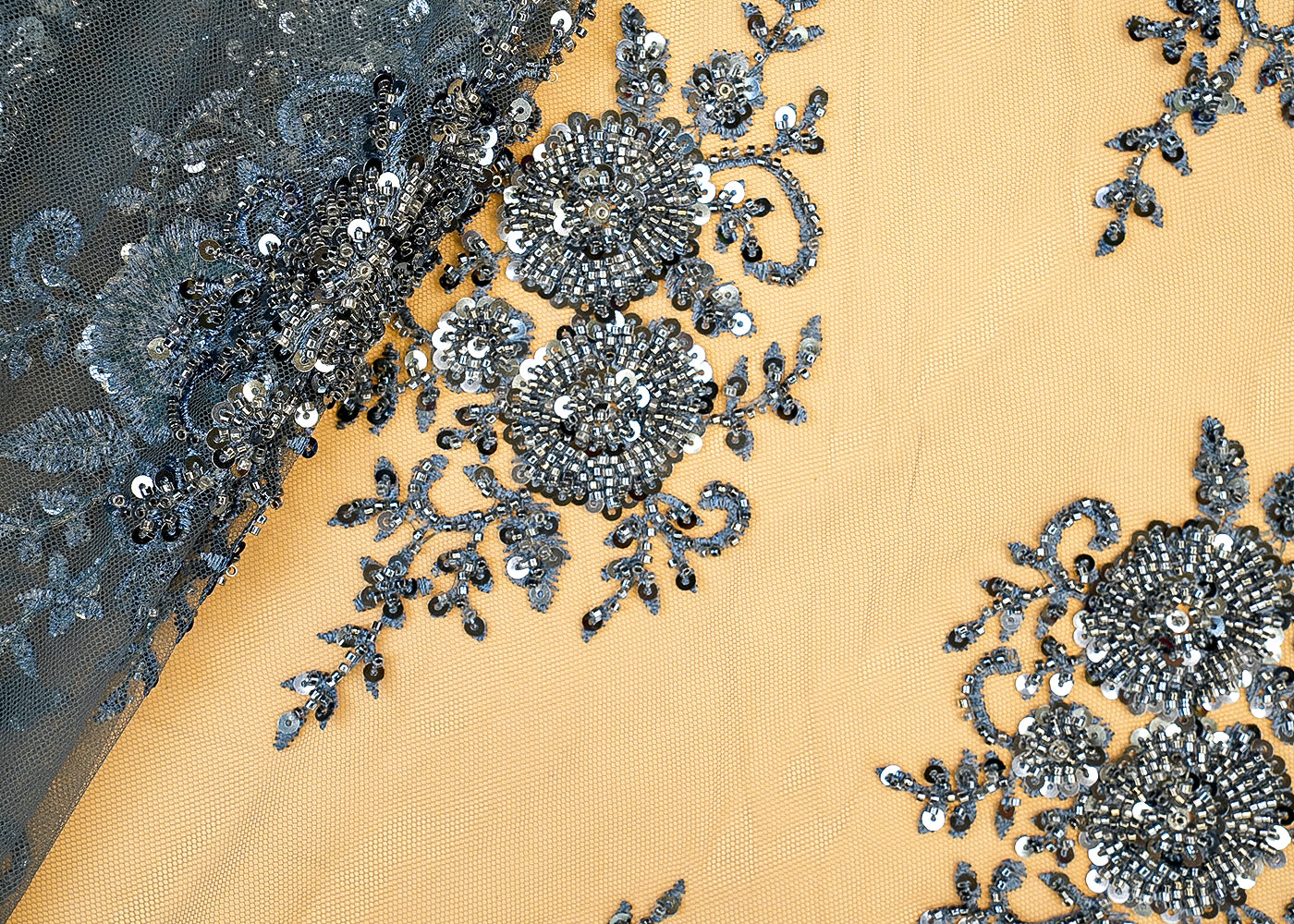
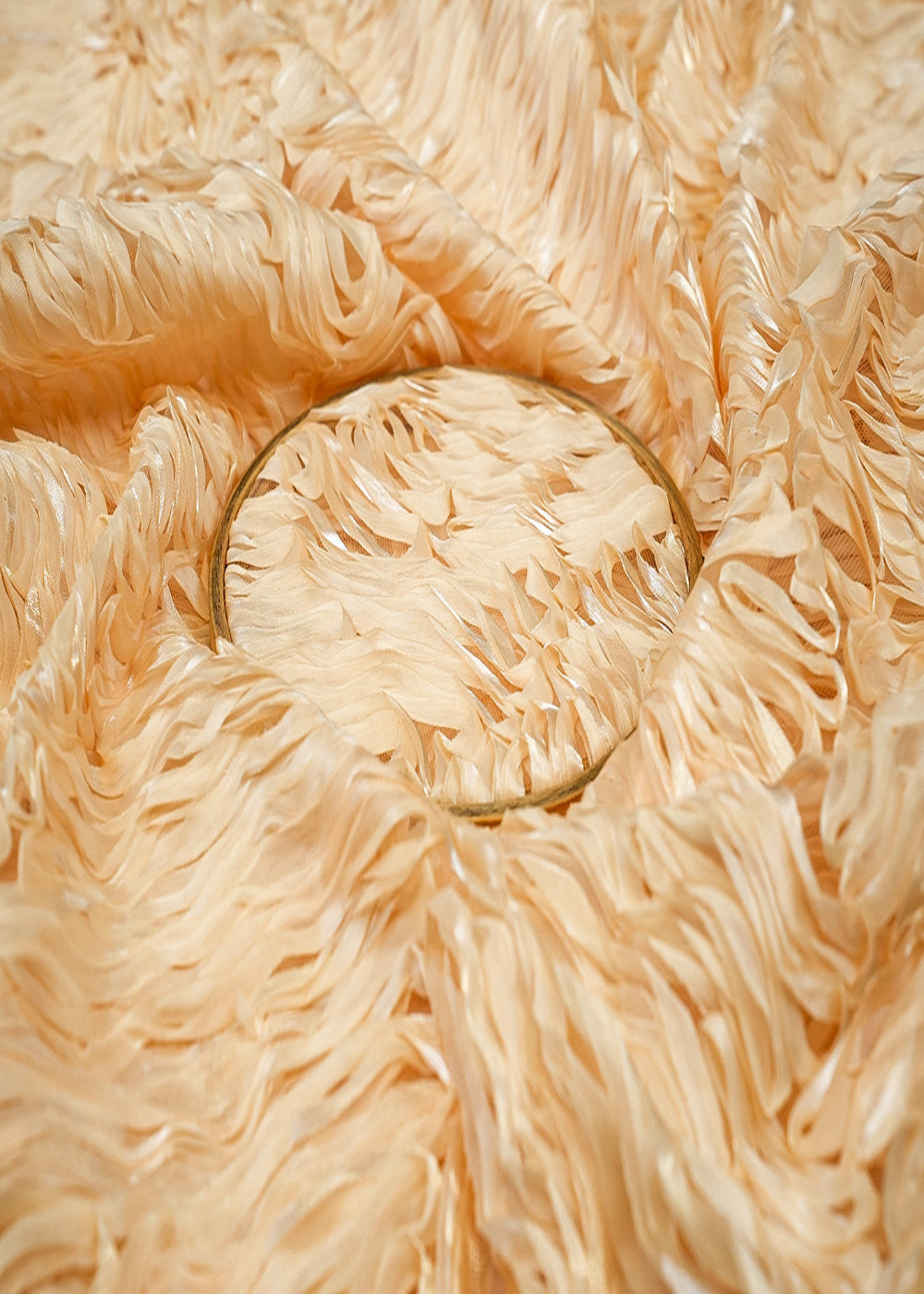
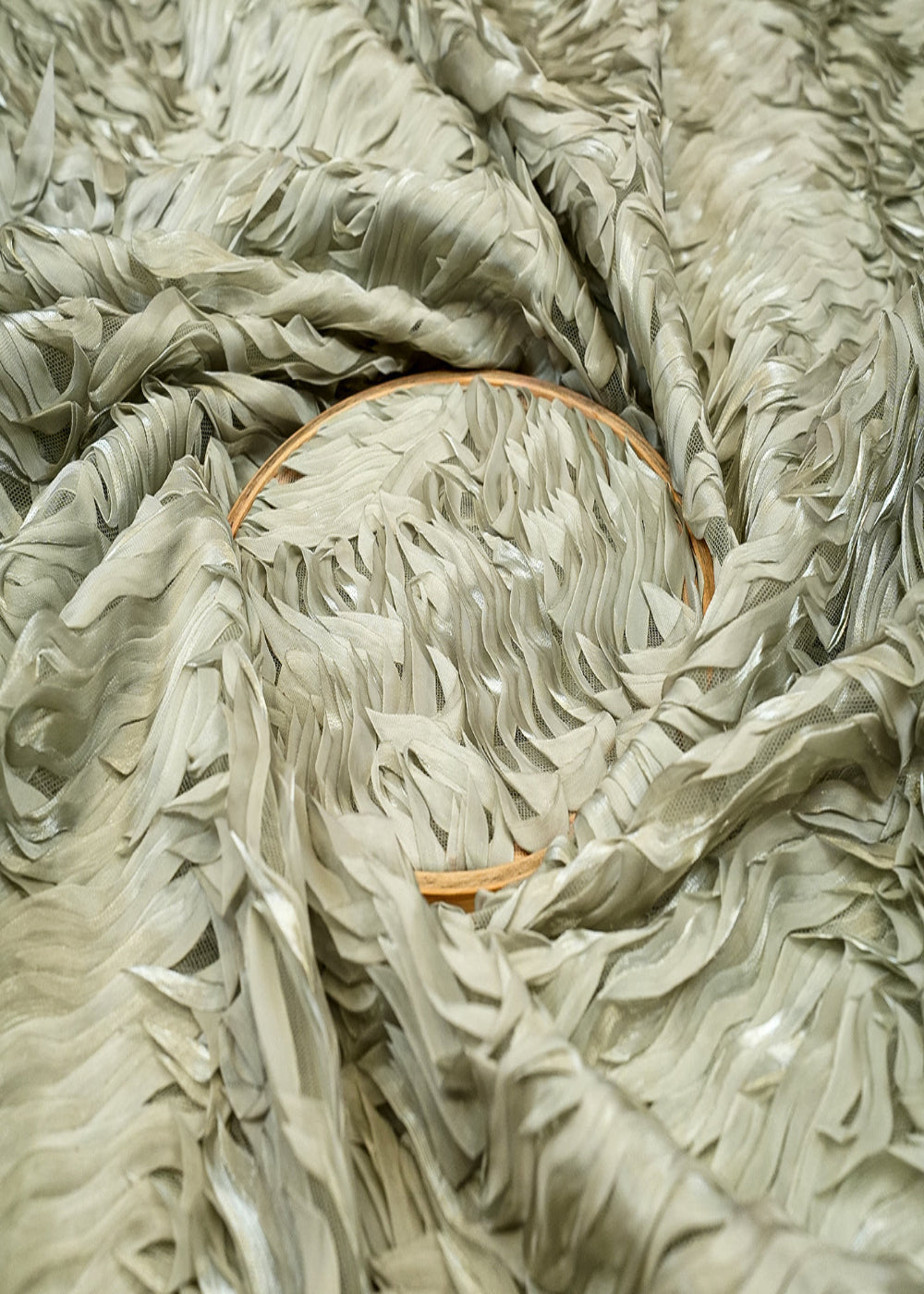
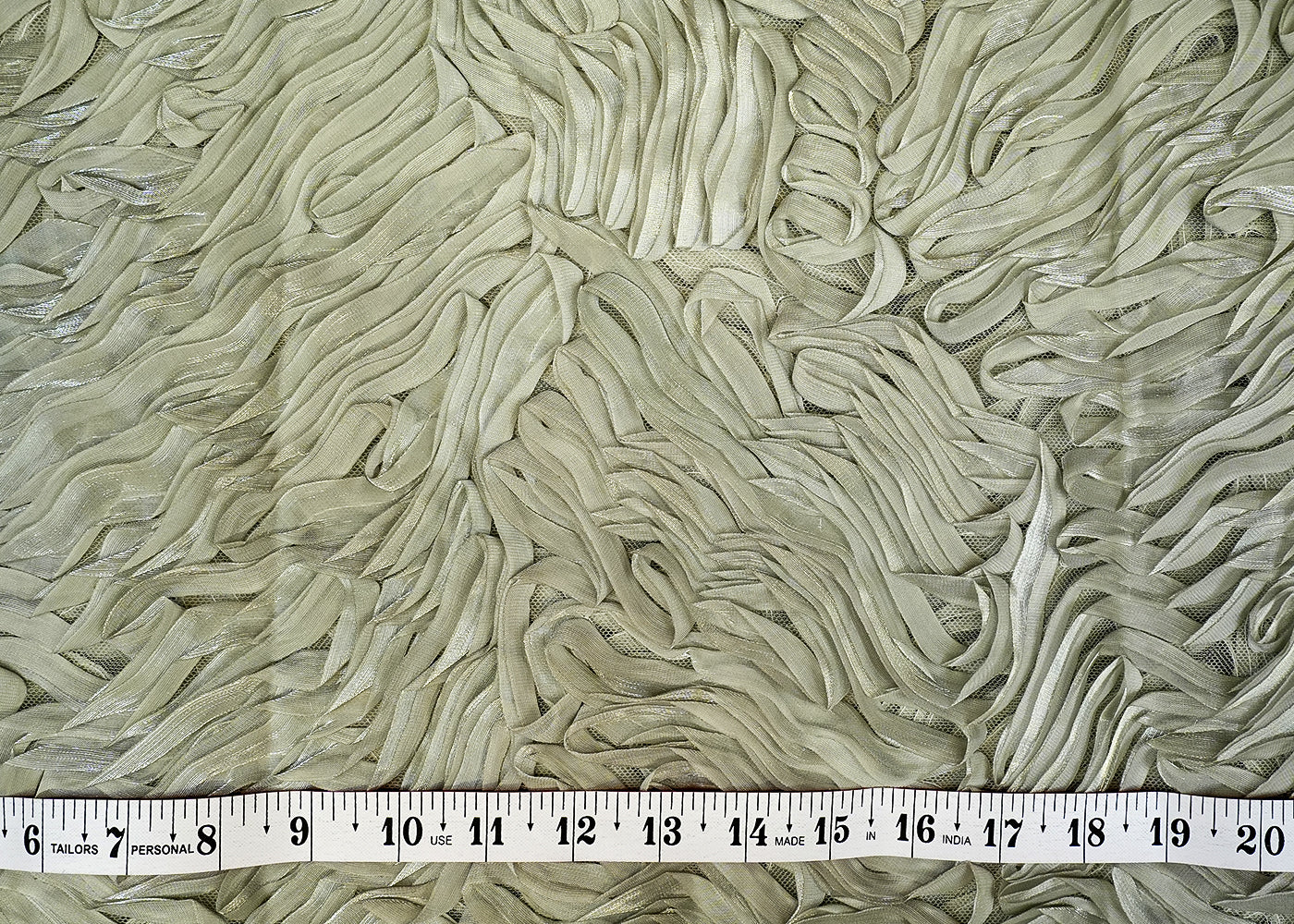
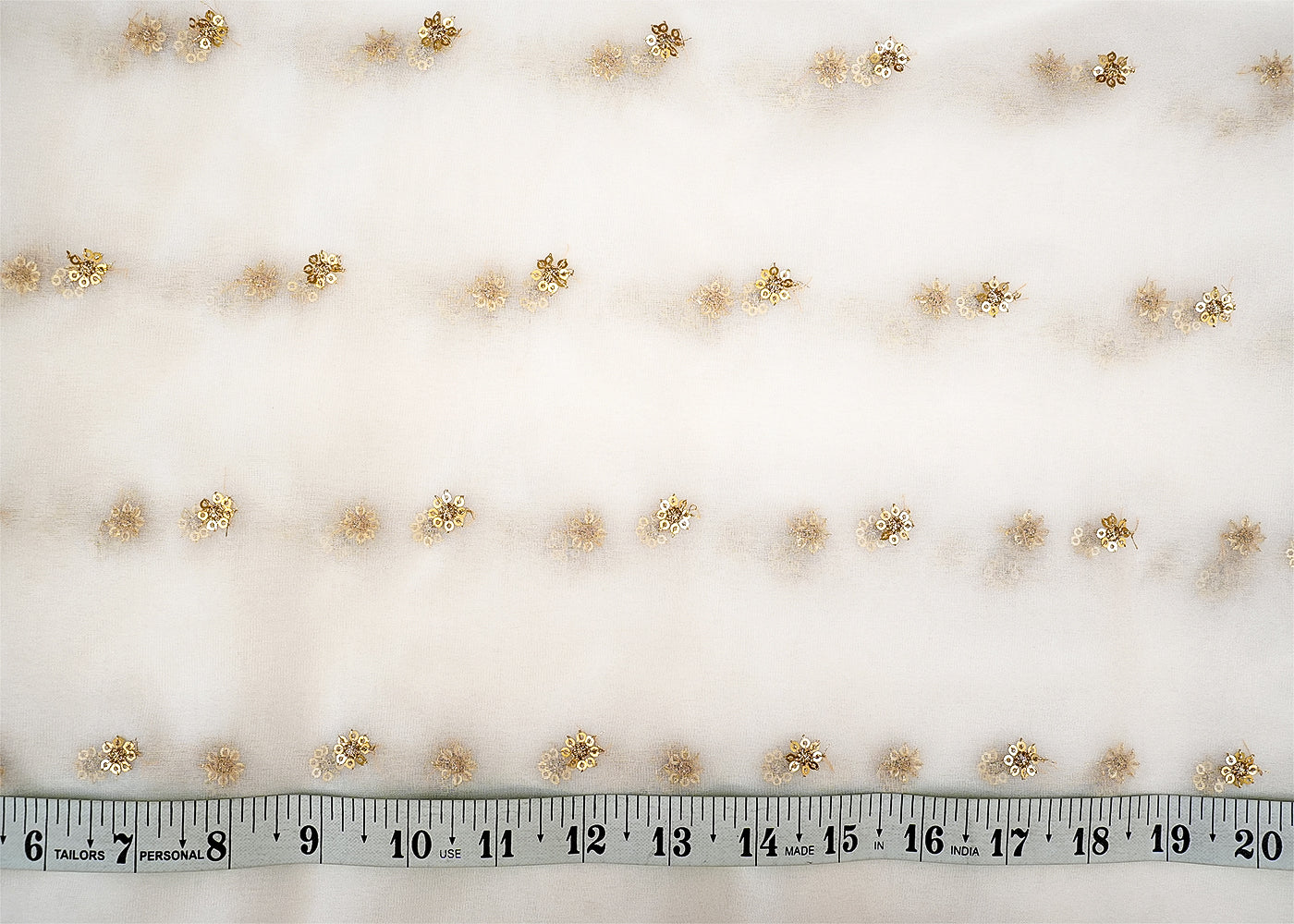
Applied thread work defines the category. Printed fabric delivers pattern through dye application. Embroidered variants deliver pattern through raised thread, zari, sequin, or bead work sitting above the fabric surface, producing distinctive tactile plus visual character unmatched by print alternatives.
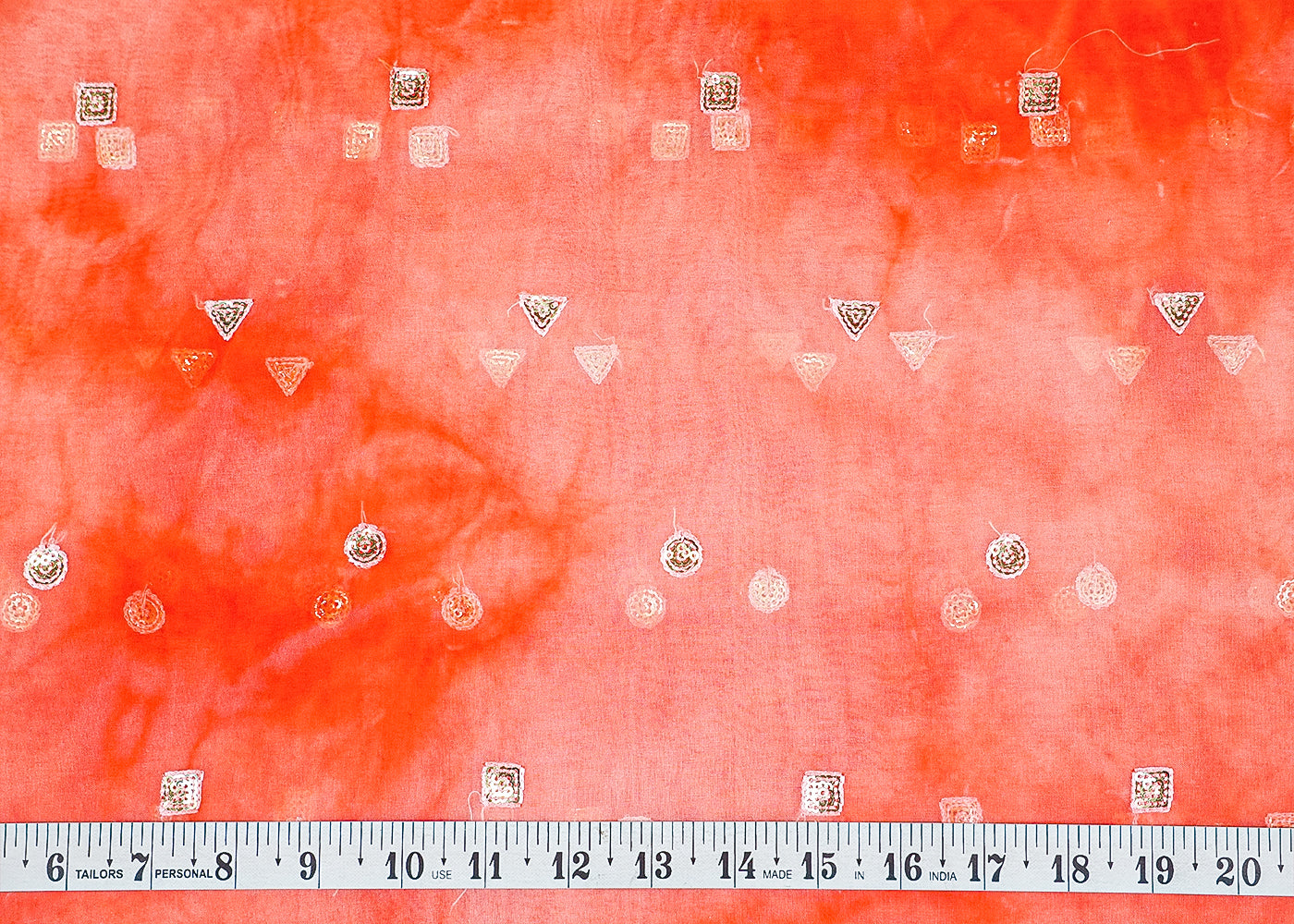
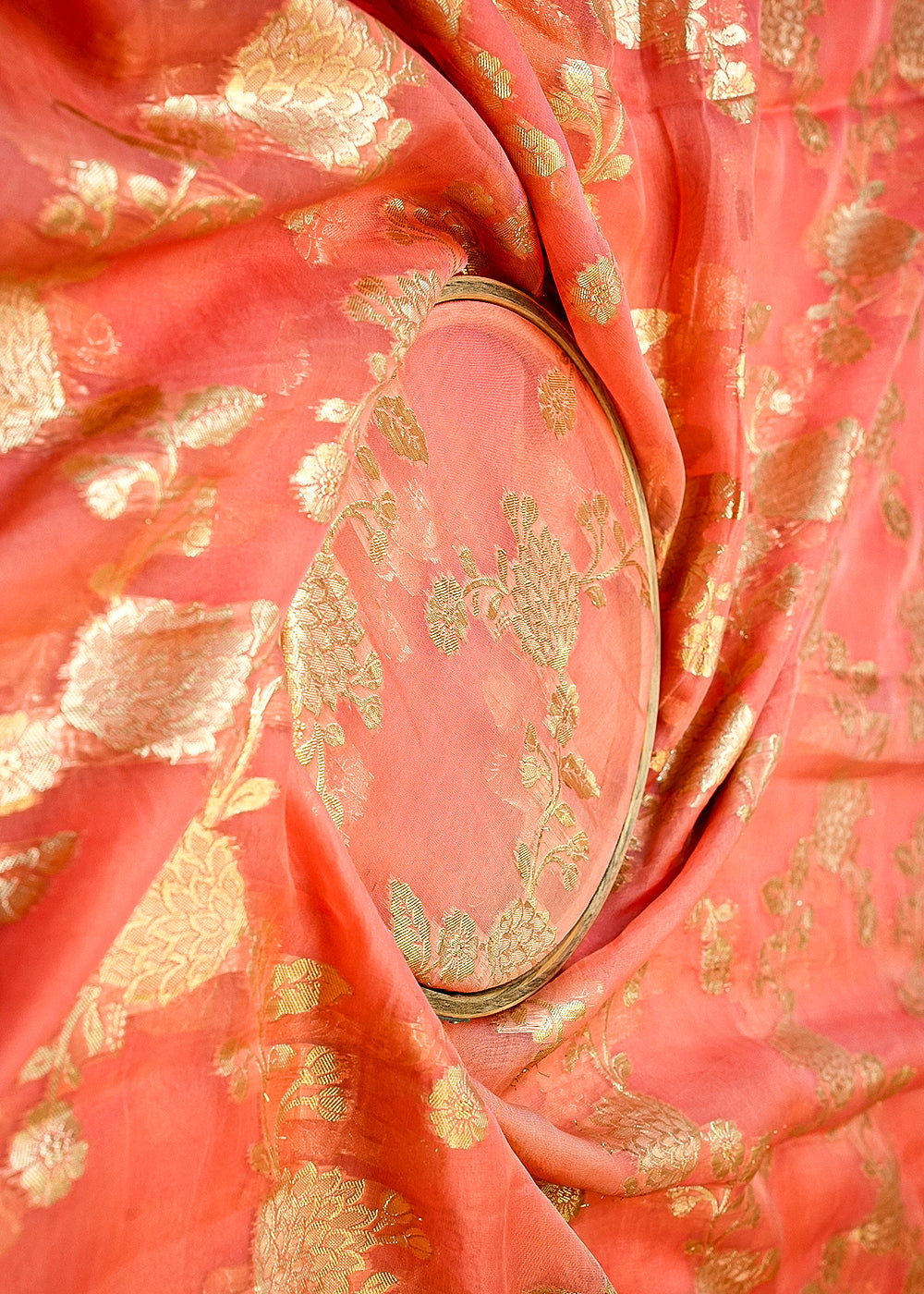
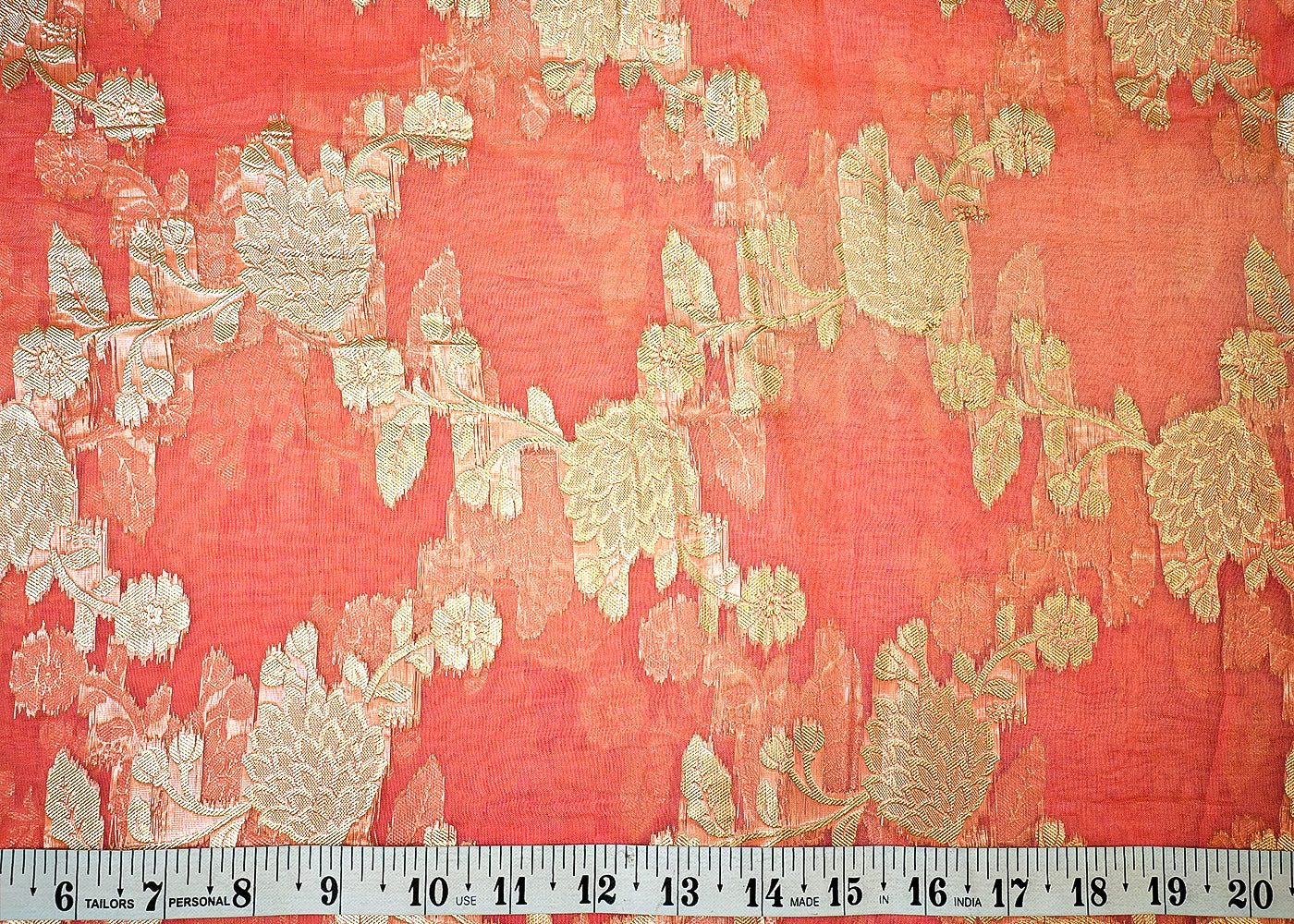
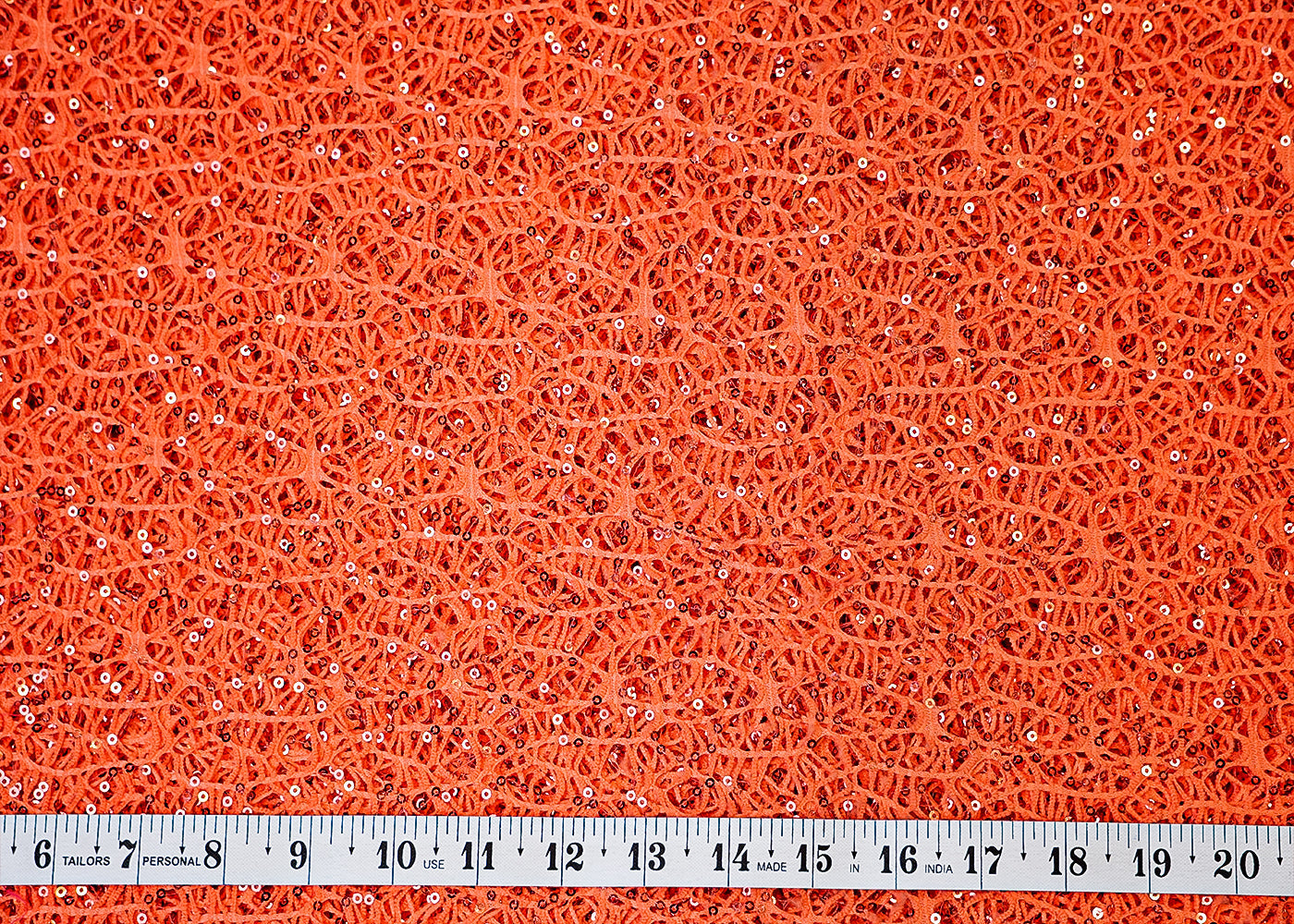
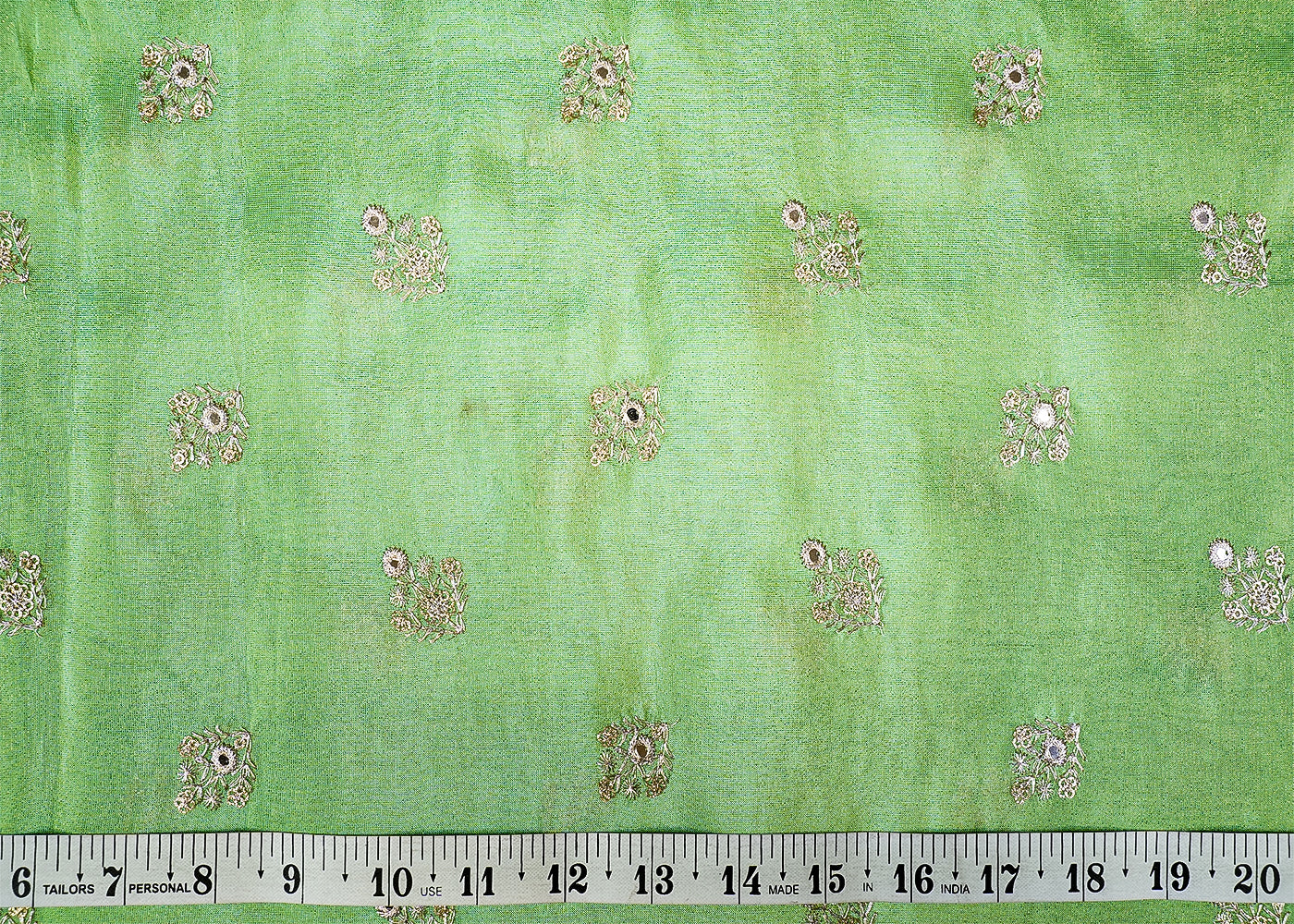
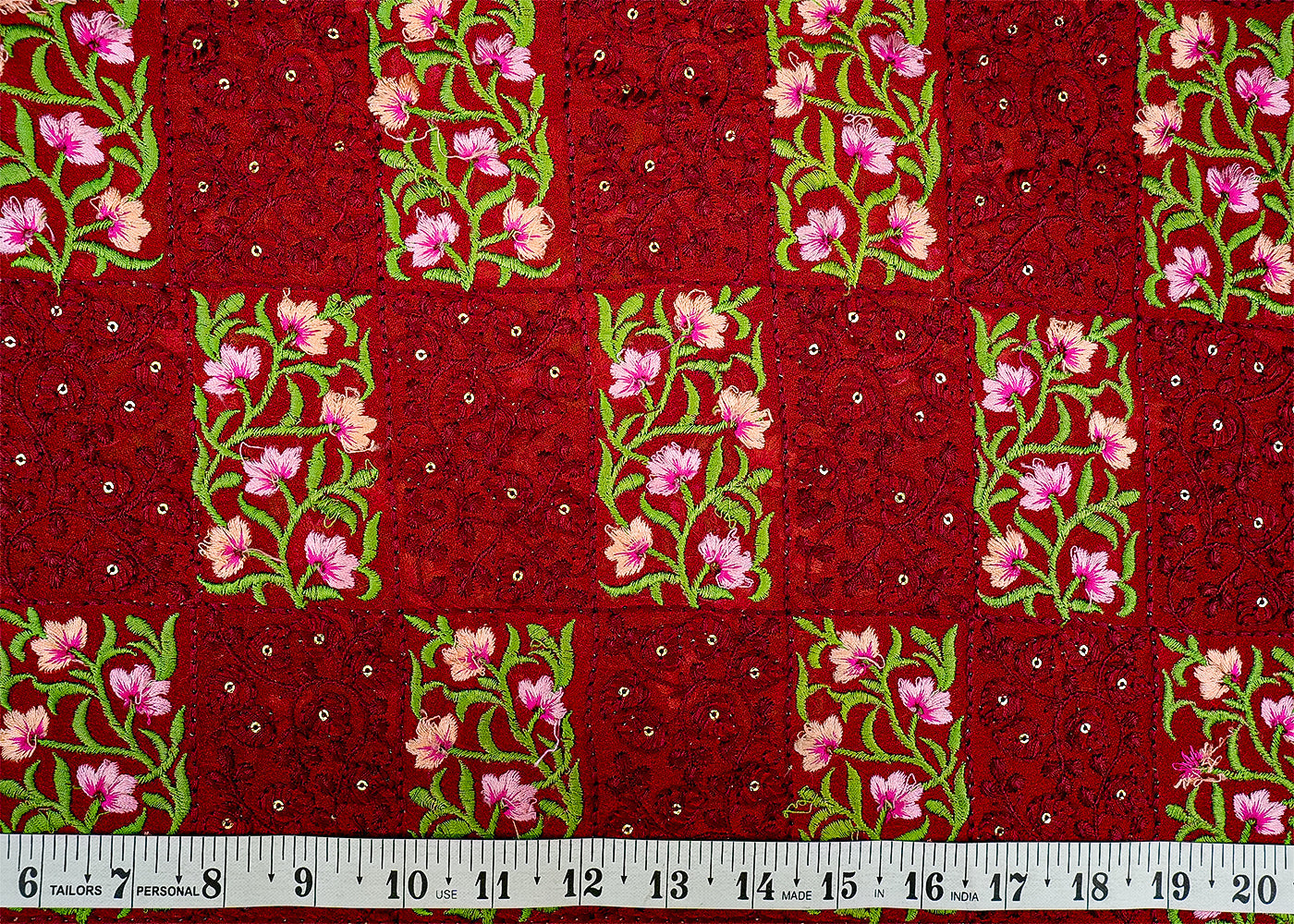
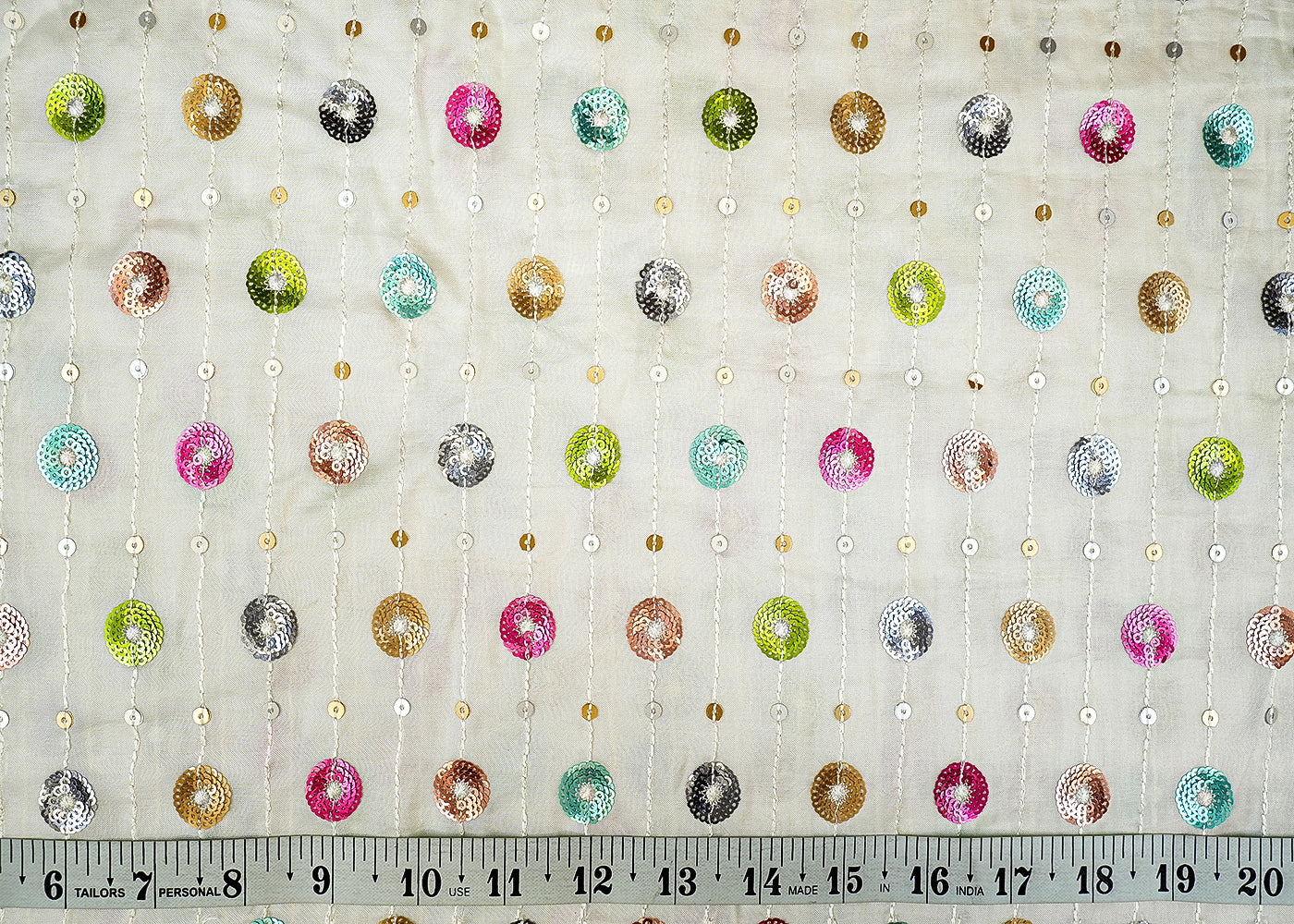
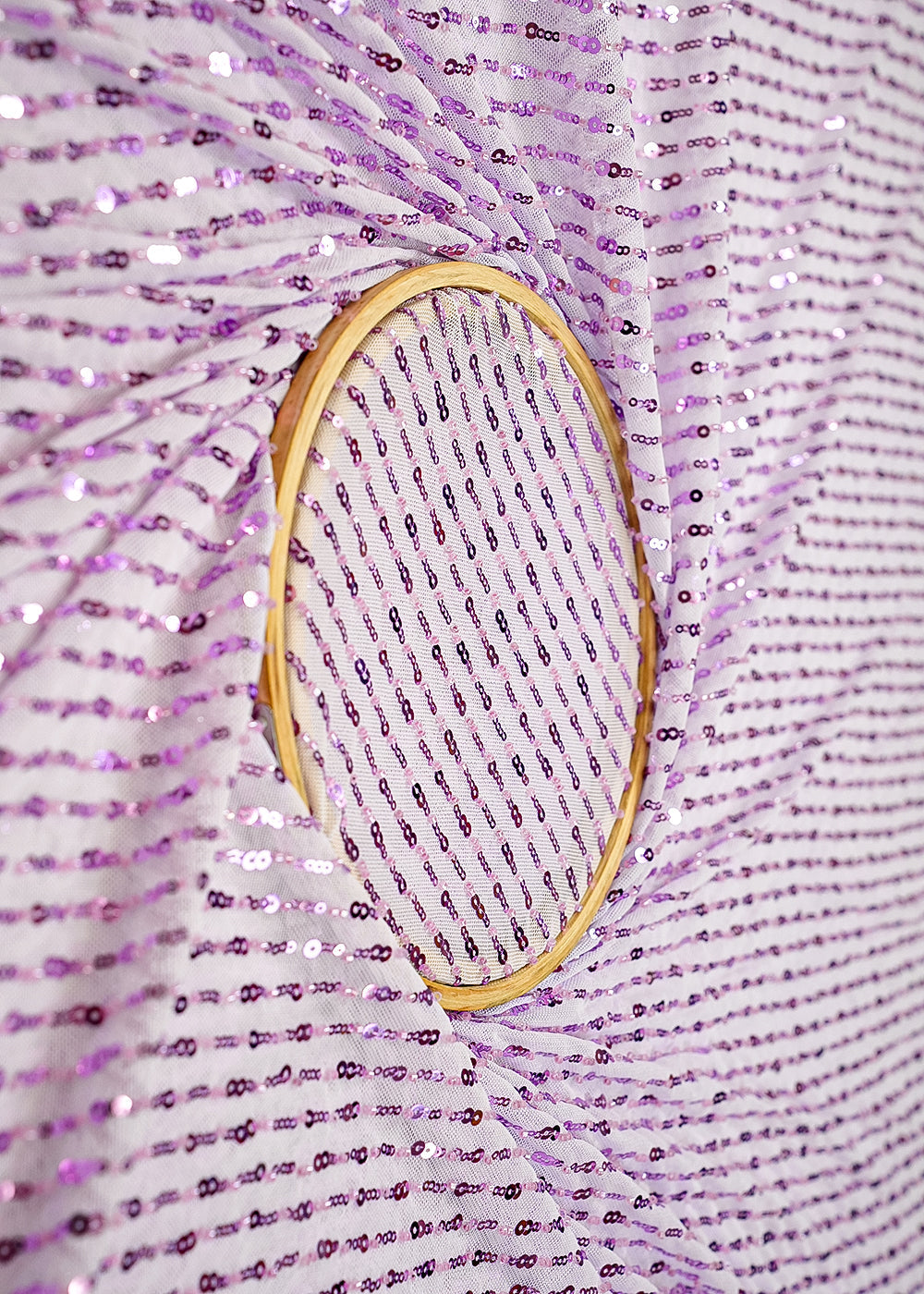
Category segments span zari-work embroidered (metallic thread patterns for wedding), sequins-work embroidered (Sitare-plus-Kundan reflective work for engagement), thread-work embroidered (silk or cotton thread coloured motifs), dyeable-embroidery (uncoloured work ready for custom dye), plus mixed-technique variants combining multiple embroidery types. Base fabrics vary across silk, georgette, chiffon, net, organza, plus velvet.
Suitable for bridal bliss function production plus zari coordinated lehenga construction across designer bridal segments. Lajpat Nagar wholesale rates for embroidered fabric online run Rs 780 to Rs 8,500 per metre depending on embroidery technique plus base fabric grade.
Embroidered Fabric Categories Available Online
| Category | Product Range | Wholesale Price Range |
|---|---|---|
| Zari-Work Embroidered | Bridal lehengas, wedding sarees | Rs 1,850 to 4,200 per metre |
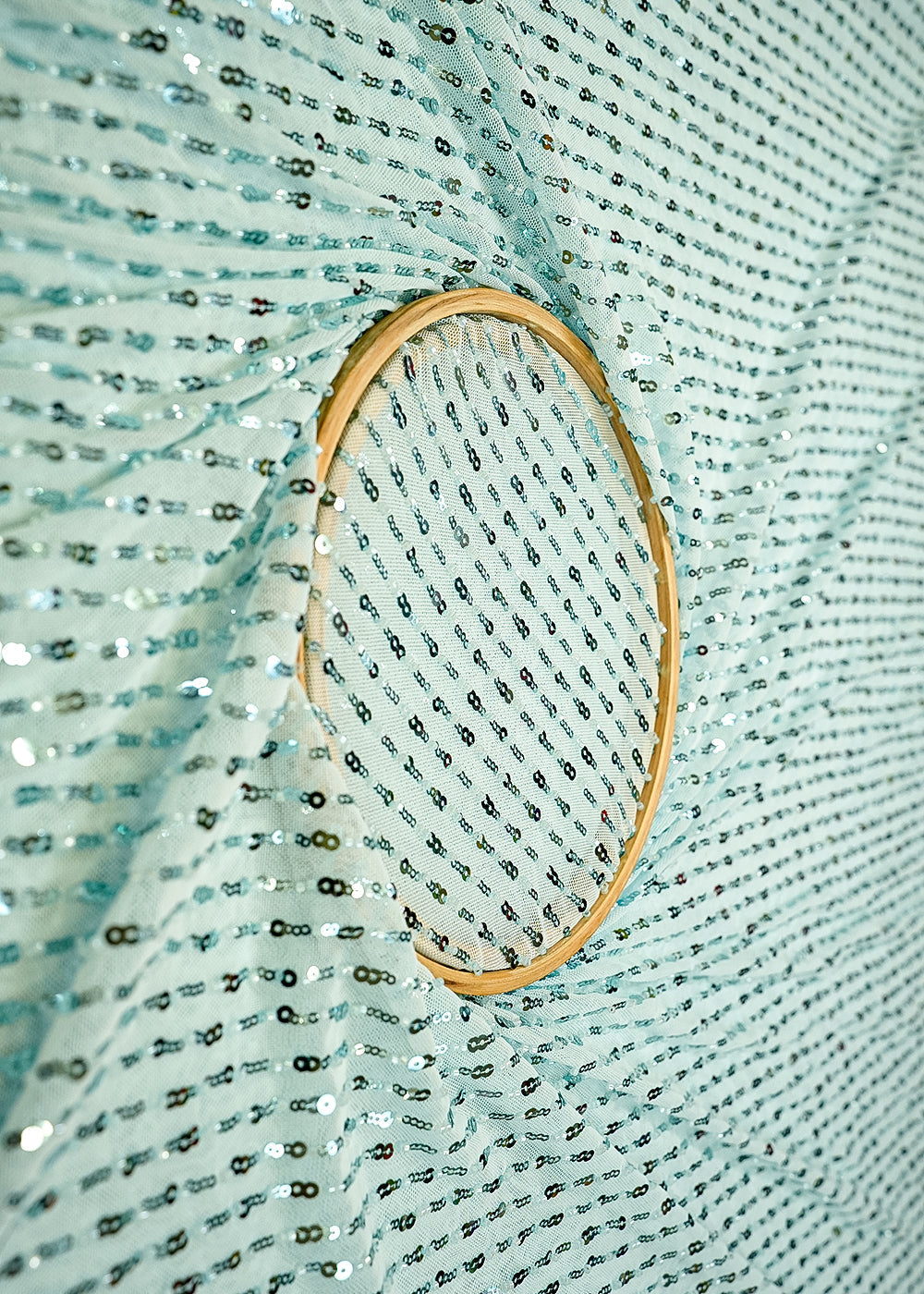
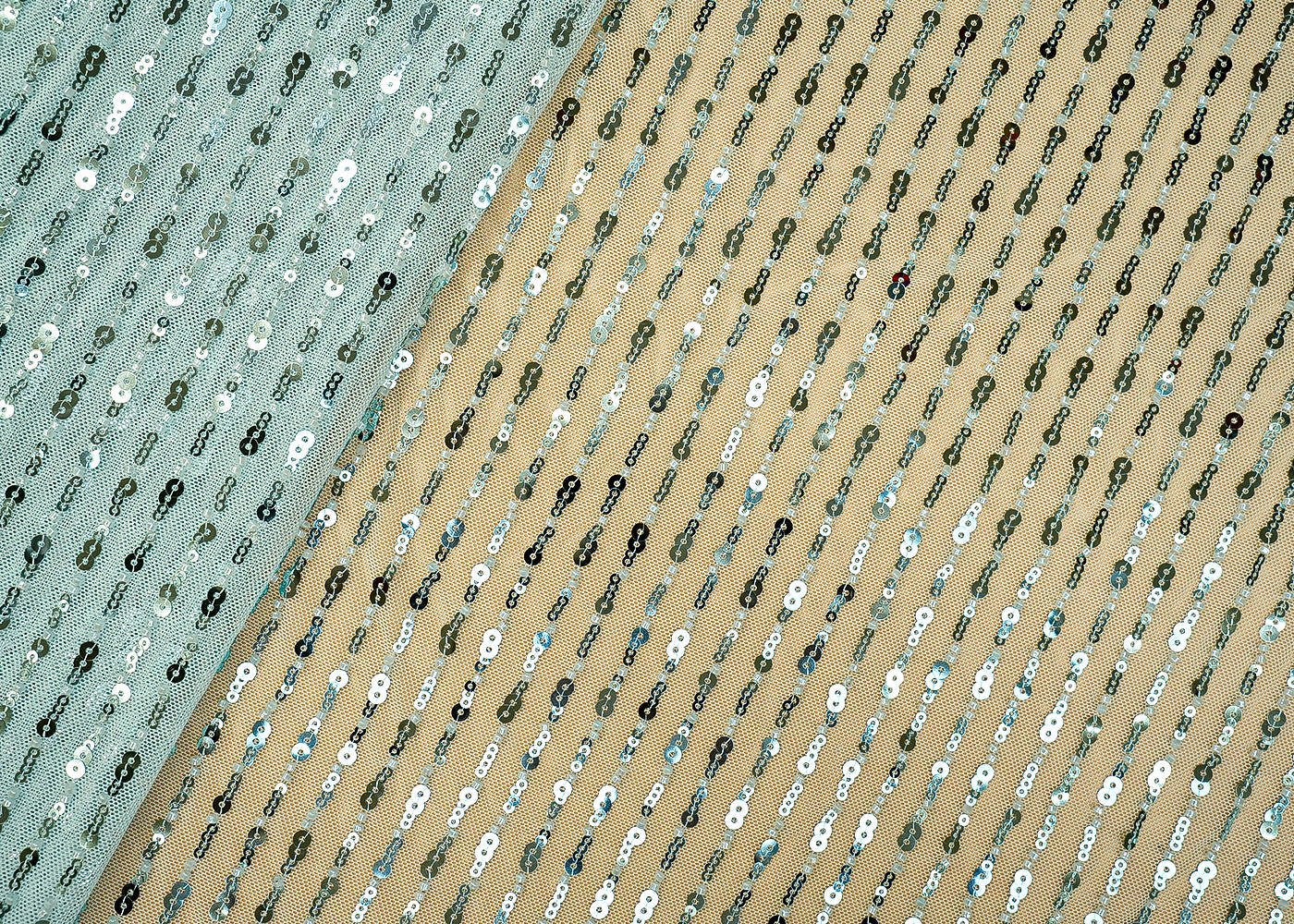
| Sequins-Work Embroidered | Engagement wear, reception outfits | Rs 1,240 to 3,400 per metre |
| Thread-Work Embroidered | Designer kurtis, festive wear | Rs 780 to 1,940 per metre |
| Dyeable-Embroidery | Custom-colour boutique operations | Rs 940 to 2,400 per metre |
| Mixed-Technique Embroidered | Bridal statement pieces, wedding blouses | Rs 3,400 to 8,500 per metre |
Thread-work embroidered variants sit as the volume seller across mid-market boutique production. Zari plus sequins variants target upper-tier bridal boutiques serving wedding function production. Mixed-technique statement variants anchor the Rs 25,000-plus retail bridal segment.
Embroidered Fabric GSM Reference
| GSM Range | Base Position | Typical Use |
|---|---|---|
| 90 to 150 GSM | Chiffon, georgette, lighter bases | Party sarees, engagement dupattas |
| 150 to 250 GSM | Silk, organza, structured bases | Wedding sarees, bridal blouses |
| 250 to 400 GSM | Velvet, heavy embroidery, statement bases | Bridal lehengas, statement pieces |
Boutique buyers select GSM by target garment plus embroidery weight through structured product filters. Heavier embroidery adds significant weight above the base GSM.
Popular Uses Across Online Buying
Bridal lehengas dominate uses across Delhi NCR bridal segment at Rs 25,000 to 65,000 retail band where zari plus mixed-technique variants photograph distinctly. Wedding sarees for the coordinated bridal-family segment come second across boutique units producing multi-piece outfits. Engagement sarees for pre-wedding function segments rank third at Rs 12,000 to 25,000 retail. Designer kurtis with thread-work embroidery round out popular uses across urban customer bases.
Embroidered Fabric Trends for 2026
Dyeable-embroidery leads the coordinated bridal segment currently. Boutiques dye uncoloured embroidered lots into custom shades matching specific bridal palette themes across bridal-family outfit sets. The Delhi NCR bridal boutiques reorder dyeable-embroidery every three weeks through October-February peak wedding season. Sitare-plus-Kundan sequins variants continue serving classical bridal customer segments where generational shopping patterns stay resilient.
Care and Working Tips for Embroidered Fabric
Dry-clean recommended across most embroidered variants. Machine washing damages both base fabric plus embroidered thread work. Hand-washing may loosen embroidery attachment across long wear cycles.
Silk-blend thread handles embroidered structure best. Fine sewing needle mandatory because standard needles catch embroidery plus base fabric causing visible damage. Machine tension needs adjustment for the substantial fabric weight combined with embroidery layer.
Ironing works at low heat on reverse side with press cloth. Direct heat may damage embroidery character. Storage folds in muslin cloth. Zari-heavy variants stored rolled on cardboard tubes preserve zari character best.
What is Embroidered Fabric Online Buying? (Quick Definition)
The embroidered fabric online buying model refers to purchasing textiles with applied thread, zari, sequins, or bead work embroidered onto the base fabric surface through e-commerce channels rather than physical wholesale markets. The embroidered fabric online catalogue spans 2,400-plus variants across zari, sequins, thread, dyeable-embroidery, plus mixed-technique variants at retail bands from Rs 8,500 to Rs 65,000. Available across 90 to 400 GSM at wholesale rates Rs 780 to Rs 8,500 per metre.
Why Designers Buy Embroidered Fabric Online
The Delhi NCR bridal boutique market drives embroidered fabric online buying volume because higher retail pricing (Rs 8,500 to 65,000 per garment) justifies sample-plus-bulk workflow decision cycles through e-commerce channels. Structured product specifications (embroidery technique, base fabric, GSM, wholesale pricing) support informed decision-making. Wholesale rates run Rs 780 to Rs 8,500 per metre.
Frequently Asked Questions
How does embroidered fabric differ from printed fabric online buying?
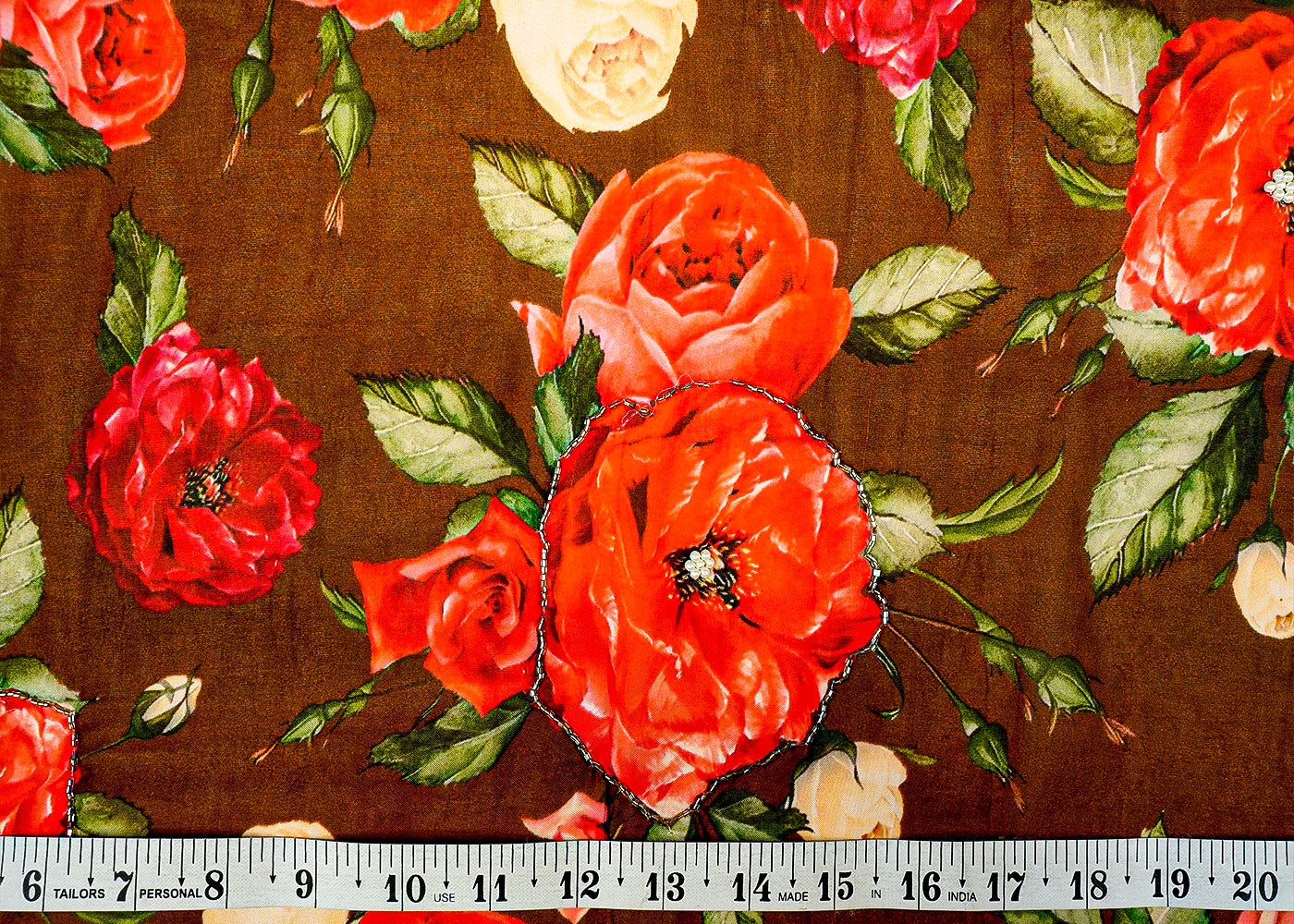
This variant delivers pattern through applied thread, zari, sequin, or bead work sitting above the base fabric surface, producing tactile plus visual character. Printed fabric delivers pattern through dye application flat against the fabric surface. Embroidered variants carry significantly higher retail pricing supporting bridal-plus-wedding function segments.
Which embroidery category works best for boutique bridal production?
Zari-work variants target Rs 25,000-plus bridal band across wedding lehenga production. Mixed-technique variants anchor the Rs 35,000-plus statement segment. Thread-work variants serve mid-market boutique kurti plus festive wear production at Rs 8,500-14,000 retail.
Is embroidered fabric available in bulk for bridal boutique operations?
Yes across all embroidery categories. Bulk pricing kicks in at 15 metres per SKU. Wholesale tiers begin at Rs 640 per metre for thread-work variants on 40-metre-plus orders. Wedding-season boutique lots above 100 metres unlock production pricing tier.
How much embroidered fabric does a bridal lehenga need?
Standard bridal lehenga needs 8 to 10 metres including kali panels plus dupatta. Statement bridal lehenga with extended ghera needs 12 metres. Coordinated lehenga-plus-blouse plus dupatta sets need 12 to 15 metres total across the pieces.
Why Boutique Owners Choose Embroidered Fabric Online from Paras Gallery
Ten metres minimum buys sample-rate per shade. Fifteen metres unlocks wholesale tier. One hundred metres opens peak-season production pricing across wedding boutique cycles. Place order through our wholesale catalogue.
