
Imperial Brocade

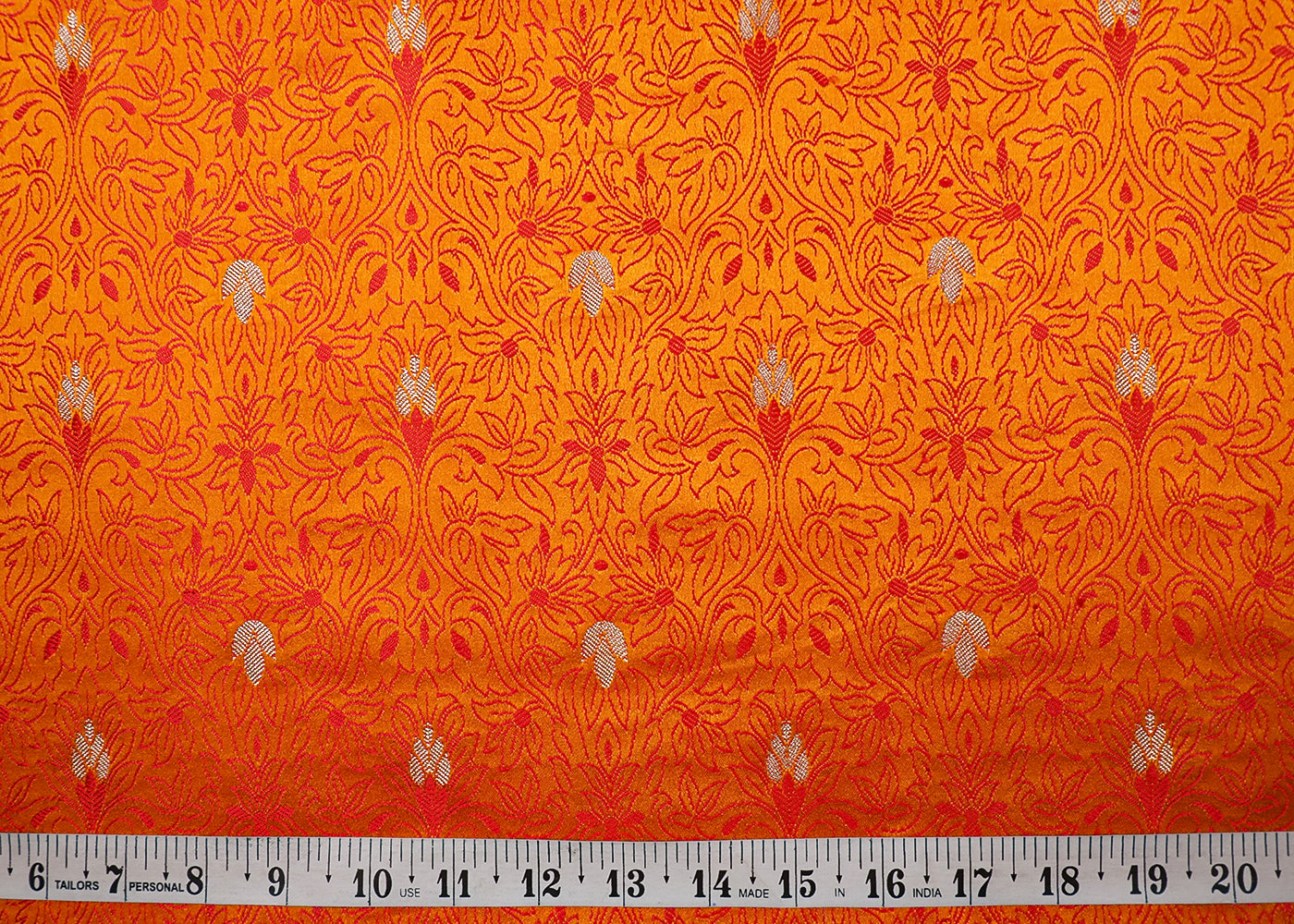


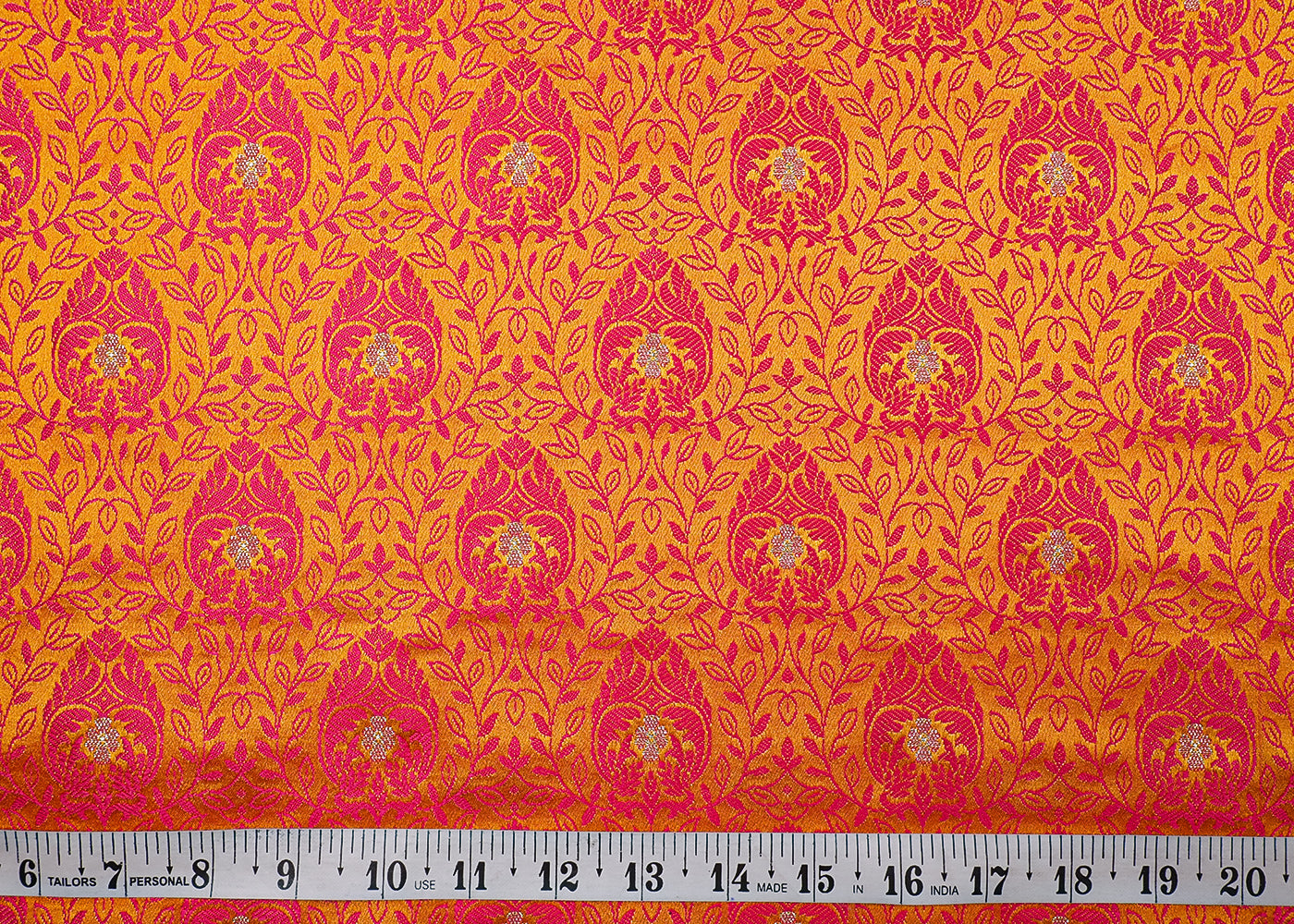


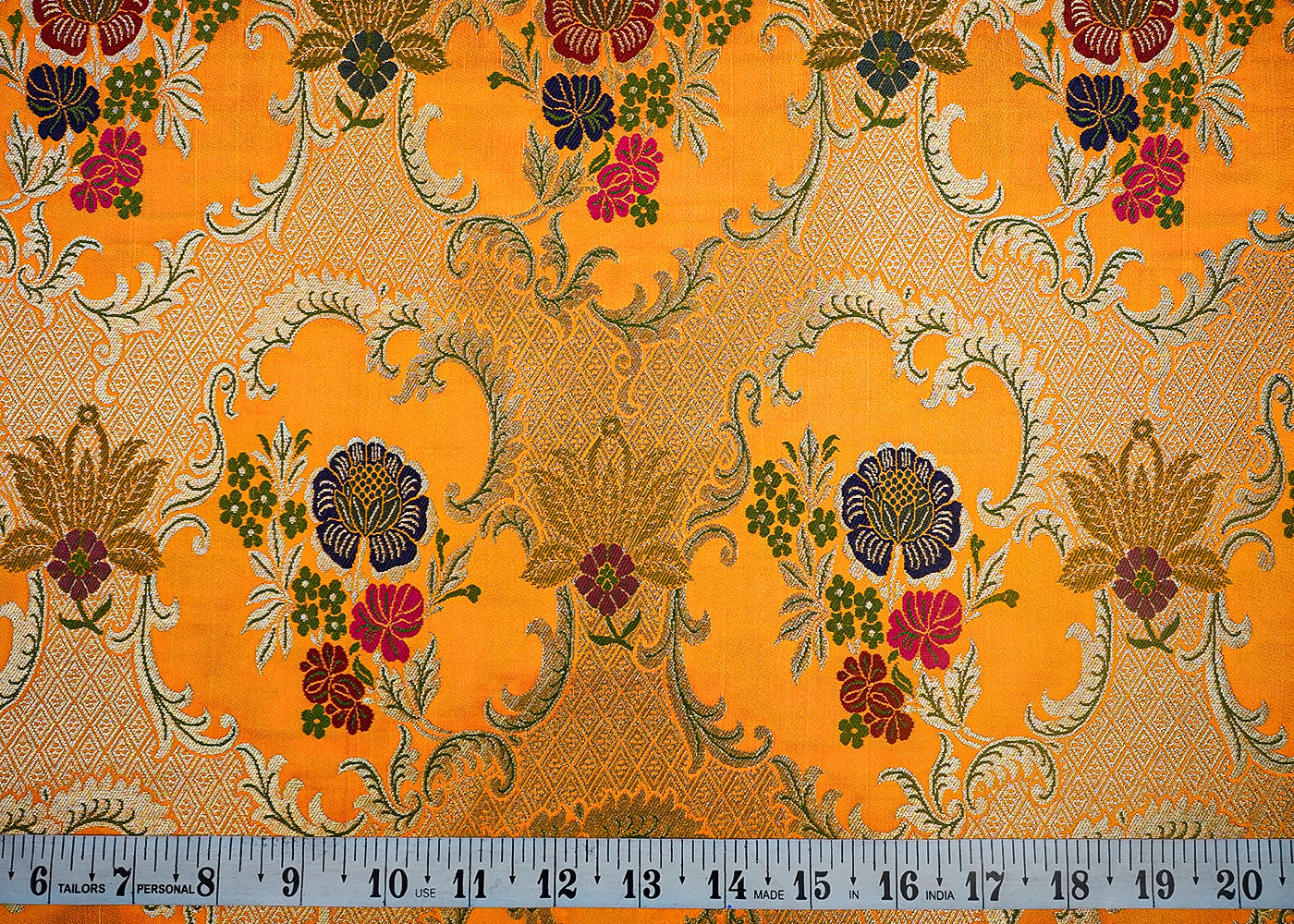




Inside Imperial Brocade: Zari Density, GSM, Wedding Uses
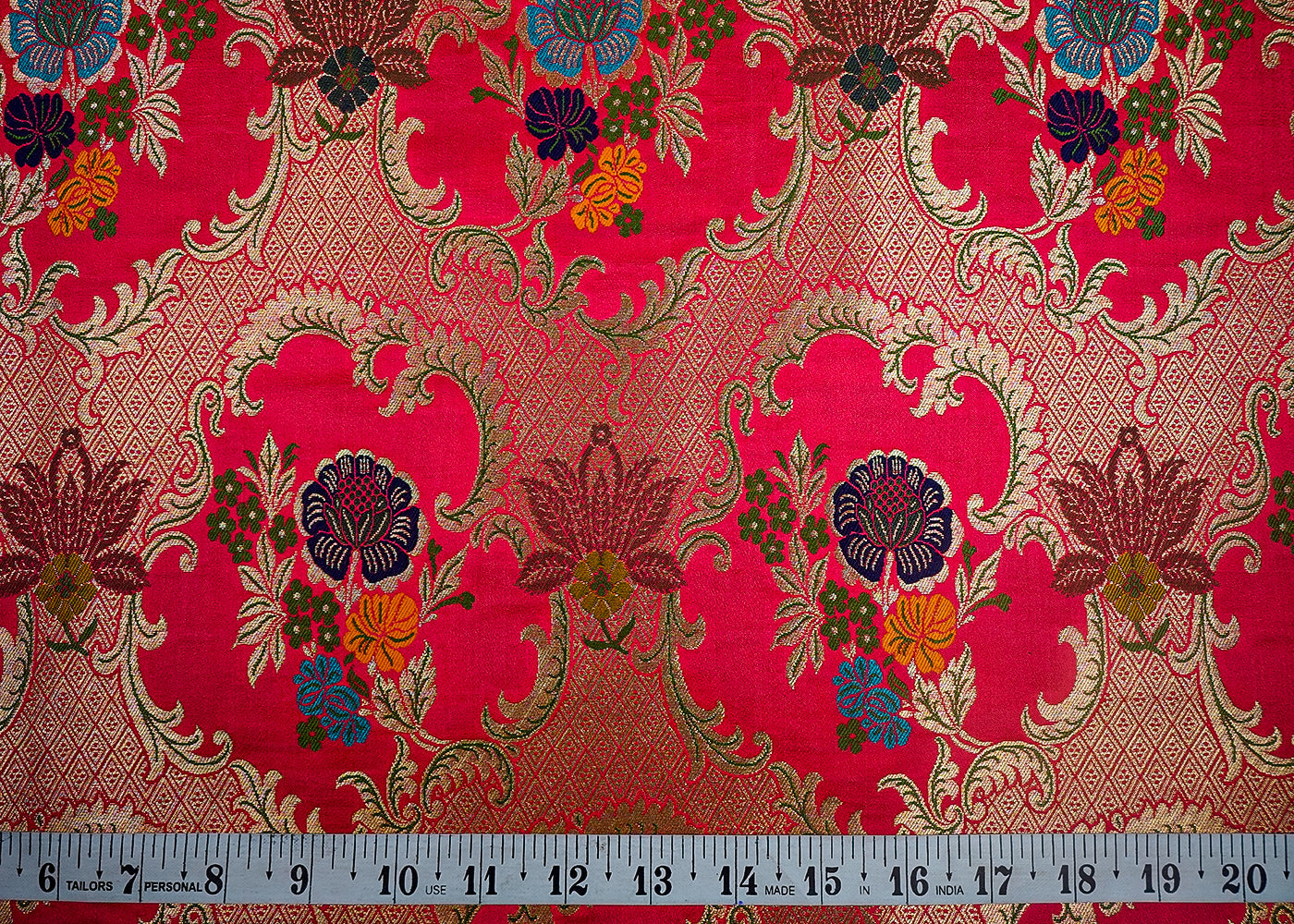
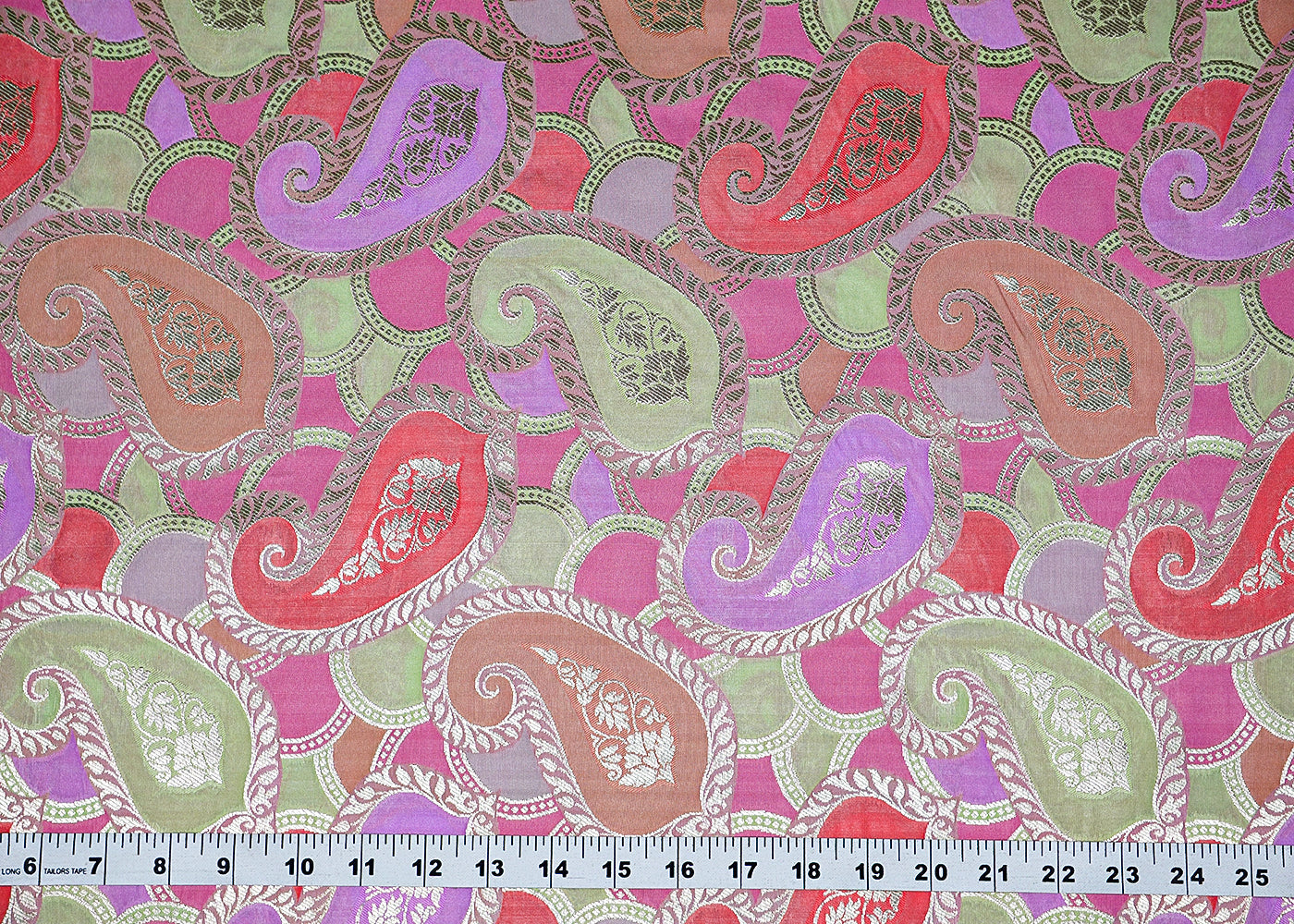
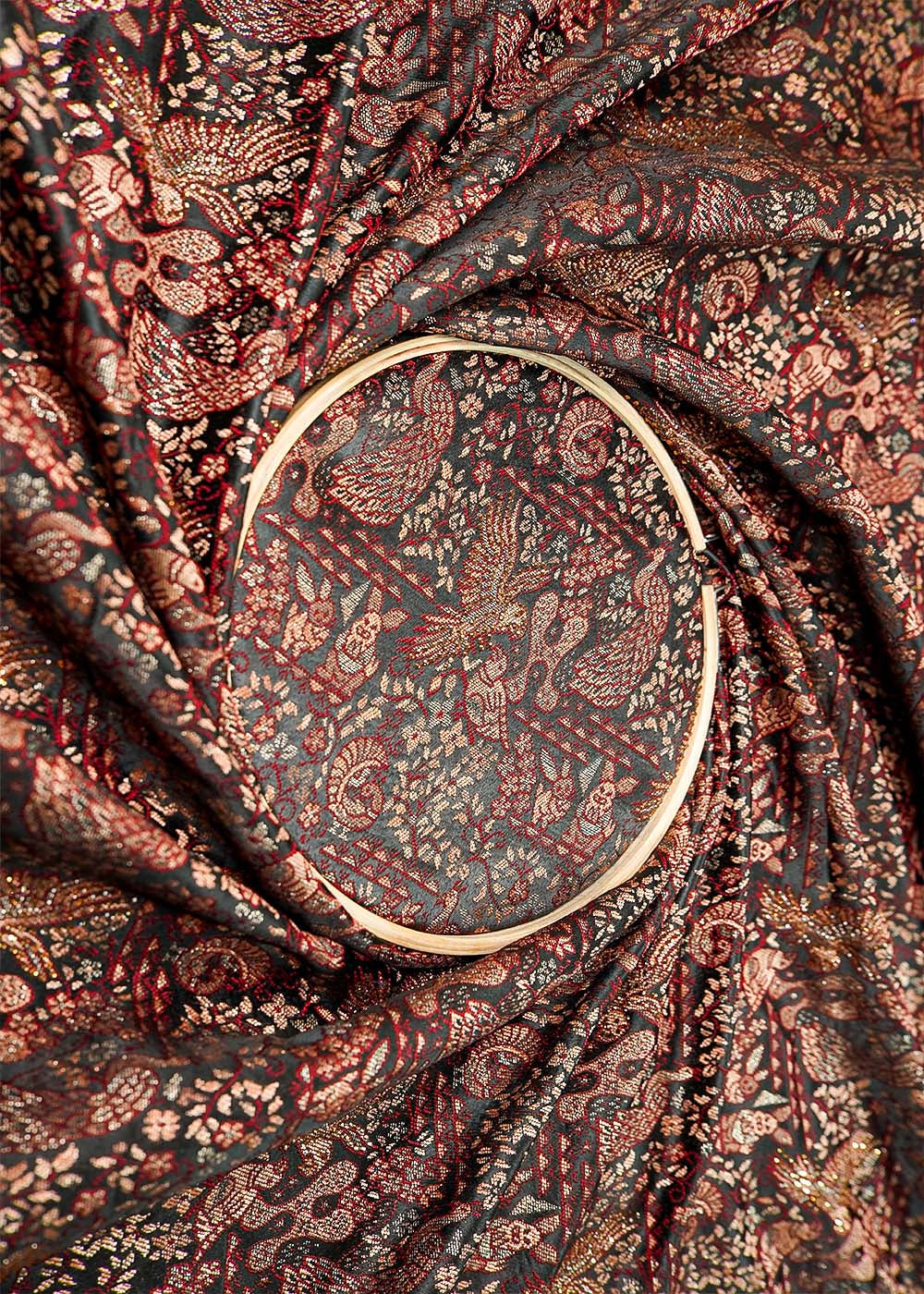
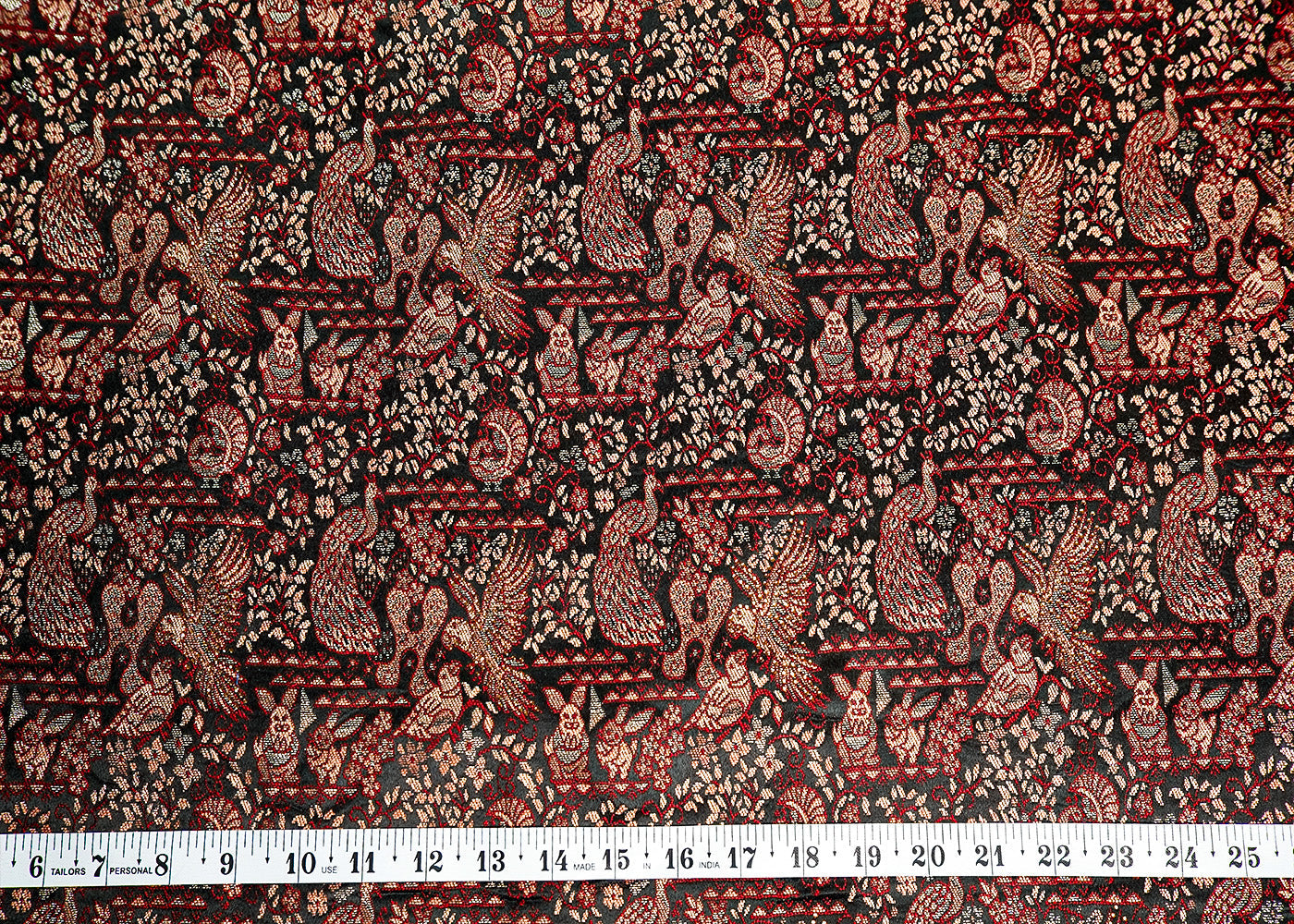
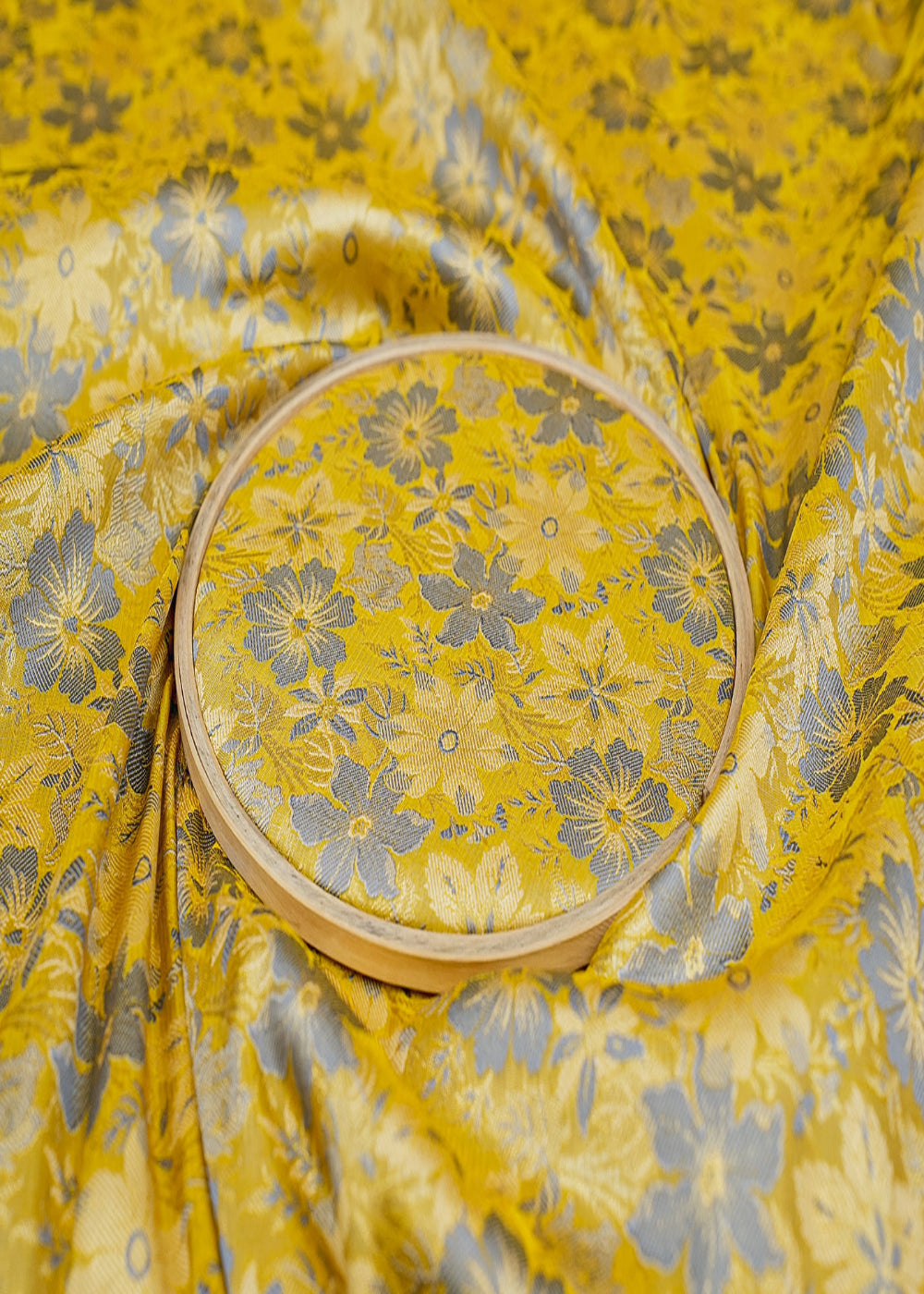
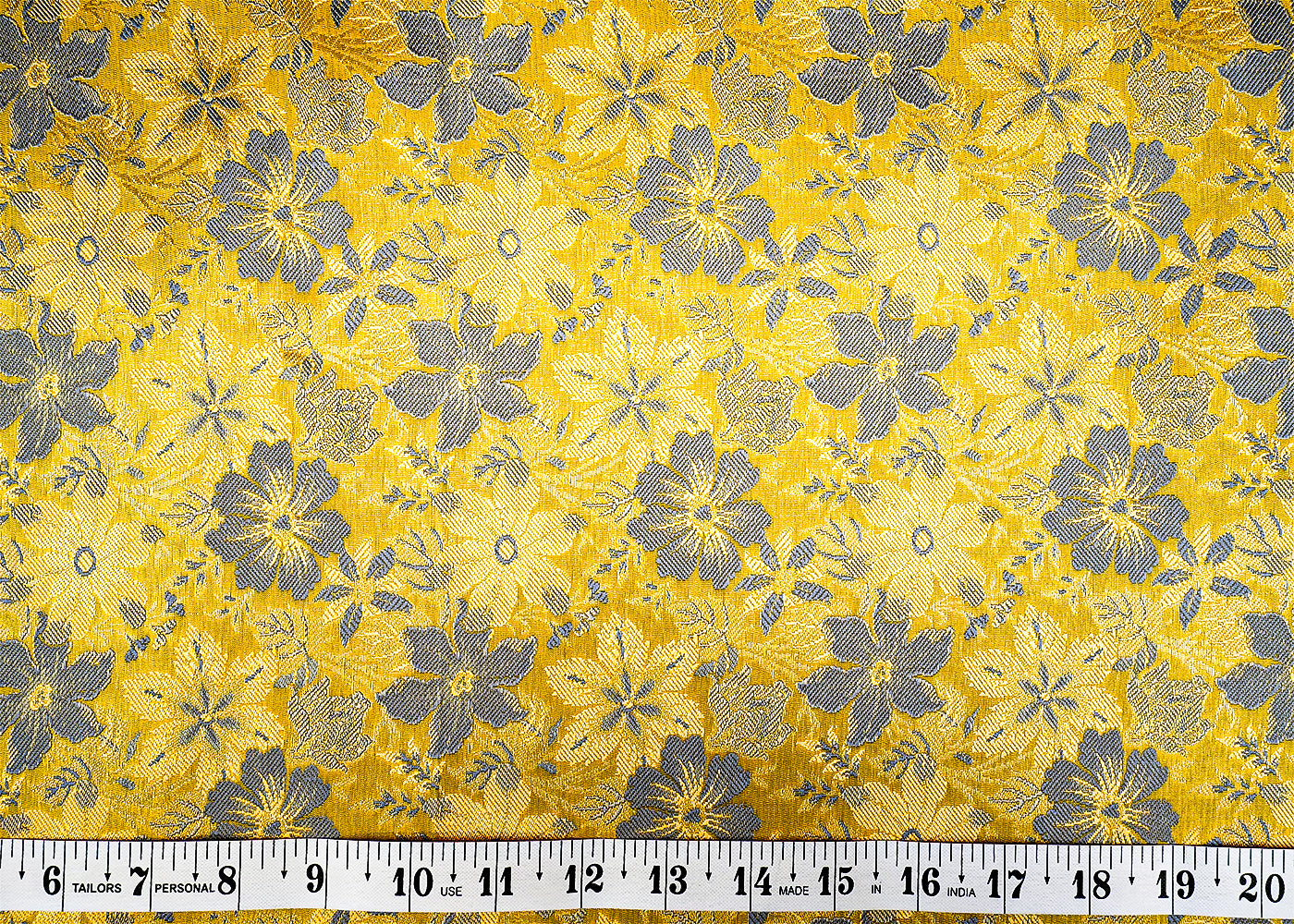
Imperial brocade is the heavy statement grade of the brocade range. The zari motif is dense, the ground is structured, the whole fabric is built to carry a wedding or reception outfit on its own without additional embroidery. This is where a boutique reaches when the piece has to command the room.
The richness is woven in with metallic thread on the loom, not embroidered afterward. So a plain imperial brocade panel already reads regal, so the fabric works as the highlight of an outfit rather than a base that needs work on top.
What Sets the Imperial Grade Apart
Standard brocade uses moderate zari coverage on a medium ground. Imperial brocade runs denser metallic motif on a heavier structured base, which gives it the weight and depth for centrepiece wedding wear. The extra thread coverage is what separates it from an everyday festive brocade.
The structure is the other half. The dense weave holds a flared silhouette and panel construction without collapsing, which is exactly what a wedding lehenga kali or a groom's sherwani needs. It carries mirror, bead, or cutdana embellishment well when a design calls for it, though the weave alone usually does the work.
Types and Rates
| Type | Best Use | Approx Rate |
| Floral imperial brocade | Wedding lehengas, sarees, dupattas | Rs 550 to 1,200 per metre |
| Jaal imperial brocade | Sherwanis, jackets, statement blouses | Rs 650 to 1,400 per metre |
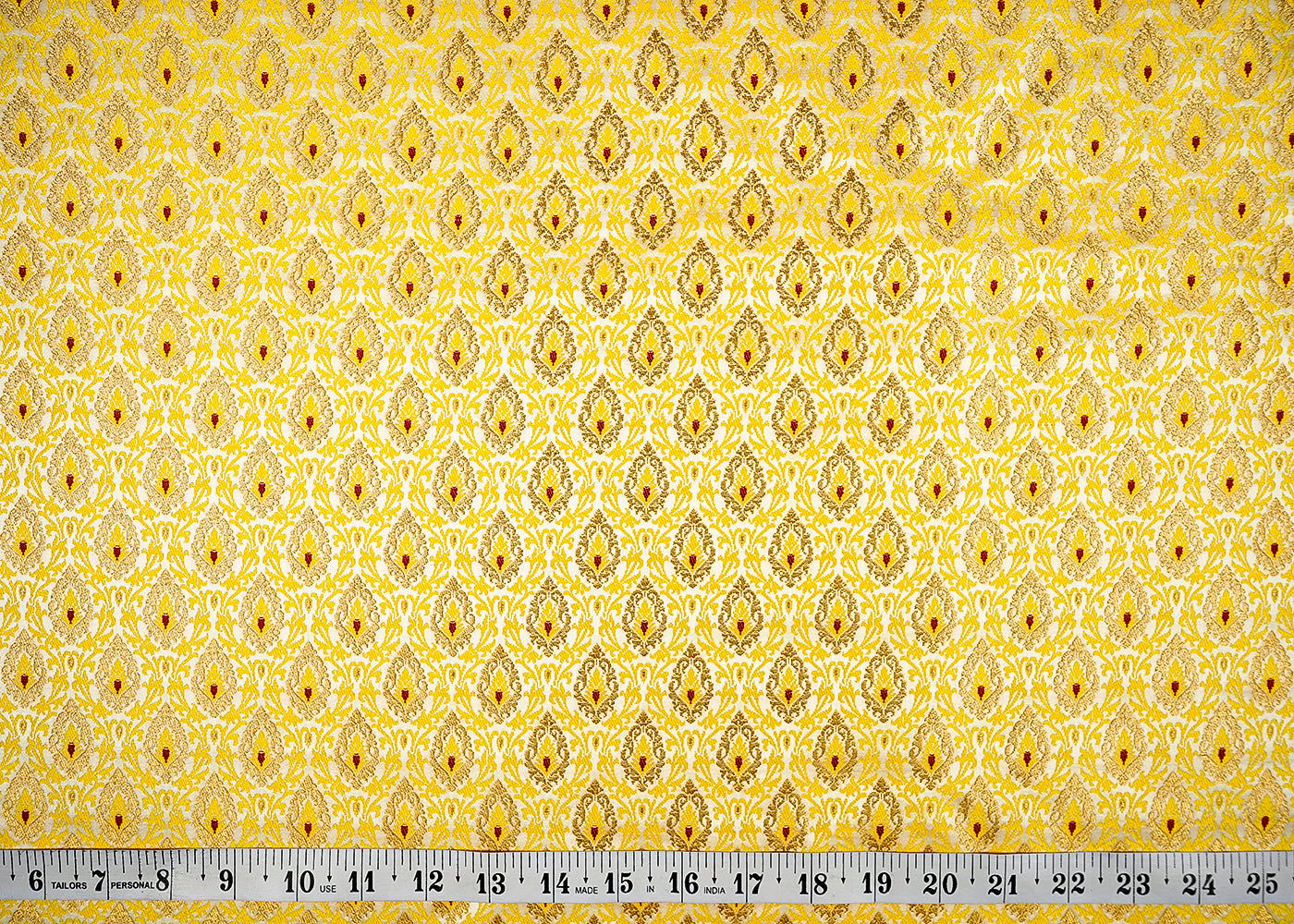
| Buti imperial brocade | Kurtas, waistcoats, festive suits | Rs 500 to 1,000 per metre |
| Heavy zari imperial brocade | Wedding centrepiece, couture builds | Rs 1,000 to 2,000 per metre |
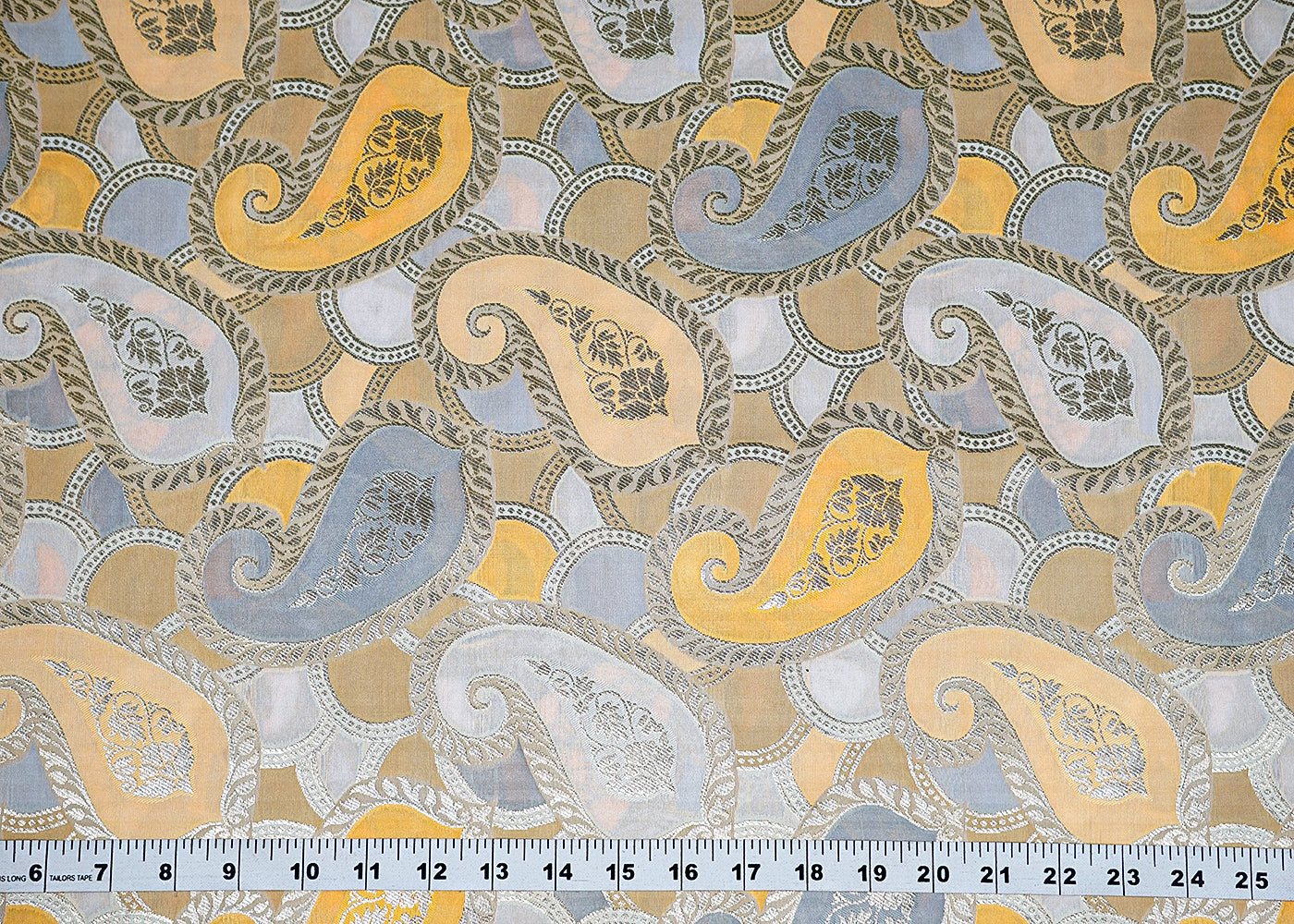
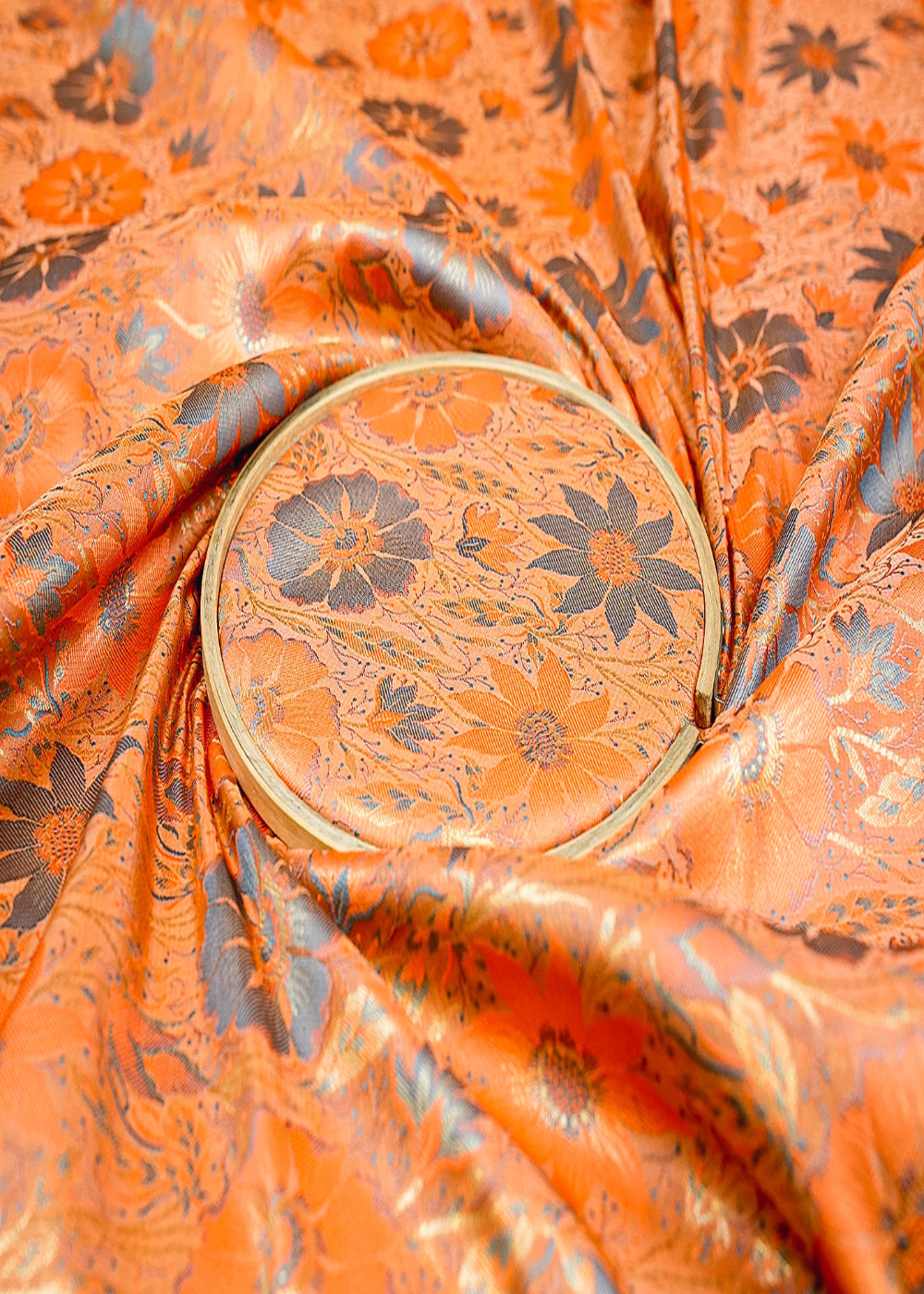
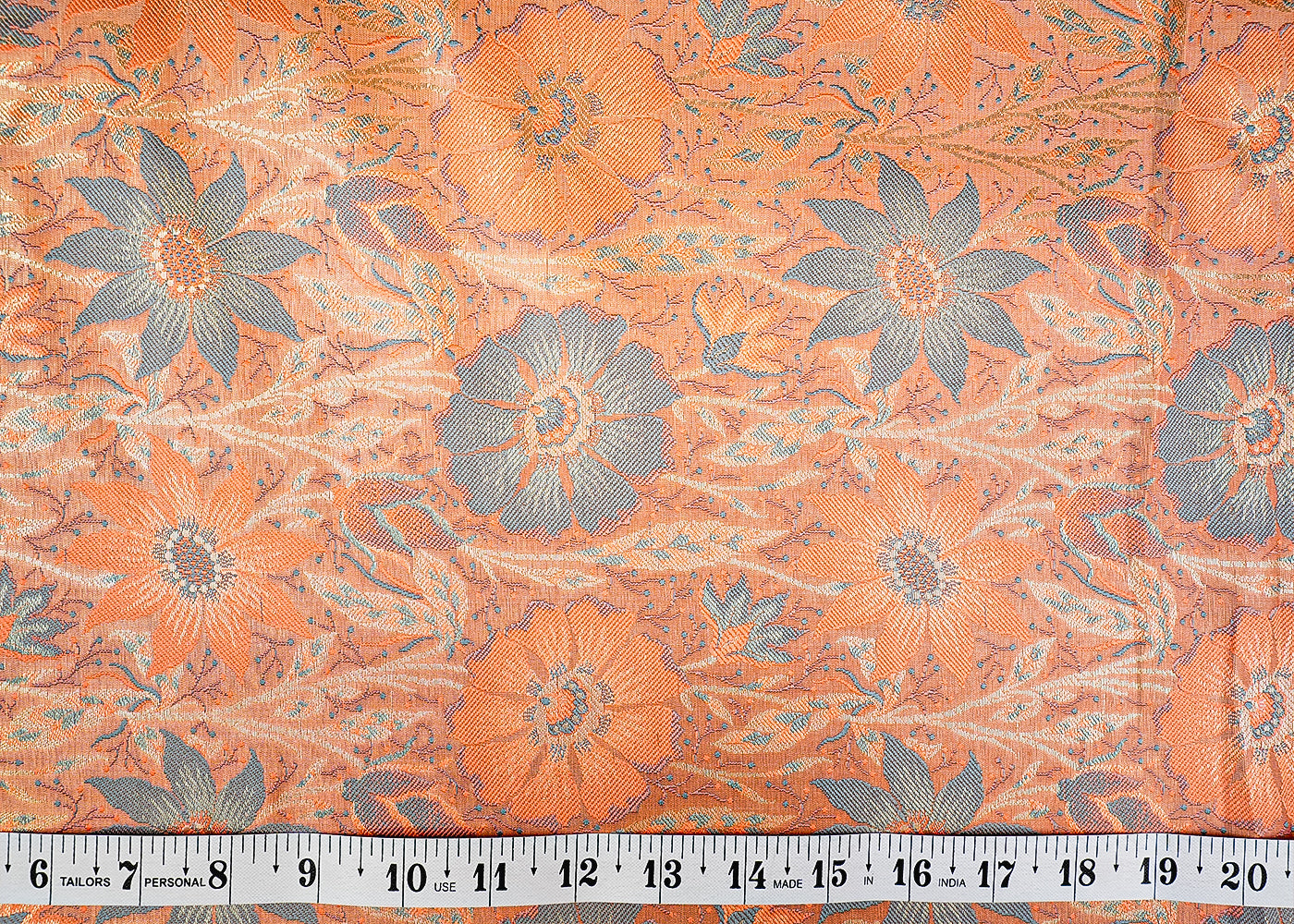
| Pastel imperial brocade | Day weddings, reception, festive wear | Rs 550 to 1,100 per metre |
Heavy zari grades carry the top band because the metallic coverage is dense. Bulk thaan purchase brings the floral, buti, pastel grades down noticeably. Pure zari costs more than the tested or coated zari versions that share the look at a lower price.
Imperial Brocade GSM Guide
Imperial brocade runs heavy by design. The band decides how much structure the garment holds and how the dense weave falls after stitching.
| Type | GSM Range | Feel | Best For |
| Light imperial brocade | 160 to 190 GSM | Semi-soft with body | Blouses, dupattas, kurtas |
| Standard imperial brocade | 190 to 230 GSM | Structured, firm | Lehengas, sherwanis, suits |
| Heavy zari imperial brocade | 230 to 280 GSM | Dense, weighted | Wedding centrepiece, couture |
Popular Uses
- Wedding lehengas, sarees, dupattas, statement blouses
- Sherwanis, achkans, waistcoats, groom jackets
- Reception gowns, festive co-ord sets, stagewear
- Panel, border, yoke work on lighter base fabrics
Imperial brocade works across both sides of a wedding order, so a boutique can build a groom's sherwani and a wedding lehenga panel from related bolts. Used as borders and yokes rather than full builds, a small quantity lifts a plain outfit at controlled cost. Pair it with a plain silk base for the supporting outfits to keep the total spend sensible.
Colour Directions for 2026
Wedding reds and deep jewel tones hold the main outfit segment, where the gold zari reads richest against a deep ground and families stay classic. Pastel imperial brocade has grown for day weddings and receptions, since a softer ground with dense gold work photographs well under natural light.
Heavy zari grades lead the reception jacket and stagewear segment. Here the metallic coverage is the whole point, so buyers want maximum thread density rather than a subtle motif.
Working Tips for Imperial Brocade
- Line the garment. The zari thread on the reverse scratches against skin without a backing
- Cut single layer with sharp shears, matching the motif at panel seams before cutting
- Use imperial brocade on borders, yokes, sleeves to lift a plain outfit without a full heavy build
- Dry clean only. Water tarnishes the zari and can leave marks on the dense weave
Frequently Asked Questions
What is imperial brocade fabric?
It is the heavy statement grade of brocade, with dense woven zari motif on a structured ground. Built to carry a wedding or reception outfit on its own, it needs no additional embroidery since the metallic weave provides the richness.
How much imperial brocade is needed for a lehenga?
A lehenga base needs 6 to 7 metres for the ghera, plus 1.5 metres for the blouse and 2.5 metres for the dupatta. Since the fabric is heavy, many designers use it in panels with a lighter fabric between to control weight.
Is imperial brocade suitable for menswear?
Yes. The structure suits sherwanis, achkans, waistcoats well, which is why it works for full wedding orders covering both the bride and groom sides from one fabric family.
Can imperial brocade be washed at home?
No. Imperial brocade should be dry cleaned only. Water tarnishes the metallic zari and the dense weave can distort, so home washing damages the fabric that gives it its richness.
Order Imperial Brocade at Paras Gallery Fabrics
Our imperial brocade range covers floral, jaal, buti, heavy zari, pastel grades across the full GSM spread, cut by the metre or supplied by thaan for production runs. Designers building wedding lehenga ranges can check bulk rates on our wholesale page.
