
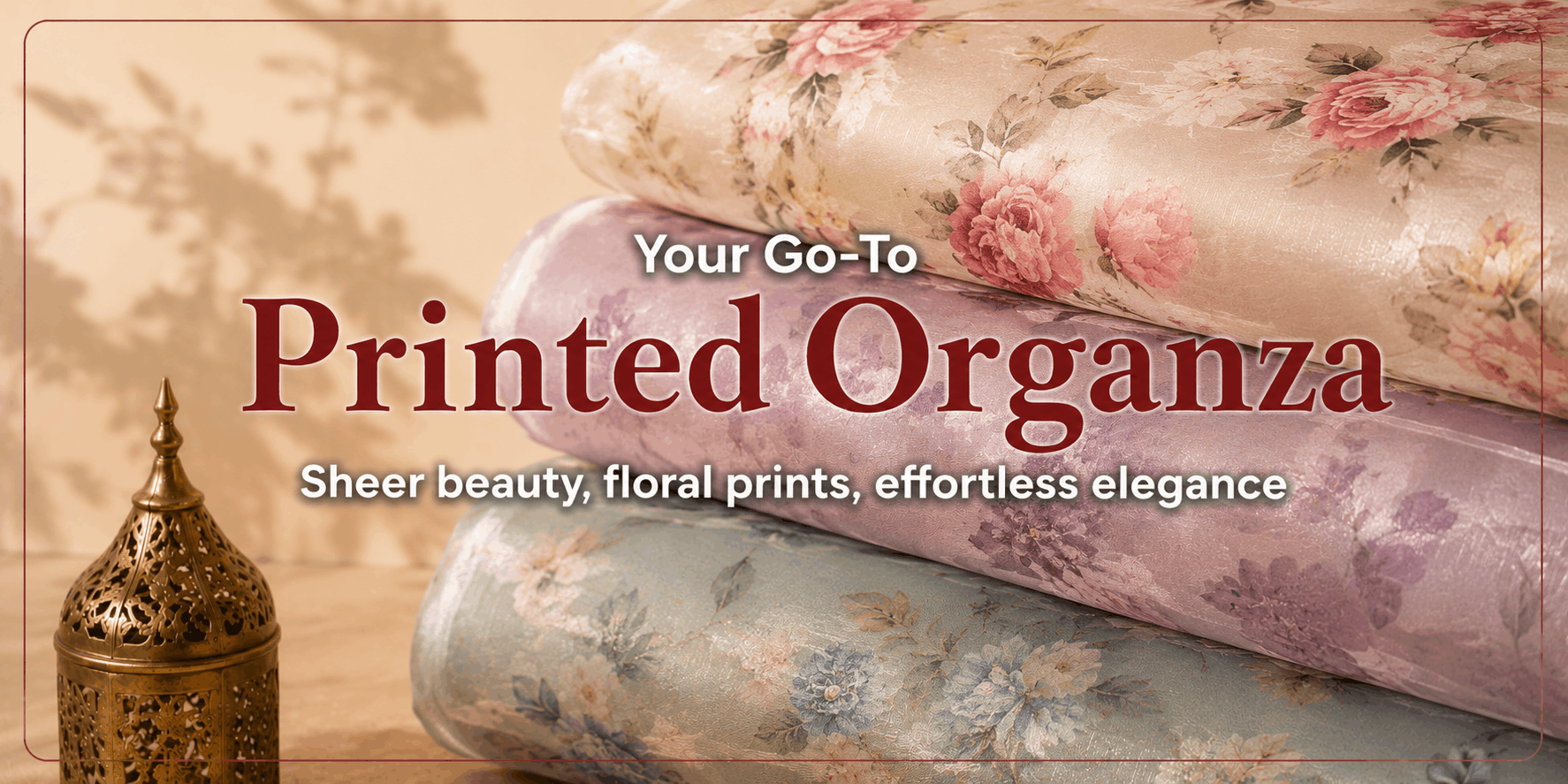
Printed Organza
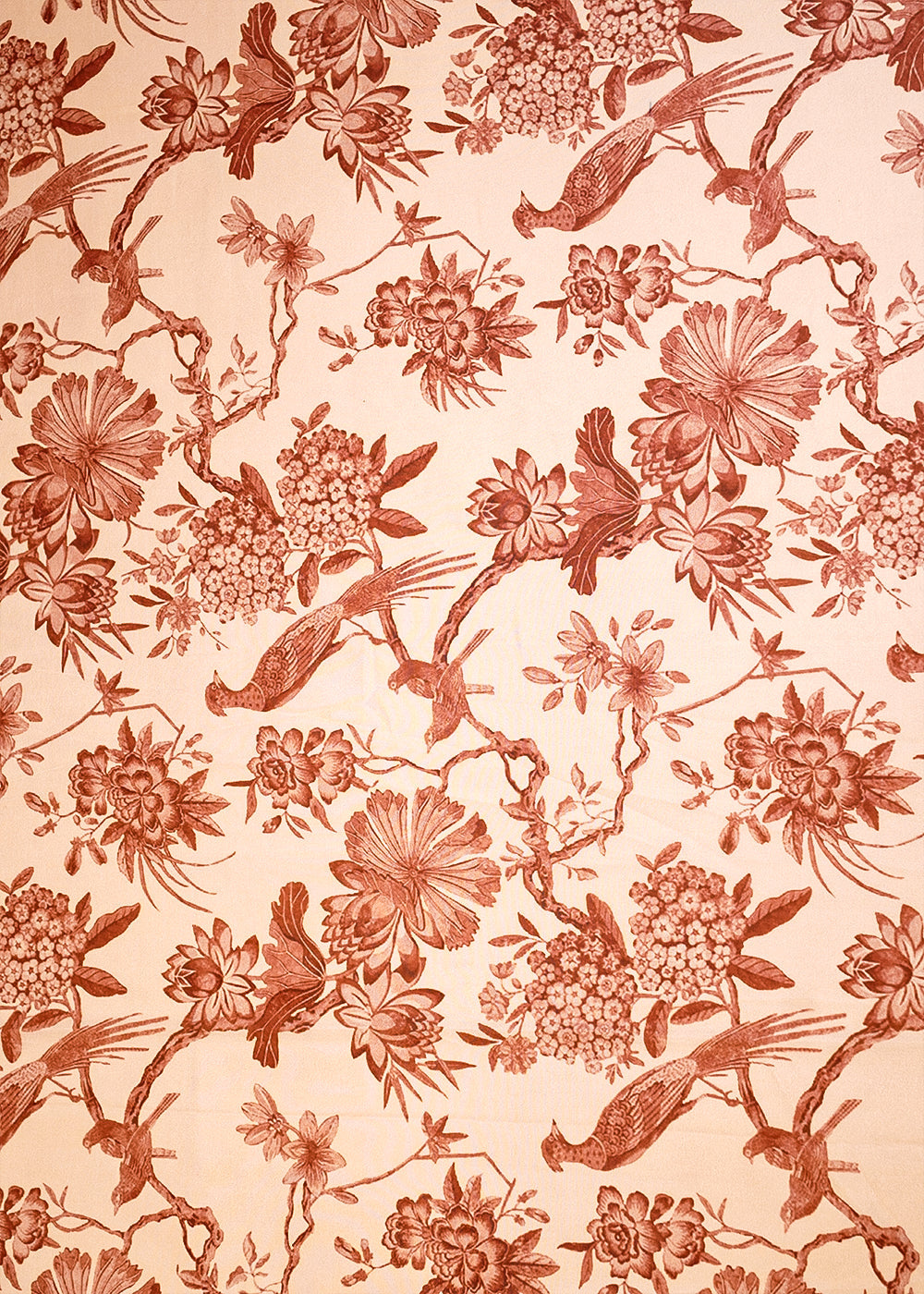
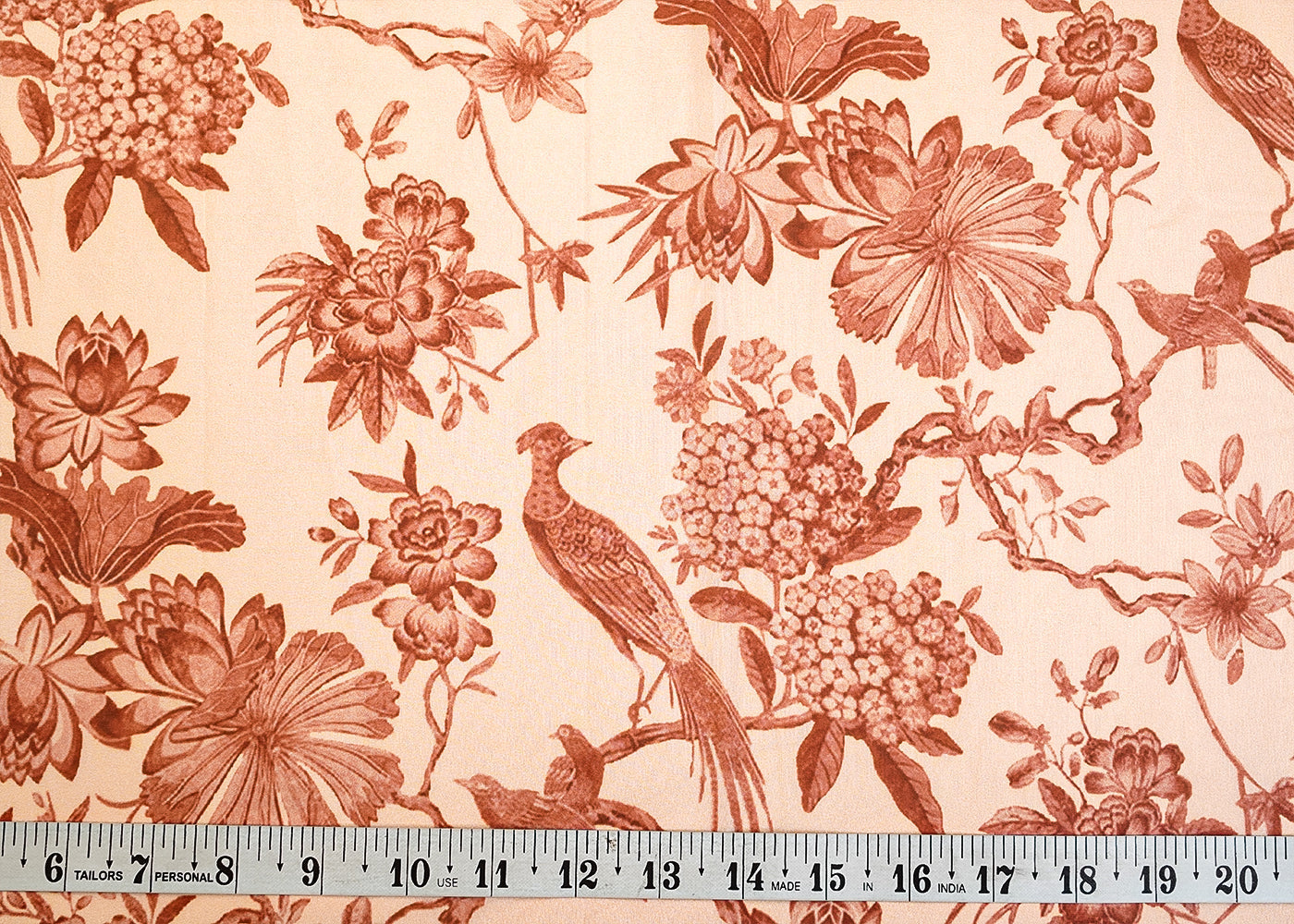
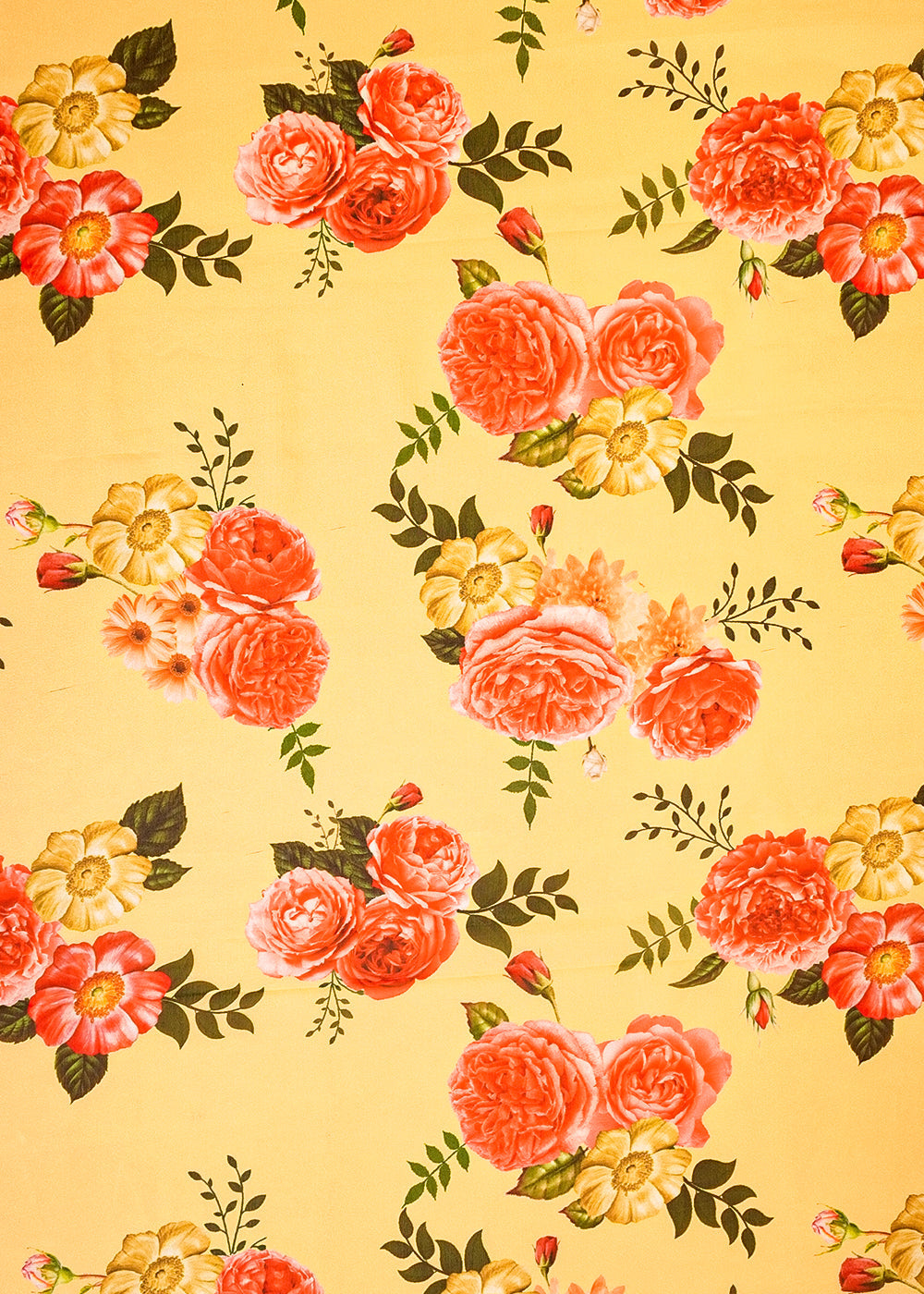
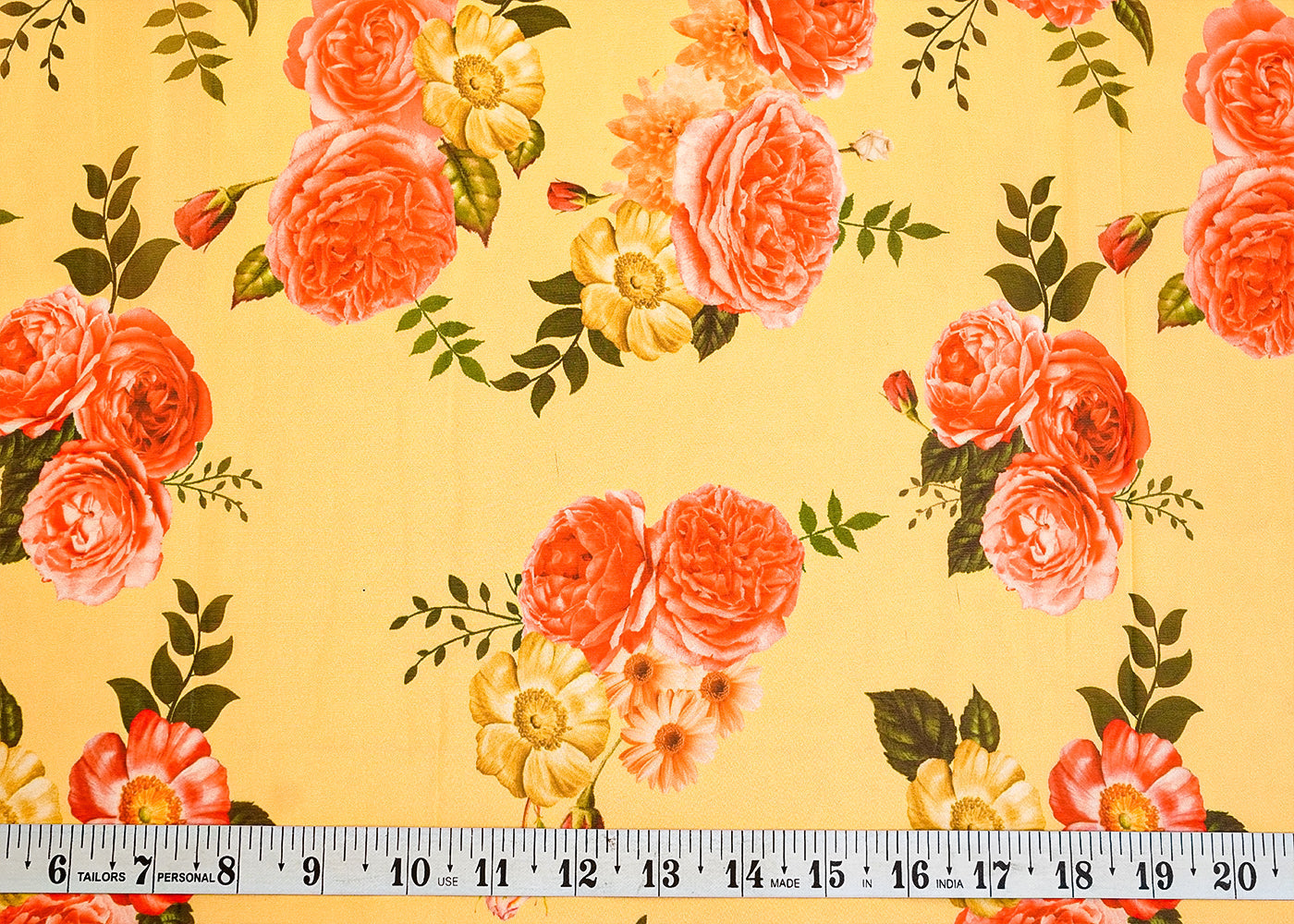
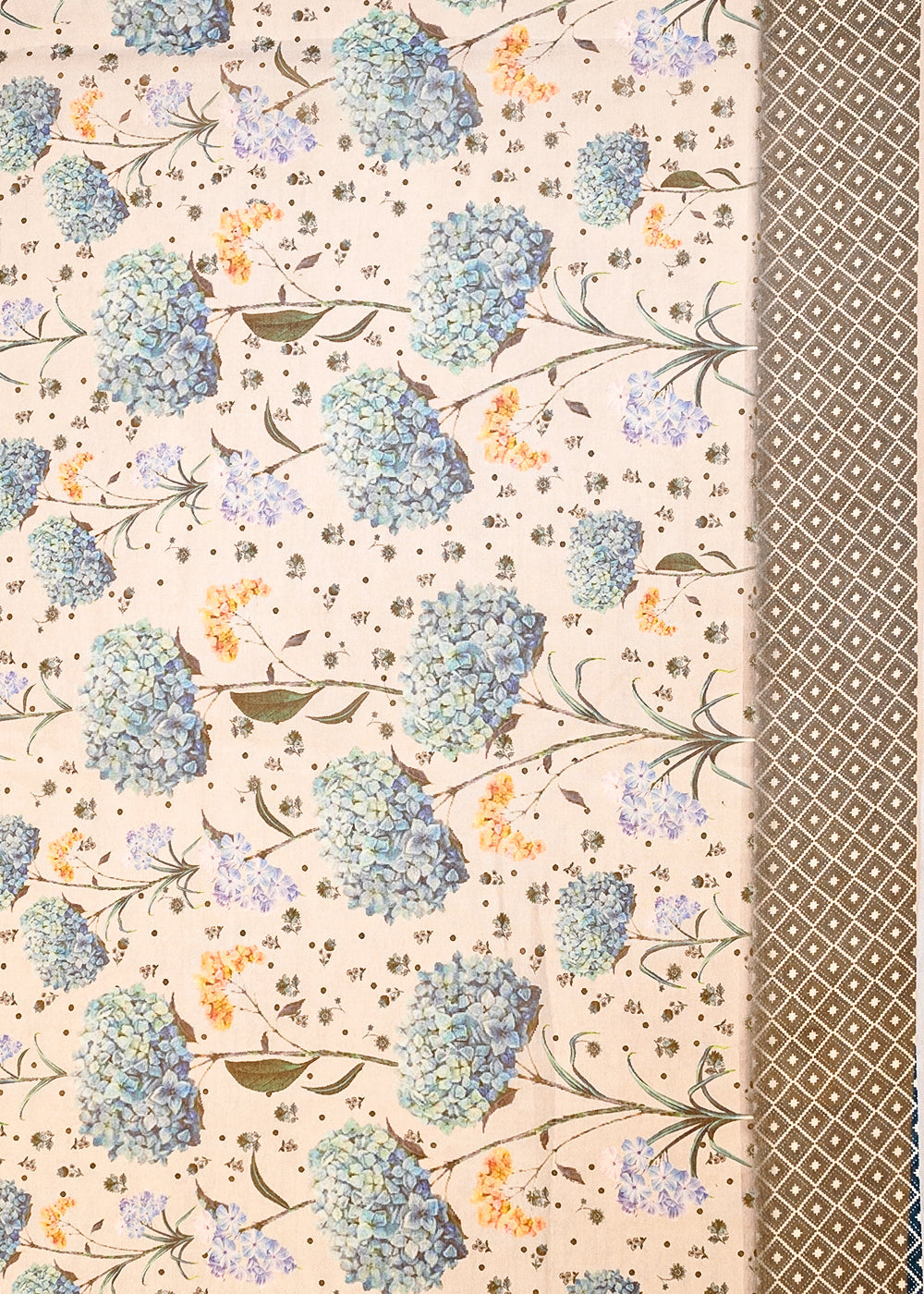
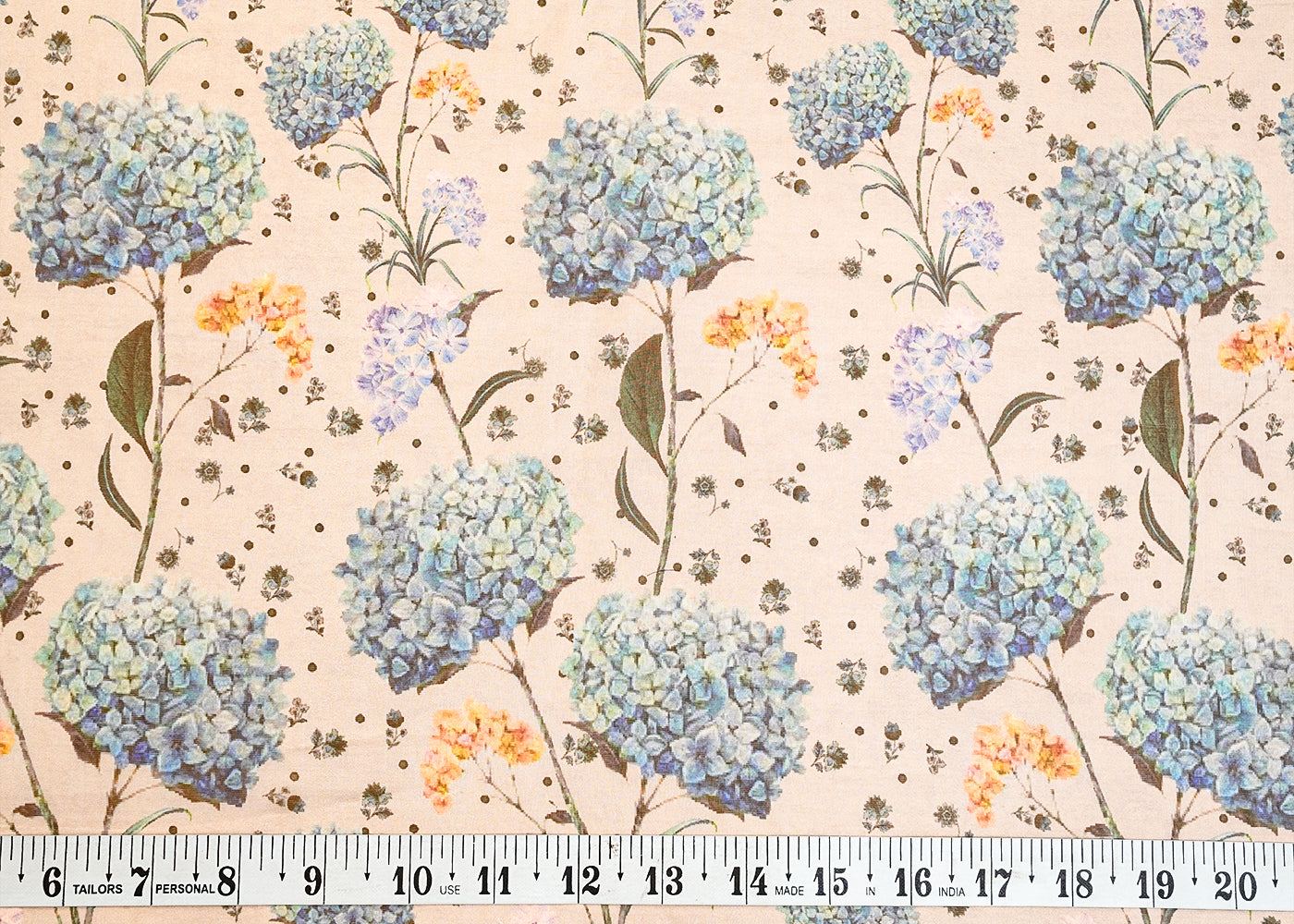
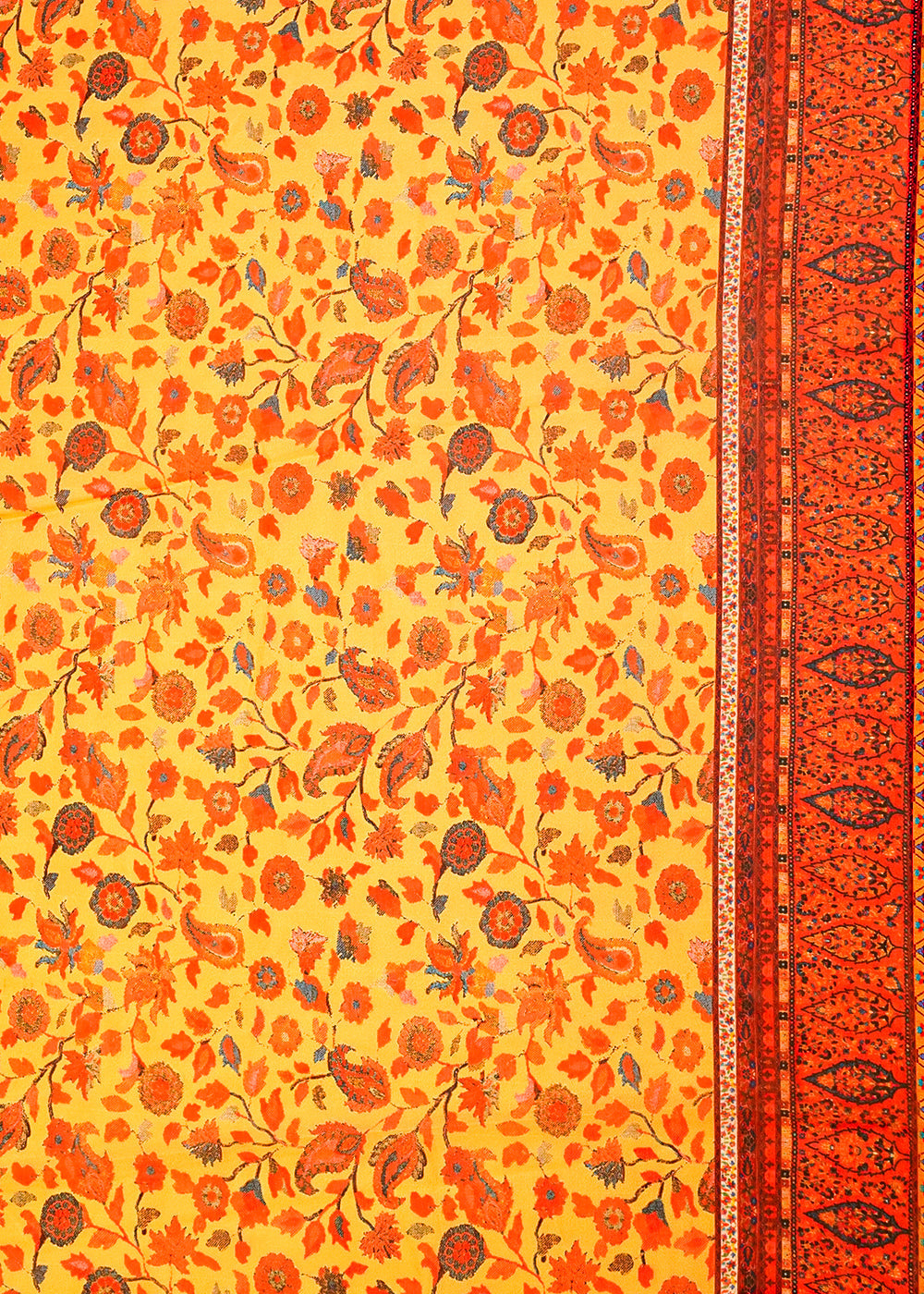
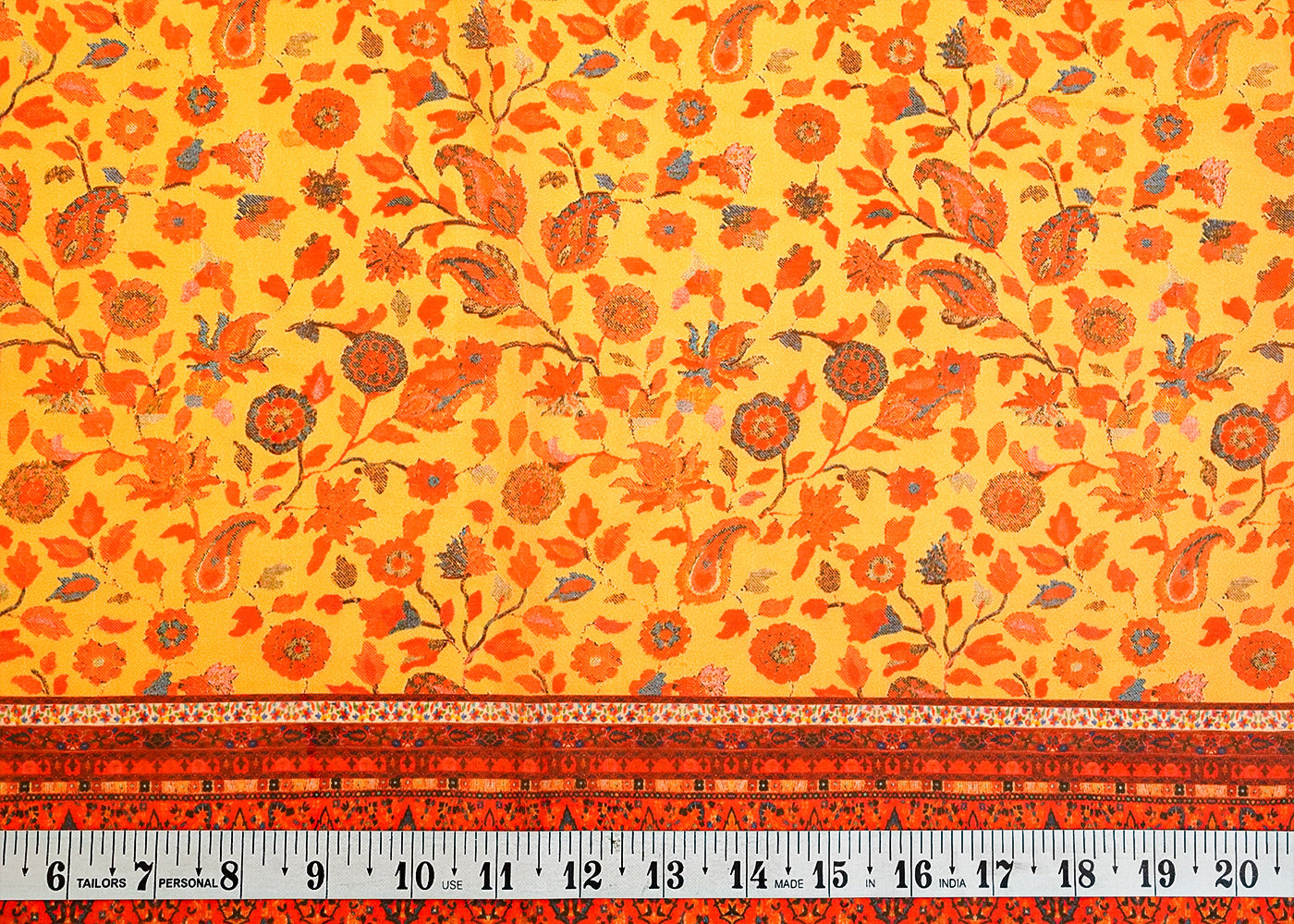
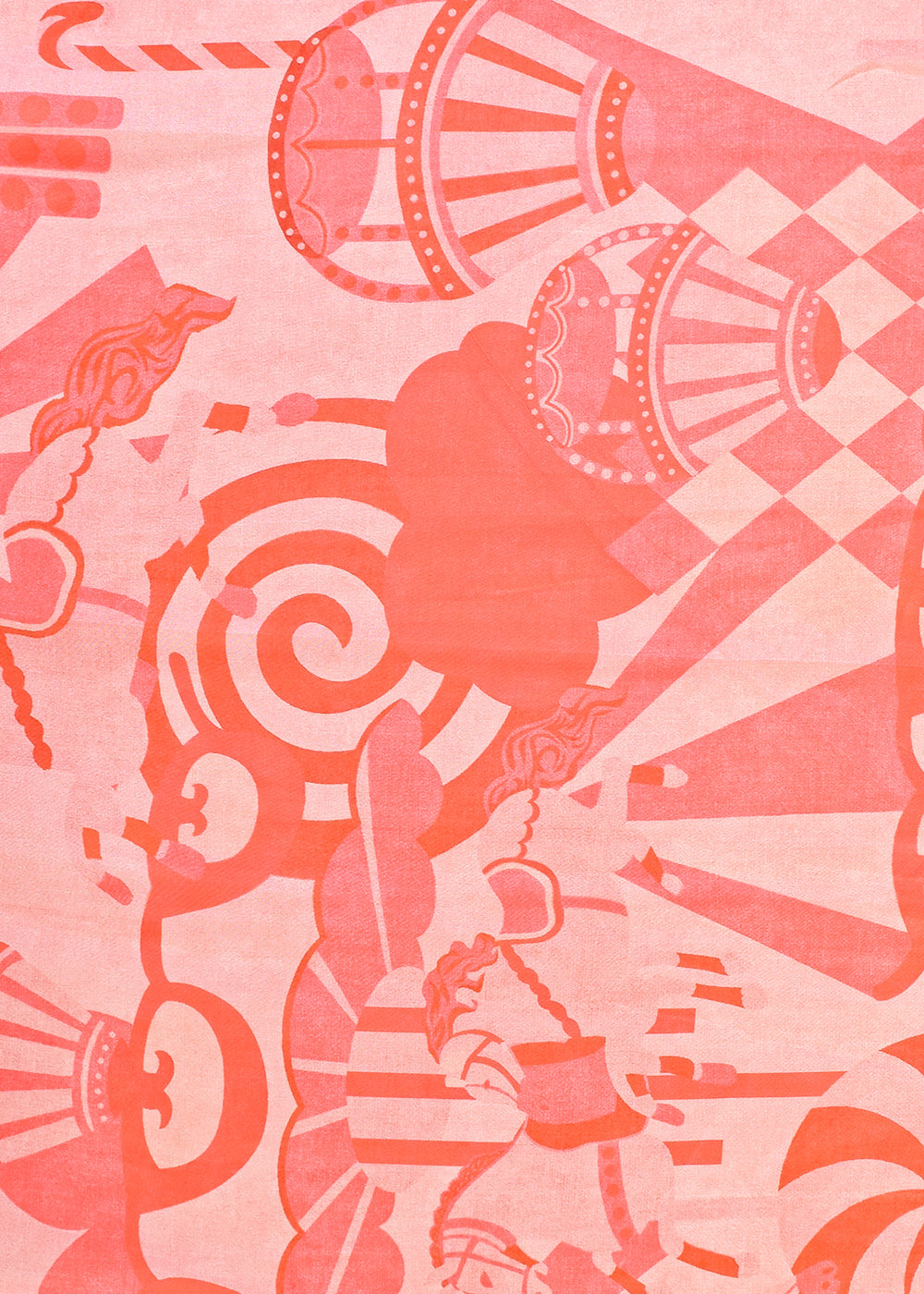
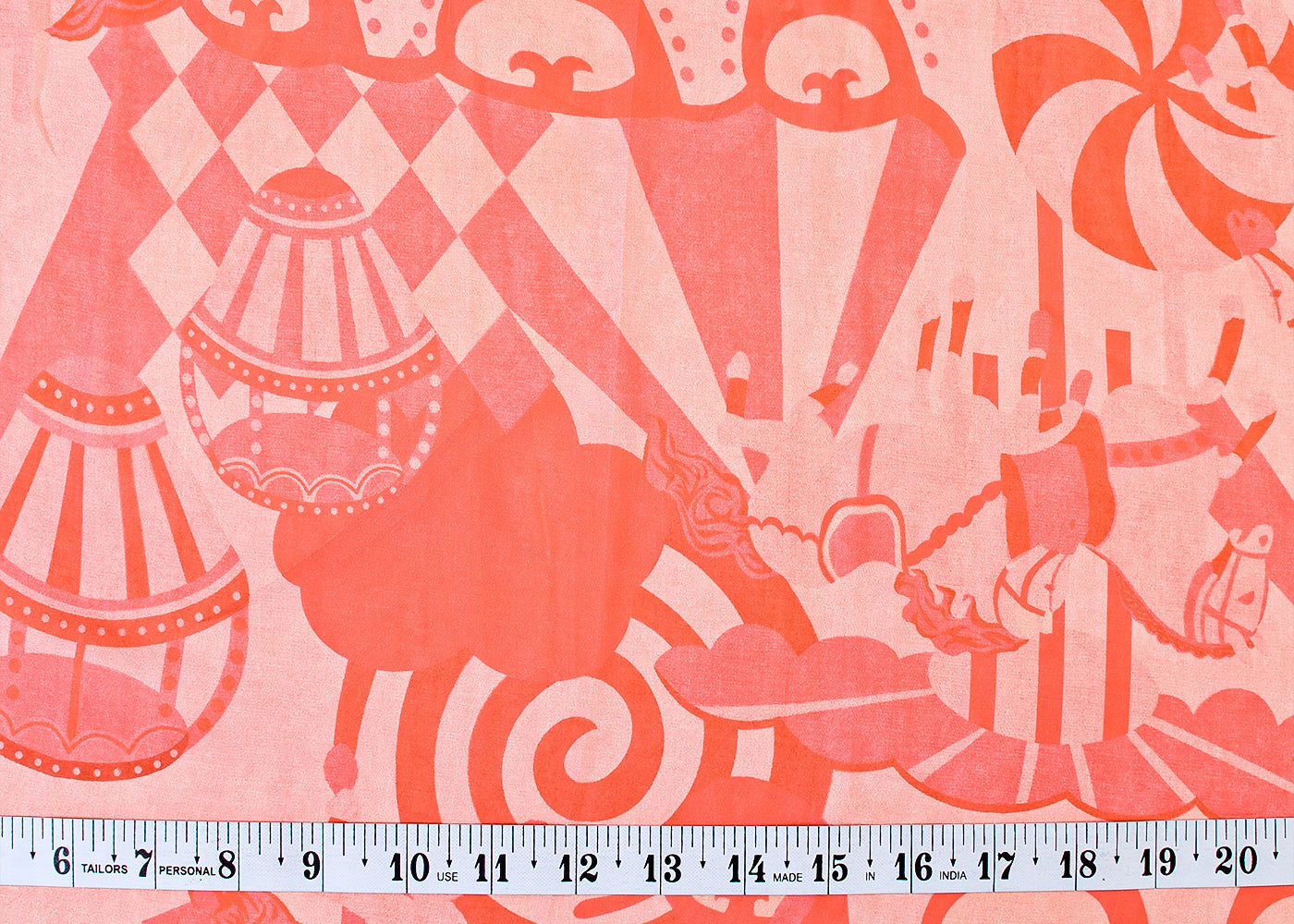
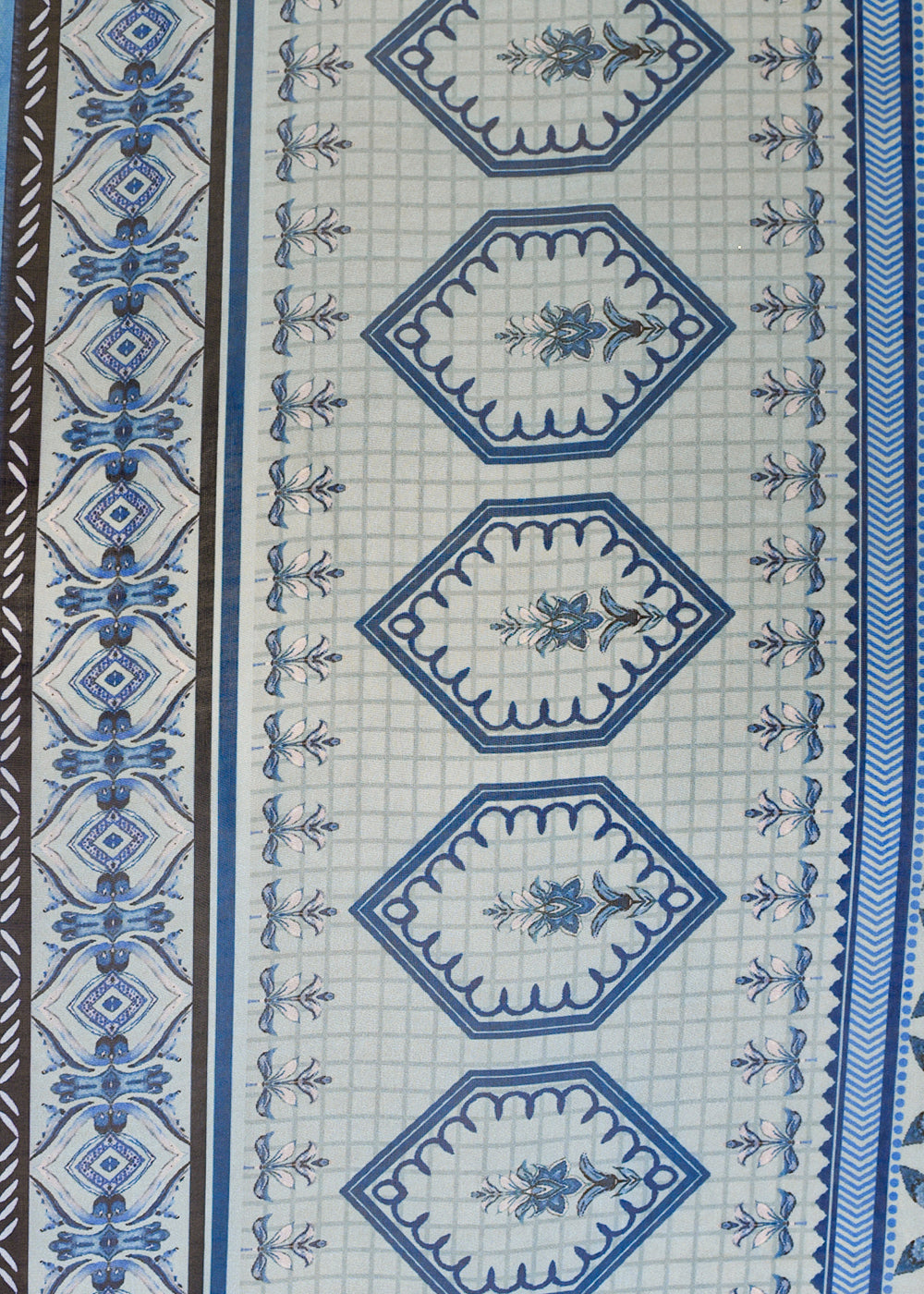
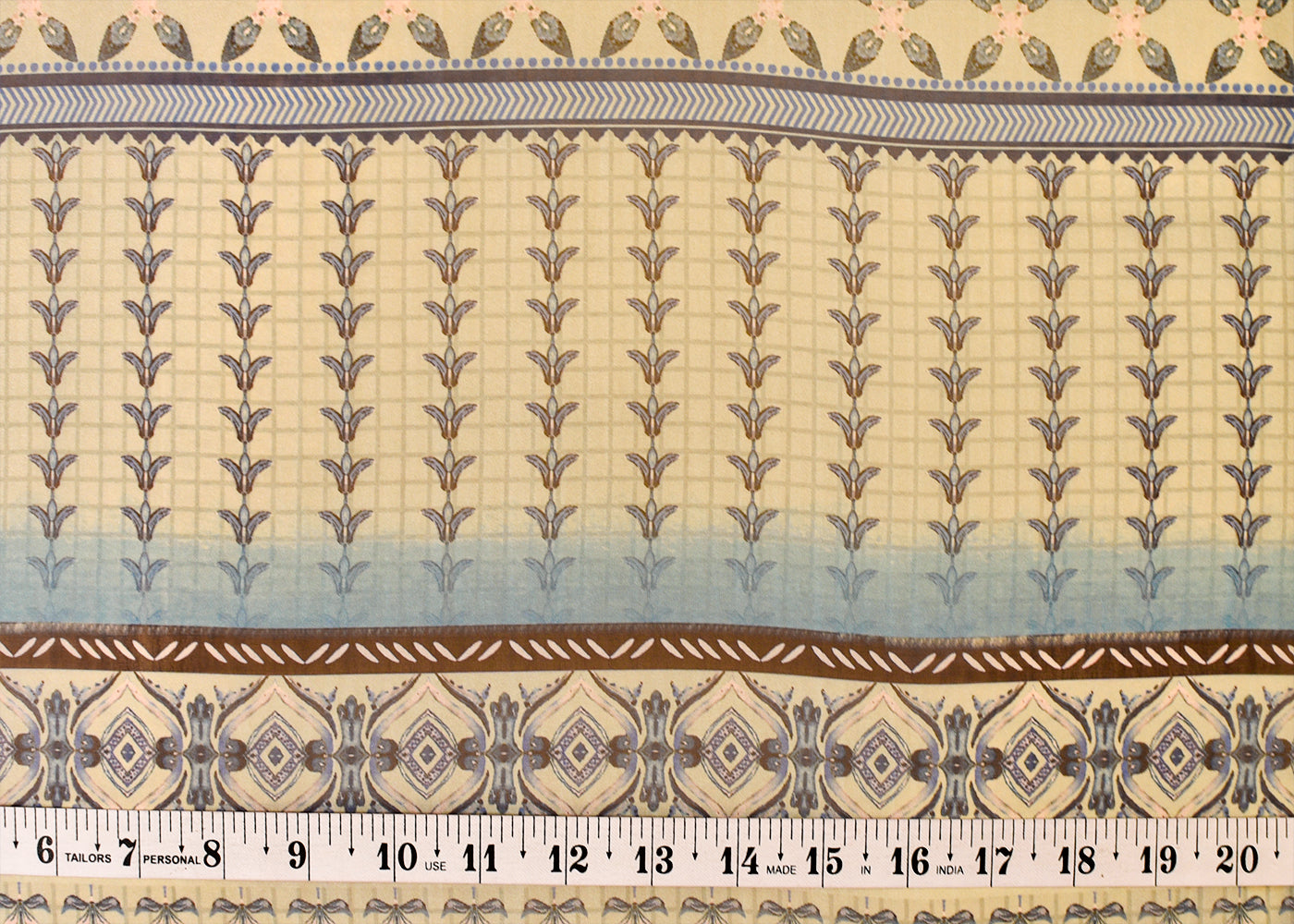
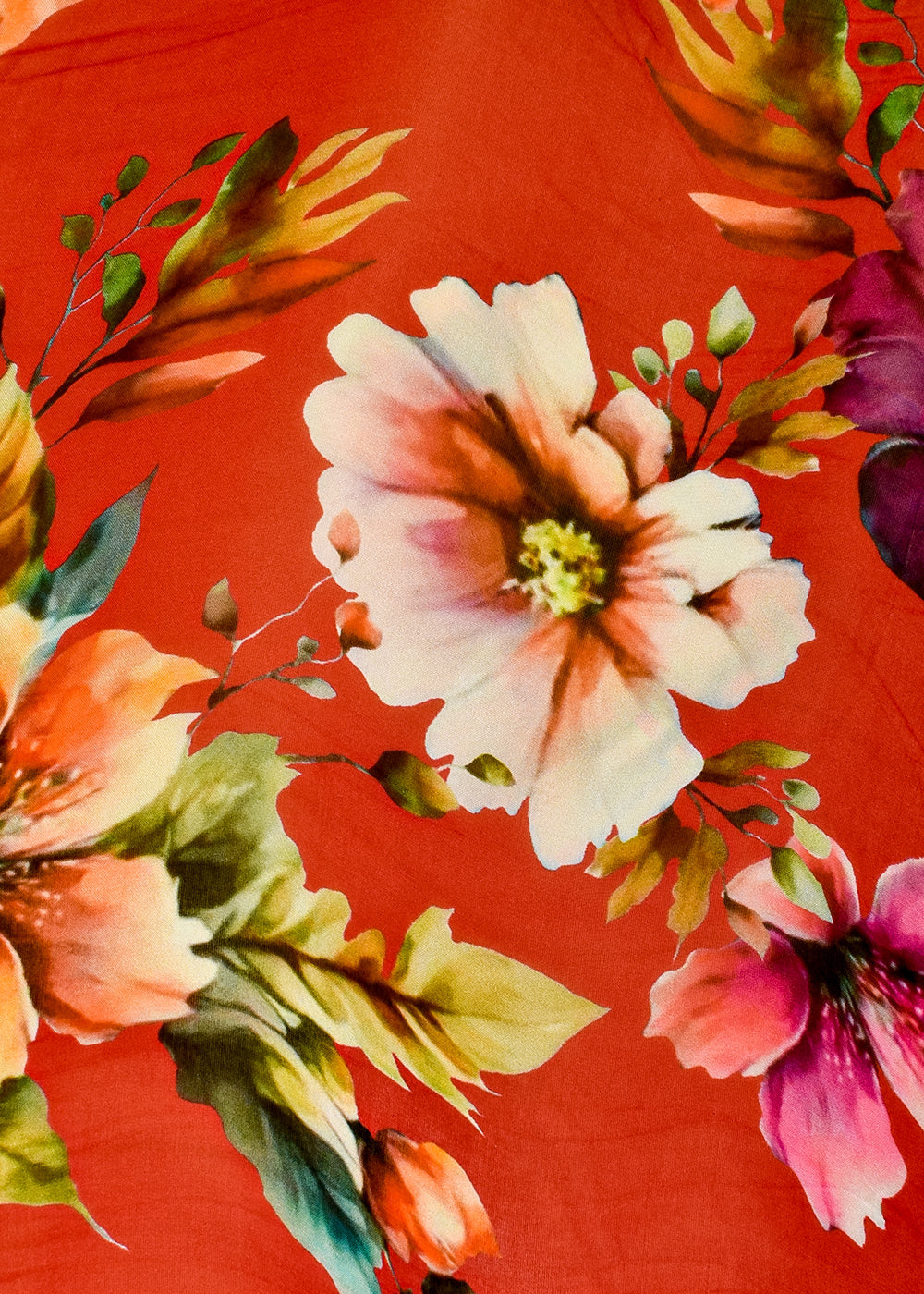
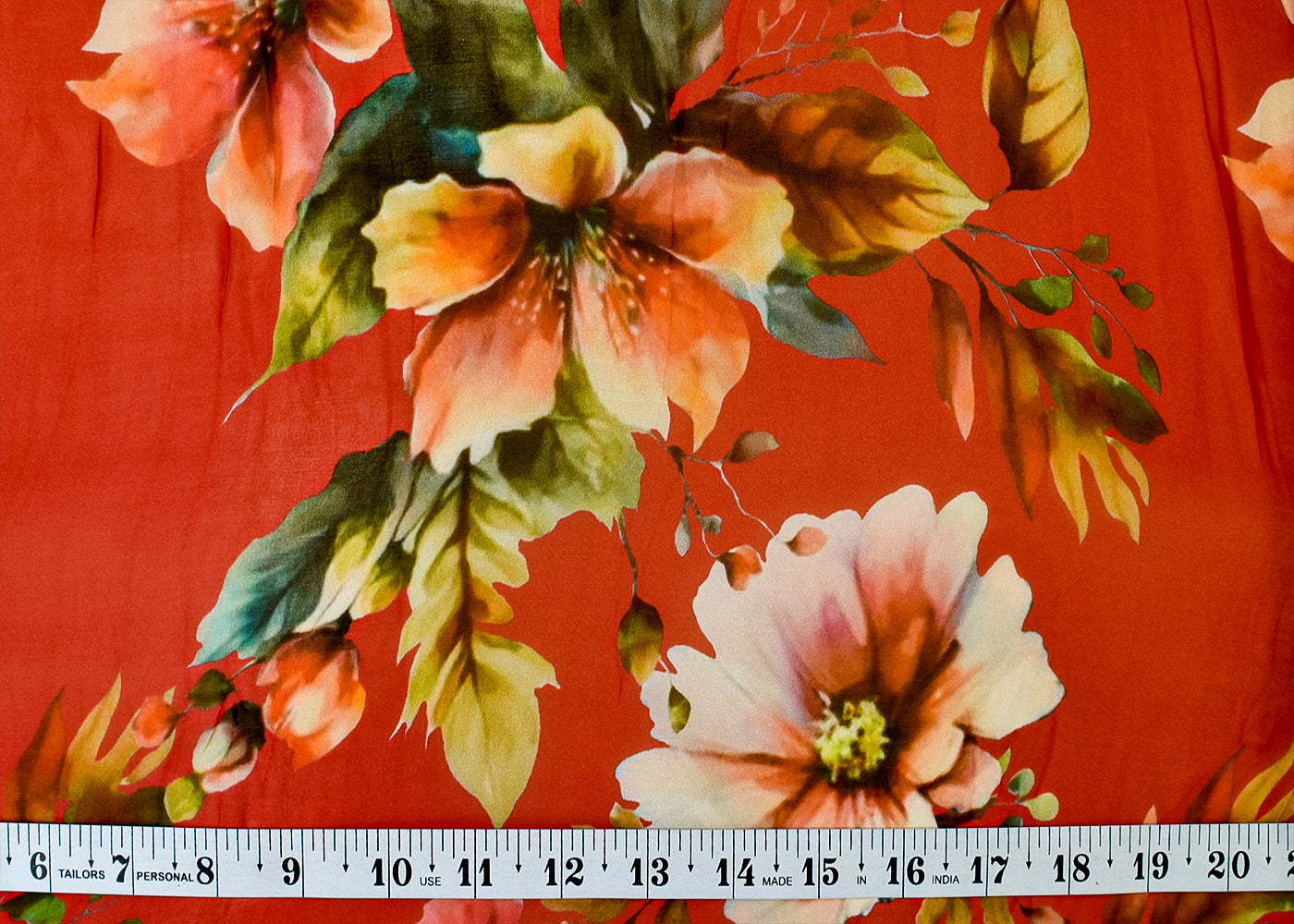
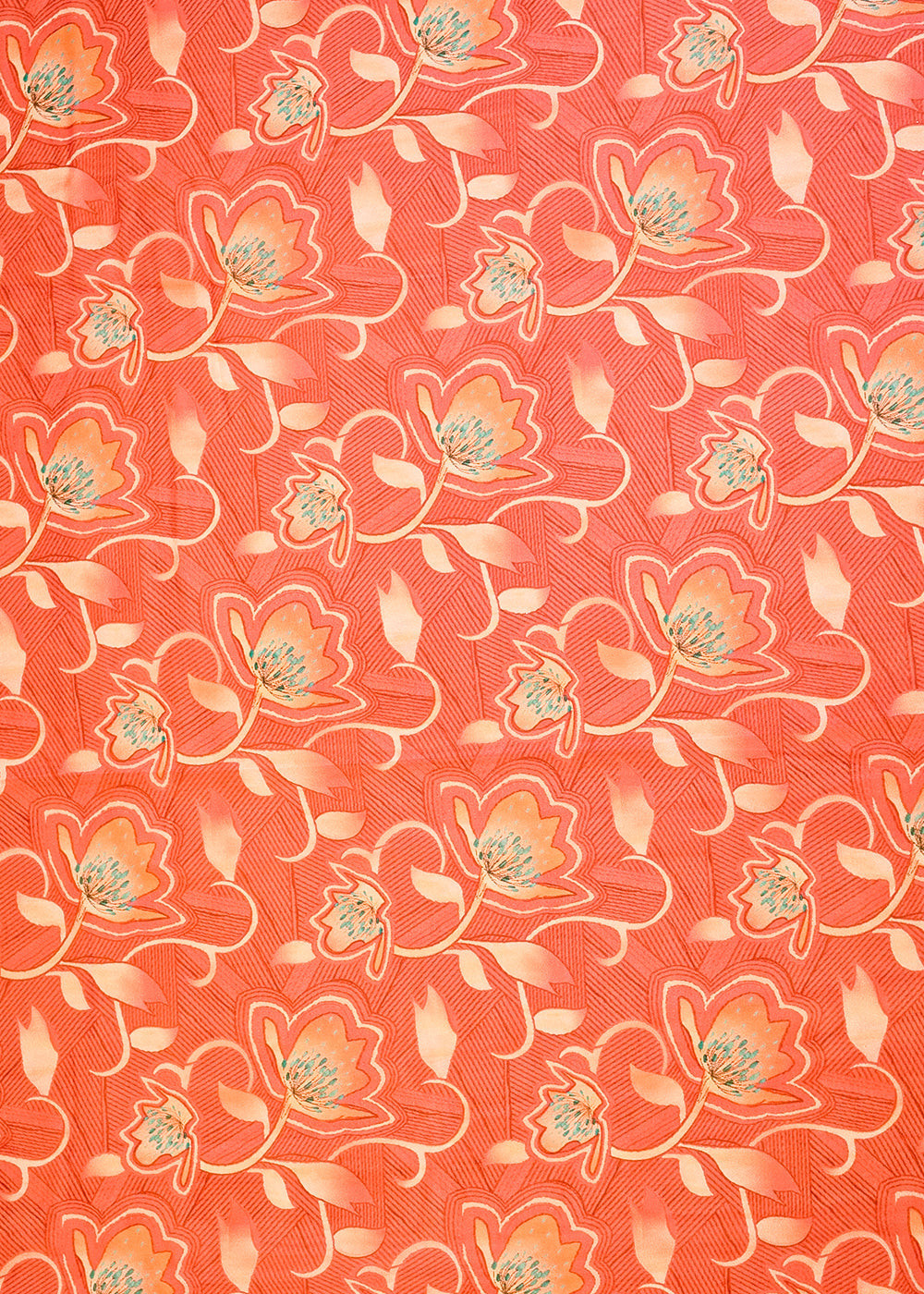
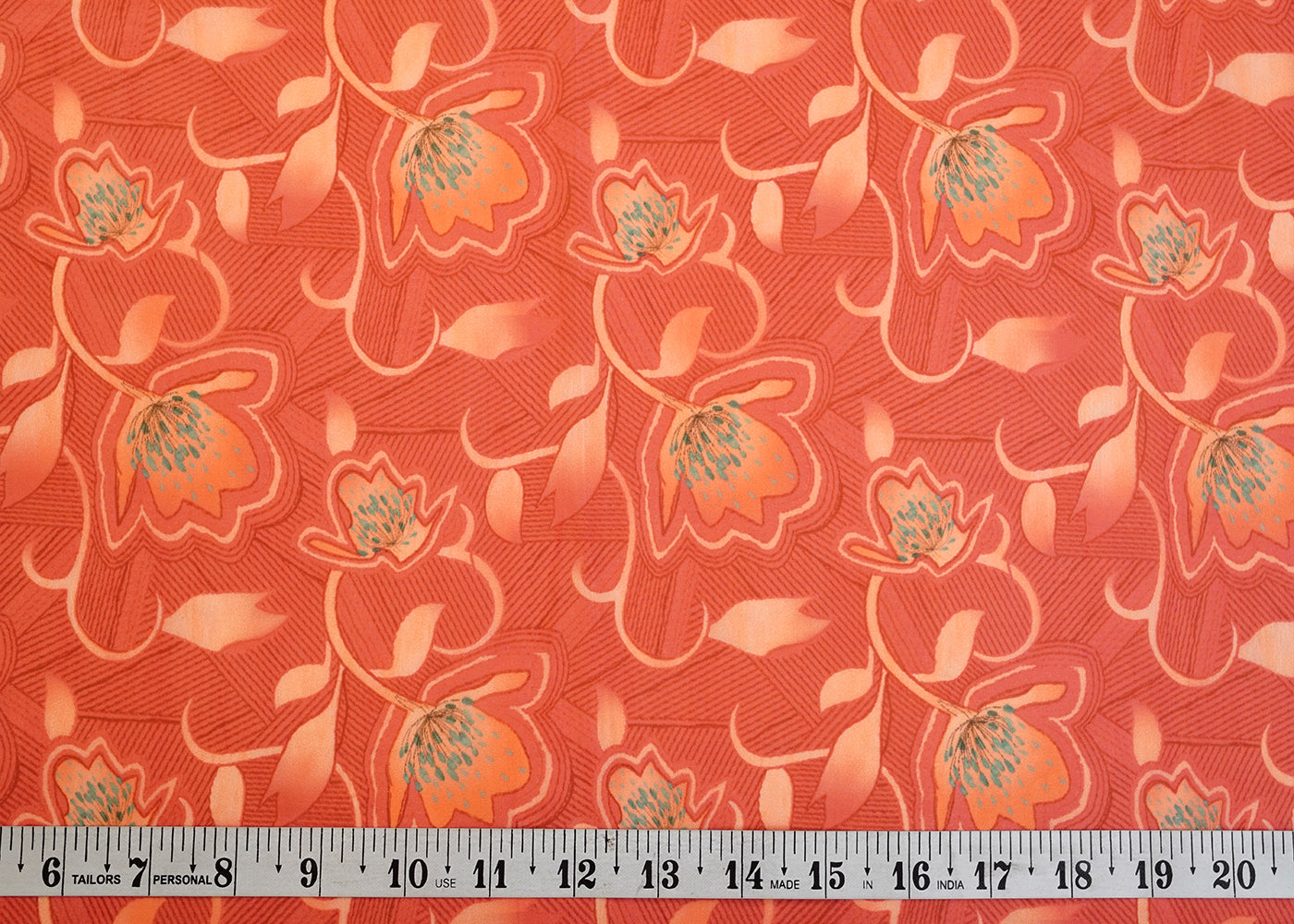
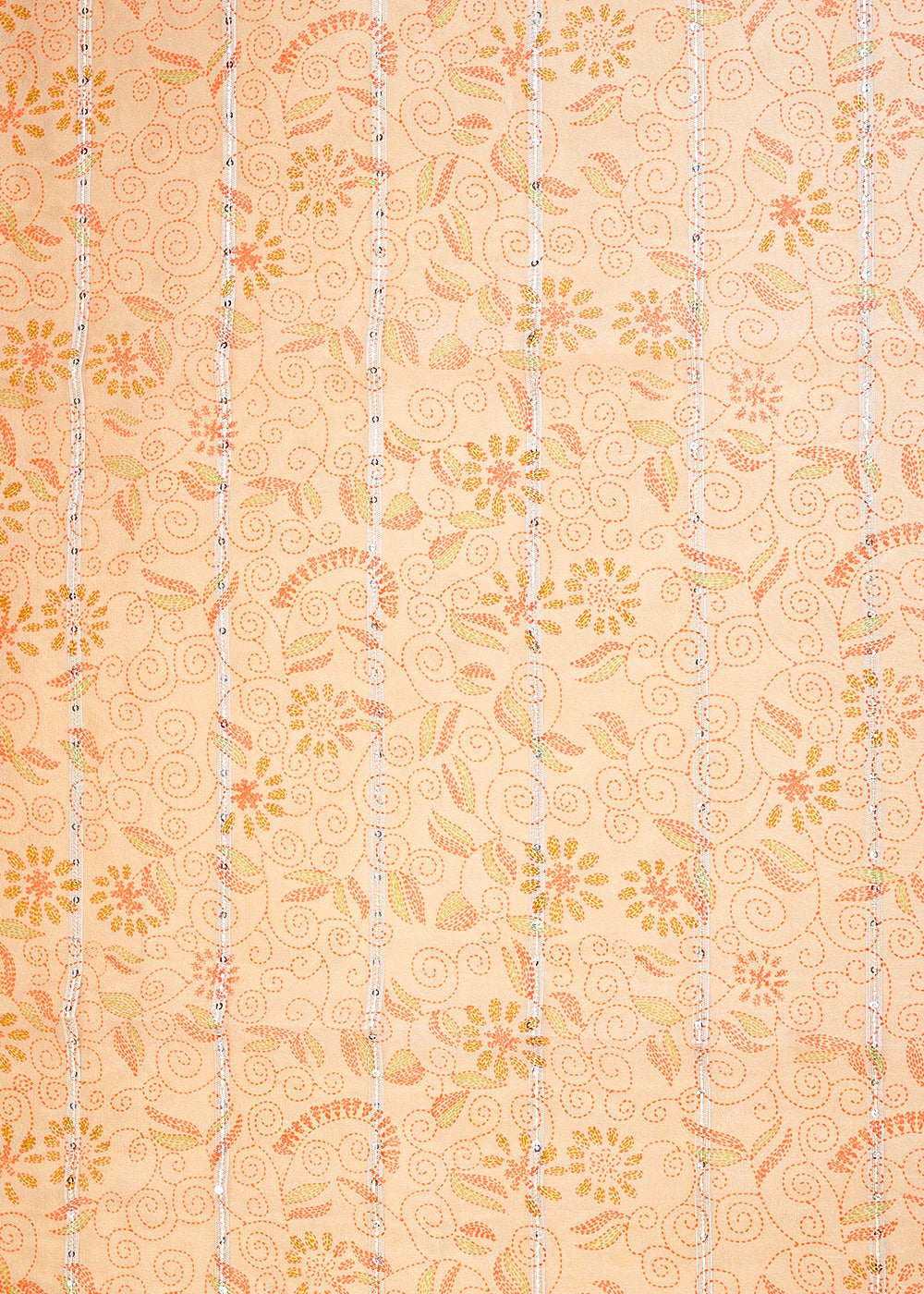
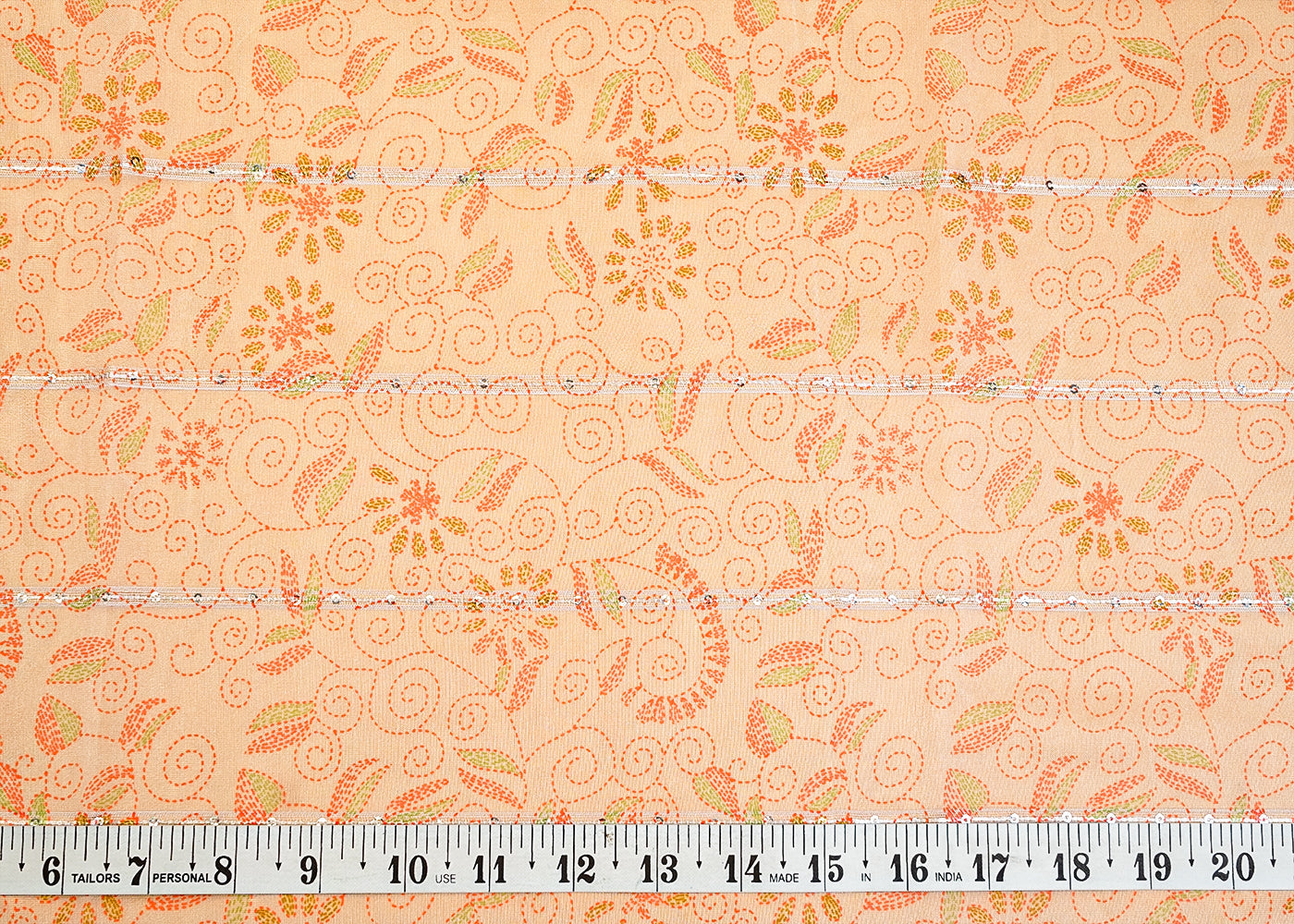
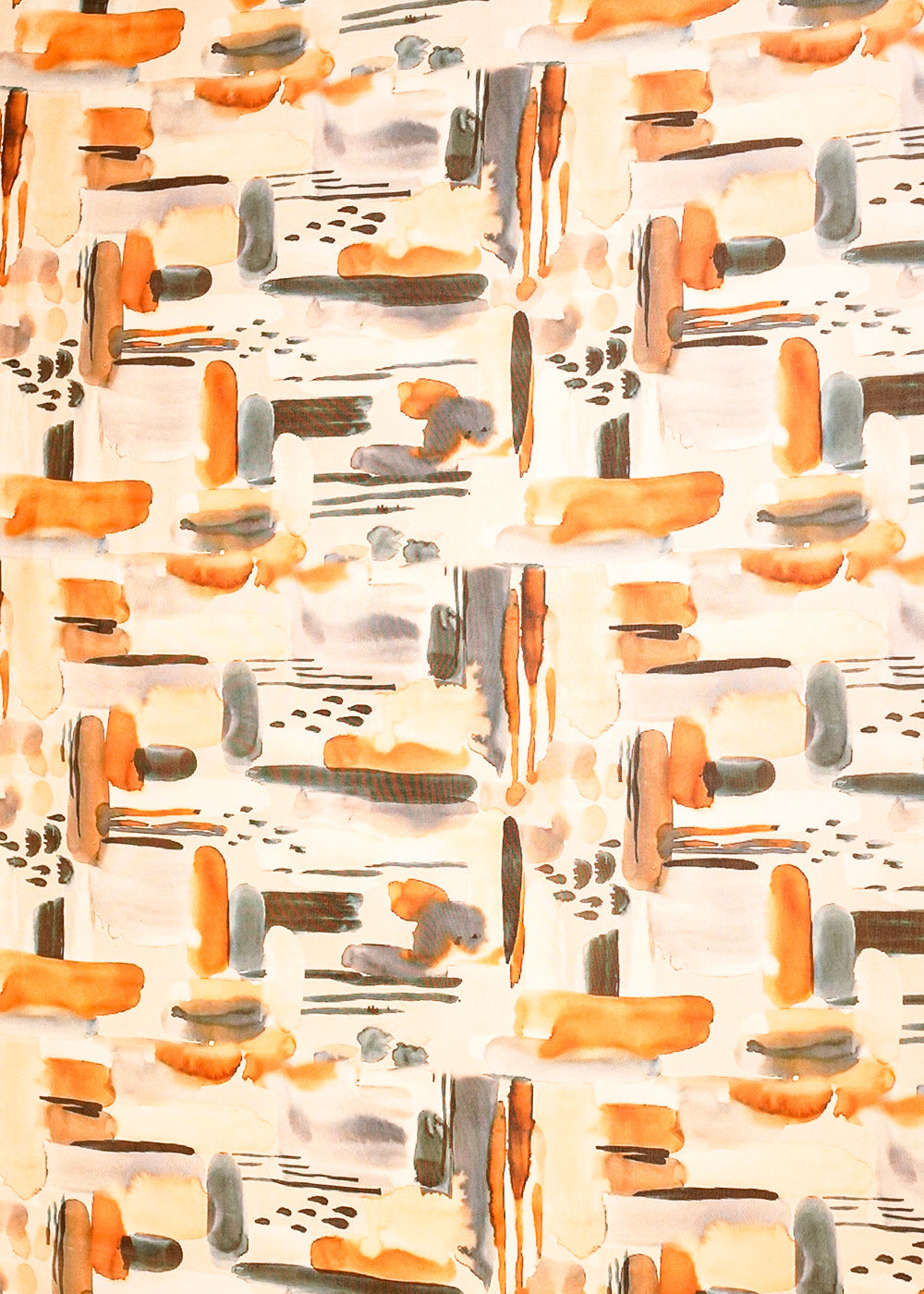
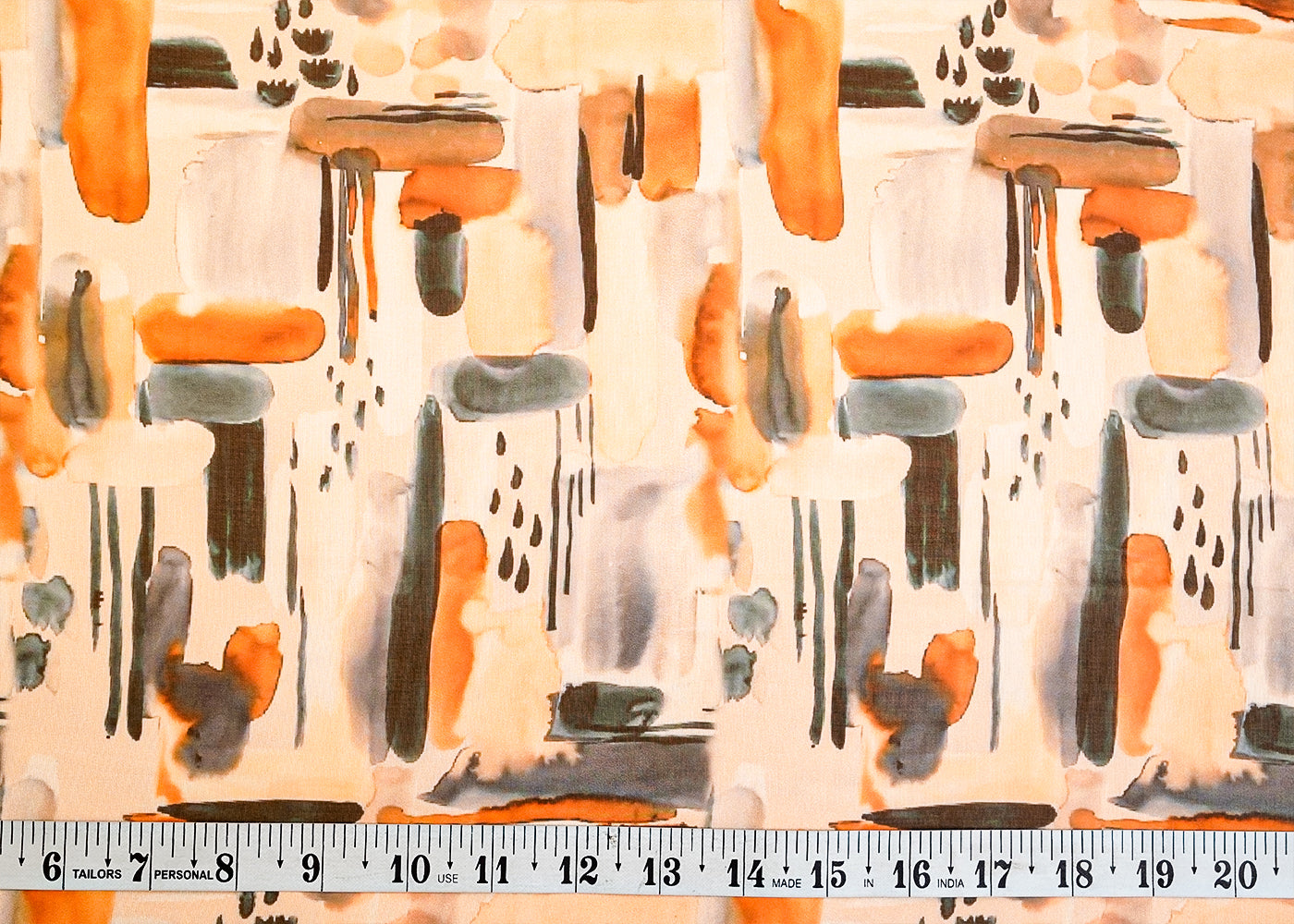
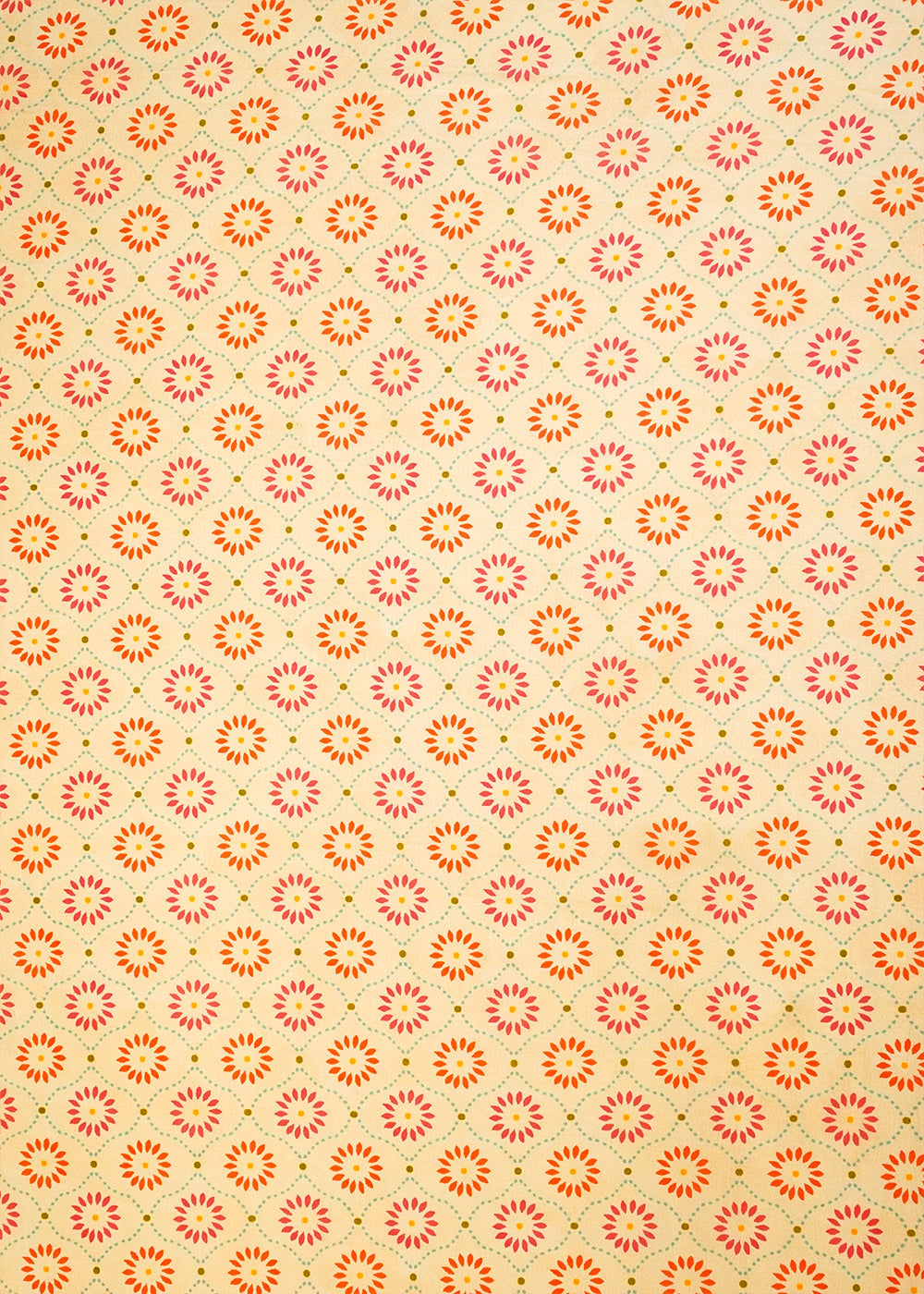
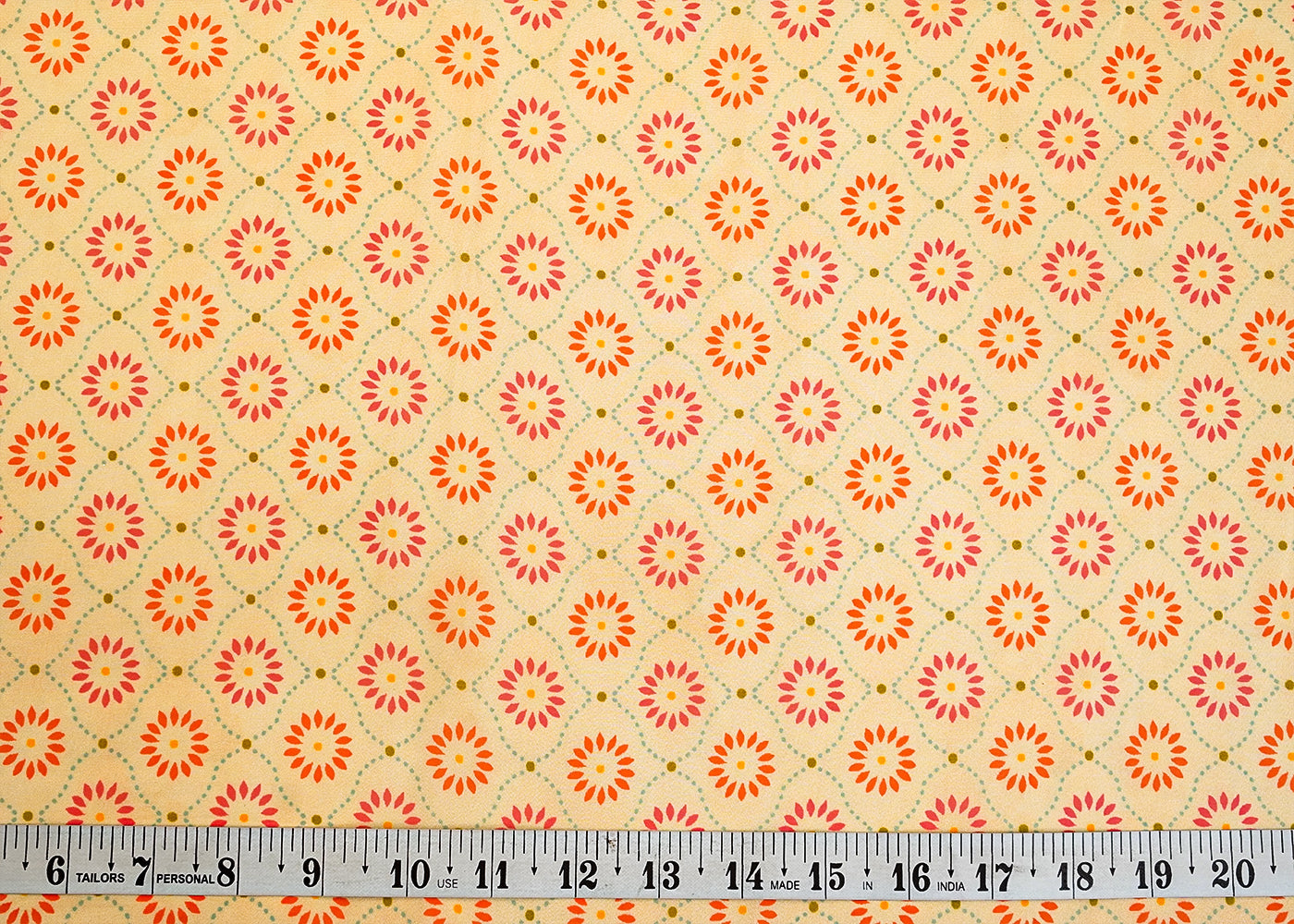
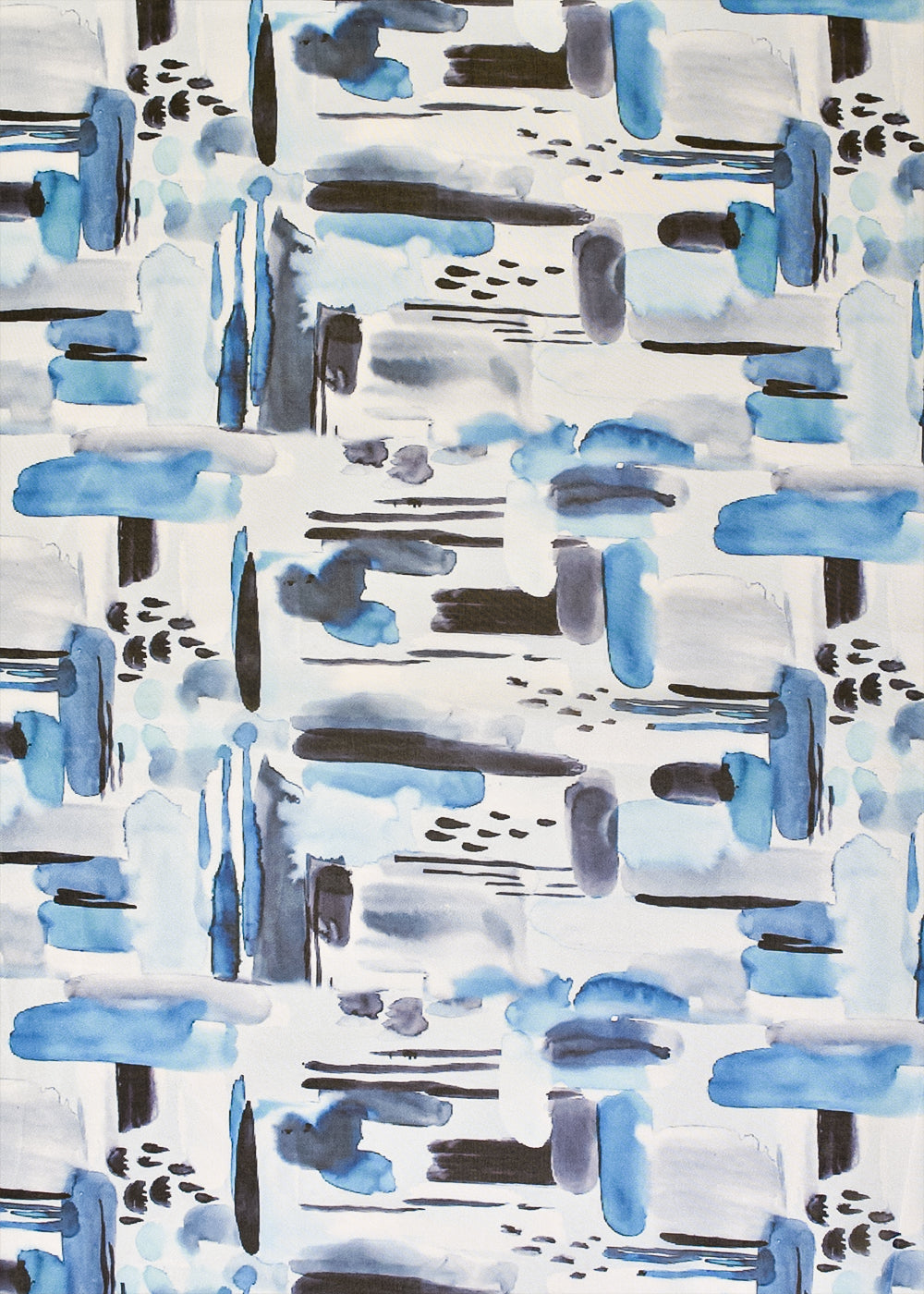
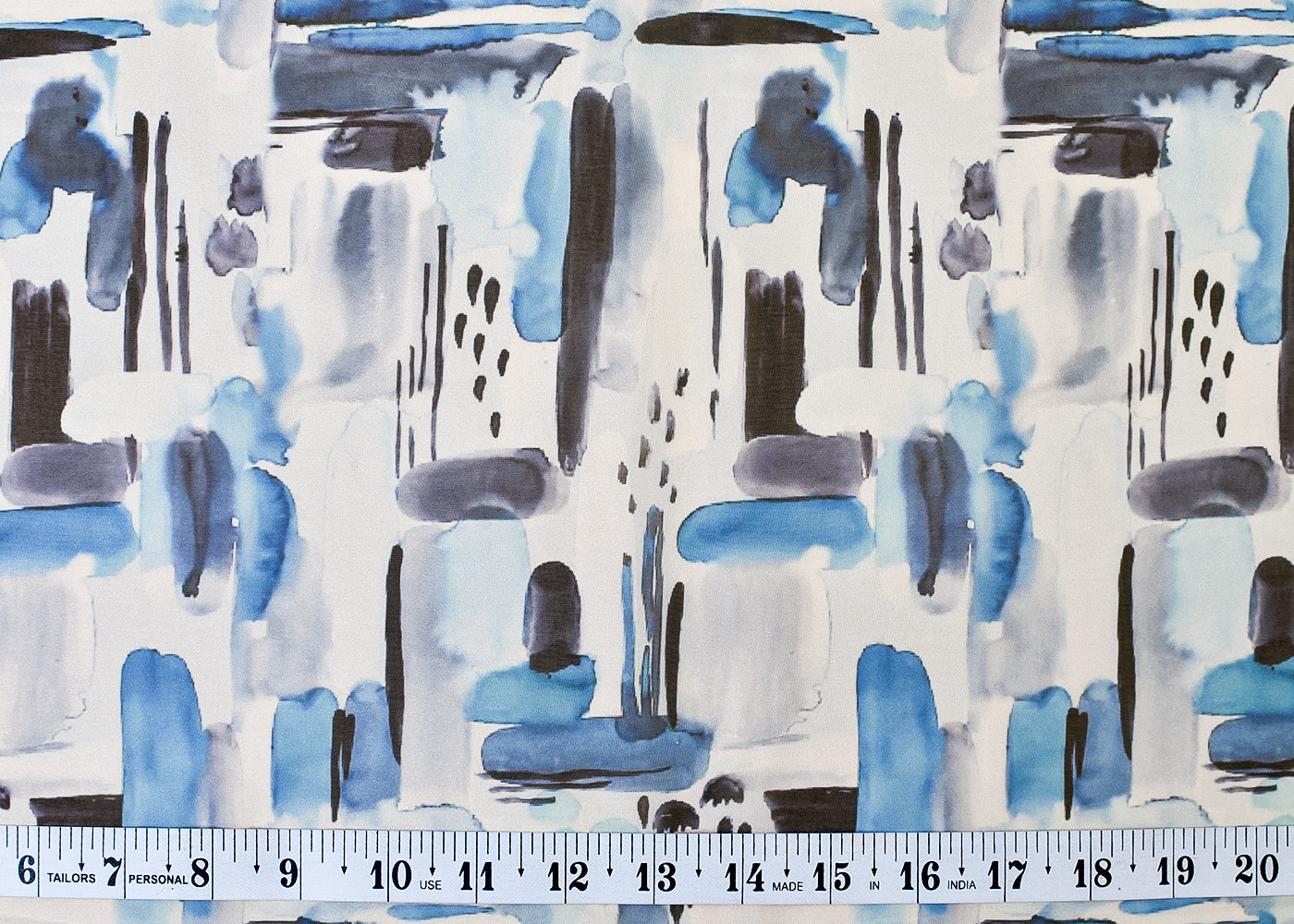
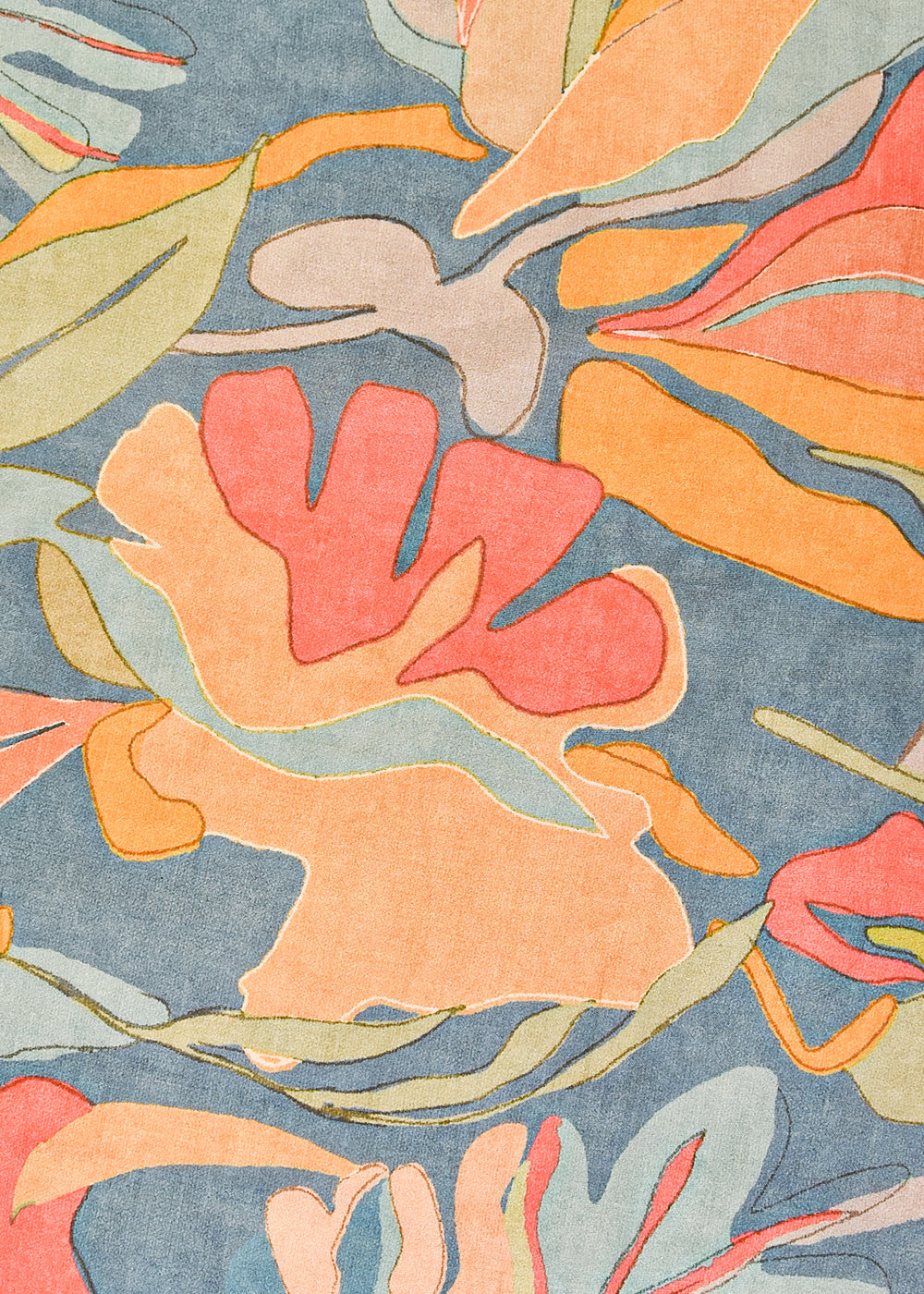
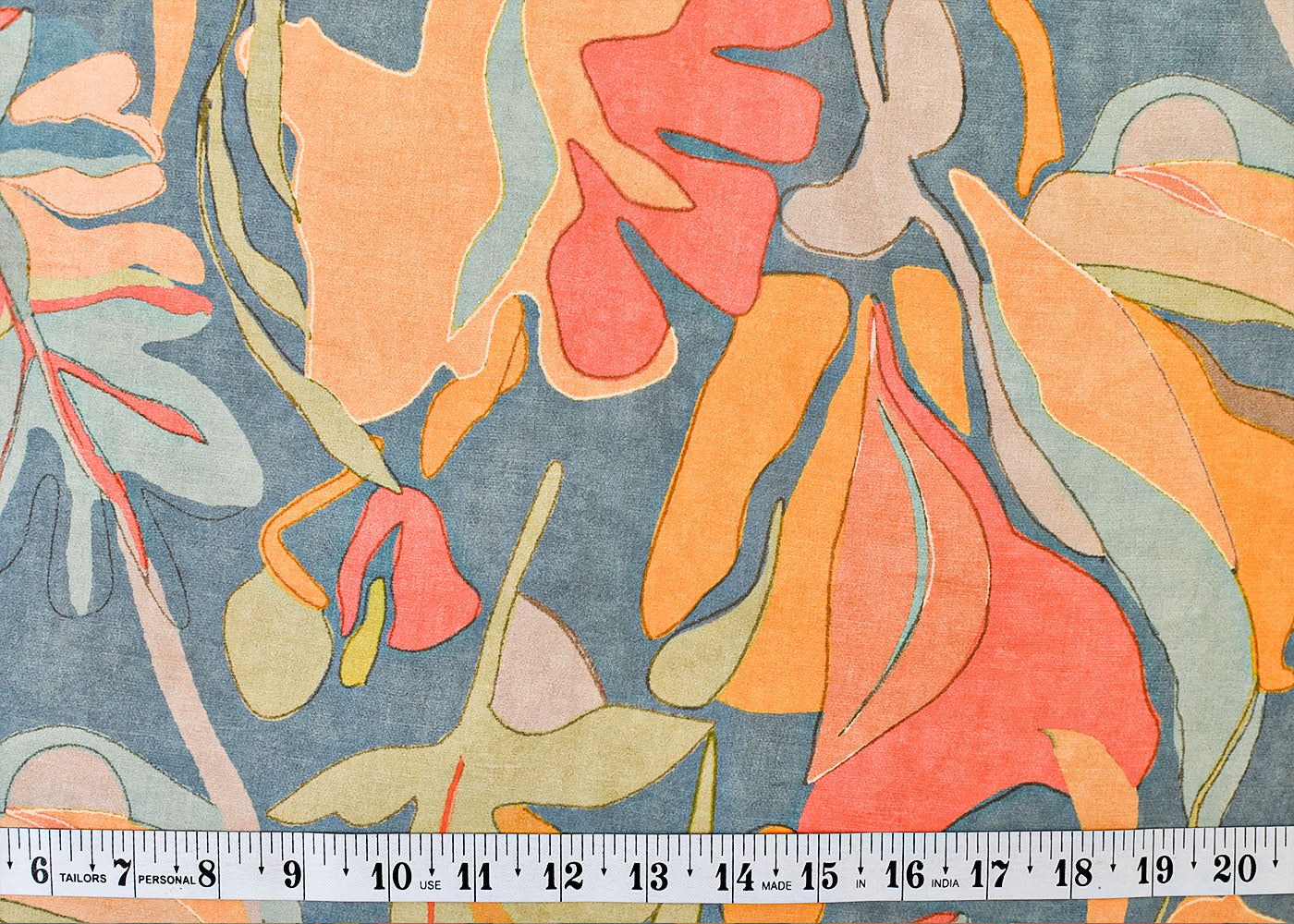
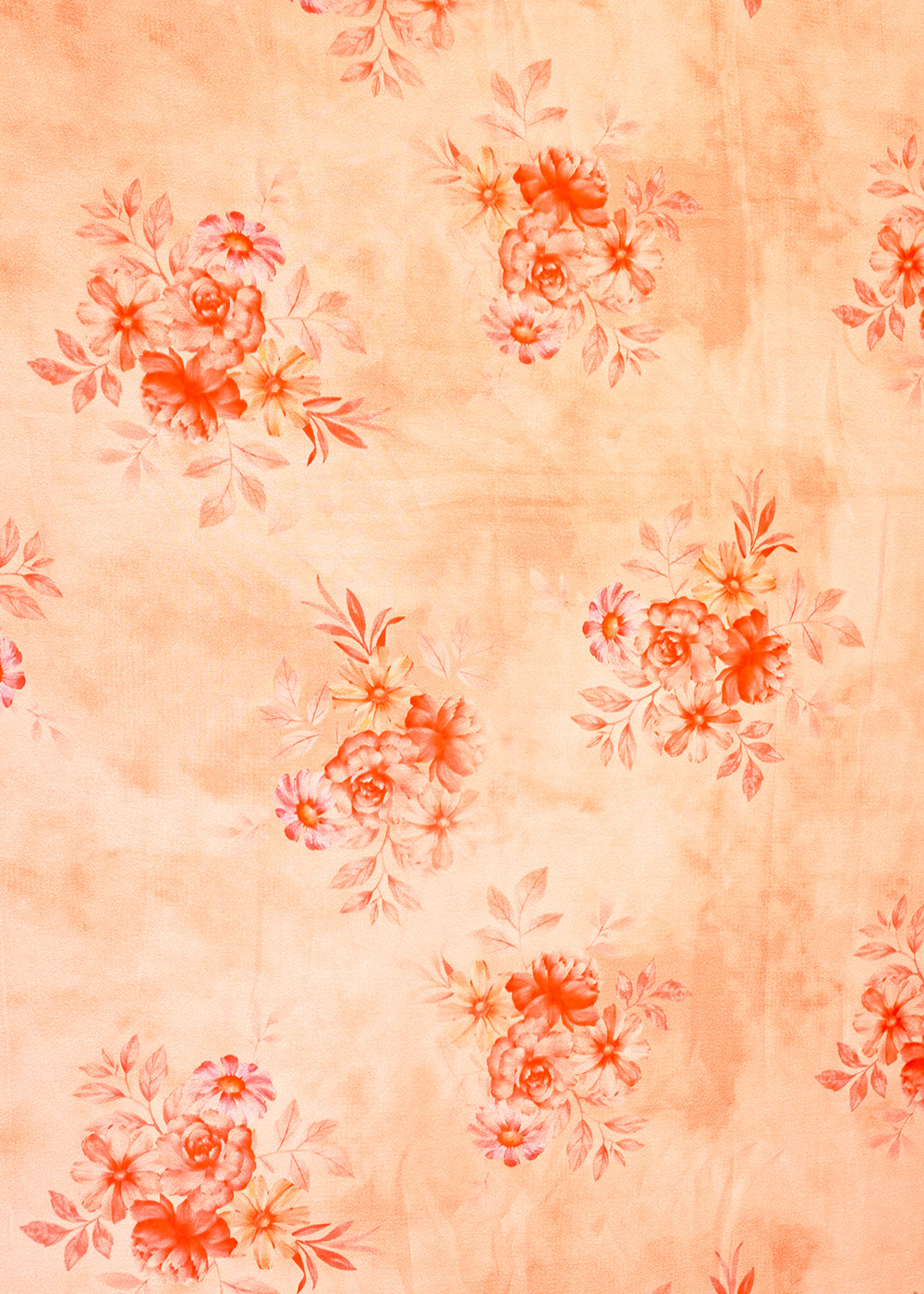
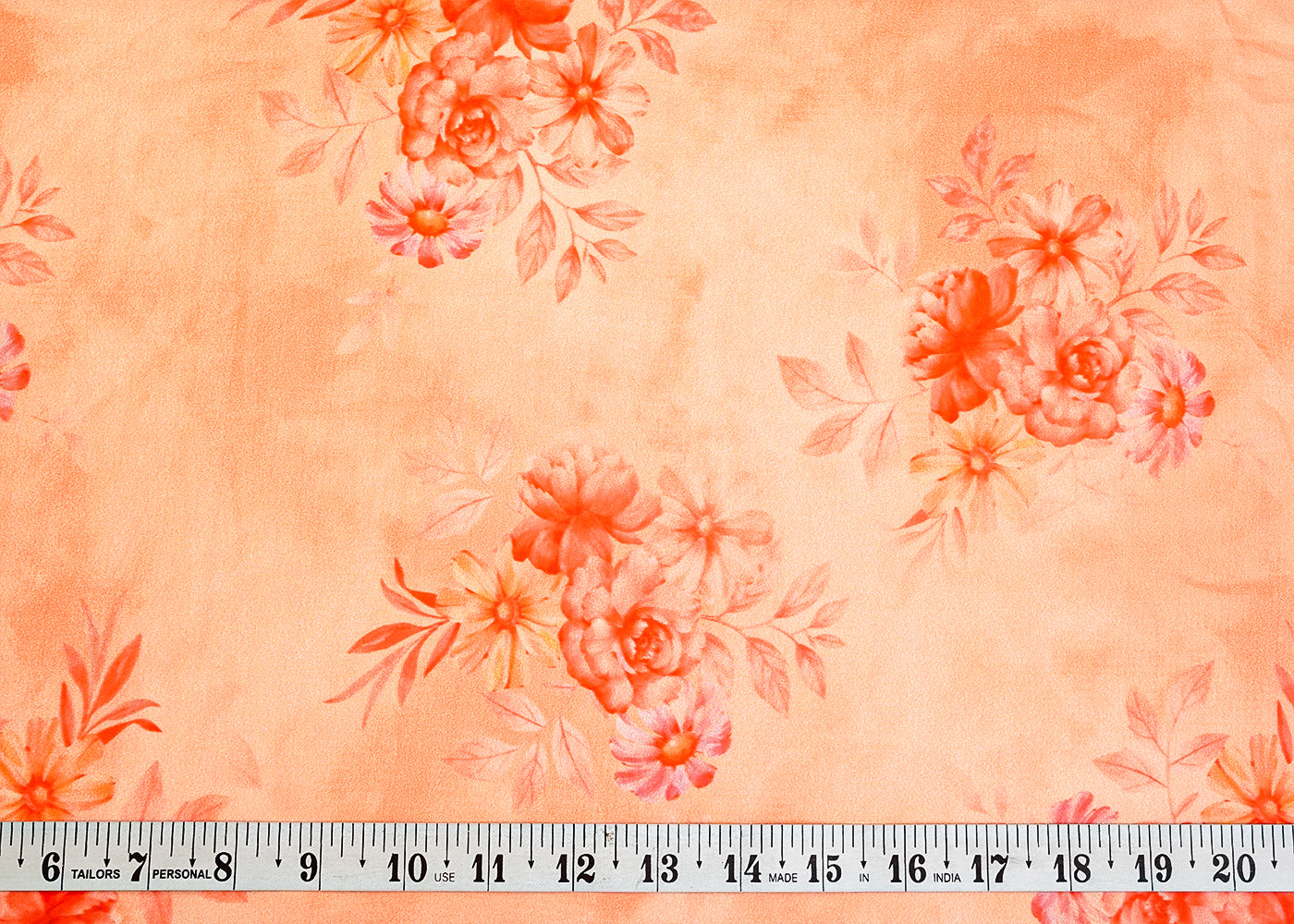
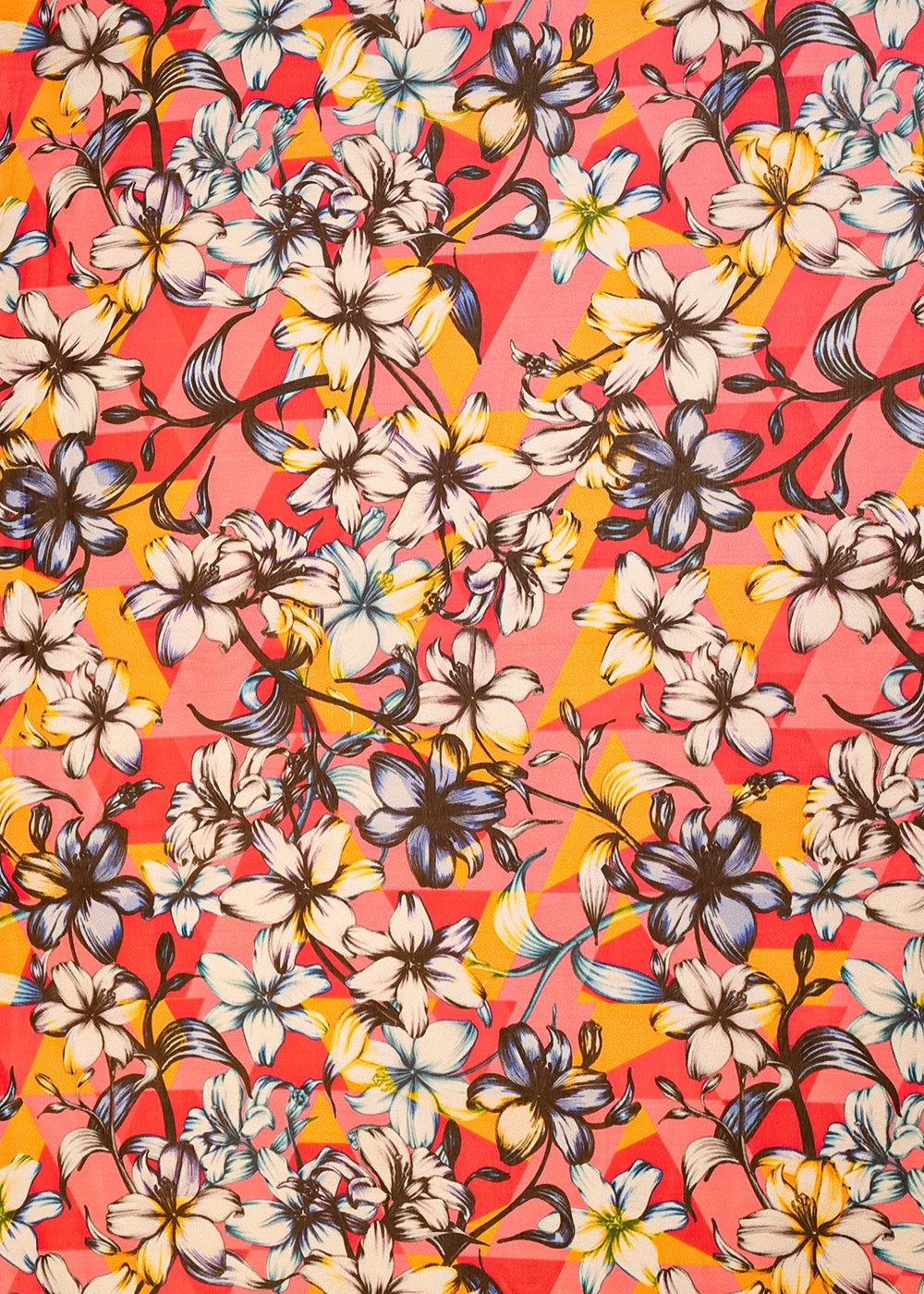
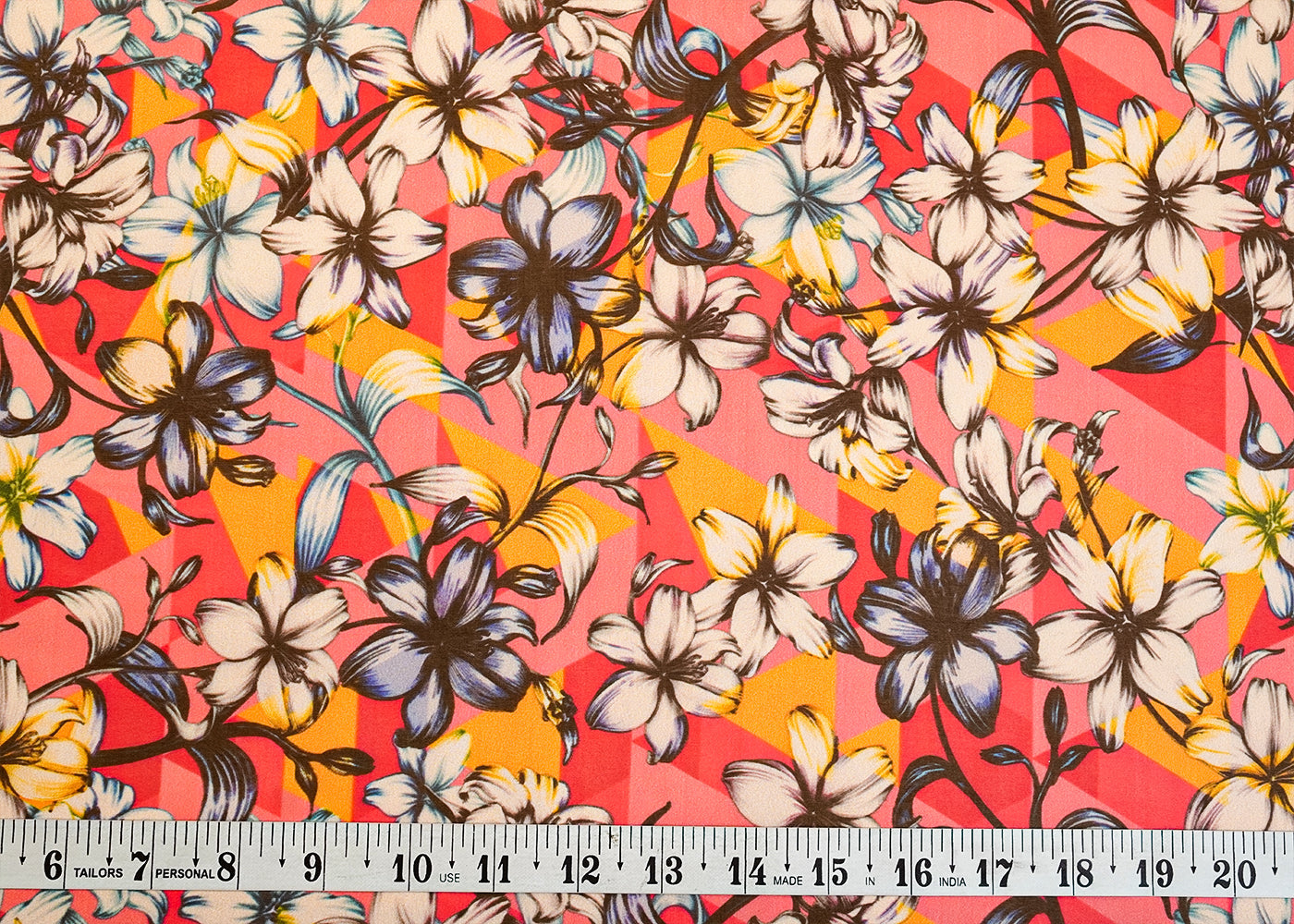
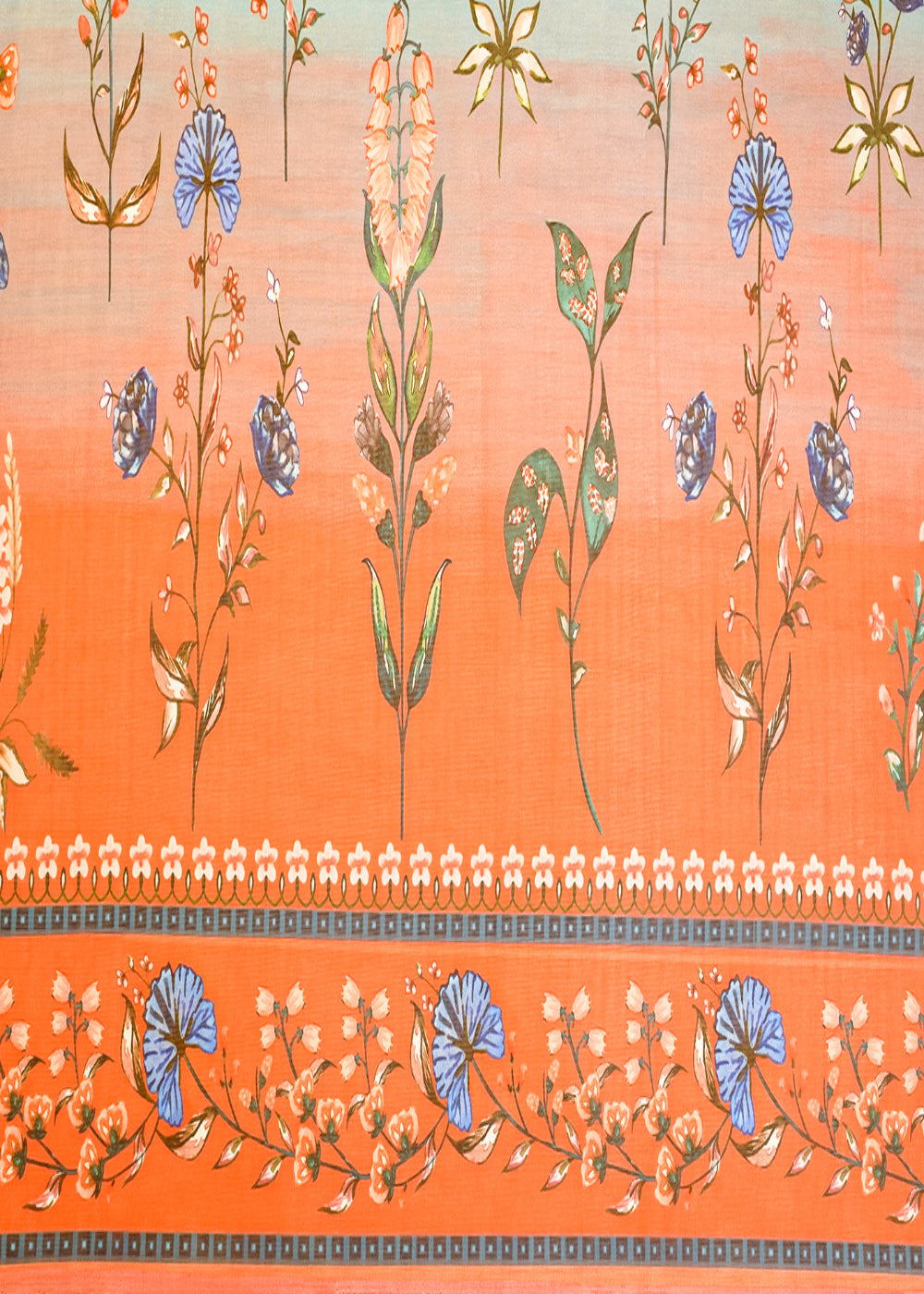
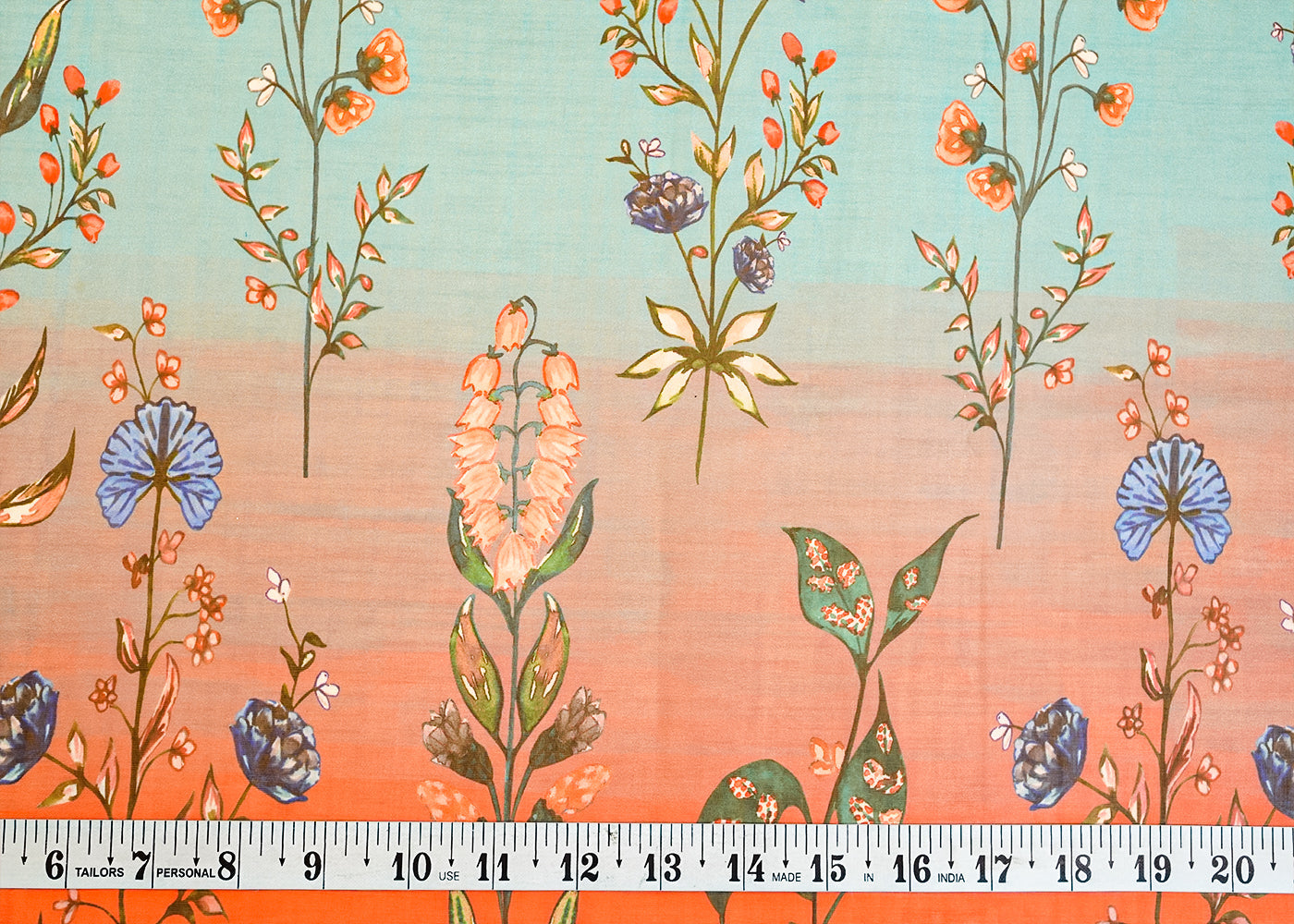
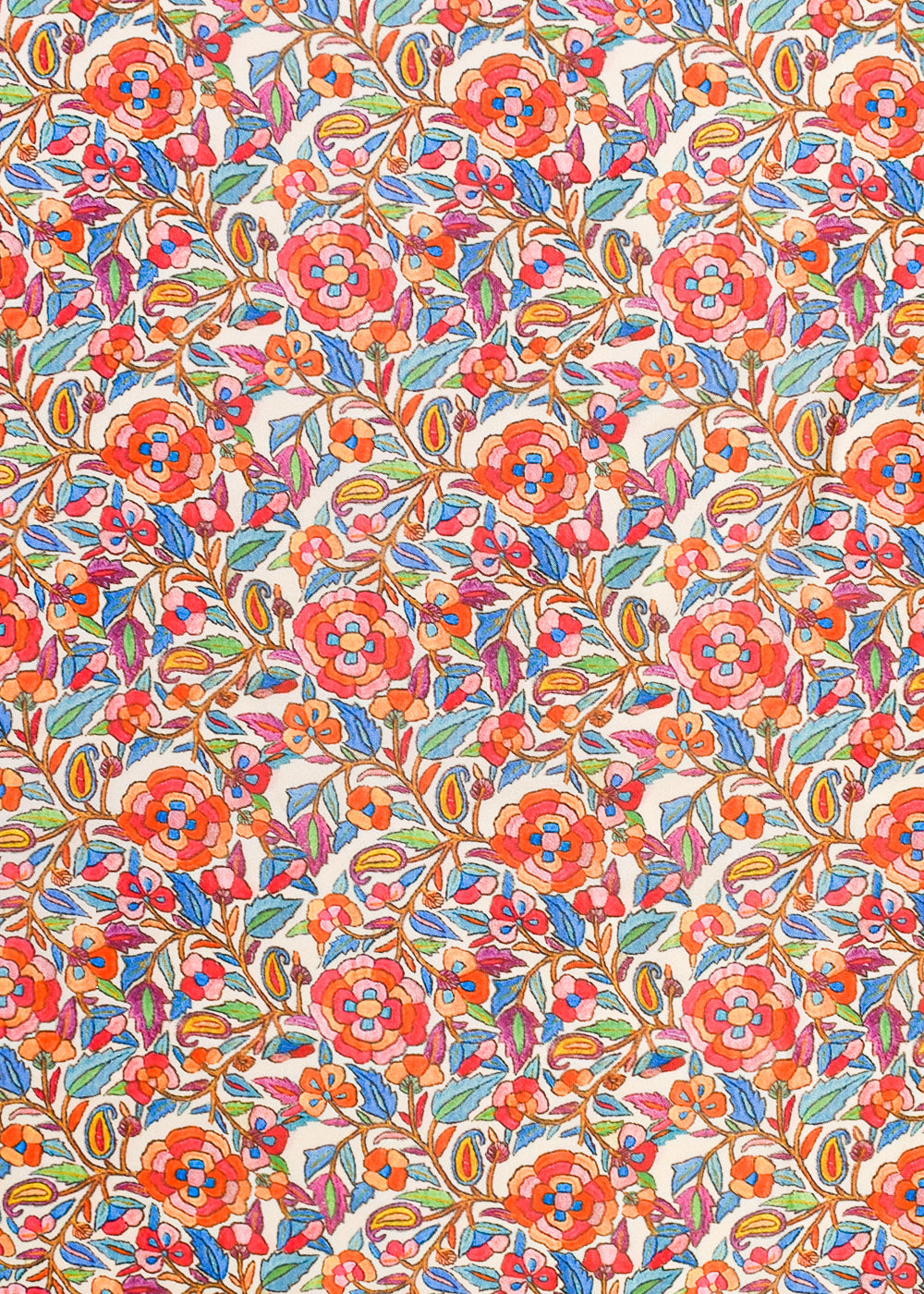
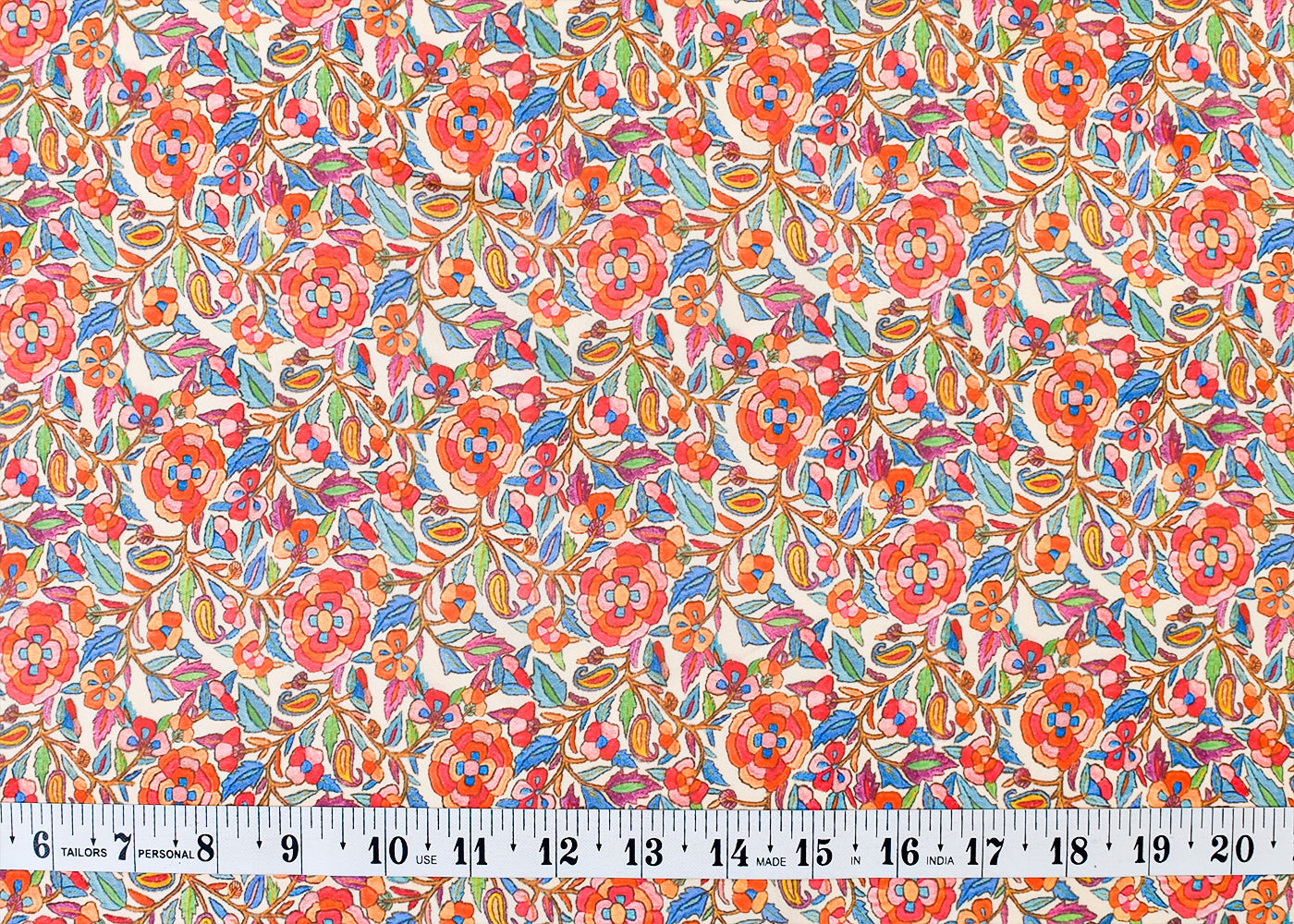
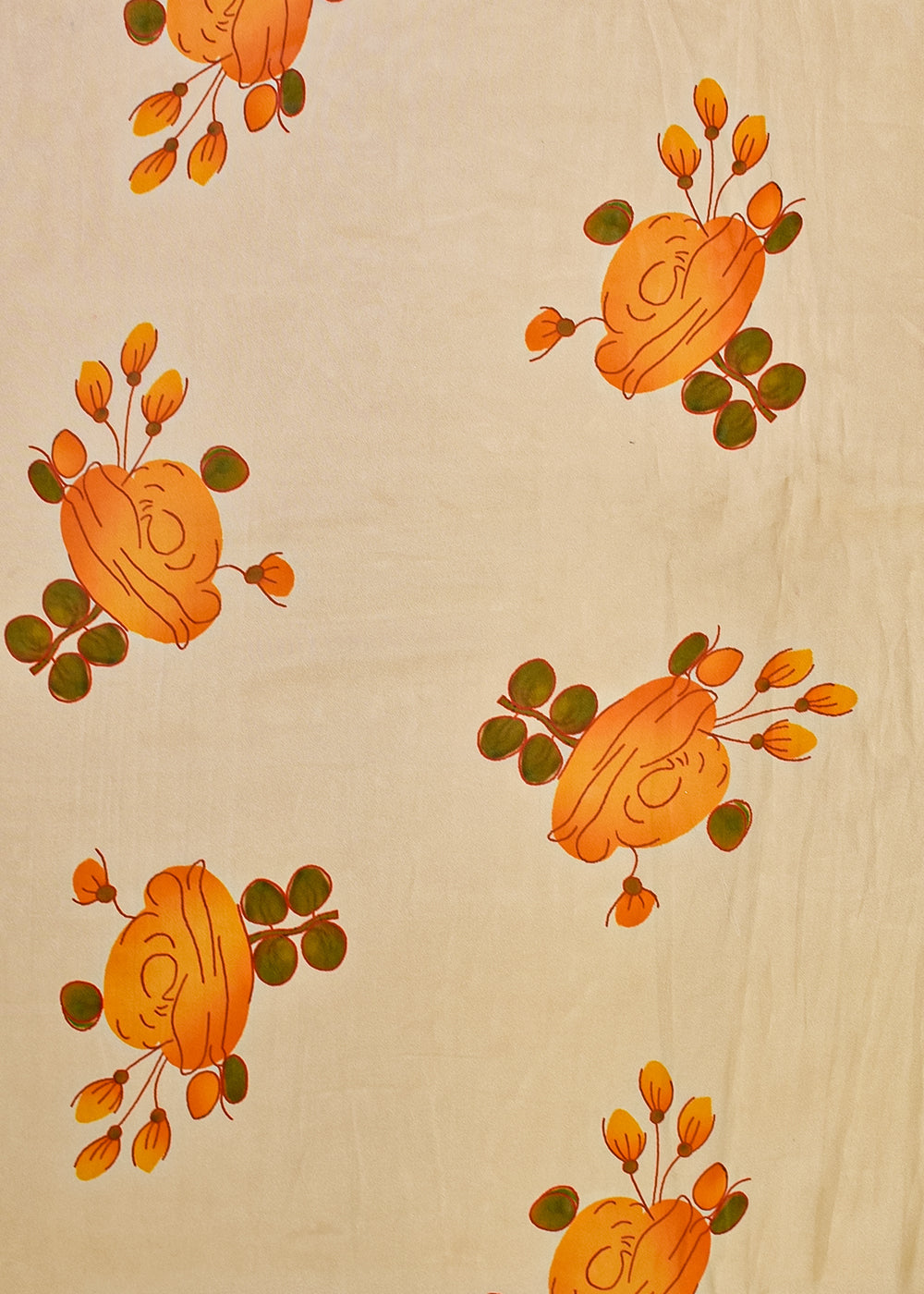
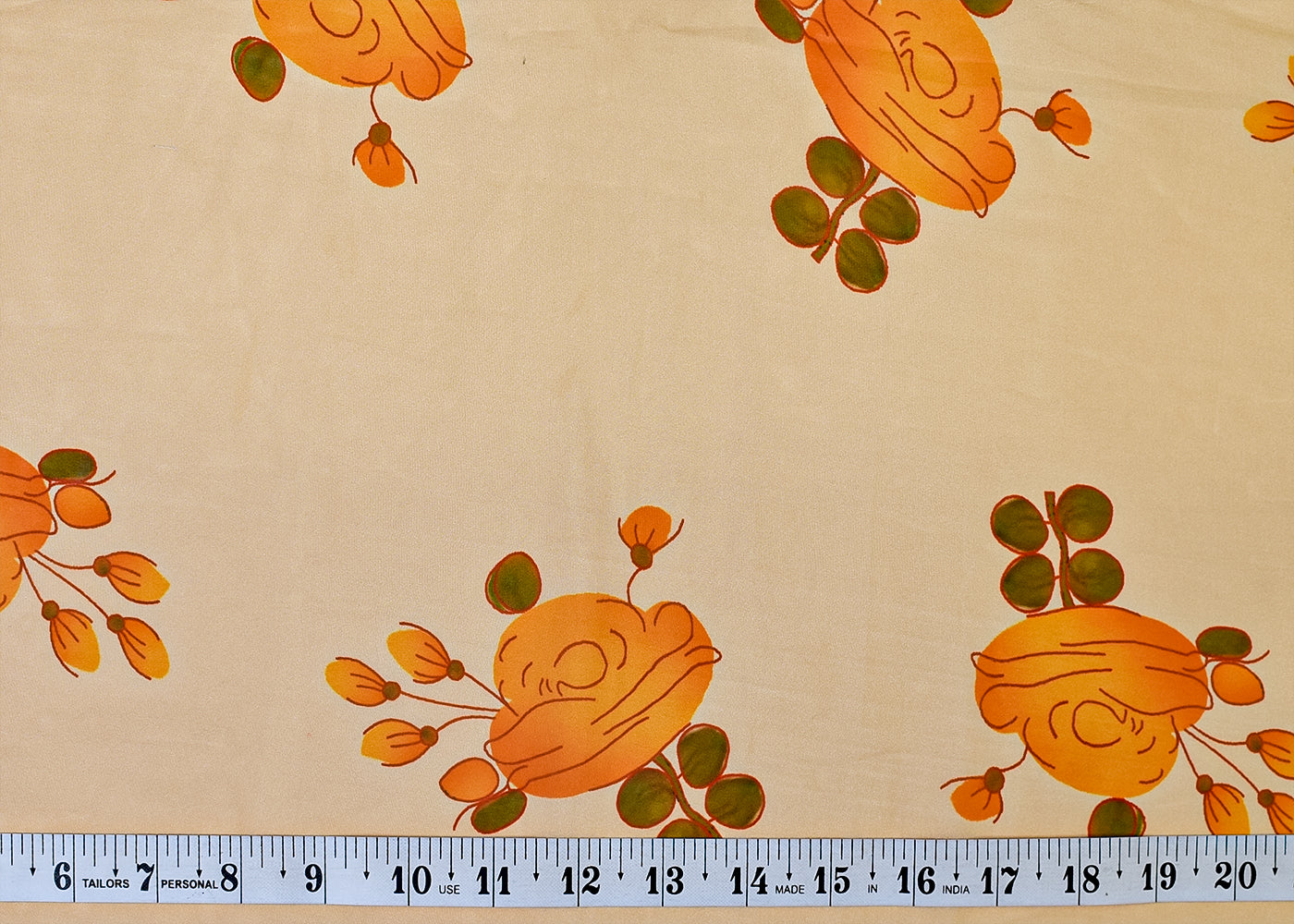
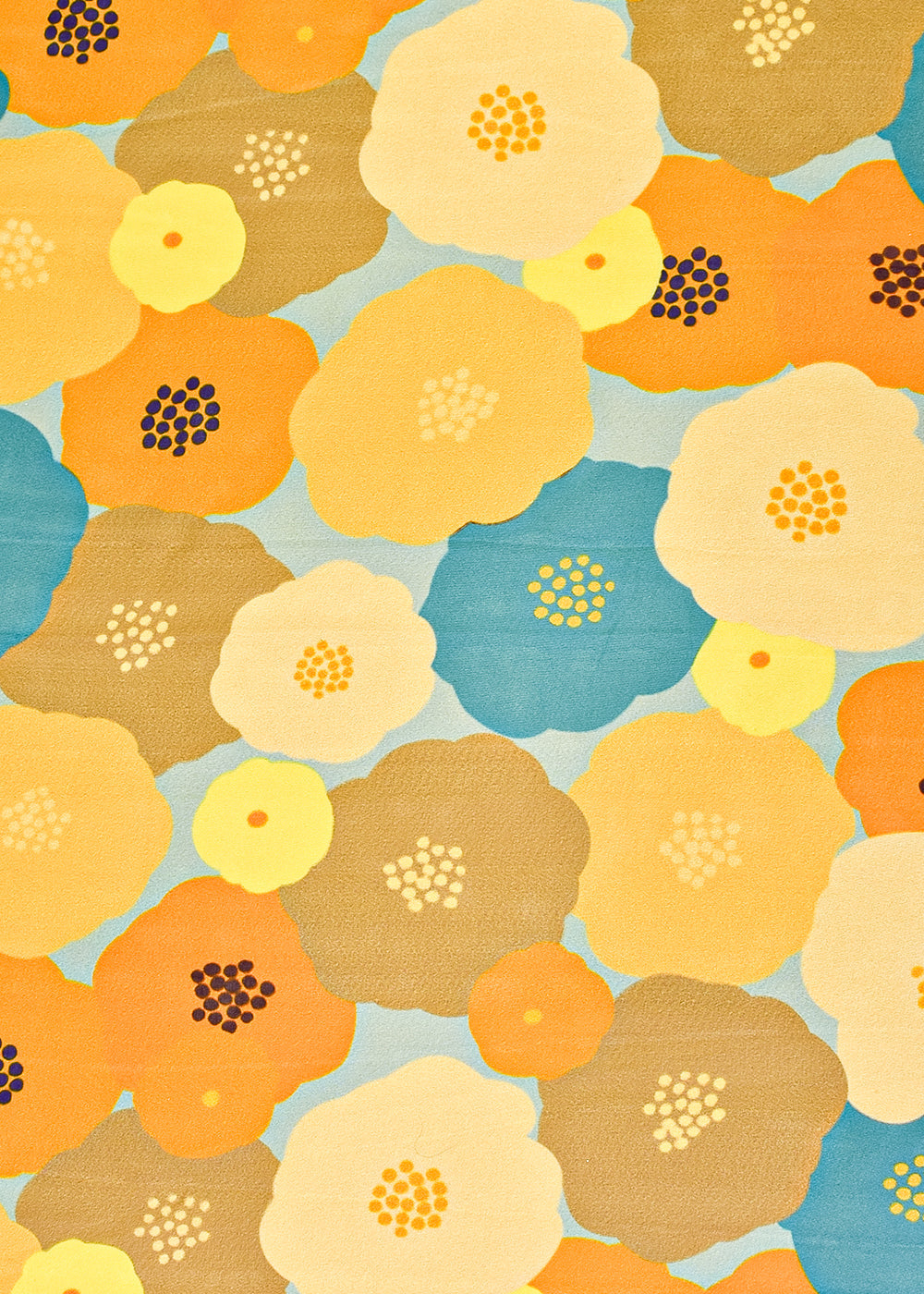
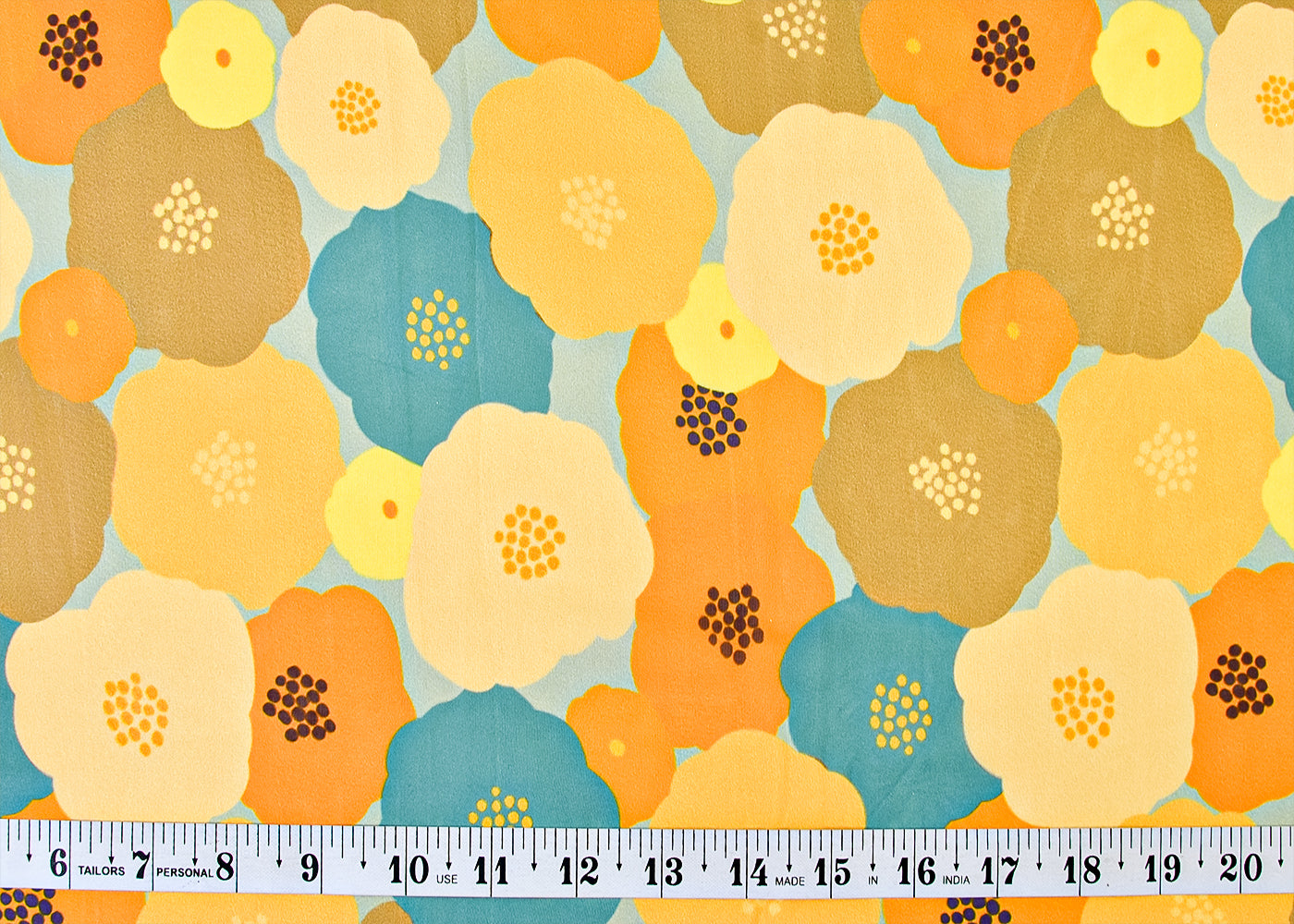
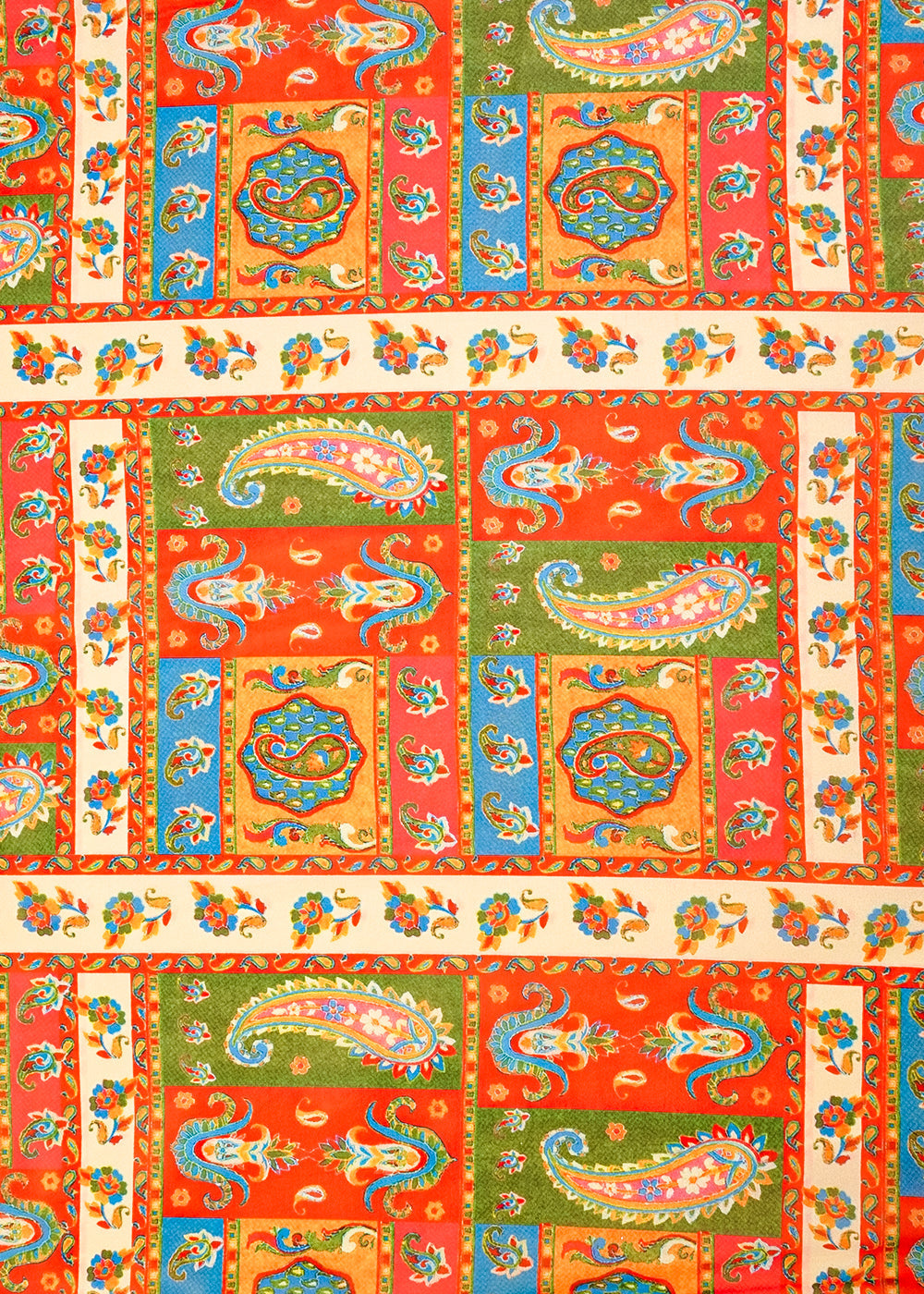
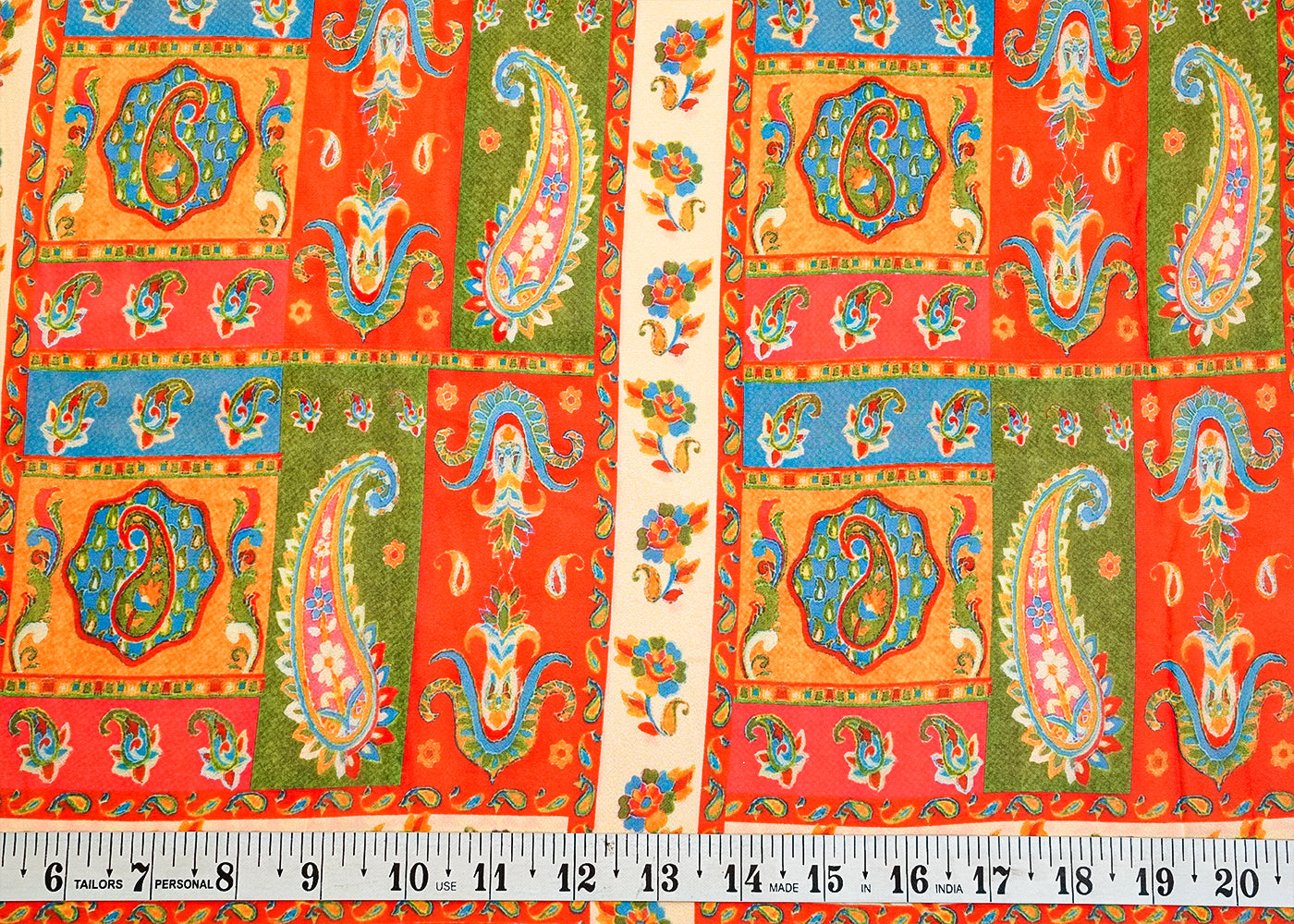
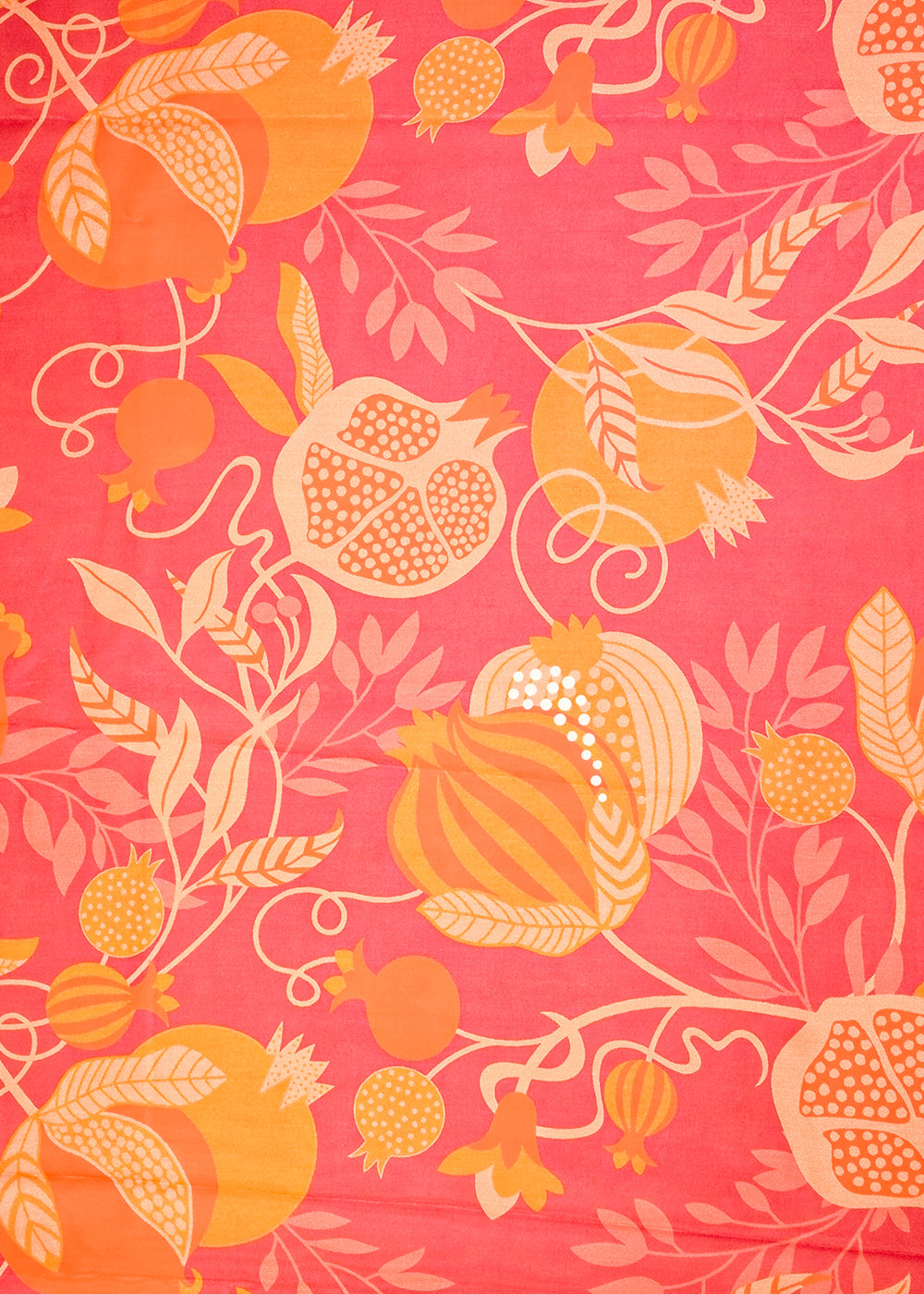
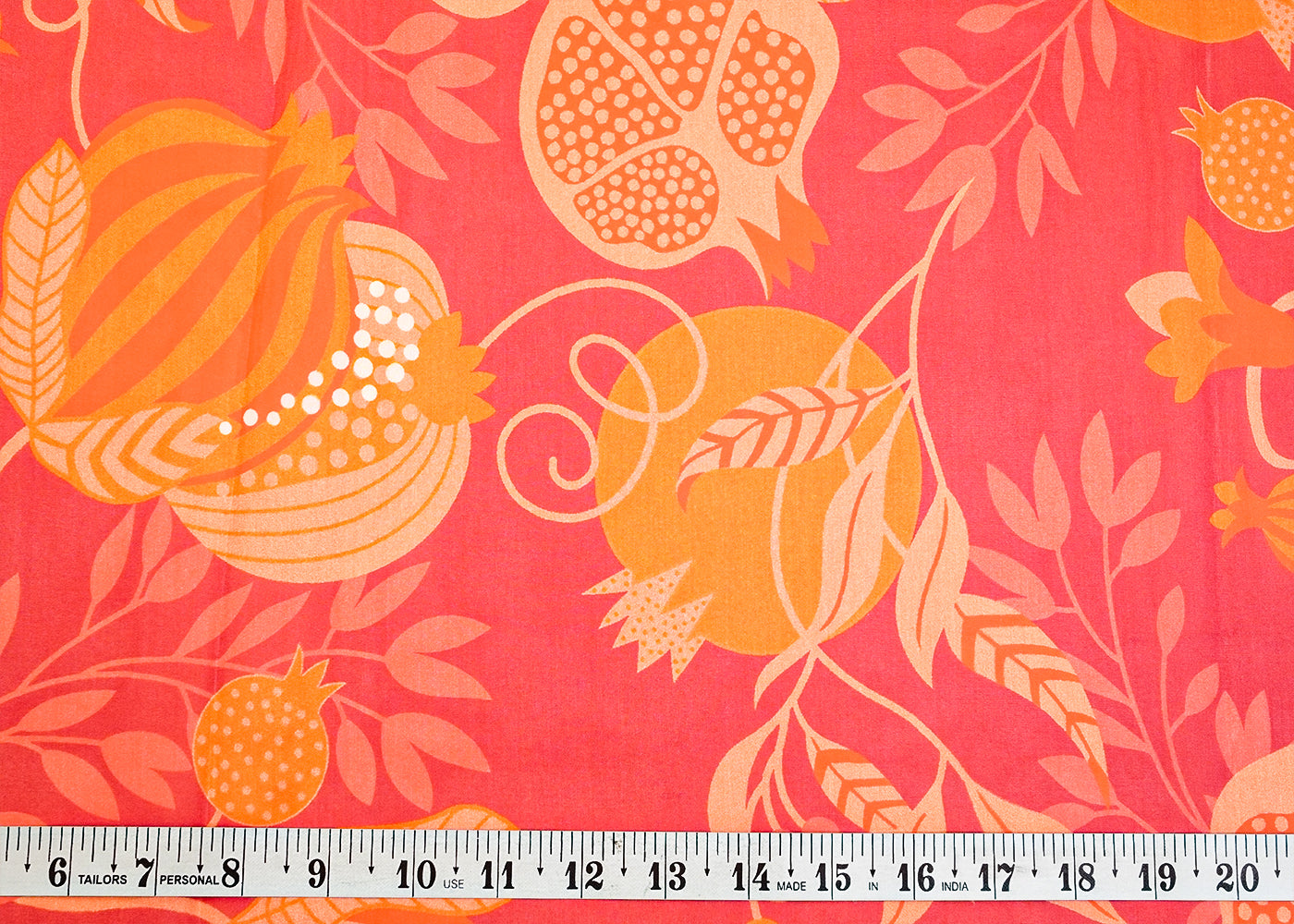
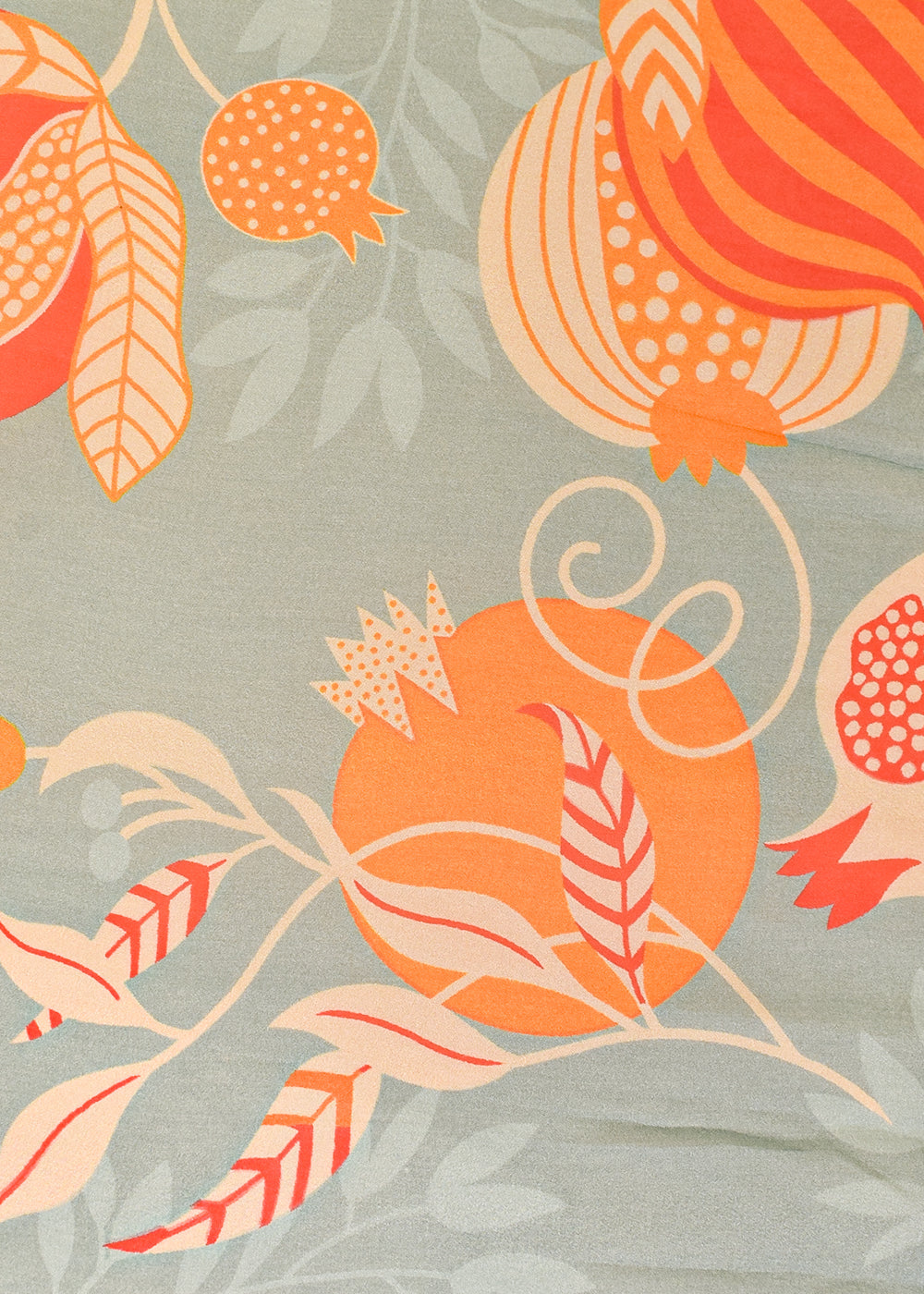
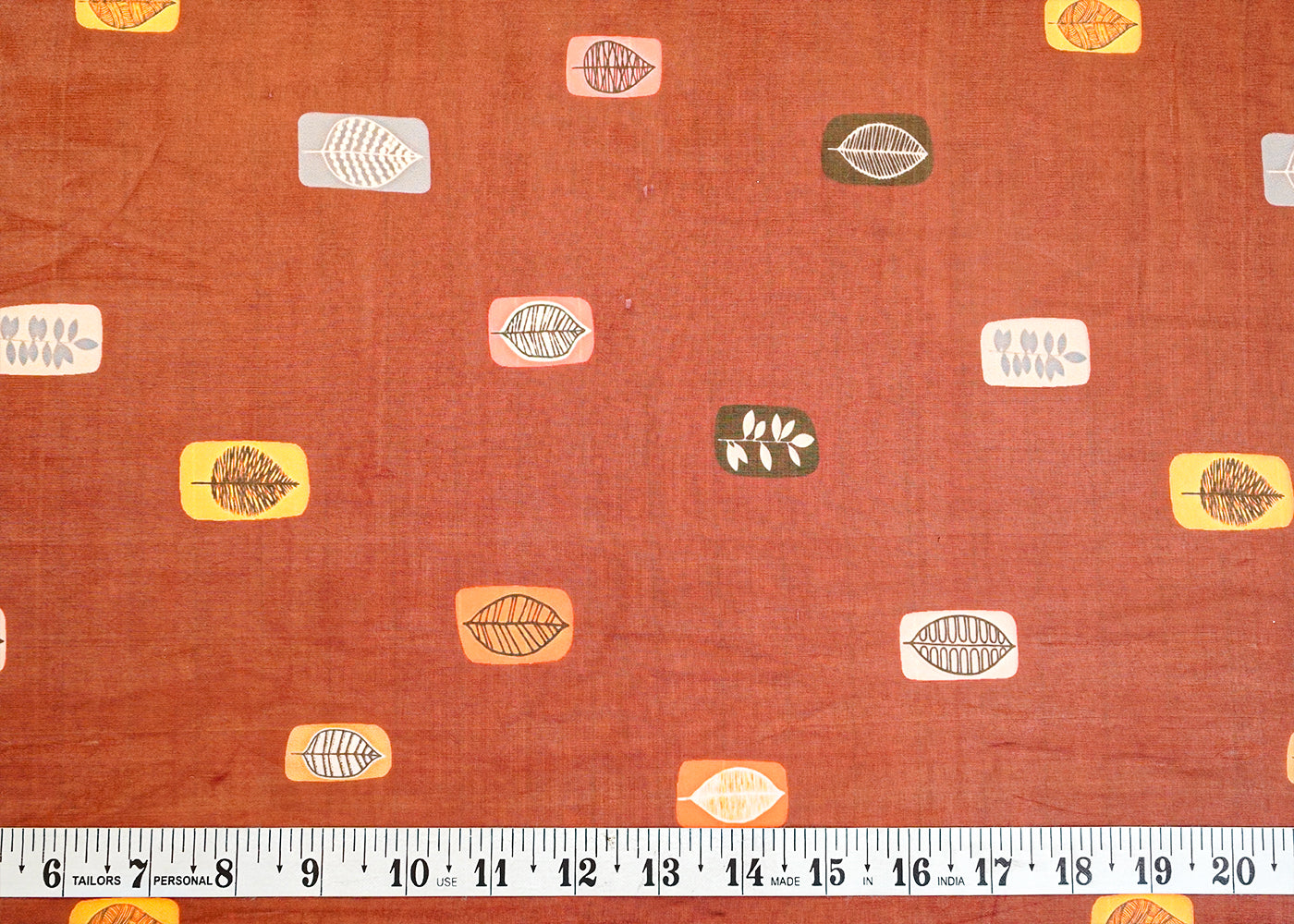
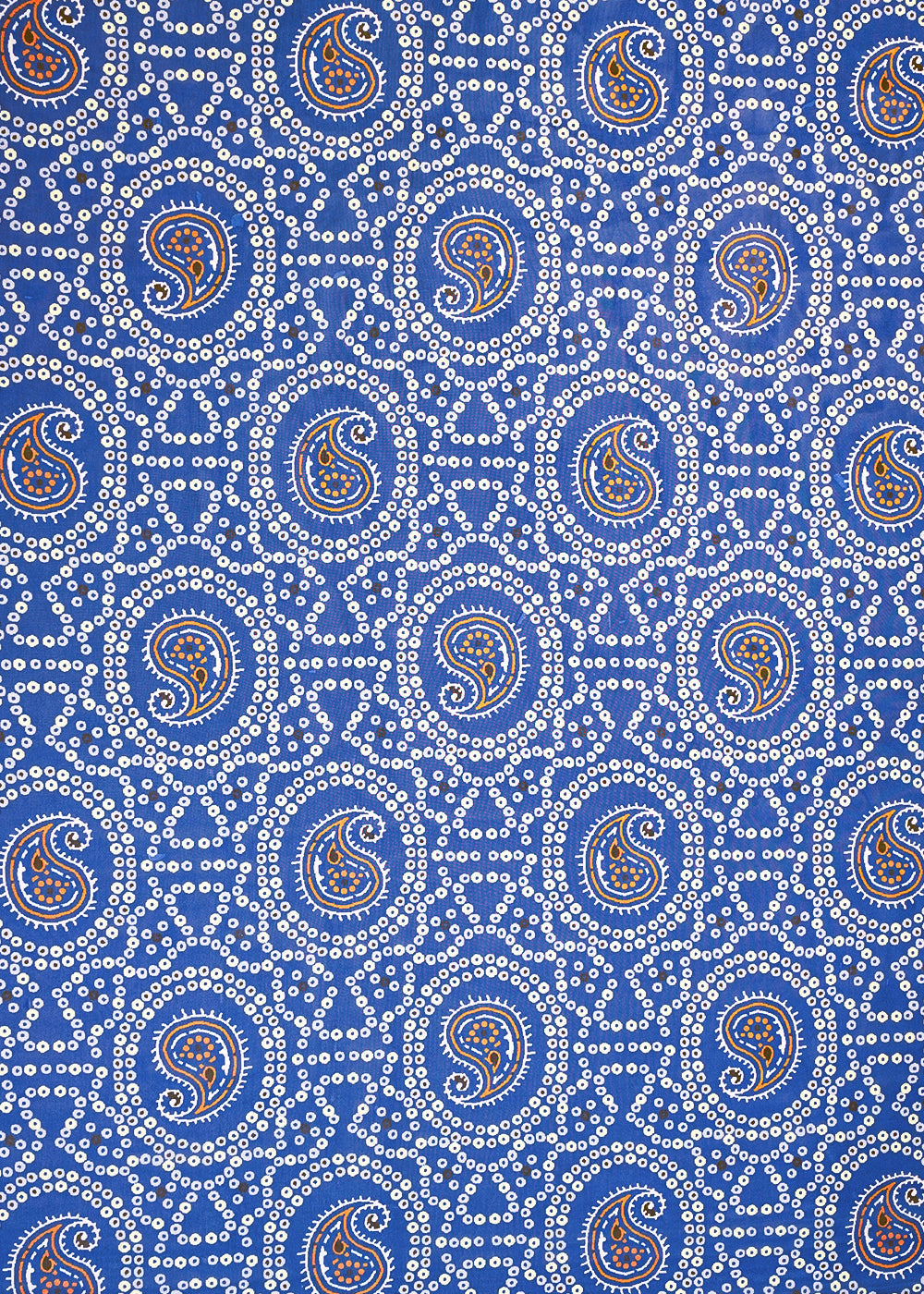
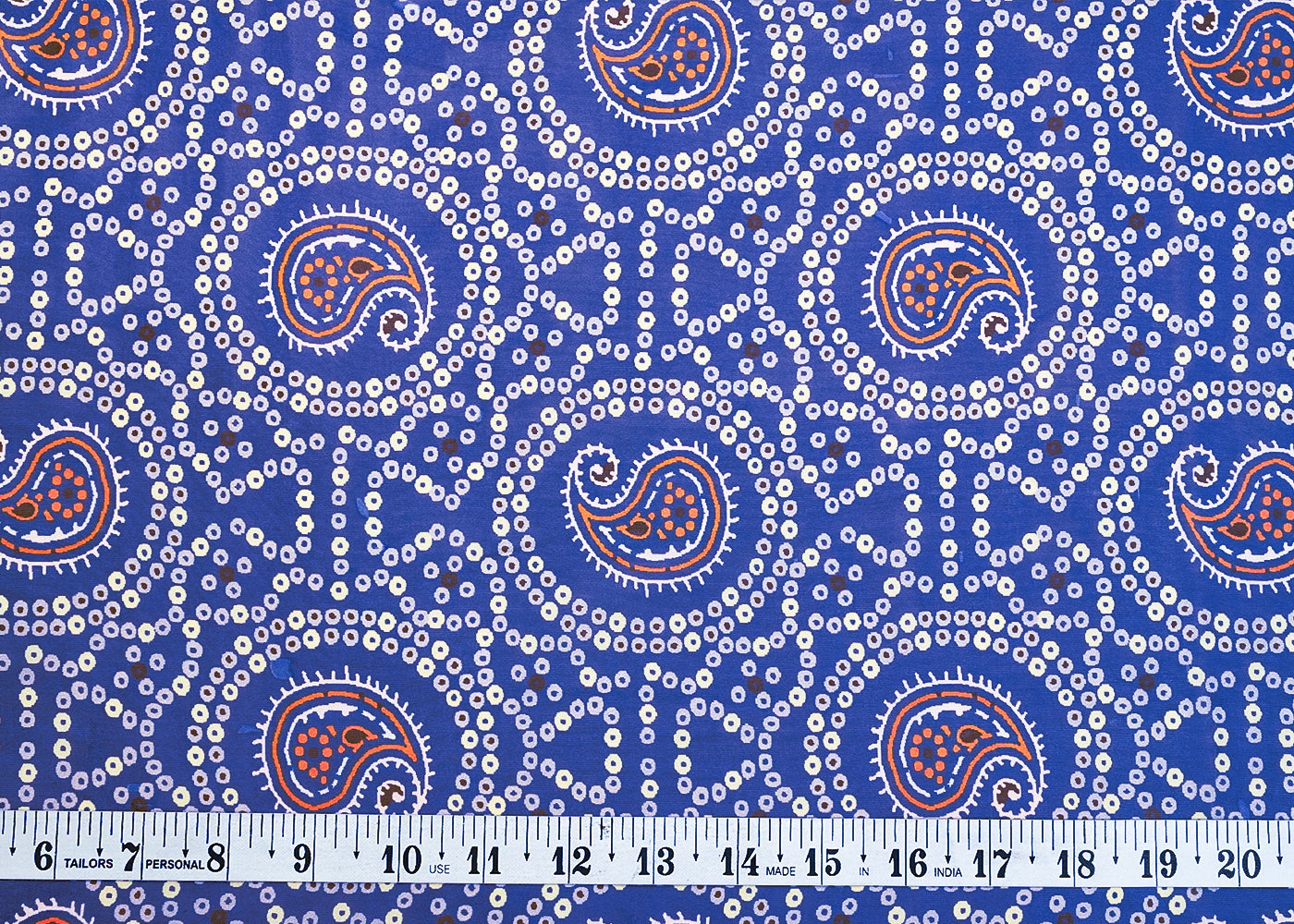
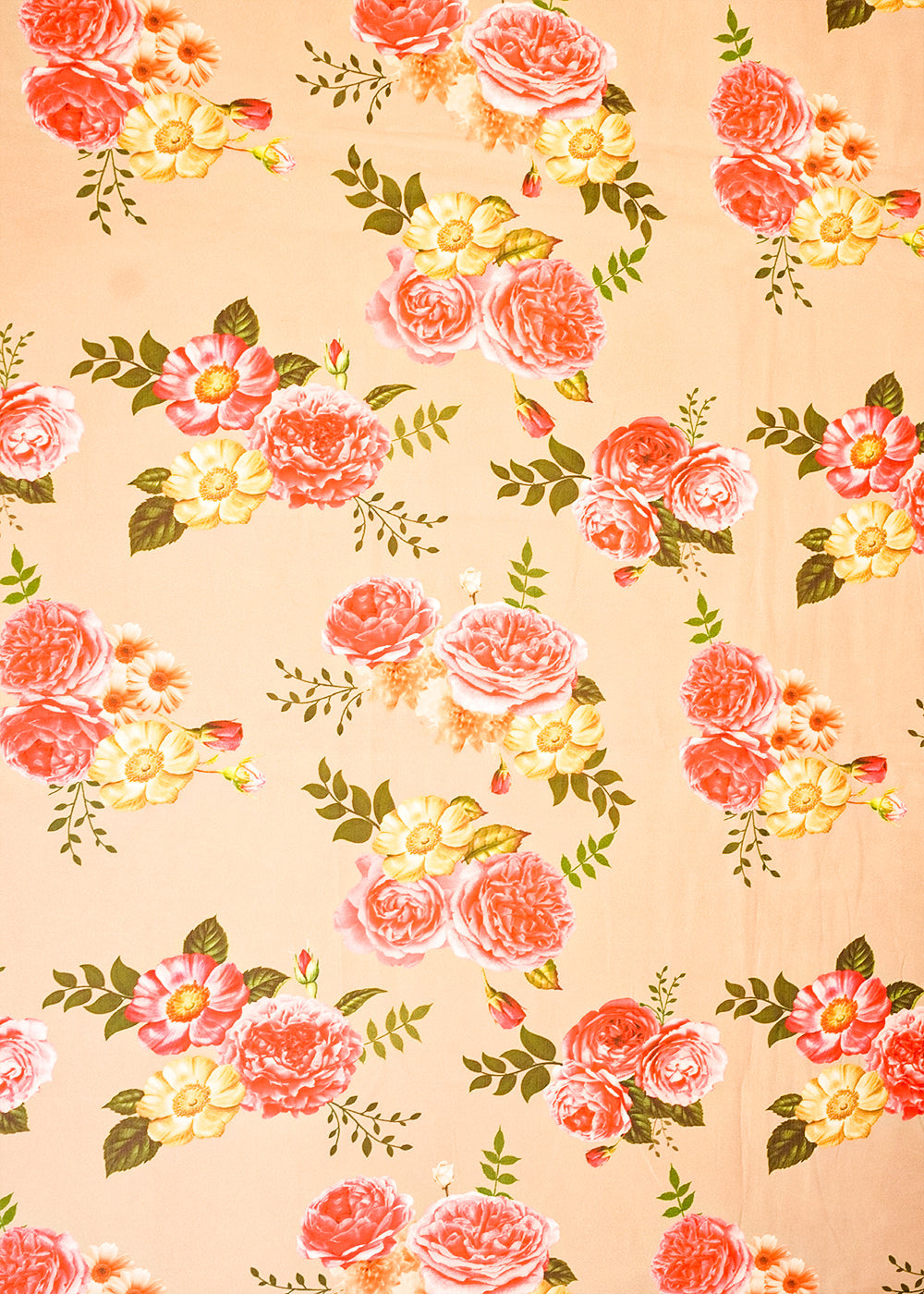
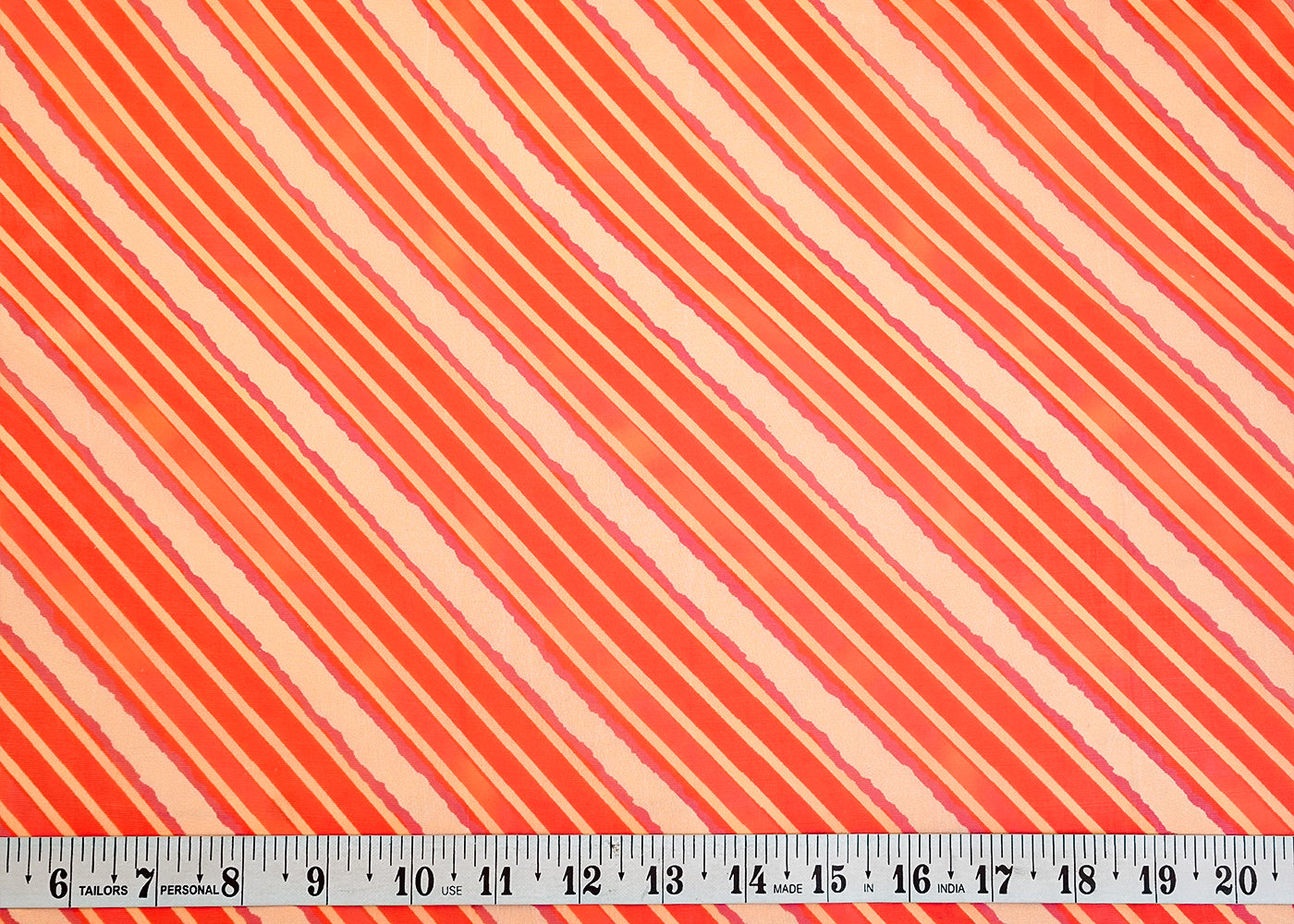
What Every Designer Should Know About Printed Organza
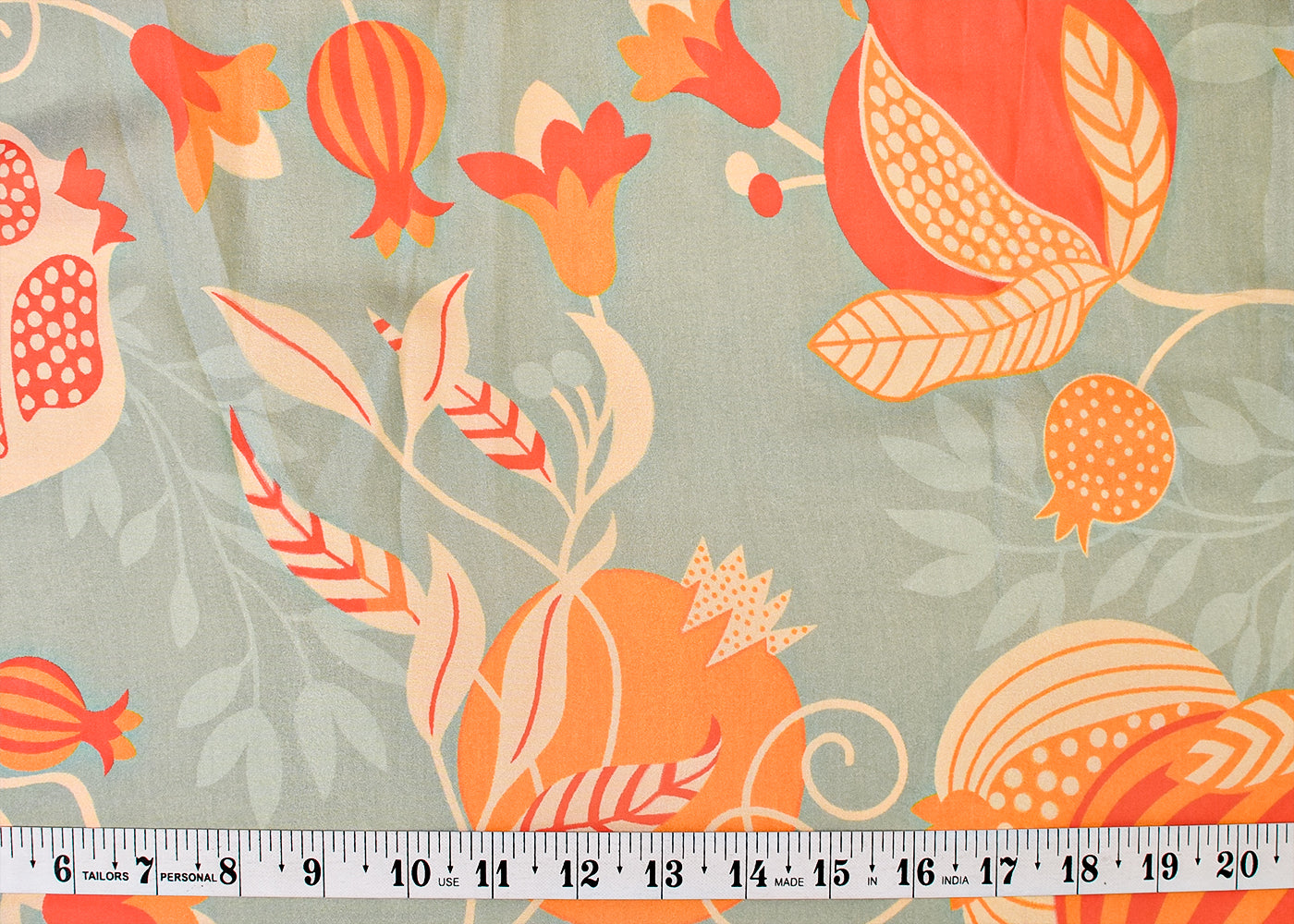
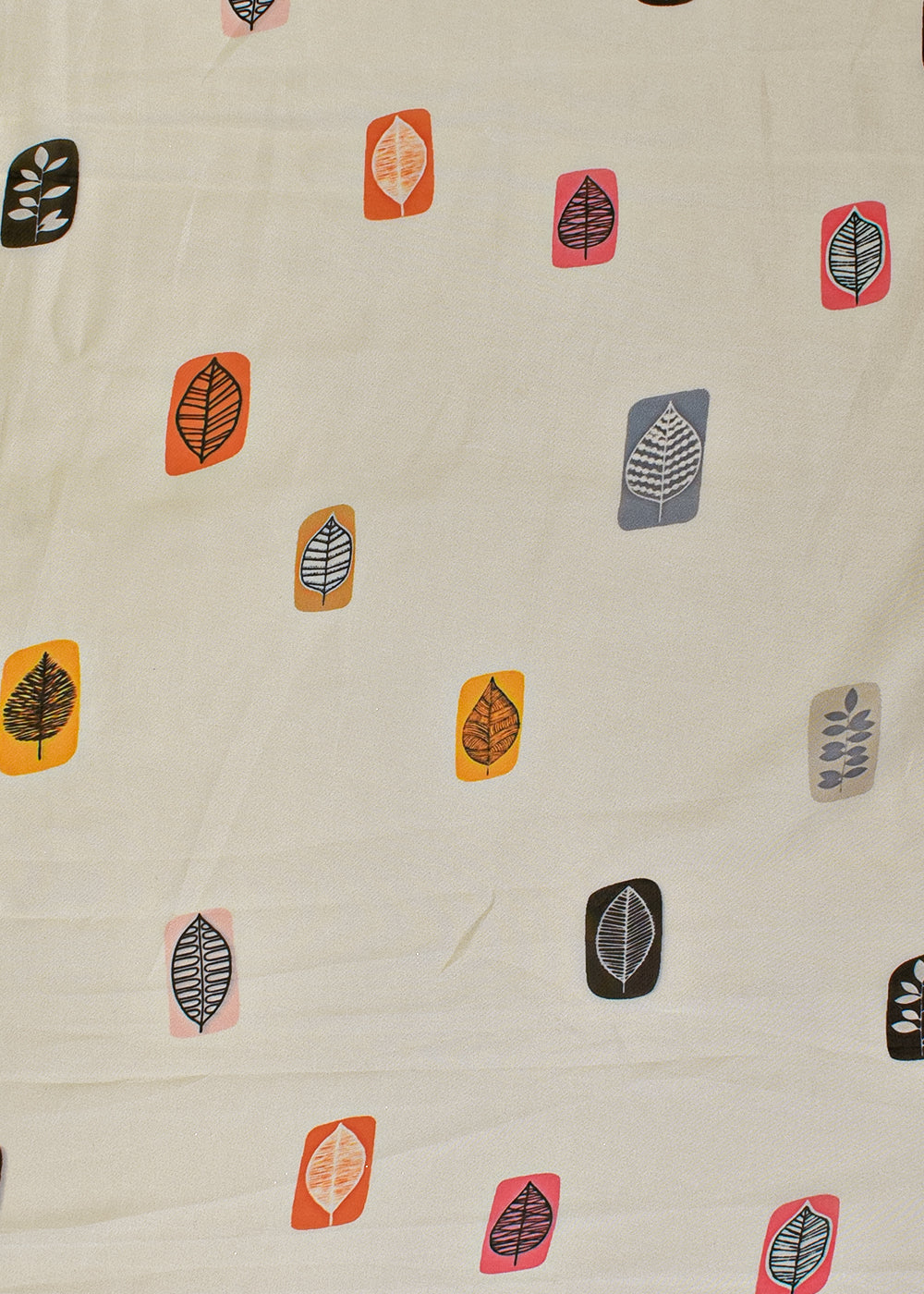
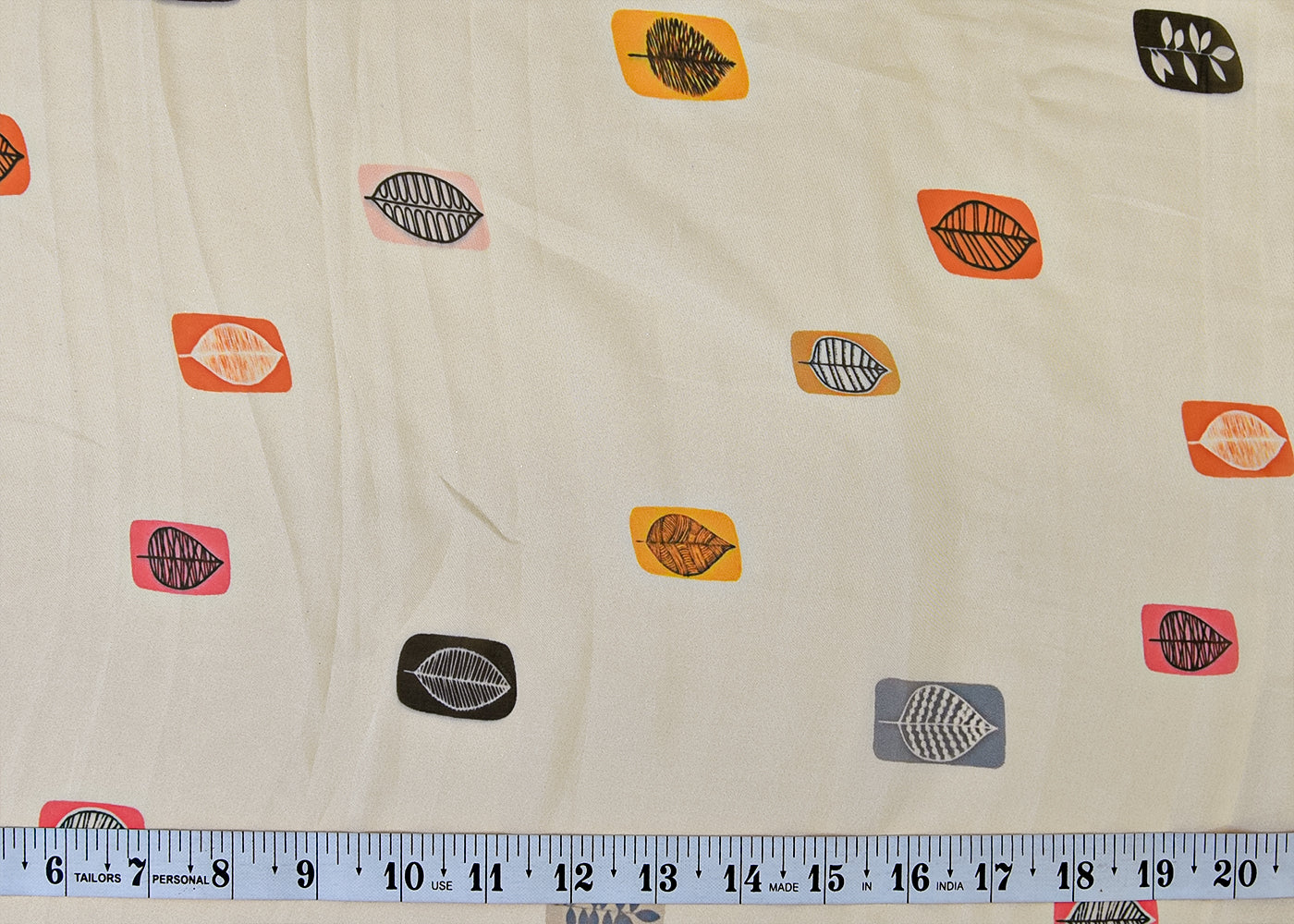
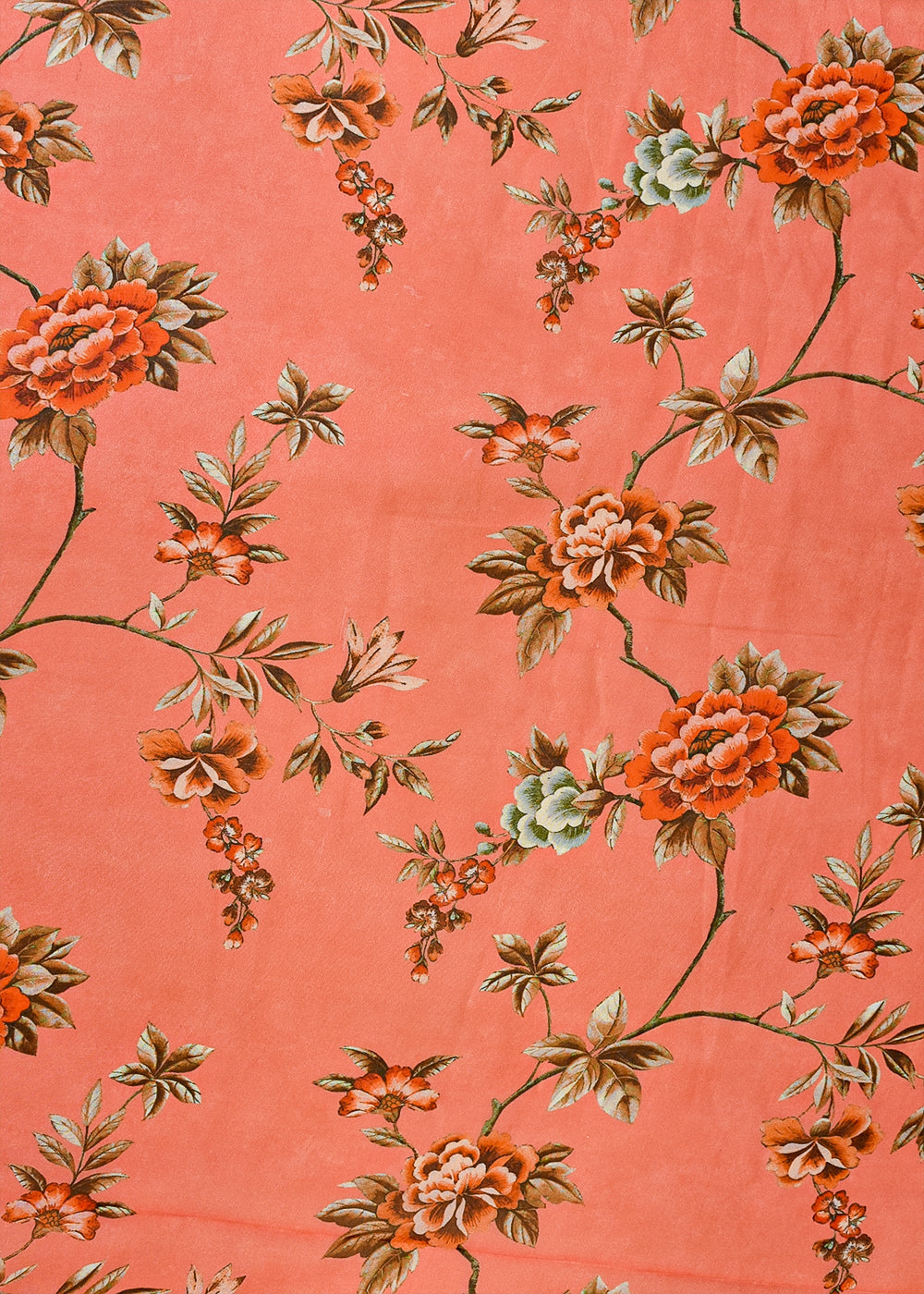
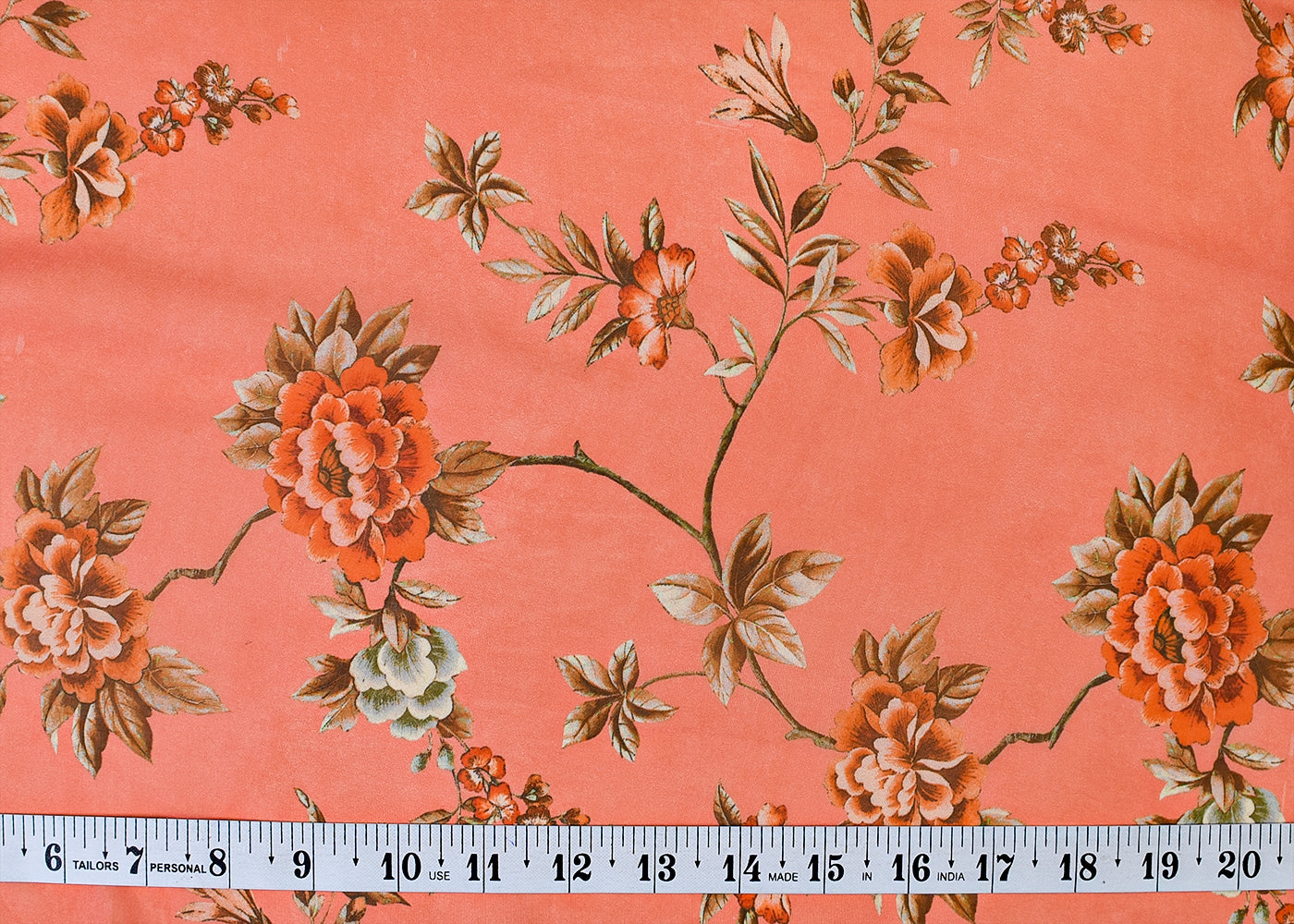
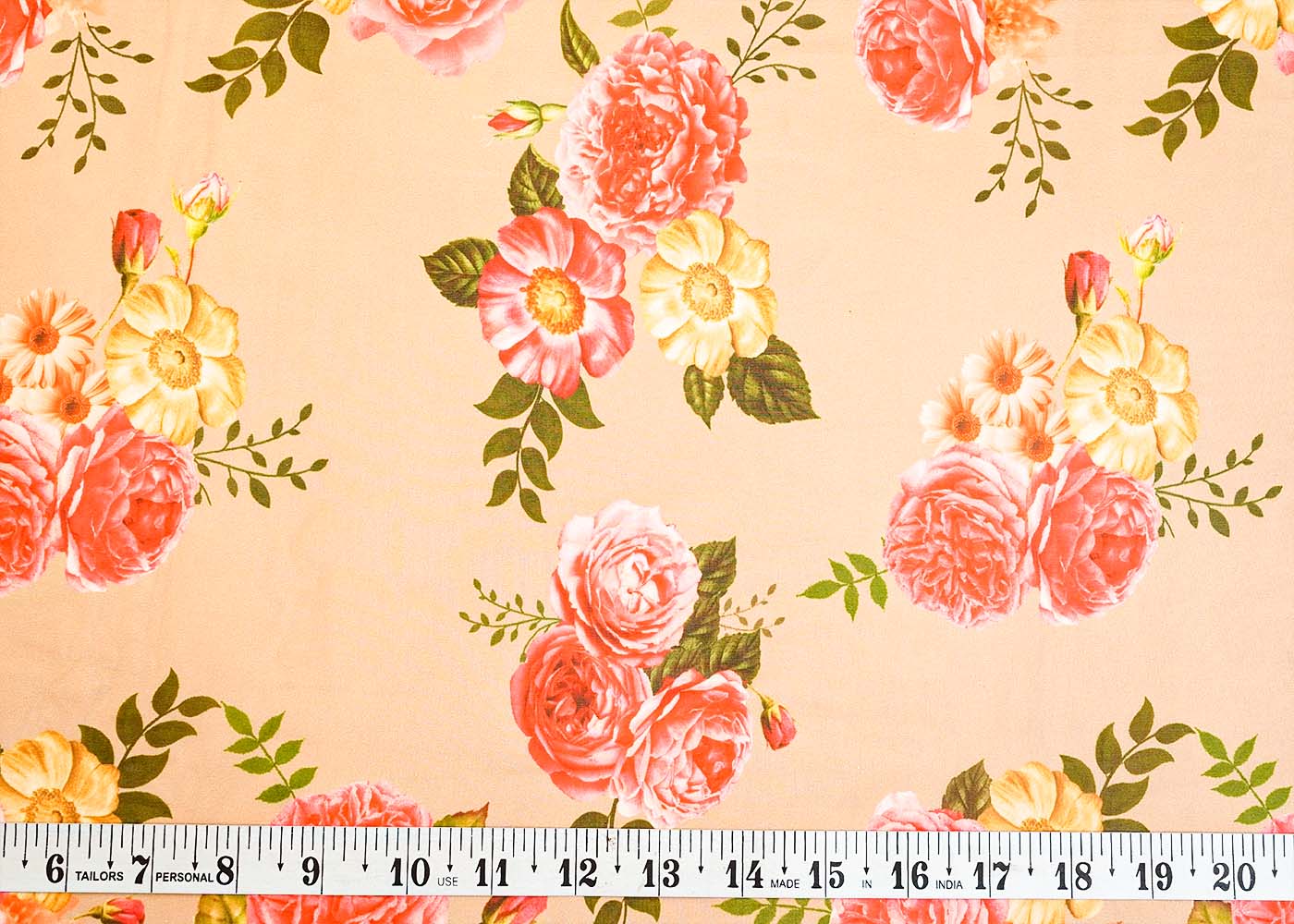
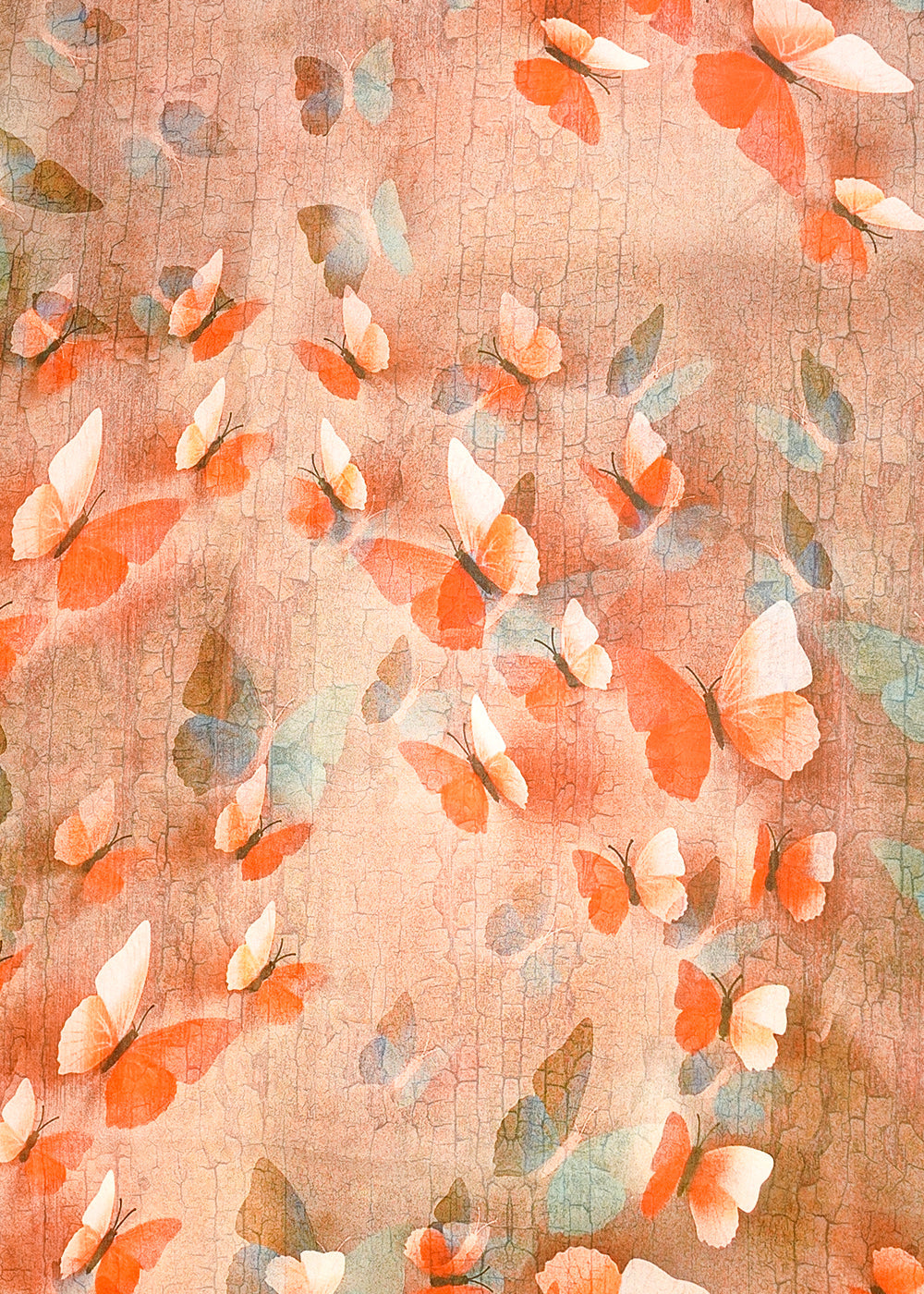
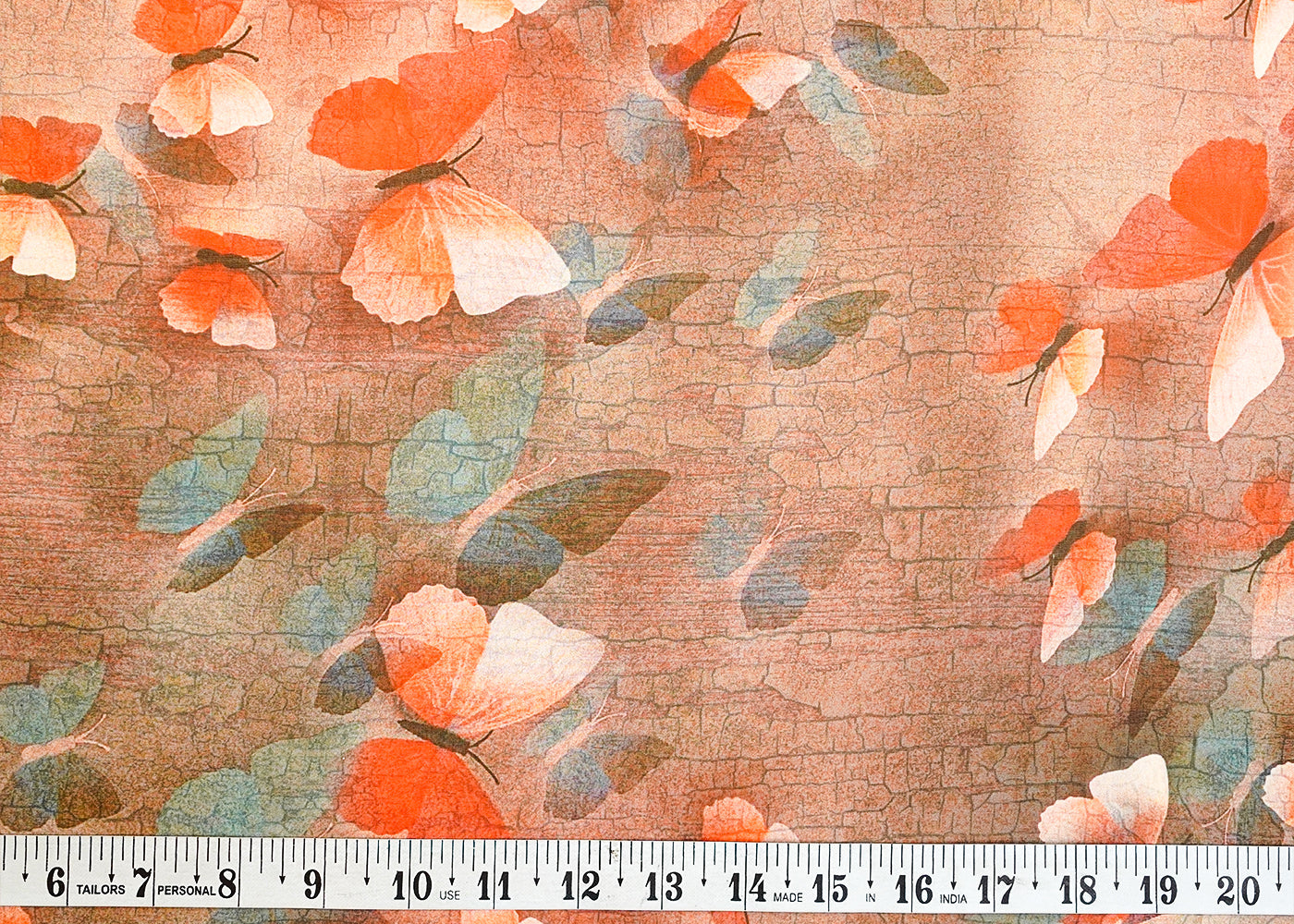
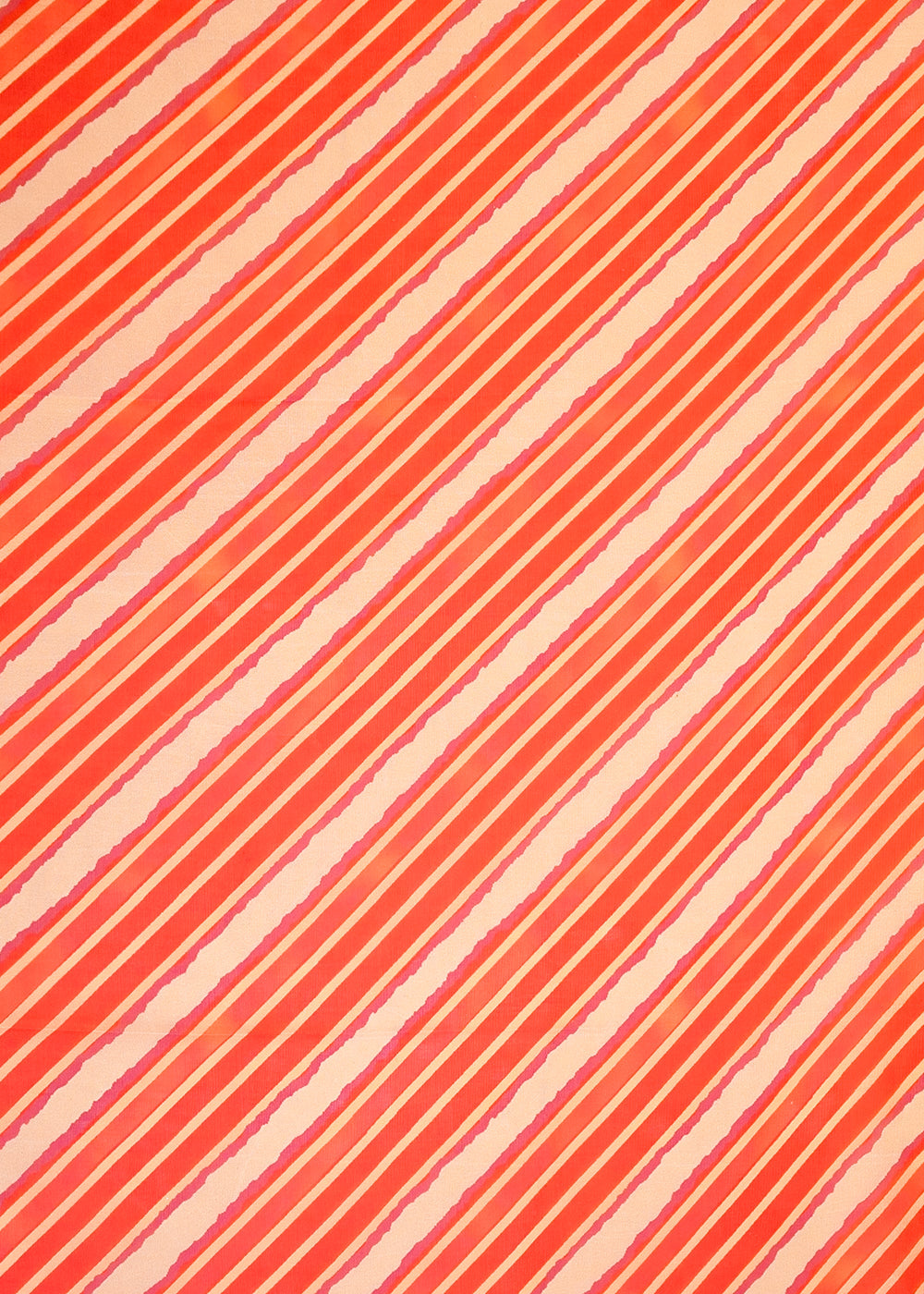
Printed organza fabric is an organza-weave textile (transparent crisp fabric produced from tightly-twisted silk, polyester, or nylon yarn) with pattern designs applied through digital-print, screen-print, or block-print techniques after weaving. The organza base carries signature transparent crisp character (visible mesh-like structure, structured body, sculptural drape) while applied print work adds visible pattern interest across the fabric surface. Delhi NCR designer boutique market absorbed the variant heavily for bridal dupatta plus wedding saree segments at Rs 6,500 to 22,000 retail band.
What Makes Printed Organza Different
The transparent crisp construction carries the whole story. Organza production uses highly-twisted yarn plus balanced warp-weft weaving to produce fabric with characteristic transparency plus structural body. Standard soft-drape fabrics arrive with body but no transparency. This variant delivers transparent structural body that reads distinctly against solid-body printed alternatives across the wedding-plus-bridal boutique segment.
Base fibre variants dominate the family. Silk organza printed delivers luxury character at highest price tiers with distinctive silk hand feel plus subtle sheen. Polyester organza printed handles volume production at accessible pricing. Nylon organza printed sits between the two with structural body plus accessible pricing. Each variant serves distinct customer segments across the boutique wholesale market.
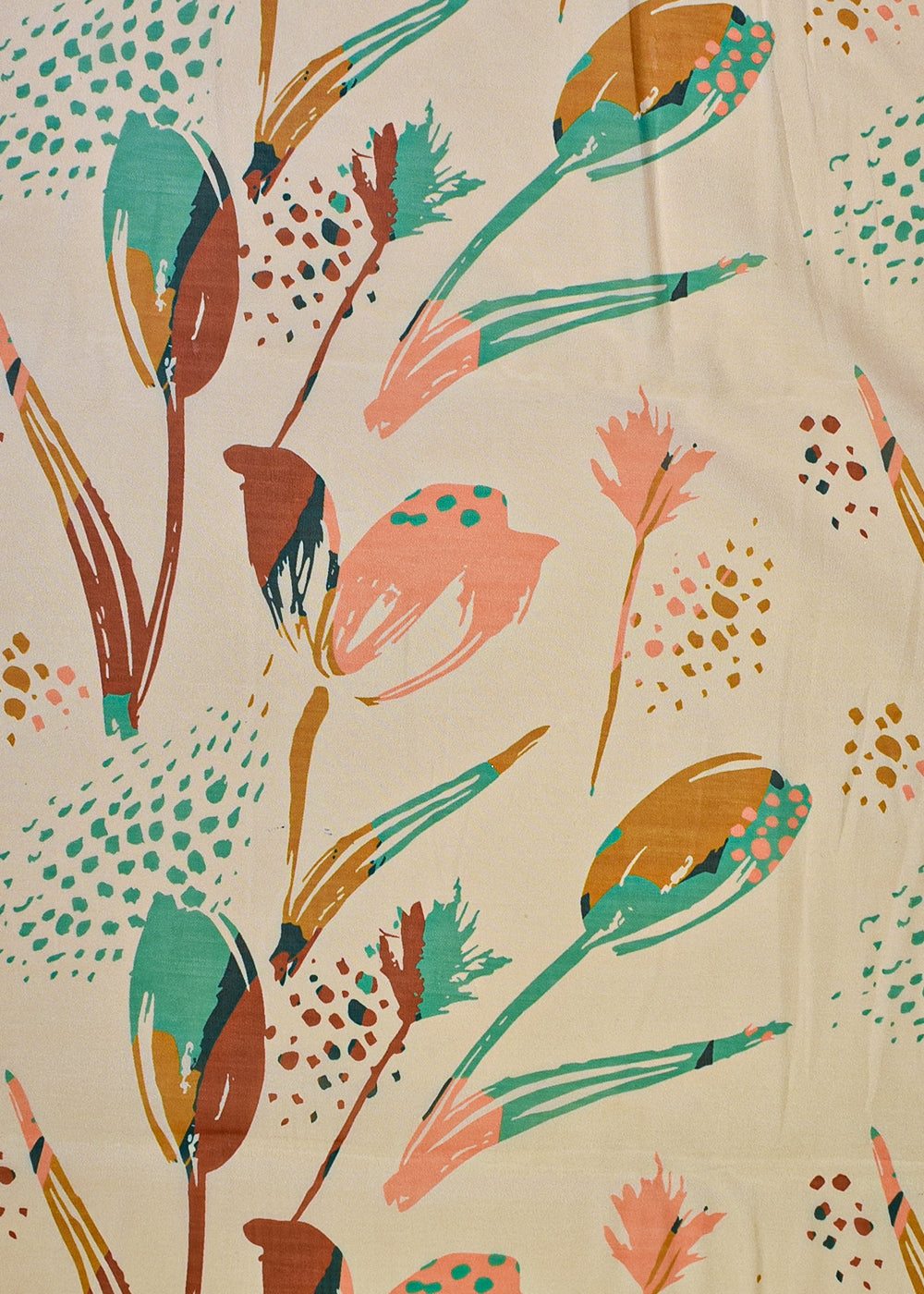
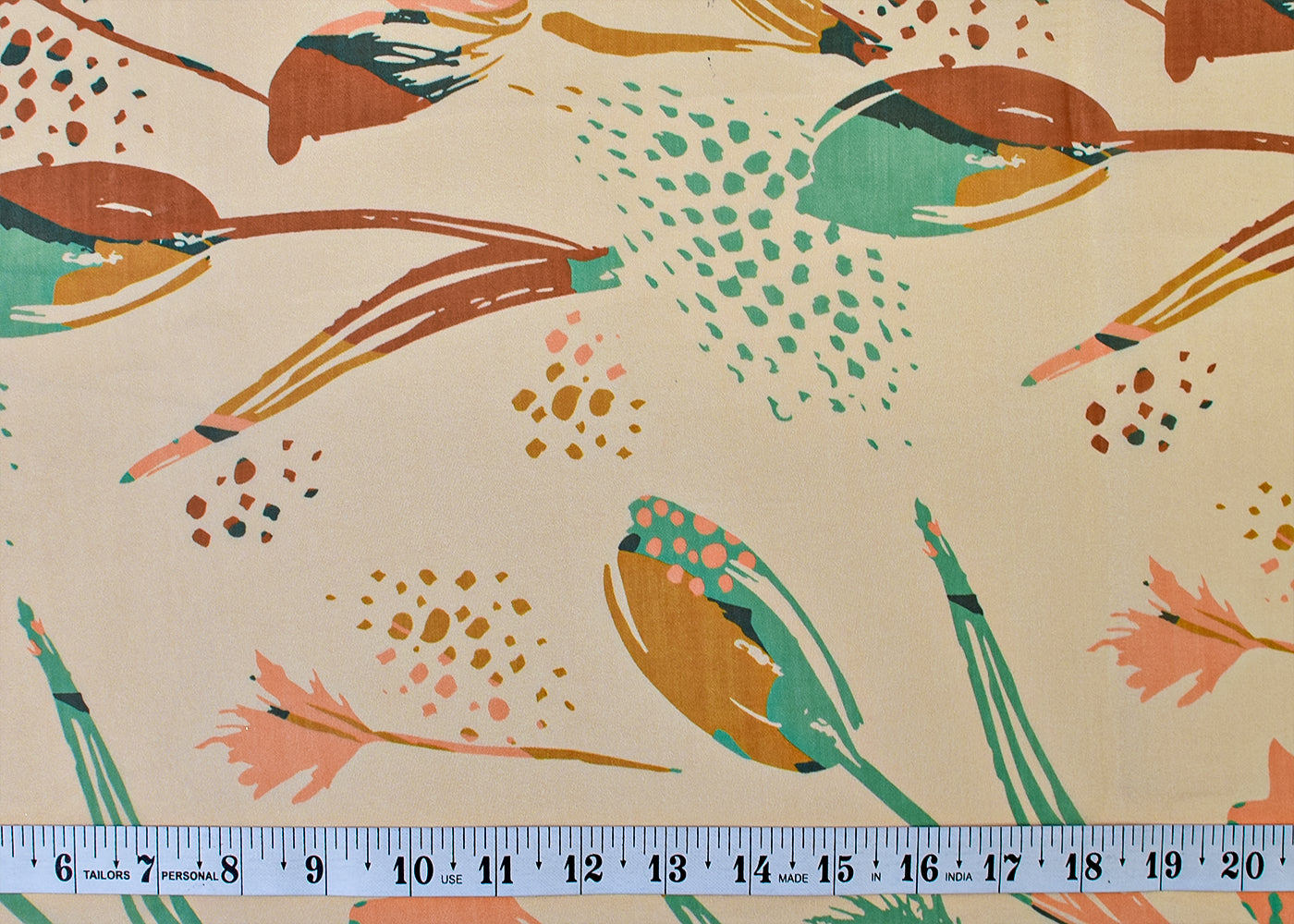
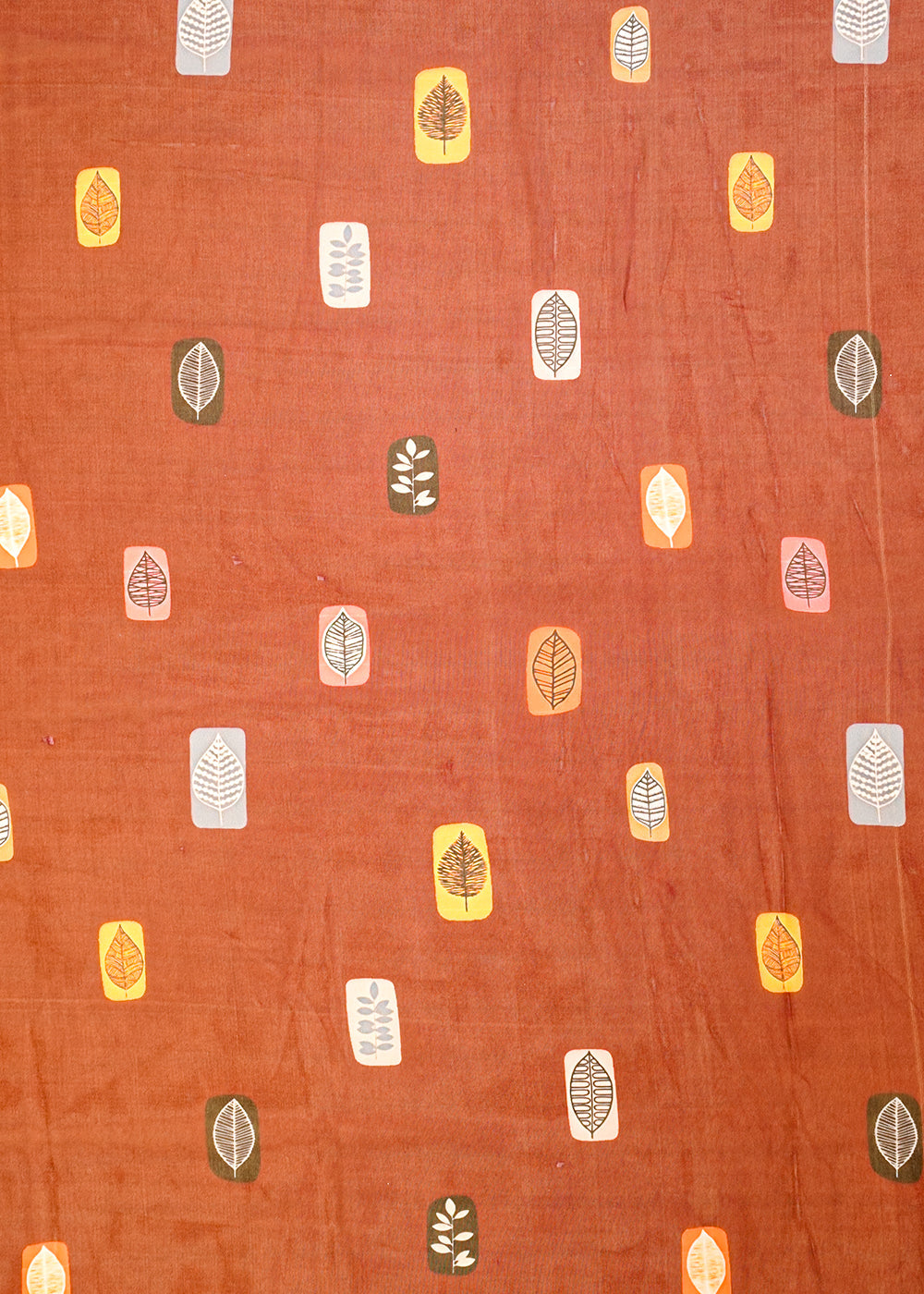
Print production on organza requires careful preparation because the transparent structure affects dye absorption plus visibility. Digital print delivers photo-quality complex patterns handling transparent bases well. Screen print produces uniform pattern repetition at commercial speed. Block print works especially well because artisanal registration variance combines naturally with organza structural character.
The printed organza hand feel? Medium. Cool against skin. Transparent structural body. Sculptural drape. Suitable for saree construction across bridal segment plus bridal bliss function outfit production. Lajpat Nagar wholesale rates for printed organza fabric run Rs 380 to Rs 920 per metre depending on base fibre plus print technique.
Types of Printed Organza in Our Collection
| Type | Best Use | Approximate Price Range |
|---|---|---|
| Digital-Print Polyester Organza | Party sarees, layered dupattas | Rs 380 to 480 per metre |
| Screen-Print Polyester Organza | Volume dupattas, cocktail overlays | Rs 340 to 440 per metre |
| Digital-Print Nylon Organza | Designer sarees, engagement dupattas | Rs 460 to 560 per metre |
| Block-Print Silk Organza | Bridal dupattas, wedding sarees | Rs 640 to 780 per metre |
| Zari-Print Silk Organza | Bridal statement pieces, reception sarees | Rs 780 to 920 per metre |
Digital-print polyester organza sits as the volume seller for party wear production across mid-market boutique segment. The silk organza variants target upper-tier boutiques serving bridal-plus-wedding function segments. Zari-print silk variants anchor the Rs 15,000-plus retail bridal segment.
Printed Organza GSM Guide
| GSM Range | Fabric Feel | Best For |
|---|---|---|
| 30 to 50 GSM | Ultra-light, translucent | Layered dupattas, veils |
| 50 to 75 GSM | Light, structured | Bridal dupattas, cocktail sarees |
| 75 to 100 GSM | Medium-light, opulent | Wedding sarees, statement pieces |
Boutique buyers default to 50-75 GSM for bridal dupatta production. Balances organza transparency with fabric structural integrity. Above 75 GSM handles wedding sarees plus statement pieces where structural weight matters more than sculptural movement.
Popular Uses
Bridal dupattas dominate uses across the wedding function segment at Rs 8,000 to 18,000 retail band. Wedding sarees for reception function come second where organza sculptural character reads distinctly under function lighting. Layered cocktail overlays paired with plain silk saree bases rank third pattern across boutique units serving Rs 12,000-plus function outfit market. Statement engagement blouses round out popular uses.
Printed Organza Trends for 2026
Digital-print floral variants lead the fashion-forward bridal segment currently. Photo-quality complex florals combined with organza transparency photograph distinctly under wedding function lighting. Delhi NCR bridal boutiques reorder digital-print organza every three weeks through October-February peak wedding season. Zari-print traditional motifs continue serving the classical bridal segment where generational shopping patterns stay resilient.
Care and Working Tips for Printed Organza
Pre-wash test piece before bulk cutting. Print may fade slightly across first wash cycles. Cold-water hand-washing mandatory across all variants. Machine washing damages organza structure permanently.
Silk-blend thread handles organza structure best. Fine sewing needle mandatory because standard needles snag the transparent weave causing visible damage. Machine tension needs adjustment for the sculptural fabric which shifts under sewing pressure. Additional pinning at seams prevents slippage.
Ironing works at very low heat with press cloth on reverse side. Direct heat damages organza character within seconds. Storage folds in tissue paper. Hanging stretches the sculptural weave over long inventory holds.
What is Printed Organza? (Quick Definition)
An organza-weave textile (transparent crisp fabric produced from tightly-twisted silk, polyester, or nylon yarn) with pattern designs applied through digital-print, screen-print, or block-print techniques after weaving, delivering fabric combining transparent structural body with visible pattern character. The printed organza fabric gets used across bridal dupattas, wedding sarees, cocktail overlays, plus statement engagement blouses at retail bands from Rs 6,500 to Rs 22,000. Available across 30 to 100 GSM at wholesale rates Rs 380 to Rs 920 per metre.
Why Designers Buy Printed Organza Online
Bridal plus wedding boutique segment across Delhi NCR designer market needs transparent structural printed fabric with sculptural character distinct from solid-body printed alternatives. This variant delivers exactly that positioning at the Rs 6,500 to 22,000 retail garment band. The wholesale rate for printed organza fabric runs Rs 380 to Rs 920 per metre.
Frequently Asked Questions
How does printed organza differ from printed chinon chiffon?
Organza uses tightly-twisted yarn plus balanced warp-weft weaving producing transparent structural body with sculptural drape. Chinon chiffon uses finer yarn plus softer twist producing significantly more drape-forward character with distinct movement but without organza transparency. Different customer segments across the party wear plus bridal boutique market drive each fabric choice.
Which base fibre works best for bridal boutique production?
The silk organza variant delivers designer-tier character at Rs 15,000-plus bridal band with distinctive hand feel plus subtle sheen. Polyester organza handles Rs 6,500-10,000 mid-market production. Nylon organza sits between the two tiers with structural body plus accessible pricing.
Is printed organza available in bulk for bridal boutique operations?
Yes across all variants. Bulk pricing kicks in at 20 metres per SKU. Wholesale tiers begin at Rs 320 per metre for polyester organza on 60-metre-plus orders. Wedding-season boutique lots above 150 metres unlock production pricing tier.
How much printed organza does a bridal dupatta need?
Standard bridal dupatta needs 2.5 metres for full construction. Extended pallu-style dupattas need 3 metres. Coordinated bridal dupatta-plus-blouse construction needs 3.5 metres total.
Why Boutique Owners Choose Printed Organza from Paras Gallery
Ten metres minimum buys sample-rate per shade. Twenty metres unlocks wholesale tier. One hundred fifty metres opens wedding-season production pricing. Place order through our wholesale catalogue.
