Silk Jacquard




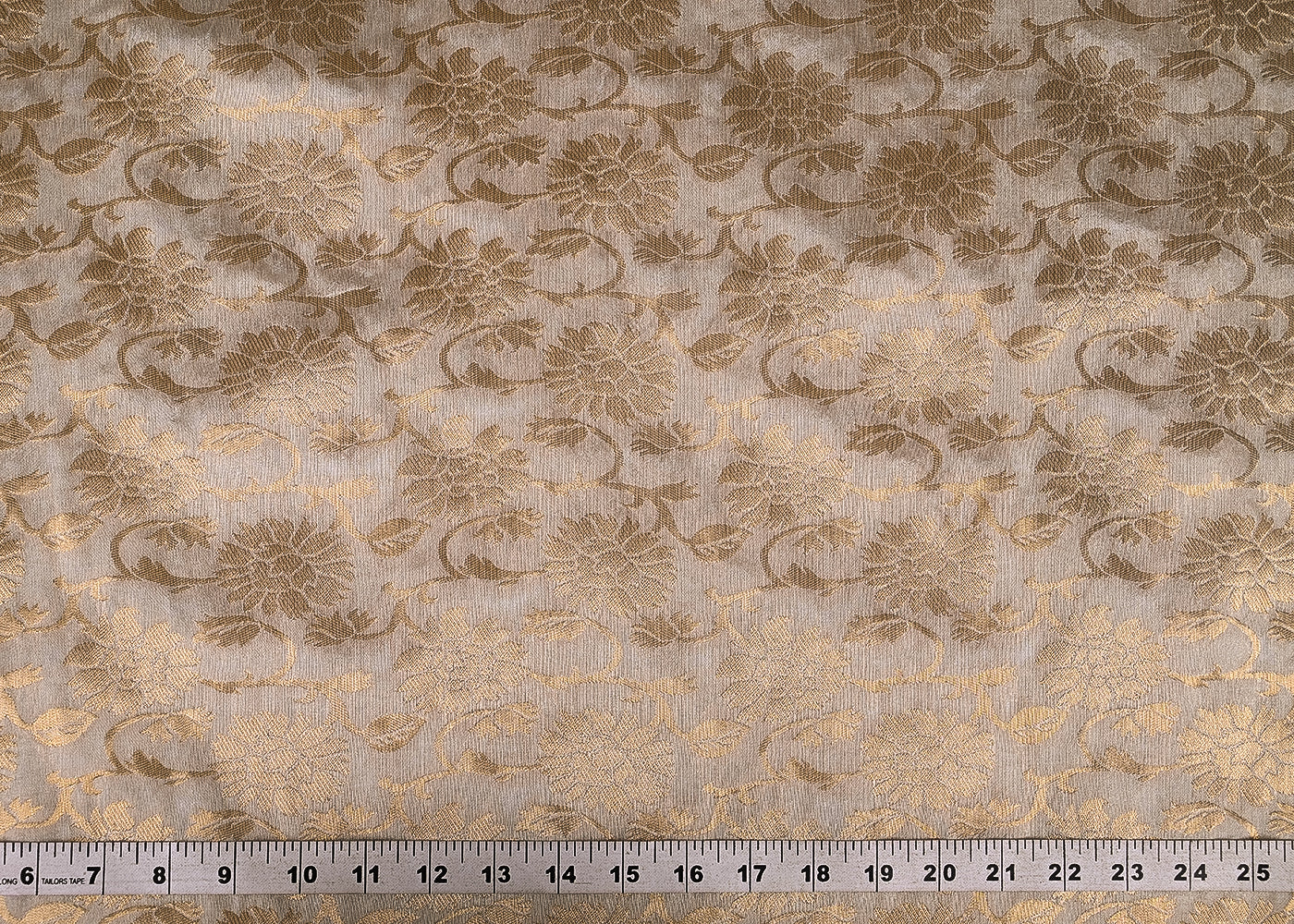
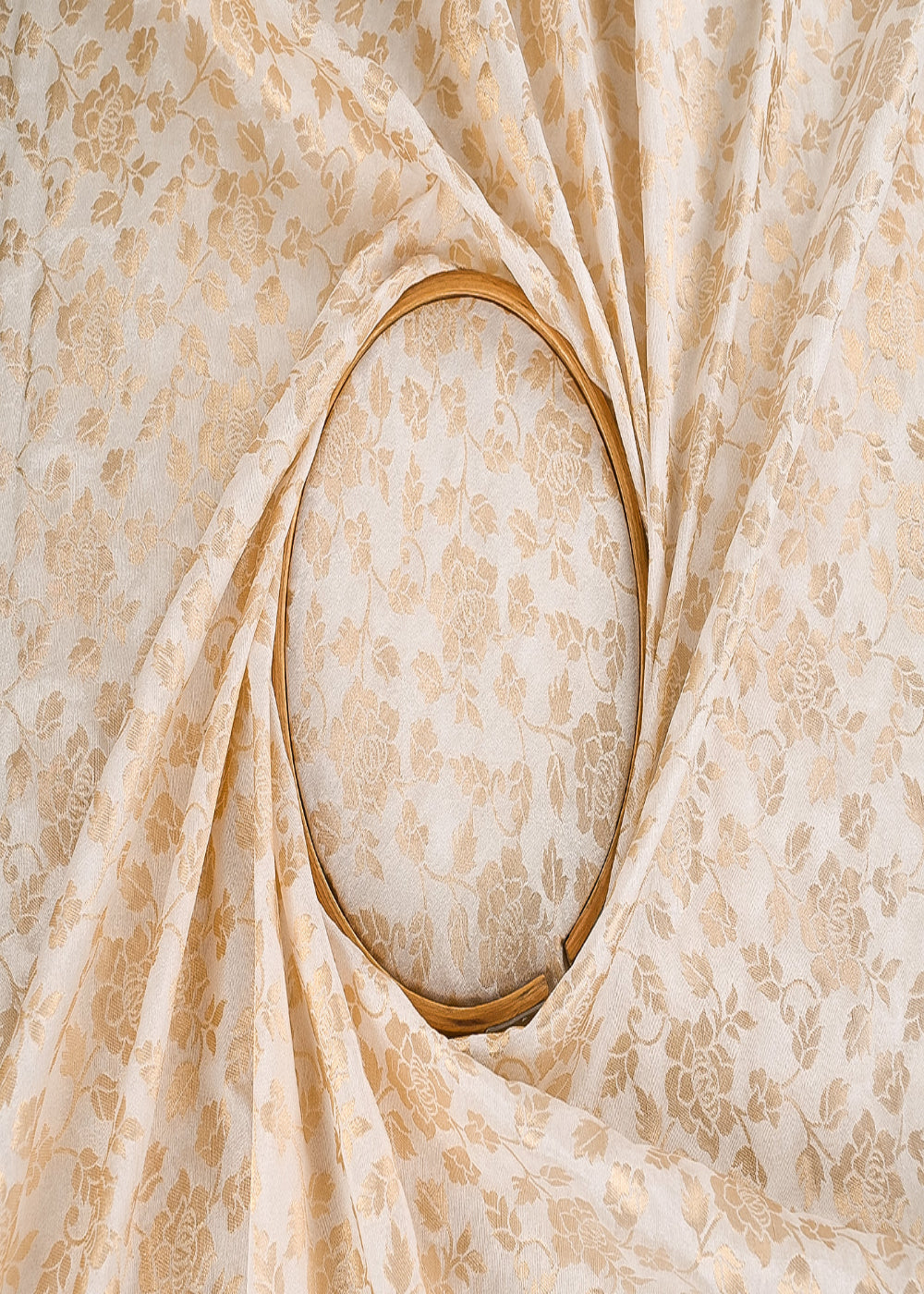
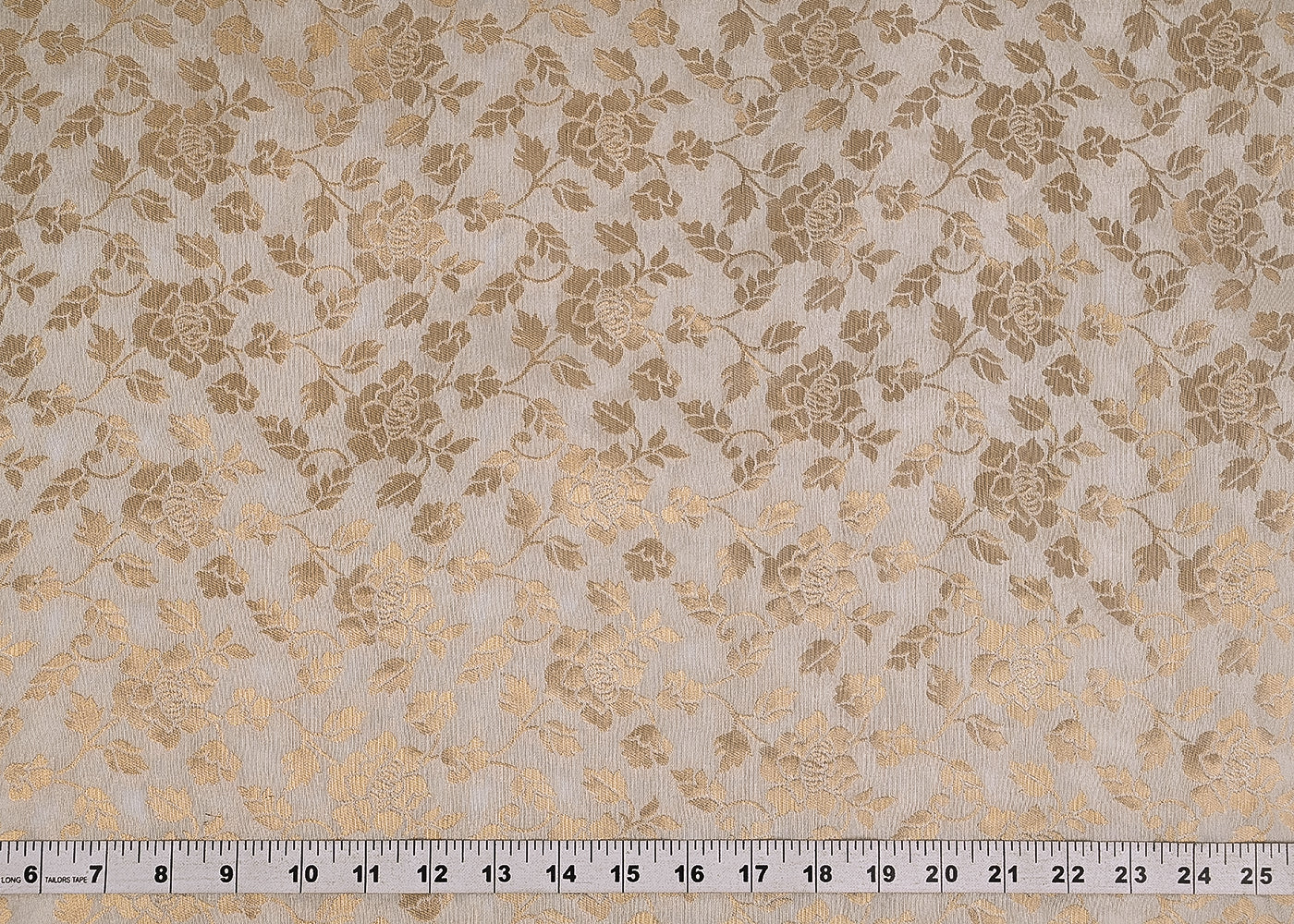
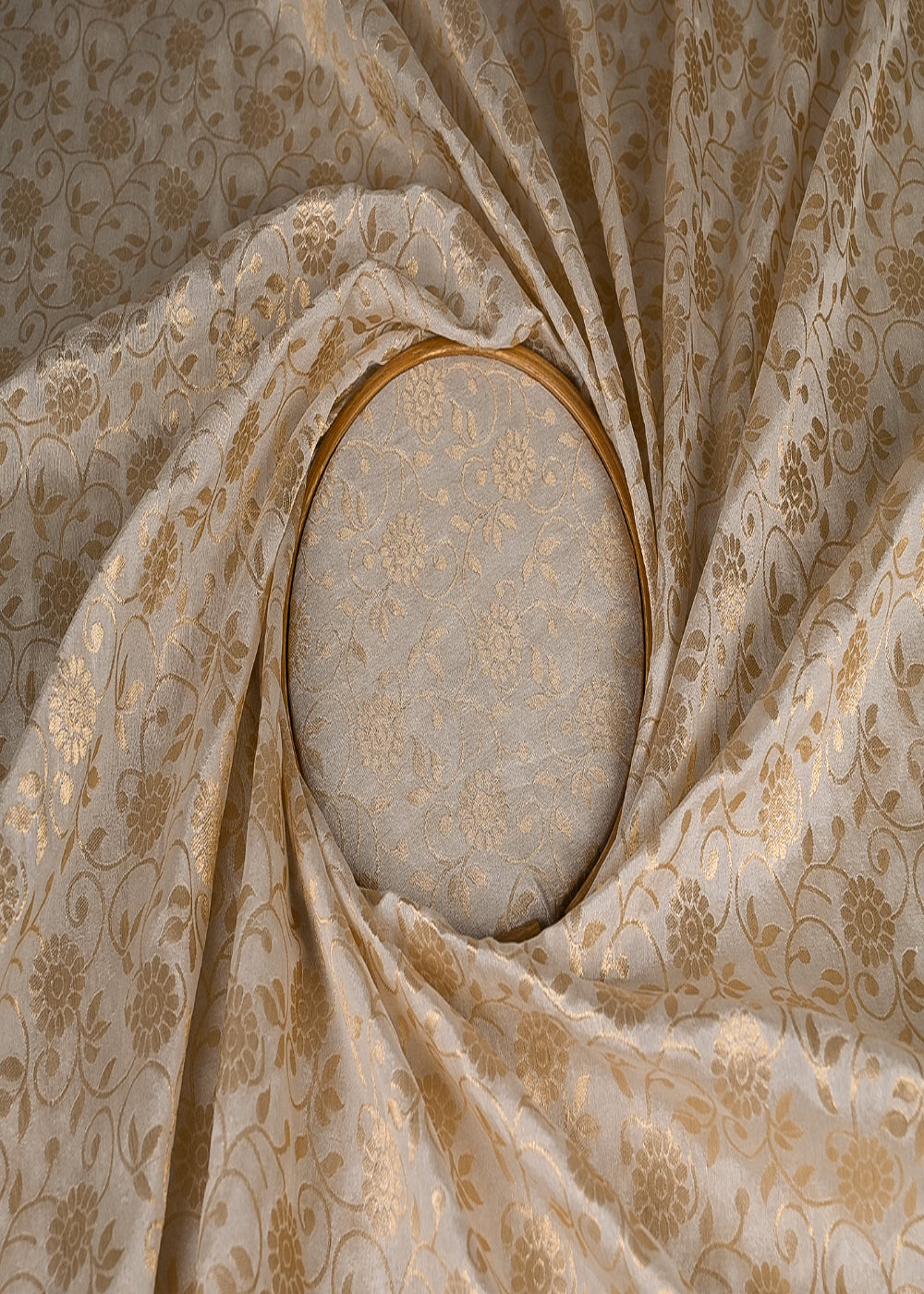
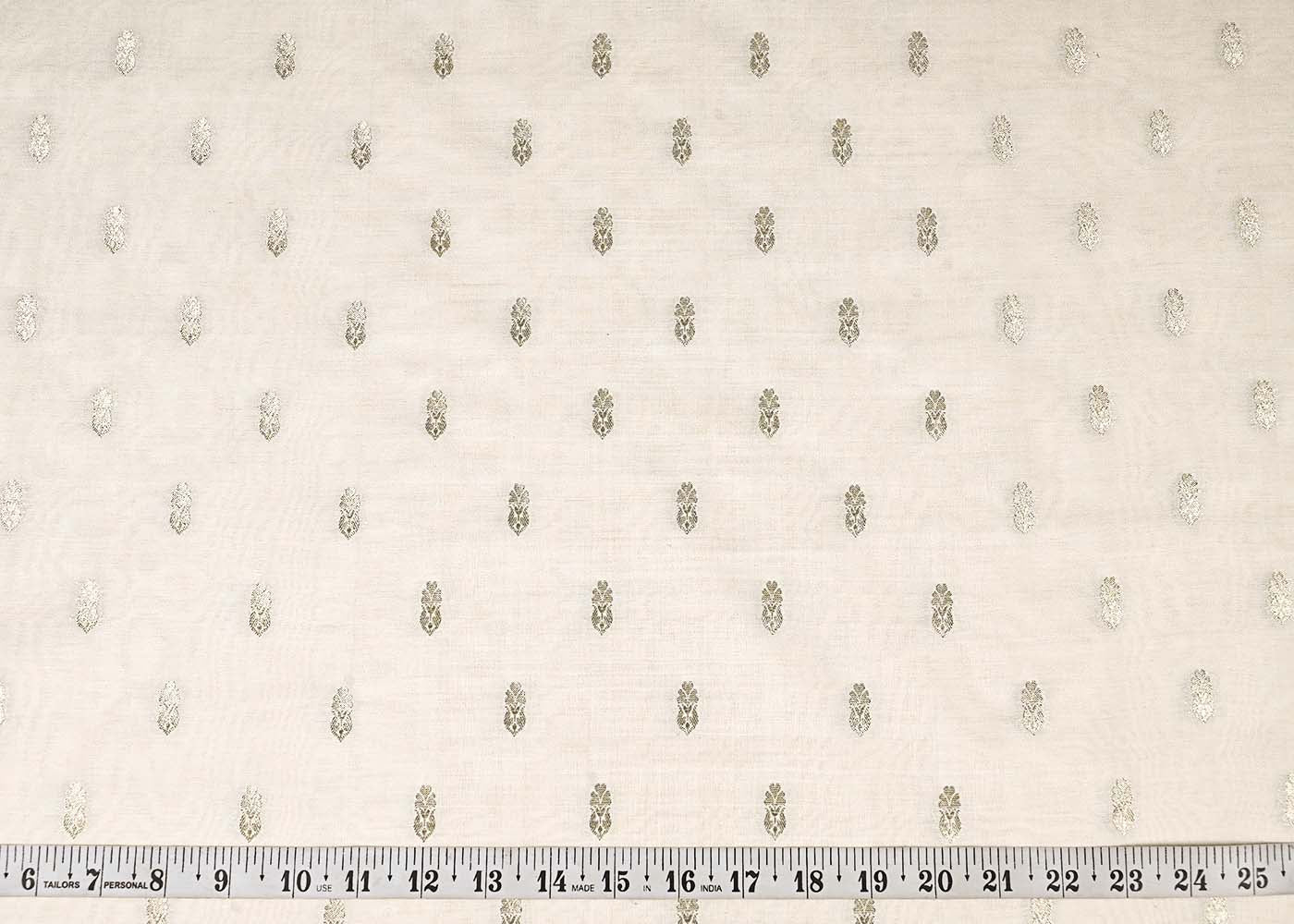
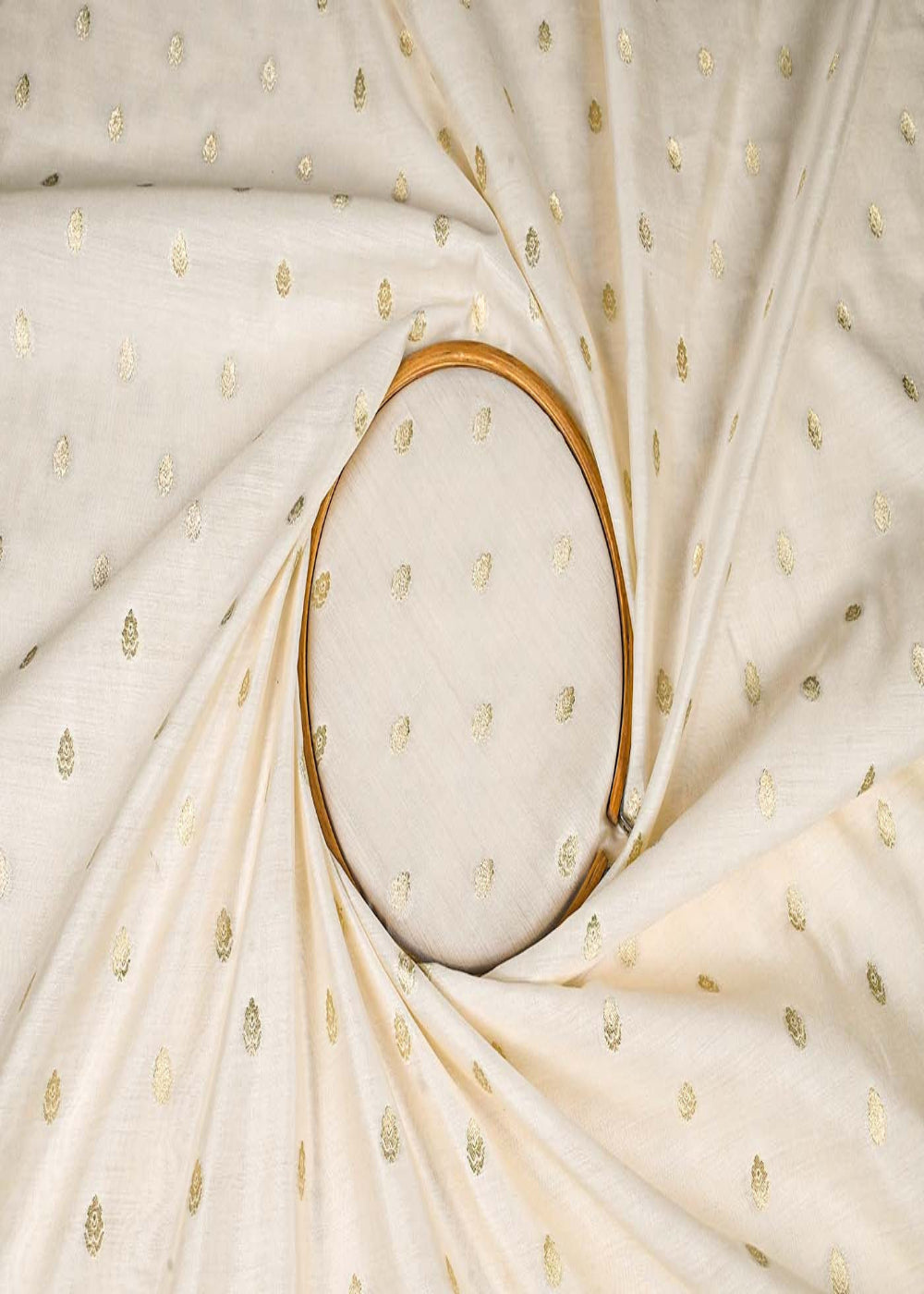
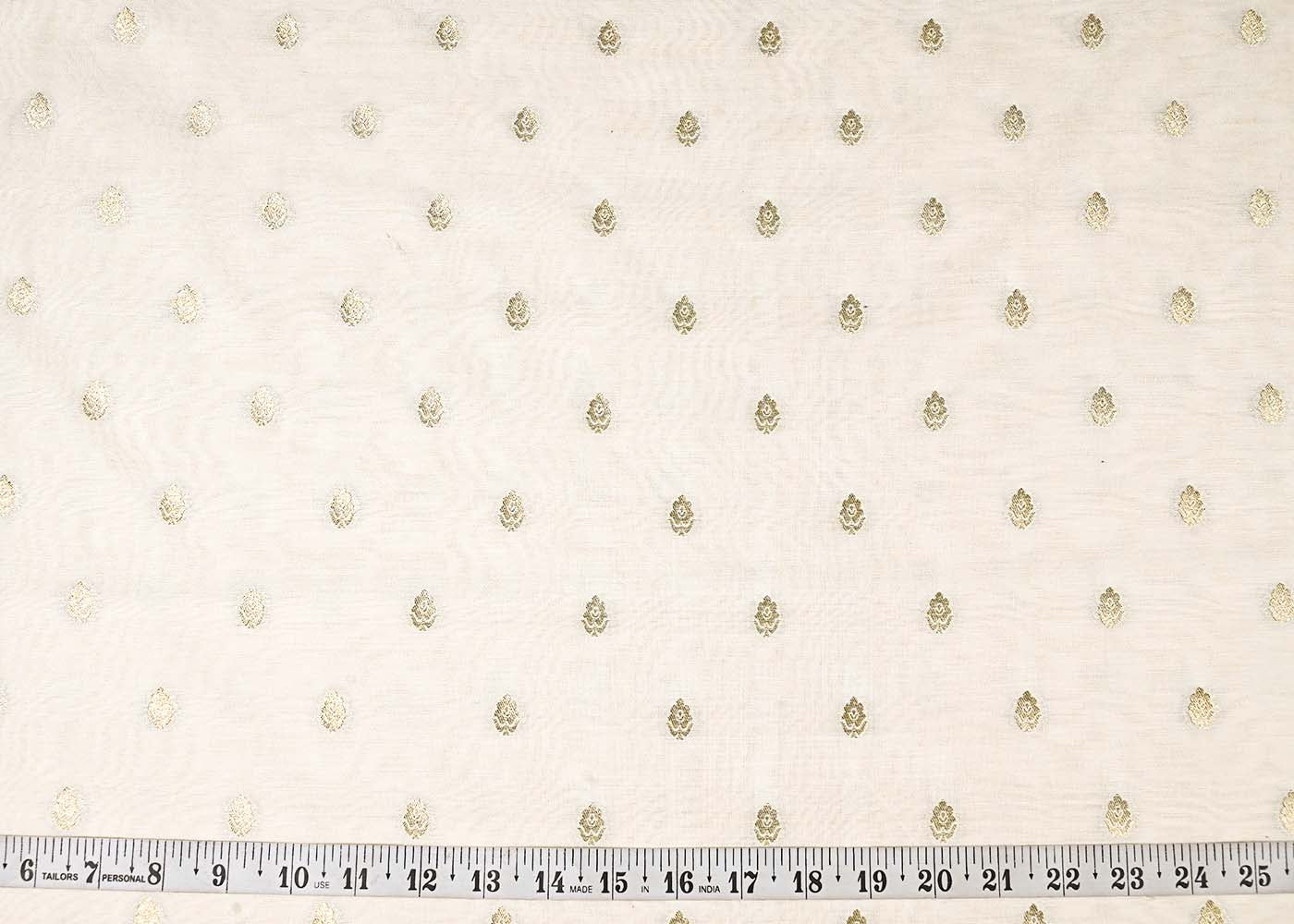
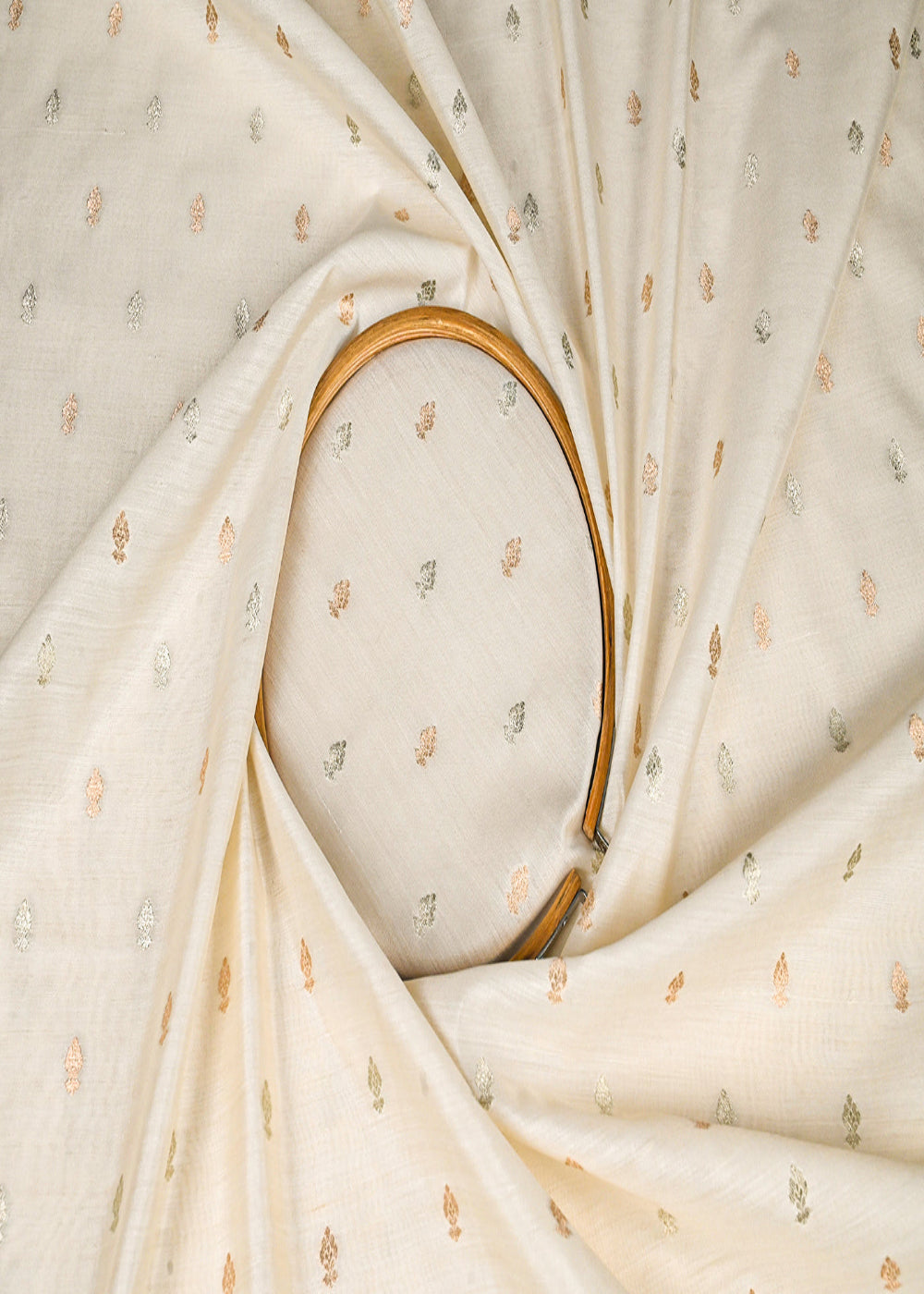


Silk Jacquard Fabric Explained: From Loom to Bridal Saree
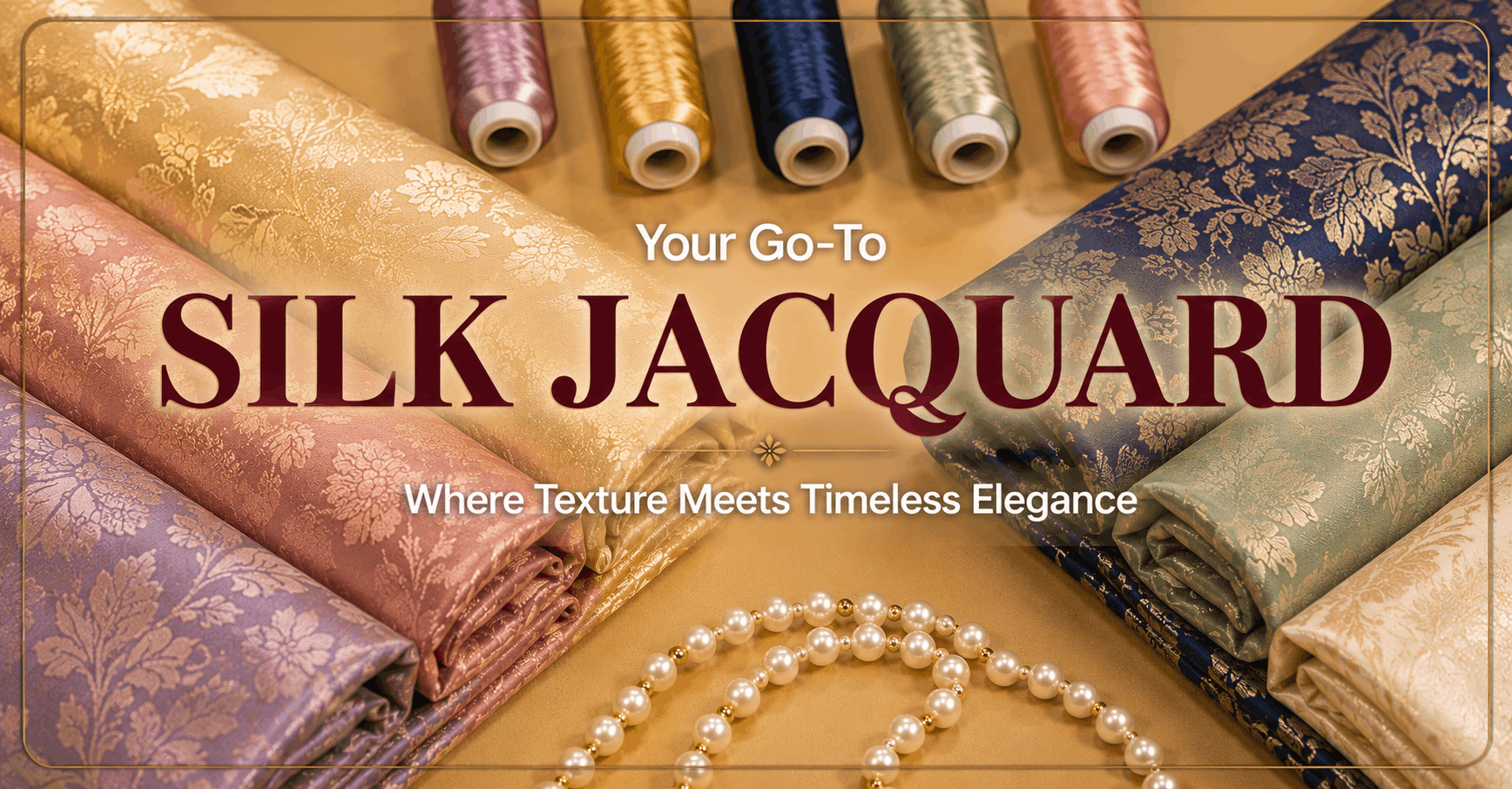
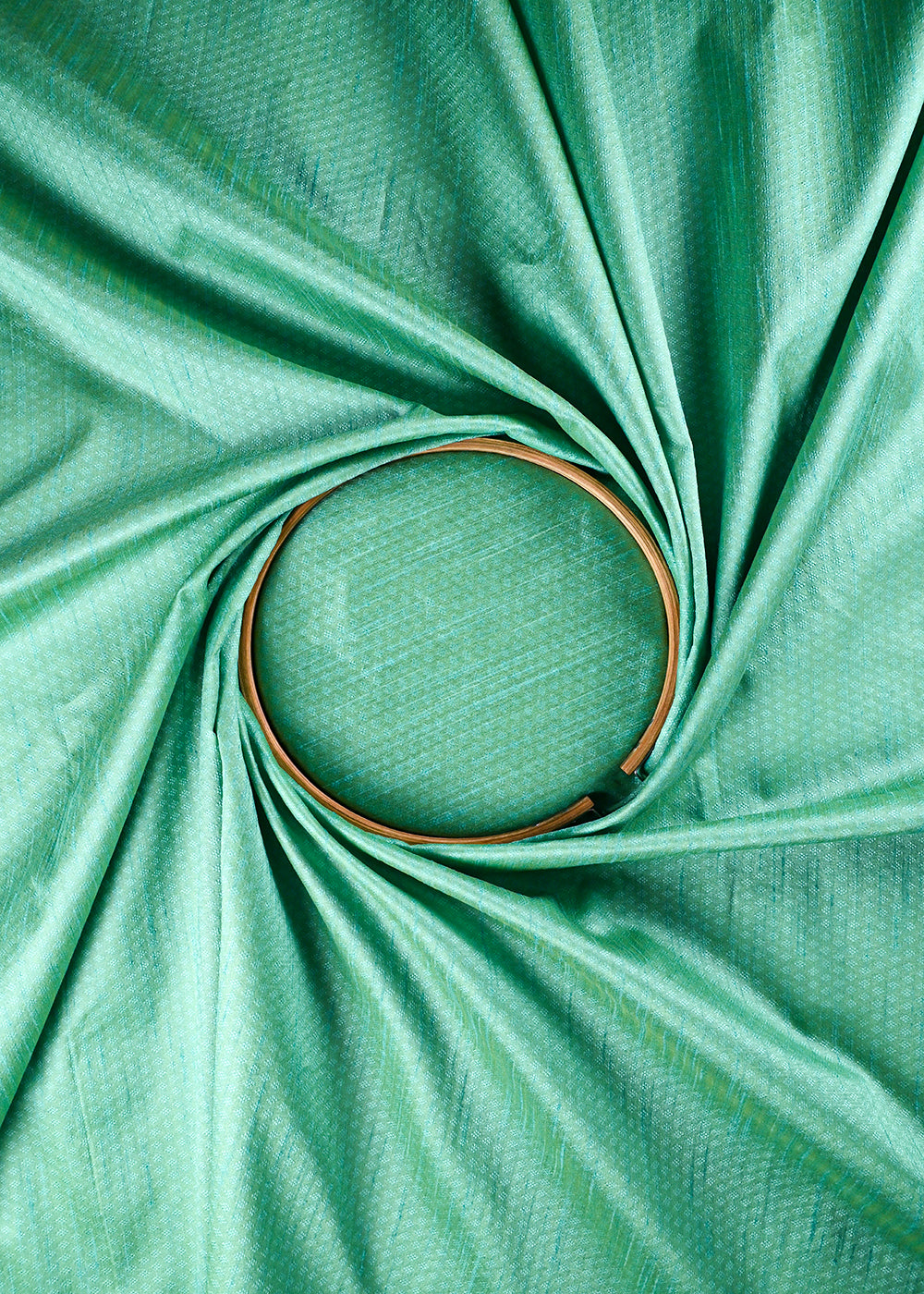
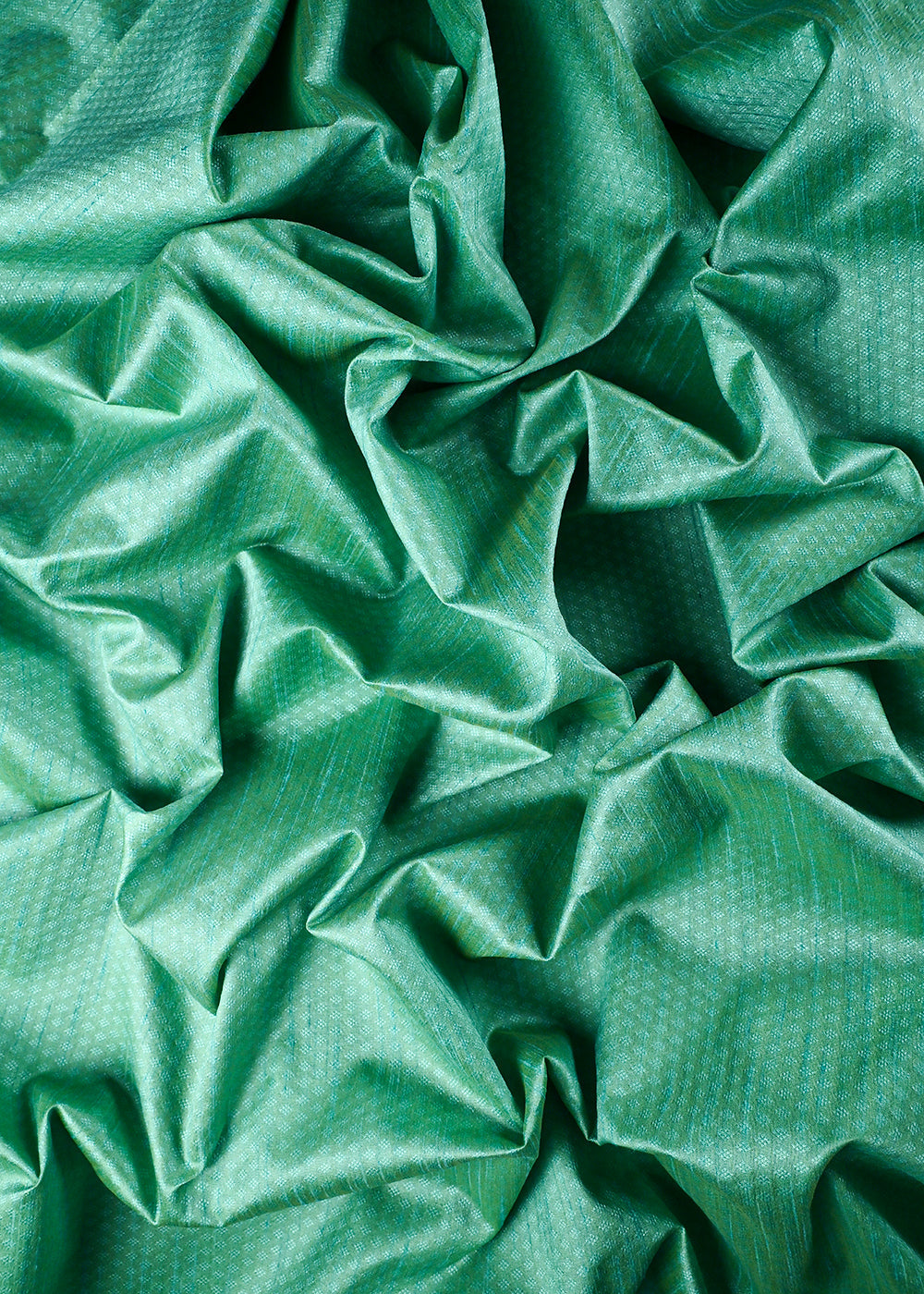
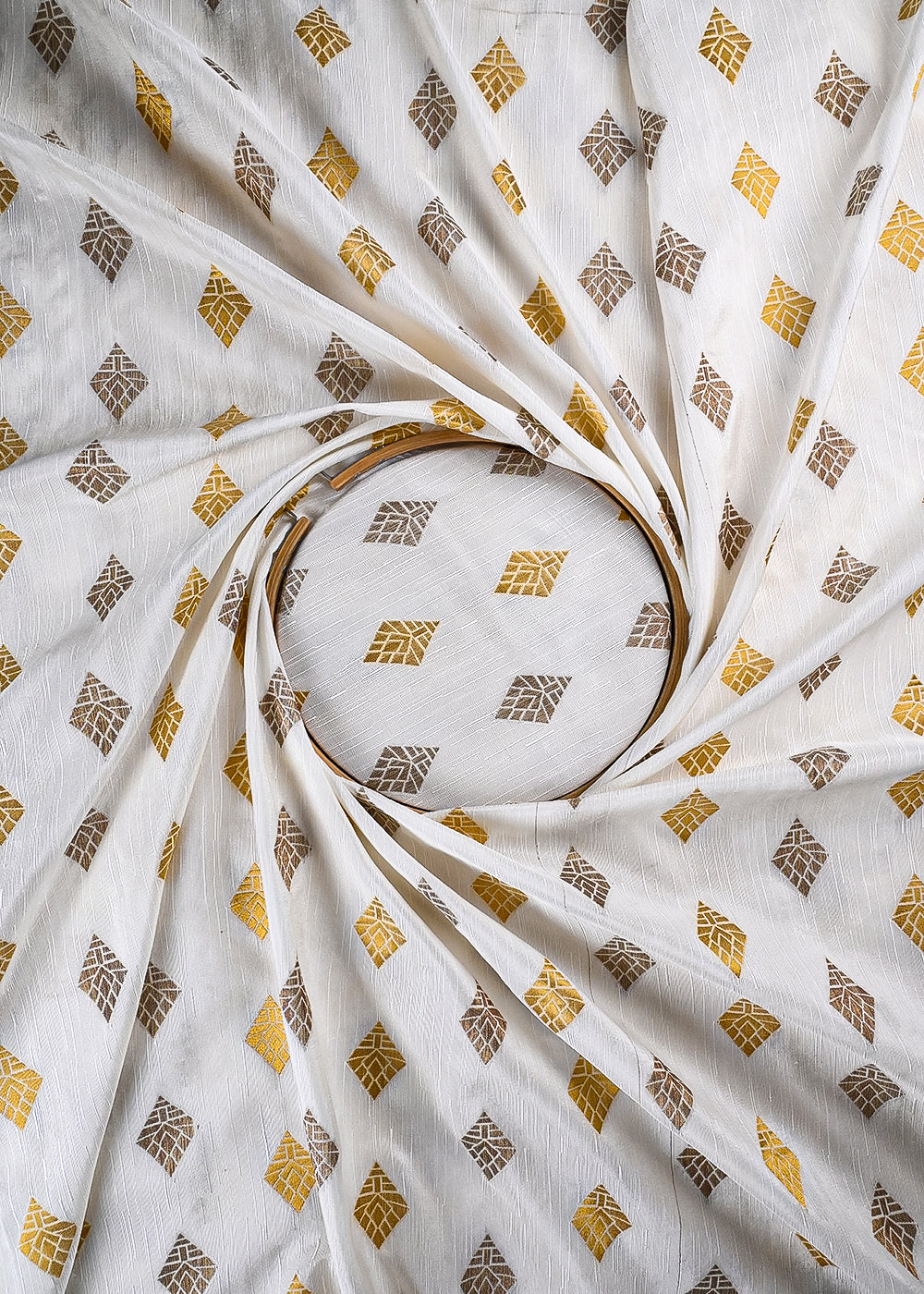
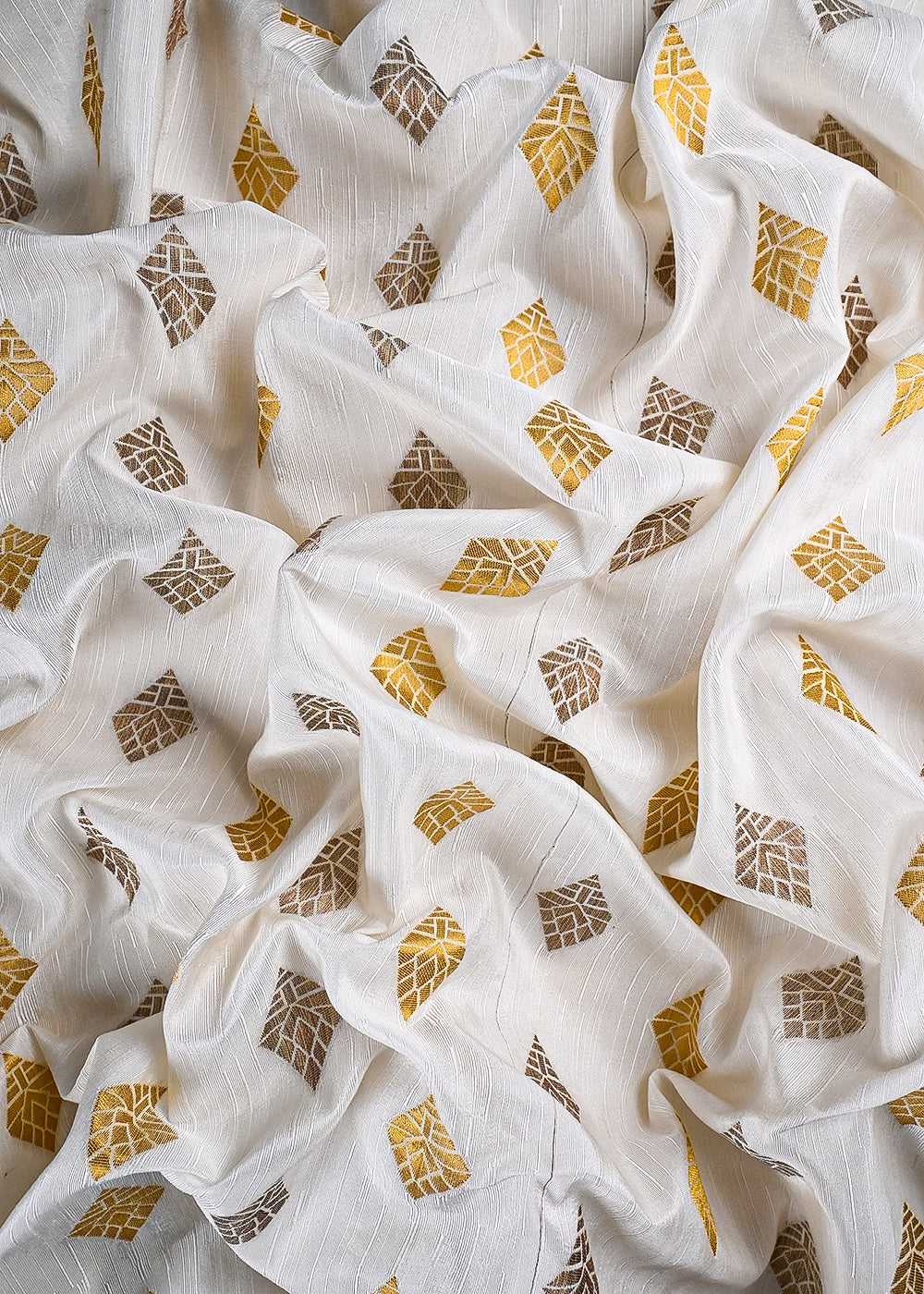
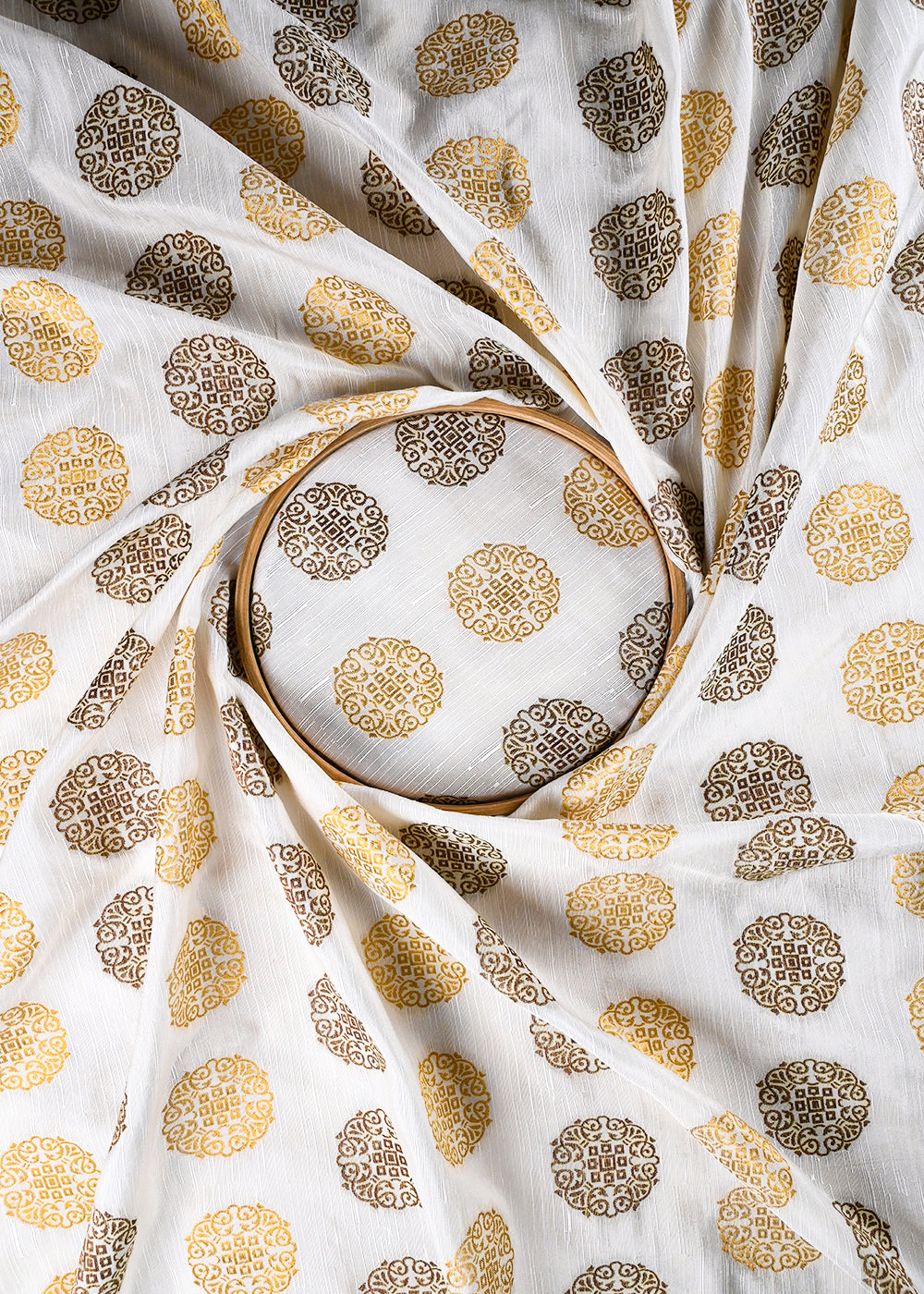
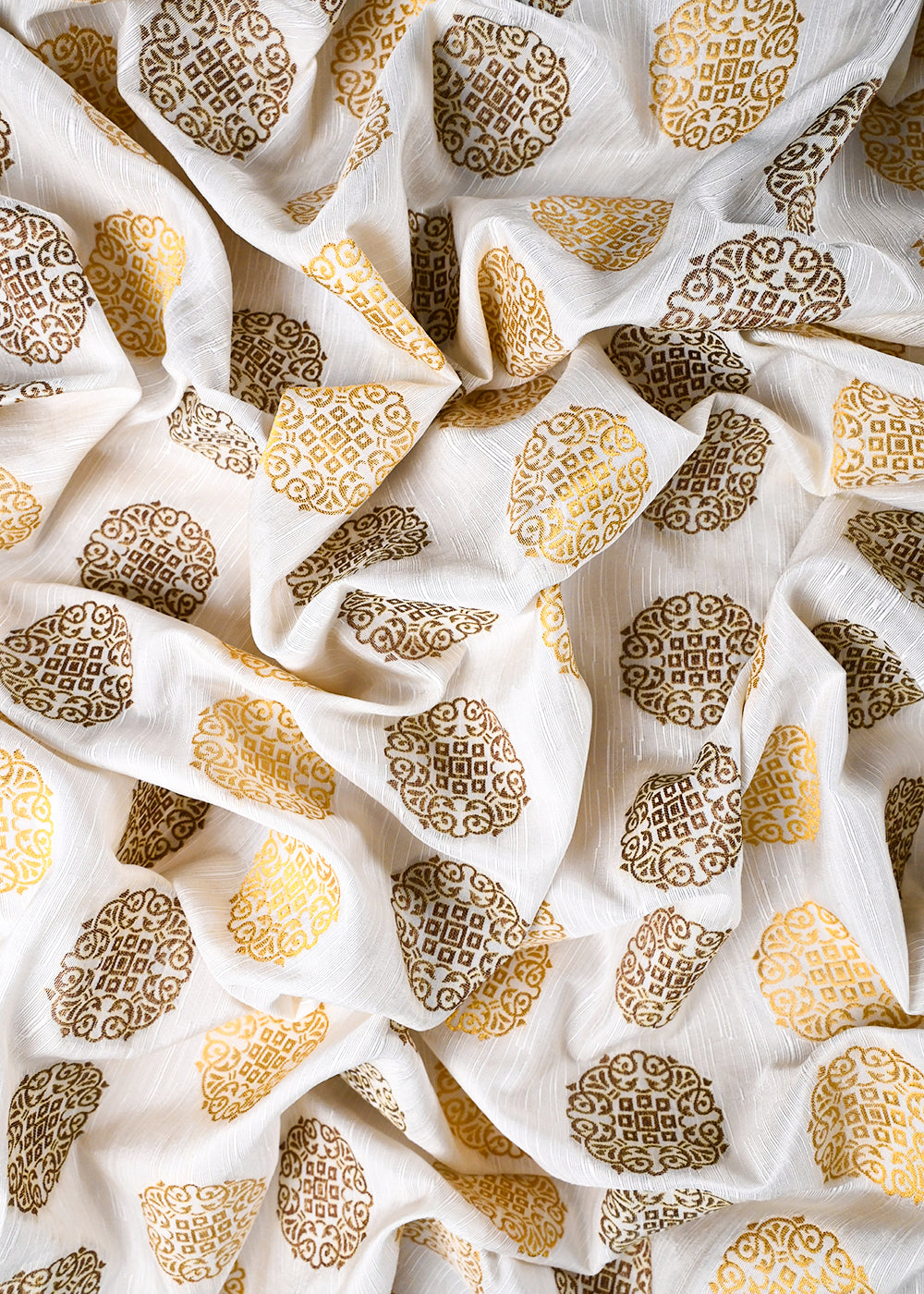
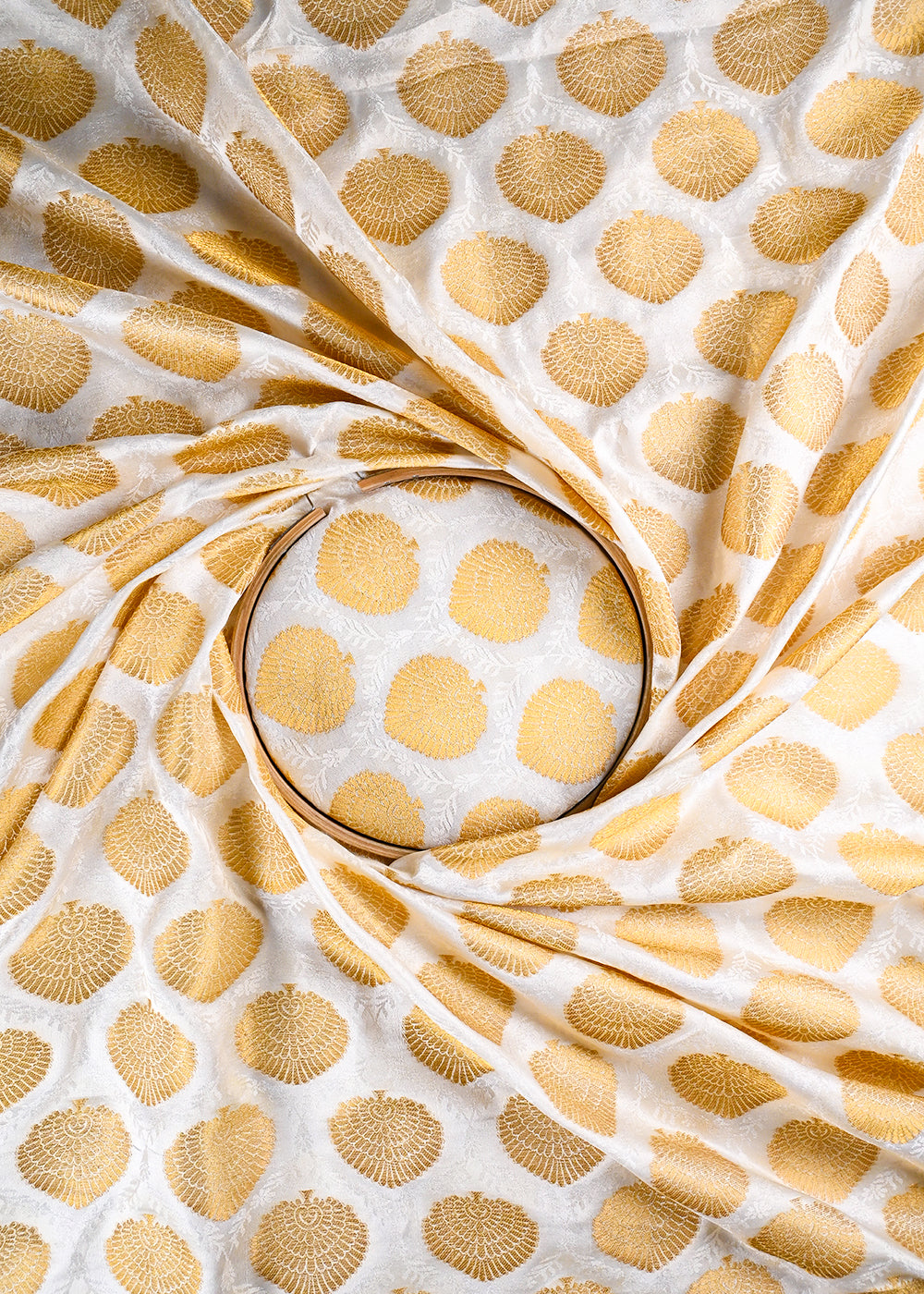
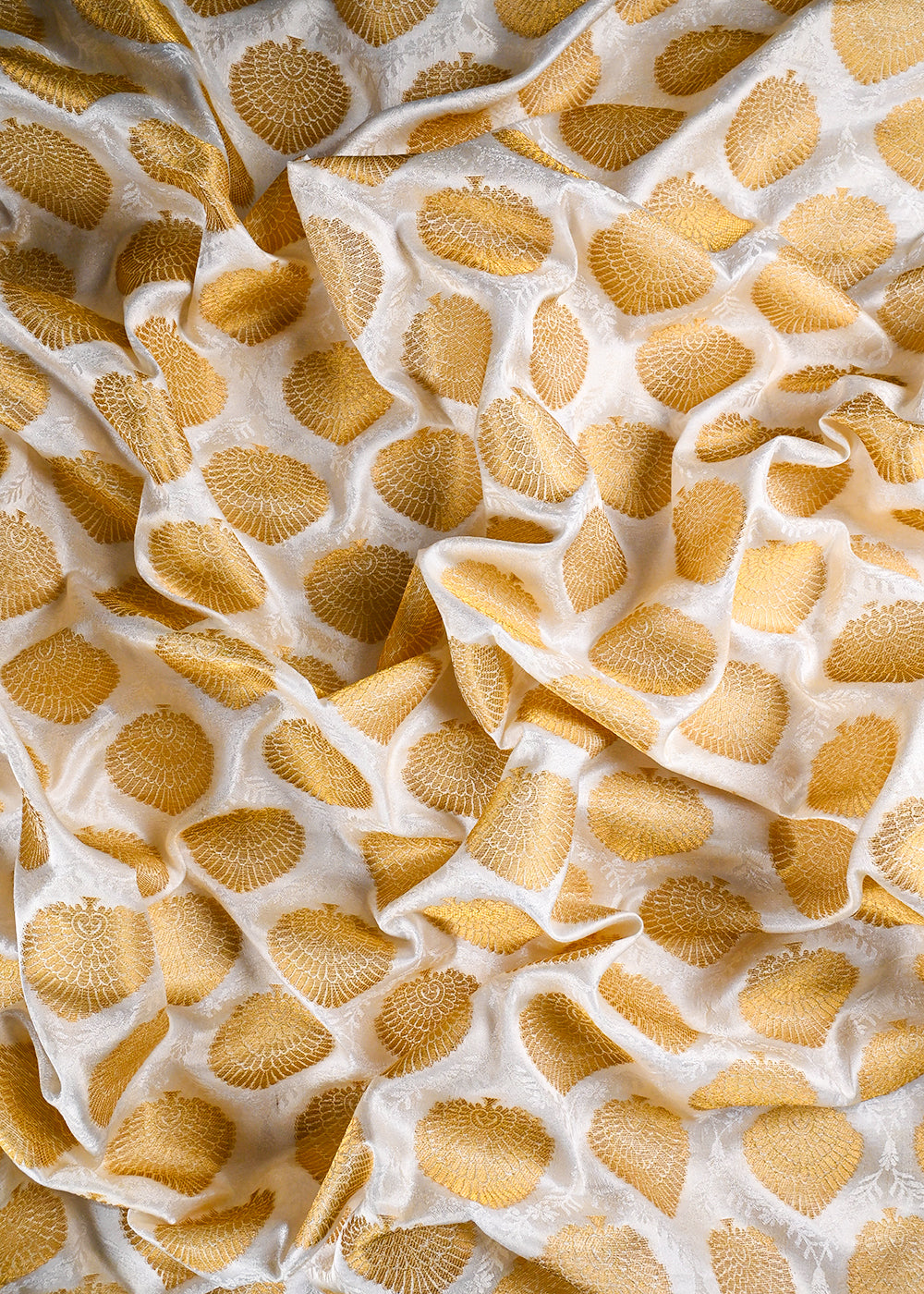
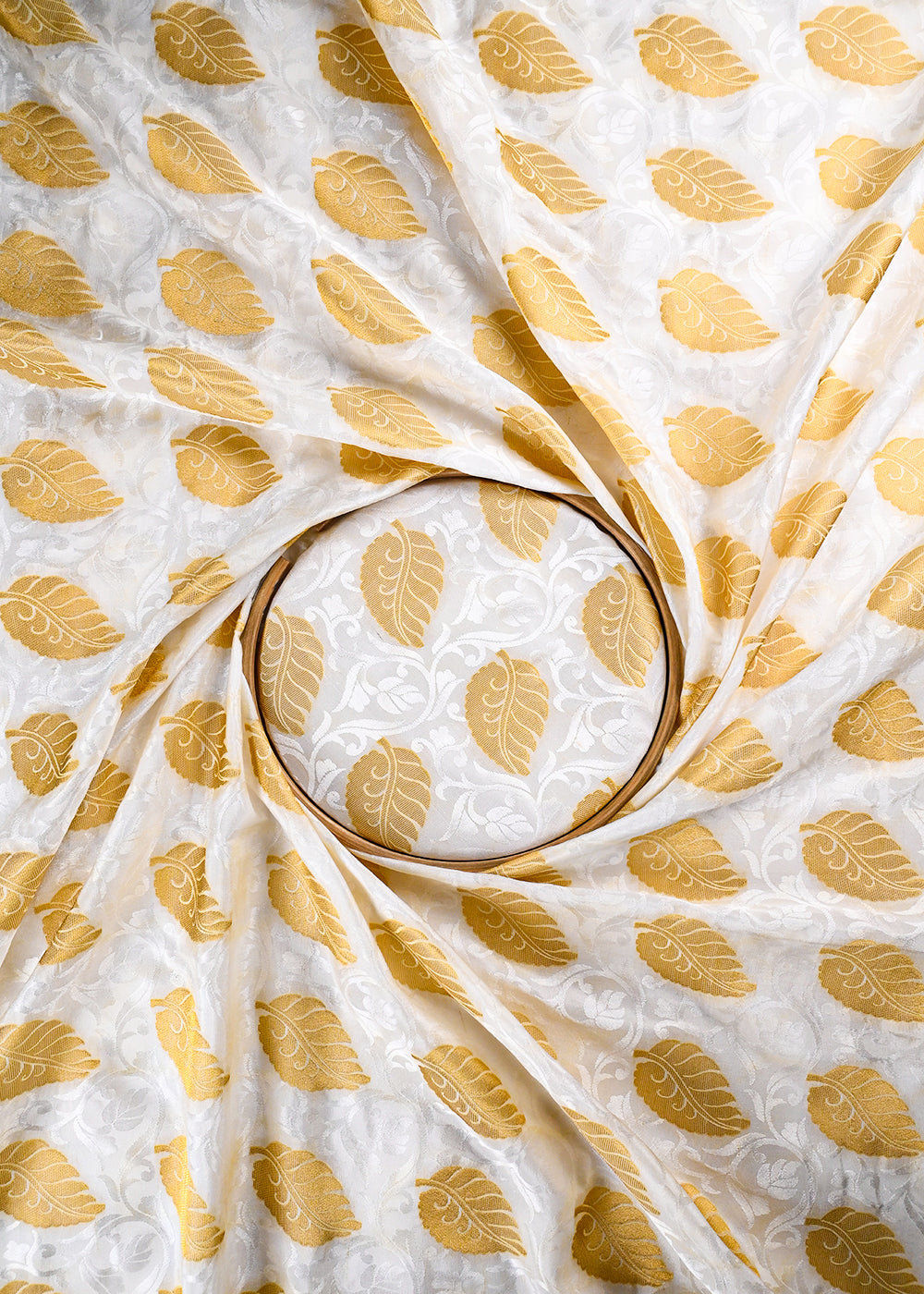
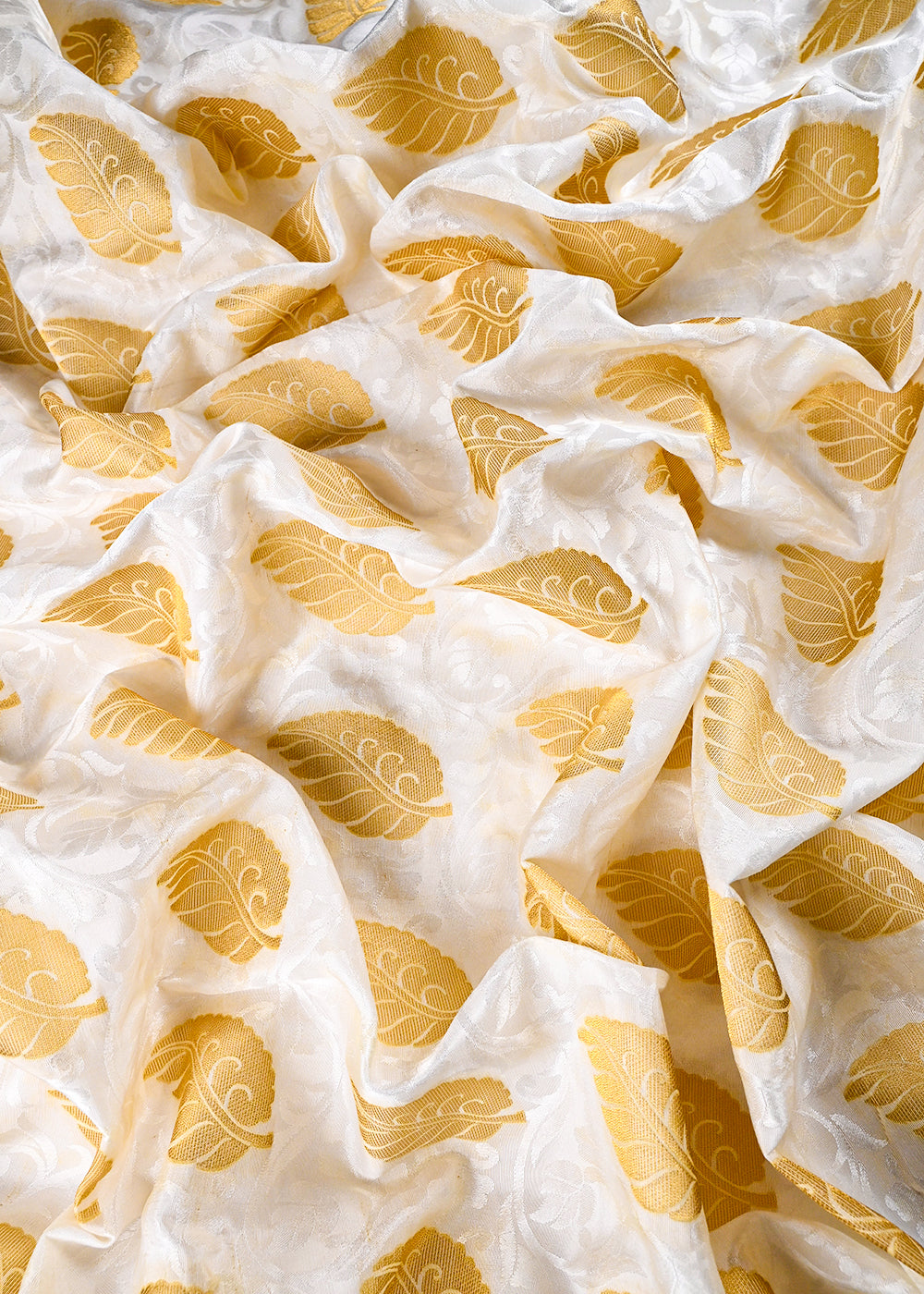
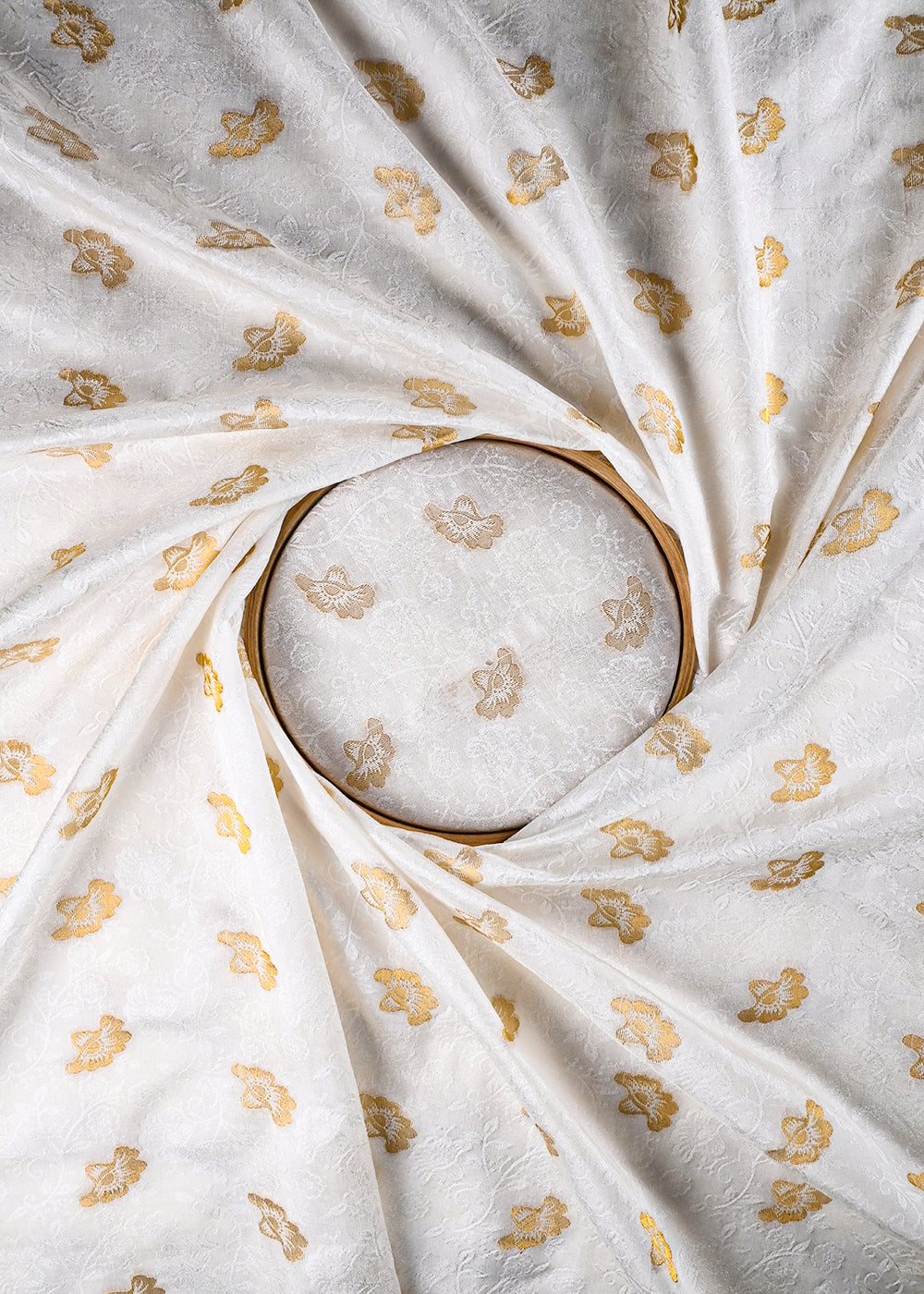
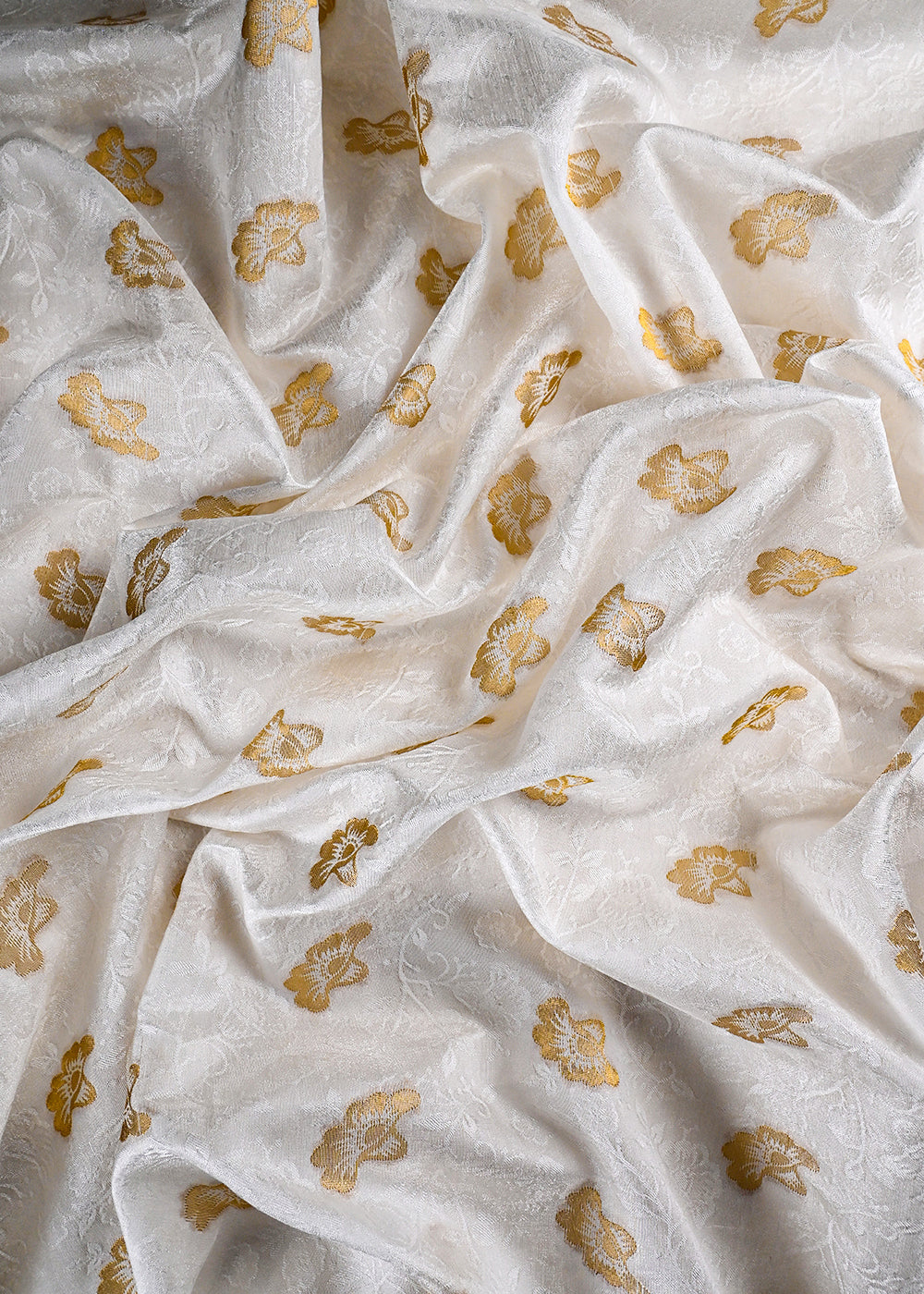
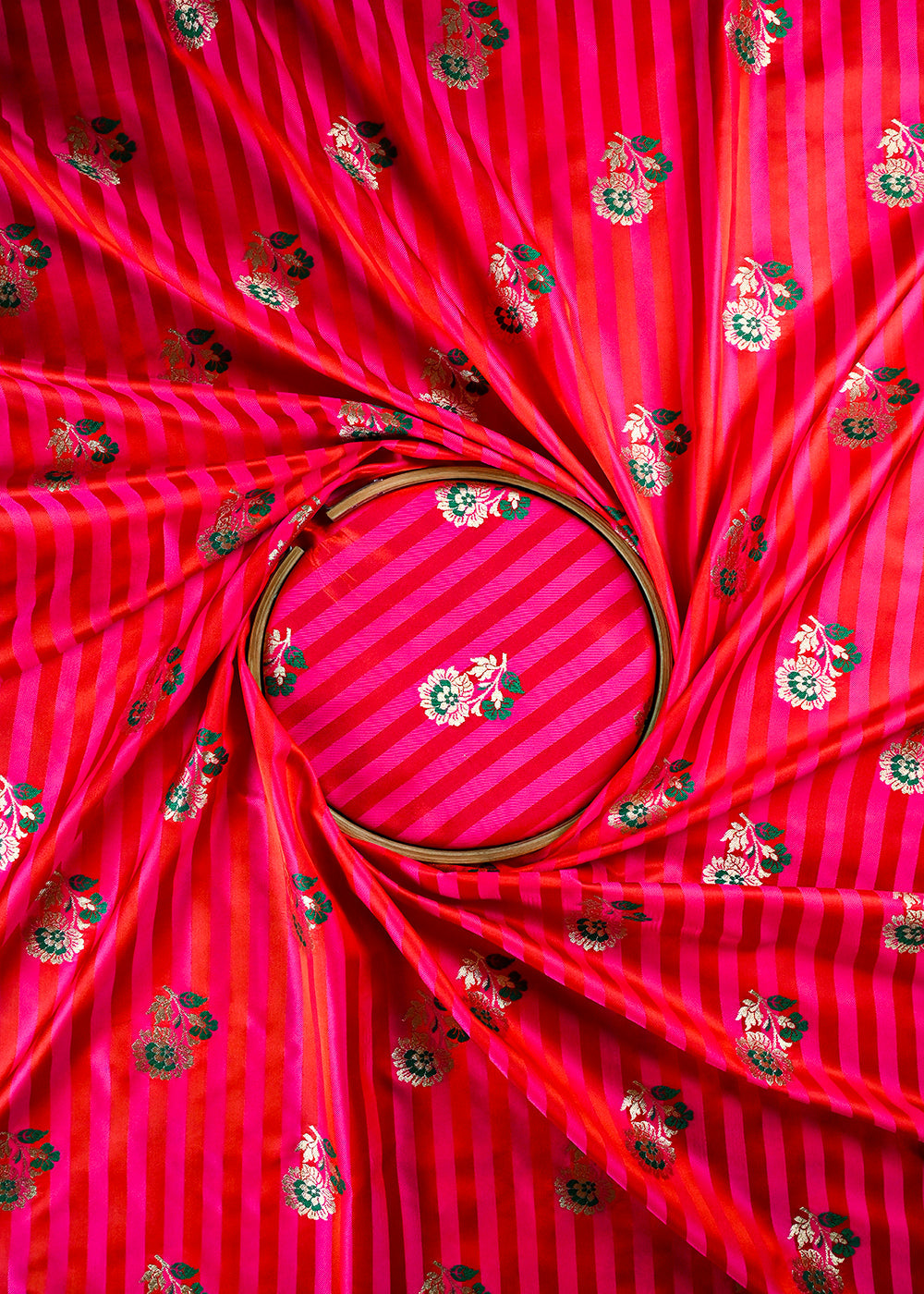
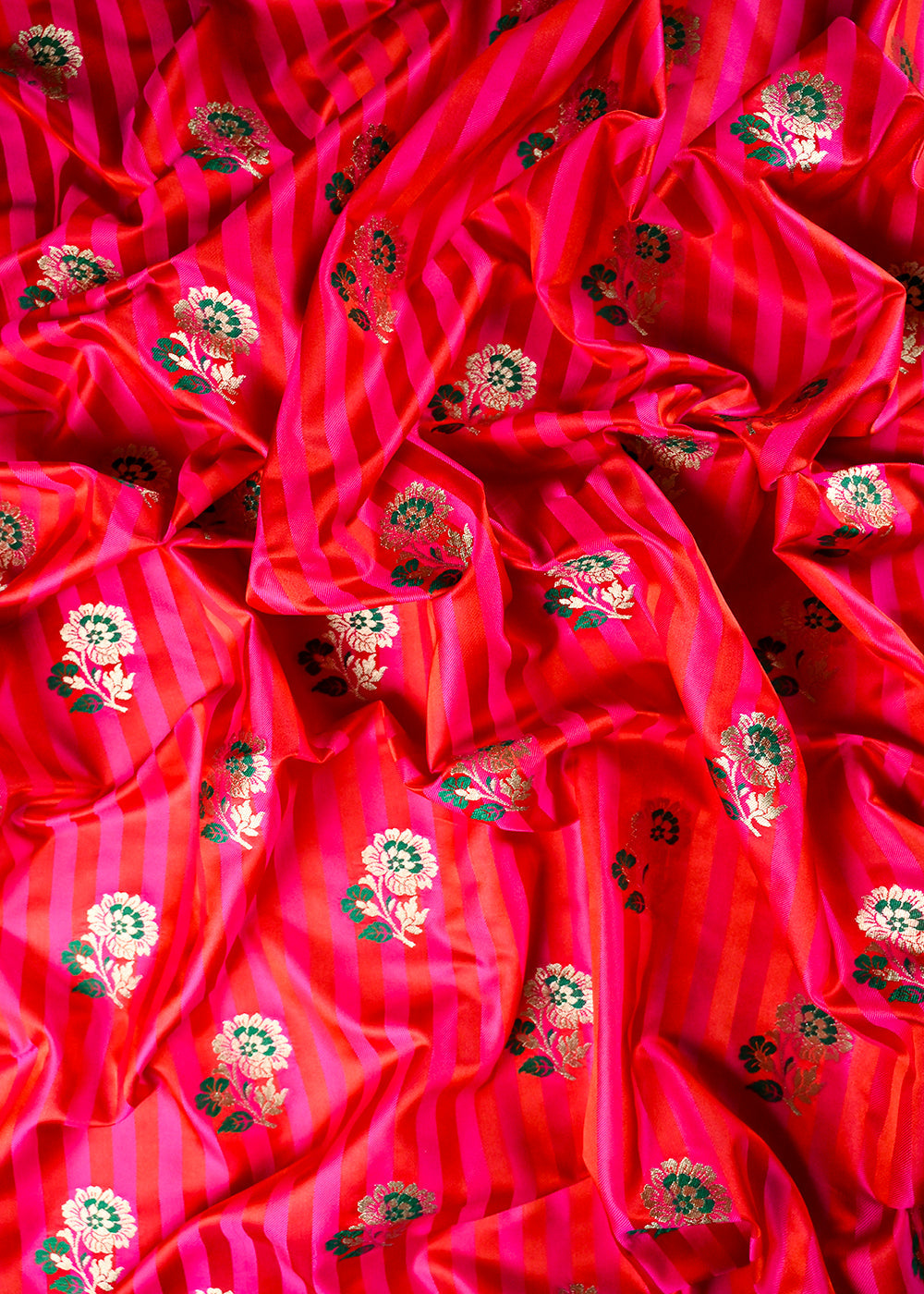
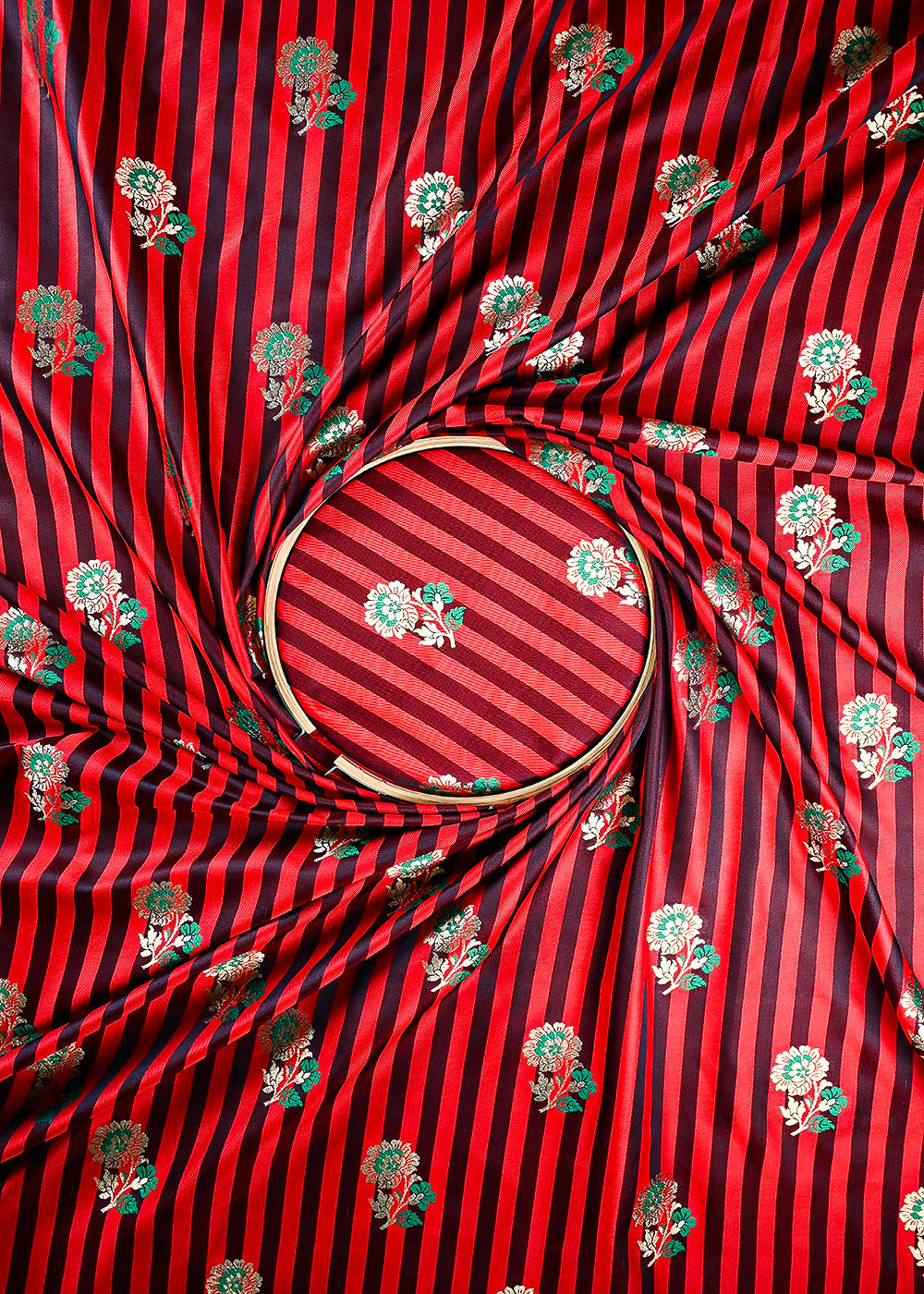
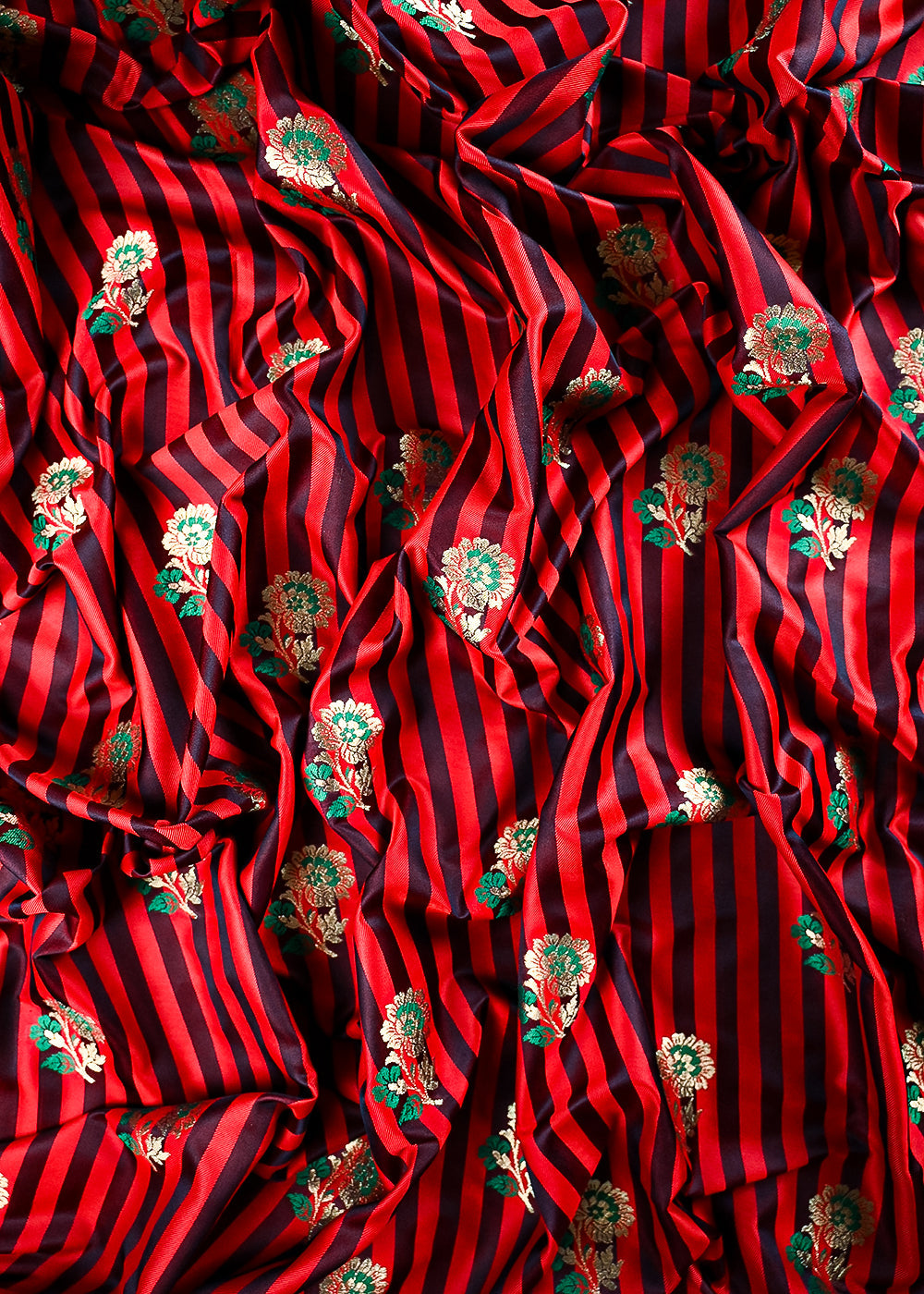
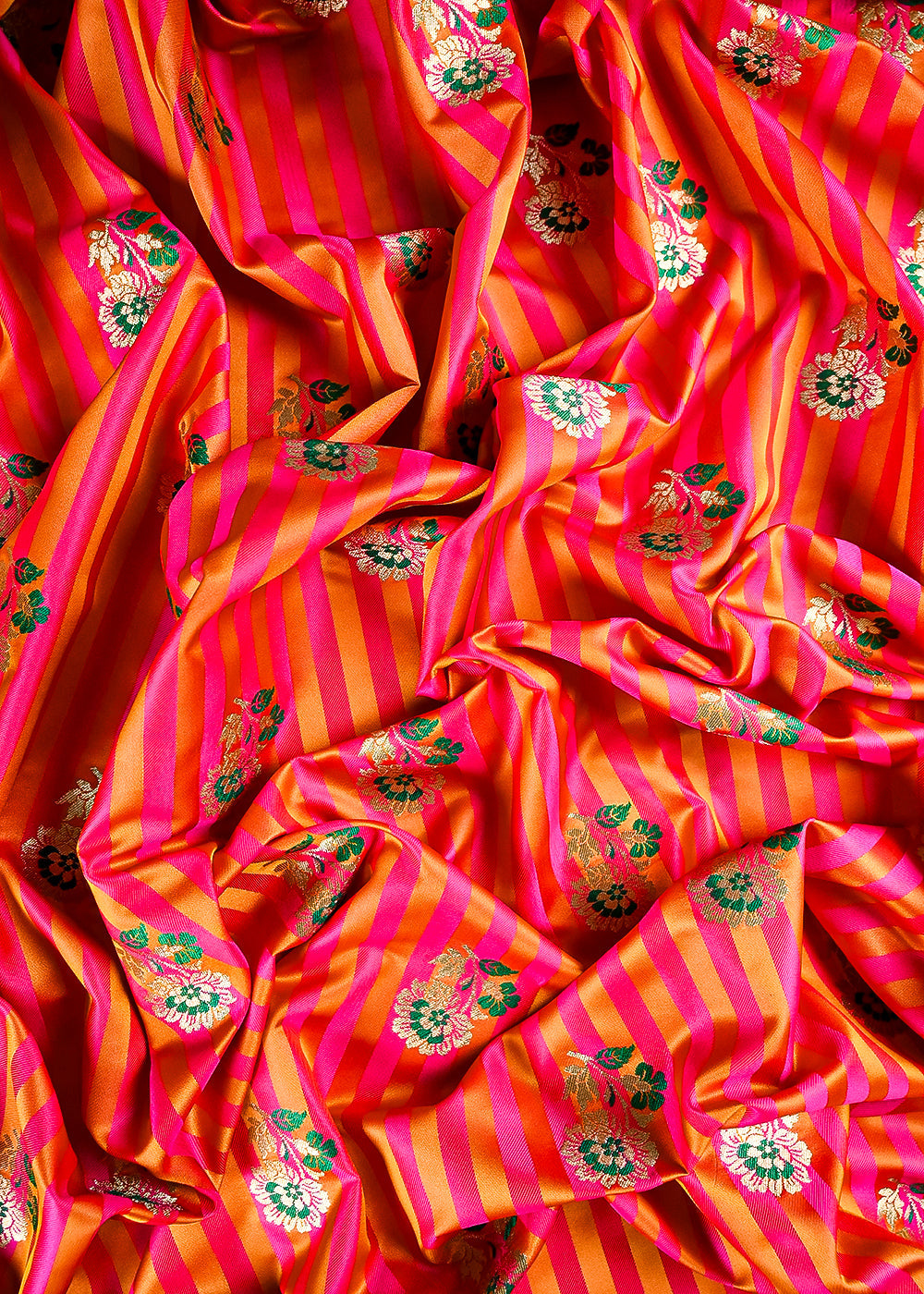
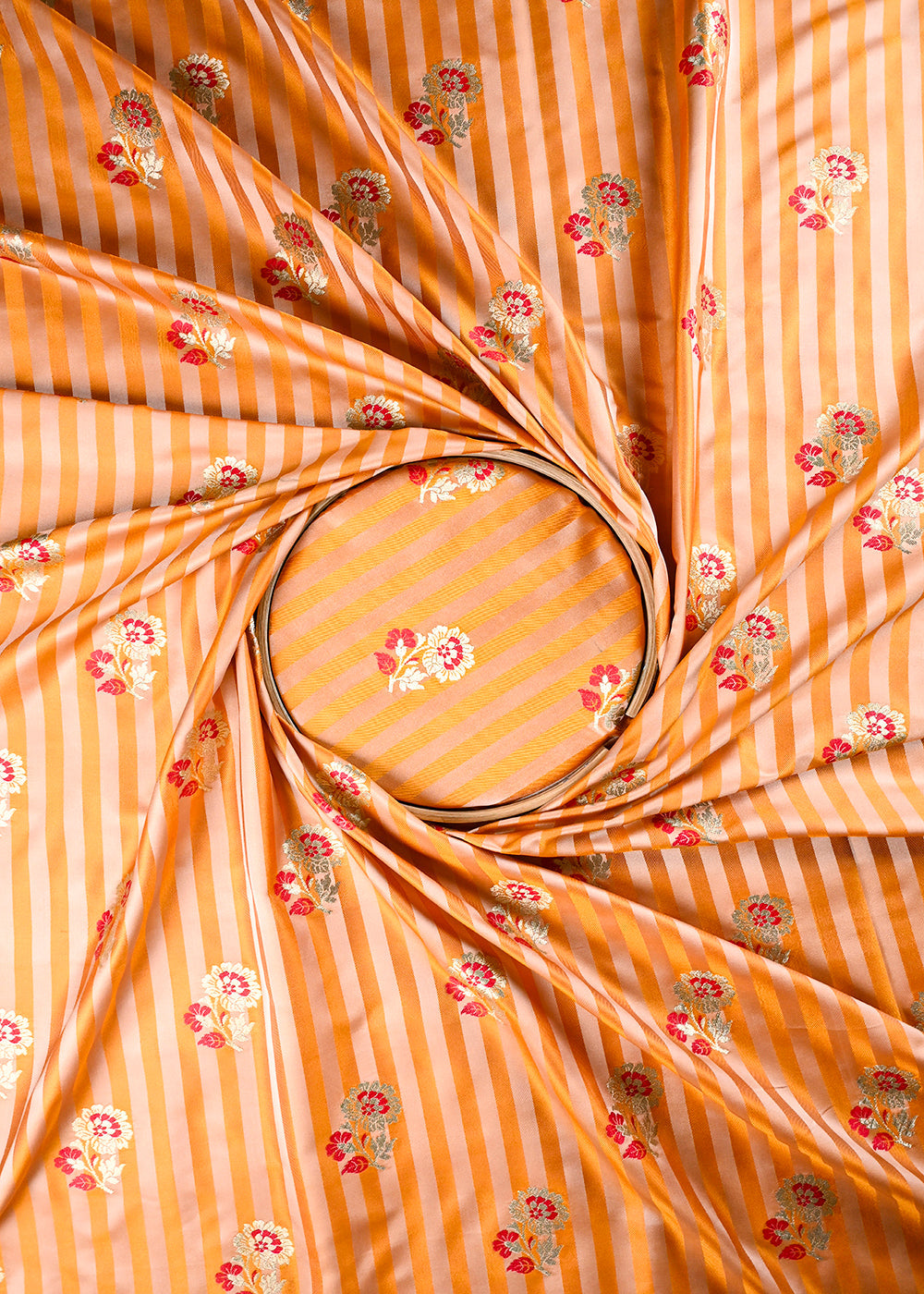
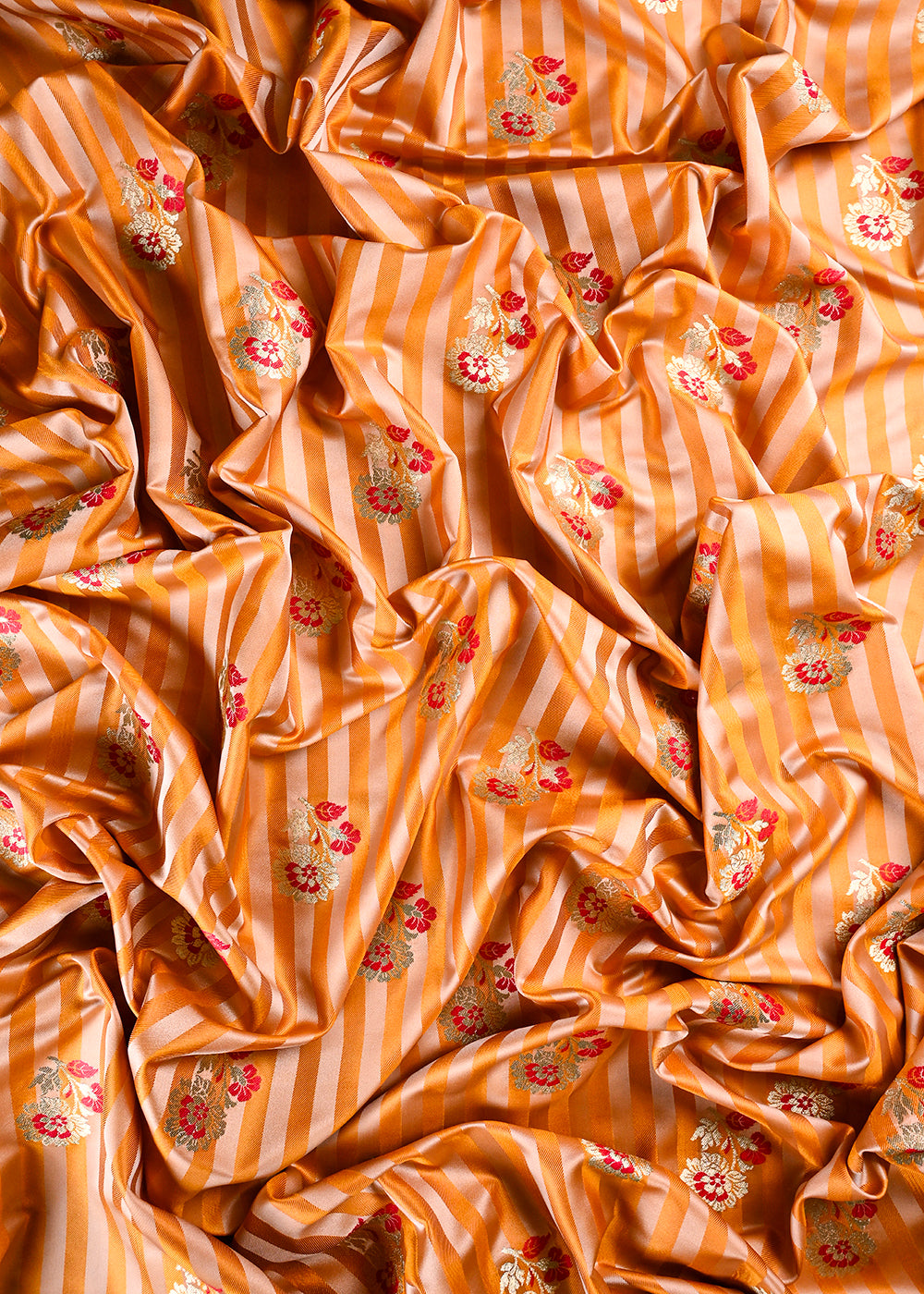
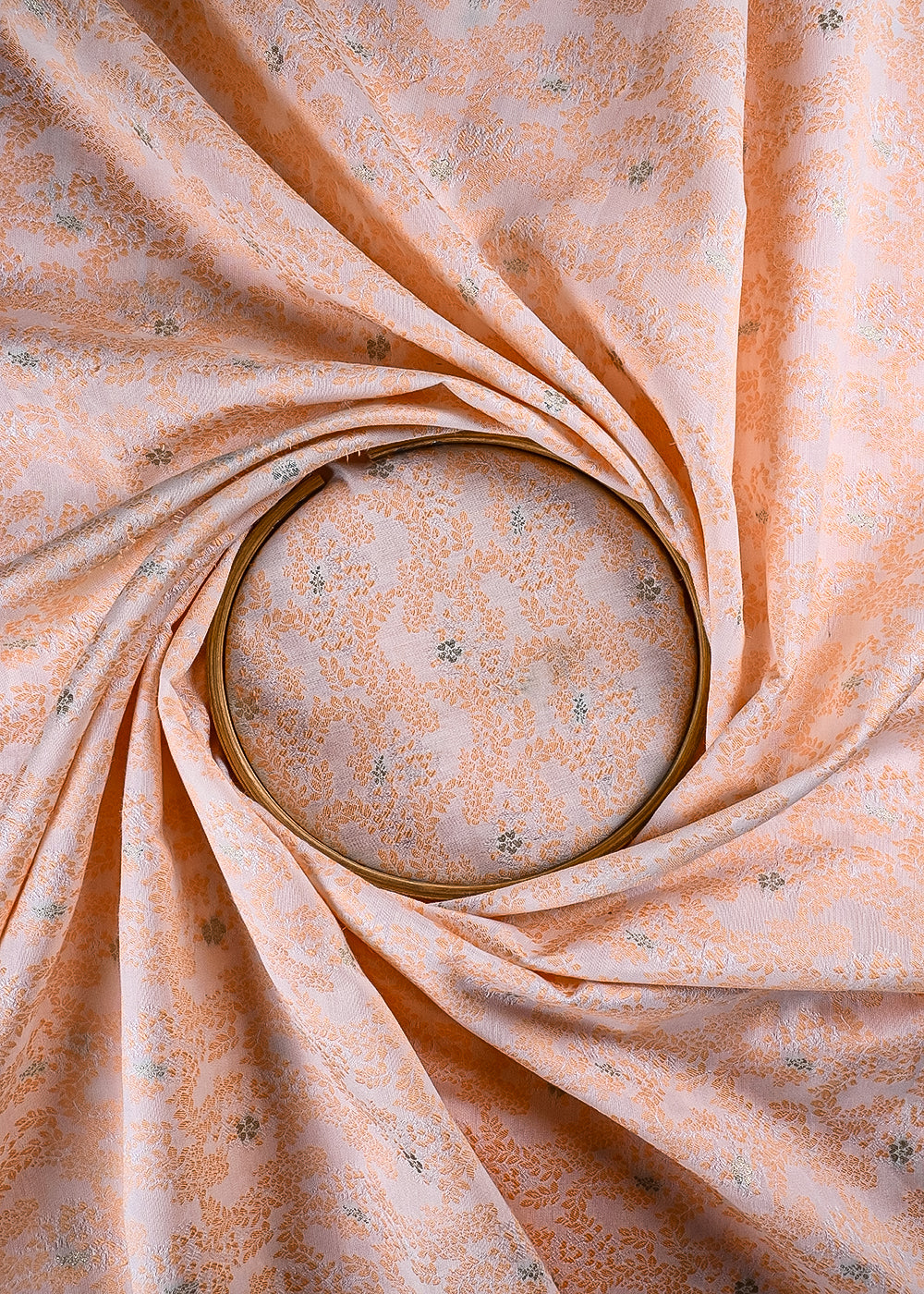
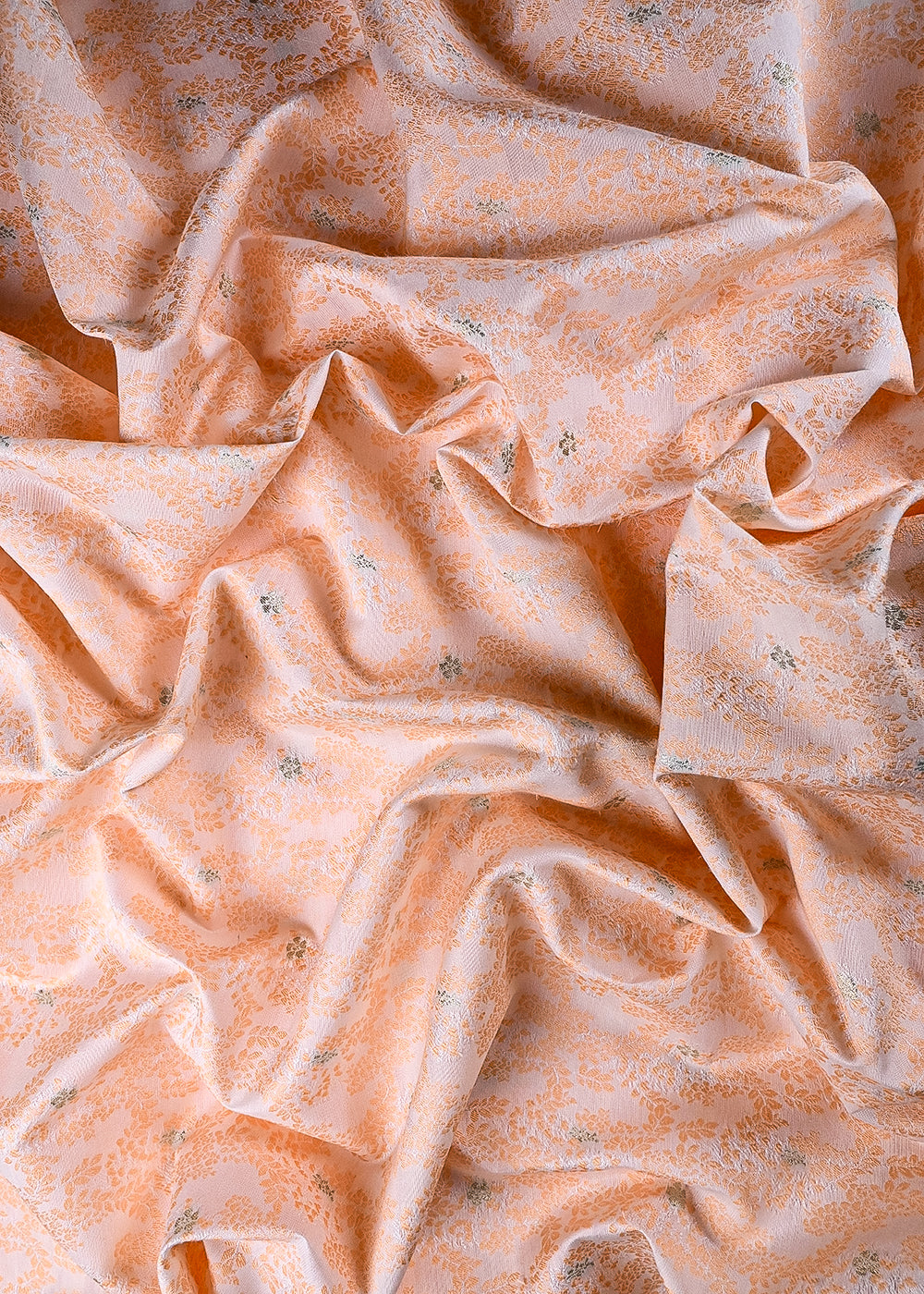
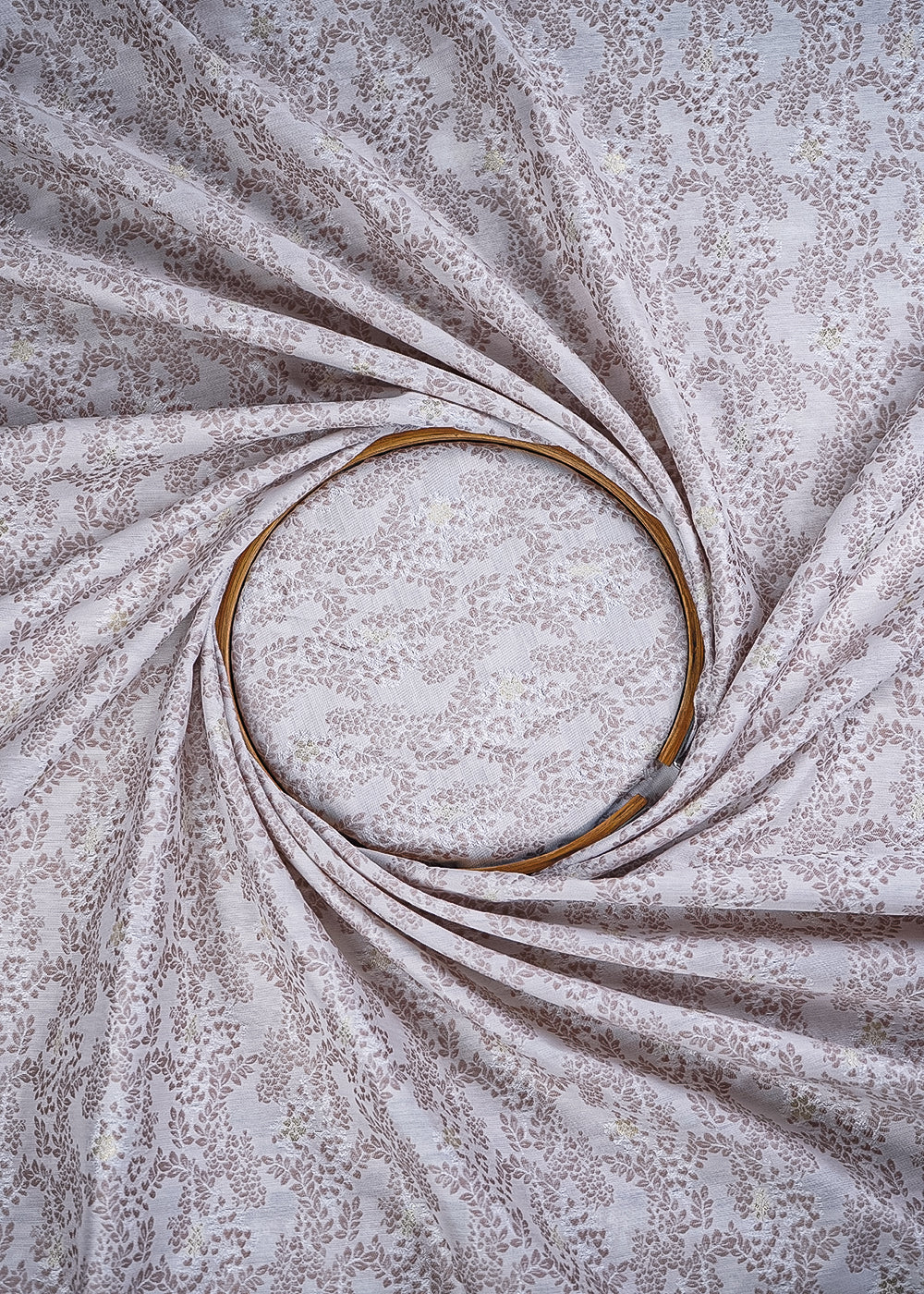
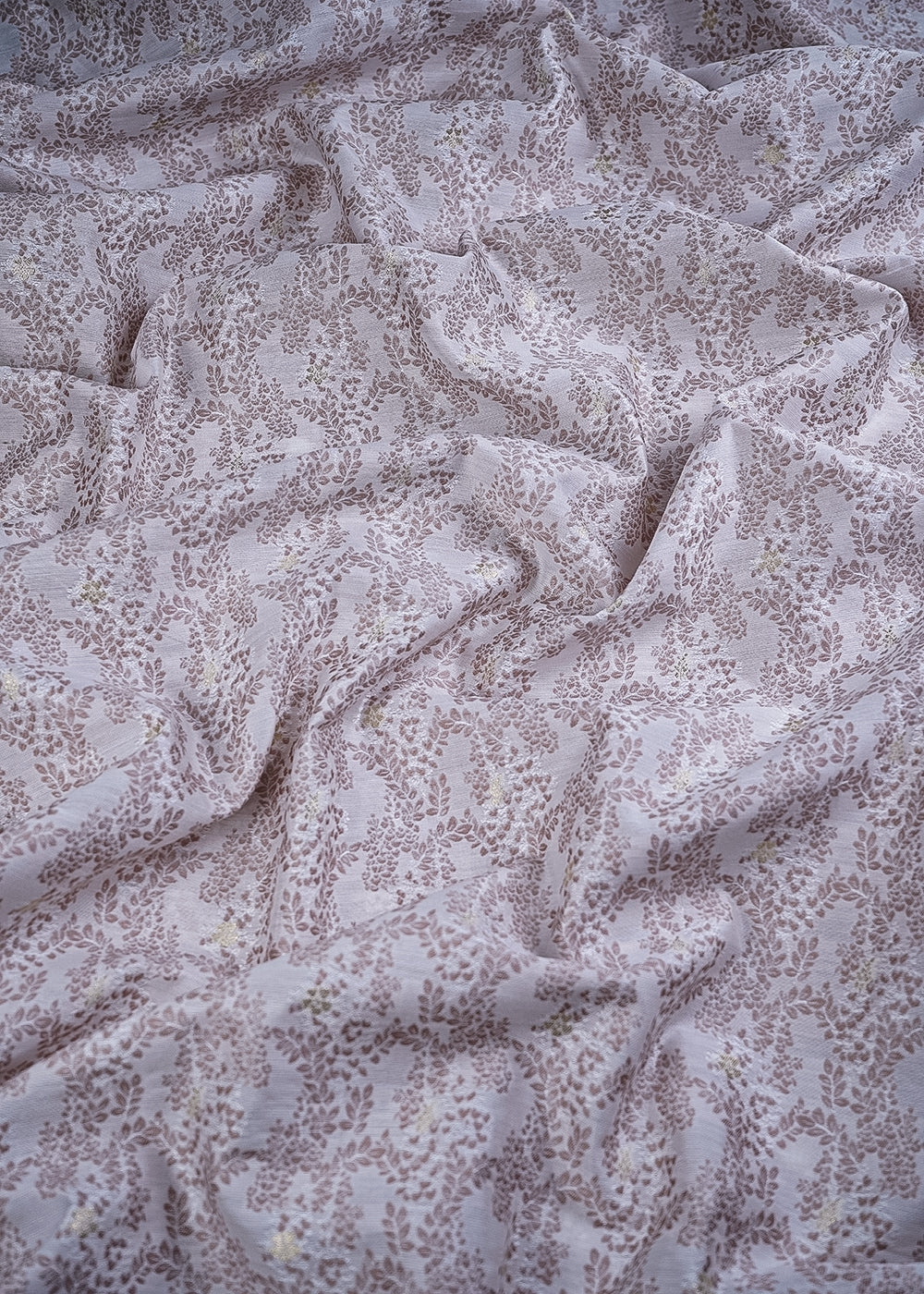
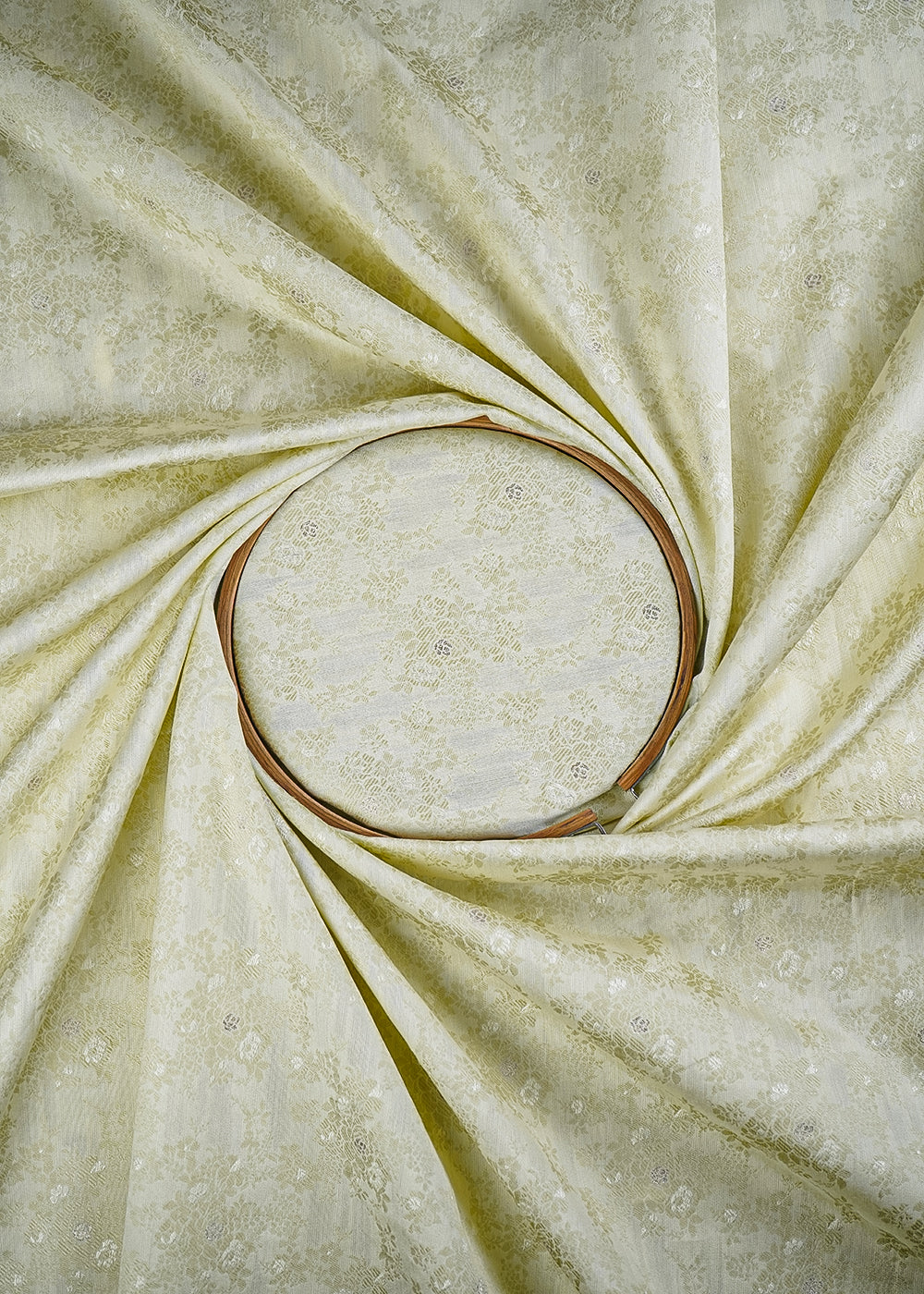
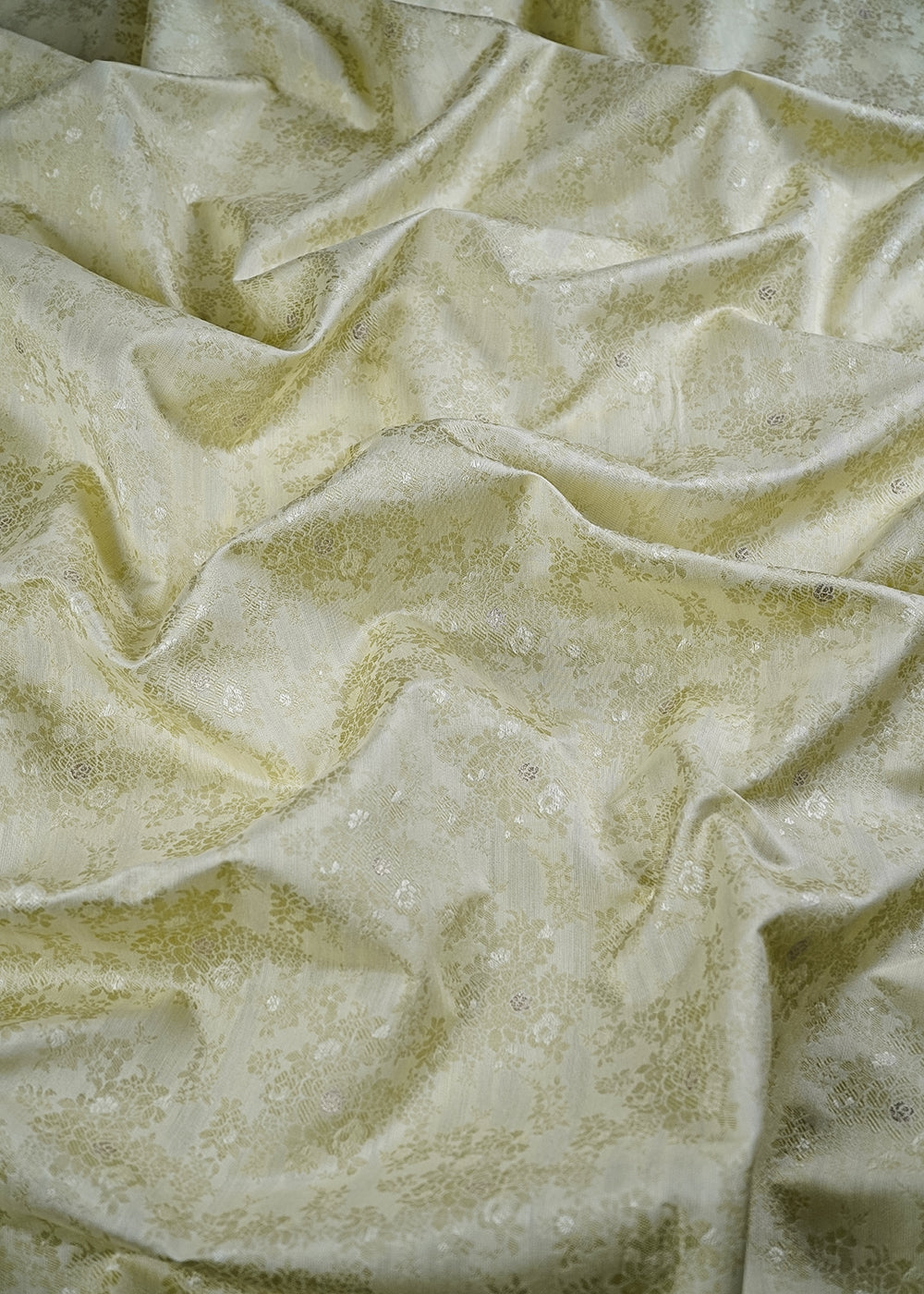
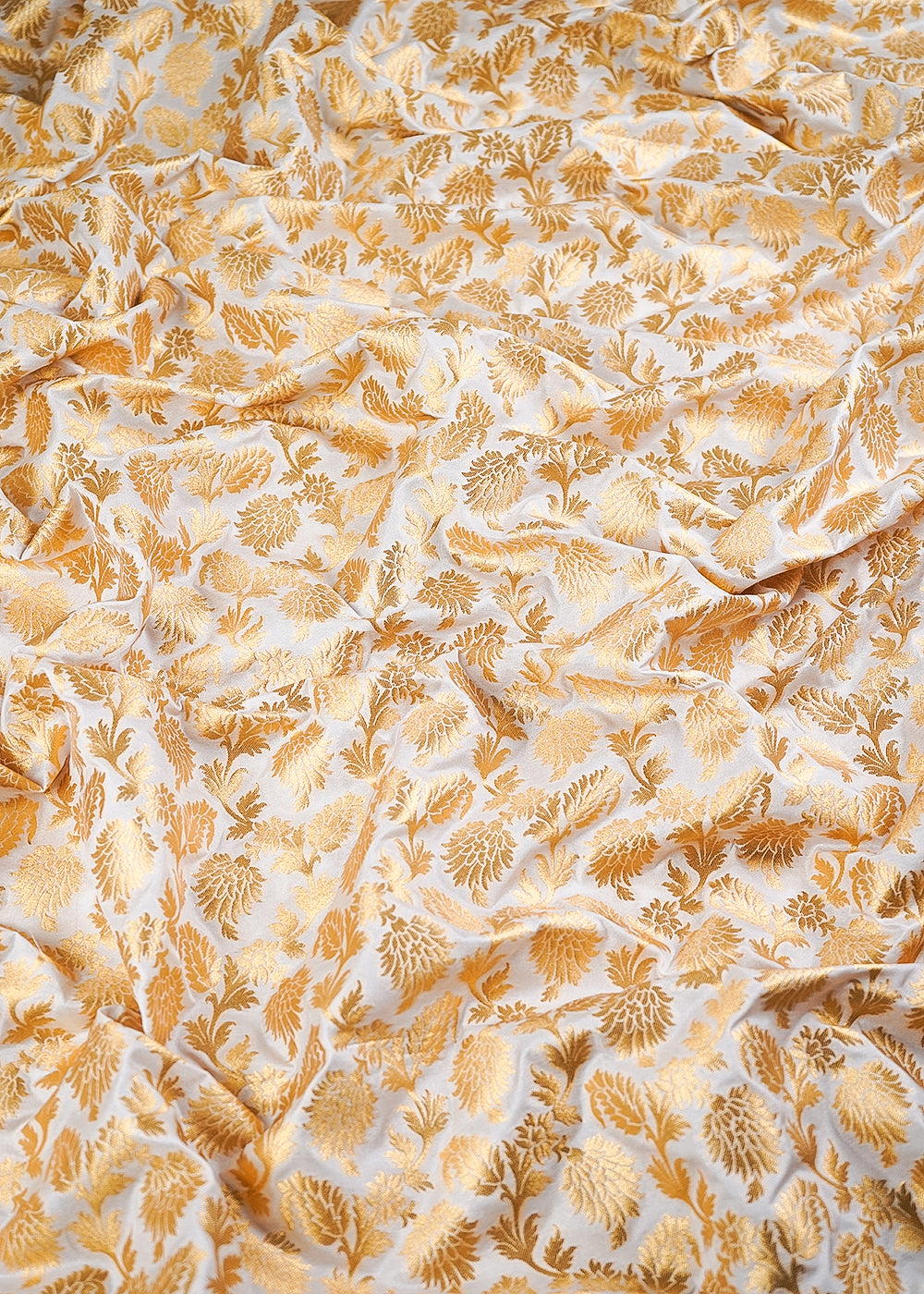
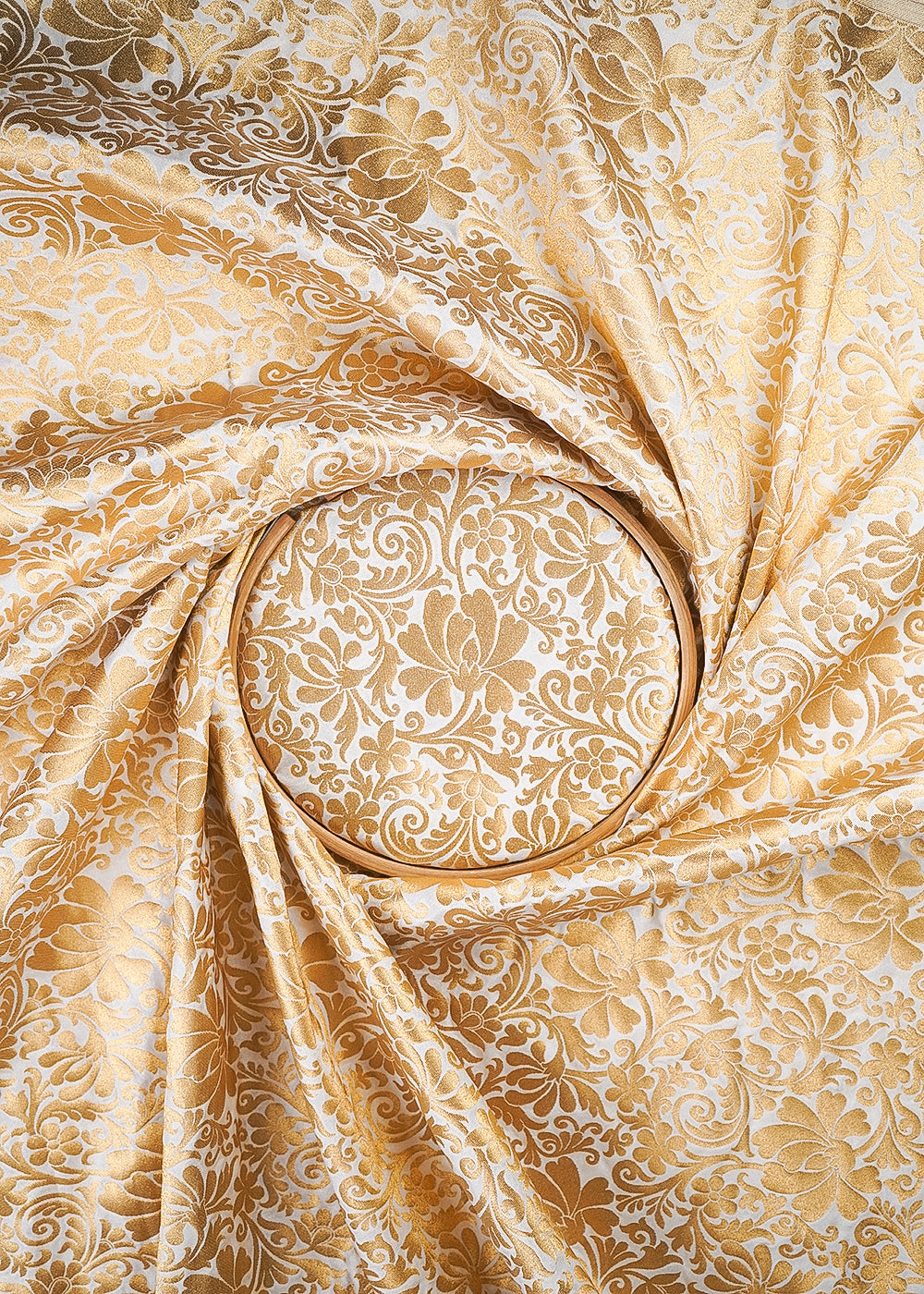
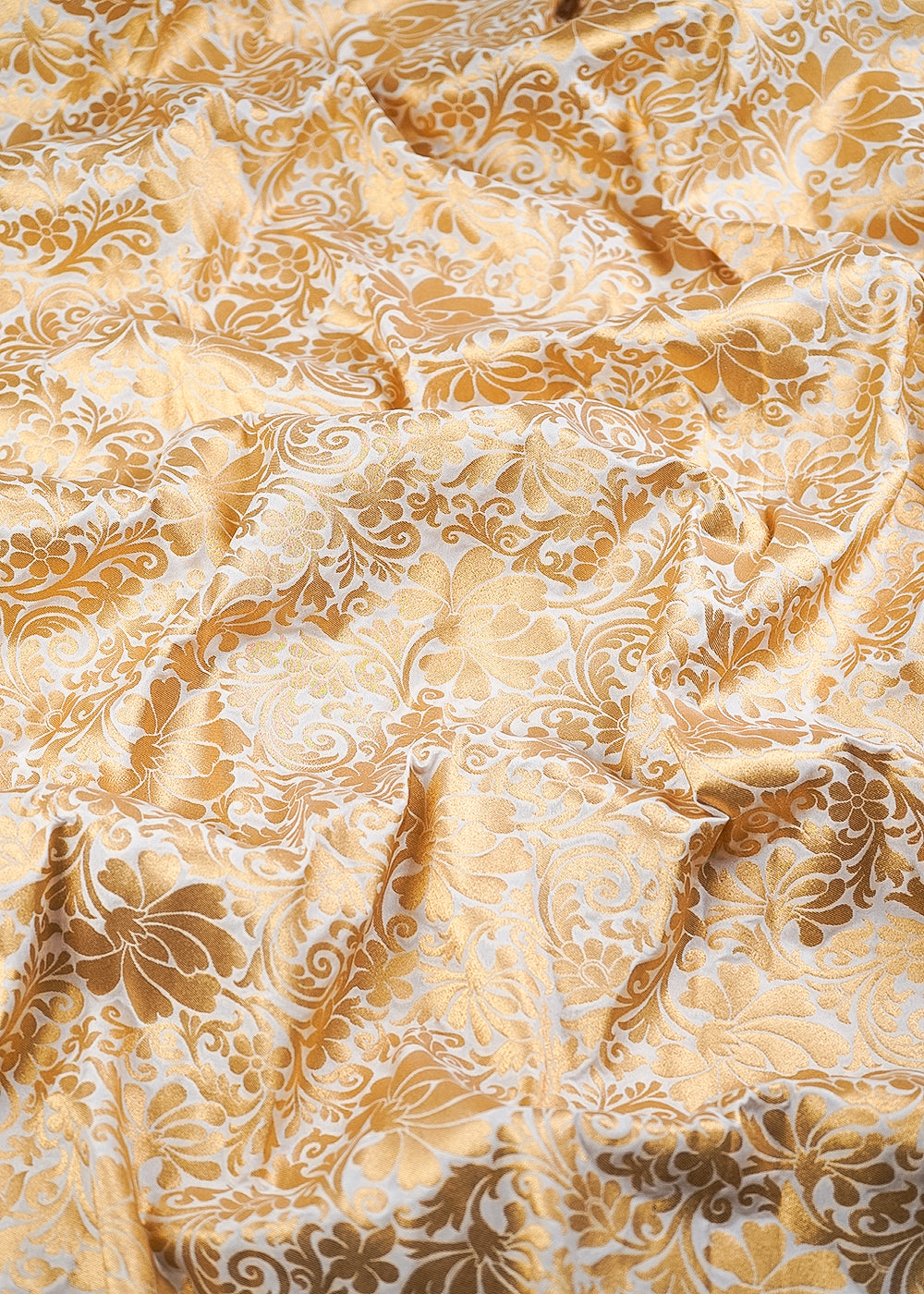
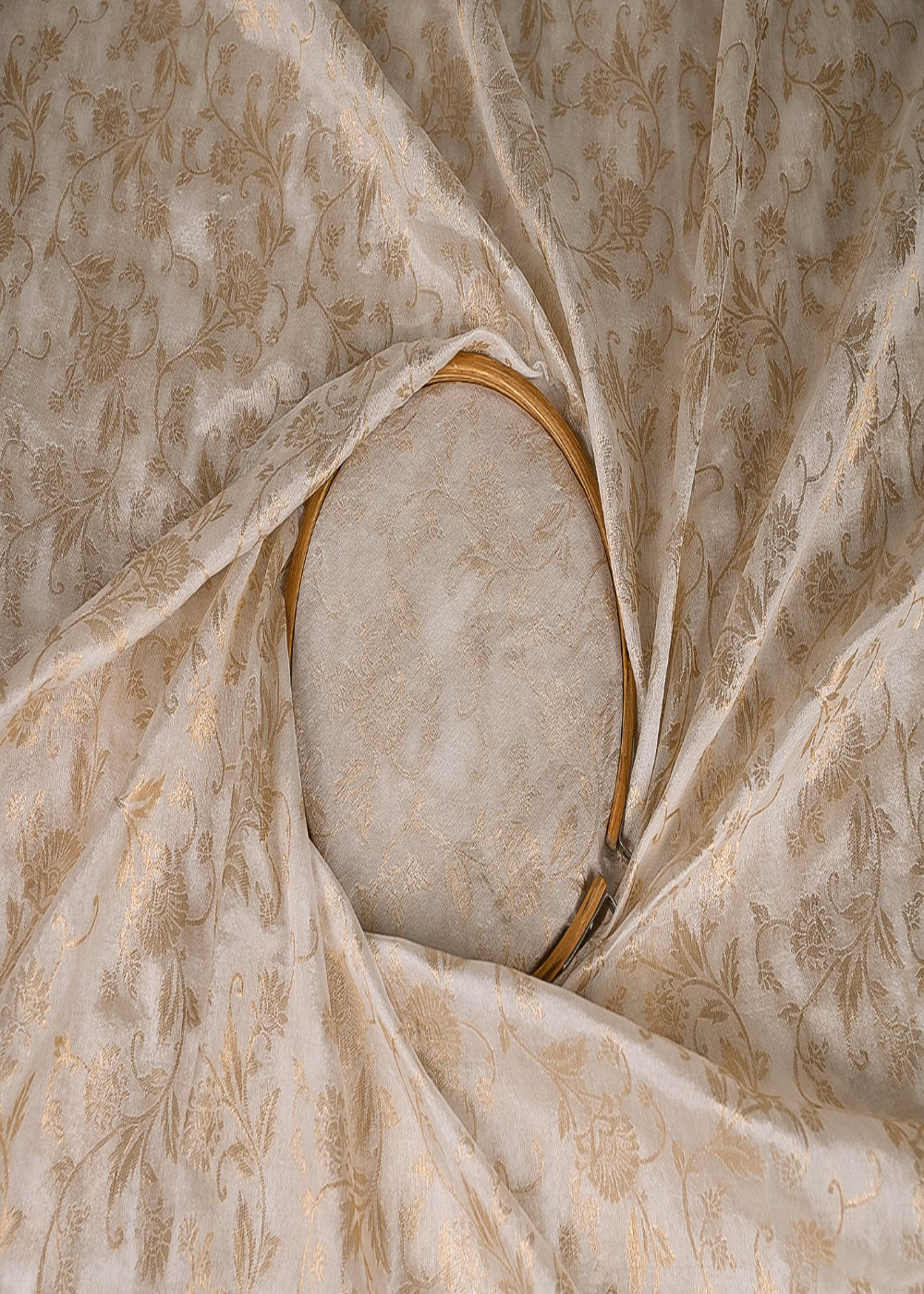
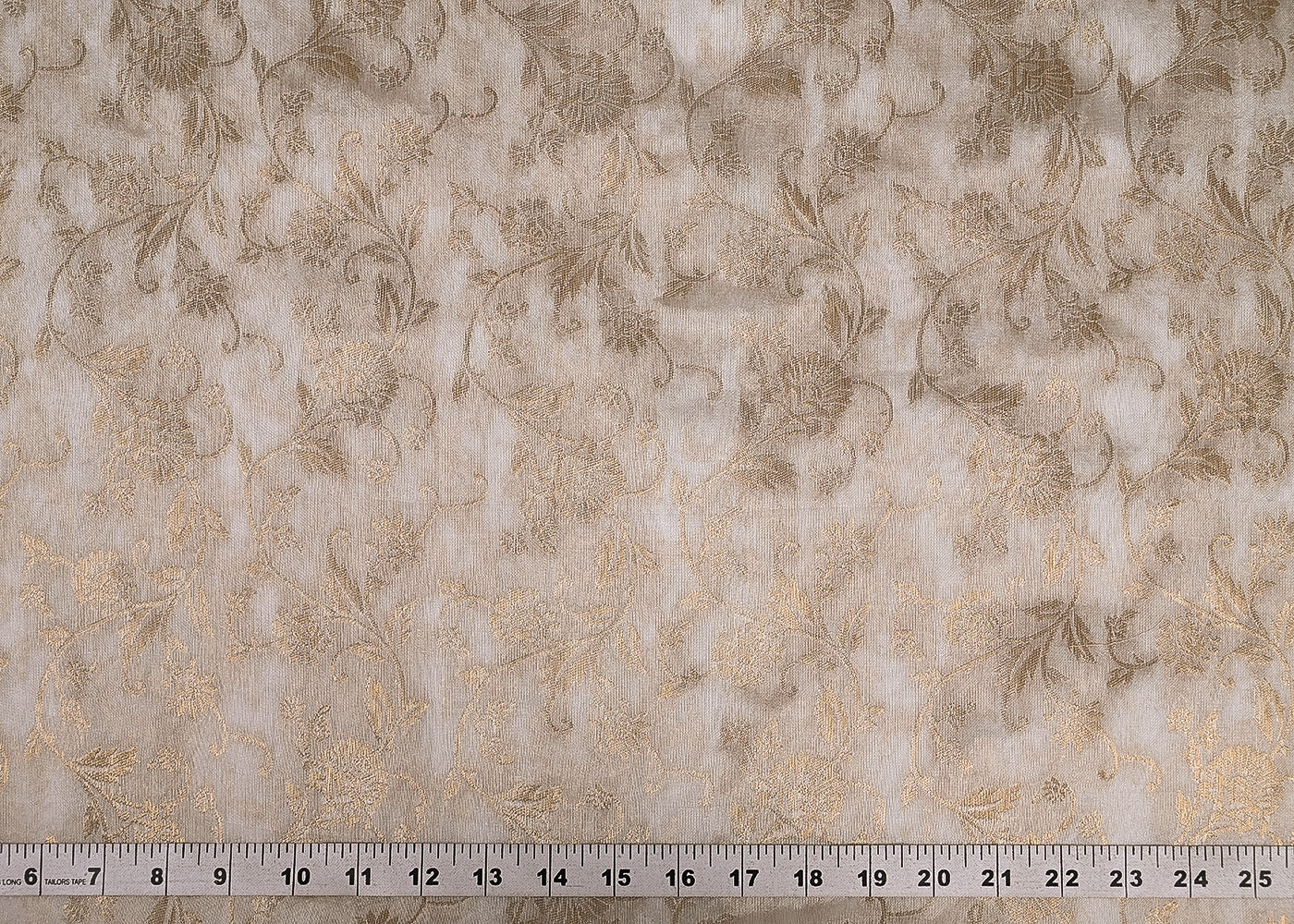
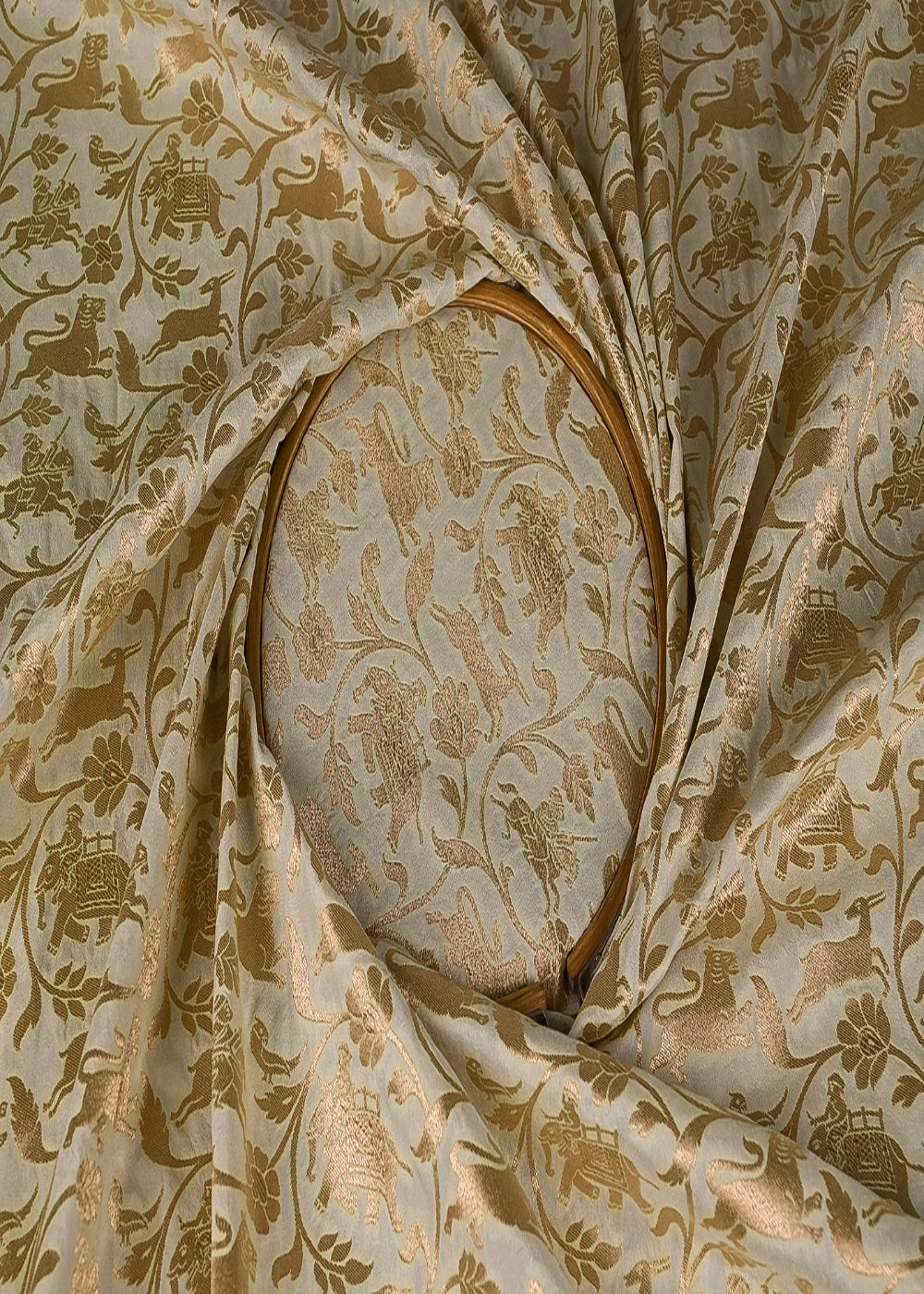
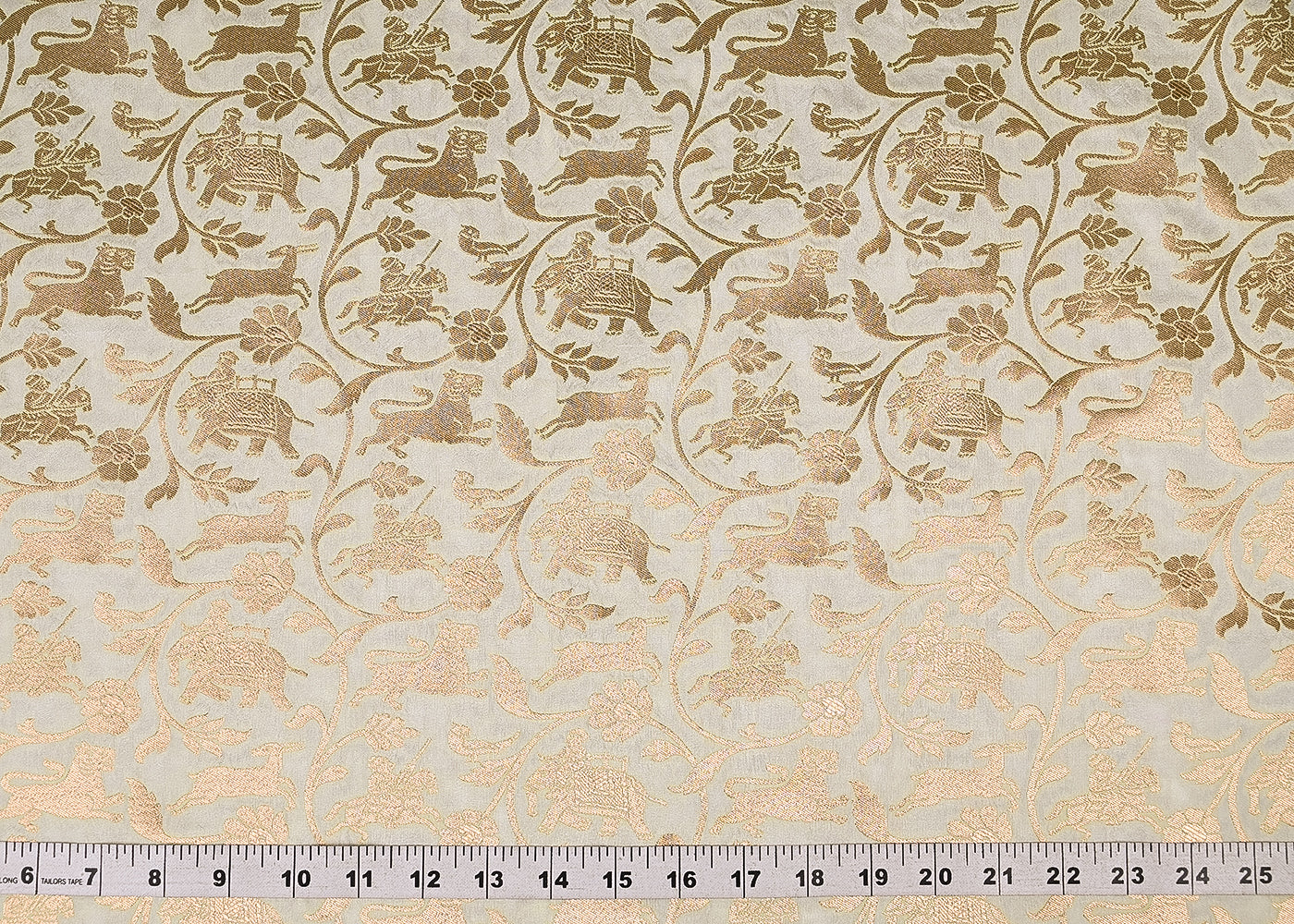
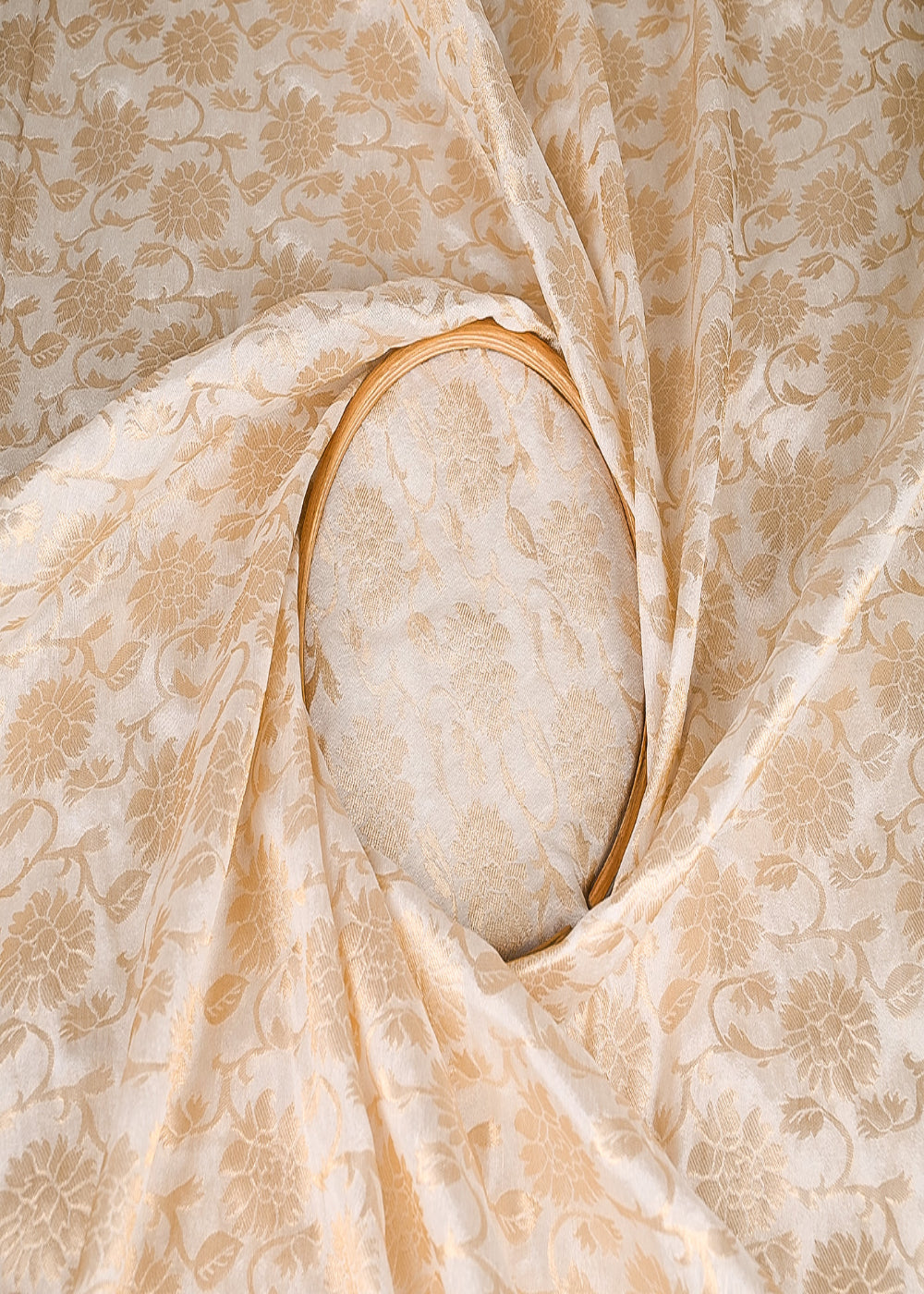
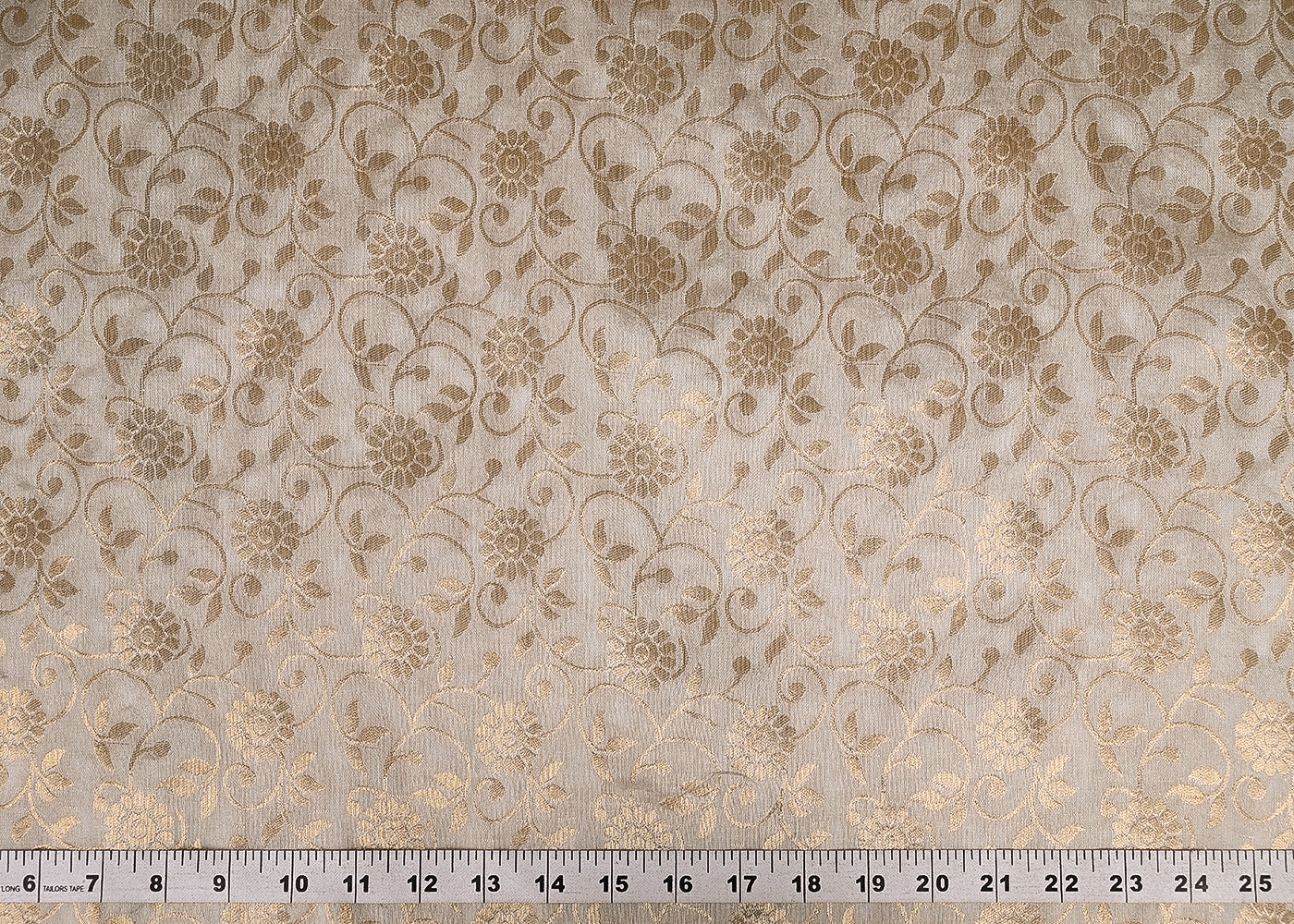
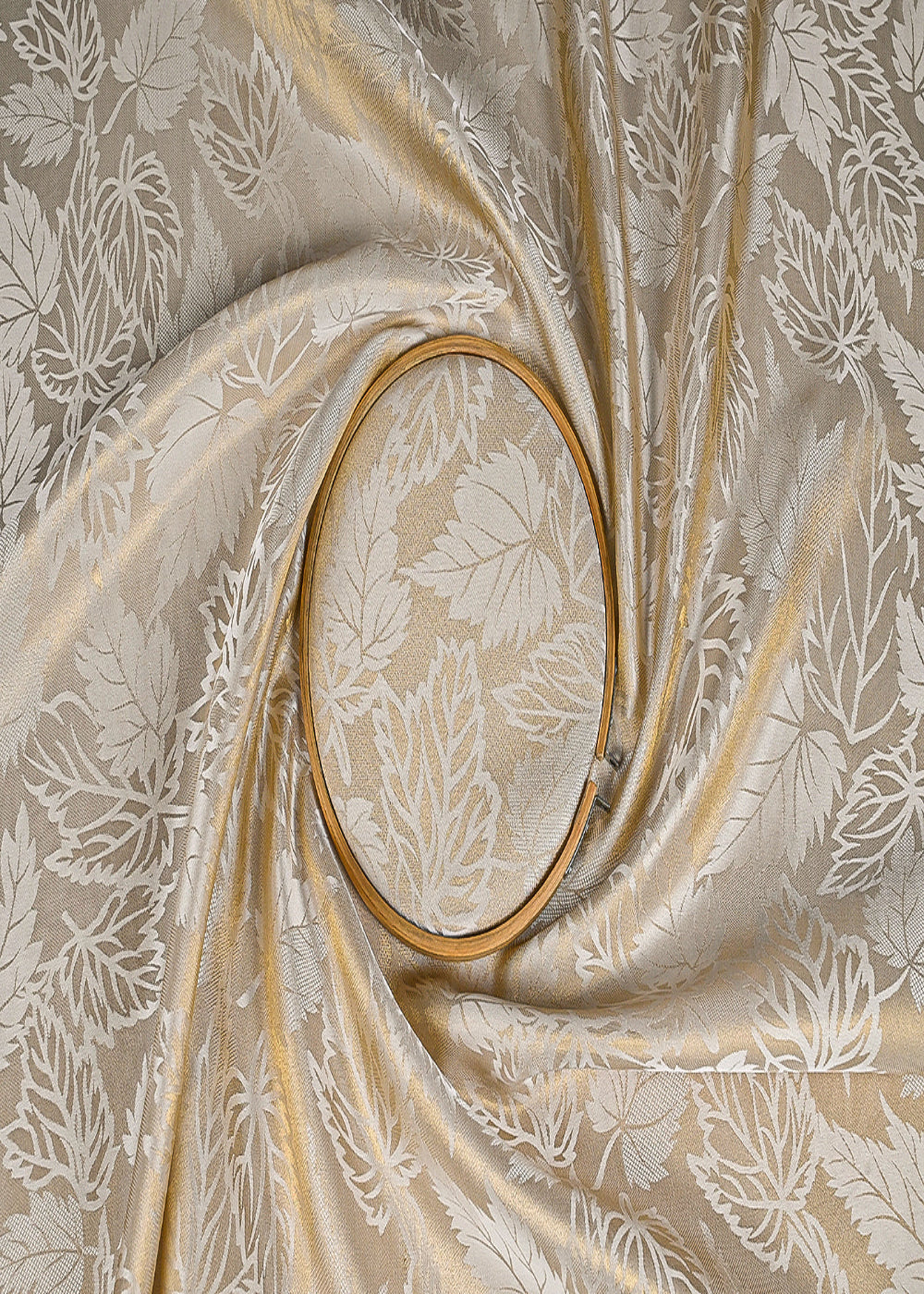
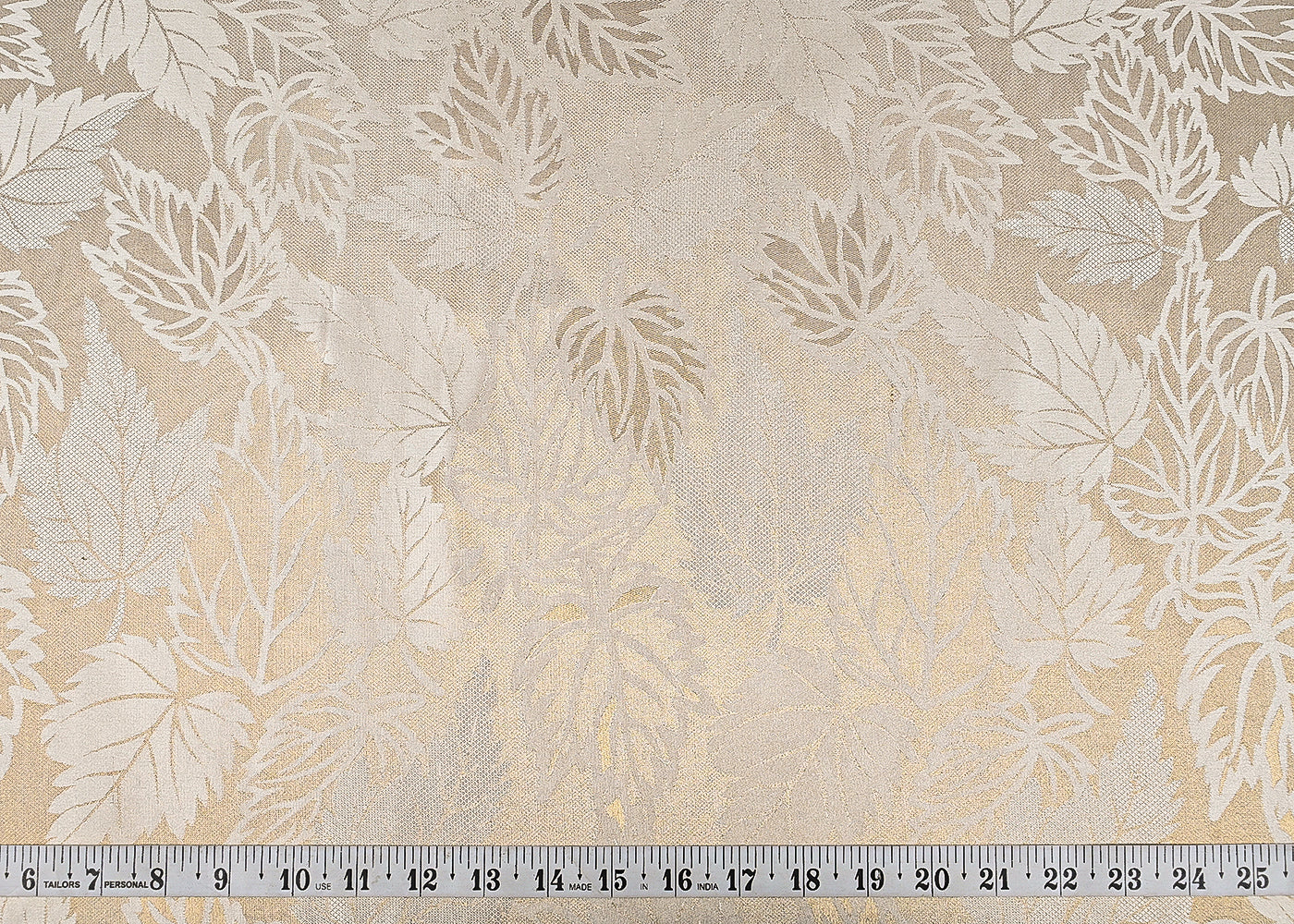
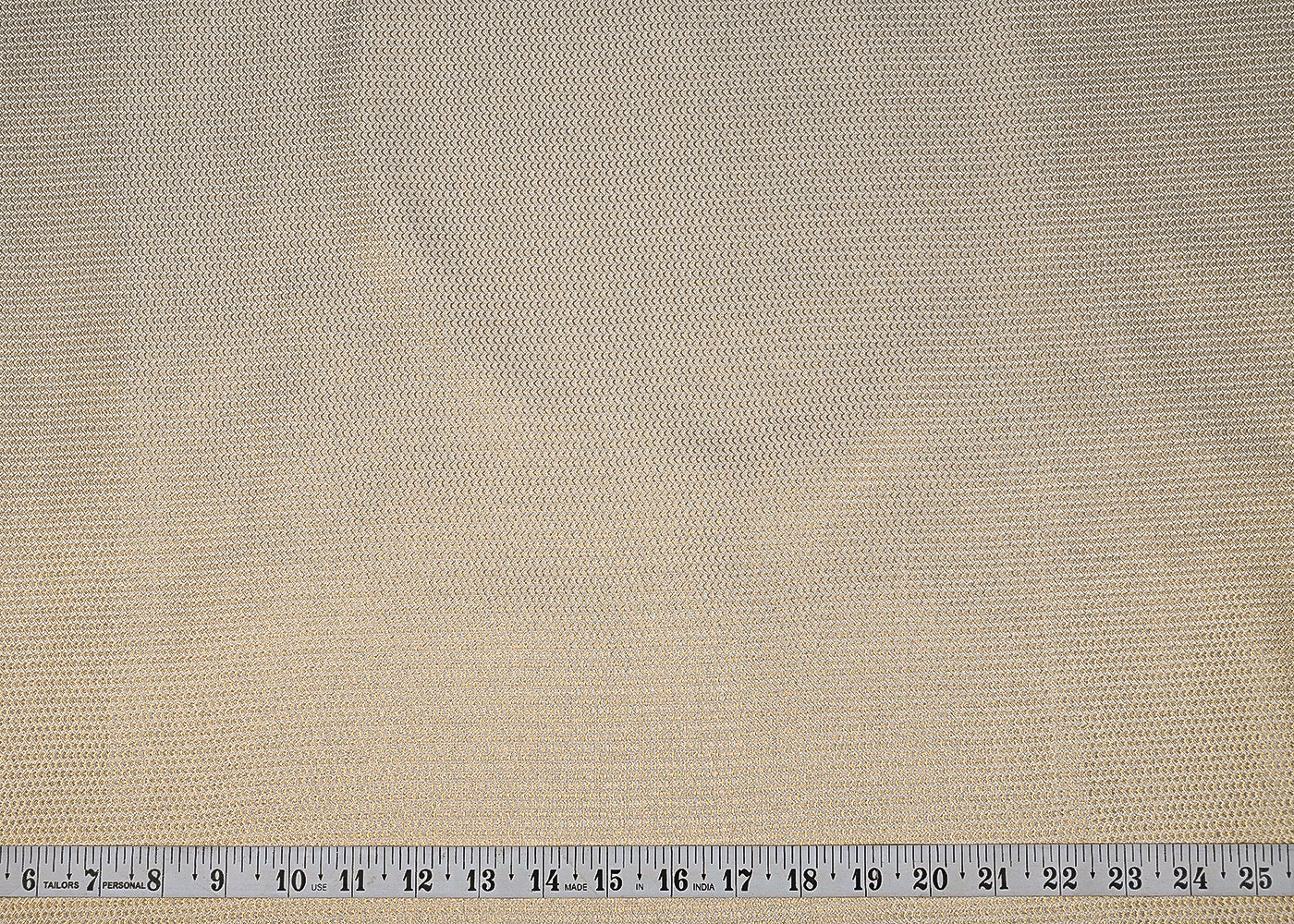
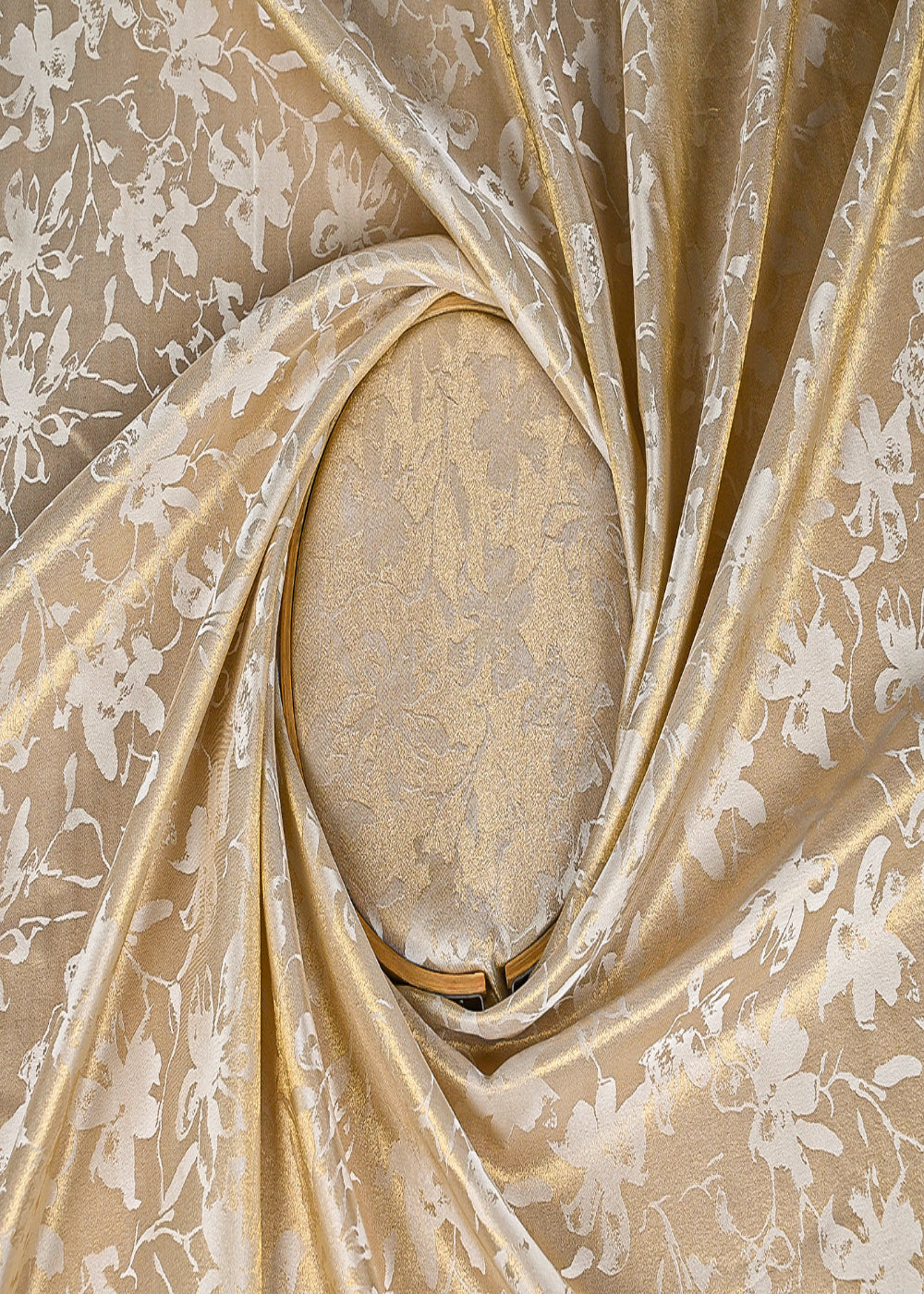
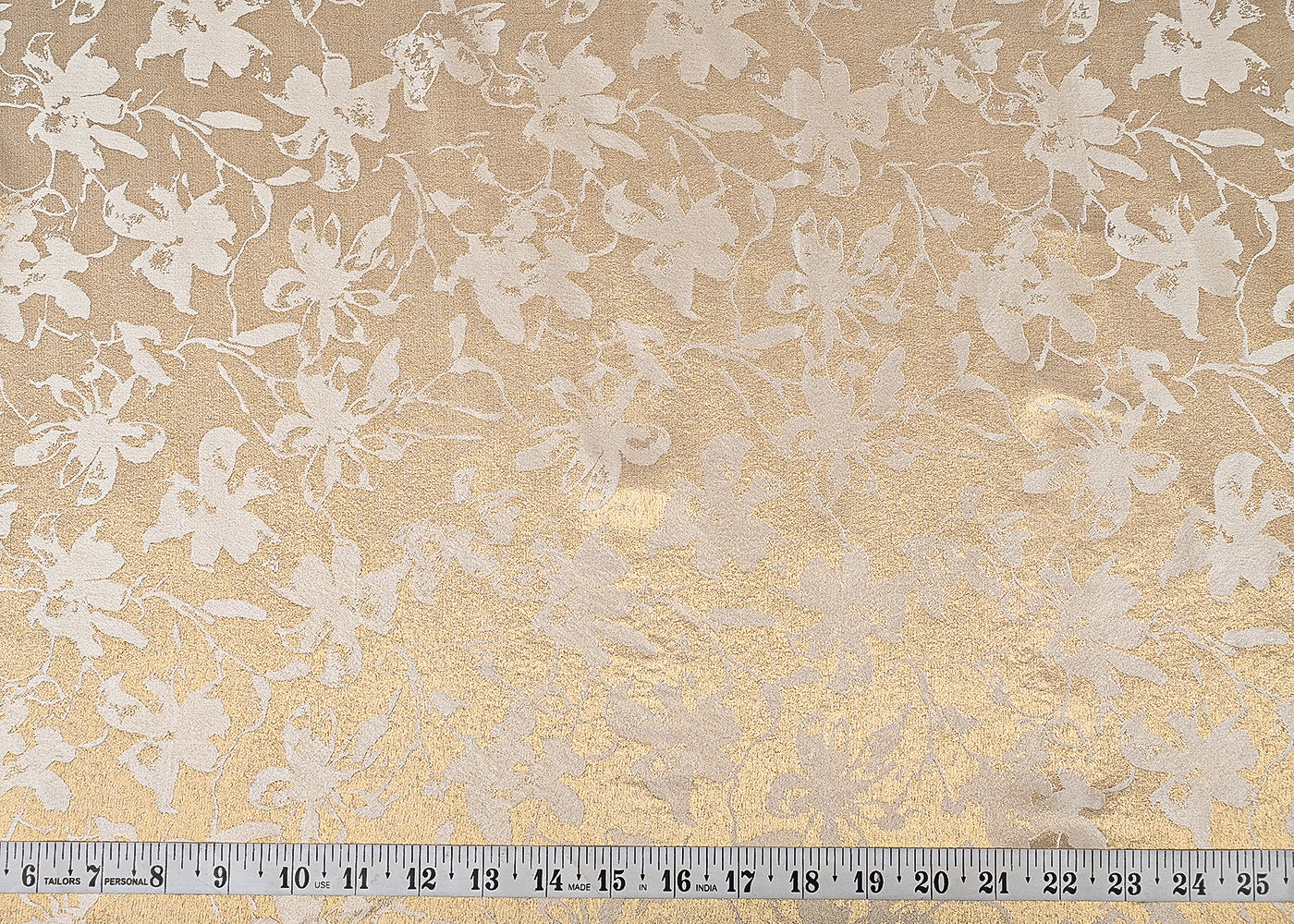
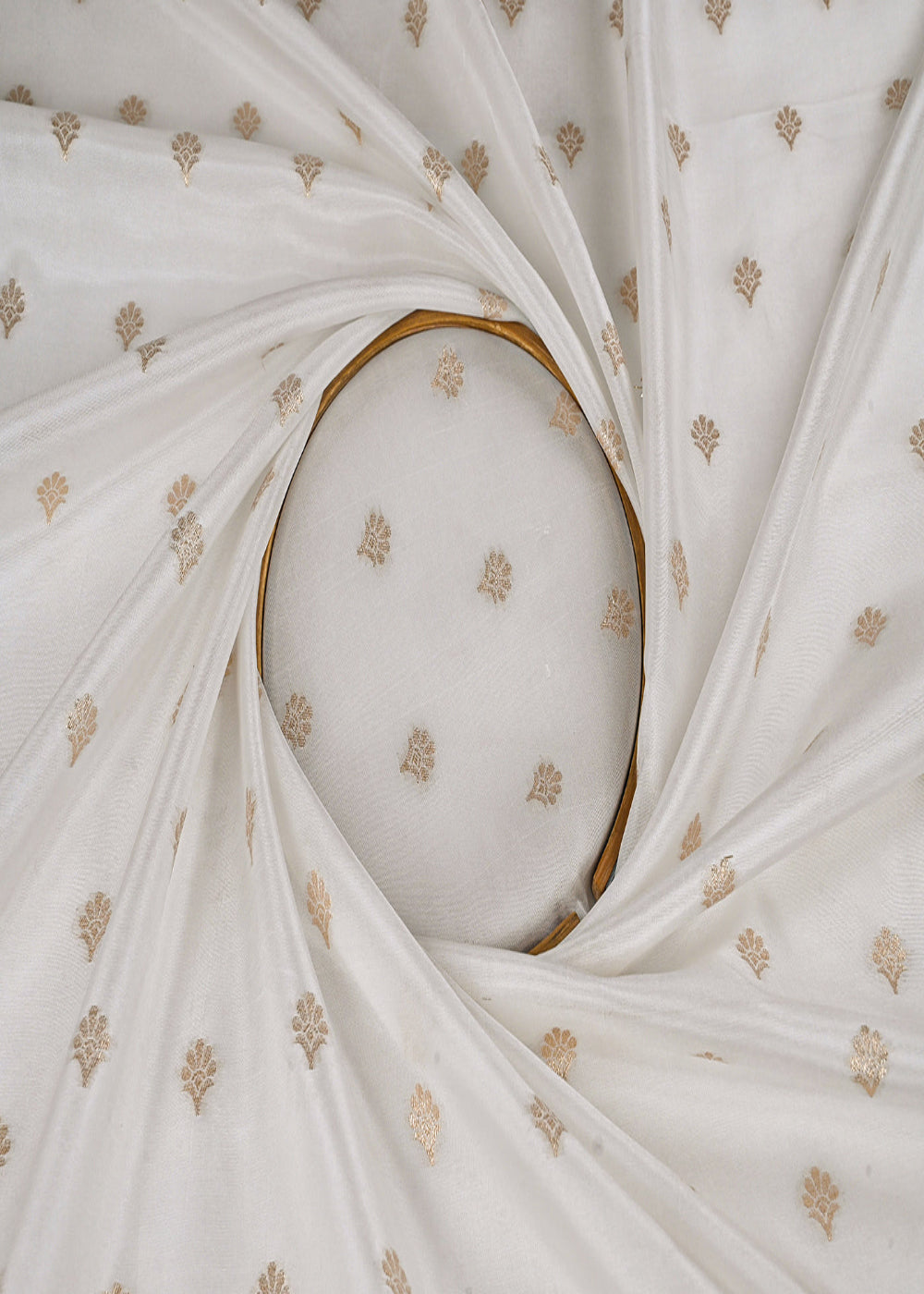
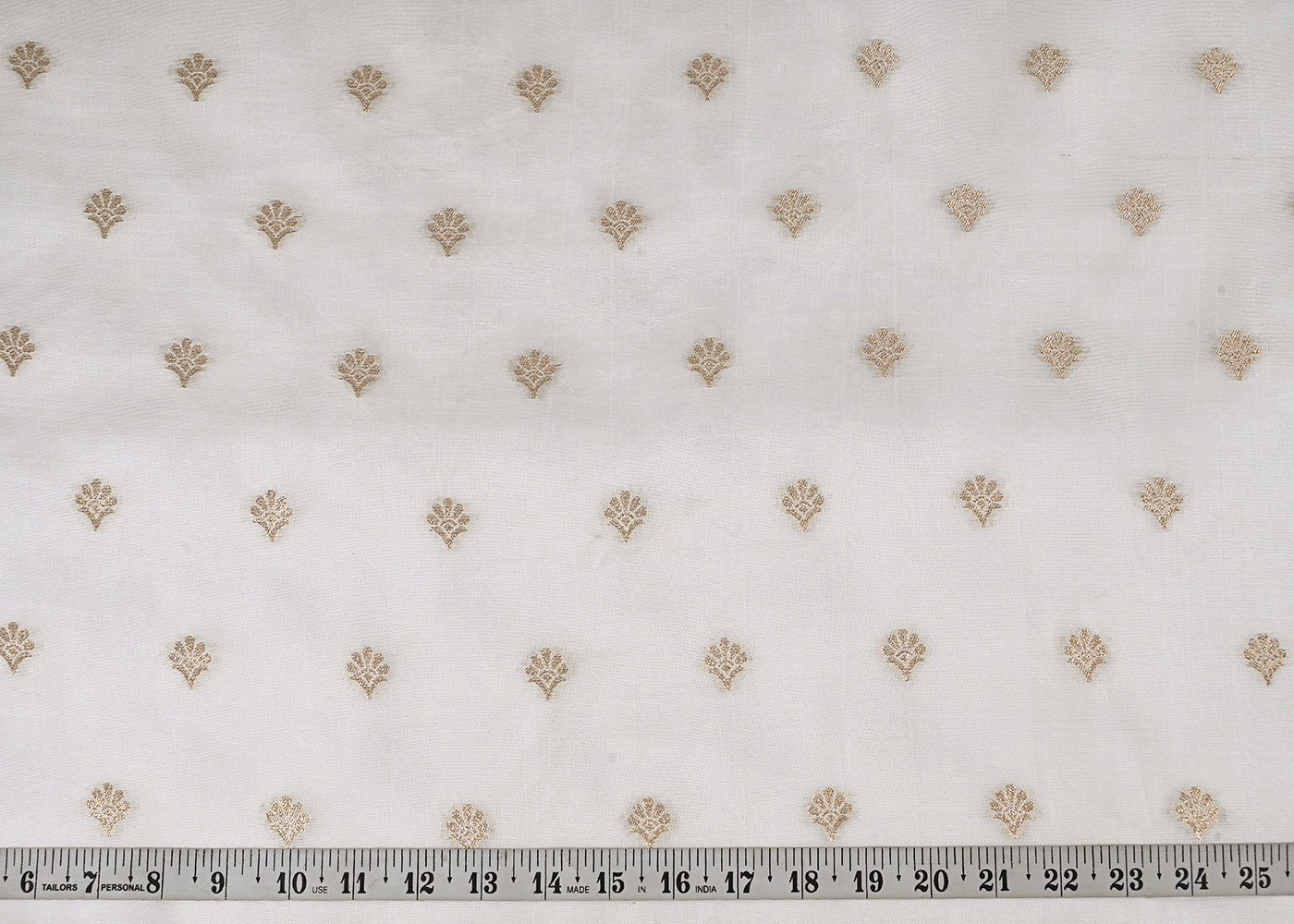
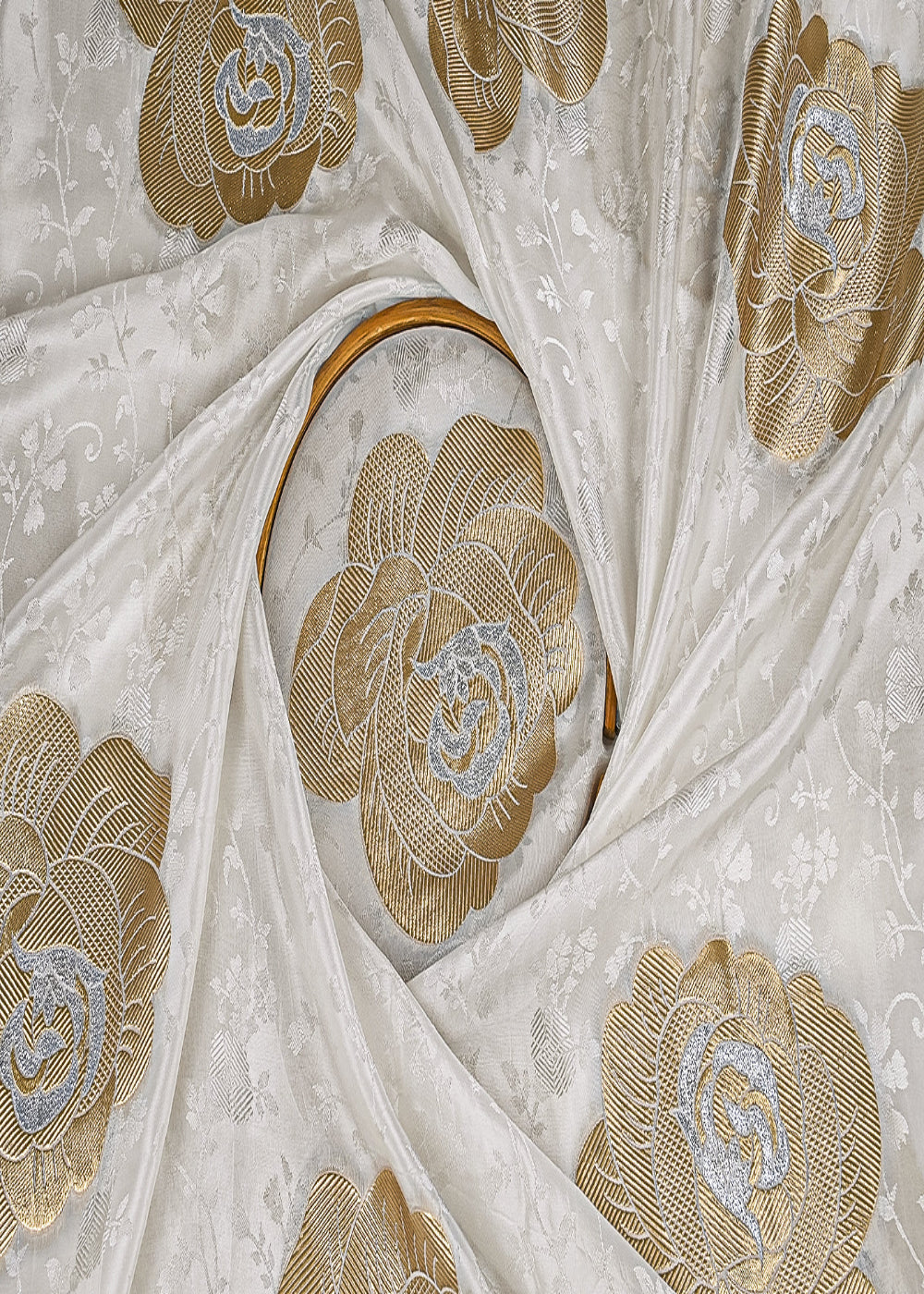
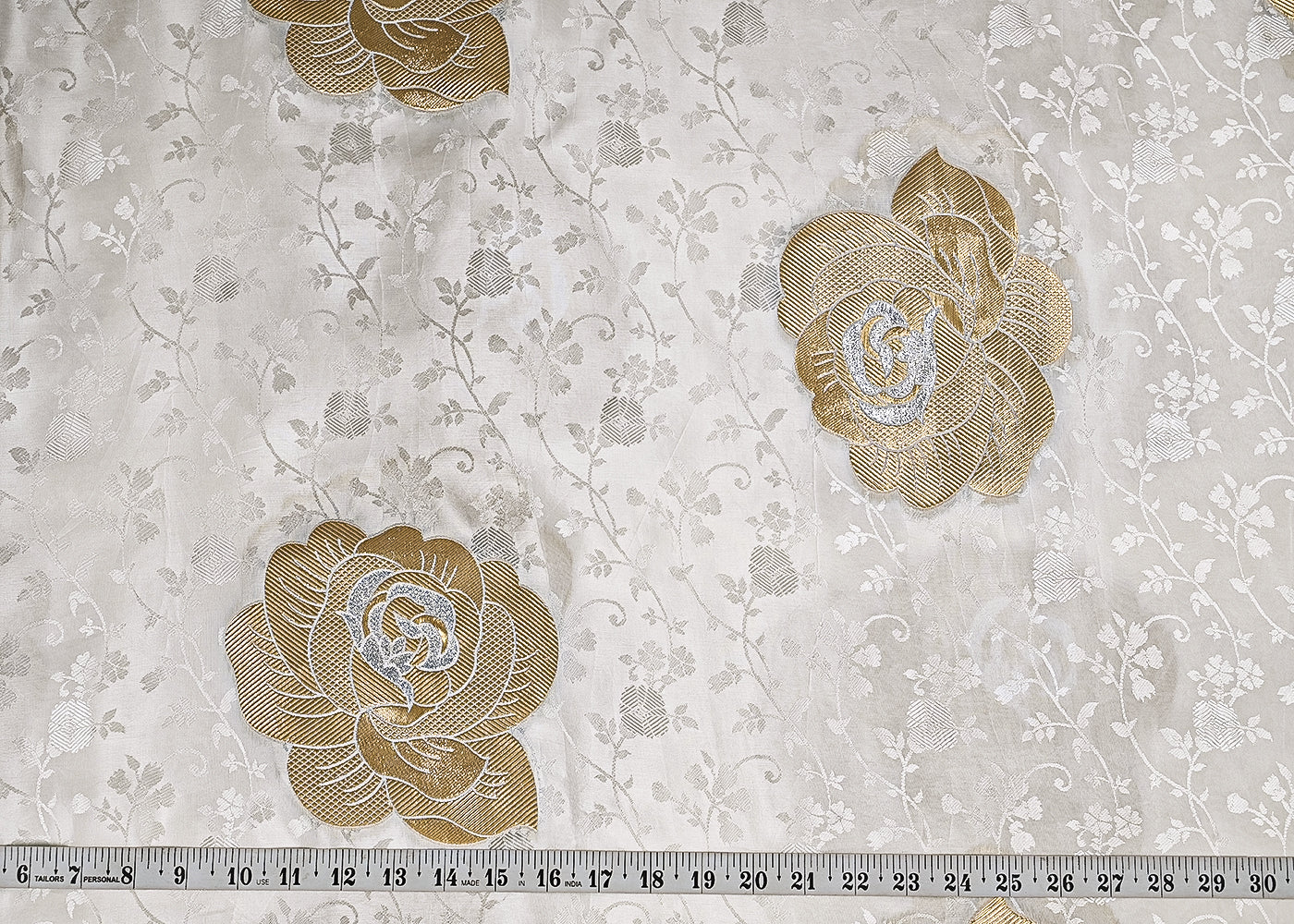
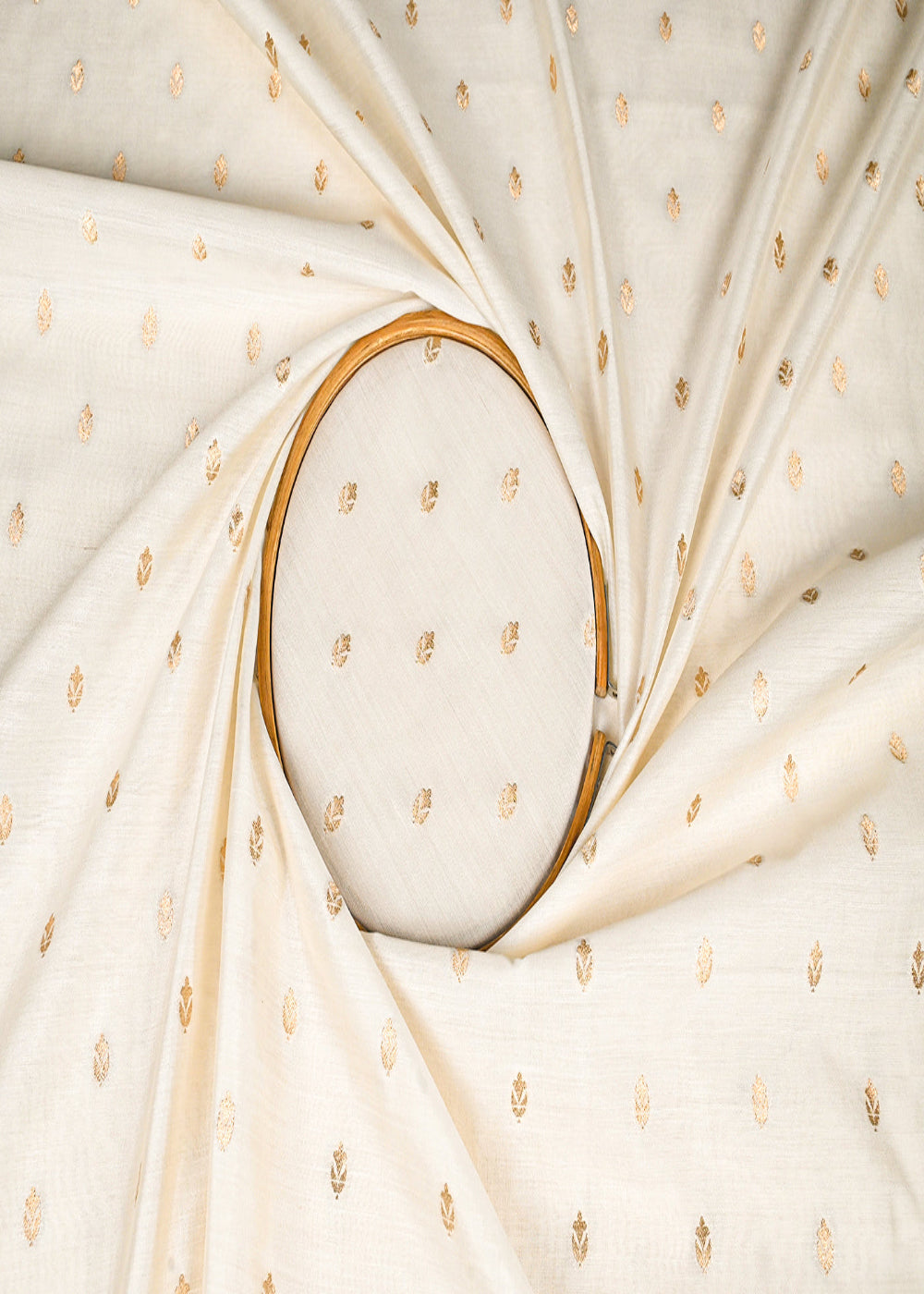
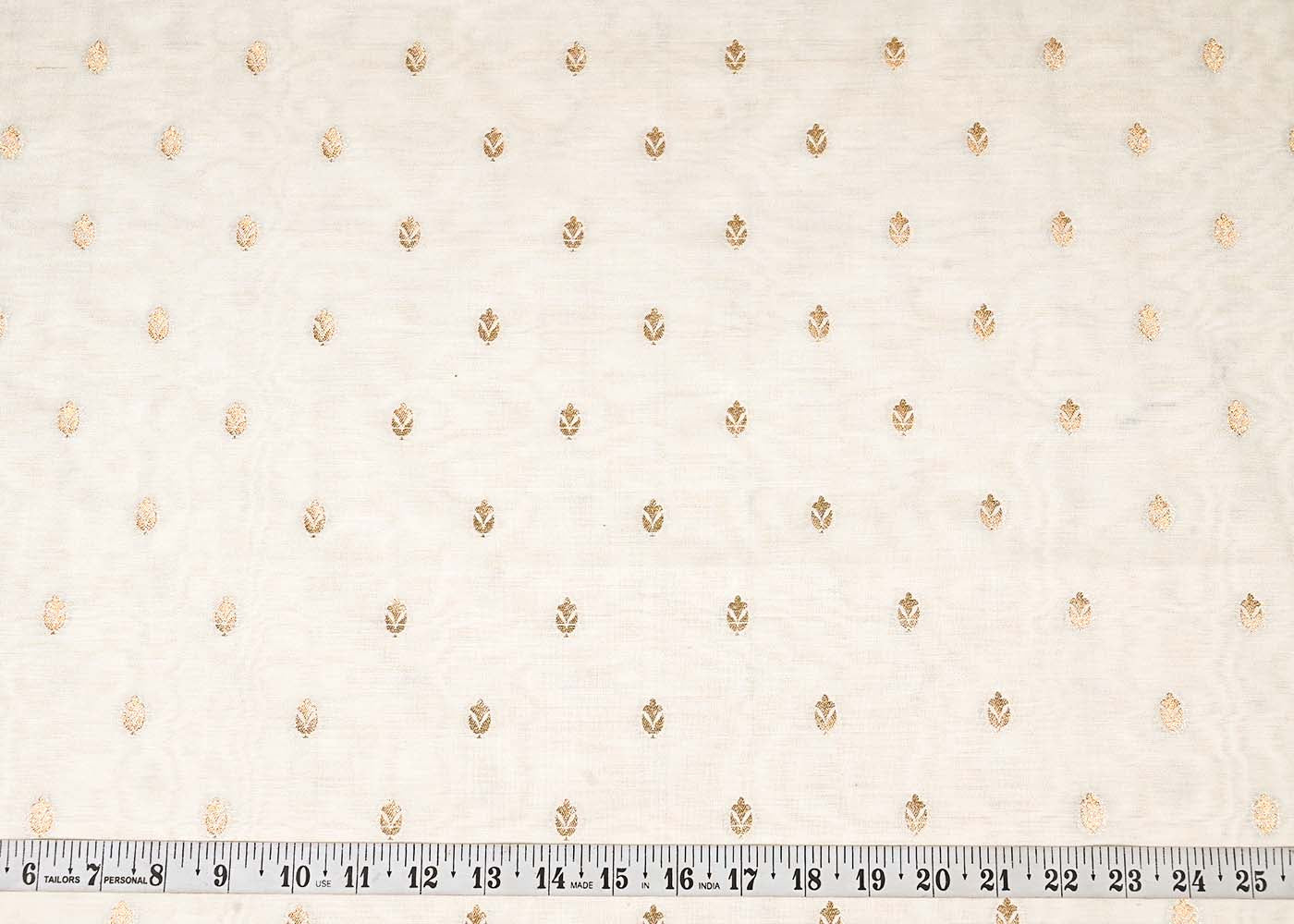
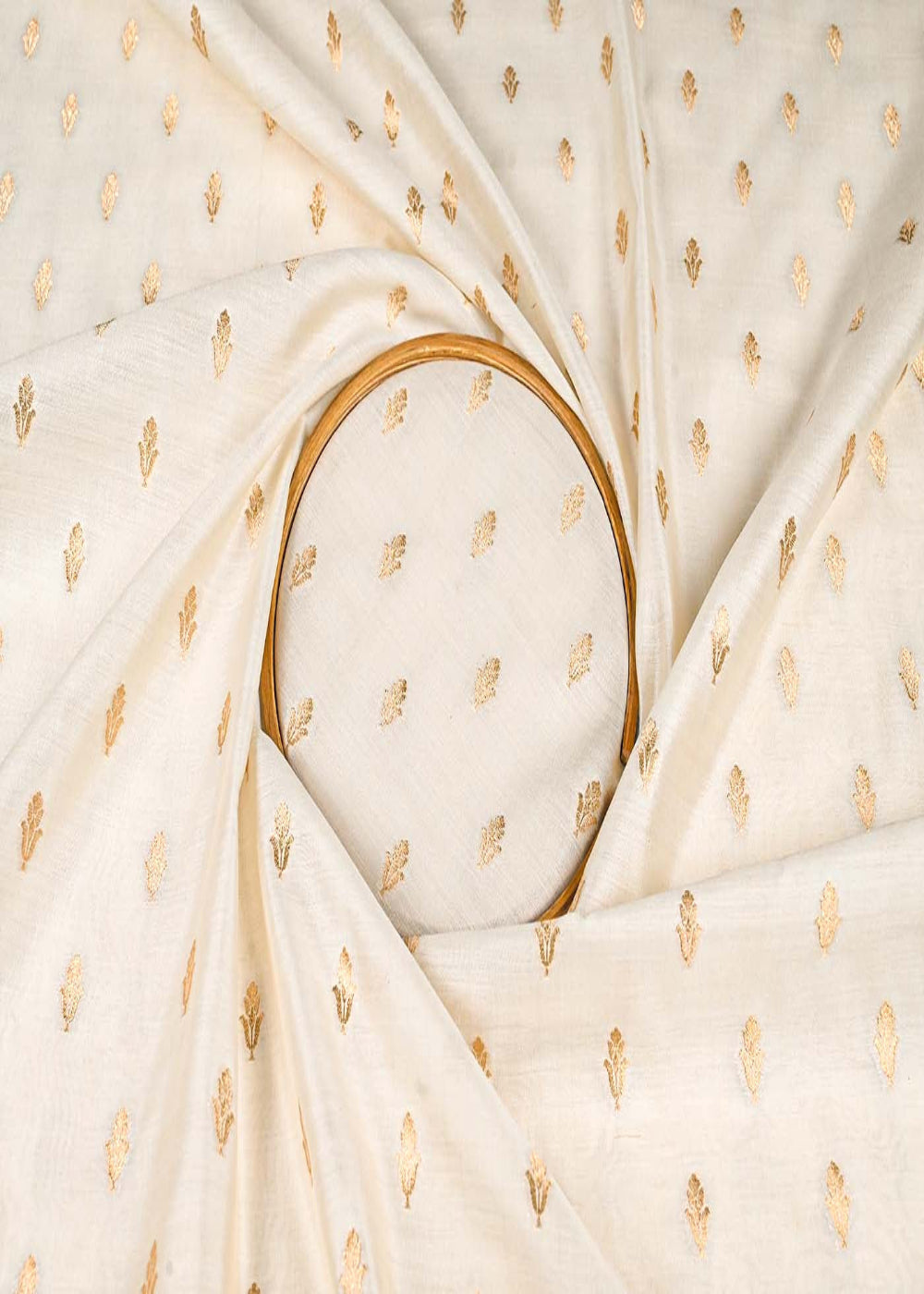
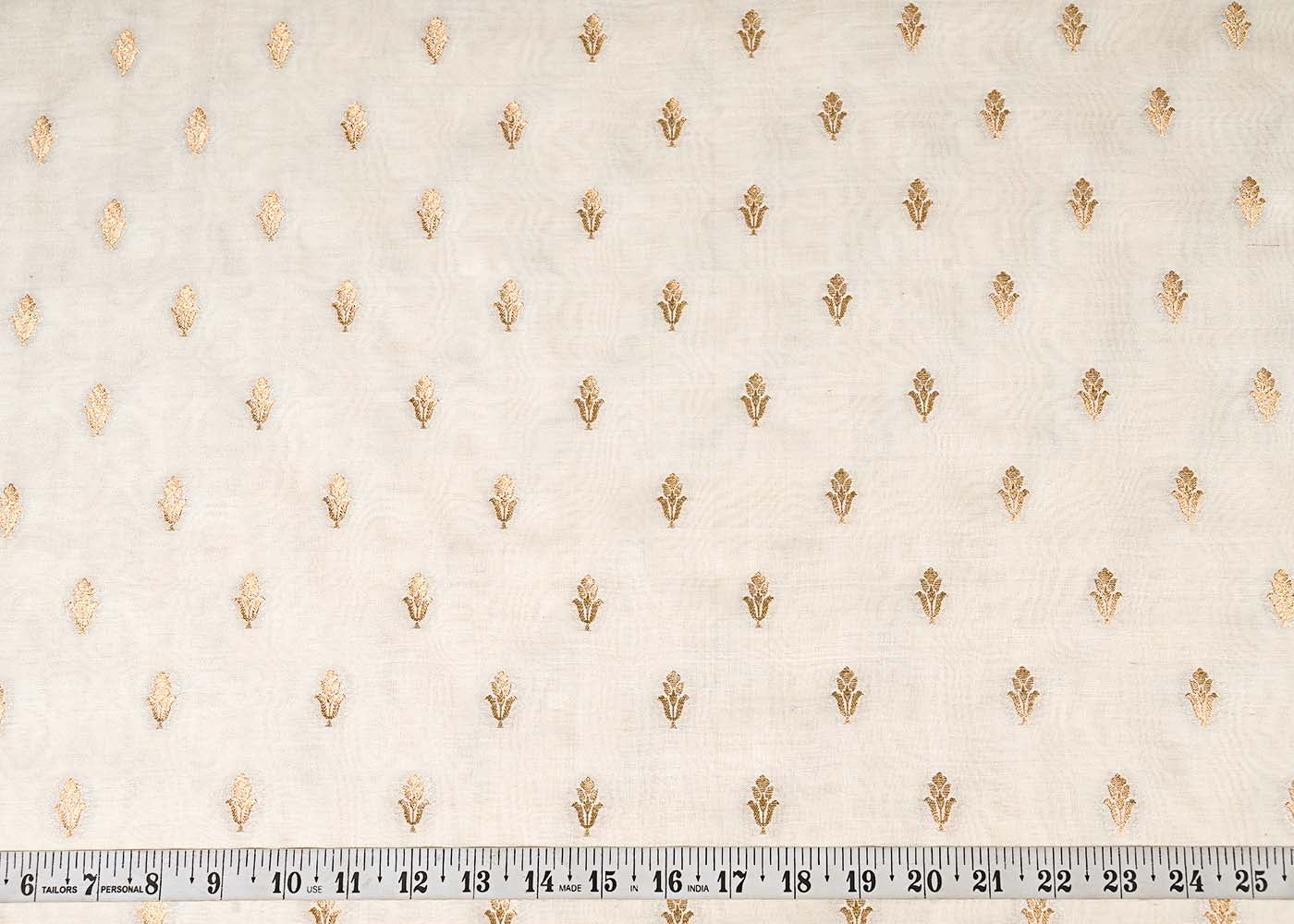
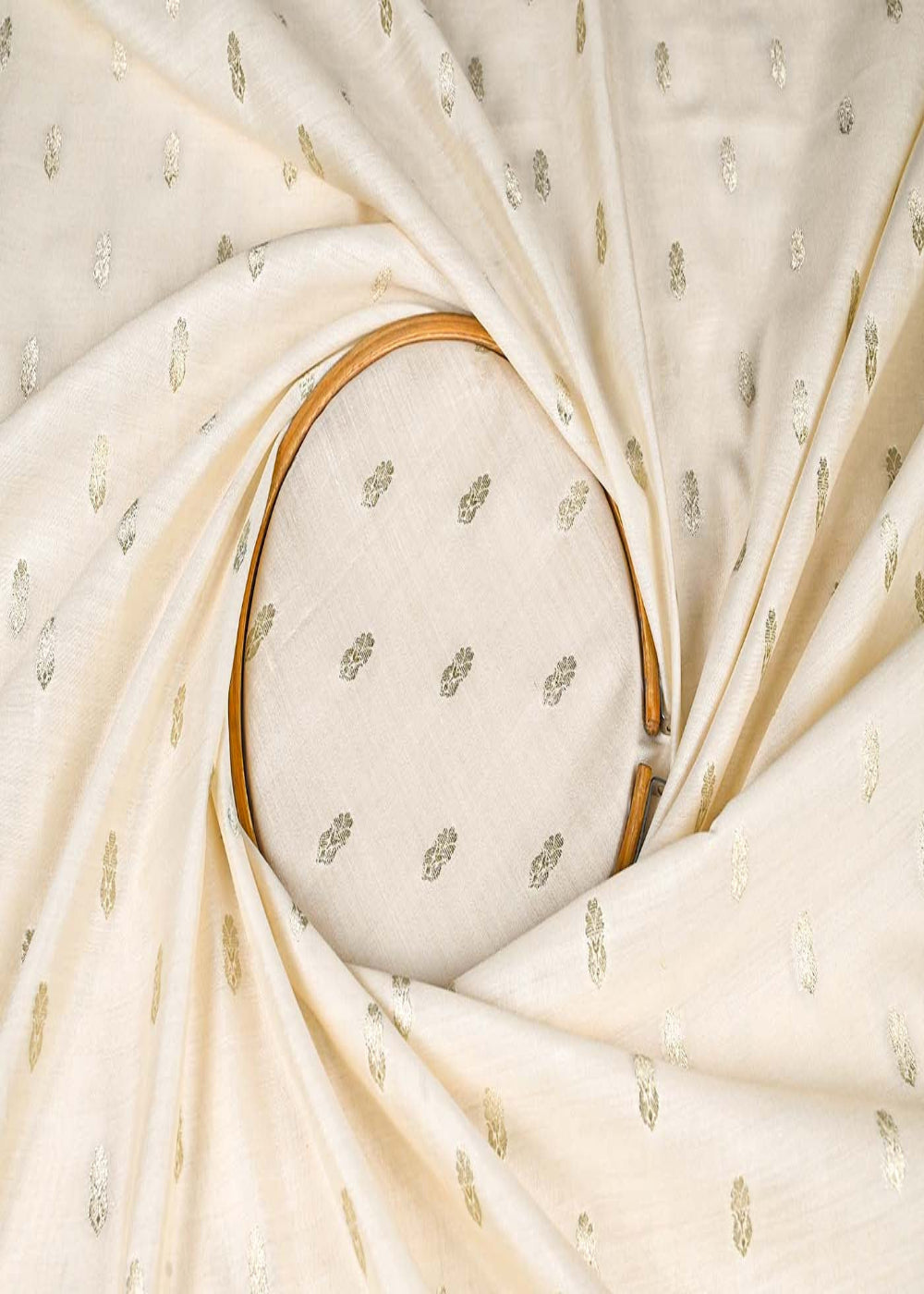
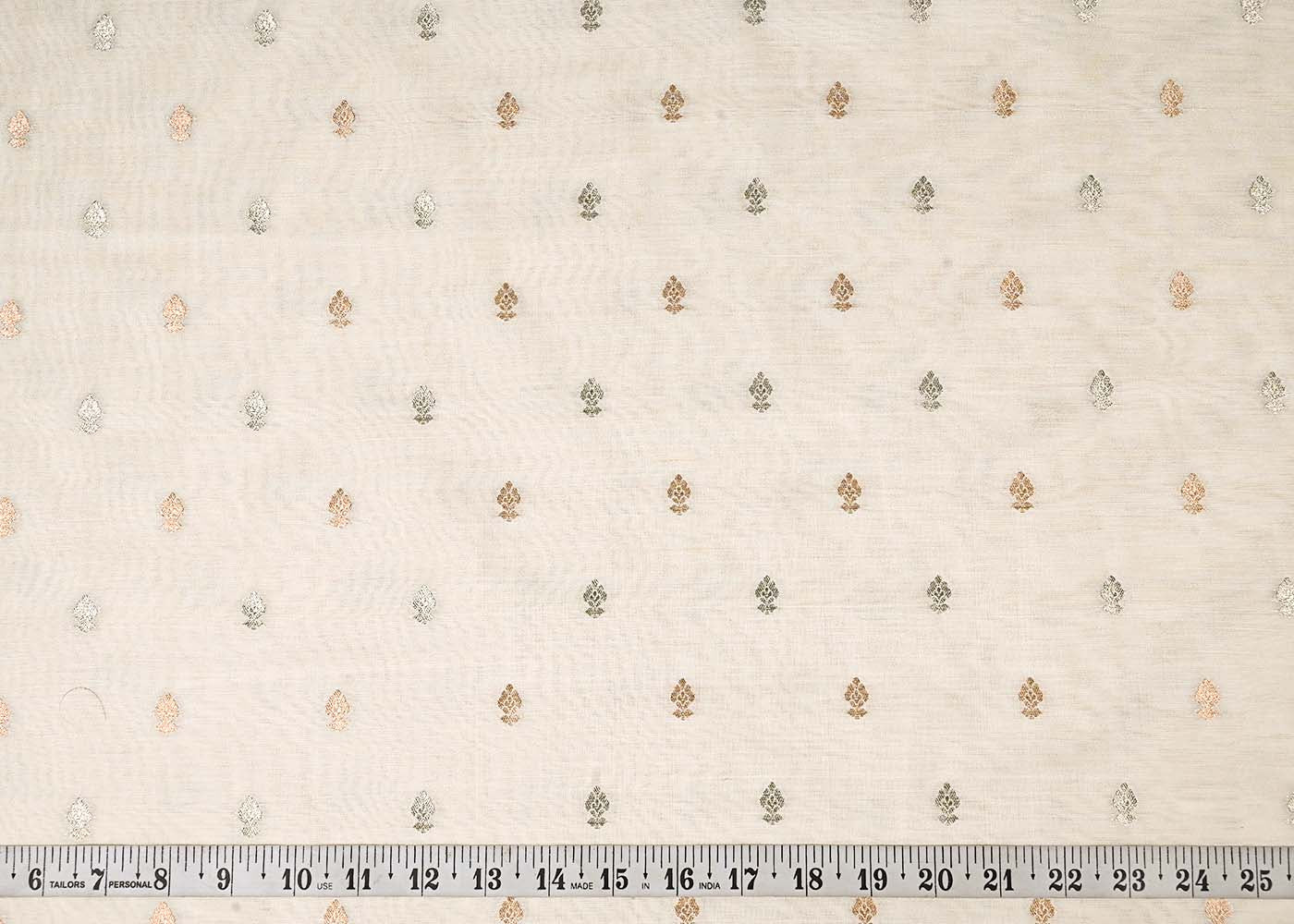
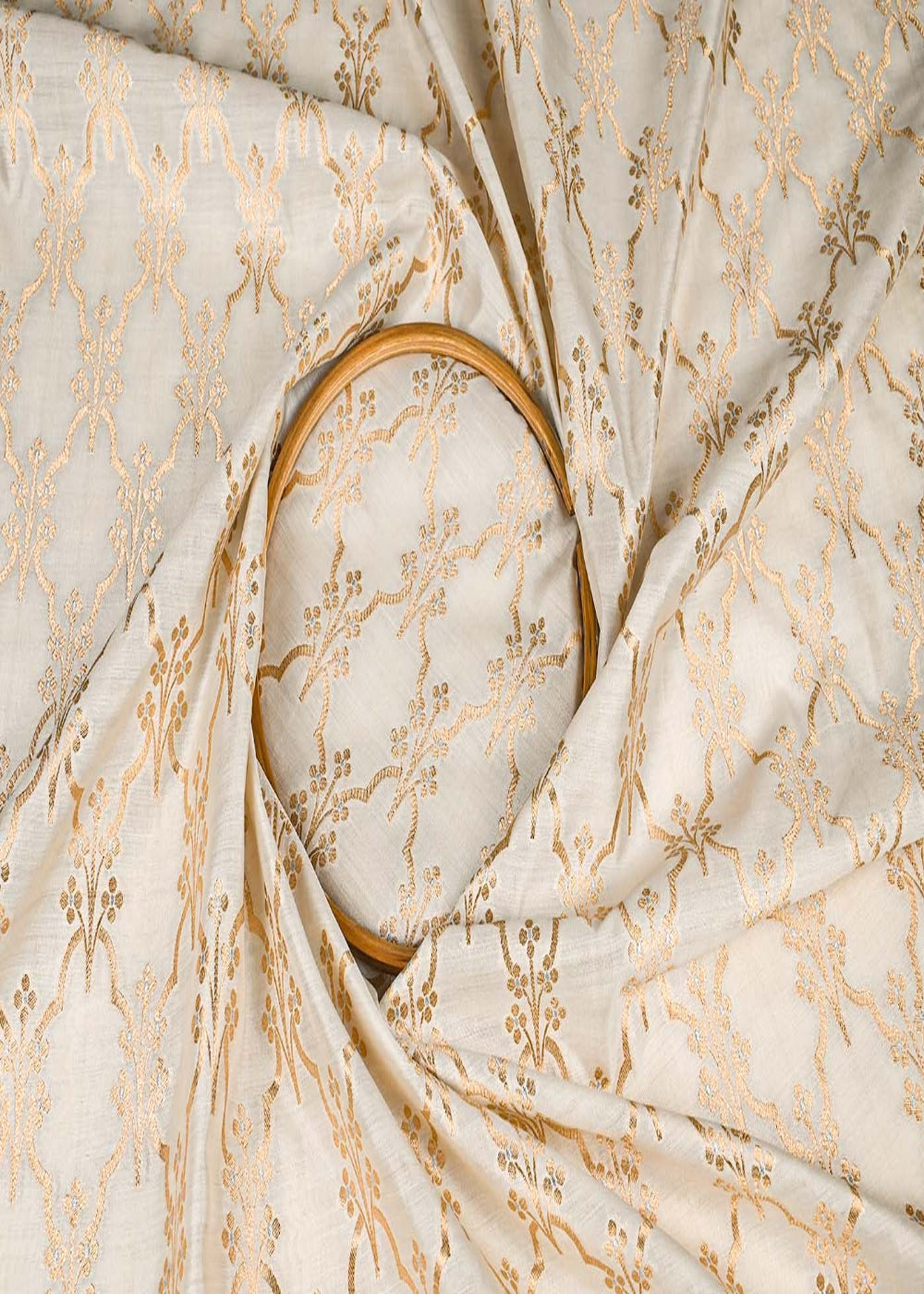
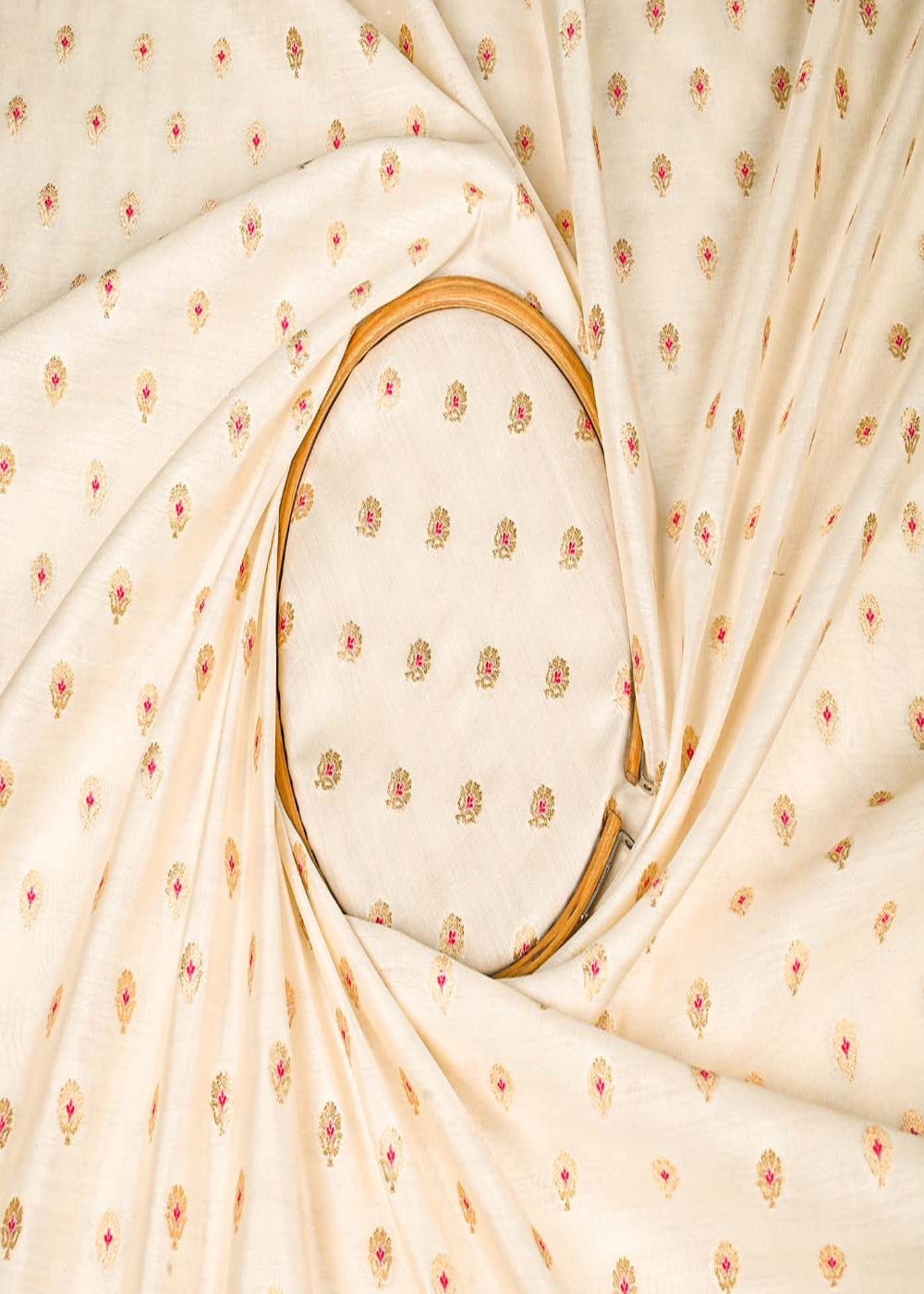
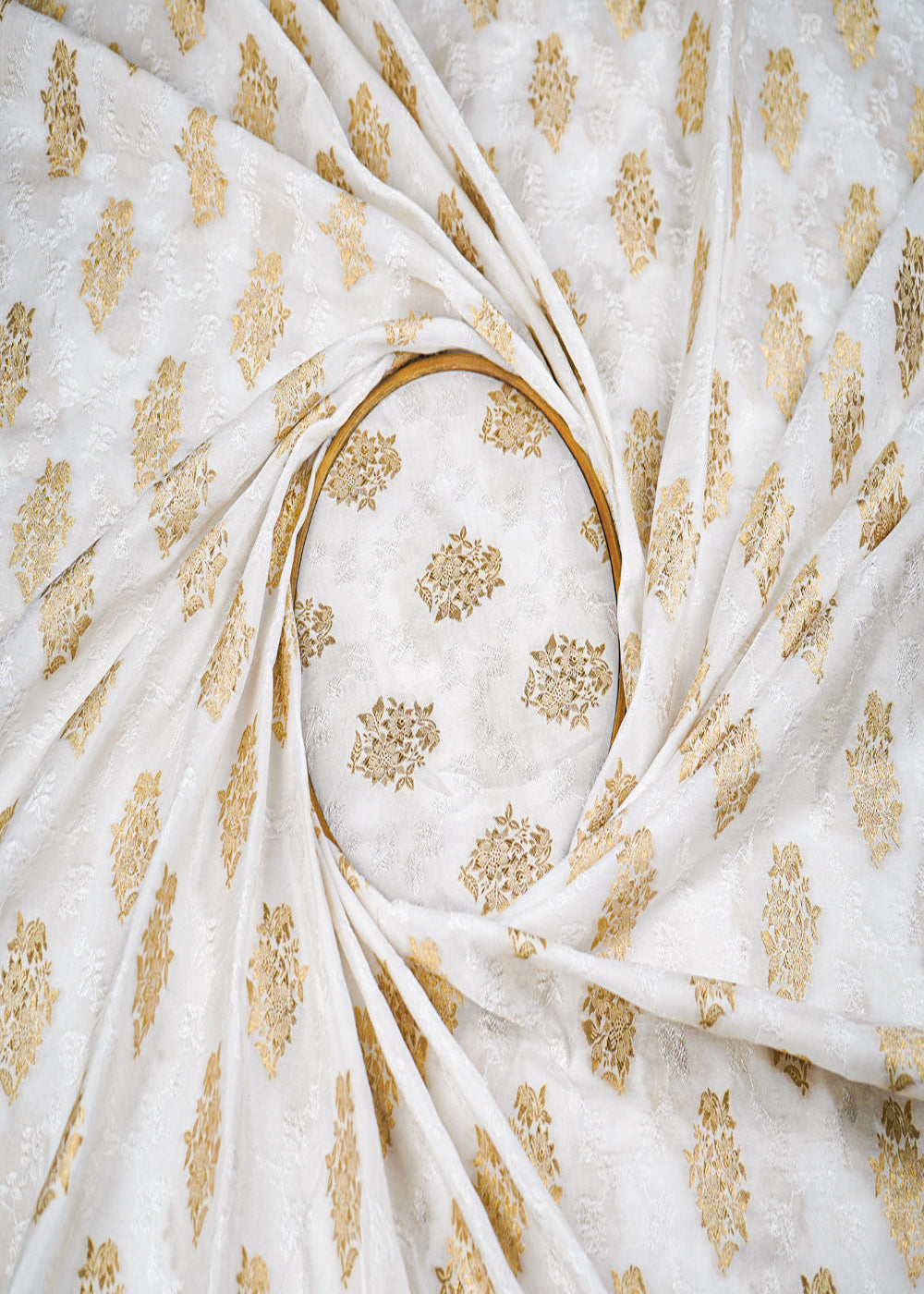
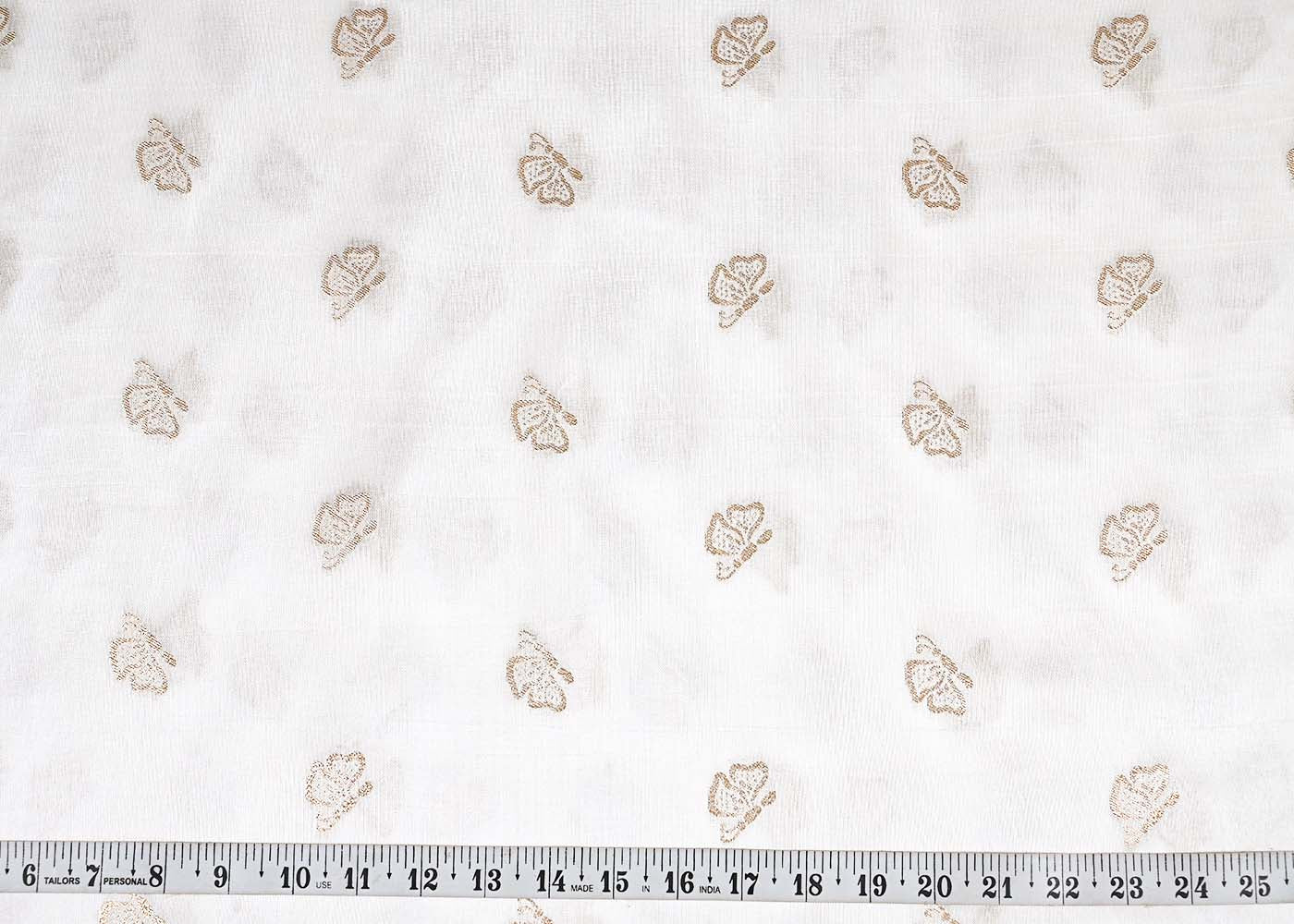
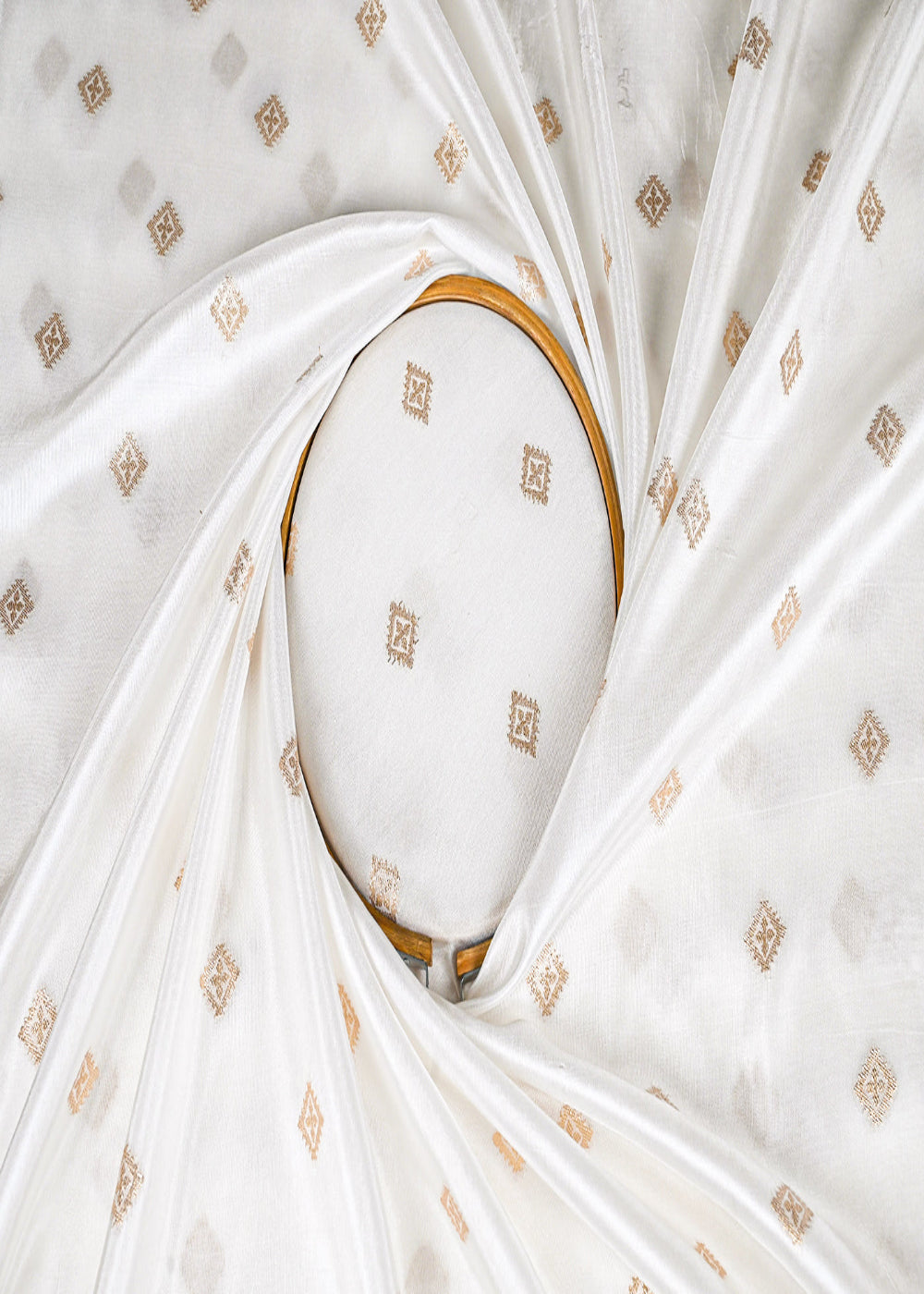
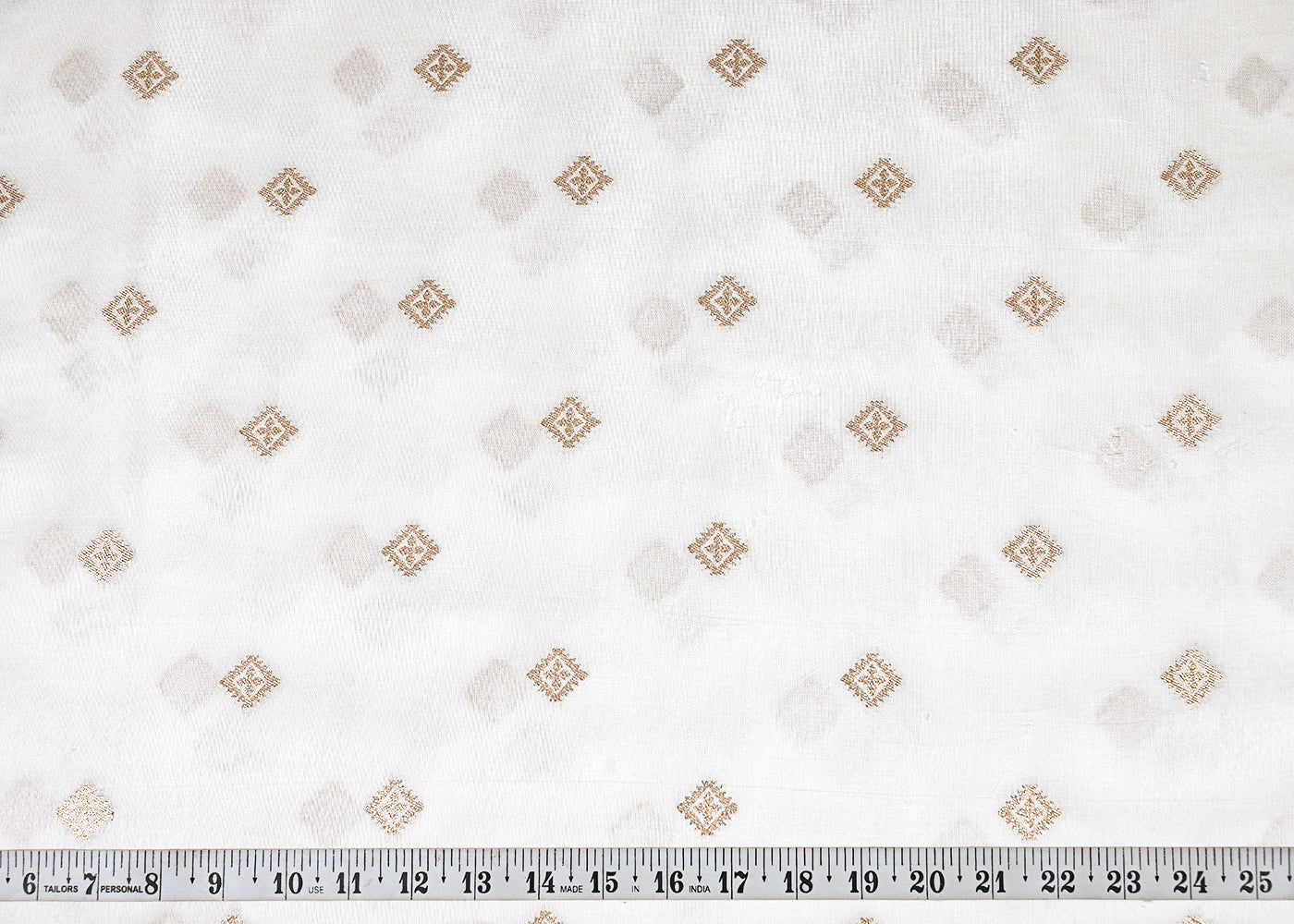
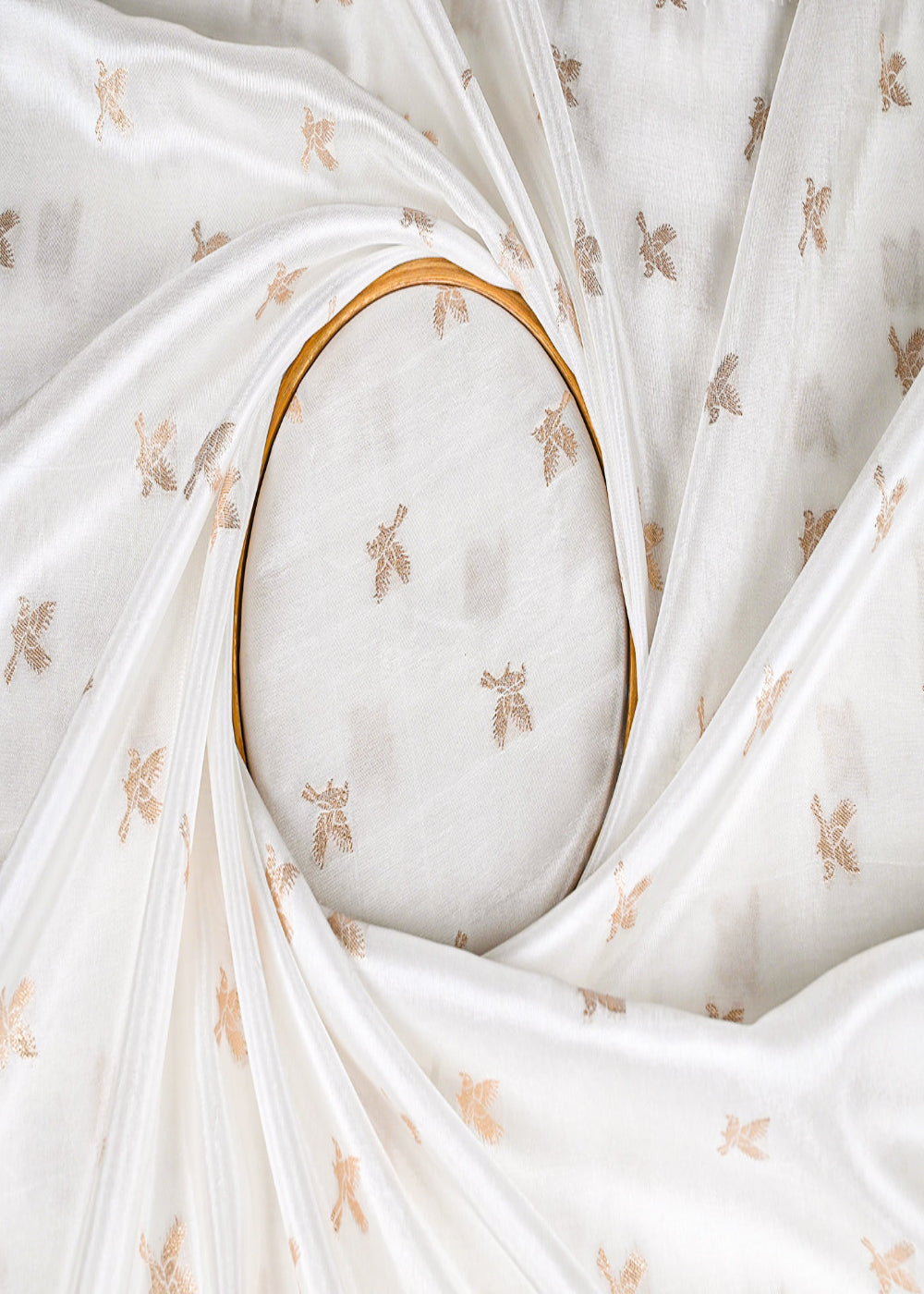
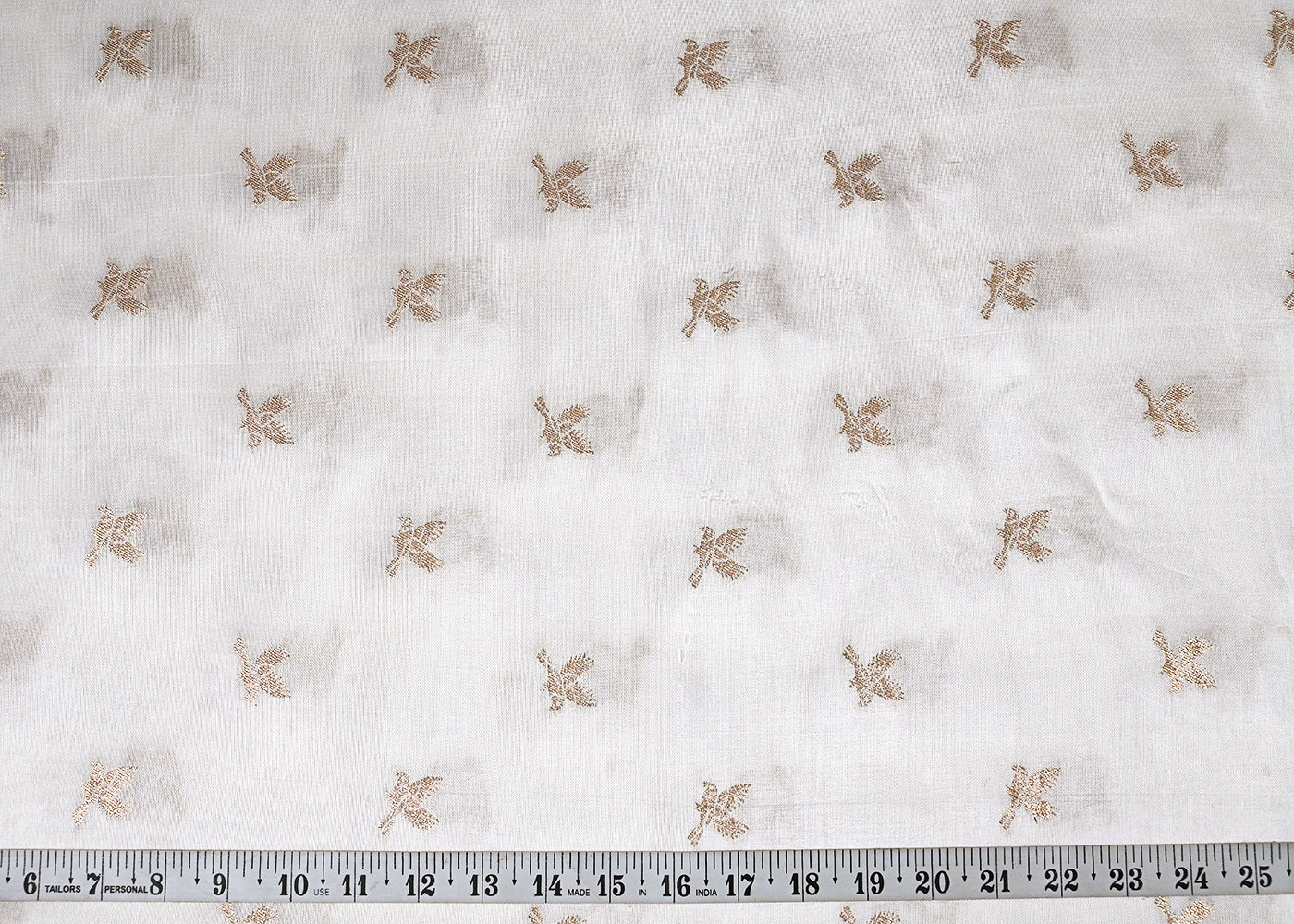
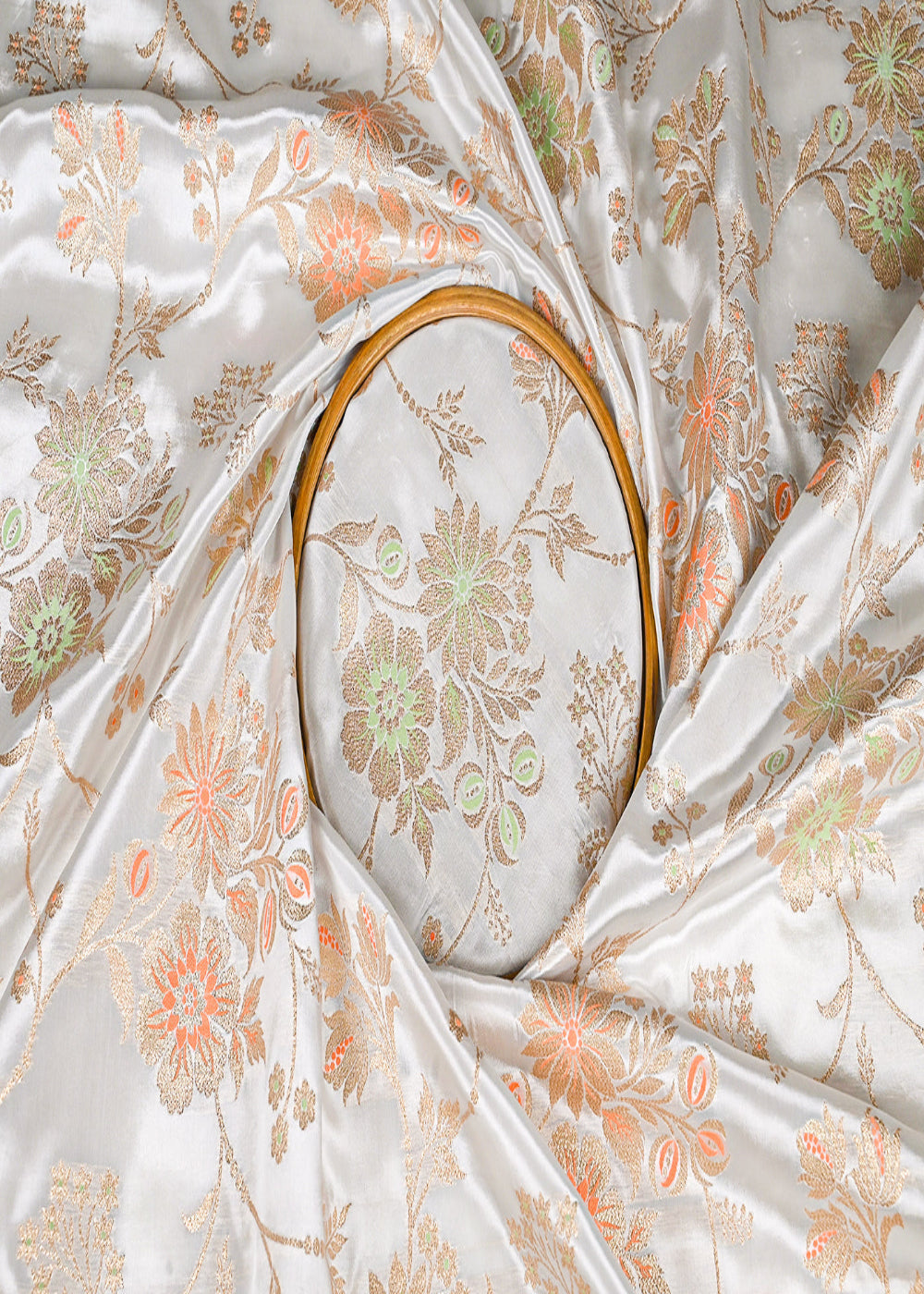
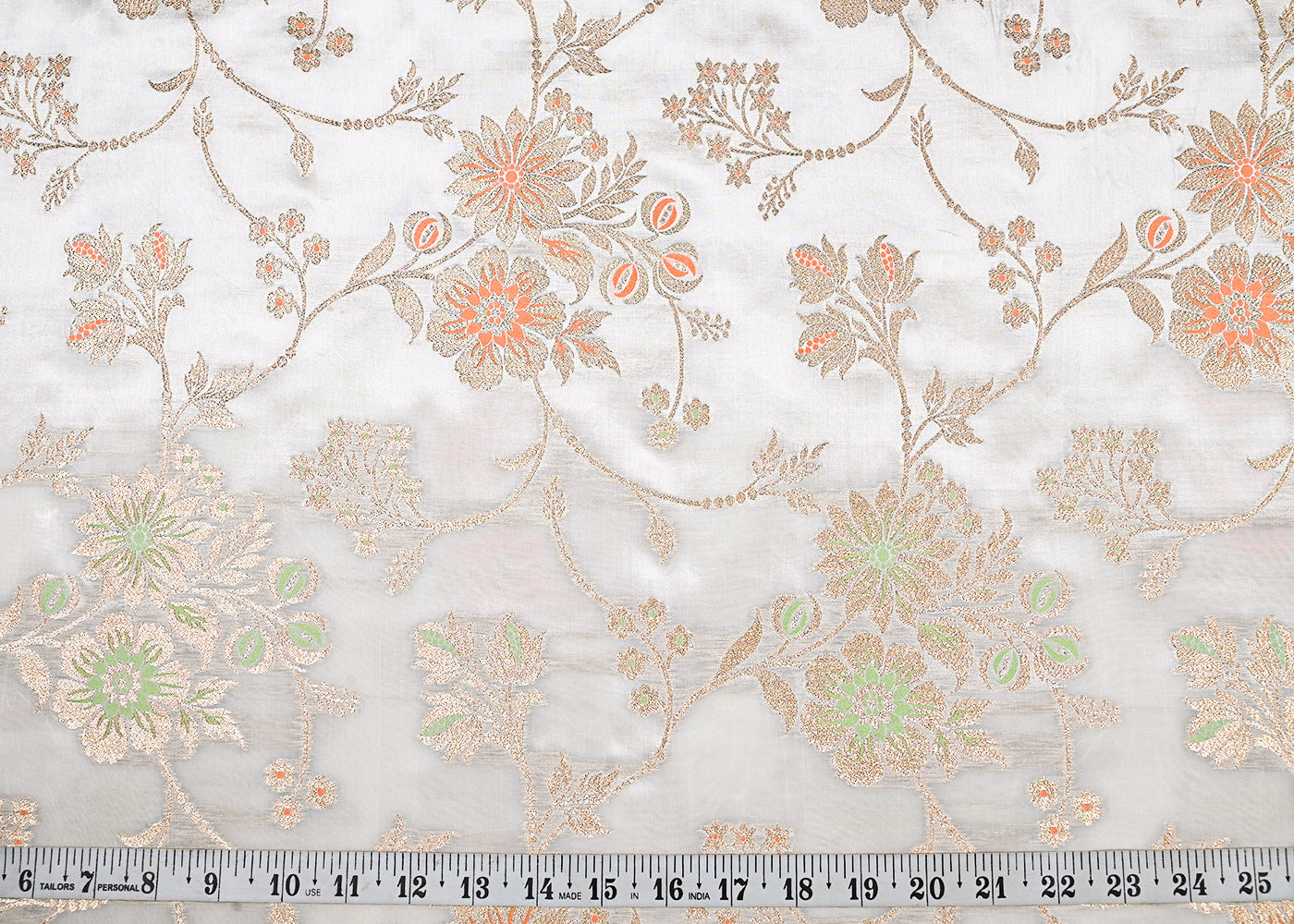
Real silk. But the motif sits inside the weave, not on the surface. This is what silk jacquard is about. The base fibre stays 100 percent silk across the whole body of the cloth. Whatever the design, florals or paisley or buti scatter or a geometric grid, it gets built into the substrate on the loom. Nothing goes on top later. So the pattern never fades or peels. Touch-up work just never comes up.
Quick answer. Silk jacquard is a real silk fabric with motif work (florals, paisley, buti scatter, geometric grids) woven into the structure on a jacquard loom, not printed or stitched on after. It runs 130 to 270 GSM and suits engagement and wedding sarees, bridal lehenga, dupattas and blouses.
Where does it sit in the market? One step above mill silks that need embroidery thrown on to look designer-tier. One step below Banarasi handloom, with Varanasi credentials and steeper pricing. Delhi NCR boutiques caught on fast, roughly 2020 to 2024, for a plain arithmetic reason. Designer-tier character, minus the heritage price. It keeps the Rs 22,000 to 55,000 retail band moving, on wholesale around Rs 720 to 2,400 a metre.
How Silk Jacquard Is Made
All of it traces back to one 1804 invention. Joseph-Marie Jacquard, near Lyon in France, patented a loom that could control each warp thread through punched cards. That was the breakthrough. The same mechanism, computerized now, weaves the motif in instead of adding it later. Regular silks turn up plain-surfaced, telling their story through colour. This one does two jobs in one pass, motif and silk character together. Not two stages. One. That is what keeps it affordable despite the design built in.
The motif range stays flexible too. The same unit runs florals this week, paisley the next, a grid after, depending on the design cards loaded. Compare Banarasi handloom, where each family follows fixed catalogues handed down for generations. Feel runs medium-heavy, silk-cool on the skin, drape closer to a fine Banarasi than to the featherweight silks. Lajpat Nagar wholesale lands between Rs 720 and Rs 2,400 a metre, moving with motif density and the base silk grade underneath.
Types of Silk Jacquard in Our Collection
| Type | Best use | Approx price |
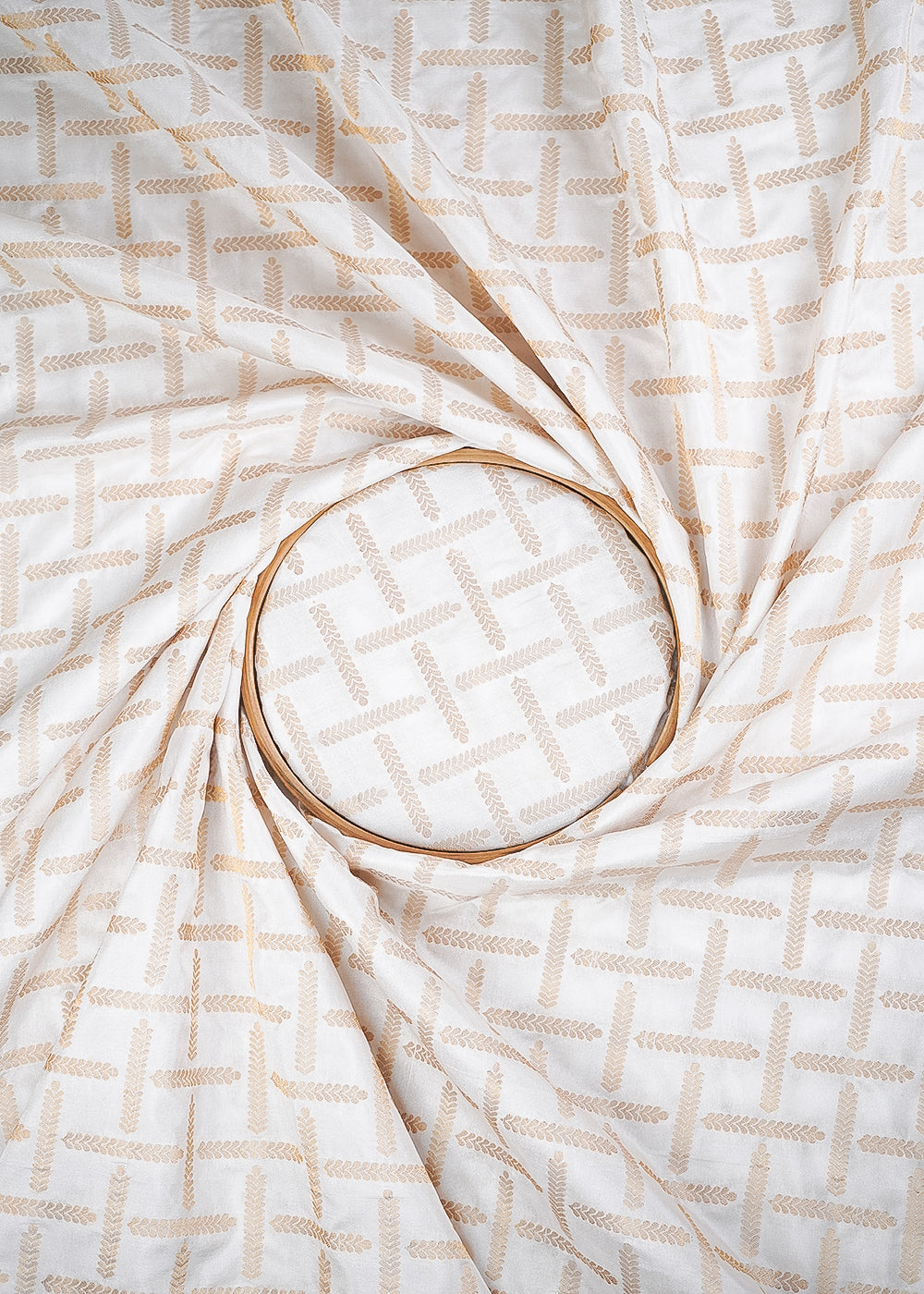
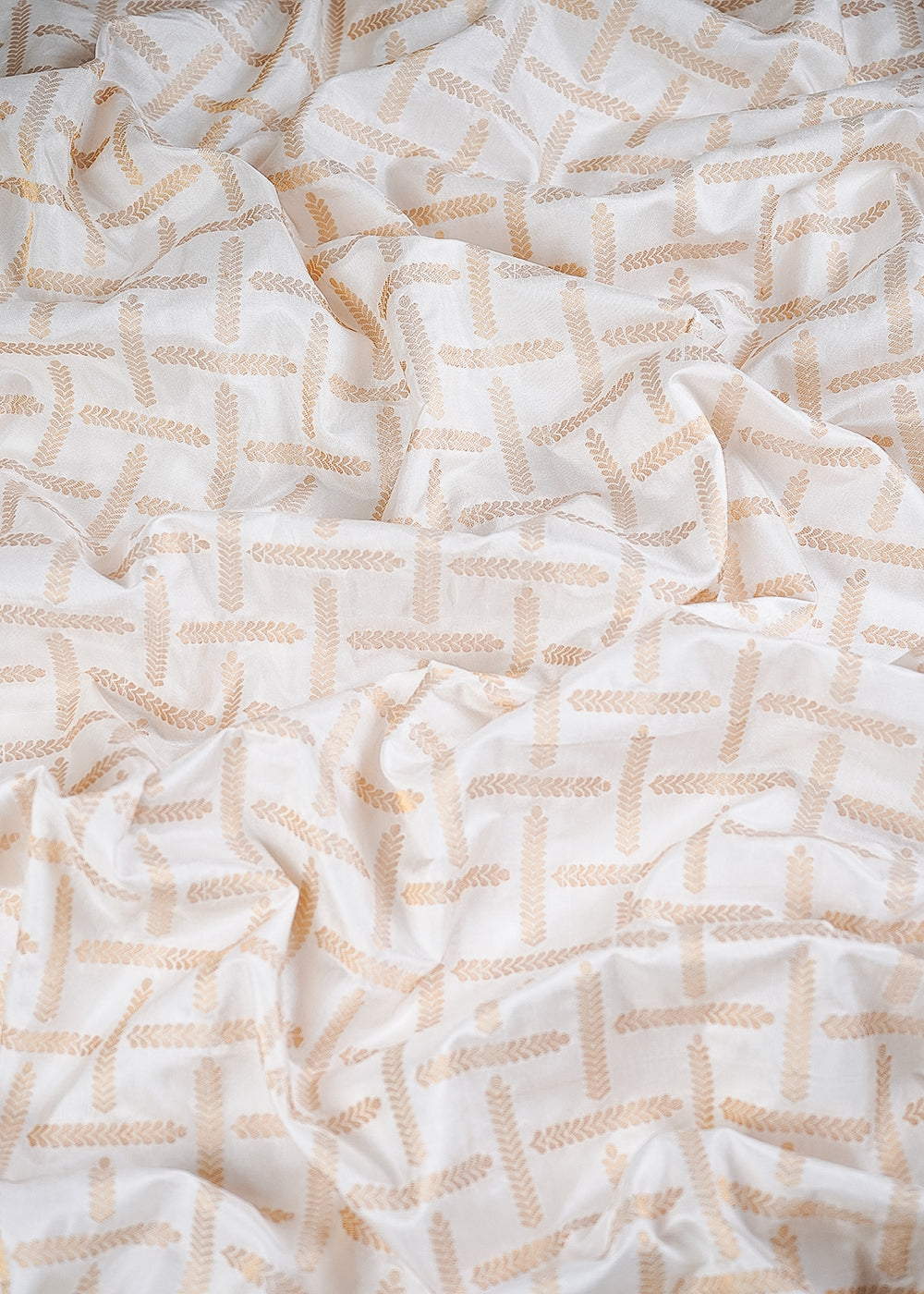
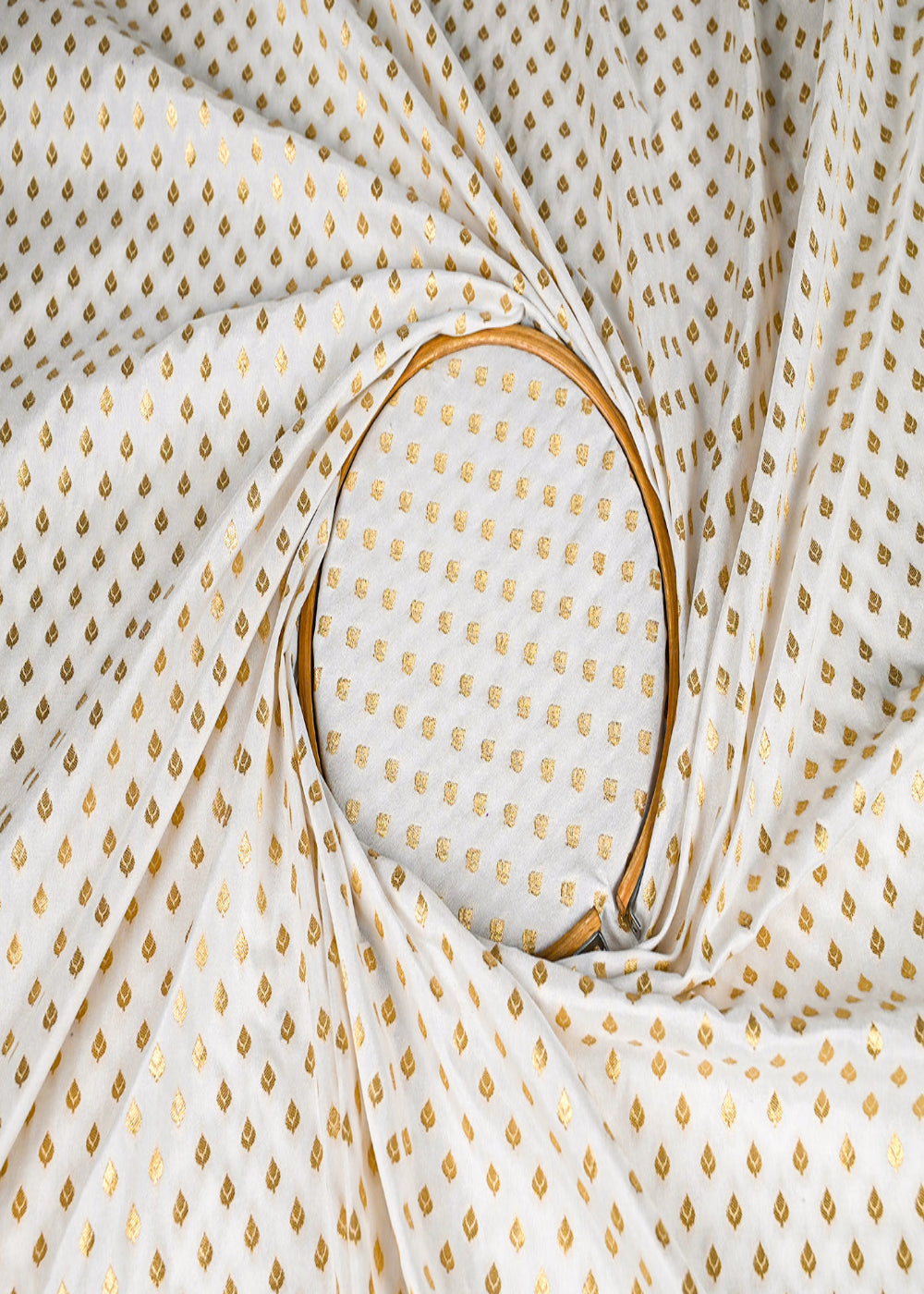
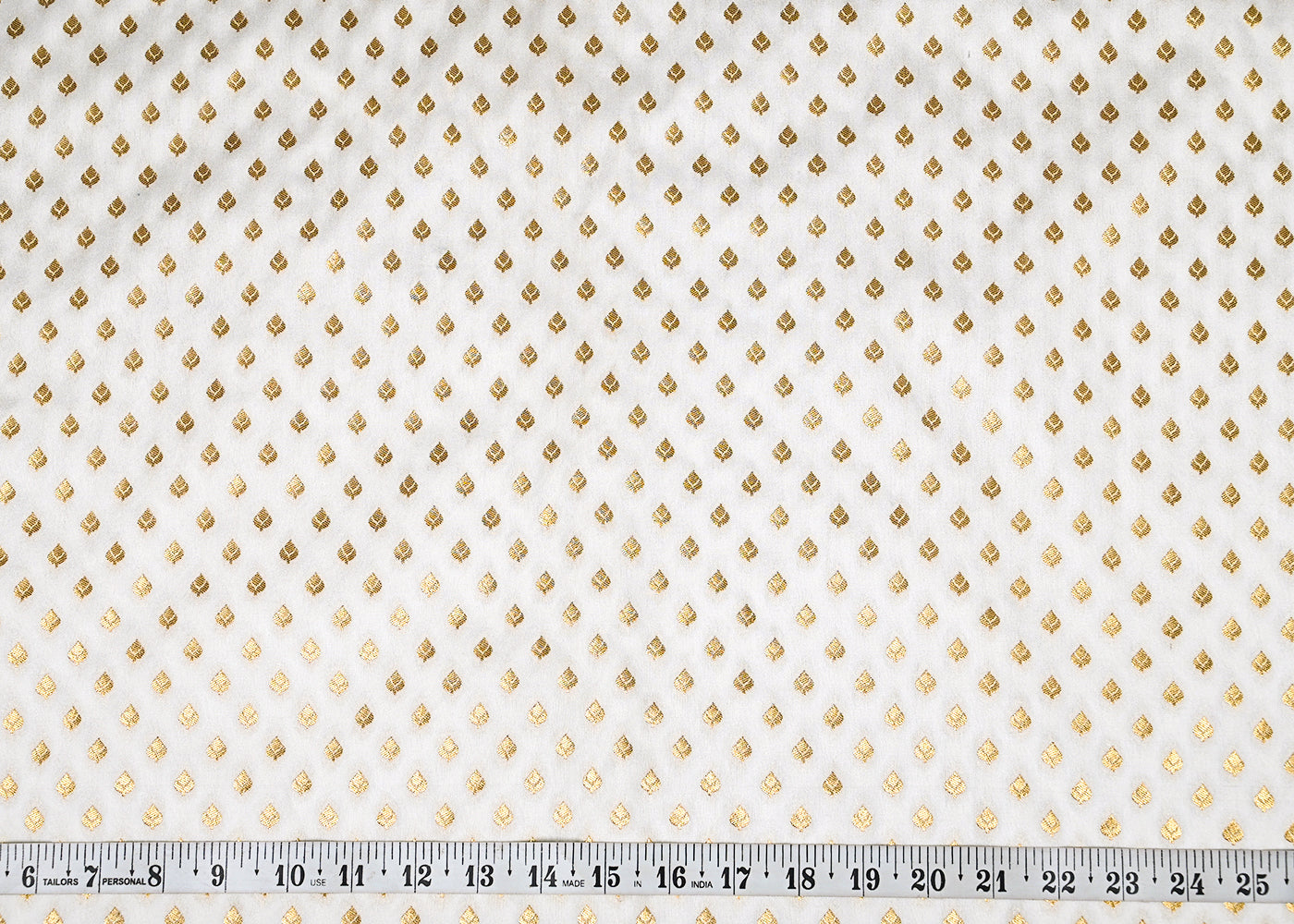
| Plain-Motif | Engagement sarees, festive dupattas | Rs 720 to 1,050 per metre |
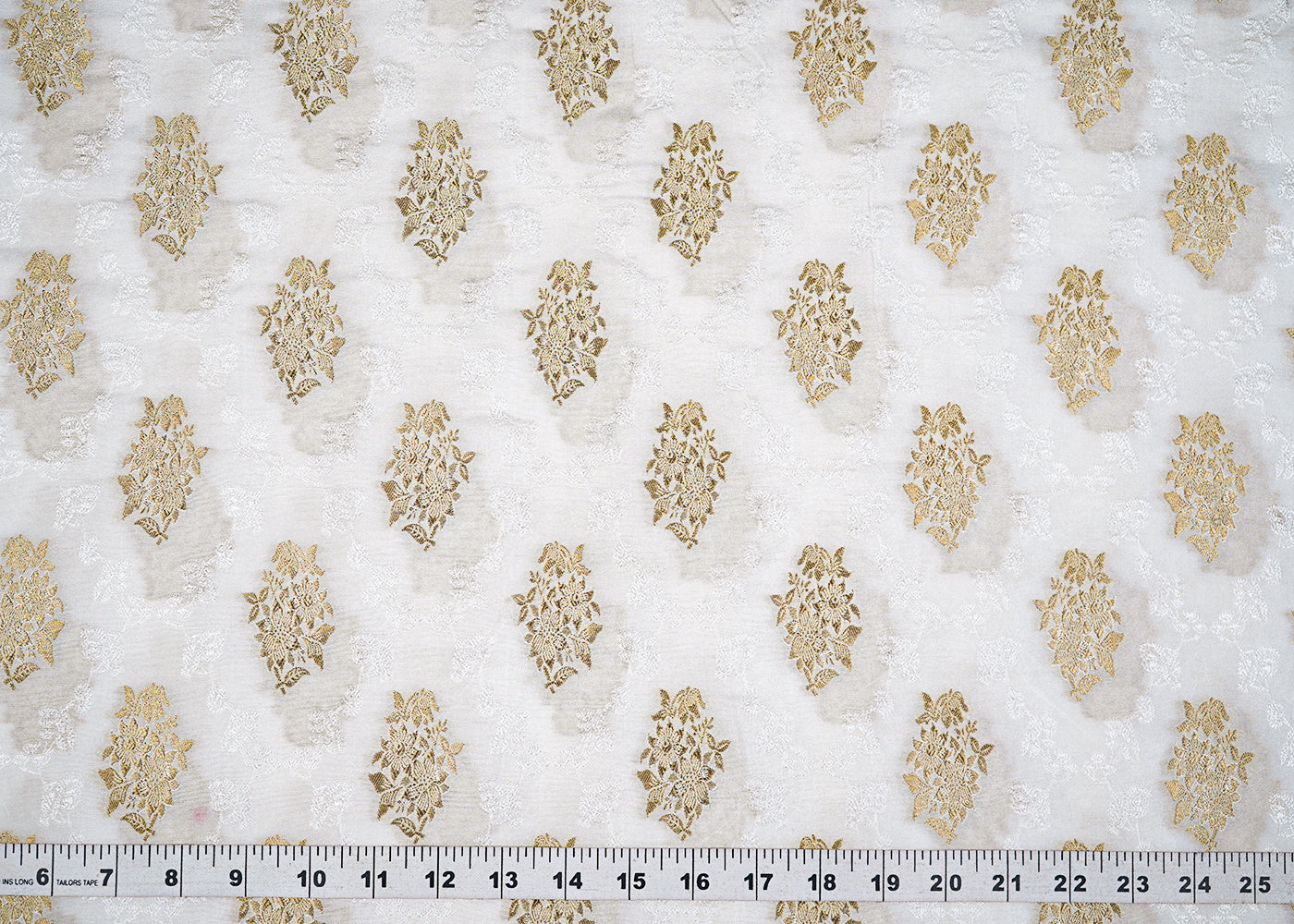
| Floral-Weave | Wedding sarees, designer blouses | Rs 950 to 1,400 per metre |
| Paisley-Motif | Bridal engagement sarees, dupattas | Rs 1,200 to 1,700 per metre |
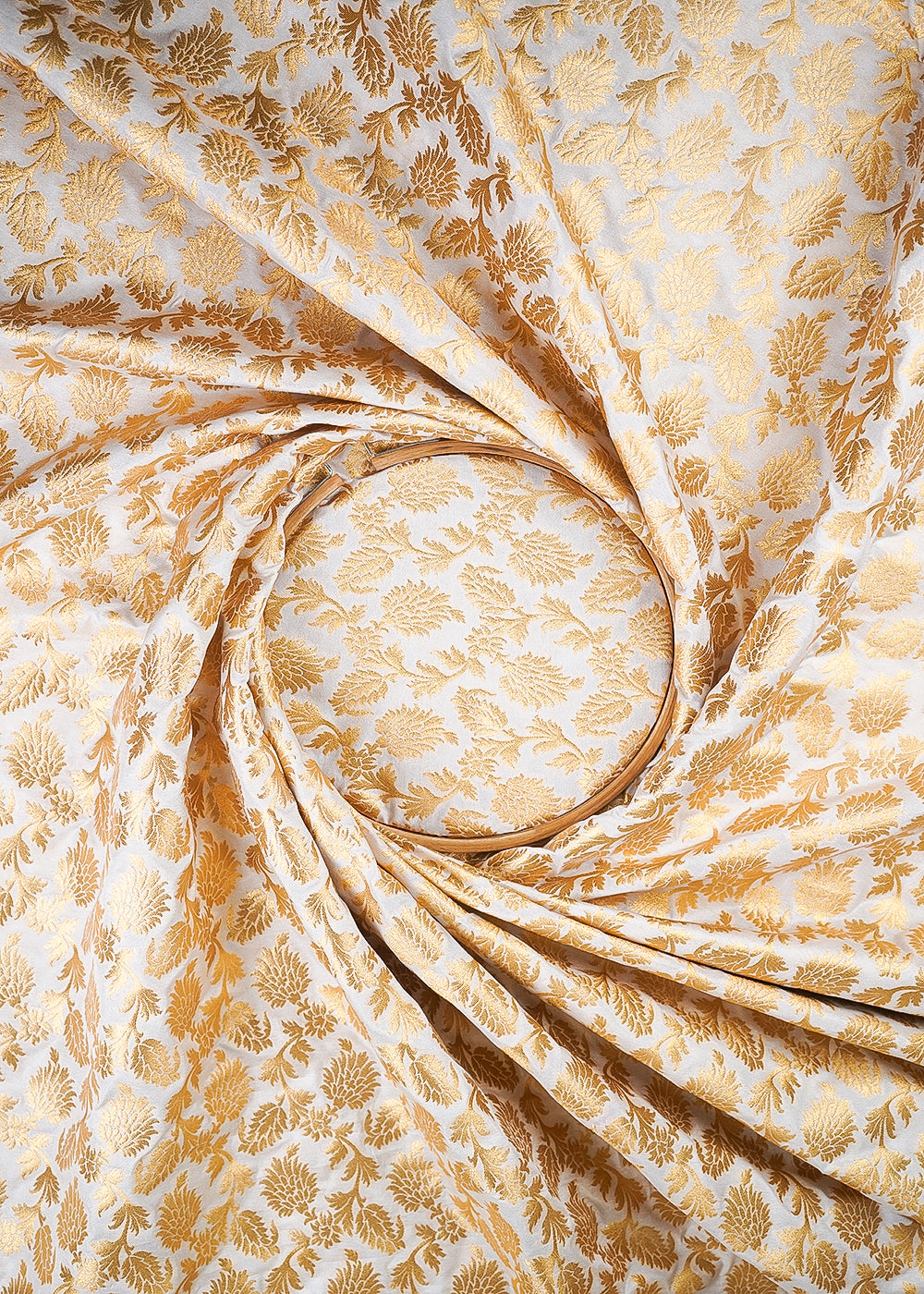
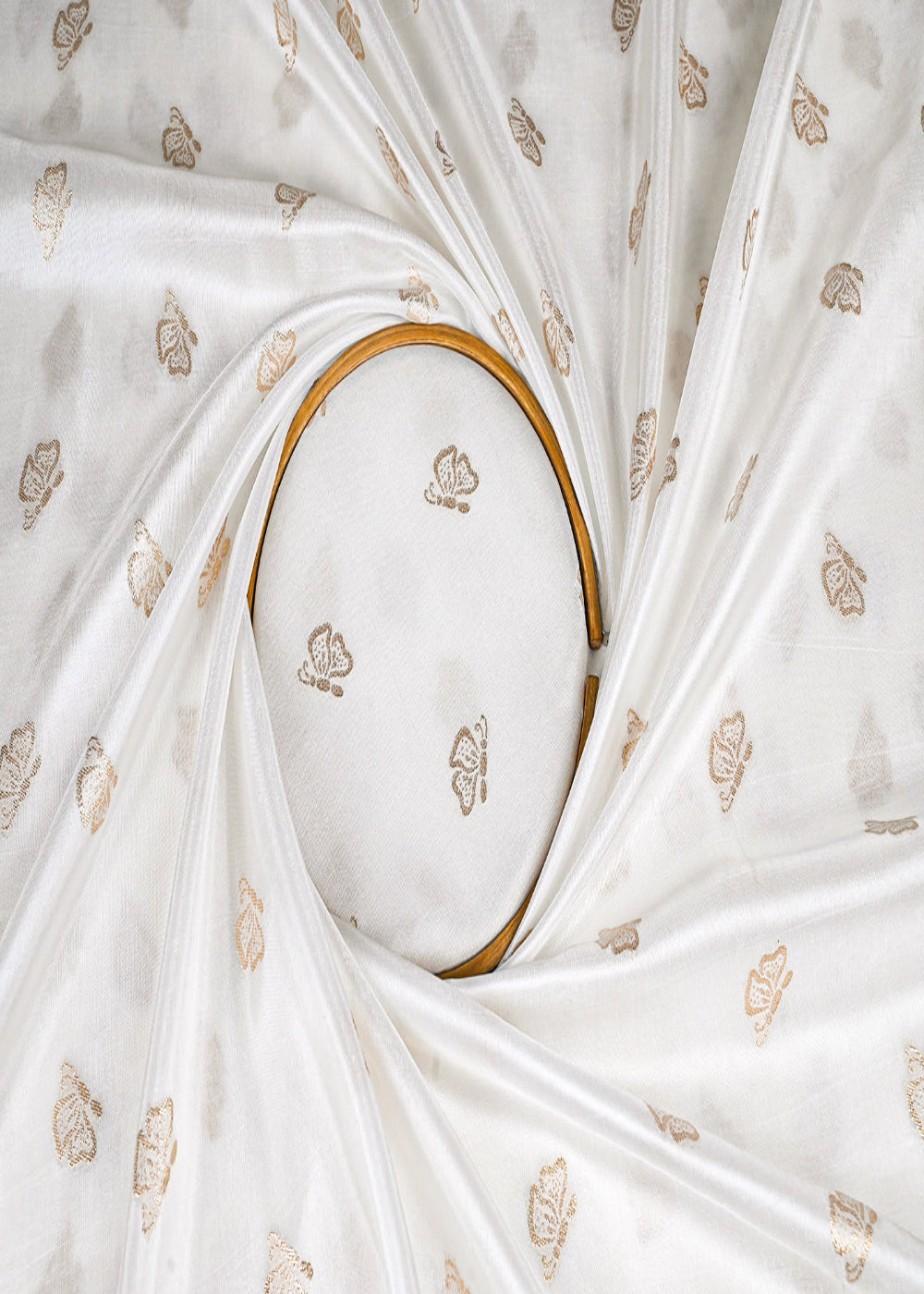
| Zari-Motif | Wedding sarees, reception blouses | Rs 1,500 to 2,100 per metre |
| Heavy-Motif | Bridal reception sarees, designer sets | Rs 1,800 to 2,400 per metre |
The floral-weave one is the volume seller for engagement sarees across Delhi NCR. On Instagram it reads properly designer-tier, yet it stays parked in the middle band. It doubles as bridal lehenga fabric too, for the coordinated saree-and-lehenga sets that bridal-bliss engagement styling keeps asking for.
Silk Jacquard GSM Guide
| GSM range | Fabric feel | Best for |
| 130 to 170 GSM | Medium, drape-forward | Engagement sarees, dupattas |
| 170 to 220 GSM | Medium-heavy, structured | Wedding sarees, blouse coordinates |
| 220 to 270 GSM | Heavy, rich | Bridal reception sarees, designer sets |
For engagement and wedding sarees, most buyers default to the 170 to 220 GSM band. Why that one? It balances motif visibility against drape comfort through a long ceremony. Drop lighter and the silk body starts vanishing. Go heavier and by the evening dinner it is uncomfortable to carry. The middle band fights neither problem.
In short. You are getting designer-tier motif character on a full silk base, without paying Banarasi money. For engagement and wedding sarees stay in the 170 to 220 GSM band. Budget around 6.8 to 7.4 metres a saree. Silk thread only for the stitching. Wholesale is Rs 720 to 2,400 per metre.
Popular Uses
Engagement sarees are out in front, no contest. The buyer in that Rs 22,000 to 55,000 band wants real character, without going full Banarasi. Mill silk with a woven motif lands in that gap. Wedding sarees follow. Since 2022 the Bengali, South Indian and Marwari community shopping has picked it up steadily, for brides wanting the tradition minus the heritage tag. Bridal lehenga fabric is third, the woven motif cutting out heavy embroidery and the cost with it. Reception dupattas over a plain silk base come fourth, that dupatta carrying the outfit. Statement blouses against a contrast plain-silk saree finish the list, a habit that spread through 2022 to 2024.
Silk Jacquard Trends for 2026
Bridal and engagement are moving in opposite directions. On the bridal side it is still red and gold running the show, because generational shopping follows family shade coding, not passing trends. Not shifting anytime soon. Engagement is the interesting one. Dusty pastels lead, dusty rose and champagne and sage green and oxidised bronze doing the volume. Boutiques around Kirti Nagar, Karol Bagh and Model Town reorder those four every three weeks through the October to February rush. The reason is plain. Softer shades pull better numbers on Instagram.
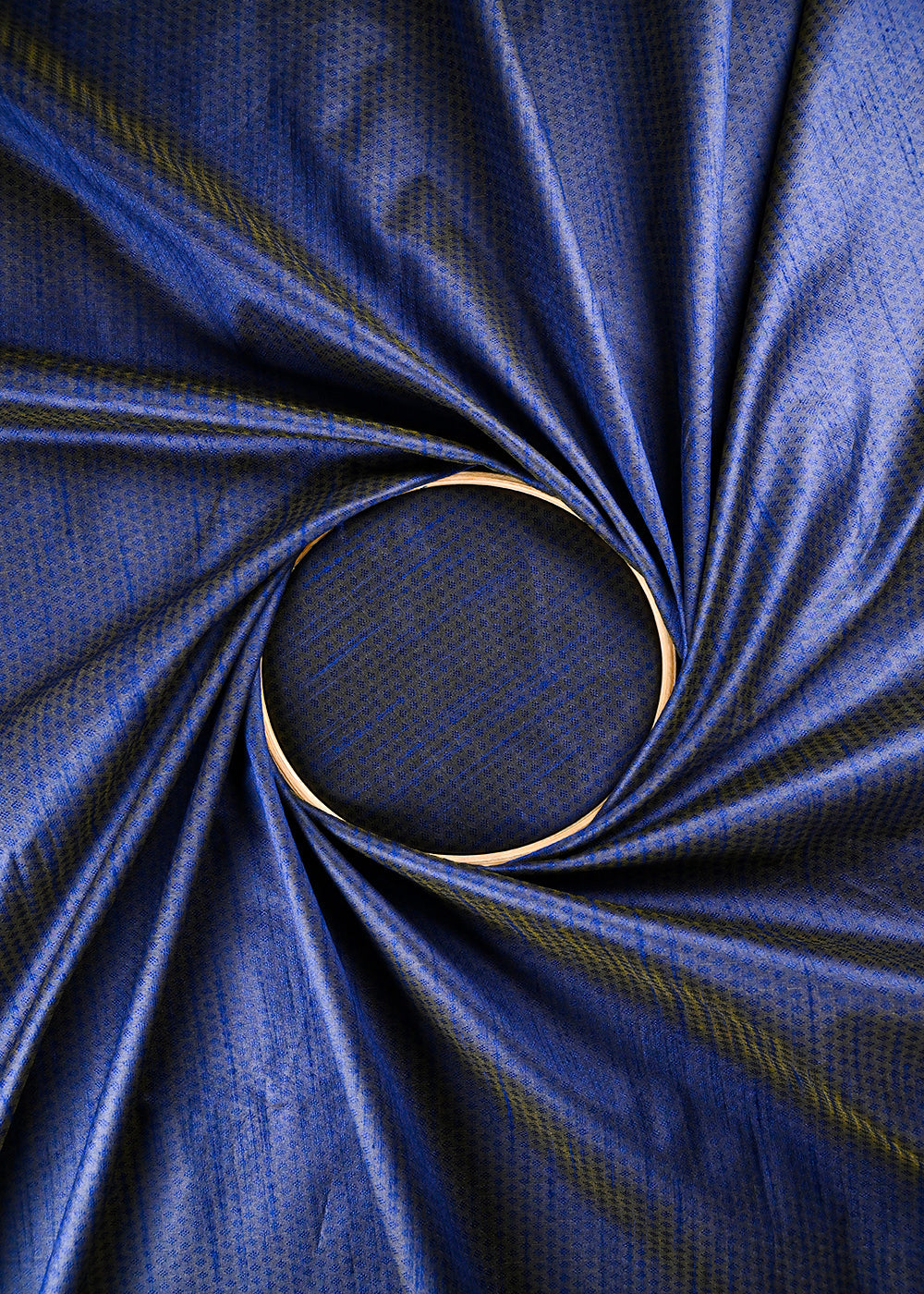
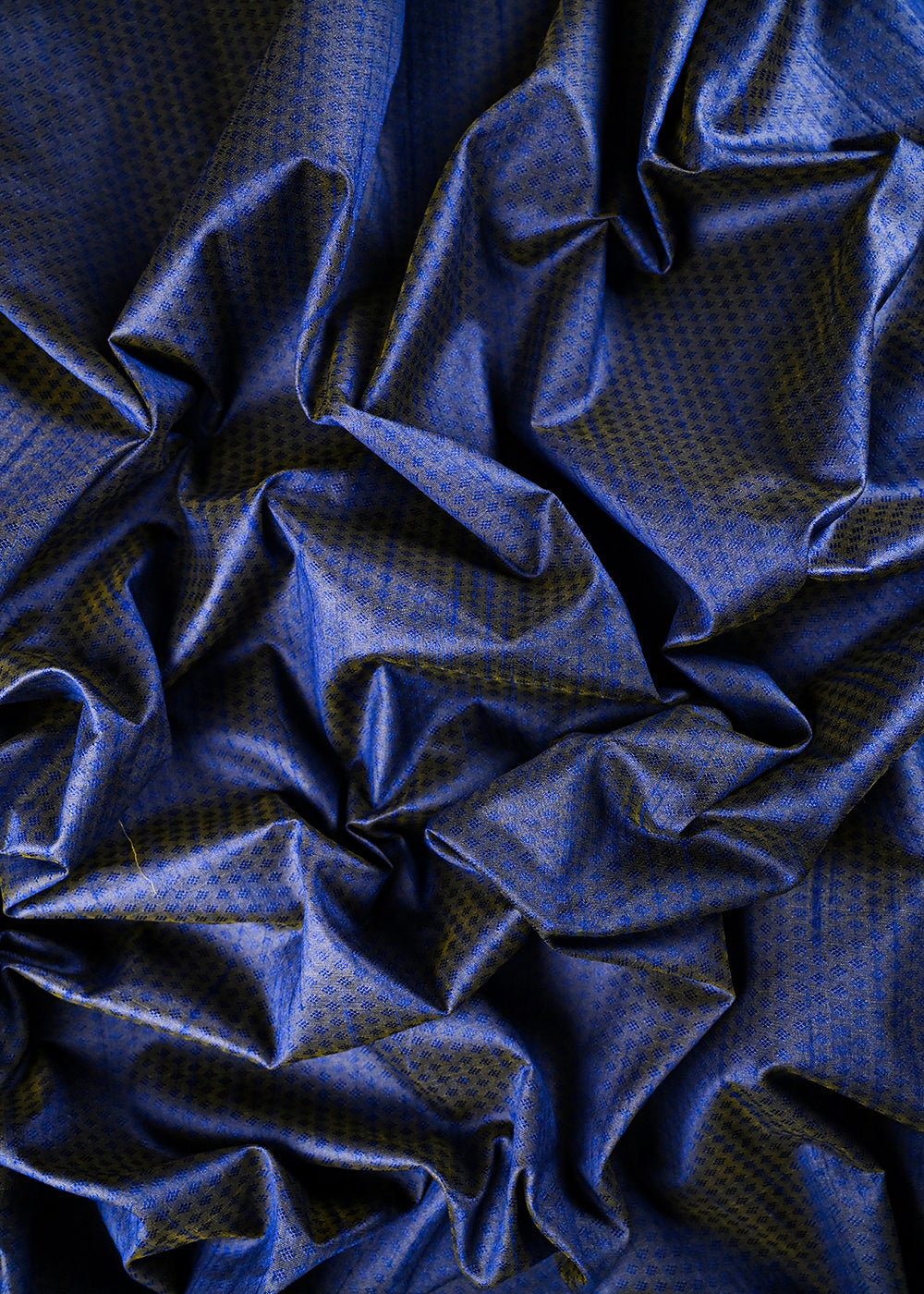
Second thing gaining ground is two-tone. One shade in the warp, a different one in the weft. The motif then throws a shot-effect that photographs differently from every angle. Wedding videography teams love it for reels. Across boutique tests through 2024 and 2025, two-tone lots ran about 30 percent ahead of single-shade on engagement.
Care and Working Tips
Cut it single-layer, sharp shears only. That motif builds uneven thickness, so under a double-layer cut it shifts. Alignment is most critical at the pallu. Pallu is the first spot a customer's eye goes when the saree leaves its packing. Misjudge it there and the whole piece looks wrong.
Stitch with silk thread. Never polyester, it puckers along the woven surface because the tension pulls unevenly against the motif. Keep about 3 mm of extra seam allowance as well, since a motif edge does not behave like a plain silk edge under the machine foot.
Iron from the reverse, low heat, always through a press cloth. Direct high heat takes out silk and motif definition in one go. For storage it is muslin folding, not polythene. Polythene traps moisture. That moisture leaves the watermarks no dry cleaner is ever getting out.
Frequently Asked Questions
How is silk jacquard different from Banarasi silk?
Banarasi silk is heritage handloom from Varanasi, where weaver families weave set motifs (butis, kalgas, jaal, kadwa) from fixed catalogues across generations. Silk jacquard is mill-produced on Jacquard's loom, with variable motifs from computerized design cards. The price gap follows. Banarasi runs Rs 850 to 4,200 per metre wholesale, this fabric Rs 720 to 2,400.
How is silk jacquard different from diamond silk?
Diamond silk carries one geometric rhombus pattern through the structural weave, the same across every lot. This fabric runs variable motifs through the jacquard technique, so different design cards give different patterns lot to lot. That matters for boutiques wanting fresh seasonal drops instead of one pattern in several shades.
Is silk jacquard available in bulk for engagement saree production?
Yes. Bulk pricing starts at 20 metres per SKU per shade, with wholesale tiers from Rs 620 per metre for plain-motif on orders above 50 metres. Engagement-season lots above 120 metres unlock designer studio pricing for the October to February peak.
How much silk jacquard does an engagement saree need?
A standard engagement saree needs 5.5 to 6 metres with the pallu, then 0.8 metre for a matching blouse. Motif-matched pallu construction wants an extra 0.3 metre for grain-aligned cutting. Realistic total is 6.8 to 7.4 metres per saree depending on ghera and blouse choices.
Why Boutique Owners Buy Silk Jacquard from Paras Gallery
Sample-rate pricing starts at ten metres a shade. Twenty metres per SKU opens the wholesale tier. Cross 120 metres and engagement-season designer pricing opens up for the October to February cycle. We supply West Delhi boutiques across the Kirti Nagar, Karol Bagh and Model Town belt. Reorders come round every three weeks in peak season. Browse the full range, shade-match, then order through our wholesale catalogue.
