
Growing Wholesale Fabric Demand in Bengaluru: Opportunities for Resellers
Bengaluru isn't talked about the way Surat or Gandhi Nagar is when India's fabric trade comes up. But ask resellers working the city's boutique lanes, or the designers sourcing for Diwali collections every September and the story is different.
The city's wholesale fabric demand has been building quietly for five years. Export oriented garment manufacturing clusters in Bengaluru produce significant volumes for international fashion brands, while domestic focused manufacturers supply regional preferences through wholesale markets and growing organised retail chains. That dual economy. export manufacturing plus a fast growing domestic boutique culture. That makes Bengaluru one of the more interesting wholesale fabric markets in South India right now.
This post is for resellers trying to understand what's moving, what's not and how to source smarter in 2026.
Key Takeaways
-
India's textile market reached USD 152.40 billion in 2025 and is projected to reach USD 213.75 billion by 2034, growing at a CAGR of 3.83%. Bengaluru resellers sit inside a large and expanding market.
-
Over 60% of ethnic wear buyers still prefer in store shopping for fabric quality verification and custom tailoring. This keeps local reseller demand strong even as online grows.
-
Specialty fabrics: organza, georgette, dyeable embroidery bases. are moving faster than commodities in Bengaluru's boutique segment. Resellers stocking commodity only ranges are leaving margin on the table.
Why Is Wholesale Fabric Demand Growing in Bengaluru?
Three things are driving this. None of them are new, but they've accelerated together since 2023.
The boutique count keeps rising. Bengaluru's fashion boutique density is high and still climbing. The tech workforce here spends well on occasion wear. A software professional buying a lehenga for a colleague's wedding isn't looking for something off a rack. She wants something semi custom. That pushes boutiques to stock wider, more unusual fabric ranges to compete.
Wedding season is longer and bigger now. Destination weddings, multi day sangeet mehendi haldi reception formats and larger guest lists all translate to more fabric being bought per wedding. A boutique producing outfits for a 400 person wedding guest list needs serious fabric depth. Resellers who can reliably supply at bulk prices across multiple categories win that business.
Online to offline conversion is real here. As demand for small batch sourcing increases, an increasing number of designers and boutiques in Bengaluru are turning to online fabric suppliers in India that offer custom services and low MOQ. Resellers who've built a physical presence but also have an online ordering channel are capturing both sides of this shift.
Which Fabric Categories Are Moving Fastest in Bengaluru?
Not everything moves equally. This matters for resellers deciding what to stock.
Show Image
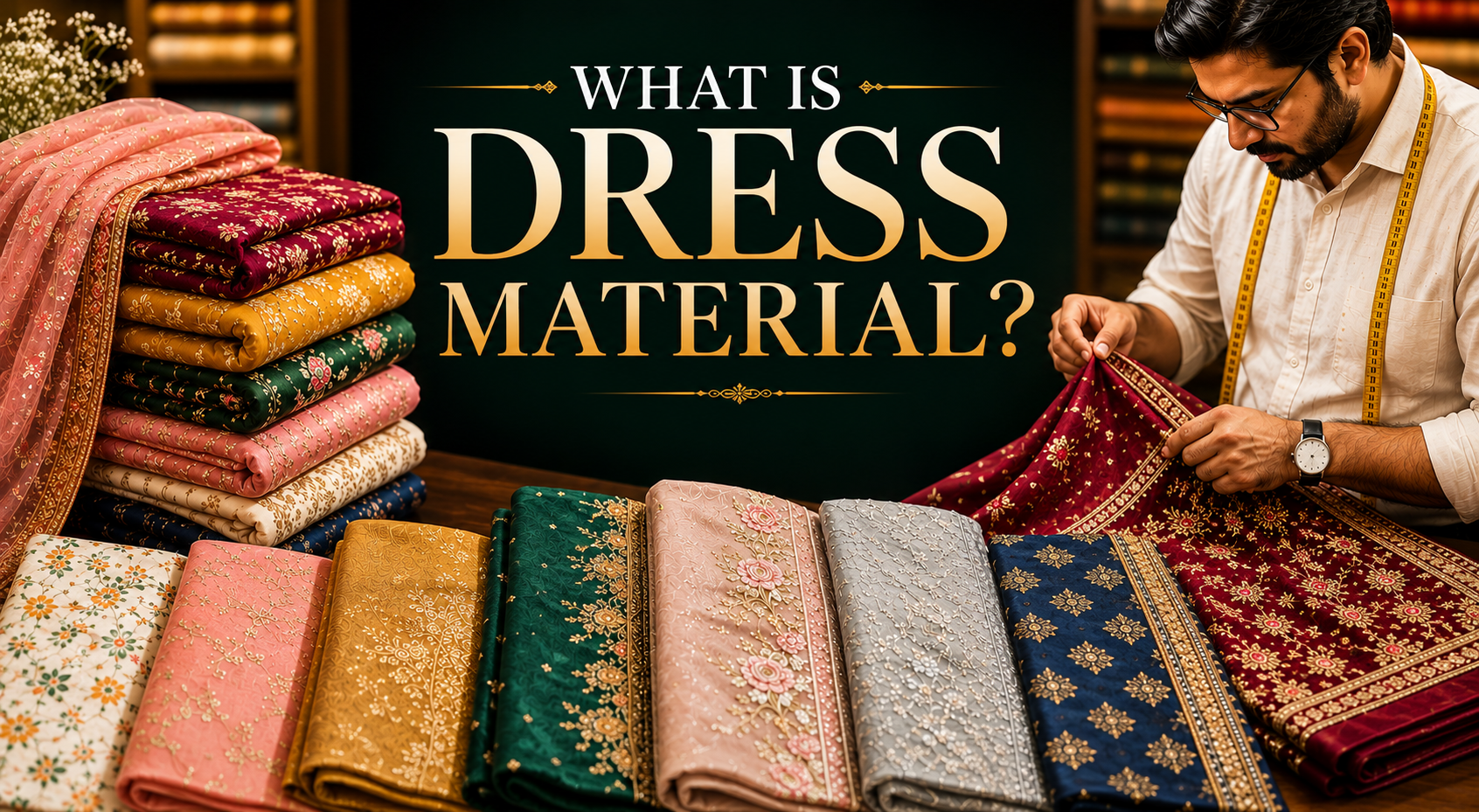
Embroidered ethnic fabrics. Boutiques in Bengaluru's Indiranagar and Koramangala lanes are buying embroidered georgette, silk embroidery and net embroidery heavily. These aren't impulse items. they're stocked two to three months before a wedding season peak. Resellers with reliable access to embroidered fabric collections in consistent quality get repeat orders because boutiques don't want to change suppliers mid season.
Organza and tissue. The dupatta and lehenga segment runs heavily on organza. Floral organza, printed organza, tissue organza. all of it. Wholesale fabric market in Bangalore is popular for silk, cotton, art silk, linen and various other fabrics, with resellers offering buyers the best price on wide variety. But organza specifically has a strong quality perception that commodity fabric doesn't. boutiques charge more for it, which means the reseller margin story is better.
Dyeable bases. This is the one category most resellers underestimate. White and off white embroidered fabric that boutiques buy to dye to the customer's exact colour. Women's apparel, particularly wedding textile consumption, remains culturally significant and dynamic for growth as fashion awareness spreads through digital media platforms. Custom colour is how boutiques differentiate in a crowded market. Resellers supplying dyeable embroidery fabric are in a strong position because few competitors have the range.
Printed georgette and chinon chiffon. For everyday ethnic wear and casual occasion wear, printed georgette and chinon chiffon are the workhorses of the Bengaluru boutique. Kurtis, salwar sets, dupatta fabric. all rely on these two. Resellers doing solid volume here aren't making the highest per meter margins but making it up on velocity.
What Are Bengaluru Resellers Getting Wrong?
A few patterns come up when you talk to boutique owners about their wholesale suppliers.
Stocking too narrow. A reseller with 80 SKUs of one fabric type loses business to one with 300 SKUs across six categories. Boutiques want to buy from as few suppliers as possible. India's wholesale clothing ecosystem is rich and varied. boutiques today want a partner who reduces sourcing complexity, not one who adds to it. If you can't supply the blouse fabric when someone comes for the lehenga fabric, you've halved the transaction.
Ignoring occasion based demand cycles. The calendar drives this business. Ugadi, Diwali, Eid, Christmas New Year wedding corridor. Bengaluru has significant demand spikes across communities. Resellers who don't stock for the right calendar window miss the peak. Stock organza heavy for November–February. Stock printed cotton and chinon for summer lehengas. Stock dyeable bases before Diwali when boutiques want custom colour pieces.
Treating MOQ like a fixed wall. Boutiques, especially newer ones, can't always commit to 50 meter minimum orders. Resellers who offer combined category MOQ (where the total across three fabric types counts as one threshold) keep smaller boutiques as customers. Those boutiques grow. The reseller grows with them.
How Should Resellers Source Wholesale Fabric for Bengaluru?
The practical sourcing question for Bengaluru resellers: local market or national online supplier?
Local Bengaluru markets. Chickpet, Srirampur cloth market, Malleswaram. have the advantage of touch and feel buying and same day pickup. Fabric markets in Bengaluru like Malleswaram's Sampige Road have shop after shop selling the latest silks, lining fabric and textiles. For commodity volumes and everyday basics, local markets work.
For specialty ethnic fabric: brocade, jacquard, embroidered silk, dyeable chanderi, imported organza. local markets in Bengaluru are genuinely limited. This is where national wholesale suppliers come in. The economics work because specialty fabric carries higher margin per meter, which absorbs shipping cost. And the range available from a national supplier is simply wider than anything Bengaluru's local markets carry.
The model that works for most established Bengaluru resellers: local markets for commodities, national online suppliers for specialty and bridal categories. The split might look like 60/40 in favour of local for volume, but 60/40 in favour of online for revenue. Because specialty fabric is where the margin lives.
For resellers evaluating national wholesale suppliers, look for range depth across 40+ fabric categories, low combined order MOQs, consistent restock reliability and a free fabric estimator tool to avoid over ordering. The Fabric Estimator Tool at Paras Gallery Fabrics is one practical example. it calculates exact meters needed by garment type, cutting overstock waste before it happens.
What Does the Bengaluru Reseller Opportunity Look Like in 2026?
Straightforwardly good. Fabric holds a clear dominance with a 38% share of the total Indian textile and apparel market in 2025, with women's apparel representing particularly dynamic growth.
Bengaluru specific factors that hold up:
The IT workforce isn't shrinking. Discretionary spending on occasion wear tracks income and the city's income profile remains strong. Boutiques serving this customer aren't running on thin demand. they're running on consistent, year round demand with predictable seasonal spikes.
Karnataka's wedding culture is large scale and multi event. A Bengaluru wedding often spans four to five days across communities. The fabric consumption per wedding is higher here than in smaller cities. Resellers supplying boutiques in Bengaluru, Mysuru, Mangaluru and Hubli have a large geographic catchment to sell into.
The organised boutique segment is formalising. Boutiques that ran as informal tailoring shops five years ago now have Instagram presence, digital payment setups and appointment based service. They're buying more professionally too. They want wholesale suppliers with reliable stock, clear pricing and wide range: not the cash and carry randomness of a crowded market lane.