Women’s Kurti

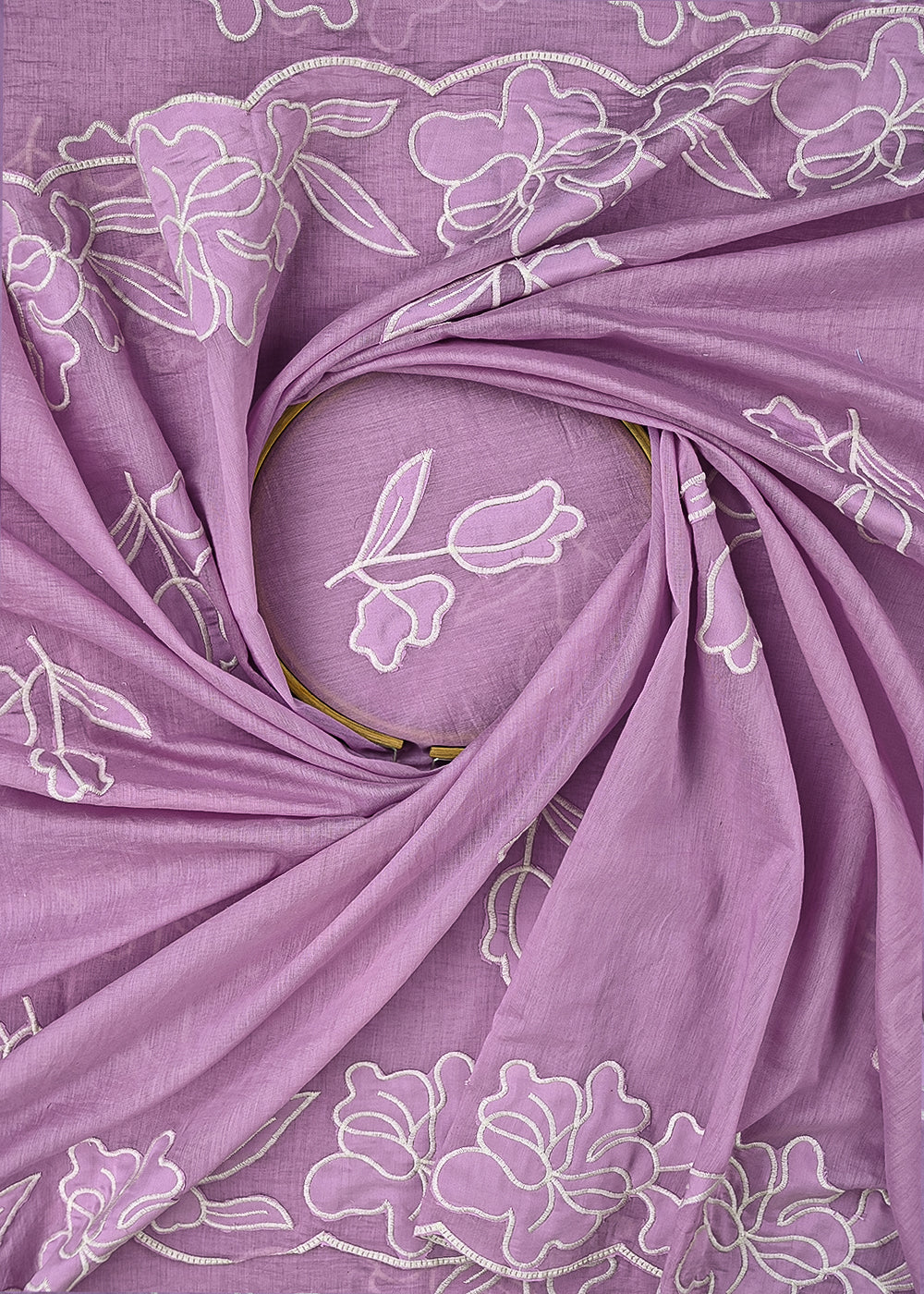

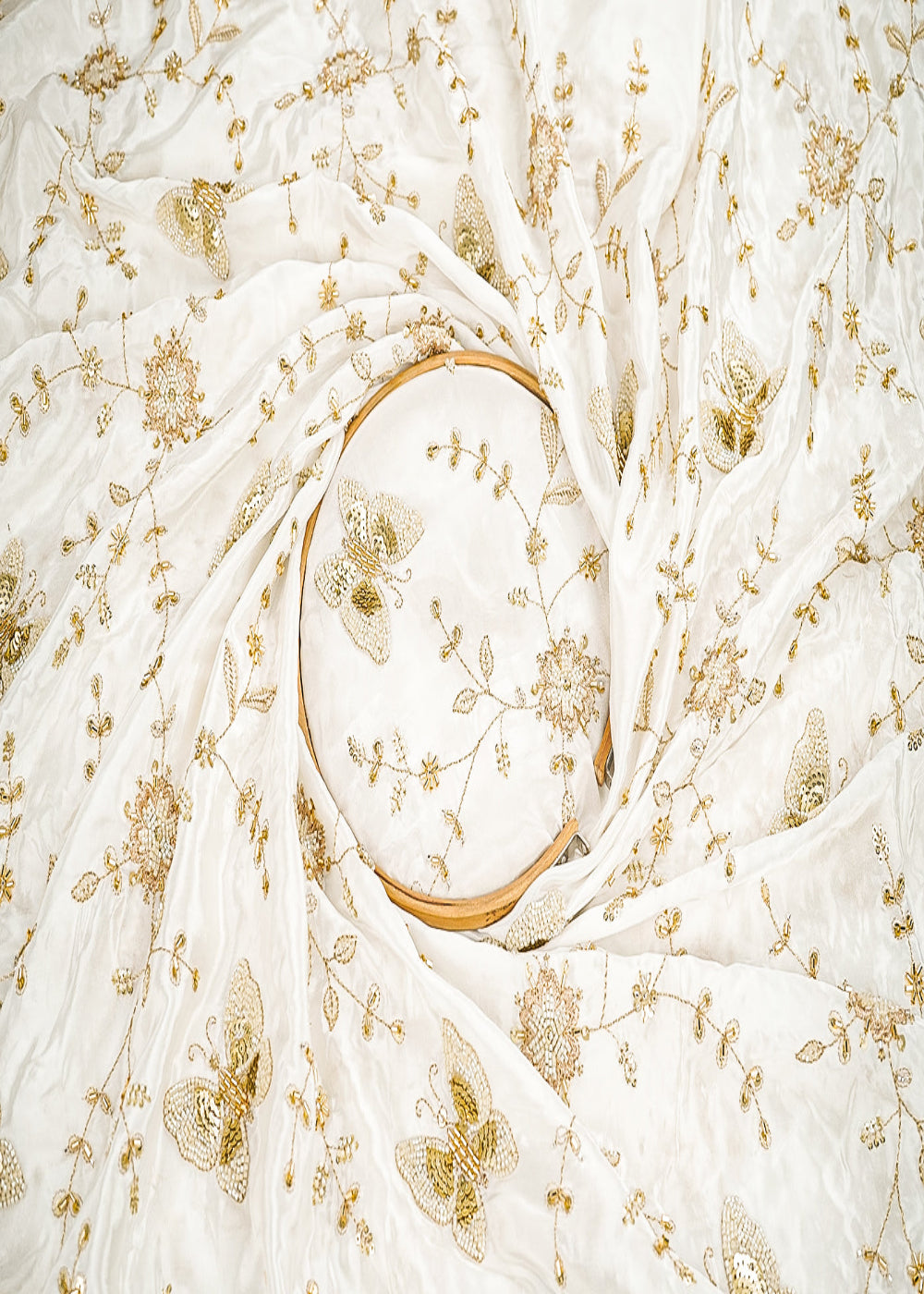

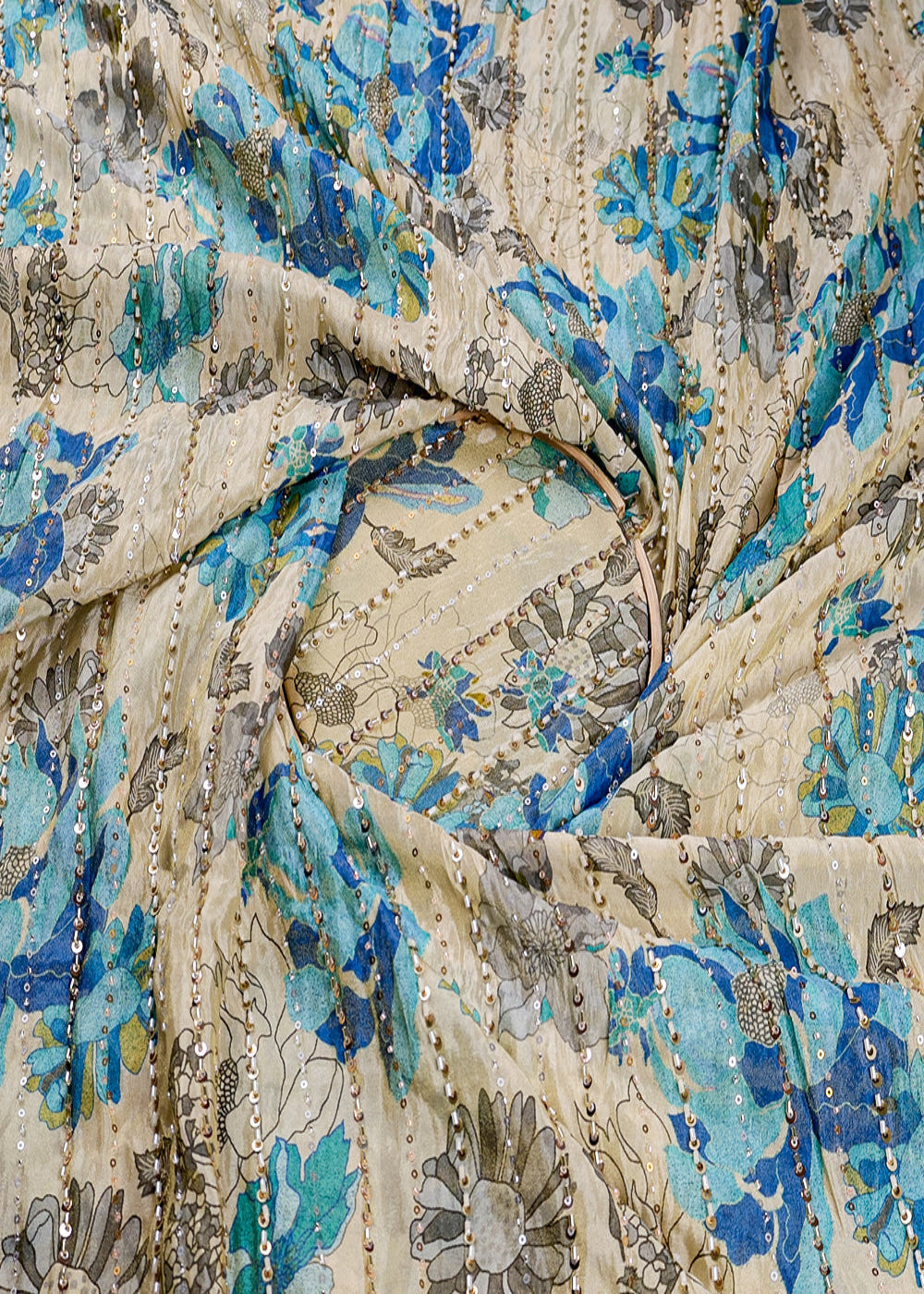
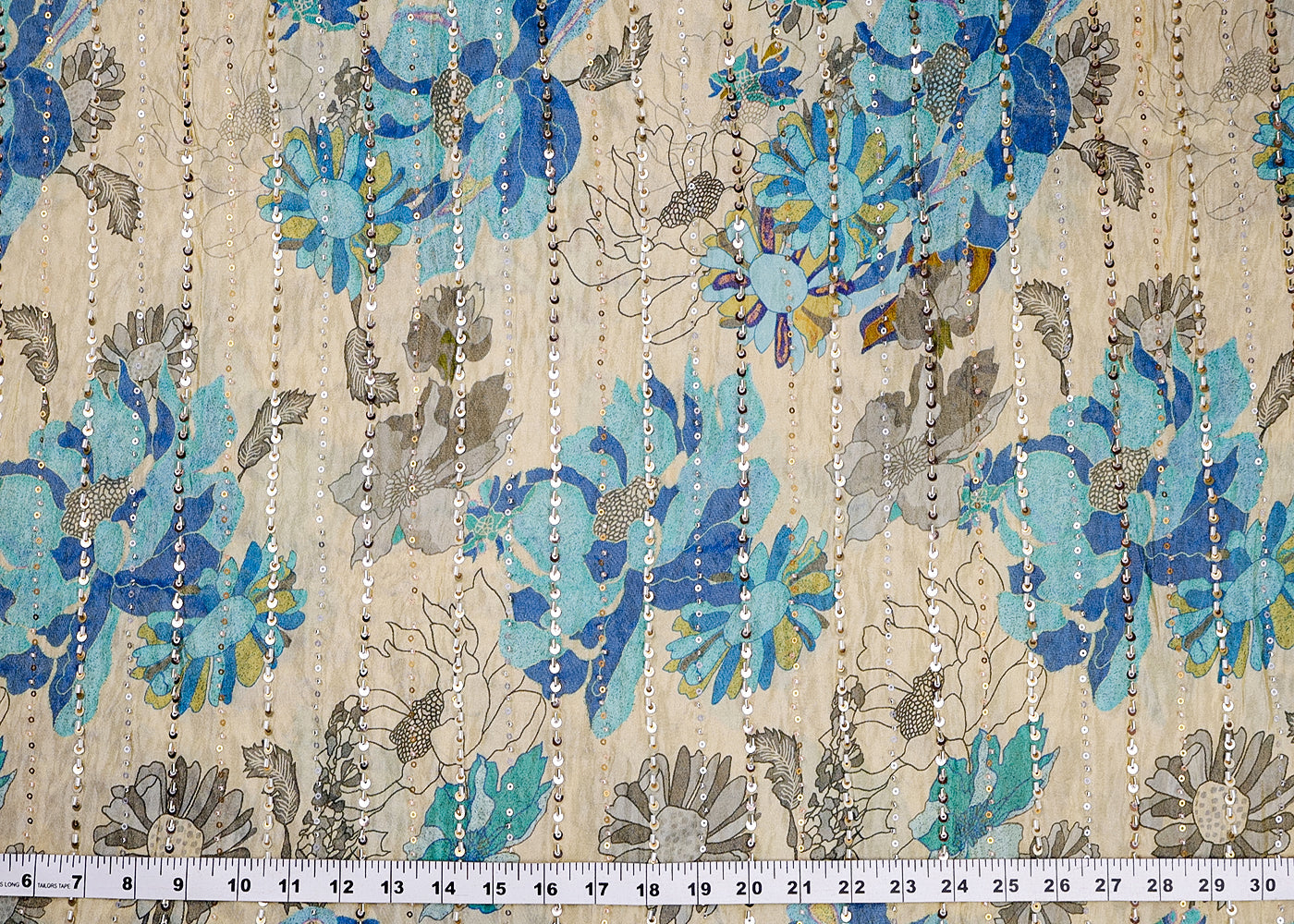
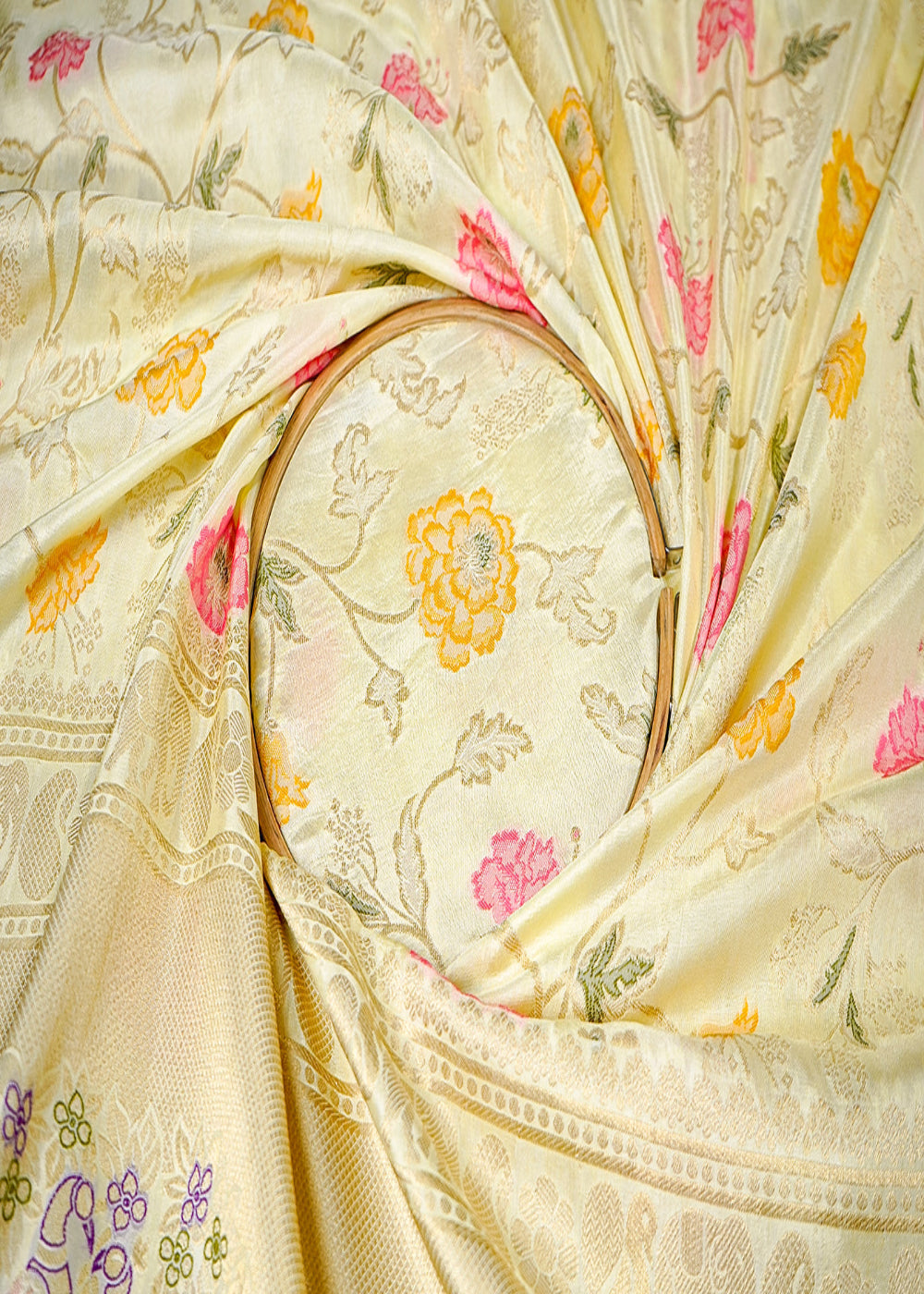
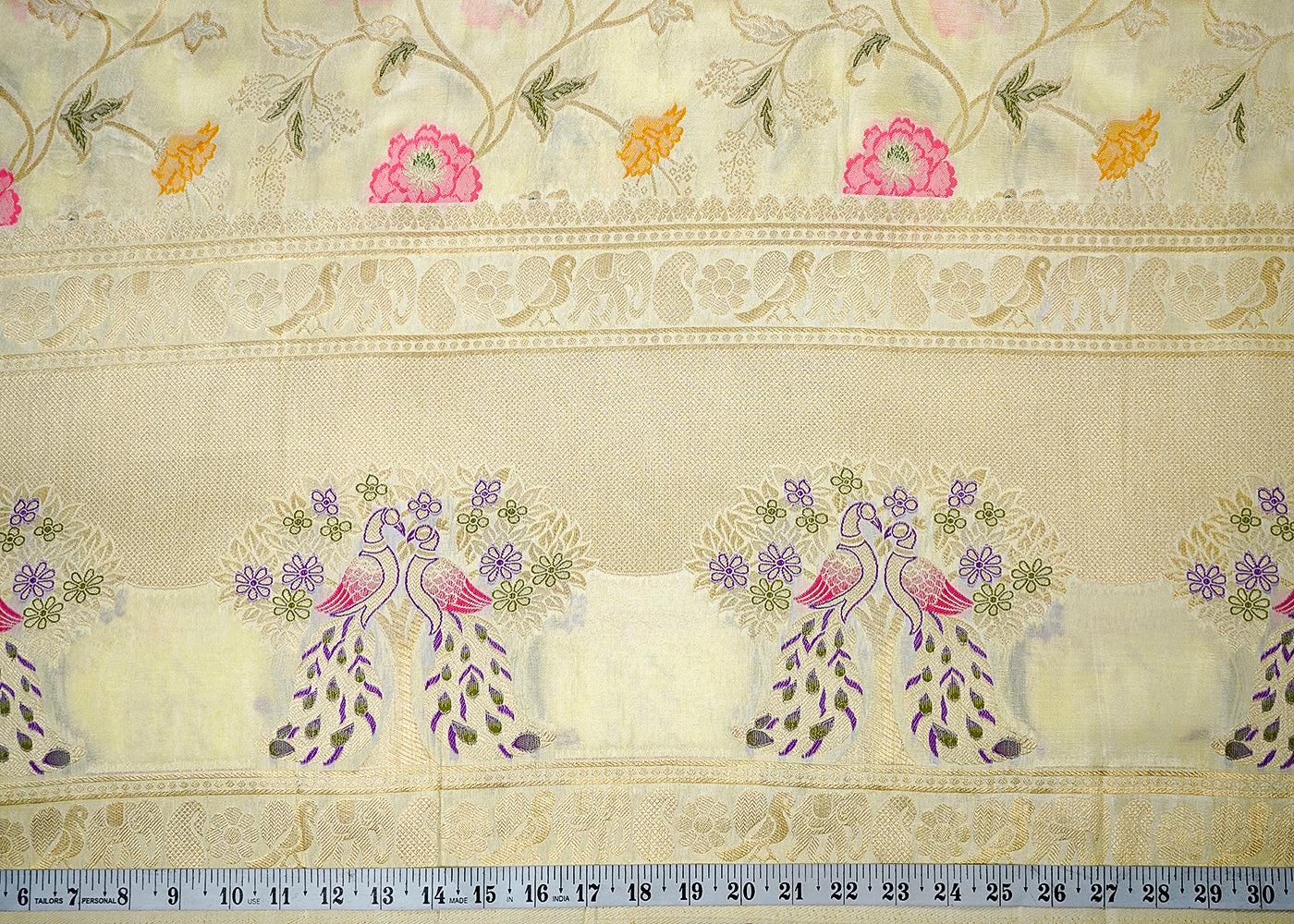
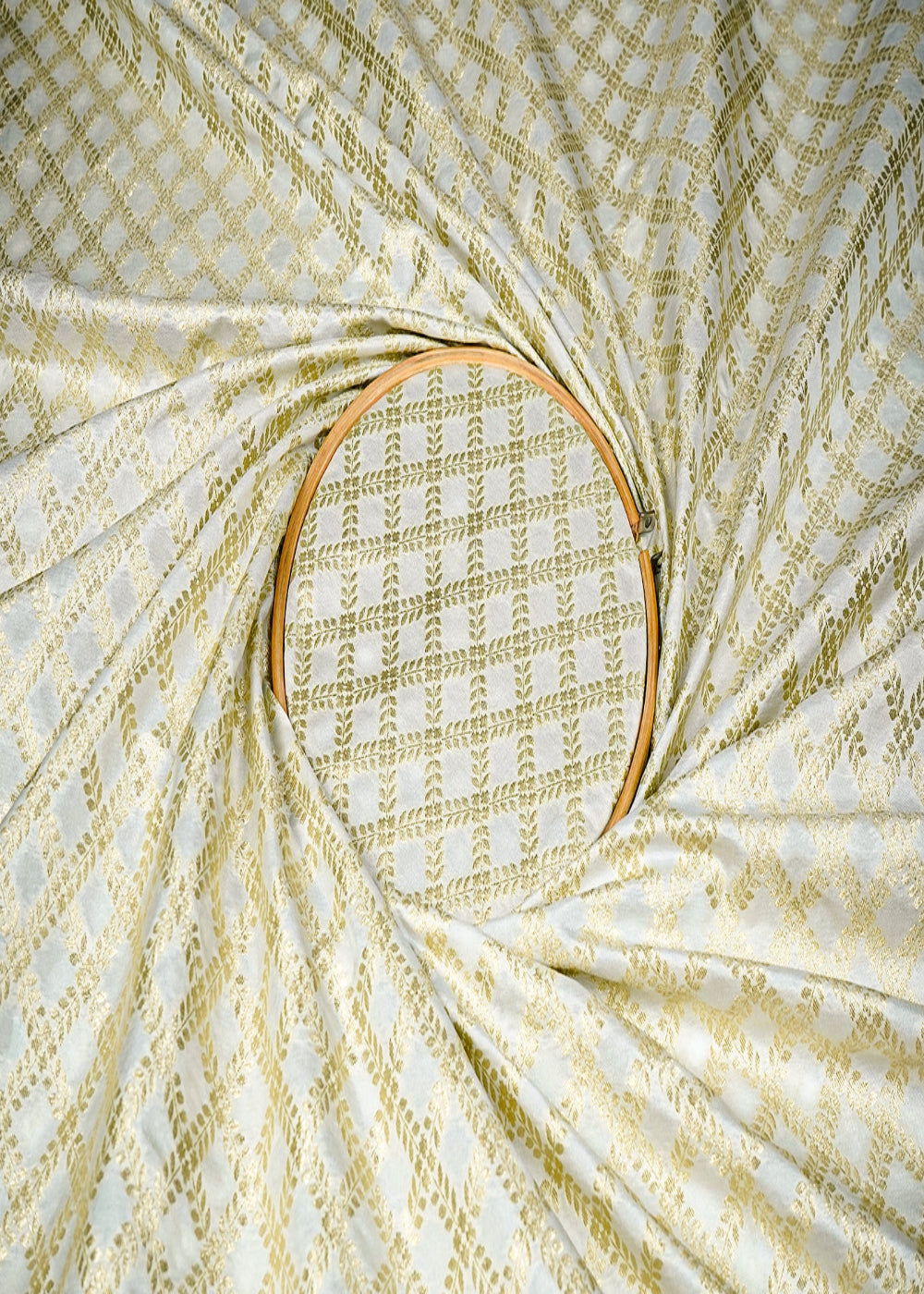
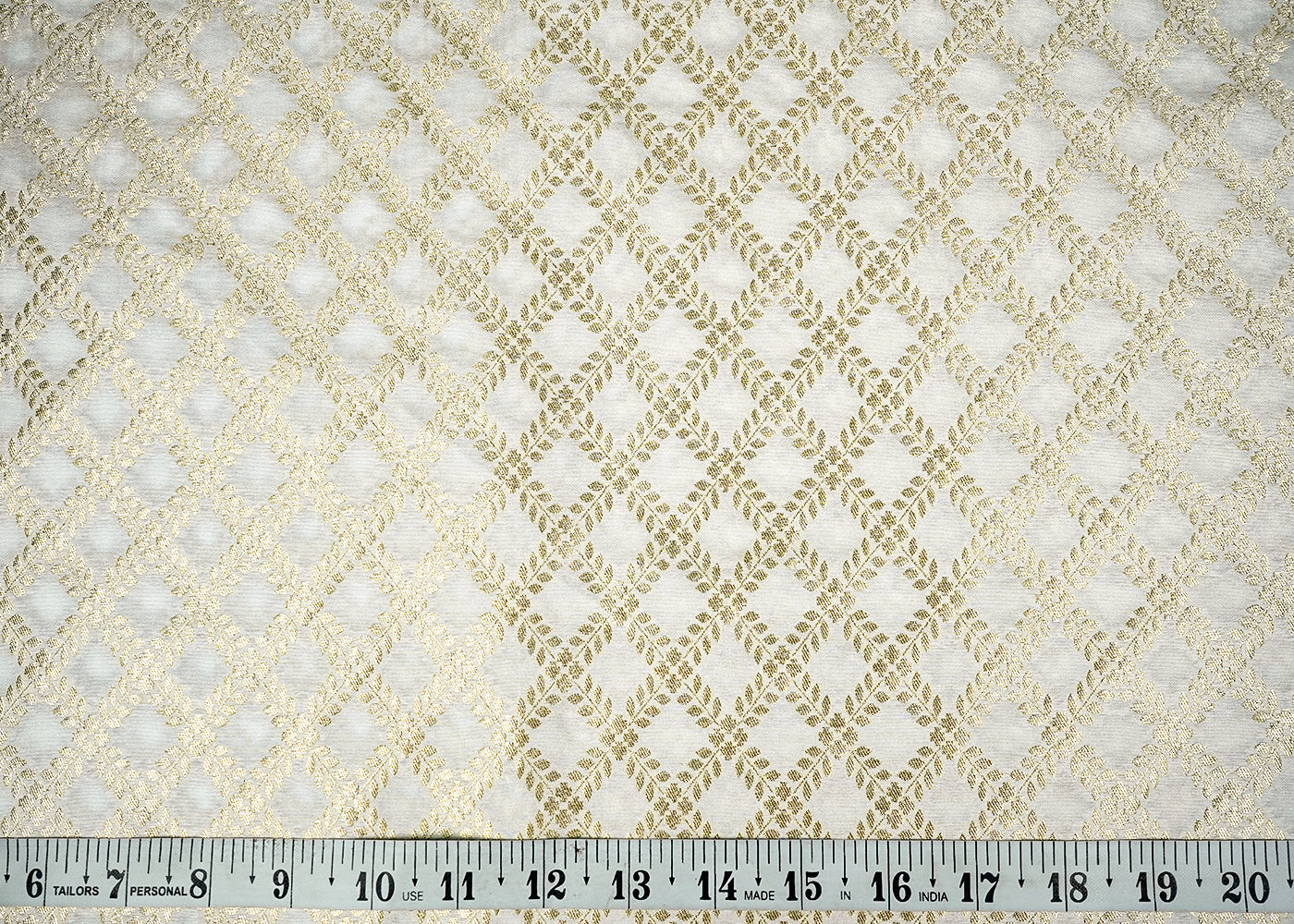
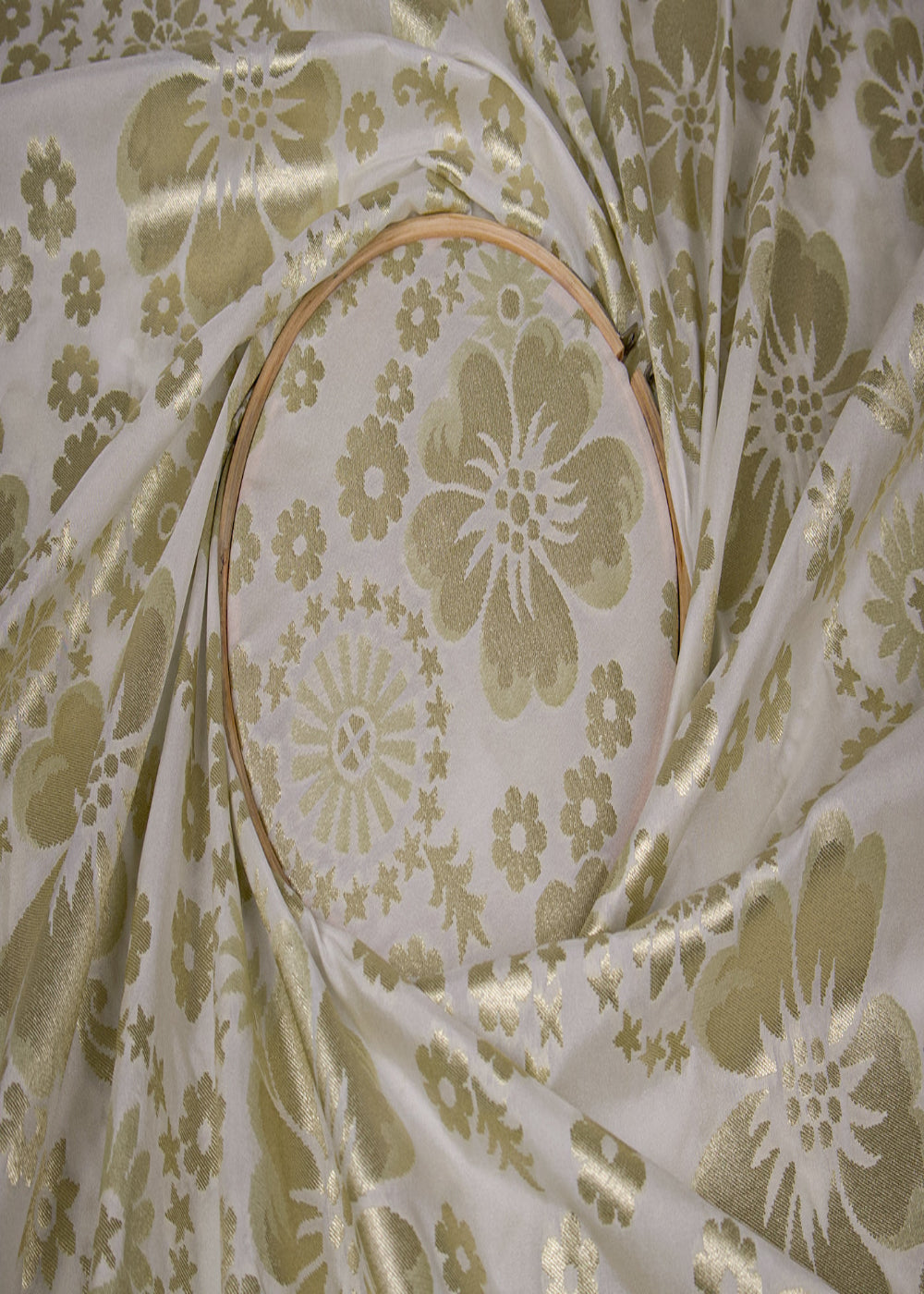
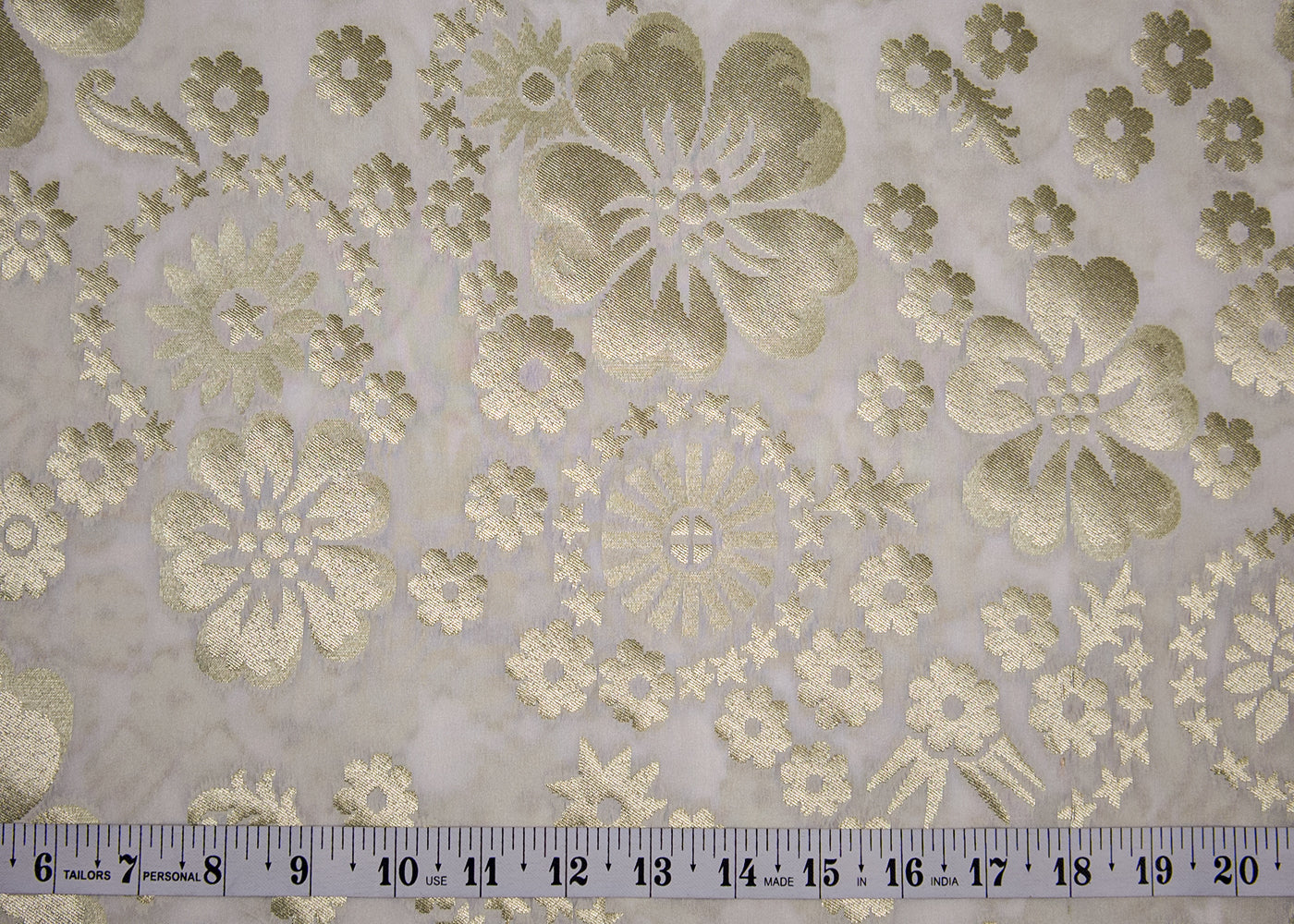
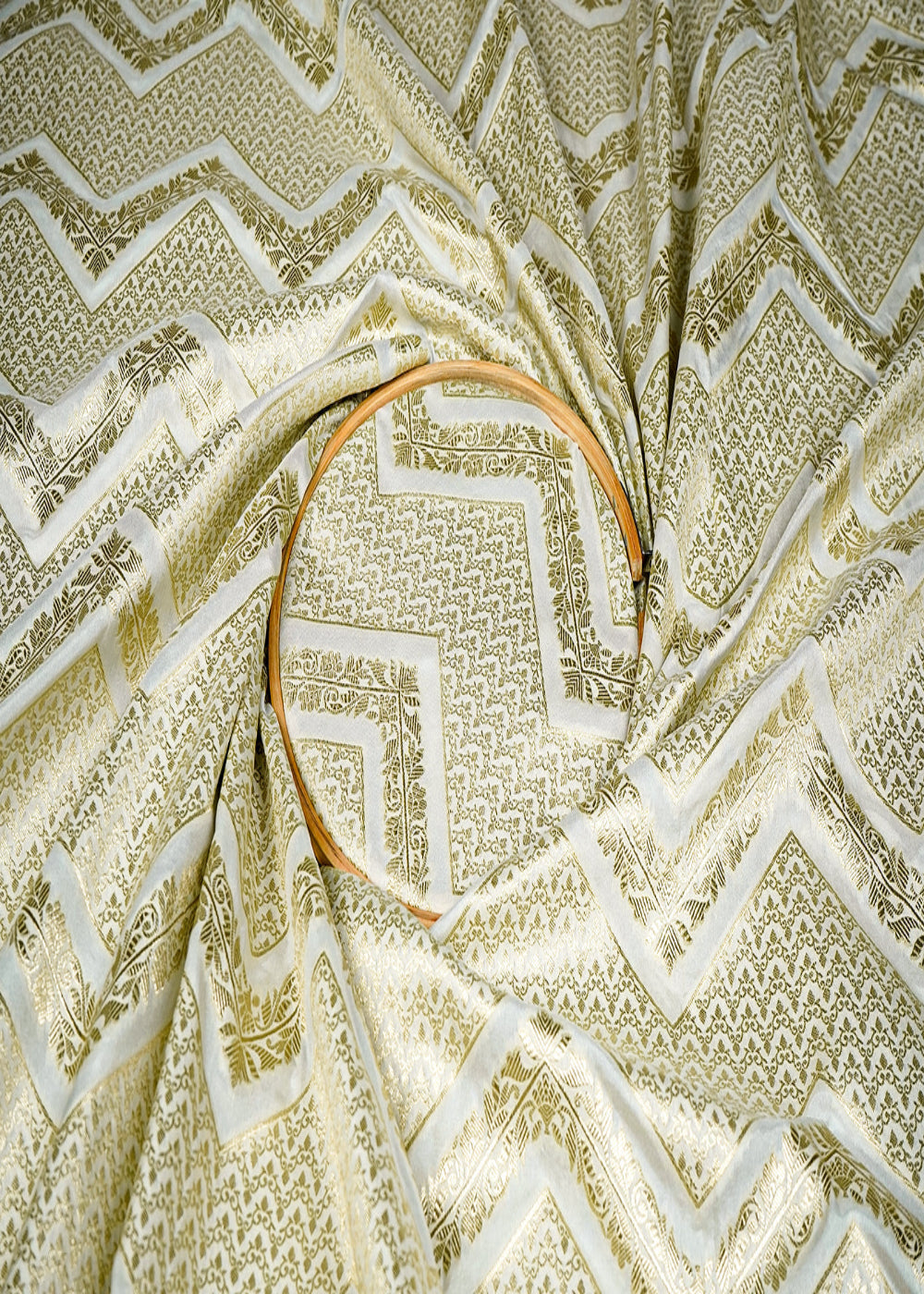
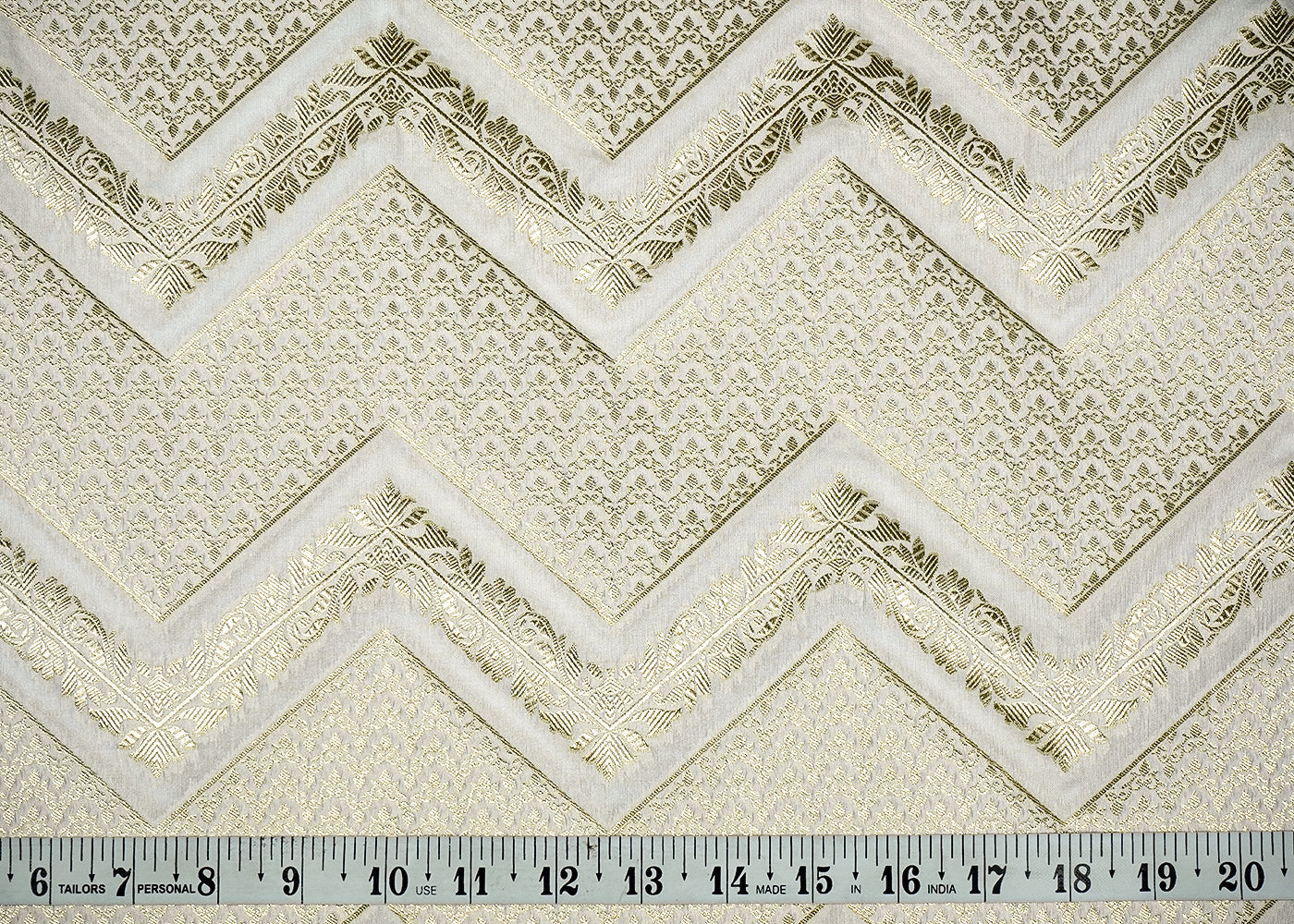
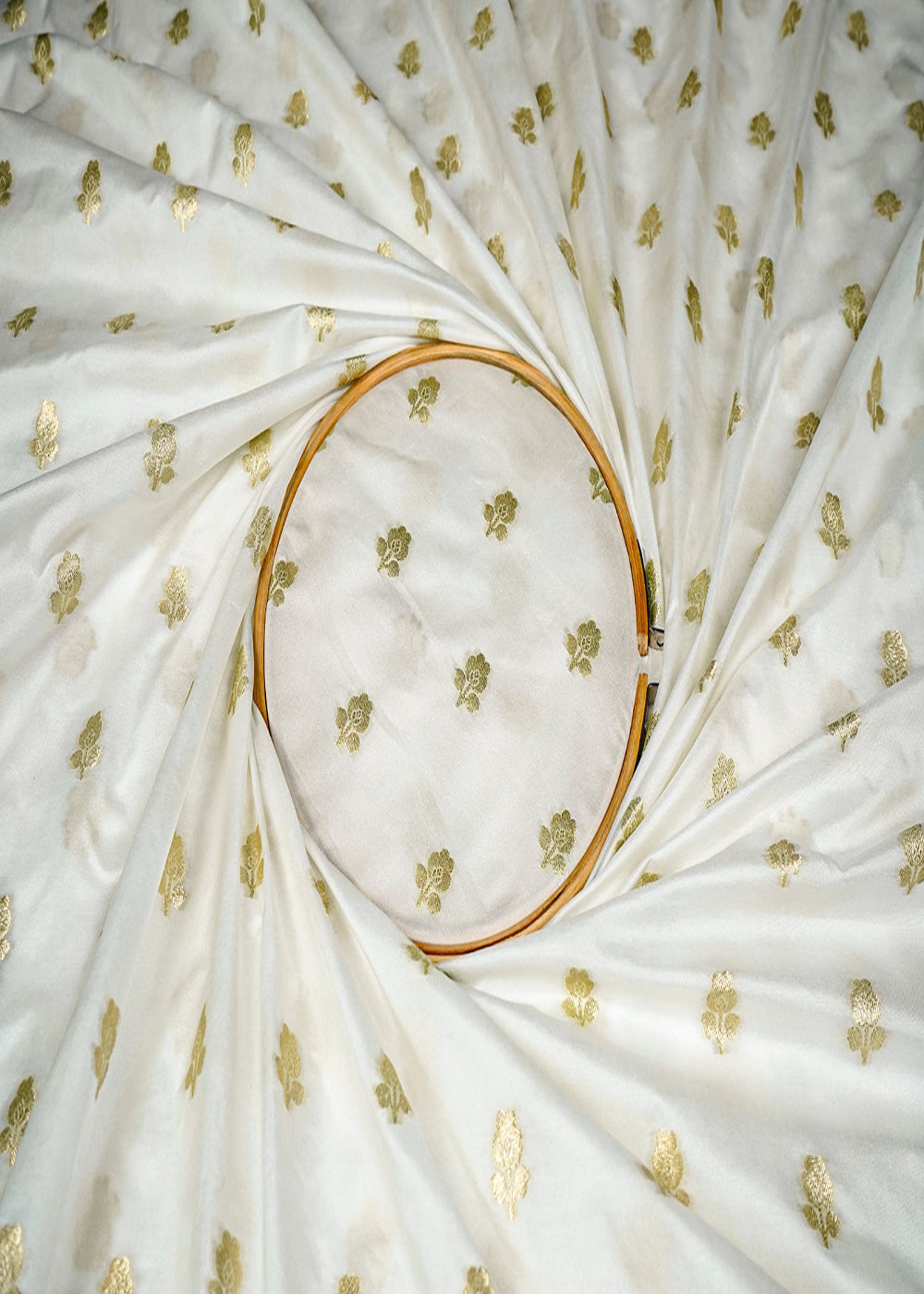
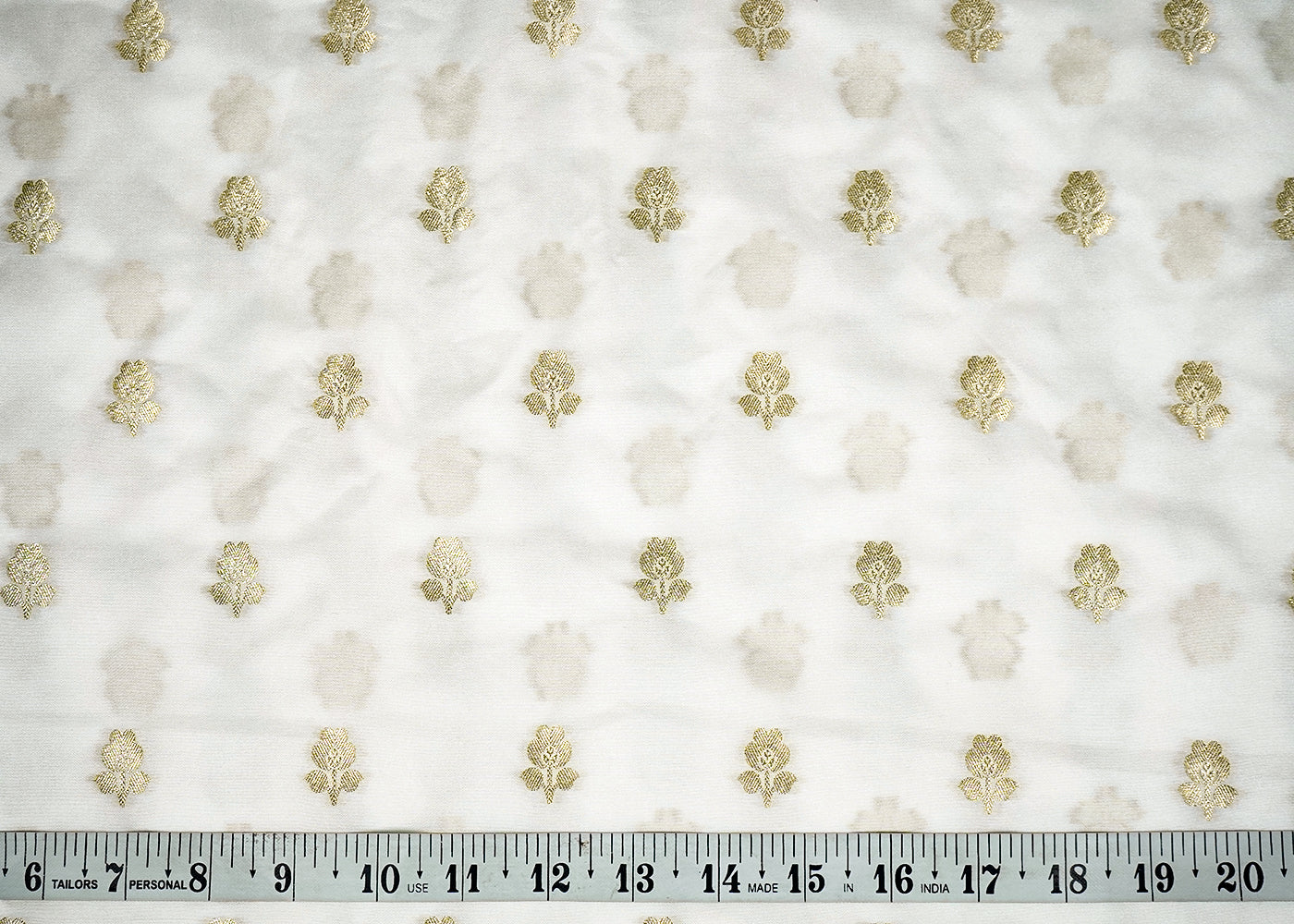
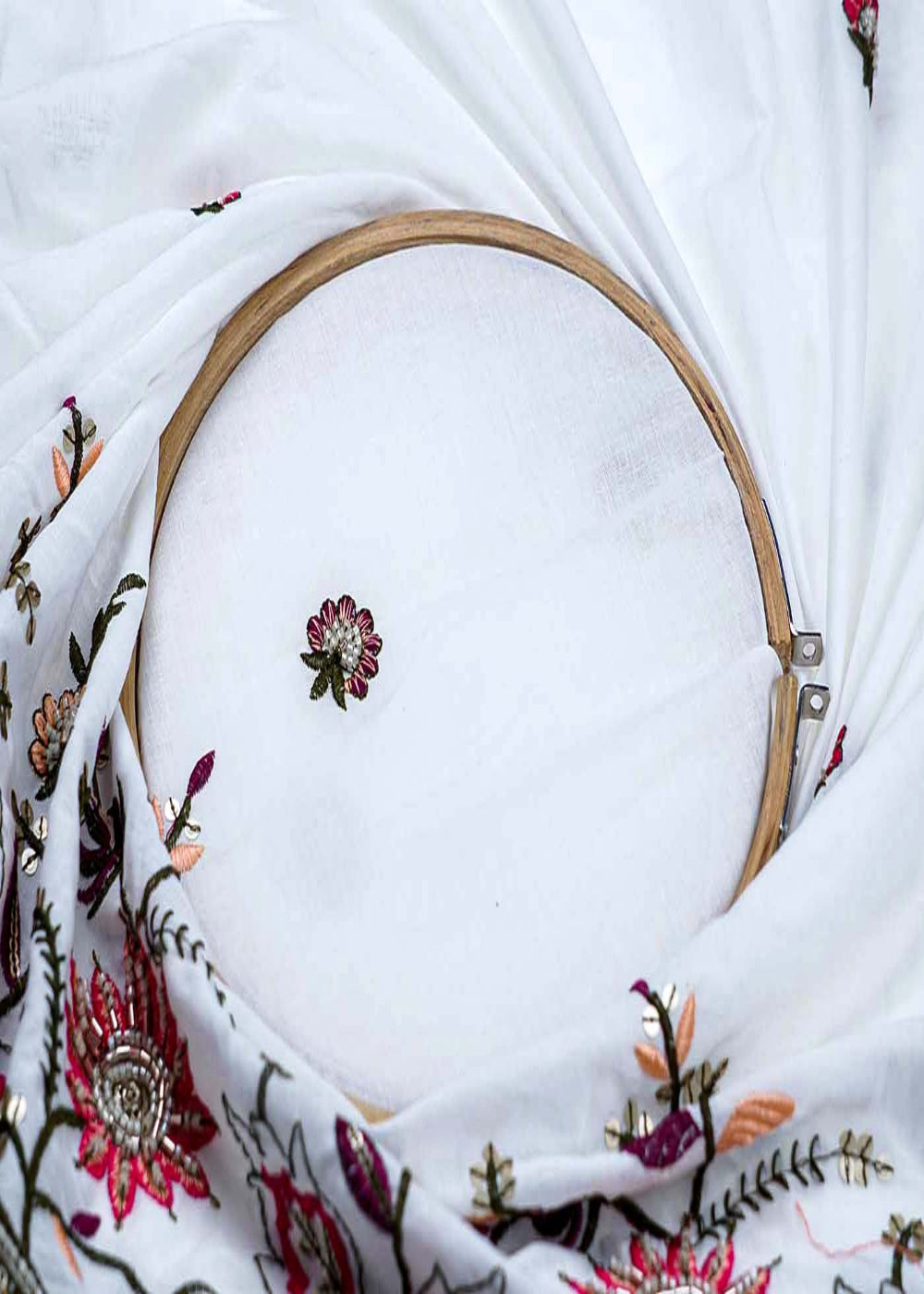
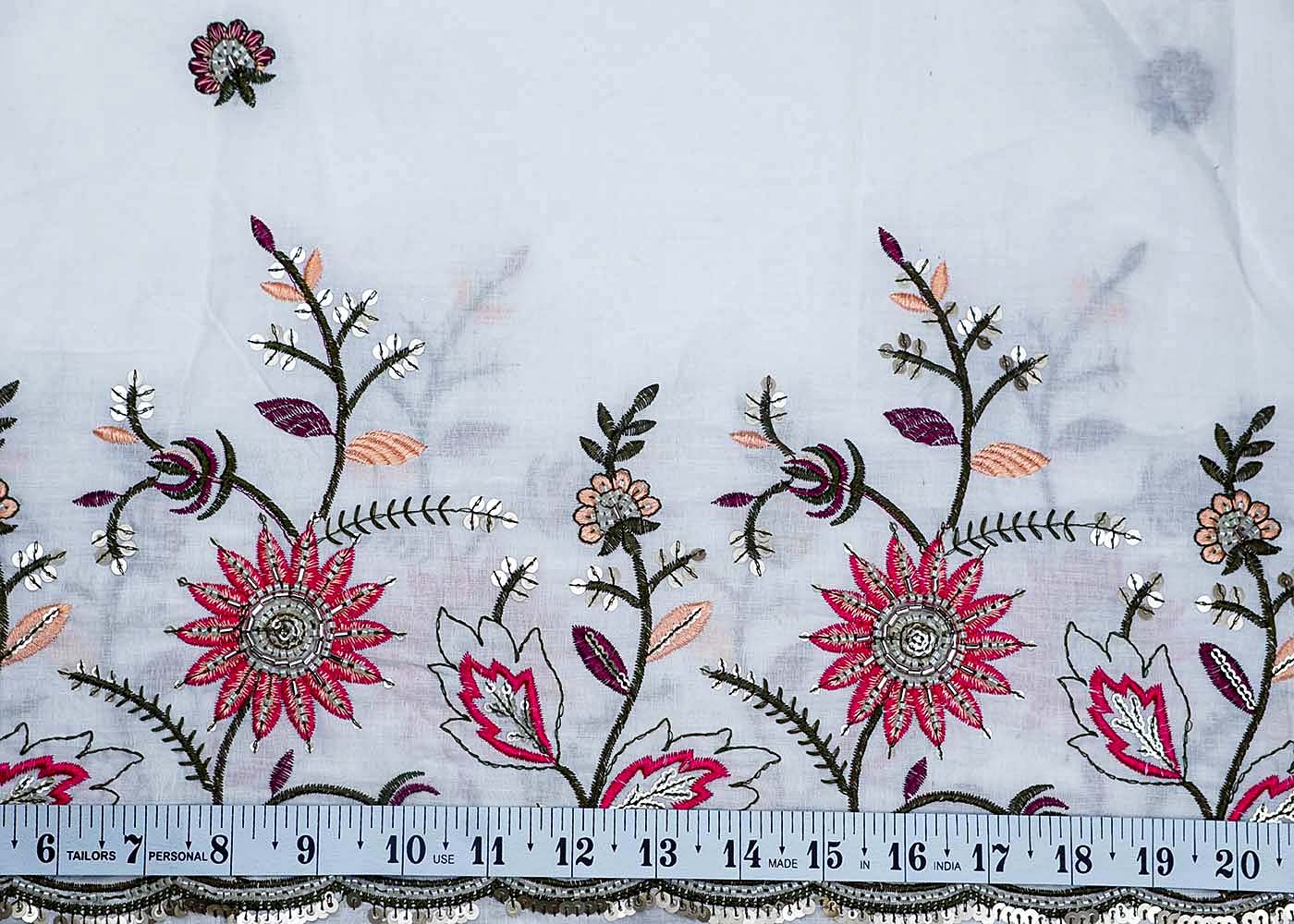
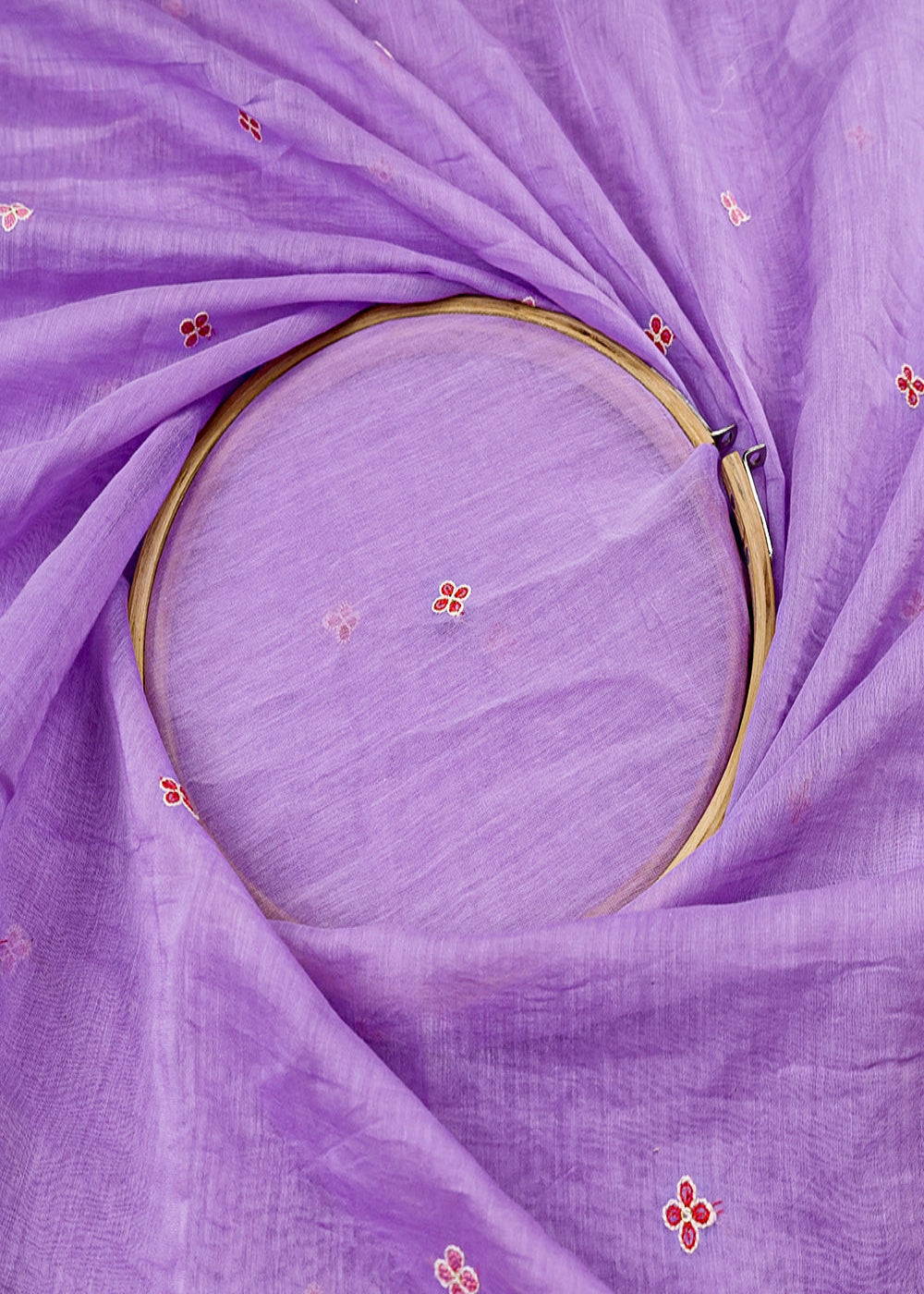
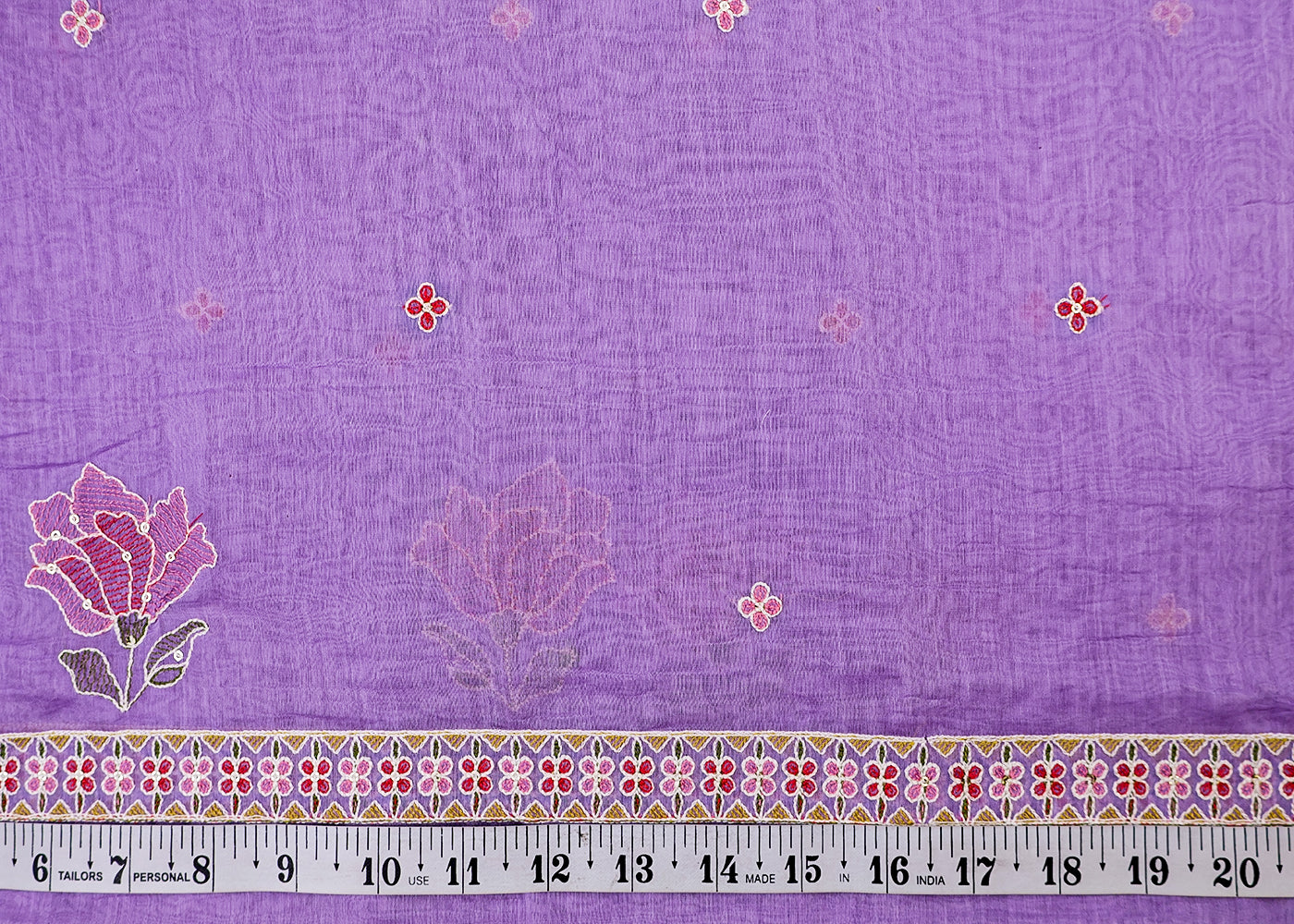
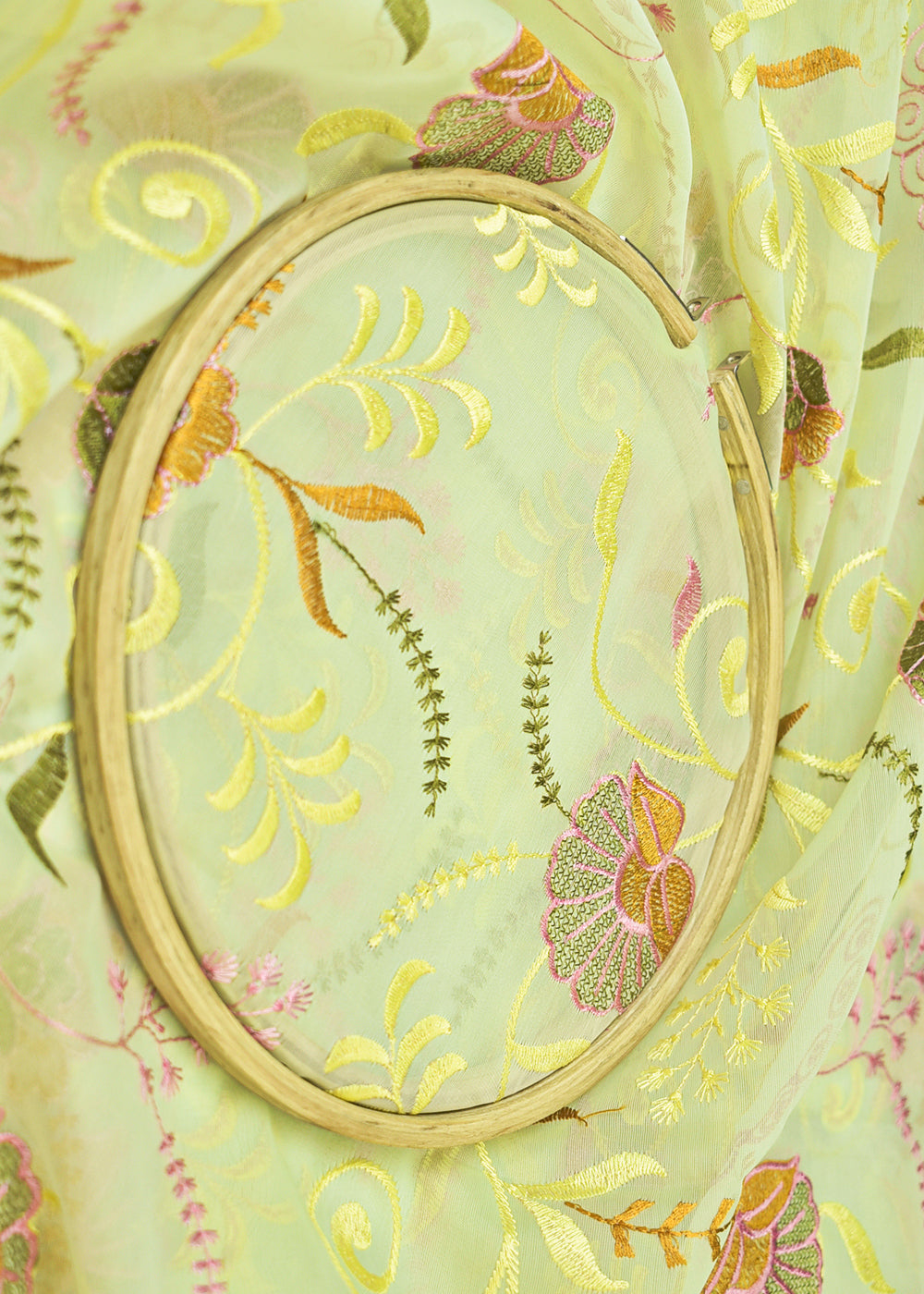
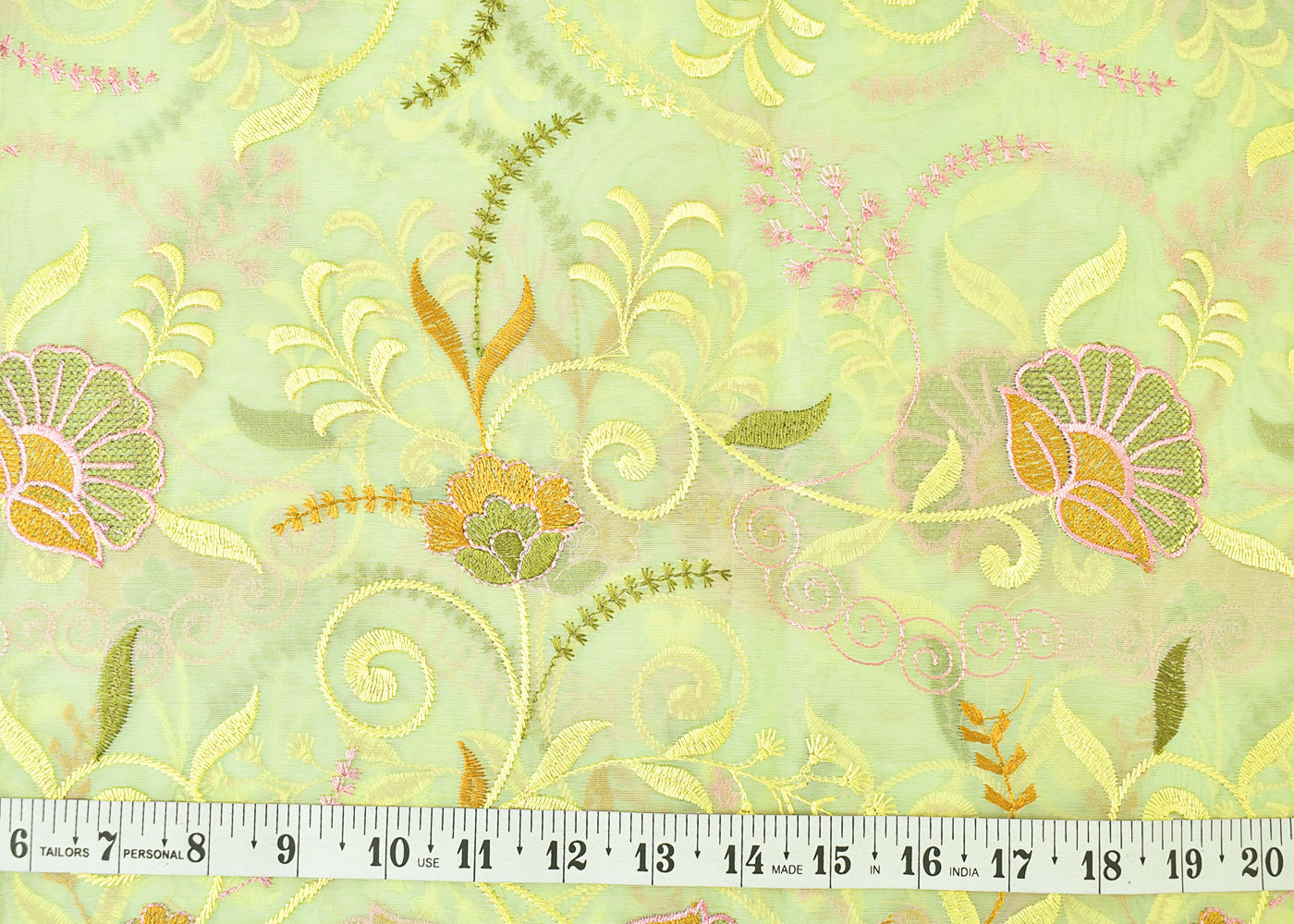
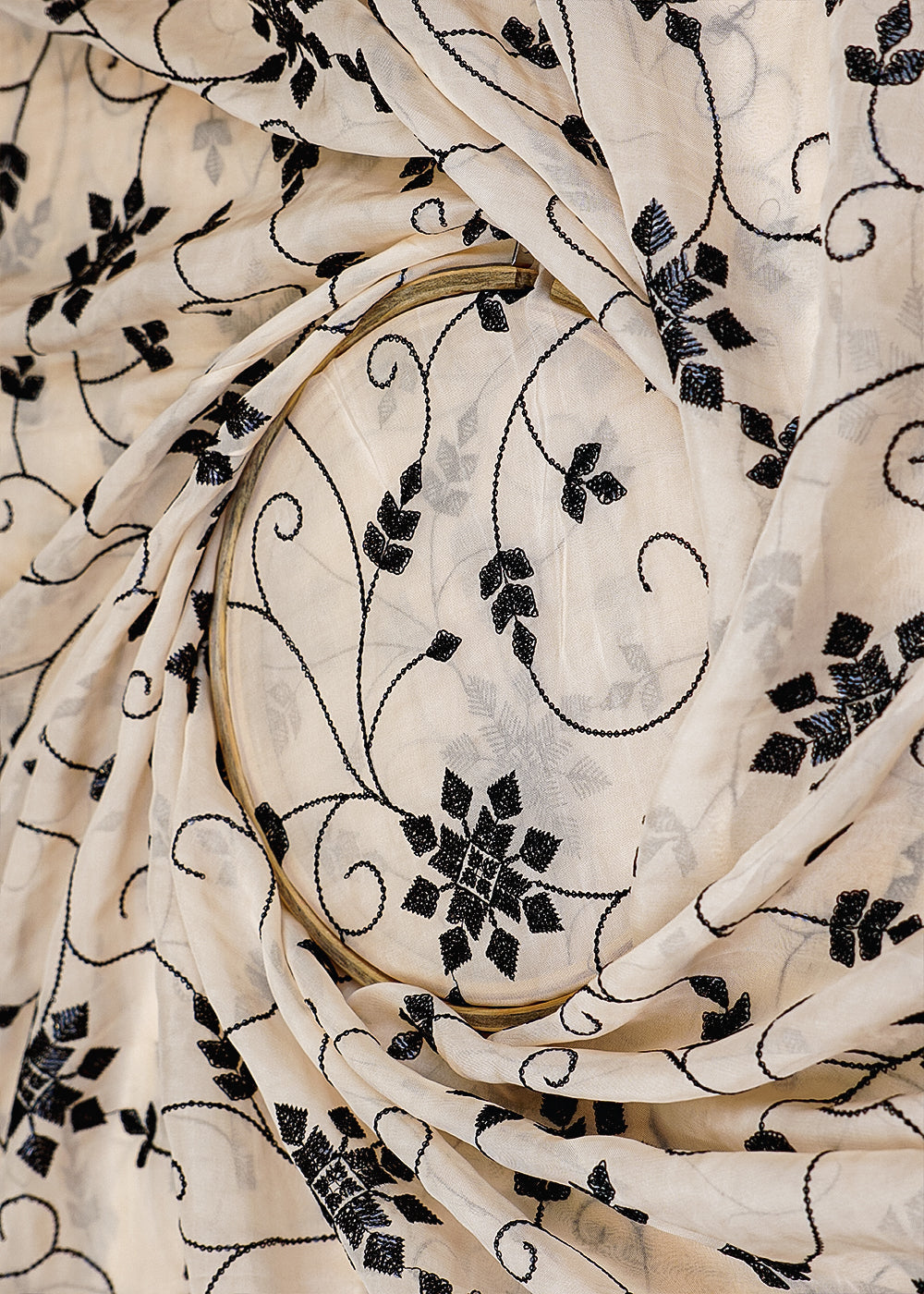
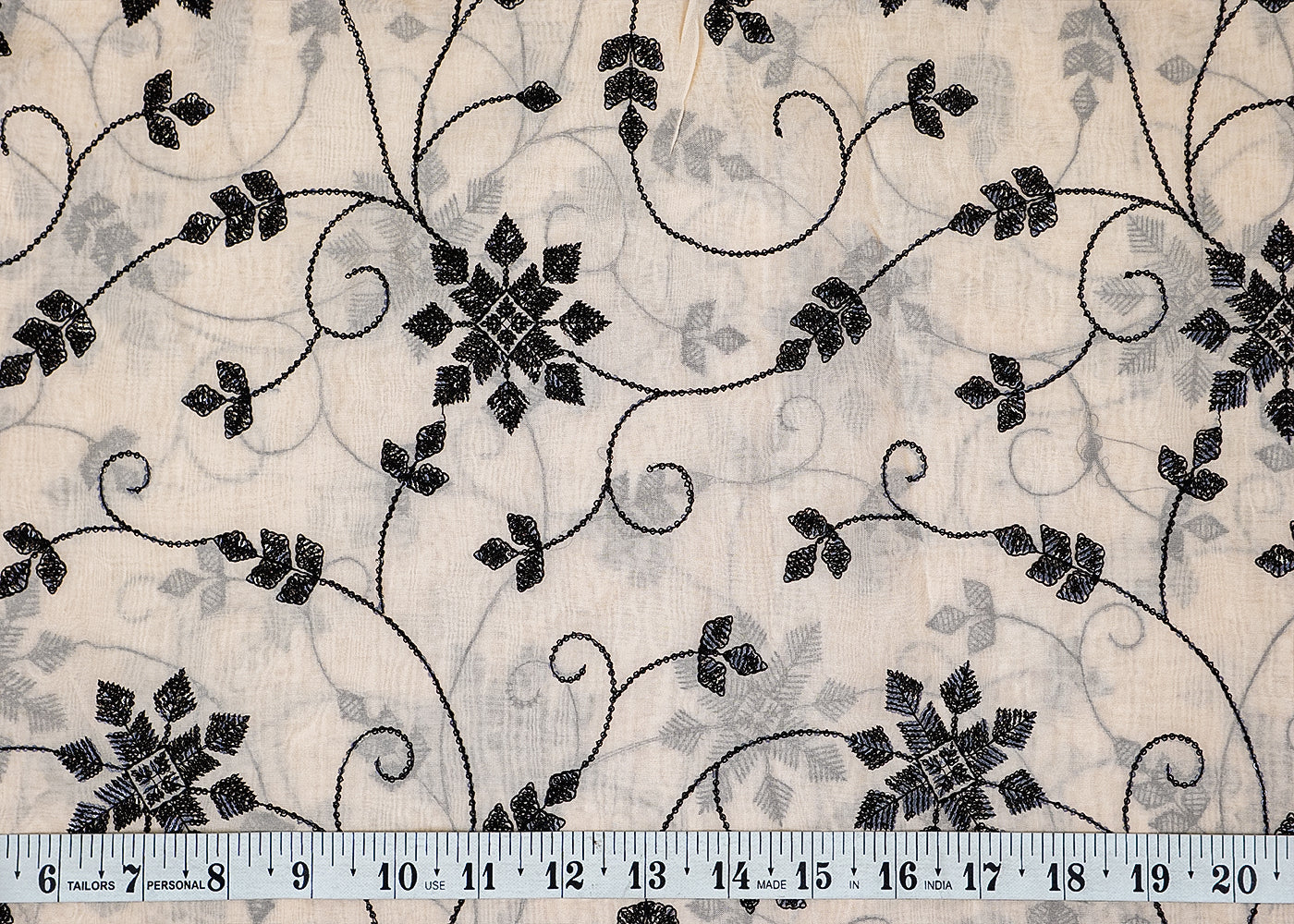
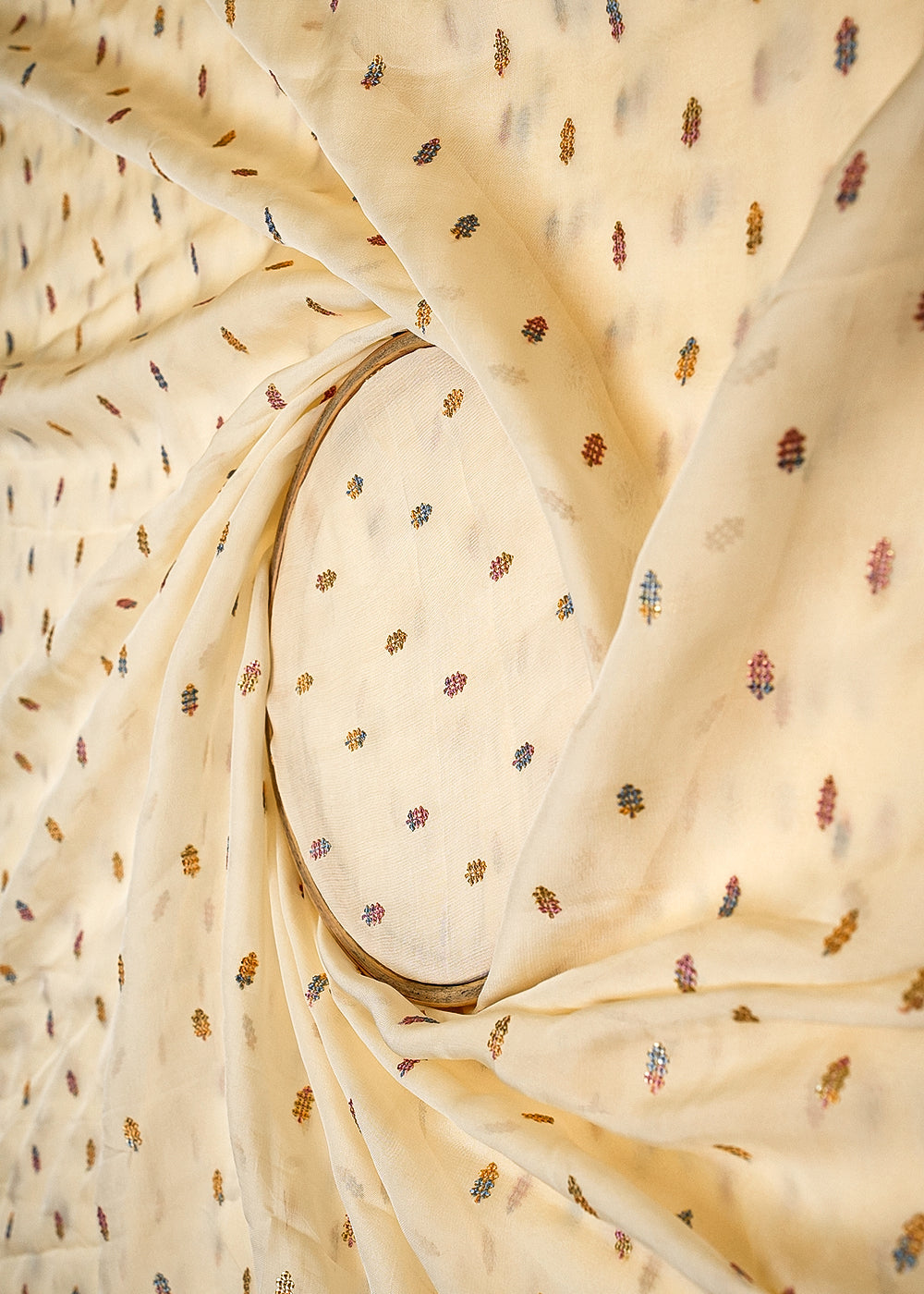
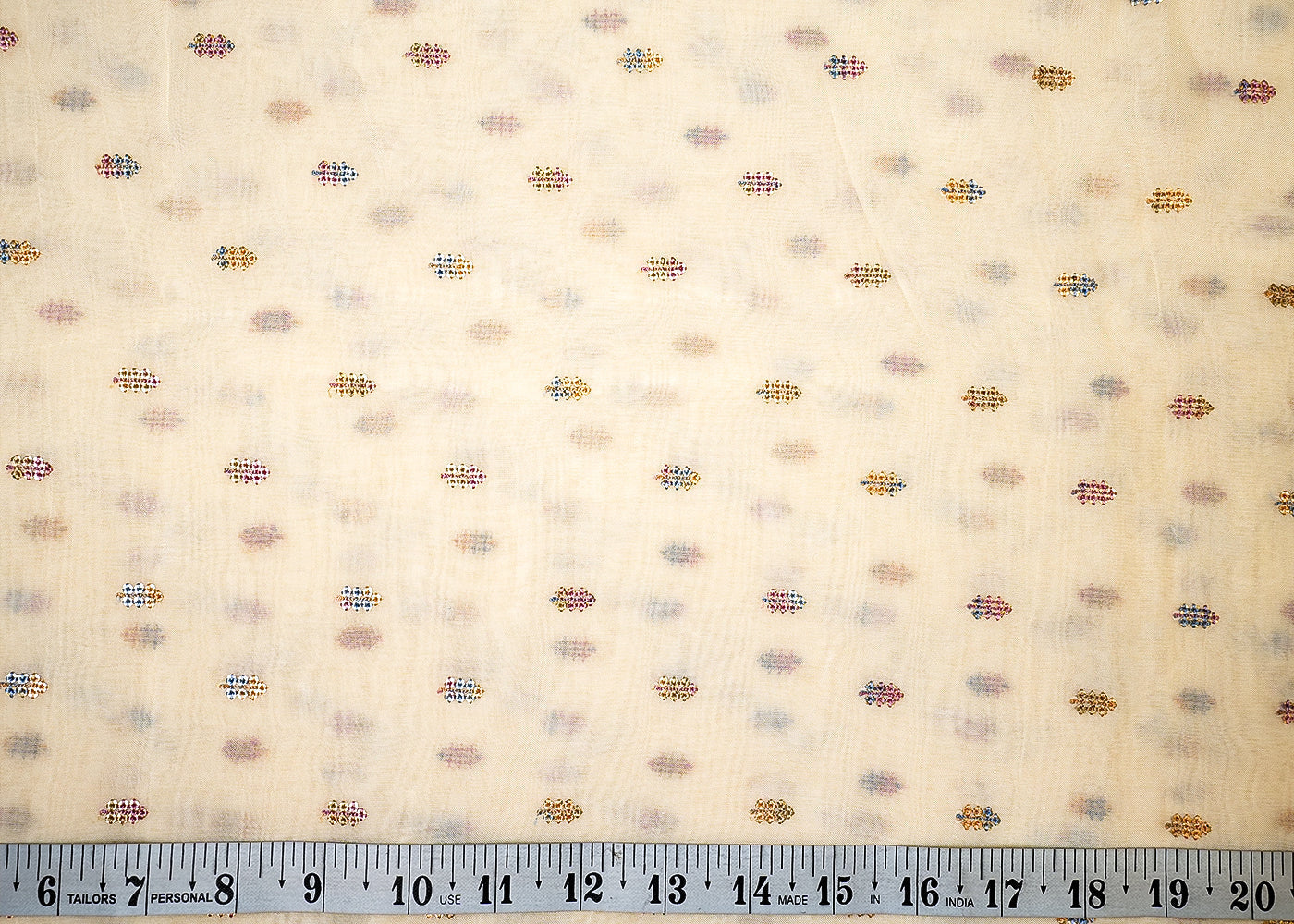
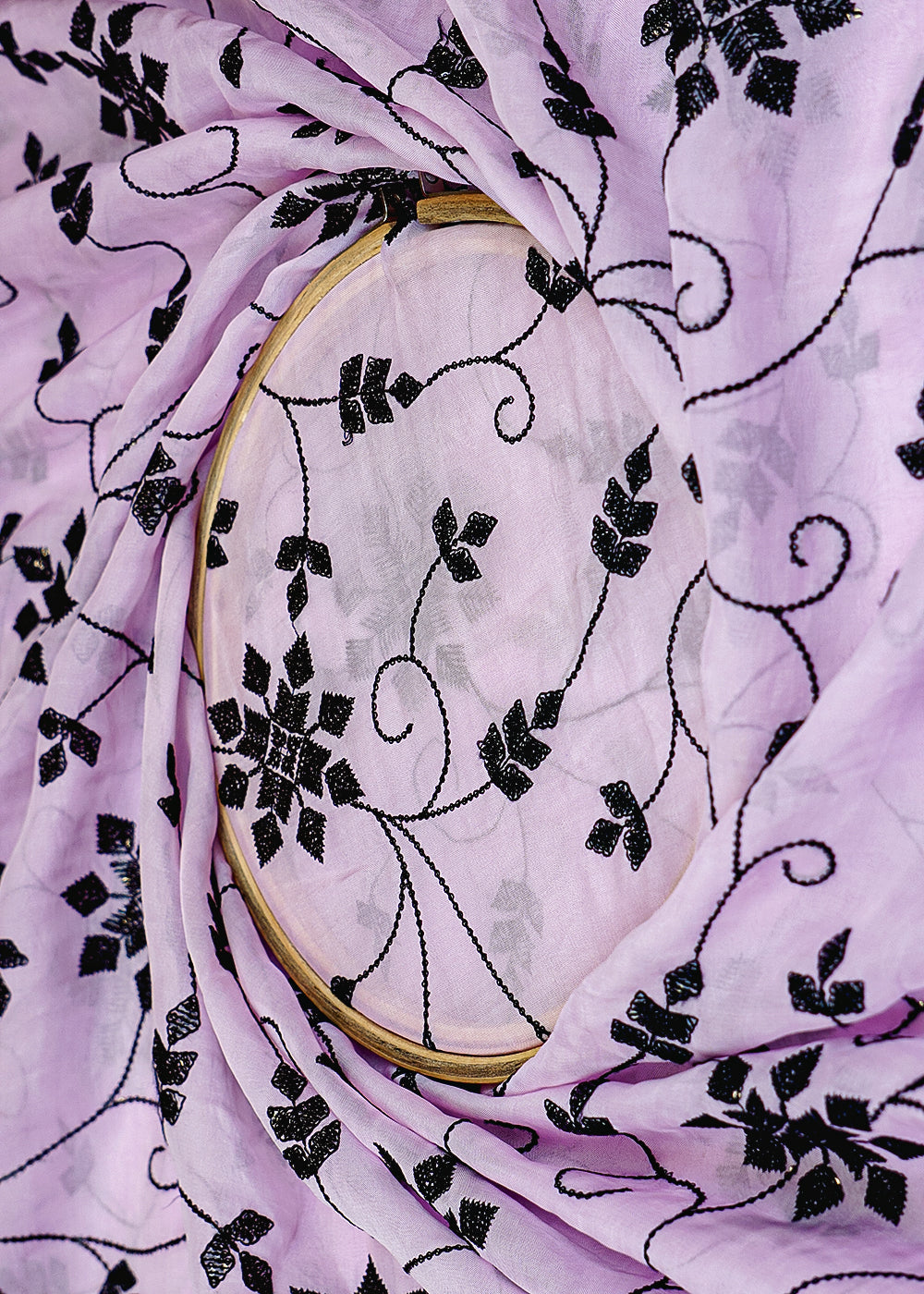
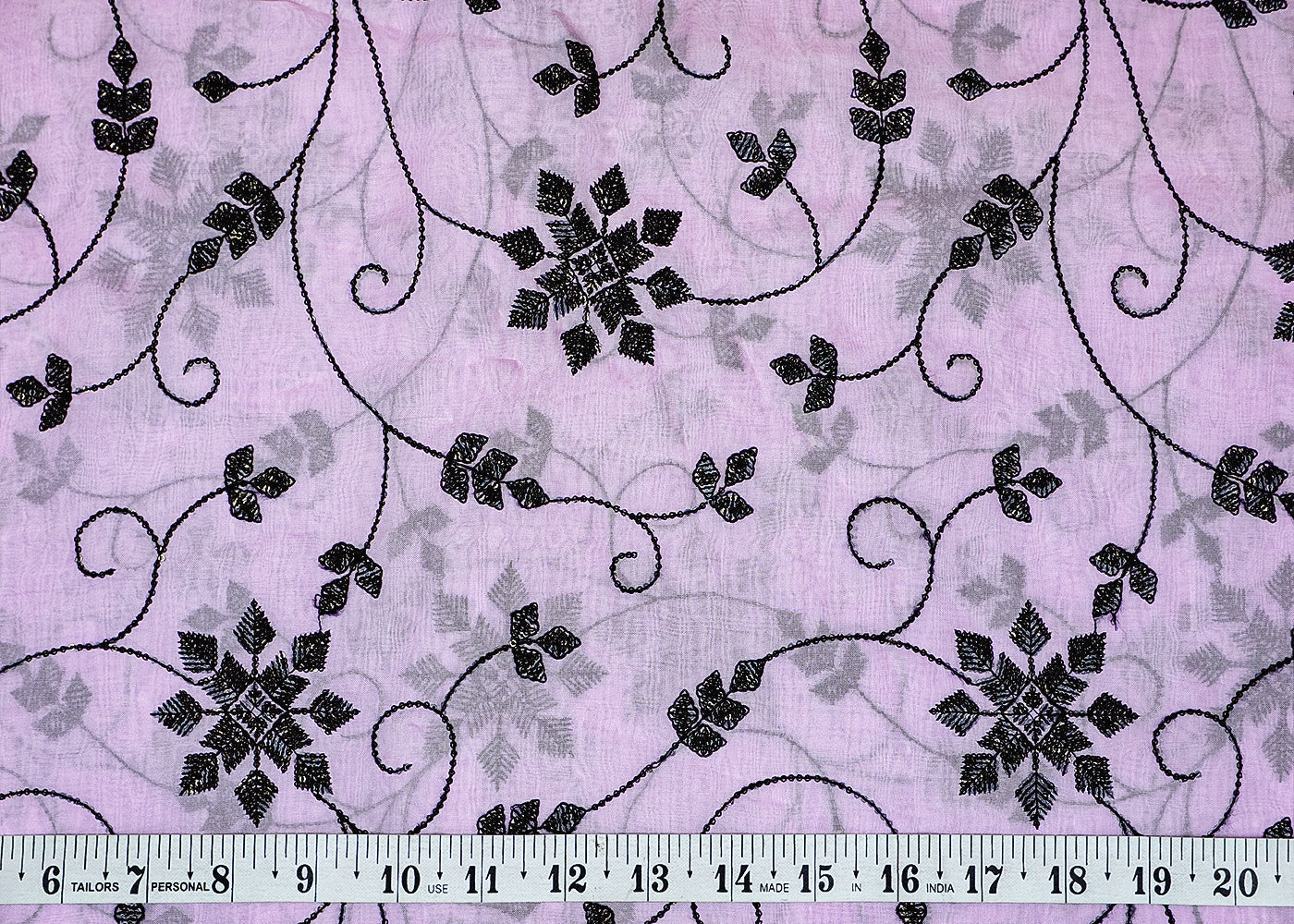
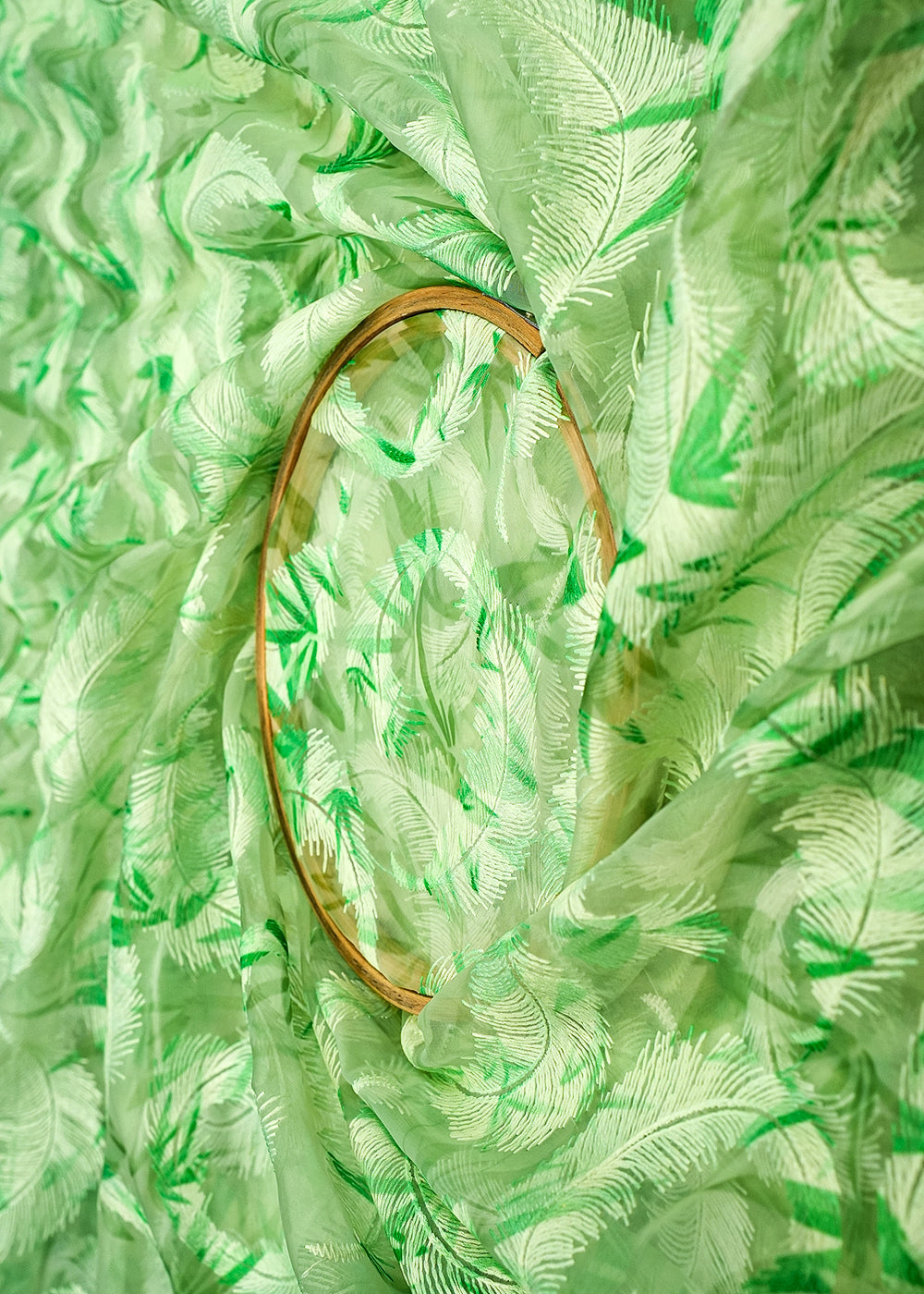
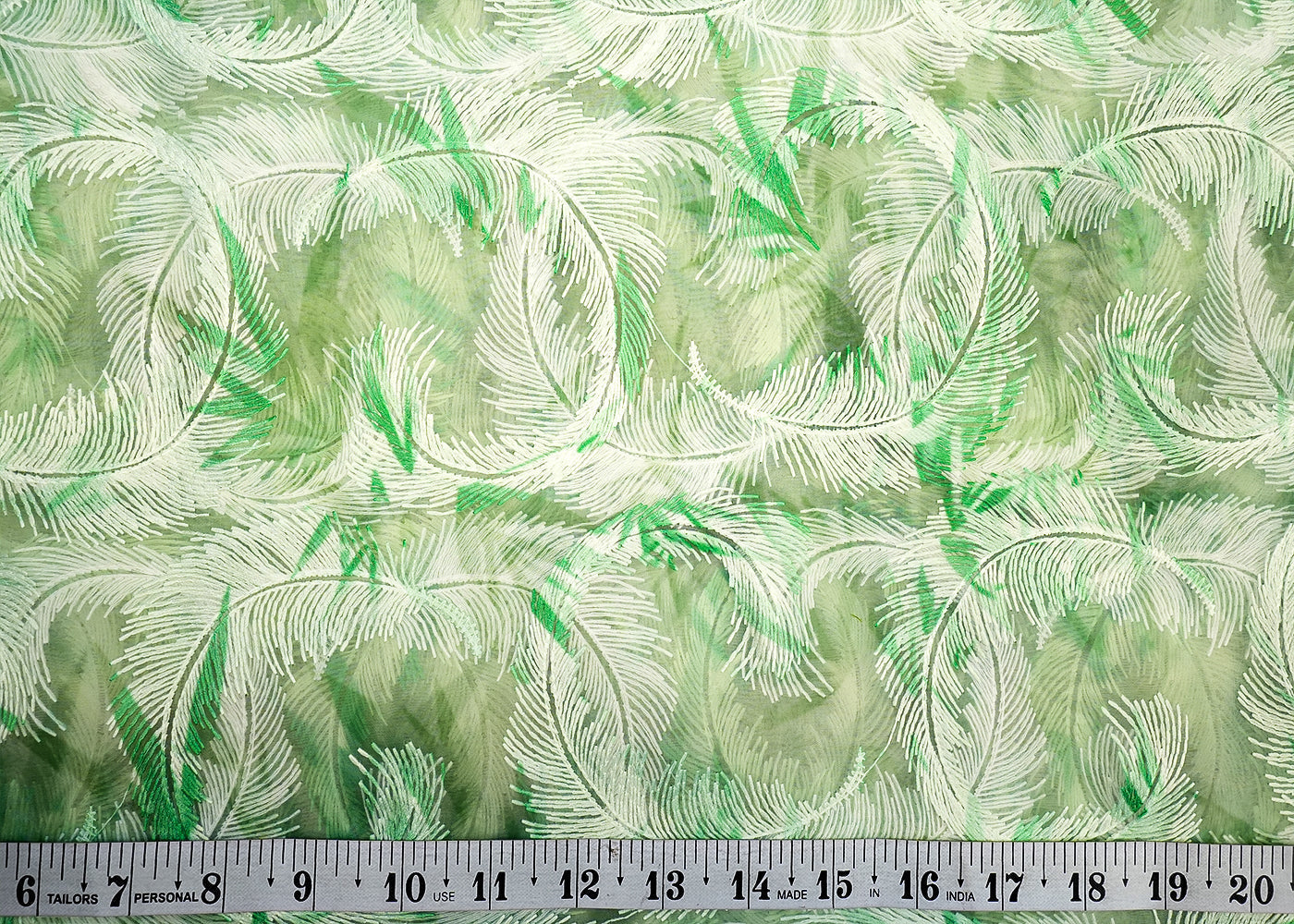
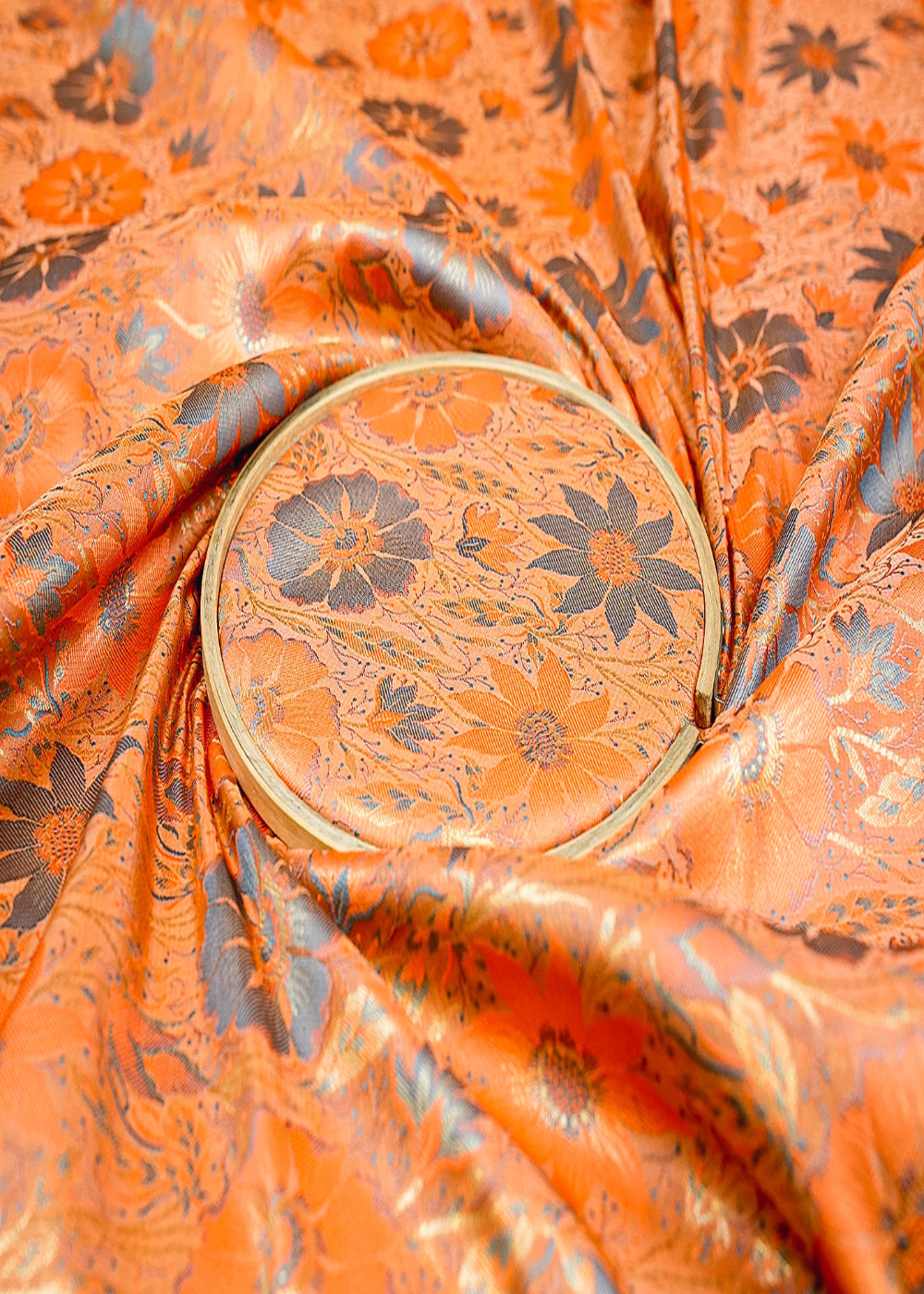
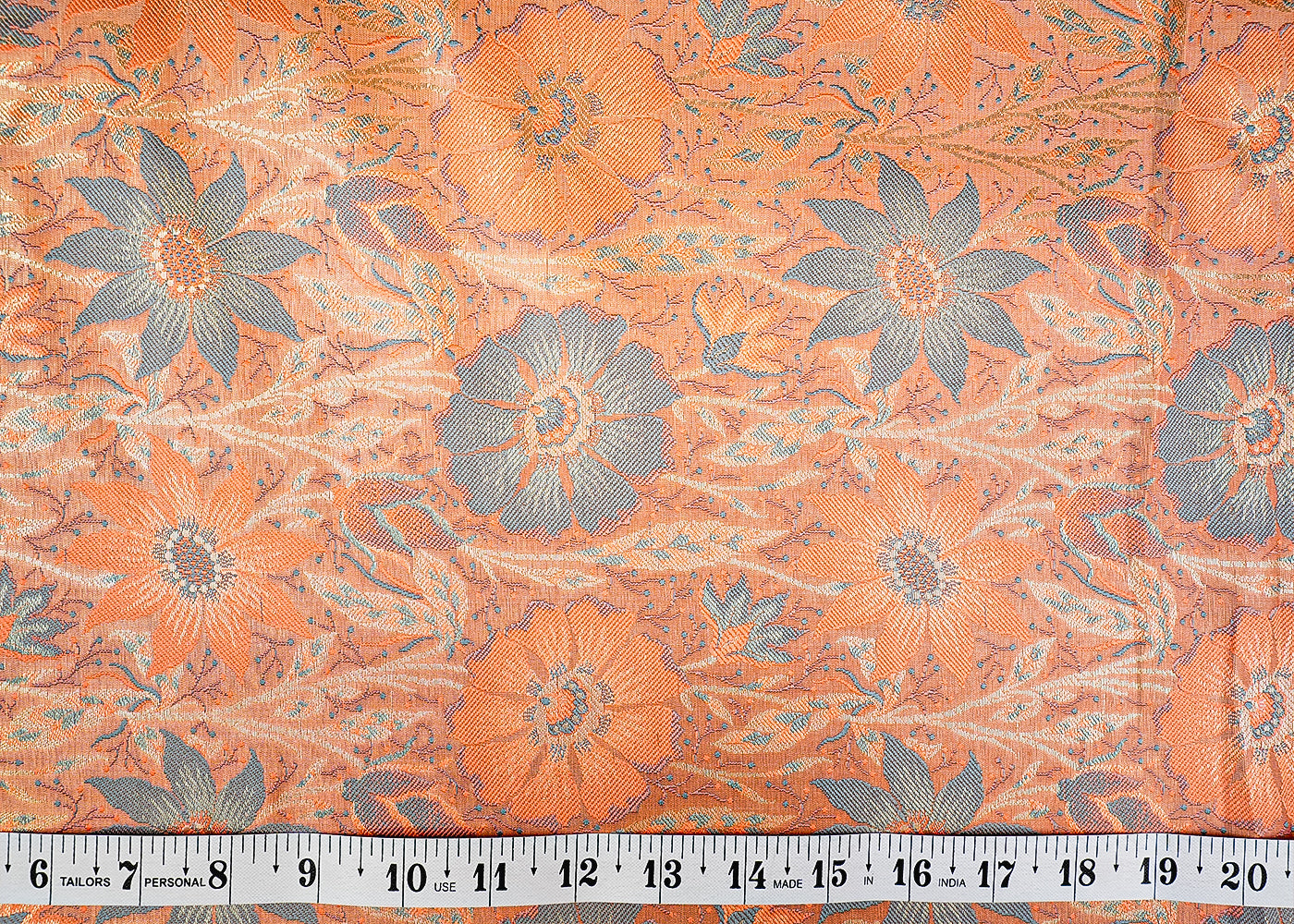
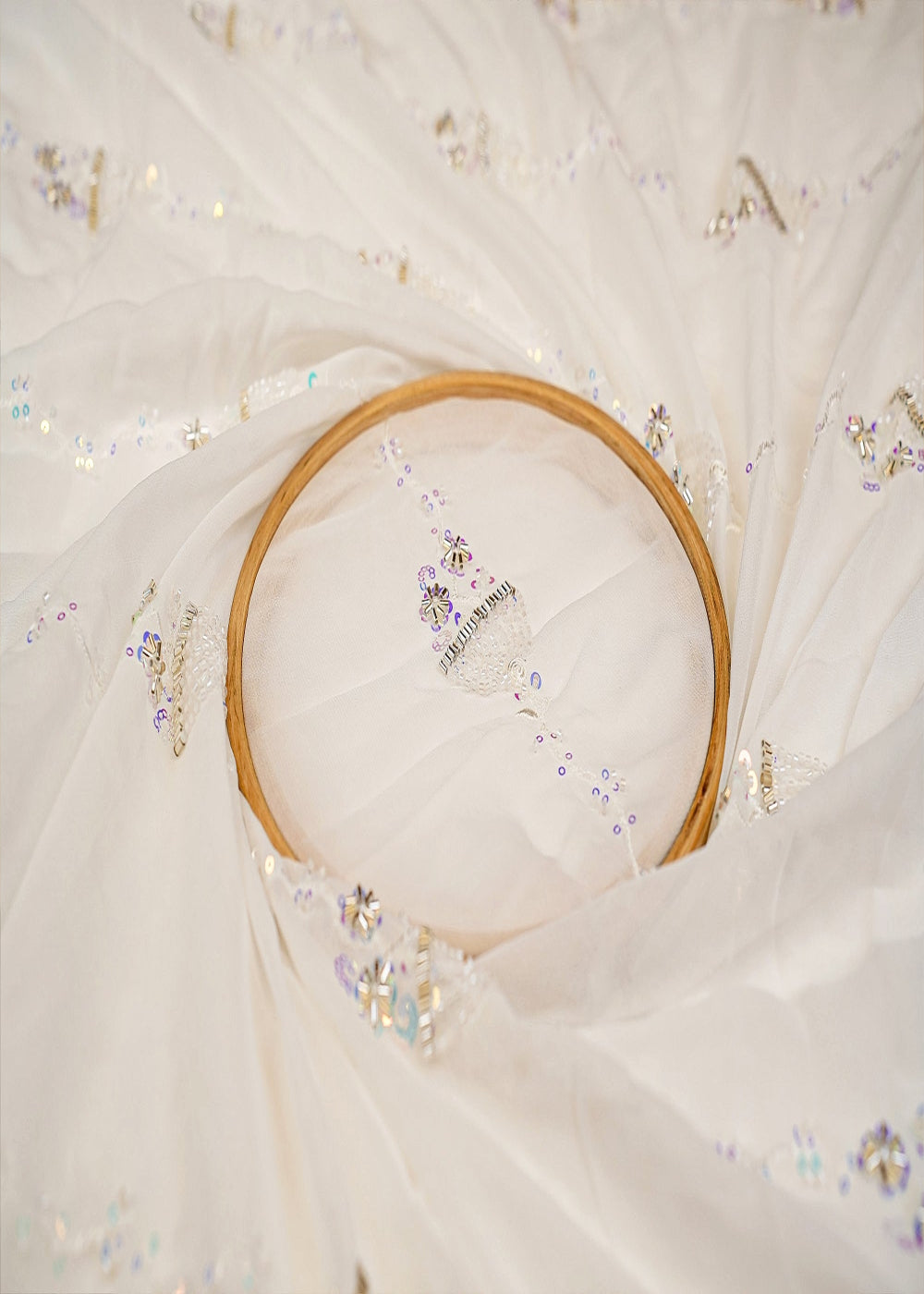
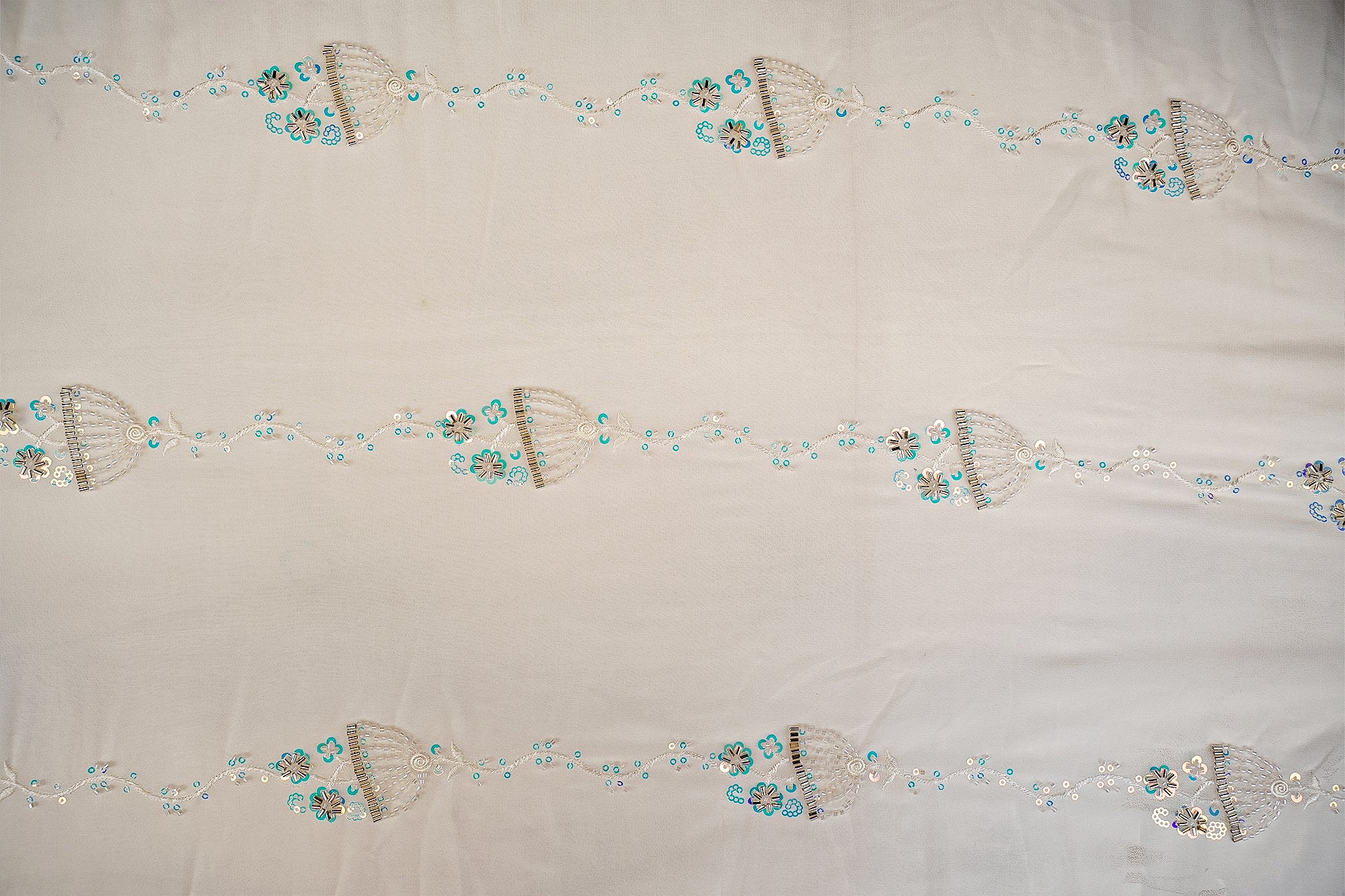
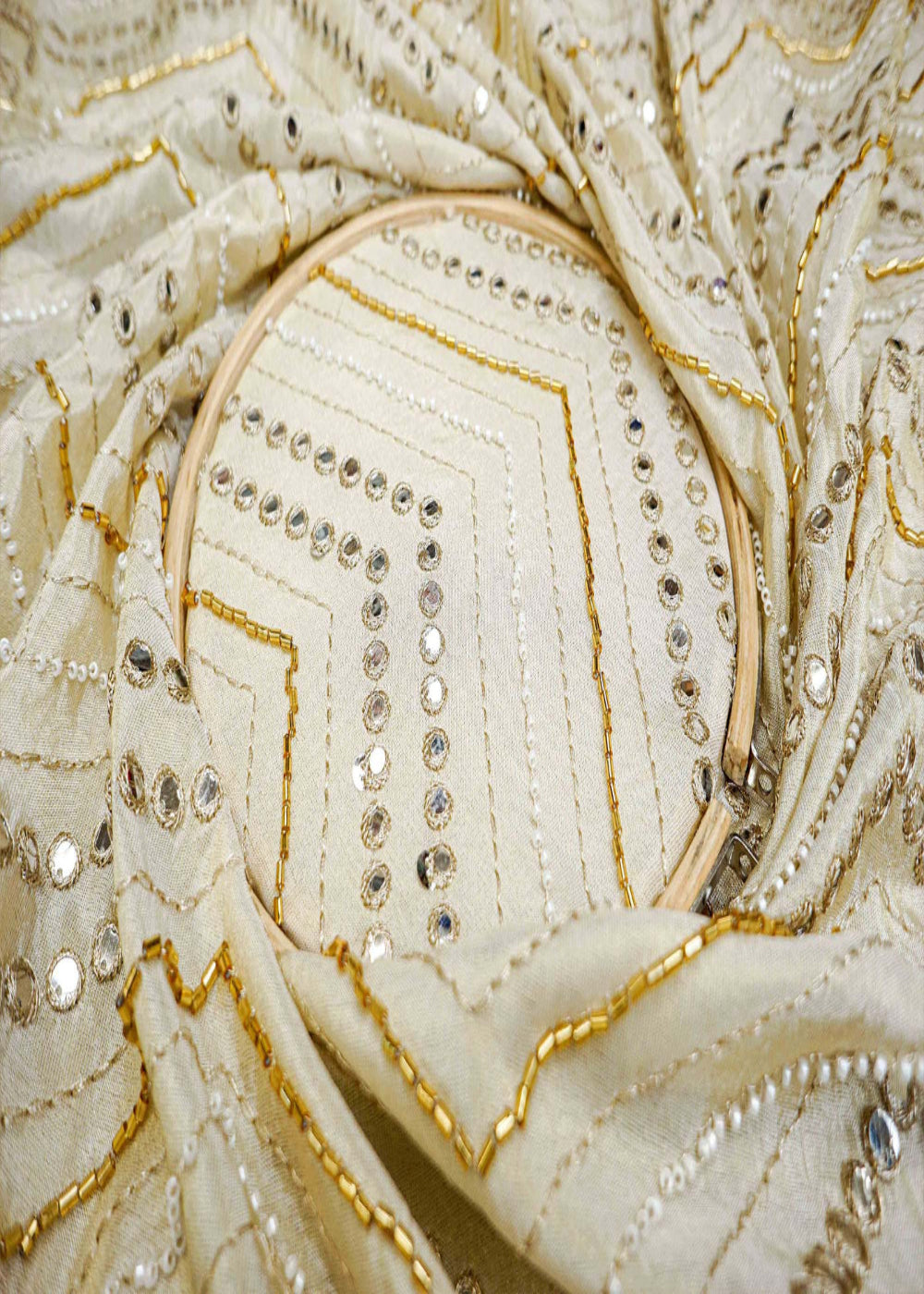
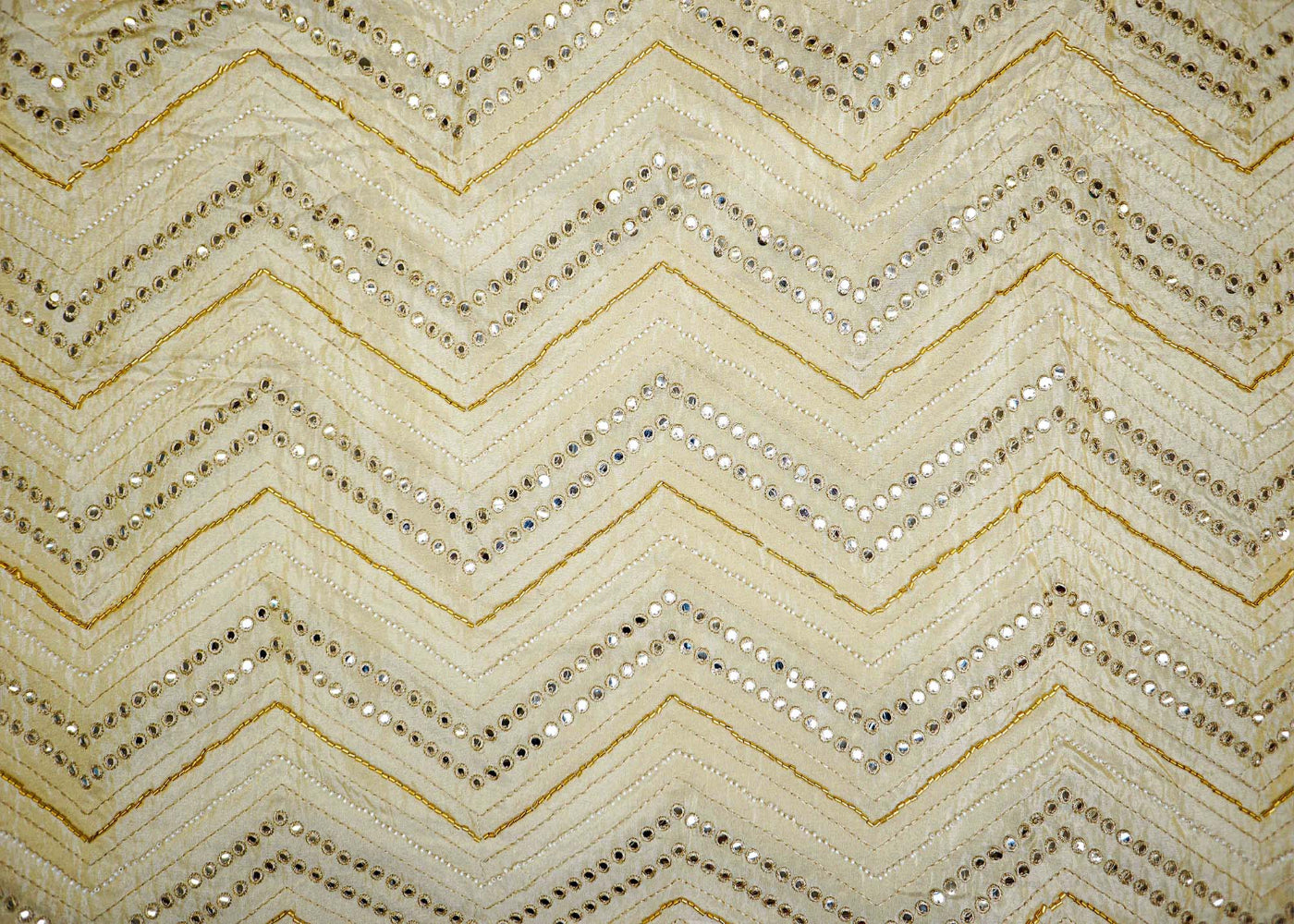
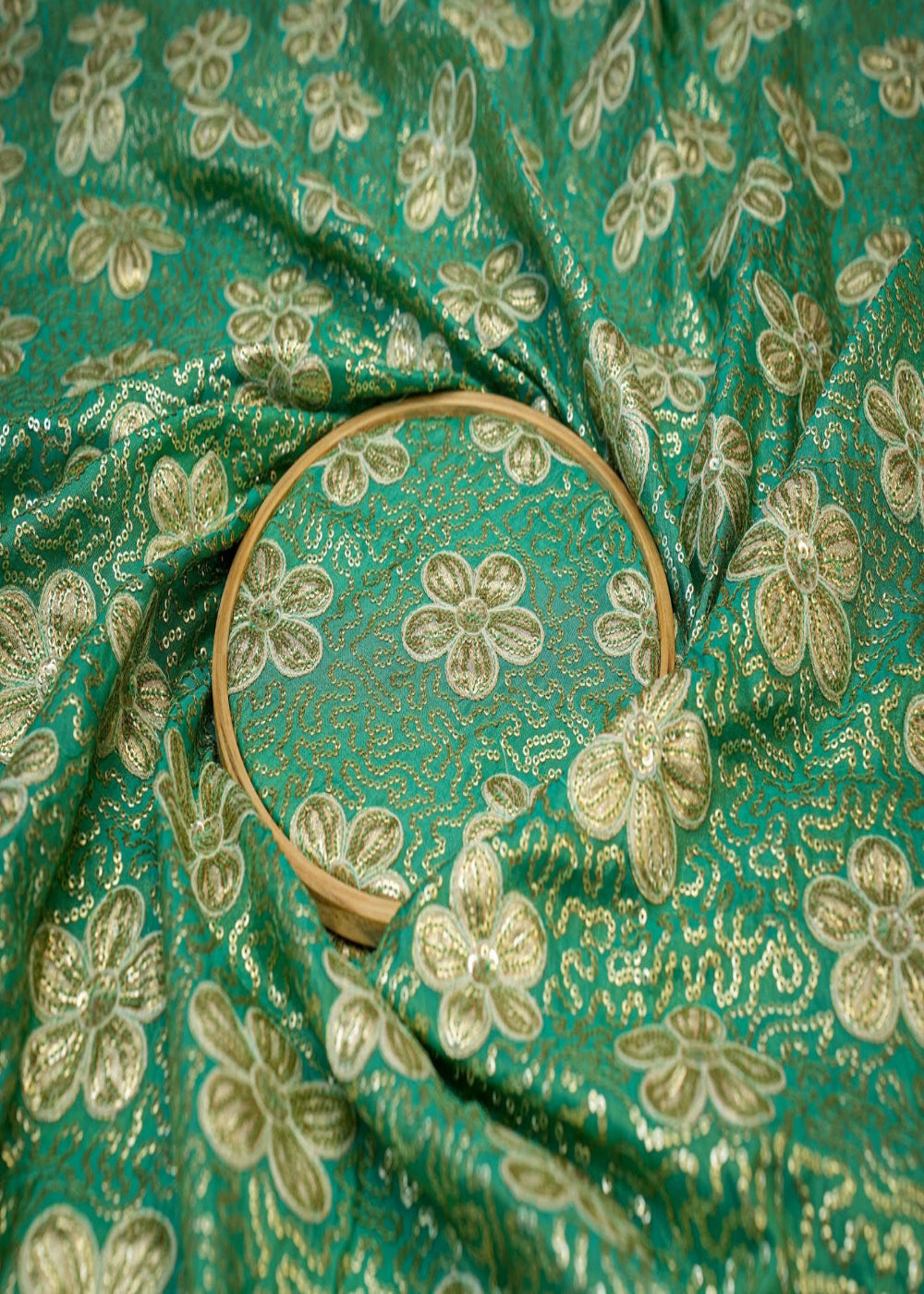
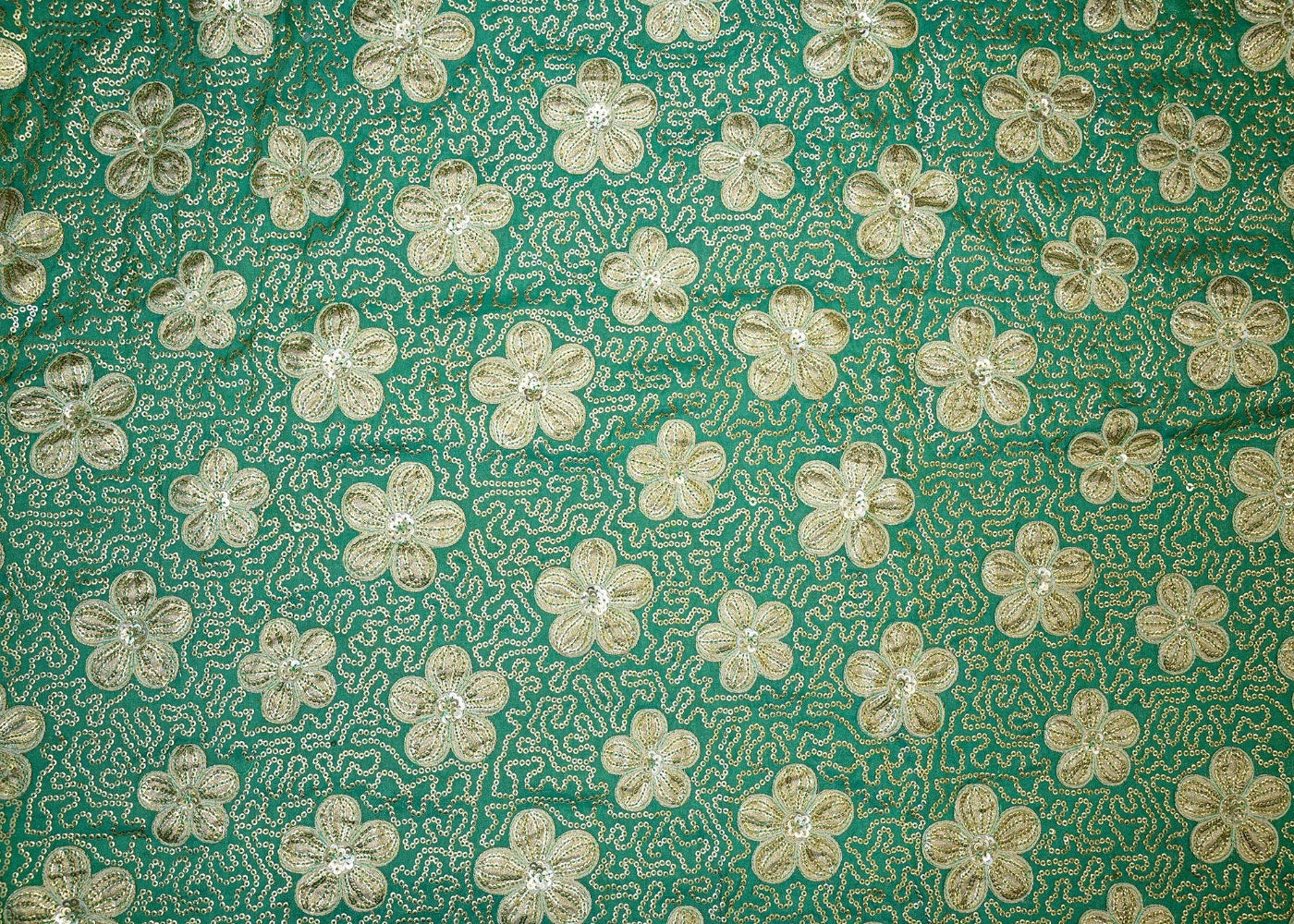
The Boutique Insider Guide to Kurti Fabric
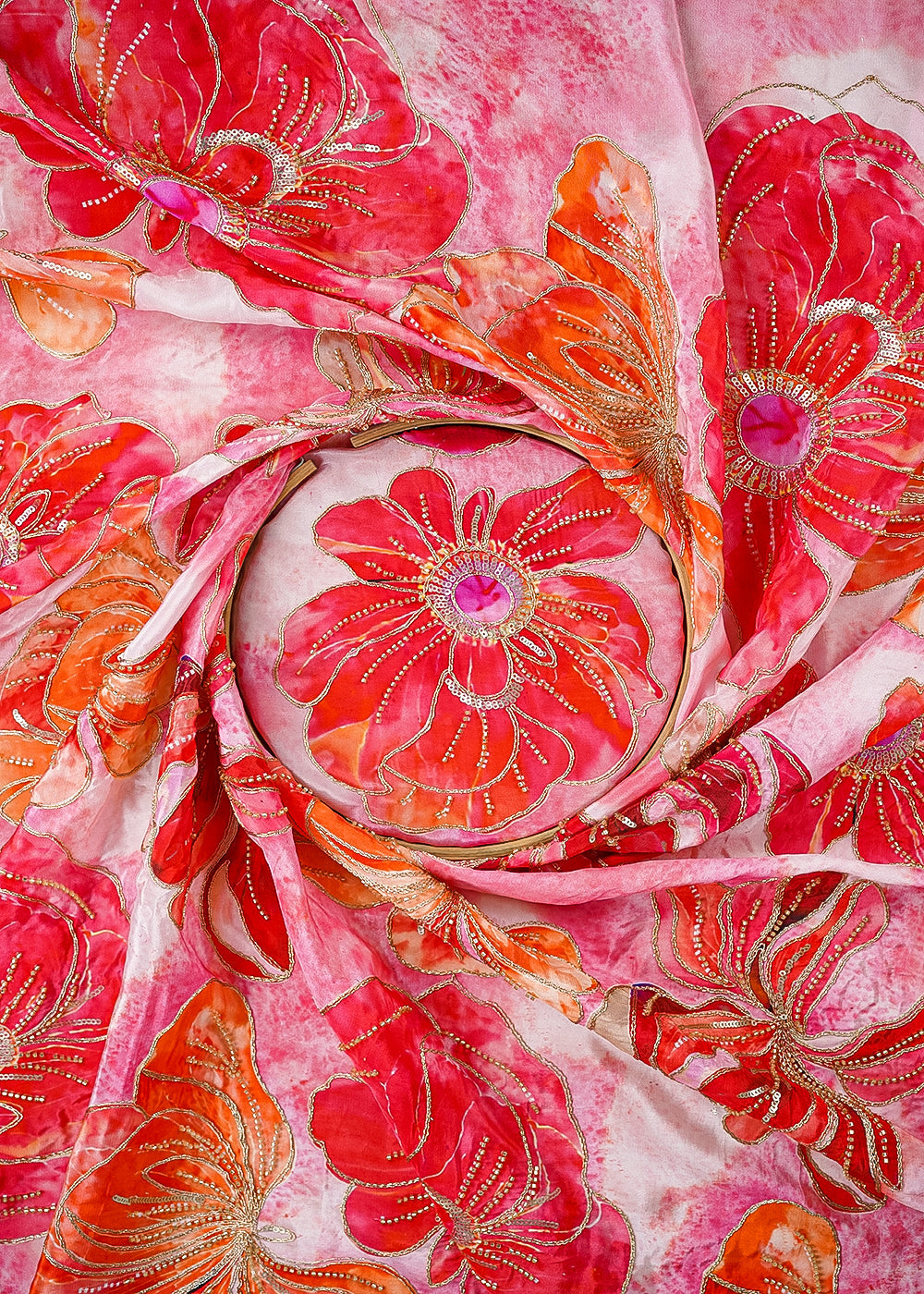
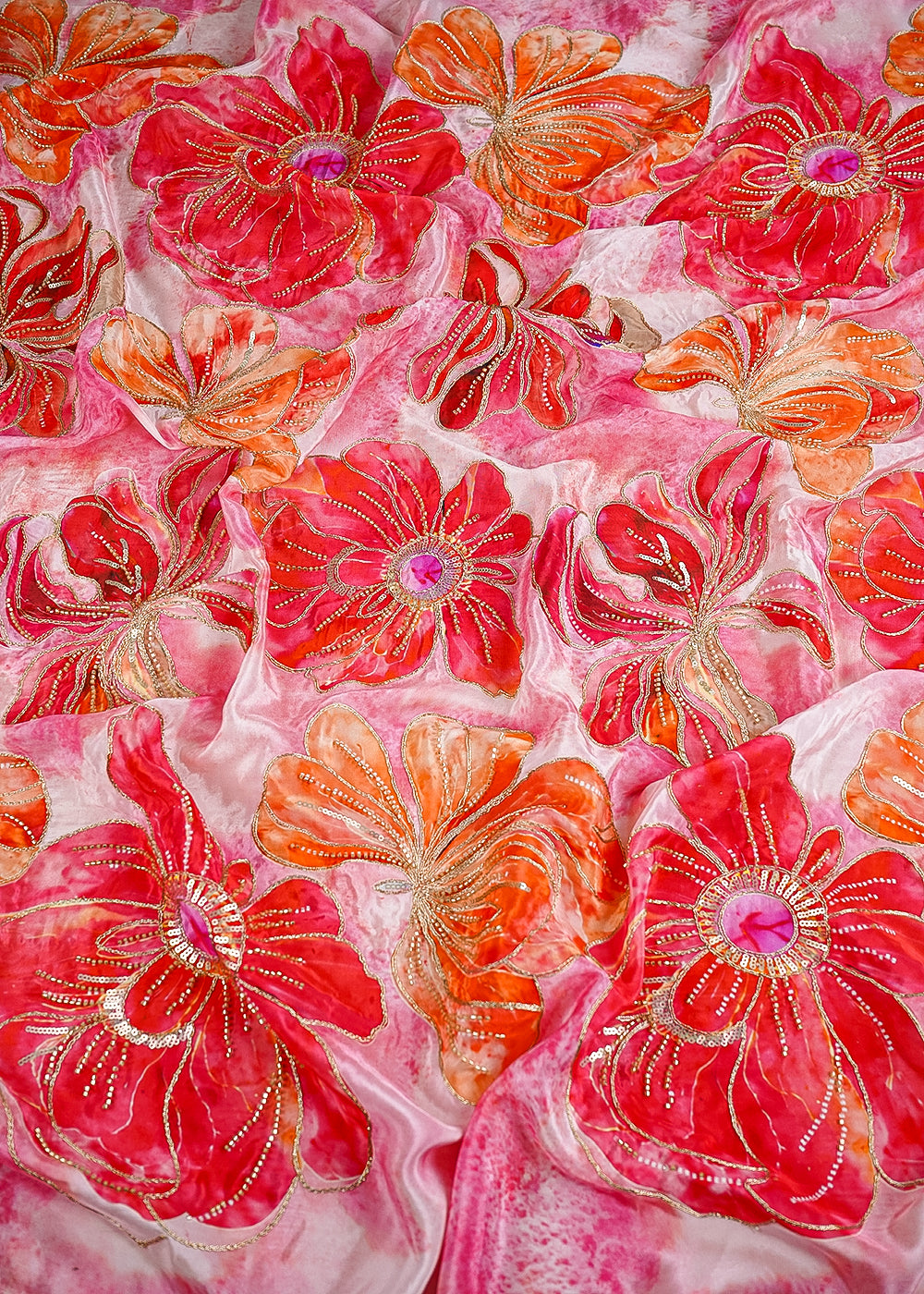
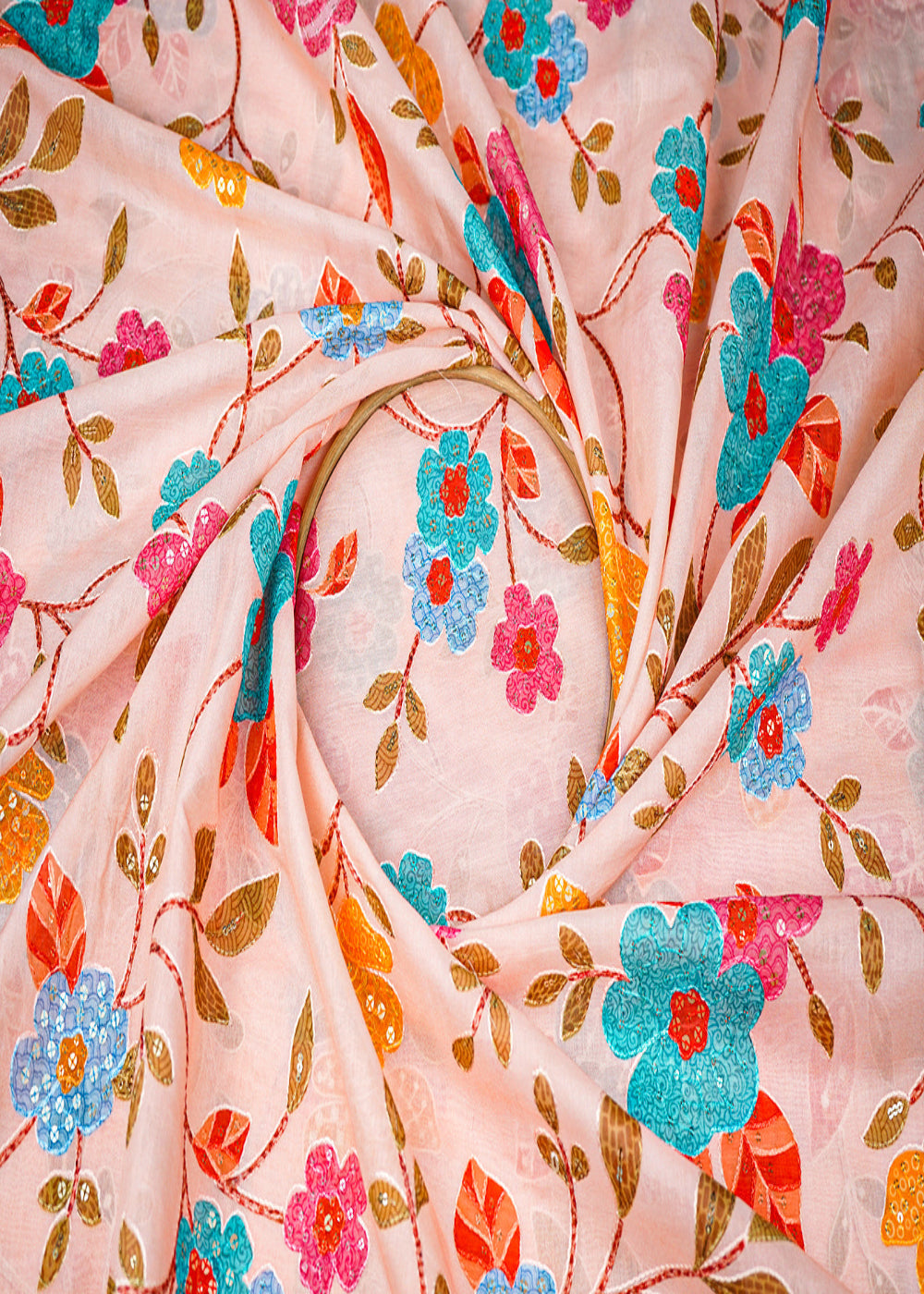
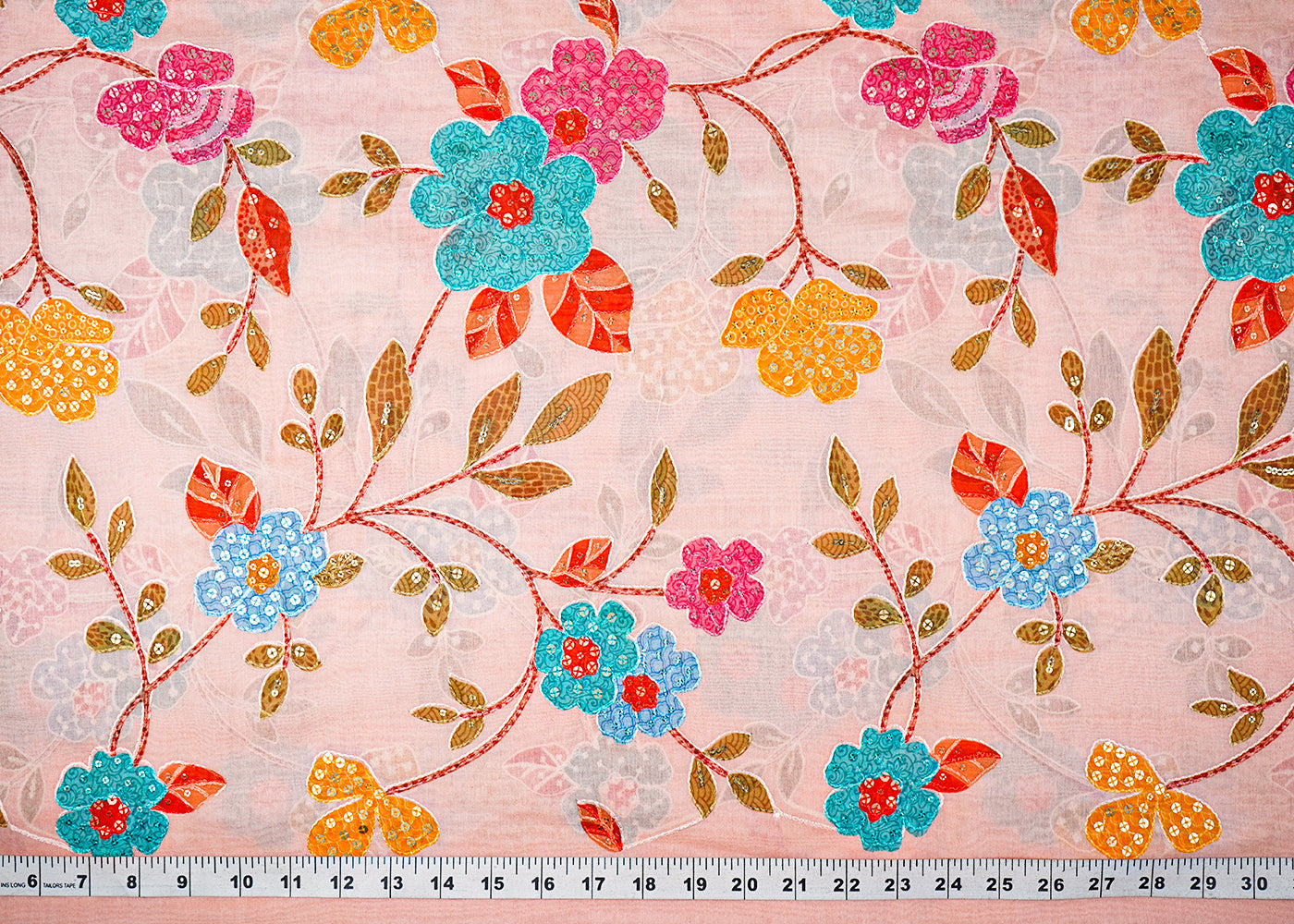
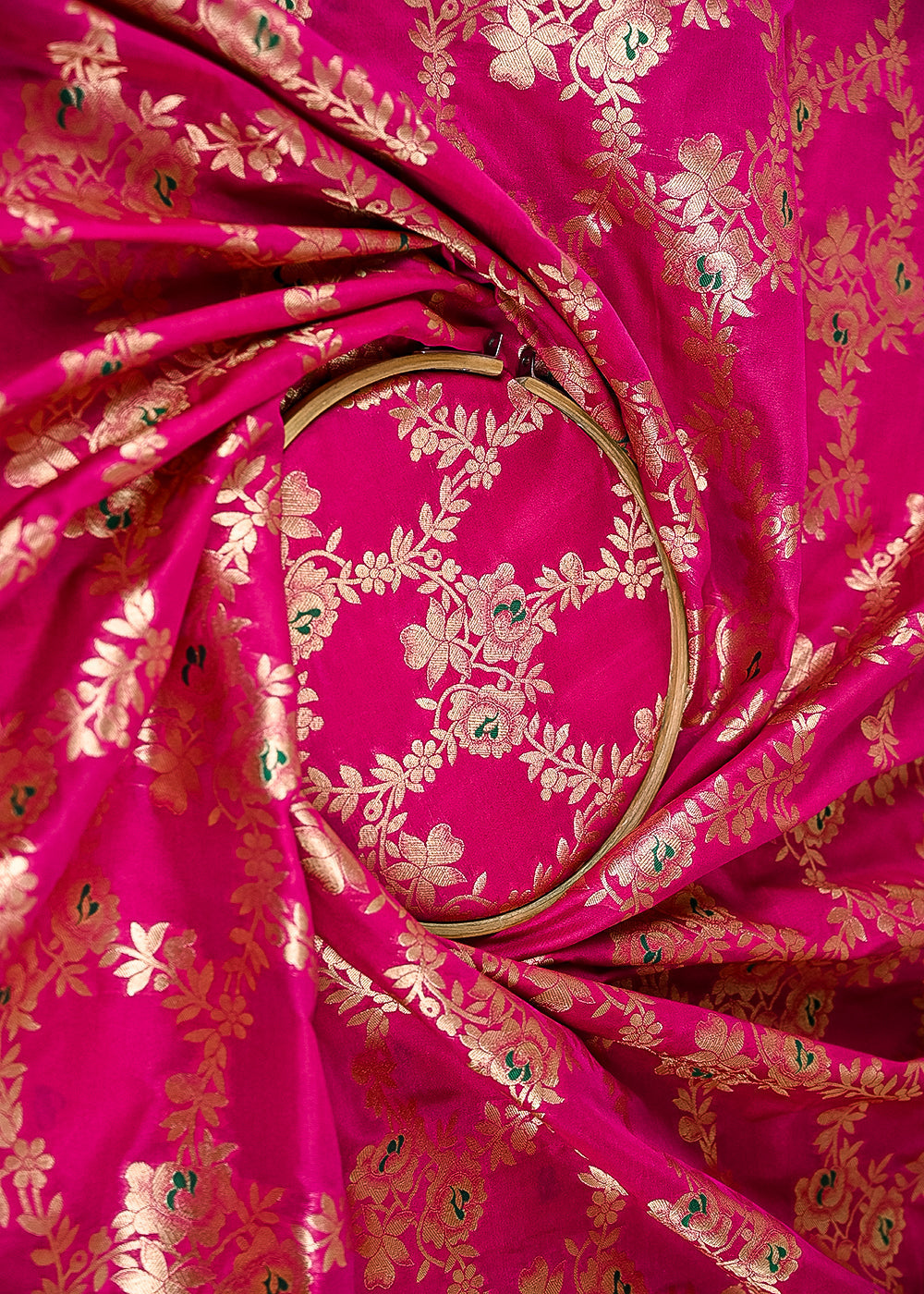
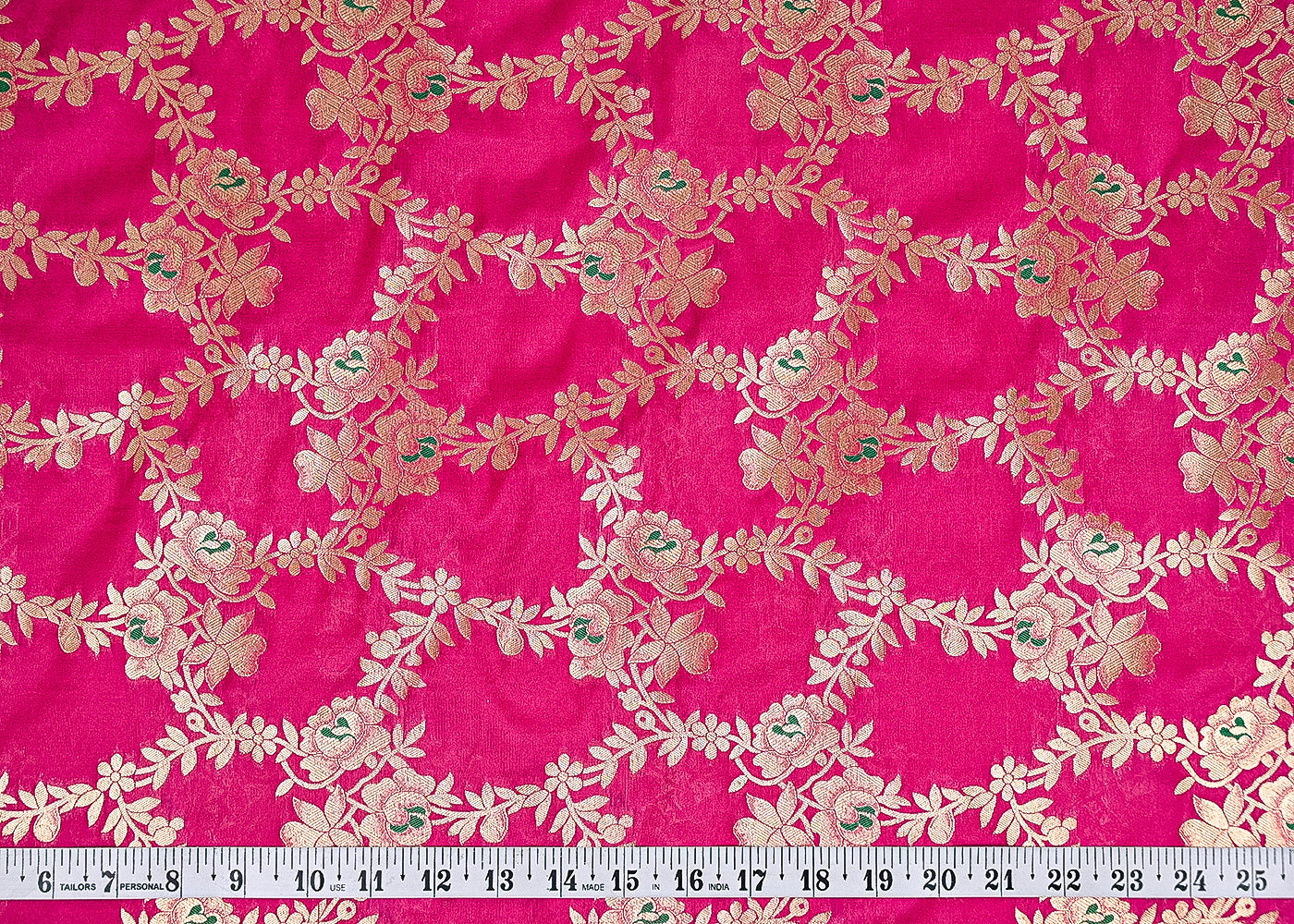
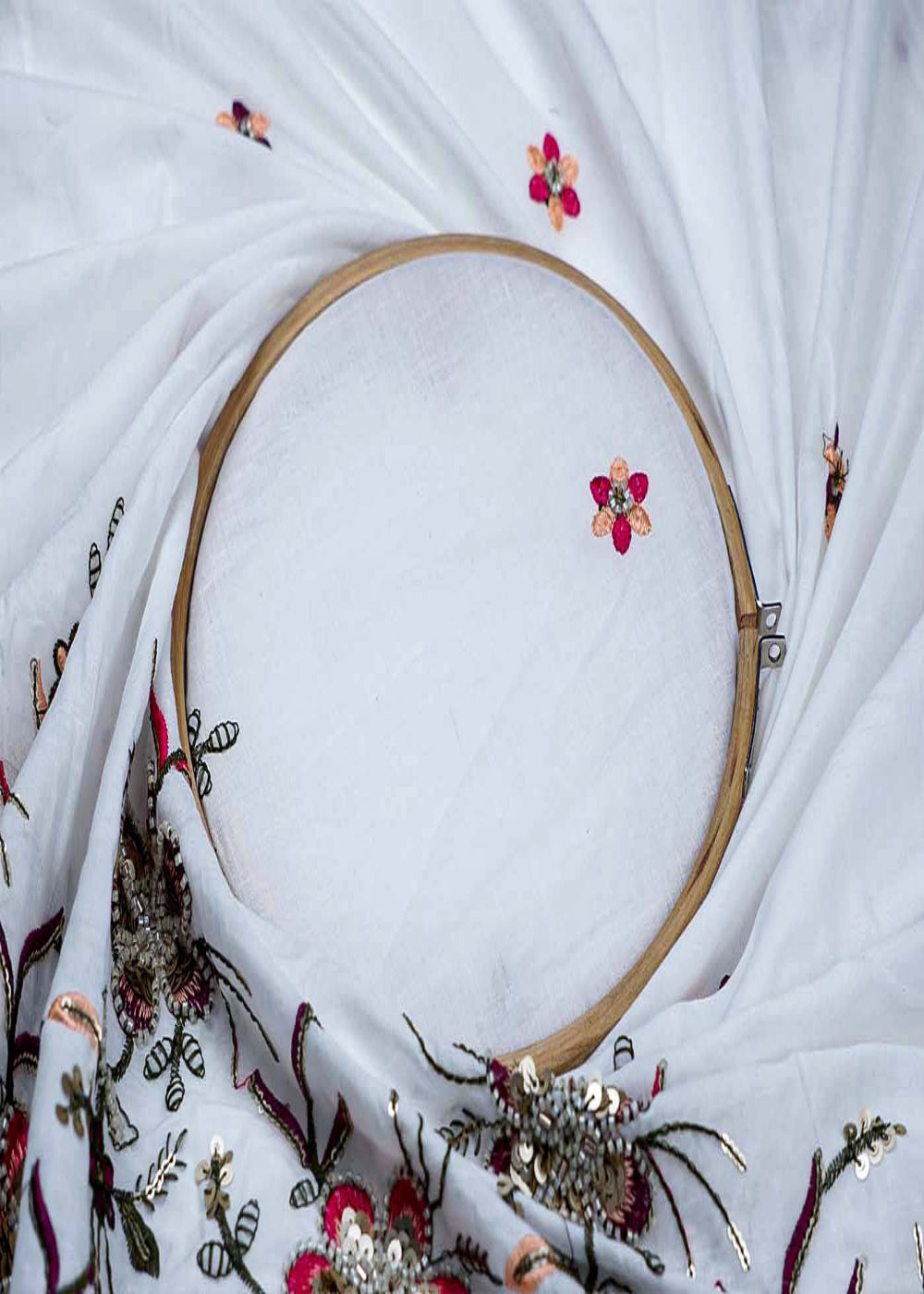
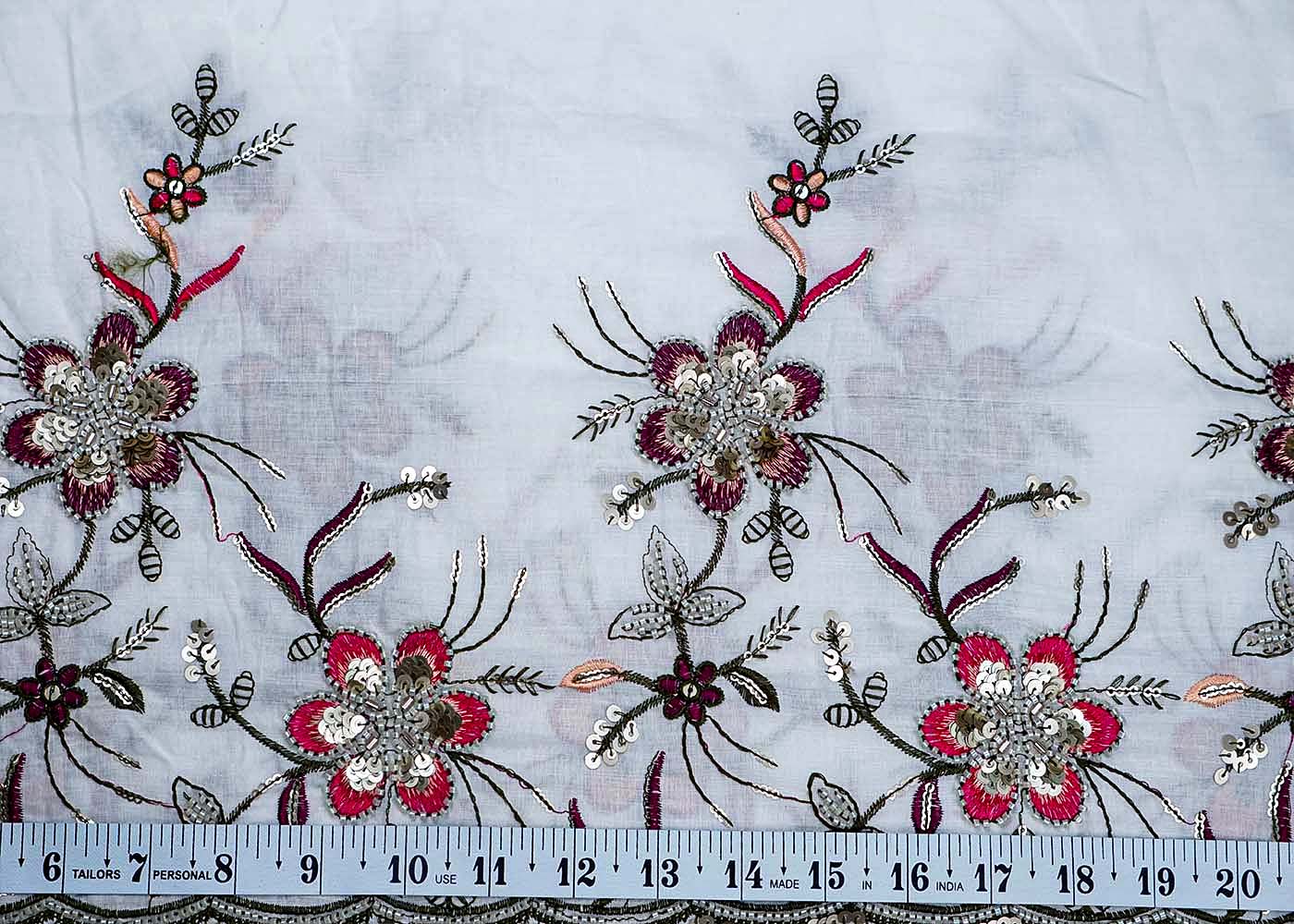
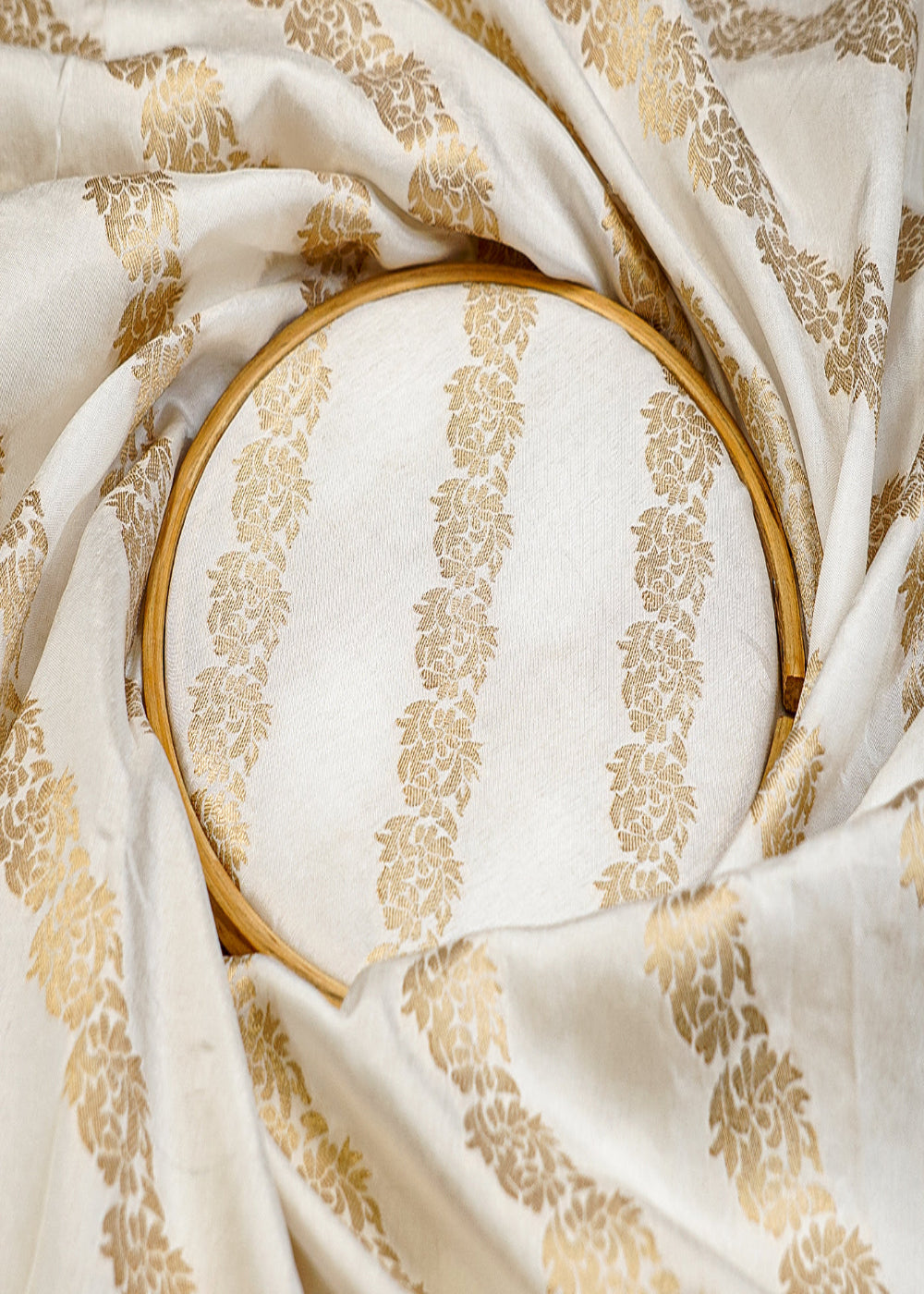
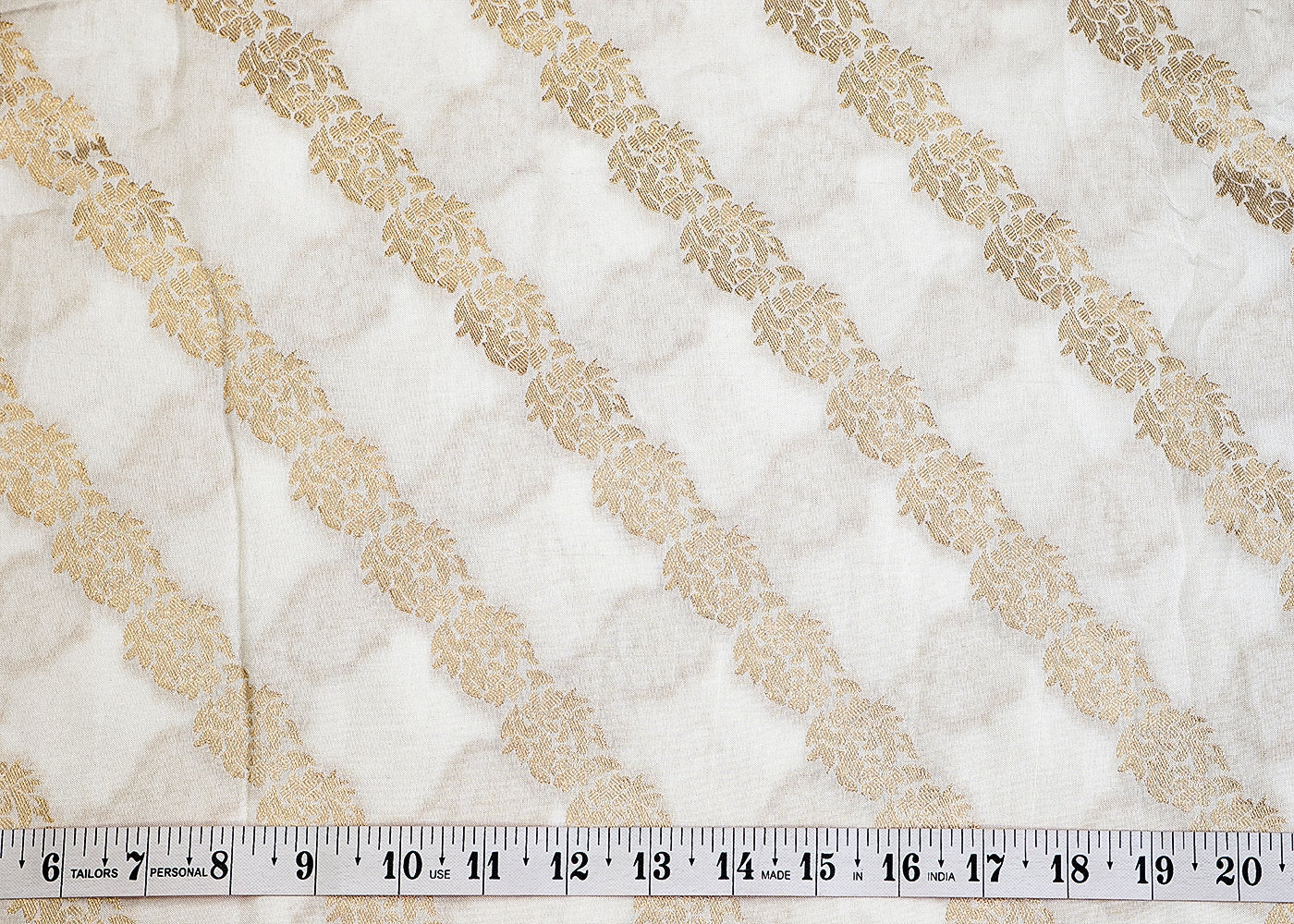
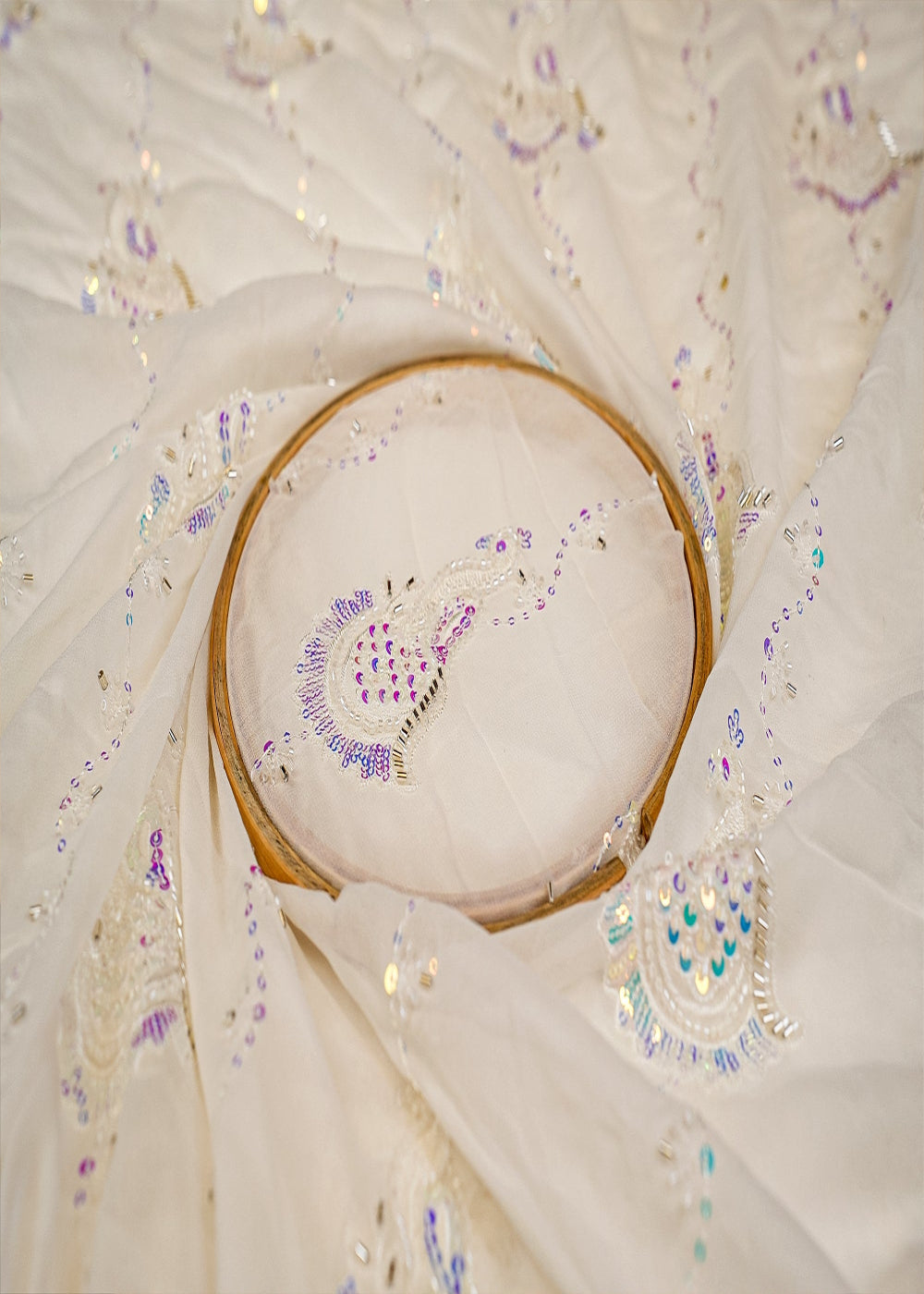
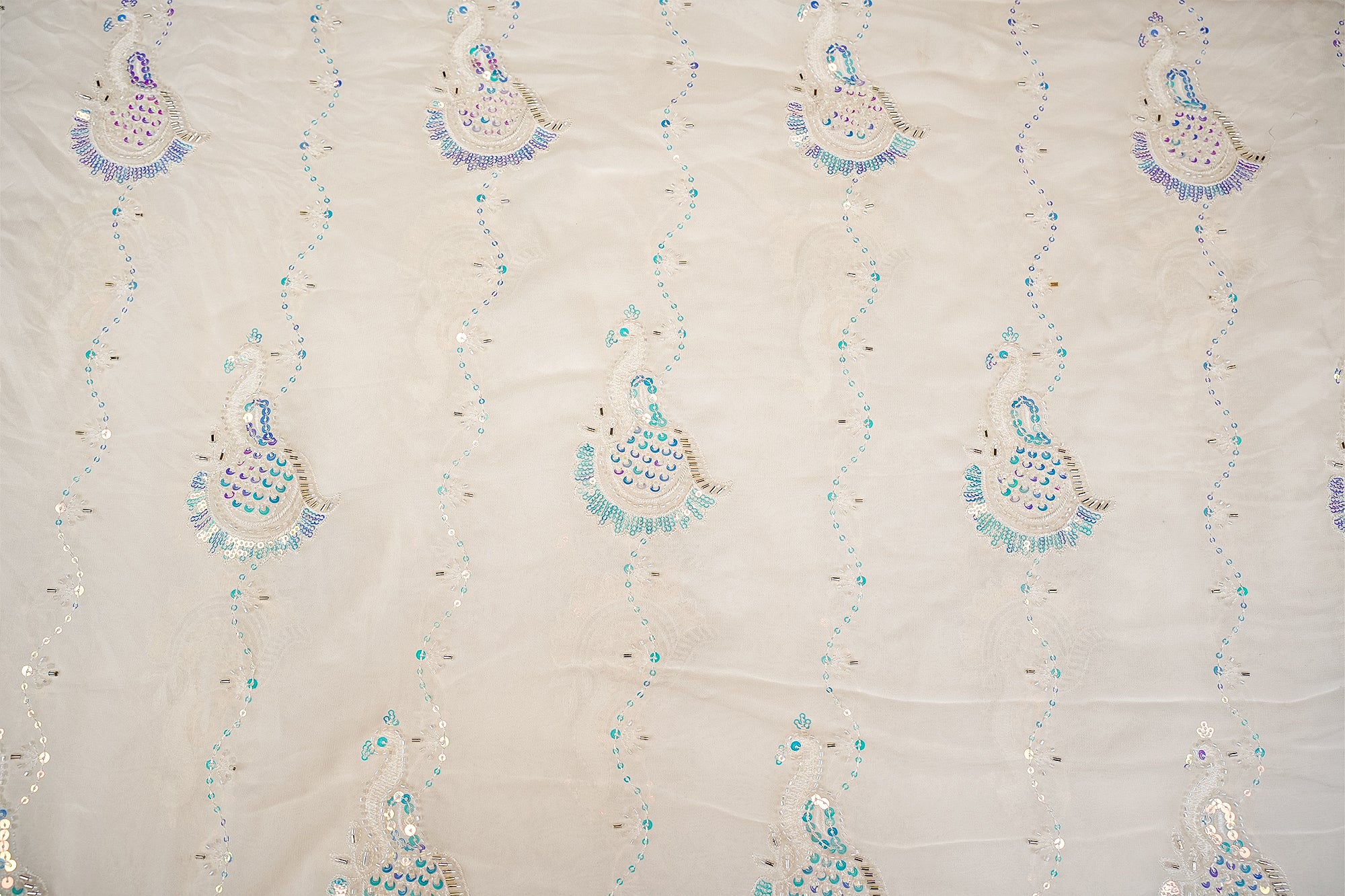
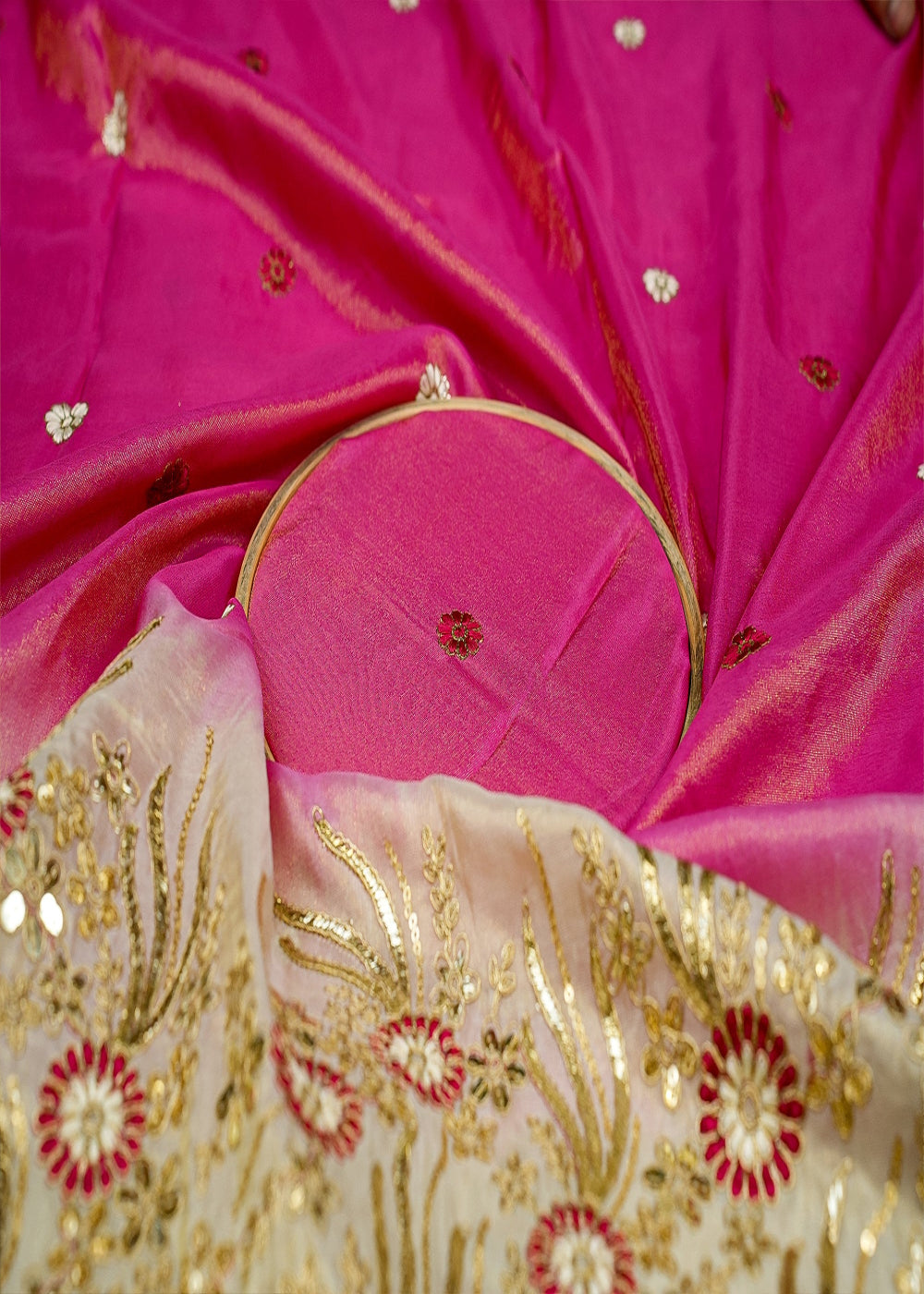
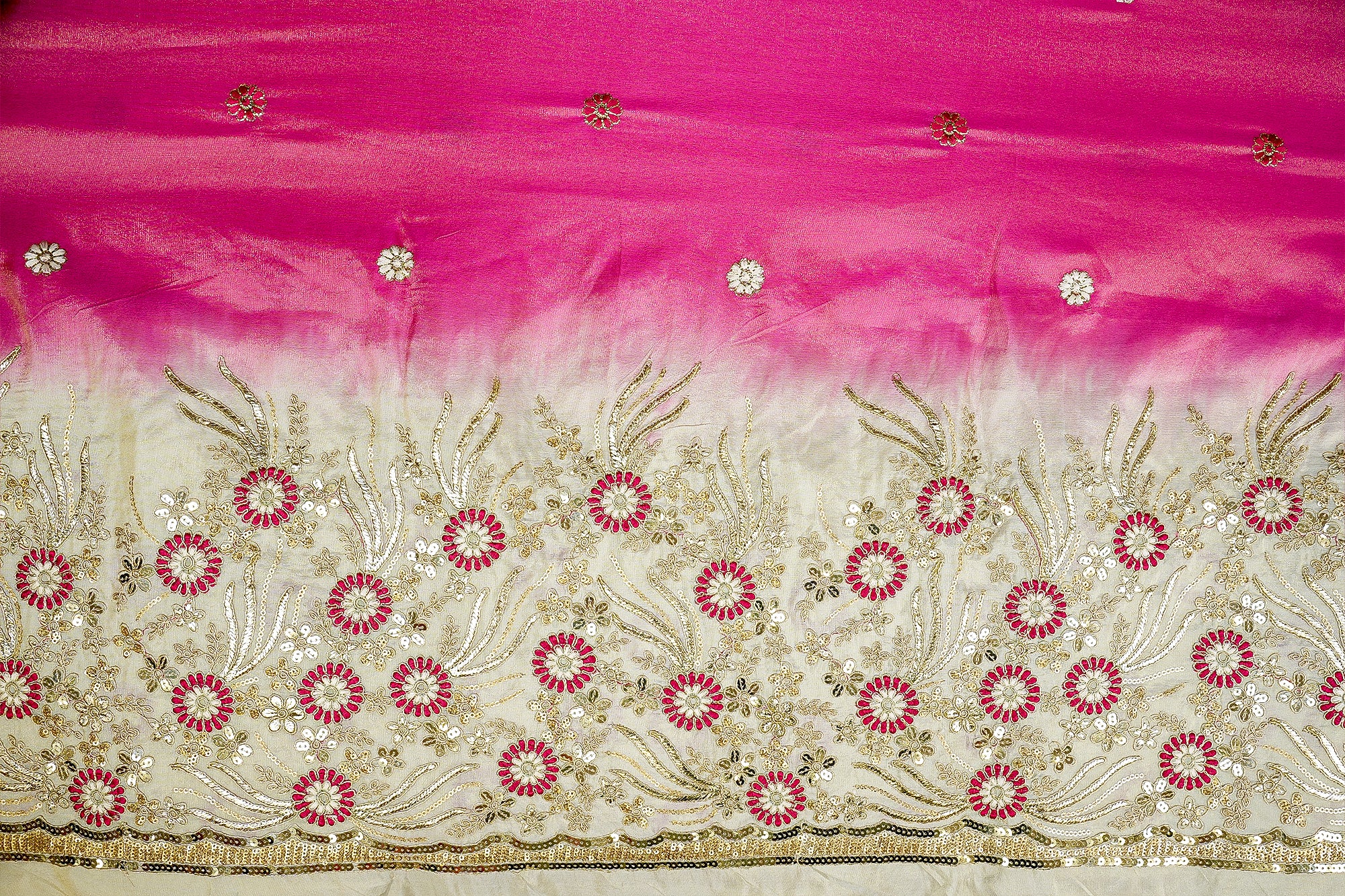
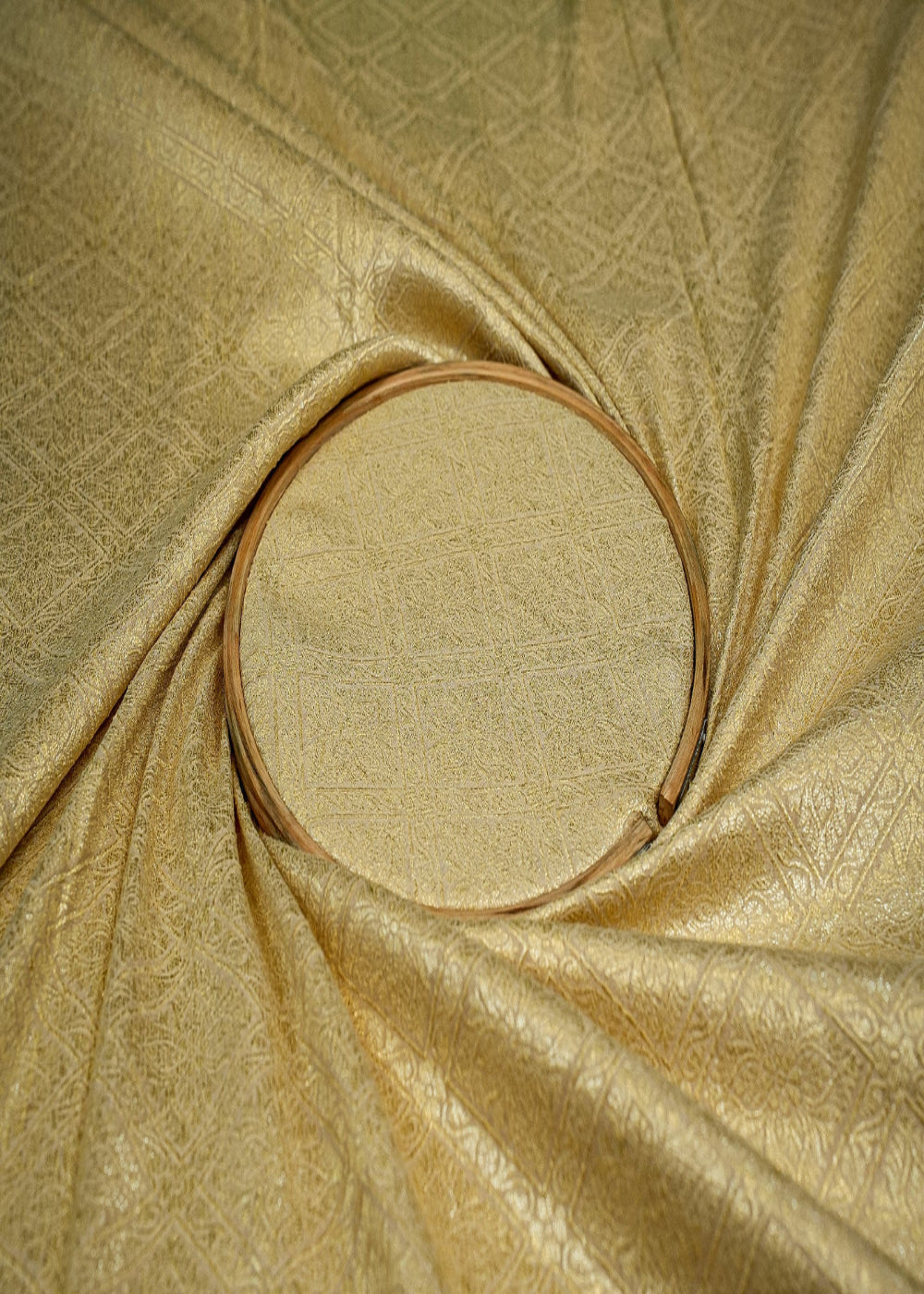
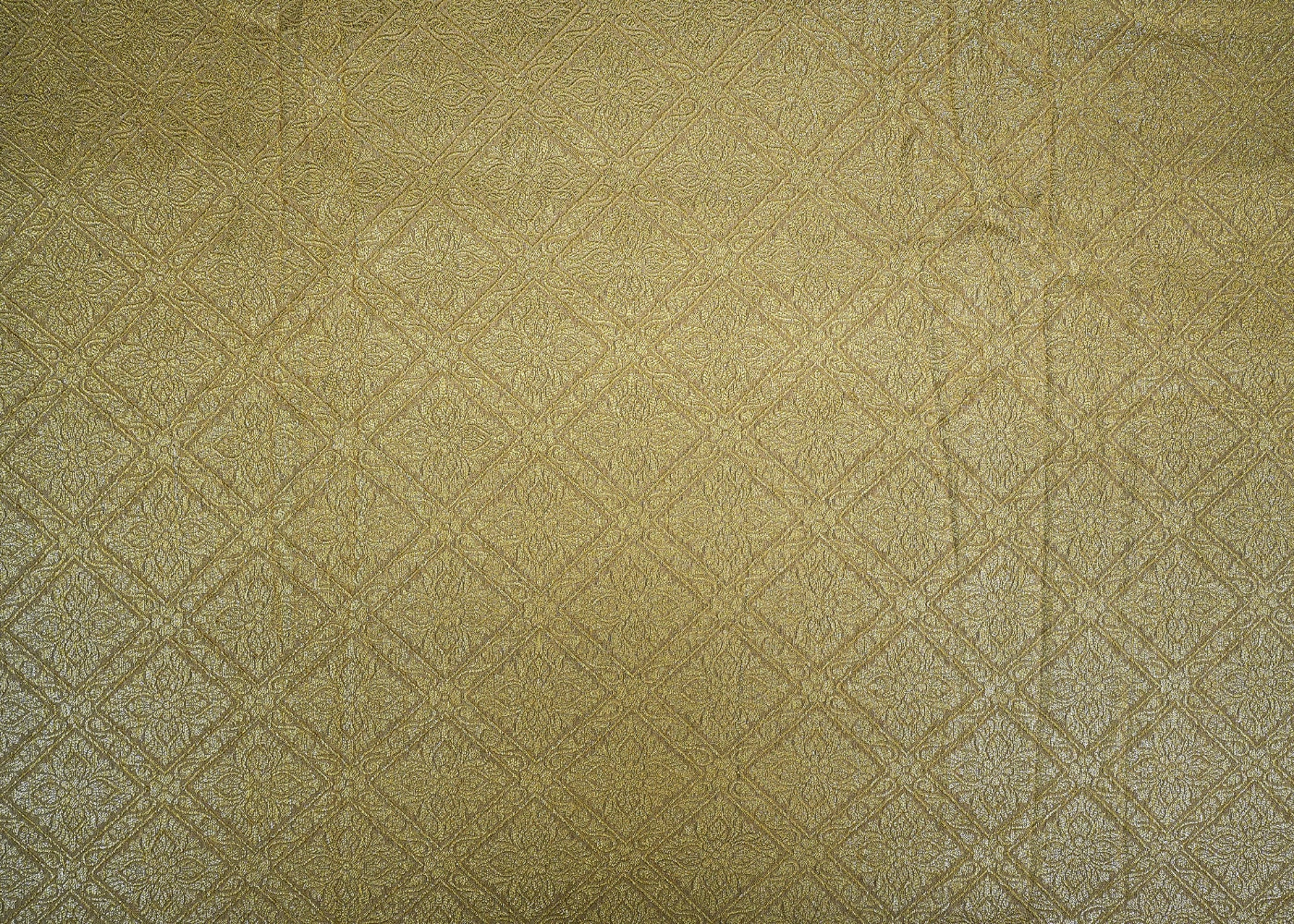
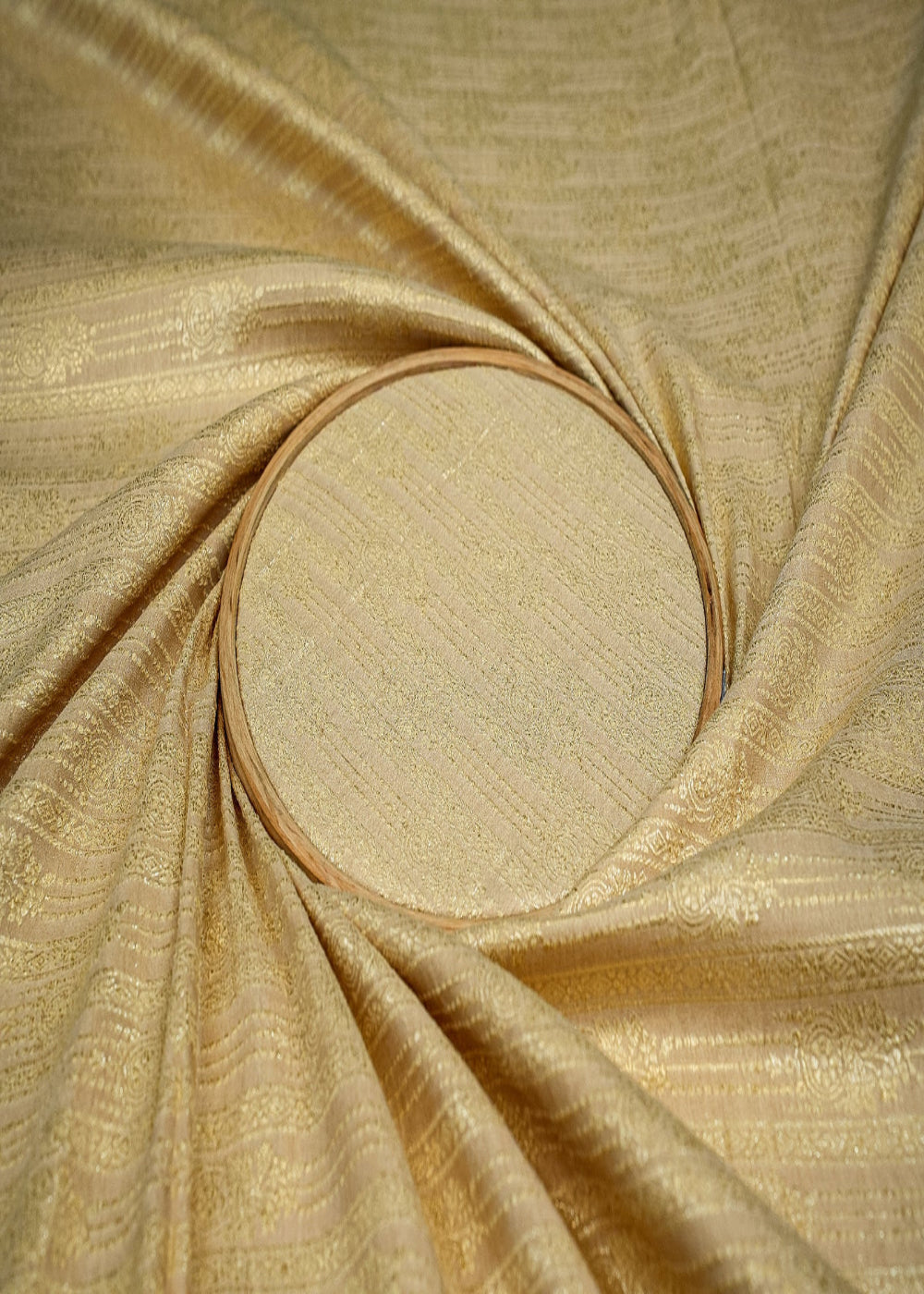
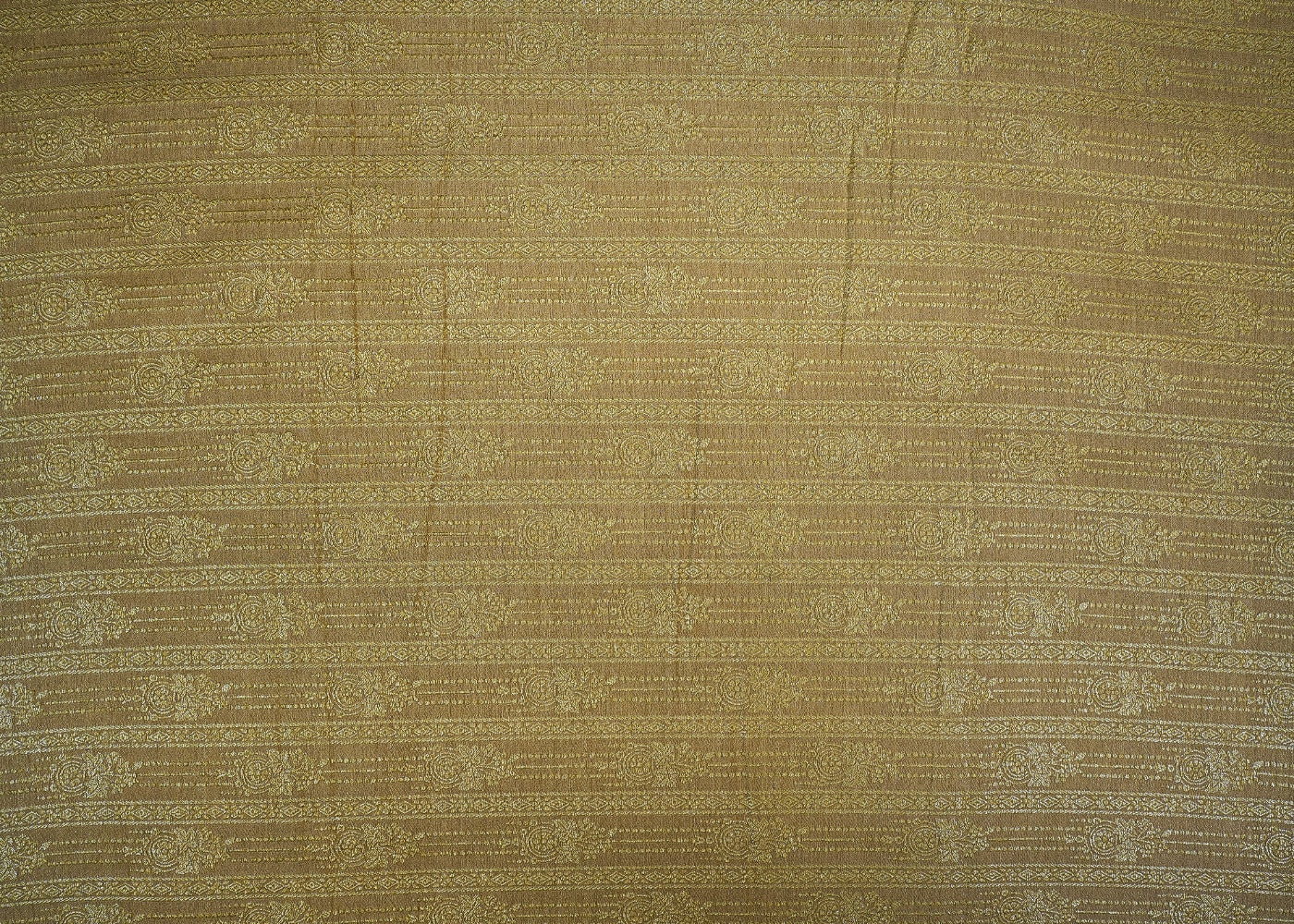
Every everyday designer boutique needs volume kurti stock. That is where kurti fabric earns shelf priority for boutique day-wear plus festive kurti production. Thirty-nine curated pieces at Paras Gallery span silk, organza, tissue, cotton, muslin, chanderi, banarasi brocade base fabrics. Forty-six percent dyeable inventory. Wide floral pattern character at 17 pieces matching everyday designer aesthetic segments.
What Makes Kurti Fabric Different
Everyday designer volume requirements define the story. Standard fabric browsing prioritises statement embellishment character. The variant curates specifically the lightweight breathable soft-drape pieces at 44-inch standard width matching boutique volume kurti production workflow across day-wear plus festive segments. White base dominant at 16 pieces enabling boutique custom-dye workflow for coordinated collection production.
Five base fabric variants cover the complete kurti brief:
- Silk Kurti Fabric (9 pieces): Zari handloom character plus buti work for upper-tier boutique festive kurti production
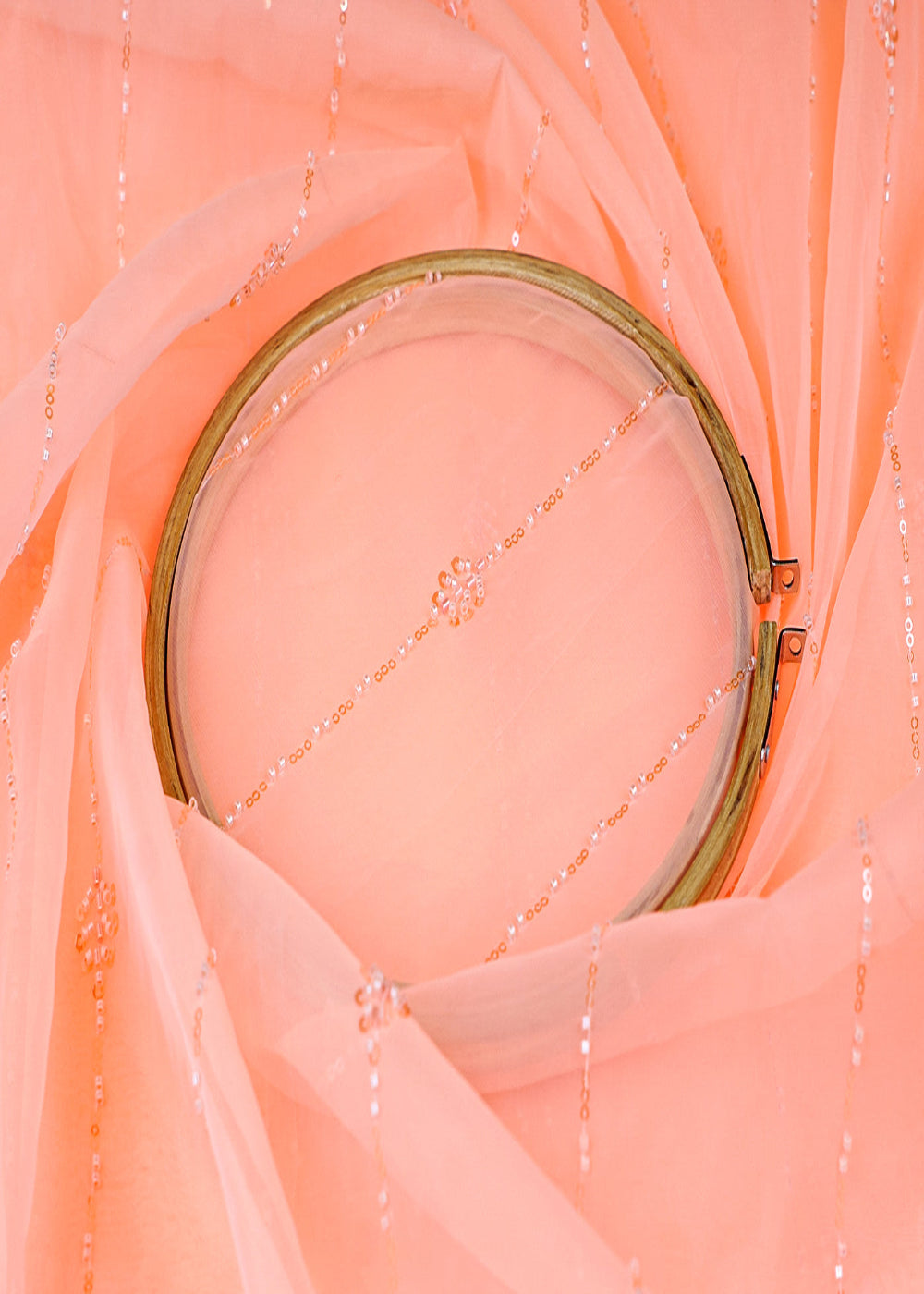
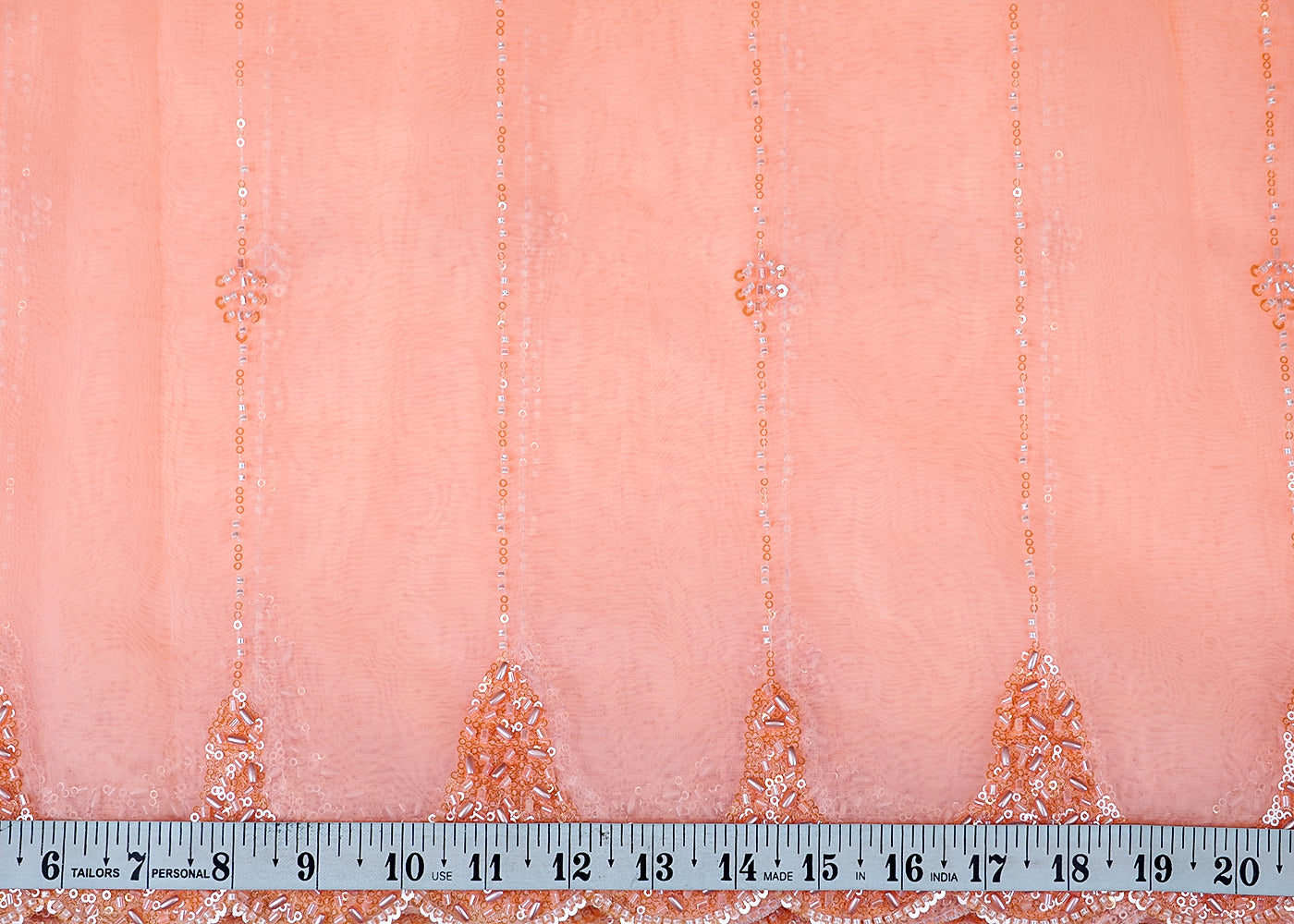
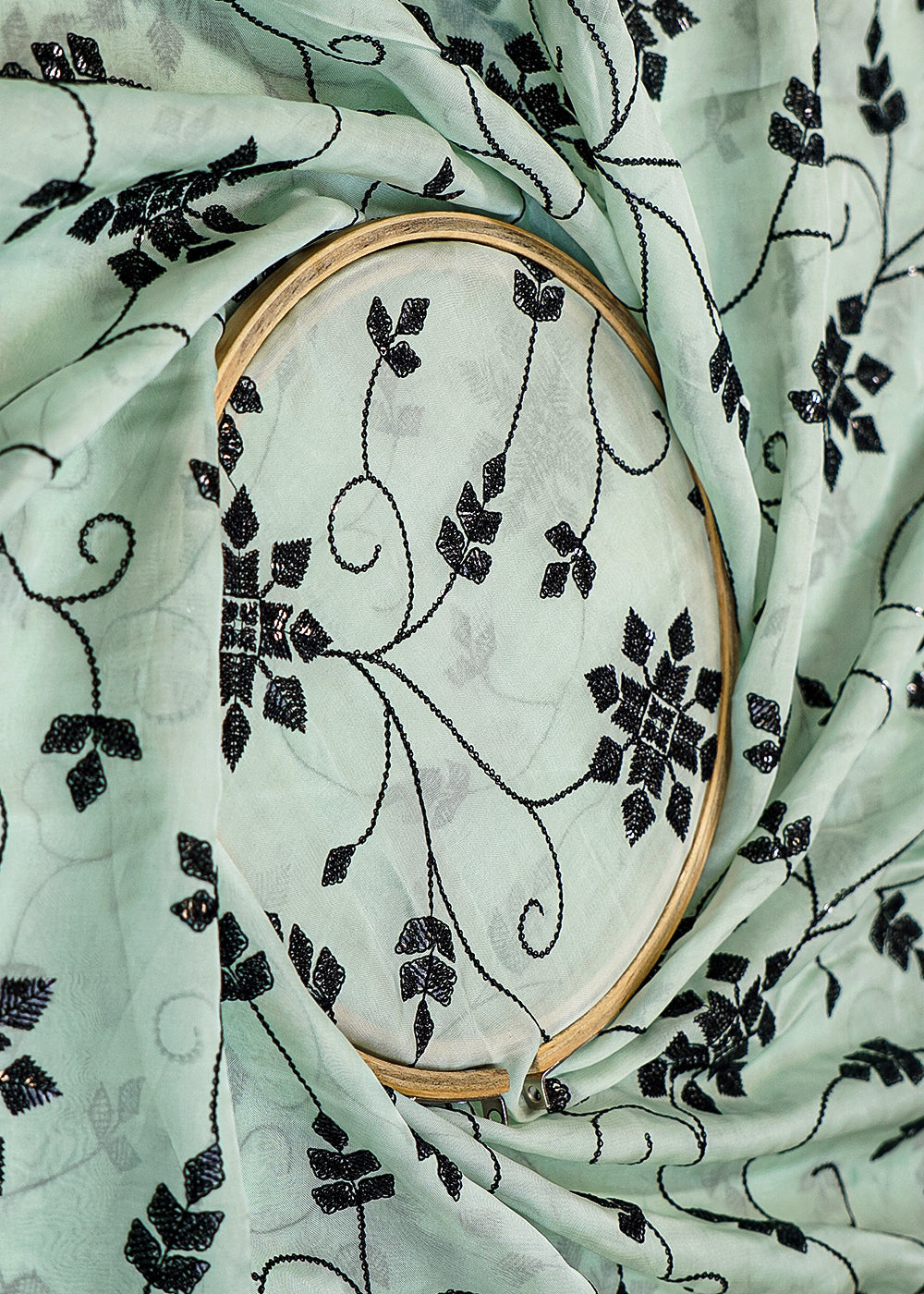
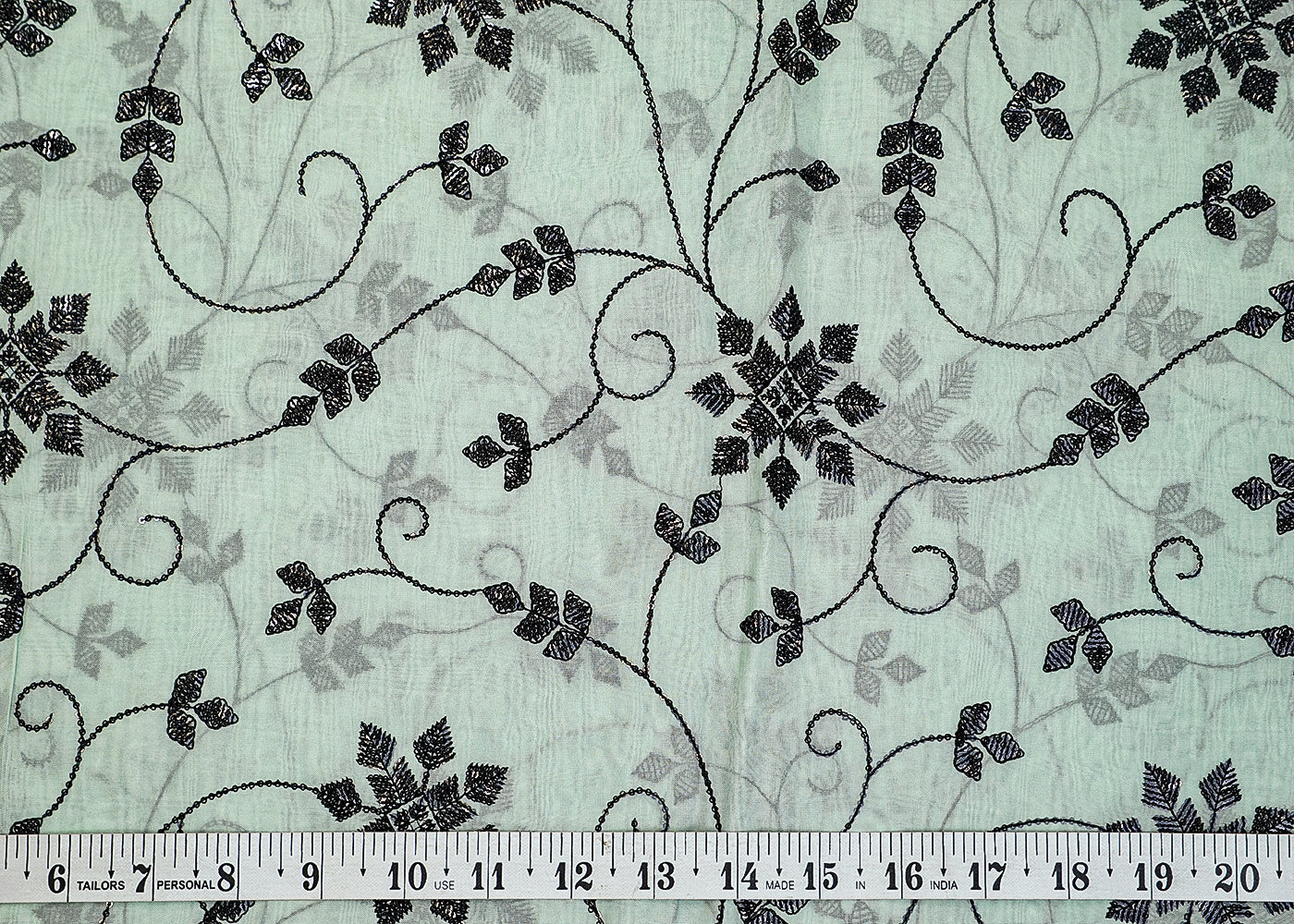
- Organza Kurti Fabric (8 pieces): Sheer statement drape with sequin plus thread work for party segments
- Tissue Kurti Fabric (6 pieces): Zari handloom base with sequin plus thread border for festive family segments
- Cotton Plus Muslin Kurti (6 pieces): Everyday breathable natural-fibre base for boutique day-wear volume production
- Chanderi Plus Banarasi Brocade (4 pieces): Heritage-conscious festive segments with zari handloom character
Suitable for dyeable embroidery custom-palette matching across coordinated bridal-family segments plus chanderi heritage coordination across festive boutique segments. Lajpat Nagar wholesale rates for kurti fabric run Rs 440 to Rs 2,510 per meter depending on base fabric plus embellishment character.
Types of Kurti Fabric in Our Collection
| Type | Best Use | Approximate Price Range |
| White Silk Zari Handloom | Everyday boutique day-wear | Rs 620 per meter |
| Pastel Organza Sequin Thread | Party kurti segments | Rs 780 to 1,130 per meter |
| Lavender Chanderi Sequin | Heritage festive segments | Rs 920 per meter |
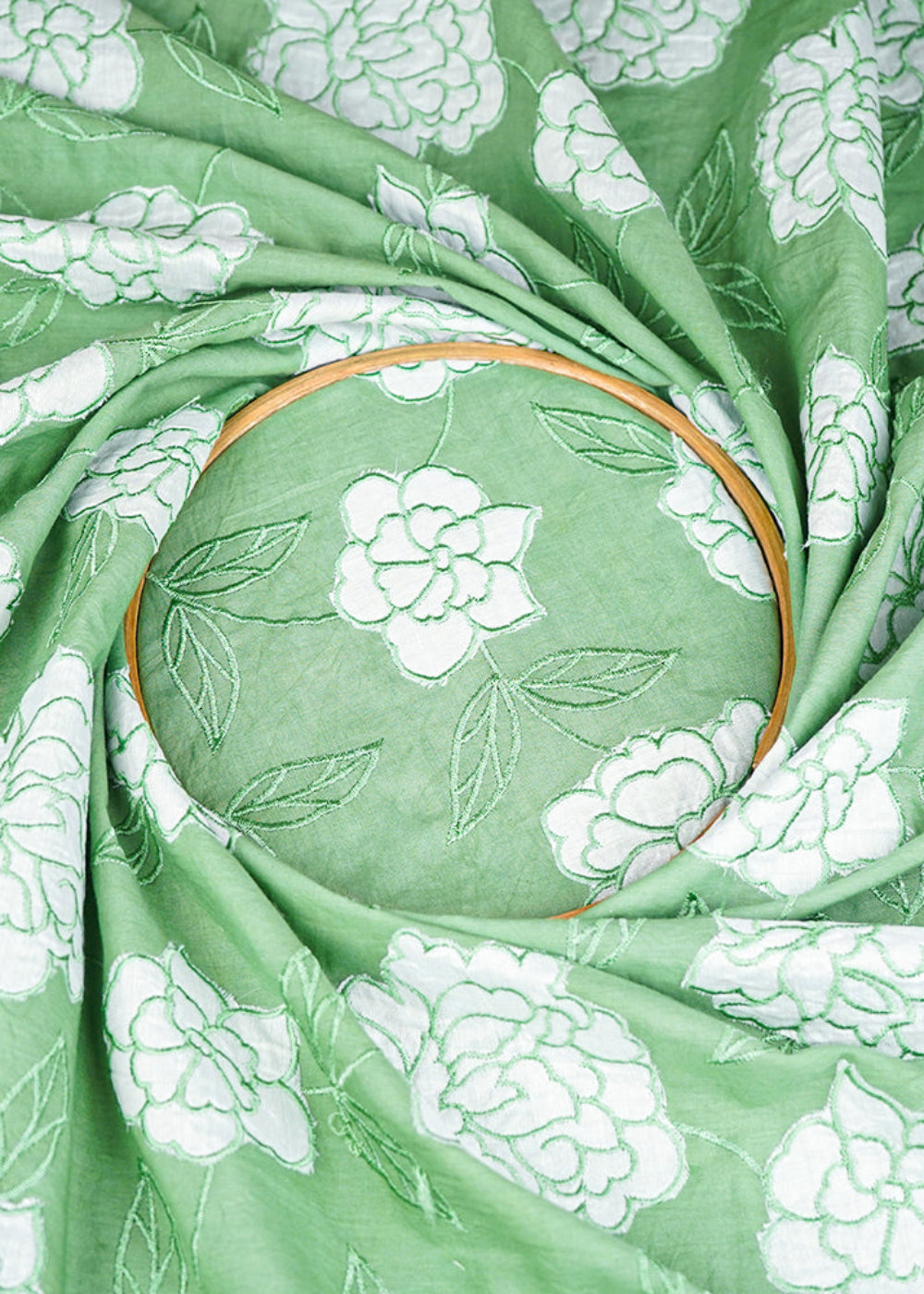
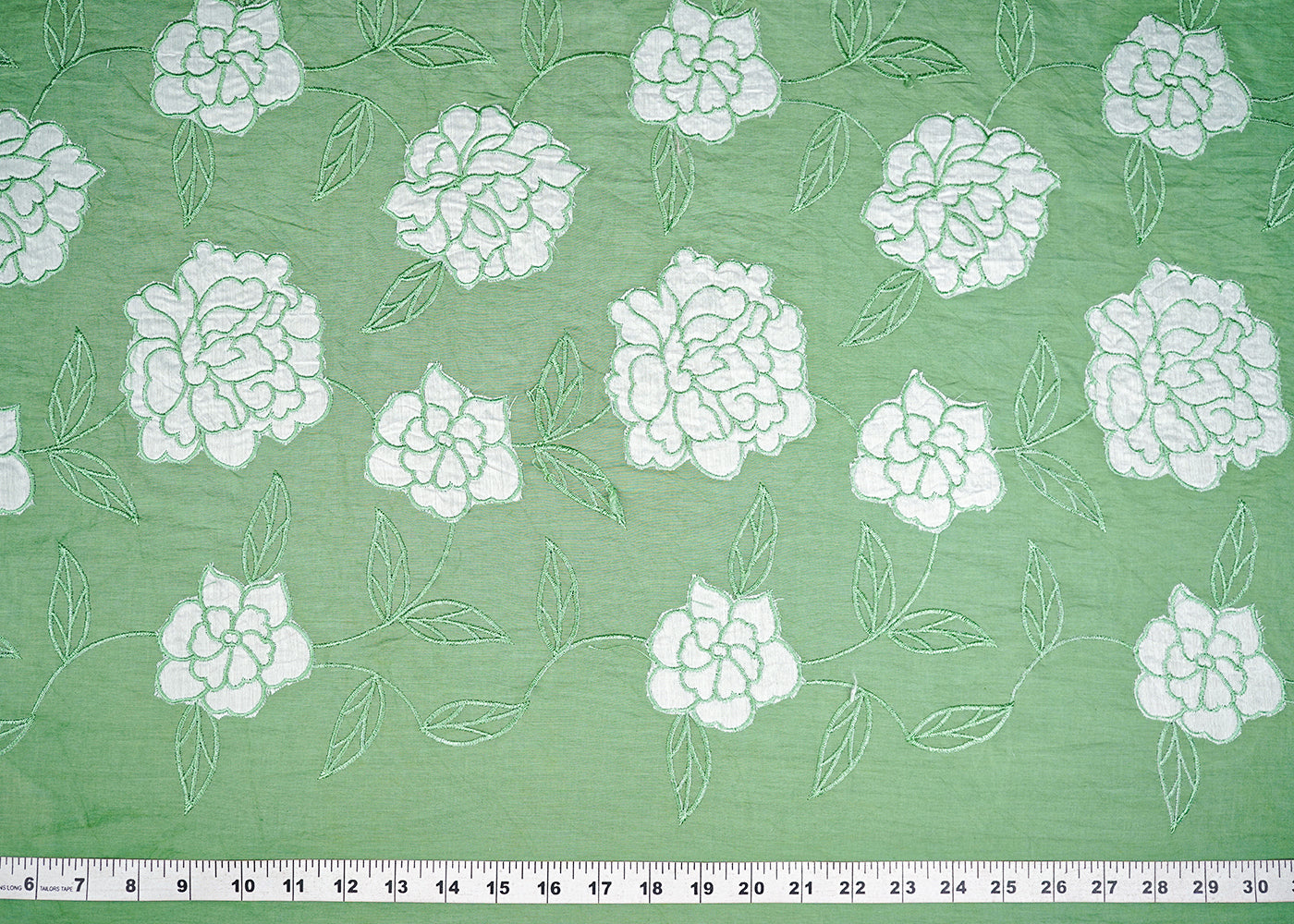
| Green Cotton Thread Patch | Everyday designer volume | Rs 1,000 per meter |
| Moonga Silk Banarasi Zari | Upper-tier festive segments | Rs 2,510 per meter |
| Rainbow Radiance Tissue | Statement designer pieces | Rs 1,560 per meter |
| Neon Peach Organza Satin Katdana | Statement everyday pieces | Rs 1,220 per meter |
Silk with zari handloom variants sit as the volume seller across mid-market everyday boutique production. Moonga silk with Banarasi zari targets upper-tier heritage-conscious festive segments. Cotton plus muslin variants dominate everyday volume production at accessible price bands.
Kurti Fabric GSM Guide
| GSM Range | Fabric Feel | Best For |
| 40 to 90 GSM | Ultra-light day-wear | Cotton plus muslin, everyday summer segments |
| 90 to 130 GSM | Medium structured | Silk plus chanderi, festive family segments |
| 130 to 200 GSM | Statement structured | Tissue plus banarasi brocade, upper-tier segments |
Boutique buyers default to 90 to 130 GSM kurti fabric variants for standard everyday plus festive production. Balances drape structural character with wearing comfort across long summer season boutique volume cycles.
Popular Uses
Everyday designer boutique day-wear production dominates uses across Delhi NCR boutique segment where 44-inch standard width plus white dyeable base delivers volume kurti workflow. Festive family kurti production across Diwali plus family function segments comes second at Rs 3,500 to Rs 7,500 retail. Party wear designer kurti-plus-palazzo coordination for evening cocktail segments ranks third. Heritage-conscious upper-tier kurti production across festive statement segments rounds out popular uses.
Kurti Fabric Trends for 2026
White dyeable silk plus organza with zari handloom leads current boutique everyday designer demand across urban customer bases. Custom-palette matching across coordinated boutique collection production drives this trend across Instagram photography aesthetic segments.
Pastel pistol green plus sea green plus mint green organza variants represent the second growing pattern. Boutiques picking softer everyday pastel palette over bold statement alternatives drive steady reorders across summer designer boutique volume segments.
Care and Working Tips for Kurti Fabric
Pre-test embellishment tension before bulk cutting. Silk plus tissue variants sometimes shrink 4 to 6 percent on first wash requiring boutique pre-wash before customer delivery. Cold-water hand-wash first cycle recommended across all base variants because embellishment character damages under machine wash cycles.
Thread selection follows base fabric character. Silk-blend thread handles silk plus banarasi brocade variants best. Cotton thread suits organza plus muslin plus chanderi variants. Fine sewing needle mandatory across delicate variants preventing weave distortion at edge finishing during construction workflow.
Ironing works at heat setting matching base fibre. Silk setting for silk plus moonga silk variants. Cotton setting for cotton plus chanderi variants. Storage folds in muslin cloth preserve embellishment character across long inventory holds. Hanging stretches sheer organza plus chiffon variants over time.
What is Kurti Fabric? (Quick Definition)
Kurti Fabric Collection refers to 39 curated fabric pieces across silk, organza, tissue, cotton, muslin, chanderi, banarasi brocade base fabrics at 44-inch standard width targeting boutique women's kurti production workflow. Kurti fabric gets used across everyday designer boutique day-wear production, festive family kurti-plus-palazzo coordination, party wear designer segments, plus heritage-conscious upper-tier festive kurti pieces at retail bands Rs 3,500 to Rs 12,000. Available at wholesale rates Rs 440 to Rs 2,510 per meter.
Why Boutique Owners Choose Kurti Fabric
Ten metres minimum unlocks wholesale tier. Twenty metres opens bulk pricing across coordinated boutique collection production. Fifty metres above peak season unlocks production pricing across October-February peak festive cycles. Place order through our wholesale catalogue.
Frequently Asked Questions
How does kurti fabric differ from lehenga fabric?
Kurti variants prioritise lightweight breathable soft-drape character at 44-inch standard width targeting everyday designer day-wear plus festive volume production. Lehenga variants prioritise wide-panel construction at 60-inch imported width plus statement embellishment character targeting bridal segments. Different construction workflow drives each fabric choice.
Which sub-category leads current boutique kurti demand?
White dyeable silk with zari handloom leads volume everyday production. Organza with sequin plus thread work serves party kurti segments. Cotton plus muslin variants target everyday breathable summer boutique volume workflow.
Are kurti fabric variants dyeable for custom palette workflow?
Eighteen pieces ship dyeable-ready across the collection at 46 percent dyeable inventory. Twenty-one variants ship pre-dyed in stable shades ready for direct construction workflow. Boutique custom-dye workflow enables coordinated palette matching across boutique collection production.
Is kurti fabric available in bulk for boutique operations?
Yes across all base variants. Bulk pricing kicks in at 10 metres per SKU. Wholesale tiers begin at Rs 380 per meter for basic upada silk plus cotton variants on 40-metre-plus orders. Peak-season boutique lots above 100 metres unlock production pricing tier across summer festive volume segments.