
Filters


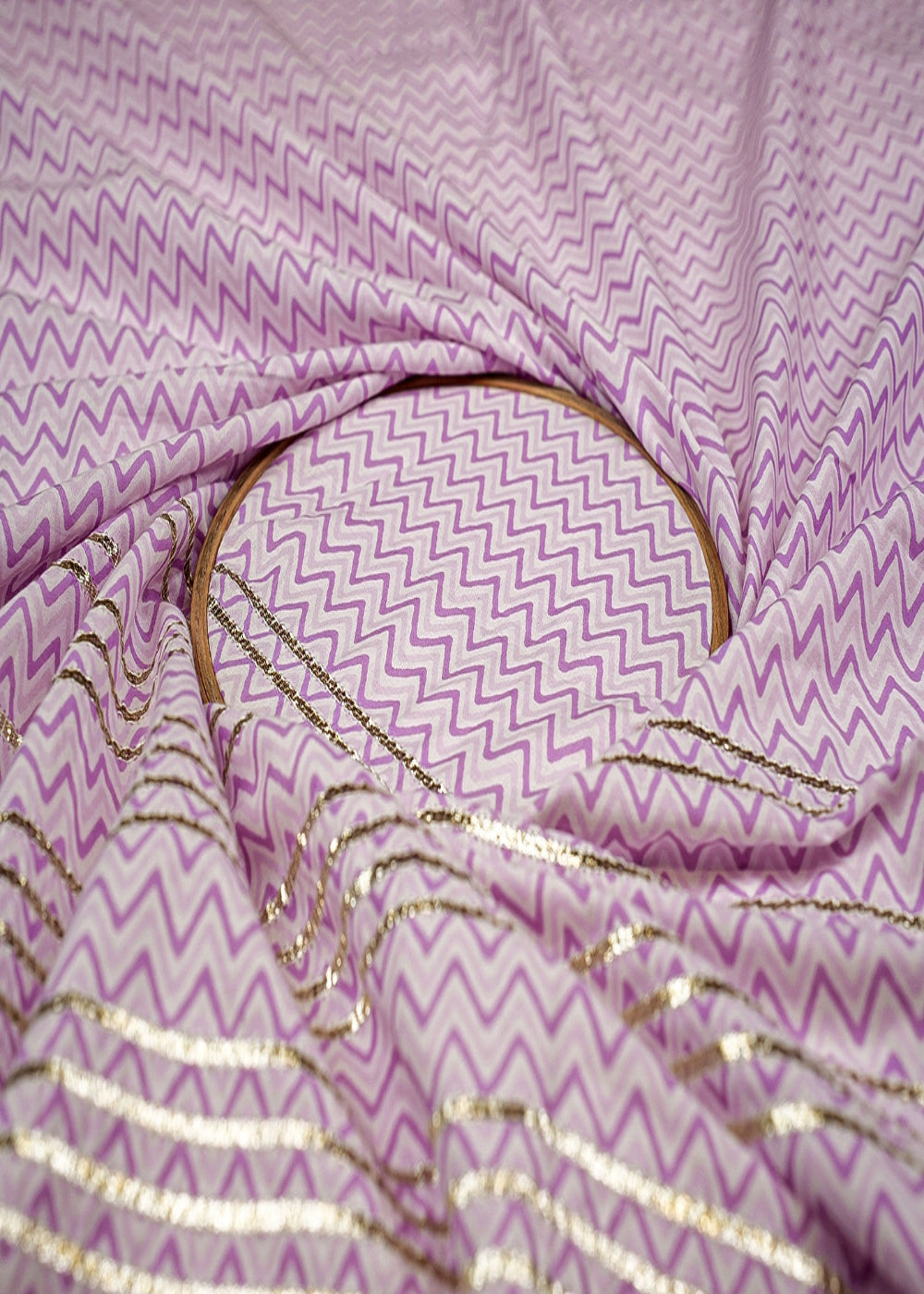
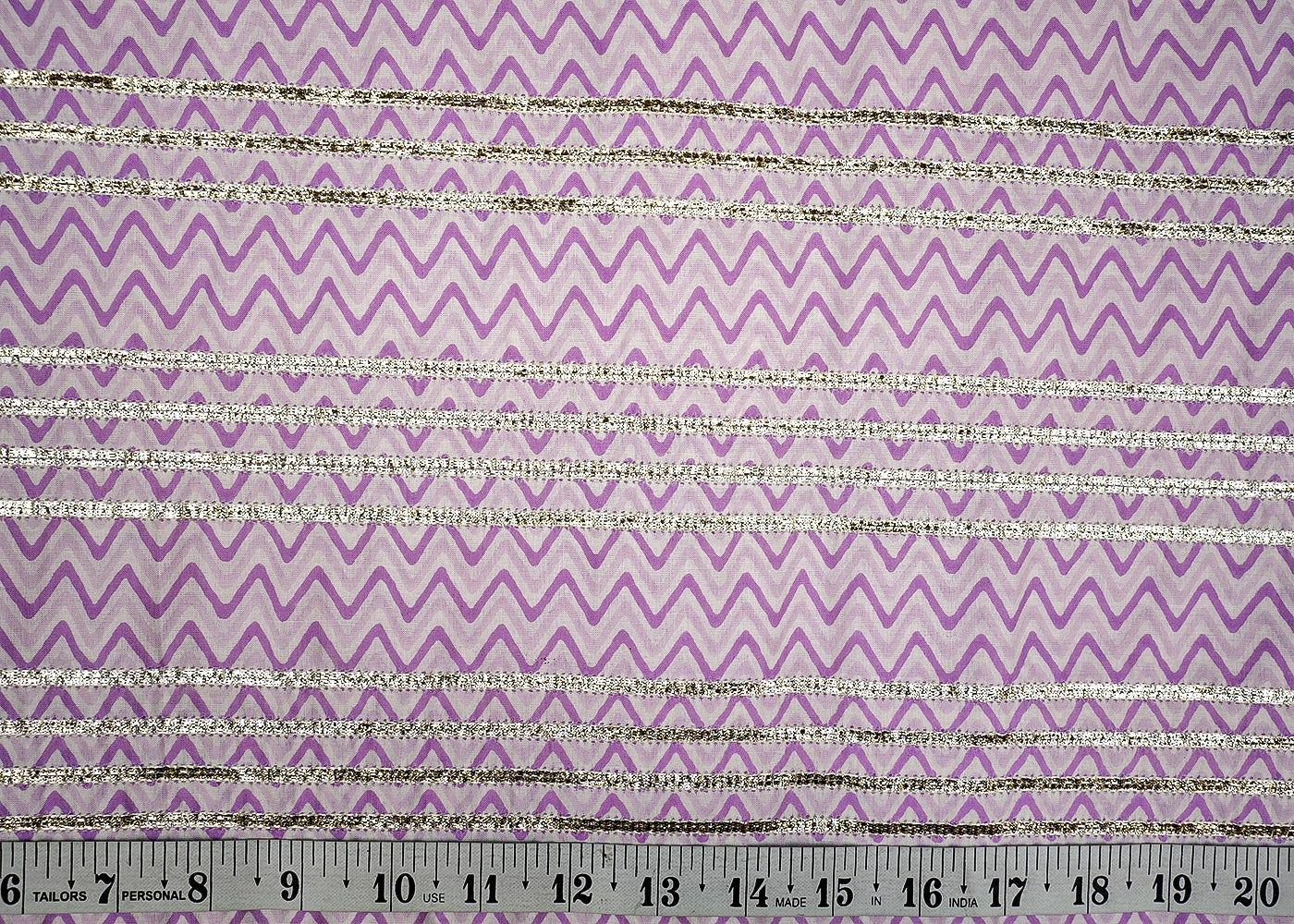
Cotton Fabric Guide: Types, GSM, Prices, Uses
Fashion moves season to season. Comfort does not. Cotton has held its position in the Indian market for one plain reason. It works in the weather people actually live in.
The fabric allows airflow, absorbs moisture, stays wearable through long hours. Daily kurtis, summer co-ord sets, travel outfits, boutique ethnic ranges. Cotton handles all of it without needing special care or a special occasion.
What Separates Cotton From Synthetic Alternatives
Synthetics trap heat against the skin. Cotton does the opposite. The natural fibre structure lets air move through the weave while pulling moisture away, which is why the sticky feeling common in polyester blends does not build up the same way.
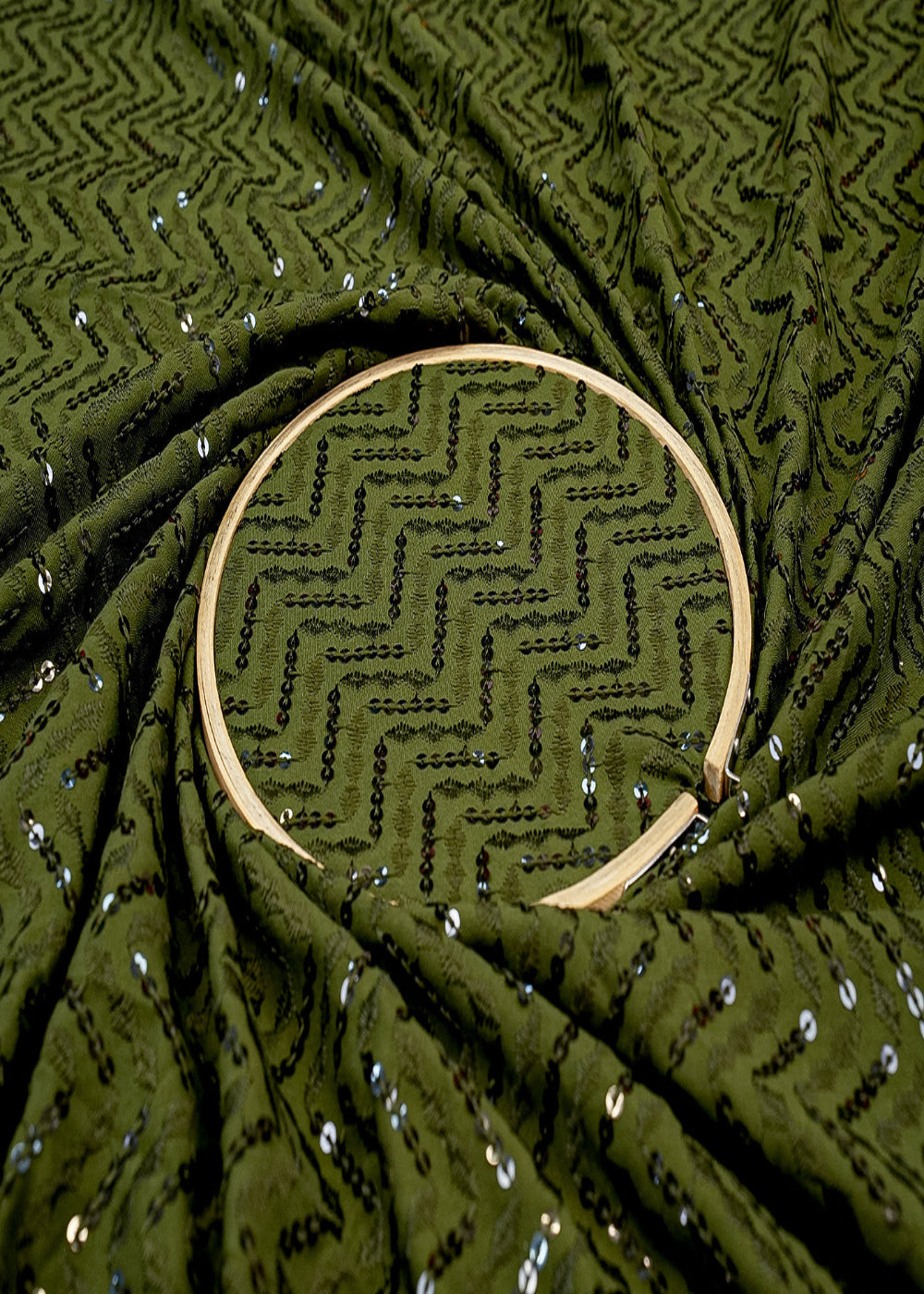
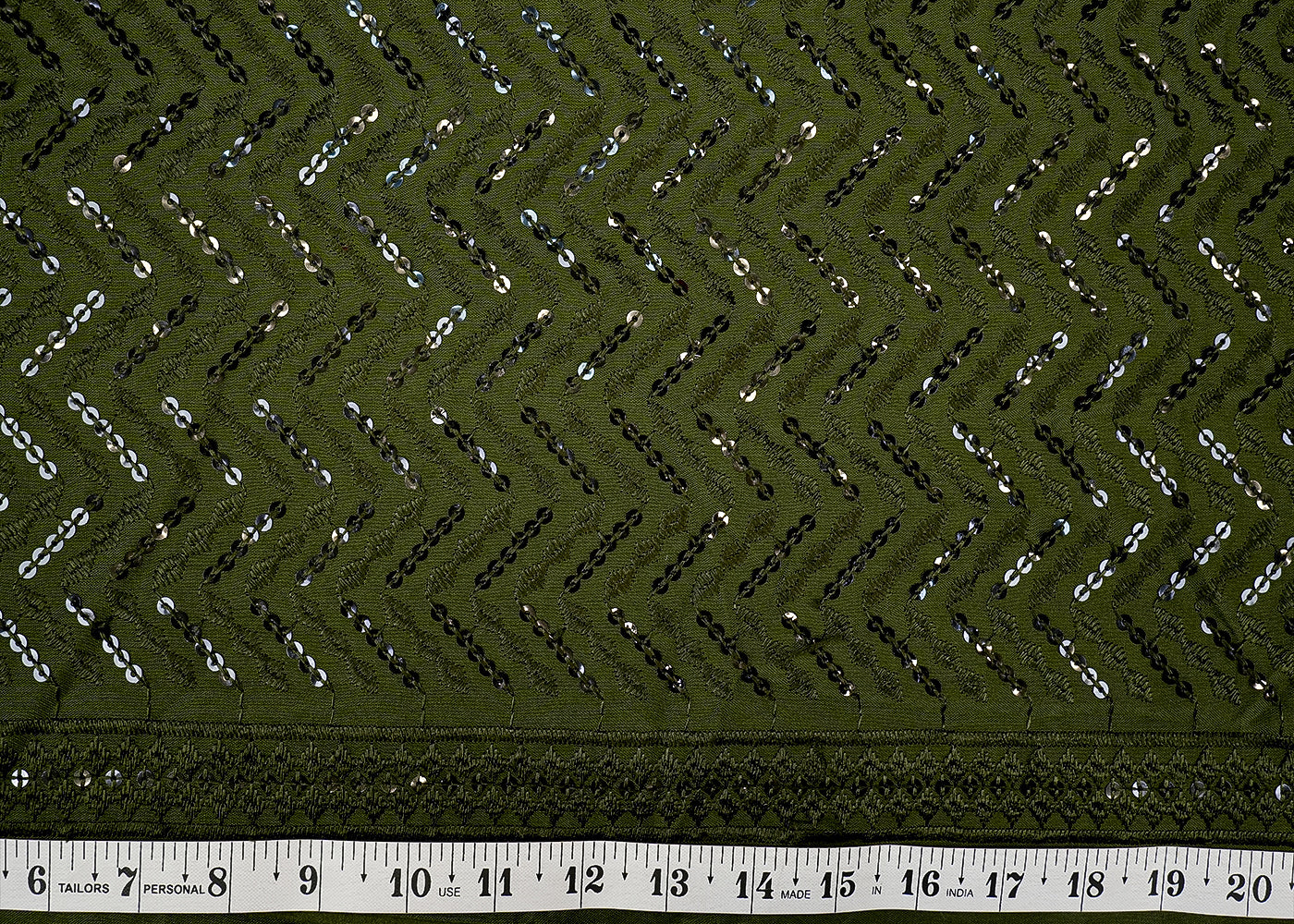
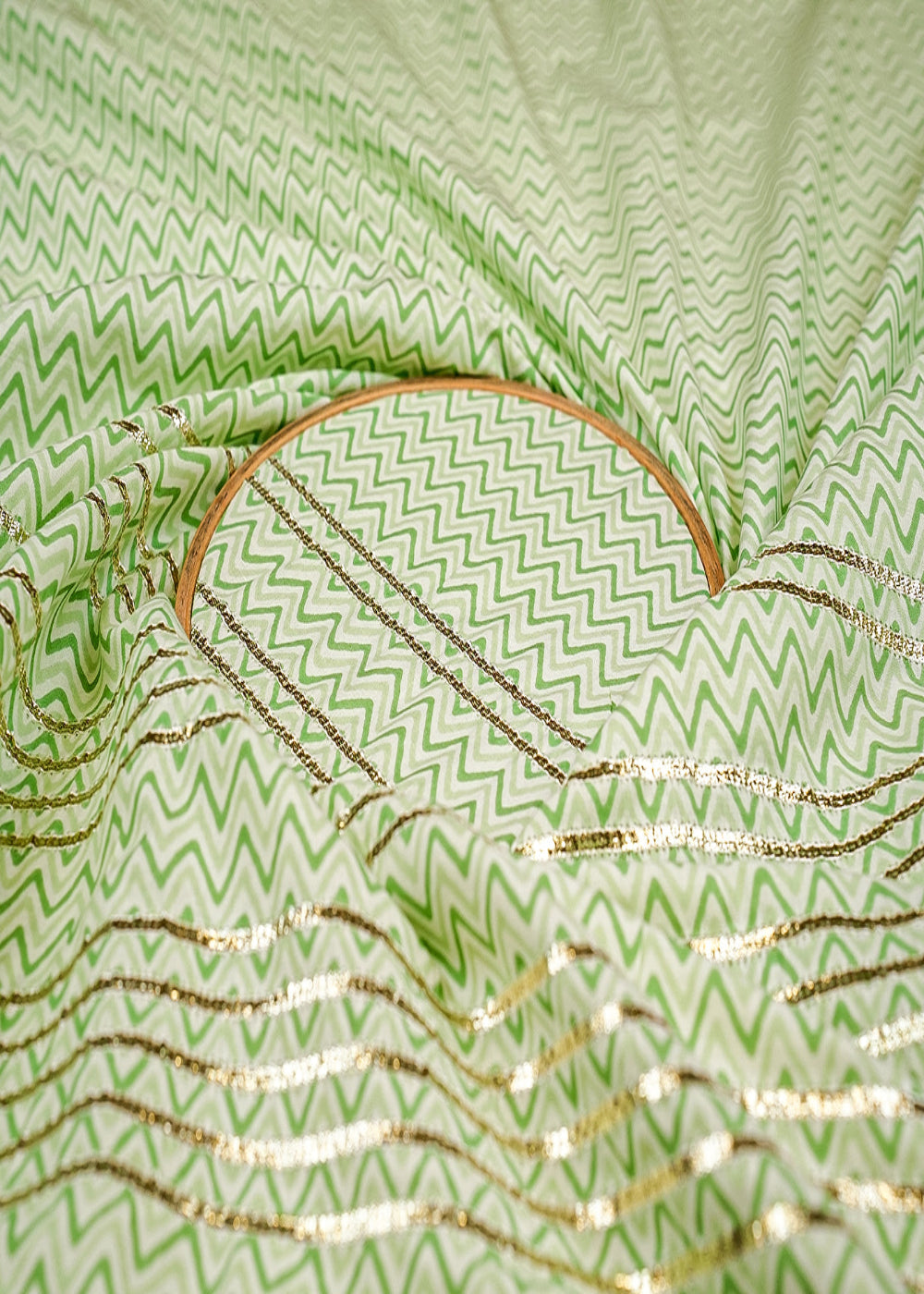
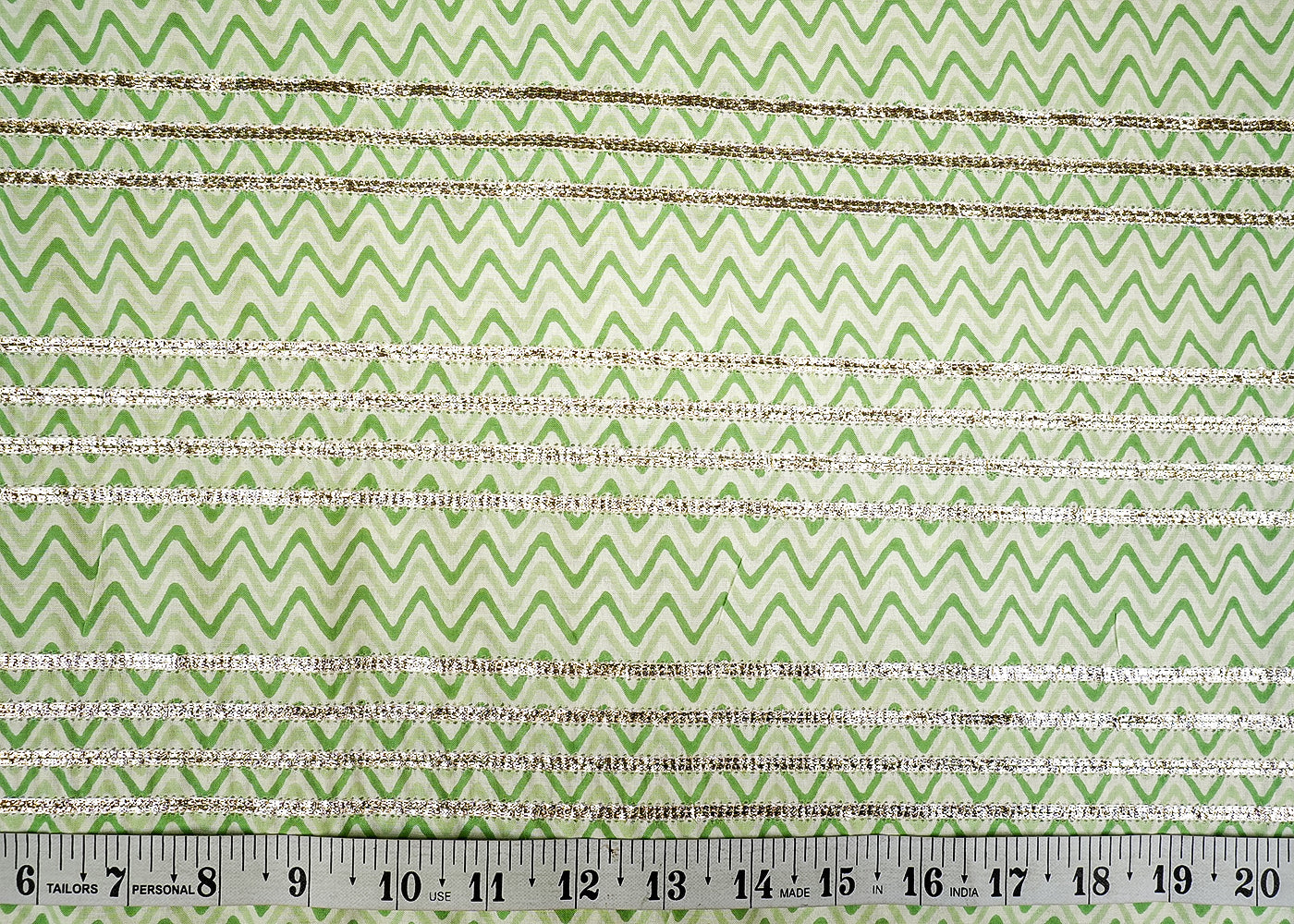
The second point is range. Cotton behaves completely differently depending on weave and finish. A cotton voile at 90 GSM drapes like air. Cotton flex at 180 GSM holds a co-ord set structure. Embroidered cotton reads festive while printed cotton reads casual. Same fibre, four different garments.
Types of Cotton Fabric
| Cotton Type | Best For | Approx Rate |
| Plain cotton | Daily kurtis, suits, shirts | Rs 120 to 220 per metre |
| Printed cotton | Dresses, casual wear, summer ranges | Rs 150 to 300 per metre |
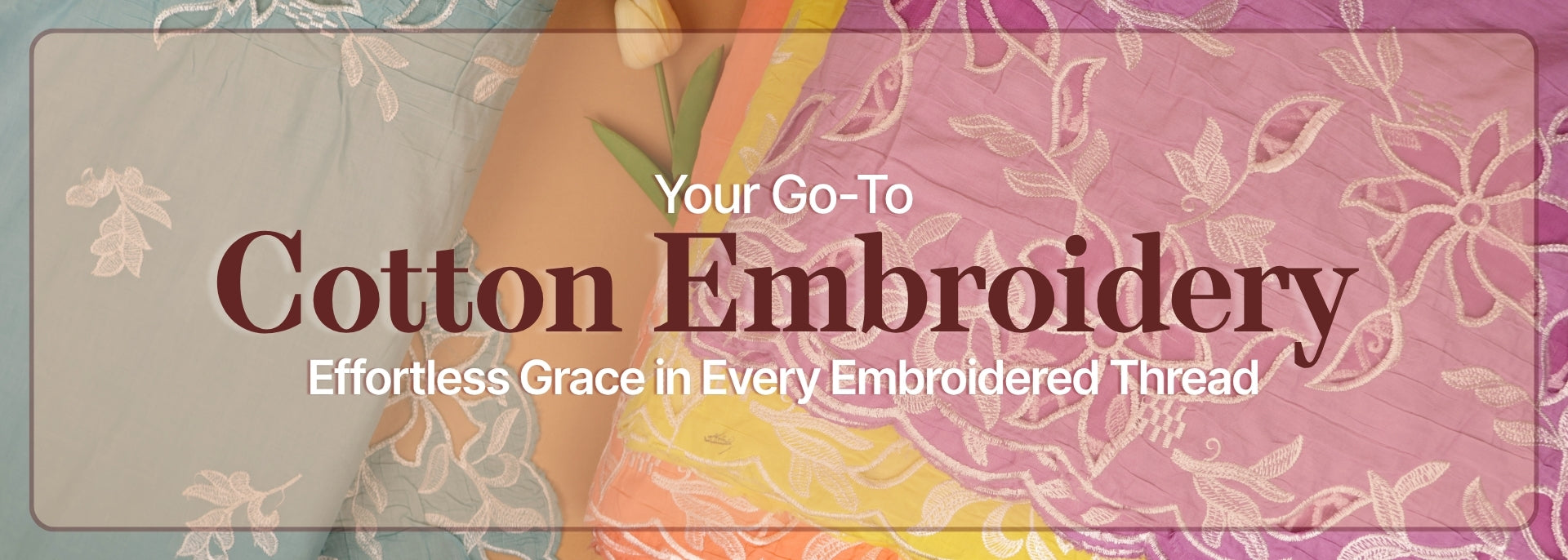
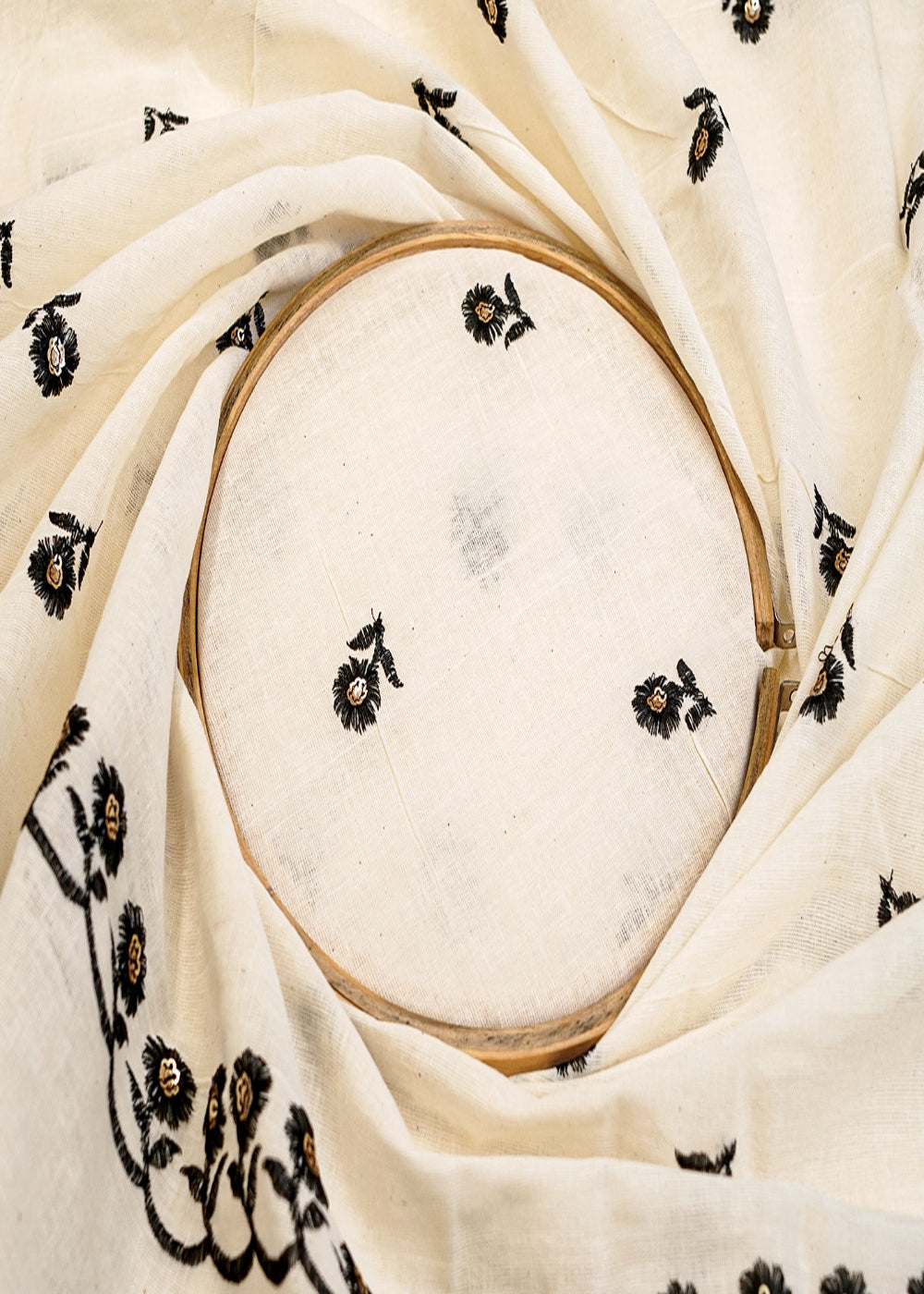
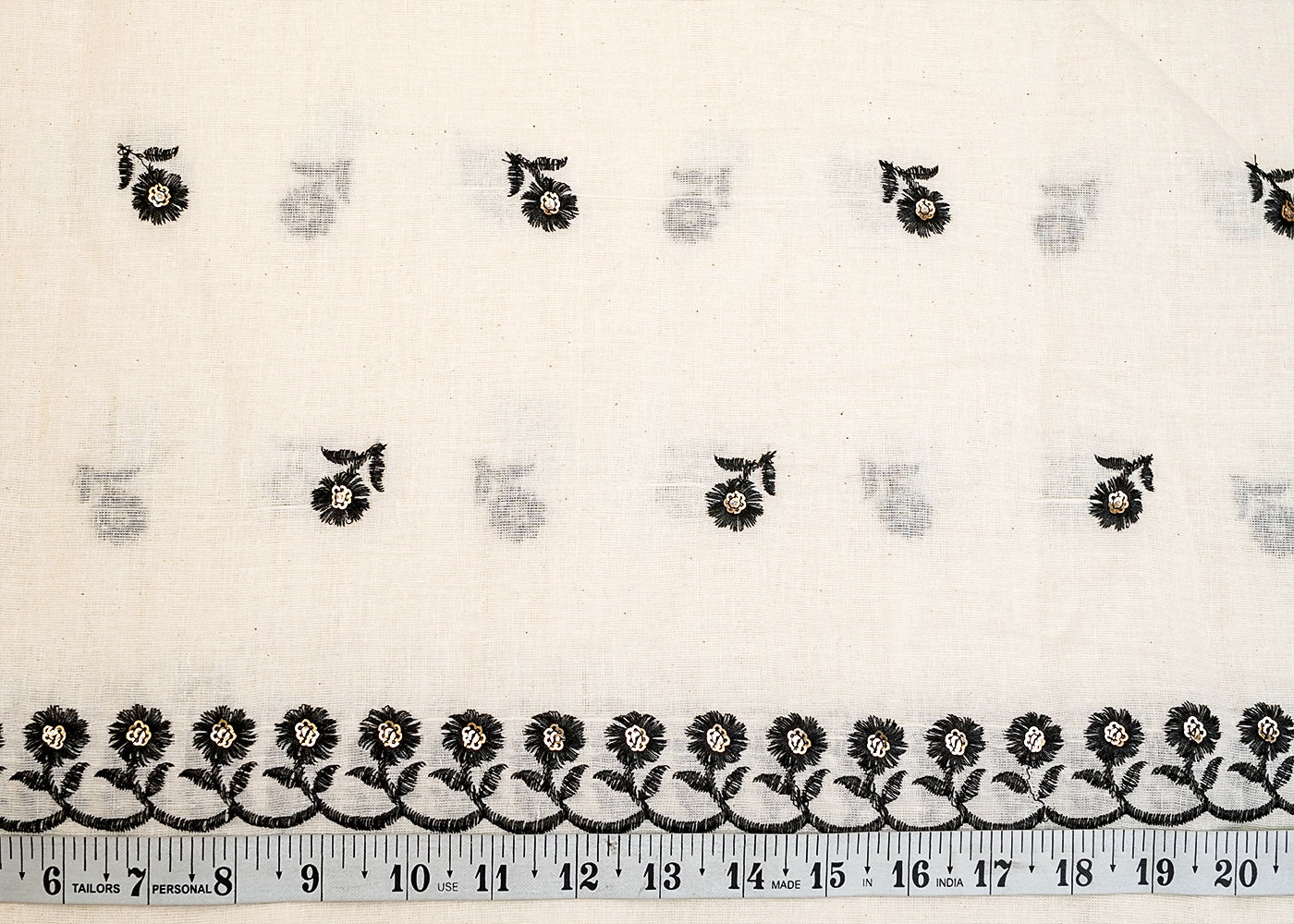
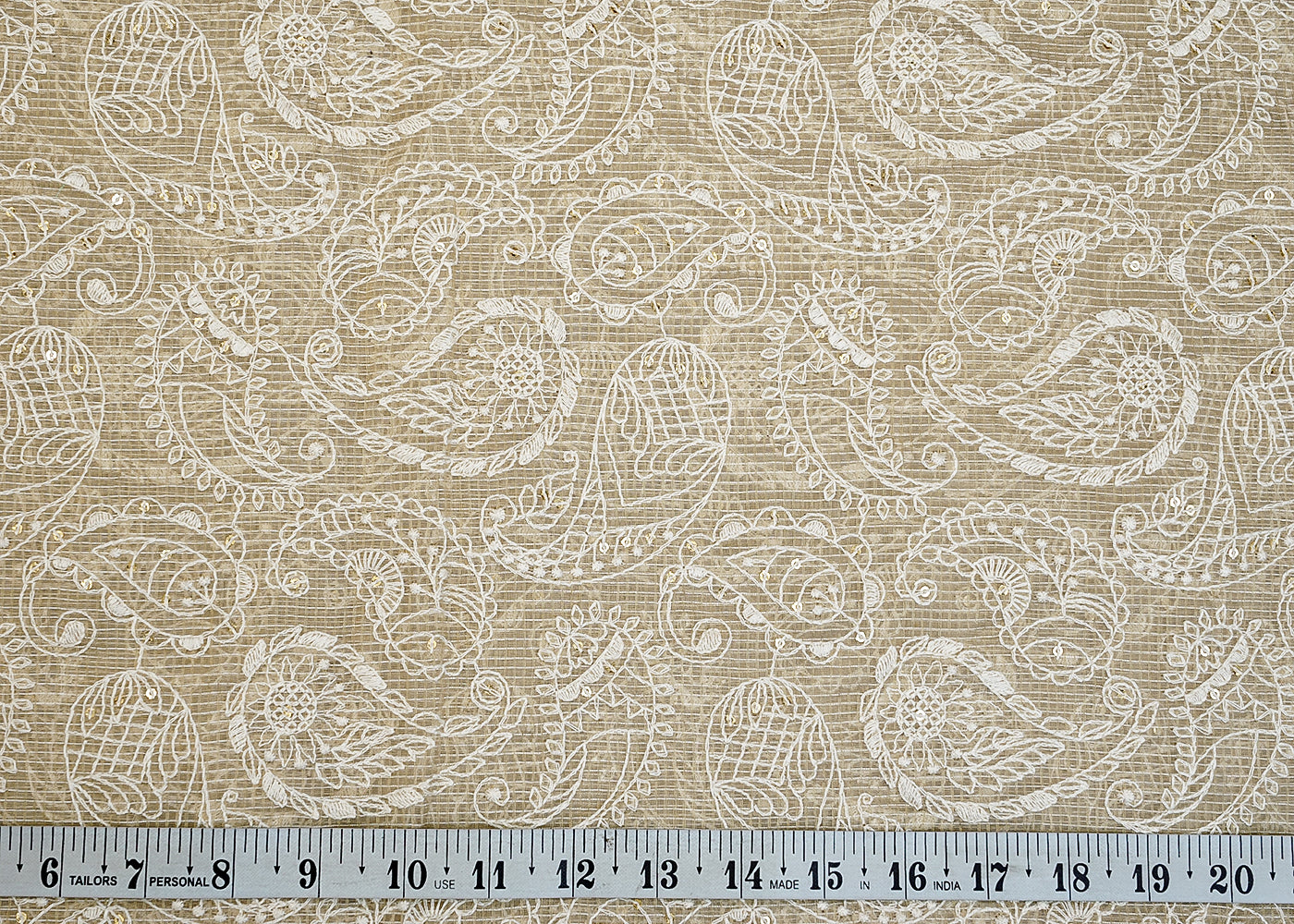
| Embroidered cotton | Ethnic sets, festive wear | Rs 350 to 750 per metre |
| Cotton flex | Co-ord sets, contemporary ethnic | Rs 180 to 320 per metre |
| Textured cotton | Boutique and designer collections | Rs 250 to 550 per metre |
Rates move with cotton yarn prices and print complexity. Bulk thaan purchase brings the per-metre cost down noticeably on plain and printed grades.
Cotton GSM Guide
GSM decides whether a garment stays comfortable after four hours of wear. Most buyers pick on colour and print. The weight is what actually determines the outcome after stitching.
| GSM Range | Feel | Best For |
| 80 to 120 GSM | Light, airy, semi-sheer | Summer dresses, dupattas |
| 120 to 160 GSM | Soft with light body | Kurtis, shirts, daily wear |
| 160 to 220 GSM | Balanced structure | Co-ord sets, palazzo |
| 220 to 280 GSM | Firm, durable | Jackets, structured garments |
| 280 GSM upward | Heavy, substantial | Statement outerwear |
Why Cotton Suits Indian Weather
Most of the country runs warm for eight to nine months. In that climate the fabric choice decides comfort more than the cut does. Cotton moves air through the weave and pulls sweat off the skin instead of holding it.
Delhi summers push this hard. A polyester kurti at 42 degrees becomes unwearable by noon. The same cut in 140 GSM cotton stays fine. That difference is why cotton stock turns over faster than any other category between March and September.
Popular Uses
- Kurtis, salwar suits, tunics
- Co-ord sets, palazzo pairs, summer dresses
- Everyday sarees and light ethnic wear
- Loungewear, children's clothing, boutique ranges
For boutique owners cotton carries a second advantage. It sells year round rather than in a wedding season spike, which keeps cash moving between festive cycles. Pair a plain base with a printed cotton dupatta and the set price doubles without doubling the input cost.
Cotton Trends in 2026
Two shifts are visible on the counter. Textured weaves are pulling ahead of flat plain cotton, because buyers want something that reads designer without carrying embroidery cost. Slub, dobby, self-stripe grades are moving fastest.
The second is minimal print. Large loud florals have slowed. Small repeat motifs and near-solid tonal prints are what boutiques are reordering, since they work across sizes and age groups without the print scale looking wrong.
What Separates Good Cotton From Ordinary Stock
- Consistent weave with no thick-thin variation across the thaan
- Colour that holds through three or four washes without bleeding
- Enough body to take a seam cleanly without puckering
- Shrinkage under five percent after the first wash
Pre-shrunk stock costs slightly more per metre. It saves the tailoring rework, so the maths favours it on any run above ten pieces.
Frequently Asked Questions
How much cotton fabric is needed for a kurti?
A standard knee-length kurti takes 2.5 metres at 44 inch width. Longer straight cuts or A-line with flare need 3 metres. Add half a metre if sleeves are being cut from the same piece.
Does cotton shrink after washing?
Untreated cotton shrinks three to seven percent on the first wash. Pre-shrunk or sanforised stock stays under two percent. For stitched garments always confirm the treatment before cutting.
Which GSM works best for daily kurtis?
The 120 to 160 GSM band. Light enough for heat, with sufficient body that the fabric does not cling or show through in daylight.
Is cotton suitable for festive wear?
Embroidered and textured cotton grades work well for daytime functions such as haldi and mehendi. For evening receptions the fabric reads too matte, so silk or organza suits better.
Order Cotton Fabric at Paras Gallery Fabrics
Our cotton range covers plain, printed, embroidered, flex, textured grades across the full GSM spread, cut by the metre for individual buyers or supplied by thaan for production runs. Boutique owners stitching seasonal kurti ranges can check bulk rates on our wholesale page.