Denim
Filters
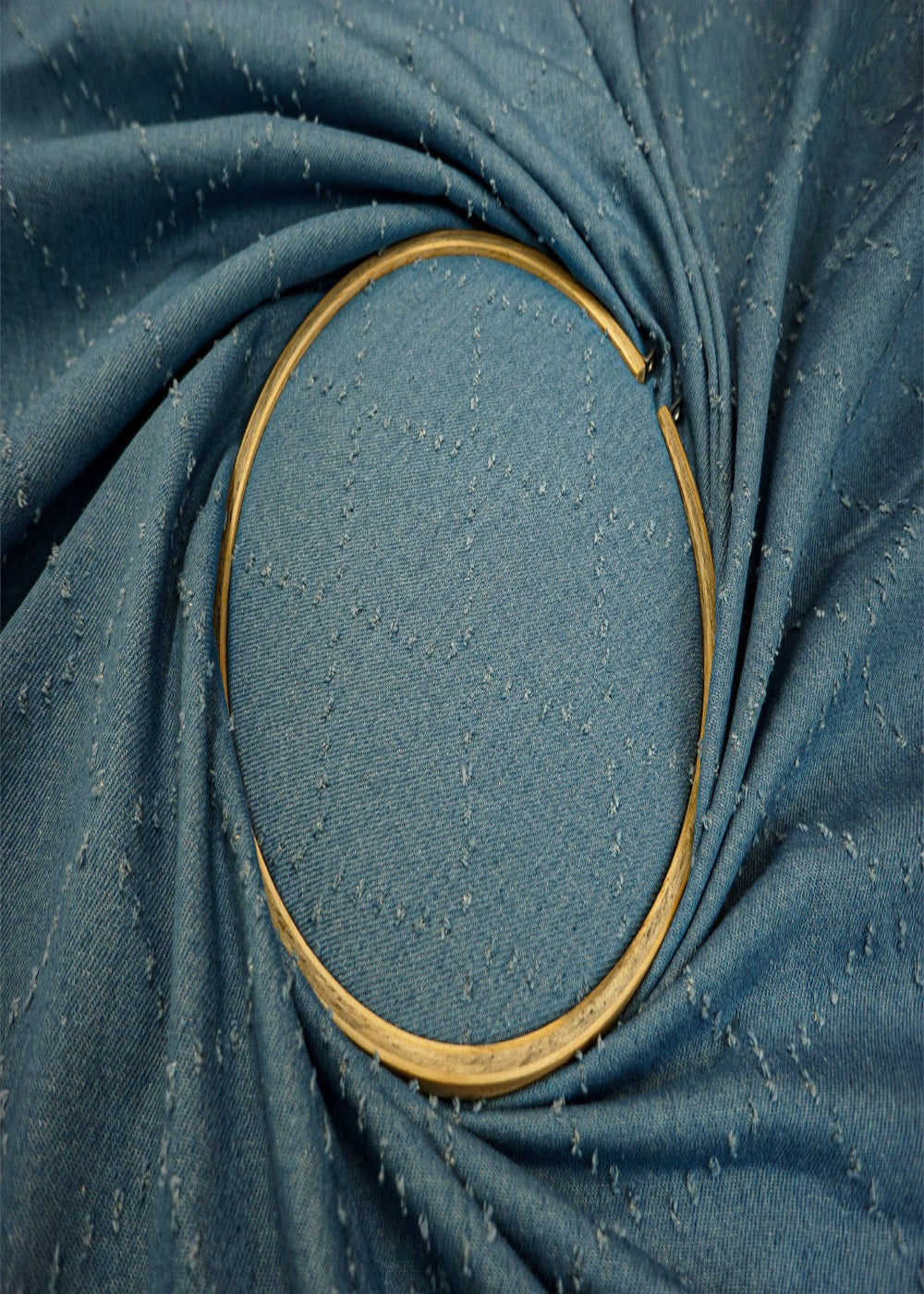
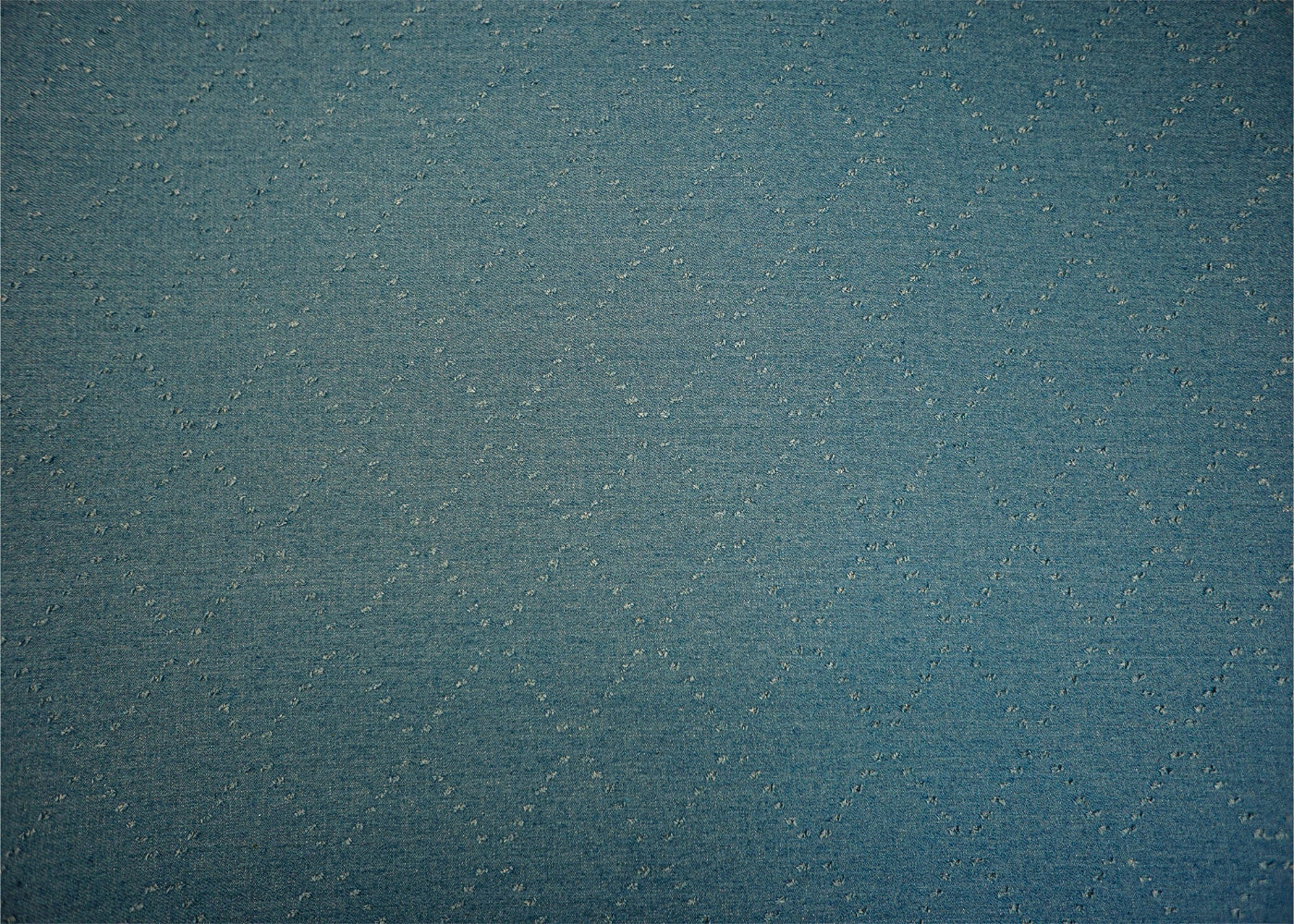

Denim Fabric Guide: Types, GSM, Prices, Uses
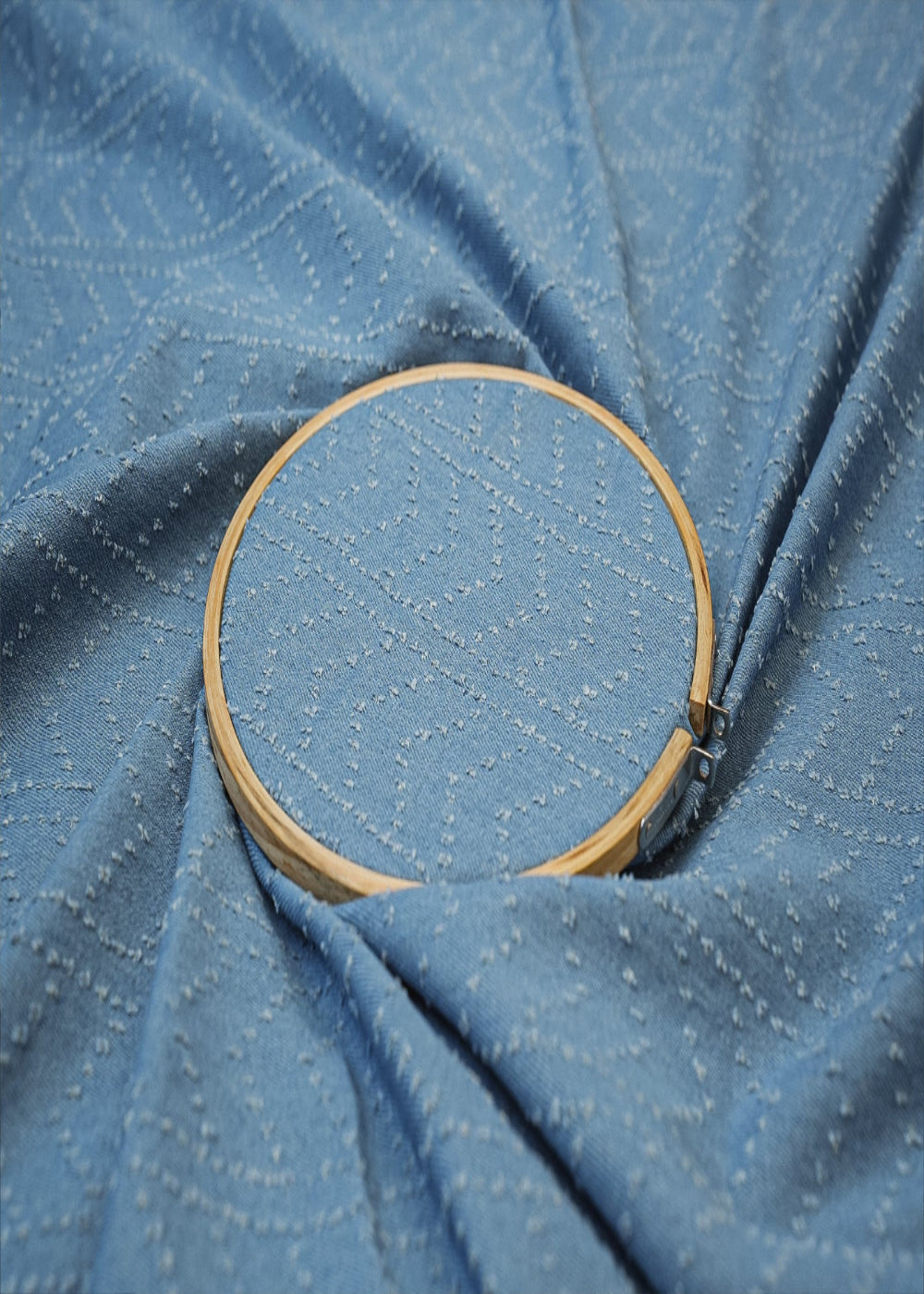
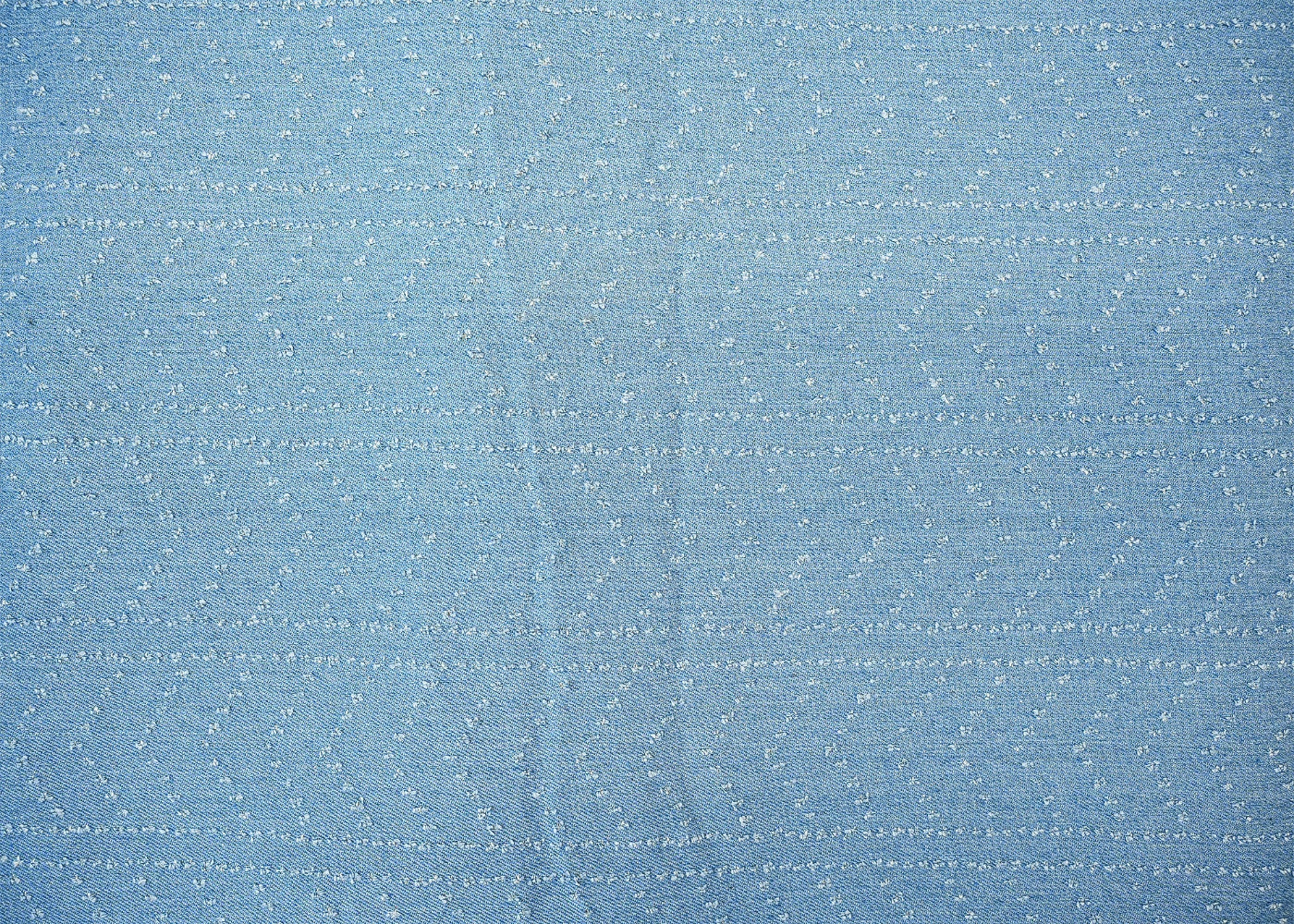
Denim fabric is a warp-faced cotton twill textile with a distinctive diagonal weave pattern created by weft threads running under two or more warp threads. The characteristic blue colour comes from indigo dye applied to the warp threads before weaving. Weft threads stay white or natural cotton. This dye asymmetry creates the classic denim look where the outer fabric surface reads blue while the underside stays lighter. The name traces back to Nimes in France where it was originally produced as serge de Nimes around the 17th century. Levi Strauss commercialized these work trousers in California during the 1870s.
What Makes Denim Different
The twill weave structure carries the whole story. Warp threads (running lengthwise) go through indigo dye vats before weaving. Weft threads (running crosswise) stay uncoloured. During weaving, weft threads pass under two or more warp threads then over one, creating the diagonal ribbed surface that distinguishes twill weaves from plain-weave fabrics.
Regular cotton arrives smooth-surfaced with uniform colour across both sides. Denim carries directional texture plus colour asymmetry between the two faces. Peak-wear areas fade faster than low-friction zones because friction removes the surface indigo layer while the underlying white warp gets exposed gradually. This uneven fading develops through wear across finished garments over time.
Hand feel runs medium-heavy, substantial, breathable through the cotton fibre base. Lajpat Nagar wholesale rates run Rs 220 to Rs 620 per metre depending on GSM plus indigo grade.
Types of Denim in Our Collection
| Type | Best Use | Approximate Price Range |
|---|---|---|
| Light Denim (7-9 oz) | Casual kurtis, summer shirts | Rs 220 to 320 per metre |
| Mid-Weight Denim (10-11 oz) | Structured kurtis, indo-western jackets | Rs 280 to 420 per metre |
| Heavy Denim (12-14 oz) | Formal jackets, structured coats | Rs 380 to 520 per metre |
| Stretch Denim | Fitted kurtis, contoured jackets | Rs 340 to 480 per metre |
| Distressed Denim | Fashion-forward kurtis, jackets | Rs 420 to 620 per metre |
Mid-weight variant is the workhorse for indo-western boutique production. Structured enough for jacket construction, comfortable enough for kurti wear across long working-woman days. Also works well as kurti fabric for the Rs 1,500 to 4,500 casual-designer band plus kurta production for men's casual formal segment.
Denim GSM Guide
| GSM Range | Fabric Feel | Best For |
|---|---|---|
| 220 to 300 GSM | Light, drape-forward | Kurtis, summer shirts, light kurtas |
| 300 to 380 GSM | Mid-weight, structured | Indo-western jackets, structured kurtas |
| 380 to 460 GSM | Heavy, opulent | Formal jackets, winter coats, structured outerwear |
Most boutiques default to 300-380 GSM range for the indo-western jacket plus structured kurta segment. Balances denim structural character with wearing comfort across long day-plus-evening styling cycles that urban working-woman customers require.
Popular Uses
Casual designer kurtis dominate the use case list at Rs 1,500 to 4,500 retail band across urban working-woman customer base. Then indo-western jackets for wedding guests attending December-January corporate weddings where formal-casual pieces outperform traditional silk-thread options. Structured kurtas for men's casual formal segment come third at Rs 2,500 to 6,000 retail band. Fashion-forward denim sarees (grown into specific market segment since 2020) round out the popular uses for daytime corporate events.
Denim Trends for 2026
Distressed variants lead the fashion-forward segment currently. Ripped, faded, artificially aged versions dominate Instagram catalogue engagement across urban working-woman plus college-going customer segments. Delhi NCR boutiques across Karol Bagh, Lajpat Nagar plus South Extension reorder distressed variants every two-three weeks through peak season cycles.
Stretch variants represent the second growing pattern. Elastane blend (typically 2-5 percent of yarn content) delivers contoured fit while retaining structural body. Coloured variants (non-indigo) grow as third pattern. Grey, black, olive-green plus oxidised bronze coloured versions outperform traditional blue indigo across the corporate wedding guest segment.
Care and Working Tips for Denim
Pre-wash test piece before bulk cutting. Cotton twill shrinks 3 to 7 percent on first wash depending on cotton grade plus indigo processing. Higher-quality mills pre-shrink during finishing, but low-tier variants shrink more significantly during first customer wash.
Heavy-duty polyester or silk-blend thread for stitching works best on this fabric. Machine tension needs adjustment because the substantial weight puts extra stress on seams. Sharp needle changes matter for construction work since standard sewing needles dull faster on cotton twill.
Ironing works at medium heat on cotton setting. Ironing on inner (lighter) face preserves the outer indigo character across many wears. Storage hangs rather than folds because folded storage creates permanent crease lines over long inventory holds.
What is Denim? (Quick Definition)
A warp-faced cotton twill textile with distinctive diagonal weave pattern where indigo-dyed warp threads combine with undyed weft threads to create the characteristic asymmetric colour behaviour that defines this fabric across global fashion markets. Denim gets used across casual designer kurtis, indo-western jackets, structured kurtas, denim sarees, plus fashion-forward casual outfits. Available across 220 to 460 GSM in light, mid-weight, heavy, stretch, plus distressed variants.
Why Designers Buy Denim Online
Fusion-wear plus casual-designer segment across Delhi NCR boutique market needs fabric that bridges ethnic wear plus western wear customer segments simultaneously. Denim delivers exactly that positioning at the Rs 1,500 to 4,500 casual kurti retail band plus Rs 2,500 to 8,000 indo-western jacket band. Wholesale rates run Rs 220 to Rs 620 per metre.
Frequently Asked Questions
Where does denim fabric come from originally?
Denim traces back to Nimes in France during the 17th century, produced as serge de Nimes (source of the word denim). Levi Strauss commercialized these work trousers in California during the 1870s. Indian production at scale started during the 1980s with major mills across Gujarat, Maharashtra plus Tamil Nadu.
Why does denim fade unevenly?
The twill weave carries indigo-dyed warp threads plus undyed weft threads. Peak-wear areas (knees, elbows, waistband edges, seam corners) experience friction which removes surface indigo dye faster than low-friction zones. The underlying white weft threads become exposed gradually through wear.
Is denim fabric available in bulk?
Yes. Bulk pricing kicks in at 30 metres per SKU per shade for standard variants. Wholesale tiers begin at Rs 175 per metre for light denim on 80-metre-plus orders. Casual-designer boutique lots above 200 metres unlock production pricing tier.
How much denim does a kurti need?
Standard straight-cut kurti needs 2.5 metres. Anarkali kurtis with kali flare need 4 to 4.5 metres. Coordinated kurti-plus-jacket sets need 5.5 metres total. Indo-western jackets alone need 3 to 4 metres depending on structure plus lining allowance.
Why Boutique Owners Choose Denim from Paras Gallery
Fifteen metres minimum buys sample-rate per shade. Thirty metres unlocks wholesale tier per SKU. Two hundred metres opens boutique production pricing for casual-designer plus indo-western wear cycles across peak seasons. Place order through our wholesale catalogue.