
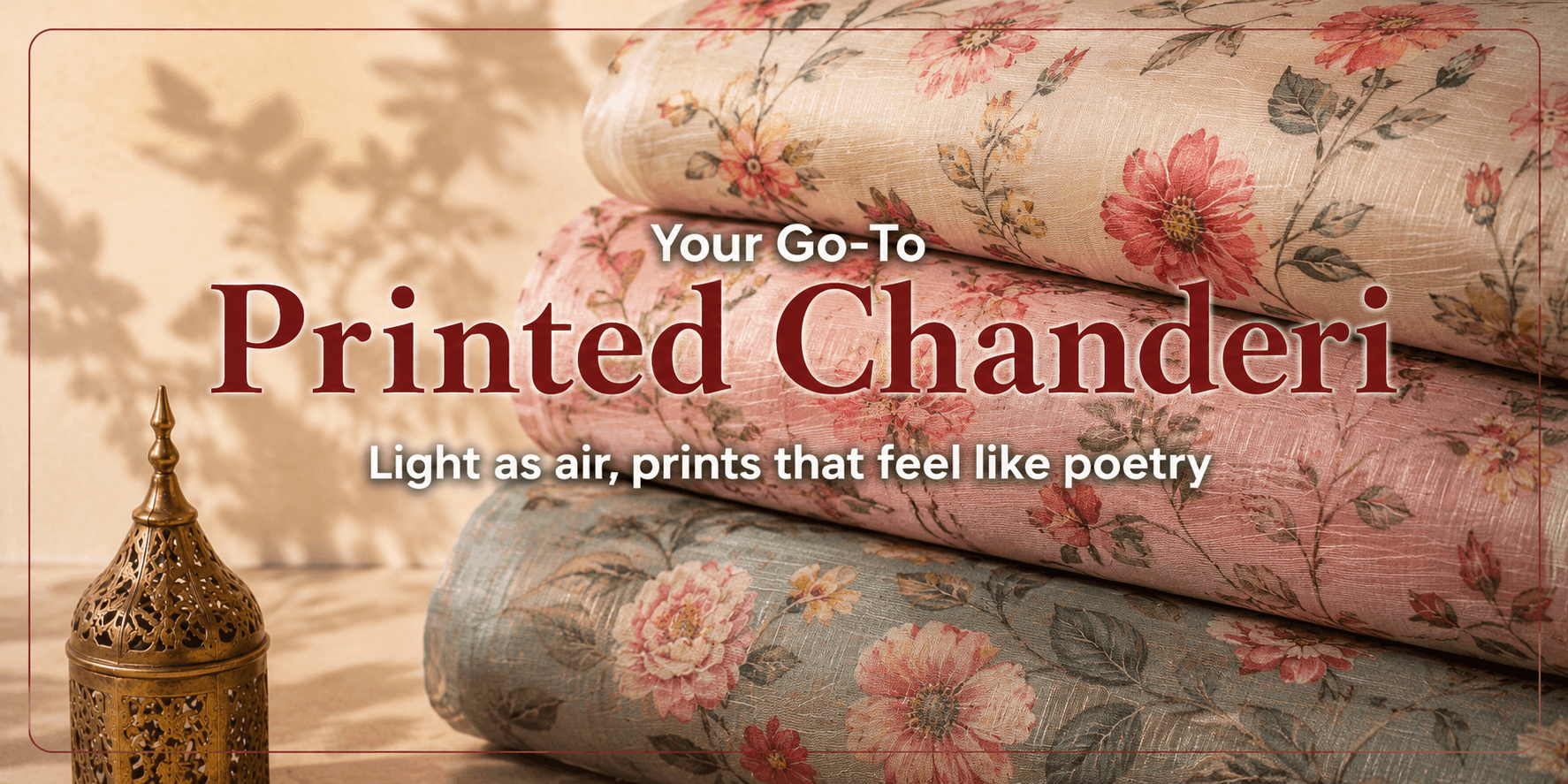
Printed Chanderi
Filters

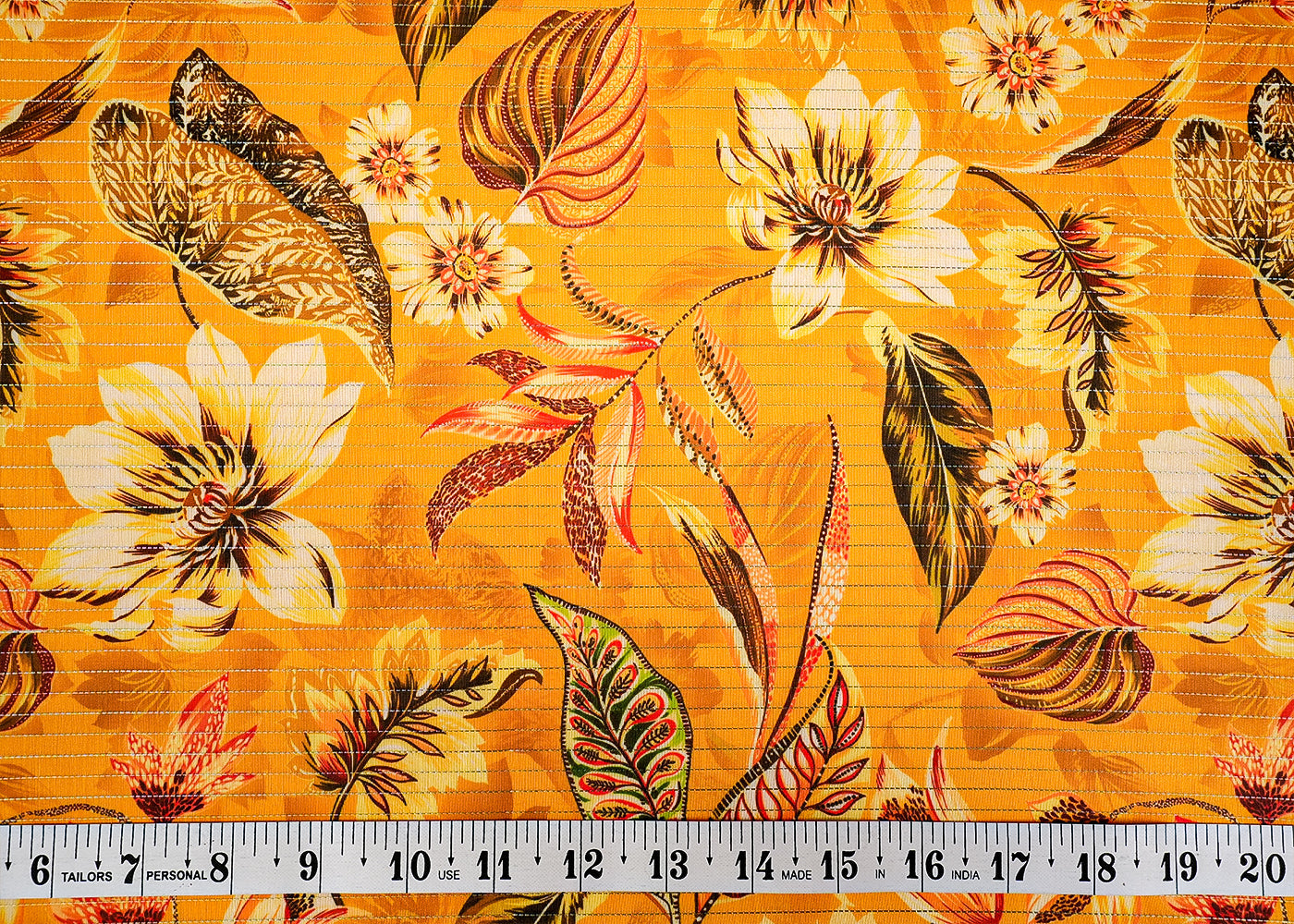

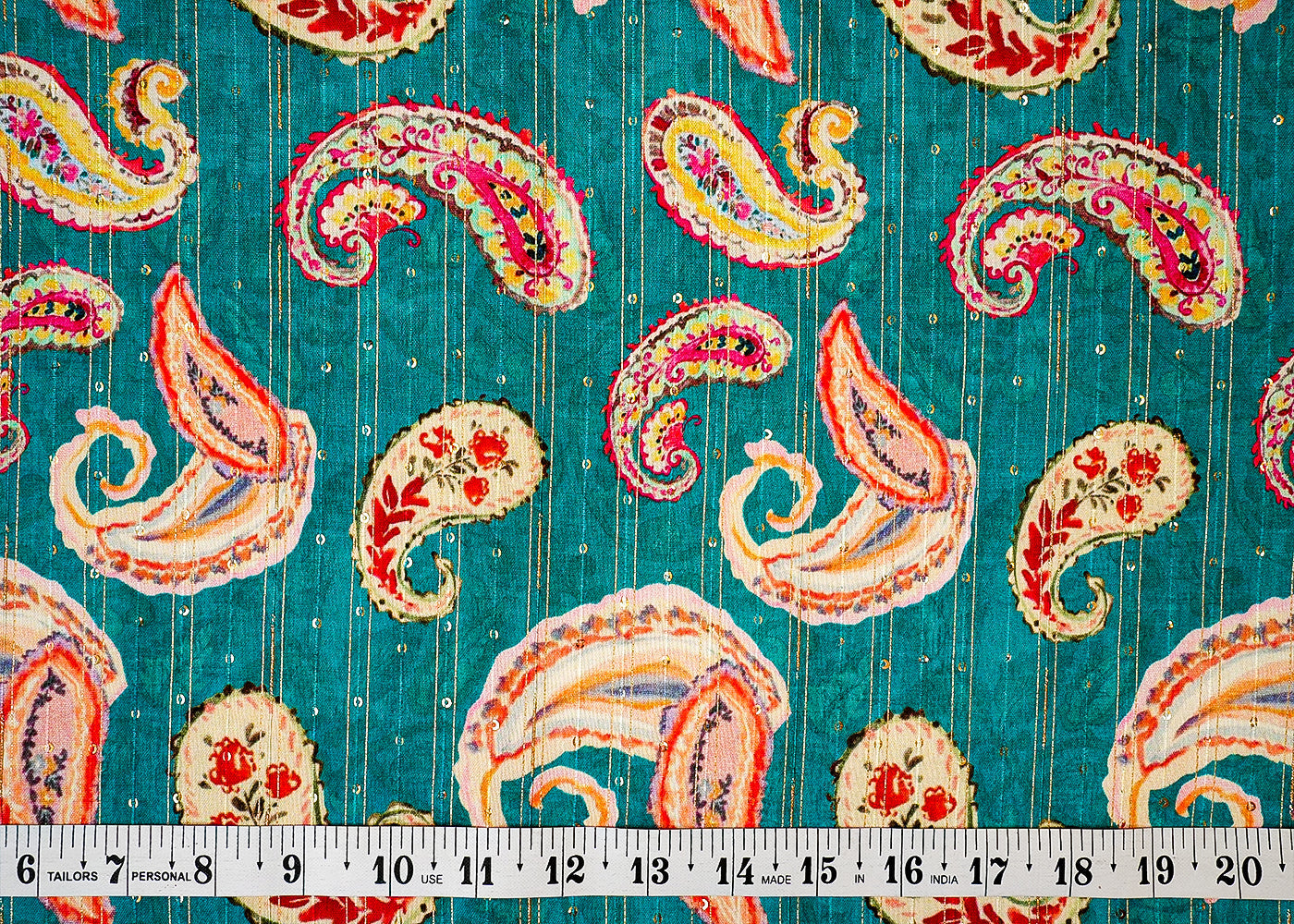
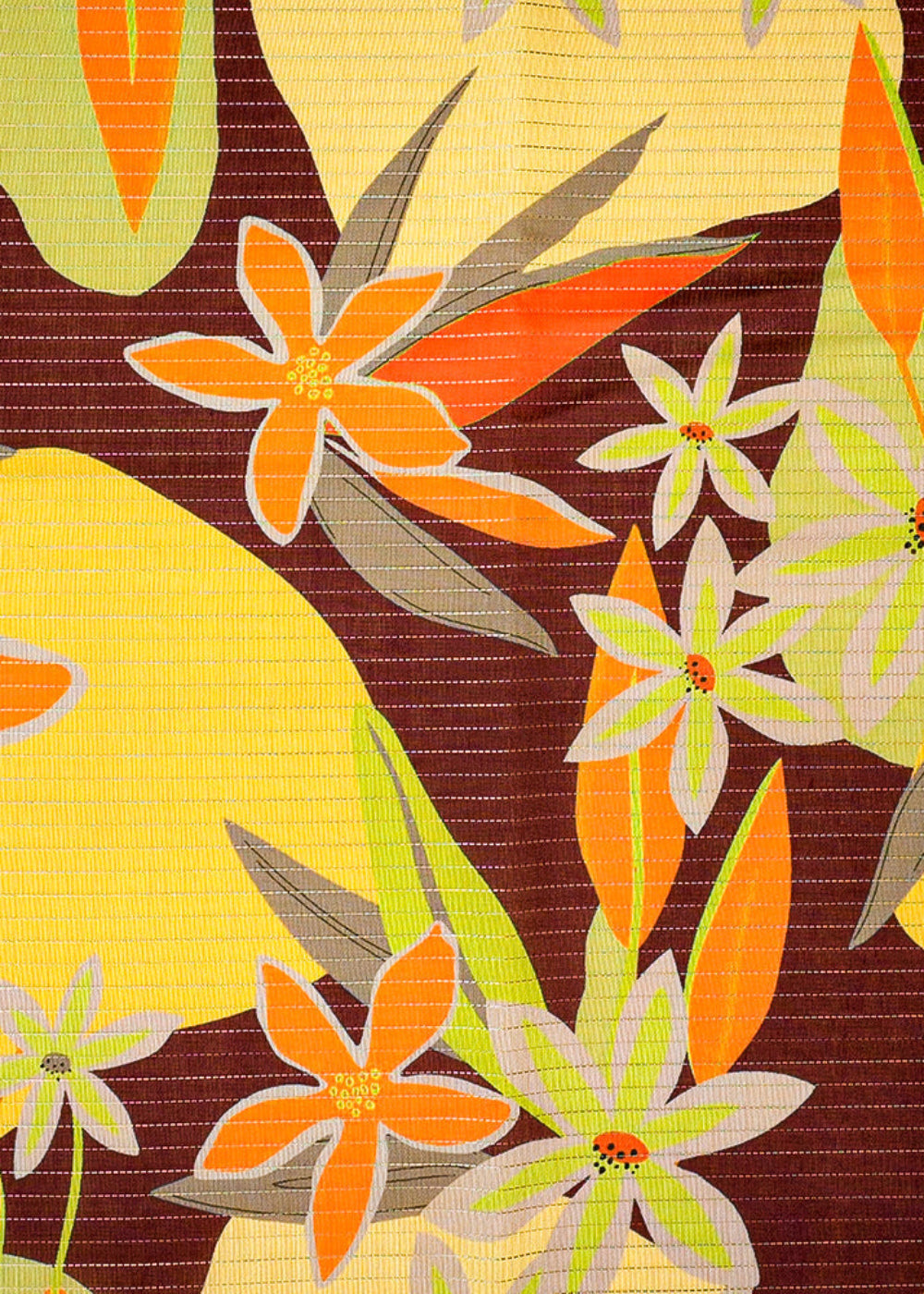


Printed Chanderi Explained: From Loom to Boutique
Printed chanderi fabric is a silk-cotton blend textile from the Chanderi weaving tradition of Madhya Pradesh, with pattern designs applied through block-print, digital-print, or screen-print techniques after weaving. The chanderi base carries signature silk-cotton character (subtle silk sheen, cotton breathability, lightweight body) while applied print work adds visible pattern character across the fabric surface. Delhi NCR designer boutique market absorbed the variant across the boutique saree plus designer-tier kurti segment at Rs 4,500 to 15,000 retail band.
What Makes Printed Chanderi Different
The traditional silk-cotton weave carries the base character. Chanderi weavers use pure silk in the warp direction plus fine cotton in the weft, producing fabric with silk visibility across the surface plus cotton breathability underneath. This variant adds print work on that base. Result is fabric combining signature Chanderi hand feel with contemporary pattern interest, distinct from plain-dyed chanderi across the designer boutique segment.
Base variants vary across the family. Standard printed chanderi handles designer boutique production at accessible pricing. Fine-weave printed chanderi delivers softer hand feel at middle tiers. Silk-heavy printed chanderi targets upper-tier boutiques serving Rs 10,000-plus retail band. Boutique buyers select by target retail band plus customer segment requirements.
Print production on chanderi handles well across techniques. Block print produces artisanal character across the silk-cotton surface especially through Bagh plus Bagru regional traditions. Digital print delivers photo-quality patterns without minimum quantity constraints. Screen print handles volume production at commercial speed. Each technique produces distinct visual results plus different price tier positioning.
The variant hand feel runs light-medium. Silk-cool against skin. Subtle sheen across the surface. Drape-forward character. Suitable for saree production plus kurti construction across the boutique wholesale segment. Lajpat Nagar wholesale rates for printed chanderi run Rs 420 to Rs 820 per metre depending on silk-cotton ratio plus print technique.
Types of Printed Chanderi in Our Collection
| Type | Best Use | Approximate Price Range |
|---|---|---|
| Digital-Print Standard Chanderi | Designer sarees, boutique kurtis | Rs 420 to 520 per metre |
| Block-Print Standard Chanderi | Artisanal sarees, festive kurtis | Rs 480 to 580 per metre |
| Digital-Print Fine-Weave Chanderi | Designer sarees, engagement outfits | Rs 560 to 660 per metre |
| Block-Print Silk-Heavy Chanderi | Wedding sarees, statement pieces | Rs 640 to 780 per metre |
| Zari-Print Silk-Heavy Chanderi | Reception sarees, festive statement | Rs 720 to 820 per metre |
Digital-print standard chanderi sits as the volume seller across mid-tier boutique production. Block-print variants target the artisanal-conscious customer base. Silk-heavy variants anchor upper-tier boutiques serving engagement plus wedding function segments.
Printed Chanderi GSM Guide
| GSM Range | Fabric Feel | Best For |
|---|---|---|
| 60 to 90 GSM | Ultra-light, drape-forward | Dupattas, layered blouses |
| 90 to 120 GSM | Light, structured | Sarees, kurtis, standard construction |
| 120 to 150 GSM | Medium-light, opulent | Statement sarees, wedding blouses |
Boutique buyers default to 90-120 GSM for saree plus kurti production. Balances chanderi character with fabric integrity across long function cycles. Above 120 GSM handles statement pieces where structural weight matters.
Popular Uses
Designer boutique sarees dominate uses at Rs 4,500 to 8,500 retail band for urban working-woman segments. Festive sarees for the corporate customer base picking chanderi over synthetic alternatives come second. Wedding blouses customized to specific bridal palette themes rank third. Statement kurtis with block-print work round out popular uses across boutique units serving the Rs 6,500-plus function segment.
Printed Chanderi Trends for 2026
Bagh block-print revival leads the artisanal-conscious segment currently. Buyers picking heritage textile production drive steady reorders at higher price tiers. Delhi NCR designer boutiques reorder Bagh-chanderi every three-four weeks through peak function season. Digital-print floral variants represent the second growing pattern across working-woman customer bases.
Care and Working Tips for Printed Chanderi
Pre-wash test piece before bulk cutting. Chanderi shrinks 3 to 6 percent on first wash. Silk-heavy variants shrink more significantly. Cold-water hand-washing recommended across all grades.
Silk-blend thread handles chanderi structure best. Fine sewing needle preferred because standard needles cause visible puckering across the lightweight fabric. Machine tension needs adjustment for the silk-cotton blend behaviour.
Ironing works at low heat on silk setting with press cloth. Direct heat may affect print character. Storage folds in muslin cloth rather than polythene which damages both fibre plus print integrity.
What is Printed Chanderi? (Quick Definition)
A silk-cotton blend textile from the Chanderi weaving tradition of Madhya Pradesh with pattern designs applied through block-print, digital-print, or screen-print techniques after weaving, delivering fabric combining silk-cotton character with contemporary pattern interest. The printed chanderi fabric family gets used across designer boutique sarees, festive kurtis, wedding blouses, plus statement pieces at retail bands from Rs 4,500 to Rs 15,000. Available across 60 to 150 GSM at wholesale rates Rs 420 to Rs 820 per metre.
Why Designers Buy Printed Chanderi Online
Designer boutique saree plus designer-tier kurti segment across Delhi NCR market needs chanderi-base printed fabric combining heritage silk-cotton character with contemporary print work. This variant delivers exactly that positioning at the Rs 4,500 to 15,000 retail garment band. The wholesale rate for printed chanderi runs Rs 420 to Rs 820 per metre.
Frequently Asked Questions
How does printed chanderi differ from dyeable chanderi?
Printed chanderi arrives with pattern designs already applied through block-print, digital-print, or screen-print techniques, ready for direct boutique cutting plus construction. Dyeable chanderi arrives undyed and unprinted, allowing boutique custom colour application after purchase. Different customer intent drives each fabric choice across the boutique wholesale market.
Which print technique produces the best chanderi results?
Block print produces the most distinctive artisanal character across the silk-cotton surface, especially through Bagh plus Bagru regional traditions. Digital print delivers photo-quality complex patterns. Screen print handles volume production at commercial speed. Each serves different customer segments plus price tiers.
Is printed chanderi available in bulk for boutique operations?
Yes across all variants. Bulk pricing kicks in at 25 metres per SKU. Wholesale tiers begin at Rs 360 per metre for standard variants on 80-metre-plus orders. Peak-season boutique lots above 200 metres unlock production pricing tier across peak wedding season.
How much printed chanderi does a saree need?
Standard saree needs 5.5 to 6 metres including pallu plus 0.8 metre for matching blouse. Kurti construction needs 2.5 metres for straight cut, 4 for anarkali flare. Coordinated saree-plus-kurti sets need 9 metres total.
Why Boutique Owners Choose Printed Chanderi from Paras Gallery
Ten metres minimum buys sample-rate per shade. Twenty-five metres unlocks wholesale tier. Two hundred metres opens peak-season production pricing. Place order through our wholesale catalogue.